Rideau, Cruchon et Compotier
Paul Cézanne · 1893

Whitney Museum
New York · Founded 1930
American art of the last hundred years, with Hopper's Early Sunday Morning and Calder's wire circus, beside the High Line. Thirty dollars, and free every day for anyone twenty-five or under.
- 0.9M
- Visitors a year
- 1930
- Founded
- $30 / under 25 free
- Admission
- Closed Tue
- Daily opening hours
28 works from this collection play free on your TV, phone or tablet. Press play and one starts now.
Watch it nowWhat to see
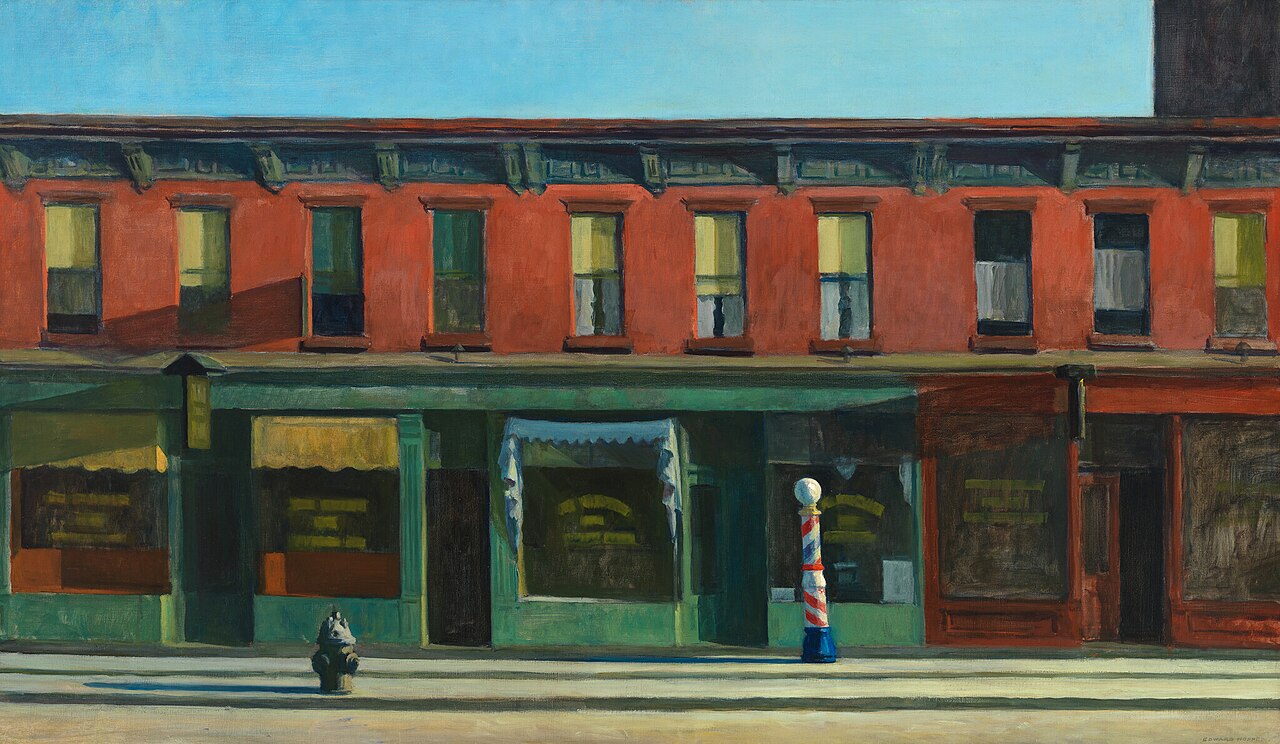
Early Sunday Morning
Edward Hopper, 1930. Early Sunday Morning is a 1930 oil painting by American artist Edward Hopper. == Description == The painting portrays the small businesses and shops of Seventh Avenue in New York City shortly after sunrise.
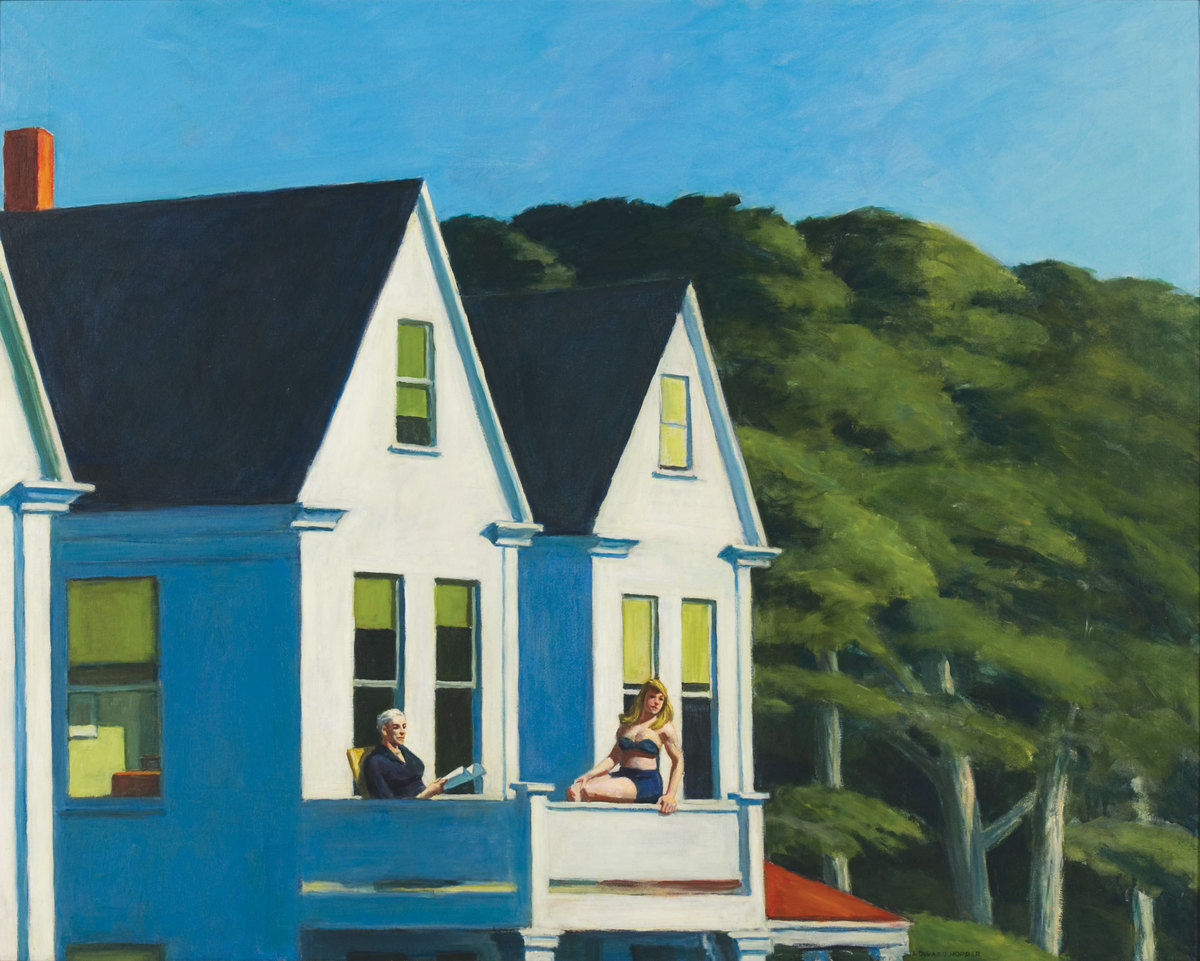
Second Story Sunlight
Edward Hopper, 1960. Second Story Sunlight is a 1960 oil painting by the American artist Edward Hopper. It depicts two women of different ages on the second-story balcony of a white house.
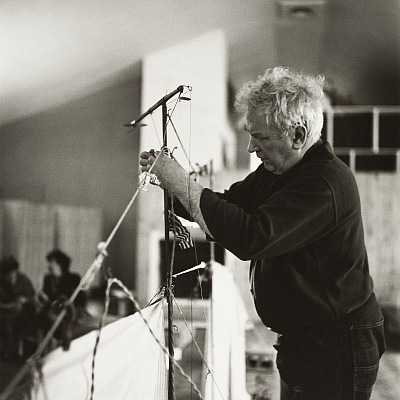
Cirque Calder
Alexander Calder, 1926. Cirque Calder is an artistic rendering and performance of a circus created by the American artist Alexander Calder through the late 1920s. It involves wire models rigged to perform the various functions of the circus performers they represent, from contortionists to sword eaters to lion tamers.
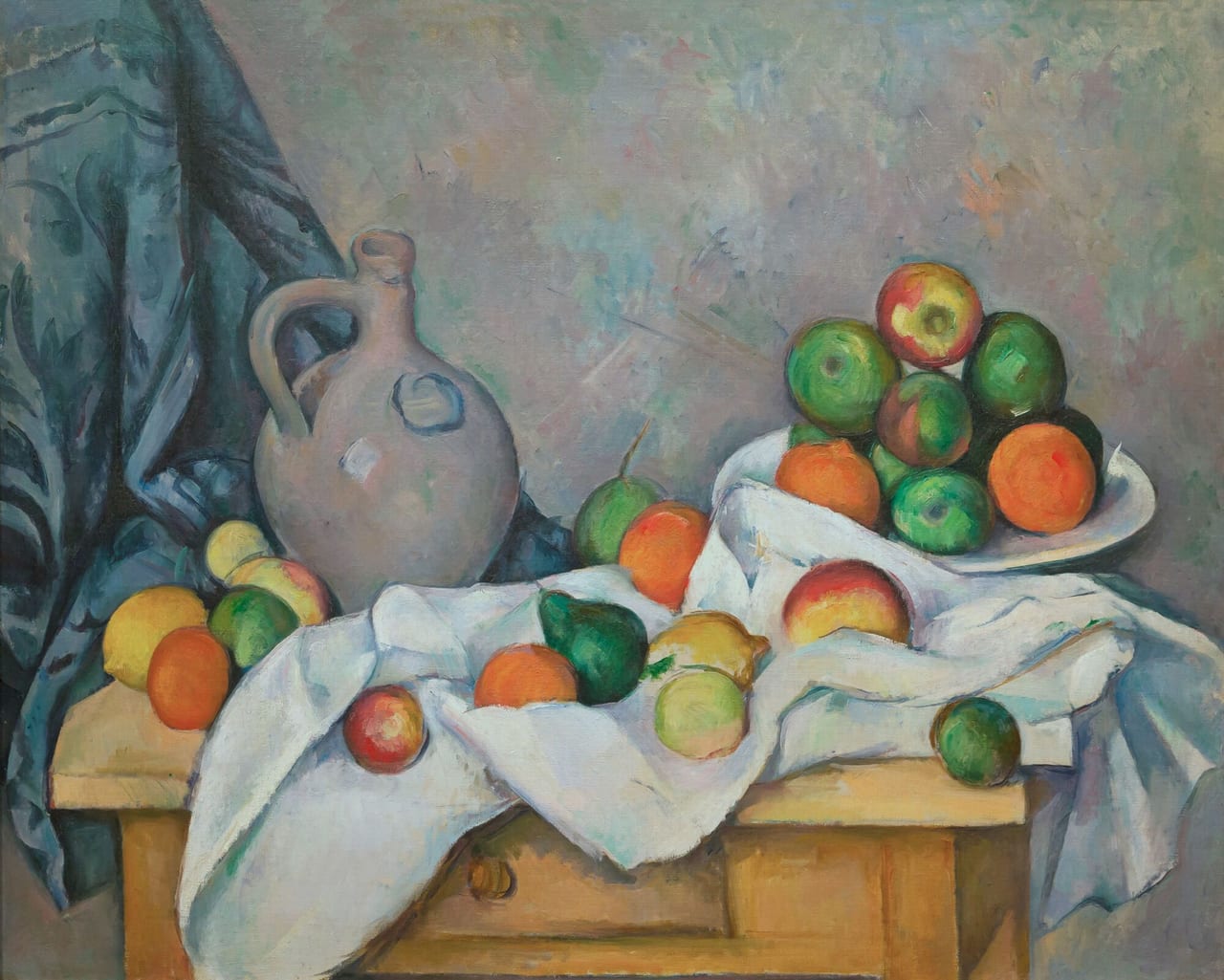
Rideau, Cruchon et Compotier
Paul Cézanne · 1893
Rideau, Cruchon et Compotier (English: Curtain, Pitcher, and a Fruit Bowl or Curtain, Jug and Fruit Bowl) is an oil on canvas painting created c. 1893 to 1894 by French artist Paul Cézanne.
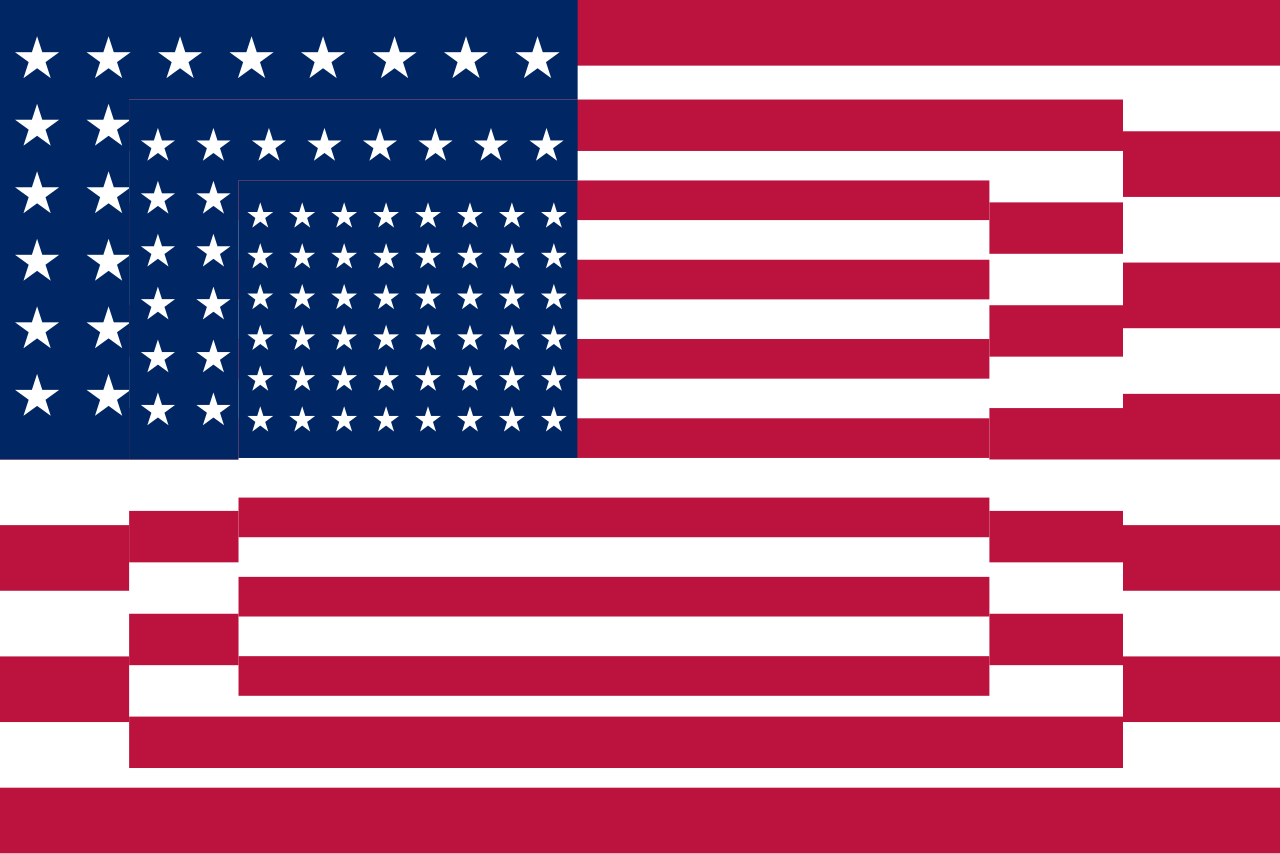
Three Flags
Jasper Johns, 1958. Three Flags is a 1958 painting by American artist Jasper Johns. Held in the permanent collection of the Whitney Museum of American Art in New York since 1980, Three Flags has been described as a "landmark of 20th-century art".
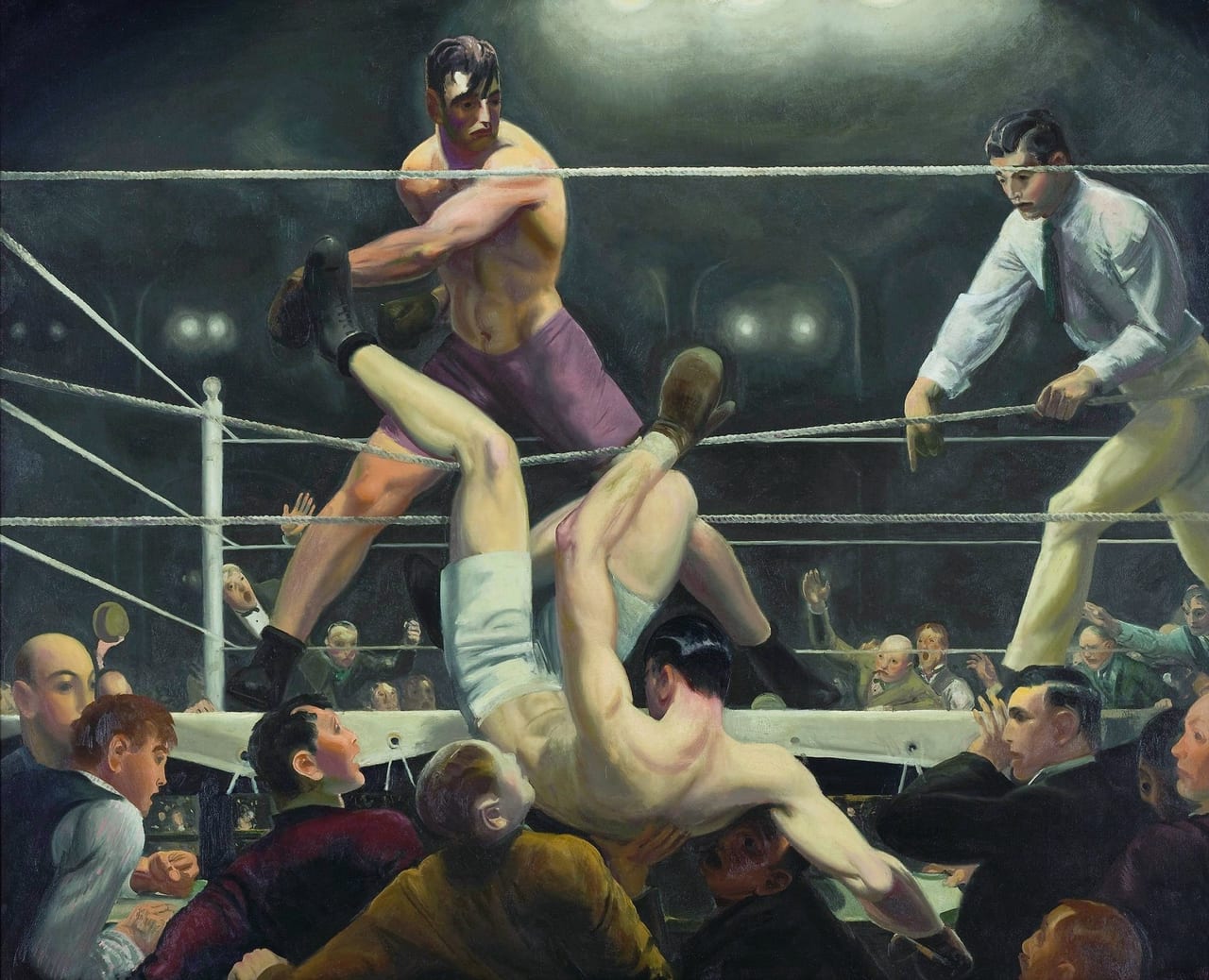
Dempsey and Firpo
George Bellows · 1924
Dempsey and Firpo (sometimes referred to as Dempsey Through The Ropes) is an oil-on-canvas painting executed in 1923 to 1924 by the American artist George Bellows. It depicts the September 14, 1923, boxing match between American Jack Dempsey and Argentine Luis Firpo.
The collections
The museum displays paintings, drawings, prints, sculptures, installation art, video, and photography. The original 600 works in the permanent collection grew to about 1,300 with the opening of the second building in 1954. This number grew to around 2,000 following its move to the Breuer building on Madison Avenue in 1966. It began collecting photography in 1991. Today, spanning the late 19th century to the present, the collection contains more than 25,000 artworks by upwards of 3,500 artists.
Artists
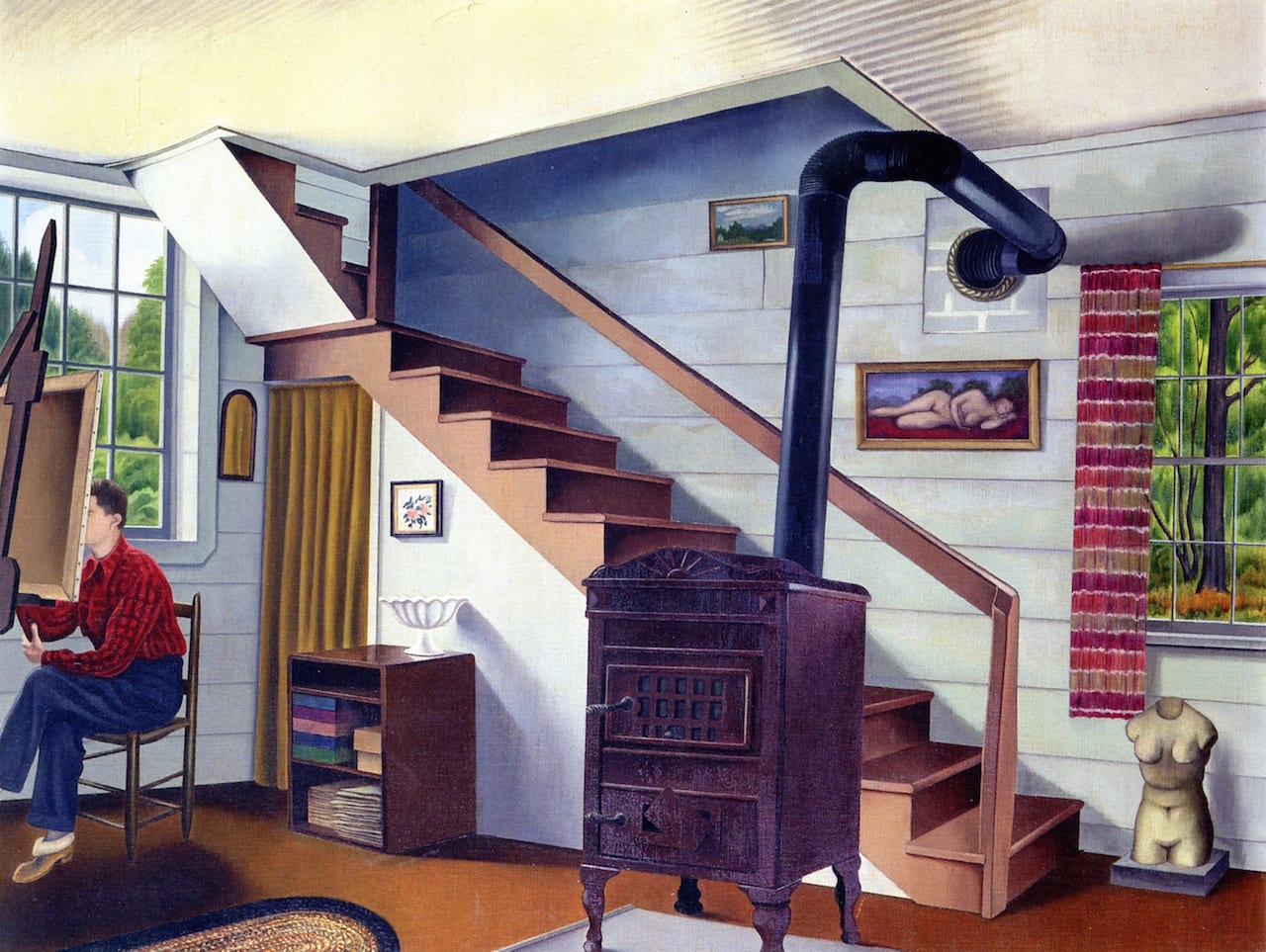
United States · 1891–1948
George Copeland Ault was an American painter. He was loosely grouped with the Precisionist movement and, though influenced by Cubism and Surrealism, his most lasting work is of a realist nature.
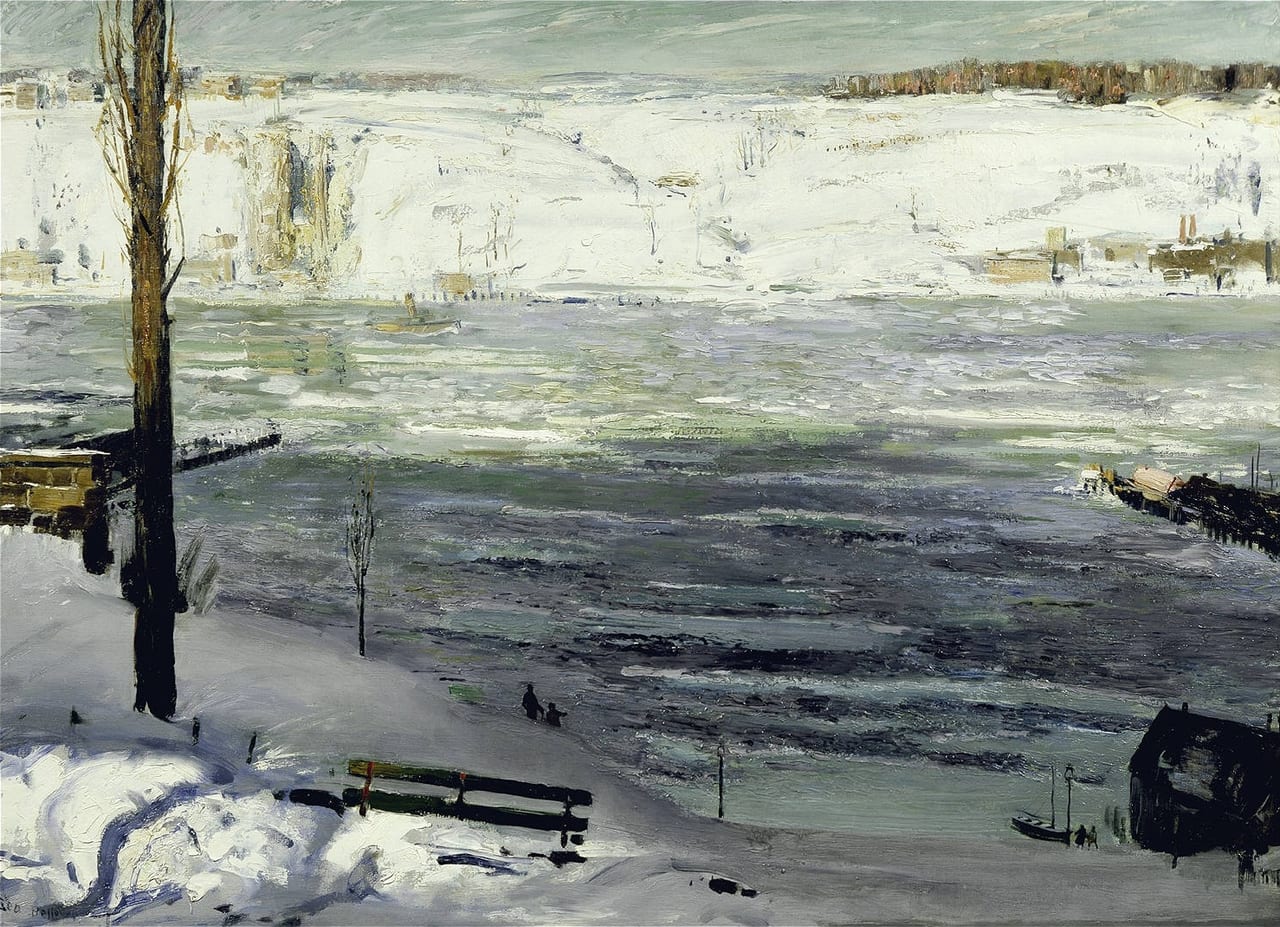
American · 1882–1925 · Ashcan School
George Wesley Bellows was an American realist painter, known for his bold depictions of urban life in New York City.
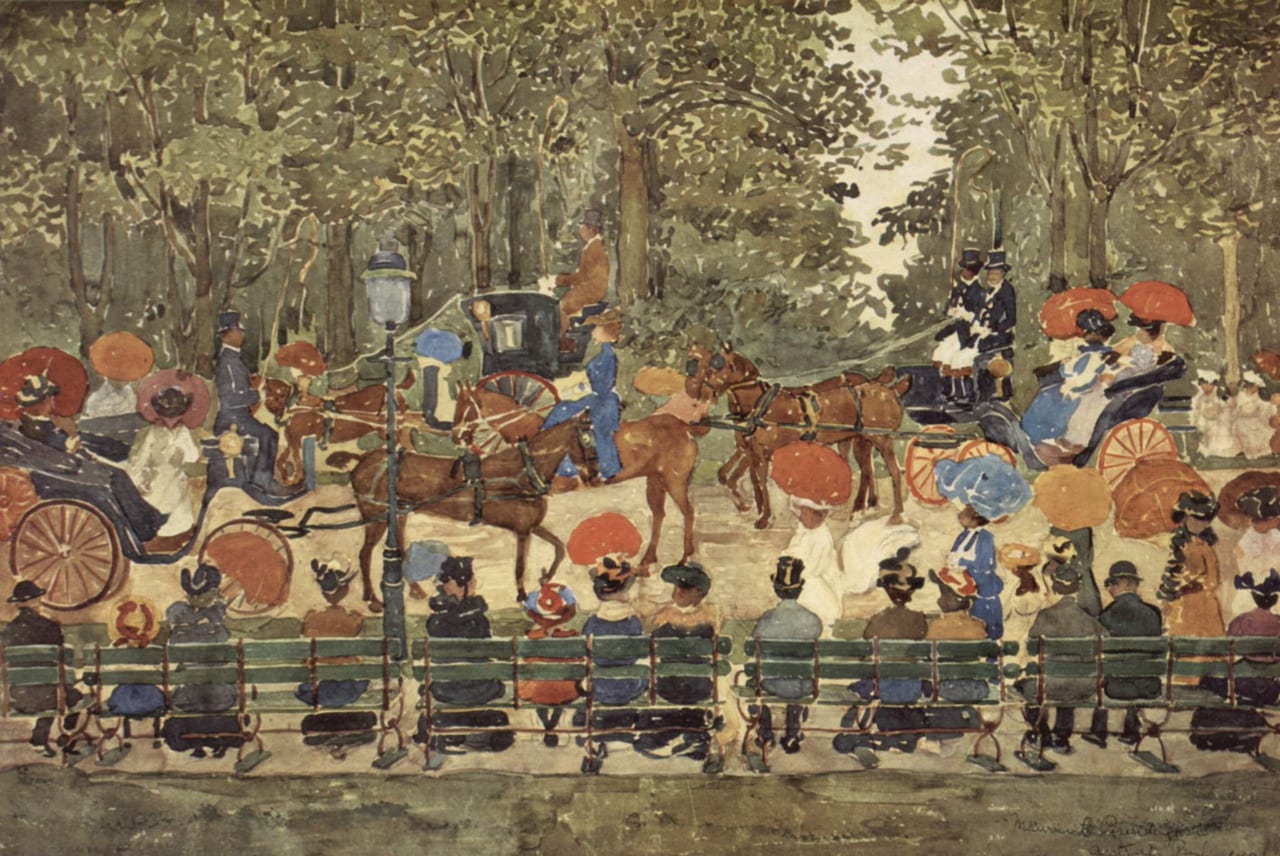
United States · 1858–1924
Maurice Brazil Prendergast was a Newfoundlander-American artist who painted in oil and watercolor, and created monotypes.
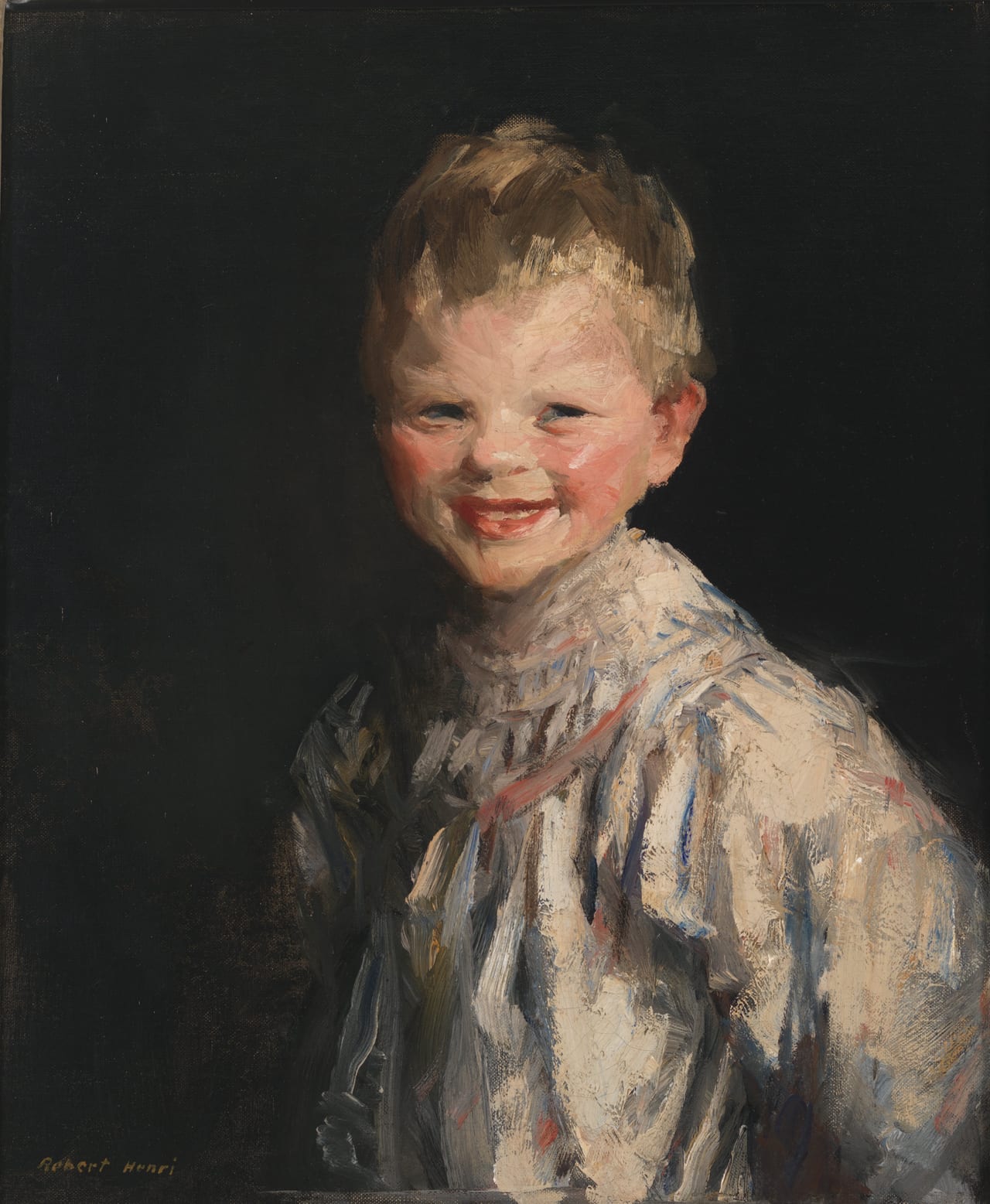
American · 1865–1929 · French Realism
Robert Henri was an American painter and teacher.
Artworks
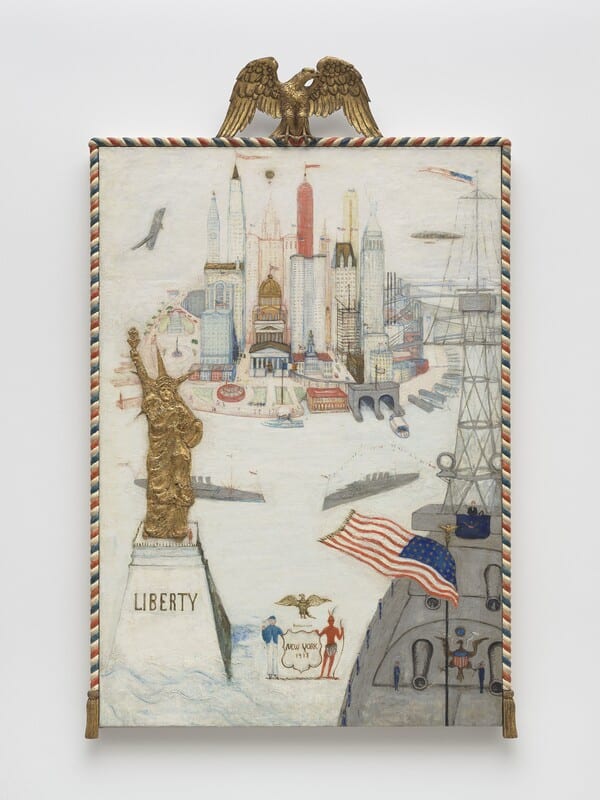
New York/Liberty
Florine Stettheimer · 1918
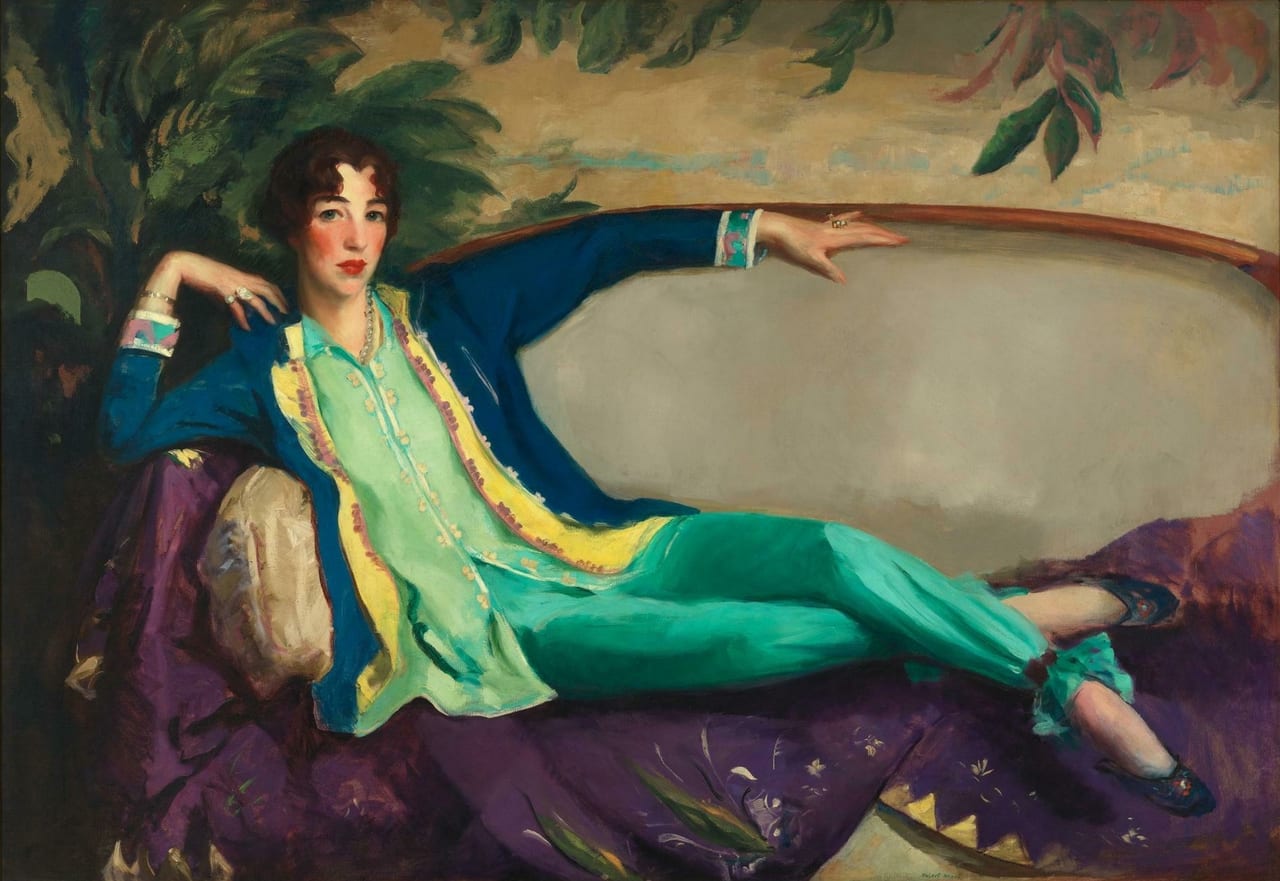
Gertrude Vanderbilt Whitney
Robert Henri · 1916
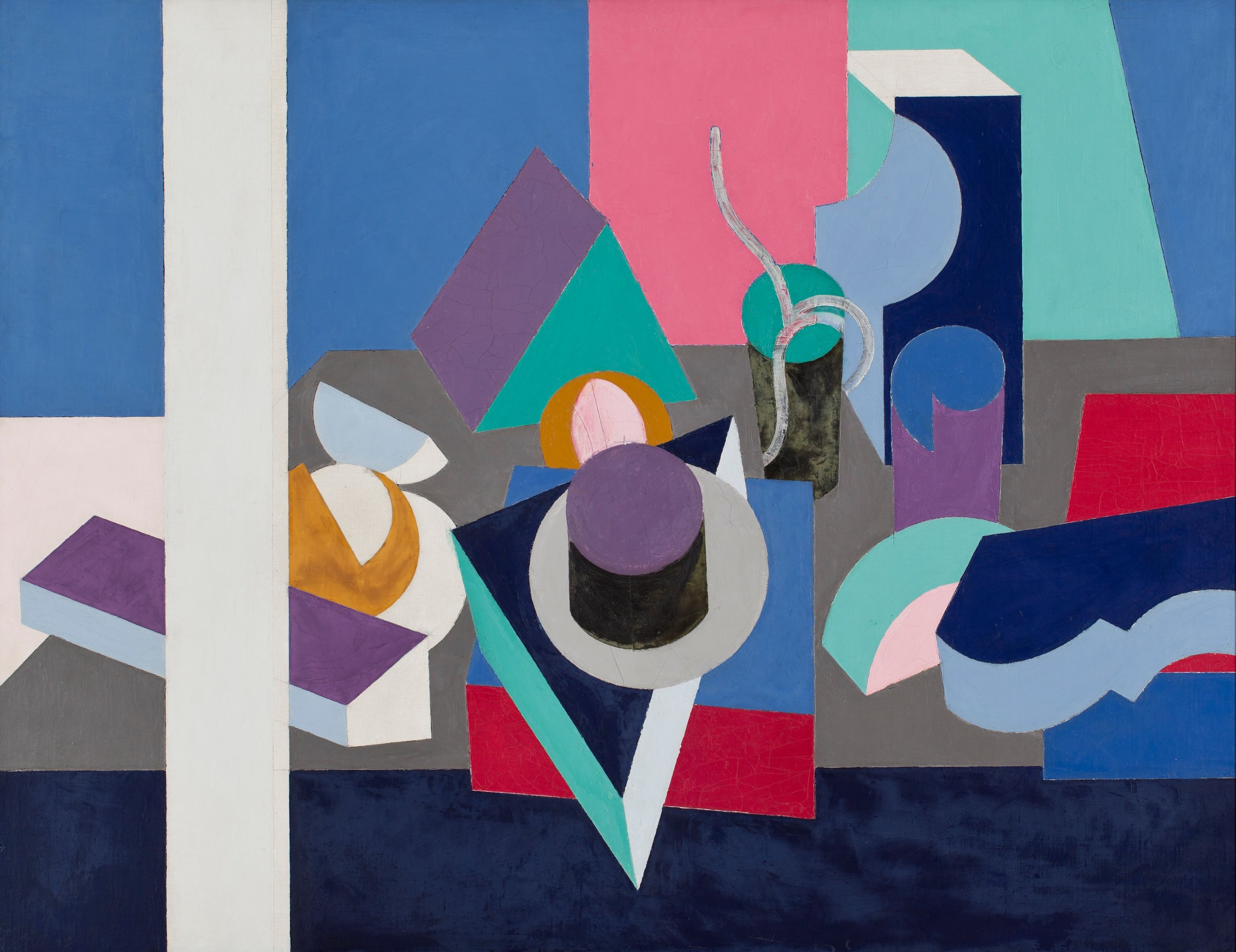
Painting
Patrick Henry Bruce · 1921
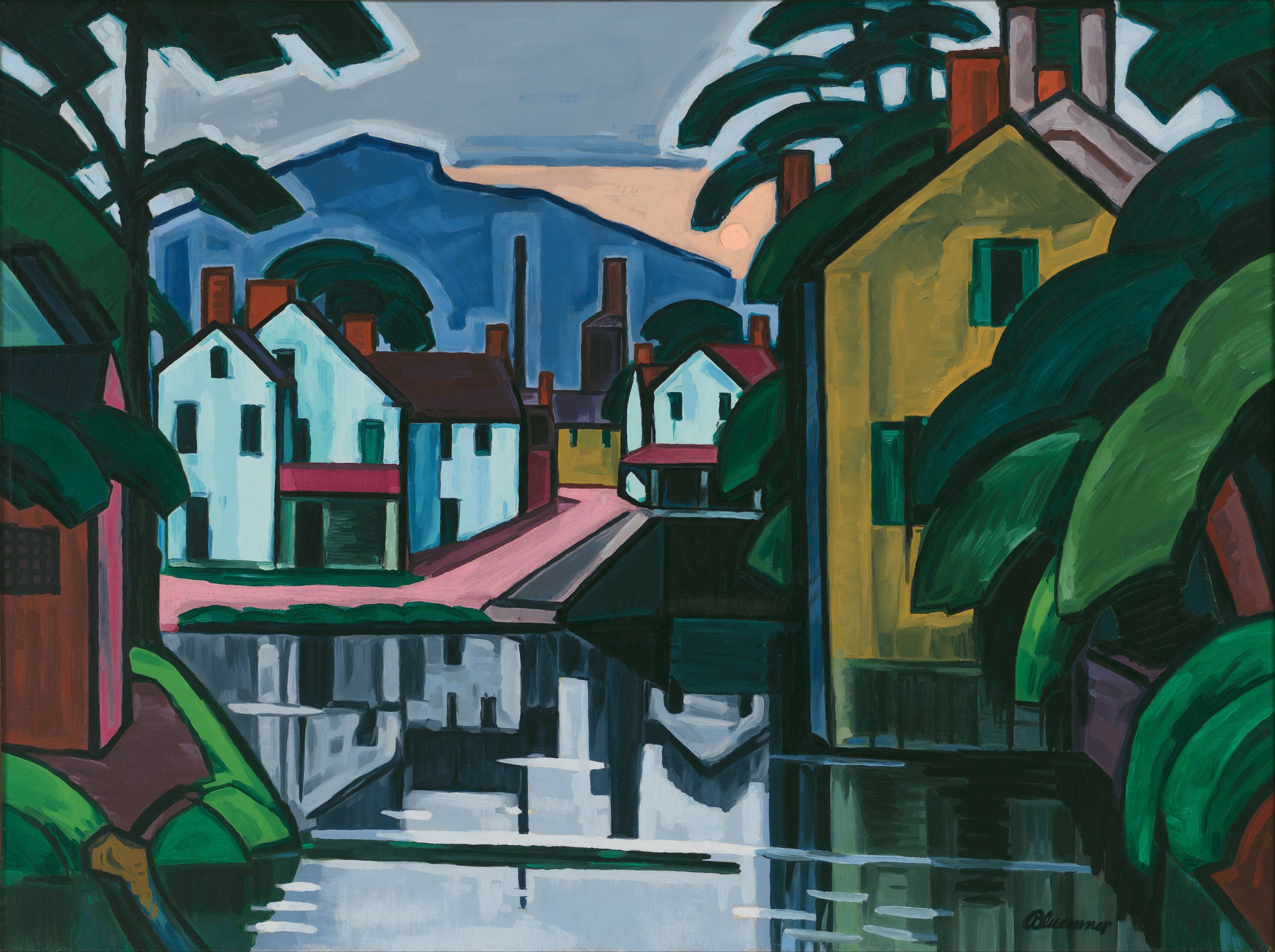
Old Canal Port
Oscar Florianus Bluemner · 1914
Central Park, New York
Maurice Prendergast · 1901
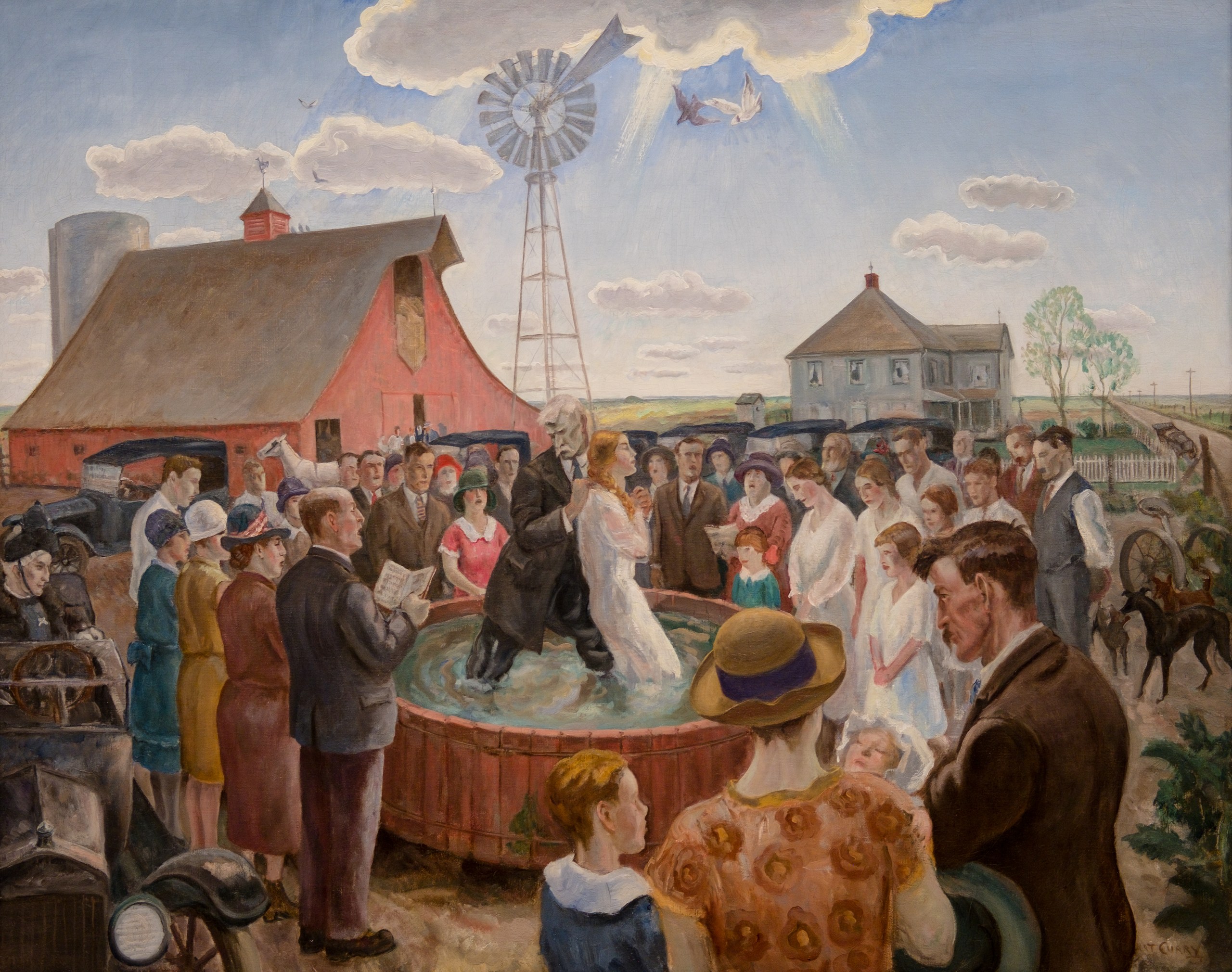
Baptism in Kansas
John Steuart Curry · 1928
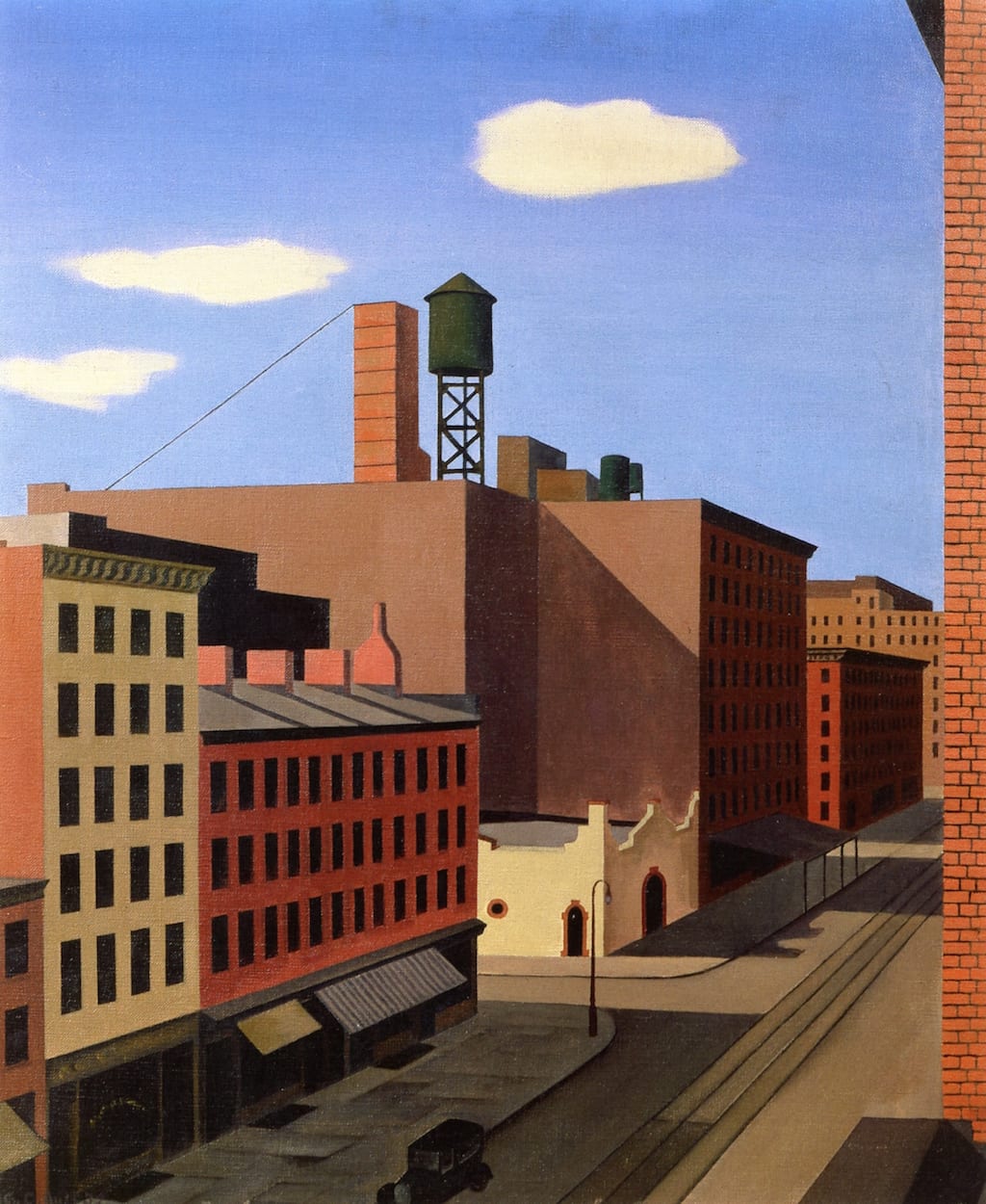
Hudson Street
George Ault · 1932
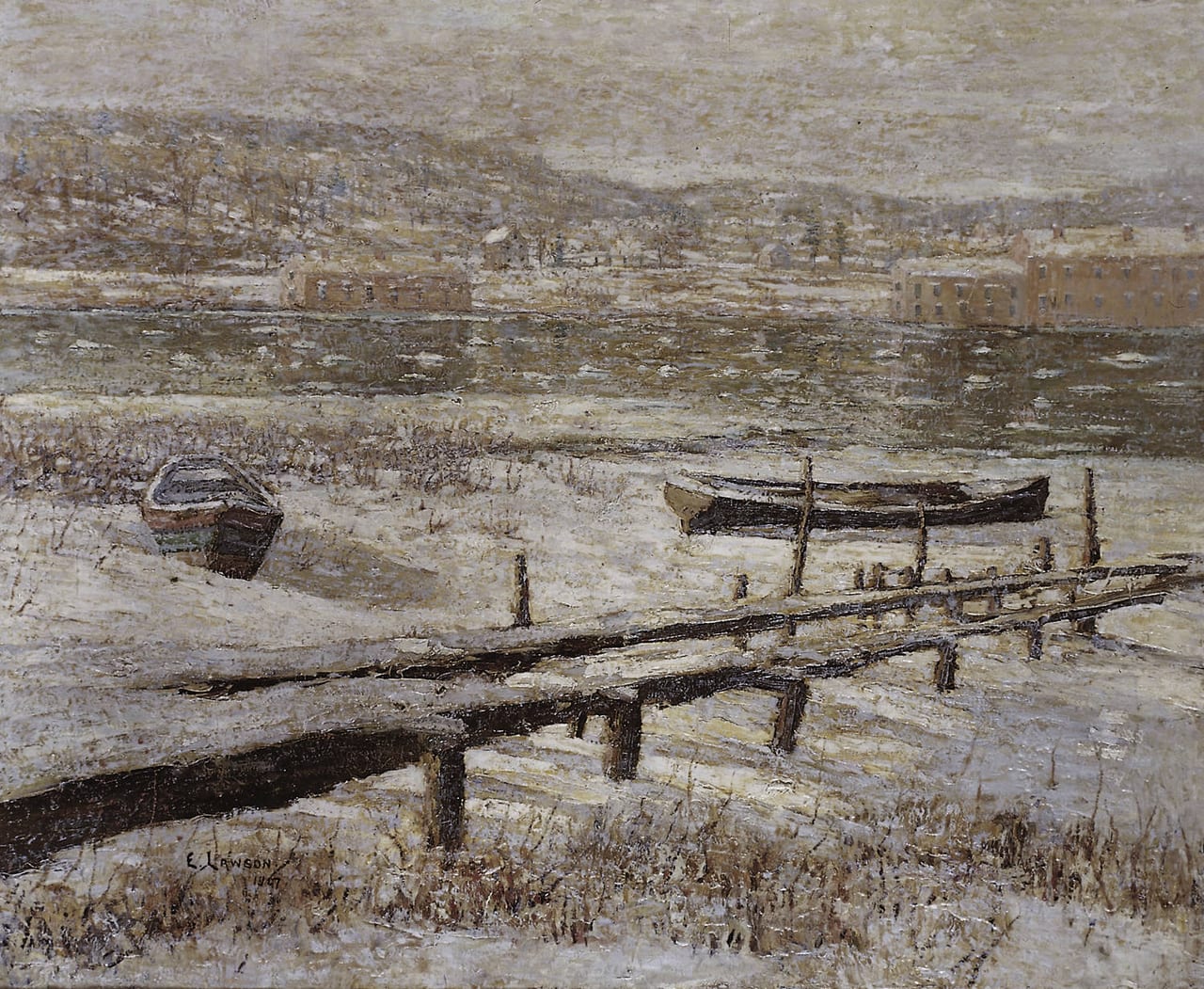
Winter on the River
Ernest Lawson · 1907
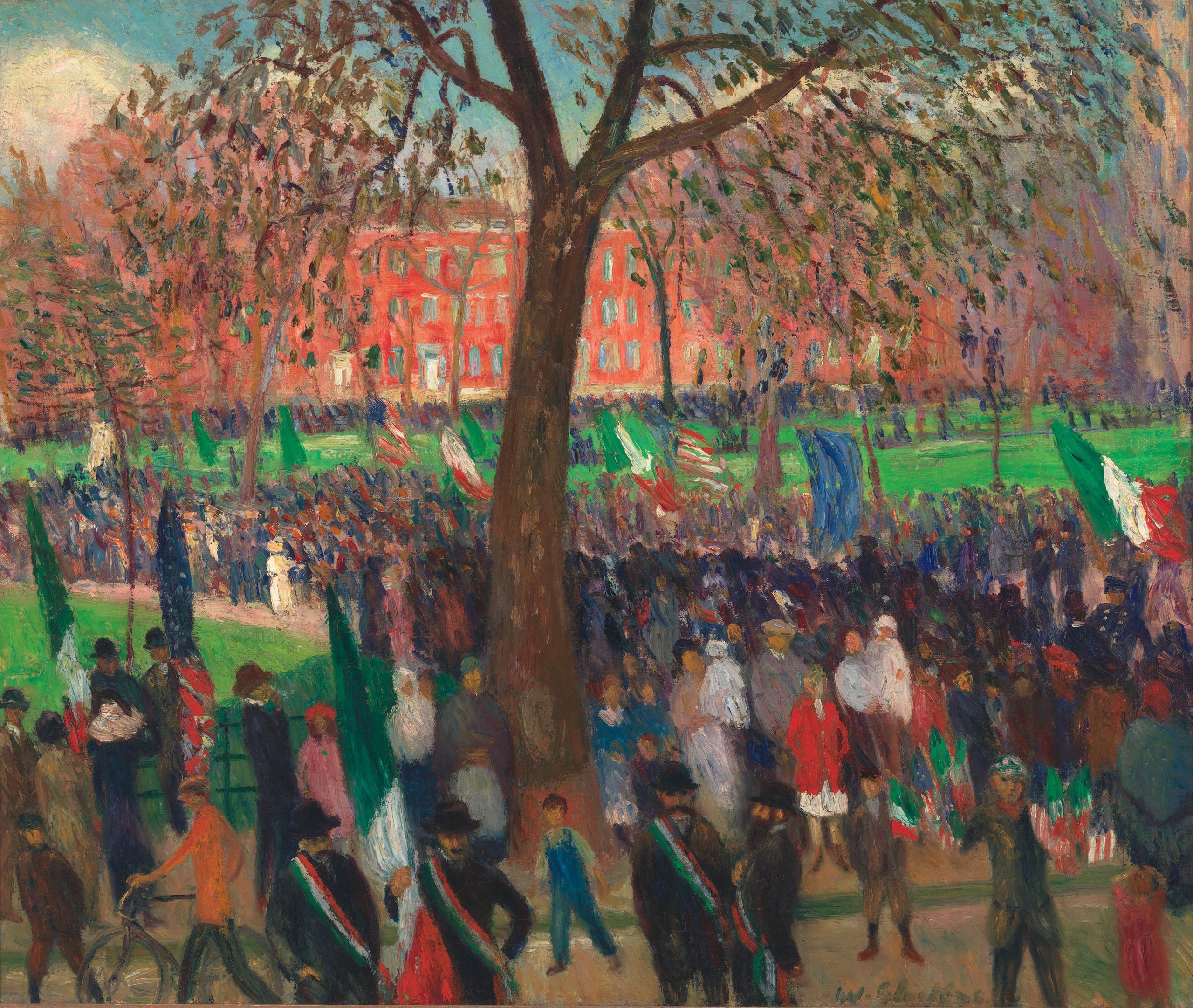
Parade, Washington Square
William James Glackens · 1912
Plan your visit
Hours
Monday and Wednesday to Sunday, 10:30am to 6pm, except Friday, when the museum stays open to 10pm. Closed Tuesday. Confirm on whitney.org before you travel.
Admission
30 dollars for adults. Visitors 25 and under are always free, every day. Admission is also free every Friday evening from 5 to 10pm and on the second Sunday of every month.
Getting there
99 Gansevoort Street, Lower Manhattan, New York City.
On their own site
Opening hours, tickets and current exhibitions are on the museum’s own site.
Invite Whitney Museum into your living room
28 works from this collection are available on Momentable, free to view, on your TV, phone, or tablet.