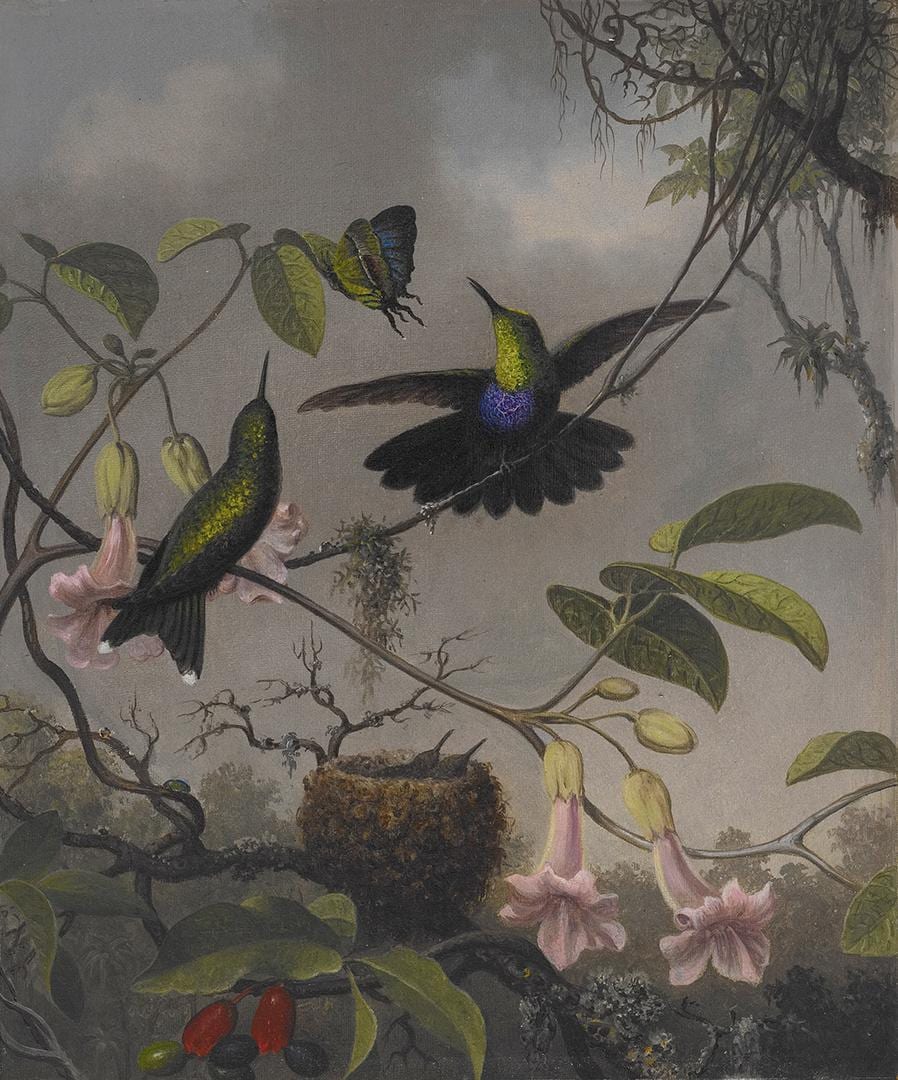
Trophies of the Hunt
Alexander Pope · 1905

Crystal Bridges Museum of American Art
Bentonville
Founded by Alice Walton and opened in 2011, Crystal Bridges sits in a ravine of Ozark forest in Bentonville, Arkansas, its pavilions gathered around two spring-fed ponds. Its permanent collection covers five centuries of American art, from colonial portraits and Durand’s Kindred Spirits to artists working now.
- of American art in the permanent collection, from early American to the present
- 5 centuries
- in the Alfred Stieglitz Collection, shared with Fisk University after a 2012 settlement
- 101 works
- on paper in one collection of eighteenth- and nineteenth-century drawings and watercolours
- 147 works
A museum in an Ozark ravine
The museum is named for a nearby natural spring and for the bridges built into its design by Moshe Safdie, architect of Habitat 67 in Montreal and of the National Gallery of Canada. In a ravine ringed by native Ozark forest, its pavilions stand around two spring-fed ponds. Grey concrete walls climb from the bedrock, banded with rough cedar and curved to the line of the hillside, and the copper roofs of the bridges swell like mounds of earth above the water. Safdie meant the buildings to give views of the landscape around them and to set architecture, art and nature in play together.
Alice Walton founded Crystal Bridges in 2005 as a non-profit charitable organisation, and it opened to the public on 11 November 2011. Her interest in art began with watercolours, which she painted with her mother on family camping trips and hikes in the Ozarks; as an adult she collected watercolours, and her interest widened to art history and American art of every kind. She gave her collection to form the basis of the museum’s, and the Walton family gave 120 acres of land in Bentonville as its site.
In 2013 the museum acquired the Bachman-Wilson House, an example of Frank Lloyd Wright’s classic Usonian architecture. It stood by the Millstone River in New Jersey, where repeated flooding threatened it. Wright coined “Usonian”, from “United States of North America”, for a style of home he developed in the Great Depression to be within reach of a middle-class family. The house was taken apart, each piece labelled and packed, and rebuilt on the museum grounds, where it opened on 11 November 2015, the museum’s fourth anniversary.
Gathering the collection
Walton announced in May 2005 that she would build a museum, and that she was buying Kindred Spirits to place in it. Bryant’s daughter Julia had given the painting to the New York Public Library in 1904; it was sold at auction to Walton in 2005. At a Sotheby’s auction on 30 November 2005 the museum bought Copley’s portrait of Mrs. Theodore Atkinson Jr. from the library, and in the same sale Gilbert Stuart’s George Washington (The Constable-Hamilton Portrait), another work from the library’s collections.
Thomas Eakins’s portrait of Professor Benjamin Howard Rand followed in April 2007, bought from Thomas Jefferson University. Rand, who taught Eakins anatomy, had given it to Jefferson Medical College when he retired, for reasons of health, in 1877.
The Alfred Stieglitz Collection, 101 works given to Fisk University in Nashville by Georgia O’Keeffe in 1949, came after a long legal process that reached the Tennessee Supreme Court. Under a plan settled in August 2012, Crystal Bridges was to pay Fisk $30 million so that, from the autumn of 2013, both could show the collection in turn, two years at a time. It spans painting, watercolour, prints, photographs, drawings and sculpture, mostly of the early modern years from 1870 to 1950, with John Marin, Marsden Hartley, Arthur Dove and Charles Demuth beside Stieglitz’s own photographs.
Five centuries in the galleries
The museum sets out to acquire and show work of the highest quality by artists whom art history and conventional museums have underrepresented. It names Durand’s Kindred Spirits, Stuart’s George Washington and O’Keeffe’s Jimson Weed among its works, shown alongside the work of contemporary artists, among them Amy Sherald, Kerry James Marshall, Fritz Scholder, Maya Lin, Félix González-Torres and Jaune Quick-to-See Smith. From the colonial era it holds, among others, Charles Willson Peale’s George Washington and Copley’s Mrs. Theodore Atkinson Jr.
In January 2026 the former Early American galleries reopened as the Visions of America Galleries, an introduction to five centuries of the collection in five themed sections, among them Dreaming, Nature and We the People. The Foundations of American Art gallery, the first to be fully transformed in the expansion, follows a loose timeline from Modern art back to early American works, with work by Winslow Homer, Georgia O’Keeffe, Maria Martinez, the Tafoya family and David Drake, and work by women, craft and Indigenous artists along the way.
The Contemporary American Art gallery covers the last 66 years of art made in the country, from Isamu Noguchi to Yayoi Kusama’s infinity room, My Heart is Dancing into the Universe. On paper, a collection of 147 eighteenth- and nineteenth-century drawings and watercolours runs from Federal-era portrait studies and Romantic landscape sketches to the watercolours of the American Renaissance.
What to see
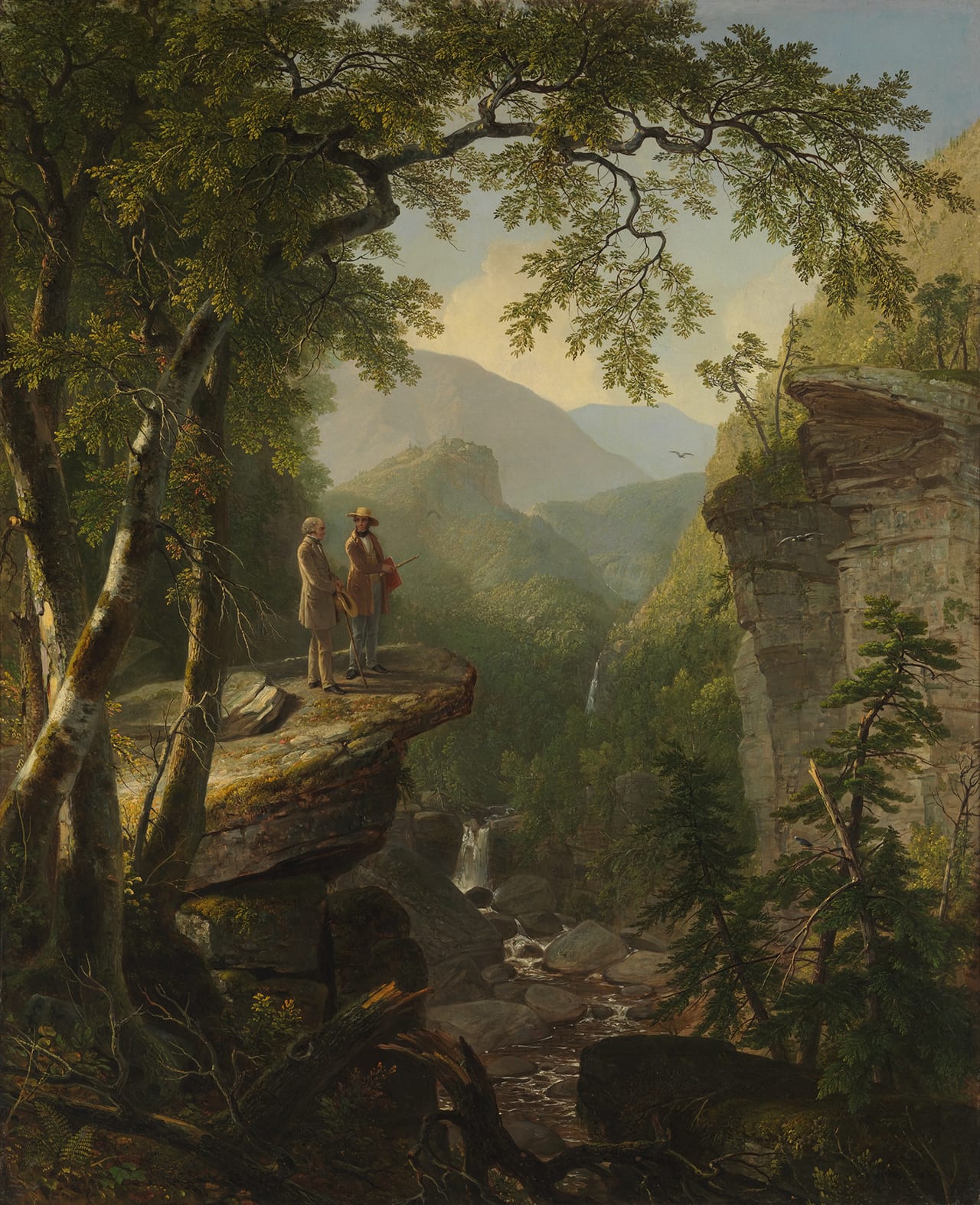
Kindred Spirits
Asher Brown Durand · 1849
Durand painted it in tribute to Thomas Cole, his late friend and mentor, who stands on a ledge beside the poet William Cullen Bryant; their names are written into the birch at left. Kaaterskill Falls and the Clove are joined in an idealised view, not a literal one. The museum calls it a defining image of American art, and emblematic of its collection.
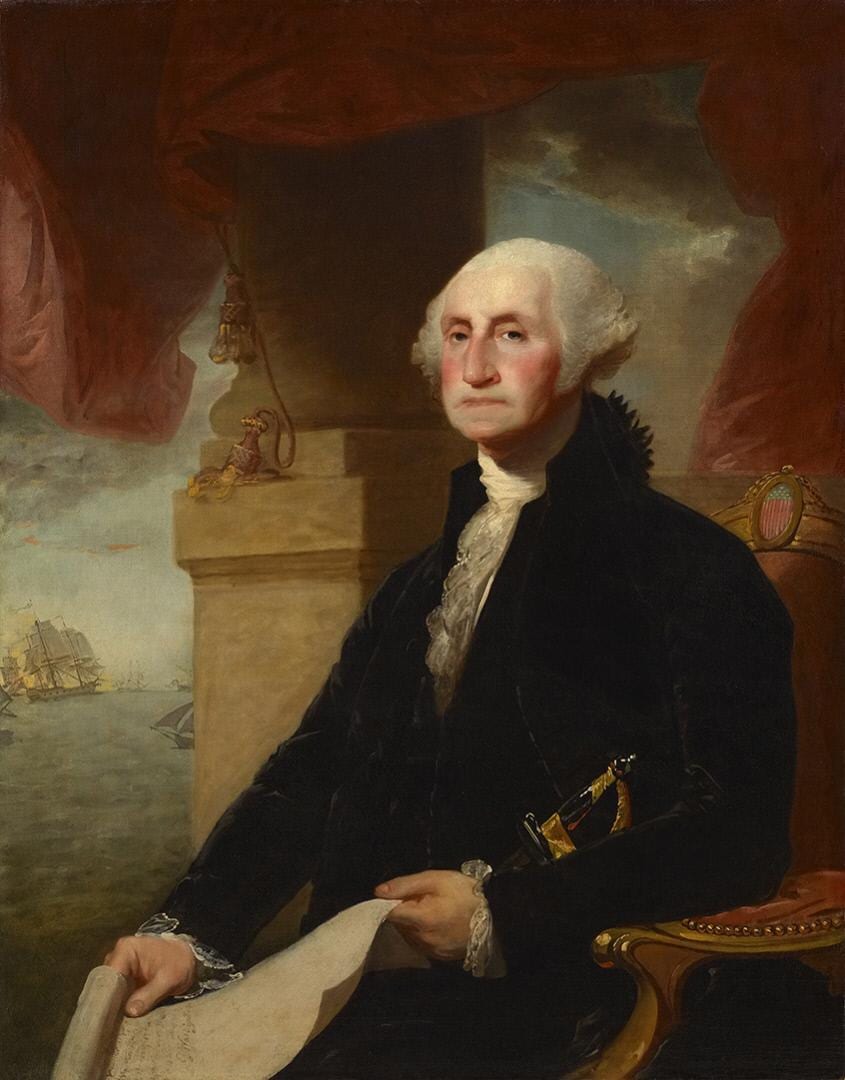
George Washington (The Constable-Hamilton Portrait)
Gilbert Stuart · 1797
The merchant William Kerin Constable asked Gilbert Stuart to paint this portrait for his friend Alexander Hamilton, Treasury Secretary under Washington. The face on the one-dollar bill comes from another, similar Stuart portrait; this one helped fix the image of the first president as a powerful leader.
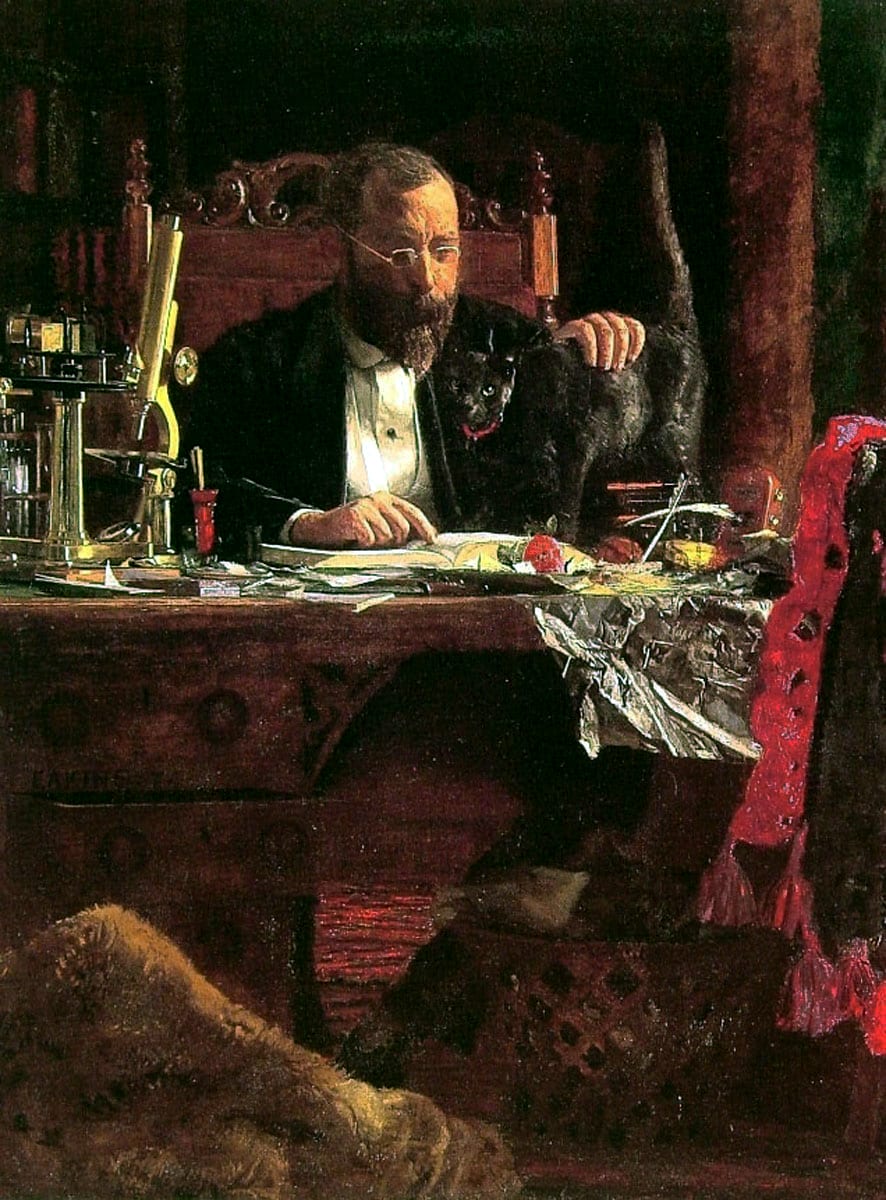
Professor Benjamin Howard Rand
Thomas Eakins · 1874
Rand, a professor at Jefferson Medical College, sits lost in thought at a desk crowded with scientific instruments and personal things, a flower and a bowtie among them, absently stroking his cat: a man between the life of the mind and the comforts of home. The portrait won Eakins a place in the international art exhibition of the 1876 Philadelphia Centennial, where critics acclaimed it.
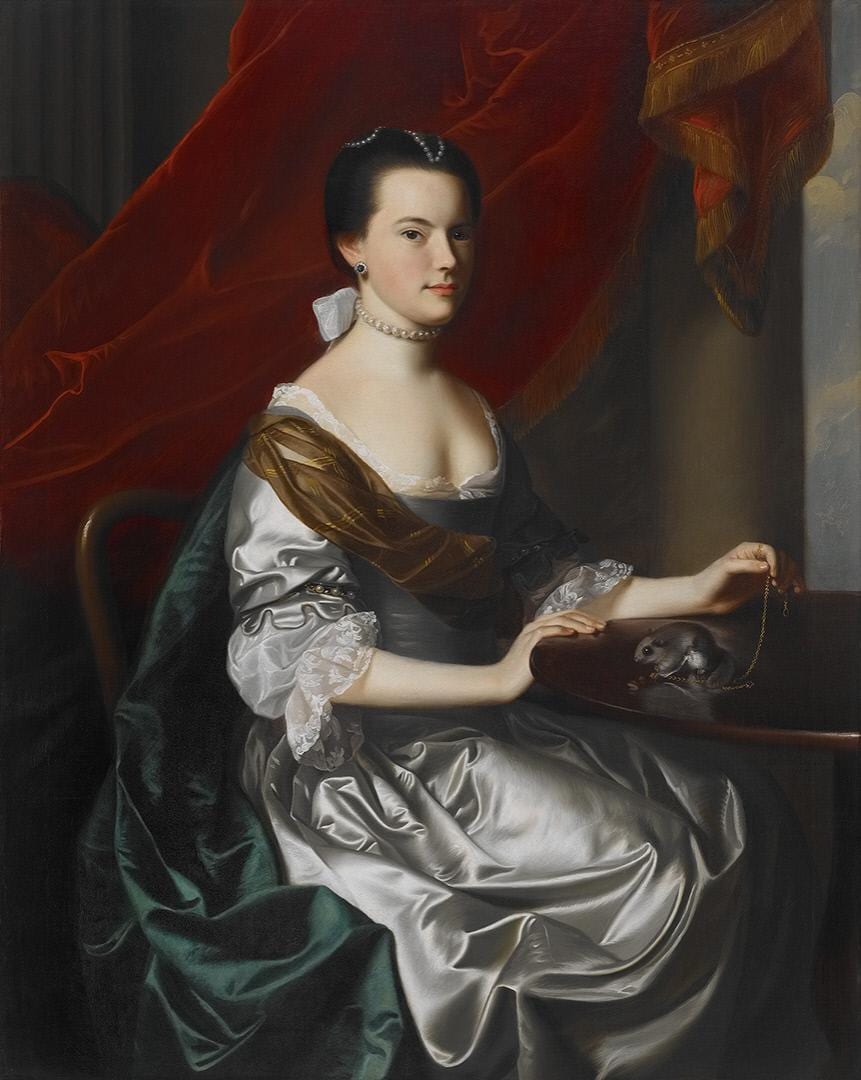
Mrs. Theodore Atkinson Jr. (Frances Deering Wentworth)
John Singleton Copley · 1765
Theodore Atkinson Jr. commissioned Copley to paint his new wife, Frances Deering Wentworth, and Copley painted her at nineteen. He painted her features as a likeness but invented the silk gown, the velvet drapery and the view outdoors, after European portrait conventions; with the chained flying squirrel they told eighteenth-century viewers she was a lady of grace and discipline.
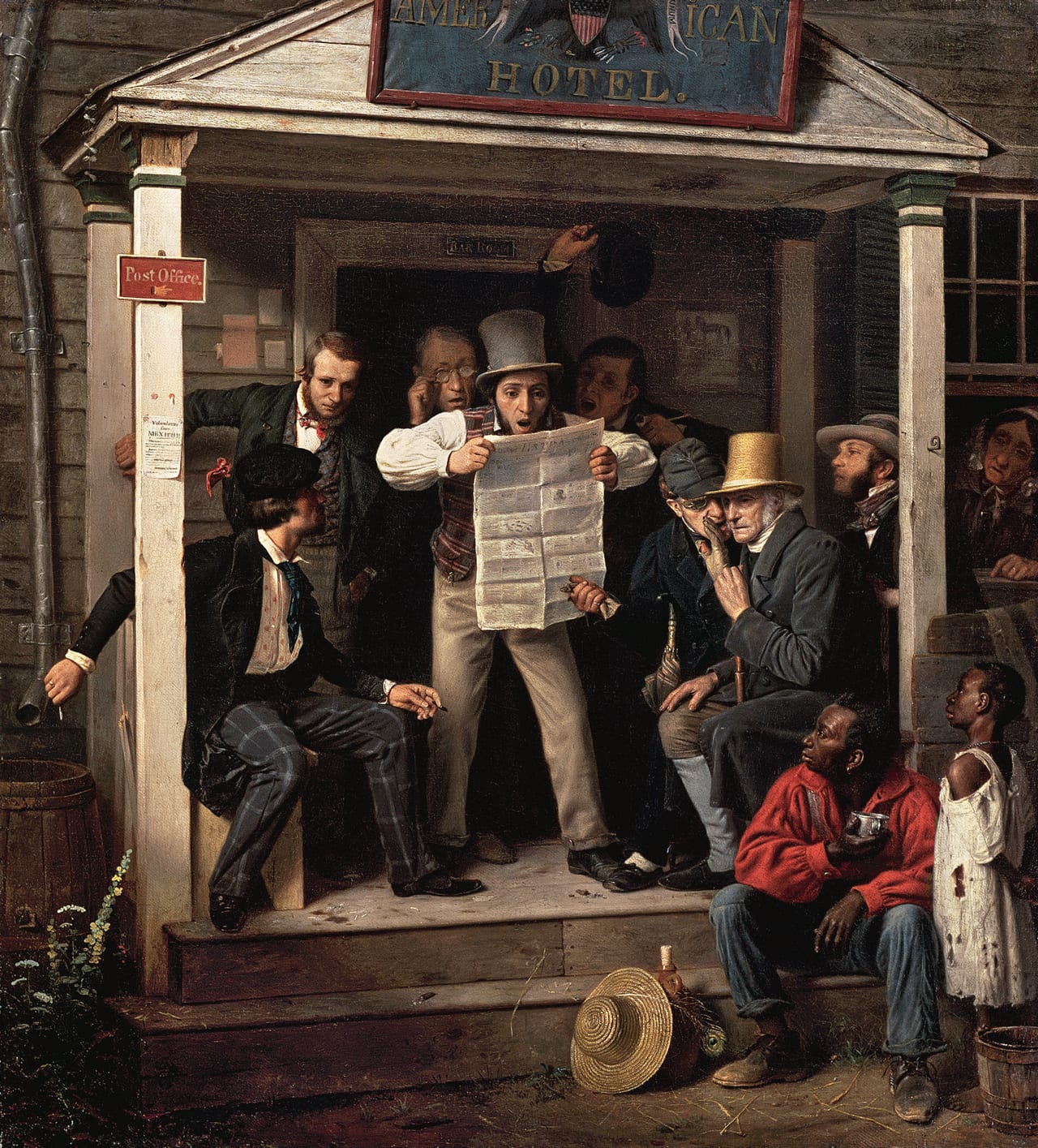
War News from Mexico
Richard Caton Woodville · 1848
A scene of everyday life from the years of the Mexican-American War. Only white men who could vote stand on the stage-like porch; a woman listens from inside the hotel, and an African American man and child sit on the steps. Their presence points to the debate of the day over whether slavery would spread into the lands Mexico ceded.
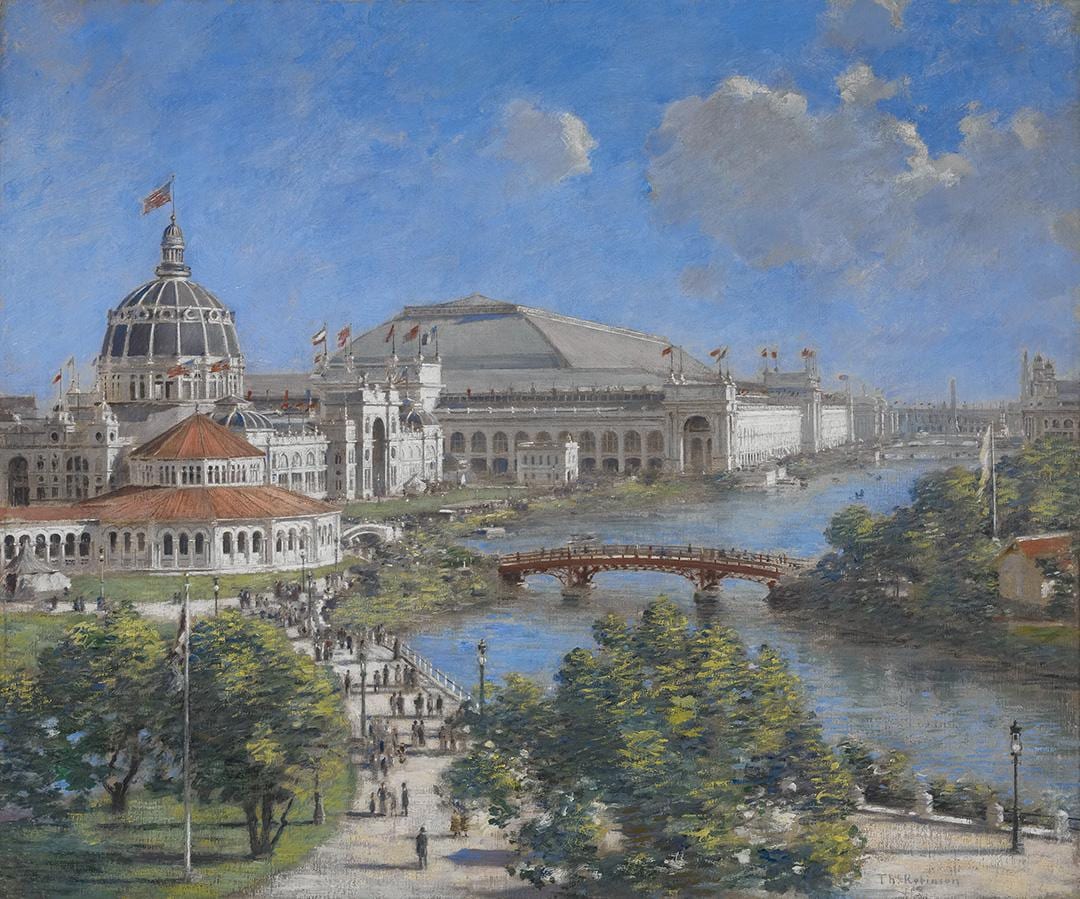
World’s Columbian Exposition
Theodore Robinson · 1894
Just back from a long stay in Giverny, Monet’s home, Robinson treated the Chicago fair of 1893 as an arrangement of light and colour. The East Lagoon fills the right side; at left stand the Manufactures and Liberal Arts Building, the United States Government Building with a flag on its cupola, and the red-roofed Fisheries Building. The museum calls it a monument of American Impressionism.
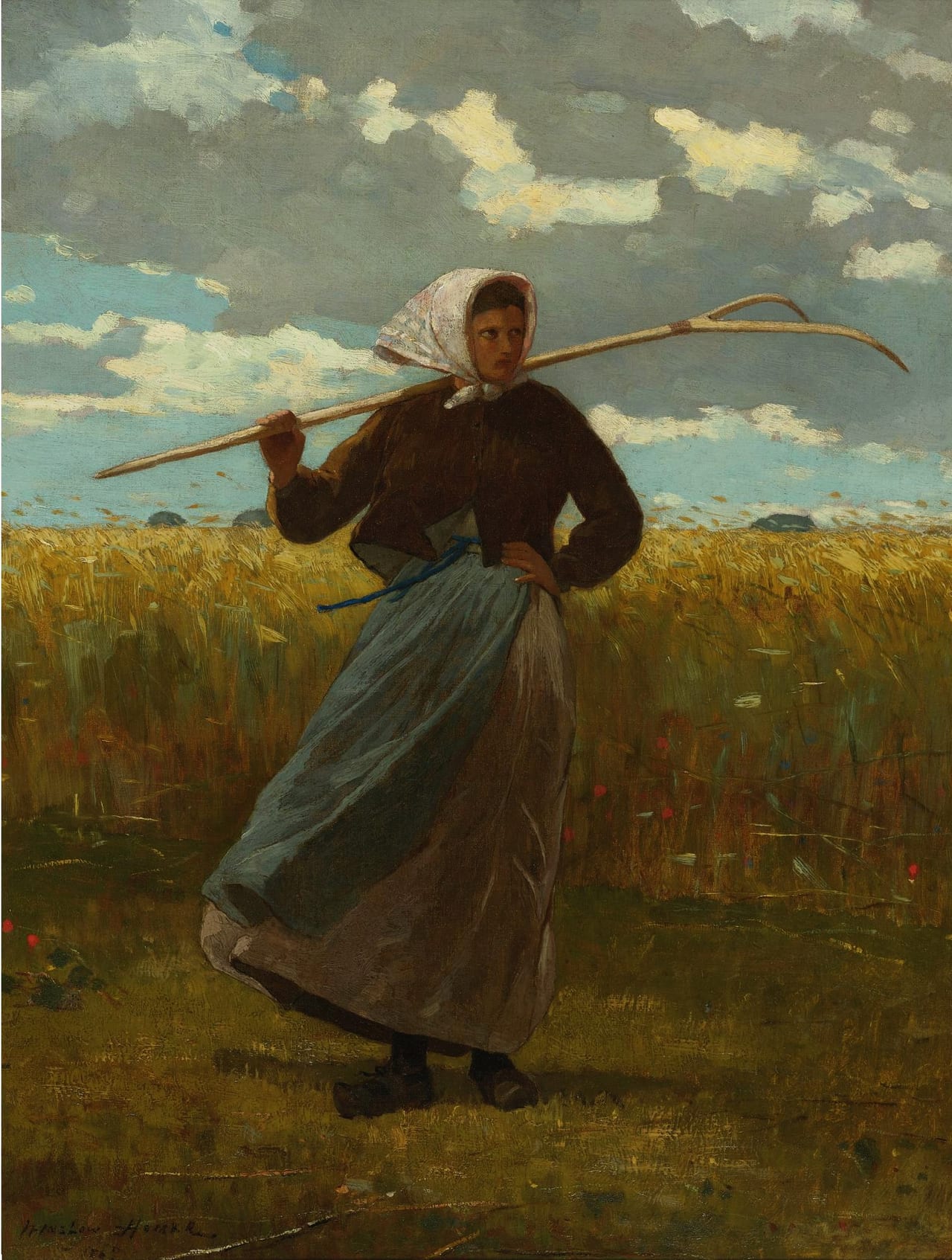
The Return of the Gleaner
Winslow Homer · 1867
Winslow Homer painted it during ten months in France in 1867. The composition falls into three bands of sky, wheat and earth, and the two-pronged wooden hayfork on her shoulder makes a strong diagonal. Her stern gaze and ruddy face suggest a young woman of post-Civil War America more than a French peasant.
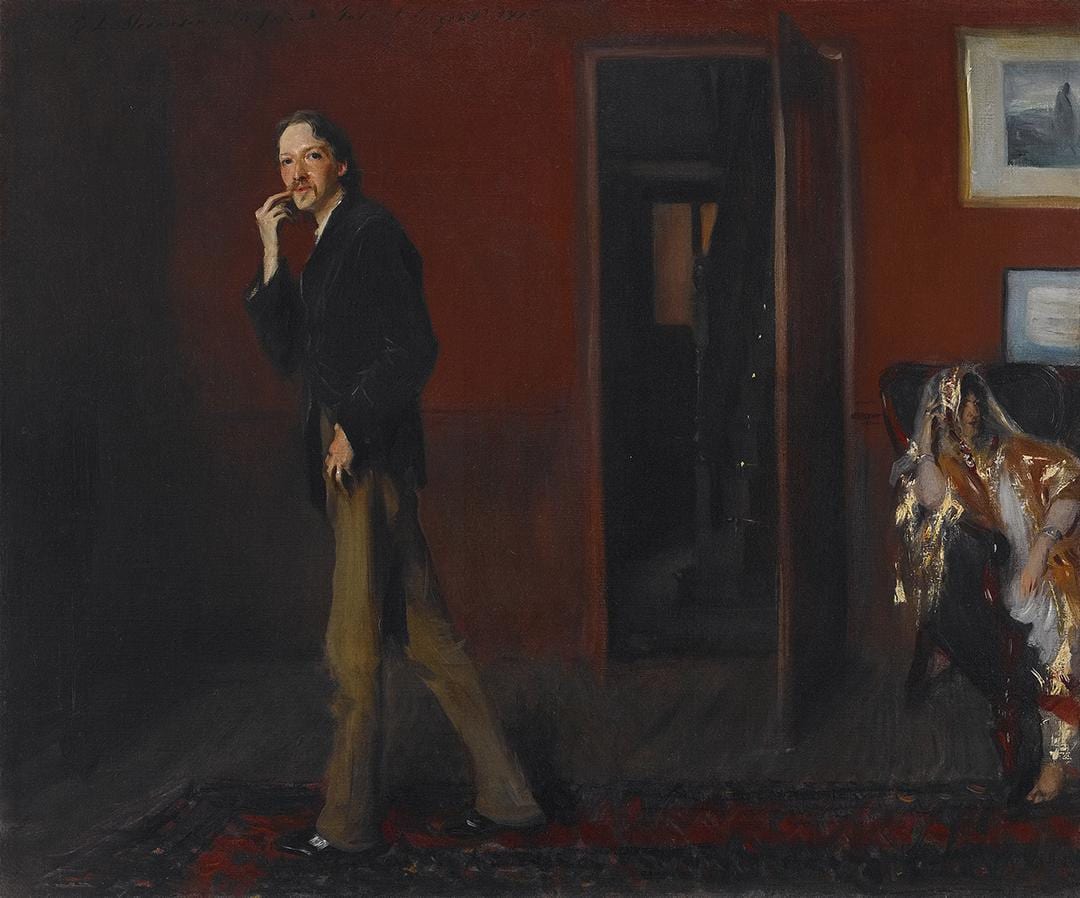
Robert Louis Stevenson and His Wife
John Singer Sargent · 1885
John Singer Sargent painted the author and his wife, Fanny, in England. Stevenson called it, “I think, excellent”, but too eccentric to be exhibited: he is at one extreme corner, and Fanny, in a wild dress and looking, he said, like a ghost, at the extreme other end.
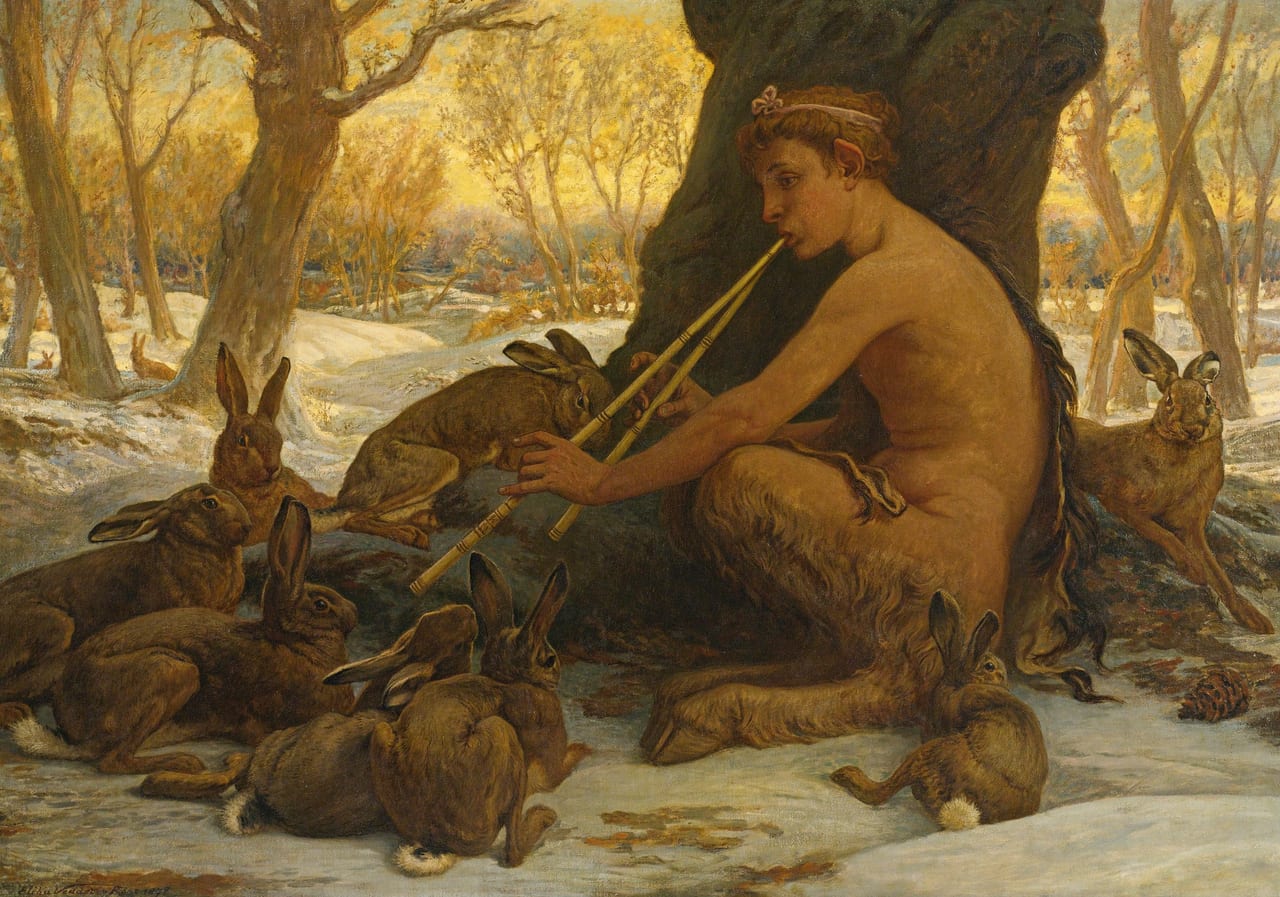
Young Marsyas (Marsyas Enchanting the Hares)
Elihu Vedder · 1878
The satyr Marsyas, half man and half goat, challenged the god Apollo to a contest of musical skill. Elihu Vedder imagined him practising on his double flute, with hares for an audience. The picture is signed in Rome and dated 1878.
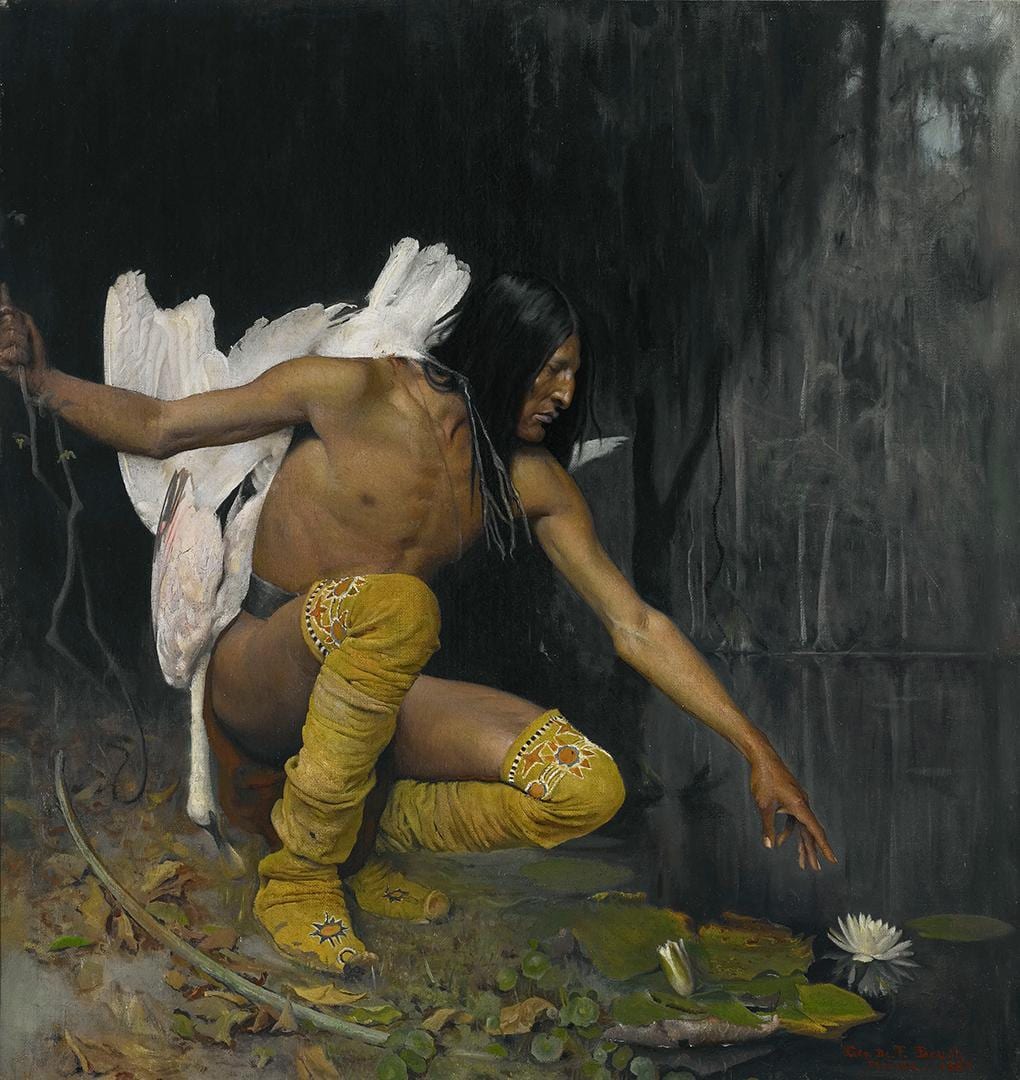
The Indian and the Lily
George de Forest Brush · 1887
Before completing it, George de Forest Brush visited Apache prisoners held by the United States government at St. Augustine, Florida. Passing over the terrible conditions he saw at the prison, he painted an idealised scene of an unidentified Native man. The roseate spoonbill on the man’s back, a bird hunted almost to extinction for its plumes, suggests the threats to Native survival in the late 1800s.
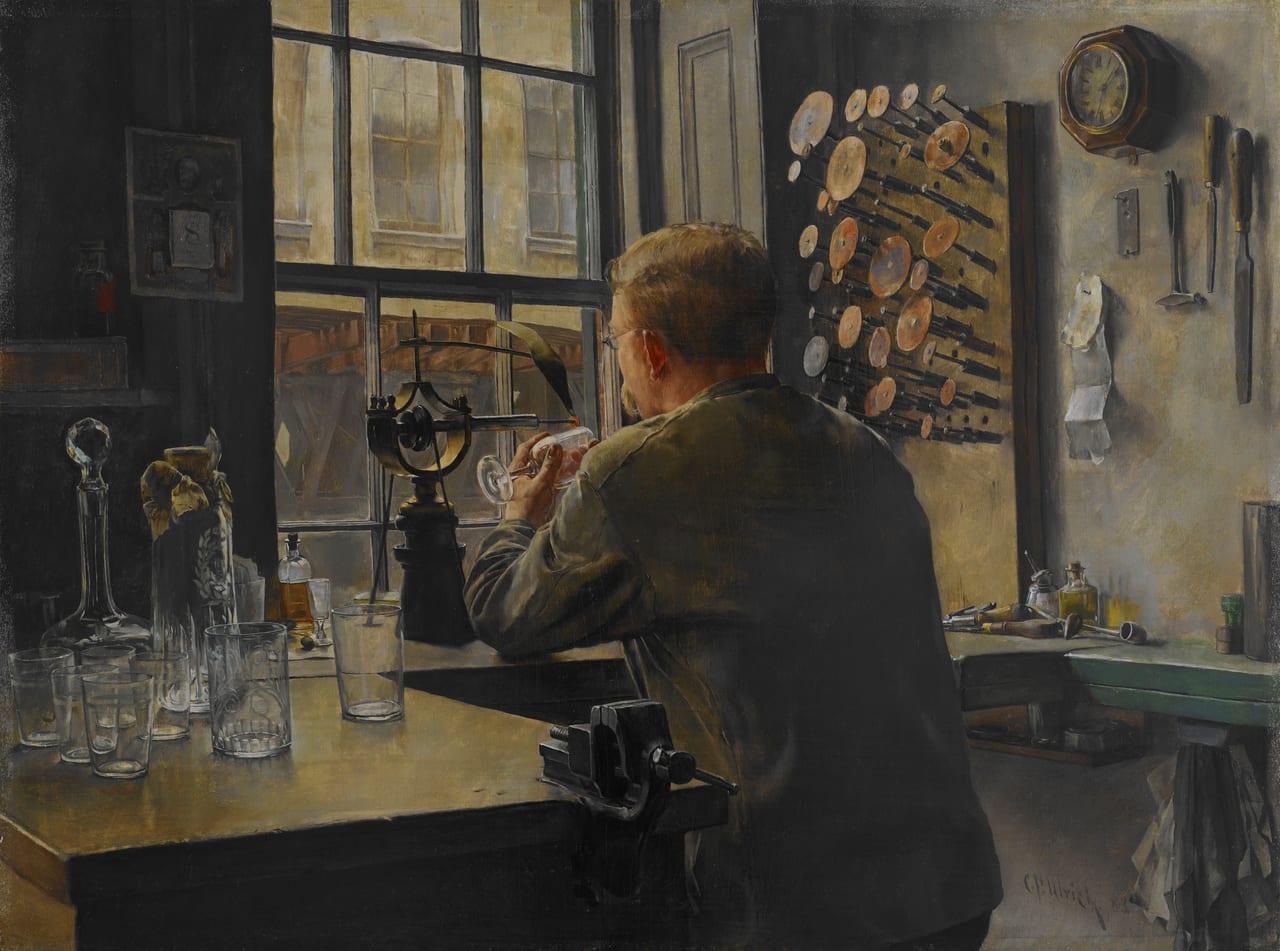
The Glass Engraver
Charles Frederic Ulrich · 1883
Charles Frederic Ulrich was known for small paintings of artisans at work. Here a craftsman engraves with a copper wheel, his individual skill set against mechanised mass production, and painted in a minute detail that may have looked out of date beside the newer styles of its day.
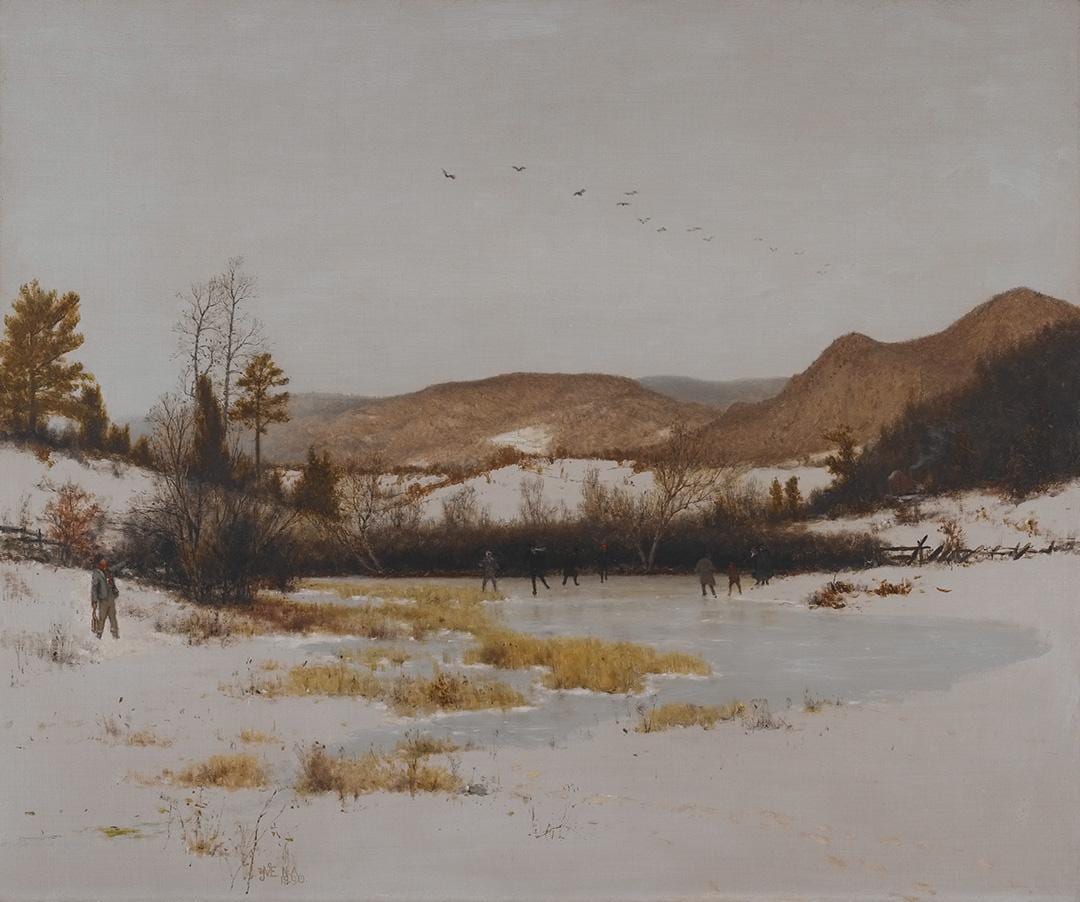
Winter in the Country
Jervis McEntee · 1890
In his journal Jervis McEntee wrote that some called his landscapes gloomy, but that nature was not sad to him: it was quiet, pensive, restful. Here wide stretches of snow and sky fill the canvas, and skaters on a frozen pond make the most of the cold.
Collections
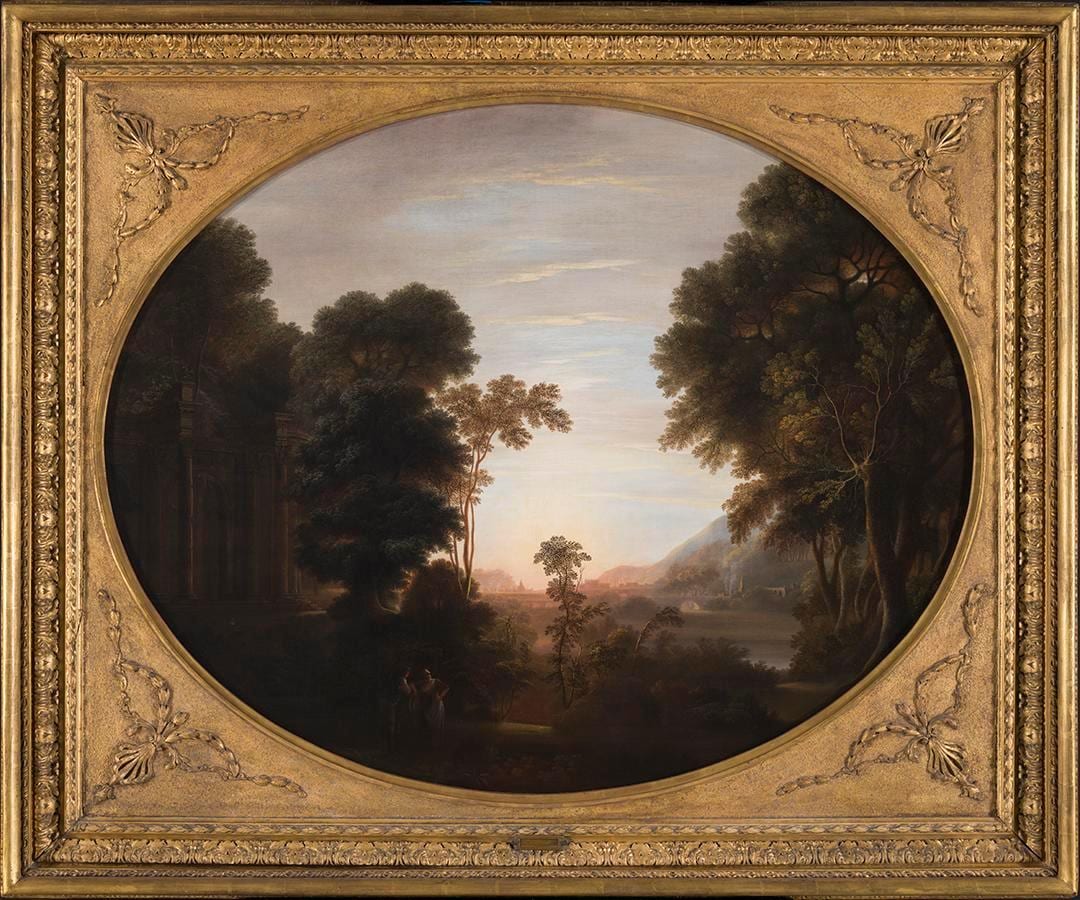
Early American art
A Wooded Classical Landscape at Evening with Figures in the Foreground · John Taylor · 1772
Benjamin Franklin counted John Taylor among America’s geniuses, with Benjamin West and Copley. Born in Philadelphia in 1735, Taylor, unlike them, was never a professional artist in the colonies before he settled for good in England in 1762. This landscape is signed and dated 1772.
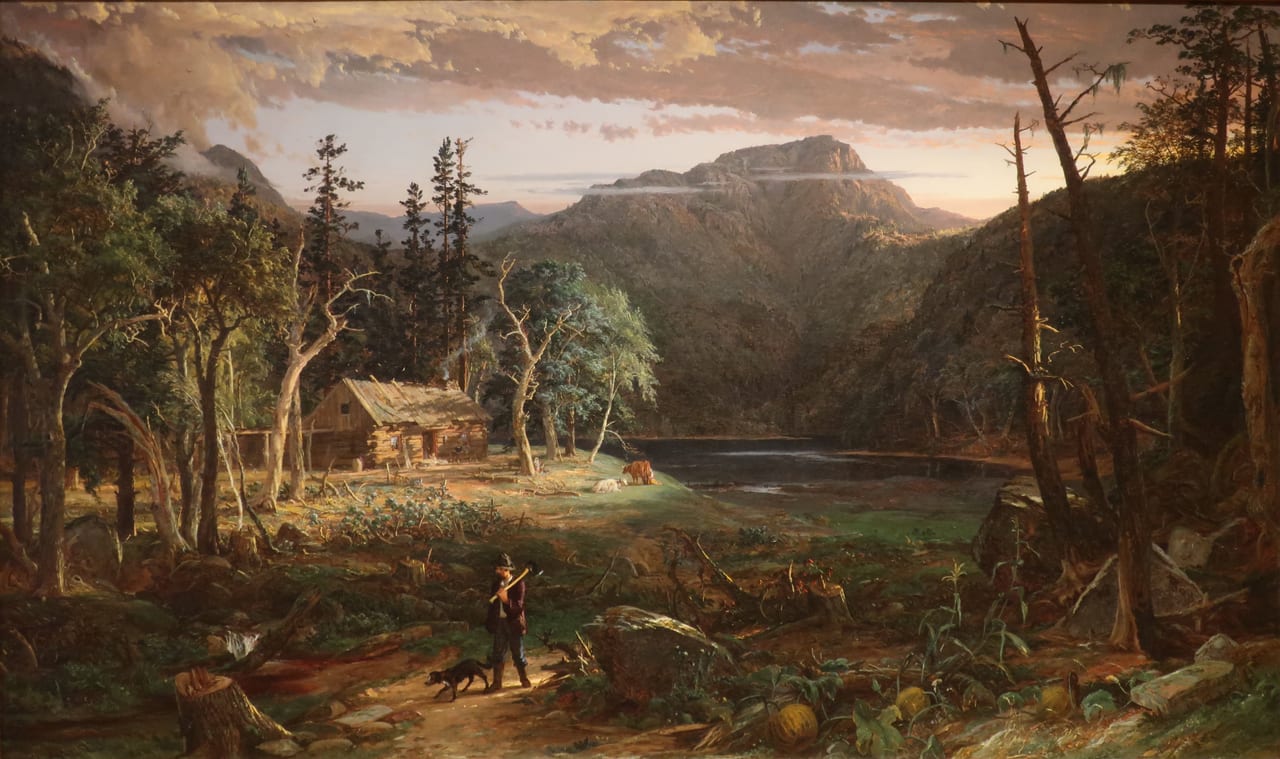
Landscape and the frontier
The Backwoods of America · Jasper Francis Cropsey · 1858
Jasper Francis Cropsey painted this pioneer landscape while living in London, for an audience that found the American frontier exotic. American pumpkins and corn grow in a garden at lower right, and beside it Cropsey signed his name on a rock like a toppled gravestone, as if foreseeing the end of frontier life.
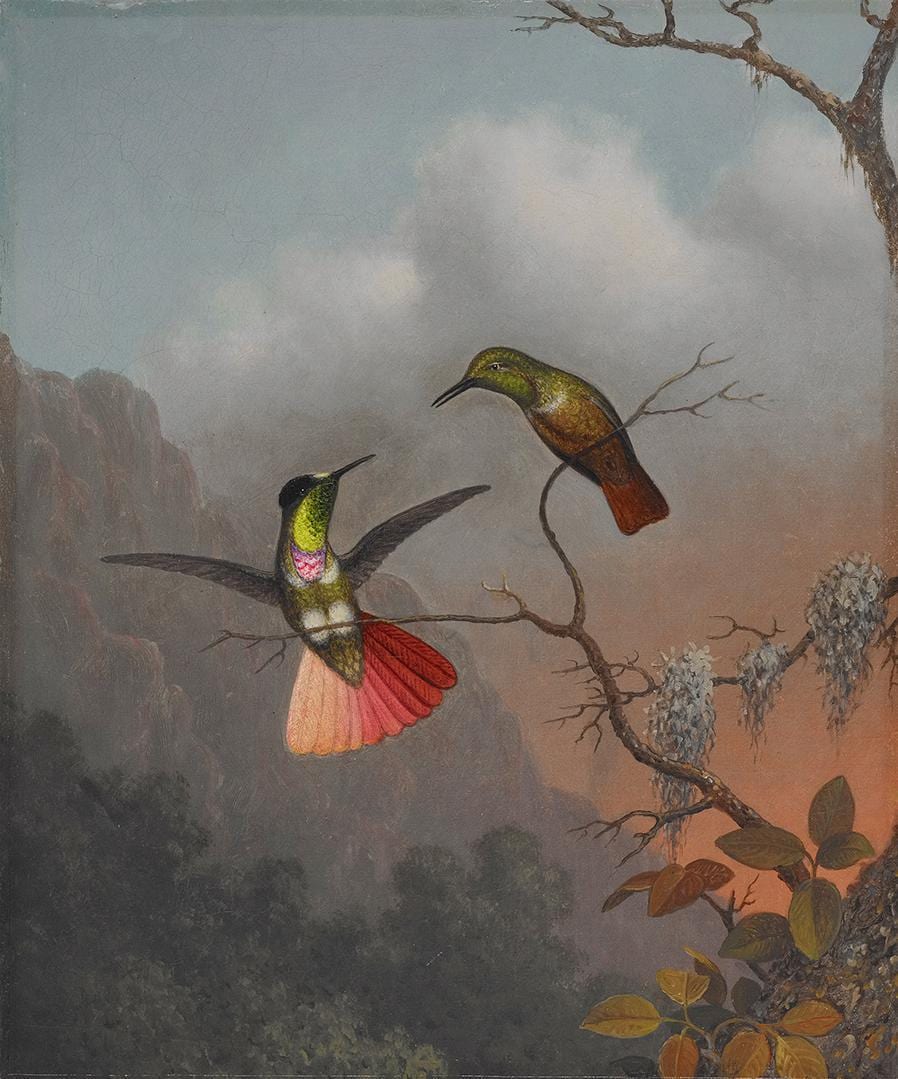
The Gems of Brazil
Hooded Visorbearer · Martin Johnson Heade · ca. 1863–1864
Martin Johnson Heade went to Brazil in 1863–64 to paint hummingbirds in their natural setting, since most species could be found only there, and called the series, some 20 small paintings, The Gems of Brazil. Crystal Bridges holds several, painted in brilliant colour to catch the jewel-like feathers.
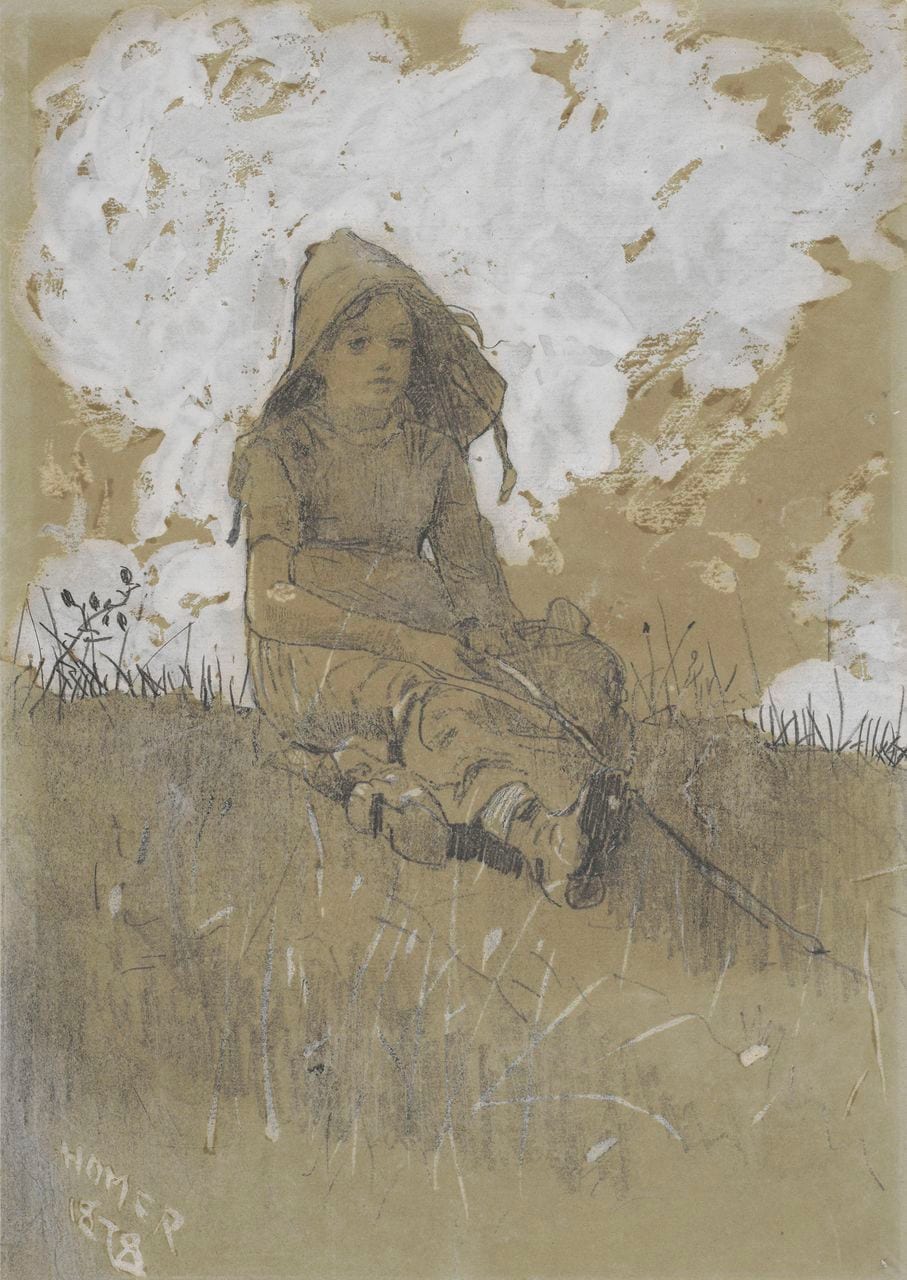
Drawings and watercolours
Girl in a Sunbonnet · Winslow Homer · 1878
Winslow Homer’s Girl in a Sunbonnet, in graphite and gouache and dated 1878, belongs to a collection of eighteenth- and nineteenth-century drawings and watercolours, works on paper that show the artist’s hand at its most direct.
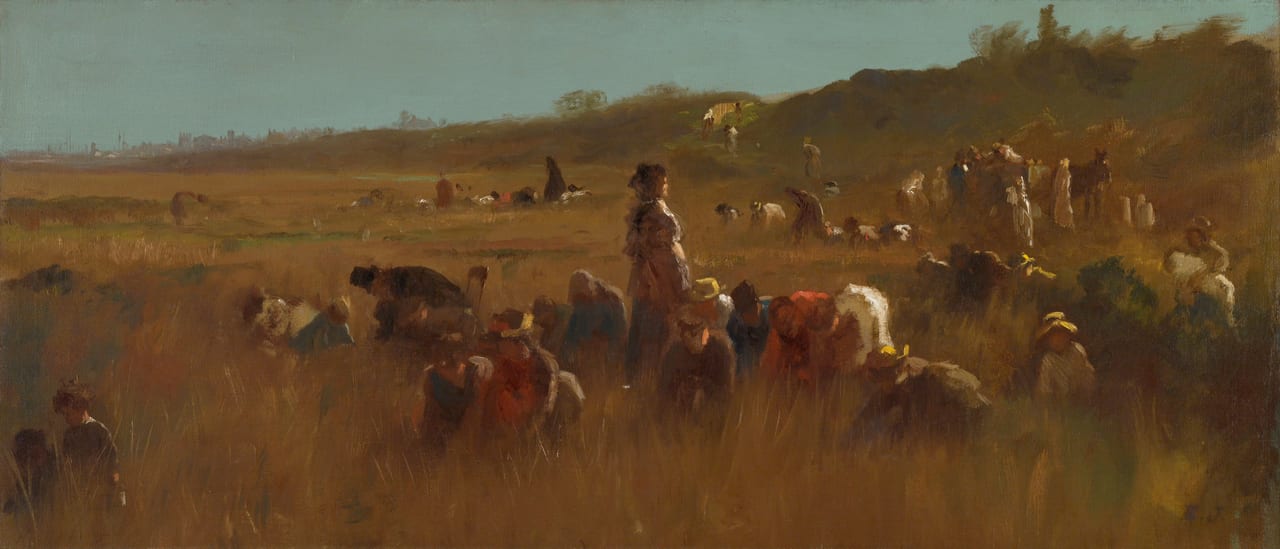
Scenes of everyday life
Cranberry Pickers, Nantucket · Eastman Johnson · ca. 1879
Eastman Johnson made many studies of cranberry pickers on Nantucket’s north shore. At the centre of this very wide composition a stoic woman looks out over a crowd of mostly women and children: nostalgia for country life, and a sign of women’s central part in a nation that had lost nearly a fifth of its men in the Civil War.
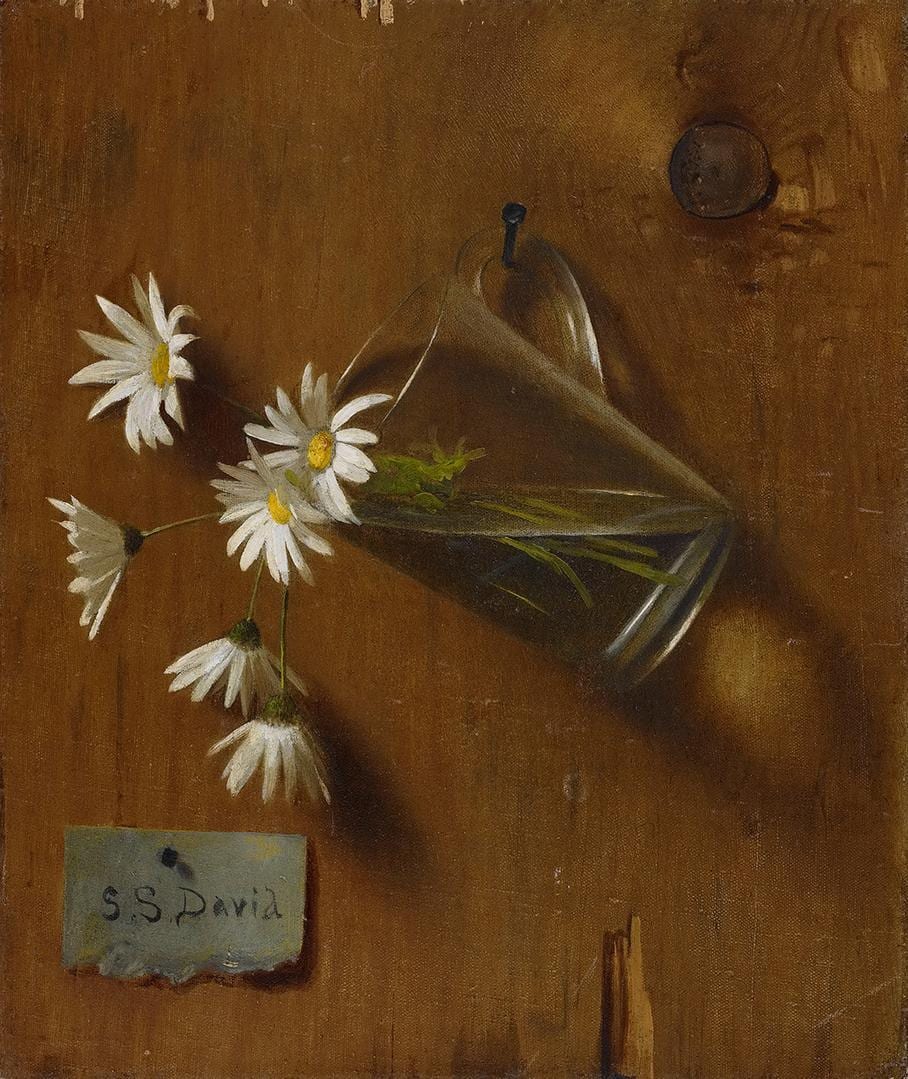
Still life and trompe l’oeil
Daisies · De Scott Evans · ca. 1885
De Scott Evans’s flowers stand in a drinking glass hung askew on a nail. Below the precarious bouquet, on a scrap of paper nailed to the wooden panel, he signed himself S. S. David, a pseudonym, at risk of being washed away.
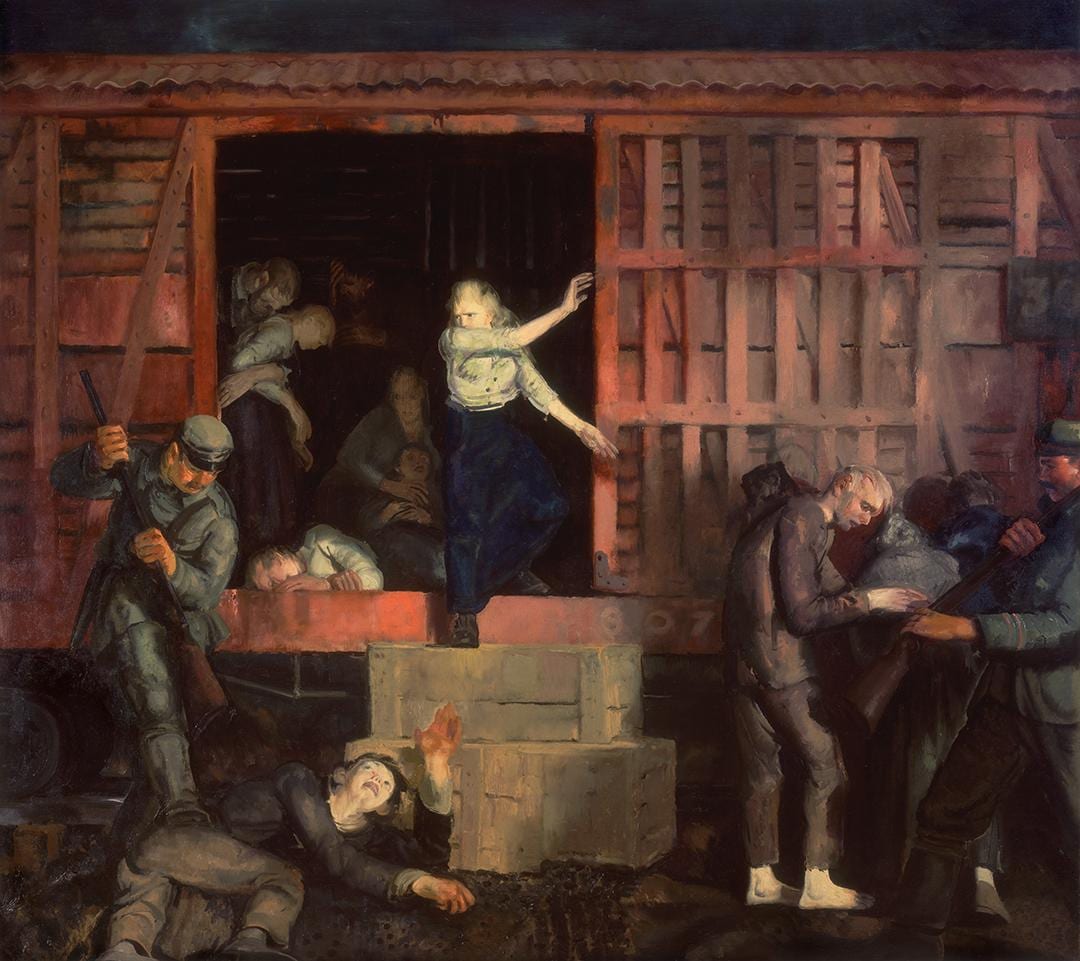
Art and the First World War
Return of the Useless · George Bellows · 1918
The last painting of George Bellows’s War Series, made in answer to the atrocities of the First World War: an image of brutalised Belgian civilians coming back in boxcars from their forced labour. A woman standing at the centre gestures to the suffering and violence around her, and a red wash over the boxcar suggests the blood-soaked history of its human cargo.
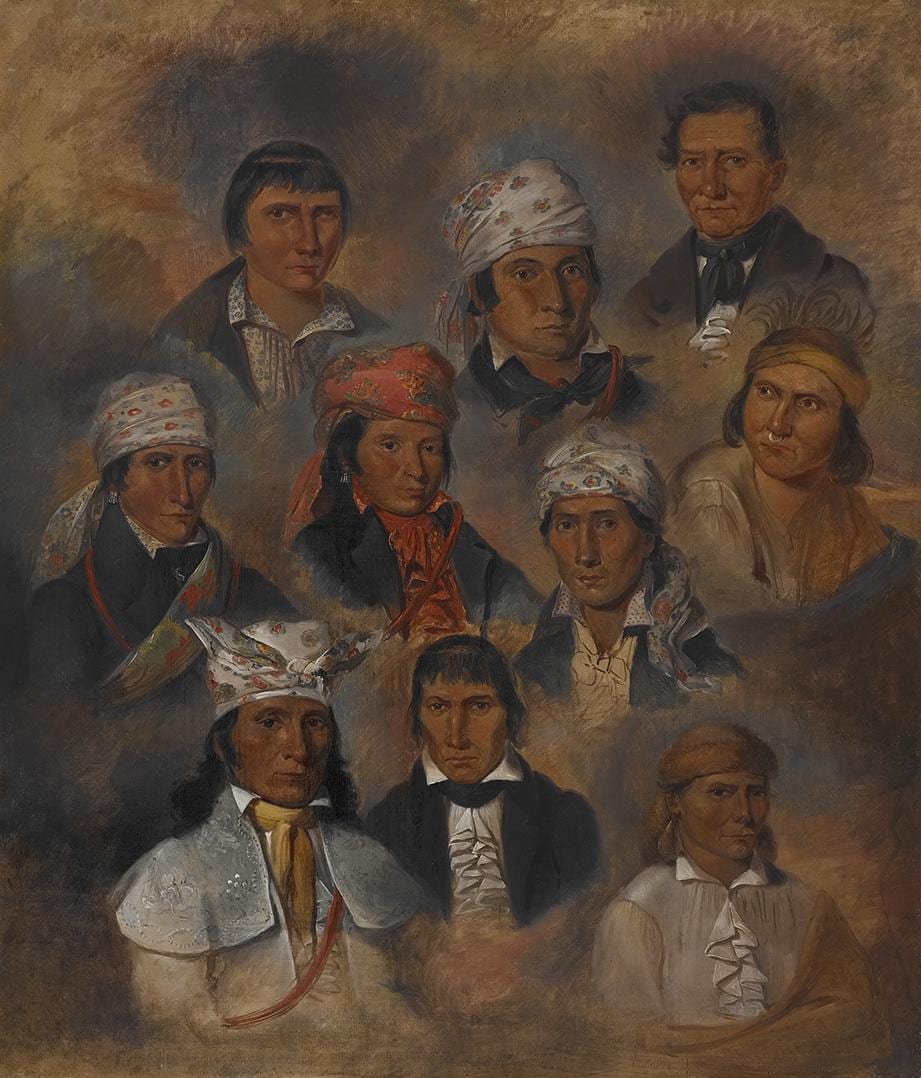
Native nations and removal
Ten Potawatomi Chiefs · George Winter · ca. 1837
In July 1837 George Winter witnessed the council at Lake Kee-wau-nay, now Lake Bruce, Indiana, held before the Potawatomi and Miami were forced to migrate to Kansas. He may have used these studies of council members and onlookers toward a finished painting of the meeting.
Artists
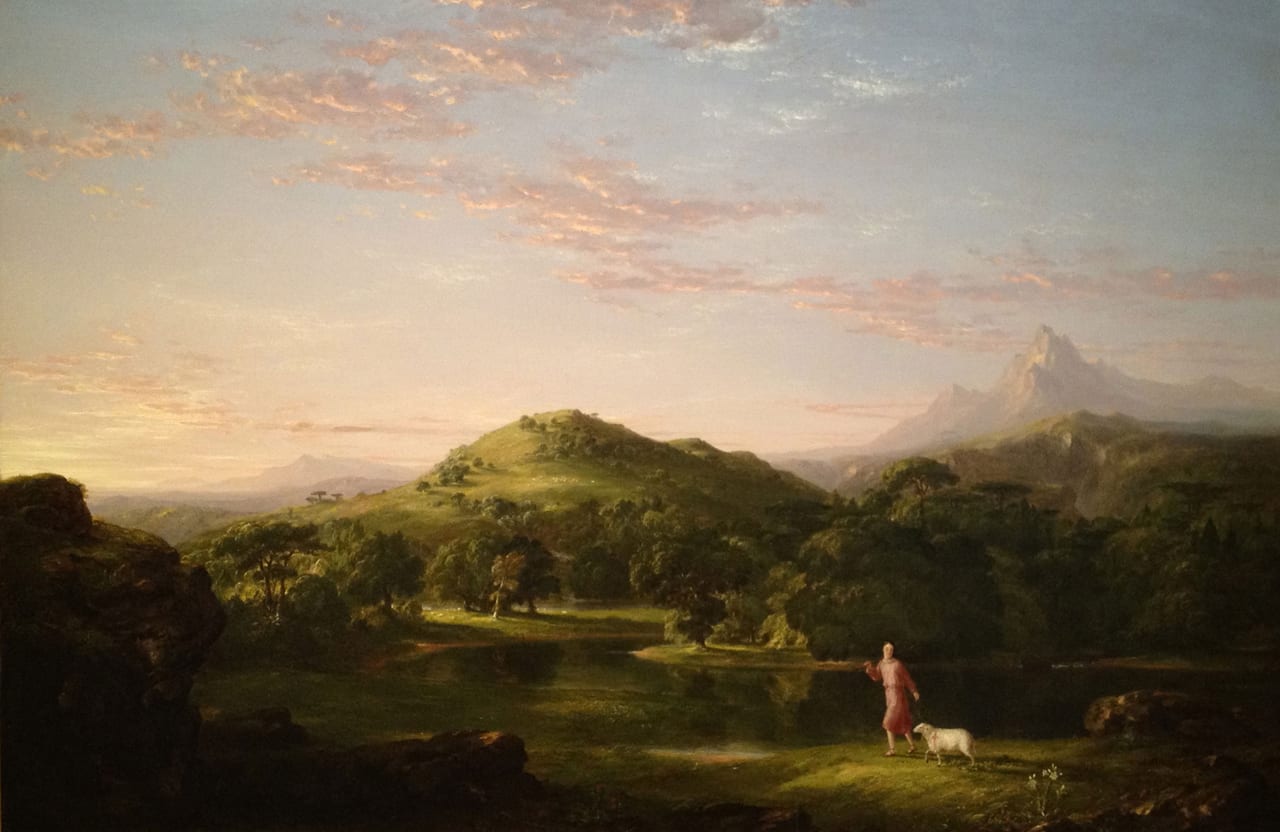
Thomas Cole
The Good Shepherd · 1848
The Good Shepherd is by Thomas Cole, an English-born Romantic landscape painter, and one of the founders of the Hudson River school.
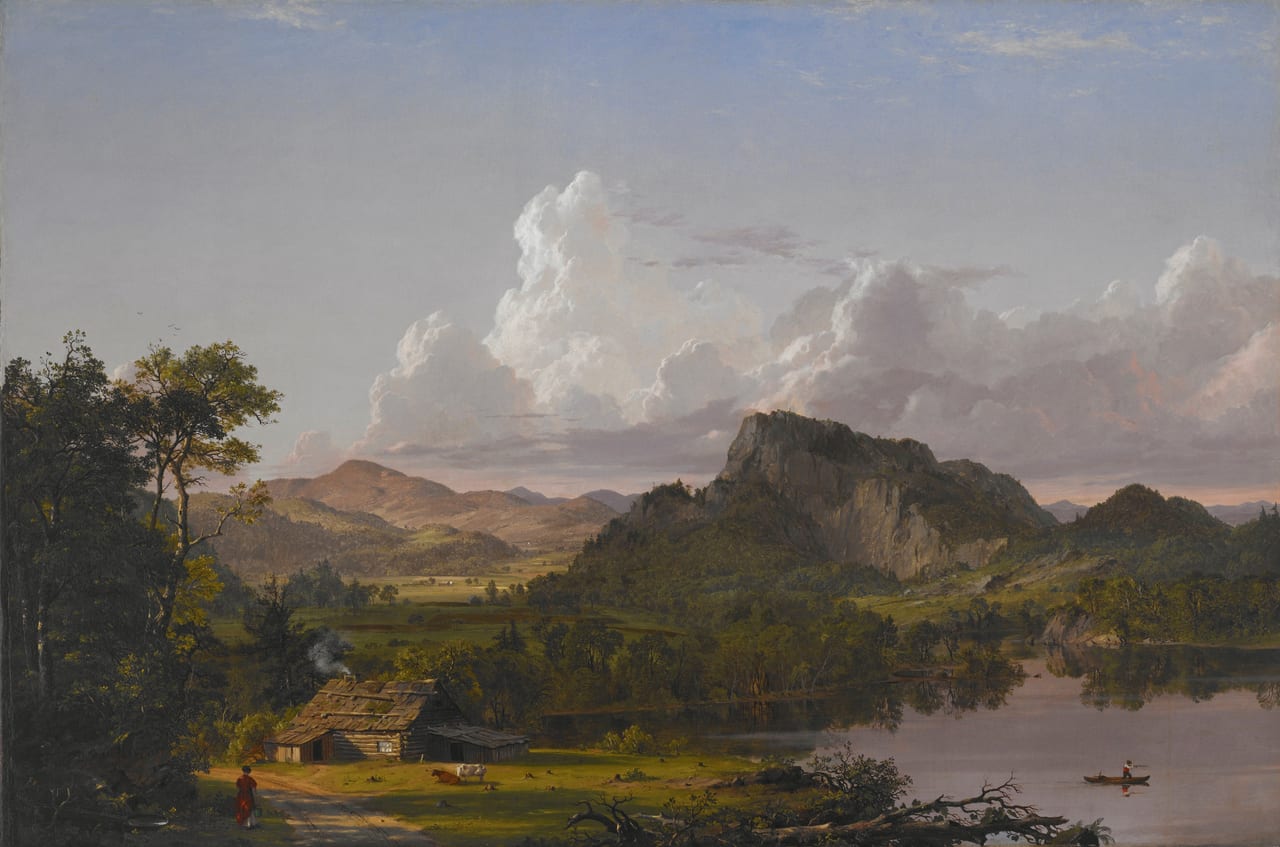
Frederic Edwin Church
Home by the Lake · 1852
A pupil of Thomas Cole and among the most prominent Hudson River school painters, drawn to marvels of nature such as Niagara Falls.
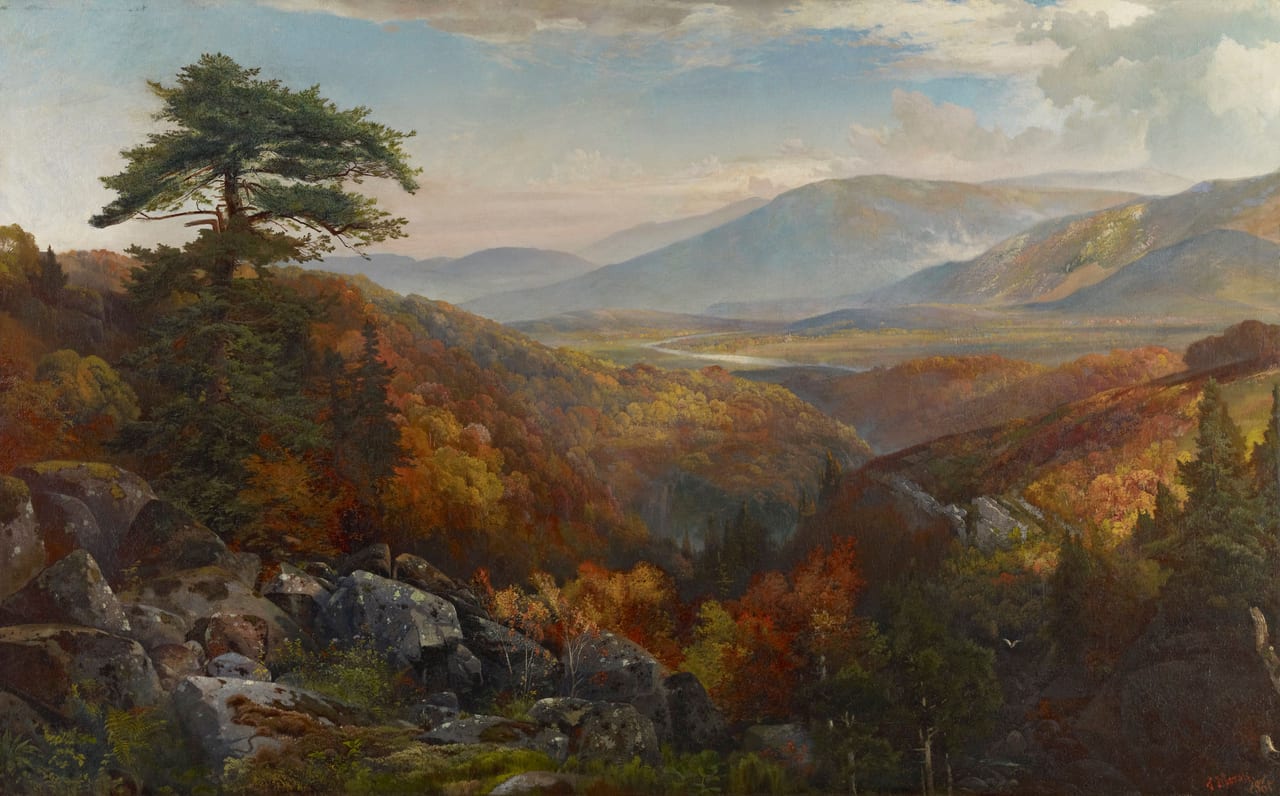
Thomas Moran
Valley of the Catawissa in Autumn · ca. 1862
Valley of the Catawissa in Autumn is by Thomas Moran, a Hudson River school landscape painter, known for his views of the American West.
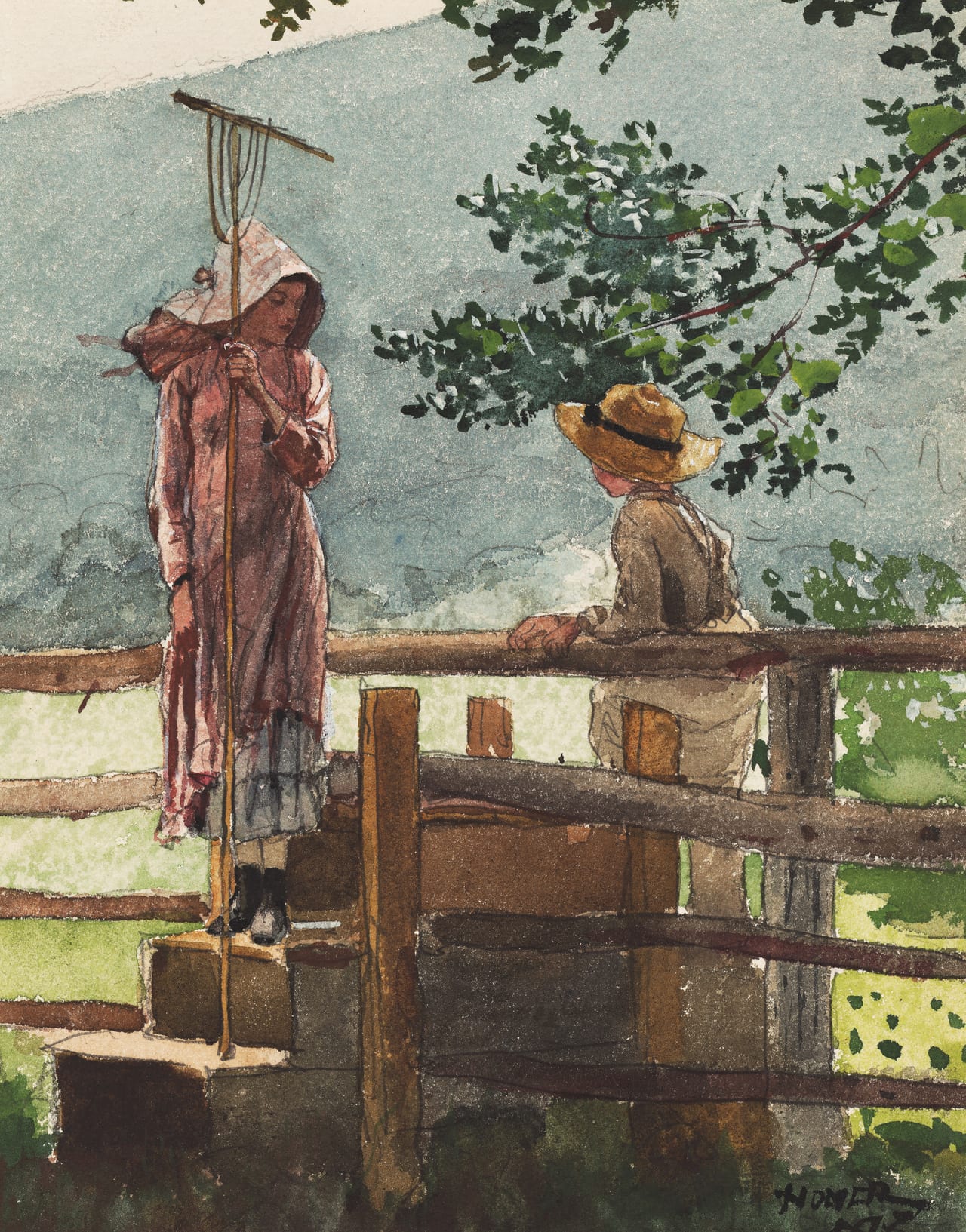
Winslow Homer
Spring · 1878
Spring is by Winslow Homer, a master of watercolour whose paintings, above all of the sea, are among the most powerful of late-nineteenth-century American art.
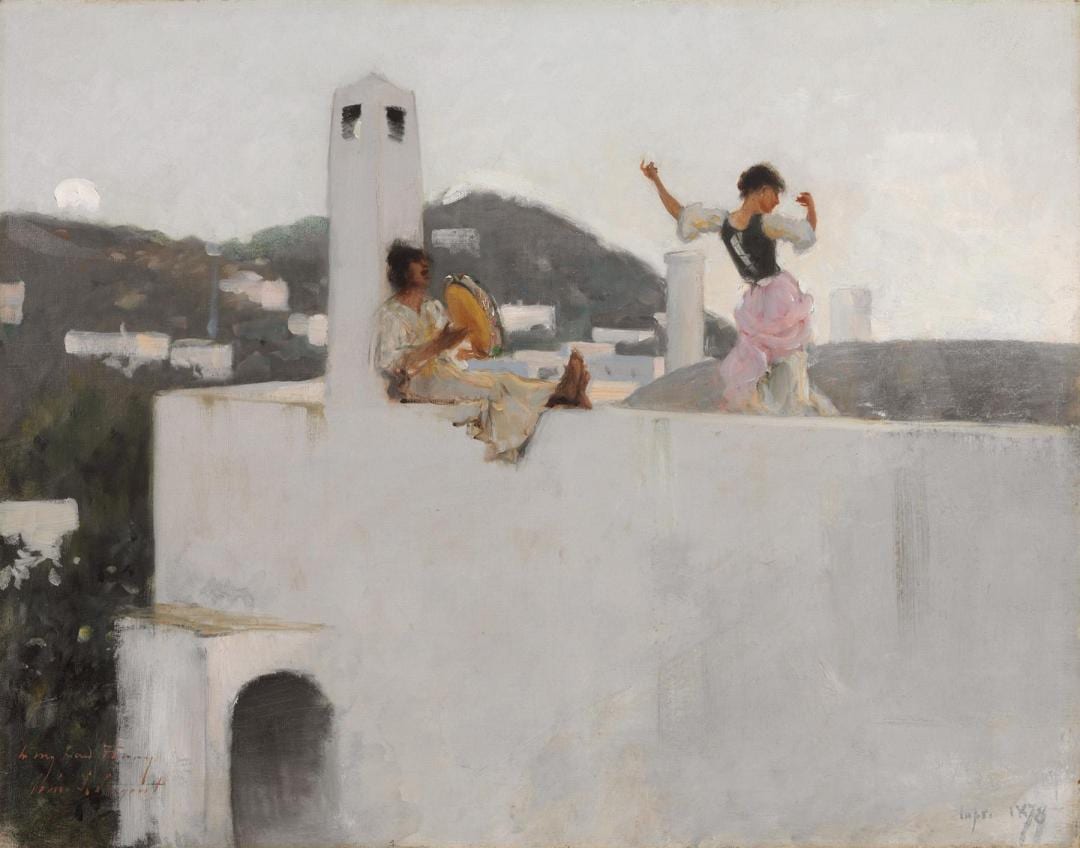
John Singer Sargent
Capri Girl on a Rooftop · 1878
Sargent, born in Florence, painted elegant portraits that became the lasting image of Edwardian society.
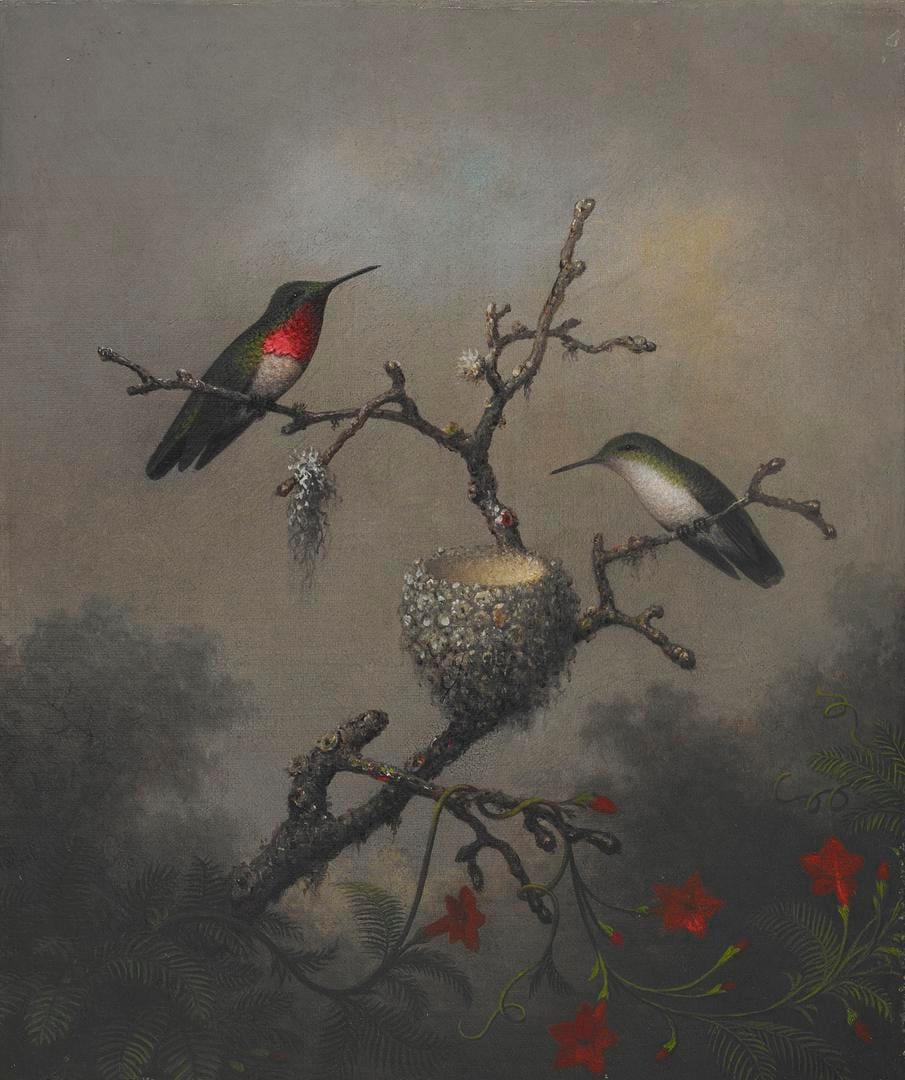
Martin Johnson Heade
Ruby-throated Hummingbird · ca. 1863–1864
Ruby-throated Hummingbird is by Martin Johnson Heade, a painter of seascapes and still lifes, associated with the luminist way of seeing.
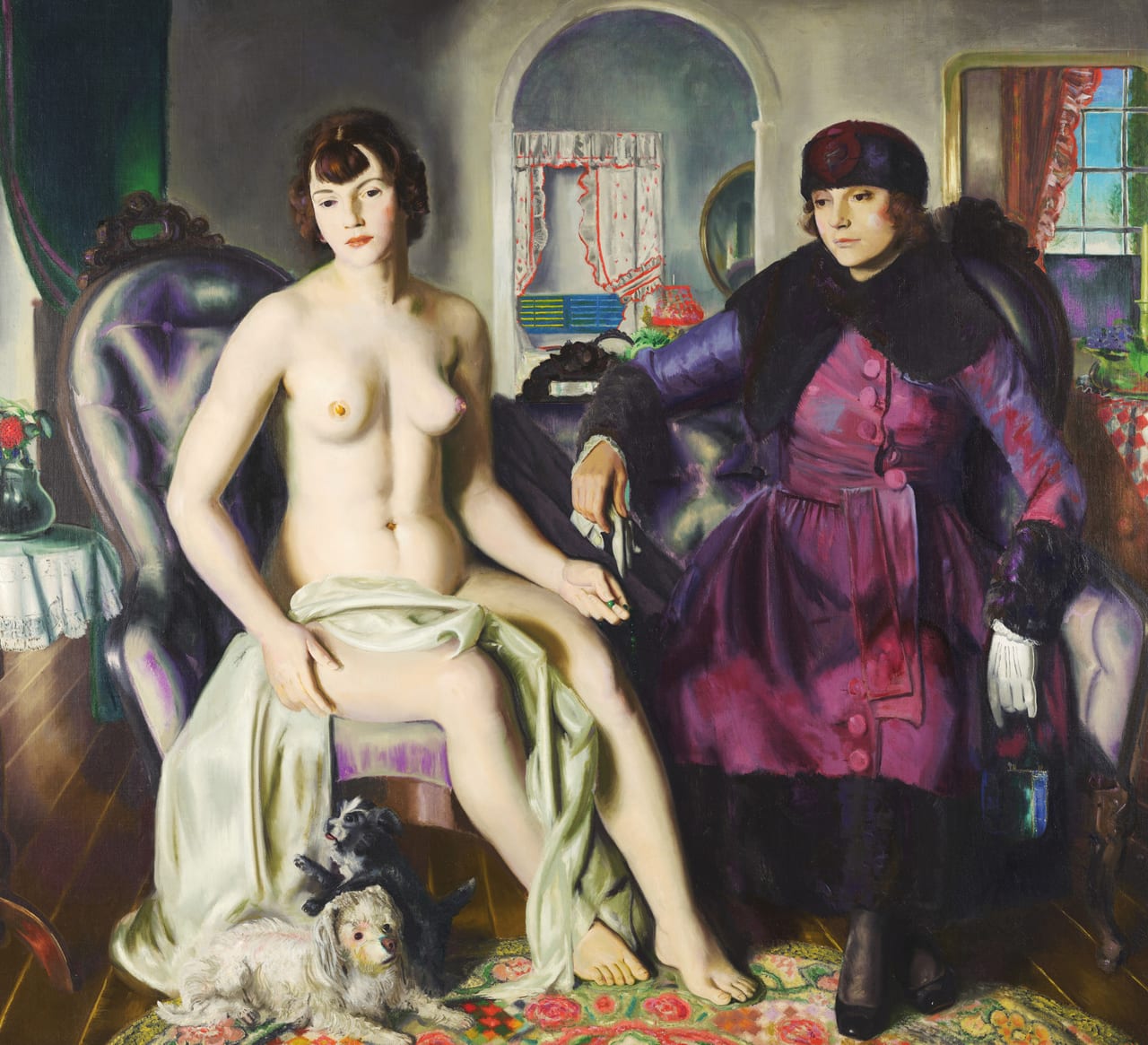
George Bellows
Two Women · 1924
Two Women is by George Bellows, a realist known for bold pictures of city life in New York.
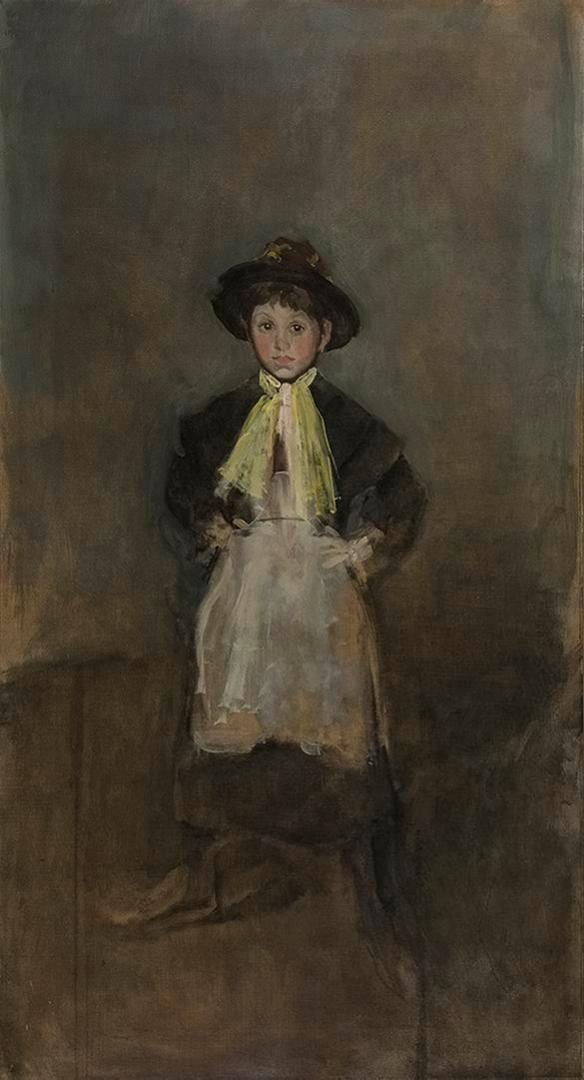
James McNeill Whistler
The Chelsea Girl · 1884
The Chelsea Girl is by James McNeill Whistler, a painter and printmaker who worked mainly in Britain and championed “art for art’s sake”.
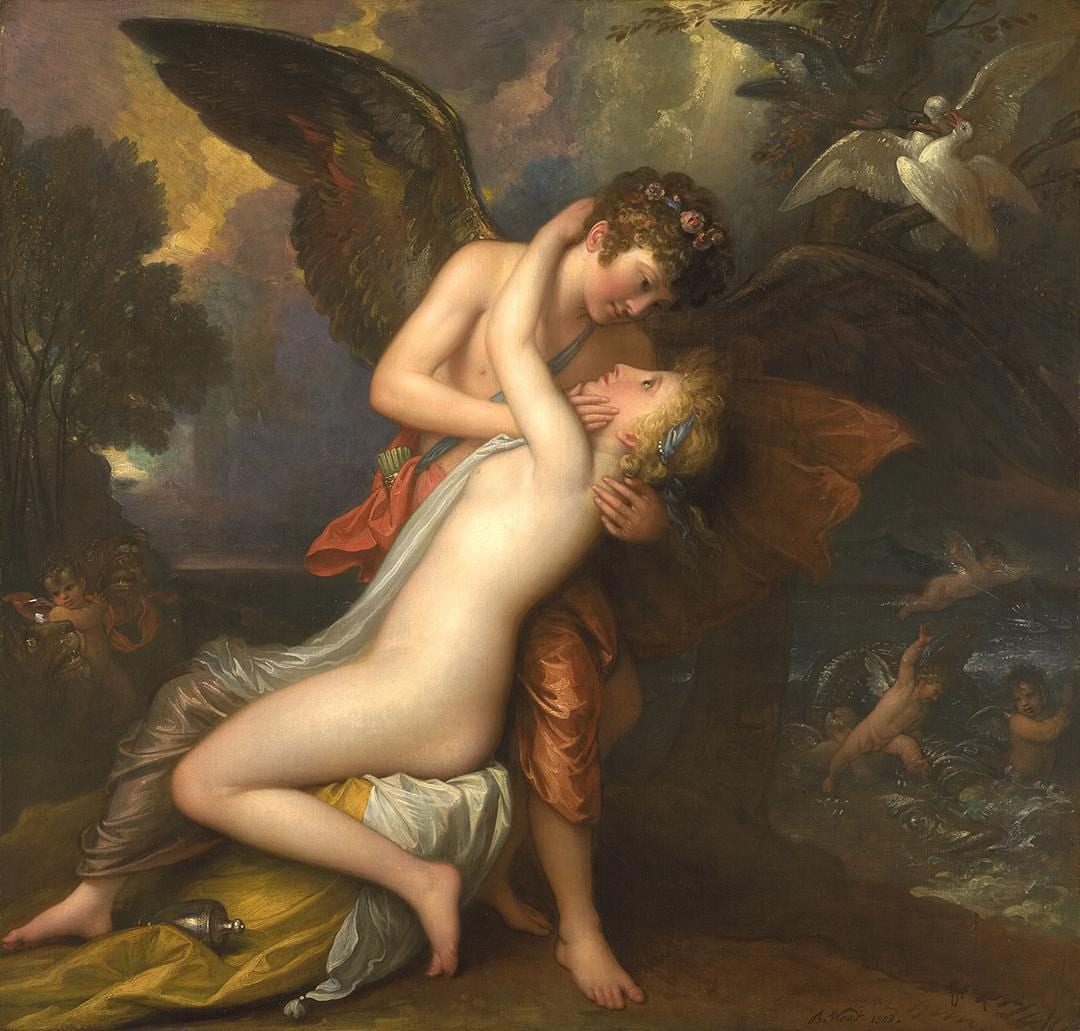
Benjamin West
Cupid and Psyche · 1808
Benjamin West was historical painter to George III and, from 1792, president of the Royal Academy, and had a profound influence on the development of history painting in Britain.
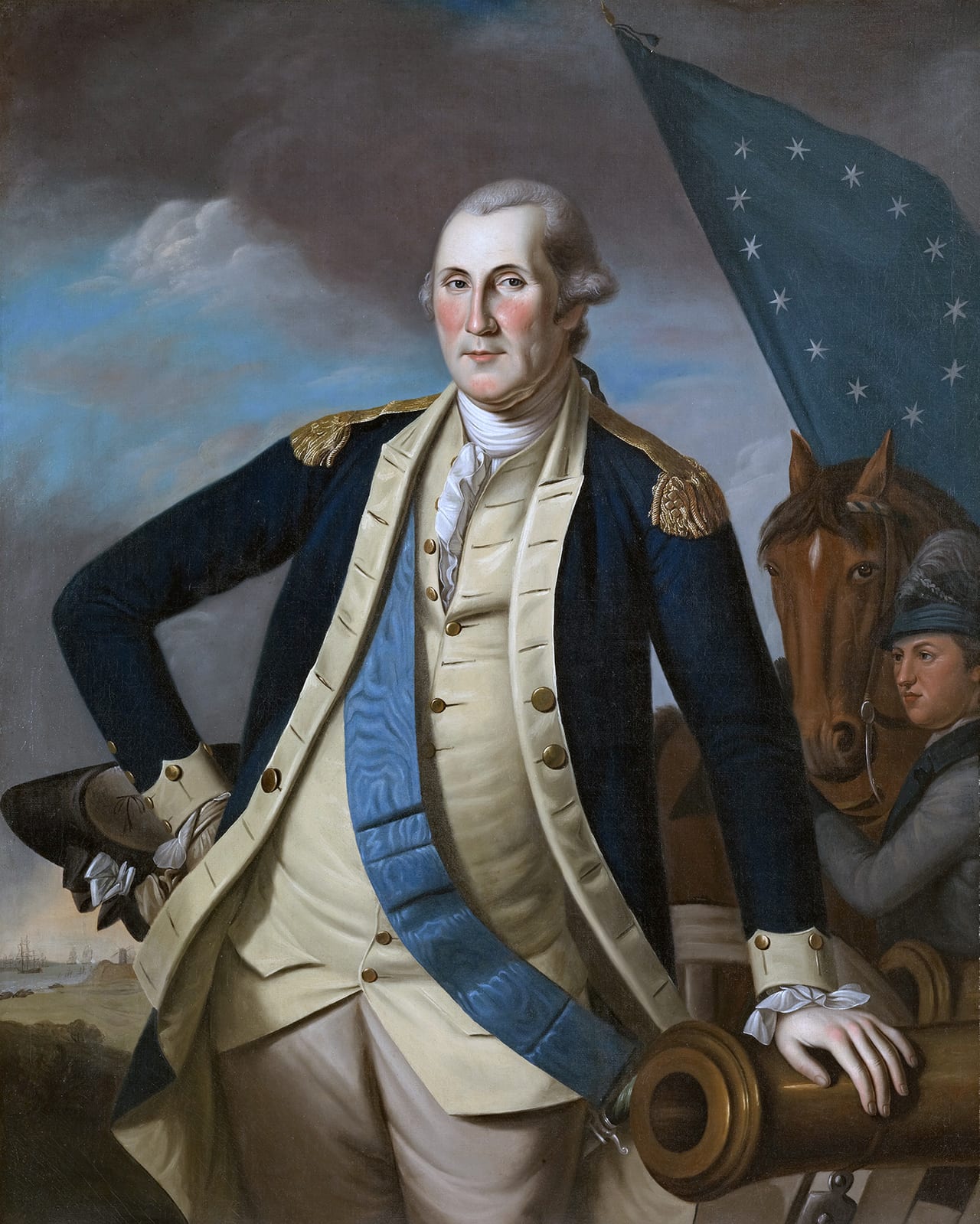
Charles Willson Peale
George Washington · ca. 1780–1782
Charles Willson Peale is remembered above all for portraits of the Revolution’s leaders, and he founded the first major museum in the United States.
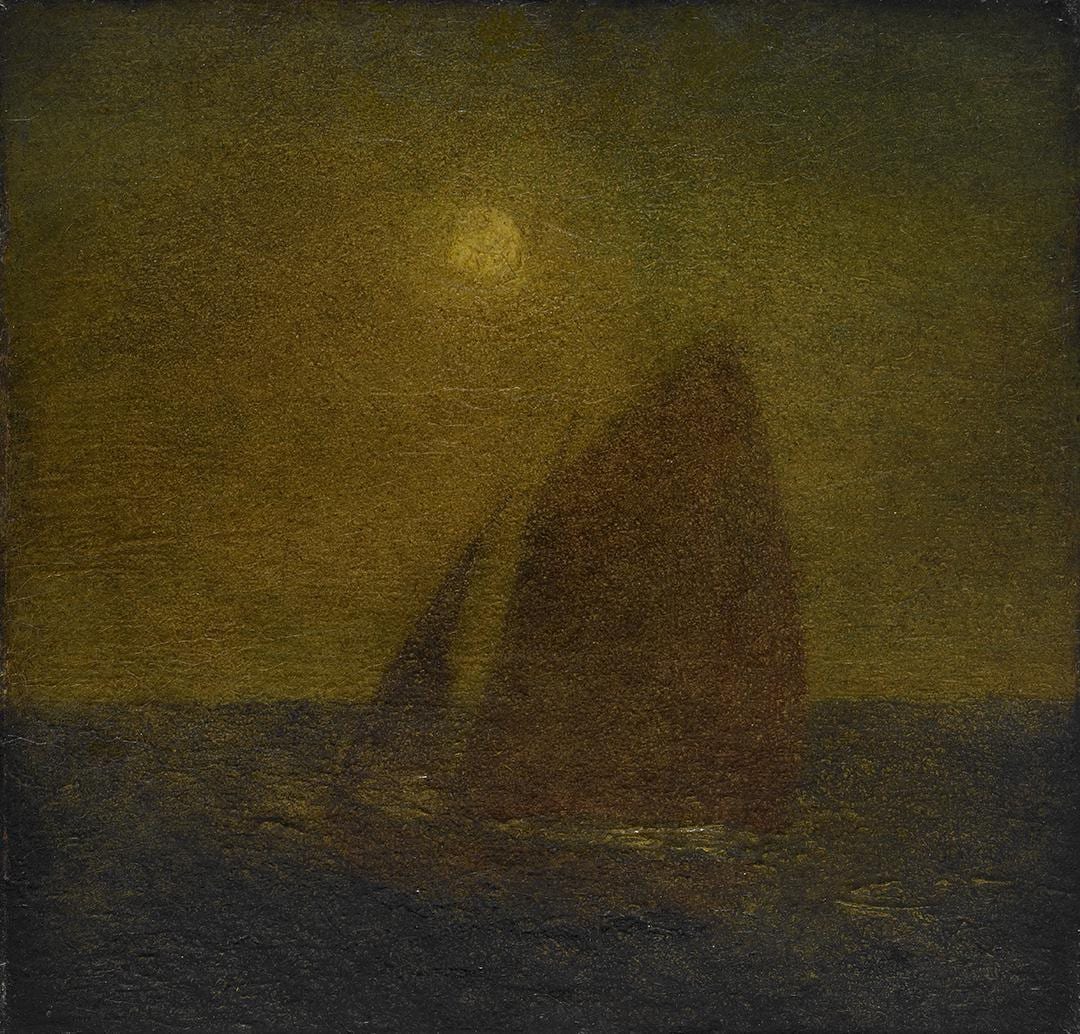
Albert Pinkham Ryder
Misty Moonlight · ca. 1885
A solitary, imaginative painter of very personal seascapes and mystical allegories.
Artworks
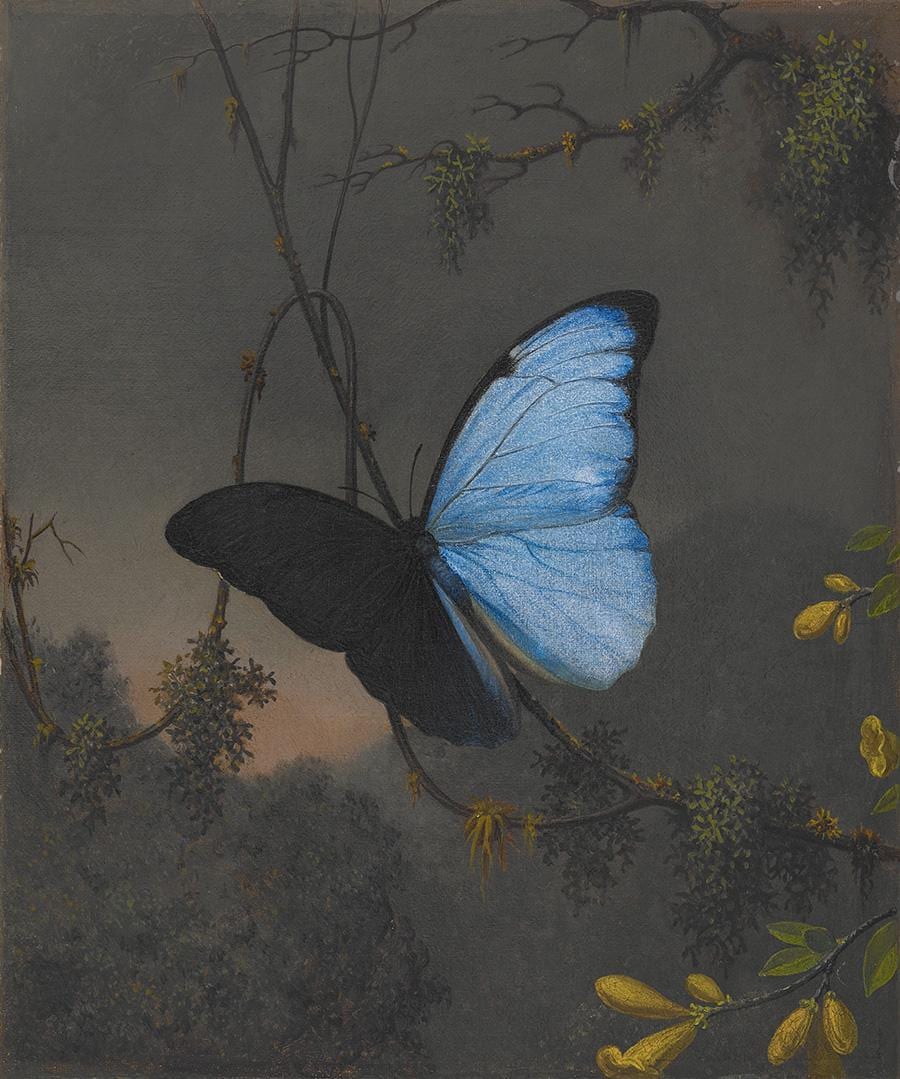
Blue Morpho Butterfly
Martin Johnson Heade · ca. 1863–1864
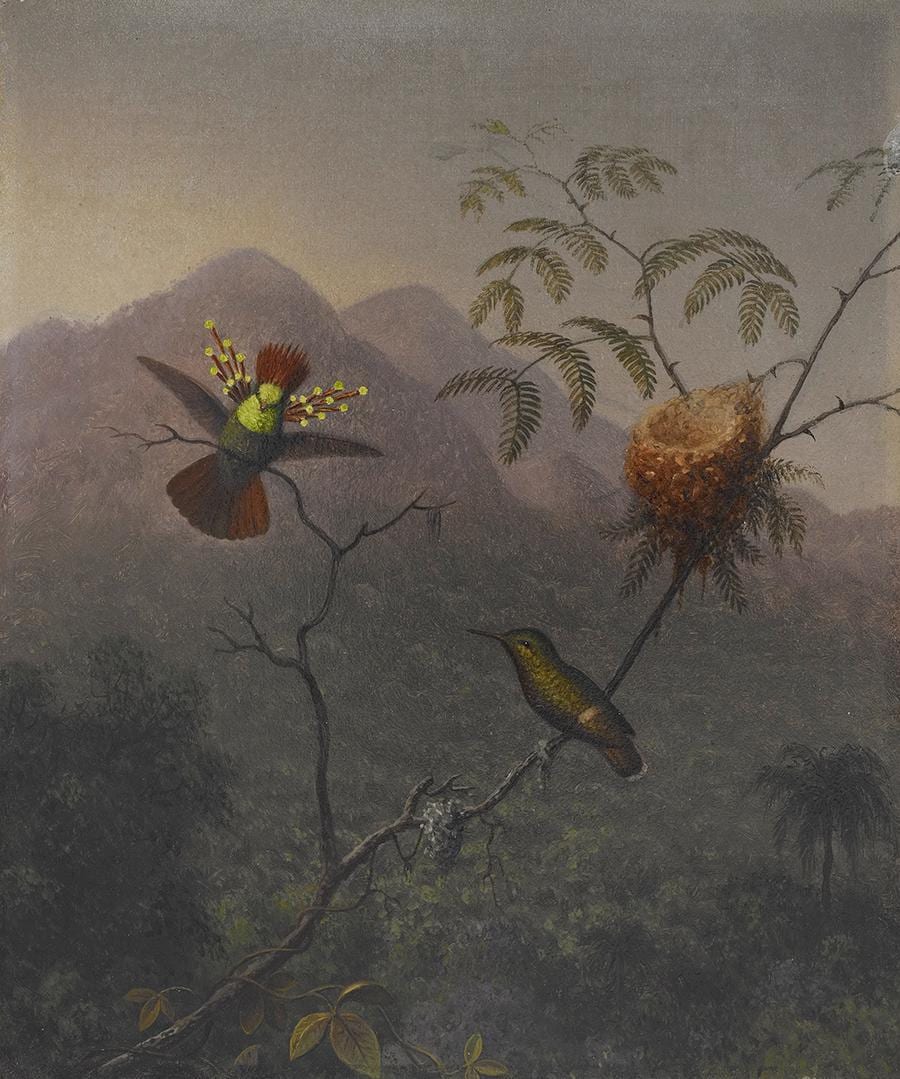
Tufted Coquette
Martin Johnson Heade · ca. 1863–1864
Sources
- Crystal Bridges, “About”
- Crystal Bridges, “Architecture”
- Crystal Bridges, “Moshe Safdie”
- Crystal Bridges, “Bachman-Wilson House”
- Crystal Bridges, “Alice Walton”
- Crystal Bridges, “Crystal Bridges Unveils New Visions of America Galleries”
- Crystal Bridges, “Foundations of American Art”
- Crystal Bridges, “Drawings and Watercolors: 18th and 19th Century”
- Crystal Bridges, “Alfred Stieglitz Collection”
- Crystal Bridges, “Contemporary American Art Gallery”
- Crystal Bridges, “Kindred Spirits”
- Crystal Bridges, “George Washington [The Constable-Hamilton Portrait]”
- Crystal Bridges, “Professor Benjamin Howard Rand”
- Crystal Bridges, “Mrs. Theodore Atkinson Jr. (Frances Deering Wentworth)”
- Crystal Bridges, “War News from Mexico”
- Crystal Bridges, “World’s Columbian Exposition”
- Crystal Bridges, “The Return of the Gleaner”
- Crystal Bridges, “Robert Louis Stevenson and His Wife”
- Crystal Bridges, “Young Marsyas (Marsyas Enchanting the Hares)”
- Crystal Bridges, “The Indian and the Lily”
- Crystal Bridges, “The Glass Engraver”
- Crystal Bridges, “Winter in the Country”
- Crystal Bridges, “A Wooded Classical Landscape at Evening with Figures in the Foreground”
- Crystal Bridges, “The Backwoods of America”
- Crystal Bridges, “Hooded Visorbearer”
- Crystal Bridges, “Girl in a Sunbonnet”
- Crystal Bridges, “Cranberry Pickers, Nantucket”
- Crystal Bridges, “Daisies”
- Crystal Bridges, “Return of the Useless”
- Crystal Bridges, “Ten Potawatomi Chiefs”
- Crystal Bridges, “The Good Shepherd”
- Crystal Bridges, “Home by the Lake”
- Crystal Bridges, “Valley of the Catawissa in Autumn”
- Crystal Bridges, “Spring”
- Crystal Bridges, “Capri Girl on a Rooftop”
- Crystal Bridges, “Ruby-throated Hummingbird”
- Crystal Bridges, “Two Women”
- Crystal Bridges, “The Chelsea Girl”
- Crystal Bridges, “Cupid and Psyche”
- Crystal Bridges, “George Washington”
- Crystal Bridges, “Misty Moonlight”
- Crystal Bridges, “Trophies of the Hunt”
- Crystal Bridges, “Blue Morpho Butterfly”
- Crystal Bridges, “Tufted Coquette”
- Crystal Bridges, “Fork-tailed Woodnymph”
- Encyclopedia of Arkansas, “Crystal Bridges Museum of American Art”
- Britannica, “Thomas Cole”
- Britannica, “Frederic Edwin Church”
- Britannica, “Thomas Moran”
- Britannica, “Winslow Homer”
- Britannica, “John Singer Sargent”
- Britannica, “Martin Johnson Heade”
- Britannica, “Benjamin West”
- Britannica, “Charles Willson Peale”
- Britannica, “Albert Pinkham Ryder”
- Wikipedia, “George Bellows”
- Wikipedia, “James McNeill Whistler”
- Wikipedia, “Crystal Bridges Museum of American Art”
- Wikipedia, “Kindred Spirits (painting)”
- Wikipedia, “Portrait of Mrs. Theodore Atkinson Jr.”
- Wikipedia, “Portrait of Professor Benjamin H. Rand”
- Trophies of the Hunt — Public domain via Wikimedia Commons (Public domain)
- Kindred Spirits — Public domain via Wikimedia Commons (Public domain)
- George Washington (The Constable-Hamilton Portrait) — Public domain via Wikimedia Commons (Public domain)
- Professor Benjamin Howard Rand — Public domain via Wikimedia Commons (Public domain)
- Mrs. Theodore Atkinson Jr. (Frances Deering Wentworth) — Public domain via Wikimedia Commons (Public domain)
- War News from Mexico — Public domain via Wikimedia Commons (Public domain)
- World’s Columbian Exposition — Public domain via Wikimedia Commons (Public domain)
- The Return of the Gleaner — Public domain via Wikimedia Commons (Public domain)
- Robert Louis Stevenson and His Wife — Public domain via Wikimedia Commons (Public domain)
- Young Marsyas (Marsyas Enchanting the Hares) — Public domain via Wikimedia Commons (Public domain)
- The Indian and the Lily — Public domain via Wikimedia Commons (Public domain)
- The Glass Engraver — Public domain via Wikimedia Commons (Public domain)
- Winter in the Country — Public domain via Wikimedia Commons (Public domain)
- A Wooded Classical Landscape at Evening with Figures in the Foreground — Public domain via Wikimedia Commons (Public domain)
- The Backwoods of America — CC0 via Wikimedia Commons (CC0)
- Hooded Visorbearer — Public domain via Wikimedia Commons (Public domain)
- Girl in a Sunbonnet — Public domain via Wikimedia Commons (Public domain)
- Cranberry Pickers, Nantucket — Public domain via Wikimedia Commons (Public domain)
- Daisies — Public domain via Wikimedia Commons (Public domain)
- Return of the Useless — Public domain via Wikimedia Commons (Public domain)
- Ten Potawatomi Chiefs — Public domain via Wikimedia Commons (Public domain)
- The Good Shepherd — Public domain via Wikimedia Commons (Public domain)
- Home by the Lake — Public domain via Wikimedia Commons (Public domain)
- Valley of the Catawissa in Autumn — Public domain via Wikimedia Commons (Public domain)
- Spring — Public domain via Wikimedia Commons (Public domain)
- Capri Girl on a Rooftop — Public domain via Wikimedia Commons (Public domain)
- Ruby-throated Hummingbird — Public domain via Wikimedia Commons (Public domain)
- Two Women — Public domain via Wikimedia Commons (Public domain)
- The Chelsea Girl — Public domain via Wikimedia Commons (Public domain)
- Cupid and Psyche — Public domain via Wikimedia Commons (Public domain)
- George Washington — Public domain via Wikimedia Commons (Public domain)
- Misty Moonlight — Public domain via Wikimedia Commons (Public domain)
- Blue Morpho Butterfly — Public domain via Wikimedia Commons (Public domain)
- Tufted Coquette — Public domain via Wikimedia Commons (Public domain)
Invite the Crystal Bridges Museum of American Art into your living room