Vase with Carnations
Vincent van Gogh · 1886

Detroit Institute of Arts
Detroit
Founded in 1885 by a group of Detroit citizens, the Detroit Institute of Arts holds more than 65,000 works, a collection counted among the top six in the United States. It is known for nineteenth-century American painting and for Dutch, Flemish and Italian pictures from the Renaissance to the Baroque, and Diego Rivera’s Detroit Industry frescoes surround its central courtyard, Rivera Court, on all four walls.
- works in a collection counted among the top six in the United States
- More than 65,000
- by Diego Rivera around the museum’s central courtyard, picturing the automobile industry
- 27 murals
- works then owned by the city, valued by Christie’s in December 2013 at $454 million to $867 million
- Nearly 2,800
From a travel journal to a temple of art
The museum began with a family tour of Europe. In 1881 the Detroit newspaper owner James E. Scripps spent five months touring the art of Italy, France, Germany and the Netherlands, and parts of his journal ran in his paper, The Detroit News. Readers liked it so much that William H. Brearley, who managed the paper’s advertising, put on an art exhibition in 1883, which drew a warm response too. Brearley then talked many of Detroit’s leading citizens into backing a permanent museum. It was founded in 1885 by a group of Detroit citizens, at first under the name Detroit Museum of Art, and its first building opened in 1888.
In 1919 the trustees renamed it the Detroit Institute of Arts, and that year ownership passed to the City of Detroit: the museum became a city department with city operating funds, while the old board carried on as the Founders Society, a private group raising extra money for purchases and other needs. Its new home by Paul Cret, a Beaux-Arts building at once called the “temple of art”, was dedicated on 7 October 1927. The south and north wings followed in 1966 and 1971, and a large renovation and expansion begun in 1999 was finished in 2007.
Valentiner’s museum
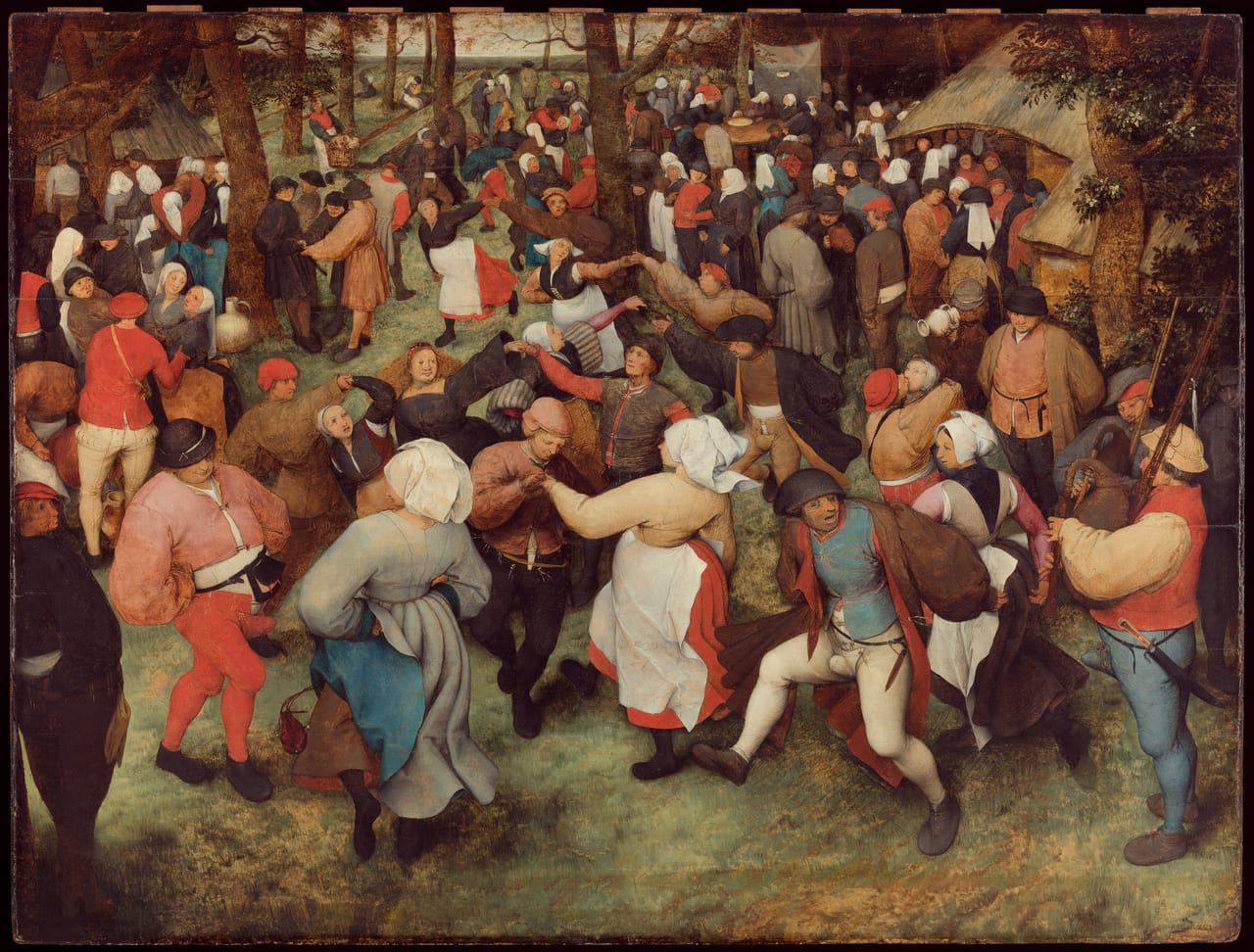
William Valentiner, director from 1924 to 1945, laid the foundation of the collection as it stands, buying many of the works that still give it its shape. He also stopped grouping art by kind, paintings in one room and sculpture in another, and arranged it by nation and period instead, a change thought so radical that a 1929 encyclopedia illustrated the museum’s main floor plan as its example of the perfect modern art museum. In 1930 he came upon Bruegel’s The Wedding Dance, long believed lost, at a sale in London, and paid $35,075 for it out of city funds.
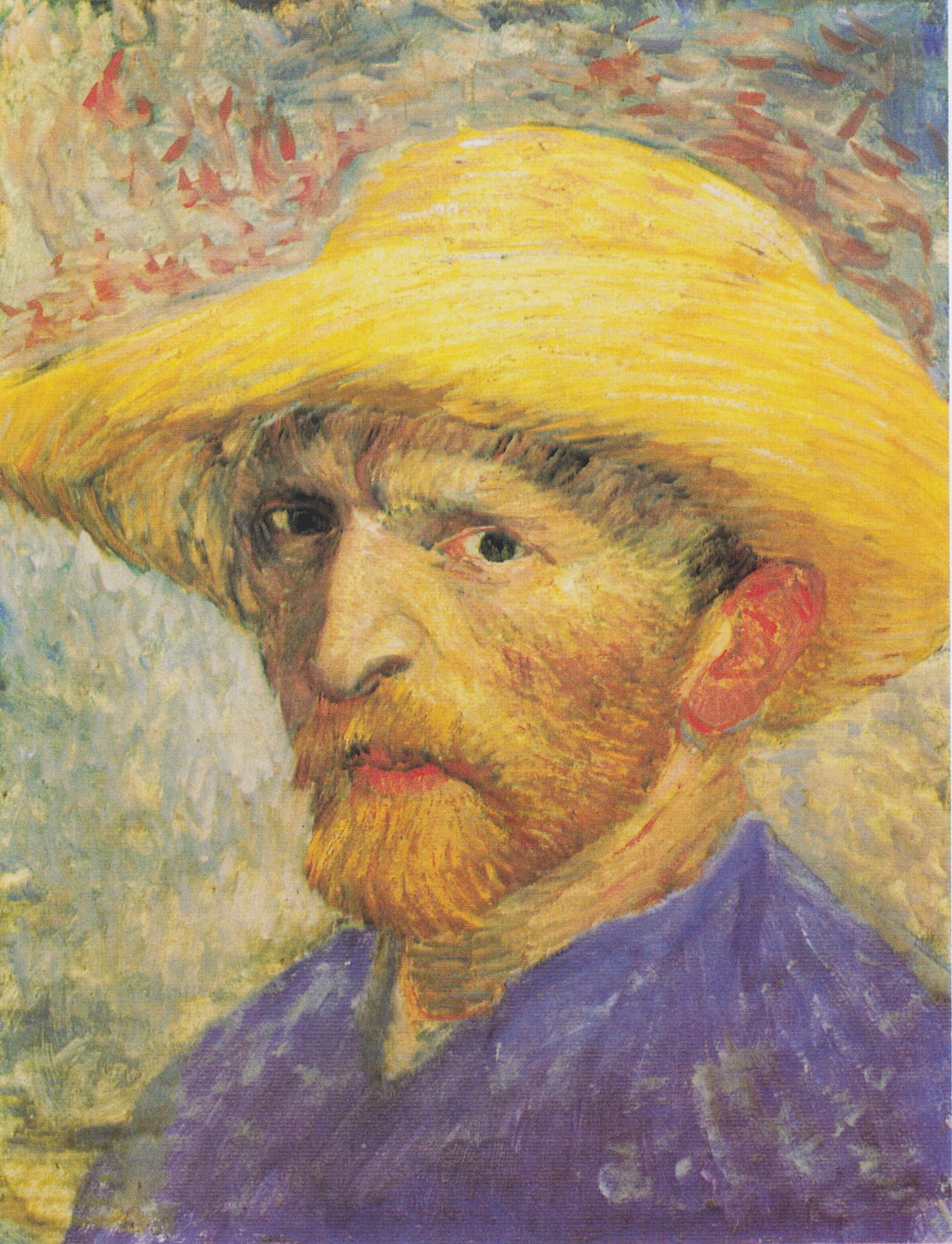
Van Gogh’s self-portrait and Henri Matisse’s The Window, both bought in 1922, were the first paintings by either artist to enter an American public collection. German Expressionism was collected early, with Franz Marc, Max Beckmann, Emil Nolde, Ernst Ludwig Kirchner and Paula Modersohn-Becker among the painters. Beside its American and European art, and its modern, contemporary and graphic art, the museum holds significant African, Asian, Native American, Oceanic, Islamic and ancient works. The museum counts its European paintings among the finest in the United States and its American art among the best in the world.
Rivera’s Detroit Industry
It was Valentiner, too, who hired Diego Rivera. Rivera was a contested choice, an outspoken member of the Mexican Communist Party whose pictures often mocked rich businessmen, but Valentiner had seen his work in San Francisco and hired him over the objections of the city and various interest groups. Edsel Ford, Henry Ford’s son and a major supporter of the arts, put his influence behind the project and paid the whole bill, $20,889. To prepare, Rivera spent a month at Ford’s new River Rouge complex, taken with its machines, its workers and its energy, and filled dozens of notebooks with sketches.
He painted the frescoes in 1932 and 1933, often working sixteen-hour days, on all four walls of the central courtyard, Rivera Court: 27 murals of the car industry. They honour Detroit’s industrial past while examining how technology, labour and human ambition bear on one another, and Rivera did not leave out the darker side: a west-wall panel shows aeroplanes both carrying holidaymakers and carrying bombs. In the McCarthy years a prominent sign kept the murals safe by vouching for them as art, while calling the painter’s political motives “detestable”. Rivera thought the cycle his finest work, and it is now a National Historic Landmark.
Patrons, a city and a bargain
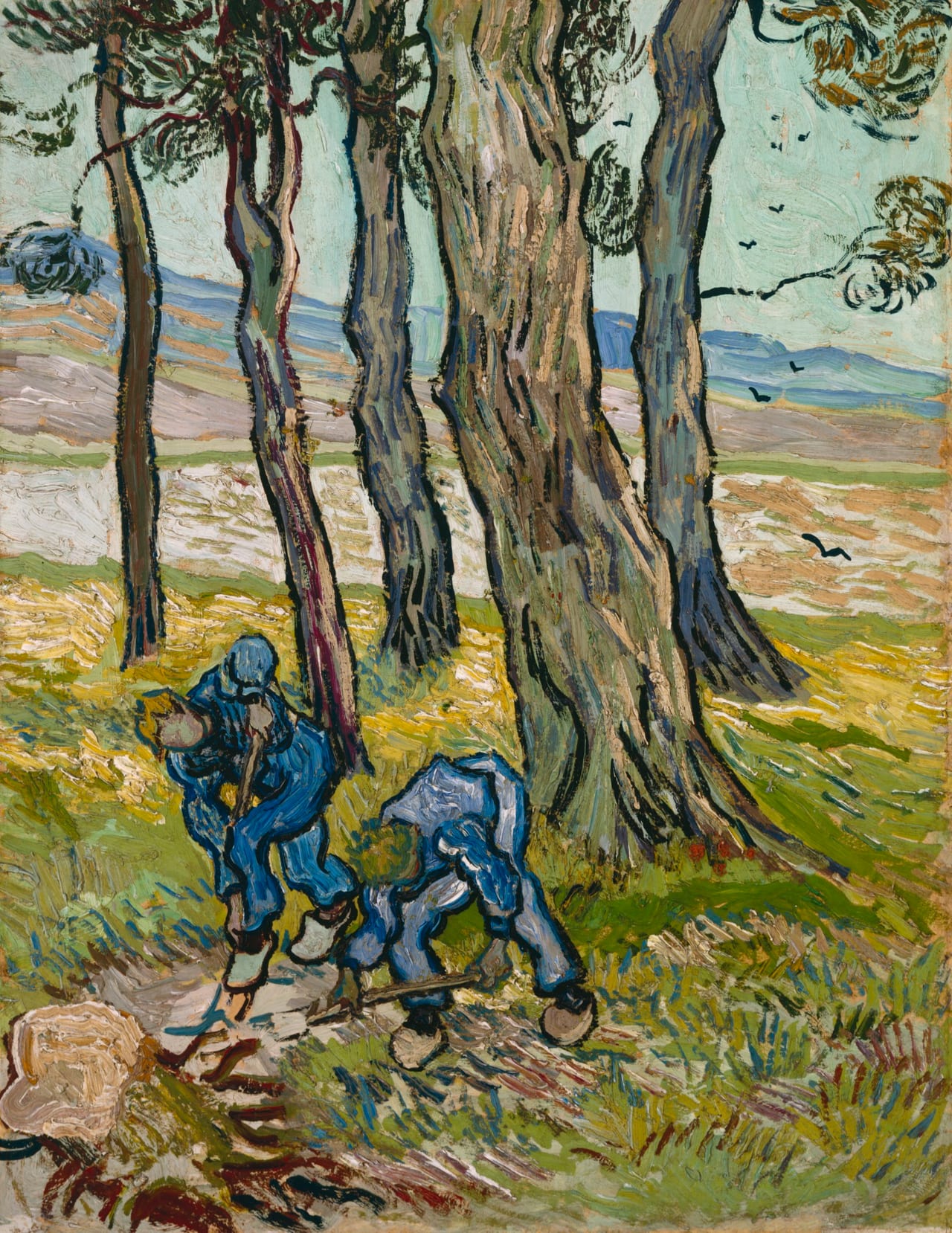
Detroit’s motor-industry families supported the museum: the Dodges, the Firestones and the Fords gave art and money, Edsel and Eleanor Ford above all. Robert Hudson Tannahill, of the Hudson’s department store family, gave many works while he lived, and at his death in 1970 he left a large European collection, with works by Cézanne, Van Gogh, Gauguin, Degas, Seurat, Henri Rousseau, Matisse, Picasso and Brâncuși, together with African art and an endowment for future purchases; Van Gogh’s The Diggers, which he had given, came to the museum on his death. Its large holdings of ancient and Islamic art grew from works acquired by the pharmaceutical magnate Frederick Stearns.
After Detroit filed for bankruptcy on 18 July 2013, creditors eyed the part of the collection bought with city money, and the city’s emergency manager, Kevyn Orr, had Christie’s value it. In December the auction house put the nearly 2,800 works then owned by the city at $454 million to $867 million. To keep them from being sold, the museum’s supporters devised what became known as the grand bargain: the museum would raise $100 million, nine private foundations pledged $330 million and the State of Michigan was to add $350 million, to secure the pensions of city workers, and the city in return would hand its share of the collection and the building to the non-profit already running the museum.
The plan was approved, and the final settlement required the museum to sell no art at all. In December 2014 ownership passed to Detroit Institute of Arts, Inc., making it an independent non-profit again, as it had been before 1919. In 2012 voters in three of the region’s main counties approved a ten-year property levy, or millage, for the museum, and its renewal in March 2020 secured millage funding through 2032.
What to see
The Wedding Dance
Pieter Bruegel the Elder · 1566
Bruegel’s panel shows 125 wedding guests, the dancers’ arms and legs pushed slightly out of true so that they look more awkward. Holidays and festivals of country life in his homeland gave Bruegel his scenes and characters, and his contemporaries would have noted its moralising overtones: frenzied dancing and lust could lead to sin and damnation. A technical study the museum published in 2019–20 found changes made after Bruegel’s death, among them paint over the men’s codpieces and an addition to the top of the panel.
Self-Portrait
Vincent van Gogh · 1887
Van Gogh painted himself in a straw hat in the summer of 1887. His Paris years, 1886 to 1888, were fairly happy ones, and under the impressionists’ bright colours he lightened his palette; here he looks almost light-hearted. Bought in 1922, it was the first painting by Van Gogh to enter a museum collection in the United States, and in 2022 the hundredth anniversary of its purchase was marked with the exhibition Van Gogh in America.
The Nightmare
Henry Fuseli · 1781
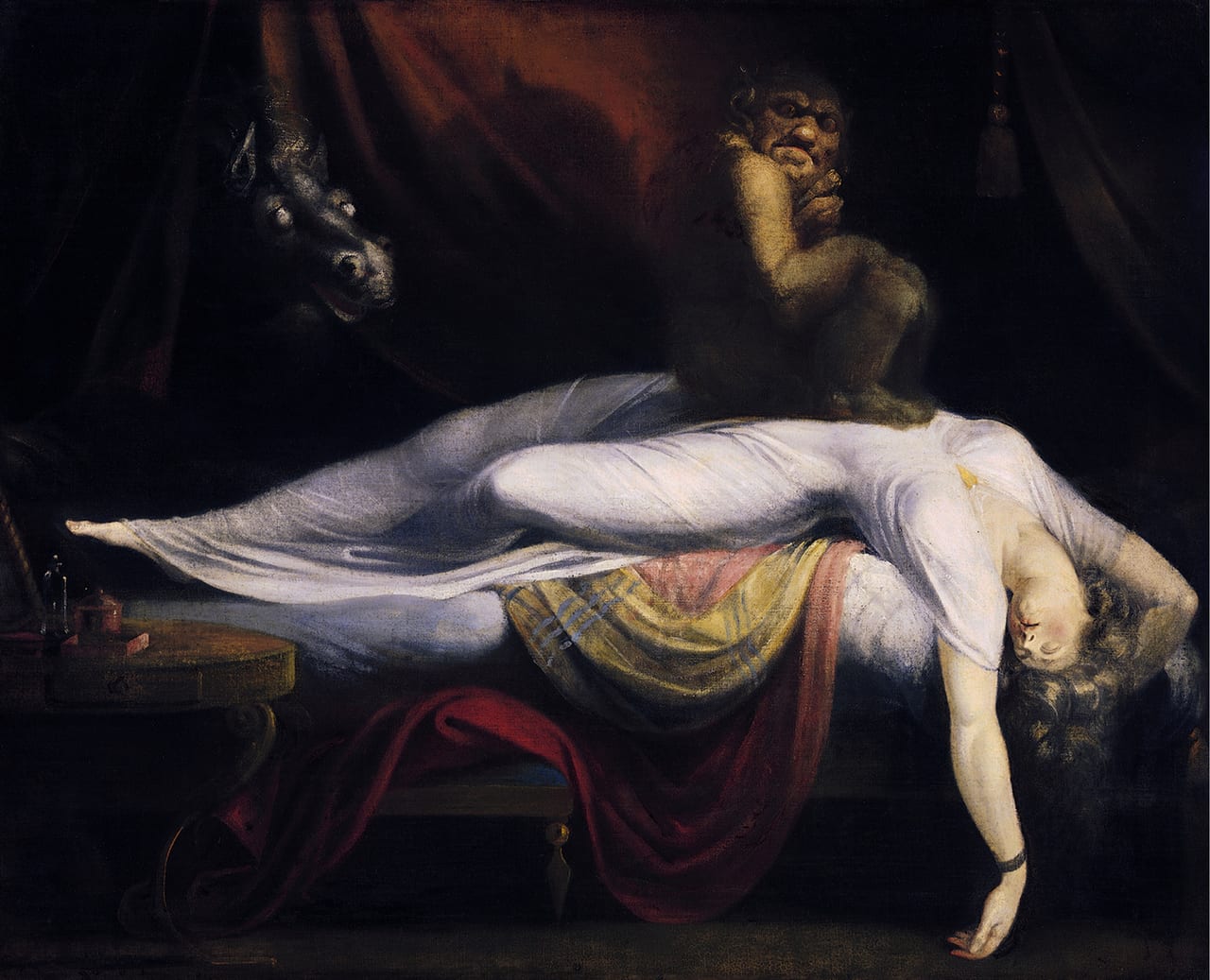
A woman lies in deep sleep, arms flung down, while an ape-like demon squats on her chest and a horse, barely visible, looks on. Fuseli suggests how the demonic nightmare feels to her rather than what she sees, an image of mystery and panic that is still uneasily familiar. The picture was reproduced as an engraving, and a print of it hung in Sigmund Freud’s Vienna flat in the 1920s.
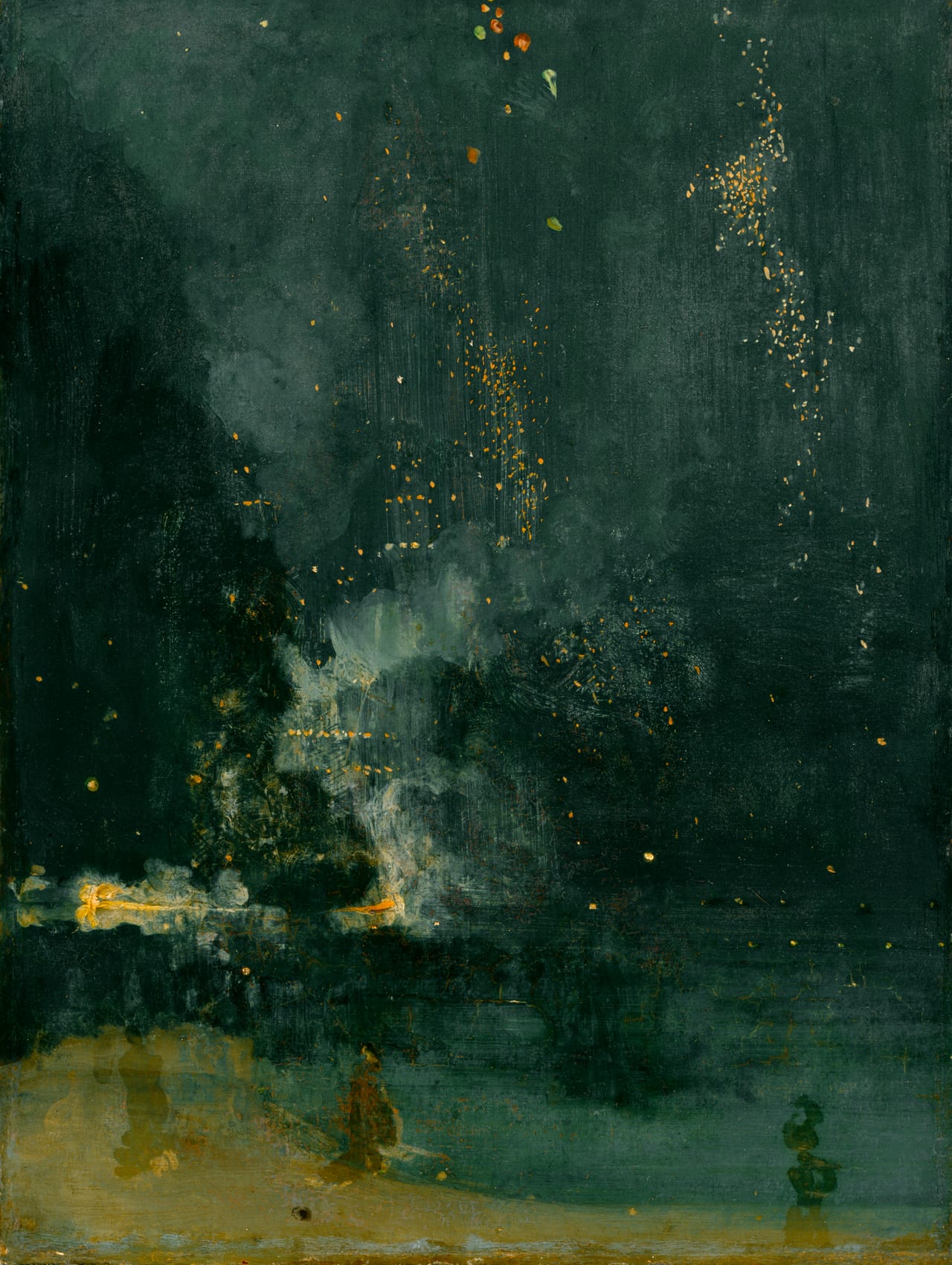
Nocturne in Black and Gold, the Falling Rocket
James McNeill Whistler · 1875
A fireworks display over London’s Cremorne Gardens, and probably Whistler’s most notorious picture. It was at the centre of the libel suit between the critic John Ruskin and the artist; Ruskin had publicly scorned it, speaking of “flinging a pot of paint in the public’s face”. Whistler won, but was awarded only a farthing in damages. It is one of his many Nocturnes, moody in atmosphere and quiet in colour.
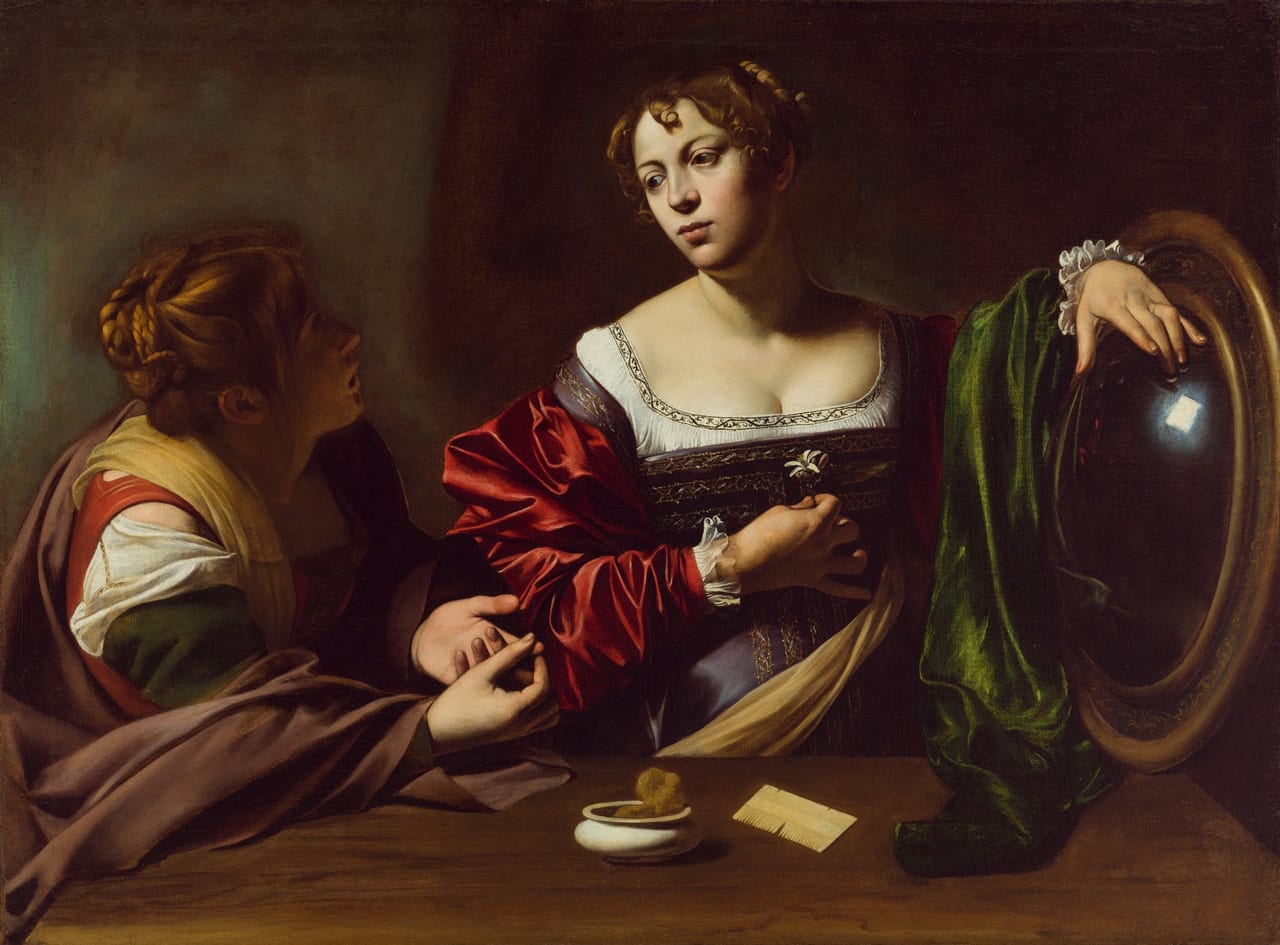
Martha and Mary Magdalene
Caravaggio · c. 1598
Caravaggio starts from the Gospel of Luke, where the sisters welcome Christ into their house, and imagines their argument: modest Martha scolds Mary for her conduct, counting Christ’s miracles on her fingers, while Mary, richly dressed, rests her hand on a large mirror. He hints that Mary will soon be converted. The orange-blossom twig in her right hand stands for purity, and the ring on her left for her place as the bride of Christ.
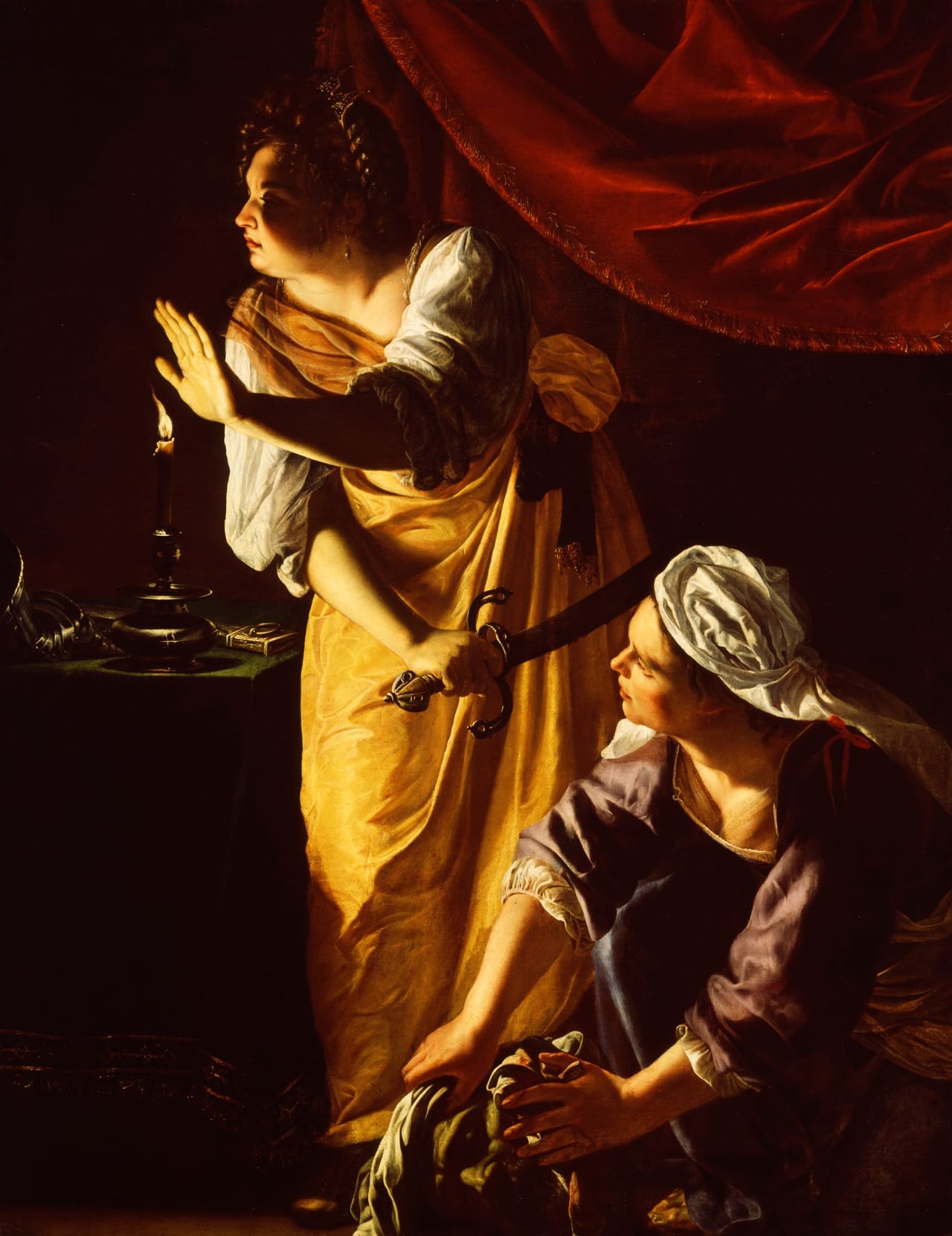
Judith and Her Maidservant with the Head of Holofernes
Artemisia Gentileschi · c. 1623–25
The aftermath of the biblical story in which the widow Judith, helped by her maidservant, kills the Assyrian general Holofernes to save Israel: Judith, sword still in hand, appears to pause in alarm. The fierce, theatrical light recalls Caravaggio, but the naturalism and the sympathy for the two women’s fear are Artemisia Gentileschi’s own. She was the first woman admitted to the Accademia delle Arti del Disegno in Florence.
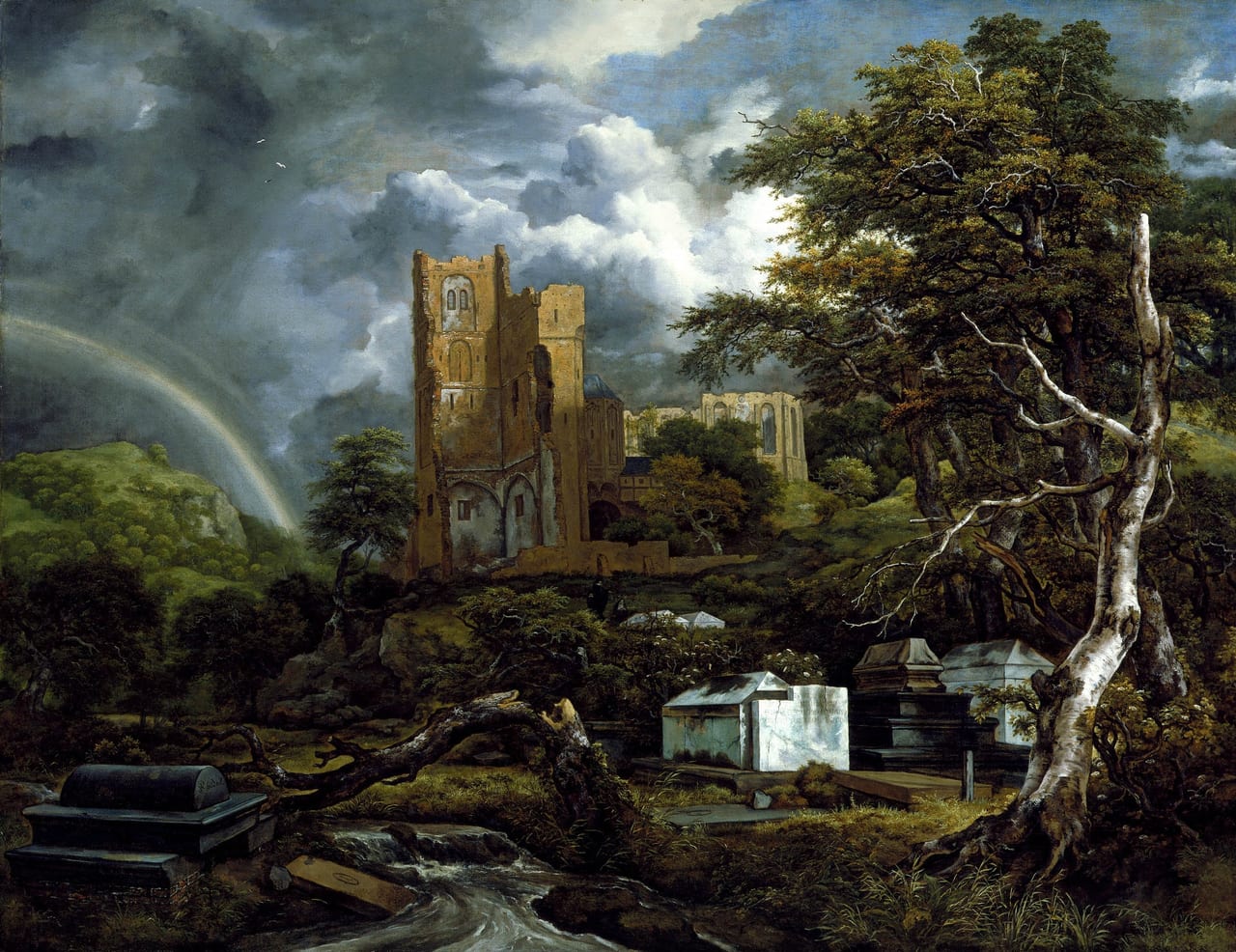
The Jewish Cemetery
Jacob van Ruisdael · 1654 or 1655
Ruisdael took his tombs from Beth Haim at Ouderkerk aan de Amstel, the burial ground of Amsterdam’s Portuguese Jewish community, but nothing else here belongs to Ouderkerk: the ruins behind have been identified as the abbey church of Egmond Castle, about twenty-five miles away. Setting graves beside ruins under gathering storm clouds and a rainbow, he seems to point to the passing of all things, on a canvas twice the size of a typical seventeenth-century landscape.
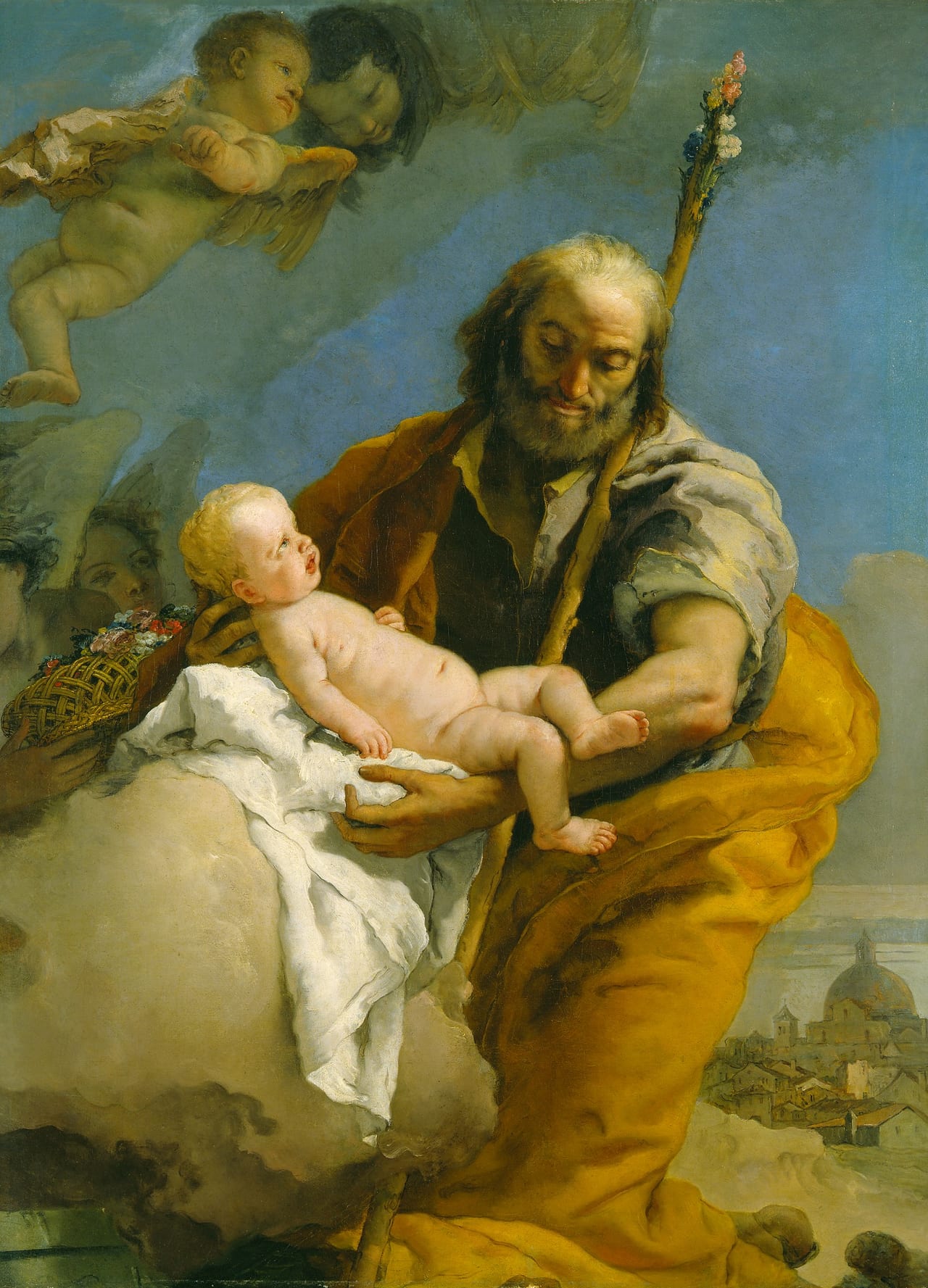
Saint Joseph and the Christ Child
Giovanni Battista Tiepolo · 1767–69
Saint Joseph, an imposing figure and a tender one, holds the infant Jesus gently in his arms. King Charles III of Spain commissioned the picture, the central part of seven altarpieces that Tiepolo, born and trained in Venice, was asked to paint for the church of San Pascual Baylon at the royal palace of Aranjuez, just outside Madrid. Tiepolo never saw it in place: the church was finished seven weeks after his death.
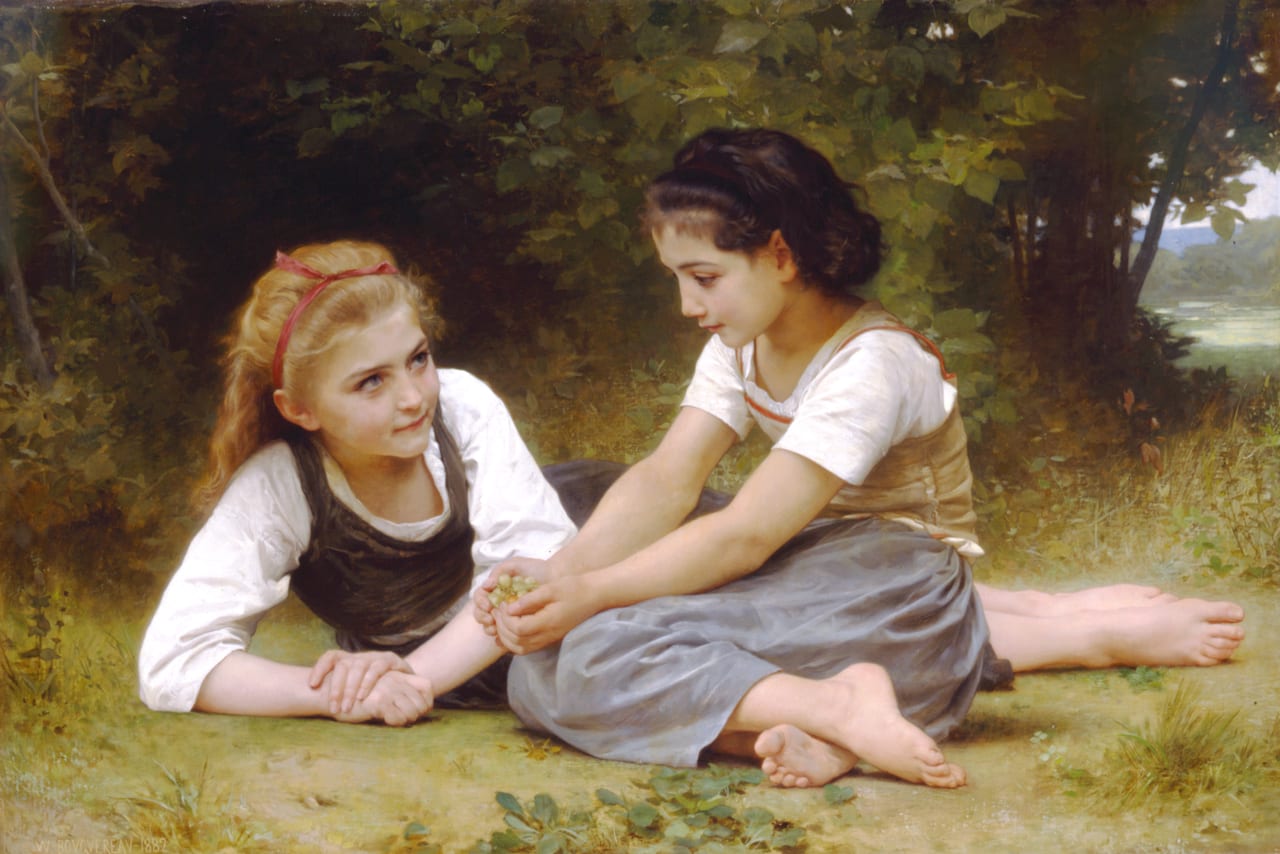
The Hazelnuts (The Nut Gatherers)
William-Adolphe Bouguereau · 1882
Two girls in cream blouses and plain-coloured bodices dominate a landscape at the edge of a wood, painted nearly life-size with a smooth, flawless finish. Against a mostly muted palette the girl on the left, with a red ribbon in her hair, watches her younger companion, who holds hazelnuts probably picked from the bush behind them. Given to the museum in 1954, it is by some accounts the most popular painting in the collection.
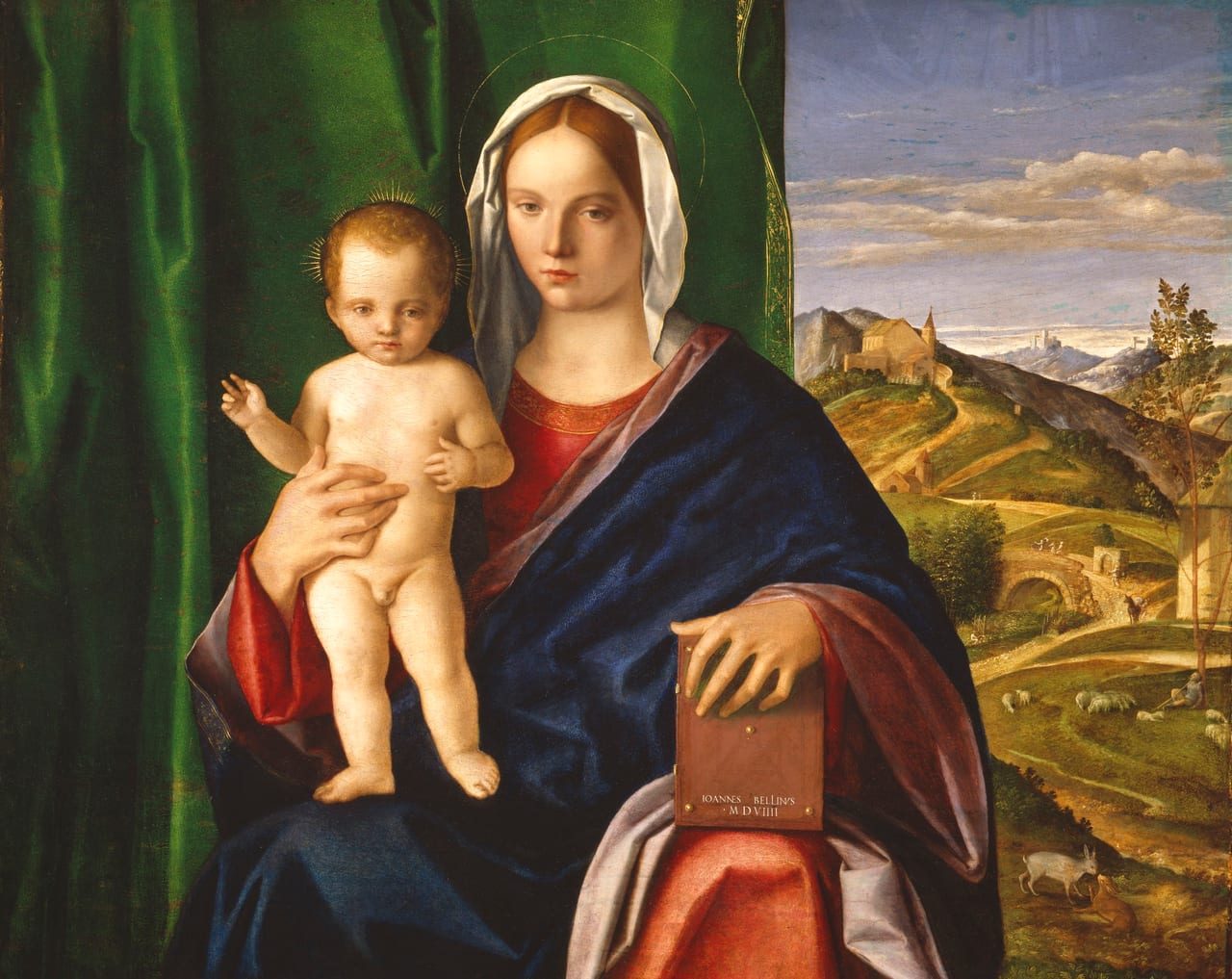
Madonna and Child
Giovanni Bellini · 1509
The Virgin holds out the Christ Child as he gives his blessing. The green curtain creates the illusion of an interior space shared with the spectator, bringing the worshipper closer, and the picture includes a naturalistic landscape. Bellini, among the first Italians to master oil paint, joined careful drawing and clear geometry to Venetian colour, and he returned to the Virgin and Child many times.
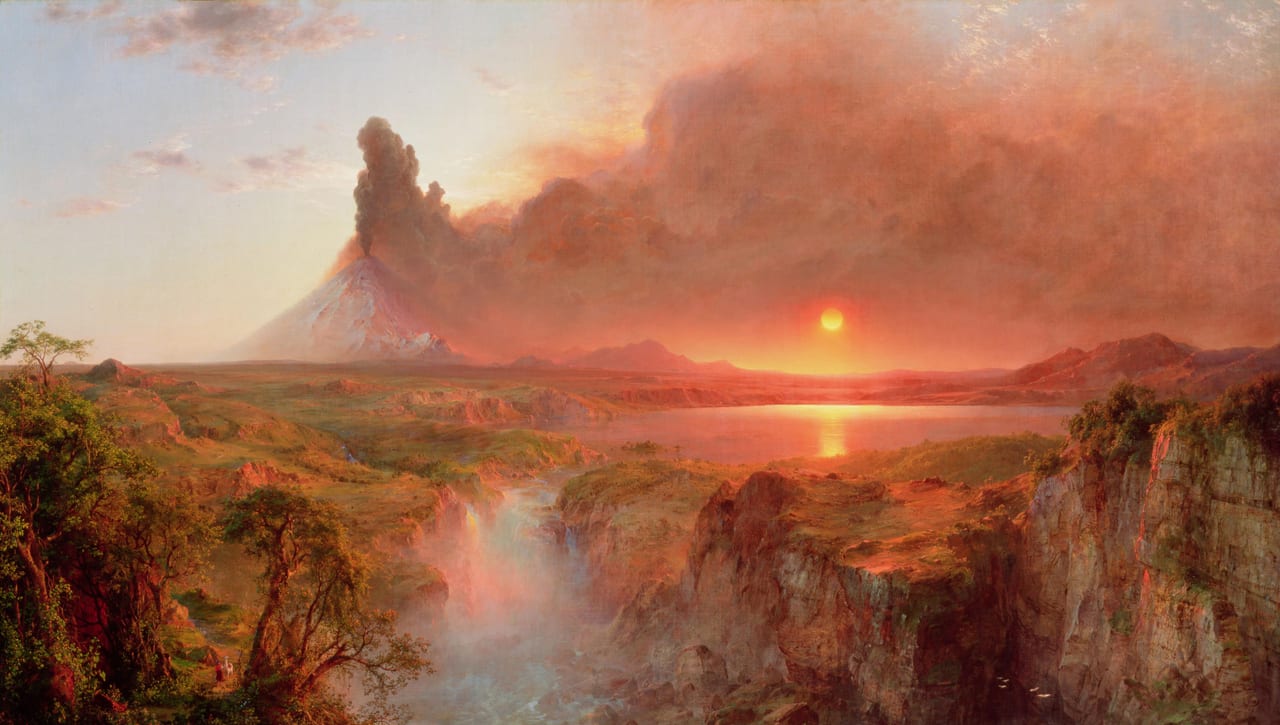
Cotopaxi
Frederic Edwin Church · 1862
One of the highest volcanoes in the Andes sends up a dark plume of gas and ash. Church went to Cotopaxi twice, in 1853 and 1857, but here he combined details from several places, some probably invented, to show the forces he believed shaped the earth: steep cliffs fill the right foreground, a waterfall drops at left of centre and glaciers coat the cone.
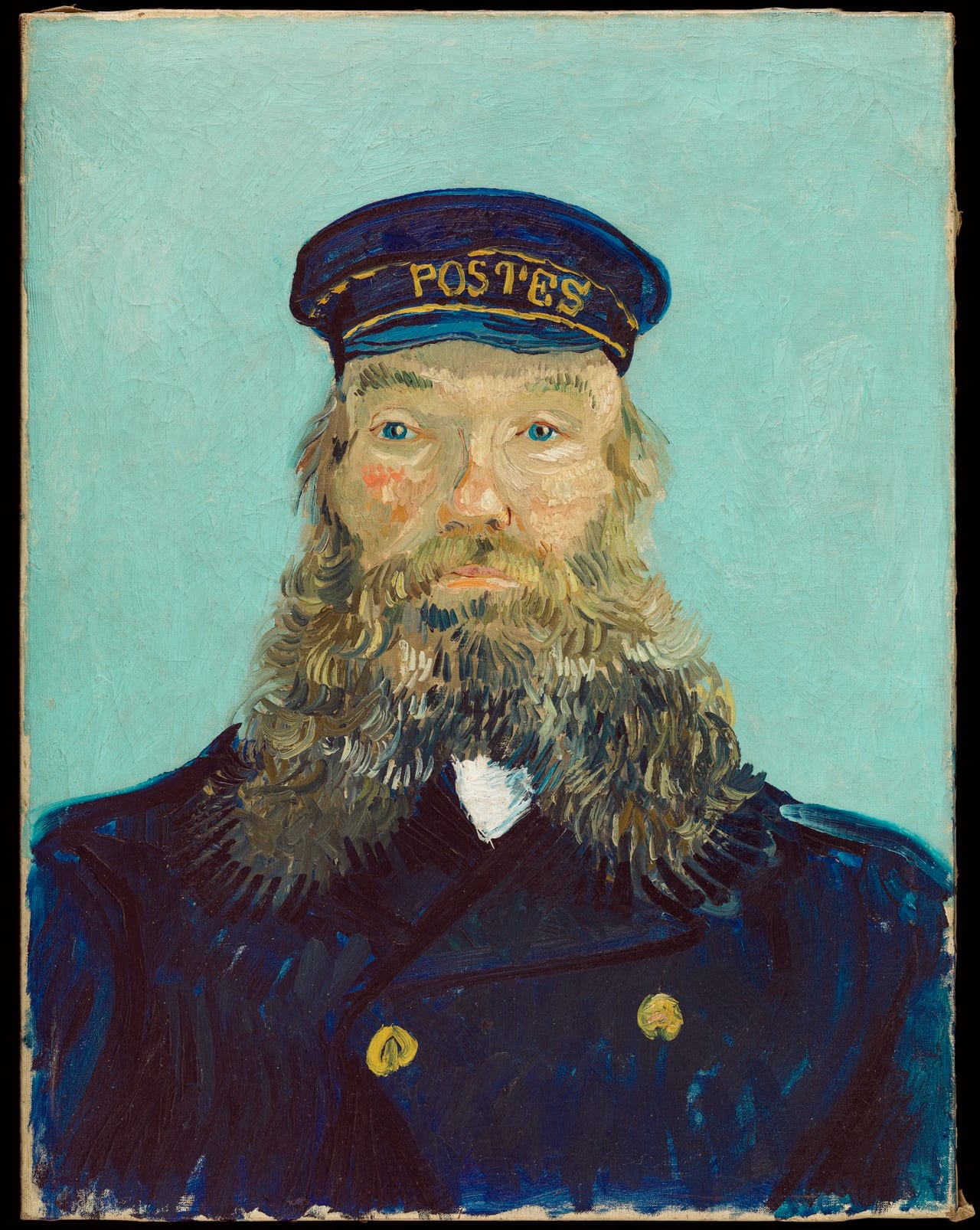
Portrait of Postman Roulin
Vincent van Gogh · 1888
Between late July 1888 and April 1889 Van Gogh painted Joseph-Etienne Roulin, a postman in Arles, at least six times. The painter fixes on the sitter’s head, in his own words “somewhat like Socrates, hardly any nose at all”, with its high forehead, red cheeks and big pepper-and-salt beard.
Artists
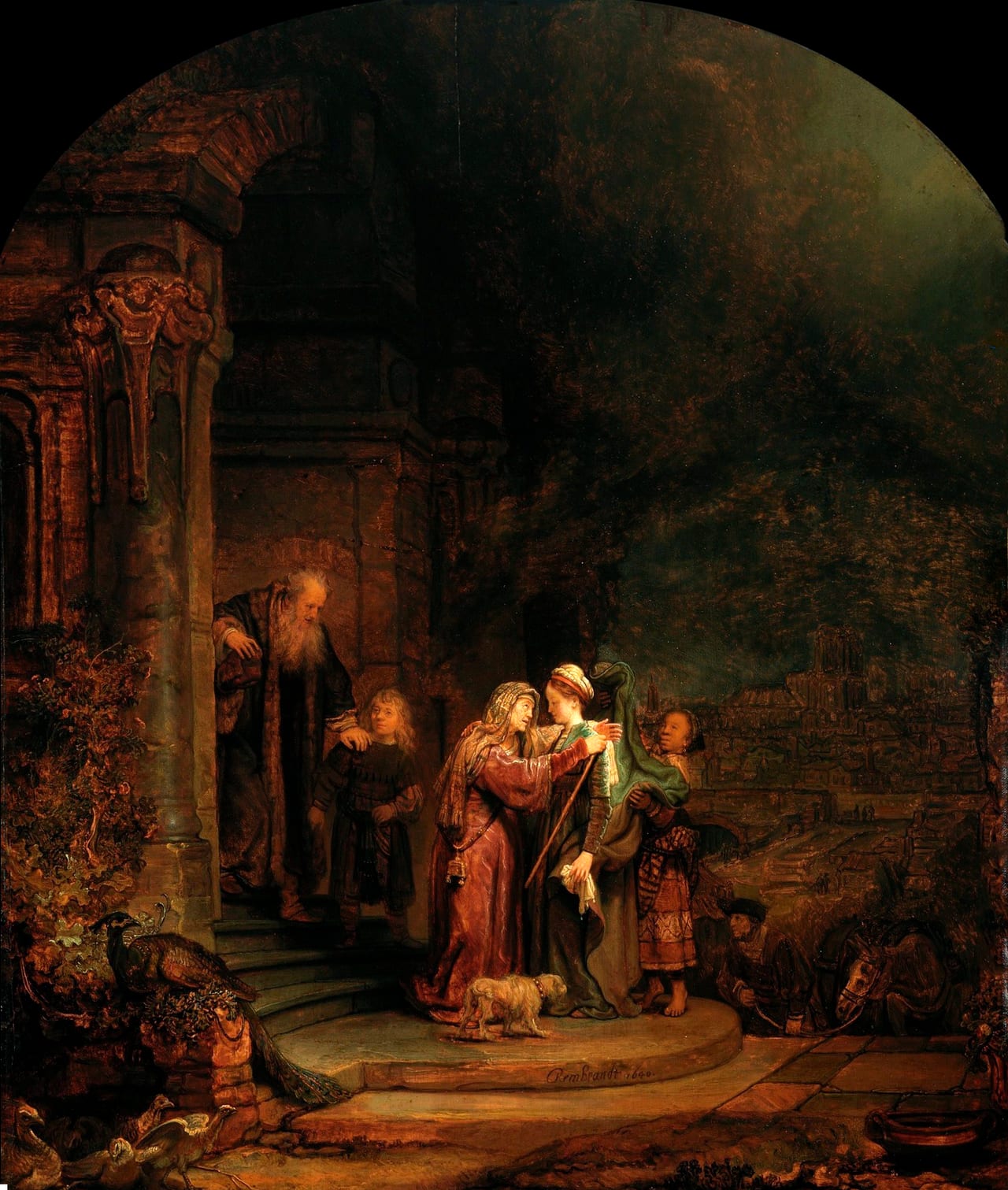
Rembrandt
The Visitation · 1640
In The Visitation, moonlight falls on the night meeting of the pregnant Mary and her cousin Elizabeth; Rembrandt is the Dutch Baroque painter and printmaker, one of art’s great storytellers and a master of light and shade.
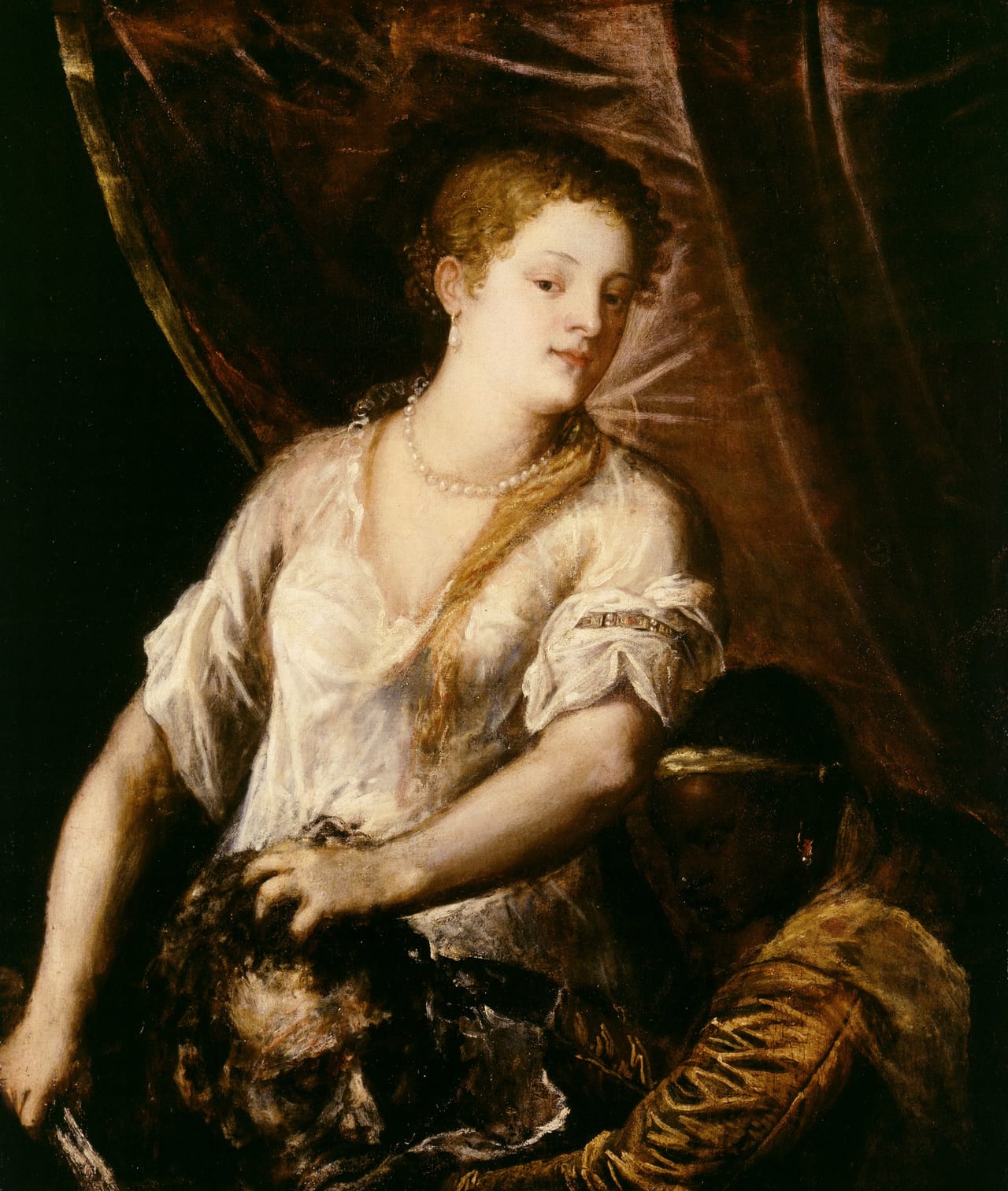
Titian
Judith and Her Maidservant with the Head of Holofernes · c. 1570
Judith and Her Maidservant with the Head of Holofernes is by Titian, the great painter of the Venetian school in the Italian Renaissance, recognised as supremely gifted in his own lifetime, and never out of favour since.
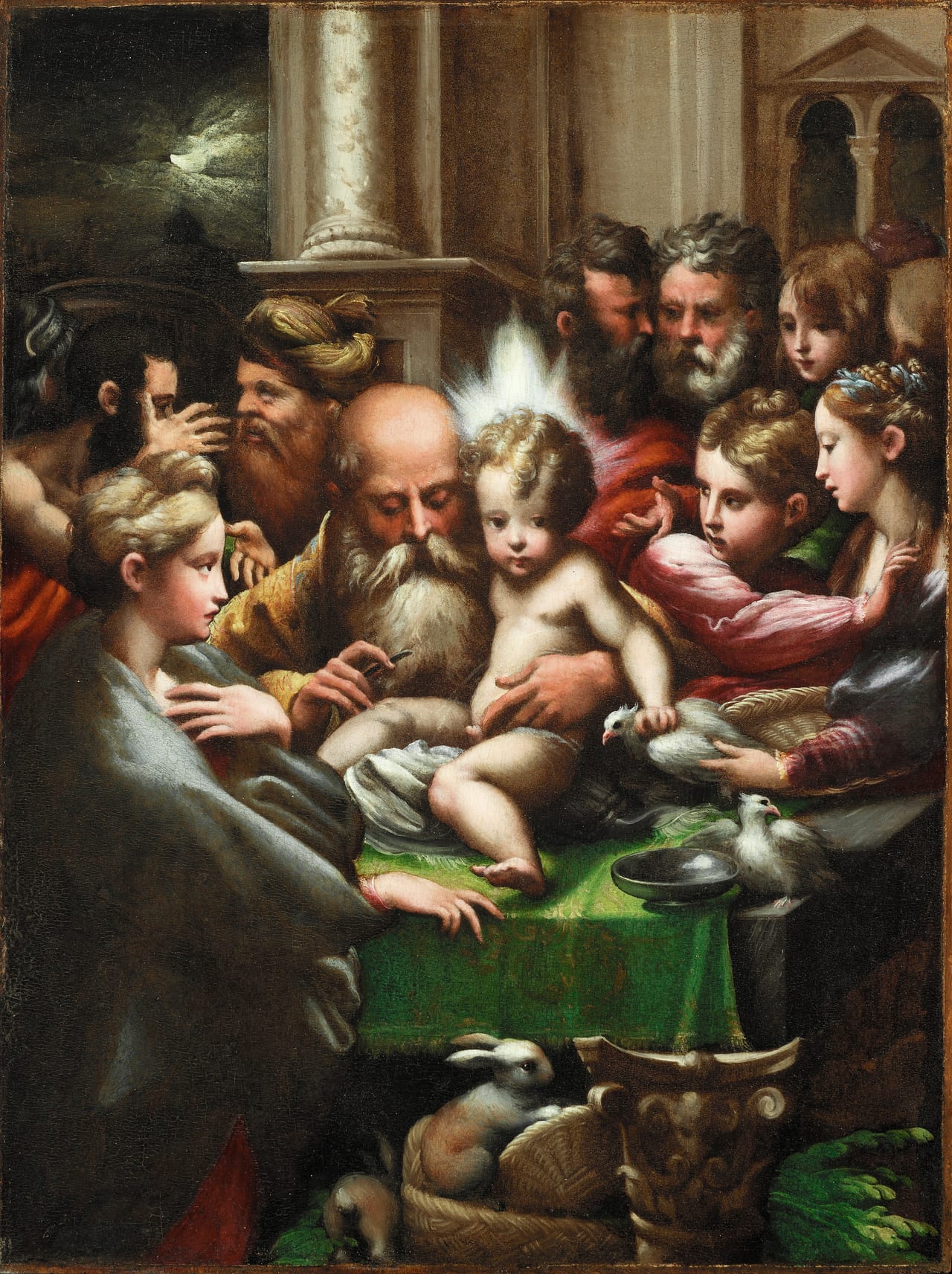
Parmigianino
The Circumcision · c. 1523
The Circumcision is by Parmigianino, an Italian painter among the first to shape the elegant, sophisticated kind of Mannerism that formed the generation after the High Renaissance.
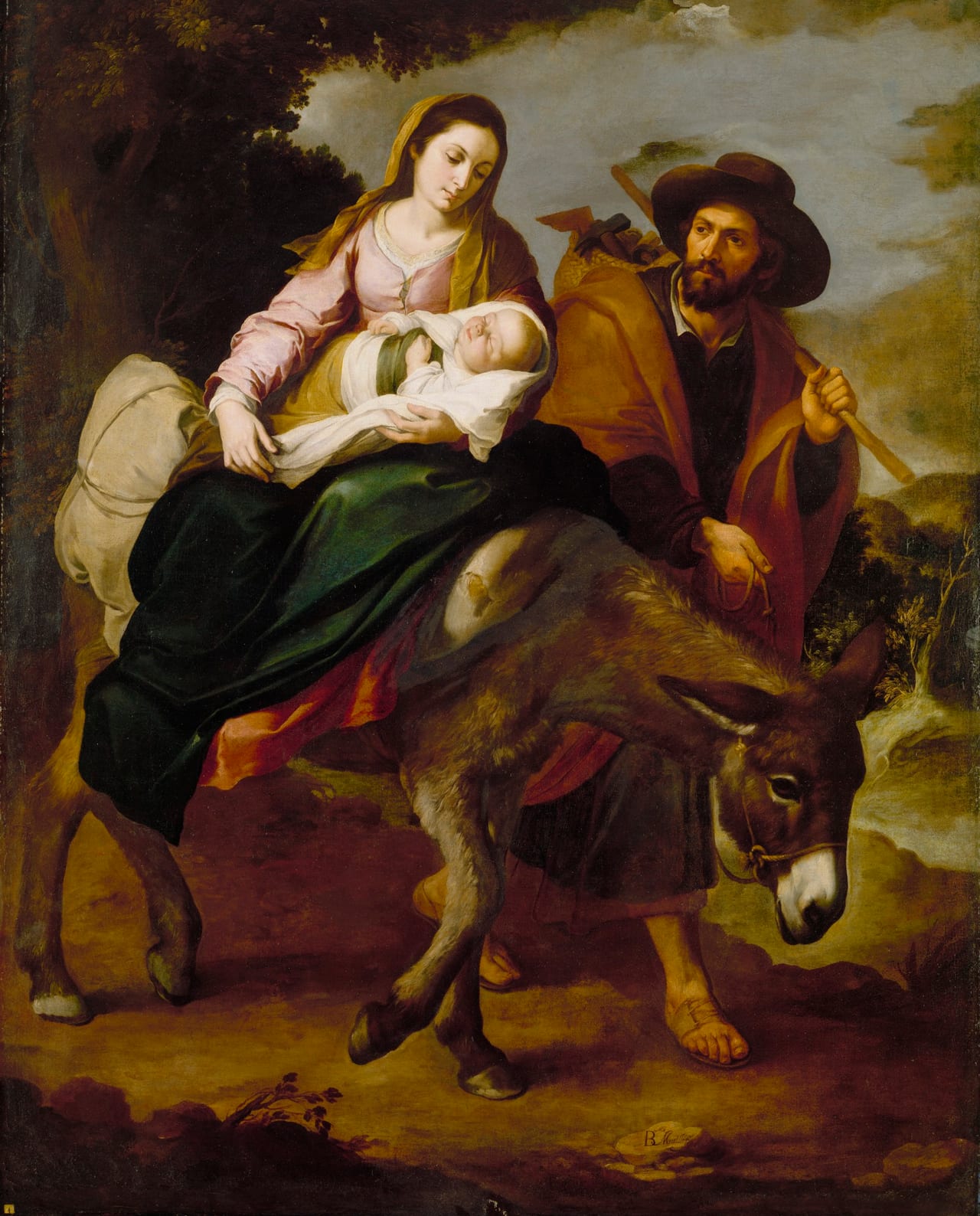
Bartolomé Esteban Murillo
The Flight into Egypt · c. 1647–50
Seventeenth-century Spain’s most popular Baroque painter of religious subjects, idealised and at times precious, whose chief patrons included the religious orders and the confraternities of Seville and Andalusia.
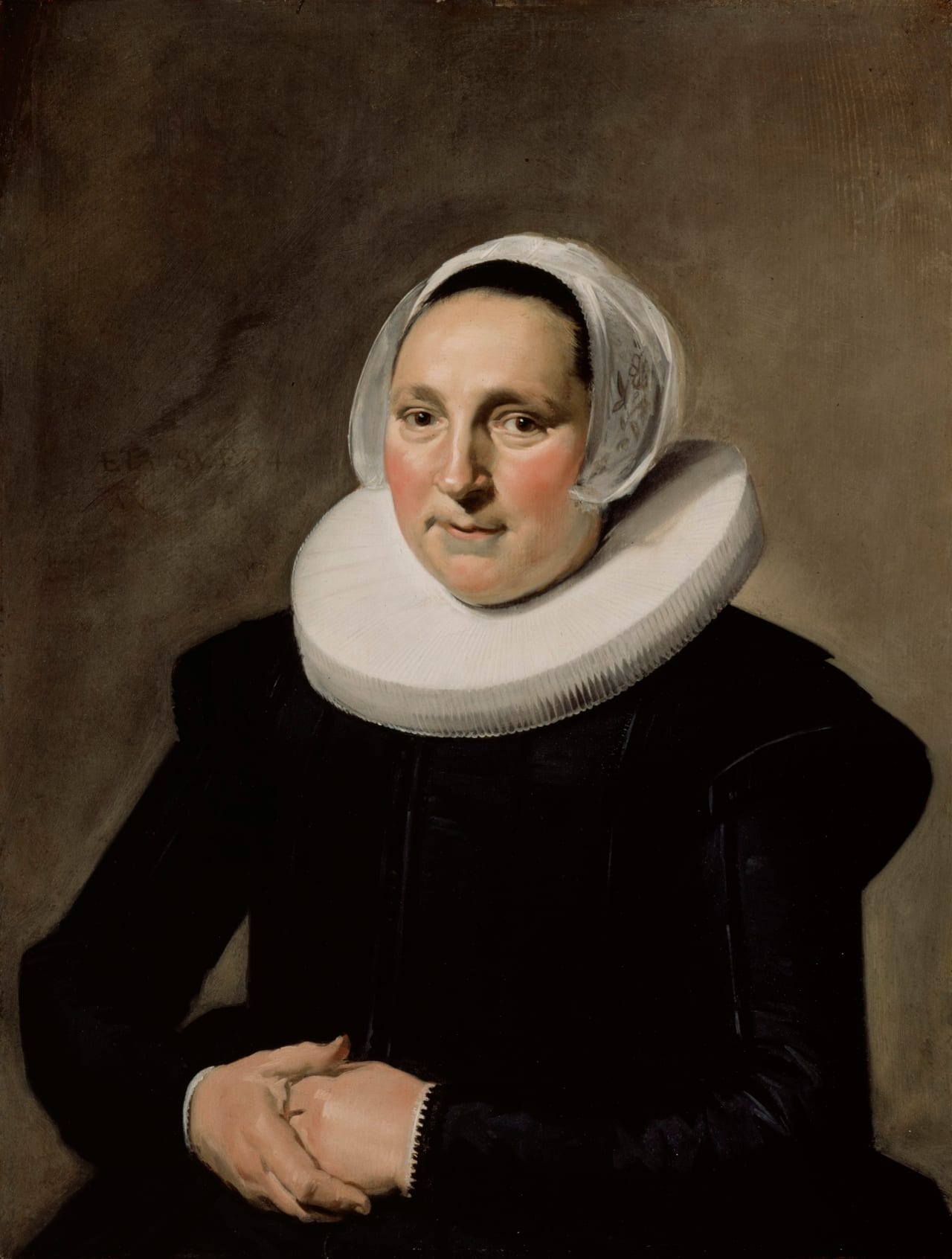
Frans Hals
Portrait of a Woman · 1634
Portrait of a Woman is by Frans Hals, the portraitist of Haarlem’s Dutch middle class, whose loose handling came close to Impressionism and grew freer as he aged.
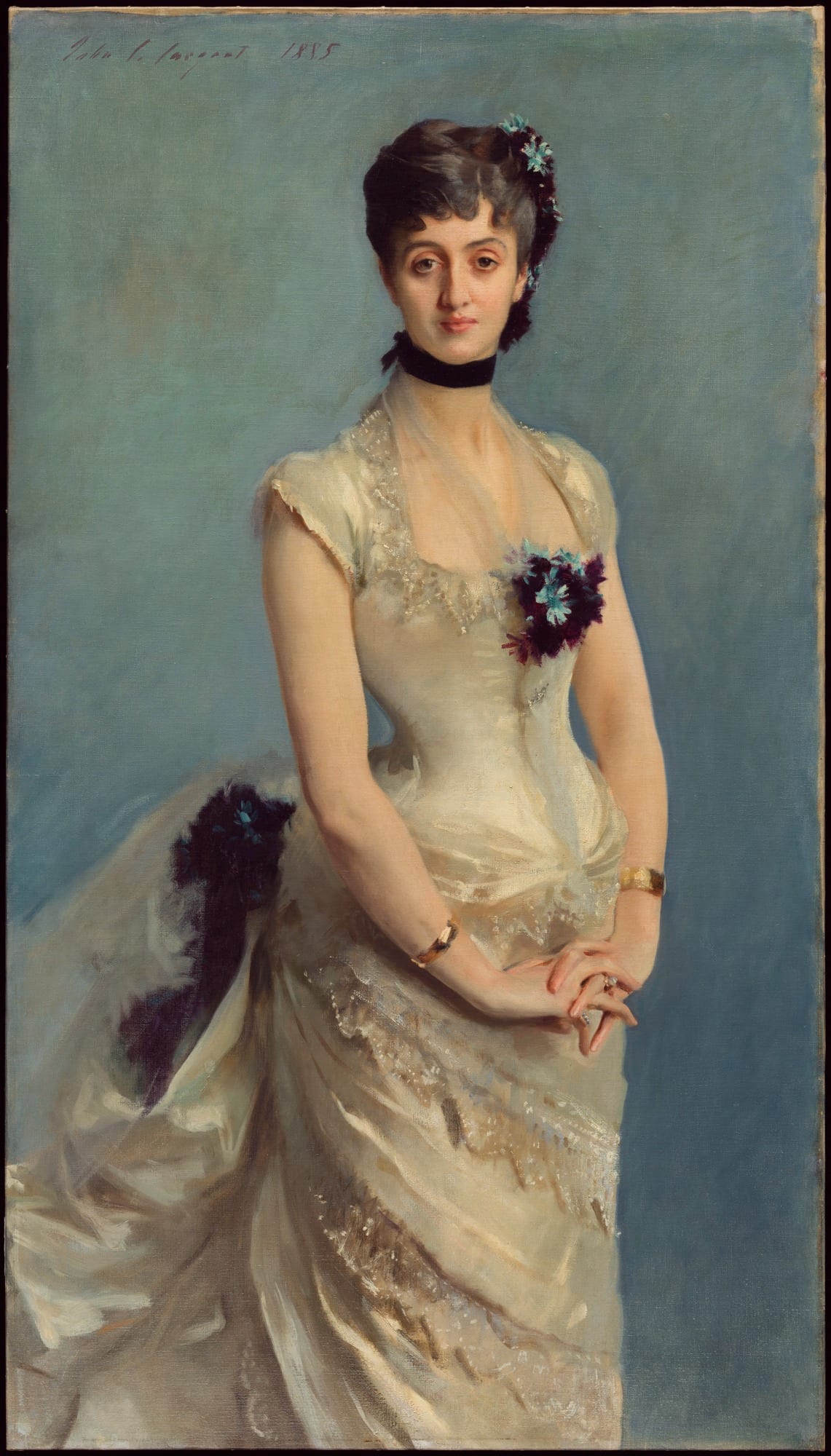
John Singer Sargent
Madame Paul Poirson · 1885
Madame Paul Poirson is by John Singer Sargent, an Italian-born American painter whose elegant portraits give a lasting picture of Edwardian society; the rich of both sides of the Atlantic sat for him in his London studio.
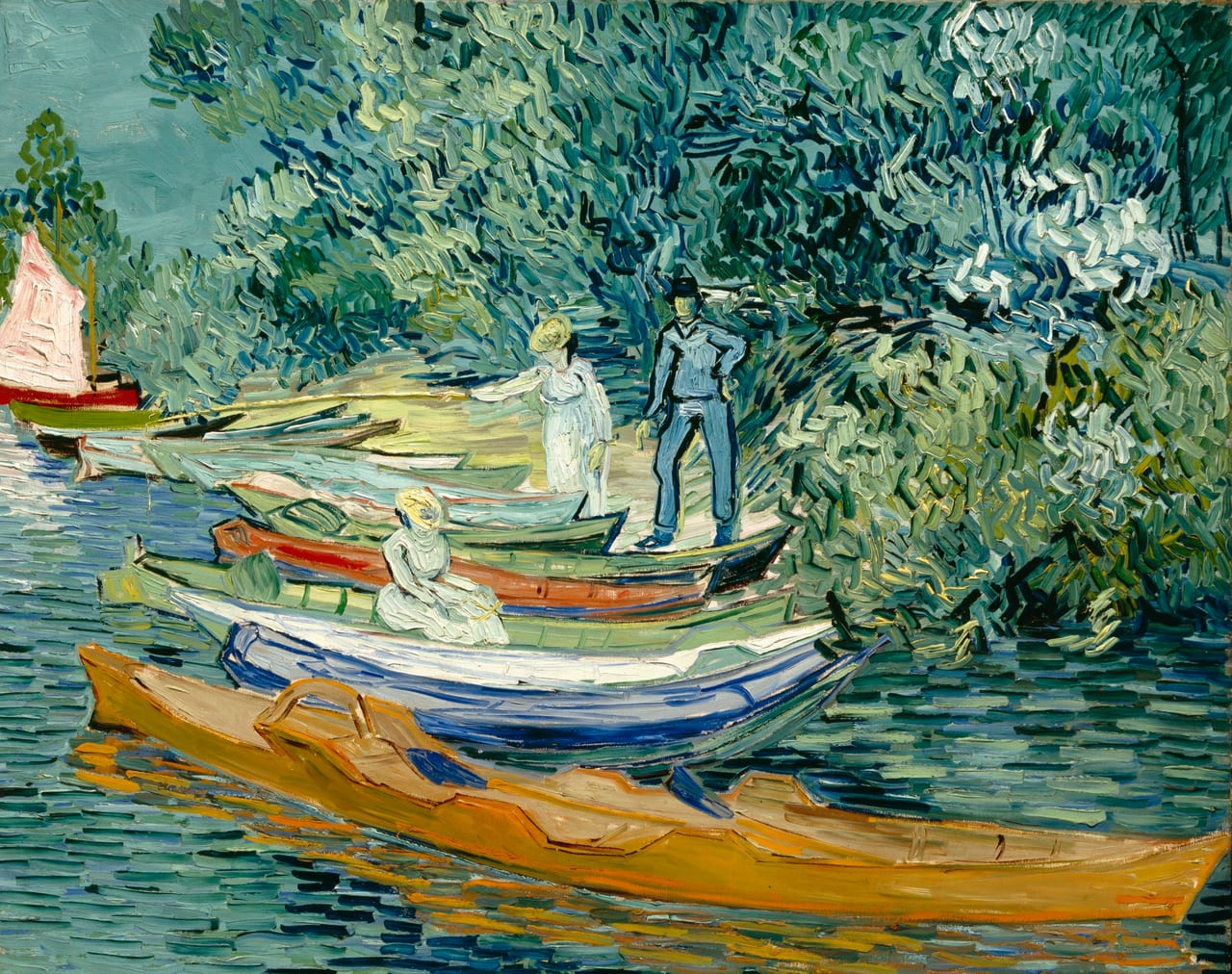
Vincent van Gogh
Bank of the Oise at Auvers · 1890
Bank of the Oise at Auvers is by Vincent van Gogh, a Dutch painter counted among the greatest Post-Impressionists, who began only at 27 and made some 900 paintings and 1,100 drawings in the decade that followed.
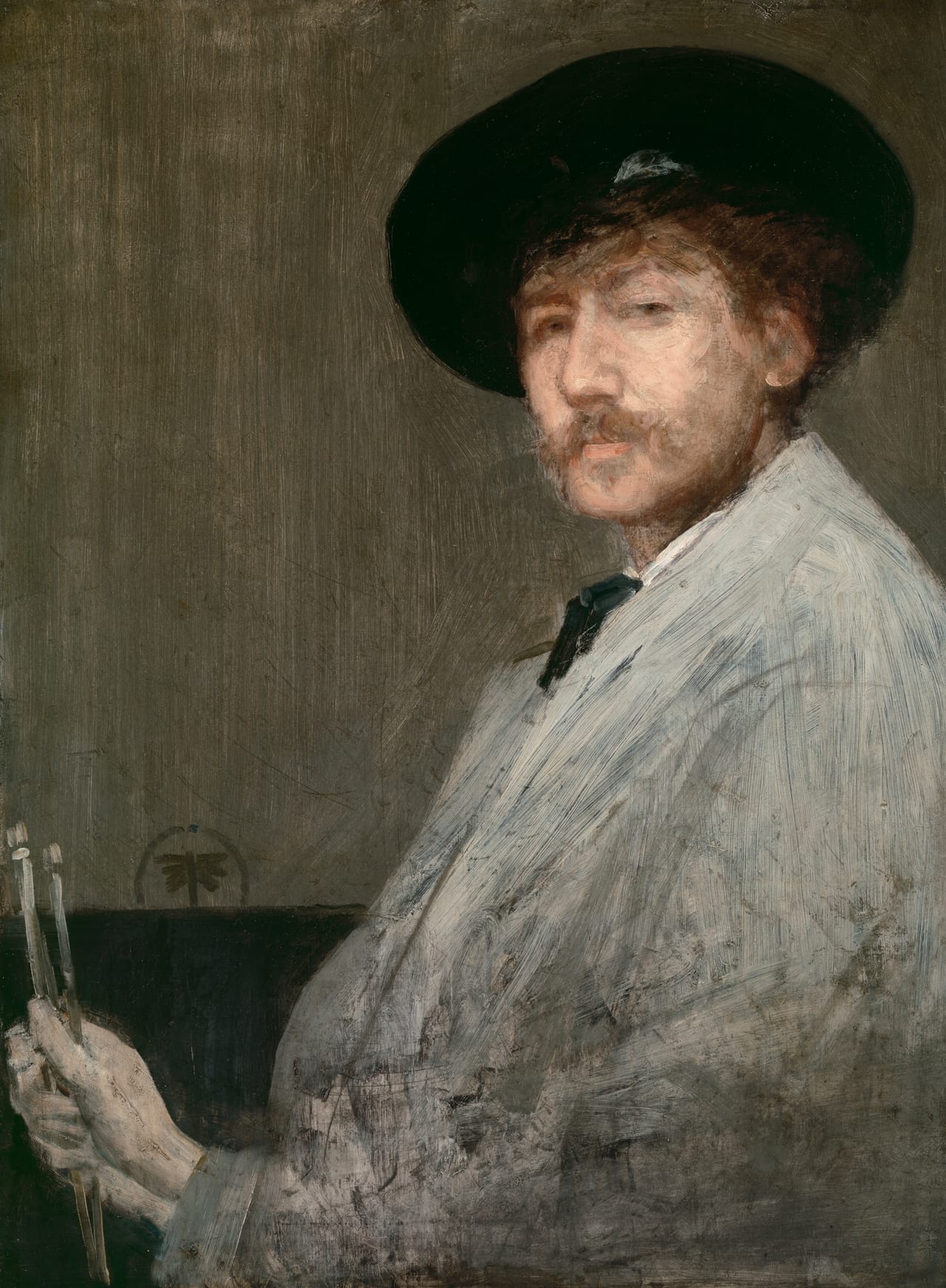
James McNeill Whistler
Arrangement in Gray: Portrait of the Painter · c. 1872
Arrangement in Gray: Portrait of the Painter is by James McNeill Whistler, the American-born painter of London by night, of bold, advanced full-length portraits and of fine etchings and lithographs, who did much to bring modern French painting to England.
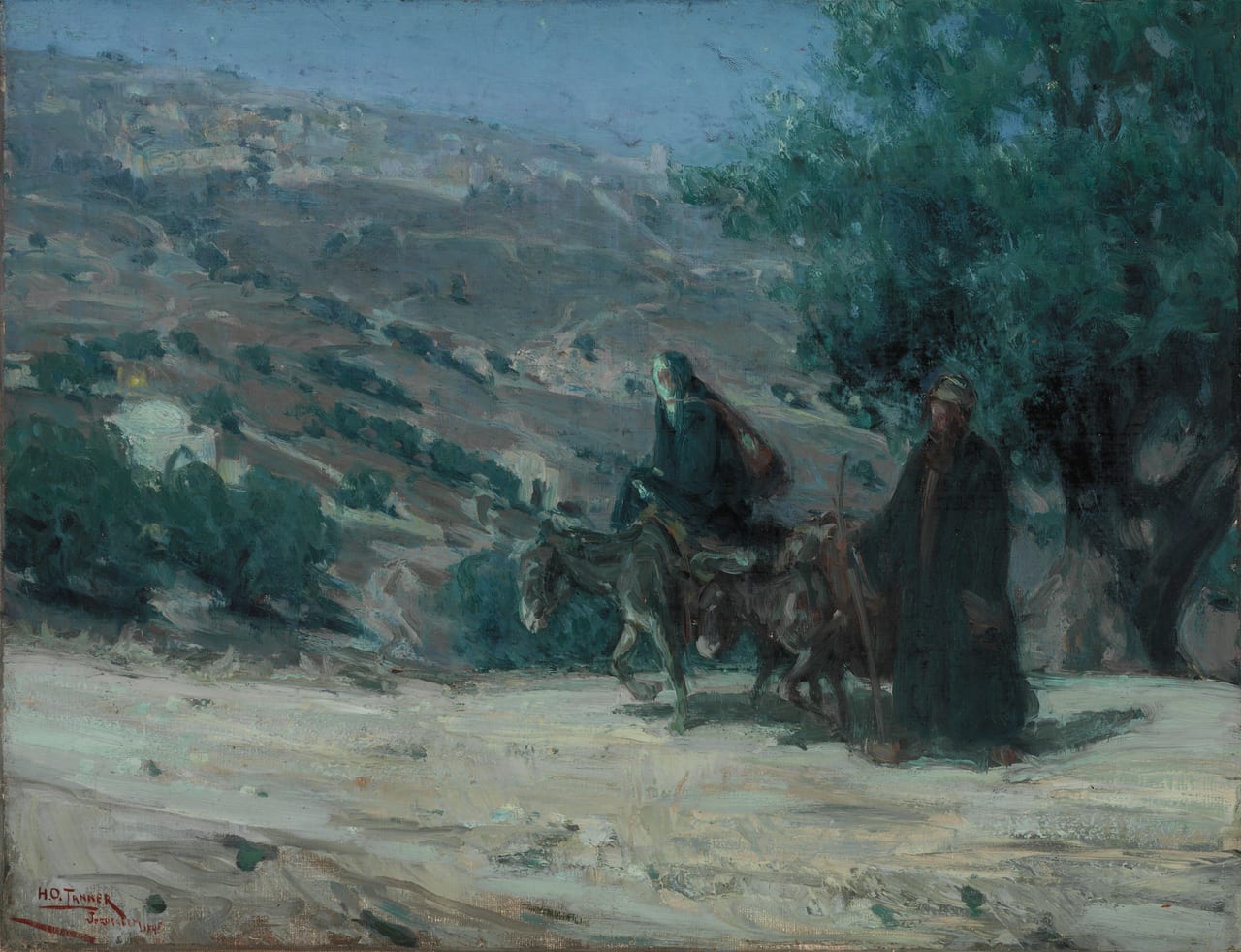
Henry Ossawa Tanner
Flight into Egypt · 1899
Flight into Egypt is by Henry Ossawa Tanner, an American painter who won international acclaim for landscapes and biblical subjects; in 1927 he became the first African American granted full membership of the National Academy of Design.
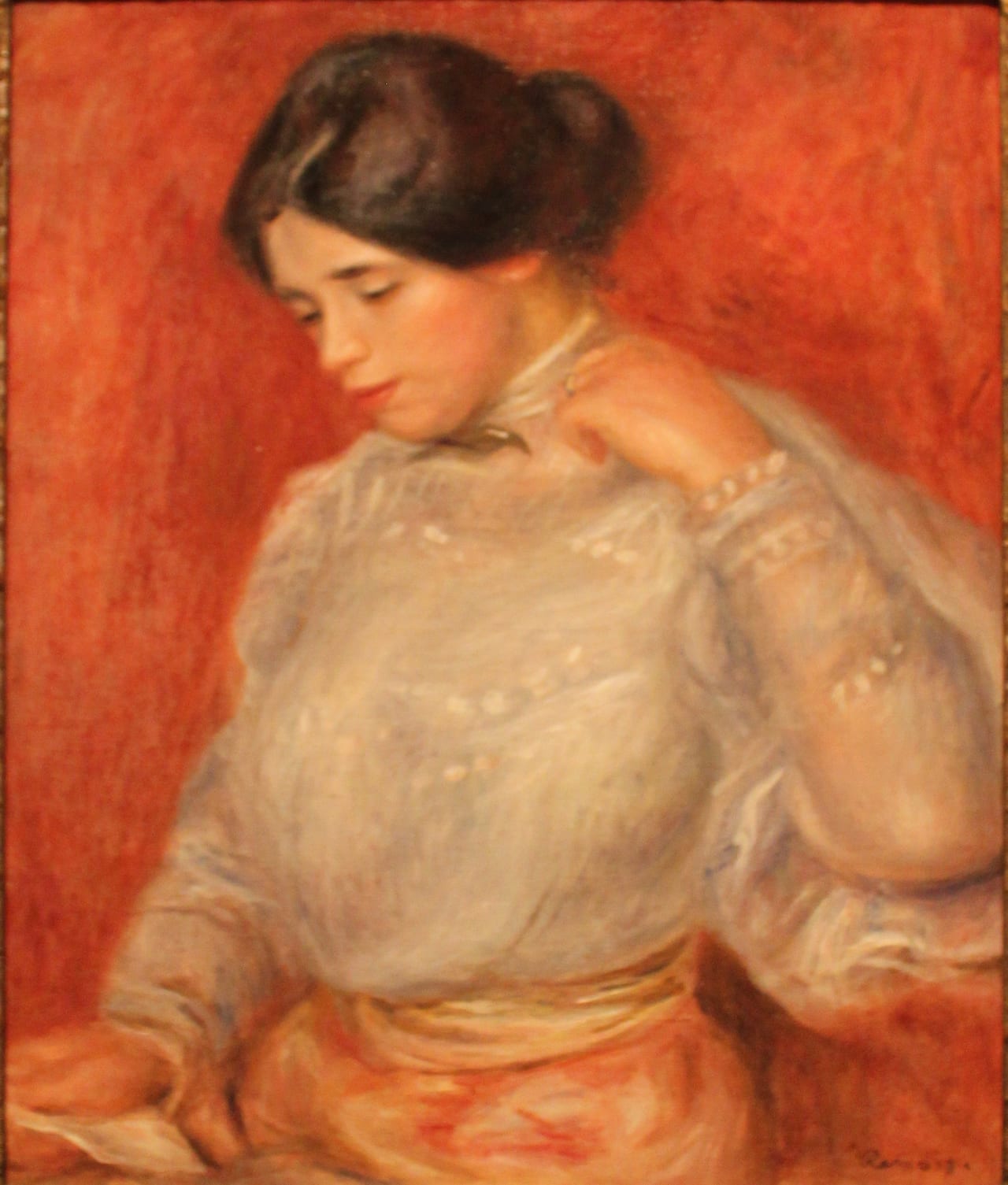
Pierre-Auguste Renoir
Graziella · 1896
Graziella is by Pierre-Auguste Renoir, a French painter first linked with Impressionism, who by the mid-1880s had left it for a more disciplined, formal manner in portraits and figures, women above all.
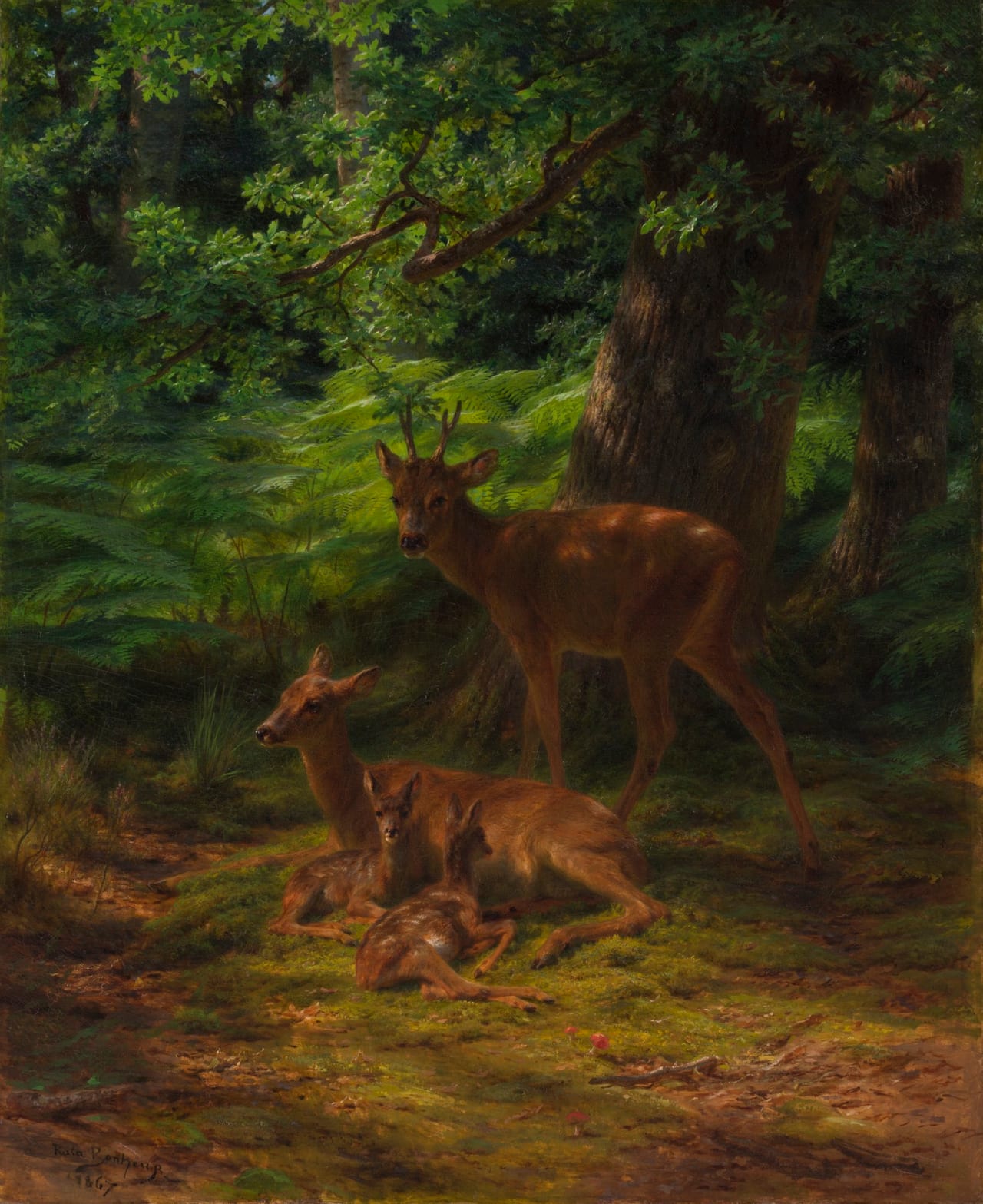
Rosa Bonheur
Deer in Repose · 1867
Deer in Repose is by Rosa Bonheur, a French painter and sculptor, born in Bordeaux in 1822, famed for the remarkable accuracy and detail of her animal pictures.
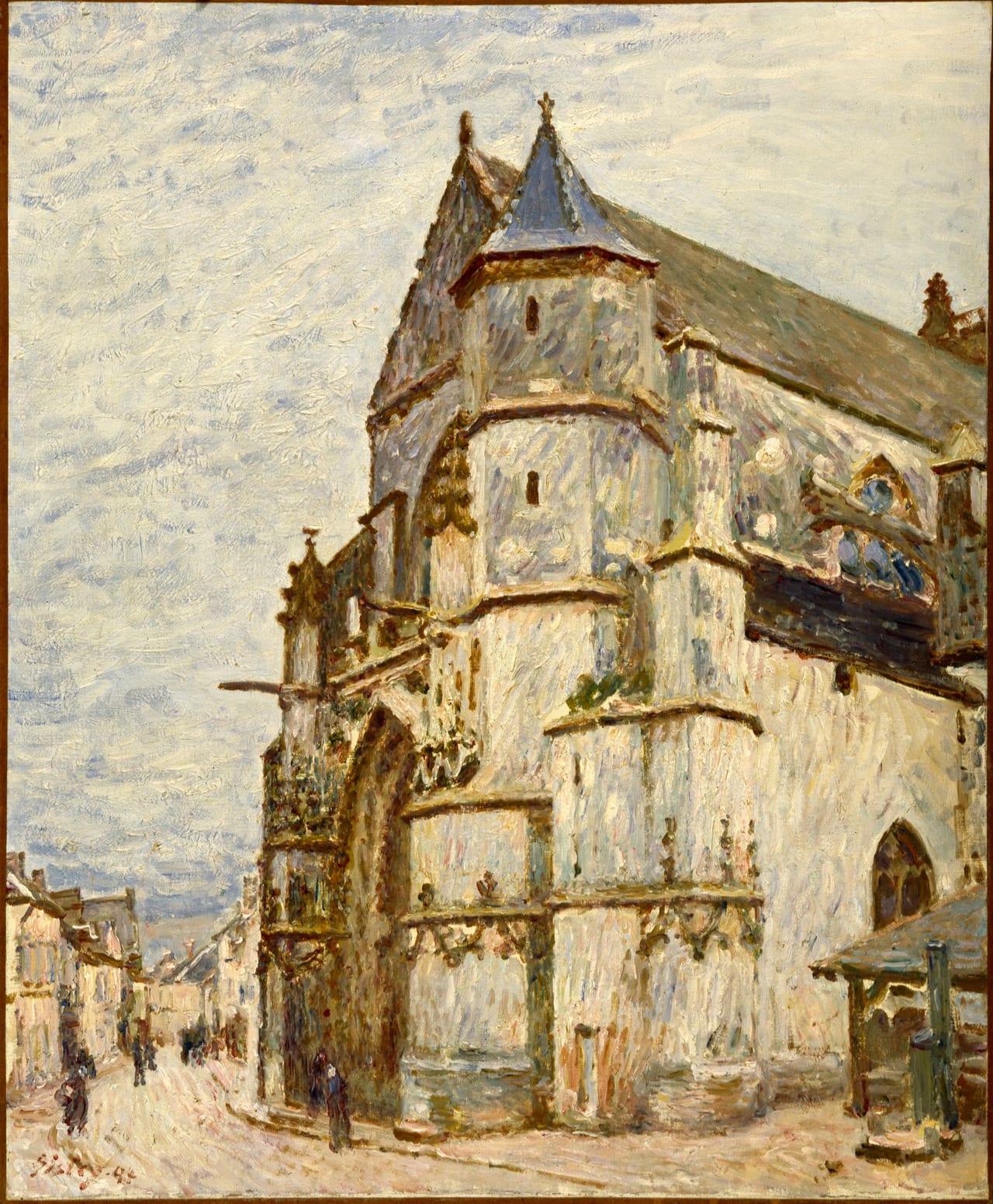
Alfred Sisley
Church at Moret after the Rain · 1894
One of the makers of French Impressionism and above all a painter of landscape, known for softly harmonious values; he died at Moret-sur-Loing in 1899.
Artworks
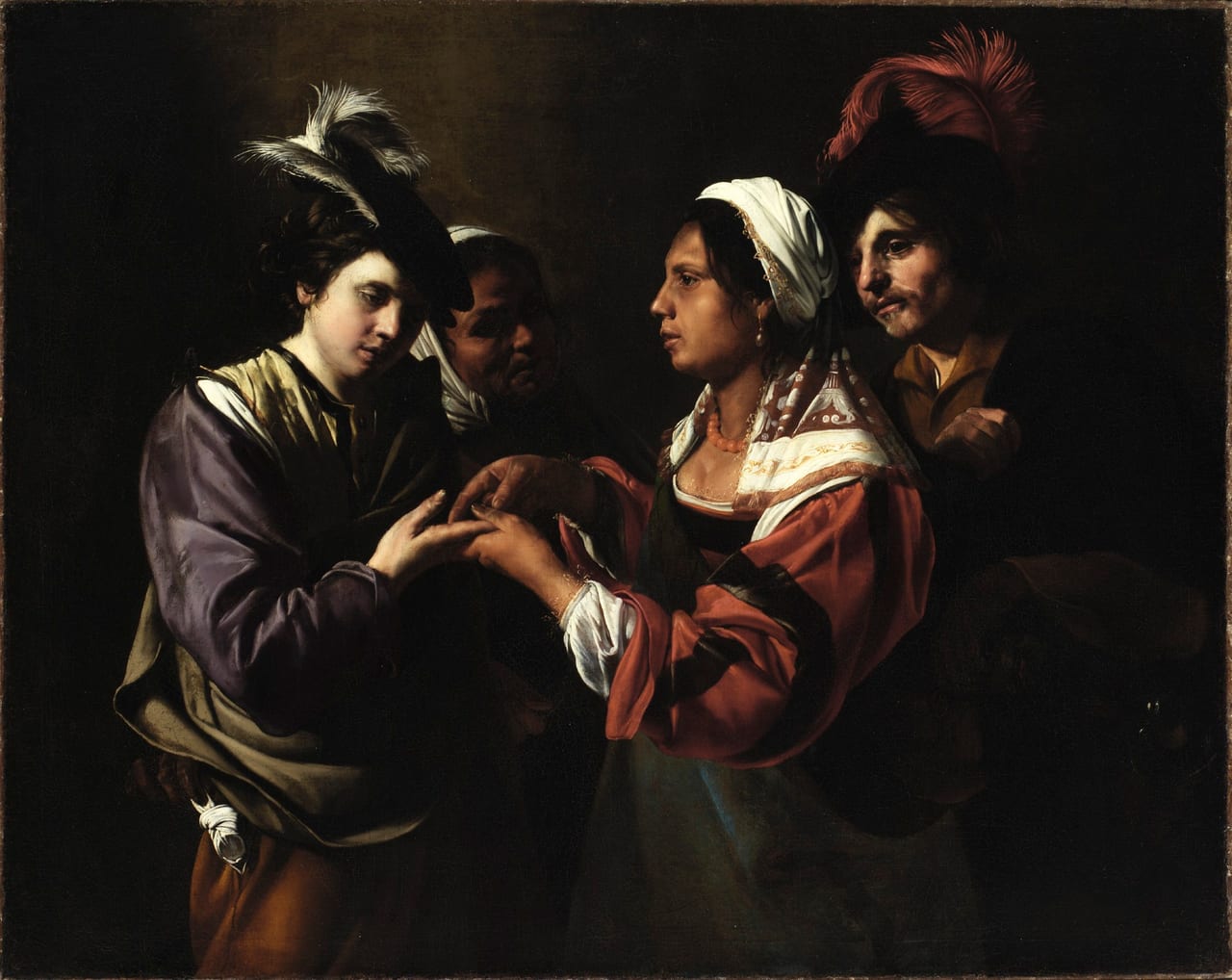
The Fortune Teller
Bartolomeo Manfredi · c. 1616–17
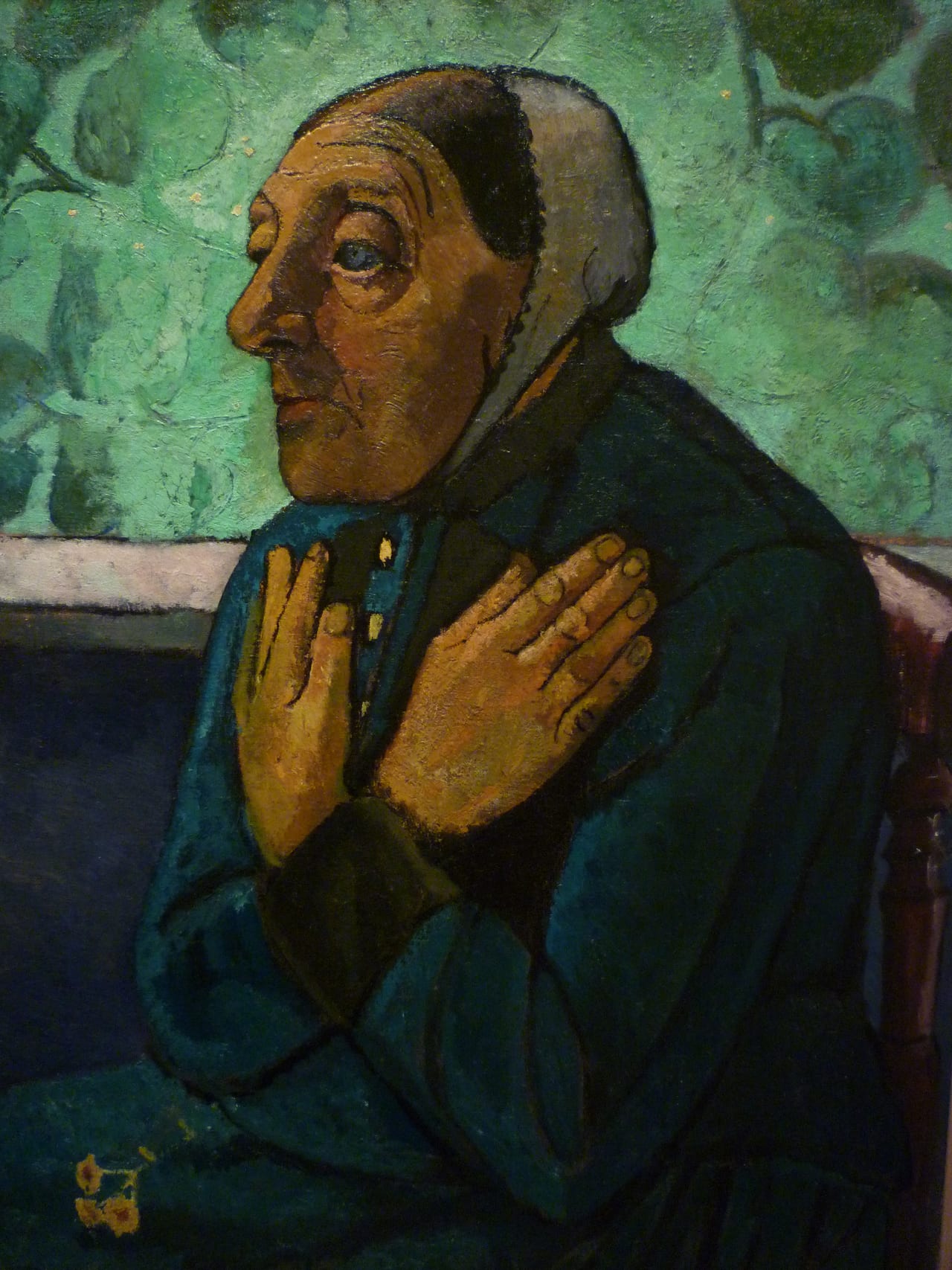
Old Peasant Woman
Paula Modersohn-Becker · 1907
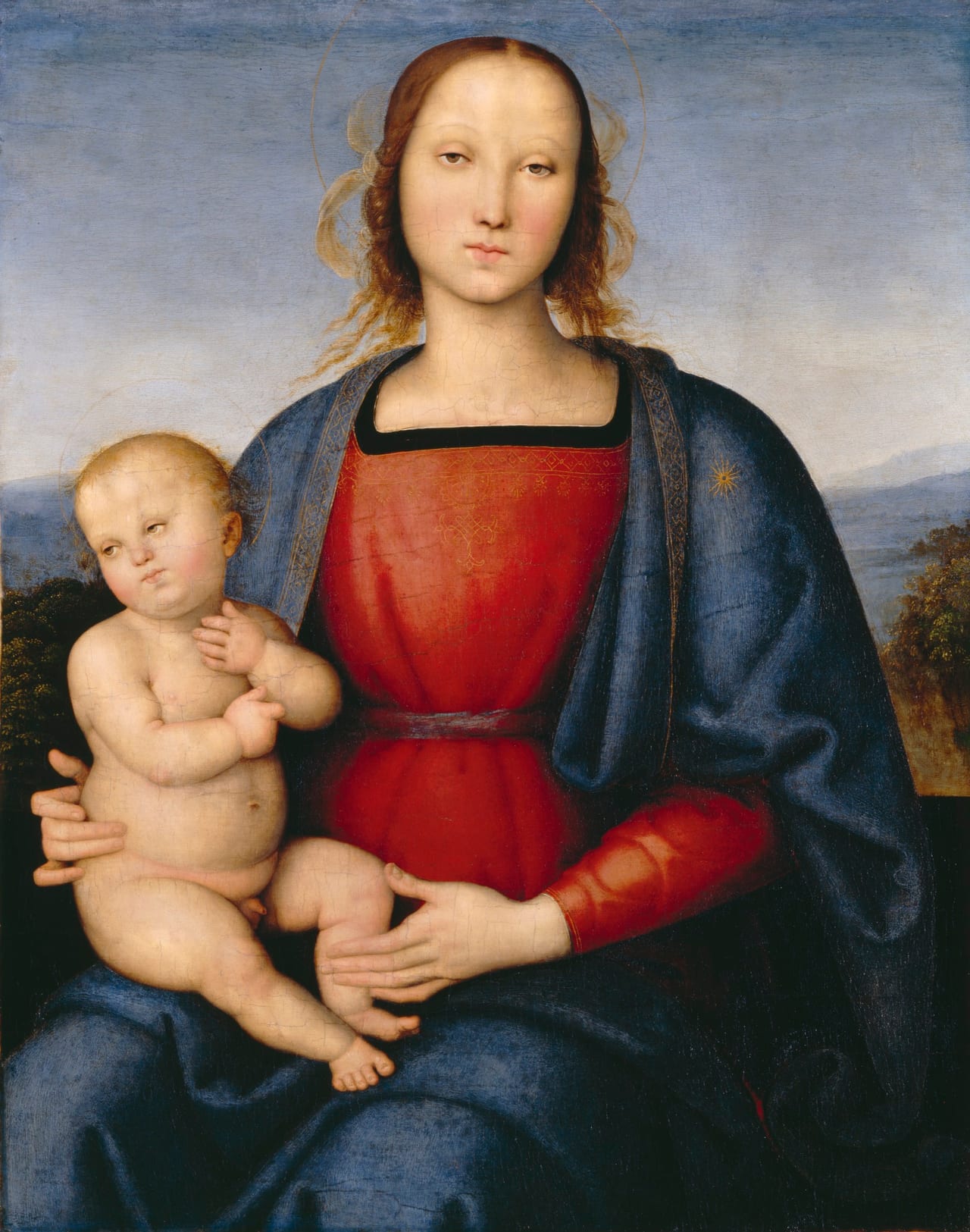
Madonna and Child
Pietro Perugino · c. 1500
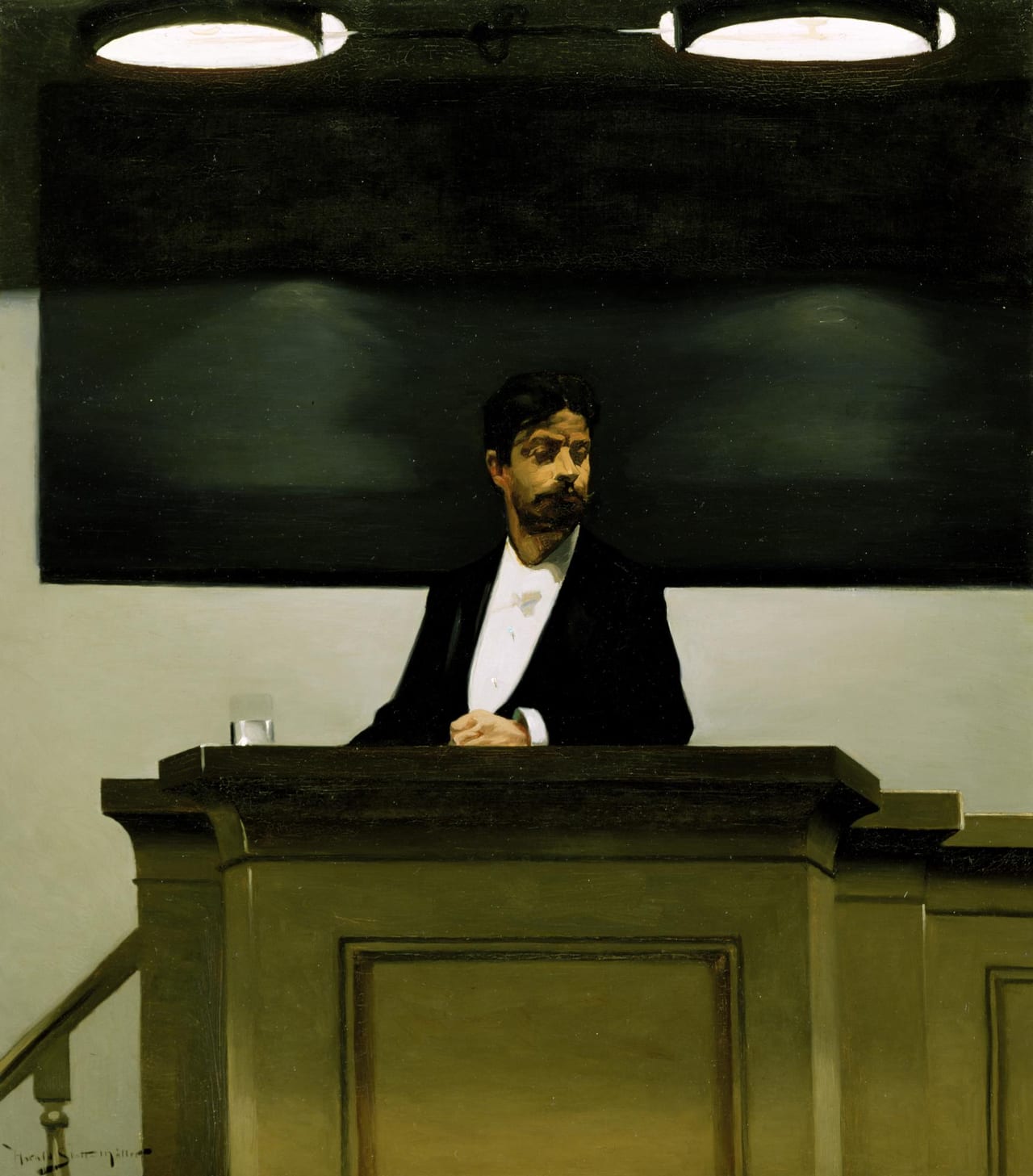
Georg Brandes at the University in Copenhagen
Harald Slott-Møller · 1889
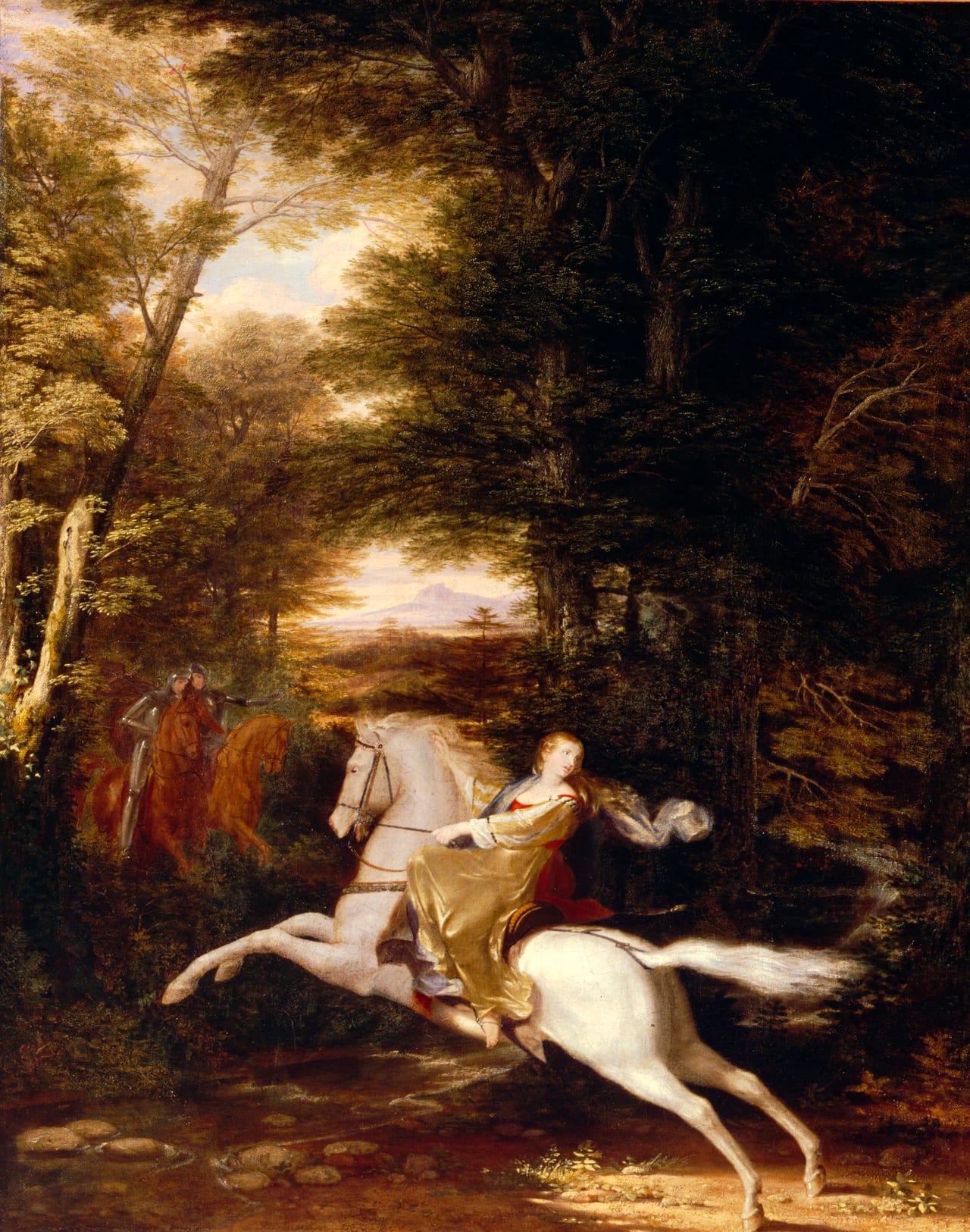
The Flight of Florimell
Washington Allston · 1819
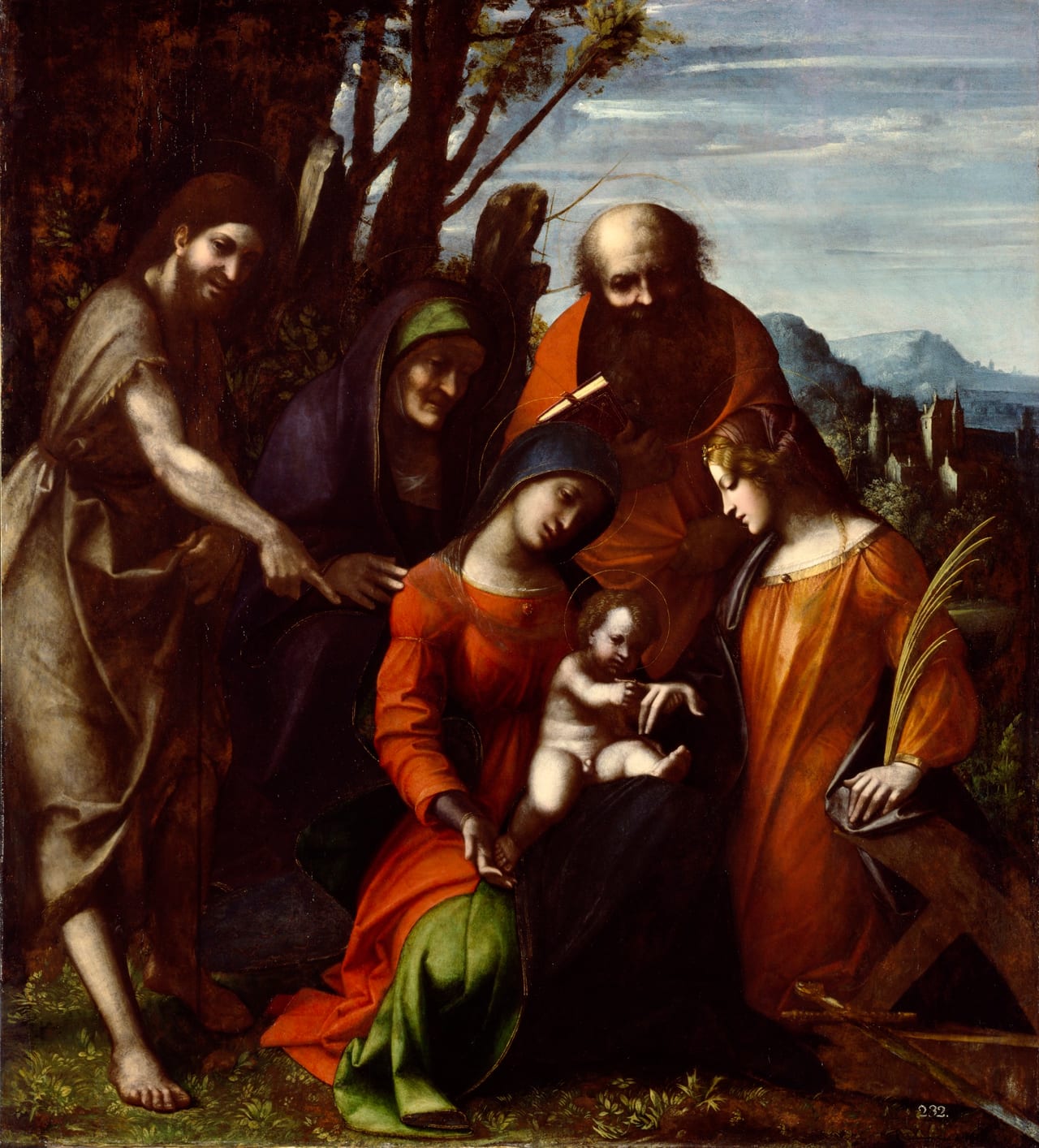
The Mystic Marriage of Saint Catherine
Correggio · 1510–14
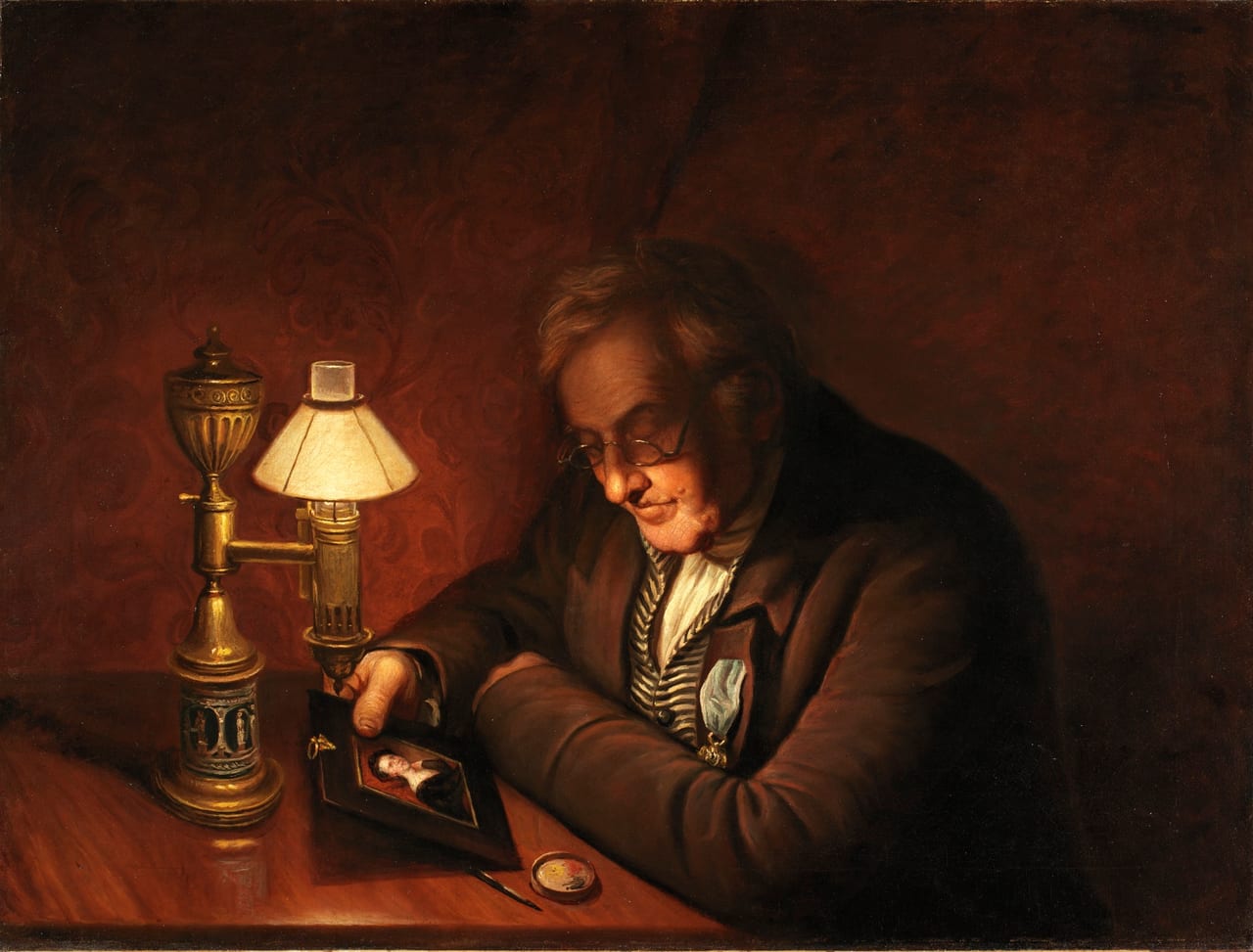
James Peale
Charles Willson Peale · 1822
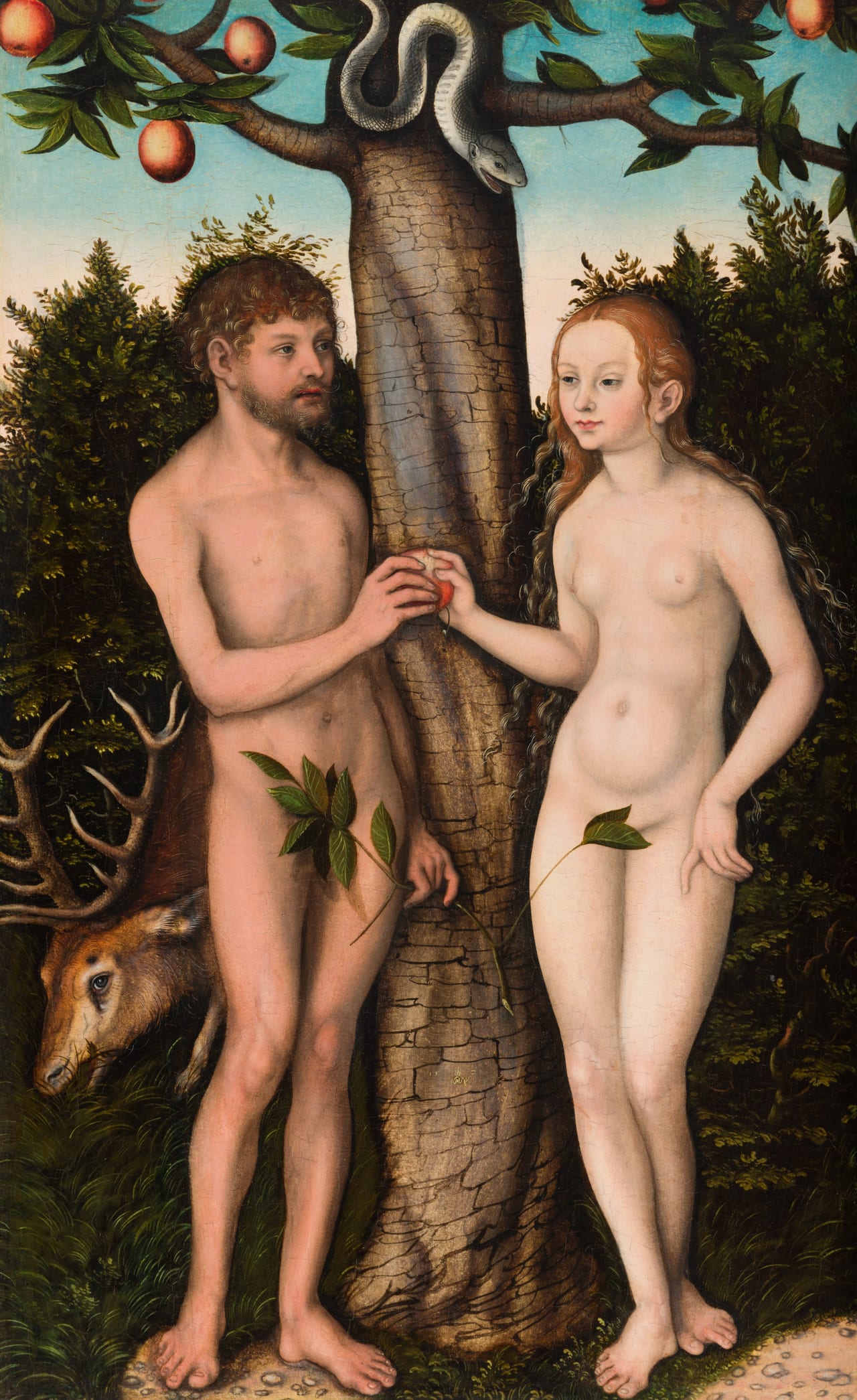
Adam and Eve
Lucas Cranach the Elder · 1528
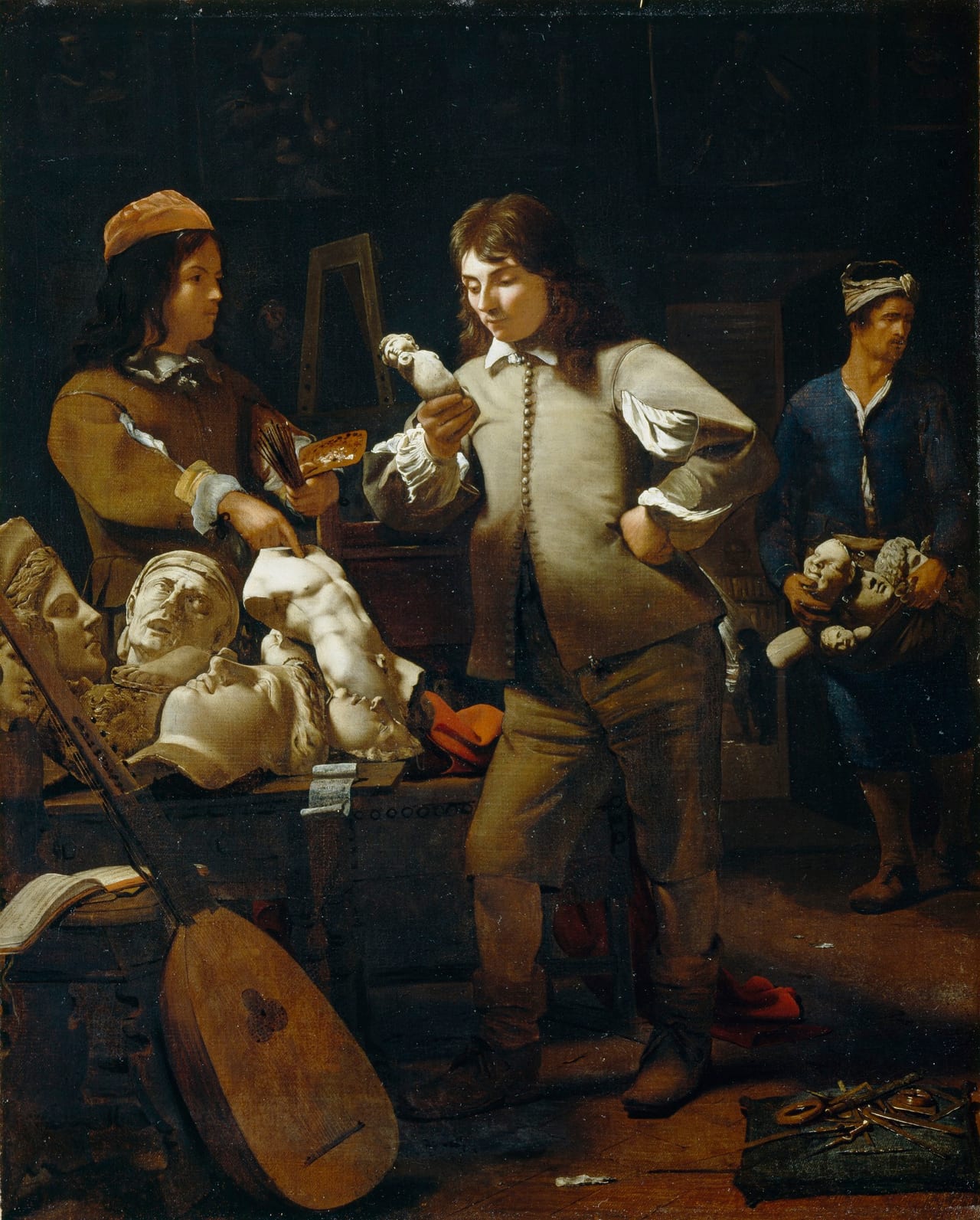
In the Studio
Michael Sweerts · 1652
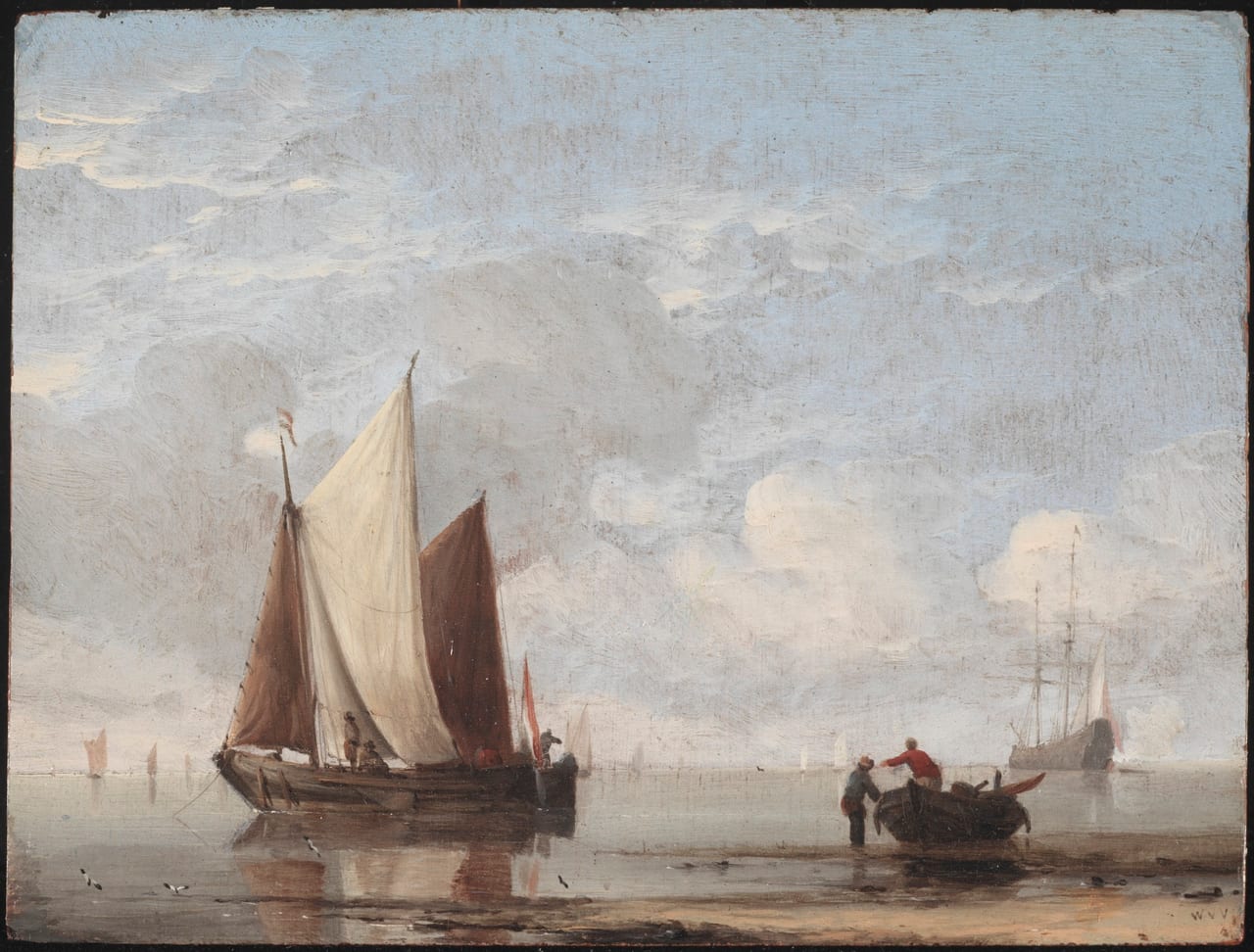
Calm Sea
Willem van de Velde the Younger · c. 1660
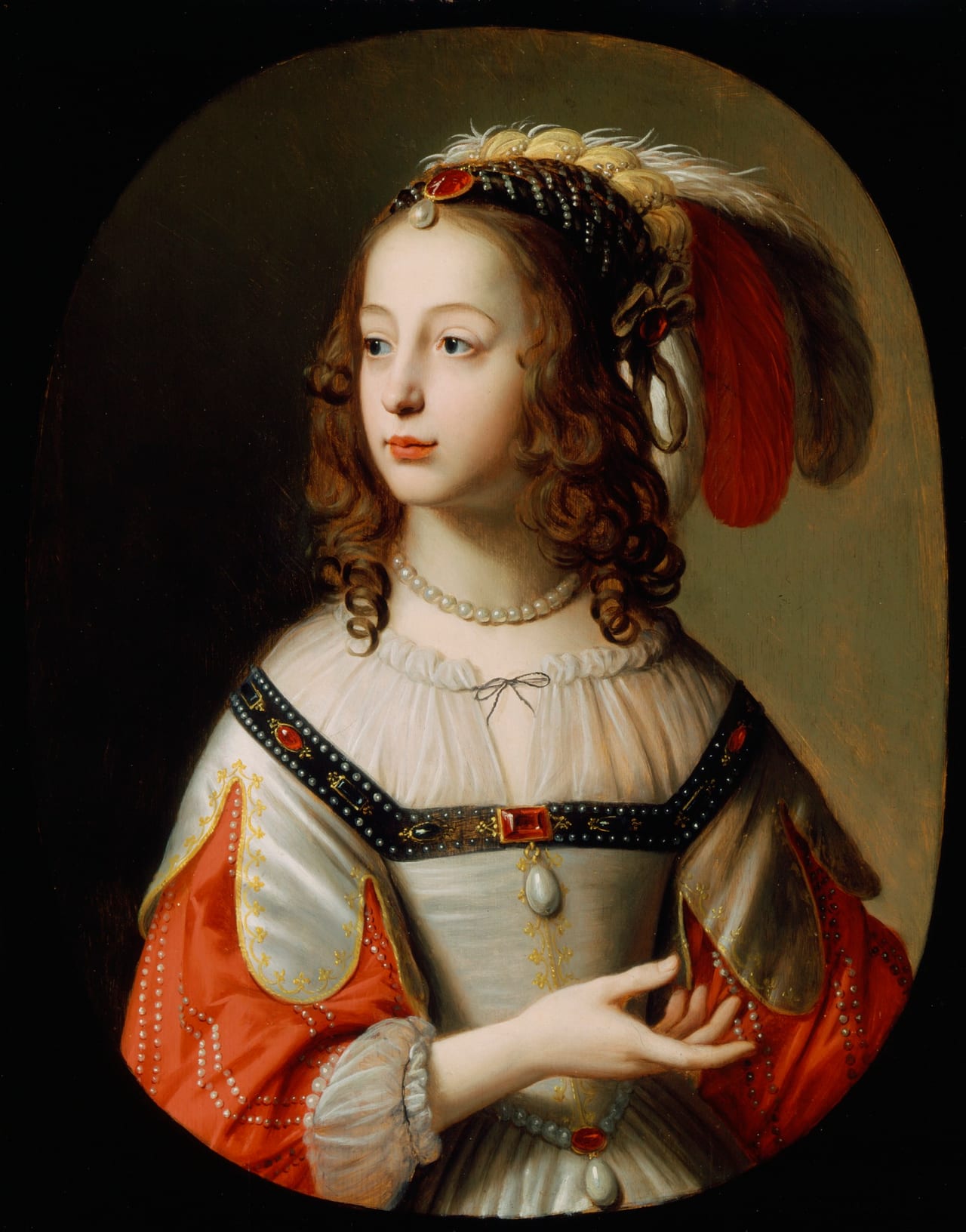
Portrait of Sophia, Princess Palatine
Gerrit van Honthorst · 1641
Sources
- Detroit Institute of Arts, “About the DIA”
- Detroit Institute of Arts, “The DIA Collection”
- Wikipedia, “Detroit Institute of Arts”
- Britannica, “Detroit Institute of Arts”
- Detroit Institute of Arts, “Rivera Court”
- Wikipedia, “The Wedding Dance”
- Detroit Institute of Arts, “The Wedding Dance”
- Detroit Institute of Arts, “Self-Portrait” (Vincent van Gogh)
- Detroit Institute of Arts, “The Nightmare”
- Detroit Institute of Arts, “Nocturne in Black and Gold, the Falling Rocket”
- Detroit Institute of Arts, “Martha and Mary Magdalene”
- Detroit Institute of Arts, “Judith and Her Maidservant with the Head of Holofernes” (Artemisia Gentileschi)
- Detroit Institute of Arts, “The Jewish Cemetery”
- Detroit Institute of Arts, “Adam and Eve”
- Detroit Institute of Arts, “The Hazelnuts (The Nut Gatherers)”
- Detroit Institute of Arts, “Madonna and Child” (Giovanni Bellini)
- Detroit Institute of Arts, “Cotopaxi”
- Detroit Institute of Arts, “Portrait of Postman Roulin”
- Detroit Institute of Arts, “The Visitation”
- Detroit Institute of Arts, “Judith and Her Maidservant with the Head of Holofernes” (Titian)
- Detroit Institute of Arts, “The Circumcision”
- Detroit Institute of Arts, “The Flight into Egypt” (Murillo)
- Detroit Institute of Arts, “Portrait of a Woman” (Frans Hals)
- Detroit Institute of Arts, “Madame Paul Poirson”
- Detroit Institute of Arts, “Bank of the Oise at Auvers”
- Detroit Institute of Arts, “Arrangement in Gray: Portrait of the Painter”
- Detroit Institute of Arts, “Flight into Egypt” (Henry Ossawa Tanner)
- Detroit Institute of Arts, “Graziella”
- Detroit Institute of Arts, “Deer in Repose”
- Detroit Institute of Arts, “Church at Moret after the Rain”
- Detroit Institute of Arts, “The Fortune Teller”
- Detroit Institute of Arts, “Old Peasant Woman”
- Detroit Institute of Arts, “Madonna and Child” (Perugino)
- Detroit Institute of Arts, “Georg Brandes at the University in Copenhagen”
- Detroit Institute of Arts, “The Flight of Florimell”
- Detroit Institute of Arts, “The Diggers”
- Detroit Institute of Arts, “The Mystic Marriage of Saint Catherine”
- Detroit Institute of Arts, “James Peale”
- Detroit Institute of Arts, “Saint Joseph and the Christ Child”
- Detroit Institute of Arts, “In the Studio”
- Detroit Institute of Arts, “Calm Sea”
- Detroit Institute of Arts, “Portrait of Sophia, Princess Palatine”
- Detroit Institute of Arts, “Vase with Carnations”
- Britannica, “Rembrandt”
- Britannica, “Titian”
- Britannica, “Parmigianino”
- Britannica, “Bartolomé Esteban Murillo”
- Britannica, “Frans Hals”
- Britannica, “John Singer Sargent”
- Britannica, “Vincent van Gogh”
- Britannica, “James McNeill Whistler”
- Britannica, “Henry Ossawa Tanner”
- Britannica, “Pierre-Auguste Renoir”
- Britannica, “Rosa Bonheur”
- Britannica, “Alfred Sisley”
- Wikipedia, “The Nightmare”
- Wikipedia, “The Diggers (Van Gogh)”
- Vase with Carnations — Public domain via Wikimedia Commons (Public domain)
- The Wedding Dance — Public domain via Wikimedia Commons (Public domain)
- Self-Portrait — Public domain via Wikimedia Commons (Public domain)
- The Nightmare — Public domain via Wikimedia Commons (Public domain)
- Nocturne in Black and Gold, the Falling Rocket — Public domain via Wikimedia Commons (Public domain)
- Martha and Mary Magdalene — Public domain via Wikimedia Commons (Public domain)
- Judith and Her Maidservant with the Head of Holofernes — Public domain via Wikimedia Commons (Public domain)
- The Jewish Cemetery — Public domain via Wikimedia Commons (Public domain)
- Saint Joseph and the Christ Child — Public domain via Wikimedia Commons (Public domain)
- The Hazelnuts (The Nut Gatherers) — Public domain via Wikimedia Commons (Public domain)
- Madonna and Child — Public domain via Wikimedia Commons (Public domain)
- Cotopaxi — Public domain via Wikimedia Commons (Public domain)
- Portrait of Postman Roulin — Public domain via Wikimedia Commons (Public domain)
- The Visitation — Public domain via Wikimedia Commons (Public domain)
- Judith and Her Maidservant with the Head of Holofernes — Public domain via Wikimedia Commons (Public domain)
- The Circumcision — Public domain via Wikimedia Commons (Public domain)
- The Flight into Egypt — Public domain via Wikimedia Commons (Public domain)
- Portrait of a Woman — Public domain via Wikimedia Commons (Public domain)
- Madame Paul Poirson — Public domain via Wikimedia Commons (Public domain)
- Bank of the Oise at Auvers — Public domain via Wikimedia Commons (Public domain)
- Arrangement in Gray: Portrait of the Painter — Public domain via Wikimedia Commons (Public domain)
- Flight into Egypt — Public domain via Wikimedia Commons (Public domain)
- Graziella — Public domain via Wikimedia Commons (Public domain)
- Deer in Repose — Public domain via Wikimedia Commons (Public domain)
- Church at Moret after the Rain — Public domain via Wikimedia Commons (Public domain)
- The Fortune Teller — Public domain via Wikimedia Commons (Public domain)
- Old Peasant Woman — Public domain via Wikimedia Commons (Public domain)
- Madonna and Child — Public domain via Wikimedia Commons (Public domain)
- Georg Brandes at the University in Copenhagen — Public domain via Wikimedia Commons (Public domain)
- The Flight of Florimell — Public domain via Wikimedia Commons (Public domain)
- The Mystic Marriage of Saint Catherine — Public domain via Wikimedia Commons (Public domain)
- James Peale — Public domain via Wikimedia Commons (Public domain)
- Adam and Eve — Public domain via Wikimedia Commons (Public domain)
- In the Studio — Public domain via Wikimedia Commons (Public domain)
- Calm Sea — Public domain via Wikimedia Commons (Public domain)
- Portrait of Sophia, Princess Palatine — Public domain via Wikimedia Commons (Public domain)
Invite the DIA into your living room