Portrait of Isabella Stewart Gardner
John Singer Sargent

Isabella Stewart Gardner Museum
Boston
Isabella Stewart Gardner had her museum built in Boston in the style of a fifteenth-century Venetian palace, its galleries set around a glass-roofed garden courtyard, and spent a year arranging her collection there, paintings among furniture, textiles and objects of many cultures and periods. Opened in 1903, it holds Titian’s The Rape of Europa, Sargent’s El Jaleo and Botticelli’s The Story of Lucretia.
- paintings, sculpture, furniture, textiles, silver and ceramics, with 1,500 rare books and 7,000 archival objects
- 7,500+ objects
- acquired for Gardner’s collection with the help of Bernard Berenson
- Nearly 70 works
- in the archives, from 1,000 correspondents, among them Henry Adams, T.S. Eliot and Sarah Bernhardt
- 7,000+ letters
A Venetian palace in the Fenway
Isabella Stewart Gardner (1840–1924) had the museum built between 1898 and 1901 in the style of a fifteenth-century Venetian palace. After the death of her husband, John L. Gardner, in 1898, she set out to realise the dream they had shared of a fitting place to show their treasures: she bought land in the marshy Fenway area of Boston and hired the architect Willard T. Sears to build Fenway Court on the model of the Renaissance palaces of Venice. She was so closely involved in every part of the design that Sears joked he was merely the structural engineer who made it possible.
Contrary to a common belief, the building was not shipped from Venice and put back together. It went up from the ground in Boston, of new materials, with architectural pieces taken from Gothic and Renaissance buildings in Europe worked into it: antique capitals sit on modern columns, and some of the structure is modern concrete. Three floors of galleries surround a garden courtyard adorned with a Roman mosaic, under a glass roof whose steel frame is original to the building; it was the first such courtyard in America. Gardner kept her private apartments on the fourth floor.
Once the building was finished, Gardner spent a year installing her collection, setting furniture, textiles and objects from different cultures and periods among celebrated European paintings and sculpture. The opening, on 1 January 1903, was marked by a performance from members of the Boston Symphony Orchestra, with champagne and doughnuts on the menu. Her will called for the collection to be shown permanently “for the education and enjoyment of the public forever”, and under it the museum passed to Boston as a public institution, on condition that the collection stay exactly as she had arranged it, with nothing added, removed or rearranged.
Gardner the collector
Isabella Stewart was born in New York City in 1840. Taken to Italy in 1857, she saw in Milan the Renaissance collection of Gian Giacomo Poldi Pezzoli, arranged in rooms meant to recall historical eras, and said then that if she ever inherited money she would have a house like it for people to visit and enjoy. In 1860 she married John Lowell Gardner, known as Jack, the brother of a former classmate, and settled in Boston.
She began collecting seriously after a large inheritance from her father in 1891, when she turned to European fine art. Her adviser was Bernard Berenson, an American critic of Italian Renaissance art and once her protégé: in 1894 he offered to help her buy a Botticelli, with which she became the first American to own a painting by the master, and he helped her acquire nearly seventy works in all. With her husband she made many journeys to Europe and Asia to add to the collection, and after his death she went on to gather Renaissance and Dutch masterpieces, sculpture and Asian art, as well as major works by contemporary painters, Sargent and Whistler among them.
Venice was her favourite city abroad, and the Gardners regularly stayed at the Palazzo Barbaro, where a circle of American and English expatriates gathered. Her friends included the painters John Singer Sargent, James McNeill Whistler and Anders Zorn and the novelist Henry James. Sargent painted her more than once, and she commissioned and bought works from him and asked his advice on other purchases.
The collection, the theft and the new wing
Gardner gathered more than 7,500 paintings, sculptures, pieces of furniture, textiles, silver and ceramics, together with 1,500 rare books and 7,000 archival objects; they come from ancient Rome and medieval Europe, Renaissance Italy and Asia, the Islamic world, and France and America in the nineteenth century. Michelangelo, Raphael, Botticelli, Titian, Rembrandt, Degas, Manet, Whistler and Sargent are all represented in the galleries, and the Yellow Room holds the first Matisse to enter an American collection. Cosmè Tura’s The Circumcision of Christ, from the 1470s, is here too. The archives keep more than 7,000 letters from 1,000 correspondents, among them Henry Adams, T.S. Eliot and Sarah Bernhardt.
In the early hours of 18 March 1990 the security guards let in two men posing as policemen; the thieves tied up the guards and over the next hour took thirteen works. The case remains unsolved: no one has been arrested and none of the works has been recovered. Among them were Vermeer’s The Concert, one of only 34 known paintings by him, and Rembrandt’s only seascape, The Storm on the Sea of Galilee, with other paintings and sketches by Rembrandt, Degas, Manet and Govert Flinck. Experts were puzzled by the choice, since more valuable works were left behind. Because the collection and its arrangement are meant to be permanent, empty frames still hang in the Dutch Room, in homage to the missing works and to keep their places for a return. Titian’s The Rape of Europa, then the most expensive painting in Boston, was not stolen.
In 2009 a Massachusetts court overruled the strict terms of Gardner’s will to allow an expansion. Renzo Piano, chosen in 2004, designed the new wing, completed in 2012: a building joined to the original museum, with the look of four storeys in glass and copper, and a smaller second building for greenhouses and living quarters. In 1983 the museum entered the National Register of Historic Places, and in 2013 it was designated a Boston Landmark.
What to see
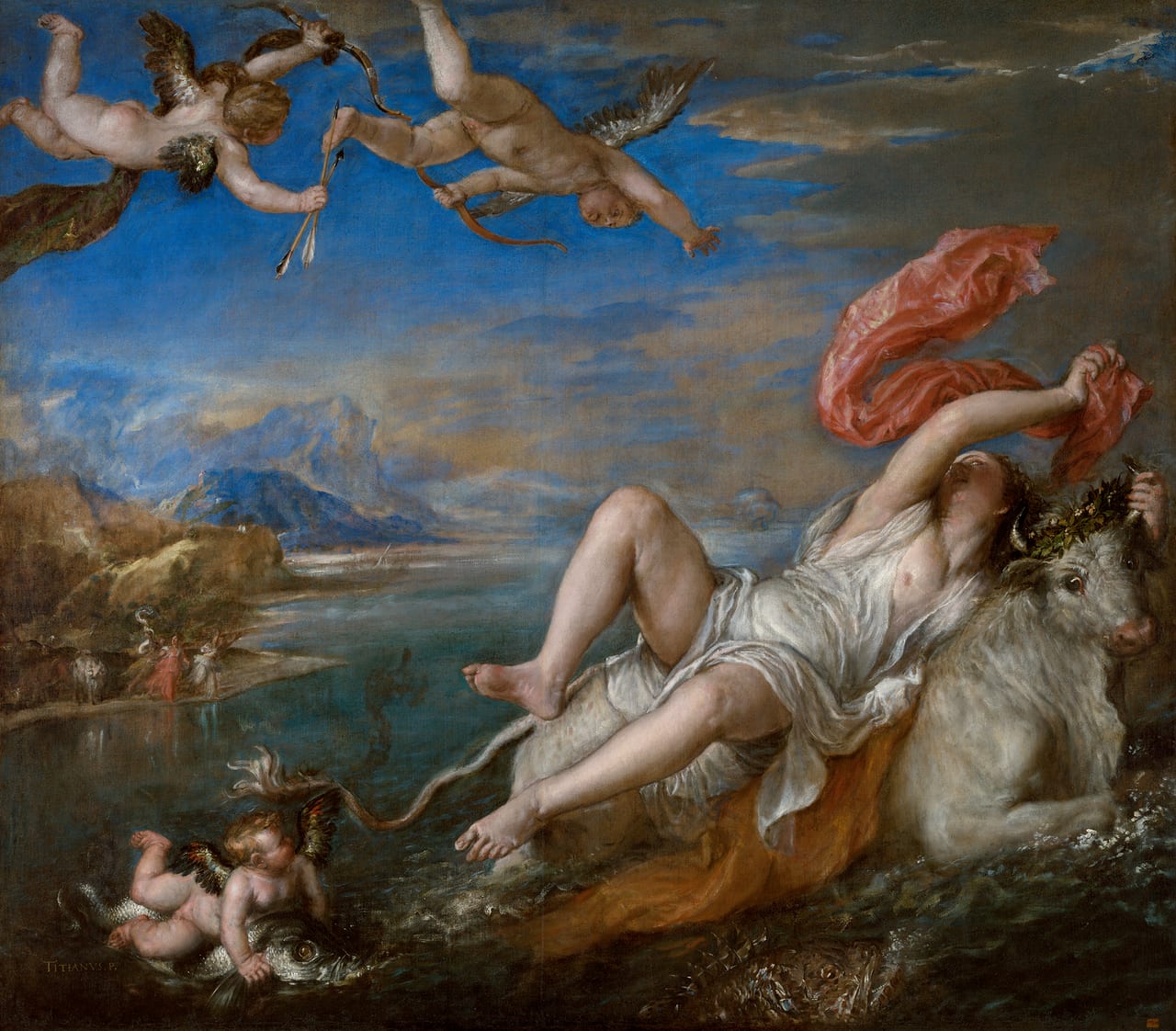
The Rape of Europa
Titian · c. 1560–1562
Europa lies sprawled on the bull’s back, a little way out from the shore of her homeland, carried away by the god Zeus, who has taken the form of a bull. She holds a pink garment like the one an attendant wears in the background; putti chase her through the sky, and one rides a dolphin in the sea. Titian painted it as one of his poesie for Philip II of Spain. Bernard Berenson bought it for Gardner in 1896, and in the Titian Room it hangs above pale green silk cut from one of her Charles Frederick Worth gowns.
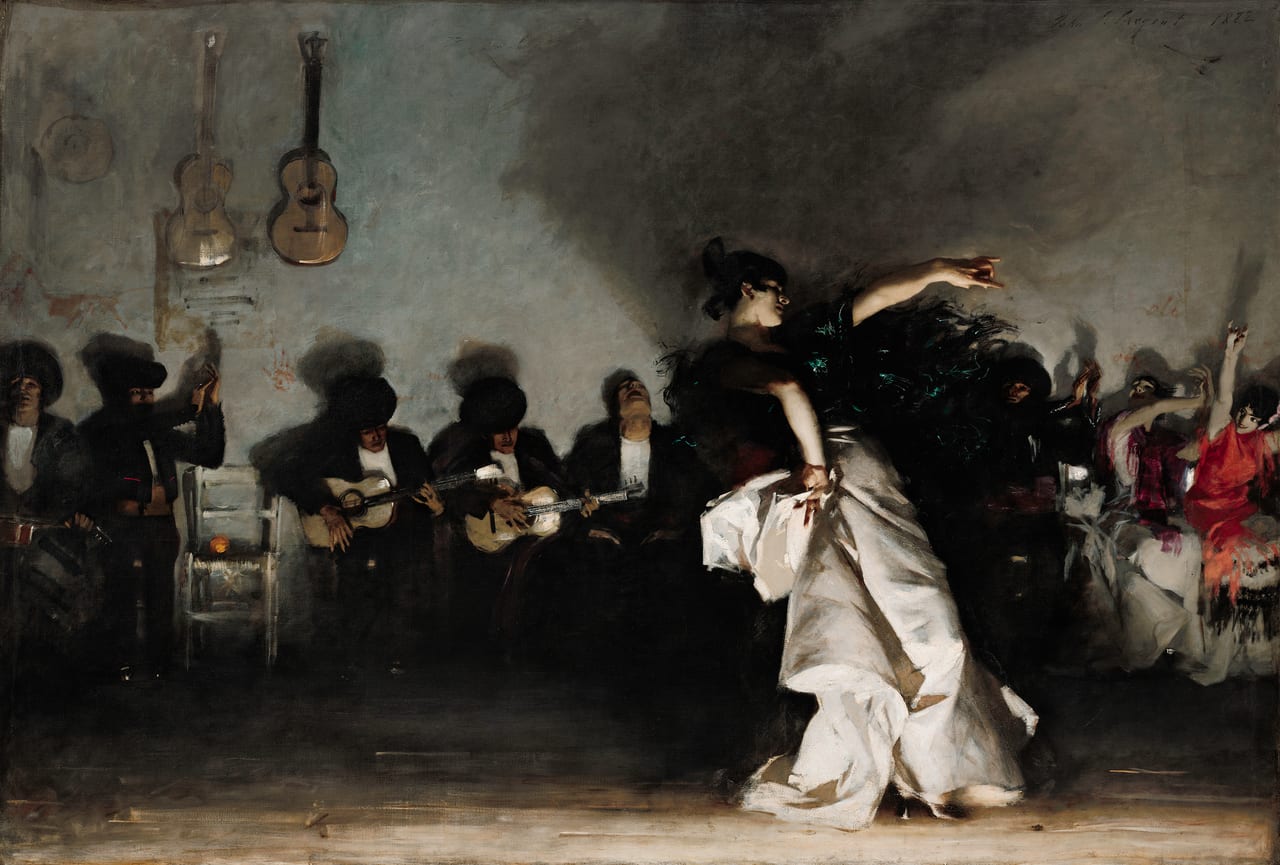
El Jaleo
John Singer Sargent · 1882
A Spanish Romani dancer, leaning to one side, seems to move from left to right across a canvas almost 12 feet wide, as musicians play. Sargent set rich blacks against her shining white skirt, caught in the footlights, and the light throws long, eerie shadows on the back wall, which fills nearly half the picture. Shown at the Paris Salon of 1882, his greatest success there, it was bought by Thomas Jefferson Coolidge of Boston. Gardner borrowed it in 1914 and built the Spanish Cloister for it, framed by a Moorish arch; Coolidge then gave it to her.
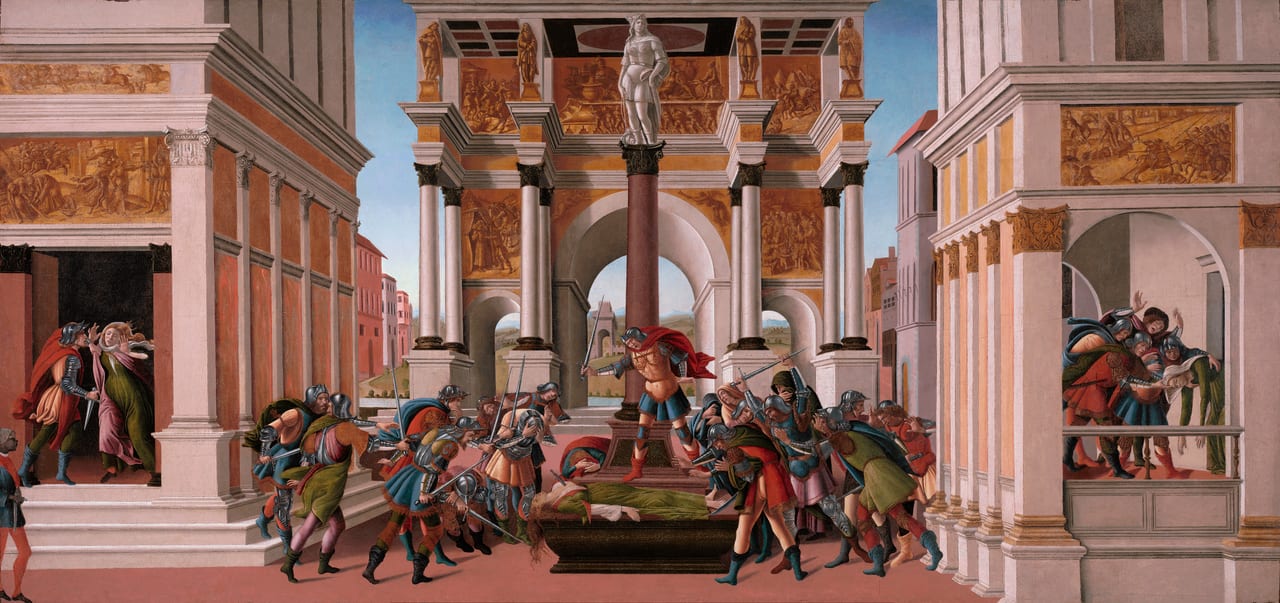
The Story of Lucretia
Sandro Botticelli · 1496–1504
Botticelli joins scenes from different legends in one picture. At the centre Lucretia’s body lies on public display, the dagger with which she killed herself still in her breast, and Brutus stands over her urging the people to revolt: the beginning of the revolution that created the Roman Republic. Sextus threatens her on the left porch, and on the right she dies. Gardner owned the panel in her lifetime.
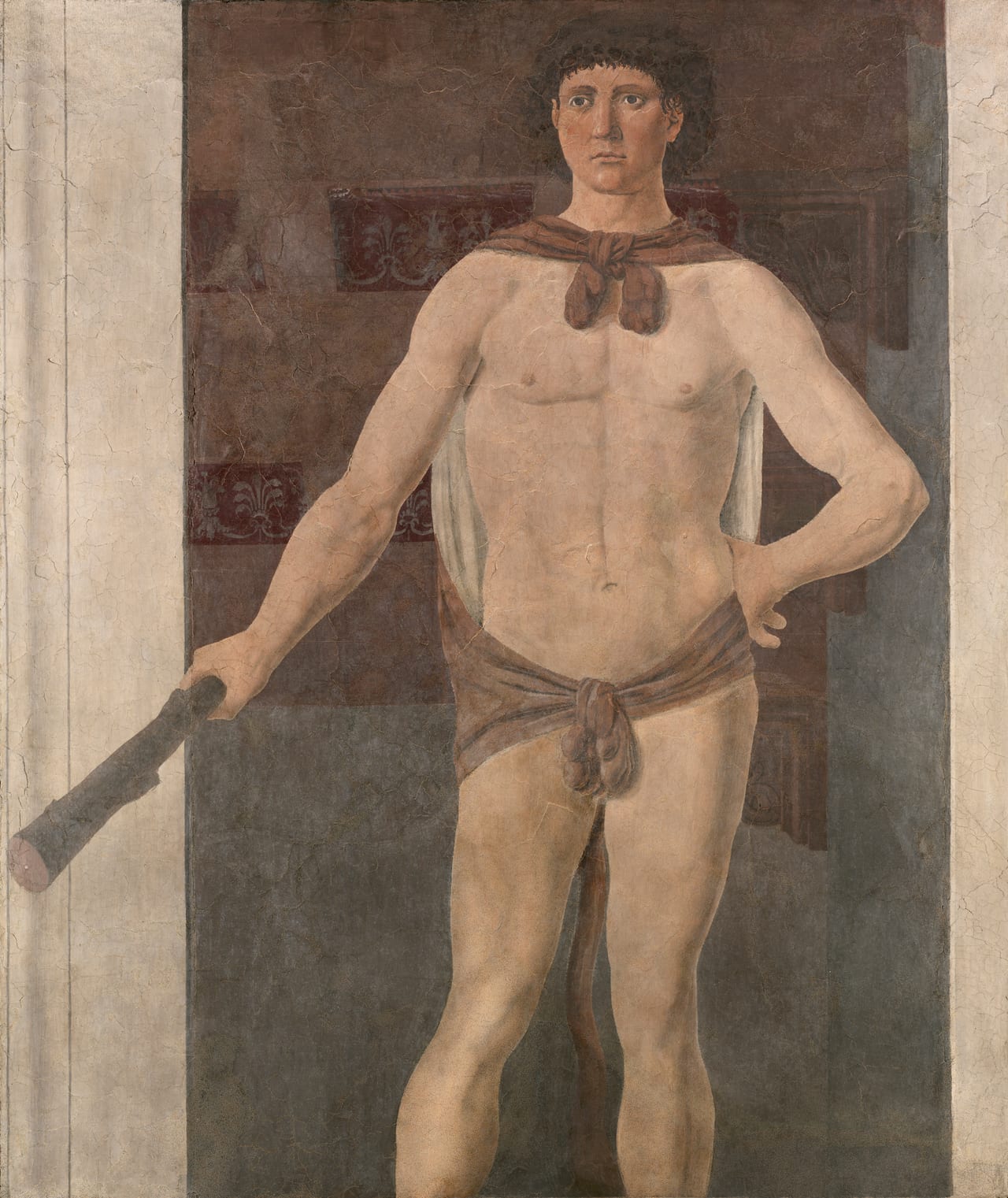
Hercules
Piero della Francesca · after 1465
Hercules stands nude in a lion-skin before a basin, holding a club, his left hand on his hip and his serious, thoughtful face looking out from the frame; the clear light almost cancels the shadows. The fresco fragment is Piero della Francesca’s only known secular work, probably once part of a cycle of mythological figures. It was rediscovered in the second half of the eighteenth century in a room of the artist’s family home in Sansepolcro, and Gardner acquired it in 1903.
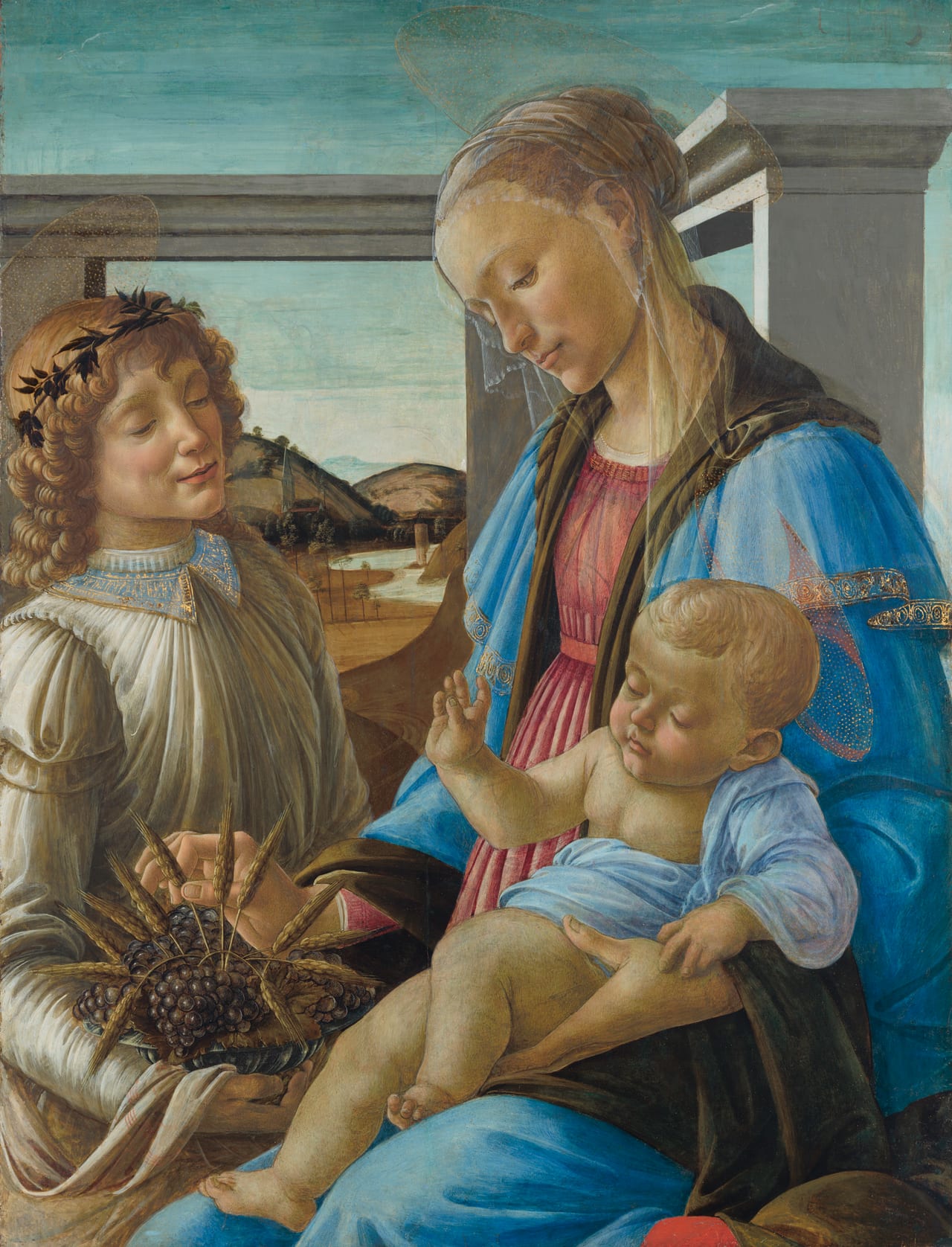
Virgin and Child with an Angel
Sandro Botticelli · c. 1470
A smiling angel crowned with myrtle offers the Virgin and Child a bowl of twelve ears of wheat and grapes, symbols of the bread and wine of the Eucharist; the Child raises a hand in blessing, and Mary holds one of the ears. Hills and a river show through an opening in the arcade. Prince Chigi offered it to Gardner in 1899 for $30,000; she held back, though Berenson pressed her, and by the time she agreed the price was $70,000. The sale caused controversy in Italy.
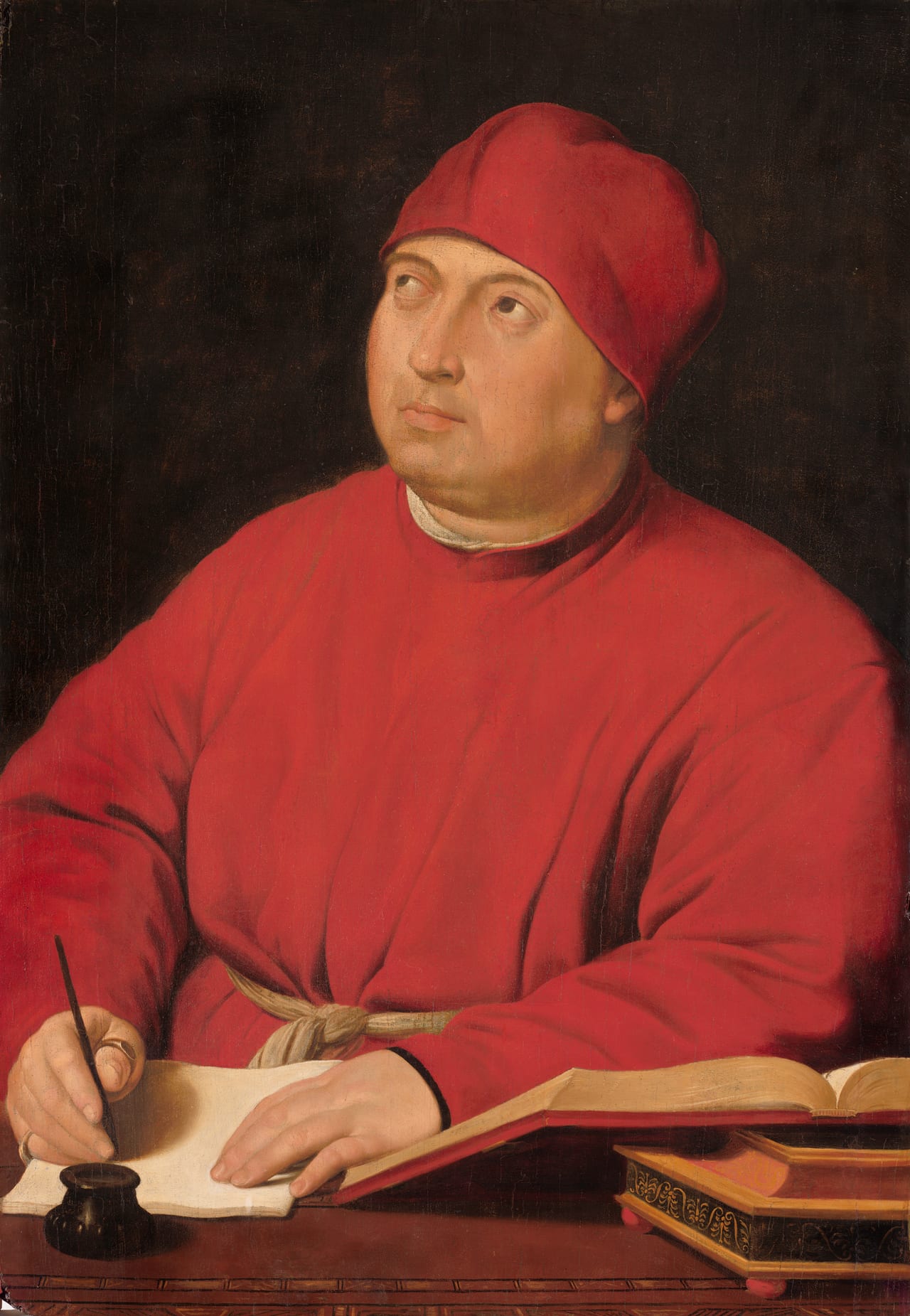
Portrait of Tommaso Inghirami
Raphael · c. 1509
Twisting as he contemplates his composition, Tommaso Inghirami turns in a way that draws attention away from his squint, and the portrait has been called the first likeness in which Raphael introduced movement. The sitter, a friend of Raphael’s, was a prelate and a popular orator and actor, nicknamed Phaedra after he improvised Latin verse while playing the title role in Seneca’s tragedy. Painted around 1509, the portrait exists in two copies: one in the Palazzo Pitti in Florence, the other in Boston.
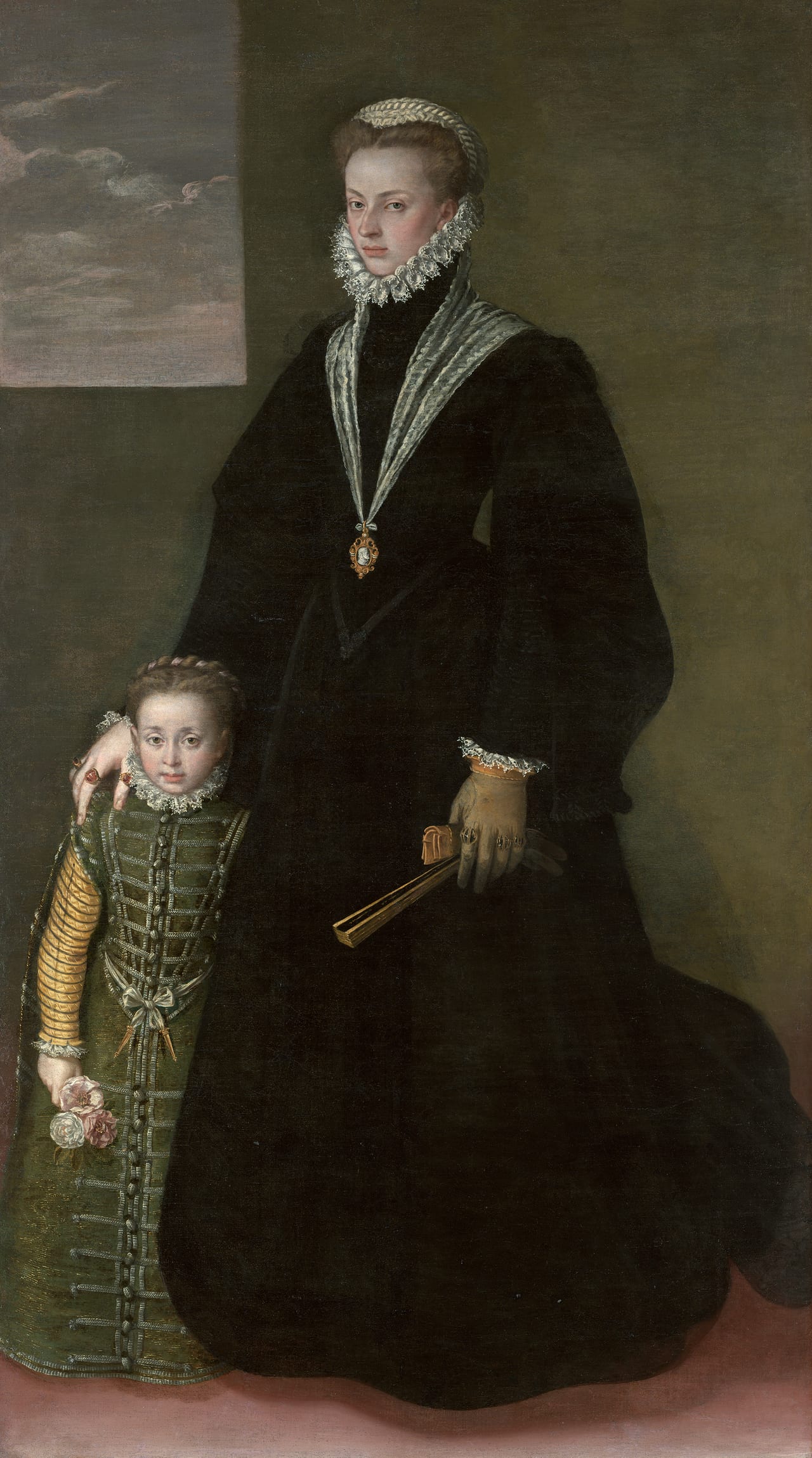
Portrait of Juana of Austria and a Young Girl
Sofonisba Anguissola
Juana of Austria, daughter of the Holy Roman Emperor Charles V and Queen Regent of Spain, is painted at full length with a young girl. It was one of Sofonisba Anguissola’s first paintings after she reached the Spanish court, where she served as official painter to the queen, Isabel de Valois; she told the painter Bernardo Campi by letter that it was for the Pope, then Pius IV.
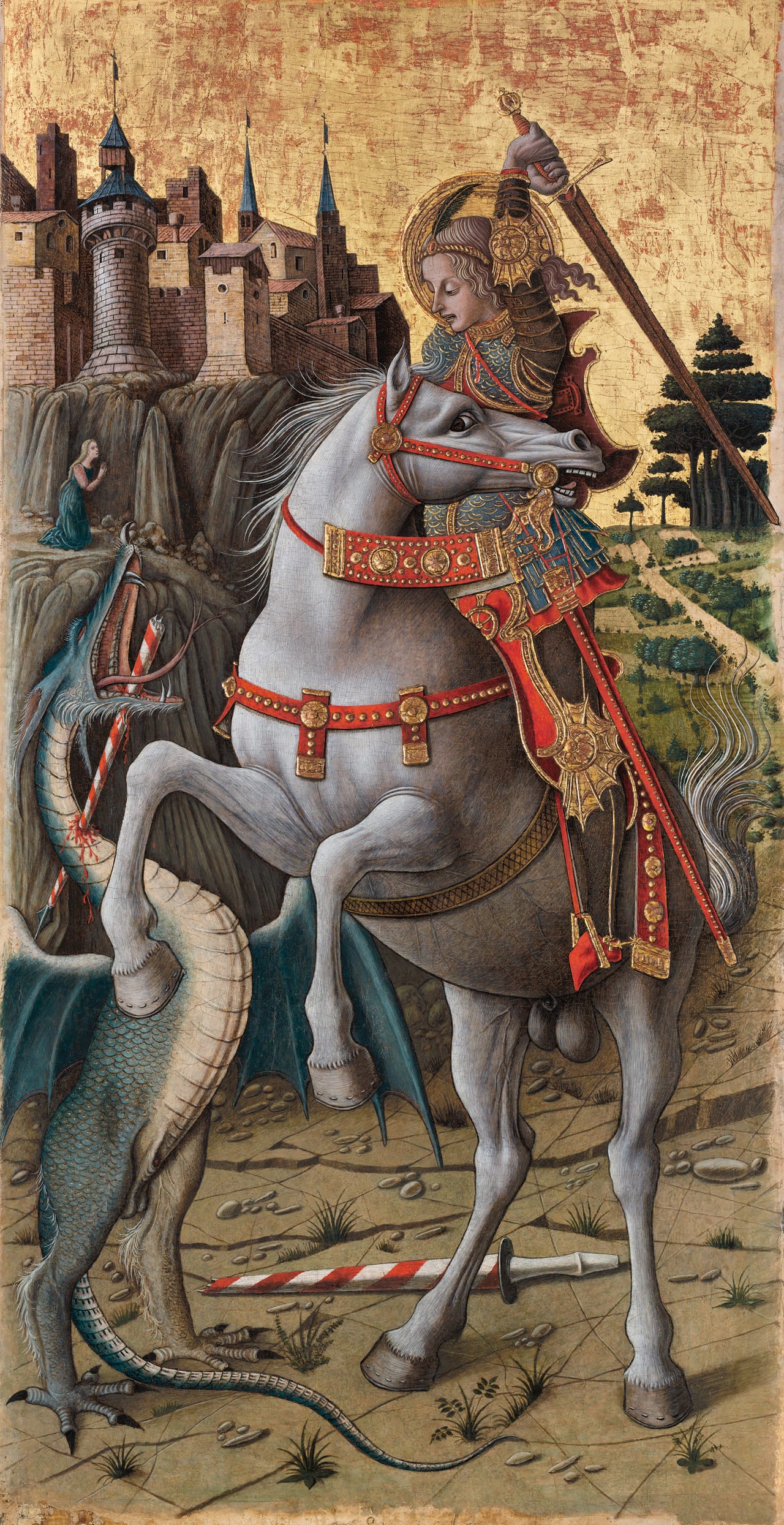
Saint George Slaying the Dragon
Carlo Crivelli · 1470
The saint and the dragon filled the main right-hand panel of Carlo Crivelli’s Porto San Giorgio Altarpiece, a work of 1470 in tempera and gold, below a lunette of Saint Anthony Abbot and Saint Lucy. A transcribed record states that Giorgio Salvadori, an Albanian immigrant fleeing the Ottoman advance, commissioned it that year. Split up in the nineteenth century and sold in separate lots, its panels are now shared among museums in Europe and America; Philip Hendy began piecing it together in 1931 by linking this panel with Saints Peter and Paul in London.
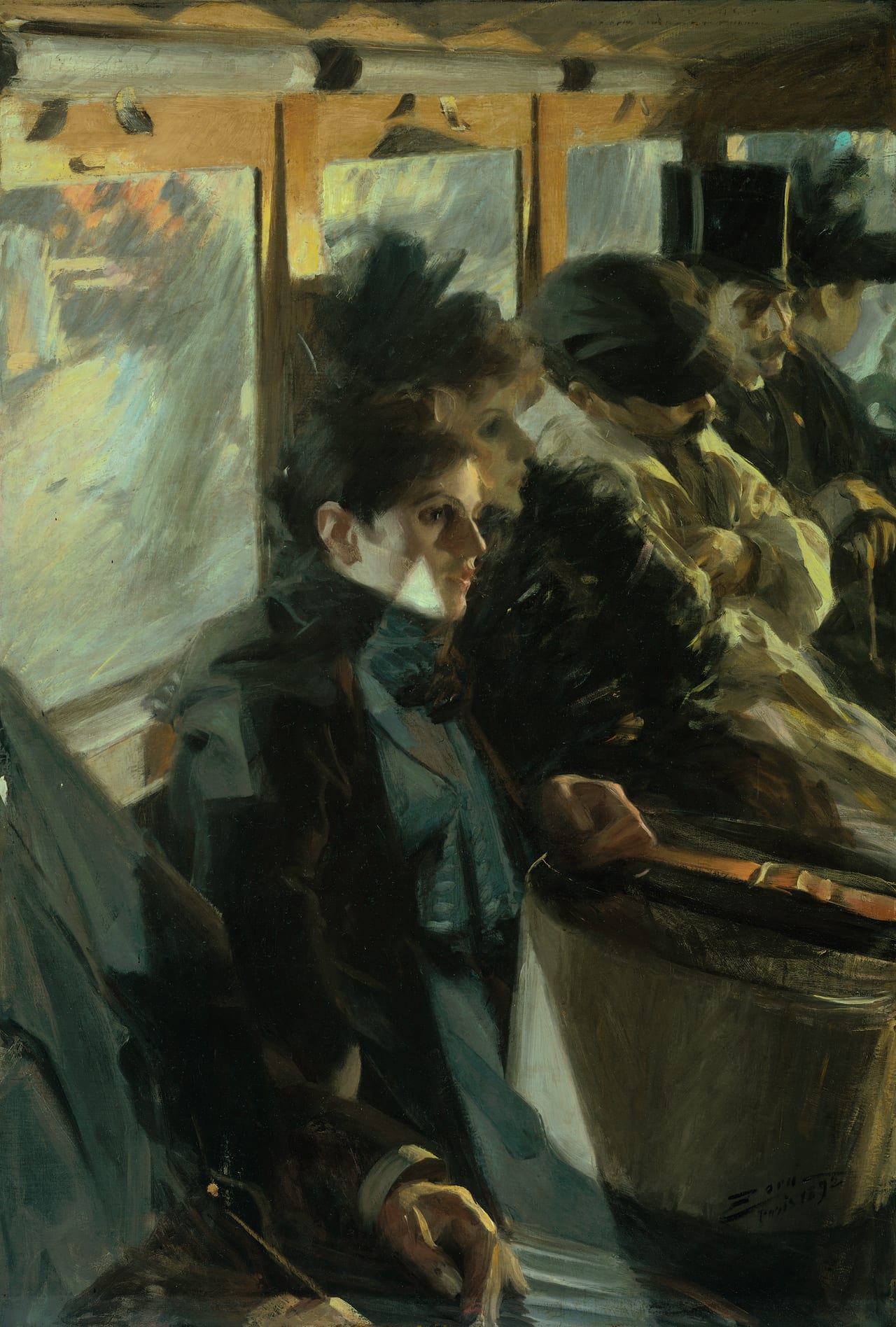
Omnibus
Anders Zorn
Four or five people sit in a public trolley in Paris: a young woman with a square box in front, a prostitute behind her, the two of them standing for modern life with its commercial attractions and its dangers. Anders Zorn, one of Gardner’s friends, made two versions; the first is in the Nationalmuseum in Stockholm, the second here.
Artists
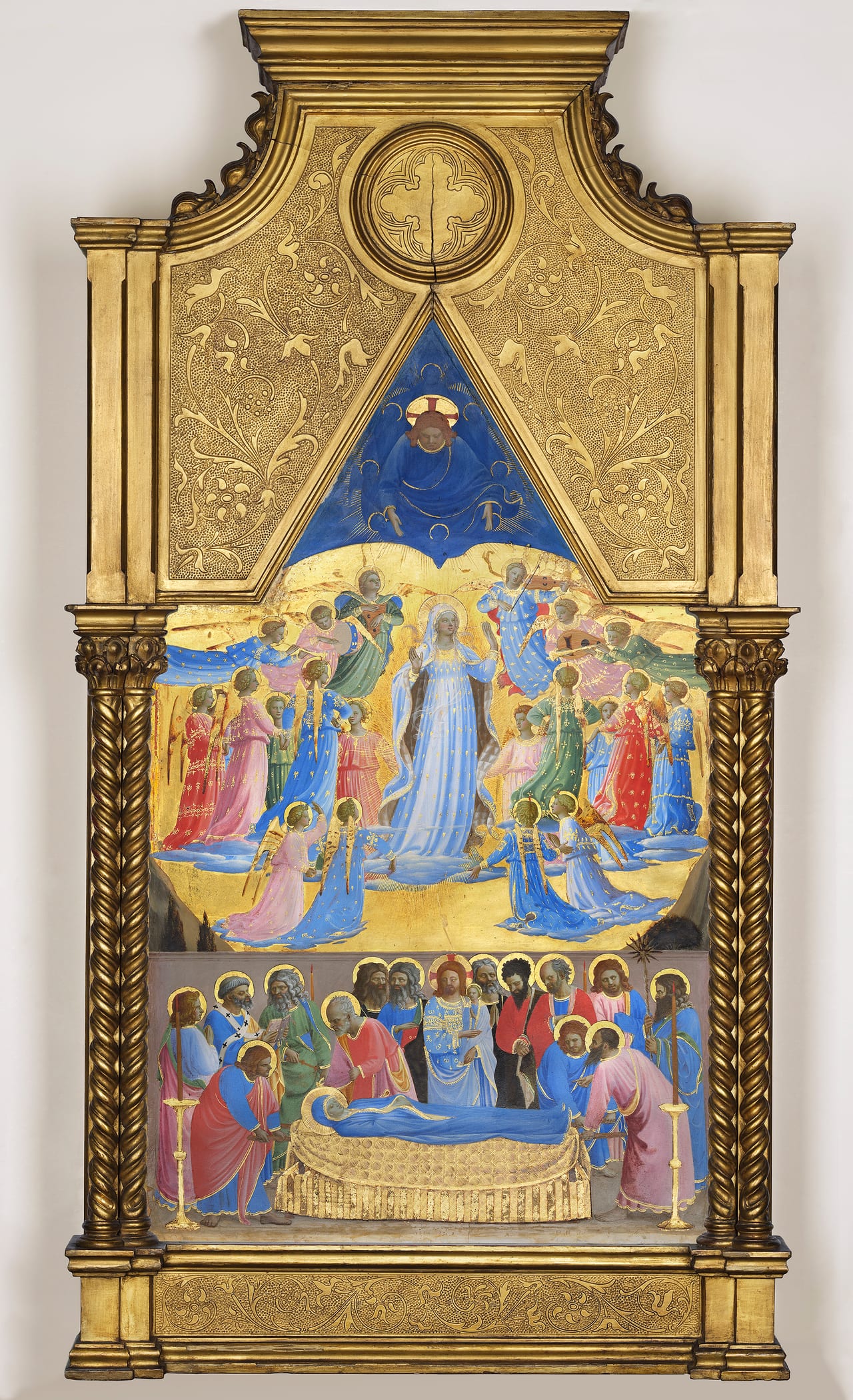
Fra Angelico
Dormition and Assumption of the Virgin
His Dormition and Assumption of the Virgin is in the collection. Born Guido di Pietro around 1400 in Vicchio, Fra Angelico was a prominent Italian painter of the early Renaissance, and later a Dominican friar, residing at the priory of San Domenico in Fiesole.
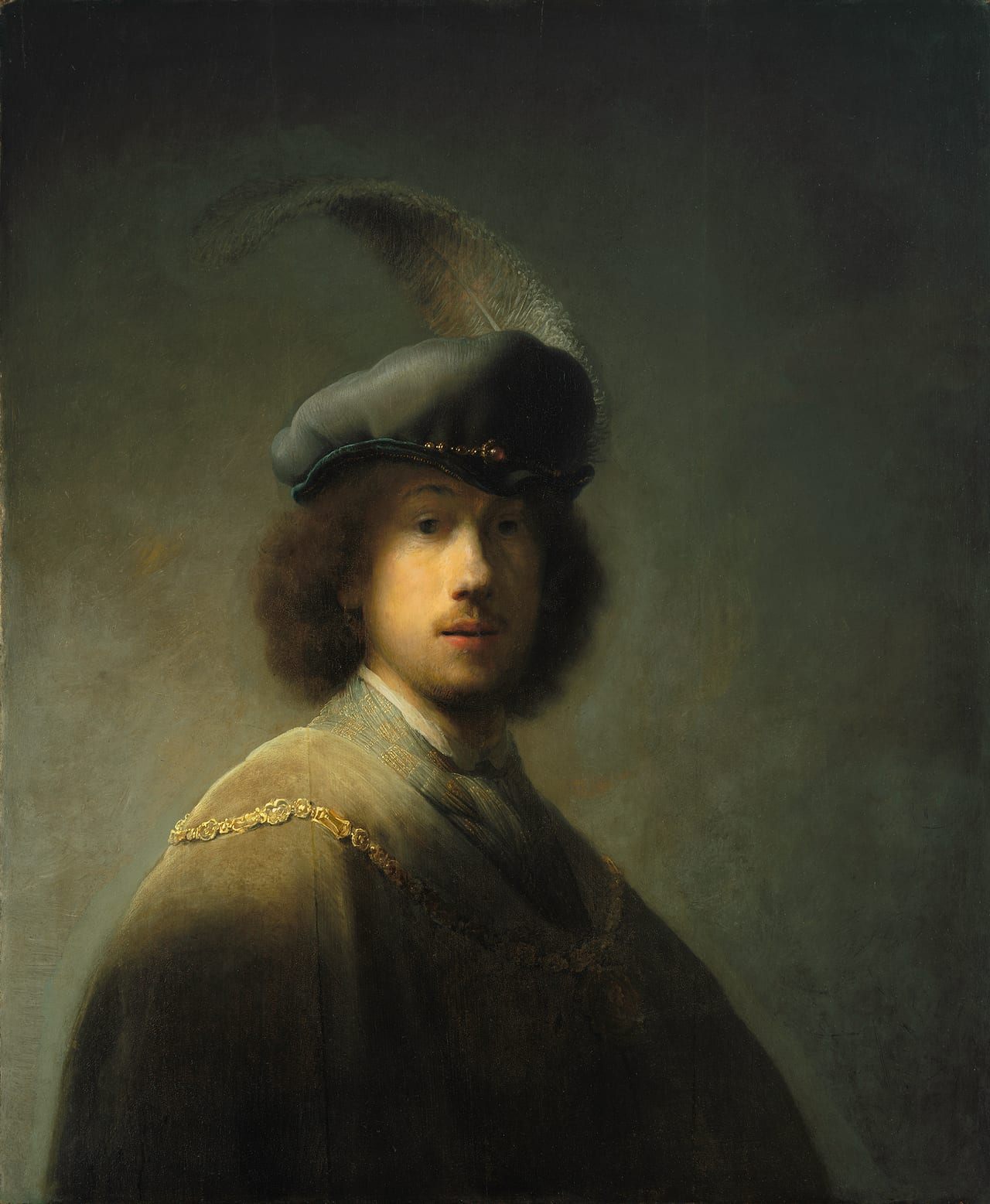
Rembrandt
Self-Portrait, Age 23
Self-Portrait, Age 23 belongs to a large body of work: studies of his own face and more formal self-portraits make up roughly a tenth of the Dutch Baroque painter and printmaker’s painted and etched output. Rembrandt is also known as a painter of light and shade, with an exceptional gift for showing people in their various moods.
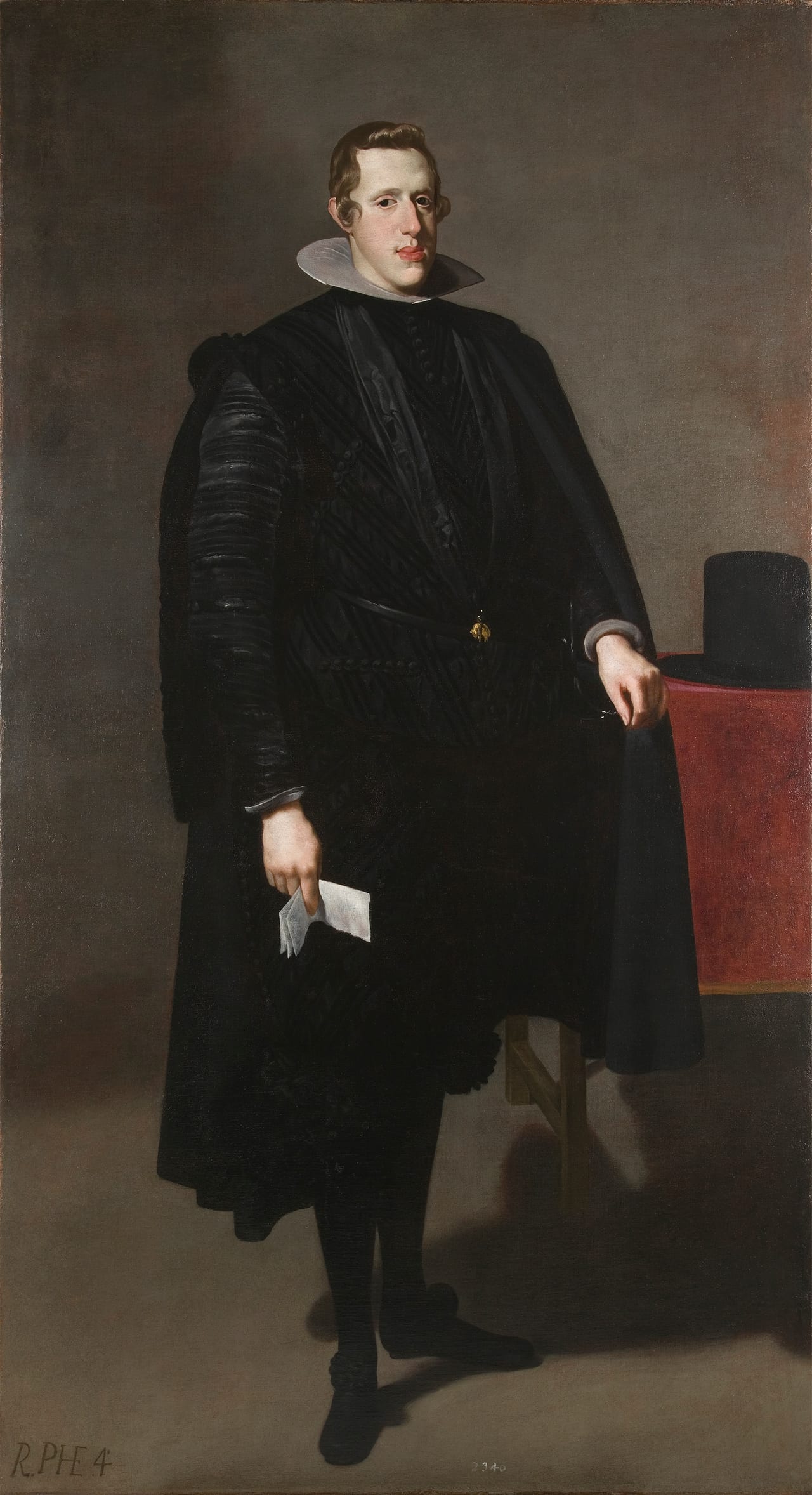
Diego Velázquez
King Philip IV of Spain
Velázquez won royal patronage in 1623 and became the only painter allowed to paint Philip IV; as court painter he made many royal portraits.
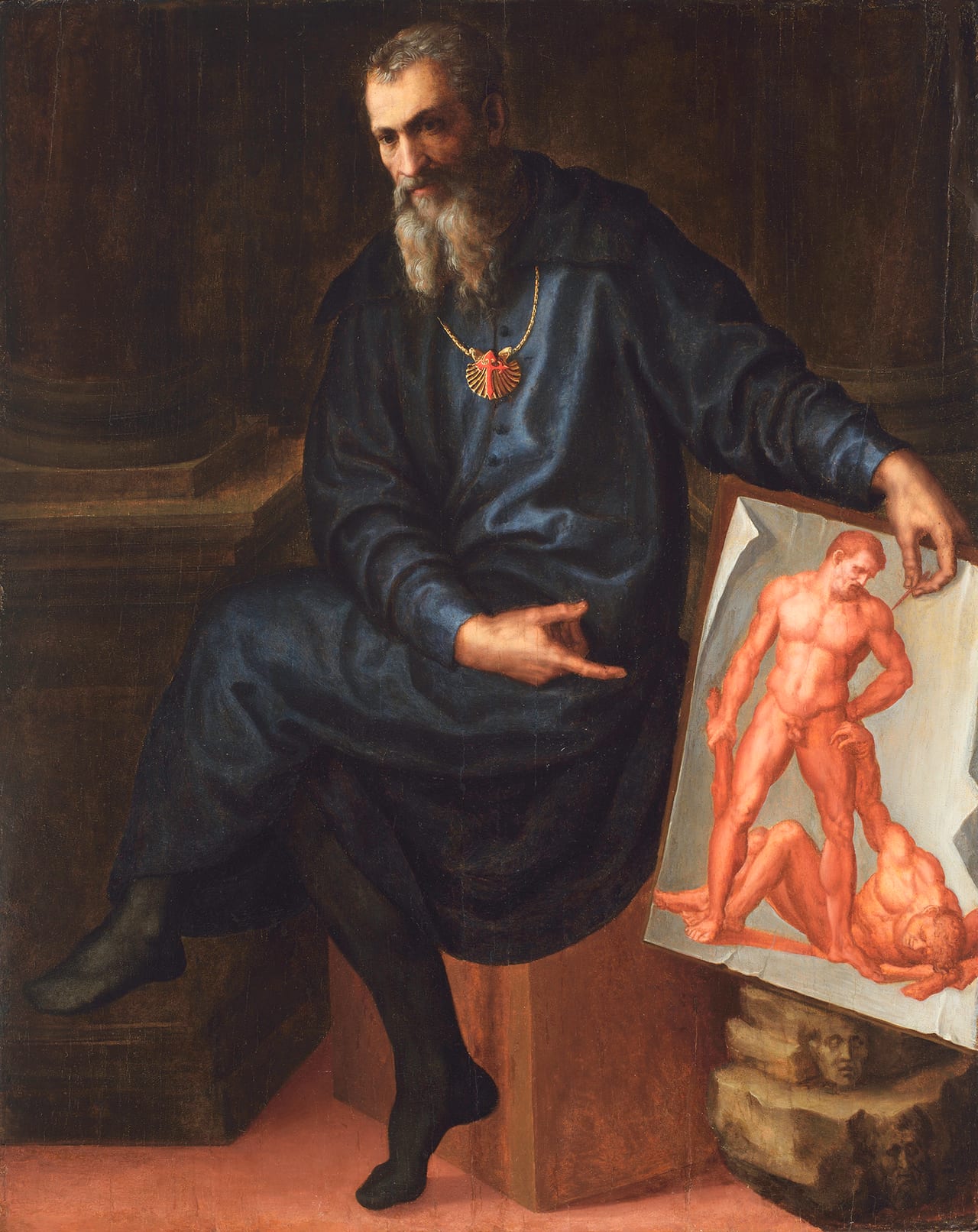
Baccio Bandinelli
Self-Portrait · 1529–30
Baccio Bandinelli painted this self-portrait in oil on panel in 1529–30; he was a Florentine Mannerist sculptor whose work, shaped by Michelangelo, found favour with the Medici.
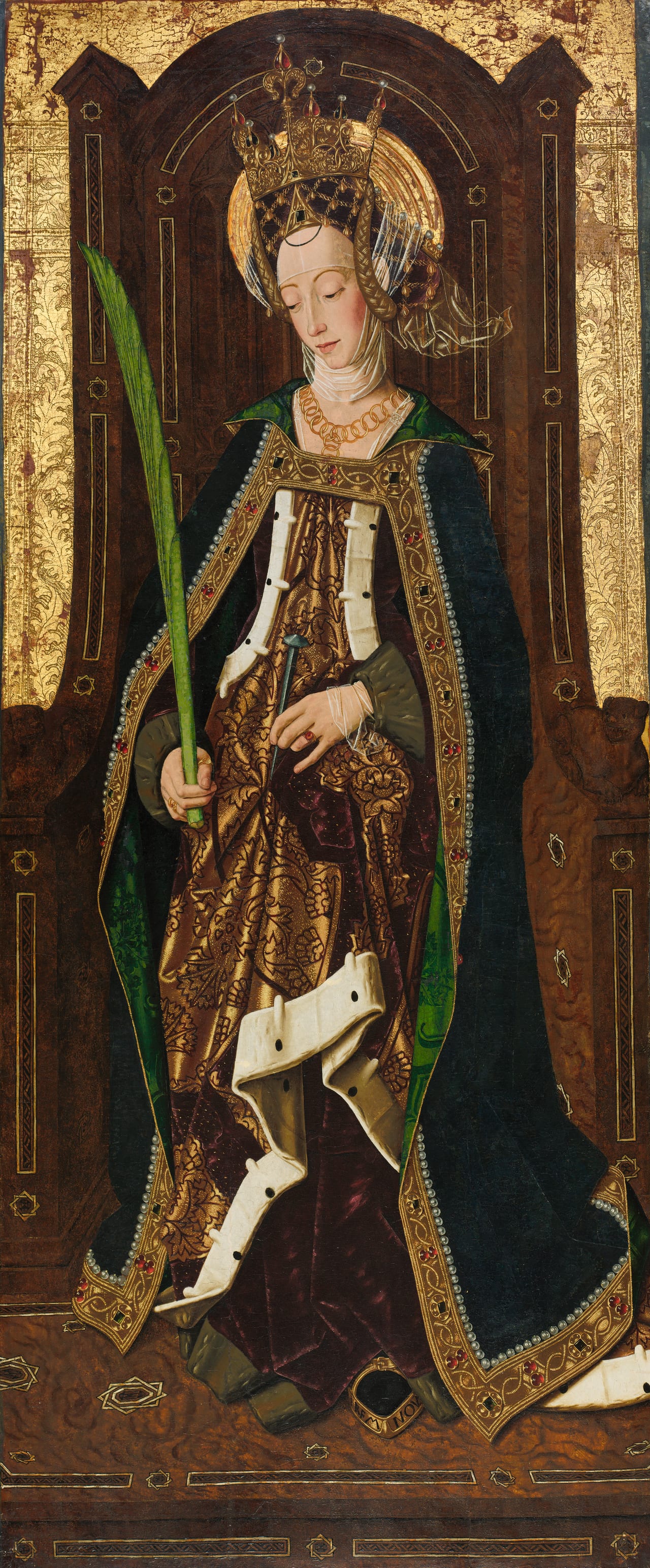
Bartolomé Bermejo
Saint Engracia · c. 1476
Thought the finest painter in Spain before El Greco, he worked in the Flemish manner and helped bring Renaissance style to Spain. In Daroca he completed an altarpiece of Saint Engracia, now divided among several places, Boston among them.
Artworks
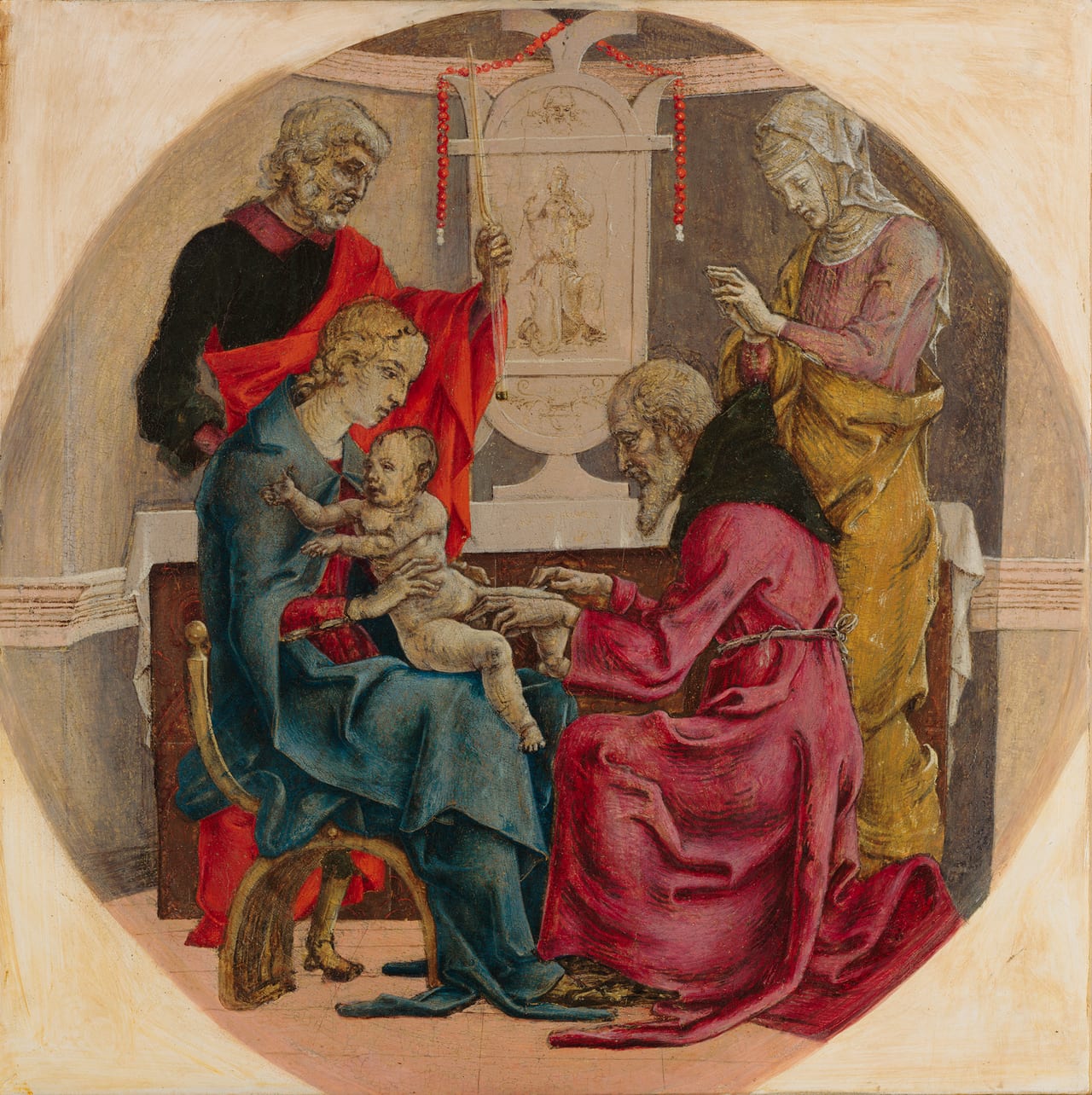
The Circumcision of Christ
Cosimo Tura · 1470s
Sources
- Wikipedia, “Isabella Stewart Gardner Museum”
- Wikipedia, “Isabella Stewart Gardner”
- Britannica, “Isabella Stewart Gardner”
- Wikipedia, “Isabella Stewart Gardner Museum theft”
- Wikipedia, “The Rape of Europa (Titian)”
- Wikipedia, “The Story of Lucretia (Botticelli)”
- Wikipedia, “El Jaleo”
- Wikipedia, “Virgin and Child with an Angel (Botticelli, Boston)”
- Wikipedia, “Hercules (Piero della Francesca)”
- Wikipedia, “Portrait of Tommaso Inghirami”
- Wikipedia, “Portrait of Juana of Austria and a Young Girl”
- Wikipedia, “Porto San Giorgio Altarpiece”
- Wikipedia, “Omnibus (painting)”
- Wikipedia, “John Singer Sargent”
- Britannica, “Fra Angelico”
- Britannica, “Rembrandt”
- Britannica, “Diego Velázquez”
- Britannica, “Baccio Bandinelli”
- Britannica, “Bartolomé Bermejo”
- Wikipedia, “Bartolomé Bermejo”
- Wikipedia, “Cosmè Tura”
- Britannica, “Bernard Berenson”
- Wikimedia Commons, “Rembrandt van Rijn - Self-Portrait, Age 23 - P21n6 - Isabella Stewart Gardner Museum.jpg”
- Portrait of Isabella Stewart Gardner — Public domain via Wikimedia Commons (Public domain)
- The Rape of Europa — Public domain via Wikimedia Commons (Public domain)
- El Jaleo — Public domain via Wikimedia Commons (Public domain)
- The Story of Lucretia — Public domain via Wikimedia Commons (Public domain)
- Hercules — Public domain via Wikimedia Commons (Public domain)
- Virgin and Child with an Angel — Public domain via Wikimedia Commons (Public domain)
- Portrait of Tommaso Inghirami — Public domain via Wikimedia Commons (Public domain)
- Portrait of Juana of Austria and a Young Girl — Public domain via Wikimedia Commons (Public domain)
- Saint George Slaying the Dragon — Public domain via Wikimedia Commons (Public domain)
- Omnibus — Public domain via Wikimedia Commons (Public domain)
- Dormition and Assumption of the Virgin — Public domain via Wikimedia Commons (Public domain)
- Self-Portrait, Age 23 — Public domain via Wikimedia Commons (Public domain)
- King Philip IV of Spain — Public domain via Wikimedia Commons (Public domain)
- Self-Portrait — Public domain via Wikimedia Commons (Public domain)
- Saint Engracia — Public domain via Wikimedia Commons (Public domain)