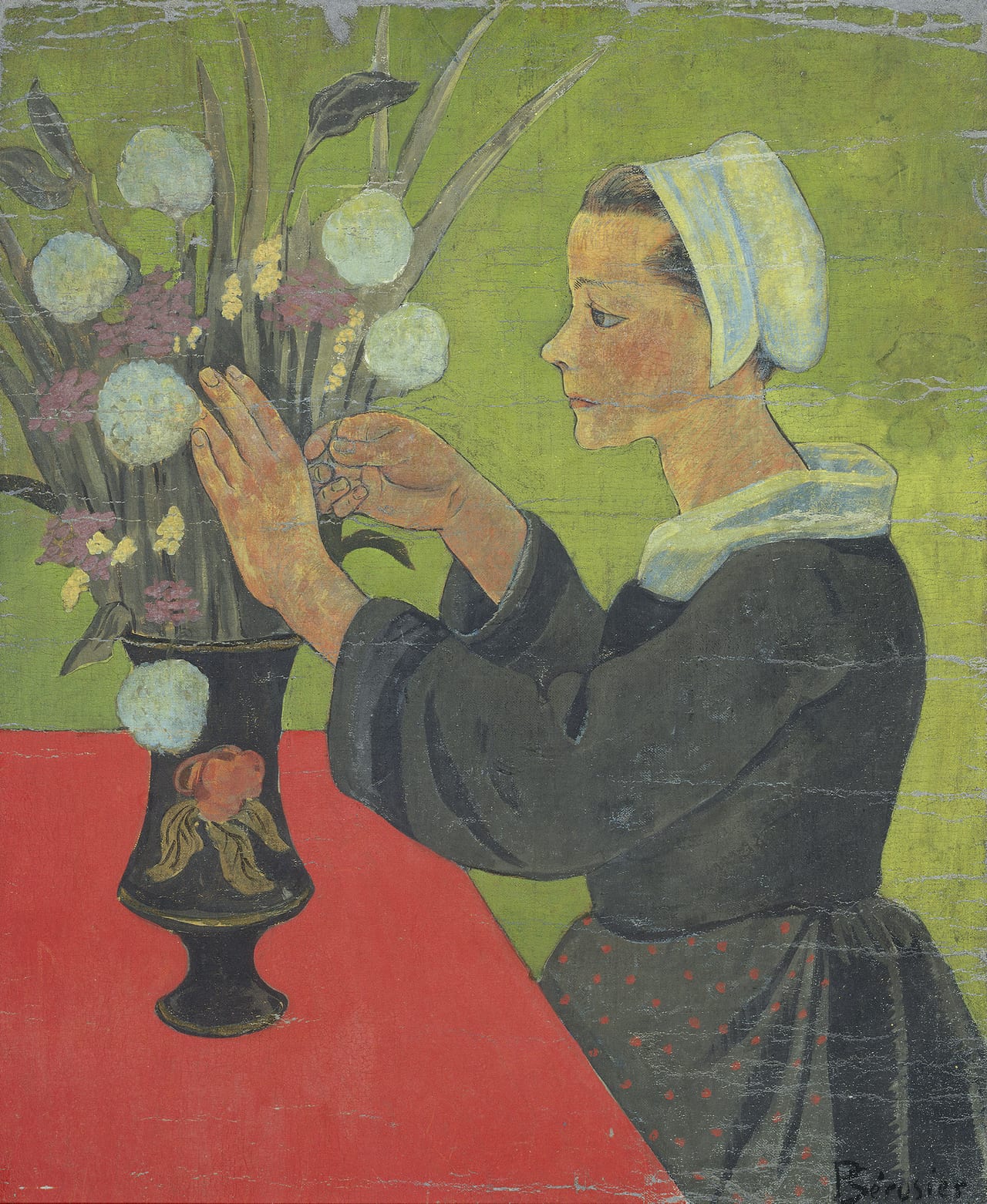
Lyricism in the Forest
Alphonse Osbert · 1910

Petit Palais
Paris
Built for the Exposition universelle of 1900 between the Seine and the Champs-Élysées, the Petit Palais has been the City of Paris’s museum of fine arts since 1902: commissions and purchases made by the city in the Salons or directly from artists, completed over the years by an exceptional fund of works and gifts, from the Dutuit brothers’ old masters to the Cézanne that Ambroise Vollard left it.
- museums of the City of Paris, grouped in Paris Musées since 2013
- 1 of 14
- to complete the painted and sculpted decoration, from 1903 to 1925
- 20+ years
- Dutch paintings, one of the leading collections in France after the Louvre’s
- About 50
A palace for the Exposition of 1900
Charles Girault won the competition for the building and set it between the Seine and the Champs-Élysées, drawing largely on French architecture of the late seventeenth and early eighteenth centuries; its domed porch and triple arcade recall the stables at Chantilly. With the Grand Palais and the Pont Alexandre III it forms a group conceived for the Exposition universelle of 1900. In 1902 it was turned into a museum of fine arts to house the collections of the City of Paris, and it has gone on showing a substantial programme of temporary exhibitions. It has been a listed historic monument since 1975.
The decoration, meant to glorify the city and celebrate the benefits of art, took from 1903 to 1925. Albert Besnard spent seven years on the four Symbolist-inspired panels of the entrance vestibule. In the North Gallery Cormon’s vault traces old Paris from the battle of Lutetia to the Revolution, facing Roll’s modern Paris in the South Gallery. The workshop of Giandomenico Facchina laid the mosaic floors of the galleries, the pavilions and the first-floor rotunda, and Maurice Denis painted the dome over the Dutuit staircase just after the First World War, in a last phase of work.
Under the portico on the garden side, Paul Baudoüin, a pupil of Puvis de Chavannes, revived fresco, a decorative technique forgotten since the Renaissance: medallions of the Months alternate with the hours of the day and night.
A collection made by gift
The collections began with works the City of Paris commissioned or bought at the Salons or straight from artists. In 1902 the Dutuit brothers left the city an exceptional fund of older works, and gifts followed: from the American collectors Edward and Julia Tuck, the Carpeaux and Courbet donations, the dealer Ambroise Vollard and, more recently, the icon collector Roger Cabal.
Auguste and Eugène Dutuit founded the museum’s collection of old prints and drawings. Their paintings, drawings and prints, with purchases made from the income of the bequest, carry the seventeenth century, where Flemish and Dutch art is one of the strengths; the Renaissance holdings, mainly theirs, illustrate especially well a ceremonial art of the table representative of the taste of a princely and humanist elite. Auguste had bought Claude Lorrain’s copper of the port of Santa Marinella straight from the Barberini di Sciarra family. Ingres’s two paintings for the Comte de Blacas, painted in Rome, were bought in 1968 with the income of a bequest; the museum’s record names the Marquise Félicie de Virieu.
The Dutuit collection also supplies most of the medieval objects, few in number but exceptional in quality: French ivories of the thirteenth and fourteenth centuries, Mosan and Limoges champlevé enamels of the twelfth and thirteenth, and medieval manuscripts. The antiquities are a selection from the Greek, Etruscan and Roman worlds, among them major bronzes of the first century BC such as the ephebe of Les Fins d’Annecy.
The Tuck gallery, on the garden level, takes its name from the gift Edward Tuck and his wife Julia Stell made in 1921; its four panelled rooms show eighteenth-century paintings beside furniture, Beauvais tapestries, Sèvres porcelain, Saxon porcelain figures, English enamels and enamelled watches from Paris, London and Geneva. Ambroise Vollard, who showed Cézanne from 1895 and became his dealer in 1896, gave the museum many paintings, sculptures, ceramics, books, drawings and prints, and his portrait by Cézanne came to it by his bequest.
From the Restoration to the Belle Époque
The nineteenth-century collection evokes high points of art in France from the Restoration to the Third Republic: the Troubadour style, the Romanticism of Géricault, Delacroix and Chassériau, Courbet’s realism carried on in the naturalist painters’ scenes of modern life, and from the Barbizon school to the Impressionism of Monet, Sisley and Pissarro, with modern art already stirring in Cézanne, Vuillard and Vallotton. Terracottas and plasters come from the studios of Carpeaux, Carriès and Dalou. For the Belle Époque the museum gives pride of place to Art Nouveau, which renewed furniture, decoration, jewellery and objects, with makers such as Émile Gallé, Georges Fouquet and Hector Guimard.
The museum counts Courbet’s The Sleepers, bought in 1953, among its masterpieces, and his Young Ladies on the Banks of the Seine (Summer) was given by Étienne Baudry through the painter’s sister Juliette in 1906. Juliette, who spent the rest of her life defending her brother’s work, gave six of Courbet’s paintings in 1909, among them her own portrait at thirteen; Courbet’s Self-Portrait with a Black Dog came from her the same year.
Women held a place in the museum’s Impressionist collection from early on, through active buying and through donors who were sometimes the artists themselves: Berthe Morisot and Mary Cassatt stand beside Guillaumin, Renoir and Sisley. Cassatt herself gave her portrait of her sister Lydia in 1922. Marie Bracquemond’s The Afternoon Tea is one of the few works by her in a public collection, and in 2021 the museum acquired a work by Eva Gonzalès, Manet’s only pupil, by pre-emption at a public sale.
What to see
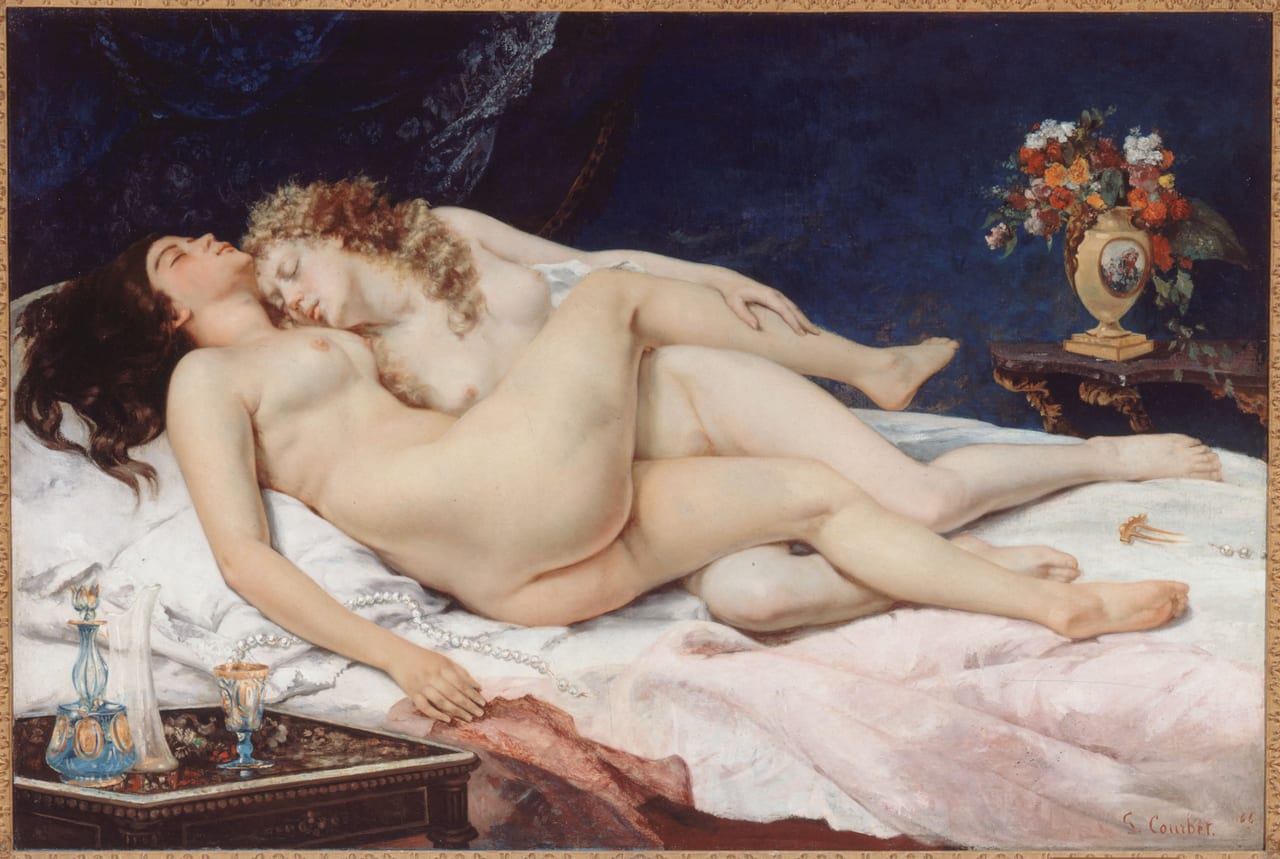
The Sleepers
Gustave Courbet · 1866
Two nude women sleep entwined on an unmade bed, a fair-skinned redhead and a darker brunette. Courbet painted it in 1866 for the diplomat Khalil-Bey, who also received The Origin of the World; it went straight into his collection without facing the Salon’s censors.
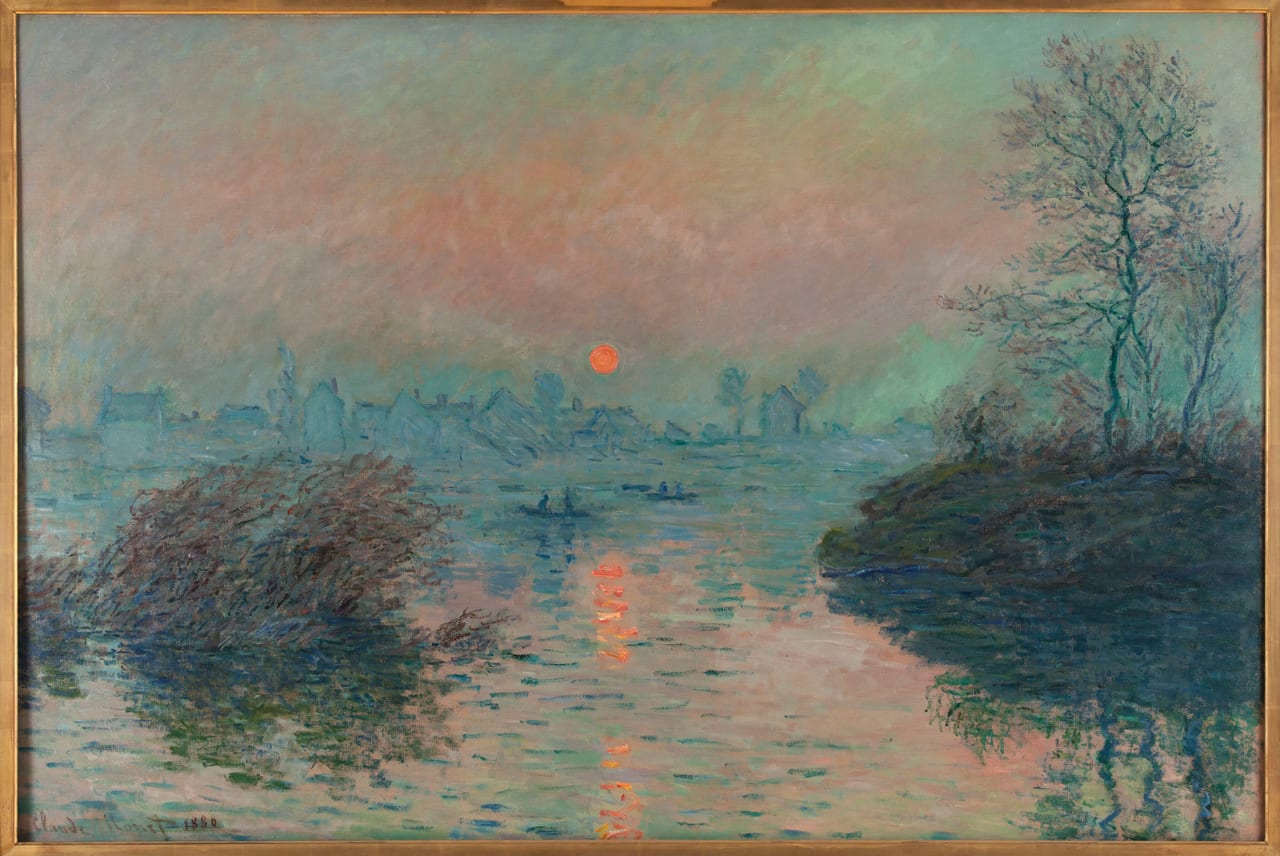
Sunset on the Seine at Lavacourt, Winter Effect
Claude Monet · 1880
After a hard winter at Vétheuil, Monet took up the thawing Seine in some twenty paintings early in 1880. The village’s topography is barely sketched; the orange sun at the centre recalls Impression, Sunrise. Edward Brandus gave it in 1906.
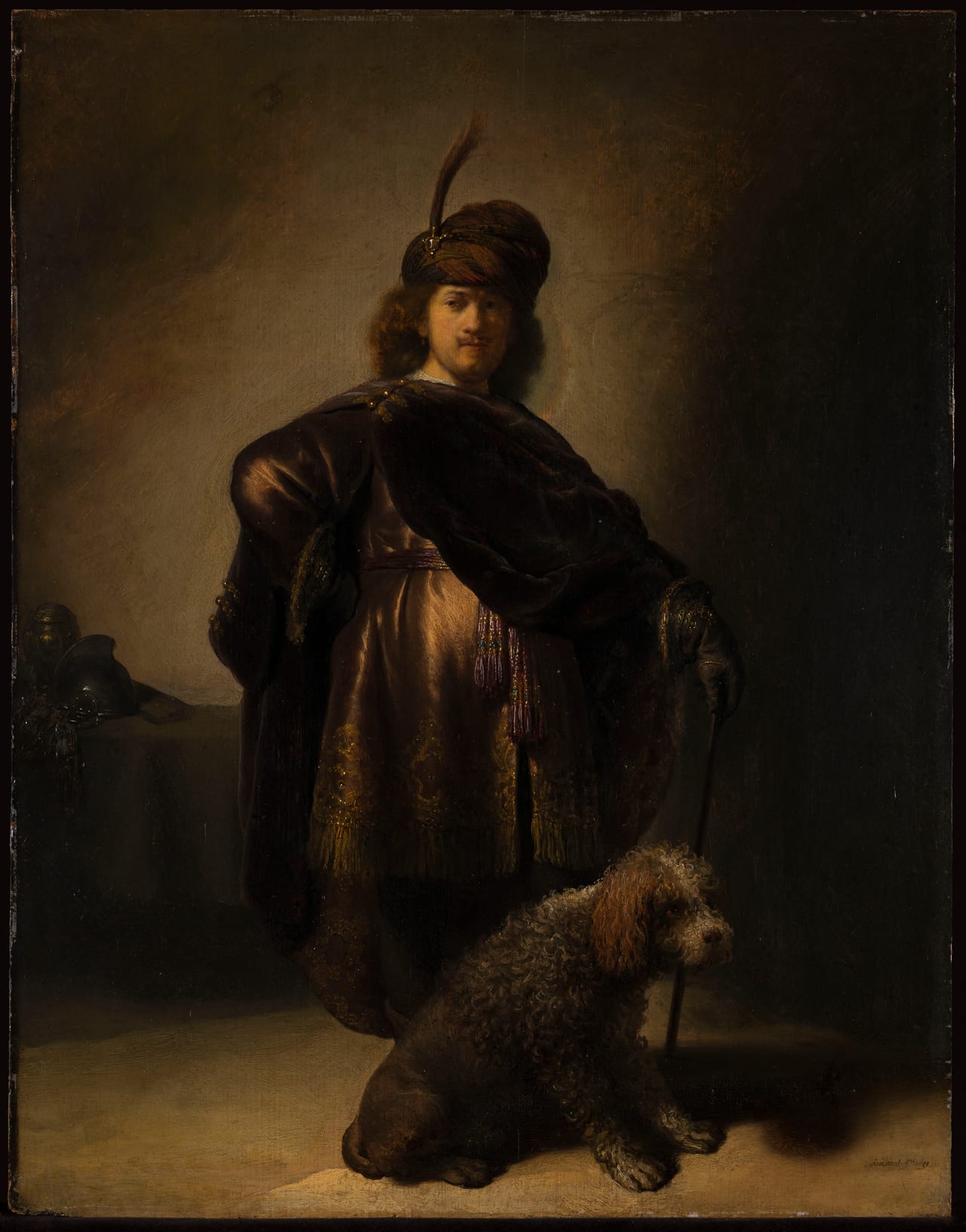
Self-Portrait in Oriental Costume
Rembrandt · 1631–1633
Rembrandt poses as an Eastern prince in a plumed turban and heavy velvet cloak, a gloved hand on his cane, with a barbet, a dog then used to hunt waterfowl, at his feet. X-rays show that Rembrandt added the dog later, to hide his legs, whose position seemed to displease him. It is the only one of his self-portraits in which he shows himself full length; errors of proportion have at times put the attribution in doubt. Dutuit bequest, 1902.
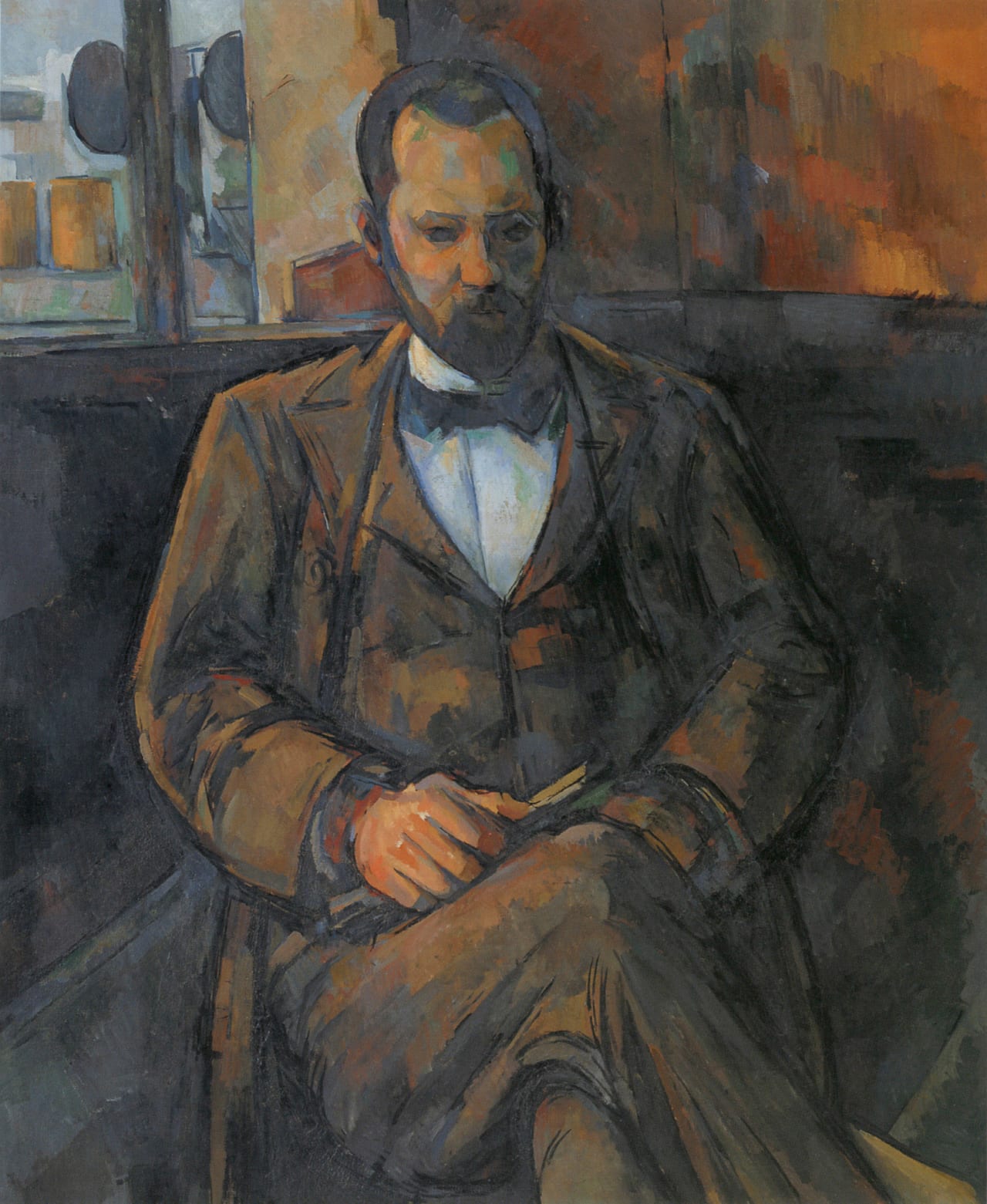
Portrait of Ambroise Vollard
Paul Cézanne · 1899
According to Vollard, the portrait Cézanne began in his studio near the Montmartre cemetery needed 115 morning sittings. The dealer left it to the museum, which received it in 1945.
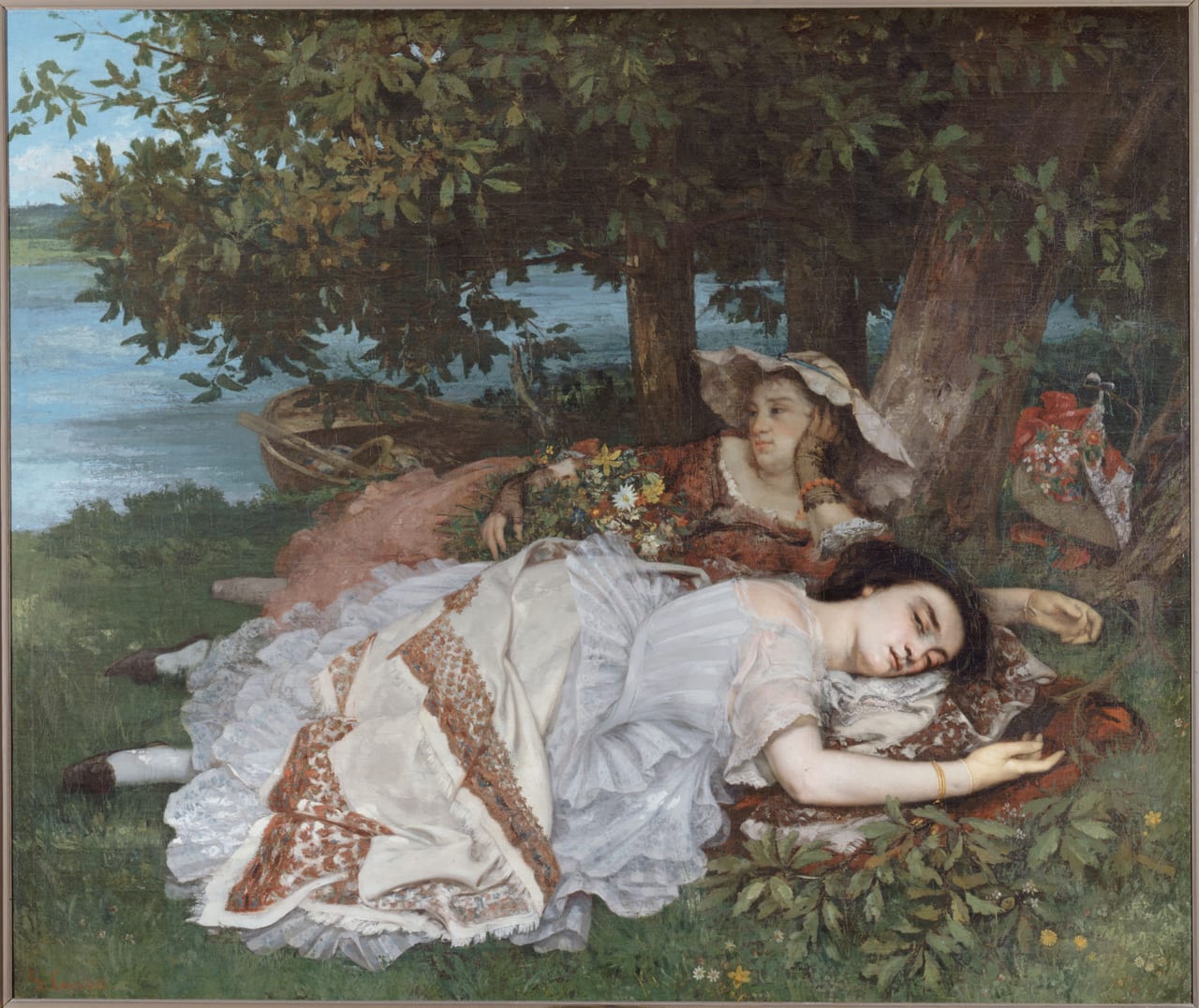
Young Ladies on the Banks of the Seine (Summer)
Gustave Courbet
Shown at the Salon of 1857: two city women, taken by some for prostitutes, cooling off by the water on a summer day. Their wholly modern dress shocked the critics; Courbet gave figures in a landscape a modern reading six years before Manet’s Déjeuner sur l’herbe. He began it at Ornans in 1856 and painted it in the studio.
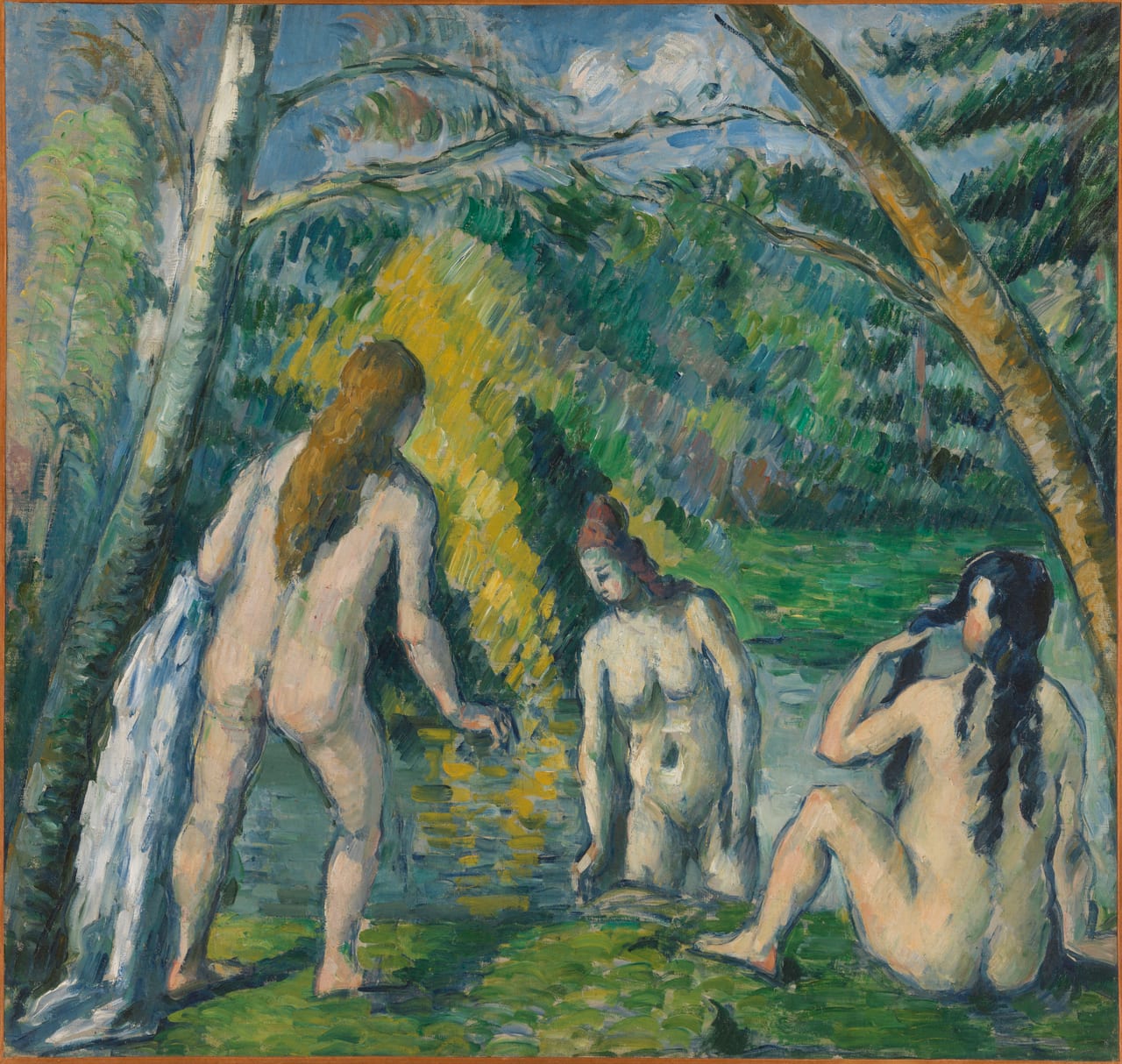
Three Bathers
Paul Cézanne
Cézanne gave more than 200 paintings, drawings and watercolours to bathers. Henri Matisse bought this canvas of 1879–1882 from Ambroise Vollard in 1899, and he and his wife gave it to the museum in 1936.
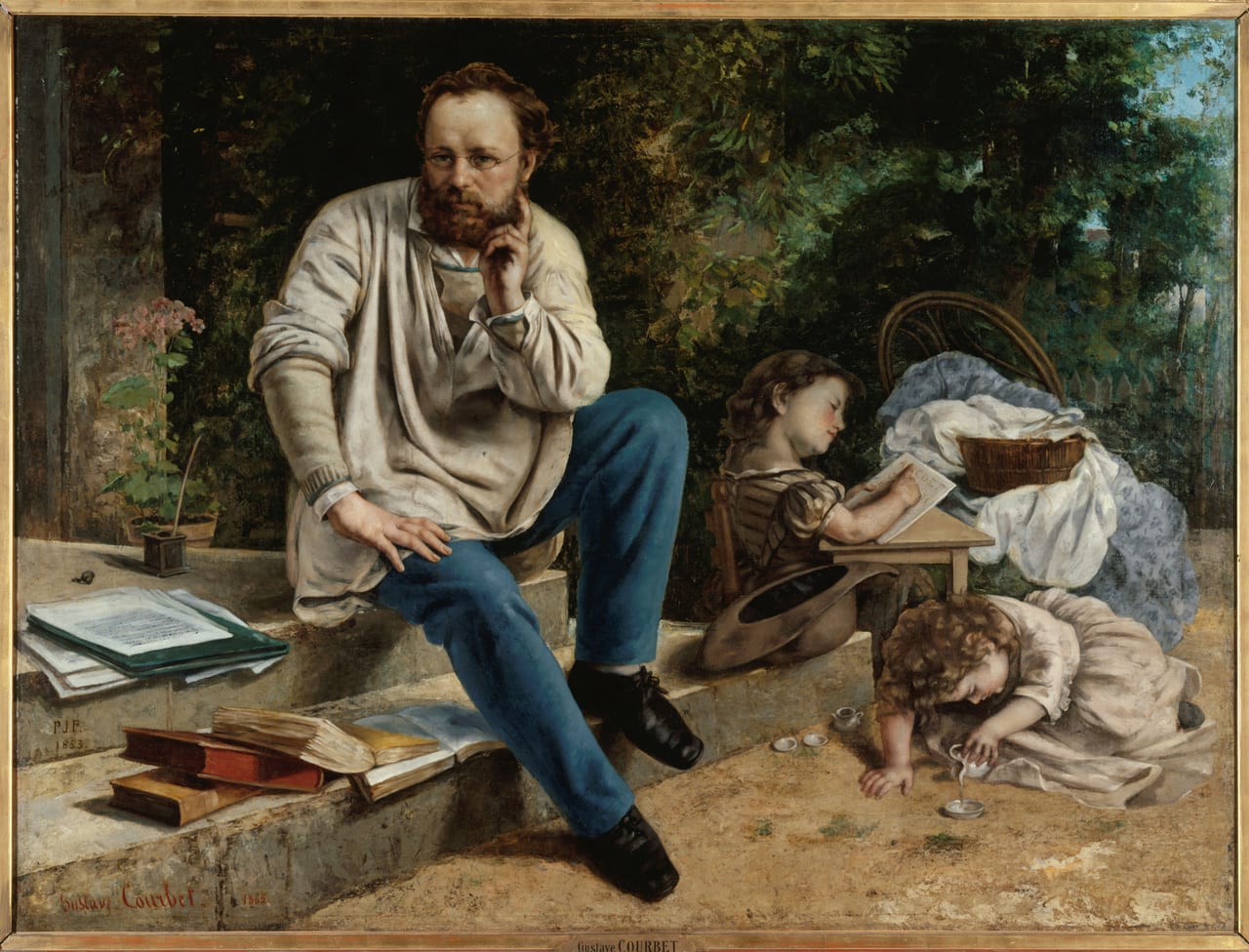
Pierre-Joseph Proudhon and His Children in 1853
Gustave Courbet · 1865
Courbet painted his friend, one of the founders of French socialism, after Proudhon’s death in 1865, seated on the steps of his house with his daughters Catherine and Marcelle. The top step reads “P.J.P. 1853”. The city bought it at auction in 1900.
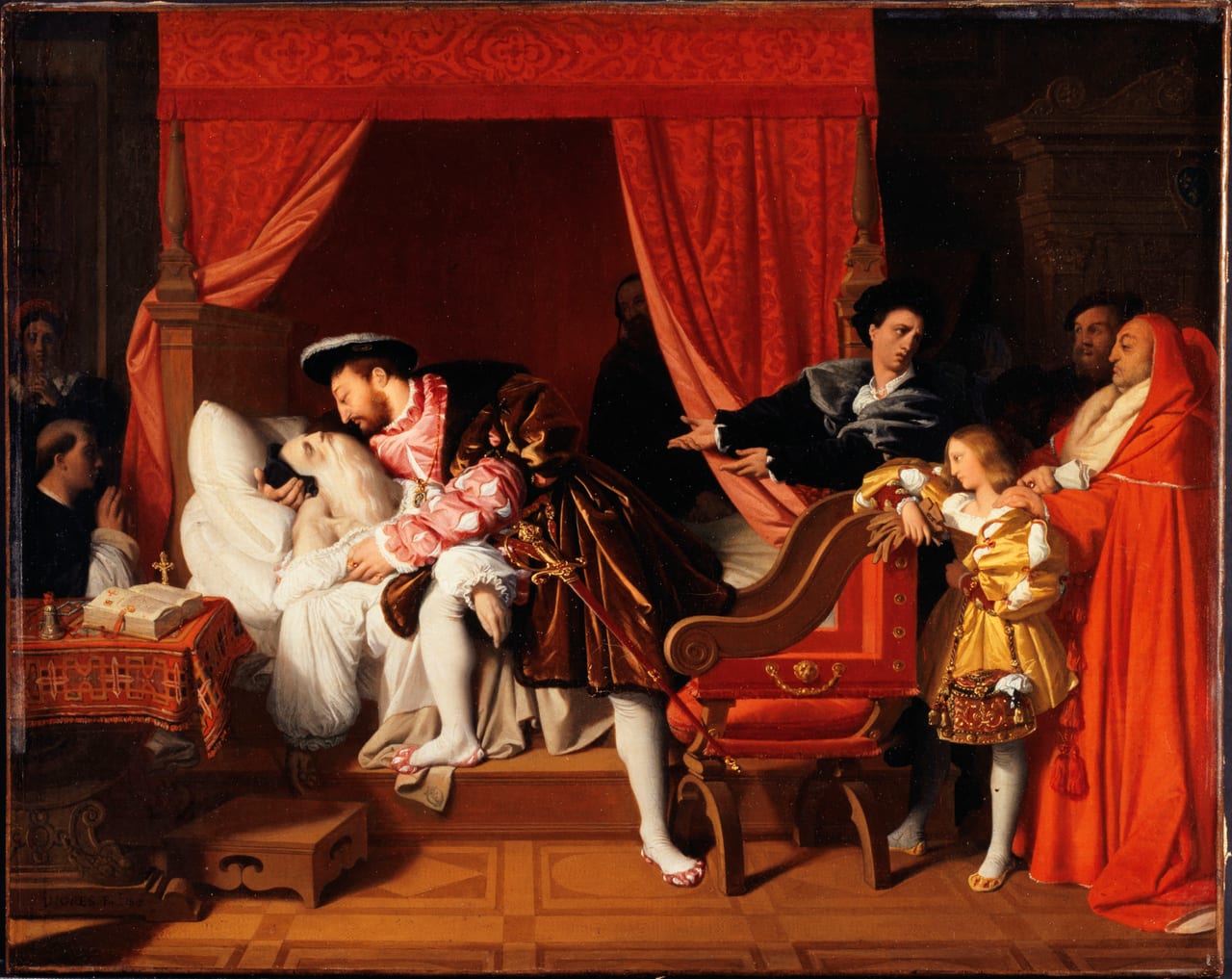
Francis I Receives the Last Breath of Leonardo da Vinci
Jean-Auguste-Dominique Ingres · 1818
Leonardo died at Amboise in 1519; the scene of his death before the king, probably invented, comes from Vasari’s Lives. Ingres painted it in Rome in 1818 for the Comte de Blacas, taking the king’s face from Titian’s profile portrait.
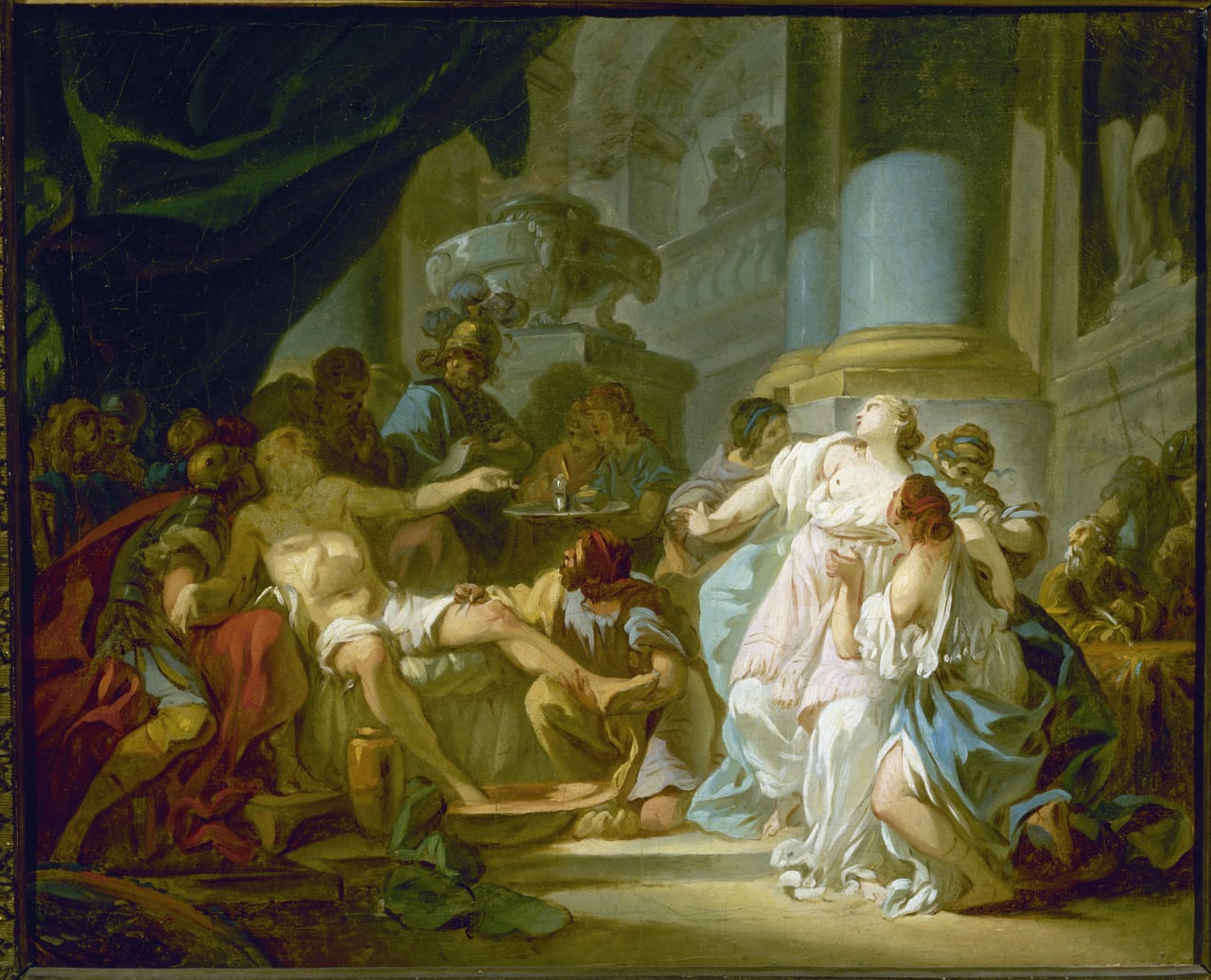
The Death of Seneca
Jacques-Louis David · 1773
David’s third entry for the Prix de Rome, in 1773. Ordered by Nero to kill himself, Seneca has opened his veins; a doctor cuts his ankles and a slave holds out poison. The jury gave the prize to Peyron, and David waited another year to win it.
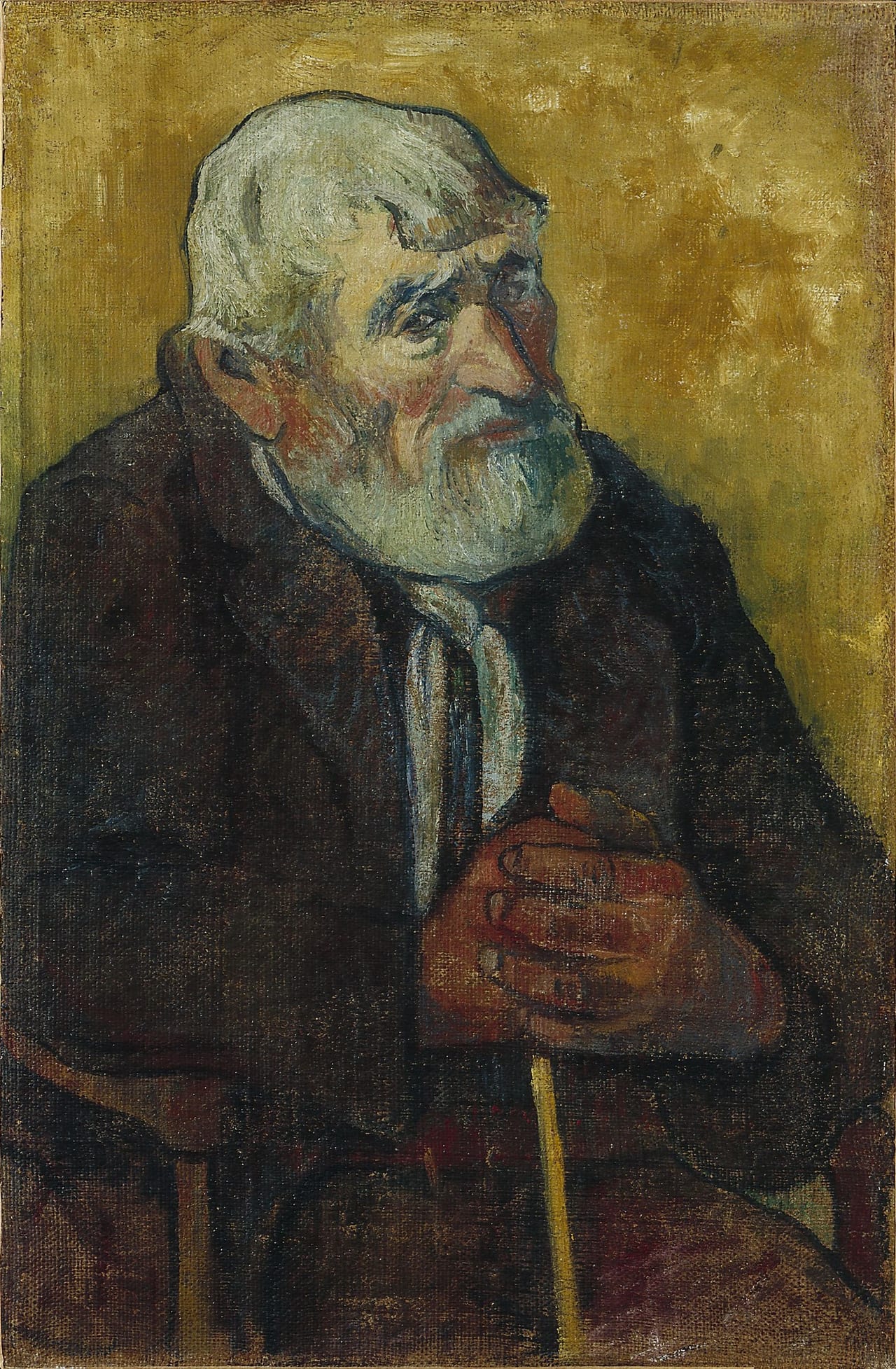
Old Man with a Stick
Paul Gauguin · 1888
Several clues assign the portrait to Gauguin’s short stay in Arles, where he settled at Van Gogh’s invitation from 23 October to 26 December 1888: the chair is the one in Van Gogh’s Gauguin’s Chair, and the brown sacking is the canvas Gauguin bought and both painters used. Joseph Duveen gave it in 1920.
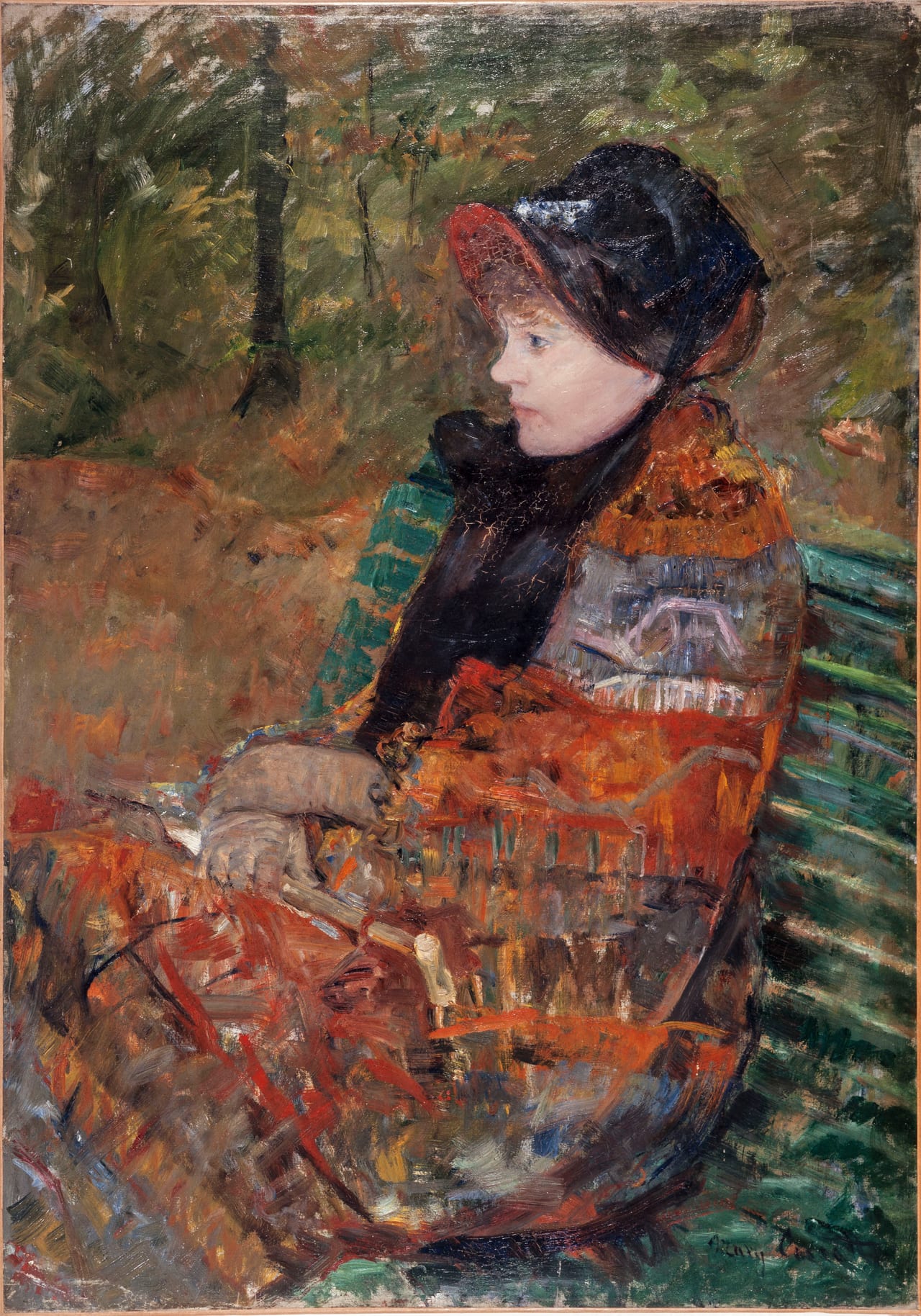
Autumn, Portrait of Lydia Cassatt
Mary Cassatt · 1880
Lydia Cassatt sits on a bench among trees in a wide hat and a warm patterned coat. Shown at the sixth Impressionist exhibition in 1881 as Autumn; Lydia died the next year, and her sister gave it to the museum in 1922 as Portrait of a Woman.
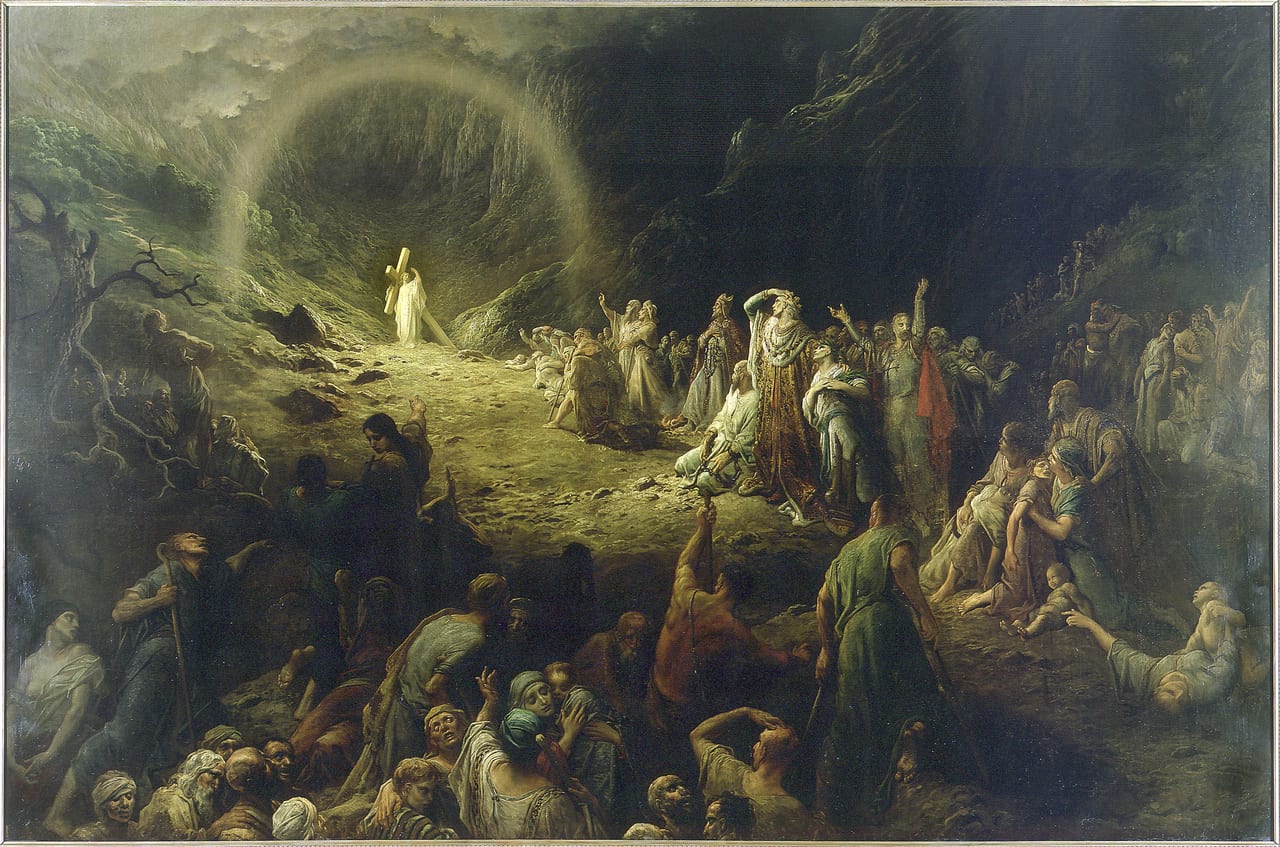
The Vale of Tears
Gustave Doré · 1883
Kings and beggars, children and the old press up a barren mountainside toward Christ bearing his cross in a halo of light. Painted in 1883, shortly before Doré’s death, the huge canvas closes his cycle of biblical paintings shown as the Doré Gallery. Bought in 1984.
Collections
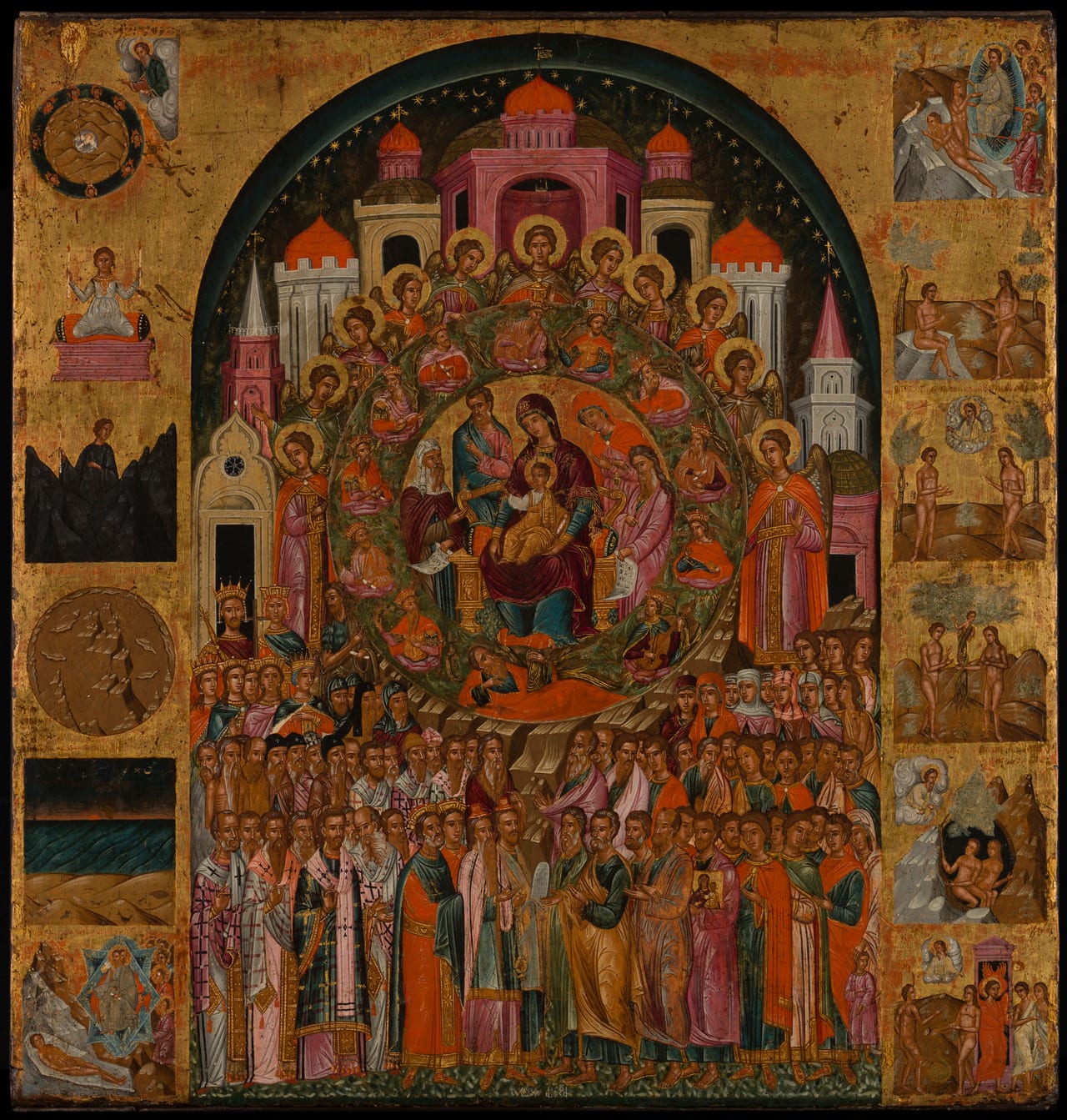
Icons and the Christian East
In Thee Rejoiceth · Franghias Kavertzas · 1615–1648
Among the most recent gifts are the icons of the collector Roger Cabal. This one, left by him in 1998, was painted in Crete by Franghias Kavertzas to illustrate one of the many hymns to the Virgin, the one Saint John of Damascus composed in the eighth century.
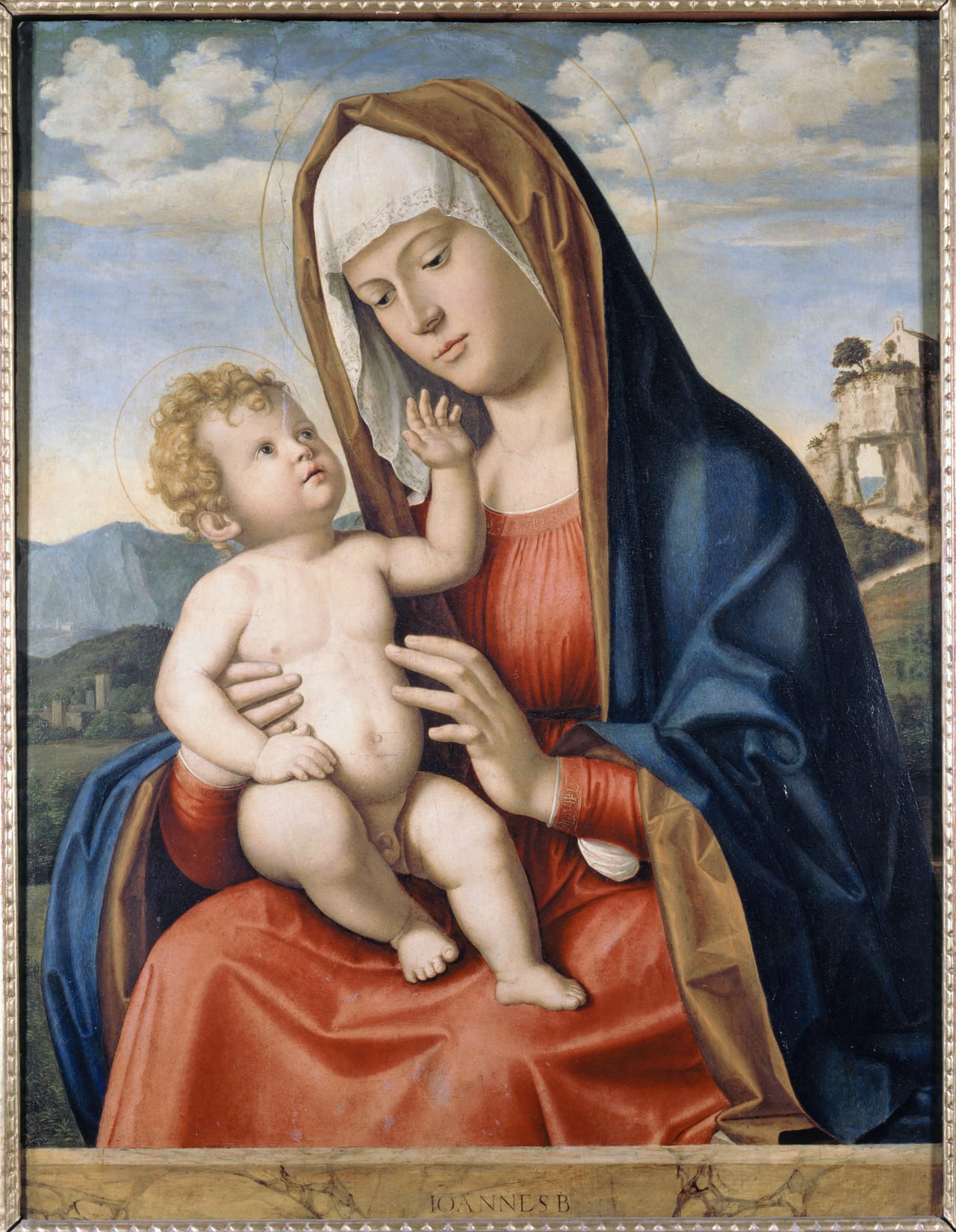
Renaissance
Virgin and Child · Giovanni Battista Cima da Conegliano · c. 1500–1502
Paintings, rare books, prints, jewels, medals and sculpture of the fifteenth to early seventeenth centuries, mainly from the Dutuit collection. Cima da Conegliano’s Virgin and Child dates from about 1500–1502.
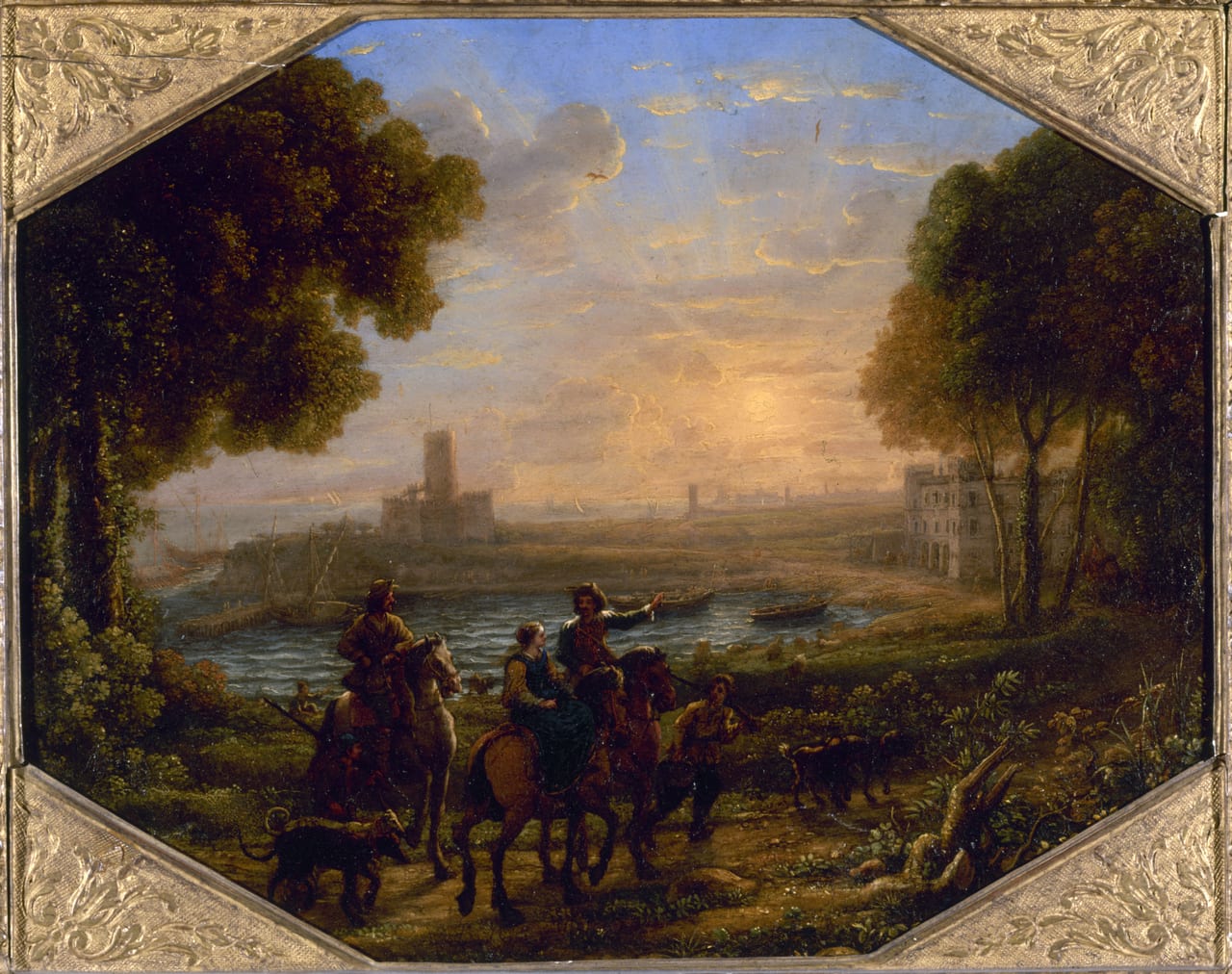
Seventeenth century
Landscape with the Port of Santa Marinella · Claude Lorrain
Paintings, drawings and prints from the Dutuit brothers, with Flemish and Dutch art one of the strengths. According to the Liber Veritatis, Pope Urban VIII ordered two small coppers from Claude Lorrain, probably around 1637–1638, one of them a view of the port of Santa Marinella; more than the port, seen in the haze, its true subject is the light.
Eighteenth century and the Tuck gallery
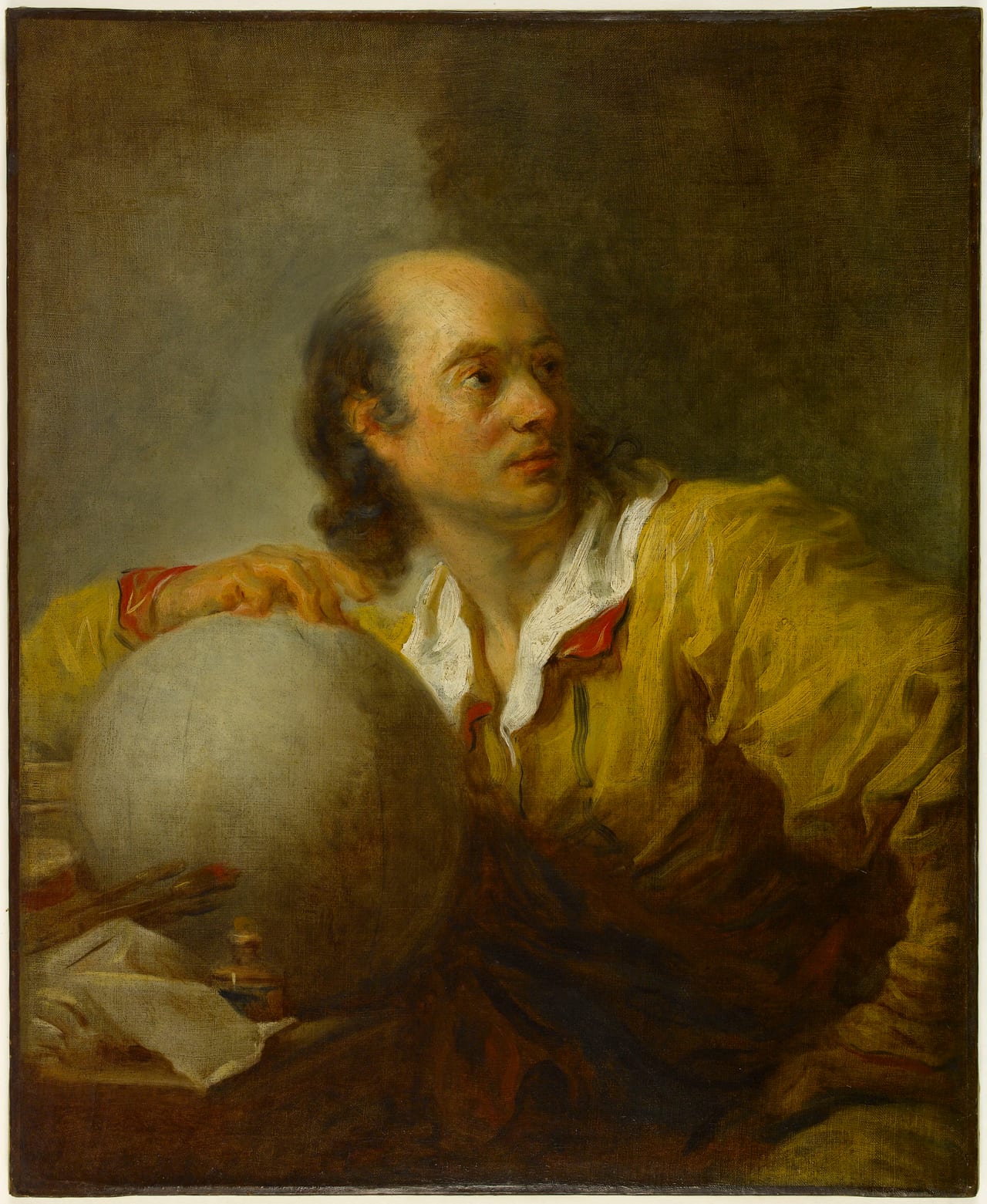
Jérôme de La Lande · Jean-Honoré Fragonard · 1767–1768
Paintings of every genre with furniture, tapestries, porcelain and watches. Fragonard’s man with a globe is thought, without certainty, to be the astronomer Jérôme de La Lande, and may belong to his series of fantasy portraits.
Nineteenth century
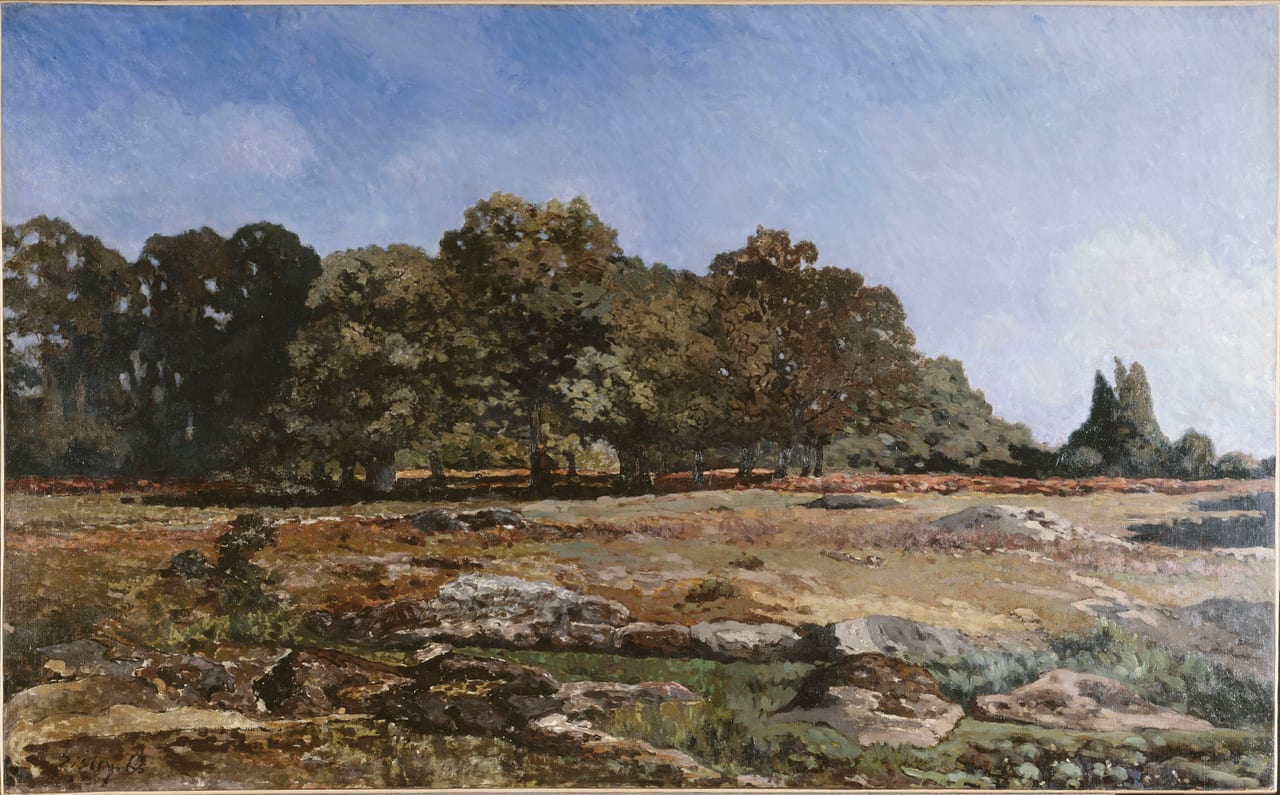
Edge of the Forest of Fontainebleau · Alfred Sisley · 1865
From the Restoration to the Third Republic, Romantics to Impressionists. Sisley signed and dated this edge of the Forest of Fontainebleau in 1865; Joseph Duveen gave it in 1921.
Twentieth century
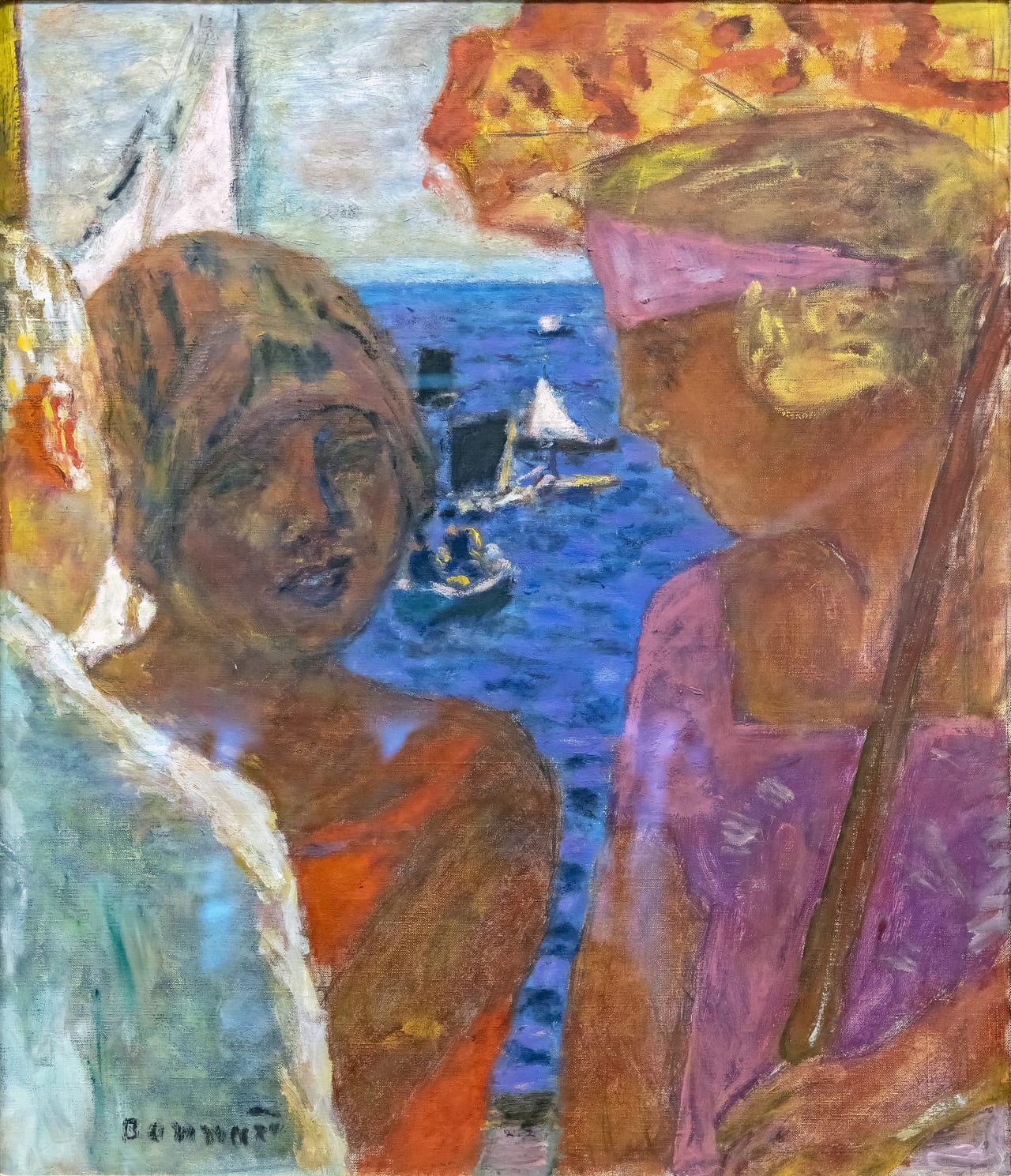
Conversation at Arcachon · Pierre Bonnard · 1926–1930
The Belle Époque and Art Nouveau, with the painters Vuillard and Maurice Denis. Bonnard spent some winters on the Arcachon basin between 1920 and 1931; this conversation by a calm sea dates from 1926–1930.
Prints and drawings
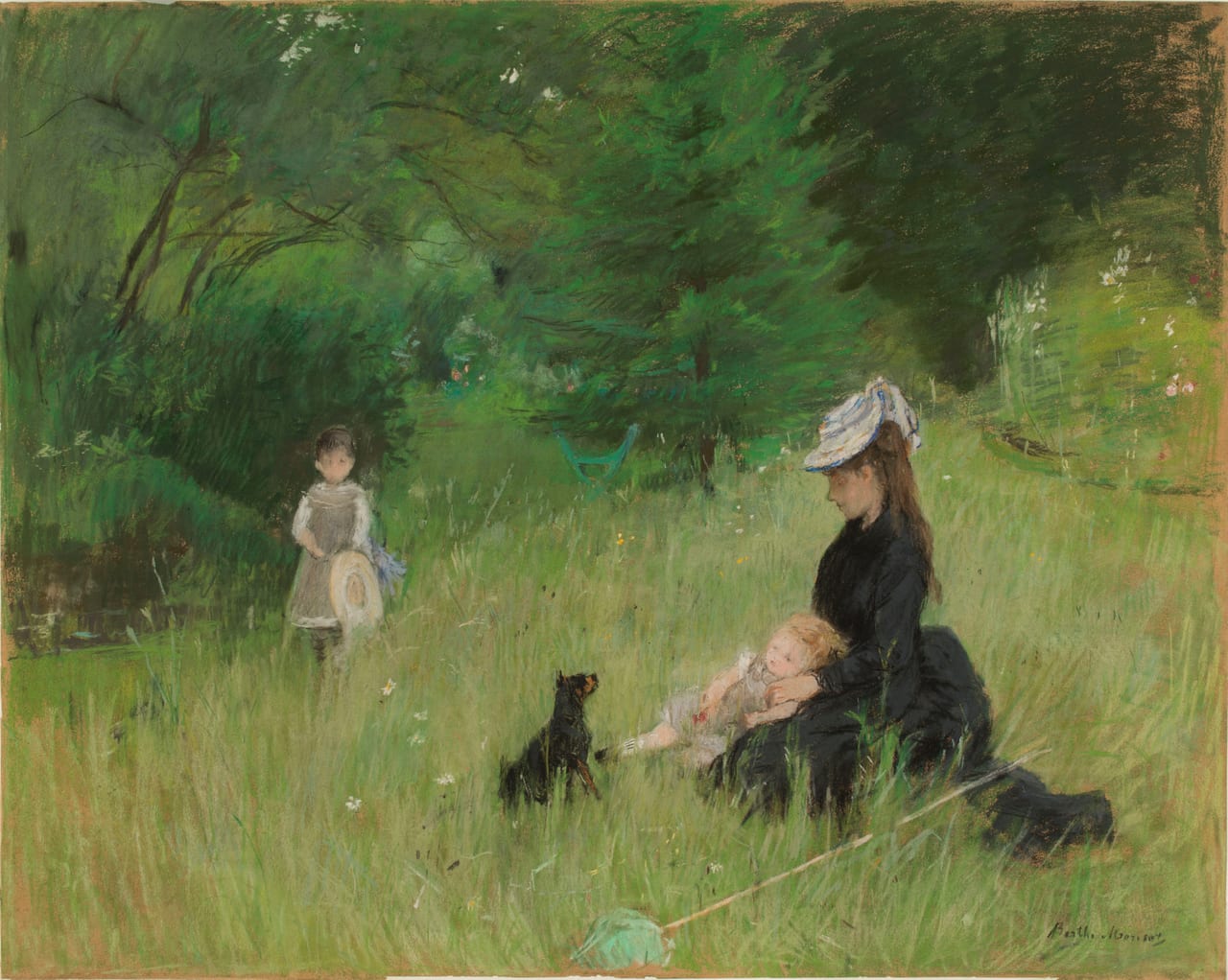
In the Park · Berthe Morisot
Begun with the Dutuit brothers in 1902 and grown since by gifts and purchases. Berthe Morisot’s pastel In the Park, all in greens, shows her elder sister Edma with her daughters Jeanne and Blanche.
Artists
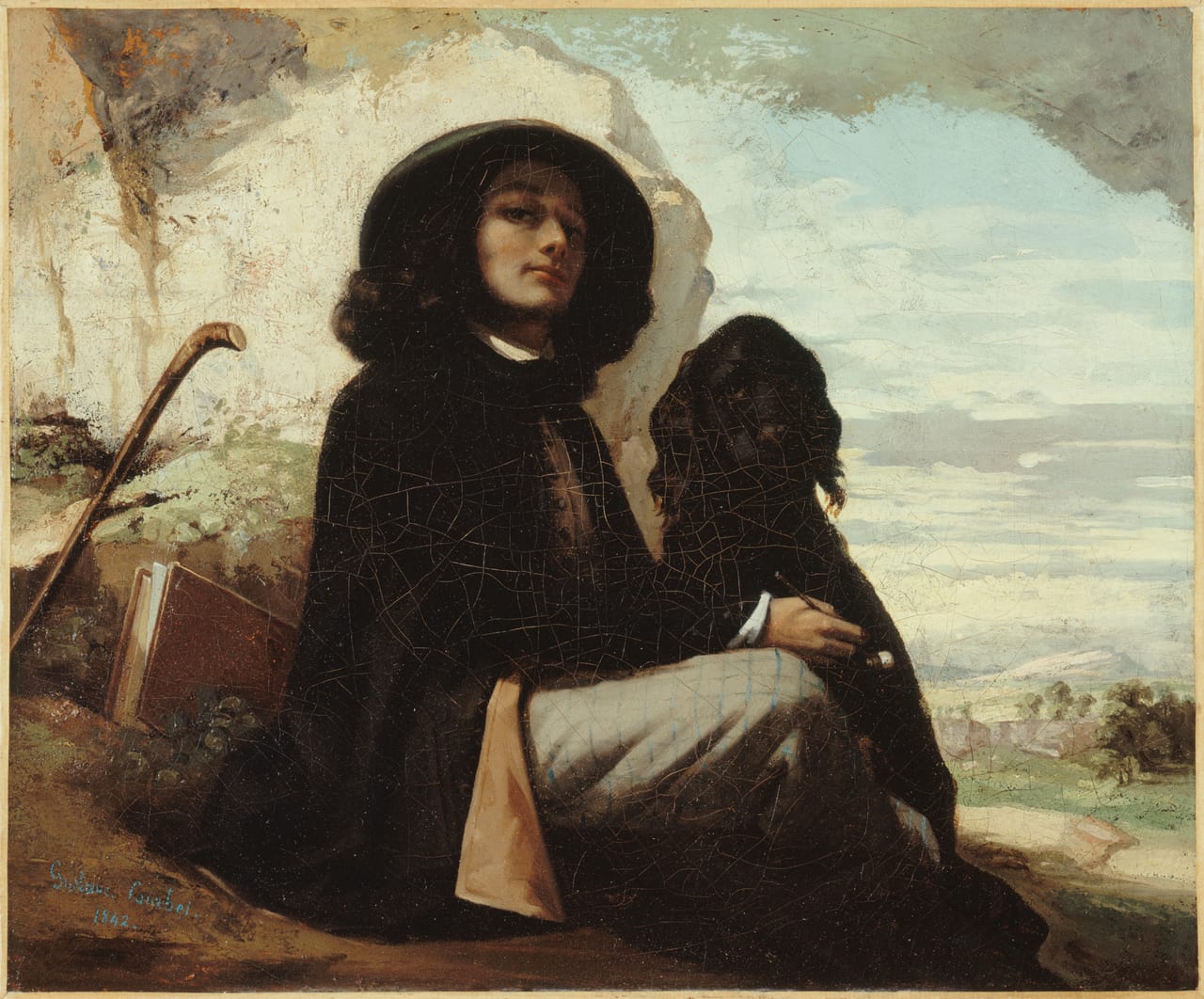
Gustave Courbet
Self-Portrait with a Black Dog · 1842–1844
He led Realism in nineteenth-century French painting, rejecting academic convention to paint only what he could see.
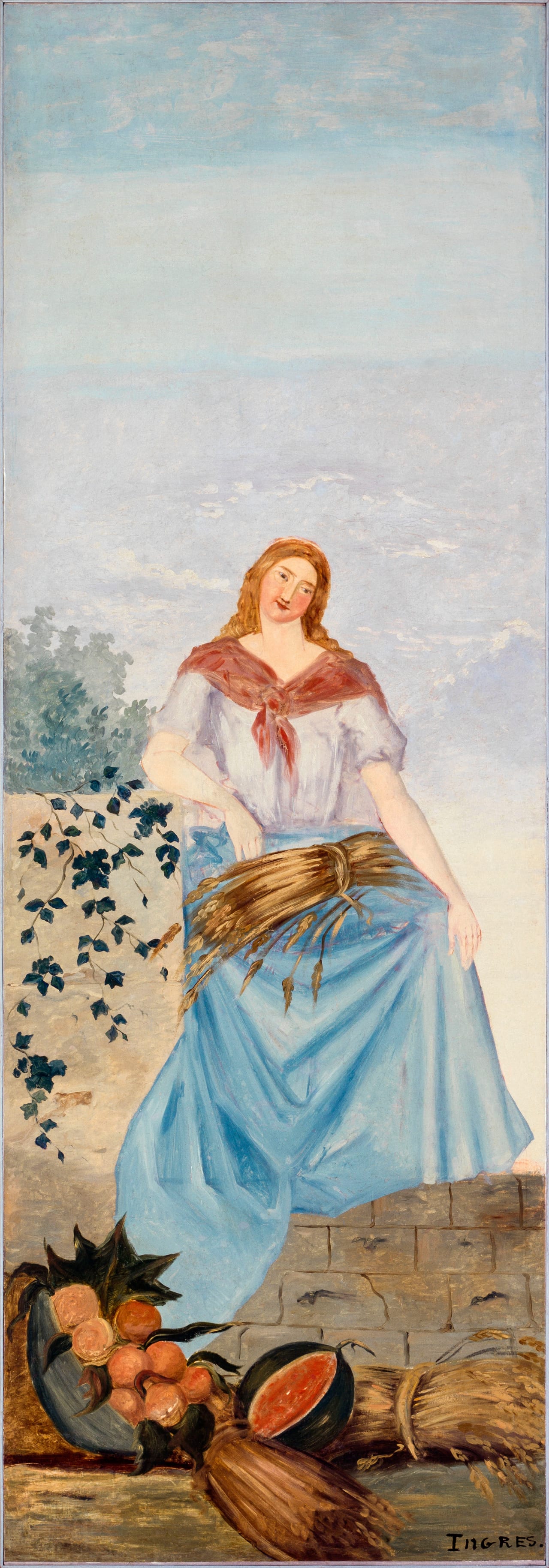
Paul Cézanne
The Four Seasons: Summer · c. 1860
A Post-Impressionist whose new ways of representing formed the bridge from Impressionism to Cubism.
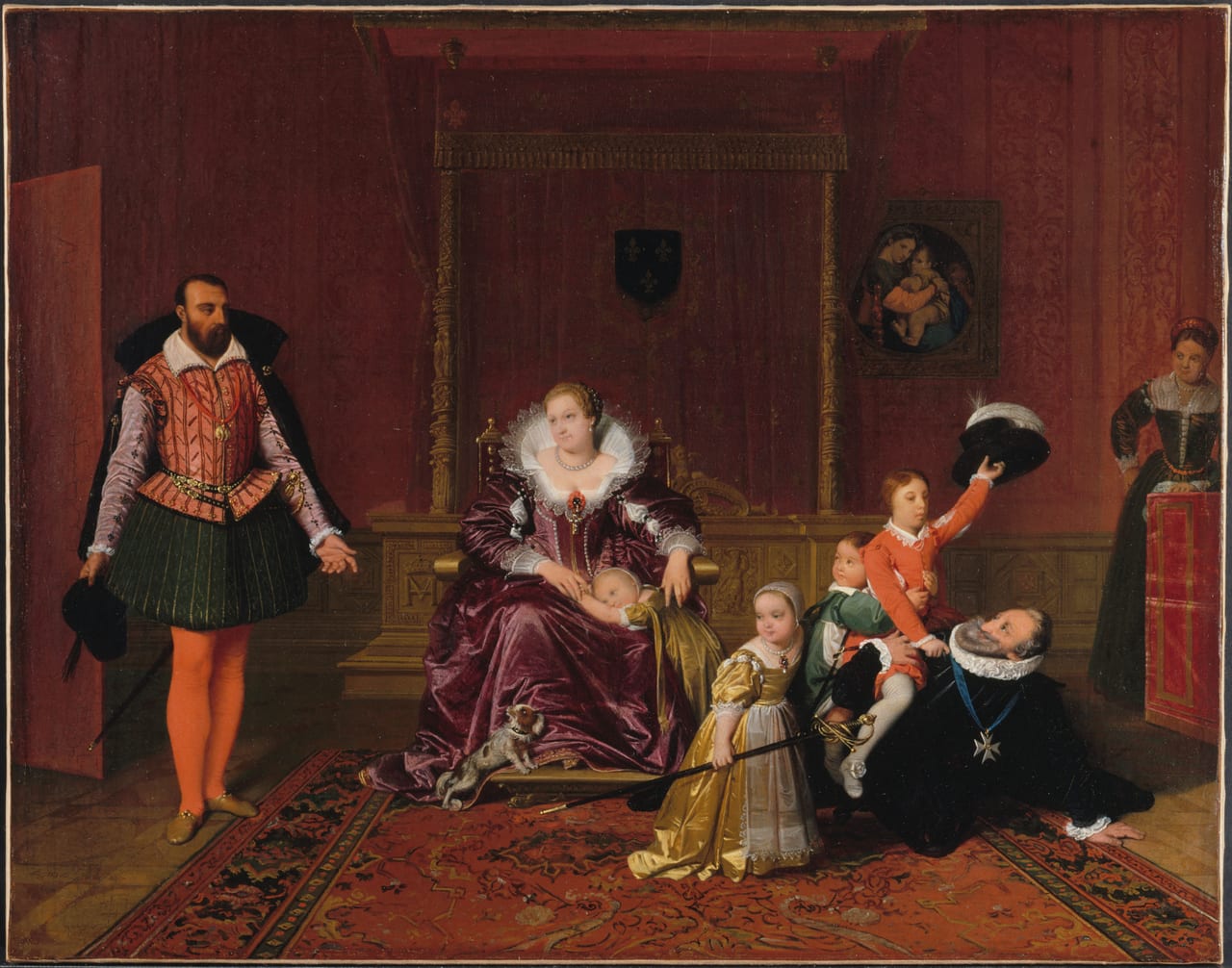
Jean-Auguste-Dominique Ingres
Henry IV Playing with His Children as the Spanish Ambassador Is Admitted · 1817
The work shown, Henry IV Playing with His Children as the Spanish Ambassador Is Admitted, is by Jean-Auguste-Dominique Ingres, a Neoclassical painter who saw himself as a history painter after Poussin and David, though his portraits are his greatest legacy.
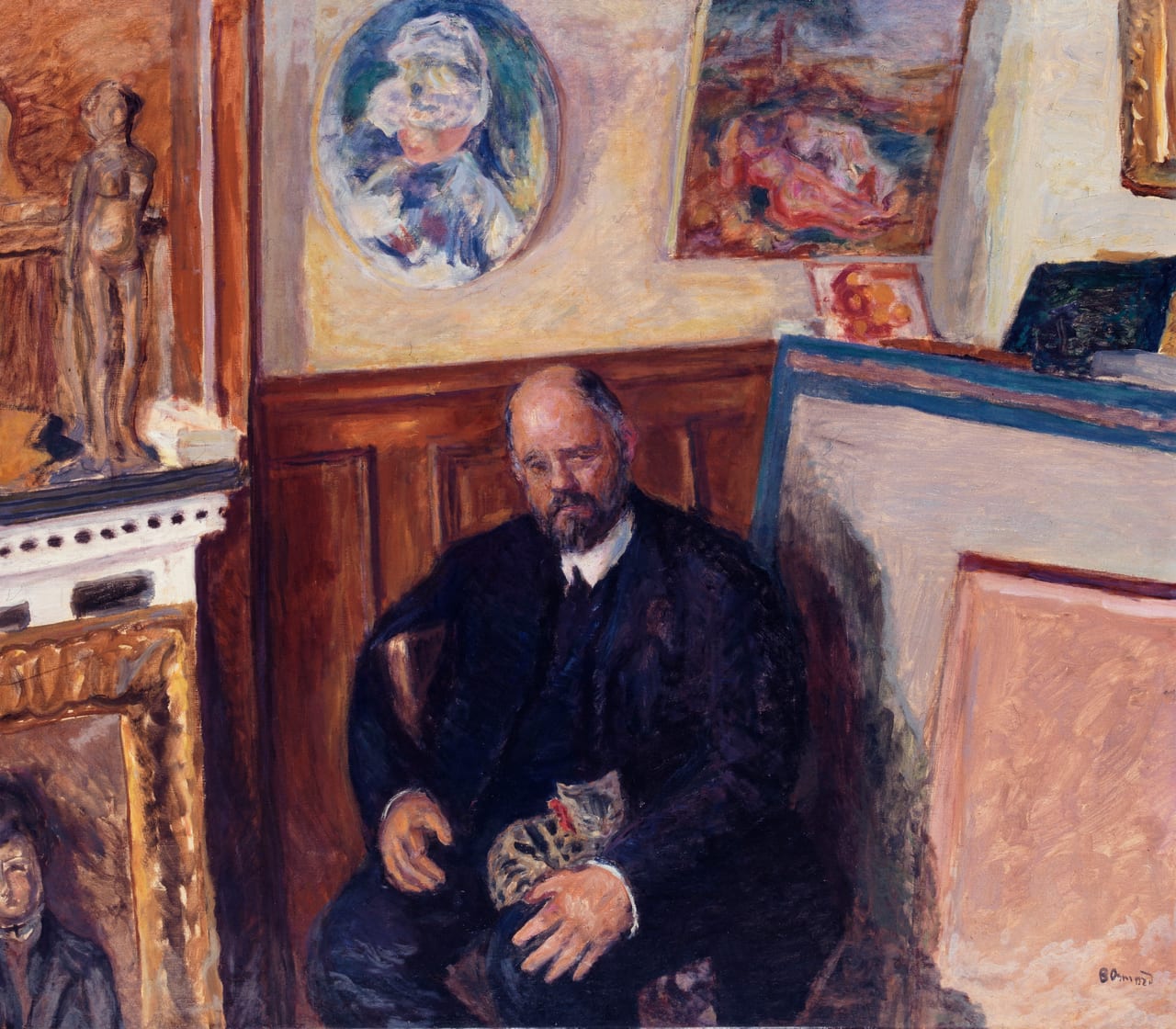
Pierre Bonnard
Portrait of Ambroise Vollard with a Cat · c. 1924
A founding member of the Nabis and a leading figure in the passage from Impressionism to Modernism.
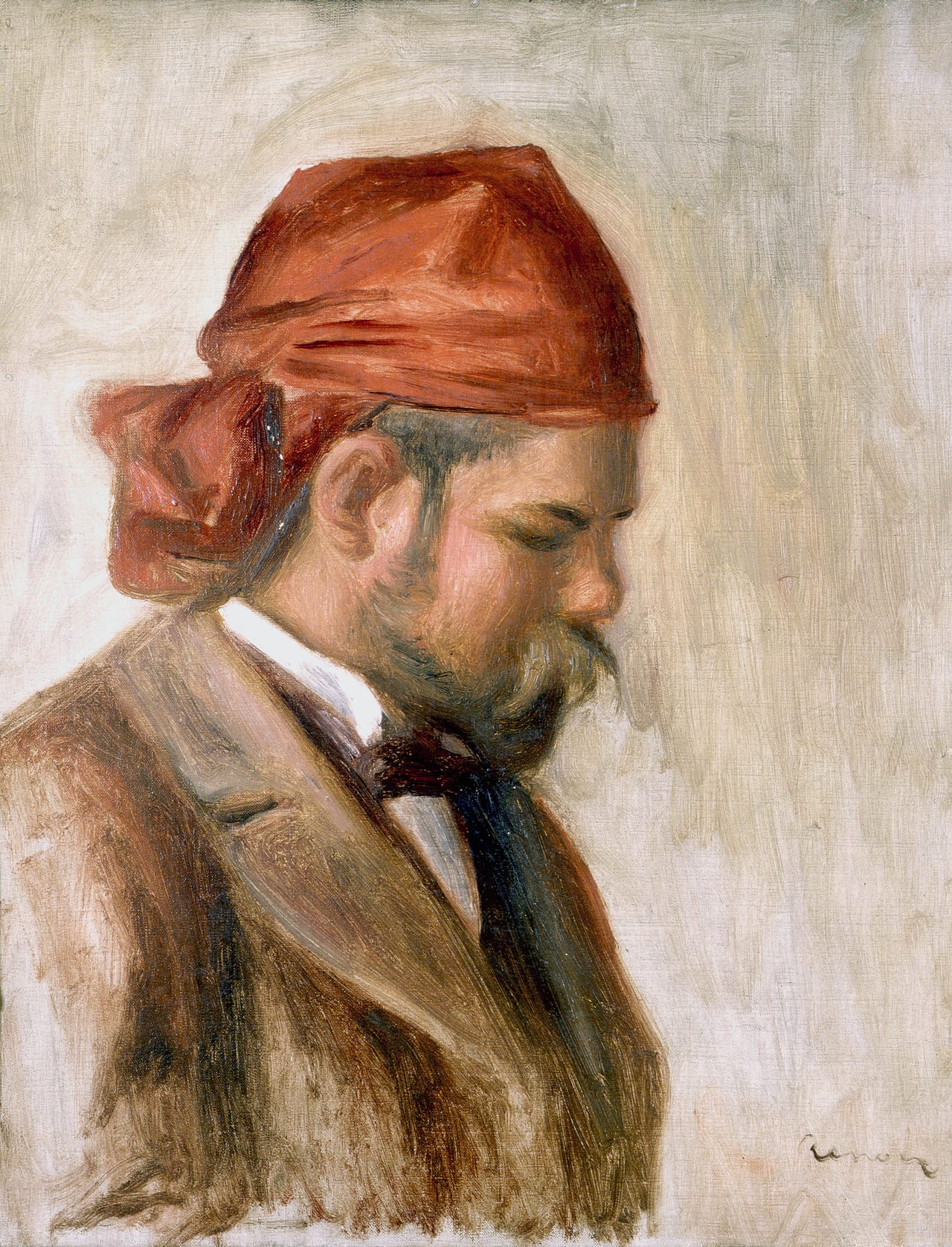
Pierre-Auguste Renoir
Portrait of Ambroise Vollard in a Red Scarf · 1899–1906
Portrait of Ambroise Vollard in a Red Scarf is by Pierre-Auguste Renoir, a leading Impressionist who, in his depiction of feminine beauty, has been described as the final representative of a tradition running from Rubens to Watteau.
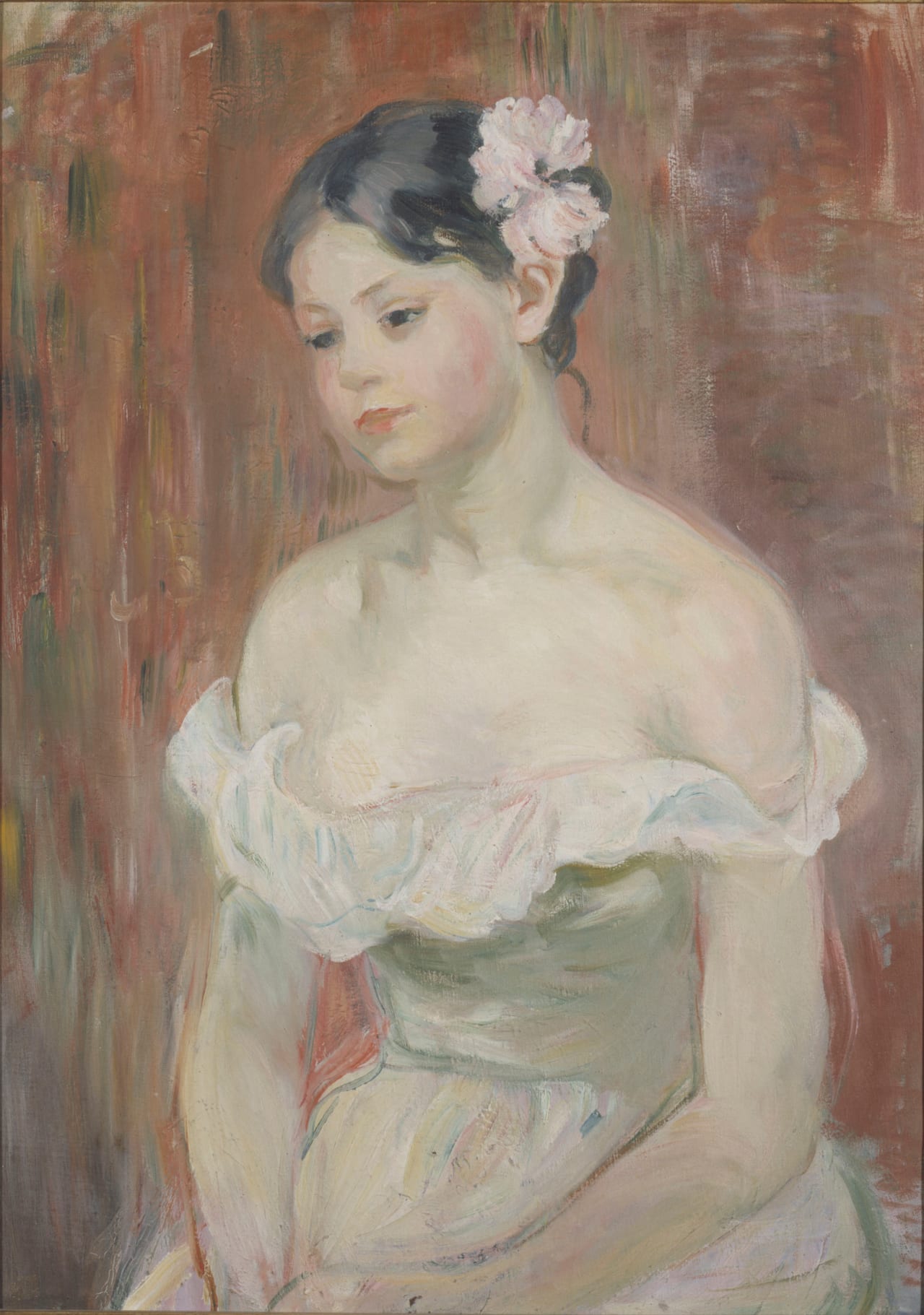
Berthe Morisot
Young Girl in a Low-Cut Dress, a Flower in Her Hair · 1893
She showed at the Salon from 1864, then in 1874 joined the Impressionists at the first exhibition they mounted themselves.
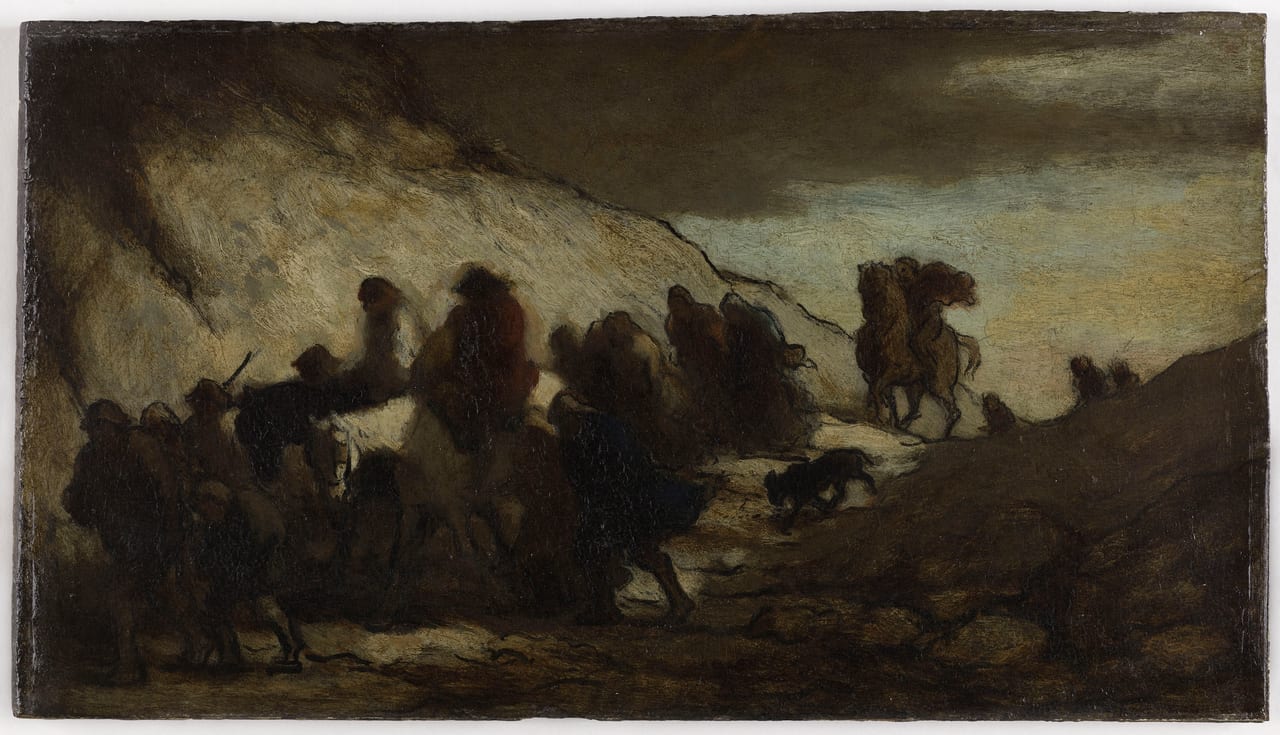
Honoré Daumier
The Emigrants · 1857
Famous in his lifetime for caricatures in La Caricature and Le Charivari, and a serious painter loosely tied to realism.
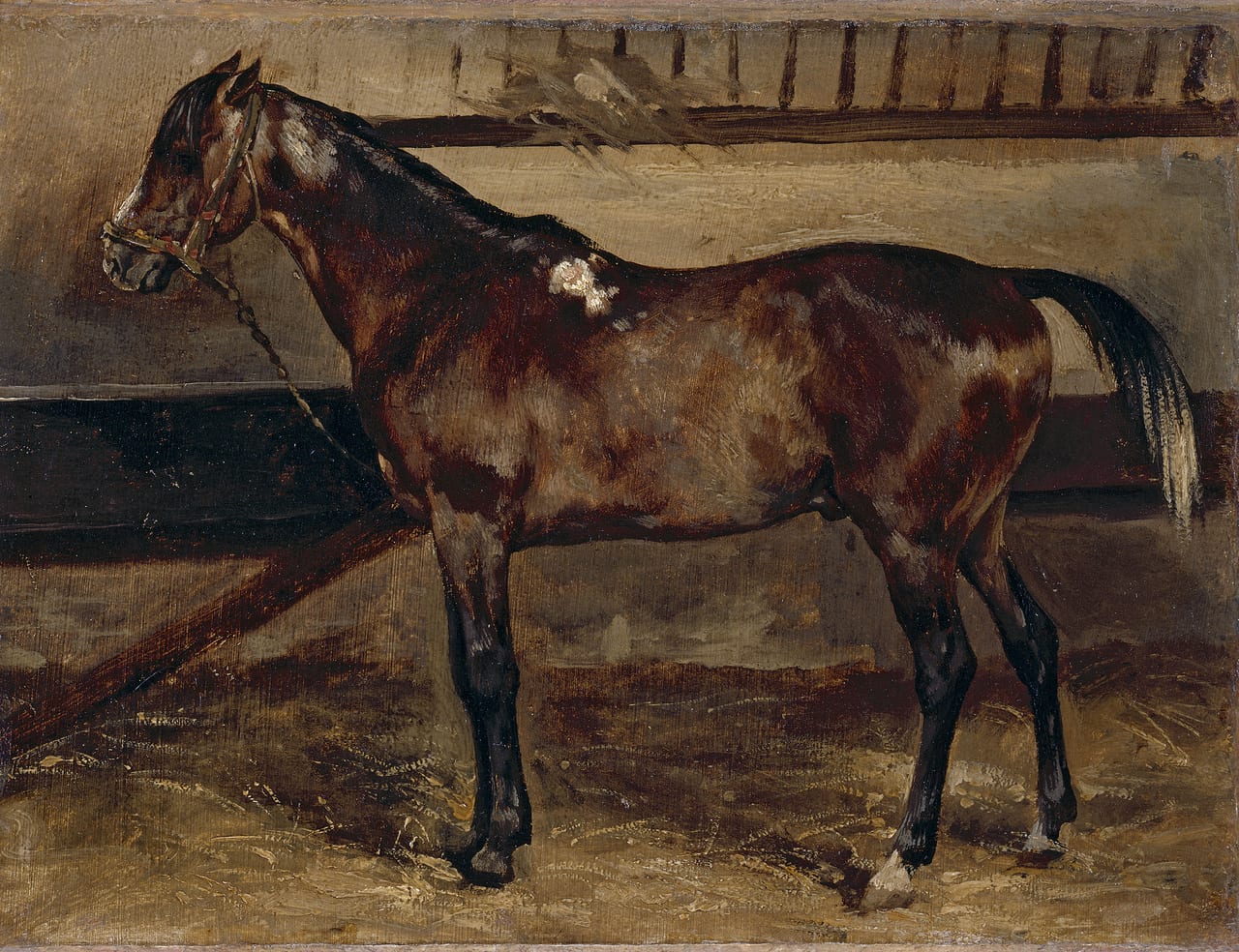
Théodore Géricault
Brown Horse in a Stable · 1818
Painter of The Raft of the Medusa and, in a short life, one of the pioneers of Romanticism.
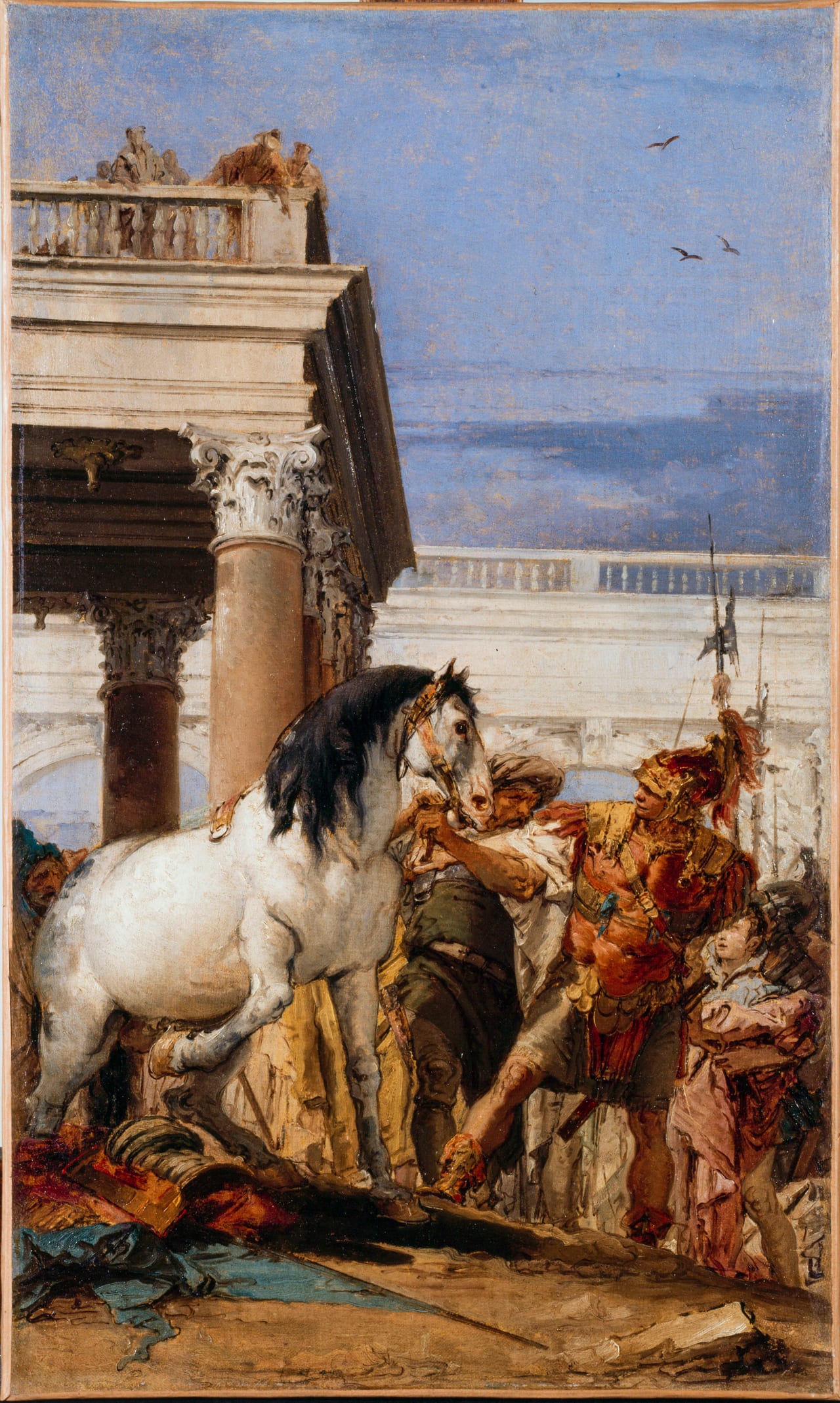
Giovanni Battista Tiepolo
Alexander and Bucephalus · 1757–1760
Alexander and Bucephalus is by Giovanni Battista Tiepolo, a Venetian Rococo painter whom Michael Levey called the greatest decorative painter of eighteenth-century Europe.
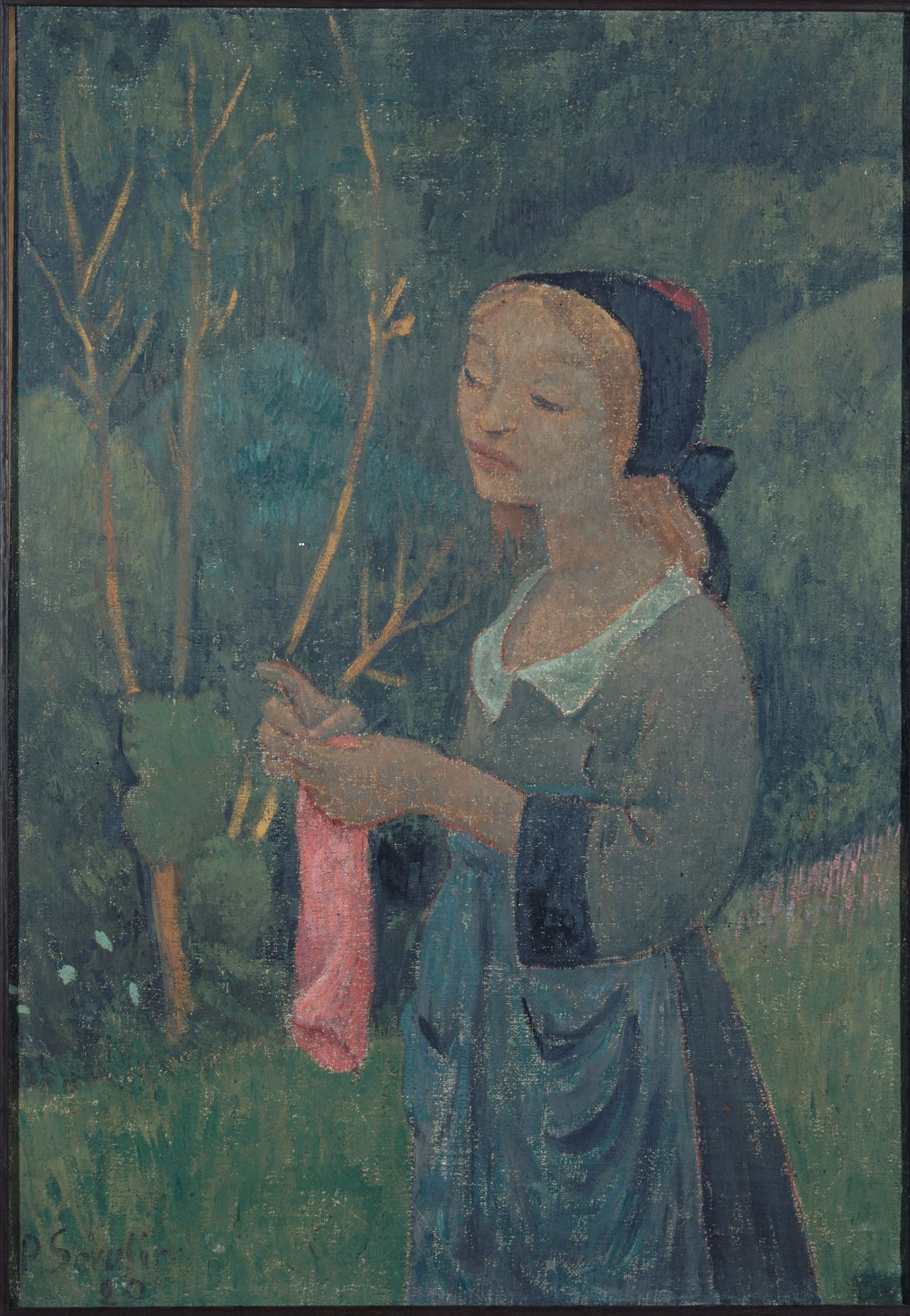
Paul Sérusier
Knitter with a Pink Stocking
A pioneer of abstraction who, with Gauguin, gave the Nabis their name.
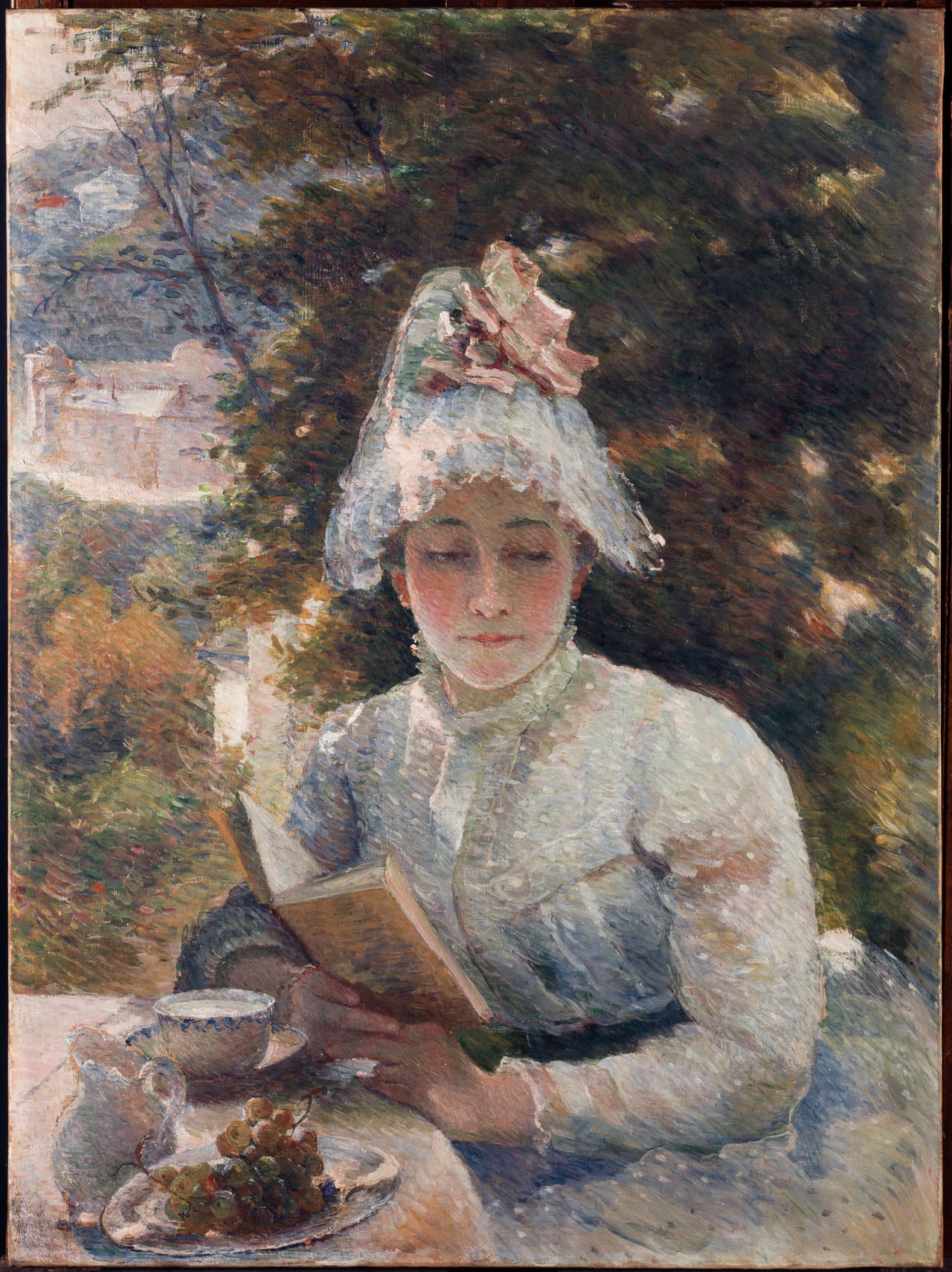
Marie Bracquemond
The Afternoon Tea
One of four notable women of Impressionism; she had no formal training, only limited instruction from Ingres and advice from Gauguin.
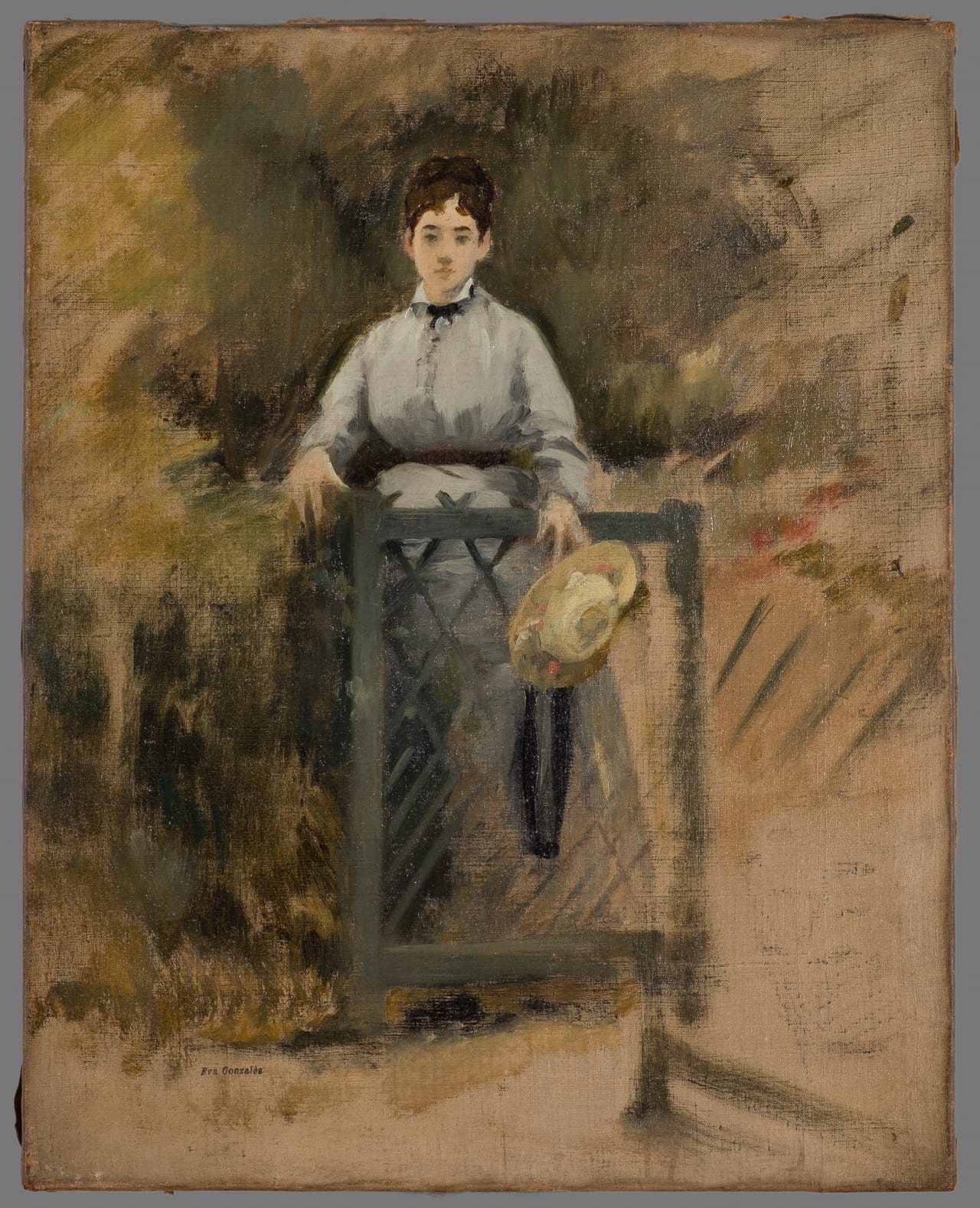
Eva Gonzalès
The Servant · 1865–1870
Manet’s only pupil, she often painted anonymous young women patiently at their humble tasks.
Artworks
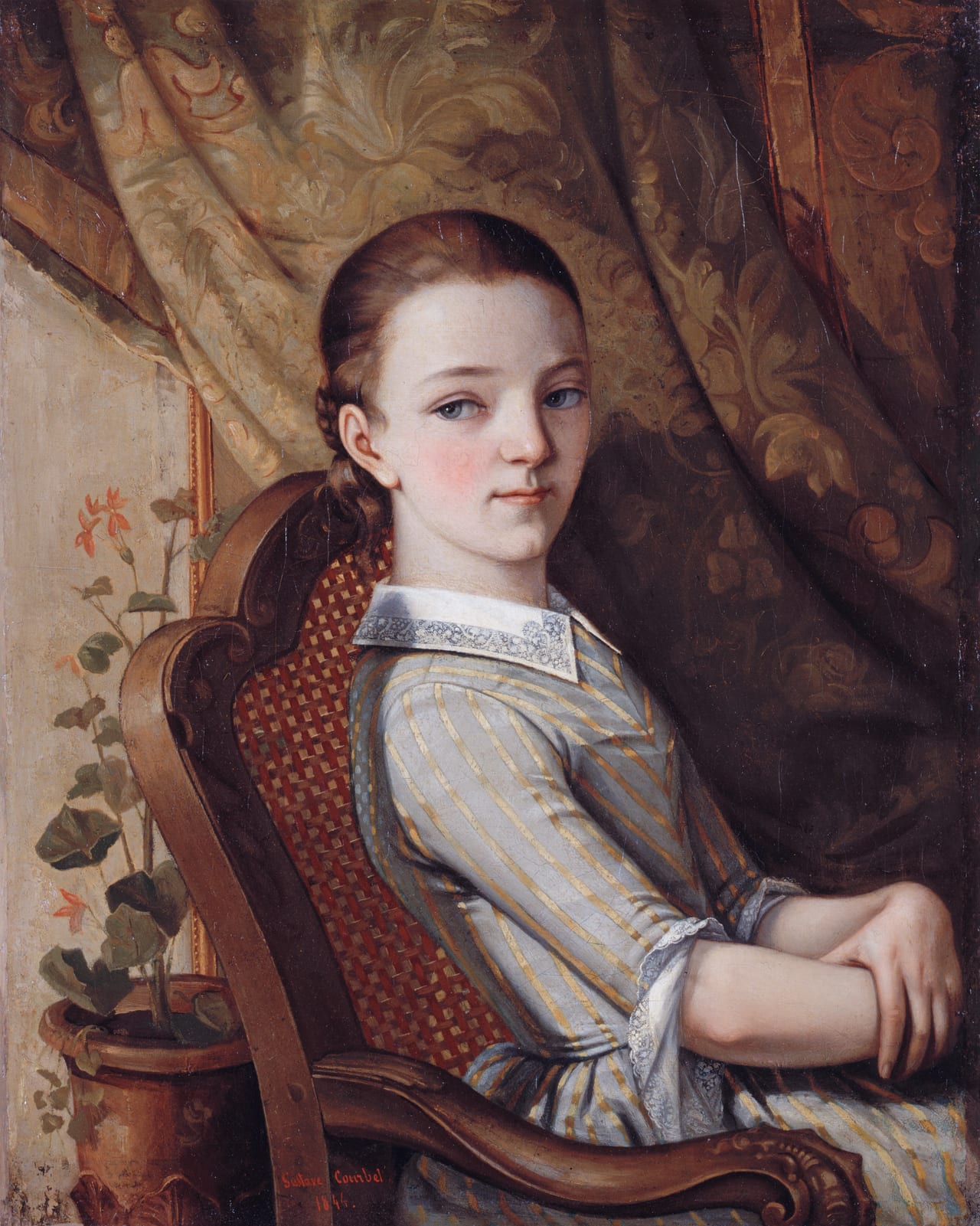
Portrait of Juliette Courbet
Gustave Courbet · 1844
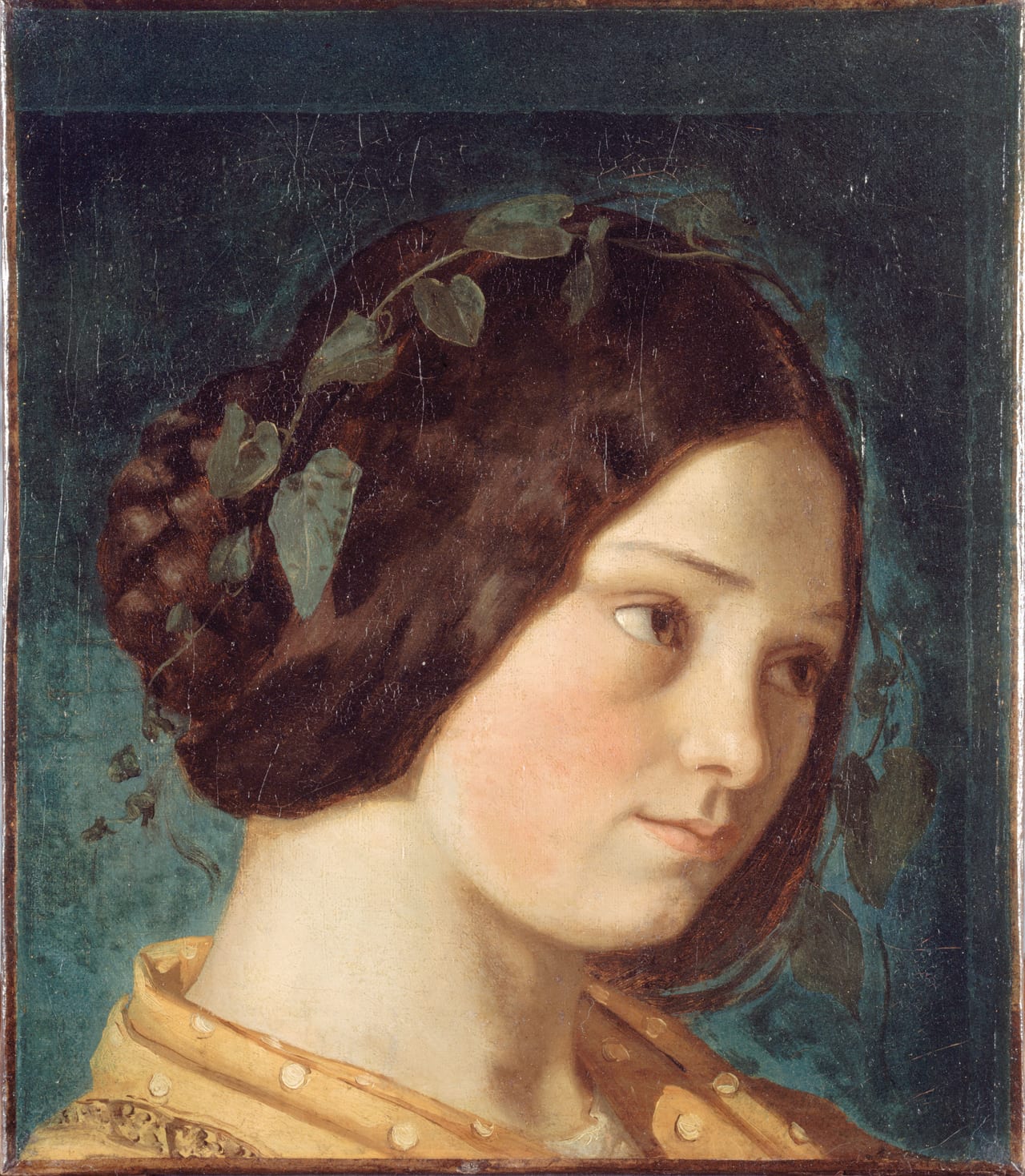
Portrait of Zélie Courbet
Gustave Courbet · c. 1842
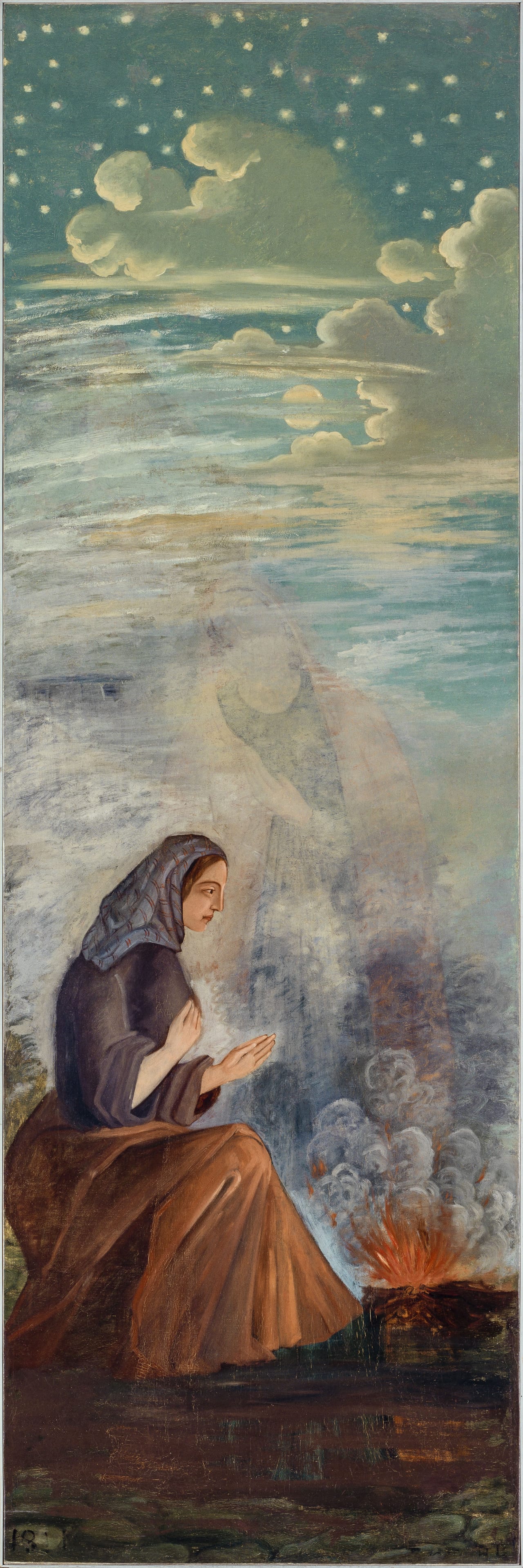
The Four Seasons: Winter
Paul Cézanne · c. 1860
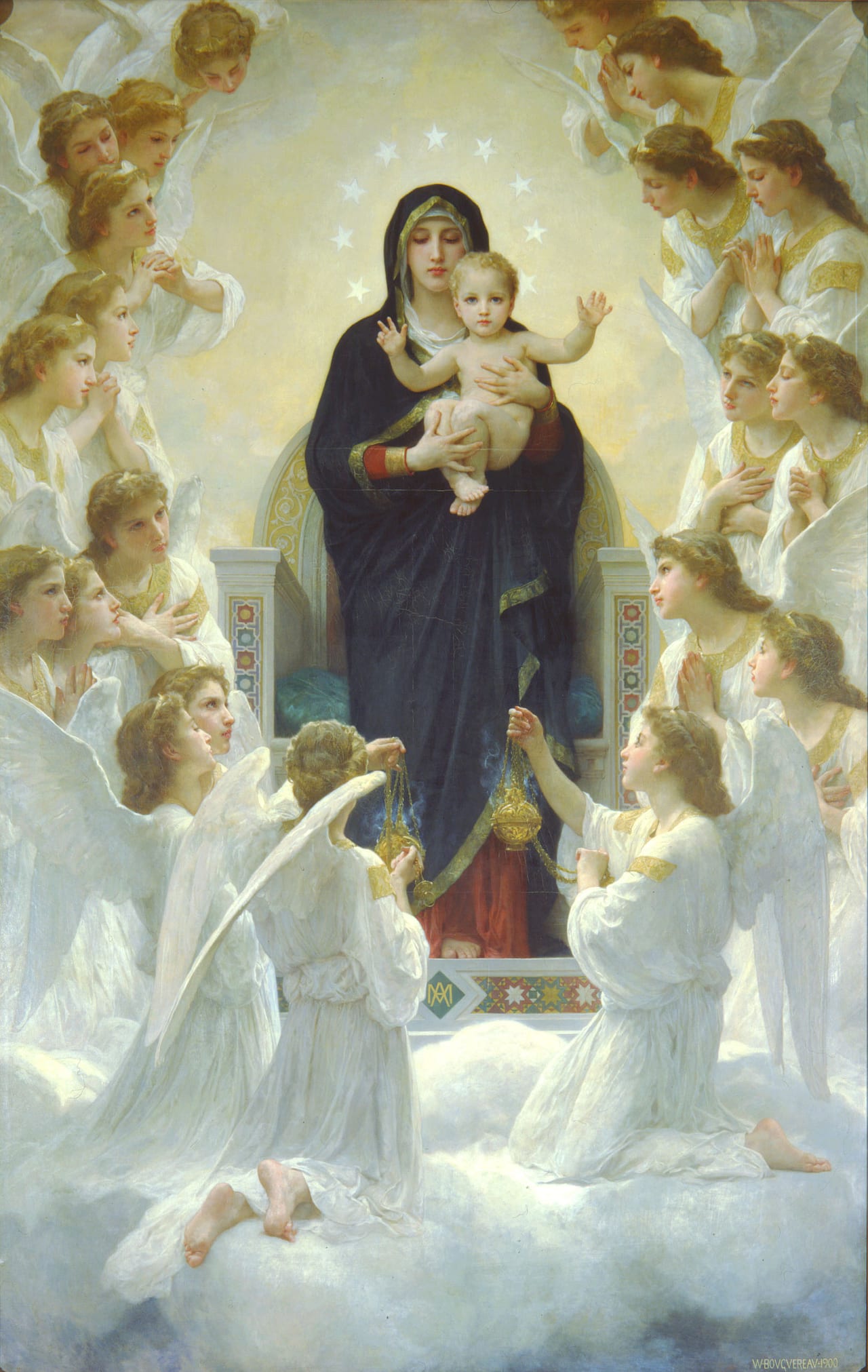
The Virgin with Angels
William-Adolphe Bouguereau · 1900
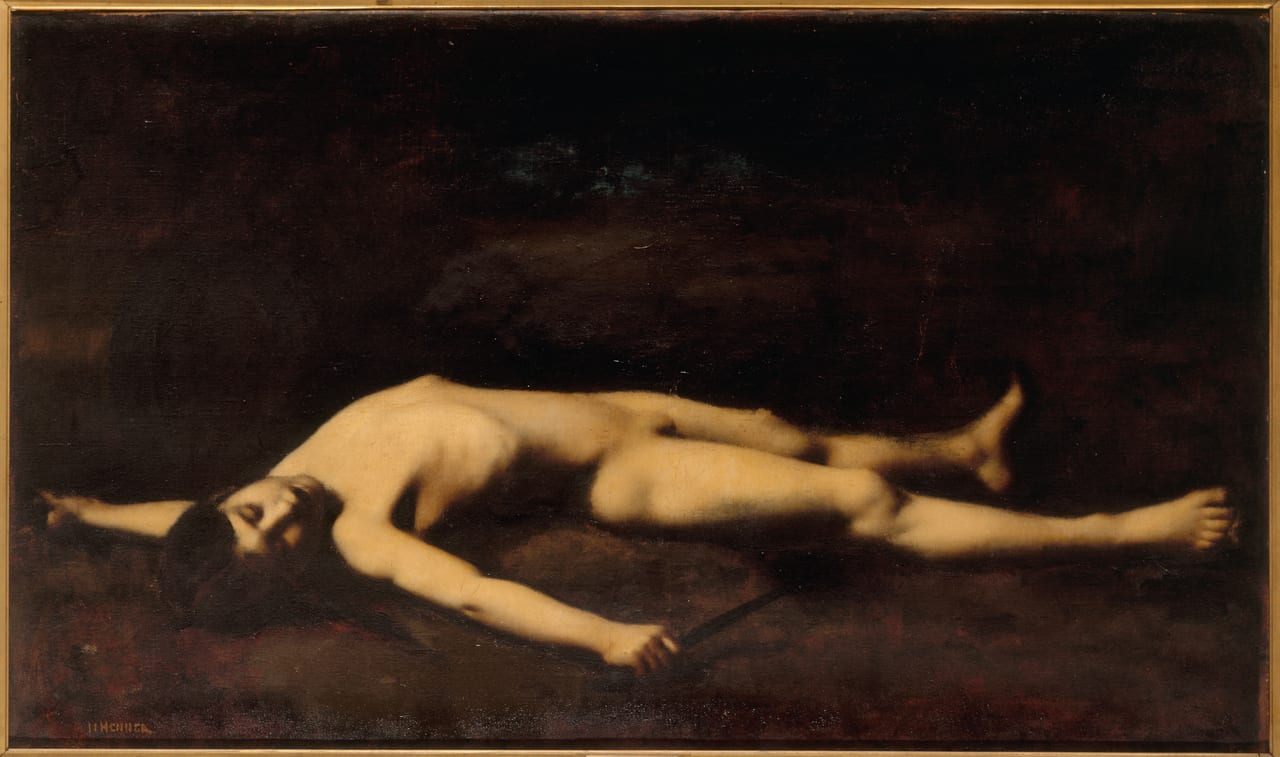
Bara
Jean-Jacques Henner · c. 1882
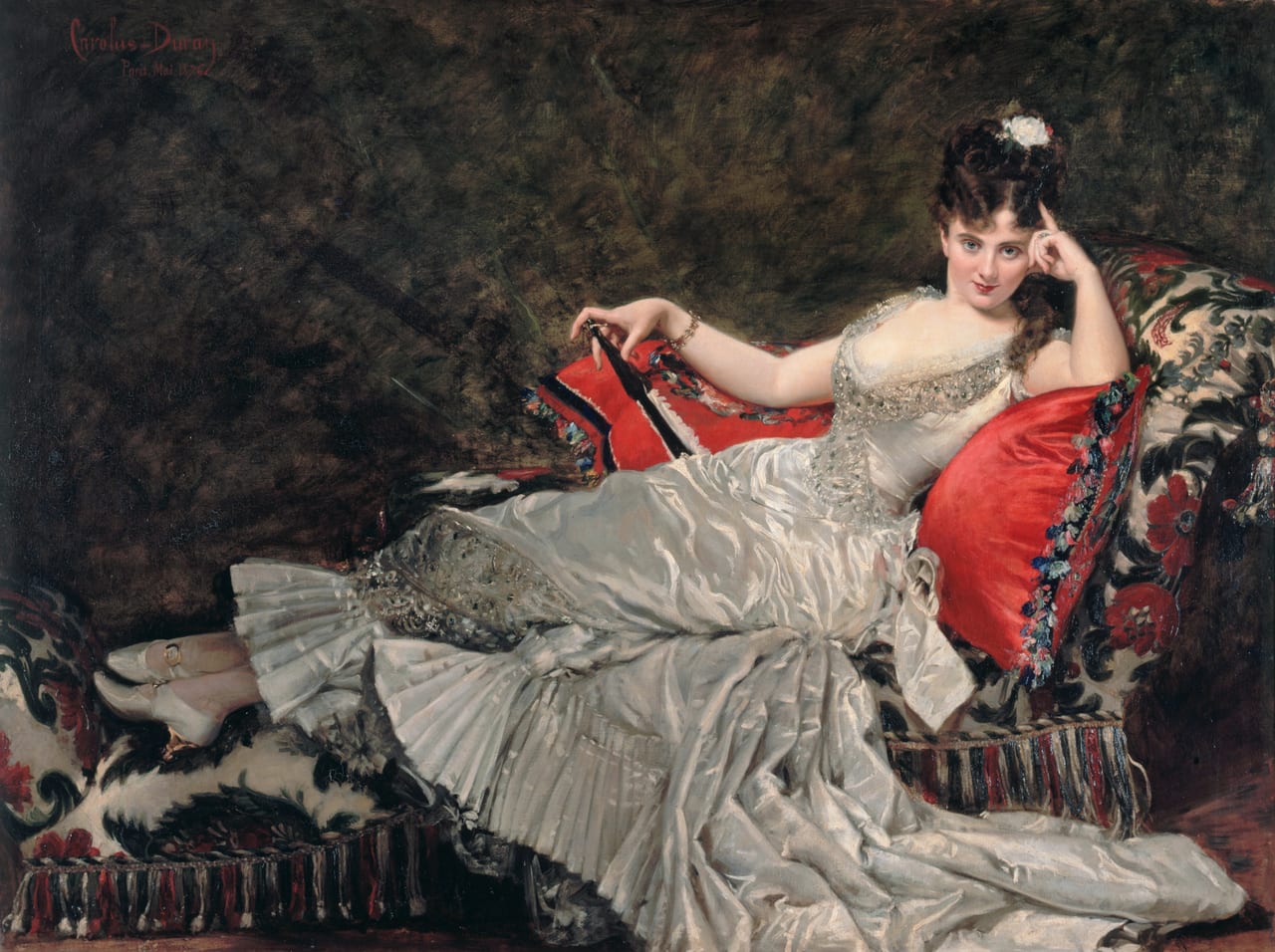
Portrait of Mademoiselle de Lancey
Carolus-Duran · 1876
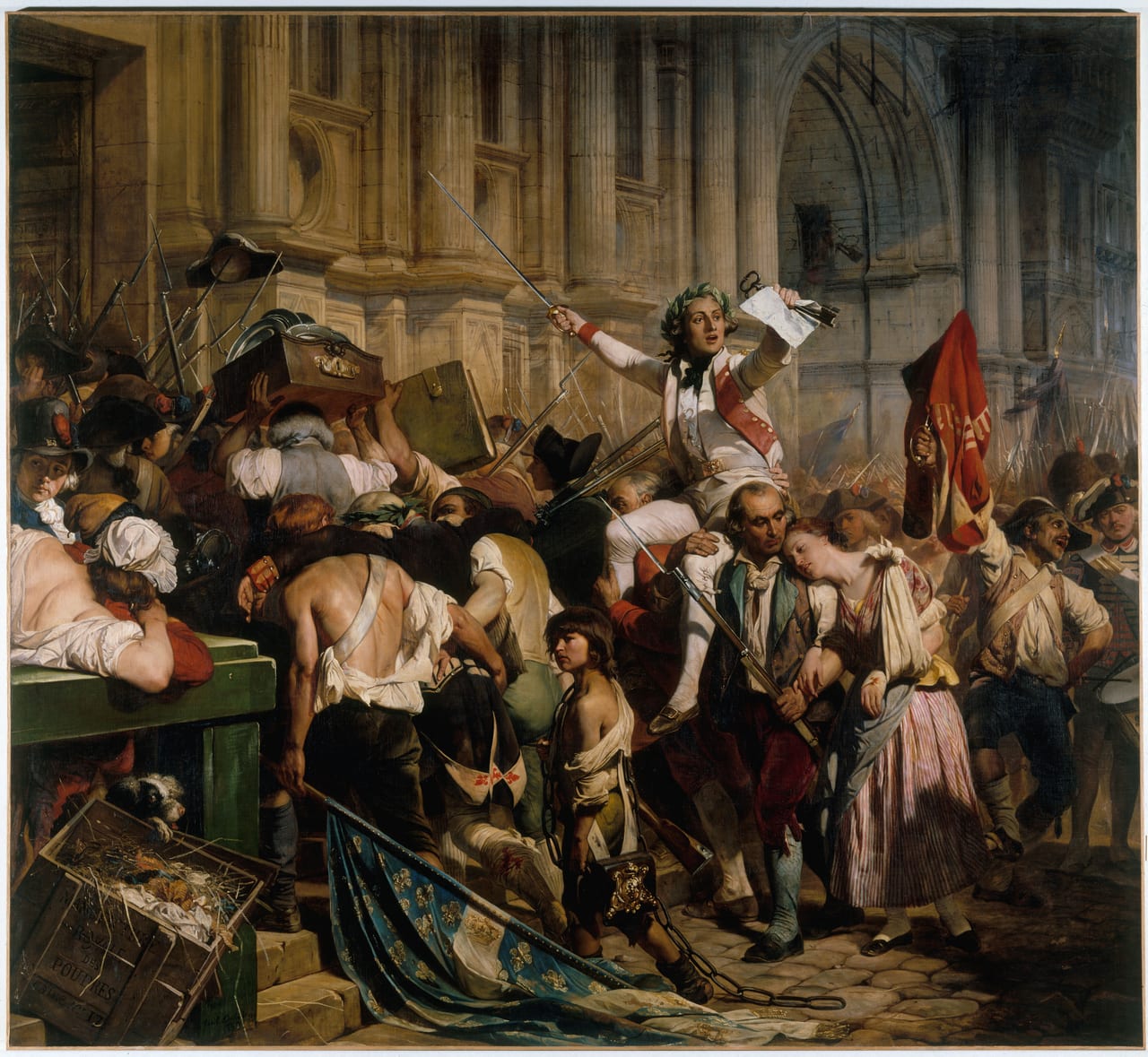
The Victors of the Bastille before the Hôtel de Ville, 14 July 1789
Paul Delaroche · 1830–1838
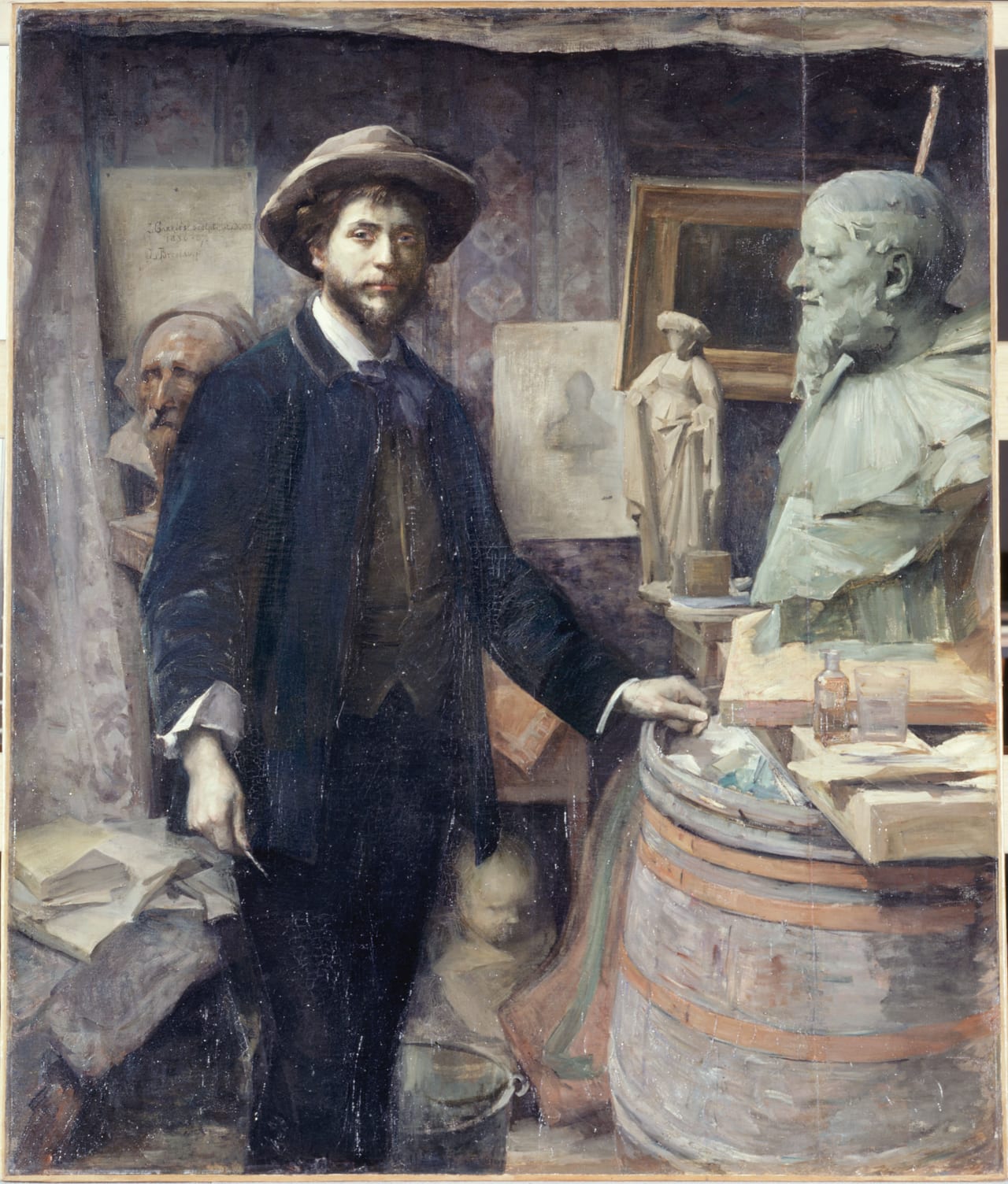
Portrait of Jean Carriès in His Studio
Louise Catherine Breslau · 1886–1887
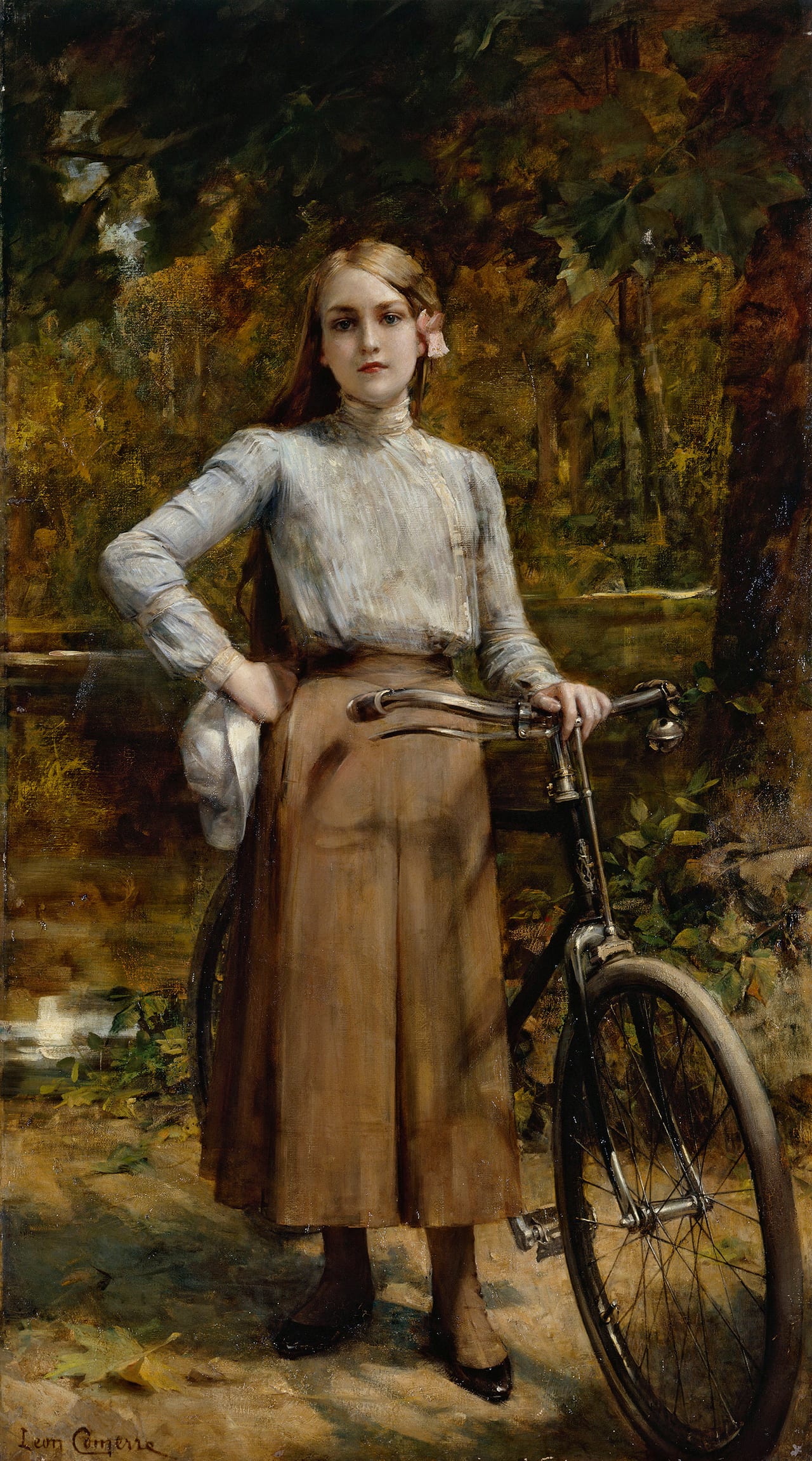
Bicycle at Le Vésinet
Léon Comerre · 1903
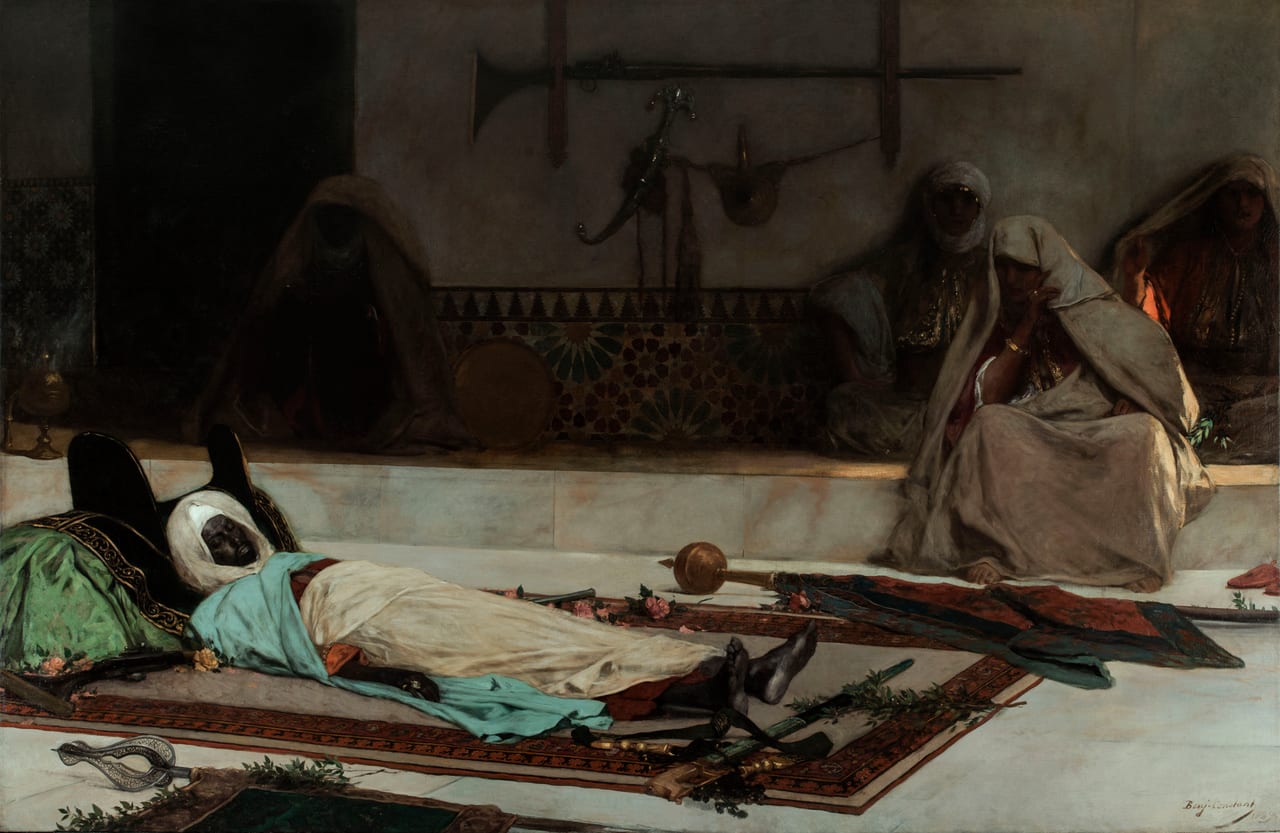
The Day of the Funeral, Scene in Morocco
Jean-Joseph Benjamin-Constant · 1889
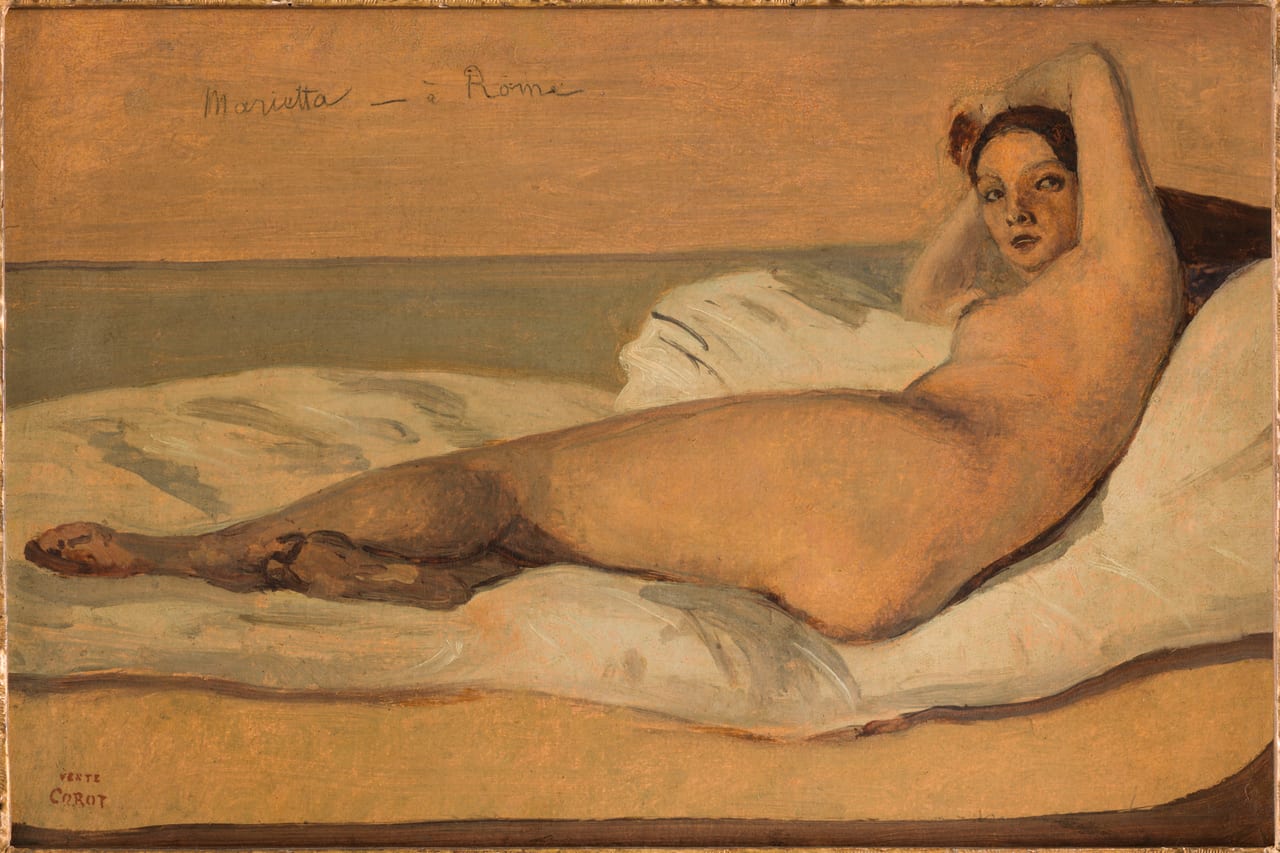
Marietta
Jean-Baptiste Camille Corot · 1843
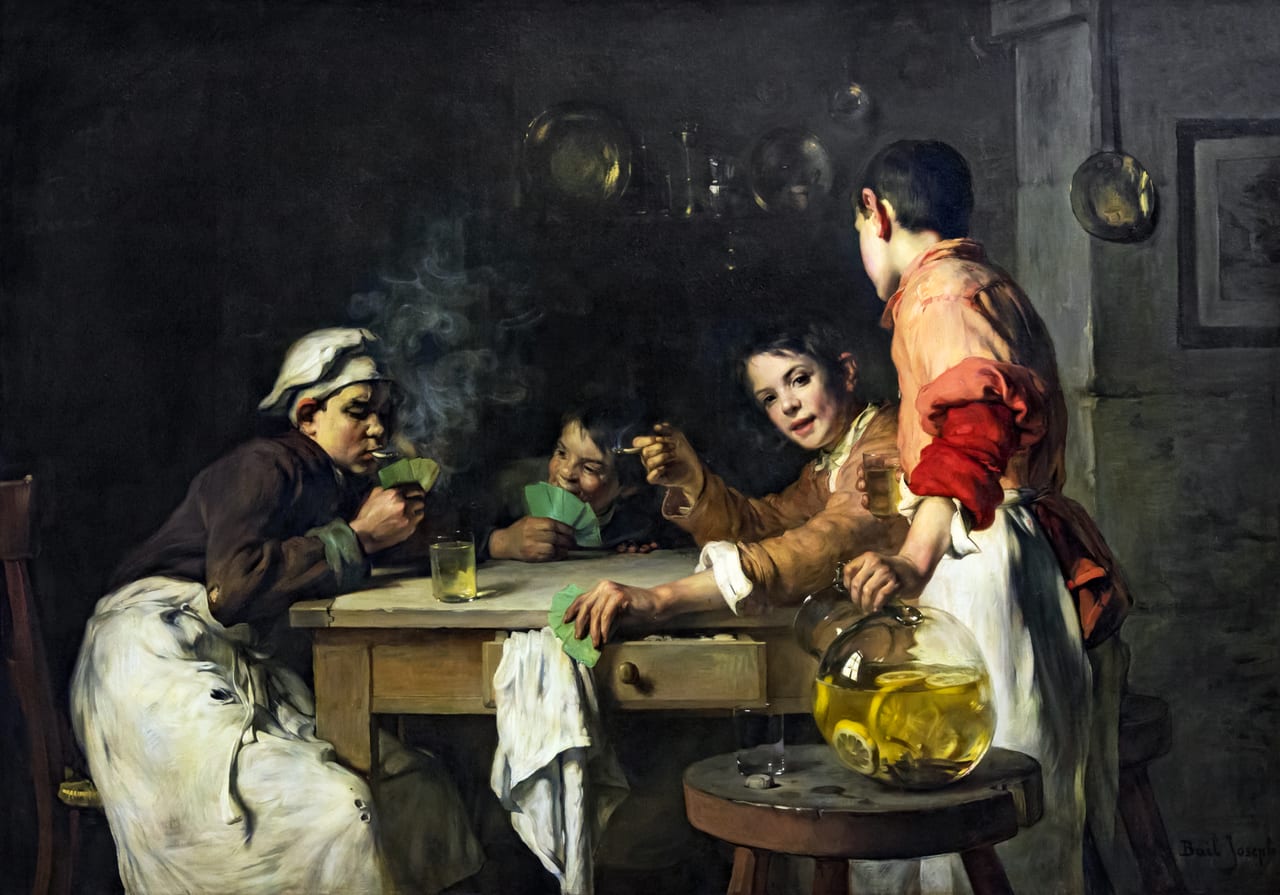
The Card Players
Joseph Bail · c. 1897
Sources
- Petit Palais, “L’histoire du Petit Palais”
- Petit Palais, “XIXe siècle”
- Petit Palais, “XVIIe siècle”
- Petit Palais, “XVIIIe siècle”
- Petit Palais, “Renaissance”
- Petit Palais, “XXe siècle”
- Petit Palais, “Cabinet des arts graphiques”
- Petit Palais, “Panorama des collections”
- Petit Palais, “Chefs-d’œuvre”
- Petit Palais, “Antiquité”
- Petit Palais, “Moyen Âge”
- Petit Palais, “Le Sommeil”
- Petit Palais, “Soleil couchant sur la Seine à Lavacourt, effet d’hiver”
- Petit Palais, “Portrait de l’artiste en costume oriental”
- Petit Palais, “Portrait d’Ambroise Vollard”
- Petit Palais, “Les Demoiselles des bords de la Seine (été)”
- Petit Palais, “Trois baigneuses”
- Petit Palais, “Dans le parc”
- Petit Palais, “Les dons et legs Vollard”
- Paris Musées Collections, “Le Sommeil”
- Paris Musées Collections, “Les Demoiselles des bords de la Seine (été)”
- Paris Musées Collections, “Autoportrait dit Courbet au chien noir”
- Paris Musées Collections, “La Mort de Sénèque”
- Paris Musées Collections, “Lisière de la forêt de Fontainebleau”
- Paris Musées Collections, “Portrait de Juliette Courbet”
- Paris Musées Collections, “Pierre-Joseph Proudhon et ses enfants en 1853”
- Paris Musées Collections, “Le Goûter”
- Paris Musées Collections, “Henri IV jouant avec ses enfants”
- Paris Musées Collections, “Les Émigrants”
- Paris Musées Collections, “Les Vainqueurs de la Bastille devant l’Hôtel de Ville”
- Paris Musées Collections, “La Servante ou À la barrière”
- Paris Musées Collections, “Portrait de Jean Carriès dans son atelier”
- Paris Musées Collections, “Jeune fille au décolleté, la fleur aux cheveux”
- Paris Musées Collections, “Soleil couchant sur la Seine à Lavacourt, effet d’hiver”
- Paris Musées Collections, “Portrait d’Ambroise Vollard” (Cézanne)
- Paris Musées Collections, “François Ier reçoit les derniers soupirs de Léonard de Vinci”
- Paris Musées Collections, “Vieil homme au bâton”
- Paris Musées Collections, “Paysage avec le port de Santa Marinella”
- Paris Musées Collections, “Portrait d’Ambroise Vollard au chat”
- Paris Musées Collections, “Cheval brun à l’écurie”
- Paris Musées Collections, “Jérôme de La Lande”
- Paris Musées Collections, “Alexandre et Bucéphale”
- Paris Musées Collections, “Bara”
- Paris Musées Collections, “Tricoteuse au bas rose”
- Paris Musées Collections, “Portrait de Mademoiselle de Lancey”
- Paris Musées Collections, “Marietta”
- Paris Musées Collections, “Portrait de Zélie Courbet”
- Paris Musées Collections, “Les Quatre Saisons : l’Été”
- Paris Musées Collections, “Les Quatre Saisons : l’Hiver”
- Paris Musées Collections, “En toi se réjouit”
- Paris Musées Collections, “Le Jour des funérailles, scène du Maroc”
- Paris Musées Collections, “Bicyclette au Vésinet”
- Paris Musées Collections, “Les Joueurs de cartes”
- Paris Musées Collections, “La Vierge aux anges”
- Paris Musées Collections, “Conversation à Arcachon”
- Paris Musées Collections, “Automne, portrait de Lydia Cassatt”
- Paris Musées Collections, “Portrait d’Ambroise Vollard au foulard rouge”
- Paris Musées Collections, “La Vallée des larmes”
- Paris Musées Collections, “Trois baigneuses”
- Paris Musées Collections, “Dans le parc”
- Wikipedia, “Petit Palais”
- Wikipedia, “Gustave Courbet”
- Wikipedia, “Paul Cézanne”
- Wikipedia, “Jean-Auguste-Dominique Ingres”
- Wikipedia, “Pierre Bonnard”
- Wikipedia, “Pierre-Auguste Renoir”
- Wikipedia, “Berthe Morisot”
- Wikipedia, “Honoré Daumier”
- Wikipedia, “Théodore Géricault”
- Wikipedia, “Giovanni Battista Tiepolo”
- Wikipedia, “Paul Sérusier”
- Wikipedia, “Marie Bracquemond”
- Wikipedia, “Eva Gonzalès”
- Wikipedia, “Proudhon and His Children”
- Paris Musées Collections, “Le lyrisme dans la forêt”
- Lyricism in the Forest — Public domain via Wikimedia Commons (Public domain)
- The Sleepers — Public domain via Wikimedia Commons (Public domain)
- Sunset on the Seine at Lavacourt, Winter Effect — Public domain via Wikimedia Commons (Public domain)
- Self-Portrait in Oriental Costume — Public domain via Wikimedia Commons (Public domain)
- Portrait of Ambroise Vollard — Public domain via Wikimedia Commons (Public domain)
- Young Ladies on the Banks of the Seine (Summer) — Public domain via Wikimedia Commons (Public domain)
- Three Bathers — Public domain via Wikimedia Commons (Public domain)
- Pierre-Joseph Proudhon and His Children in 1853 — Public domain via Wikimedia Commons (Public domain)
- Francis I Receives the Last Breath of Leonardo da Vinci — Public domain via Wikimedia Commons (Public domain)
- The Death of Seneca — Public domain via Wikimedia Commons (Public domain)
- Old Man with a Stick — Public domain via Wikimedia Commons (Public domain)
- Autumn, Portrait of Lydia Cassatt — CC0 via Wikimedia Commons (CC0)
- The Vale of Tears — Public domain via Wikimedia Commons (Public domain)
- In Thee Rejoiceth — CC0 via Wikimedia Commons (CC0)
- Virgin and Child — Public domain via Wikimedia Commons (Public domain)
- Landscape with the Port of Santa Marinella — Public domain via Wikimedia Commons (Public domain)
- Jérôme de La Lande — Public domain via Wikimedia Commons (Public domain)
- Edge of the Forest of Fontainebleau — Public domain via Wikimedia Commons (Public domain)
- Conversation at Arcachon — Public domain via Wikimedia Commons (Public domain)
- In the Park — Public domain via Wikimedia Commons (Public domain)
- Self-Portrait with a Black Dog — Public domain via Wikimedia Commons (Public domain)
- The Four Seasons: Summer — Public domain via Wikimedia Commons (Public domain)
- Henry IV Playing with His Children as the Spanish Ambassador Is Admitted — Public domain via Wikimedia Commons (Public domain)
- Portrait of Ambroise Vollard with a Cat — Public domain via Wikimedia Commons (Public domain)
- Portrait of Ambroise Vollard in a Red Scarf — Public domain via Wikimedia Commons (Public domain)
- Young Girl in a Low-Cut Dress, a Flower in Her Hair — Public domain via Wikimedia Commons (Public domain)
- The Emigrants — Public domain via Wikimedia Commons (Public domain)
- Brown Horse in a Stable — Public domain via Wikimedia Commons (Public domain)
- Alexander and Bucephalus — Public domain via Wikimedia Commons (Public domain)
- Knitter with a Pink Stocking — Public domain via Wikimedia Commons (Public domain)
- The Afternoon Tea — Public domain via Wikimedia Commons (Public domain)
- The Servant — CC0 via Wikimedia Commons (CC0)
- Portrait of Juliette Courbet — Public domain via Wikimedia Commons (Public domain)
- Portrait of Zélie Courbet — Public domain via Wikimedia Commons (Public domain)
- The Four Seasons: Winter — Public domain via Wikimedia Commons (Public domain)
- The Virgin with Angels — Public domain via Wikimedia Commons (Public domain)
- Bara — Public domain via Wikimedia Commons (Public domain)
- Portrait of Mademoiselle de Lancey — Public domain via Wikimedia Commons (Public domain)
- The Victors of the Bastille before the Hôtel de Ville, 14 July 1789 — Public domain via Wikimedia Commons (Public domain)
- Portrait of Jean Carriès in His Studio — Public domain via Wikimedia Commons (Public domain)
- Bicycle at Le Vésinet — Public domain via Wikimedia Commons (Public domain)
- The Day of the Funeral, Scene in Morocco — CC0 via Wikimedia Commons (CC0)
- Marietta — CC0 via Wikimedia Commons (CC0)
- The Card Players — Public domain via Wikimedia Commons (Public domain)
Invite the Petit Palais into your living room