Rosetta Stone
196 BC

British Museum
London · Founded 1753
The Rosetta Stone is the reason we can read ancient Egypt at all. It is here, alongside the library of a king who died in 631 BC.
- 6.4M
- Visitors a year
- 1753
- Founded
- Free
- Admission
- Daily 10–5
- Daily opening hours
33 works from this collection play free on your TV, phone or tablet. Press play and one starts now.
Watch it nowWhat to see
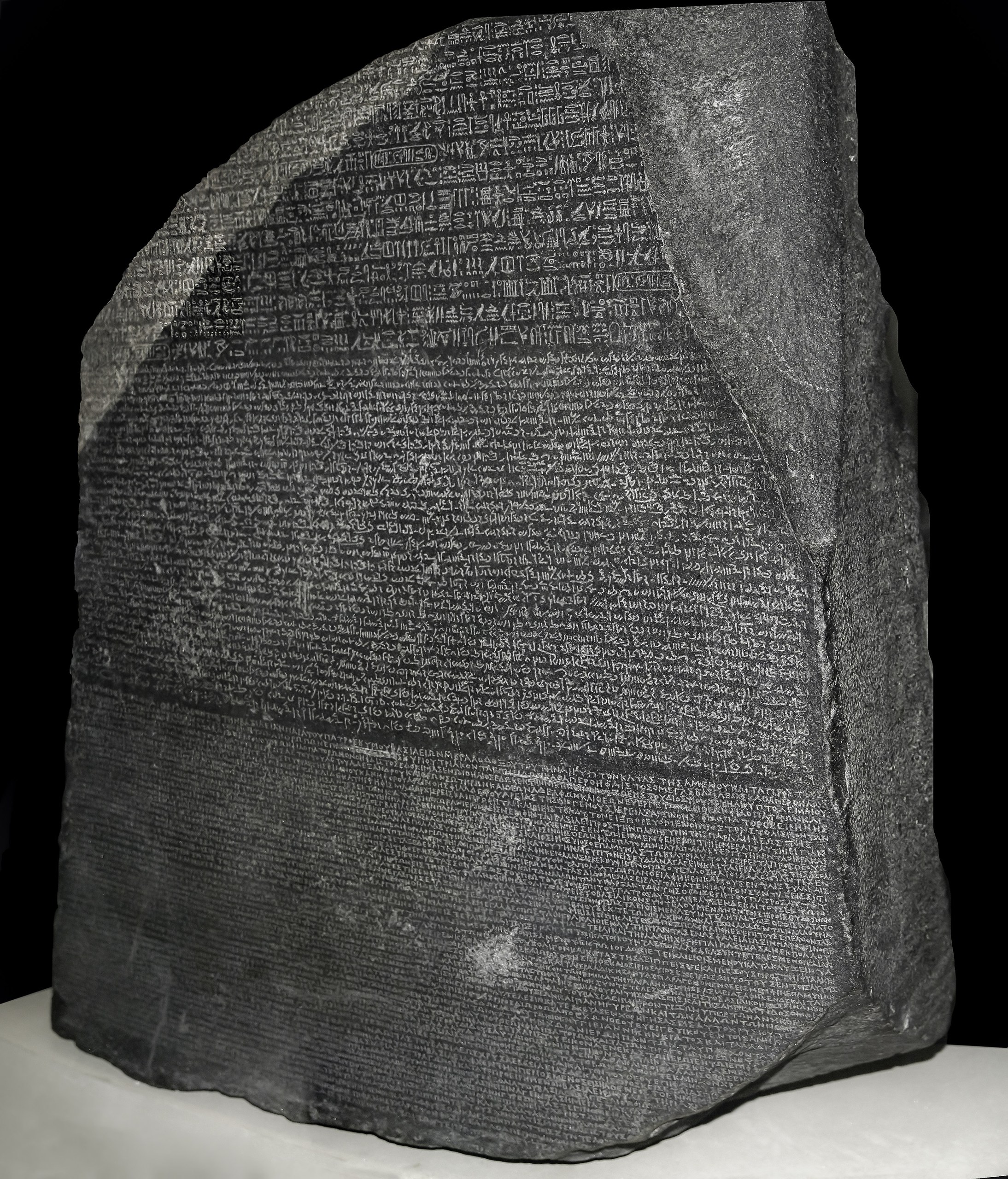
Rosetta Stone
196 BC
The Rosetta Stone is a stele of granodiorite inscribed with three versions of a decree issued in 196 BC during the Ptolemaic dynasty of Egypt, on behalf of King Ptolemy V Epiphanes. The top and middle texts are in Ancient Egyptian using hieroglyphic and Demotic scripts, respectively, while the bottom is in Ancient Greek.
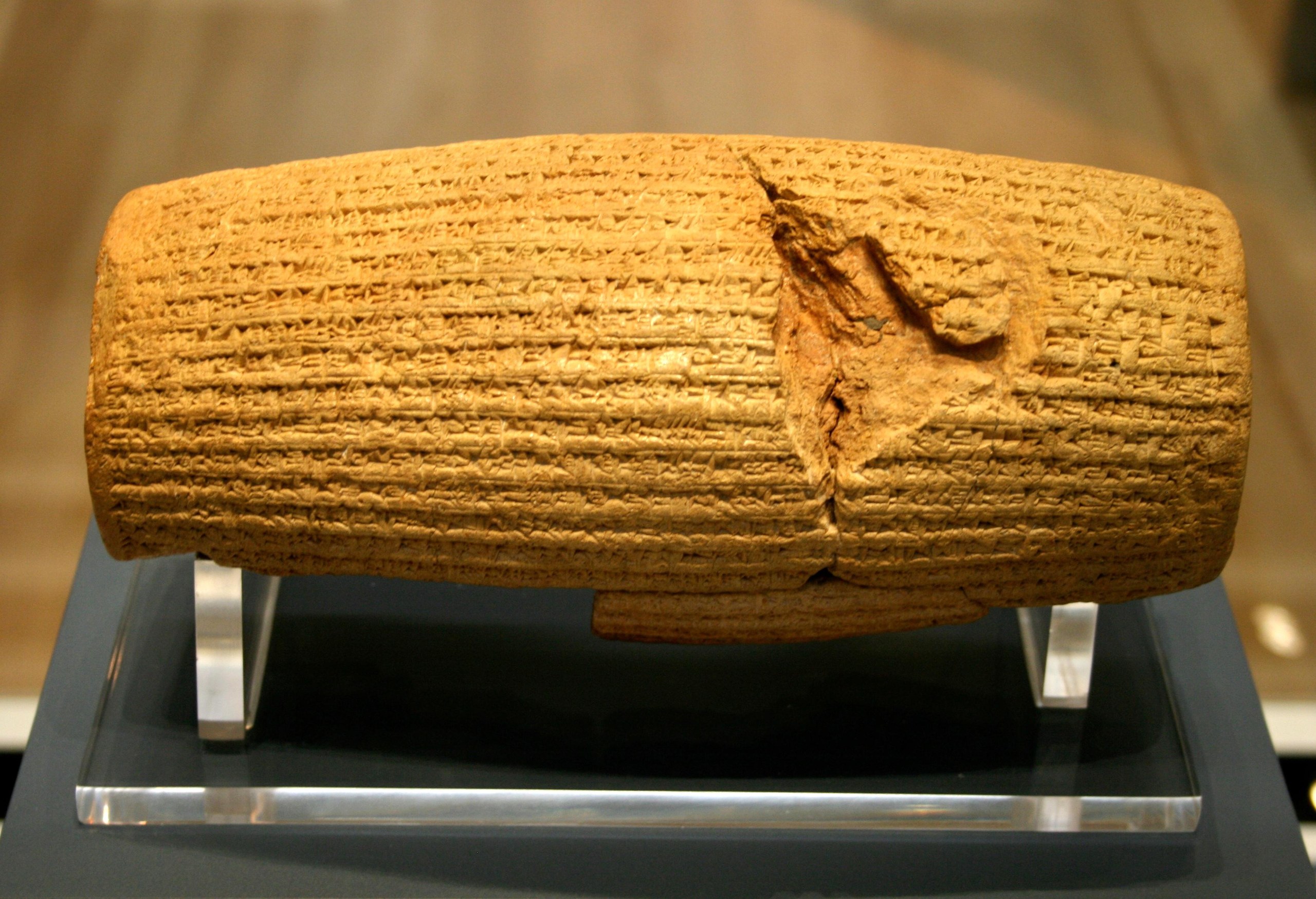
Cyrus cylinder
539
The Cyrus Cylinder is an ancient clay cylinder, now broken into several pieces, on which is written an Achaemenid royal inscription in Akkadian cuneiform script in the name of the Persian king Cyrus the Great. It dates from the 6th century BC and was discovered in the ruins of the ancient Mesopotamian city of Babylon (now in modern Iraq) in 1879.
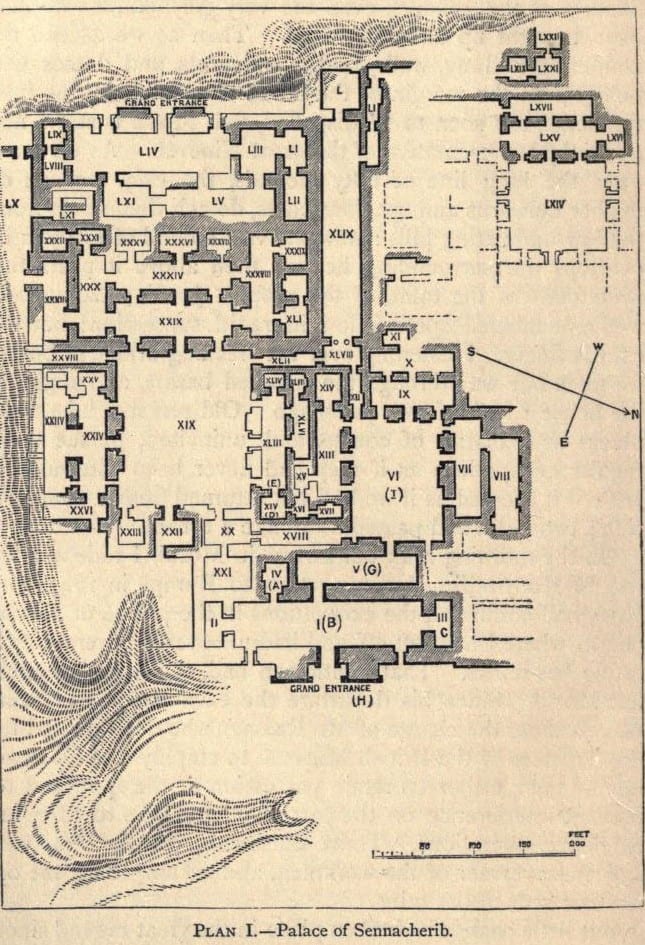
Library of Ashurbanipal
The Royal Library of Ashurbanipal, named after Ashurbanipal, the last great king of the Assyrian Empire, is a collection of more than 30,000 clay tablets and fragments containing texts of all kinds and in various languages from the 7th century BCE. Among its holdings was the famous Epic of Gilgamesh.
Elgin Marbles
Phidias · c. 447–432 BC
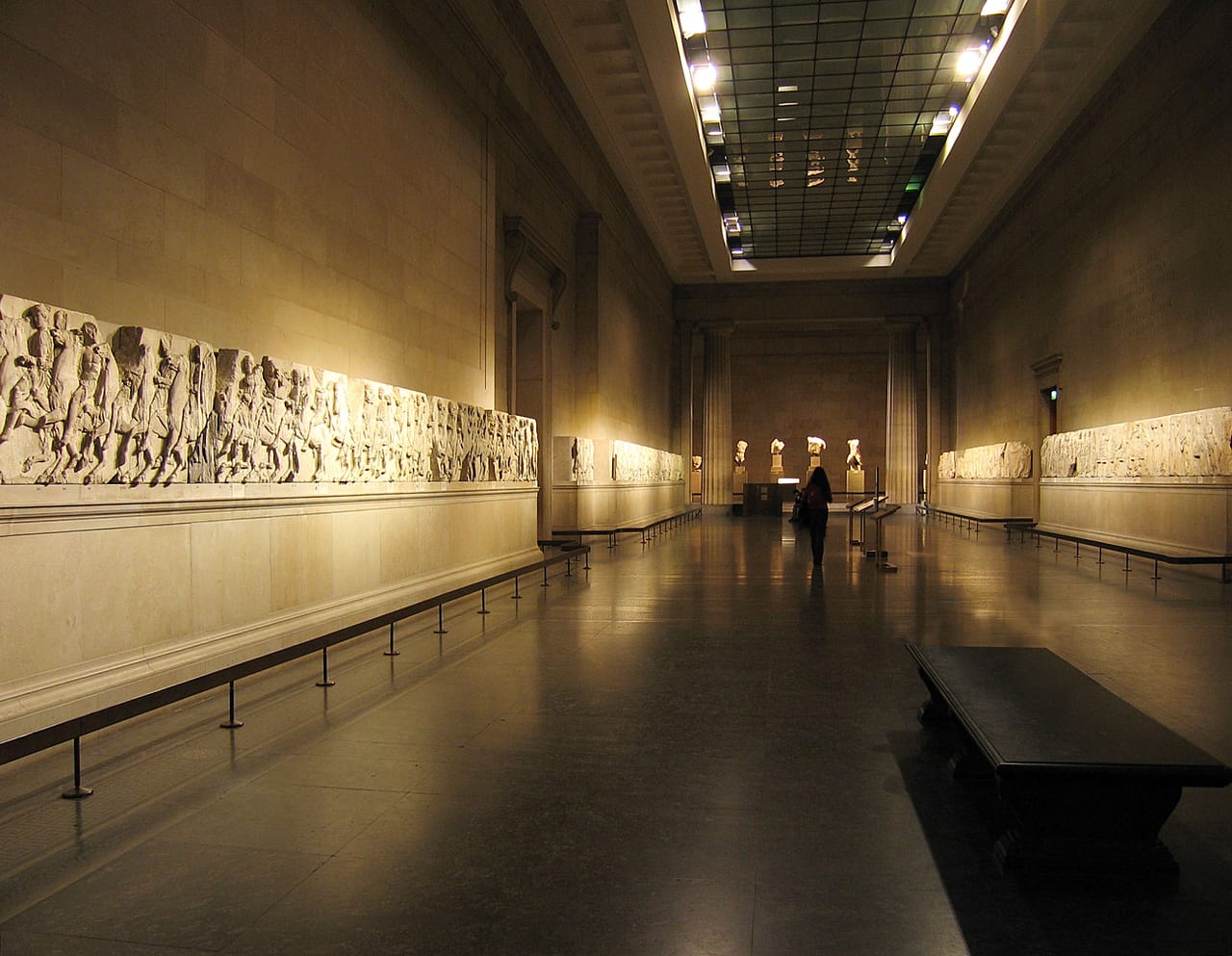
The Elgin Marbles ( EL-ghin) are a collection of Ancient Greek sculptures from the Parthenon and other structures from the Acropolis of Athens, removed from Ottoman Greece in the early 19th century and shipped to Britain by agents of Thomas Bruce, 7th Earl of Elgin, and now held in the British Museum in London. The majority of the sculptures were created in the 5th century BC under the direction of sculptor and architect Phidias.
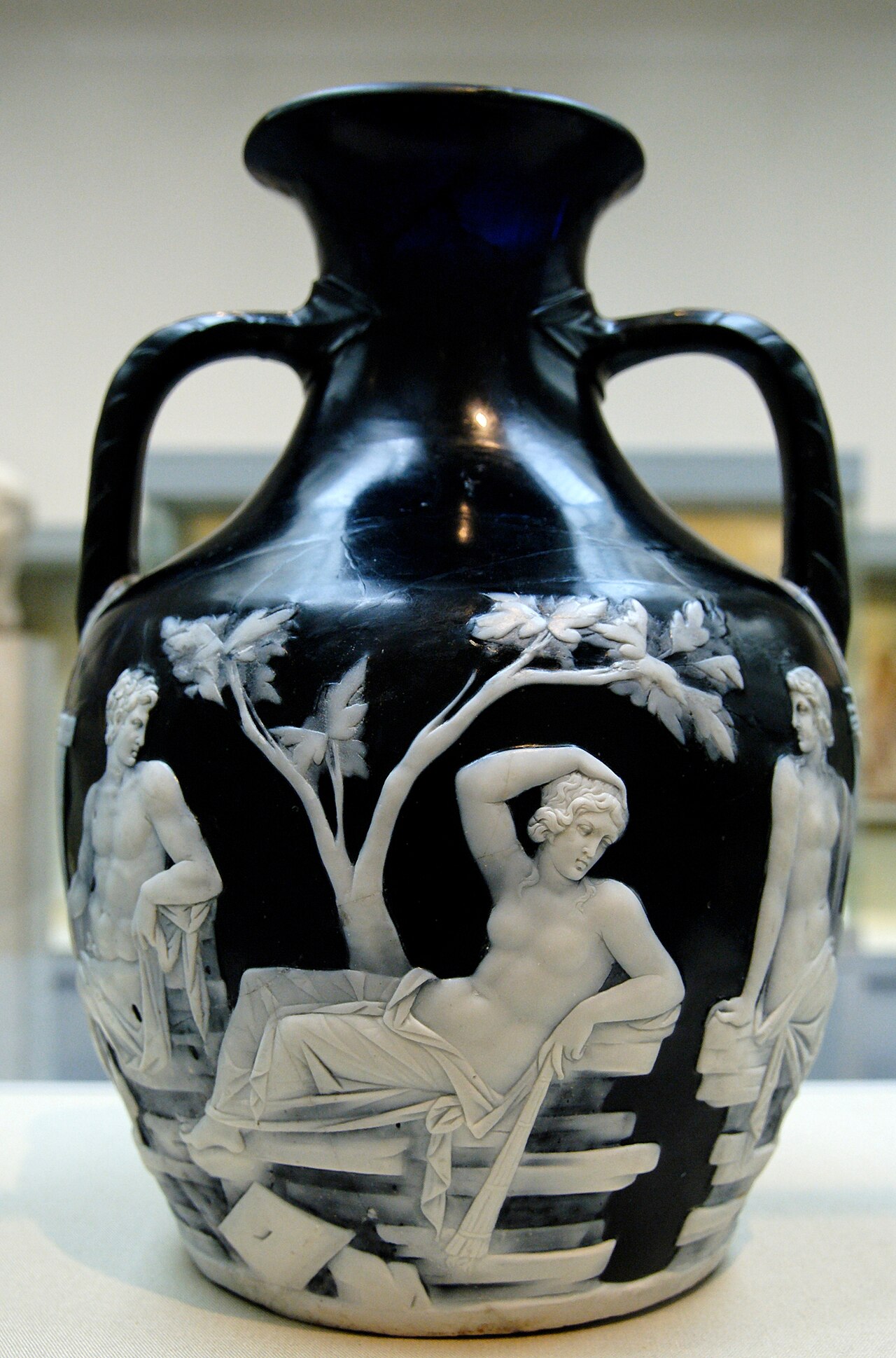
Portland Vase
The Portland Vase is a Roman cameo glass vase, which dates between AD 1 and AD 25, though low BC dates have some scholarly support. It is the best known piece of Roman cameo glass and has served as an inspiration to many glass and porcelain makers from about the beginning of the 18th century onwards.
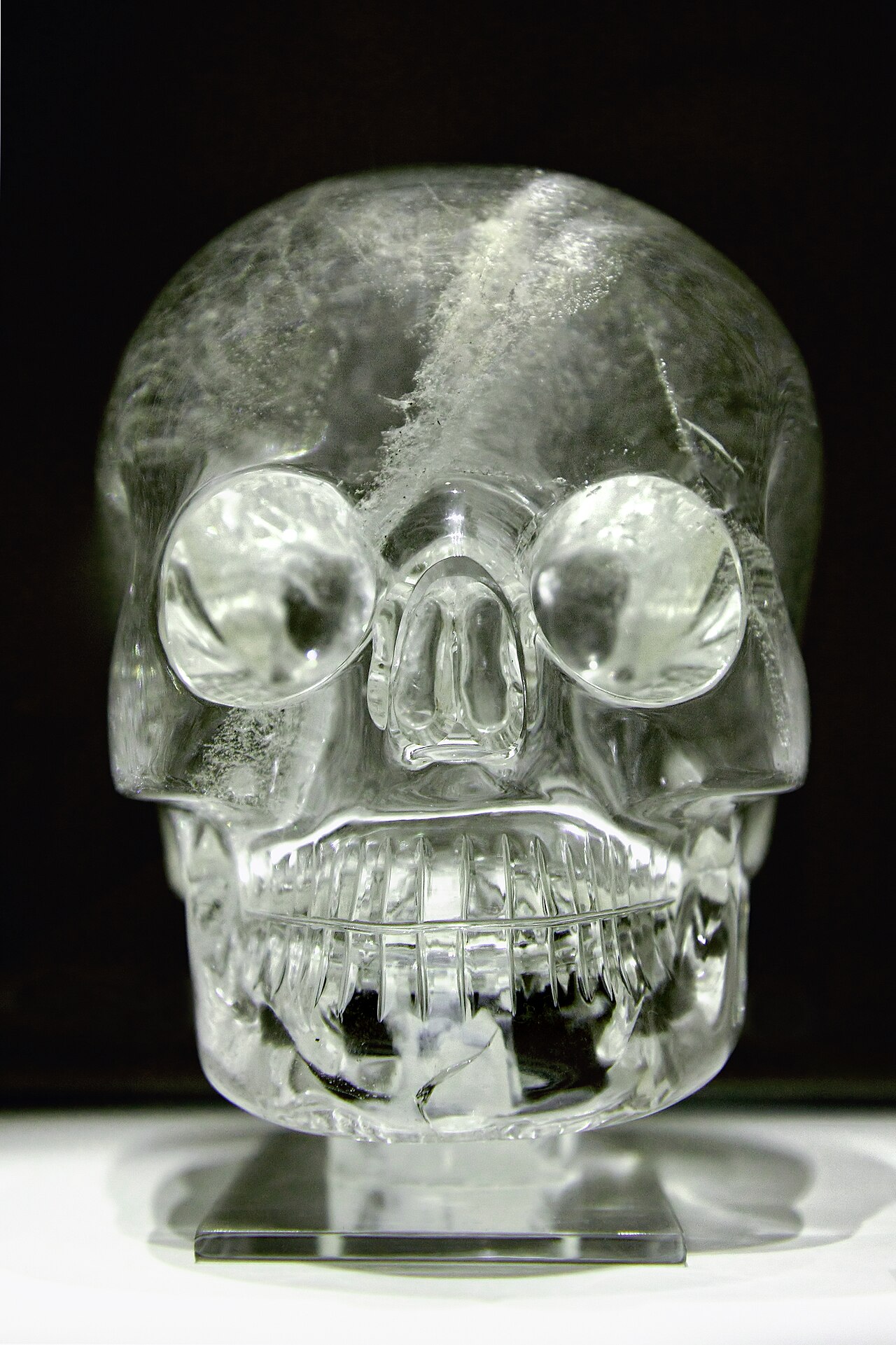
crystal skull
Crystal skulls are human skull hardstone carvings made of clear, milky white or other types of quartz (also called "rock crystal"), claimed to be pre-Columbian Mesoamerican artifacts by their alleged finders; however, these claims have been refuted for all of the specimens made available for scientific studies. The results of these studies demonstrated that those examined were manufactured in the mid-19th century or later, almost certainly in Europe, during a time when interest in ancient culture abounded.
The collections
Department of Egypt and Sudan
The British Museum houses a collection of over 100,000 Egyptian antiquities from all periods and many sites of importance in Egypt and the Sudan.
Department of Greece and Rome
The British Museum has one of the world's largest and most comprehensive collections of antiquities from the Classical world, with over 100,000 objects.
Department of the Middle East
With a collection numbering some 330,000 works, the British Museum possesses the world's largest and most important collection of Mesopotamian antiquities outside Iraq.
Department of Prints and Drawings
The Department of Prints and Drawings holds the national collection of Western prints and drawings.
Department of Britain, Europe and Prehistory
The Department of Britain, Europe and Prehistory is responsible for collections that cover a vast expanse of time and geography.
Department of Asia
The scope of the Department of Asia is extremely broad; its collections of over 75,000 objects cover the material culture of the whole Asian continent and from the Neolithic up to the present day.
Department of Africa, Oceania and the Americas
The British Museum houses one of the world's most comprehensive collections of ethnographic material from Africa, Oceania and the Americas, representing the cultures of indigenous peoples throughout the world.
Department of Money and Medals
The British Museum is home to one of the world's finest numismatic collections, comprising about a million objects, including coins, medals, tokens and paper money.
Where the Parthenon Sculptures came from
The Parthenon Sculptures are contested. The British Museum holds 15 metopes, 17 pedimental figures and 75 metres of the frieze, removed from the Parthenon between 1801 and 1805 by Lord Elgin, then British Ambassador to the Ottoman Empire, which had governed Athens for around 350 years. The museum states that Elgin held a permit, a firman, from the Ottoman authorities, that a Parliamentary Select Committee found his actions entirely legal in 1816, and that the sculptures entered the collection by Act of Parliament. The Acropolis Museum in Athens describes the same events as Elgin's seizure, and in a 2024 exhibition put Byron's own Sultanic firman on display to challenge, in its words, the alleged existence of Elgin's firman. Greece first formally requested permanent return in 1983. The British Museum says it has never received a loan request and that successive Greek governments have declined to acknowledge its Trustees' title; it has called for a Parthenon partnership.
Artists
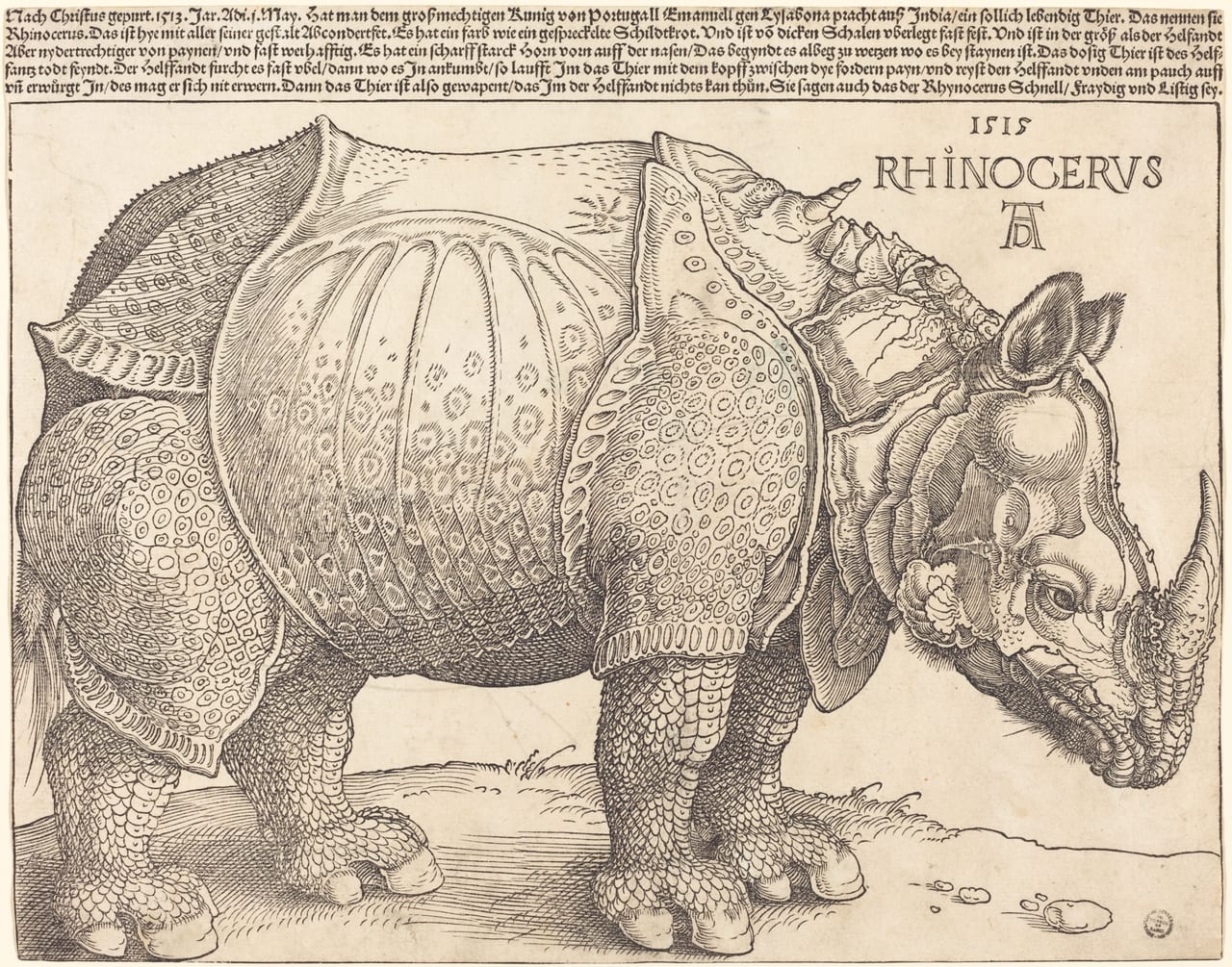
German · 1471–1528 · German Renaissance
Albrecht Dürer, sometimes spelled in English as Durer or Duerer, was a German painter, printmaker, and theorist of the German Renaissance.
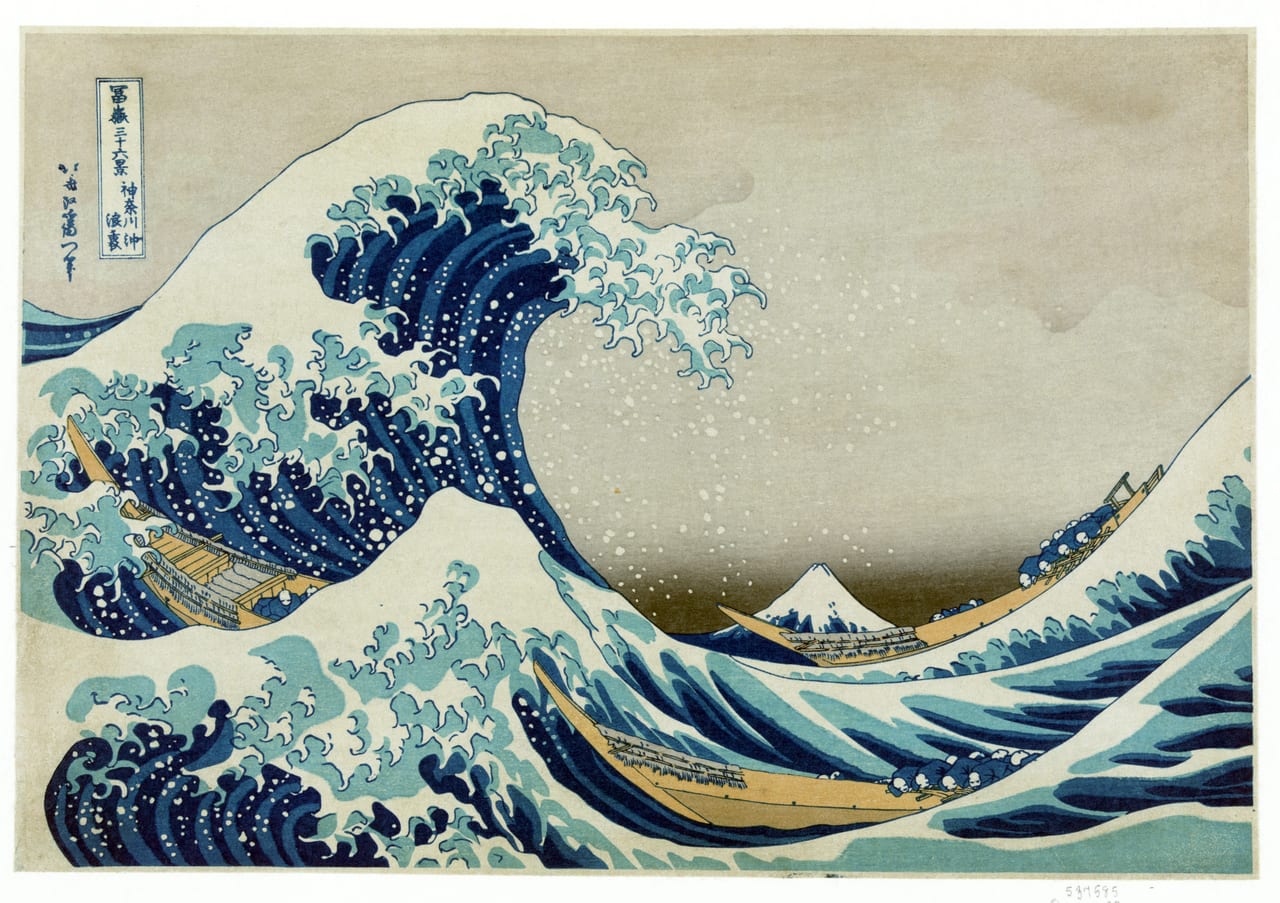
Japanese · 1760–1849 · Japonisme
Katsushika Hokusai was a Japanese ukiyo-e artist of the Edo period, active as a painter and printmaker. His woodblock print series Thirty-Six Views of Mount Fuji includes the iconic print The Great Wave off Kanagawa.
Classical Athens · 490–430 BC
Phidias or Pheidias (; Ancient Greek: Φειδίας, Pheidias; c. 430 BC) was an Ancient Greek sculptor, painter, and architect, active in the 5th century BC.
Artworks
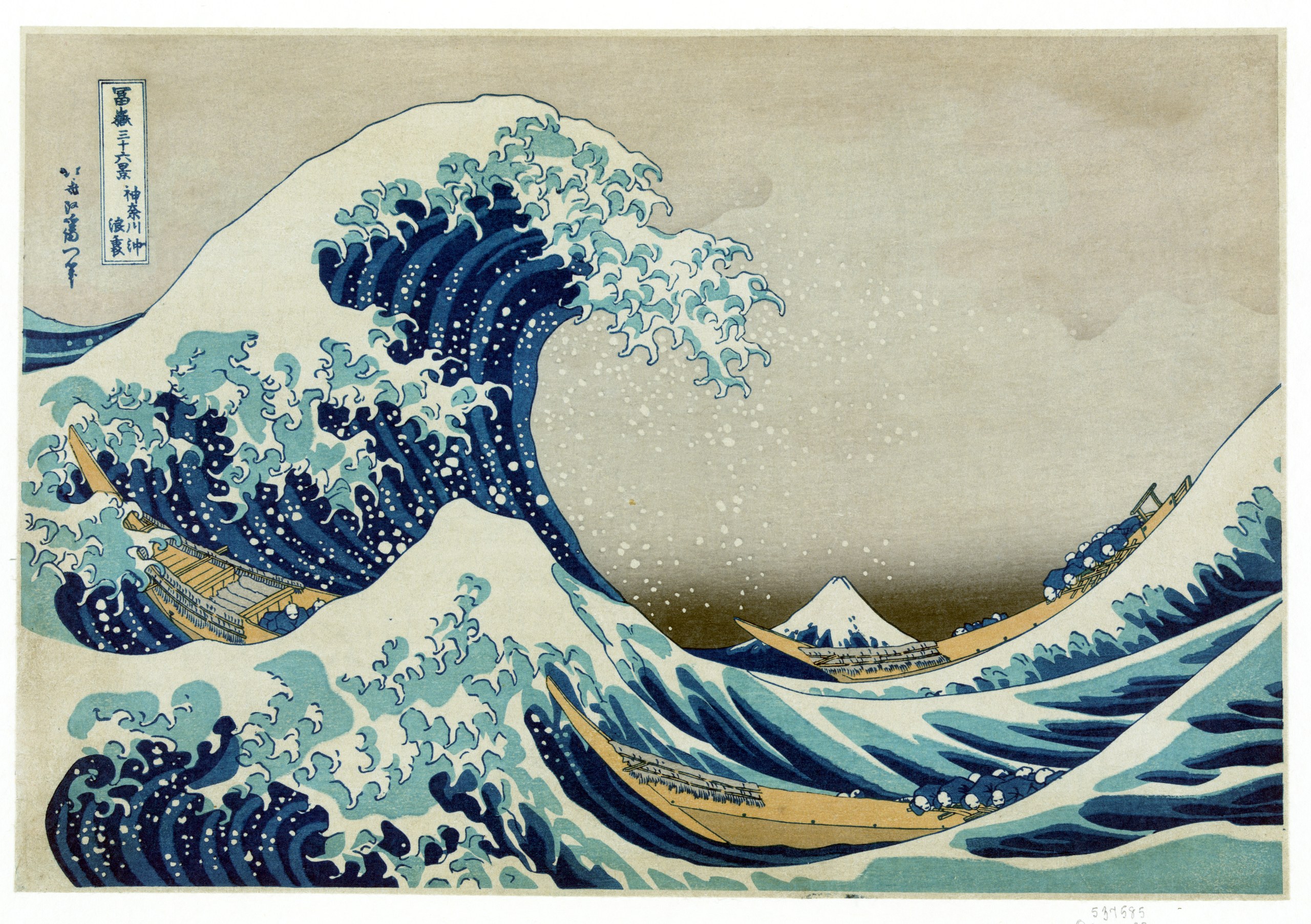
The Great Wave off Kanagawa
Katsushika Hokusai · 1830
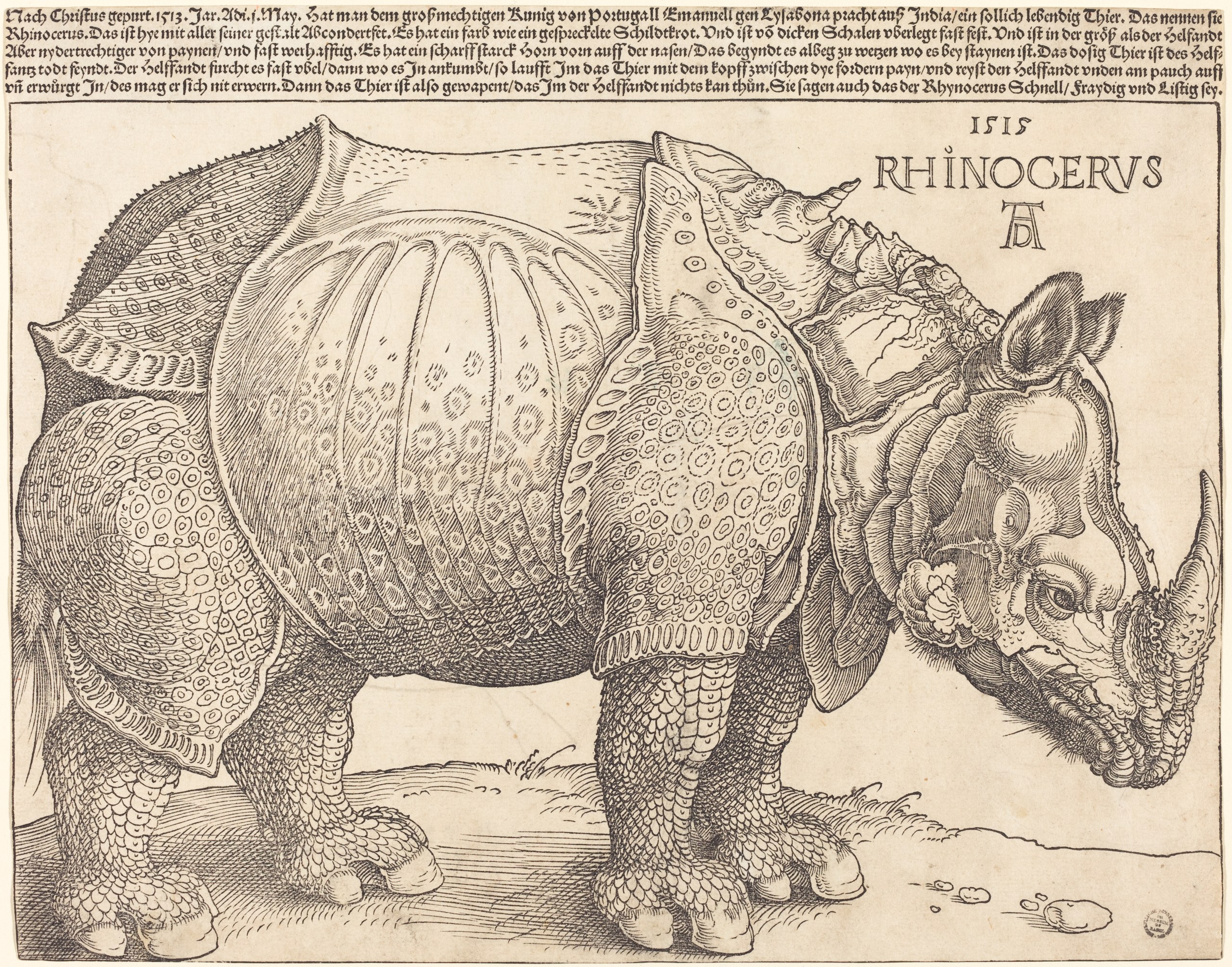
The Rhinoceros
Albrecht Dürer · 1512
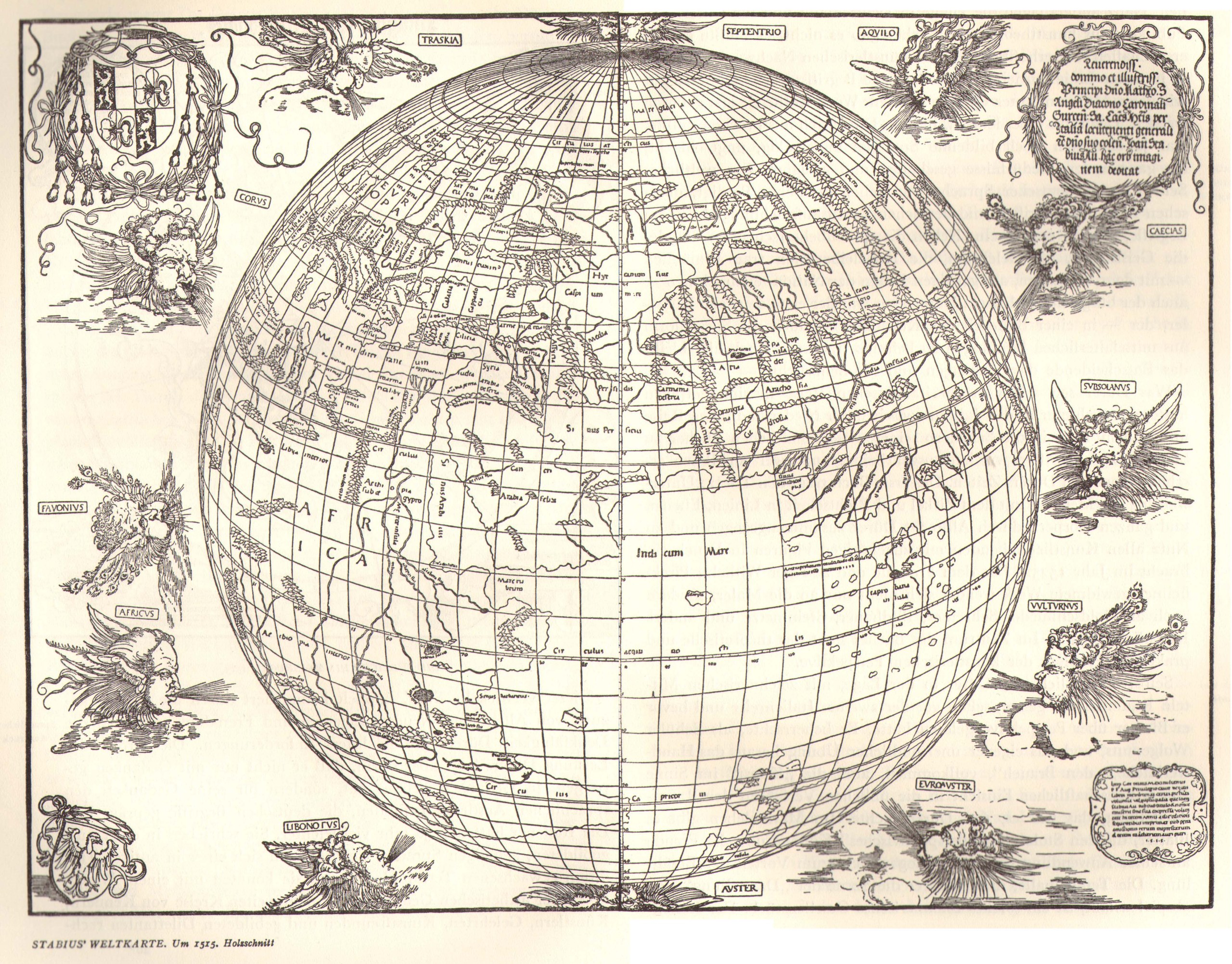
The Stabius World Map
Albrecht Dürer · 1515
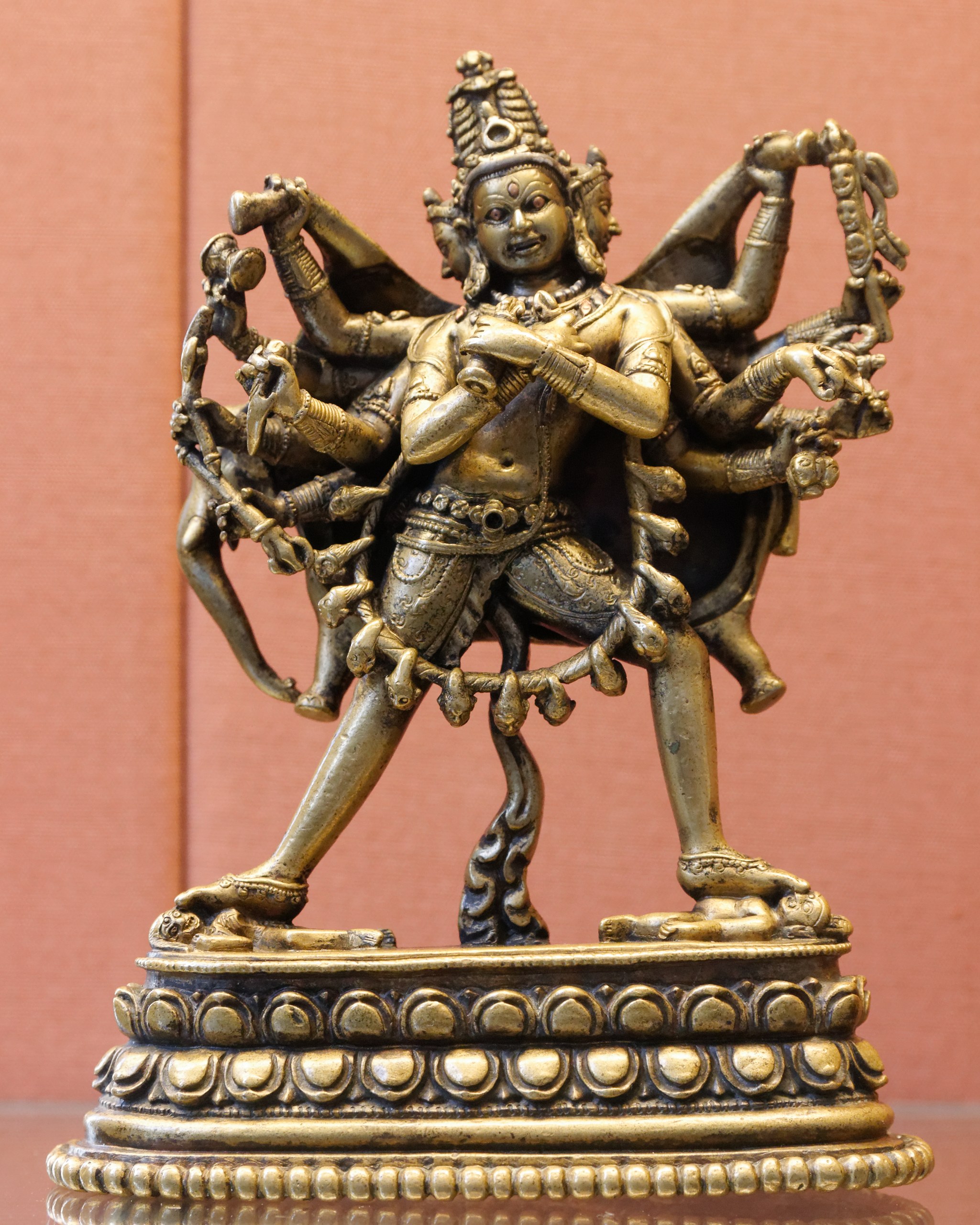
bronze figure of Samvara
1150
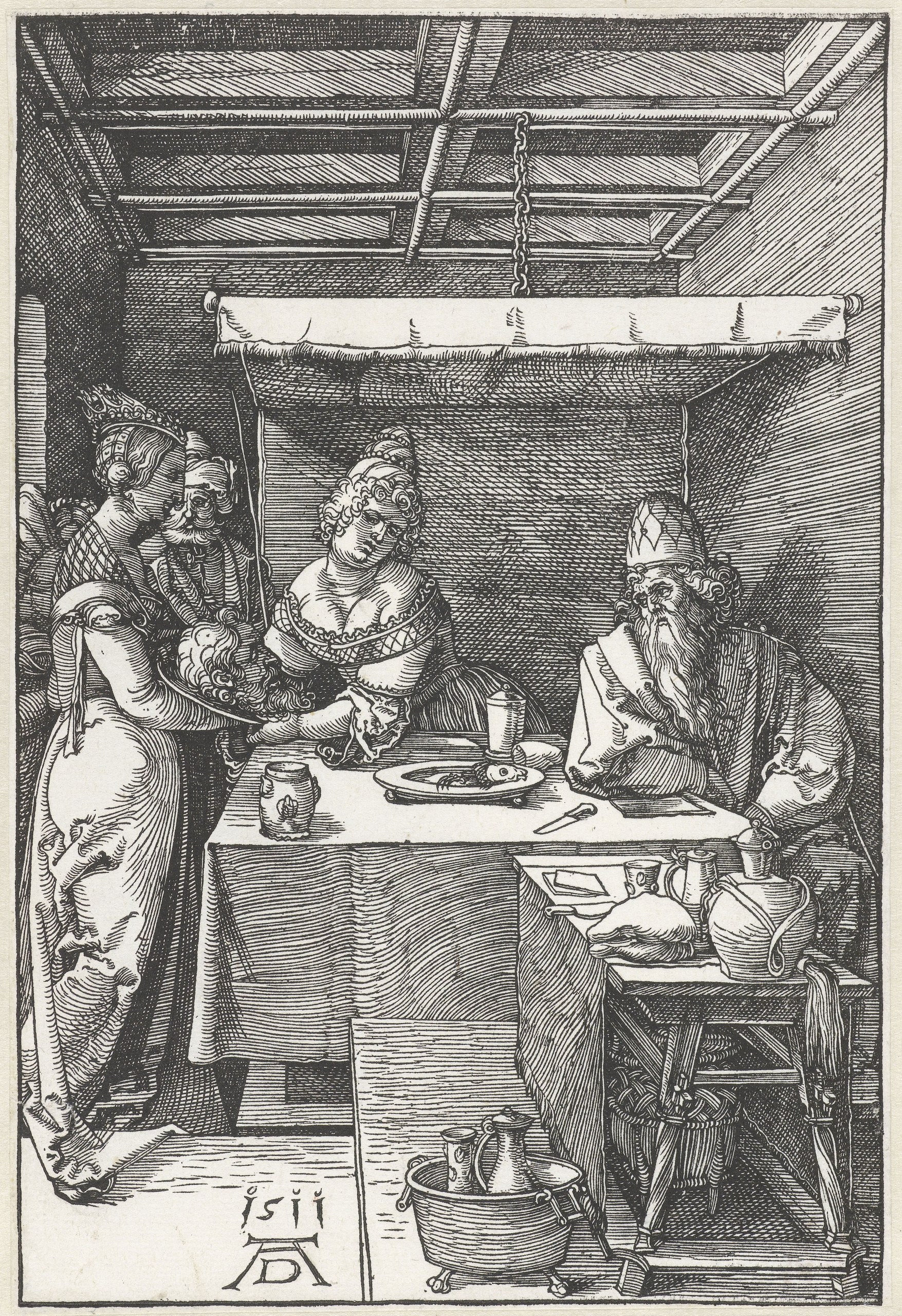
Herodias with the Head of Saint John the Baptist
Albrecht Dürer · 1511
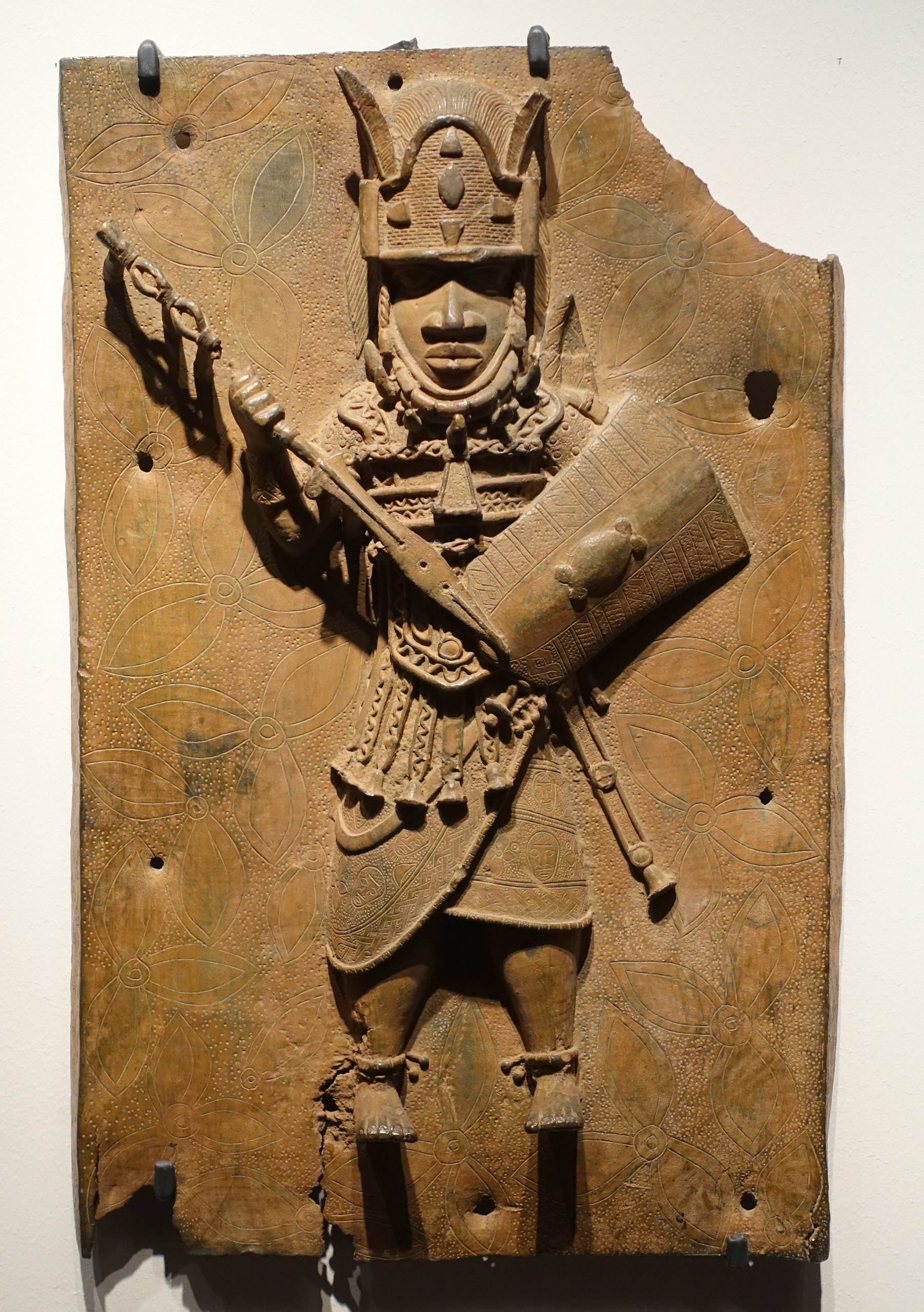
Benin Bronzes
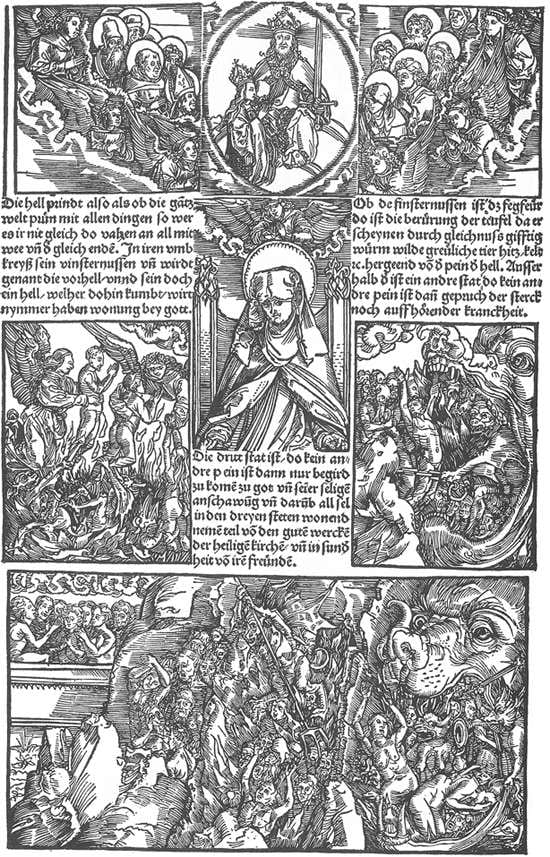
St. Bridget and the Virgin interceding for the Damned (leaf 11)
Albrecht Dürer · 1500
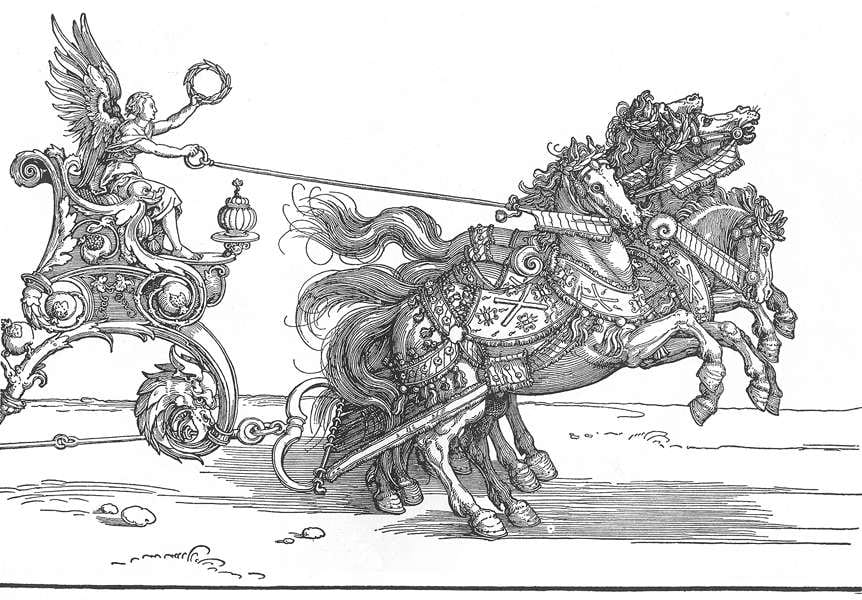
The Small Triumphal Car or the Burgundian Marriage (right part)
Albrecht Dürer · 1518
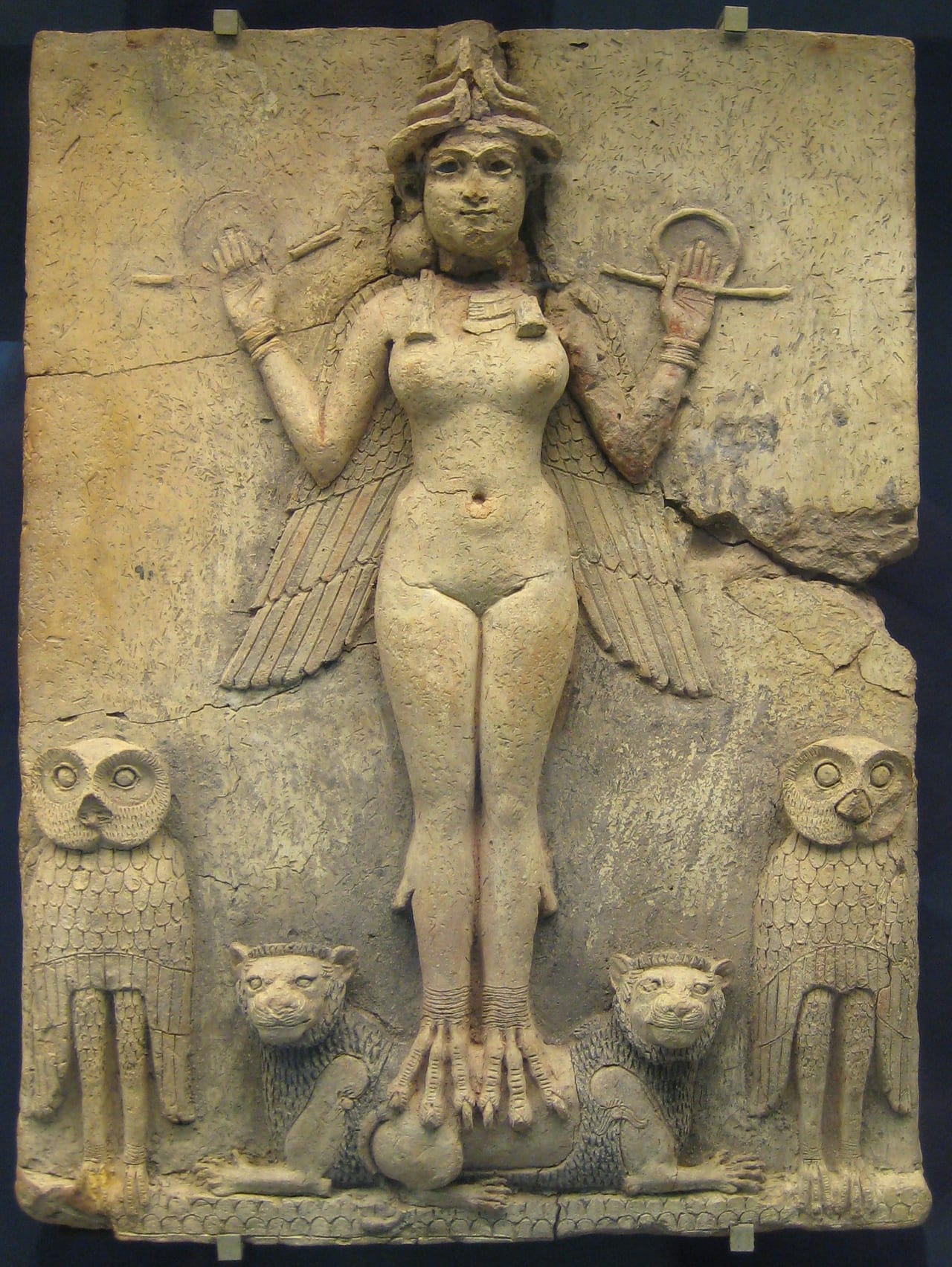
Burney Relief
Plan your visit
Hours
Open daily 10am to 5pm, and until 8.30pm on Fridays. Closed 24 to 26 December. Confirm on britishmuseum.org before you travel.
Admission
Free. Booking a free ticket in advance is recommended, and gives priority entry at busy times.
Getting there
Great Russell Street, London WC1B 3DG.
On their own site
Opening hours, tickets and current exhibitions are on the museum’s own site.
More guides to explore
Invite British Museum into your living room
33 works from this collection are available on Momentable, free to view, on your TV, phone, or tablet.