Elgin Marbles
Phidias · c. 447–432 BC

Phidias
Classical Athens · 490–430 BC
Phidias or Pheidias (; Ancient Greek: Φειδίας, Pheidias; c. 430 BC) was an Ancient Greek sculptor, painter, and architect, active in the 5th century BC. His Statue of Zeus at Olympia was one of the Seven Wonders of the Ancient World. Phidias also designed the statues of the goddess Athena on the Athenian Acropolis, namely the Athena Parthenos inside the Parthenon, and the Athena Promachos, a colossal bronze which stood between it and the Propylaea, a monumental gateway that served as the entrance to the Acropolis in Athens. Phidias was the son of Charmides of Athens.
Independent artist guide by Momentable. Biography from Wikipedia; artworks credited to the museums that hold them.
 LIVENow streaming · Elgin Marbles
- life
- 490–430 BClife
- rights
- Public domainrights
The work
A selection of 2 works, free to stream.
Elgin Marbles
Phidias · c. 447–432 BC
British Museum
Parthenon Frieze
Phidias
Acropolis Museum
Works worth knowing
What Phidias made, and why each one is worth looking at.
Elgin Marbles
Phidias · c. 447–432 BC
British Museum
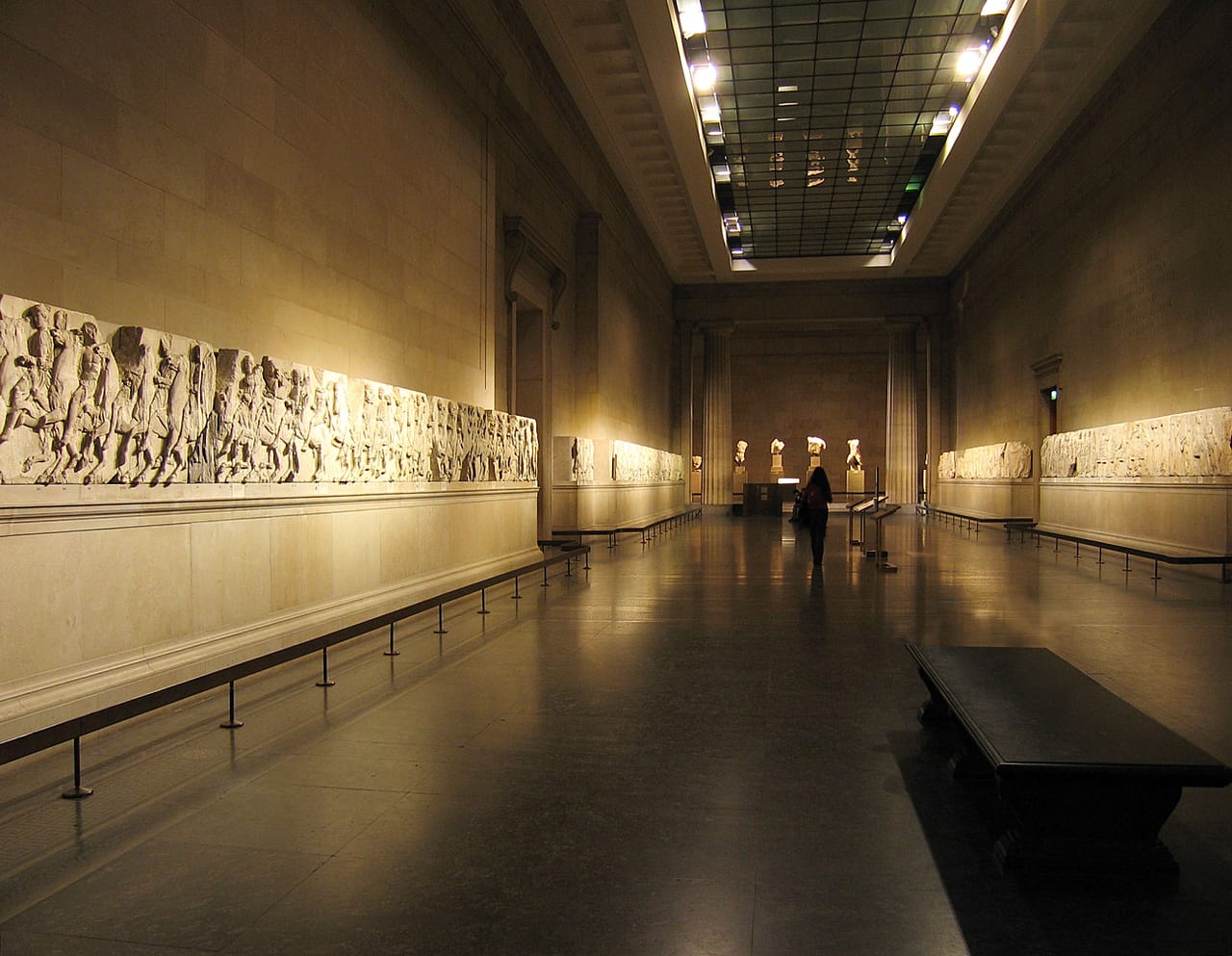
The Elgin Marbles ( EL-ghin) are a collection of Ancient Greek sculptures from the Parthenon and other structures from the Acropolis of Athens, removed from Ottoman Greece in the early 19th century and shipped to Britain by agents of Thomas Bruce, 7th Earl of Elgin, and now held in the British Museum in London. The majority of the sculptures were created in the 5th century BC under the direction of sculptor and architect Phidias. The term Parthenon Marbles or Parthenon Sculptures (Greek: Γλυπτά του Παρθενώνα) refers to sculptures, the frieze, metopes and pediments, from the Parthenon held in various collections, principally the British Museum and the Acropolis Museum in Athens.
Parthenon Frieze
Phidias
Acropolis Museum
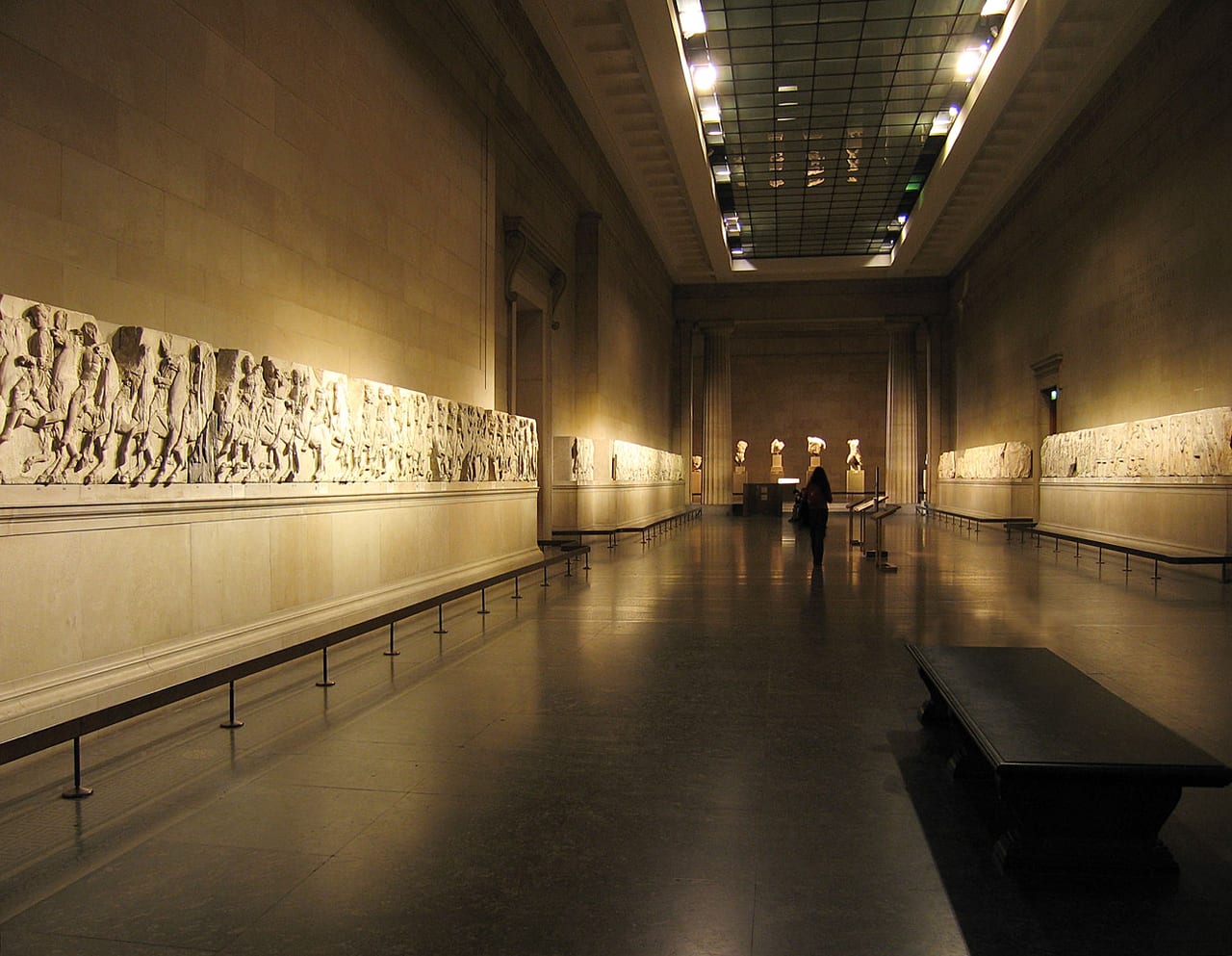
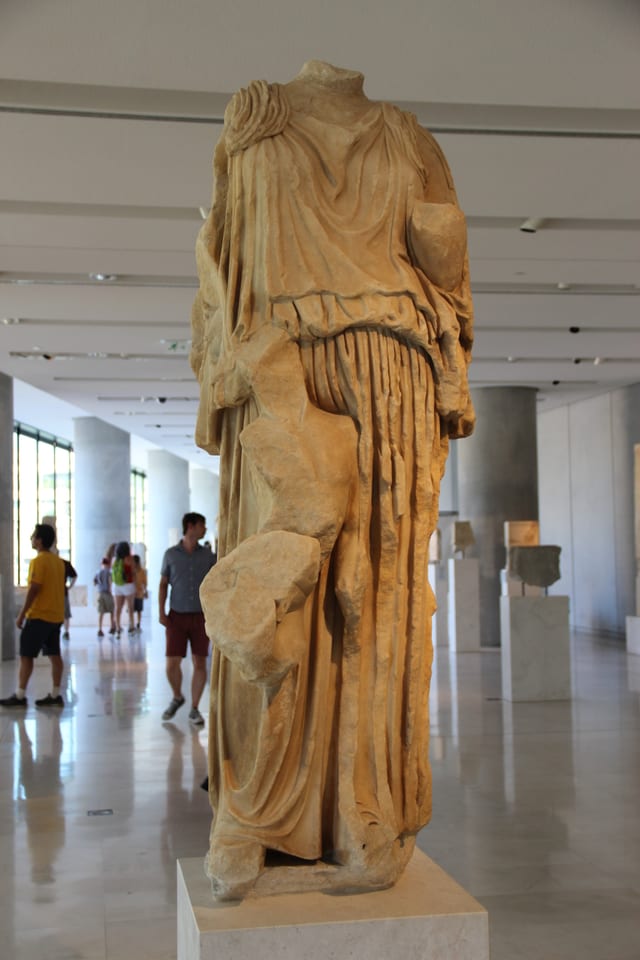
The Parthenon Frieze is the low-relief Pentelic marble sculpture created to adorn the upper part of the Parthenon's naos. It was sculpted between c. 443 and 437 BC, most likely under the direction of Phidias.
Where the work hangs
The museums that hold it, and their visitor guides.
If you like Phidias
Artists held by the same museums.
Invite the masters into your living room.
Phidias on your TV, phone, or tablet. Free to start.
View on MomentableIndependent guide by Momentable · biography from Wikipedia · artworks are in the public domain and credited to the museum that holds them