The Blue Man
1900

Musée du quai Branly
Paris · Founded 2006
The art of Africa, Asia, Oceania and the Americas, in a building wrapped in a living wall of plants. Jean Nouvel designed it, and the collection runs past a million objects.
- 1.3M
- Visitors a year
- 2006
- Founded
100 works from this collection play free on your TV, phone or tablet. Press play and one starts now.
Watch it nowWhat to see
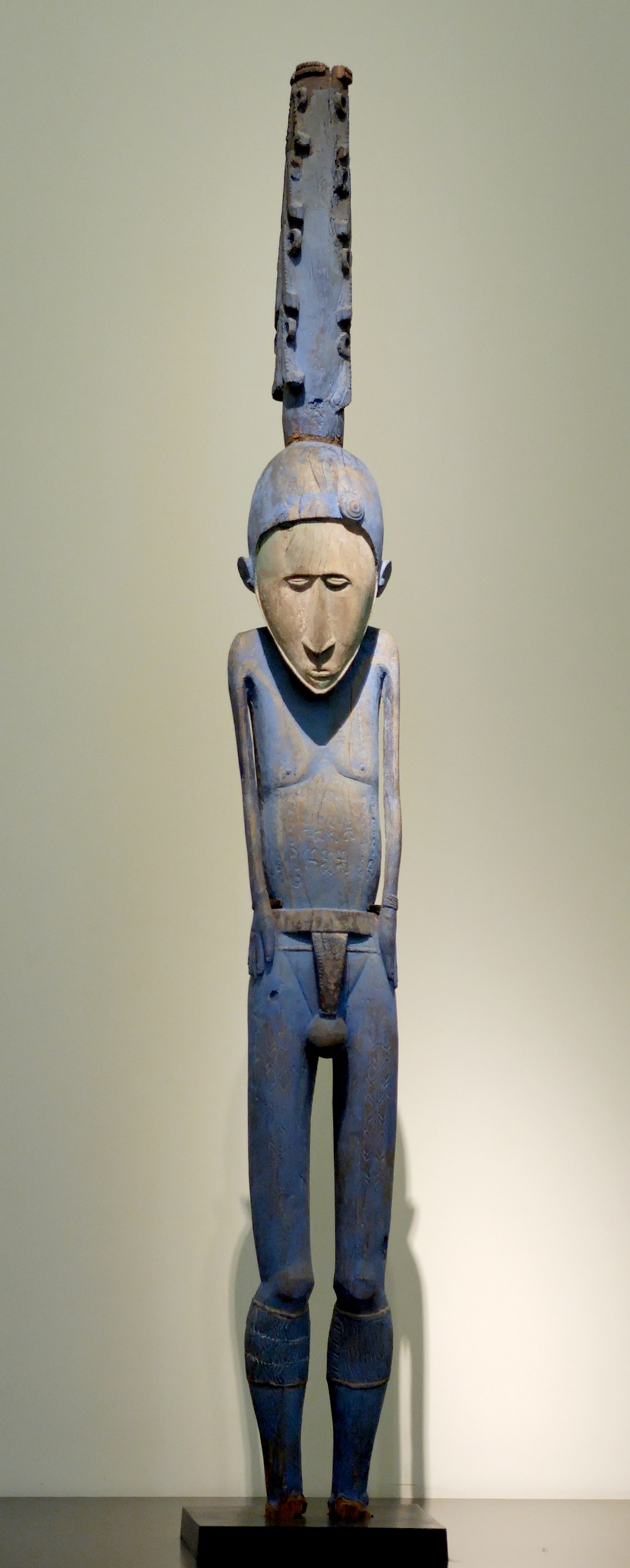
The Blue Man
1900
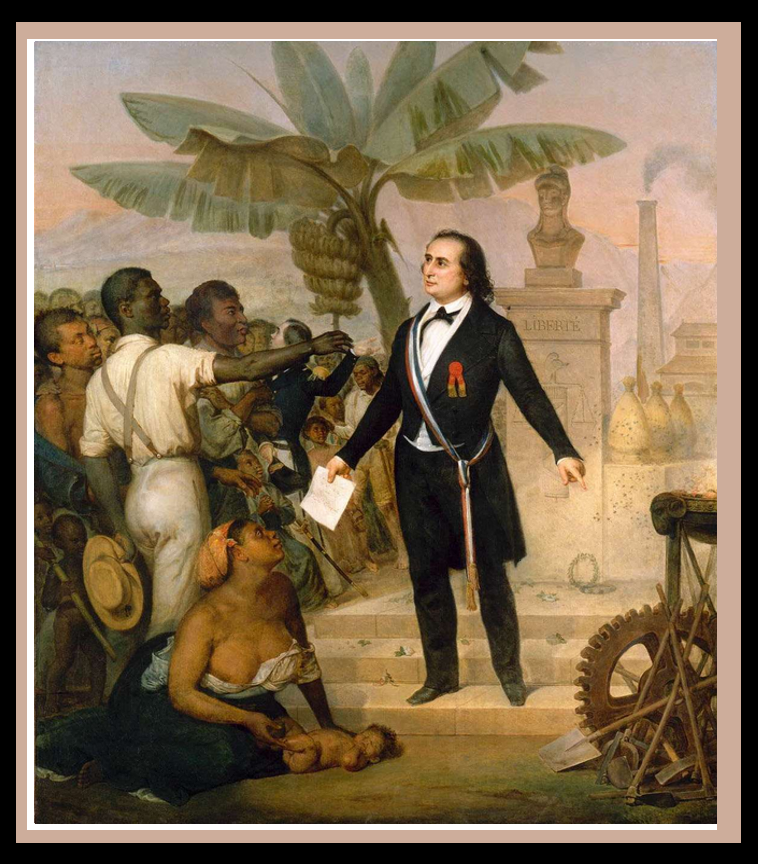
L'émancipation à la Réunion - Sarda Garriga - Le 20-10-1848
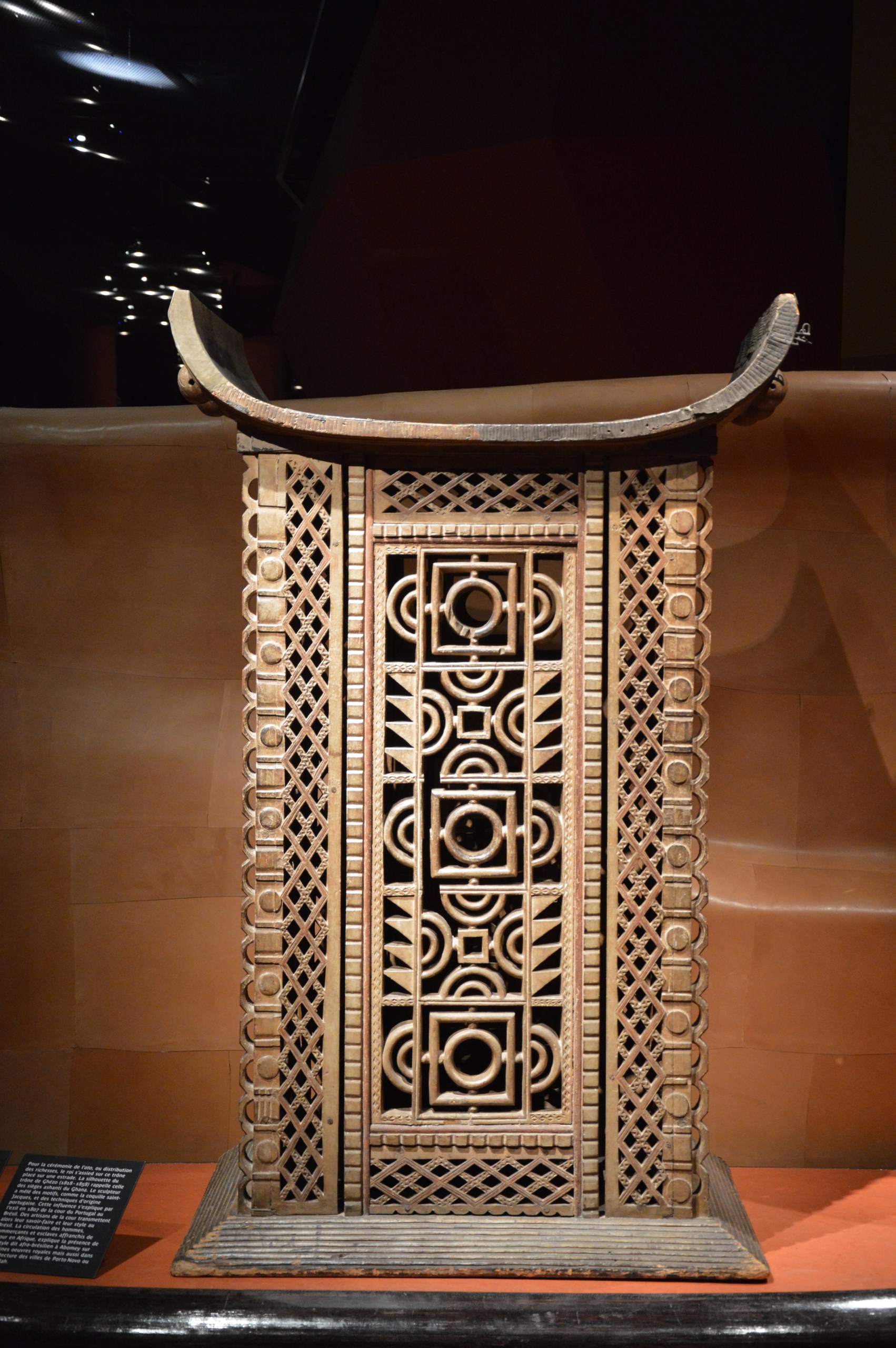
Throne of Ghezo
1818
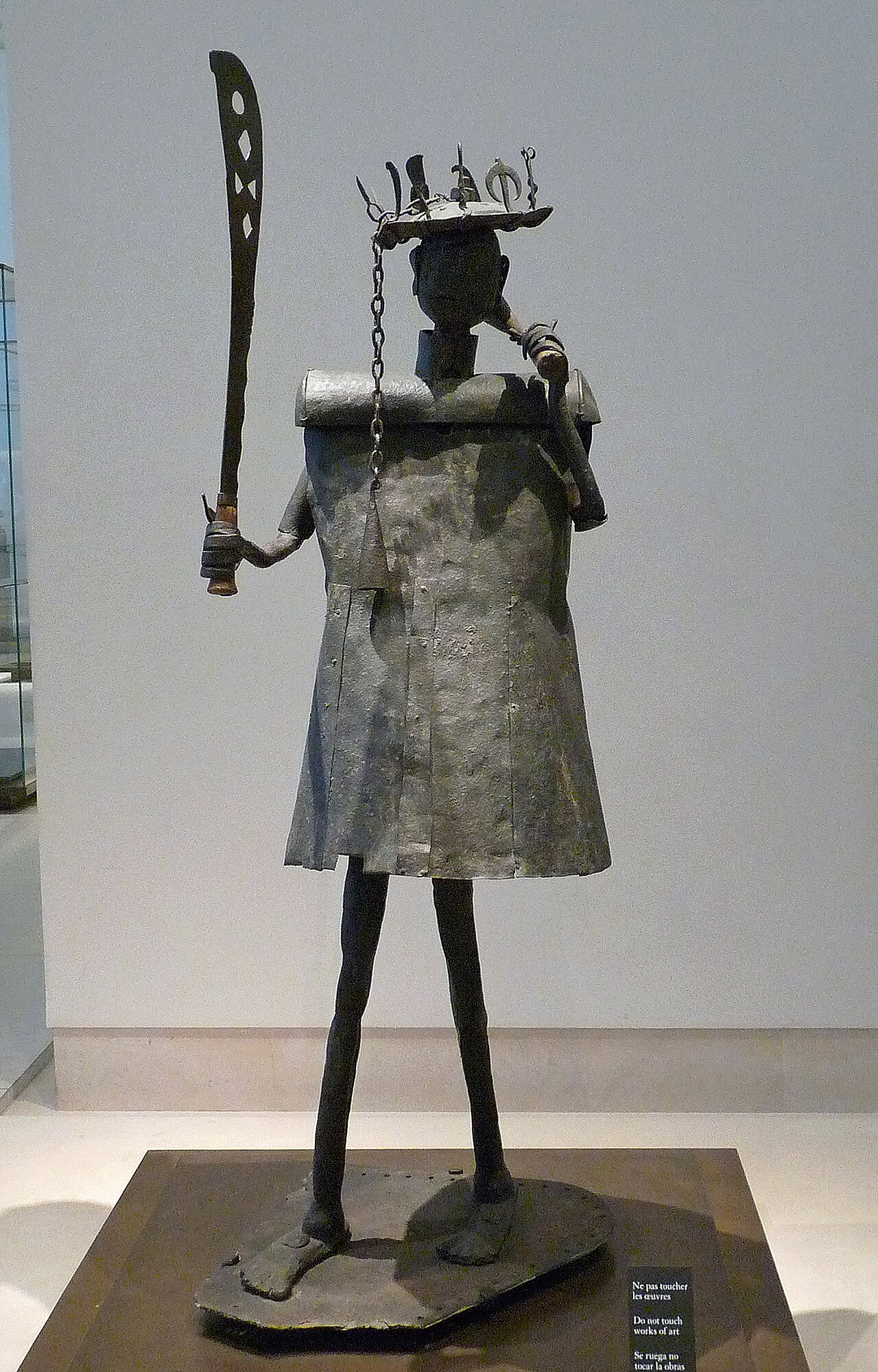
fon sculpture-71.1894.32.1
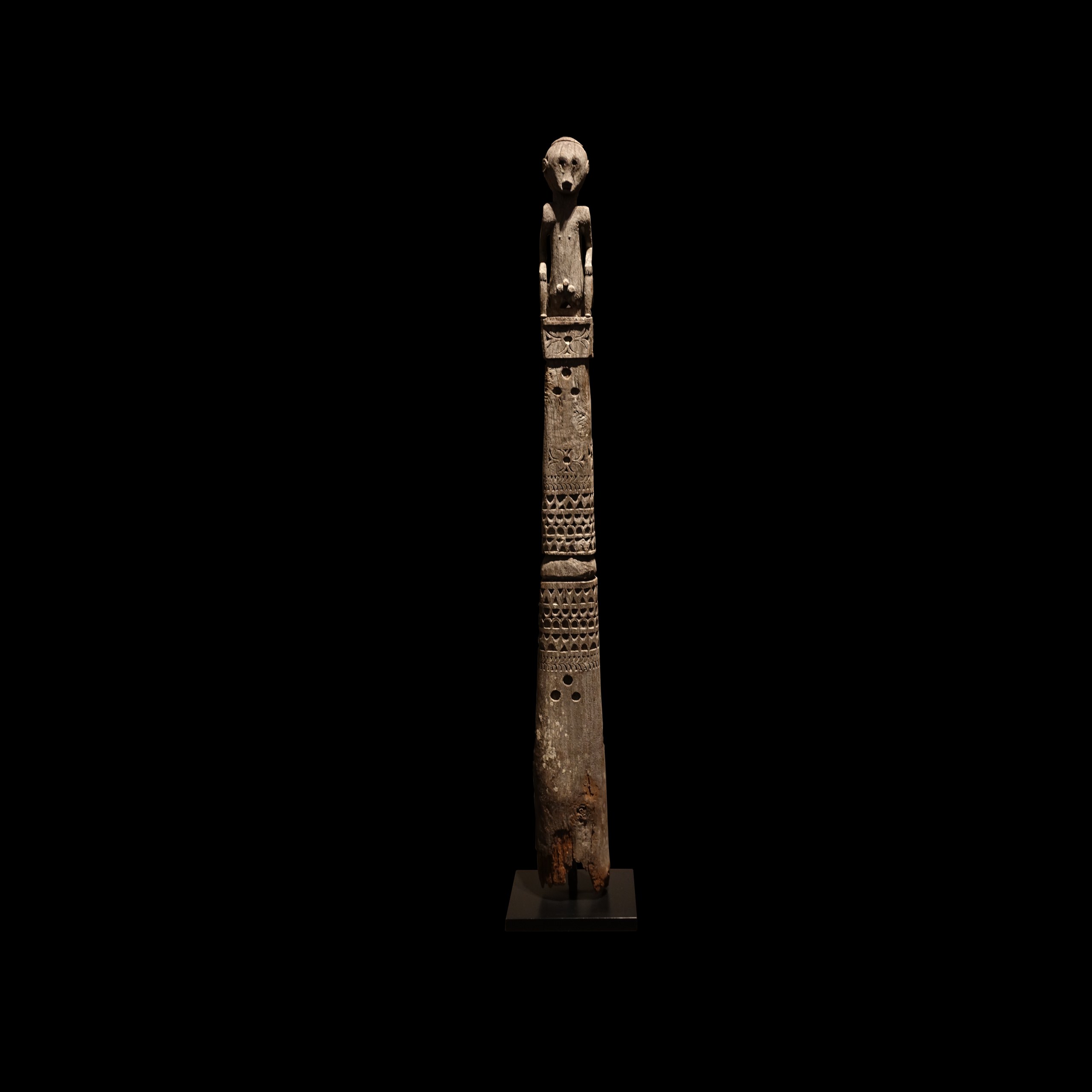
Ana deo 70.1999.5.2.2
1800
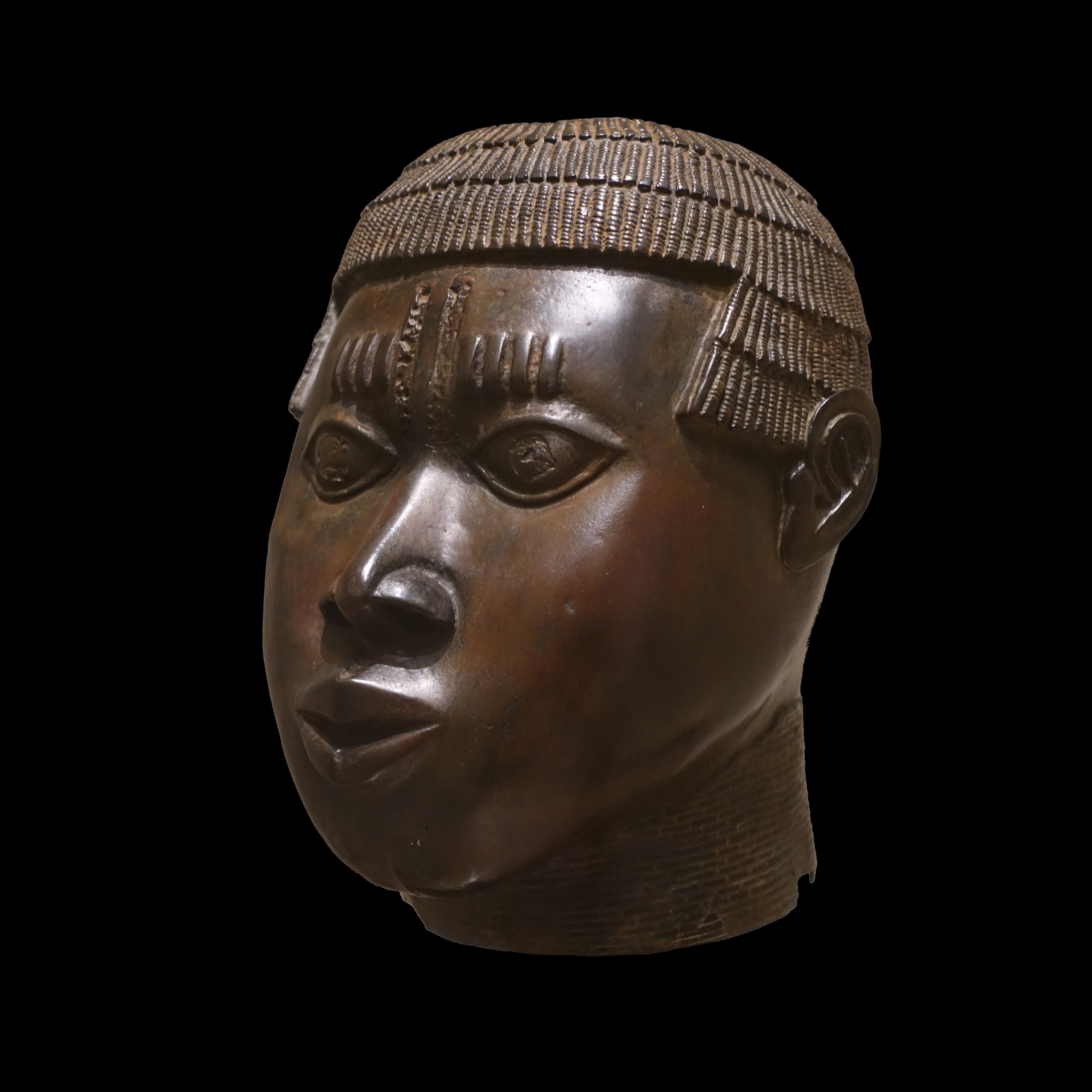
Uhum welao 73.1997.14.1
1500
The collections
The museum contains the collections of the now-closed and the ethnographic department of the, plus recently acquired objects. The permanent collection has 300,000 works, 700,000 photographs, 320,000 documents, 10,000 musical instruments, and 25,000 pieces of textile or clothing. The main collections area displays about 3500 objects, rotating 500 each year. The museum presents both permanent exhibitions and large temporary exhibits that change every six months. It also offers thematic exhibits featuring masks and tapa cloth from Oceania, costumes from Asia, and musical instruments and textiles from Africa.
What can be returned, and who decides
The museum's African collections include objects taken during the colonial period, and it does not decide their fate. French national collections are inalienable, so until 2026 each return needed its own act of parliament: that is how 26 objects looted from Abomey went back to Benin in 2021, and how the Djidji Ayokwe drum went back to Cote d'Ivoire in 2026. A framework law passed on 9 May 2026, which the museum says it welcomes, now sets the terms. A claim must come from a single sovereign state, must show that the object was taken by theft, looting, coercion or by someone with no right to give it, and must fall between 20 November 1815 and 23 April 1972. Benin describes the same objects as royal treasures, and passed a 164 article heritage law of its own in October 2021 to receive them. The museum states that not everything from Africa will be returned, and that it is researching where its collections came from.
Artists
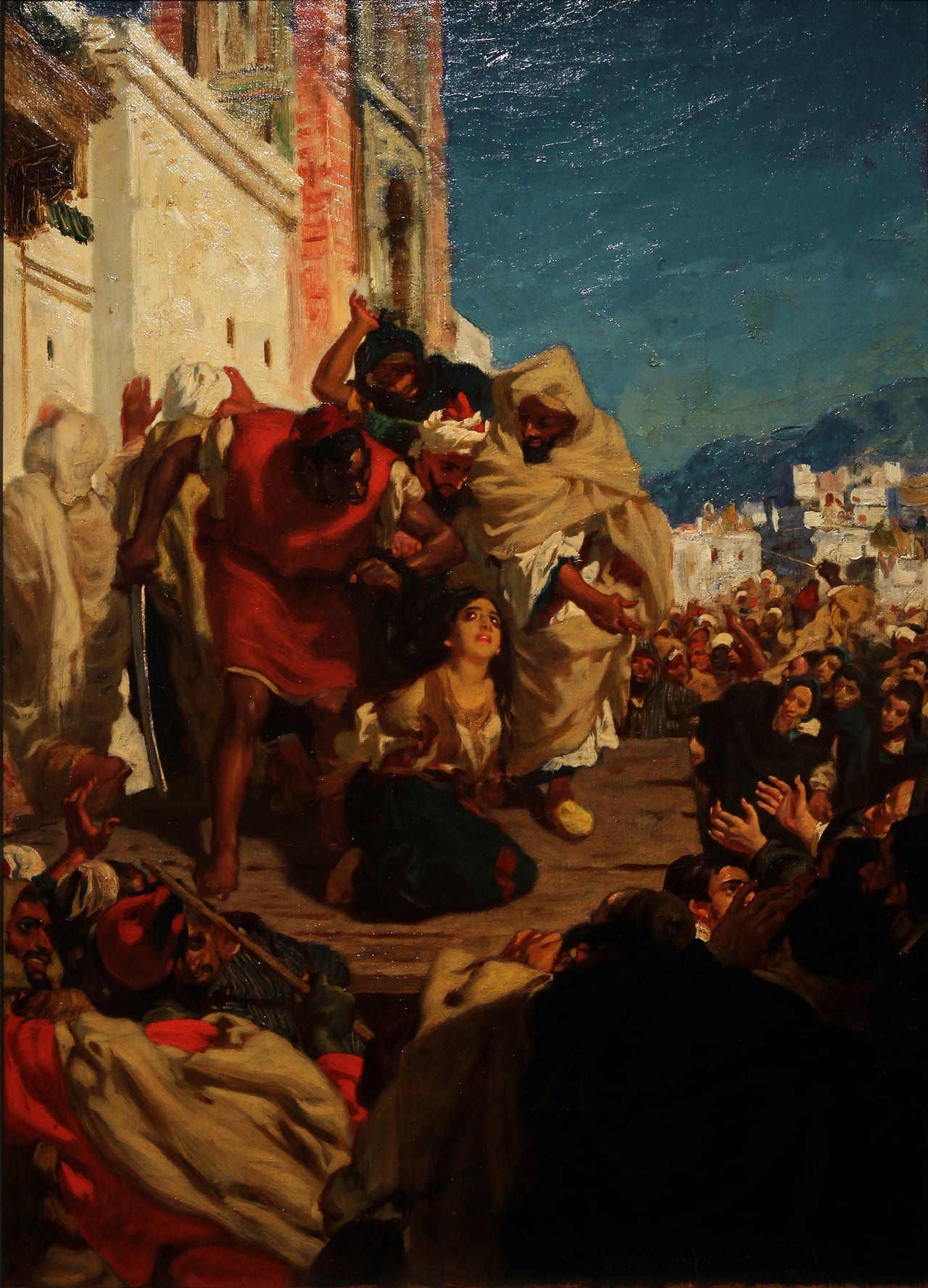
France · 1822–1882
Alfred Dehodencq (23 April 1822, 2 January 1882; born Edmé-Alexis-Alfred Dehodencq) was a French Orientalist painter known for his vivid oil paintings of Andalusian and North African scenes.
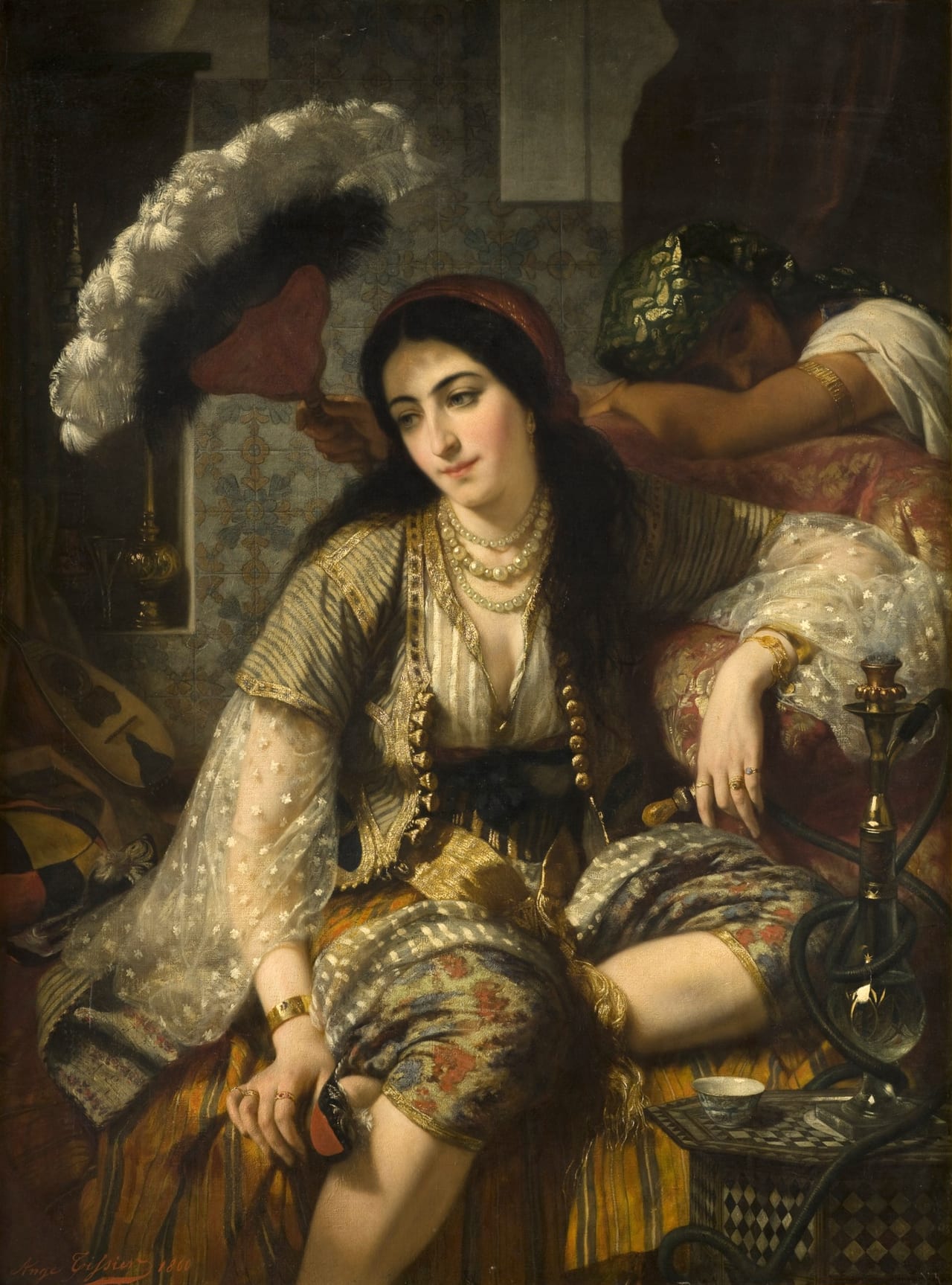
France · 1814–1876
Jean-Baptiste-Ange Tissier was a French painter in the Romantic style. He was primarily a portraitist and was an official artist of the Second Empire.
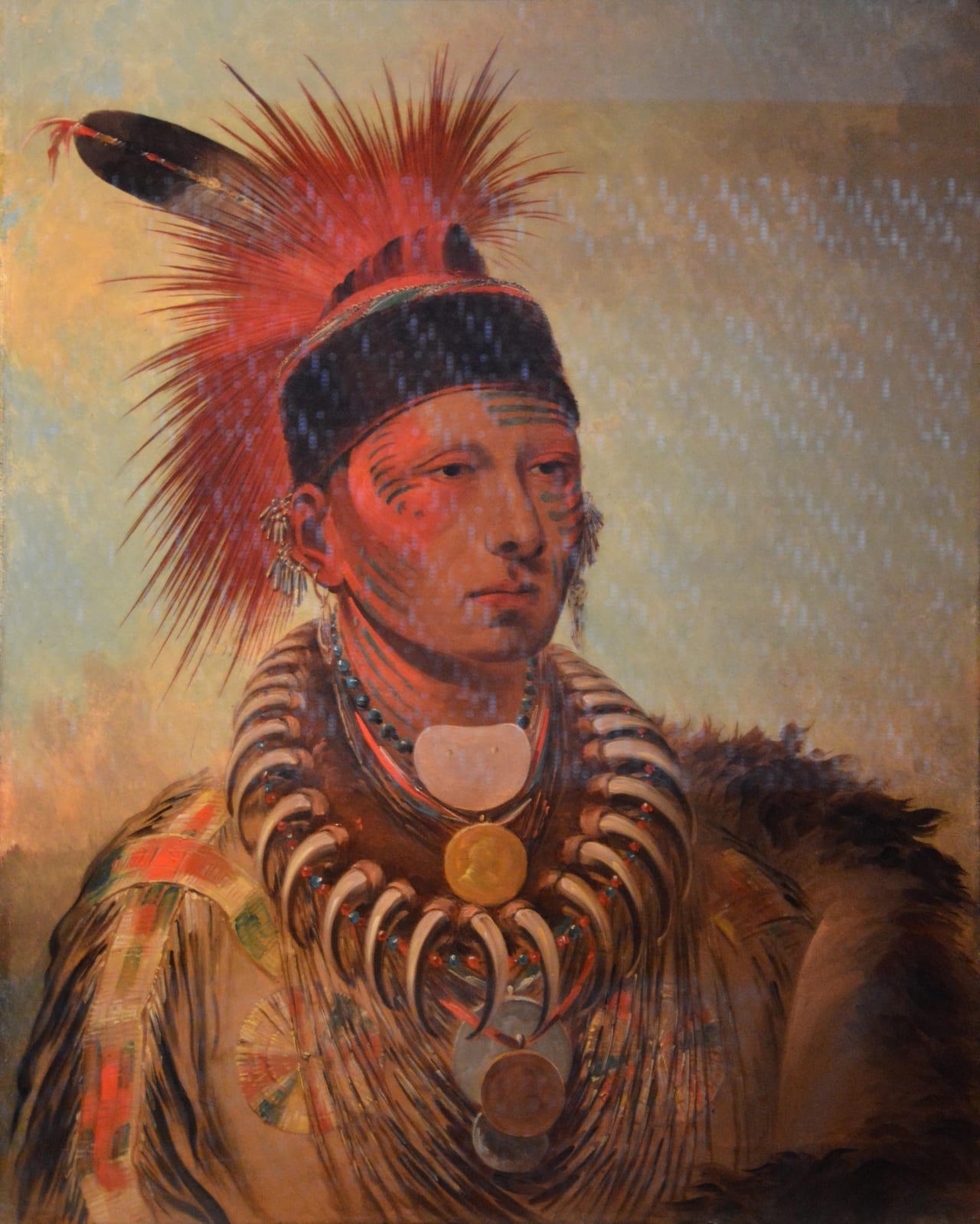
United States · 1796–1872 · realism
George Catlin was an American lawyer, painter, author, and traveler, who specialized in portraits of Native Americans in the American frontier.
Artworks
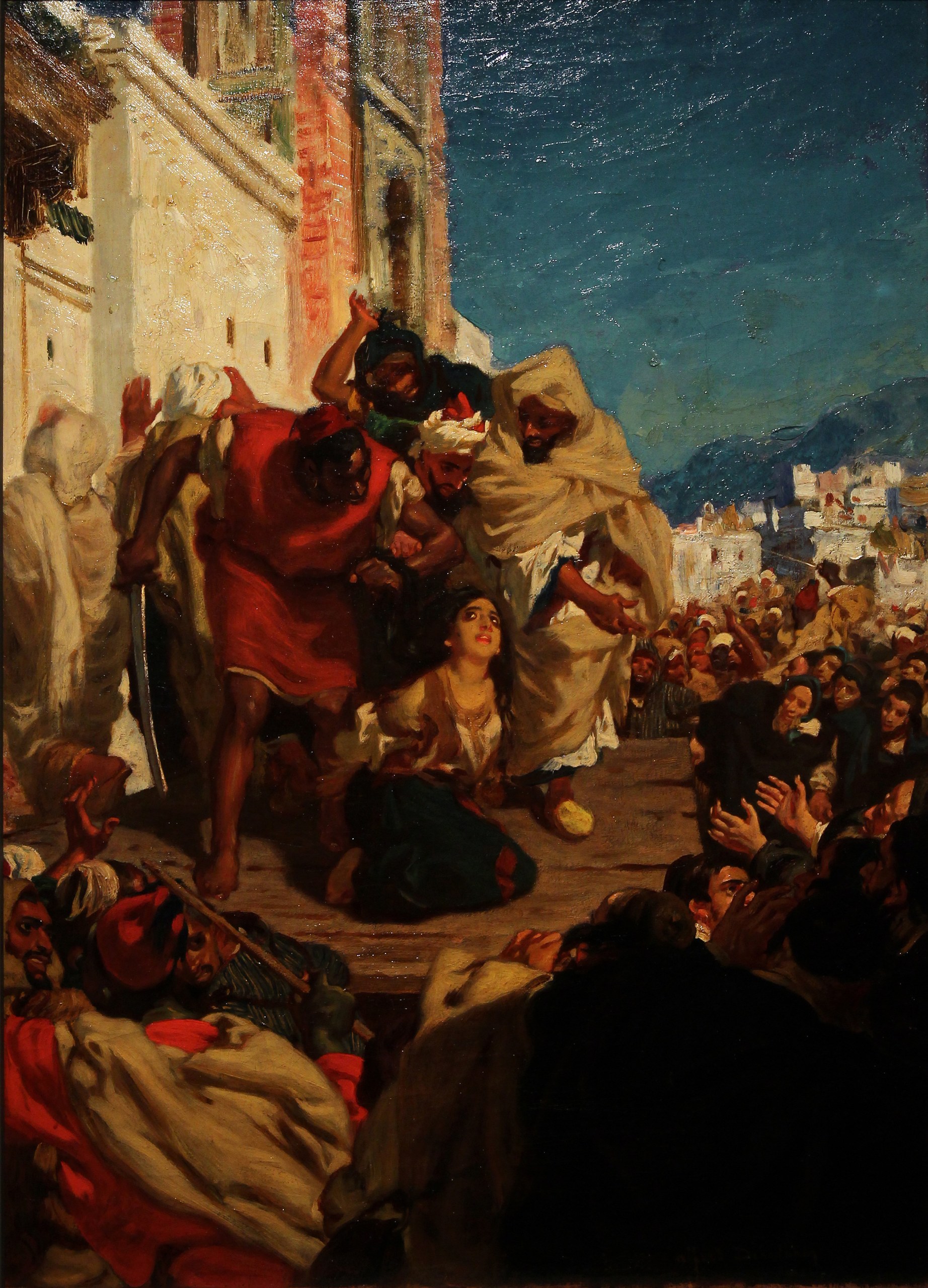
Execution of a Moroccan Jewess
Alfred Dehodencq · 1860
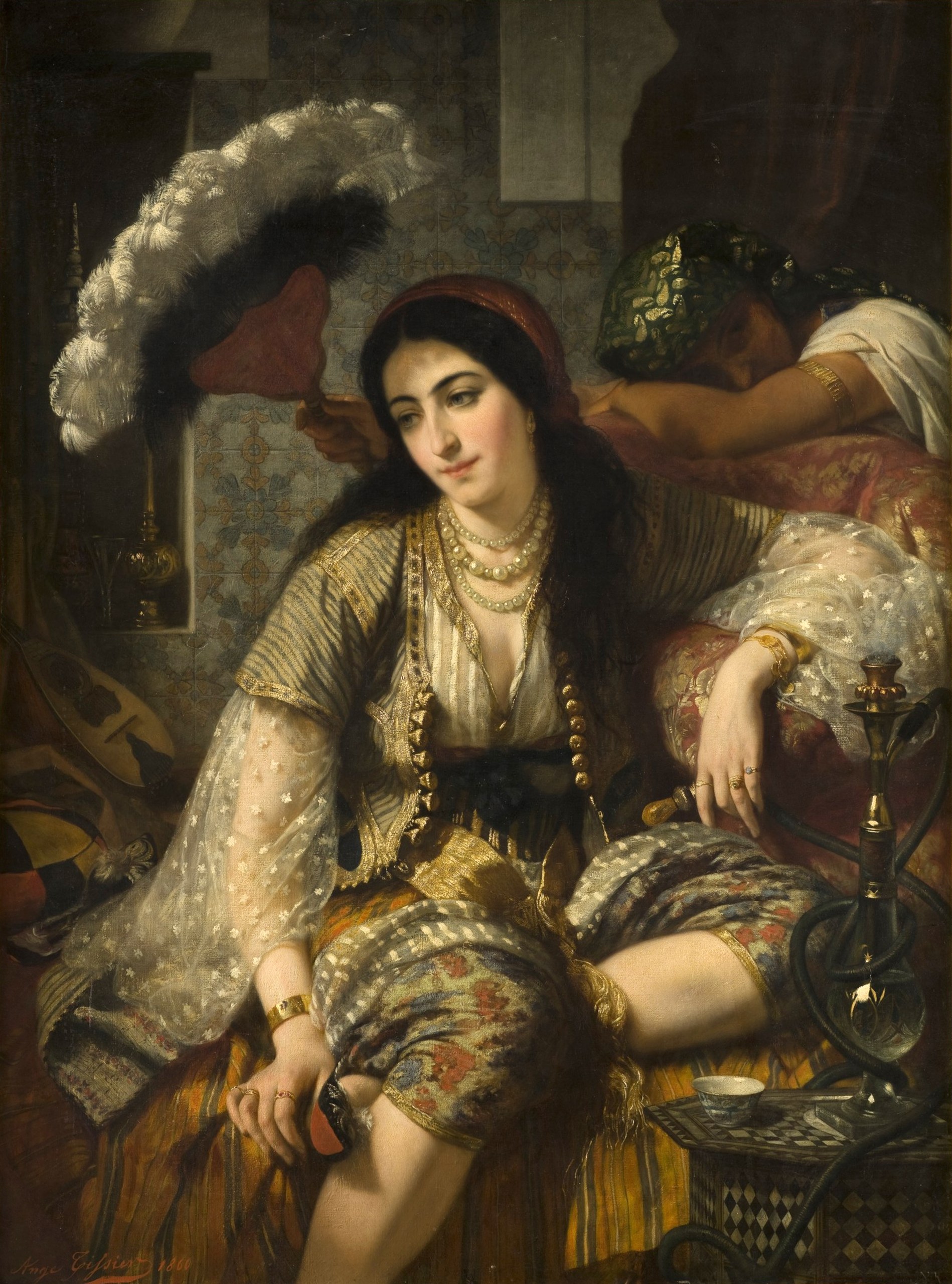
Algerian woman and her slave
Ange Tissier · 1860
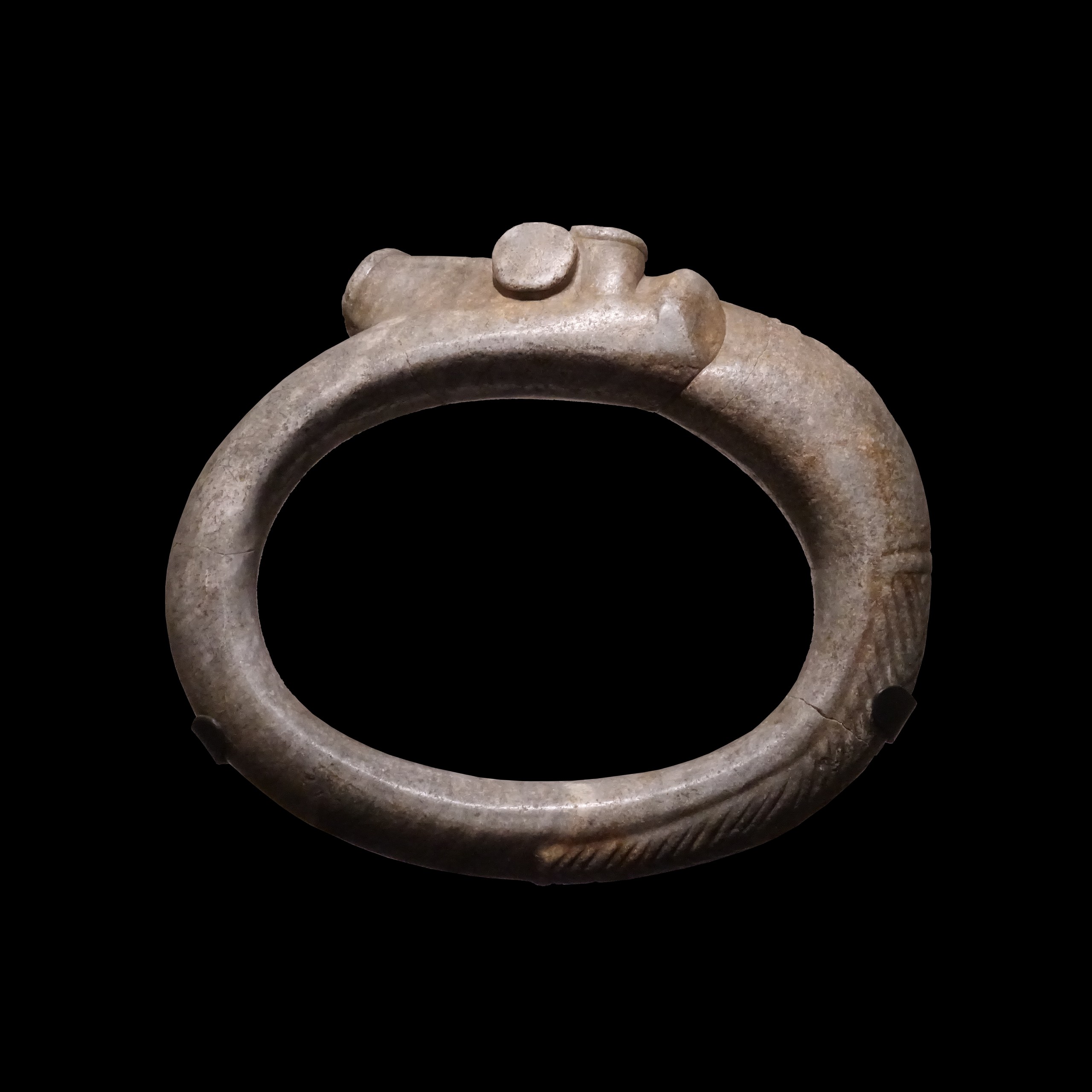
taino necklace-71.1927.4.1
1300
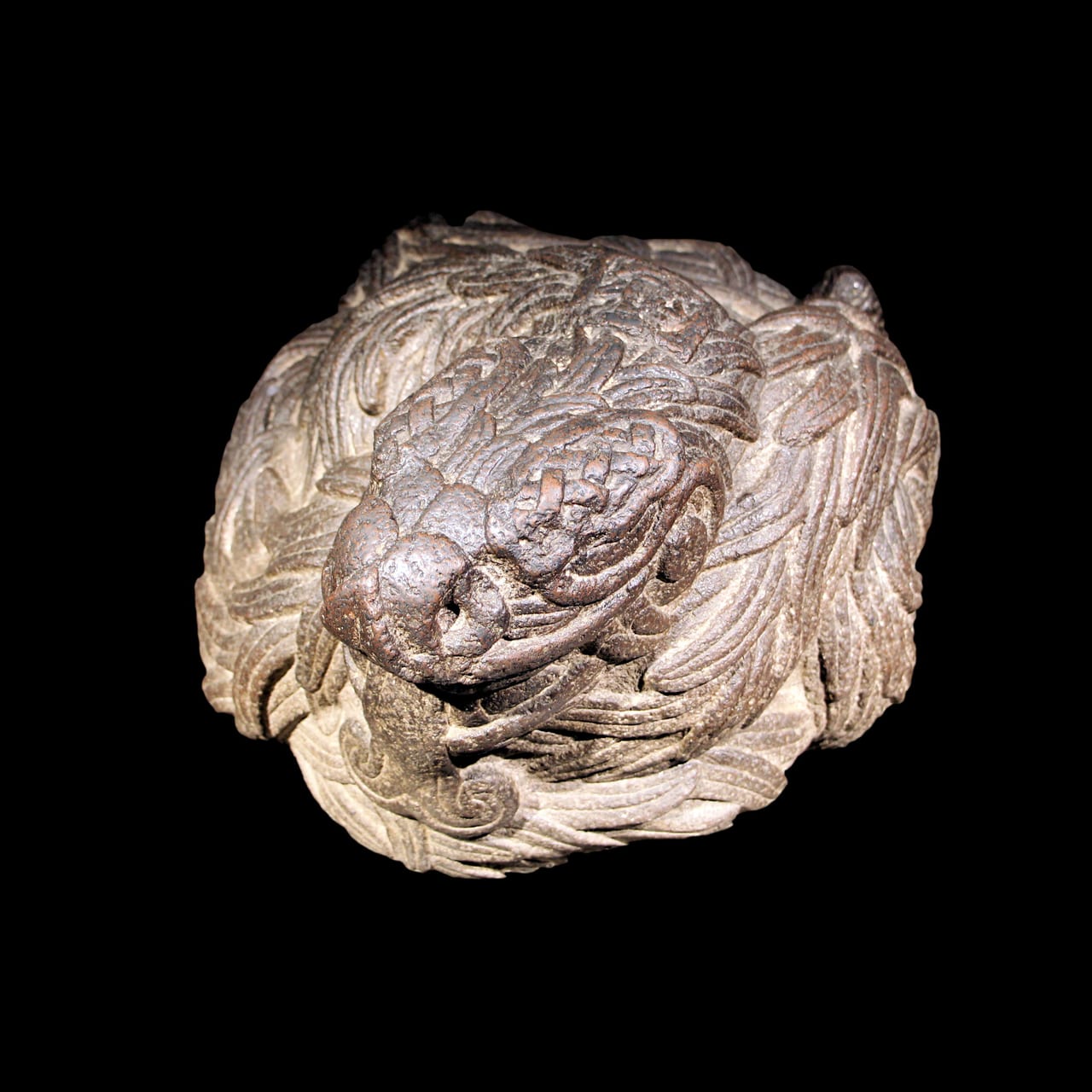
Quetzalcoatl, the feathered serpent
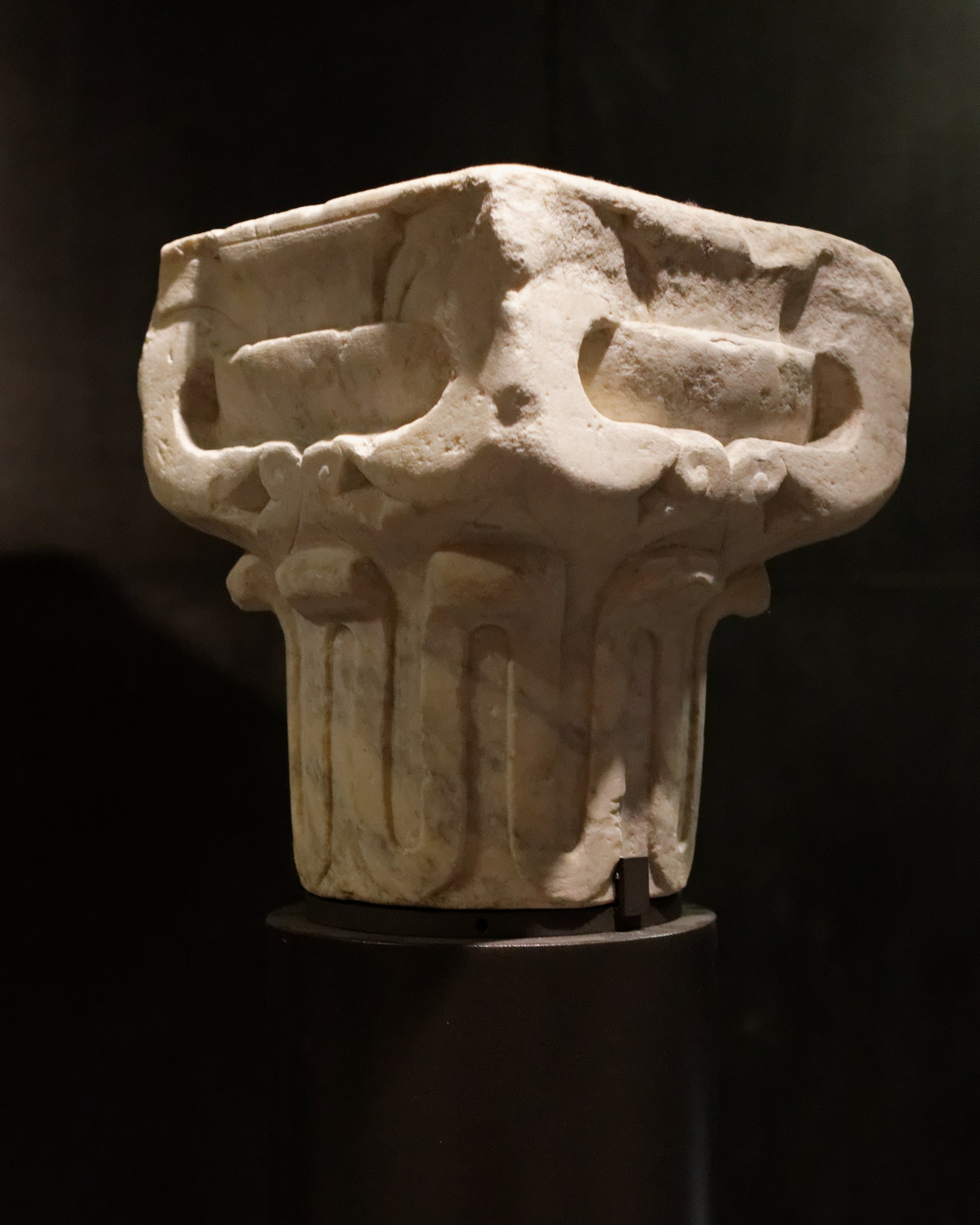
Capital
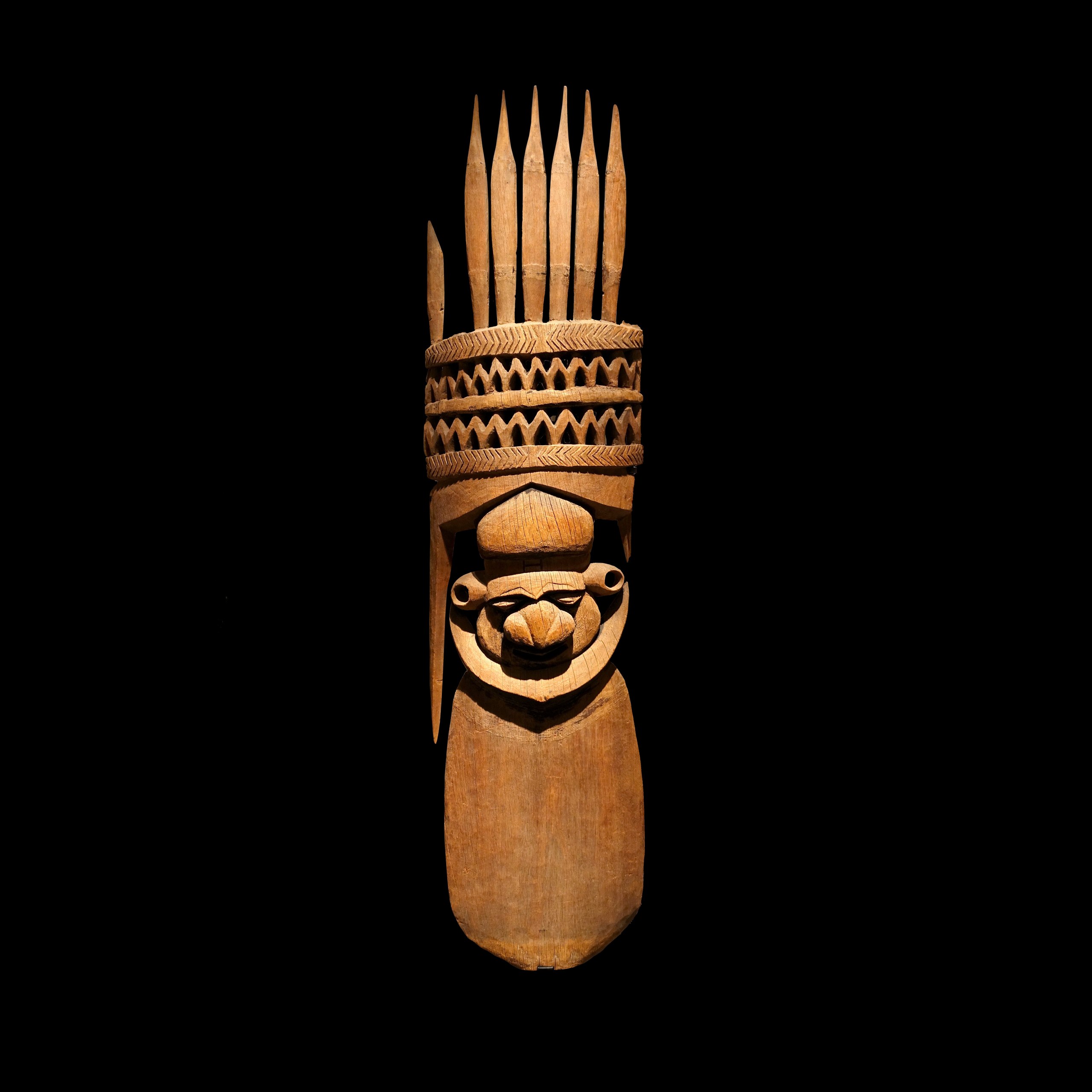
kanak sculpture-71.1945.5.1
1500
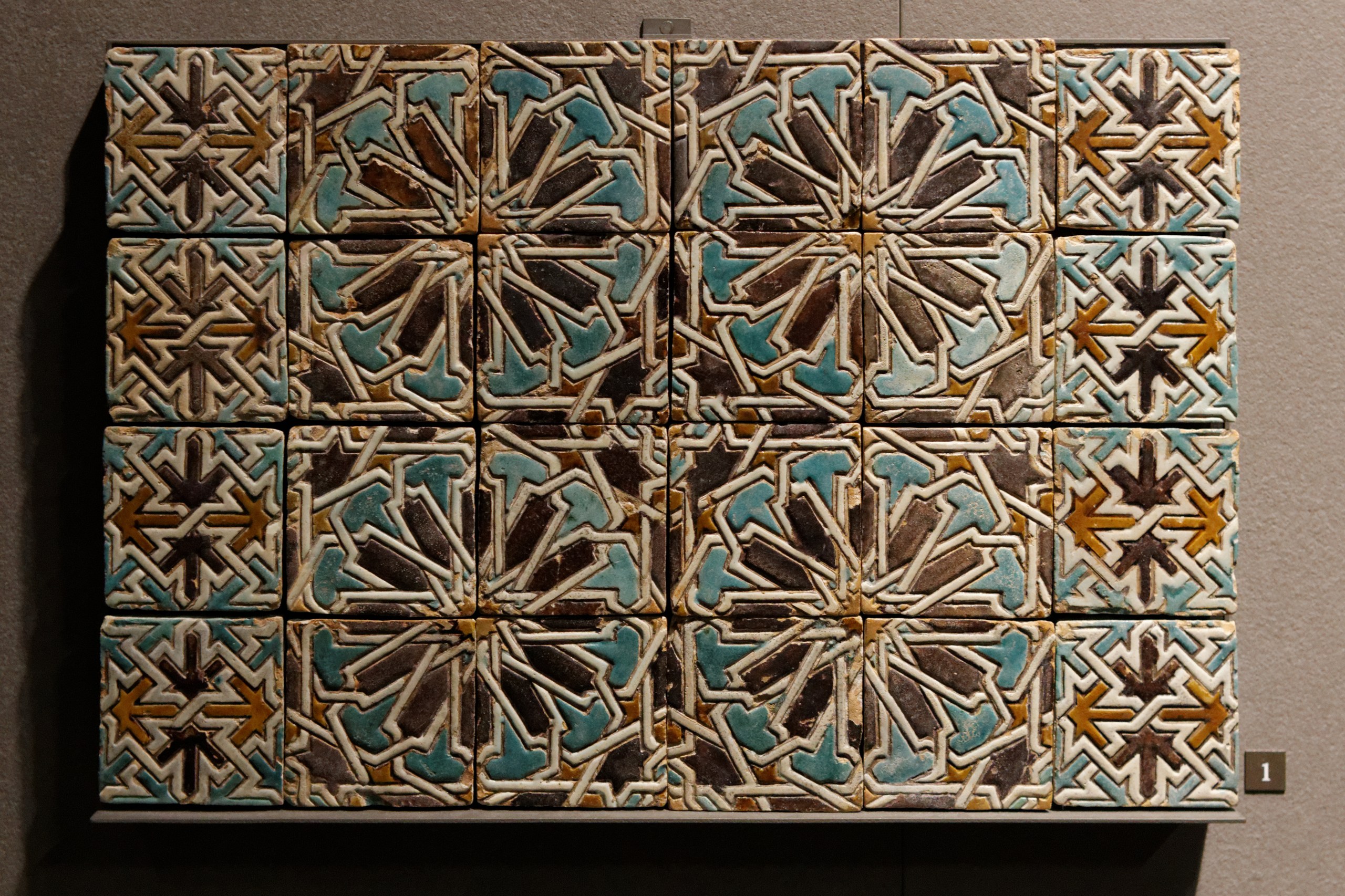
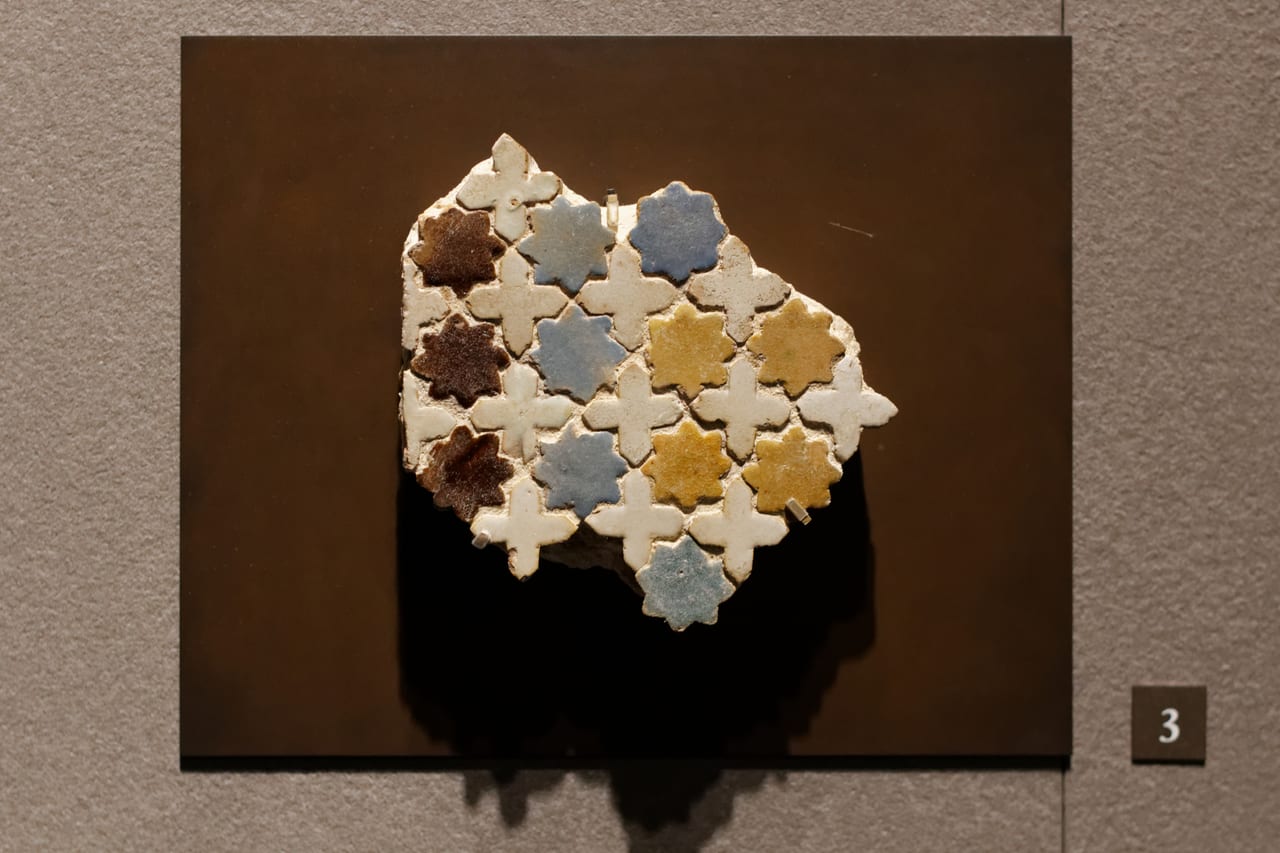
Tiles
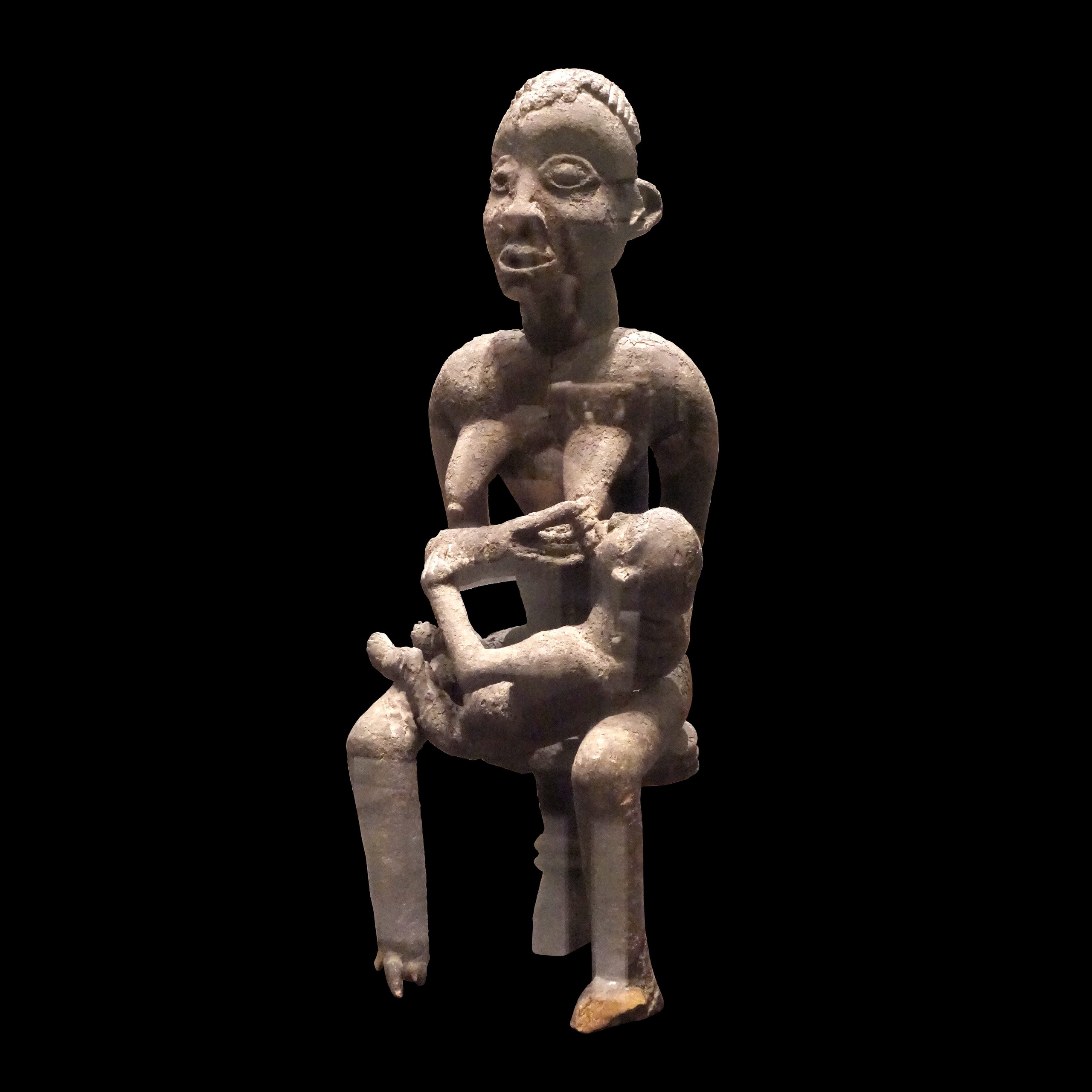
maternity-73.1994.11.1
1900
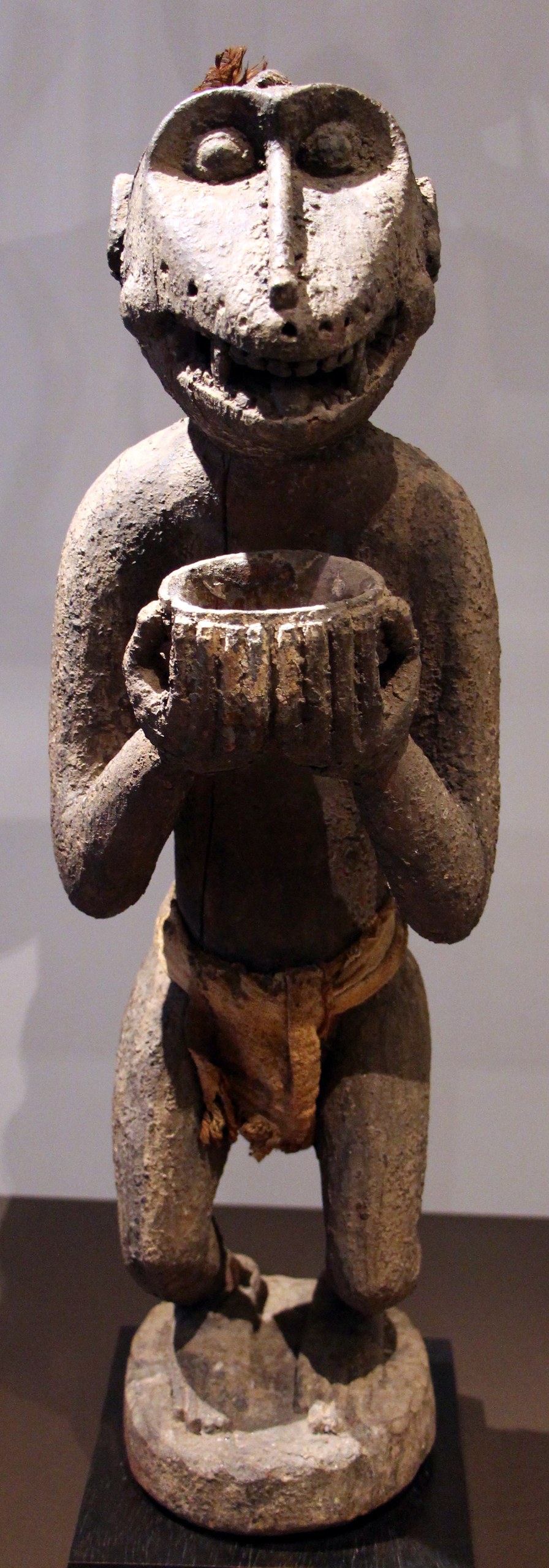
Asie usu cult figure
1900
Plan your visit
Hours
Tuesday to Sunday, 10.30am to 7pm, and Thursday until 10pm. Closed Monday. Confirm on quaibranly.fr before you travel.
On their own site
Opening hours, tickets and current exhibitions are on the museum’s own site.
More guides to explore
Invite Musée du quai Branly into your living room
100 works from this collection are available on Momentable, free to view, on your TV, phone, or tablet.