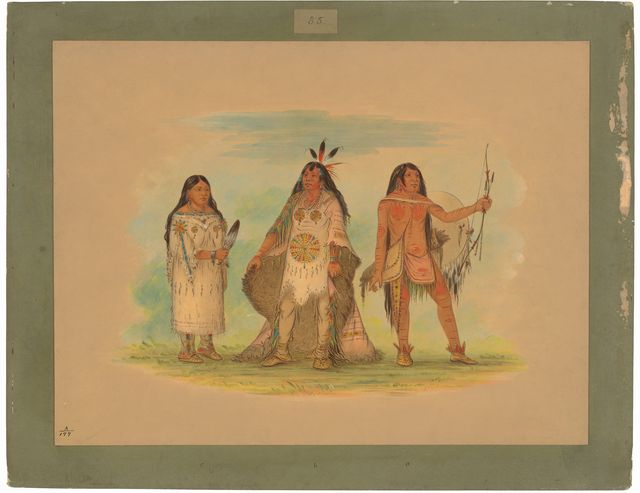
Three Minatarree Indians
George Catlin

George Catlin
United States · 1796–1872
George Catlin was an American lawyer, painter, author, and traveler, who specialized in portraits of Native Americans in the American frontier. Traveling to the American West five times during the 1830s, Catlin wrote about and painted portraits that depicted the life of the Plains Indians. His early work included engravings, drawn from nature, of sites along the route of the Erie Canal in New York State. Several of his renderings were published in one of the first printed books to use lithography, Cadwallader D. Colden's Memoir, Prepared at the Request of a Committee of the Common Council of the City of New York, and Presented to the Mayor of the City, at the Celebration of the Completion of the New York Canals, published in 1825, with early images of the City of Buffalo.
Independent artist guide by Momentable. Biography from Wikipedia; artworks credited to the museums that hold them.
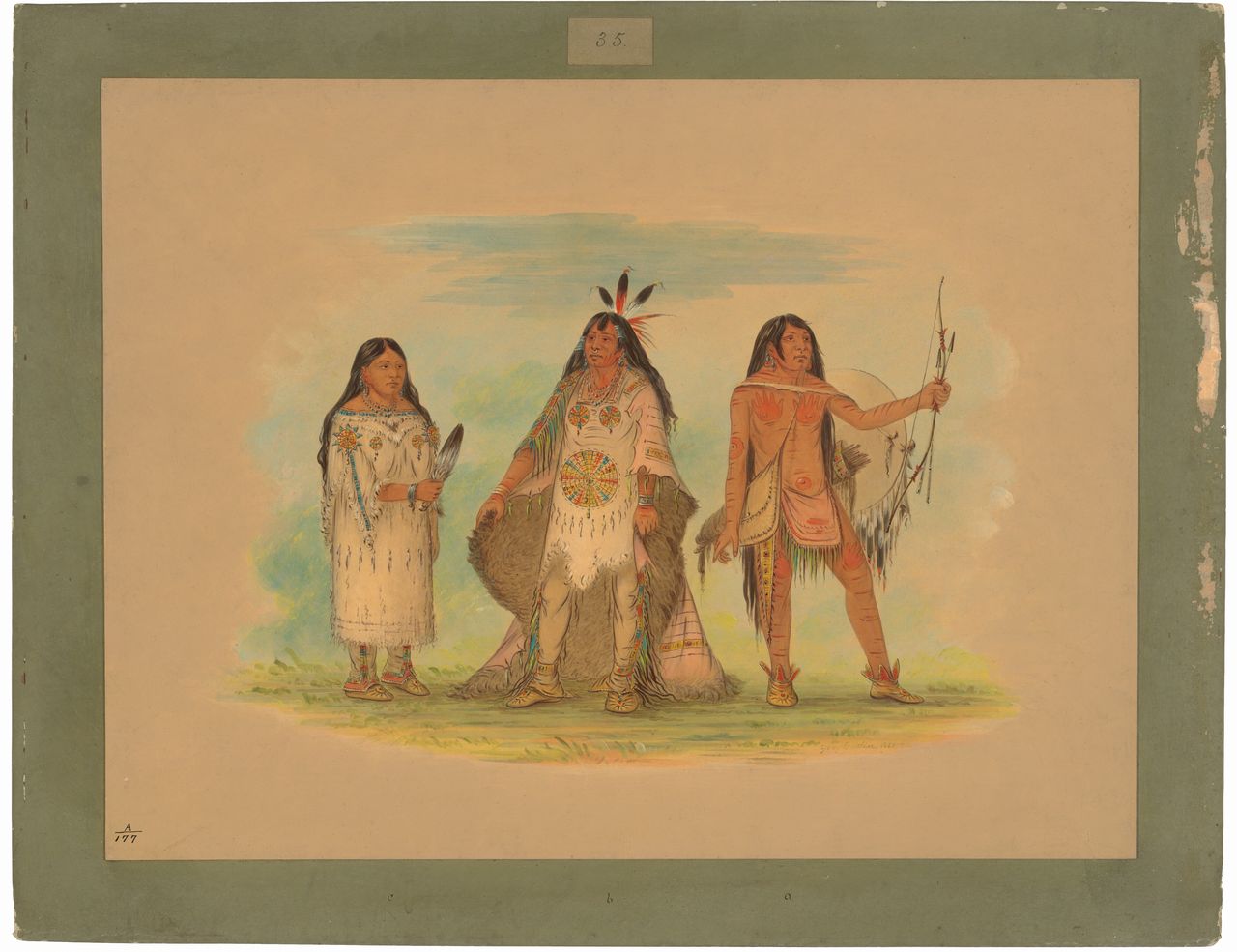 LIVENow streaming · Three Minatarree Indians
- works in the archive
- 224works in the archive
- life
- 1796–1872life
- movement
- realismmovement
The work
A selection of 40 works, free to stream.
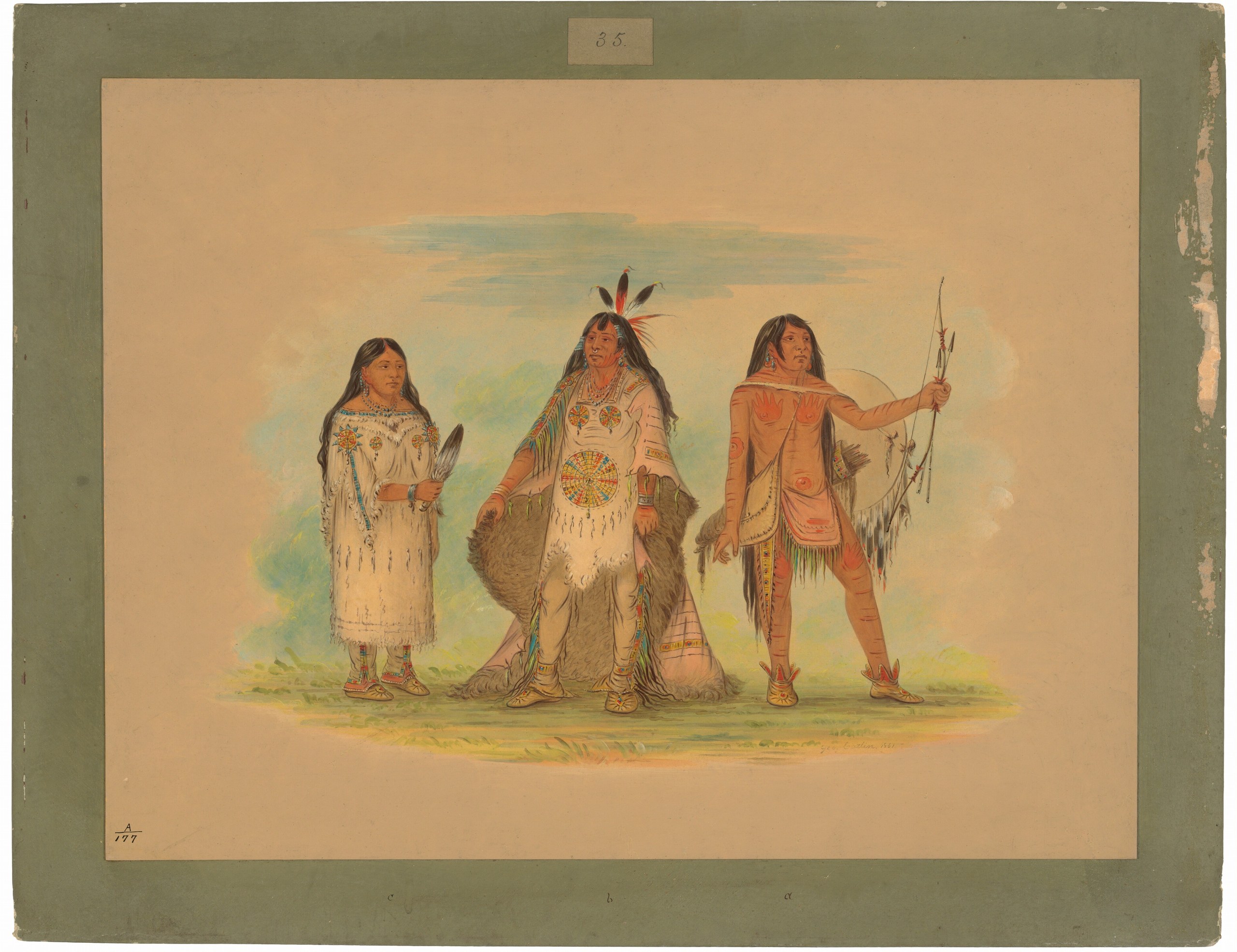
Three Minatarree Indians
George Catlin
National Gallery of Art
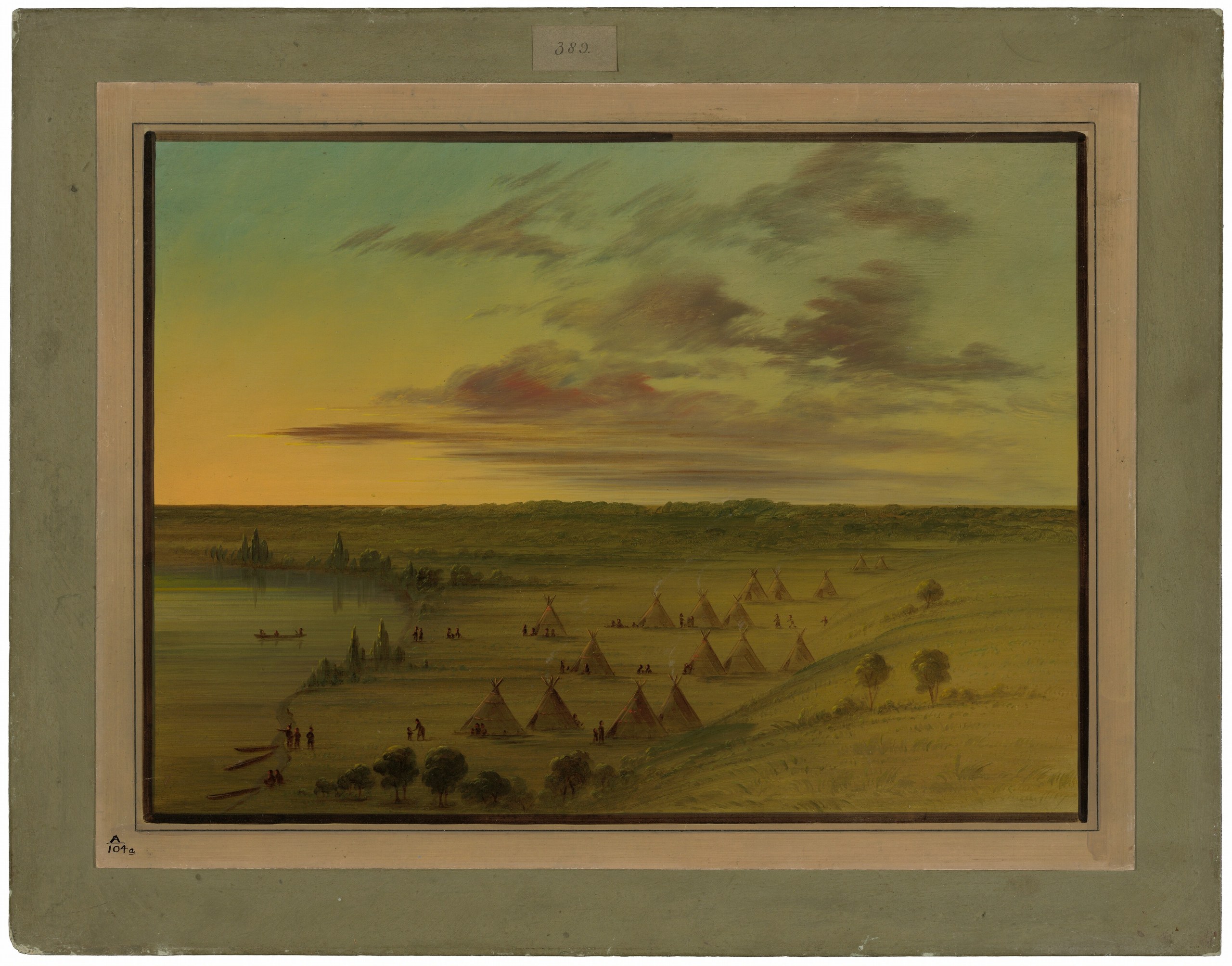
Sioux Village - Lac du Cygne
George Catlin
National Gallery of Art
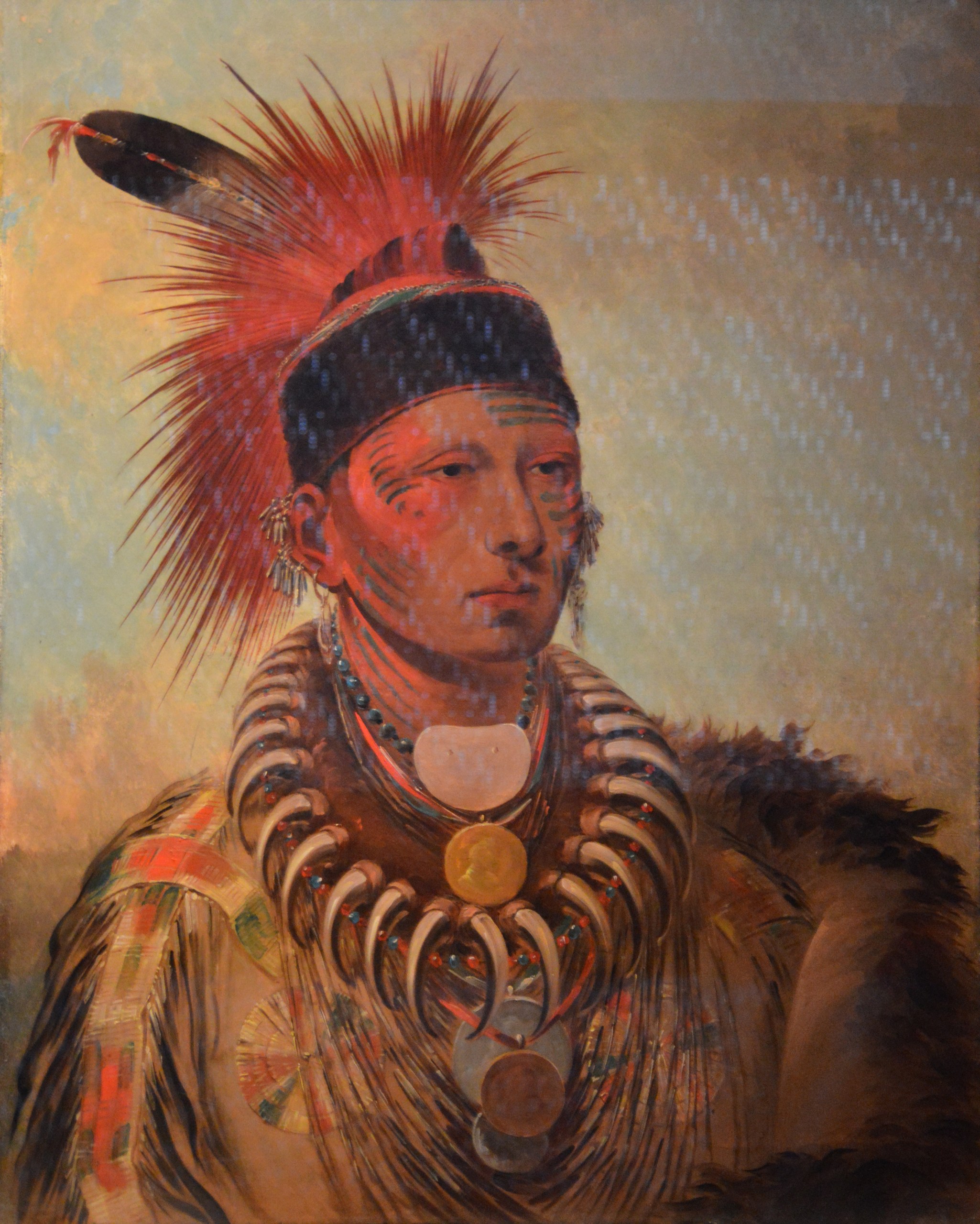
Untitled
George Catlin · 1846
Musée du quai Branly
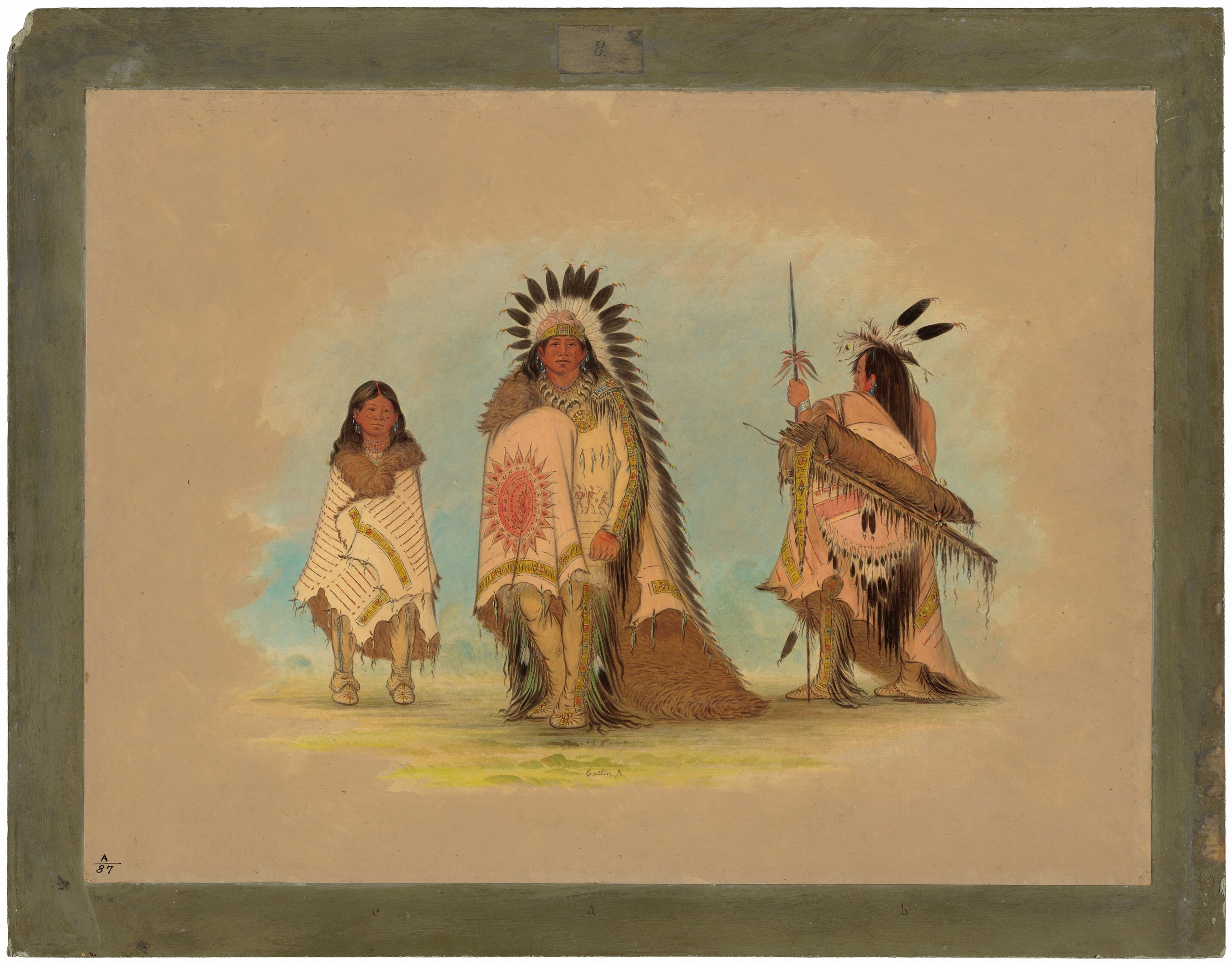
A Sioux Chief, His Daughter, and a Warrior
George Catlin
National Gallery of Art
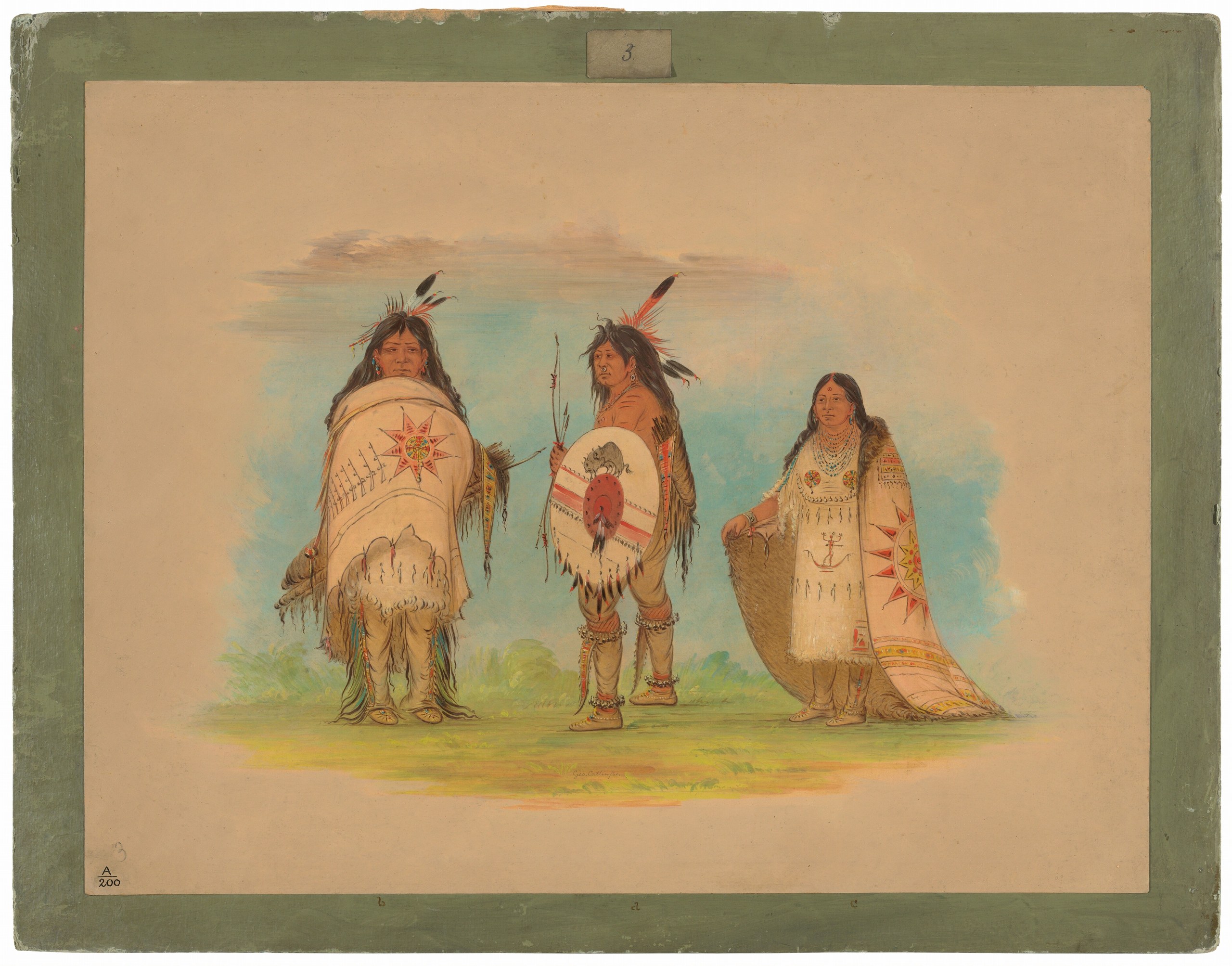
Three Riccarree Indians
George Catlin
National Gallery of Art
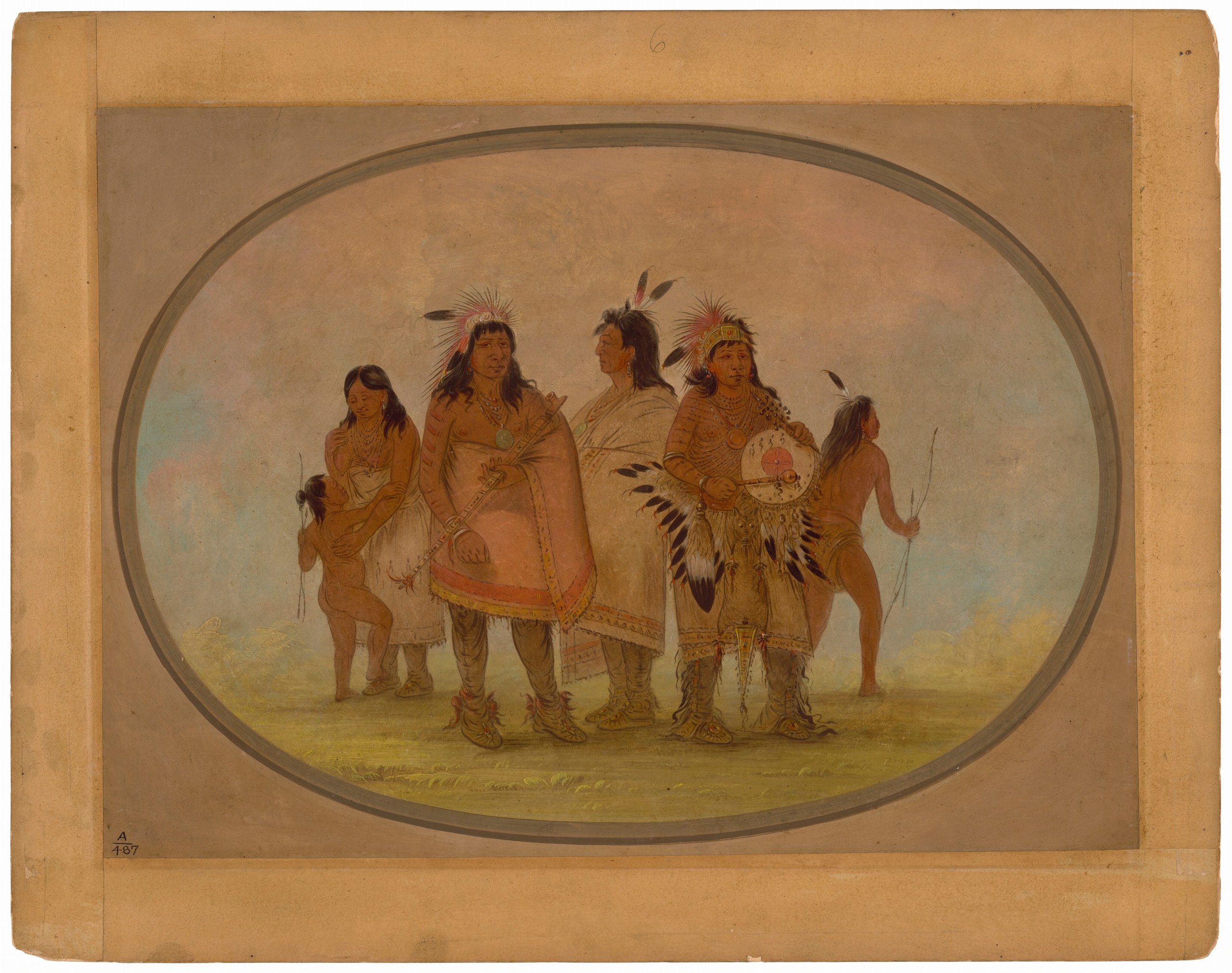
Two Sioux Chiefs, a Medicine Man, and a Woman with a Child
George Catlin
National Gallery of Art
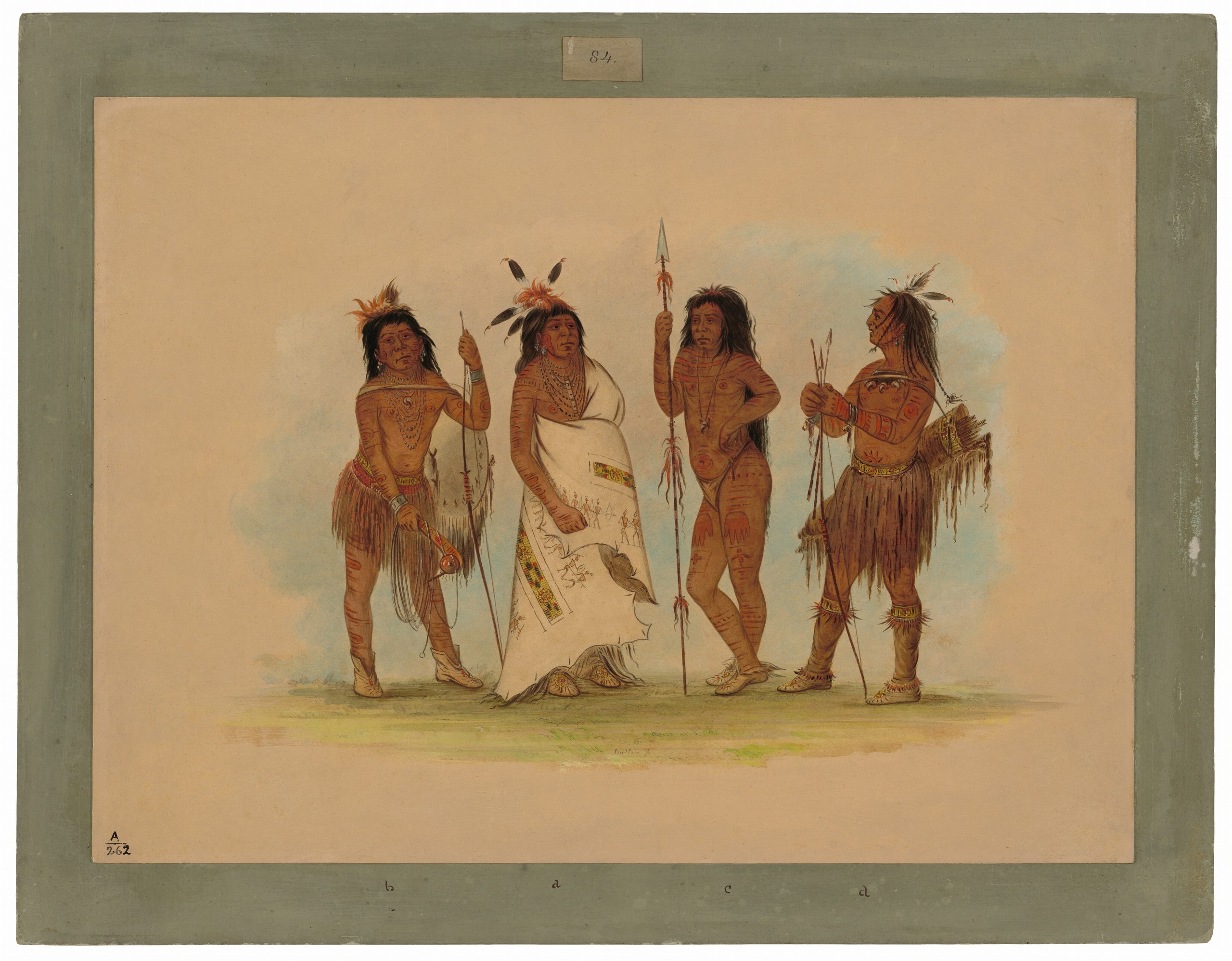
Apachee Chief and Three Warriors
George Catlin
National Gallery of Art
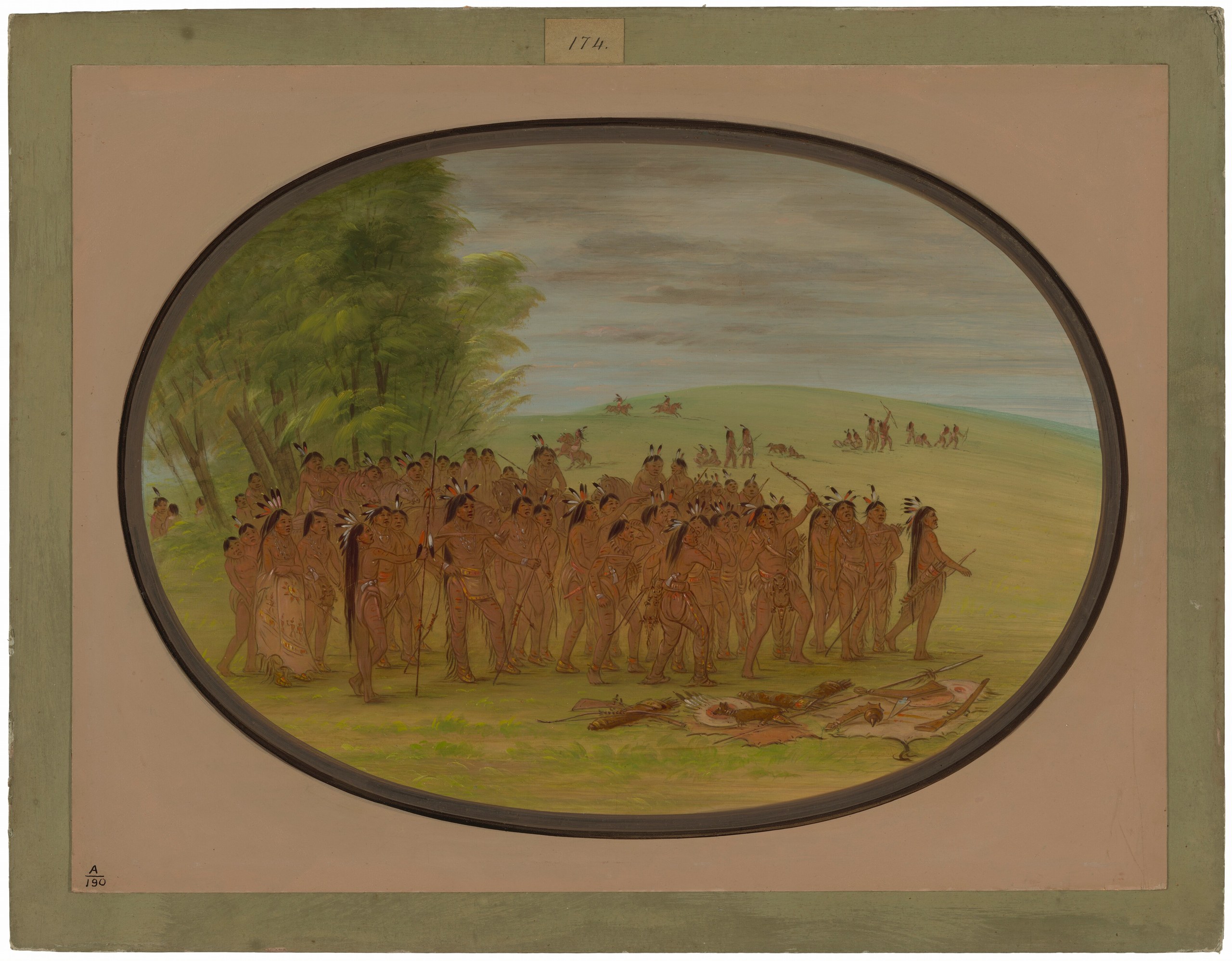
Game of the Arrow - Mandan
George Catlin
National Gallery of Art
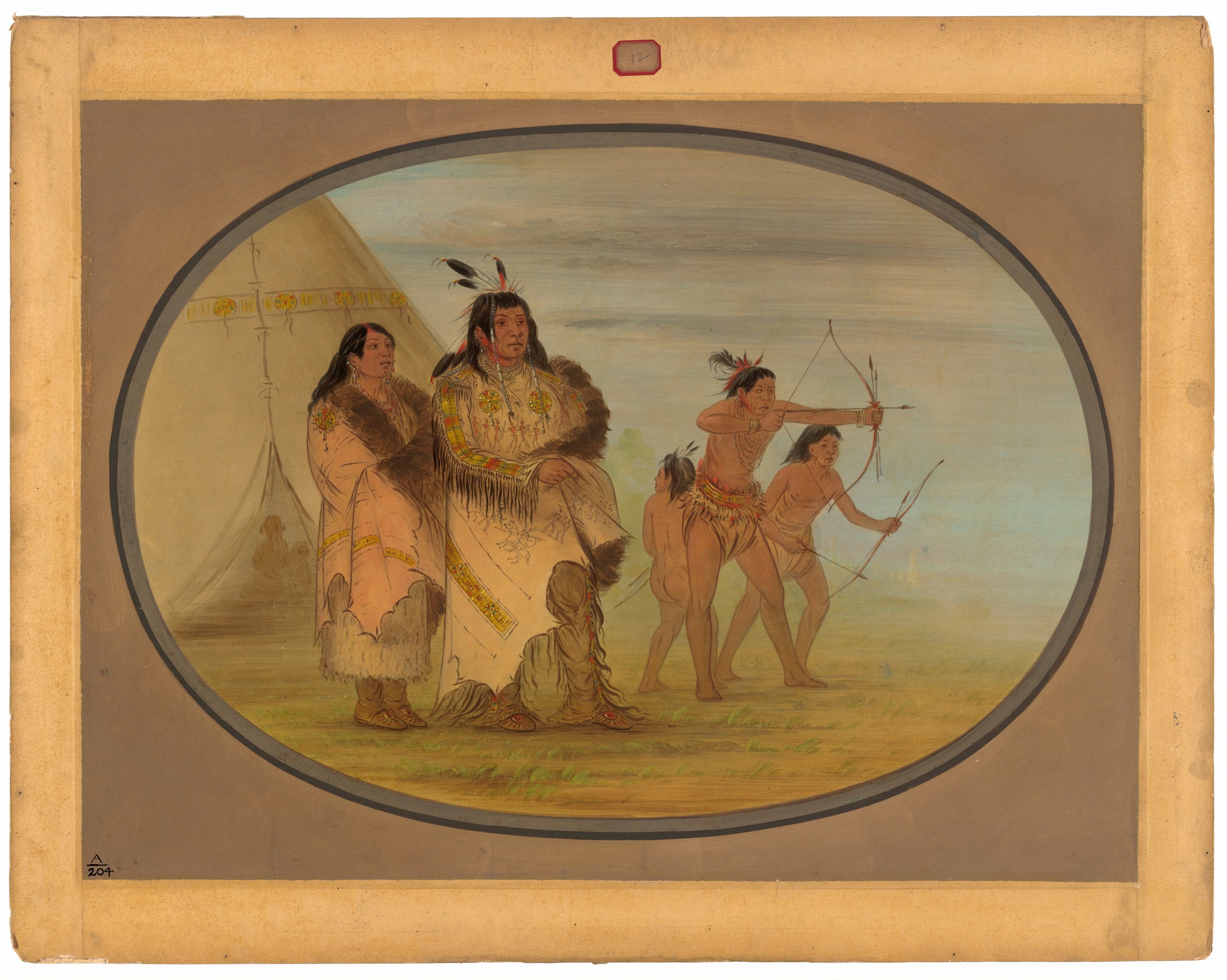
Ojibbeway Indians
George Catlin
National Gallery of Art
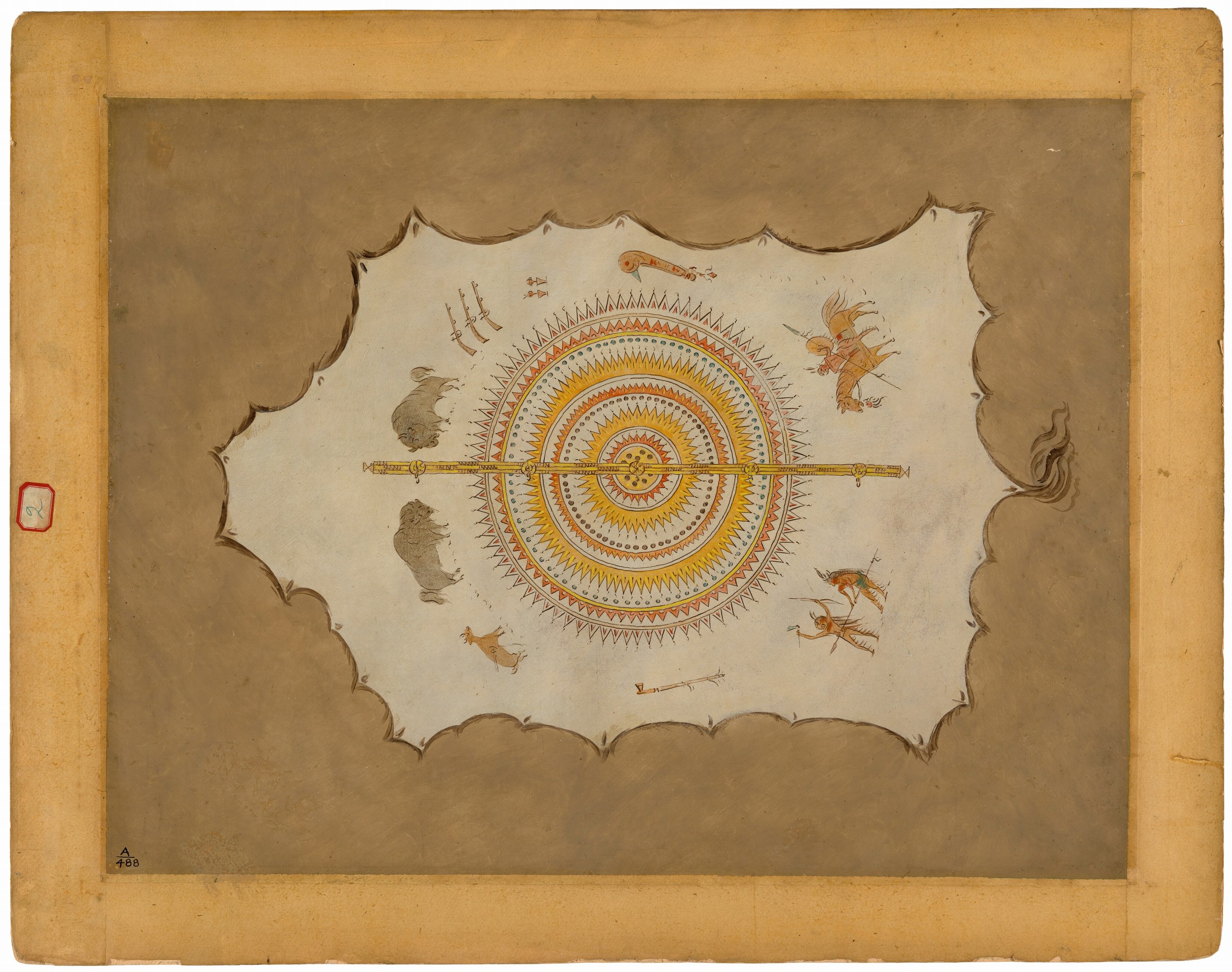
Facsimile of a Mandan Robe
George Catlin
National Gallery of Art
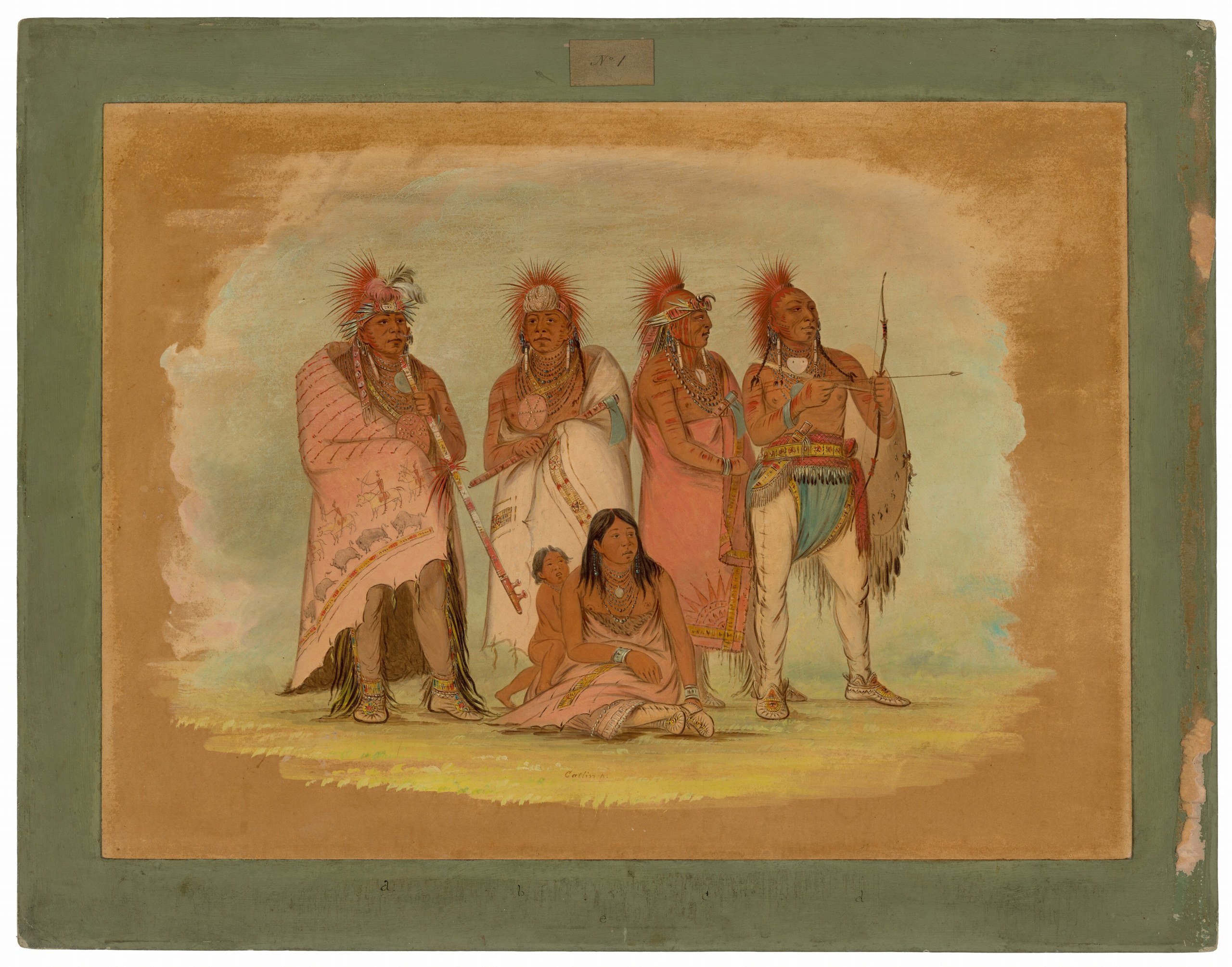
Chief and Members of the Konza Tribe
George Catlin
National Gallery of Art
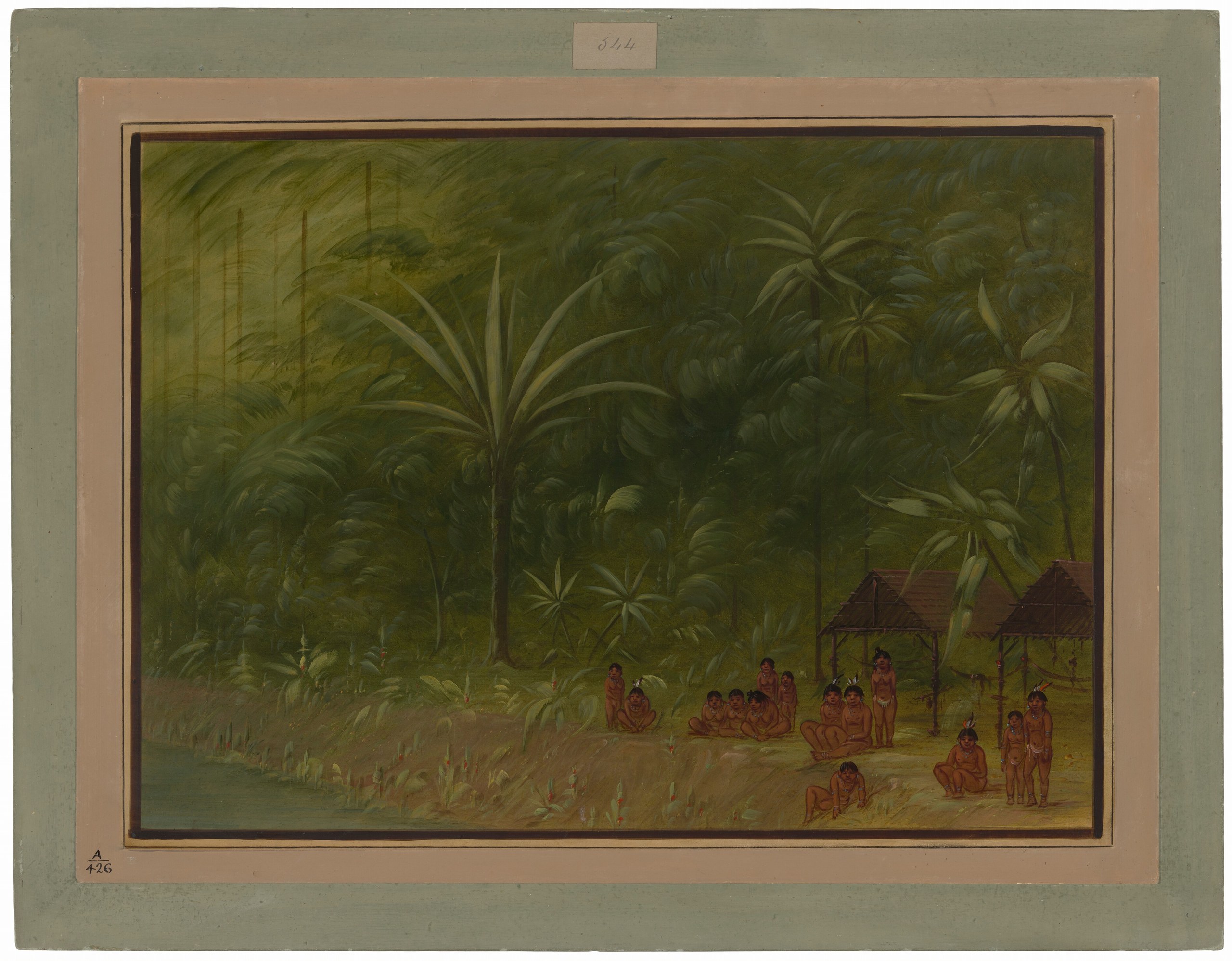
Encampment of Cocomas - Looking Ashore
George Catlin
National Gallery of Art
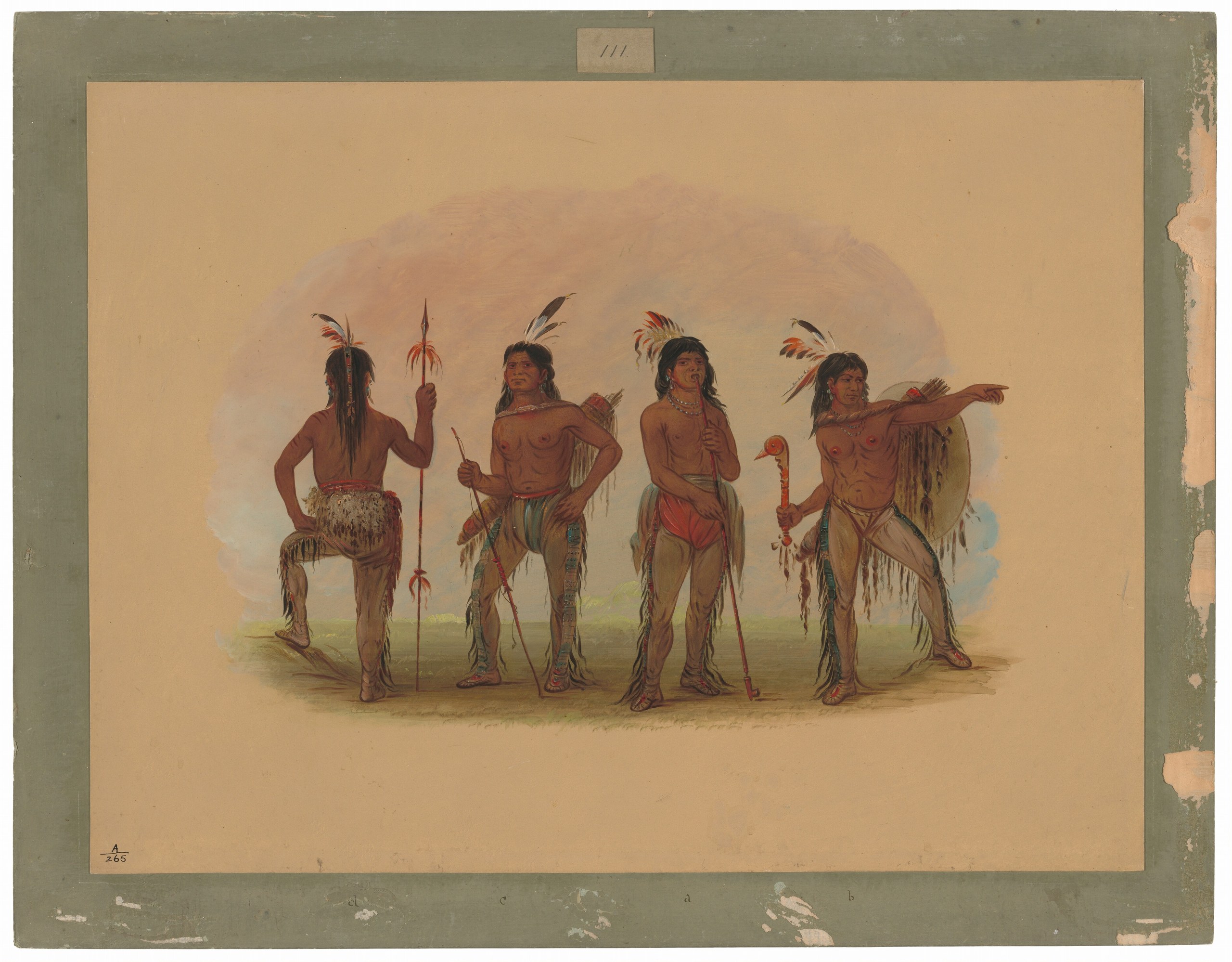
Four Navaho Warriors
George Catlin
National Gallery of Art
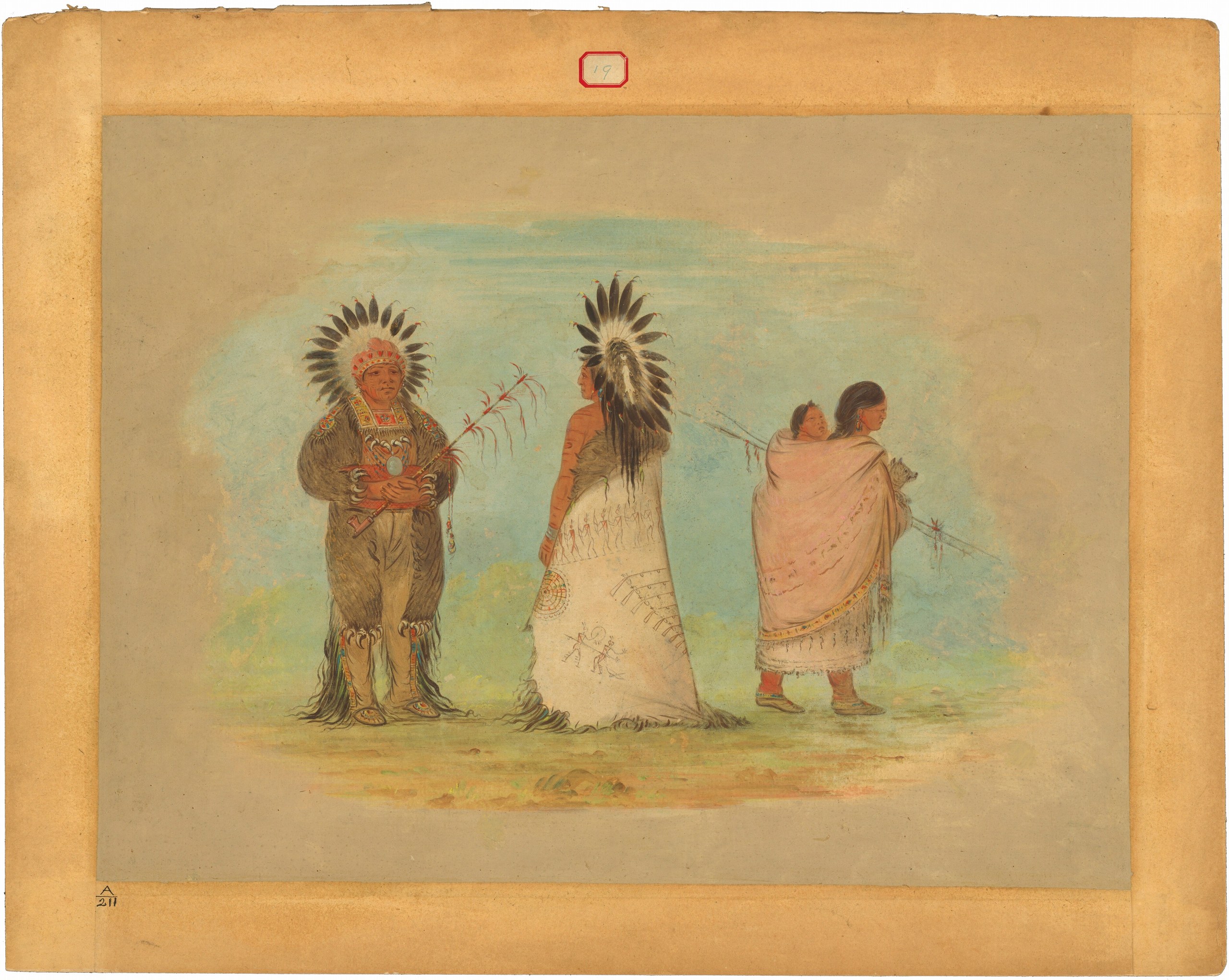
Two Ottoe Chiefs and a Woman
George Catlin
National Gallery of Art
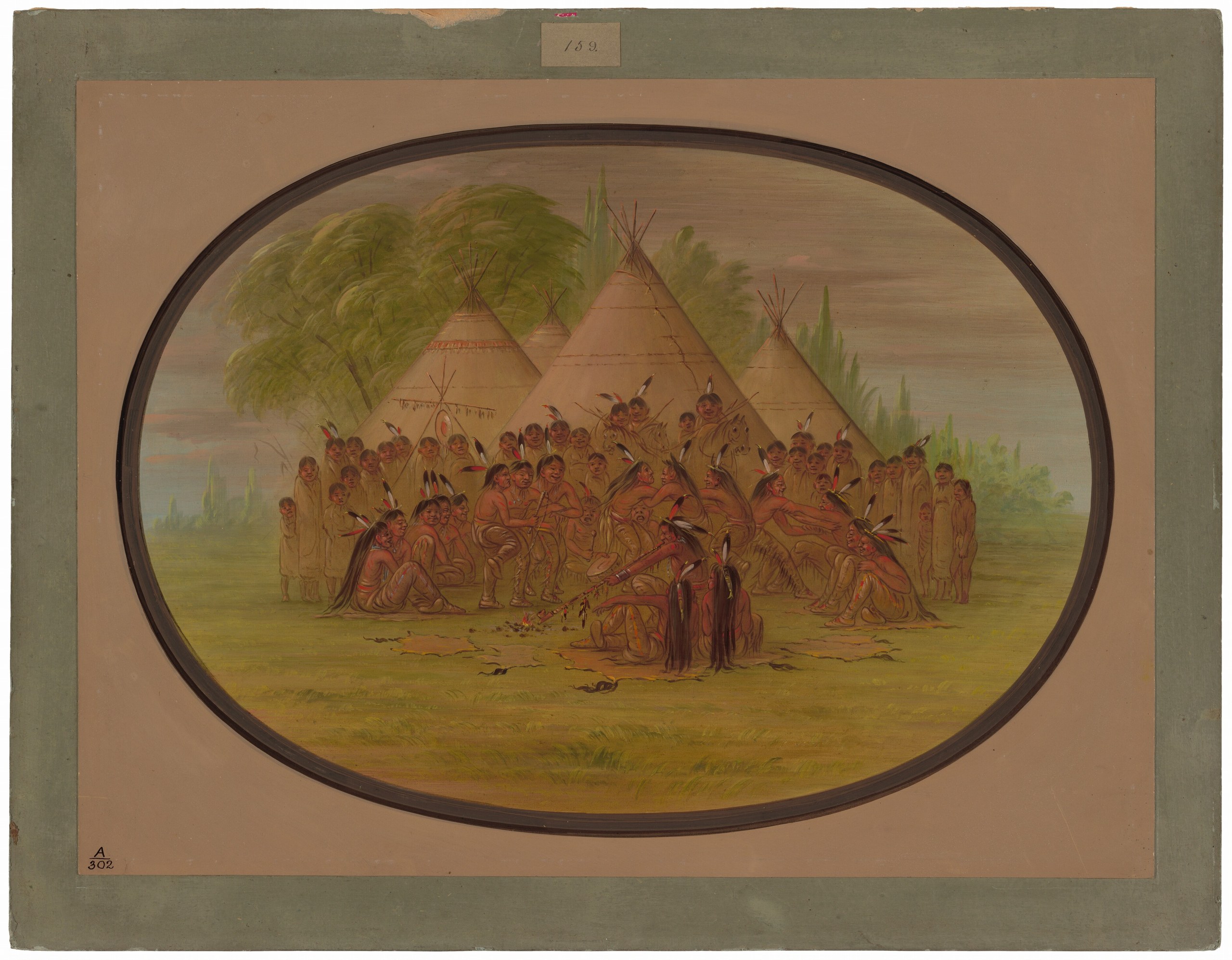
Pipe Dance - Assinneboine
George Catlin
National Gallery of Art
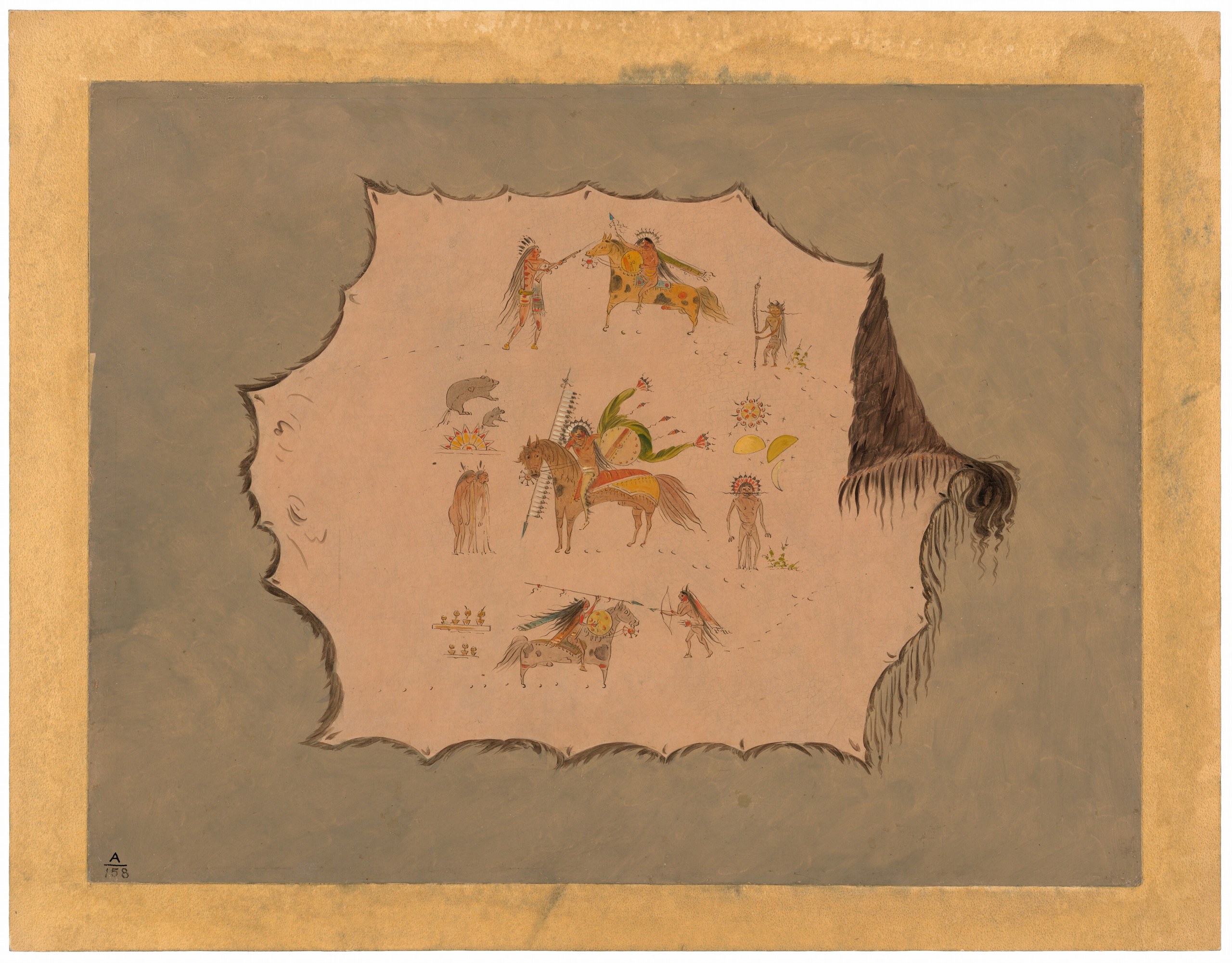
Facsimile of a Pawnee Doctor's Robe with Fantastic Professional Designs
George Catlin
National Gallery of Art
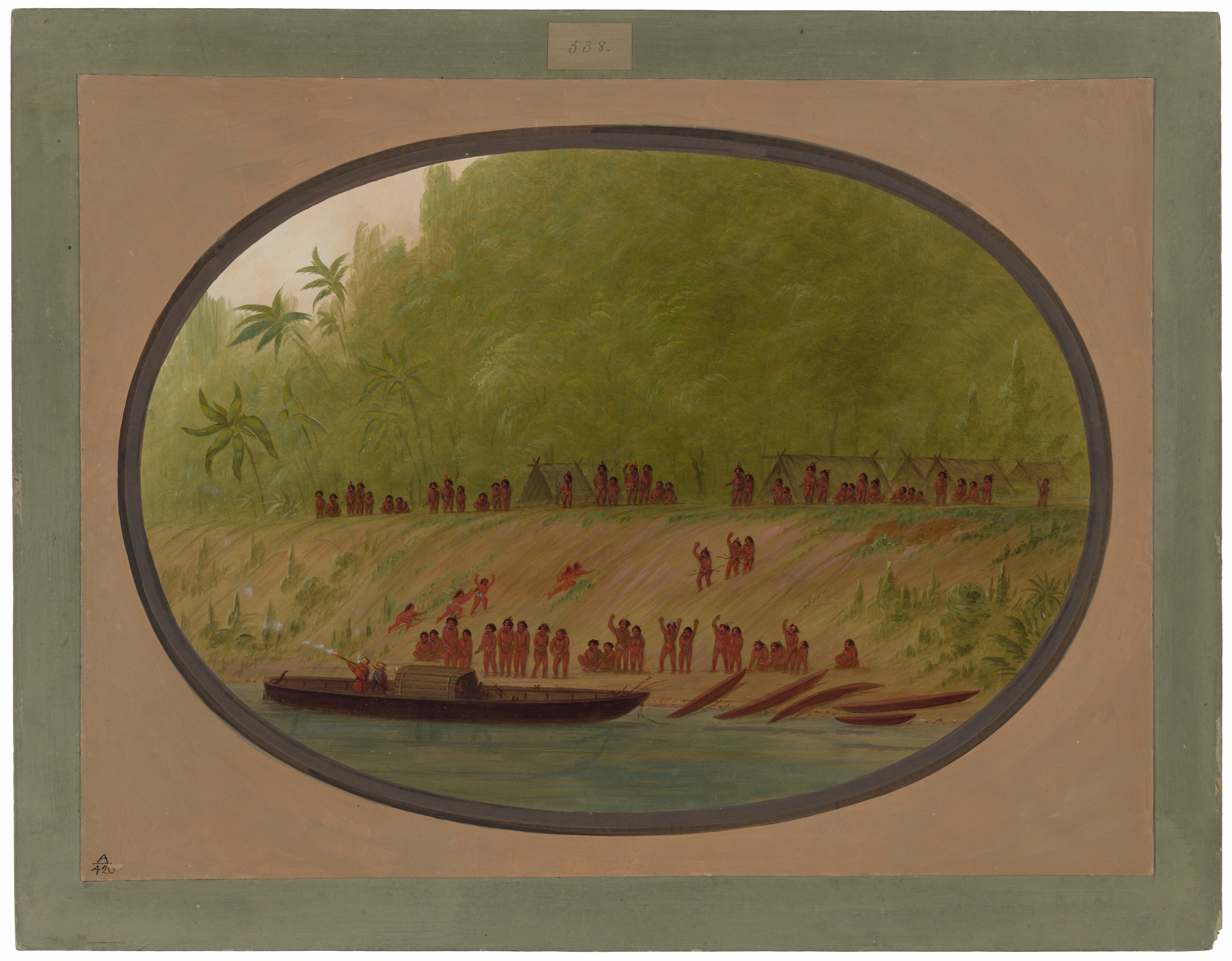
A Small Orejona Village
George Catlin
National Gallery of Art
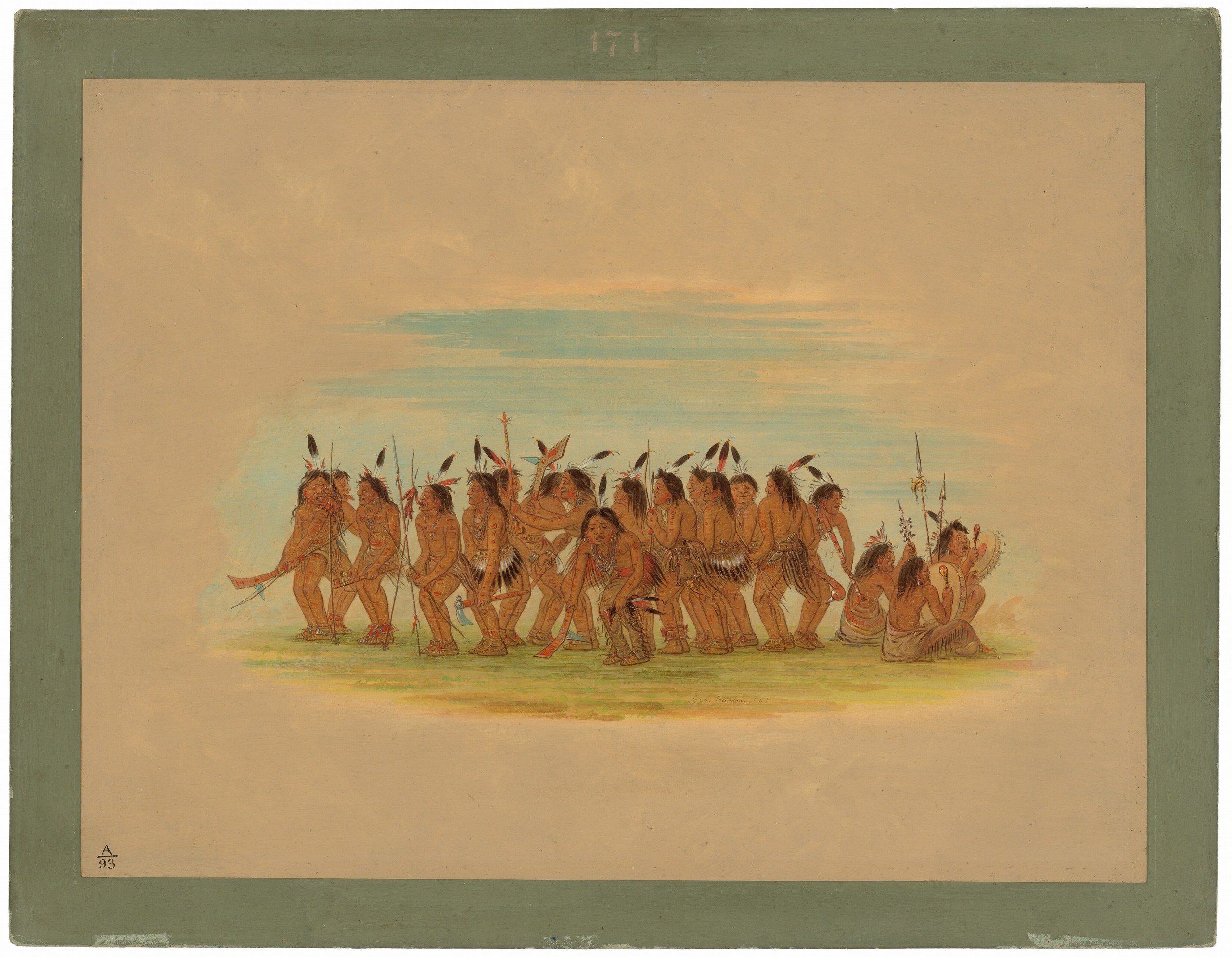
Dog Dance - Sioux
George Catlin
National Gallery of Art
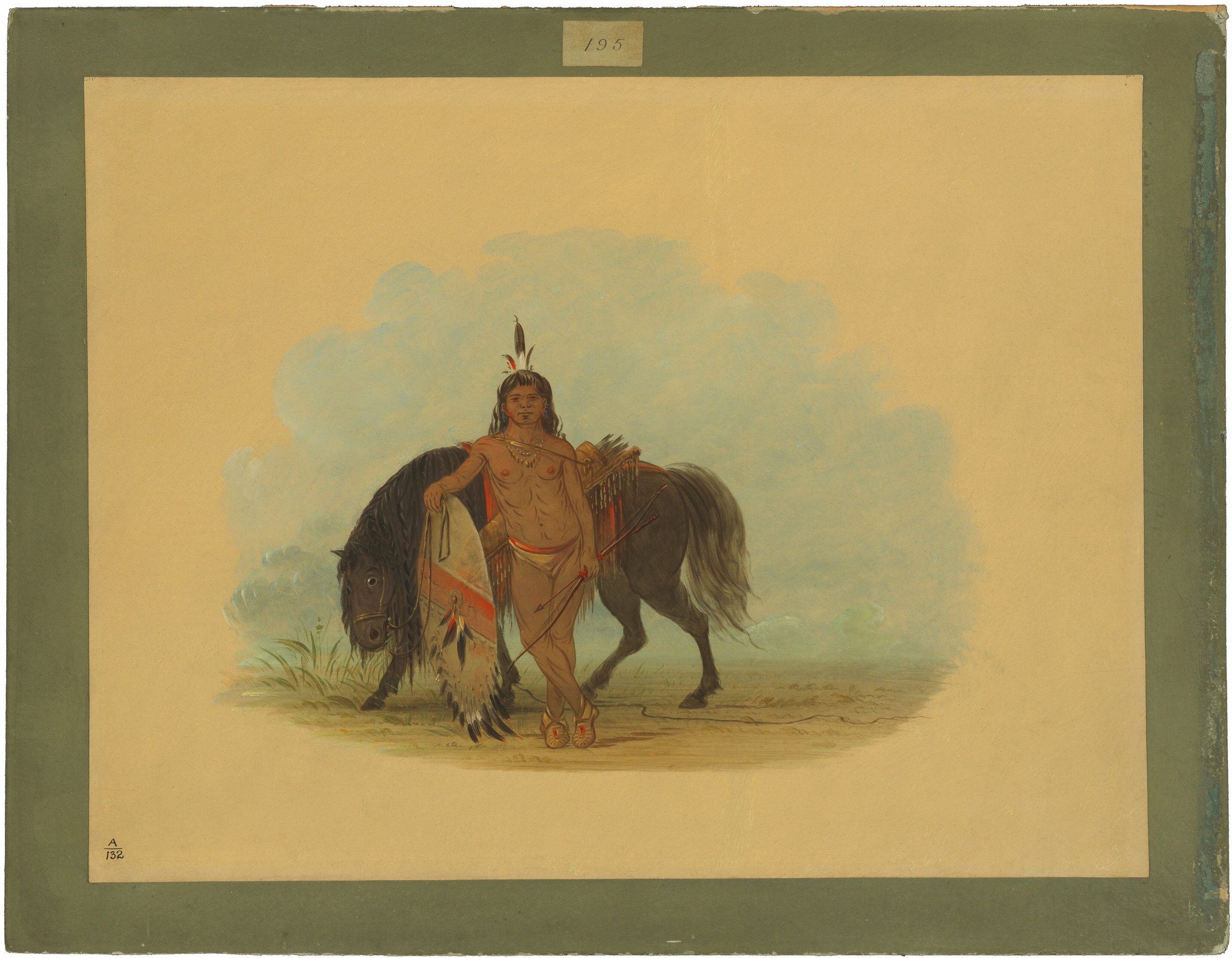
A Cheyenne Warrior Resting His Horse
George Catlin
National Gallery of Art
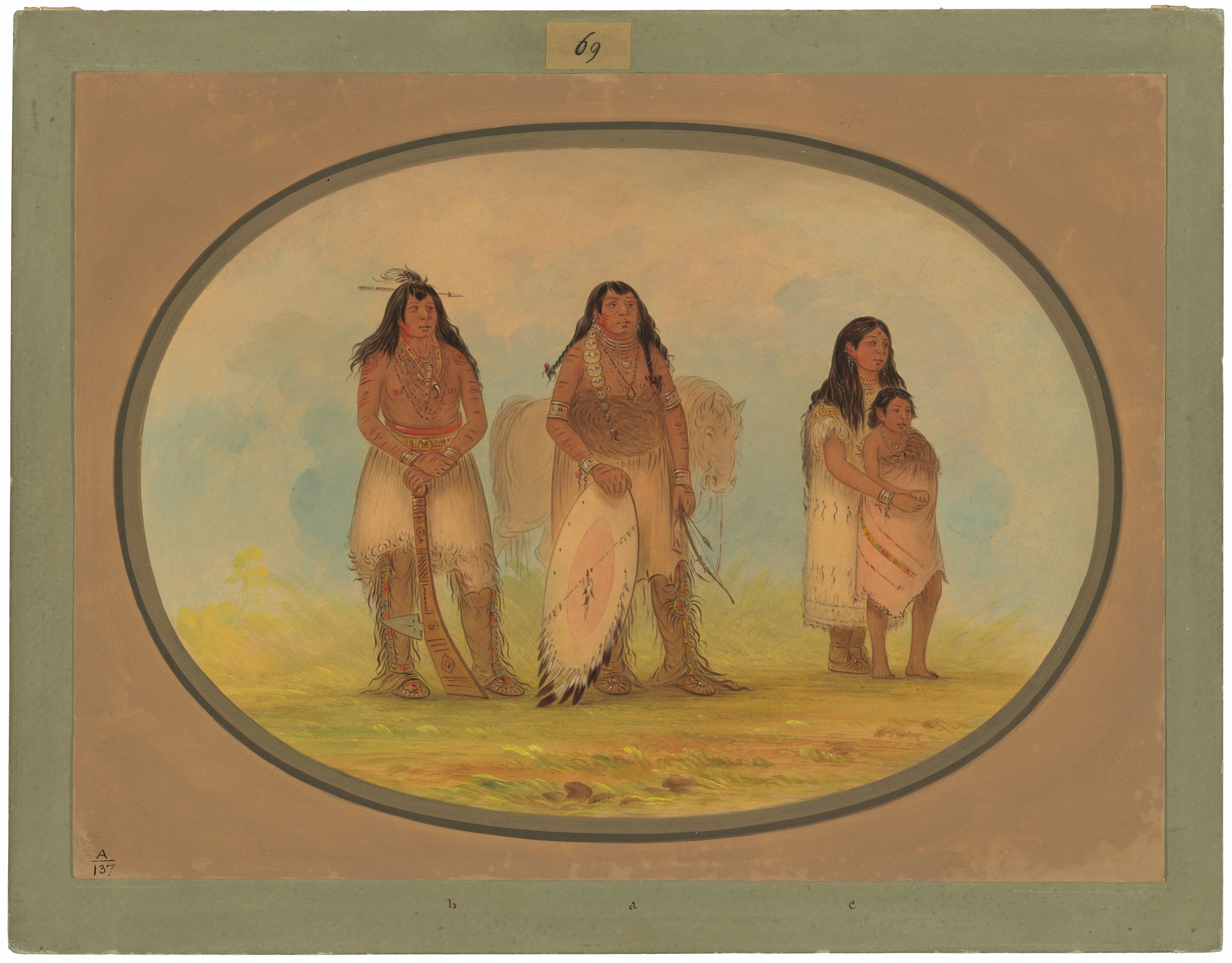
Four Kiowa Indians
George Catlin
National Gallery of Art
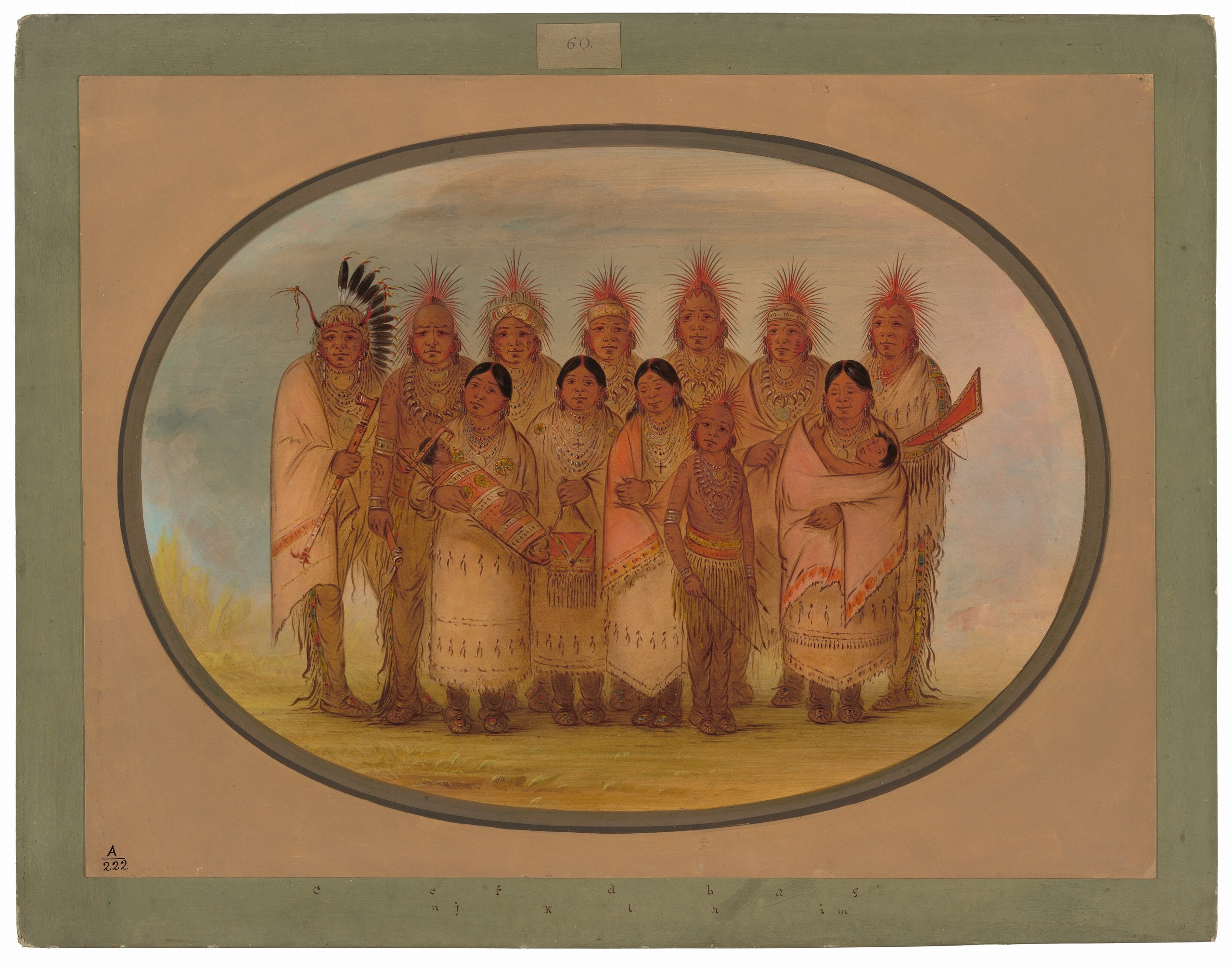
Iowa Indians Who Visited London and Paris
George Catlin
National Gallery of Art
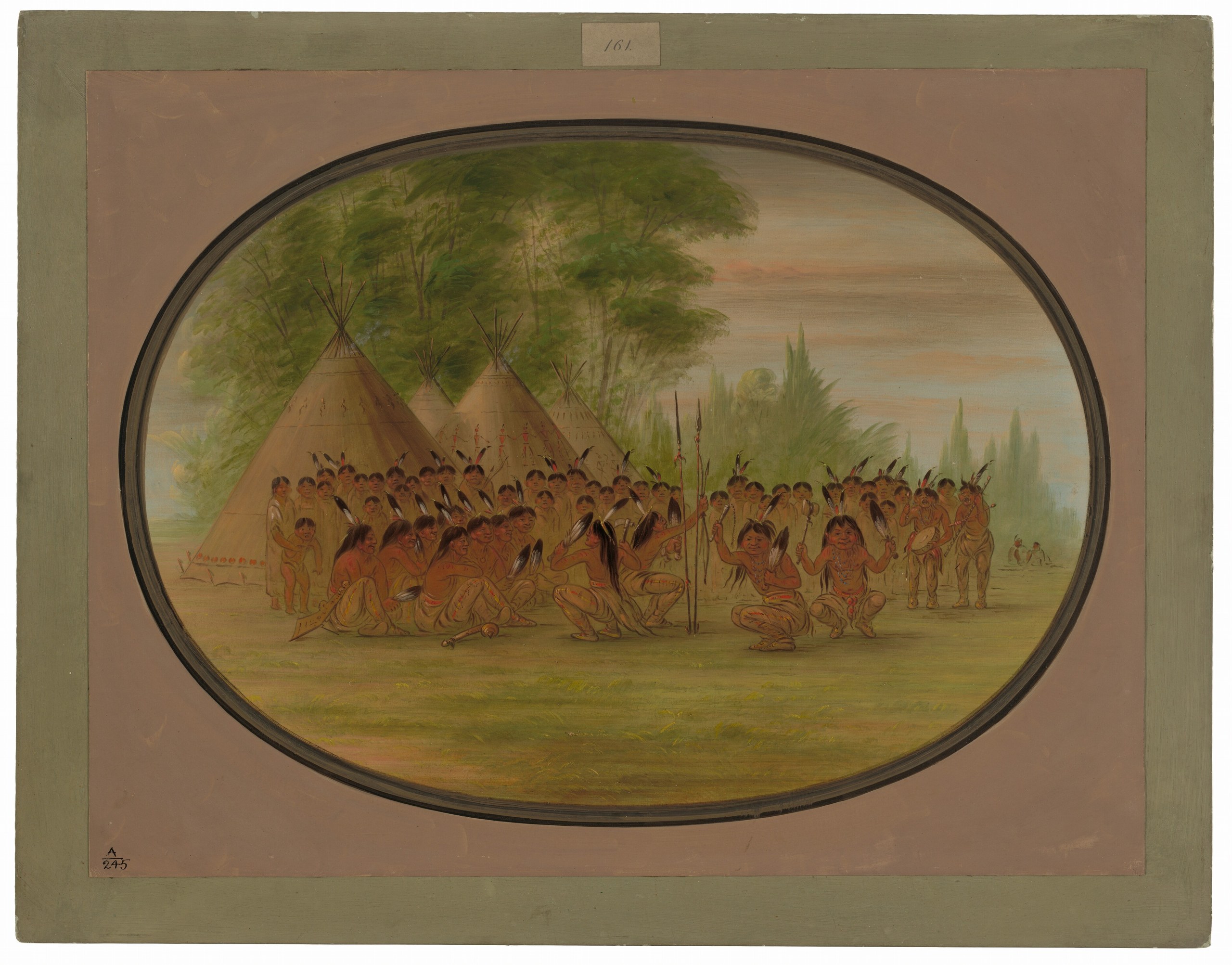
Eagle Dance - Choctaw
George Catlin
National Gallery of Art
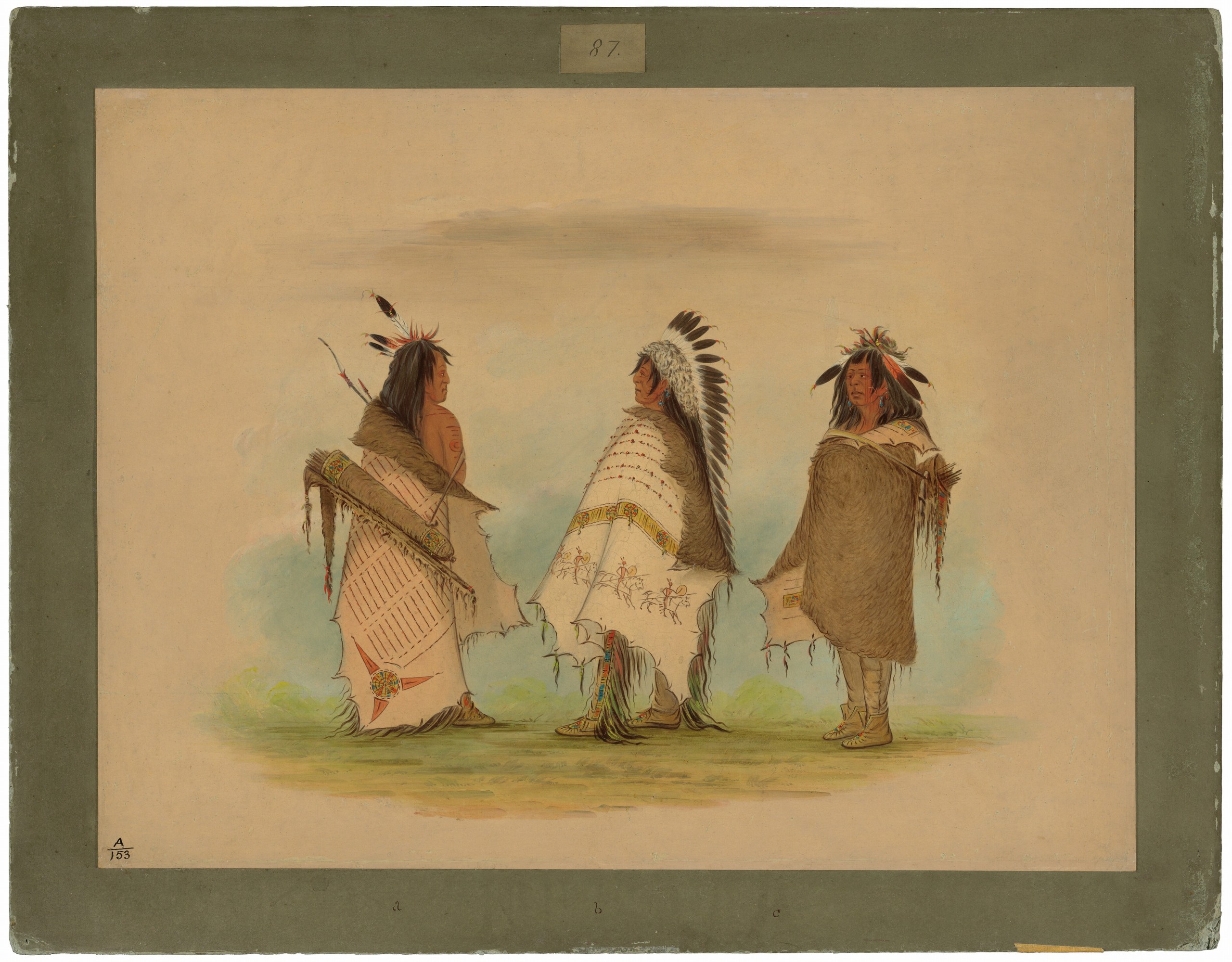
Three Shoshonee Warriors
George Catlin
National Gallery of Art
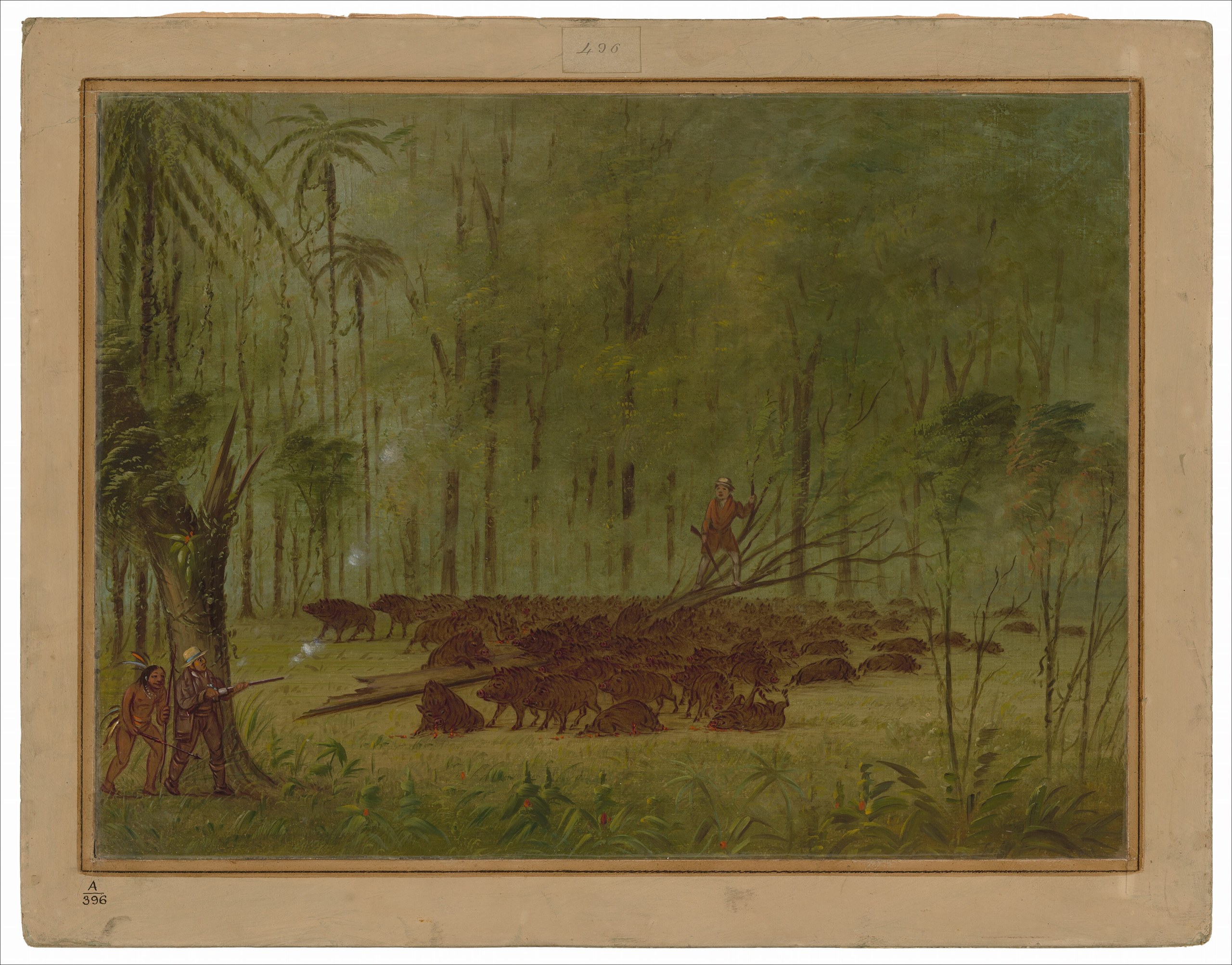
A Fight with Peccaries - Caribbe
George Catlin
National Gallery of Art
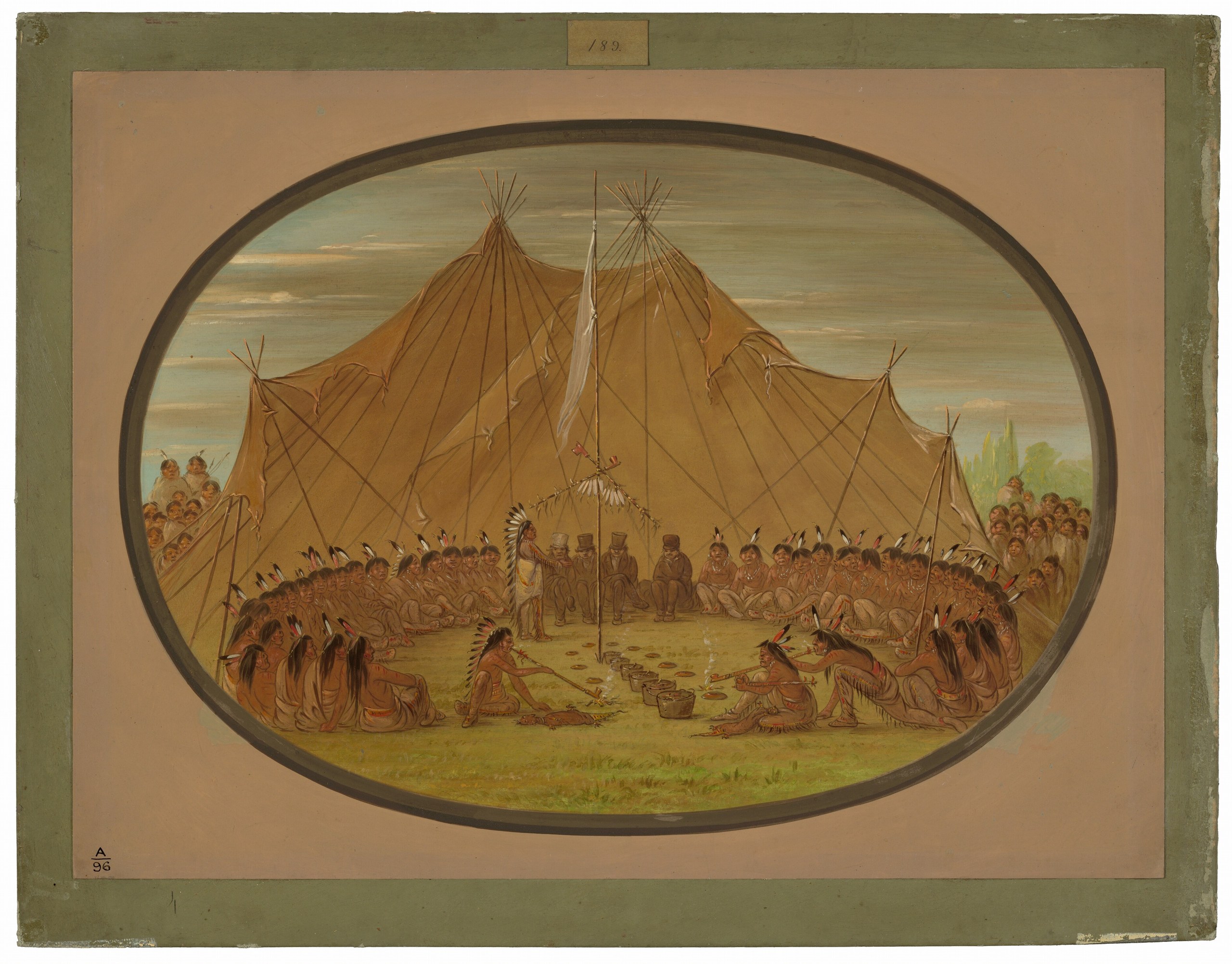
A Dog Feast - Sioux
George Catlin
National Gallery of Art
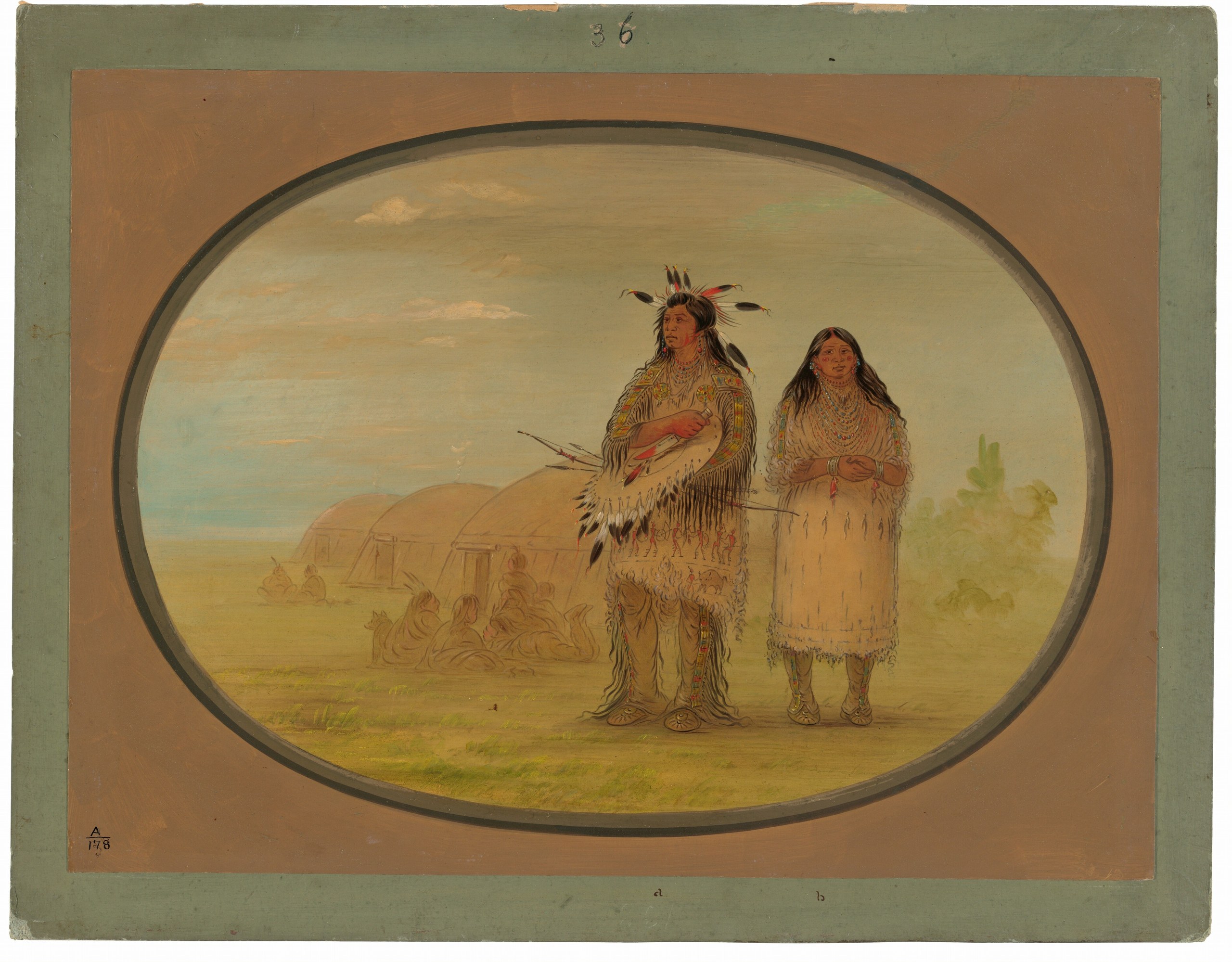
Riccarree Chief and His Wife
George Catlin
National Gallery of Art
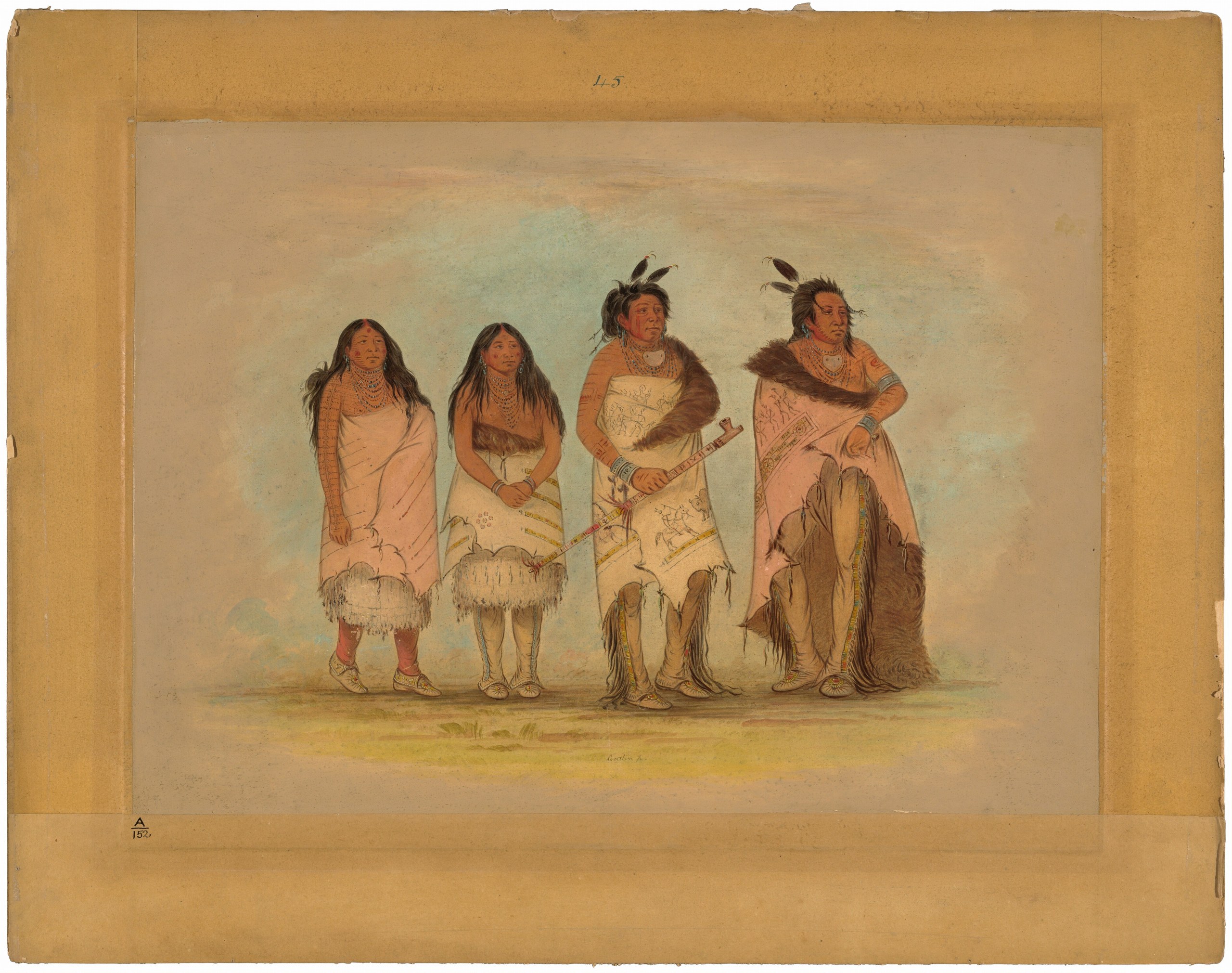
Pawneepict Chief, Two Daughters, and a Warrior
George Catlin
National Gallery of Art
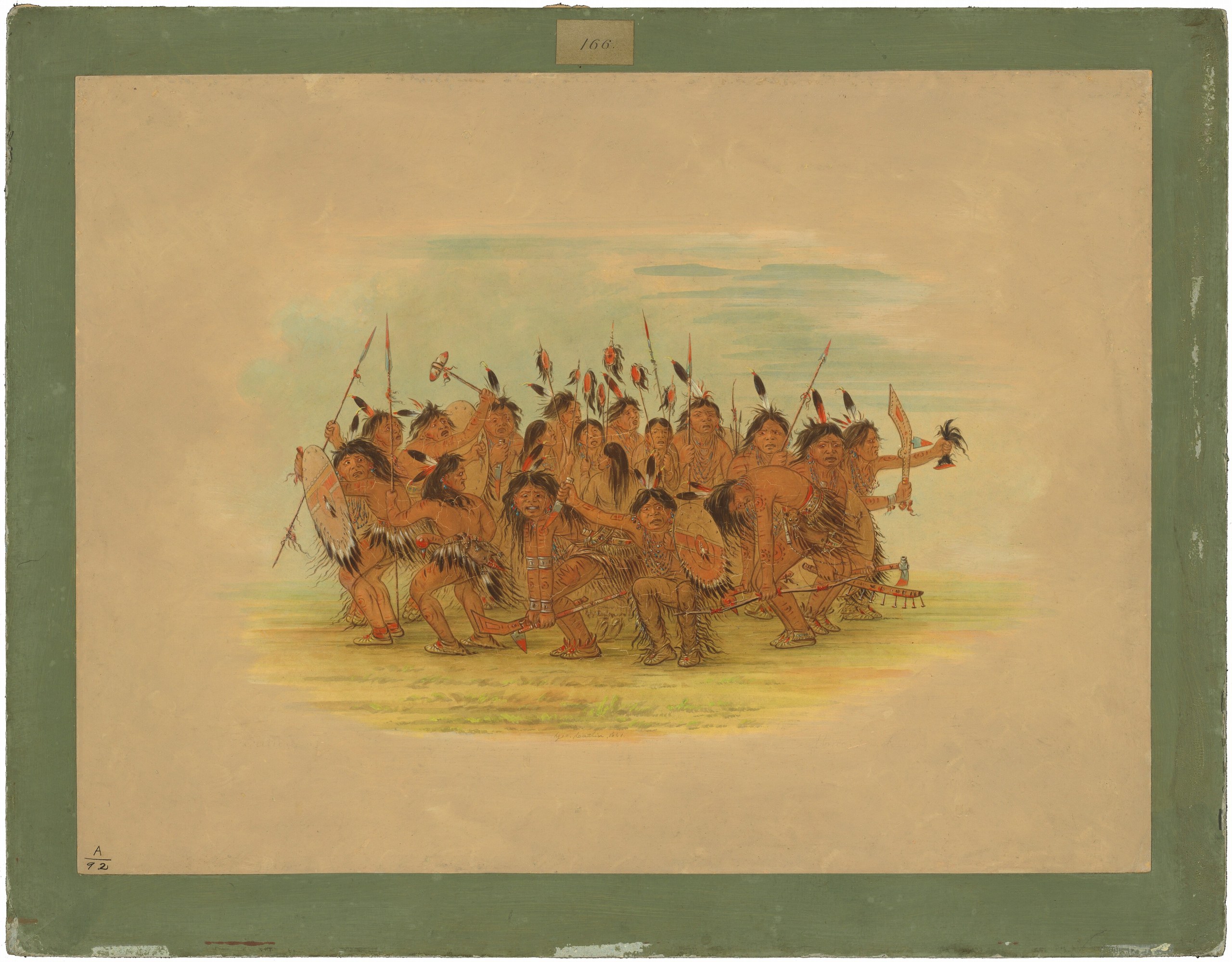
Scalp Dance - Sioux
George Catlin
National Gallery of Art
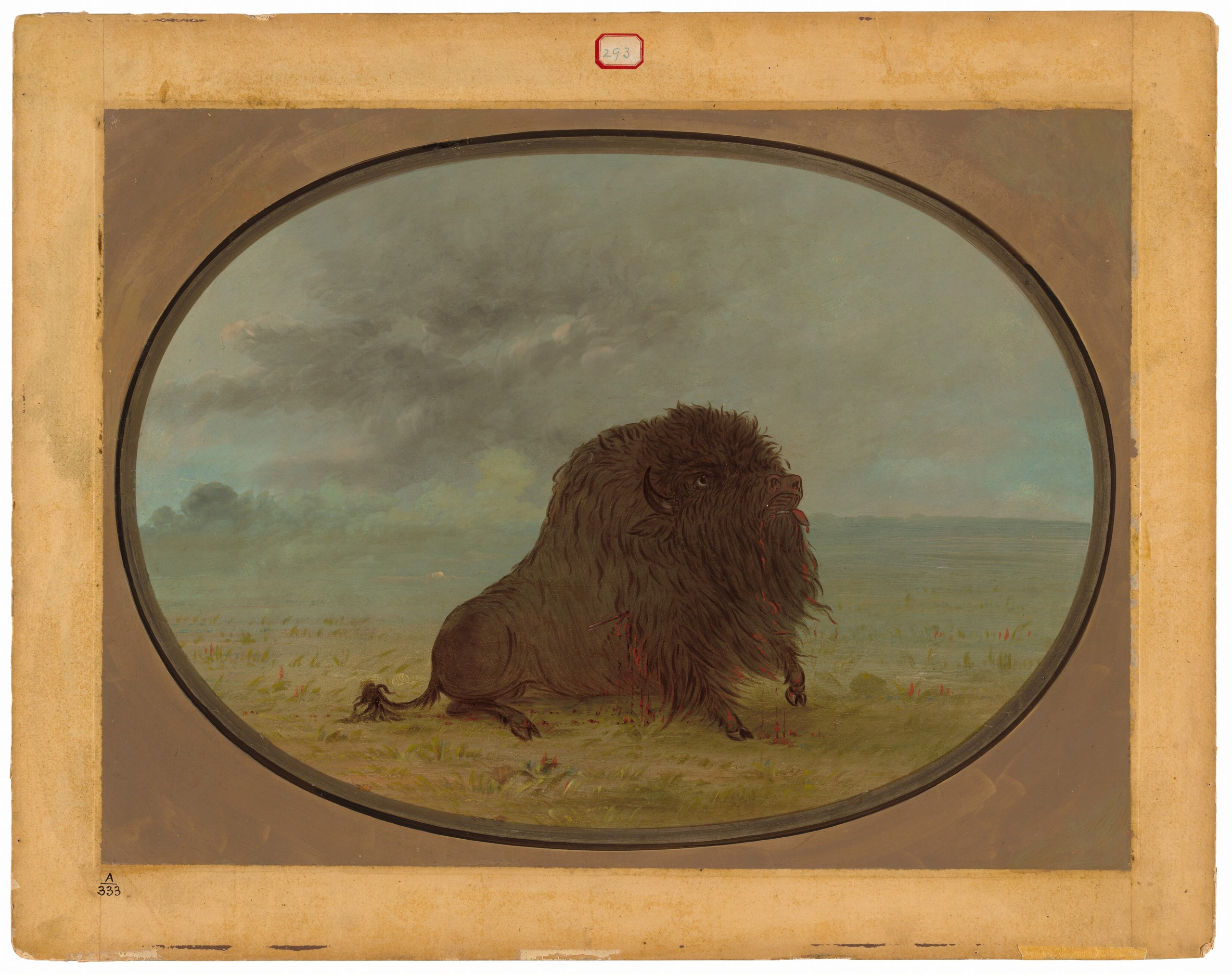
Dying Buffalo Bull
George Catlin
National Gallery of Art
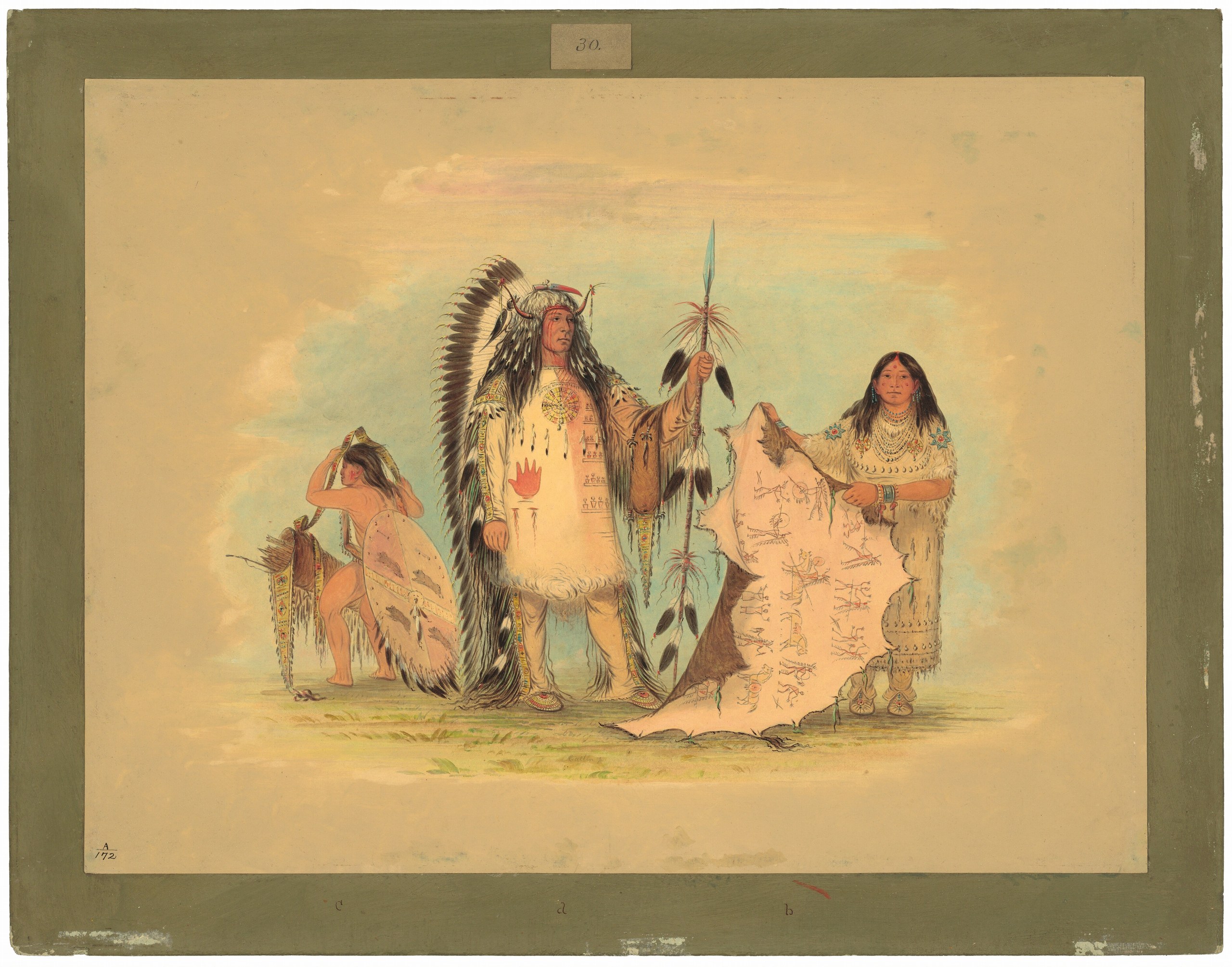
Mandan War Chief with His Favorite Wife
George Catlin
National Gallery of Art
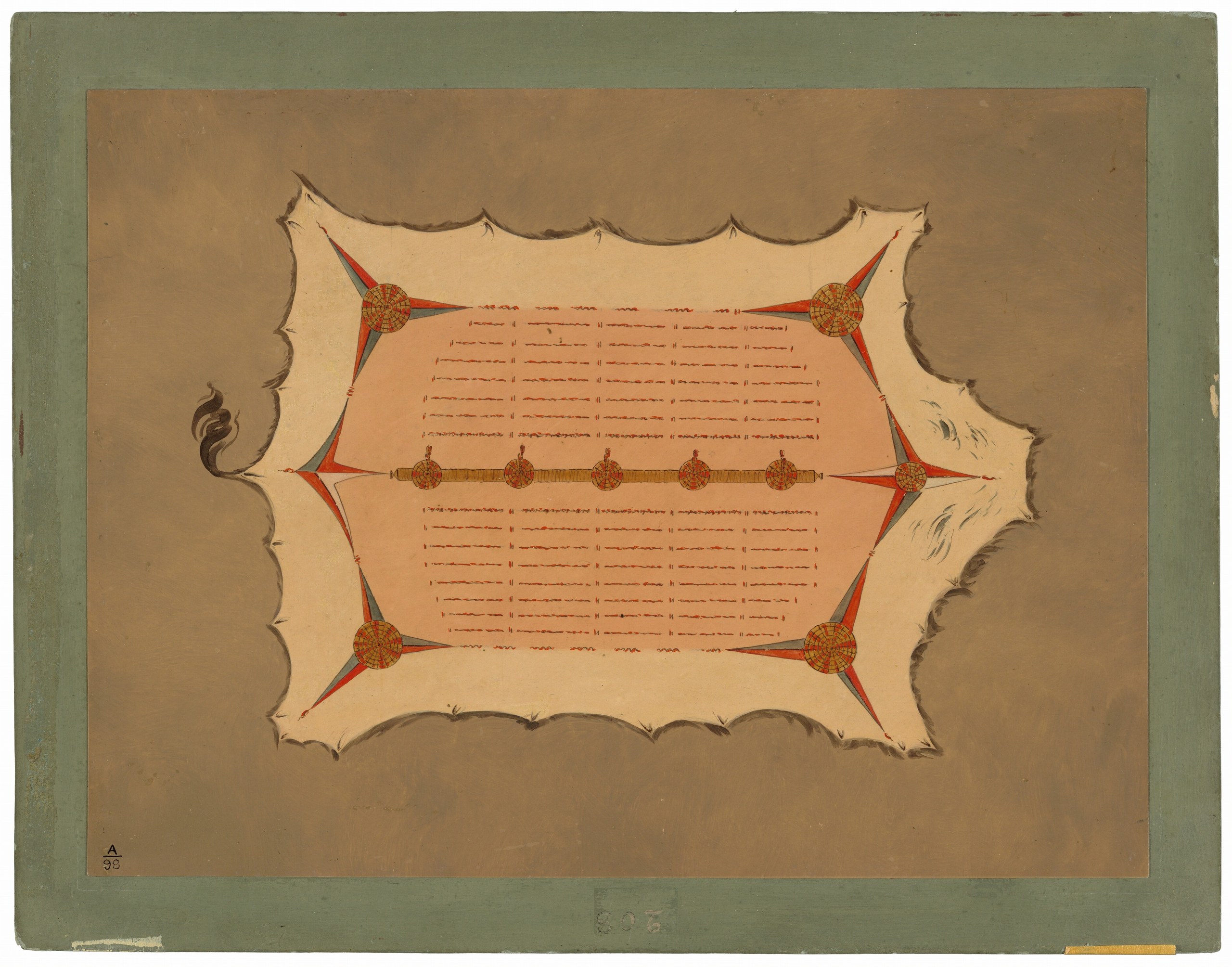
Facsimile of a Sioux Robe with Porcupine Quills
George Catlin
National Gallery of Art
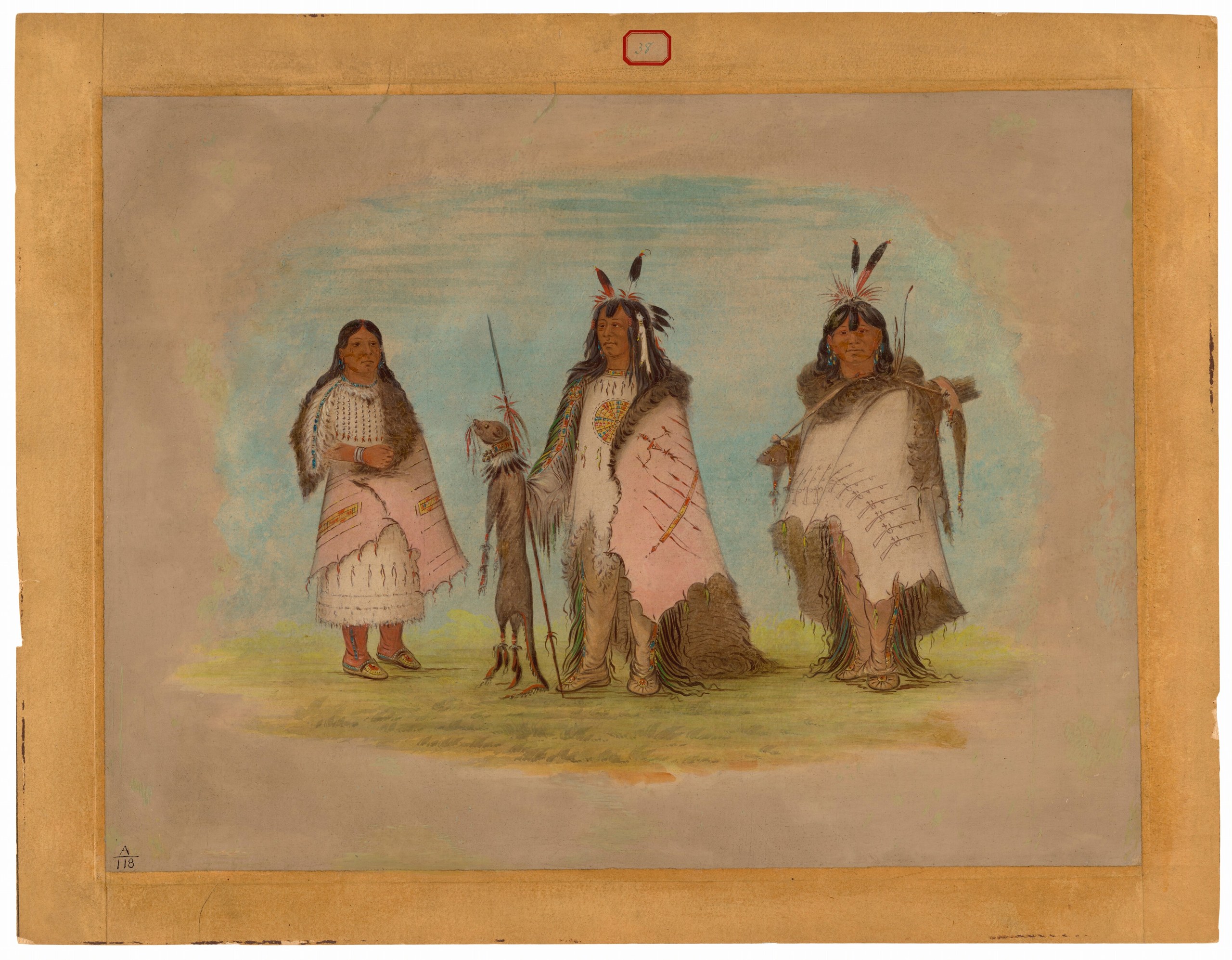
Two Blackfoot Warriors and a Woman
George Catlin
National Gallery of Art
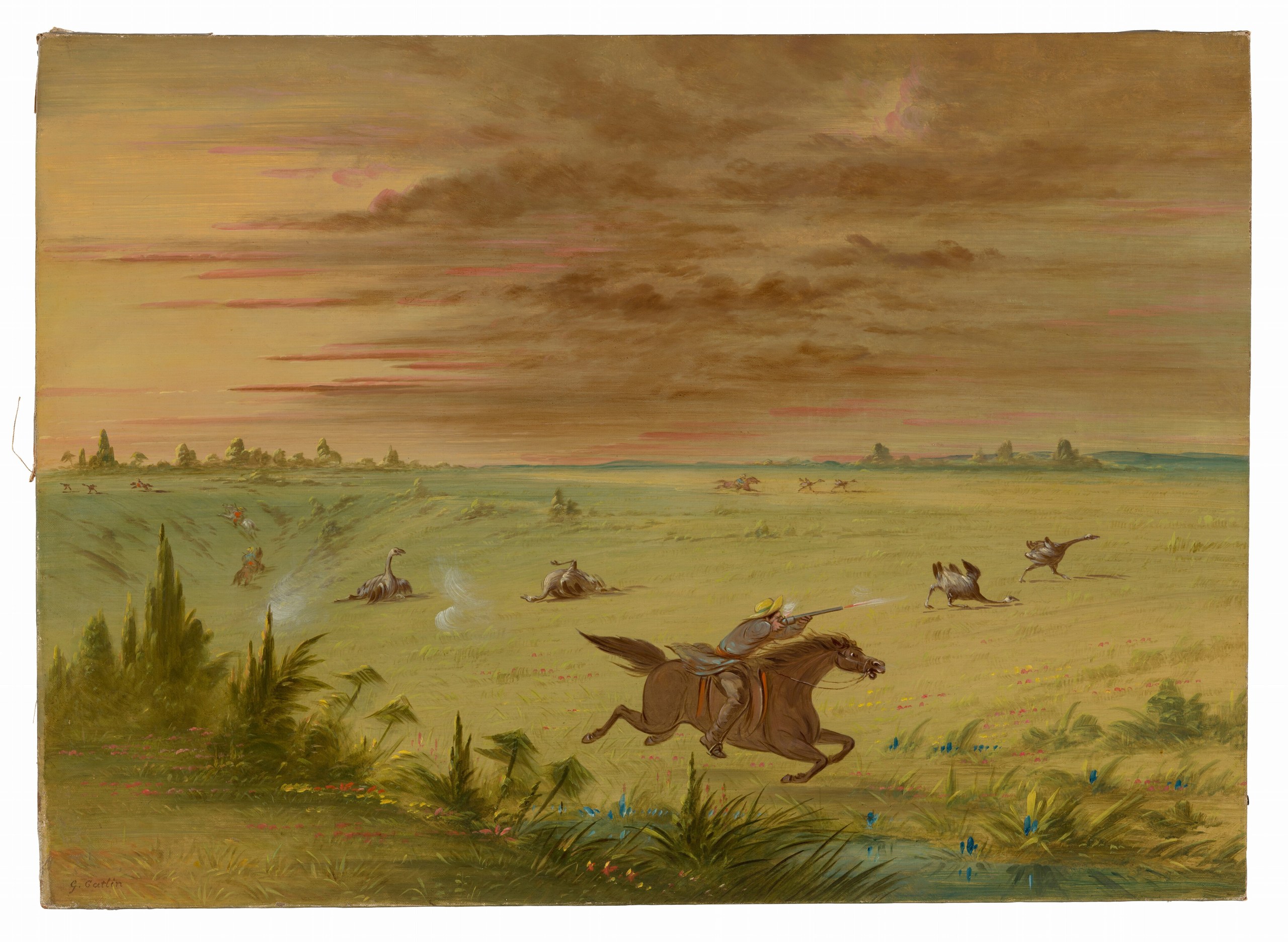
Ostrich Chase, Buenos Aires - Auca
George Catlin
National Gallery of Art
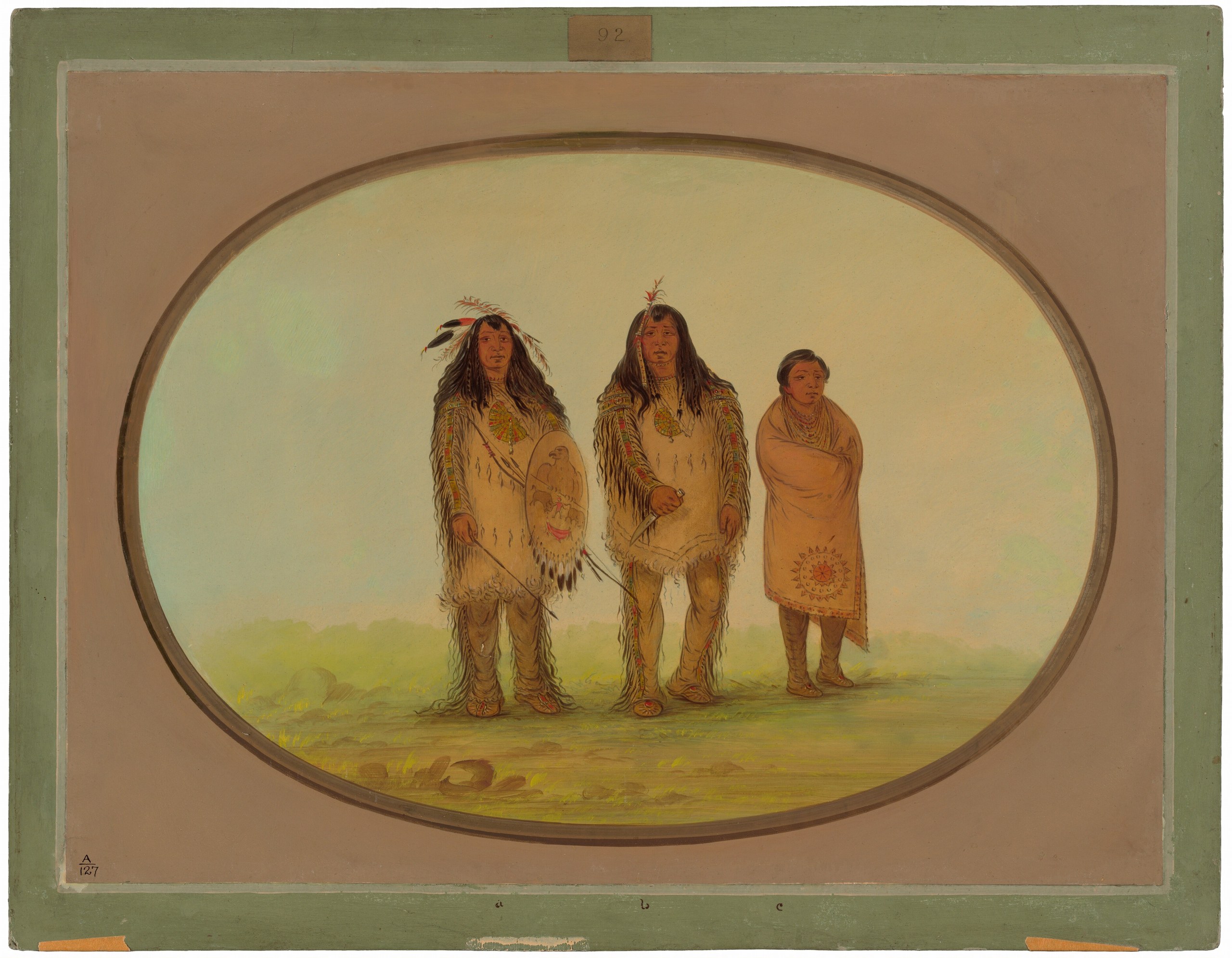
Two Nezperce Warriors and a Boy
George Catlin
National Gallery of Art
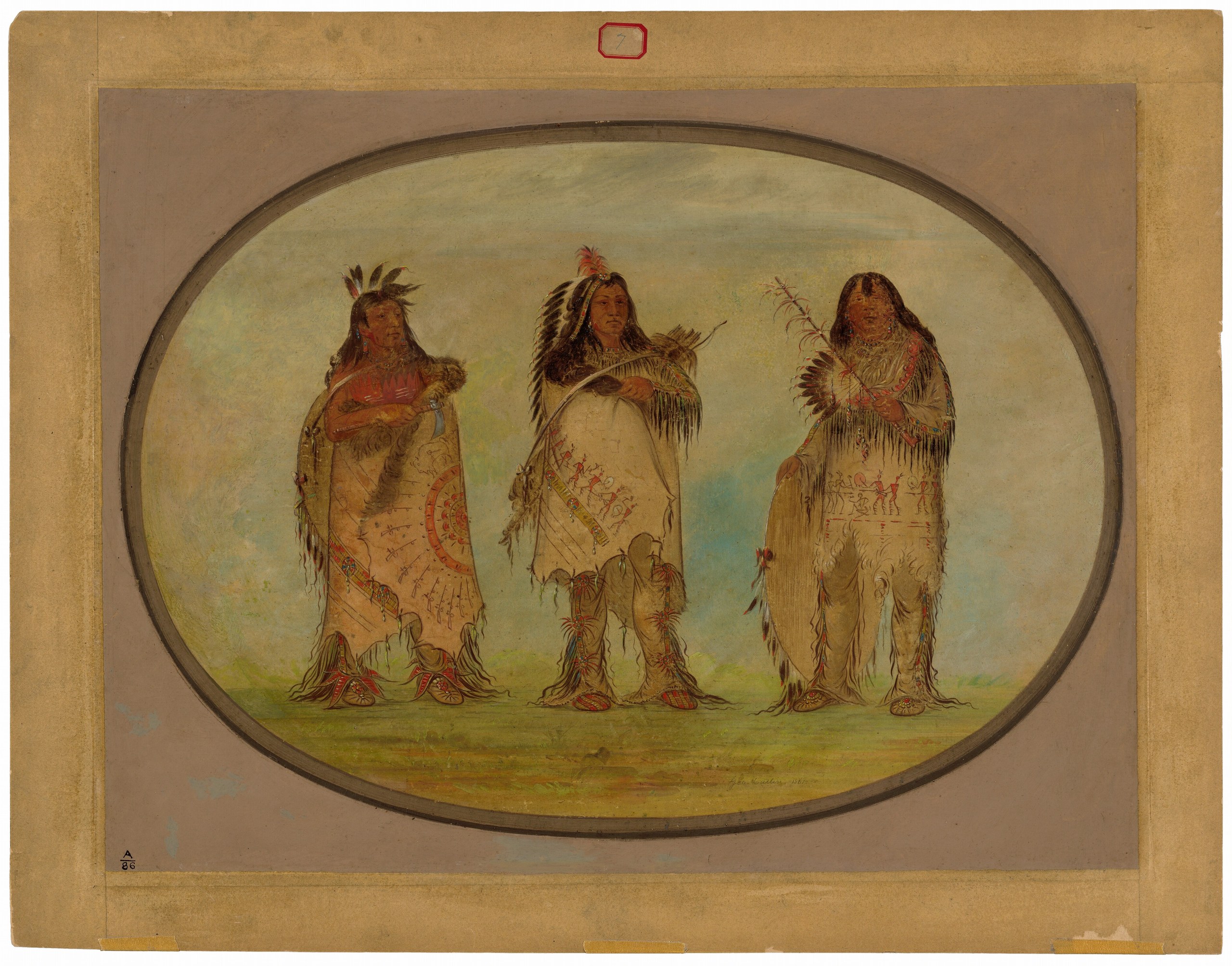
Three Distinguished Warriors of the Sioux Tribe
George Catlin
National Gallery of Art
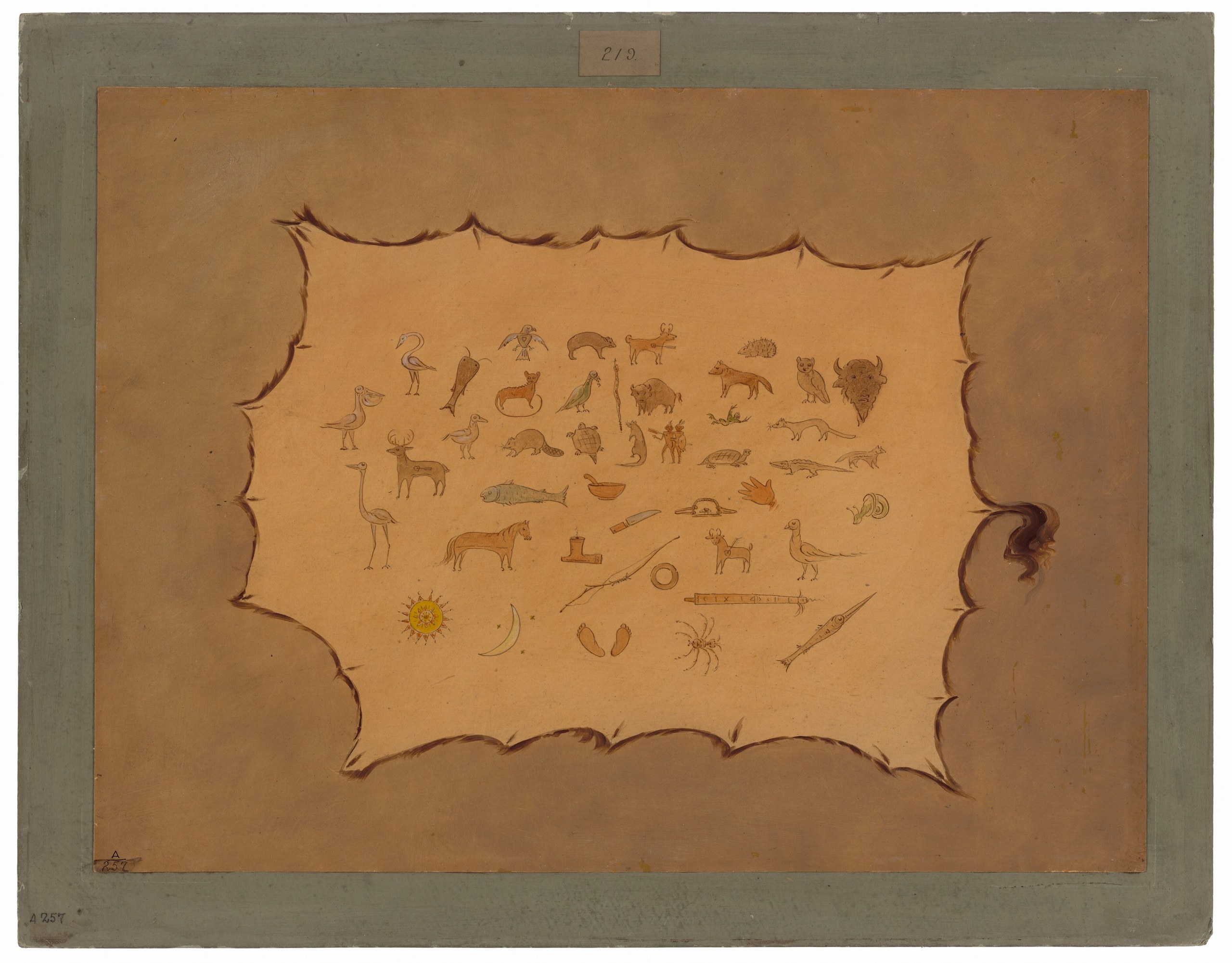
Facsimile of an Ojibbeway Robe
George Catlin
National Gallery of Art
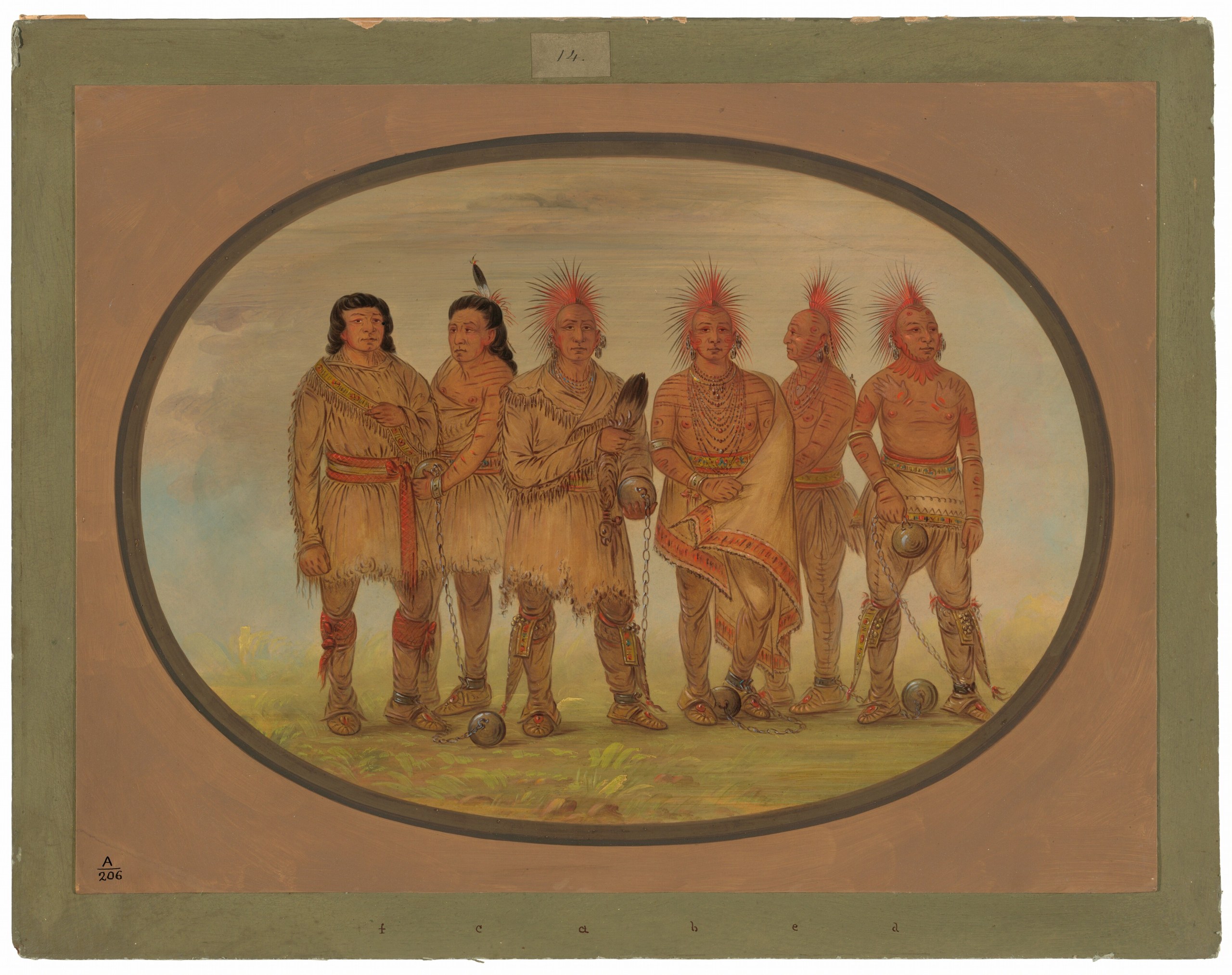
Black Hawk and Five Other Saukie Prisoners
George Catlin
National Gallery of Art
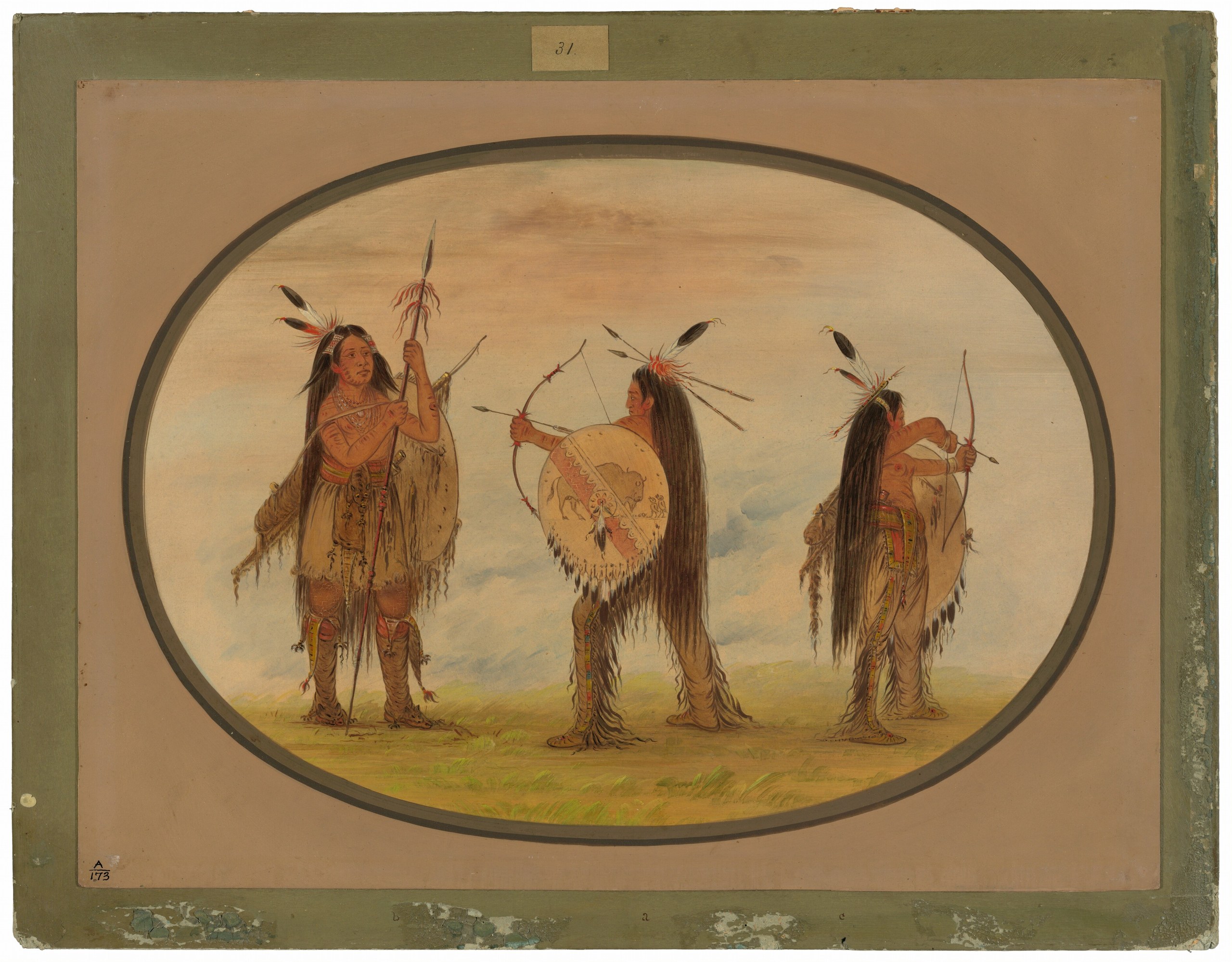
Three Mandan Warriors Armed for War
George Catlin
National Gallery of Art
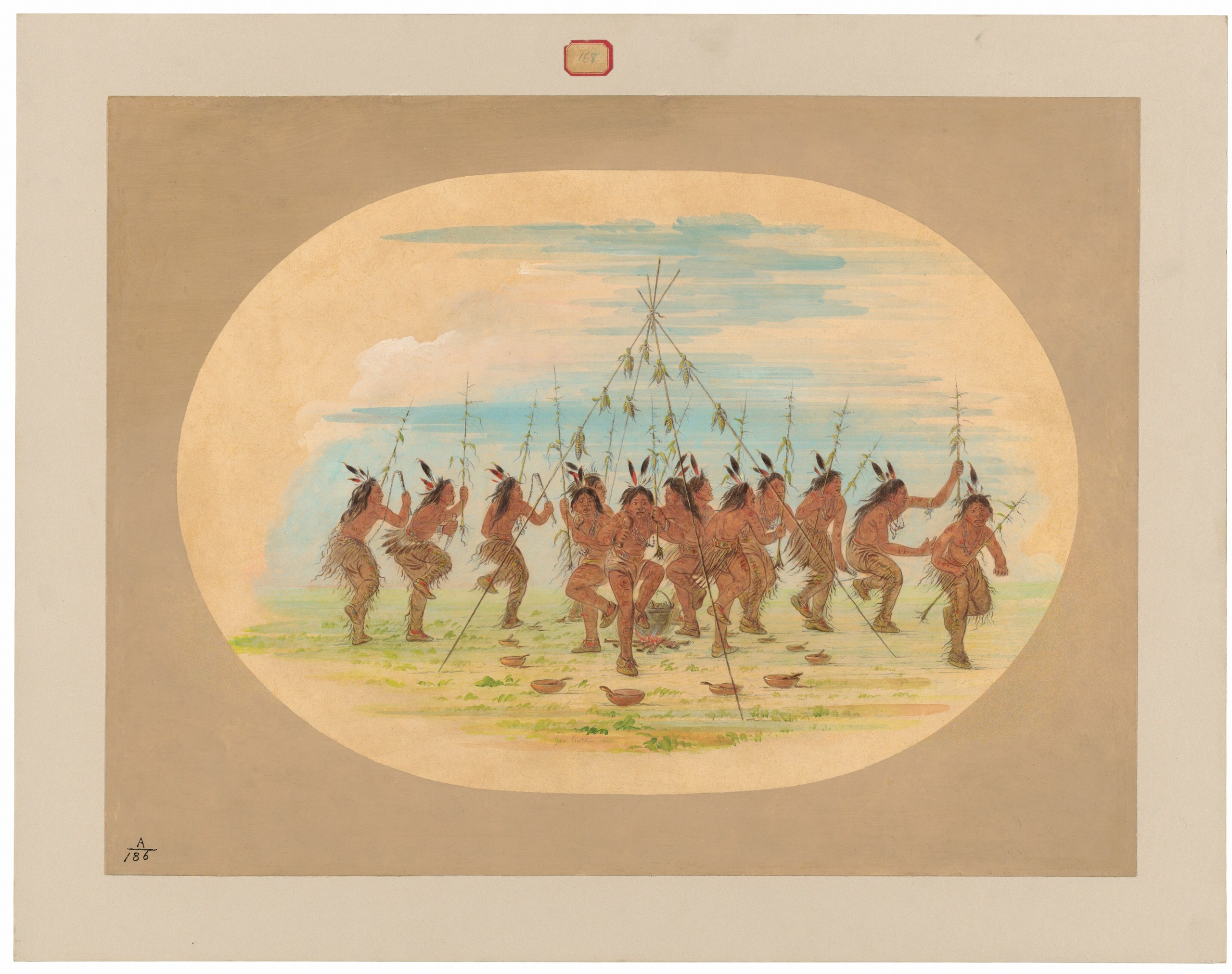
Green Corn Dance - Minatarrees
George Catlin
National Gallery of Art
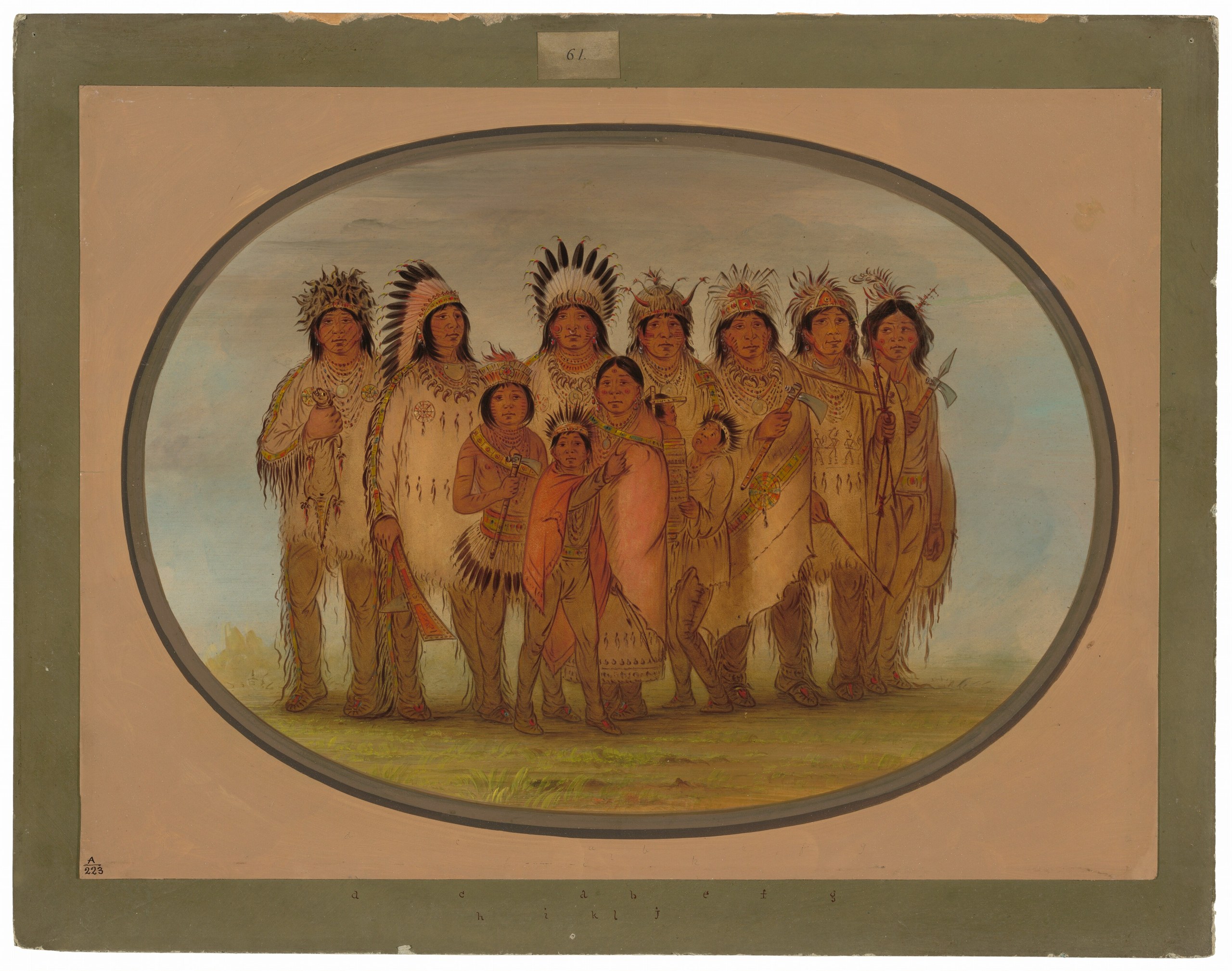
Ojibbeway Indians in Paris
George Catlin
National Gallery of Art
Works worth knowing
8 of George Catlin's works, and what makes each one worth a look.
A Sioux Chief, His Daughter, and a Warrior
George Catlin
National Gallery of Art
Mato-tope (modern Mandan orthography Mató-Tóope, “Four Bears”, from mató 'bear' and tóope 'four', also known as Ma-to-toh-pe, Máh-to-tóh-pa; c. 1784, July 30, 1837) was the second chief of the Mandan tribe to be known as "Four Bears," a name he earned after charging the Assiniboine tribe during battle with the strength of four bears. Four Bears lived in the first half of the 19th century on the upper Missouri River in what is now North Dakota.
Ojibbeway Indians
George Catlin
National Gallery of Art
Sha-có-pay is an oil-on-canvas painting from life by American artist George Catlin, from 1832. It depicts an Indigenous American named Sha-có-pay, who was chief of the Plains Ojibwe. It was painted at Fort Union.
Facsimile of a Mandan Robe
George Catlin
National Gallery of Art
Mato-tope (modern Mandan orthography Mató-Tóope, “Four Bears”, from mató 'bear' and tóope 'four', also known as Ma-to-toh-pe, Máh-to-tóh-pa; c. 1784, July 30, 1837) was the second chief of the Mandan tribe to be known as "Four Bears," a name he earned after charging the Assiniboine tribe during battle with the strength of four bears. Four Bears lived in the first half of the 19th century on the upper Missouri River in what is now North Dakota.
Dog Dance - Sioux
George Catlin
National Gallery of Art
The Okipa, sometimes rendered as Okeepa or O-kee-pa, was the most important religious ceremony among the Mandan people in what is now North Dakota. The ceremony was a partial retelling and reenactment of Mandan mythology, and was done to provide good fortune and ensure the tribe had plentiful buffalo to hunt. It took place mainly in a ceremonial clearing at the center of a Mandan village and a large earth lodge, known as the Medicine Lodge or Okipa Lodge, dedicated exclusively for the purpose.
A Cheyenne Warrior Resting His Horse
George Catlin
National Gallery of Art
The Comanche, or Nʉmʉnʉʉ (Comanche: Nʉmʉnʉʉ, 'the people'), are a Native American tribe from the Southern Plains of the present-day United States. Comanche people today belong to the federally recognized Comanche Nation, headquartered in Lawton, Oklahoma. The Comanche language is a Numic language of the Uto-Aztecan family.
Four Kiowa Indians
George Catlin
National Gallery of Art
Kiowa ( KY-ə-wə, -wah) or Ǥáuigú people are a Native American tribe and an Indigenous people of the Great Plains of the United States. They migrated southward from western Montana into the Rocky Mountains in Colorado in the 17th and 18th centuries and eventually into the Southern Plains by the early 19th century. In 1867, the Kiowa were forced to a reservation in Southwestern Oklahoma.
Iowa Indians Who Visited London and Paris
George Catlin
National Gallery of Art
Friedrich Wilhelm Heinrich Alexander von Humboldt (14 September 1769, 6 May 1859) was a German polymath, geographer, naturalist, explorer, and proponent of Romantic philosophy and science. He was the younger brother of the Prussian minister, philosopher, and linguist Wilhelm von Humboldt (1767 to 1835). Humboldt's quantitative work on botanical geography laid the foundation for the field of biogeography, while his advocacy of long-term systematic geophysical measurement pioneered modern geomagnetic and meteorological monitoring.
Eagle Dance - Choctaw
George Catlin
National Gallery of Art
George Catlin ( KAT-lin; July 26, 1796, December 23, 1872) was an American lawyer, painter, author, and traveler, who specialized in portraits of Native Americans in the American frontier. Traveling to the American West five times during the 1830s, Catlin wrote about and painted portraits that depicted the life of the Plains Indians. His early work included engravings, drawn from nature, of sites along the route of the Erie Canal in New York State.
Where the work hangs
The museums that hold it, and their visitor guides.
If you like George Catlin
Artists held by the same museums.
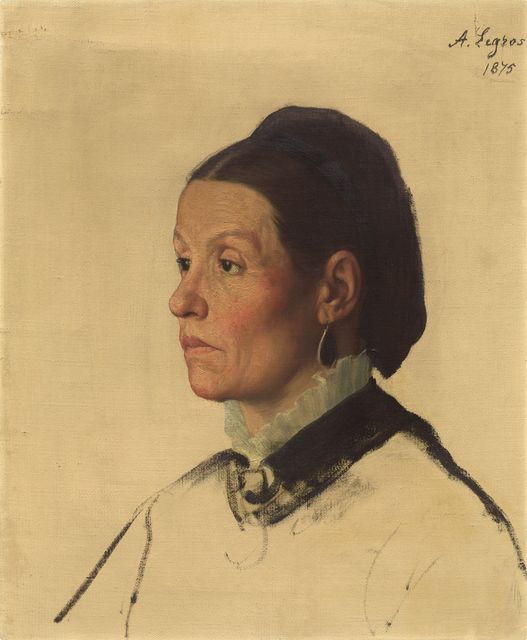
Alphonse Legros
French · 561 in the archive
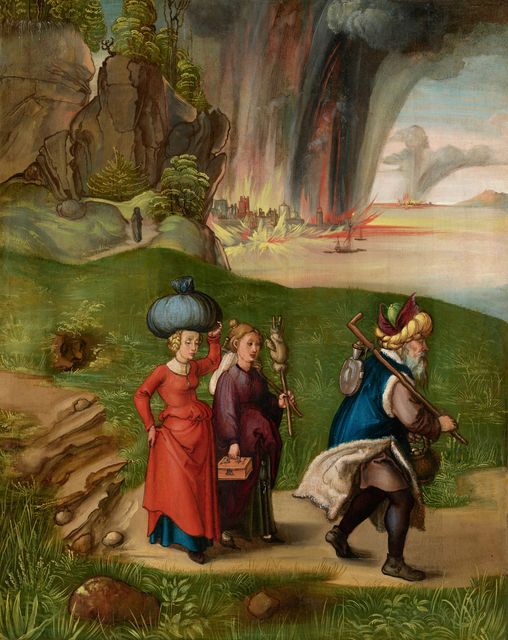
Albrecht Dürer
German · 287 in the archive
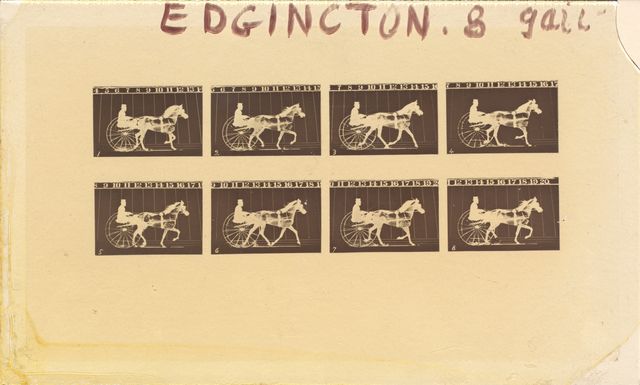
Eadweard Muybridge
English · 259 in the archive
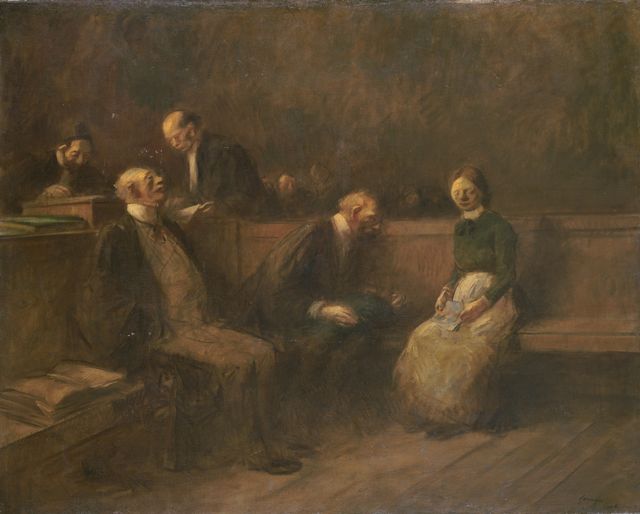
Jean-Louis Forain
French · 259 in the archive
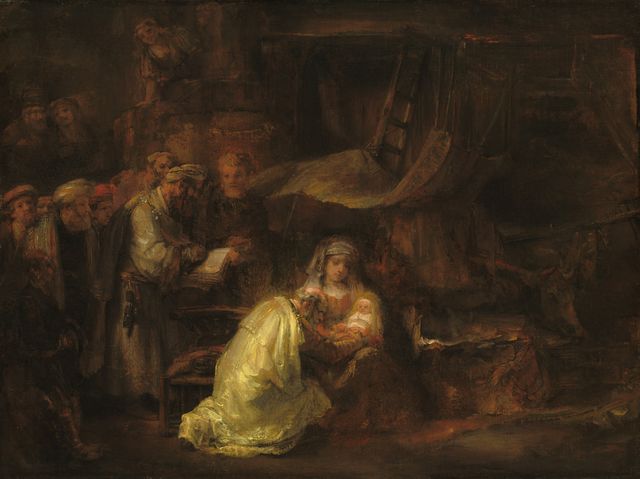
Rembrandt van Rijn
Dutch · 252 in the archive
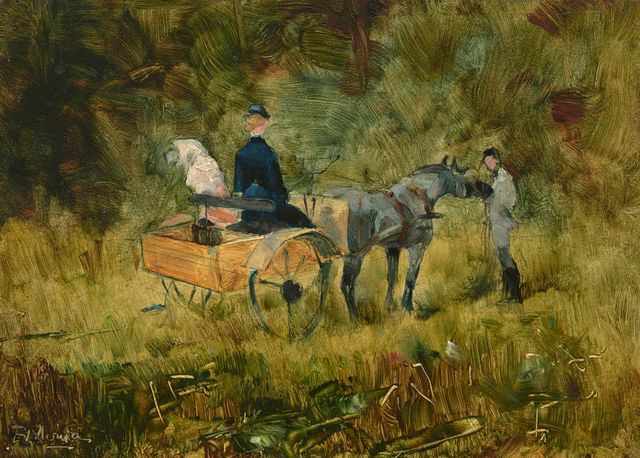
Henri de Toulouse-Lautrec
French · 242 in the archive
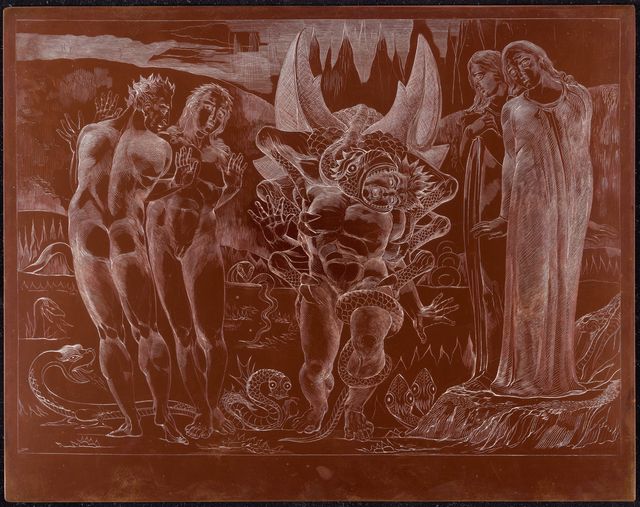
William Blake
United Kingdom of Great Britain and Ireland · 173 in the archive
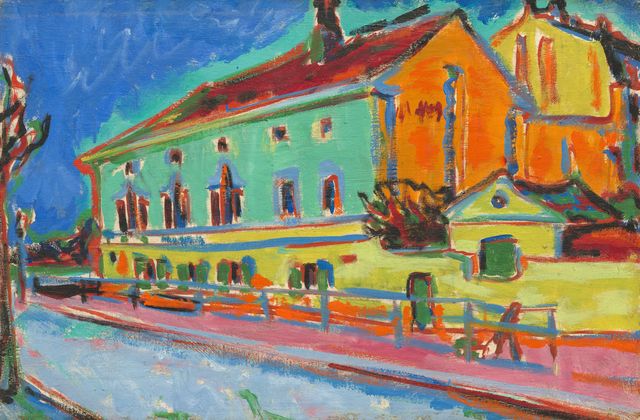
Ernst Ludwig Kirchner
German · 147 in the archive
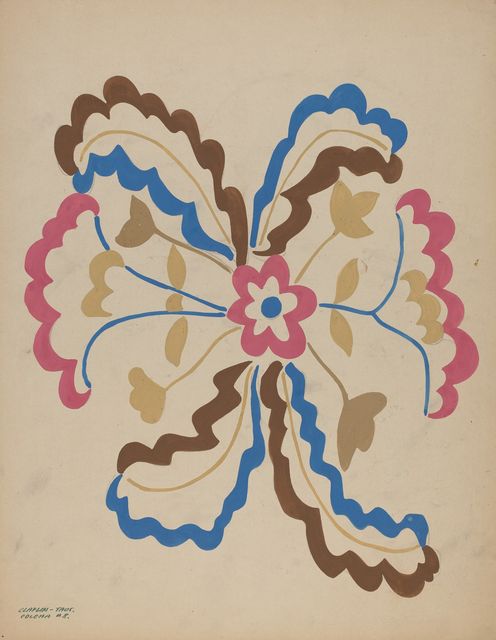
Majel G. Claflin
United States · 135 in the archive
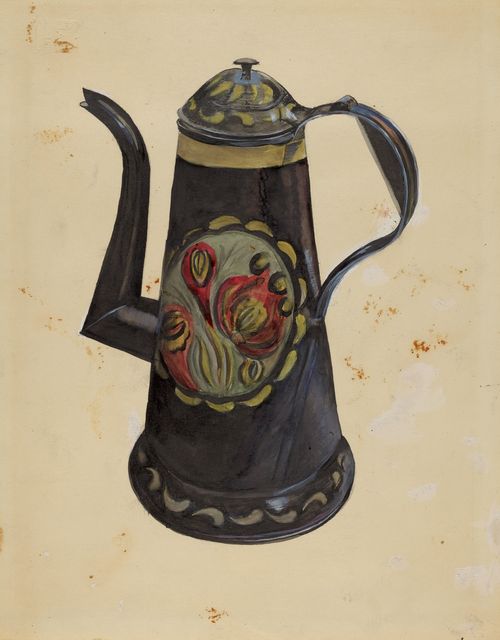
Mina Lowry
United States · 124 in the archive
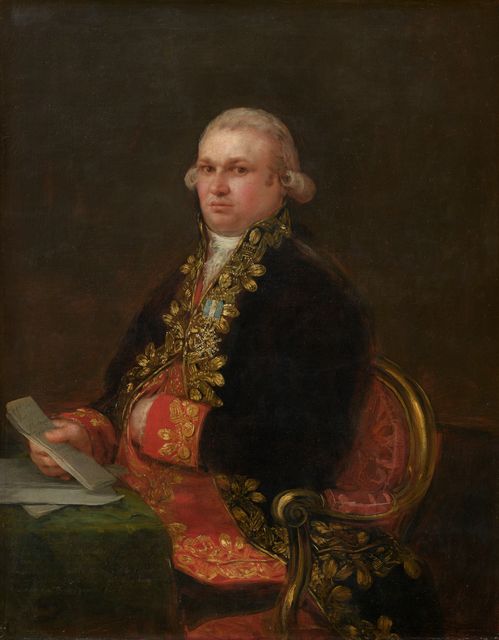
Francisco Goya
Spanish · 113 in the archive
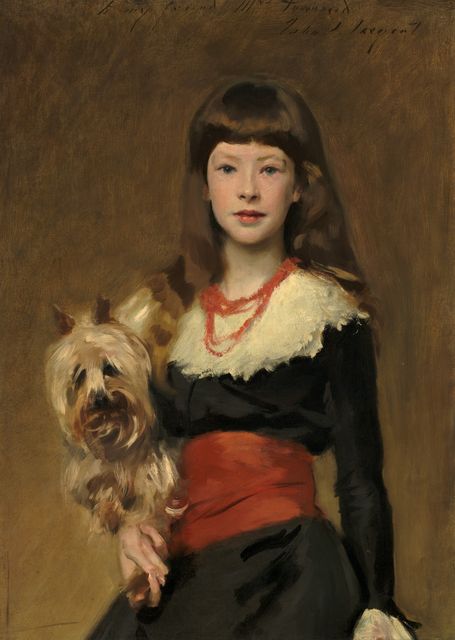
John Singer Sargent
American · 92 in the archive
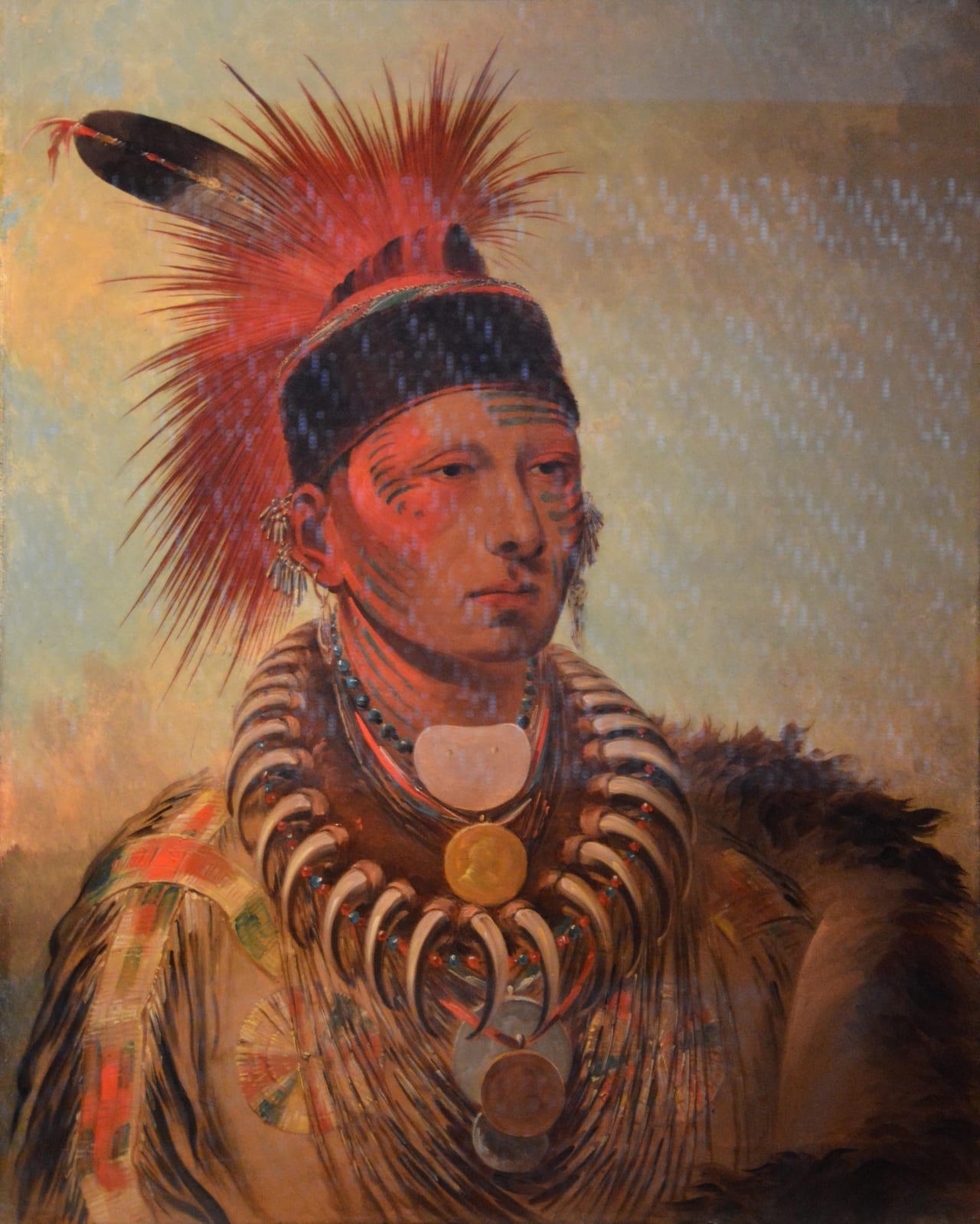
Invite the masters into your living room.
George Catlin on your TV, phone, or tablet. Free to start.
View on MomentableIndependent guide by Momentable · biography from Wikipedia · artworks are in the public domain and credited to the museum that holds them