The Clothed Maja
Francisco Goya · 1800

Francisco Goya
Spanish · 1746–1828
Francisco José de Goya y Lucientes was a Spanish romantic painter and printmaker. He is considered the most important Spanish artist of the late 18th and early 19th centuries. His paintings, drawings, and engravings reflected contemporary historical upheavals and influenced important 19th- and 20th-century painters. Goya is often referred to as the last of the Old Masters and the first of the moderns. He is widely regarded as one of the most influential figures in the history of Western art.
Independent artist guide by Momentable. Biography from Wikipedia; artworks credited to the museums that hold them.
 LIVENow streaming · The Clothed Maja
- works in the archive
- 150works in the archive
- life
- 1746–1828life
- movement
- Romanticismmovement
The work
A selection of 33 works, free to stream.
The Clothed Maja
Francisco Goya · 1800
Museo del Prado
Witches' Sabbath
Francisco Goya · 1820
Museo del Prado
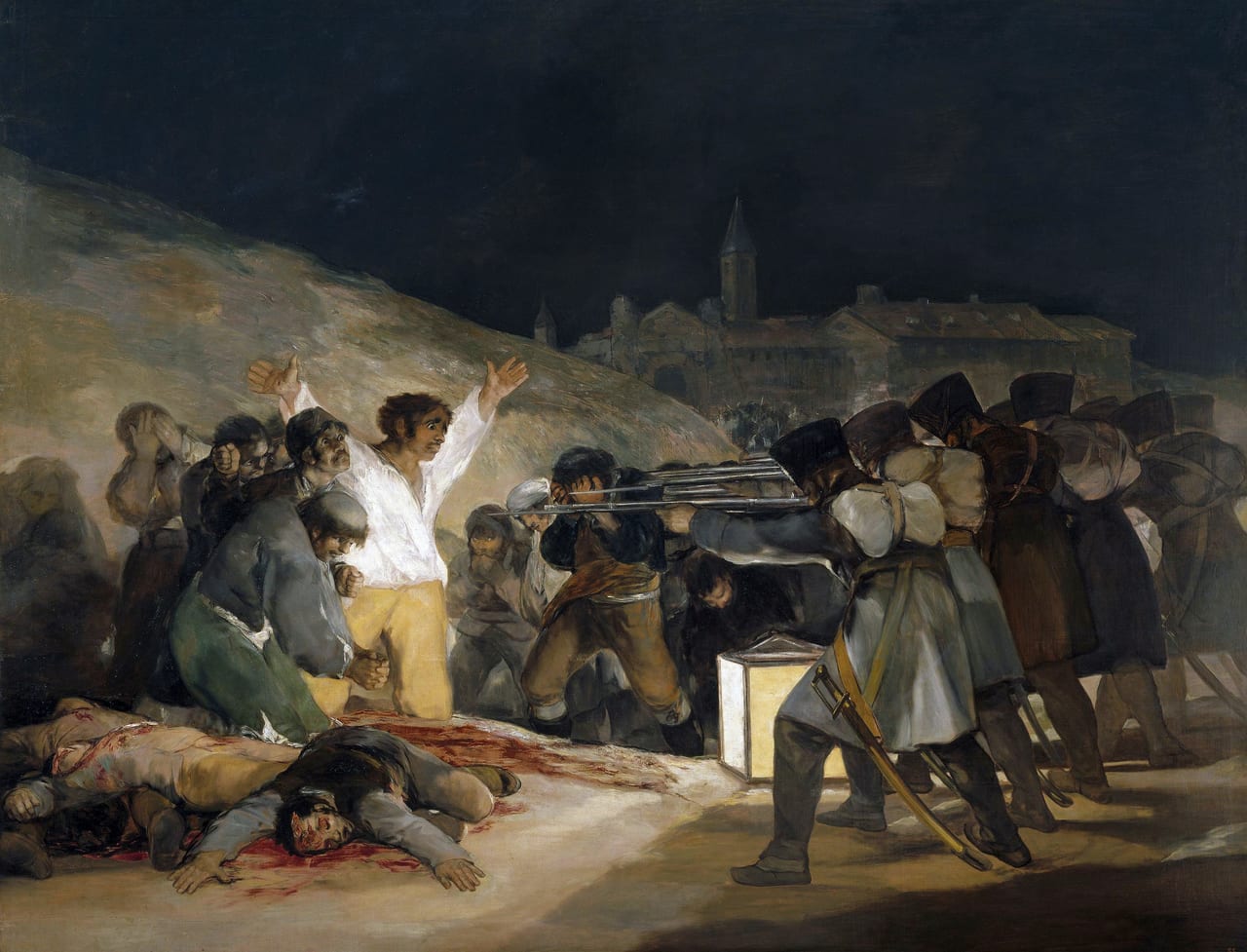
The Third of May 1808
Francisco Goya · 1814
Museo del Prado
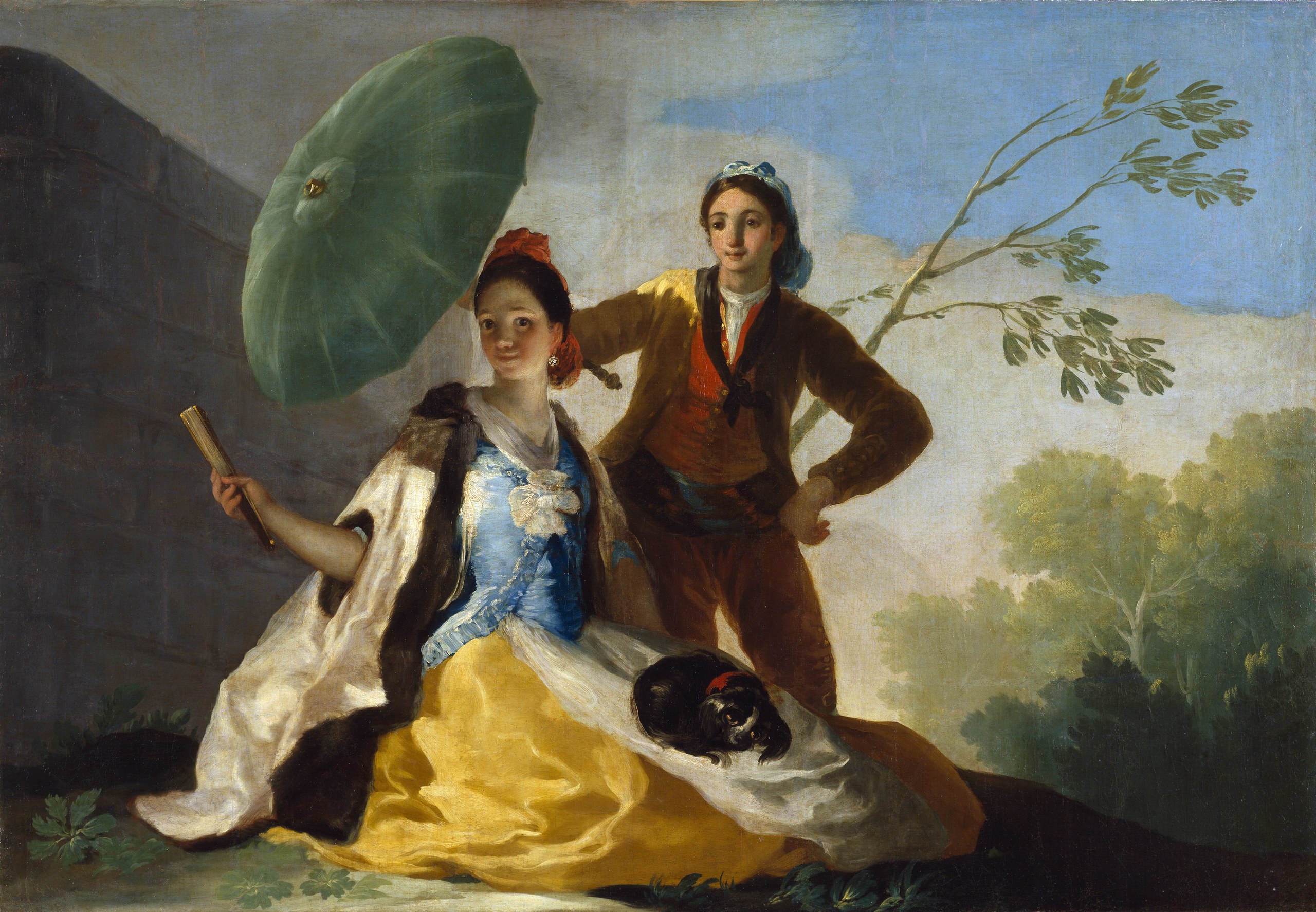
The Parasol
Francisco Goya · 1777
Museo del Prado
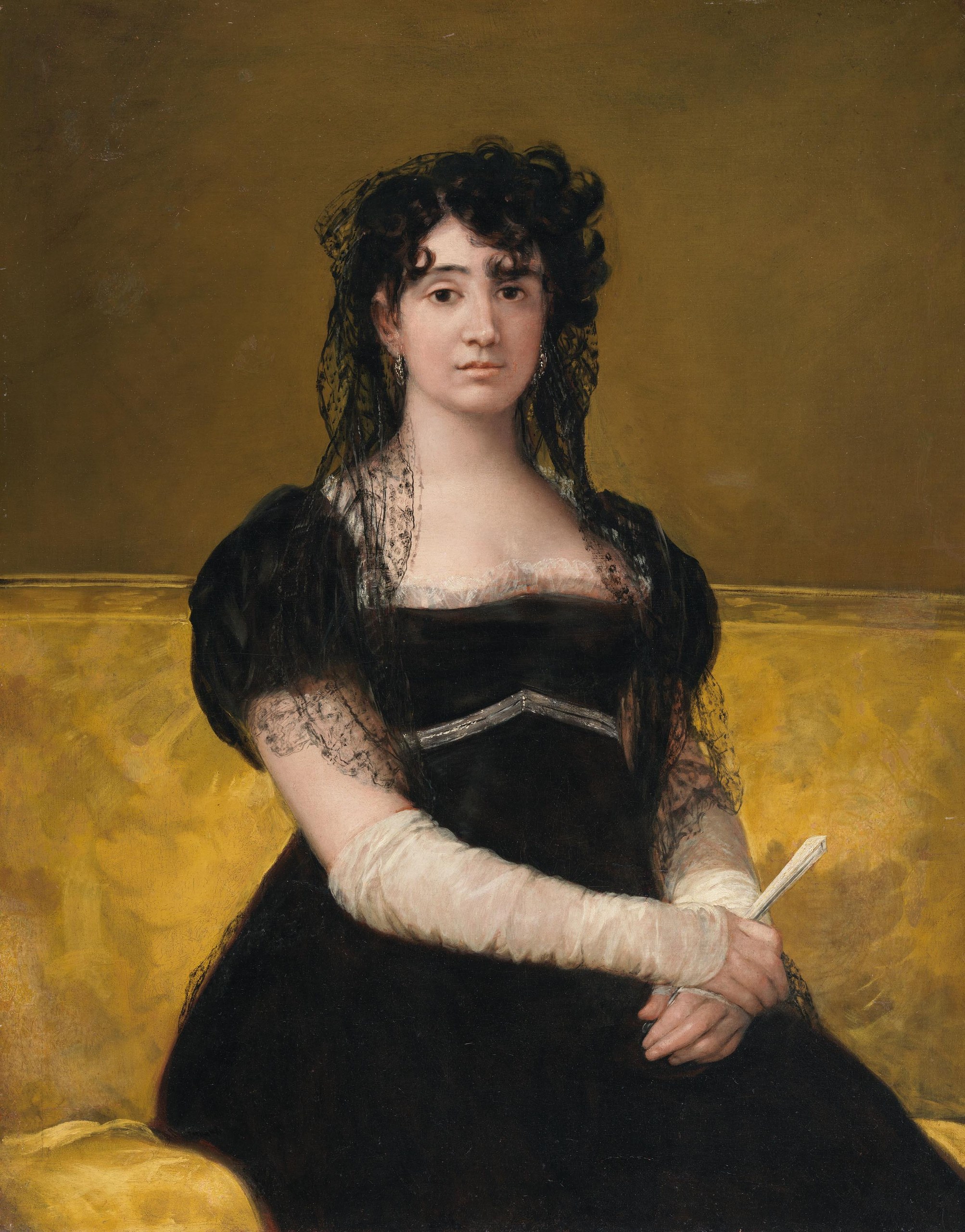
Portrait of Doña Antonia Zárate
Francisco Goya · 1805
National Gallery of Ireland
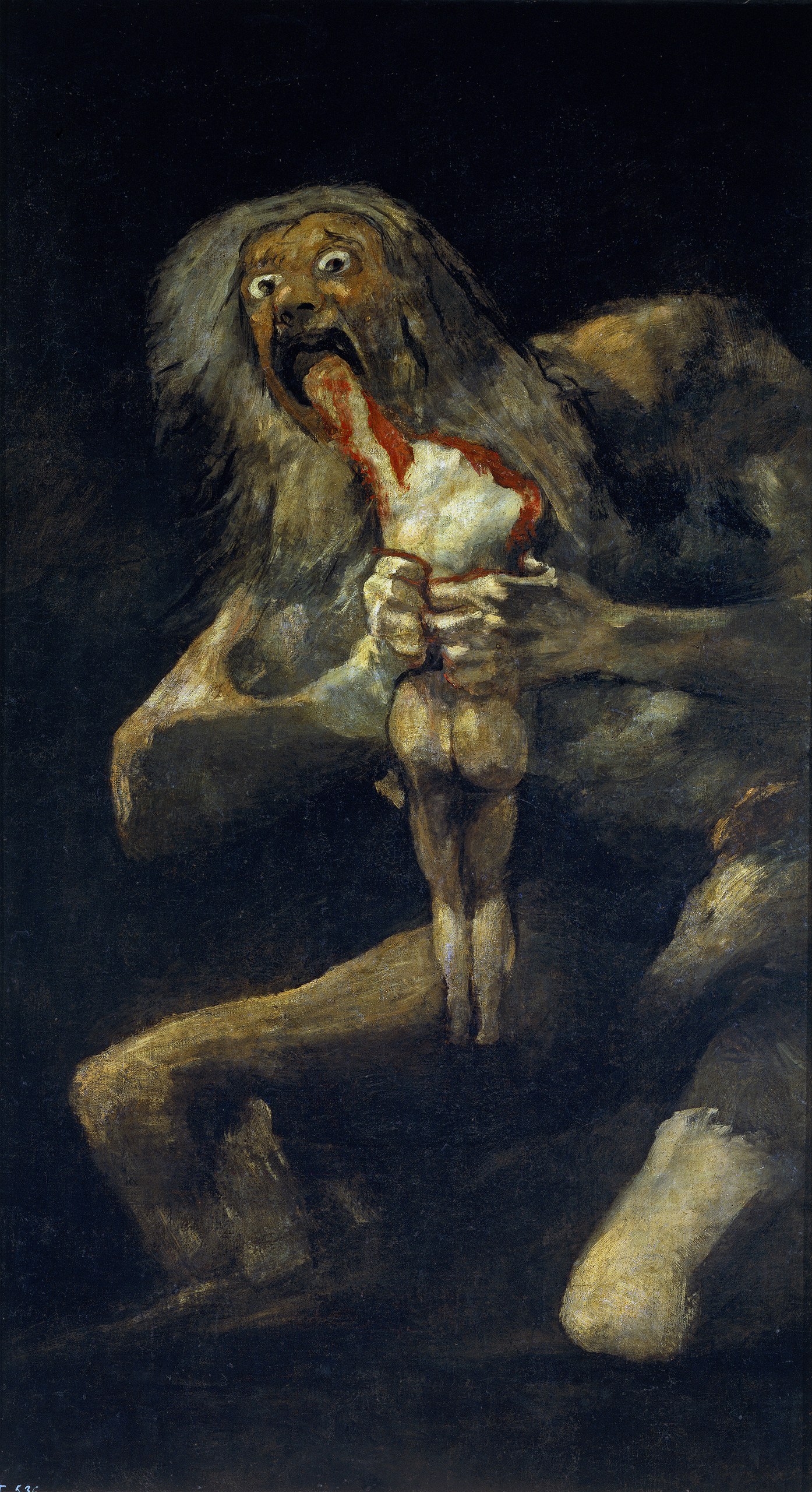
Saturn Devouring His Son
Francisco Goya · 1820
Museo del Prado
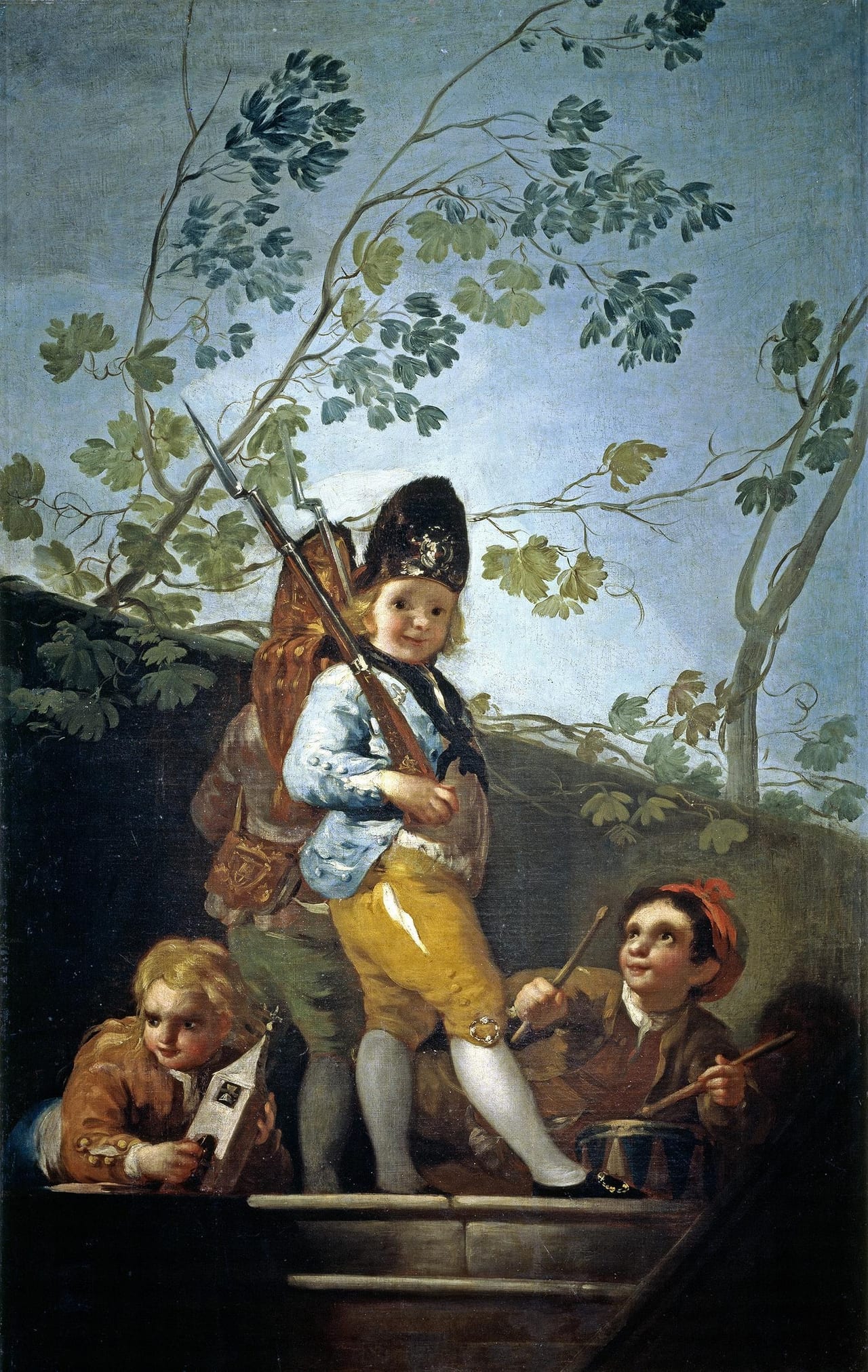
Boys playing soldiers
Francisco Goya · 1778
Museo del Prado
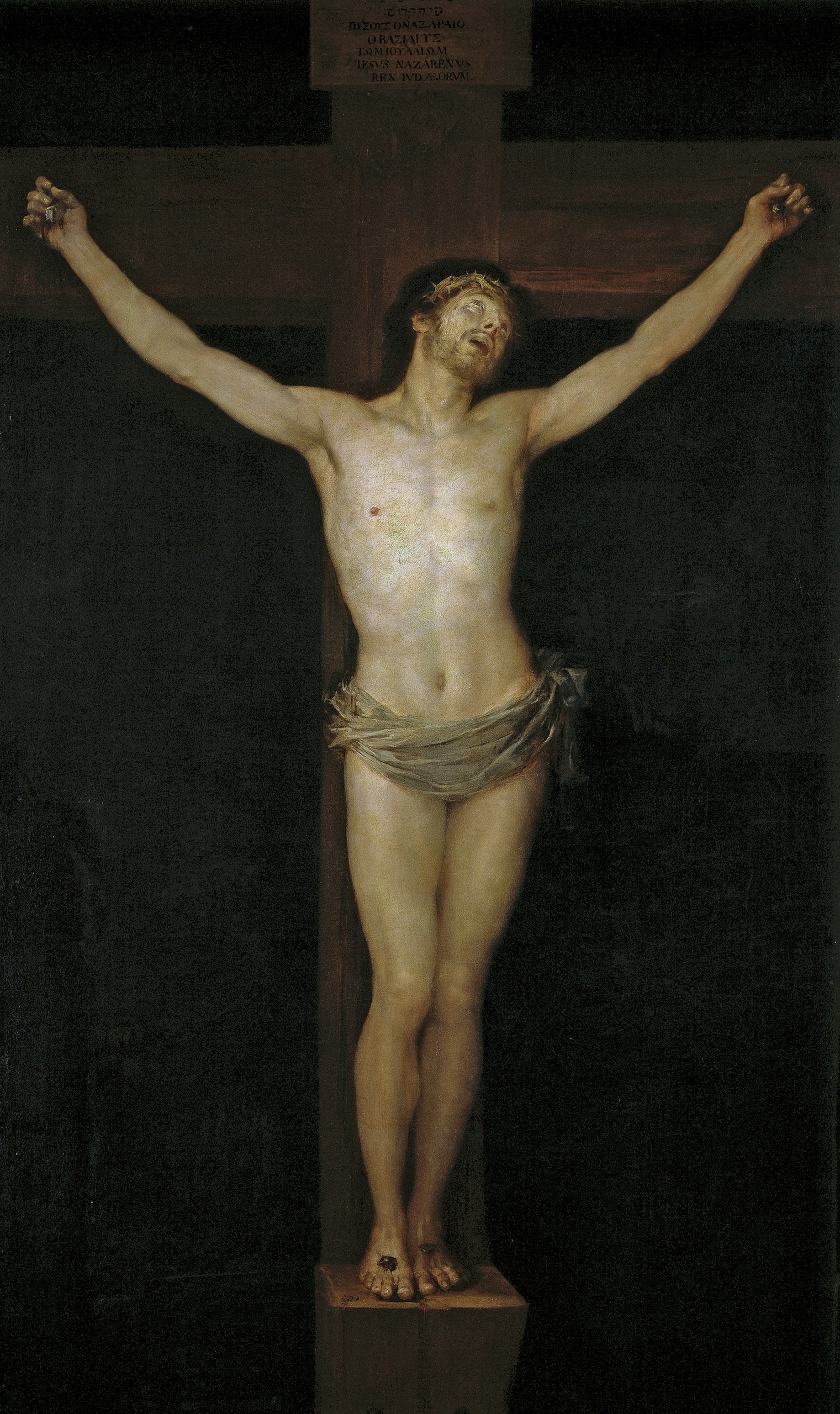
Christ Crucified
Francisco Goya · 1780
Museo del Prado
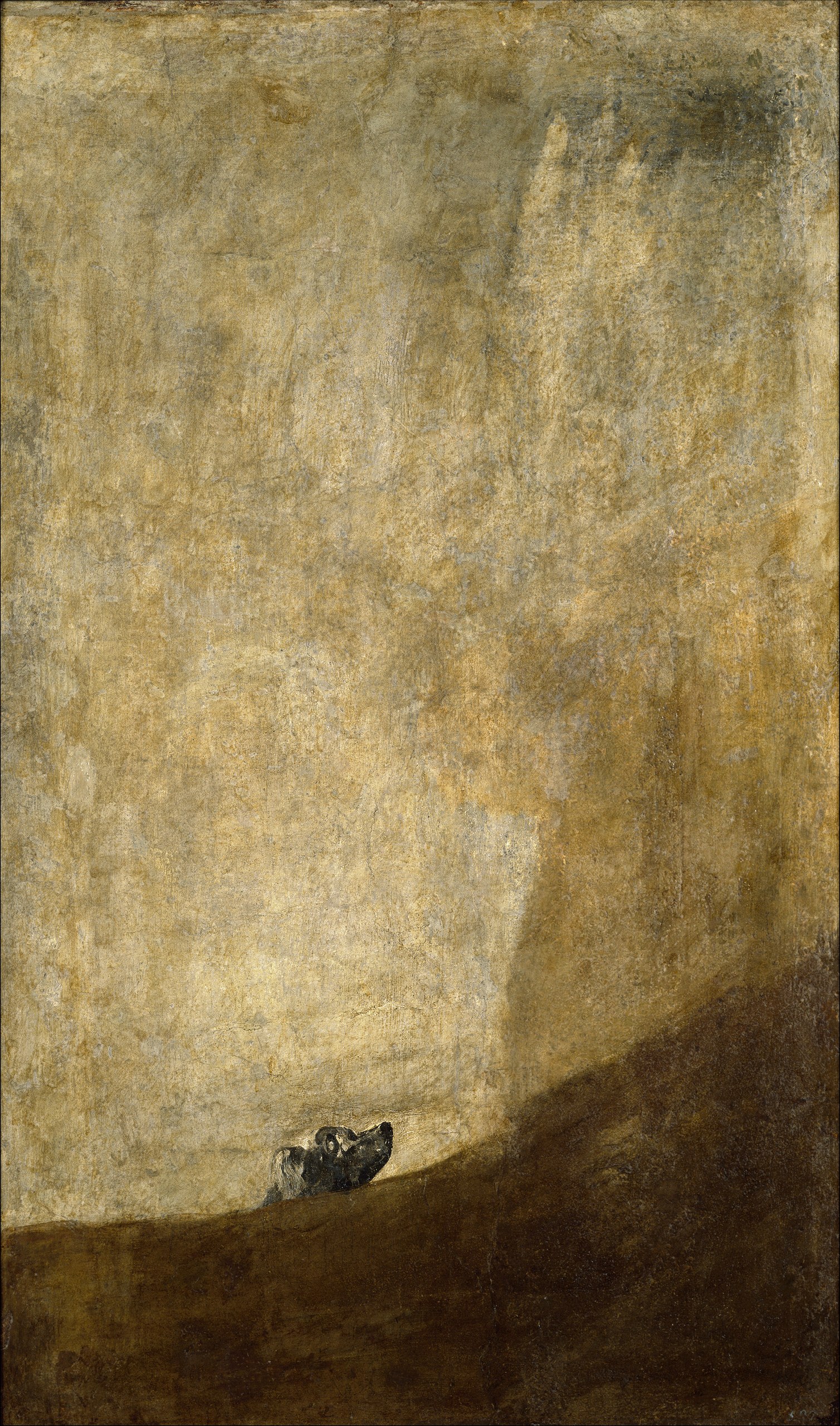
The Dog
Francisco Goya · c. 1820–1823
Museo del Prado
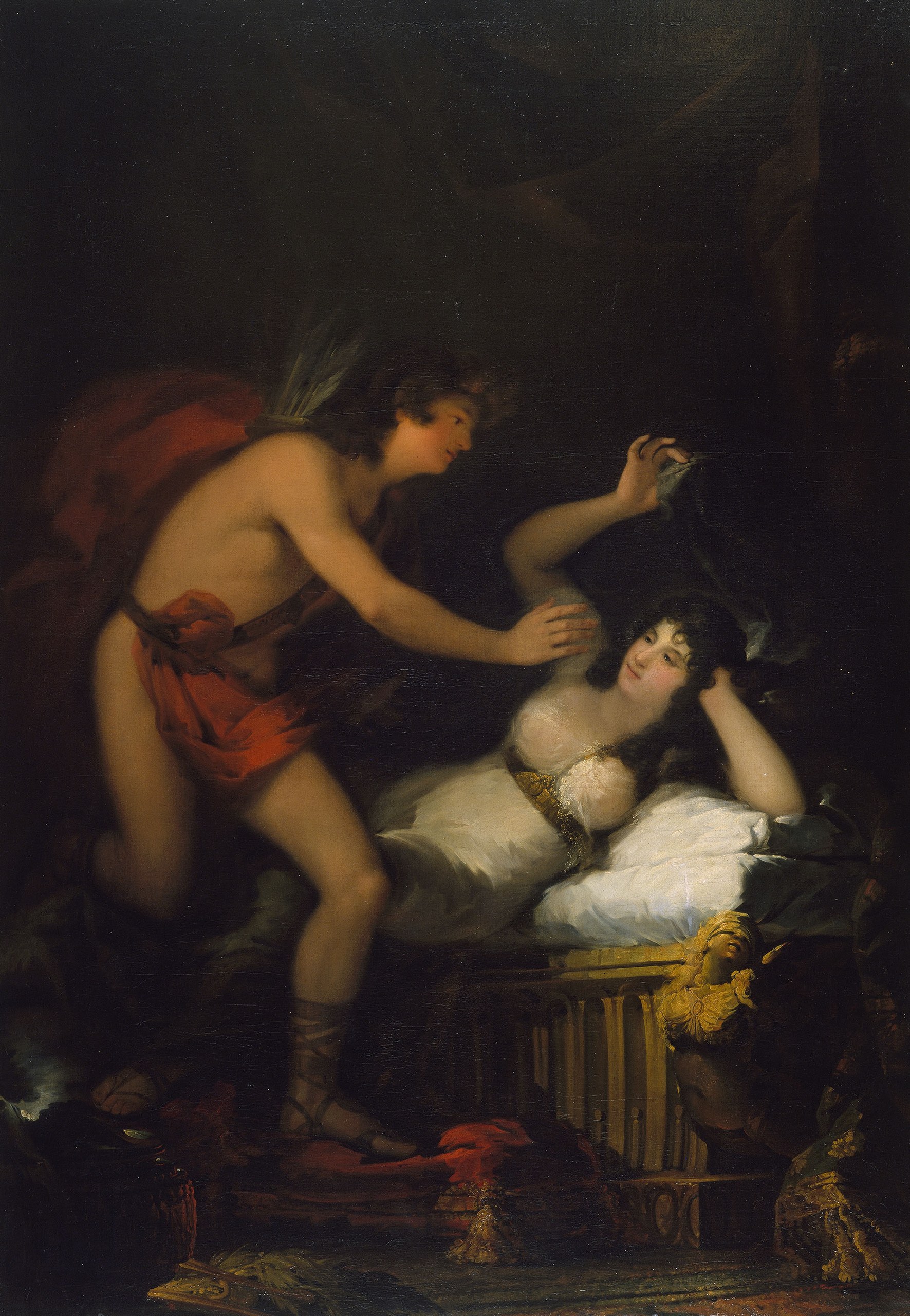
Allegory of Love, Cupid and Psyche
Francisco Goya · 1798
Museu Nacional d'Art de Catalunya
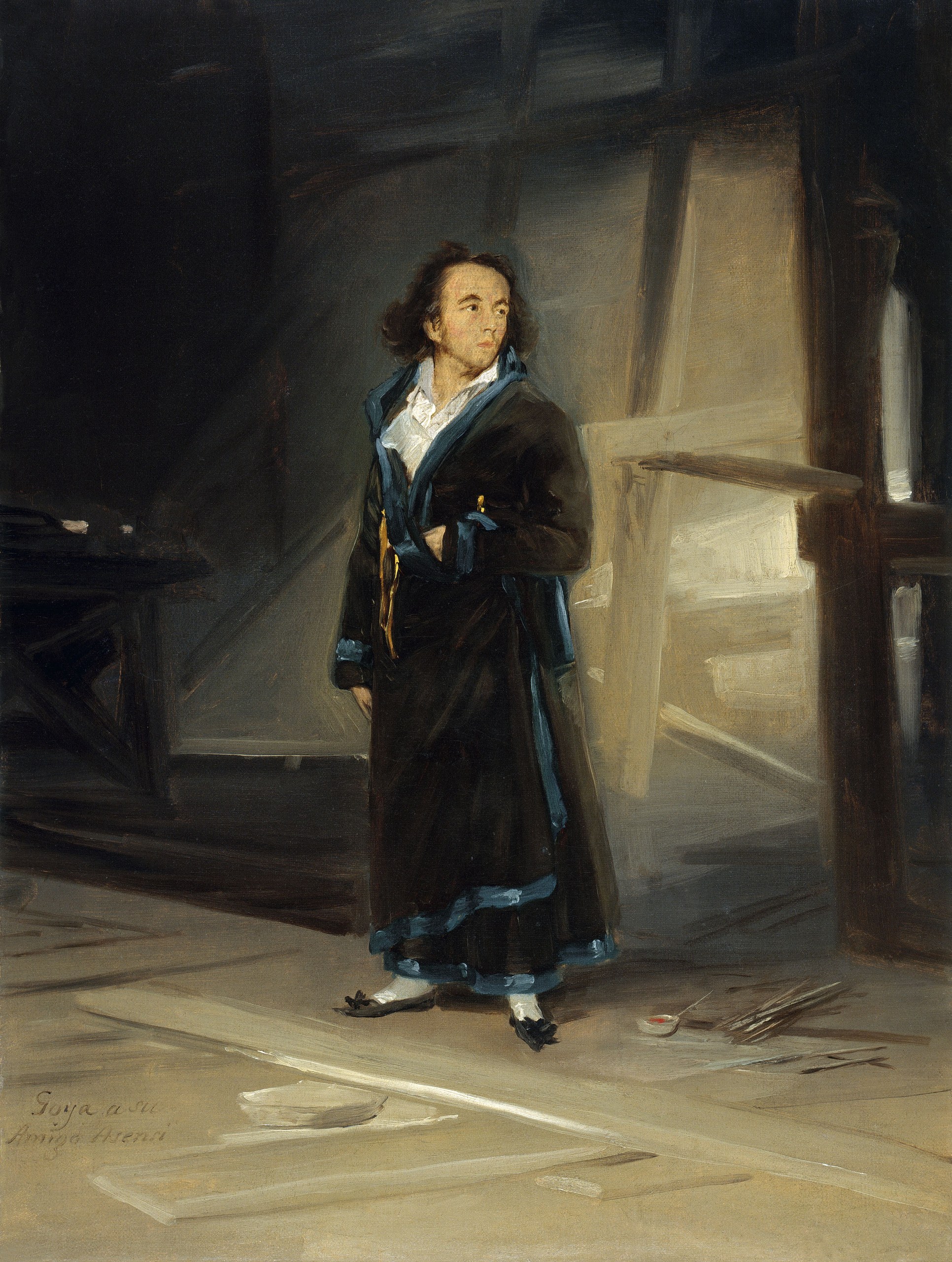
Portrait of Asensio Julià
Francisco Goya · 1798
Thyssen-Bornemisza Museum
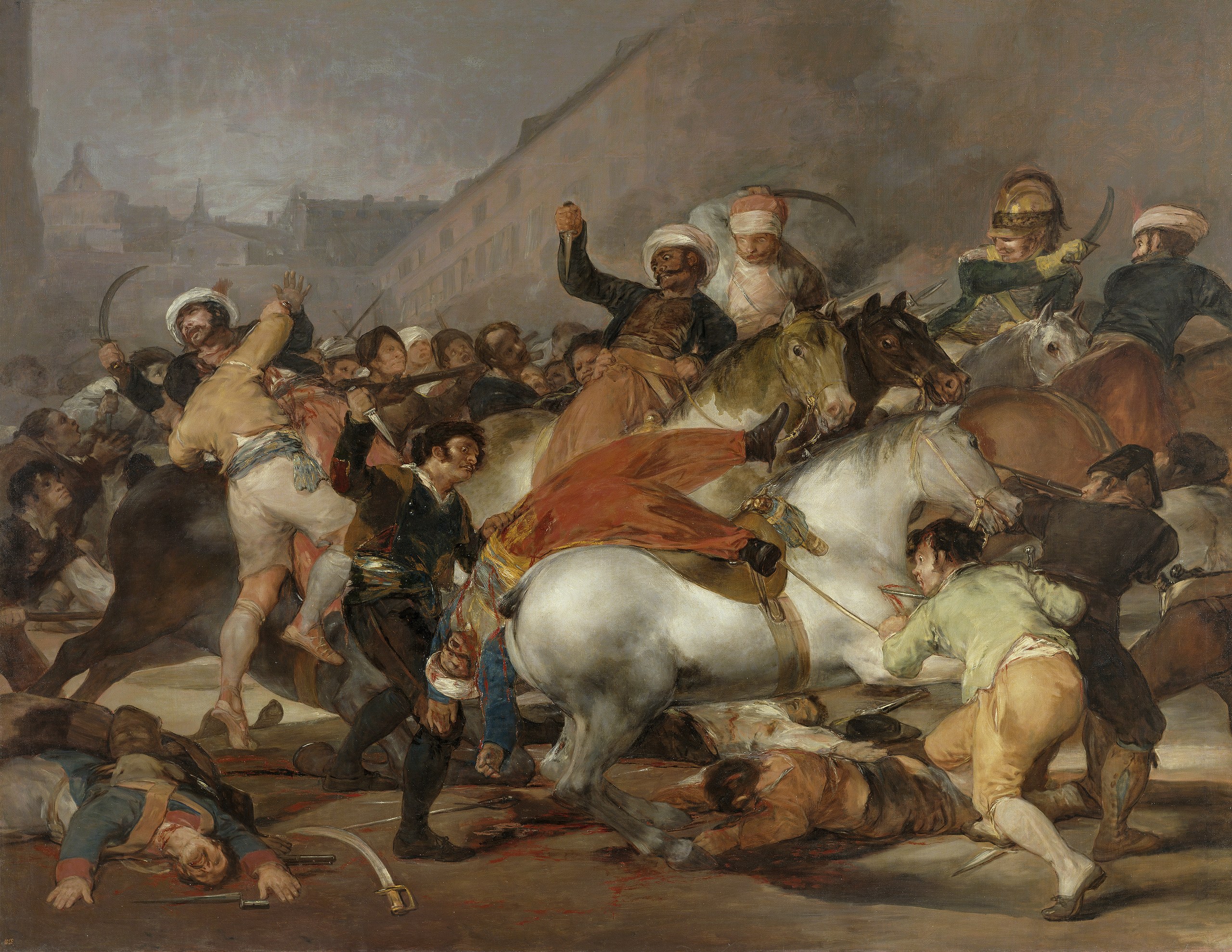
The Second of May 1808
Francisco Goya · 1814
Museo del Prado
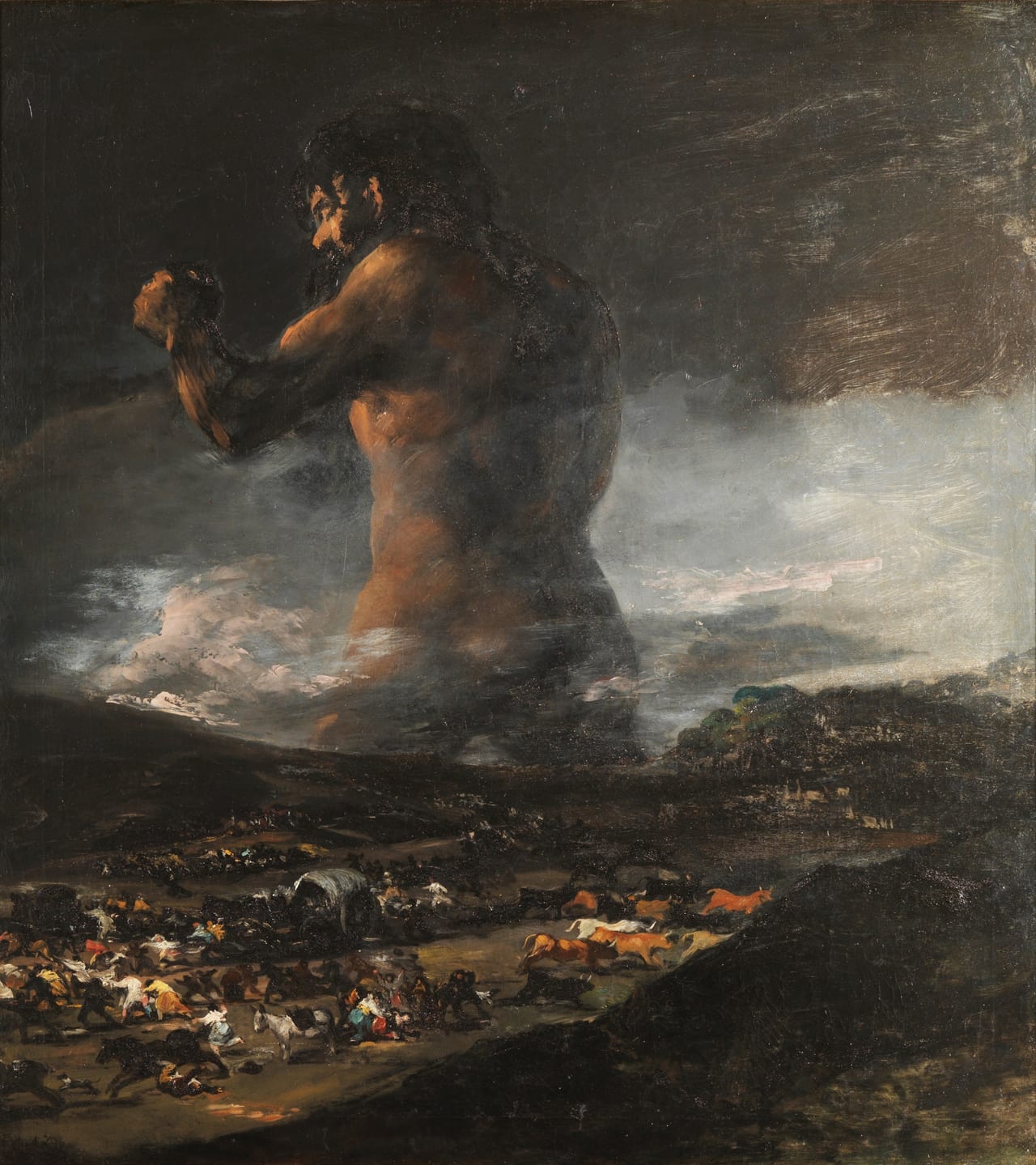
The Colossus
Francisco Goya · 1818
Museo del Prado
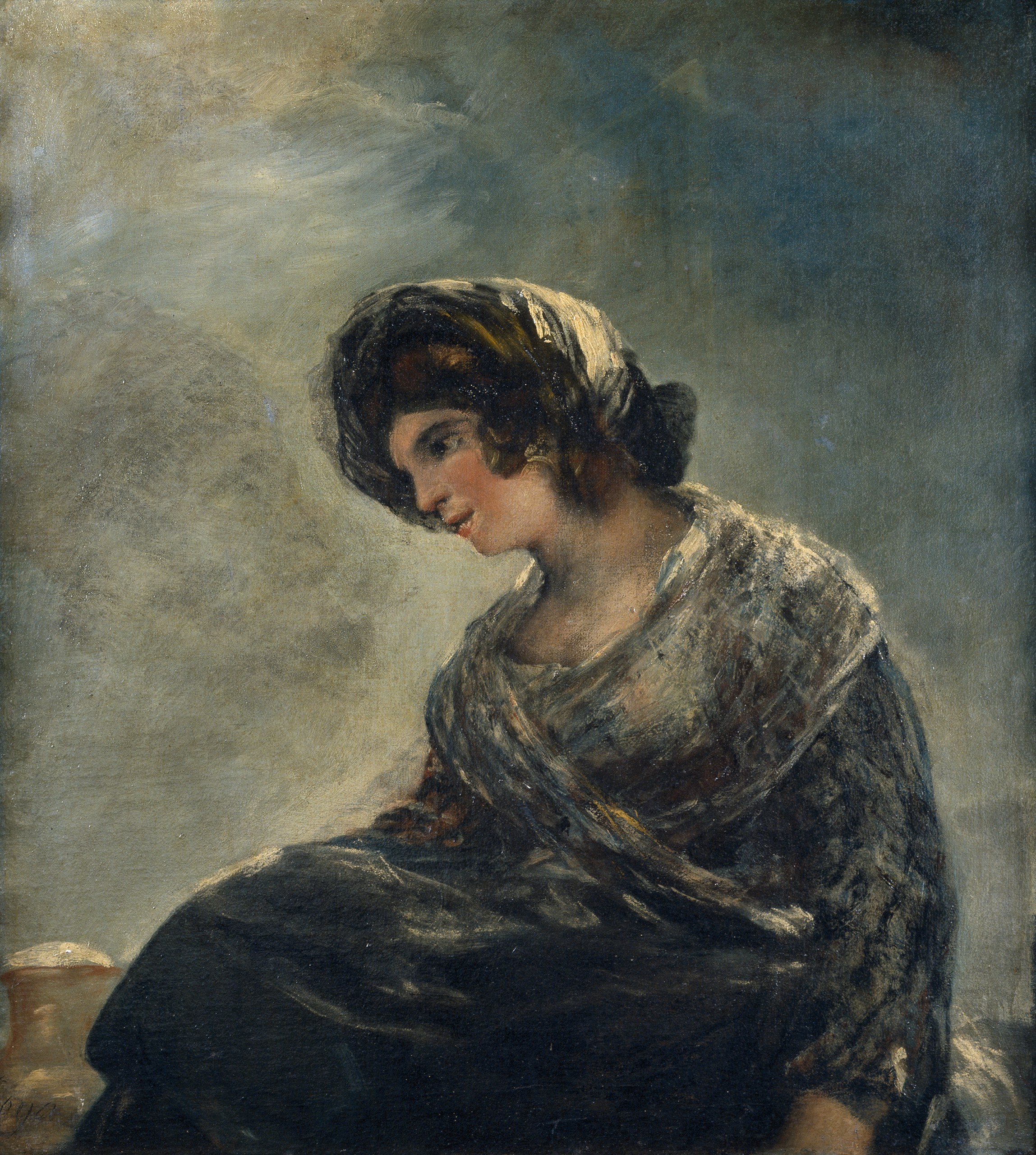
The Milkmaid of Bordeaux
Francisco Goya · 1827
Museo del Prado
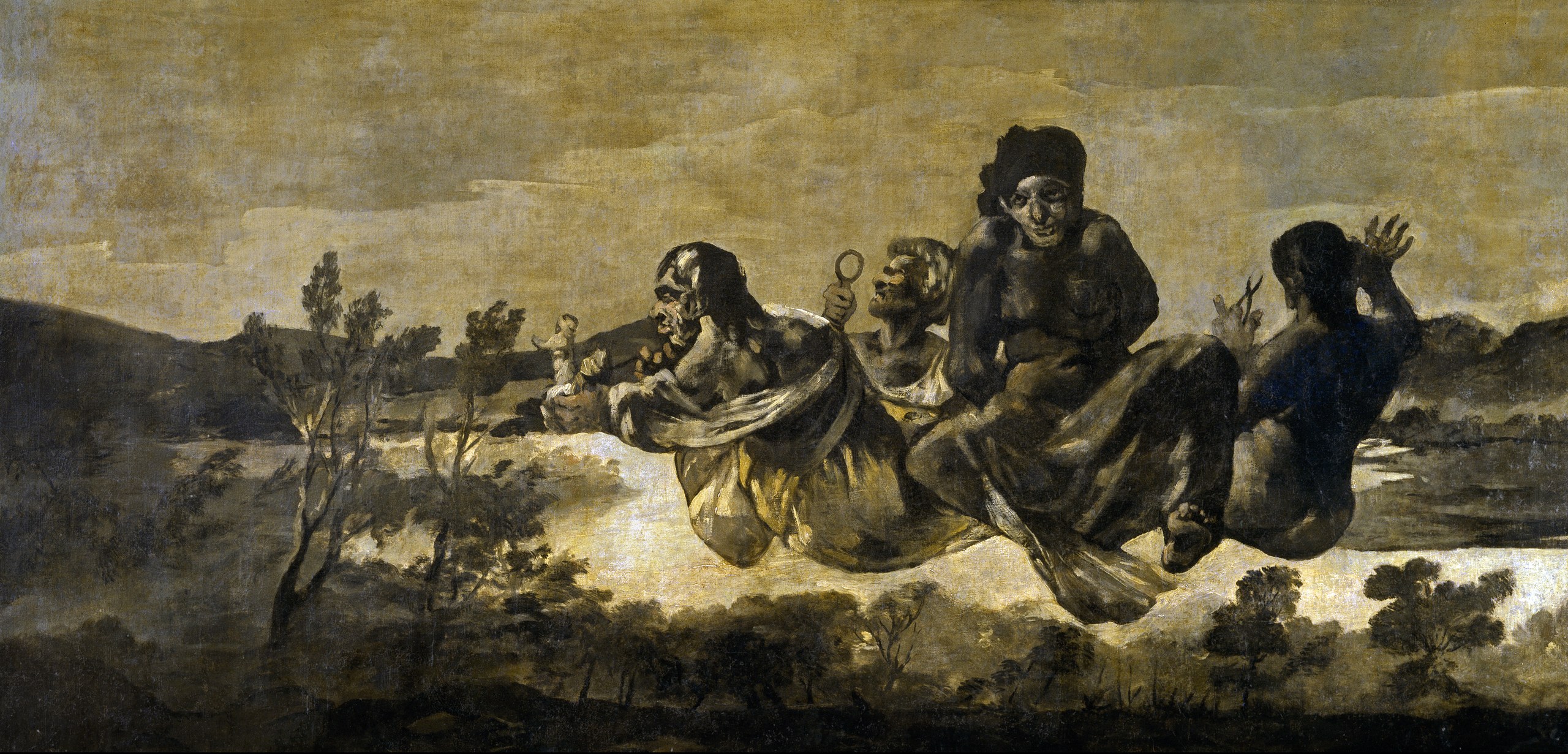
Atropos
Francisco Goya · c. 1820–1823
Museo del Prado
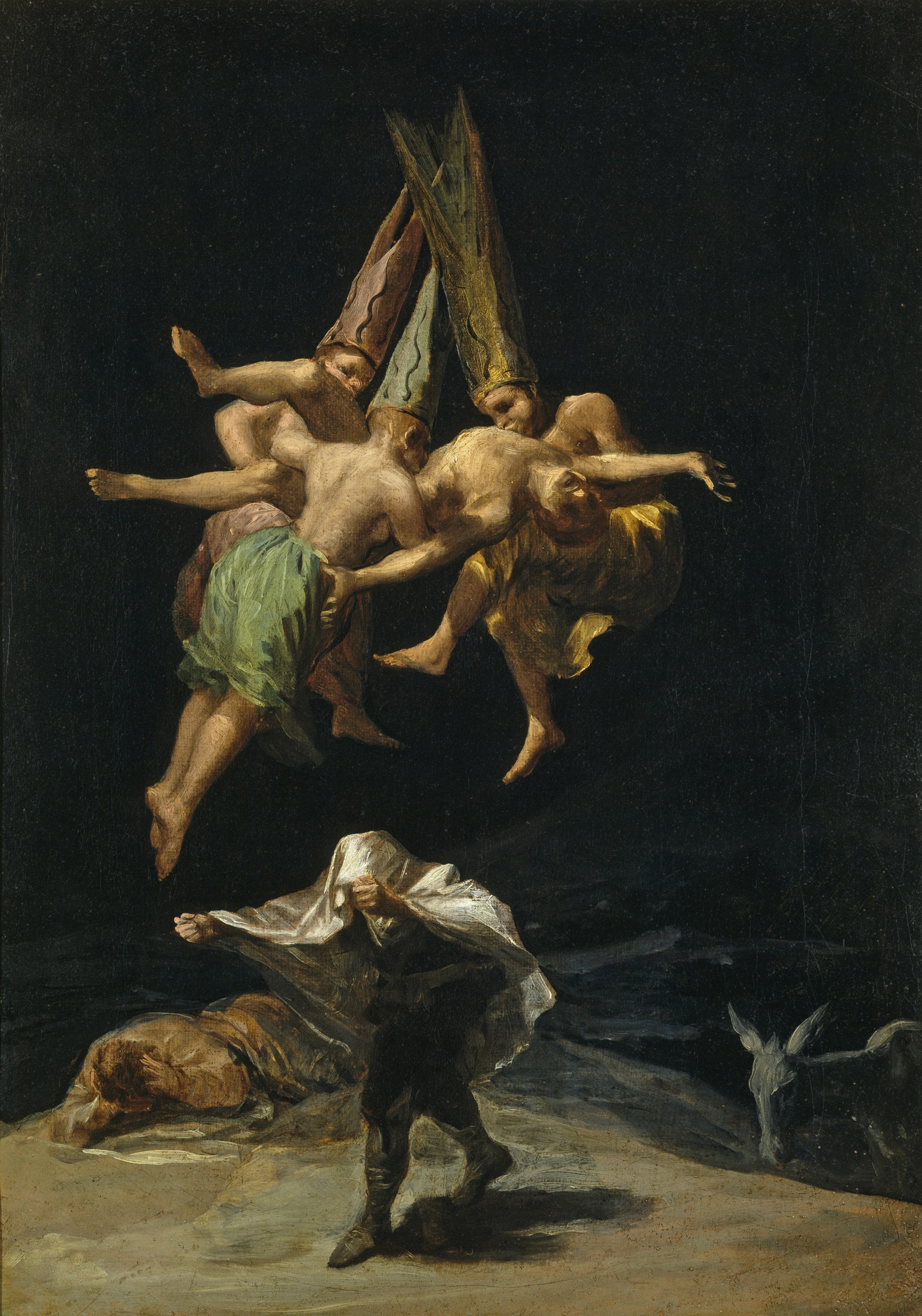
Witches' Flight
Francisco Goya · 1797
Museo del Prado
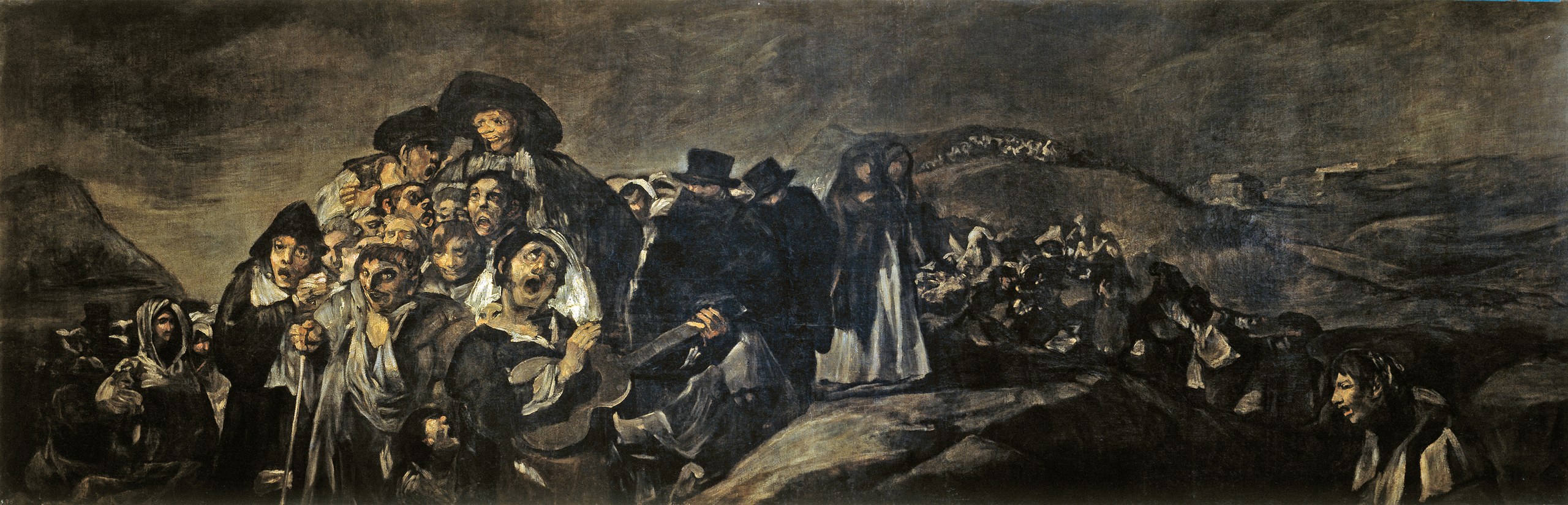
A Pilgrimage to San Isidro
Francisco Goya · c. 1820–1823
Museo del Prado
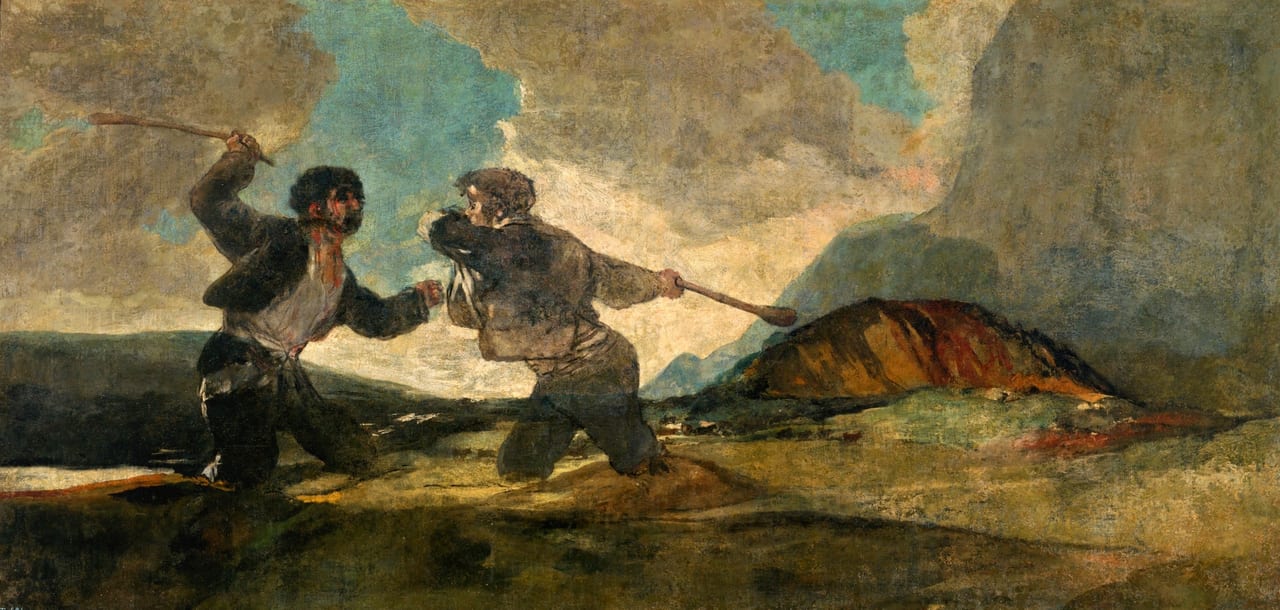
Fight with Cudgels
Francisco Goya · 1820
Museo del Prado
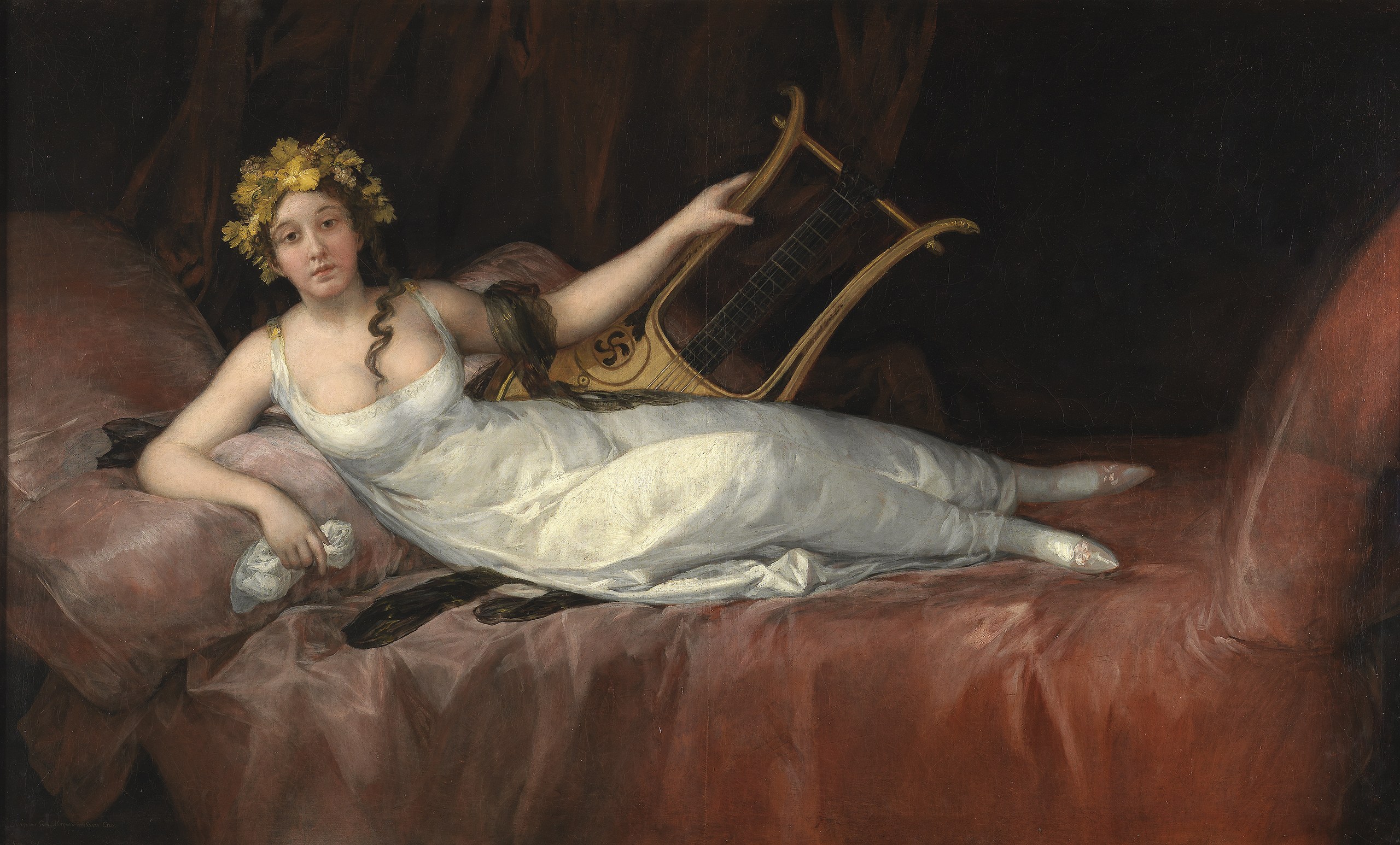
Portrait of the Marchioness of Santa Cruz
Francisco Goya · 1805
Museo del Prado
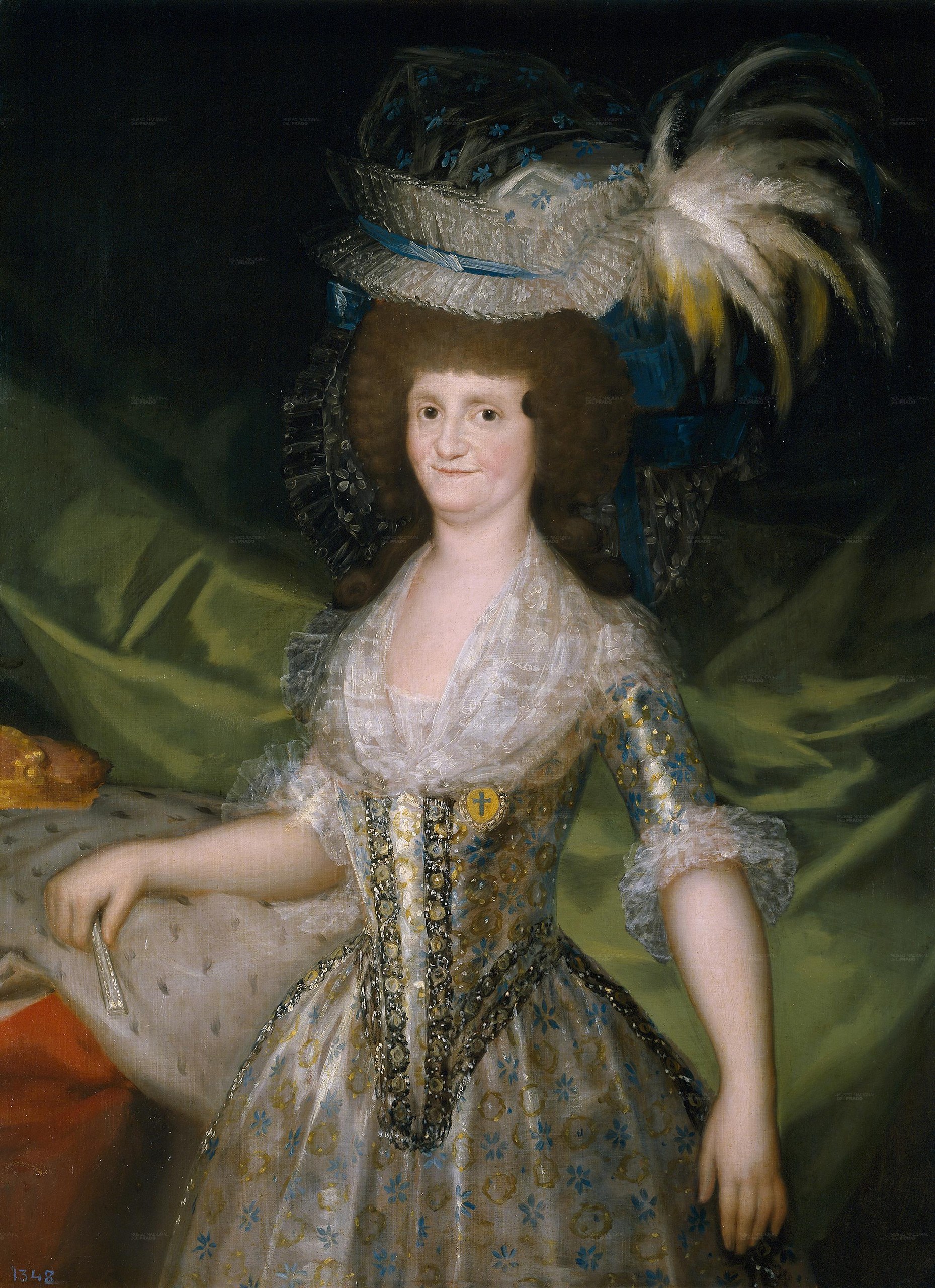
Queen of Spain Maria Louisa, née Bourbon-Parma
Francisco Goya · 1790
Museu Nacional d'Art de Catalunya
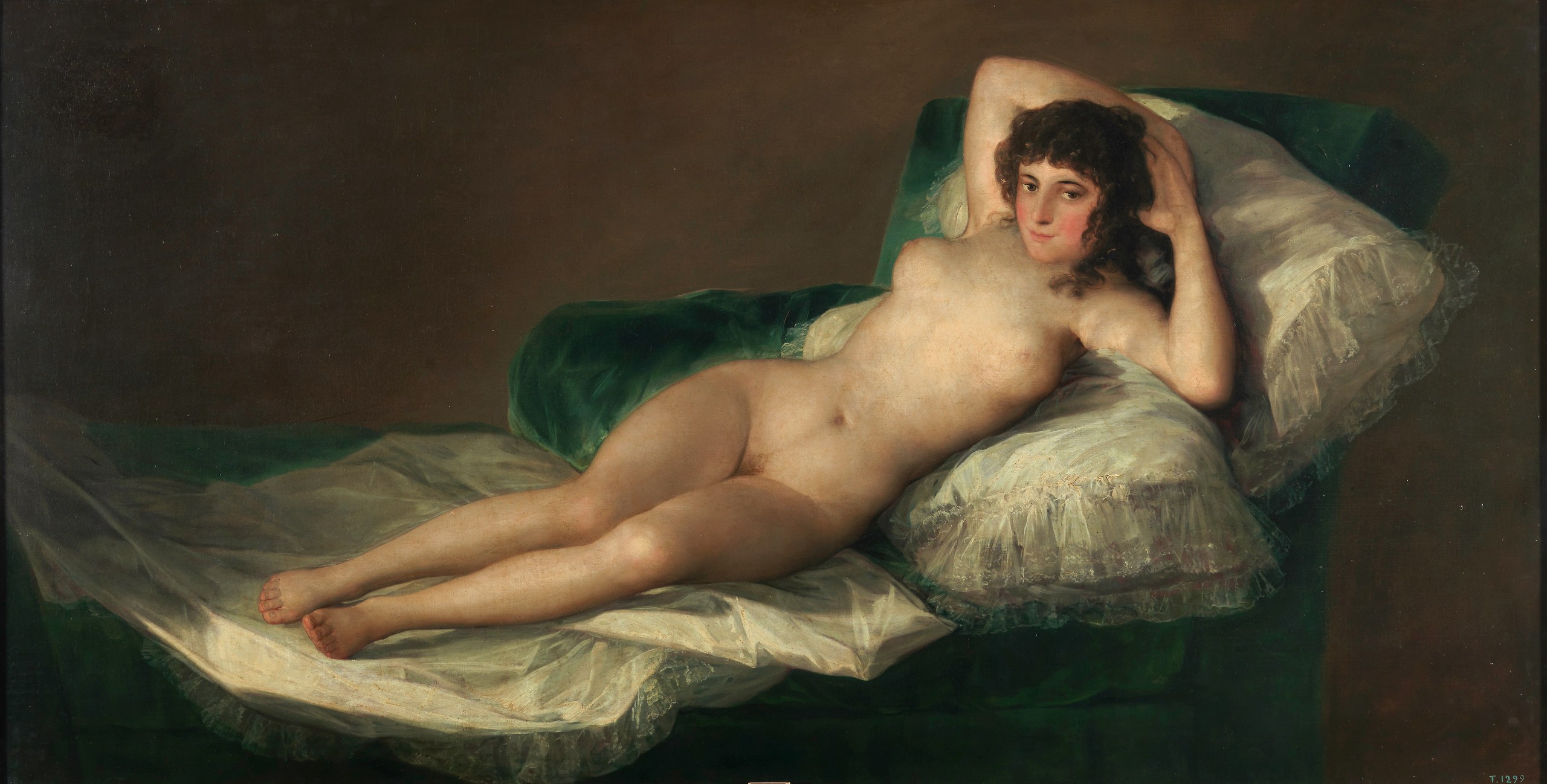
La maja desnuda
Francisco Goya · 1795
Museo del Prado
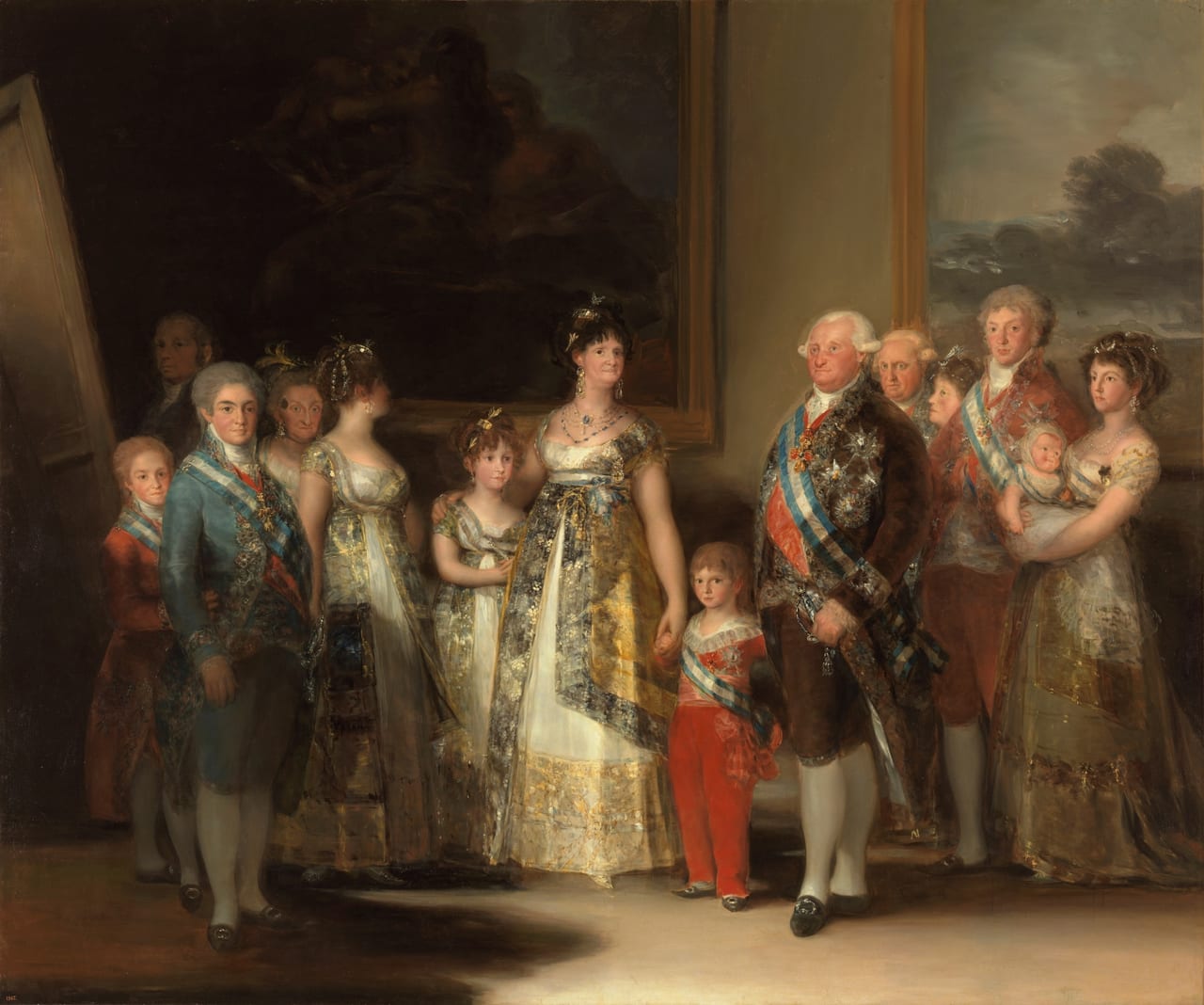
Charles IV of Spain and His Family
Francisco Goya · 1800
Museo del Prado
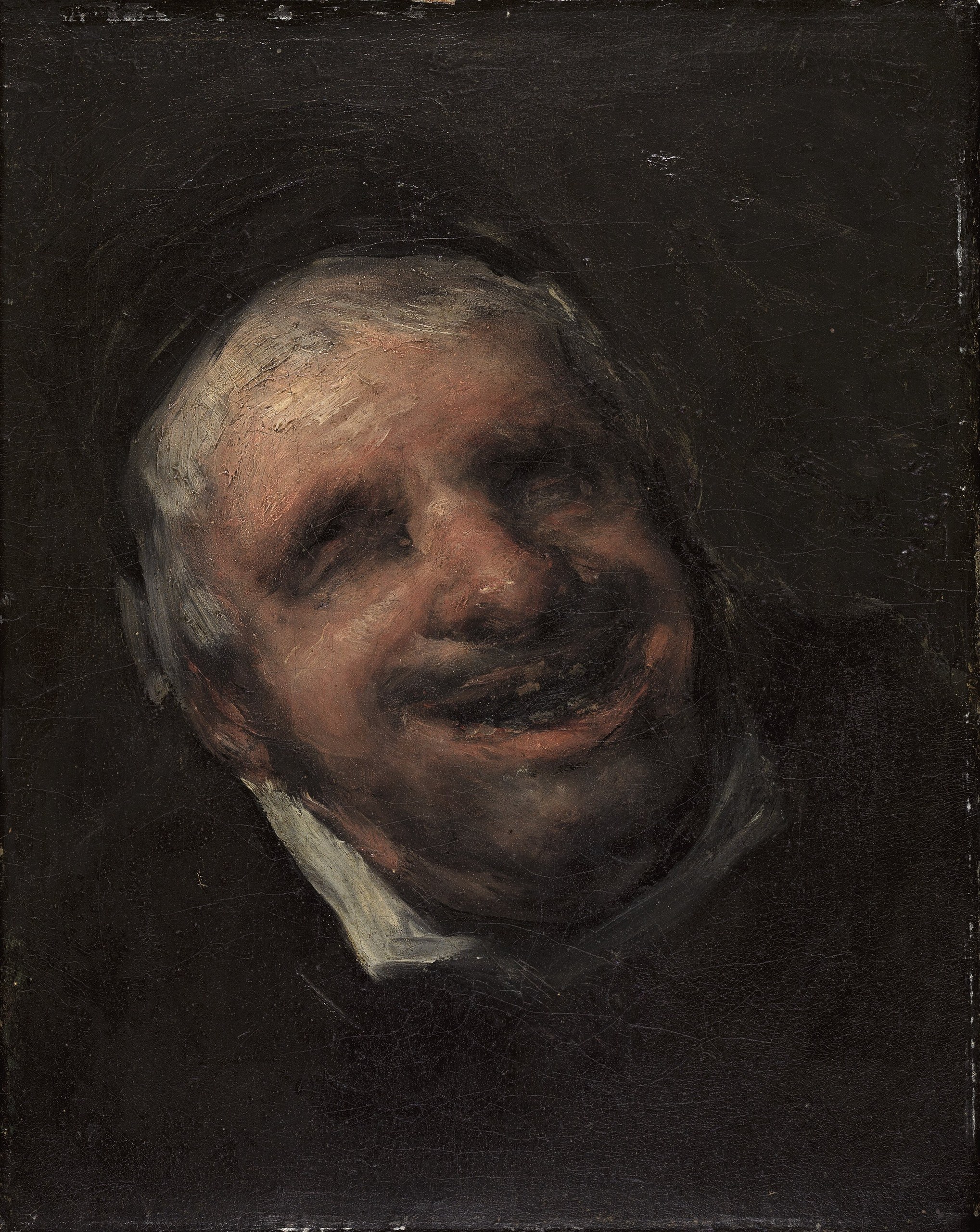
El tío Paquete
Francisco Goya · 1820
Thyssen-Bornemisza Museum
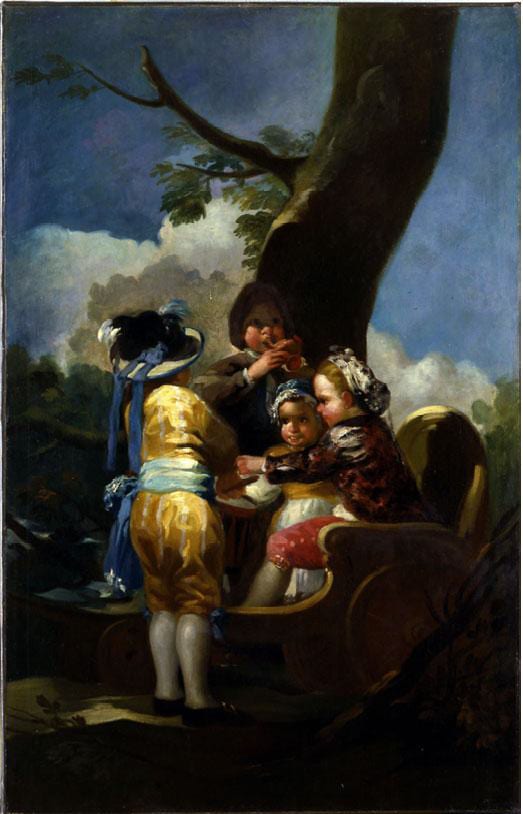
Children with a Cart
Francisco Goya · 1779
Toledo Museum of Art
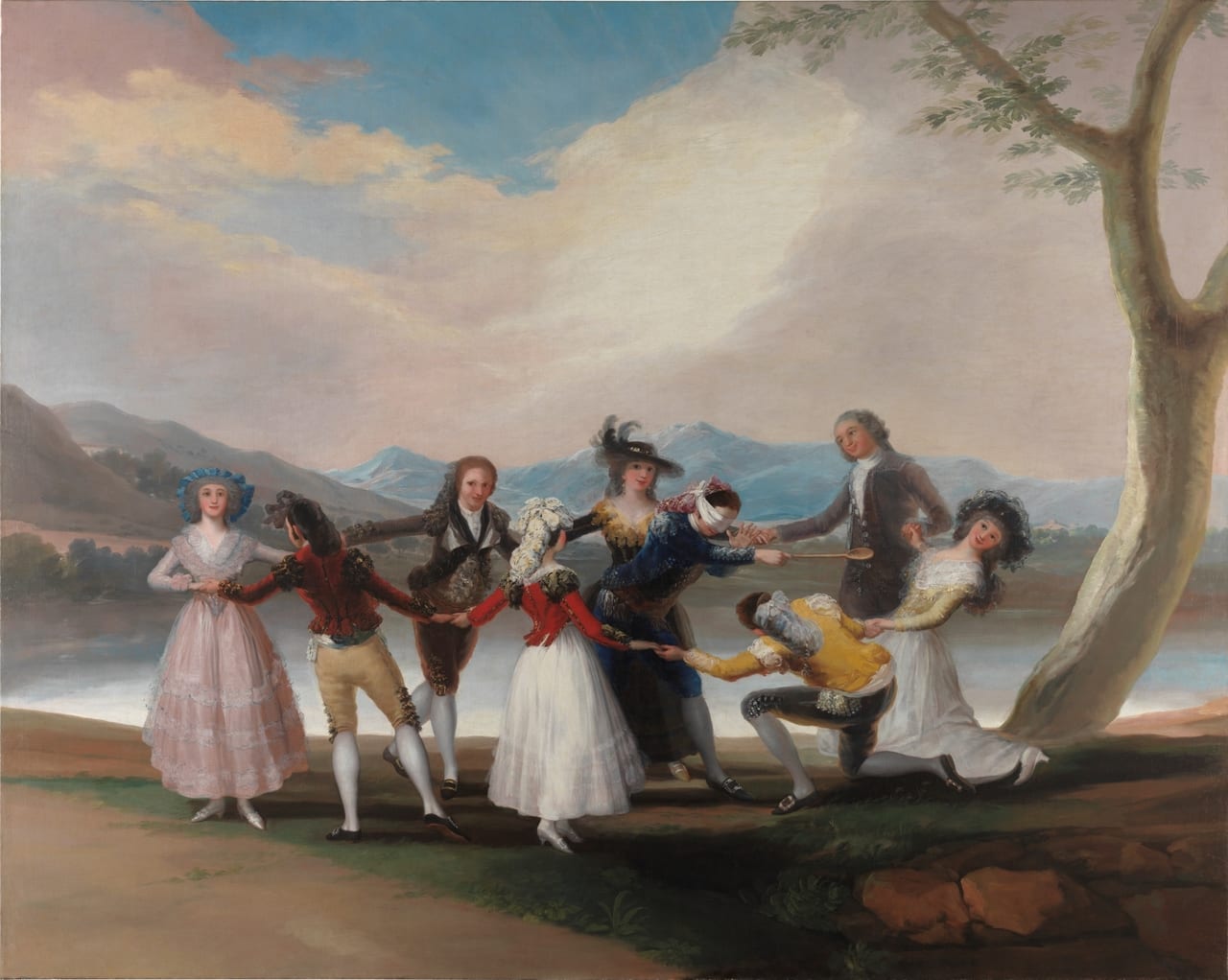
Blind Man's Bluff
Francisco Goya · 1788
Museo del Prado
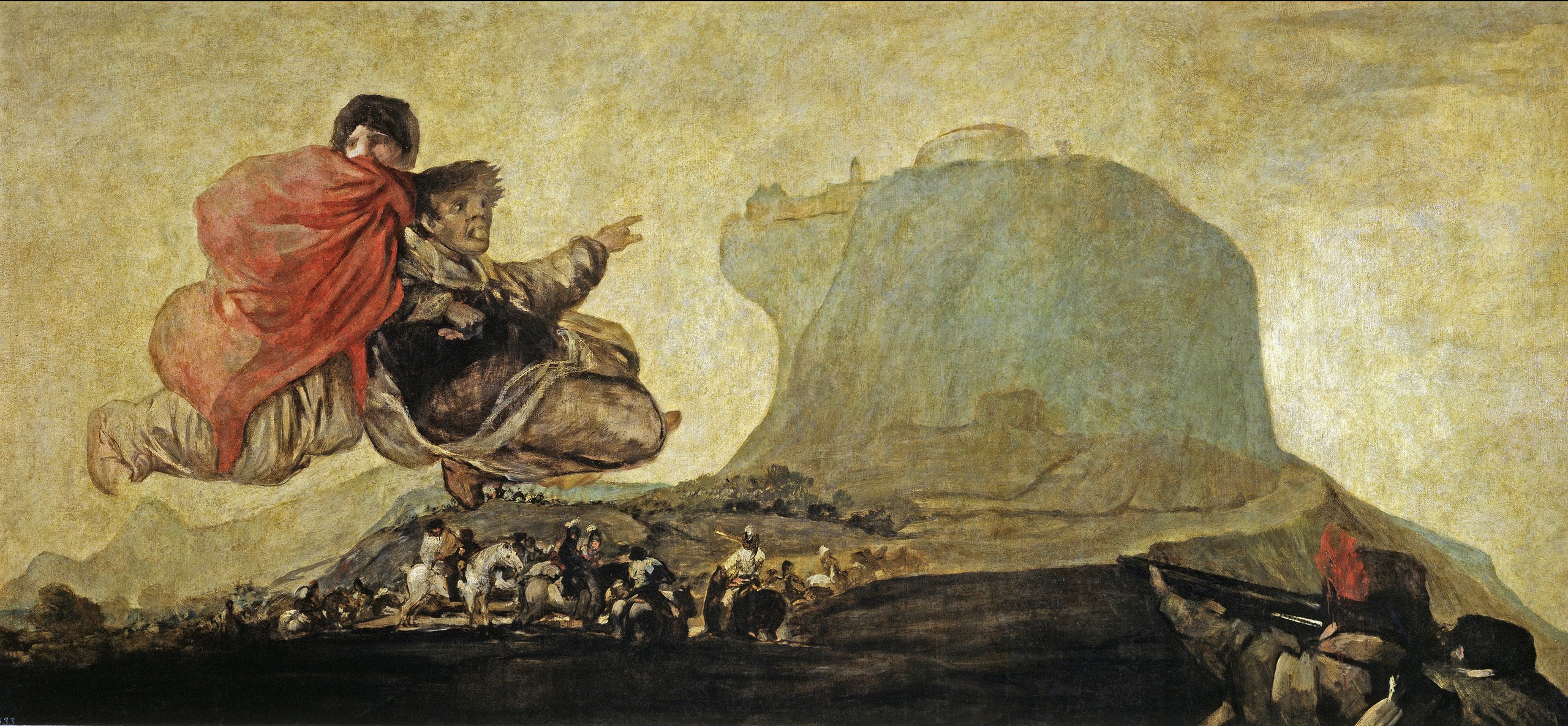
Asmodea
Francisco Goya · c. 1820–1823
Museo del Prado
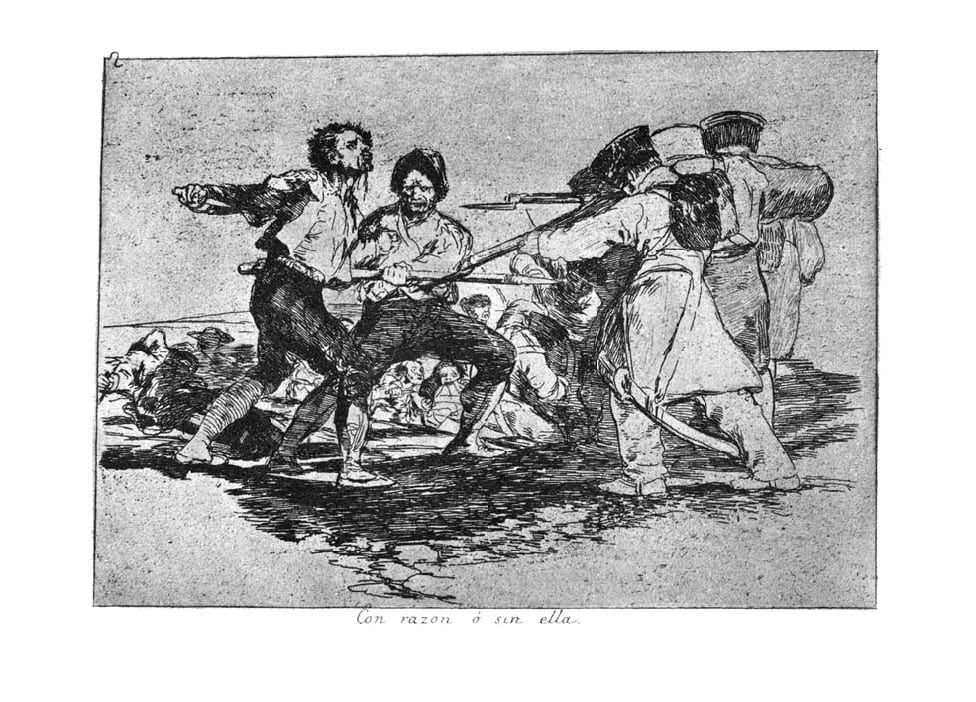
The Disasters of War
Francisco Goya · 1810
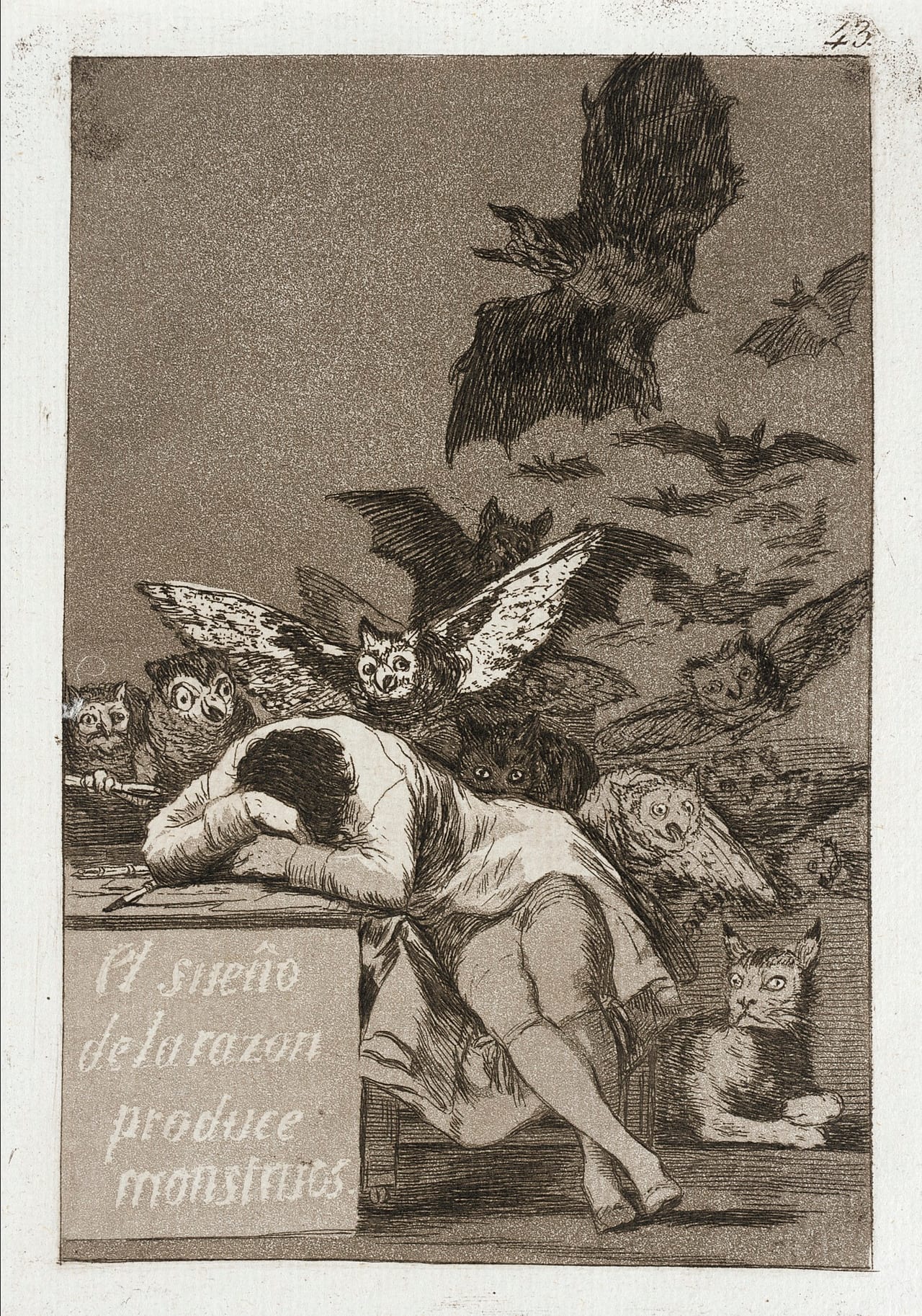
Caprichos
Francisco Goya · 1799
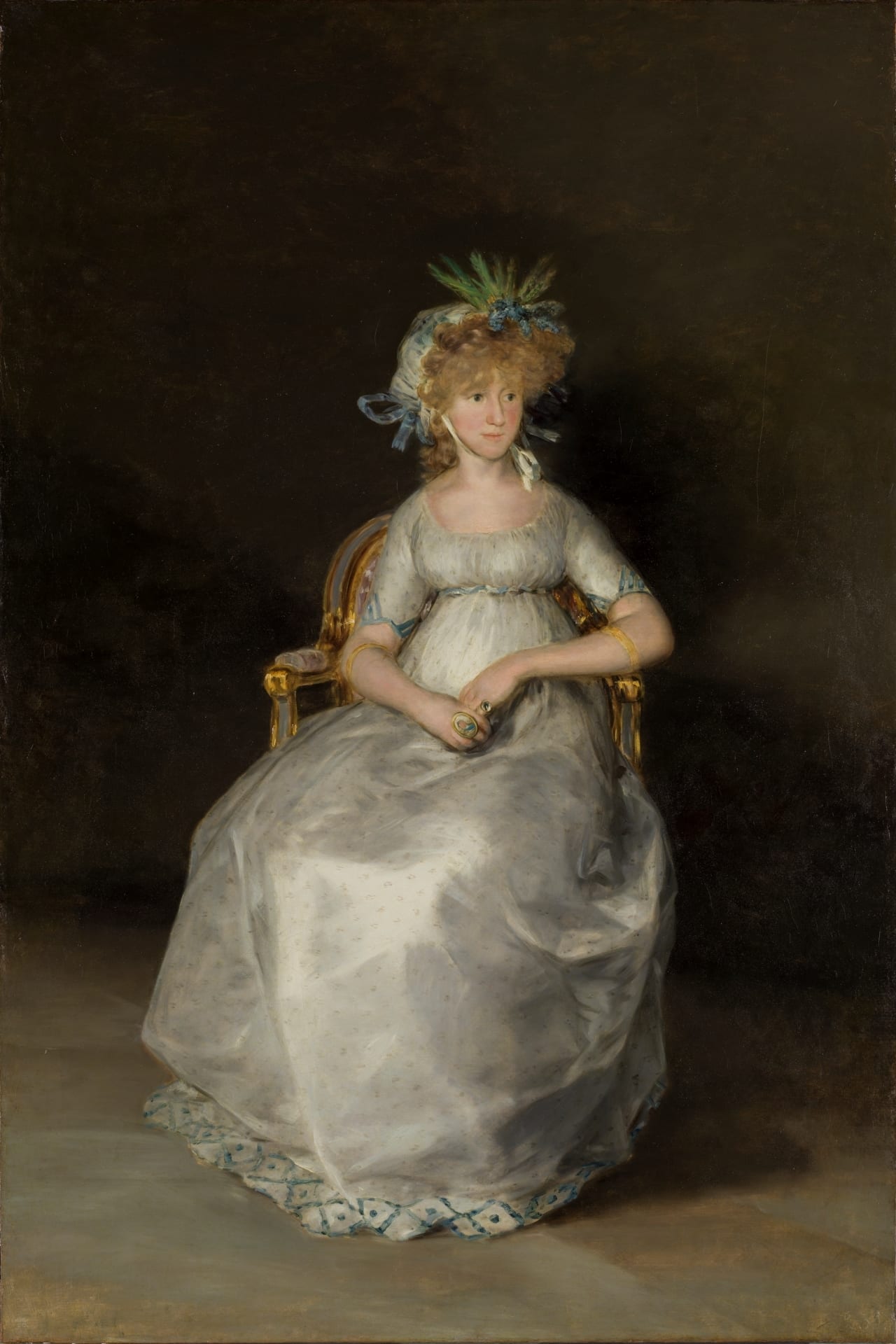
Countess of Chinchon
Francisco Goya · 1800
Museo del Prado
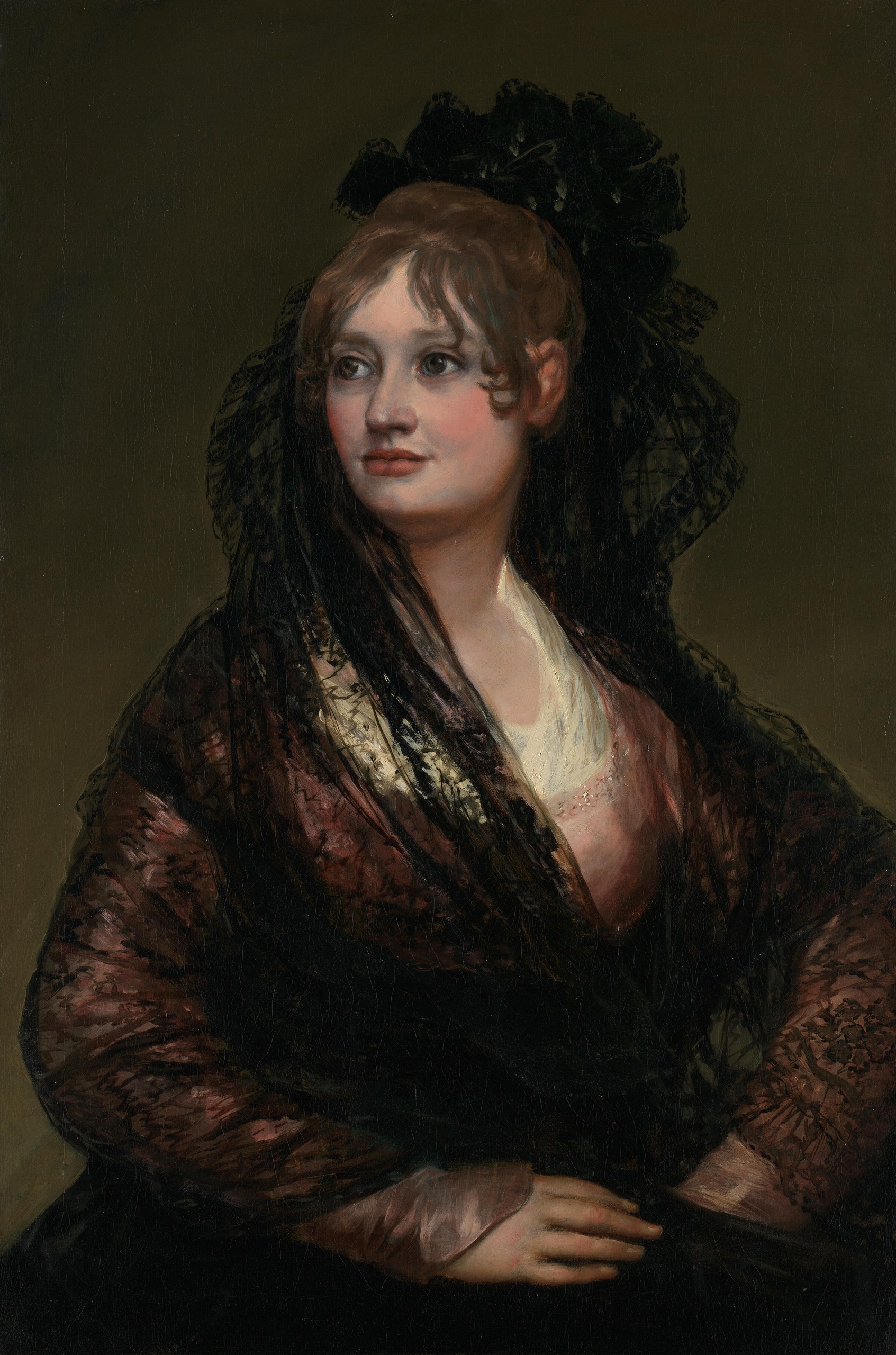
Portrait of Doña Isabel de Porcel
Francisco Goya · 1800
National Gallery
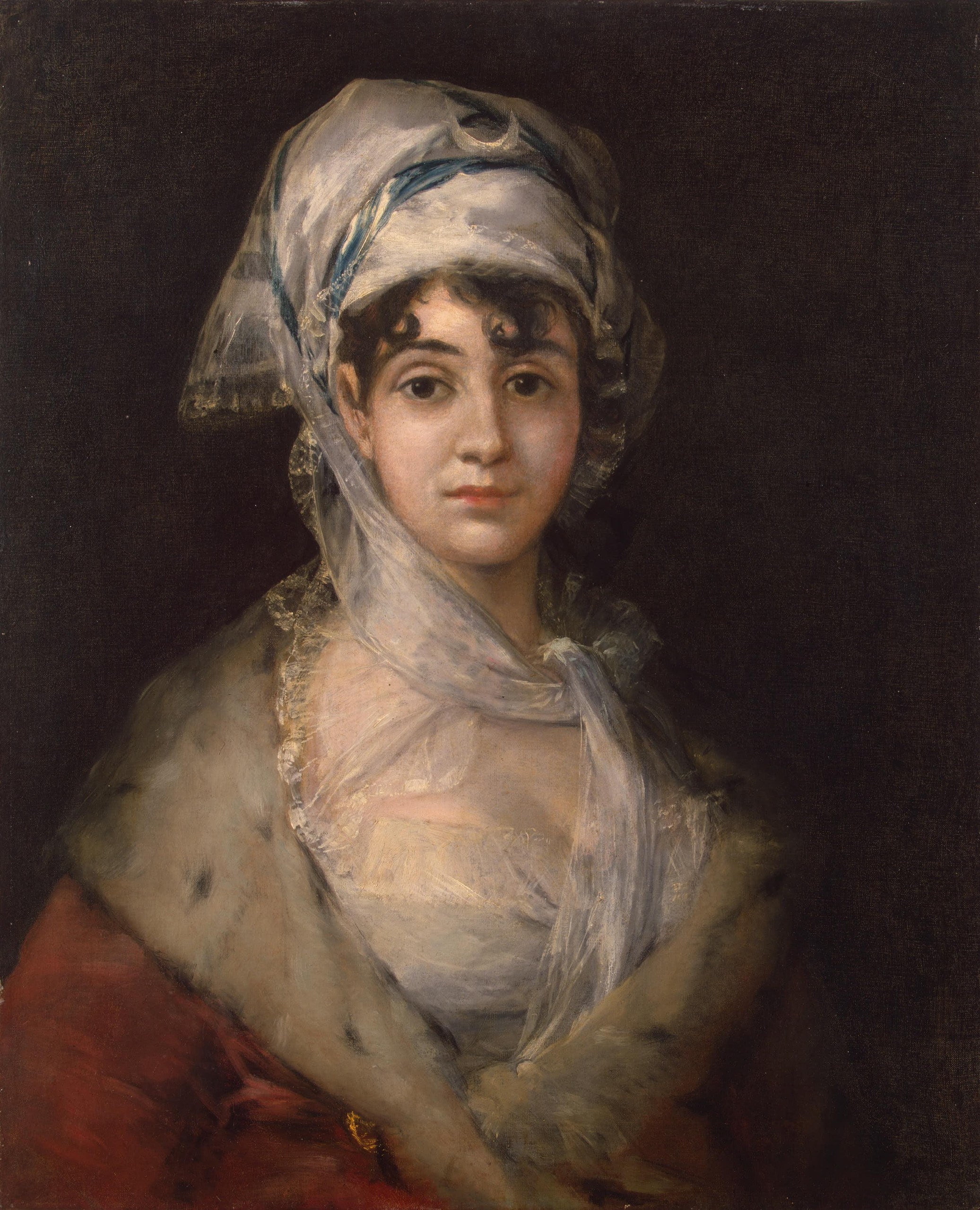
Portrait of the Actress Antonia Zarate
Francisco Goya · 1810
State Hermitage Museum
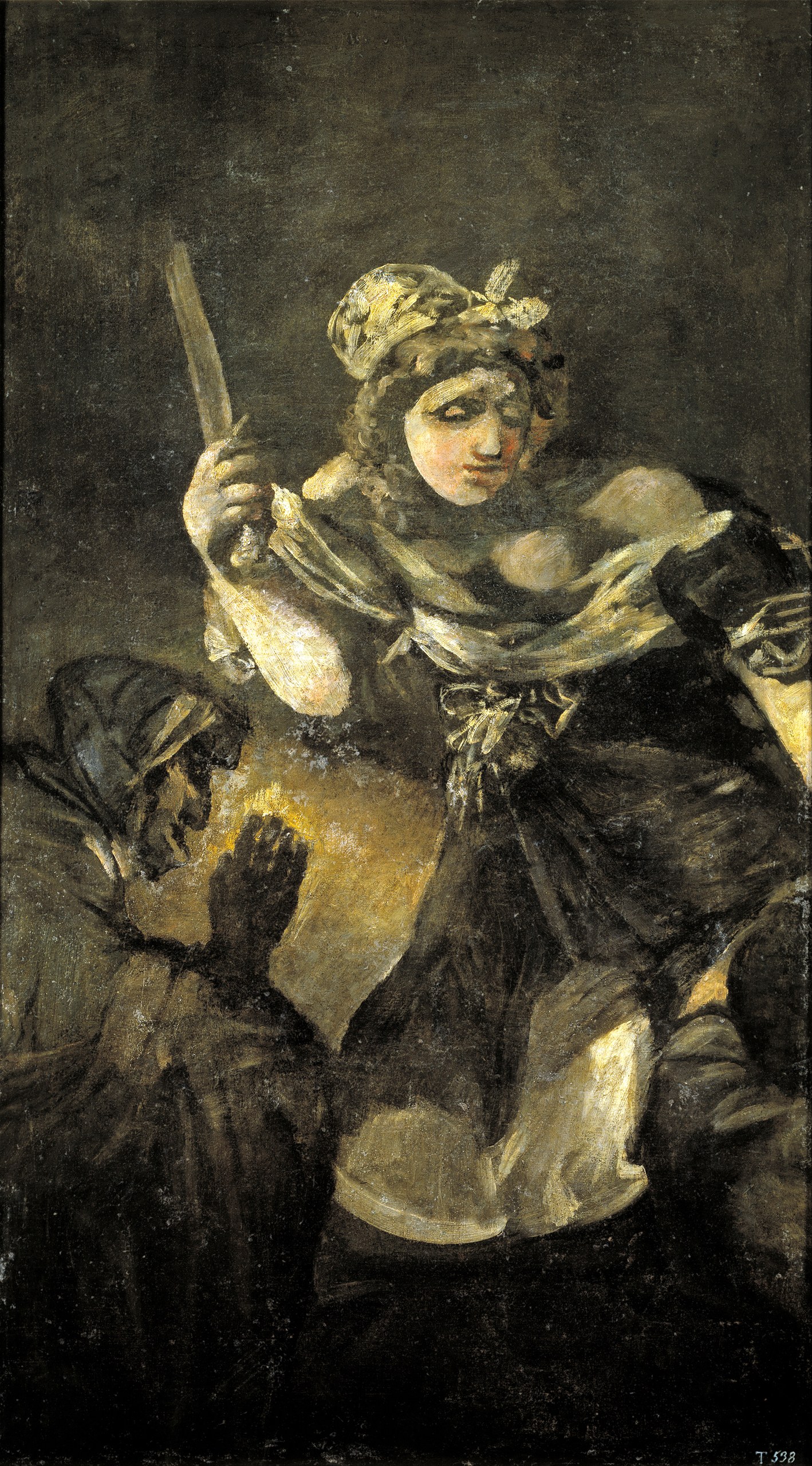
Judith and Holofernes
Francisco Goya · c. 1820–1823
Museo del Prado
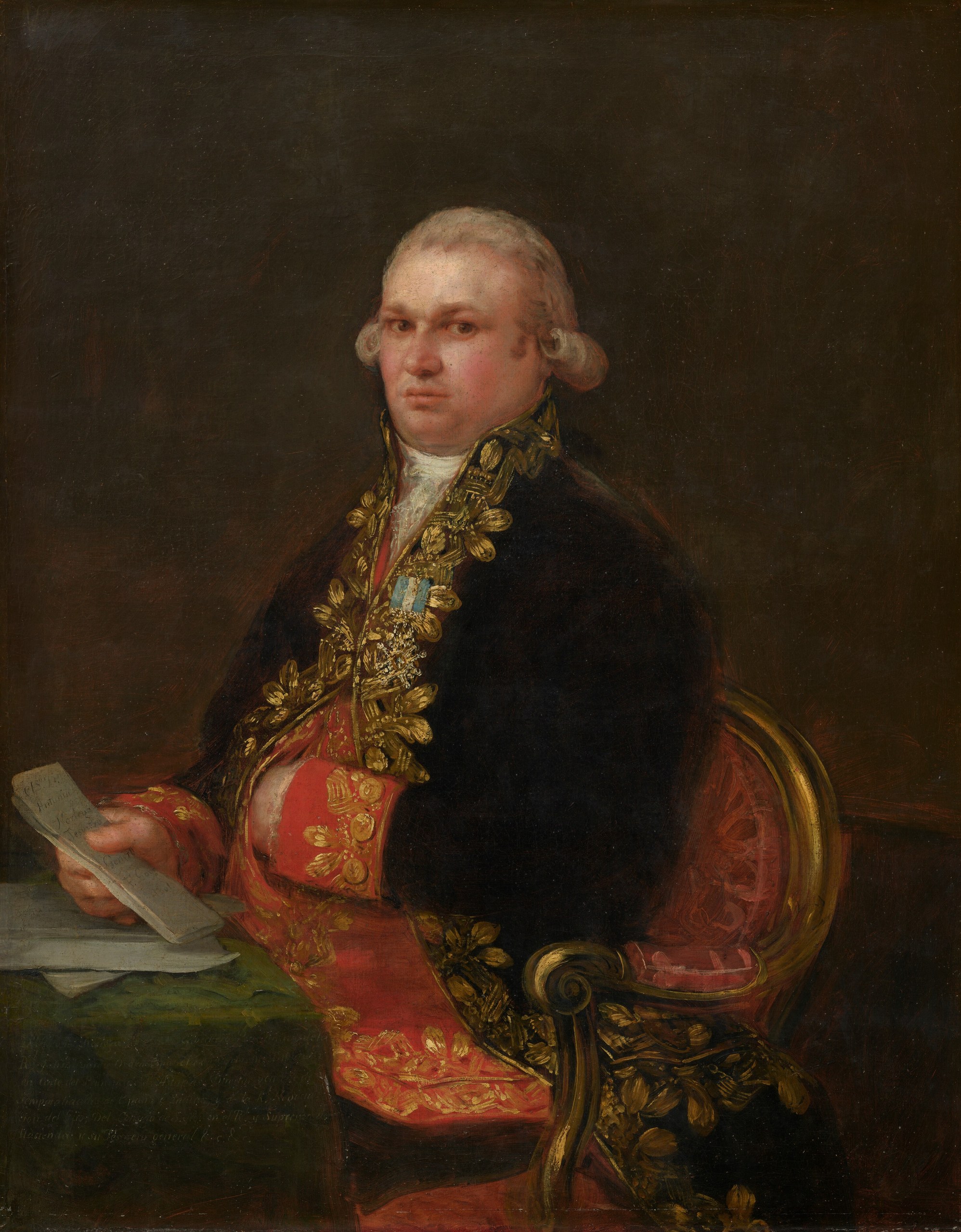
Don Antonio Noriega
Francisco Goya
National Gallery of Art
Works worth knowing
14 of Francisco Goya's works, and what makes each one worth a look.
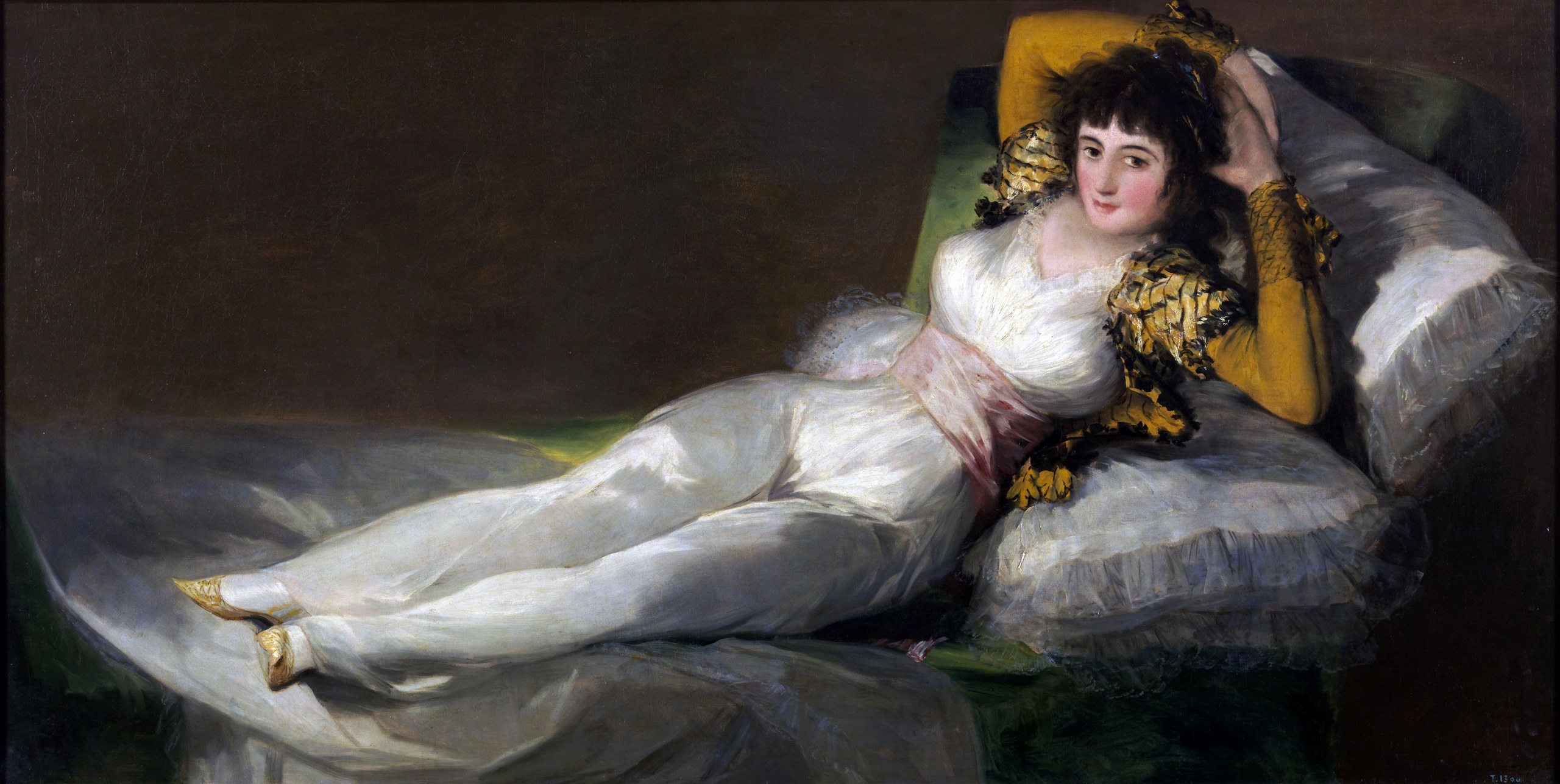
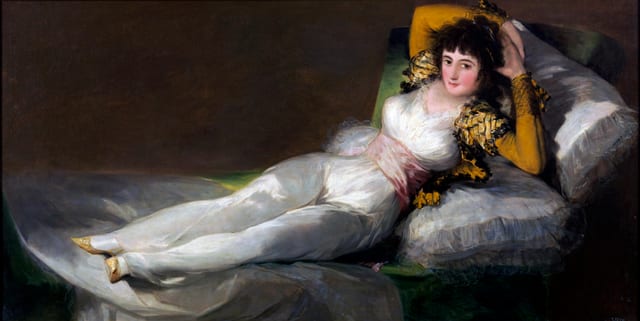
The Clothed Maja
Francisco Goya · 1800
Museo del Prado
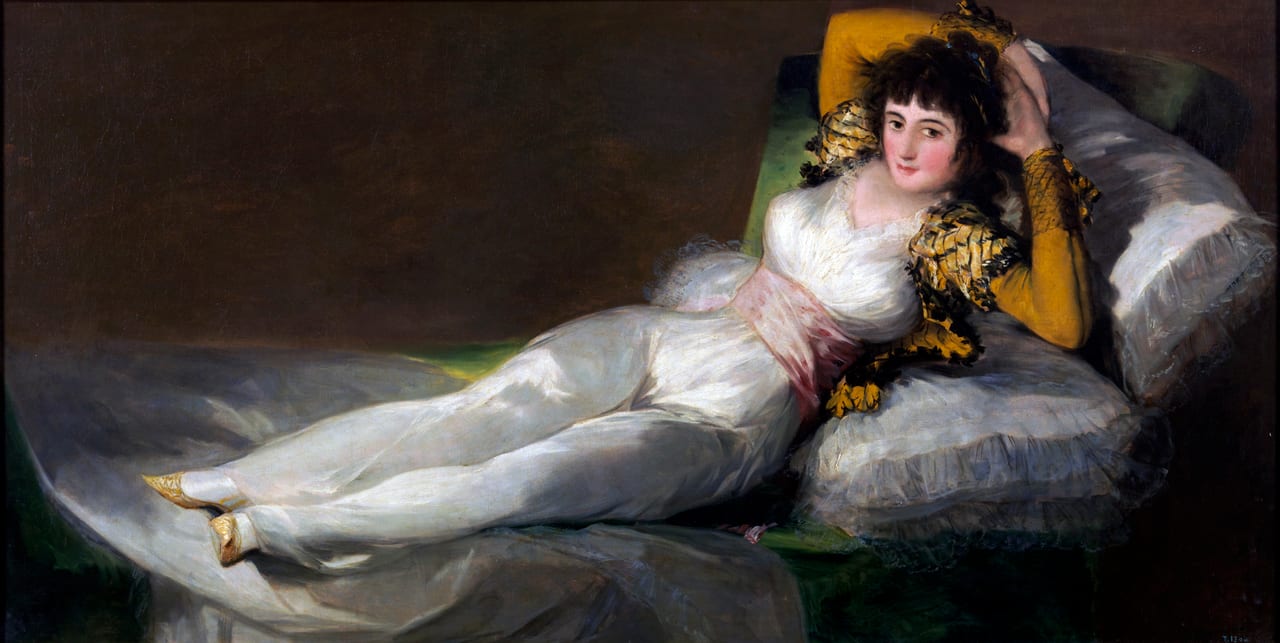
La maja vestida (English translation: The Clothed Maja) is an oil painting on canvas created between 1800 and 1807 by the Spanish Romantic painter and printmaker Francisco Goya. It is a clothed version of the earlier La maja desnuda, which was created between 1795 and 1800. The identity of the model and that of the commissioner have not been confirmed.
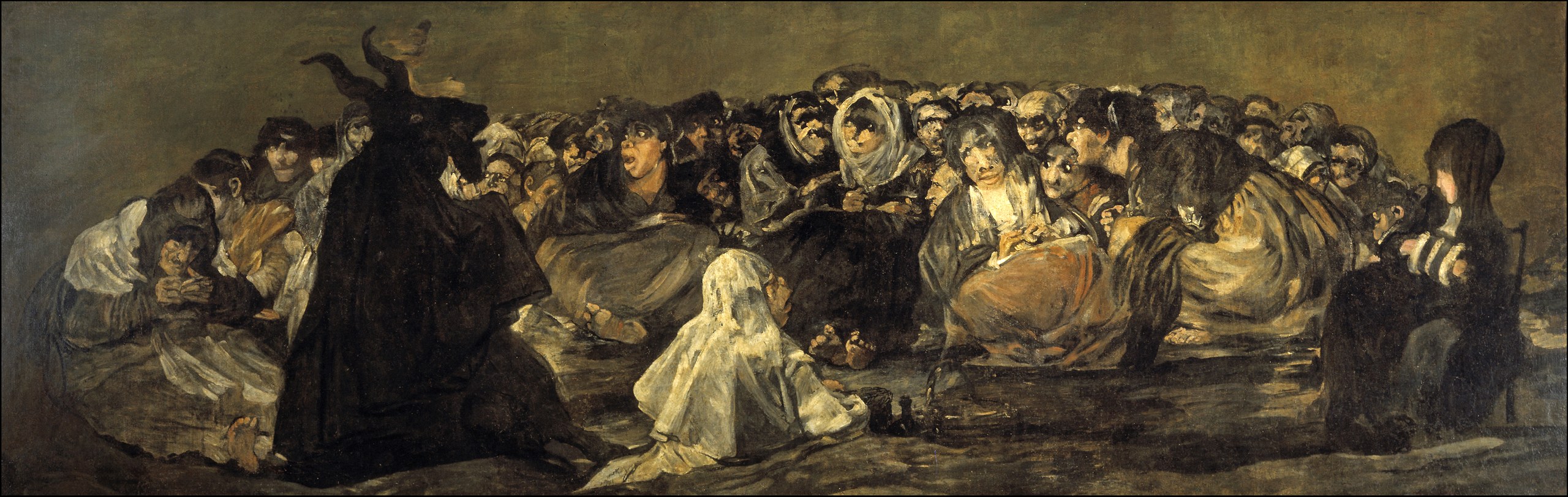
Witches' Sabbath
Francisco Goya · 1820
Museo del Prado
Witches' Sabbath or The Great He-Goat are names given to an oil mural by the Spanish artist Francisco de Goya, completed sometime between 1820 and 1823. It depicts a Witches' Sabbath and evokes themes of violence, intimidation, ageing and death; Satan hulks in the form of a goat in moonlit silhouette over a coven of terrified old witches. Goya was then around 75 years old, living alone and suffering from acute mental and physical distress.
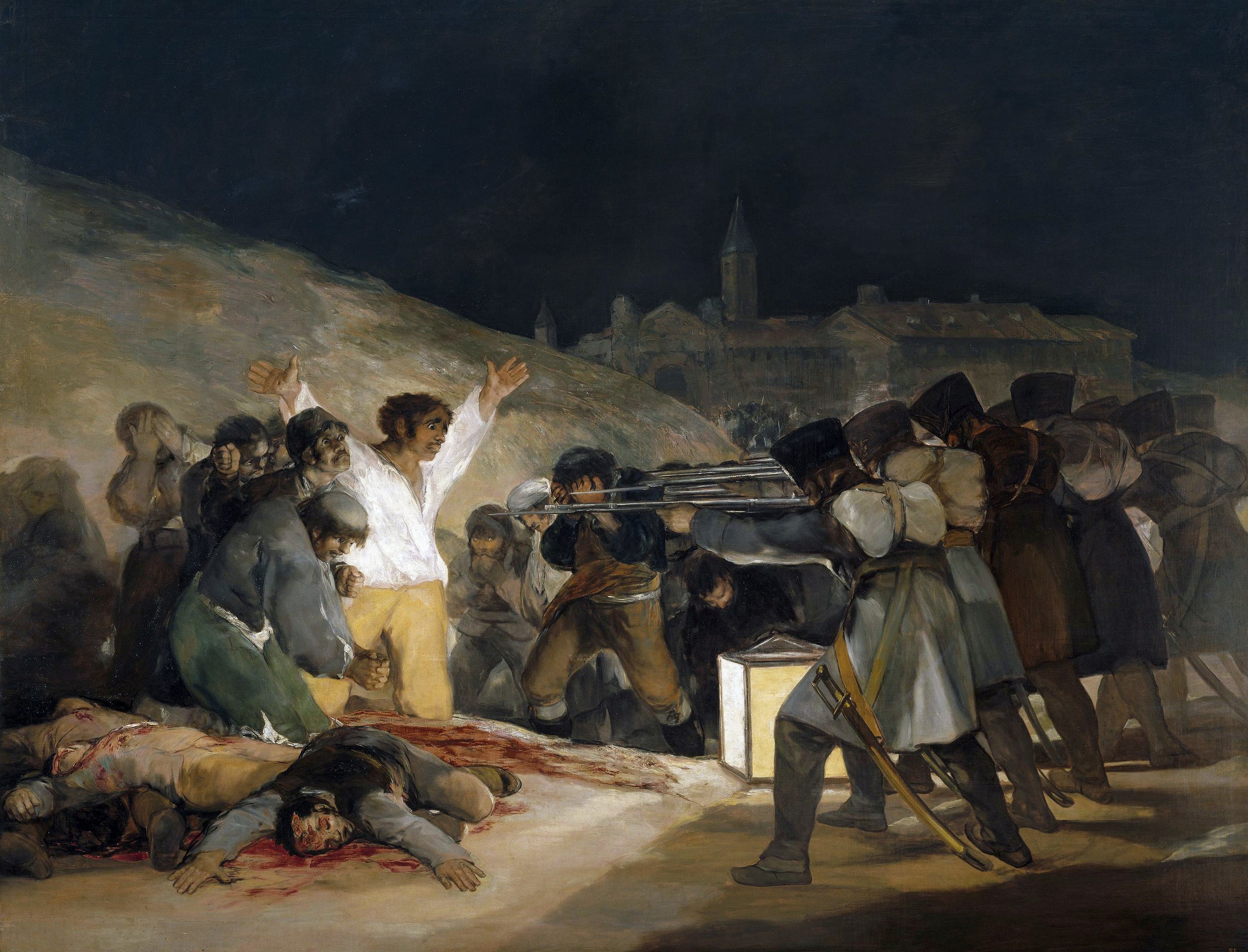
The Third of May 1808
Francisco Goya · 1814
Museo del Prado
The Third of May 1808 in Madrid (commonly known as The Third of May 1808) and also known, in Spanish, as El tres de mayo de 1808 en Madrid or Los fusilamientos de la montaña del Príncipe Pío, or Los fusilamientos del tres de mayo, is a painting completed in 1814 by the Spanish painter Francisco Goya. In the work, Goya sought to commemorate Spanish resistance to Napoleon's armies during the occupation of Madrid in 1808 at the start of the Peninsular War. Along with its companion piece of the same size, The Second of May 1808 (or The Charge of the Mamelukes), it was commissioned by the provisional government of Spain at Goya's own suggestion shortly after the ousting of the French occupation and the restoration of King Ferdinand VII.
The Parasol
Francisco Goya · 1777
Museo del Prado
The Parasol (also known as El Quitasol) is one of a cartoon series of oil on linen paintings made by the painter Francisco Goya. This series of paintings was specifically made in order to be transformed into tapestries that would be hung on the walls of the Royal Palace of El Pardo in Madrid, Spain. The tapestries showed serene events in everyday life, which made them a nice addition to the dining room of Prince and Princess of Asturias, the future King Charles IV and Maria Luisa of Parma.
Portrait of Doña Antonia Zárate
Francisco Goya · 1805
National Gallery of Ireland
The Portrait of Doña Antonia Zárate is an oil painting by Spanish artist Francisco Goya, from c. It is the source for the 1810–1811 portrait of her by Goya or his studio. It is held in the National Gallery of Ireland, in Dublin.
Saturn Devouring His Son
Francisco Goya · 1820
Museo del Prado
Saturn Devouring His Son is a painting by Spanish artist Francisco Goya. The work is one of the 14 so-called Black Paintings that Goya painted directly on the walls of his house some time between 1820 and 1823. It was transferred to canvas after Goya's death and is now in the Museo del Prado in Madrid.
Boys playing soldiers
Francisco Goya · 1778
Museo del Prado
Boys Playing Soldiers is a 1778–1779 tapestry cartoon by Francisco of Goya conceived for the bedroom of the Princes of Asturias in the Royal Palace of El Pardo. It is presently exhibited in the Museo del Prado. A sketch of the artwork is kept nowadays in the Yanduri Collection of Seville.
Christ Crucified
Francisco Goya · 1780
Museo del Prado
Christ Crucified is a 1780 oil-on-canvas painting of the crucifixion of Jesus by Spanish Romantic painter Francisco de Goya. He presented it to the Real Academia de Bellas Artes de San Fernando as his reception piece as an academic painter. It now forms part of the collection of the Prado Museum, in Madrid.
Where the work hangs
The museums that hold it, and their visitor guides.
National Gallery of Art
113 in the archive · Washington, D.C.
Museo del Prado
22 in the archive · Madrid
Thyssen-Bornemisza Museum
2 in the archive · Madrid
Museu Nacional d'Art de Catalunya
2 in the archive · Barcelona
National Gallery of Ireland
1 in the archive · Dublin
Toledo Museum of Art
1 in the archive · Toledo
National Gallery
1 in the archive · London
State Hermitage Museum
1 in the archive · Saint Petersburg
If you like Francisco Goya
Artists held by the same museums.
Alphonse Legros
French · 561 in the archive
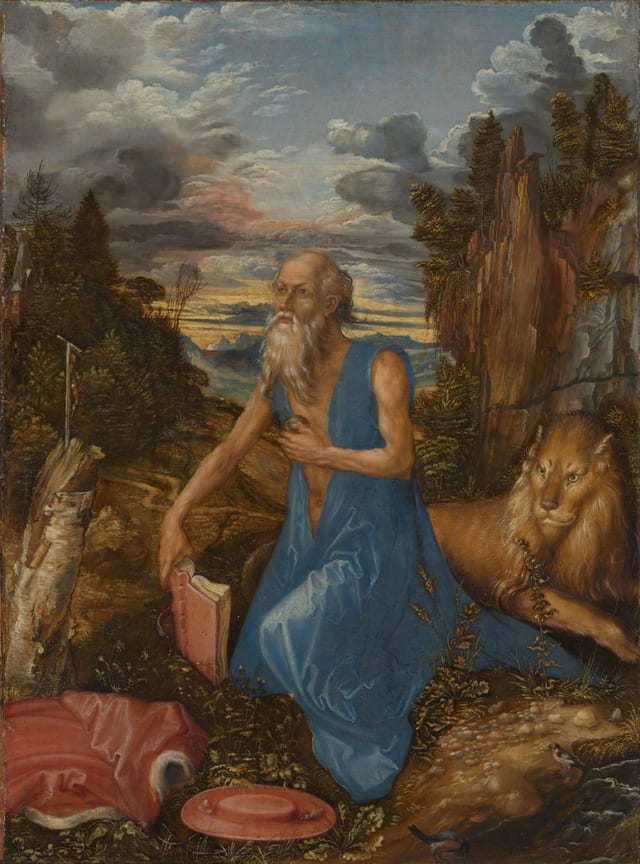
Albrecht Dürer
German · 291 in the archive

Rembrandt van Rijn
Dutch · 268 in the archive
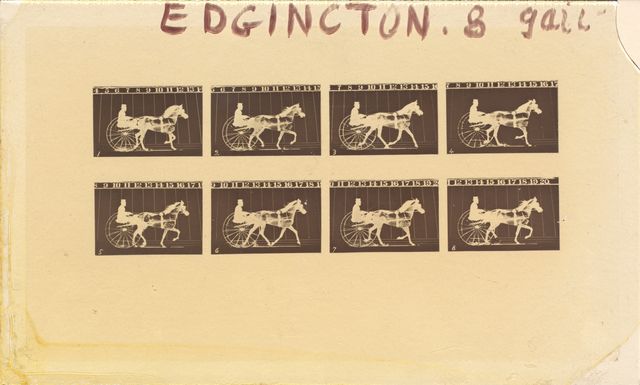
Eadweard Muybridge
English · 259 in the archive
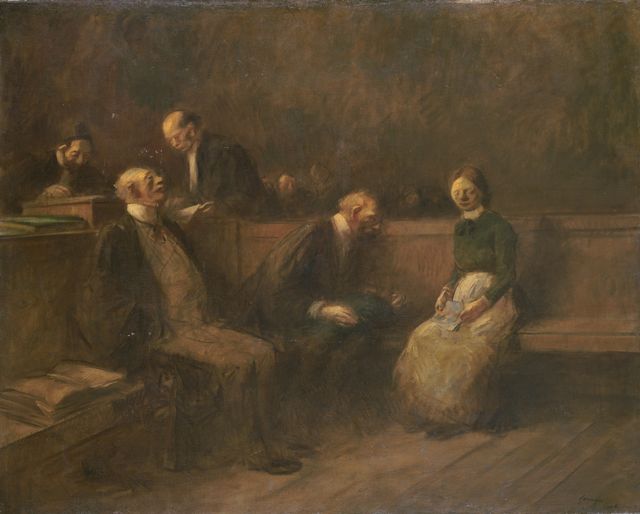
Jean-Louis Forain
French · 259 in the archive
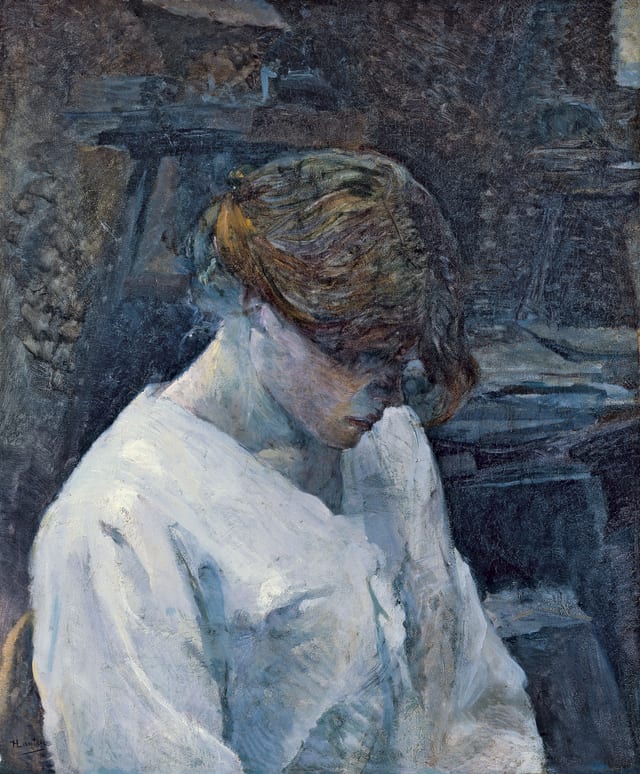
Henri de Toulouse-Lautrec
French · 243 in the archive
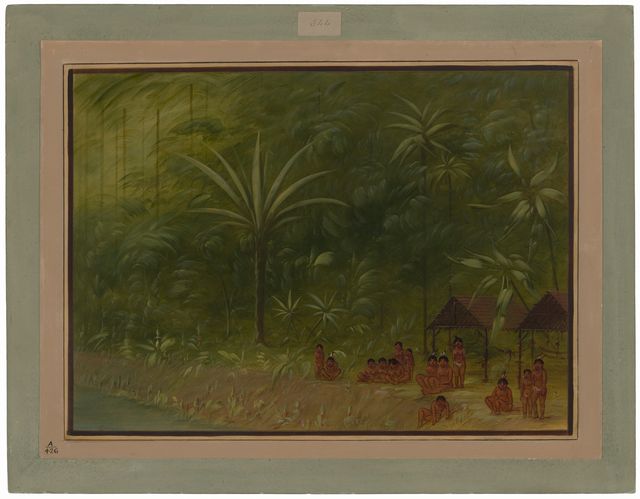
George Catlin
United States · 223 in the archive
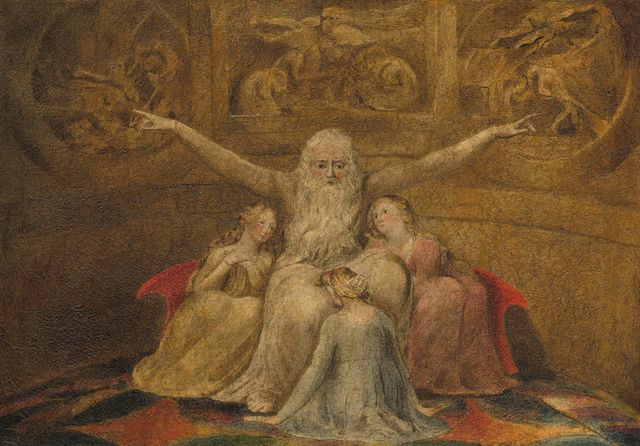
William Blake
United Kingdom of Great Britain and Ireland · 173 in the archive
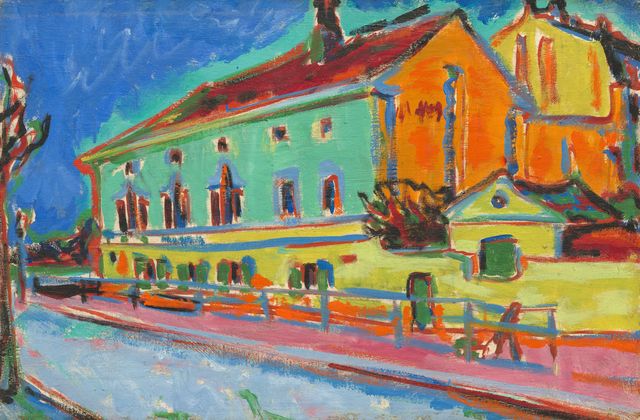
Ernst Ludwig Kirchner
German · 148 in the archive
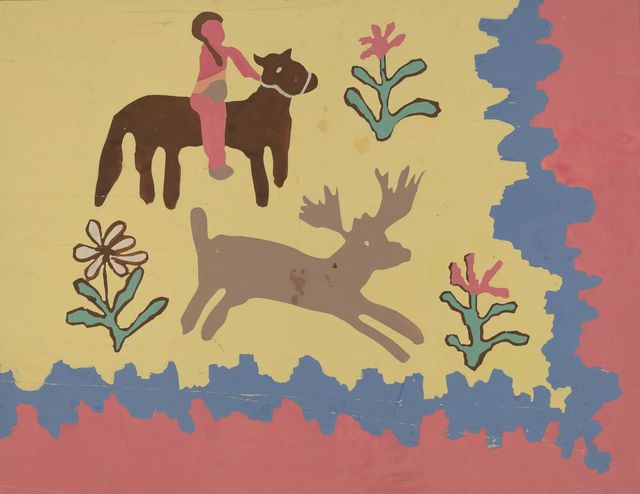
Majel G. Claflin
United States · 135 in the archive
Mina Lowry
United States · 124 in the archive
Paul Gauguin
French · 96 in the archive
Invite the masters into your living room.
Francisco Goya on your TV, phone, or tablet. Free to start.
View on MomentableIndependent guide by Momentable · biography from Wikipedia · artworks are in the public domain and credited to the museum that holds them