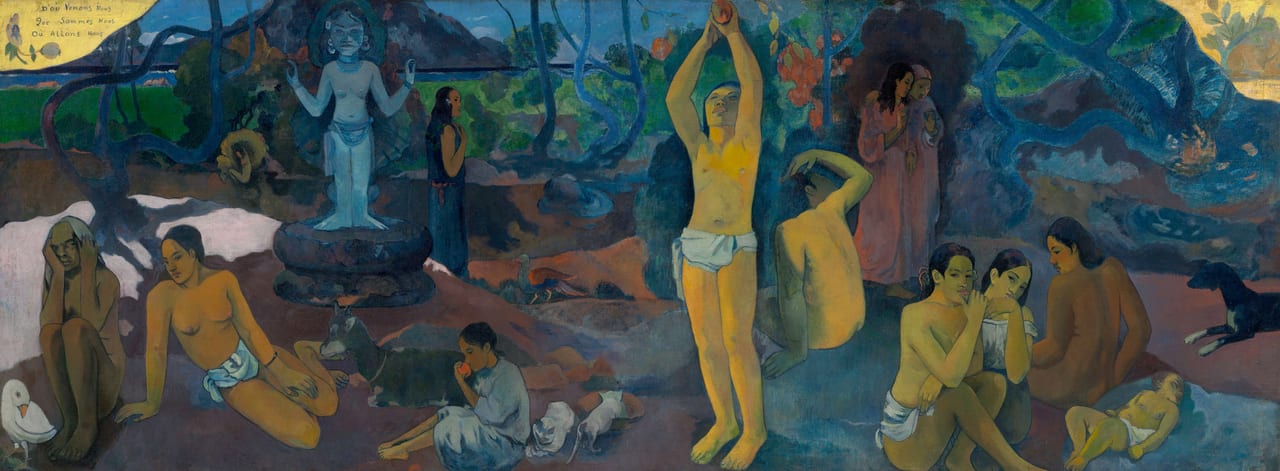
Where Do We Come From? What Are We? Where Are We Going?
Paul Gauguin · 1897

Paul Gauguin
French · 1848–1903
Eugène Henri Paul Gauguin was a French painter, sculptor, printmaker, ceramist, and writer, whose work has been primarily associated with the Post-Impressionist and Symbolist movements. He was also an influential practitioner of wood engraving and woodcuts as art forms. While only moderately successful during his lifetime, Gauguin has since been recognized for his experimental use of color and Synthetist style that were distinct from Impressionism.
Independent artist guide by Momentable. Biography from Wikipedia; artworks credited to the museums that hold them.
 LIVENow streaming · Where Do We Come From? What Are We? Where Are We Going?
- works in the archive
- 160works in the archive
- museums hold them
- 13museums hold them
- life
- 1848–1903life
- movement
- Post-impressionismmovement
The work
A selection of 24 works, free to stream.
Where Do We Come From? What Are We? Where Are We Going?
Paul Gauguin · 1897
Museum of Fine Arts, Boston
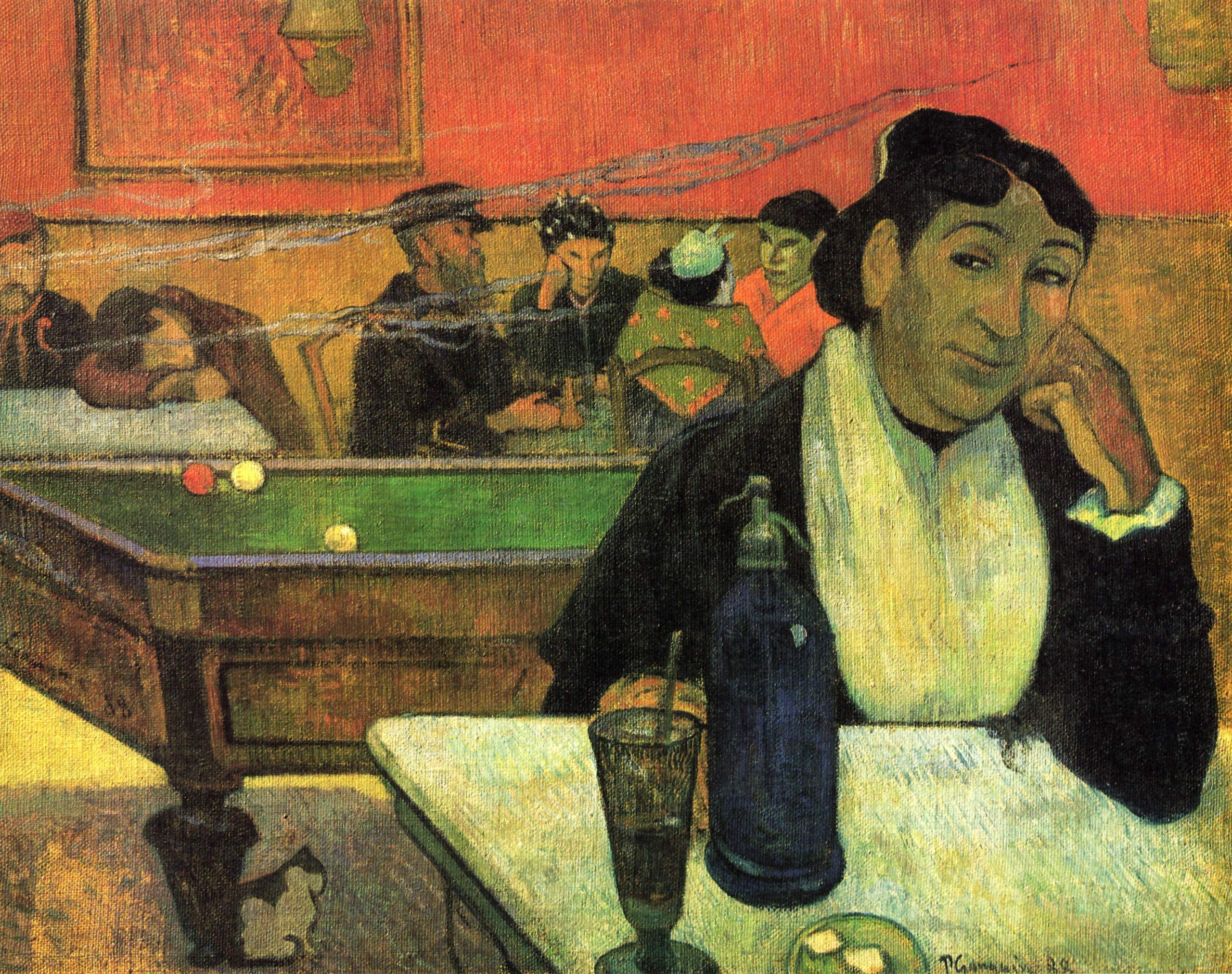
The Night Café in Arles
Paul Gauguin · 1888
Pushkin Museum
Vincent van Gogh Painting Sunflowers
Paul Gauguin · 1888
Van Gogh Museum
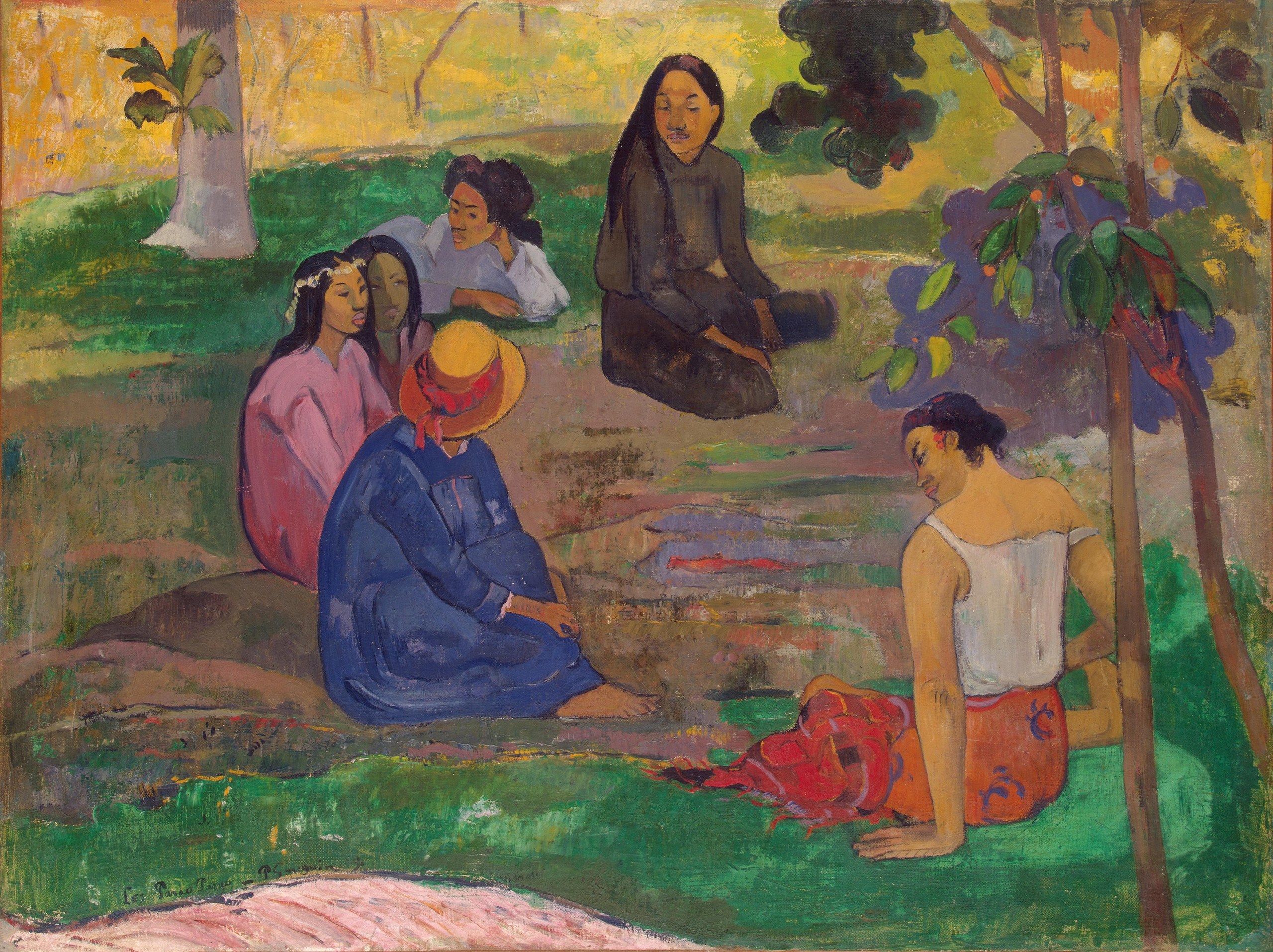
Conversation (Les Parau Parau)
Paul Gauguin · 1891
State Hermitage Museum
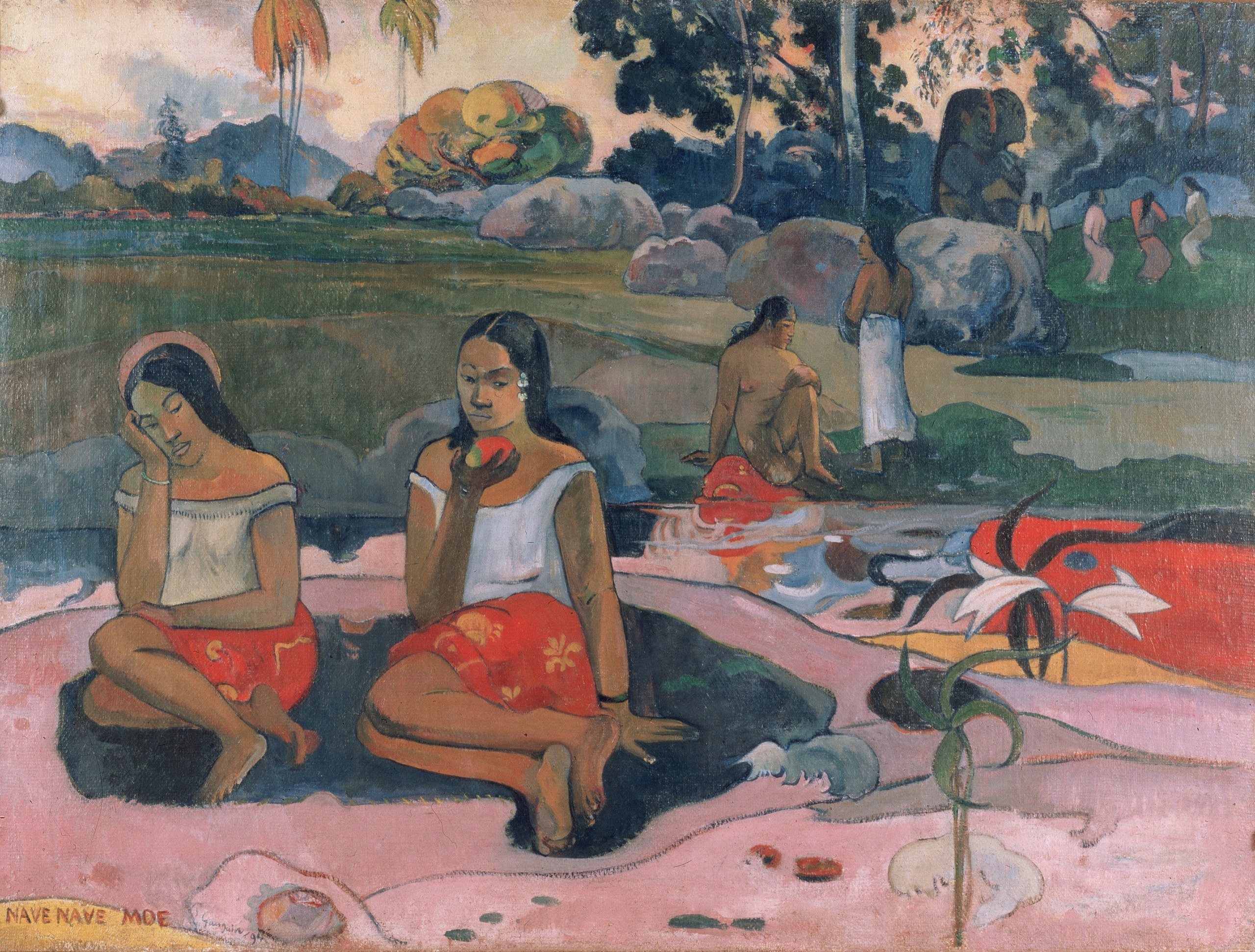
Sacred Spring: Sweet Dreams (Nave nave moe)
Paul Gauguin · 1894
State Hermitage Museum
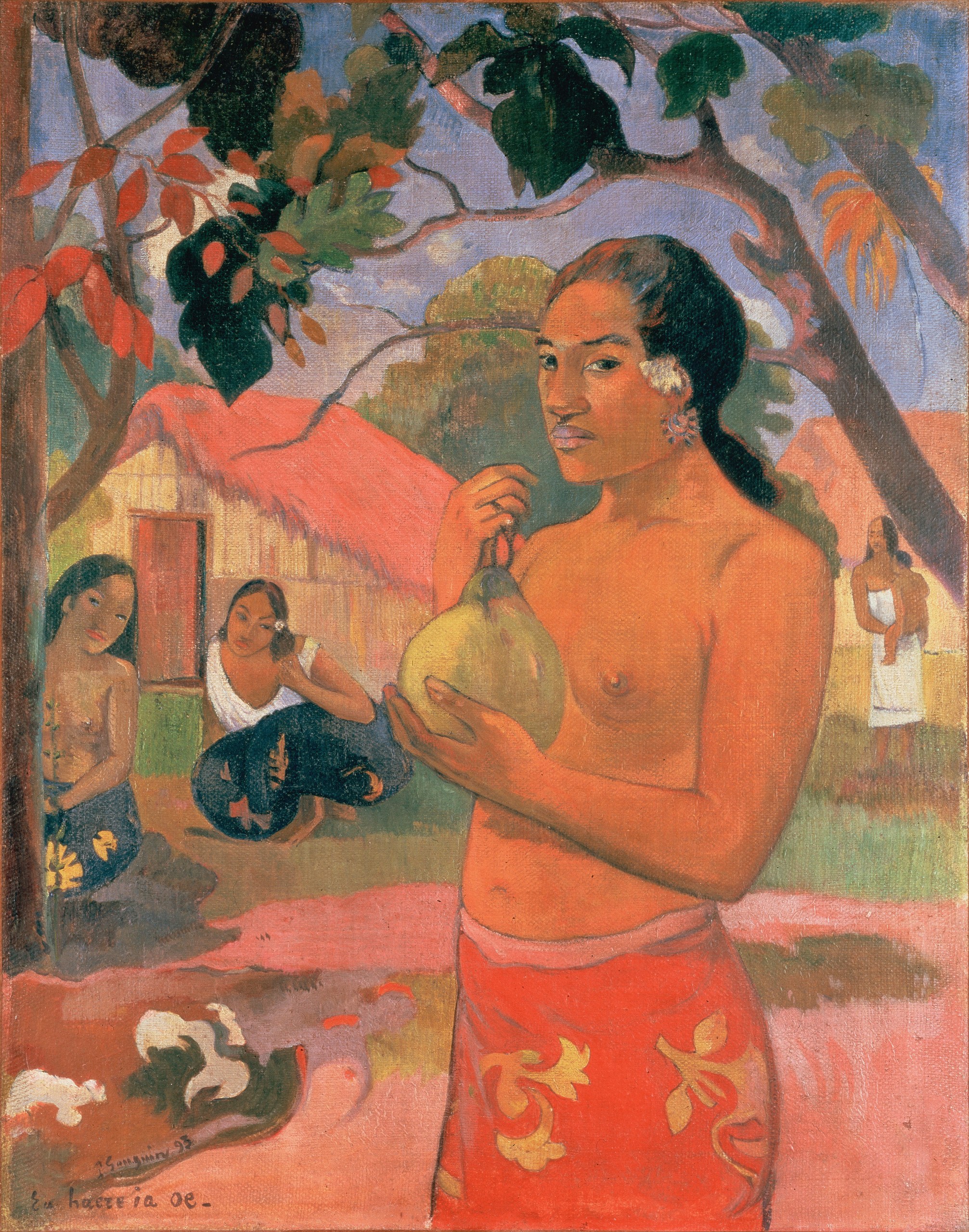
Eu haere ia oe
Paul Gauguin · 1893
State Hermitage Museum
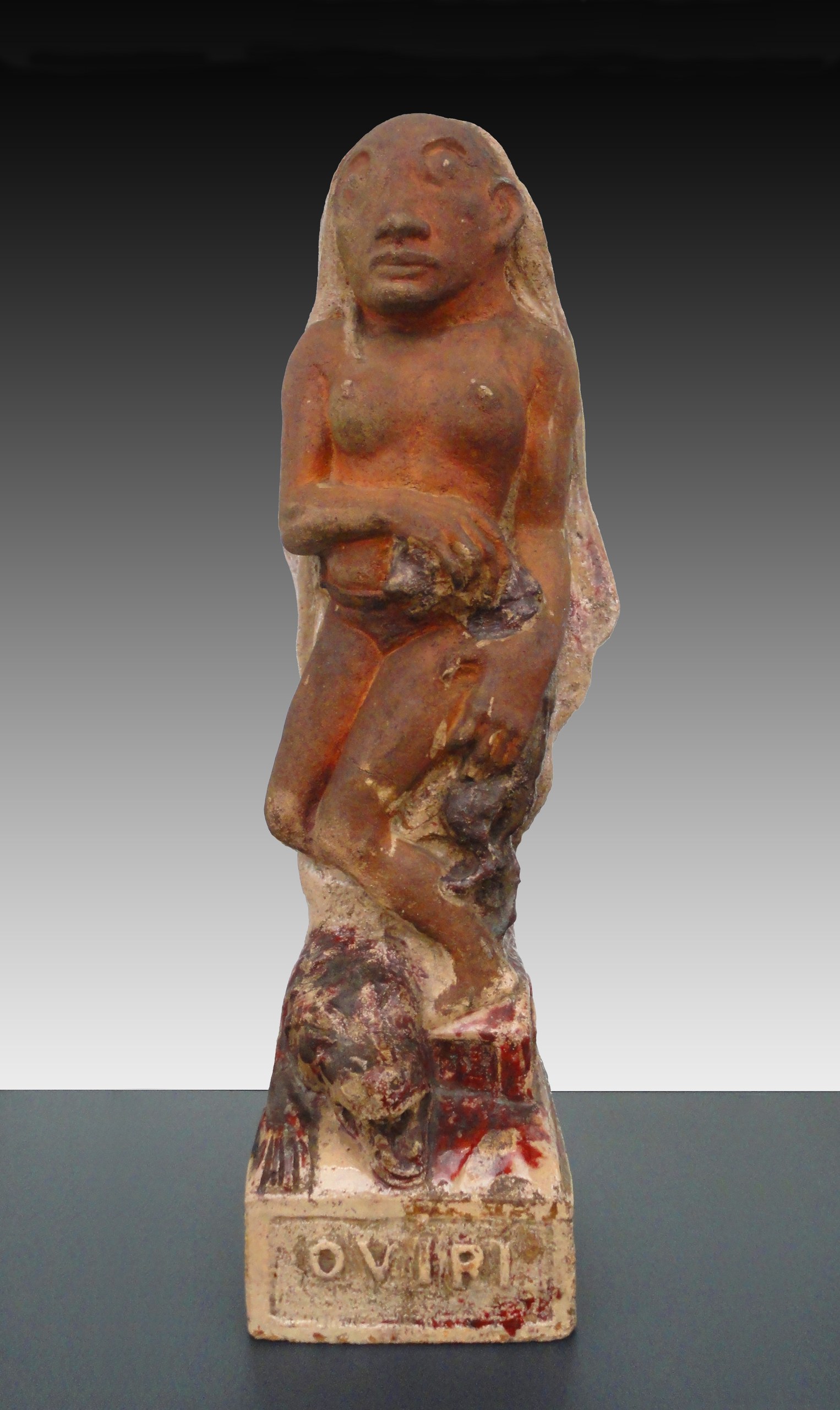
Oviri
Paul Gauguin · 1894
Musée d'Orsay
Arearea
Paul Gauguin · 1892
Musée d'Orsay
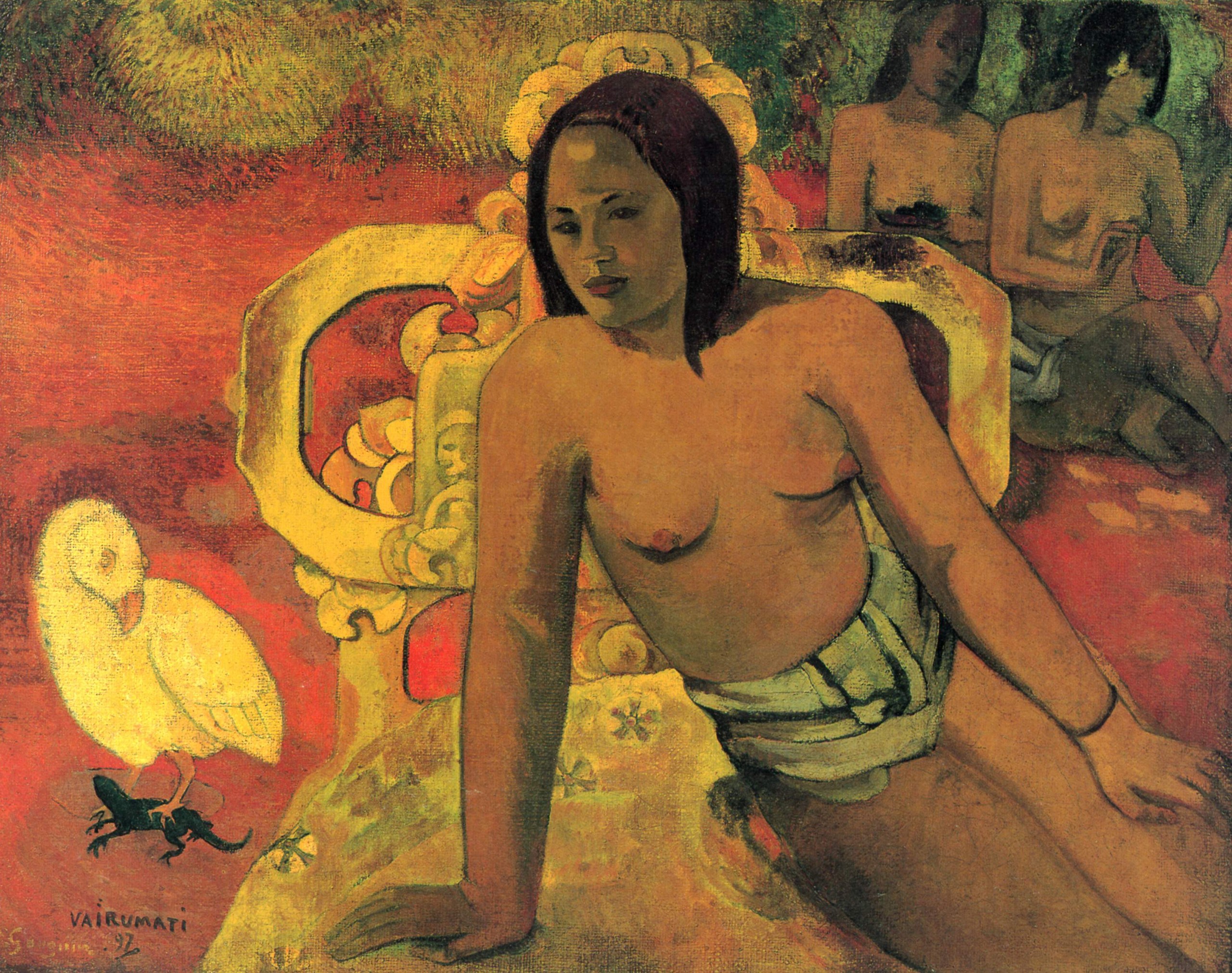
Vairumati
Paul Gauguin · 1897
Musée d'Orsay
La belle Angèle
Paul Gauguin · 1889
Musée d'Orsay
Self-portrait with hat
Paul Gauguin · 1893
Musée d'Orsay
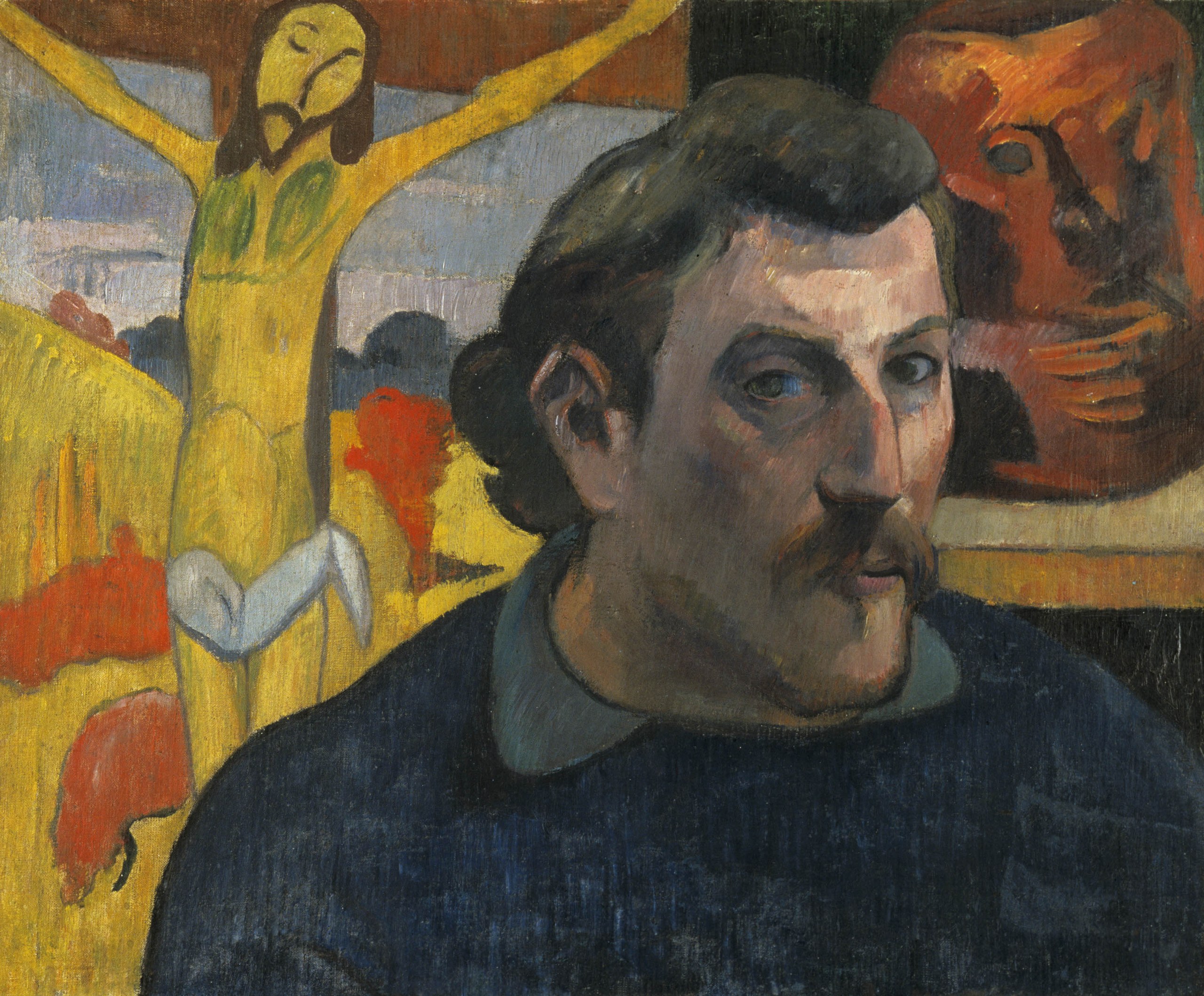
Portrait of the Artist with the Yellow Christ
Paul Gauguin · 1890
Musée d'Orsay
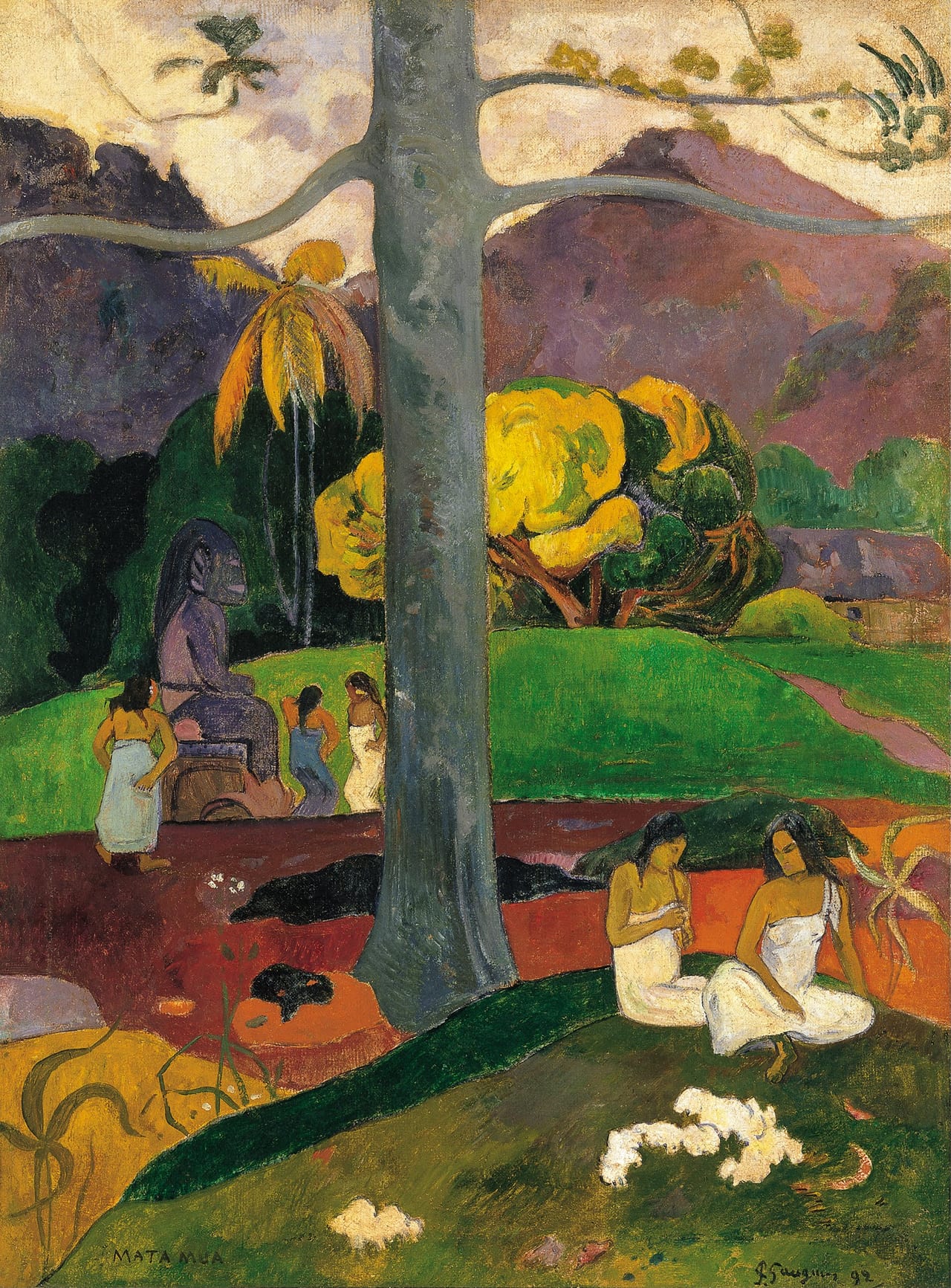
Mata Mua
Paul Gauguin · 1892
Thyssen-Bornemisza Museum
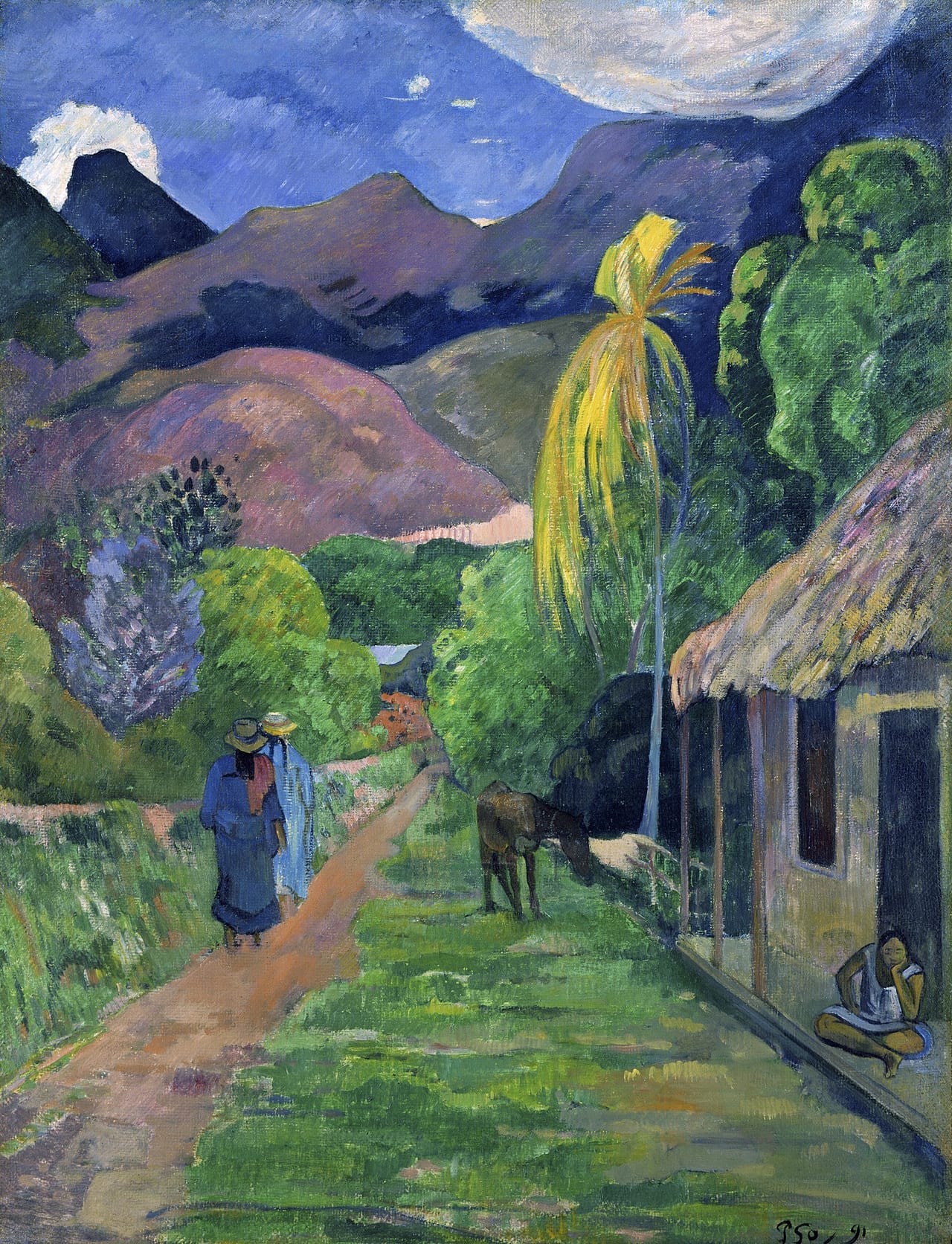
Street in Tahiti
Paul Gauguin · 1891
Toledo Museum of Art
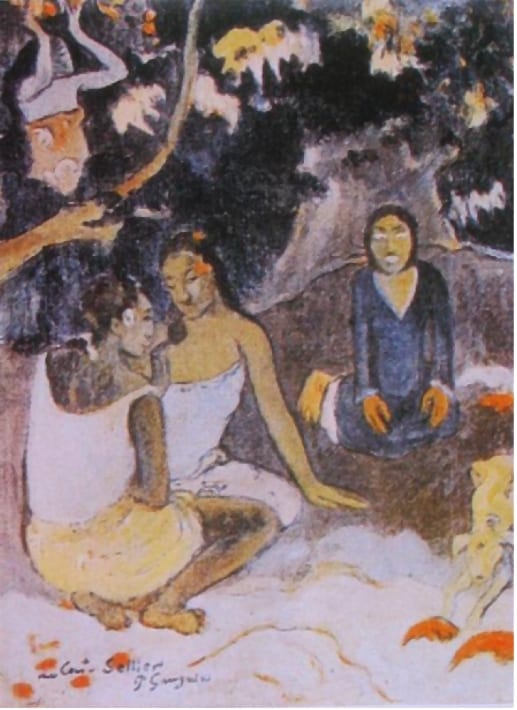
Barbarian Tales
Paul Gauguin · 1892
Tel Aviv Museum of Art
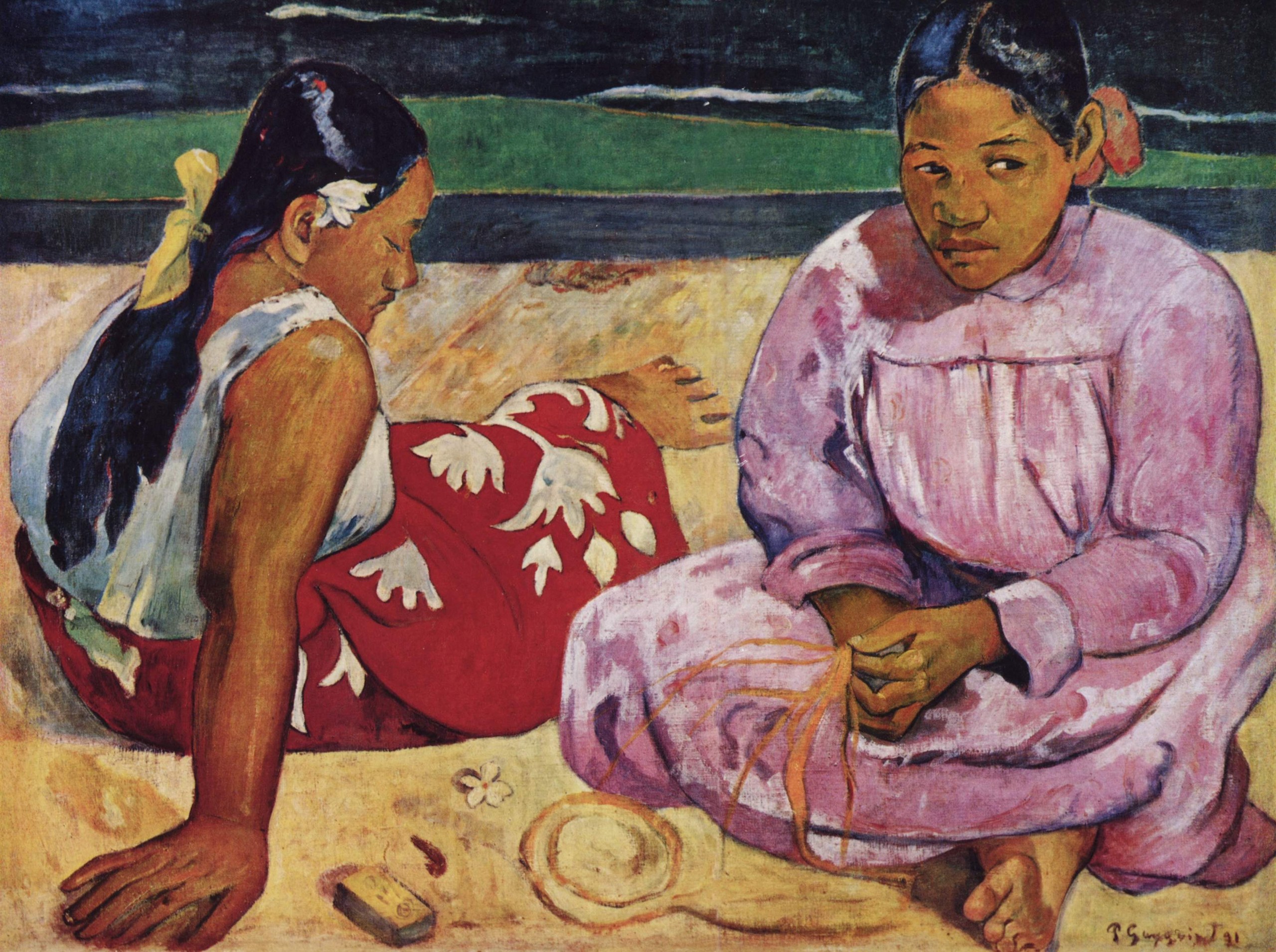
Tahitian Women on the Beach
Paul Gauguin · 1890
Musée d'Orsay
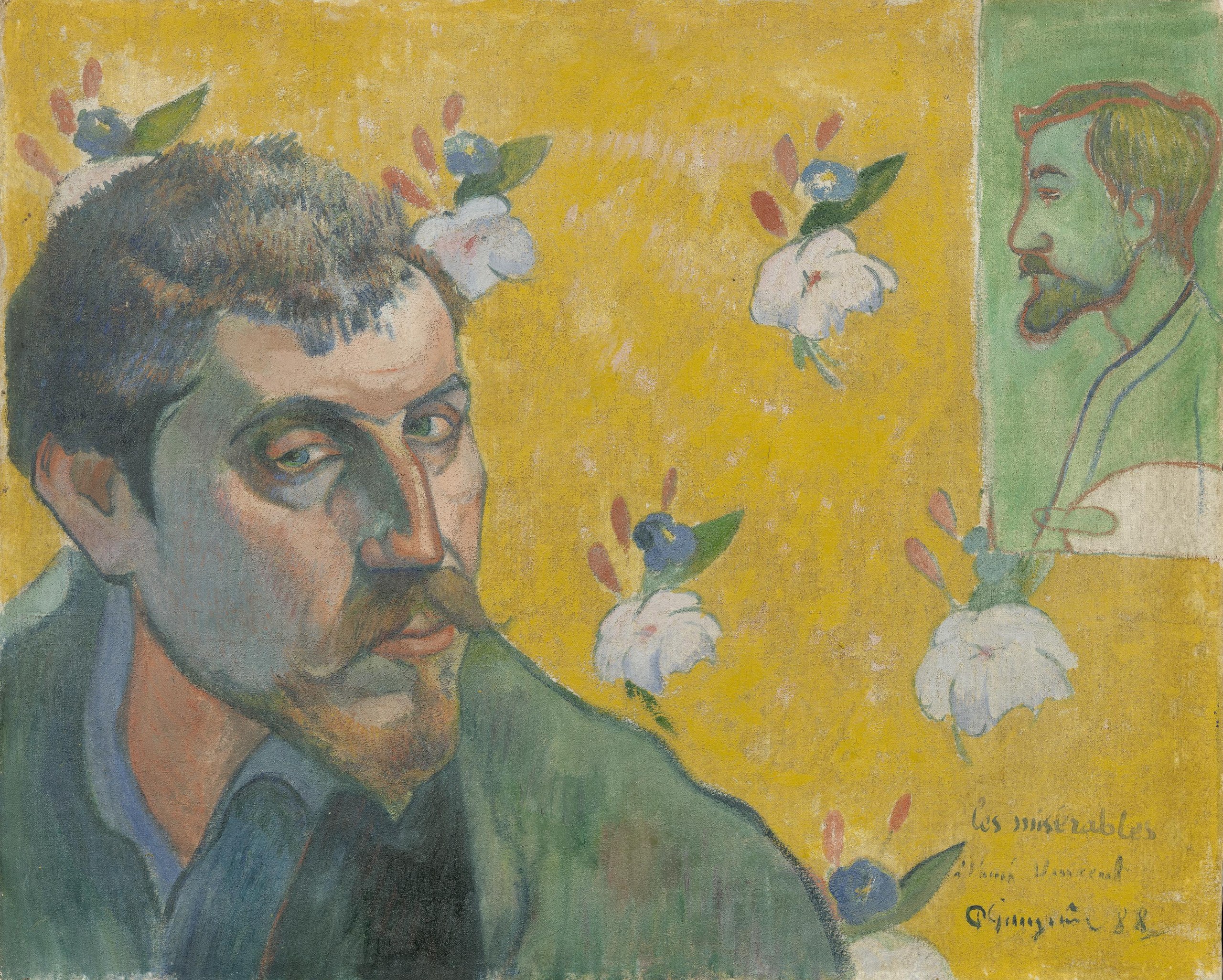
Self-portrait with Portrait of Bernard
Paul Gauguin · 1888
Van Gogh Museum
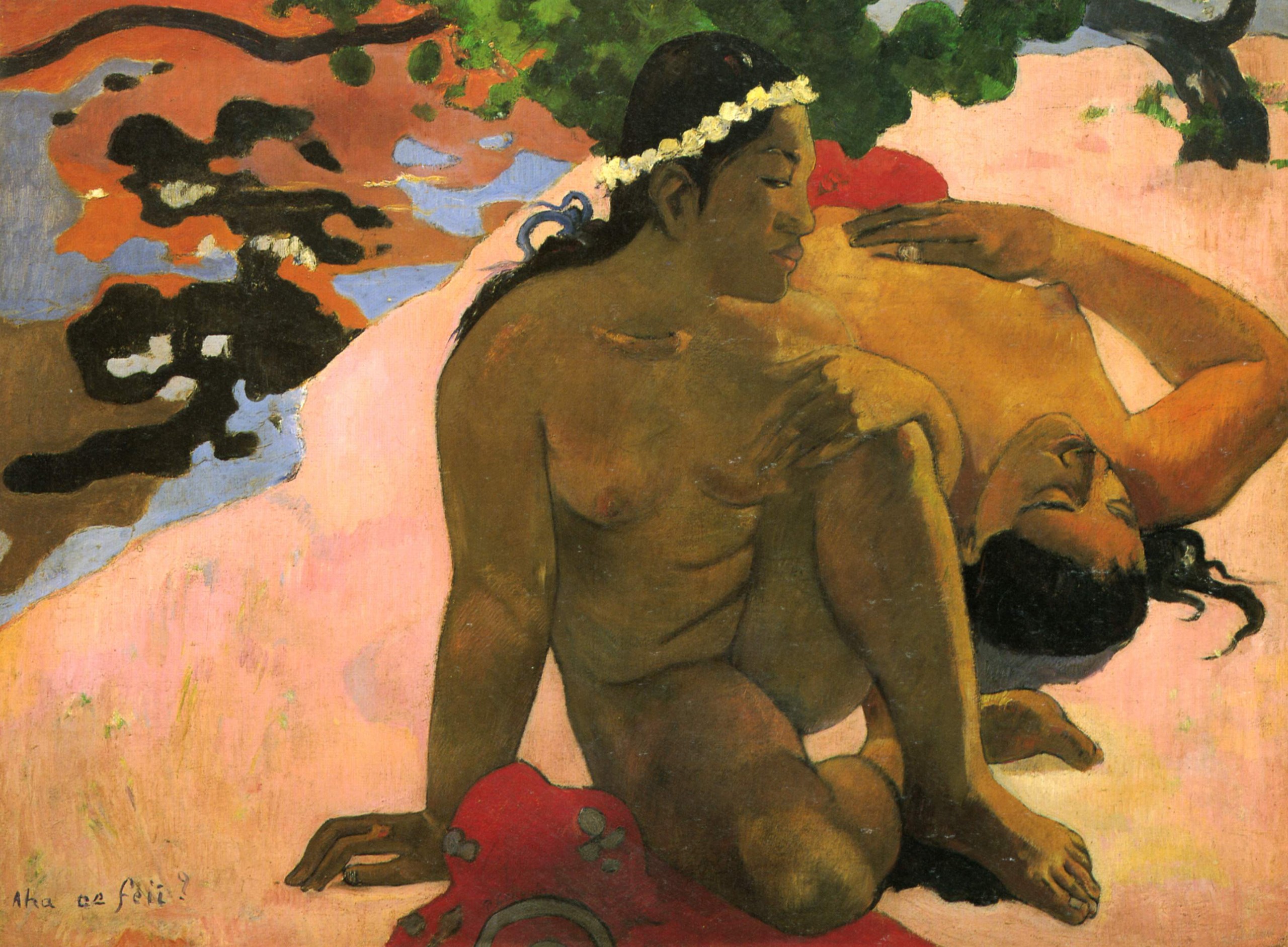
Aha Oe Feii?
Paul Gauguin · 1892
Pushkin Museum
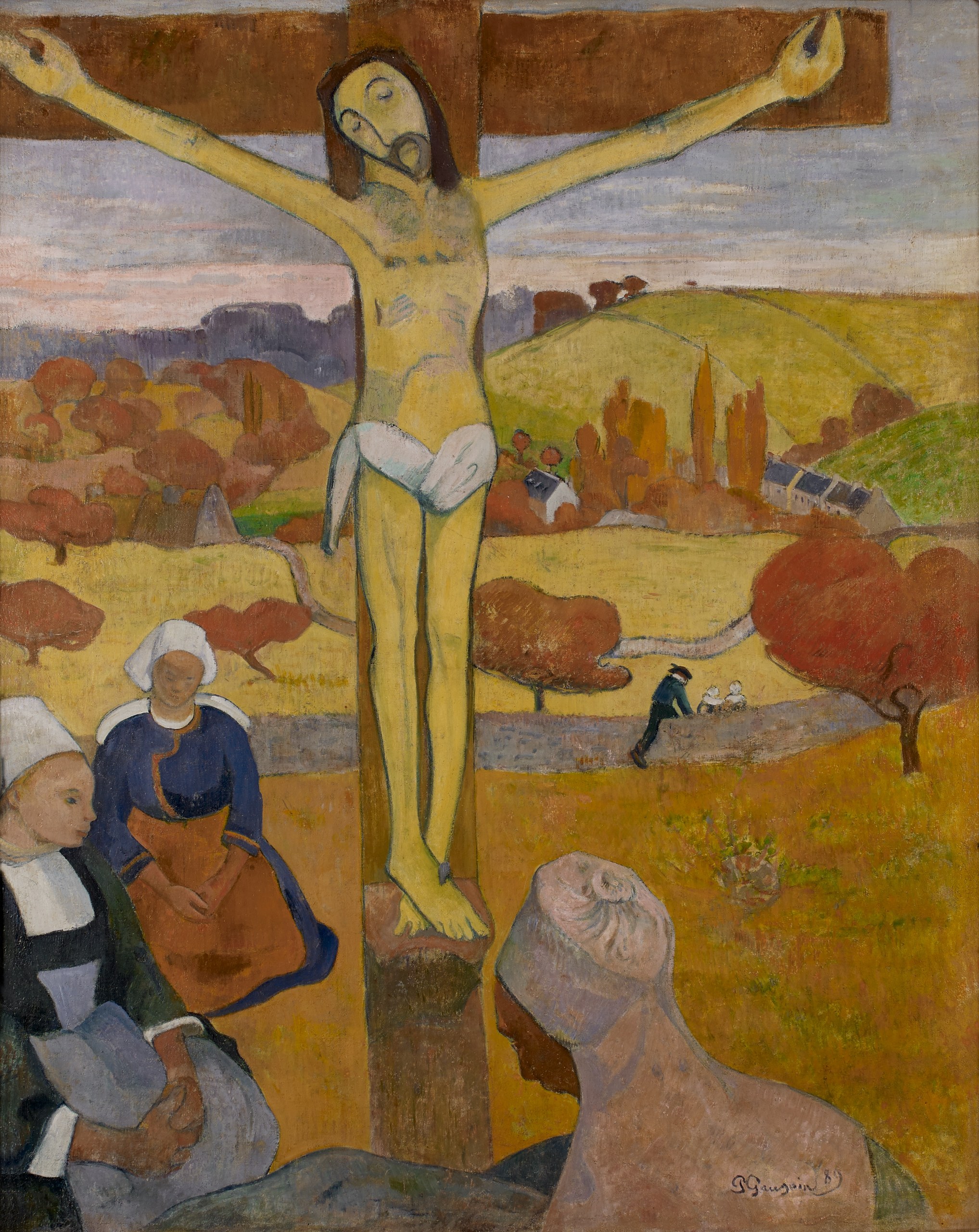
The Yellow Christ
Paul Gauguin · 1889
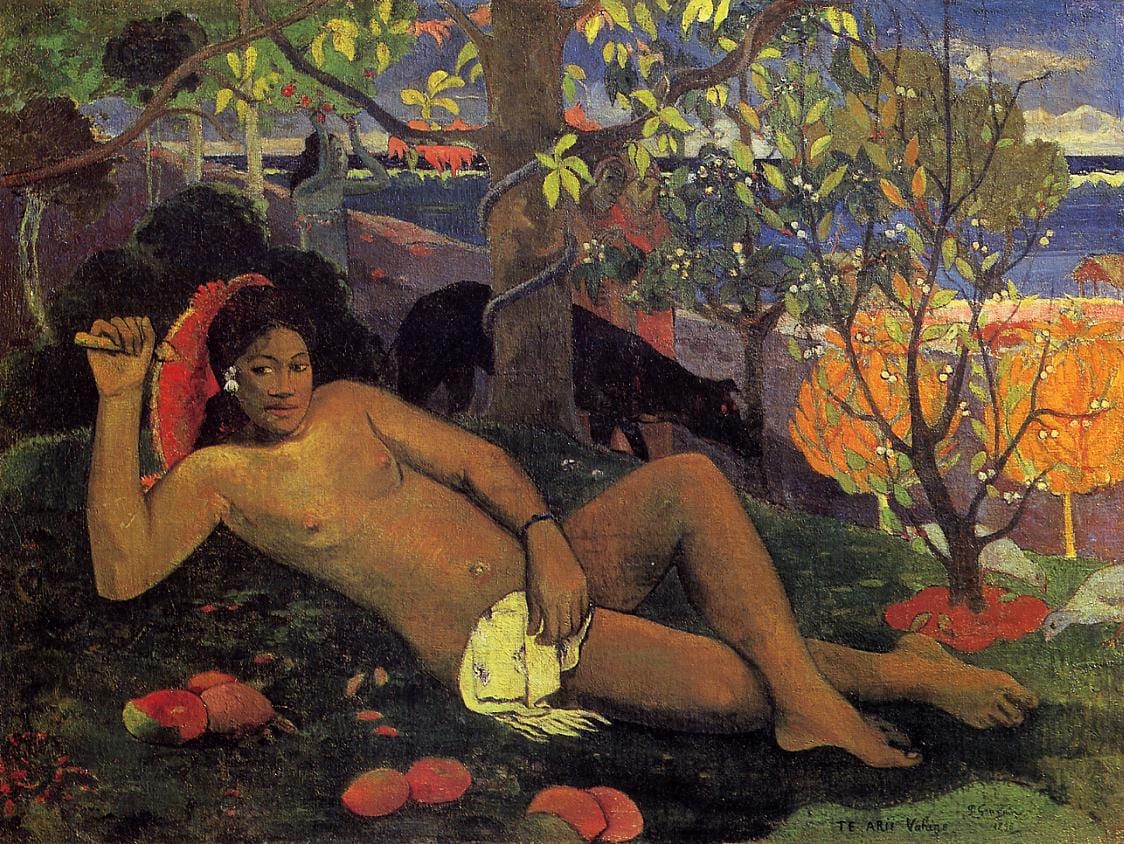
The King's Wife
Paul Gauguin · 1896
Pushkin Museum
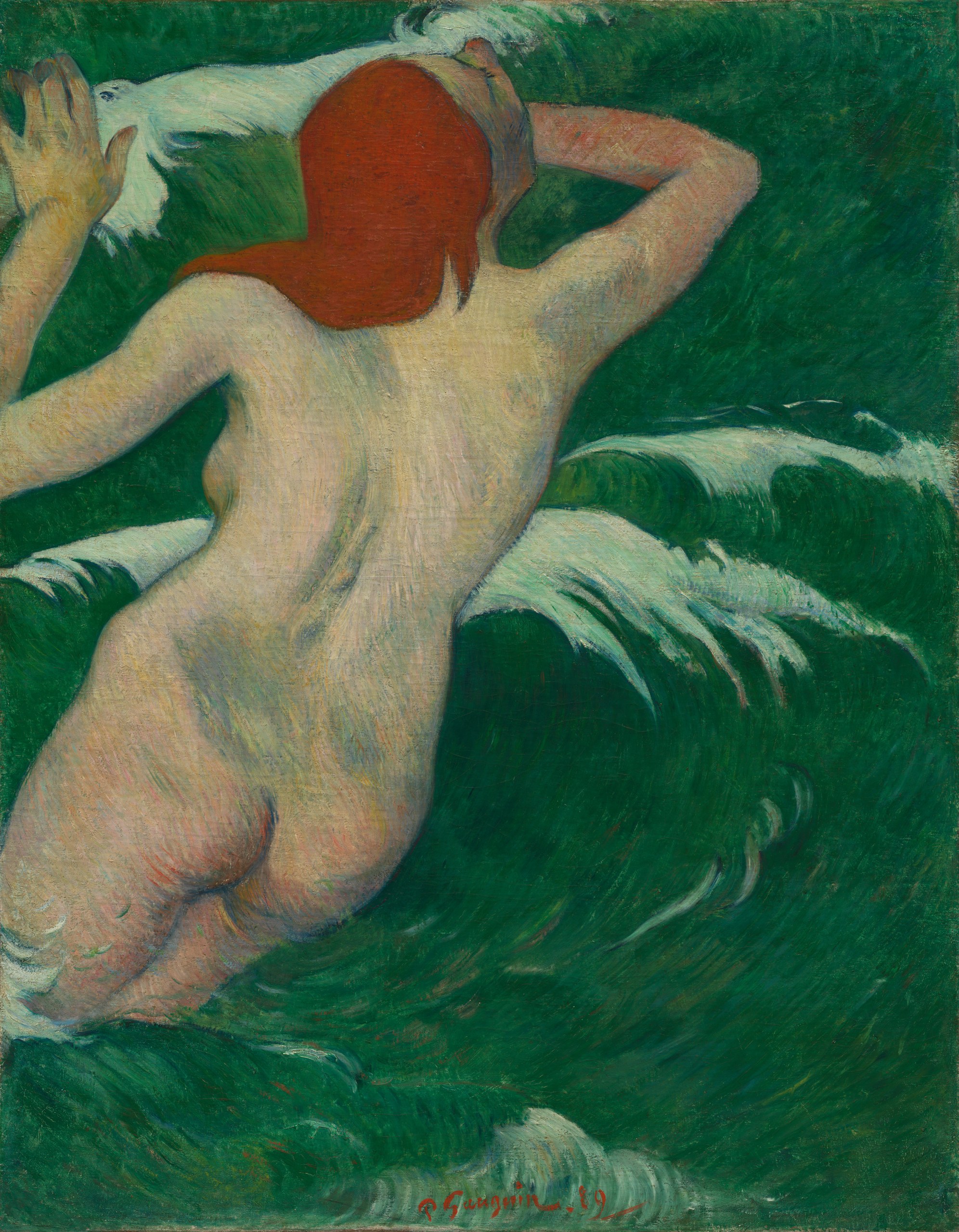
In the Waves (Dans les Vagues)
Paul Gauguin
The Cleveland Museum of Art
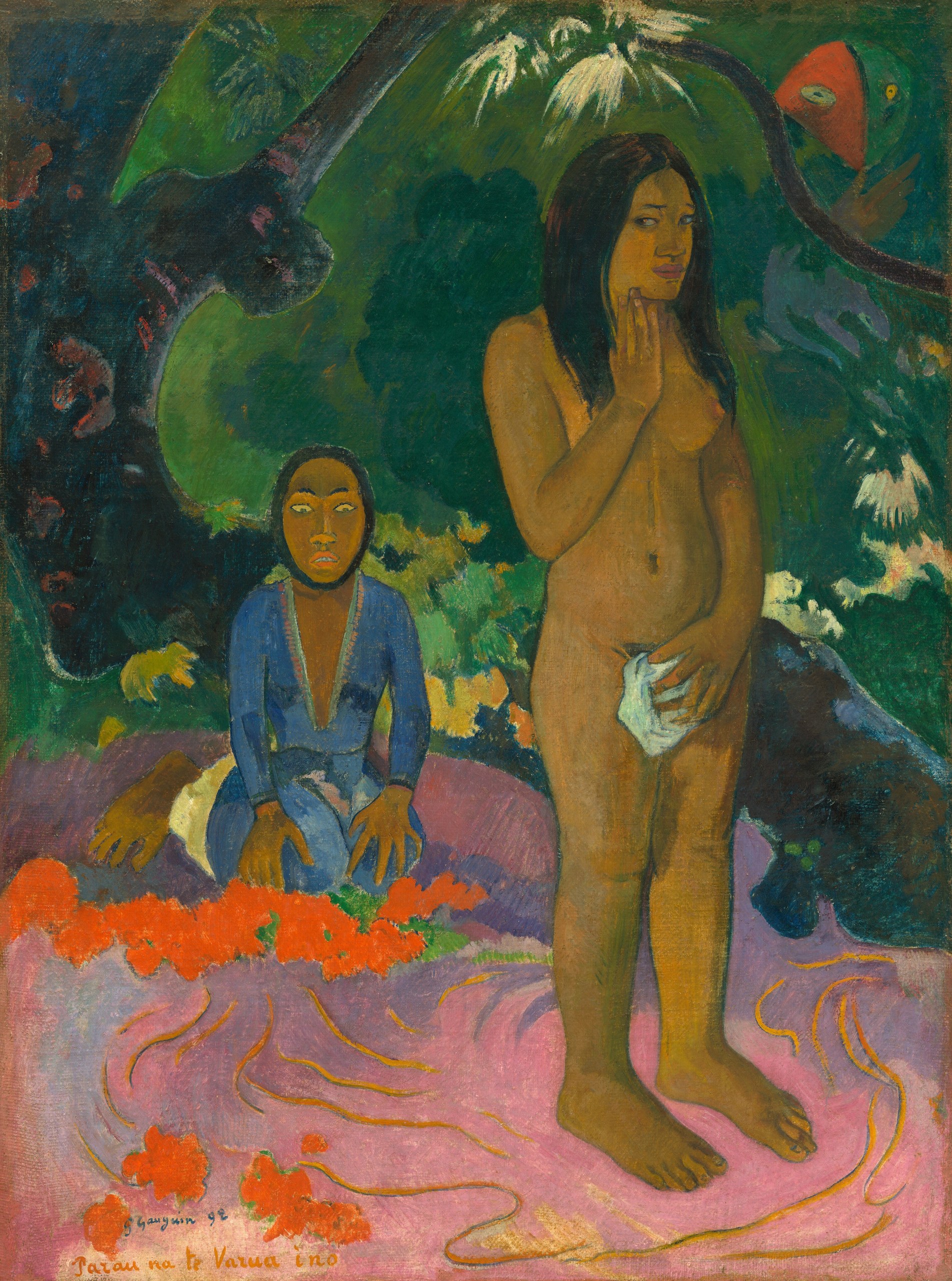
Parau na te Varua ino (Words of the Devil)
Paul Gauguin
National Gallery of Art
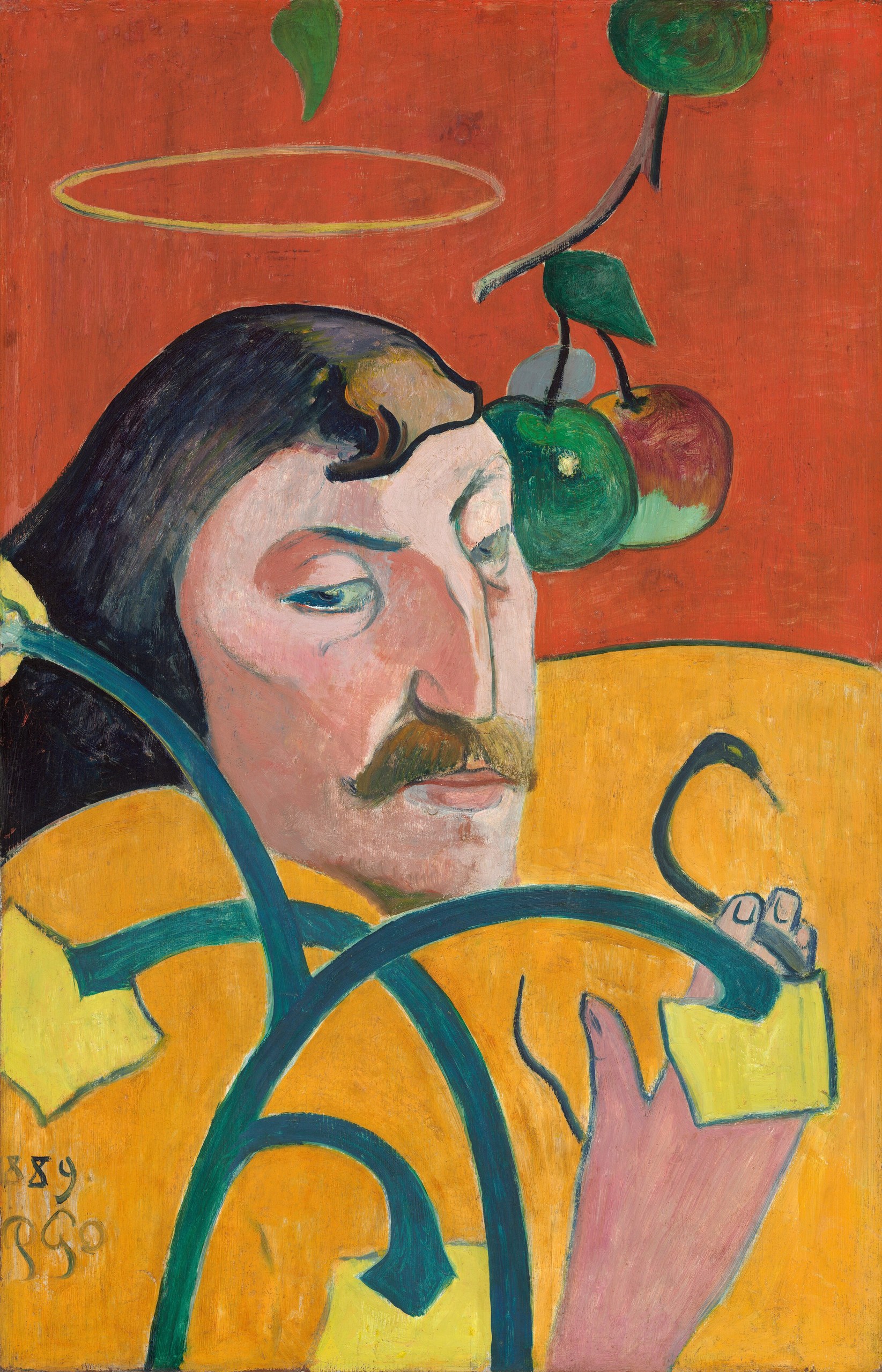
Self-Portrait
Paul Gauguin
National Gallery of Art
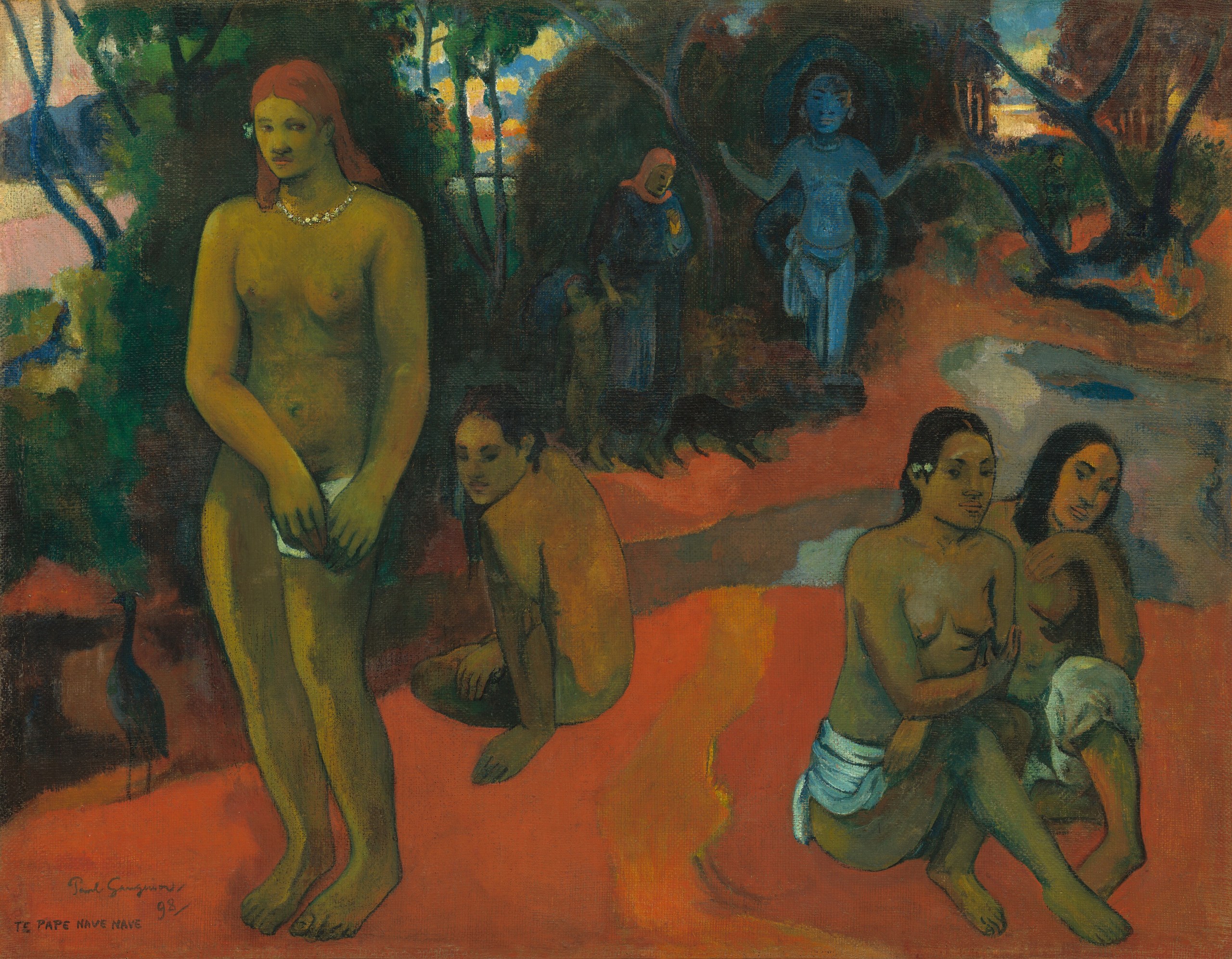
Te Pape Nave Nave (Delectable Waters)
Paul Gauguin
National Gallery of Art
Works worth knowing
9 of Paul Gauguin's works, and what makes each one worth a look.
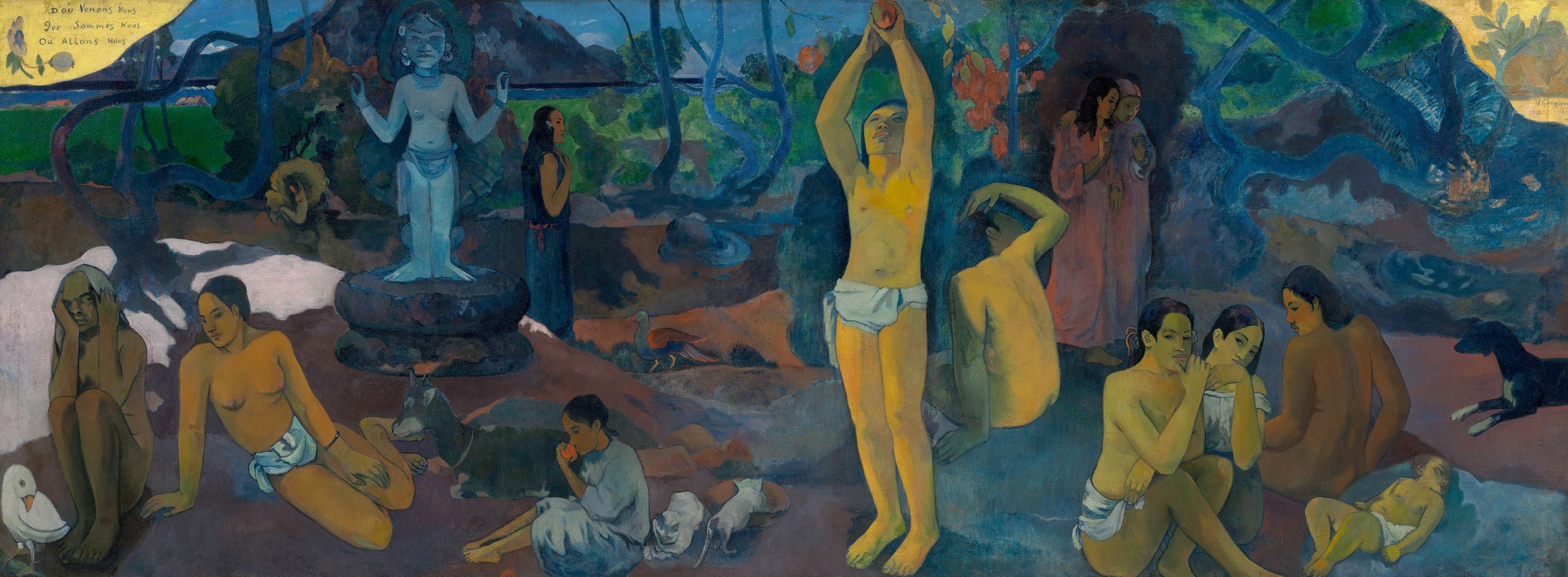
Where Do We Come From? What Are We? Where Are We Going?
Paul Gauguin · 1897
Museum of Fine Arts, Boston
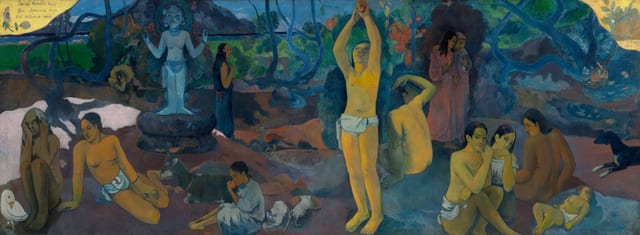
Where Do We Come From? What Are We? Where Are We Going? is an 1897–1898 painting by French artist Paul Gauguin. The painting was created in Tahiti and is in the Museum of Fine Arts in Boston, Massachusetts. Viewed as a masterpiece by Gauguin, the painting is considered "a philosophical work comparable to the themes of the Gospels".
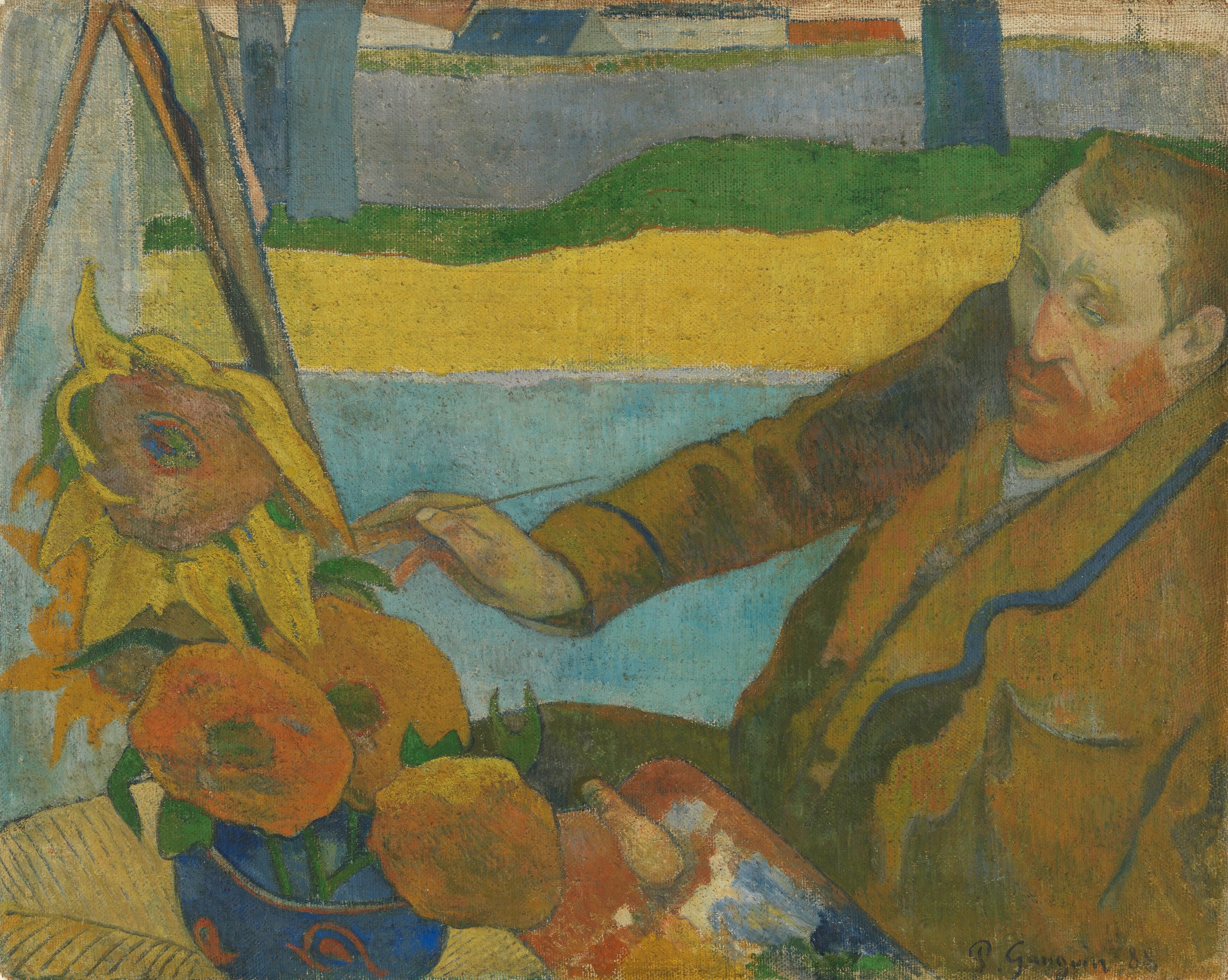
Vincent van Gogh Painting Sunflowers
Paul Gauguin · 1888
Van Gogh Museum
Vincent van Gogh Painting Sunflowers also known as The Painter of Sunflowers is a portrait of Vincent van Gogh by Paul Gauguin. Van Gogh is depicted sitting before an easel, presumably painting his "Sunflower" series. The work, which is a piece from Gauguin's "Arles Period", was created in Arles, France, in December, 1888.
Sacred Spring: Sweet Dreams (Nave nave moe)
Paul Gauguin · 1894
State Hermitage Museum
Nave nave moe is an oil on canvas painting by Paul Gauguin, produced in Paris in 1894 but inspired by his trip to Tahiti three years earlier. It is now in the Hermitage Museum. As early as 1895 it was displayed at an exhibition at the Hôtel Drouot, base of an auction house, under the title Eau delicieuse("Delicious water)".
Oviri
Paul Gauguin · 1894
Musée d'Orsay
Oviri (Tahitian for savage or wild) is an 1894 ceramic sculpture by the French artist Paul Gauguin. In Tahitian mythology, Oviri was the goddess of mourning and is shown with long pale hair and wild eyes, smothering a wolf with her feet while clutching a cub in her arms. Art historians have presented multiple interpretations, usually that Gauguin intended it as an epithet to reinforce his self-image as a "civilised savage".
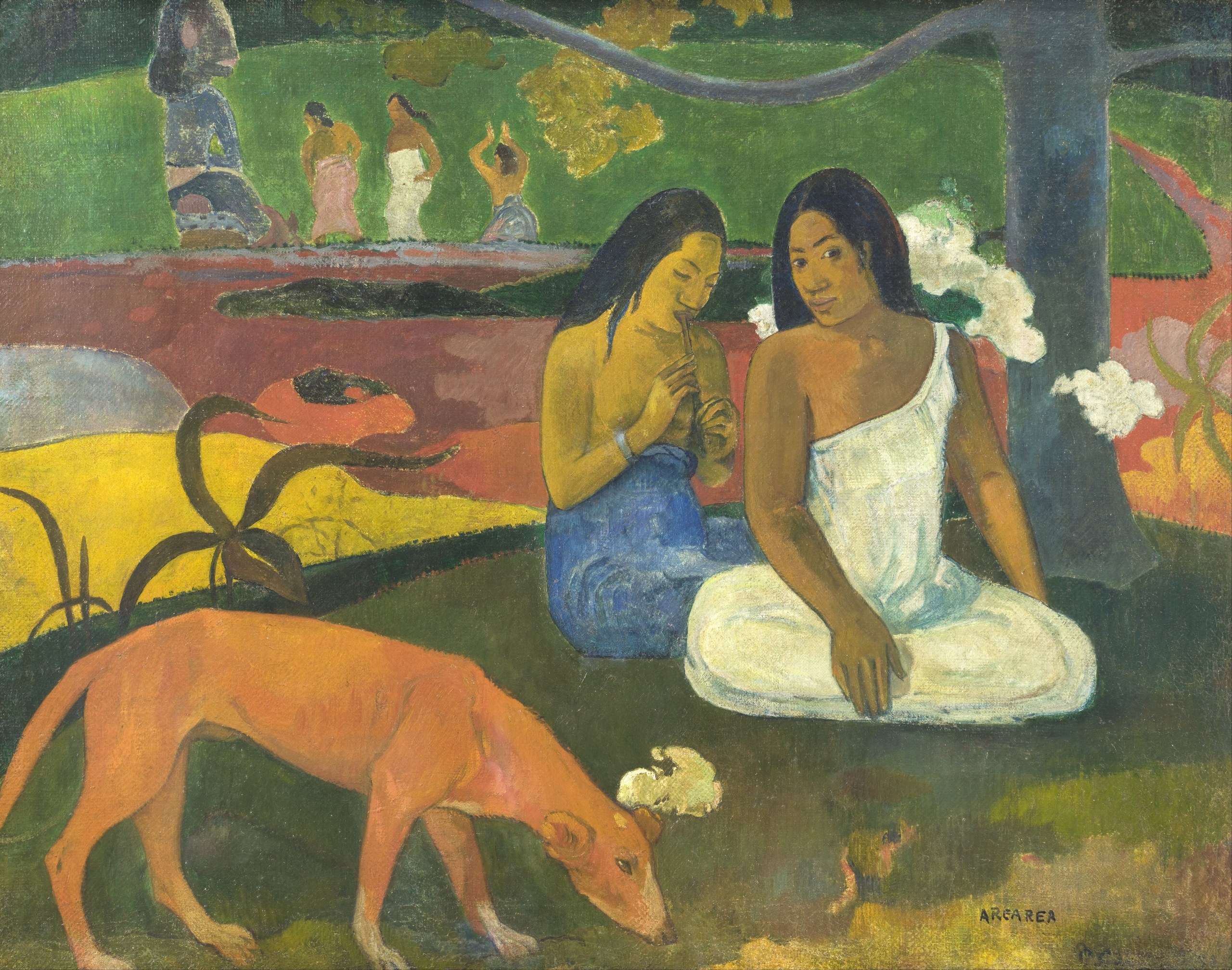
Arearea
Paul Gauguin · 1892
Musée d'Orsay
Arearea is an 1892 work by French painter Paul Gauguin. It was one of the works Gauguin exhibited at his 1893 Durand-Ruel exhibition in Paris. It was bequeathed to the French state in 1961, and was in the collection of the Louvre.
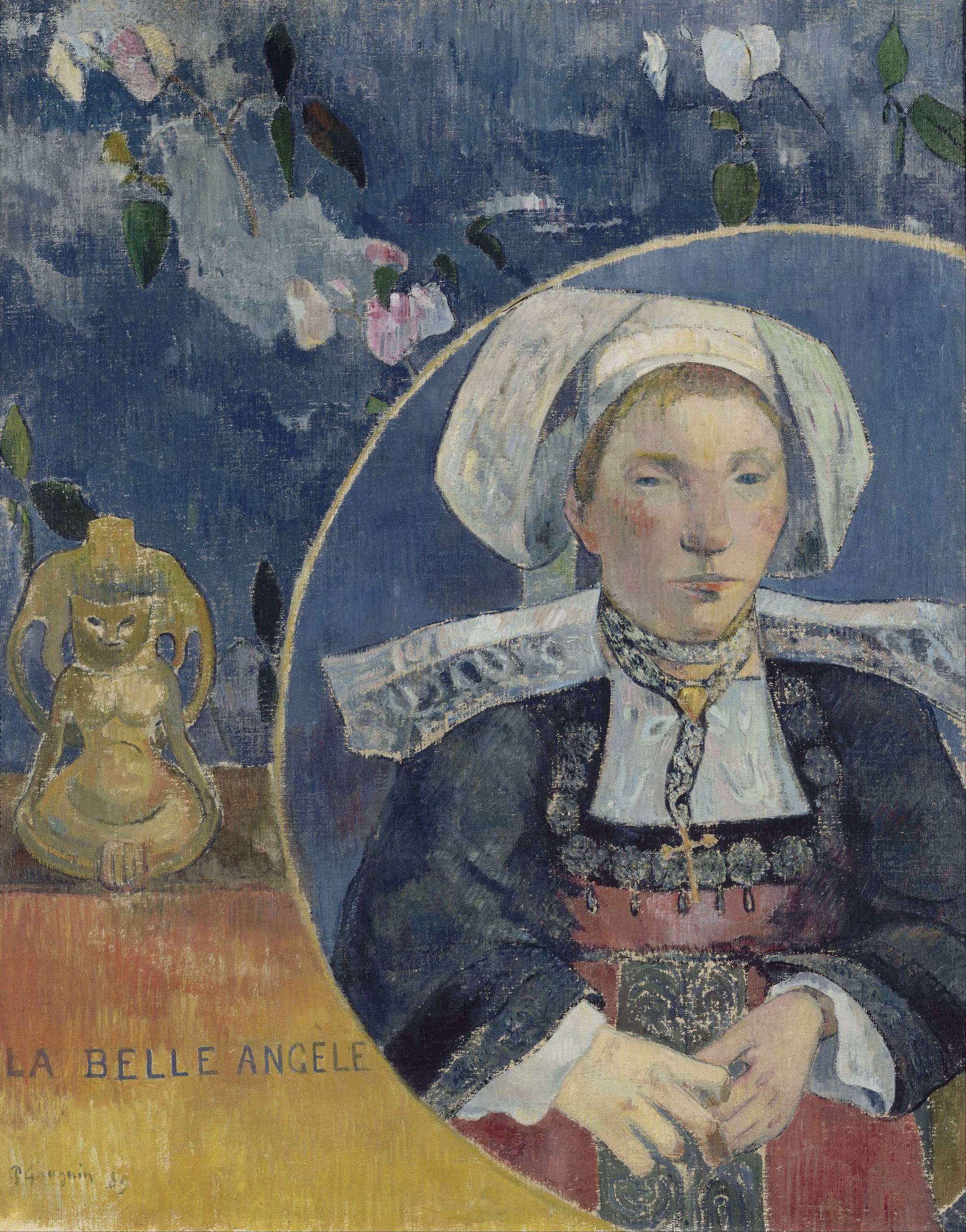
La belle Angèle
Paul Gauguin · 1889
Musée d'Orsay
The Beautiful Angel (La Belle Angèle) is an 1889 painting by Paul Gauguin, now in the Musée d'Orsay in Paris. Its title derives from a nickname for its subject, Angélique Marie Satre (1868 to 1932). She was one of three famous innkeepers in Pont-Aven, where the work was produced.
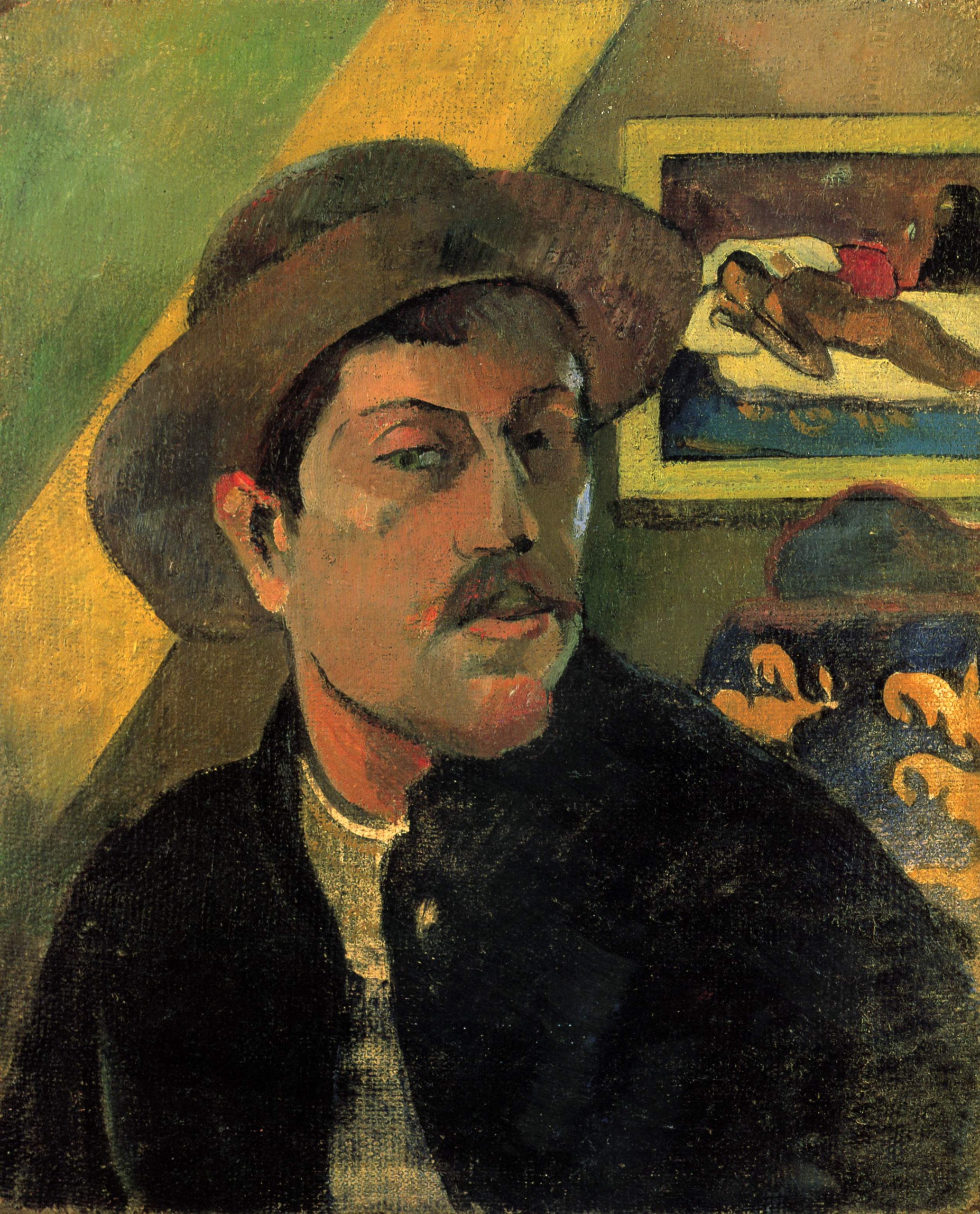
Self-portrait with hat
Paul Gauguin · 1893
Musée d'Orsay
Self-Portrait in a Hat is an 1893 oil on canvas self portrait by Paul Gauguin, produced following a trip to Tahiti. He shows himself in his Paris studio with Spirit of the Dead Watching in the background. It is now in the Musée d’Orsay in Paris.
Aha Oe Feii?
Paul Gauguin · 1892
Pushkin Museum
Aha Oe Feii? or Are You Jealous? is an oil-on-canvas painting by Paul Gauguin from 1892, based on a real-life episode during his stay on Tahiti which he later described in the diary Noa Noa: "On the shore two sisters are lying after bathing, in the graceful poses of resting animals; they speak of yesterday's love and tomorrow's conquests. The recollection causes them to quarrel, "What? Are you jealous?" Gauguin titled the painting in Tahitian language, Aha Oe Feii?, in the lower left corner of the canvas. The painting evokes a sense of Pacific paradise in which sexual relations are playful and harmless.
How Paul Gauguin worked
From the record of their own practice.
Gauguin's initial artistic guidance was from Pissarro, but the relationship left more of a mark personally than stylistically. Gauguin's masters were Giotto, Raphael, Ingres, Eugène Delacroix, Manet, Degas, and Cézanne. His own beliefs, and in some cases the psychology behind his work, were also influenced by philosopher Arthur Schopenhauer and poet Stéphane Mallarmé. Gauguin, like some of his contemporaries such as Degas and Toulouse-Lautrec, employed a technique for painting on canvas known as peinture à l'essence. For this, the oil (binder) is drained from the paint and the remaining sludge of pigment is mixed with turpentine.
Where the work hangs
The museums that hold it, and their visitor guides.
National Gallery of Art
91 in the archive · Washington, D.C.
The Cleveland Museum of Art
35 in the archive · Cleveland, Ohio
Musée d'Orsay
7 in the archive · Paris
State Hermitage Museum
3 in the archive · Saint Petersburg
Pushkin Museum
3 in the archive · Moscow
Van Gogh Museum
2 in the archive · Amsterdam
Louvre Abu Dhabi
1 in the archive · Abu Dhabi
Toledo Museum of Art
1 in the archive · Toledo
Thyssen-Bornemisza Museum
1 in the archive · Madrid
Minneapolis Institute of Art
1 in the archive · Minneapolis, Minnesota
Museum of Fine Arts, Boston
1 in the archive · Boston
Tel Aviv Museum of Art
1 in the archive · Tel Aviv
Tate Modern
1 in the archive · London
If you like Paul Gauguin
Artists held by the same museums.
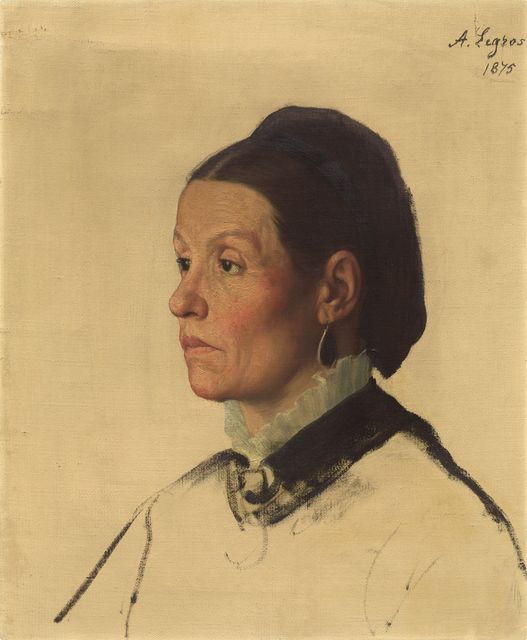
Alphonse Legros
French · 561 in the archive
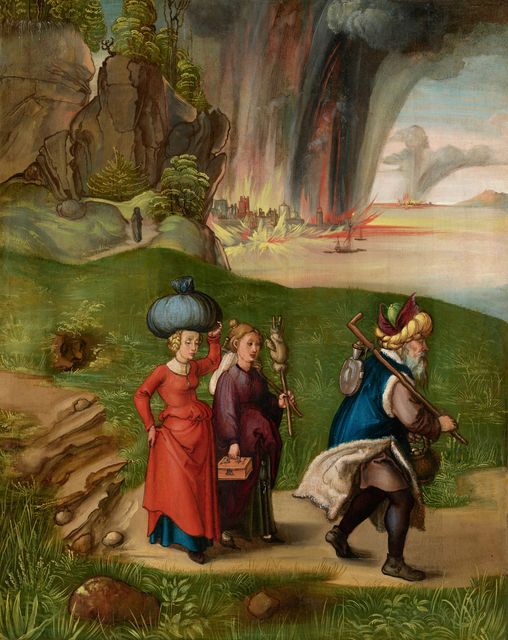
Albrecht Dürer
German · 289 in the archive
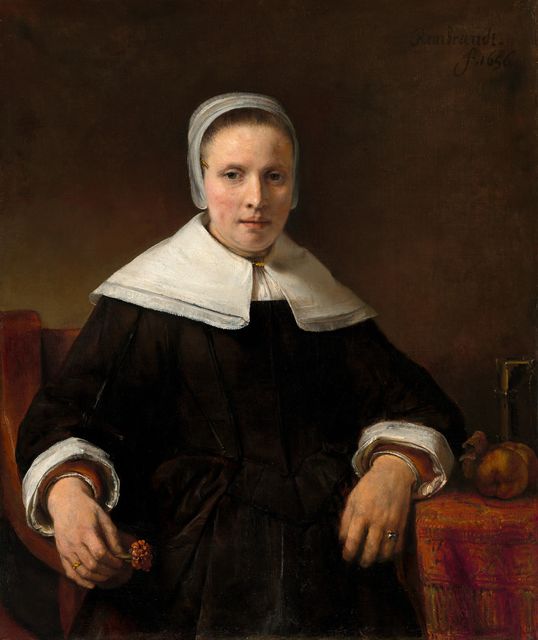
Rembrandt van Rijn
Dutch · 275 in the archive
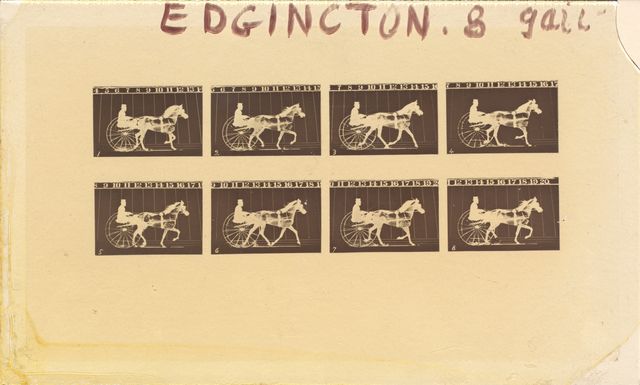
Eadweard Muybridge
English · 259 in the archive
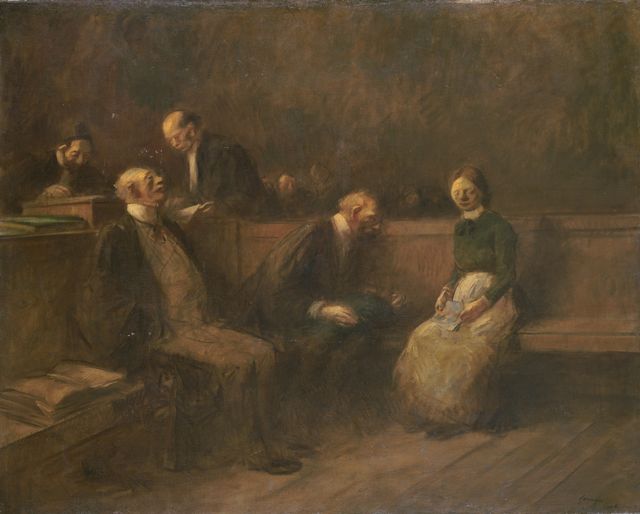
Jean-Louis Forain
French · 259 in the archive
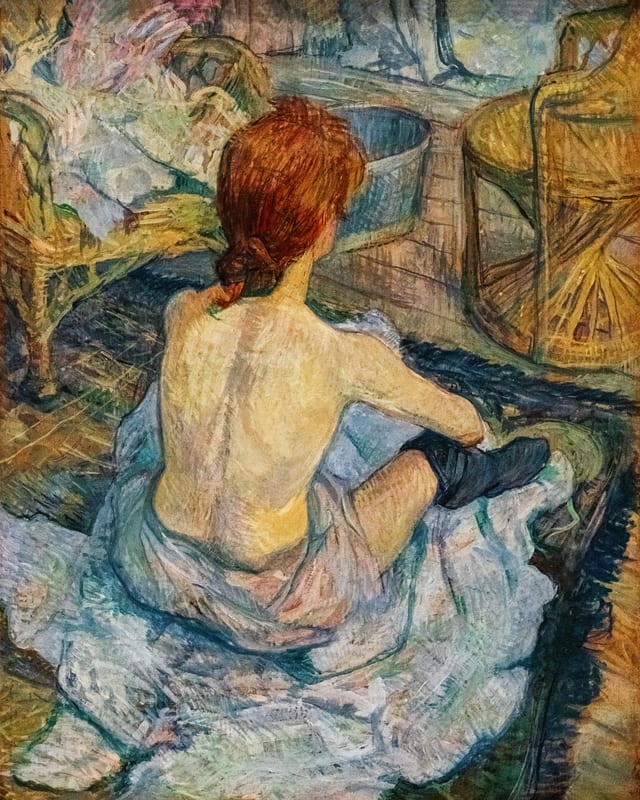
Henri de Toulouse-Lautrec
French · 246 in the archive
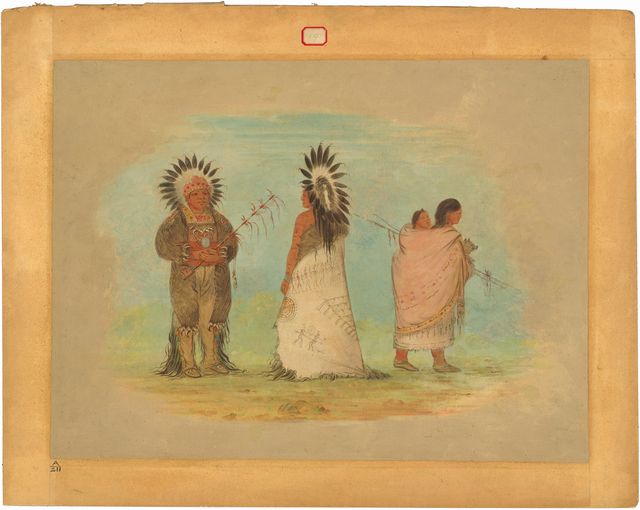
George Catlin
United States · 223 in the archive
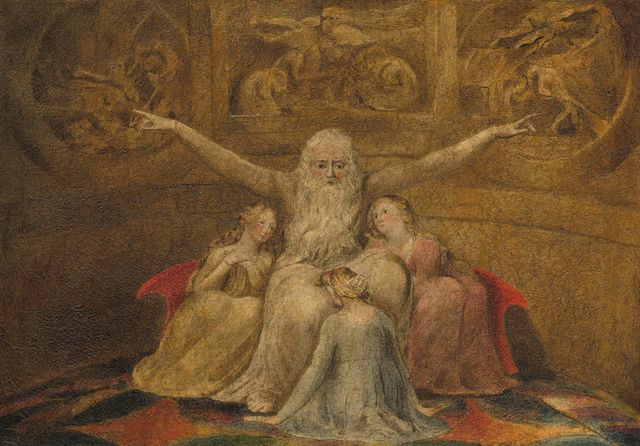
William Blake
United Kingdom of Great Britain and Ireland · 176 in the archive
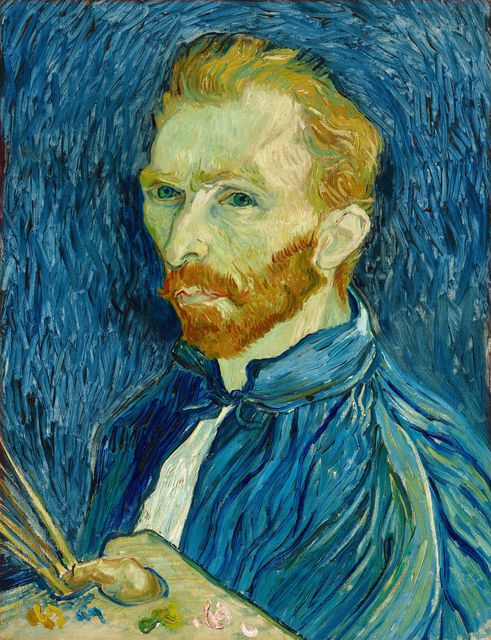
Vincent van Gogh
Dutch · 160 in the archive
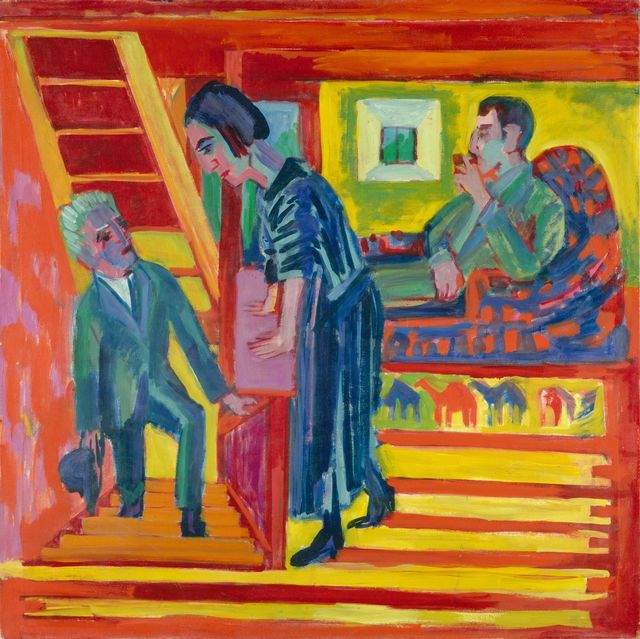
Ernst Ludwig Kirchner
German · 148 in the archive
Majel G. Claflin
United States · 135 in the archive
Mina Lowry
United States · 124 in the archive
Invite the masters into your living room.
Paul Gauguin on your TV, phone, or tablet. Free to start.
View on MomentableIndependent guide by Momentable · biography from Wikipedia · artworks are in the public domain and credited to the museum that holds them