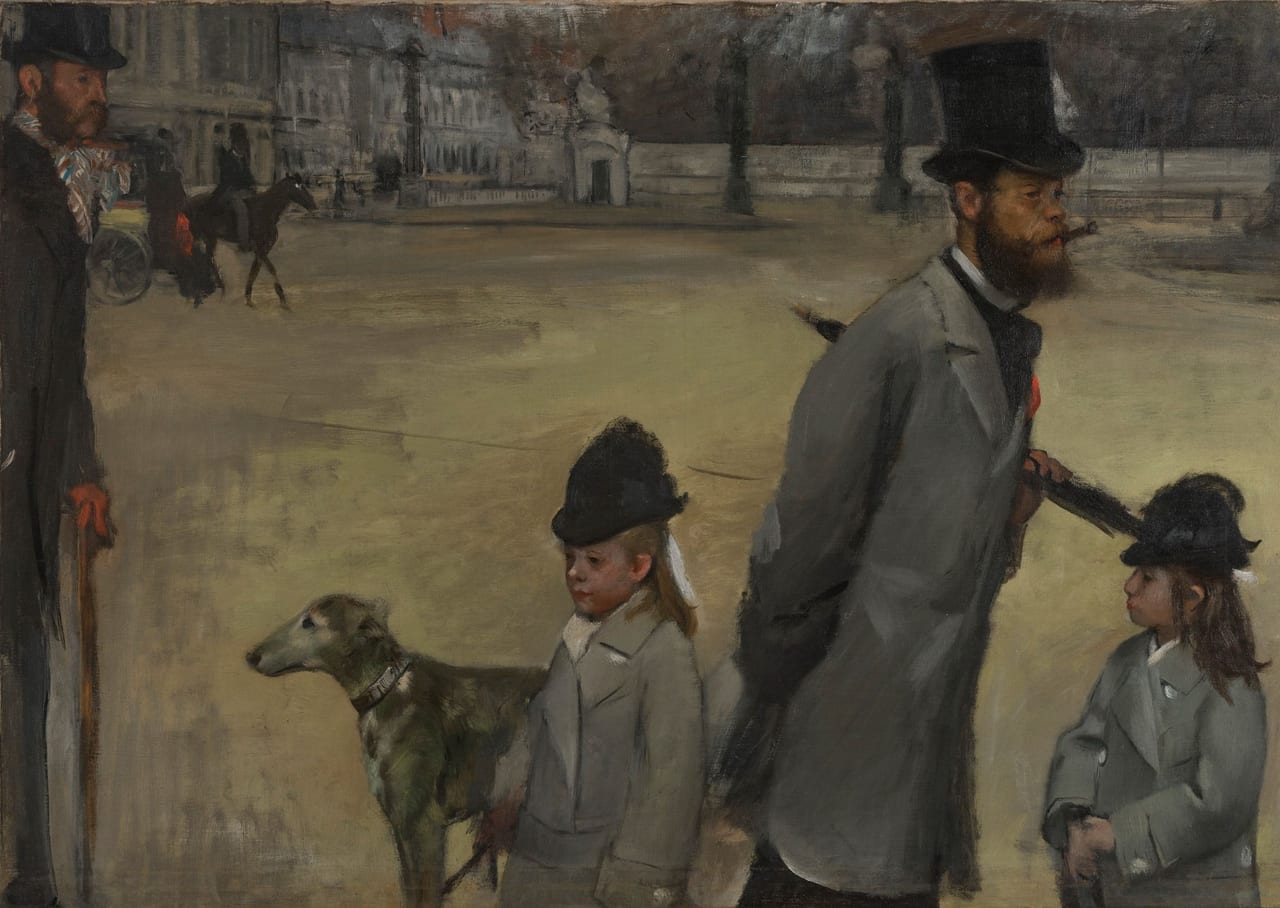
Benois Madonna
Leonardo da Vinci · 1480

State Hermitage Museum
Saint Petersburg · Founded 1764
Two Leonardo Madonnas and Rembrandt's Prodigal Son, in the Winter Palace of the Russian tsars. Catherine the Great started it in 1764 with a single purchase, and it now holds more paintings than any museum on earth.
- 2.8M
- Visitors a year
- 1764
- Founded
- Closed Mon
- Daily opening hours
100 works from this collection play free on your TV, phone or tablet. Press play and one starts now.
Watch it nowWhat to see
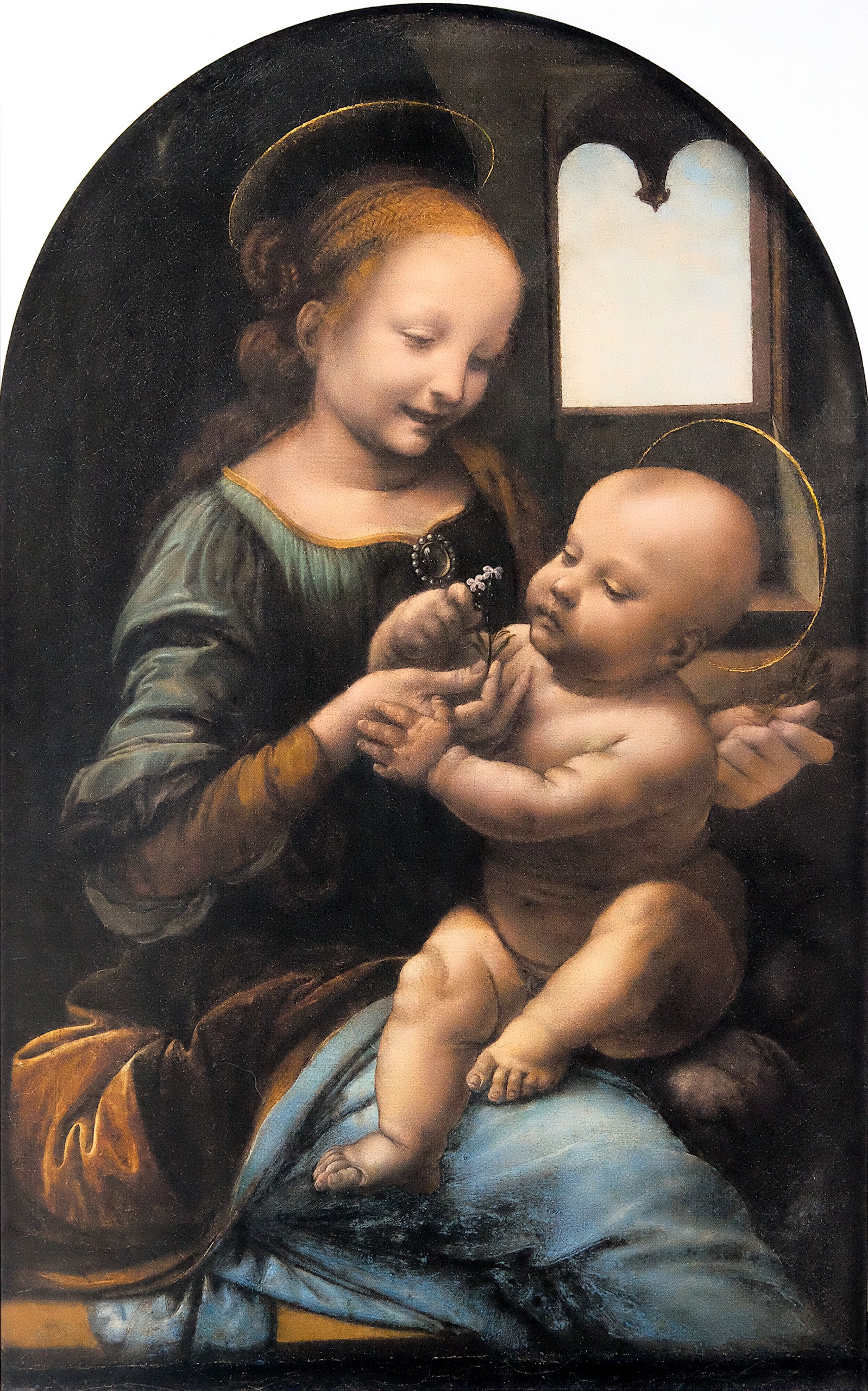
Benois Madonna
Leonardo da Vinci · 1480
The Benois Madonna, otherwise known as the Madonna and Child with Flowers, is a painting by the Italian Renaissance master Leonardo da Vinci in the Hermitage Museum, Saint Petersburg. One of two Madonnas begun by Leonardo in October 1478, it was completed c.
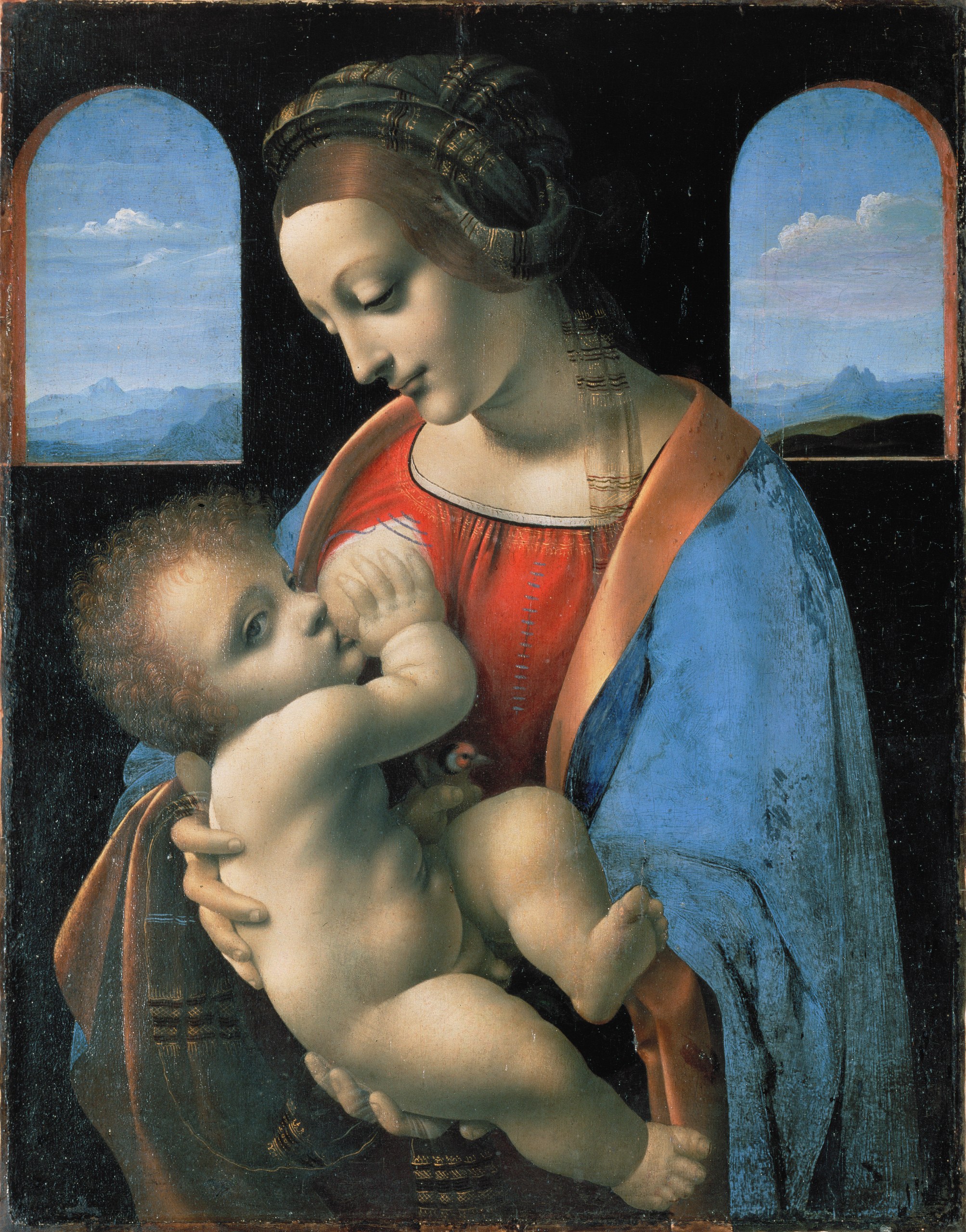
Madonna Litta
Leonardo da Vinci · 1490
The Madonna Litta is a late 15th-century painting, by Leonardo da Vinci, in the Hermitage Museum, Saint Petersburg. It depicts the Virgin Mary breastfeeding the Christ child, a devotional subject known as the Madonna lactans.
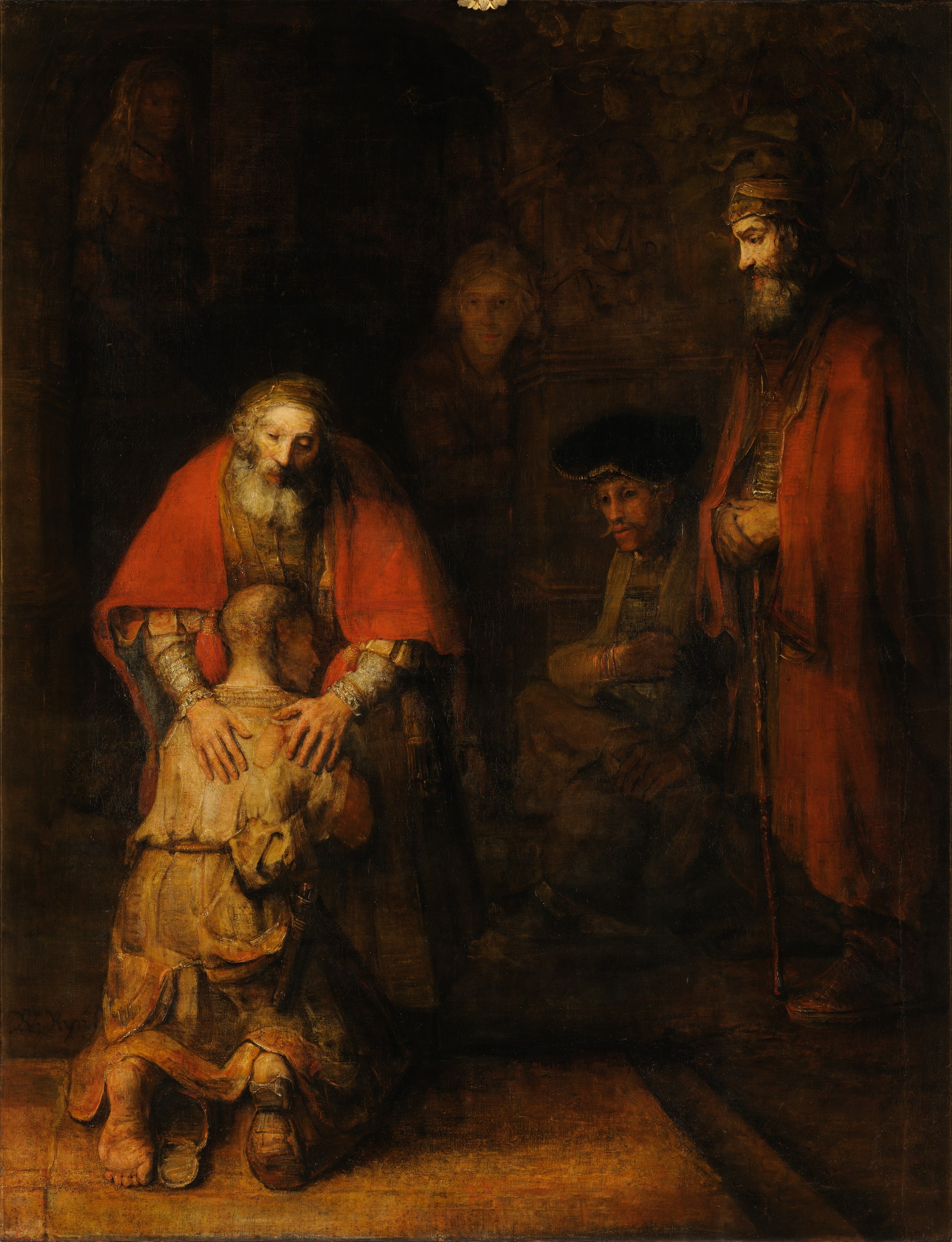
The Return of the Prodigal Son
Rembrandt · 1668
The Return of the Prodigal Son is an oil painting by Rembrandt, part of the collection of the Hermitage Museum in St. Petersburg. It is among the Dutch master's final works, likely completed within two years of his death in 1669. Depicting the moment of the prodigal son's return to his father in the Biblical parable, it is a renowned work described by art historian Kenneth Clark as "a picture which those who have seen the original in St. Petersburg may be forgiven for claiming as the greatest picture ever painted".
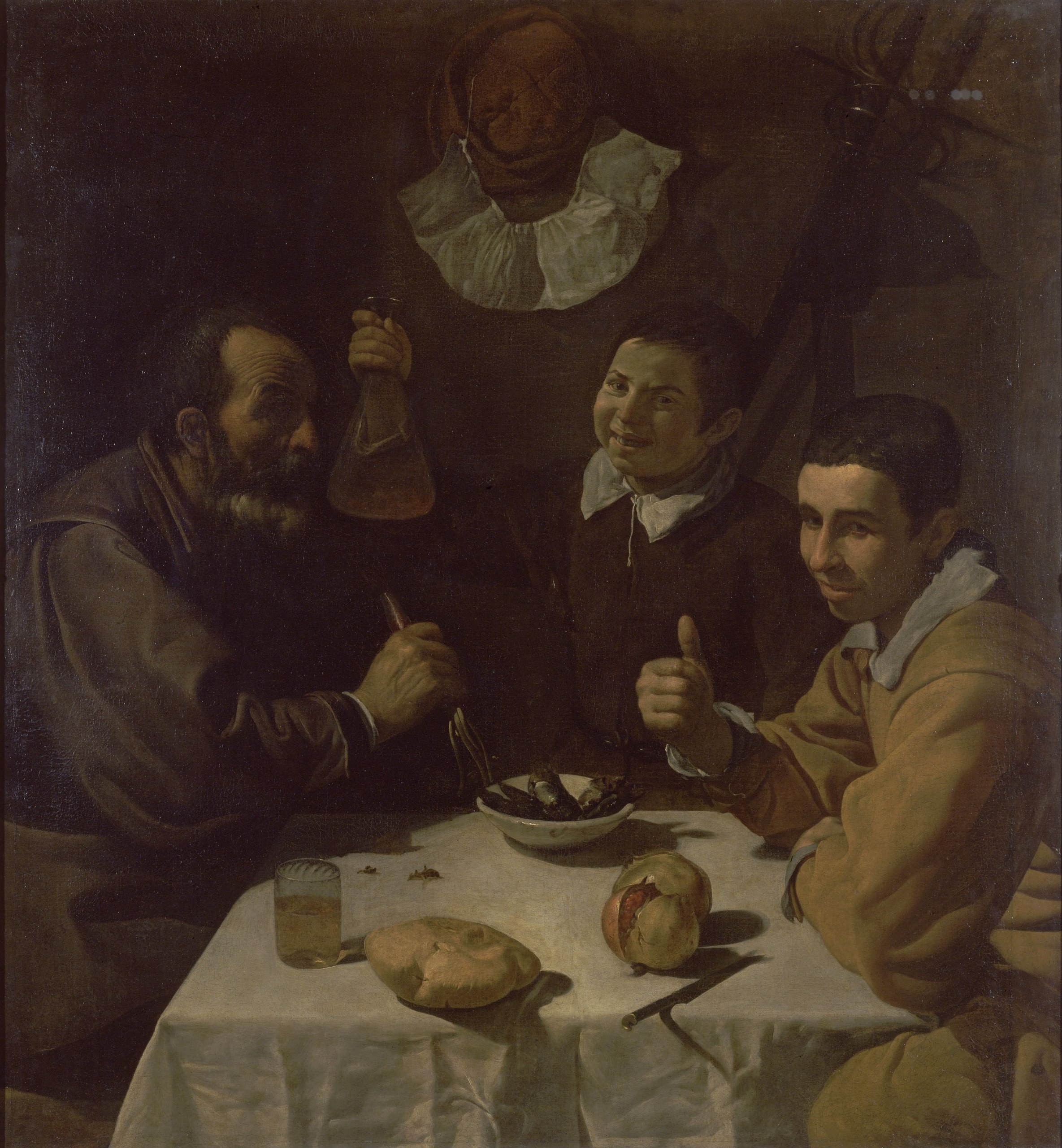
The Lunch
Diego Velázquez · 1617
The Farmers' Lunch is one of the earliest paintings by the Spanish artist Diego Velázquez. Painted in oil on canvas in 1617, it combines a still life of food and drink with a depiction of three comic farmers, whose physiognomy the artist studies closely. The composition shows a younger man gesturing with his right hand to reinforce the story coming from his half-open lips, and an older man listening attentively while holding his cup up to a woman so she can refill it with wine. The still life includes fish, bread, a carrot, a lemon, and a copper vessel.
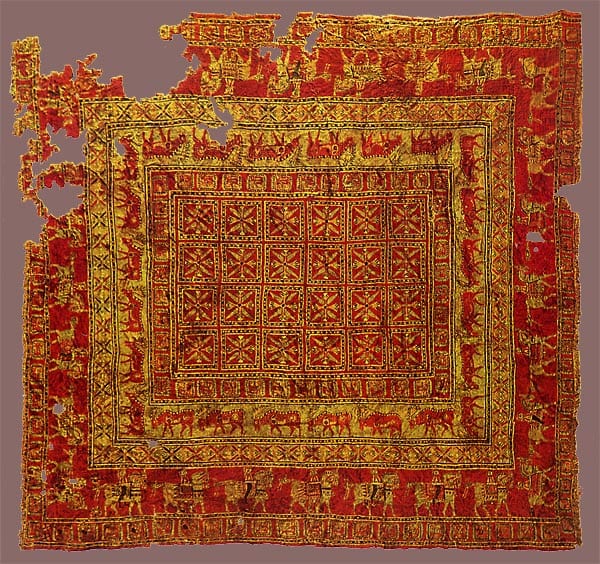
Pazyryk carpet
The Pazyryk burials are a number of Scythian (Saka) Iron Age tombs found in the Pazyryk Valley and the Ukok plateau in the Altai Mountains, Siberia, south of the modern city of Novosibirsk, Russia; the site is close to the borders with China, Kazakhstan and Mongolia. Numerous comparable burials have been found in neighbouring western Mongolia.
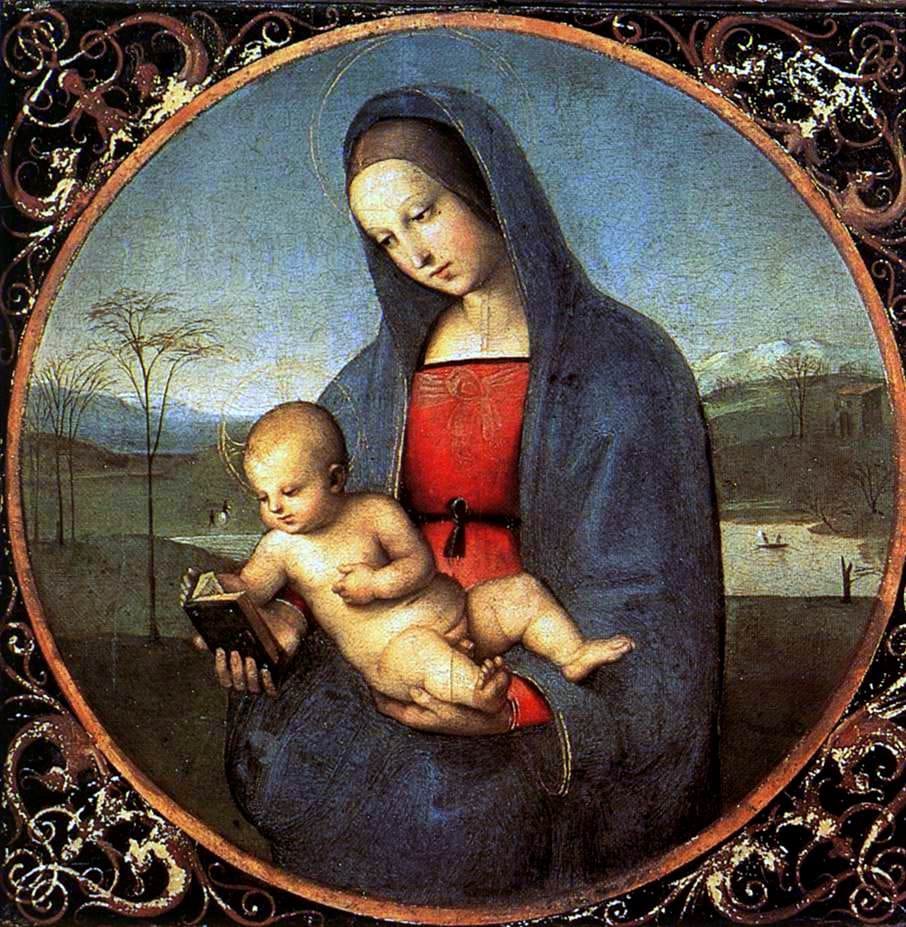
Madonna and Child (The Conestabile Madonna)
Raphael · 1504
The Conestabile Madonna is a small painting by the Italian Renaissance artist Raphael, executed c. 1504.
The collections
Egyptian antiquities
Since 1940, the Egyptian collection, dating back to 1852 and including the former Castiglione Collection, has occupied a large hall on the ground floor in the eastern part of the Winter Palace.
Classical antiquities
The collection of classical antiquities occupies most of the ground floor of the Old and New Hermitage buildings.
Prehistoric art
On the ground floor in the western wing of the Winter Palace the collections of prehistoric artefacts and the culture and art of the Caucasus are located, as well as the second treasure gallery.
Jewellery and decorative art
Four small rooms on the ground floor, enclosed in the middle of the New Hermitage between the room displaying Classical Antiquities, comprise the first treasure gallery, featuring western jewellery from the 4th millennium BC to the early 20th century AD.
Italian Renaissance
The rooms on the first floor of the Old Hermitage were designed by Andrei Stackenschneider in revival styles in between 1851 and 1860, although the design survives only in some of them.
Italian and Spanish fine art
The first floor of New Hermitage contains three large interior spaces in the centre of the museum complex with red walls and lit from above by skylights.
Knights' Hall
The Knights' Hall, a large room in the eastern part of the New Hermitage originally designed in the Greek revival style for the display of coins, now hosts a collection of Western European arms and armour from the 15th, 17th centuries, part of the Hermitage Arsenal collection.
Dutch Golden Age and Flemish Baroque
The rooms and galleries along the southern facade and in the western wing of the New Hermitage are now entirely devoted to Dutch Golden Age and Flemish Baroque painting of the 17th century, including the large collections of Van Dyck, Rubens and Rembrandt.
Artists
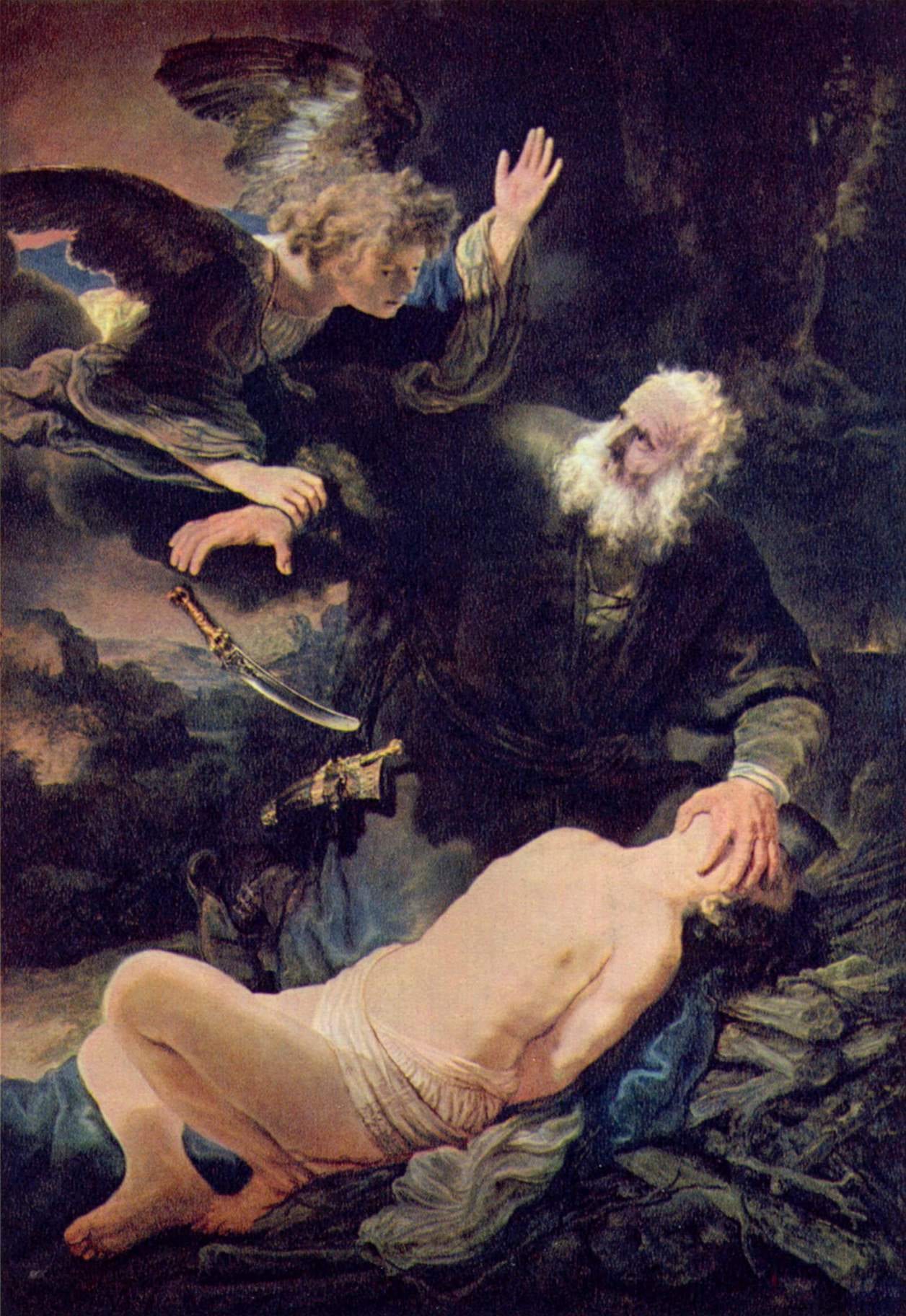
Dutch · 1606–1669 · Dutch Golden Age painting
Rembrandt Harmenszoon van Rijn, known mononymously as Rembrandt, was a Dutch Golden Age painter, printmaker, and draughtsman. He is generally considered one of the greatest visual artists in the history of Western art.
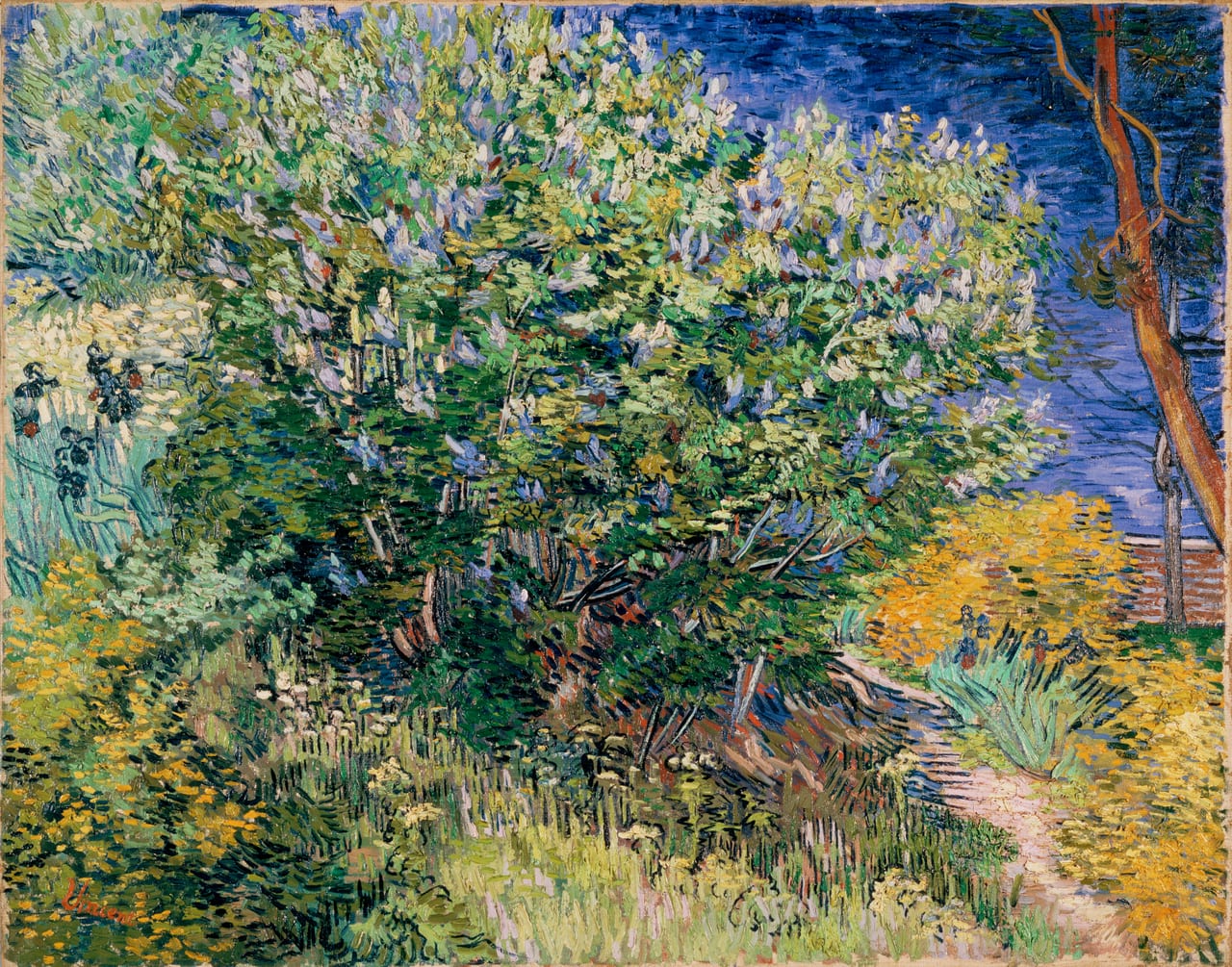
Dutch · 1853–1890 · Post-impressionism
Vincent Willem van Gogh was a Dutch Post-Impressionist painter who is among the most famous and influential figures in the history of Western art.
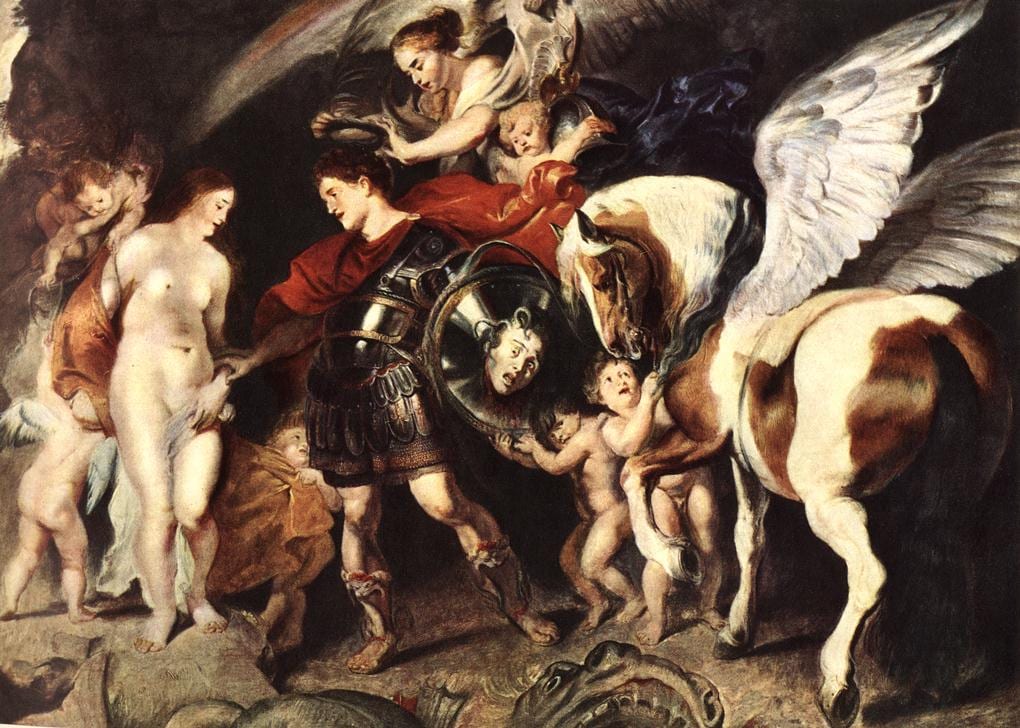
Flemish · 1577–1640 · Flemish Baroque painting
Sir Peter Paul Rubens was a Flemish artist and diplomat. He is considered the most influential artist of the Flemish Baroque tradition.
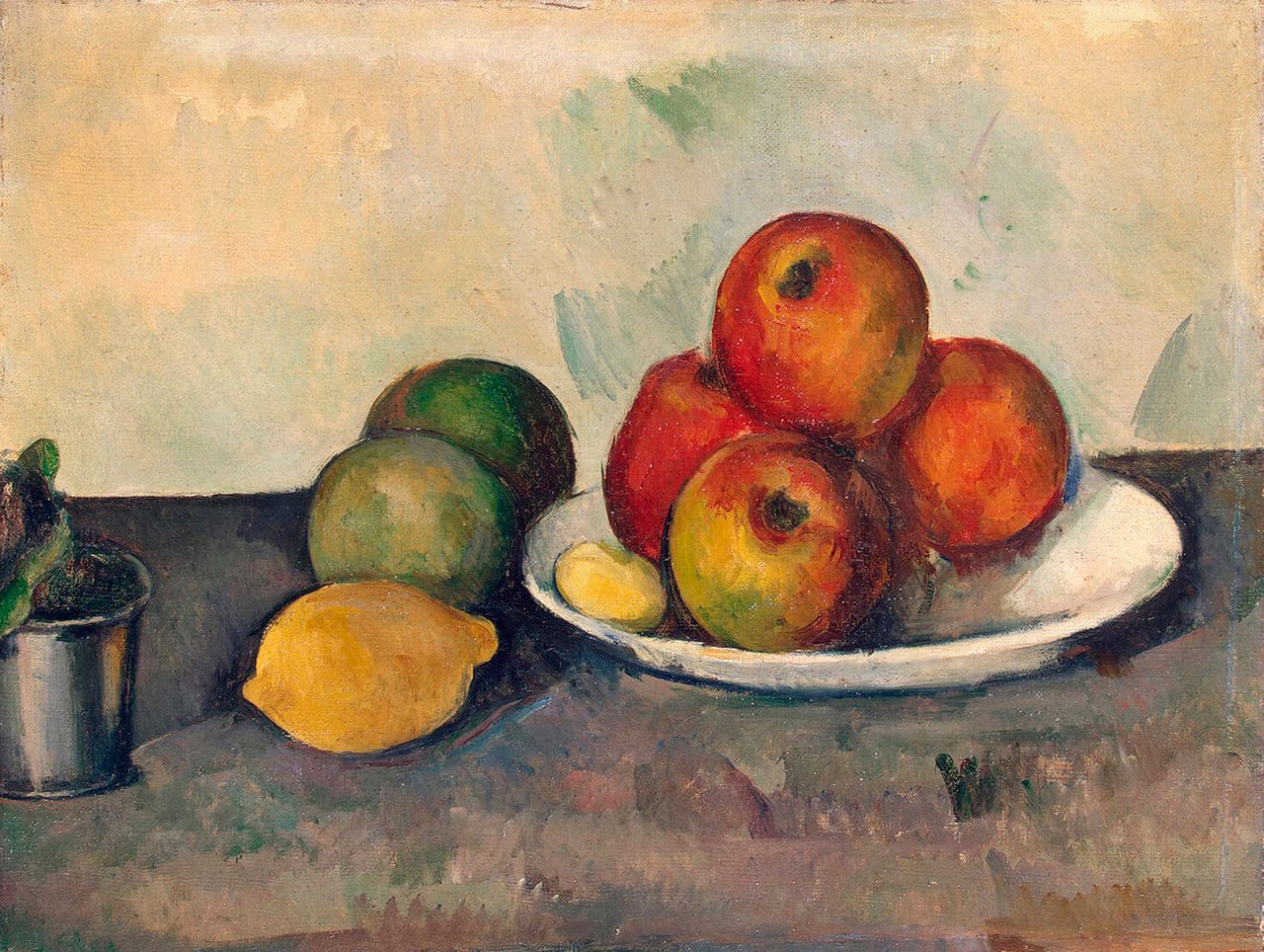
French · 1839–1906 · Post-impressionism
Paul Cézanne was a French Post-Impressionist painter whose work introduced new modes of representation, influenced avant-garde artistic movements of the early 20th century and formed the bridge between late 19th-century
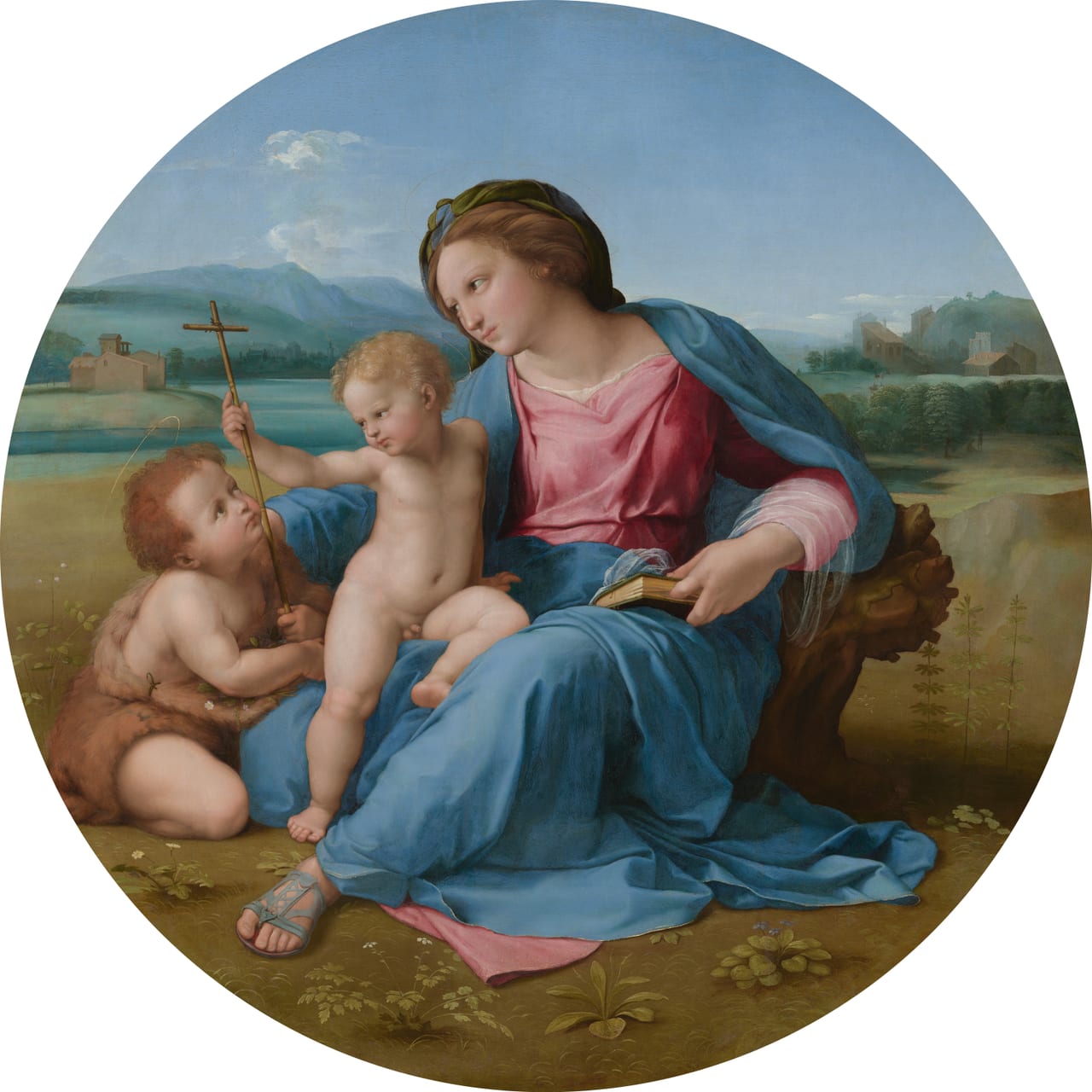
Holy Roman Empire · 1483–1520
Raffaello Sanzio da Urbino, now generally known in English as Raphael (UK: RAF-ay-əl, US: RAF-ee-əl, RAY-fee-, RAH-fy-EL), was an Italian painter and architect of the High Renaissance.
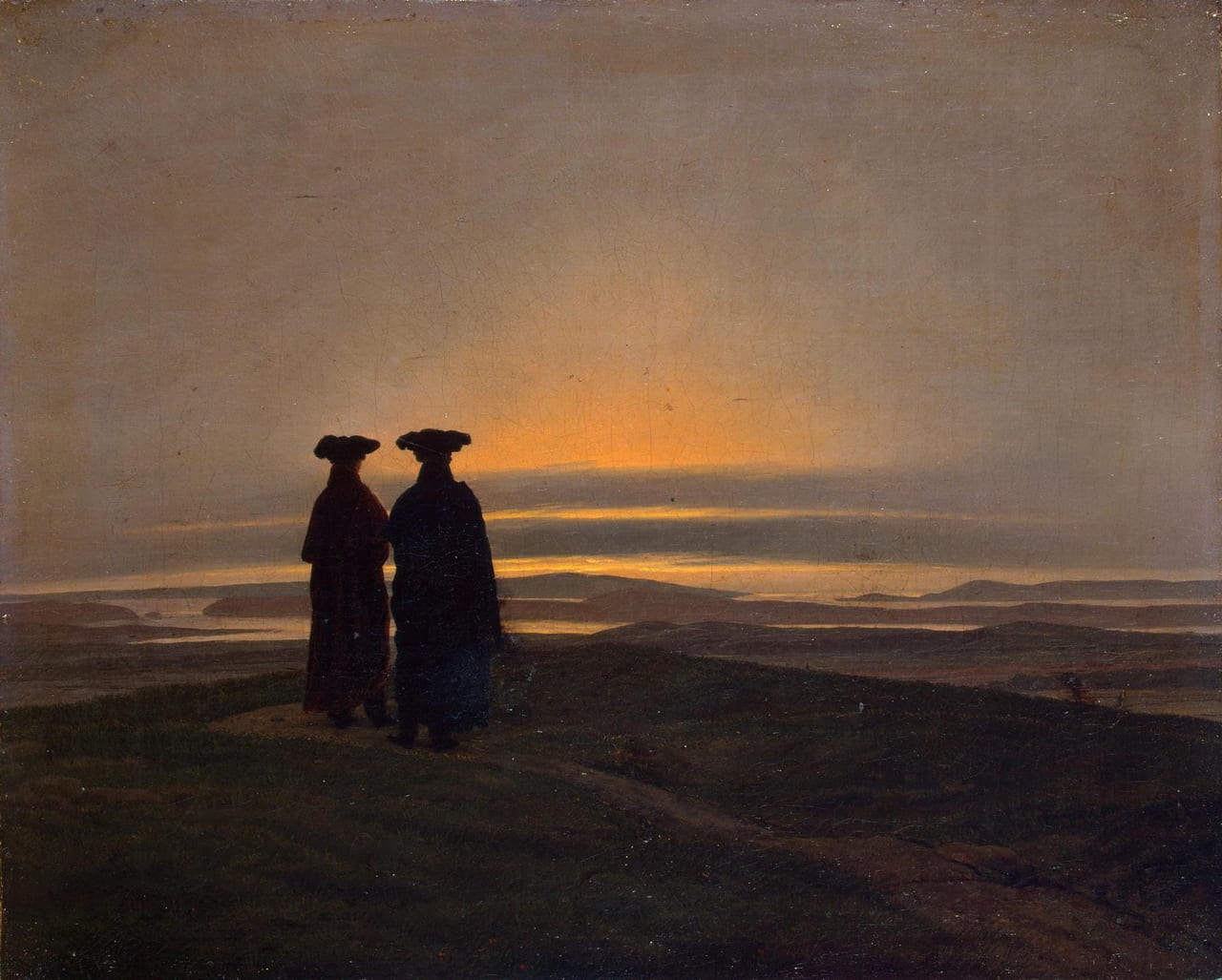
Kingdom of Prussia · 1774–1840
Caspar David Friedrich was a German Romantic landscape painter, generally considered the most important German artist of his generation, whose often symbolic, and anti-classical work, conveys a subjective, emotional resp
Artworks
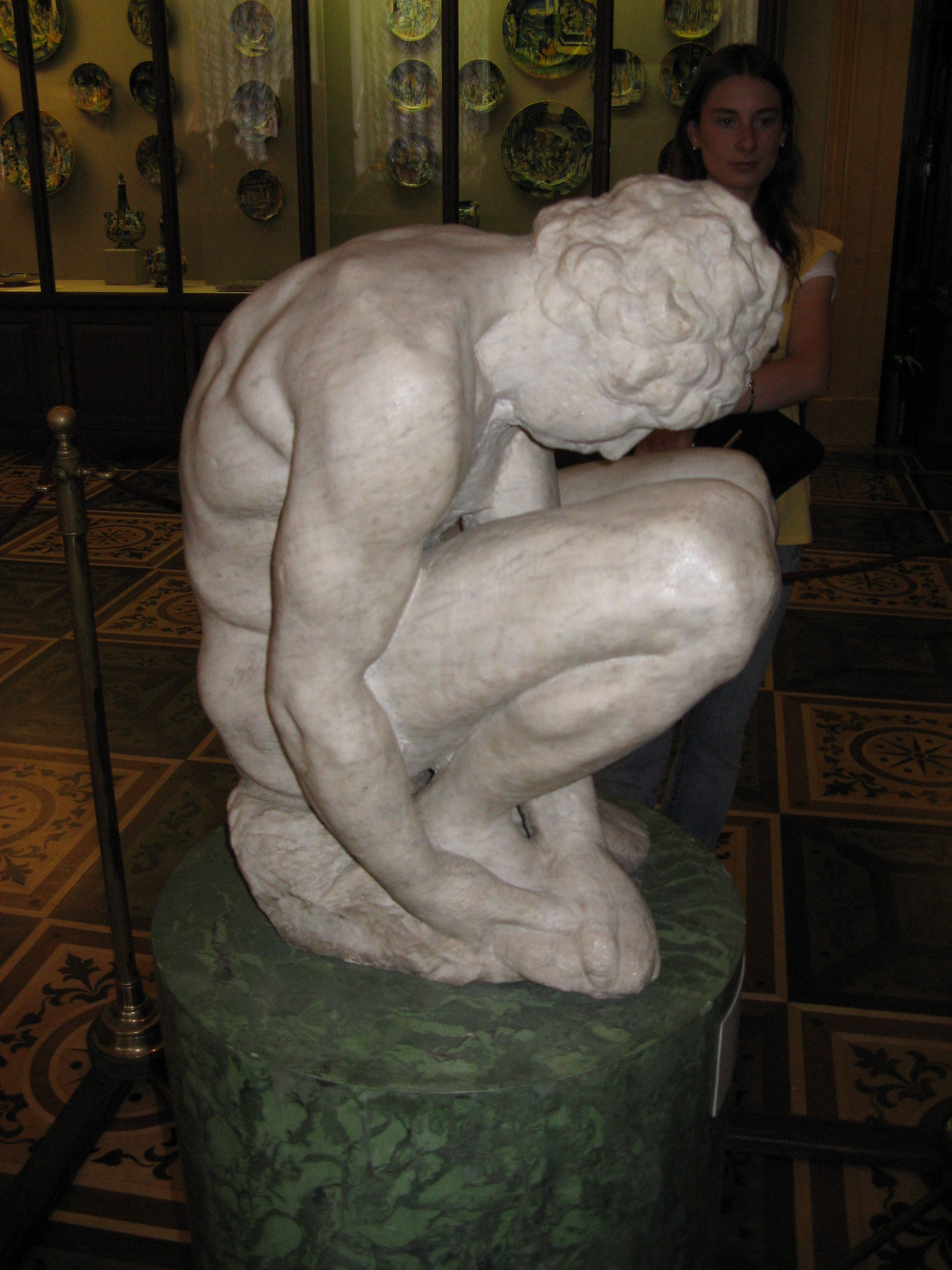
Crouching Boy
Michelangelo · 1530
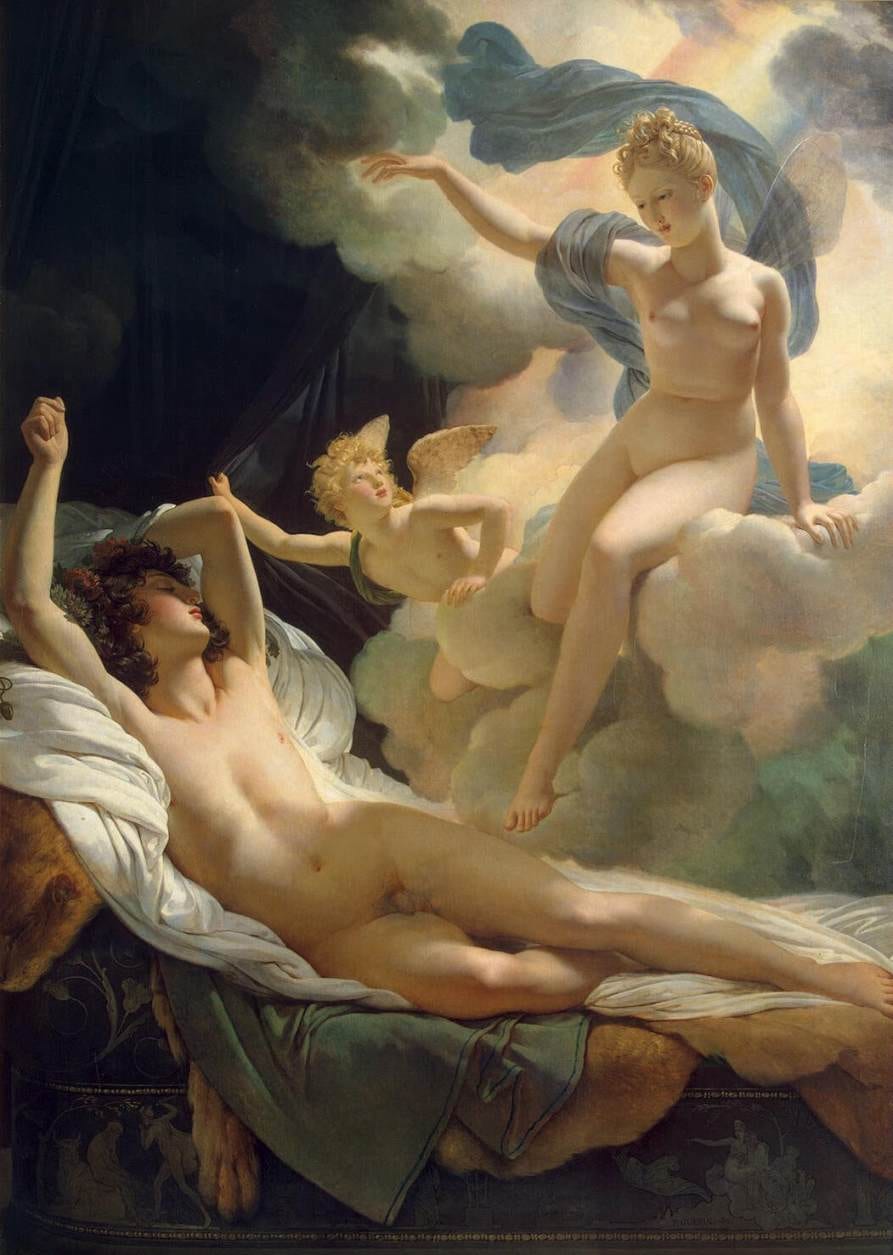
Morpheus and Iris
Pierre-Narcisse Guérin · 1811
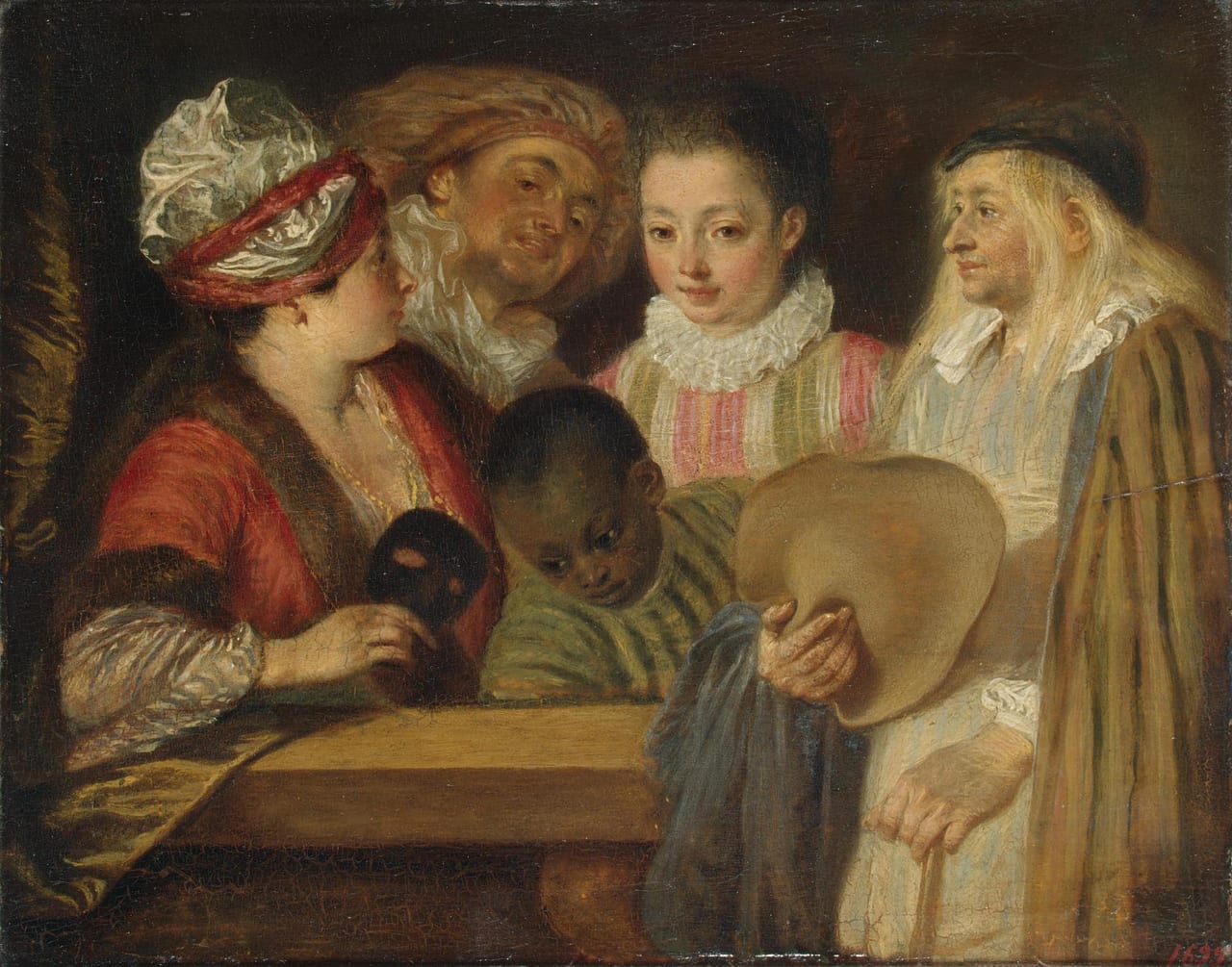
Actors of the Comedie-Francaise
Jean-Antoine Watteau · 1710
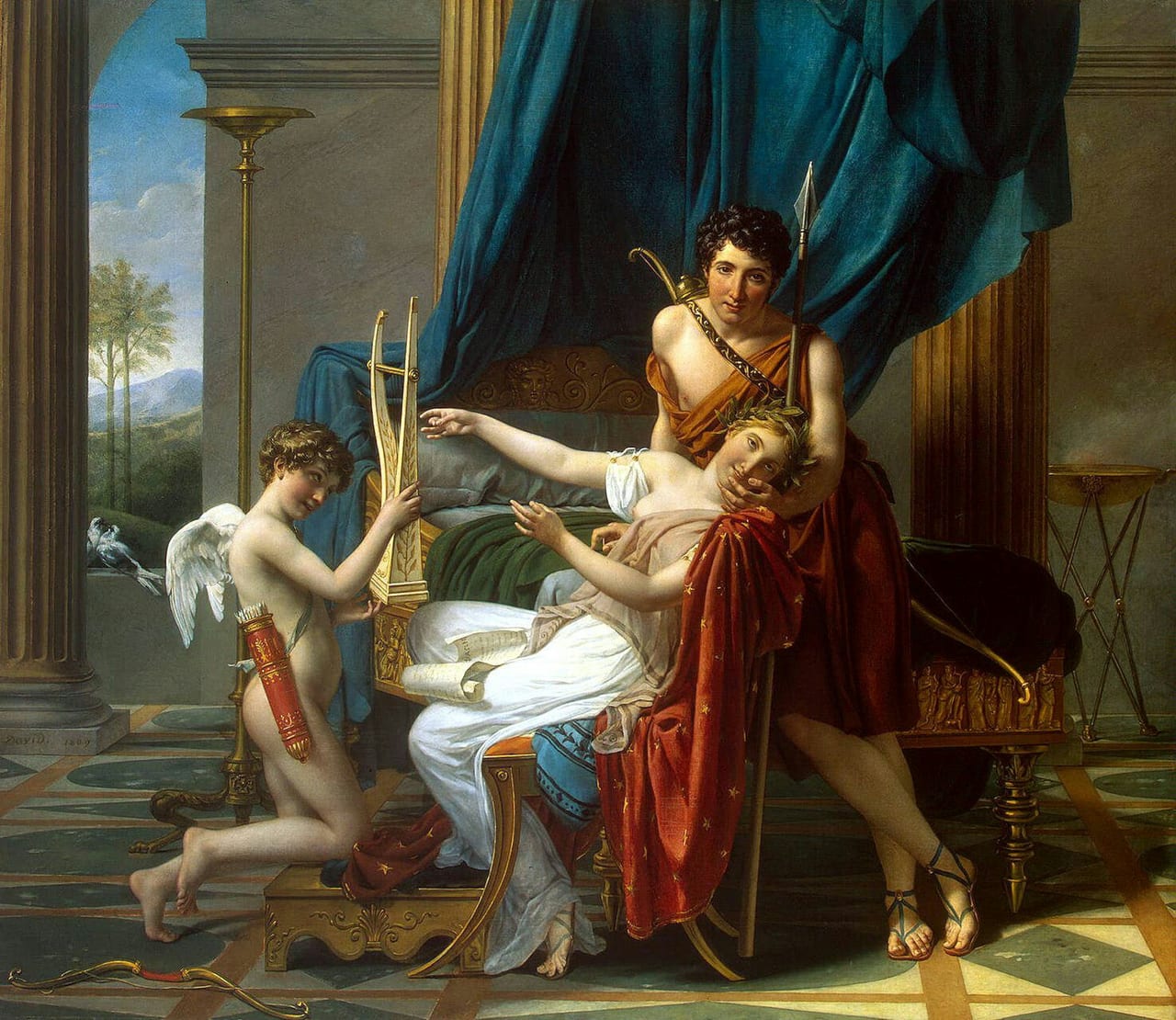
Sappho and Phaon
Jacques-Louis David · 1809
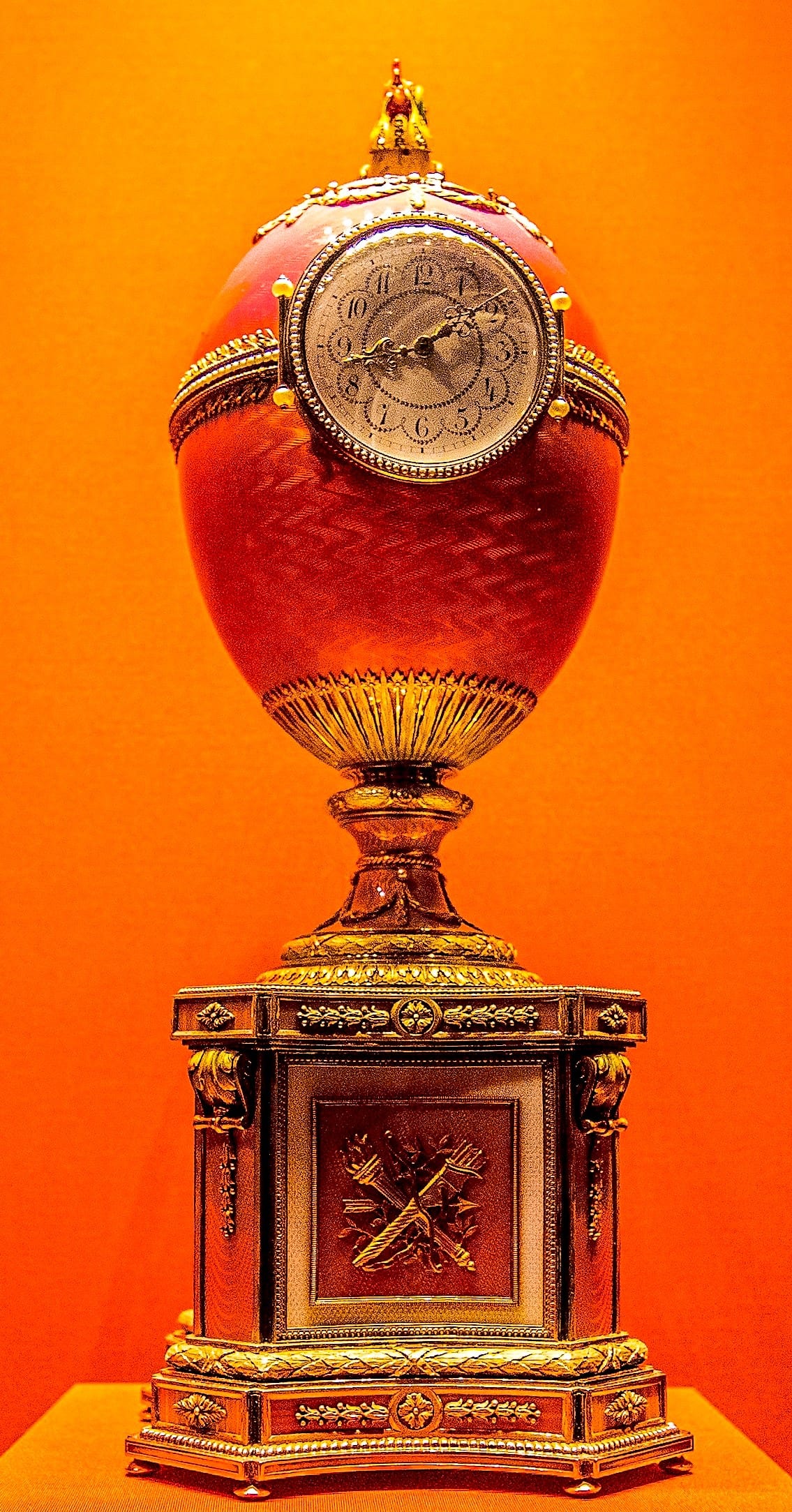
Rothschild
Michael Perkhin · 1902
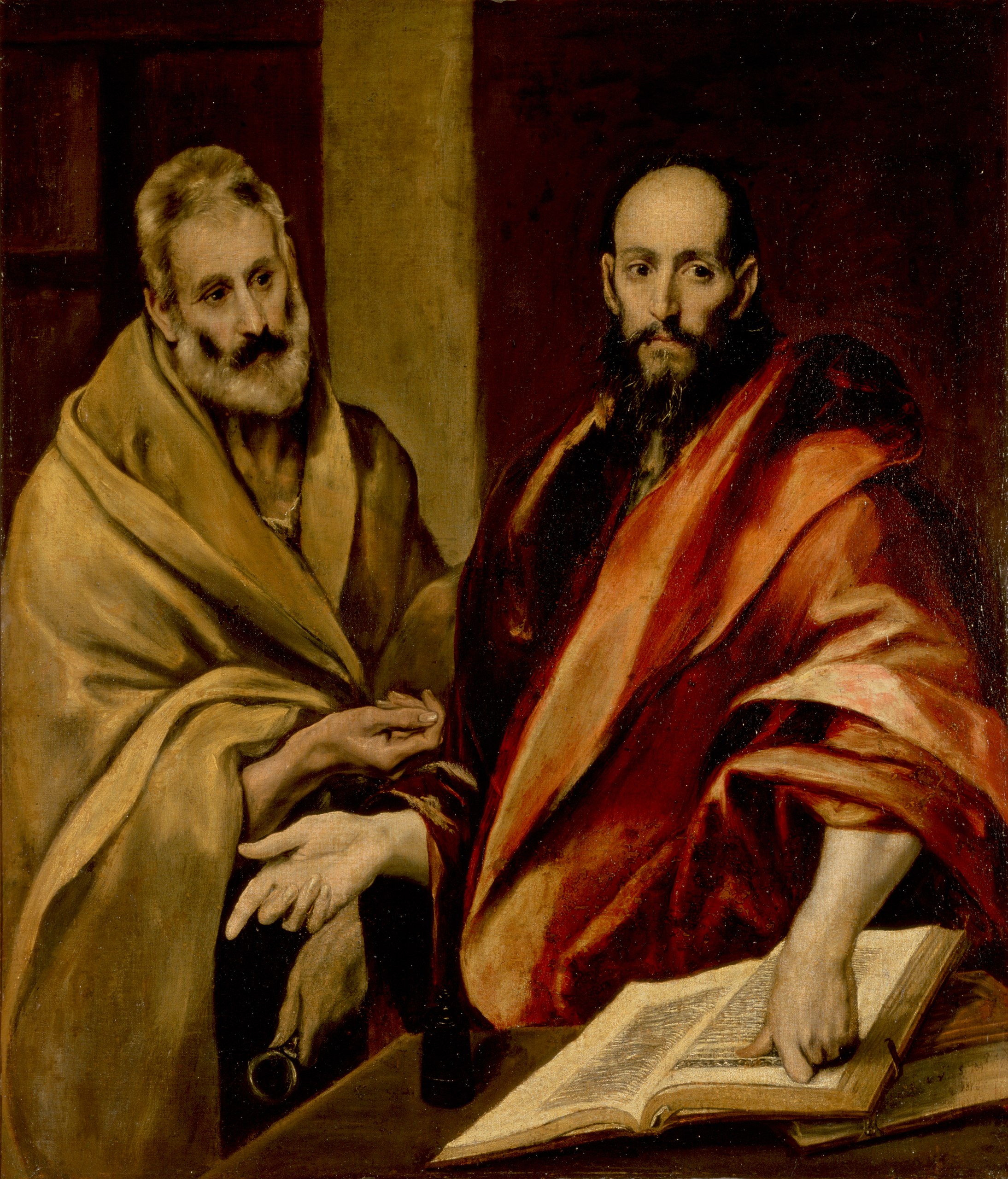
Saints Peter and Paul
El Greco · 1587
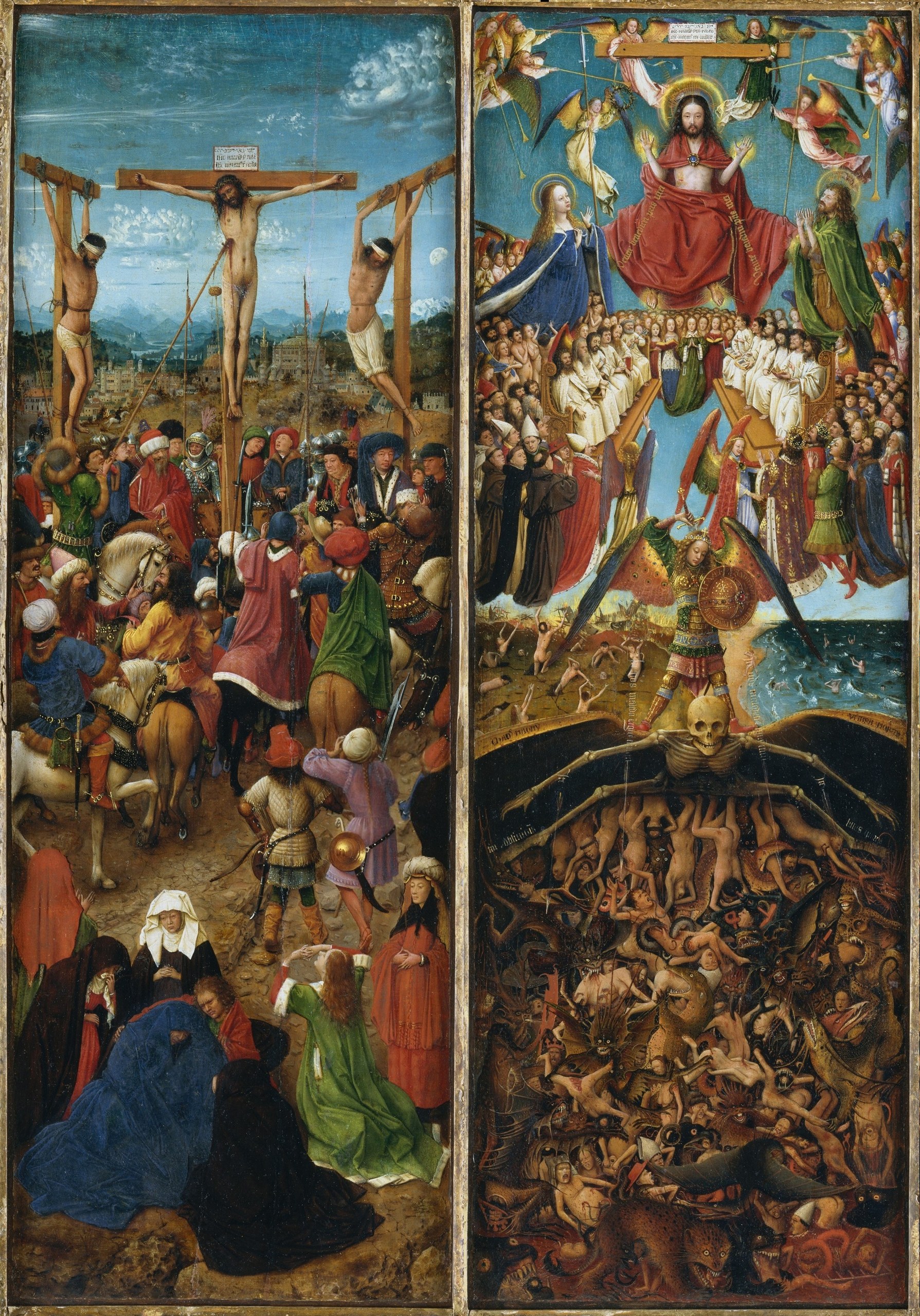
Crucifixion and Last Judgement diptych
Jan van Eyck · 1437
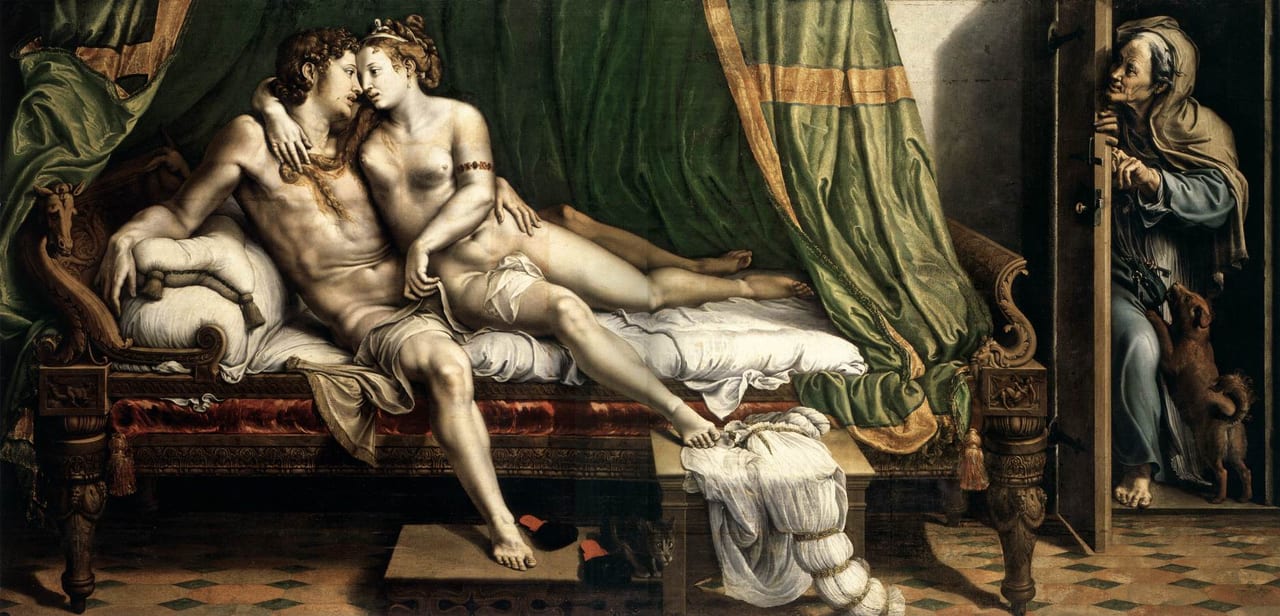
Love Scene
Giulio Romano · 1525
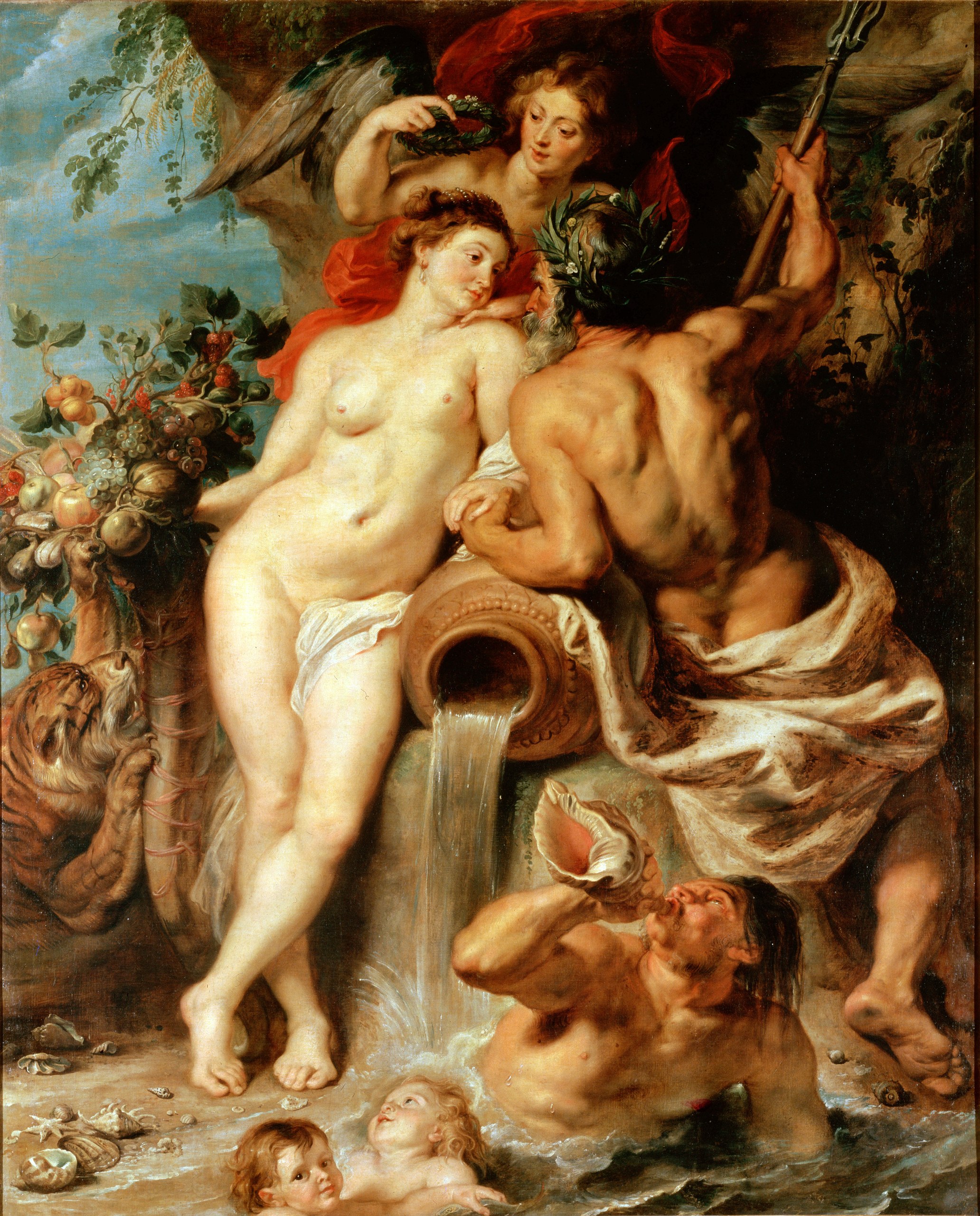
The Union of Earth and Water (Antwerp and the Scheldt)
Peter Paul Rubens · 1618
Plan your visit
Hours
Closed on Mondays, 1 January and 9 May. Confirm on hermitagemuseum.org before you travel.
Getting there
Санкт-Петербург, Дворцовая набережная, 34.
On their own site
Opening hours, tickets and current exhibitions are on the museum’s own site.
Invite State Hermitage Museum into your living room
100 works from this collection are available on Momentable, free to view, on your TV, phone, or tablet.