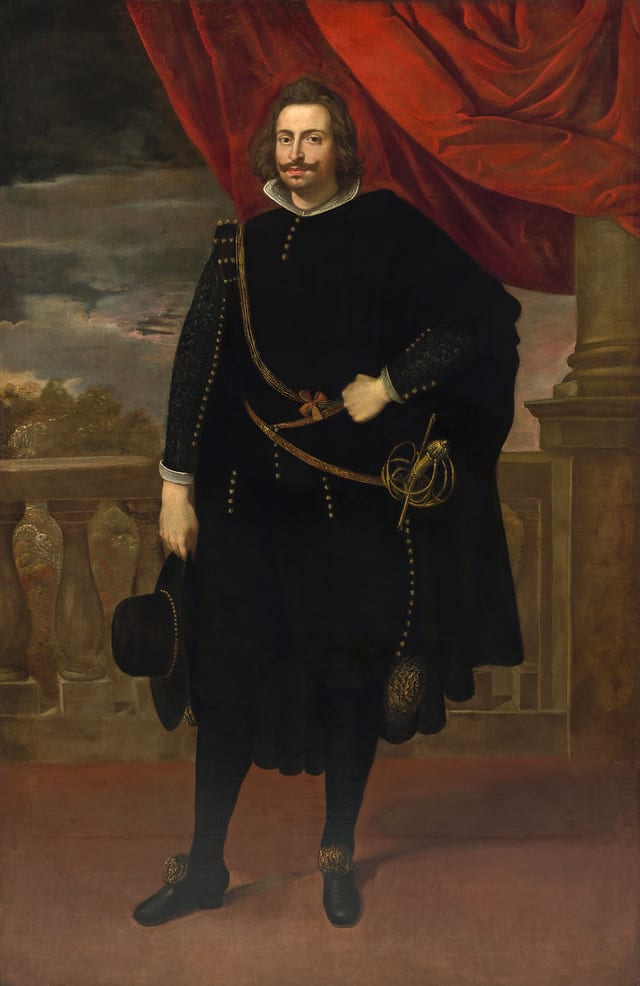
Portrait of John, Duke of Braganza.
Peter Paul Rubens · 1628

Peter Paul Rubens
Flemish · 1577–1640
Sir Peter Paul Rubens was a Flemish artist and diplomat. He is considered the most influential artist of the Flemish Baroque tradition. Rubens's highly charged compositions reference erudite aspects of classical and Christian history. His unique and immensely popular Baroque style emphasised movement, colour, and sensuality, which followed the immediate, dramatic artistic style promoted in the Counter-Reformation. Rubens was a painter producing altarpieces, portraits, landscapes, and history paintings of mythological and allegorical subjects. He was also a prolific designer of cartoons for the Flemish tapestry workshops and of frontispieces for the publishers in Antwerp.
Independent artist guide by Momentable. Biography from Wikipedia; artworks credited to the museums that hold them.
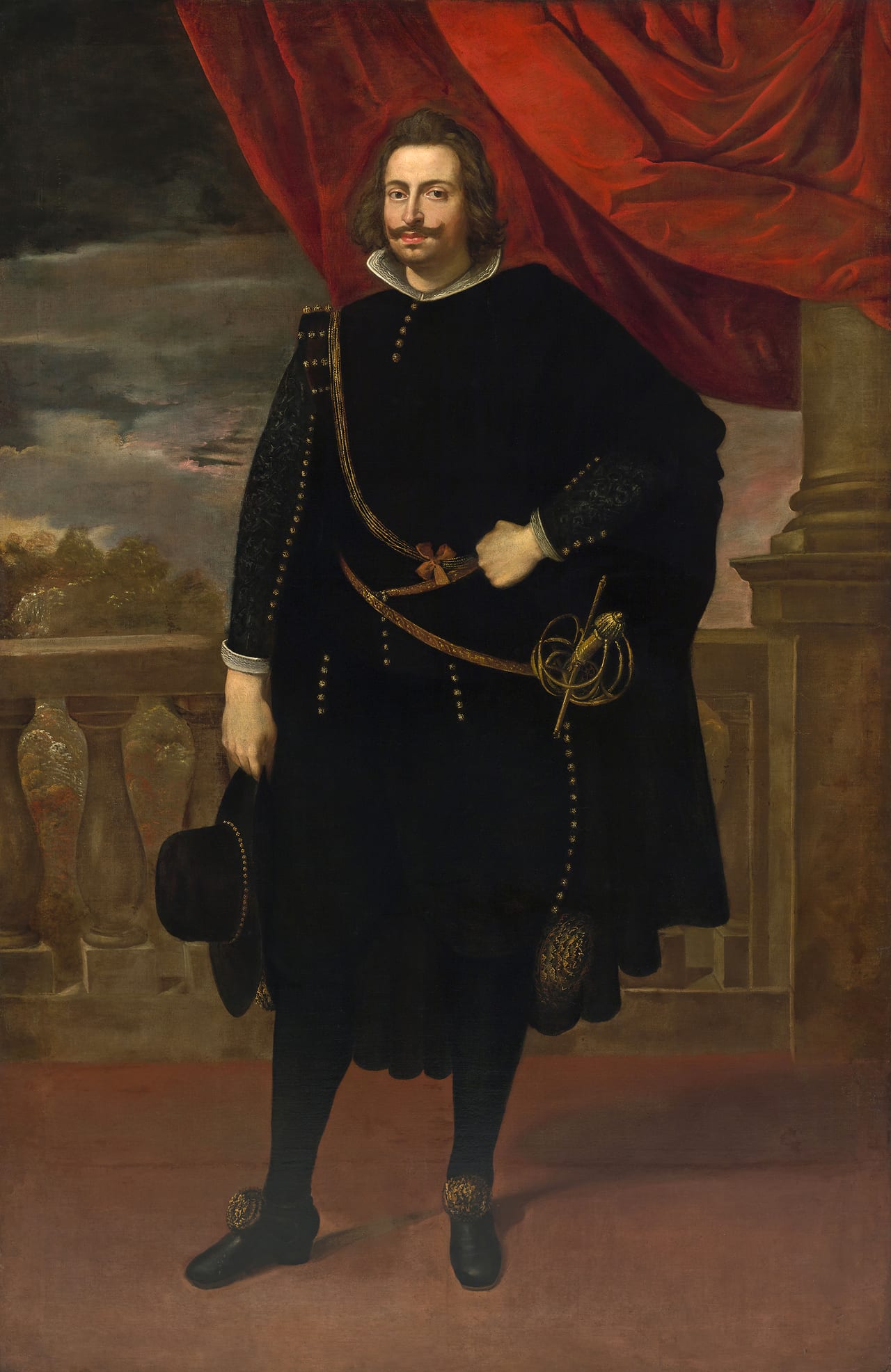 LIVENow streaming · Portrait of John, Duke of Braganza.
- works in the archive
- 58works in the archive
- museums hold them
- 17museums hold them
- life
- 1577–1640life
- movement
- Flemish Baroque paintingmovement
The work
A selection of 40 works, free to stream.
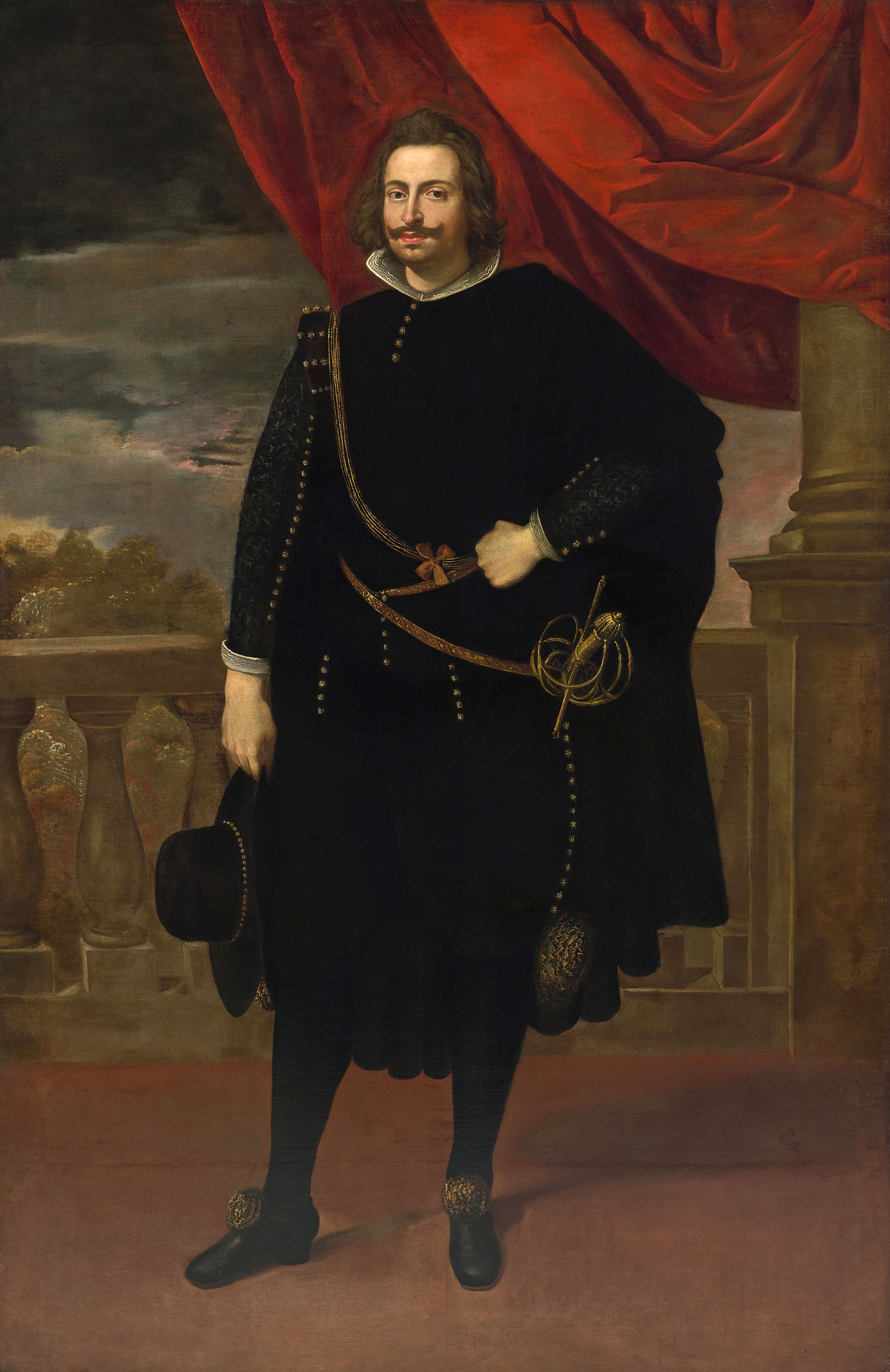
Portrait of John, Duke of Braganza.
Peter Paul Rubens · 1628
Royal Castle, Warsaw
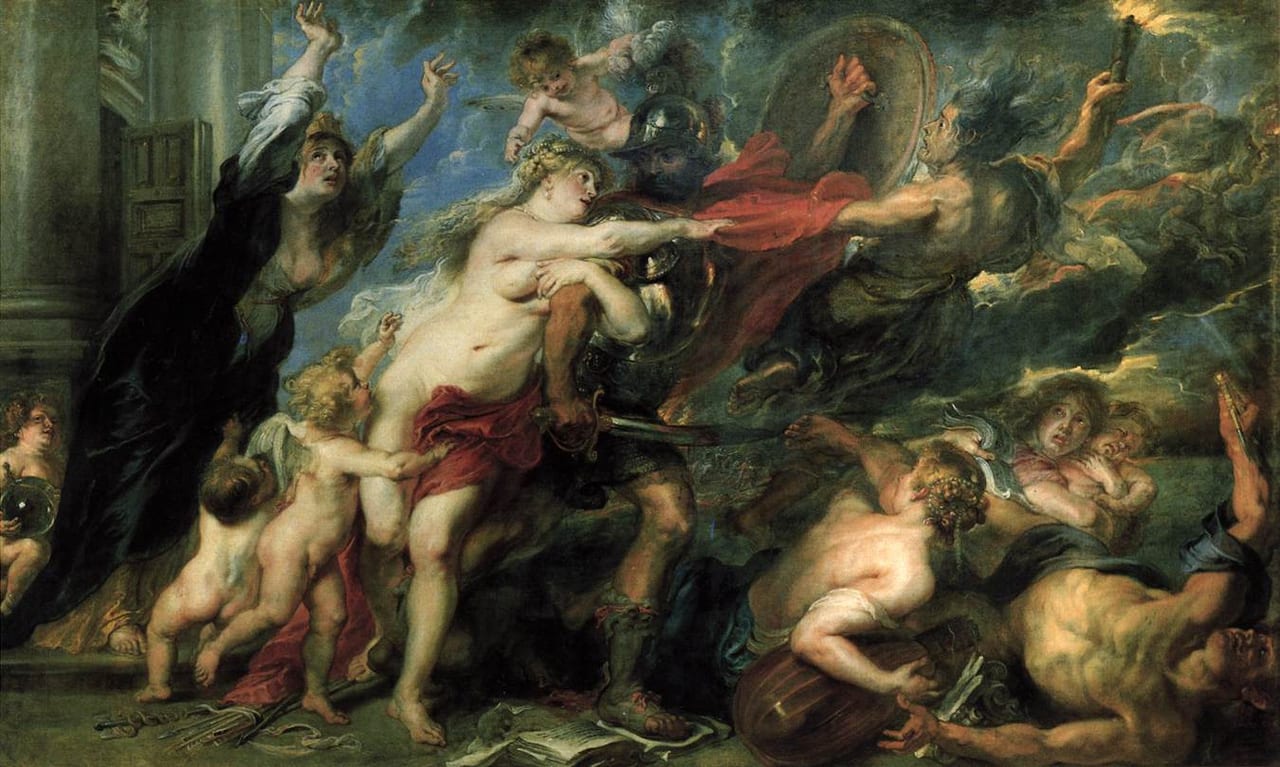
Consequences of War
Peter Paul Rubens · 1637
Palazzo Pitti
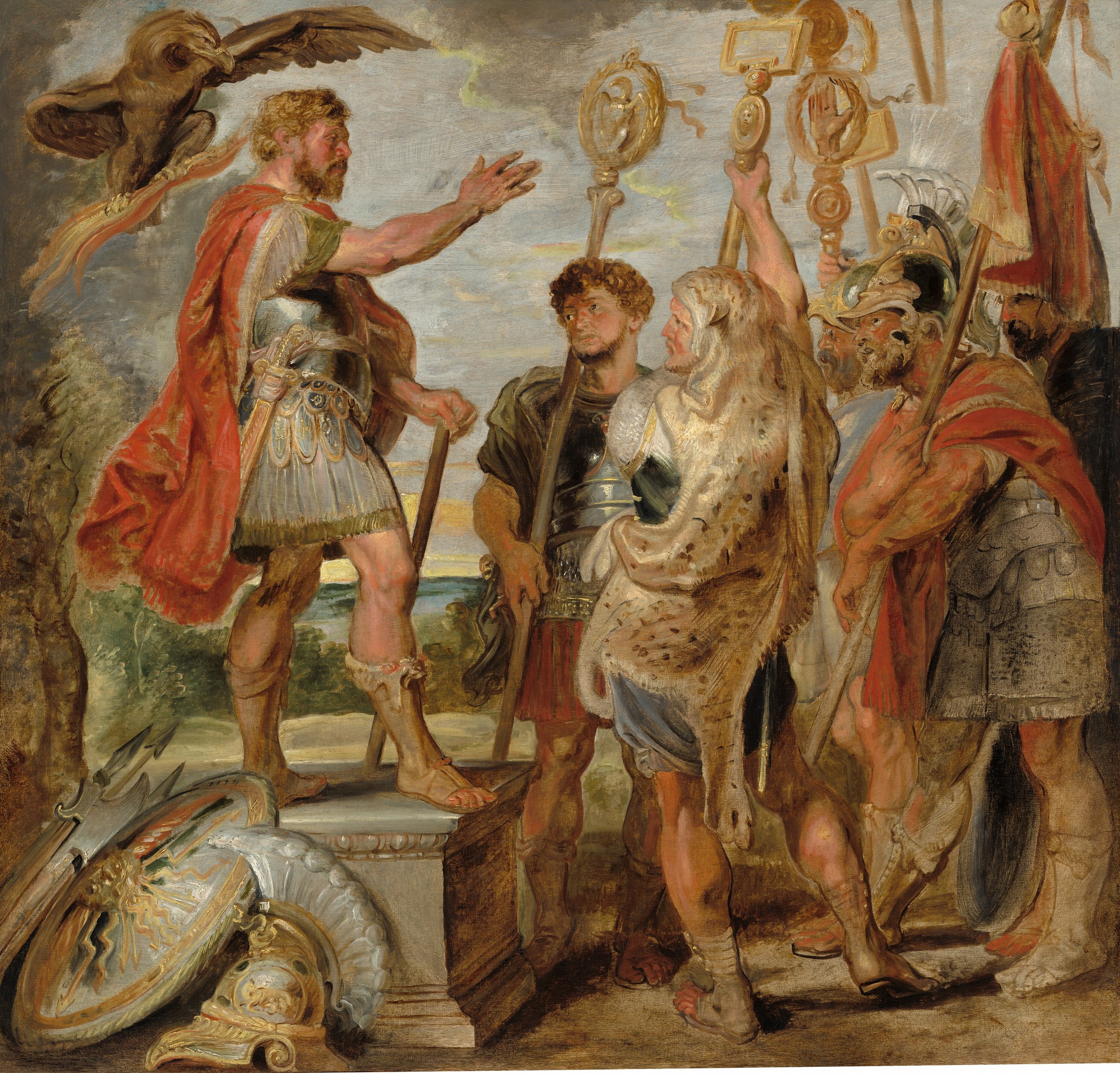
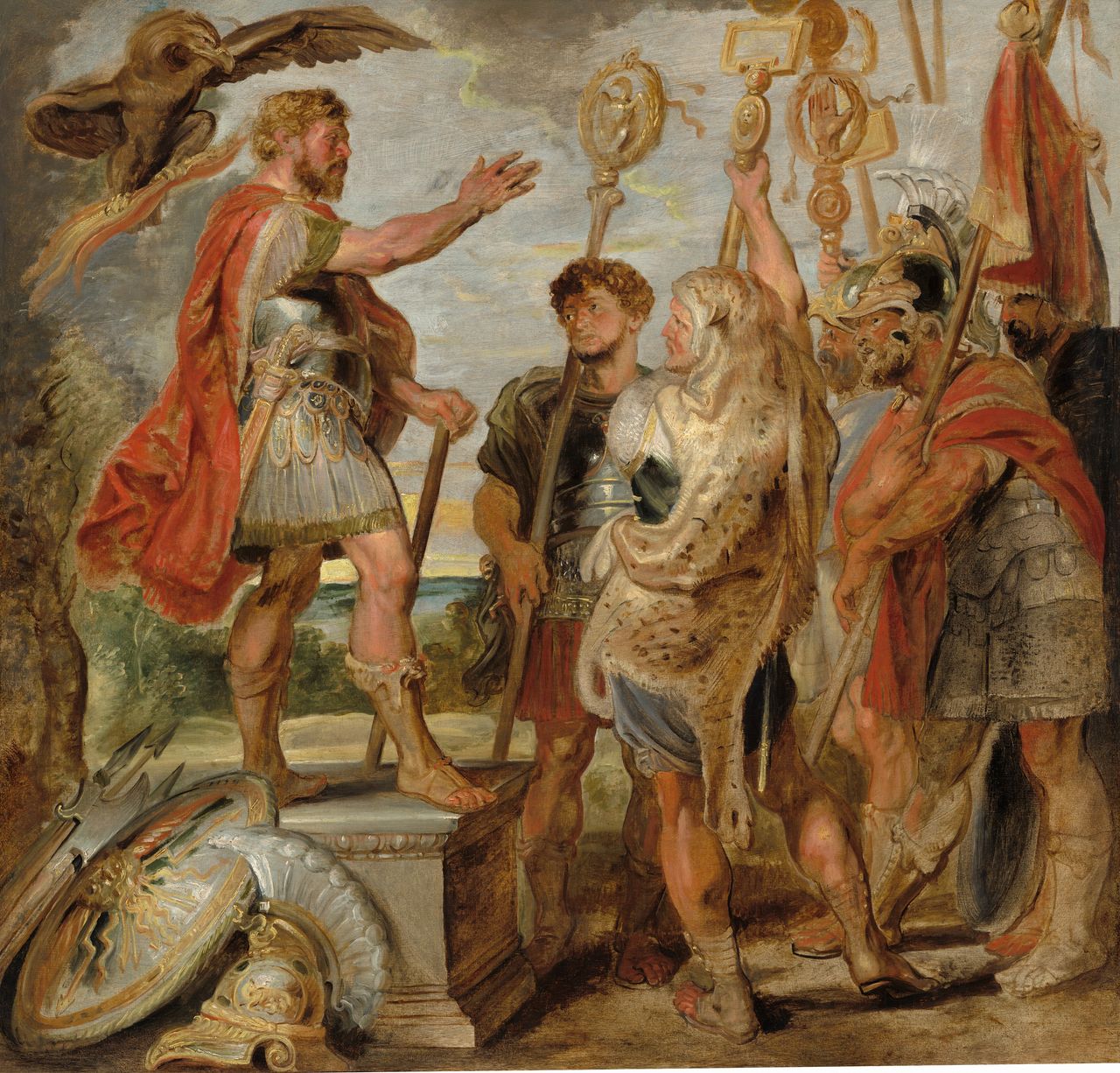
Decius Mus Addressing the Legions
Rubens, Peter Paul, Sir
National Gallery of Art
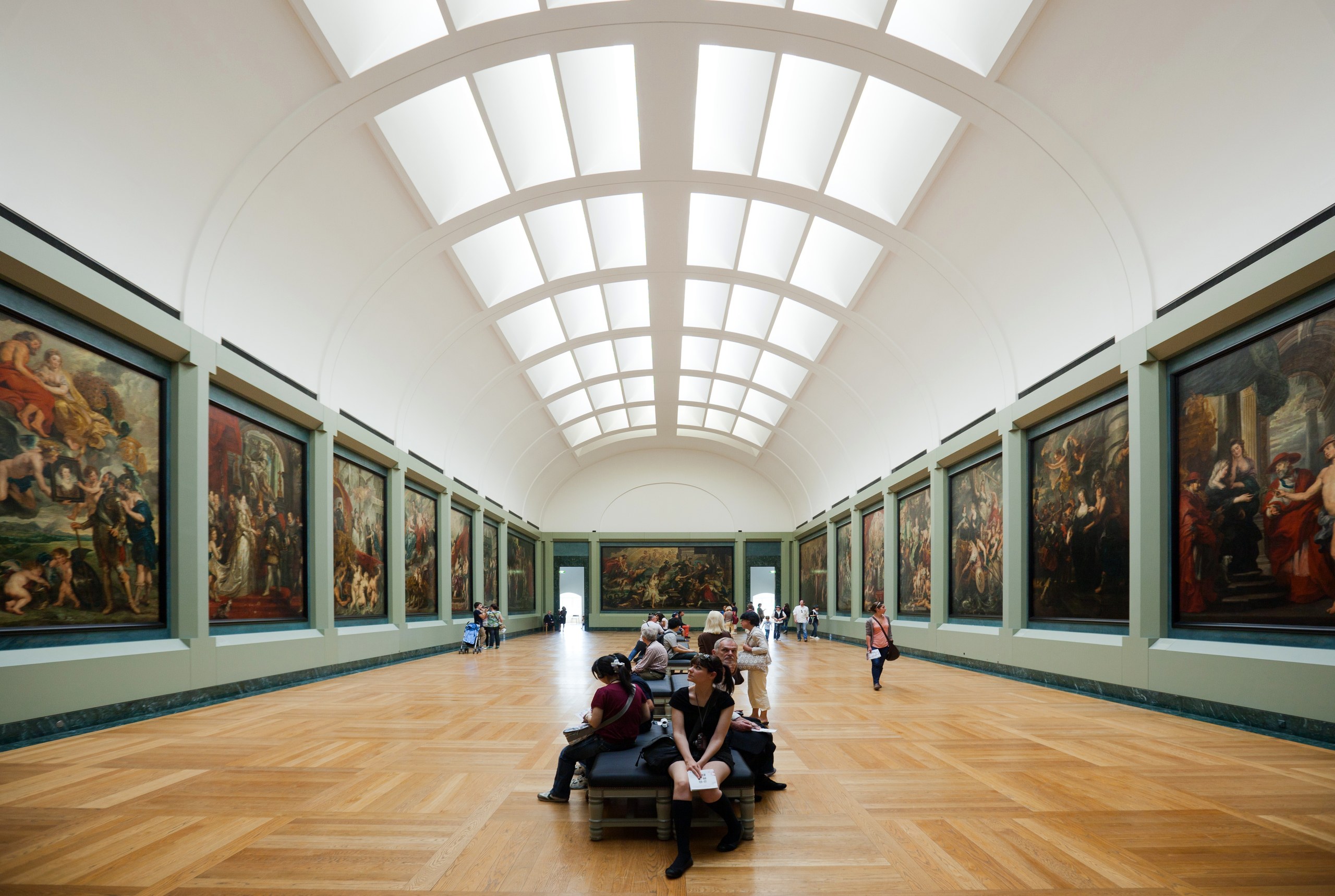
Marie de' Medici cycle
Peter Paul Rubens · 1622
Louvre
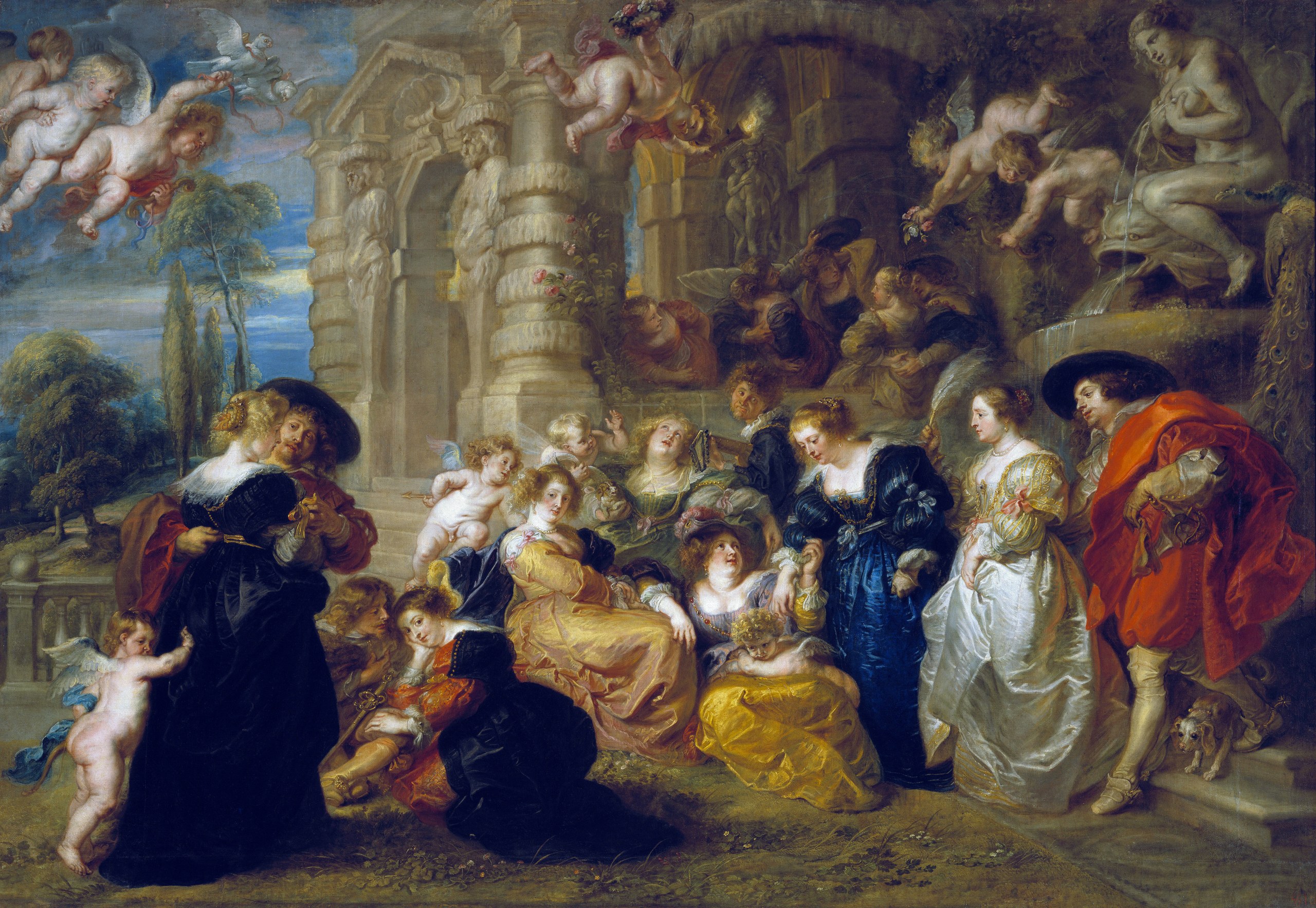
The Garden of Love
Peter Paul Rubens · 1630
Museo del Prado
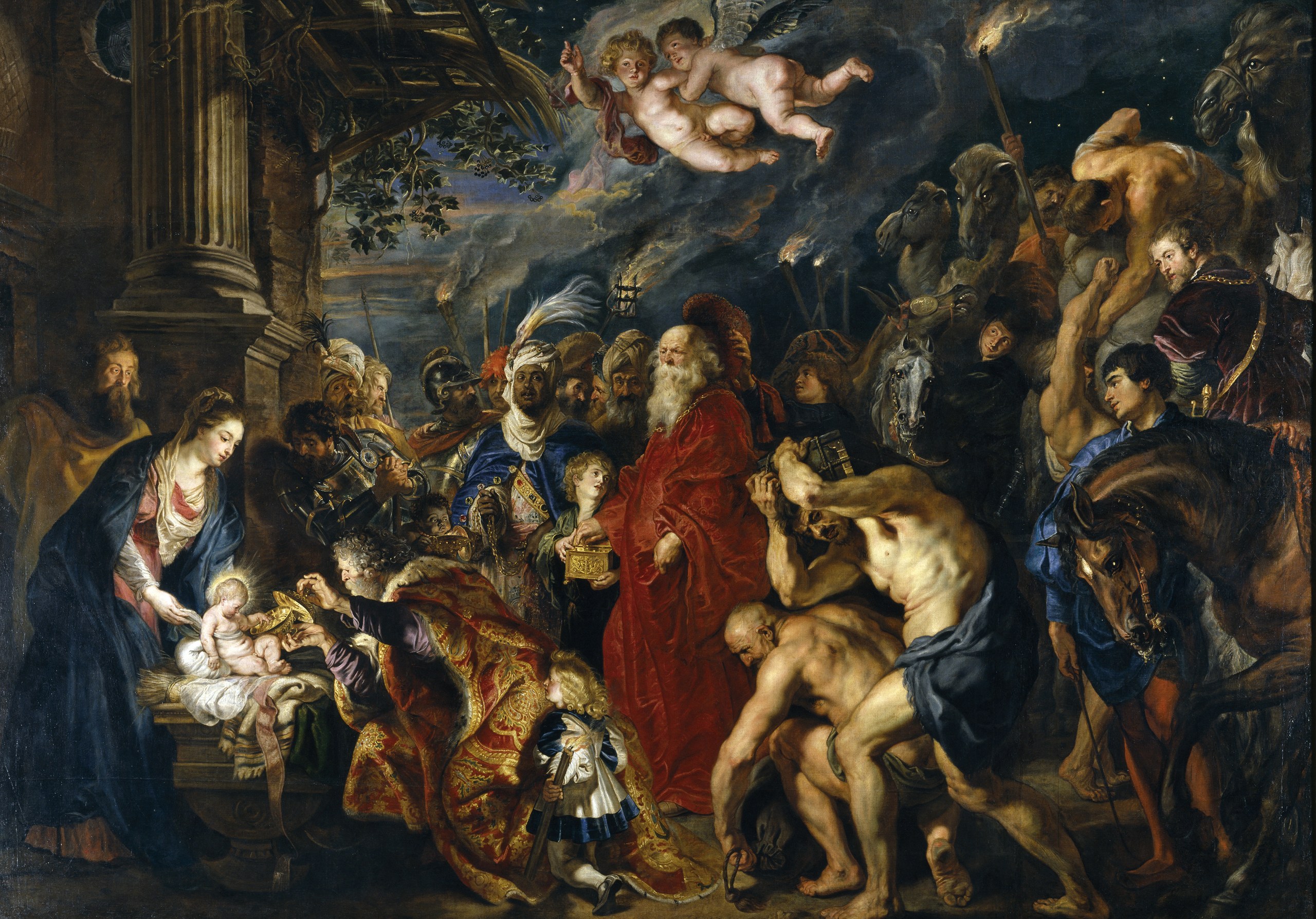
Adoration of the Magi
Peter Paul Rubens · 1609
Museo del Prado
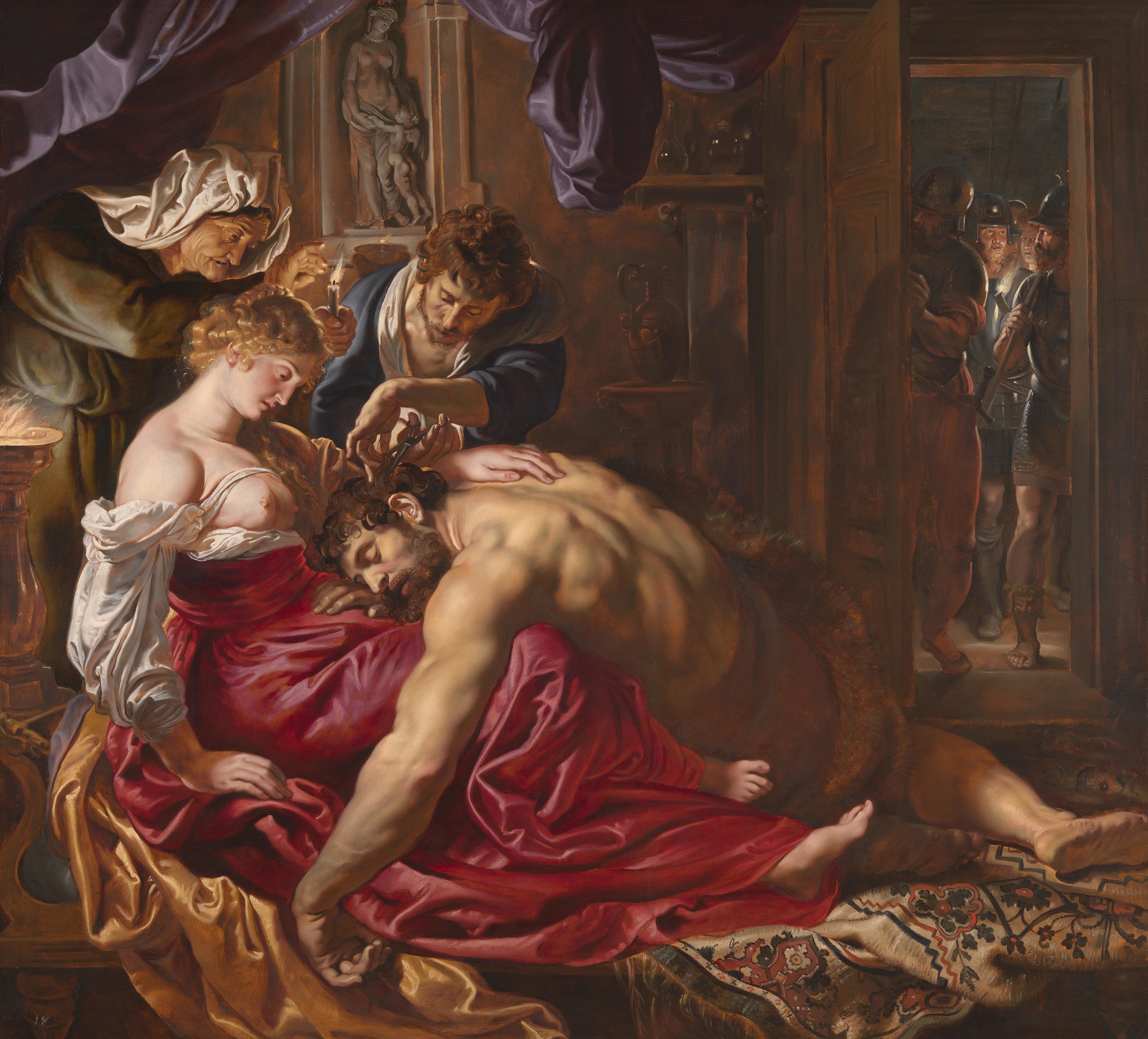
Samson and Delilah
Peter Paul Rubens · 1609
National Gallery
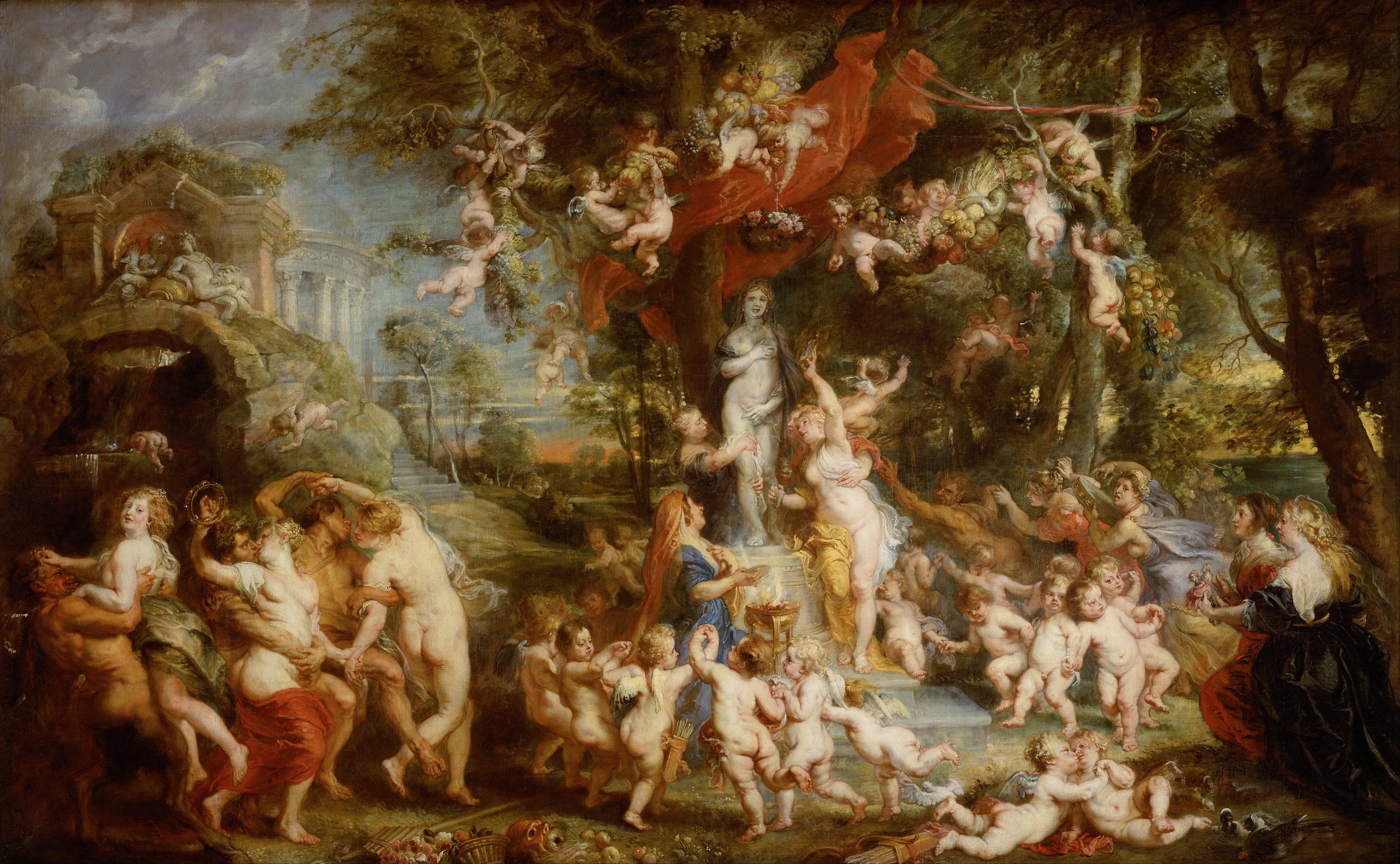
The Feast of Venus
Peter Paul Rubens · 1636
Kunsthistorisches Museum
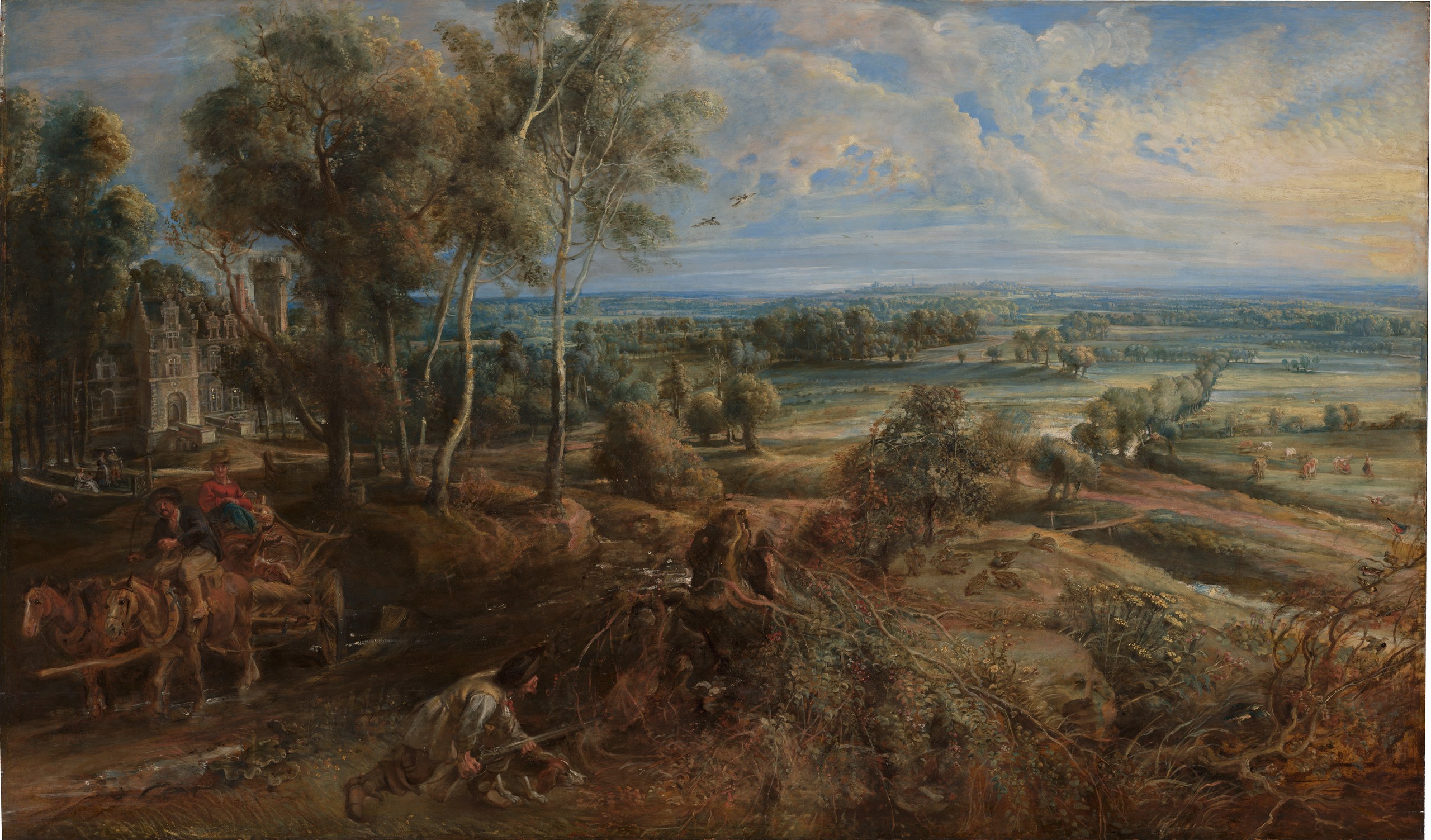
A View of Het Steen in the Early Morning
Peter Paul Rubens · 1636
National Gallery
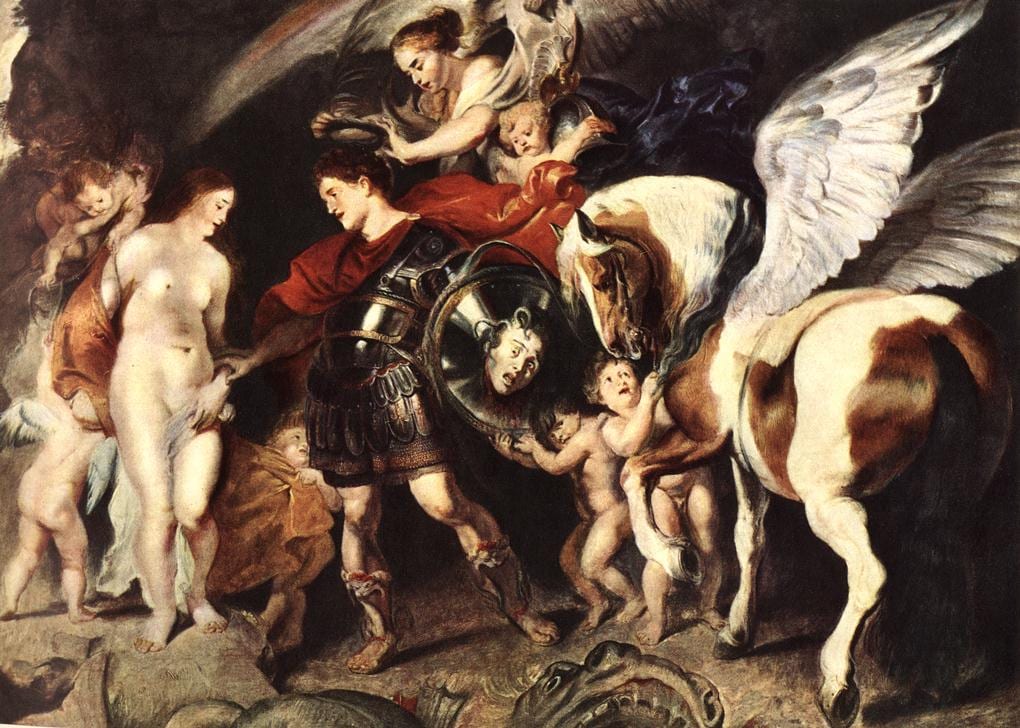
Perseus and Andromeda
Peter Paul Rubens · 1622
State Hermitage Museum
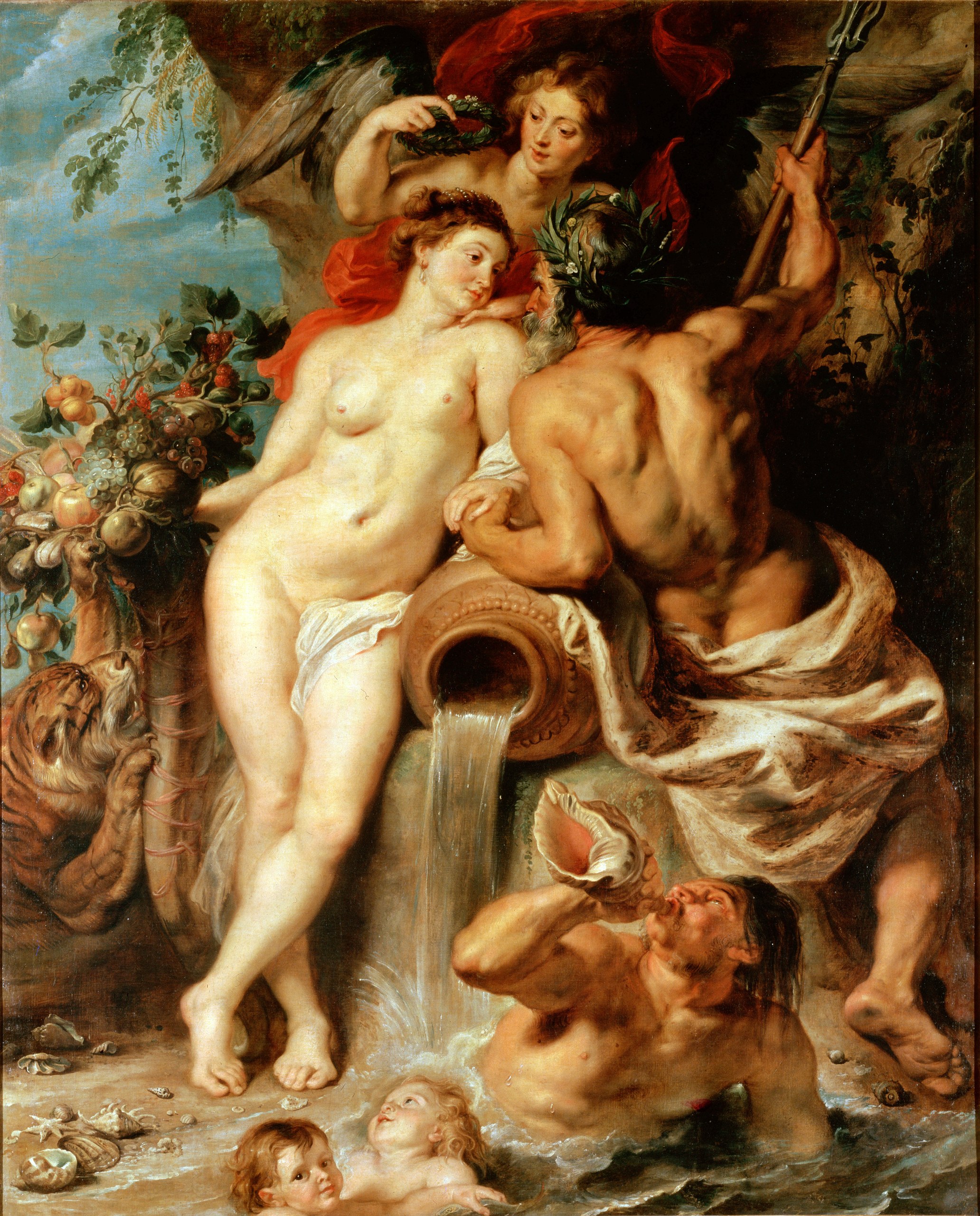
The Union of Earth and Water (Antwerp and the Scheldt)
Peter Paul Rubens · 1618
State Hermitage Museum
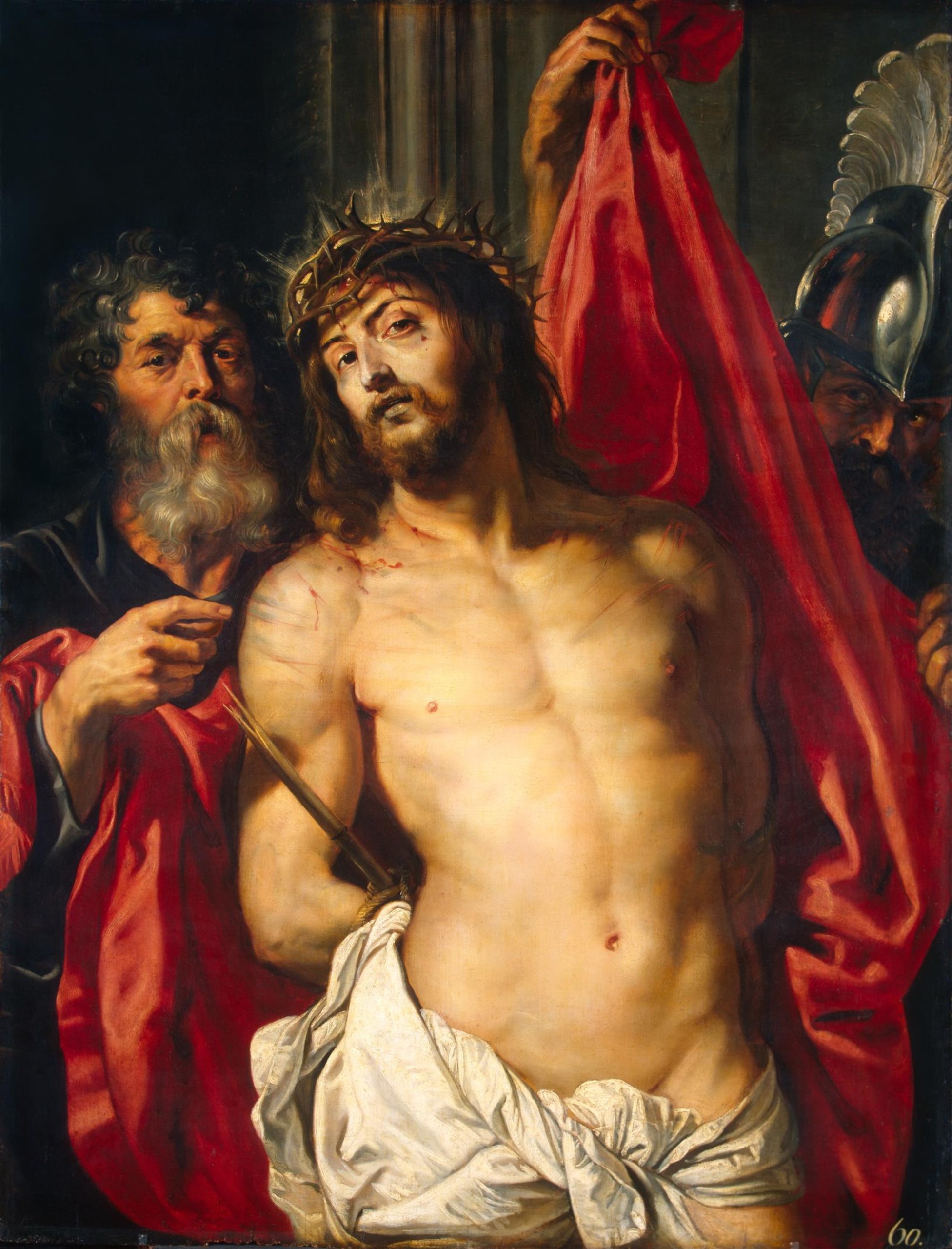
Crown of Thorns
Peter Paul Rubens · 1612
State Hermitage Museum
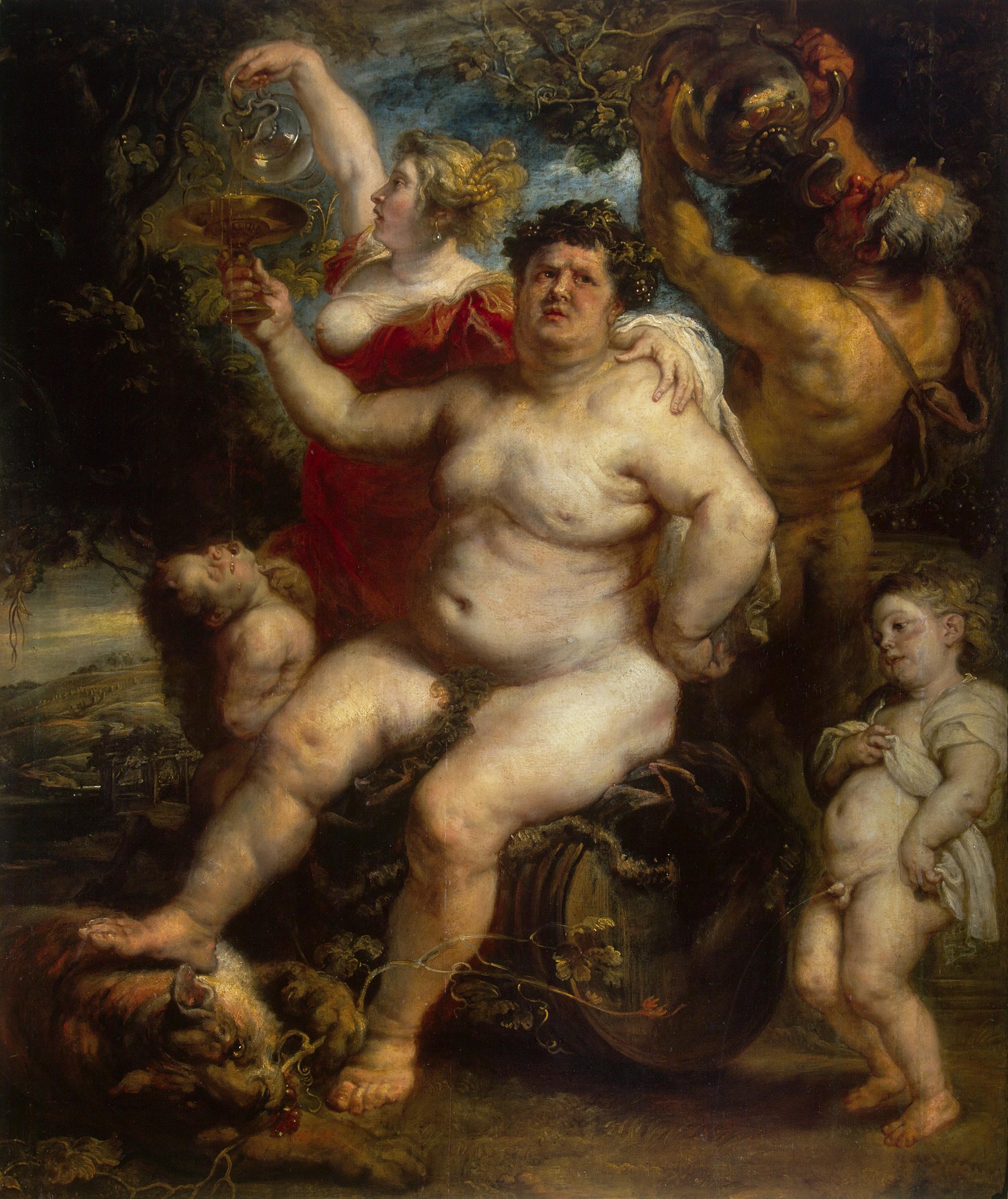
Bacchus
Peter Paul Rubens · 1630
State Hermitage Museum
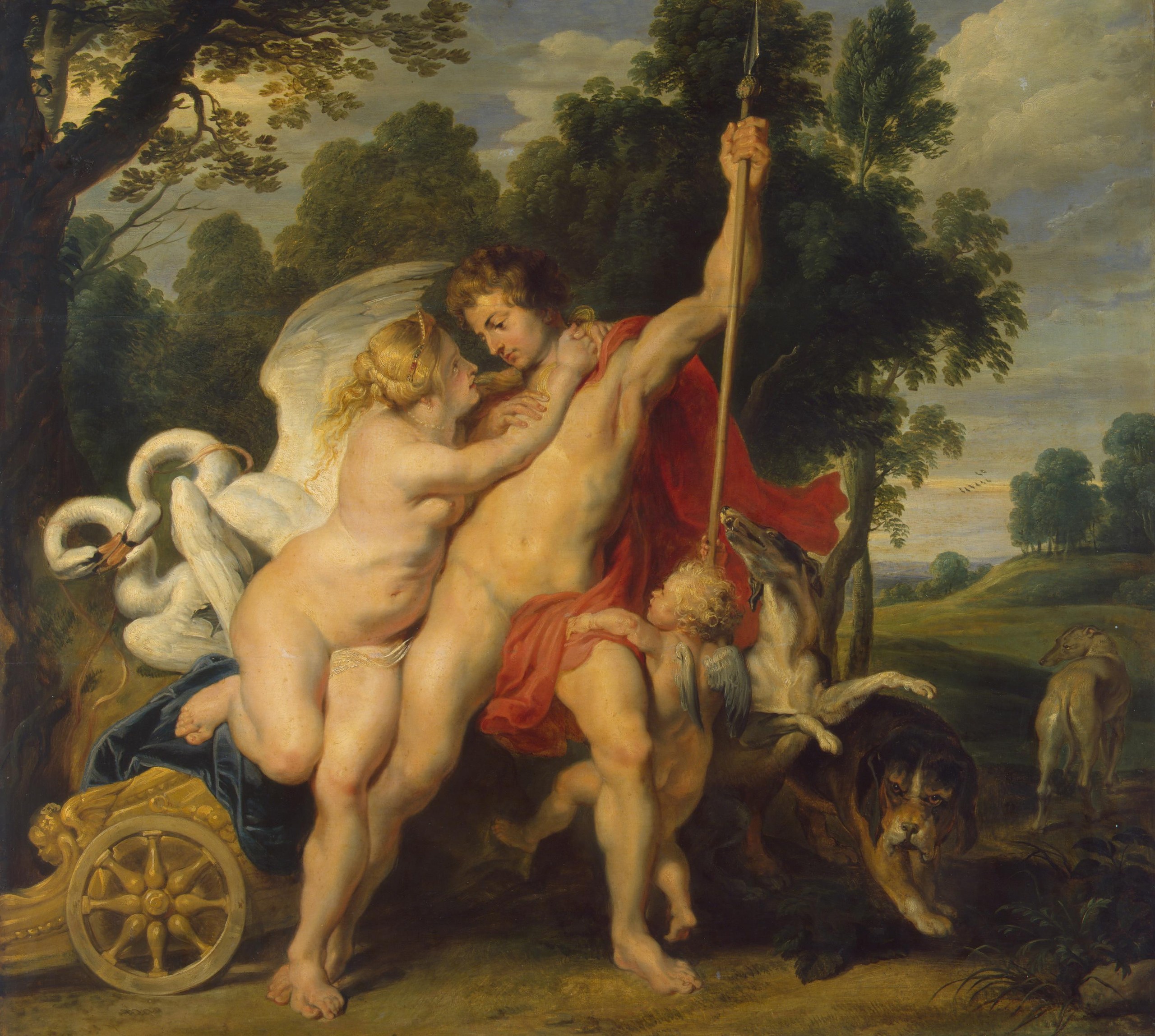
Venus and Adonis (Rubens, 1614)
Peter Paul Rubens · 1610
State Hermitage Museum
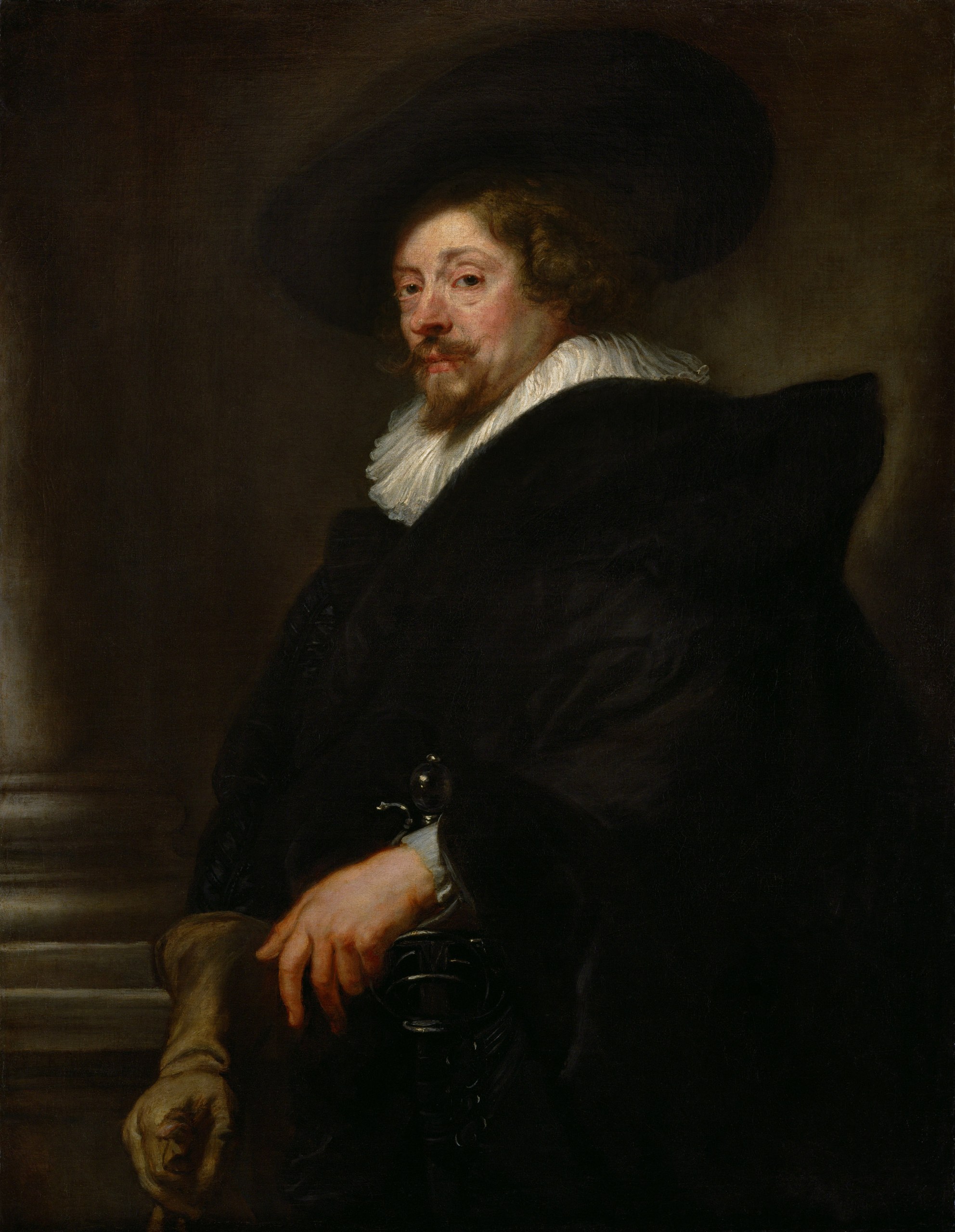
Self-portrait
Peter Paul Rubens · 1638
Kunsthistorisches Museum
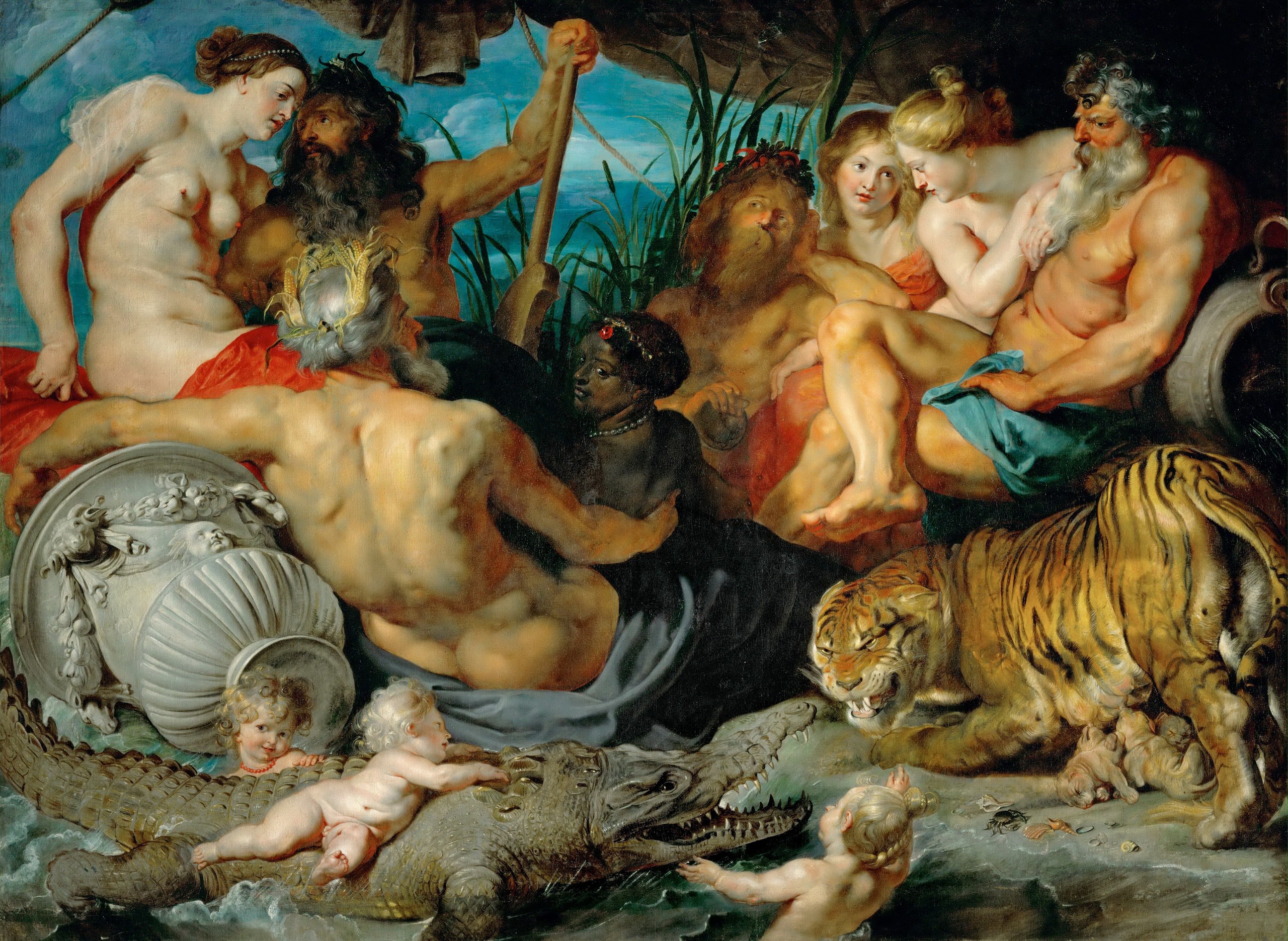
The Four Continents
Peter Paul Rubens · 1615
Kunsthistorisches Museum
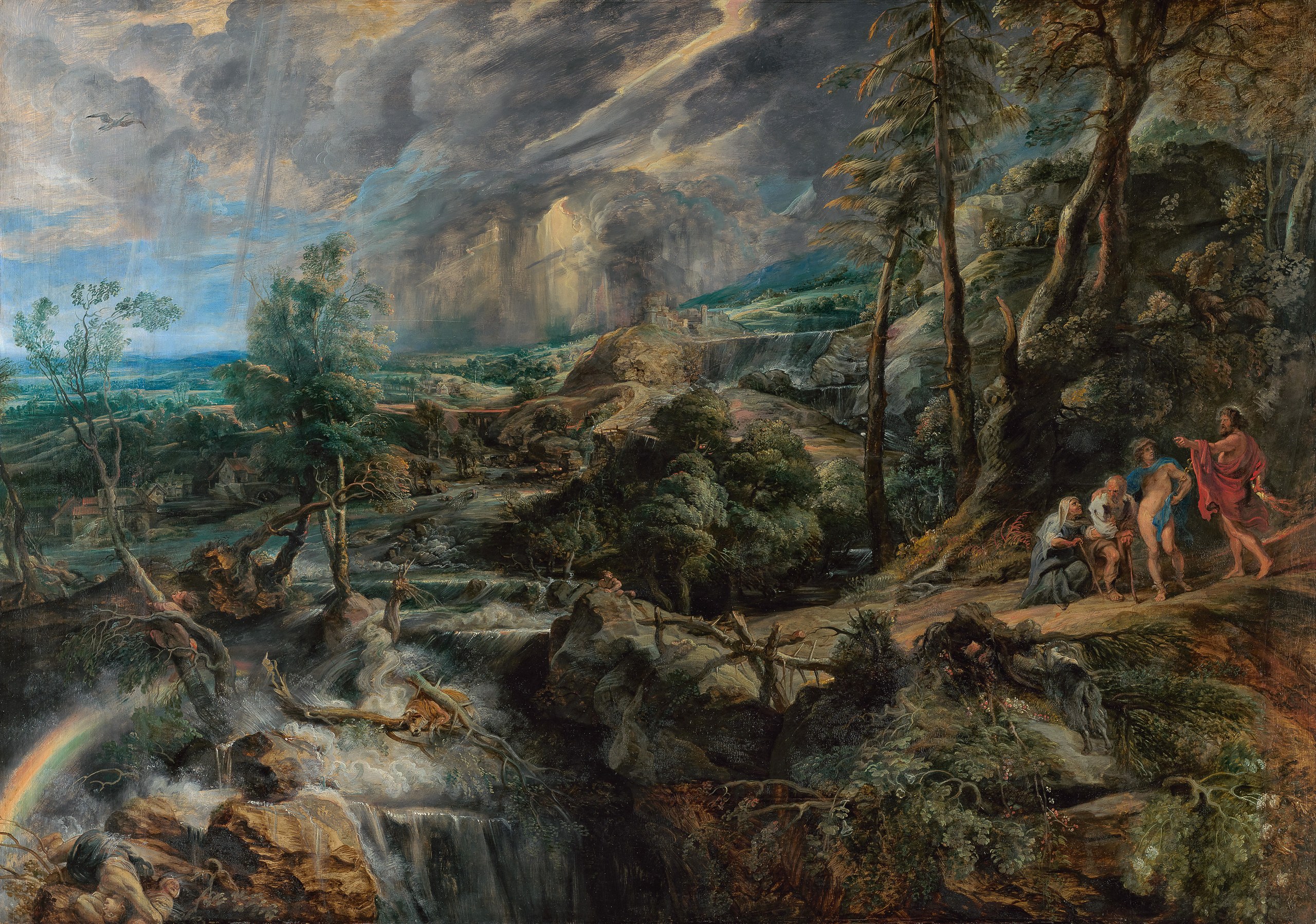
Landscape with Philemon and Baucis
Peter Paul Rubens · 1620
Kunsthistorisches Museum
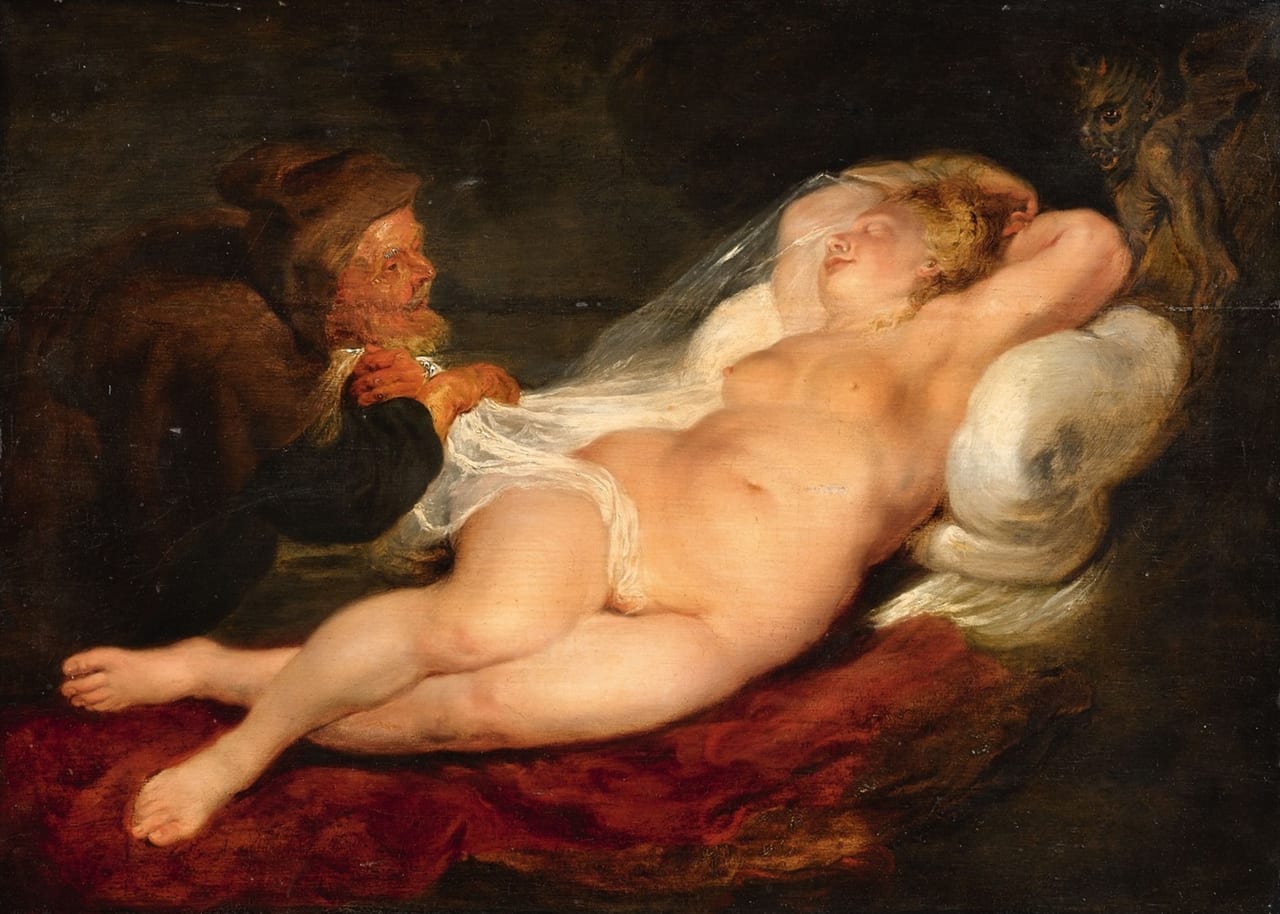
Angelica and the Hermit
Peter Paul Rubens · 1620
Kunsthistorisches Museum
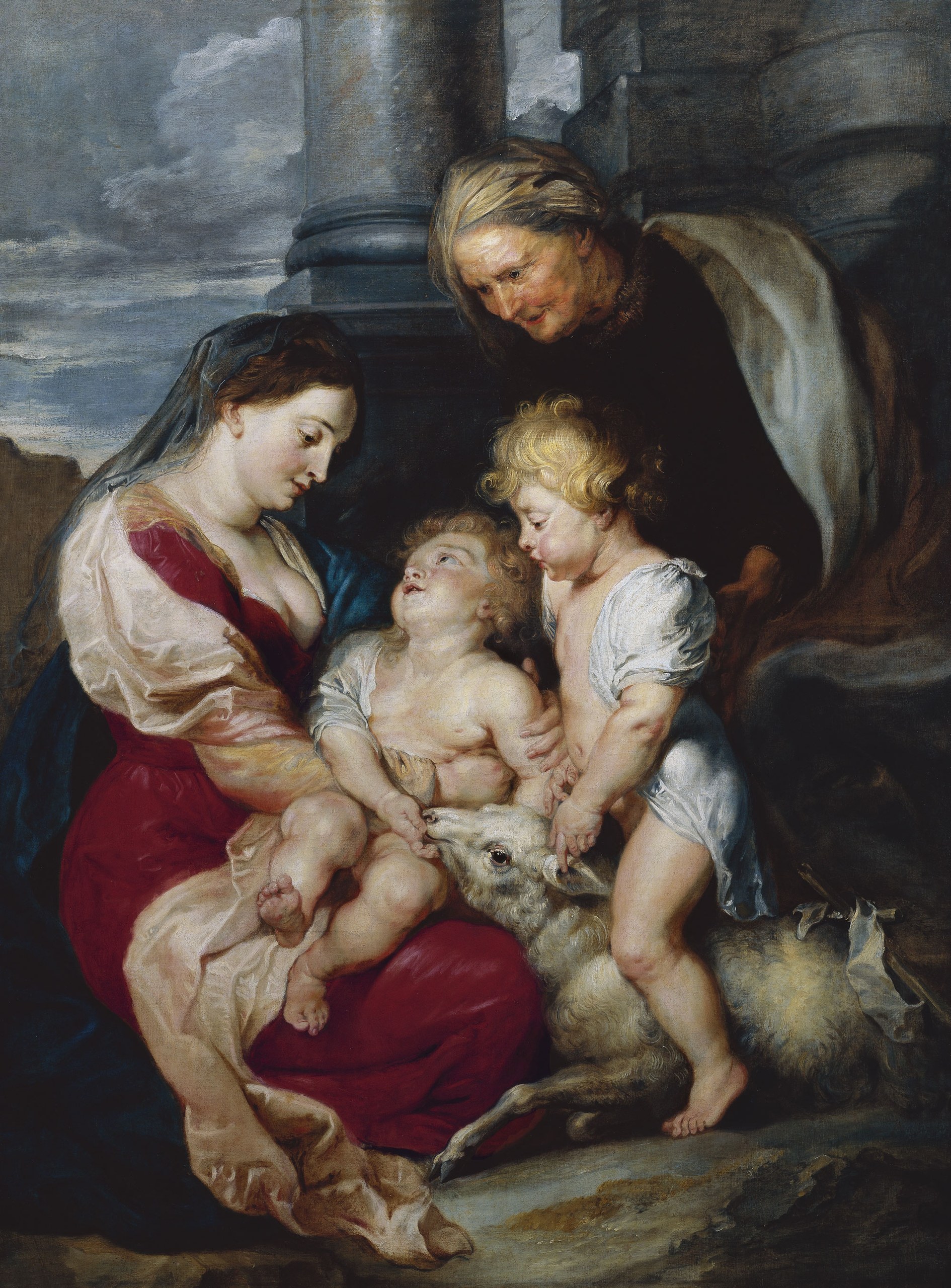
Madonna and Child with Saint Elizabeth and the Young Saint John
Peter Paul Rubens · 1618
Thyssen-Bornemisza Museum
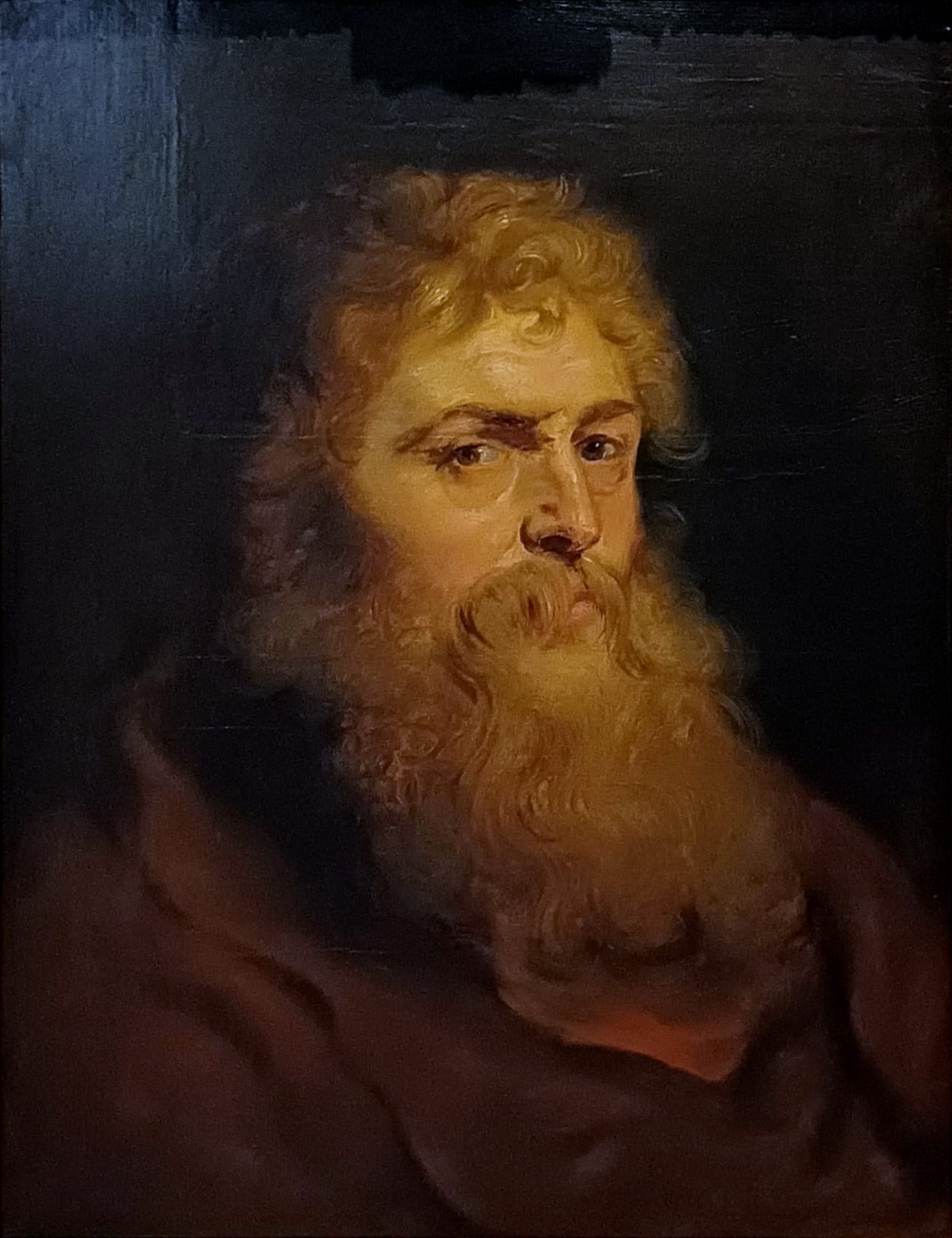
A Bearded Man
Peter Paul Rubens · 1618
Museo Soumaya
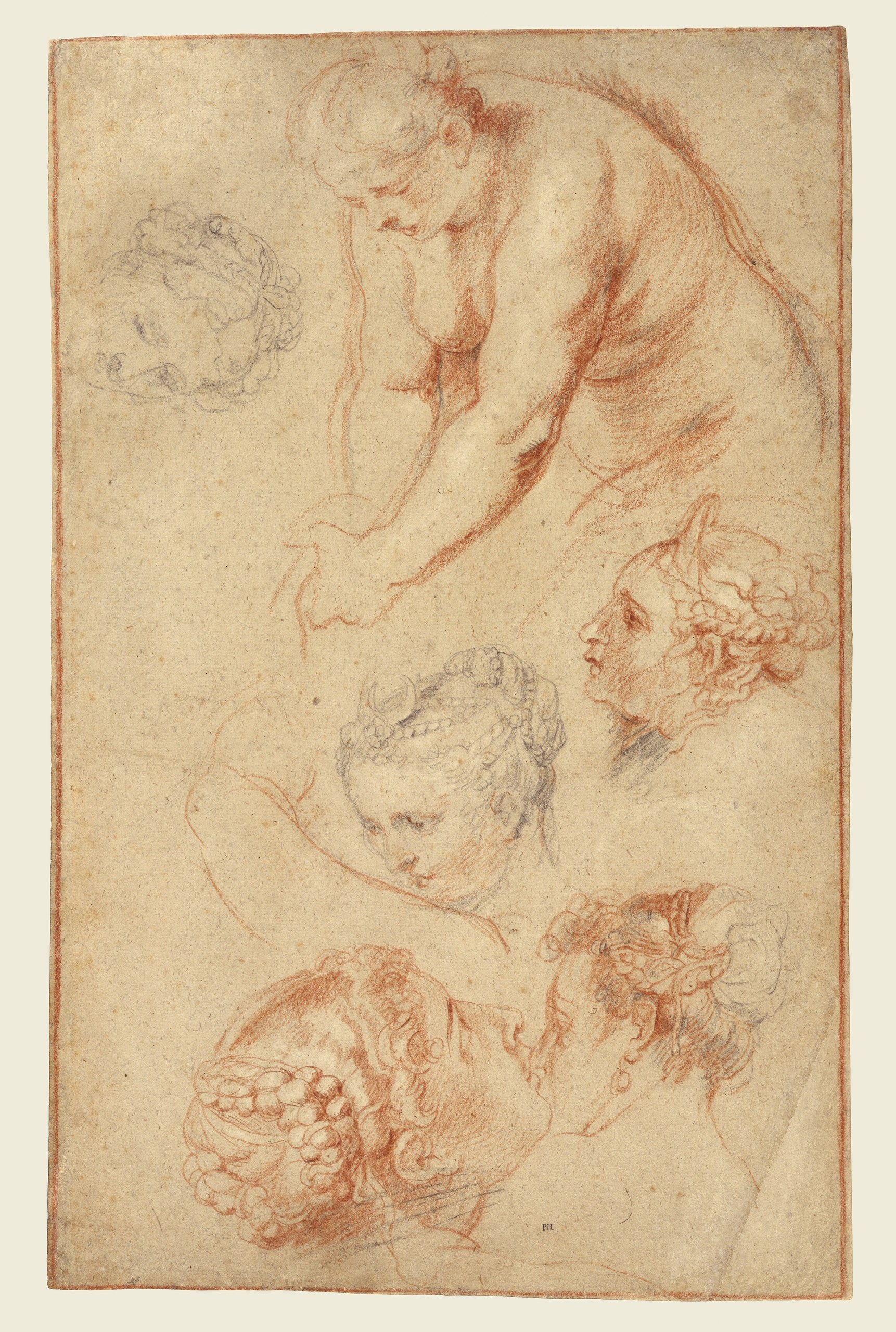
Studies of women
Peter Paul Rubens · 1628
Getty Center
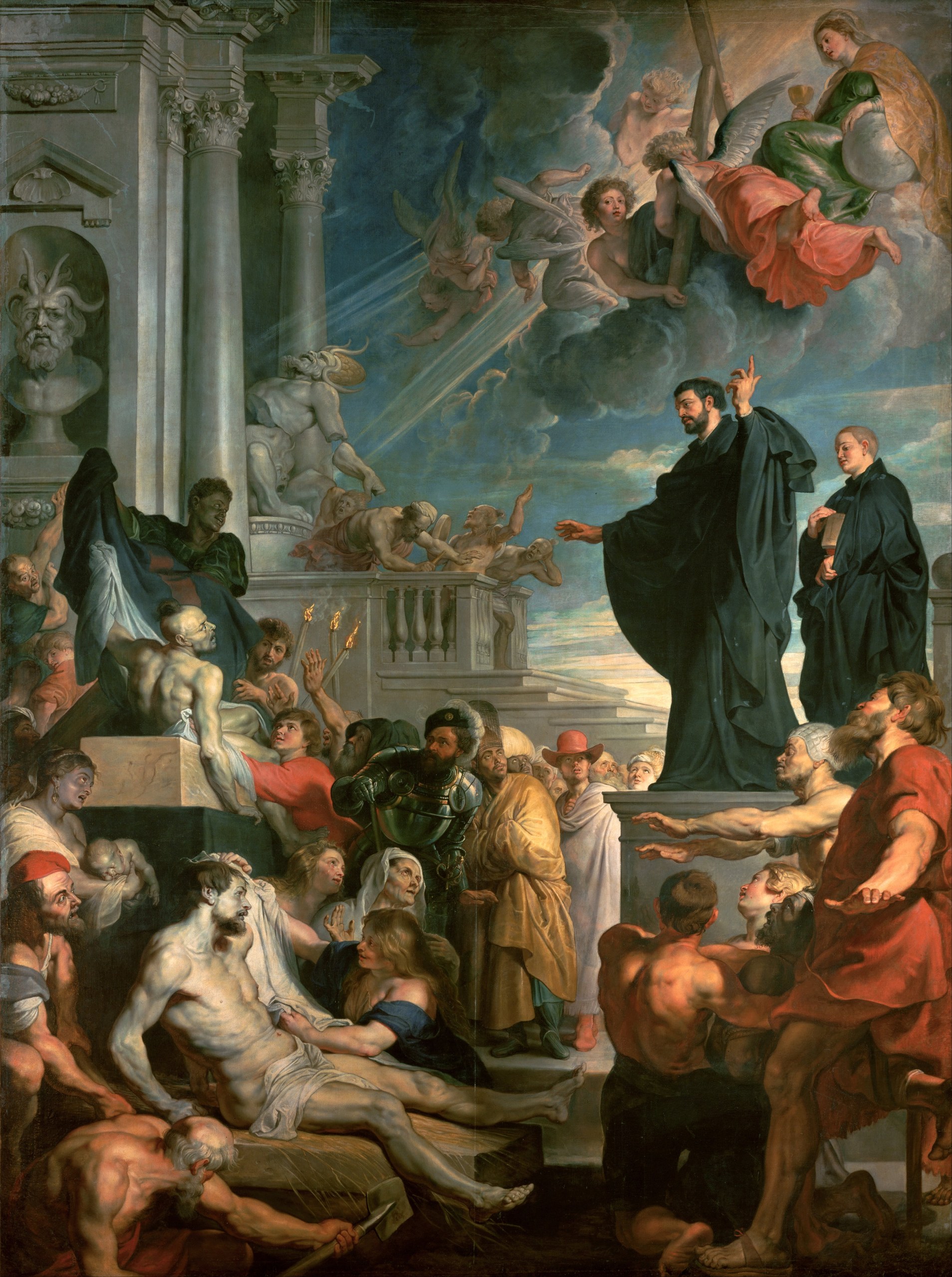
Miracles of St. Francis Xavier
Peter Paul Rubens · 1617
Kunsthistorisches Museum
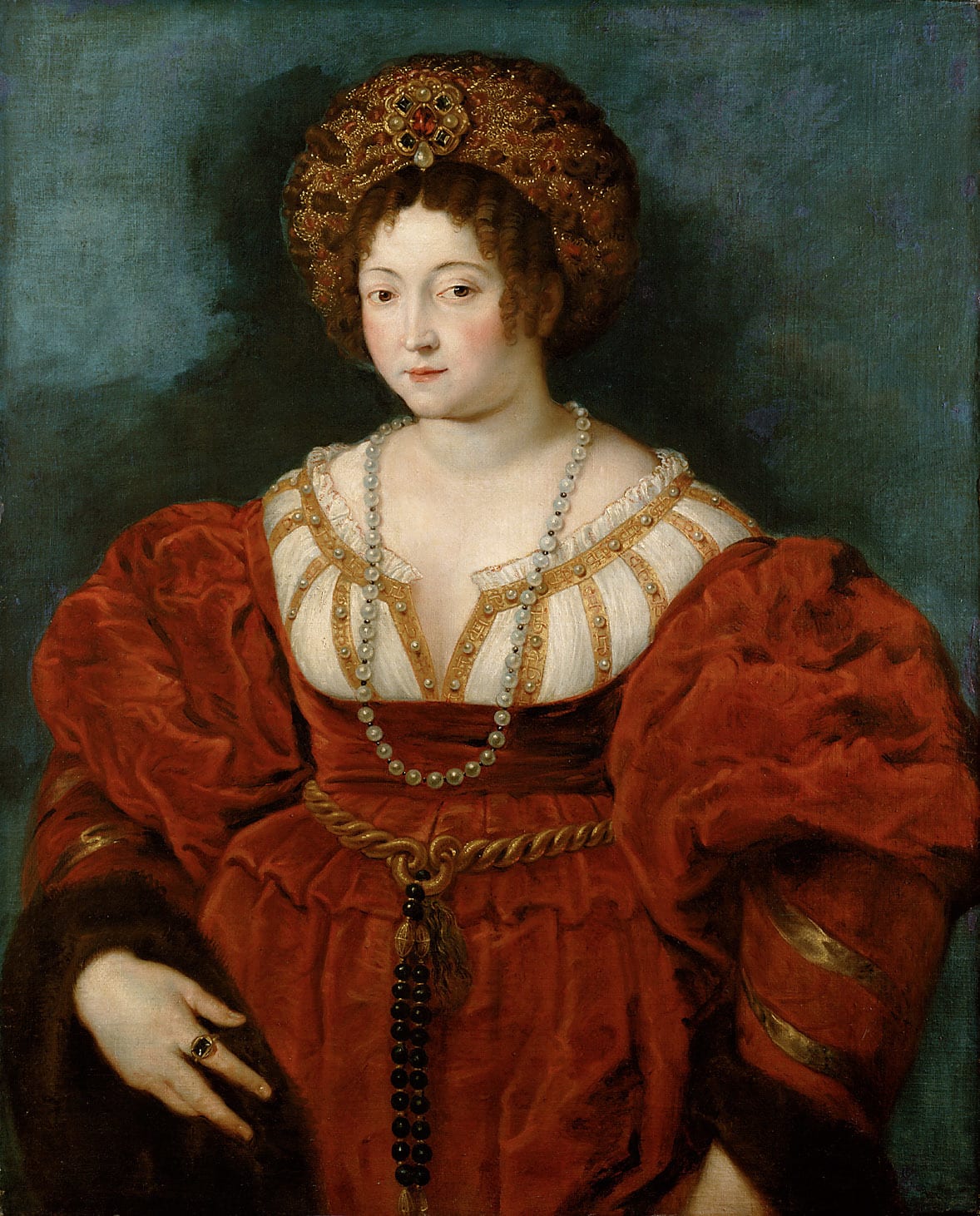
Isabella d'Este
Peter Paul Rubens · 1605
Kunsthistorisches Museum
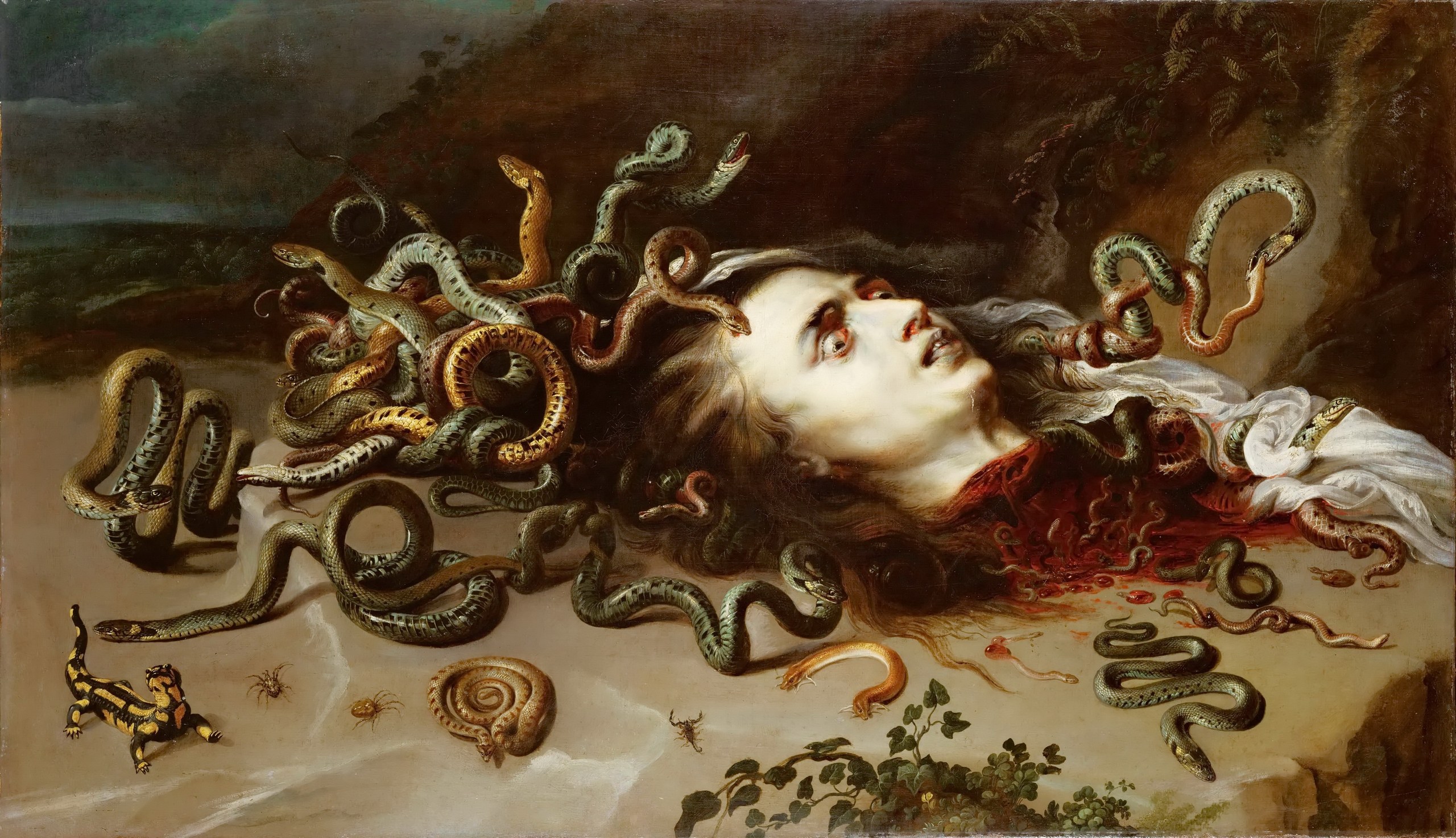
Head of Medusa
Peter Paul Rubens · 1618
Kunsthistorisches Museum
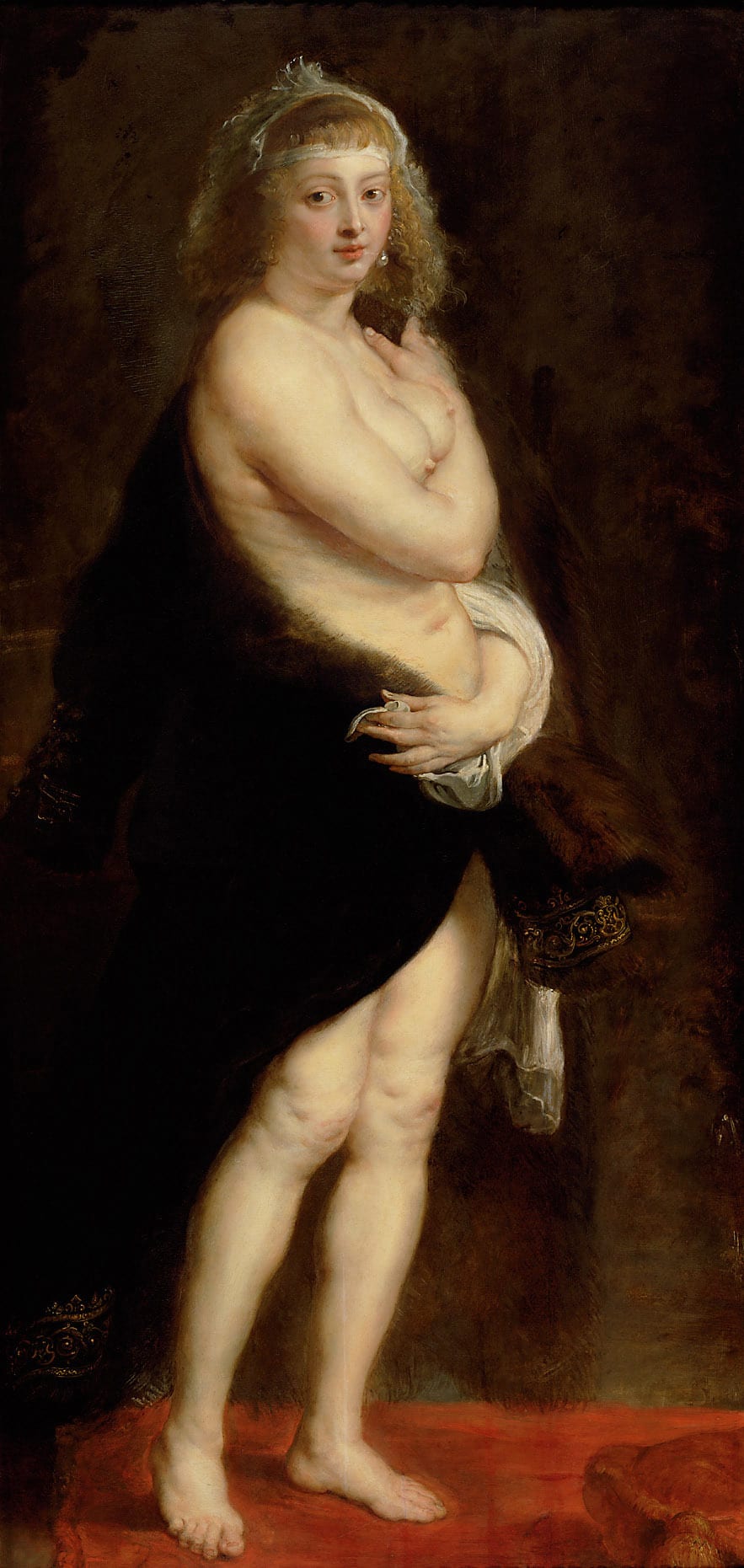
Helena Fourment in a Fur Robe
Peter Paul Rubens · 1638
Kunsthistorisches Museum
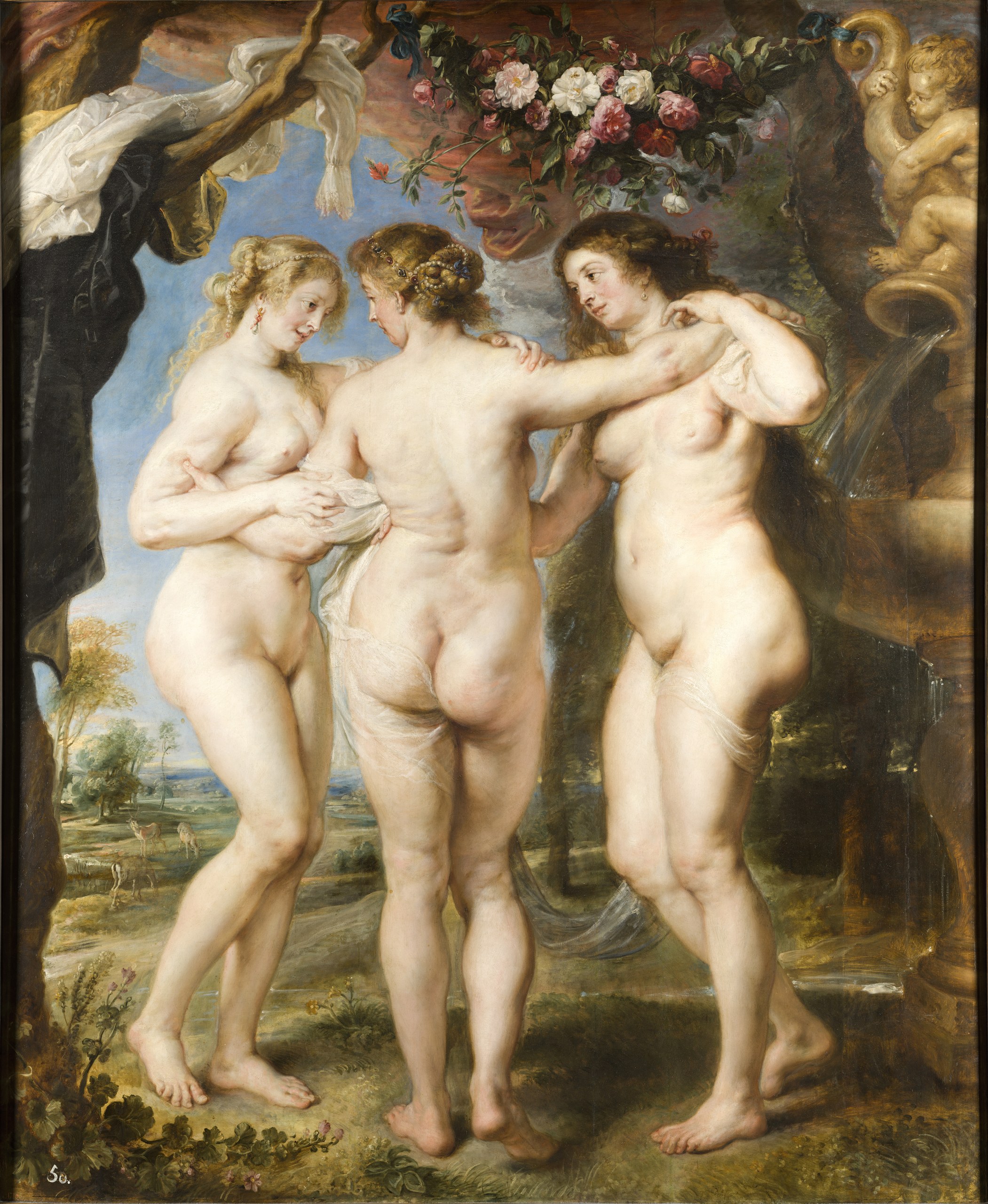
The Three Graces
Peter Paul Rubens · 1630
Museo del Prado
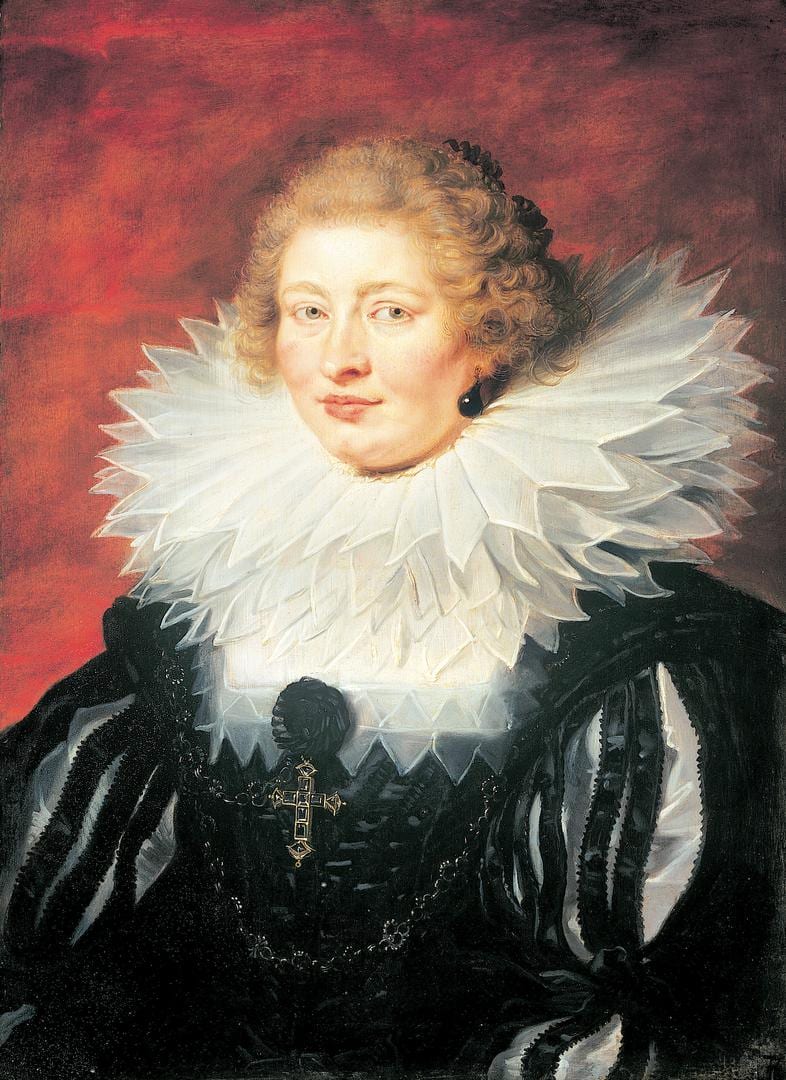
Portrait of Hypolite de Male (?-?), wife of Henri de Vicq, seigneur de Meulevelt (1573-1651)
Peter Paul Rubens · 1625
Tel Aviv Museum of Art
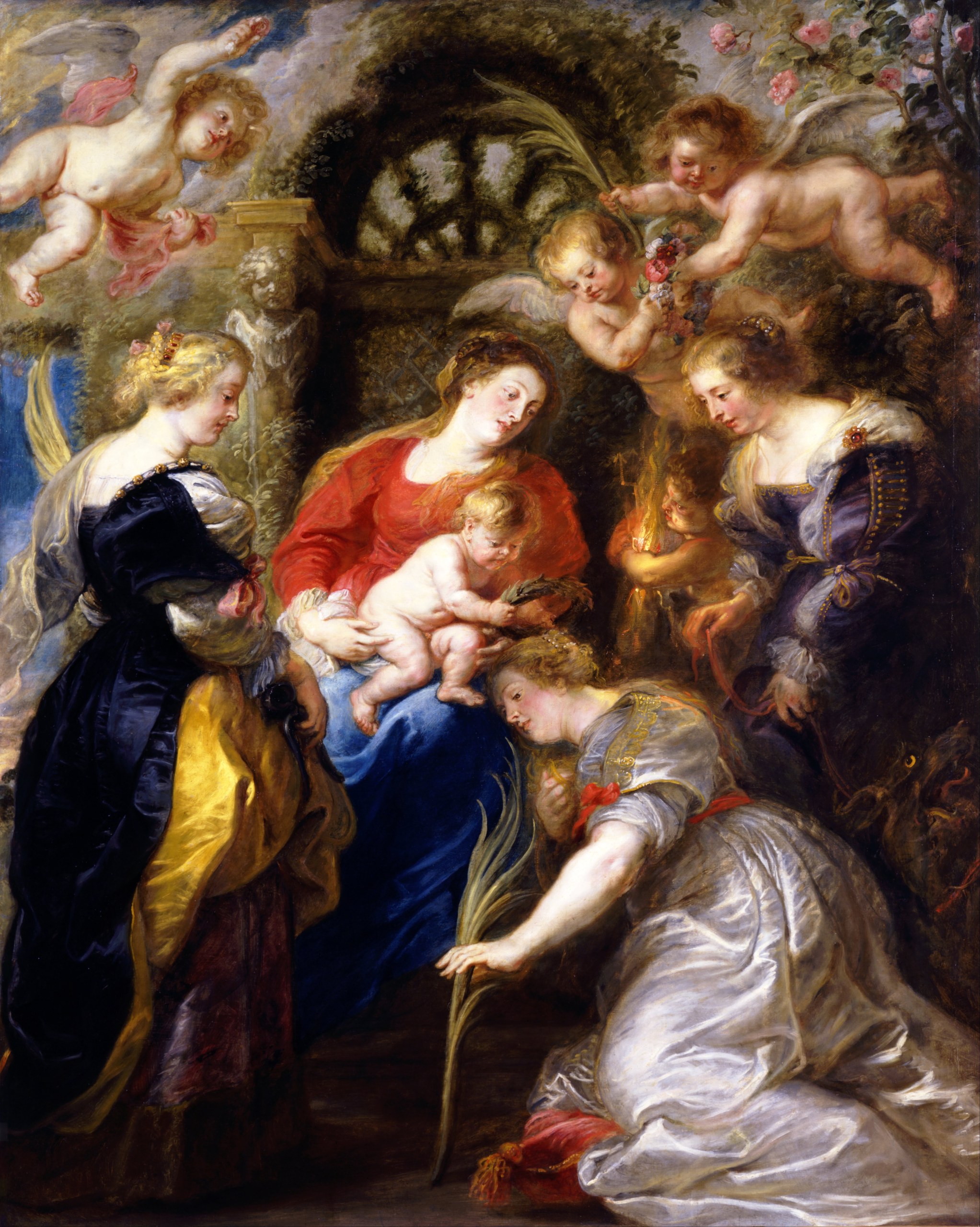
Crowning of Saint Catherine
Peter Paul Rubens · 1631
Toledo Museum of Art
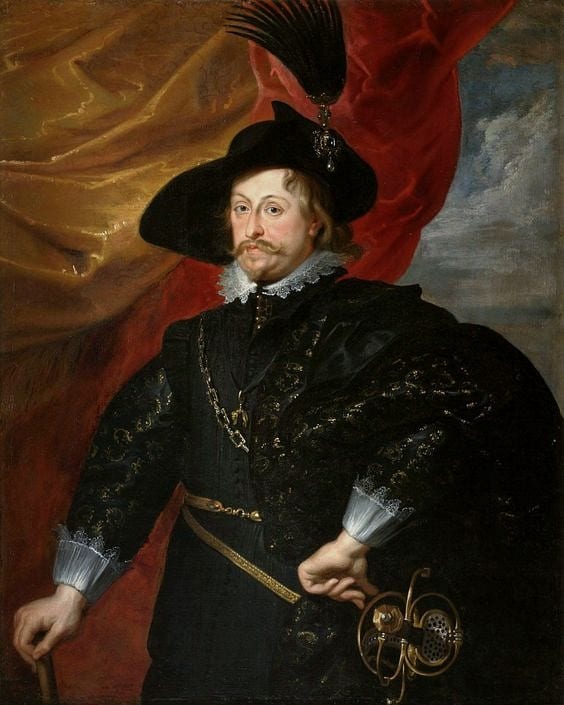
Portrait of Sigismund III Vasa
Peter Paul Rubens · 1620
Wawel Castle
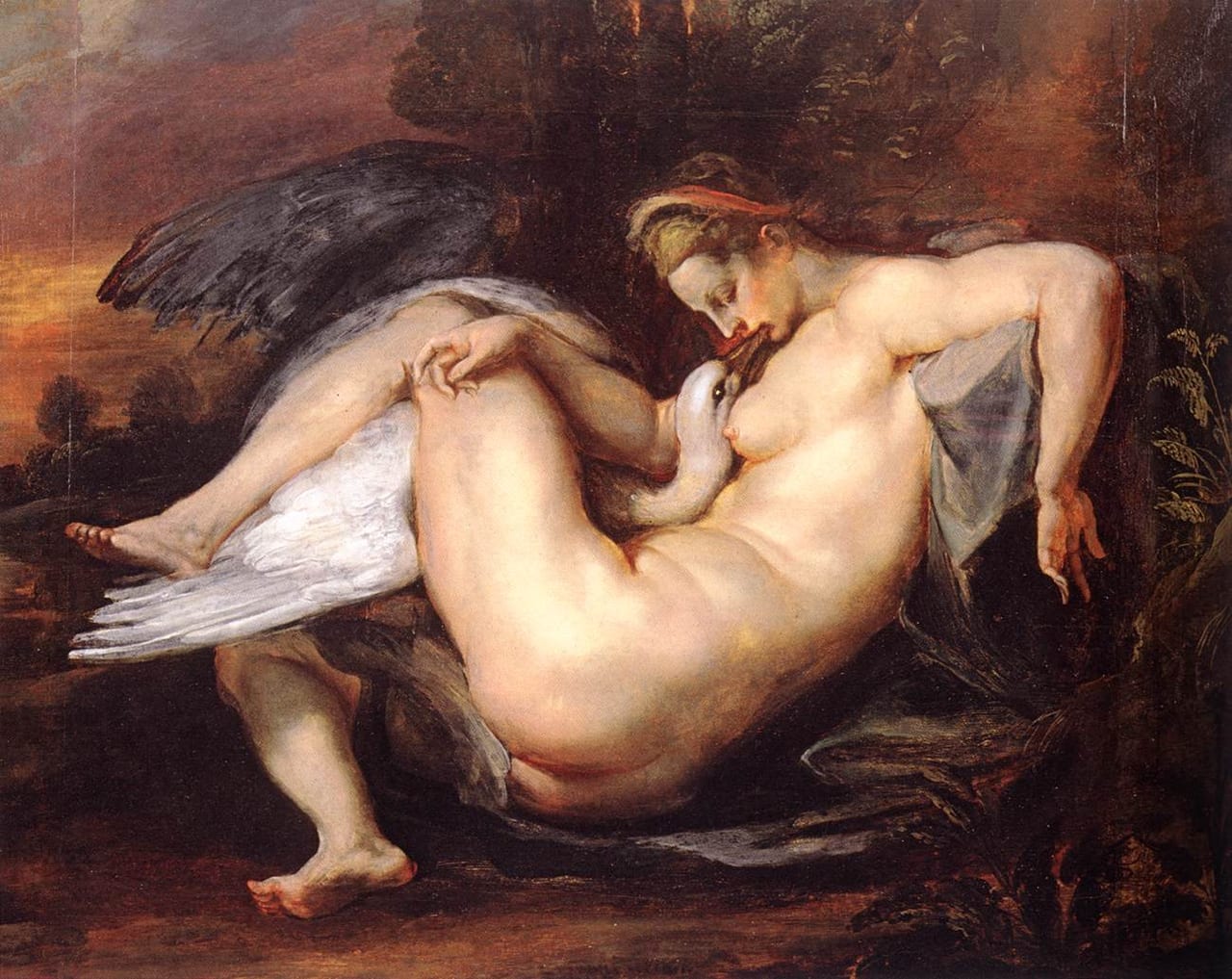
Leda and the Swan
Peter Paul Rubens · 1601
Museum of Fine Arts, Houston
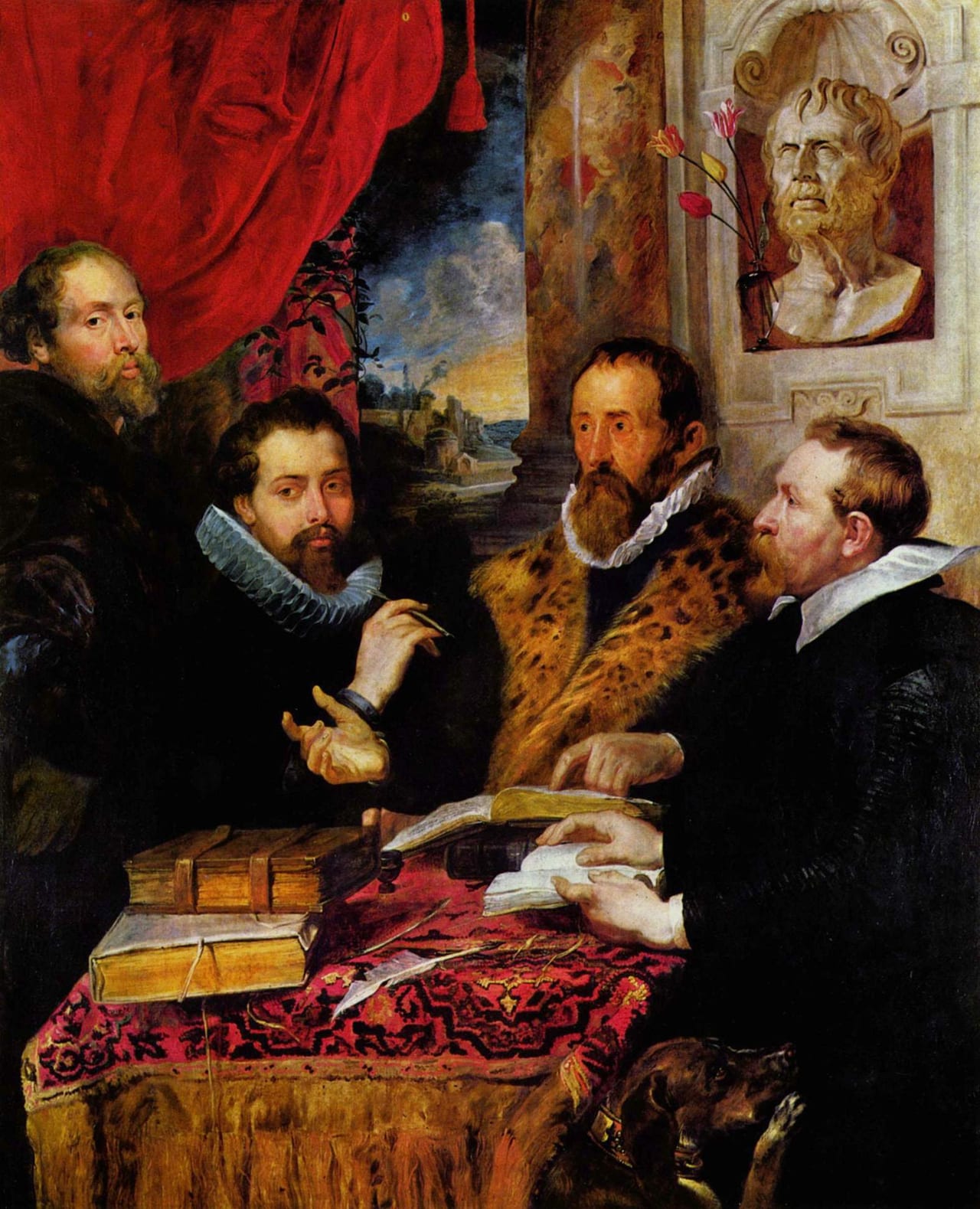
The Four Philosophers
Peter Paul Rubens · 1611
Palazzo Pitti
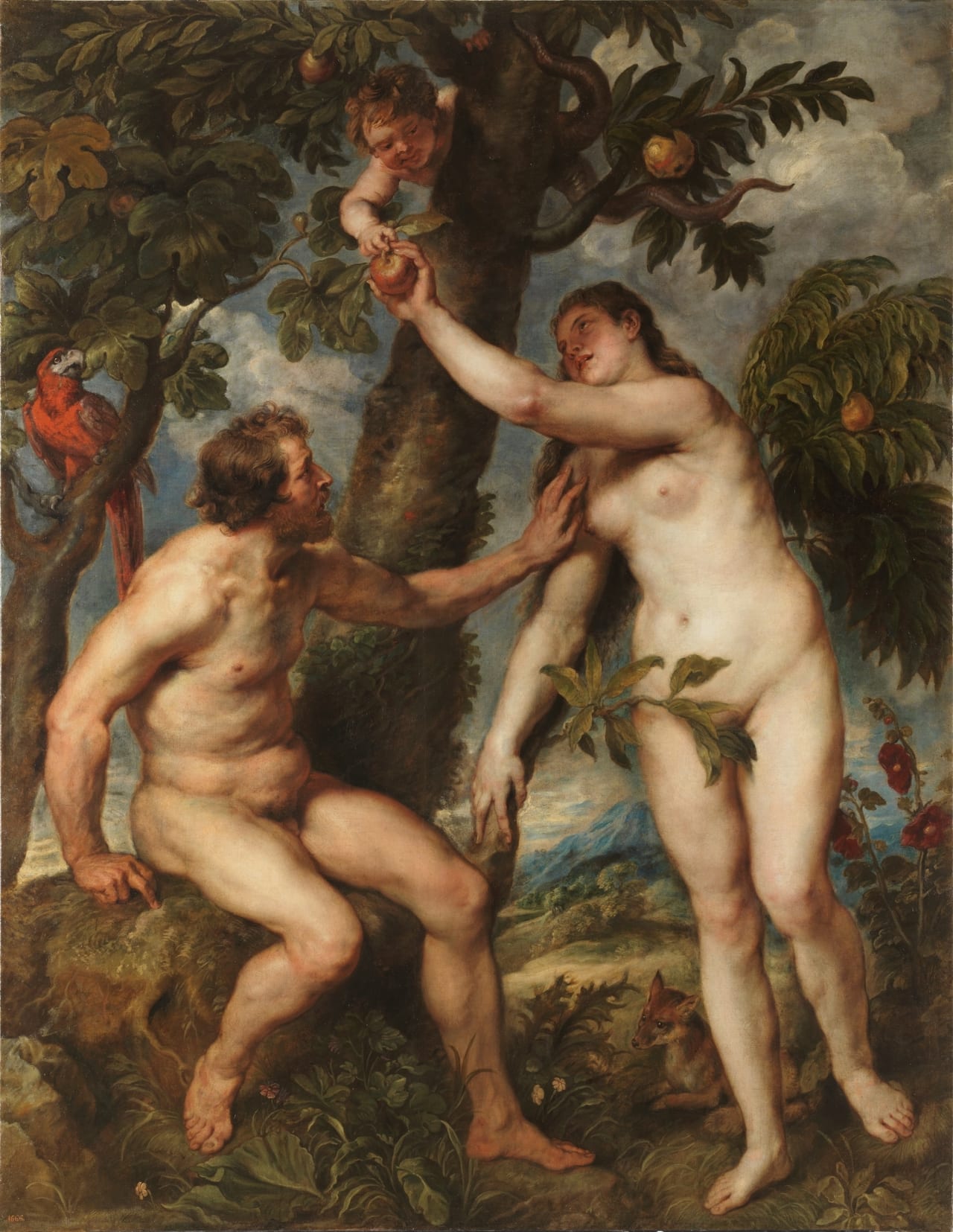
The Fall of Man
Peter Paul Rubens · 1628
Museo del Prado
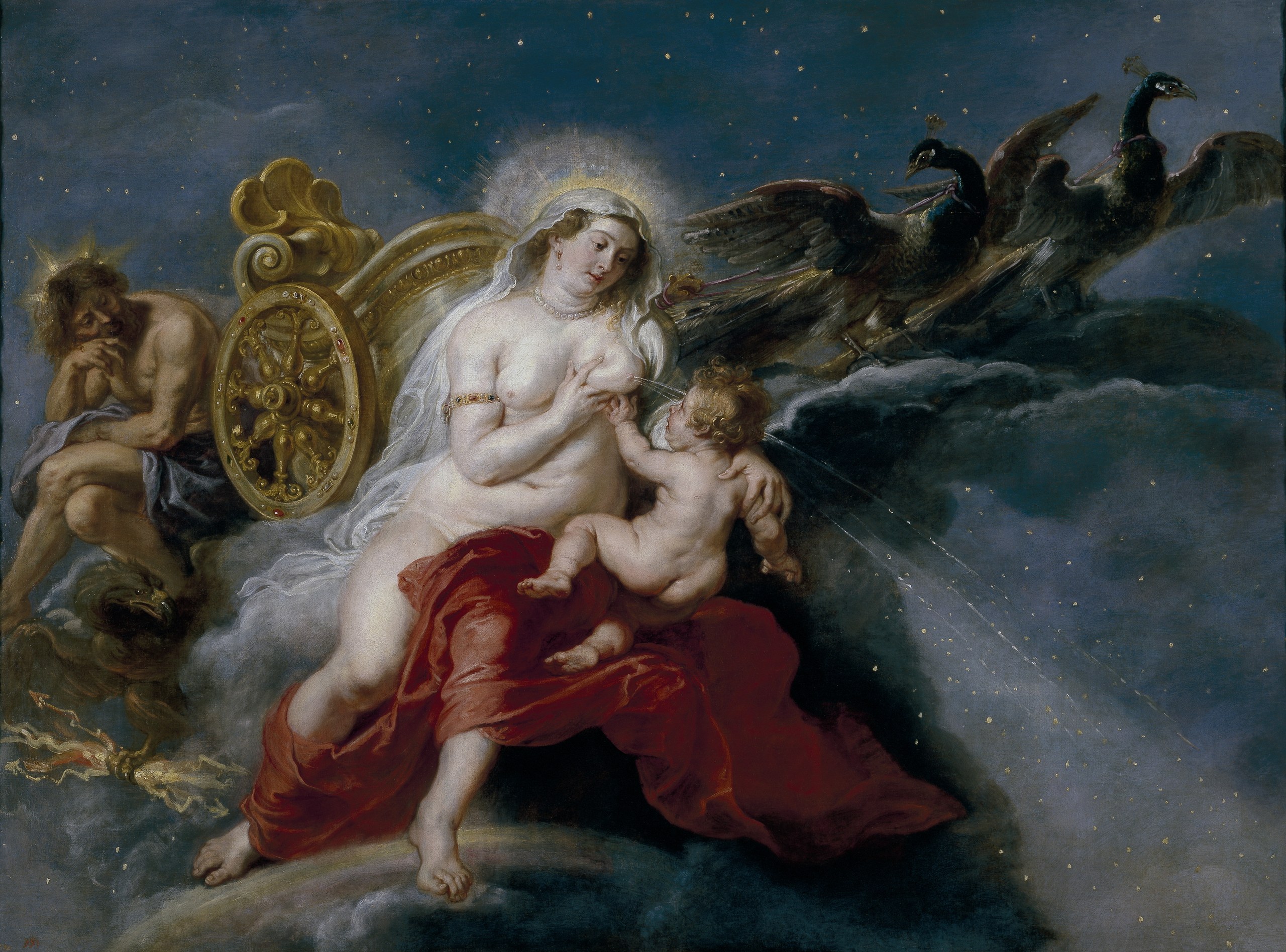
The Origin of the Milky Way
Peter Paul Rubens · 1637
Museo del Prado
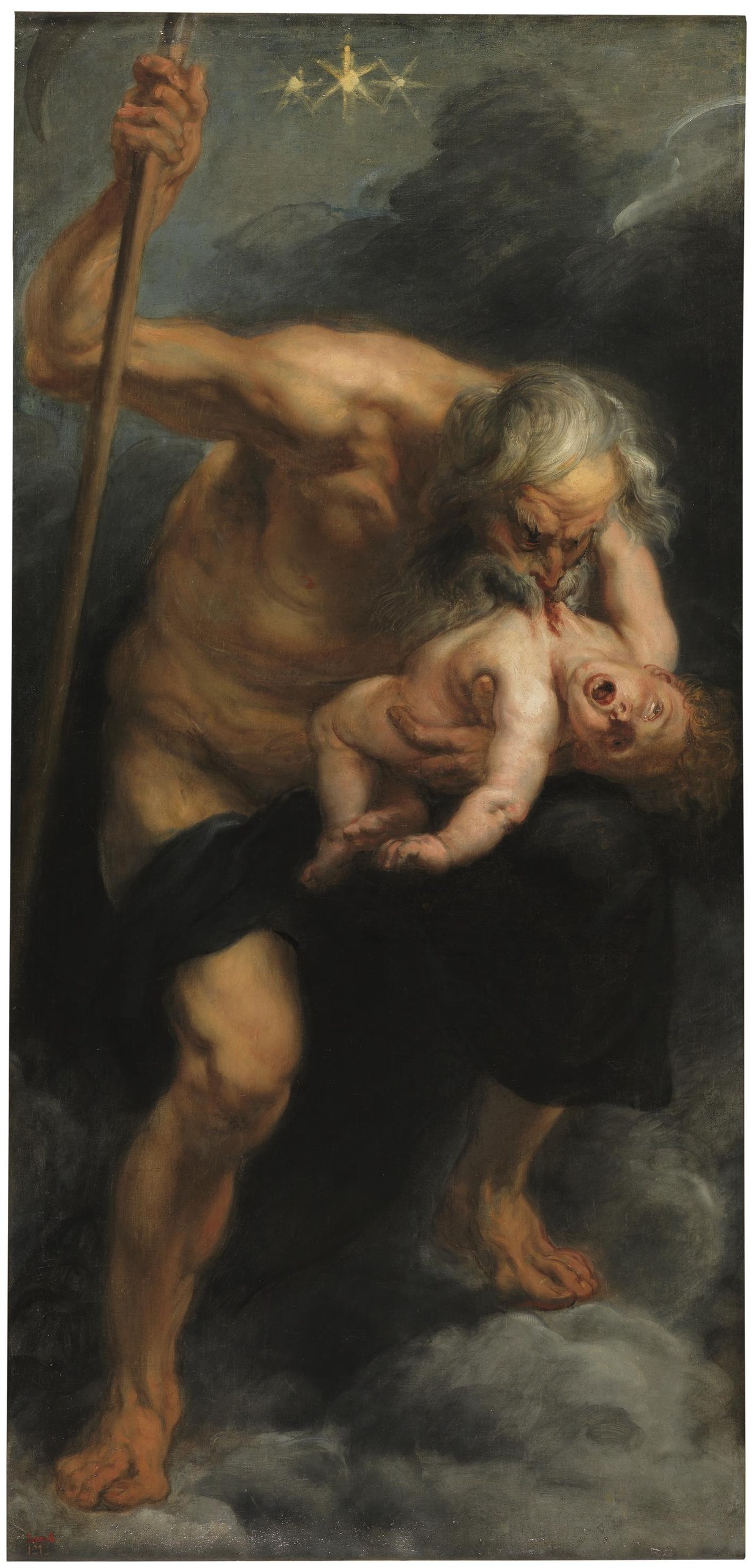
Saturn
Peter Paul Rubens · 1637
Museo del Prado
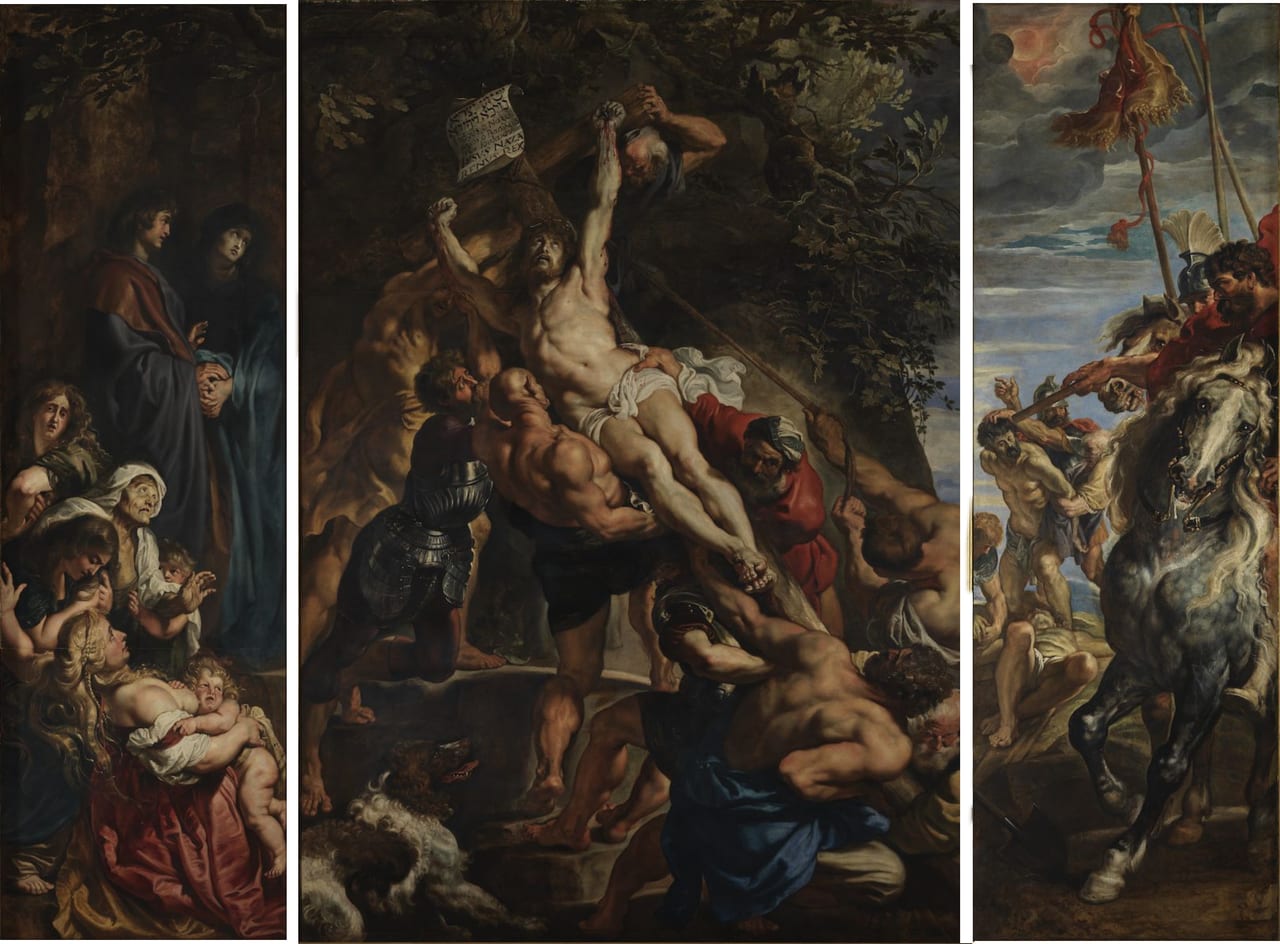
The Elevation of the Cross
Peter Paul Rubens · 1610
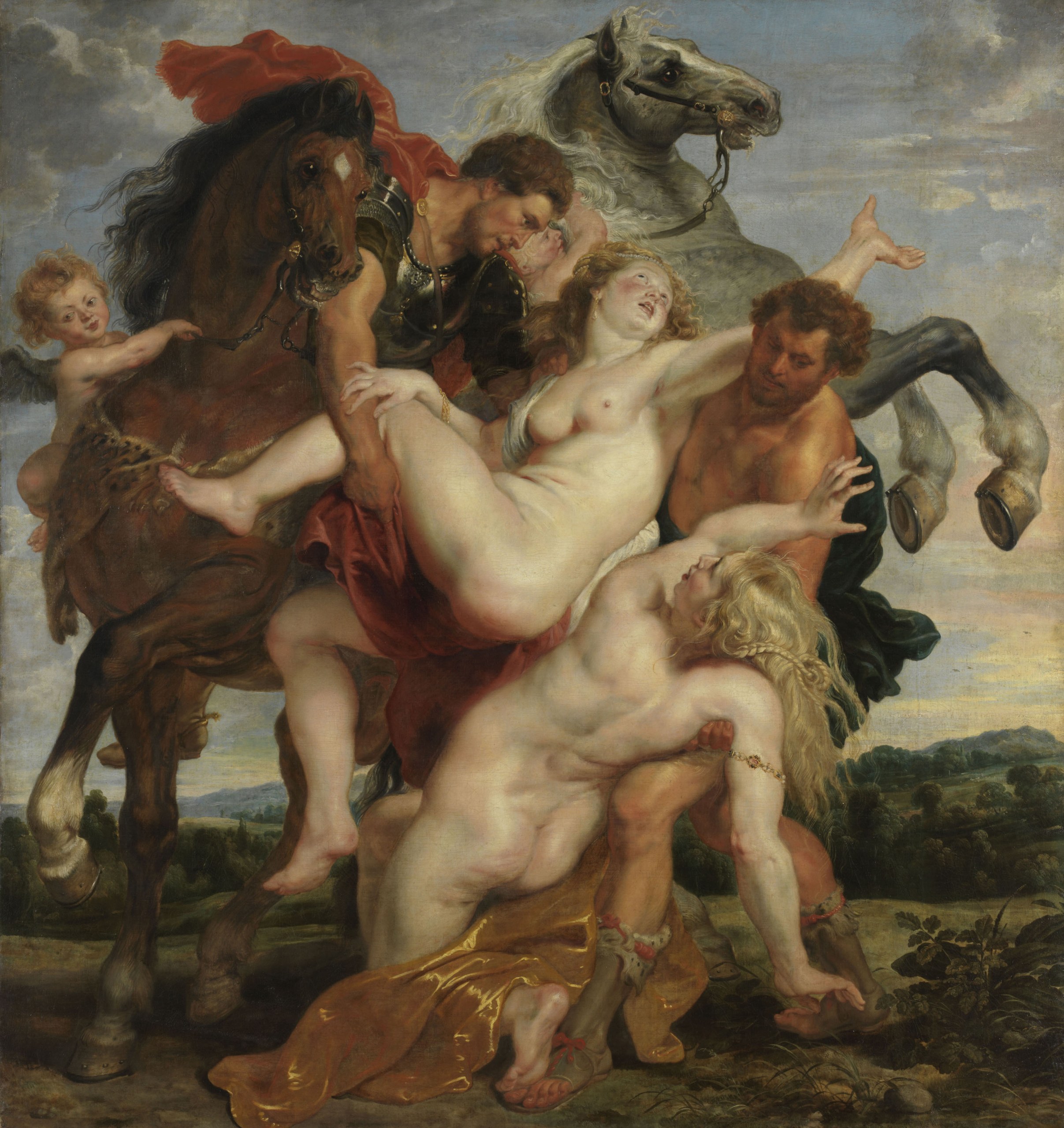
The Rape of the Daughters of Leucippus
Peter Paul Rubens · 1618
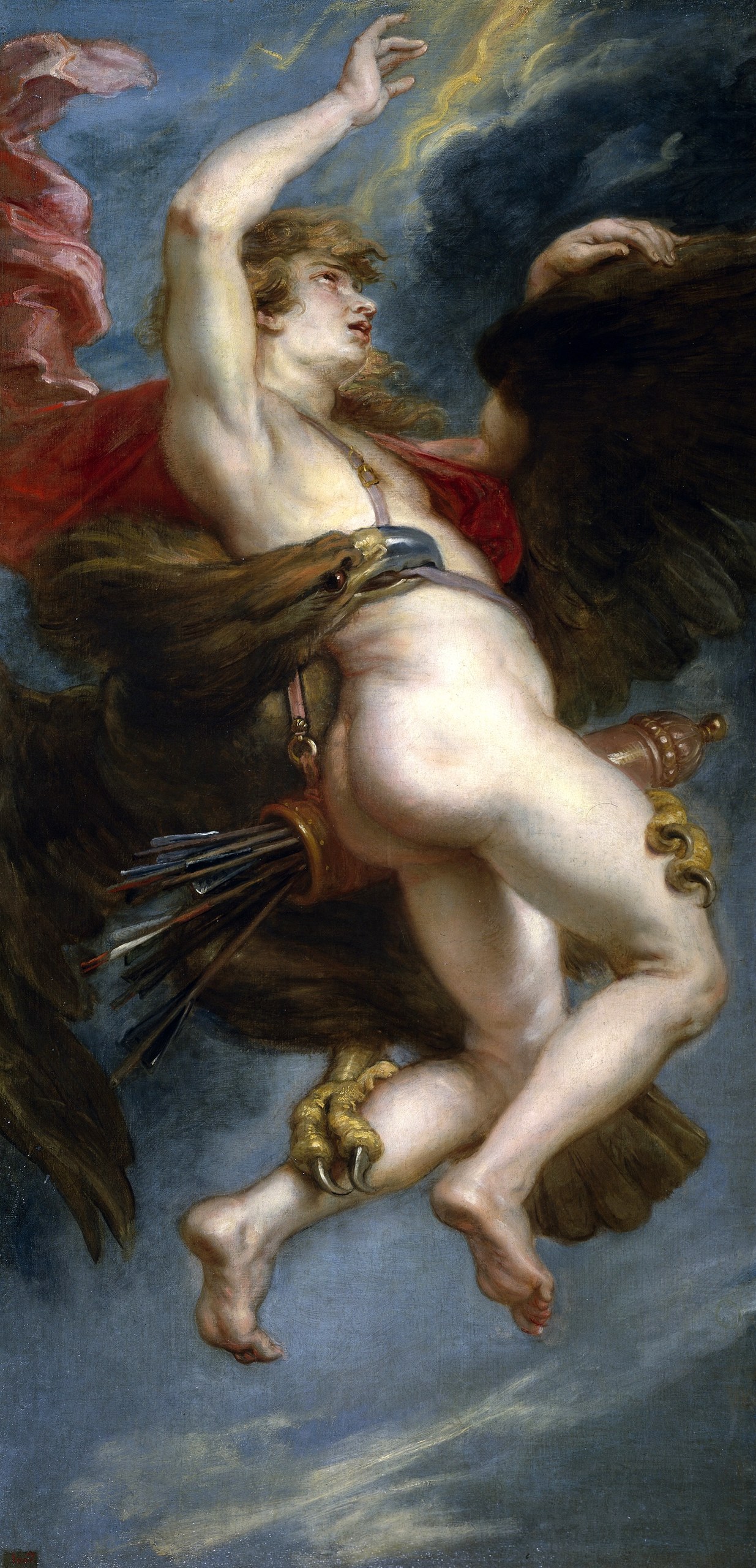
The Rape of Ganymede
Peter Paul Rubens · 1637
Museo del Prado
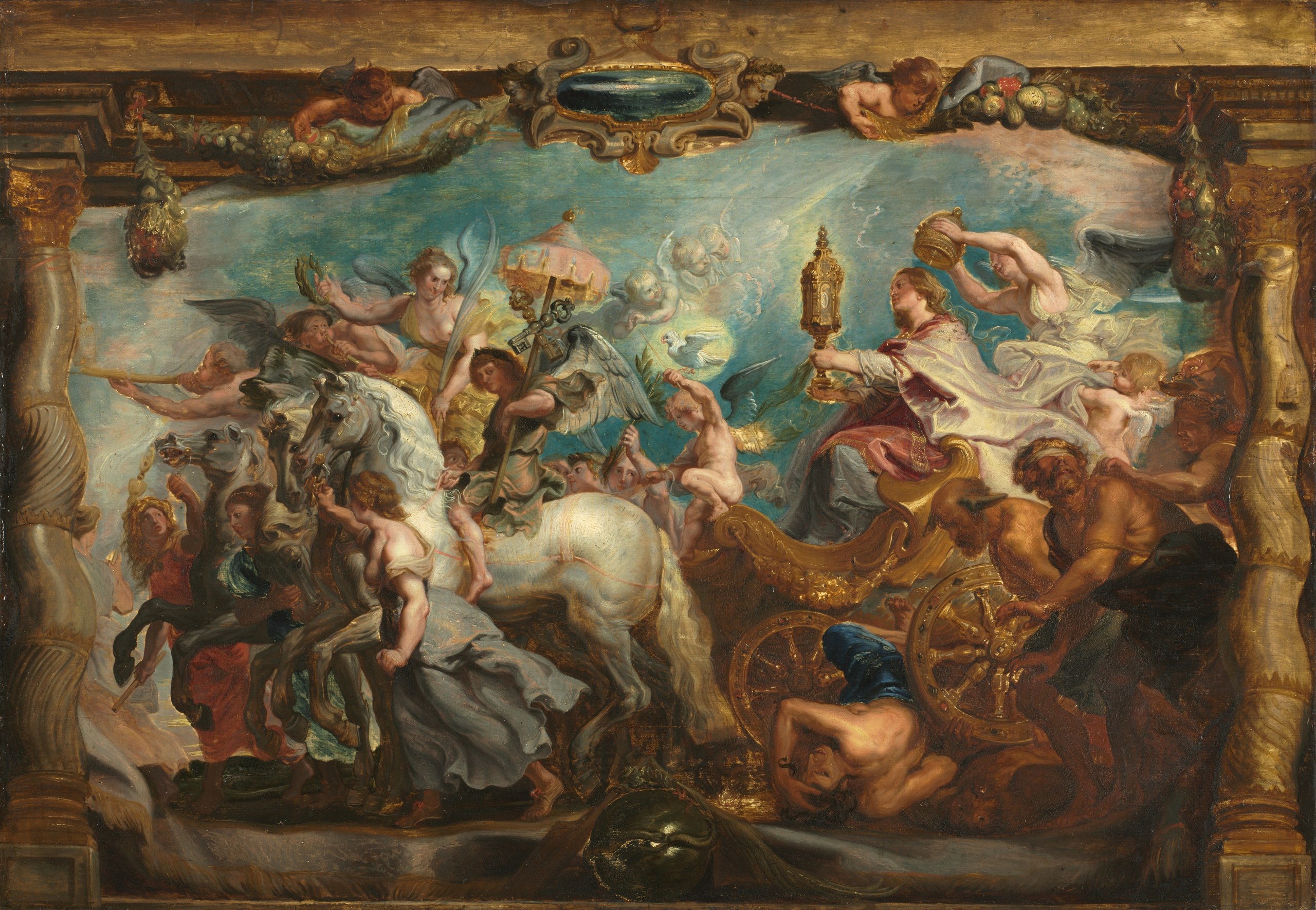
The Triumph of the Church
Peter Paul Rubens
The Cleveland Museum of Art
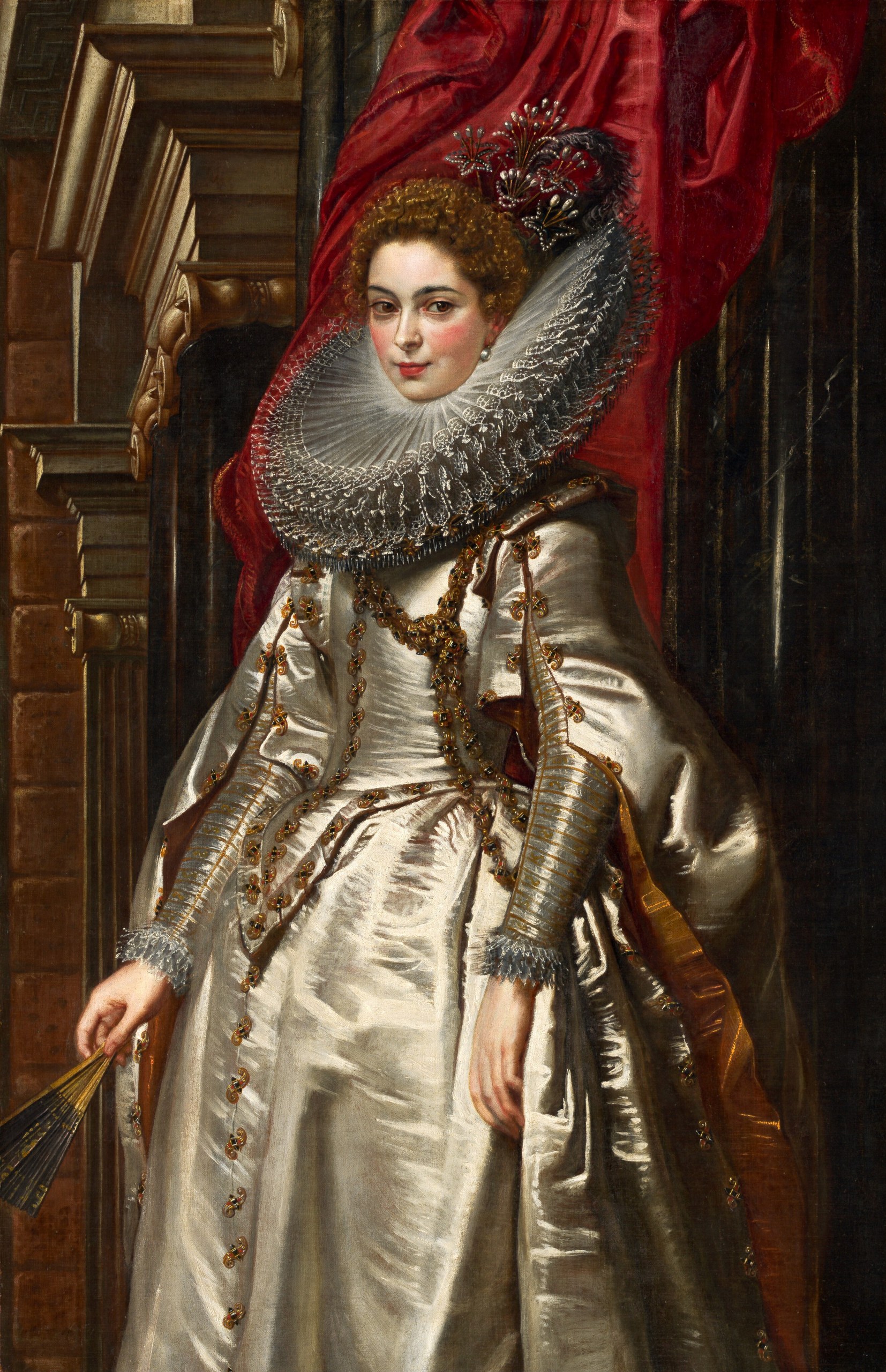
Marchesa Brigida Spinola Doria
Rubens, Peter Paul, Sir
National Gallery of Art
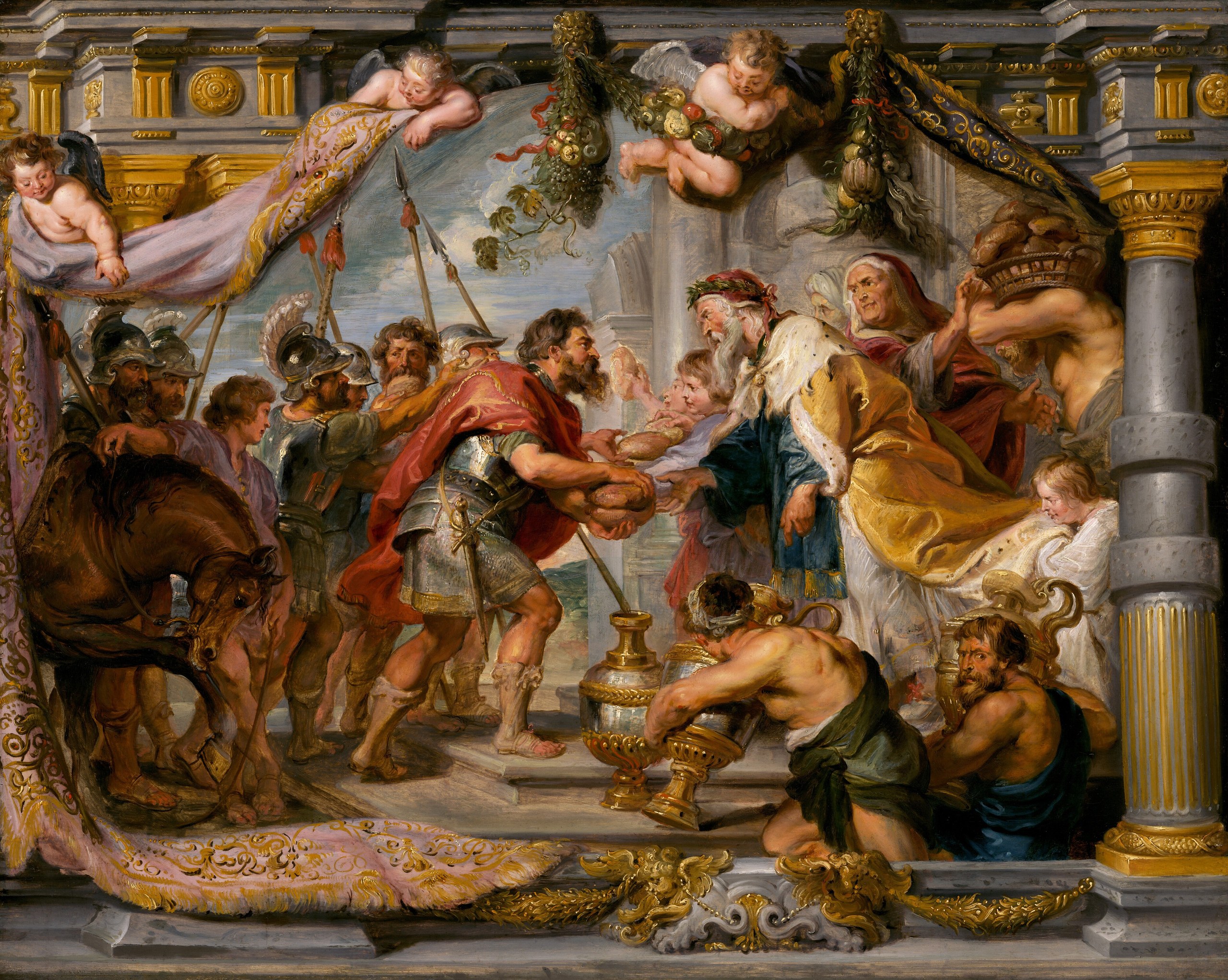
The Meeting of Abraham and Melchizedek
Rubens, Peter Paul, Sir
National Gallery of Art
Works worth knowing
16 of Peter Paul Rubens's works, and what makes each one worth a look.
Consequences of War
Peter Paul Rubens · 1637
Palazzo Pitti
Consequences of War, also known as Horror of war, was executed between 1638 and 1639 by Peter Paul Rubens in oil paint on canvas. It was painted for Ferdinando II de' Medici. Although commissioned by an Italian, art historians characterize both the work and the artist as Flemish Baroque.
Marie de' Medici cycle
Peter Paul Rubens · 1622
Louvre
The Marie de' Medici Cycle is a series of twenty-four paintings by Peter Paul Rubens commissioned by Marie de' Medici, widow of Henry IV of France, for the Luxembourg Palace in Paris. Rubens received the commission in the autumn of 1621. After negotiating the terms of the contract in early 1622, the project was to be completed within two years, coinciding with the marriage of Marie's daughter, Henrietta Maria.
The Garden of Love
Peter Paul Rubens · 1630
Museo del Prado
The Garden of Love is a painting by Rubens, produced in around 1633 and now in the Prado Museum in Madrid. The work was first listed in 1666, when it was hung in the Royal Palace of Madrid, in the Spanish king's bedroom. In early inventories, the painting was called The Garden Party.
Adoration of the Magi
Peter Paul Rubens · 1609
Museo del Prado
The Adoration of the Magi is a very large oil painting by the Flemish Baroque painter Peter Paul Rubens. He first painted it in 1609 and later gave it a major reworking between 1628 and 1629 during his second trip to Spain. It is now in the Museo del Prado in Madrid.
Samson and Delilah
Peter Paul Rubens · 1609
National Gallery
Samson and Delilah is a painting long attributed to the Flemish Baroque artist Peter Paul Rubens (1577 to 1640) in the National Gallery, London. It dates from about 1609 to 1610. Two preliminary copies of the painting exist today: an ink-and-wash drawing on paper, and an oil sketch on wood panel.
The Feast of Venus
Peter Paul Rubens · 1636
Kunsthistorisches Museum
The Feast of Venus is an oil on canvas painting by Flemish painter Peter Paul Rubens, created in 1635 to 1636, now in the Kunsthistorisches Museum in Vienna. It is a fanciful depiction of the Roman festival Veneralia celebrated in honor of Venus Verticordia. Rubens thought highly of Titian and made a copy of the Venetian master's The Worship of Venus which remained in Rubens' private collection until his death.
A View of Het Steen in the Early Morning
Peter Paul Rubens · 1636
National Gallery
A View of Het Steen in the Early Morning, also called Château de Steen with Hunter or simply Het Steen, is a landscape painting by Flemish artist Peter Paul Rubens, dating to around 1636. It measures 131.2 cm by 229.2 cm and is now in the National Gallery in London. A rare example of a work painted for the artist's own pleasure rather than for a commission, it shows a view of the Het Steen estate near Brussels, which Rubens had acquired in 1635, set in an early-morning autumn landscape.
Perseus and Andromeda
Peter Paul Rubens · 1622
State Hermitage Museum
Perseus and Andromeda is a 1622 painting in the Hermitage Museum by the Flemish artist Peter Paul Rubens of the ancient Greek myth of Perseus and Andromeda after the former's defeat of the Gorgon. The composition is similar to that of an earlier painting by Rubens, Perseus frees Andromeda (now Gemäldegalerie, Berlin). Perseus, in the centre of the painting, is surrounded by three putti, one holding the shield with Gorgon's reflection, one wearing the hero's helmet, while the third holds the winged horse Tobiano Pegasus.
Where the work hangs
The museums that hold it, and their visitor guides.
National Gallery of Art
12 in the archive · Washington, D.C.
Kunsthistorisches Museum
9 in the archive · Vienna
Museo del Prado
7 in the archive · Madrid
State Hermitage Museum
5 in the archive · Saint Petersburg
The Cleveland Museum of Art
3 in the archive · Cleveland, Ohio
National Gallery
2 in the archive · London
Palazzo Pitti
2 in the archive · Florence
Tel Aviv Museum of Art
1 in the archive · Tel Aviv
Museo Soumaya
1 in the archive · Mexico City
Museum of Fine Arts, Houston
1 in the archive · Houston
Wawel Castle
1 in the archive · Kraków
Thyssen-Bornemisza Museum
1 in the archive · Madrid
Getty Center
1 in the archive · Los Angeles
Toledo Museum of Art
1 in the archive · Toledo
Royal Castle, Warsaw
1 in the archive · Warsaw
Minneapolis Institute of Art
1 in the archive · Minneapolis, Minnesota
Louvre
1 in the archive · Paris
If you like Peter Paul Rubens
Artists held by the same museums.
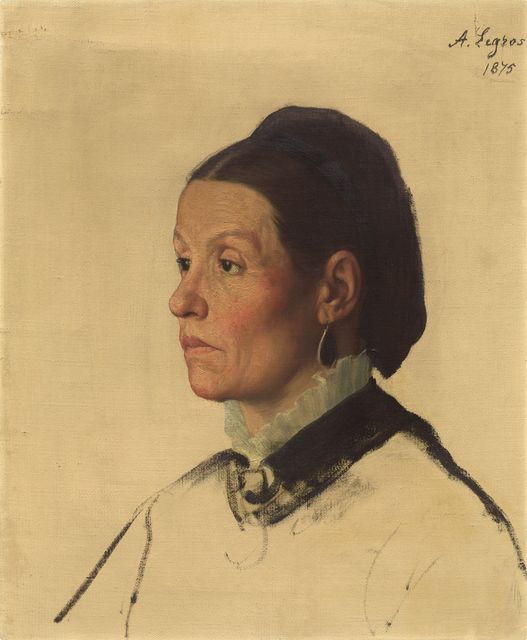
Alphonse Legros
French · 561 in the archive
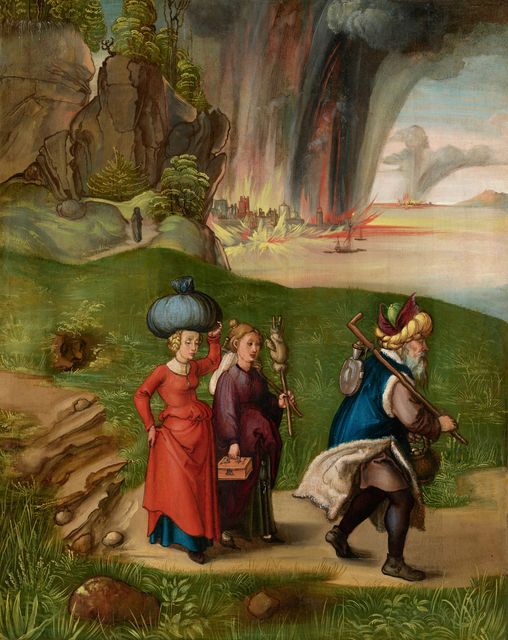
Albrecht Dürer
German · 300 in the archive
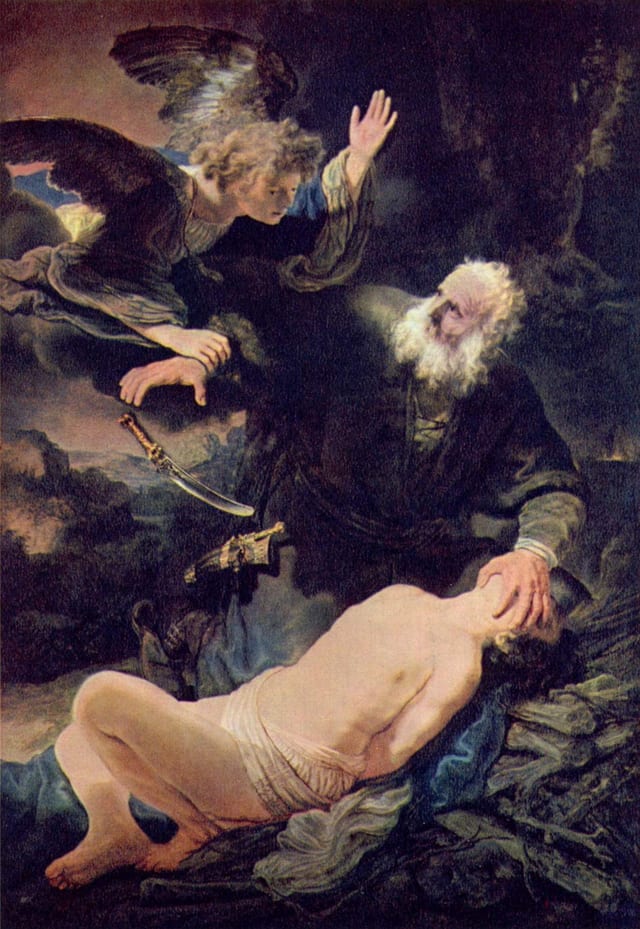
Rembrandt van Rijn
Dutch · 281 in the archive
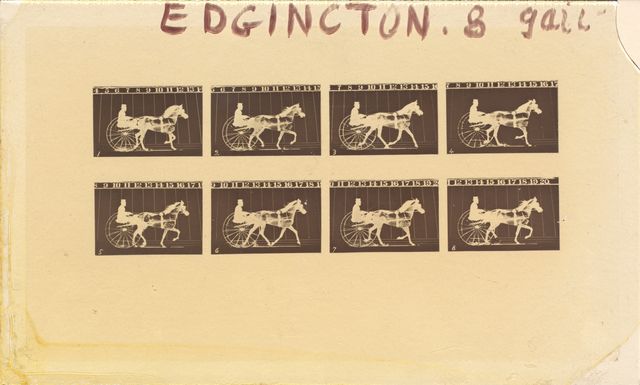
Eadweard Muybridge
English · 259 in the archive
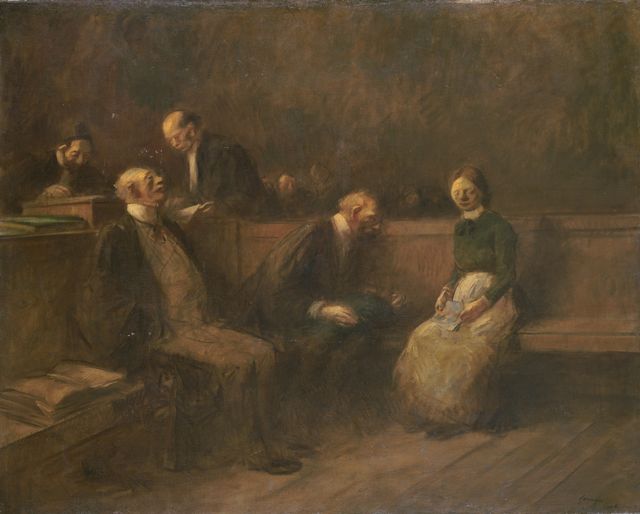
Jean-Louis Forain
French · 259 in the archive
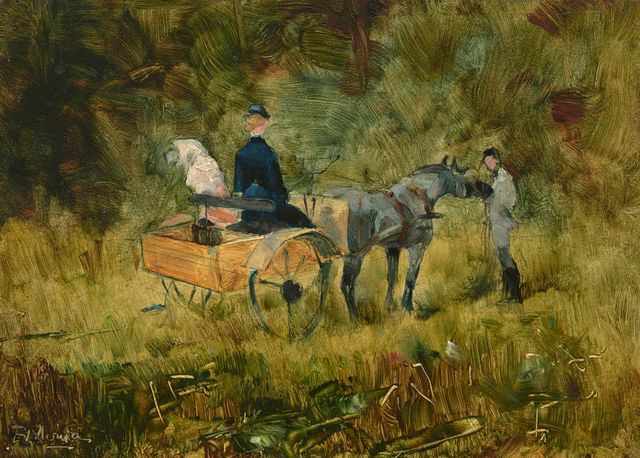
Henri de Toulouse-Lautrec
French · 243 in the archive
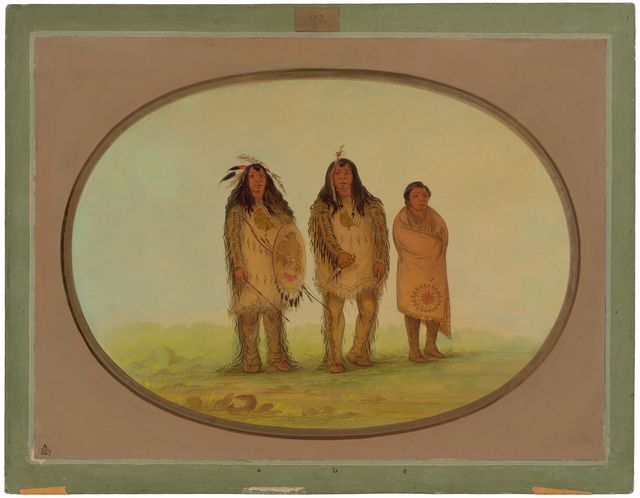
George Catlin
United States · 223 in the archive
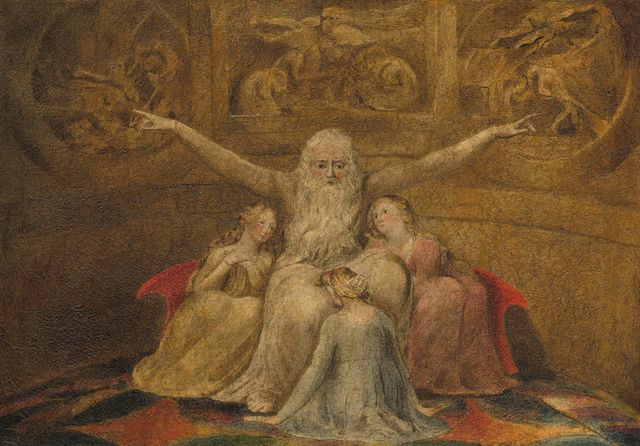
William Blake
United Kingdom of Great Britain and Ireland · 176 in the archive
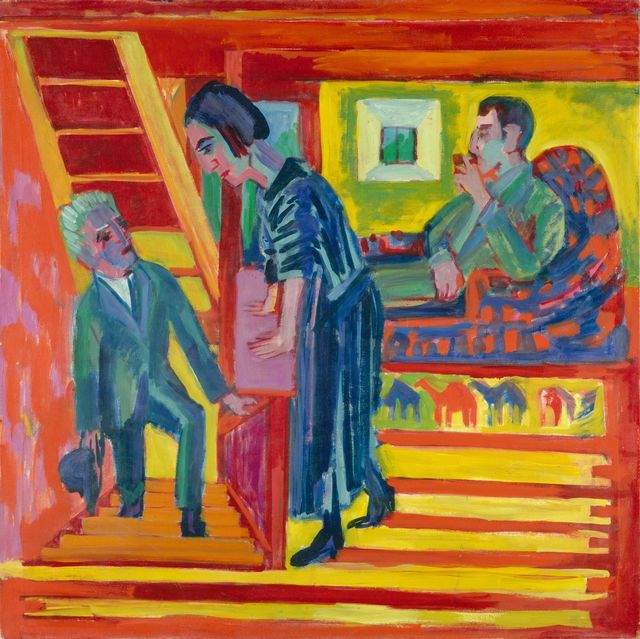
Ernst Ludwig Kirchner
German · 148 in the archive
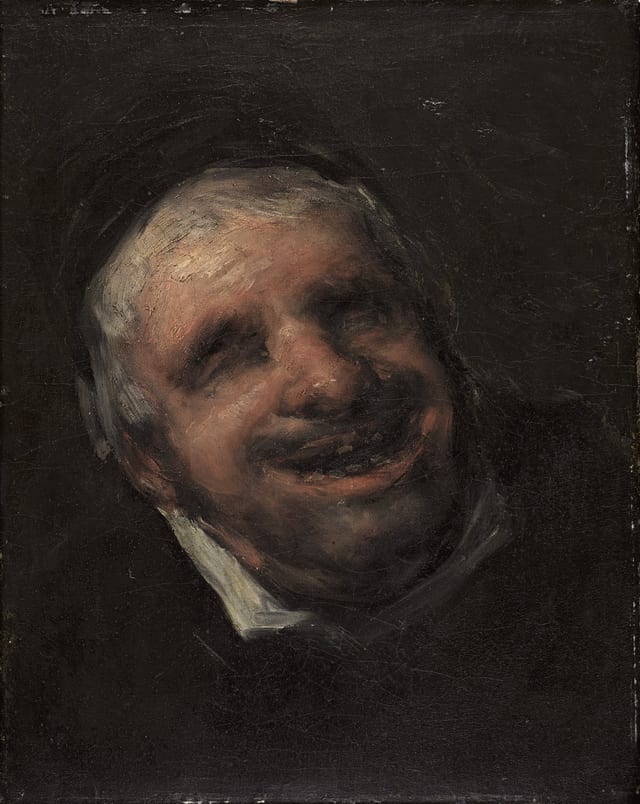
Francisco Goya
Spanish · 140 in the archive
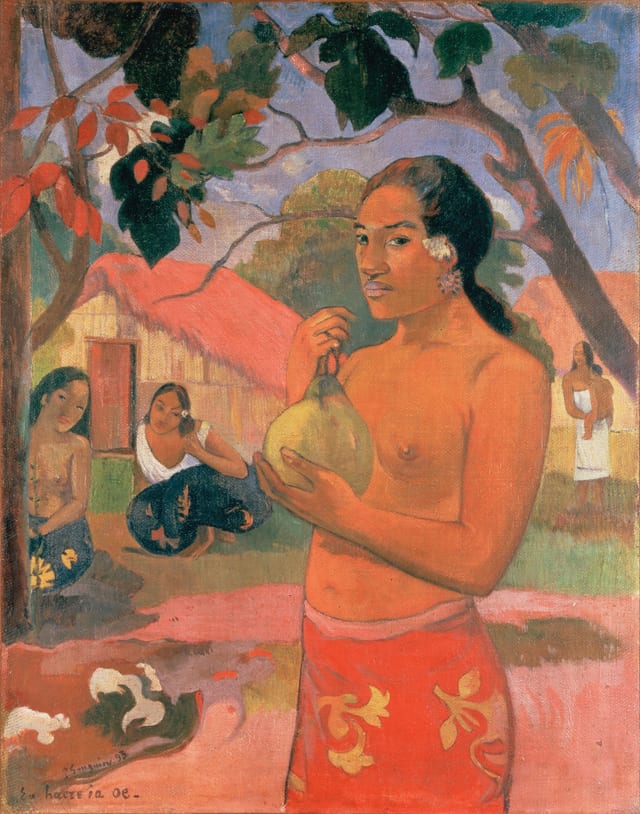
Paul Gauguin
French · 140 in the archive
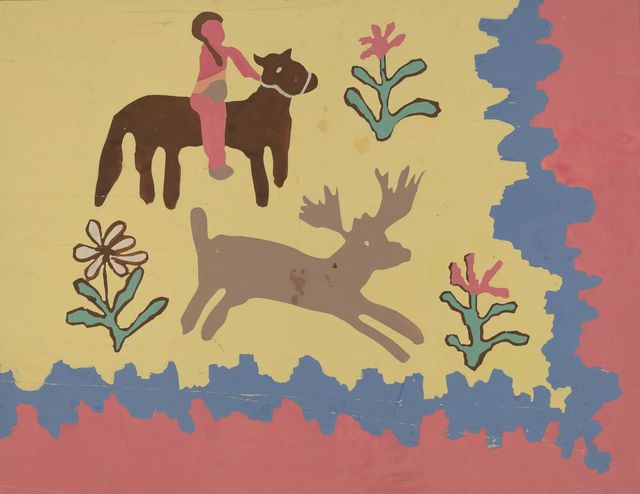
Majel G. Claflin
United States · 135 in the archive
Invite the masters into your living room.
Peter Paul Rubens on your TV, phone, or tablet. Free to start.
View on MomentableIndependent guide by Momentable · biography from Wikipedia · artworks are in the public domain and credited to the museum that holds them