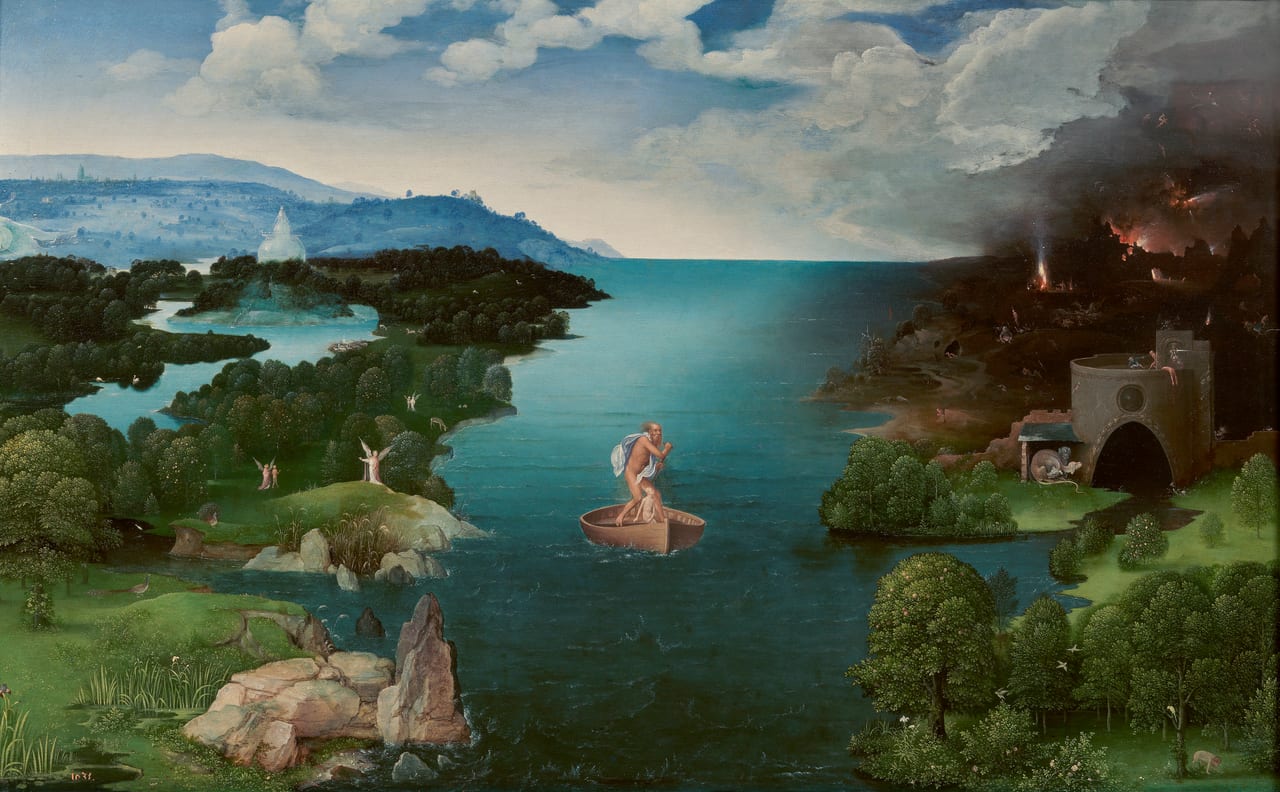
Las Meninas
Diego Velázquez · 1656

Museo del Prado
Madrid · Founded 1819
Las Meninas has been puzzling people for three and a half centuries, and Goya's Third of May still hits like a shout. Both hang here.
- 3.5M
- Visitors a year
- 1819
- Founded
- €15
- Admission
- Mon–Sat 10–8
- Daily opening hours
99 works from this collection play free on your TV, phone or tablet. Press play and one starts now.
Watch it nowWhat to see
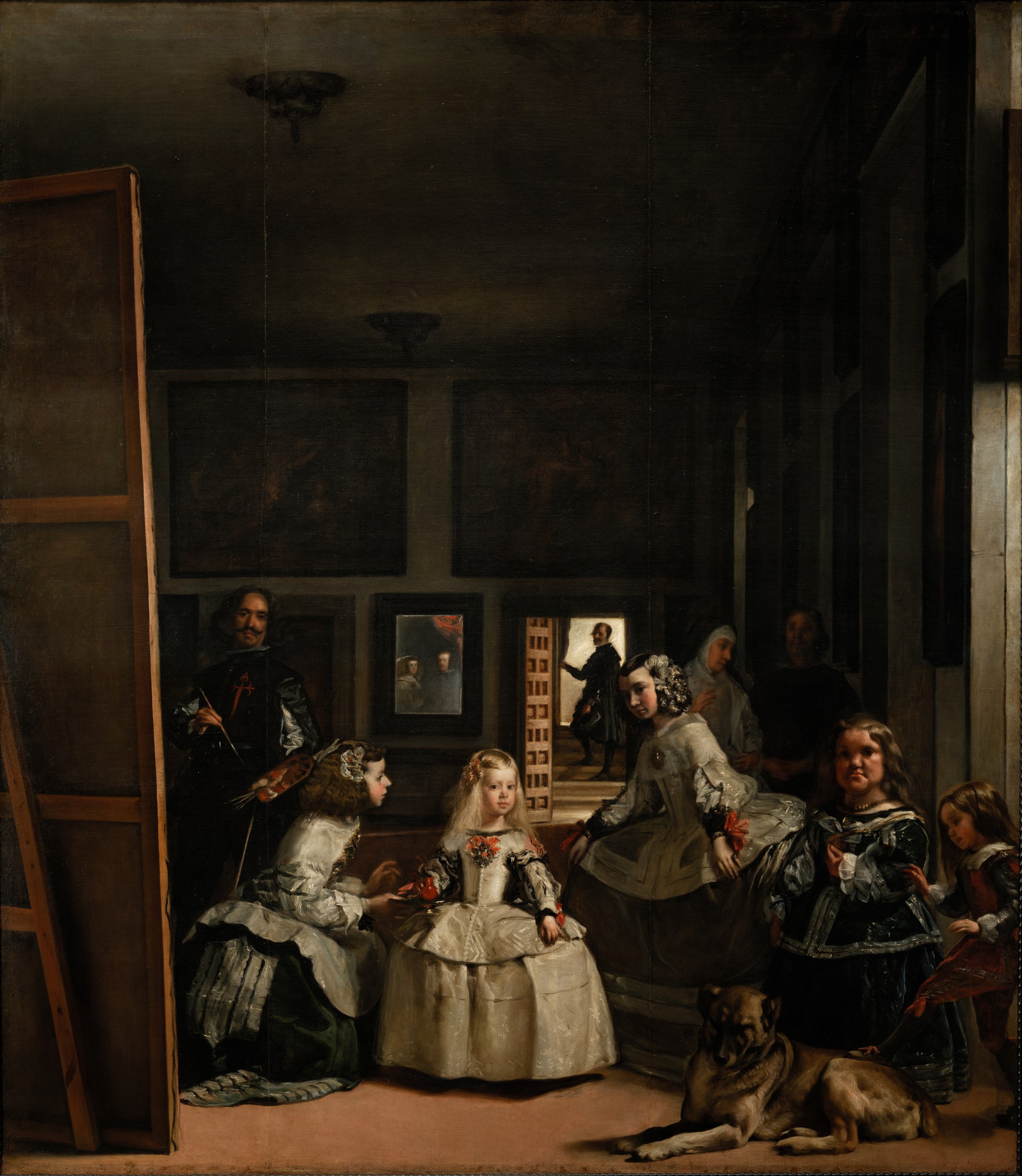
Las Meninas
Diego Velázquez · 1656
Las Meninas is a 1656 oil painting in the Museo del Prado in Madrid, by Diego Velázquez, the leading artist in the court of King Philip IV of Spain and Portugal, and of the Spanish Golden Age. It has become one of the most widely analysed works in Western painting for the way its complex and enigmatic composition raises questions about reality and illusion, and for the uncertain relationship it creates between the viewer and the figures depicted.
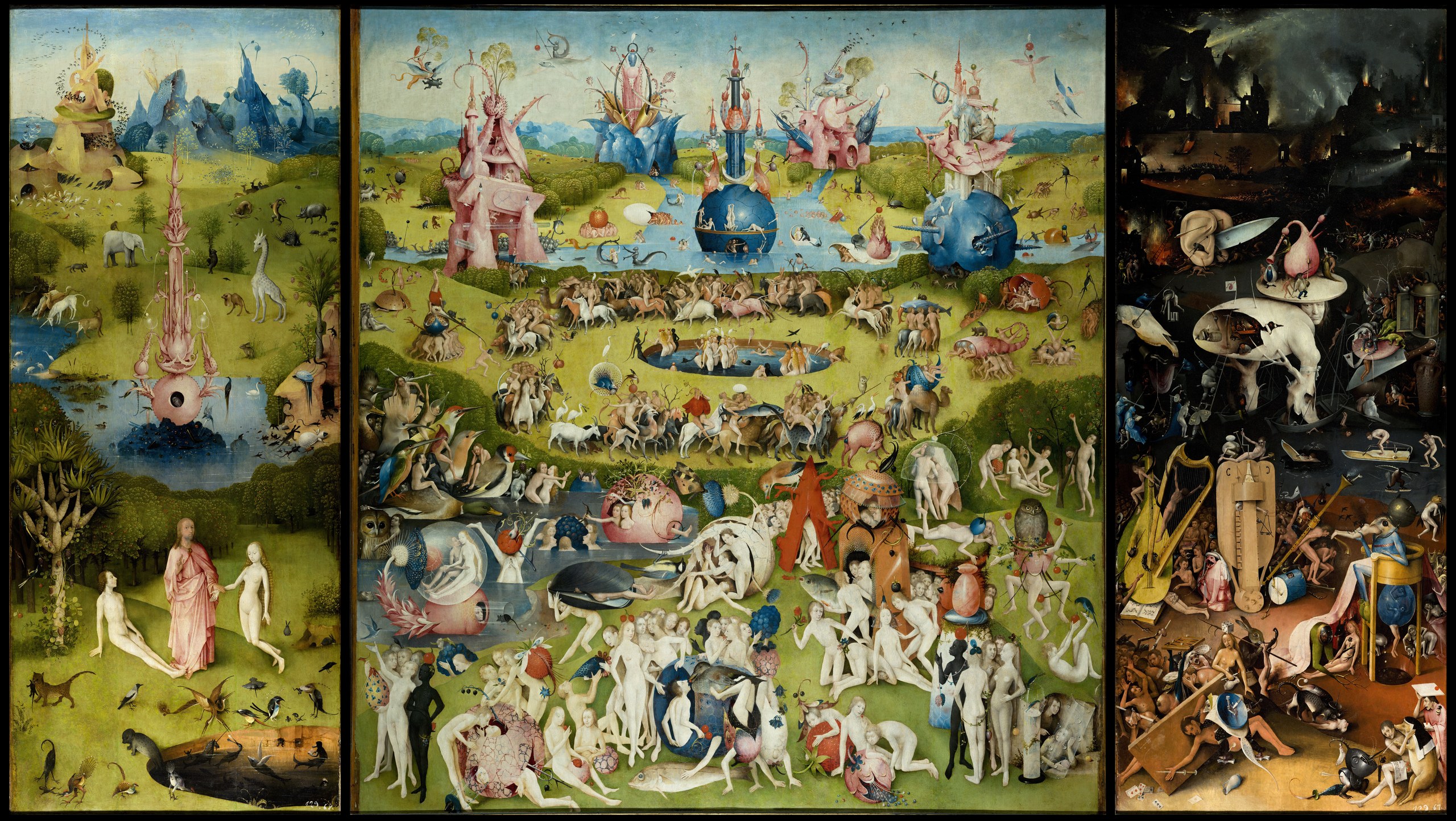
The Garden of Earthly Delights
Hieronymus Bosch · 1490
The Garden of Earthly Delights is the modern title given to a five-panel triptych (three oil-painted panels when open, two oak panels when closed) by the Early Netherlandish master Hieronymus Bosch, between 1490 and 1510, when Bosch was between 40 and 60 years old. Because of Bosch's religious beliefs, interpretations of the work typically assume it is a warning against the perils of temptation.
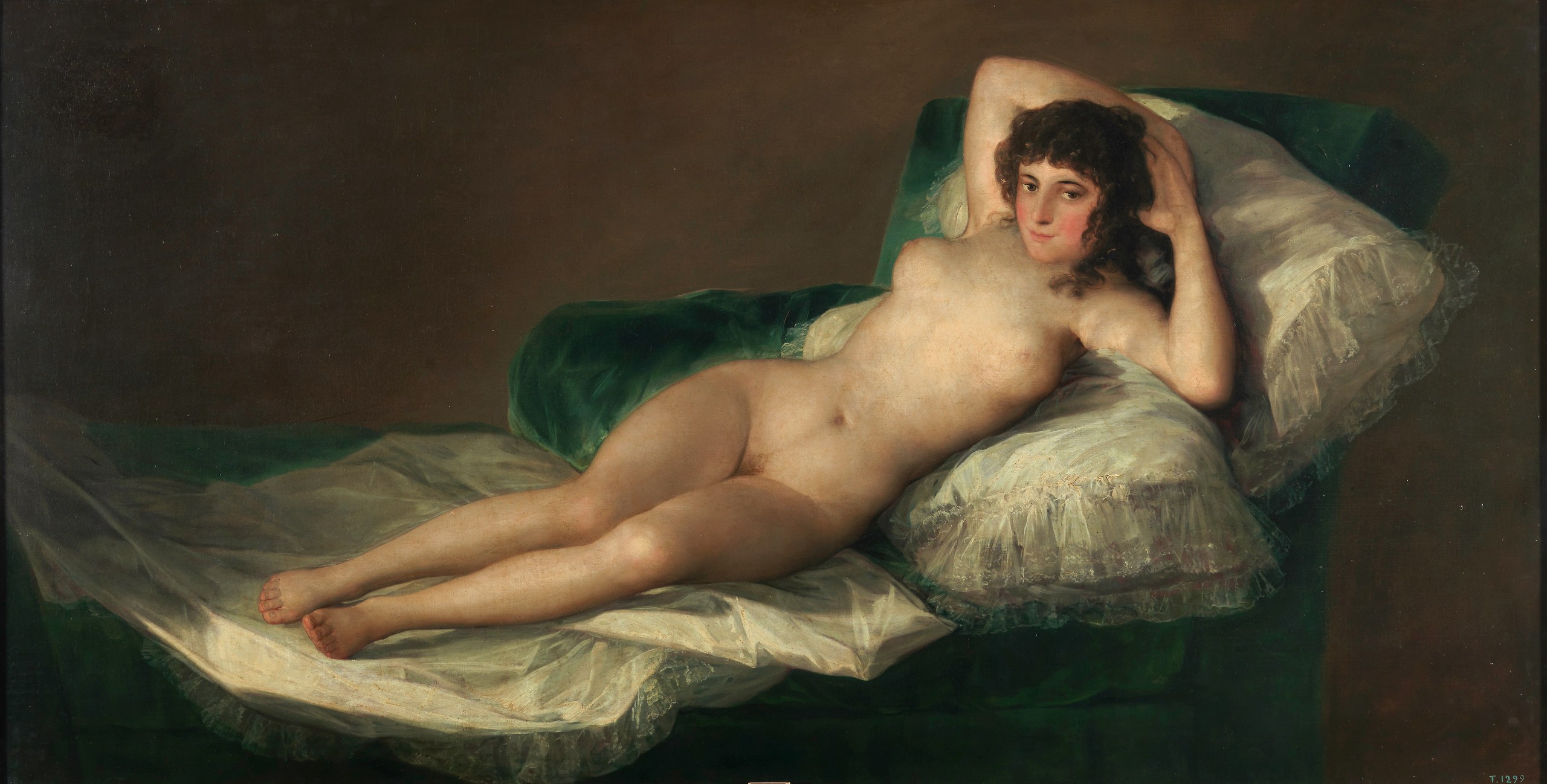
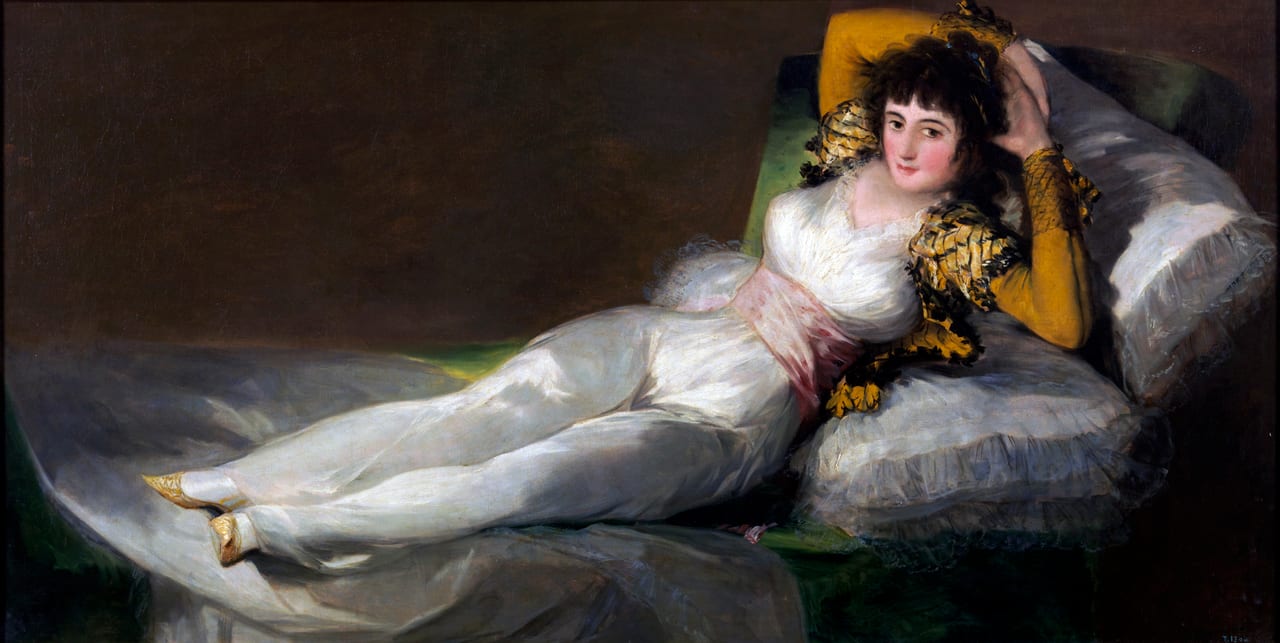
La maja desnuda
Francisco Goya · 1795
The Naked Maja or The Nude Maja is an oil-on-canvas painting made around 1797 to 1800 by the Spanish artist Francisco Goya, and has been in the Museo del Prado in Madrid since 1901. It portrays a nude woman reclining on a bed of pillows, and was probably commissioned by Manuel Godoy, to hang in his private collection in a separate cabinet reserved for nude paintings.
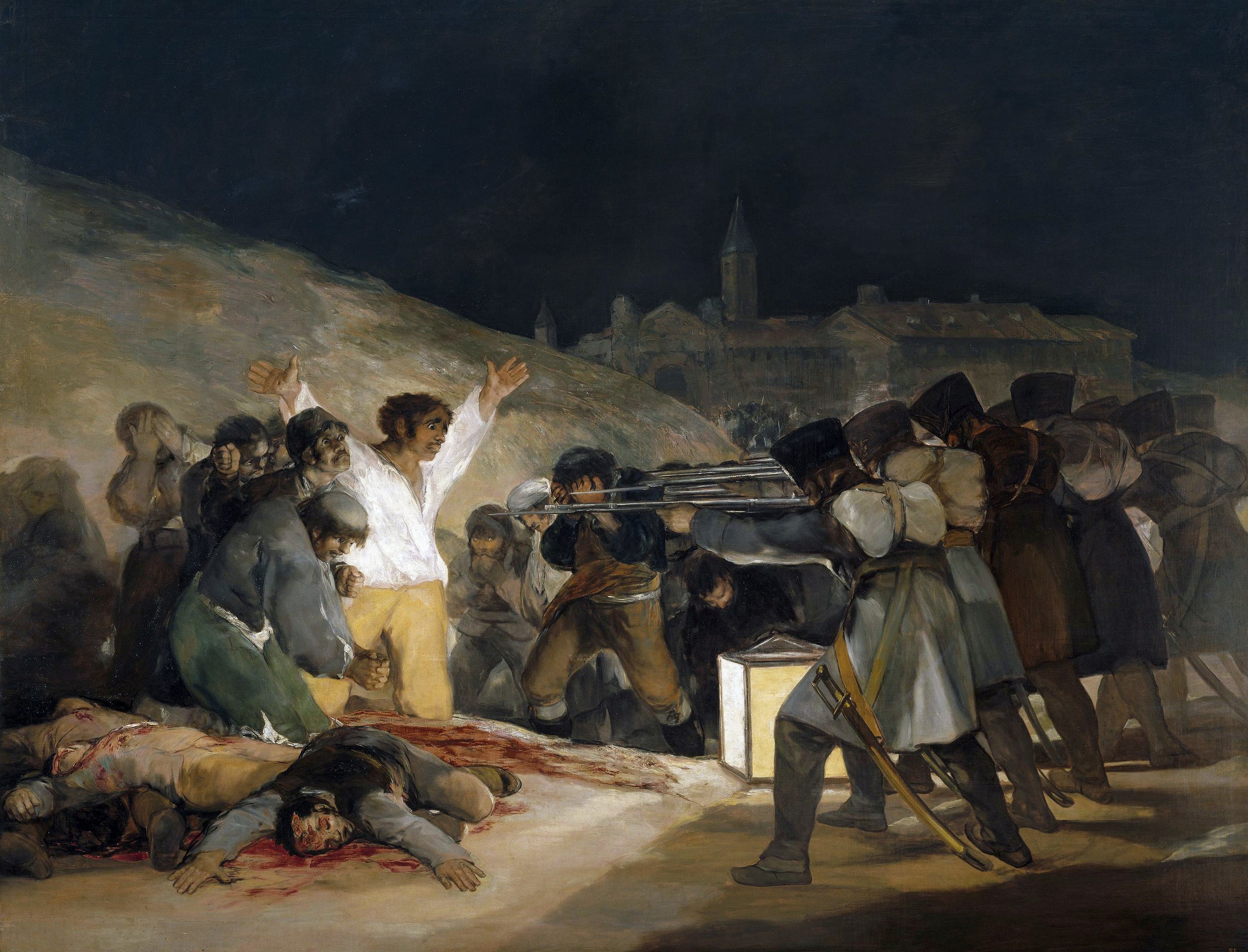
The Third of May 1808
Francisco Goya · 1814
The Third of May 1808 in Madrid (commonly known as The Third of May 1808) and also known, in Spanish, as El tres de mayo de 1808 en Madrid or Los fusilamientos de la montaña del Príncipe Pío, or Los fusilamientos del tres de mayo, is a painting completed in 1814 by the Spanish painter Francisco Goya. In the work, Goya sought to commemorate Spanish resistance to Napoleon's armies during the occupation of Madrid in 1808 at the start of the Peninsular War.
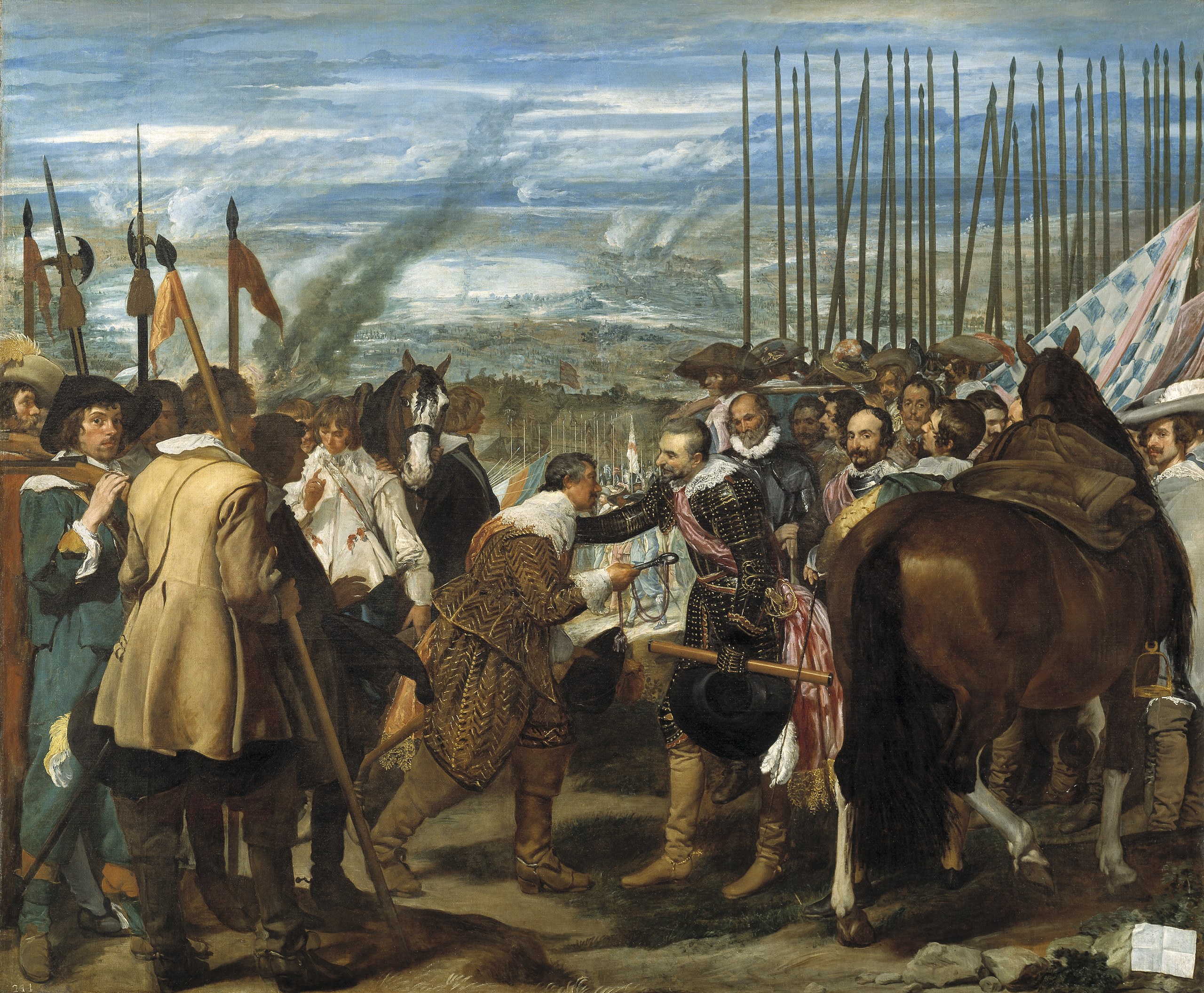
The Surrender of Brea
Diego Velázquez · 1634
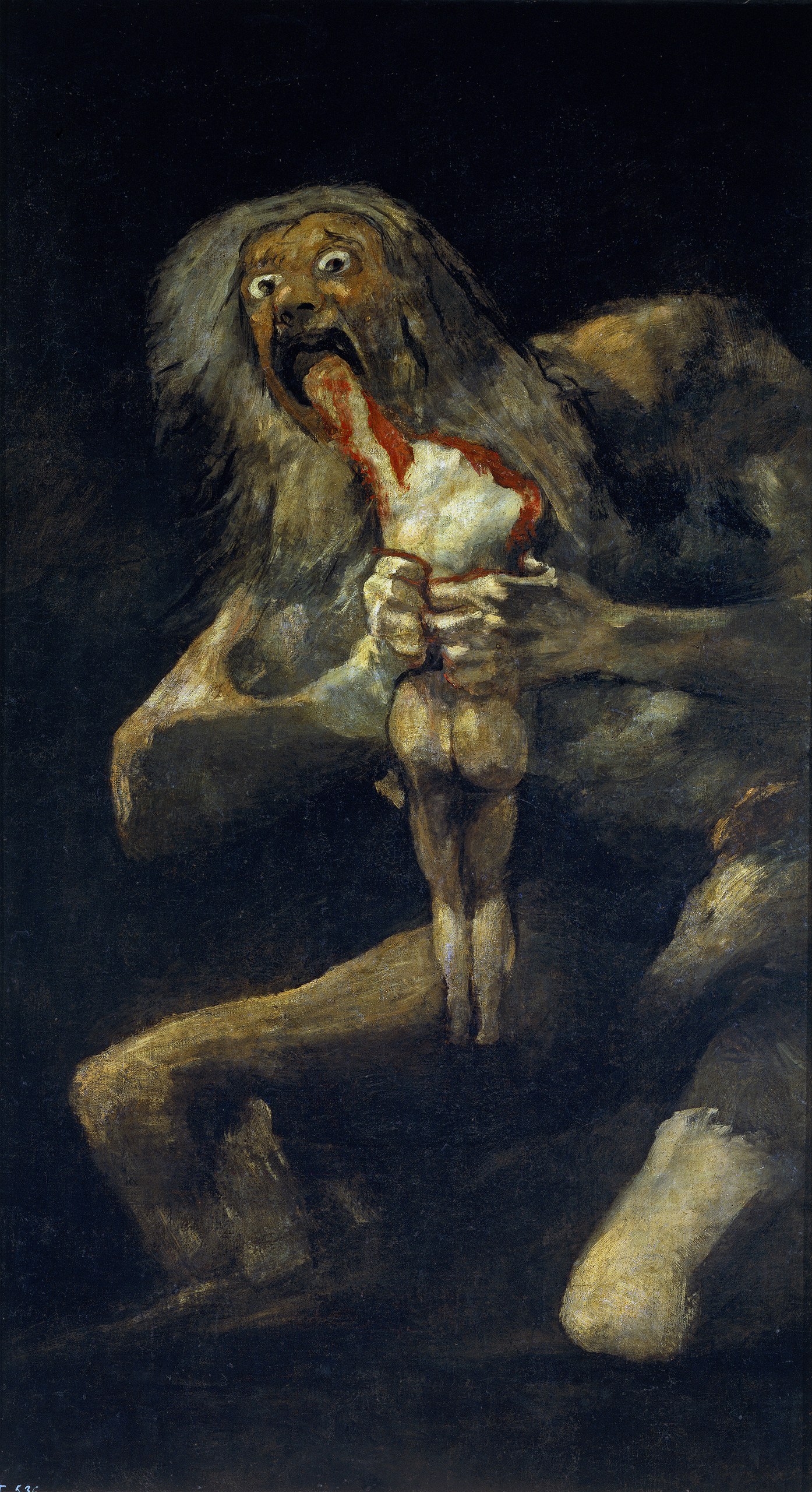
Saturn Devouring His Son
Francisco Goya · 1820
Saturn Devouring His Son is a painting by Spanish artist Francisco Goya. The work is one of the 14 so-called Black Paintings that Goya painted directly on the walls of his house some time between 1820 and 1823.
Artists
Spanish · 1746–1828 · Romanticism
Francisco José de Goya y Lucientes was a Spanish romantic painter and printmaker. He is considered the most important Spanish artist of the late 18th and early 19th centuries.
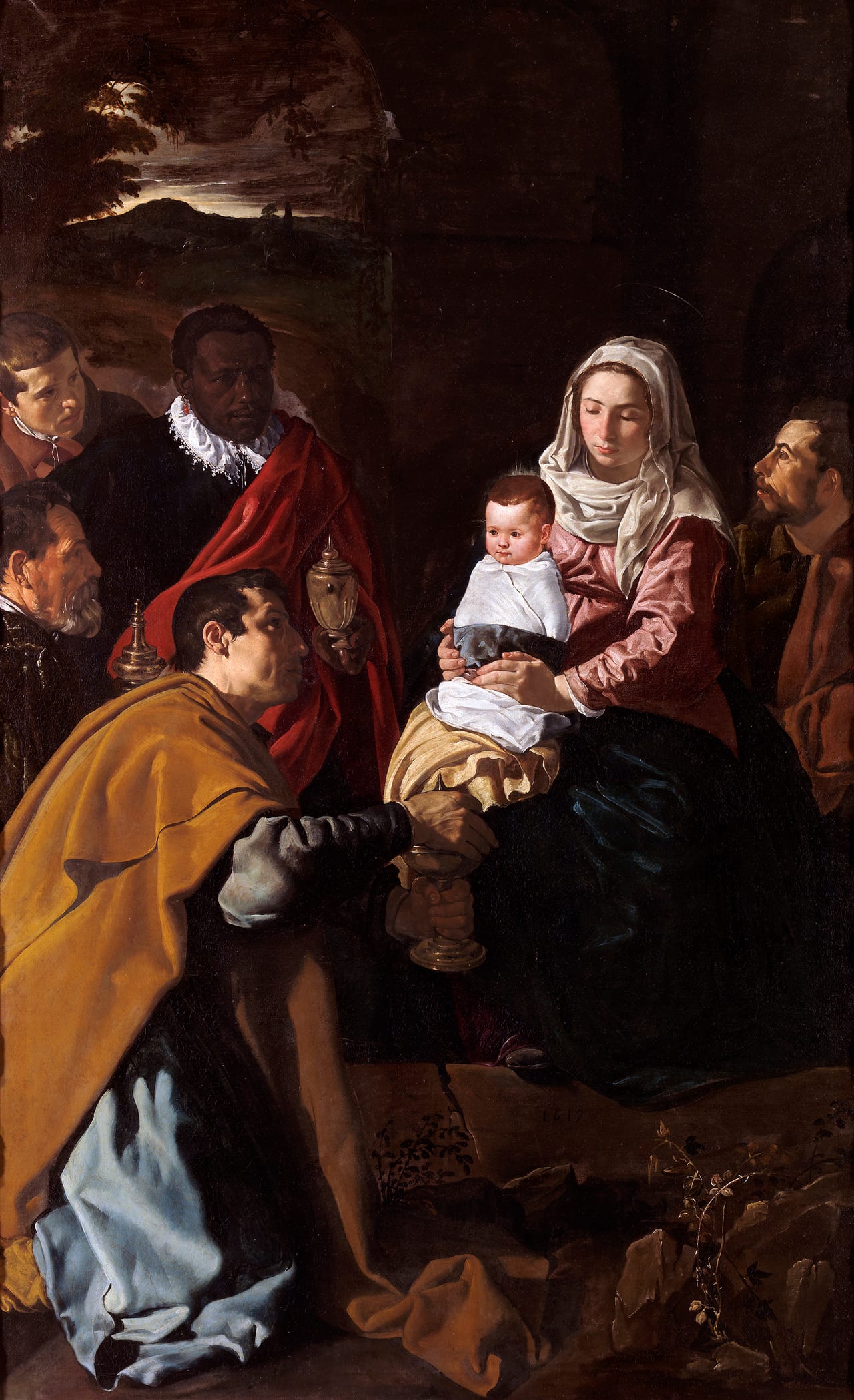
Spain · 1599–1660
Diego Rodríguez de Silva y Velázquez was a Spanish Baroque painter, the leading artist in the court of King Philip IV of Spain and Portugal, and of the Spanish Golden Age.
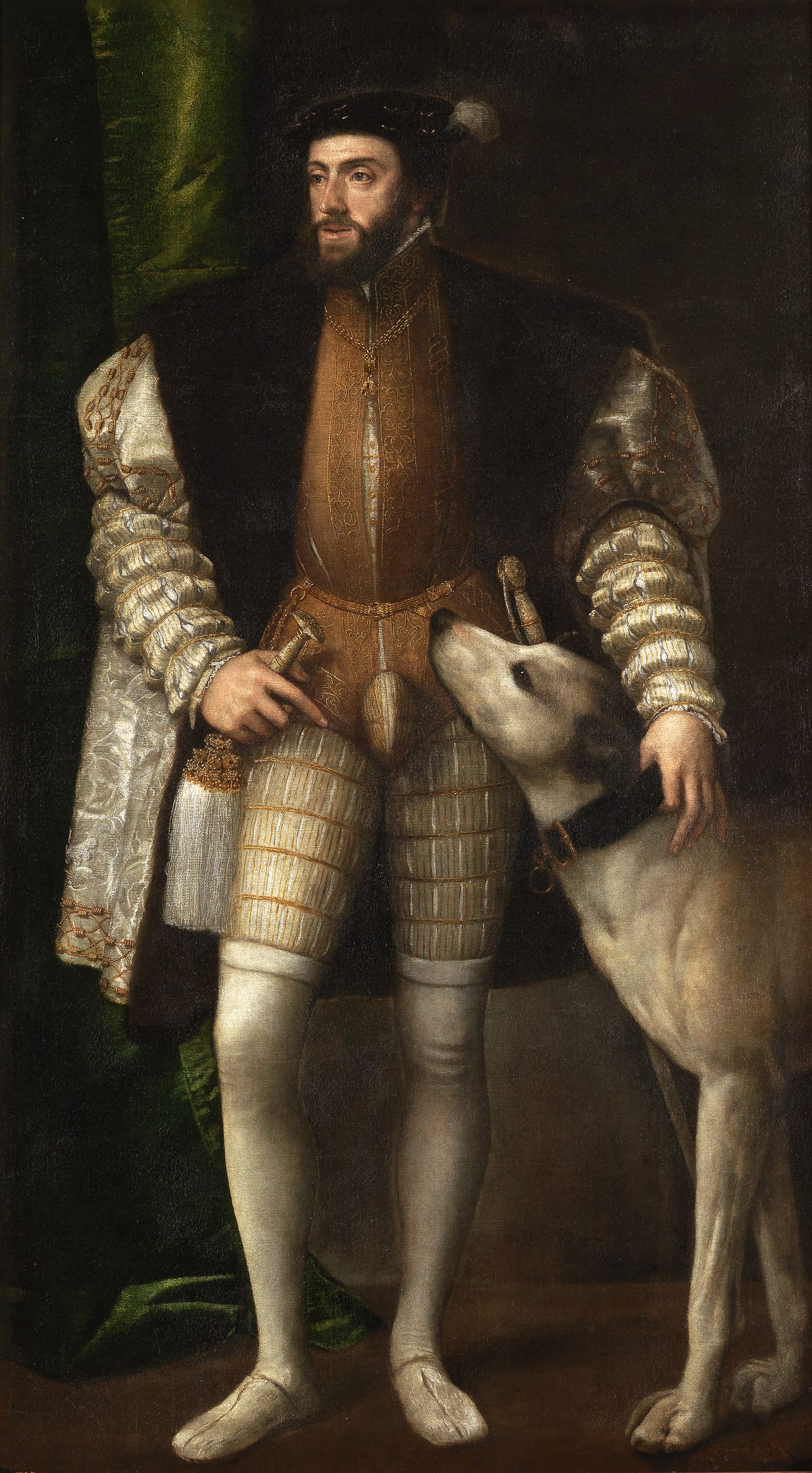
Italian · 1488–1576 · Venetian school
Tiziano Vecellio, Latinized as Titianus, hence known in English as Titian, was an Italian Renaissance painter. The most important artist of Renaissance Venetian painting, he was born in Pieve di Cadore, near Belluno.
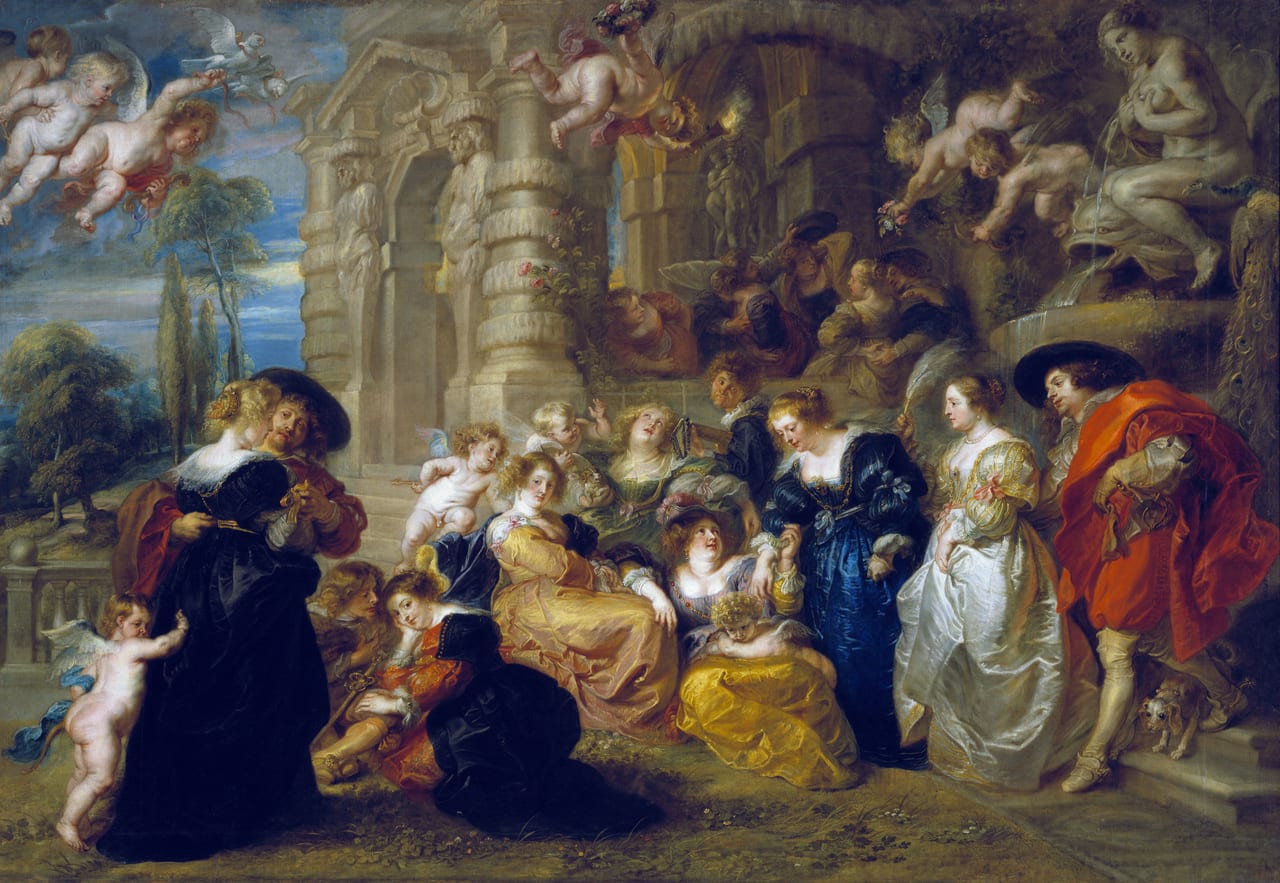
Flemish · 1577–1640 · Flemish Baroque painting
Sir Peter Paul Rubens was a Flemish artist and diplomat. He is considered the most influential artist of the Flemish Baroque tradition.
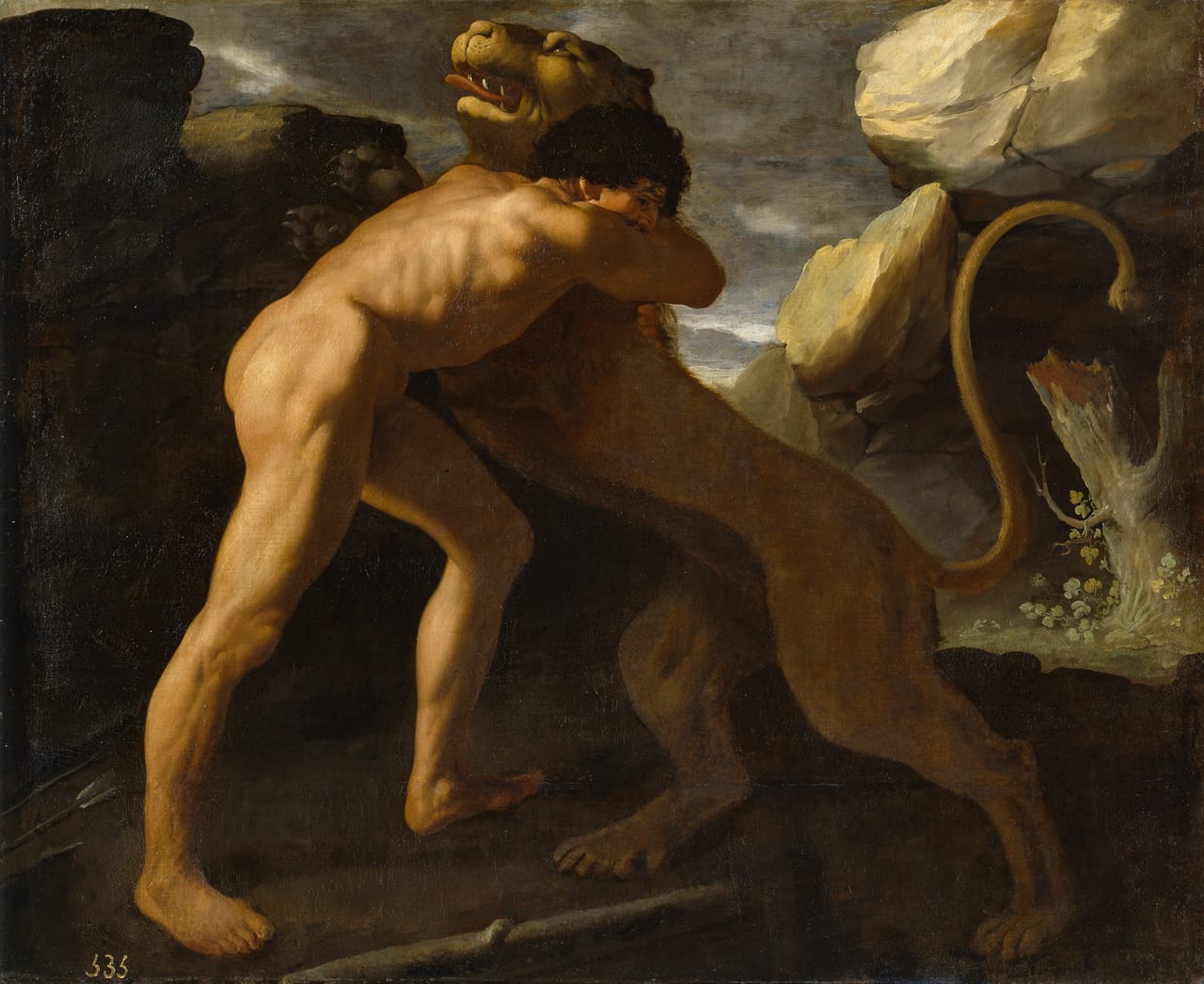
Spain · 1598–1664
Francisco de Zurbarán was a Spanish Baroque painter. He is known primarily for his religious paintings depicting monks, nuns, and martyrs, and for his still-lifes.
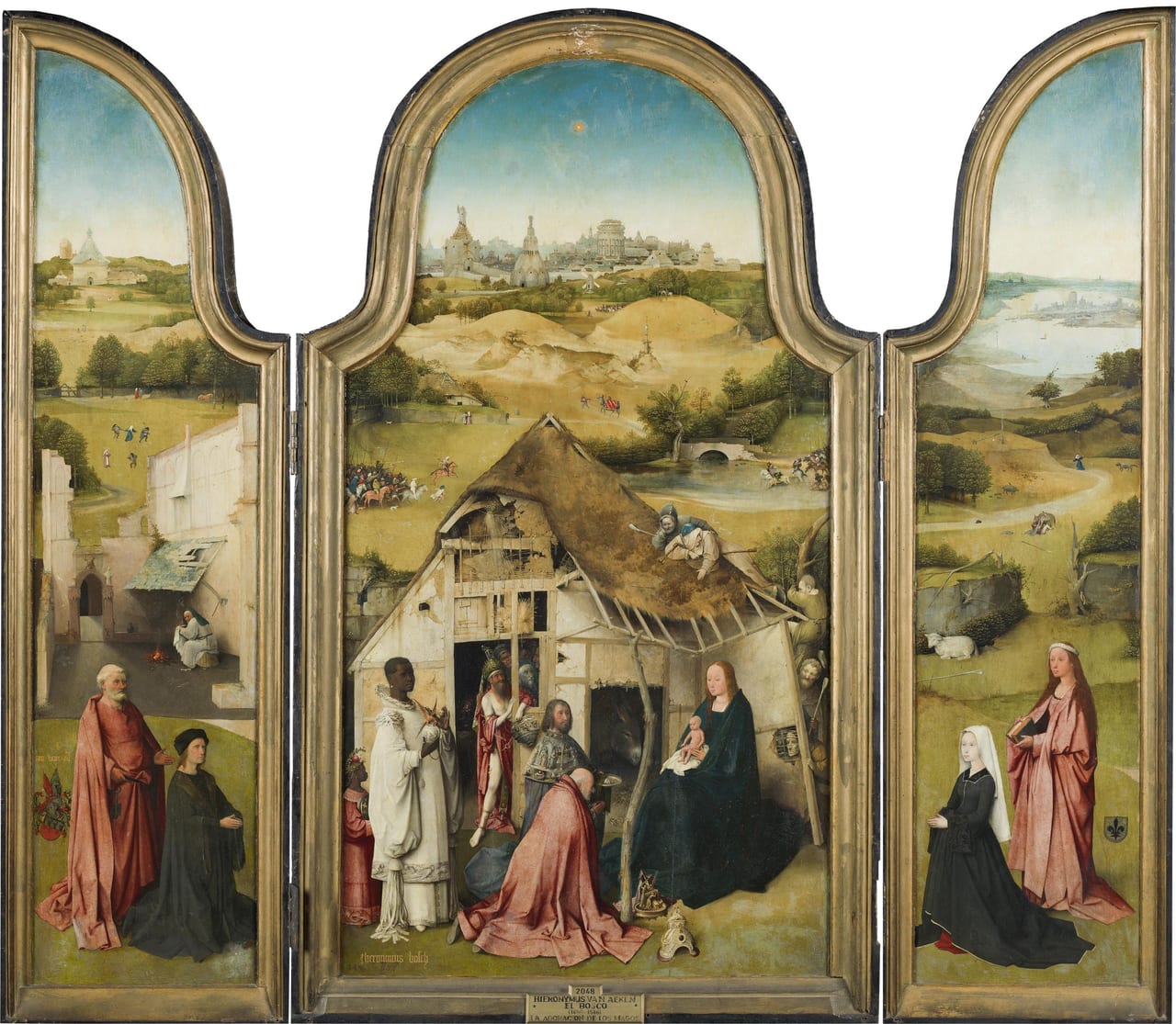
Dutch · 1450–1516 · Early Netherlandish painting
Hieronymus Bosch was a Dutch painter from Brabant. He is one of the most notable representatives of the Early Netherlandish painting school.
Artworks
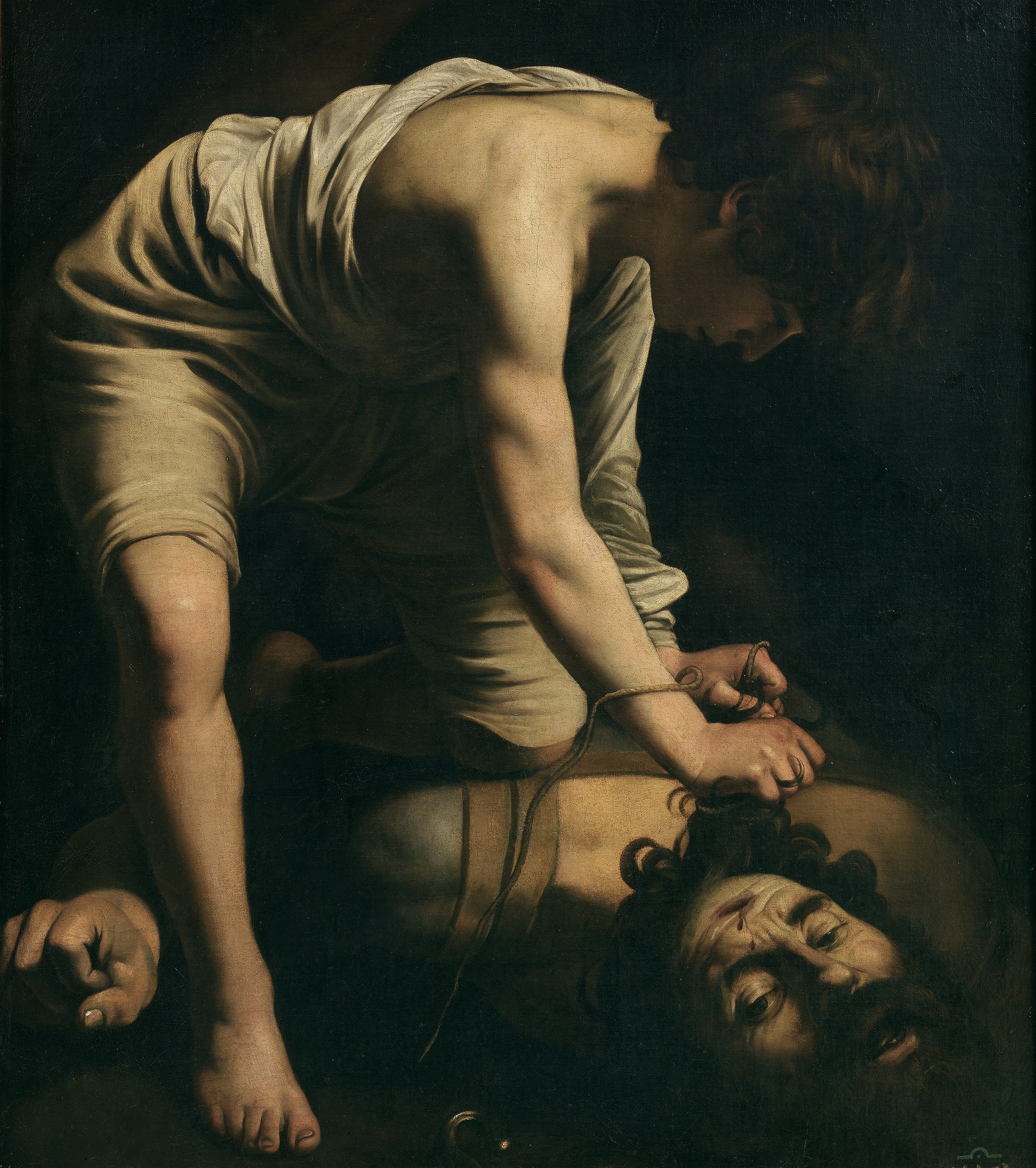
David and Goliath
Caravaggio · 1600
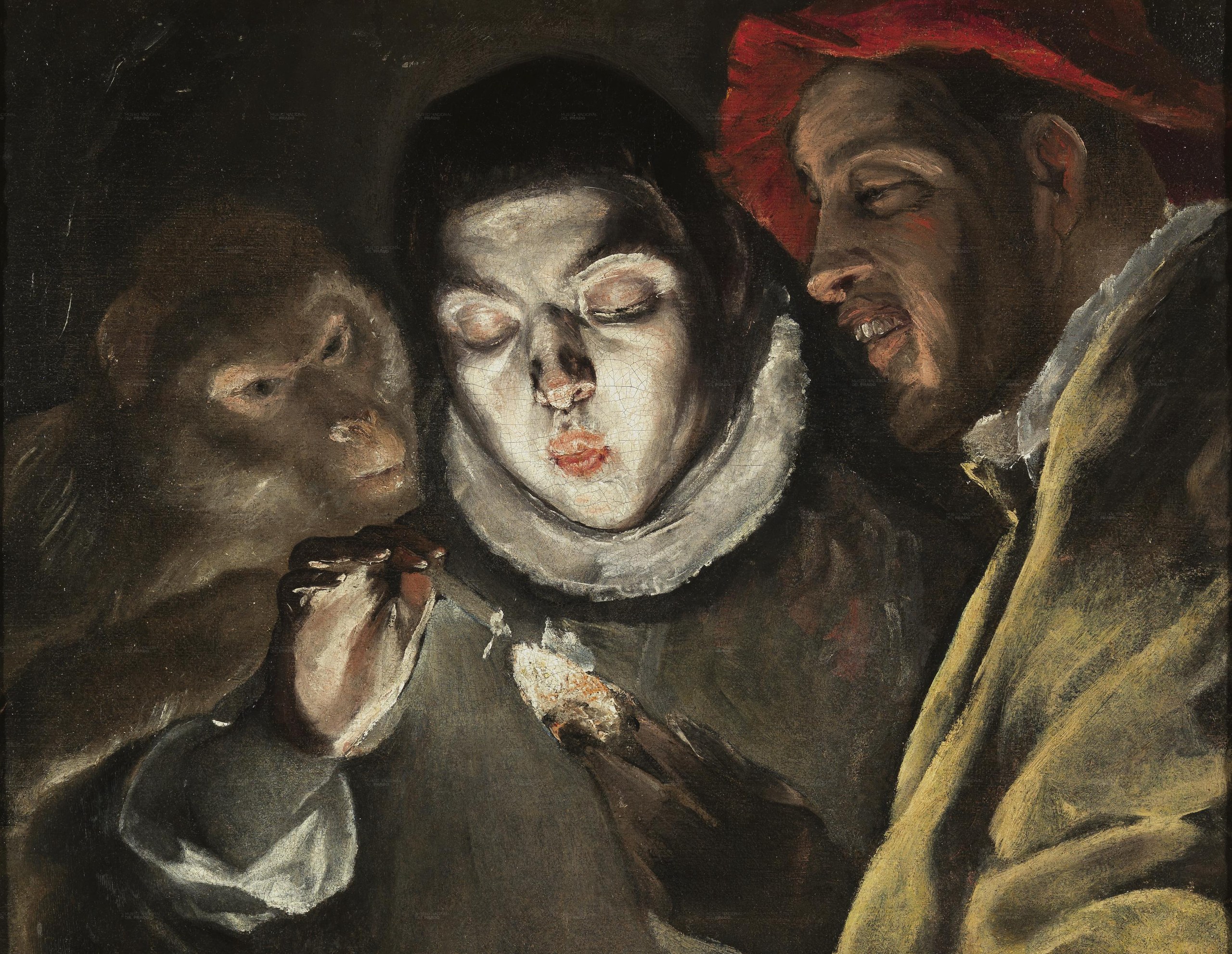
The Fable
El Greco · 1580
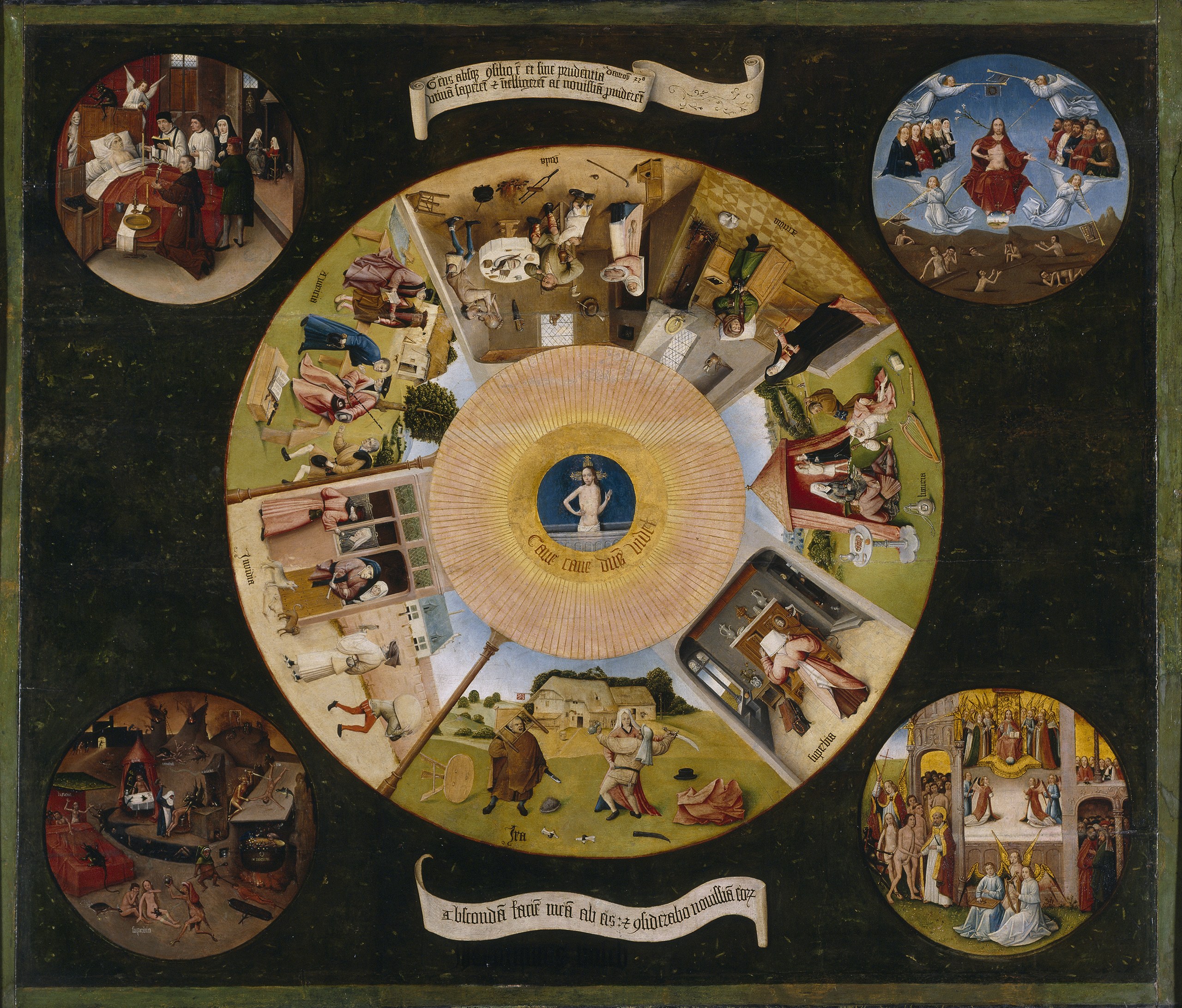
The Seven Deadly Sins and the Four Last Things
Hieronymus Bosch · 1500
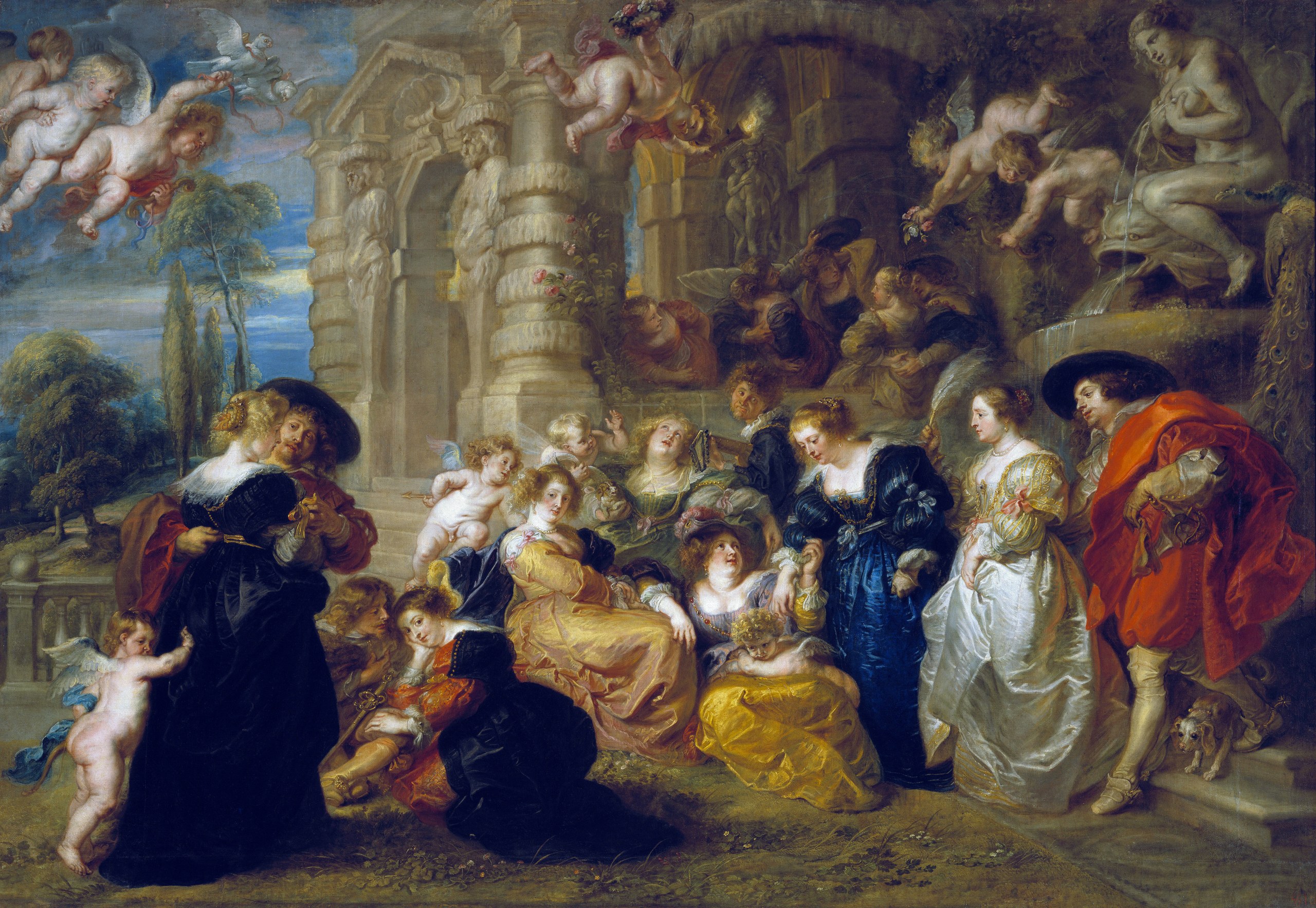
The Garden of Love
Peter Paul Rubens · 1630
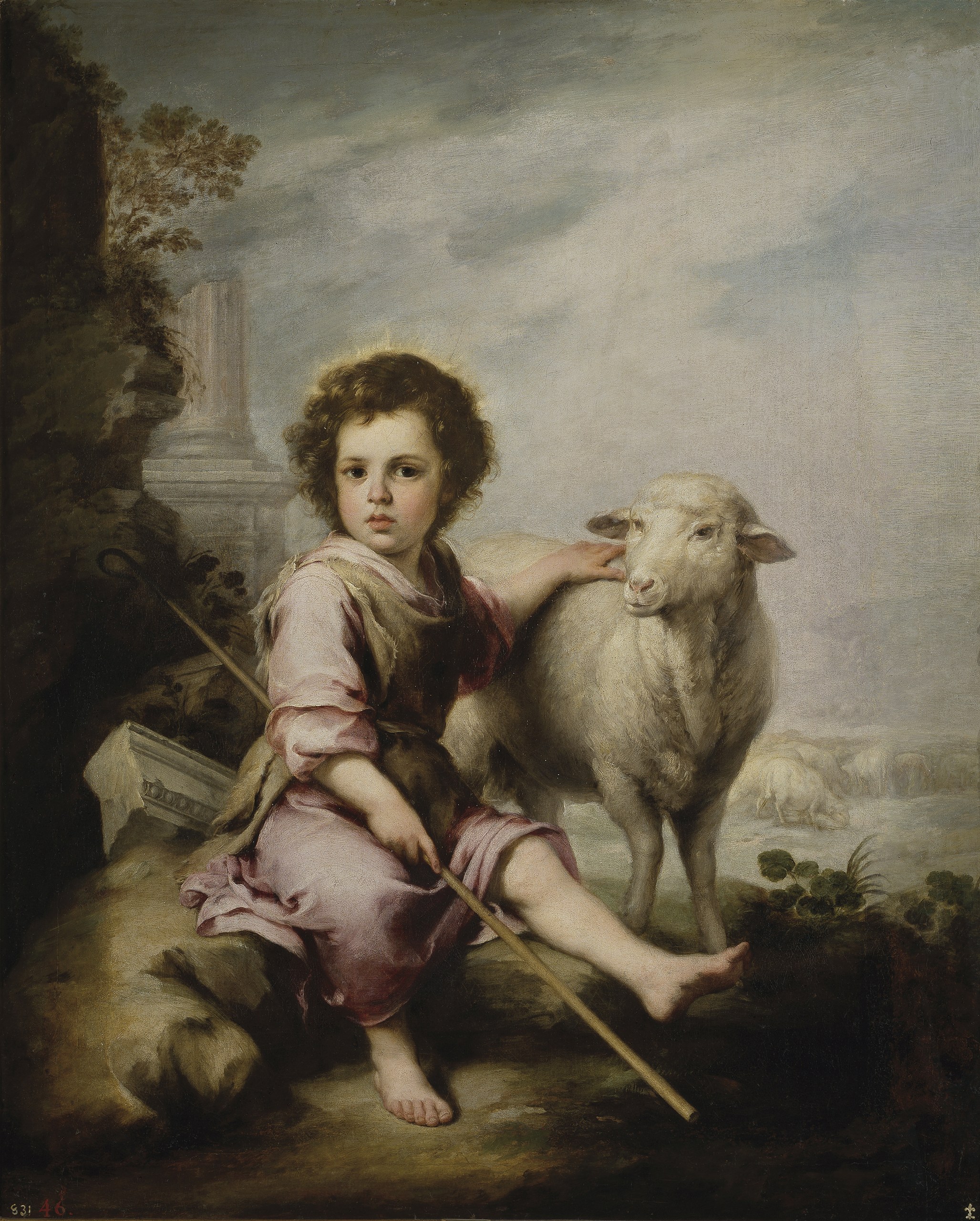
The Good Shepherd
Bartolomé Esteban Murillo · 1664
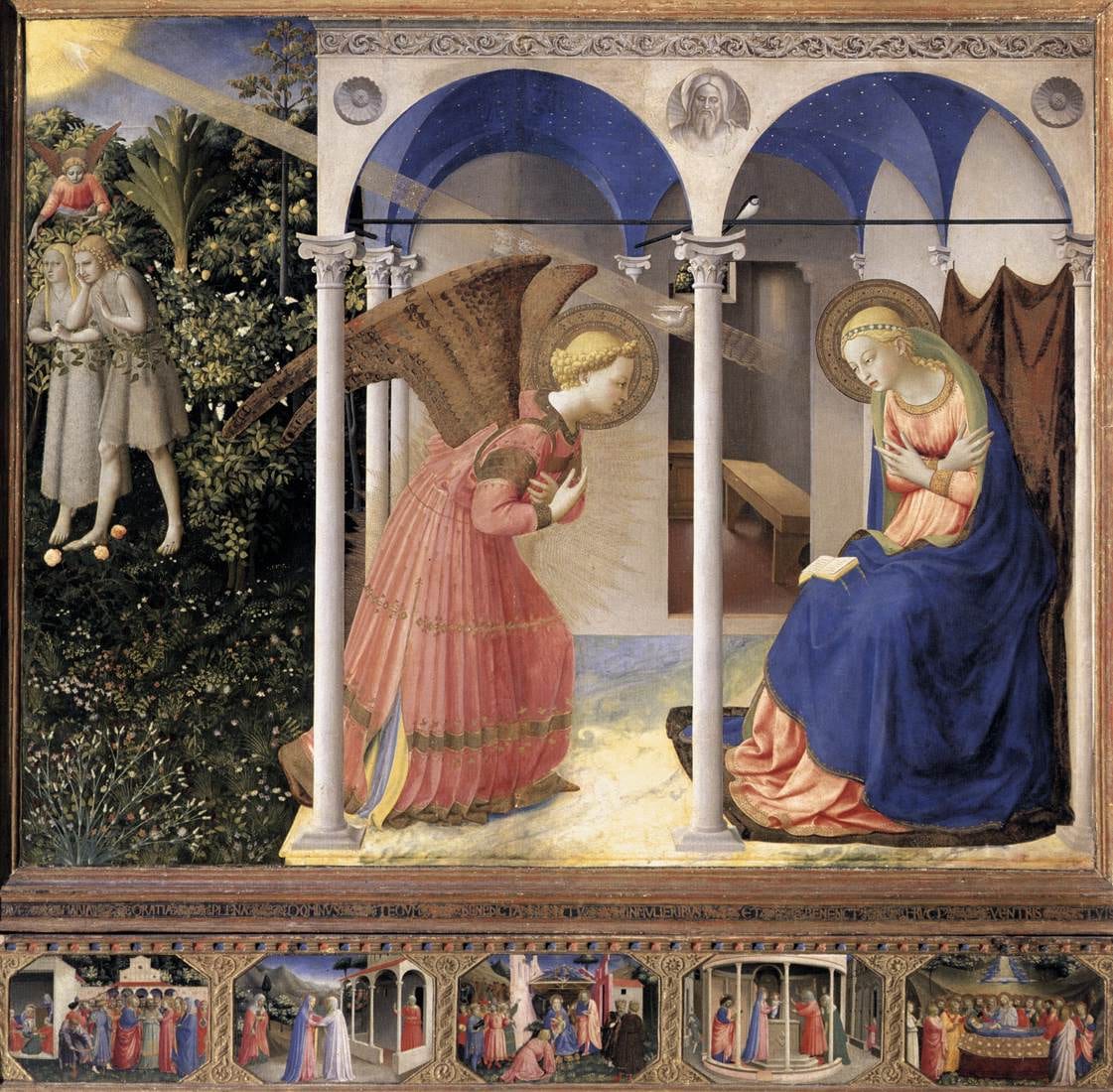
Annunciation
Fra Angelico · 1420
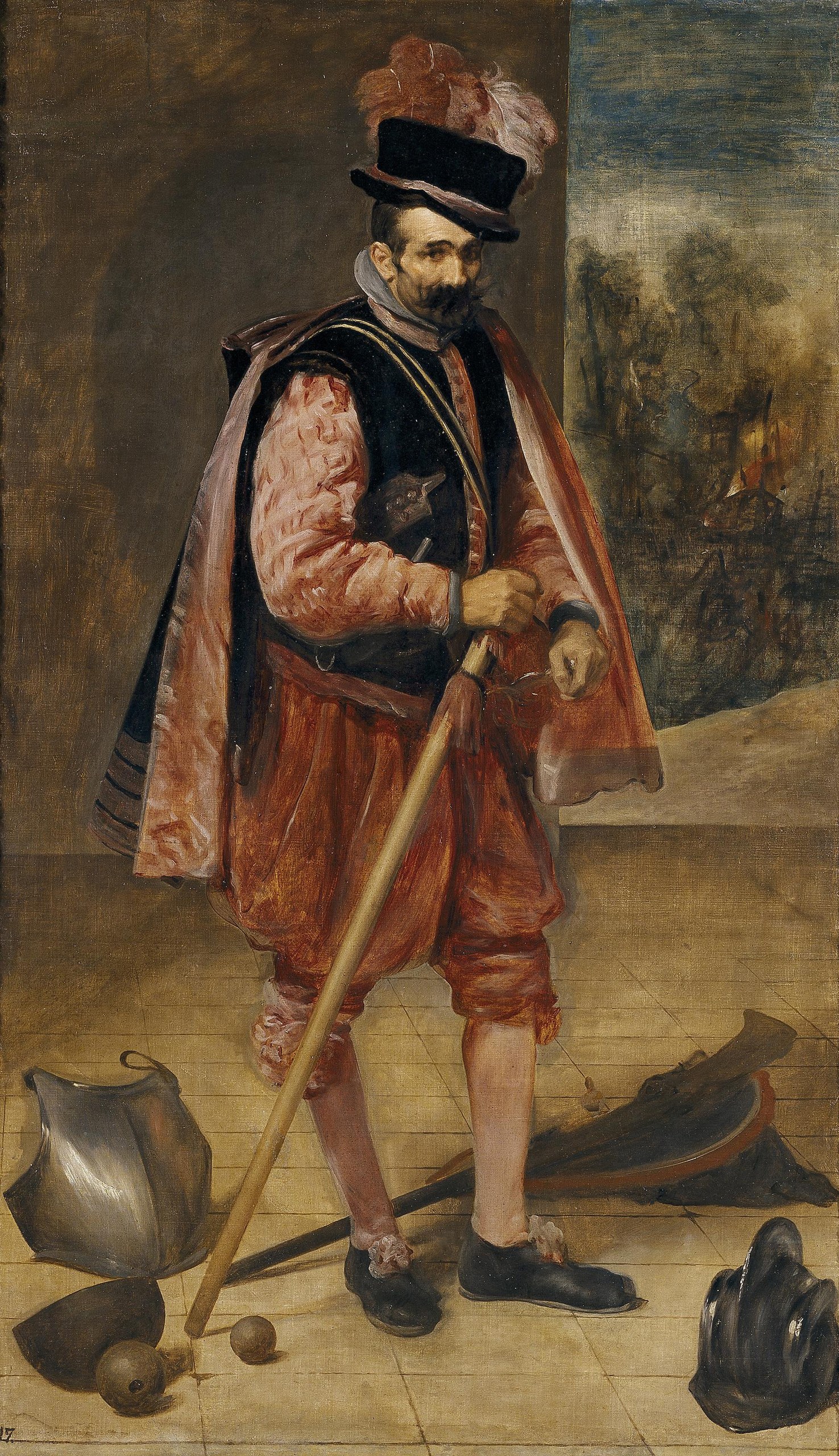
The Jester Named Don John of Austria
Diego Velázquez · 1632
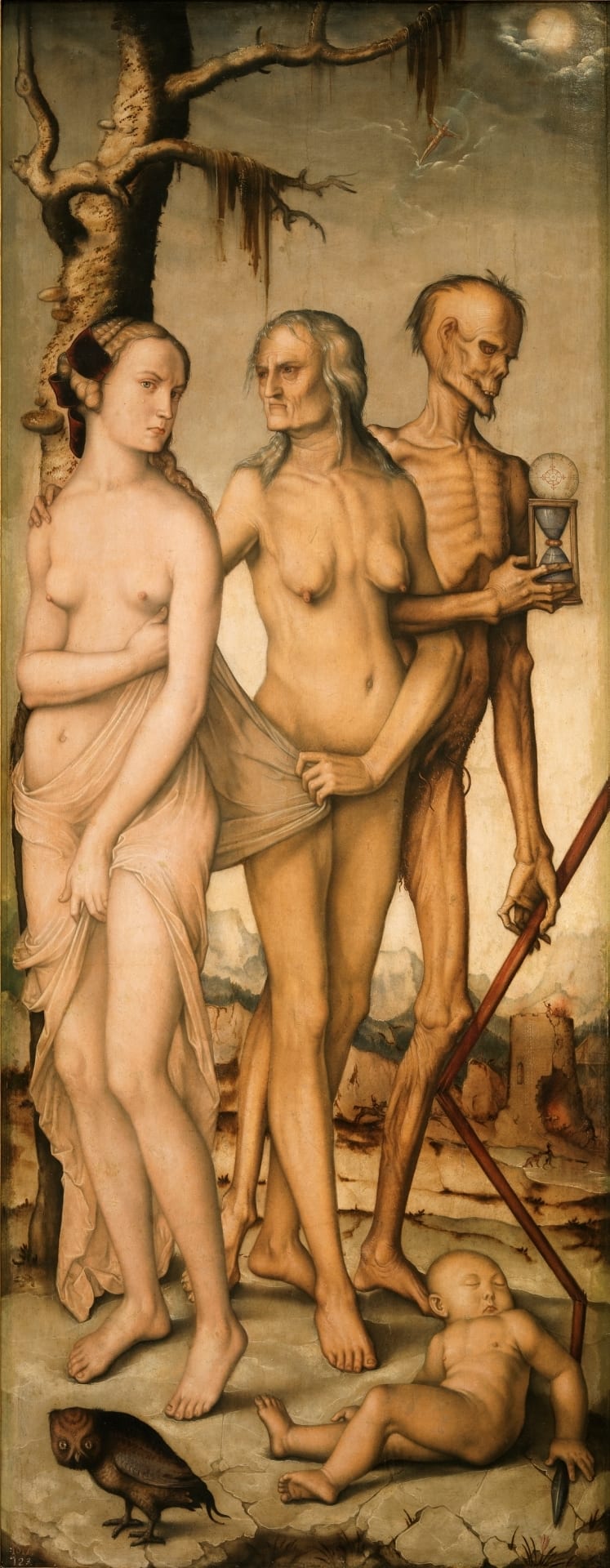
The Ages and Death
Hans Baldung Grien · 1541
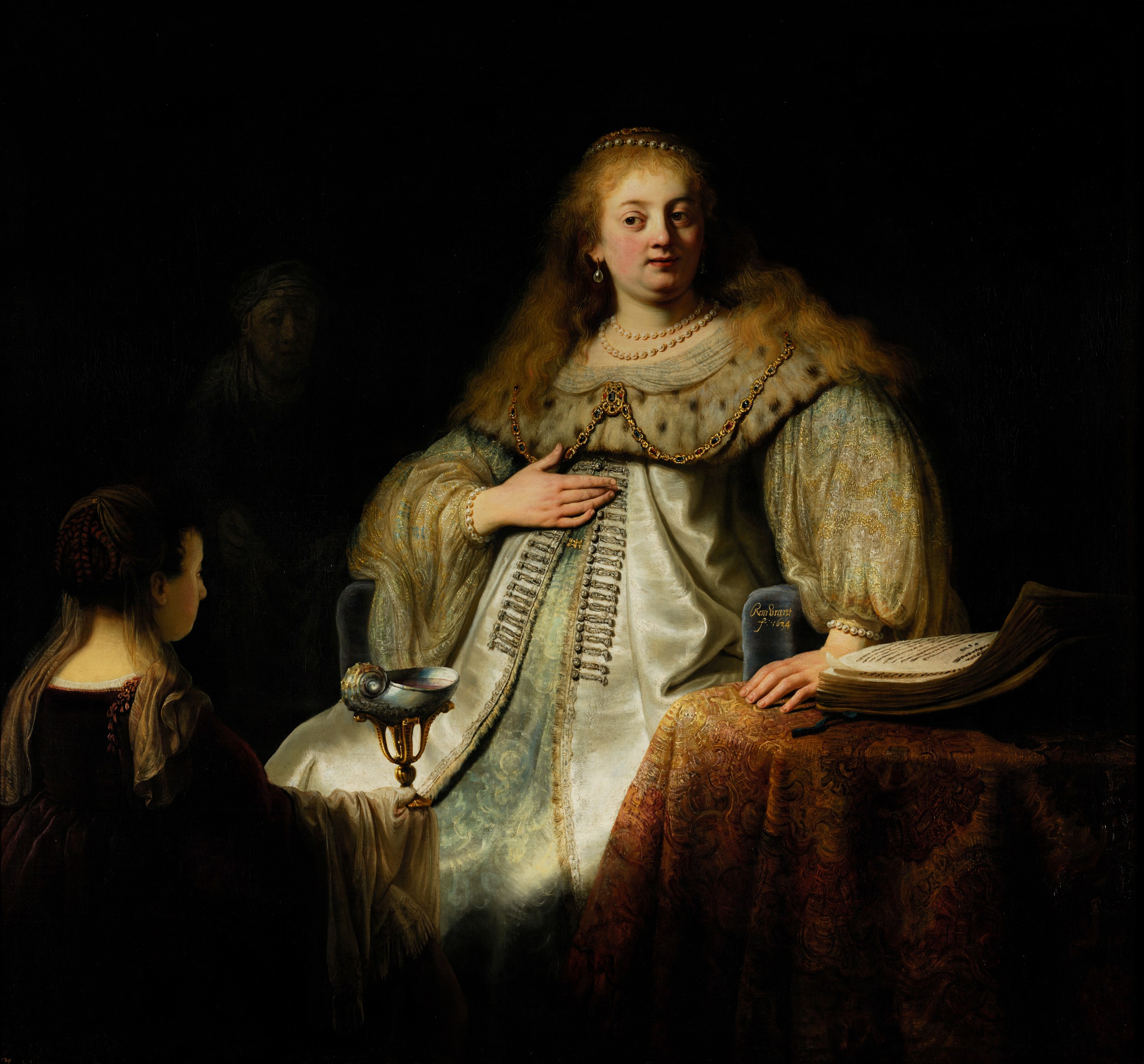
Judith at the Banquet of Holofernes
Rembrandt · 1634
Plan your visit
Hours
Monday to Saturday 10am to 8pm; Sundays and public holidays 10am to 7pm. Closed 1 January, 1 May and 25 December, and open 10am to 2pm on 6 January, 24 and 31 December. Last entry thirty minutes before closing. Confirm on www.museodelprado.es before you travel.
Admission
€15 general, €7.50 reduced. The collection is free for the last two hours before closing, with half-price entry to the temporary exhibitions in that window.
Getting there
Paseo del Prado, 28014 Madrid.
On their own site
Opening hours, tickets and current exhibitions are on the museum’s own site.
More guides to explore
Invite Museo del Prado into your living room
99 works from this collection are available on Momentable, free to view, on your TV, phone, or tablet.