Adoration of the Magi
Diego Velázquez · 1619

Diego Velázquez
Spain · 1599–1660
Diego Rodríguez de Silva y Velázquez was a Spanish Baroque painter, the leading artist in the court of King Philip IV of Spain and Portugal, and of the Spanish Golden Age. He is generally considered one of the greatest artists in the history of Western art. He was an individualistic artist of the Baroque period (c. He began to paint in a precise tenebrist style, later developing a freer manner characterized by bold brushwork. In addition to numerous renditions of scenes of historical and cultural significance, he painted scores of portraits of the Spanish royal family and commoners, culminating in his masterpiece Las Meninas (1656).
Independent artist guide by Momentable. Biography from Wikipedia; artworks credited to the museums that hold them.
 LIVENow streaming · Adoration of the Magi
- works in the archive
- 29works in the archive
- life
- 1599–1660life
- rights
- Public domainrights
The work
A selection of 27 works, free to stream.
Adoration of the Magi
Diego Velázquez · 1619
Museo del Prado
Portrait of Pablo de Valladolid
Diego Velázquez · c. 1635
Museo del Prado
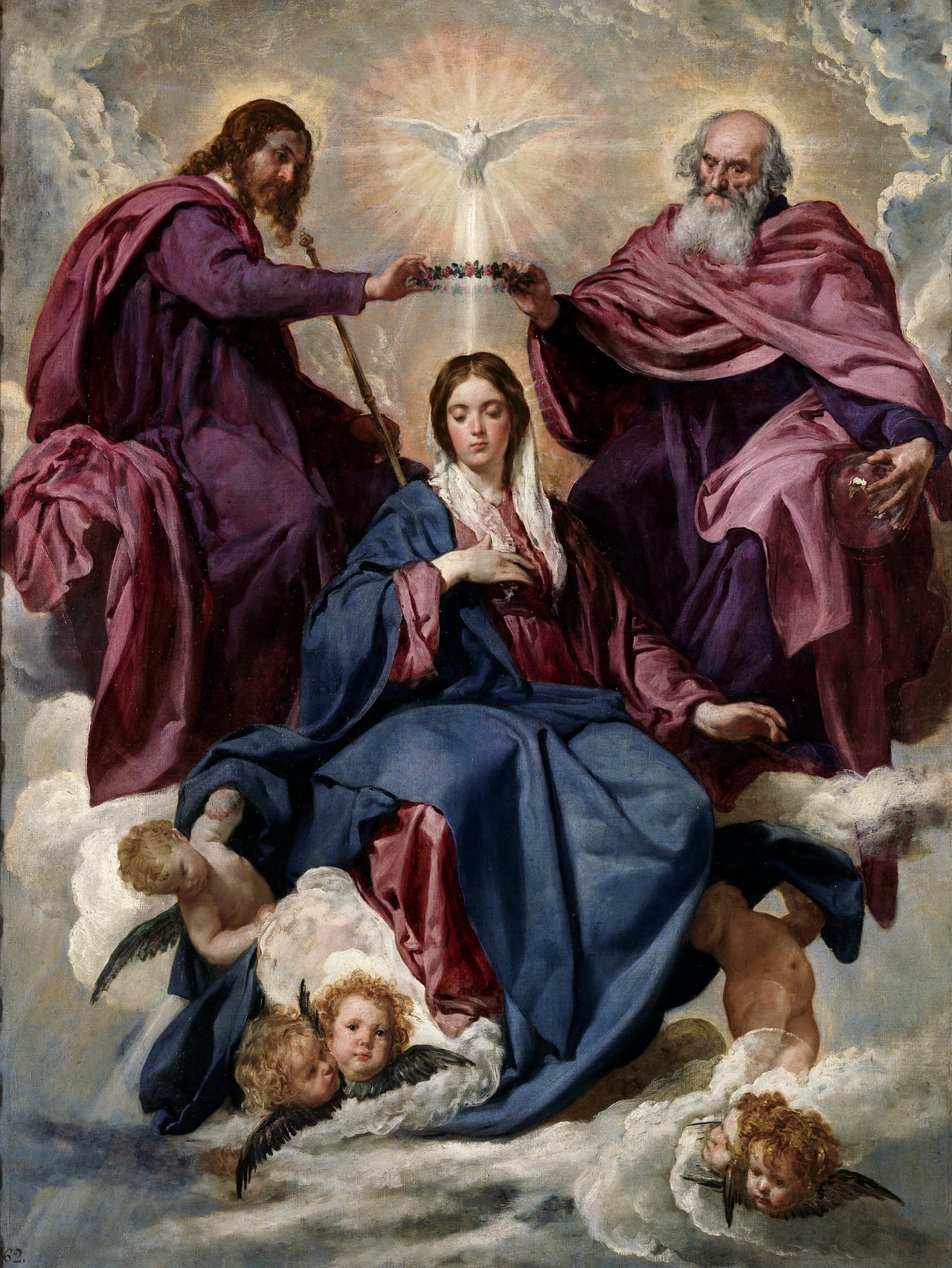
Coronation of the Virgin
Diego Velázquez · 1635–1636
Museo del Prado
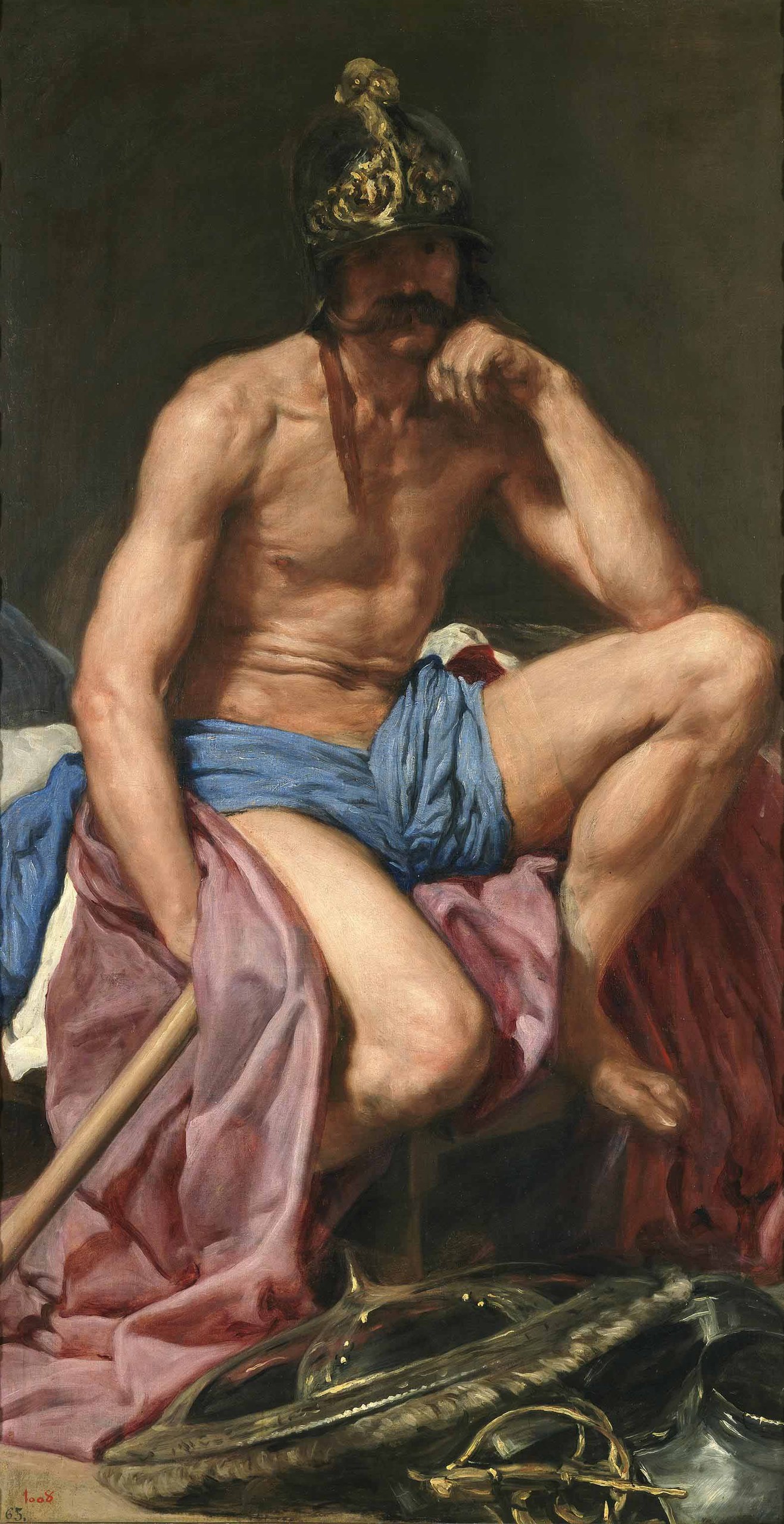
Mars Resting
Diego Velázquez · 1640
Museo del Prado
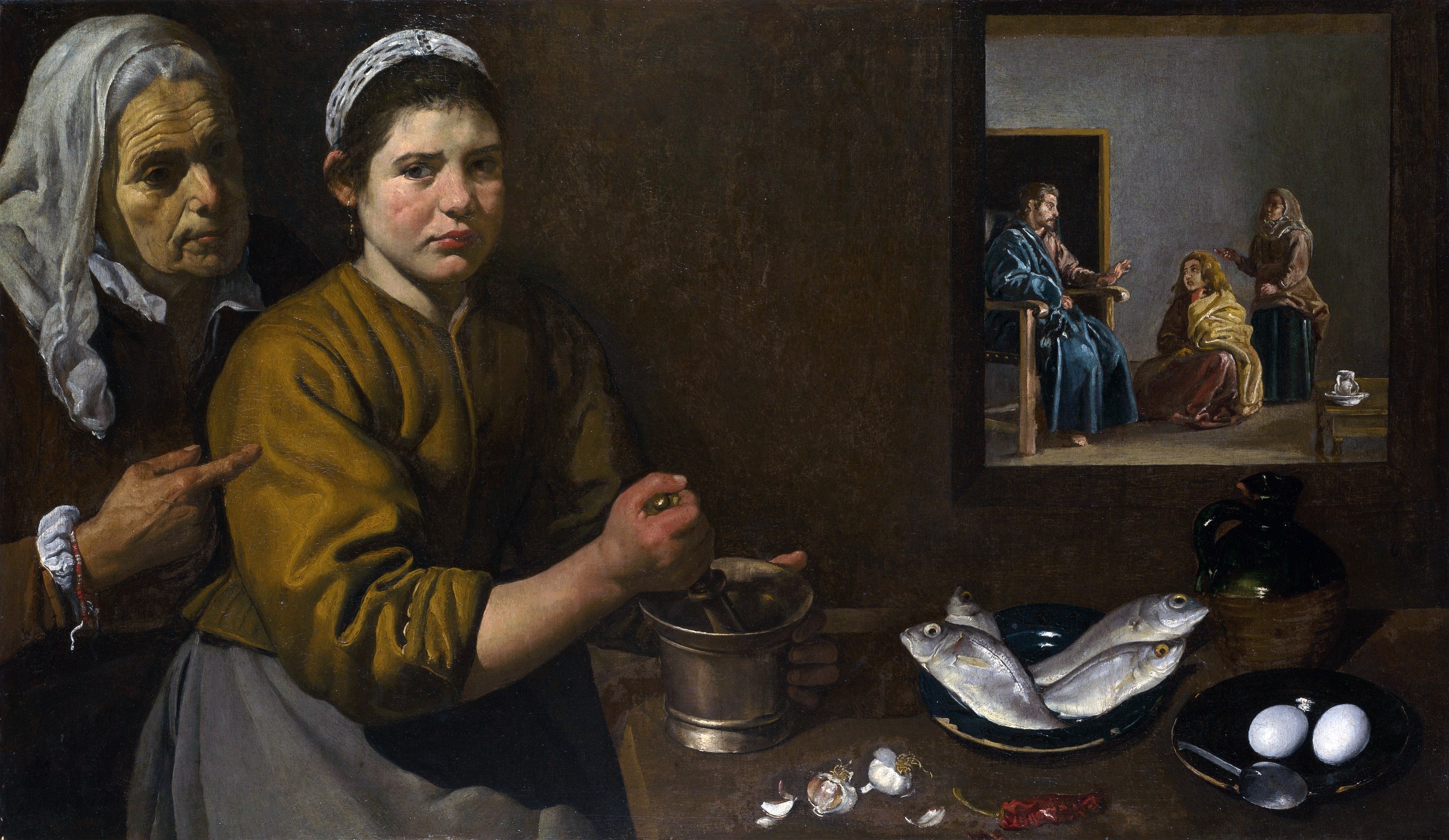
Christ in the House of Martha and Mary
Diego Velázquez · 1618
National Gallery
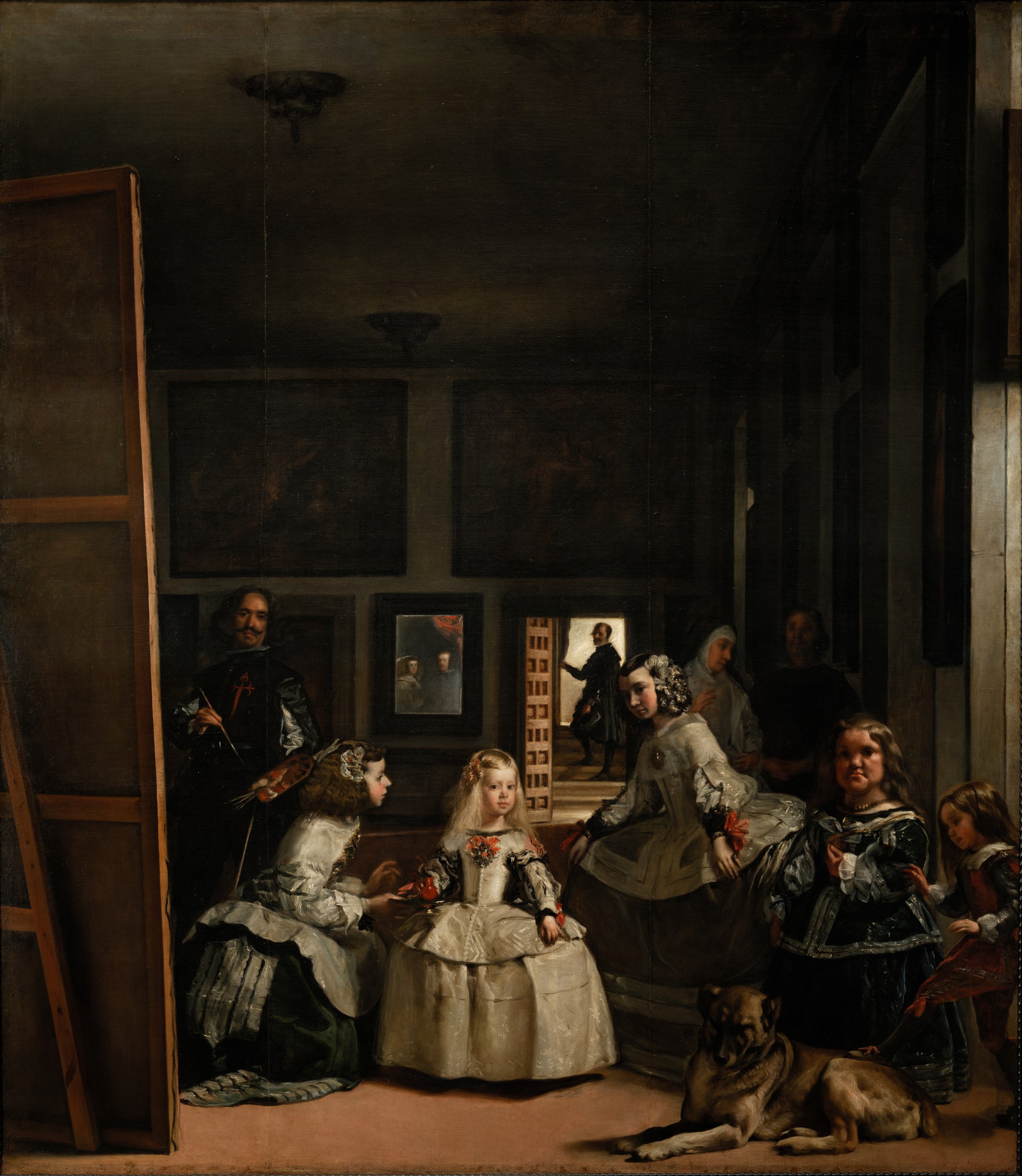
Las Meninas
Diego Velázquez · 1656
Museo del Prado
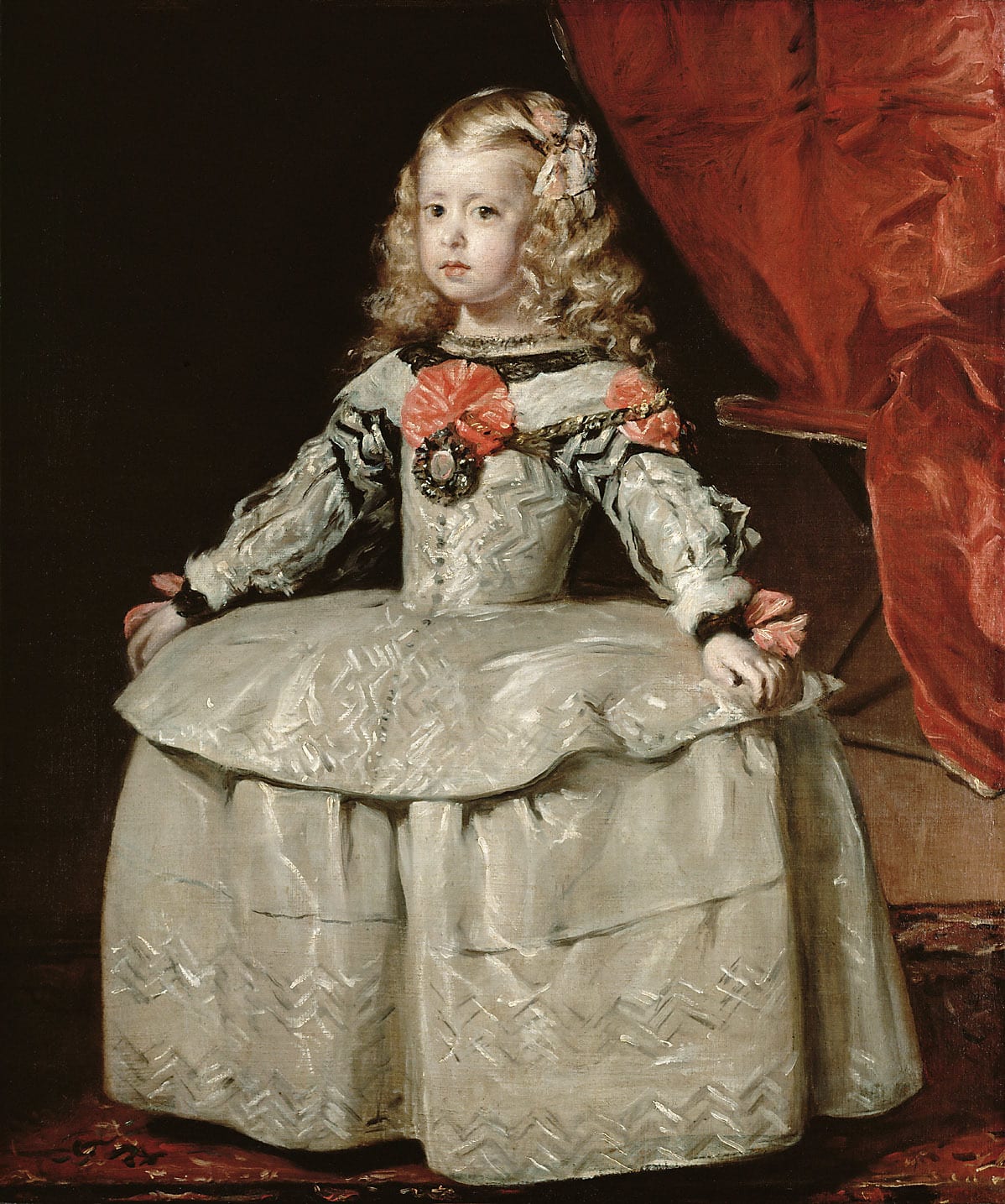
Infanta Margaret Theresa in a White and Silver Dress
Diego Velázquez · 1656
Kunsthistorisches Museum
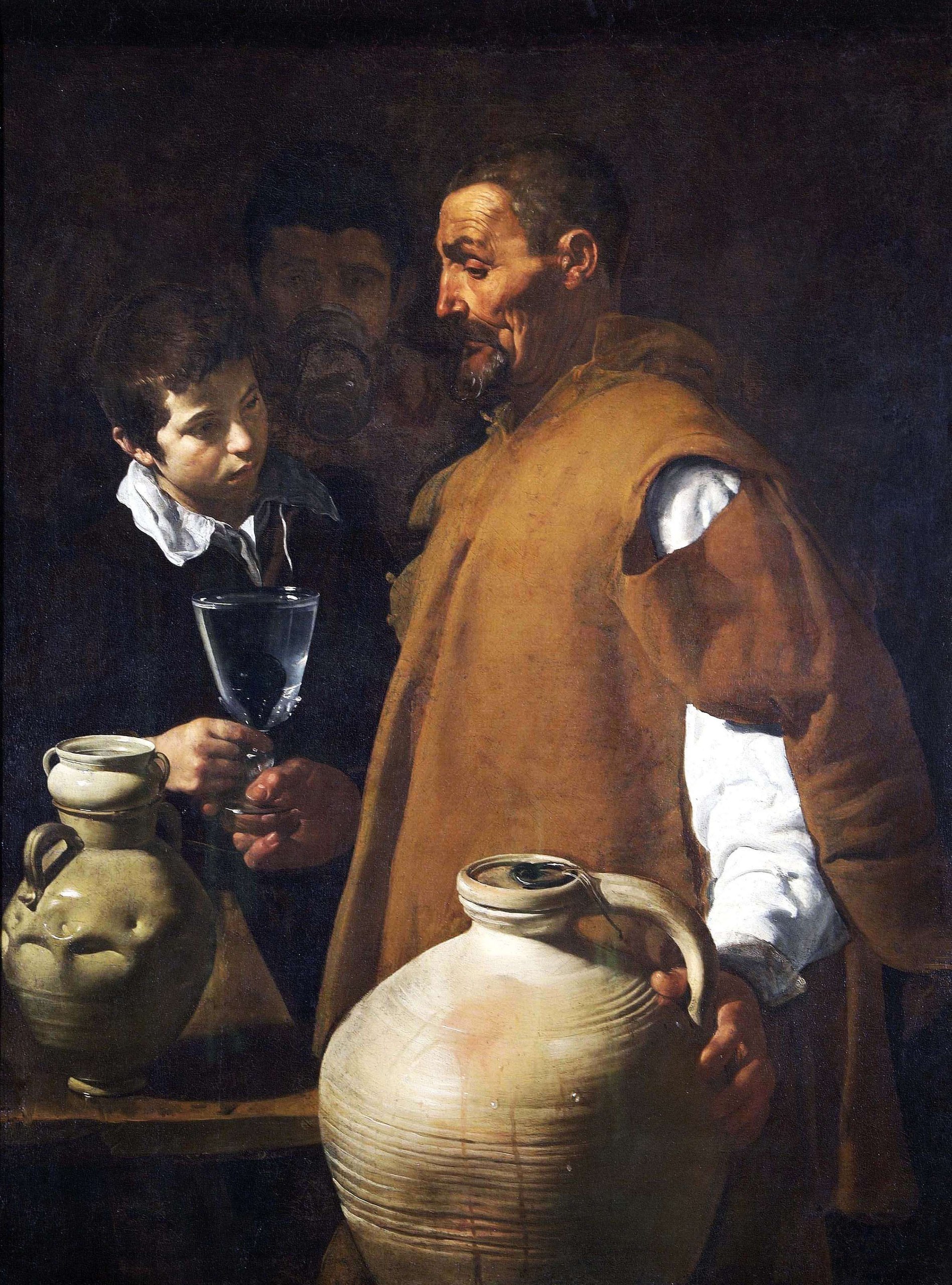
The Waterseller of Seville
Diego Velázquez · 1620
Victoria and Albert Museum
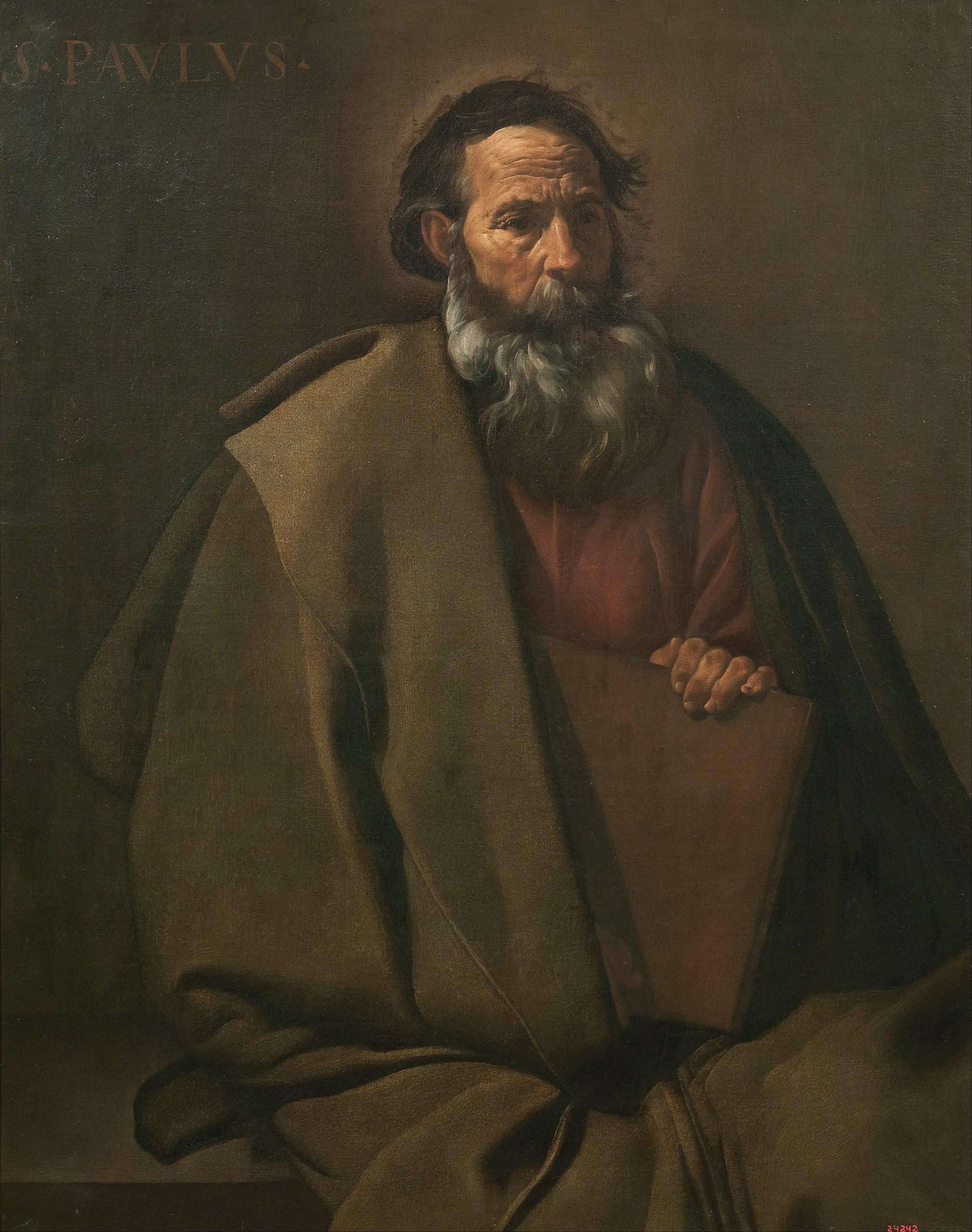
Saint Paul
Diego Velázquez · 1618
Museu Nacional d'Art de Catalunya
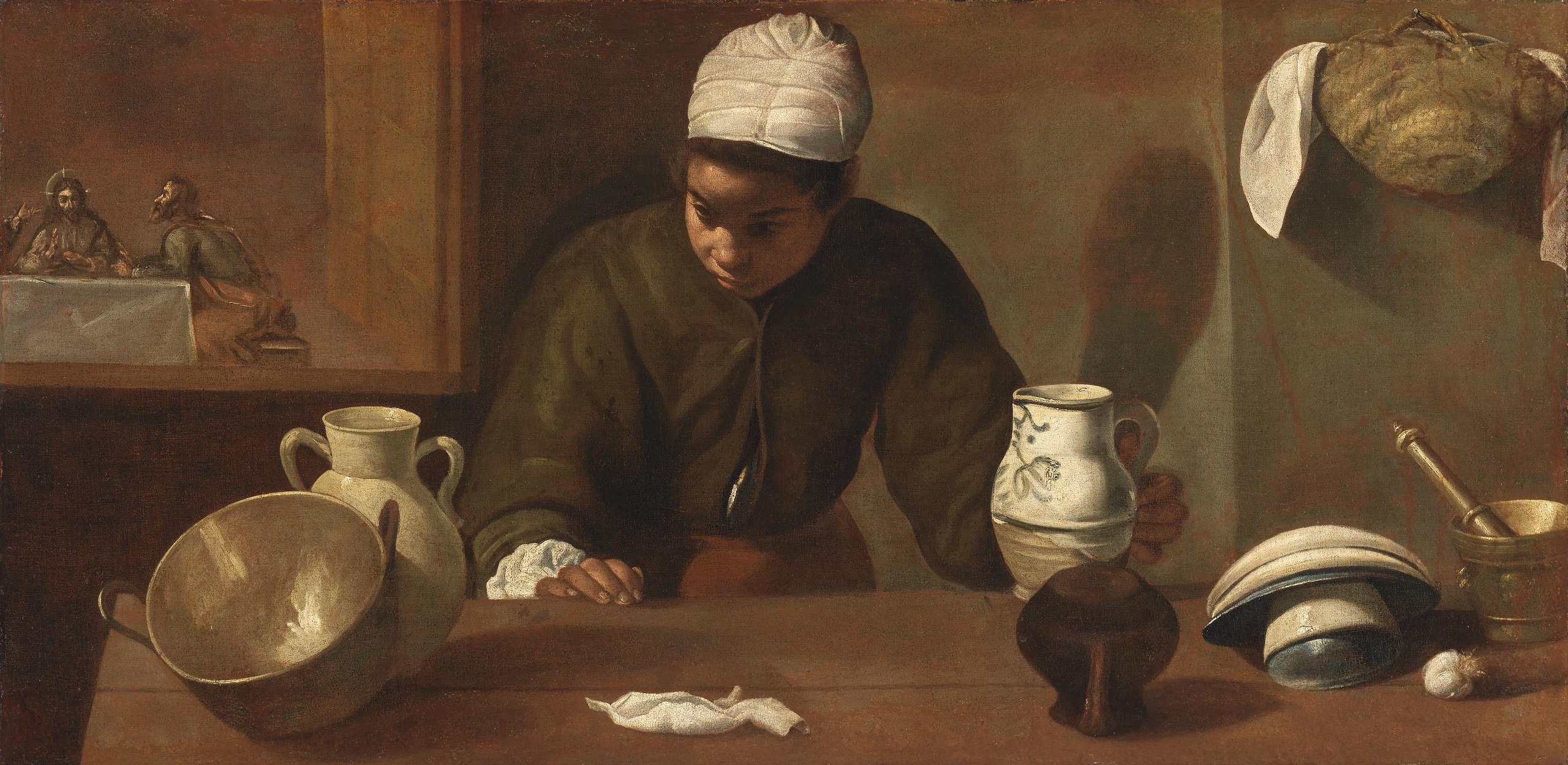
Kitchen Scene with the Supper in Emmaus
Diego Velázquez · 1618
National Gallery of Ireland
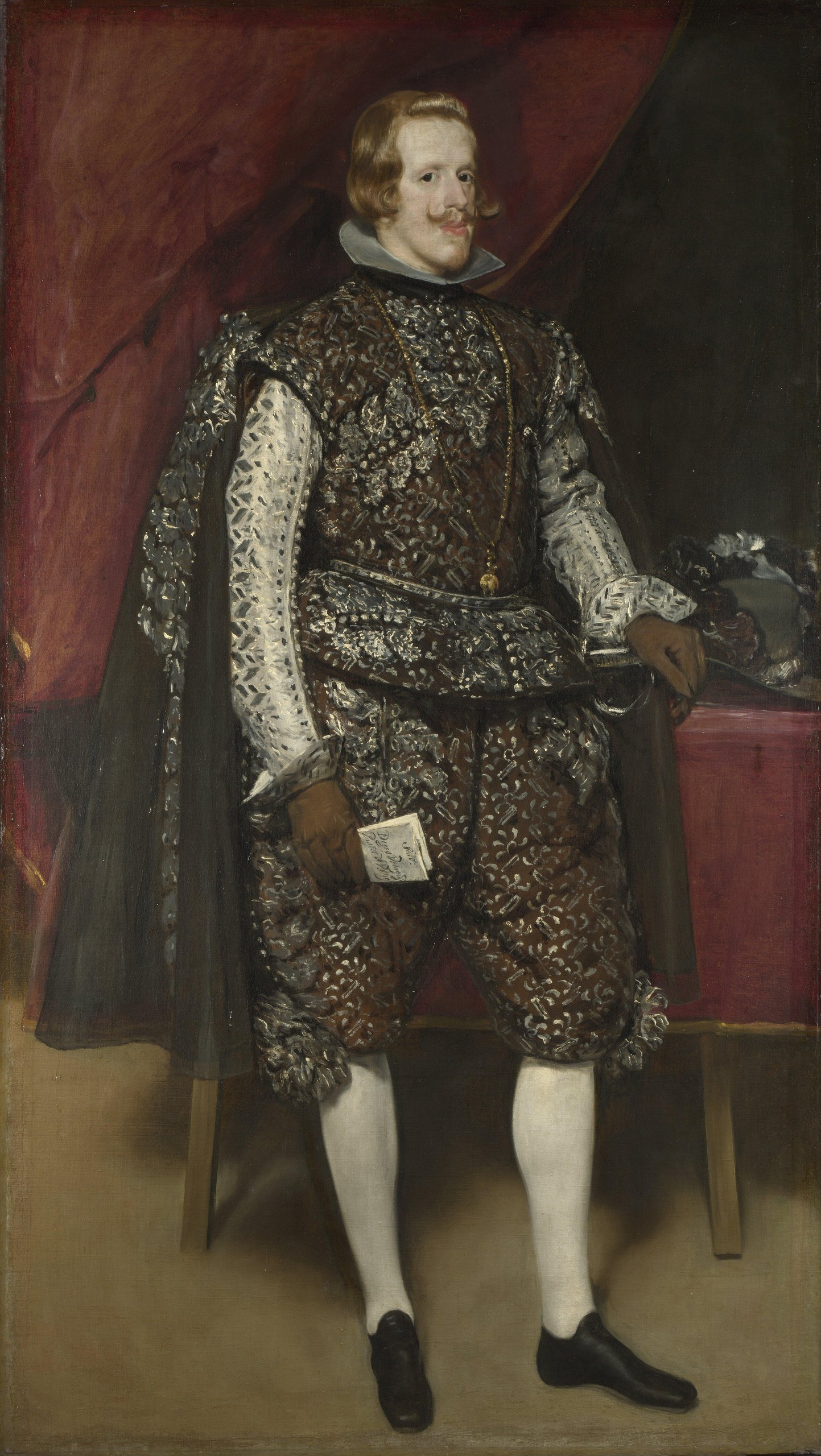
Philip IV in Brown and Silver
Diego Velázquez · 1635
National Gallery
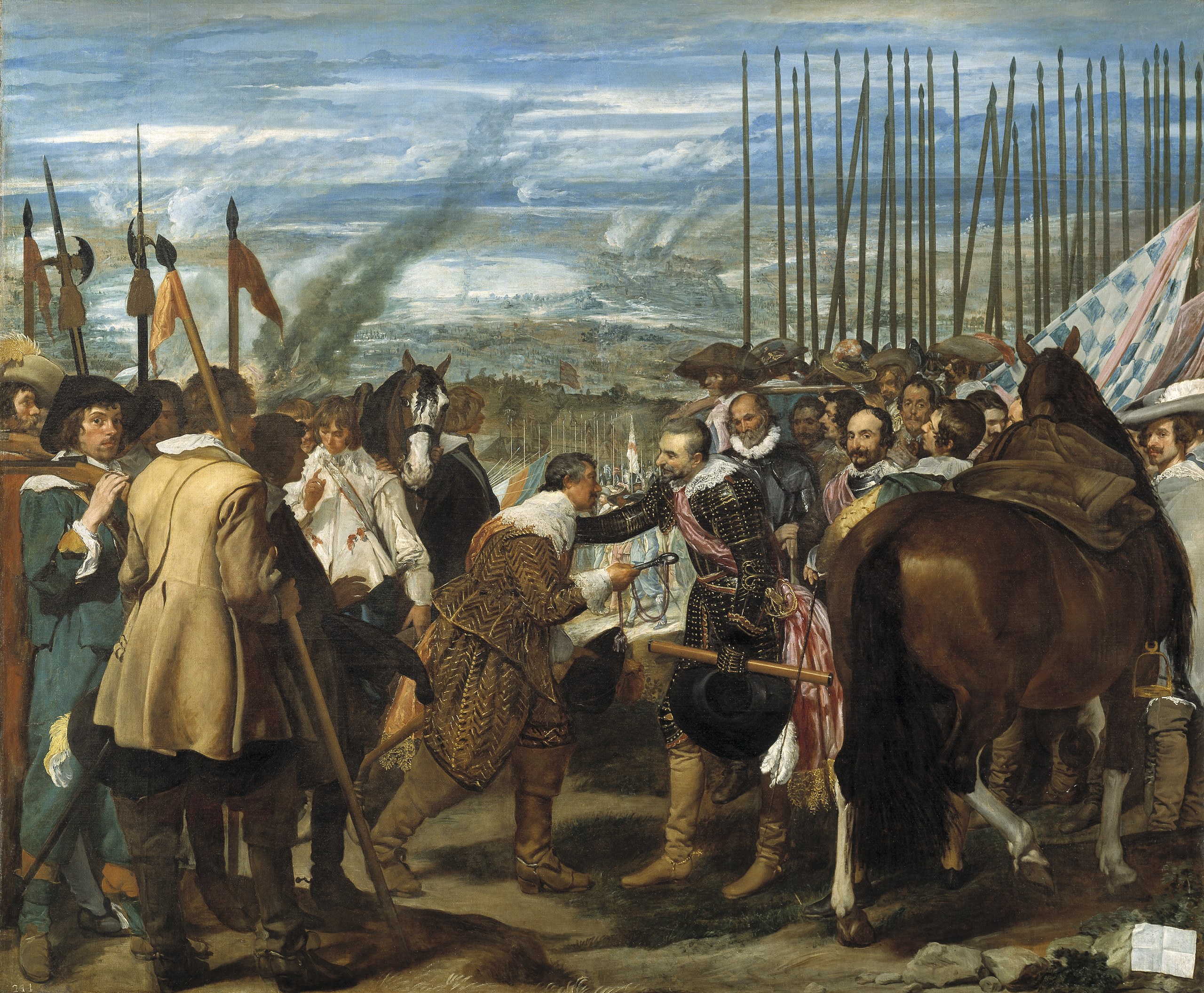
The Surrender of Brea
Diego Velázquez · 1634
Museo del Prado
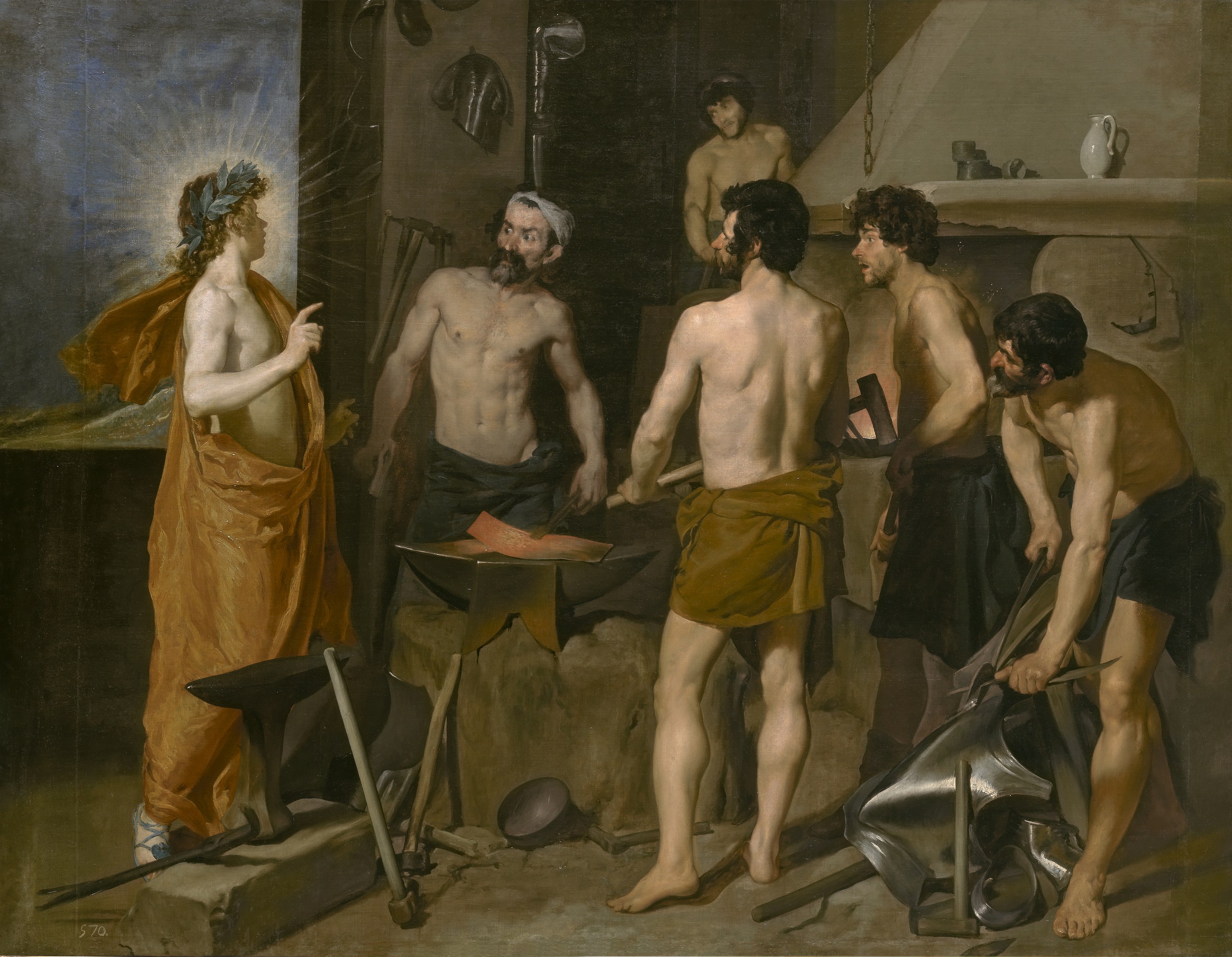
Apollo in the Forge of Vulcan
Diego Velázquez · 1630
Museo del Prado
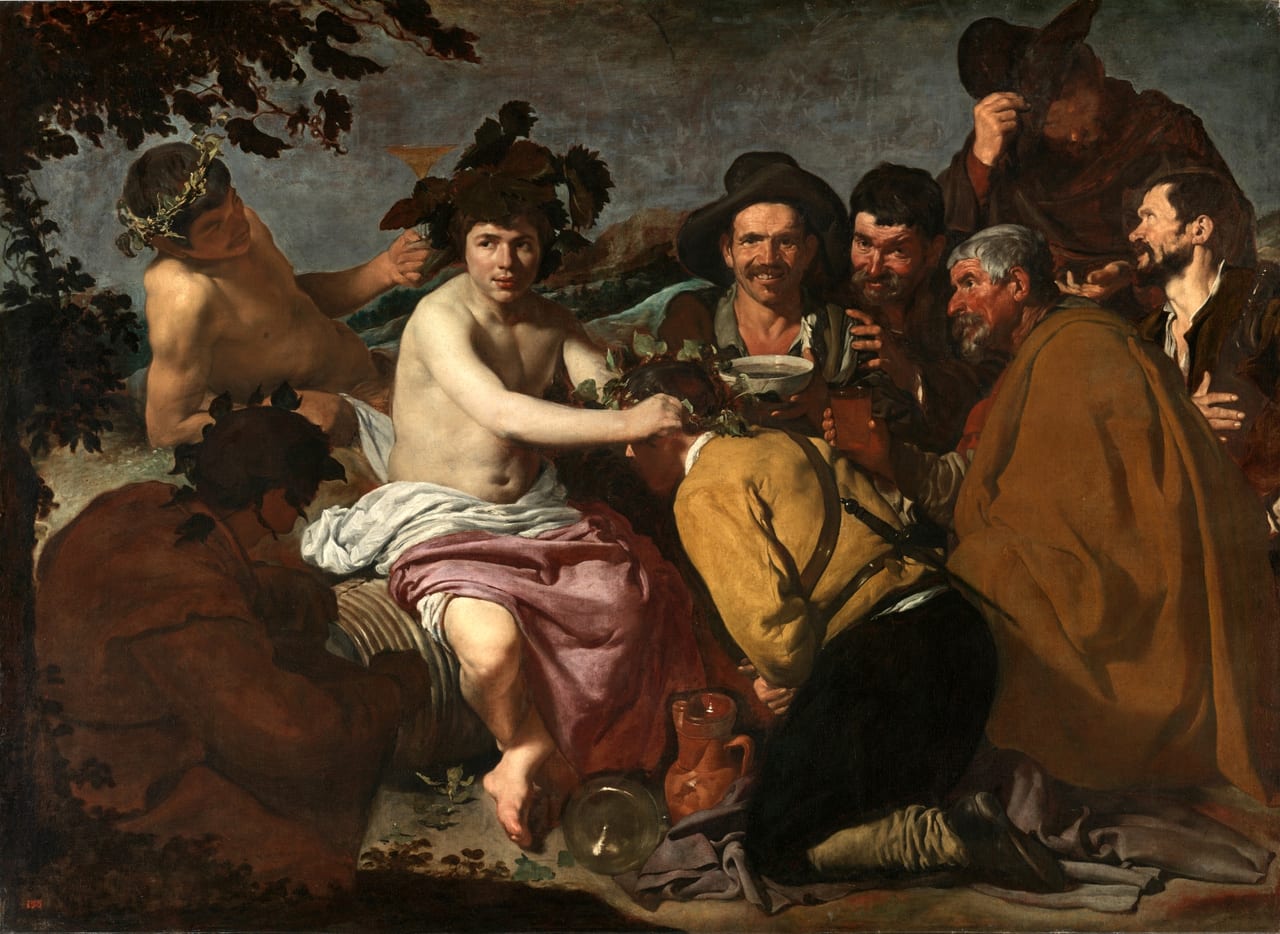
The Triumph of Bacchus
Diego Velázquez · 1628
Museo del Prado
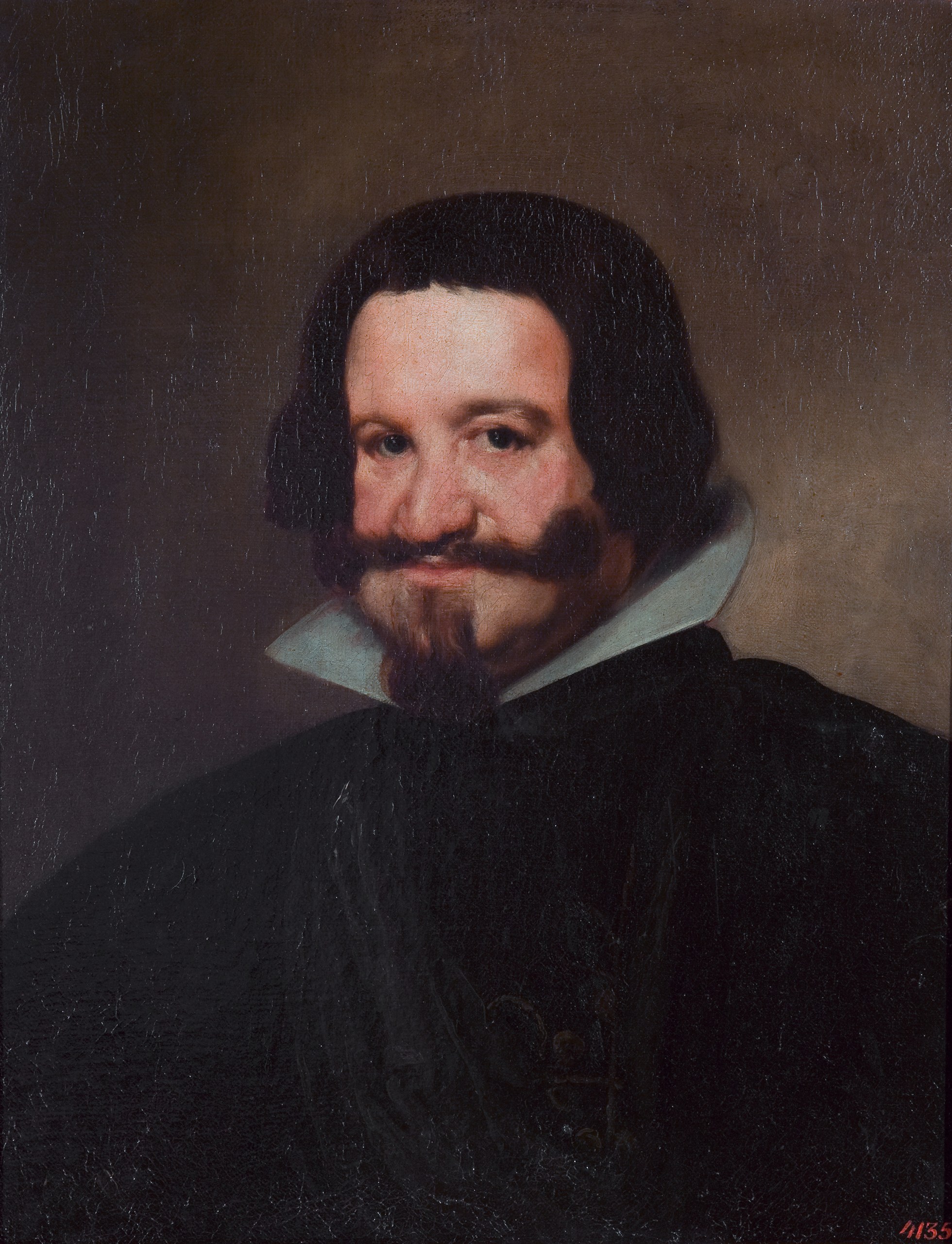
Portrait of the Count-Duke of Olivares
Diego Velázquez · 1638
State Hermitage Museum
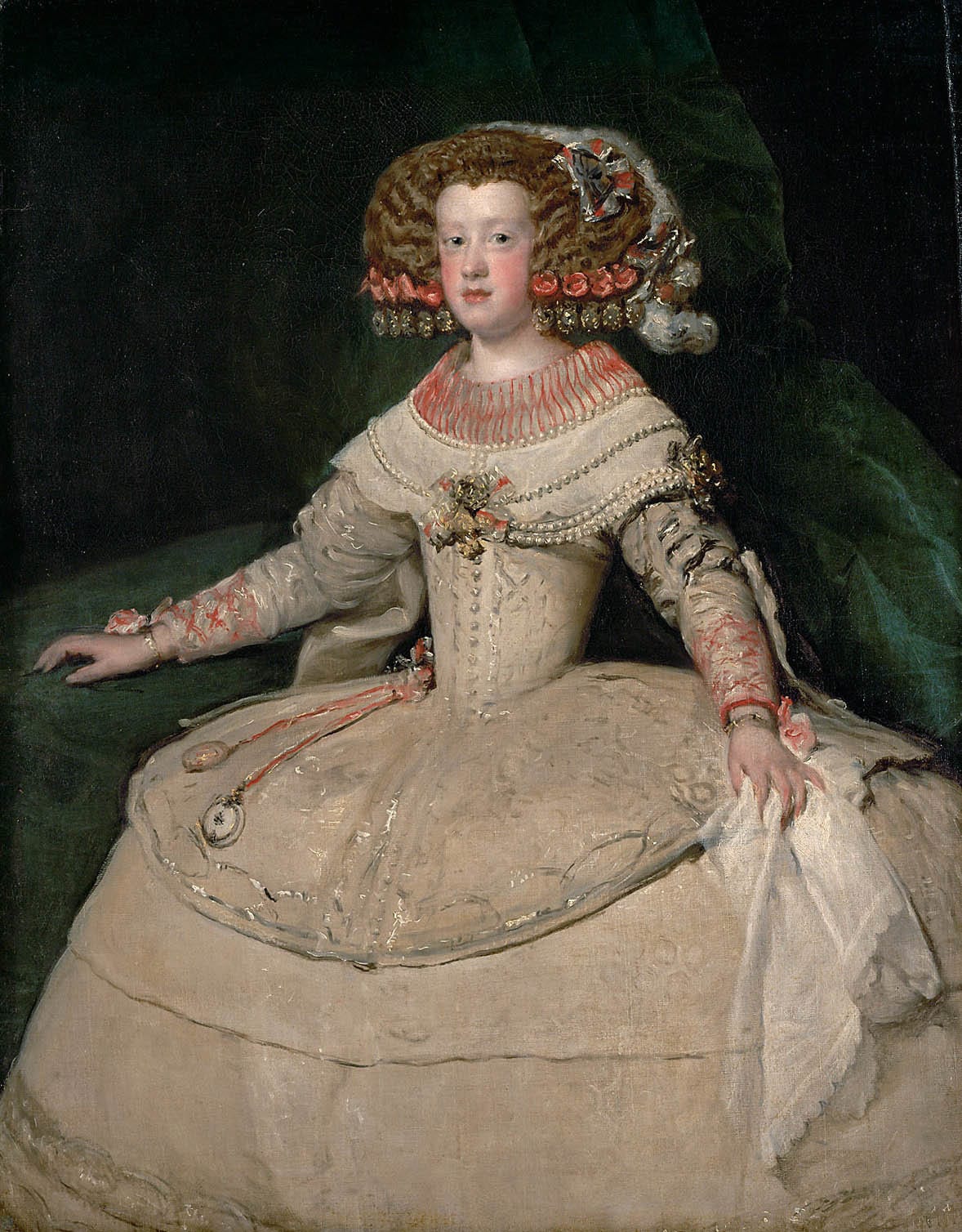
Portrait of the Infanta Maria Theresa of Spain
Diego Velázquez · 1652
Kunsthistorisches Museum
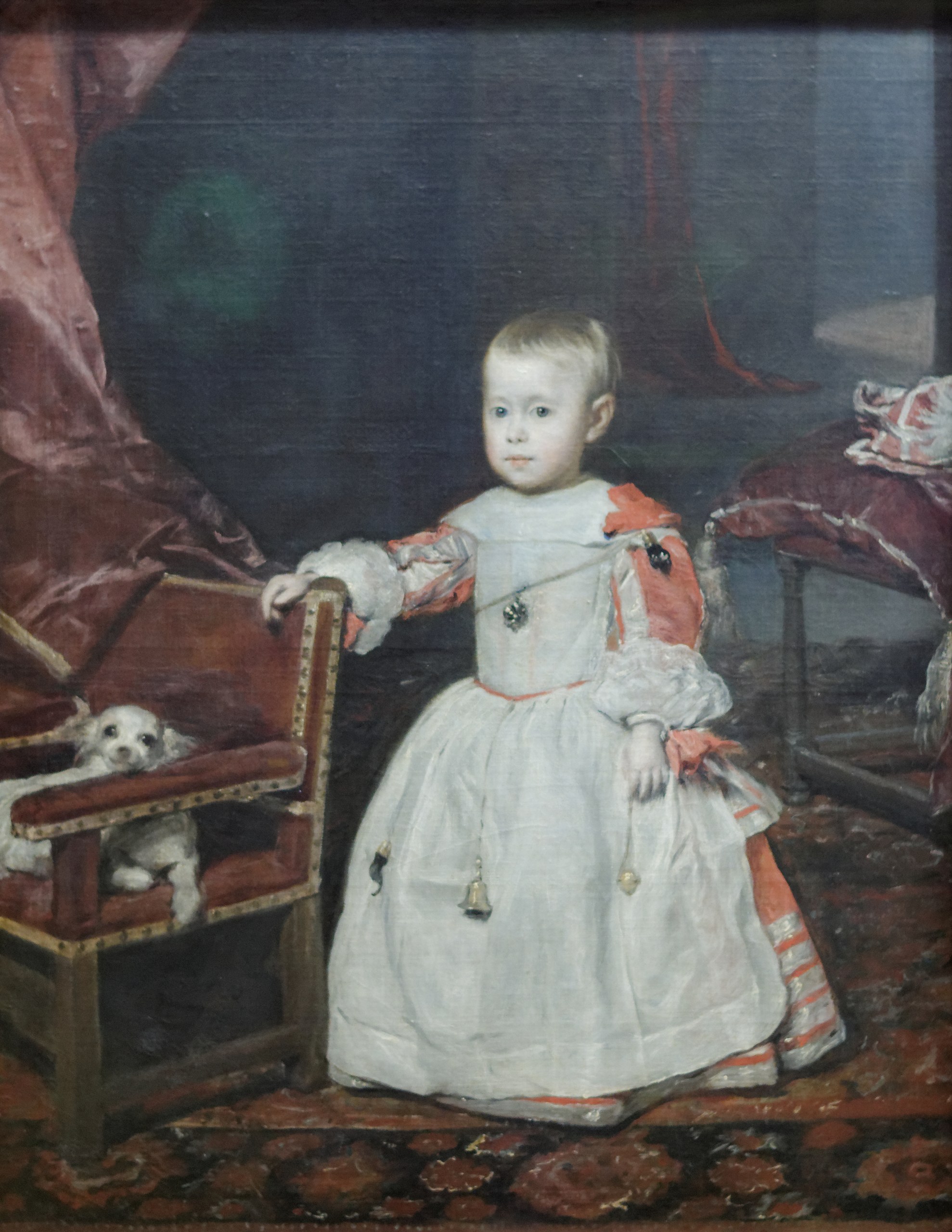
Portrait of Prince Philip Prospero
Diego Velázquez · 1659
Kunsthistorisches Museum
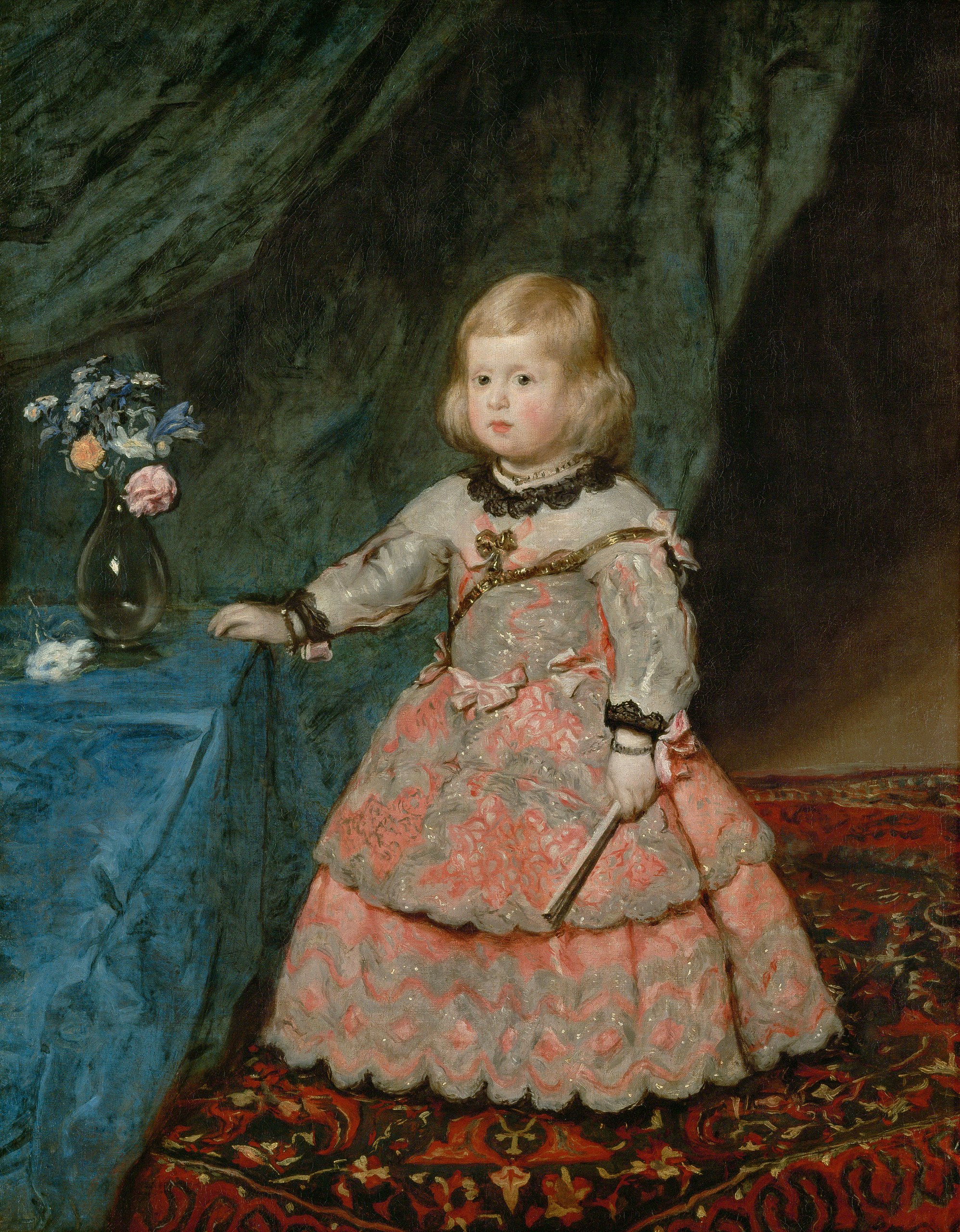
Infanta Margarita Teresa
Diego Velázquez · 1653
Kunsthistorisches Museum
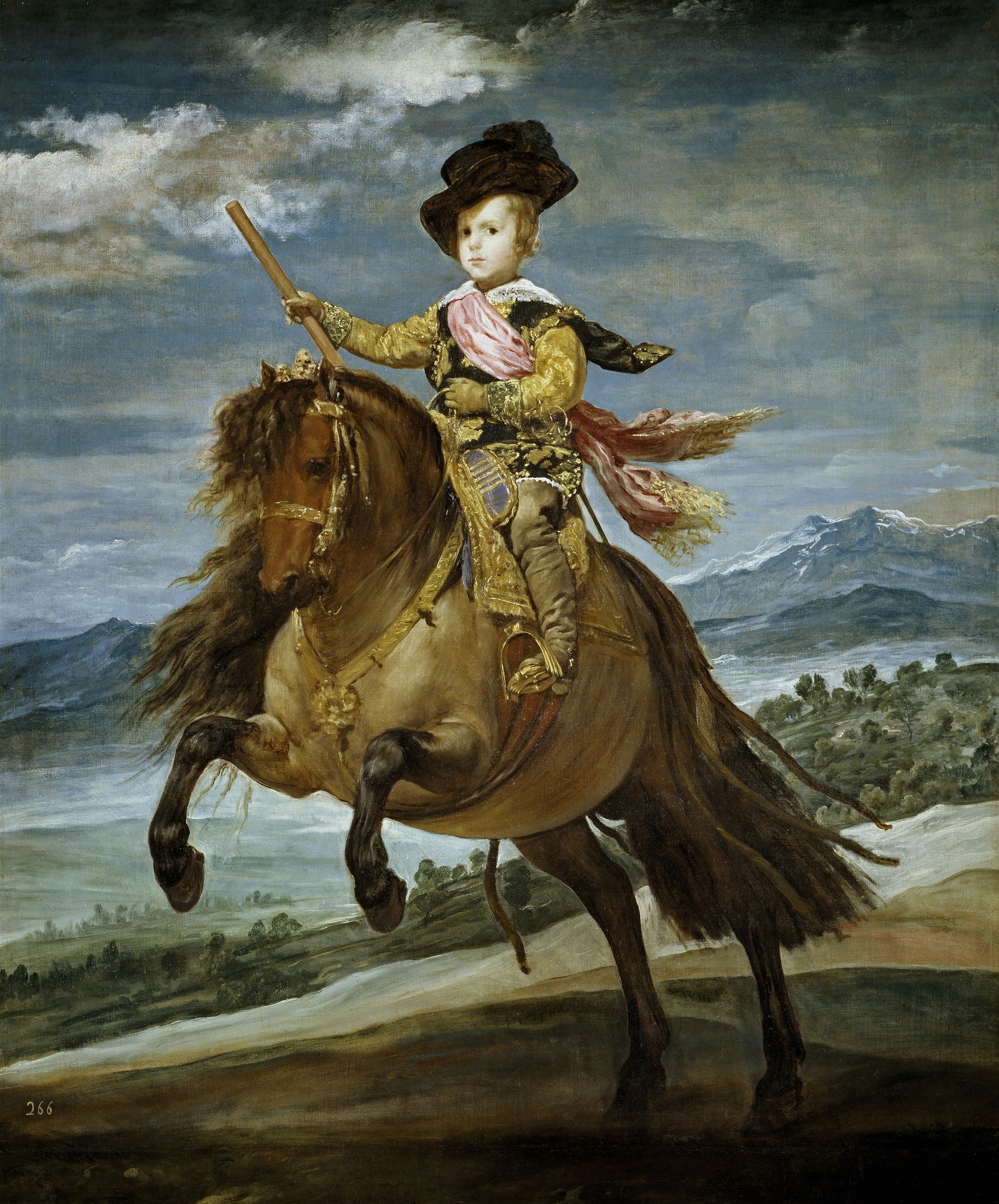
Equestrian Portrait of Prince Balthasar Charles
Diego Velázquez · 1634
Museo del Prado
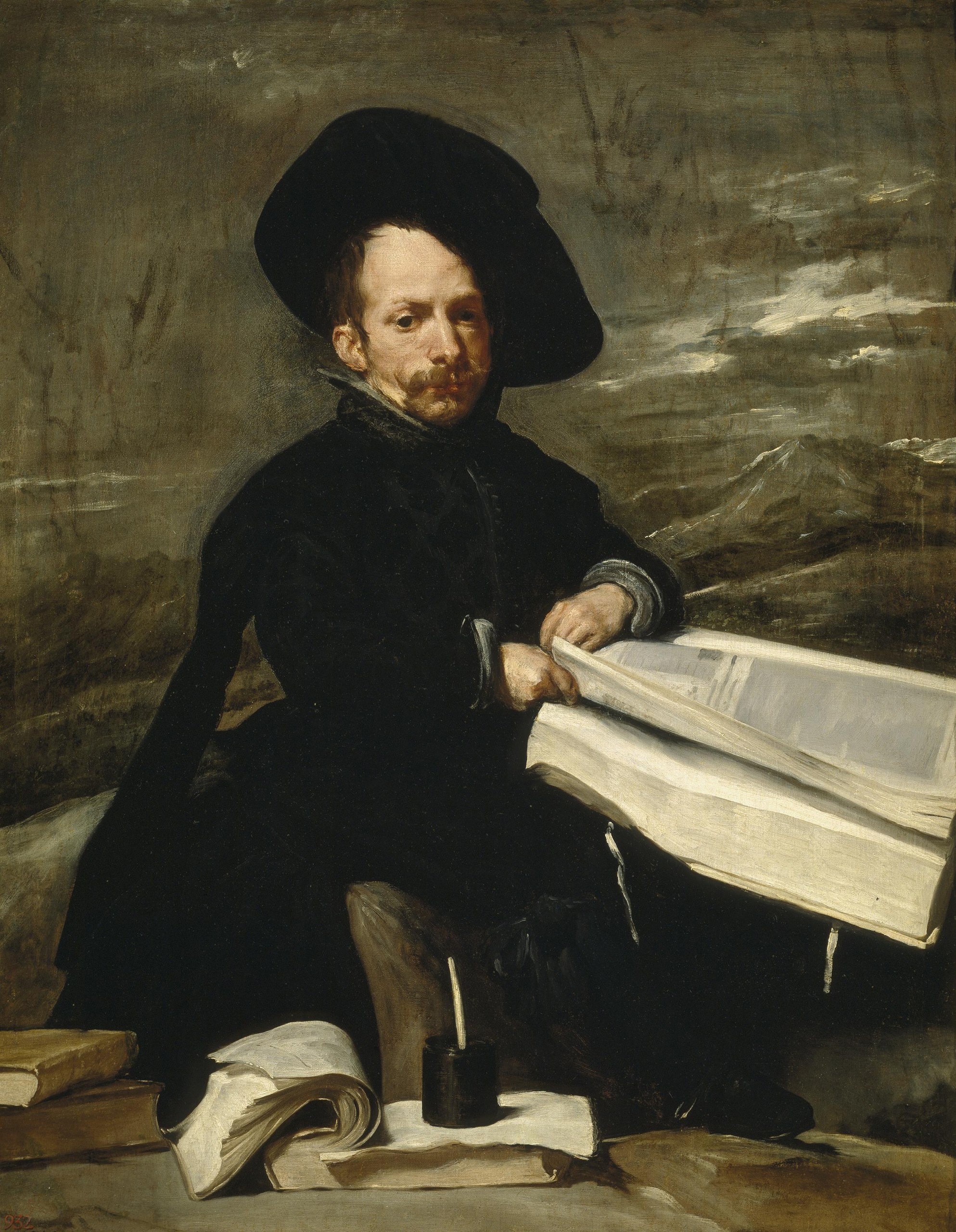
Buffoon with books, formerly known as portrait of "el Primo"
Diego Velázquez · 1640
Museo del Prado
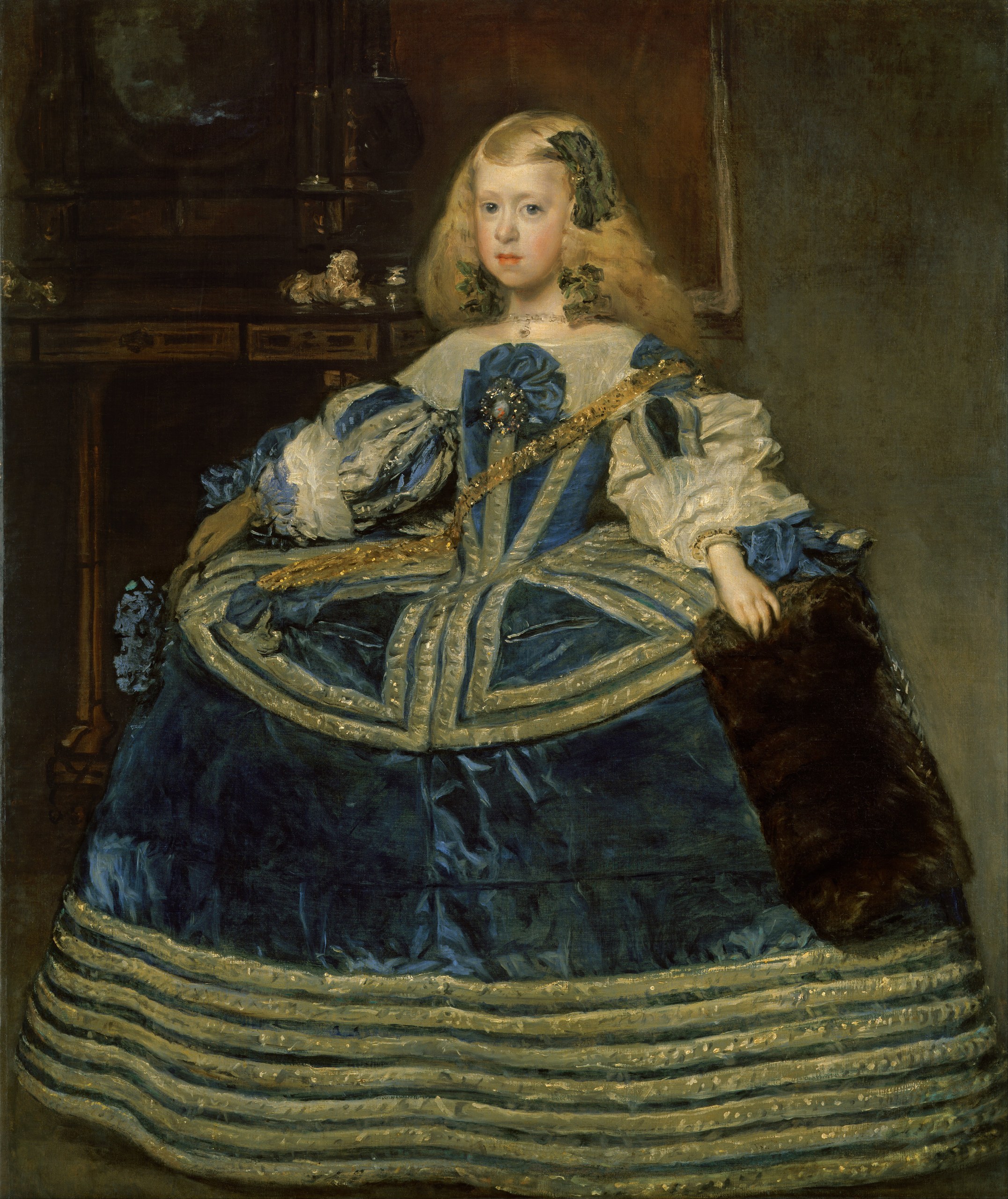
Infanta Margarita Teresa in a Blue Dress
Diego Velázquez · 1659
Kunsthistorisches Museum
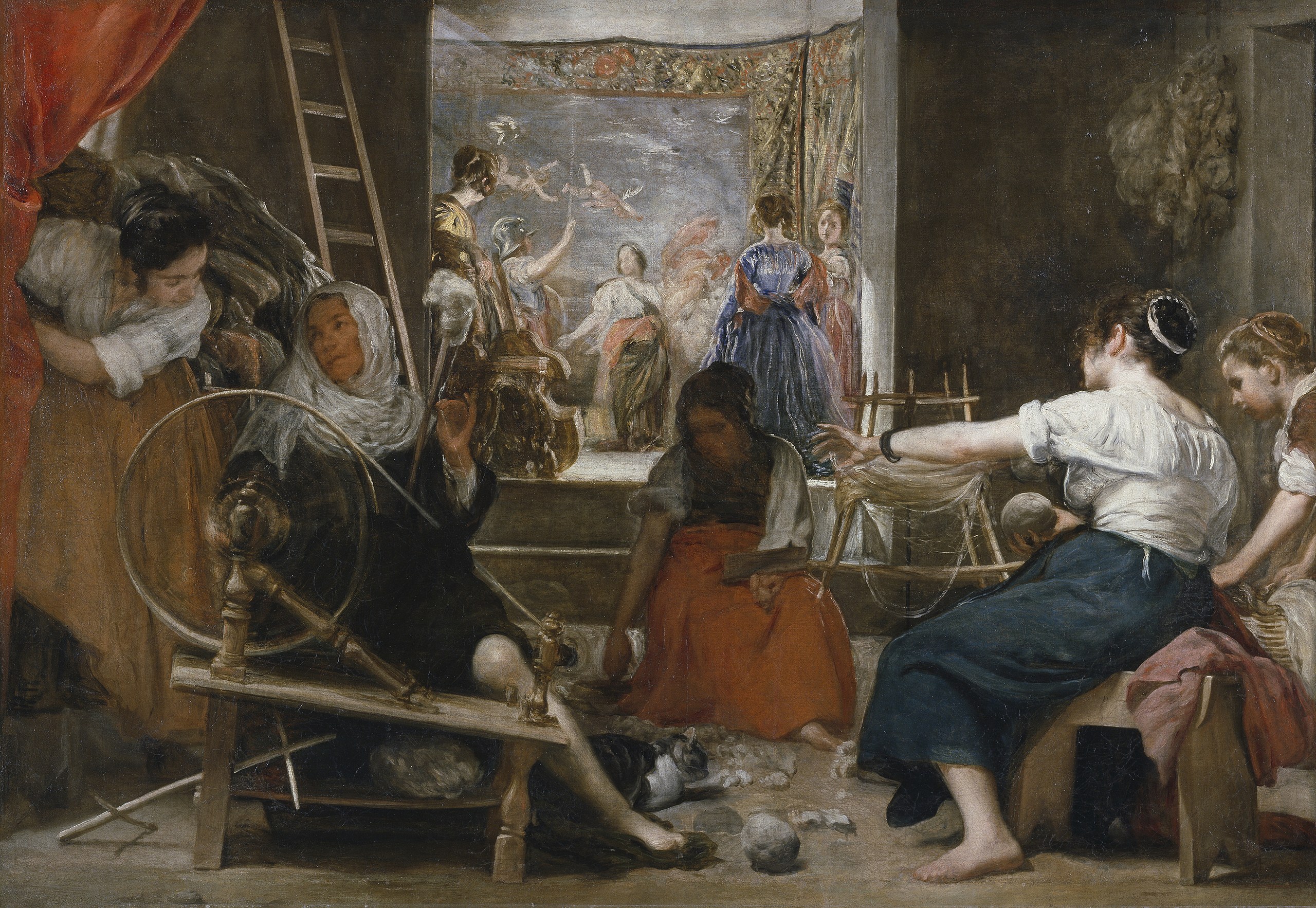
Las Hilanderas
Diego Velázquez · 1655
Museo del Prado
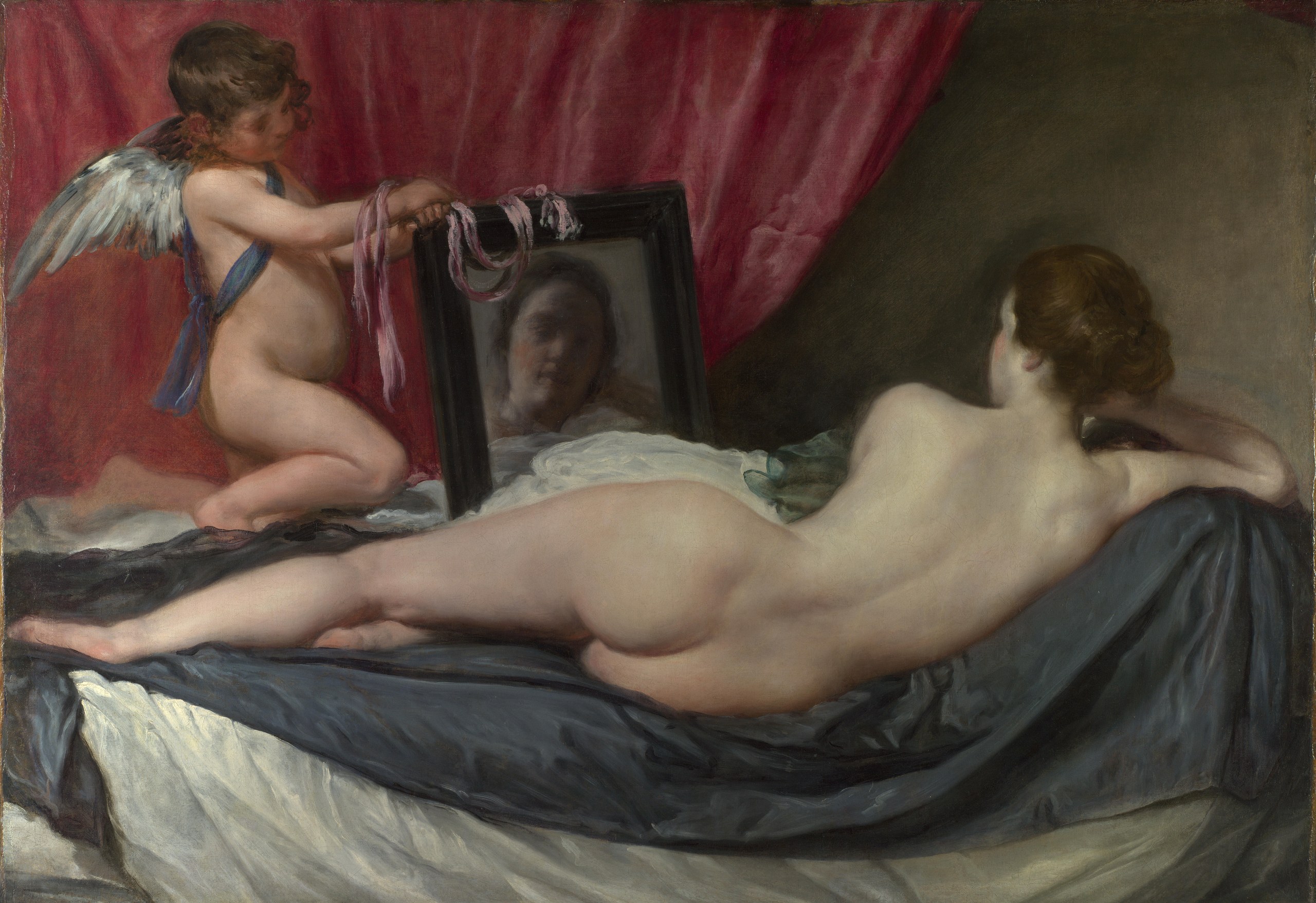
Rokeby Venus
Diego Velázquez · 1644
National Gallery
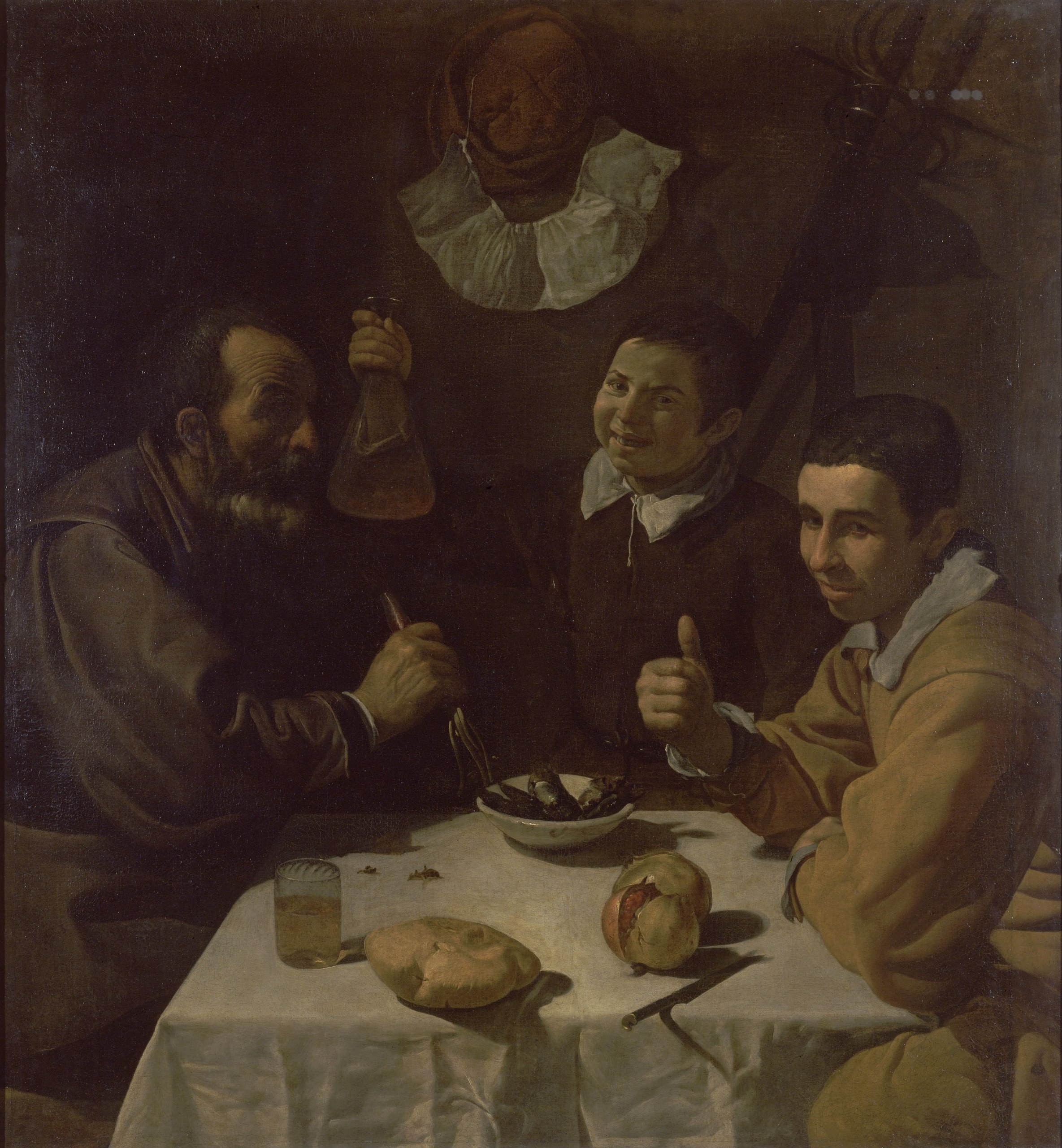
The Lunch
Diego Velázquez · 1617
State Hermitage Museum
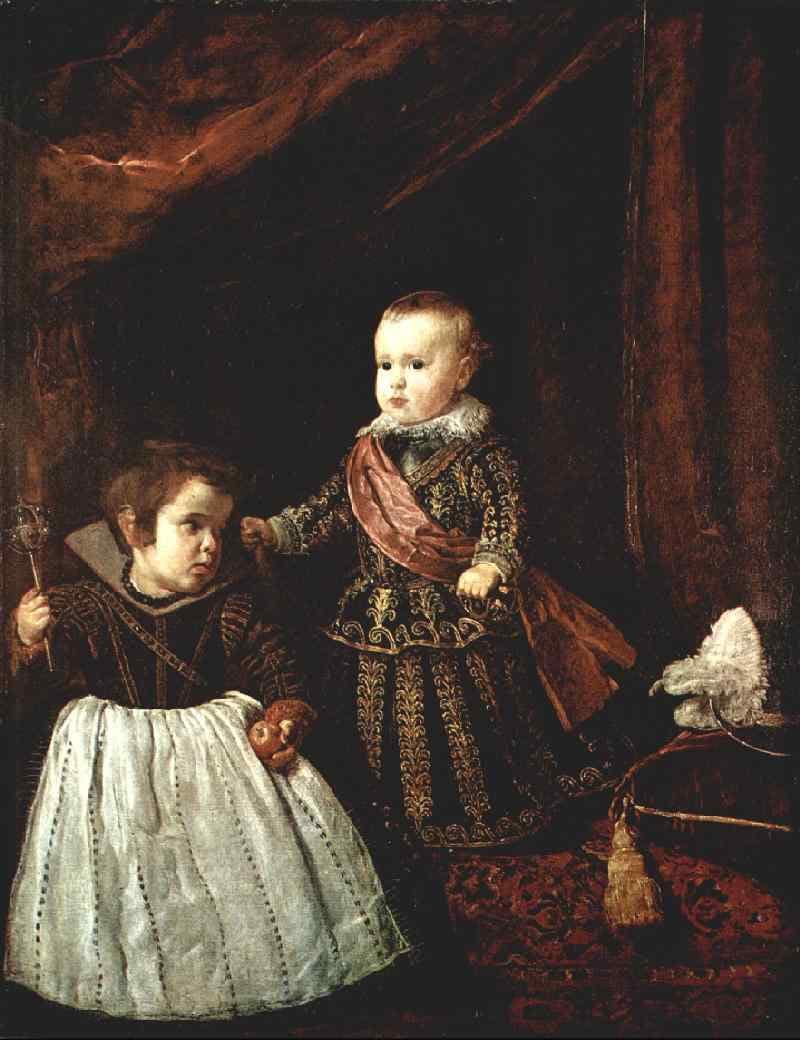
Prince Balthasar Charles With a Dwarf
Diego Velázquez · 1631
Museum of Fine Arts, Boston
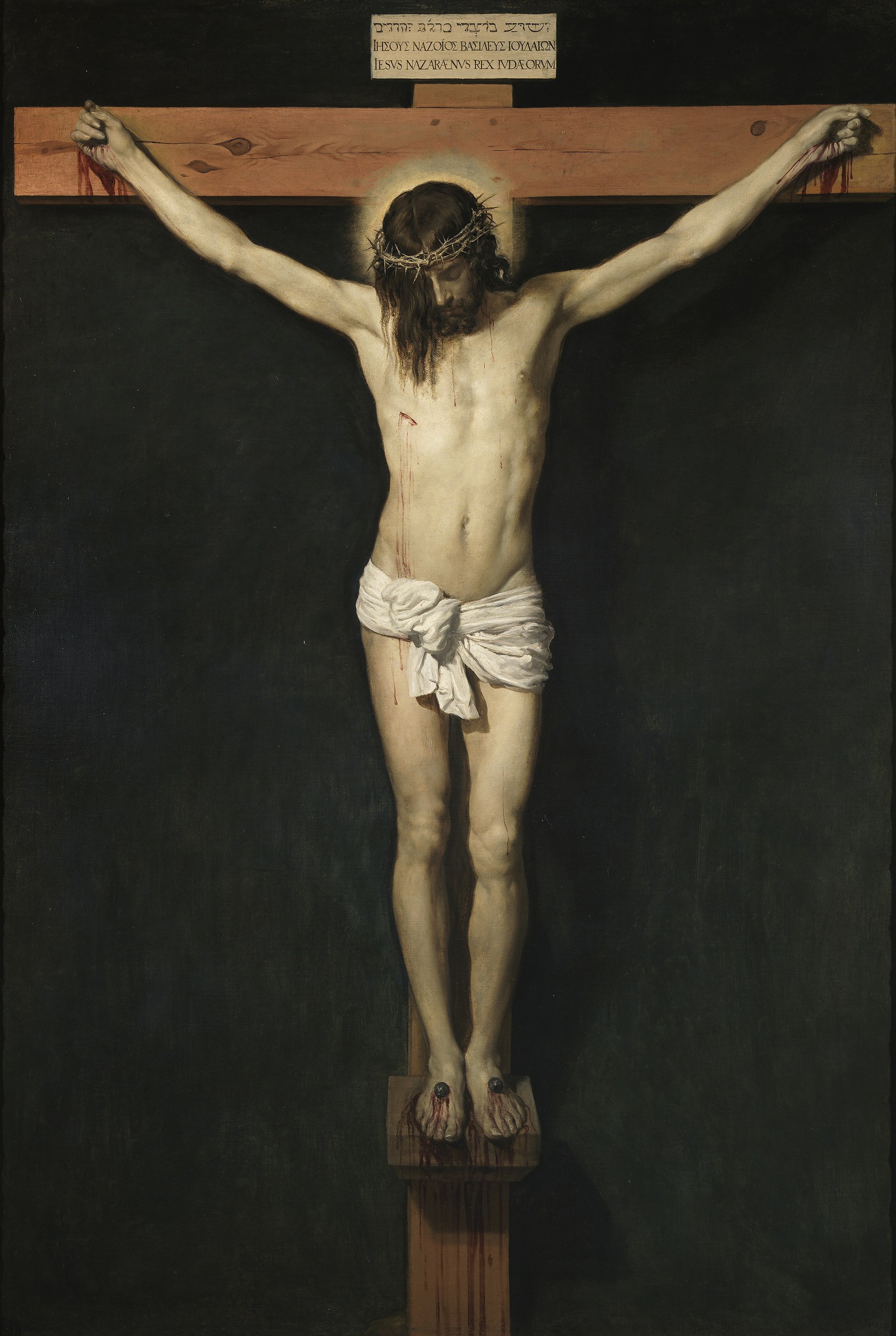
Christ Crucified
Diego Velázquez · 1632
Museo del Prado
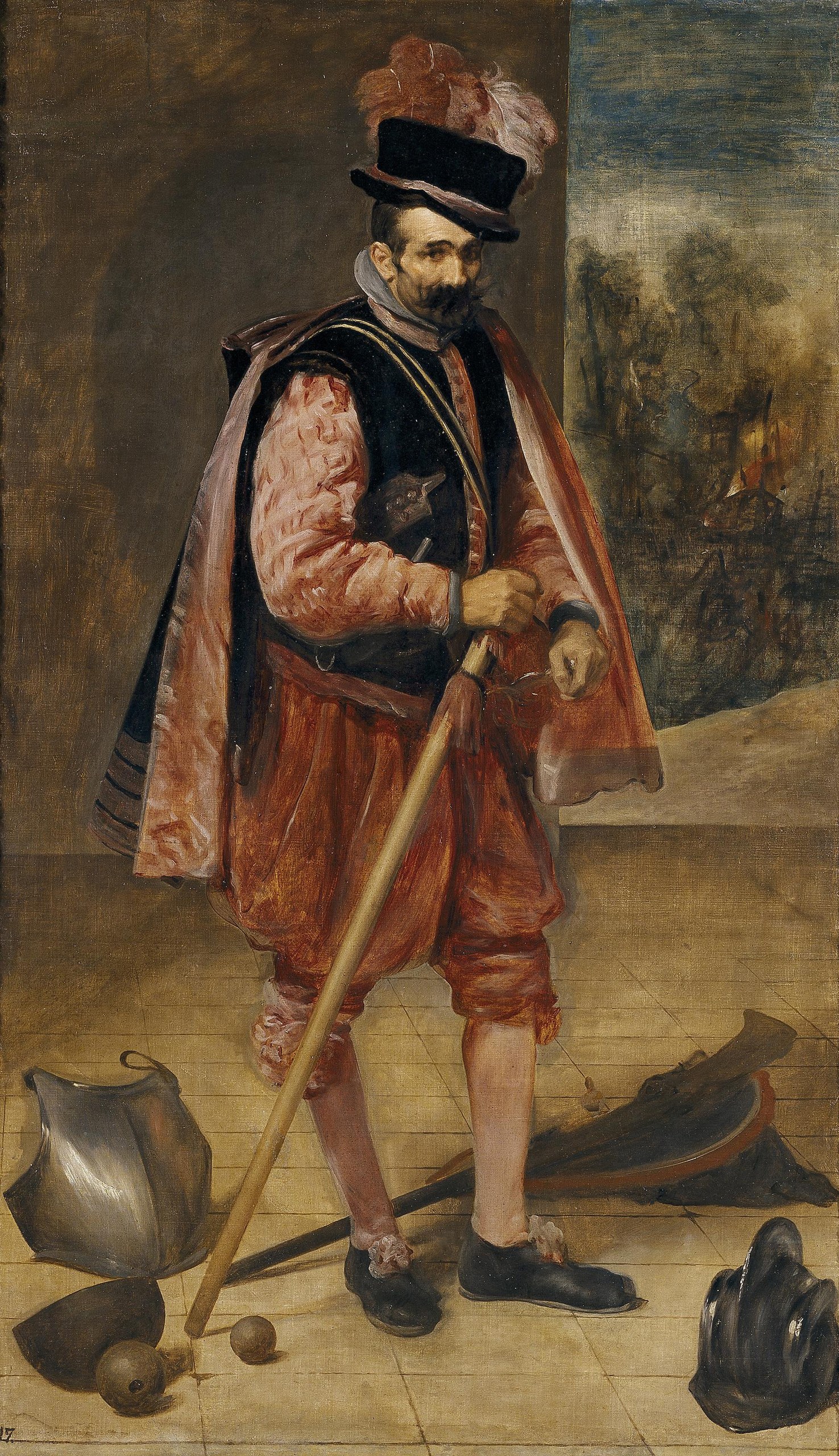
The Jester Named Don John of Austria
Diego Velázquez · 1632
Museo del Prado
Works worth knowing
13 of Diego Velázquez's works, and what makes each one worth a look.
Adoration of the Magi
Diego Velázquez · 1619
Museo del Prado
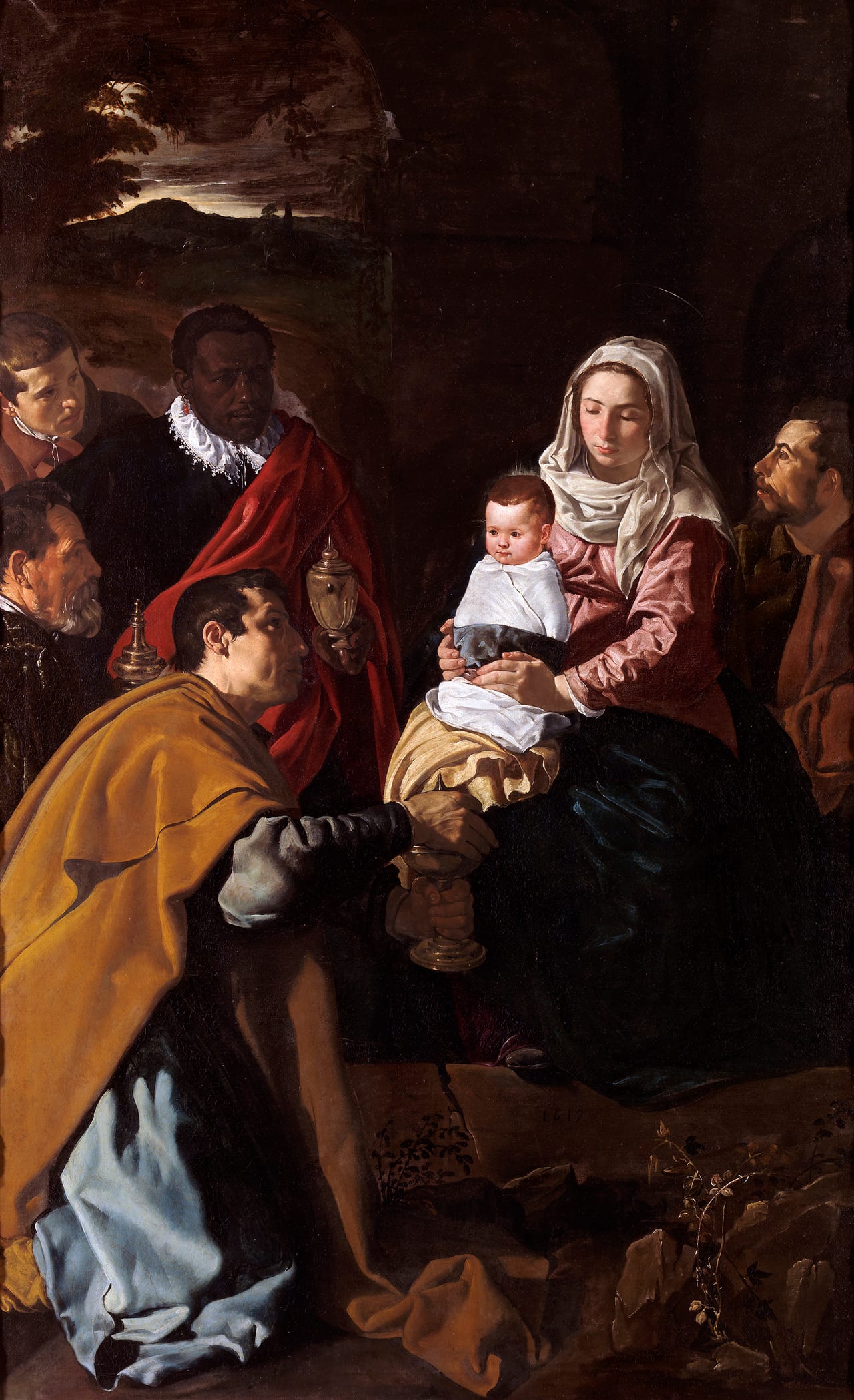
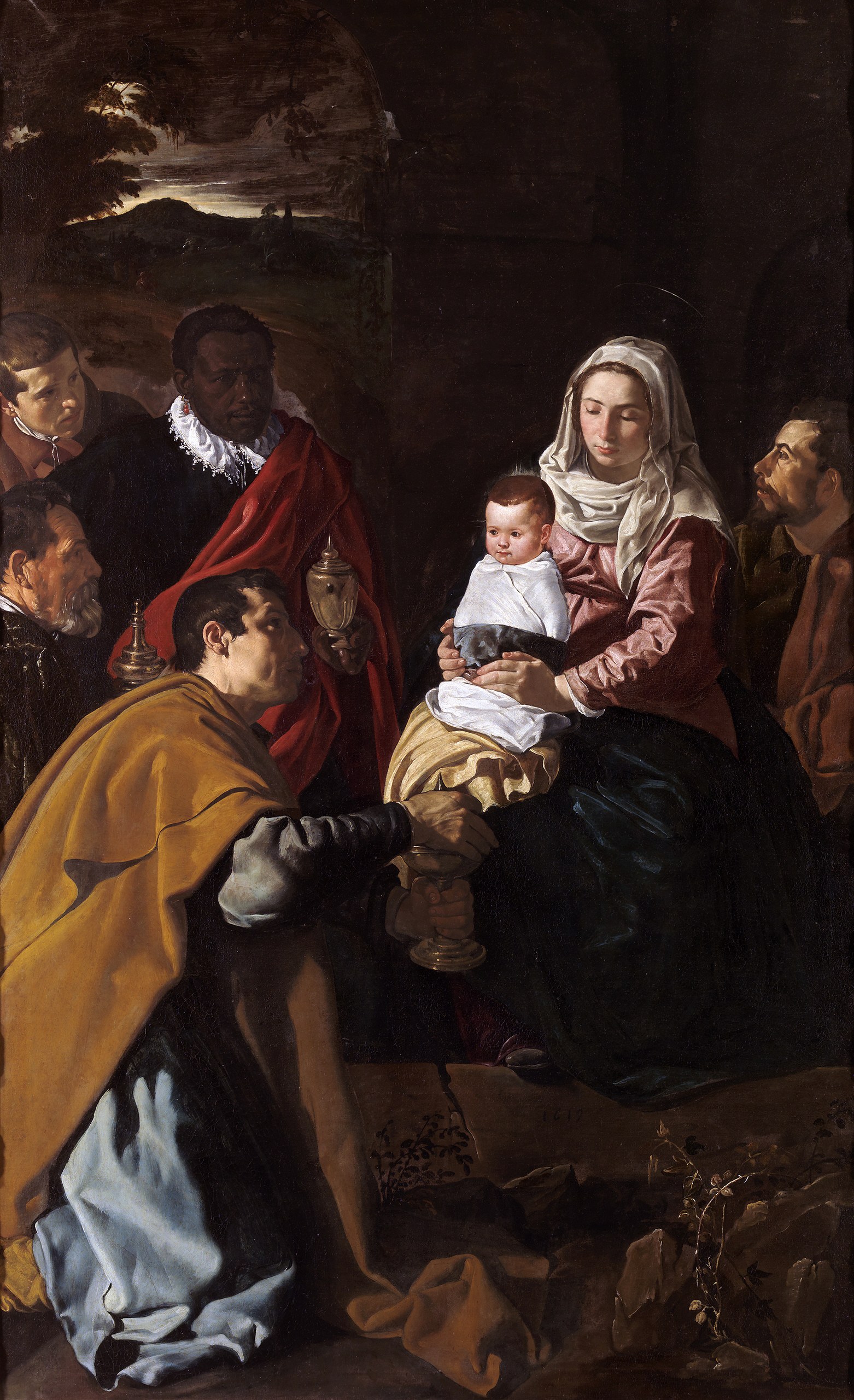
The Adoration of the Magi is a 1619 Baroque painting by the Spanish artist Diego Velázquez now held in the Museo del Prado in Madrid. It depicts the biblical scene of the three kings presenting gifts to the Christ Child. Completed when Velázquez was just twenty years old, the painting is the largest of Velázquez's early works and reflects his early skill in religious composition and naturalistic portraiture.
Portrait of Pablo de Valladolid
Diego Velázquez · c. 1635
Museo del Prado
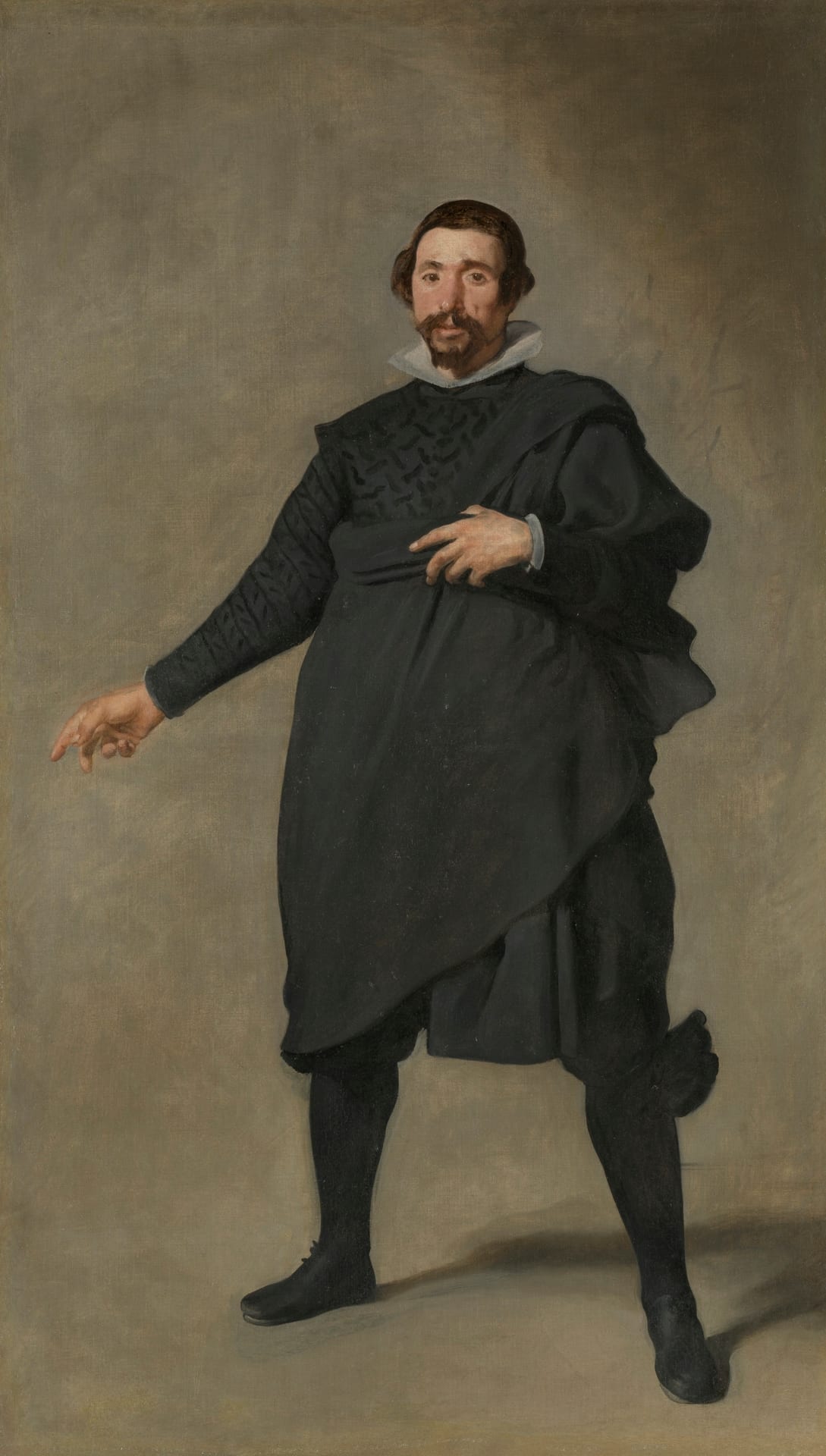
Portrait of Pablo de Valladolid is a portrait painted around 1635 by Diego Velázquez of Pablo or "Pablillos" de Valladolid (1587 to 1648), a jester and actor at Philip IV's court from 1632 until his death. It is now in the Museo del Prado, to which it was moved in 1827. The picture belongs to the group of portraits of jesters and "men of pleasure" of the court painted by Velázquez to decorate secondary rooms and passageways in the royal palaces.
Coronation of the Virgin
Diego Velázquez · 1635–1636
Museo del Prado
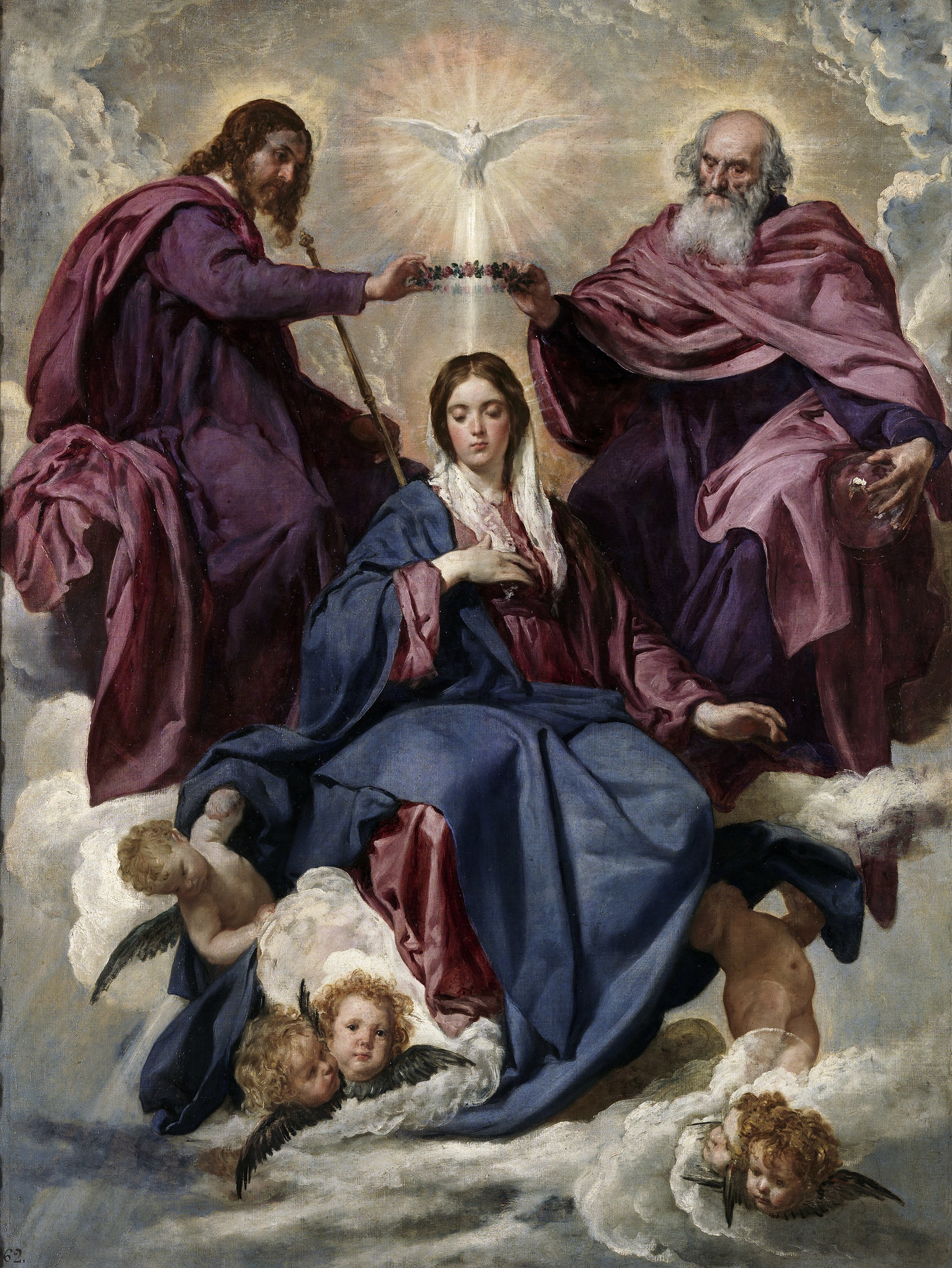
The Coronation of the Virgin is a 1635 to 1636 painting on oil on canvas by Diego Velázquez of the Holy Trinity crowning the Blessed Virgin Mary, a theme in Marian art. It is now at the Museo del Prado. It was probably commissioned for the oratory of the court of Elisabeth of France, queen consort to Philip IV of Spain, in the Real Alcázar of Madrid.
Mars Resting
Diego Velázquez · 1640
Museo del Prado
Mars or Resting Mars (Descanso de Marte, literally The Rest of Mars) is a 1640 painting by Diego Velázquez. It is now in the Prado Museum. It is thought to have been finished around 1639 to 1640, as were all paintings made by the artist to be in the Torre de la Parada for King Philip IV of Spain.
Christ in the House of Martha and Mary
Diego Velázquez · 1618
National Gallery
Christ in the House of Martha and Mary is an oil-on-canvas painting by the Spanish artist Diego Velázquez, dating to his Seville period, now in the National Gallery, London. It was probably painted in 1618 (it is dated, but the "8" is "fragmentary" and uncertain), shortly after he completed his apprenticeship with Pacheco. At this time, Velázquez was experimenting with the potential of the bodegones, a form of genre painting set in taverns (the meaning of bodegon) or kitchens which was frequently used to relate scenes of contemporary Spain to themes and stories from the Bible.
Las Meninas
Diego Velázquez · 1656
Museo del Prado
Las Meninas is a 1656 oil painting in the Museo del Prado in Madrid, by Diego Velázquez, the leading artist in the court of King Philip IV of Spain and Portugal, and of the Spanish Golden Age. It has become one of the most widely analysed works in Western painting for the way its complex and enigmatic composition raises questions about reality and illusion, and for the uncertain relationship it creates between the viewer and the figures depicted. The painting is believed by the art historian F.
Infanta Margaret Theresa in a White and Silver Dress
Diego Velázquez · 1656
Kunsthistorisches Museum
Infanta Margarita in a White and Silver Dress or Infanta Margarita in a White Dress is a 1656 painting by Diego Velázquez, one of his five portraits of Margaret Theresa of Spain. It is one of the painter's last works, Martin Warnke argues that it was painted slightly after Las Meninas, which shows Margaret Theresa in a similar white dress. It was one of the paintings sent to Vienna for Leopold I, Margarita's future husband and future Holy Roman Emperor.
The Waterseller of Seville
Diego Velázquez · 1620
Victoria and Albert Museum
The Waterseller of Seville is the title of three paintings by Spanish artist Diego Velázquez, dating from 1618 to 1622. The original version is considered to be among the finest works of the painter's Seville period and is displayed in the Wellington Collection of Apsley House. The original version was painted by Velázquez when he was in his late teens or early twenties.
How Diego Velázquez worked
From the record of their own practice.
By the early 17th century, most European artists had been influenced by Caravaggesque naturalism. In his Arte de la Pintura (The Art of Painting), Pacheco praised Caravaggio as a painter who was able to depict "a lifelike reality by painting from nature not only the human face, but also clothing, whether of wool or silk, and everything else." Velázquez incorporated Caravaggio's use of realism, chiaroscuro and vivid colors, but he used this only as a starting point. José Lopez-Rey, Spanish art historian and a renowned Velázquez scholar, describes how Velázquez's style went beyond Caravaggio, even since his early works: It is canonical to divide Velázquez's career by his two visits to Italy.
Where the work hangs
The museums that hold it, and their visitor guides.
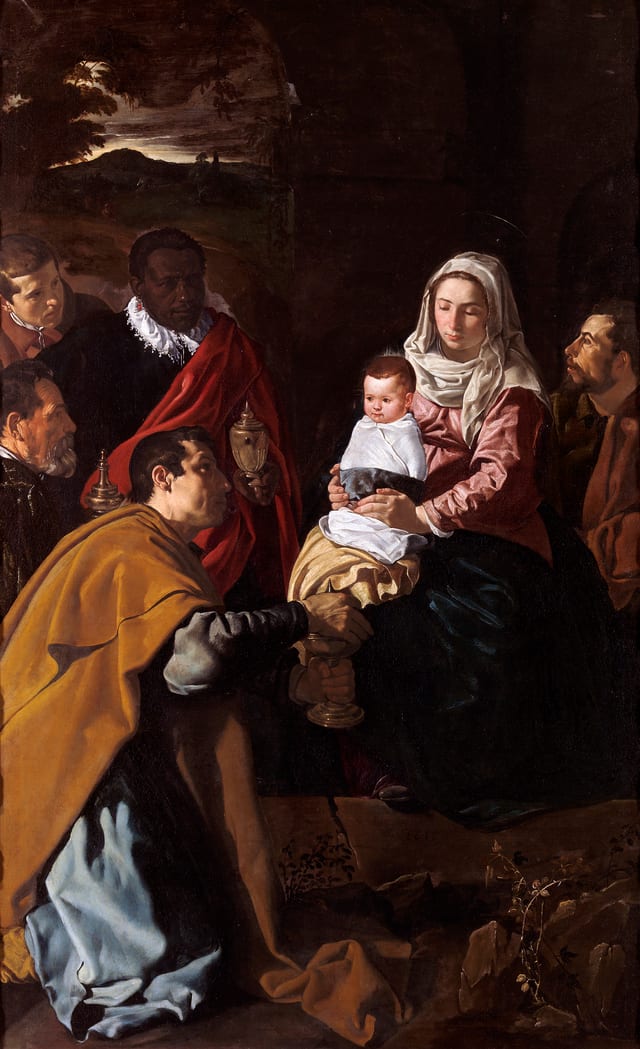
Museo del Prado
13 in the archive · Madrid
Kunsthistorisches Museum
5 in the archive · Vienna
National Gallery
3 in the archive · London
State Hermitage Museum
2 in the archive · Saint Petersburg
Museum of Fine Arts, Boston
1 in the archive · Boston
Victoria and Albert Museum
1 in the archive · London
Museu Nacional d'Art de Catalunya
1 in the archive · Barcelona
National Gallery of Ireland
1 in the archive · Dublin
If you like Diego Velázquez
Artists held by the same museums.
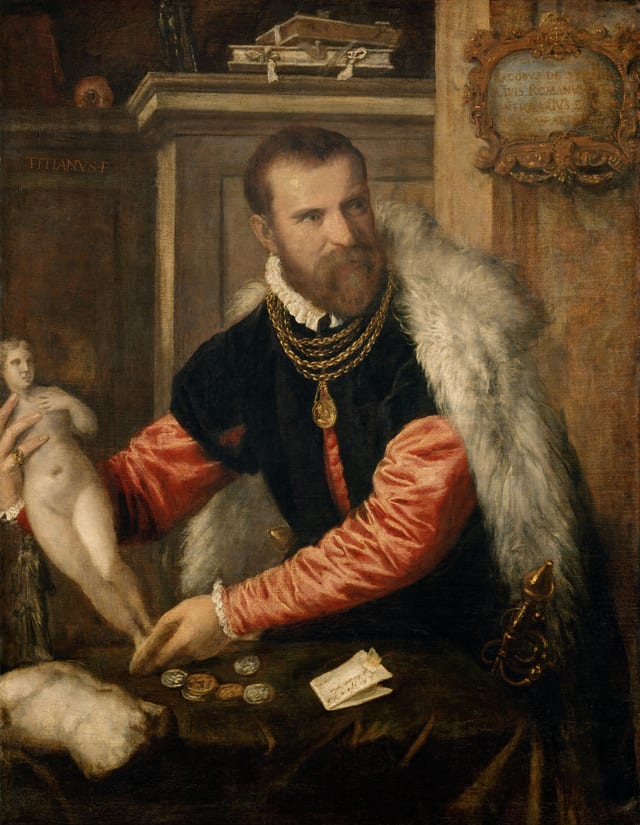
Titian
Italian · 35 in the archive
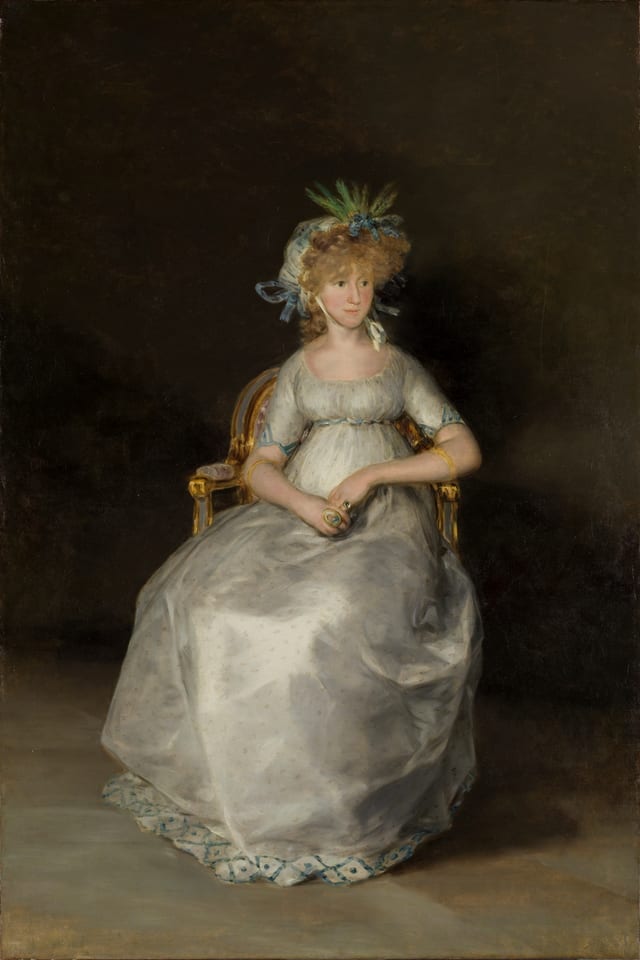
Francisco Goya
Spanish · 27 in the archive
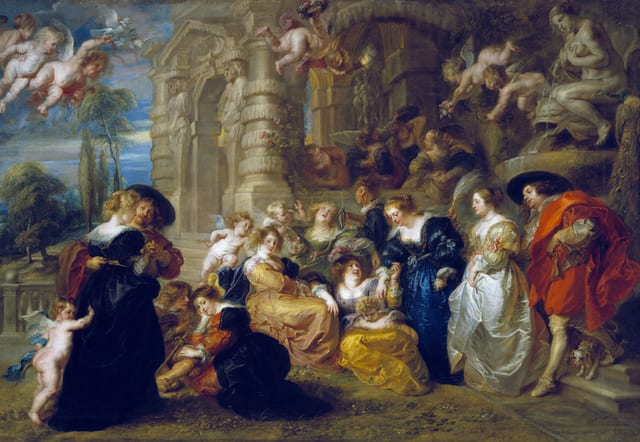
Peter Paul Rubens
Flemish · 25 in the archive
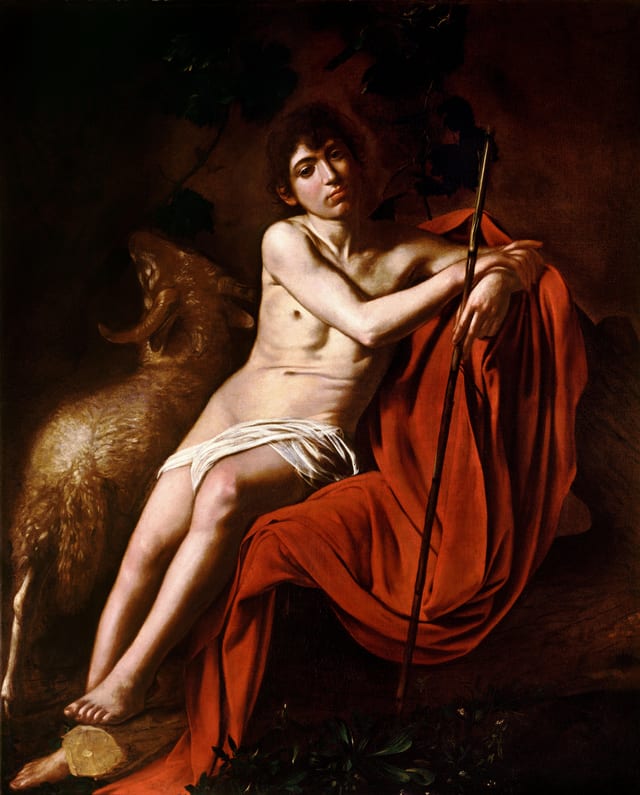
Caravaggio
Italian · 20 in the archive
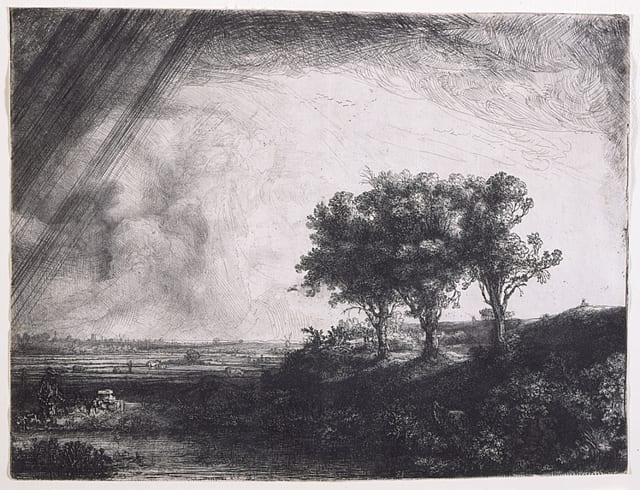
Rembrandt van Rijn
Dutch · 20 in the archive
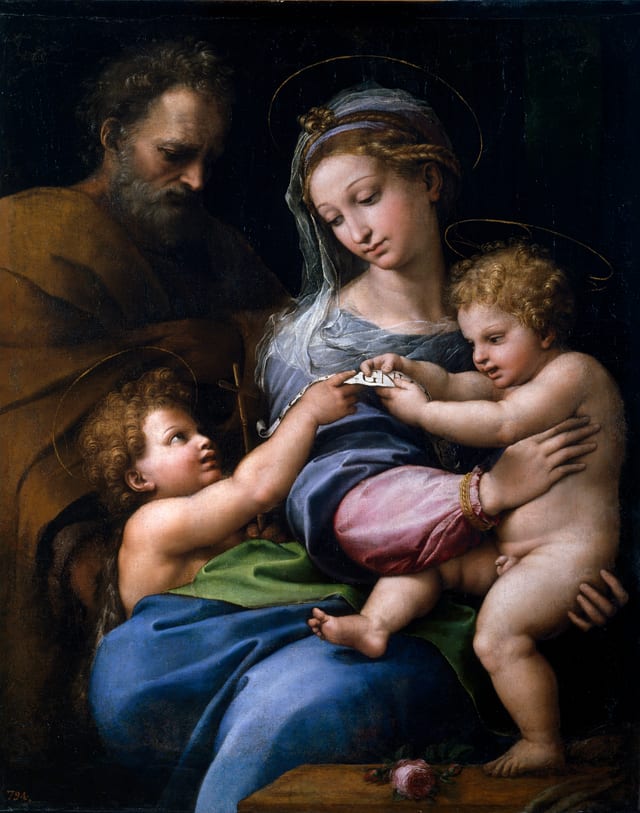
Raphael
Holy Roman Empire · 18 in the archive
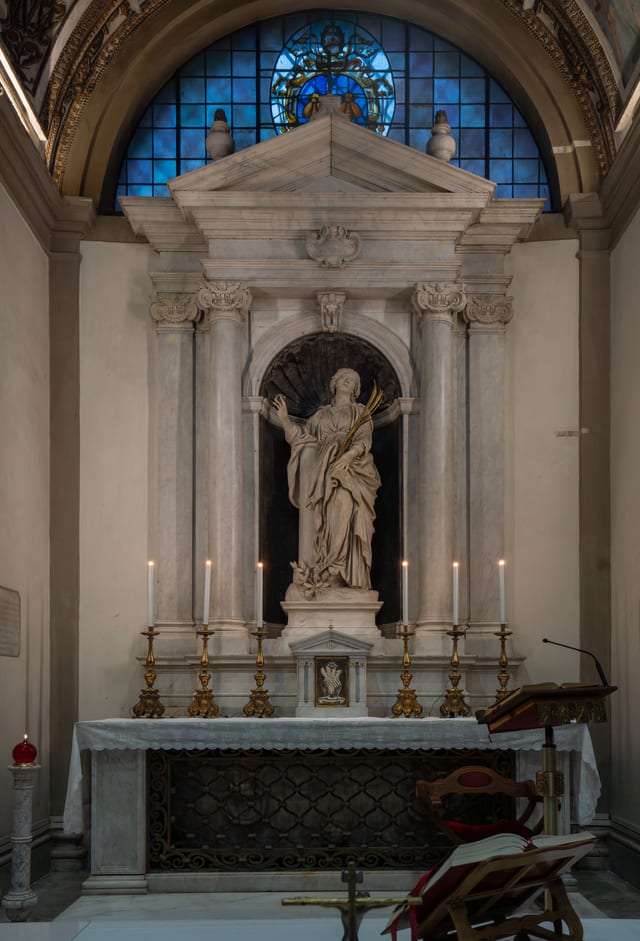
Gian Lorenzo Bernini
Italy · 16 in the archive
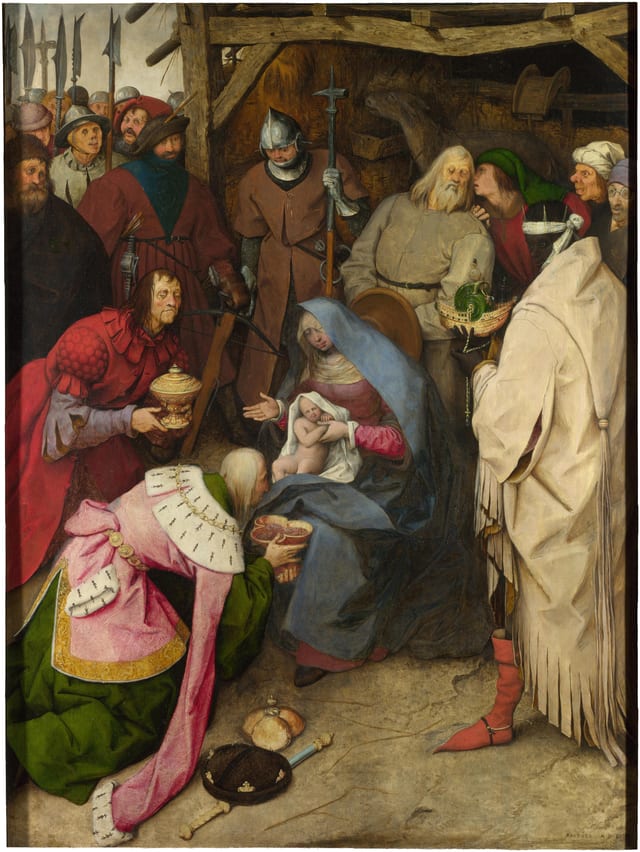
Pieter Brueghel the Elder
Duchy of Brabant · 15 in the archive
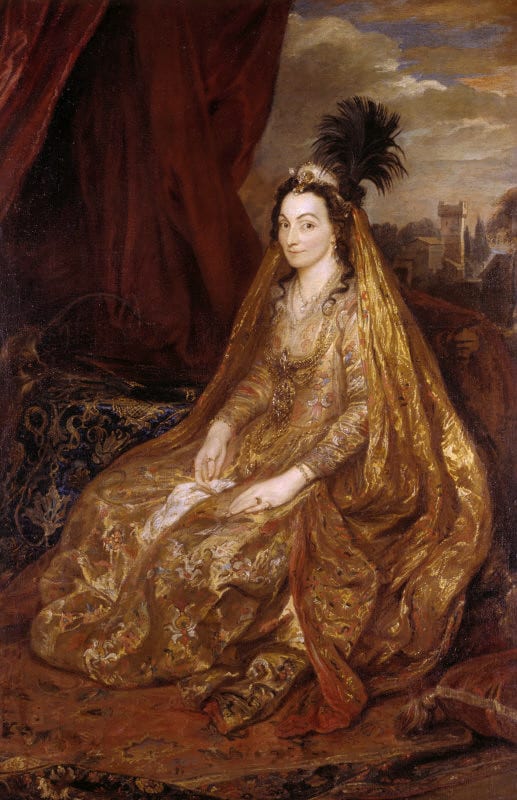
Sir Anthony van Dyck
Spanish Netherlands · 13 in the archive
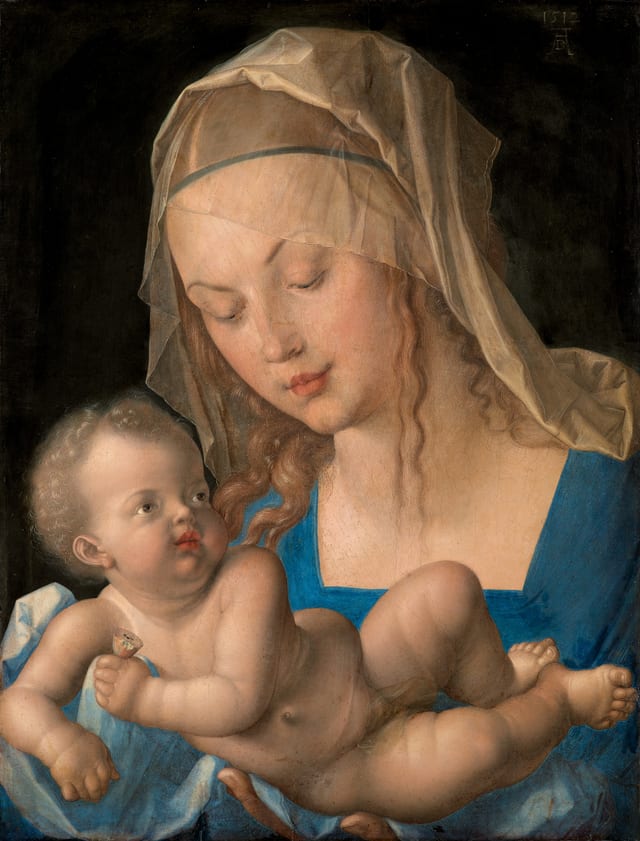
Albrecht Dürer
German · 11 in the archive
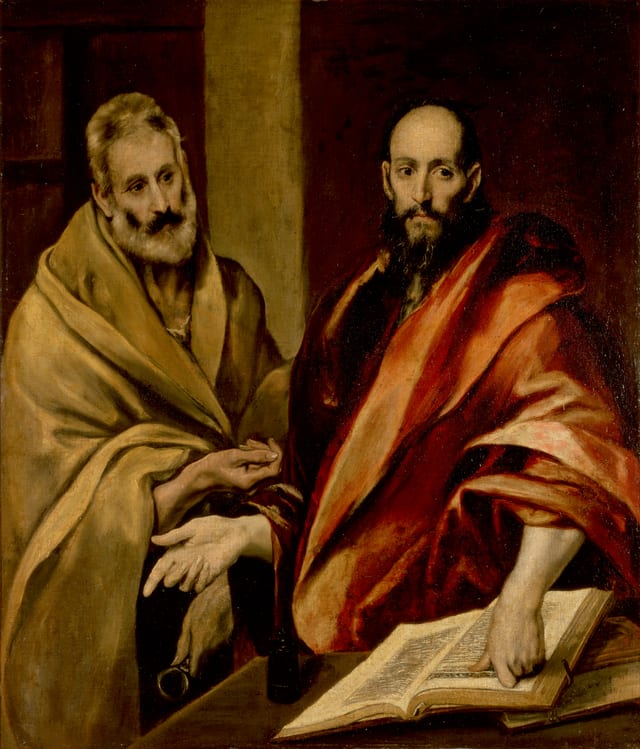
El Greco
Greek · 10 in the archive
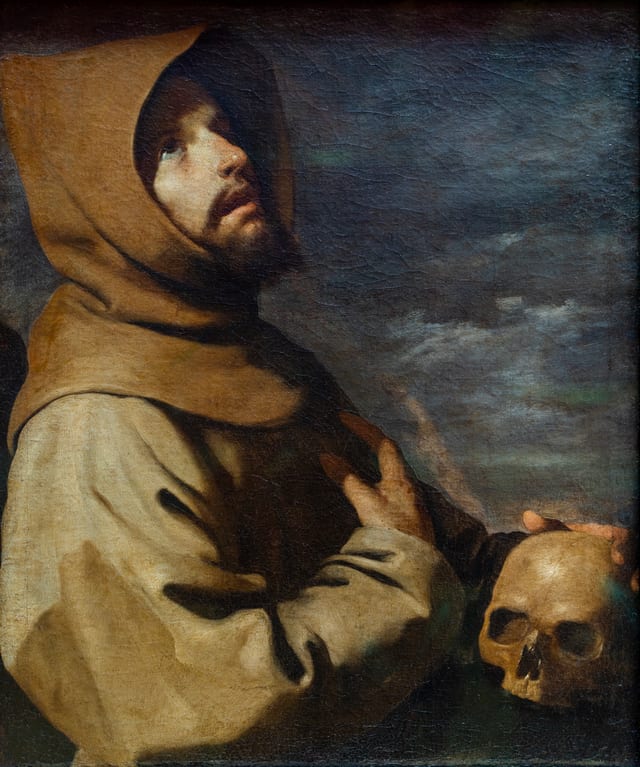
Francisco de Zurbarán
Spain · 10 in the archive
Invite the masters into your living room.
Diego Velázquez on your TV, phone, or tablet. Free to start.
View on MomentableIndependent guide by Momentable · biography from Wikipedia · artworks are in the public domain and credited to the museum that holds them