Children's Games
Pieter Brueghel the Elder · 1560

Pieter Brueghel the Elder
Duchy of Brabant · 1525–1569
Pieter Bruegel (also Brueghel or Breughel) the Elder was among the most significant artists of Dutch and Flemish Renaissance painting, a painter and printmaker, known for his landscapes and peasant scenes (so-called genre painting); he was a pioneer in presenting both types of subject as large paintings. He was a formative influence on Dutch Golden Age painting and later painting in general in his innovative choices of subject matter, as one of the first generation of artists to grow up when religious subjects had ceased to be the natural subject matter of painting. He also painted no portraits, the other mainstay of Netherlandish art. After his training and travels to Italy, he returned in 1555 to settle in Antwerp, where he worked mainly as a prolific designer of prints for the leading publisher of the day. At the end of the 1550s, he made painting his main medium, and all his famous paintings come from the following period of little more than a decade before his early death in 1569, when he was probably in his early forties.
Independent artist guide by Momentable. Biography from Wikipedia; artworks credited to the museums that hold them.
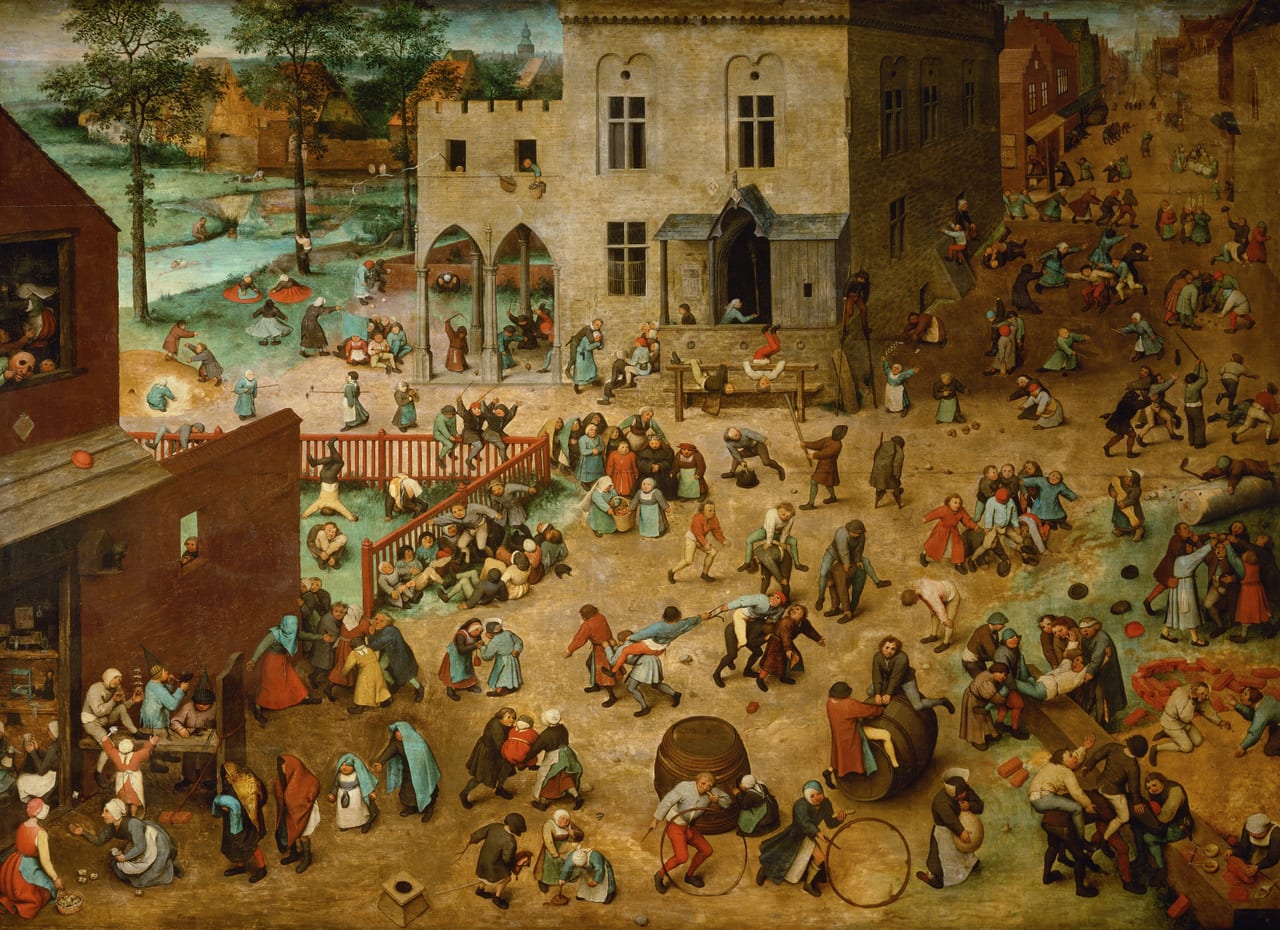 LIVENow streaming · Children's Games
- works in the archive
- 16works in the archive
- life
- 1525–1569life
- rights
- Public domainrights
The work
A selection of 16 works, free to stream.
Children's Games
Pieter Brueghel the Elder · 1560
Kunsthistorisches Museum
The Peasant Wedding
Pieter Brueghel the Elder · 1568
Kunsthistorisches Museum
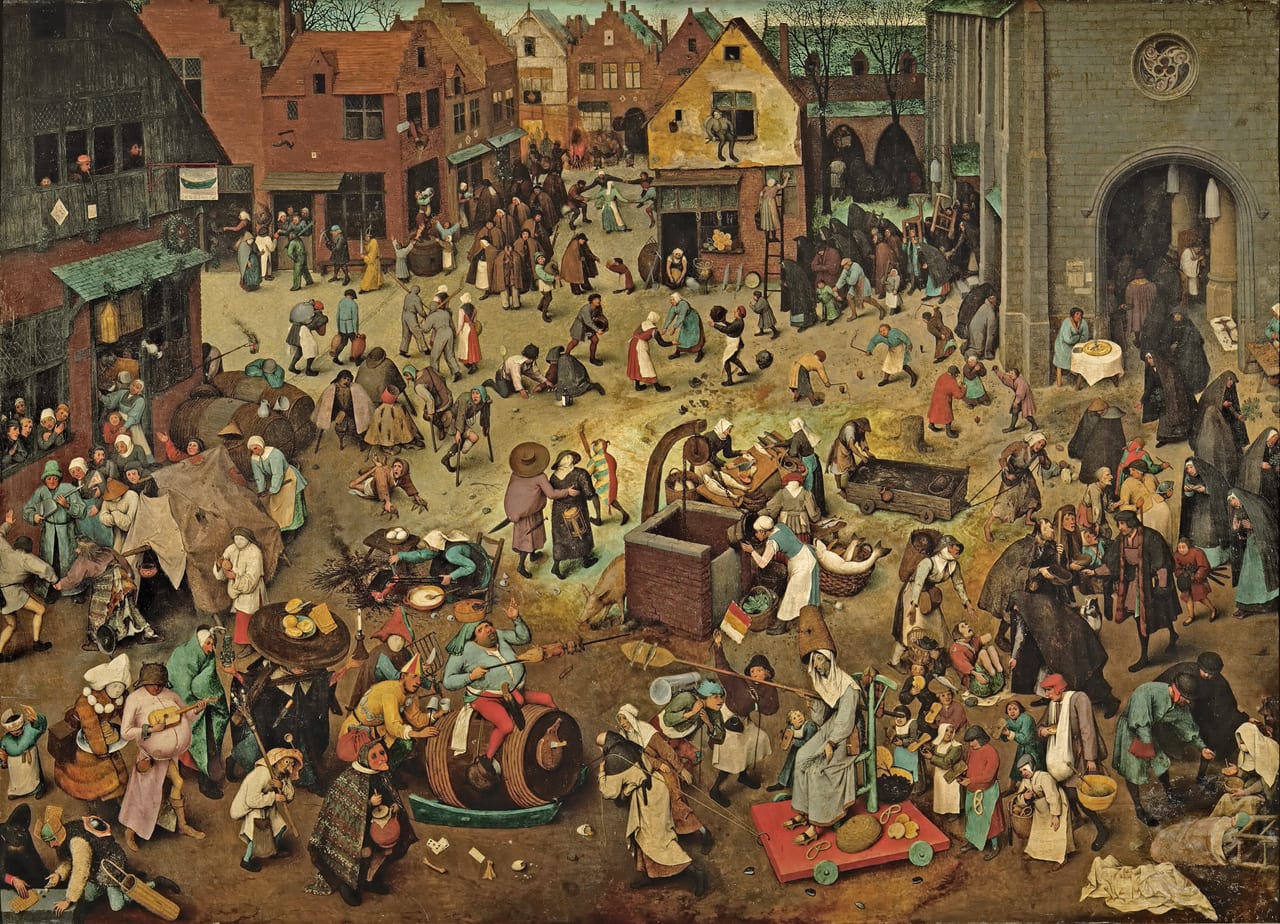
The Fight Between Carnival and Lent
Pieter Brueghel the Elder · 1559
Kunsthistorisches Museum
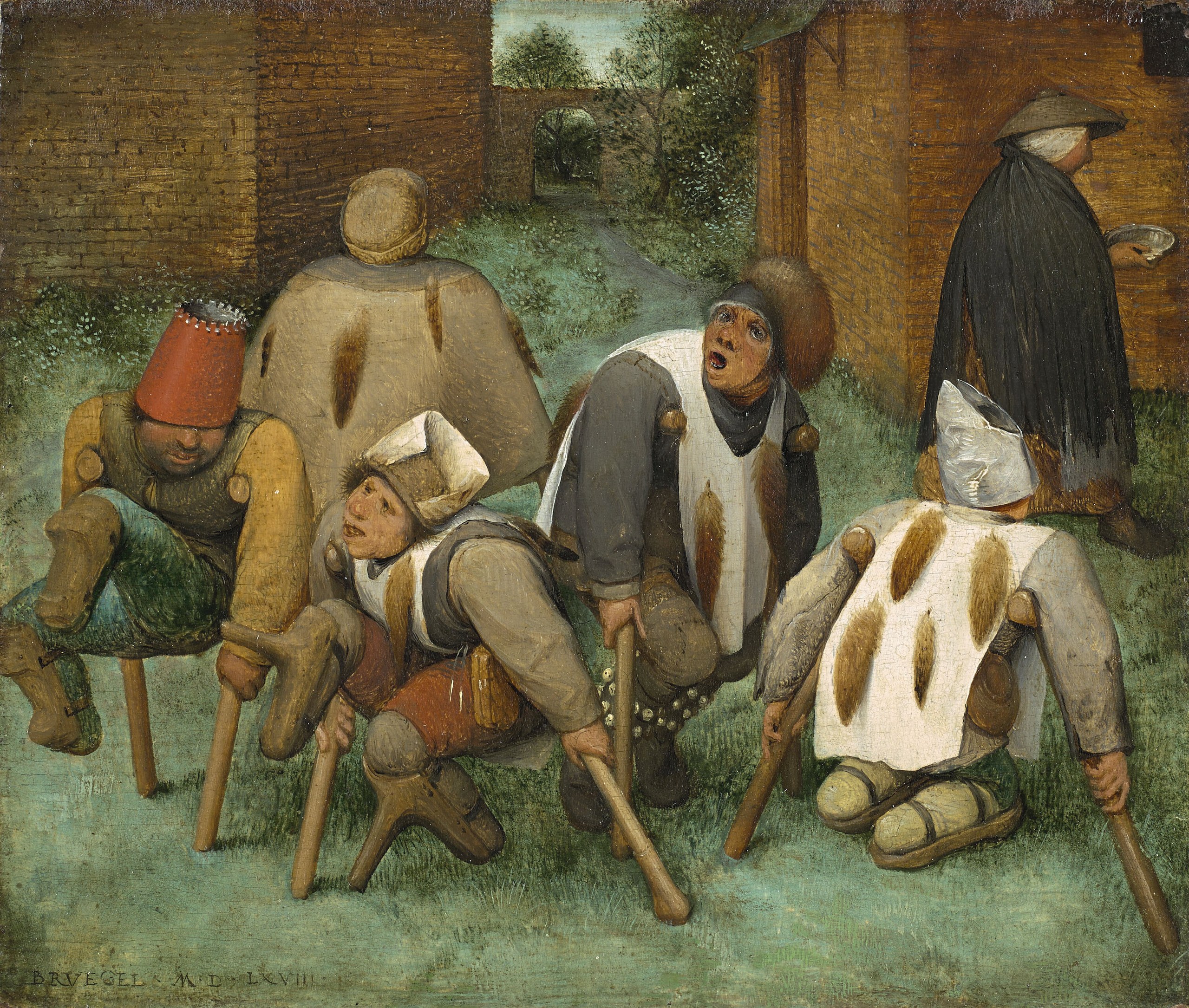
The Beggars
Pieter Brueghel the Elder · 1568
Louvre
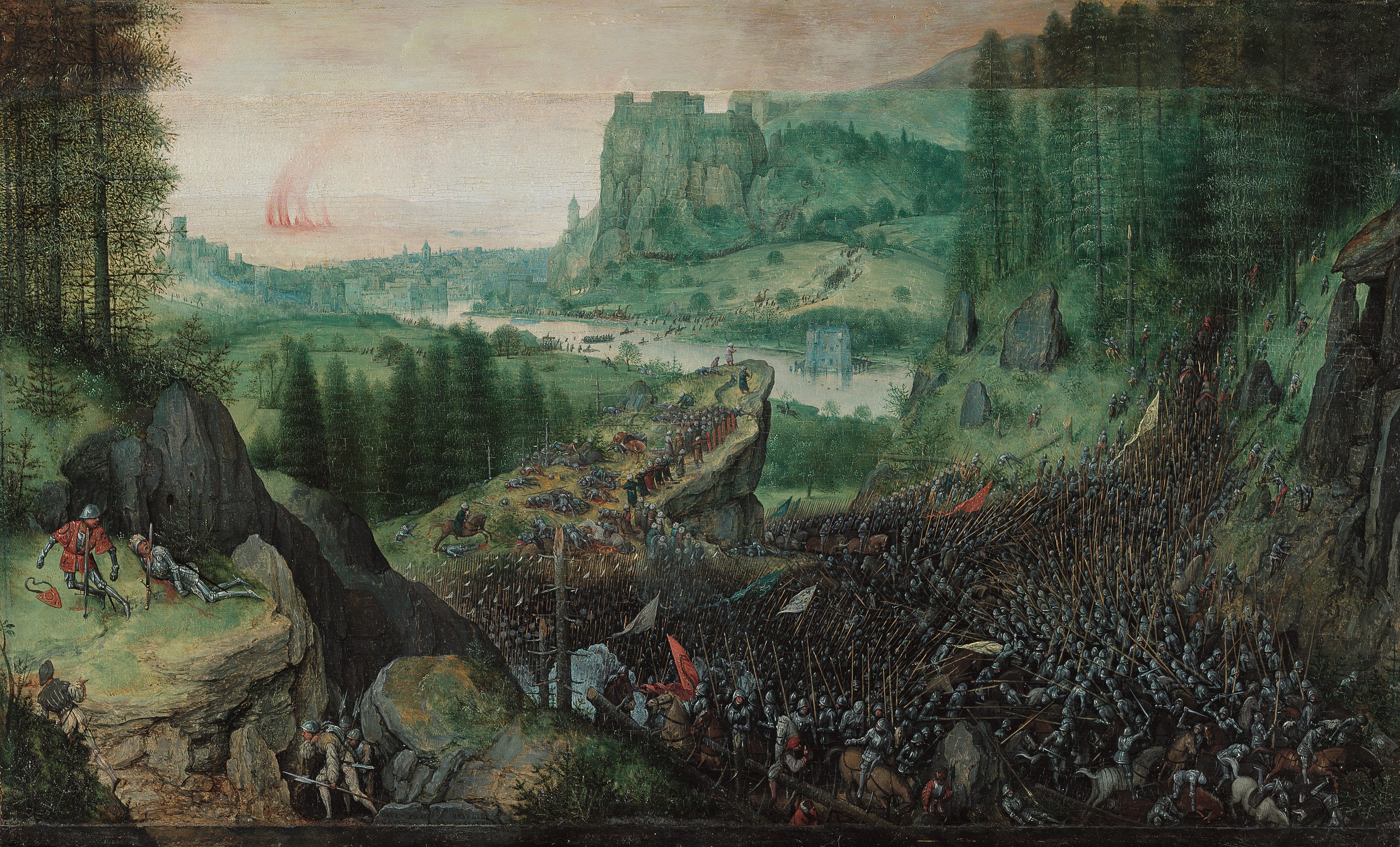
The Suicide of Saul
Pieter Brueghel the Elder · 1562
Kunsthistorisches Museum
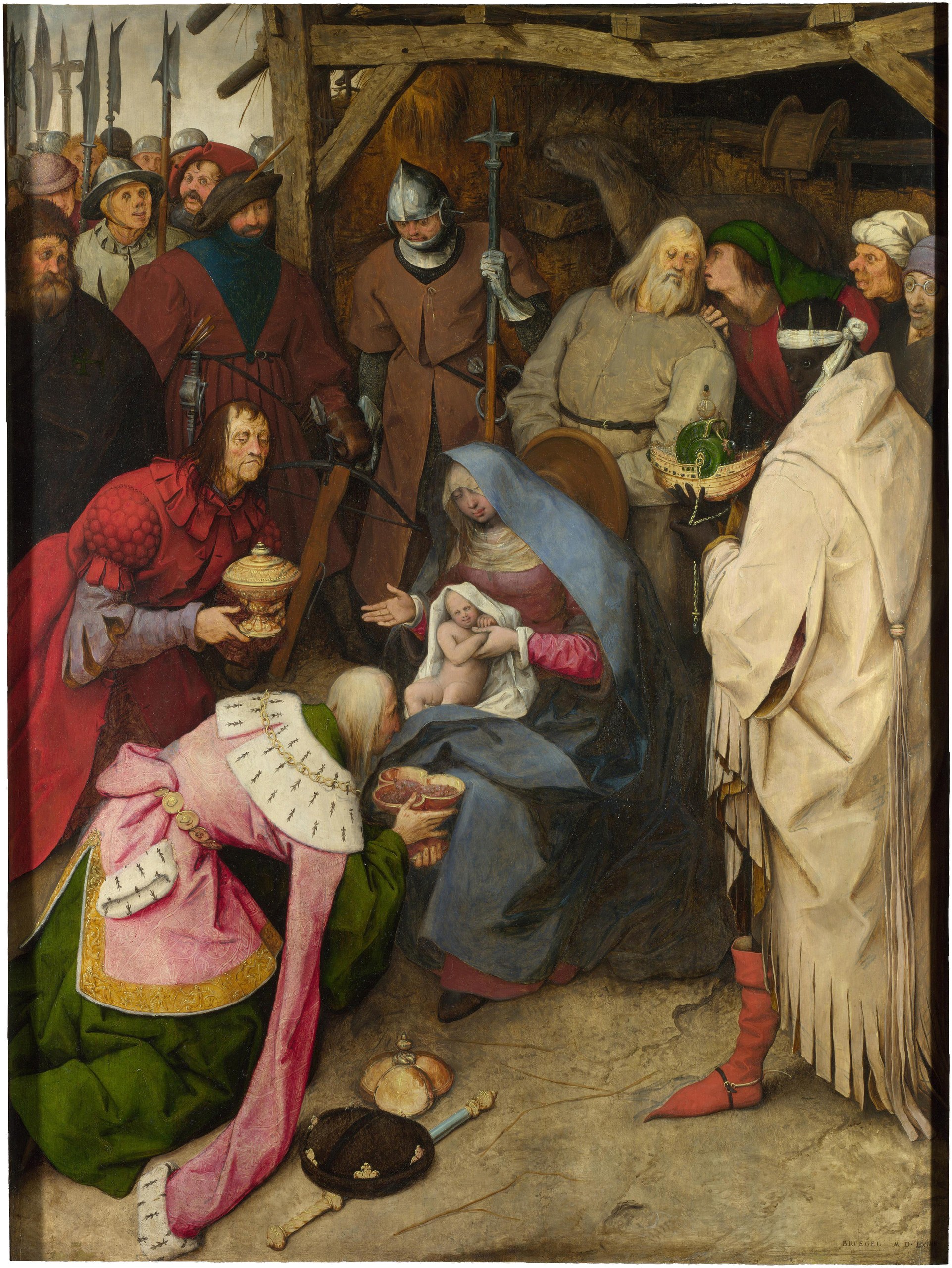
The Adoration of the Kings
Pieter Brueghel the Elder · 1563
National Gallery
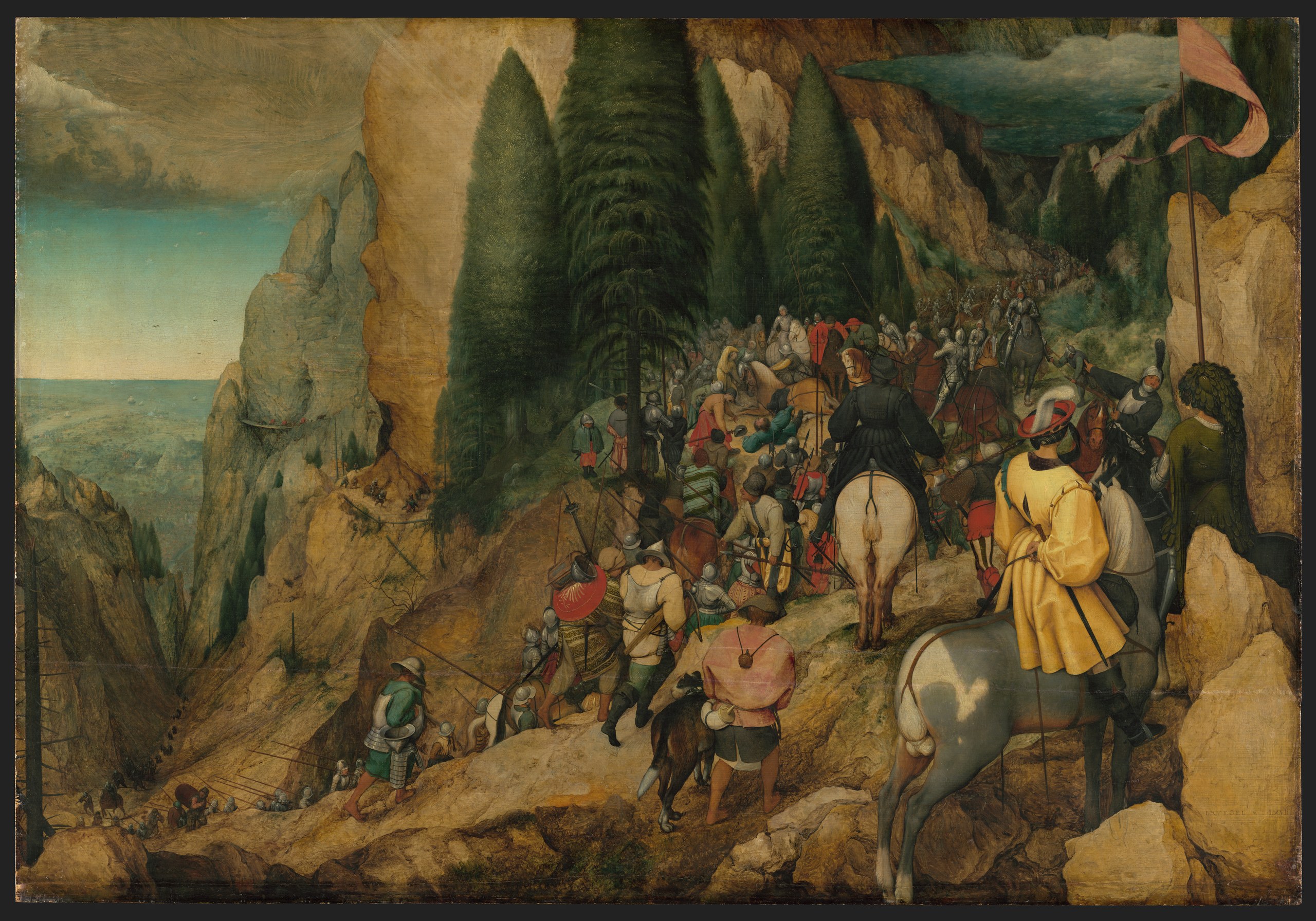
Conversion of Paul
Pieter Brueghel the Elder · 1567
Kunsthistorisches Museum
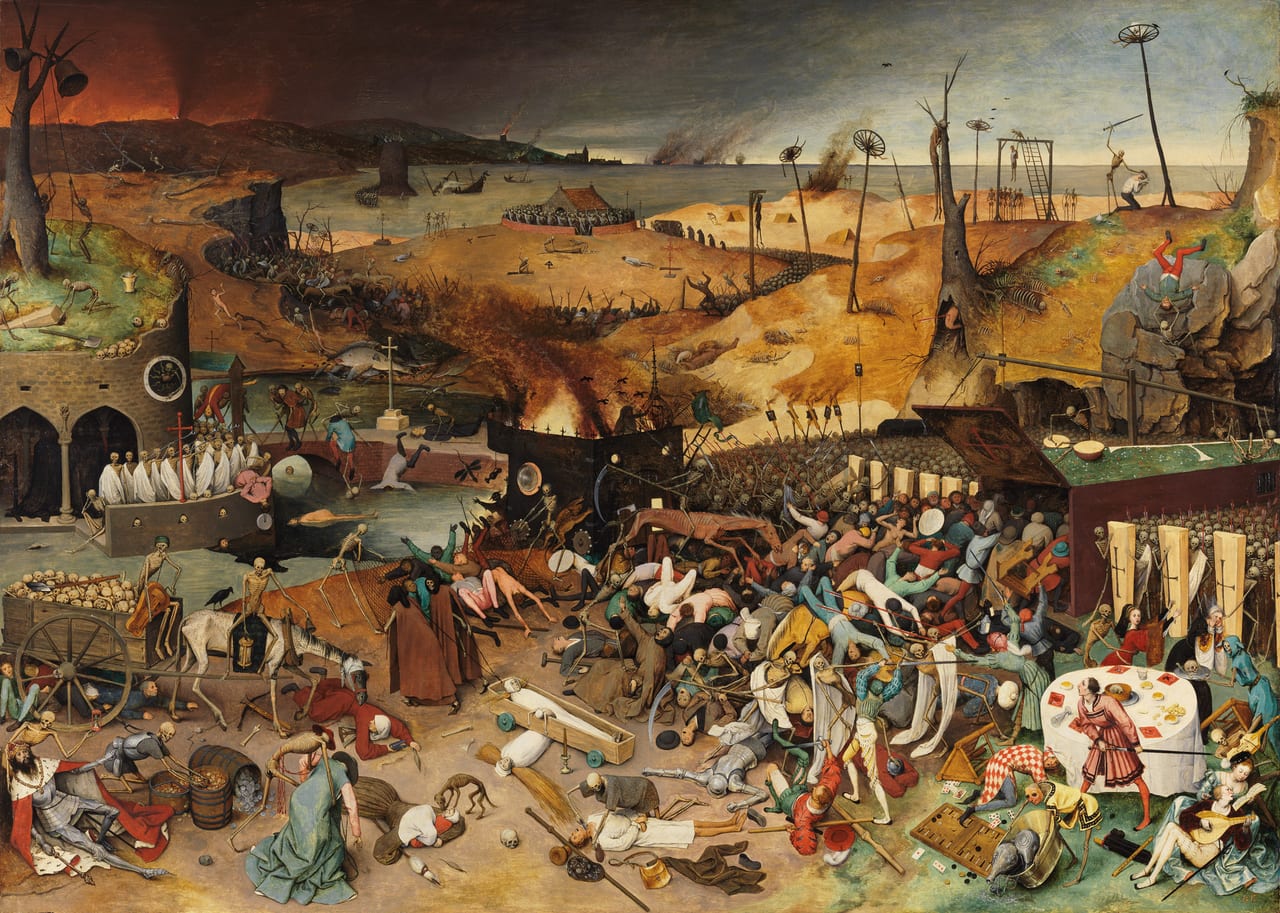
The Triumph of Death
Pieter Brueghel the Elder · 1560
Museo del Prado
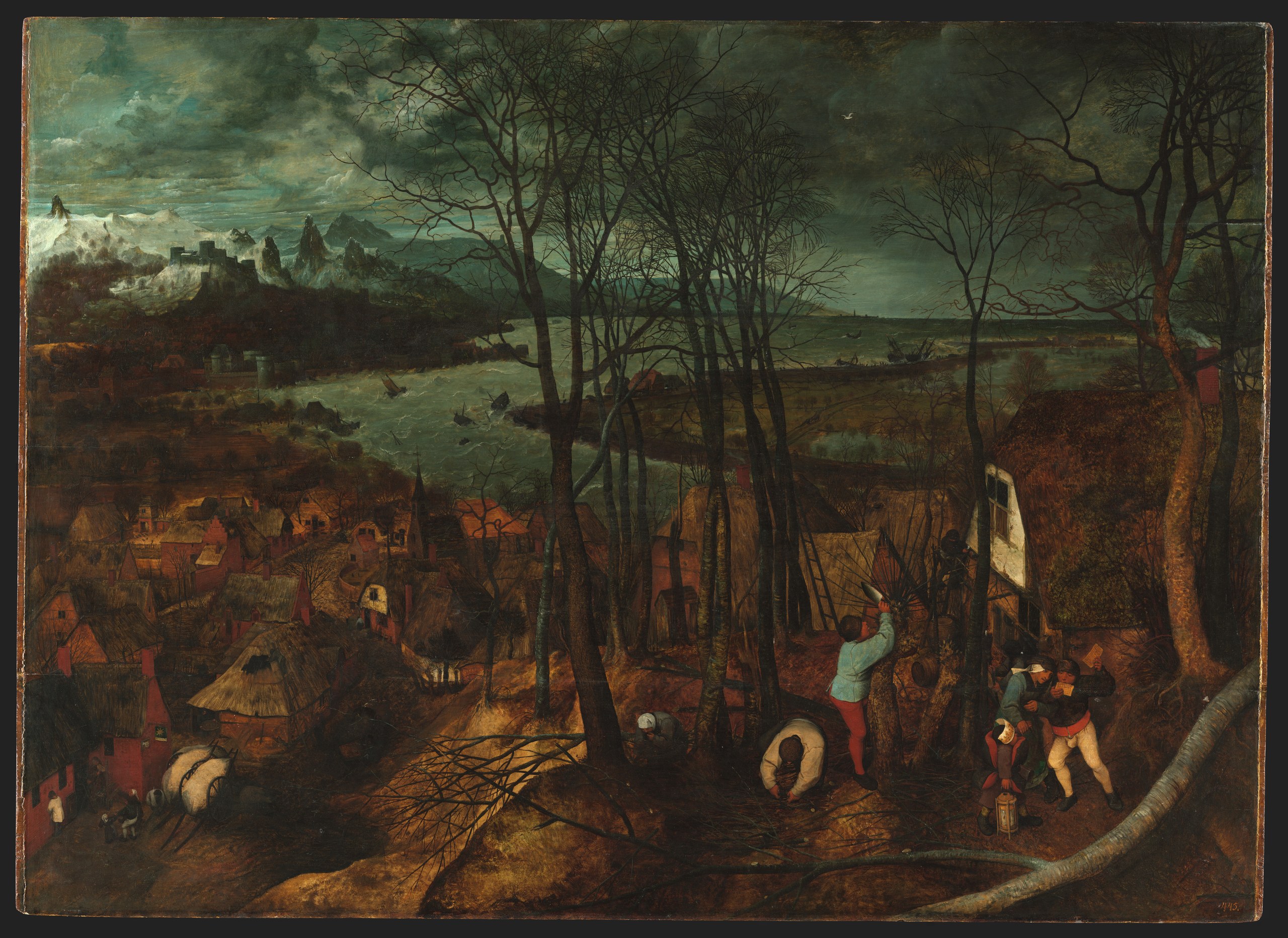
The Gloomy Day
Pieter Brueghel the Elder · 1565
Kunsthistorisches Museum
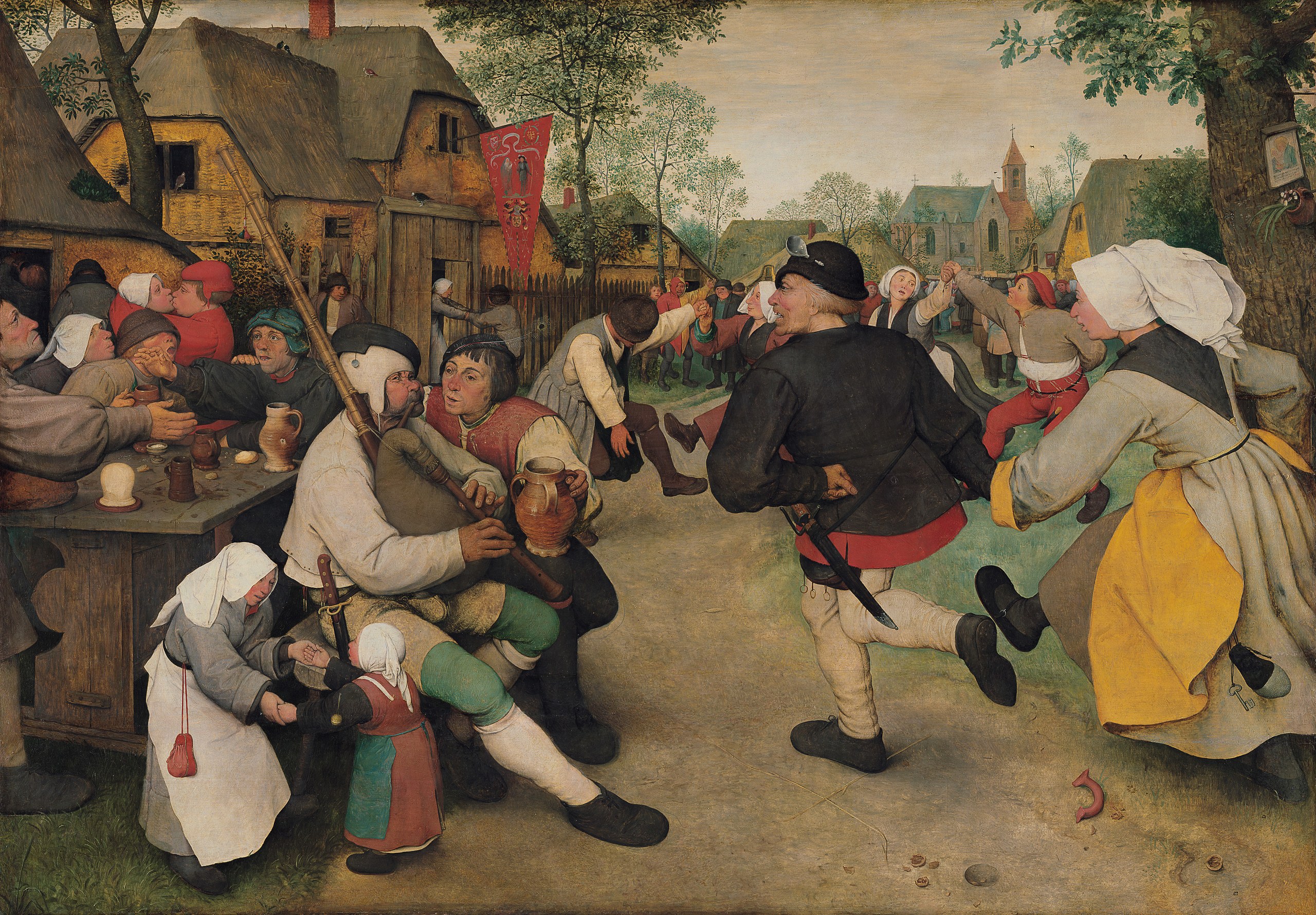
The Peasant Dance
Pieter Brueghel the Elder · 1568
Kunsthistorisches Museum
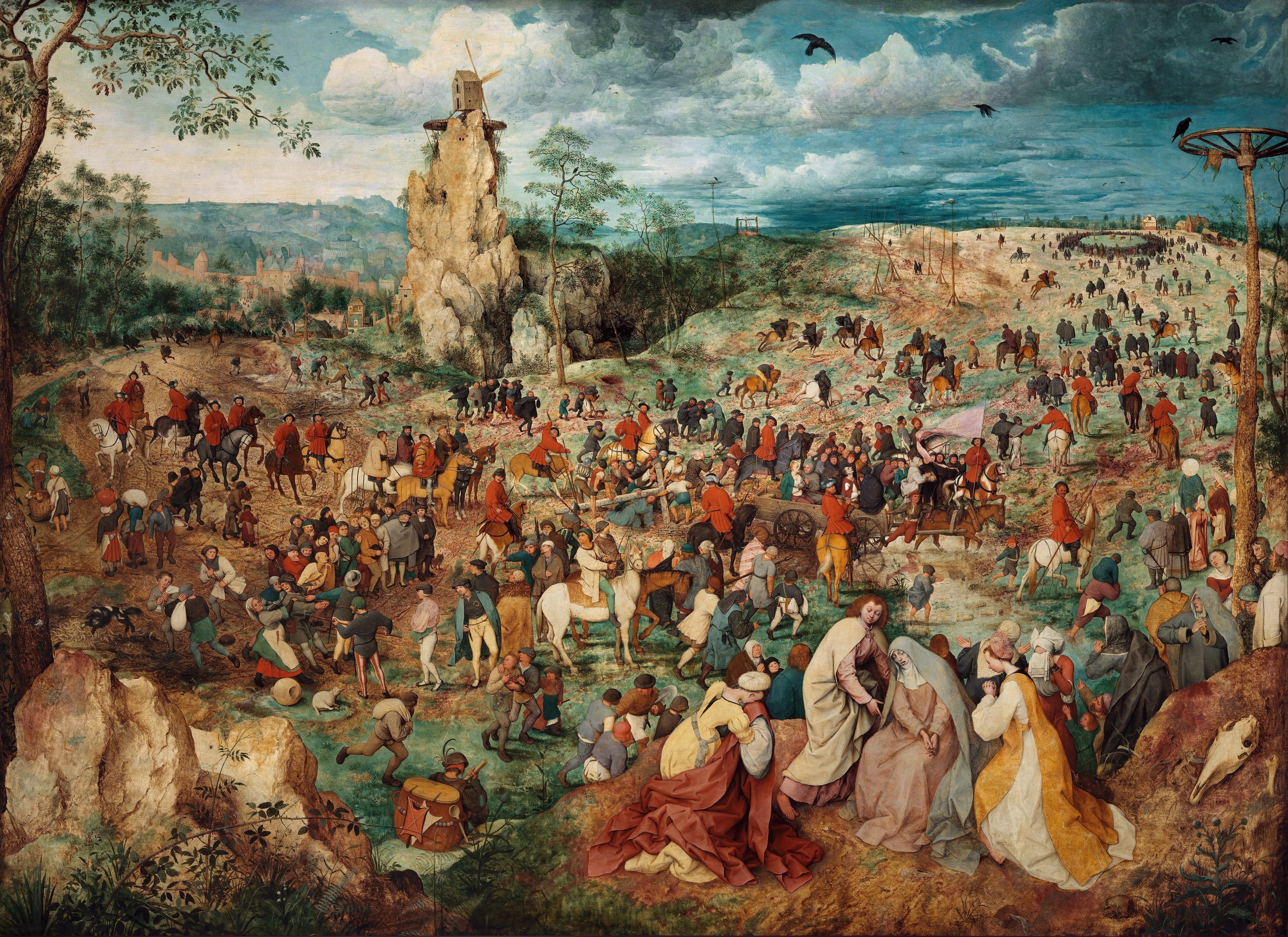
The Procession to Calvary
Pieter Brueghel the Elder · 1564
Kunsthistorisches Museum
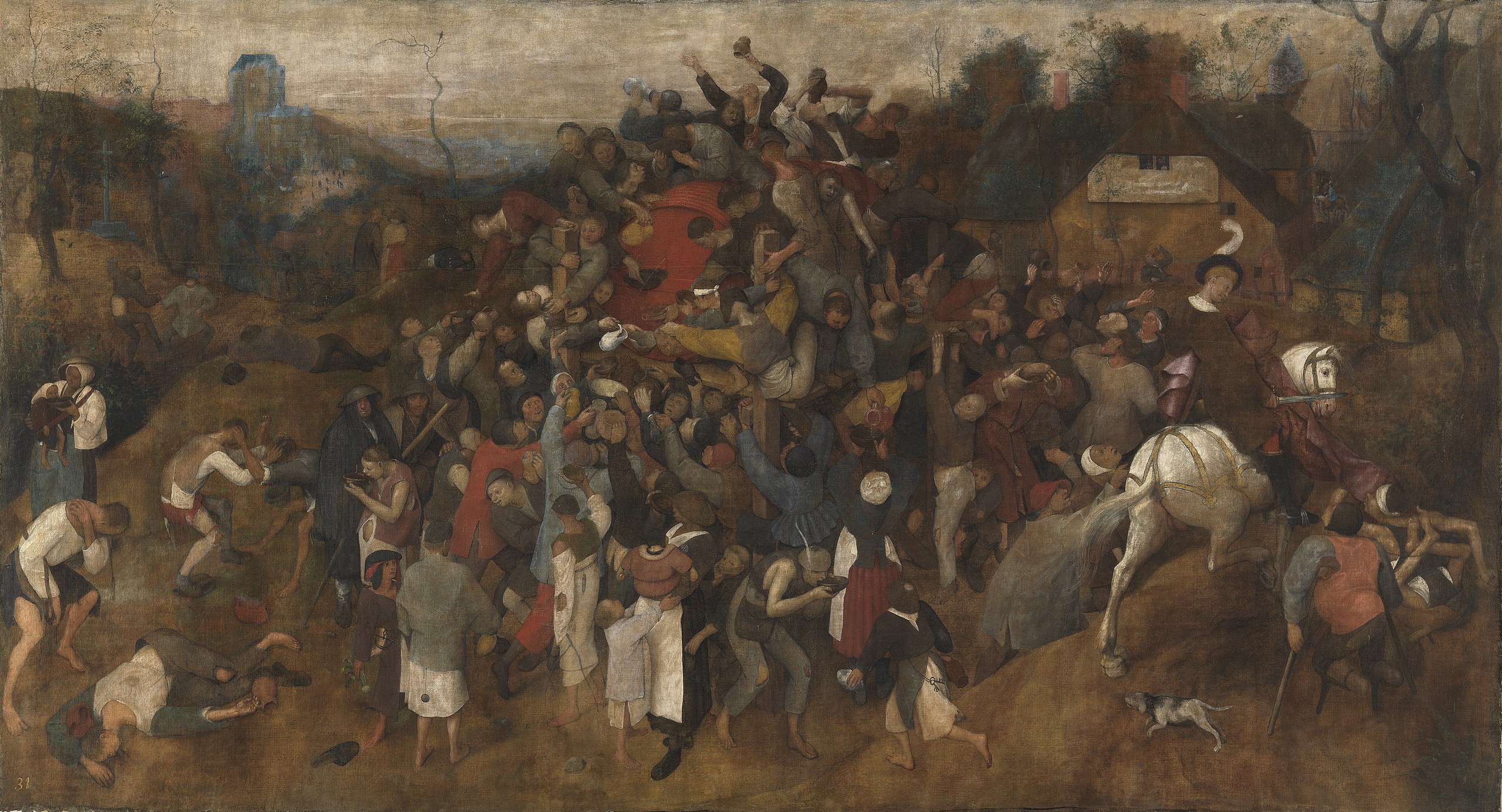
The Wine of Saint Martin's Day
Pieter Brueghel the Elder · 1566
Museo del Prado
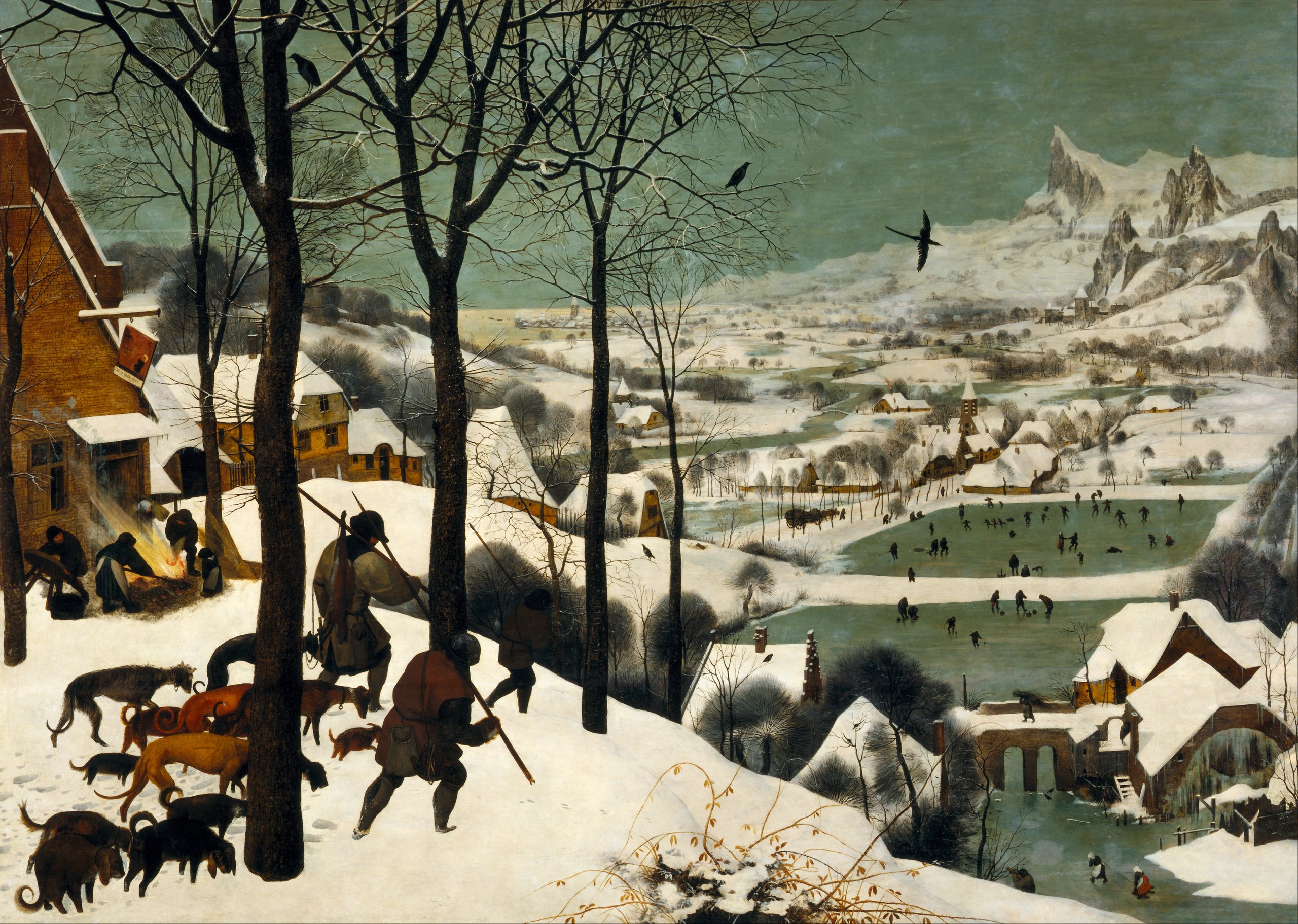
The Hunters in the Snow
Pieter Brueghel the Elder · 1565
Kunsthistorisches Museum
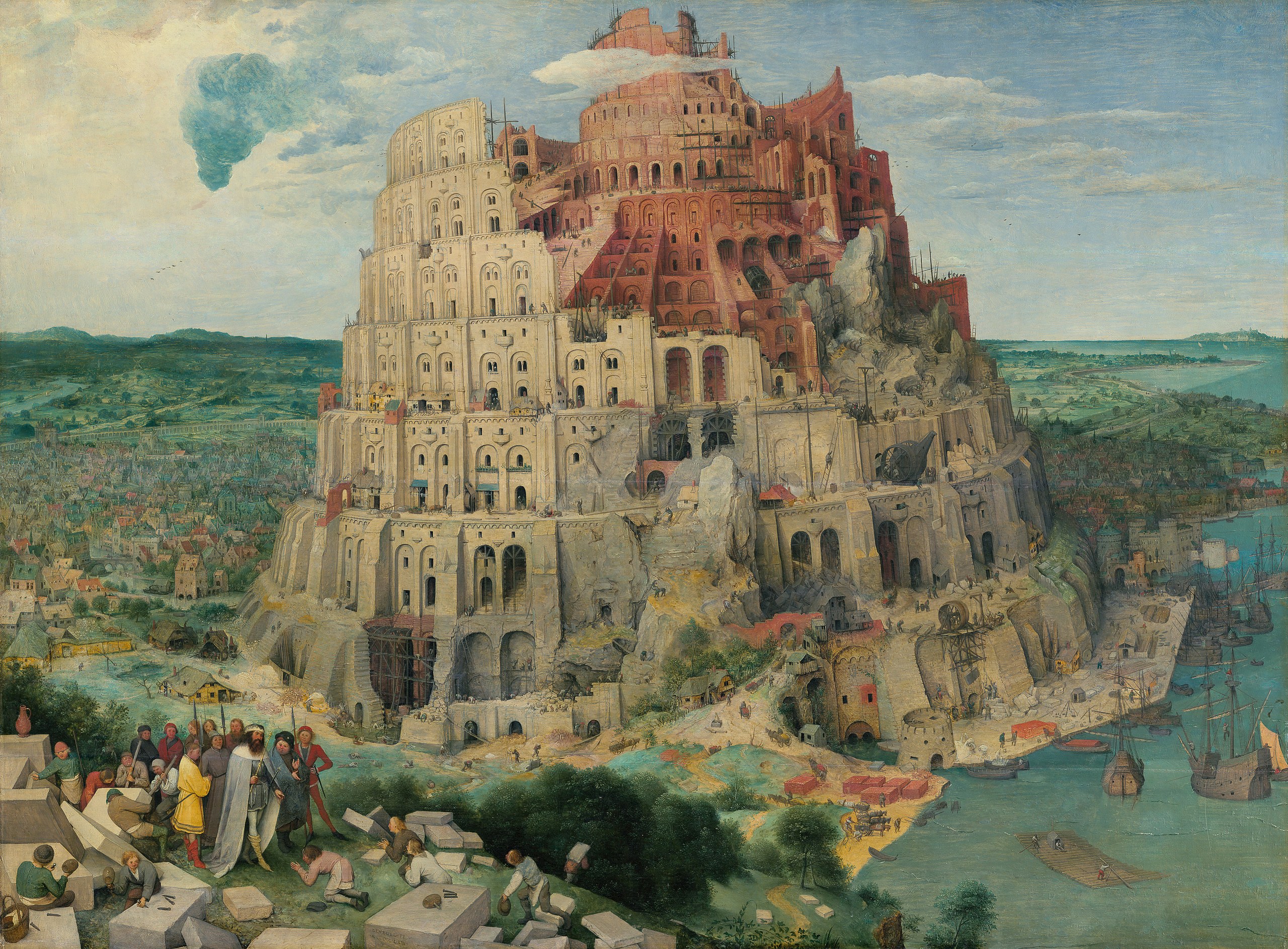
The Tower of Babel
Pieter Brueghel the Elder · 1563
Kunsthistorisches Museum
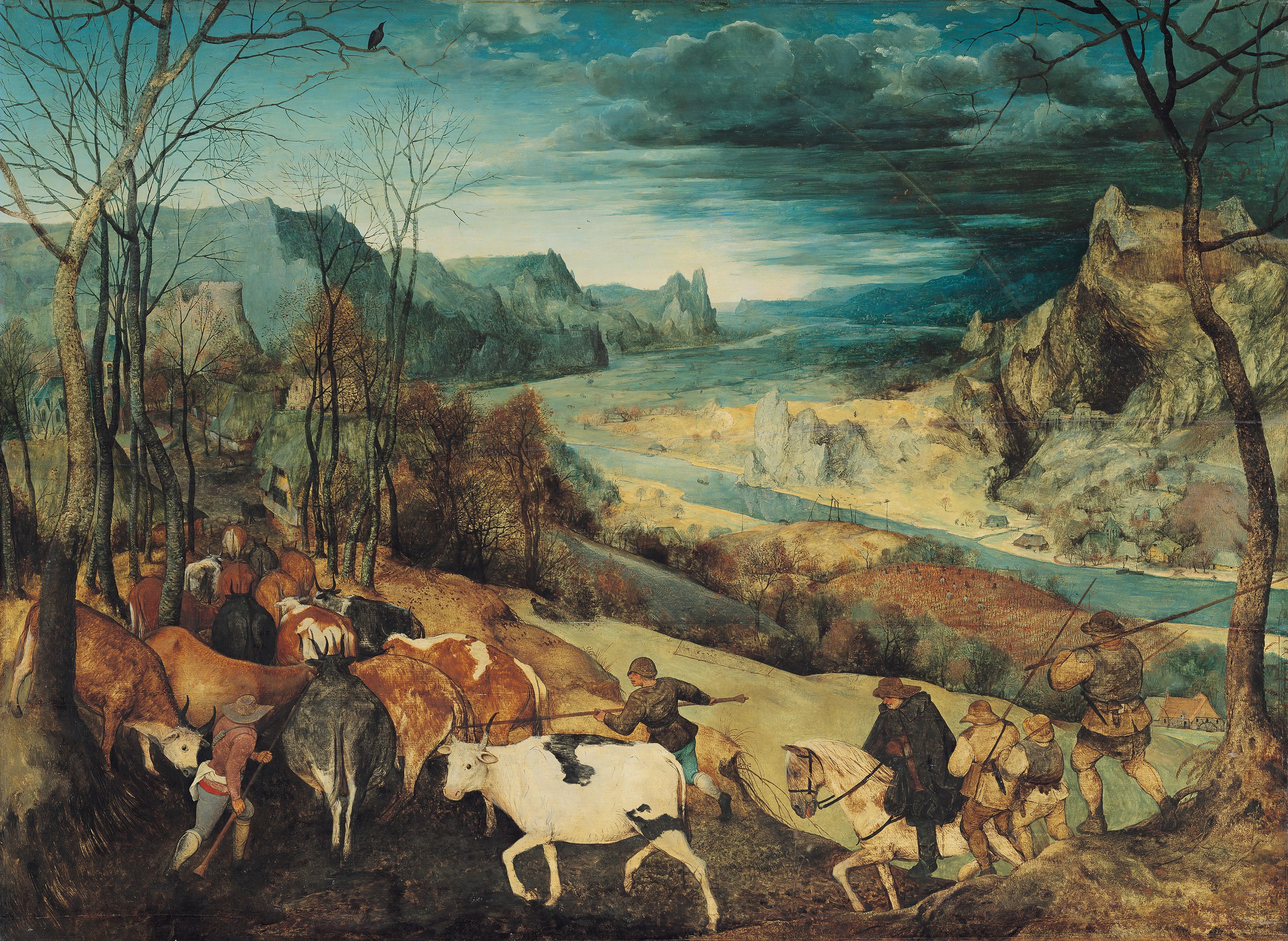
The Return of the Herd
Pieter Brueghel the Elder · 1565
Kunsthistorisches Museum
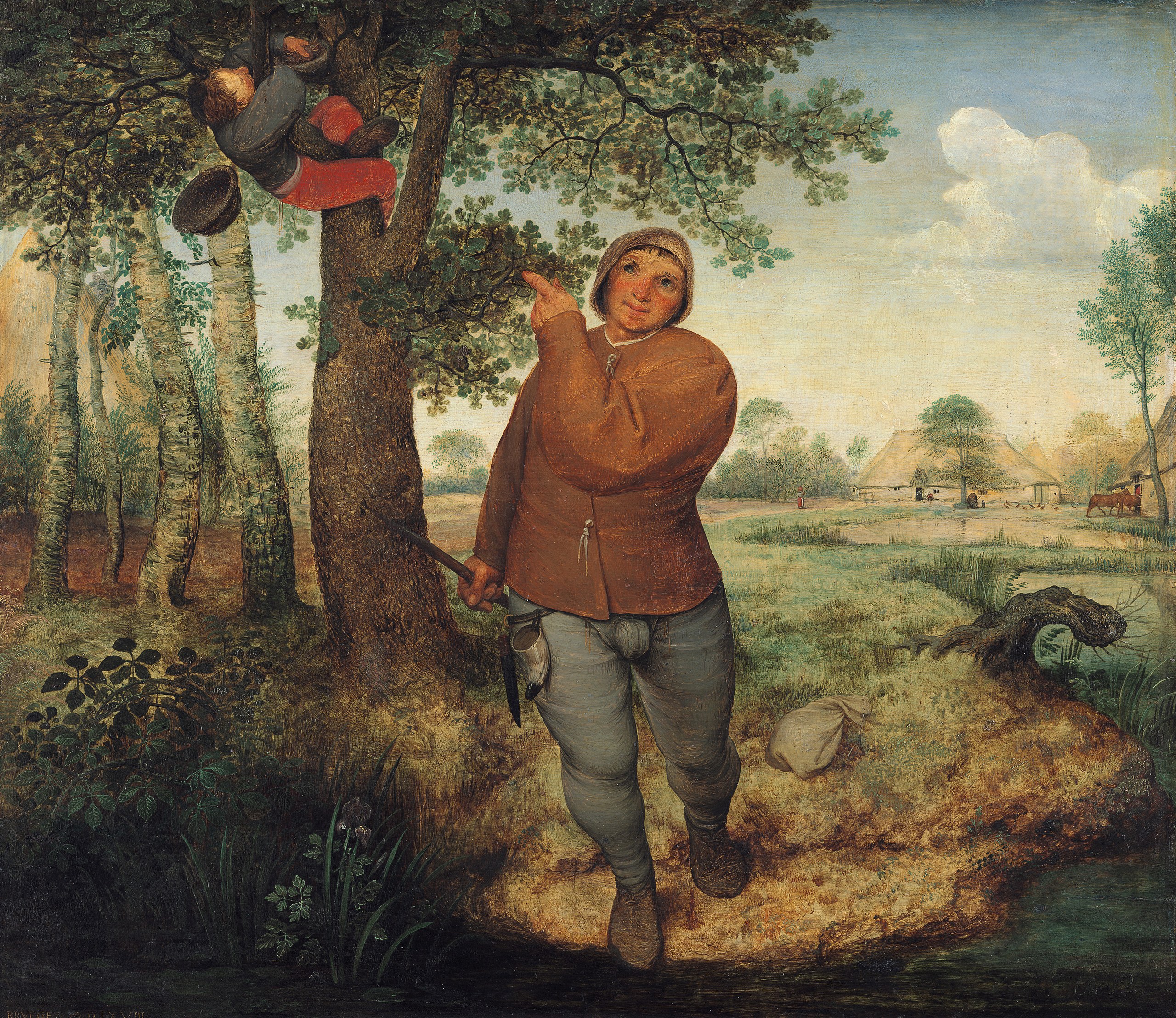
The Peasant and the Nest Robber
Pieter Brueghel the Elder · 1568
Kunsthistorisches Museum
Works worth knowing
What Pieter Brueghel the Elder made, and why each one is worth looking at.
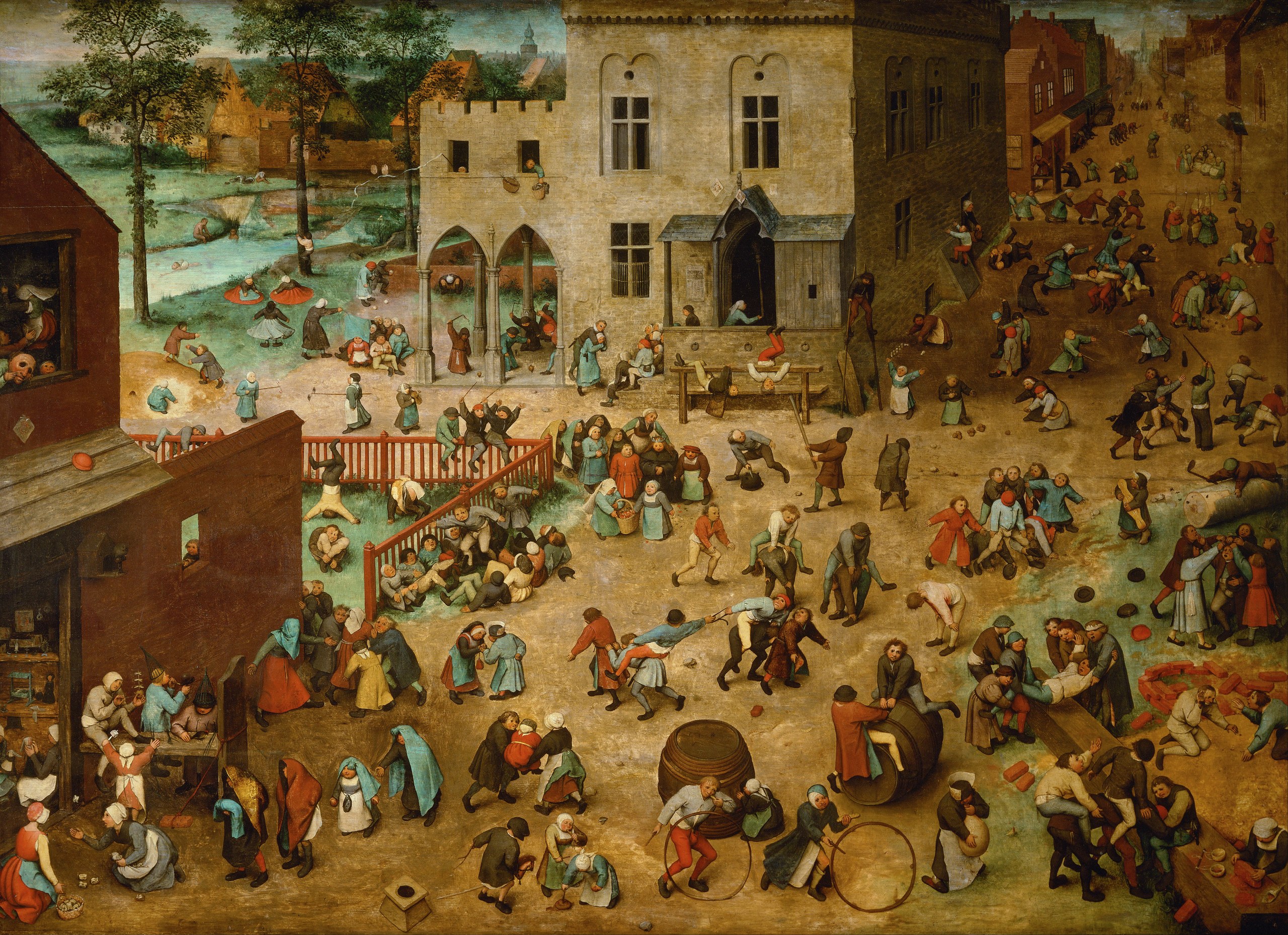
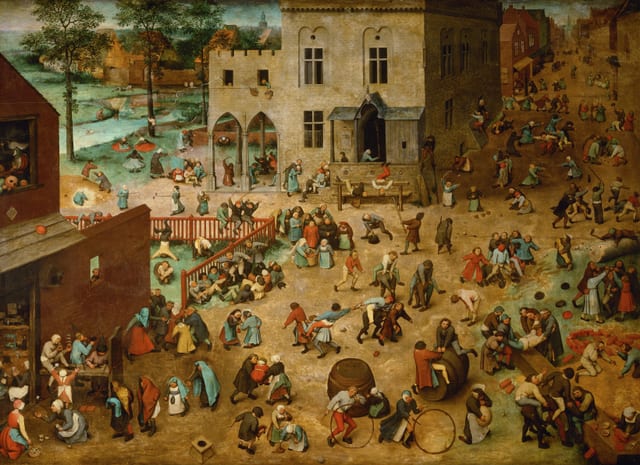
Children's Games
Pieter Brueghel the Elder · 1560
Kunsthistorisches Museum
Children's Games is an oil-on-panel by Flemish Renaissance artist Pieter Bruegel the Elder, painted in 1560. It is now in the Kunsthistorisches Museum in Vienna. The entire composition is full of children playing a wide variety of games.
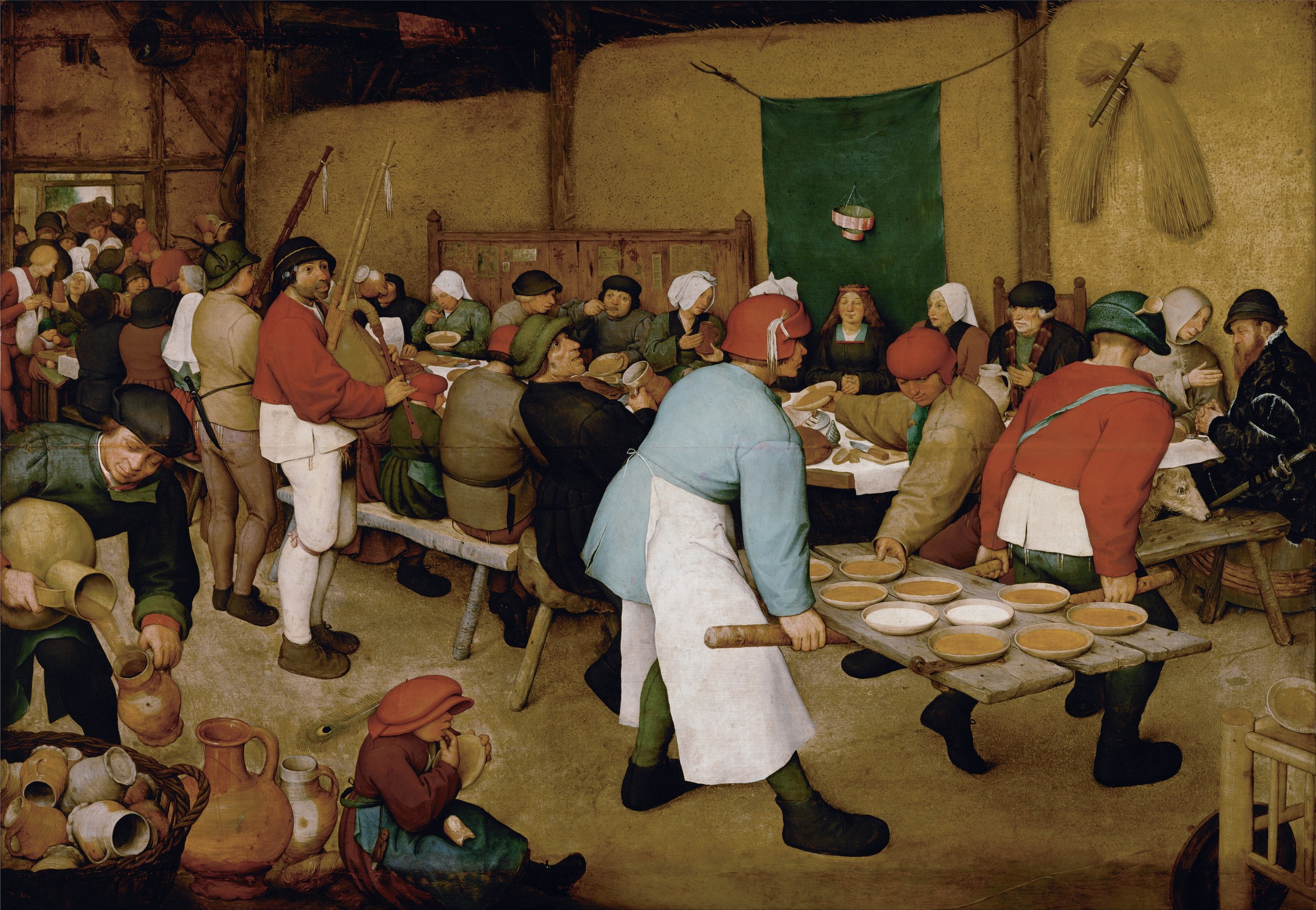
The Peasant Wedding
Pieter Brueghel the Elder · 1568
Kunsthistorisches Museum
The Peasant Wedding is a 1567 genre painting by the Dutch and Flemish Renaissance painter and printmaker Pieter Bruegel the Elder, one of his many depicting peasant life. It is now in the Kunsthistorisches Museum, Vienna. Pieter Bruegel the Elder enjoyed painting peasants and different aspects of their lives in so many of his paintings that he has been called Peasant-Bruegel, but he was an intellectual, and many of his paintings have a symbolic meaning as well as a moral aspect.
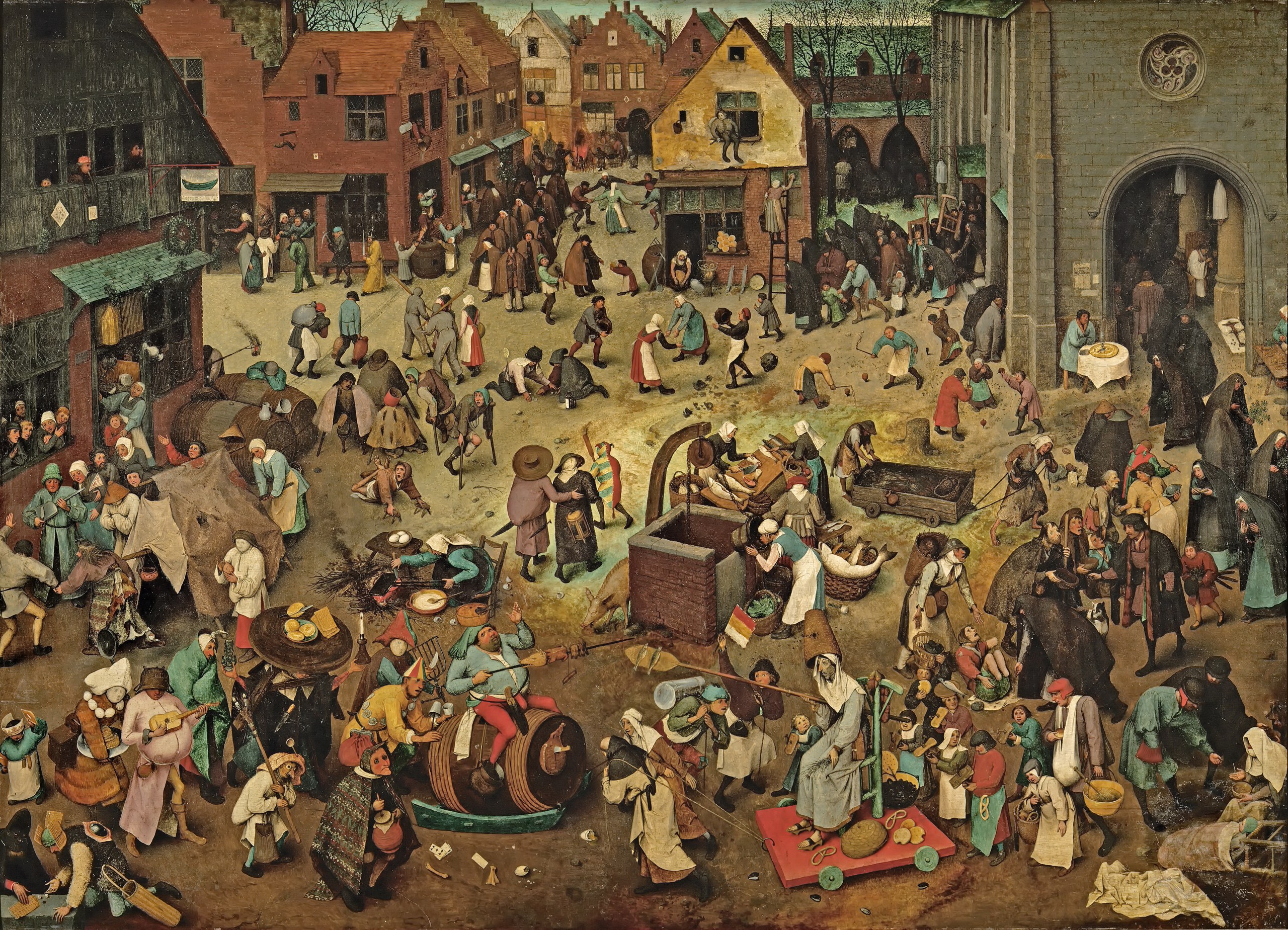
The Fight Between Carnival and Lent
Pieter Brueghel the Elder · 1559
Kunsthistorisches Museum
The Fight Between Carnival and Lent is an oil-on-panel painting executed by the Dutch and Flemish Renaissance painter Pieter Bruegel the Elder in 1559. It is a panorama of contemporary life in the Southern Netherlands. While the painting contains nearly 200 characters, it is unified under the theme of the transition from Shrove Tuesday to Lent, the period forty days before Easter.
The Beggars
Pieter Brueghel the Elder · 1568
Louvre
The Beggars or The Cripples is an oil-on-panel by the Netherlandish Renaissance artist Pieter Bruegel the Elder, painted in 1568. It is now in the Louvre, in Paris. Its also is the only painting by Bruegel in the Louvre, received as a gift in 1892.
The Suicide of Saul
Pieter Brueghel the Elder · 1562
Kunsthistorisches Museum
The Suicide of Saul is an oil-on-panel painting by the Flemish Renaissance artist Pieter Bruegel the Elder, painted in 1562. It is in the collection of the Kunsthistorisches Museum, in Vienna. The Suicide of Saul is an early attempt by Bruegel to reconcile landscape and figure painting.
The Adoration of the Kings
Pieter Brueghel the Elder · 1563
National Gallery
The Adoration of the Kings is an oil-on-panel painting of the Adoration of the Magi by the Netherlandish Renaissance artist Pieter Bruegel the Elder, painted in 1564. It is held in the National Gallery, in London. It is one of very few paintings by Pieter Bruegel the Elder in the portrait format, rather than his usual landscape format.
Conversion of Paul
Pieter Brueghel the Elder · 1567
Kunsthistorisches Museum
Conversion of Paul is an oil-on-panel painting by the Netherlandish Renaissance artist Pieter Bruegel the Elder, painted in 1567. It is now in the Kunsthistorisches Museum in Vienna. Bruegel shows Paul's army on its way to Damascus in contemporary dress and with 16th century armour and weapons.
The Triumph of Death
Pieter Brueghel the Elder · 1560
Museo del Prado
The Triumph of Death is an oil panel painting by Pieter Bruegel the Elder painted c. It has been in the Museo del Prado in Madrid since 1827. This painting is part of the BBC's 100 Great Paintings.
Where the work hangs
The museums that hold it, and their visitor guides.
If you like Pieter Brueghel the Elder
Artists held by the same museums.
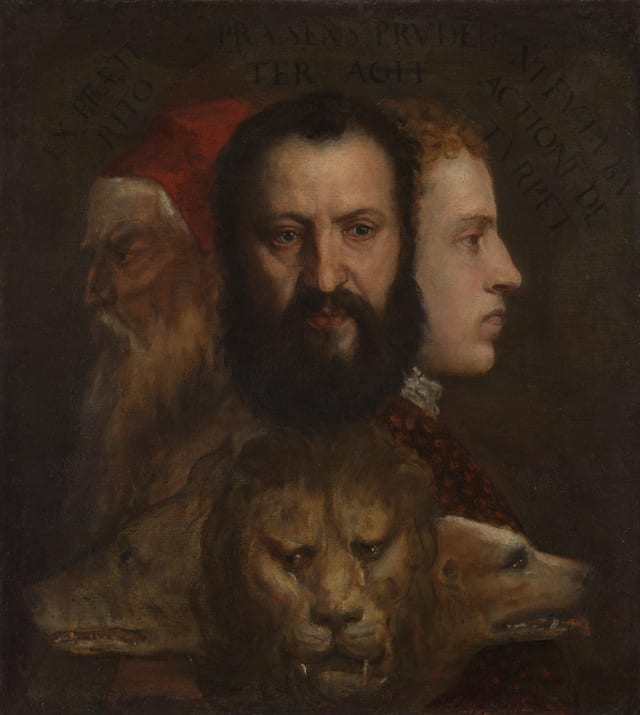
Titian
Italian · 33 in the archive
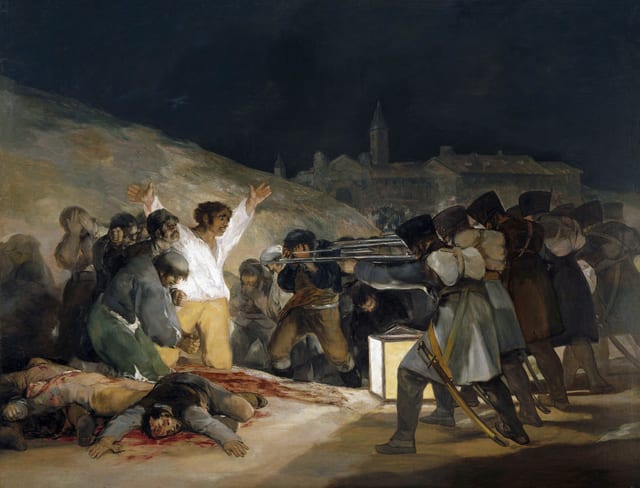
Francisco Goya
Spanish · 23 in the archive
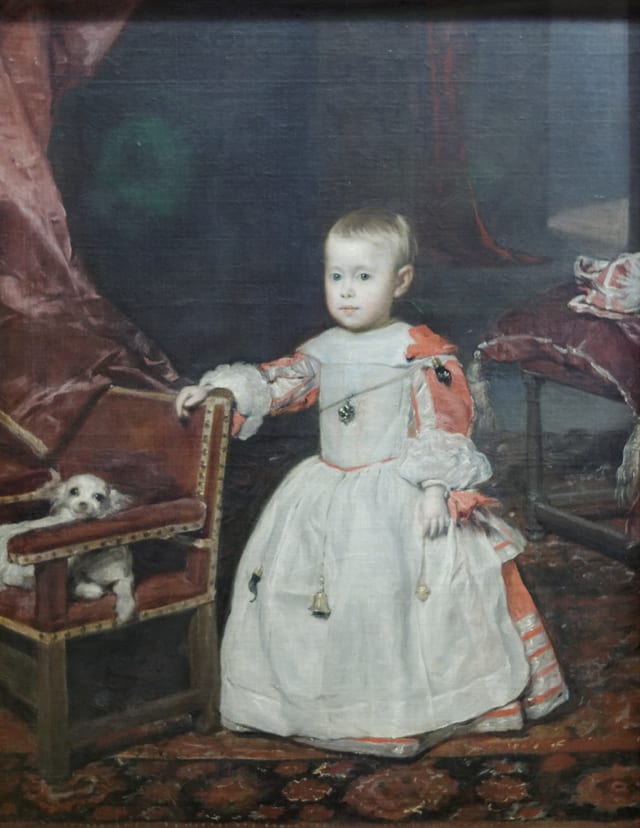
Diego Velázquez
Spain · 21 in the archive
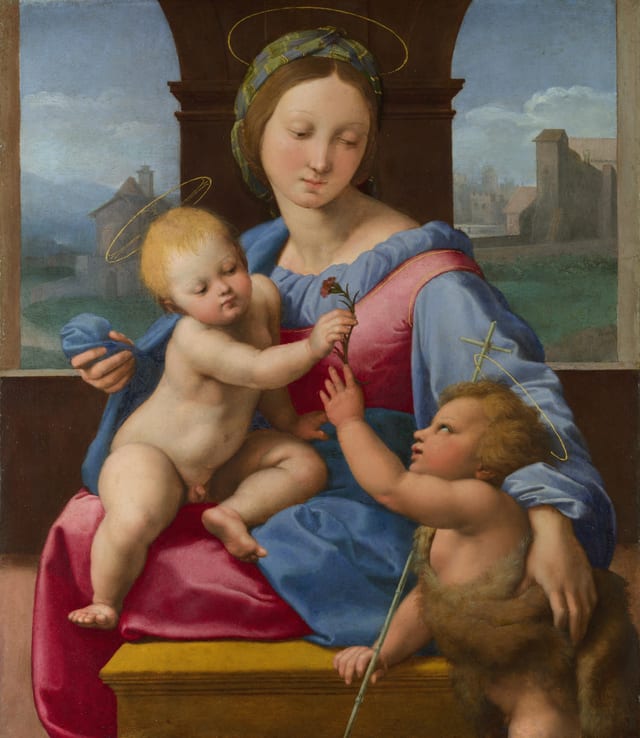
Raphael
Holy Roman Empire · 20 in the archive
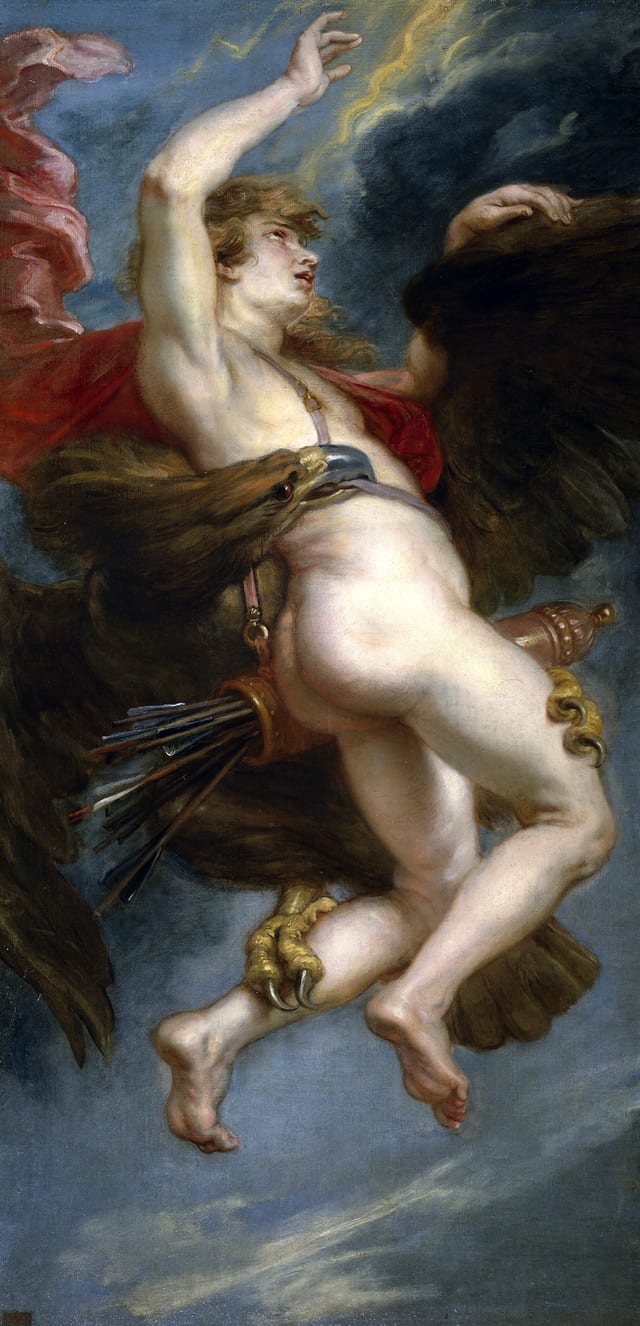
Peter Paul Rubens
Flemish · 19 in the archive
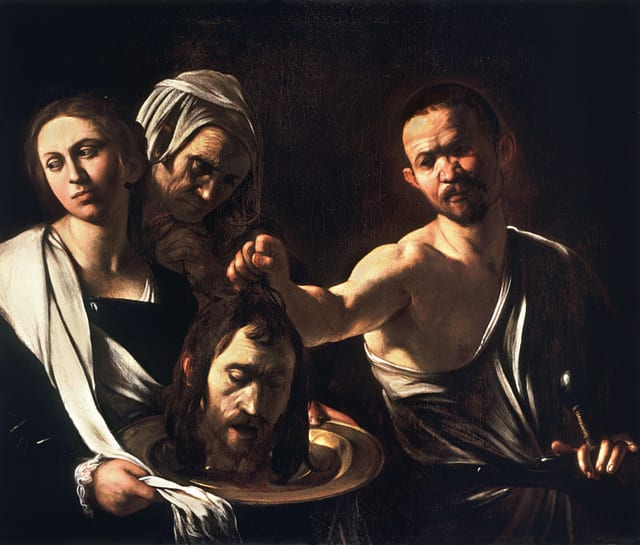
Caravaggio
Italian · 12 in the archive
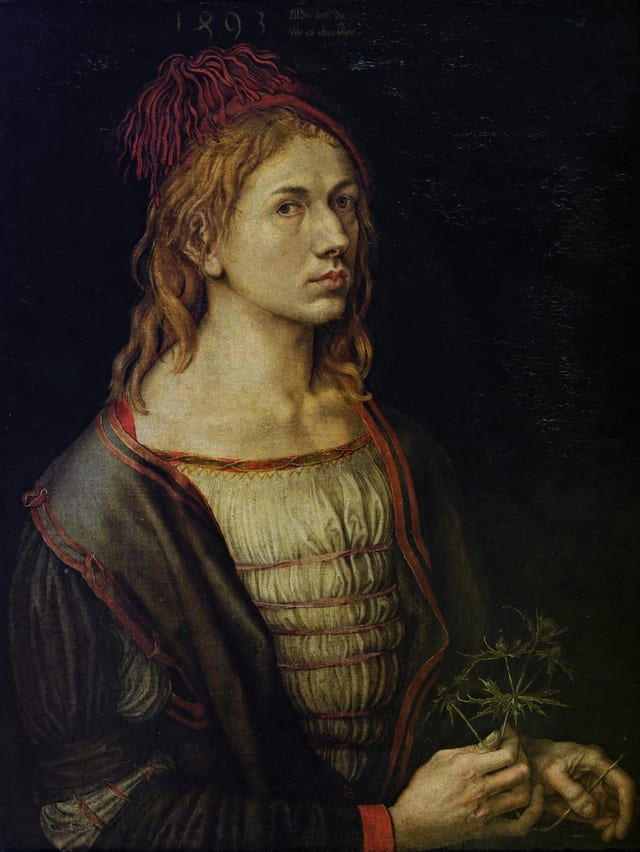
Albrecht Dürer
German · 11 in the archive
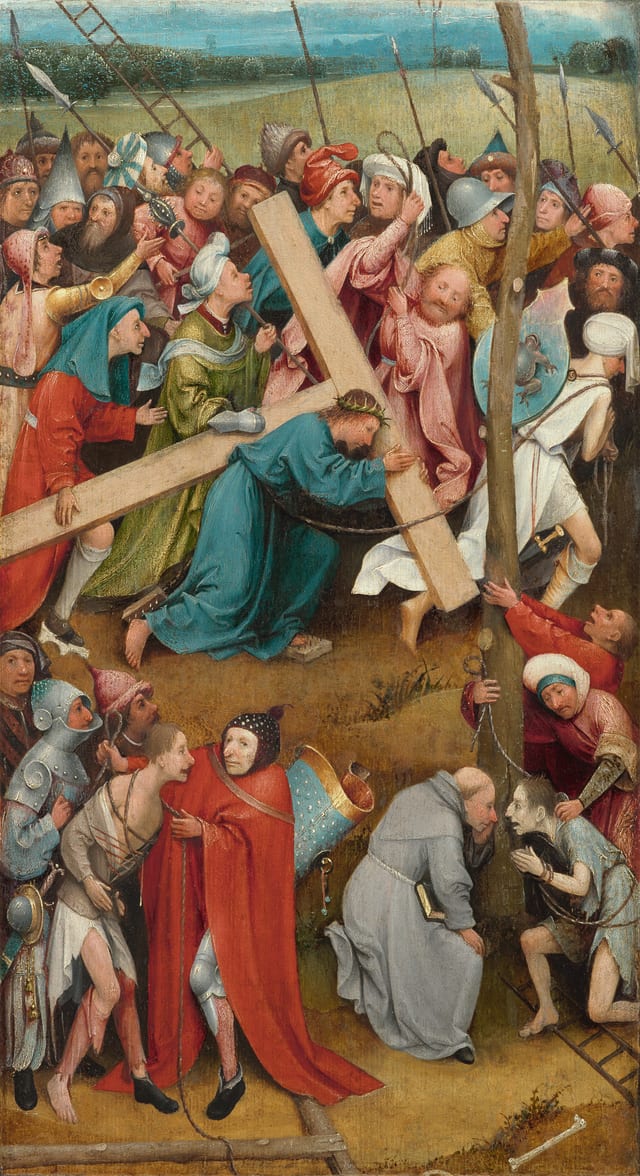
Hieronymus Bosch
Dutch · 10 in the archive
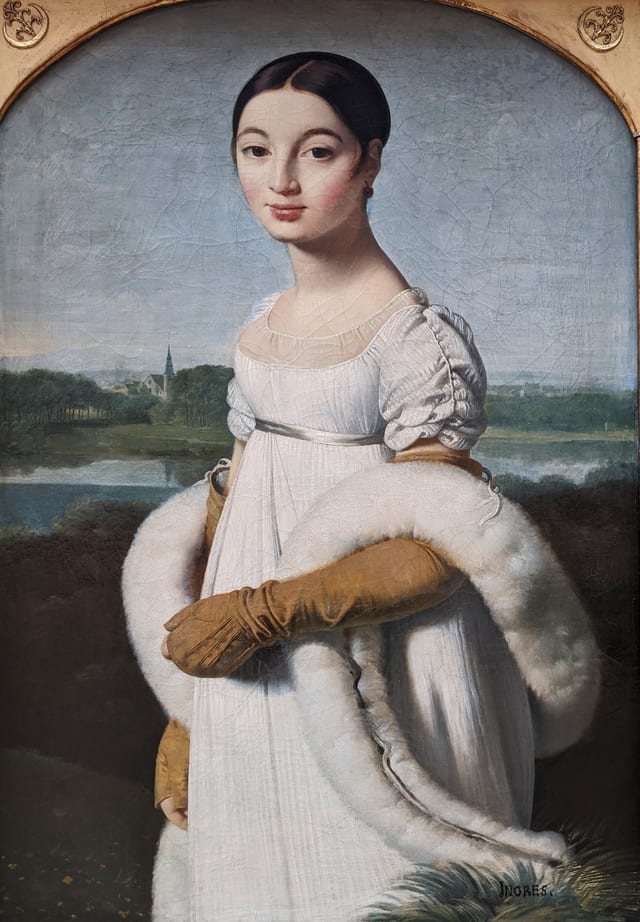
Jean-Auguste-Dominique Ingres
French · 10 in the archive
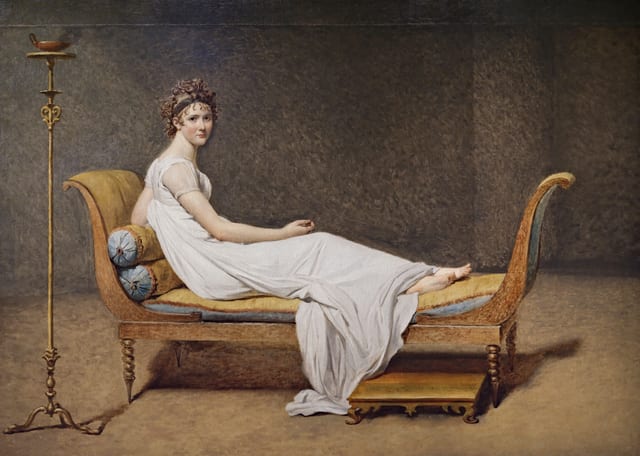
Jacques-Louis David
France · 8 in the archive
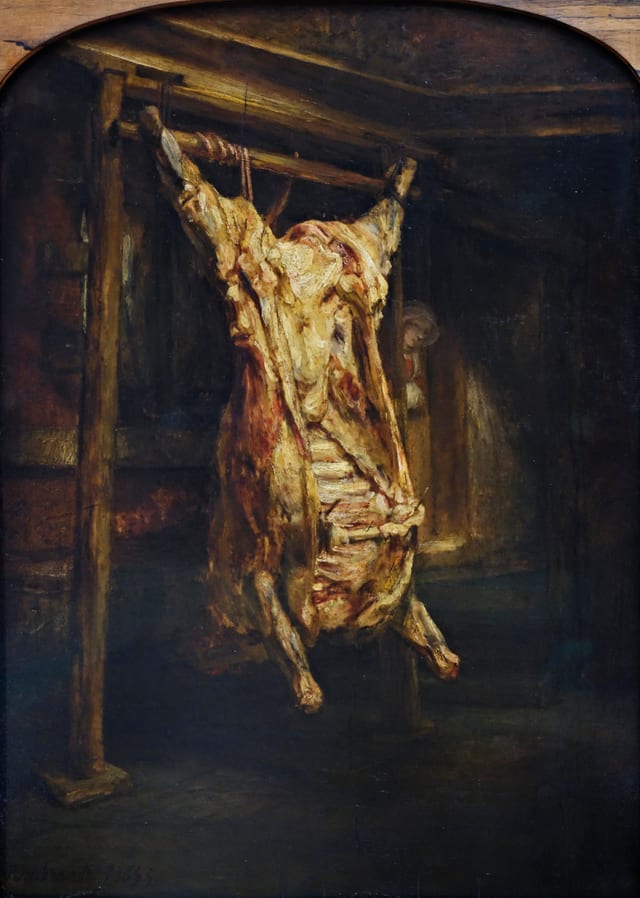
Rembrandt van Rijn
Dutch · 8 in the archive
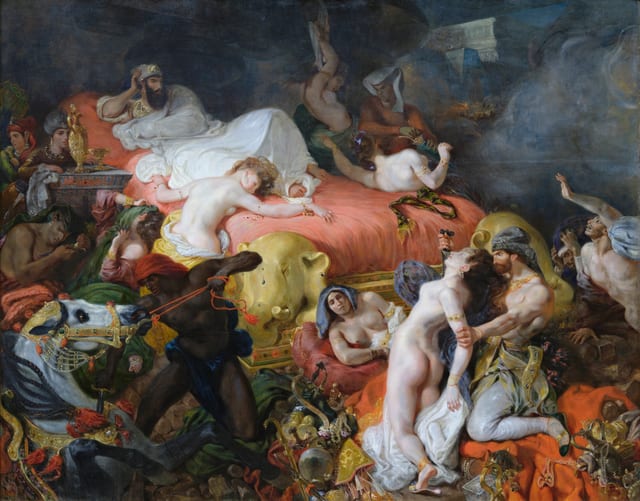
Eugène Delacroix
French · 6 in the archive
Invite the masters into your living room.
Pieter Brueghel the Elder on your TV, phone, or tablet. Free to start.
View on MomentableIndependent guide by Momentable · biography from Wikipedia · artworks are in the public domain and credited to the museum that holds them