The Apotheosis of Homer
Jean-Auguste-Dominique Ingres · 1827

Jean-Auguste-Dominique Ingres
French · 1780–1867
Jean-Auguste-Dominique Ingres was a French Neoclassical painter. Ingres was profoundly influenced by past artistic traditions and aspired to become the guardian of academic orthodoxy against the ascendant Romantic style. Although he considered himself a painter of history in the tradition of Nicolas Poussin and Jacques-Louis David, it is his portraits, both painted and drawn, that are recognized as his greatest legacy. His expressive distortions of form and space made him an important precursor of modern art, influencing Henri Matisse, Pablo Picasso, and other modernists.
Independent artist guide by Momentable. Biography from Wikipedia; artworks credited to the museums that hold them.
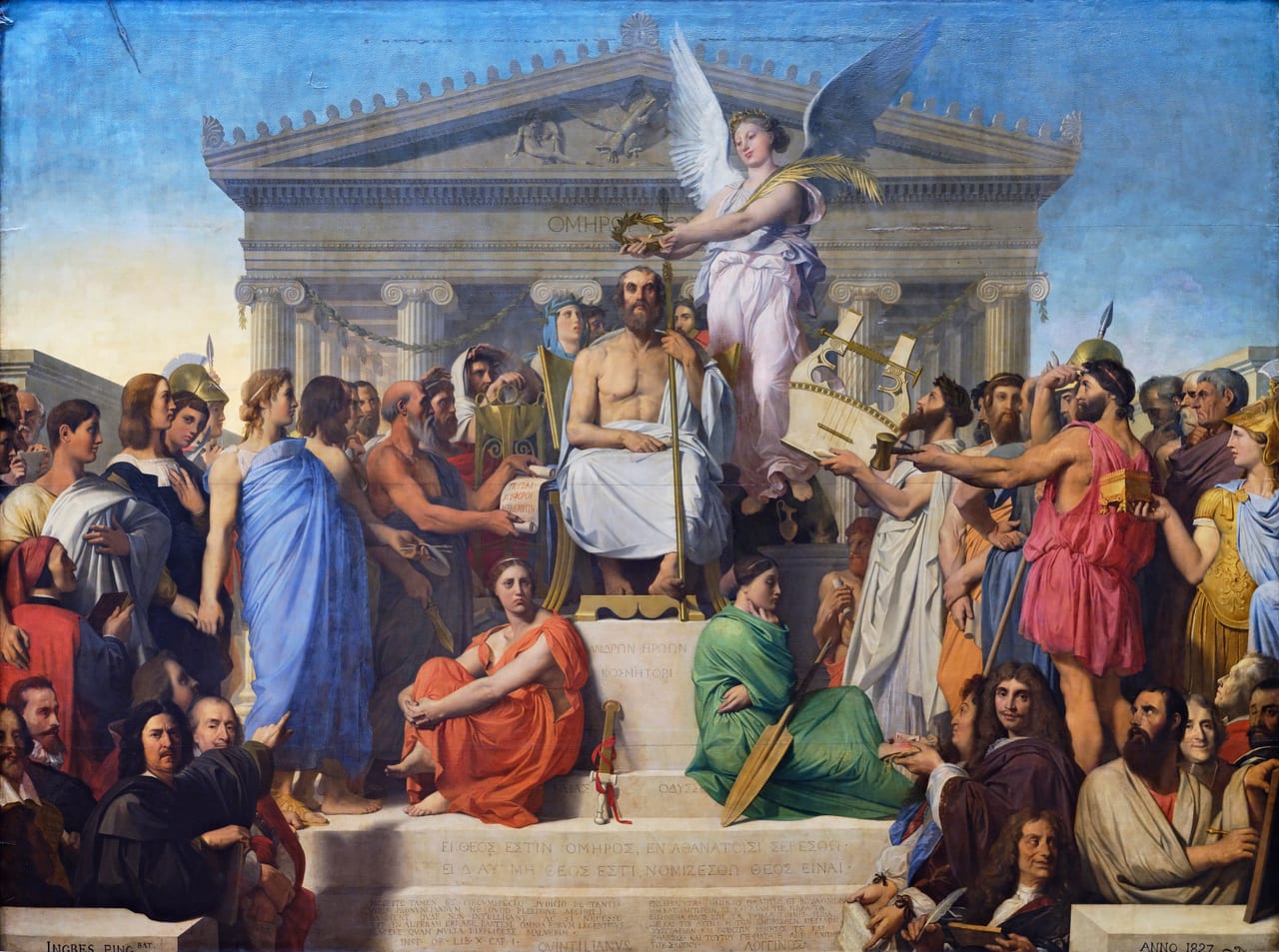 LIVENow streaming · The Apotheosis of Homer
- works in the archive
- 28works in the archive
- life
- 1780–1867life
- movement
- Romanticismmovement
The work
A selection of 13 works, free to stream.
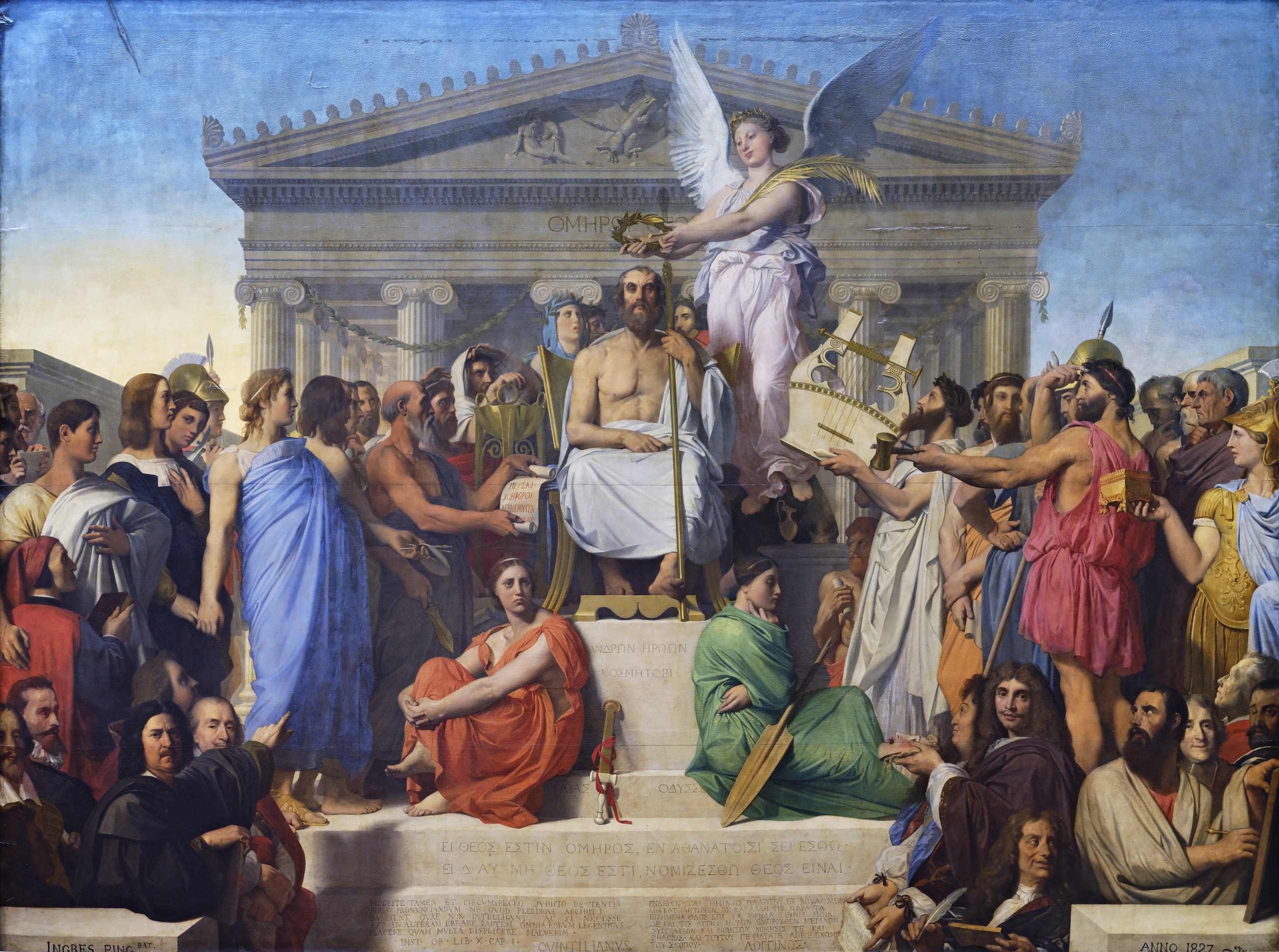
The Apotheosis of Homer
Jean-Auguste-Dominique Ingres · 1827
Louvre
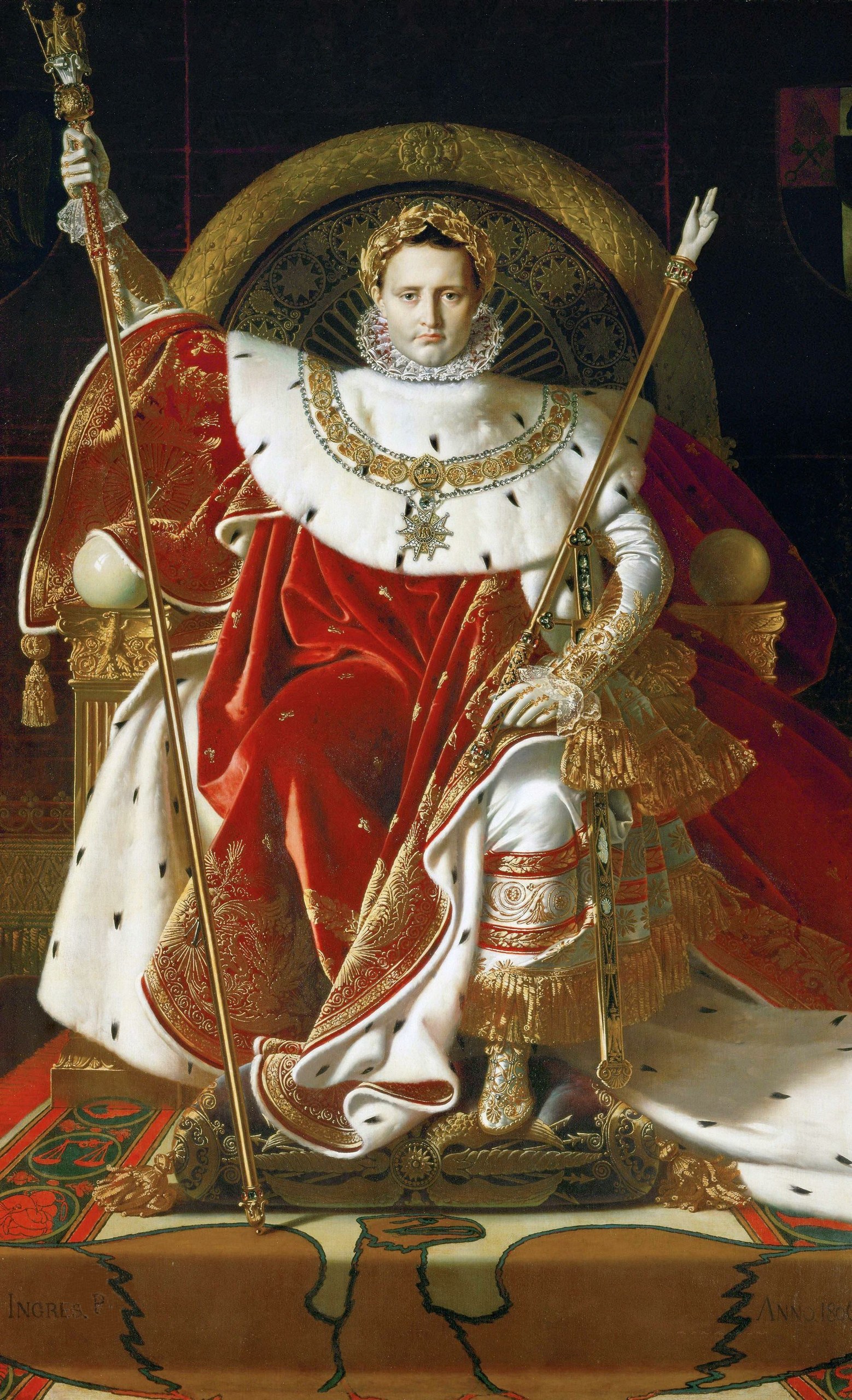
Napoleon I on his Imperial Throne
Jean-Auguste-Dominique Ingres · 1806
Louvre
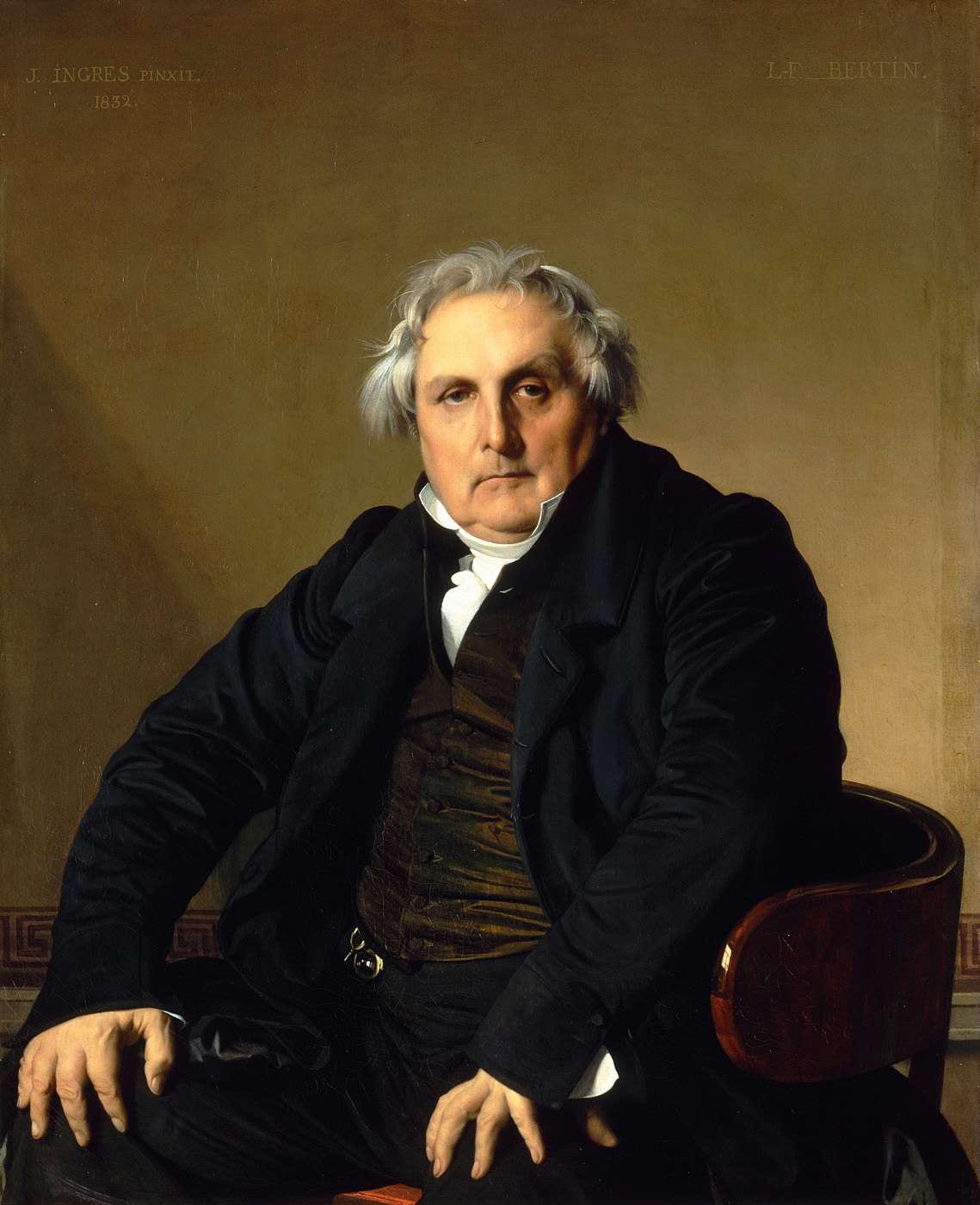
Portrait of Monsieur Bertin
Jean-Auguste-Dominique Ingres · 1832
Louvre
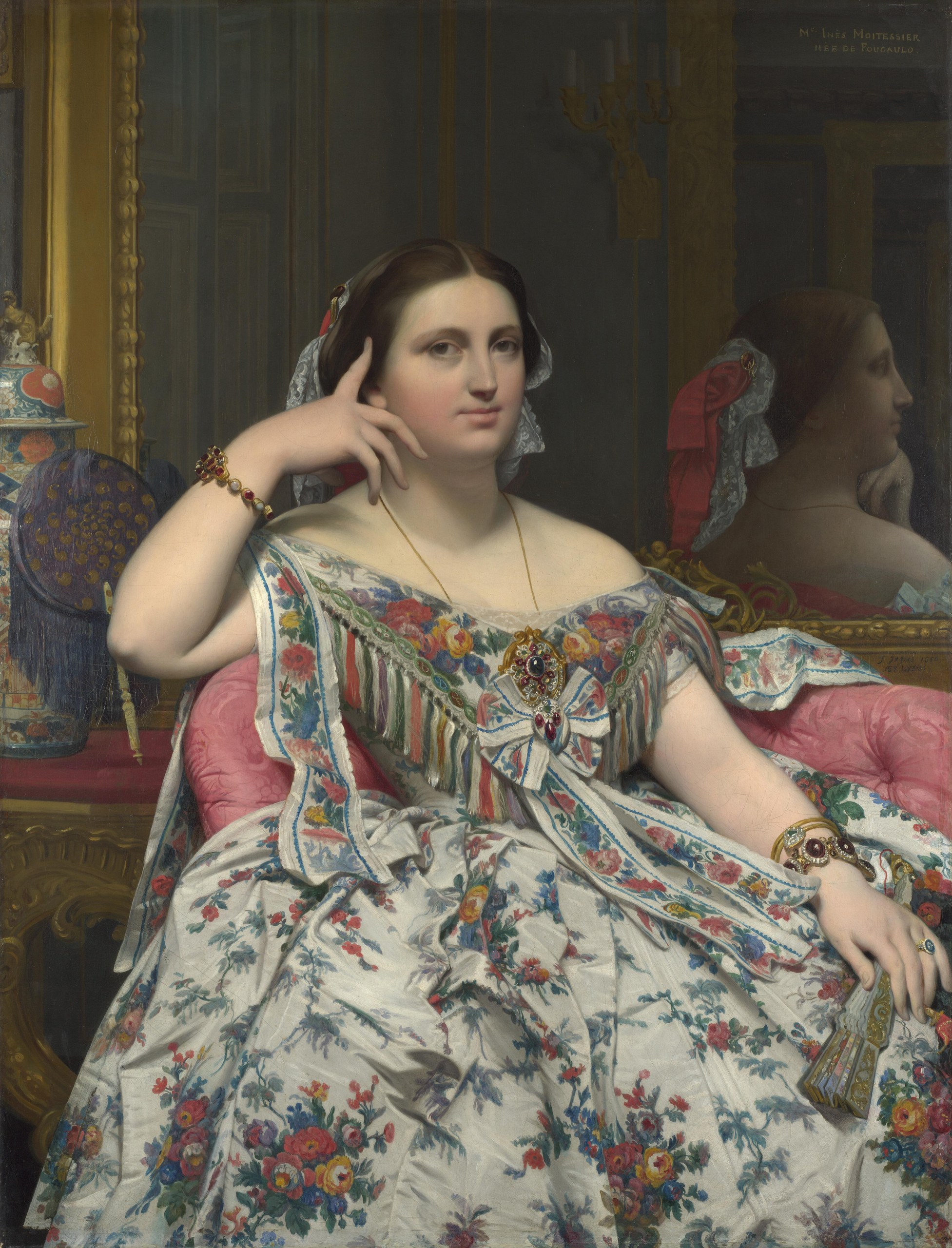
Madame Moitessier
Jean-Auguste-Dominique Ingres · 1856
National Gallery
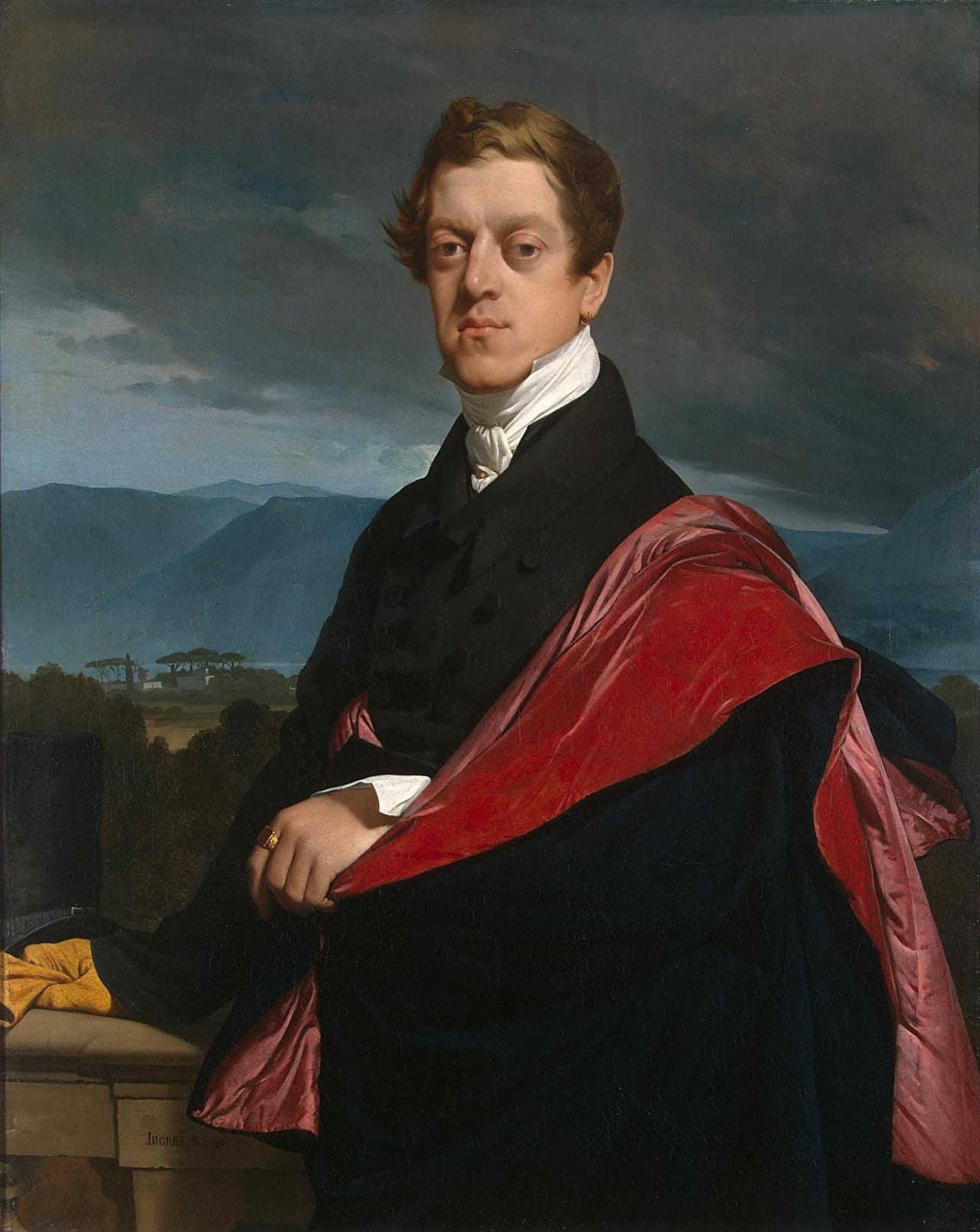
Portrait of Count Nikolay Guryev
Jean-Auguste-Dominique Ingres · 1821
State Hermitage Museum
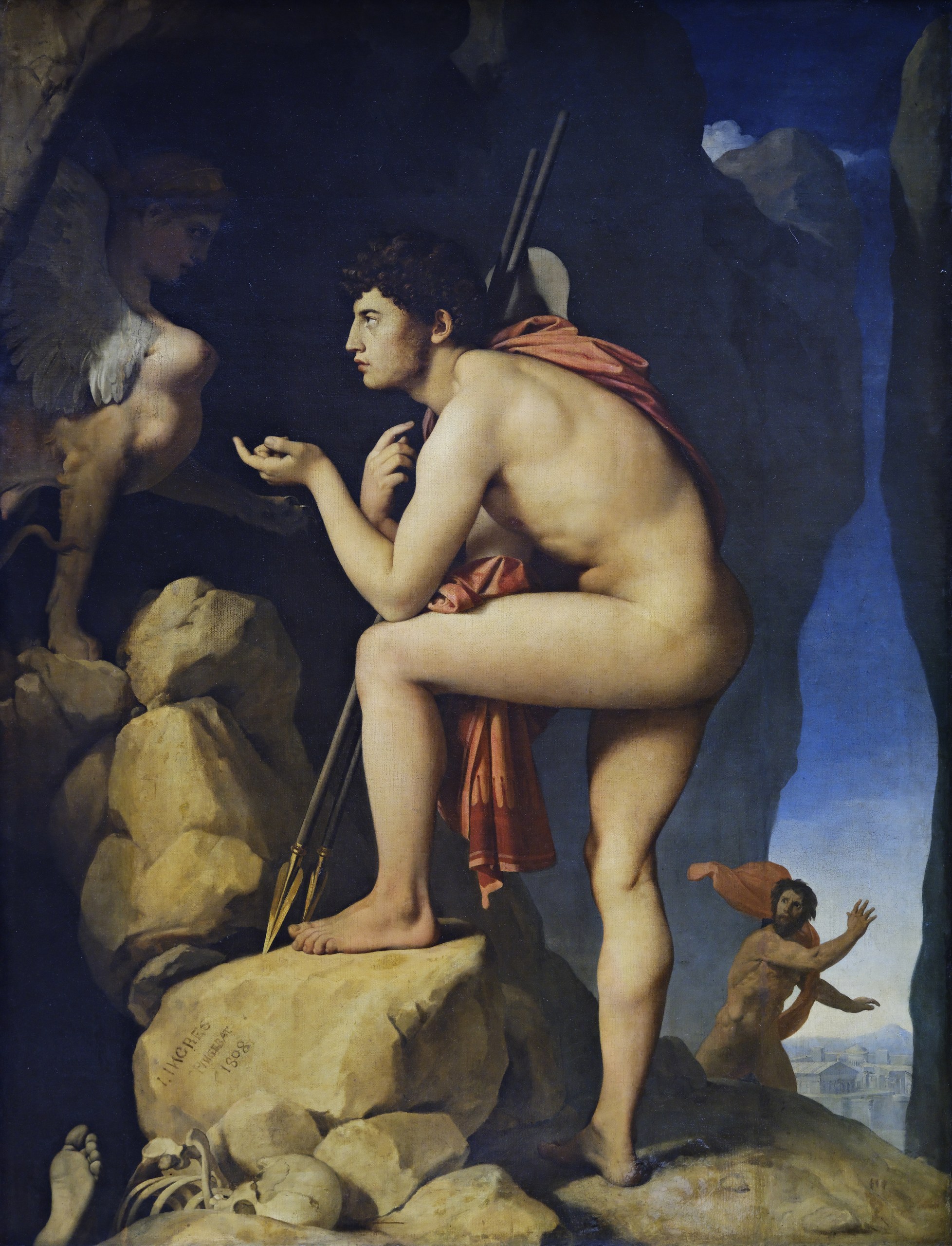
Oedipus and the Sphinx
Jean-Auguste-Dominique Ingres · 1808
Louvre
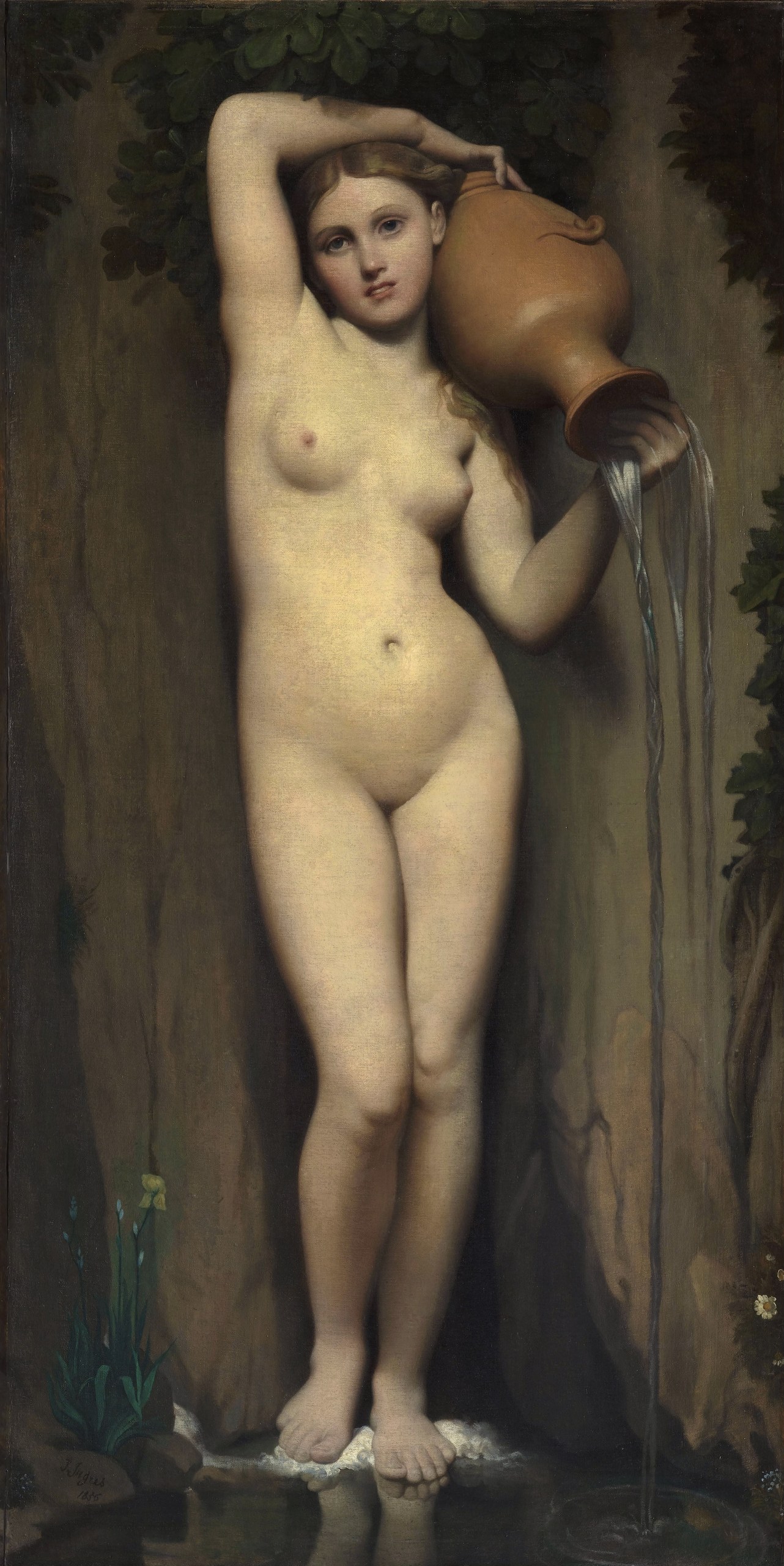
The Source
Jean-Auguste-Dominique Ingres · 1856
Louvre
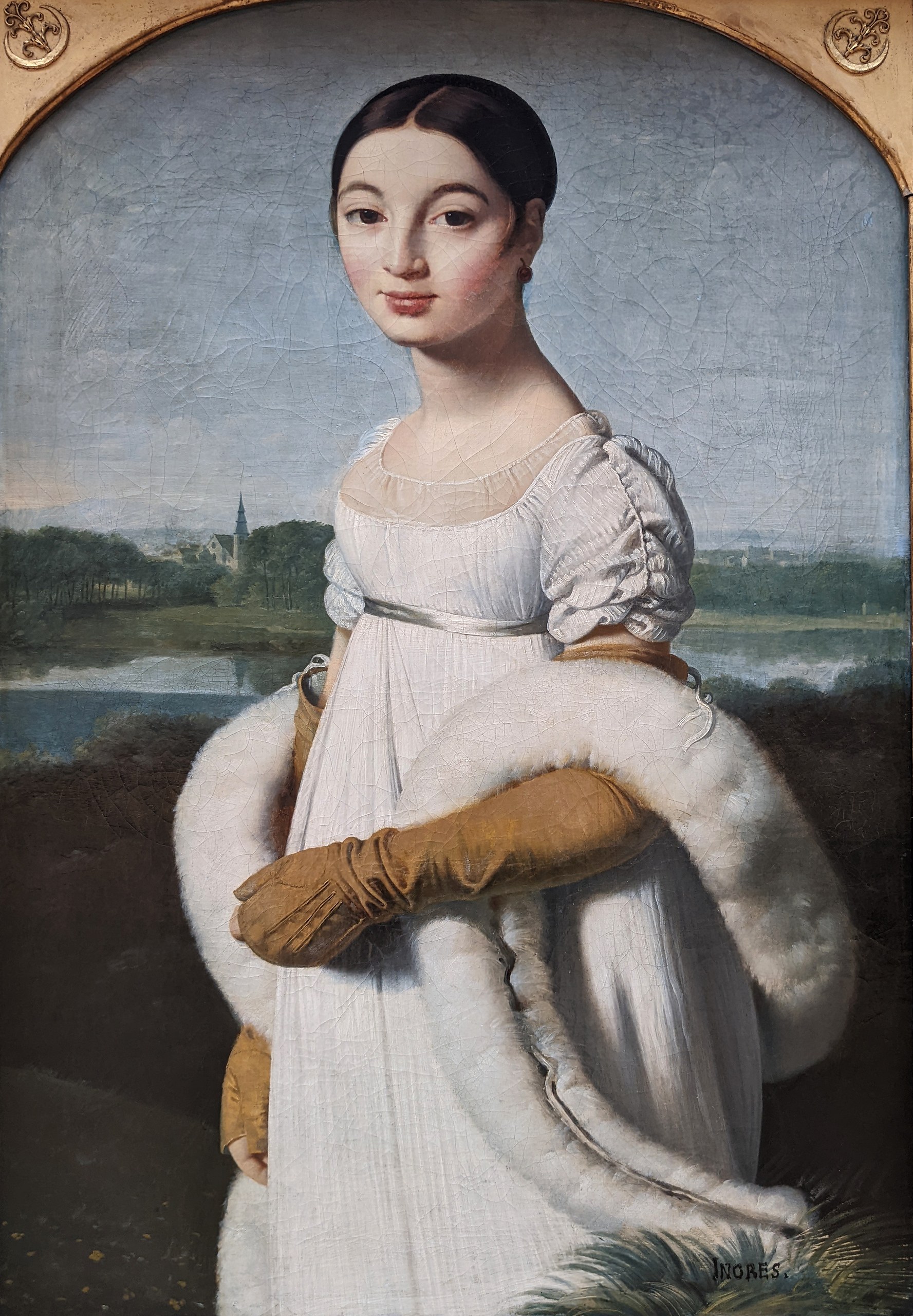
Mademoiselle Caroline Rivière
Jean-Auguste-Dominique Ingres · 1806
Louvre
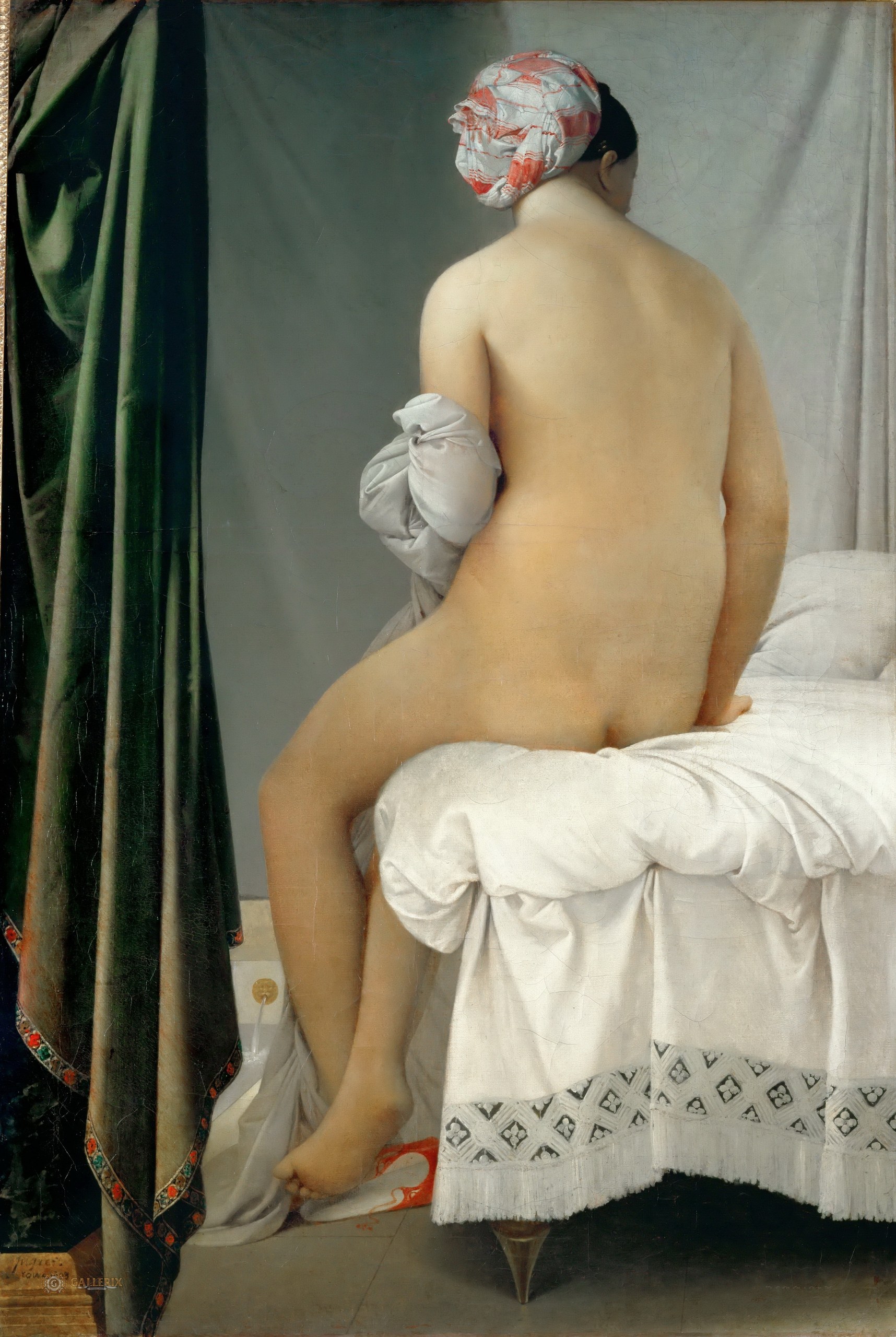
The Valpinçon Bather
Jean-Auguste-Dominique Ingres · 1808
Louvre
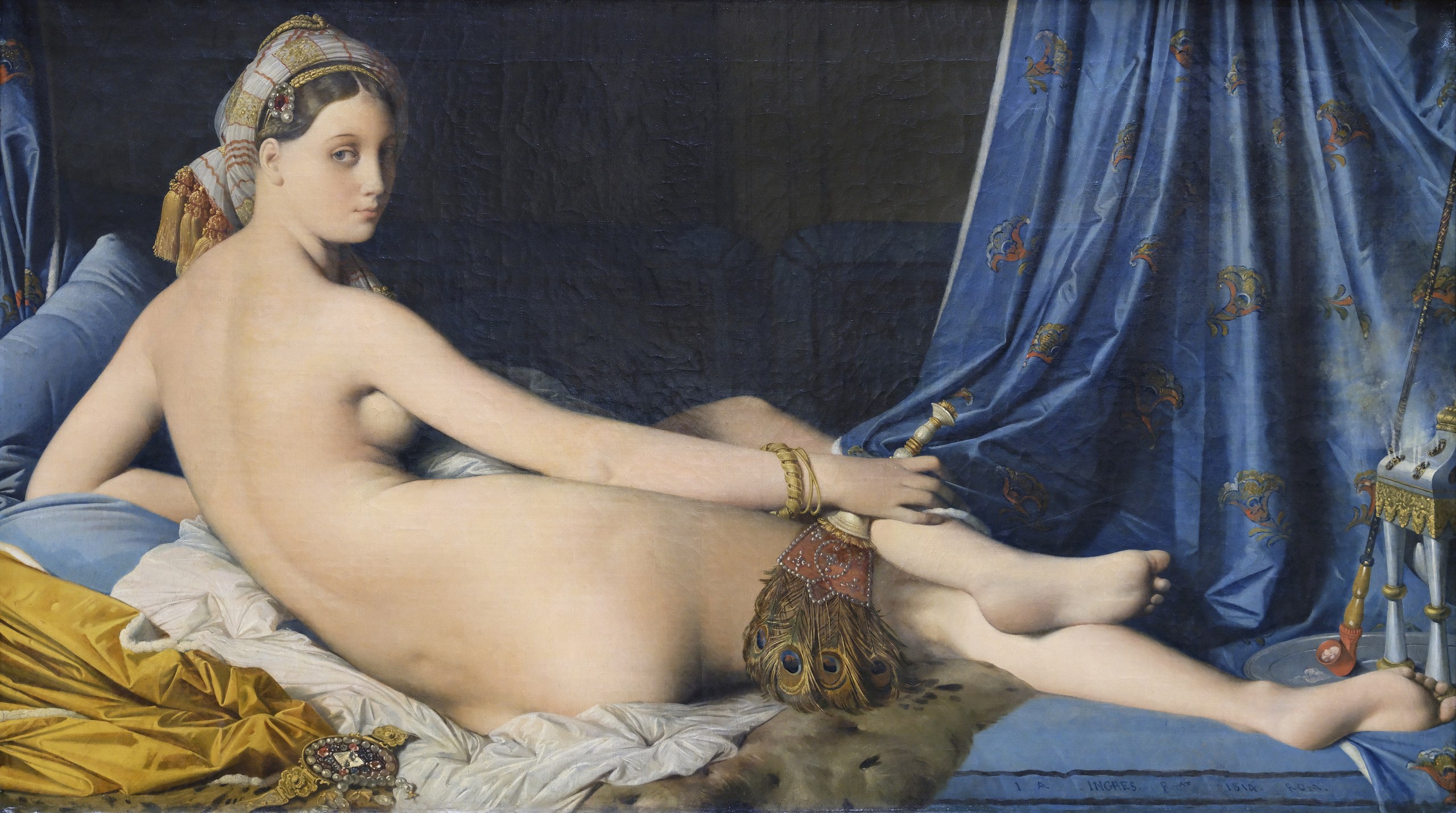
Grande Odalisque
Jean-Auguste-Dominique Ingres · 1810
Louvre
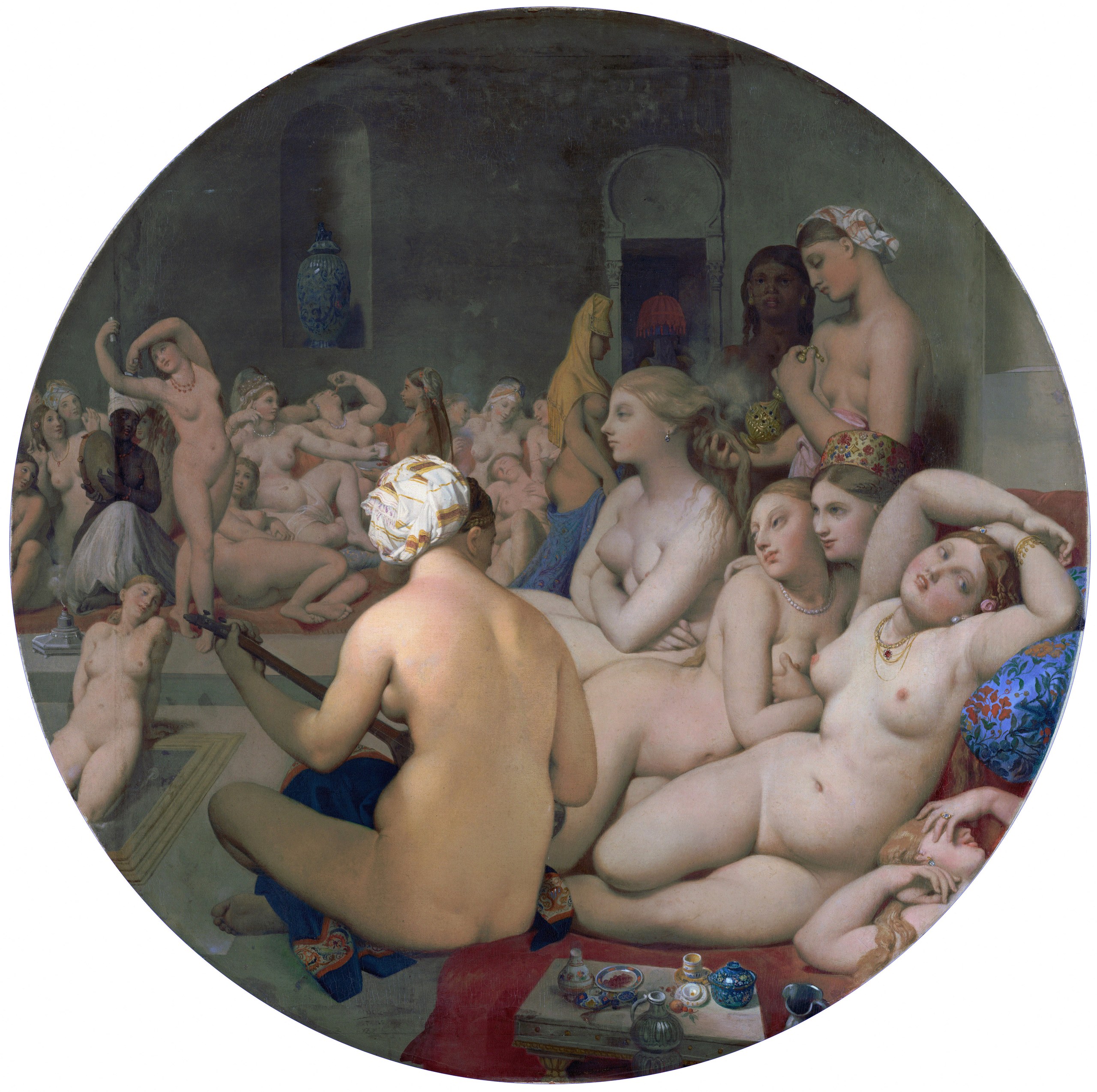
The Turkish Bath
Jean-Auguste-Dominique Ingres · 1862
Louvre
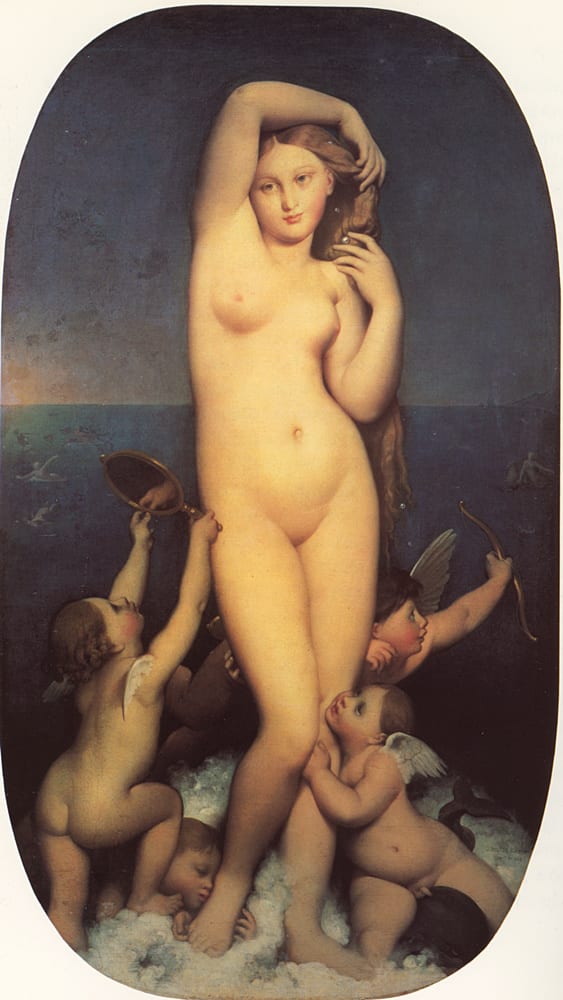
Vénus Anadyomène
Jean-Auguste-Dominique Ingres · 1808
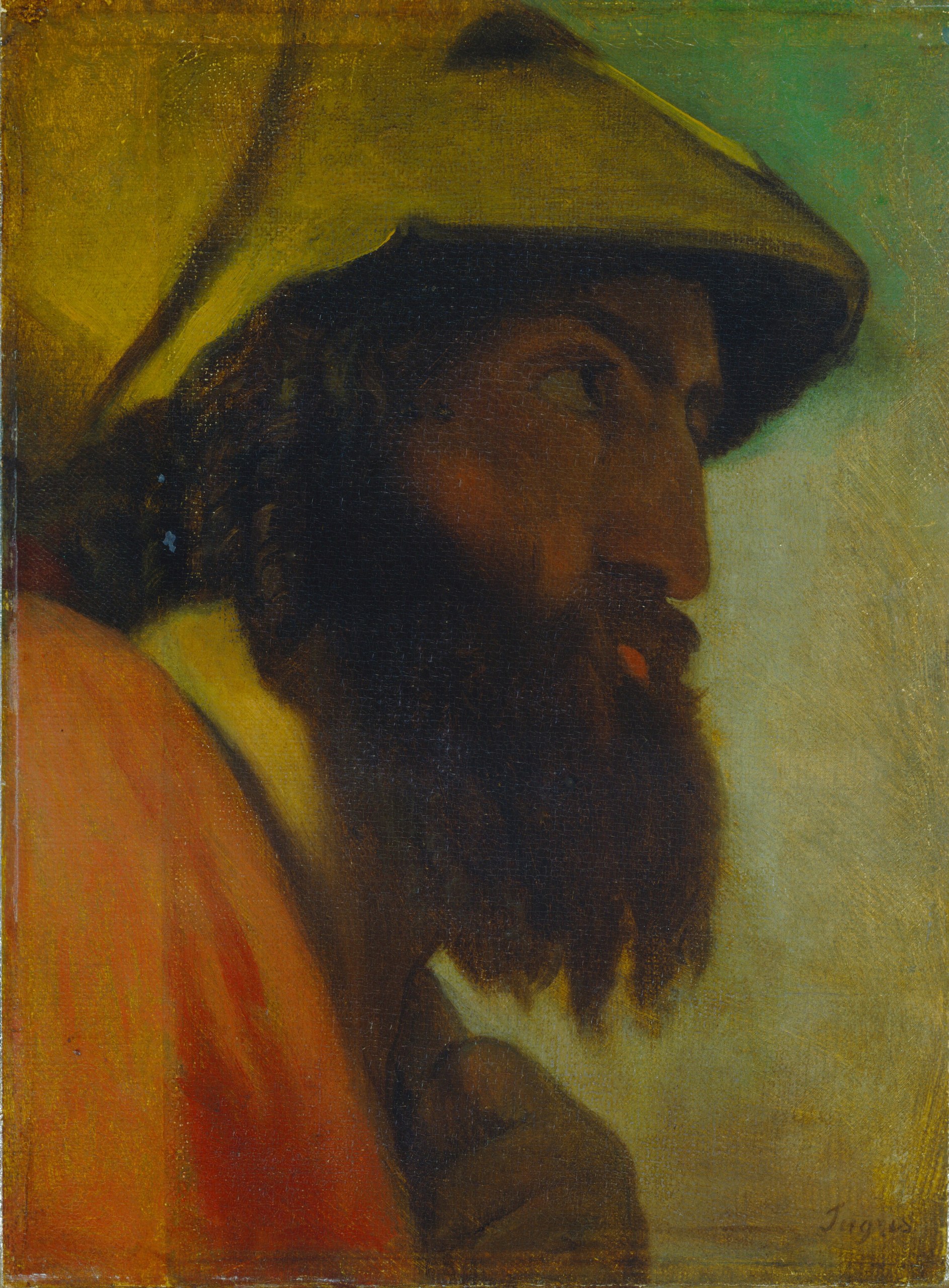
Ulysses
Jean-Auguste-Dominique Ingres
National Gallery of Art
Works worth knowing
10 of Jean-Auguste-Dominique Ingres's works, and what makes each one worth a look.
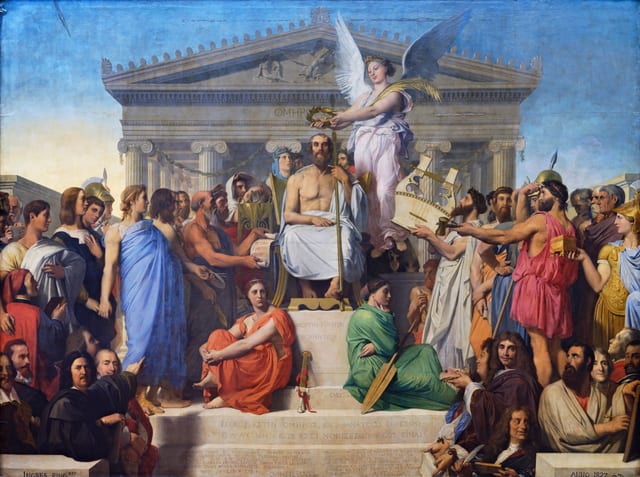
The Apotheosis of Homer
Jean-Auguste-Dominique Ingres · 1827
Louvre
The Apotheosis of Homer is a grand 1827 painting by the French Neoclassical artist Jean-Auguste-Dominique Ingres, now exhibited at the Louvre as INV 5417. The symmetrical composition depicts Homer being crowned by a winged figure personifying Victory or the Universe. Forty-four additional figures pay homage to the poet in a kind of classical confession of faith.
Napoleon I on his Imperial Throne
Jean-Auguste-Dominique Ingres · 1806
Louvre
Napoleon I on his Imperial Throne is an 1806 portrait of Napoleon I of France in his coronation costume, painted by the French painter Jean-Auguste-Dominique Ingres. The painting shows Napoleon as emperor, in the costume he wore for his coronation, seated on a circular-backed throne with armrests adorned with ivory balls. In his right hand, he holds the scepter of Charlemagne.
Portrait of Monsieur Bertin
Jean-Auguste-Dominique Ingres · 1832
Louvre
Portrait of Monsieur Bertin is an 1832 oil on canvas painting by Jean-Auguste-Dominique Ingres. It depicts Louis-François Bertin (1766 to 1841), the French writer, art collector and director of the pro-royalist Journal des débats. Ingres completed the portrait during his first period of success; having achieved acclaim as a history painter, he accepted portrait commissions with reluctance, regarding them as a distraction from more important work.
Madame Moitessier
Jean-Auguste-Dominique Ingres · 1856
National Gallery
Madame Moitessier is a portrait of Marie-Clotilde-Inès Moitessier (née de Foucauld) begun in 1844 and completed in 1856 by Jean-Auguste-Dominique Ingres. The portrait, which depicts Madame Moitessier seated, has been in the collection of the National Gallery in London since 1946. Madame Moitessier is also the title of a second portrait by Ingres, which depicts her standing.
Oedipus and the Sphinx
Jean-Auguste-Dominique Ingres · 1808
Louvre
Oedipus and the Sphinx is a painting by the French Neoclassical artist Jean-Auguste-Dominique Ingres. Originally a student work painted in 1808, it was enlarged and completed in 1827. The painting depicts Oedipus explaining the riddle of the Sphinx.
The Source
Jean-Auguste-Dominique Ingres · 1856
Louvre
The Source is an oil painting on canvas by French neoclassical painter Jean-Auguste-Dominique Ingres. The work was begun in Florence around 1820 and not completed until 1856, in Paris. When Ingres completed The Source, he was seventy-six years old, already famous, and president of the École des Beaux-Arts.
Mademoiselle Caroline Rivière
Jean-Auguste-Dominique Ingres · 1806
Louvre
The portrait of Mademoiselle Caroline Rivière was painted in 1806 by the French Neoclassical artist Jean-Auguste-Dominique Ingres, and today hangs in the Louvre. It is the third of three portraits of the Rivière family that the artist painted that year. Caroline's father, Philibert Rivière, was a successful court official under Napoleon's empire and sought to commemorate himself, his wife and daughter through a commission with the then young and rising artist, Ingres's portraits of Philibert and his wife are also still extant.
The Valpinçon Bather
Jean-Auguste-Dominique Ingres · 1808
Louvre
The Valpinçon Bather (Fr: La Grande Baigneuse) is an 1808 painting by the French Neoclassical artist Jean-Auguste-Dominique Ingres (1780 to 1867), held in the Louvre since 1879. Painted while the artist was studying at the French Academy in Rome, it was originally titled Seated Woman but later became known after one of its nineteenth-century owners. Ingres had earlier painted female nudes, such as his Bathing Woman of 1807, yet this work is widely regarded as his first great treatment of the subject.
How Jean-Auguste-Dominique Ingres worked
From the record of their own practice.
Ingres's style was formed early in life and changed comparatively little. His earliest drawings, such as the Portrait of a Man (or Portrait of an unknown, 3 July 1797, now in the Louvre) already show a suavity of outline and an extraordinary control of the parallel hatchings which model the forms. From the first, his paintings are characterized by a firmness of outline reflecting his often-quoted conviction that "drawing is the probity of art". See what is left after that.
Where the work hangs
The museums that hold it, and their visitor guides.
If you like Jean-Auguste-Dominique Ingres
Artists held by the same museums.
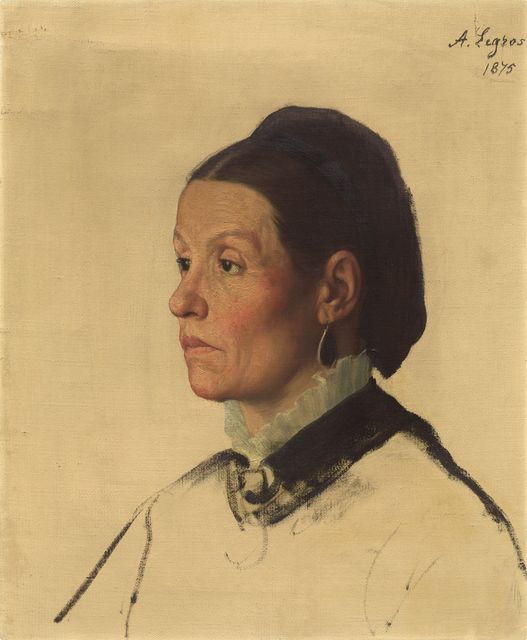
Alphonse Legros
French · 561 in the archive
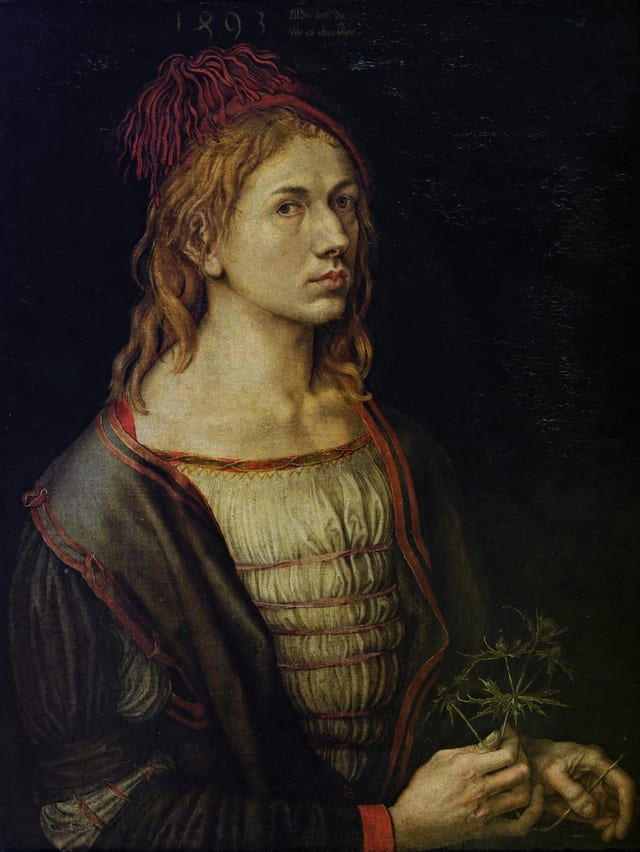
Albrecht Dürer
German · 289 in the archive
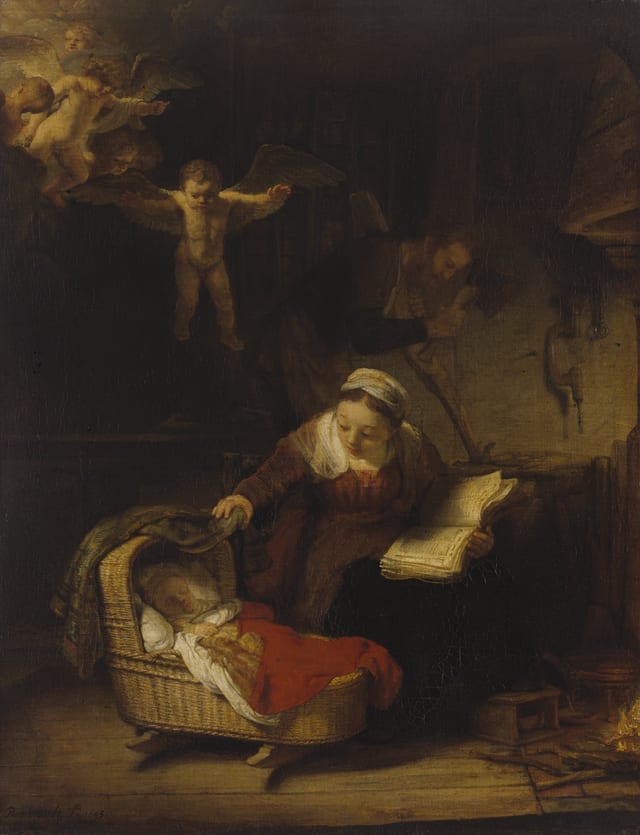
Rembrandt van Rijn
Dutch · 268 in the archive
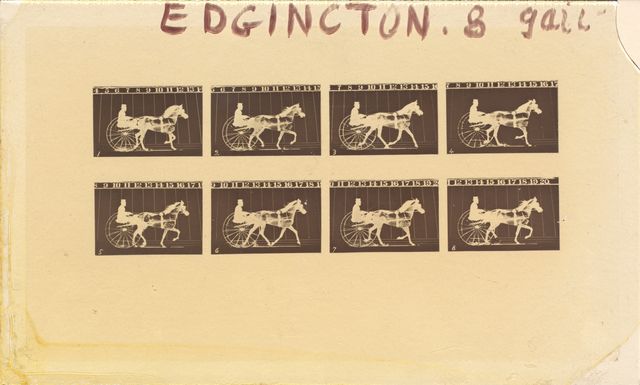
Eadweard Muybridge
English · 259 in the archive
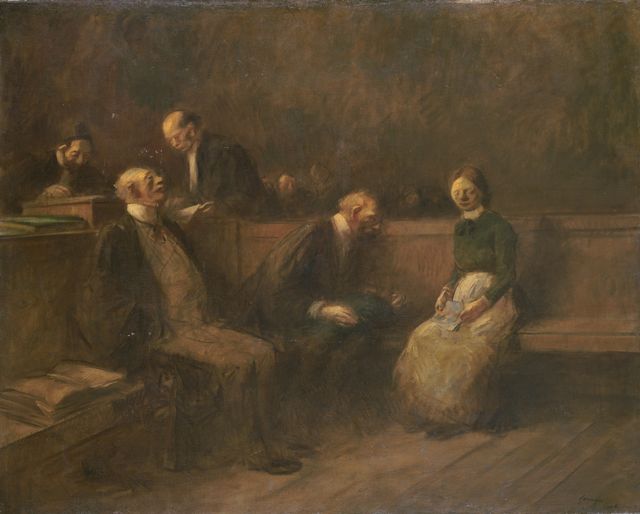
Jean-Louis Forain
French · 259 in the archive
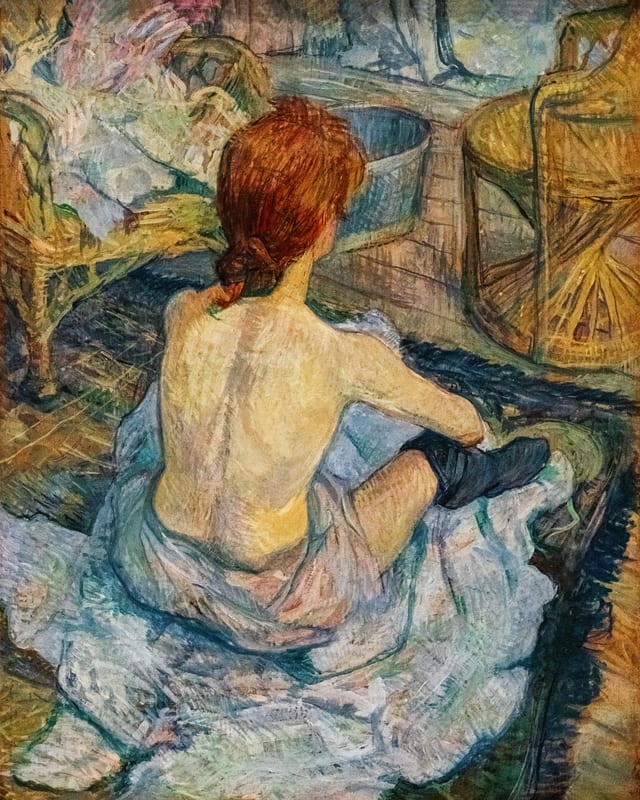
Henri de Toulouse-Lautrec
French · 243 in the archive
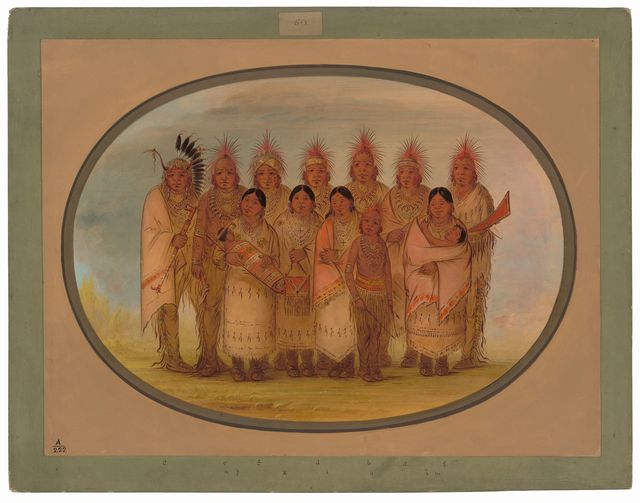
George Catlin
United States · 223 in the archive
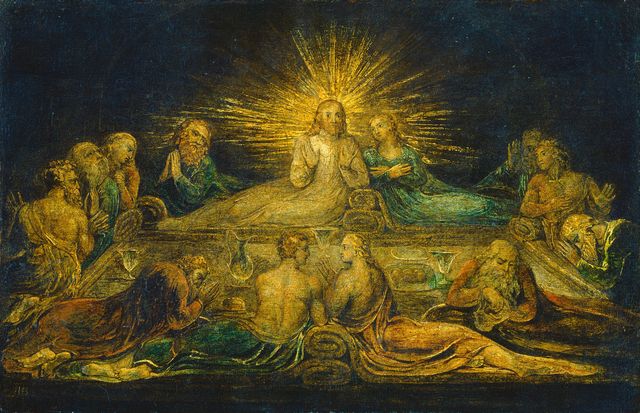
William Blake
United Kingdom of Great Britain and Ireland · 173 in the archive
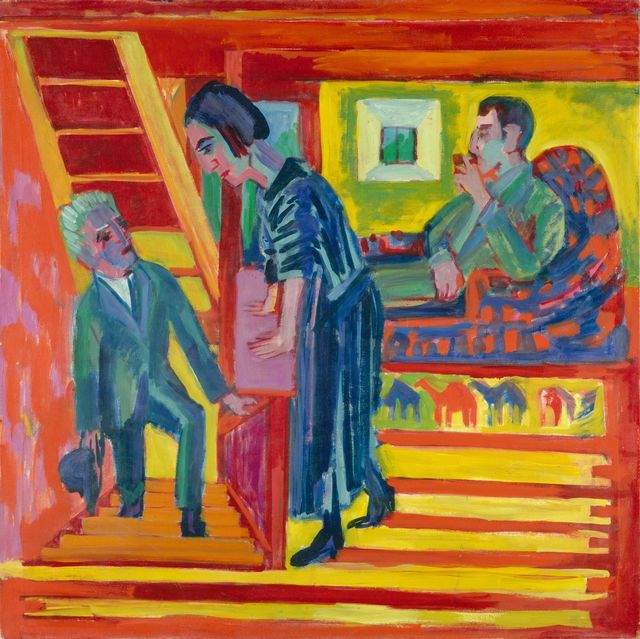
Ernst Ludwig Kirchner
German · 147 in the archive
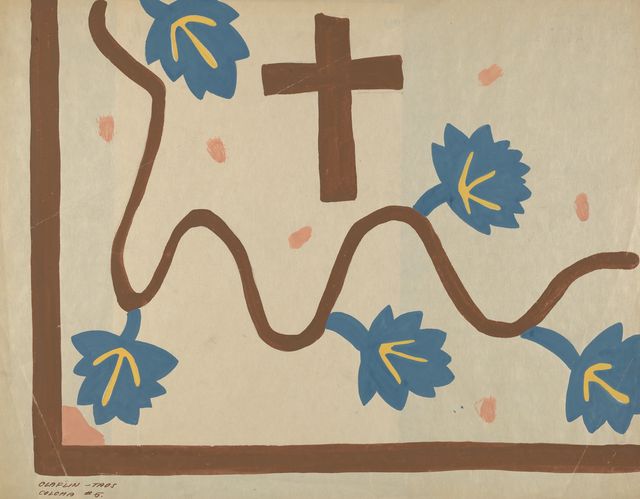
Majel G. Claflin
United States · 135 in the archive
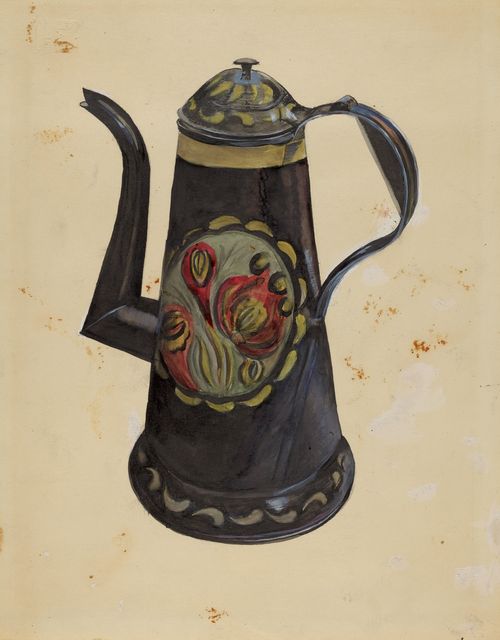
Mina Lowry
United States · 124 in the archive
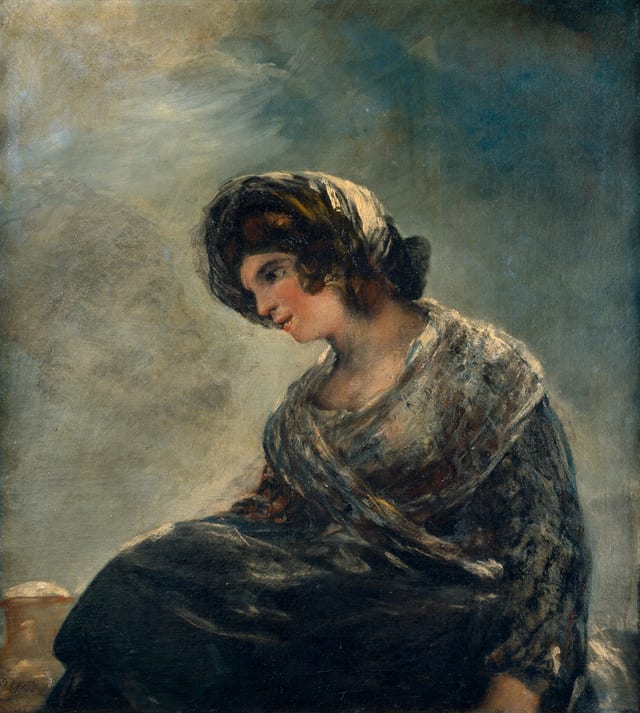
Francisco Goya
Spanish · 116 in the archive
Invite the masters into your living room.
Jean-Auguste-Dominique Ingres on your TV, phone, or tablet. Free to start.
View on MomentableIndependent guide by Momentable · biography from Wikipedia · artworks are in the public domain and credited to the museum that holds them