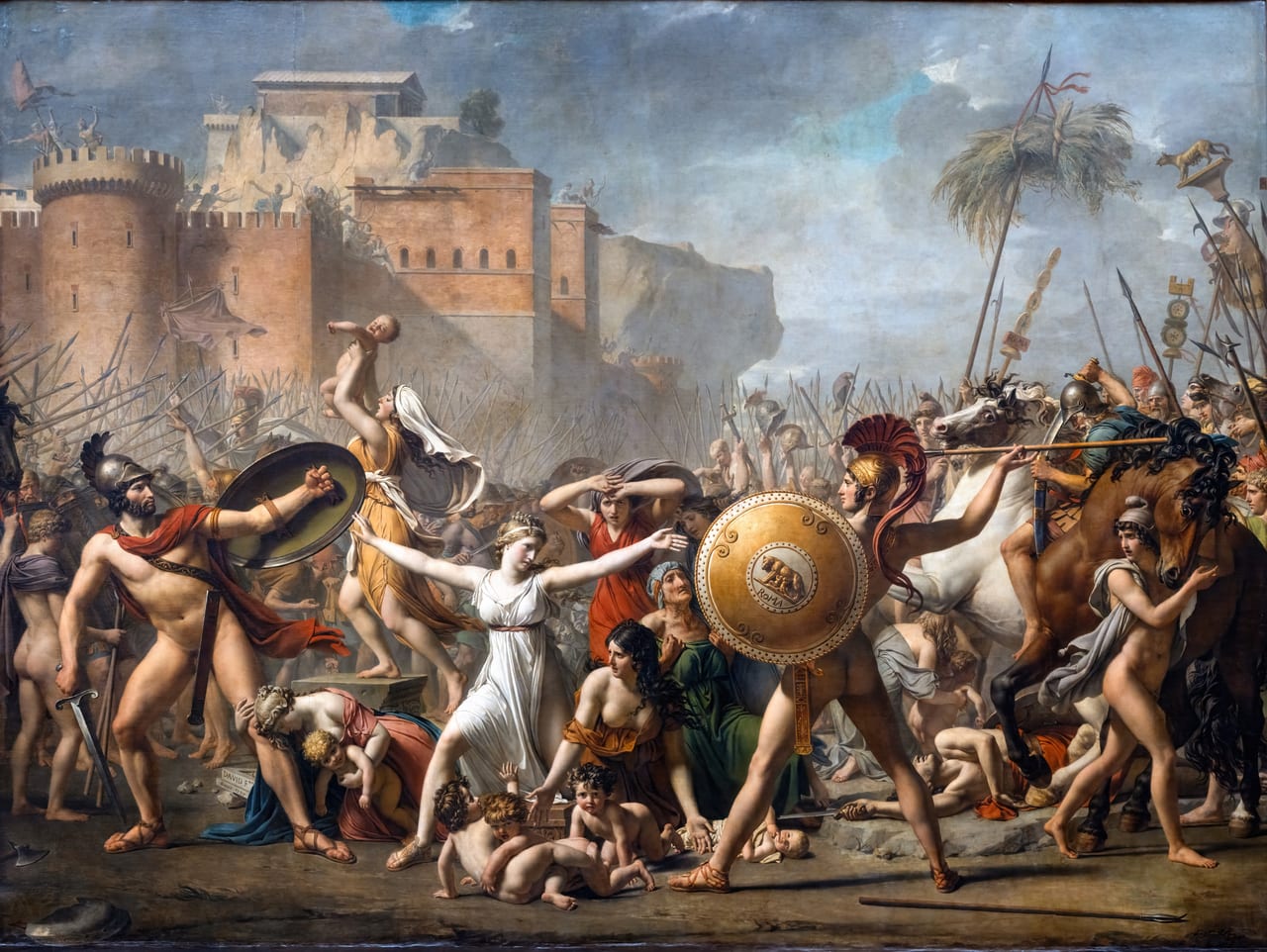
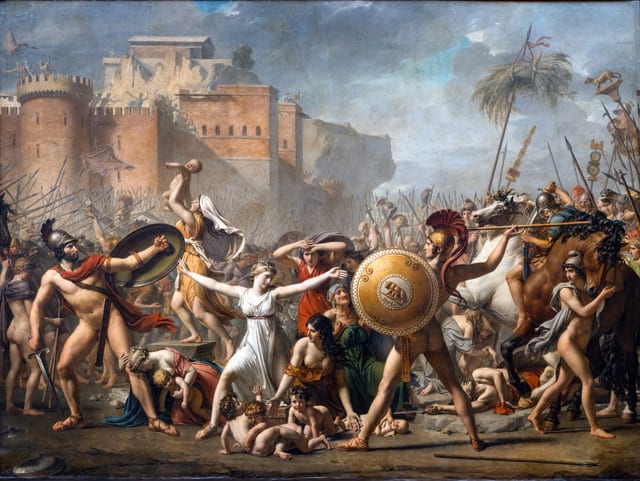
The Intervention of the Sabine Women
Jacques-Louis David · 1799

Jacques-Louis David
France · 1748–1825
Jacques-Louis David was a French painter in the Neoclassical style, considered to be the preeminent painter of the era. In the 1780s, his cerebral brand of history painting marked a change in taste away from Rococo frivolity toward classical austerity, severity, and heightened feeling, which harmonized with the moral climate of the final years of the Ancien Régime. David later became an active supporter of the French Revolution and friend of Maximilien Robespierre, and was effectively a dictator of the arts under the French Republic. Imprisoned after Robespierre's fall from power, he aligned himself with yet another political regime upon his release: that of Napoleon, the First Consul of France. At this time he developed his Empire style, notable for its use of warm Venetian colours.
Independent artist guide by Momentable. Biography from Wikipedia; artworks credited to the museums that hold them.
 LIVENow streaming · The Intervention of the Sabine Women
- works in the archive
- 23works in the archive
- life
- 1748–1825life
- rights
- Public domainrights
The work
A selection of 16 works, free to stream.
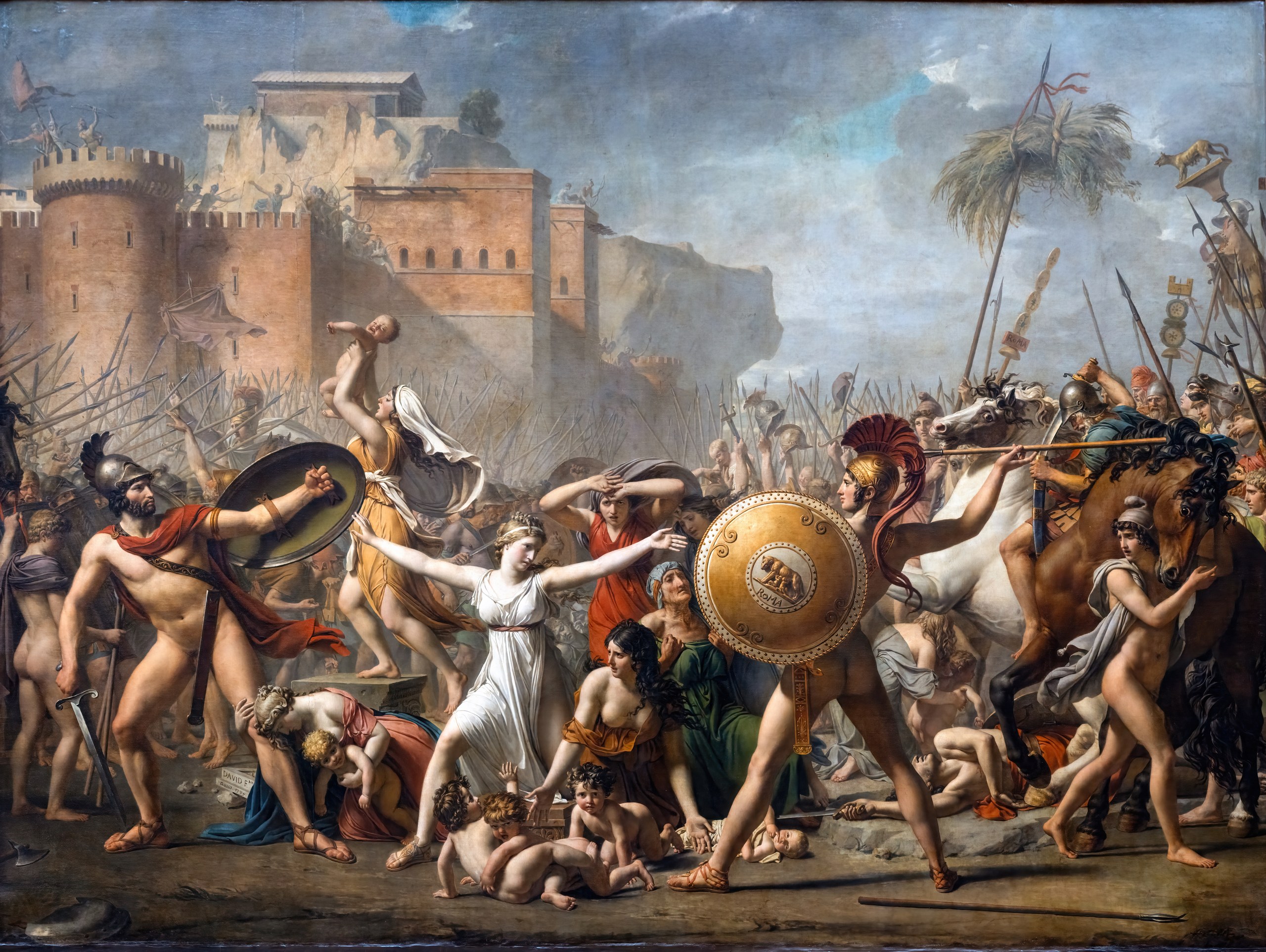
The Intervention of the Sabine Women
Jacques-Louis David · 1799
Louvre
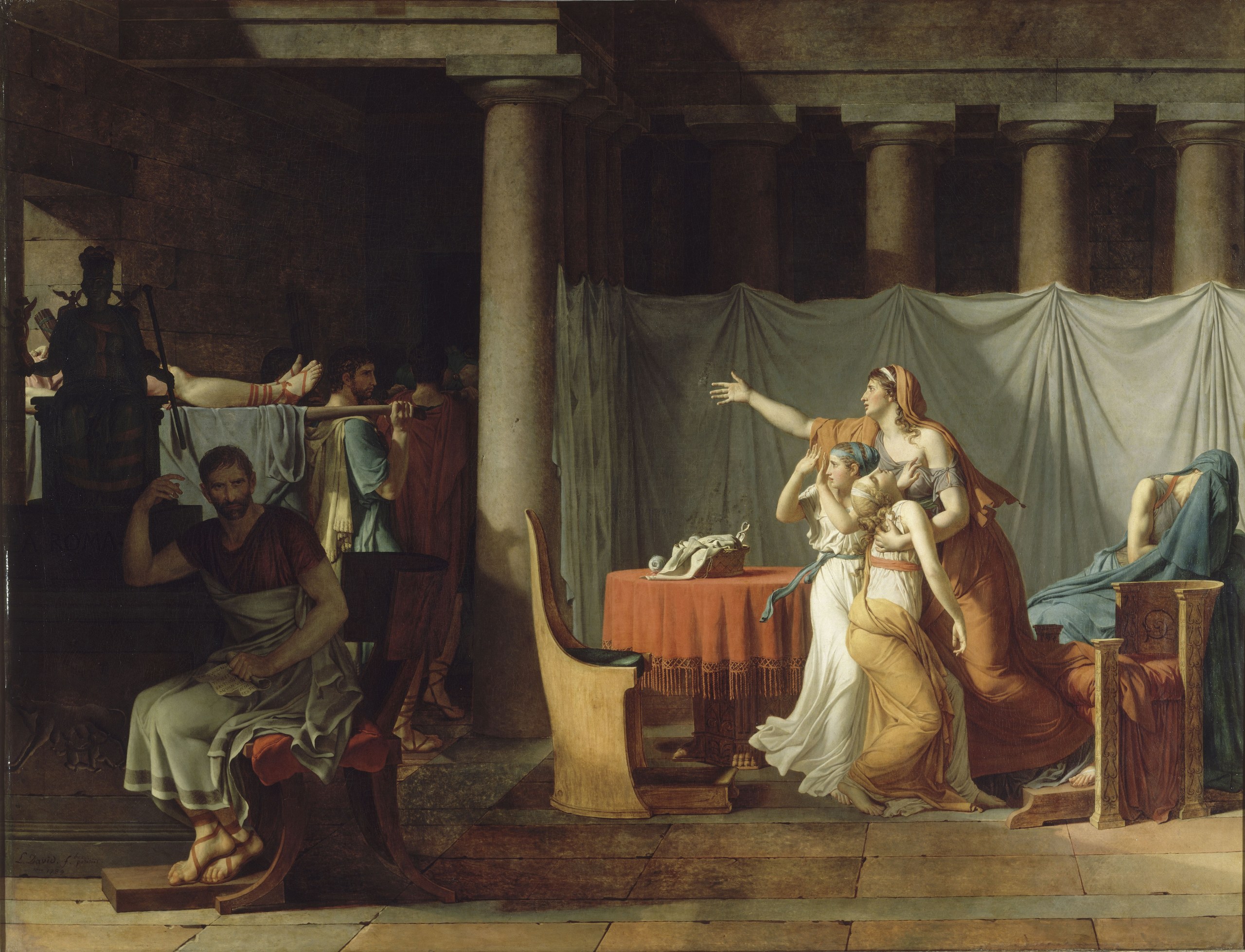
The Lictors Bring to Brutus the Bodies of His Sons
Jacques-Louis David · 1789
Louvre
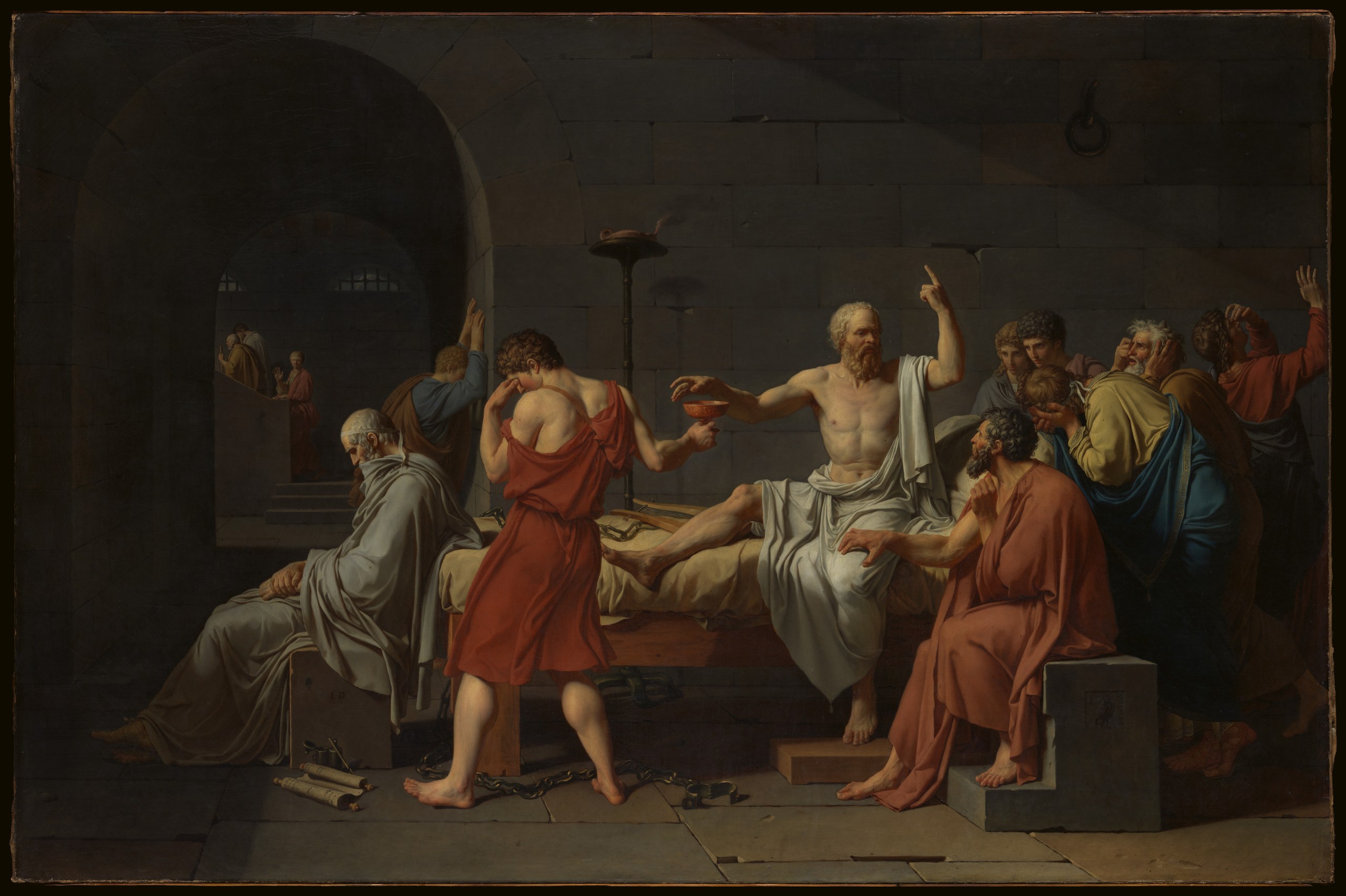
The Death of Socrates
Jacques-Louis David · 1787
The Metropolitan Museum of Art
The Funeral of Patroclus
Jacques-Louis David · 1778
National Gallery of Ireland
Portrait of Madame Récamier
Jacques-Louis David · 1800
Louvre
Paris and Helen
Jacques-Louis David · 1788
Louvre
Napoleon Crossing the Alps
Jacques-Louis David · 1800
Upper Belvedere
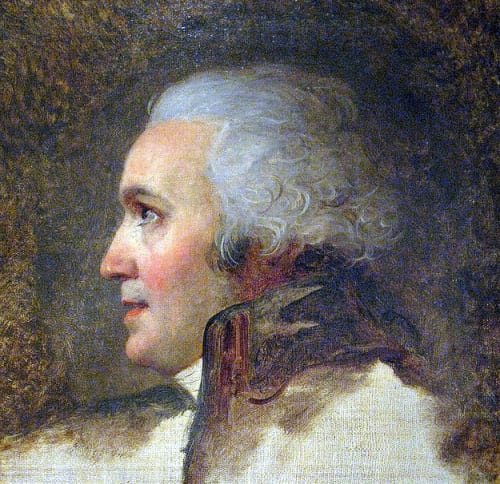
Rabaut Saint-Etienne
Jacques-Louis David · 1791
Huntington Library, Art Museum and Botanical Gardens
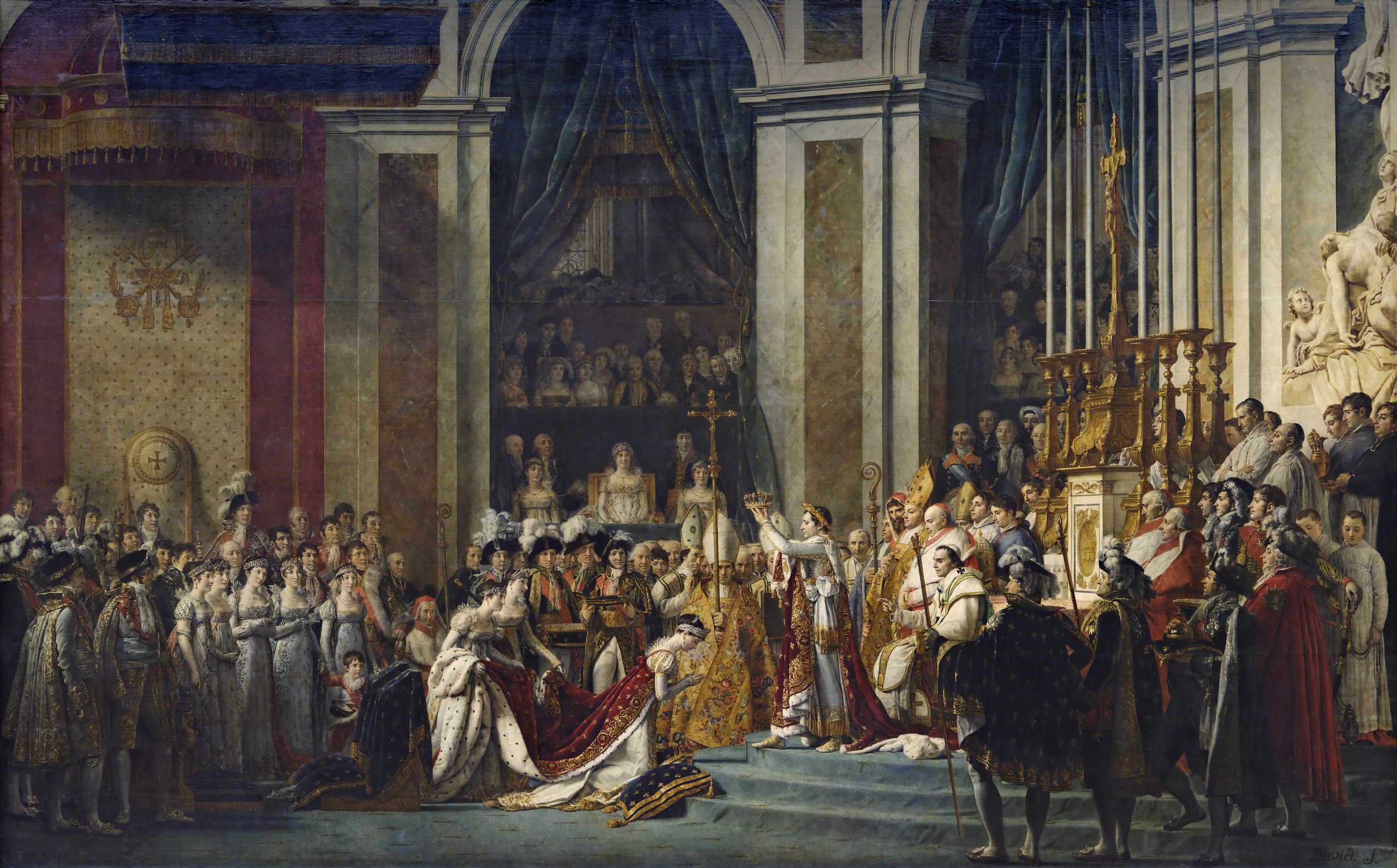
The Coronation of Napoleon
Jacques-Louis David · 1807
Louvre
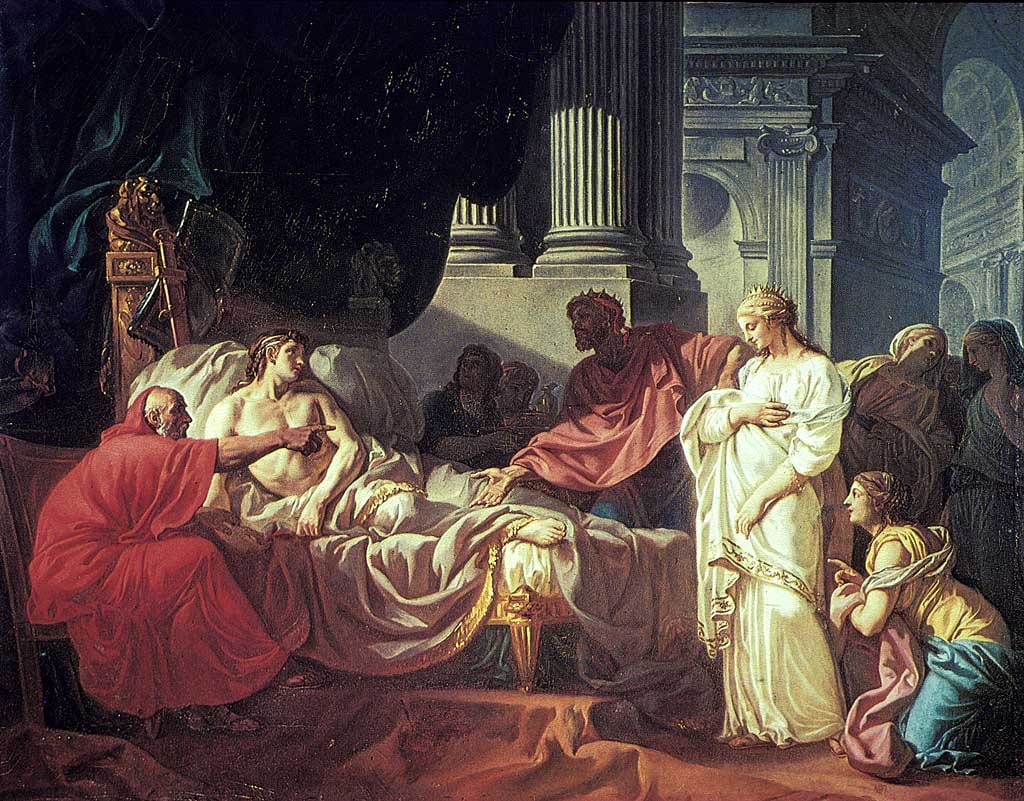
Erasistratus Discovering the Cause of Antiochus' Disease
Jacques-Louis David · 1774
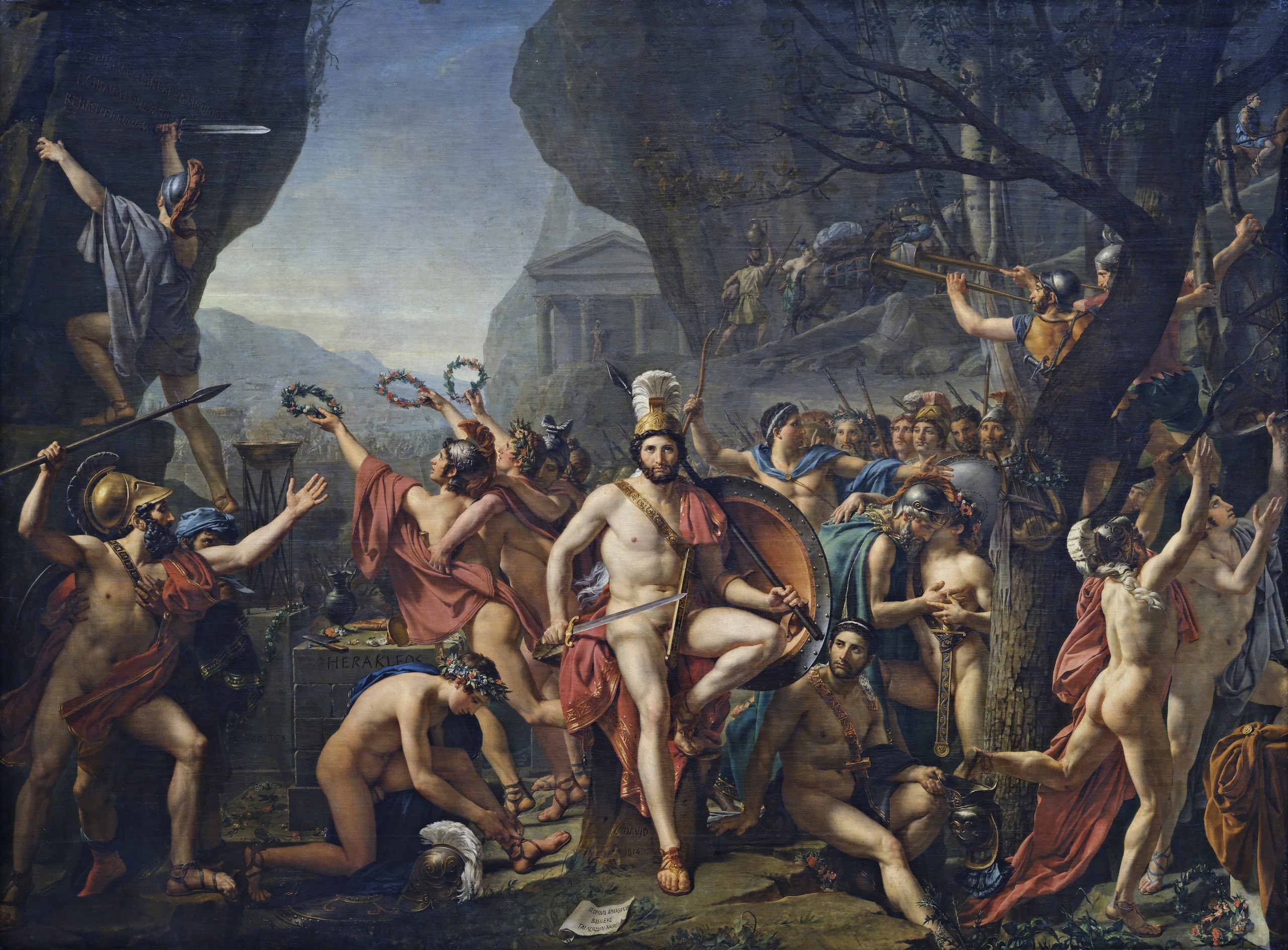
Leonidas at Thermopylae
Jacques-Louis David · 1814
Louvre
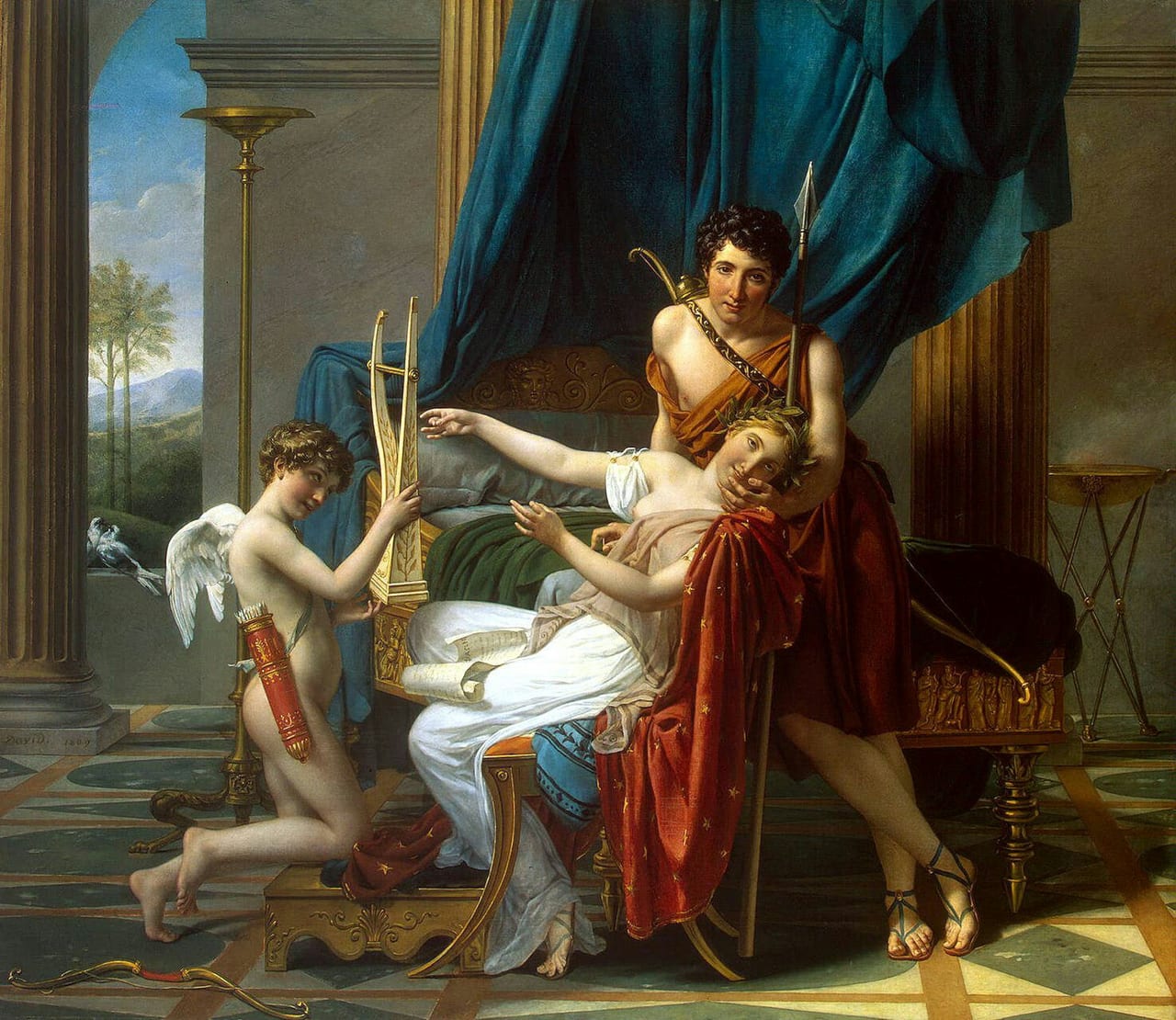
Sappho and Phaon
Jacques-Louis David · 1809
State Hermitage Museum
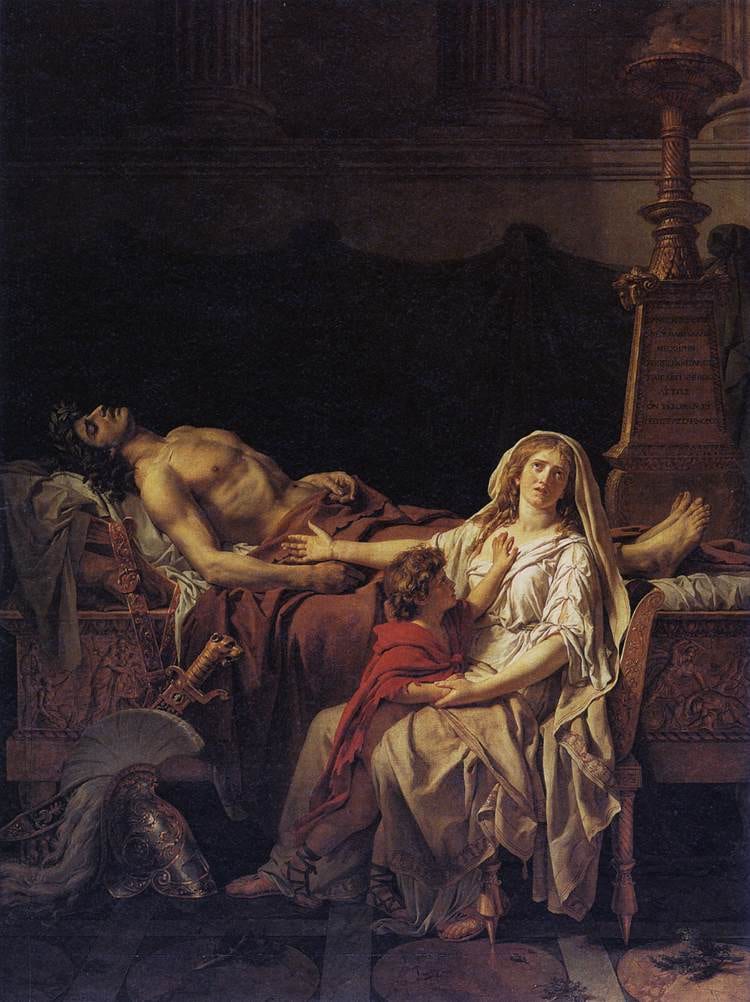
Andromache Mourning Hector
Jacques-Louis David · 1782
Louvre
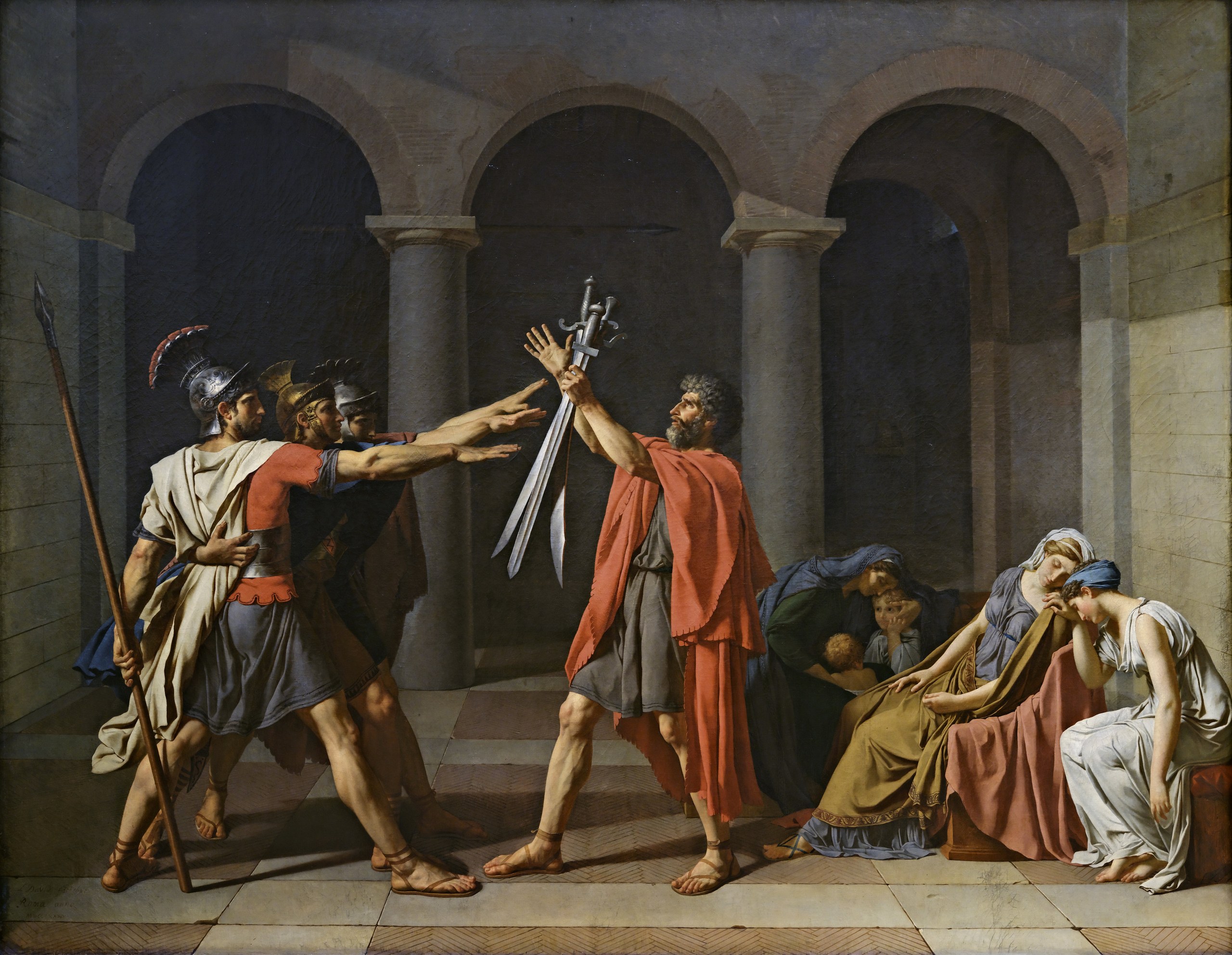
The Oath of the Horatii
Jacques-Louis David · 1784
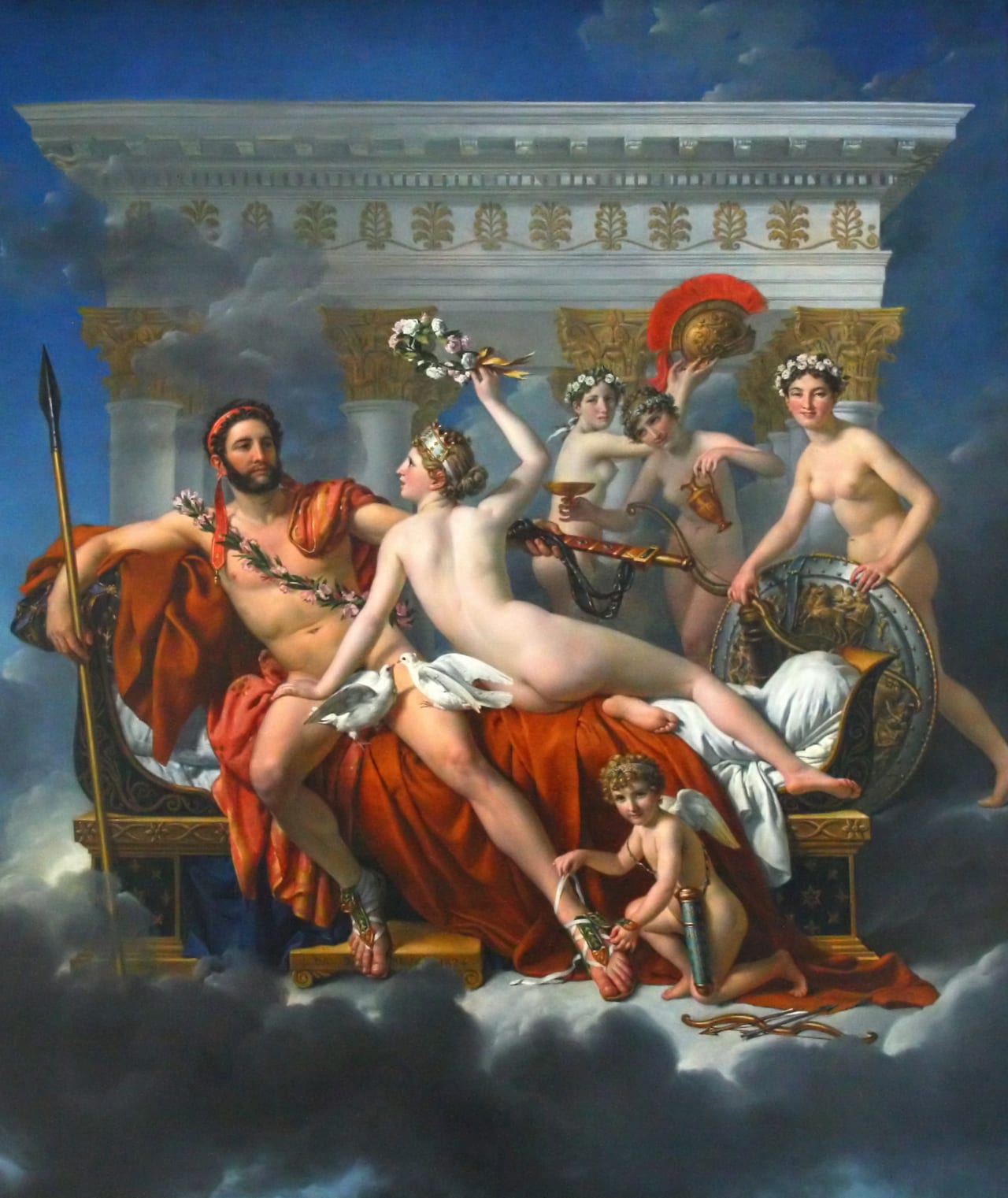
Mars Being Disarmed by Venus
Jacques-Louis David · 1824
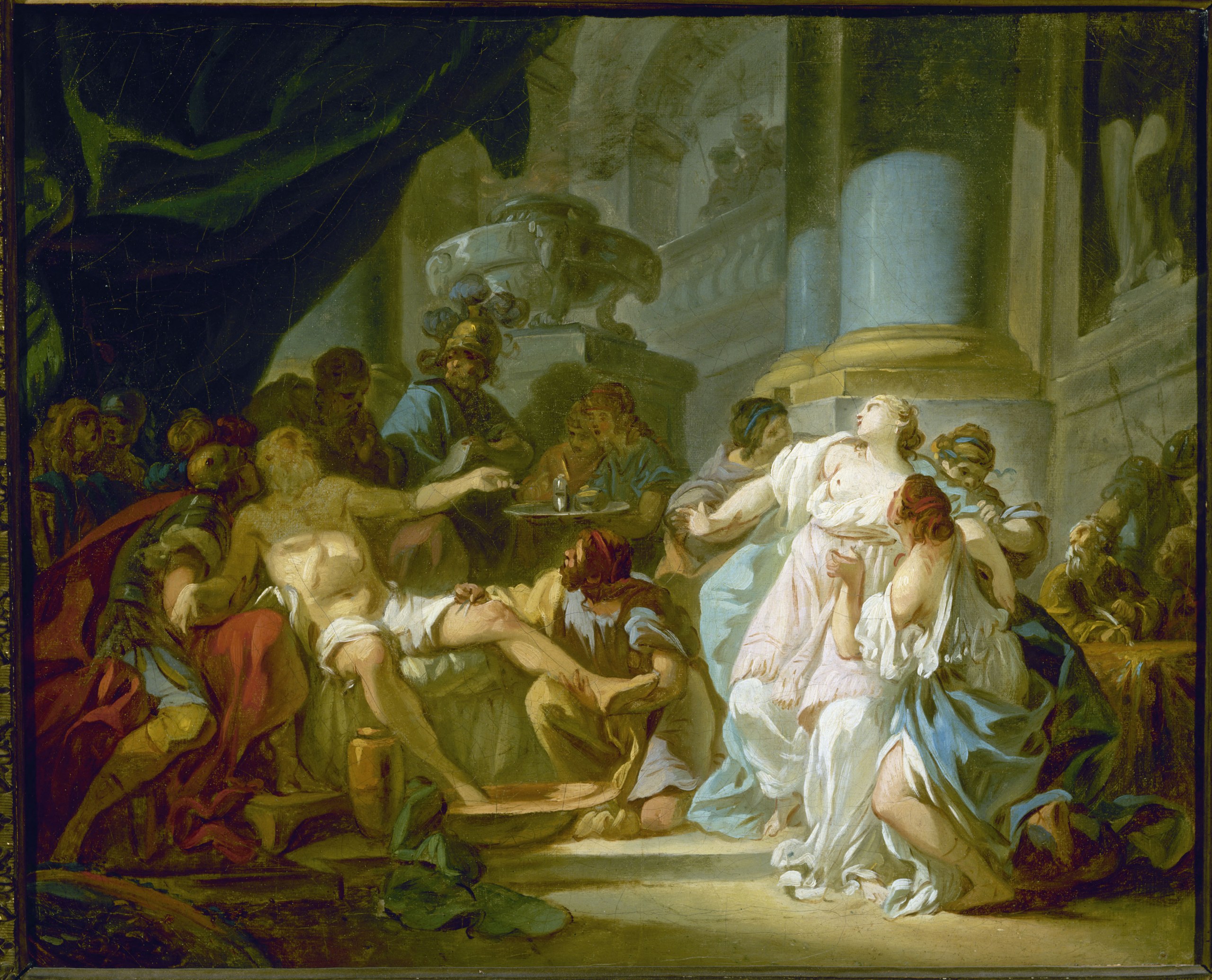
The Death of Seneca
Jacques-Louis David · 1773
Works worth knowing
11 of Jacques-Louis David's works, and what makes each one worth a look.
The Intervention of the Sabine Women
Jacques-Louis David · 1799
Louvre
The Intervention of the Sabine Women is a 1799 painting by the French painter Jacques-Louis David, showing a legendary episode following the abduction of the Sabine women by the founding generation of Rome. Work on the painting commenced in 1796, after his estranged wife visited him in jail. He conceived the idea of telling the story, to honour his wife, with the theme being love prevailing over conflict and the protection of children.
The Lictors Bring to Brutus the Bodies of His Sons
Jacques-Louis David · 1789
Louvre
The Lictors Bring to Brutus the Bodies of His Sons is a work in oils by the French artist Jacques-Louis David. On a canvas of 146 square feet, this painting was first exhibited at the Paris Salon in 1789. The subject is the Roman leader Lucius Junius Brutus, founder of the Roman Republic, contemplating the fate of his sons.
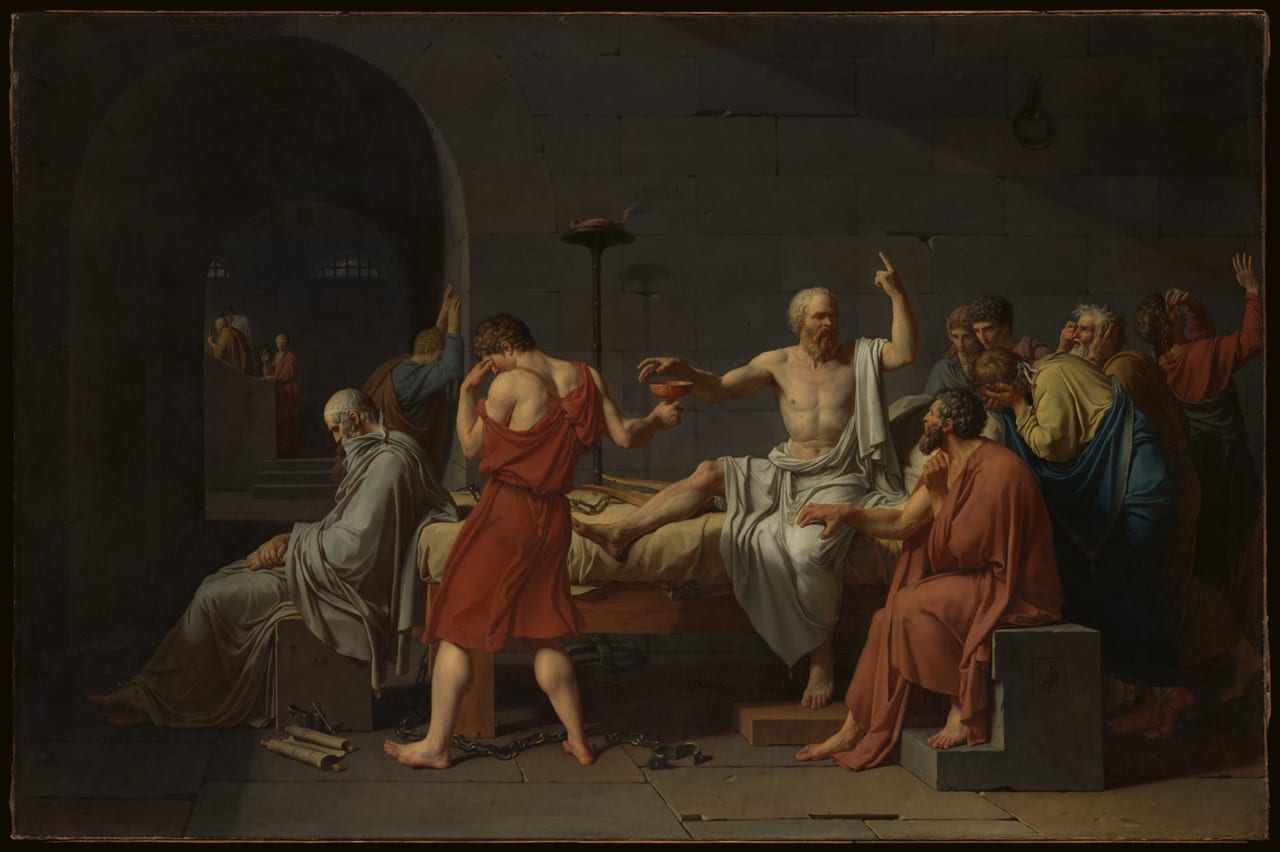
The Death of Socrates
Jacques-Louis David · 1787
The Metropolitan Museum of Art
The Death of Socrates is an oil on canvas painted by French painter Jacques-Louis David in 1787. The painting was part of the neoclassical style, popular in the 1780s, that depicted subjects from the Classical age, in this case the story of the execution of Socrates as told by Plato in his Phaedo. In this story, Socrates has been convicted of corrupting the youth of Athens and introducing strange gods, and has been sentenced to die by drinking poison hemlock.
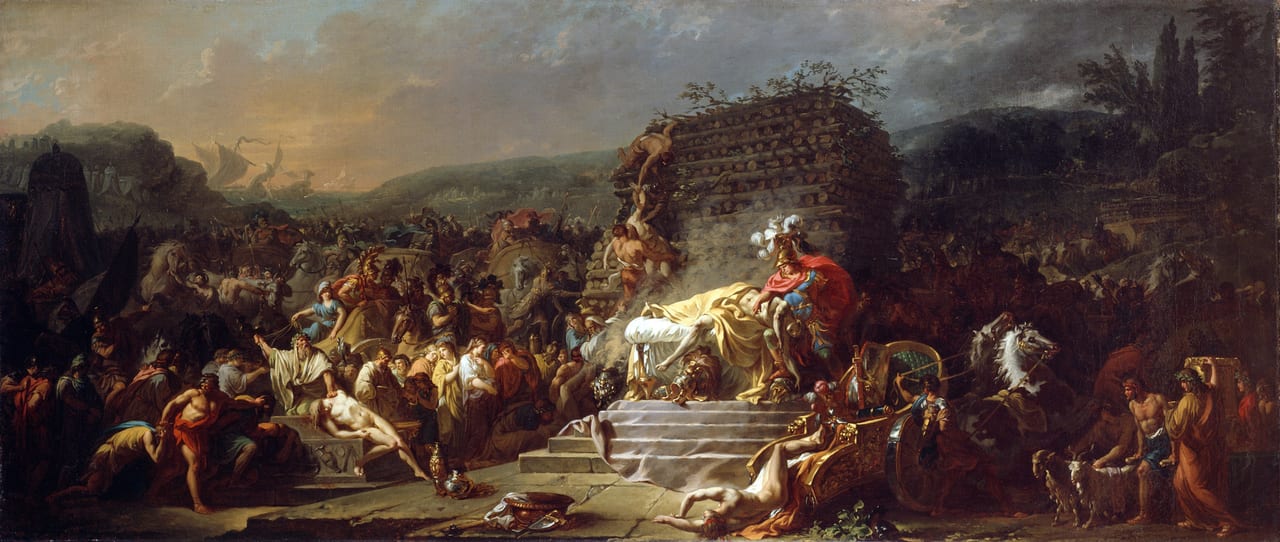
The Funeral of Patroclus
Jacques-Louis David · 1778
National Gallery of Ireland
The Funeral of Patroclus is a 1778 oil-on-canvas painting by the French artist Jacques-Louis David. It shows the funeral of Patroclus during Trojan War, with his body and Achilles at the foot of the pyre and Hector resting on his chariot on the right. It was first exhibited at the Palazzo Mancini in Rome in September 1778, where it was a critical success.
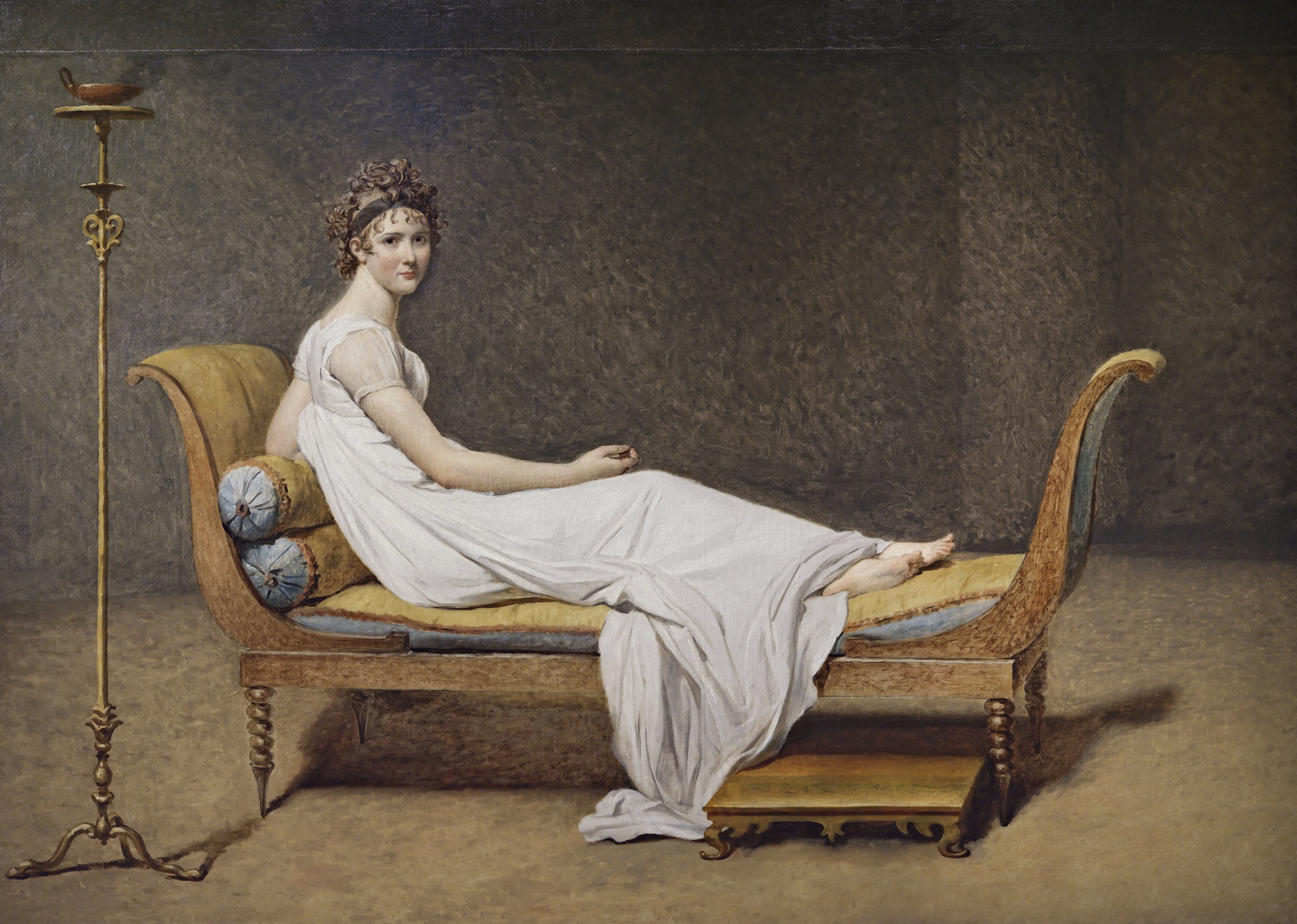
Portrait of Madame Récamier
Jacques-Louis David · 1800
Louvre
Portrait of Madame Récamier is an 1800 portrait of the Parisian socialite Juliette Récamier by Jacques-Louis David showing her in the height of Neoclassical fashion, reclining on a Directoire style sofa in a simple Empire line dress with almost bare arms, and short hair "à la Titus." The work is unfinished. The work is notable for the distance that it establishes between viewer and subject. The setting is a sparsely decorated interior, featuring a tall bronze candelabrum fixed with an oil lamp, which has been extinguished and whose smoke drifts into the blackness of the space.
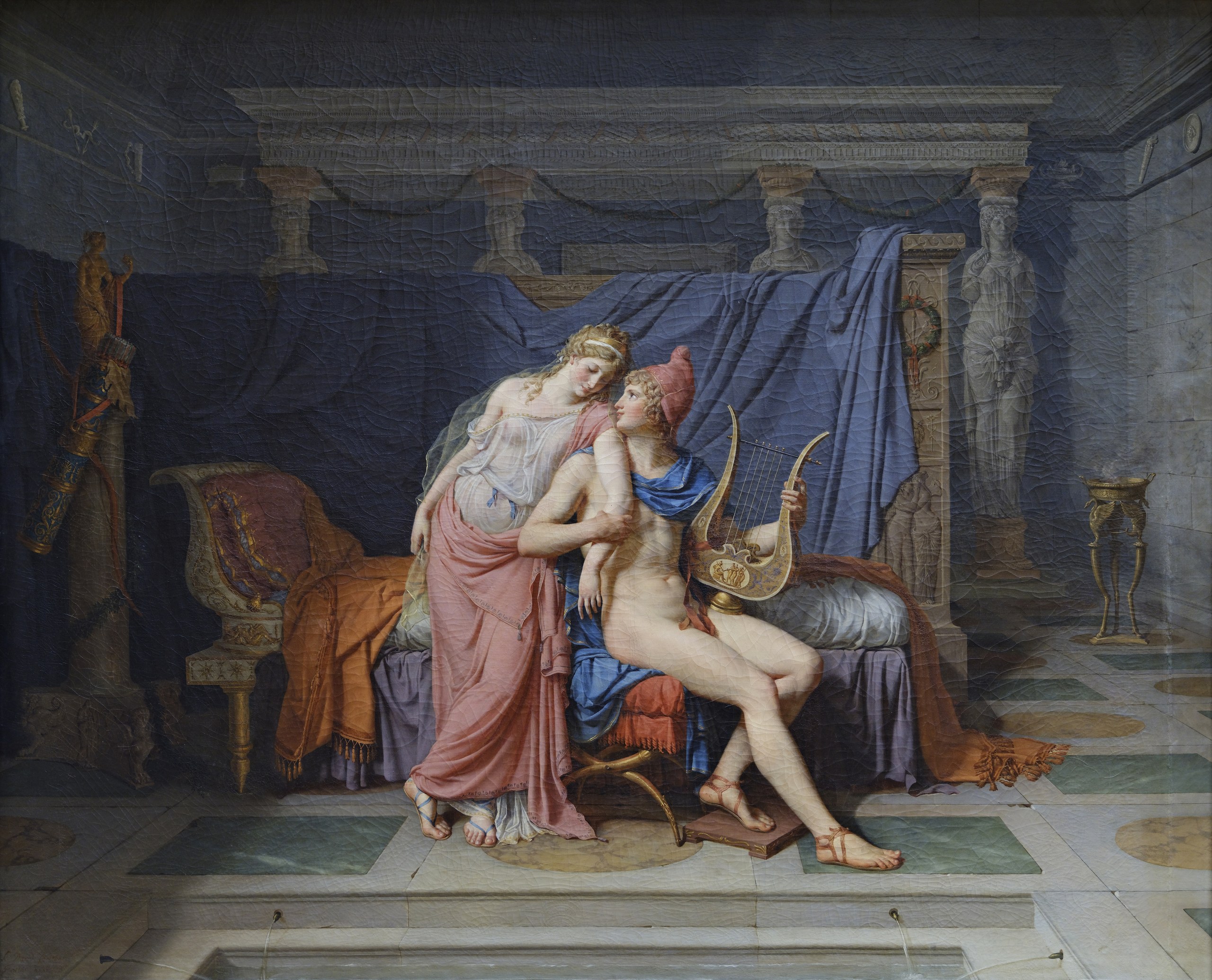
Paris and Helen
Jacques-Louis David · 1788
Louvre
The Loves of Paris and Helen is a 1788 oil-on-canvas painting by the French Neoclassical artist Jacques-Louis David, showing Helen of Troy and Paris from Homer's Iliad. It is now in the Louvre Museum. The painting was the result of a commission from the comte d'Artois.
The Coronation of Napoleon
Jacques-Louis David · 1807
Louvre
The Coronation of Napoleon is a painting completed in 1807 by Jacques-Louis David, the official painter of Napoleon, depicting the coronation of Napoleon at Notre-Dame de Paris. The oil painting has imposing dimensions, it is almost 10 metres (33 ft) wide by a little over 6 metres (20 ft) tall. The work is on display at the Louvre Museum in Paris, France.
Erasistratus Discovering the Cause of Antiochus' Disease
Jacques-Louis David · 1774
Erasistratus Discovering the Cause of Antiochus' Disease is a 1774 oil painting by French neoclassical artist Jacques-Louis David. The work is a history painting depicting an episode from Plutarch's Lives in which Greek court physician Erasistratus diagnoses the illness of Antiochus, the son of Seleucus I, as lovesickness for his stepmother Stratonice. The painting was awarded the 1774 Prix de Rome by the Académie royale de peinture et de sculpture.
Where the work hangs
The museums that hold it, and their visitor guides.
Louvre
8 in the archive · Paris
State Hermitage Museum
1 in the archive · Saint Petersburg
Huntington Library, Art Museum and Botanical Gardens
1 in the archive · San Marino, California
Upper Belvedere
1 in the archive · Vienna
The Metropolitan Museum of Art
1 in the archive · New York City
National Gallery of Ireland
1 in the archive · Dublin
If you like Jacques-Louis David
Artists held by the same museums.
Gustav Klimt
Austrian Empire · 28 in the archive
Jean-Auguste-Dominique Ingres
French · 19 in the archive
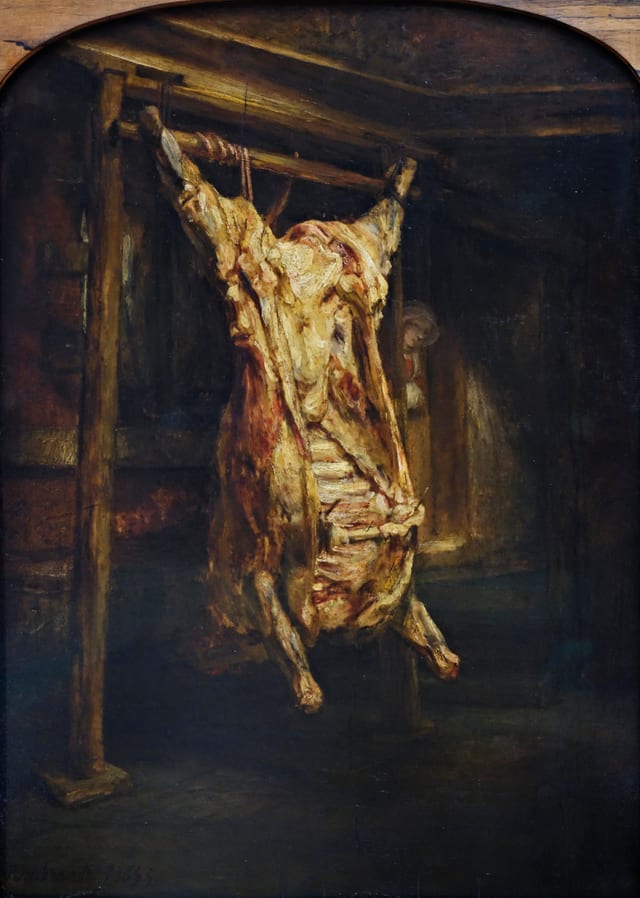
Rembrandt van Rijn
Dutch · 13 in the archive
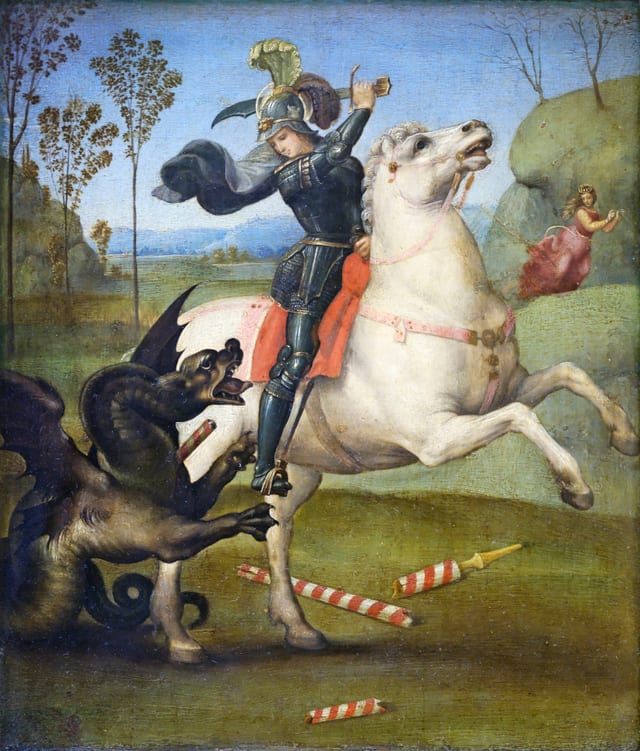
Raphael
Holy Roman Empire · 11 in the archive
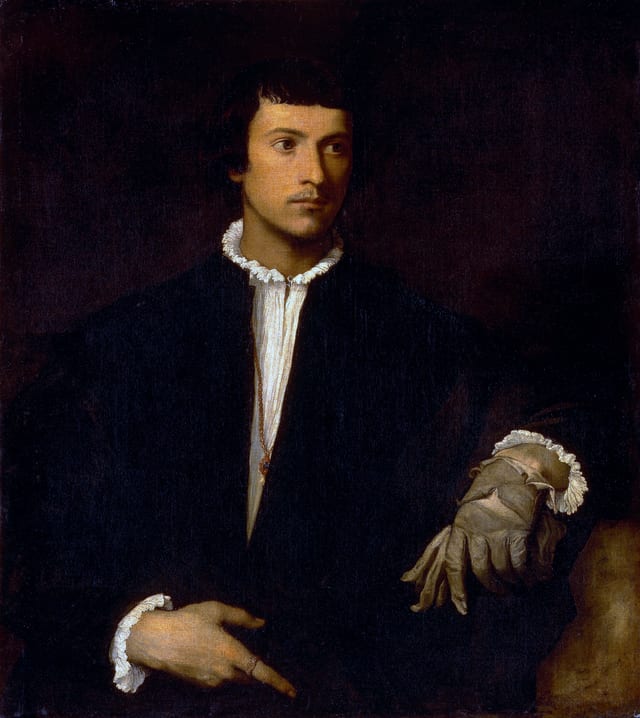
Titian
Italian · 9 in the archive
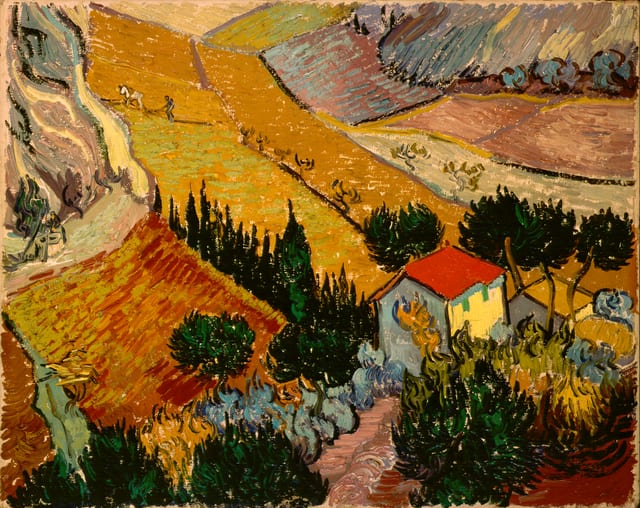
Vincent van Gogh
Dutch · 8 in the archive
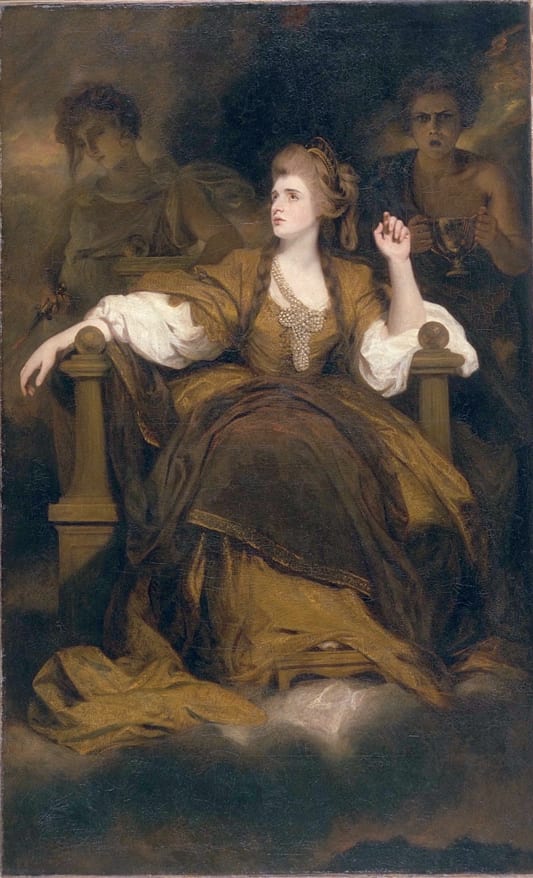
Joshua Reynolds
English · 7 in the archive
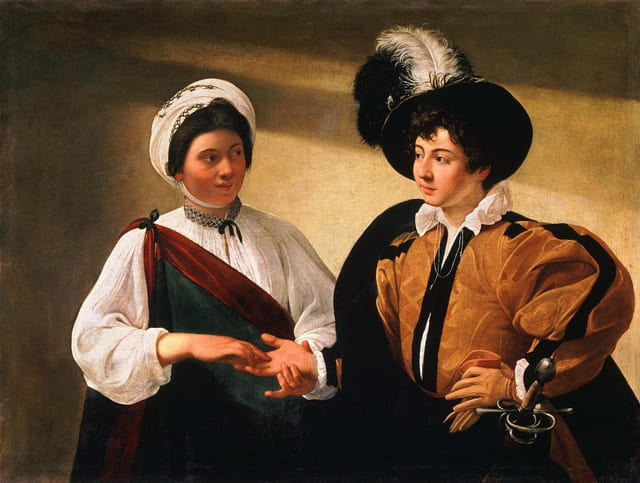
Caravaggio
Italian · 6 in the archive
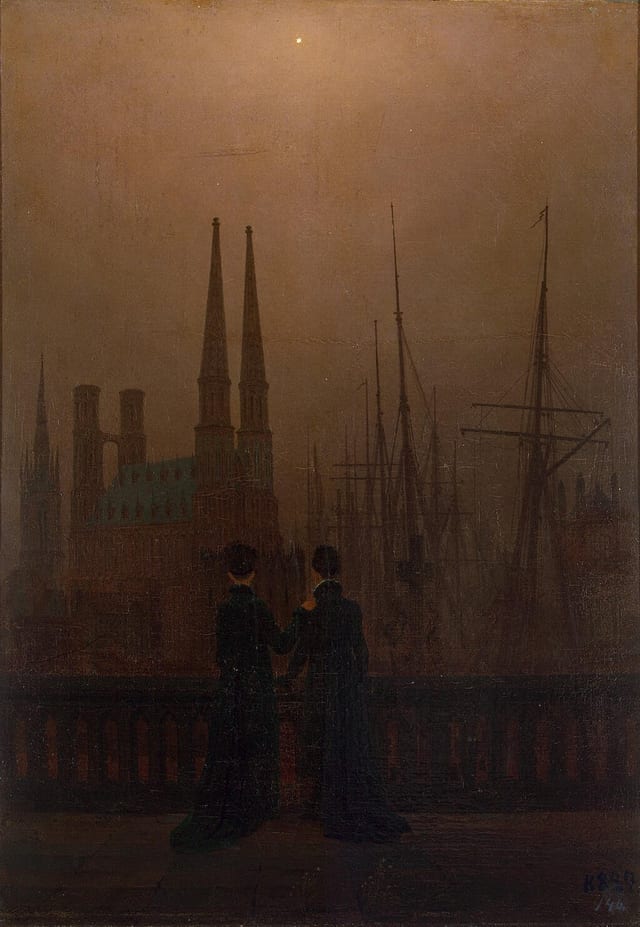
Caspar David Friedrich
Kingdom of Prussia · 6 in the archive
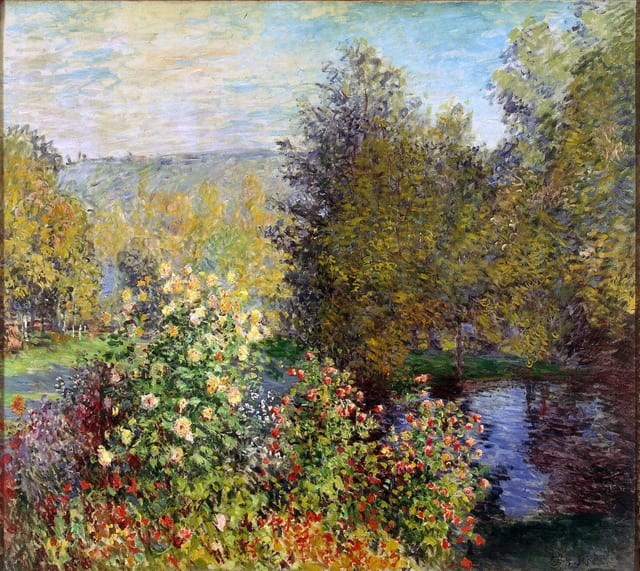
Claude Monet
France · 6 in the archive
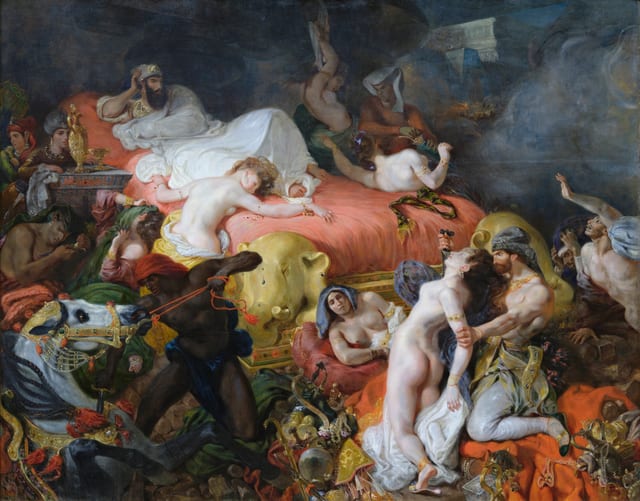
Eugène Delacroix
French · 6 in the archive
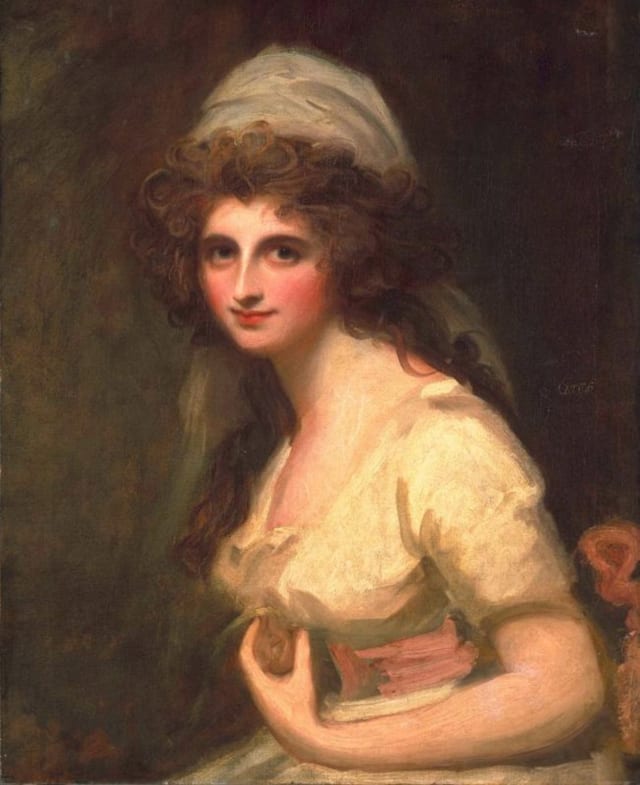
George Romney
English · 6 in the archive
Invite the masters into your living room.
Jacques-Louis David on your TV, phone, or tablet. Free to start.
View on MomentableIndependent guide by Momentable · biography from Wikipedia · artworks are in the public domain and credited to the museum that holds them