The Epiphany
Hieronymus Bosch · 1494

Hieronymus Bosch
Dutch · 1450–1516
Hieronymus Bosch was a Dutch painter from Brabant. He is one of the most notable representatives of the Early Netherlandish painting school. His work, generally oil on oak wood, mainly contains fantastic illustrations of religious concepts and narratives. Within his lifetime, his work was collected in the Netherlands, Austria, and Spain, and widely copied, especially his macabre and nightmarish depictions of hell.
Independent artist guide by Momentable. Biography from Wikipedia; artworks credited to the museums that hold them.
 LIVENow streaming · The Epiphany
- works in the archive
- 18works in the archive
- life
- 1450–1516life
- movement
- Early Netherlandish paintingmovement
The work
A selection of 16 works, free to stream.
The Epiphany
Hieronymus Bosch · 1494
Museo del Prado
Cutting the Stone
Hieronymus Bosch · 1503
Museo del Prado
Christ Carrying the Cross
Hieronymus Bosch · 1500
Kunsthistorisches Museum
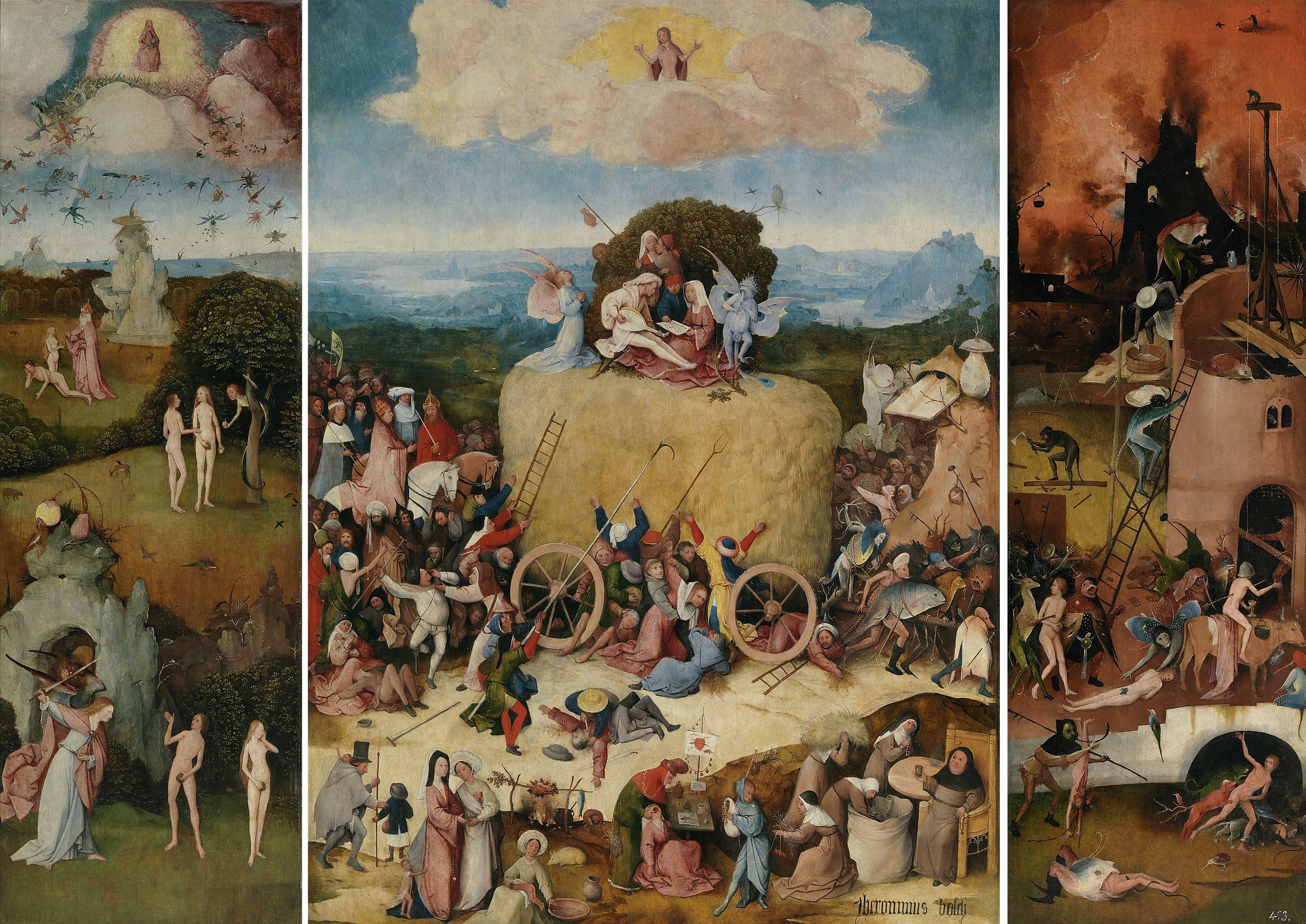
The Haywain Triptych
Hieronymus Bosch · 1510
Museo del Prado
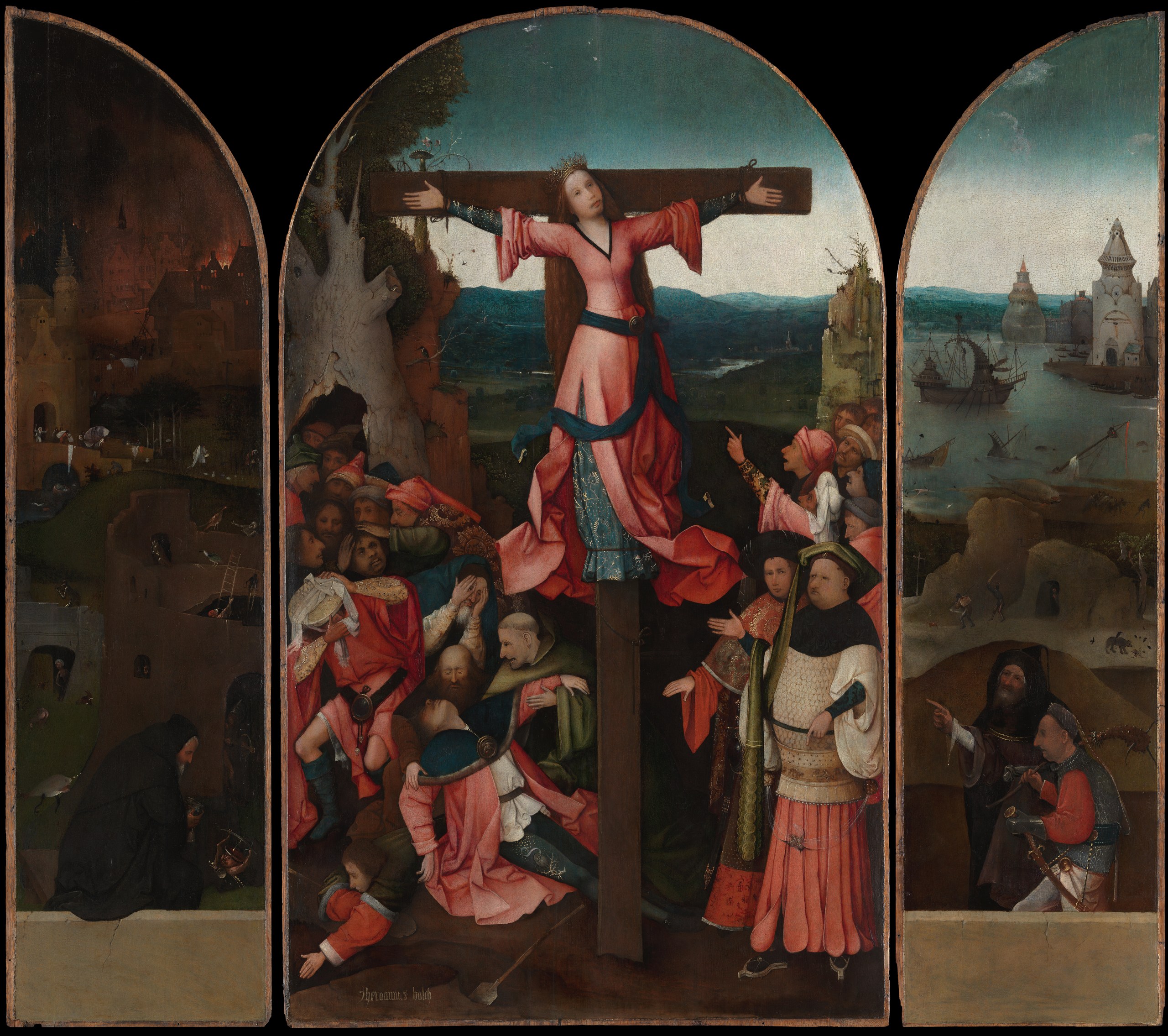
Wilgefortis Triptych
Hieronymus Bosch · 1497
Kunsthistorisches Museum
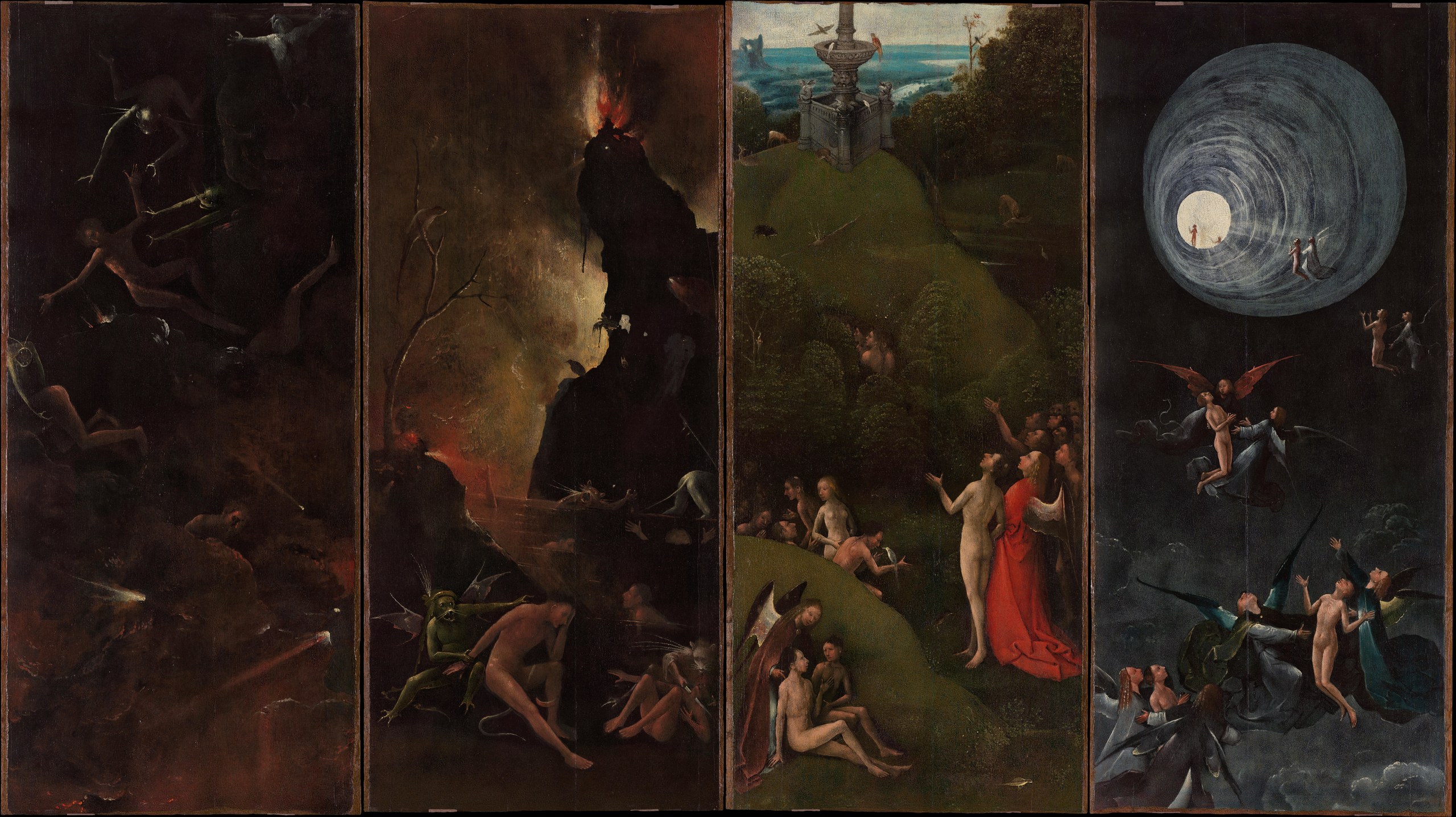
Visions of the Hereafter
Hieronymus Bosch · 1502
Doge's Palace
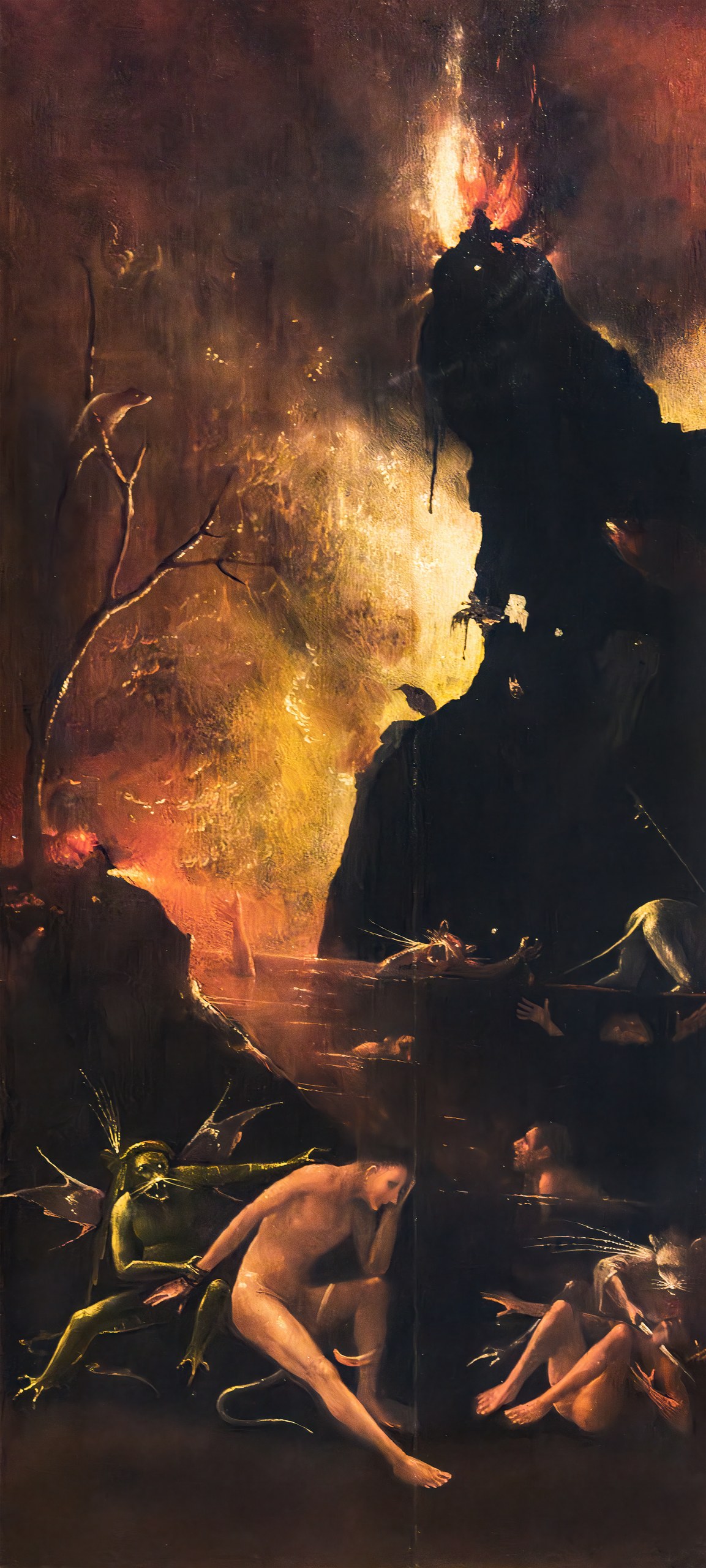
Visions of the Hereafter: Hell
Hieronymus Bosch · 1490
Doge's Palace
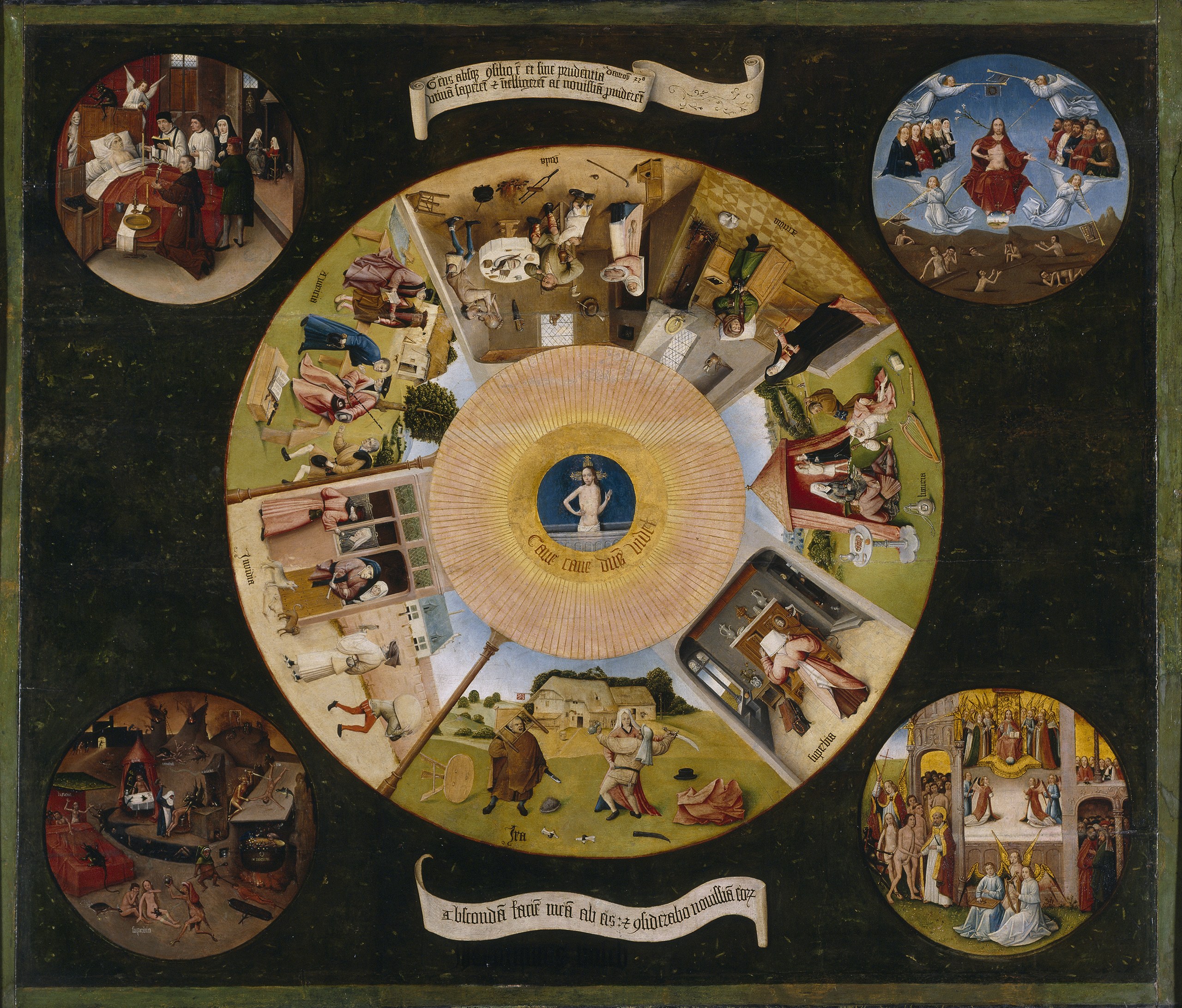
The Seven Deadly Sins and the Four Last Things
Hieronymus Bosch · 1500
Museo del Prado
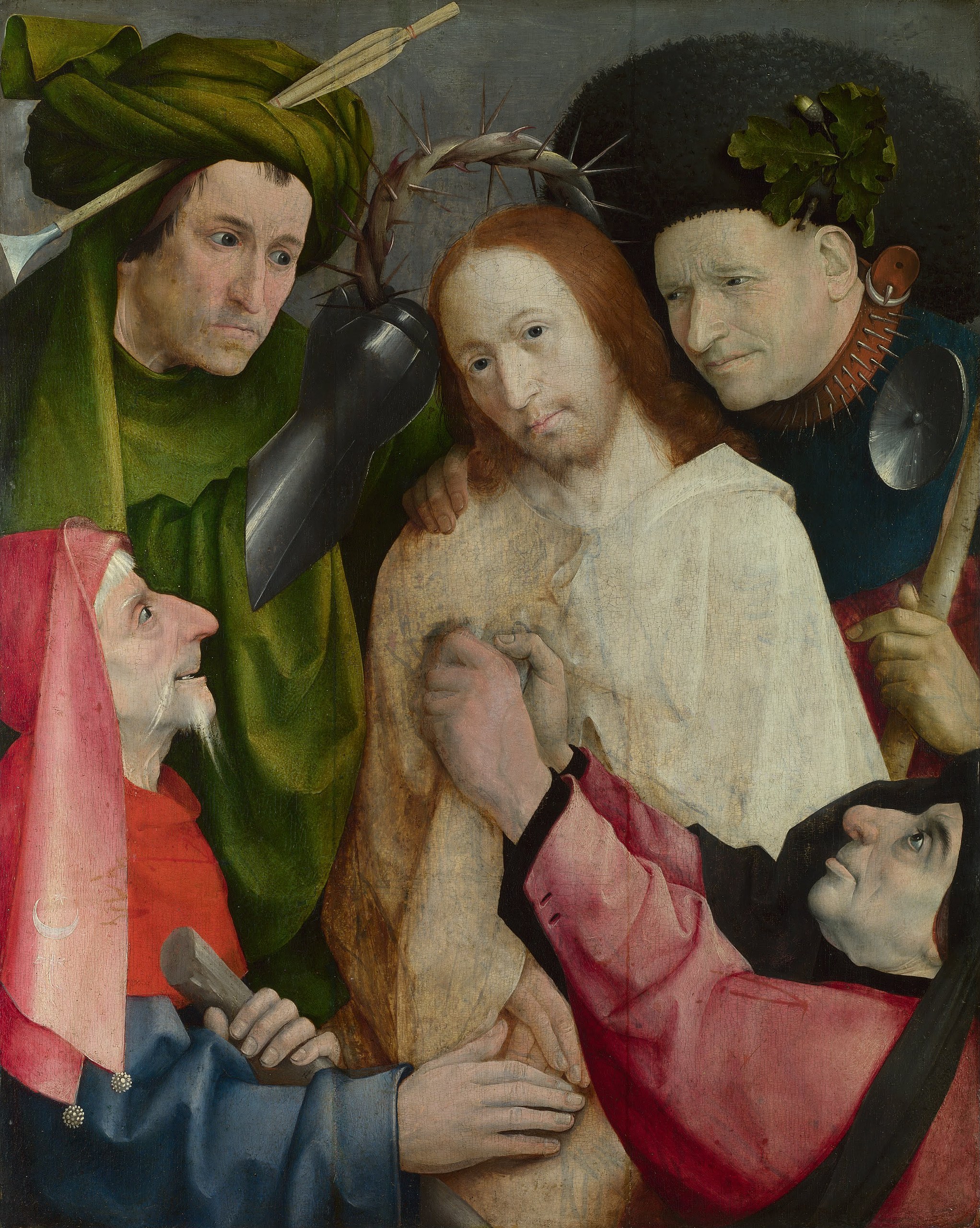
Christ Crowned with Thorns
Hieronymus Bosch · 1495
National Gallery
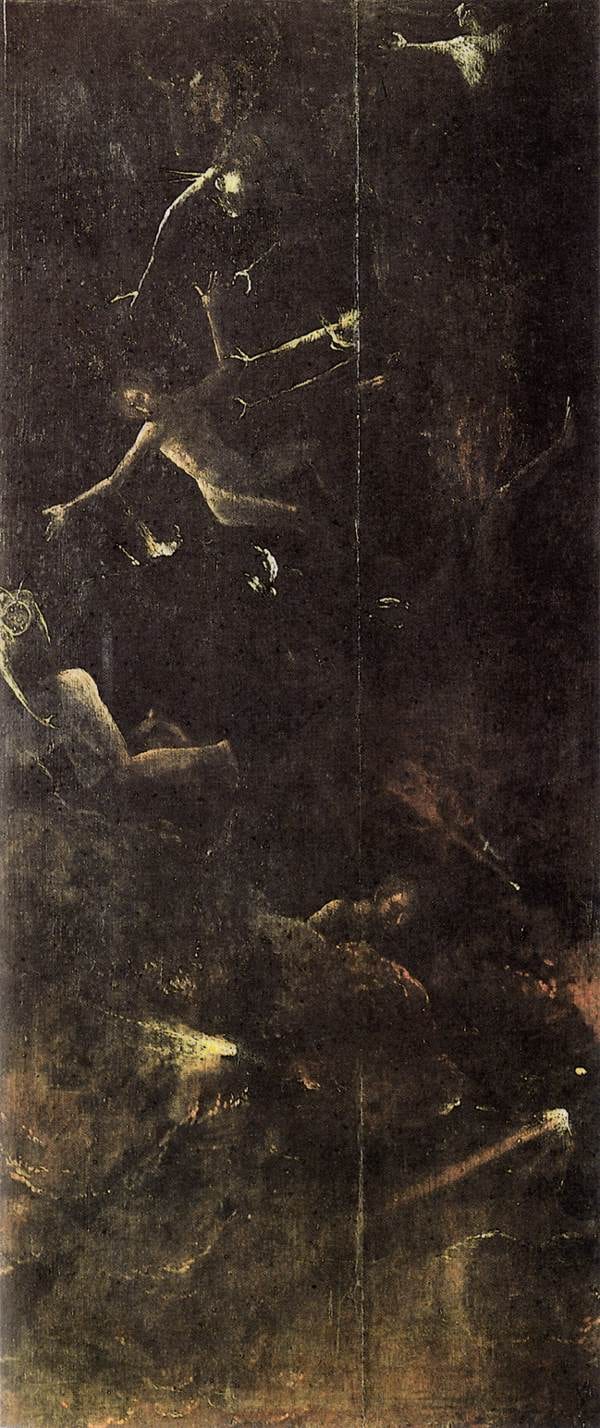
Visions of the Hereafter: Fall of the Damned into Hell
Hieronymus Bosch · 1490
Doge's Palace
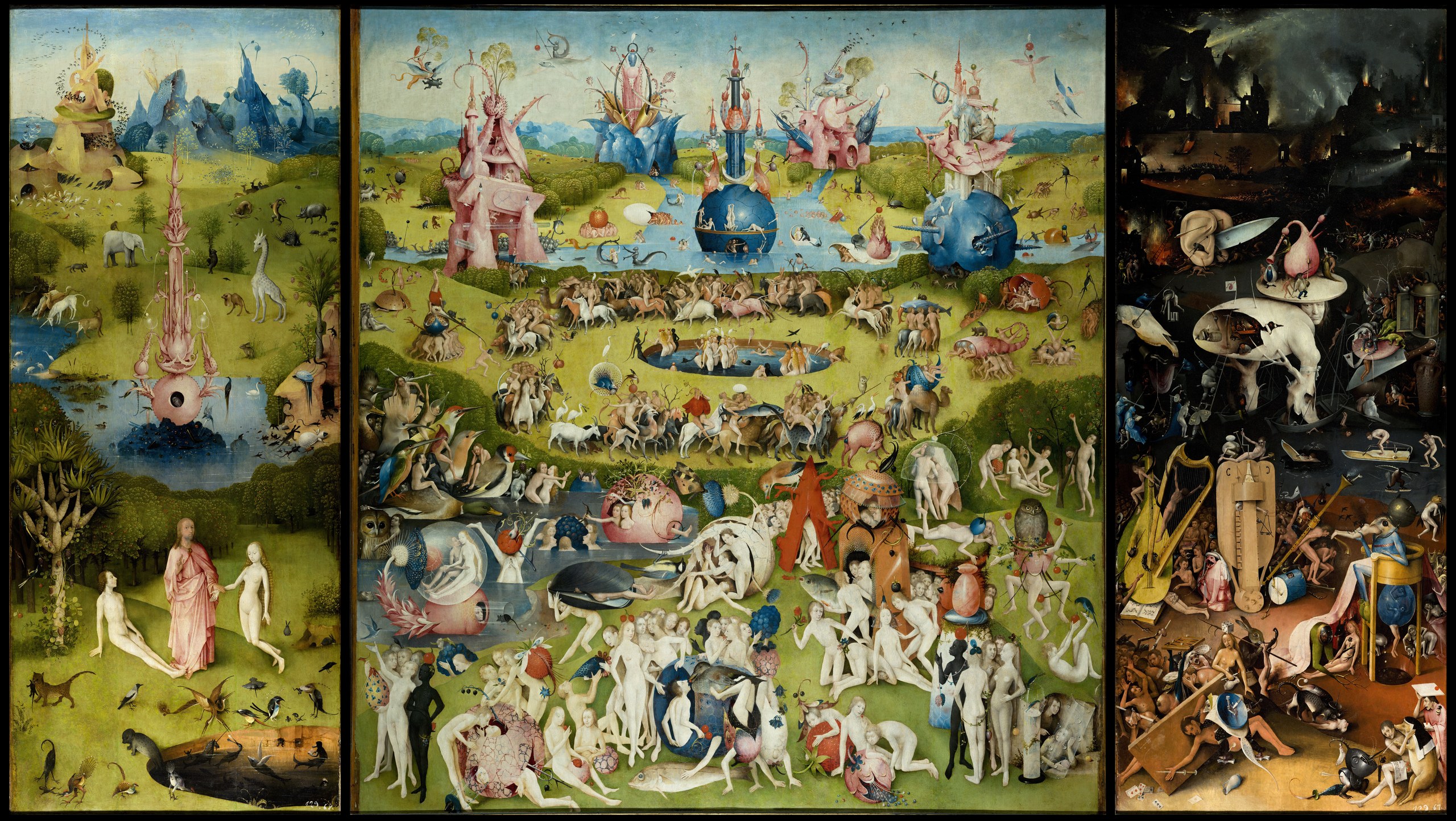
The Garden of Earthly Delights
Hieronymus Bosch · 1490
Museo del Prado
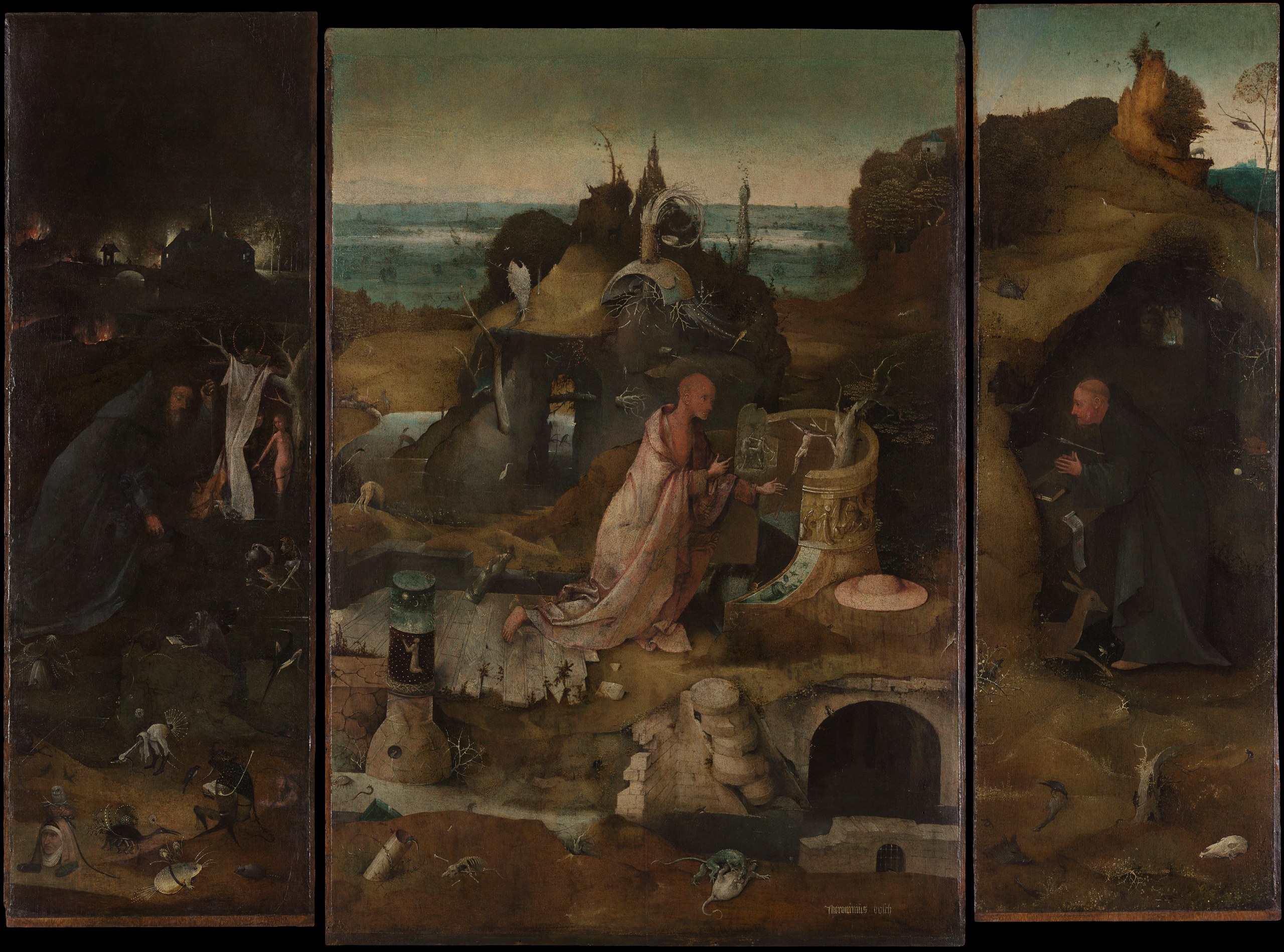
The Hermit Saint
Hieronymus Bosch · 1493
Doge's Palace
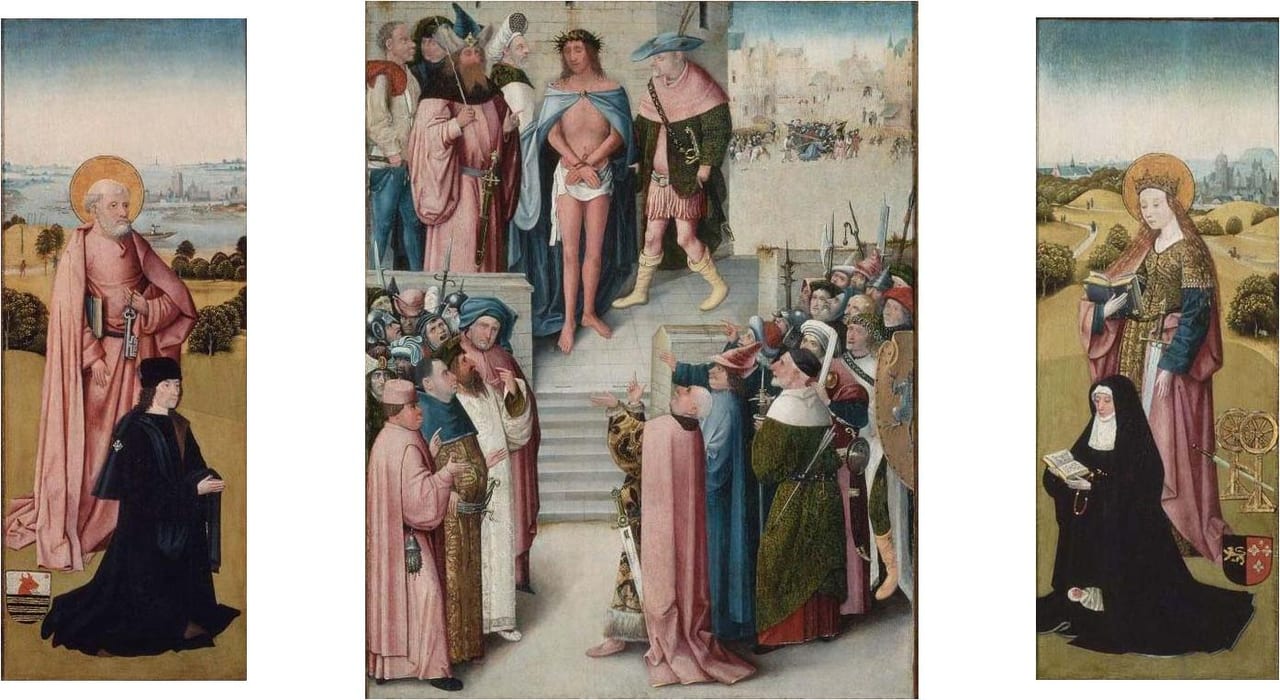
Ecce Homo Triptych
Hieronymus Bosch · 1496
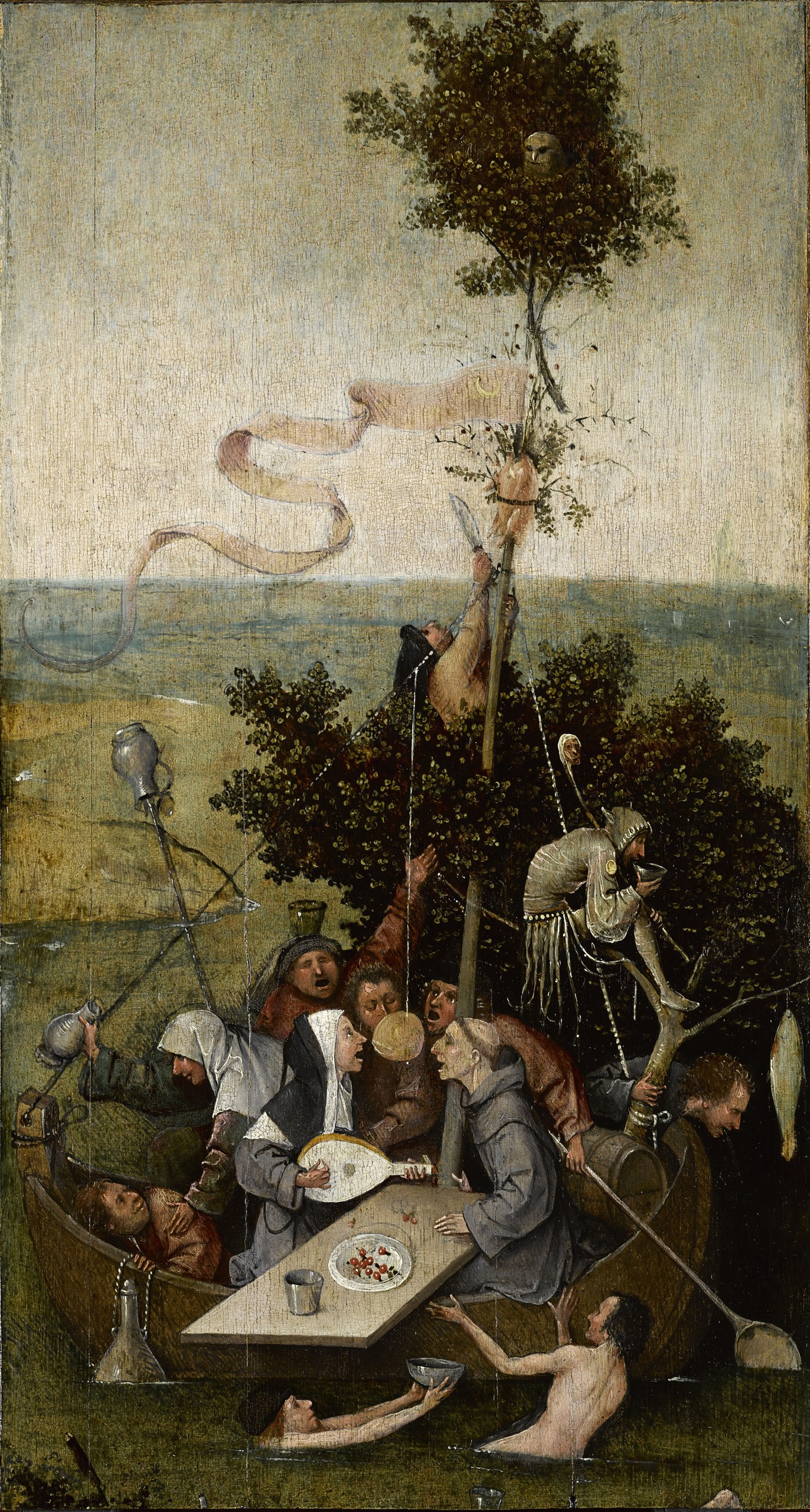
Ship of Fools
Hieronymus Bosch · 1500
Louvre
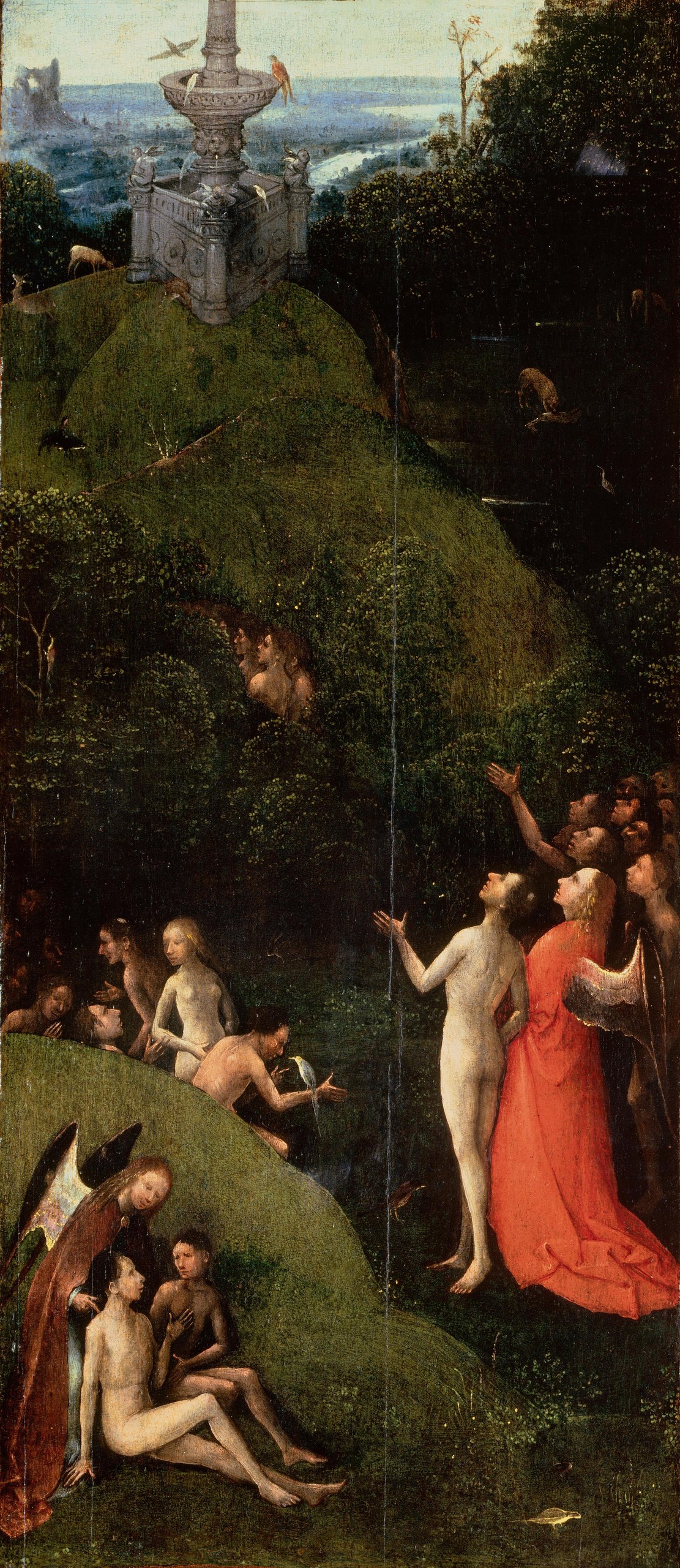
Visions of the Hereafter: Terrestrial Paradise
Hieronymus Bosch · 1500
Doge's Palace
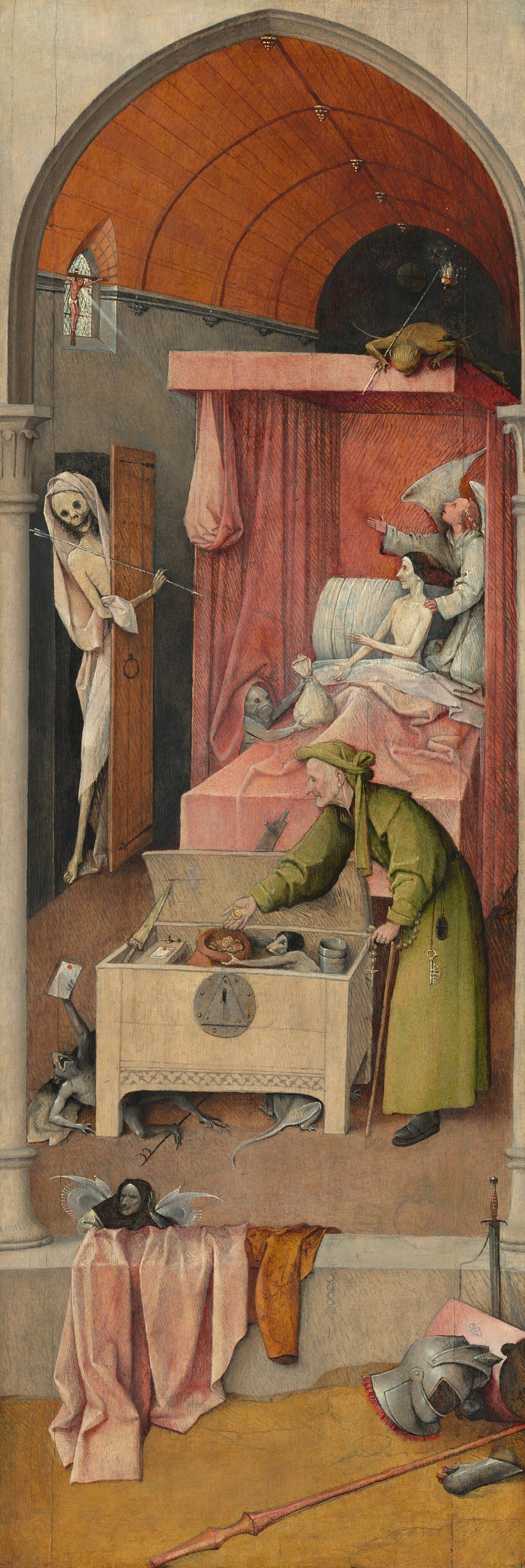
Death and the Miser
Hieronymus Bosch
National Gallery of Art
Works worth knowing
14 of Hieronymus Bosch's works, and what makes each one worth a look.
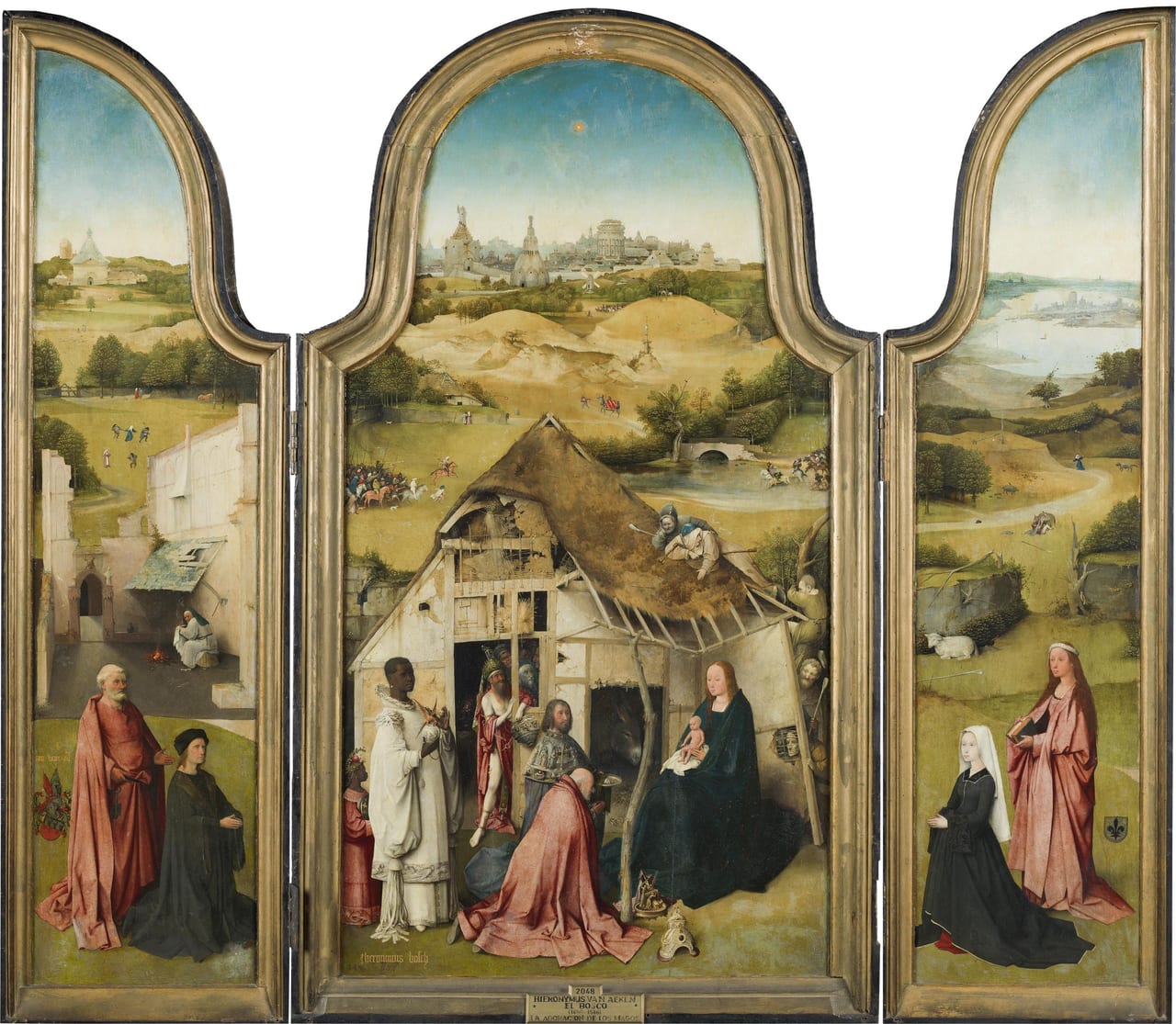
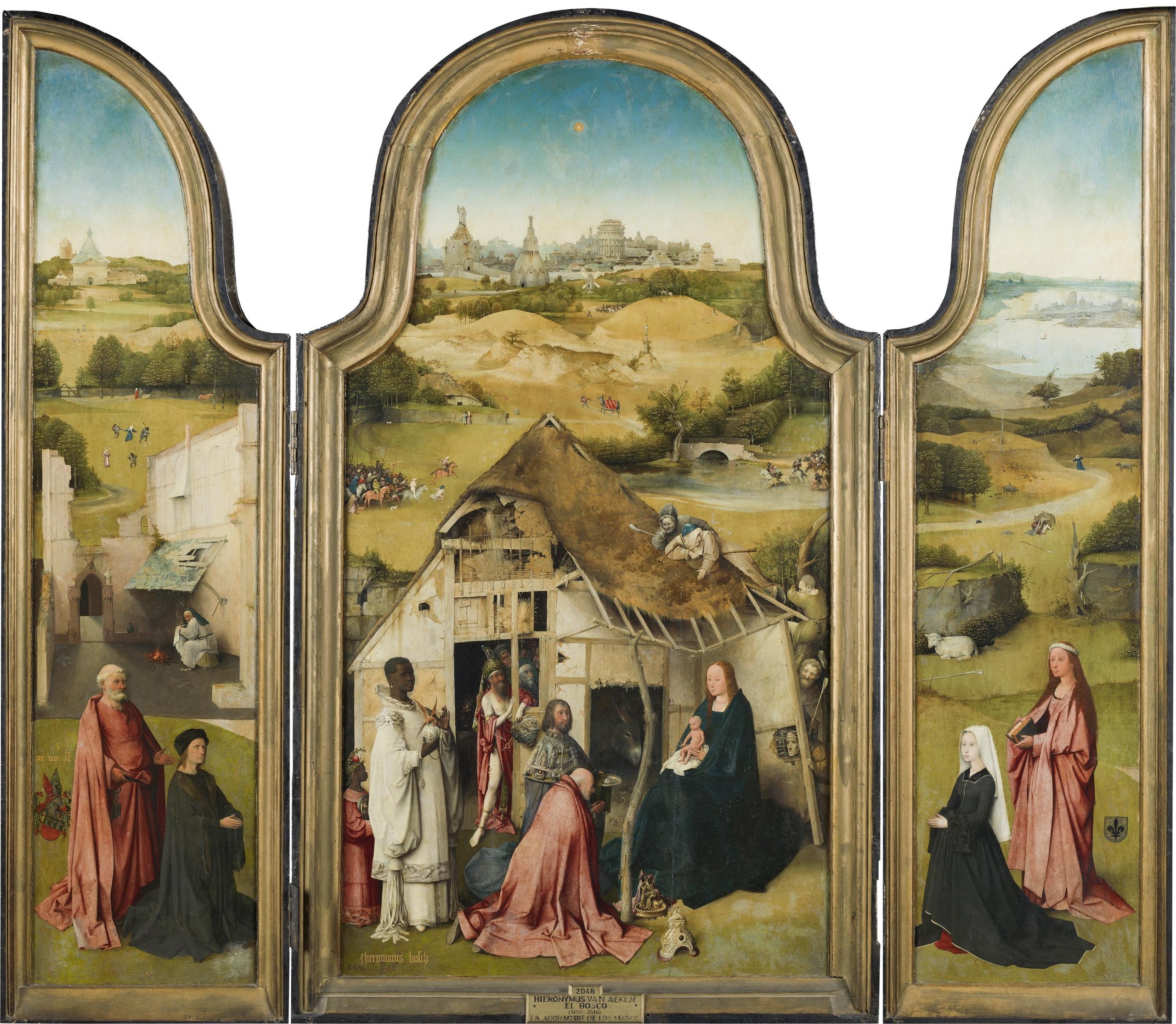
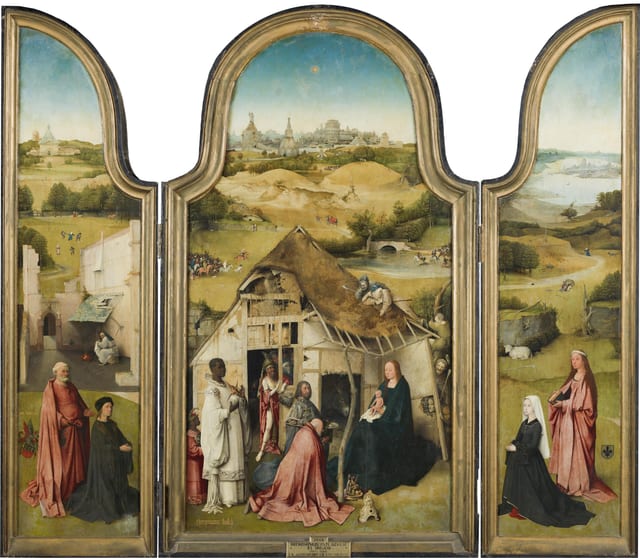
The Epiphany
Hieronymus Bosch · 1494
Museo del Prado
The Adoration of the Magi, or The Epiphany, is a triptych oil painting on wood panel by the Netherlandish artist Hieronymus Bosch, executed around 1485 to 1500. It is now in the Museo del Prado in Madrid, Spain. In about 1494, Peeter Scheyfve (, 1507) and Agnes de Gramme (?, c. 1497) commissioned this altarpiece.
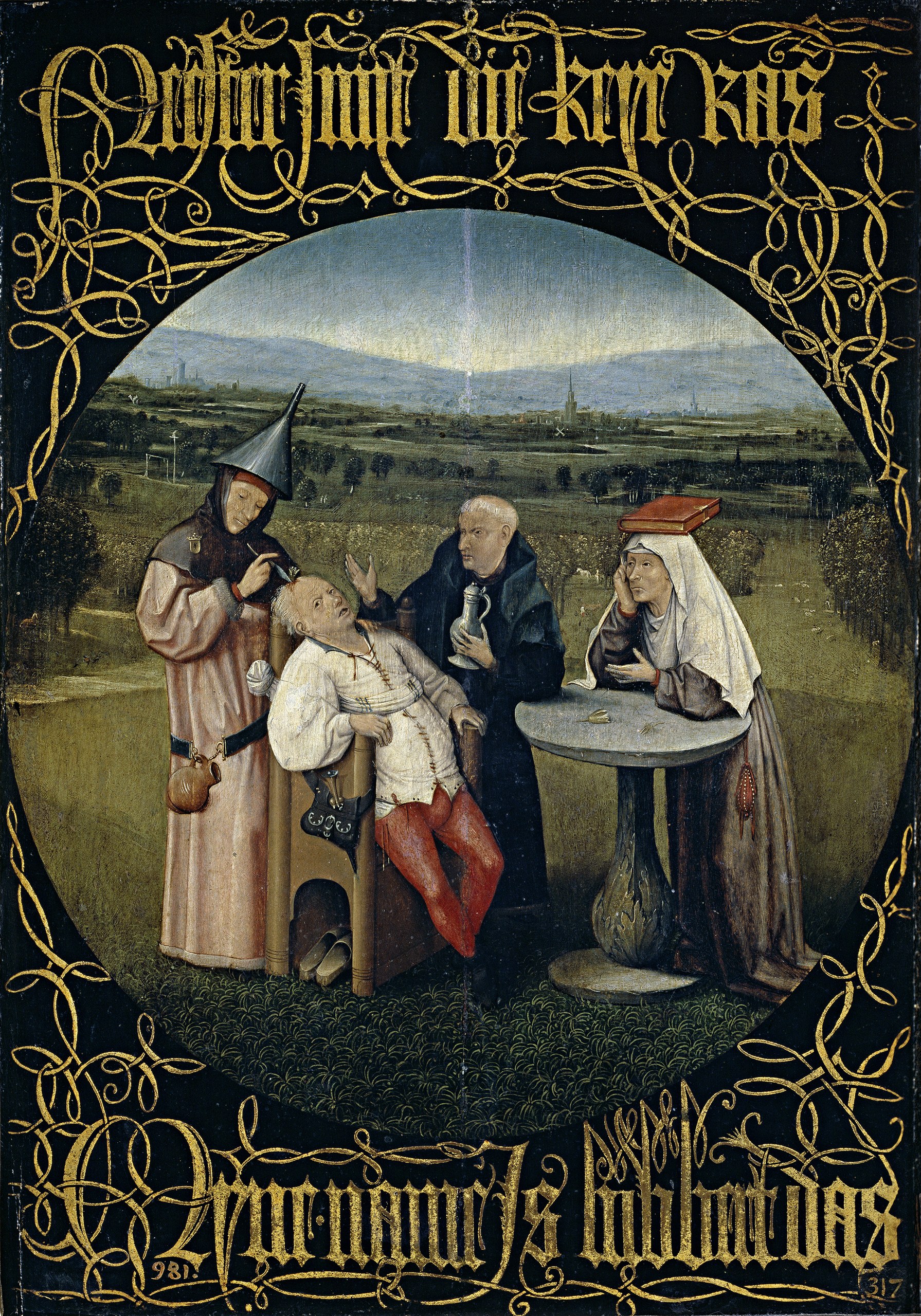
Cutting the Stone
Hieronymus Bosch · 1503
Museo del Prado
Cutting the Stone, also called The Extraction of the Stone of Madness or The Cure of Folly, is an oil-on-panel painting completed c.1494 or later by the Dutch painter Hieronymus Bosch. It is now in the Museo del Prado in Madrid. The painting depicts a surgeon, wearing a funnel hat, removing the stone of madness from a patient's head by trepanation.
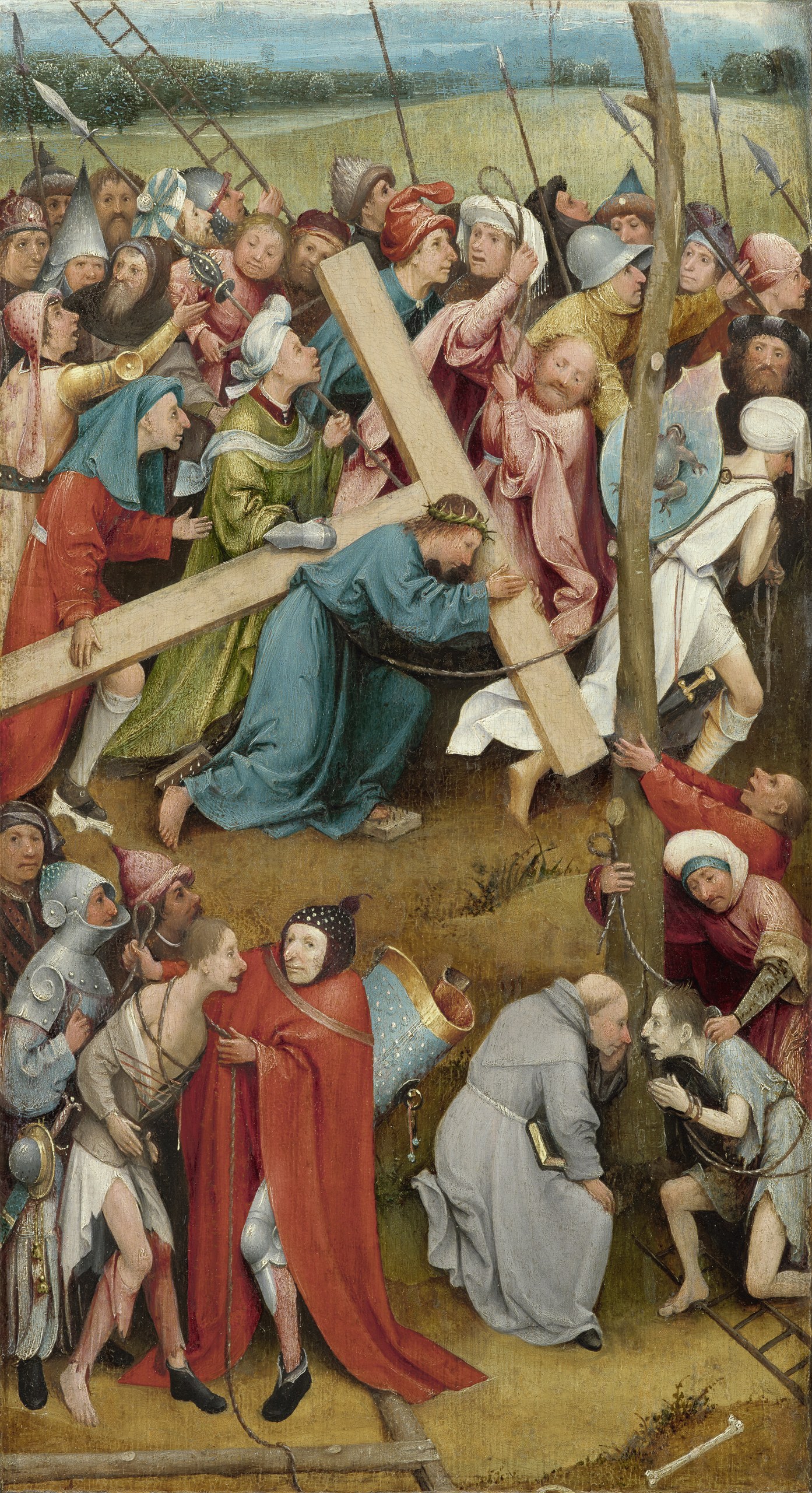
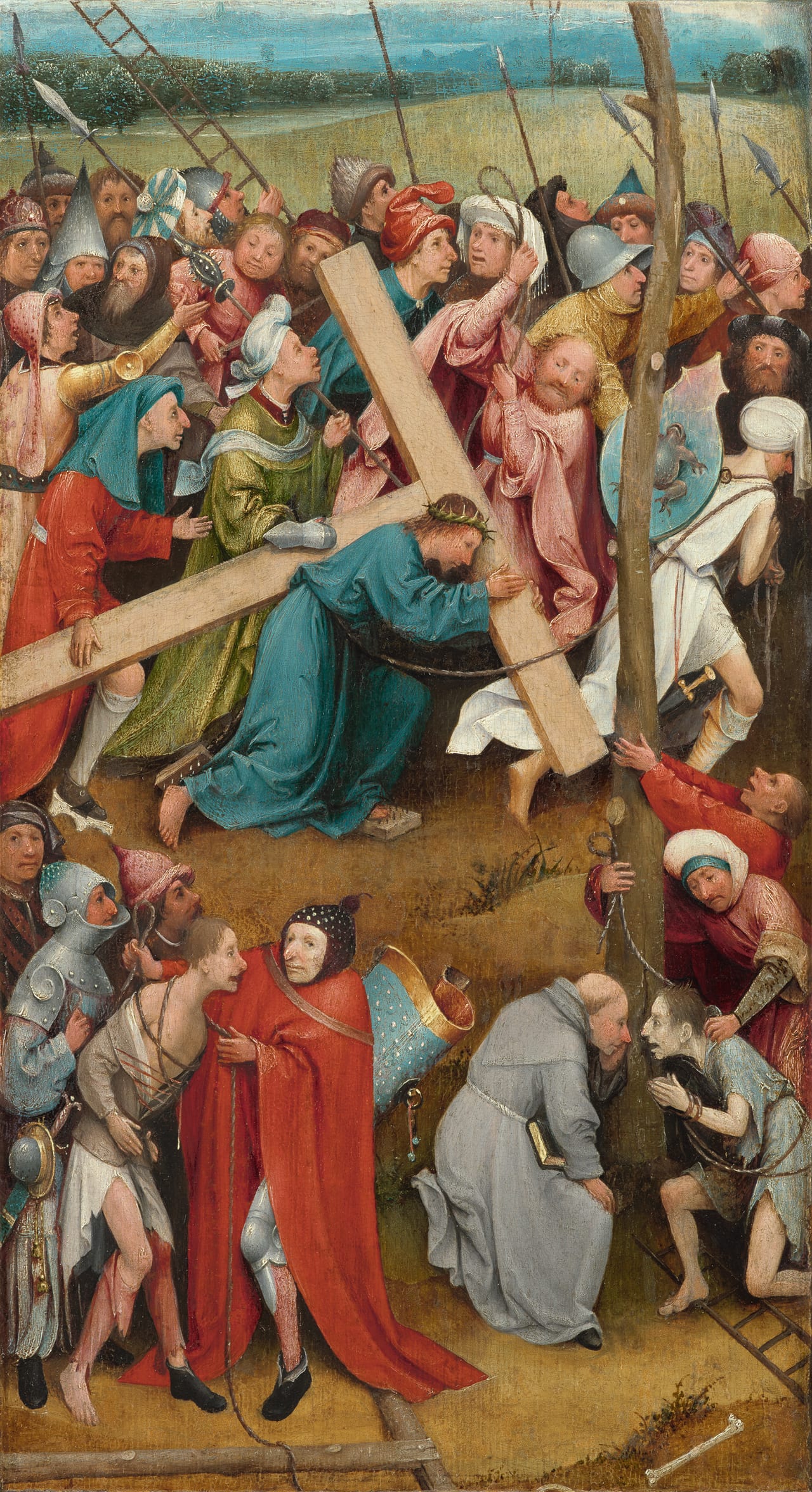
Christ Carrying the Cross
Hieronymus Bosch · 1500
Kunsthistorisches Museum
Christ Carrying the Cross is an oil on panel painting by the Dutch artist Hieronymus Bosch, executed most likely c. It is at the Kunsthistorisches Museum, in Vienna, Austria. Christ Child with a Walking Frame is painted on the back of this painting.
The Haywain Triptych
Hieronymus Bosch · 1510
Museo del Prado
The Haywain Triptych is a panel painting by the Early Netherlandish painter Hieronymus Bosch, now in the Museo del Prado, Madrid, Spain. A date of around 1516 has been established by means of dendrochronological research. The central panel, signed "Jheronimus Bosch", measures 135 cm × 200 cm (53 in × 79 in) and the wings measure 147 cm × 66 cm (58 in × 26 in).
Wilgefortis Triptych
Hieronymus Bosch · 1497
Kunsthistorisches Museum
The Crucifixion of Saint Wilgefortis is a c. 1497 triptych by the Early Netherlandish painter Hieronymus Bosch. The subject of the painting has been uncertain, and it has also been known as the Triptych of the Crucified Martyr, or The Crucifixion of Saint Julia, but is now believed to depict Saint Wilgefortis (also known as St Uncumber or St Liberata).
Visions of the Hereafter: Hell
Hieronymus Bosch · 1490
Doge's Palace
Hell is an oil-on-panel painting executed after 1490 by the Dutch artist Hieronymus Bosch. It is currently in the Gallerie dell'Accademia in Venice, Italy. This painting is part of a series of four.
The Seven Deadly Sins and the Four Last Things
Hieronymus Bosch · 1500
Museo del Prado
The Seven Deadly Sins and the Four Last Things is a painting attributed to the Early Netherlandish artist Hieronymus Bosch or to a follower of his, completed around 1500 or later. Since 1898 its authenticity has been questioned several times. In 2015 the Bosch Research Conservation Project claimed it to be by a follower, but scholars at the Prado, where the painting is on display in a sealed case, dismissed this argument.
Christ Crowned with Thorns
Hieronymus Bosch · 1495
National Gallery
Christ Crowned with Thorns, sometimes known as Christ Mocked, is an oil on panel painting by Hieronymus Bosch. It is held in the National Gallery in London, which dates it to around 1510, though some art historians prefer earlier dates. Another painting of the same subject in Bosch's style but with a different composition is held by the El Escorial near Madrid, Christ Crowned with Thorns; this is now usually attributed to a follower.
How Hieronymus Bosch worked
From the record of their own practice.
Bosch painted his works mostly on oak panels using oil as a medium. Bosch's palette was rather limited and contained the usual pigments of his time. He mostly used azurite for blue skies and distant landscapes, green copper-based glazes and paints consisting of malachite or verdigris for foliage and foreground landscapes, and lead-tin-yellow, ochres and red lake (carmine or madder lake) for his figures.
Where the work hangs
The museums that hold it, and their visitor guides.
If you like Hieronymus Bosch
Artists held by the same museums.
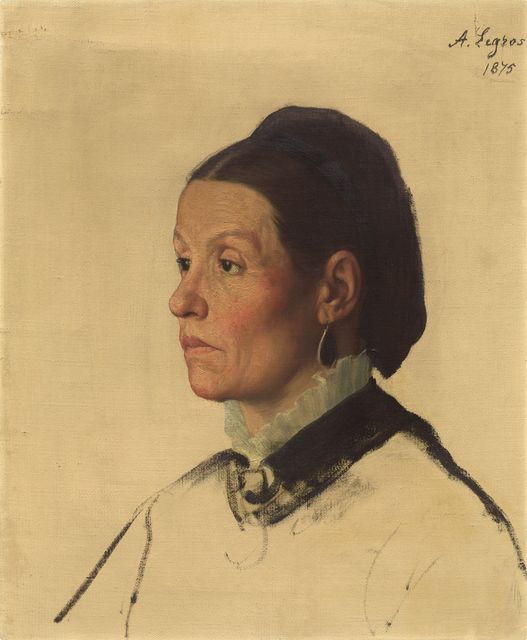
Alphonse Legros
French · 561 in the archive
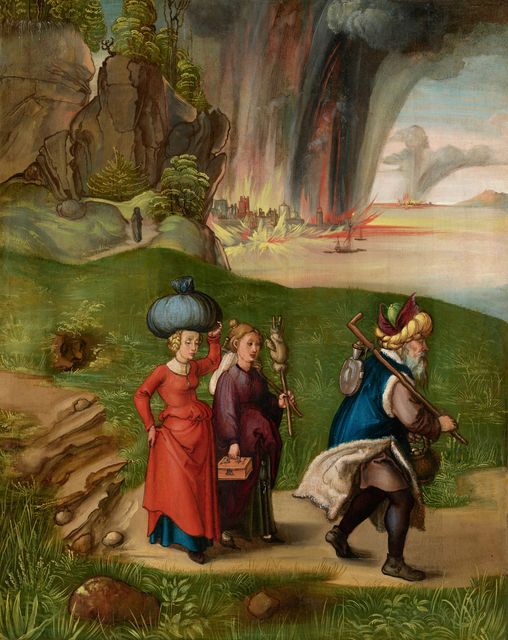
Albrecht Dürer
German · 298 in the archive
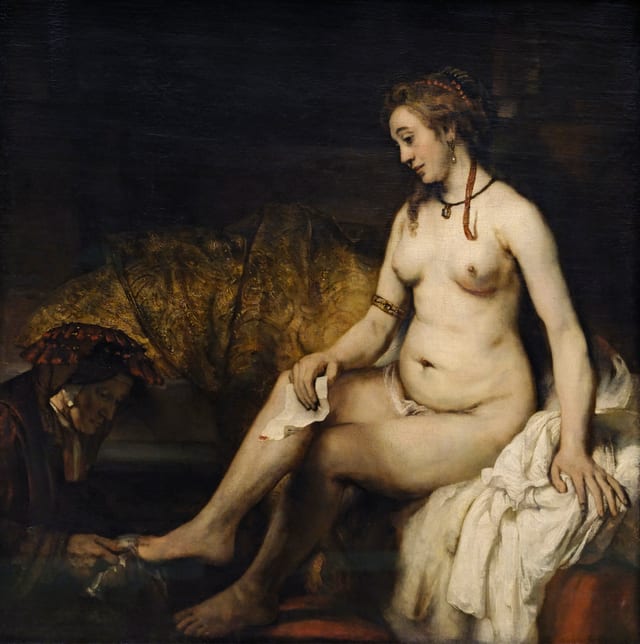
Rembrandt van Rijn
Dutch · 260 in the archive
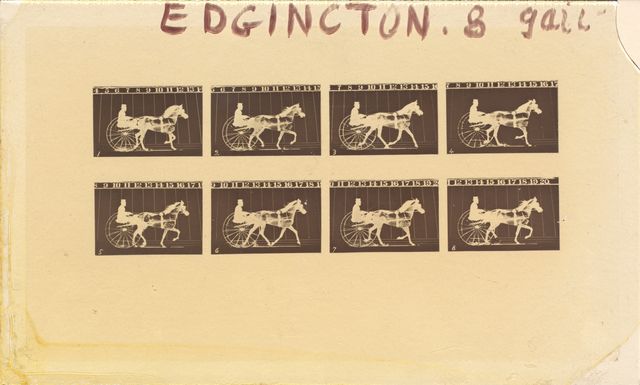
Eadweard Muybridge
English · 259 in the archive
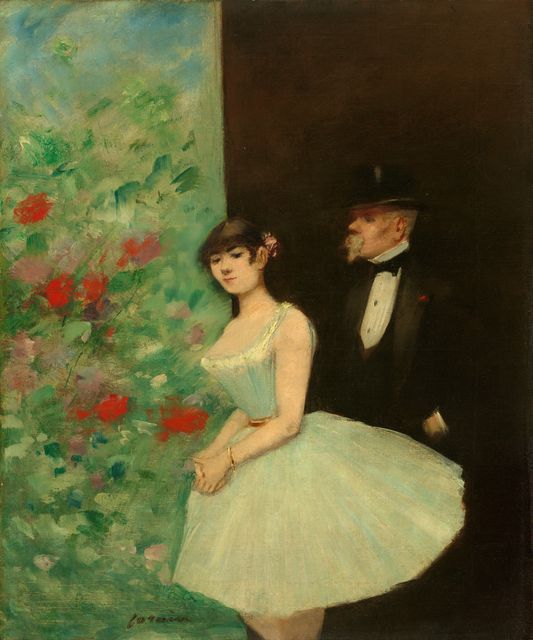
Jean-Louis Forain
French · 259 in the archive
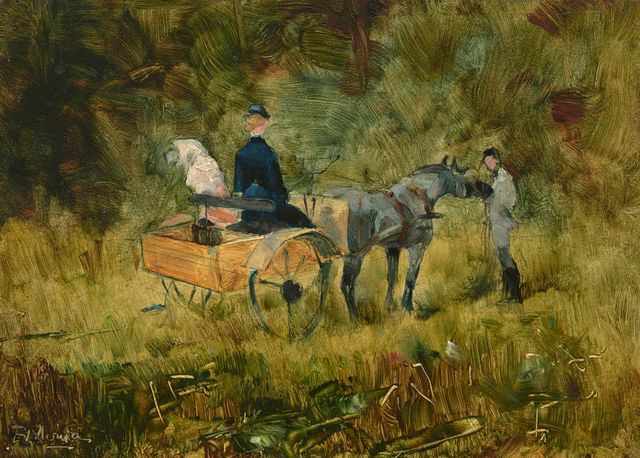
Henri de Toulouse-Lautrec
French · 242 in the archive
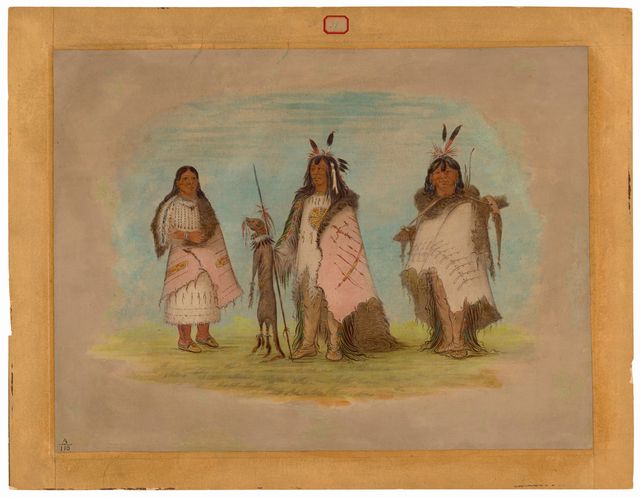
George Catlin
United States · 223 in the archive
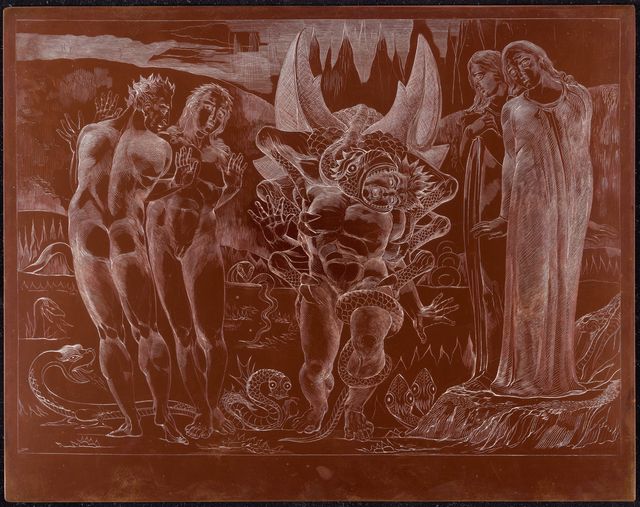
William Blake
United Kingdom of Great Britain and Ireland · 173 in the archive
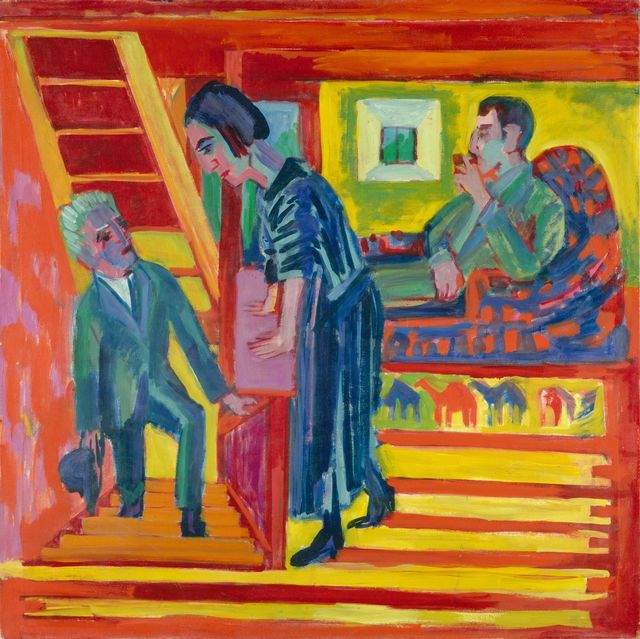
Ernst Ludwig Kirchner
German · 147 in the archive
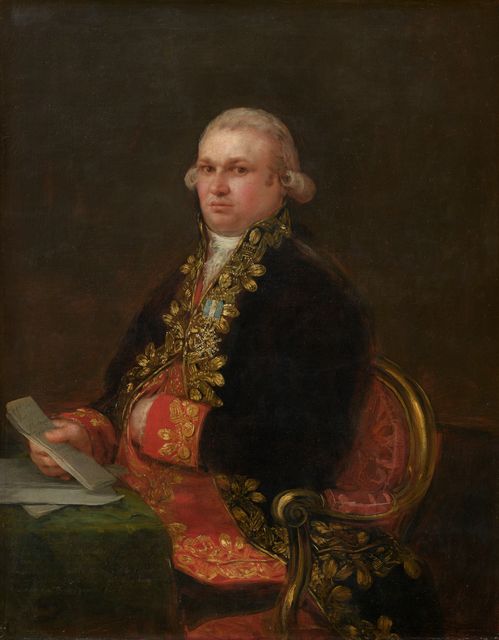
Francisco Goya
Spanish · 136 in the archive
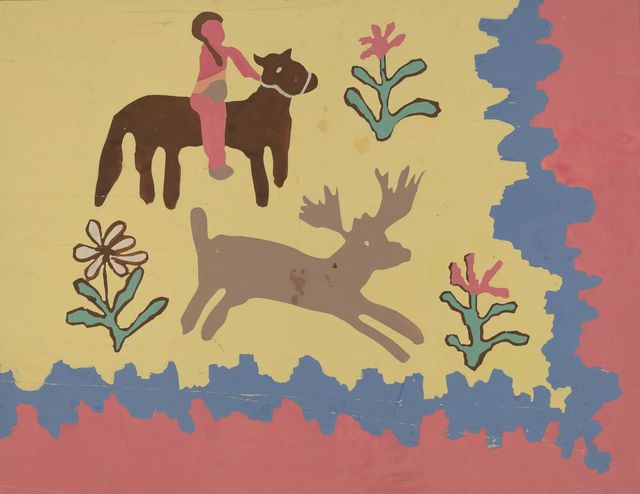
Majel G. Claflin
United States · 135 in the archive
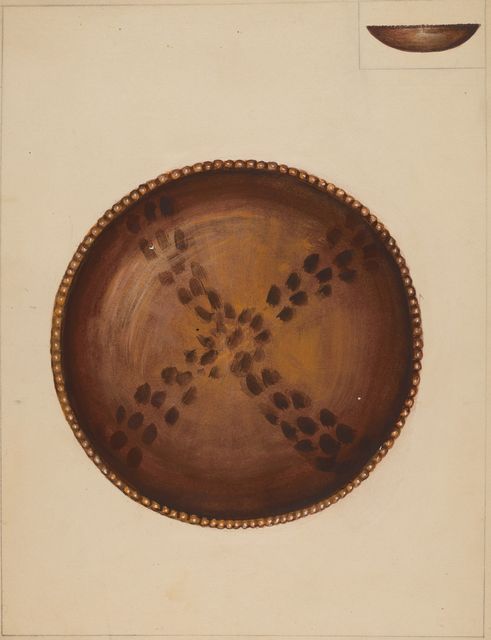
Mina Lowry
United States · 124 in the archive
Invite the masters into your living room.
Hieronymus Bosch on your TV, phone, or tablet. Free to start.
View on MomentableIndependent guide by Momentable · biography from Wikipedia · artworks are in the public domain and credited to the museum that holds them