The Fable
El Greco · 1580

El Greco
Greek · 1541–1614
Doménikos Theotokópoulos, most widely known as El Greco, was a Greek painter, sculptor and architect of the Spanish Renaissance, regarded as one of the greatest artists of all time. El Greco was a nickname, and the artist normally signed his paintings with his full birth name in Greek letters often adding the word Κρής, which means "Cretan" in Ancient Greek.
Independent artist guide by Momentable. Biography from Wikipedia; artworks credited to the museums that hold them.
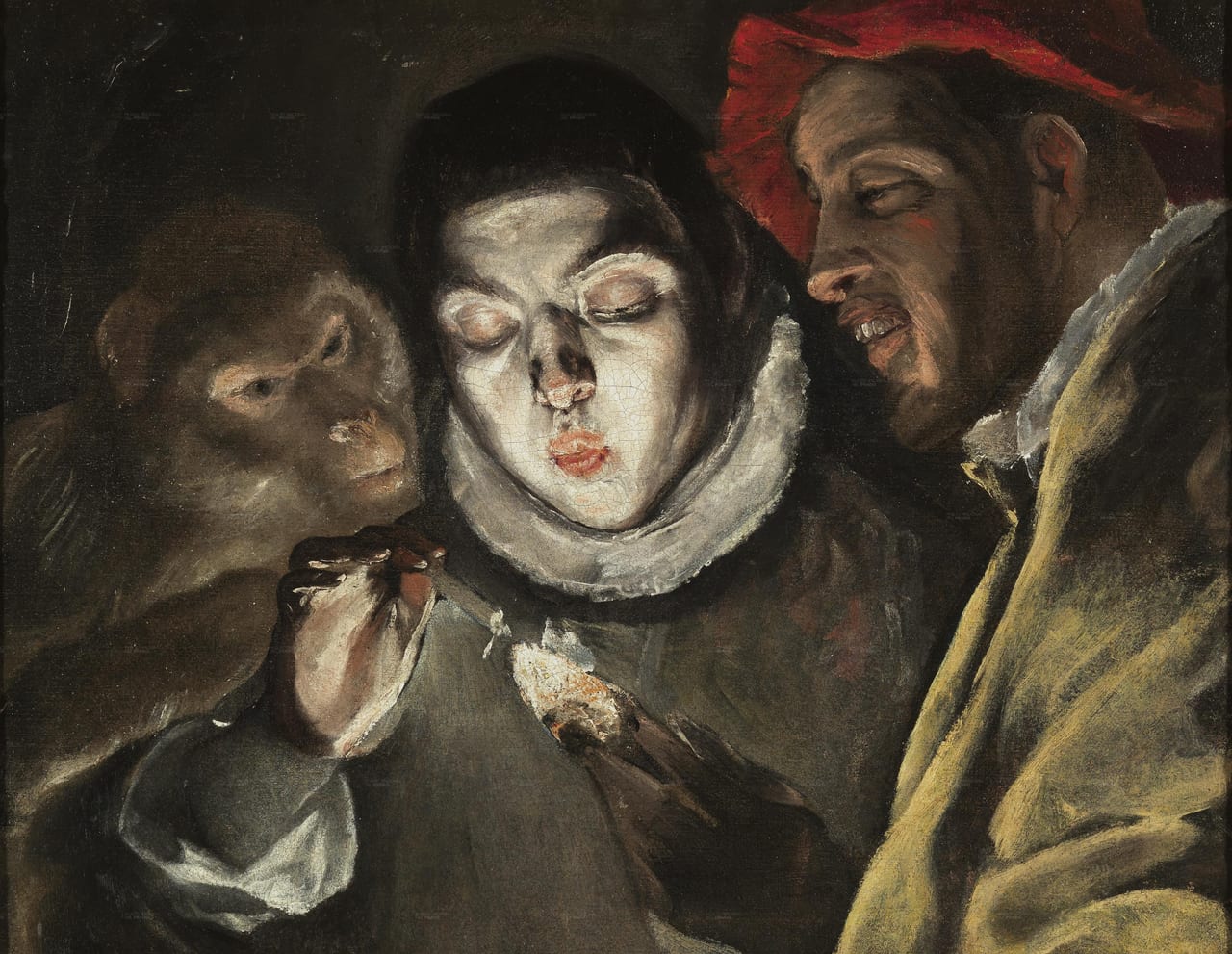 LIVENow streaming · The Fable
- works in the archive
- 33works in the archive
- life
- 1541–1614life
- movement
- Spanish Renaissancemovement
The work
A selection of 18 works, free to stream.
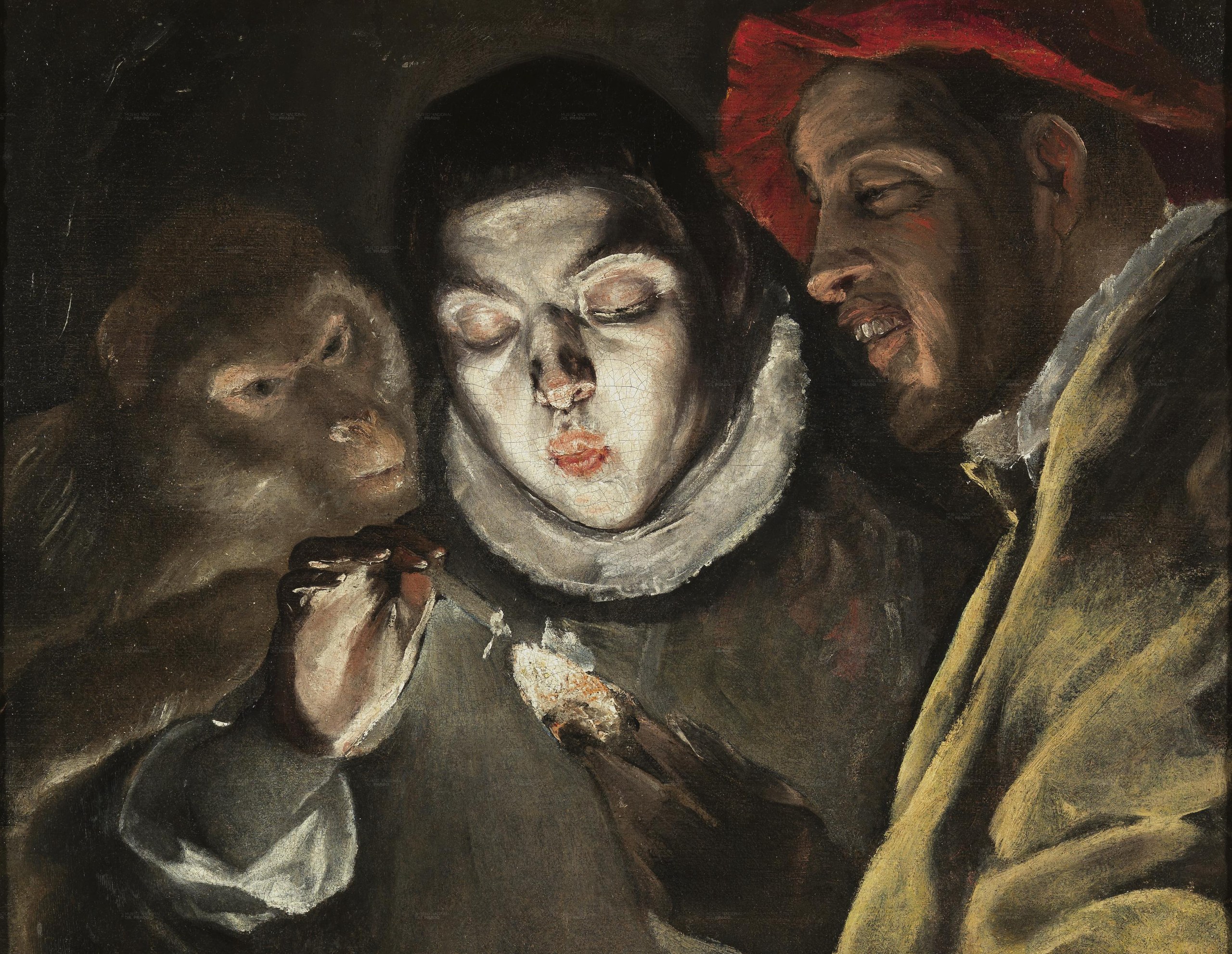
The Fable
El Greco · 1580
Museo del Prado
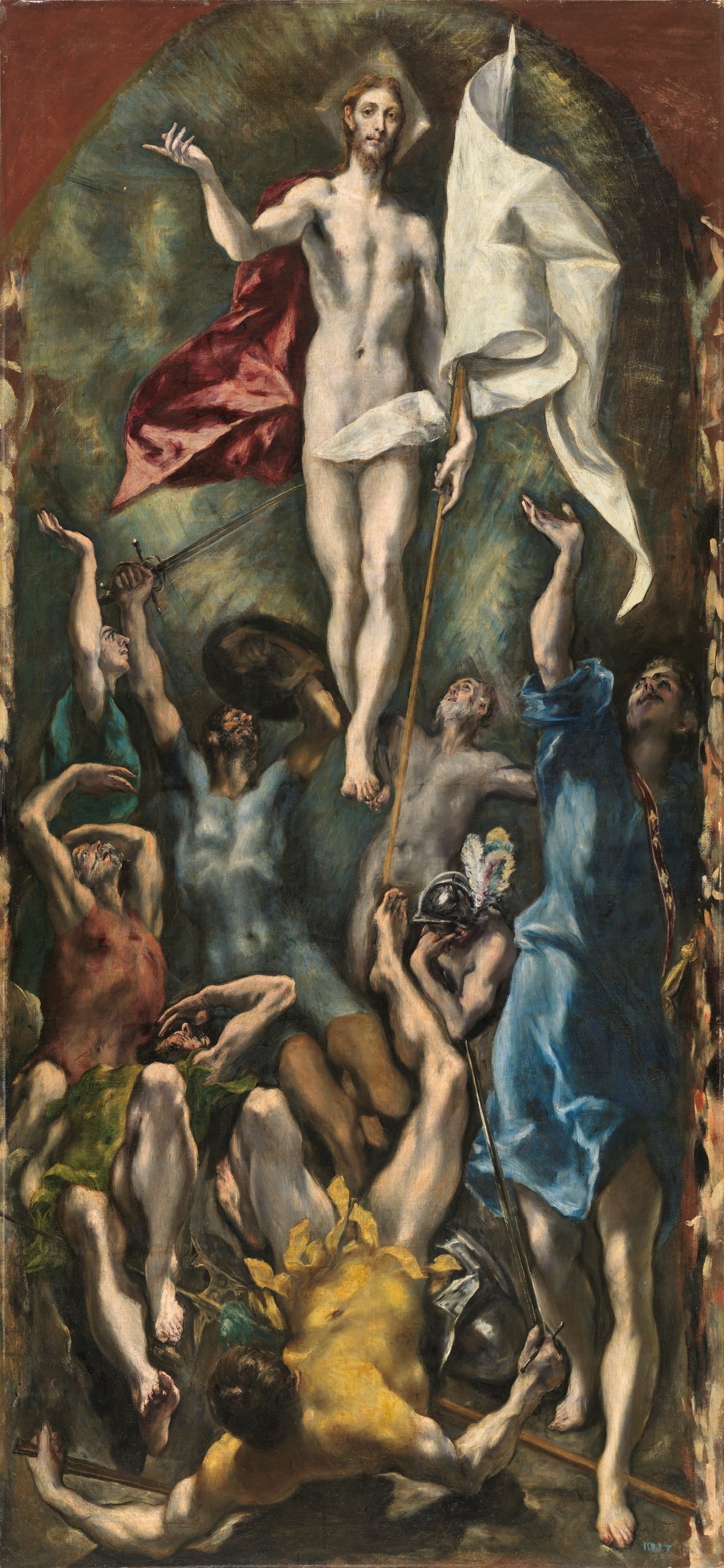
The Resurrection
El Greco · 1598
Museo del Prado
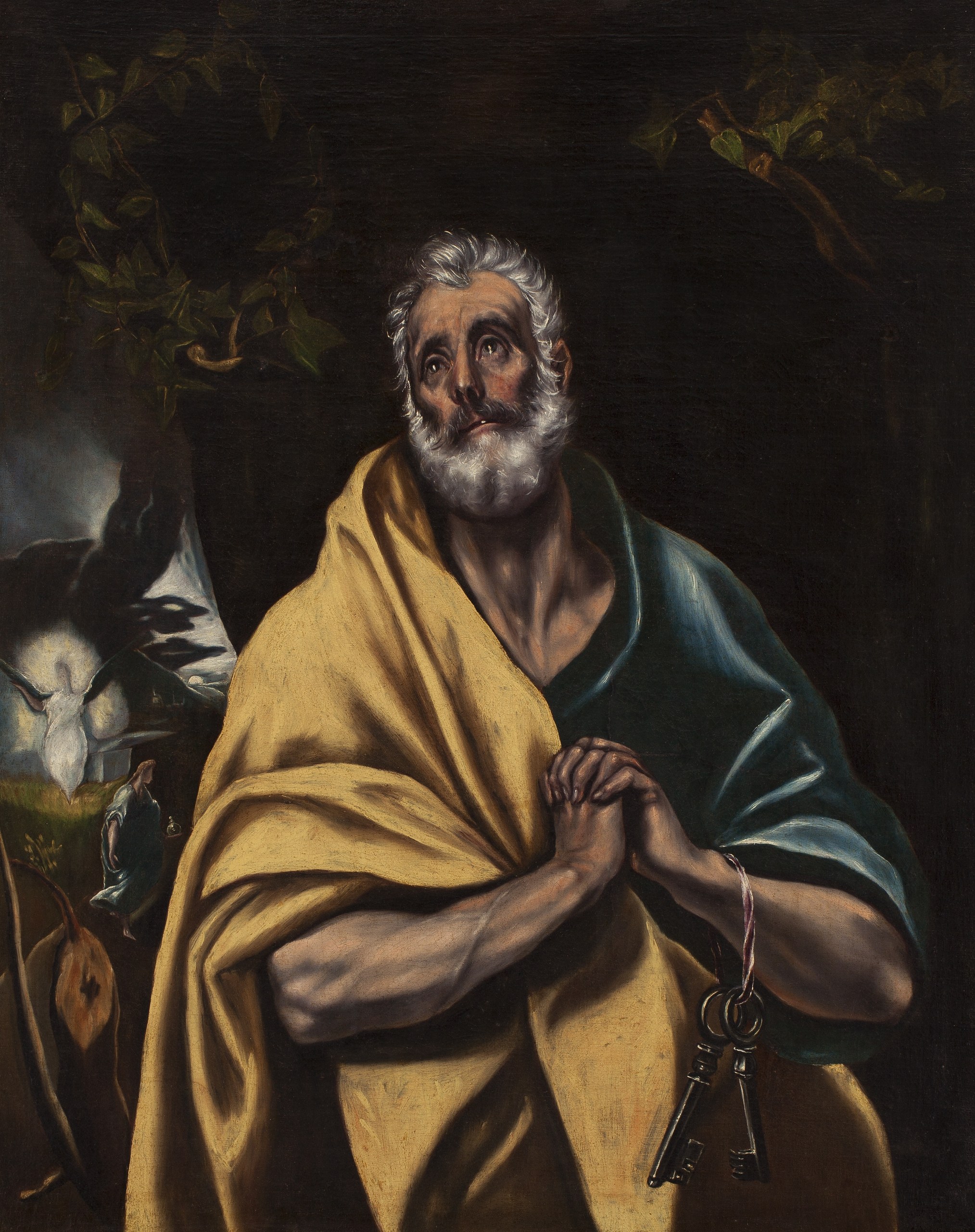
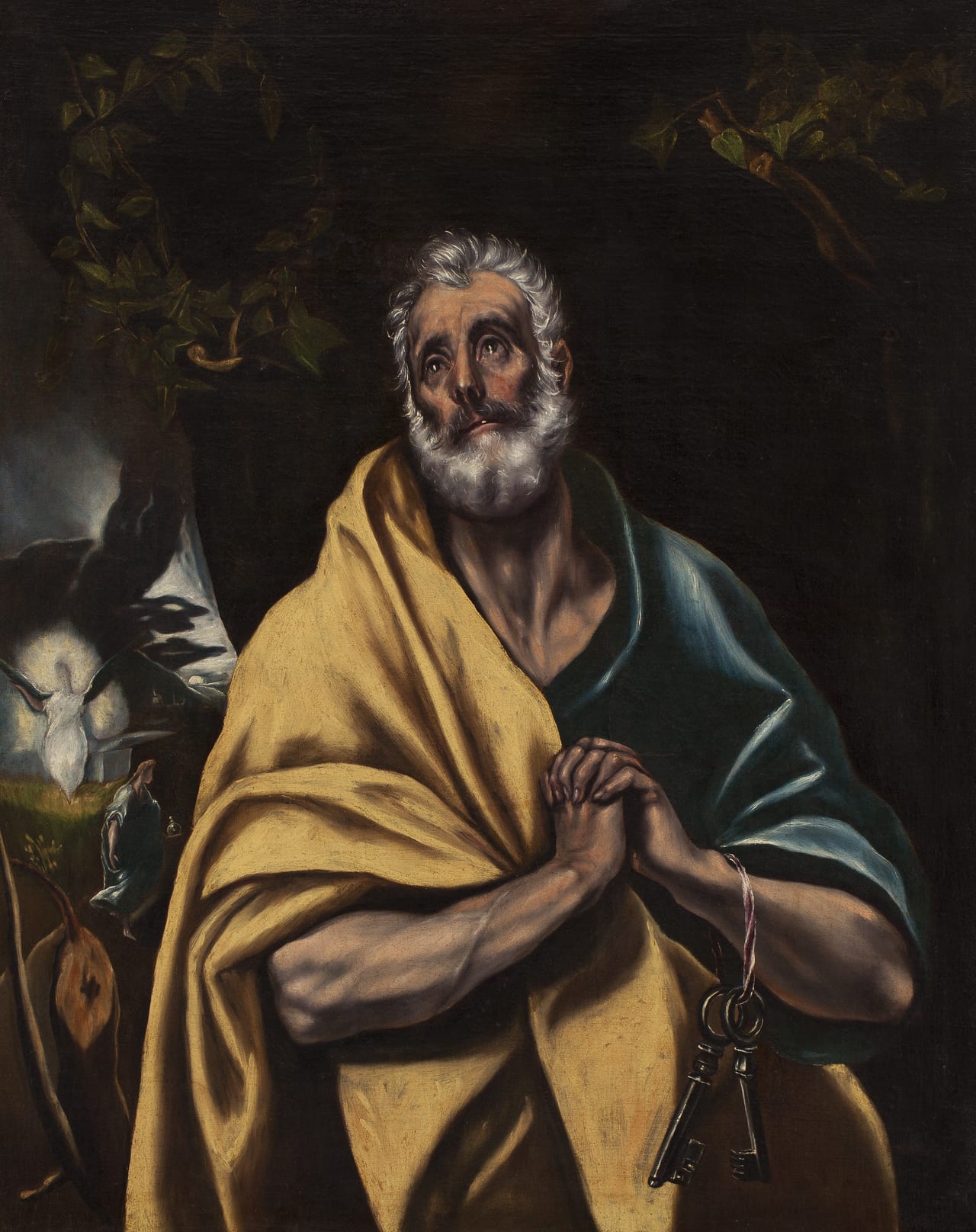
The Tears of Saint Peter
El Greco · 1605
Museu Nacional d'Art de Catalunya
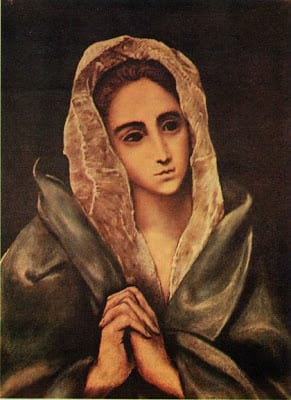
Mourning madonna
El Greco · 1590
Thyssen-Bornemisza Museum
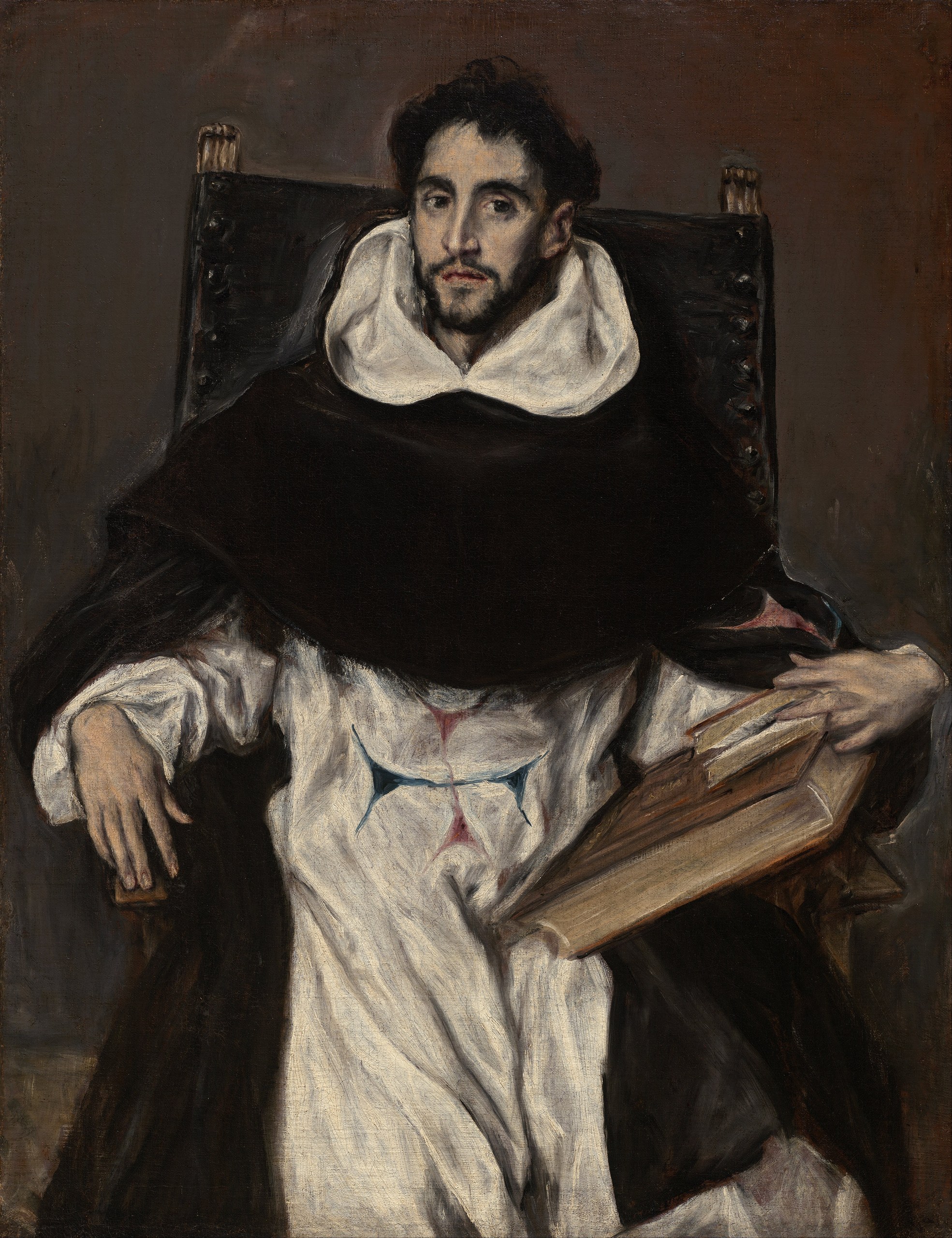
Fray Hortensio Félix Paravicino
El Greco · 1609
Museum of Fine Arts, Boston
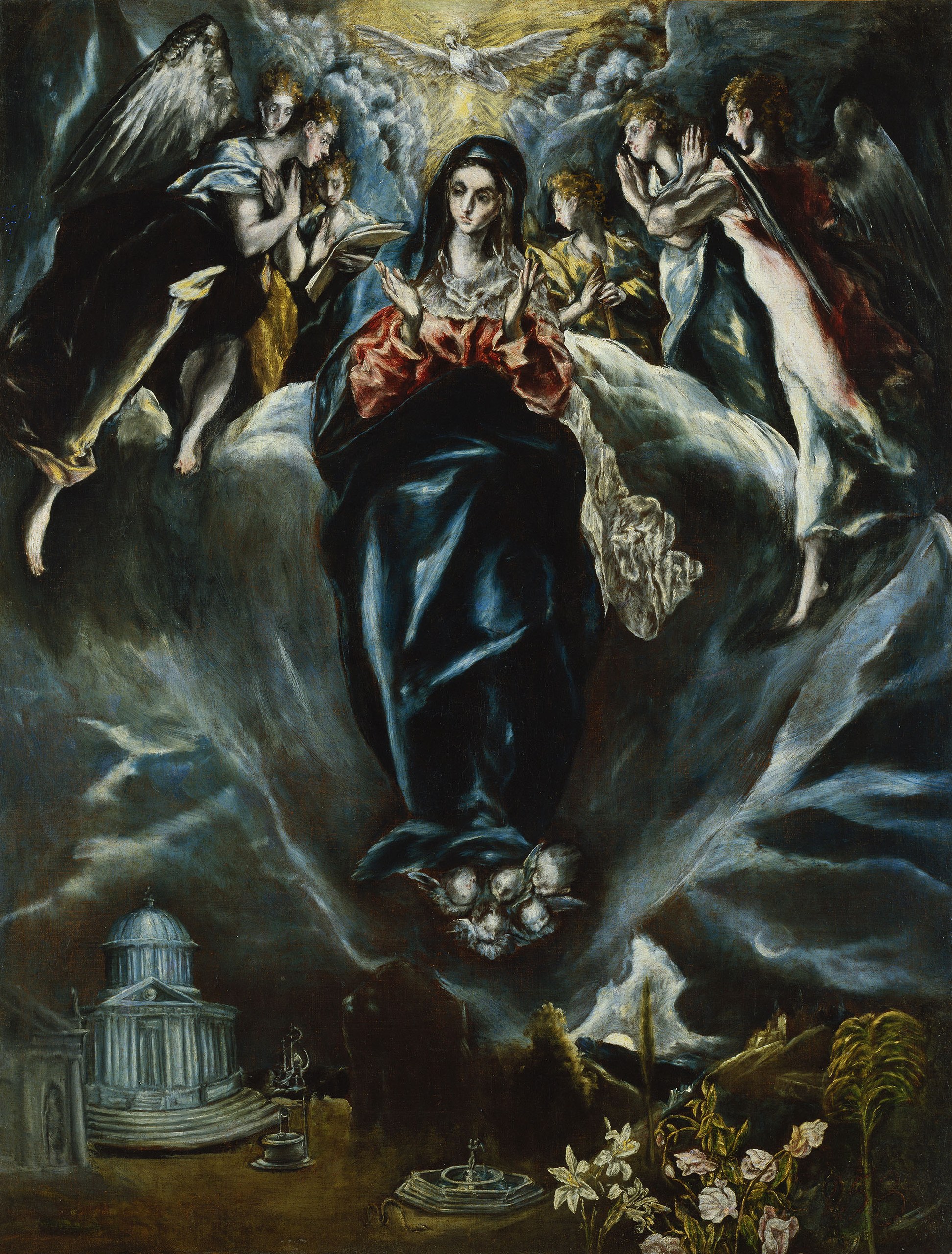
The Immaculate Conception
El Greco · 1611
Thyssen-Bornemisza Museum
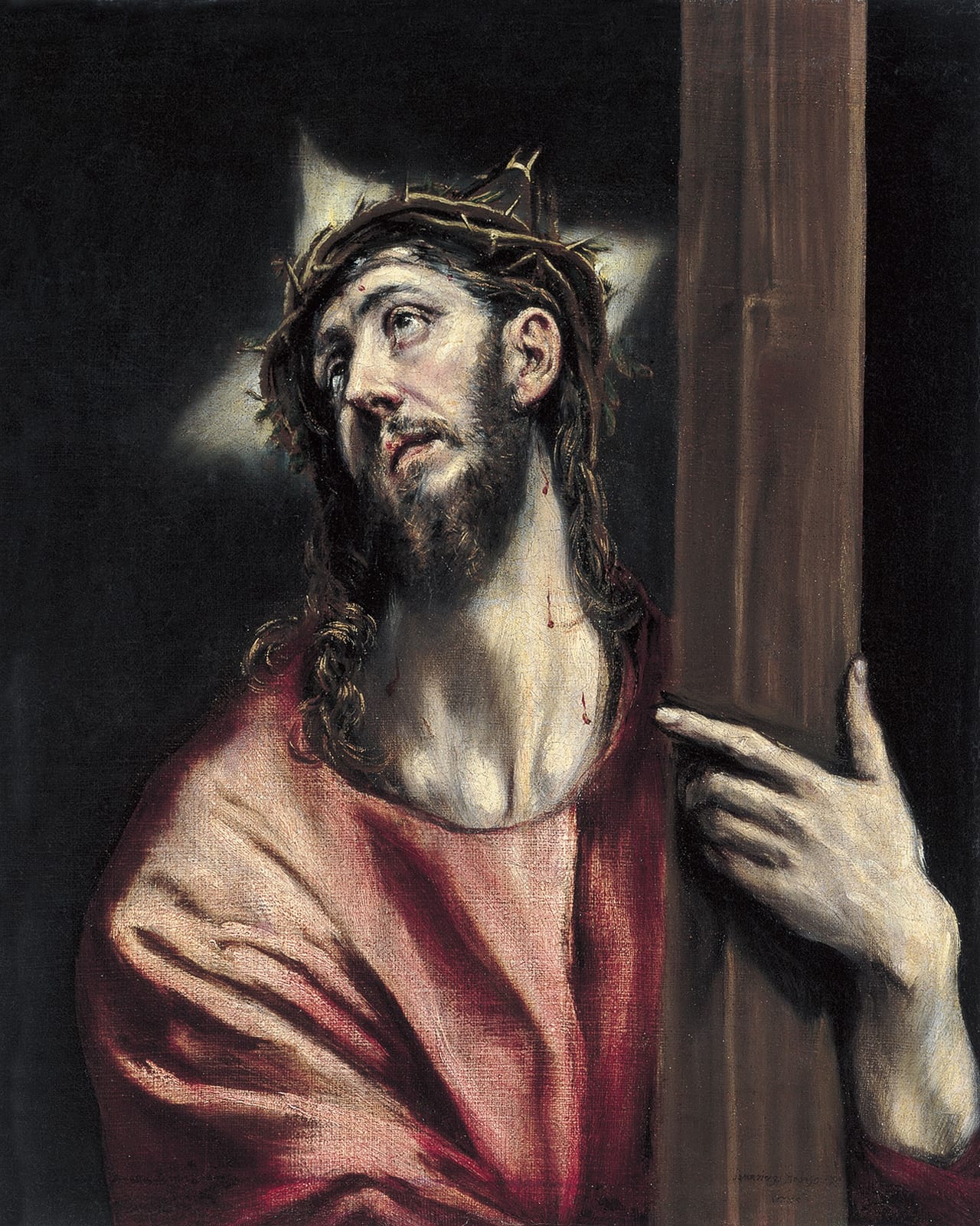
Christ with the Cross
El Greco · 1590
Thyssen-Bornemisza Museum
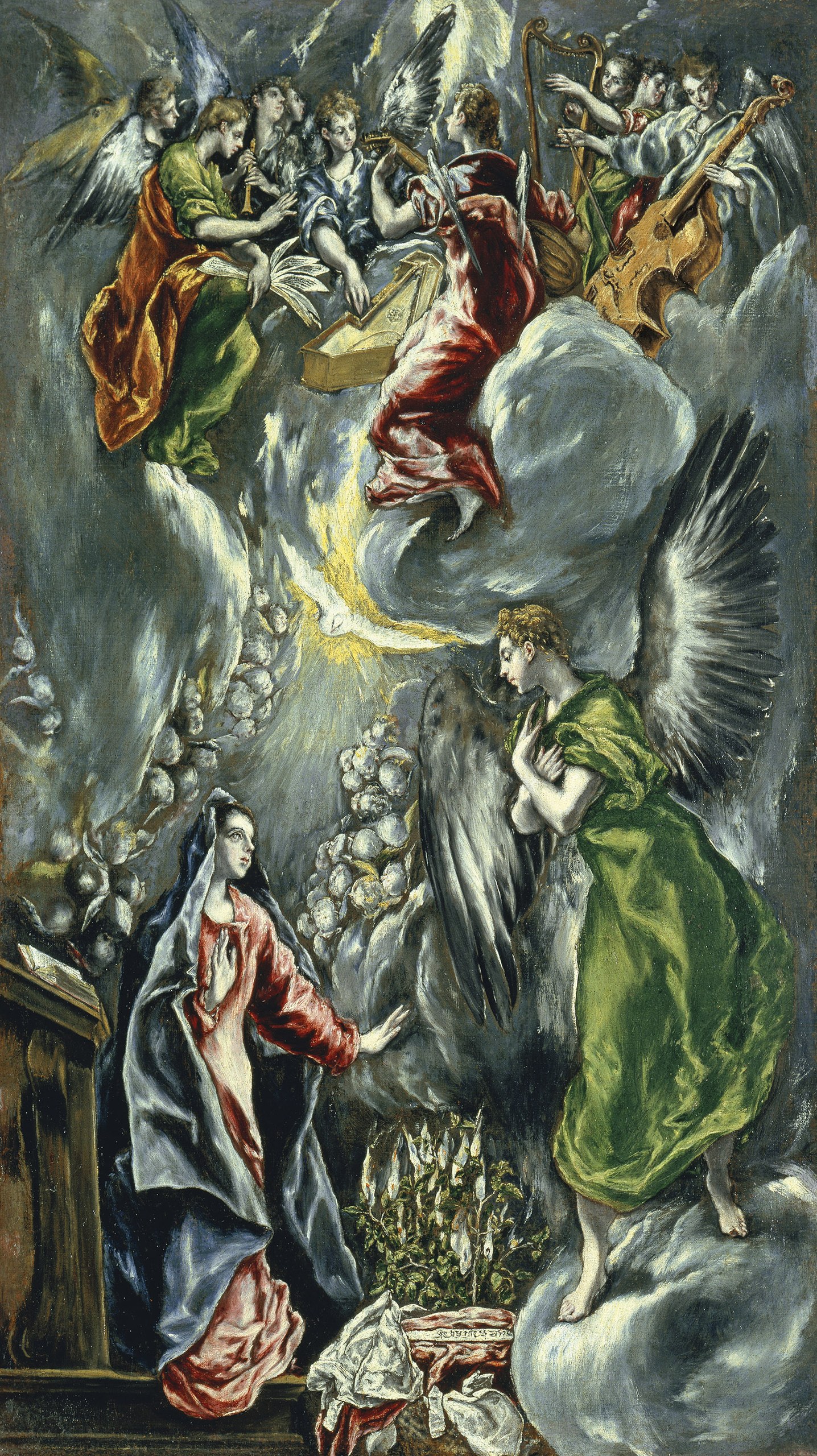
The Annunciation
El Greco · 1598
Thyssen-Bornemisza Museum
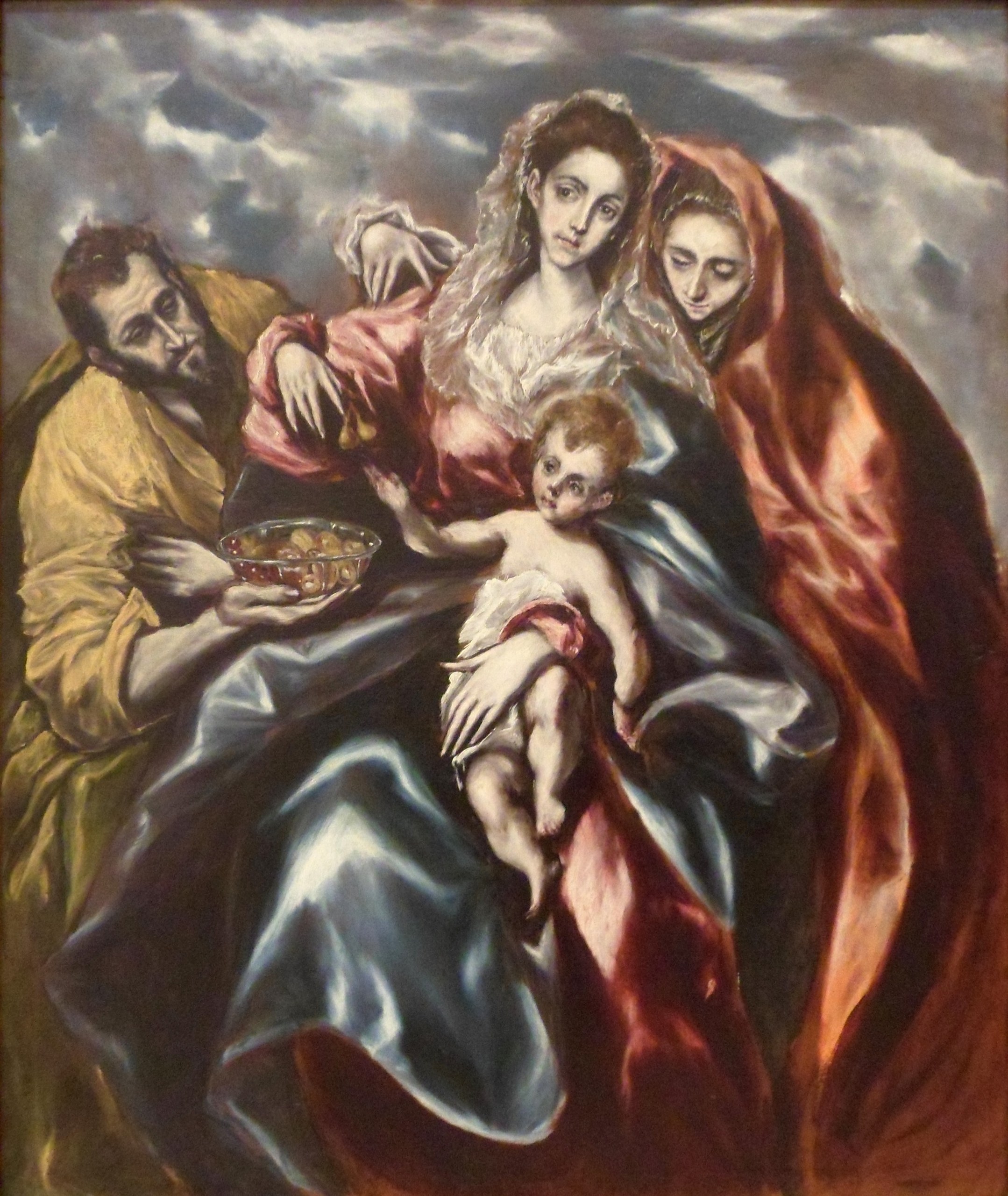
The Holy Family with Mary Magdalen
El Greco · 1610
Museo Soumaya
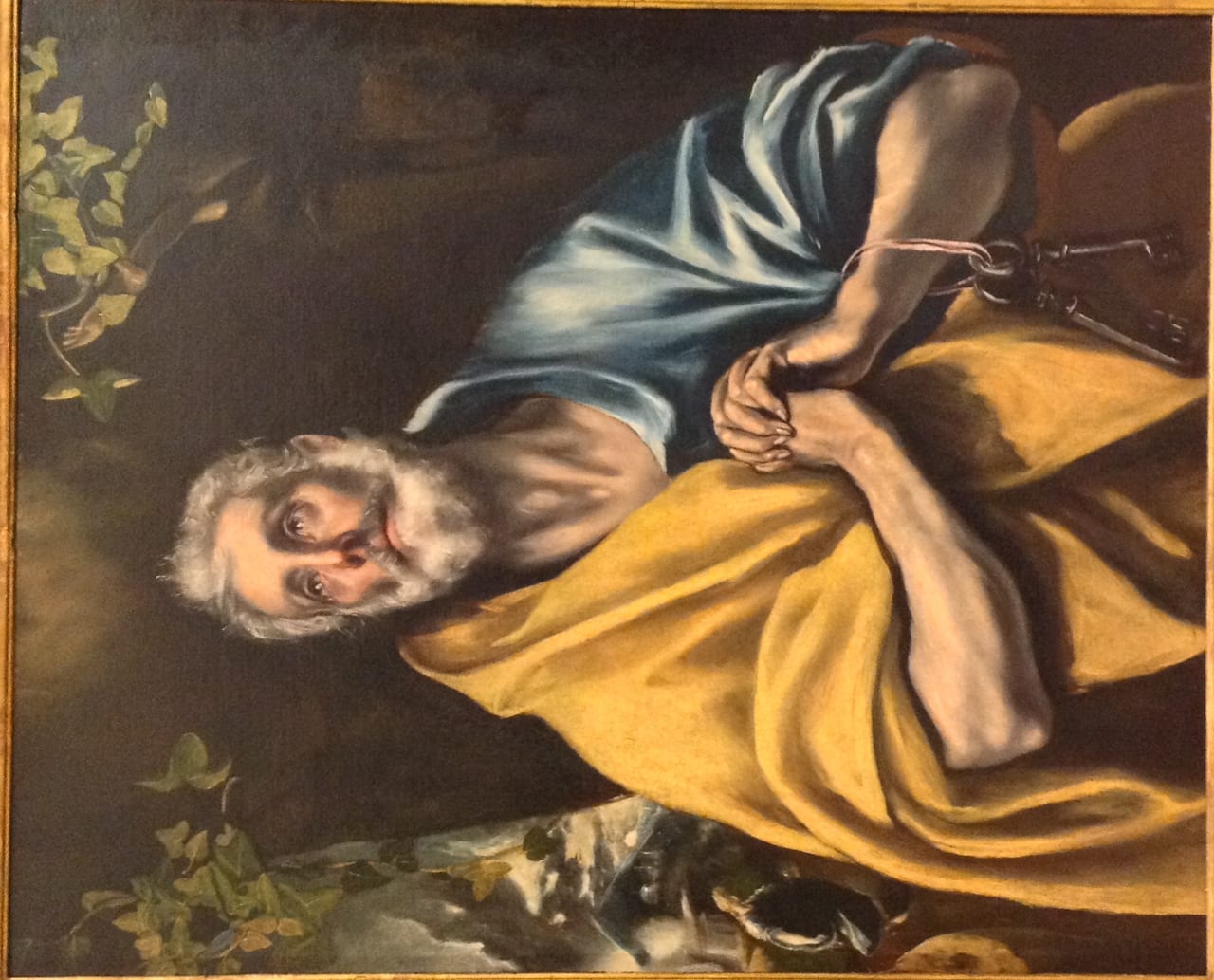
The Tears of St. Peter
El Greco · 1587
Museo Soumaya
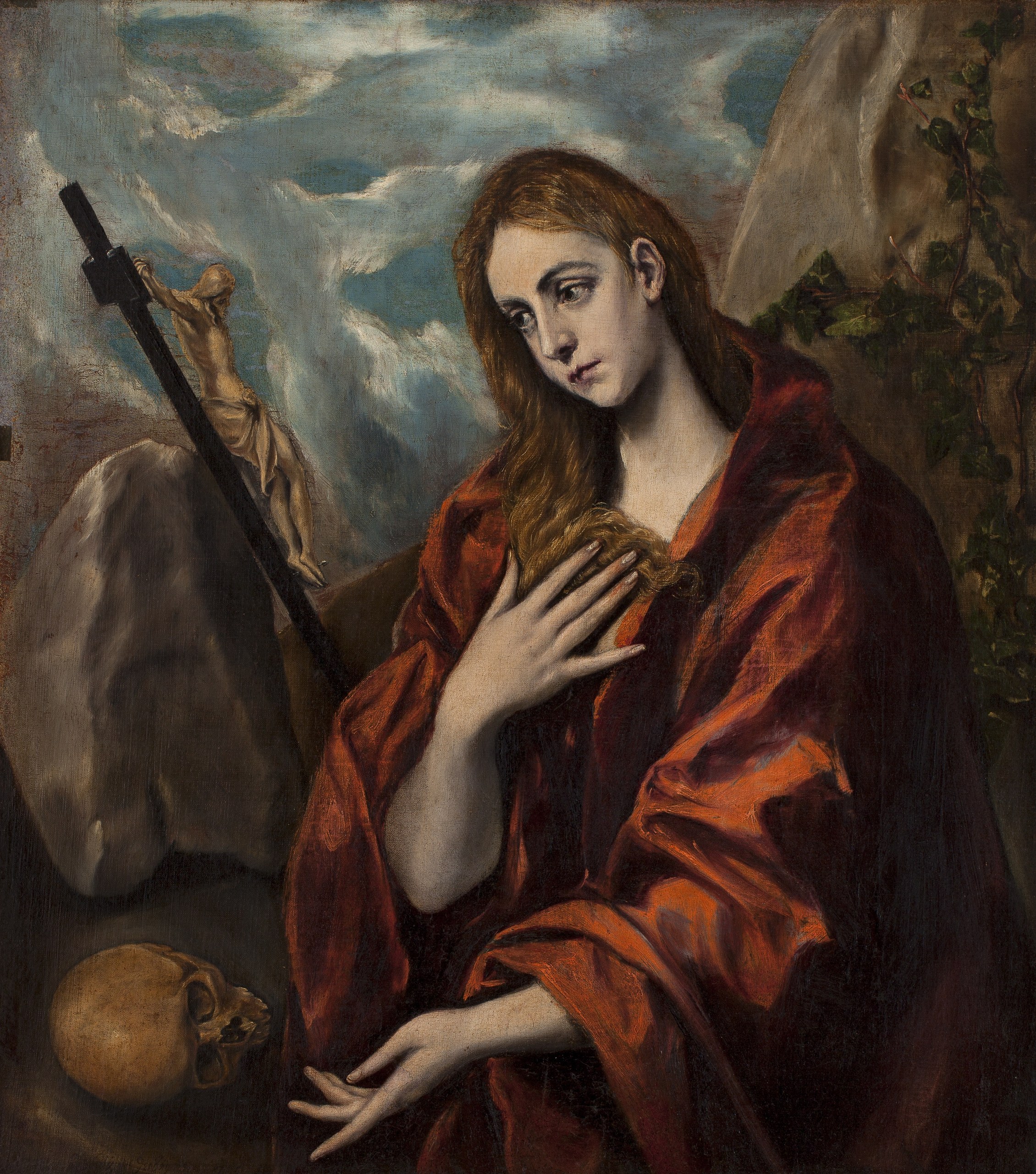
Pentitent Mary Magdalen
El Greco · 1585
Museu Nacional d'Art de Catalunya
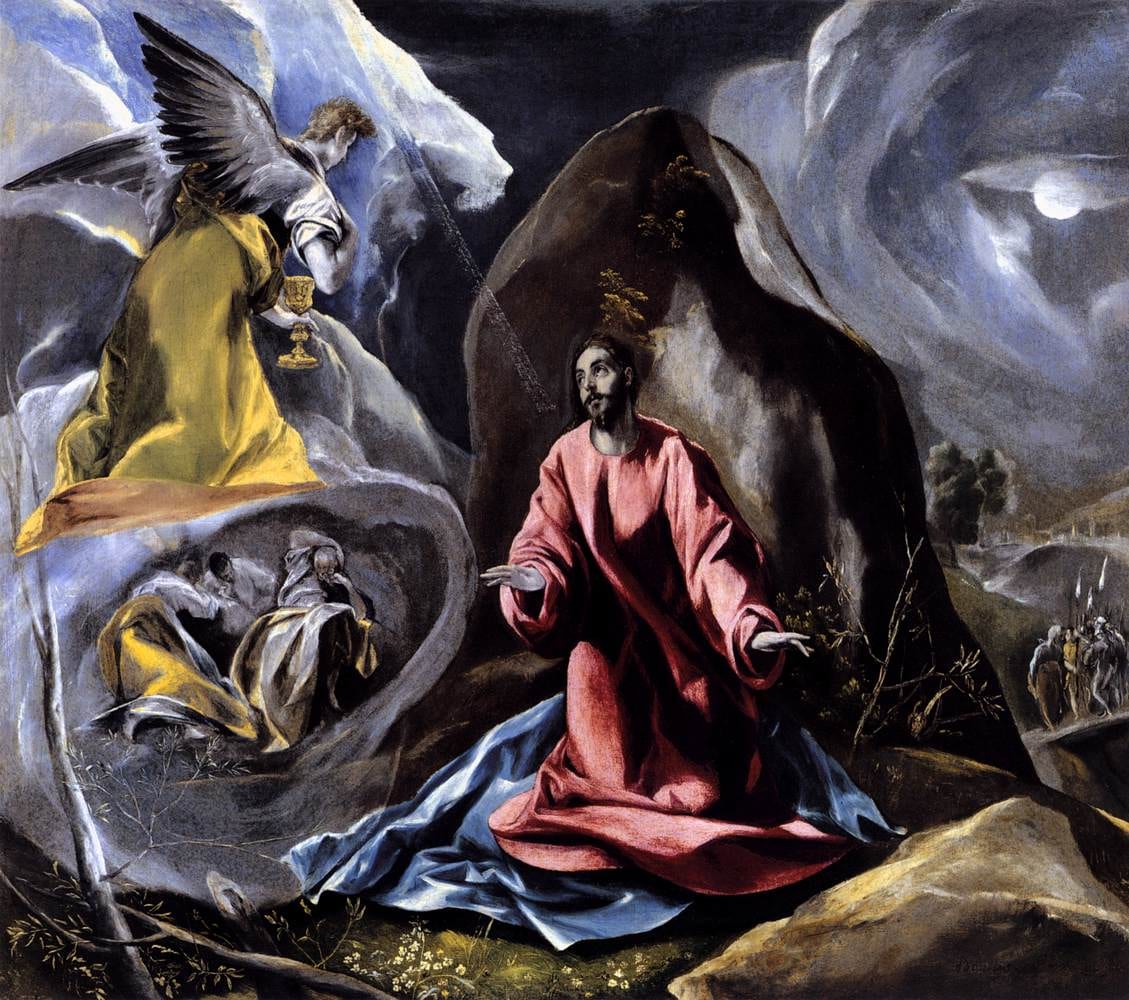
The Agony in the Garden
El Greco · 1590
Toledo Museum of Art
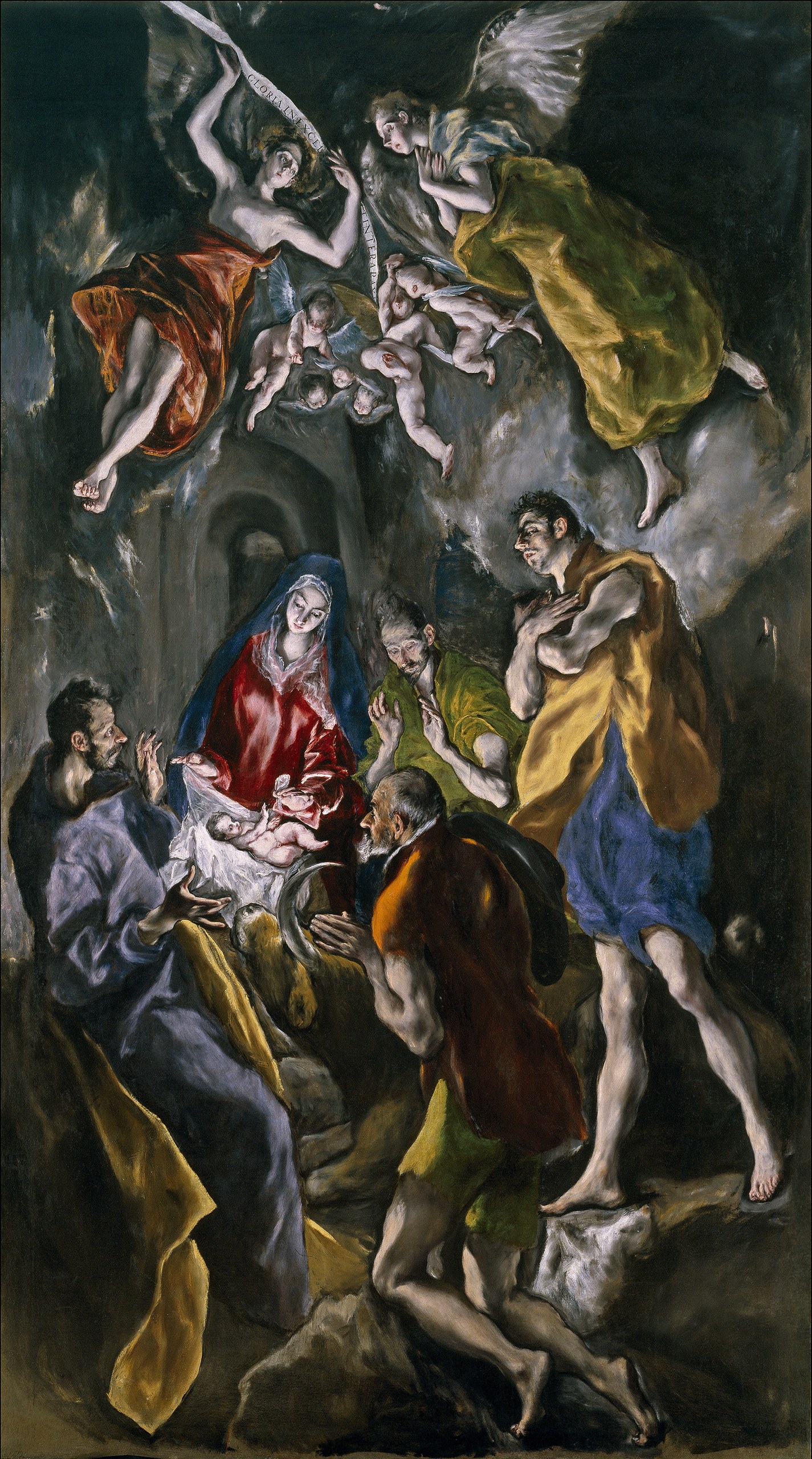
Adoration of the Shepherds
El Greco · 1612
Museo del Prado
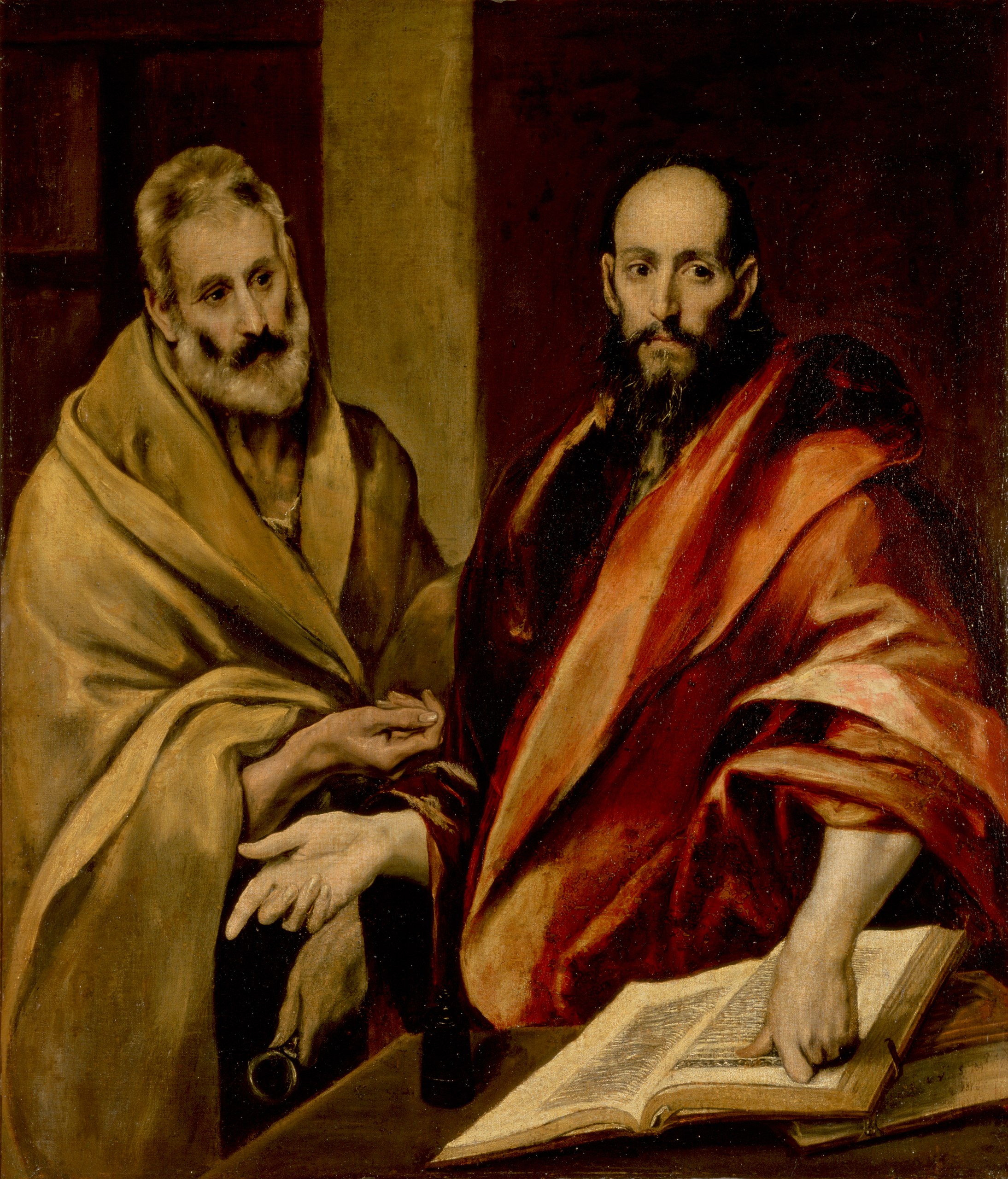
Saints Peter and Paul
El Greco · 1587
State Hermitage Museum
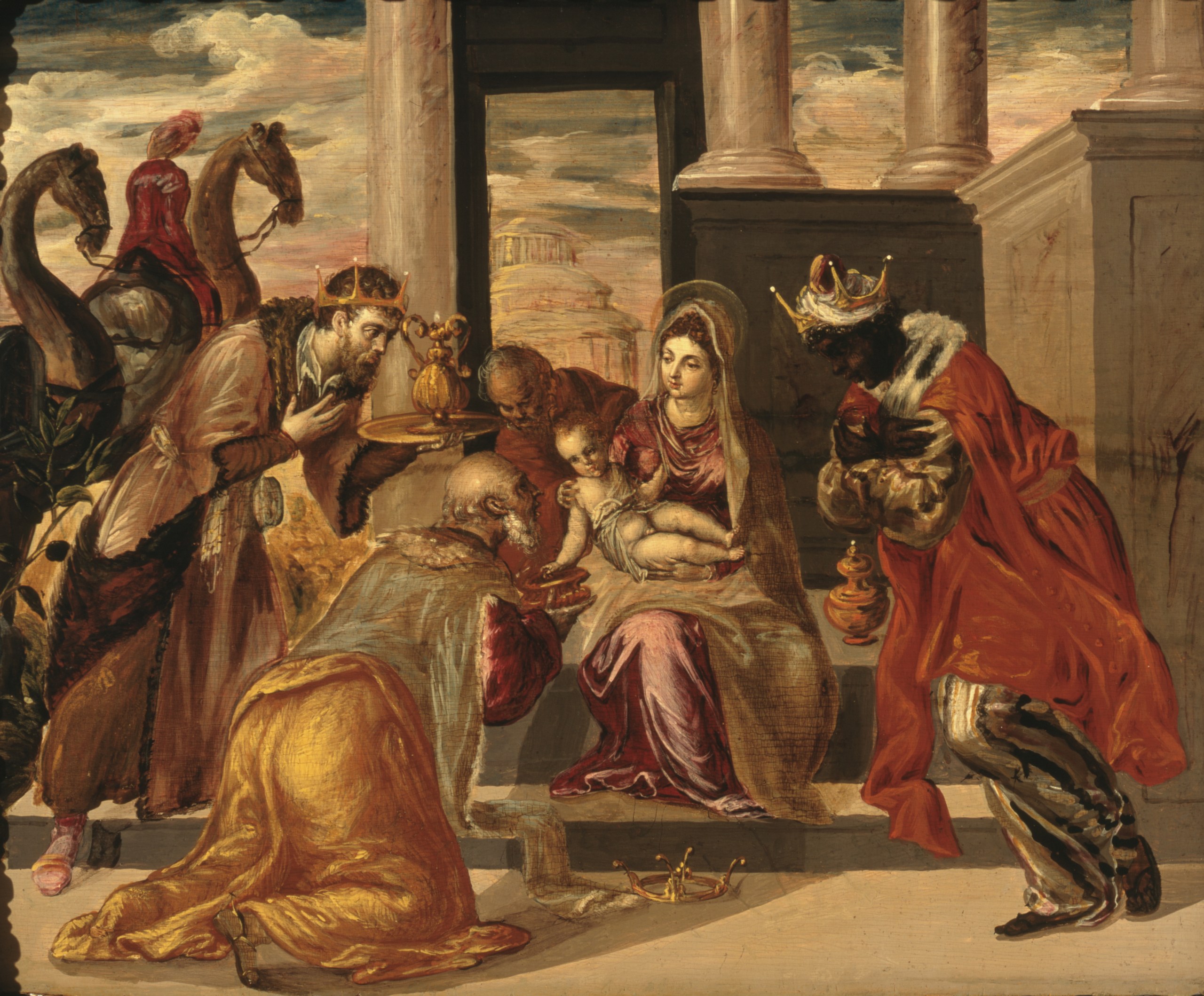
Adoration of the Magi with Camels
El Greco · 1568
Museo Soumaya
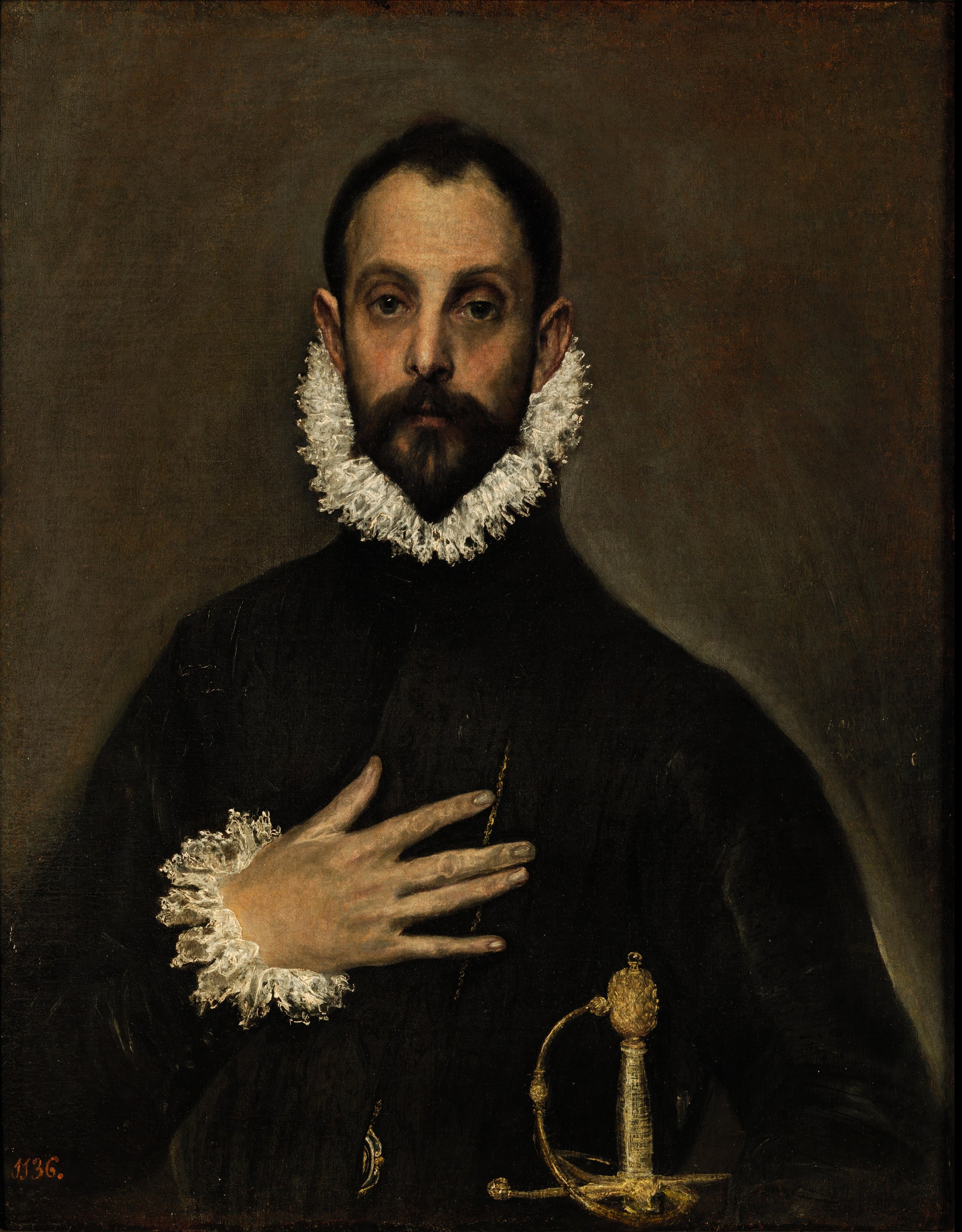
The Nobleman with his Hand on his Chest
El Greco · 1580
Museo del Prado
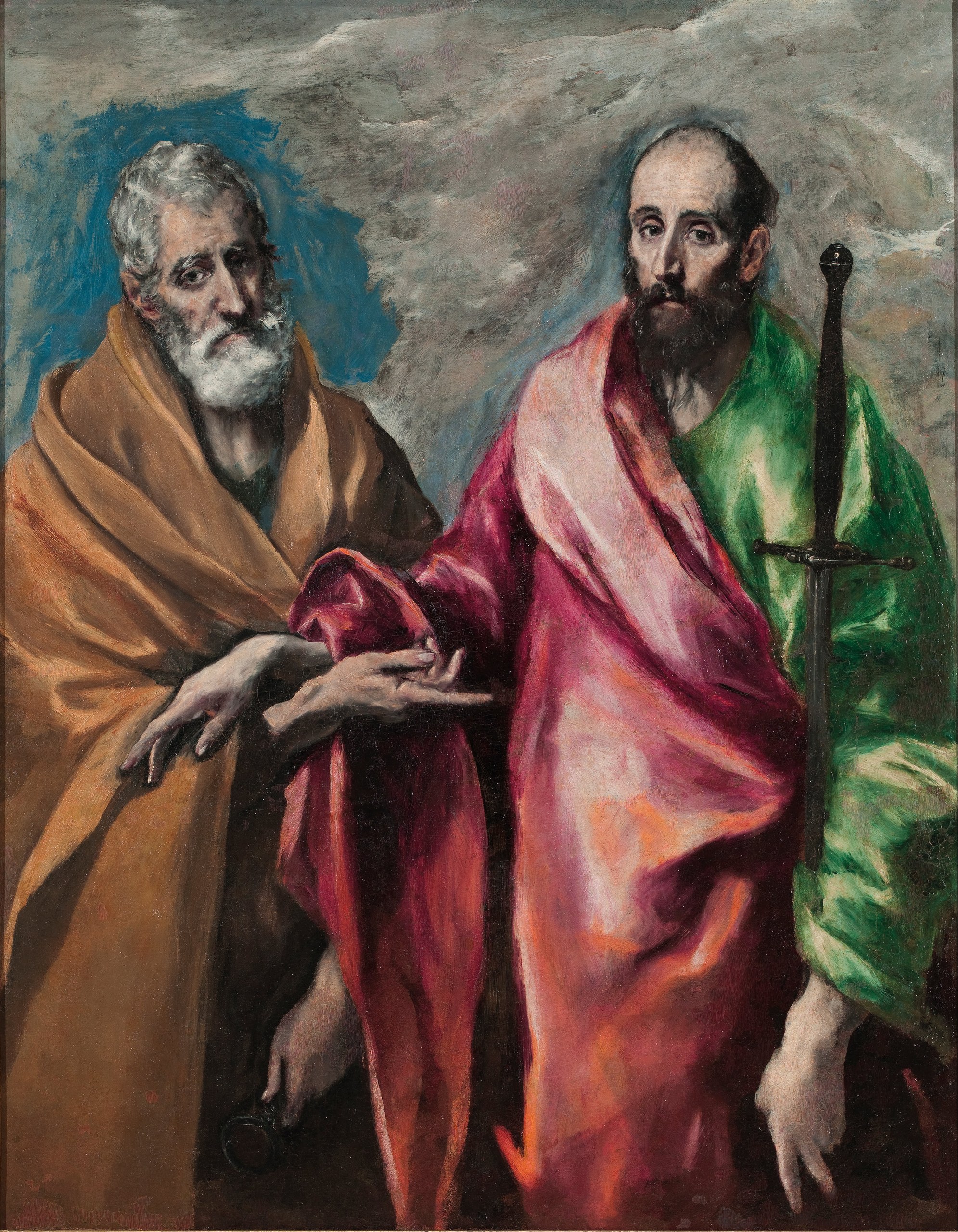
Saint Peter and Saint Paul
El Greco · 1595
Museu Nacional d'Art de Catalunya
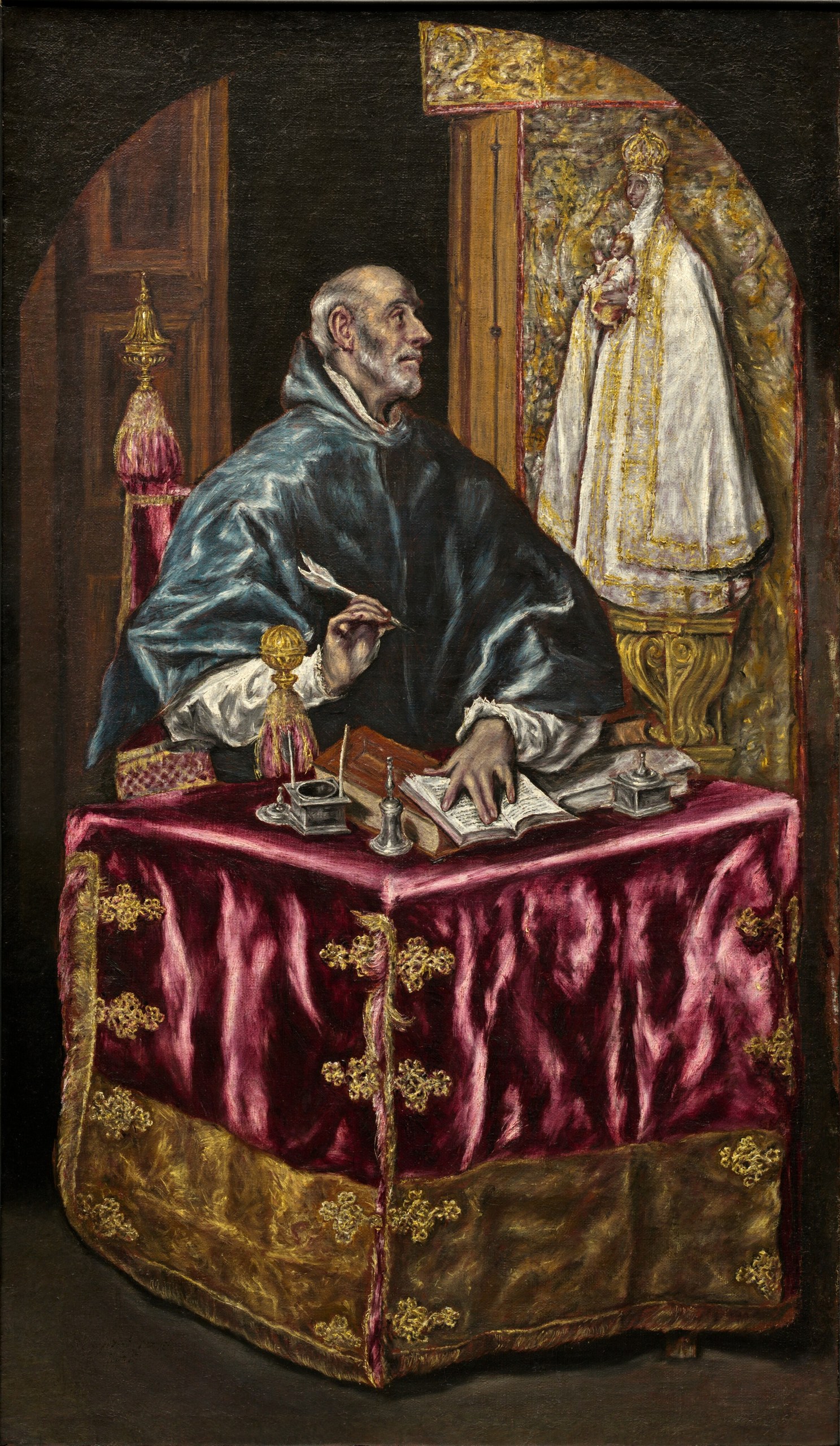
Saint Ildefonso
El Greco
National Gallery of Art
Works worth knowing
10 of El Greco's works, and what makes each one worth a look.
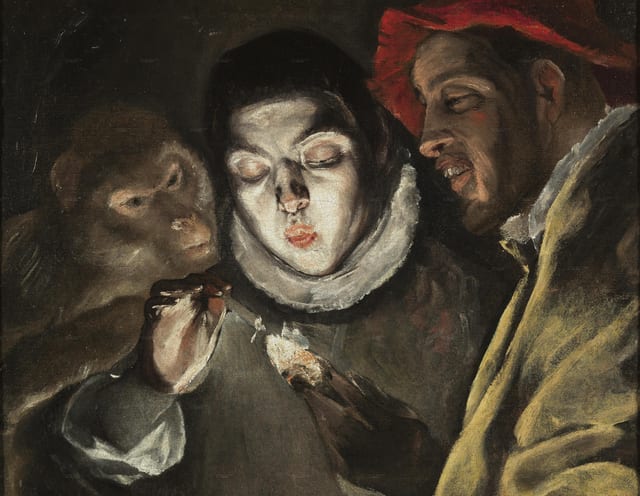
The Fable
El Greco · 1580
Museo del Prado
The Fable (Spanish - La Fábula) is a 1580 allegorical painting by El Greco, produced early in his Toledan period and now in the Museo del Prado in Madrid. The light effects and use of colour show the influence of Jacopo Bassano, which the painter had picked up in Italy. It shows a monkey and a rogue flanking a boy blowing on an ember or taper.
The Resurrection
El Greco · 1598
Museo del Prado
The Doña María de Aragón Altarpiece was an altarpiece painted between 1596 and 1599 by El Greco for the chapel of the Colegio de la Encarnación (also known as the Colegio de doña María de Aragón) in Madrid. The college was secularised during Goya's lifetime and the altarpiece was dismantled. There has been much speculation over which paintings belonged to the work.
The Tears of Saint Peter
El Greco · 1605
Museu Nacional d'Art de Catalunya
The Tears of Saint Peter is a c.1595 to 1600 oil on canvas painting signed doménikos theotokópolis (sic) e`poiei;. Now in the Museo Cau Ferrat in Sitges, it is similar to the El Greco Museum version. It is attributed to El Greco himself by Cossío, Mayer and Camón Aznar.
Fray Hortensio Félix Paravicino
El Greco · 1609
Museum of Fine Arts, Boston
Portrait of Fray Hortensio Félix Paravicino is a 1609 oil on canvas painting by El Greco, now in the Museum of Fine Arts, Boston. It shows Hortensio Félix Paravicino, a monk of the Trinitarian Order and major Spanish poet who was also a close friend of the painter. He is shown in the Trinitarian habit.
The Tears of St. Peter
El Greco · 1587
Museo Soumaya
The Tears of Saint Peter or Penitent Saint Peter is a c.1587 to 1596 painting by El Greco. It is similar to other works on the same subject by the artist, such as those in the Bowes Museum, the El Greco Museum, the national museum in Stockholm and others. This version seems to have belonged to the marqués de Legarda, who kept it in Vitoria.
Adoration of the Shepherds
El Greco · 1612
Museo del Prado
The Adoration of the Shepherds is a painting of the traditional subject which was painted during the last year of El Greco's life. The painting is a work which the artist made to hang over his own tomb in the convent of Santo Domingo el Antiguo in Toledo. His signature, in Greek, may be seen in the lower left corner.
Saints Peter and Paul
El Greco · 1587
State Hermitage Museum
Saint Peter and Saint Paul is a 1587 to 1592 painting by El Greco, one of several versions of the theme by the artist - others are now in Barcelona and Stockholm. It shows the apostles Saint Peter and Saint Paul. The work was once shown on a stamp produced by the USSR.
Adoration of the Magi with Camels
El Greco · 1568
Museo Soumaya
Adoration of the Magi refers to two oil on canvas paintings by El Greco, both probably painted in 1568 or 1569. One is in the Museo Soumaya in Mexico City and the other in the Museo Lázaro Galdiano in Madrid, referred to as X-2 and X-3 respectively in Harold Wethey's catalogue raisonné of the artist's work. This era of the artist's oeuvre synthesised the Byzantine, Venetian and Sienese traditions of painting and combined them with Counter-Reformation iconography, which would later become evident in Toledo.
How El Greco worked
From the record of their own practice.
The primacy of imagination and intuition over the subjective character of creation was a fundamental principle of El Greco's style. El Greco discarded classicist criteria such as measure and proportion. He believed that grace is the supreme quest of art, but the painter achieves grace only by managing to solve the most complex problems with ease. El Greco regarded color as the most important and the most ungovernable element of painting, and declared that color had primacy over form.
Where the work hangs
The museums that hold it, and their visitor guides.
National Gallery of Art
7 in the archive · Washington, D.C.
Thyssen-Bornemisza Museum
5 in the archive · Madrid
Museu Nacional d'Art de Catalunya
4 in the archive · Barcelona
Museo del Prado
4 in the archive · Madrid
Museo Soumaya
3 in the archive · Mexico City
The Cleveland Museum of Art
2 in the archive · Cleveland, Ohio
Toledo Museum of Art
1 in the archive · Toledo
Museum of Fine Arts, Boston
1 in the archive · Boston
State Hermitage Museum
1 in the archive · Saint Petersburg
If you like El Greco
Artists held by the same museums.
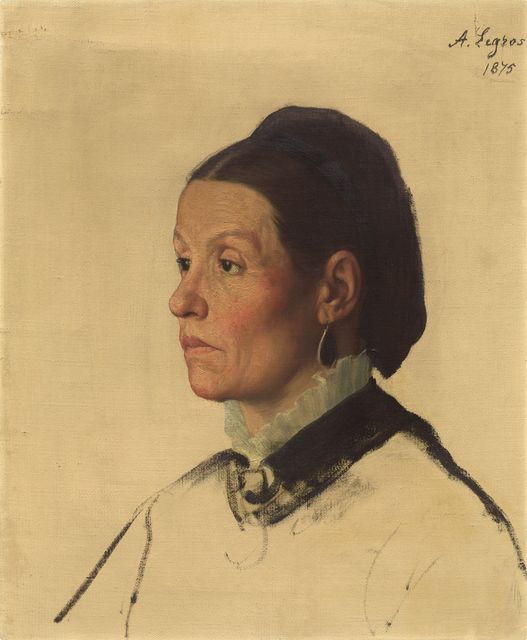
Alphonse Legros
French · 561 in the archive
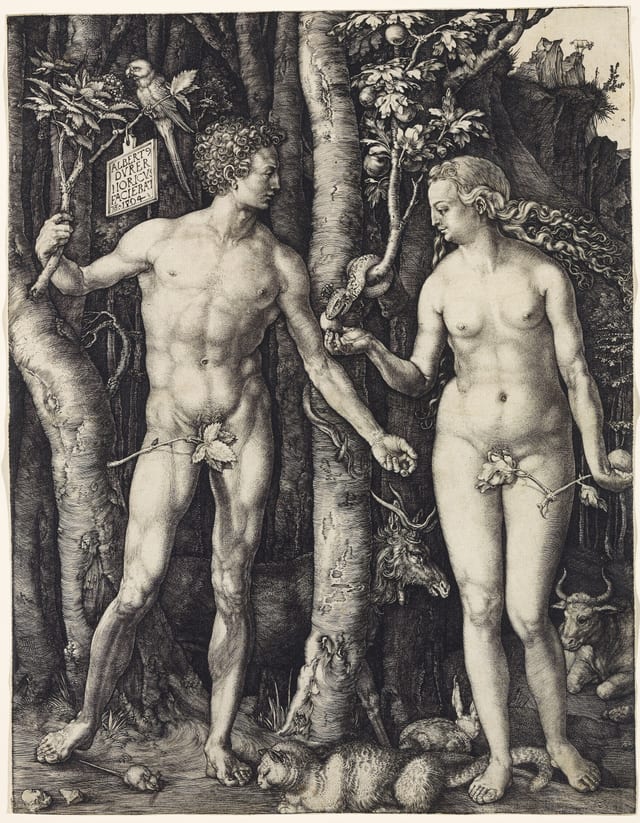
Albrecht Dürer
German · 291 in the archive
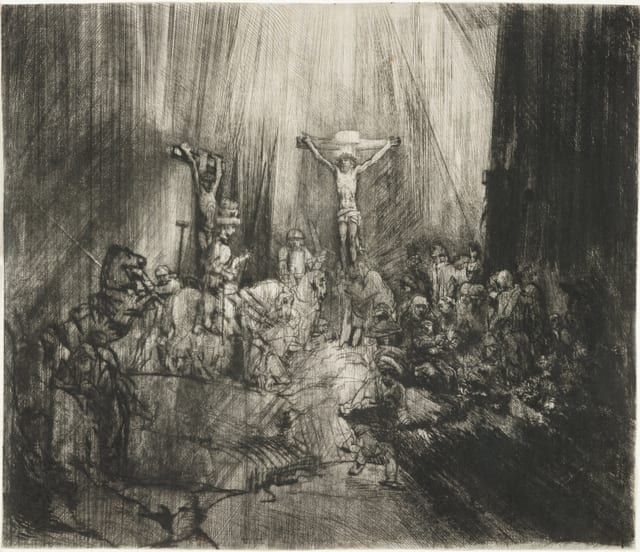
Rembrandt van Rijn
Dutch · 272 in the archive
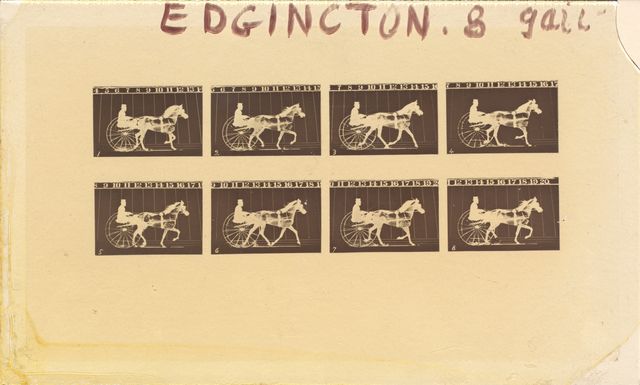
Eadweard Muybridge
English · 259 in the archive
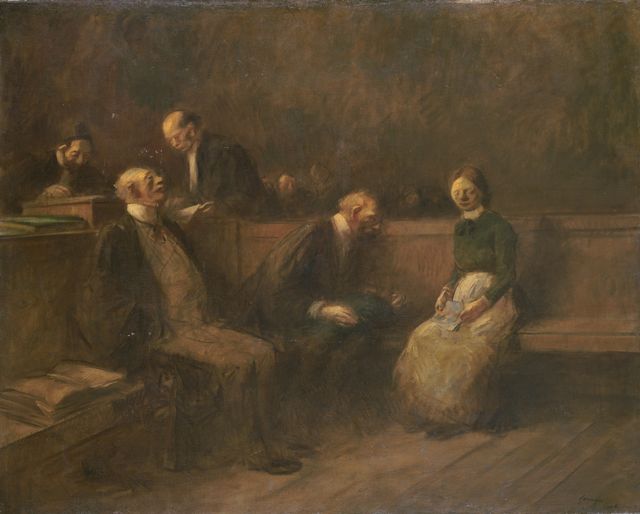
Jean-Louis Forain
French · 259 in the archive
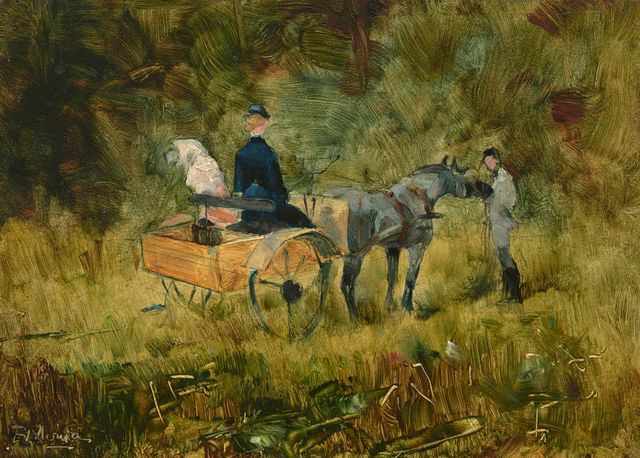
Henri de Toulouse-Lautrec
French · 243 in the archive
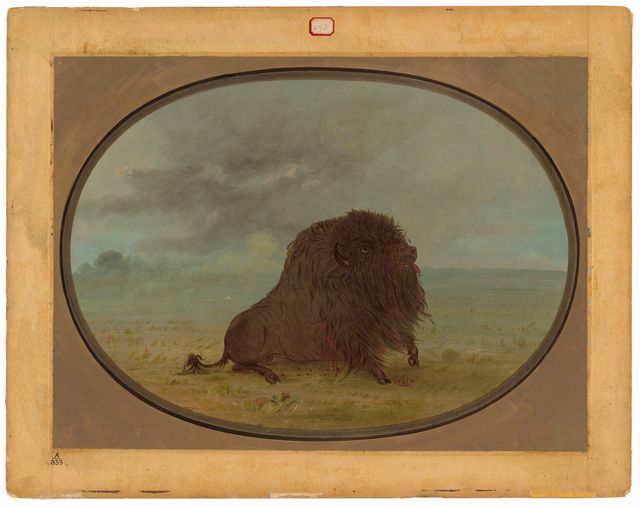
George Catlin
United States · 223 in the archive
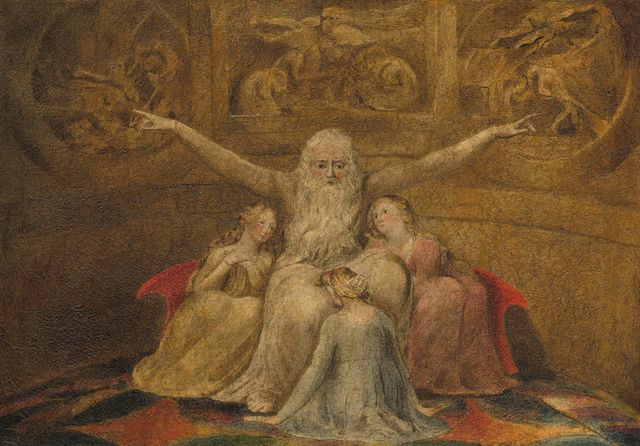
William Blake
United Kingdom of Great Britain and Ireland · 176 in the archive
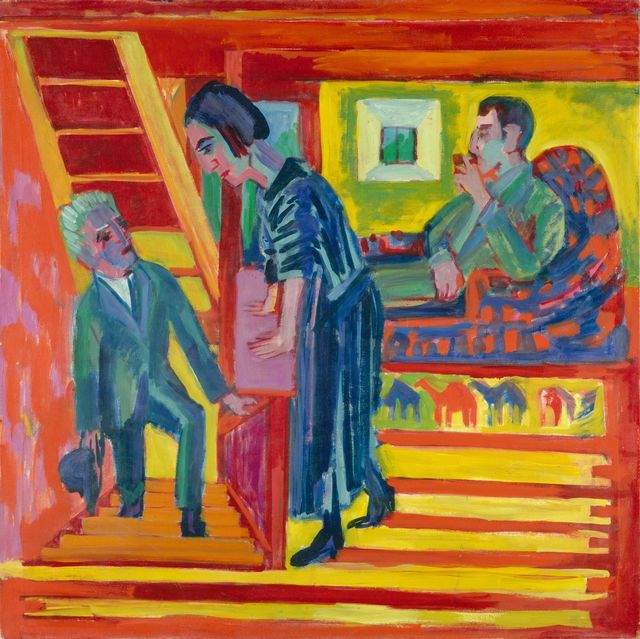
Ernst Ludwig Kirchner
German · 148 in the archive
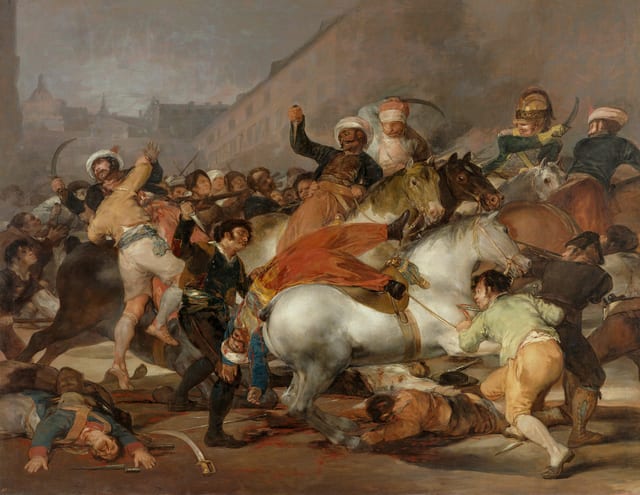
Francisco Goya
Spanish · 141 in the archive
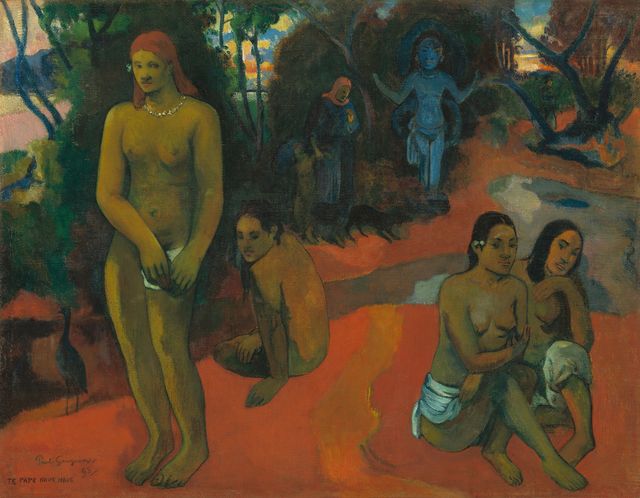
Paul Gauguin
French · 139 in the archive
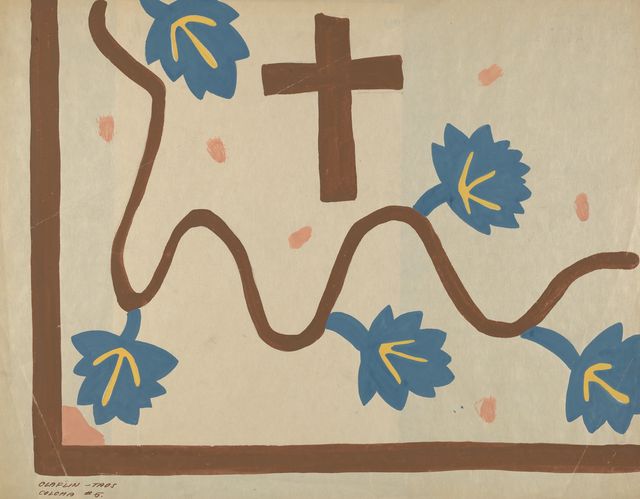
Majel G. Claflin
United States · 135 in the archive
Invite the masters into your living room.
El Greco on your TV, phone, or tablet. Free to start.
View on MomentableIndependent guide by Momentable · biography from Wikipedia · artworks are in the public domain and credited to the museum that holds them