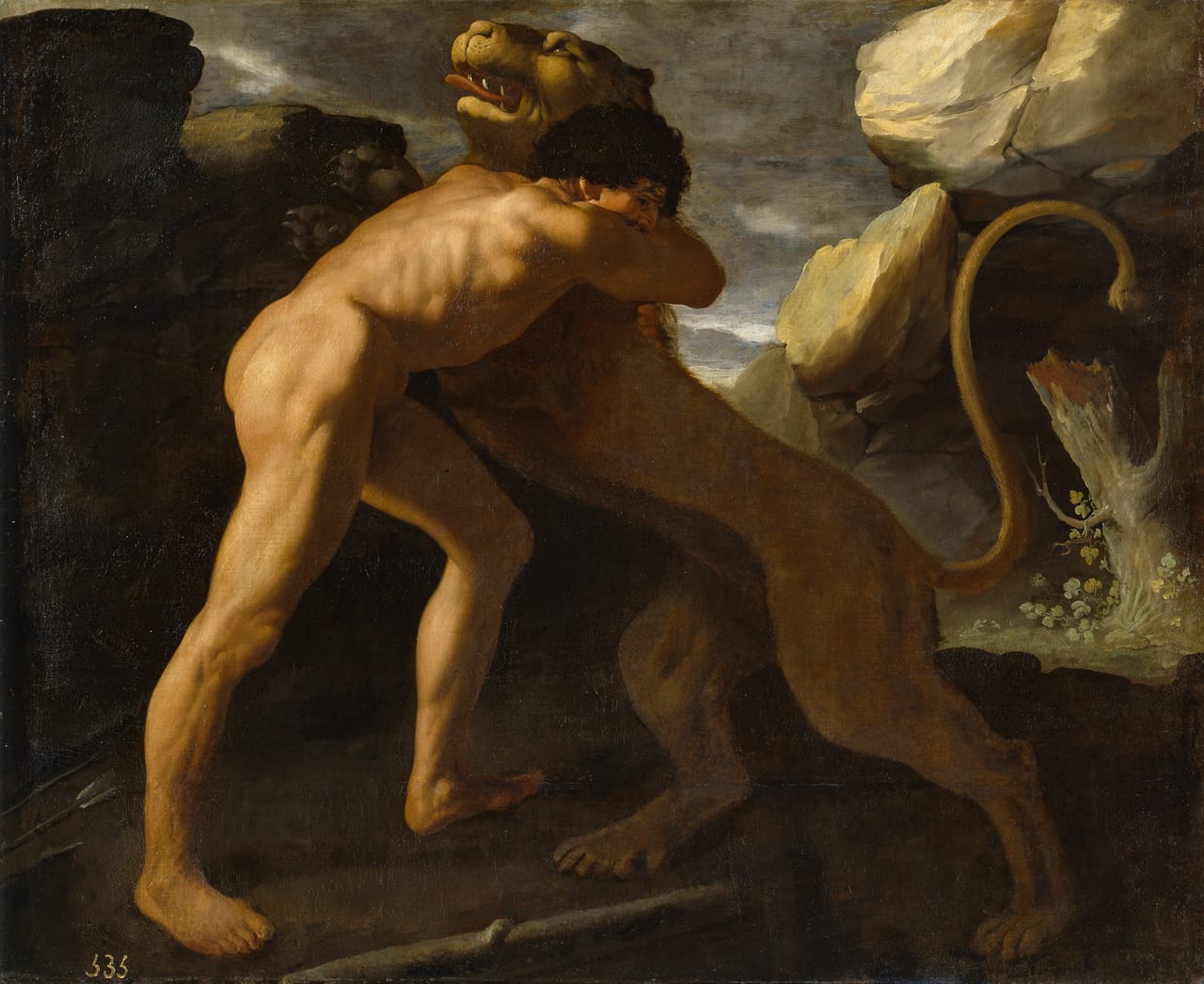
Hercules Fighting the Nemean Lion
Francisco de Zurbarán · 1634

Francisco de Zurbarán
Spain · 1598–1664
Francisco de Zurbarán was a Spanish Baroque painter. He is known primarily for his religious paintings depicting monks, nuns, and martyrs, and for his still-lifes. Zurbarán gained the nickname "Spanish Caravaggio", owing to the forceful use of chiaroscuro, in which he excelled. He was the father of the painter Juan de Zurbarán. == Biography == Zurbarán was born in 1598 in Fuente de Cantos, Extremadura; he was baptized on 7 November of that year.
Independent artist guide by Momentable. Biography from Wikipedia; artworks credited to the museums that hold them.
 LIVENow streaming · Hercules Fighting the Nemean Lion
- works in the archive
- 13works in the archive
- life
- 1598–1664life
- rights
- Public domainrights
The work
A selection of 13 works, free to stream.
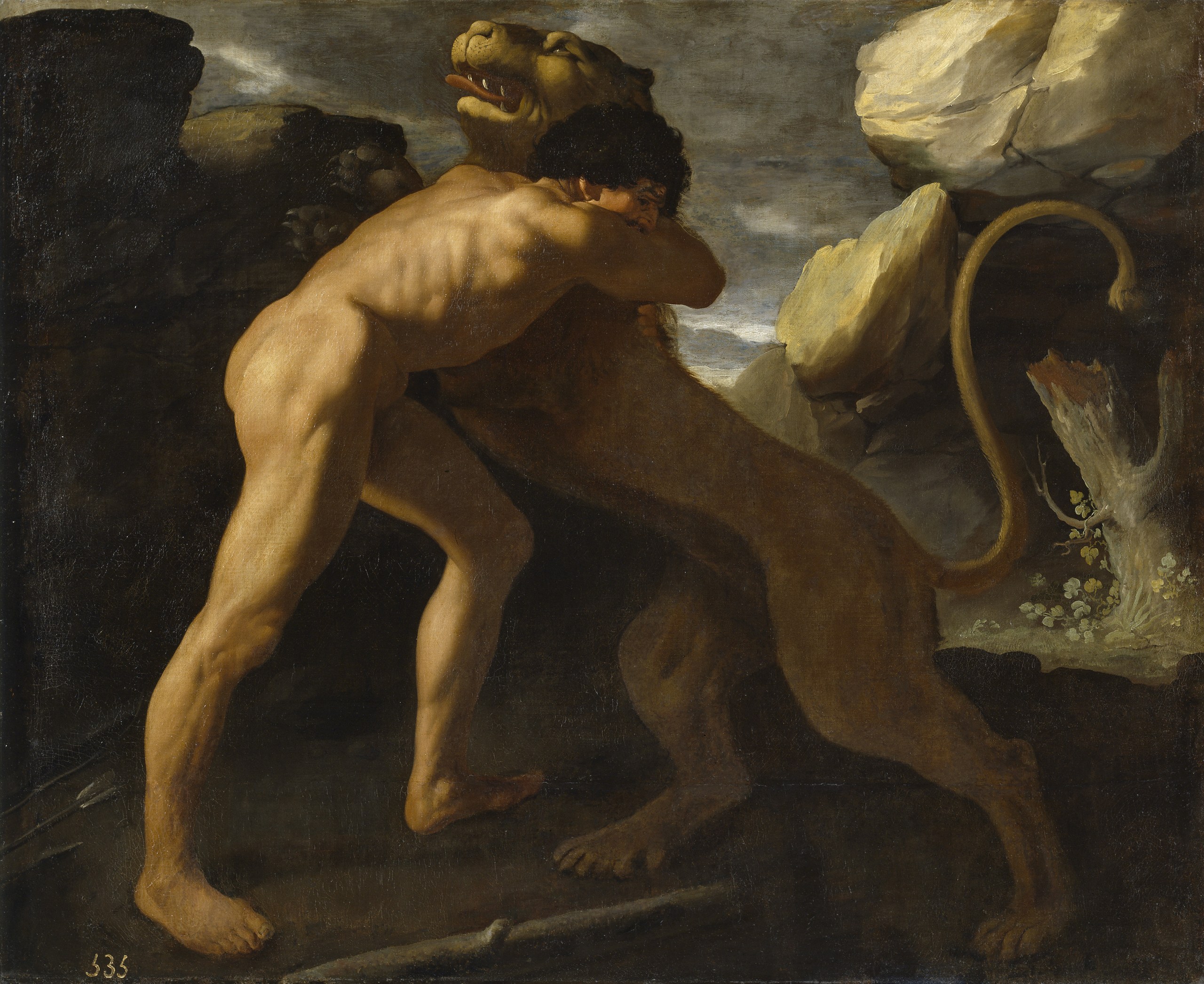
Hercules Fighting the Nemean Lion
Francisco de Zurbarán · 1634
Museo del Prado
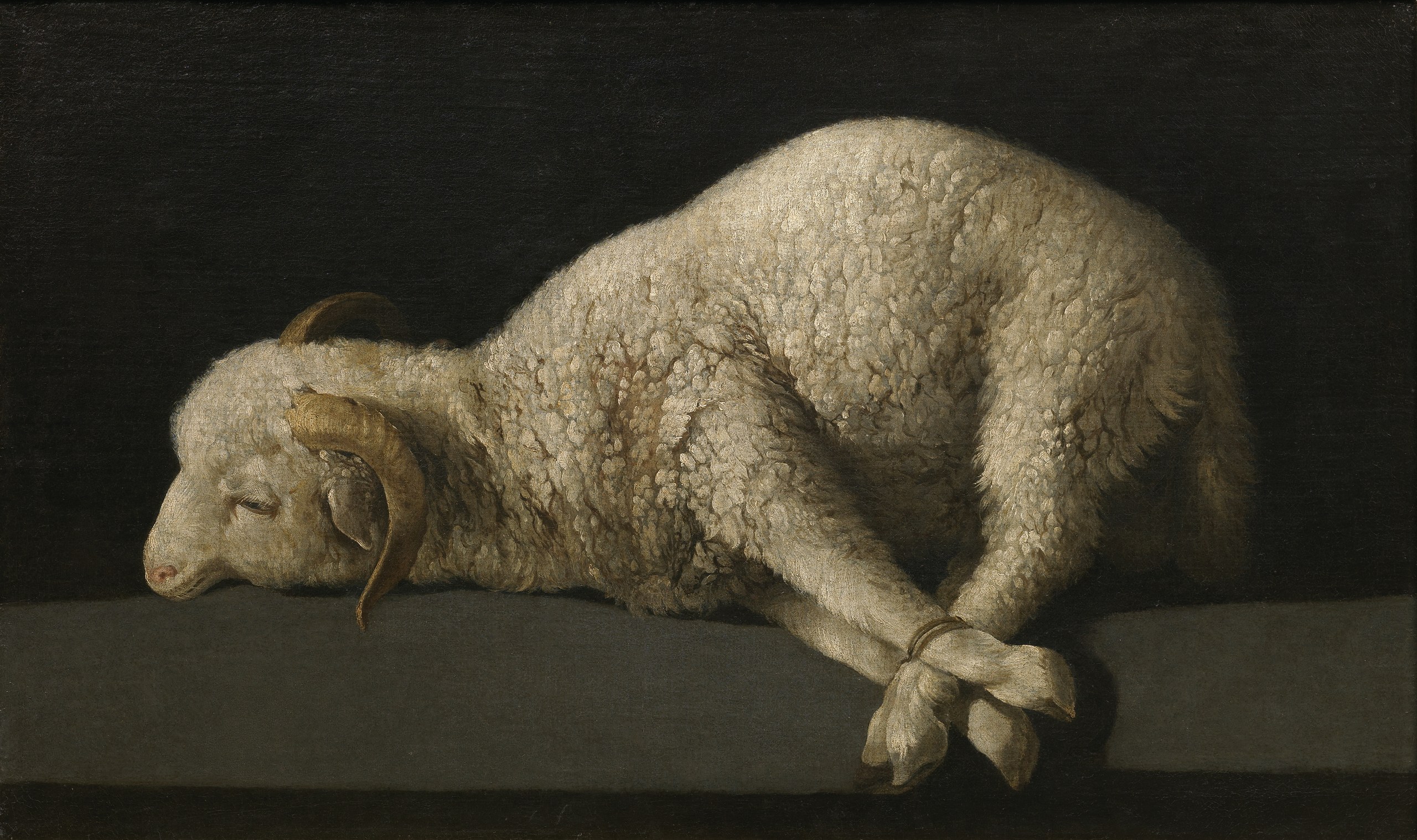
Agnus Dei
Francisco de Zurbarán · 1635
Museo del Prado
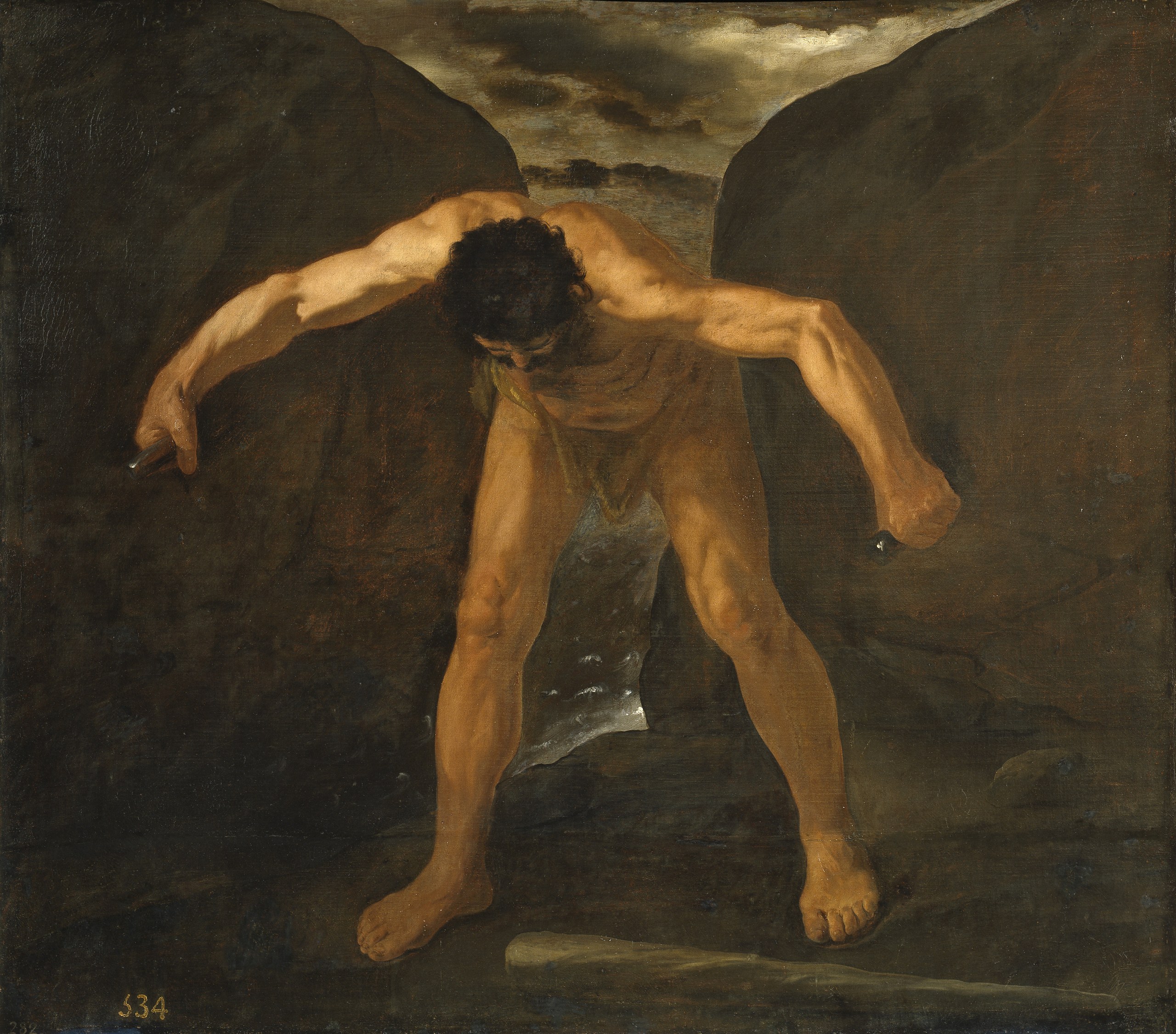
Hercules Separates Mounts Calpe and Abylla
Francisco de Zurbarán · 1634
Museo del Prado
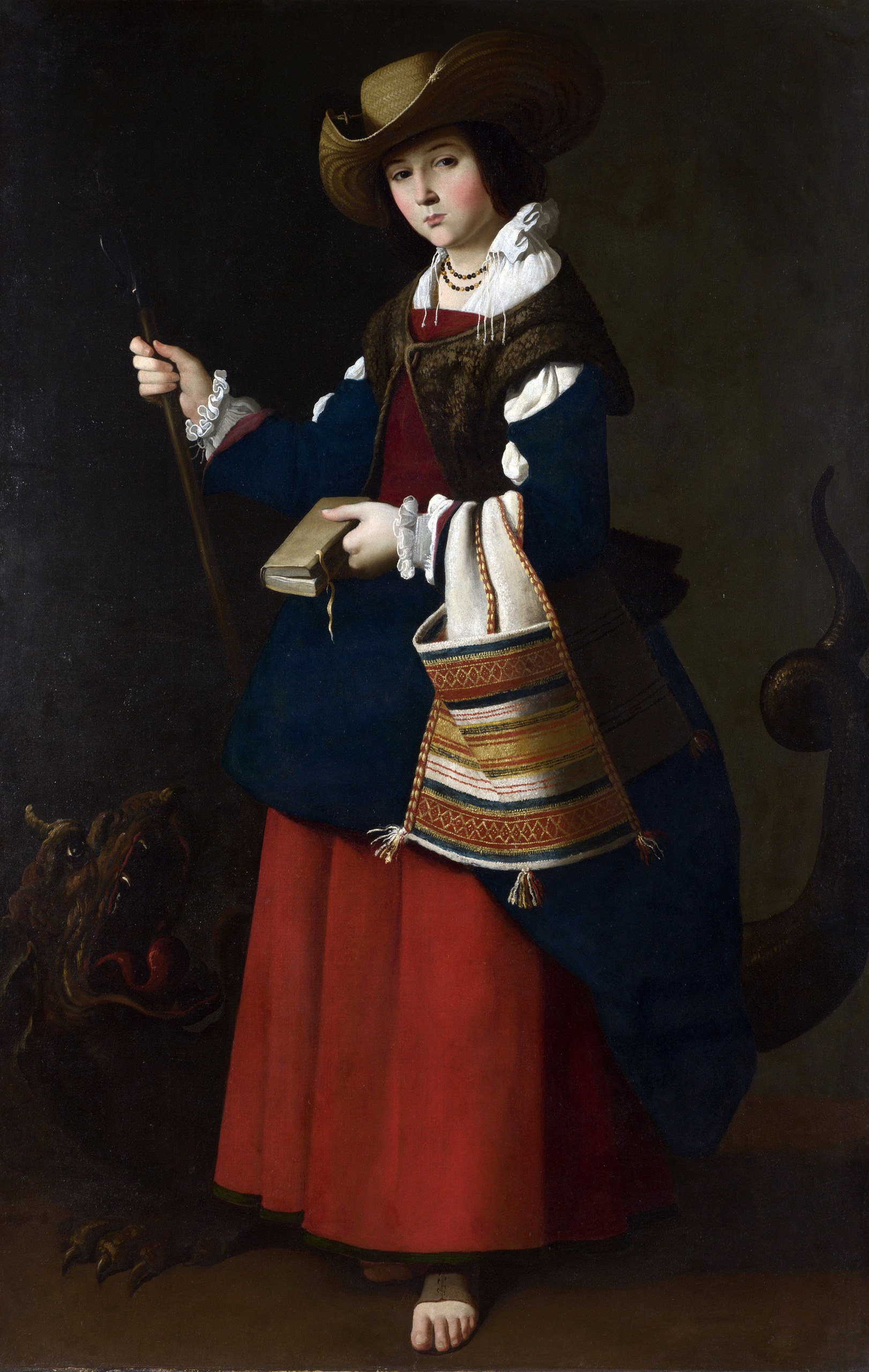
Saint Margaret of Antioch
Francisco de Zurbarán · 1630
National Gallery
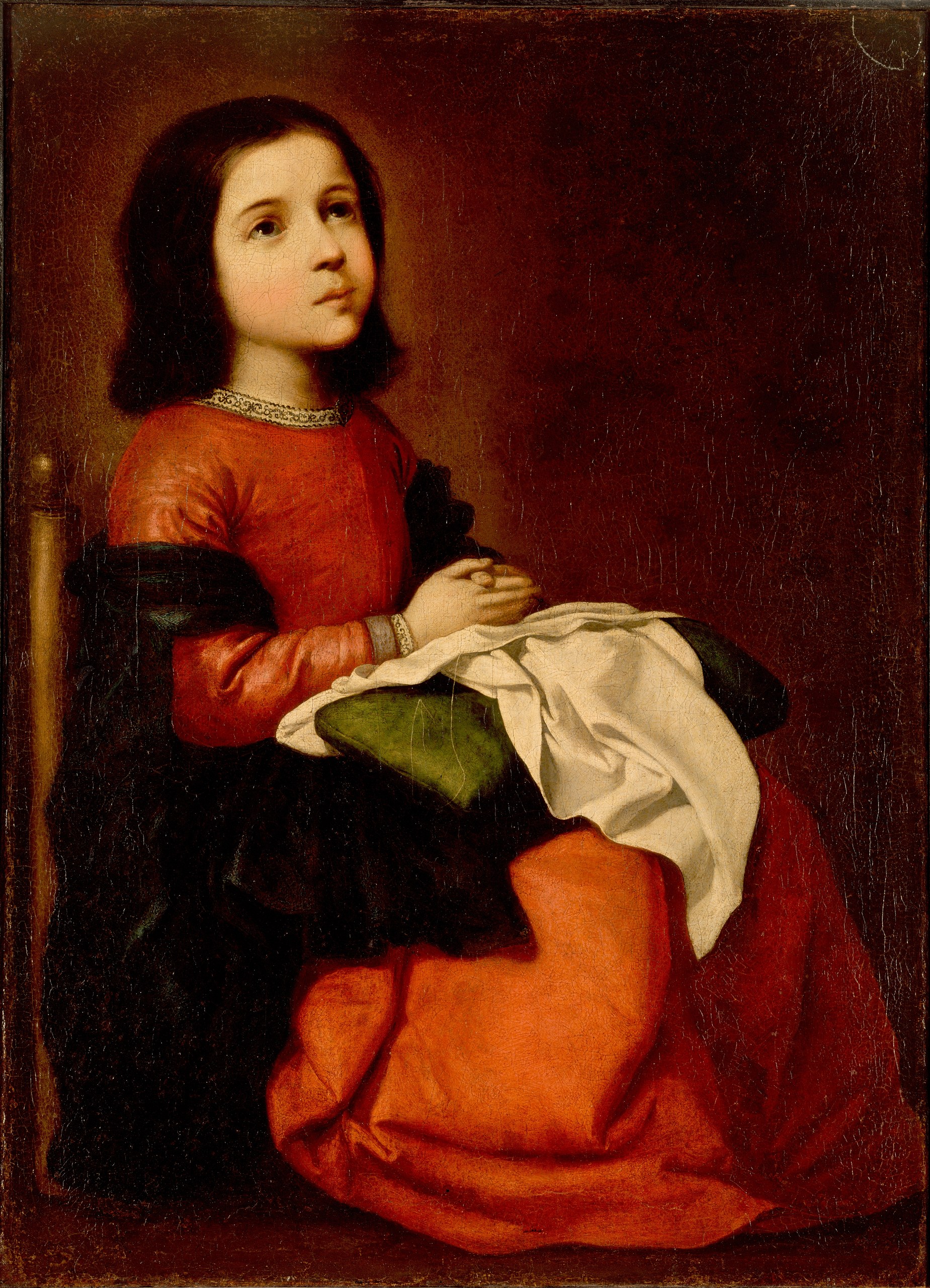
Childhood of the Virgin
Francisco de Zurbarán · 1658
State Hermitage Museum
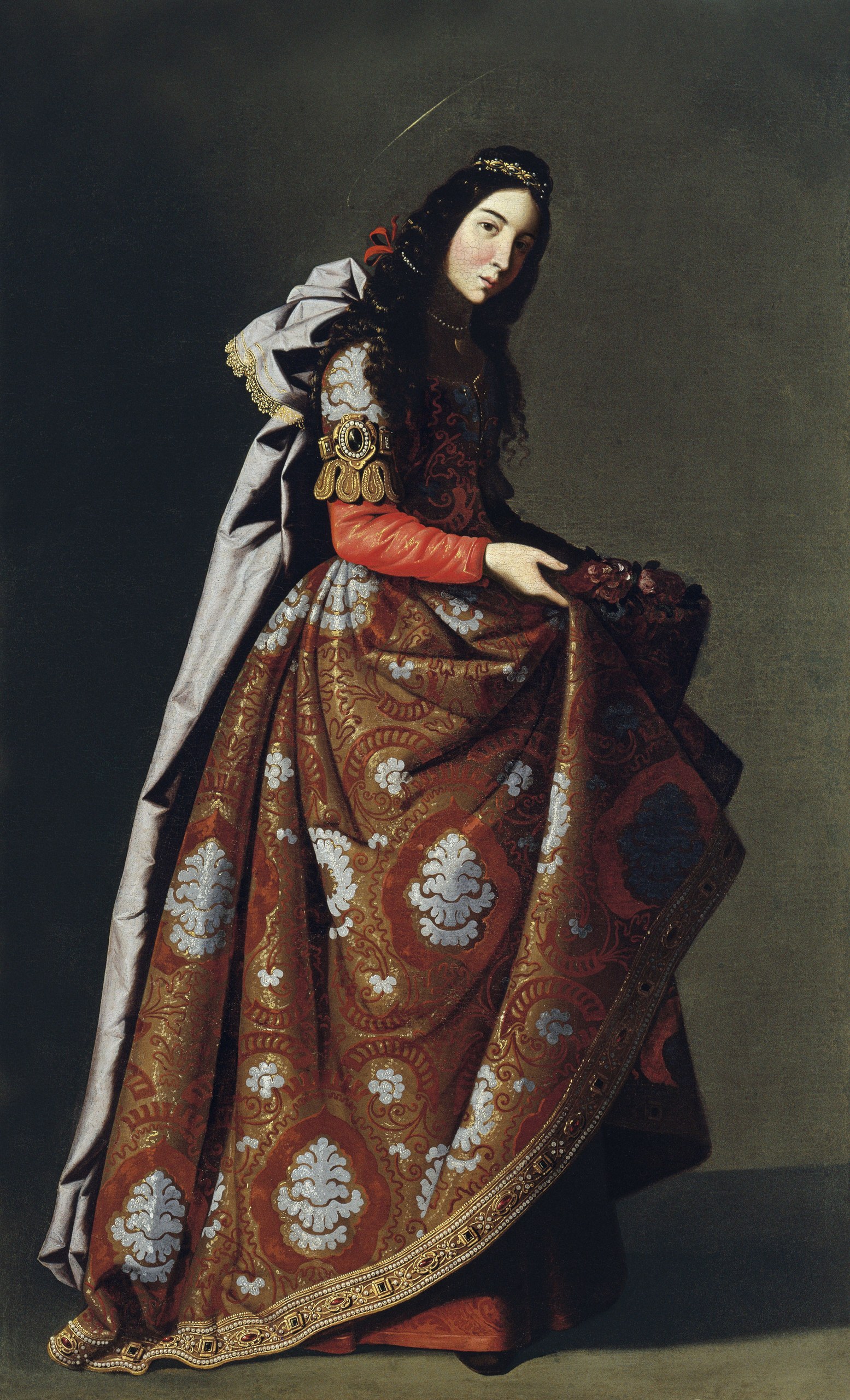
Saint Casilda
Francisco de Zurbarán · 1635
Thyssen-Bornemisza Museum
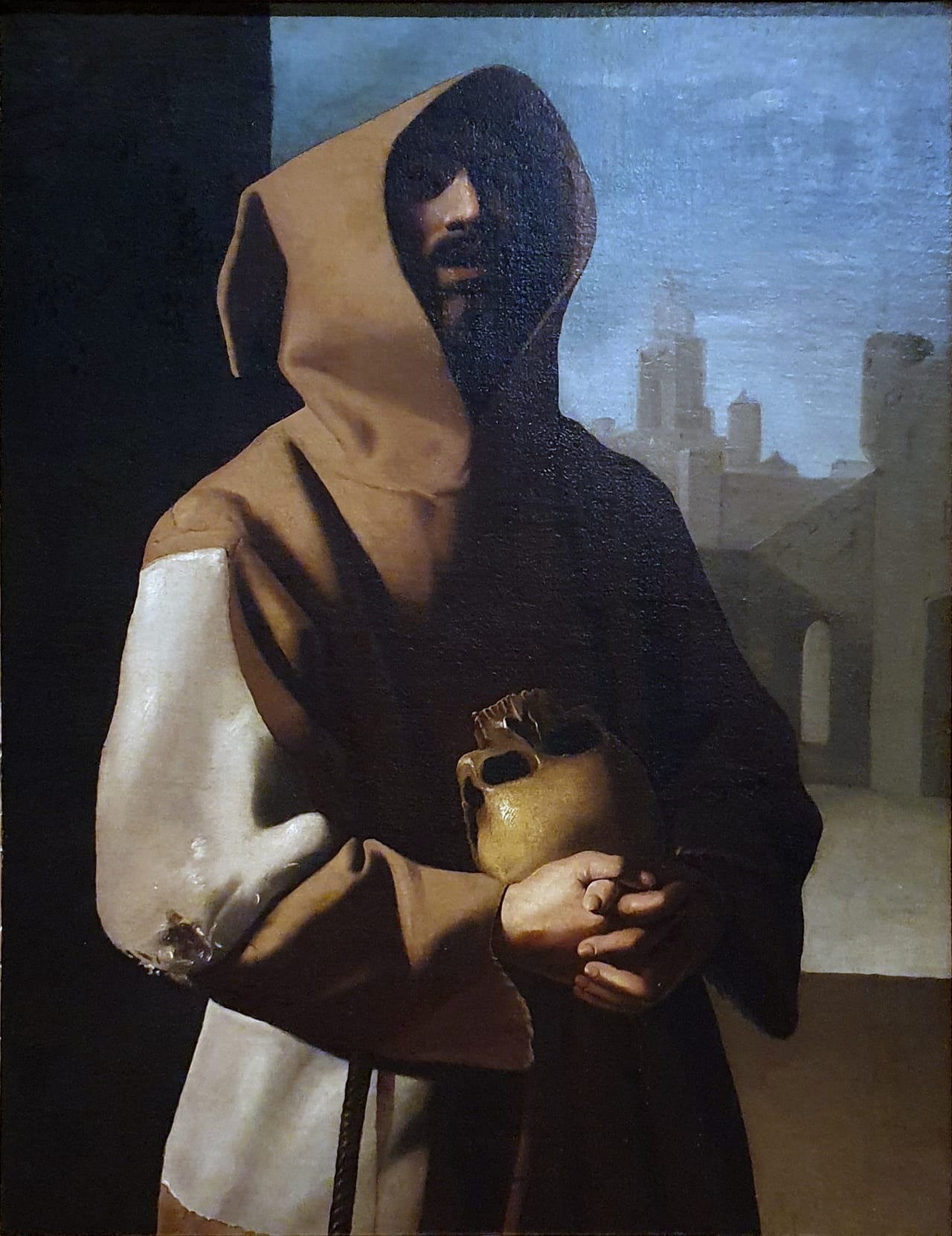
St. Francis of Assisi in ecstasy
Francisco de Zurbarán · 1638
Museo Soumaya
Hercules and the Hydra
Francisco de Zurbarán · 1634
Museo del Prado
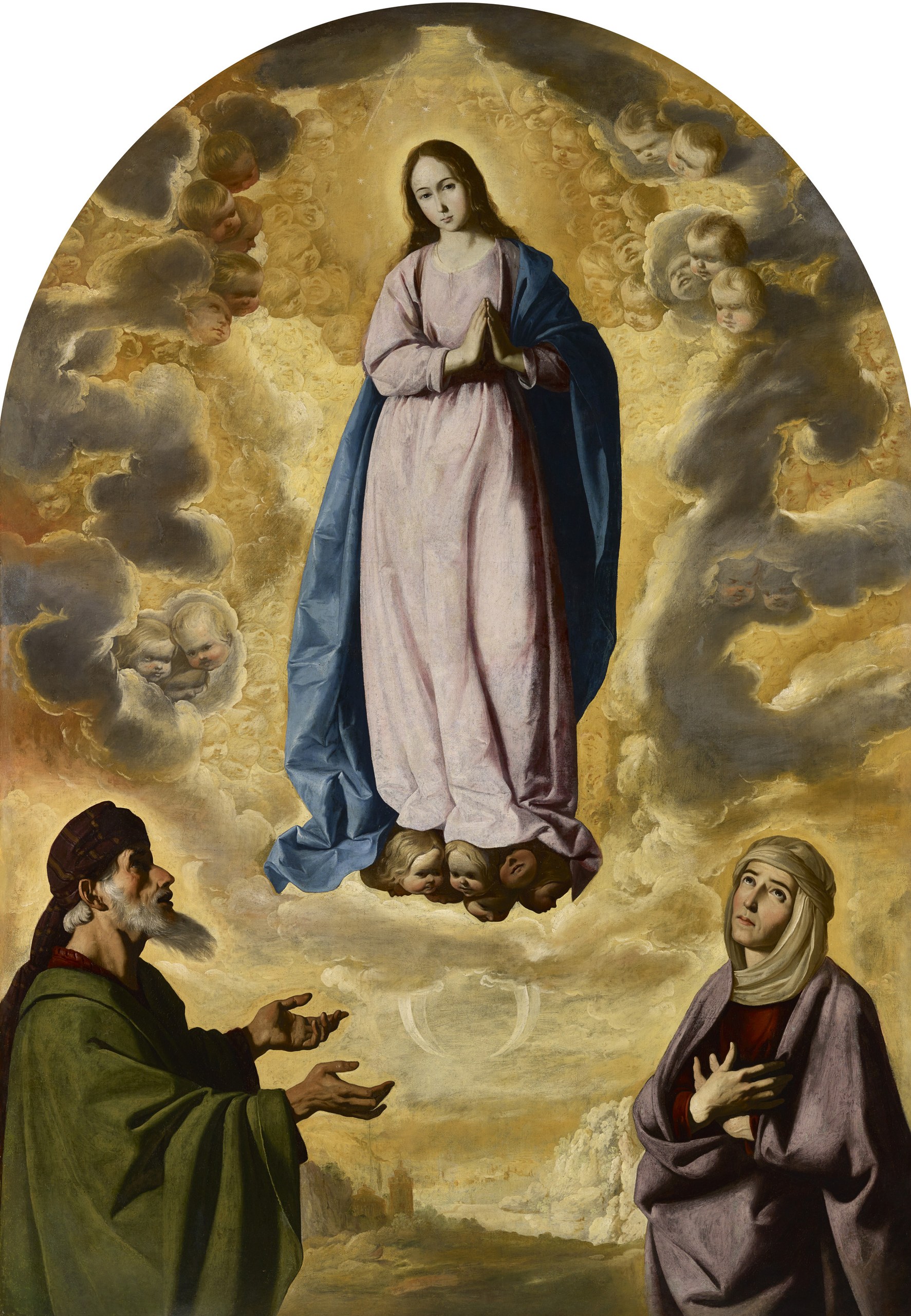
The Immaculate Conception with Saint Joachim and Saint Anne
Francisco de Zurbarán · 1639
Scottish National Gallery
The Defense of Cadiz Against the English
Francisco de Zurbarán · 1634
Museo del Prado
Immaculate Conception
Francisco de Zurbarán · 1632
Museu Nacional d'Art de Catalunya
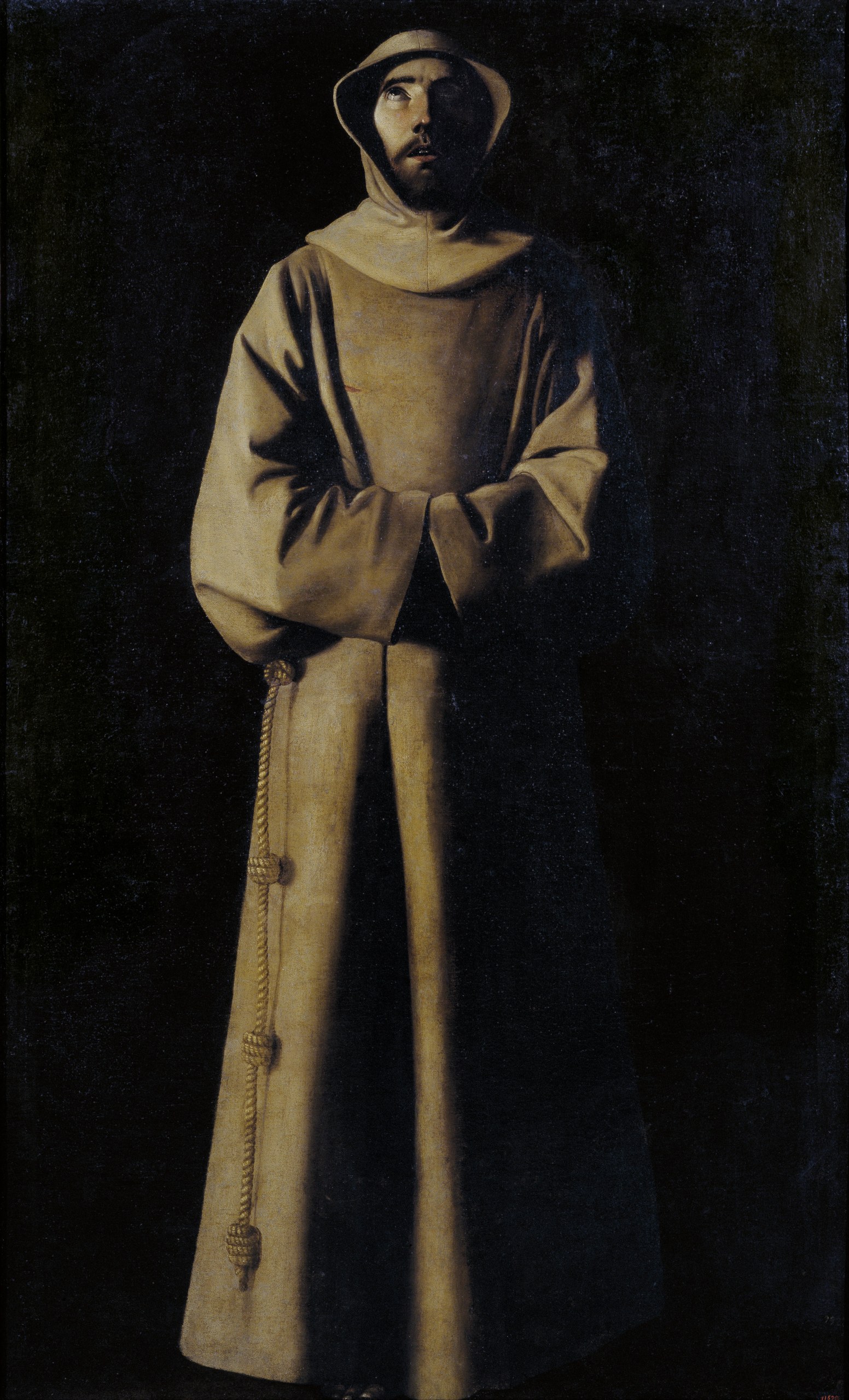
Saint Francis of Assisi
Francisco de Zurbarán · 1640
Museu Nacional d'Art de Catalunya
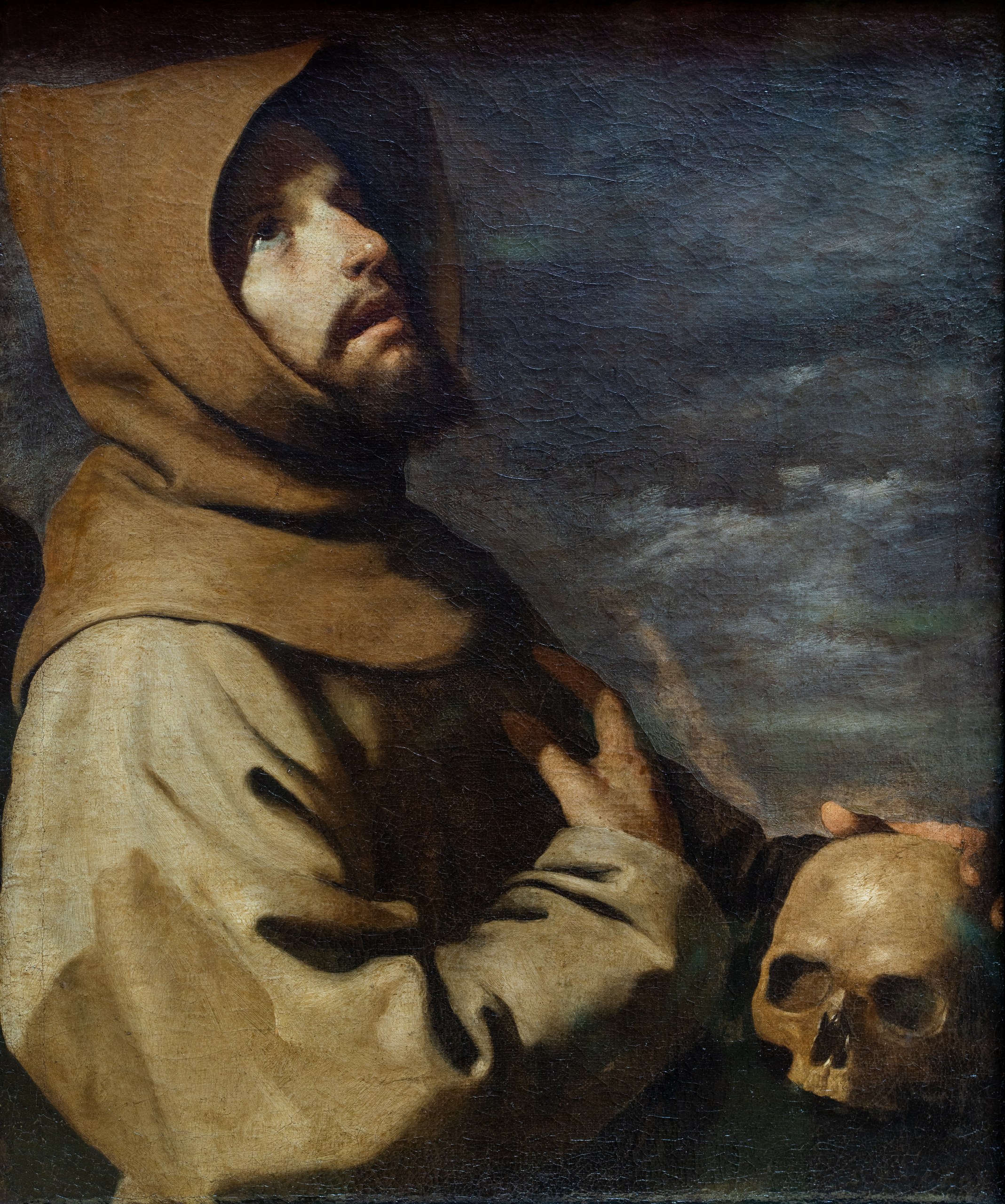
Saint Francis in Ecstasy
Francisco de Zurbarán · 1660
Works worth knowing
9 of Francisco de Zurbarán's works, and what makes each one worth a look.
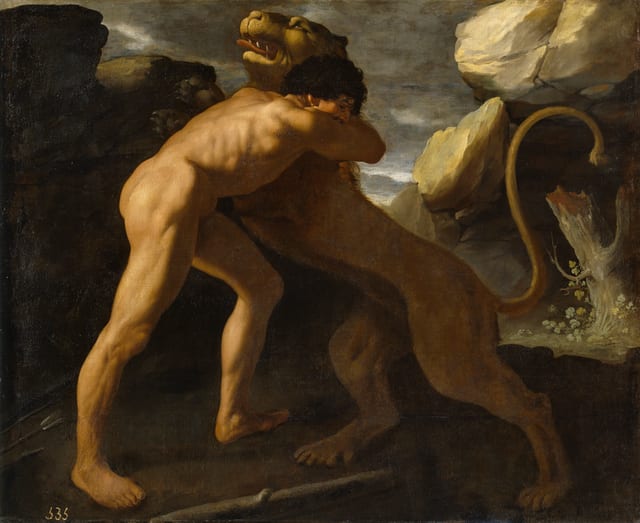
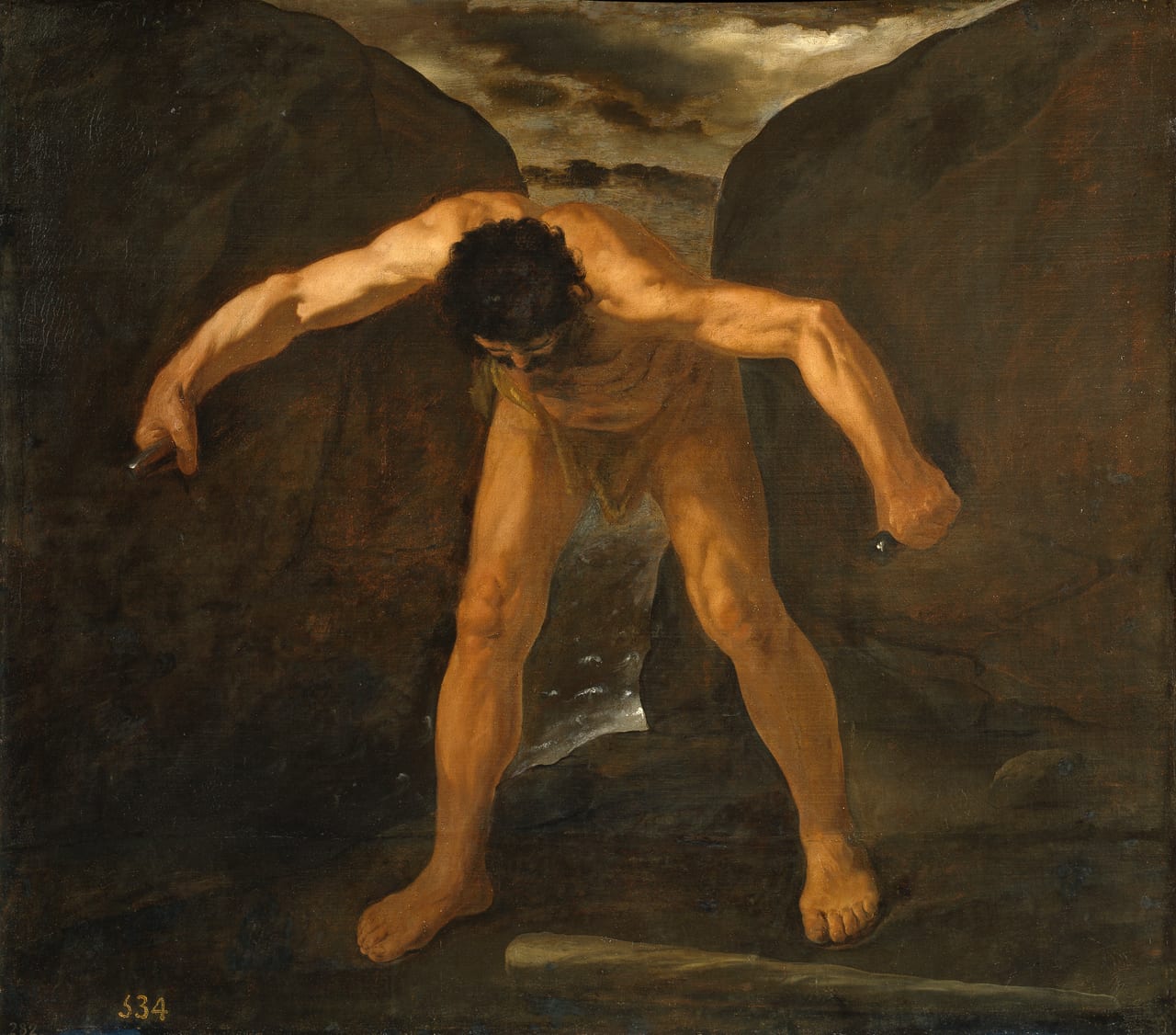
Hercules Fighting the Nemean Lion
Francisco de Zurbarán · 1634
Museo del Prado
Hercules Fighting the Nemean Lion is a work of 1634 by the Spanish painter Francisco de Zurbarán. It is conserved in the Museo del Prado. The painting depicts Heracles fighting the Nemean Lion.
Agnus Dei
Francisco de Zurbarán · 1635
Museo del Prado
Agnus Dei (Latin for Lamb of God) is an oil painting completed between 1635 and 1640 by the Spanish Baroque artist Francisco de Zurbarán. It is housed in the Prado Museum in Madrid, Spain. The Lamb of God is an allusion to Christ's title as recorded in John's Gospel (John 1:29), where John the Baptist describes Jesus as "The Lamb of God who takes away the sin of the World".
Hercules Separates Mounts Calpe and Abylla
Francisco de Zurbarán · 1634
Museo del Prado
Hercules Separates Mounts Calpe and Abylla is a work by Francisco de Zurbarán, created in 1634. The painting measures 136 × 167 centimeters. It is in the collection of the Museo del Prado.
Saint Margaret of Antioch
Francisco de Zurbarán · 1630
National Gallery
Saint Margaret of Antioch is a painting of 1631 by the Spanish painter Francisco de Zurbarán now in the National Gallery, London, which bought it in 1903. The artist shows the saint Margaret of Antioch as a shepherdess, holding a crook (referring to the legend that she grazed her nurse's sheep). Behind her is the dragon from whose stomach she burst.
Childhood of the Virgin
Francisco de Zurbarán · 1658
State Hermitage Museum
The Virgin Mary as a Child Praying is a 1658 to 1660 painting by Francisco de Zurbarán, now in the Hermitage Museum in St Petersburg. Its theme is similar to that of his The Young Virgin (Metropolitan Museum of Art). The painter completed the work in Madrid a few years before his death.
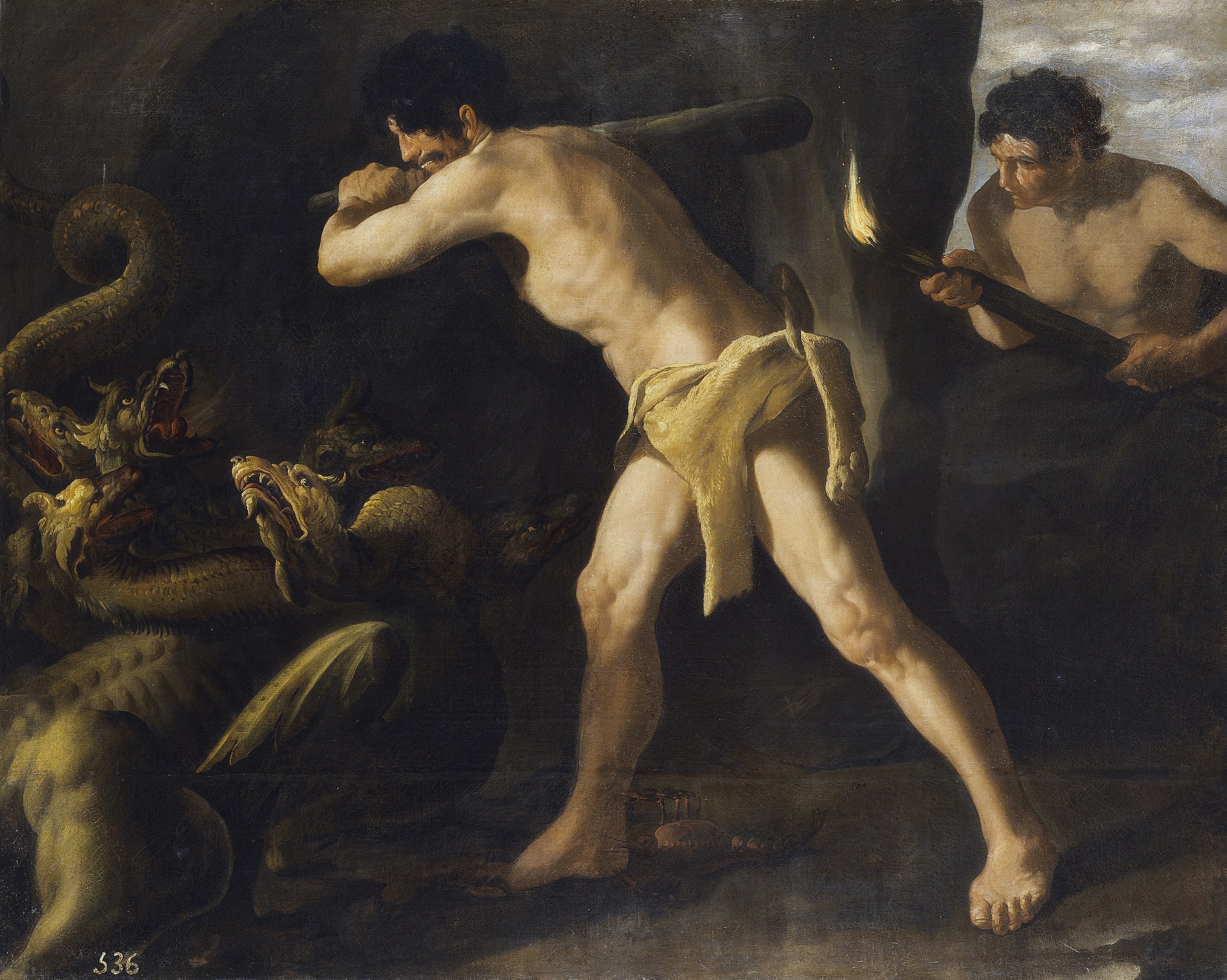
Hercules and the Hydra
Francisco de Zurbarán · 1634
Museo del Prado
Hercules and the Hydra is a 1634 painting by Francisco de Zurbarán of Hercules fighting the Lernaean Hydra, now in the Prado Museum in Madrid. It was from a series of the Labours of Hercules for the Hall of Realms in Madrid's Palacio del Buen Retiro.
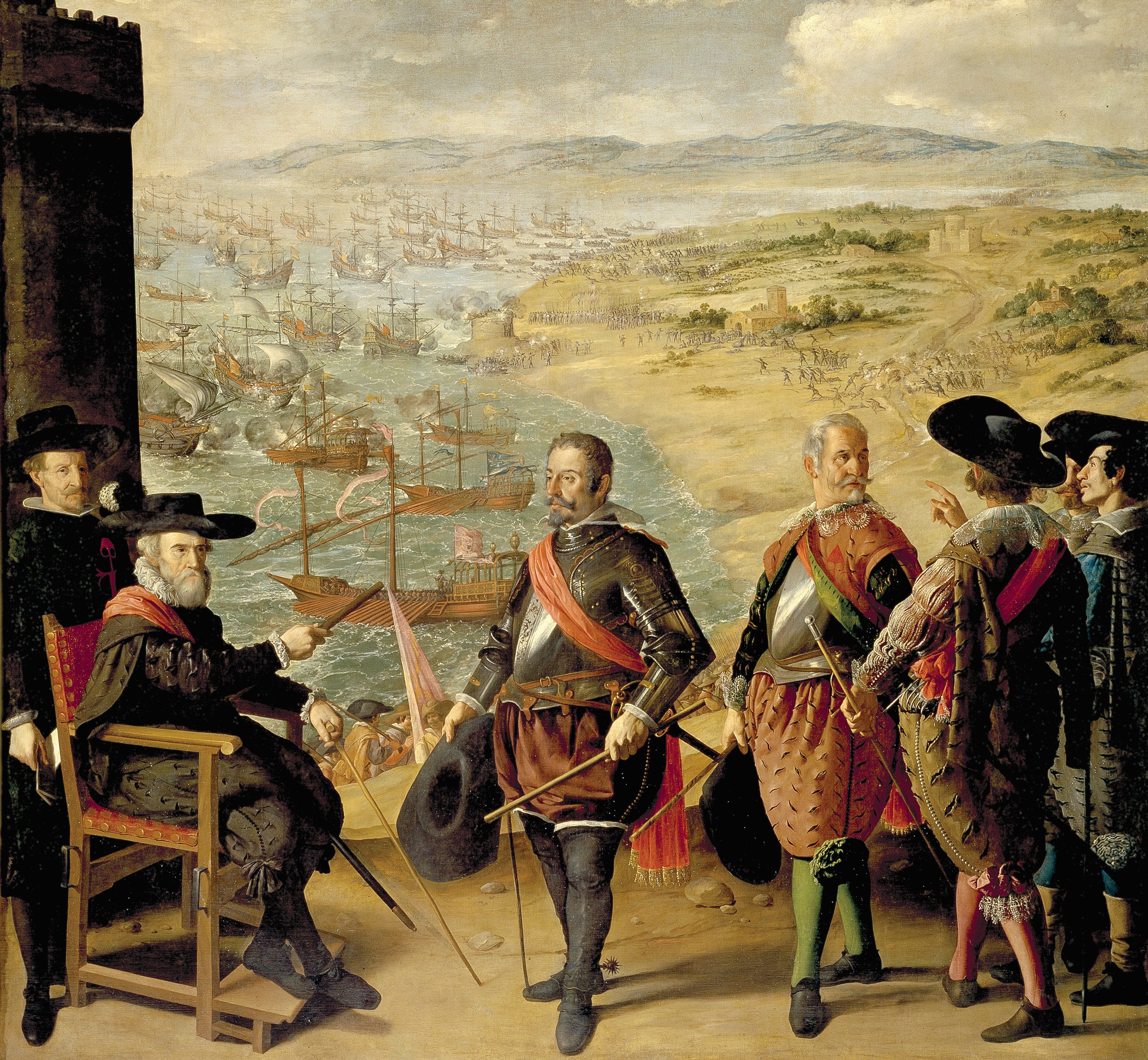
The Defense of Cadiz Against the English
Francisco de Zurbarán · 1634
Museo del Prado
The Defence of Cádiz (full title: The Defence of Cádiz Against the English or The Hostile Landing of the English near Cádiz in 1625 Under the Command of the Earl of Leicester) is a painting in oils on canvas by Francisco de Zurbarán, now in the Museo del Prado in Madrid. It shows the Spanish preparing their defences just before the arrival of Edward Cecil's Cádiz expedition of 1625. In the left foreground is the city's governor Fernando Girón giving orders to his subordinates, including the deputy field commander Diego Ruiz.
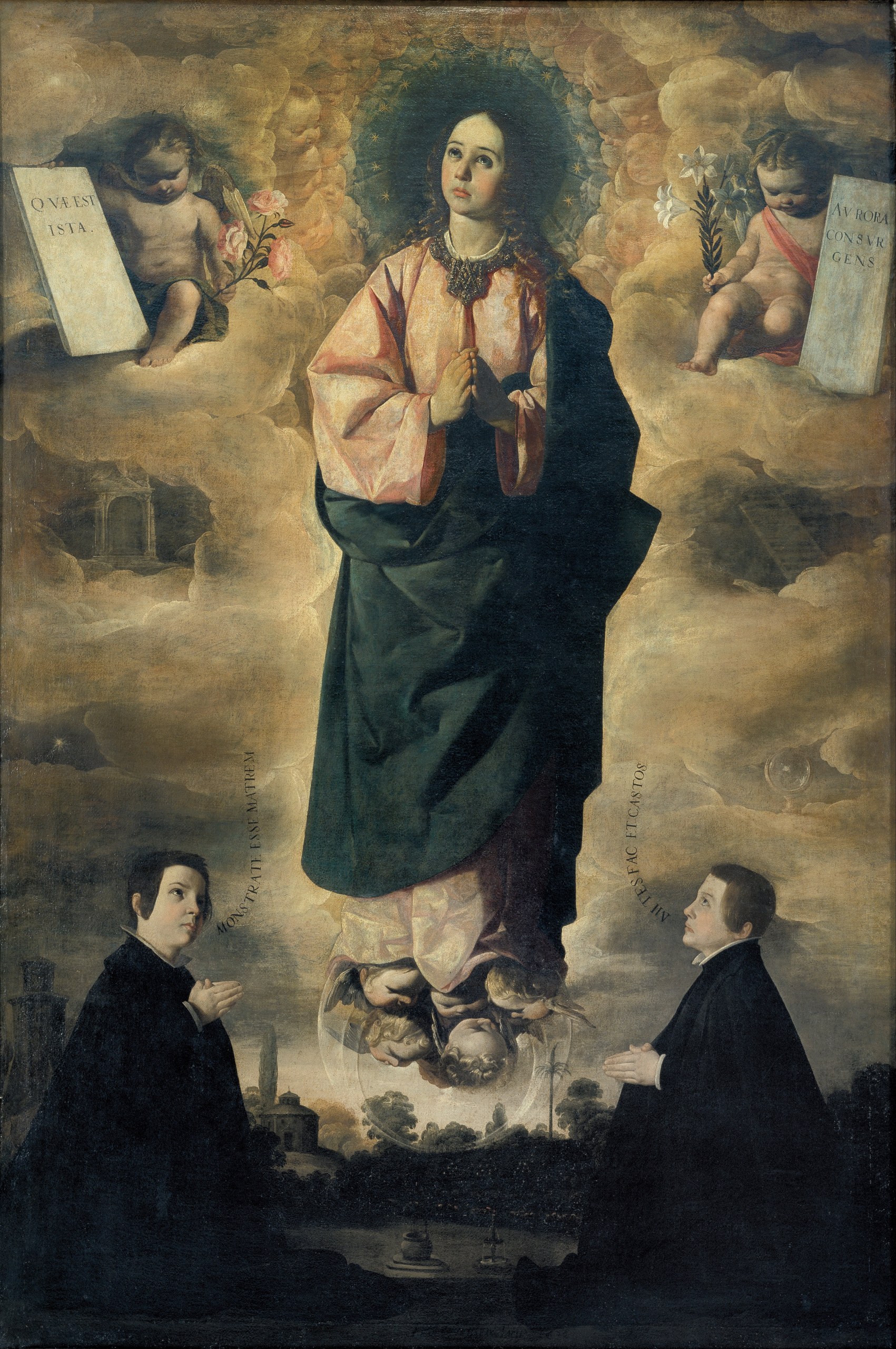
Immaculate Conception
Francisco de Zurbarán · 1632
Museu Nacional d'Art de Catalunya
The Immaculate Conception is a painting by Francisco de Zurbarán, executed in 1632, conserved at the National Art Museum of Catalonia. The Immaculate Conception represents Mary as the only mortal being free of original sin. This is a long-established Catholic doctrinal argument, frequently depicted in the painting of the Spanish Golden Age.
How Francisco de Zurbarán worked
From the record of their own practice.
It is unknown whether Zurbarán had the opportunity to see the paintings of Caravaggio, only that his work features a similar use of chiaroscuro and tenebrism (dramatic lighting). The painter thought by some art historians to have had the greatest influence on his characteristically severe compositions was Juan Sánchez Cotán. Polychrome sculpture, which by the time of Zurbarán's apprenticeship had reached a level of sophistication in Seville that surpassed that of the local painters, provided another important stylistic model for the young artist; the work of Juan Martínez Montañés is especially close to Zurbarán's in spirit. He painted his figures directly from nature, and he made great use of the lay-figure in the study of draperies, in which he was particularly proficient. He had a special gift for white draperies; as a consequence, the houses of the white-robed Carthusians are abundant in his paintings.
Where the work hangs
The museums that hold it, and their visitor guides.
Museo del Prado
5 in the archive · Madrid
Museu Nacional d'Art de Catalunya
2 in the archive · Barcelona
Thyssen-Bornemisza Museum
1 in the archive · Madrid
Museo Soumaya
1 in the archive · Mexico City
State Hermitage Museum
1 in the archive · Saint Petersburg
National Gallery
1 in the archive · London
Scottish National Gallery
1 in the archive · Edinburgh
If you like Francisco de Zurbarán
Artists held by the same museums.
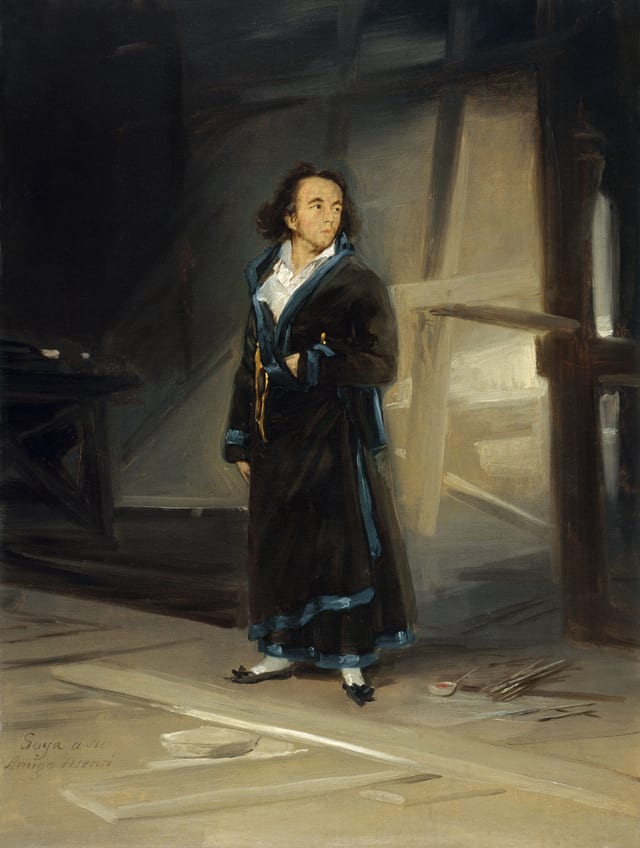
Francisco Goya
Spanish · 28 in the archive
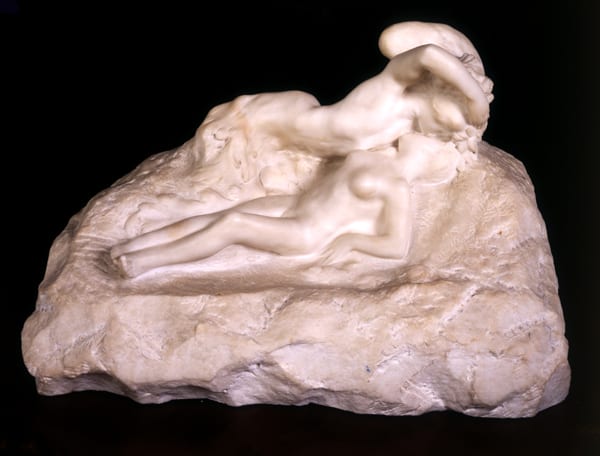
Auguste Rodin
France · 26 in the archive
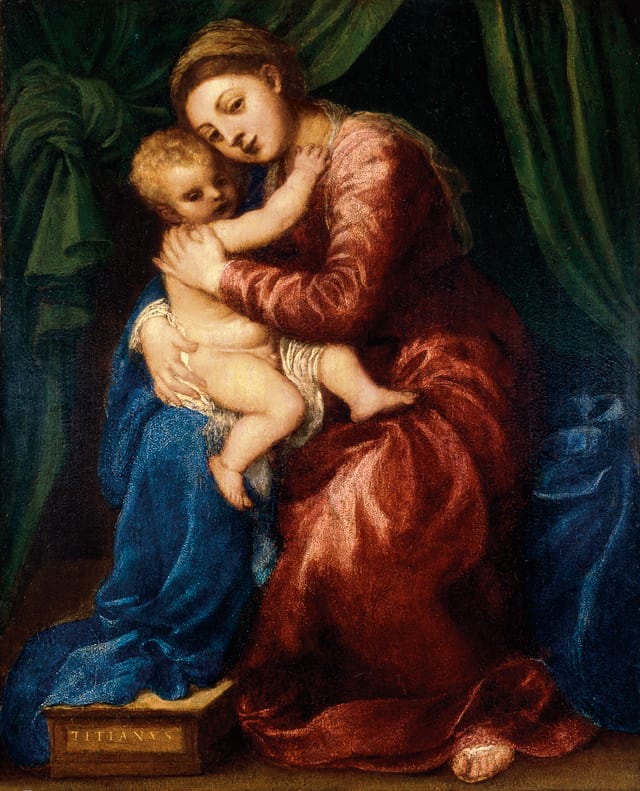
Titian
Italian · 25 in the archive
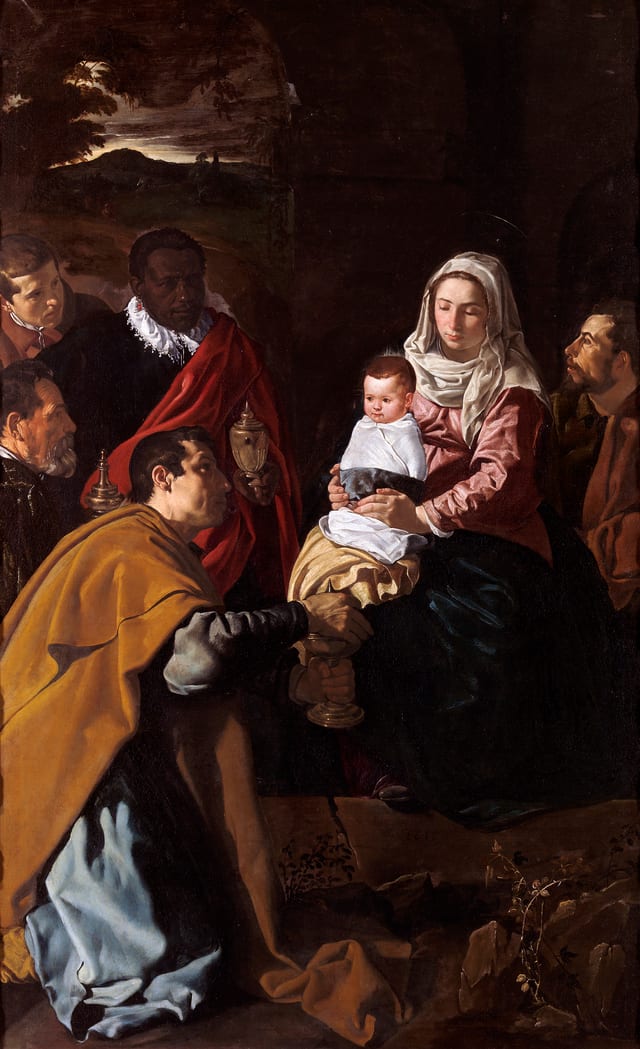
Diego Velázquez
Spain · 21 in the archive
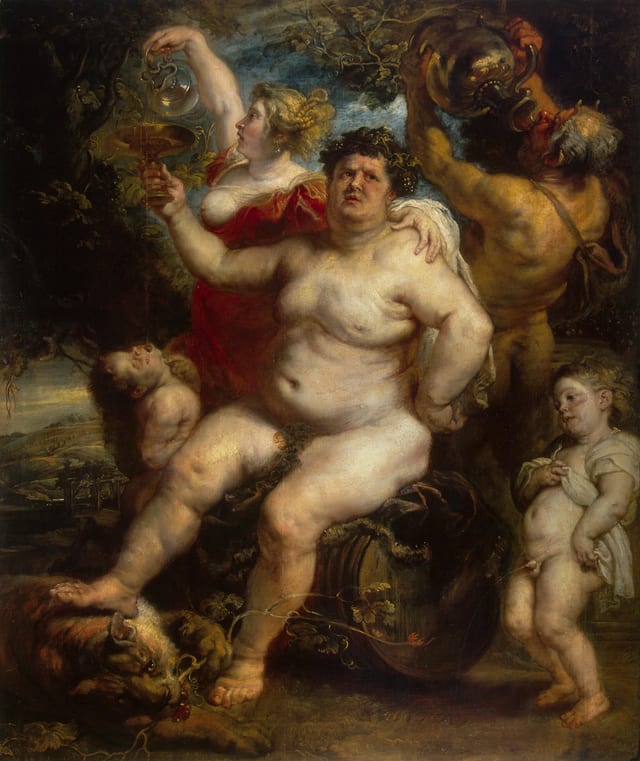
Peter Paul Rubens
Flemish · 18 in the archive
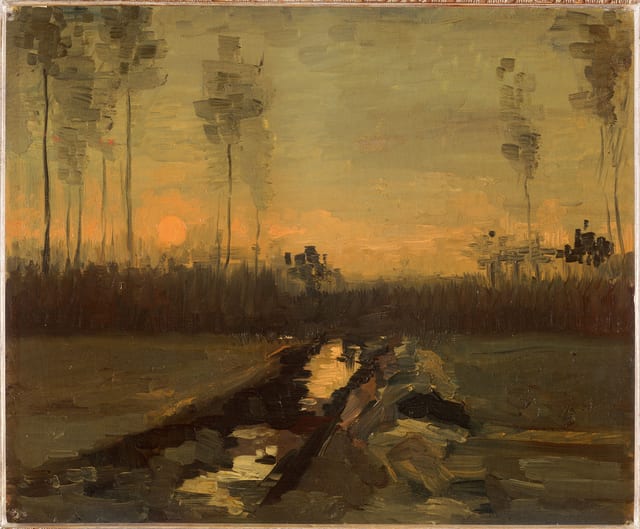
Vincent van Gogh
Dutch · 18 in the archive
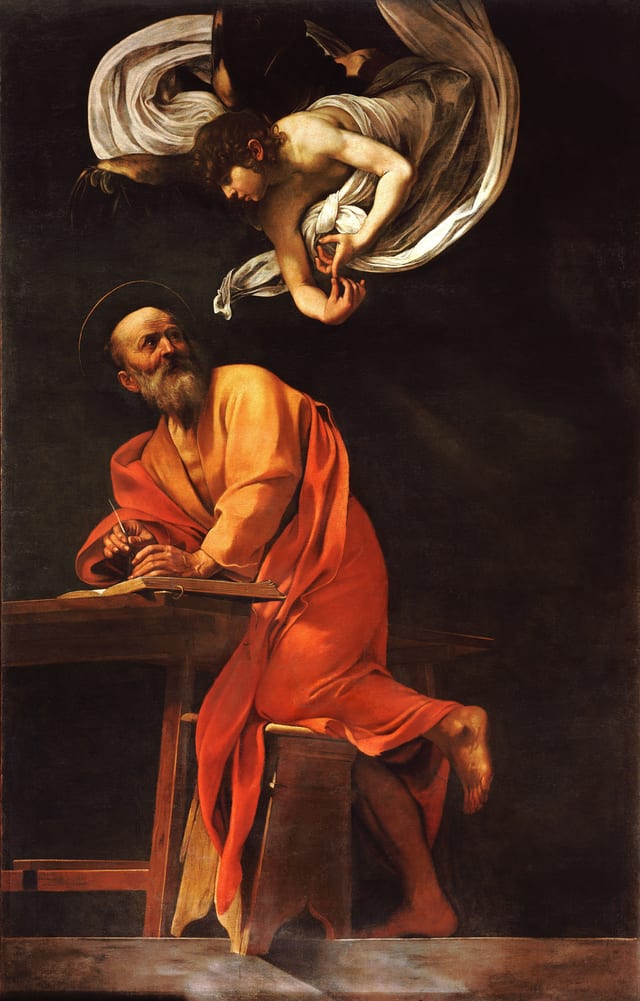
Caravaggio
Italian · 17 in the archive
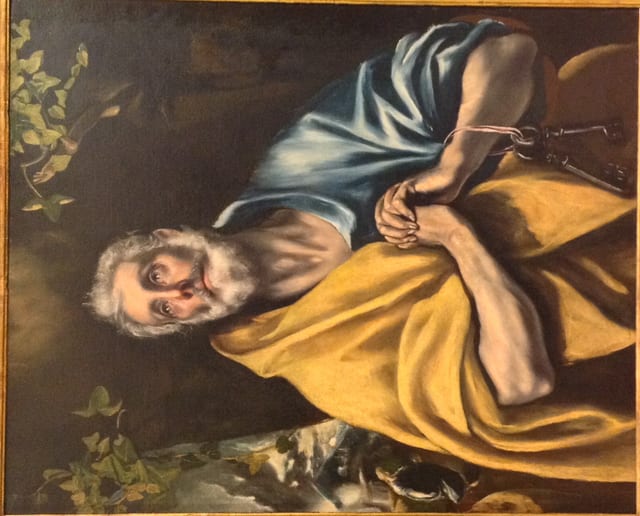
El Greco
Greek · 17 in the archive
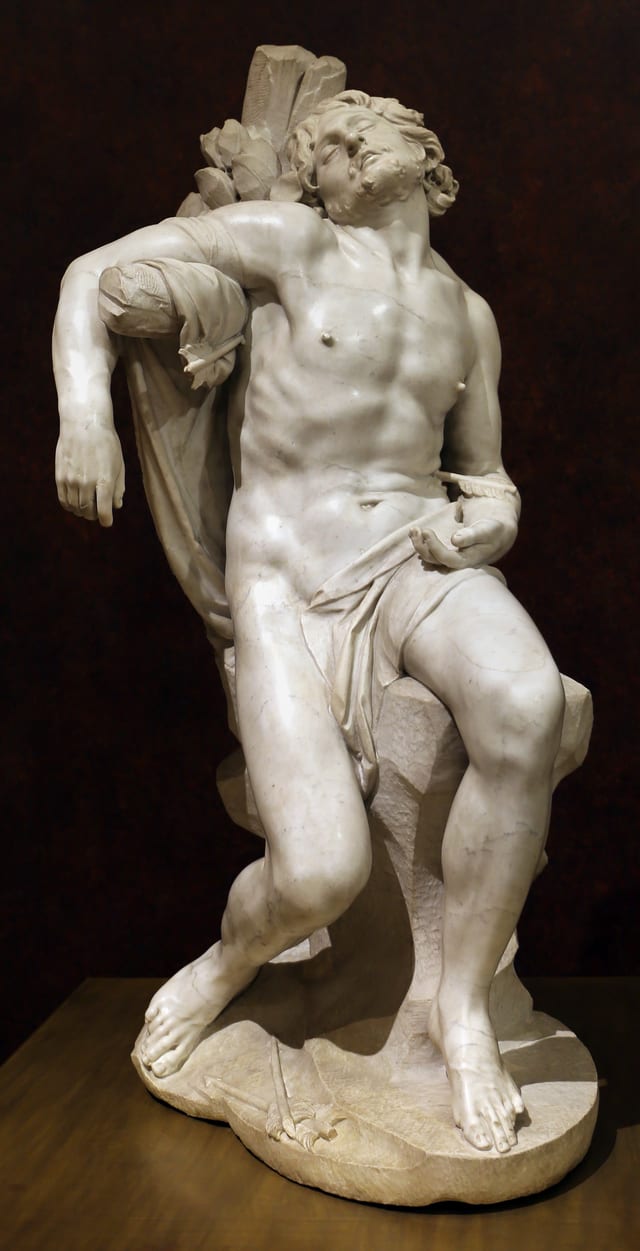
Gian Lorenzo Bernini
Italy · 16 in the archive
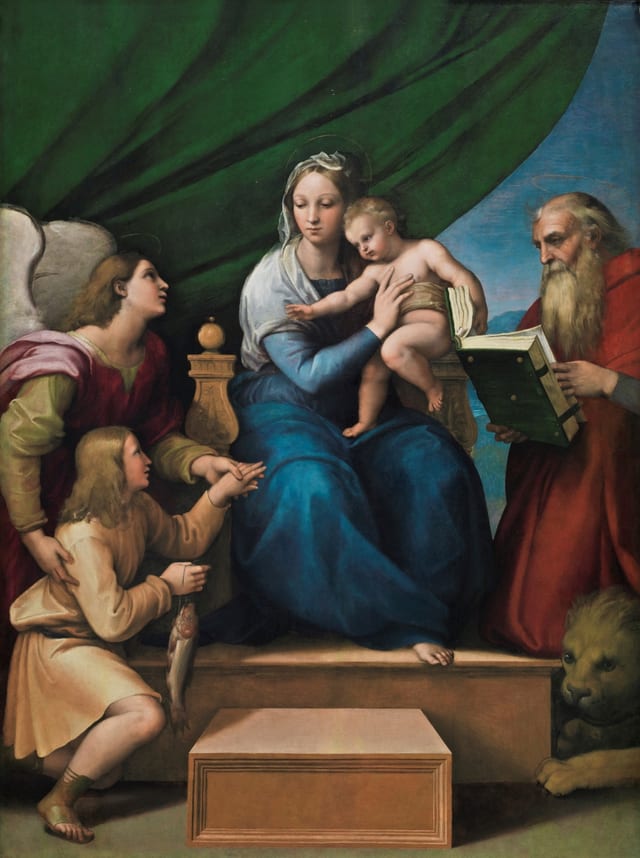
Raphael
Holy Roman Empire · 16 in the archive
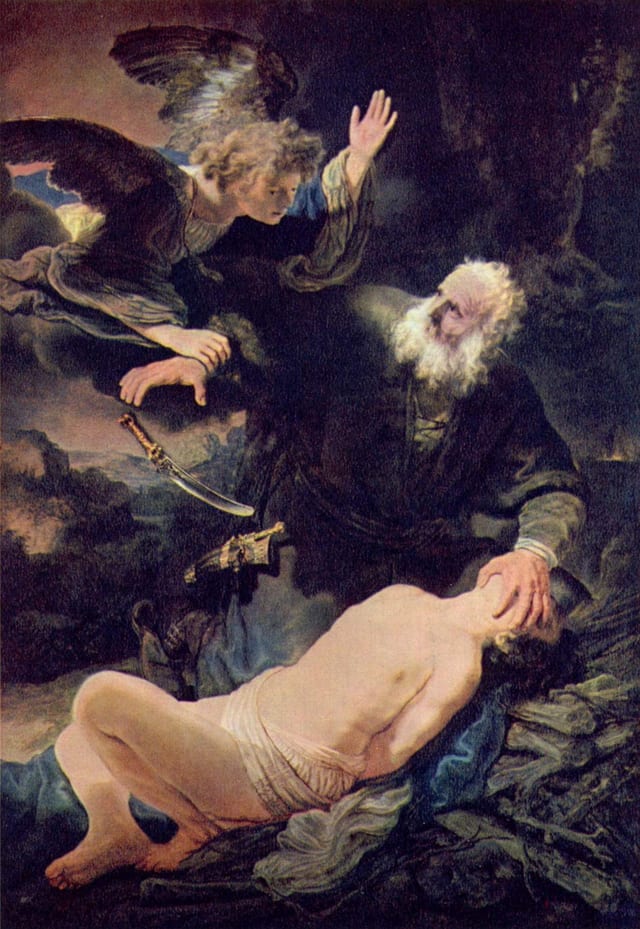
Rembrandt van Rijn
Dutch · 16 in the archive
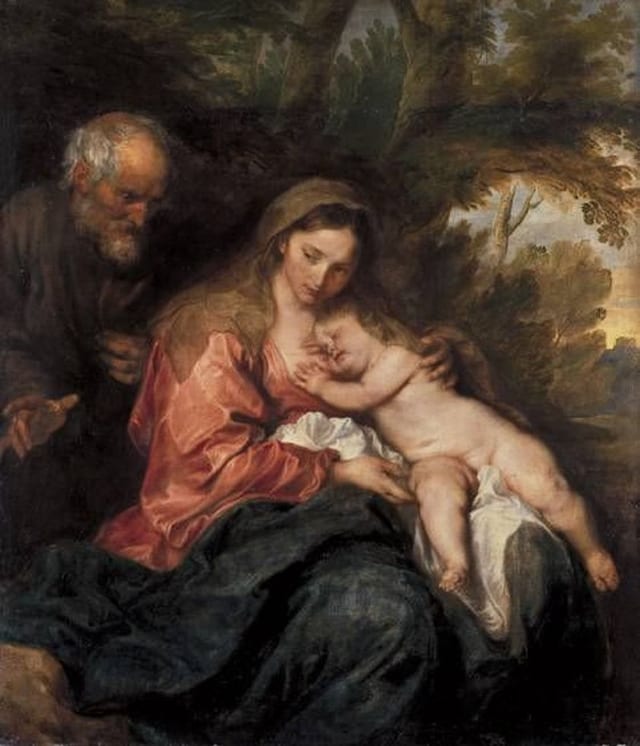
Sir Anthony van Dyck
Spanish Netherlands · 10 in the archive
Invite the masters into your living room.
Francisco de Zurbarán on your TV, phone, or tablet. Free to start.
View on MomentableIndependent guide by Momentable · biography from Wikipedia · artworks are in the public domain and credited to the museum that holds them