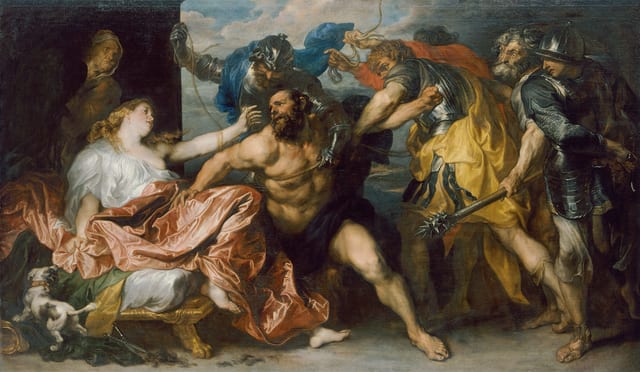
Samson and Delilah
Anthony van Dyck · 1630

Sir Anthony van Dyck
Spanish Netherlands · 1599–1641
Sir Anthony van Dyck was a Flemish Baroque artist, who became the leading court painter in England after success in the Spanish Netherlands and Italy. The seventh child of Frans van Dyck, a wealthy silk merchant in Antwerp, Anthony painted from an early age. He was successful as an independent painter in his late teens and became a master in the Guild of Saint Luke of Antwerp on 18 October 1617. By this time, he was working in the studio of the leading northern painter of the day, Peter Paul Rubens, who became a major influence on his work. Van Dyck worked in London for some months in 1621, then returned to Flanders for a brief time, before travelling to Italy, where he stayed until 1627, mostly in Genoa.
Independent artist guide by Momentable. Biography from Wikipedia; artworks credited to the museums that hold them.
 LIVENow streaming · Samson and Delilah
- works in the archive
- 53works in the archive
- life
- 1599–1641life
- rights
- Public domainrights
The work
A selection of 24 works, free to stream.
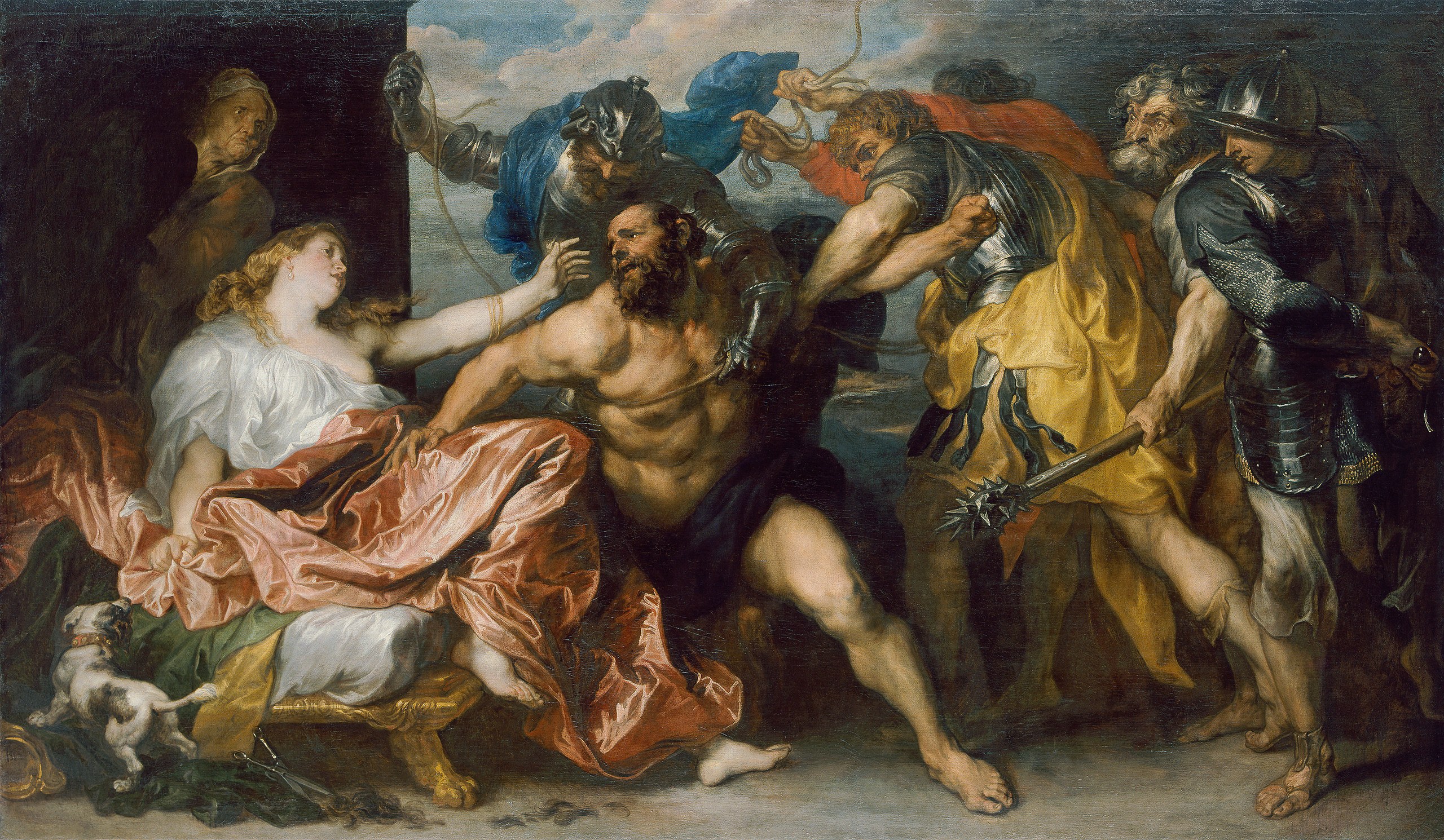
Samson and Delilah
Anthony van Dyck · 1630
Kunsthistorisches Museum
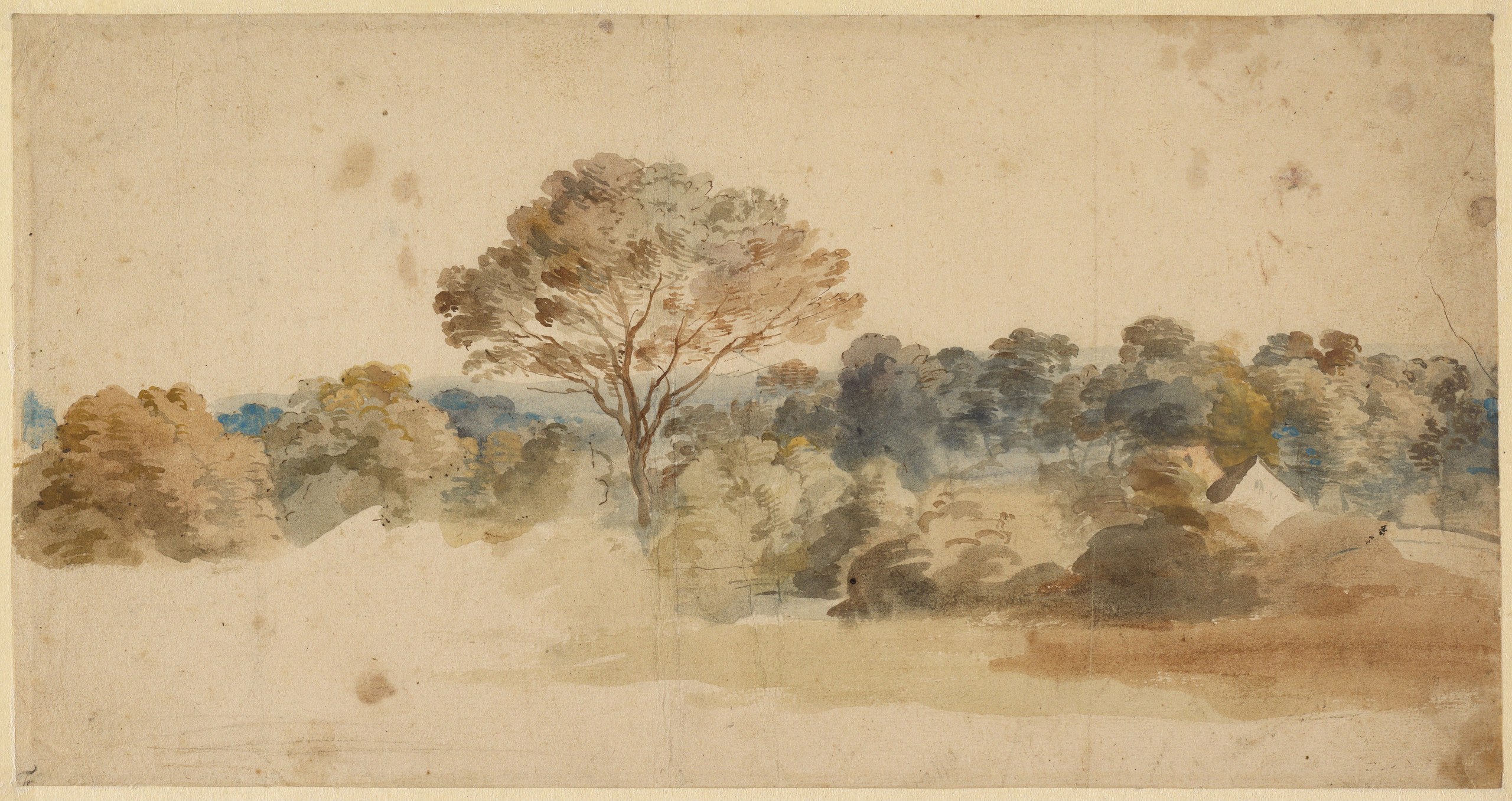
Landscape
Anthony van Dyck · 1640
Getty Center
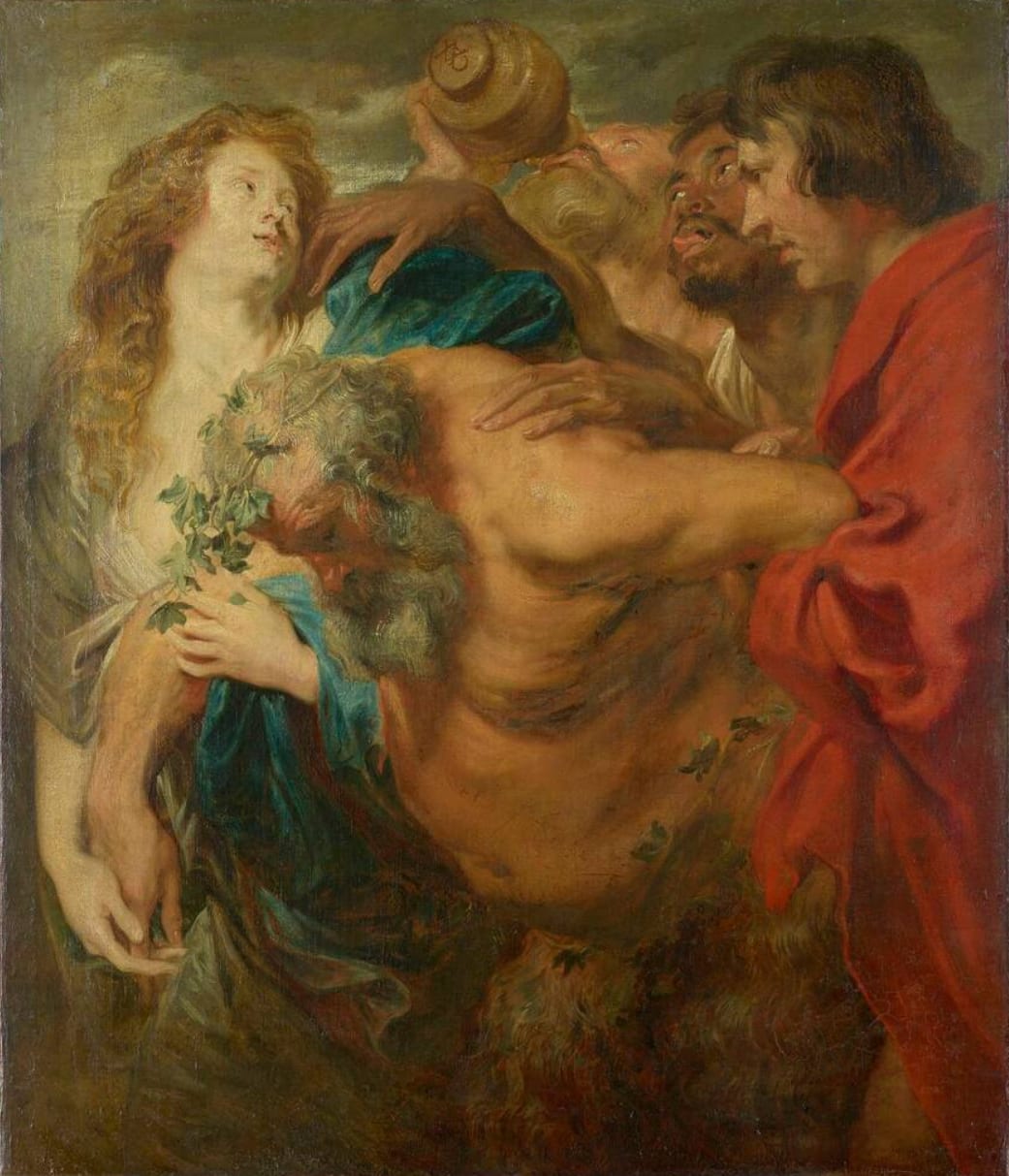
Drunken Silenus
Anthony van Dyck · 1619
Pushkin Museum
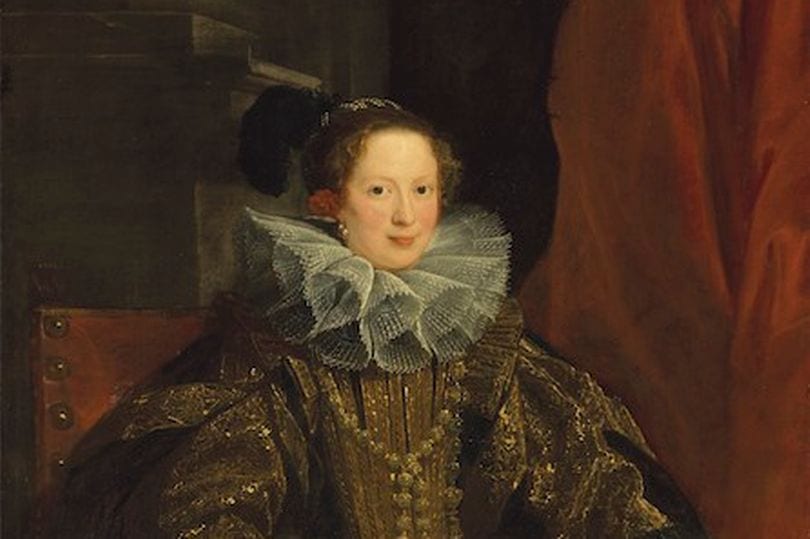
Portrait of an unknown Genoese woman, 1622-1623
Anthony van Dyck · 1623
Kelvingrove Art Gallery and Museum
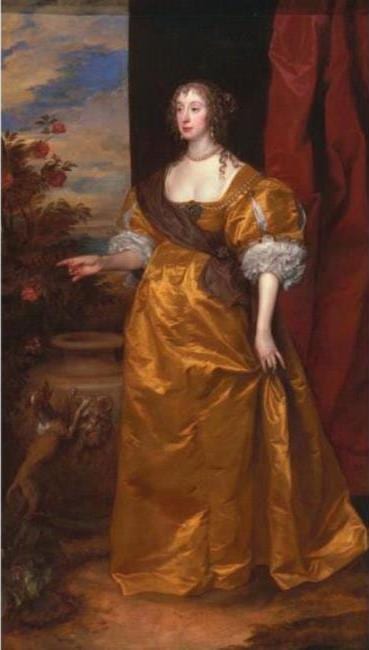
Portrait of Anne Killigrew (1607-1641), wife of George Kirke
Anthony van Dyck · 1637
Huntington Library, Art Museum and Botanical Gardens
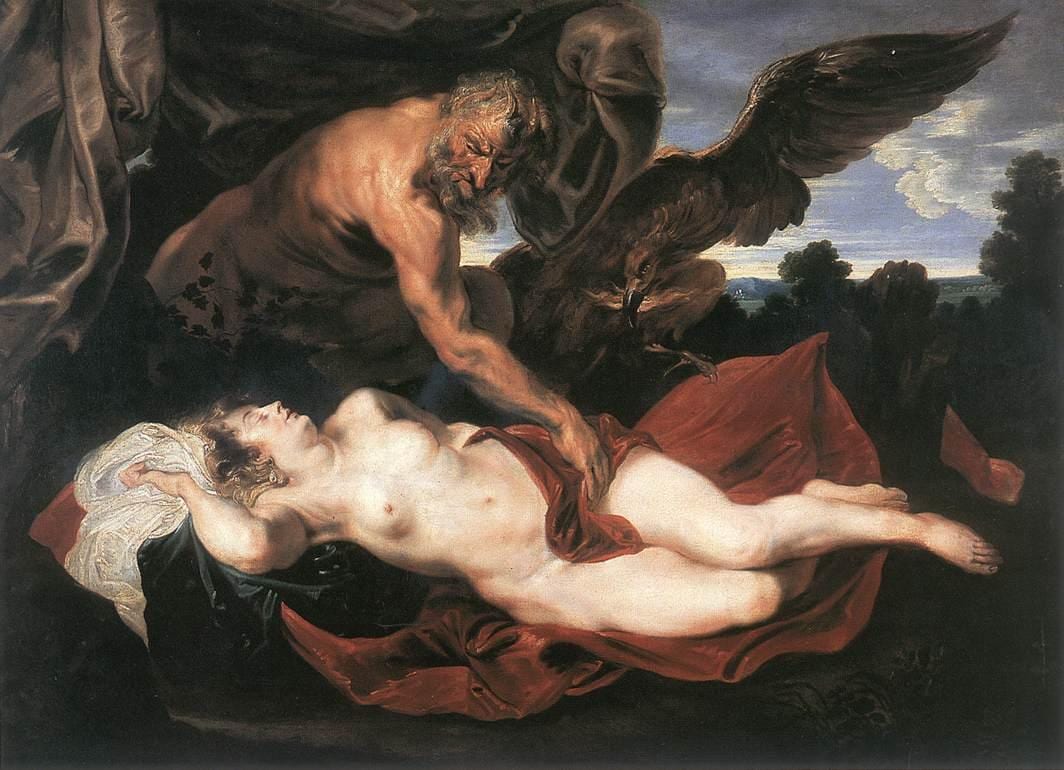
Jupiter and Antiope
Anthony van Dyck · 1620
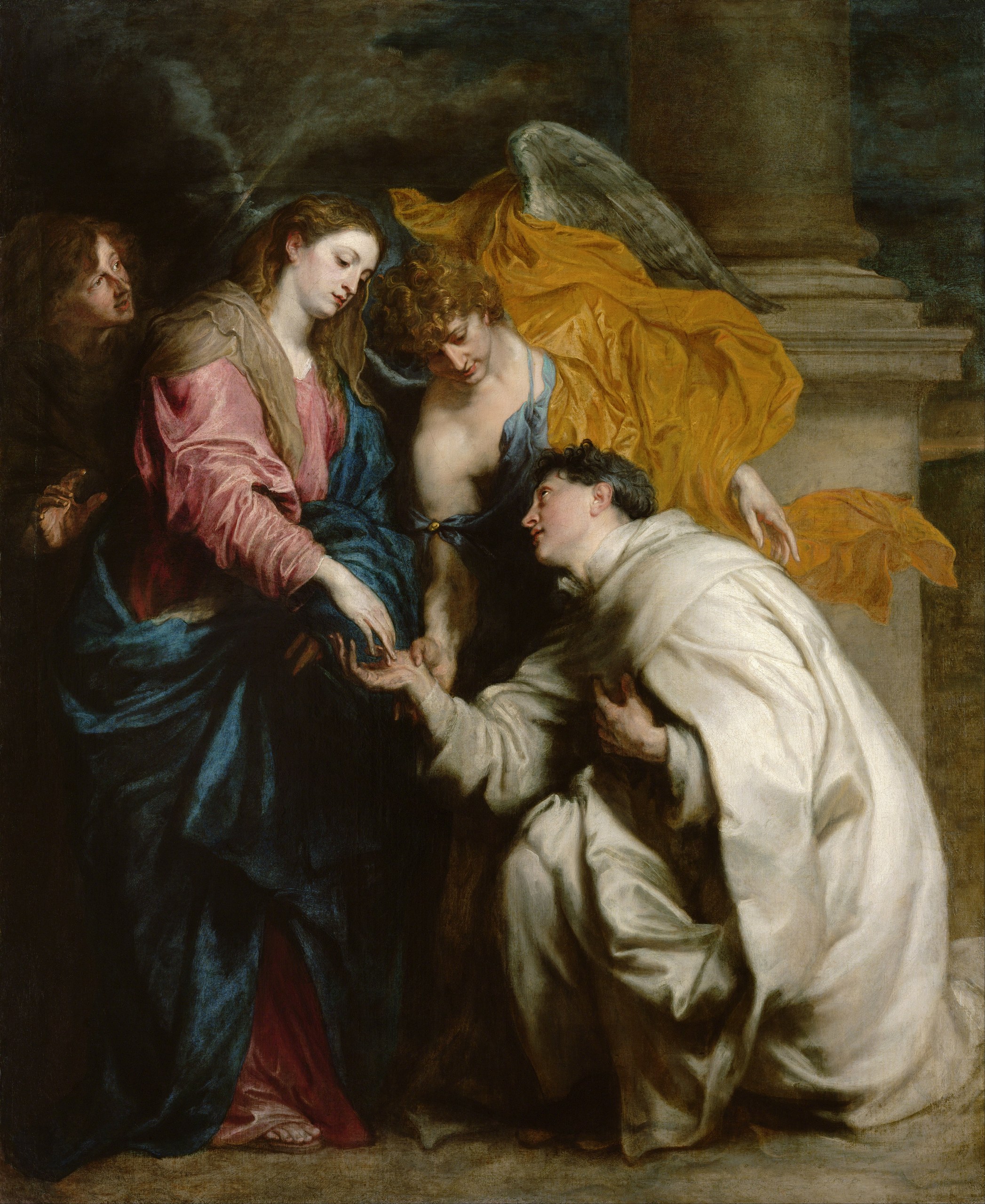
The Vision of the Blessed Hermann Joseph
Anthony van Dyck · 1629
Kunsthistorisches Museum
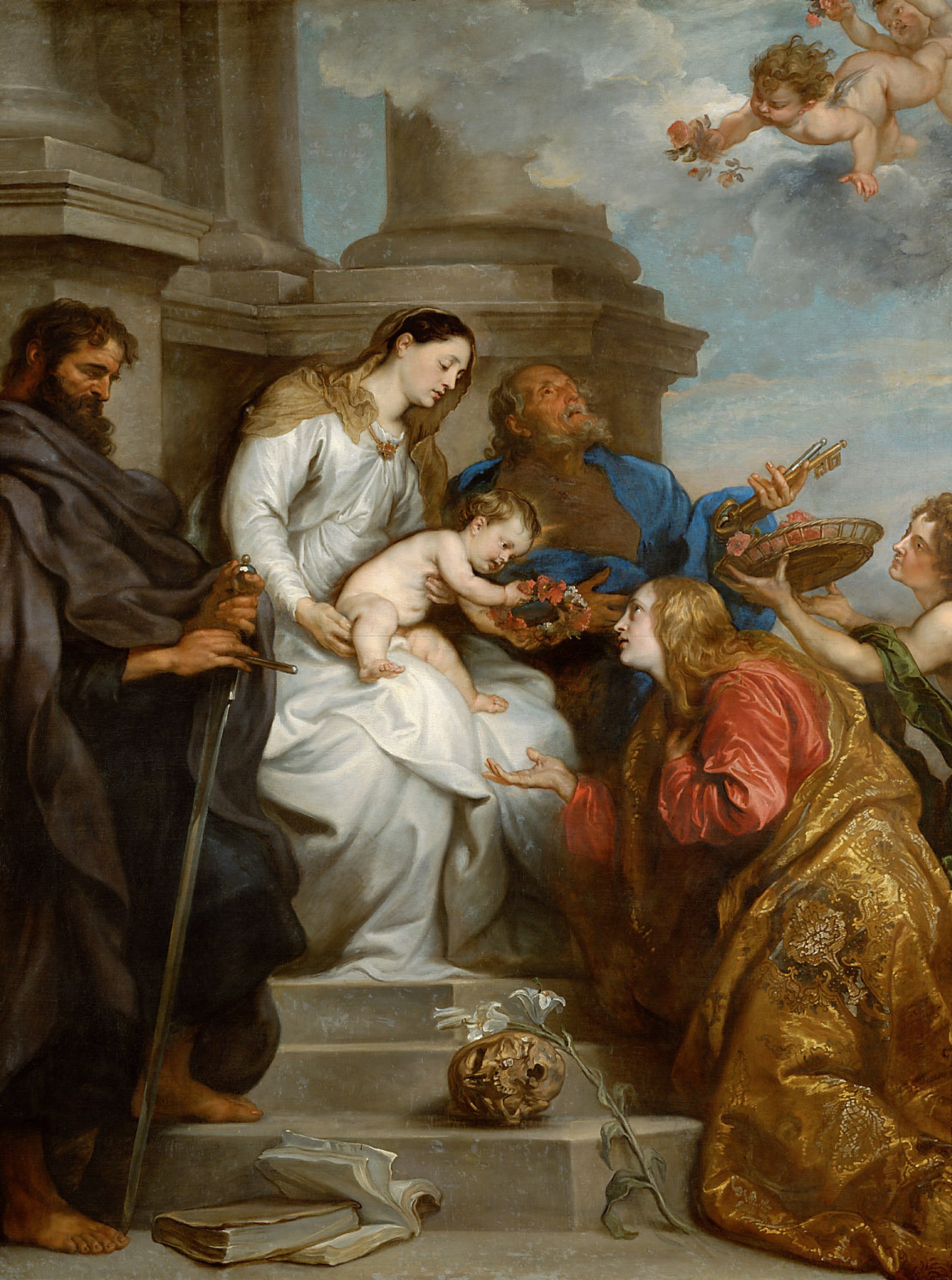
Coronation of Saint Rosalia
Anthony van Dyck · 1629
Kunsthistorisches Museum
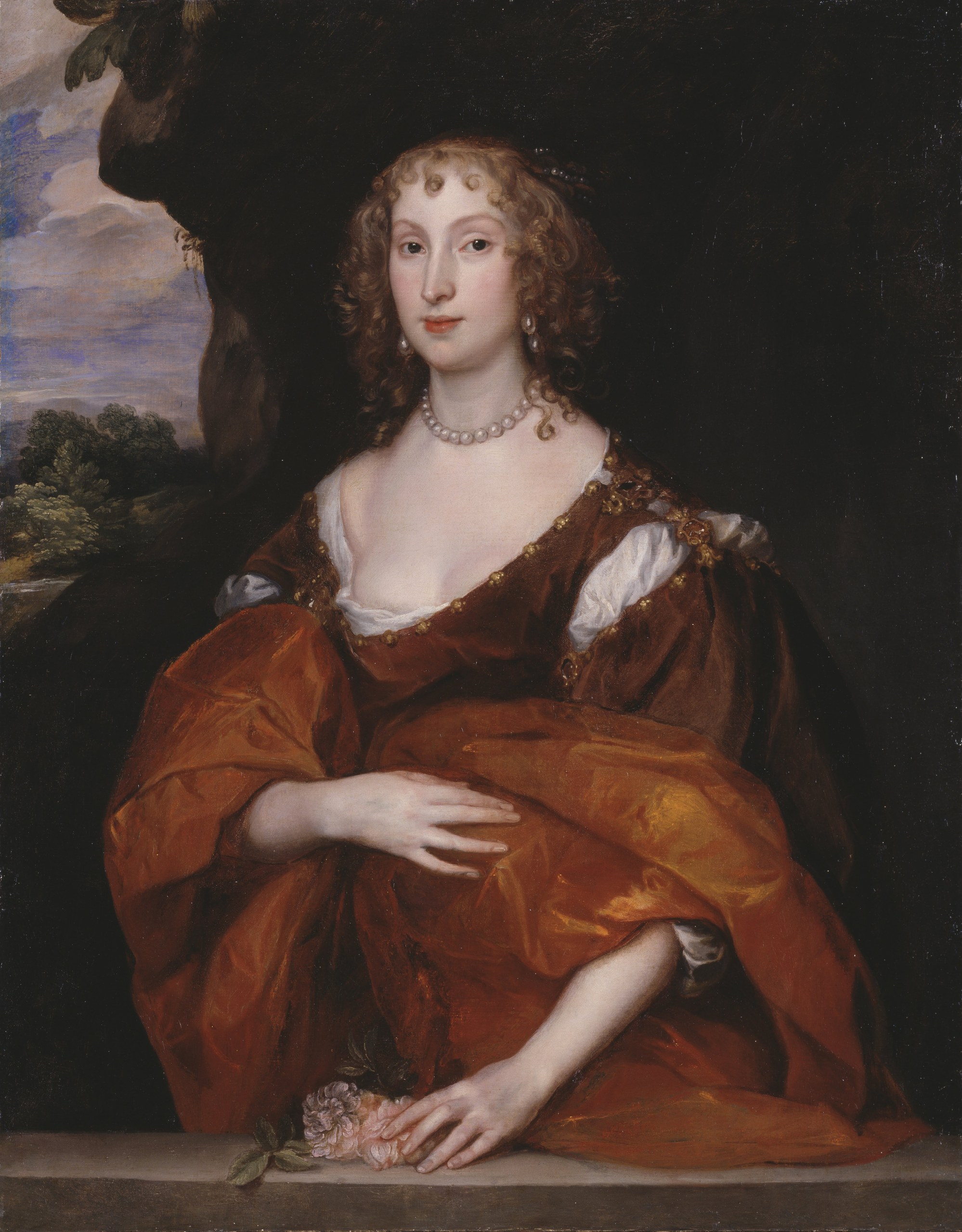
Portrait of Mary Hill, Lady Killigrew
Anthony van Dyck · 1638
Tate Britain
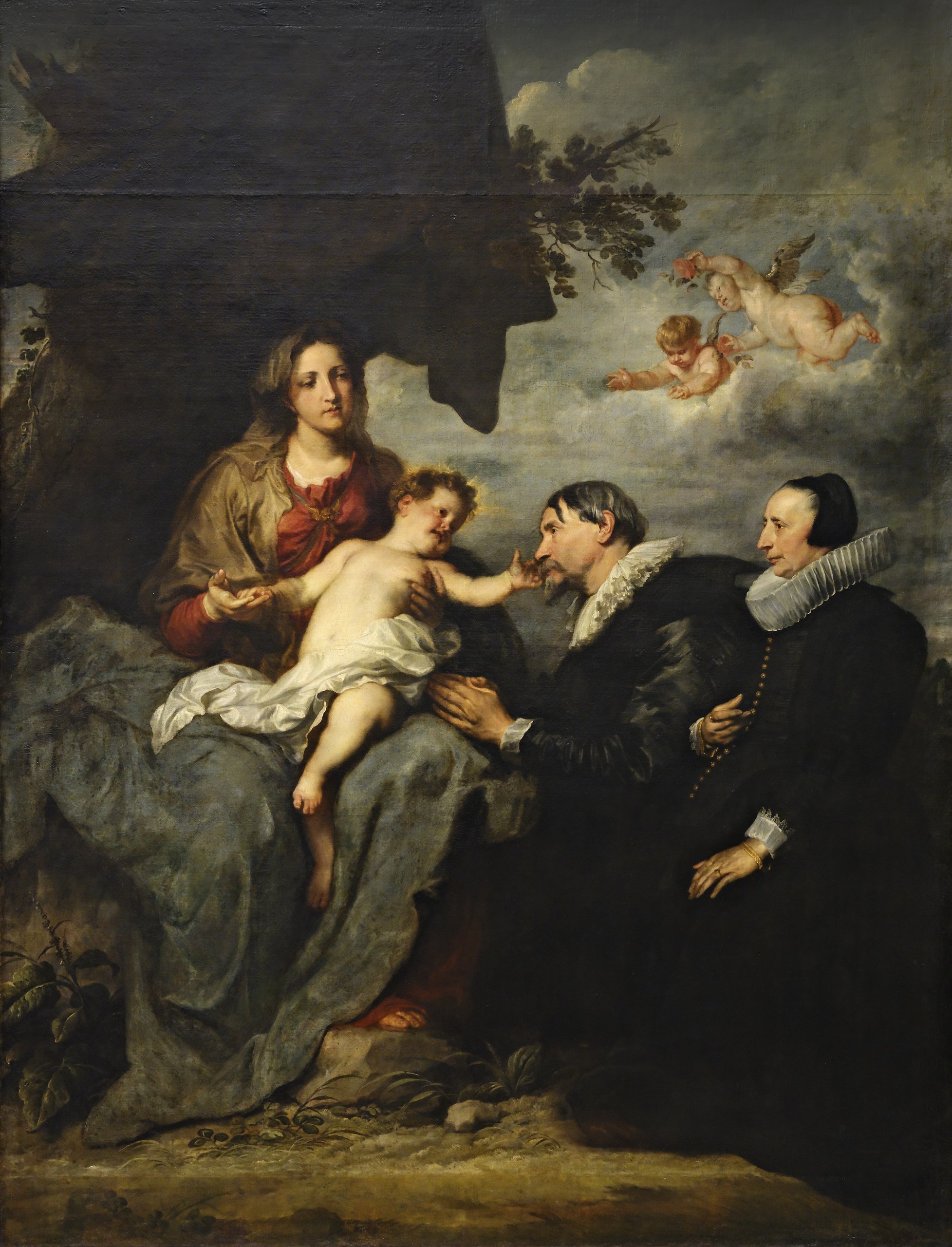
Madonna with Two Donors
Anthony van Dyck · 1630
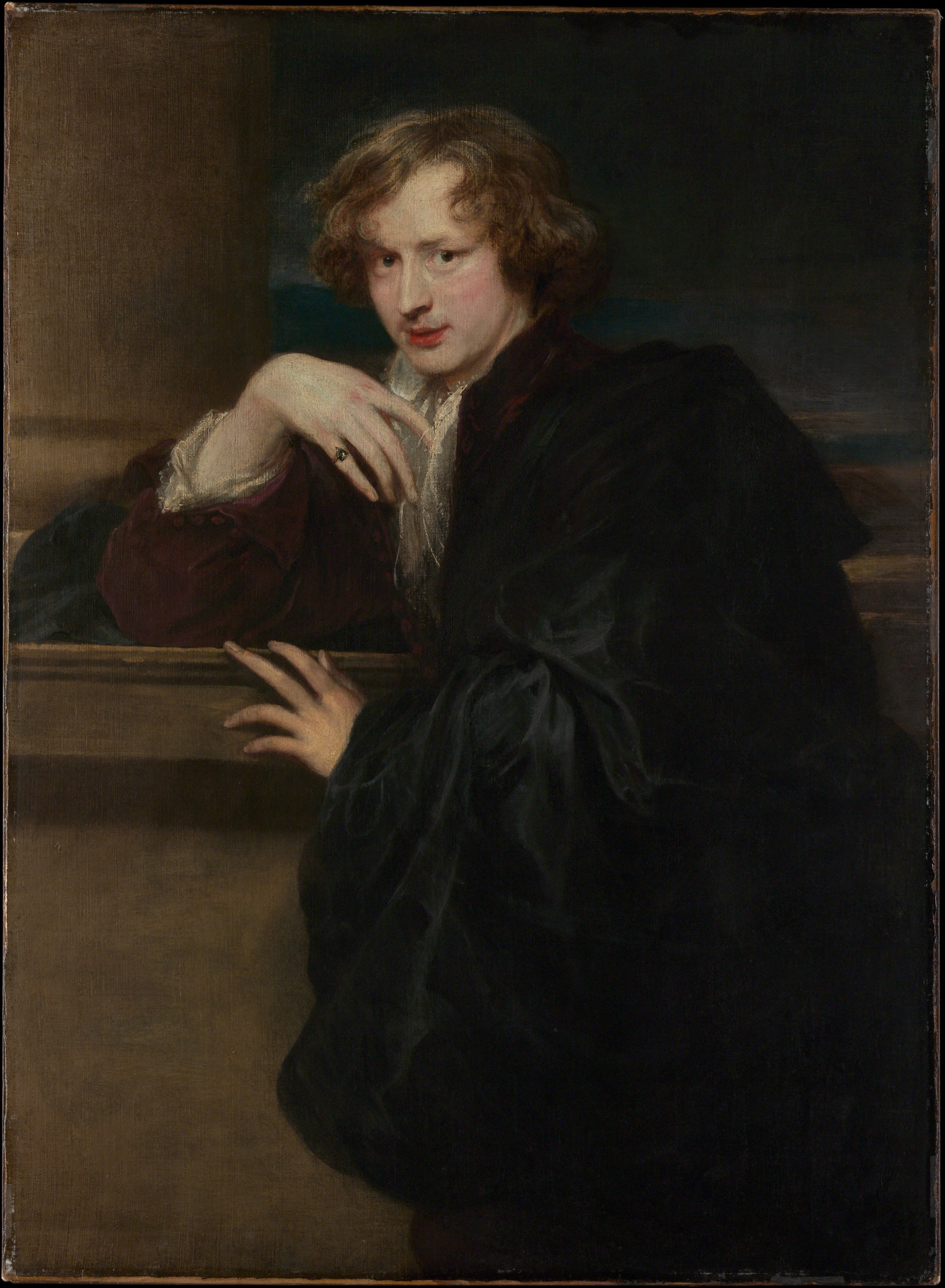
Self-Portrait
Anthony van Dyck · 1620
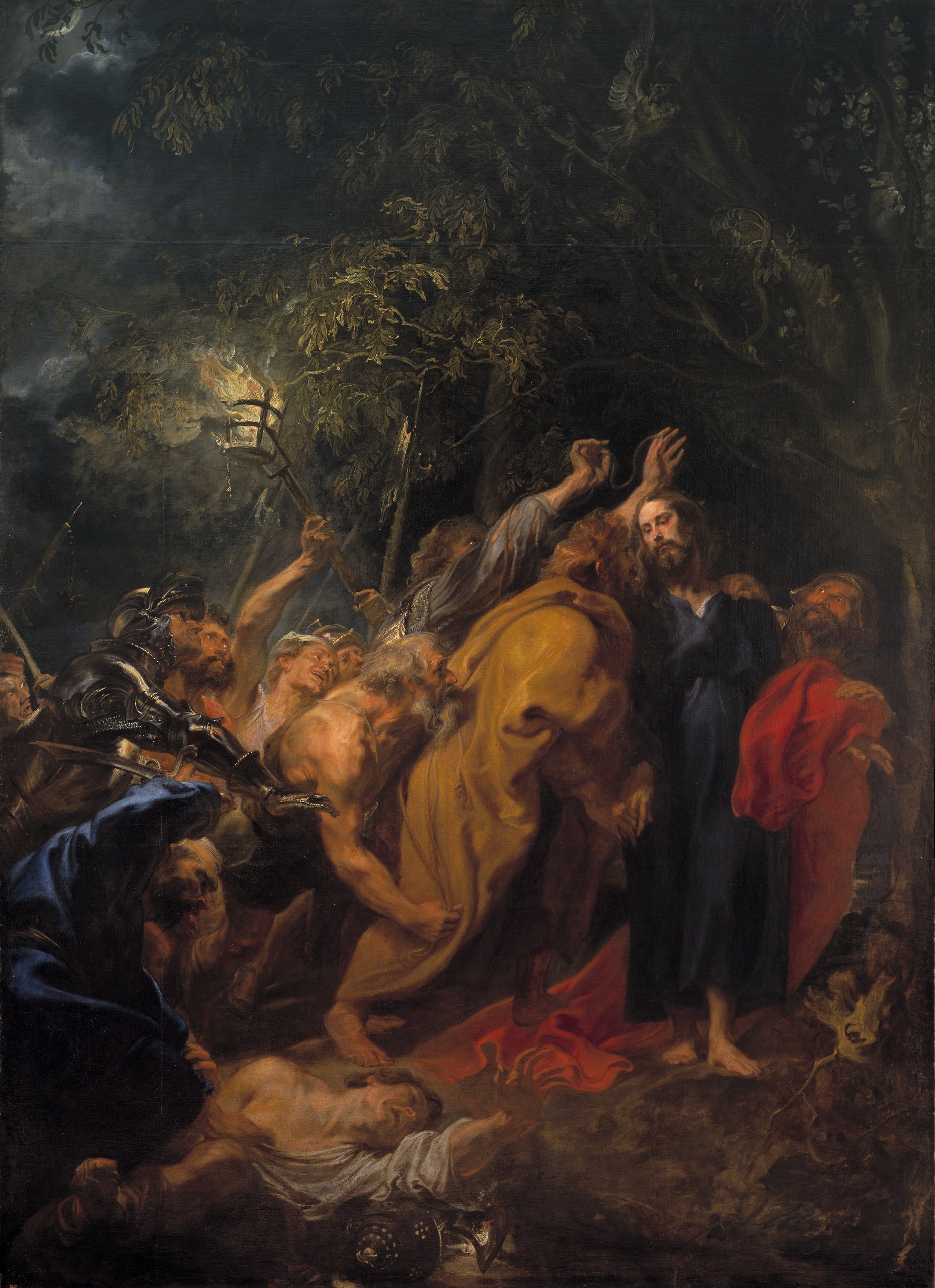
The Betrayal of Christ (van Dyck, Madrid)
Anthony van Dyck · 1618
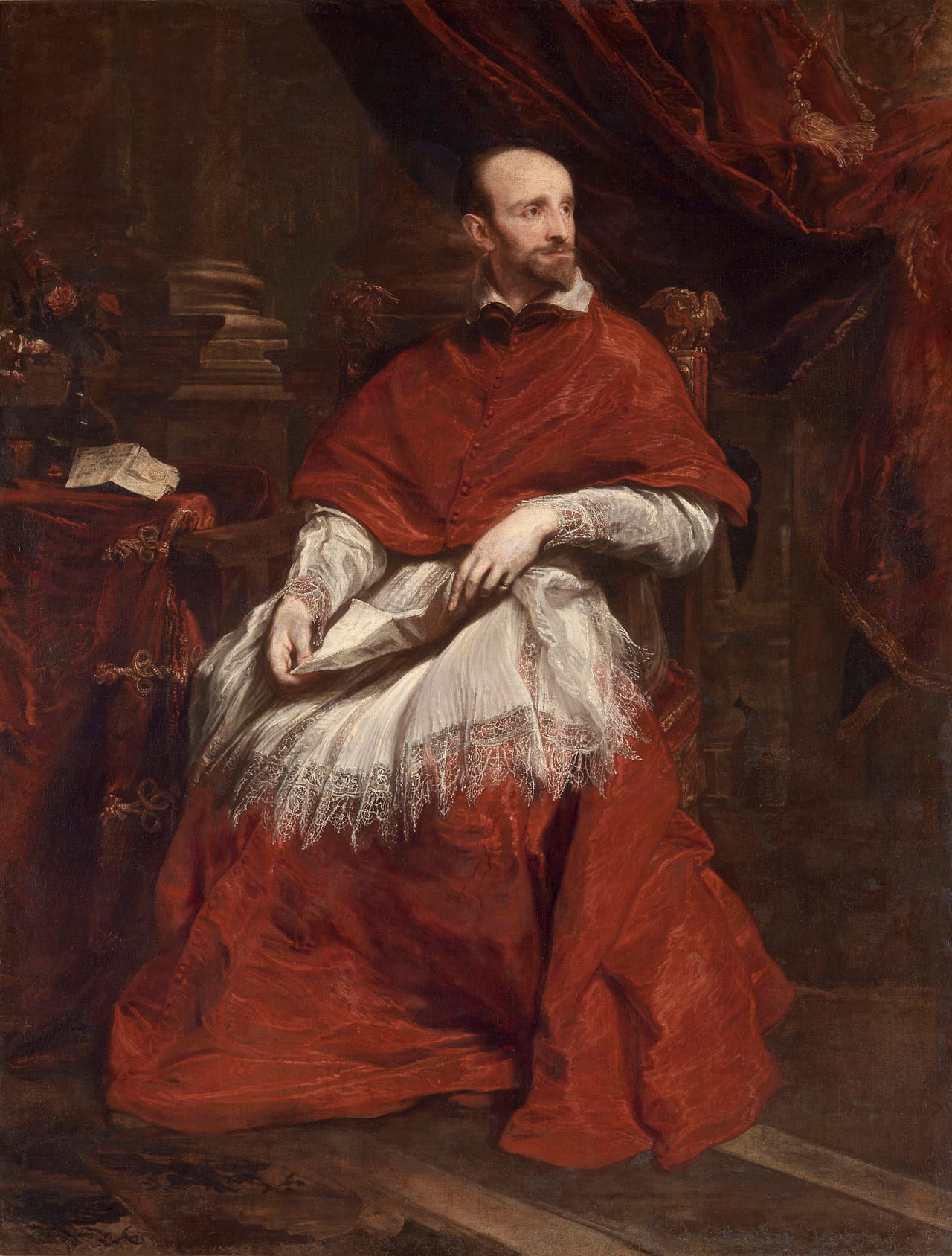
Portrait of Cardinal Guido Bentivoglio
Anthony van Dyck · 1623
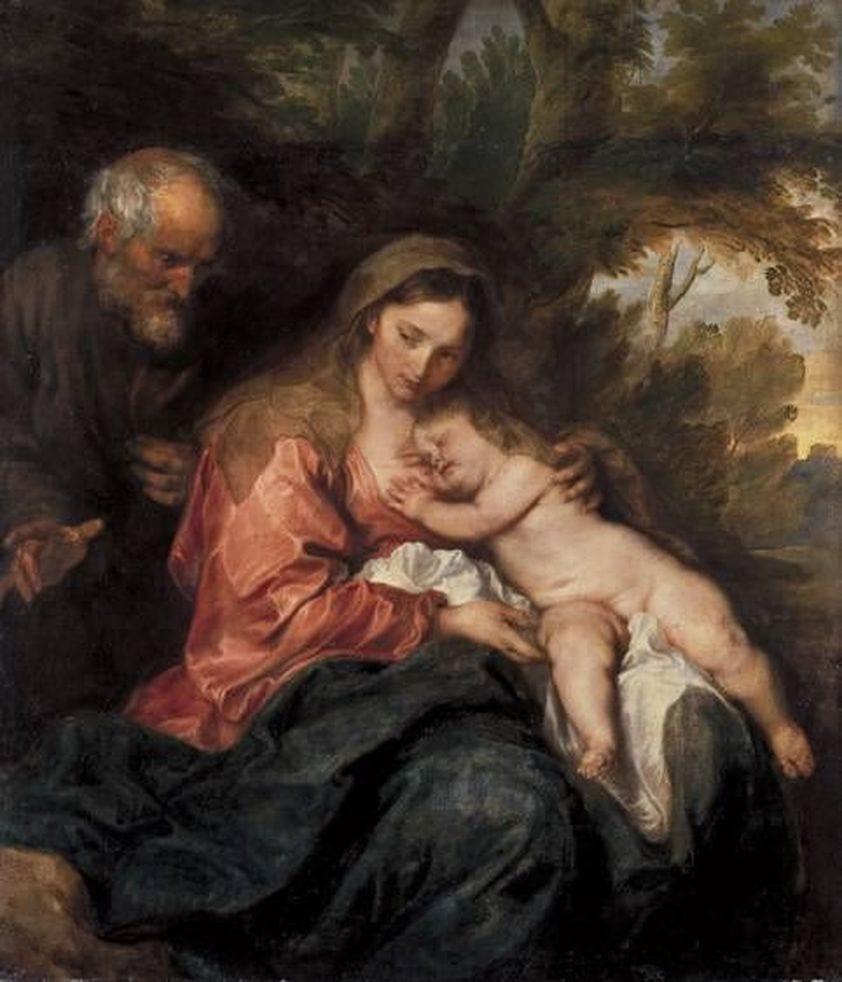
Rest on the Flight to Egypt
Anthony van Dyck · 1630
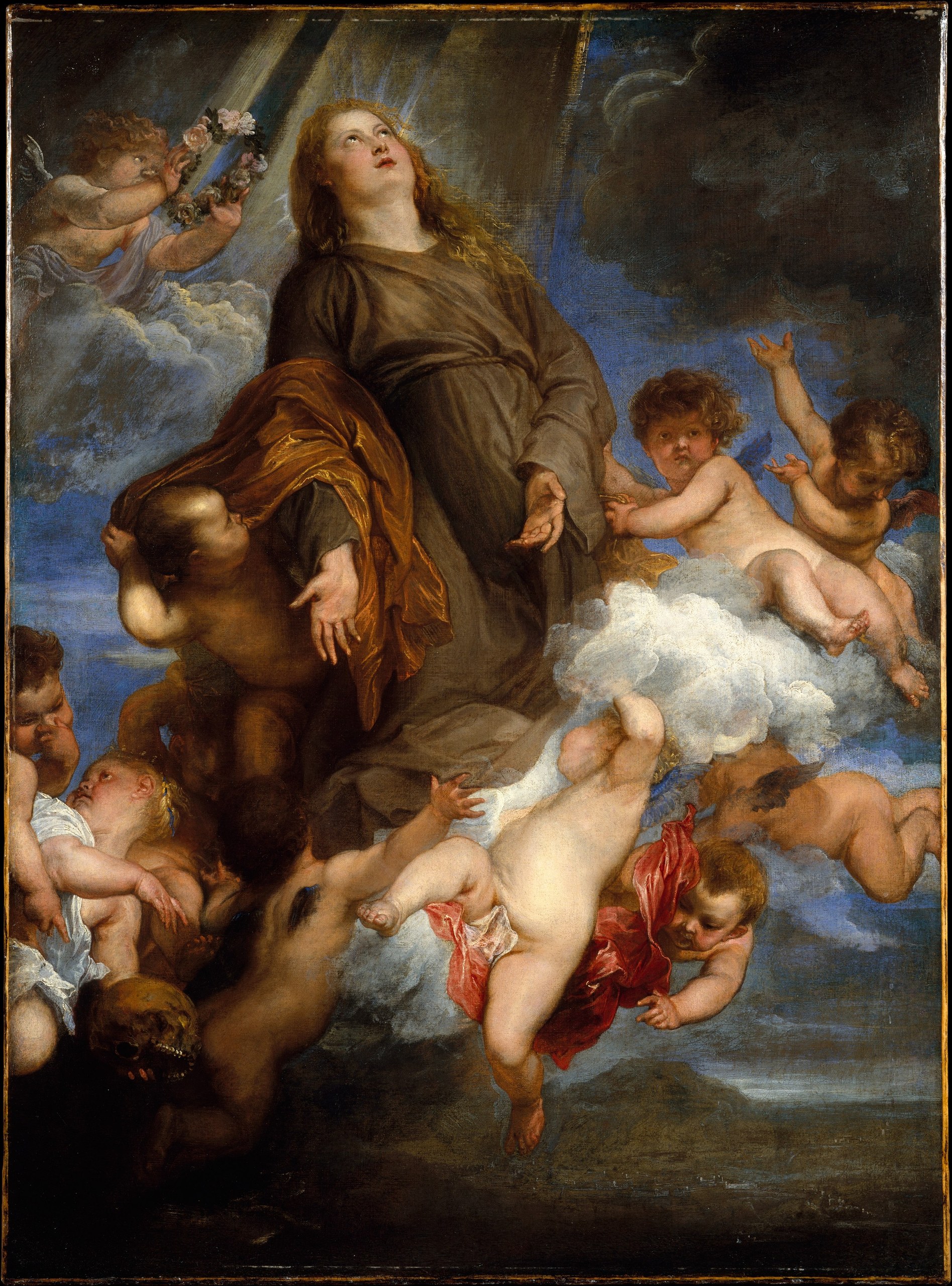
Saint Rosalie Interceding for the Plague-stricken of Palermo
Anthony van Dyck · 1624
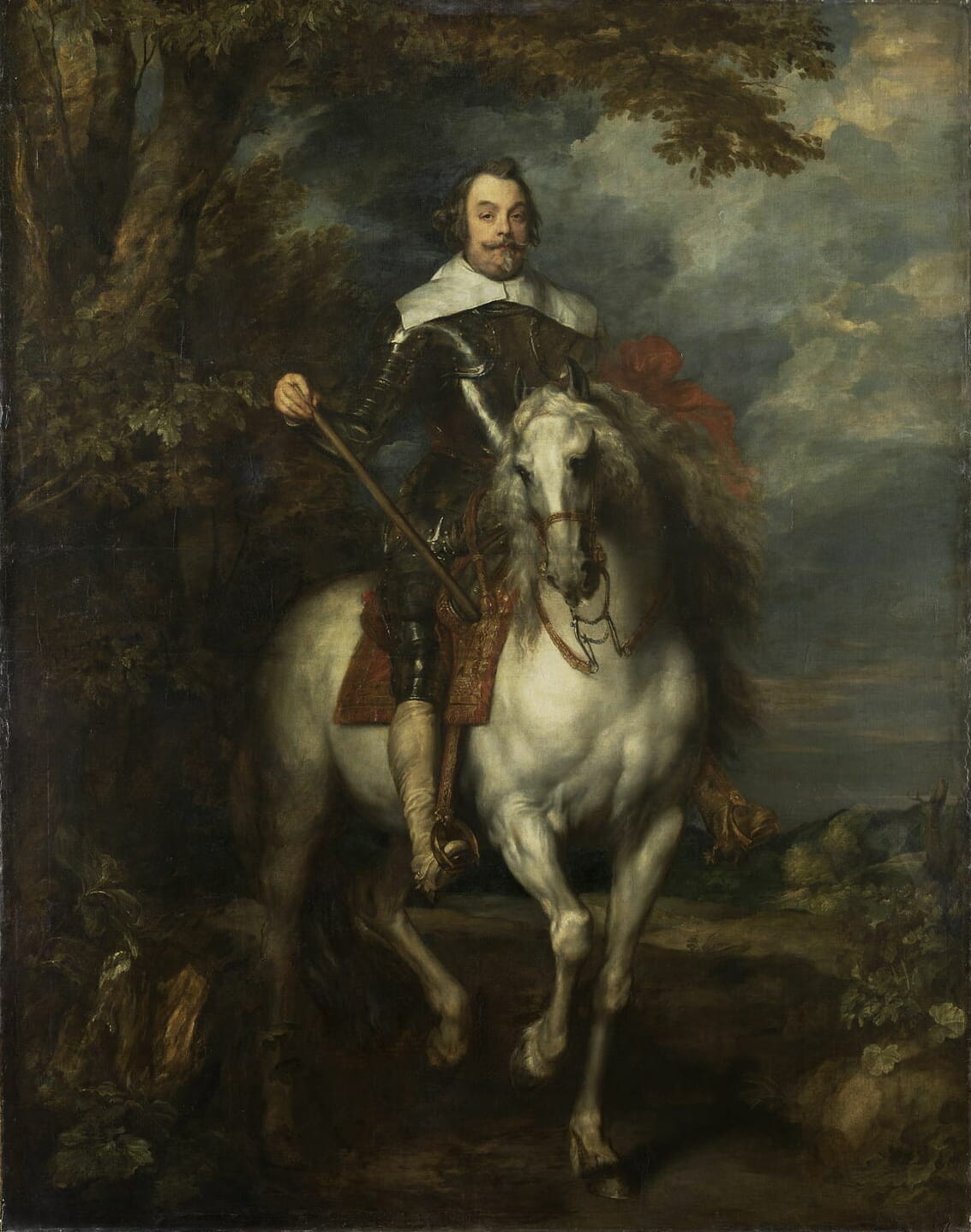
Equestrian portrait of Francisco de Moncada
Anthony van Dyck · 1634
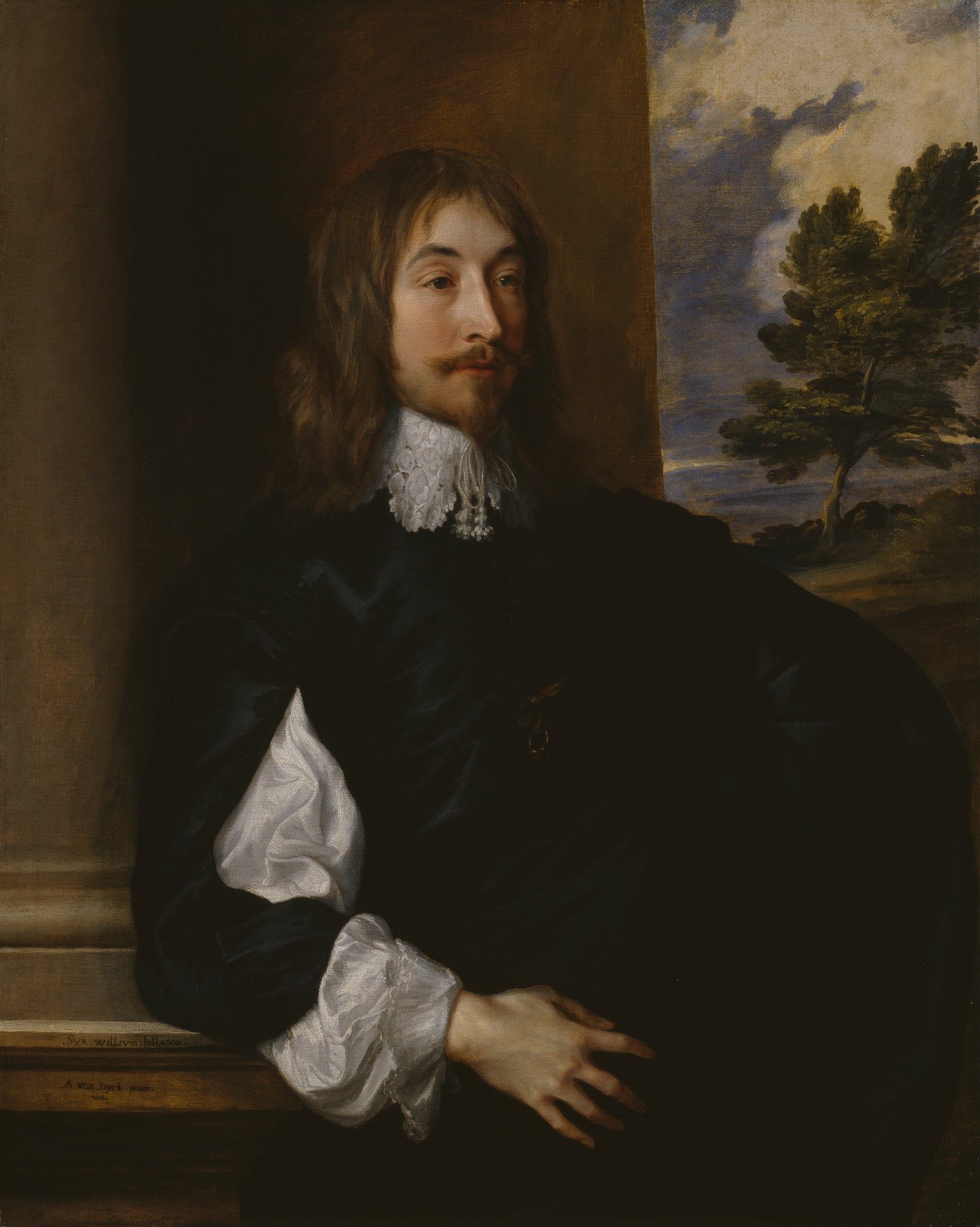
Portrait of Sir William Killigrew
Anthony van Dyck · 1638
Tate Britain
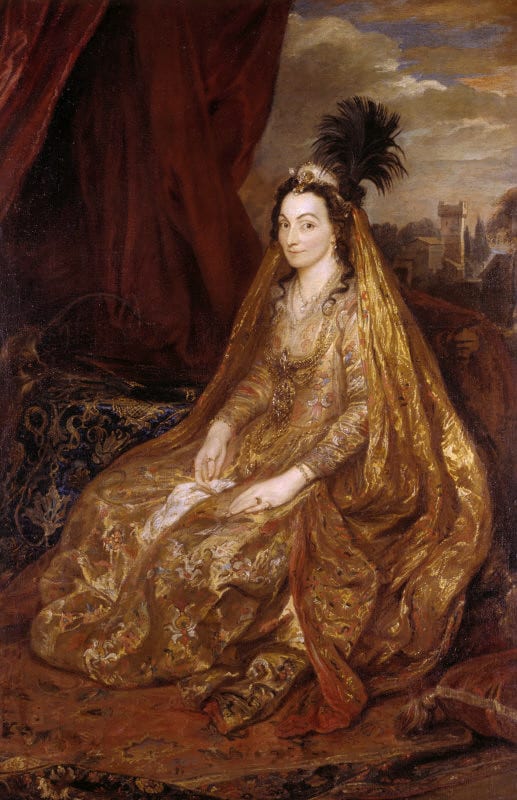
Portrait of Lady Theresa Shirley
Anthony van Dyck · 1622
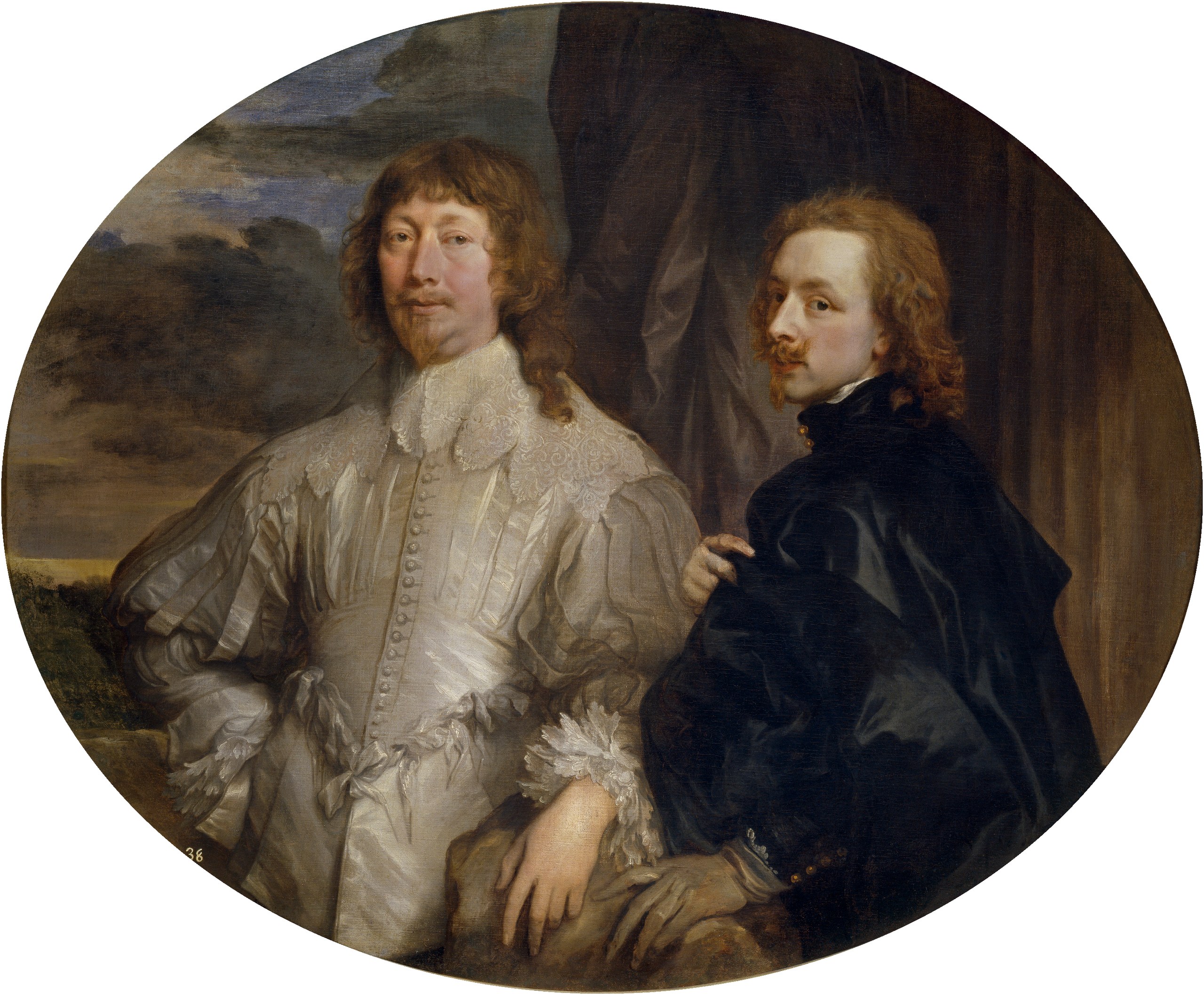
Self-portrait with Sir Endymion Porter
Anthony van Dyck · 1633
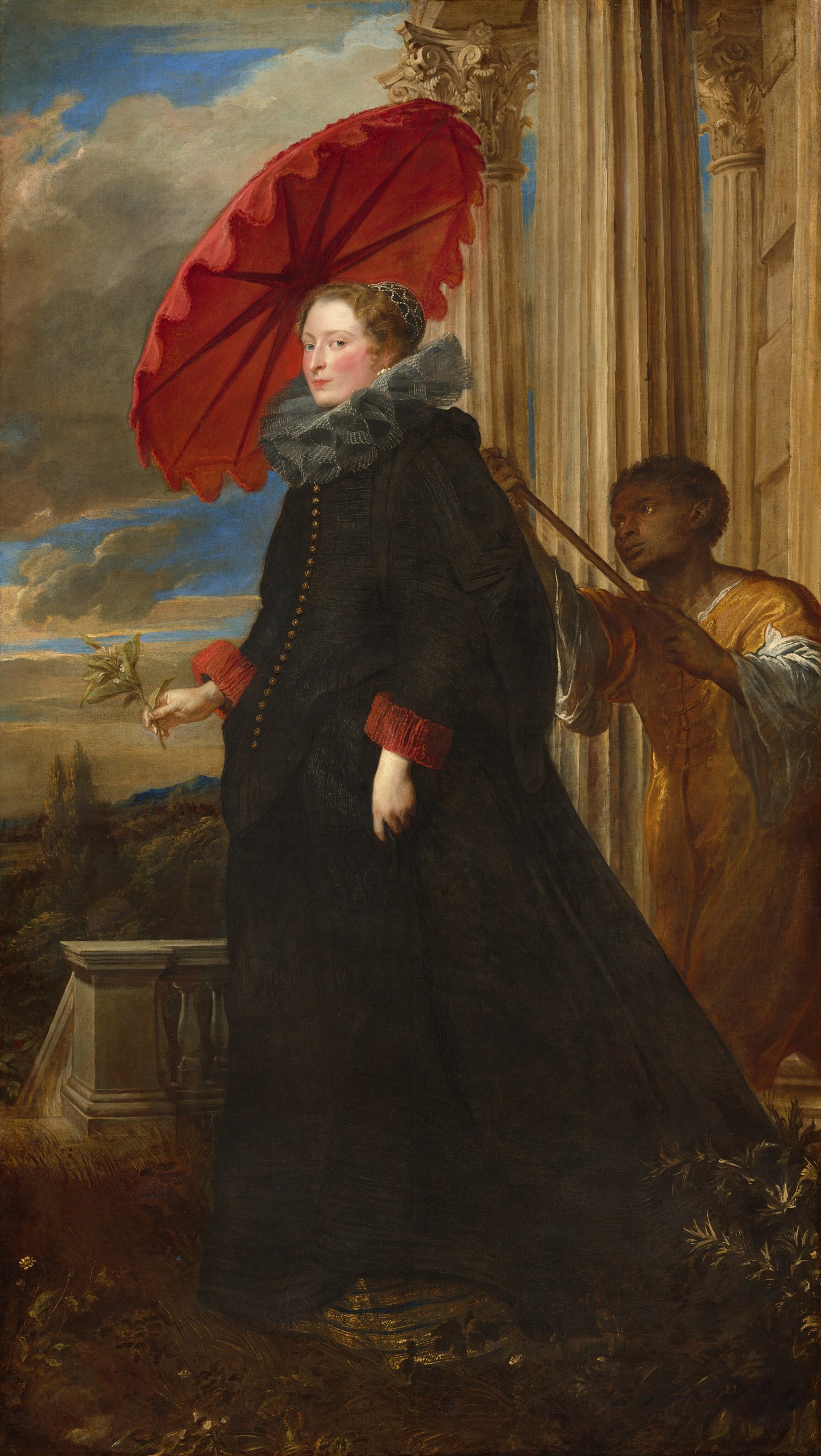
Marchesa Elena Grimaldi Cattaneo
Dyck, Anthony van, Sir
National Gallery of Art
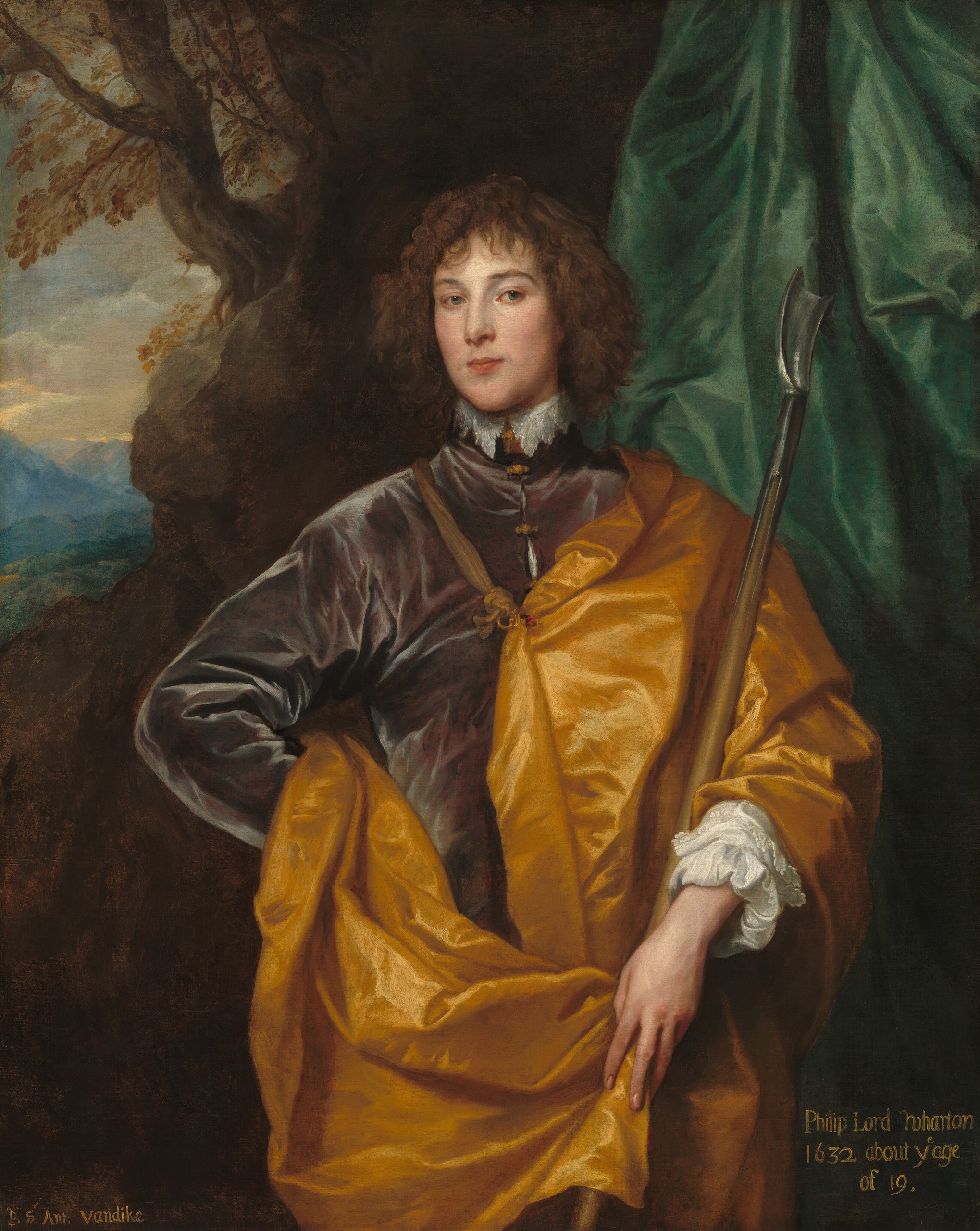
Philip, Lord Wharton
Dyck, Anthony van, Sir
National Gallery of Art
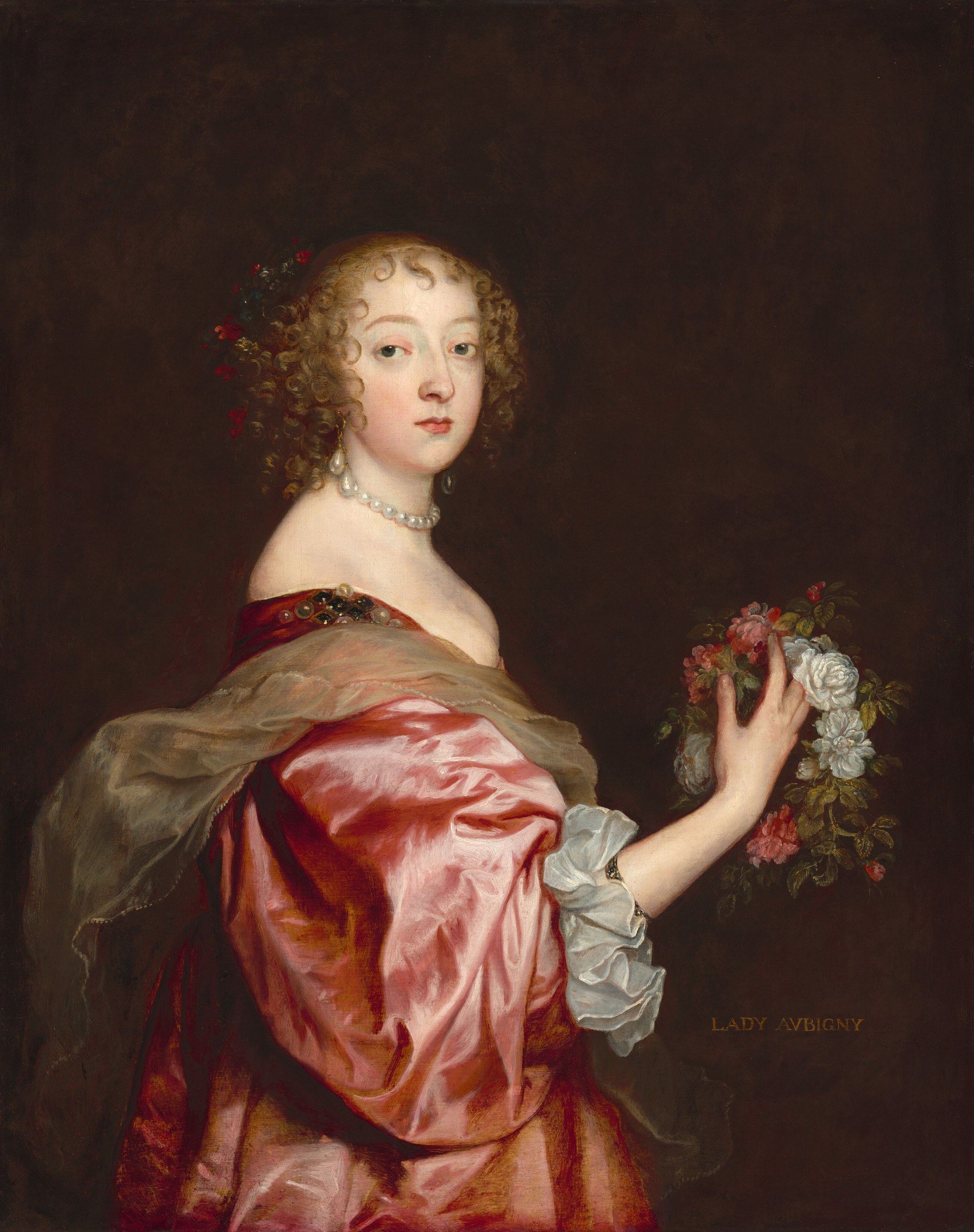
Catherine Howard, Lady d'Aubigny
Dyck, Anthony van, Sir
National Gallery of Art
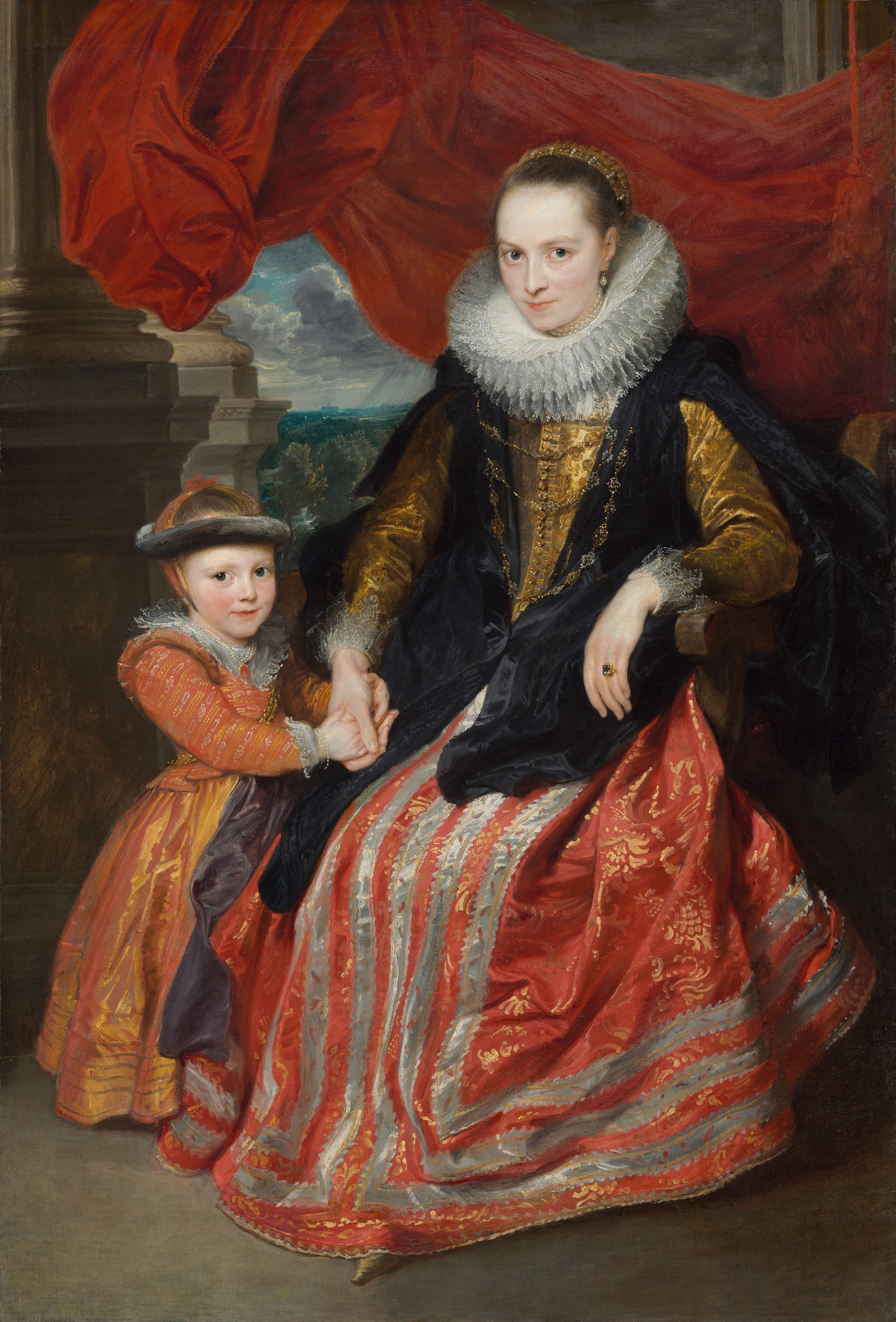
Susanna Fourment and Her Daughter
Dyck, Anthony van, Sir
National Gallery of Art
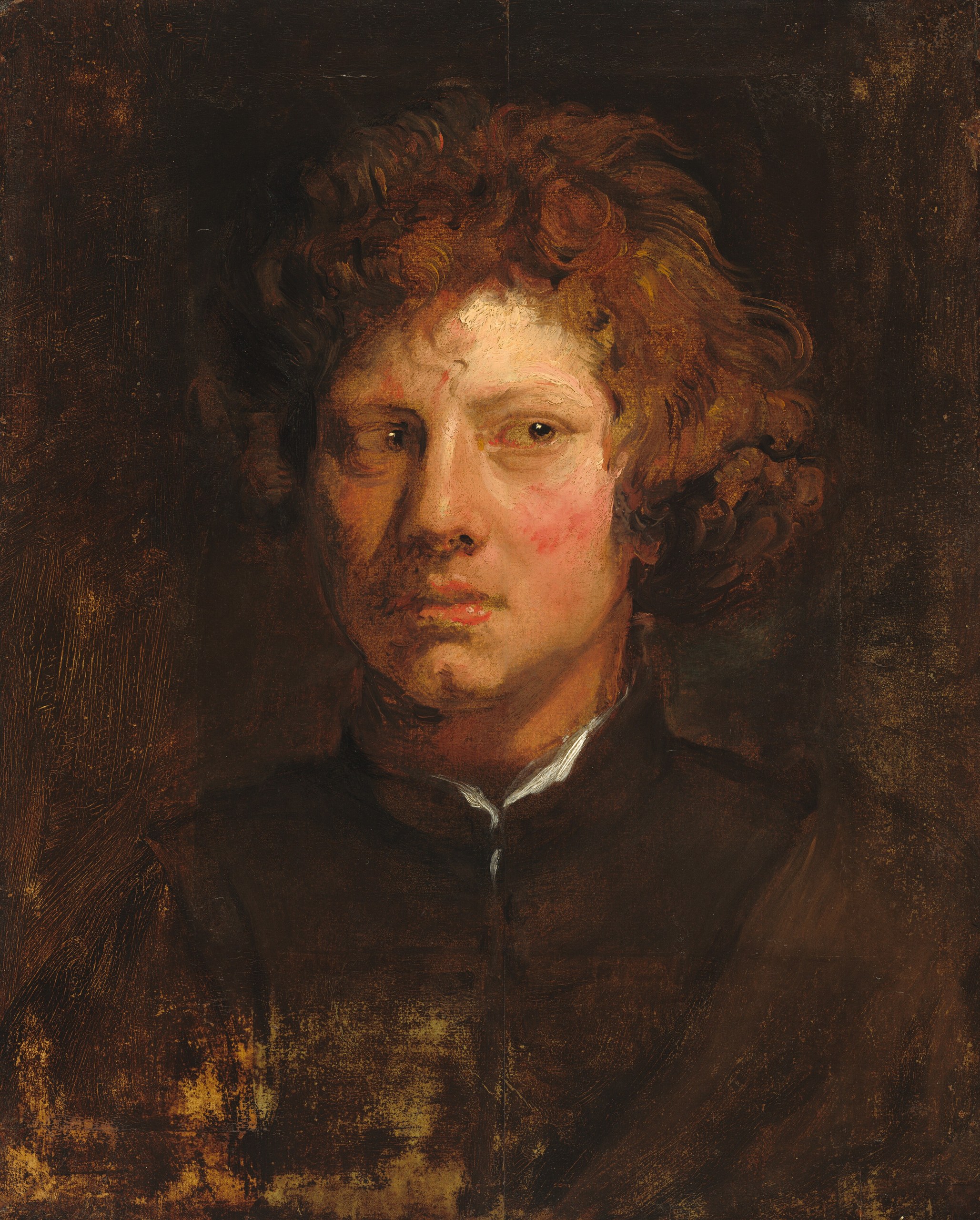
Head of a Young Man
Dyck, Anthony van, Sir
National Gallery of Art
Works worth knowing
10 of Sir Anthony van Dyck's works, and what makes each one worth a look.
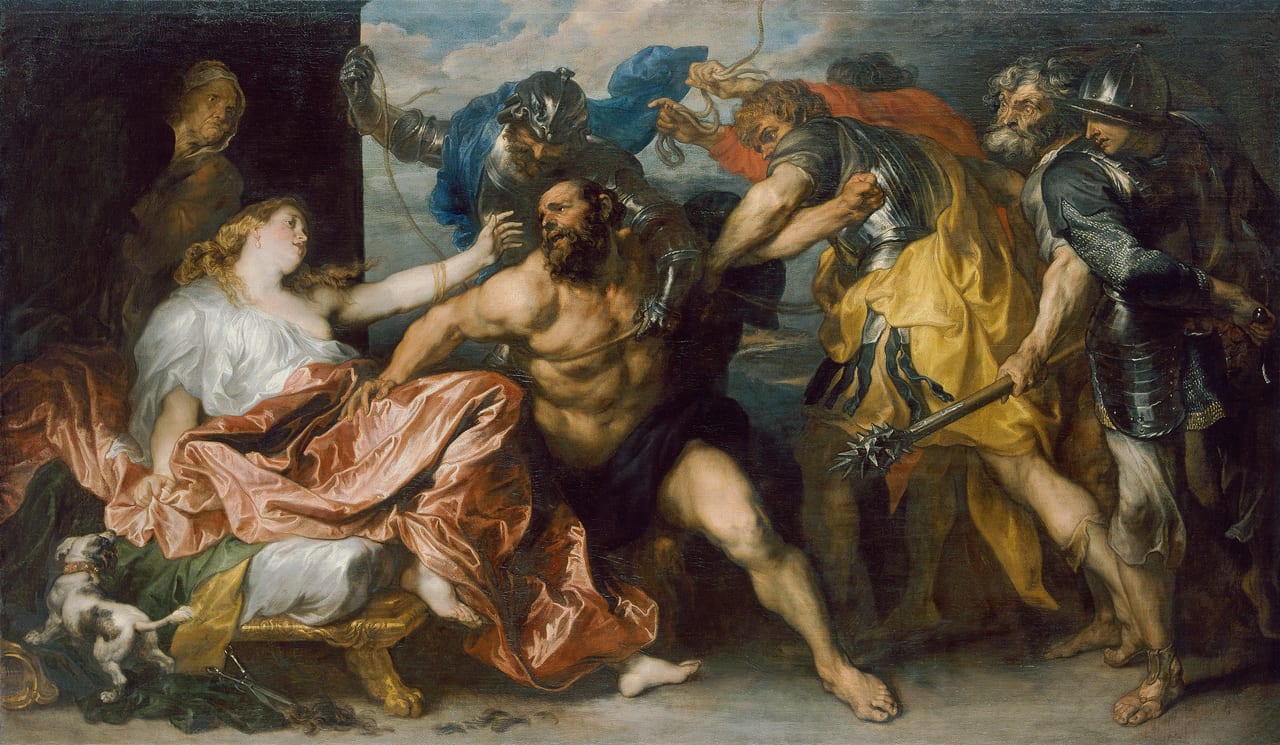
Samson and Delilah
Anthony van Dyck · 1630
Kunsthistorisches Museum
Samson and Delilah is a 1630 painting by Anthony van Dyck. Like his 1620 version of the subject, it is in the style of his former master Peter Paul Rubens. Unlike Rubens, however, van Dyck shows Delilah seemingly appalled at her own betrayal of Samson and regretting her act of treason, whereas Rubens showed him as a captive and her as an unscrupulous temptress.
Jupiter and Antiope
Anthony van Dyck · 1620
Jupiter and Antiope is a series of two similar oil-on-canvas paintings by the late Baroque Flemish painter Anthony van Dyck, from c. One painting is in the collection of the Museum of Fine Arts, Ghent; the other in the Wallraf-Richartz Museum, Cologne.
The Vision of the Blessed Hermann Joseph
Anthony van Dyck · 1629
Kunsthistorisches Museum
The Vision of the Blessed Hermann Joseph, or The Mystical Engagement of the Blessed Hermann Joseph to the Virgin Mary, is a 1629 to 1630 painting by the Flemish Baroque painter Anthony van Dyck. The painting depicts Hermann Joseph (c. 1150 to 1241), a Premonstratensian canon and priest from the Cologne region.
Coronation of Saint Rosalia
Anthony van Dyck · 1629
Kunsthistorisches Museum
The Coronation of Saint Rosalia or Madonna and Child with Saints Rosalia, Peter and Paul is an oil on canvas painting made by Anthony van Dyck in 1629. It and the compositionally similar The Vision of the Blessed Hermann Joseph (1630) were both painted for the chapel of the Fraternity of the senior bachelors (Sodaliteit van de Bejaerde Jongmans in Flemish) in Antwerp's Jesuit church, then named the Saint Ignatius Church but later renamed the St. Charles Borromeo Church.
Portrait of Mary Hill, Lady Killigrew
Anthony van Dyck · 1638
Tate Britain
Portrait of Mary Hill, Lady Killgrew is a 1638 Baroque portrait by the Flemish artist Anthony van Dyck. The portrait is twinned with another of the Lady's husband, William Killigrew. Mary Hill, from Honiley, Warwickshire was the wife of Sir William Killigrew, a courtier to King Charles I and later a noted playwright.
Portrait of Sir William Killigrew
Anthony van Dyck · 1638
Tate Britain
Sir William Killigrew is a 1638 Baroque portrait of Sir William Killigrew (1606 to 1695) by the Flemish artist Anthony van Dyck. The portrait is twinned with another of his wife, Mary Hill. The portrait is dated 1638, a time when Sir William Killigrew was involved with partners in an attempt to drain the Lincolnshire fens, an immensely expensive undertaking which caused the family great economic distress, but which did not prevent their commissioning a set of husband and wife portraits.
Portrait of Lady Theresa Shirley
Anthony van Dyck · 1622
The Portrait of Lady Shirley is a 1622 painting by Sir Anthony van Dyck, a Flemish Baroque artist. It is a portrait of Teresa Sampsonia (1589 to 1668), a Circassian noblewoman of the Safavid Empire of Iran. She was the wife of Elizabethan English adventurer Robert Shirley, whom she accompanied on his travels and embassies across Europe in the name of the Safavid King (Shah) Abbas the Great (r.
Self-portrait with Sir Endymion Porter
Anthony van Dyck · 1633
Self-portrait with Sir Endymion Porter is a self-portrait by Anthony van Dyck, showing him with his patron Sir Endymion Porter. The painting was produced in 1635 and measures 119 by 127 centimetres (47 in × 50 in). It is now in the Museo del Prado in Madrid, Spain.
Where the work hangs
The museums that hold it, and their visitor guides.
National Gallery of Art
33 in the archive · Washington, D.C.
Kunsthistorisches Museum
3 in the archive · Vienna
Tate Britain
2 in the archive · London
Getty Center
1 in the archive · Los Angeles
Pushkin Museum
1 in the archive · Moscow
Kelvingrove Art Gallery and Museum
1 in the archive · Glasgow
Huntington Library, Art Museum and Botanical Gardens
1 in the archive · San Marino, California
If you like Sir Anthony van Dyck
Artists held by the same museums.
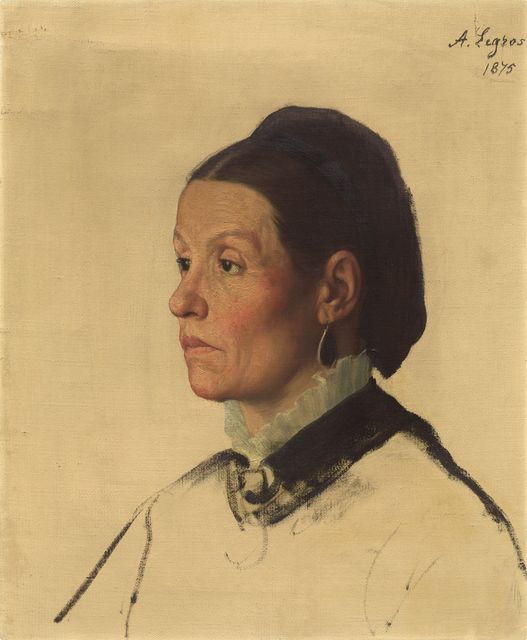
Alphonse Legros
French · 561 in the archive
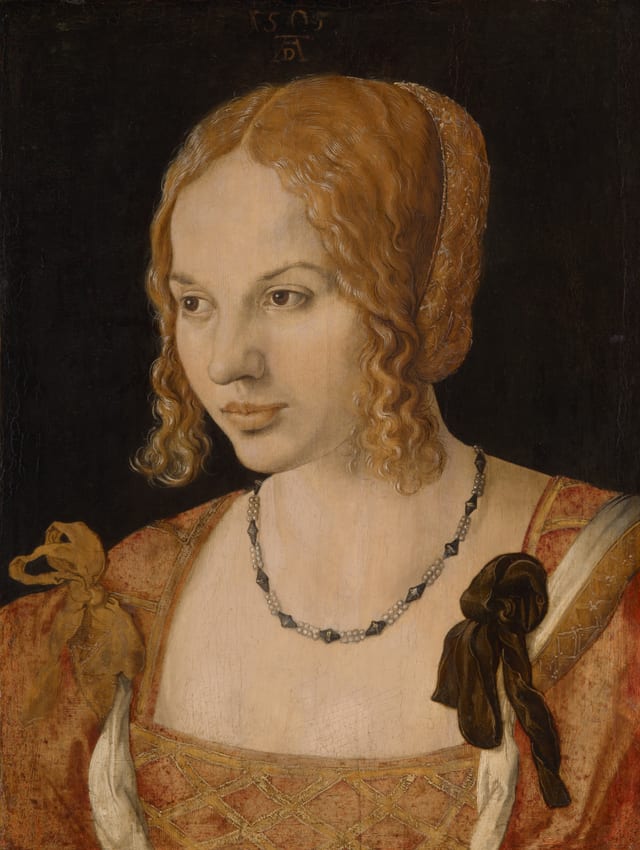
Albrecht Dürer
German · 294 in the archive
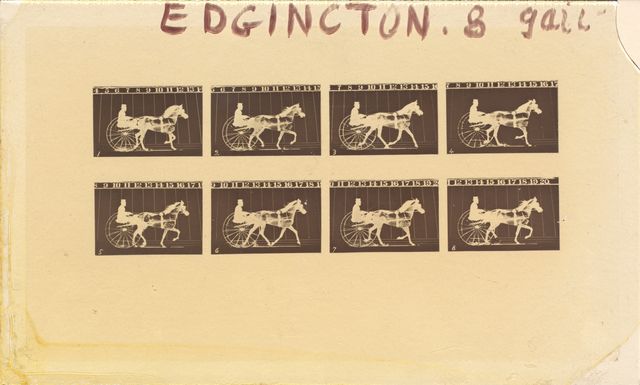
Eadweard Muybridge
English · 259 in the archive
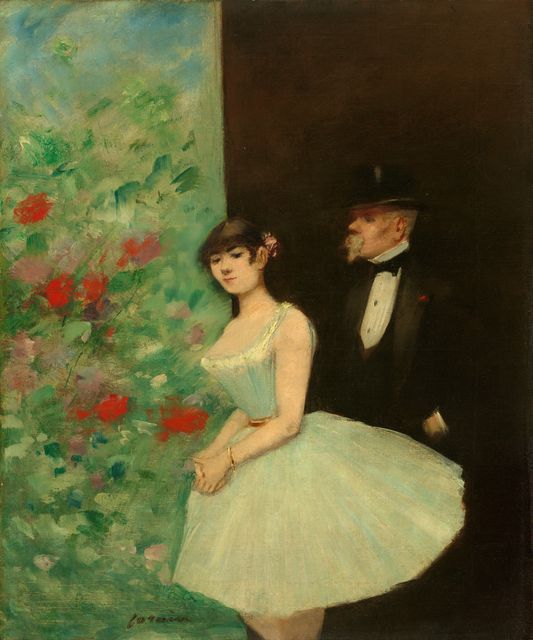
Jean-Louis Forain
French · 259 in the archive
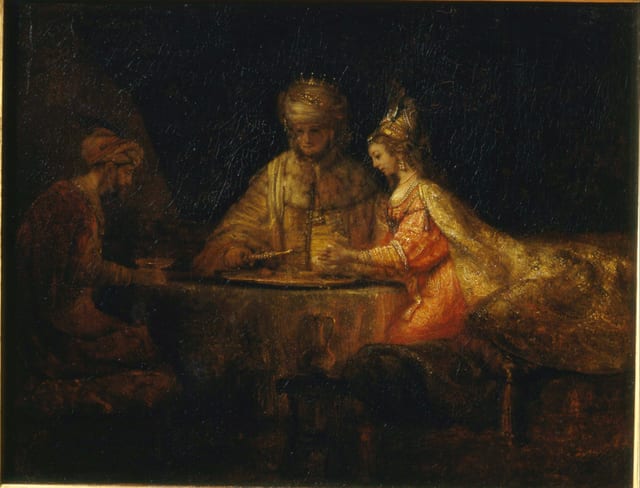
Rembrandt van Rijn
Dutch · 256 in the archive
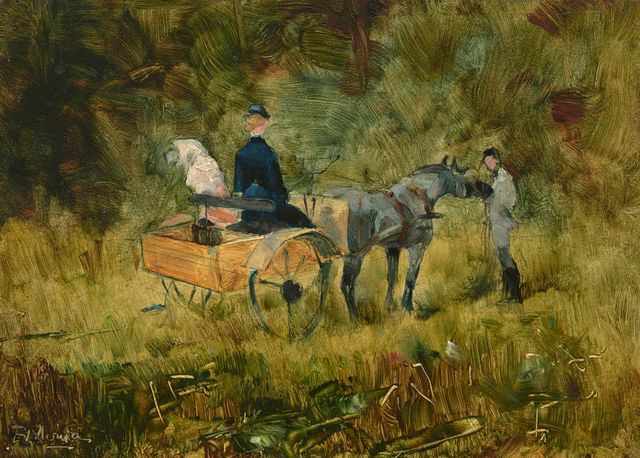
Henri de Toulouse-Lautrec
French · 242 in the archive
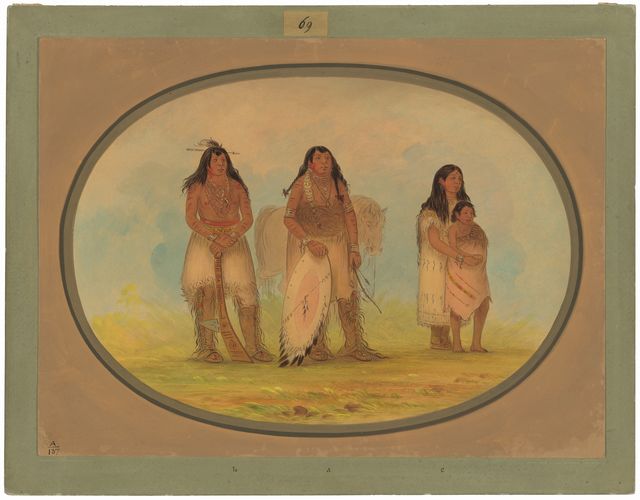
George Catlin
United States · 223 in the archive
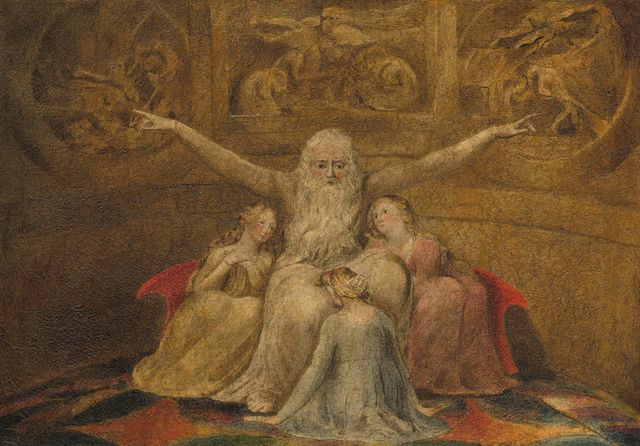
William Blake
United Kingdom of Great Britain and Ireland · 173 in the archive
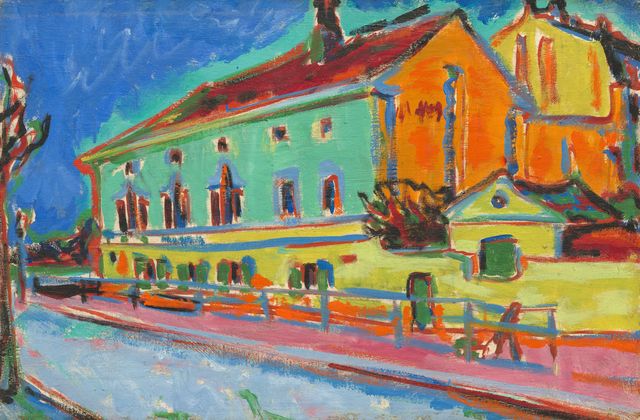
Ernst Ludwig Kirchner
German · 147 in the archive
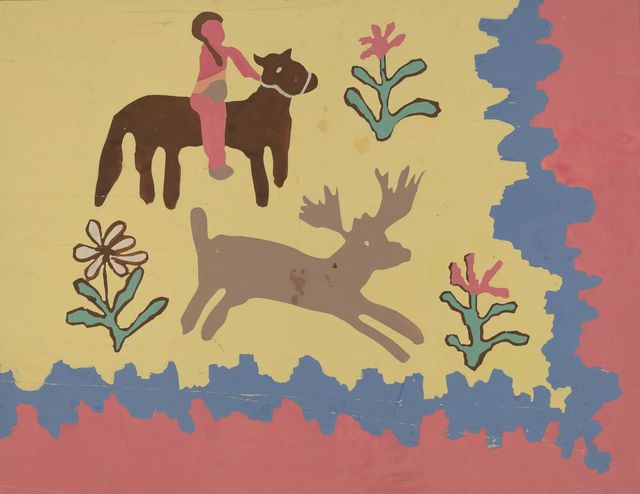
Majel G. Claflin
United States · 135 in the archive
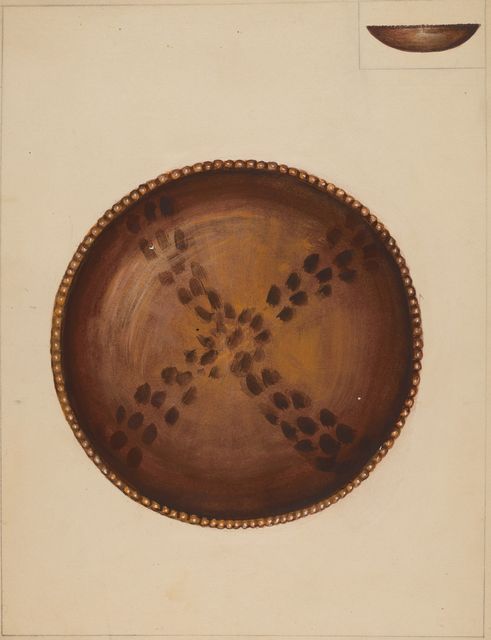
Mina Lowry
United States · 124 in the archive
Francisco Goya
Spanish · 113 in the archive
Invite the masters into your living room.
Sir Anthony van Dyck on your TV, phone, or tablet. Free to start.
View on MomentableIndependent guide by Momentable · biography from Wikipedia · artworks are in the public domain and credited to the museum that holds them