Lady with an Ermine
Leonardo da Vinci · 1490

National Museum in Kraków
Kraków · Founded 1879
Leonardo's Lady with an Ermine looks over her shoulder at you. There is no other Leonardo in Poland.
- 1.9M
- Visitors a year
- 1879
- Founded
- 45 zł
- Admission
- Closed Mon
- Daily opening hours
24 works from this collection play free on your TV, phone or tablet. Press play and one starts now.
Watch it nowWhat to see
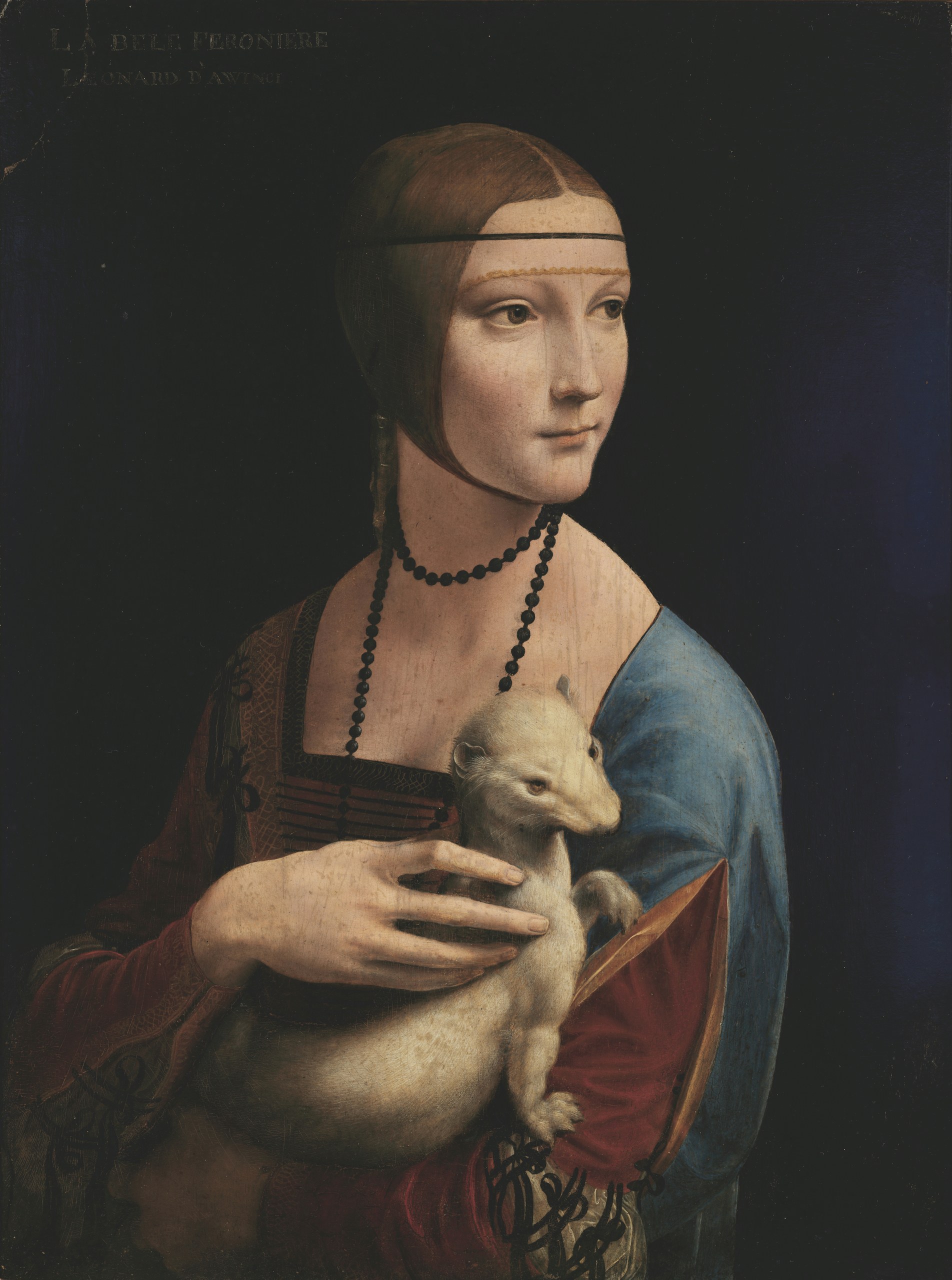
Lady with an Ermine
Leonardo da Vinci · 1490
The Lady with an Ermine is a portrait painting by the Italian Renaissance artist Leonardo da Vinci. Dated to c.
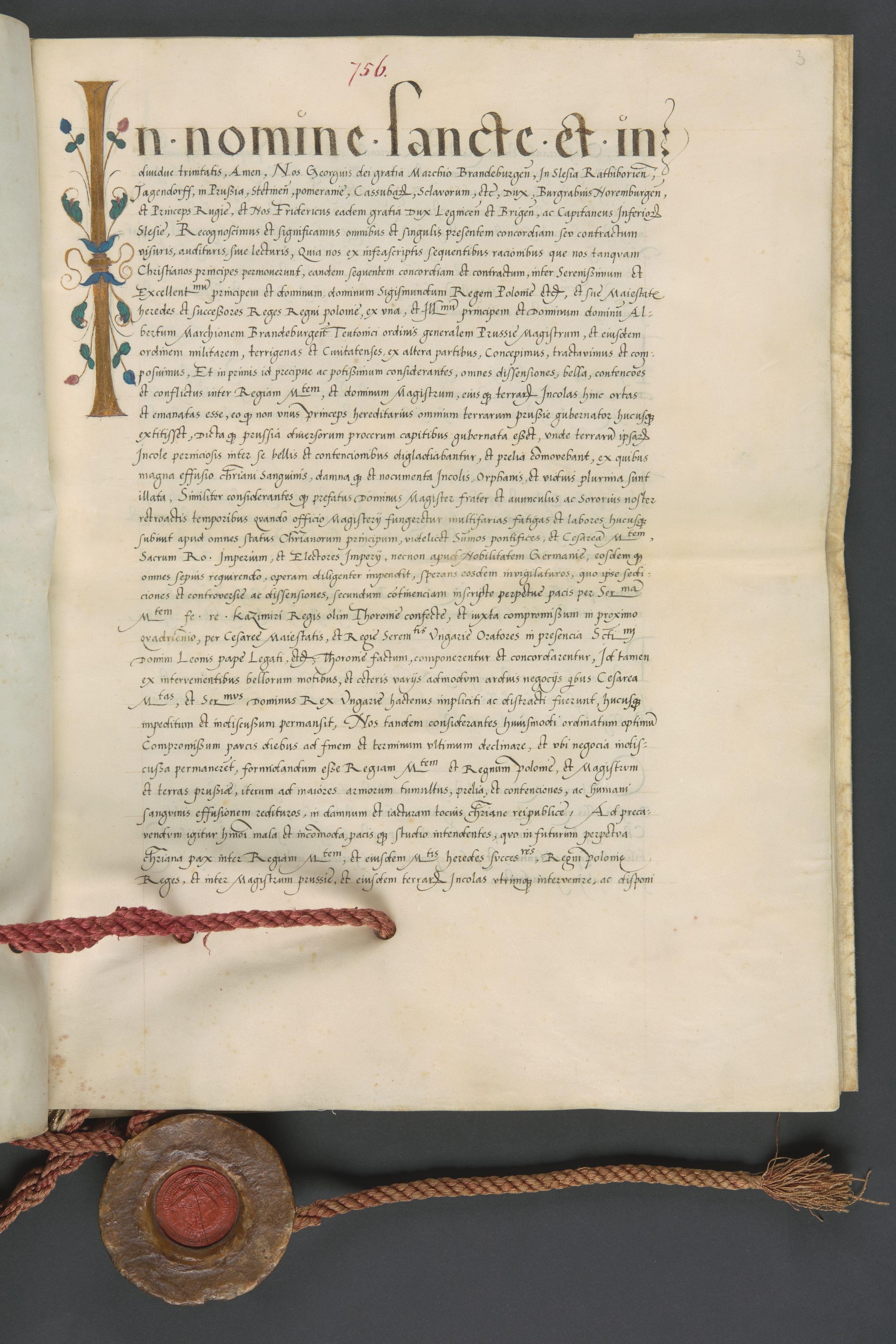
Treaty of Kraków
The Treaty of Kraków was signed on 8 April 1525 between the Kingdom of Poland and the Grand Master of the Teutonic Knights. It officially ended the Polish, Teutonic War (1519-1521) The treaty gave Grand Master Albert of Hohenzollern / Duke of Prussia (1490-1568, reigned 1525-1568), of the Royal dynasty of the House of Hohenzollern enough autonomy to resign as grand master and secede from the Order to become Duke of the new Duchy of Prussia created by secularization of the Monastic state of the Teutonic Knights.
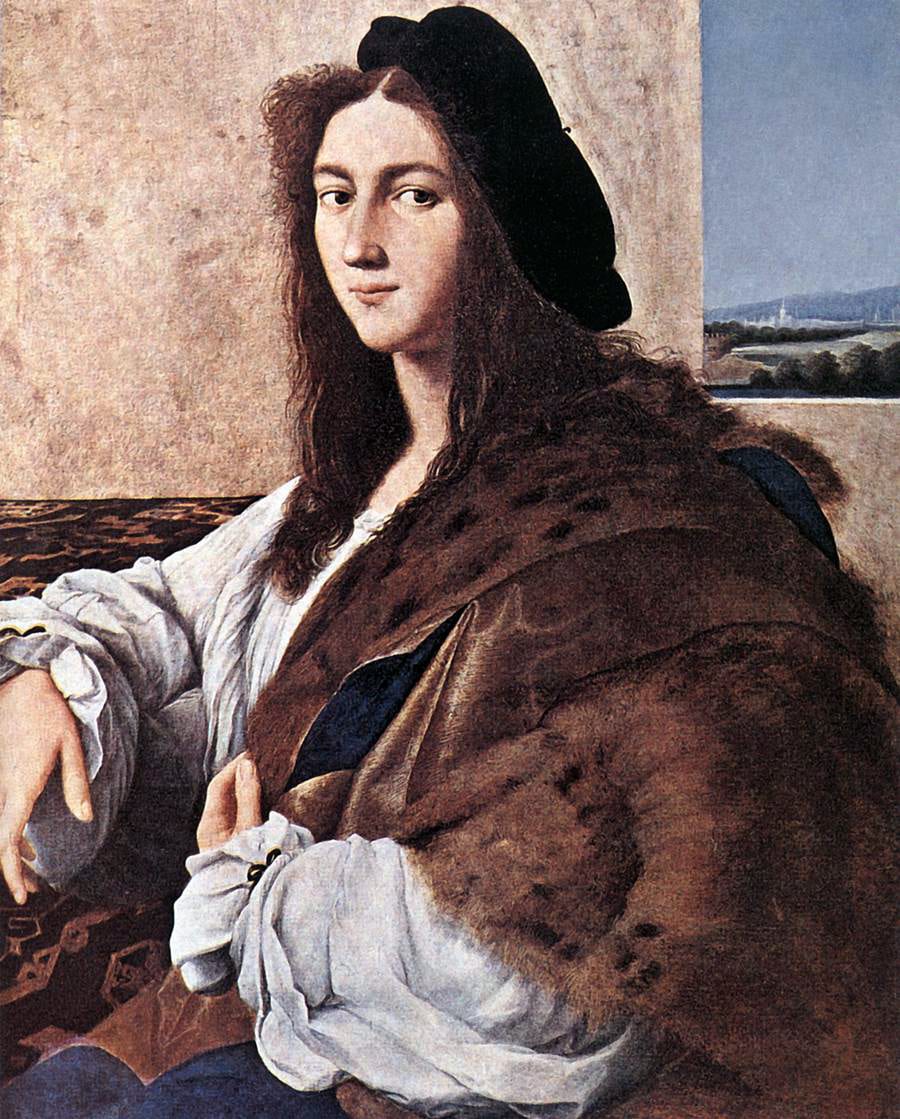
Portrait of a Young Man
Raphael · 1513
Portrait of a Young Man is a painting by Raphael. It is often thought to be a self-portrait. During the Second World War the painting was stolen by the Nazis from Poland. Many historians regard it as the most important painting missing since World War II.
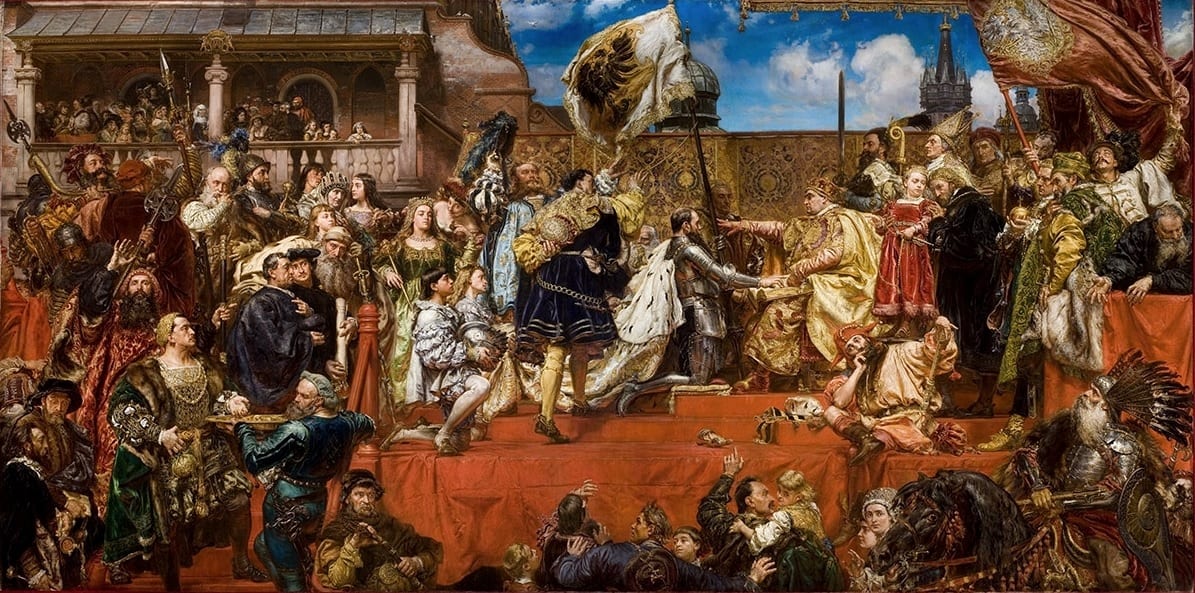
Prussian Homage
Jan Matejko · 1879
The Prussian Homage is an oil on canvas painting by Polish painter Jan Matejko painted between 1879 and 1882 in Kraków. The painting depicts the "Prussian Homage", a significant political event from the time of the Renaissance in Poland in which Albrecht of Hohenzollern, the Duke of Prussia paid tribute and swore allegiance to King Sigismund I the Old in Kraków's market square on 10 April 1525. Matejko depicted over thirty important figures of the Polish Renaissance period, taking the liberty of including several who were not actually present at the event.
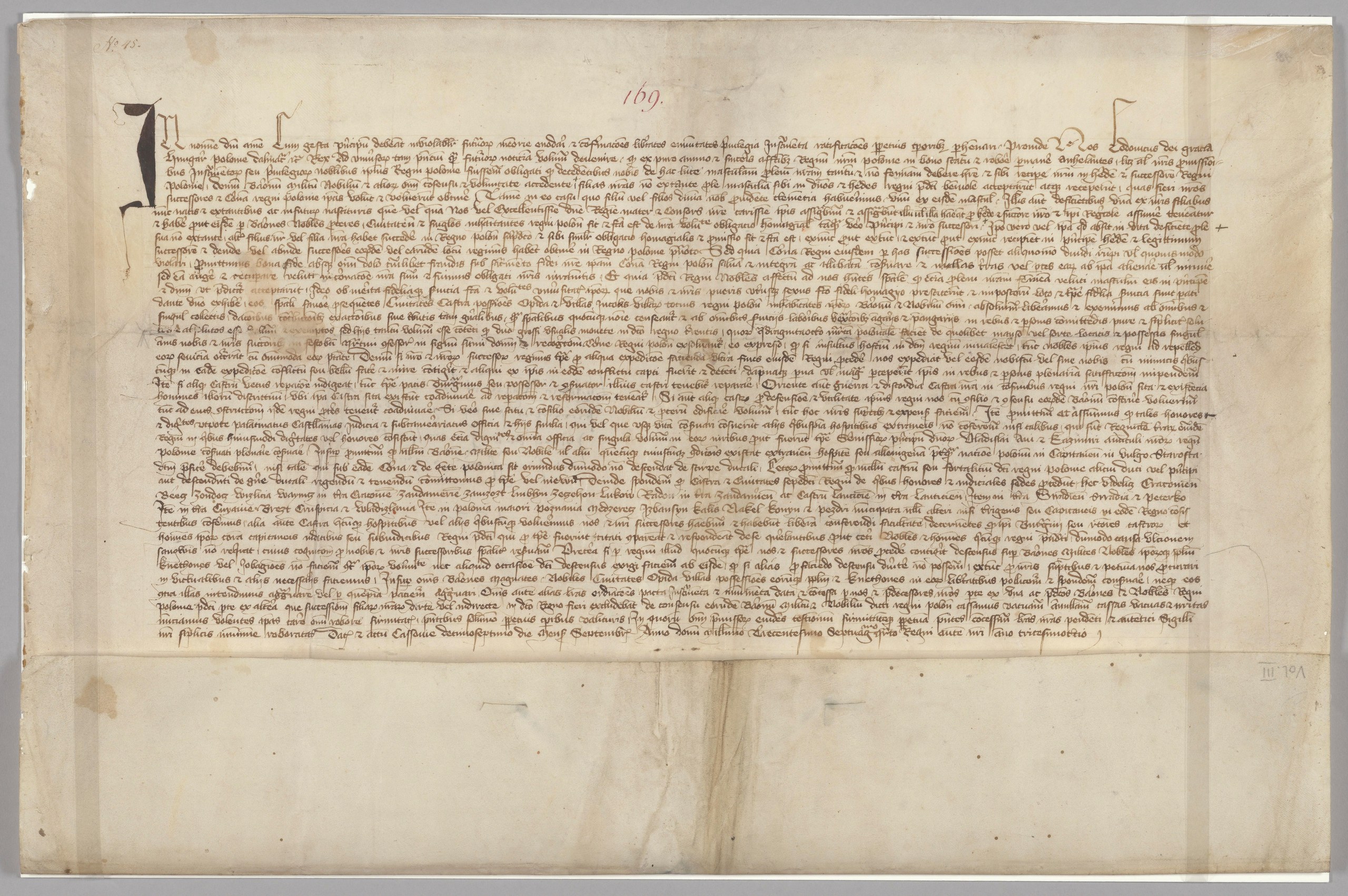
Privilege of Koszyce
Louis I of Hungary
The Privilege of Koszyce or Privilege of Kassa was a set of concessions made by Louis I of Hungary to the Polish szlachta (nobility) in 1374. The privileges were granted in Kassa, Kingdom of Hungary.
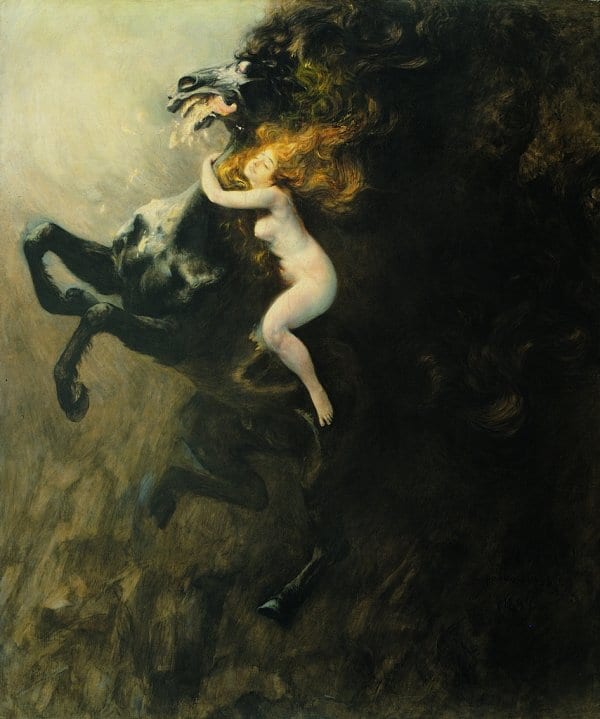
Frenzy of Exultations
Władysław Podkowiński · 1893
Frenzy of Exultations, or better known as just Frenzy (Szał), is an 1893 painting by Polish artist Władysław Podkowiński and is credited as the most famous work in his output. It is considered the first work of Symbolism in Polish art, during a period when Poland was partitioned between its neighbours: Russia, Germany and Austria.
The collections
Militaria
The arsenal building has a vast display of militaria ranging from 12th to 20th century, including Polish armor from 16th and 17th centuries, Polish sabers, firearms, saddles and caparisons, military uniforms from 18th to 20th century, military orders, medals, and distinctions.
Decorative arts
Decorative arts and crafts are exhibited in the Decorative Arts and Crafts Gallery, with gold, silver and precious stone artifacts ranging from twelfth to eighteenth century; copper, pewter and iron objects, such as bowls and wrought iron chests; old furniture, musical instruments, clocks, ceramics and glass, notably stained glass from the churches of Kraków.
Artists
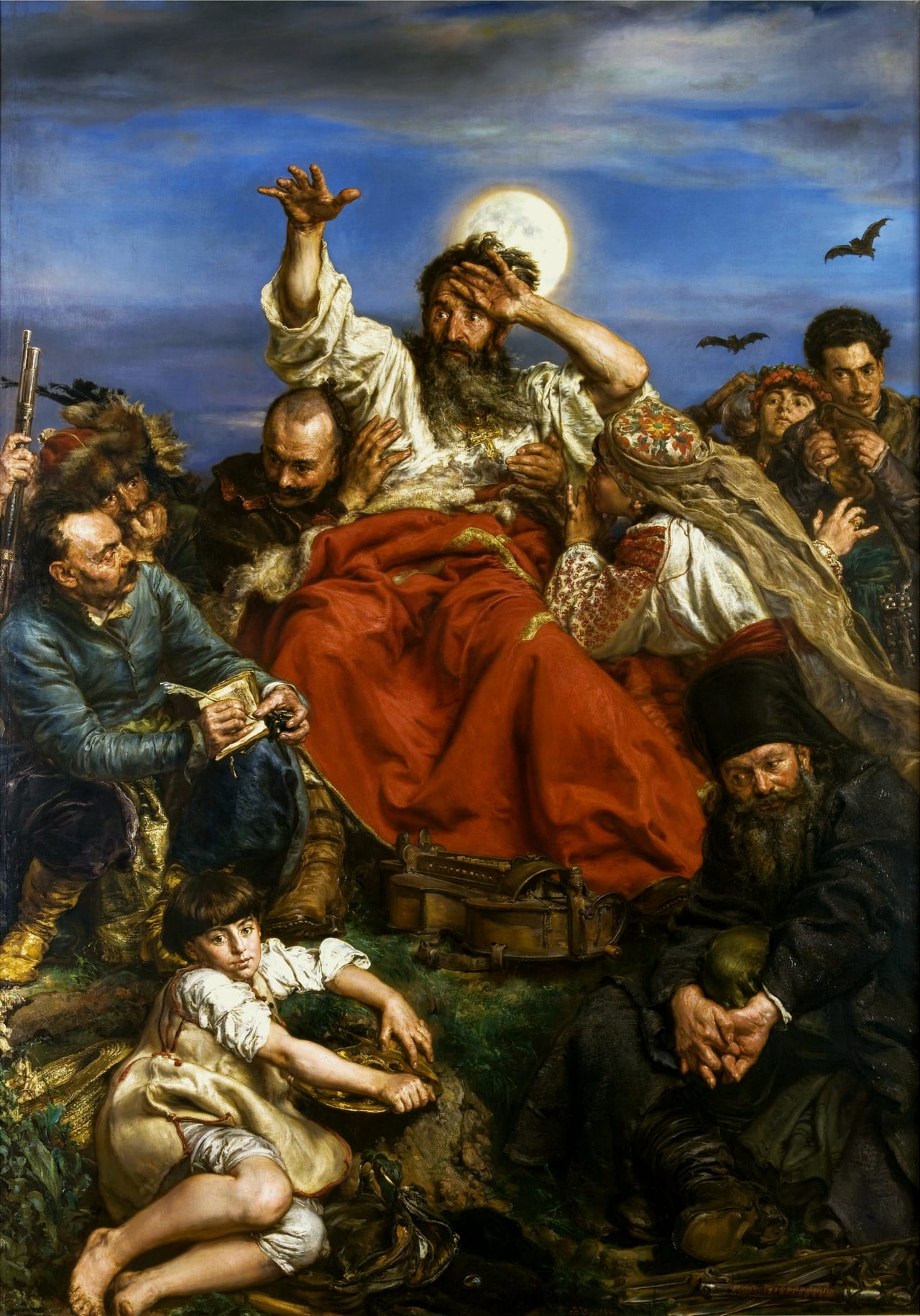
Free City of Kraków · 1838–1893
Jan Alojzy Matejko was a Polish painter, a leading 19th-century exponent of history painting, known for depicting nodal events from Polish history.
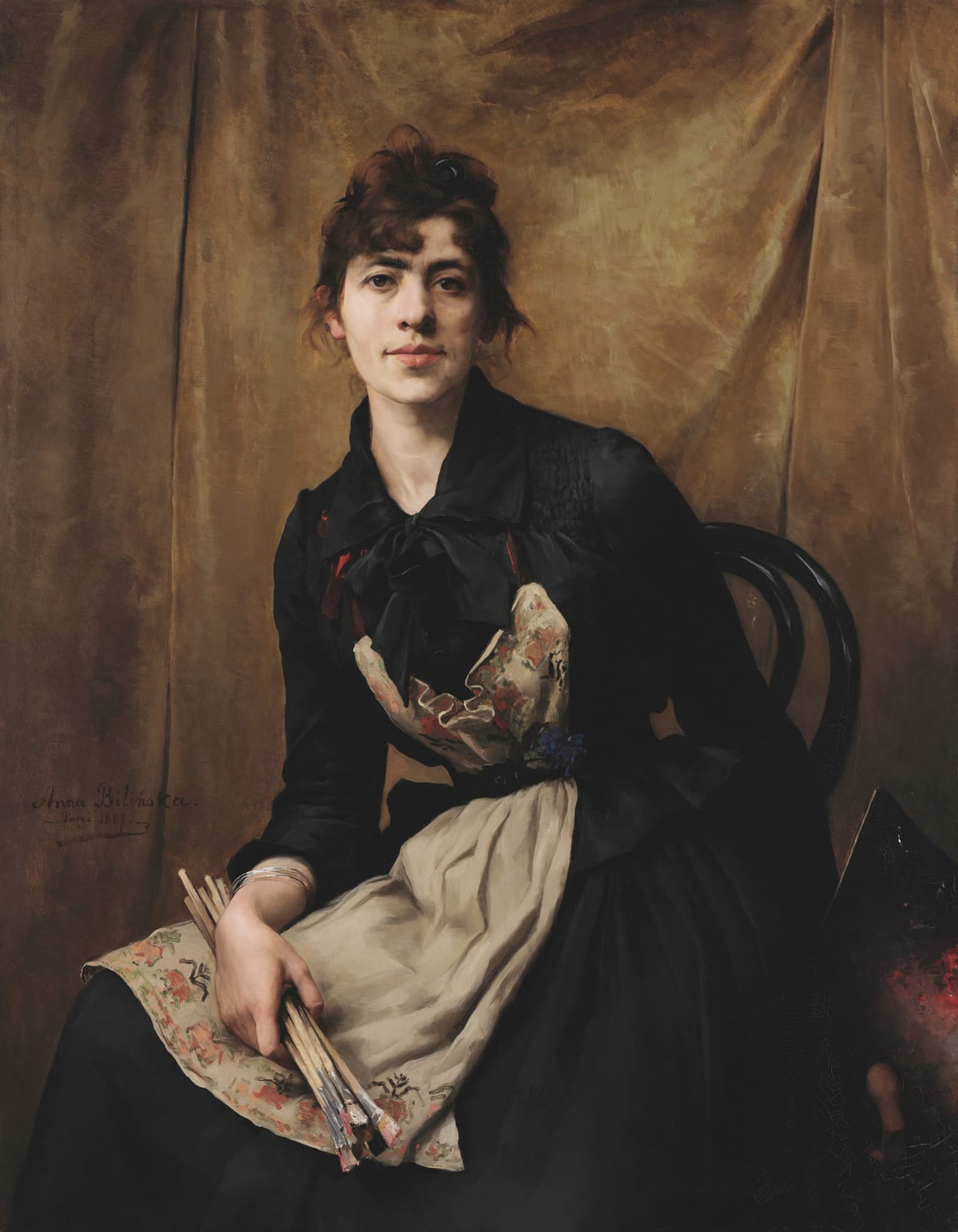
Congress Poland · 1854–1893
Anna Bilińska was a Polish painter, known for her portraits. A representative of realism, she spent most of her life in Paris, and is considered the "first internationally known Polish woman artist."
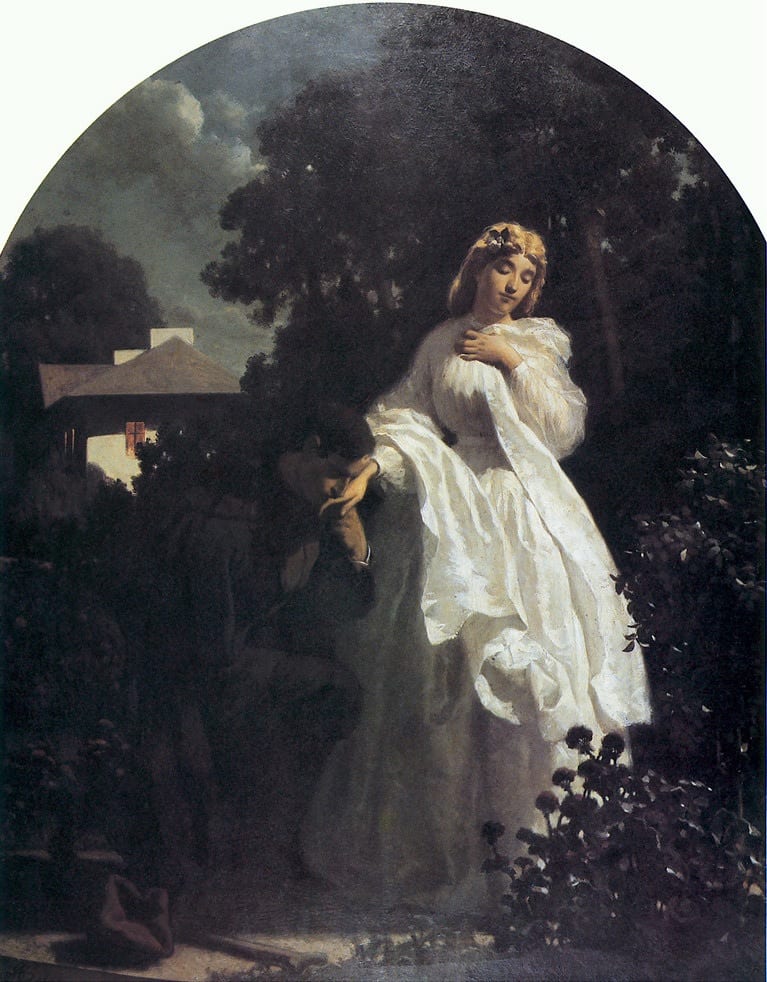
Austrian Empire · 1837–1867
Artur Grottger was a Polish Romantic painter and graphic artist, one of the most prominent artists of the mid 19th century under the partitions of Poland, despite a life cut short by incurable illness.
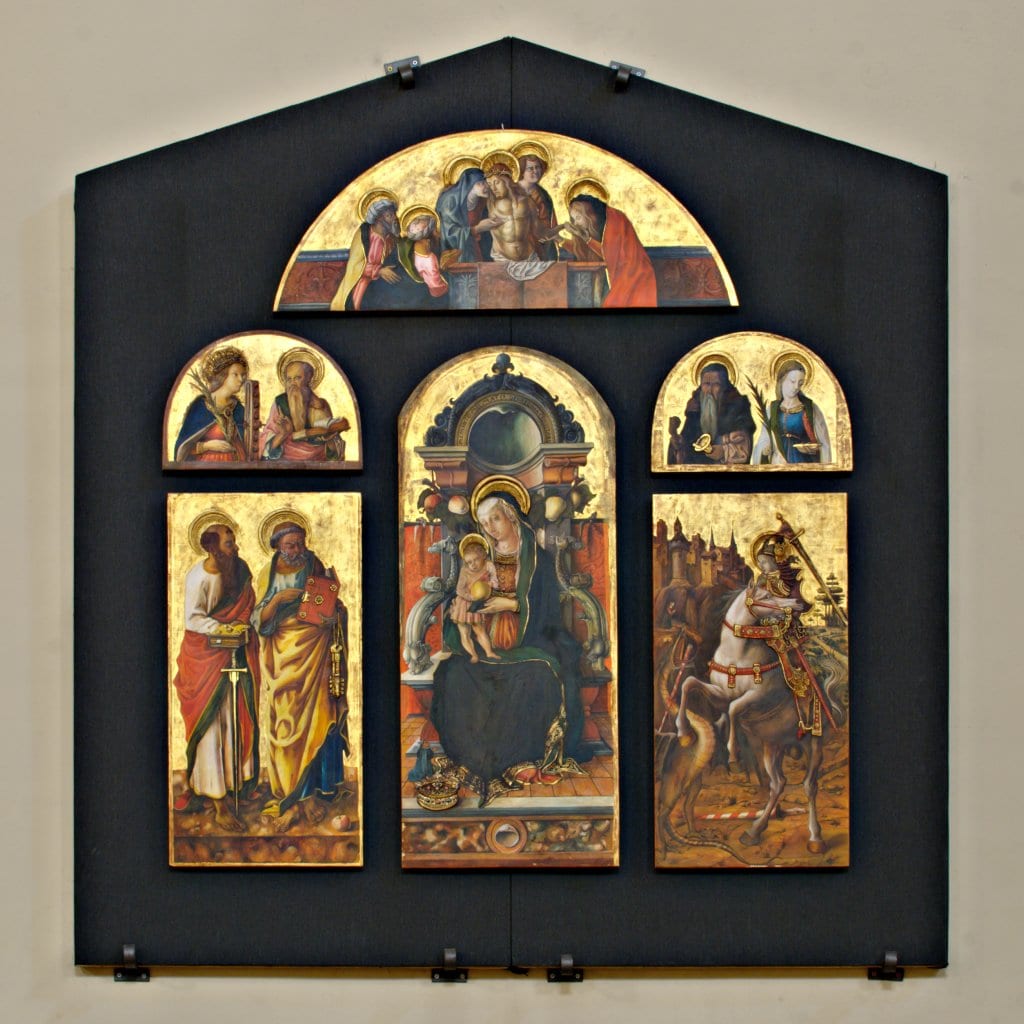
Italian · 1430–1490 · Gothic art
Carlo Crivelli was an Italian Renaissance painter of conservative Late Gothic decorative sensibility, who spent his early years in the Veneto, where he absorbed influences from the Vivarini, Squarcione, and Mantegna.
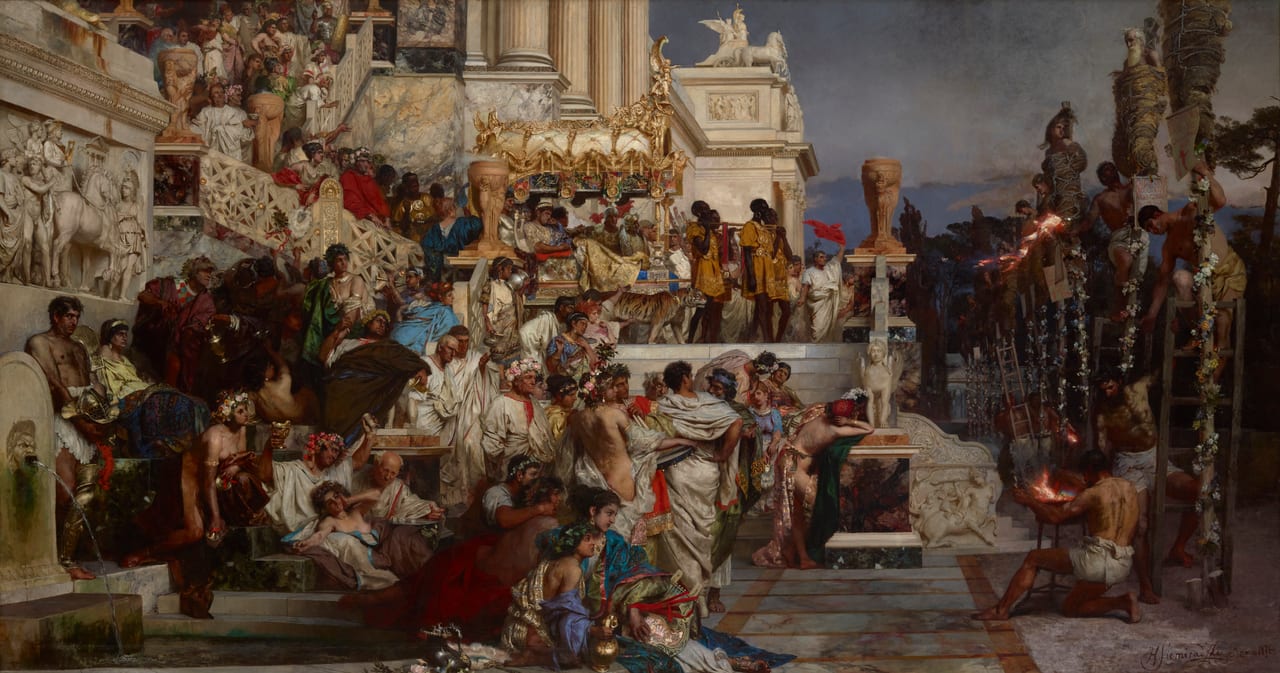
Russian Empire · 1843–1902
Henryk Hektor Siemiradzki was a Polish painter. He spent most of his active creative life in Rome. Best remembered for his large history paintings in the Academic style, he is particularly known for his depictions of sce
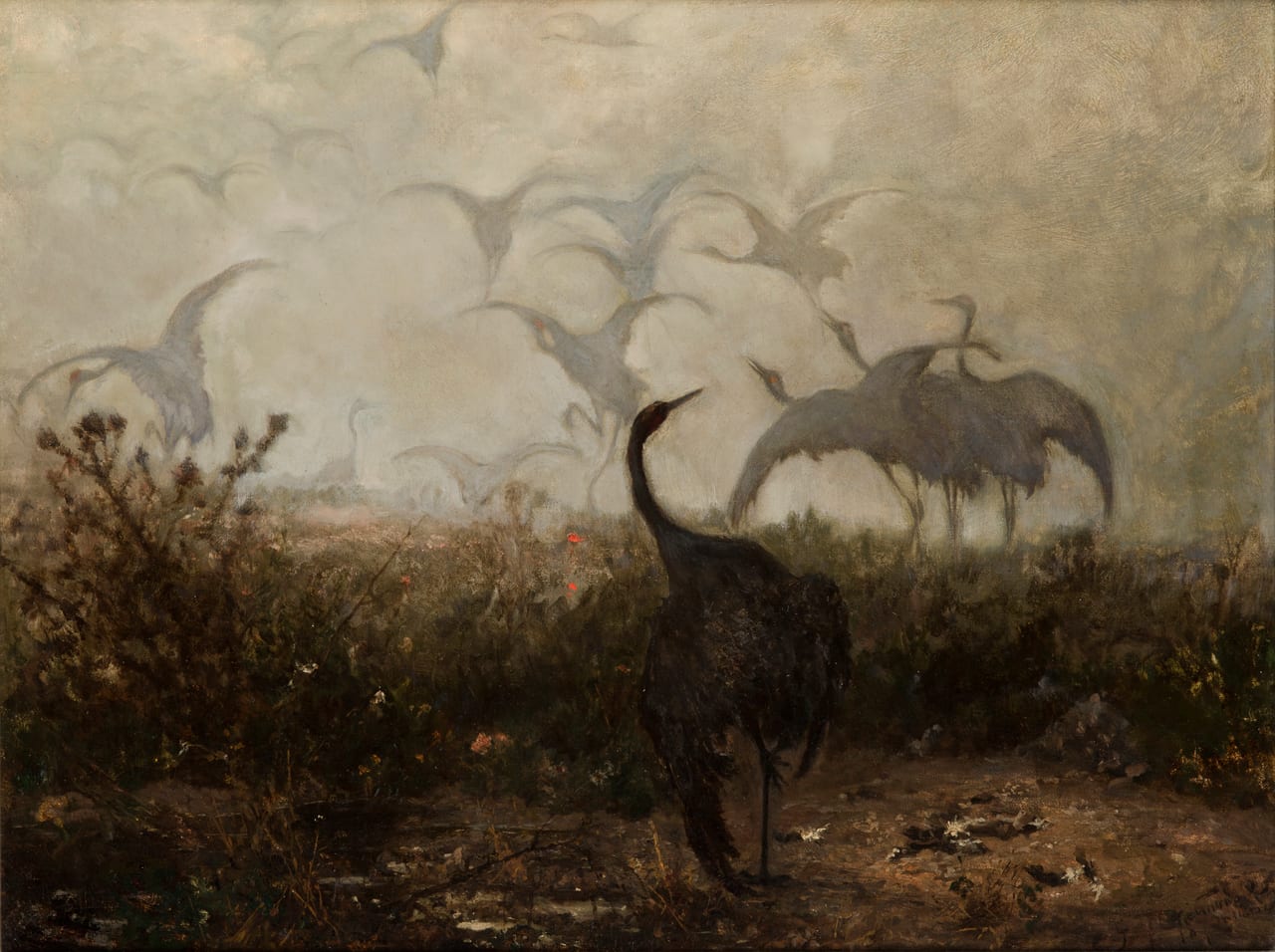
Congress Poland · 1847–1914
Józef Marian Chełmoński was a Polish painter, known for his realistic paintings of landscapes, rural scenes and genre scenes presenting historical and social contexts of the late Romantic period in partitioned Poland.
Artworks
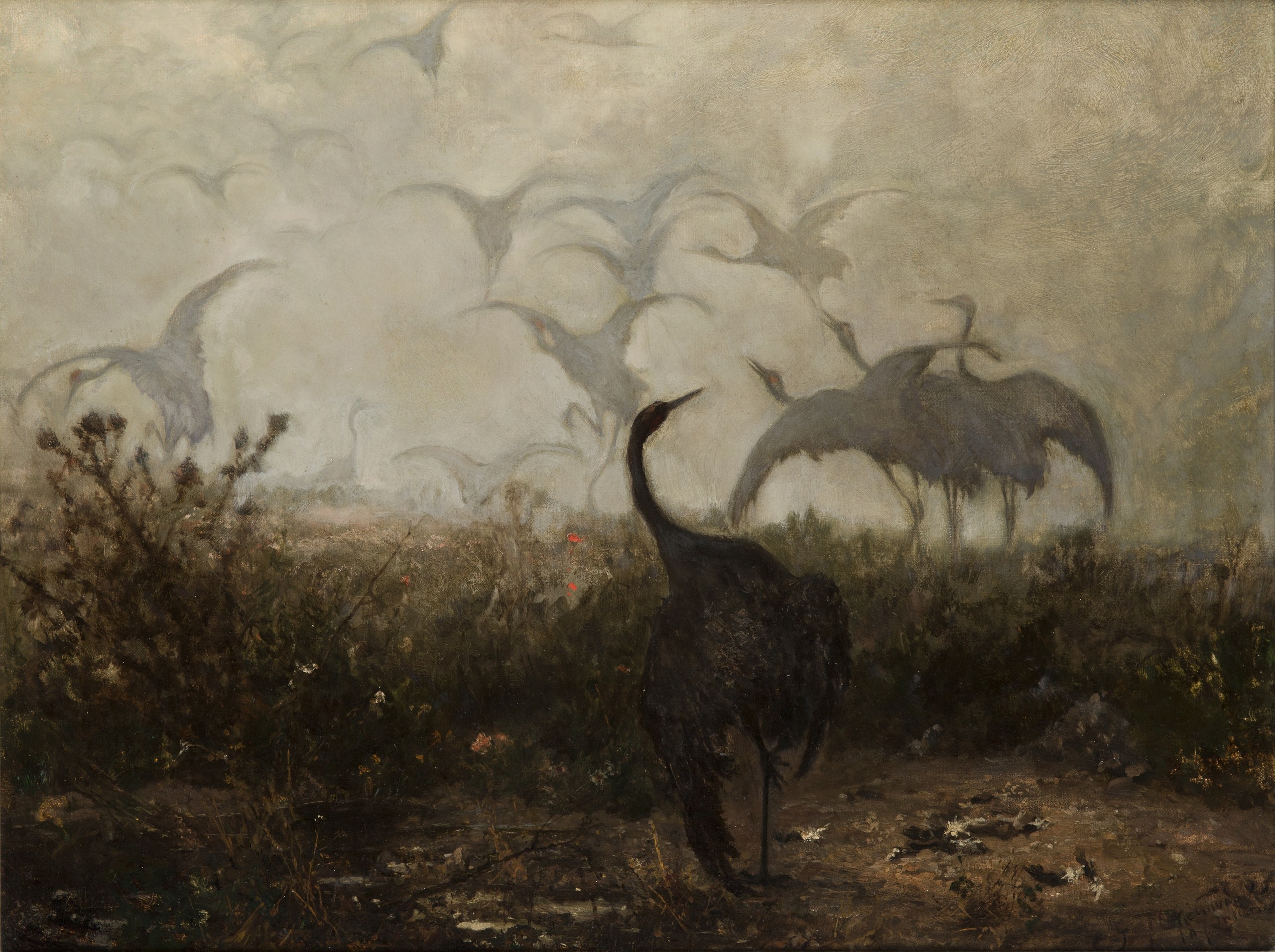
Cranes
Józef Chełmoński · 1870
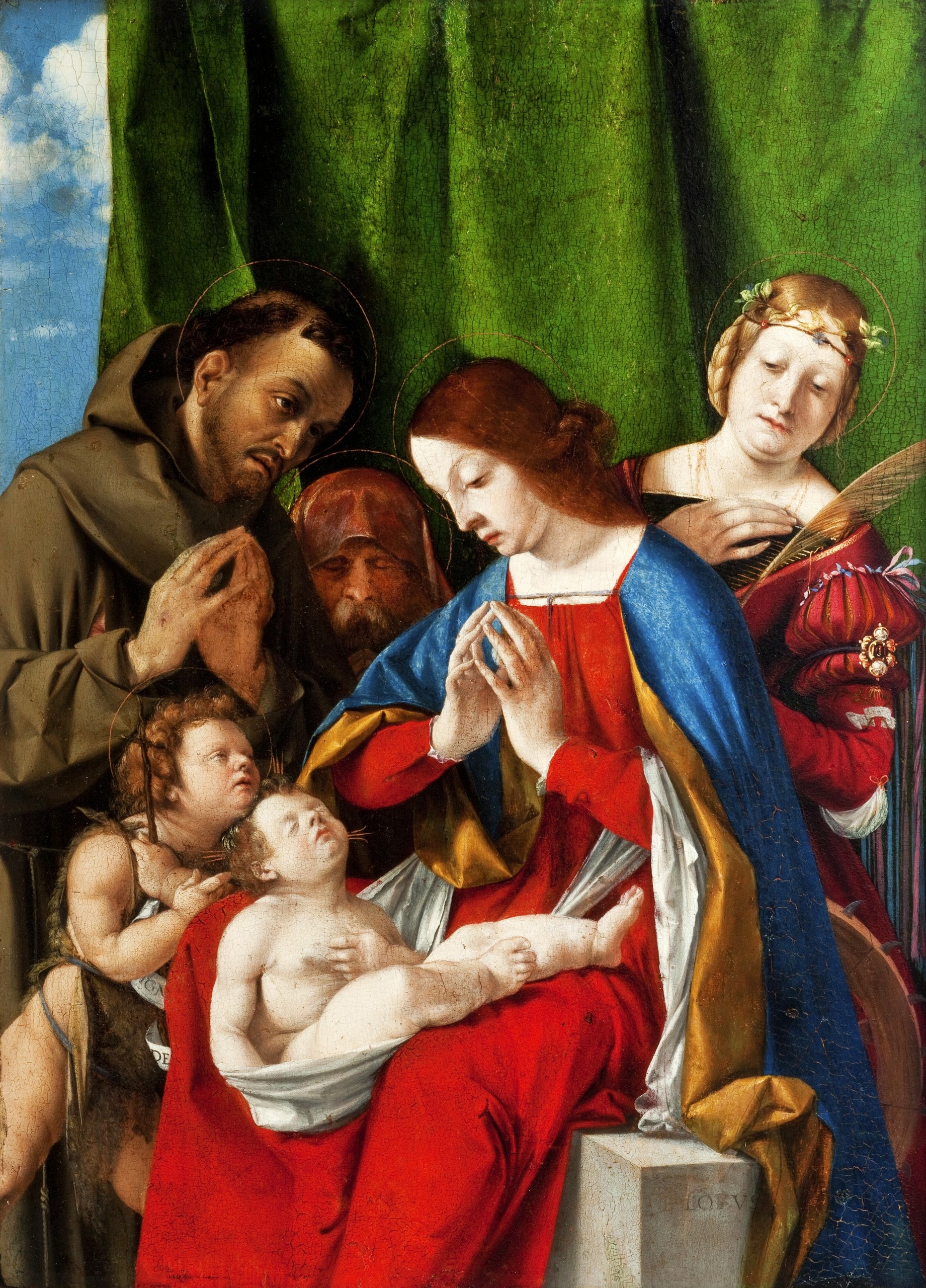
Adoration of the Christ Child
Lorenzo Lotto · 1508
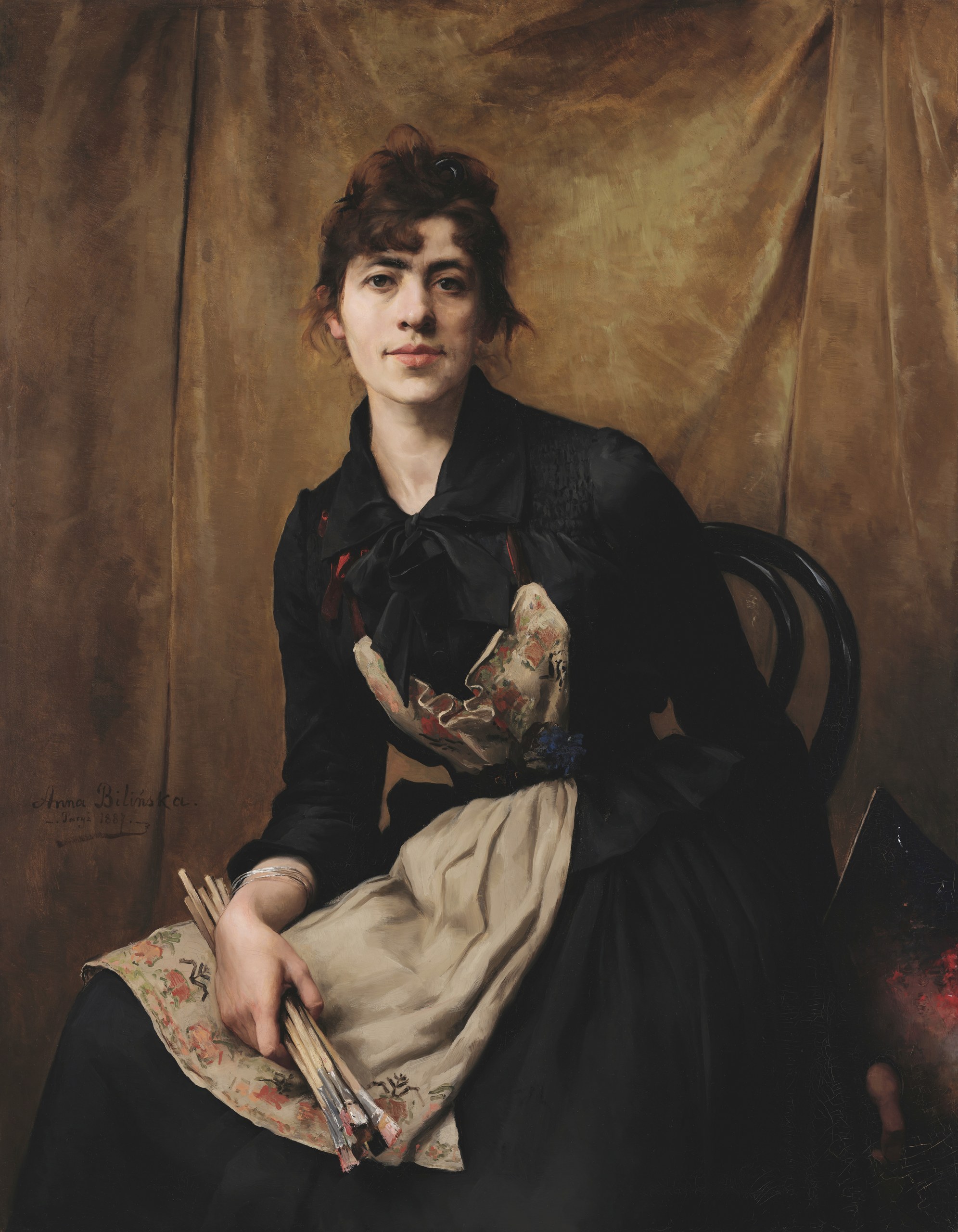
Self-Portrait with Apron and Brushes
Anna Bilińska-Bohdanowicz · 1887
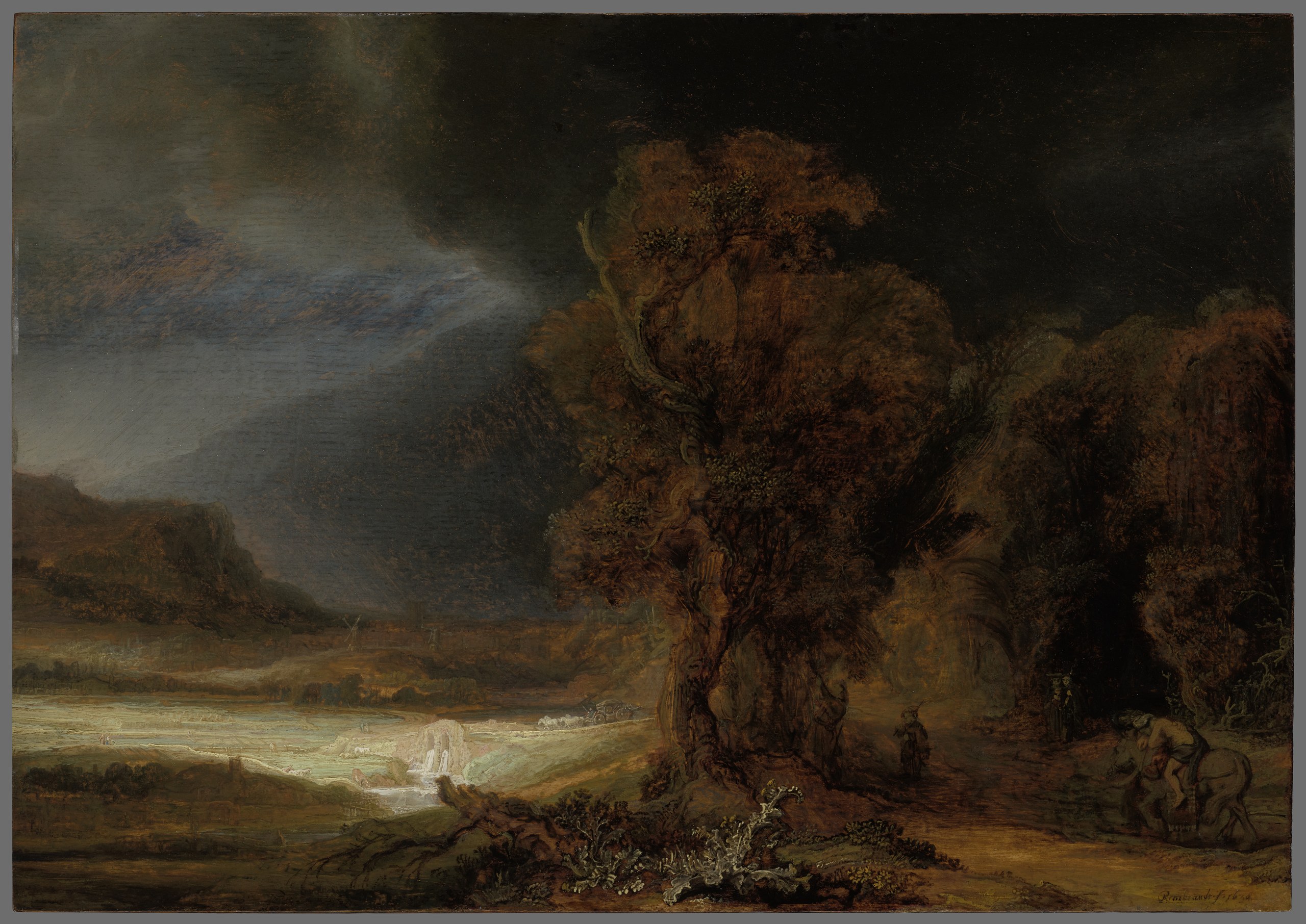
Landscape with the Good Samaritan
Rembrandt · 1638
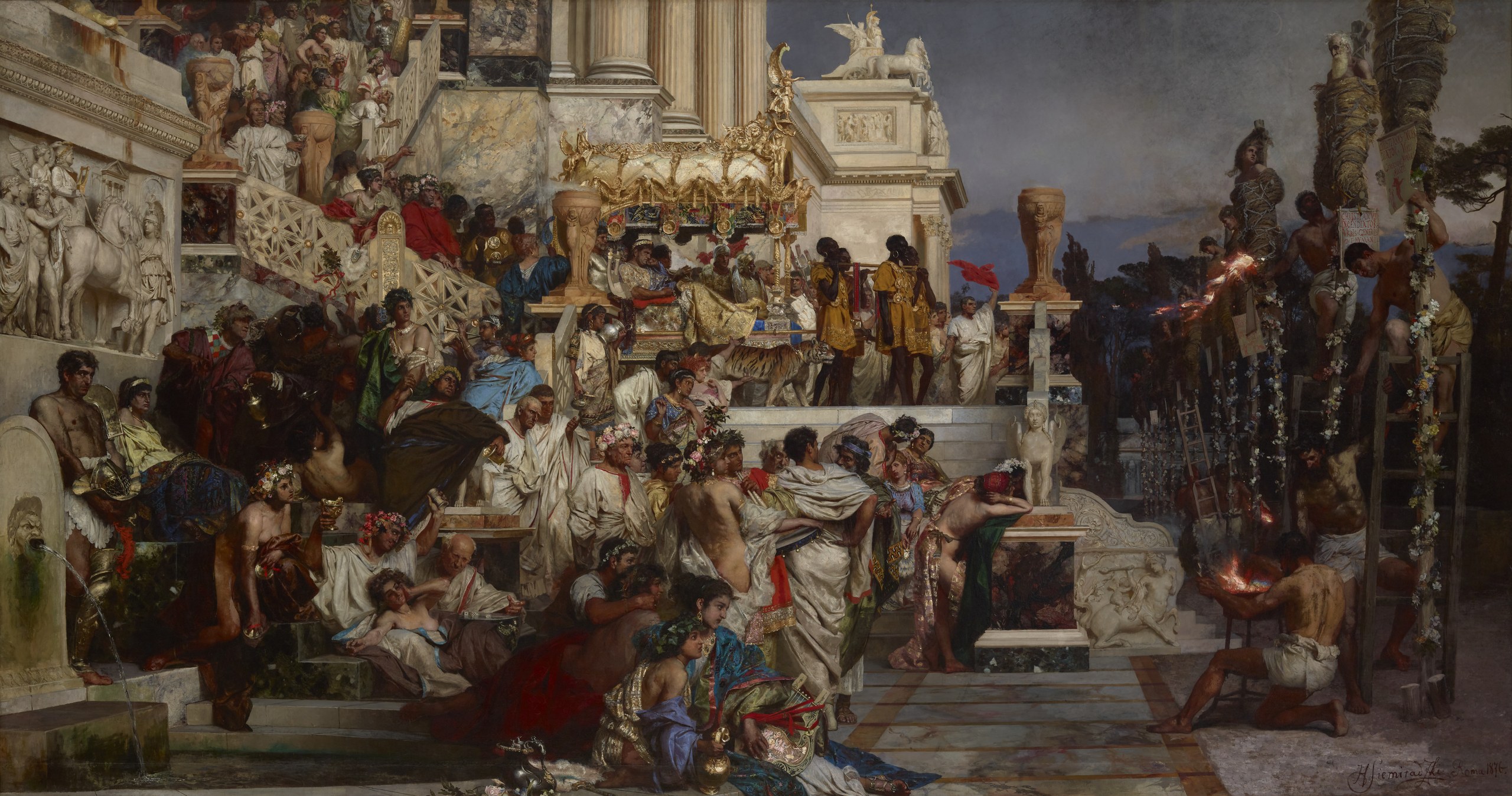
Nero's Torches
Henryk Siemiradzki · 1876
Greeting to the insurgent
Artur Grottger · 1866
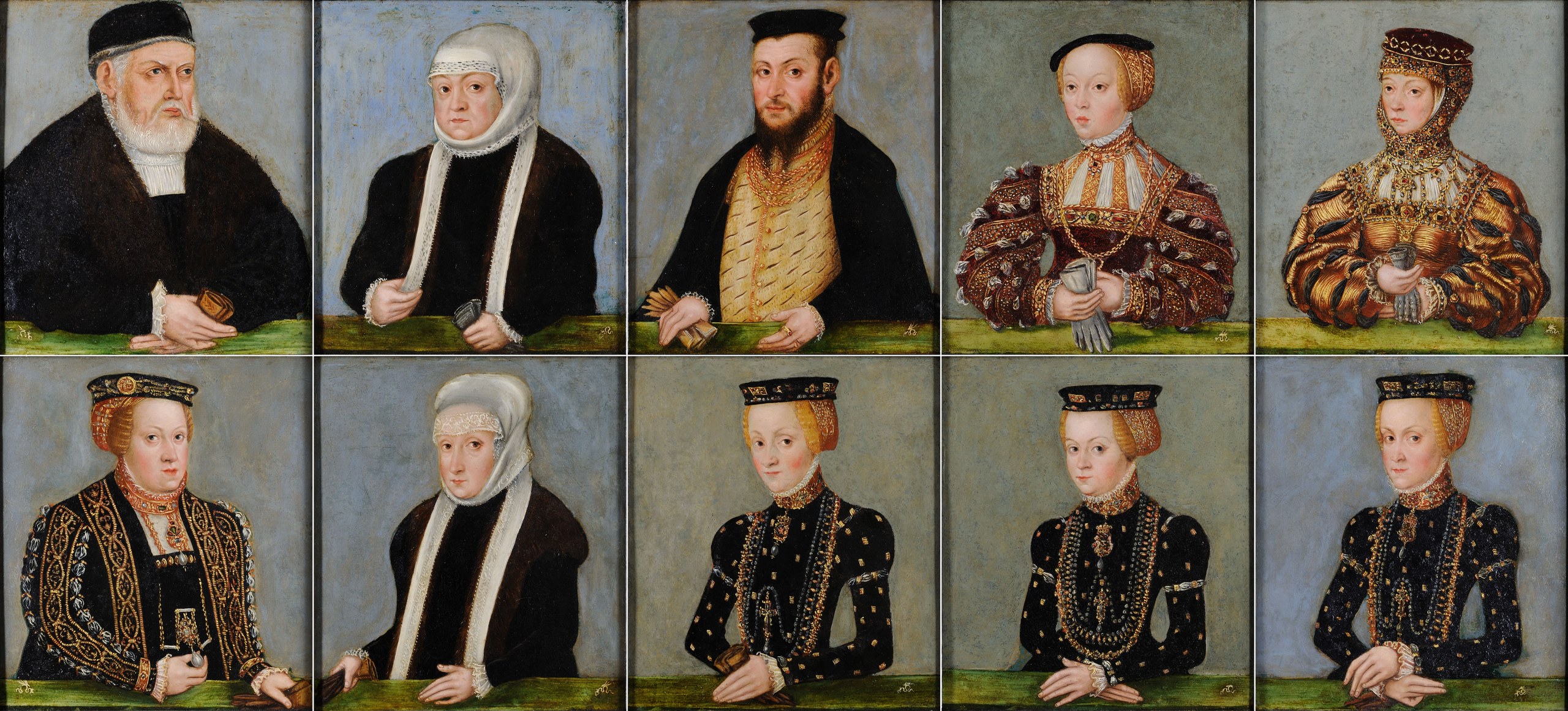
Jagiellonian Dynasty
Lucas Cranach the Younger · 1554
Porto San Giorgio Polyptych
Carlo Crivelli · 1470
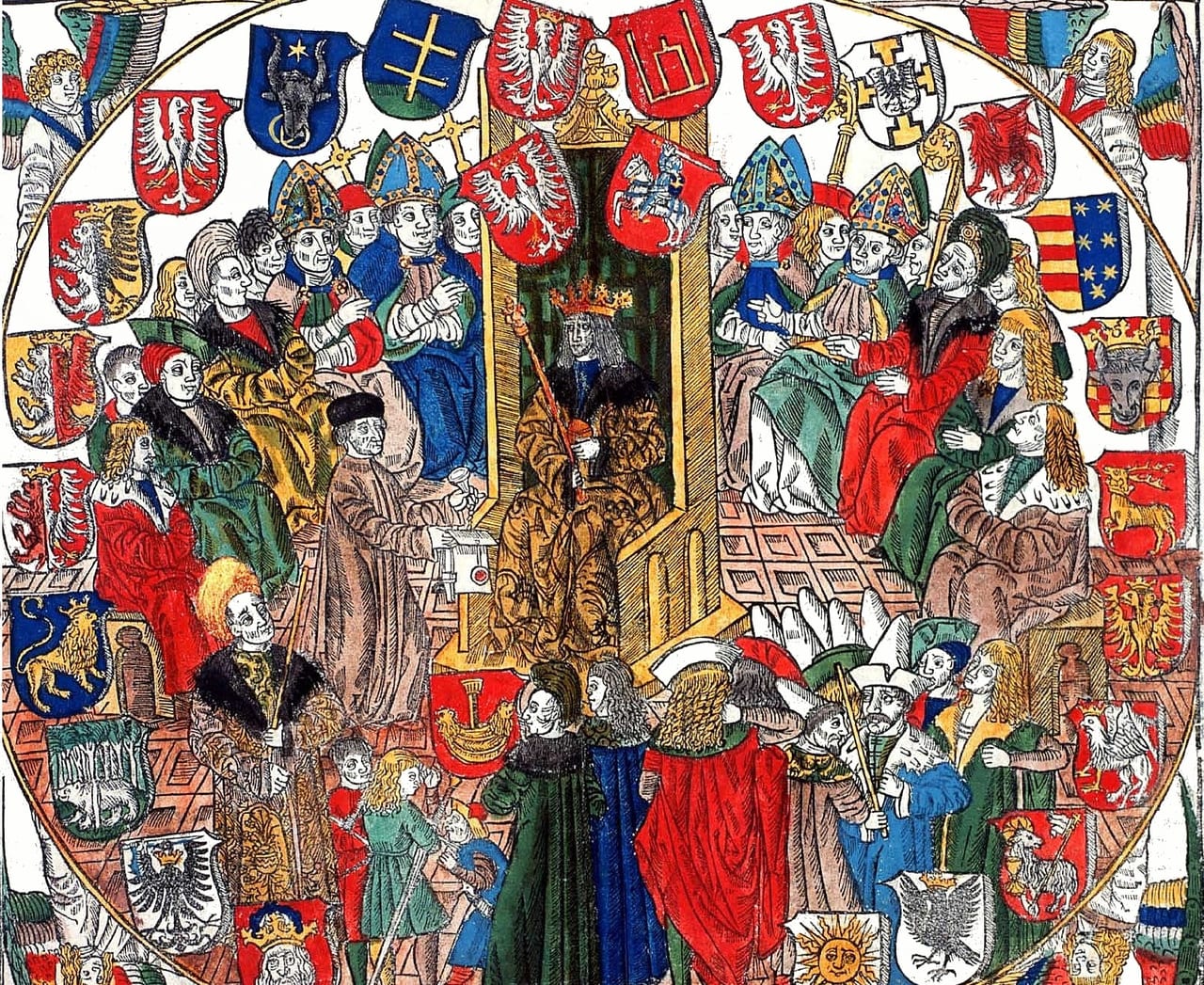
Łaski's Statute
1505
Plan your visit
Hours
Tuesday to Sunday, 10:00 to 18:00. Closed Monday. Confirm on mnk.pl before you travel.
Admission
45 zł for the permanent exhibitions at the Main Building, 35 zł for the Sukiennice, 65 zł for the Czartoryski Museum. All permanent exhibitions are free every Tuesday, and free for children under 7.
Getting there
Aleja 3 Maja 1, 30-062 Kraków.
On their own site
Opening hours, tickets and current exhibitions are on the museum’s own site.
Invite National Museum in Kraków into your living room
24 works from this collection are available on Momentable, free to view, on your TV, phone, or tablet.