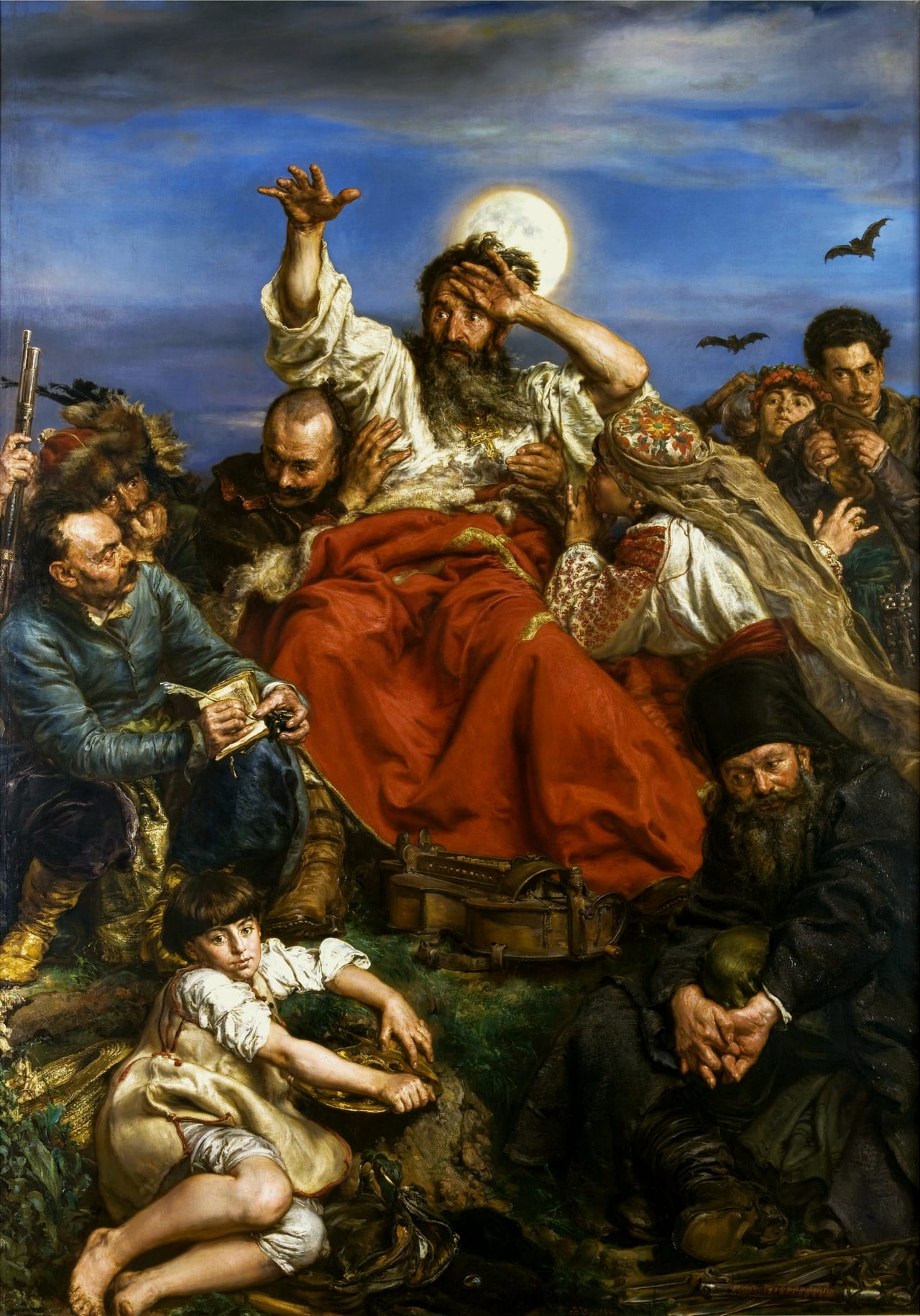
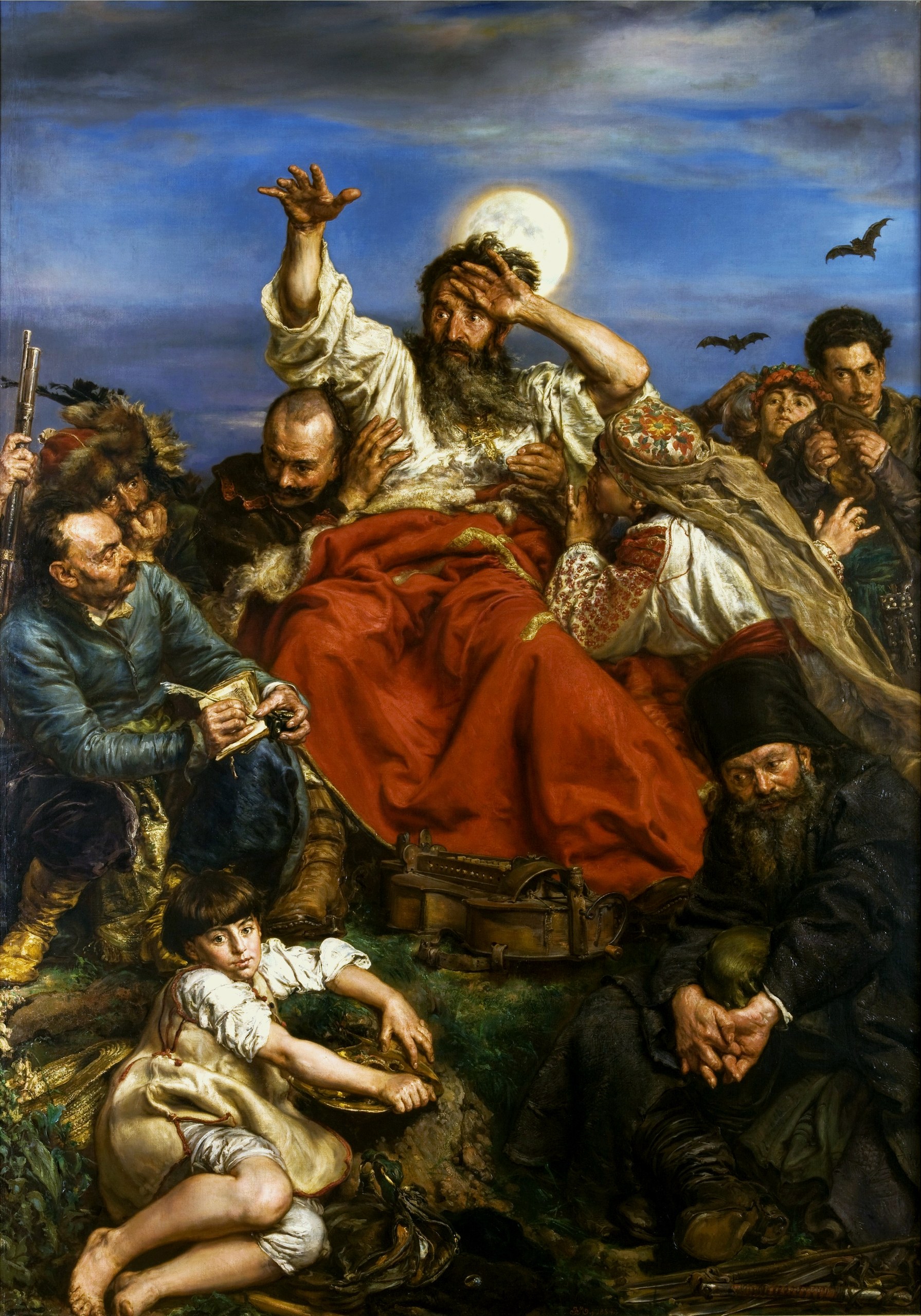
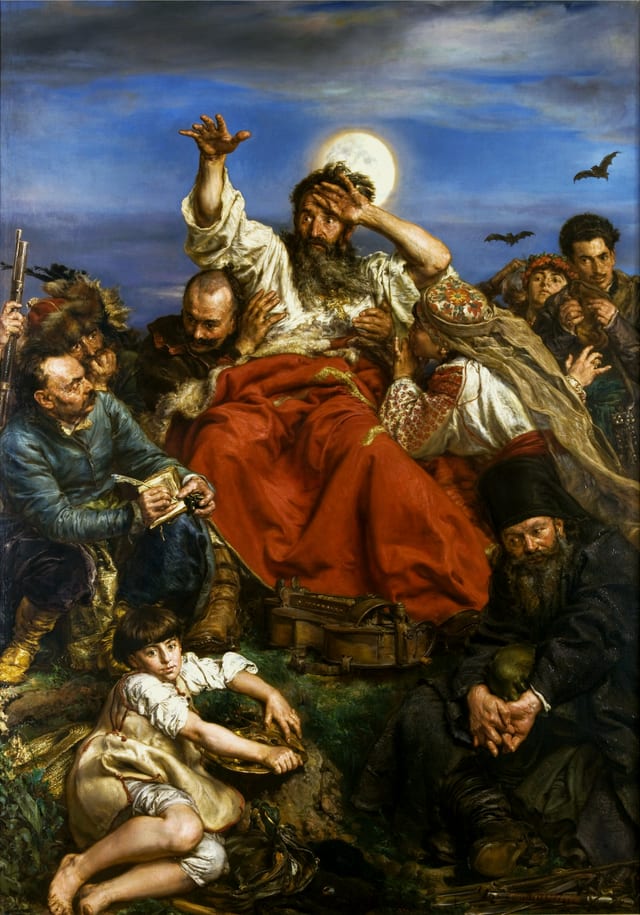
Wernyhora
Jan Matejko · 1884

Jan Matejko
Free City of Kraków · 1838–1893
Jan Alojzy Matejko was a Polish painter, a leading 19th-century exponent of history painting, known for depicting nodal events from Polish history. His works include large scale oil paintings such as Stańczyk, Rejtan (1866), Union of Lublin (1869), Astronomer Copernicus, or Conversations with God (1873), or Battle of Grunwald (1878). He was the author of numerous portraits, a gallery of Polish monarchs in book form, and murals in St. Mary's Basilica, Kraków. He is considered by many as the most celebrated Polish painter, and sometimes as the "national painter" of Poland.
Independent artist guide by Momentable. Biography from Wikipedia; artworks credited to the museums that hold them.
 LIVENow streaming · Wernyhora
- works in the archive
- 14works in the archive
- life
- 1838–1893life
- rights
- Public domainrights
The work
A selection of 14 works, free to stream.
Wernyhora
Jan Matejko · 1884
National Museum in Kraków
Poland – The Year 1863
Jan Matejko · 1864
National Museum in Kraków
Stańczyk
Jan Matejko · 1862
National Museum of Warsaw
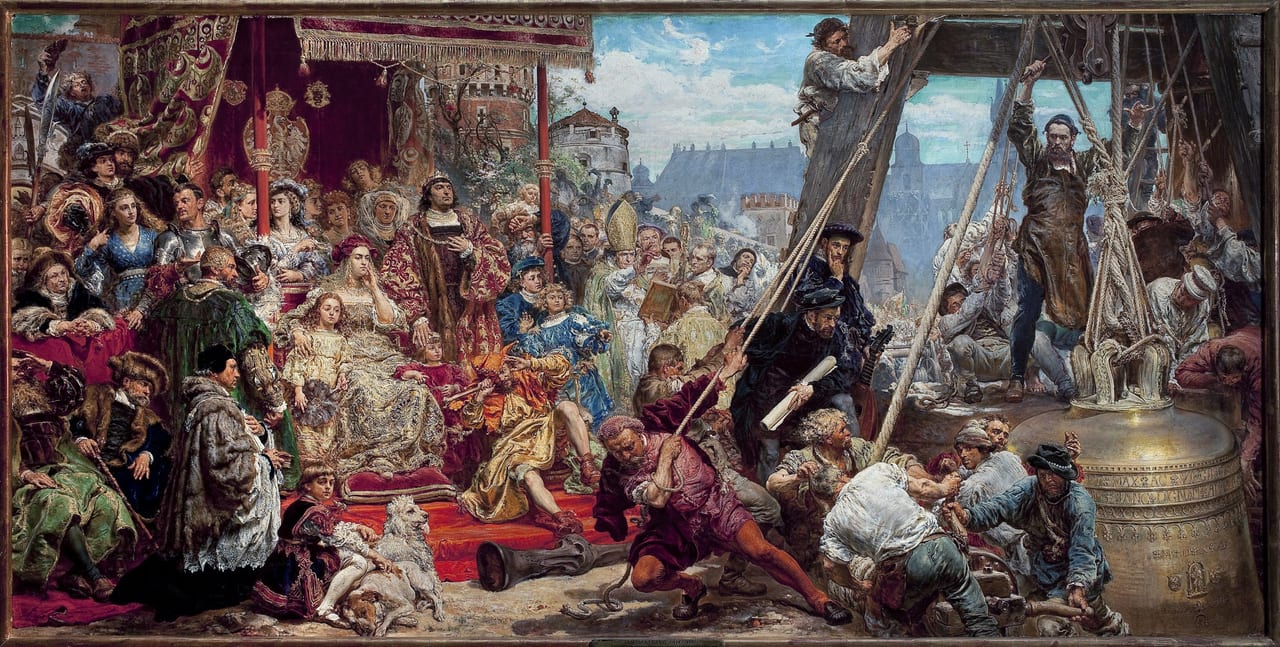
The Hanging of the Sigismund bell at the Cathedral Tower in 1521 in Kraków
Jan Matejko · 1874
National Museum of Warsaw
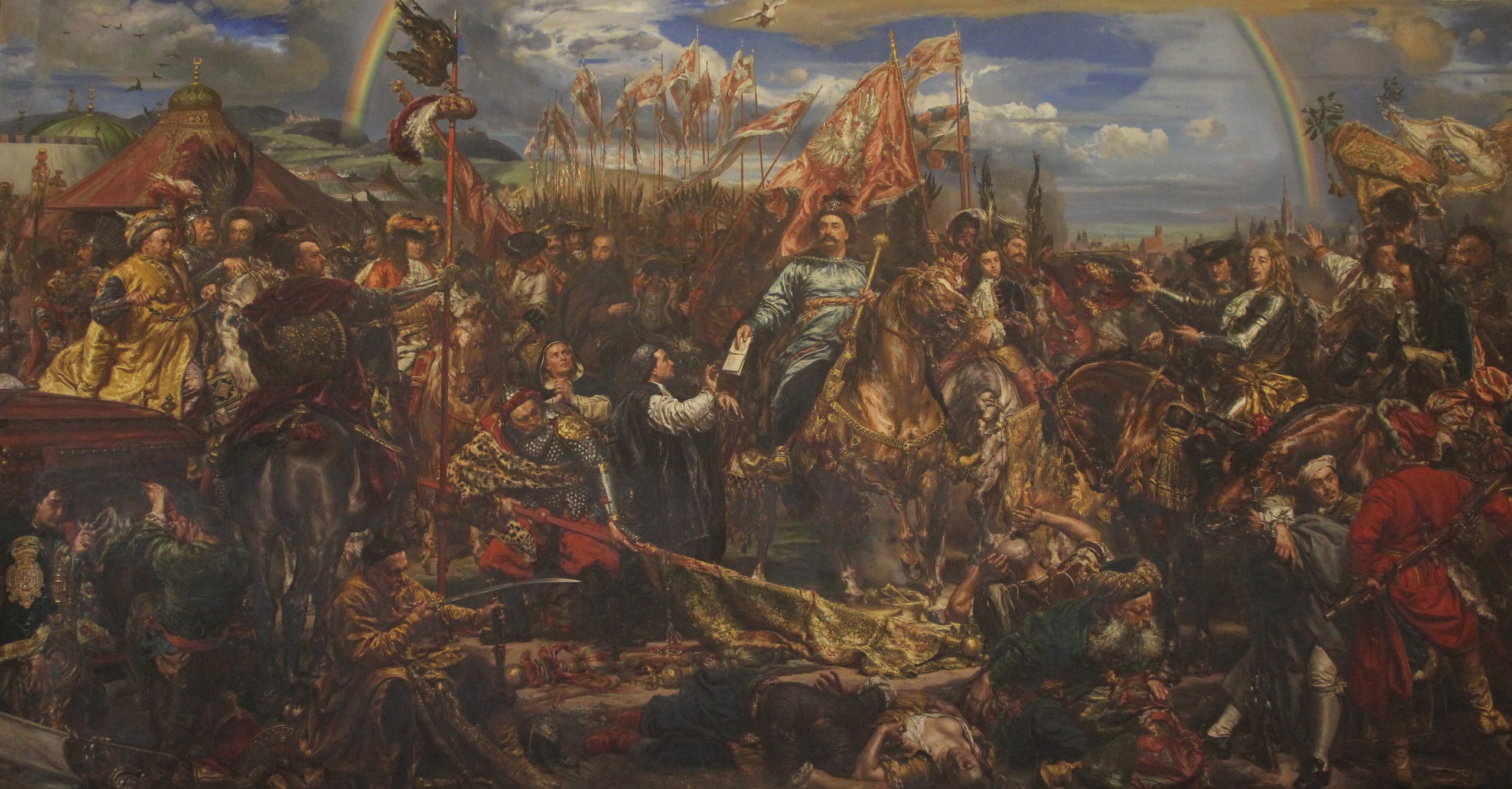
Jan Sobieski at Vienna
Jan Matejko · 1883
Vatican Museums
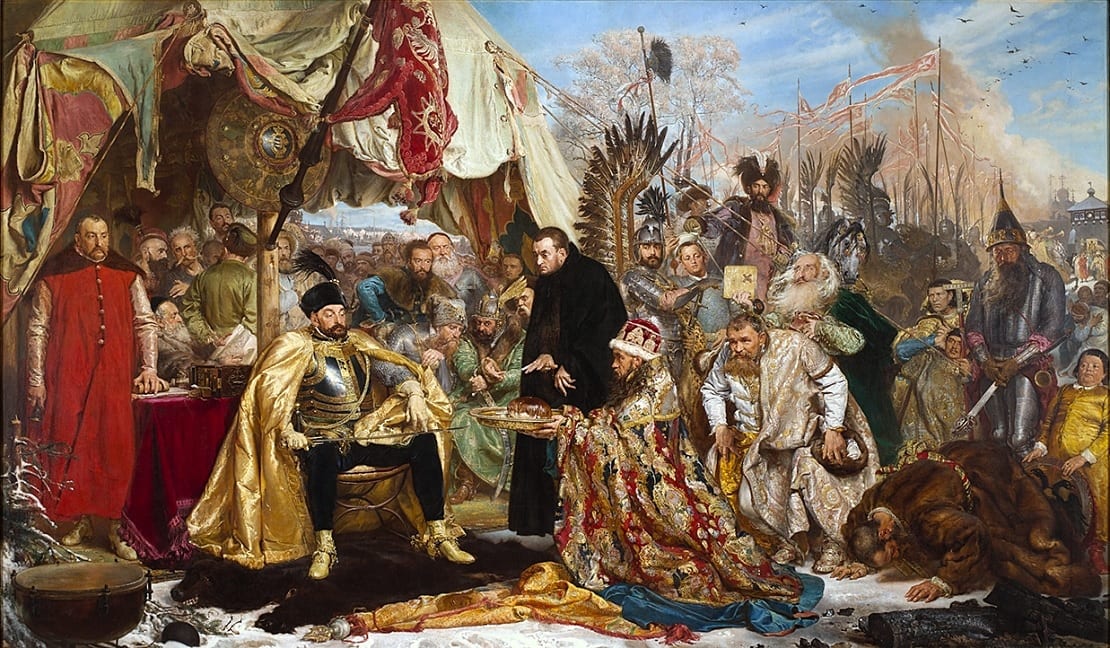
Stephen Báthory at Pskov
Jan Matejko · 1872
Royal Castle, Warsaw
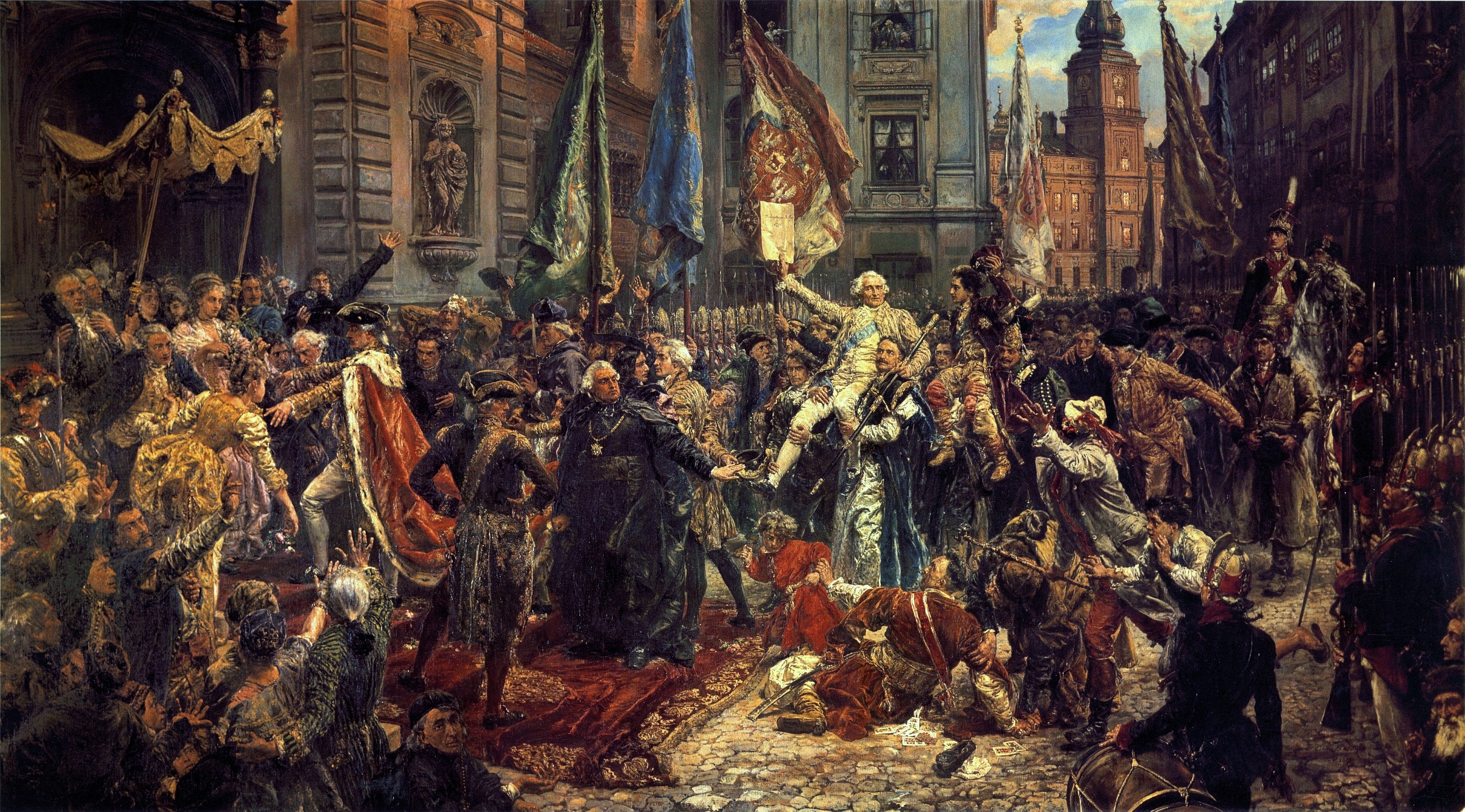
Constitution of May 3, 1791
Jan Matejko · 1891
Royal Castle, Warsaw
Rejtan
Jan Matejko · 1866
Royal Castle, Warsaw
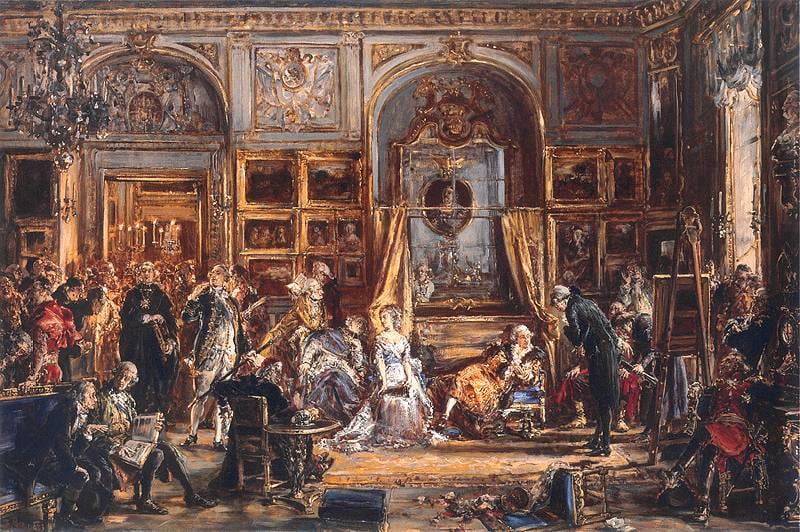
The Constitution of May 3. Four-Year Sejm. Educational Commission. Partition. A.D. 1795.
Jan Matejko · 1889
Royal Castle, Warsaw
Battle of Raclawice
Jan Matejko · 1888
National Museum in Kraków
Students Leaving Krakow in 1549
Jan Matejko · 1892
National Museum in Kraków
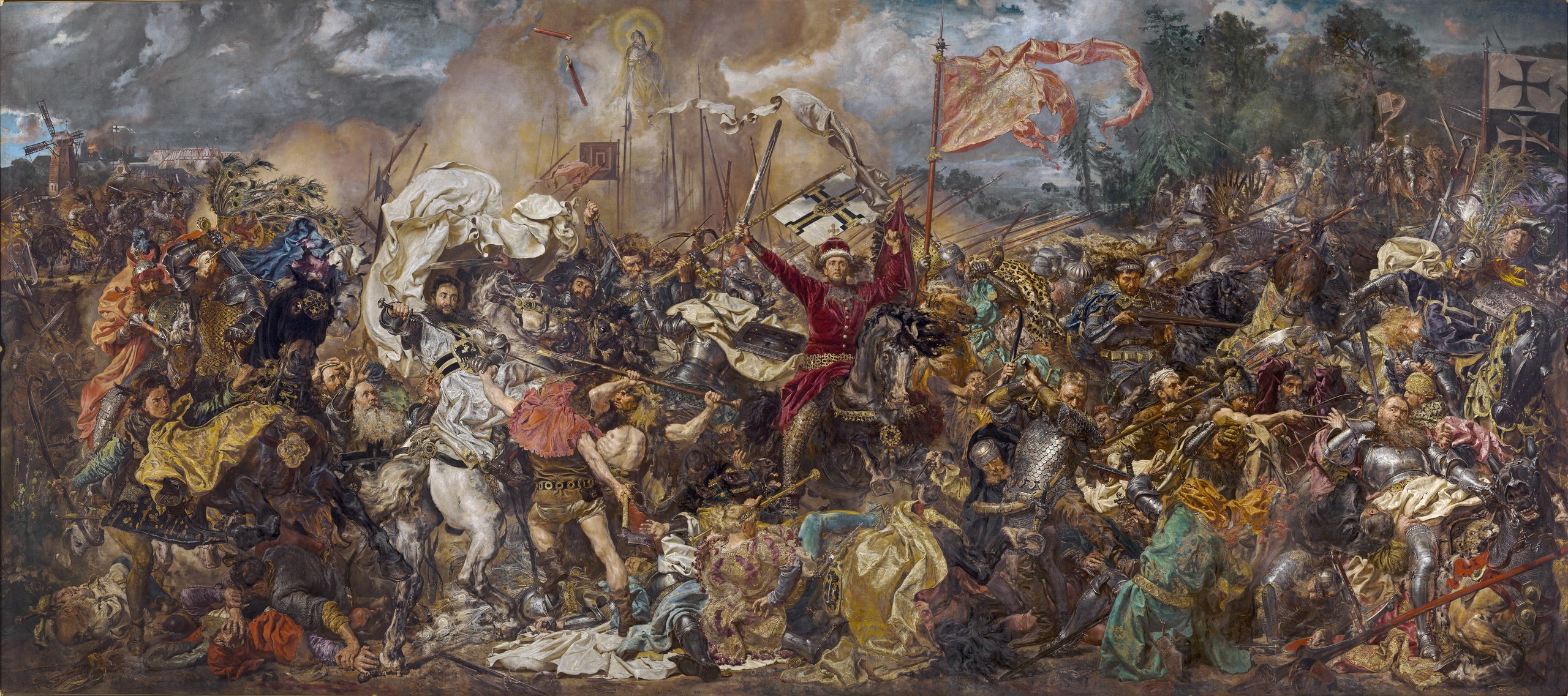
Battle of Grunwald
Jan Matejko · 1878
National Museum of Warsaw
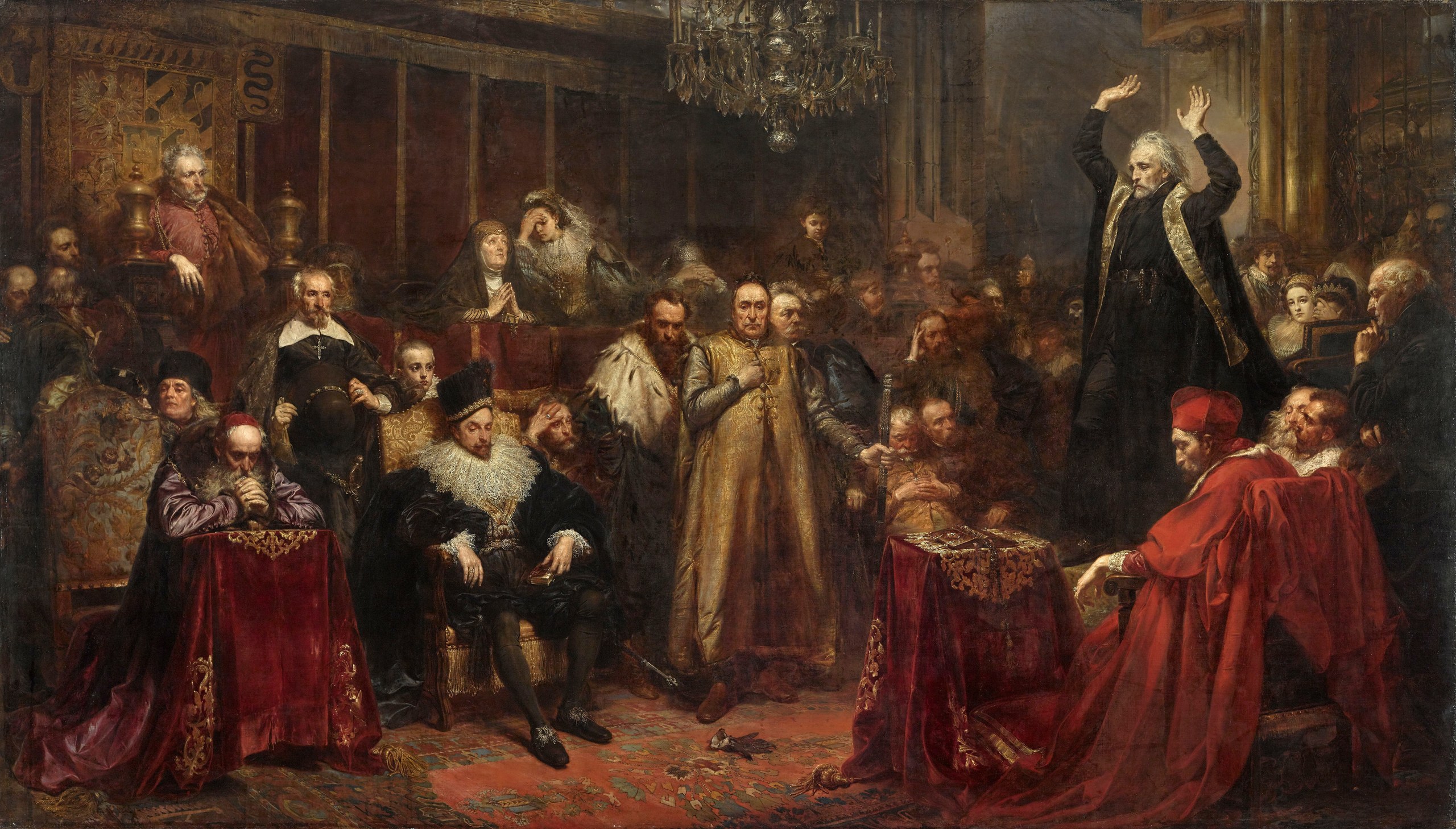
Skarga's Sermon
Jan Matejko · 1864
National Museum of Warsaw
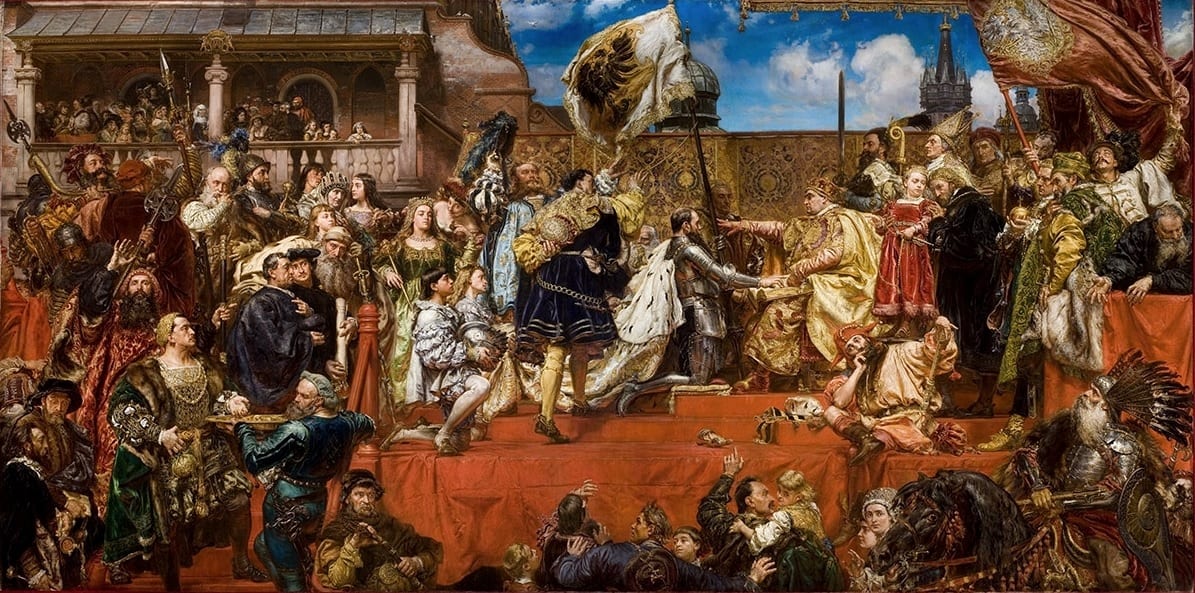
Prussian Homage
Jan Matejko · 1879
National Museum in Kraków
Works worth knowing
11 of Jan Matejko's works, and what makes each one worth a look.
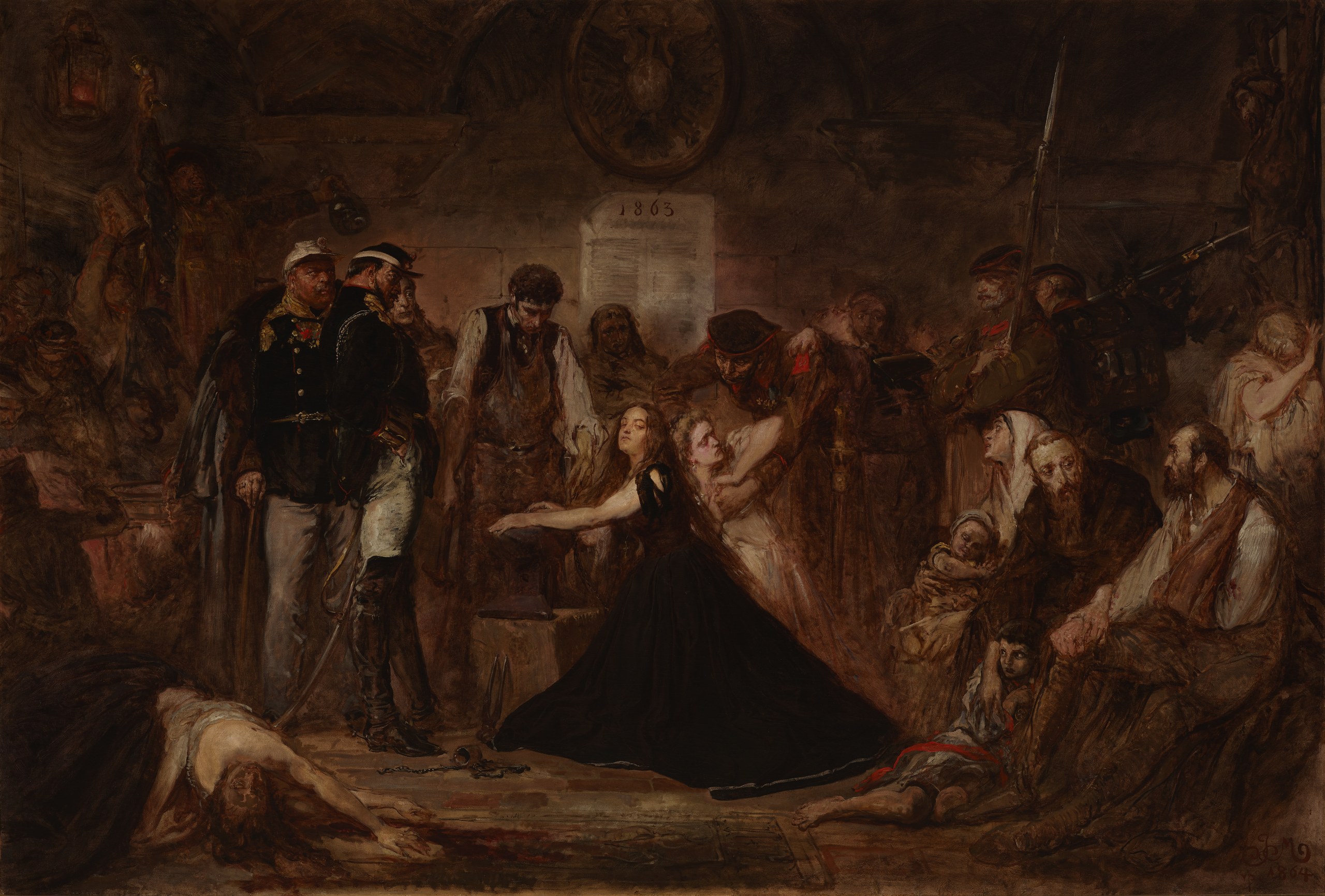
Poland – The Year 1863
Jan Matejko · 1864
National Museum in Kraków
Poland, The Year 1863 (Polish, Polonia, Rok 1863) or The Shackling of Poland (Zakuwana Polska) is an unfinished oil on canvas painting by Jan Matejko, created in 1864 in response to his experiences during the January Uprising. It now lies in the Czartoryski Museum in Kraków. The artist did not find any opportunity to display the work in public and, afraid of repression and fearing for his and his family's safety, he hid it behind the stove in his house.
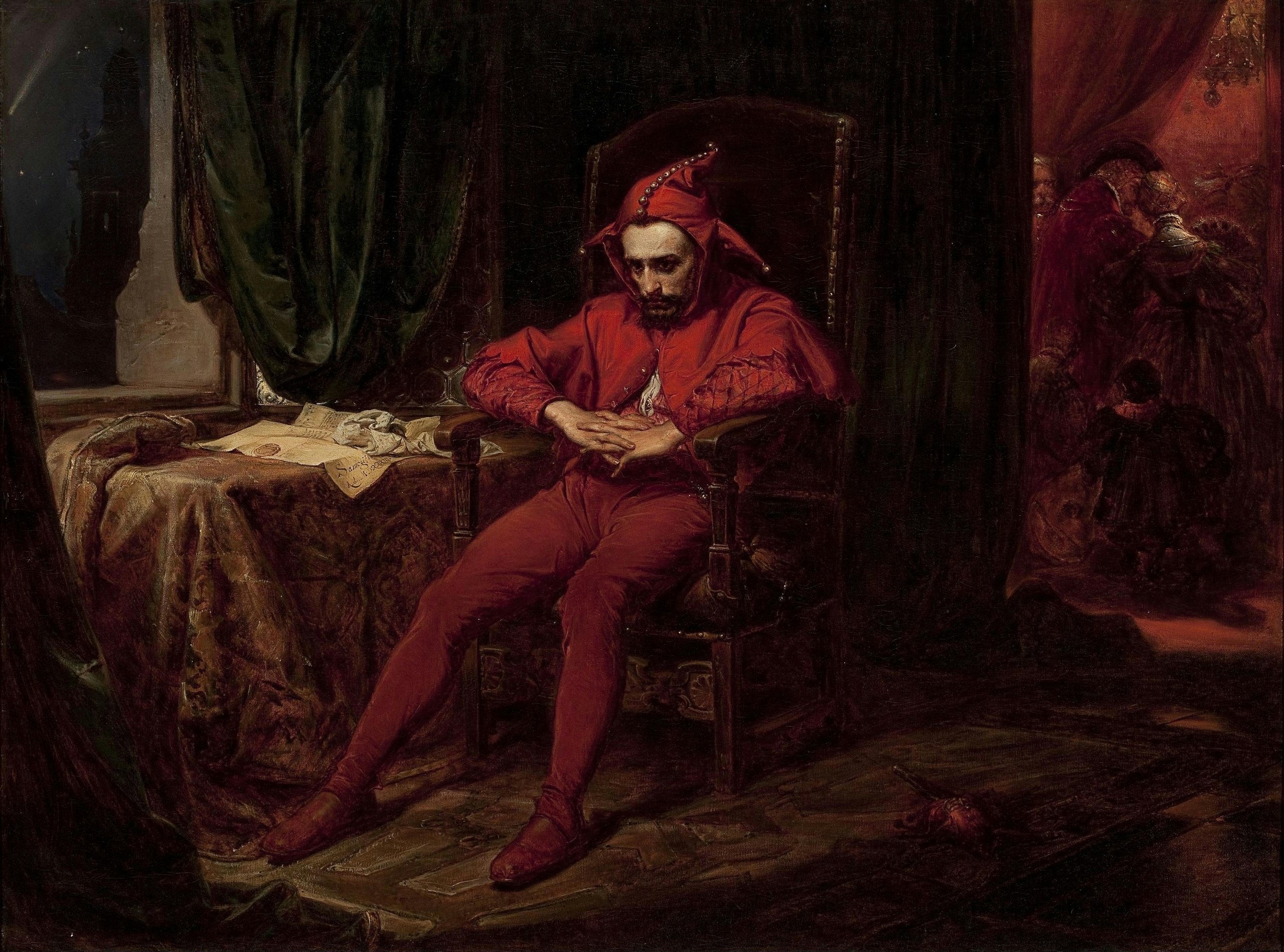
Stańczyk
Jan Matejko · 1862
National Museum of Warsaw
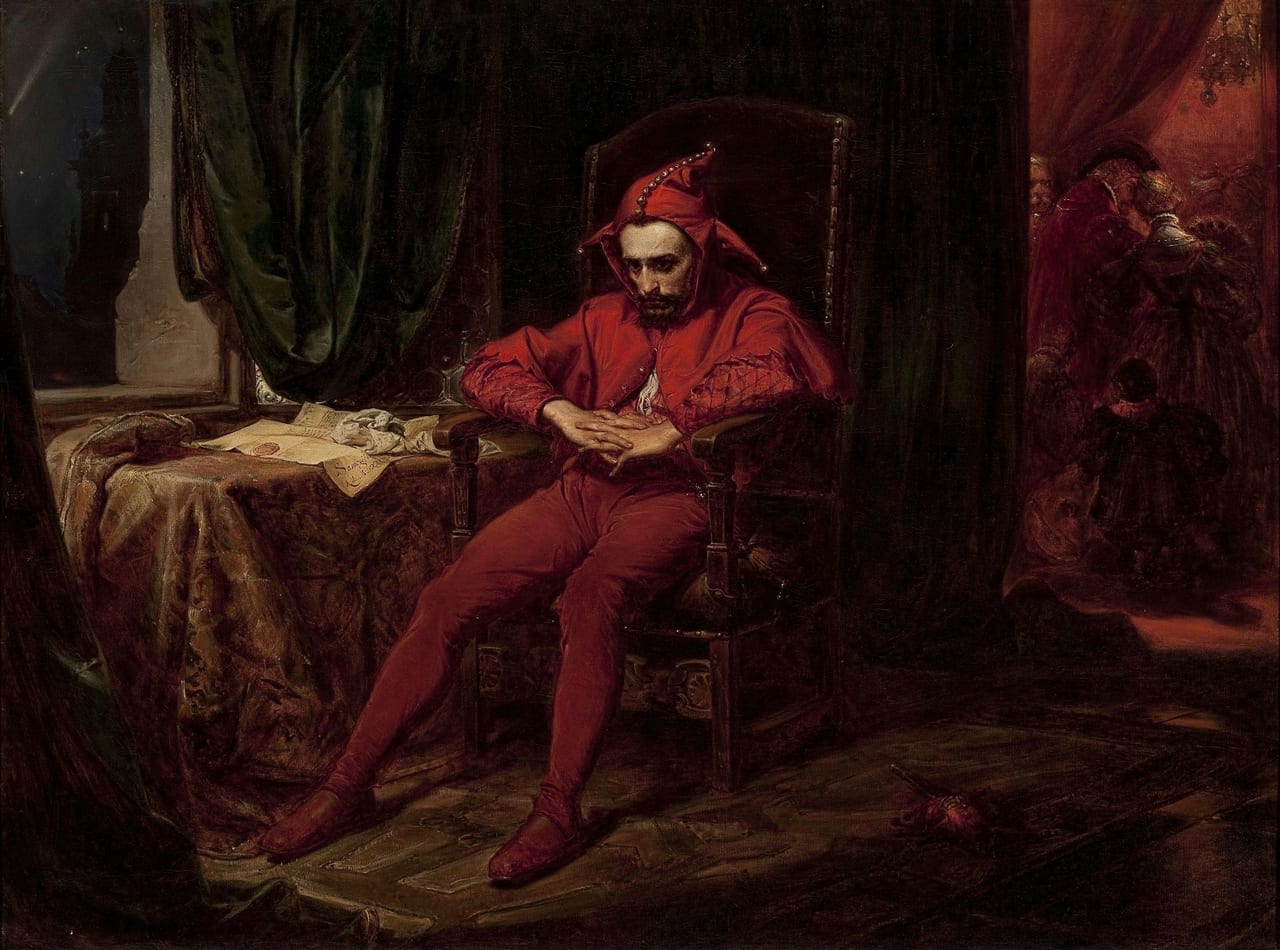
Stańczyk (Full title: Stańczyk during a ball at the court of Queen Bona in the face of the loss of Smolensk, Polish: Stańczyk w czasie balu na dworze królowej Bony wobec straconego Smoleńska) is a painting by Jan Matejko finished in 1862. This painting was acquired by the National Museum in Warsaw in 1924. During World War II it was looted by the Nazis, but later seized by the Soviet Union and returned to Poland around 1956.
The Hanging of the Sigismund bell at the Cathedral Tower in 1521 in Kraków
Jan Matejko · 1874
National Museum of Warsaw
The Hanging of the Sigismund Bell (Polish: Zawieszenie dzwonu Zygmunta na wieży katedry w roku 1521 w Krakowie English: The Hanging of the Sigismund bell at the Cathedral Tower in 1521 in Kraków) is a painting by Jan Matejko finished in 1874. It depicts the installation of the Sigismund Bell in the Wawel Cathedral in Kraków in 1521. The bell was installed in the Sigismund Tower and rung for the first time on 13 July 1521.
Stephen Báthory at Pskov
Jan Matejko · 1872
Royal Castle, Warsaw
Stephen Báthory at Pskov or Báthory at Pskov (Polish - Stefan Batory pod Pskowem) is an allegorical historical painting from 1872 by the Polish artist Jan Matejko, now in the collections of the Royal Castle in Warsaw, Poland. It portrays a fictional event of people of the Russian tsar Ivan the Terrible kneeling before the Polish king Stephen Báthory at Pskov during the final period of peace negotiations at the end of the 1578 to 1582 Livonian campaign. It also shows the papal legate, the black-robed Jesuit Antonio Possevino.
Constitution of May 3, 1791
Jan Matejko · 1891
Royal Castle, Warsaw
The Constitution of 3 May 1791 (Polish: Konstytucja 3 Maja 1791 roku) is an 1891 oil painting on canvas by the Polish artist Jan Matejko. It is a large piece, and one of Matejko's best known. The Romantic painting memorializes the Polish Constitution of 3 May 1791, a milestone in the history of the Polish, Lithuanian Commonwealth and a high point of the Polish Enlightenment.
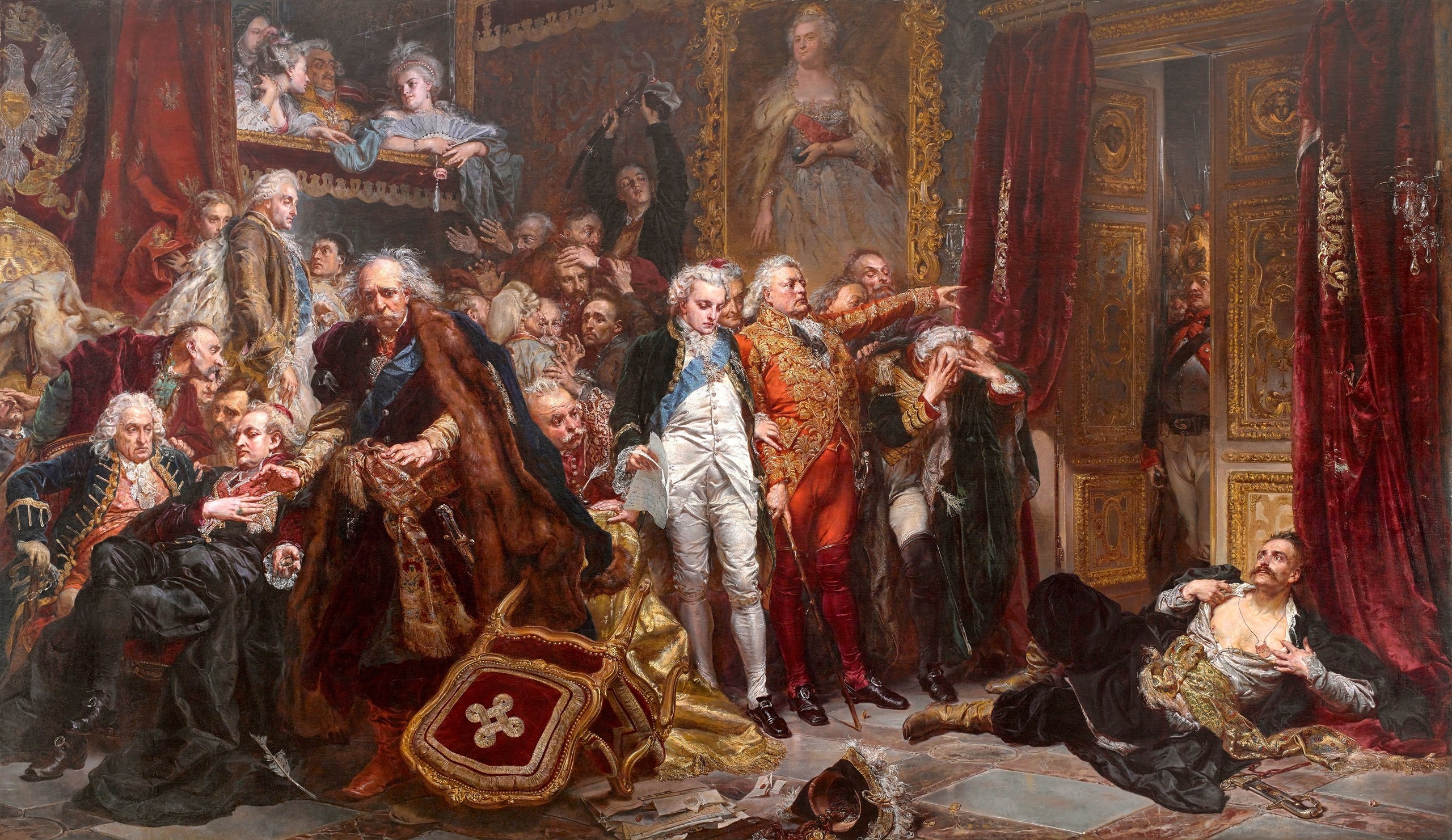
Rejtan
Jan Matejko · 1866
Royal Castle, Warsaw
Rejtan, or the Fall of Poland (Polish: Rejtan. Upadek Polski) is an oil painting by the Polish artist Jan Matejko, finished in 1866, depicting the protest of Tadeusz Rejtan (lower right) against the First Partition of Poland during the Partition Sejm of 1773. Tadeusz Rejtan was a member of the Polish, Lithuanian Commonwealth's Sejm, known for his opposition to the First Partition of Poland in 1773 by physically trying to prevent delegates from leaving the chamber to stop the ratification of the partition.
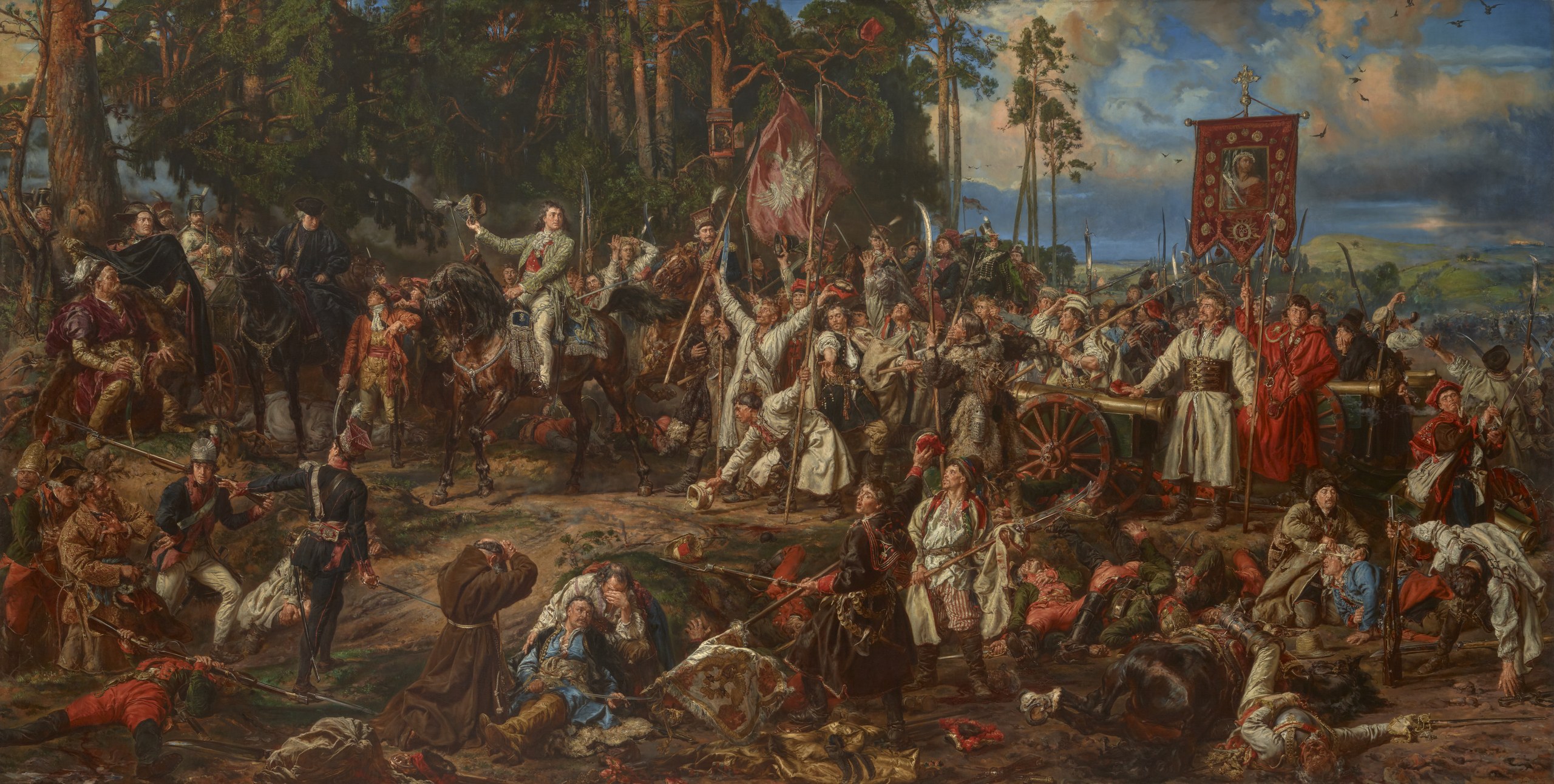
Battle of Raclawice
Jan Matejko · 1888
National Museum in Kraków
Kościuszko in Racławice (Polish: Kościuszko pod Racławicami) is an oil painting of the Battle of Racławice of 1794, painted by Jan Matejko in 1888, exhibited in the Gallery of 19th Century Polish Art in the Sukiennice Museum (Kraków). The interpretation of the painting was greatly influenced by Marian Gorzkowski's feuilleton Hints to Jan Matejko's latest painting "Kościuszko in Racławice", finished in April 1888. Tadeusz Kościuszko is dressed in a fashionable uniform tailcoat, identical to that in Michał Stachowicz's painting Kościuszko's Oath on the Main Square, which depicts the scene of Kościuszko's proclamation which occurred the prior month.
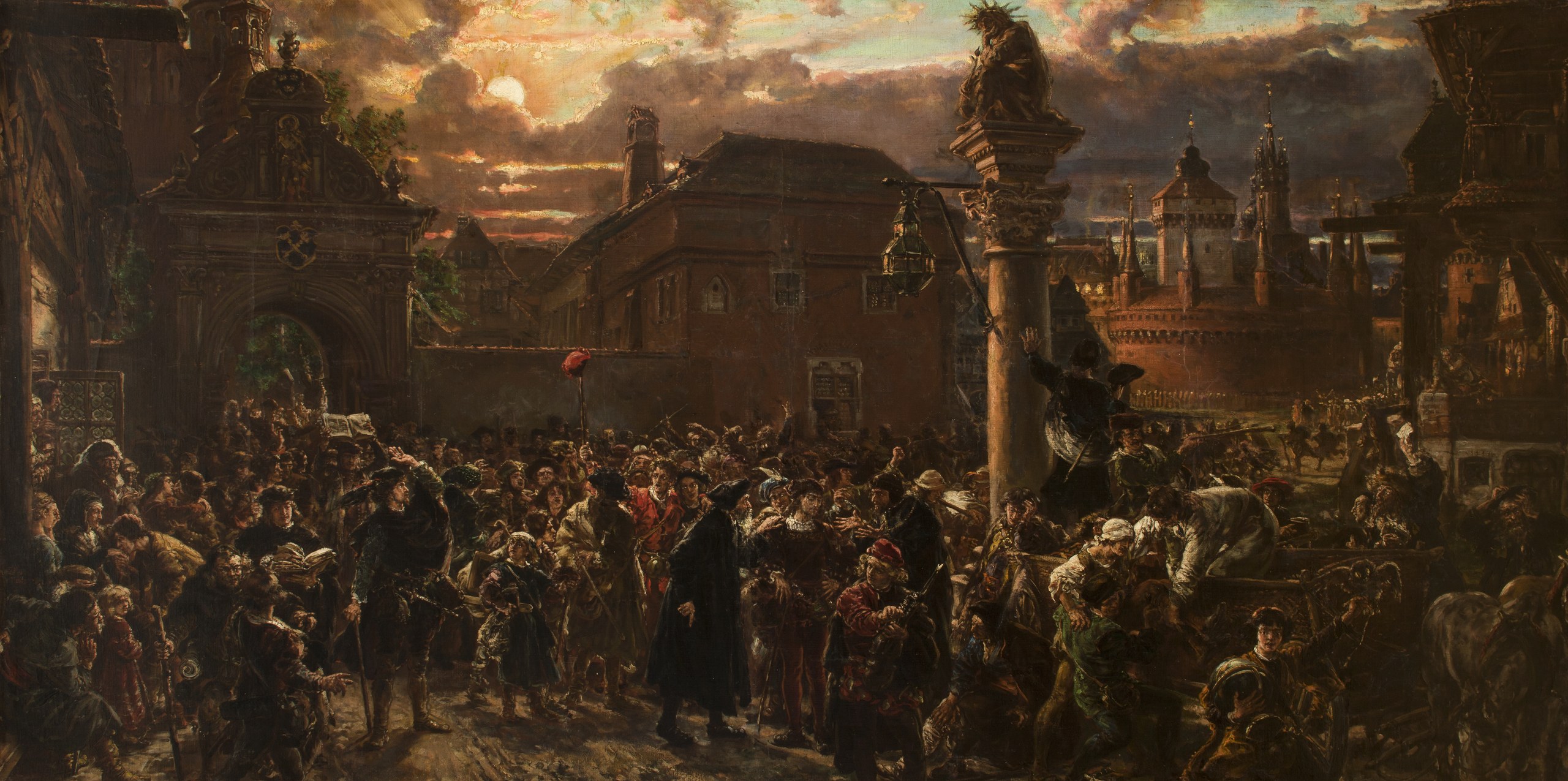
Students Leaving Krakow in 1549
Jan Matejko · 1892
National Museum in Kraków
Students Leaving Krakow in 1549 (Wyjście żaków z Krakowa w roku 1549) is an oil painting painted by Jan Matejko in the autumn of 1892 in Krzesławice during a health stay in a country manor belonging to the artist's family. The painting is in the collection of the National Museum in Krakow and is exhibited in the Jan Matejko House on Floriańska Street. On the canvas, Matejko depicted Kleparski Square, filled with crowds of people.
Where the work hangs
The museums that hold it, and their visitor guides.
If you like Jan Matejko
Artists held by the same museums.
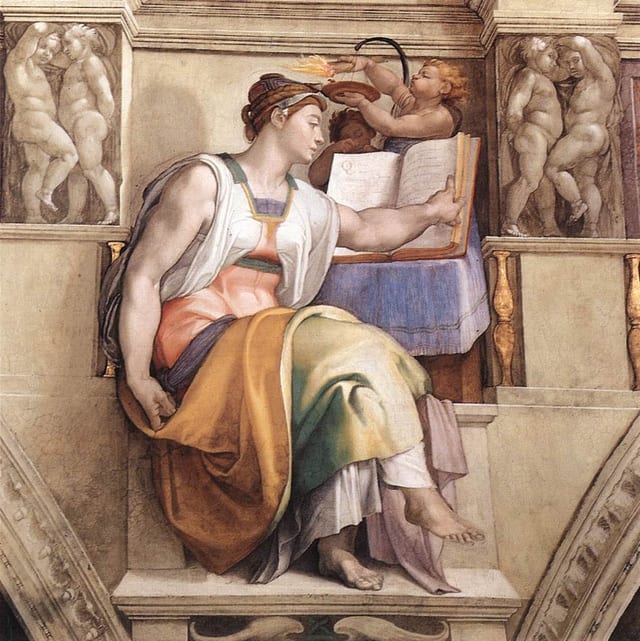
Michelangelo
Republic of Florence · 28 in the archive
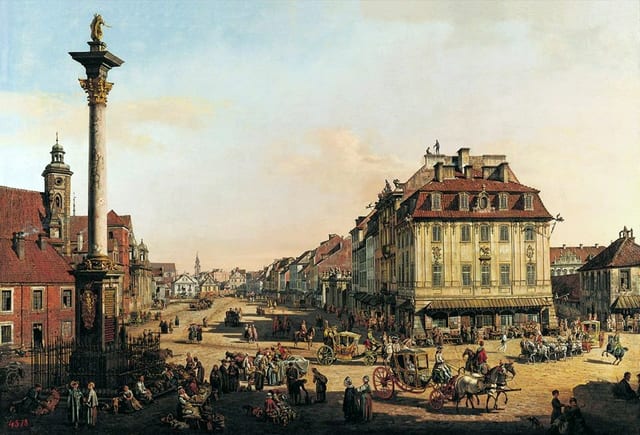
Bernardo Bellotto
Republic of Venice · 22 in the archive
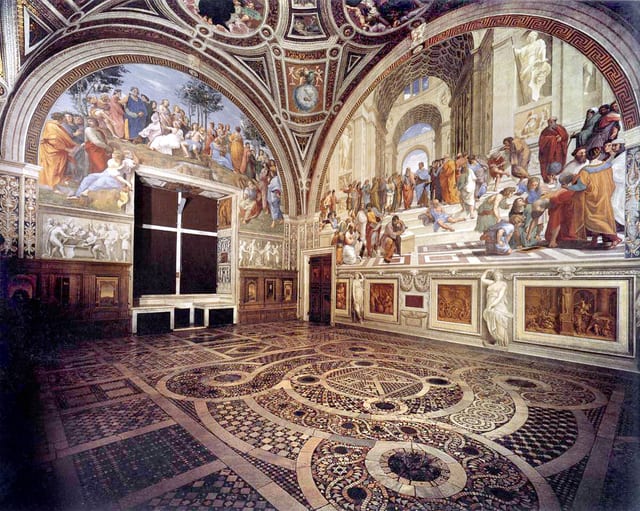
Raphael
Holy Roman Empire · 22 in the archive
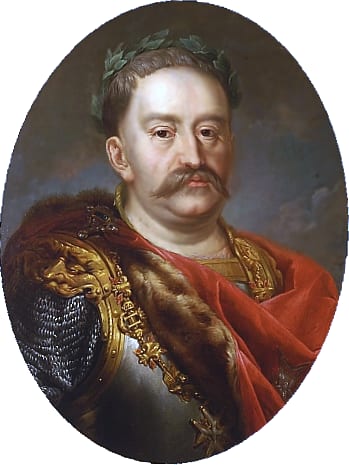
Marcello Bacciarelli
Russian Empire · 8 in the archive
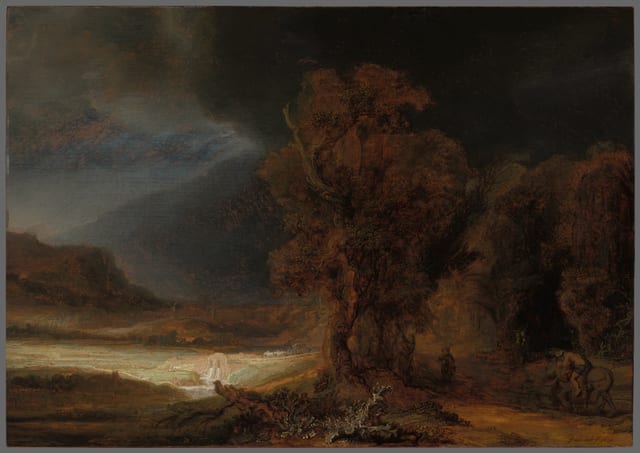
Rembrandt van Rijn
Dutch · 4 in the archive
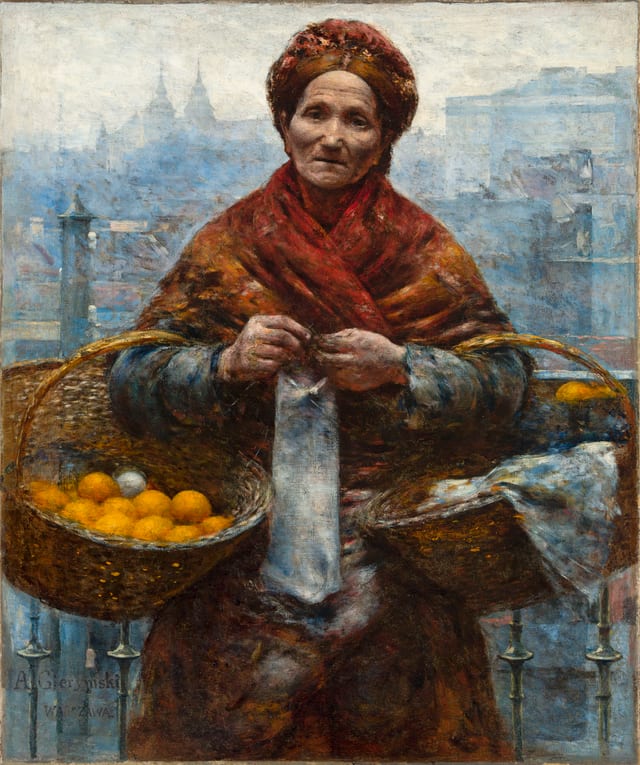
Aleksander Gierymski
Poland · 2 in the archive
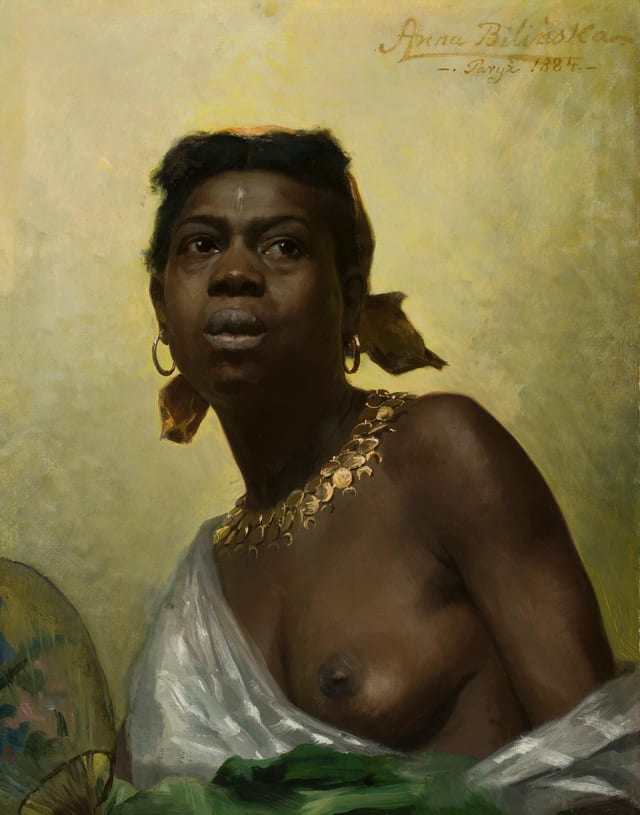
Anna Bilińska-Bohdanowicz
Congress Poland · 2 in the archive
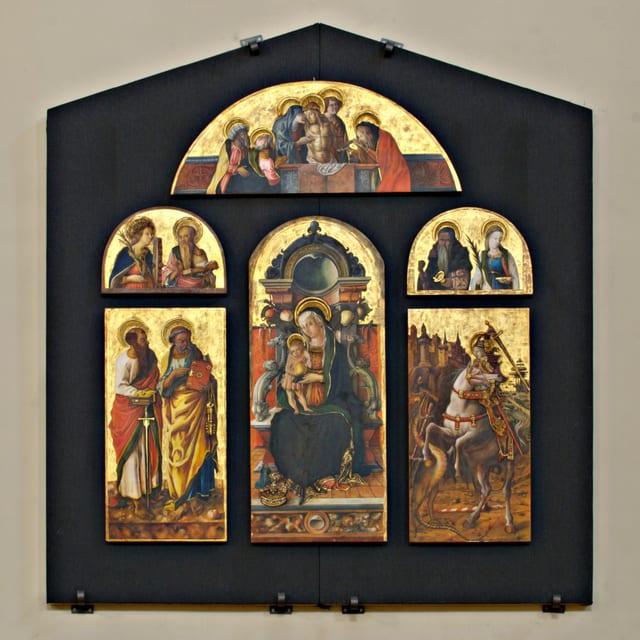
Carlo Crivelli
Italian · 2 in the archive
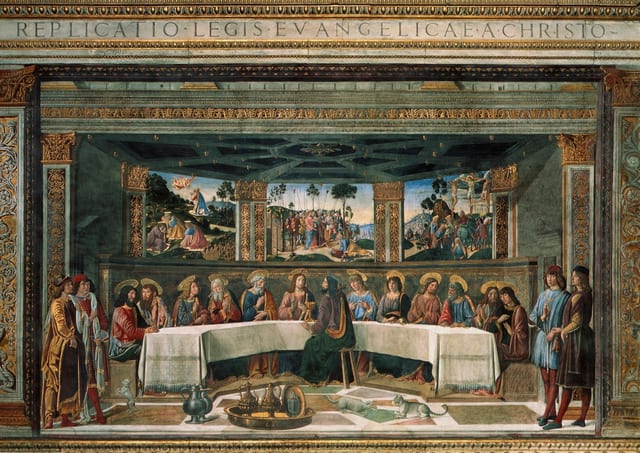
Cosimo Rosselli
2 in the archive
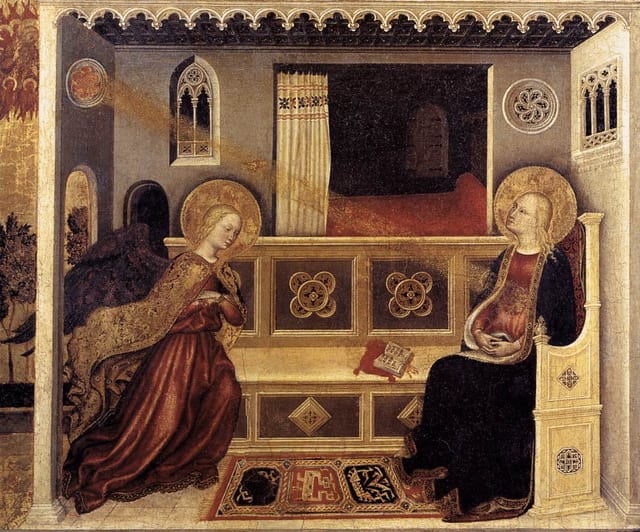
Gentile da Fabriano
Italian · 2 in the archive
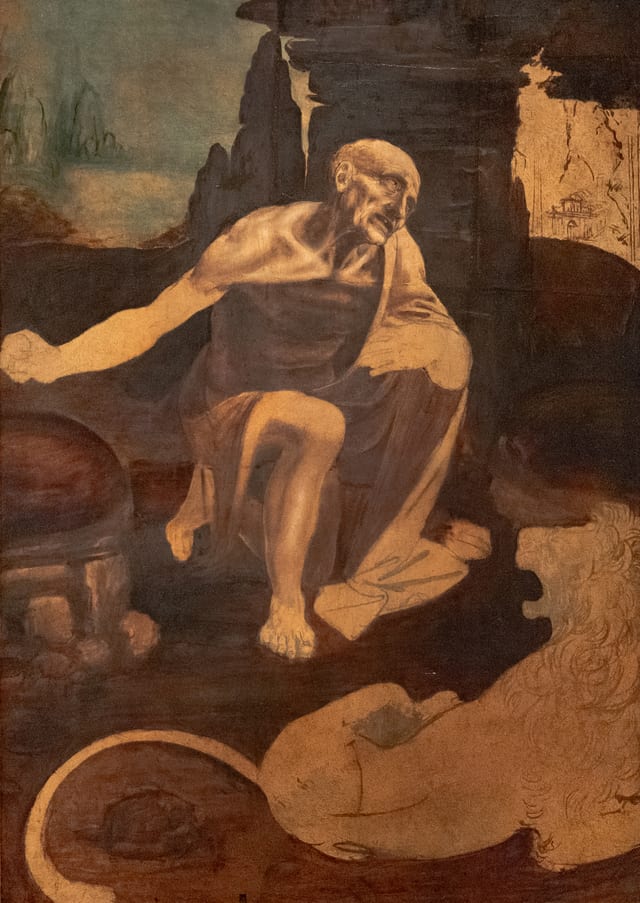
Leonardo da Vinci
Italian · 2 in the archive
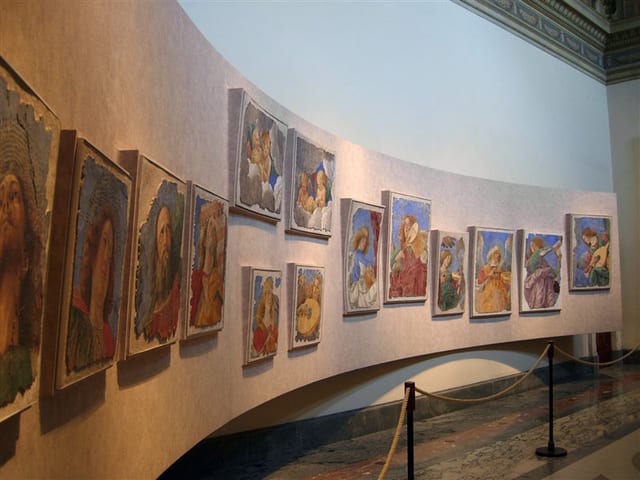
Melozzo da Forlì
Italy · 2 in the archive
Invite the masters into your living room.
Jan Matejko on your TV, phone, or tablet. Free to start.
View on MomentableIndependent guide by Momentable · biography from Wikipedia · artworks are in the public domain and credited to the museum that holds them