Battle of Grunwald
Jan Matejko · 1878

National Museum of Warsaw
Warsaw · Founded 1862
Matejko's Battle of Grunwald runs four metres across a wall, and Stanczyk sits alone with the news nobody else has understood. Thirty złoty for the permanent galleries, which run from Egyptian and Roman rooms to Polish painting since the sixteenth century.
- 1.5M
- Visitors a year
- 1862
- Founded
- 30 zł
- Admission
- Closed Mon
- Daily opening hours
33 works from this collection play free on your TV, phone or tablet. Press play and one starts now.
Watch it nowWhat to see
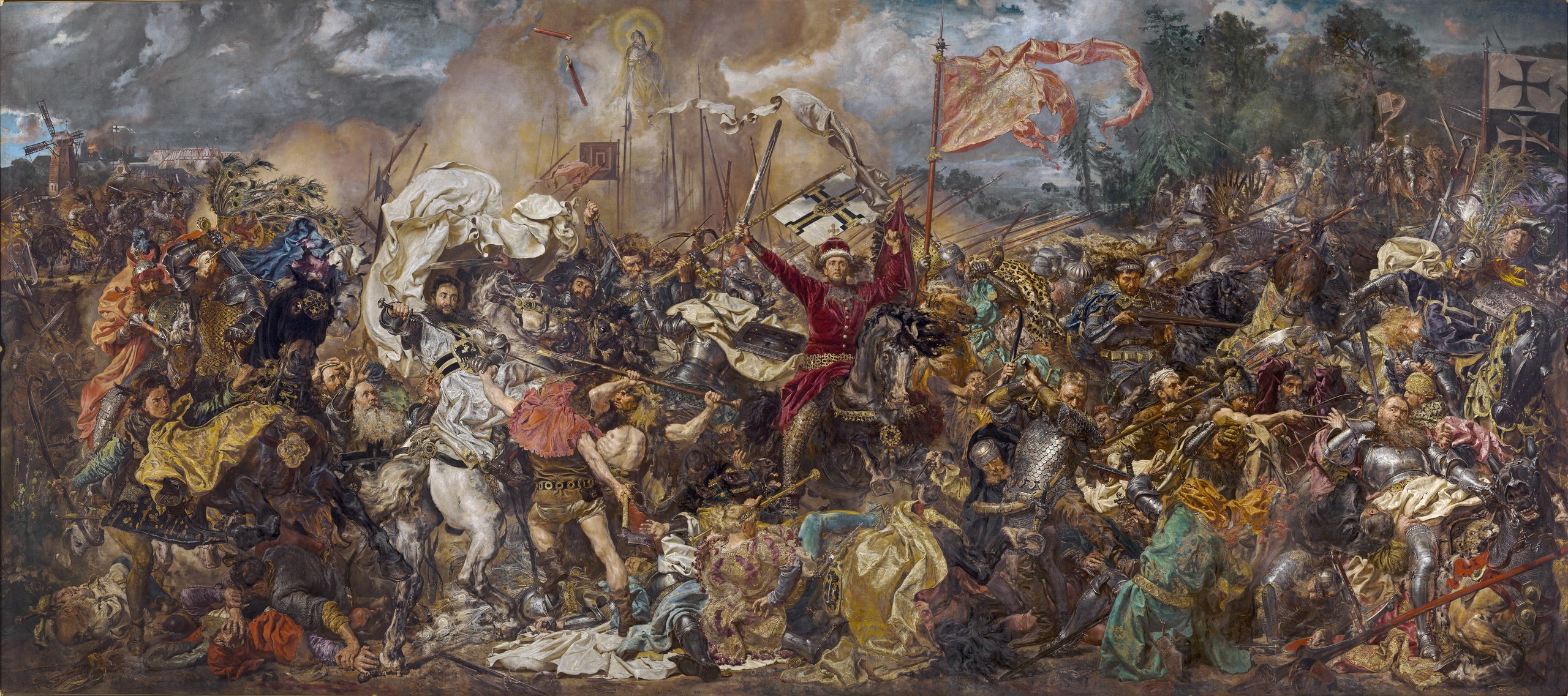
Battle of Grunwald
Jan Matejko · 1878
The Battle of Grunwald is a painting by Jan Matejko depicting the Battle of Grunwald and the victory of the allied Crown of the Kingdom of Poland and Grand Duchy of Lithuania over the Teutonic Order in 1410. The canvas dates to 1878 and is one of the most heroic representations of the history of Poland and Lithuania. It is displayed in the National Museum in Warsaw.
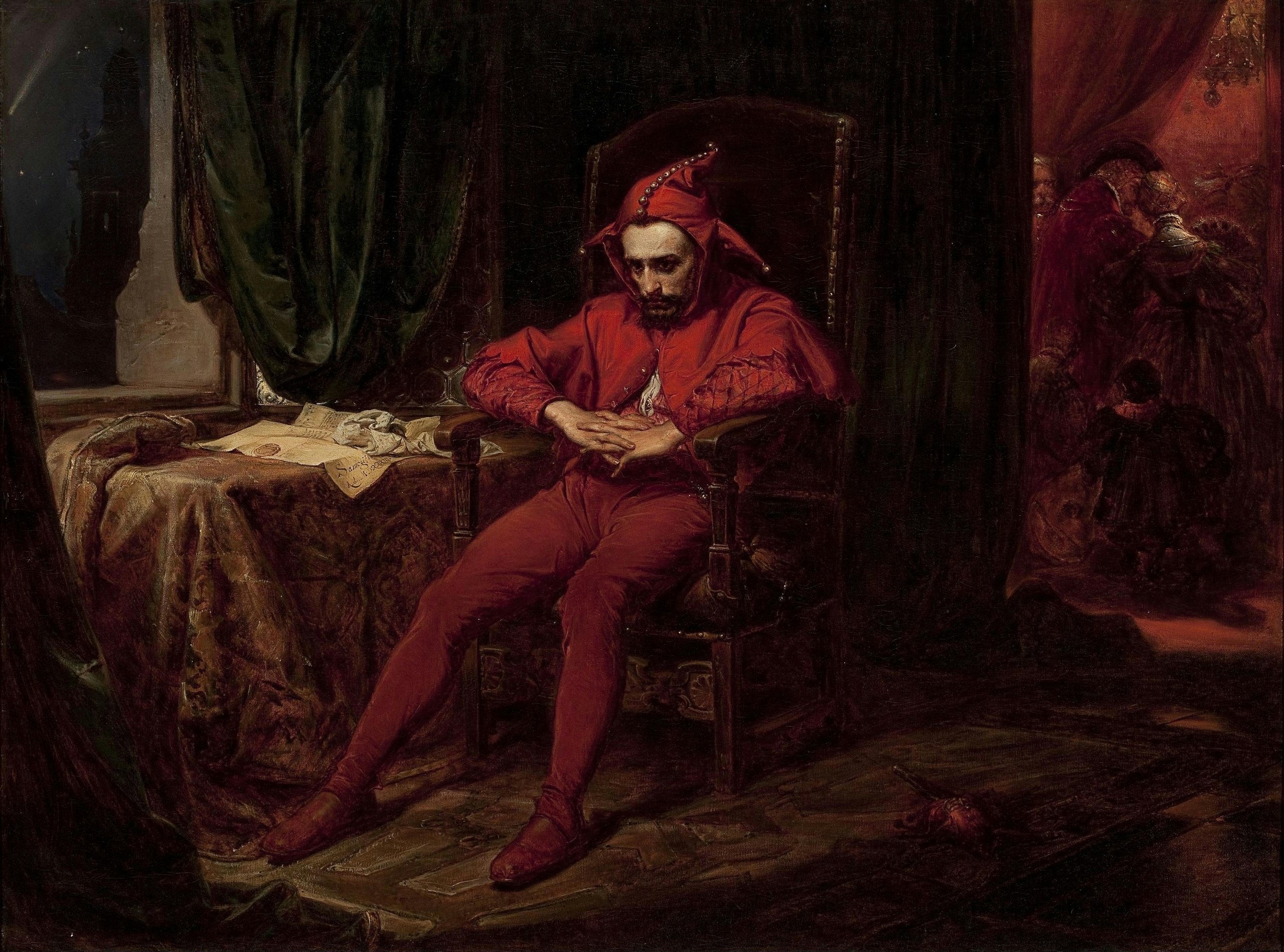
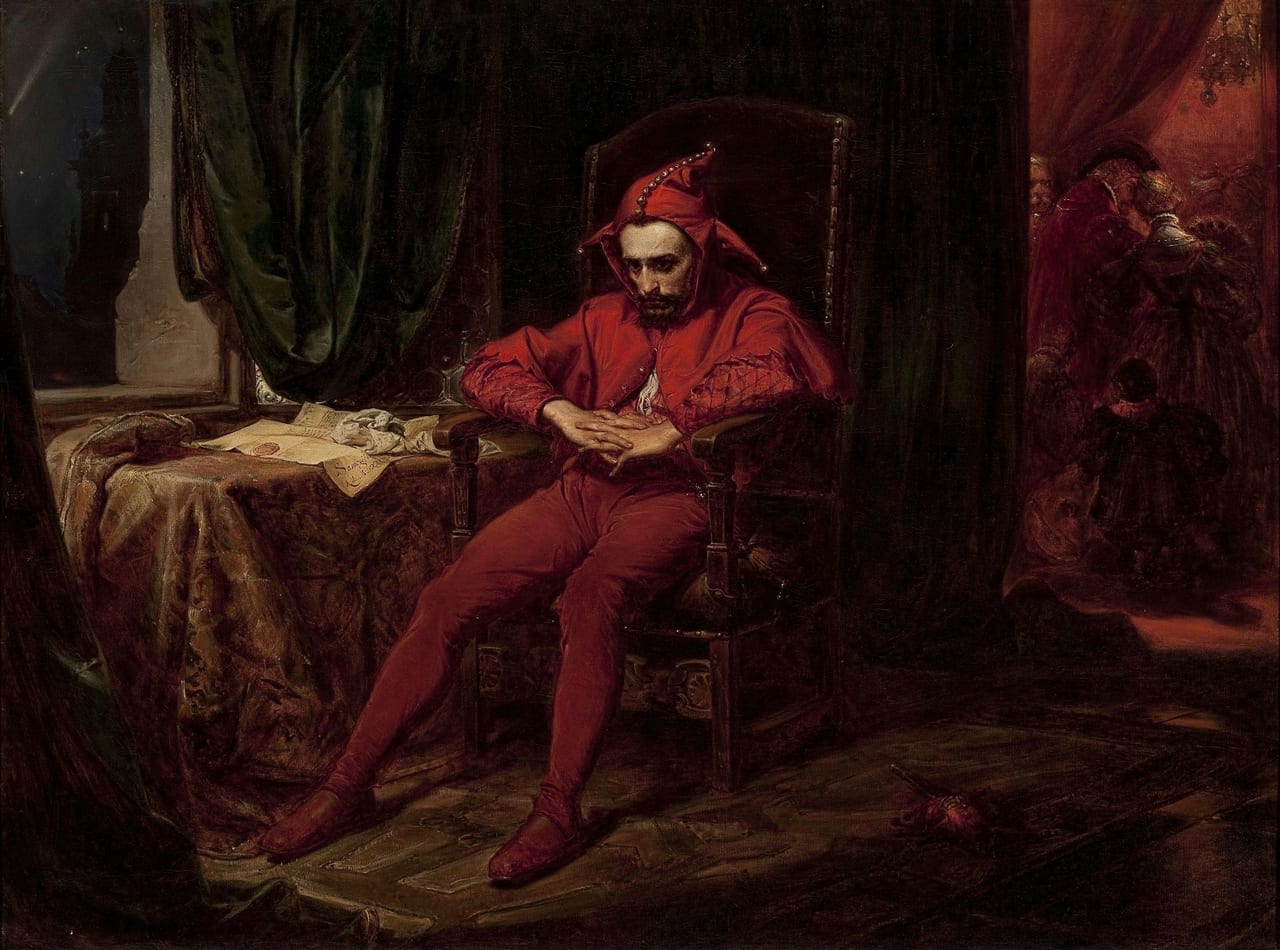
Stańczyk
Jan Matejko · 1862
Stańczyk is a painting by Jan Matejko finished in 1862. This painting was acquired by the National Museum in Warsaw in 1924. During World War II it was looted by the Nazis, but later seized by the Soviet Union and returned to Poland around 1956.
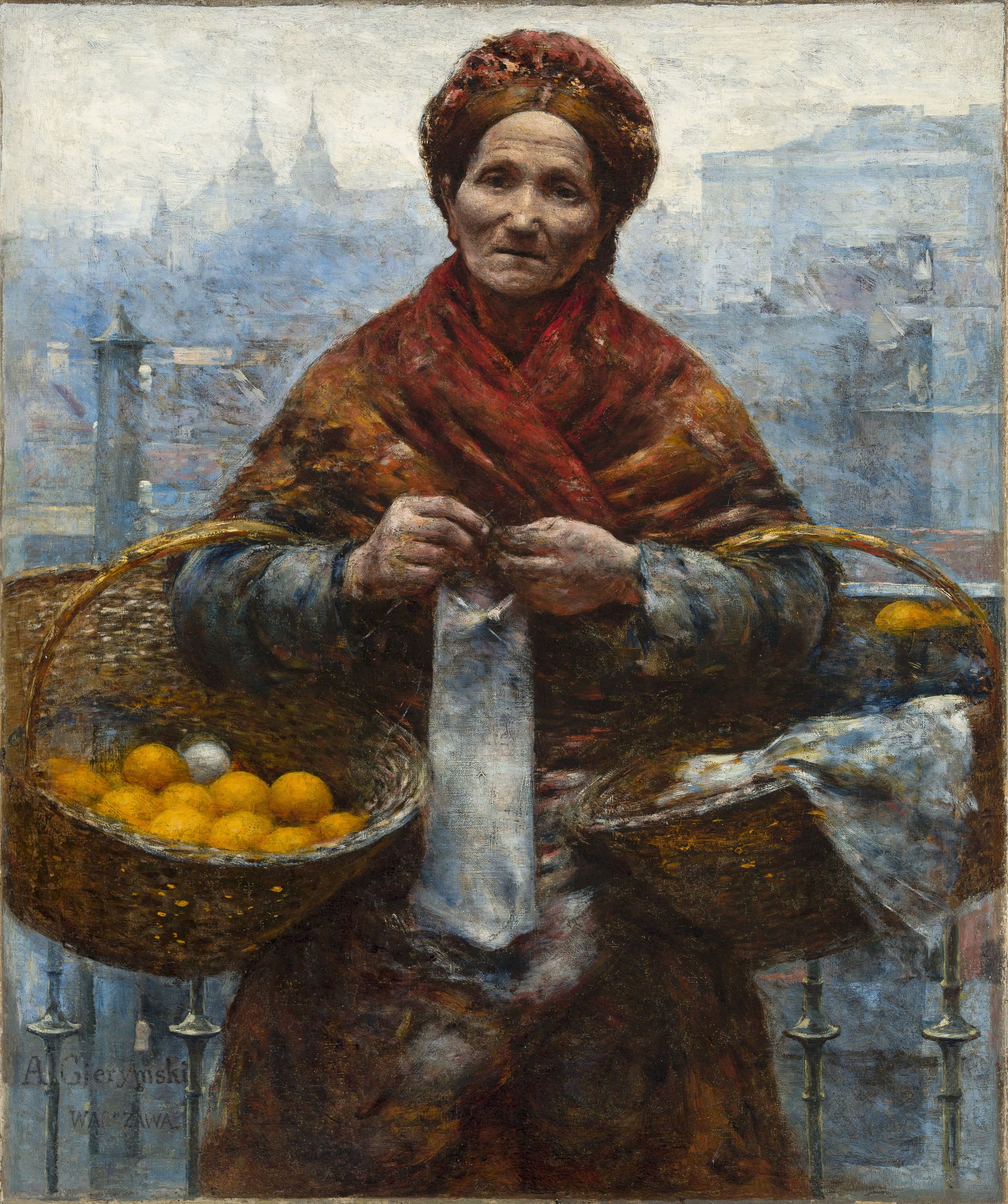
Jewess with Oranges
Aleksander Gierymski · 1880
Jewess with Oranges is an oil painting on canvas by Aleksander Gierymski finished in 1881 and purchased by the National Museum in Warsaw in 1928. It was looted by the Nazis in Germany-occupied Poland during World War II, and recovered only in 2011.
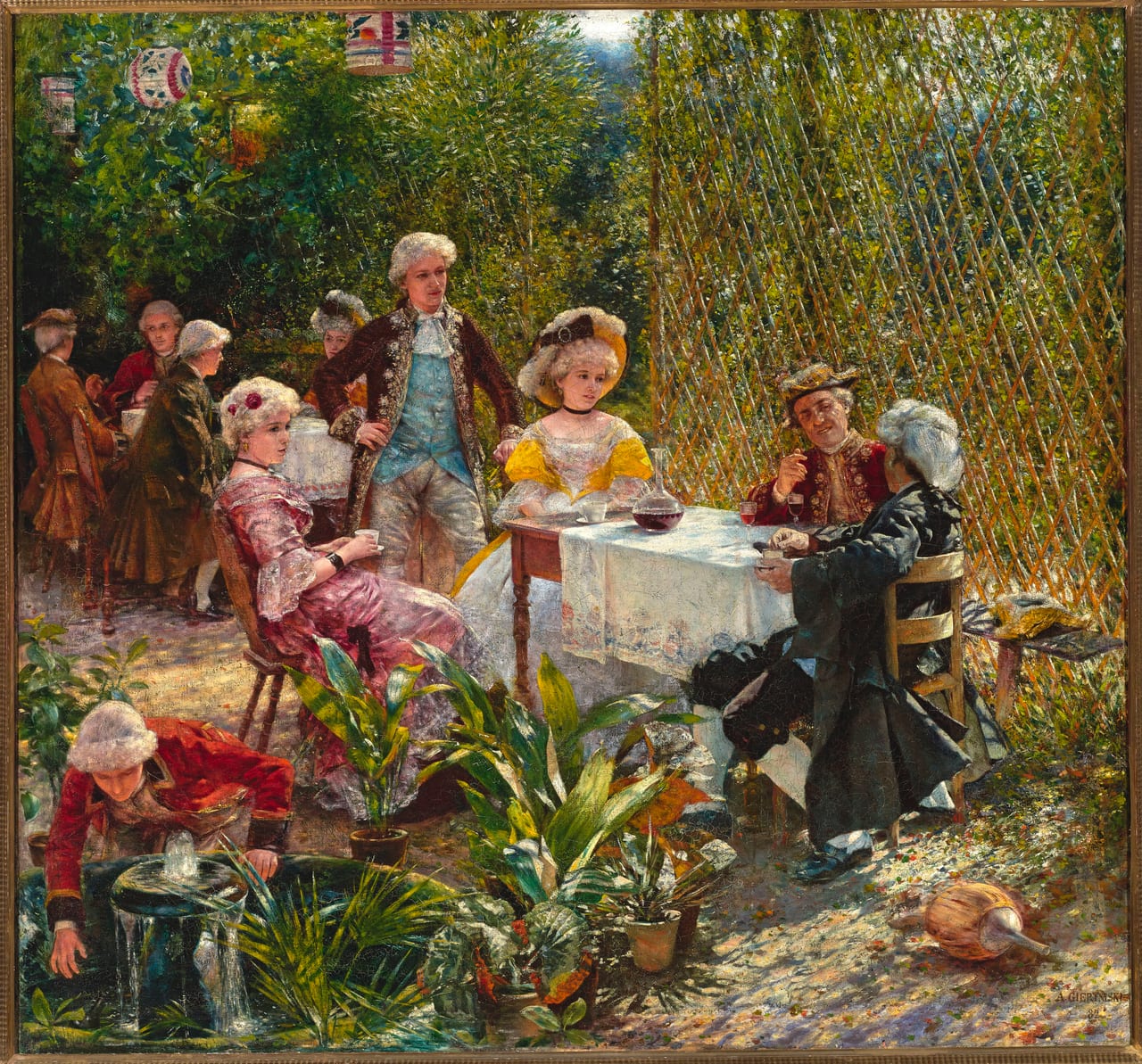
In the Arbour
Aleksander Gierymski · 1882
In the Arbour is an oil painting created by Polish Realist painter Aleksander Gierymski in 1882. It is displayed at the National Museum in Warsaw, Poland.
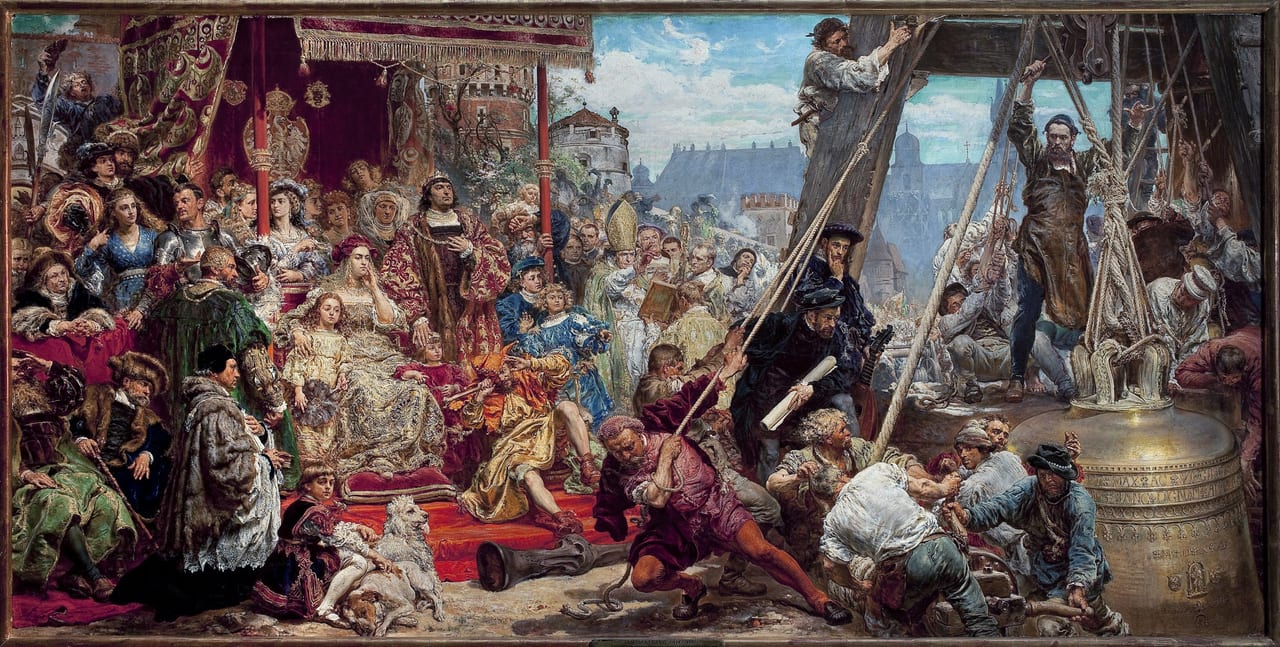
The Hanging of the Sigismund bell at the Cathedral Tower in 1521 in Kraków
Jan Matejko · 1874
The Hanging of the Sigismund Bell is a painting by Jan Matejko finished in 1874. It depicts the installation of the Sigismund Bell in the Wawel Cathedral in Kraków in 1521. The bell was installed in the Sigismund Tower and rung for the first time on 13 July 1521. The bell is considered to be one of the national symbols of Poland. This painting is one of a number of historical paintings by Matejko. It shows a crowd of people, with a number of identifiable figures of historical importance. It conveys the Golden Era of the Polish Renaissance, and the power of the Kingdom of Poland.
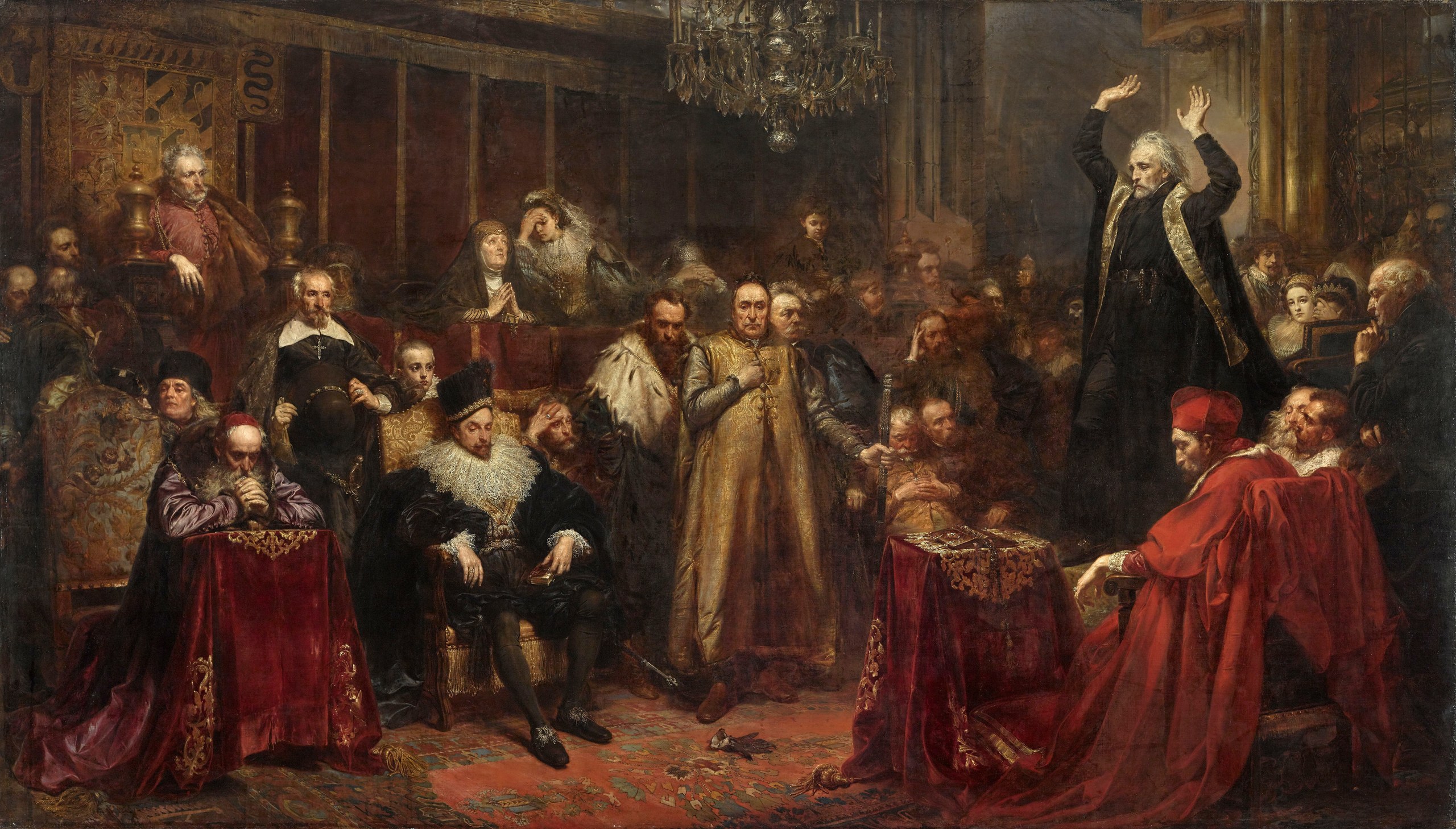
Skarga's Sermon
Jan Matejko · 1864
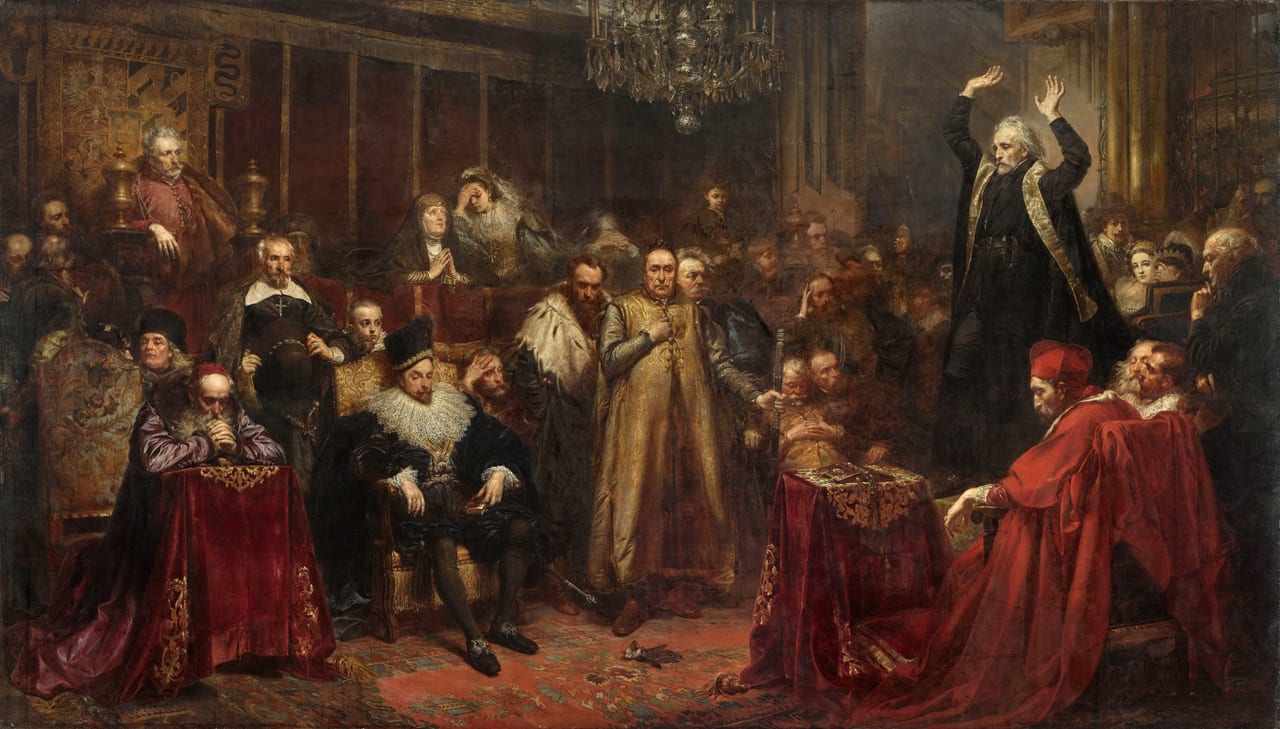
The Sermon of Piotr Skarga or Skarga's Sermon is a large oil painting by Jan Matejko, finished in 1864, now in the National Museum, Warsaw in Poland. It depicts a sermon on political matters by the Jesuit priest Piotr Skarga, a chief figure of the Counter Reformation in Poland, where he rebukes the Polish elite for neglecting the national interest.
The collections
Collections of the National Museum in Warsaw comprise about 830,000 exhibits of Polish and foreign art, from antiquity to the present, and include paintings, sculptures, drawings, engravings, photographs and coins as well as objects of applied art and design. The Collection of Ancient and East Christian Art numbers some 24,000 exhibits, being the largest and most important of its kind in Poland. The collection of frescoes from the Christian cathedral in Faras (ancient Pachoras in today's Sudan) and a collection of painted Greek vases are among the most important. The origins of the Old European Painting Collection, comprising 3,700 paintings, dates back to 1862 and the establishment of the Museum of Fine Arts, when 36 Italian, Dutch and German paintings from Johann Peter Weyer collection in Cologne were acquired. The museum came into possession of the works of such masters as Pinturicchio, Cornelis van Haarlem and Jacob Jordaens.
Artists
Free City of Kraków · 1838–1893
Jan Alojzy Matejko was a Polish painter, a leading 19th-century exponent of history painting, known for depicting nodal events from Polish history.
Poland · 1850–1901
Ignacy Aleksander Gierymski was a Polish painter of the late 19th century, the younger brother of Maksymilian Gierymski. He was a representative of Realism as well as an important precursor of Impressionism in Poland.
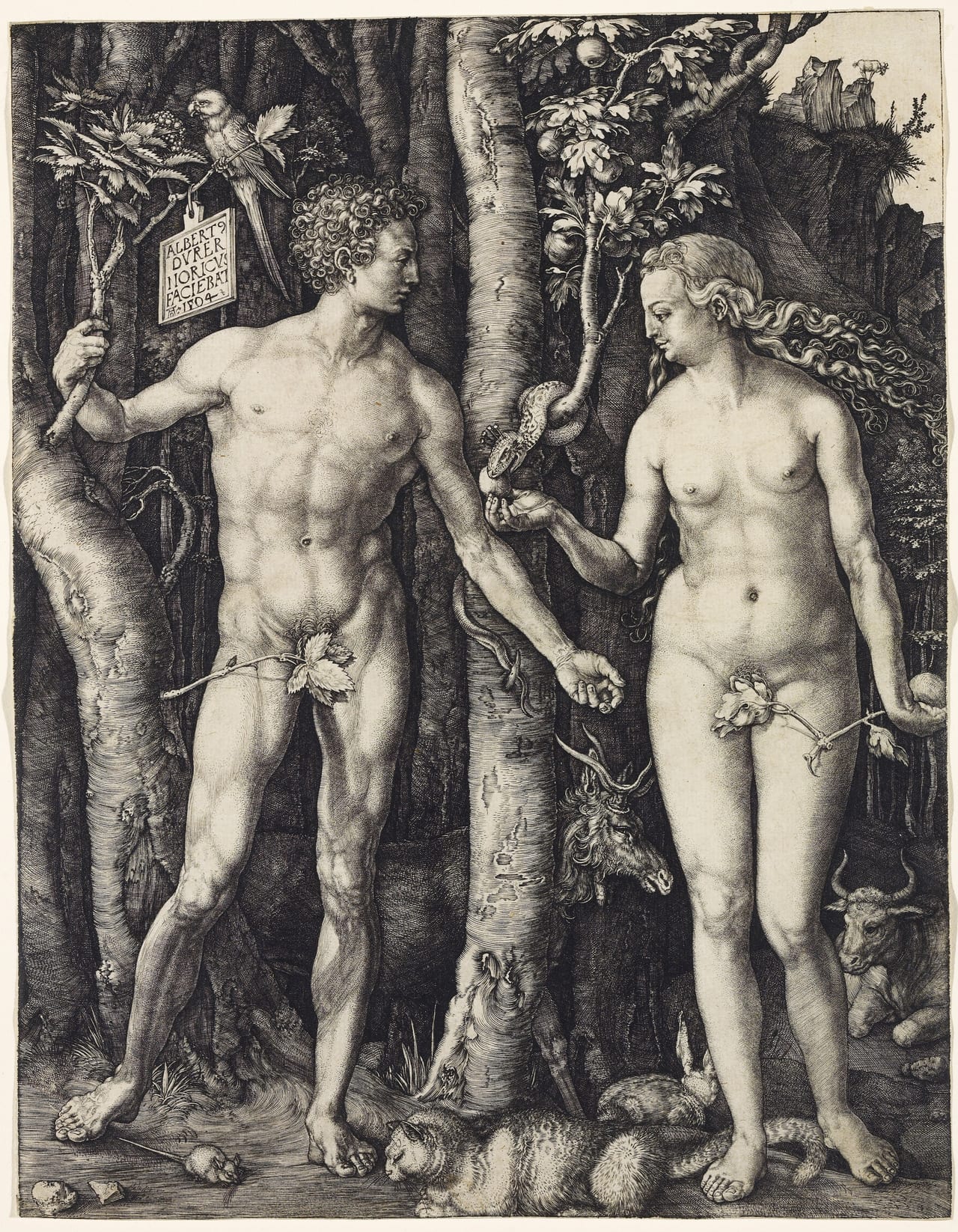
German · 1471–1528 · German Renaissance
Albrecht Dürer, sometimes spelled in English as Durer or Duerer, was a German painter, printmaker, and theorist of the German Renaissance.
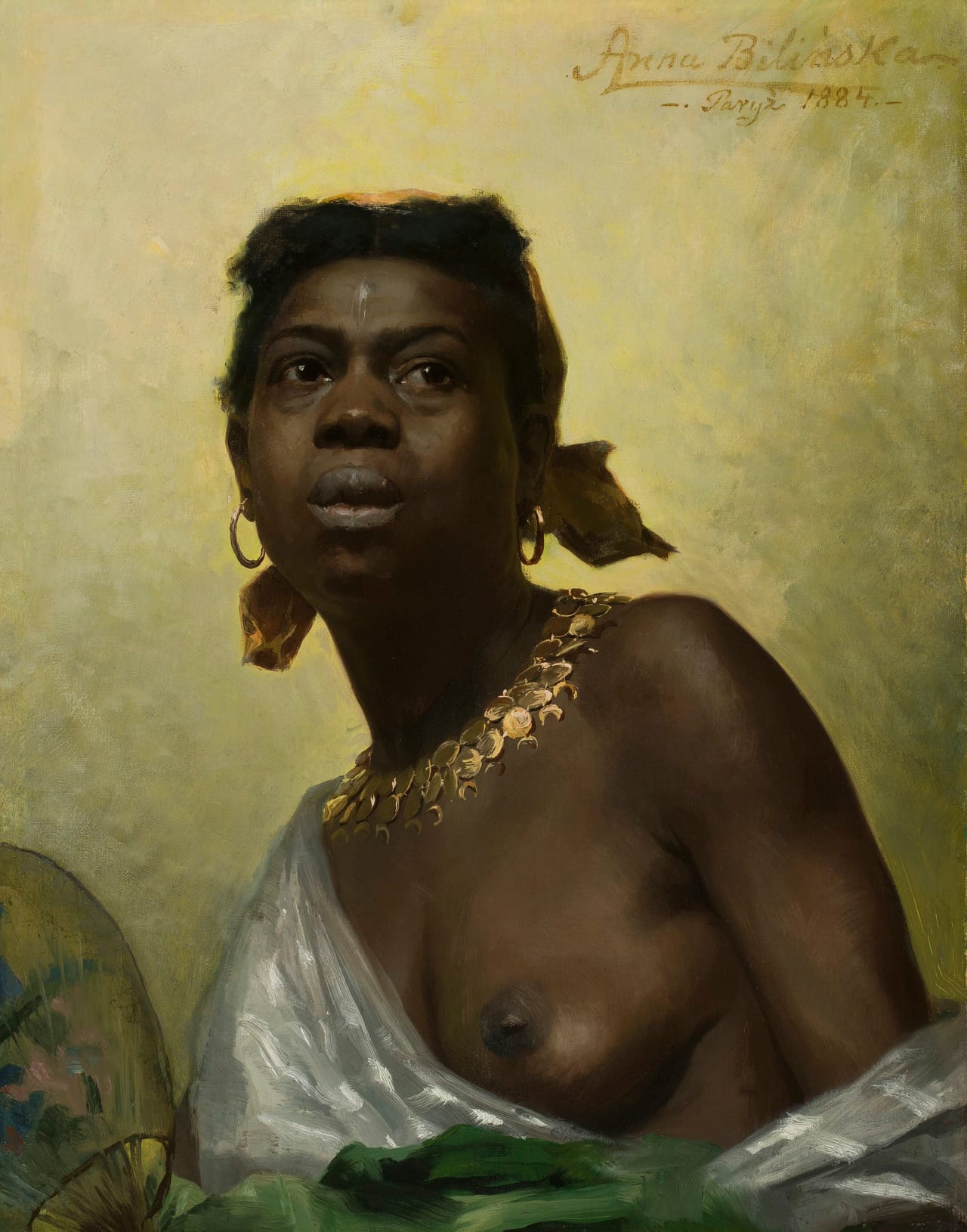
Congress Poland · 1854–1893
Anna Bilińska was a Polish painter, known for her portraits. A representative of realism, she spent most of her life in Paris, and is considered the "first internationally known Polish woman artist."
Artworks
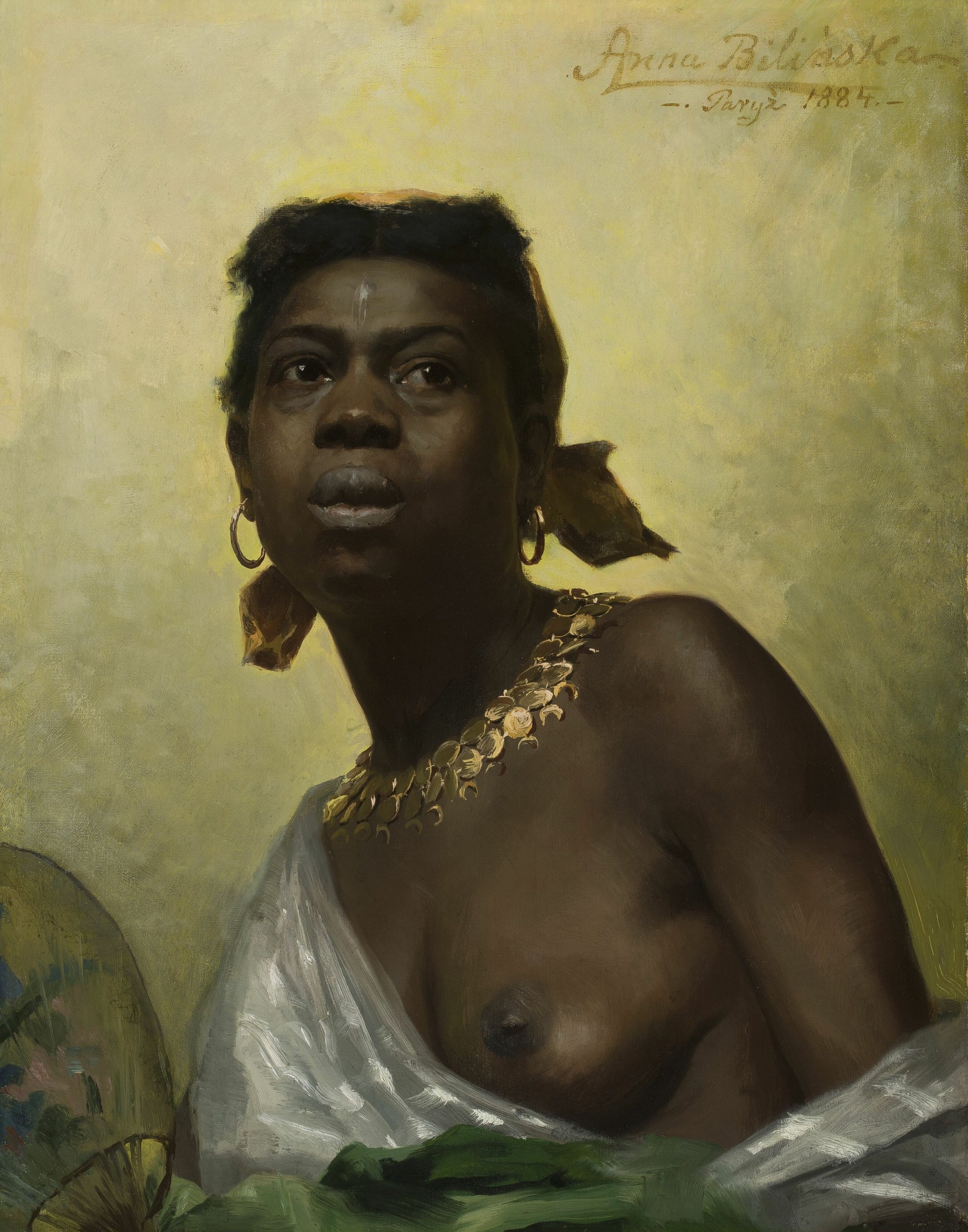
Black Woman
Anna Bilińska-Bohdanowicz · 1884
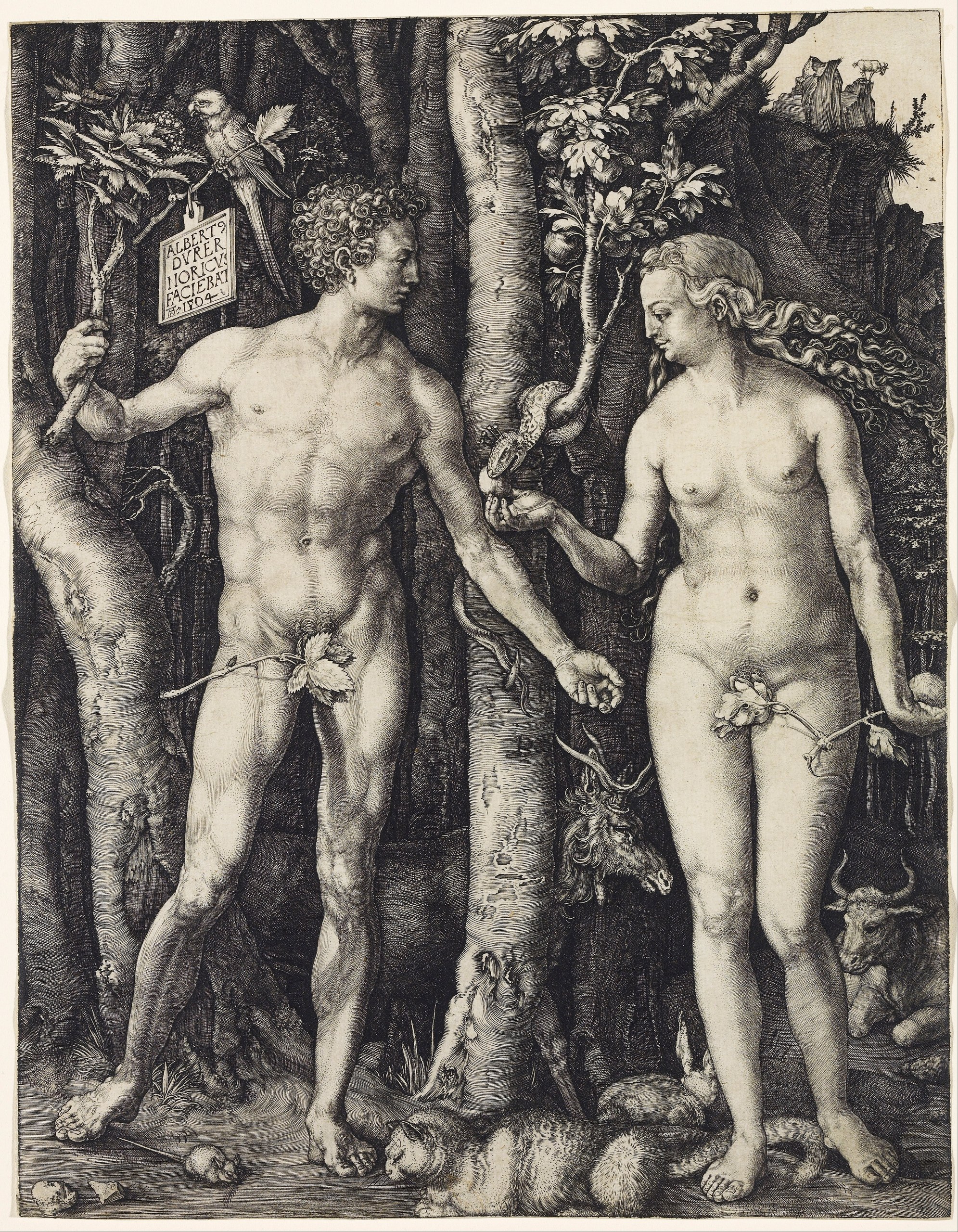
Adam and Eve
Albrecht Dürer · 1504
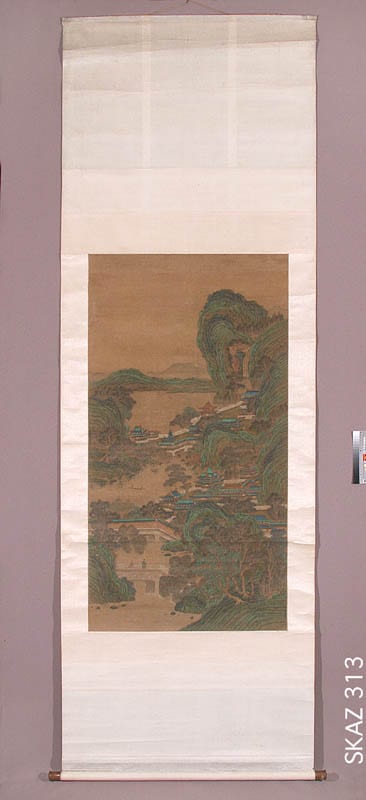
Pałac nad brzegiem jeziora - pejzaż
Qiu Ying
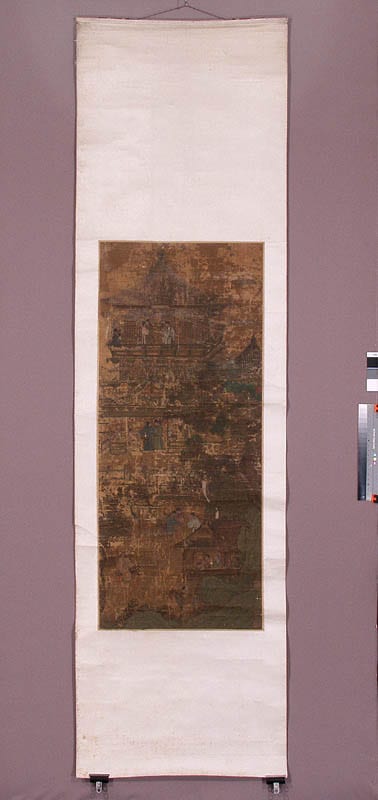
Architektura pałacowa z parkiem i postaciami uczonych
Qiu Ying
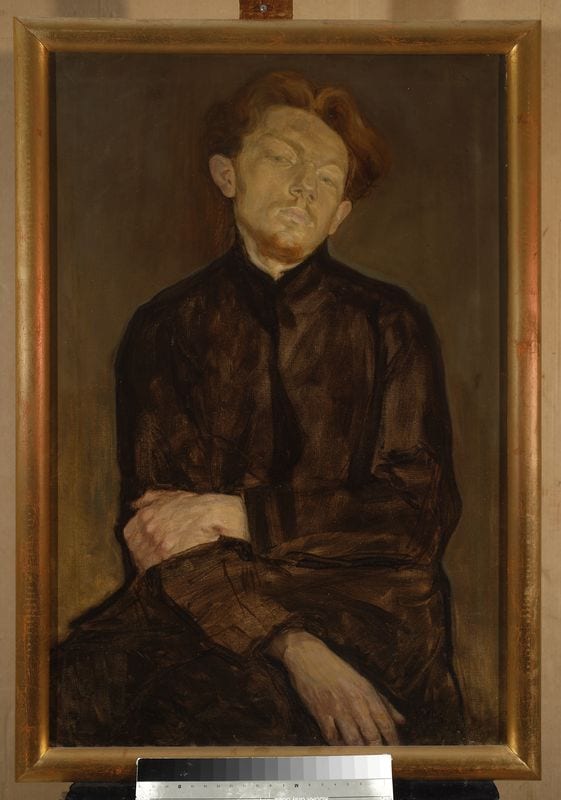
Portrait of Wacław Borowski
1910
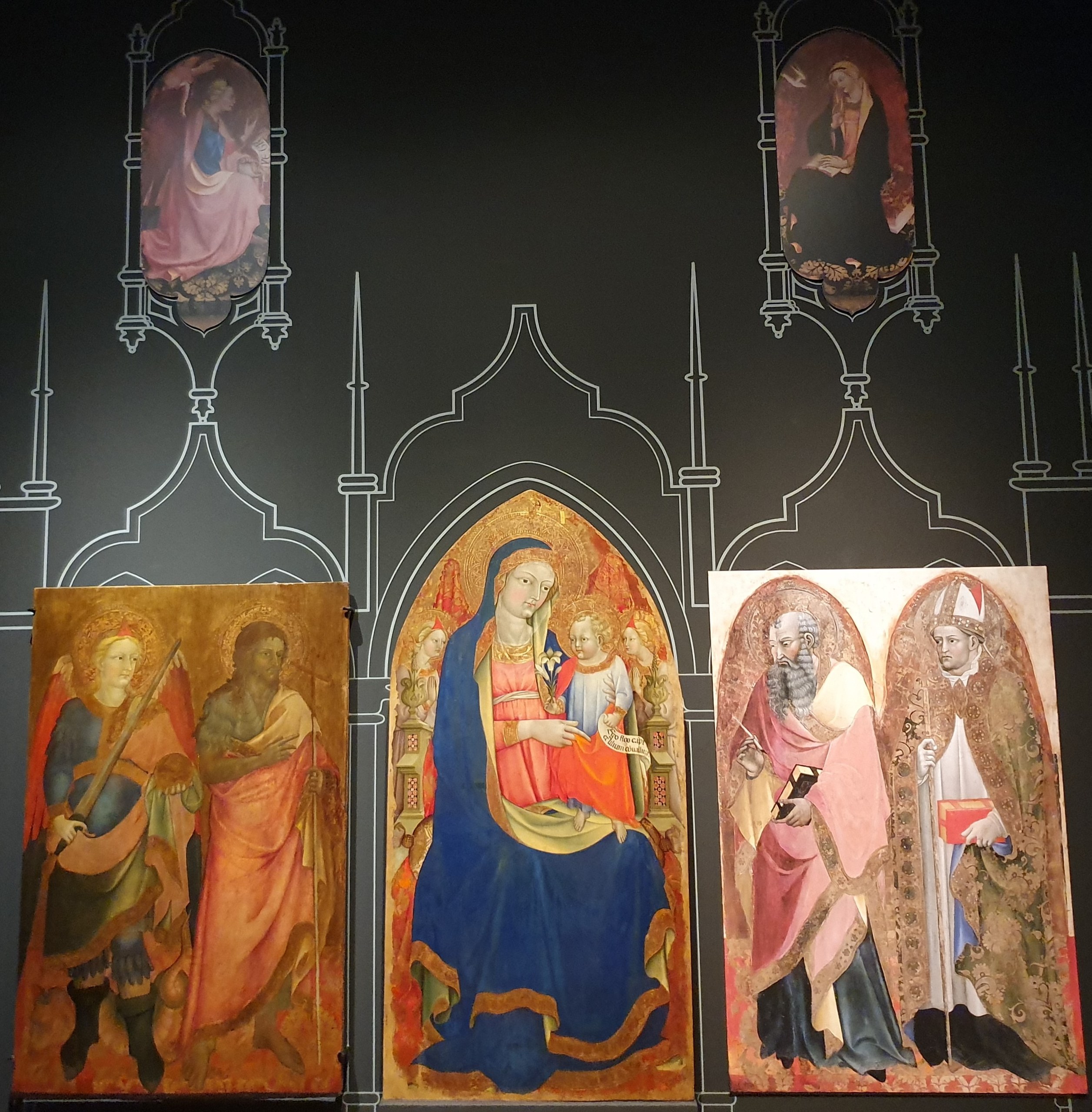
Polyptych of Sant'Agostino, Nicosia
Alvaro Pirez d'Evora · 1425
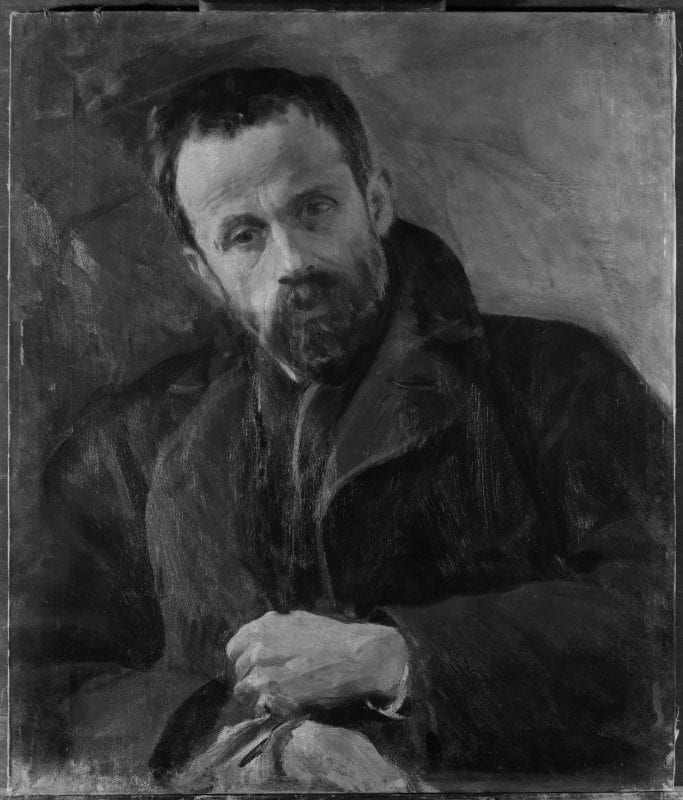
Portrait of Antoni Kurzawa, sculptor
Leon Wyczółkowski · 1890
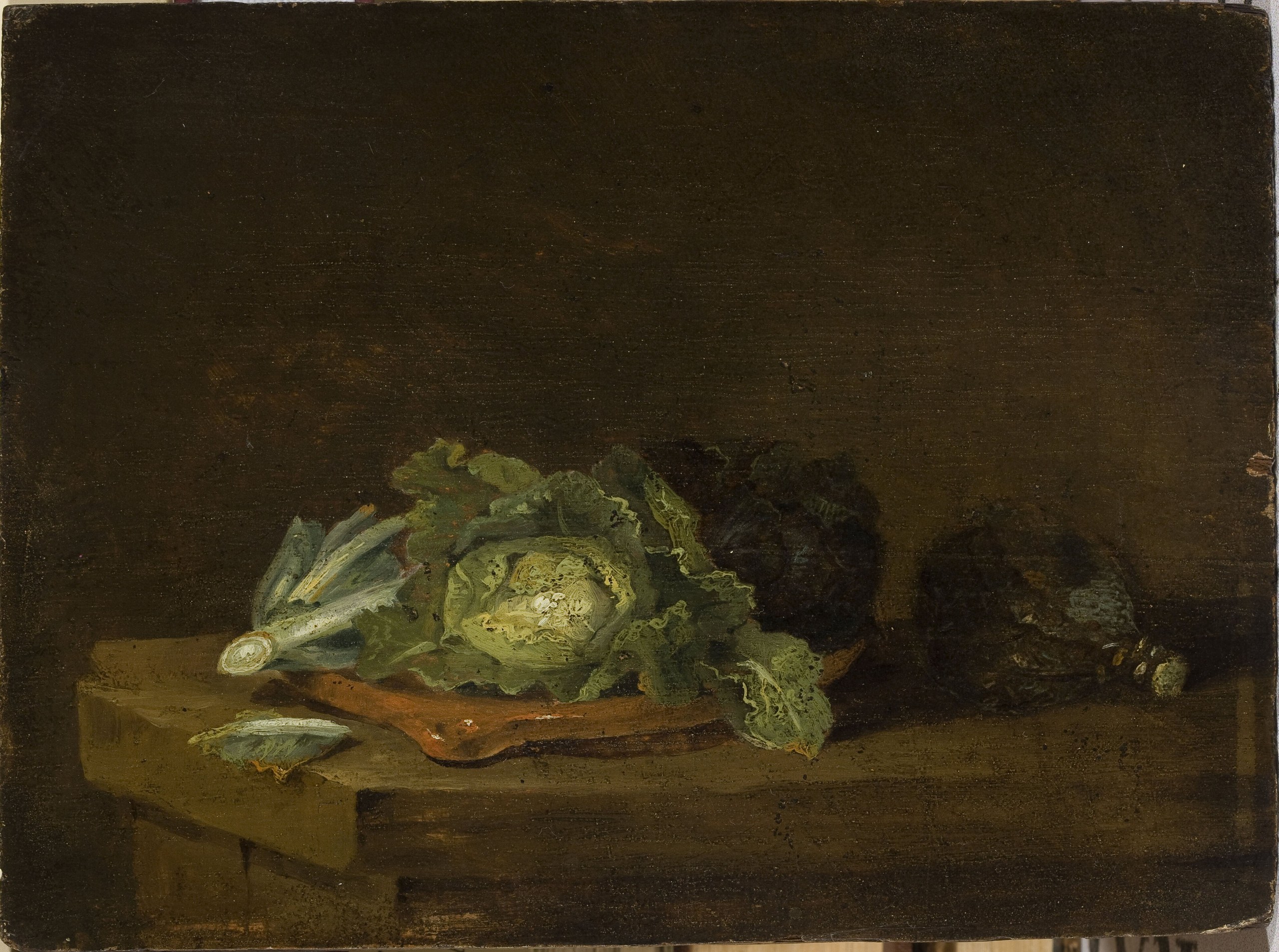
Cabbages on a Table Top
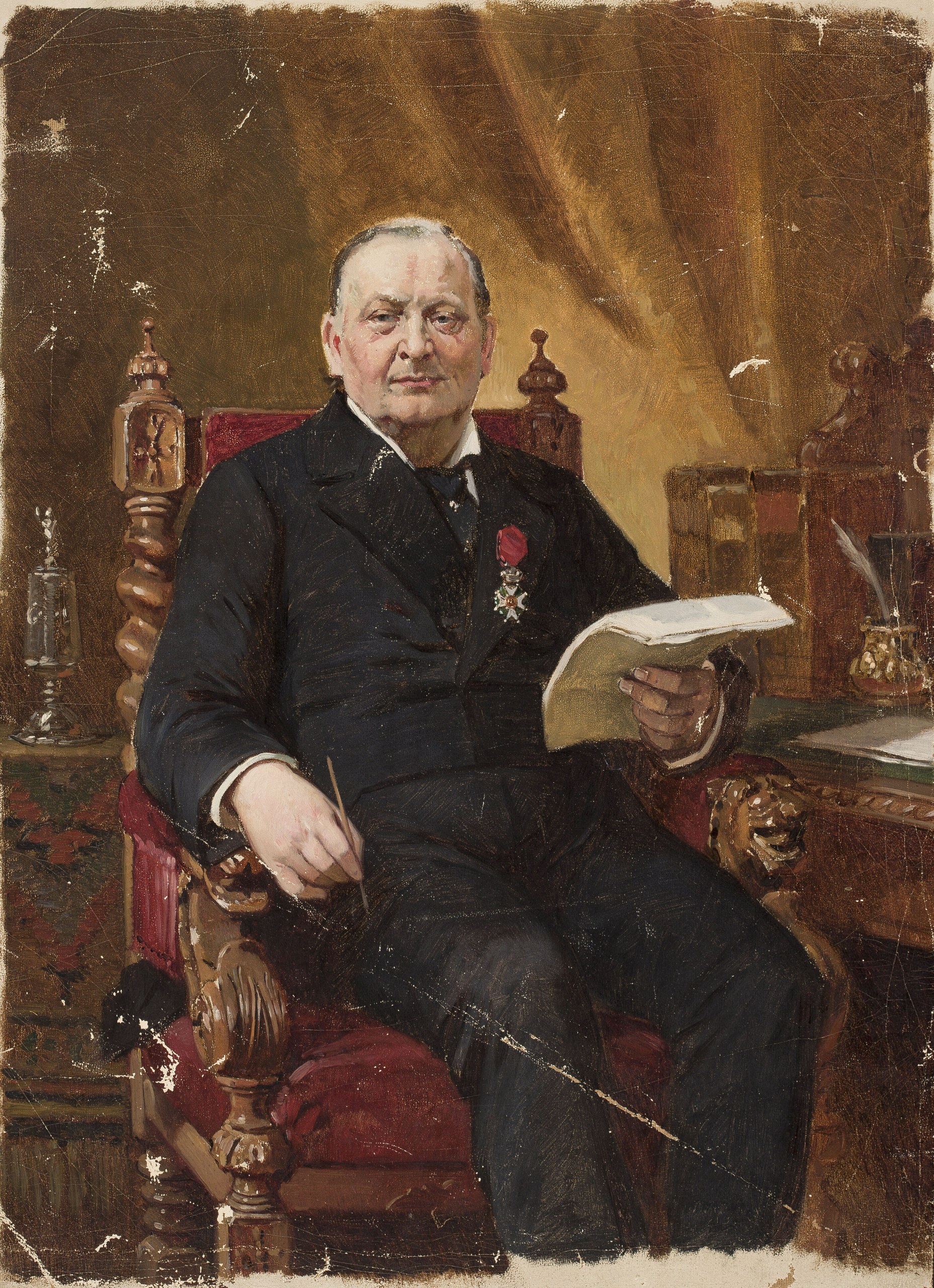
Portrait of a man in an armchair with papers in his hand
Plan your visit
Hours
Tuesday to Thursday and Saturday to Sunday, 10am to 6pm. Friday 10am to 8pm, with all tickets half price from 5pm. Closed Monday. Confirm on www.mnw.art.pl before you travel.
Admission
30 zł for the permanent galleries, or 50 zł for a combined ticket covering the Museum, the Museum of Sculpture and the Museum of Interiors. Free on Tuesday, and free for children under 7.
Getting there
Al. Jerozolimskie 3.
On their own site
Opening hours, tickets and current exhibitions are on the museum’s own site.
Invite National Museum of Warsaw into your living room
33 works from this collection are available on Momentable, free to view, on your TV, phone, or tablet.