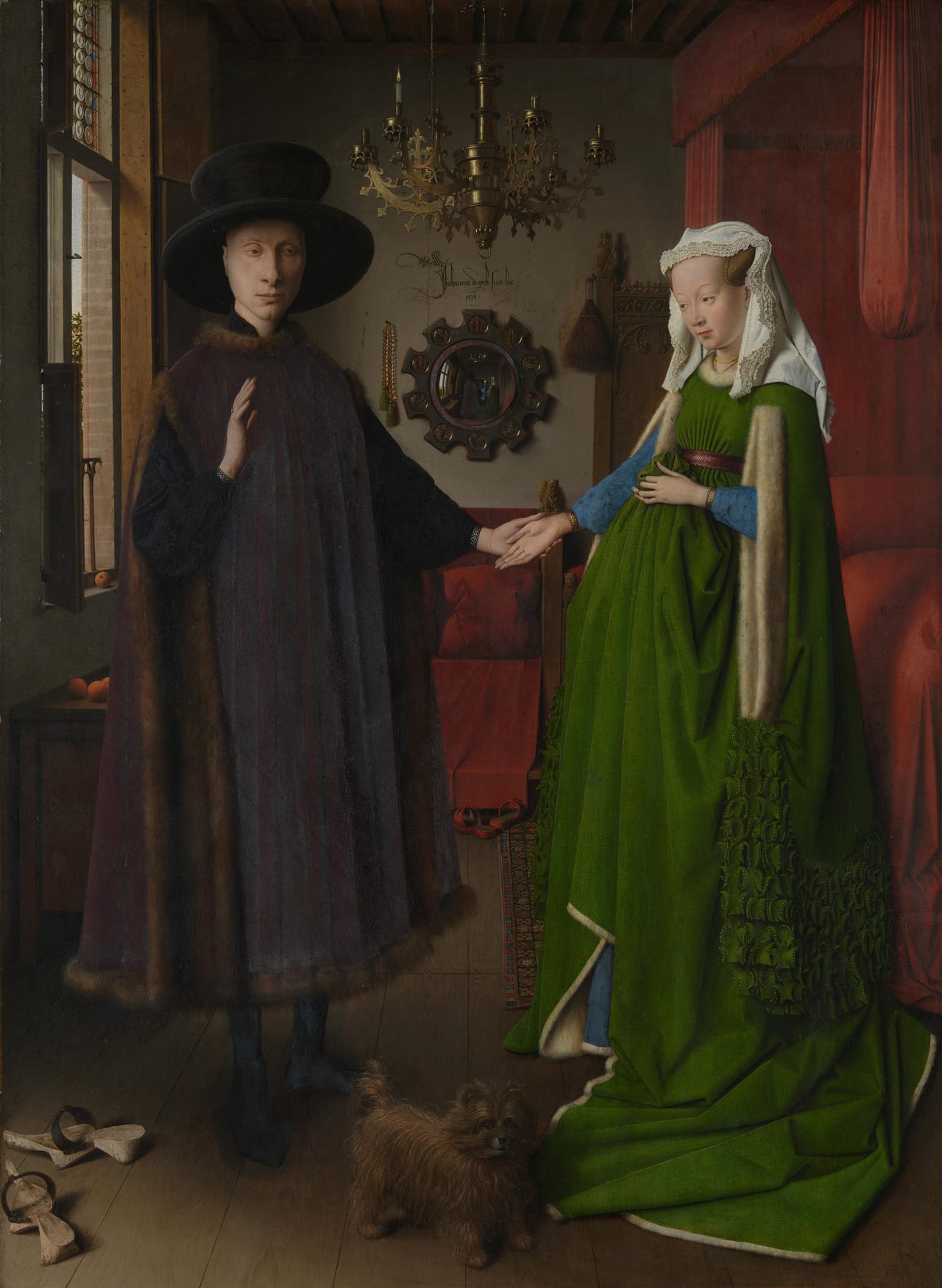
Arnolfini Portrait
Jan van Eyck · 1434

National Gallery
London
The national collection of Western European painting, from a merchant's chamber in Bruges to bathers on the Seine: van Eyck's double portrait, Turner's last journey of a warship, Michelangelo's unfinished panel and the rooms of Botticelli, Rembrandt, Degas and Van Gogh between them.
- 3,203,451
- visitors in 2024
- 2,600
- works in the collection
- 2,300
- paintings in the collection
Play 35 works from this collection on your TV, phone or tablet with Momentable Art TV.
Play CollectionA collection the nation bought
Unlike the princely galleries of the continent, this museum began as a purchase by government rather than a royal inheritance. In 1824 the British government bought a group of thirty eight pictures from the heirs of the financier John Julius Angerstein, and the new gallery first showed them in his former townhouse on Pall Mall. The collection grew around that core until it needed a purpose built home, and the Wilkins building, raised on the north side of Trafalgar Square, has framed it ever since.
The scope is the Western tradition in painting from the thirteenth through the nineteenth century, with older masters sharing the rooms with the Impressionists who close the story. Depth rather than width has always been the principle: a smaller holding than many national museums, but one arranged so that most major movements in European painting are represented by their finest exponents.
From van Eyck to Seurat
The earliest treasures are also the most famous. Van Eyck signed and dated his double portrait of a couple in Bruges in 1434, a panel so early in the history of oil painting that only the Ghent Altarpiece rivals it in fame, and the gallery acquired it in 1842. Michelangelo is present with a rare panel, an unfinished burial of Christ. Holbein's two French envoys of 1533 hide a skull in their foreground, a smeared shape that only resolves when the panel is seen from the side.
The modern rooms carry the same weight. Turner bequeathed the Temeraire, a Trafalgar veteran towed to the breaker's yard by steam, and listeners to a radio programme later named it the nation's favourite picture. Wright's candlelit lecture on a bird in a vacuum pump has hung here since 1863, Seurat's riverside bathers were refused by the Salon jury before becoming a highlight of the walls, and Delaroche's scene of the nine days' queen returned from long storage in 1975 to become beloved all over again.
What to see
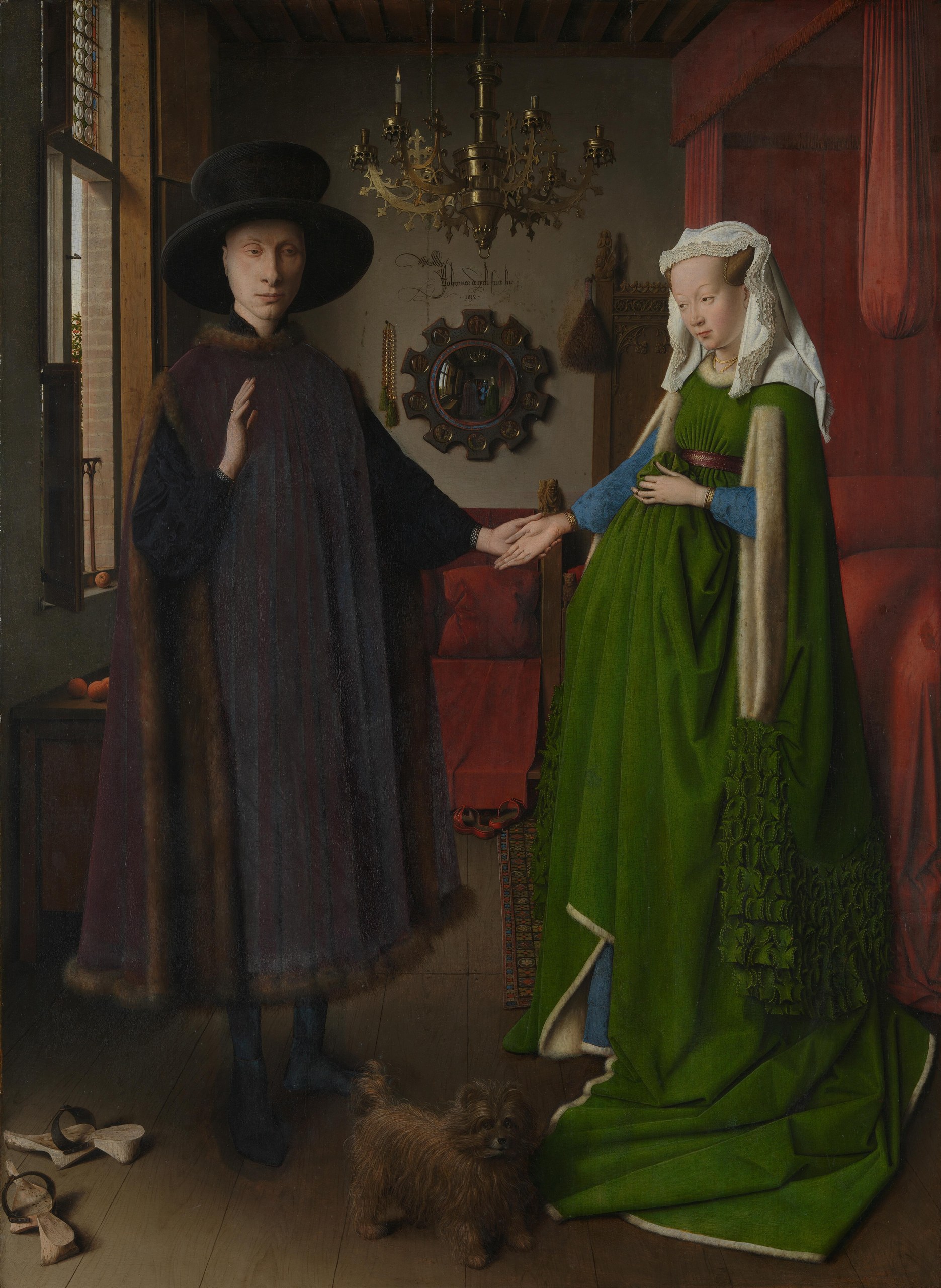
The Arnolfini Portrait
Jan van Eyck · 1434
A merchant and his wife standing in a Bruges room, one of the oldest celebrated panels painted in oils. The convex mirror behind them opens the space, and the picture entered the collection in 1842.
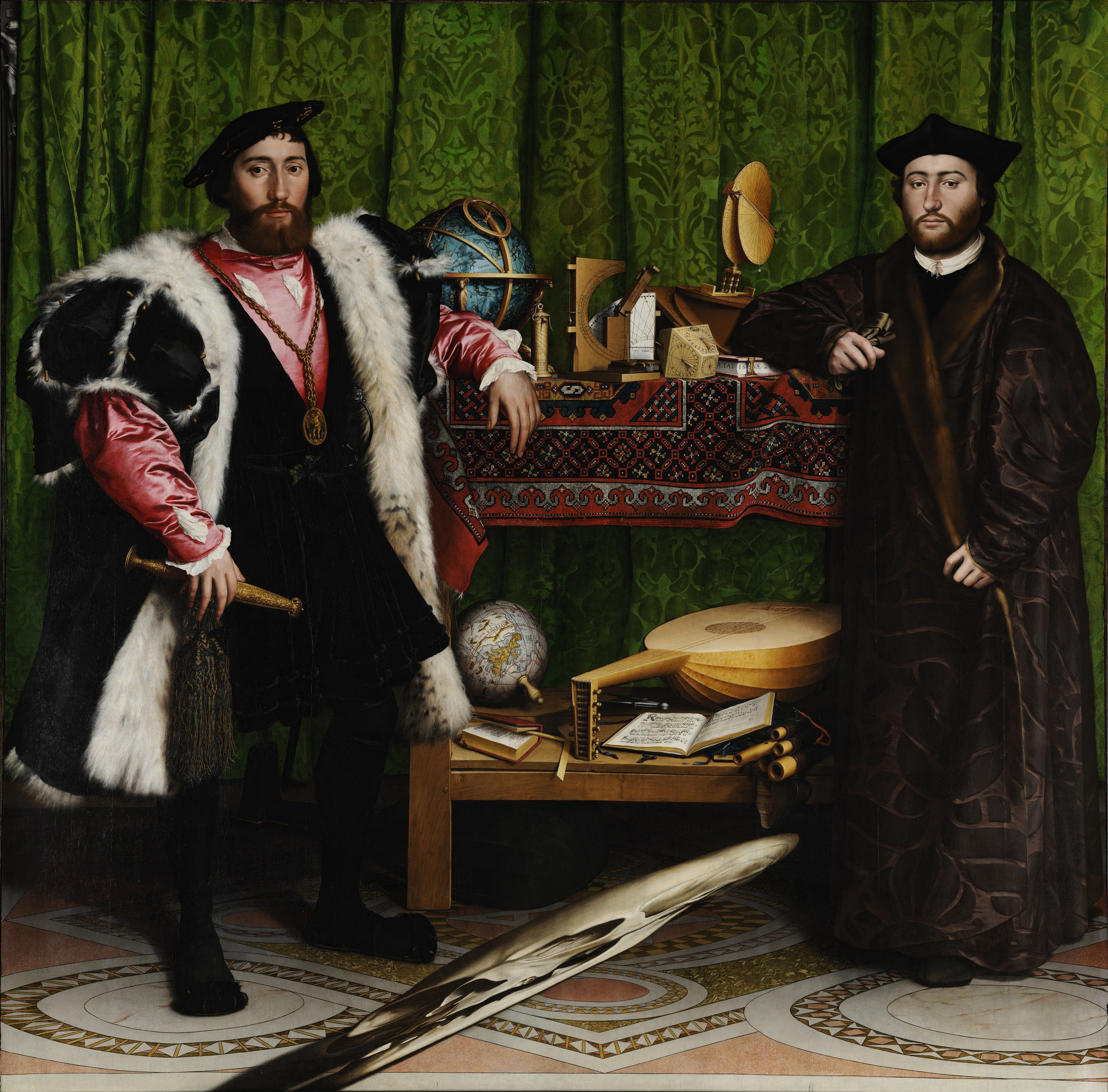
The Ambassadors
Hans Holbein the Younger · 1533
A double portrait of 1533, surrounded by instruments, globes and a lute with a snapped string. A smeared skull crosses the floor between them, the best known puzzle of its kind in painting, in London since 1890.
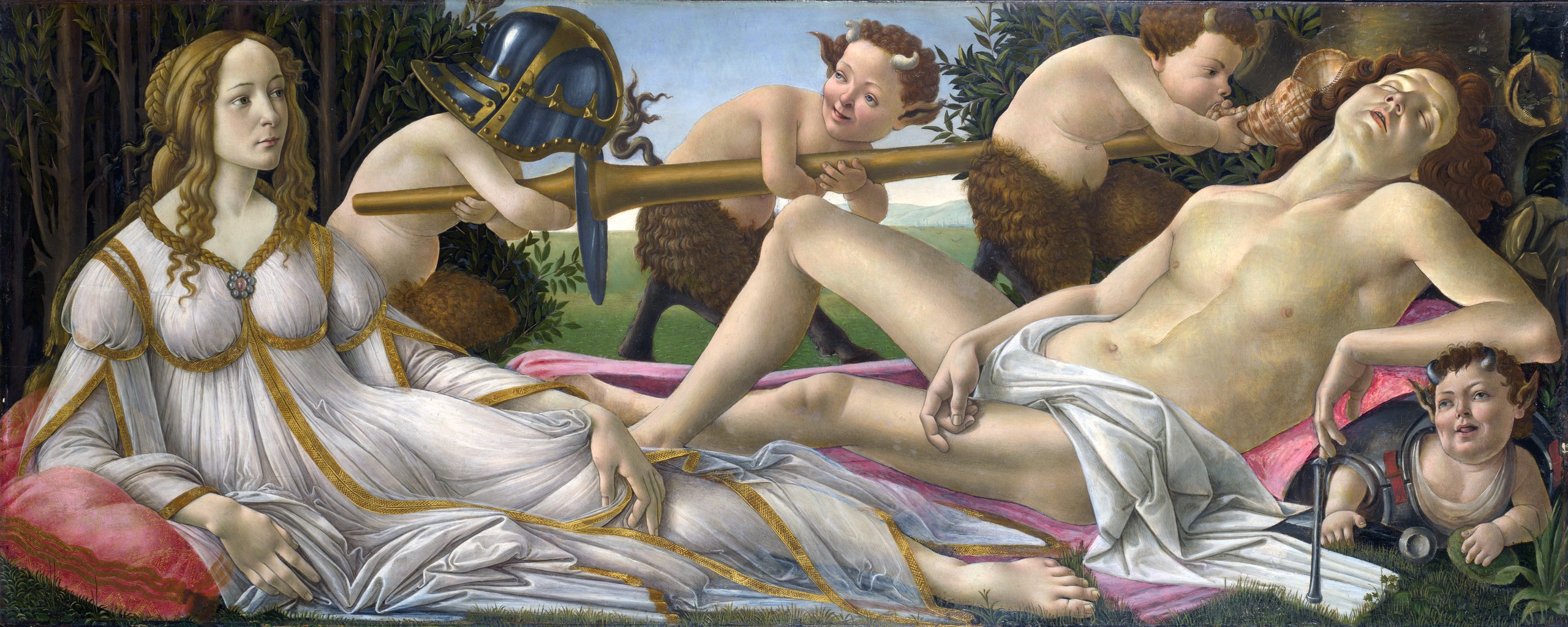
Venus and Mars
Sandro Botticelli · 1485
The god of war asleep in a grove while Venus watches and satyr children play with his armour. An allegory of love and war by Botticelli, the only one of its group outside the Uffizi, in the gallery since 1874.
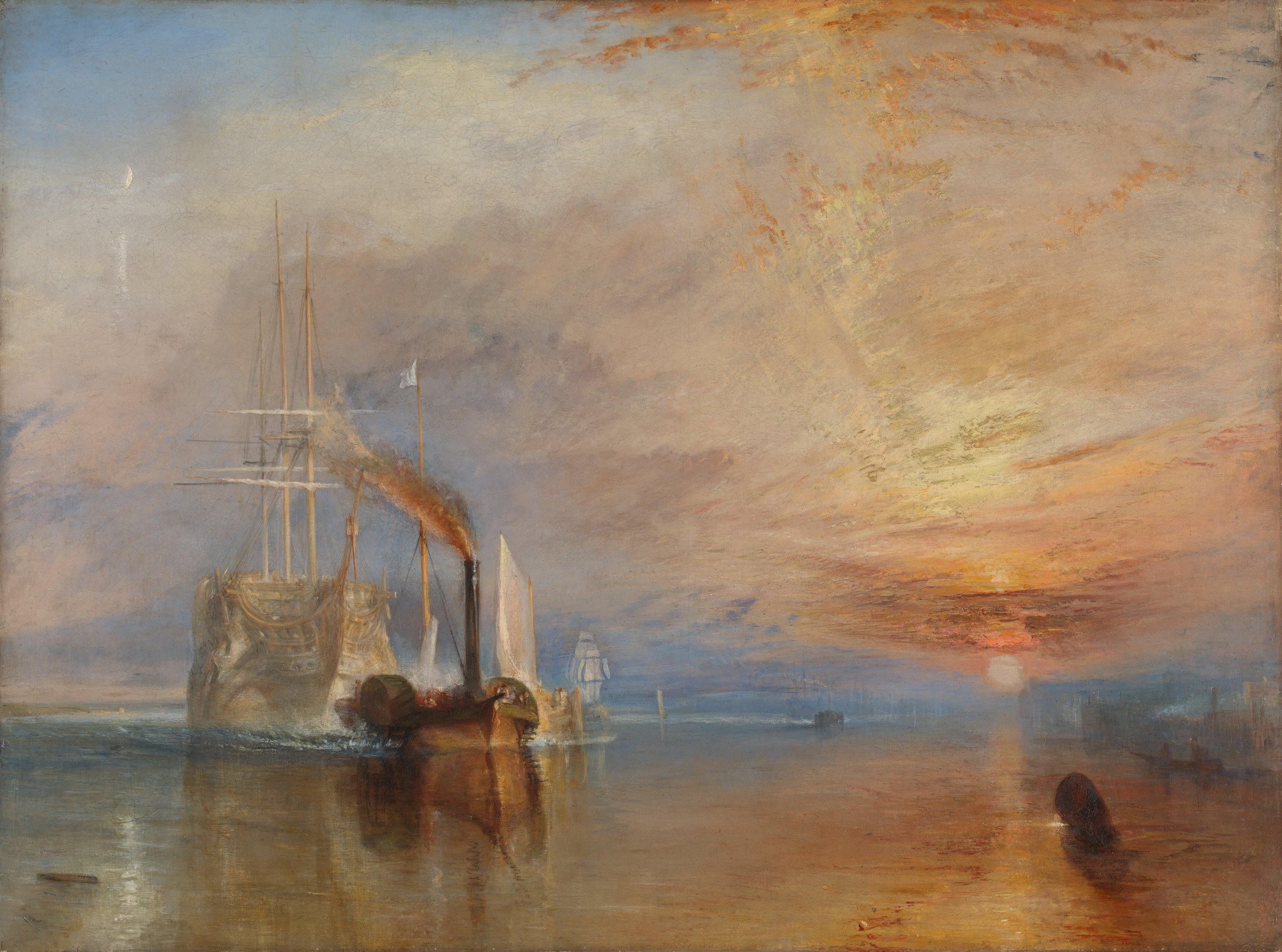
The Fighting Temeraire
J. M. W. Turner · 1839
A ninety eight gun ship that fought at Trafalgar, towed up the Thames by a steam tug to be scrapped while the sun goes down. Turner left it to the nation in his bequest.
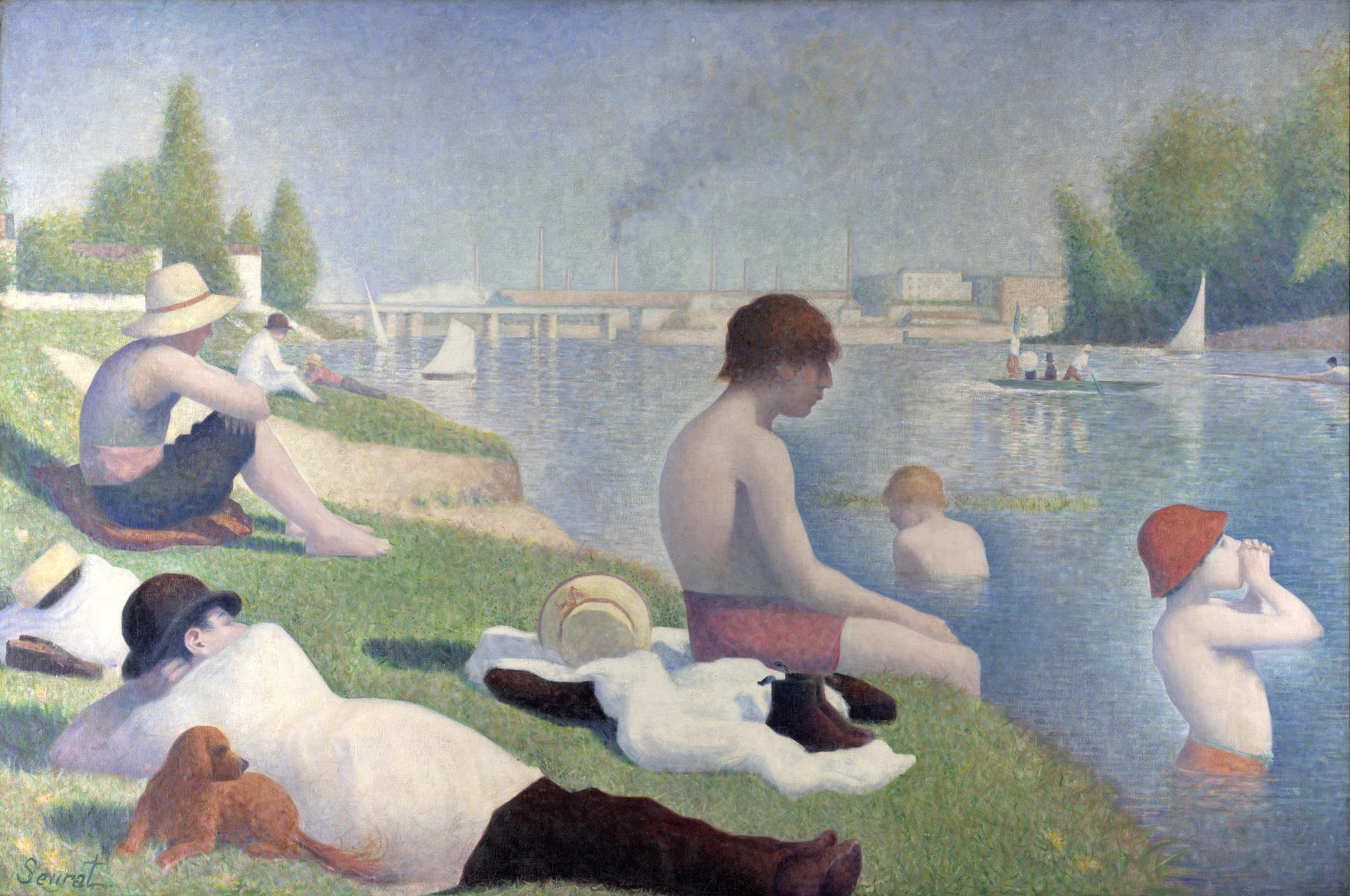
Bathers at Asnières
Georges Seurat · 1884
Workers and boys cooling off beside the Seine under an industrial sky. Seurat finished it at twenty four, the Salon rejected it, and the twentieth century raised it to a treasure of the collection.
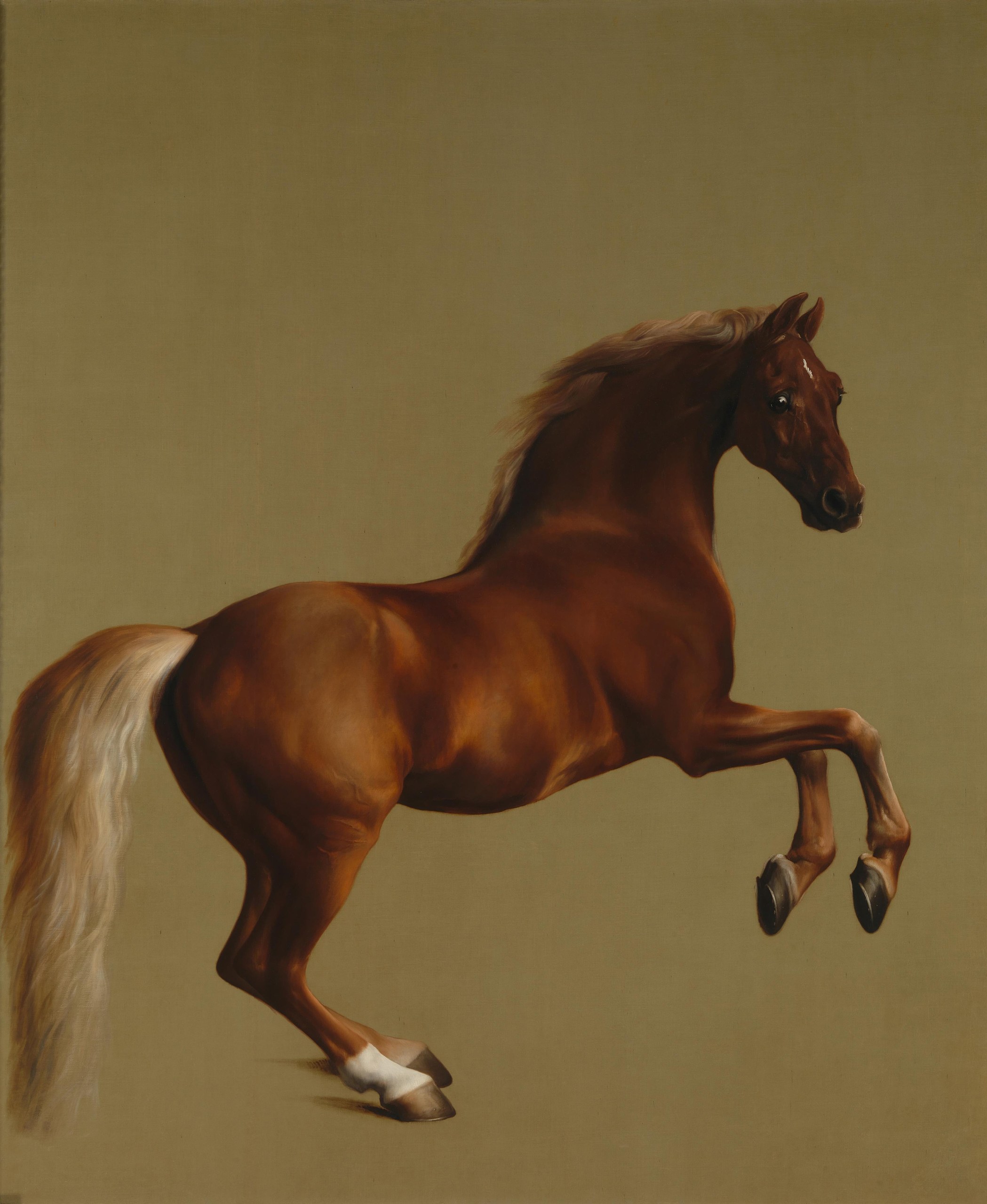
Whistlejacket
George Stubbs · 1762
A racehorse rearing against empty brown space at nearly life size, painted by Stubbs around 1762 with every sinew and dappling recorded and nothing else in the frame.
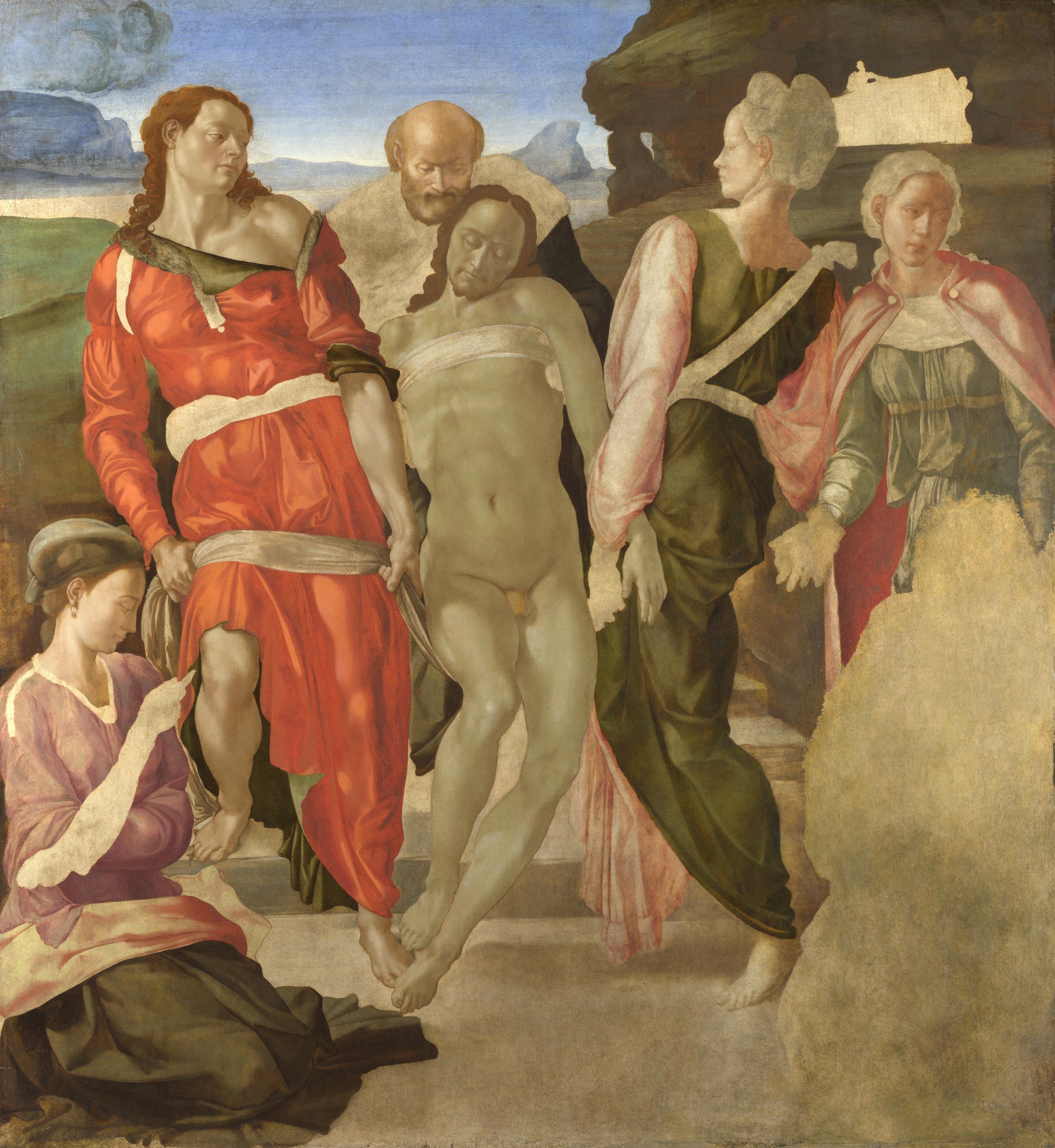
The Entombment
Michelangelo · 1500
Christ carried up steps toward a tomb that was never painted, a panel left unfinished by Michelangelo around 1500 and one of the few paintings tied to his hand.
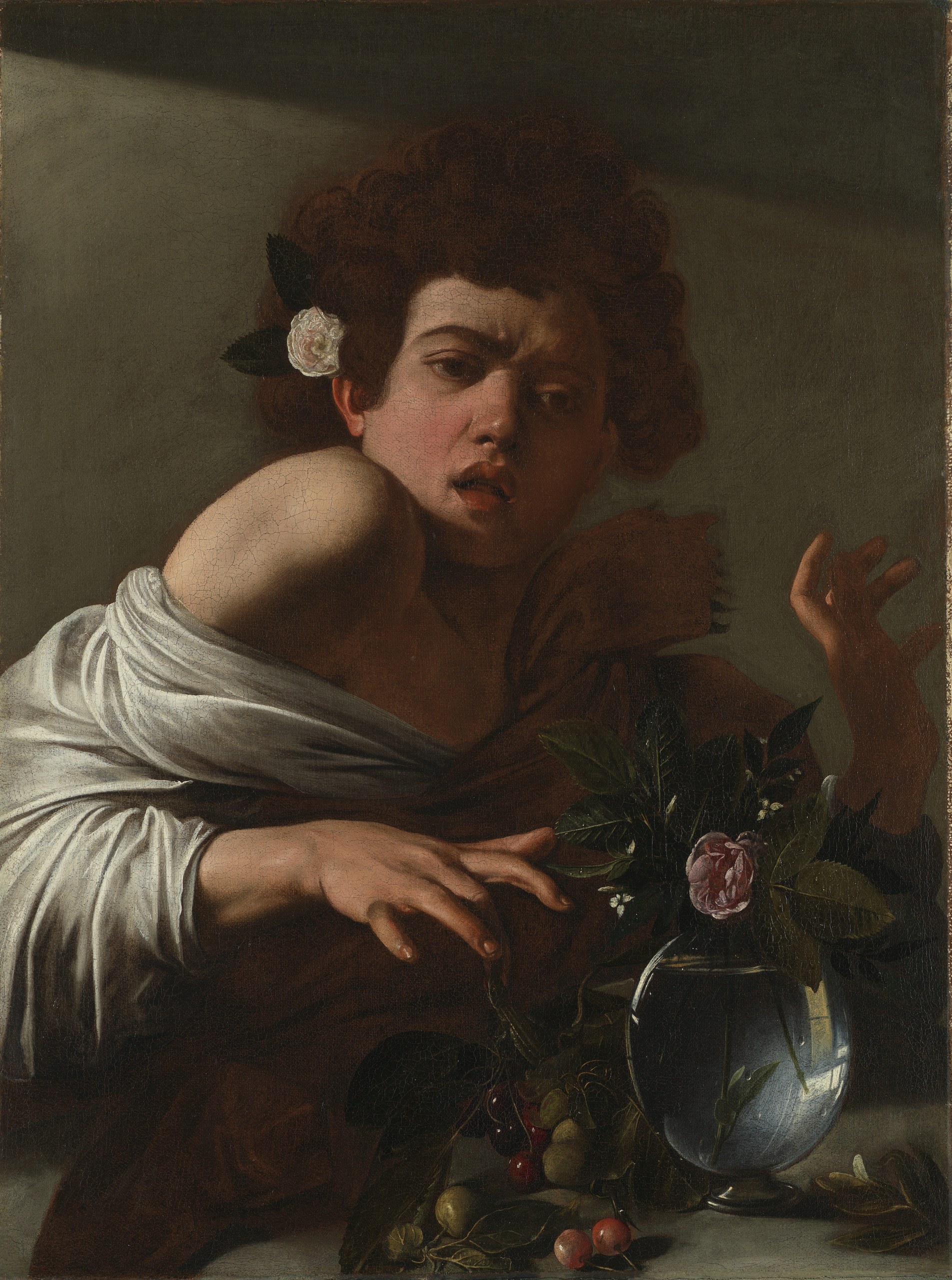
Boy Bitten by a Lizard
Caravaggio · 1594
A youth yells as a lizard snaps out of the vase in front of him, cherries and roses spilling over. Caravaggio painted the scene twice, and this London canvas is one of the two accepted originals.
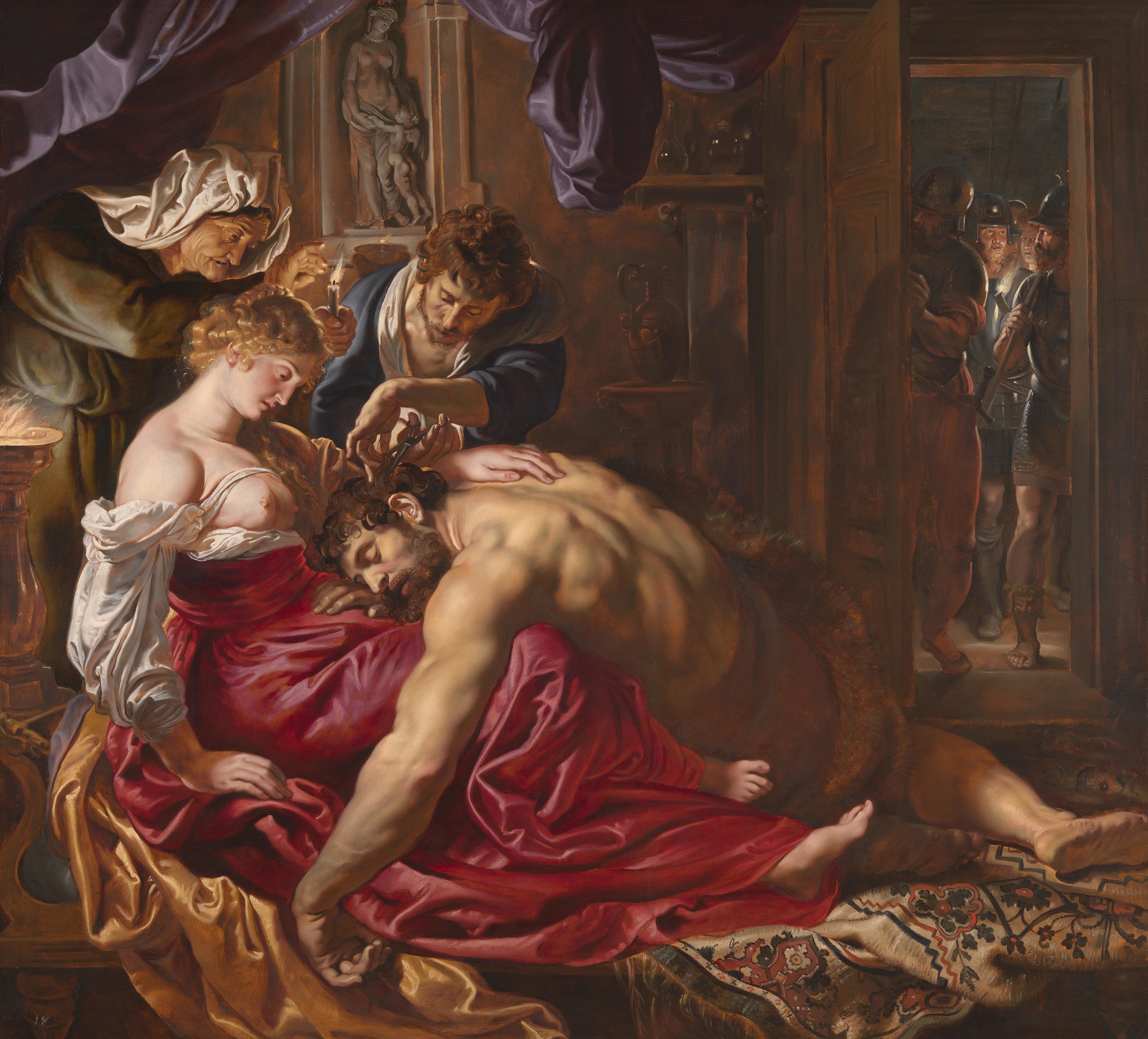
Samson and Delilah
Peter Paul Rubens · 1609
The strongman asleep on his lover's lap while a servant crosses his hands to cut the hair that holds his power, soldiers massing in the doorway of a candlelit room.
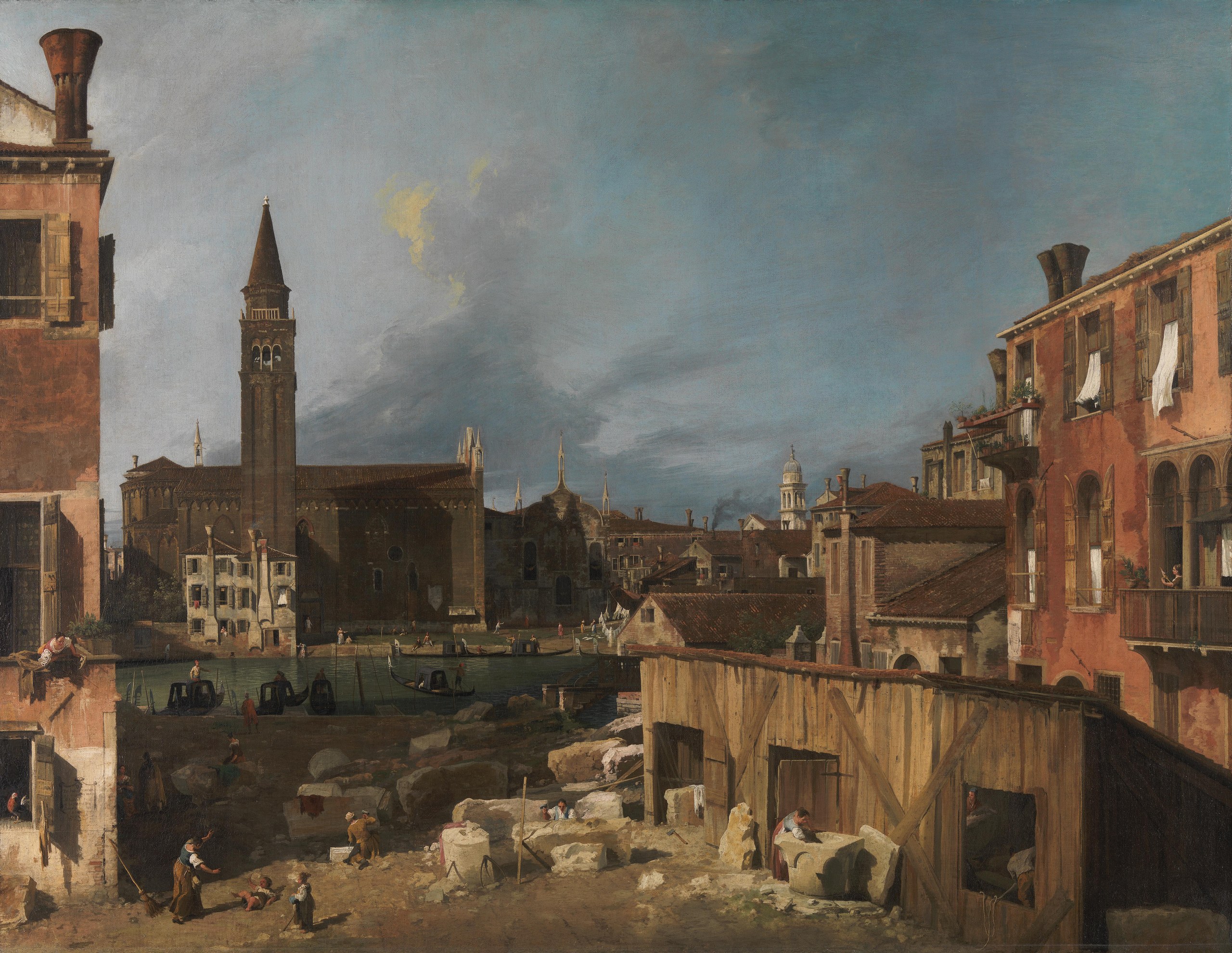
The Stonemason's Yard
Canaletto · 1725
An early morning working yard in Venice, children playing among blocks of stone while masons carve a church front, laundry strung above the alley. Long ranked among Canaletto's very best.
Collections
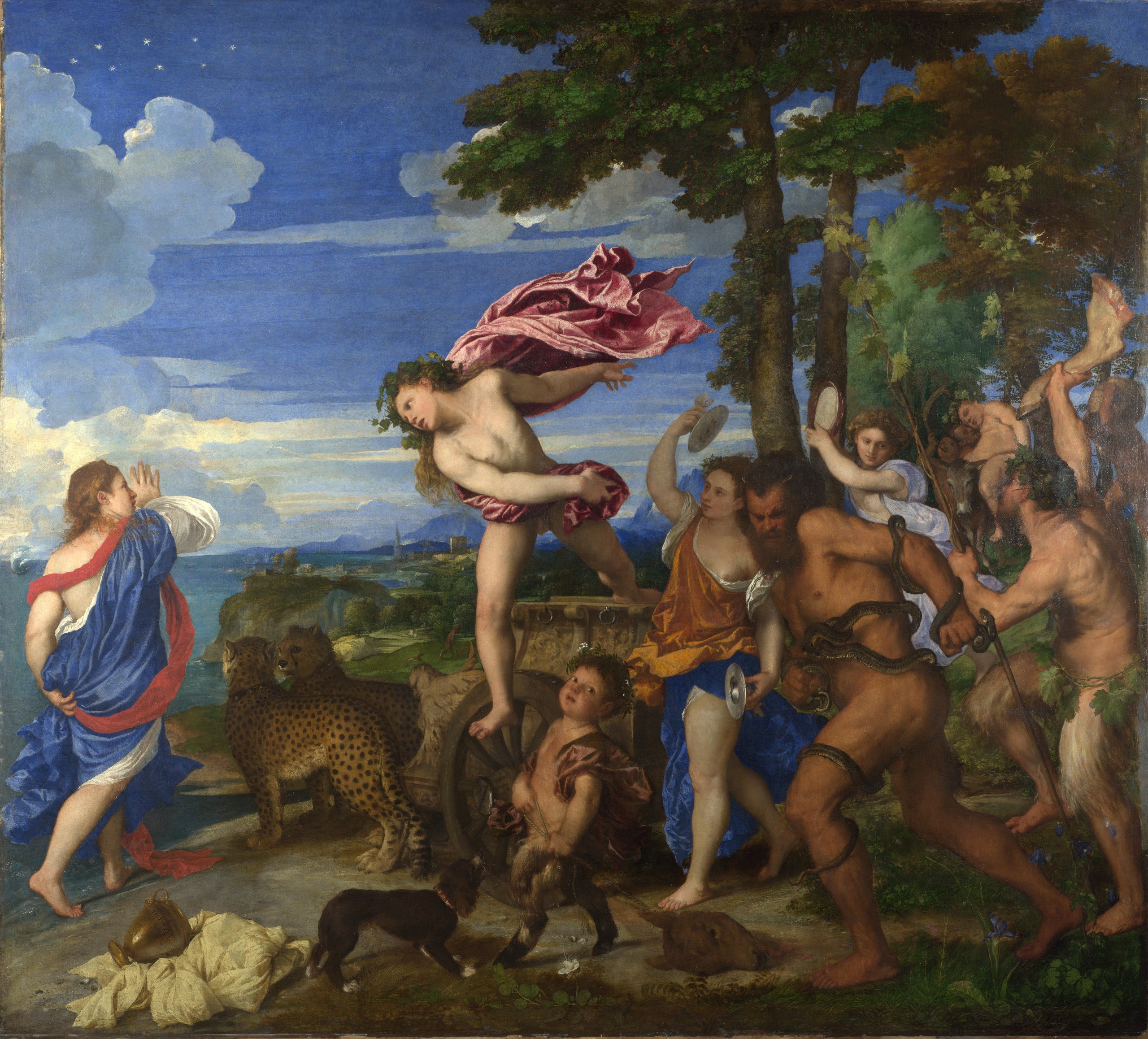
The Italian Renaissance
Bacchus and Ariadne · Titian · 1520
Bellini's altarpieces, Piero's Baptism and Titian's mythologies fill these rooms. In Bacchus and Ariadne the god springs from his chariot toward the princess as his spotted cats strain ahead of them.
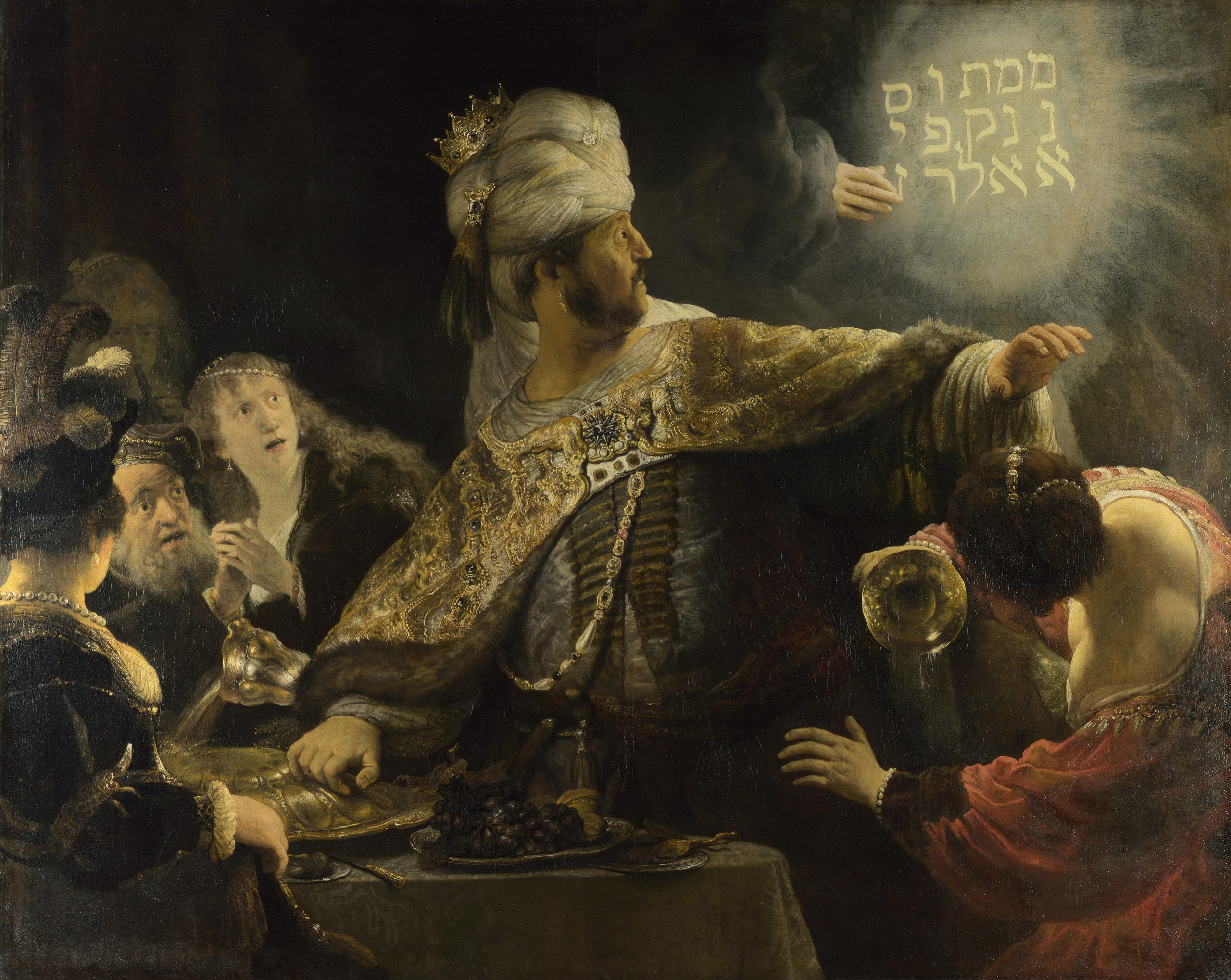
Dutch and Flemish painting
Belshazzar's Feast · Rembrandt · 1636
Rembrandt's self-portraits and Vermeer's quiet interiors carry the northern rooms. Belshazzar's Feast catches the king at the instant mysterious writing appears on his wall.
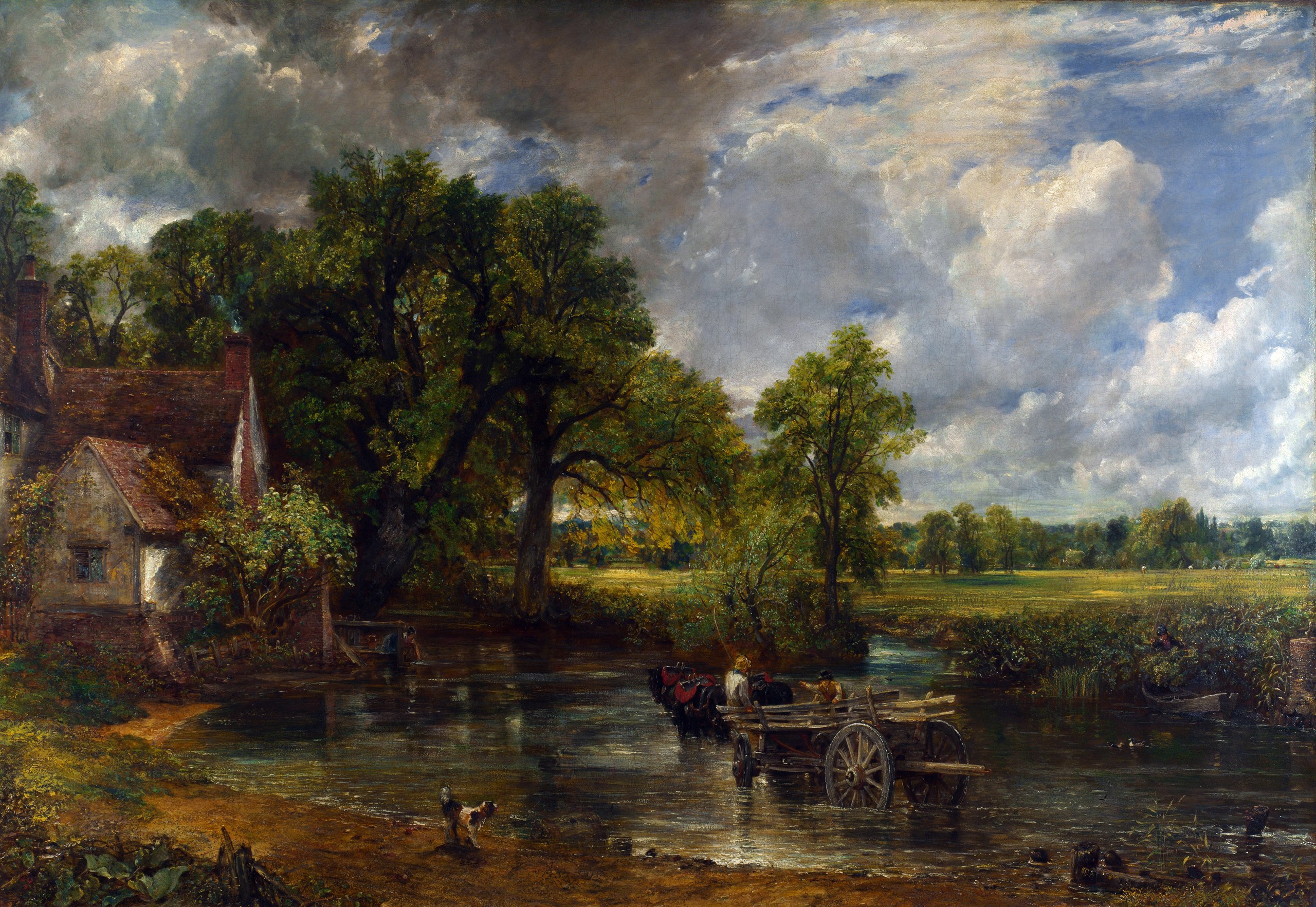
The British School
The Hay Wain · John Constable · 1821
Constable's Suffolk, Turner's light and the Pre-Raphaelites hang together here. The Hay Wain stands a farm horse and cart in the shallows of a river while a dog watches from the bank.
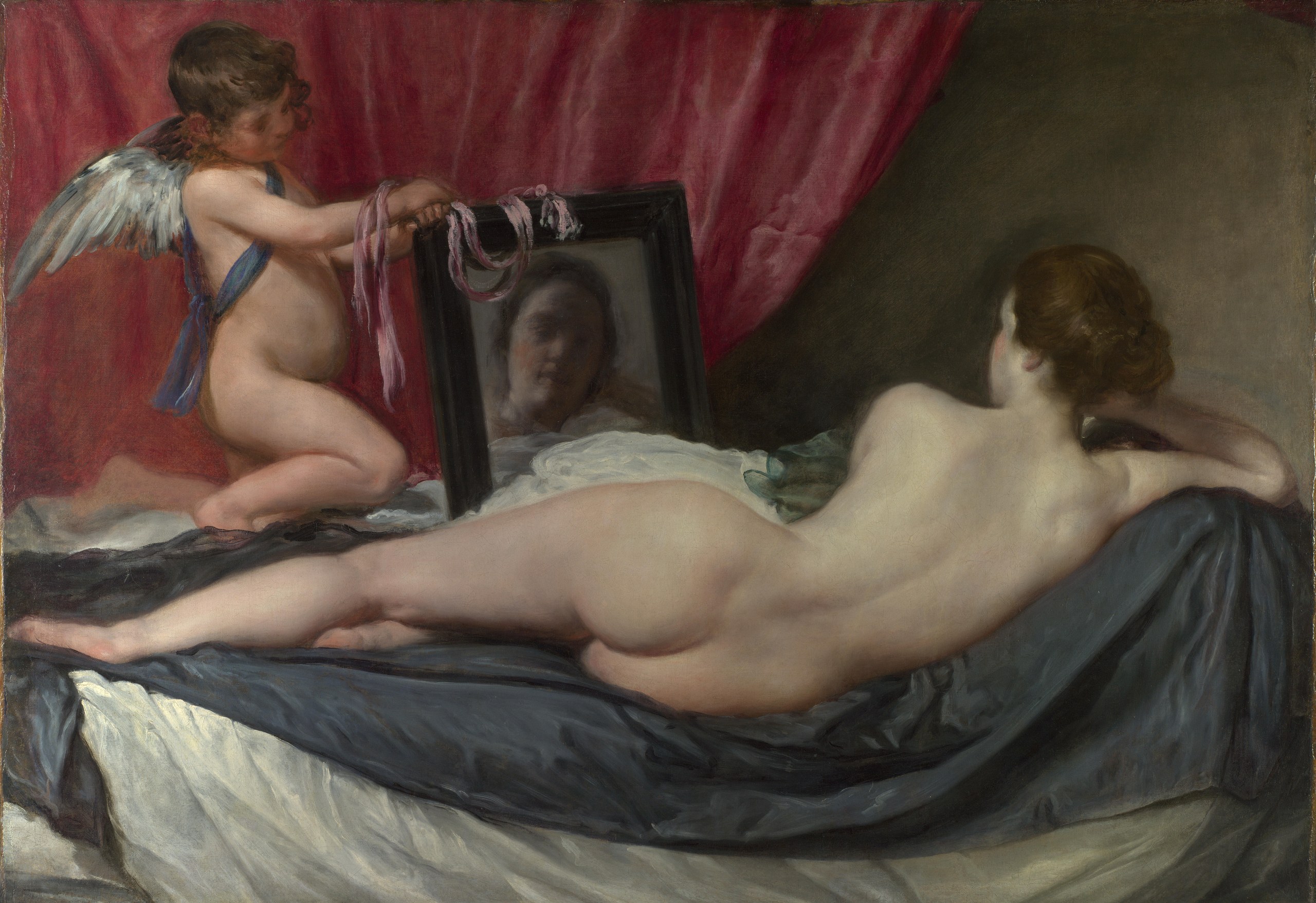
Spanish painting
Rokeby Venus · Diego Velázquez · 1644
Velázquez and Zurbarán anchor the Spanish holdings. The Rokeby Venus lies watching her own reflection in a mirror held up behind her.
Artists
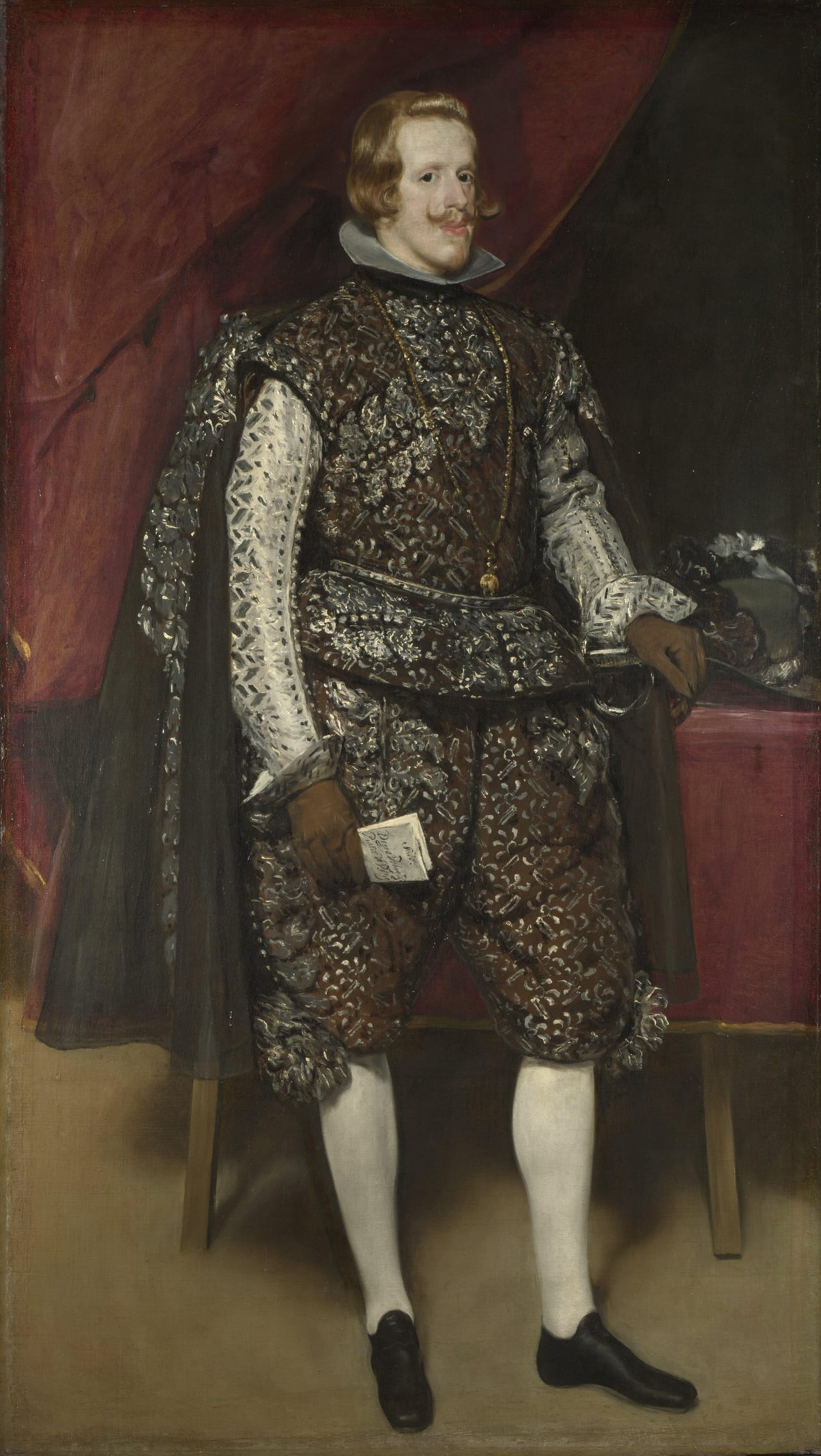
Philip IV in Brown and Silver · 1635
Leading painter at the court of the Spanish king and one of the supreme artists of any age. His image of Philip in embroidered dress served as the model for many workshop copies.
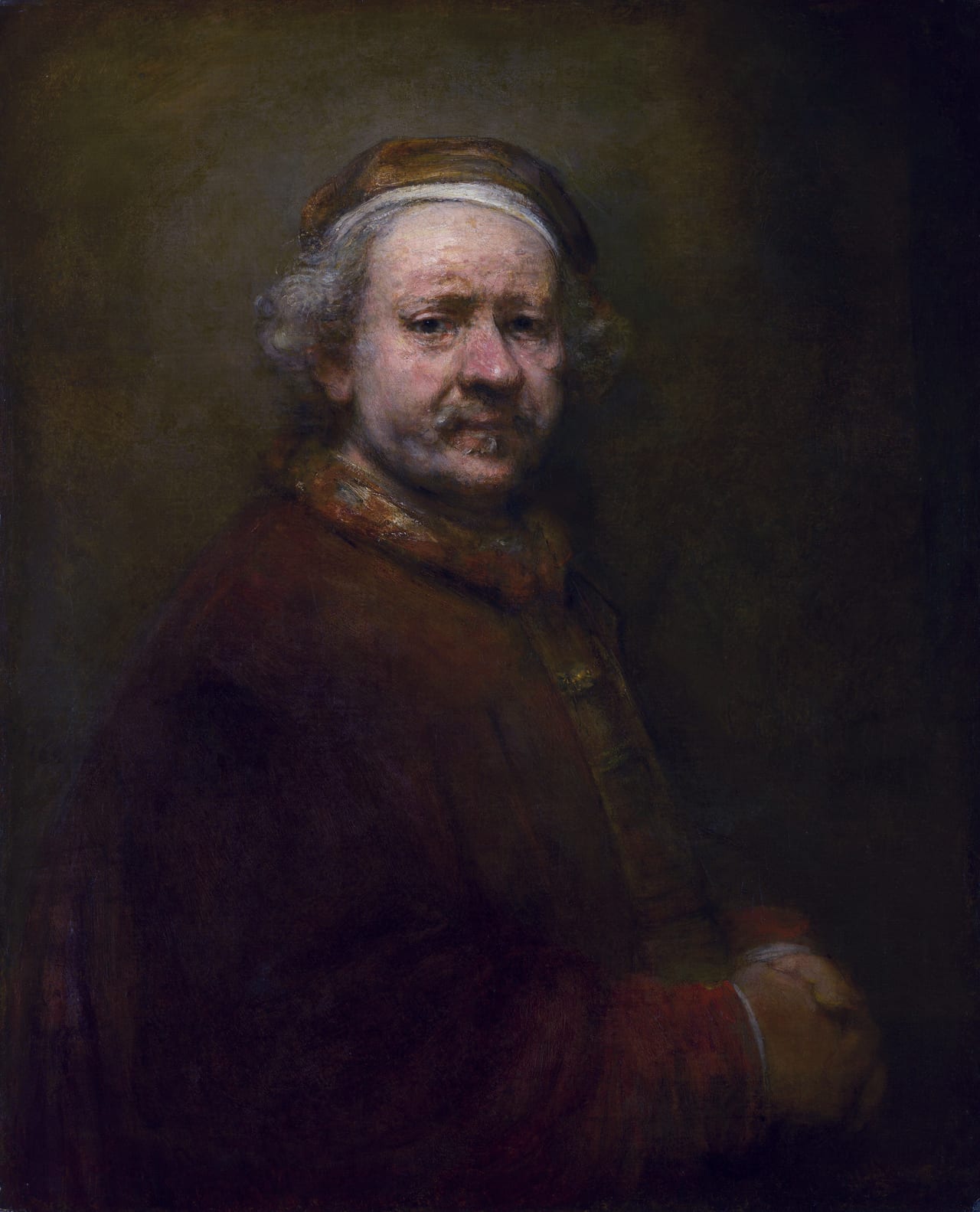
Rembrandt
Self-Portrait at the Age of 63 · 1669
Painter, printmaker and draughtsman of the Dutch Golden Age, generally counted among the greatest artists ever. This last self image, in red coat and beret, came from the final months of his life.
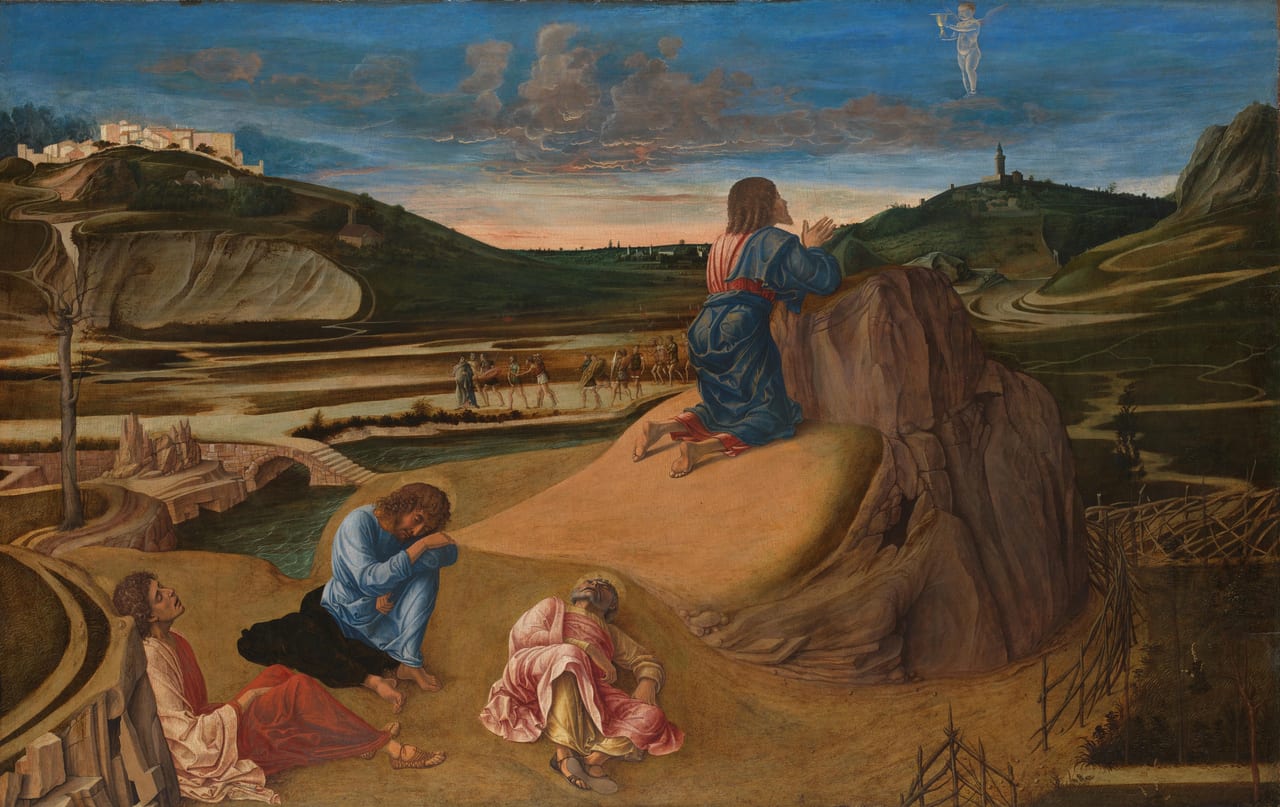
Agony in the Garden · 1458-1460
The Venetian master whose handling of slow drying oils shaped the school of Giorgione and Titian, and who outgrew the brother once considered his superior. His dawn prayer in the garden is an early triumph of landscape stillness.
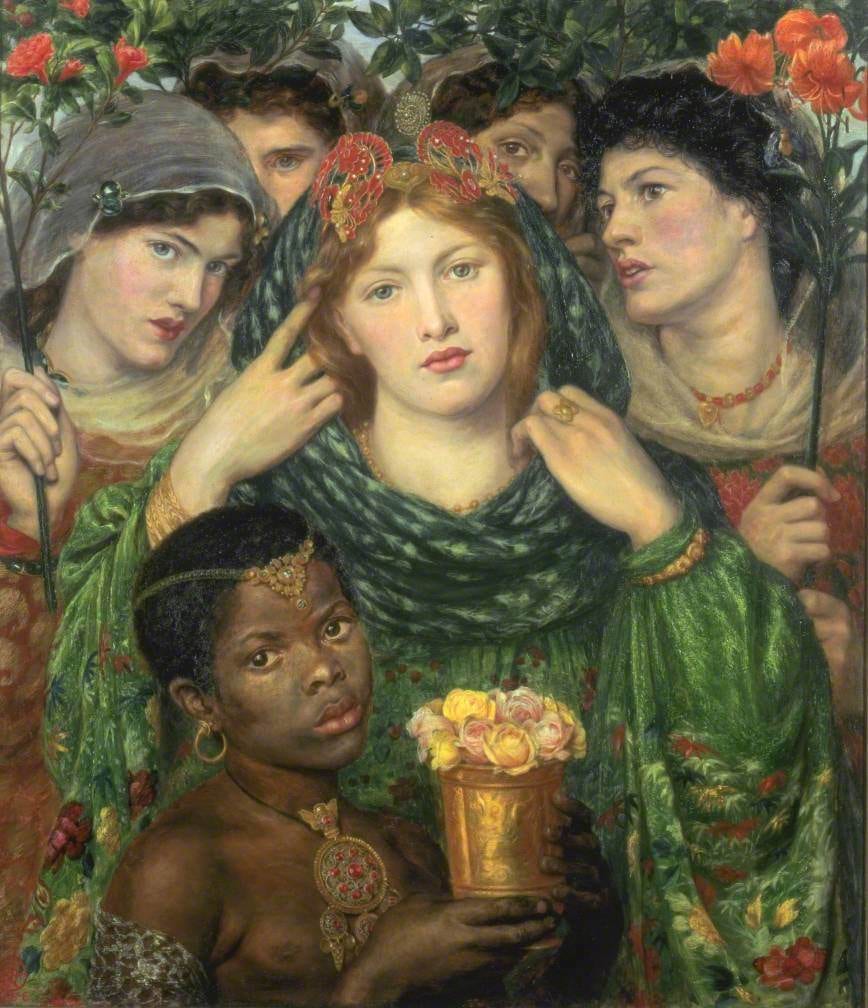
The Beloved · 1865
Poet, illustrator and painter who founded the Pre-Raphaelite Brotherhood with Hunt and Millais in 1848 and inspired a generation of writers and artists. His bridal picture, also known as The Bride, carries the movement's jewel colour.
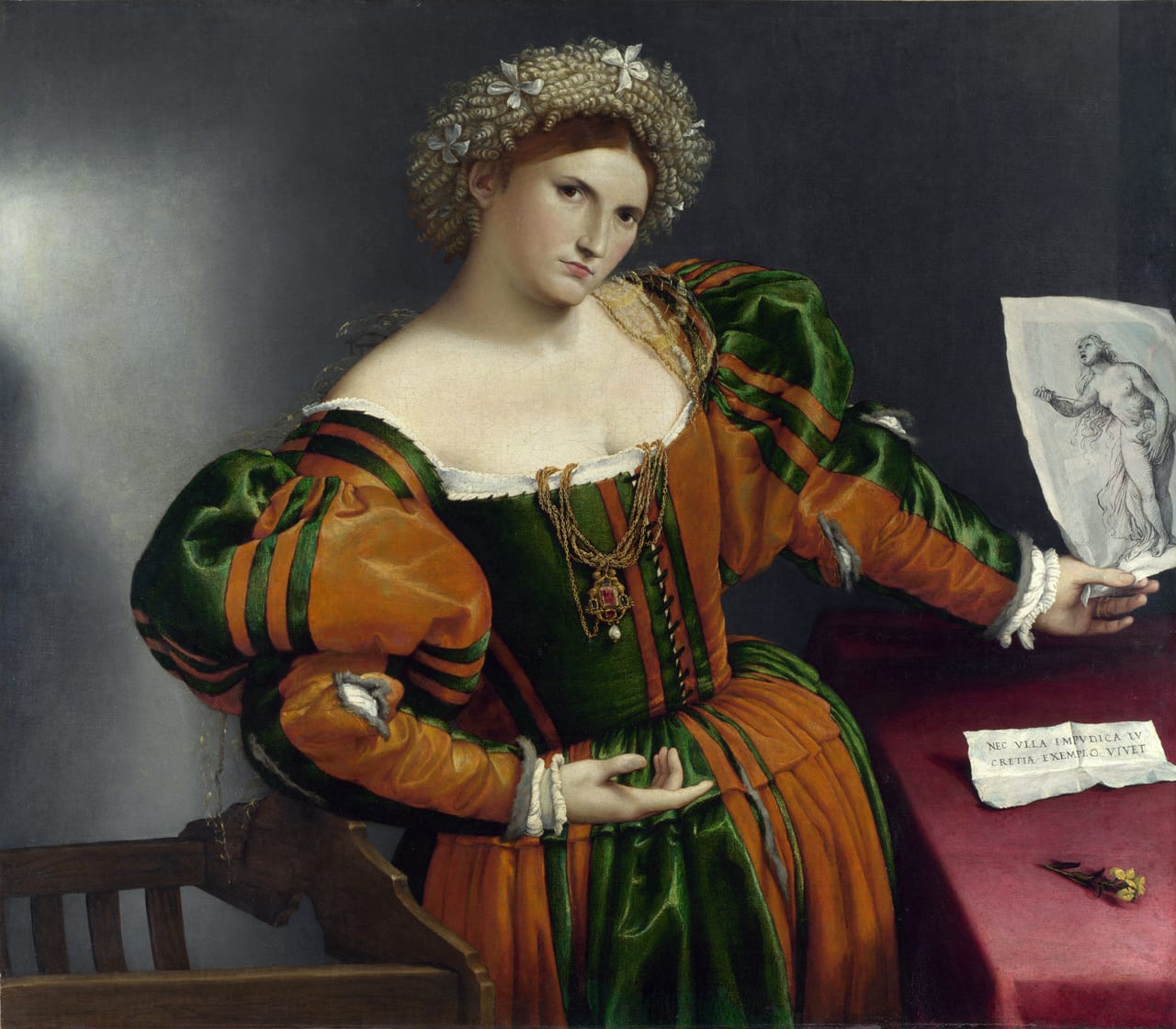
Lorenzo Lotto
Portrait of a Woman · 1530s
A Venetian by formation who built his career in other north Italian towns, painting altarpieces and portraits of nervous, unconventional grace. His sitter posed in the guise of the Roman heroine Lucretia.
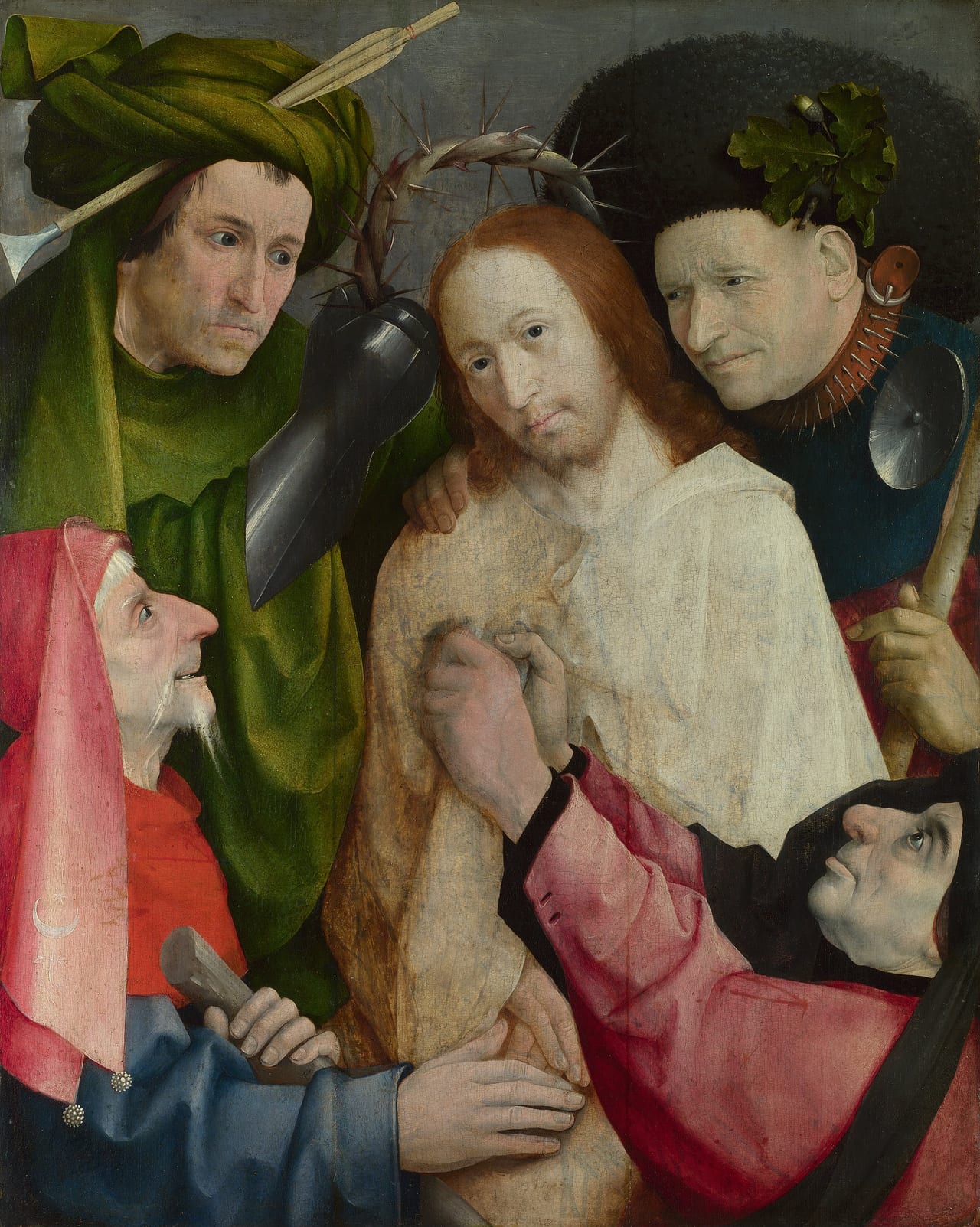
Hieronymus Bosch
Christ Crowned with Thorns · c. 1495
The painter of Brabant whose fantastic religious visions made him one of the most notable minds of Early Netherlandish painting. Christ mocked by his tormentors is his panel of about 1495.
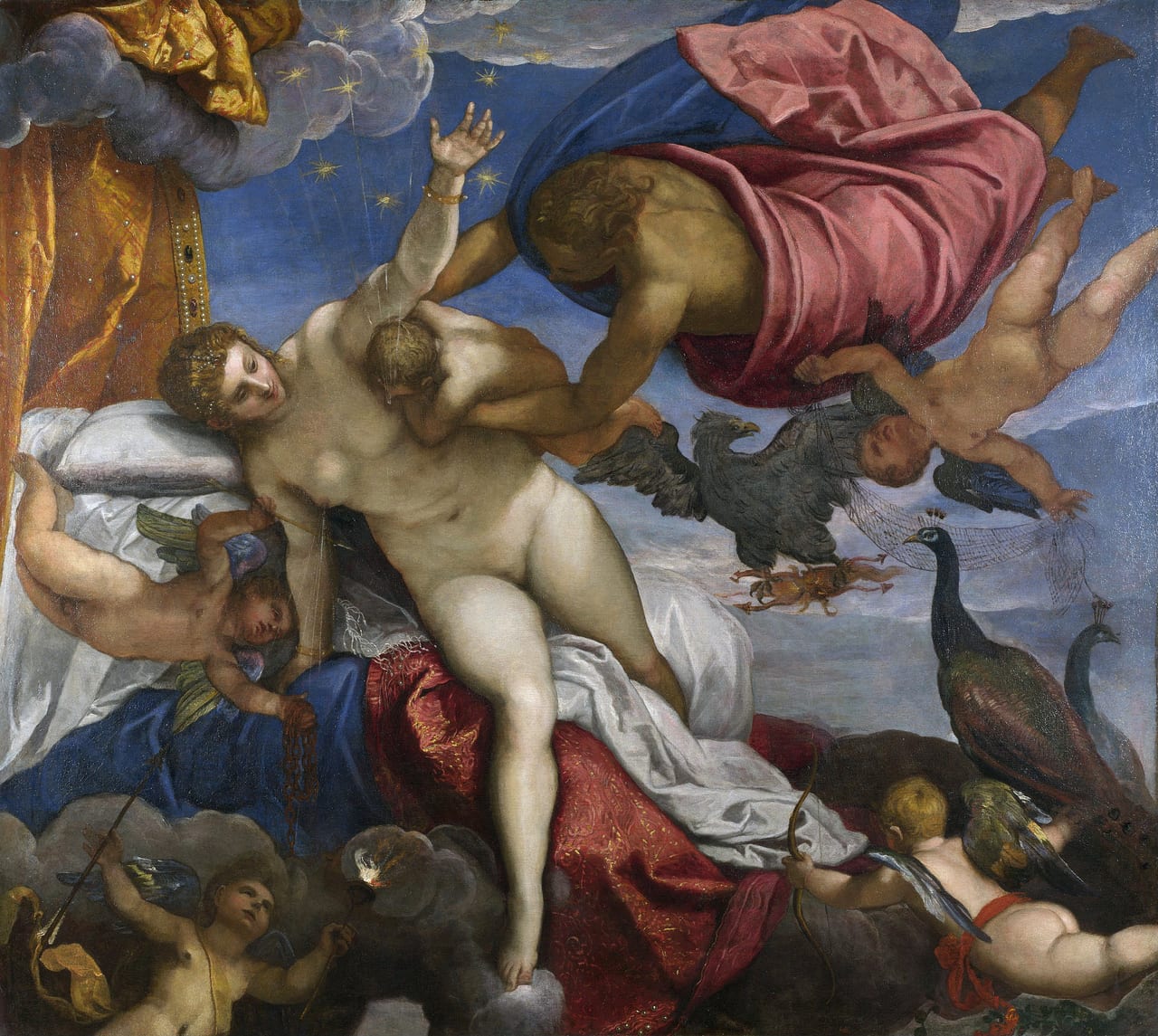
Tintoretto
The Origin of the Milky Way · c. 1575-1580
Contemporaries admired and criticised the speed and boldness of his brush. Muscular bodies, sweeping gesture and plunging perspective carry the myth of the galaxy's birth, counted among his most successful works in the Venetian style.
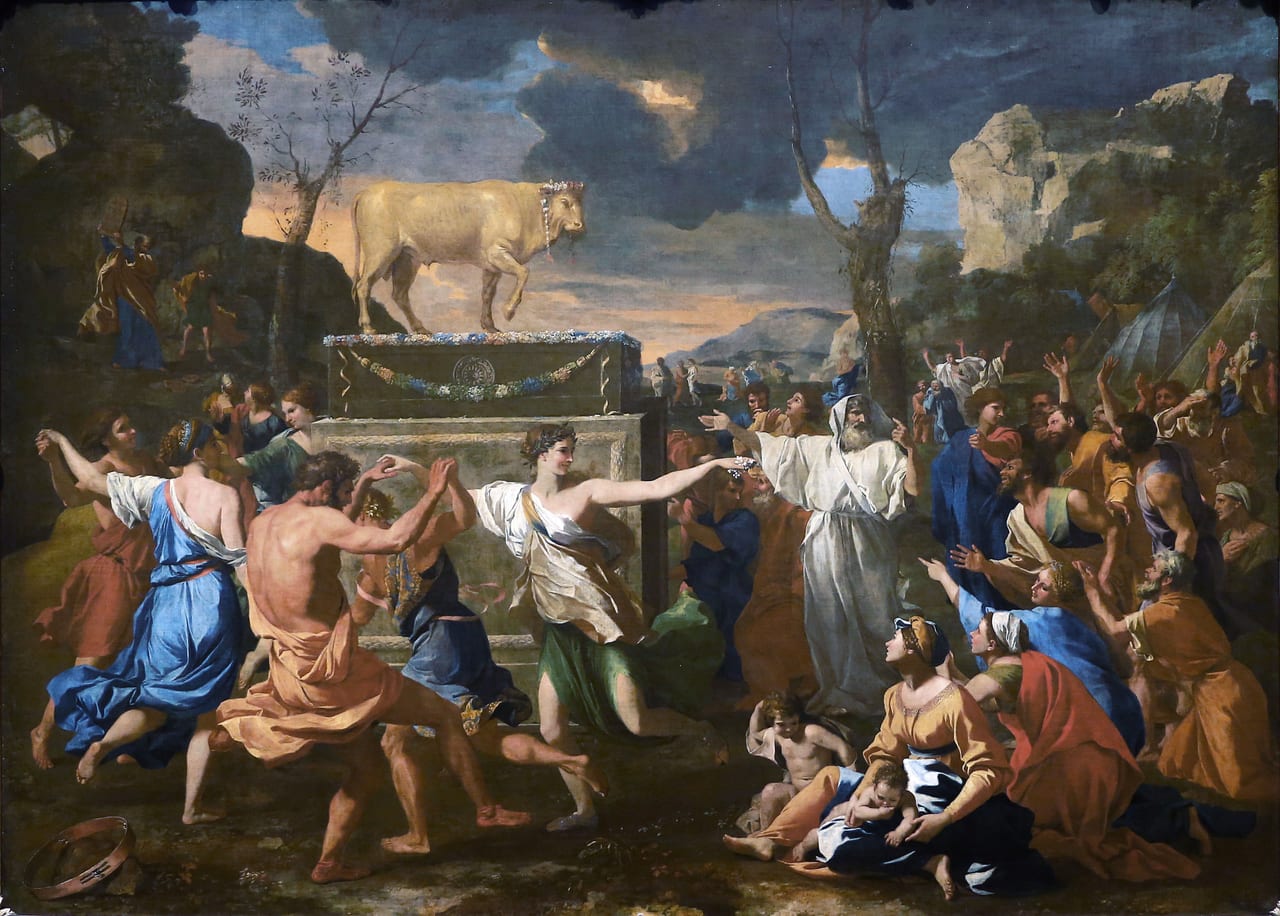
Nicolas Poussin
The Adoration of the Golden Calf · 1633-1634
The classicist of the French Baroque, who worked most of his life in Rome for a small circle of collectors and prized order, logic and line above colour. The Israelites dancing around Aaron's idol show his figures in full motion.
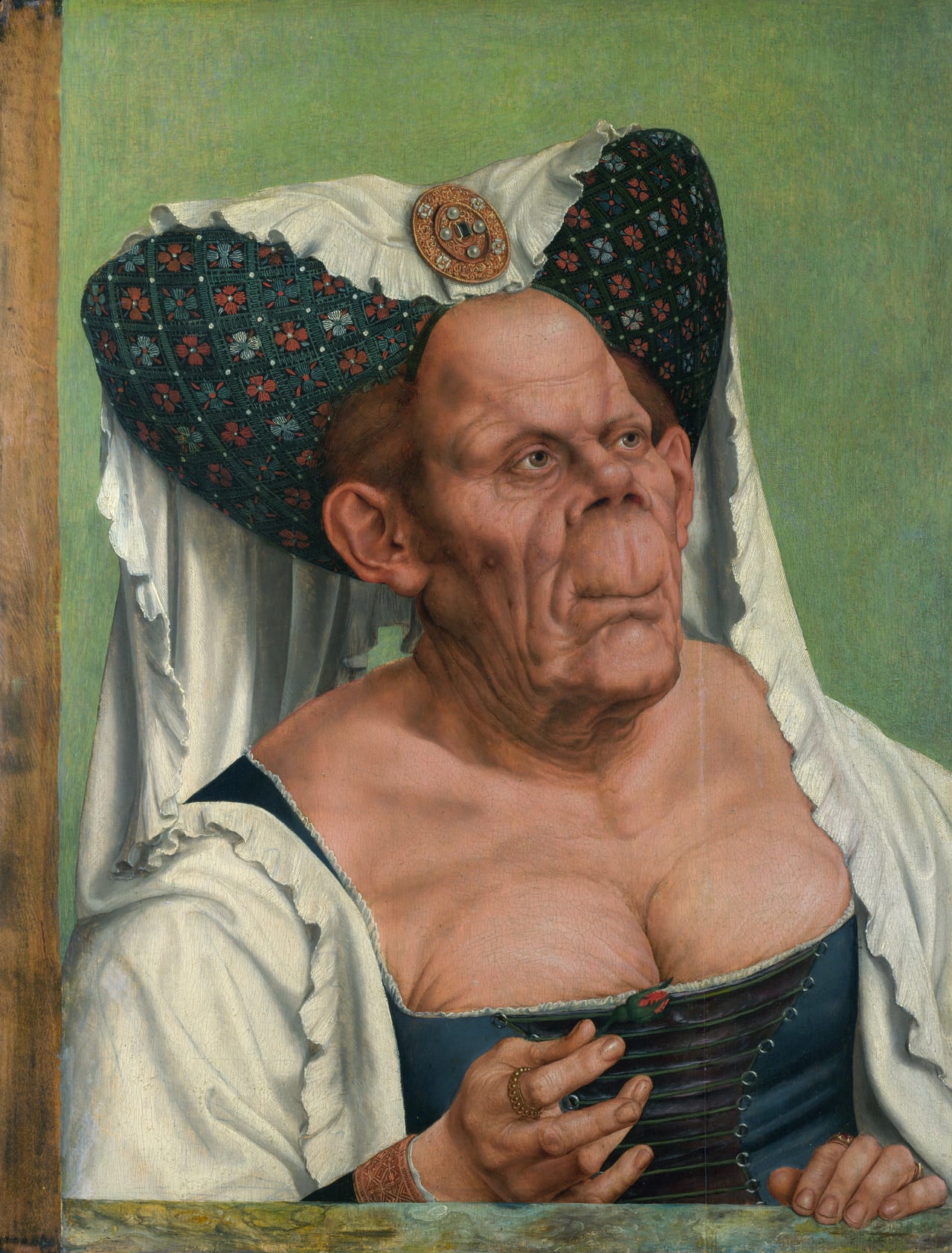
Quinten Matsys
The Ugly Duchess · 1513
The blacksmith of legend who turned to painting, bringing moralising subjects into Flemish art. His grotesque widow, red flower in hand, is the best known thing he made.
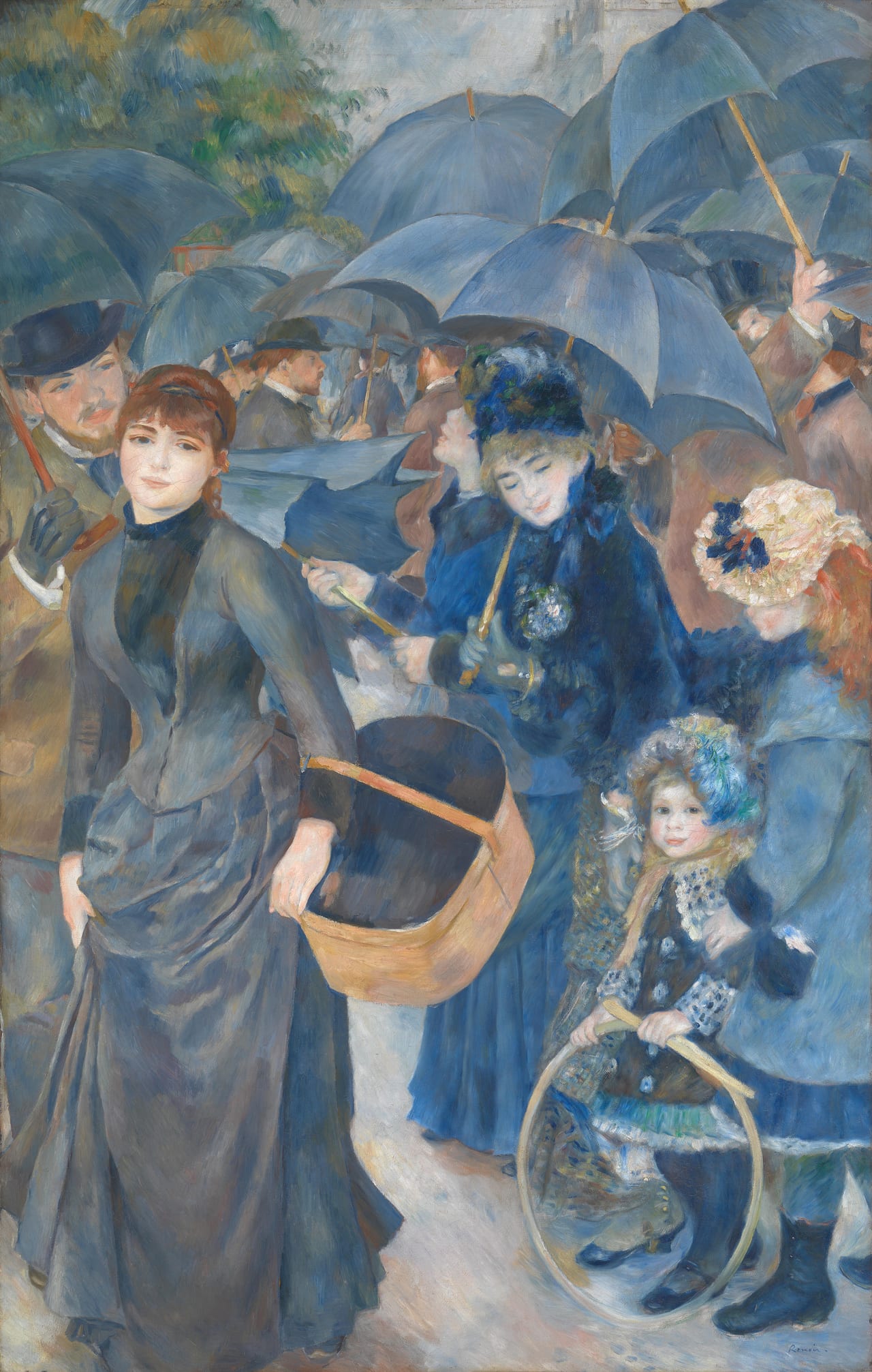
Pierre-Auguste Renoir
The Umbrellas · c. 1880-1886
A founder of French Impressionism, born in Limoges. His umbrella crowd was begun in loose Impressionist strokes and reworked in a colder classical manner.
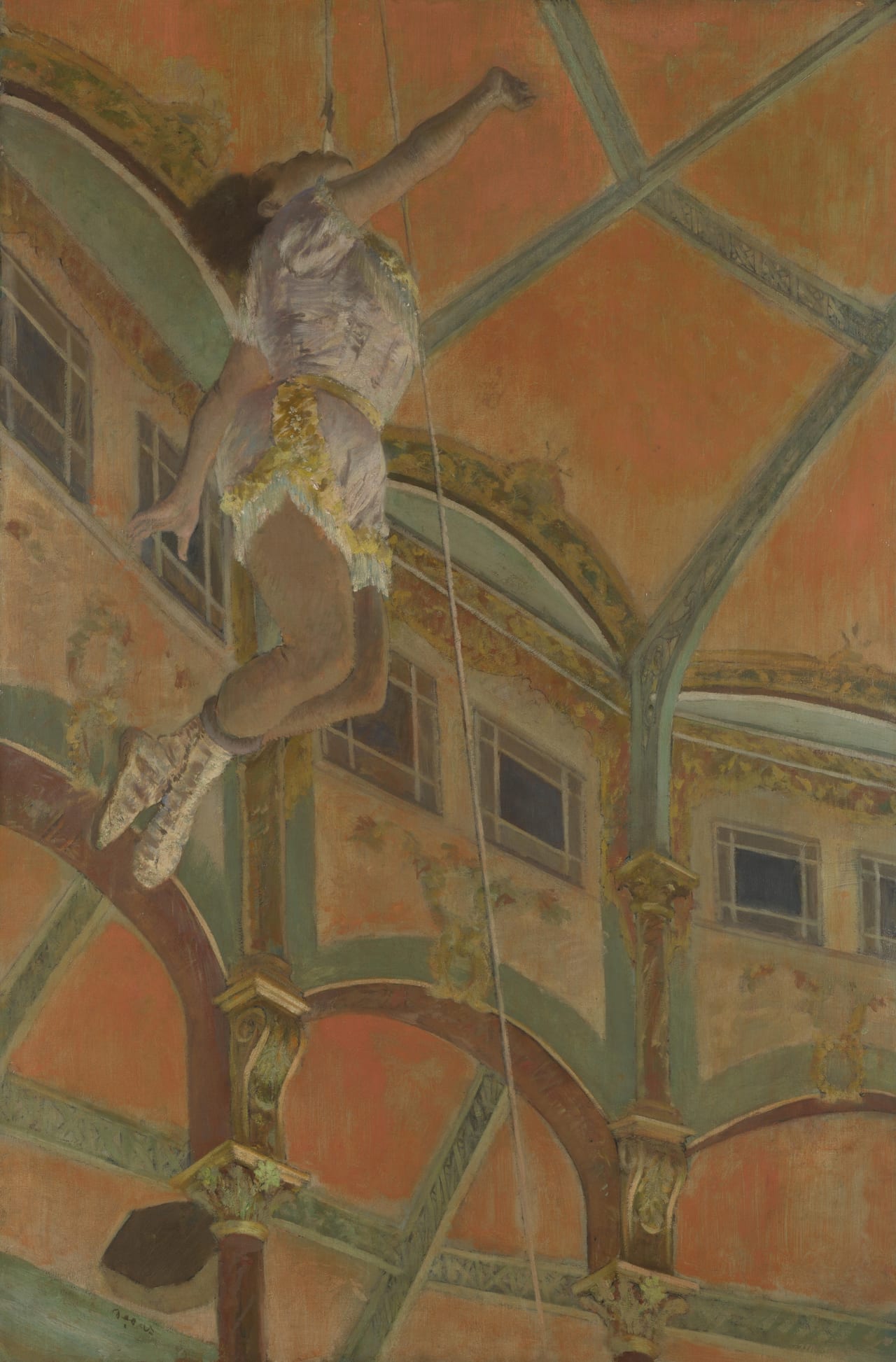
Edgar Degas
Miss La La at the Cirque Fernando · 1879
A supreme painter of movement and of the psychology of a face. Half his work is dancers, and his single circus scene shows the acrobat hanging from a trapeze by her teeth.
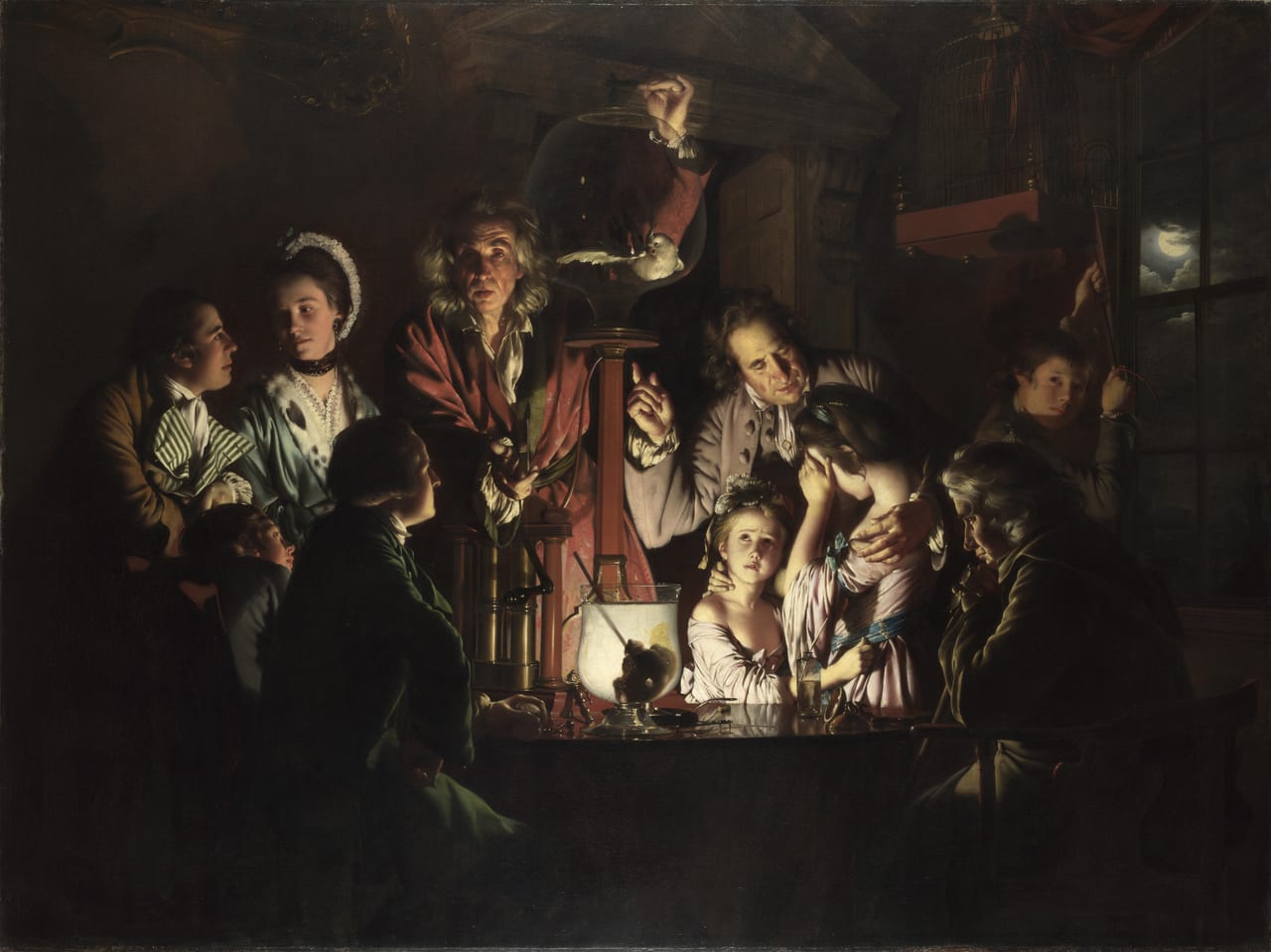
Joseph Wright of Derby
An Experiment on a Bird in the Air Pump · 1768
A Derby portraitist who made candlelight and tenebrist shadow his signature. His vacuum pump lecture, owned by the gallery since 1863, is his masterpiece.
Artworks
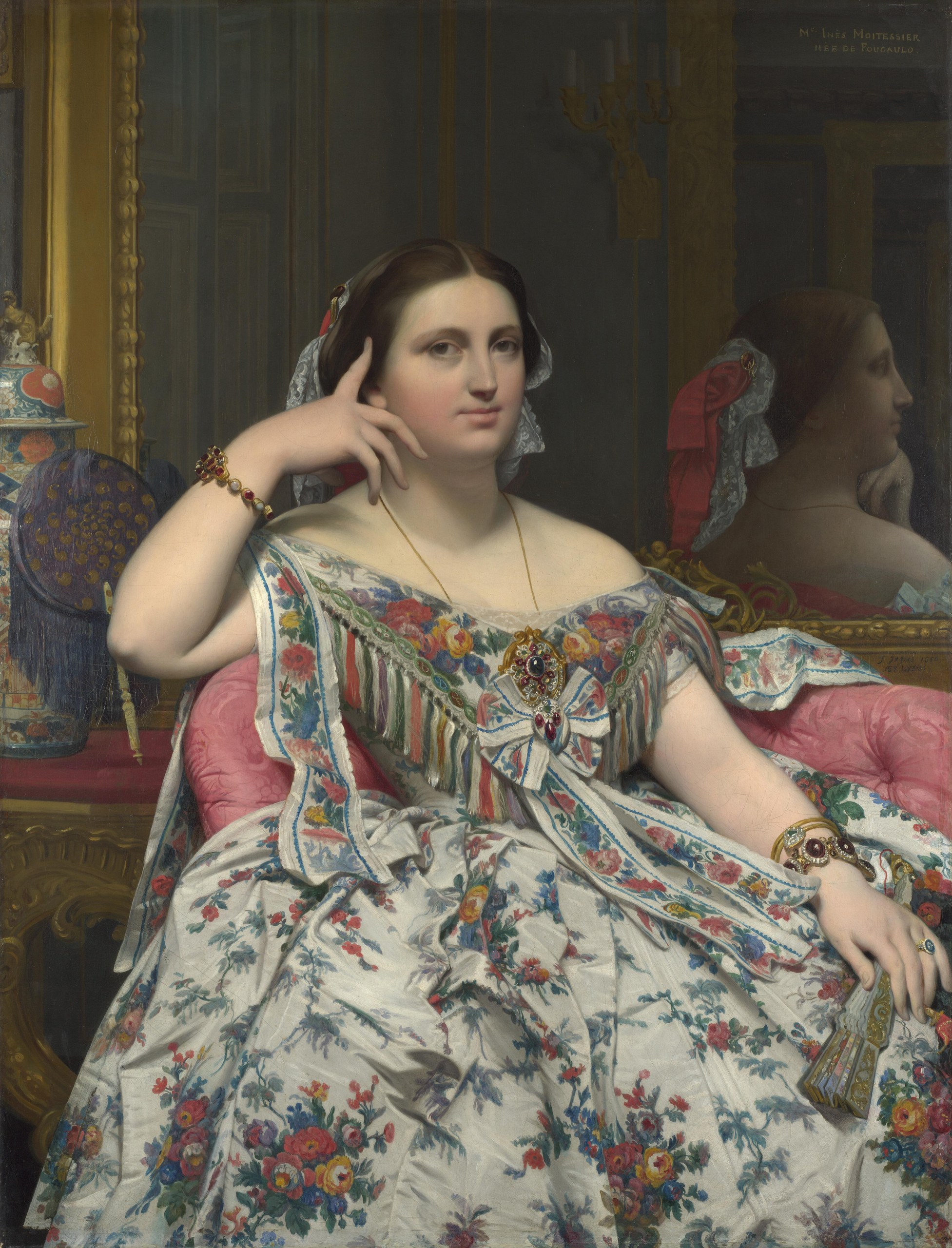
Madame Moitessier
Jean-Auguste-Dominique Ingres · 1856
A banker's wife seated in flowered silk, a commission Ingres at first refused until meeting her changed his mind. Begun in 1844, finished in 1856, and in the collection since 1946.
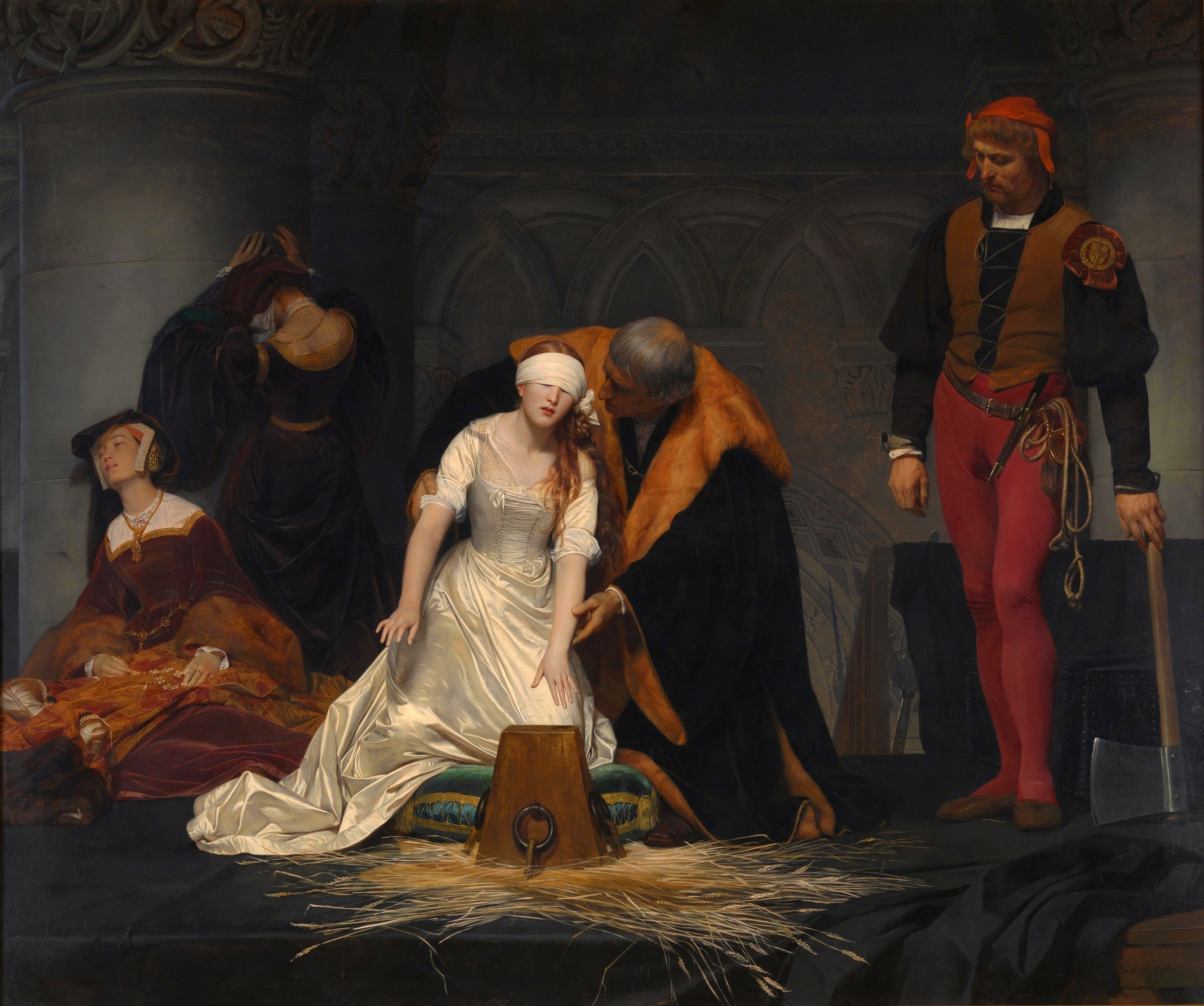
The Execution of Lady Jane Grey
Paul Delaroche · 1833
A blindfolded woman of seventeen gropes for the block, an invented moment painted nearly three hundred years later. Adored by the public, then stored away for decades as history painting fell from favour, and restored to the walls in 1975.
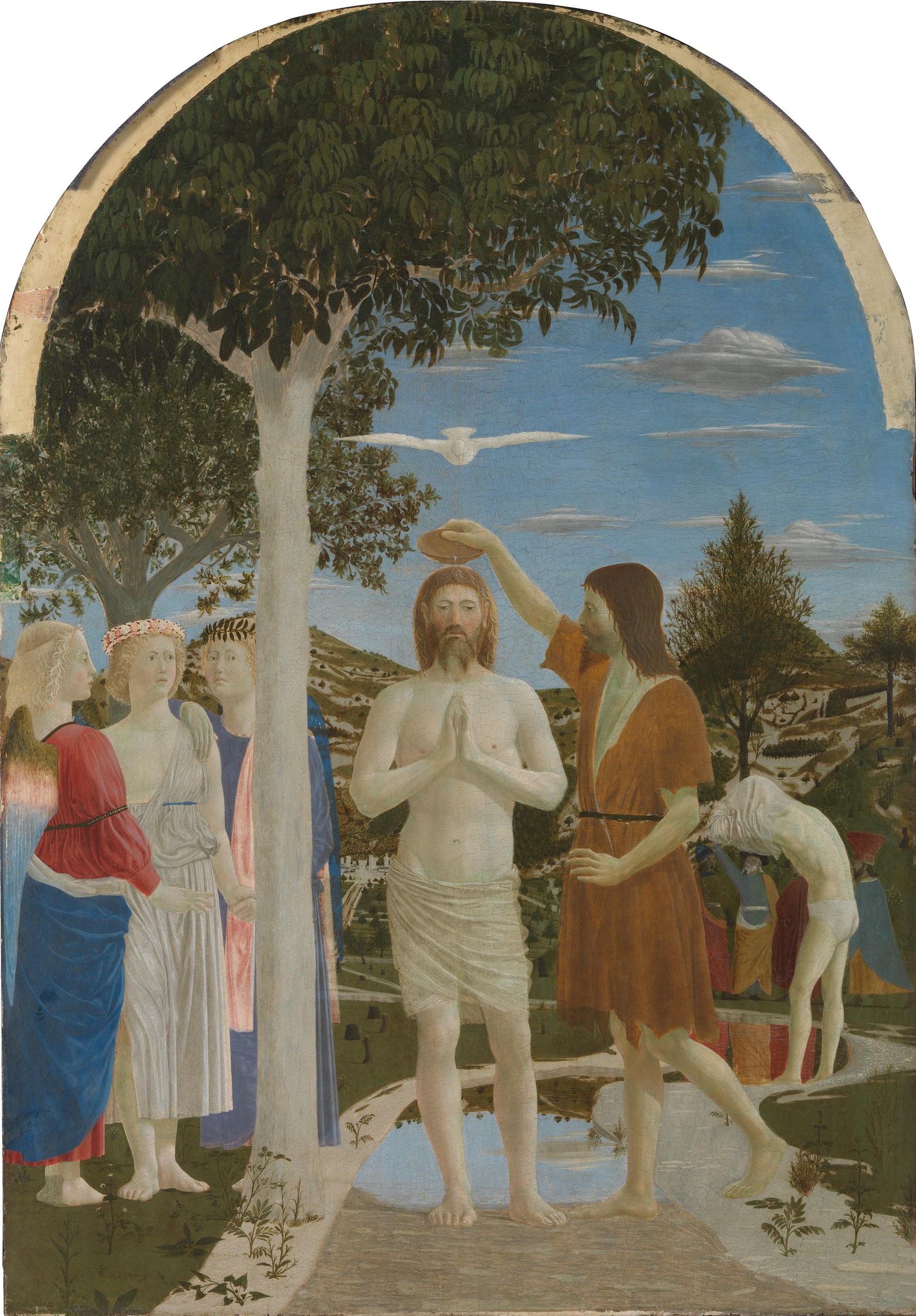
The Baptism of Christ
Piero della Francesca · 1448
Christ in the Jordan with the dove above him and John at his side, painted by Piero della Francesca. The angels hold each other's hands rather than his robes, a quiet break with convention.
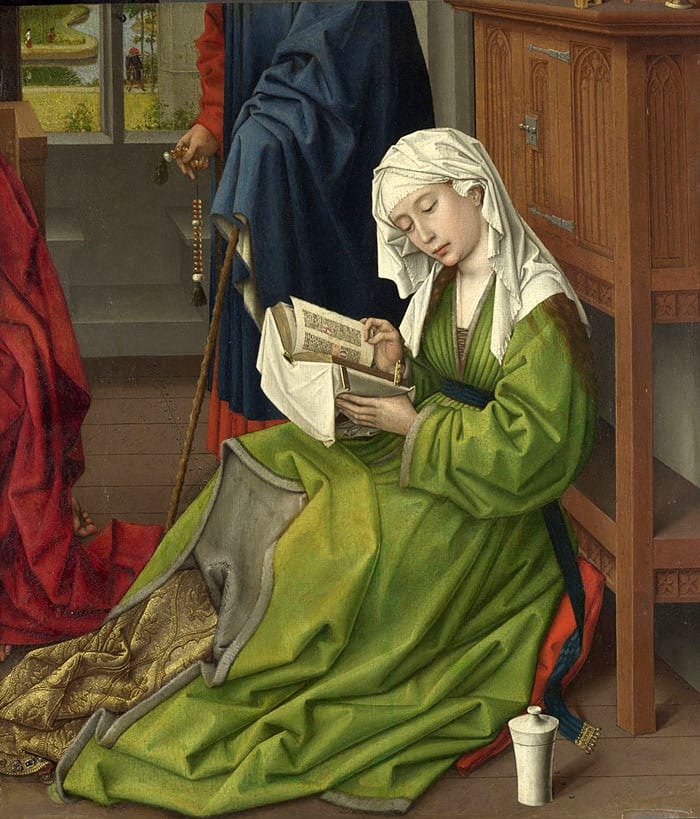
The Magdalen Reading
Rogier van der Weyden · 1435
Mary sunk in her book with the ointment jar before her, one of three pieces that survive from a broken altarpiece. A cleaning in the 1950s brought back the figures and window behind her.
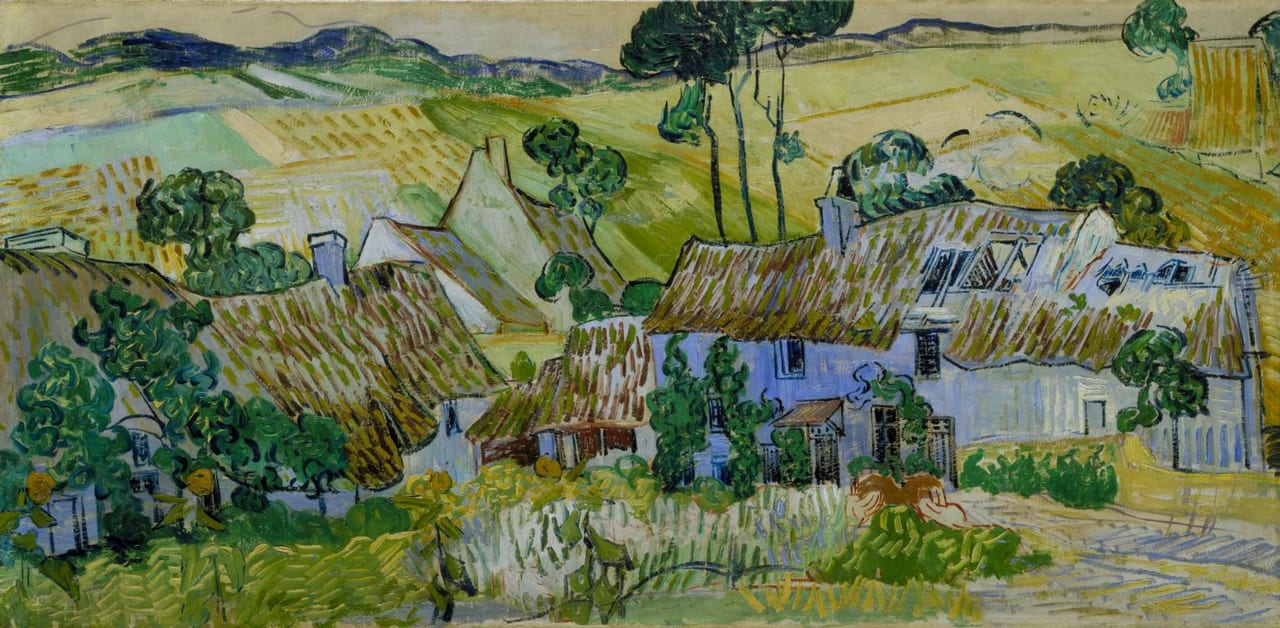
Farms near Auvers
Vincent van Gogh · 1890
Mossy thatch roofs swelling like the hill behind them, one of the double square canvases of the final month at Auvers. The hurried strokes and bare canvas sky suggest it was left unfinished.
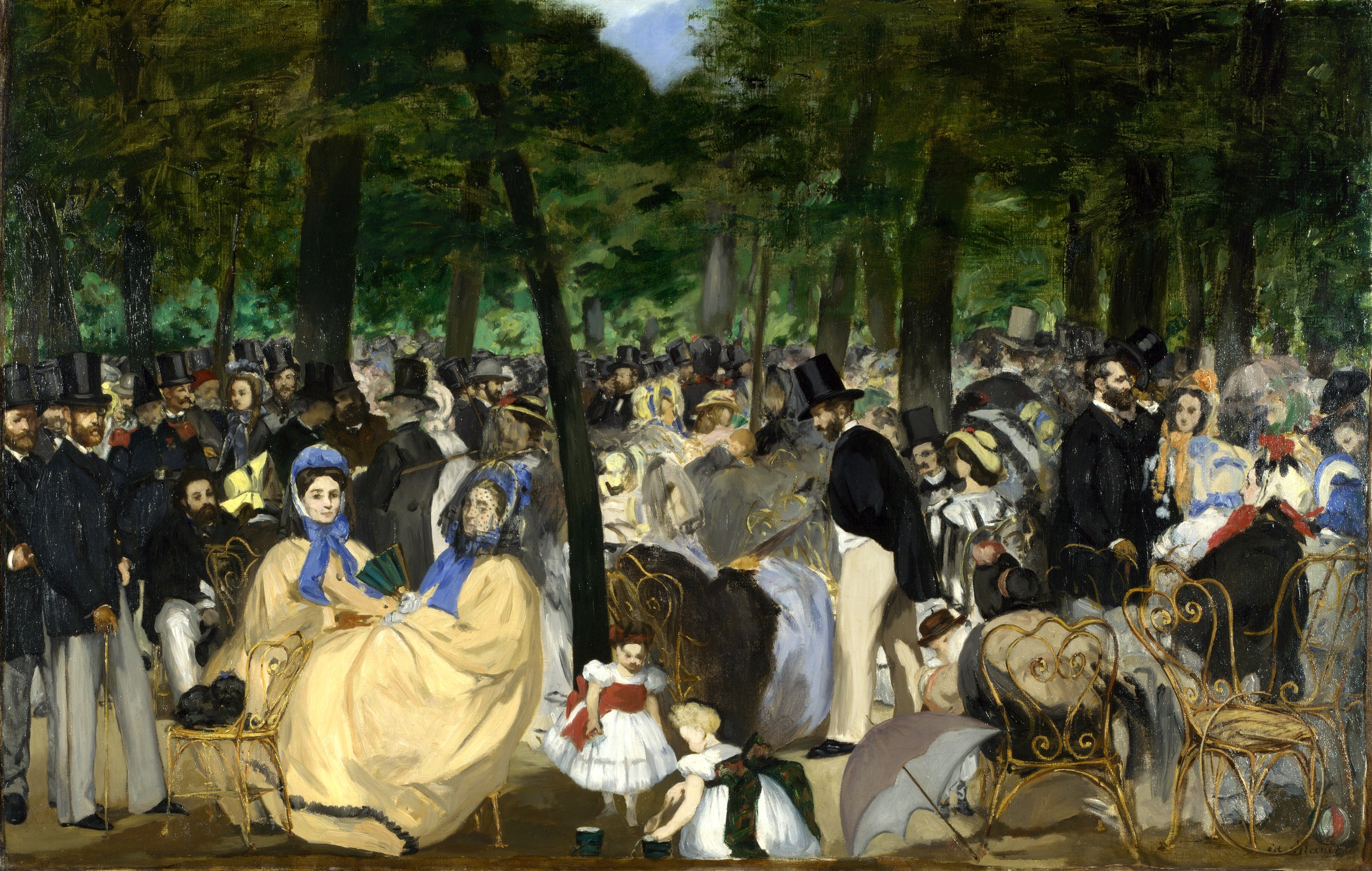
Music in the Tuileries
Édouard Manet · 1862
Friends, critics and the painter himself crowd a garden concert, an early statement of the modern leisure Manet would pursue for life. Shared with Dublin under the Lane Bequest.
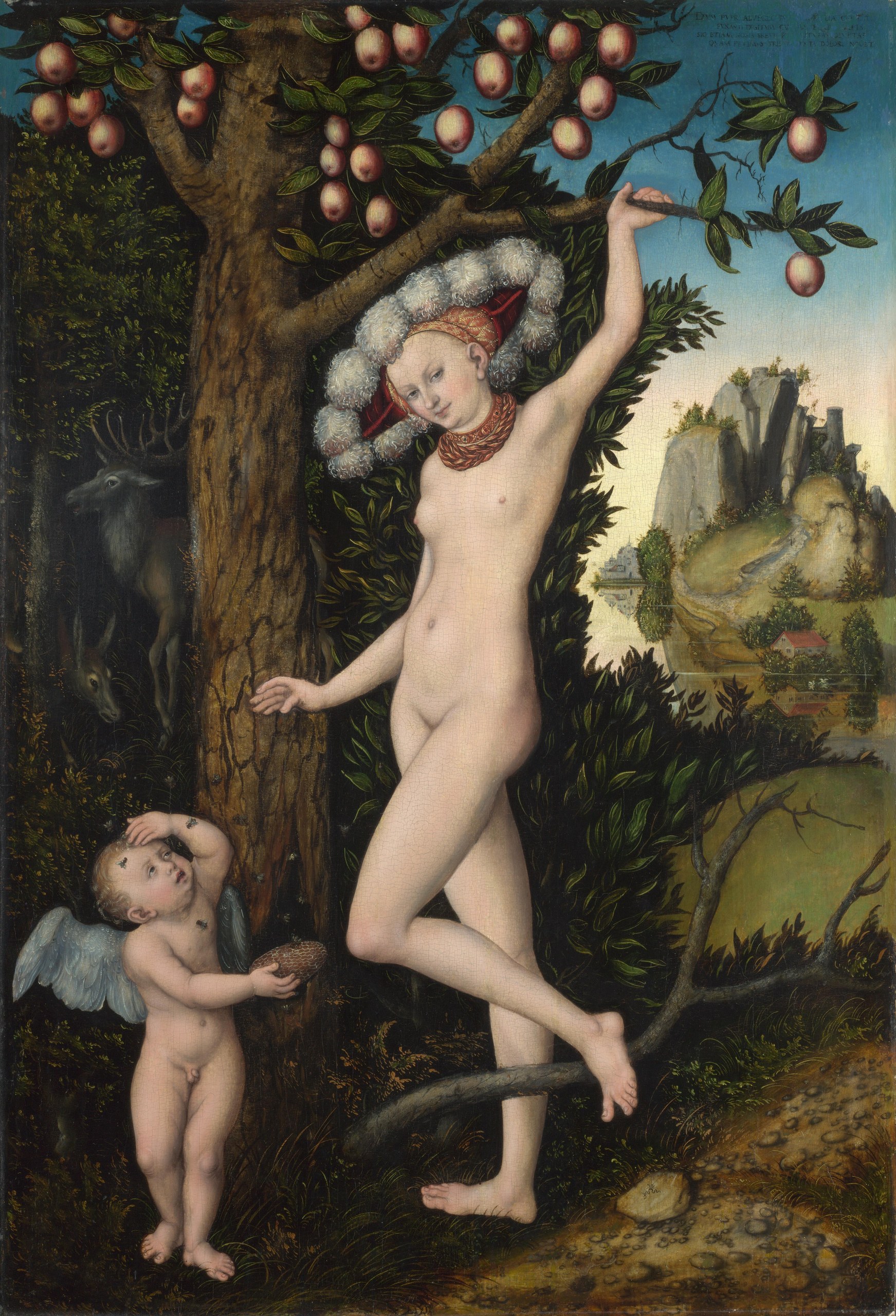
Cupid Complaining to Venus
Lucas Cranach the Elder · 1526
The child god in tears as bees punish his theft of a honeycomb, an allegory of love's pleasures and its stings. The London version, acquired in 1963, perhaps the earliest of the versions that survive.
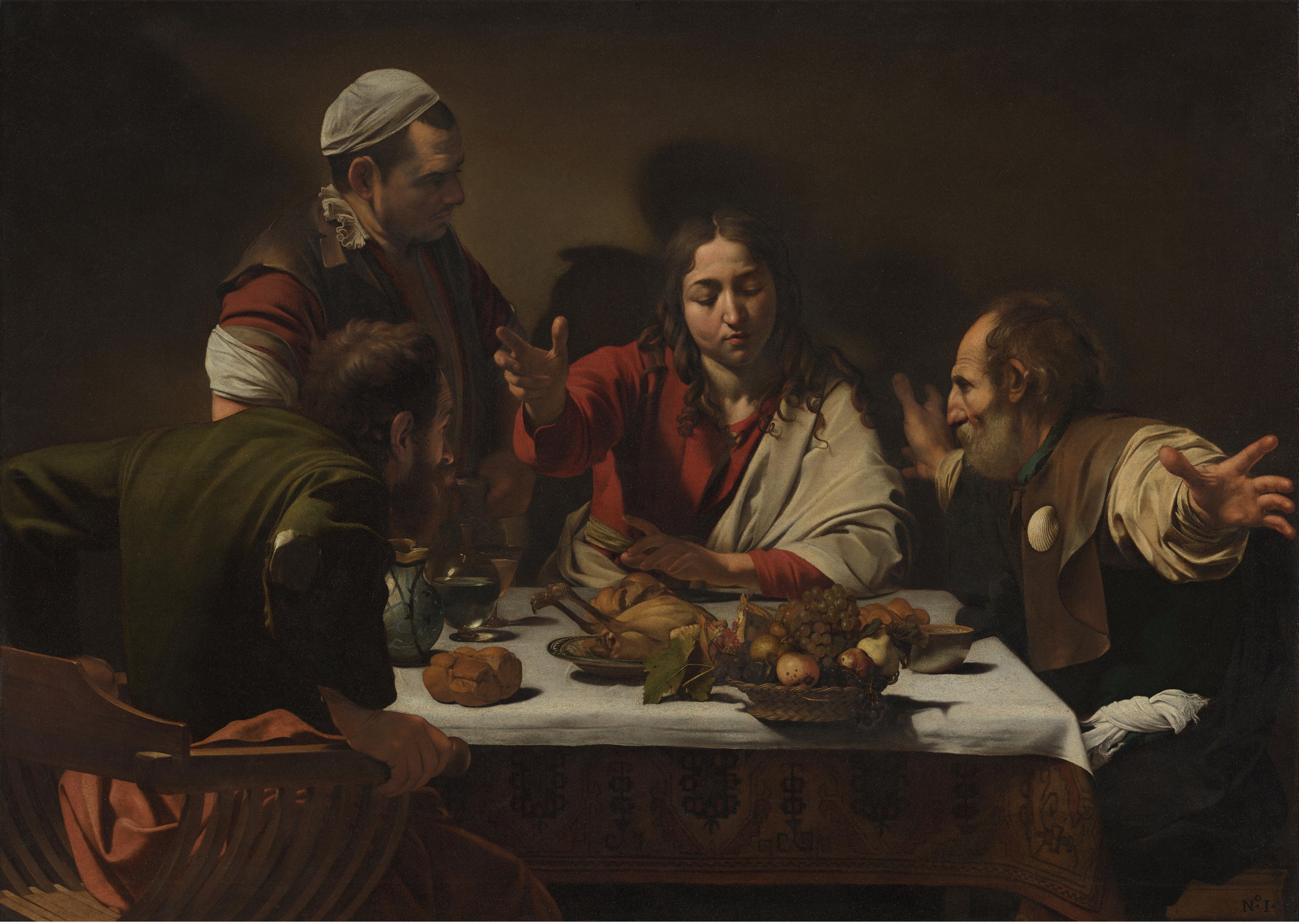
Supper at Emmaus
Caravaggio · 1601
The instant two disciples recognise Christ at table, one thrust back in his chair, the other flinging his arms wide. Commissioned in 1601, it shows the disciples as bearded, lined working men beside a strangely youthful Christ.
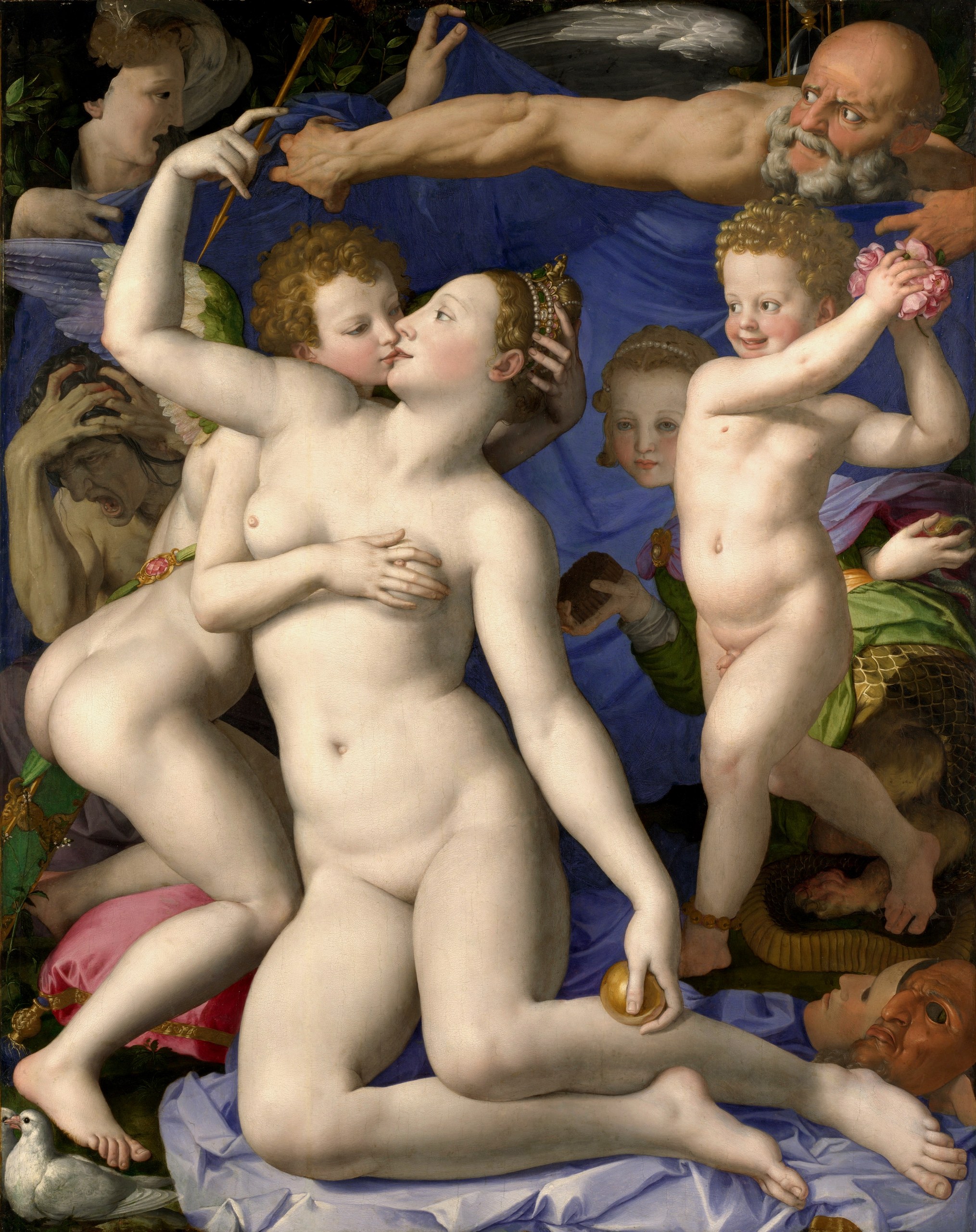
Venus, Cupid, Folly and Time
Bronzino · 1545
Cupid presses a kiss on his mother while a boy readies rose petals and bald Time holds a cloth above them. An allegory by Bronzino of about 1545 whose remaining figures still divide scholars, painted with all the riddle and erotic charge of Mannerism.
Sources
- National Gallery, London, “About us”
- Wikipedia, “National Gallery”
- Wikipedia, “List of most visited art museums”
- Wikipedia, “The Arnolfini Portrait”
- Wikipedia, “The Ambassadors (Holbein)”
- Wikipedia, “Venus and Mars (Botticelli)”
- Wikipedia, “The Fighting Temeraire”
- Wikipedia, “Bathers at Asnières”
- Wikipedia, “Whistlejacket”
- Wikipedia, “The Entombment (Michelangelo)”
- Wikipedia, “Boy Bitten by a Lizard”
- Wikipedia, “Samson and Delilah (Rubens)”
- Wikipedia, “The Stonemason's Yard”
- Wikipedia, “Philip IV in Brown and Silver”
- Wikipedia, “Self-Portrait at the Age of 63”
- Wikidata, “The Agony in the Garden”
- Wikipedia, “Dante Gabriel Rossetti”
- Wikidata, “The Beloved”
- Wikipedia, “Lorenzo Lotto”
- Wikidata, “Portrait of a Woman”
- Wikipedia, “Hieronymus Bosch”
- Wikidata, “Christ Crowned with Thorns”
- Wikipedia, “Tintoretto”
- Wikipedia, “The Origin of the Milky Way”
- Wikipedia, “Nicolas Poussin”
- Wikipedia, “The Adoration of the Golden Calf”
- Wikipedia, “Quinten Matsys”
- Wikipedia, “The Ugly Duchess”
- Wikipedia, “Pierre-Auguste Renoir”
- Wikipedia, “The Umbrellas (Renoir)”
- Wikipedia, “Edgar Degas”
- Wikipedia, “Miss La La at the Cirque Fernando”
- Wikipedia, “Joseph Wright of Derby”
- Wikipedia, “An Experiment on a Bird in the Air Pump”
- Wikipedia, “Madame Moitessier”
- Wikipedia, “The Execution of Lady Jane Grey”
- Wikipedia, “The Baptism of Christ (Piero della Francesca)”
- Wikipedia, “The Magdalen Reading”
- Wikipedia, “Farms near Auvers”
- Wikipedia, “Music in the Tuileries”
- Wikipedia, “Cupid Complaining to Venus”
- National Gallery, London, “The Supper at Emmaus”
- Wikipedia, “Caravaggio”
- Wikipedia, “Diego Velázquez”
- Wikipedia, “Rembrandt”
- Wikipedia, “Giovanni Bellini”
- Wikipedia, “Venus, Cupid, Folly and Time”
- Images via Wikimedia Commons
Invite the National Gallery into your living room
Play 35 works from this collection on your TV, phone or tablet with Momentable Art TV.