Laocoön and His Sons
Athanadoros · c. 40–20 BC

Athanadoros
Rhodes · 100 BC
Athenodorus (Ancient Greek: Ἀθηνόδωρος) of Rhodes was a sculptor of ancient Greece who lived around the 1st century CE. He was probably the son and pupil of Agesander of Rhodes, and brother of the sculptor Polydorus, with both of whom he assisted in executing the famous Laocoön and His Sons now in the Vatican Museums; these three names are given by Pliny the Elder, describing what is generally accepted to be the same sculpture. However, since Rhodian sculpting dynasties often used the same names in different generations, other relationships between the three are possible. Various other sculptures, or bases for sculptures, record an Athenodorus, but whether these refer to the same sculptor, or how to group them, remains the subject of scholarly discussion. The situation is similar with Agesander of Rhodes, whom Pliny names first.
Independent artist guide by Momentable. Biography from Wikipedia; artworks credited to the museums that hold them.
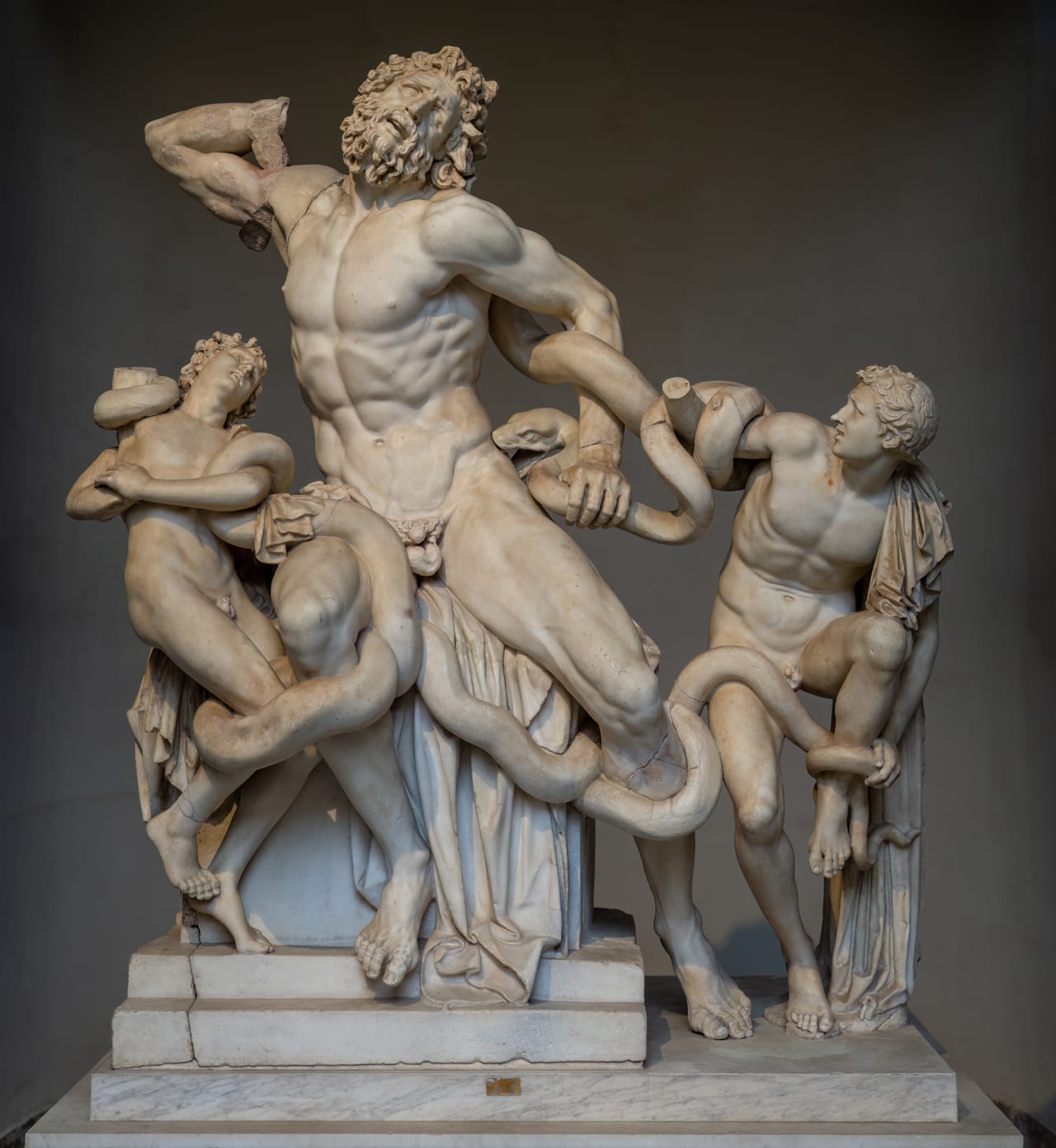 LIVENow streaming · Laocoön and His Sons
- life
- 100 BClife
- rights
- Public domainrights
The work
A selection of 1 works, free to stream.
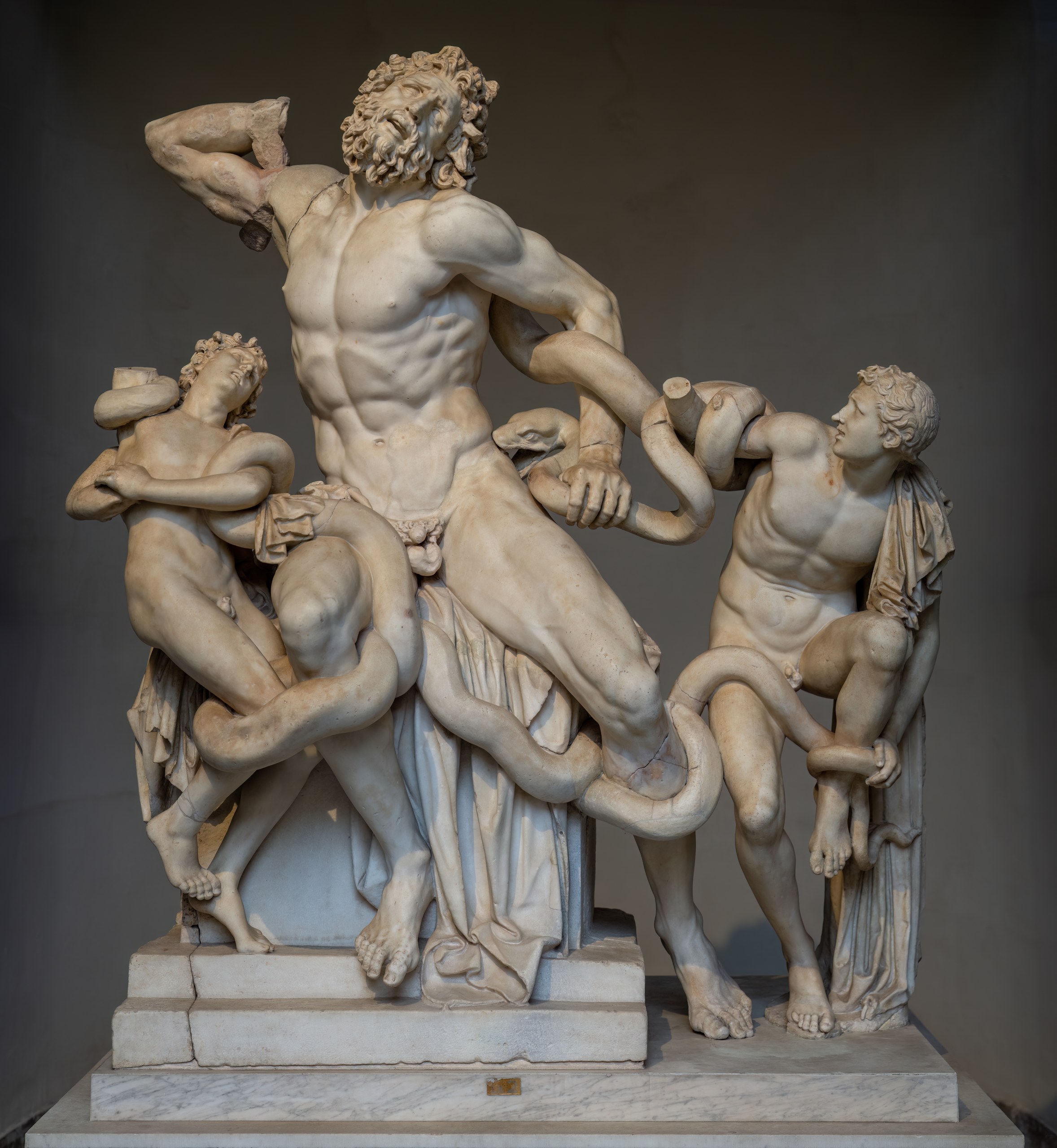
Laocoön and His Sons
Athanadoros · c. 40–20 BC
Vatican Museums
Works worth knowing
What Athanadoros made, and why each one is worth looking at.
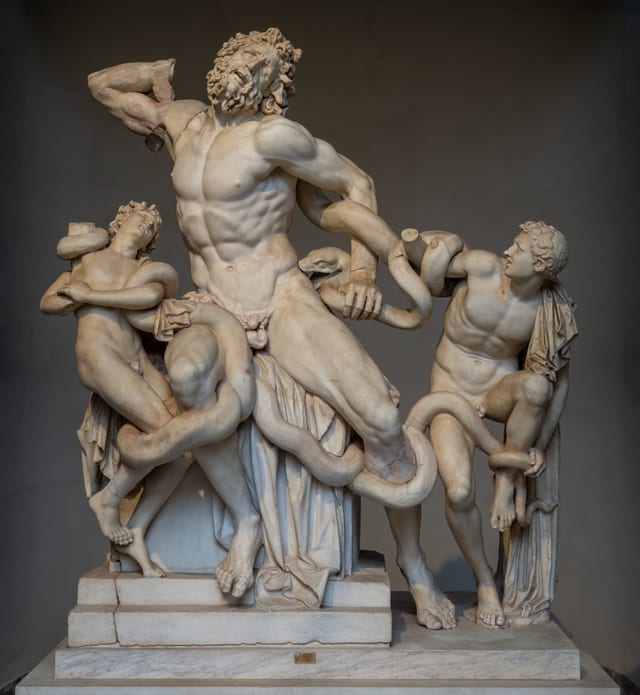
Laocoön and His Sons
Athanadoros · c. 40–20 BC
Vatican Museums
The statue of Laocoön and His Sons, also called the Laocoön Group, has been one of the most famous ancient sculptures since it was excavated in Rome in 1506 and put on public display in the Vatican Museums, where it remains today. The statue is very likely the same one praised in the highest terms by Pliny the Elder, the main Roman writer on art, who attributed it to Greek sculptors but did not say when it was created. The figures are nearly life-sized, with the entire group measuring just over 2 m (6 ft 7 in) in height.
Where the work hangs
The museums that hold it, and their visitor guides.
If you like Athanadoros
Artists held by the same museums.
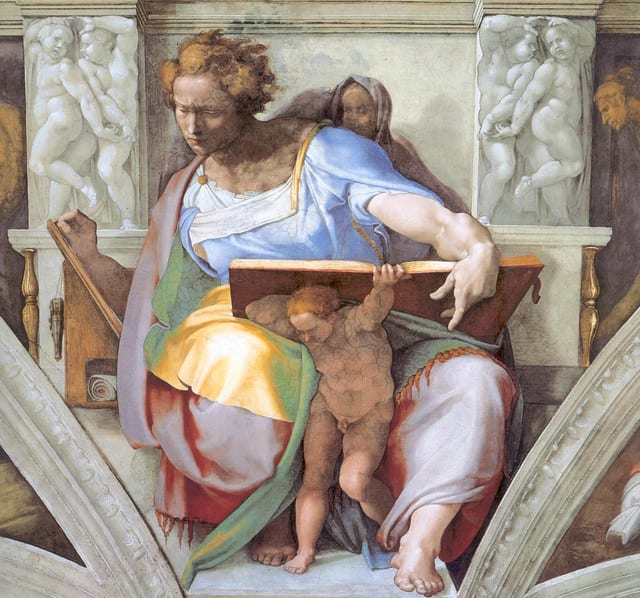
Michelangelo
Republic of Florence · 28 in the archive
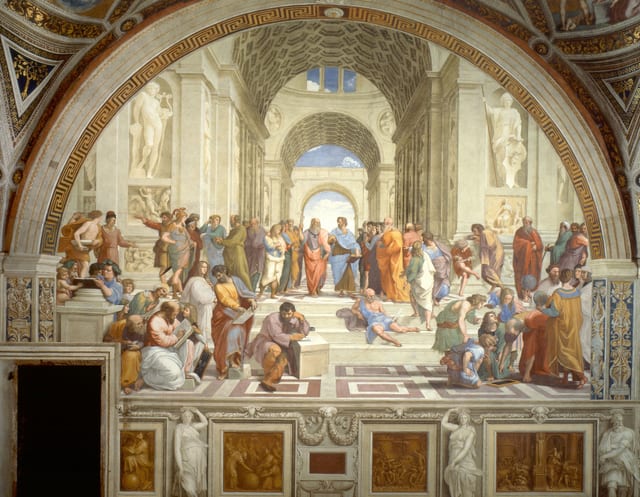
Raphael
Holy Roman Empire · 21 in the archive
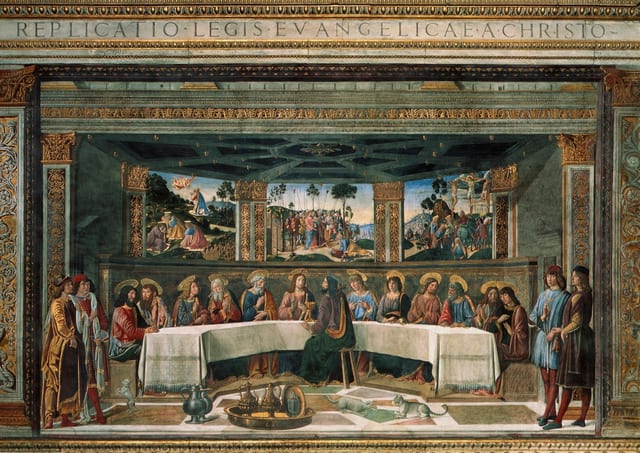
Cosimo Rosselli
2 in the archive
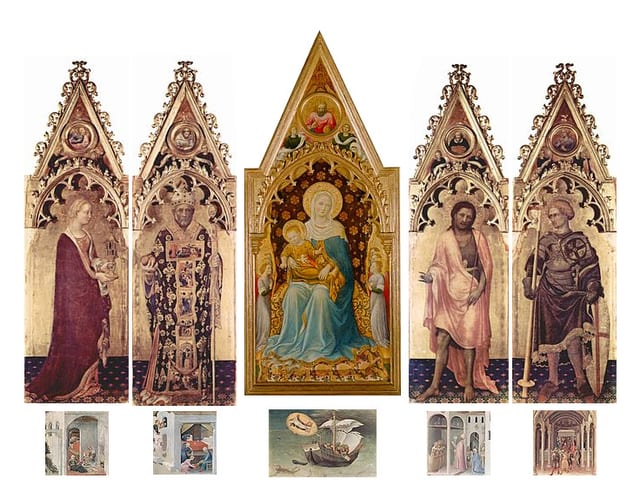
Gentile da Fabriano
Italian · 2 in the archive
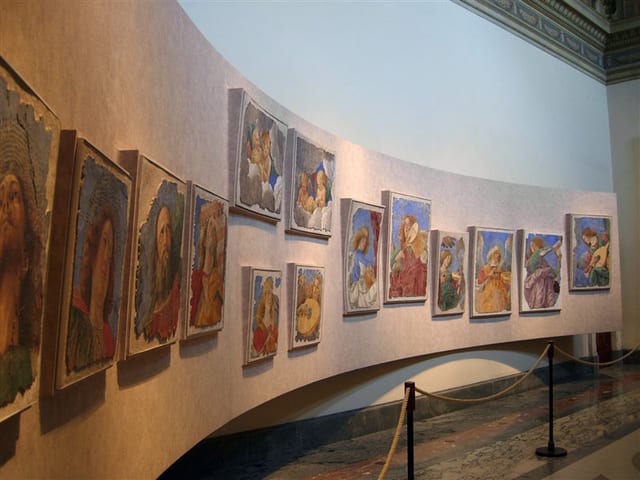
Melozzo da Forlì
Italy · 2 in the archive
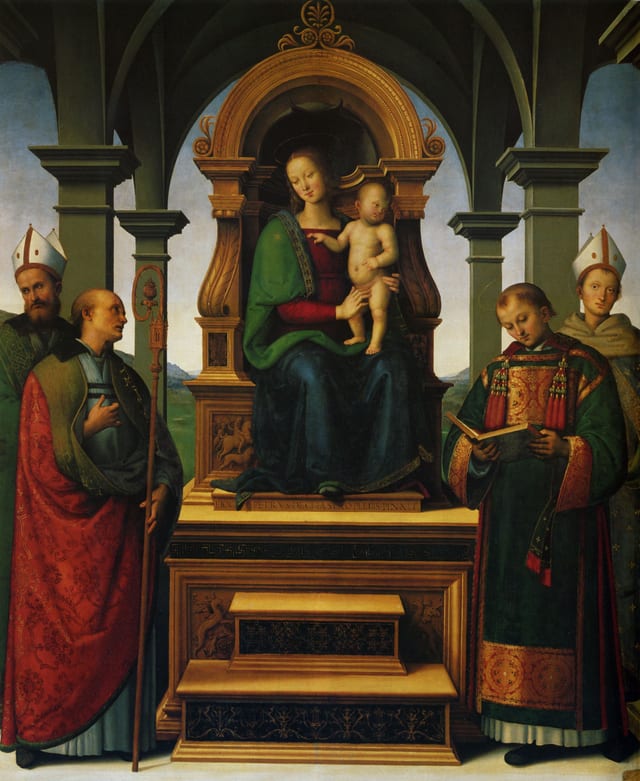
Pietro Perugino
Italian · 2 in the archive
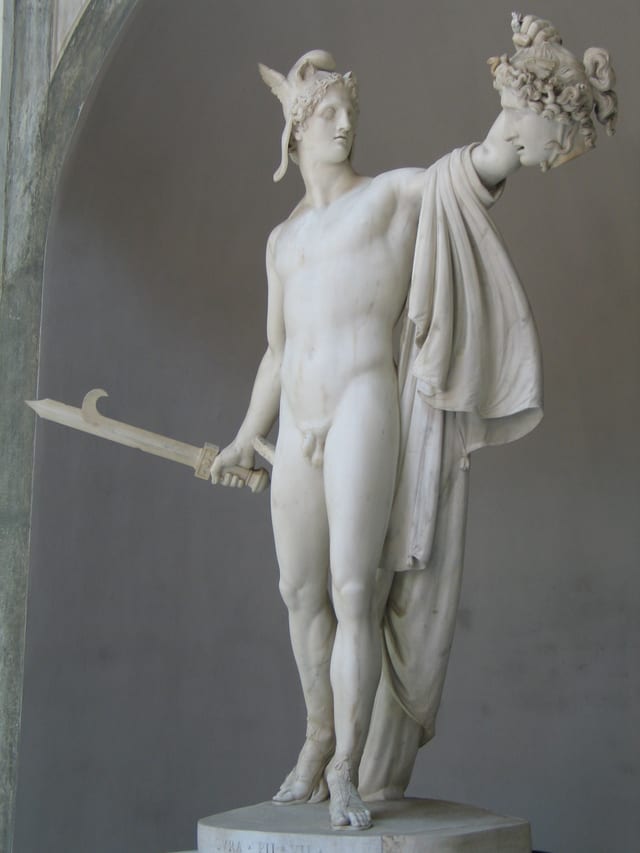
Antonio Canova
Republic of Venice · 1 in the archive
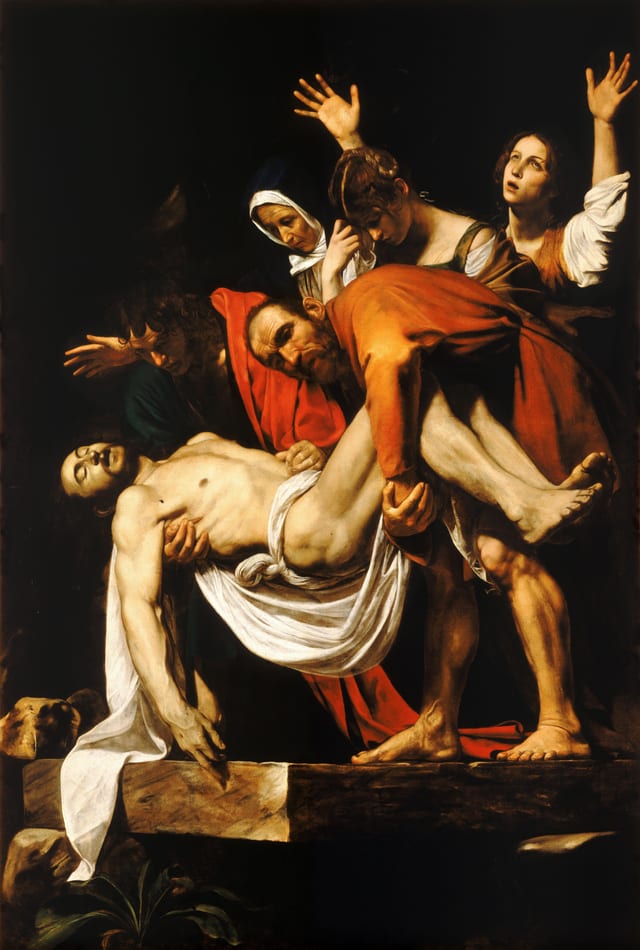
Caravaggio
Italian · 1 in the archive
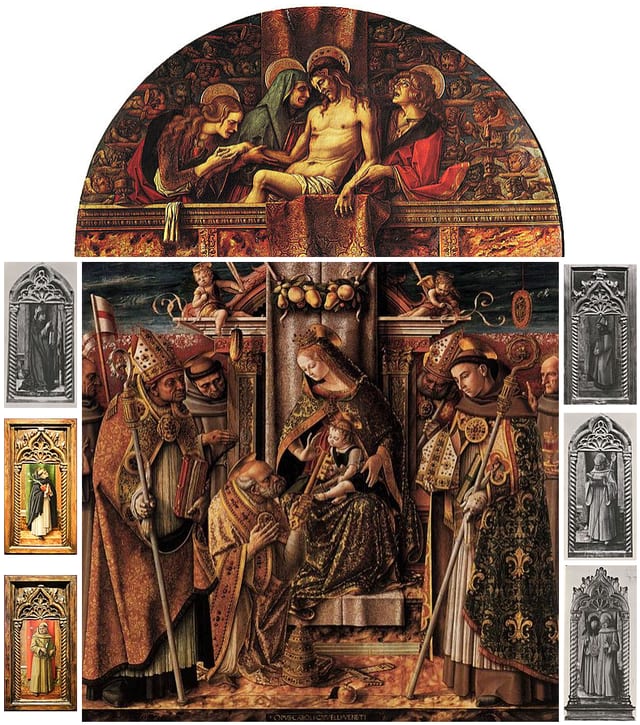
Carlo Crivelli
Italian · 1 in the archive
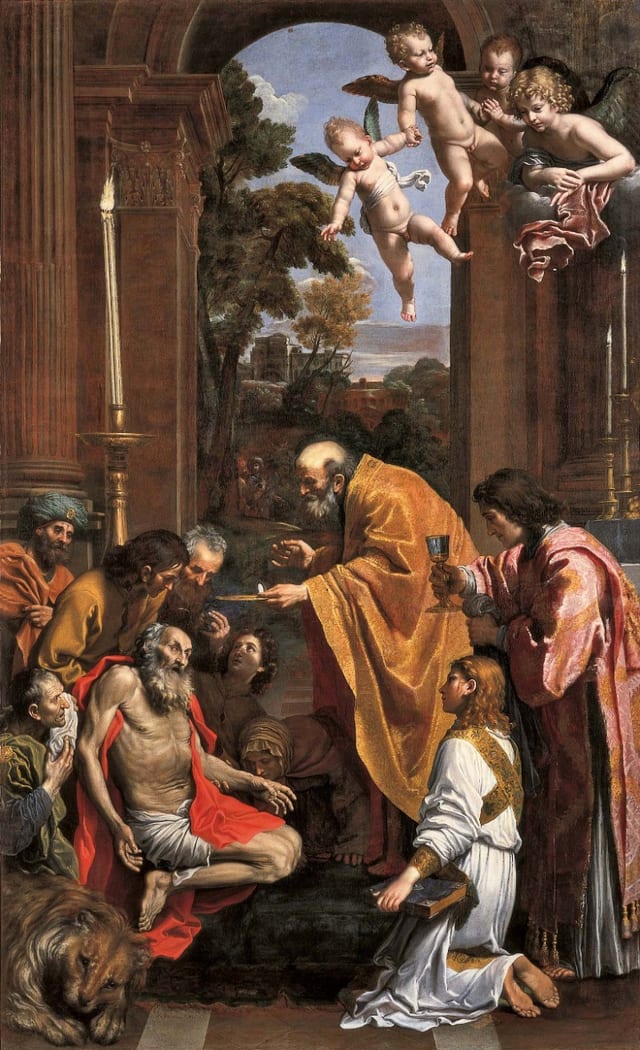
Domenichino
Papal States · 1 in the archive
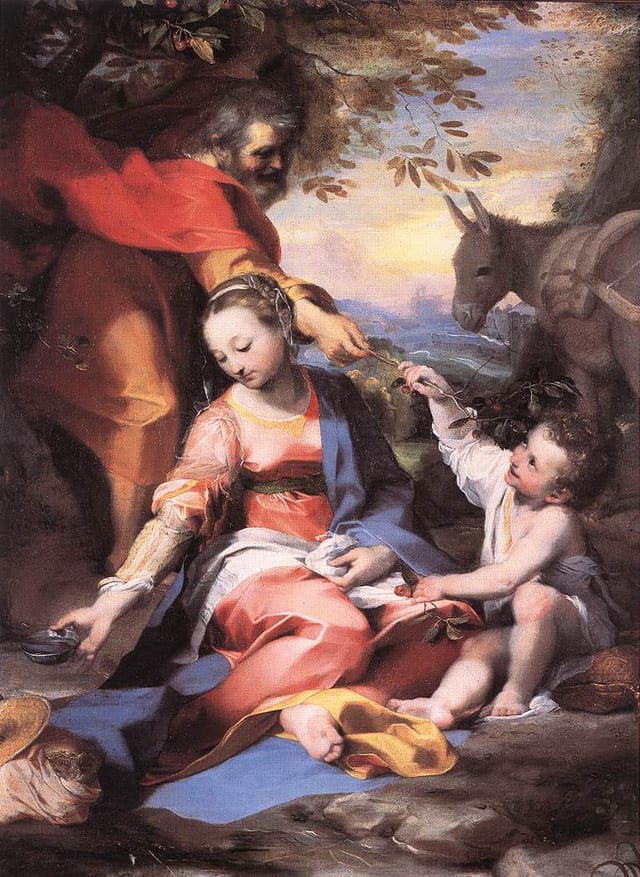
Federico Barocci
Italian · 1 in the archive
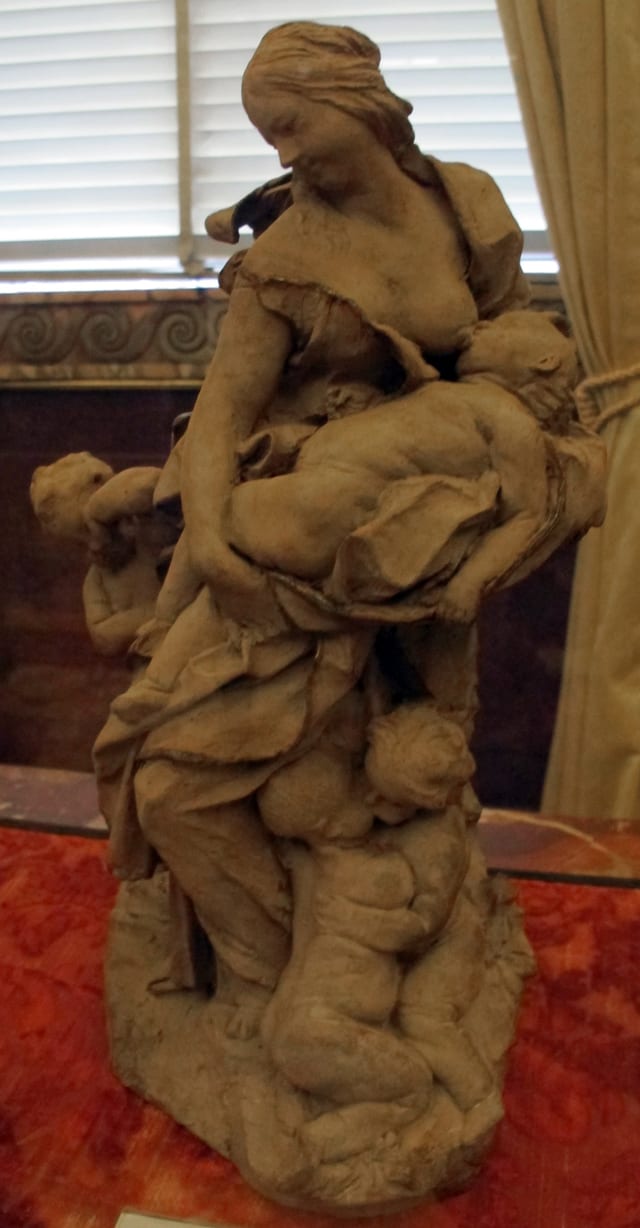
Gian Lorenzo Bernini
Italy · 1 in the archive
Invite the masters into your living room.
Athanadoros on your TV, phone, or tablet. Free to start.
View on MomentableIndependent guide by Momentable · biography from Wikipedia · artworks are in the public domain and credited to the museum that holds them