Psyche Revived by Cupid's Kiss
Antonio Canova · 1787–1793

Antonio Canova
Republic of Venice · 1757–1822
Antonio Canova was an Italian Neoclassical sculptor, famous for his marble sculptures. Often regarded as the greatest of the Neoclassical artists, his sculpture was inspired by the Baroque and the classical revival, and has been characterised as having avoided the melodramatics of the former, and the cold artificiality of the latter. == Life == === Possagno === In 1757, Antonio Canova was born in the Venetian Republic city of Possagno to Pietro Canova, a stonecutter, and Angela Zardo Fantolin. In 1761, his father died. A year later, his mother remarried.
Independent artist guide by Momentable. Biography from Wikipedia; artworks credited to the museums that hold them.
 LIVENow streaming · Psyche Revived by Cupid's Kiss
- life
- 1757–1822life
- rights
- Public domainrights
The work
A selection of 5 works, free to stream.
Psyche Revived by Cupid's Kiss
Antonio Canova · 1787–1793
Louvre
Perseus
Antonio Canova · 1797
Vatican Museums
Venus Italica
Antonio Canova · 1804
Palazzo Pitti
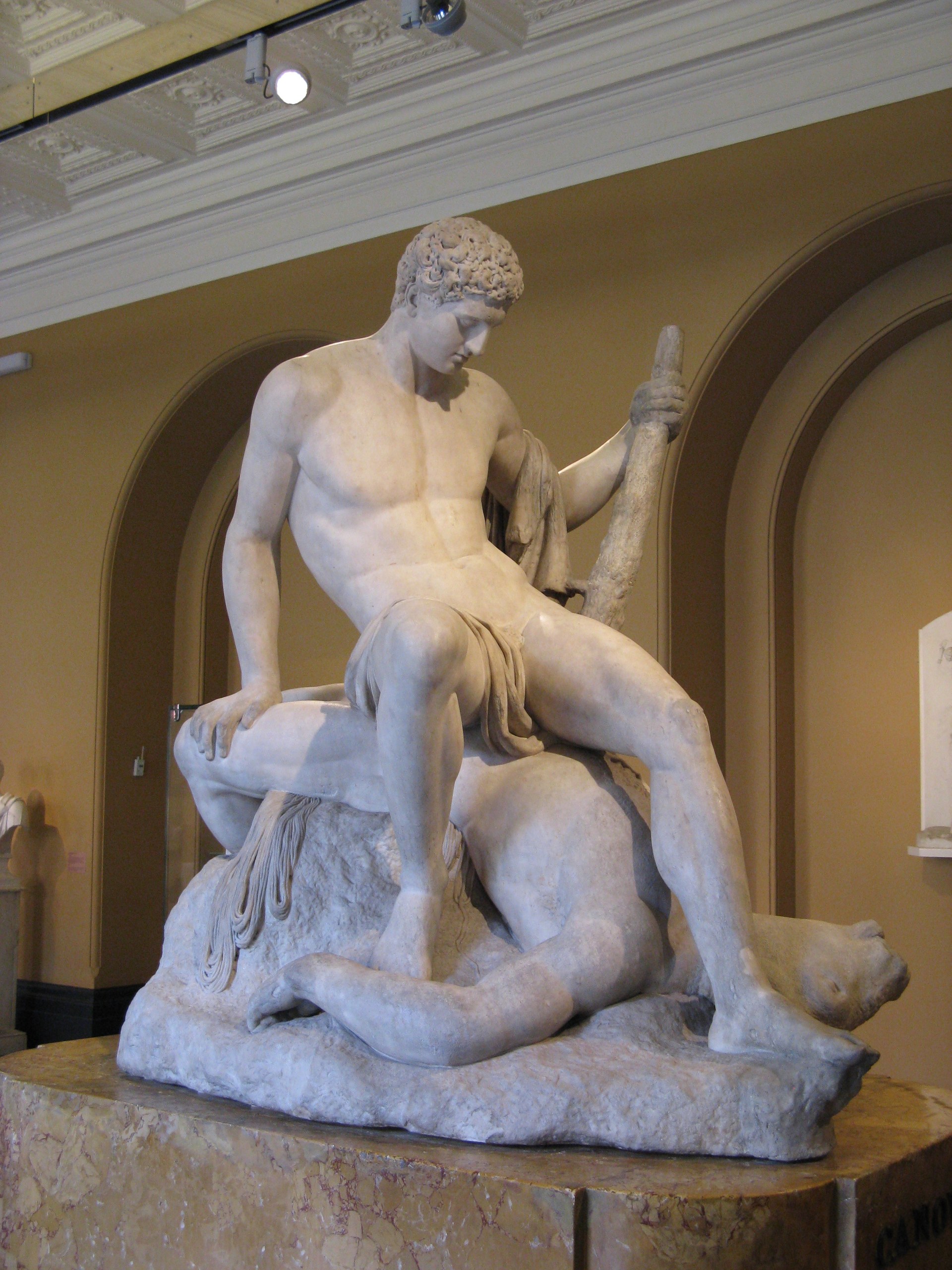
Theseus and the Minotaur
Antonio Canova · 1781
Victoria and Albert Museum
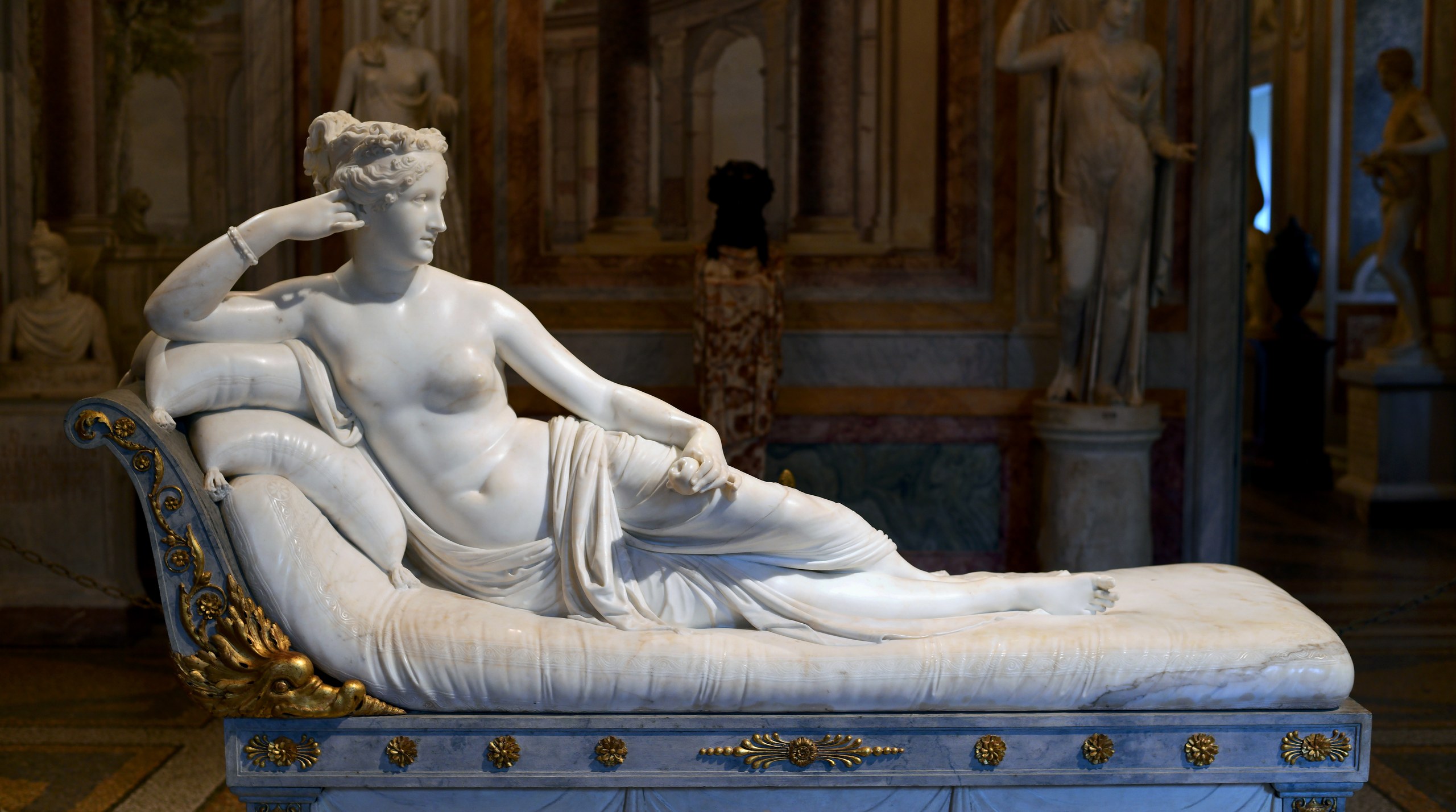
Venus Victrix
Antonio Canova · 1800
Works worth knowing
4 of Antonio Canova's works, and what makes each one worth a look.
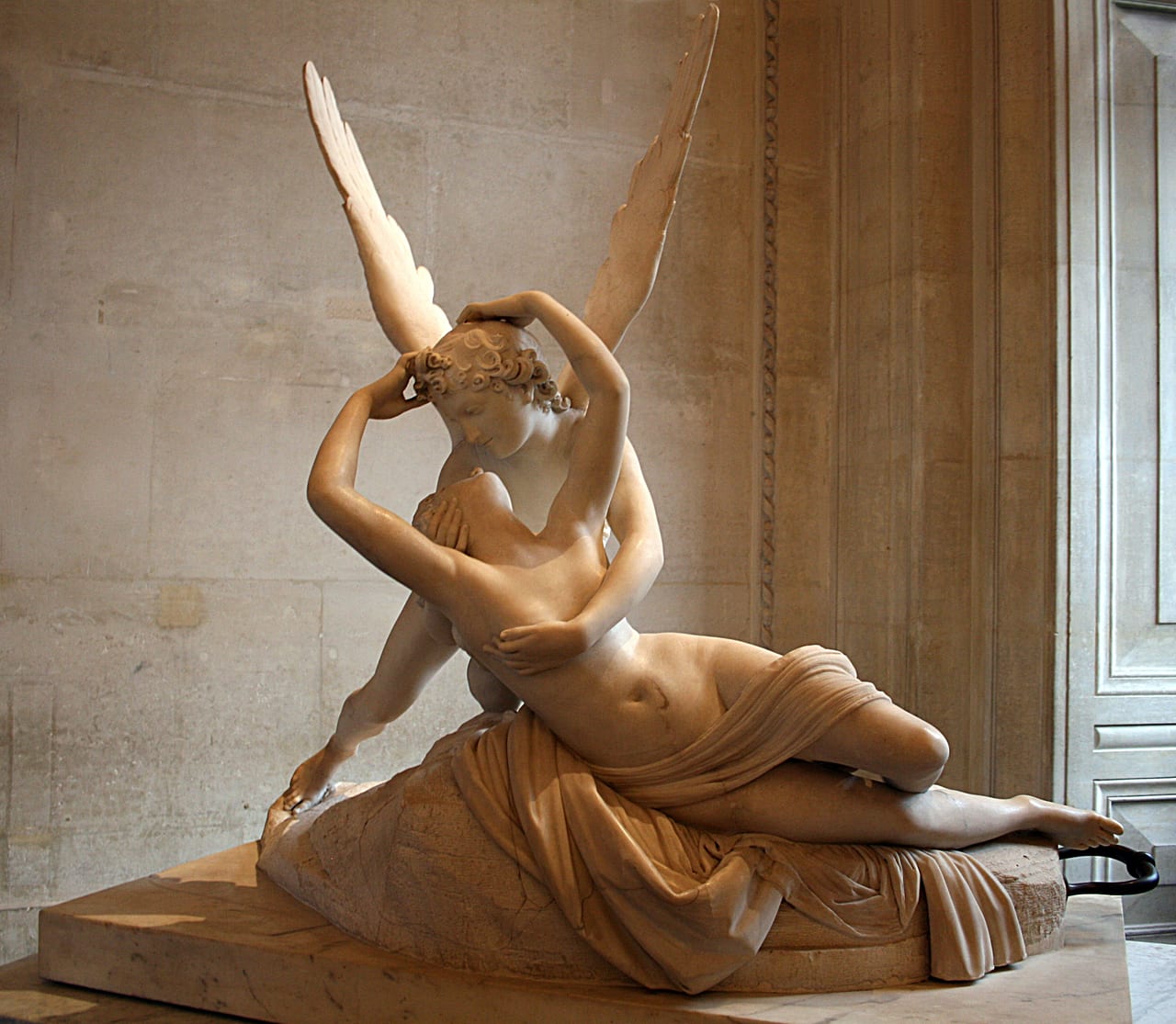
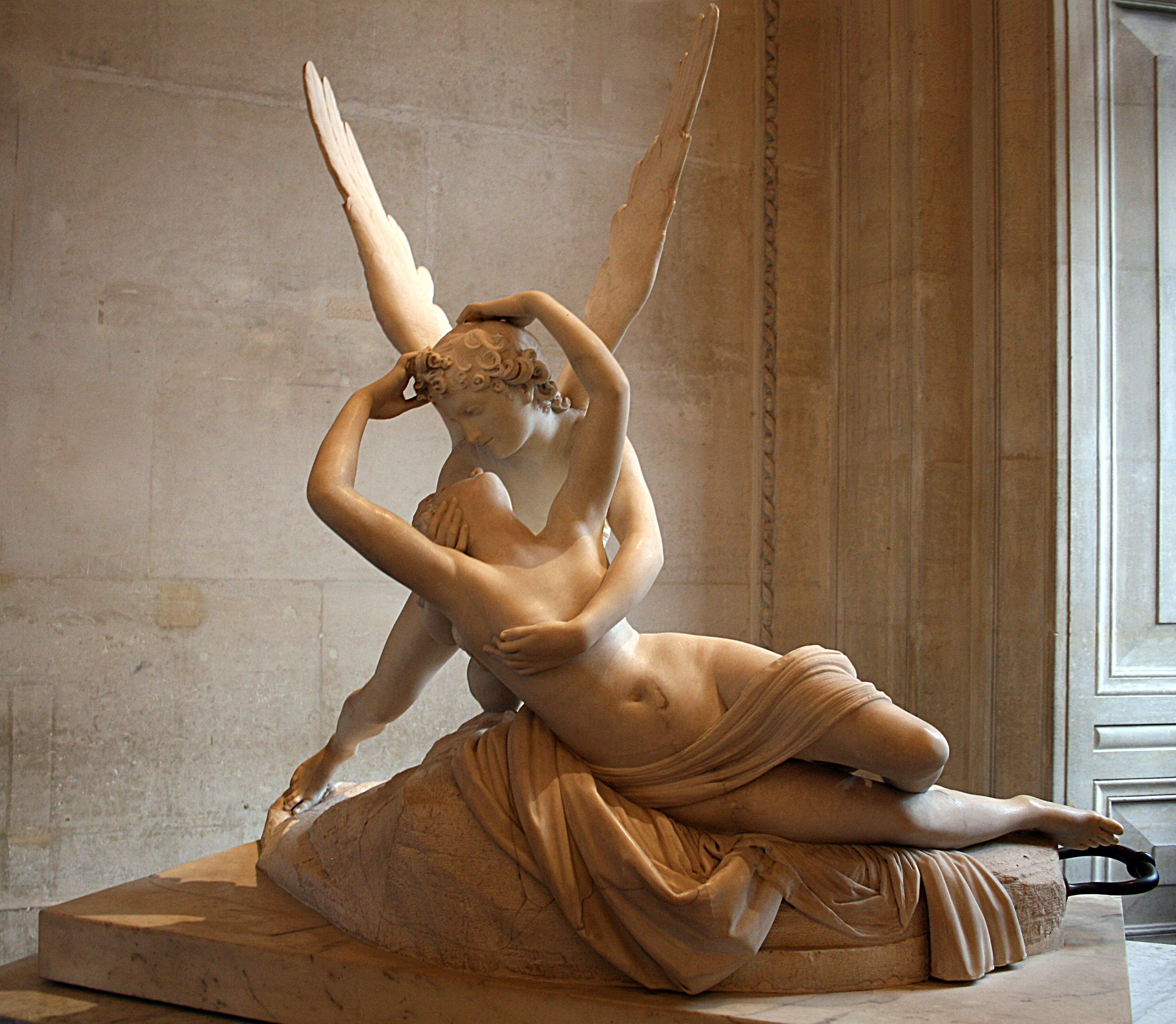
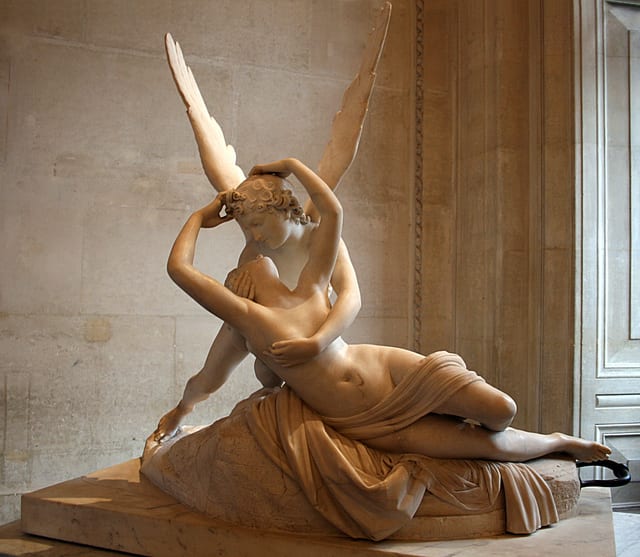
Psyche Revived by Cupid's Kiss
Antonio Canova · 1787–1793
Louvre
Psyche Revived by Cupid's Kiss is a sculpture by Italian artist Antonio Canova first commissioned in 1787 by Colonel John Campbell. It is regarded as a masterpiece of Neoclassical sculpture, but shows the mythological lovers at a moment of great emotion, characteristic of the emerging movement of Romanticism. It represents the god Cupid in the height of love and tenderness, immediately after awakening the lifeless Psyche with a kiss.
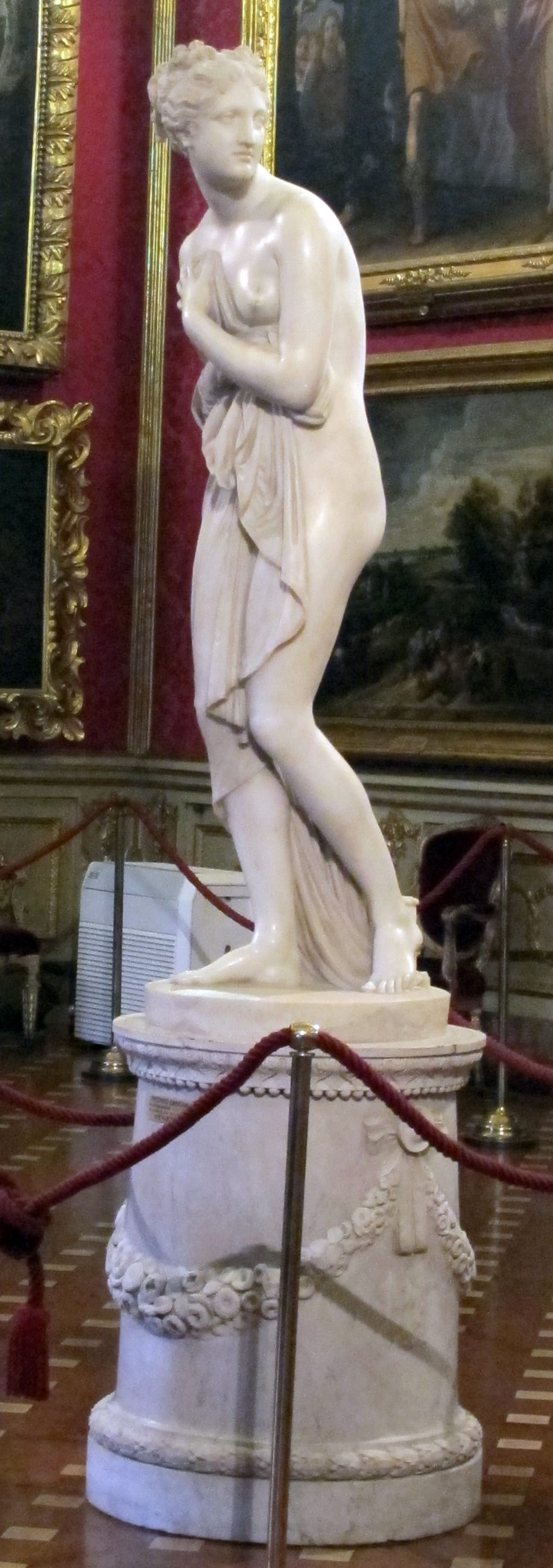
Venus Italica
Antonio Canova · 1804
Palazzo Pitti
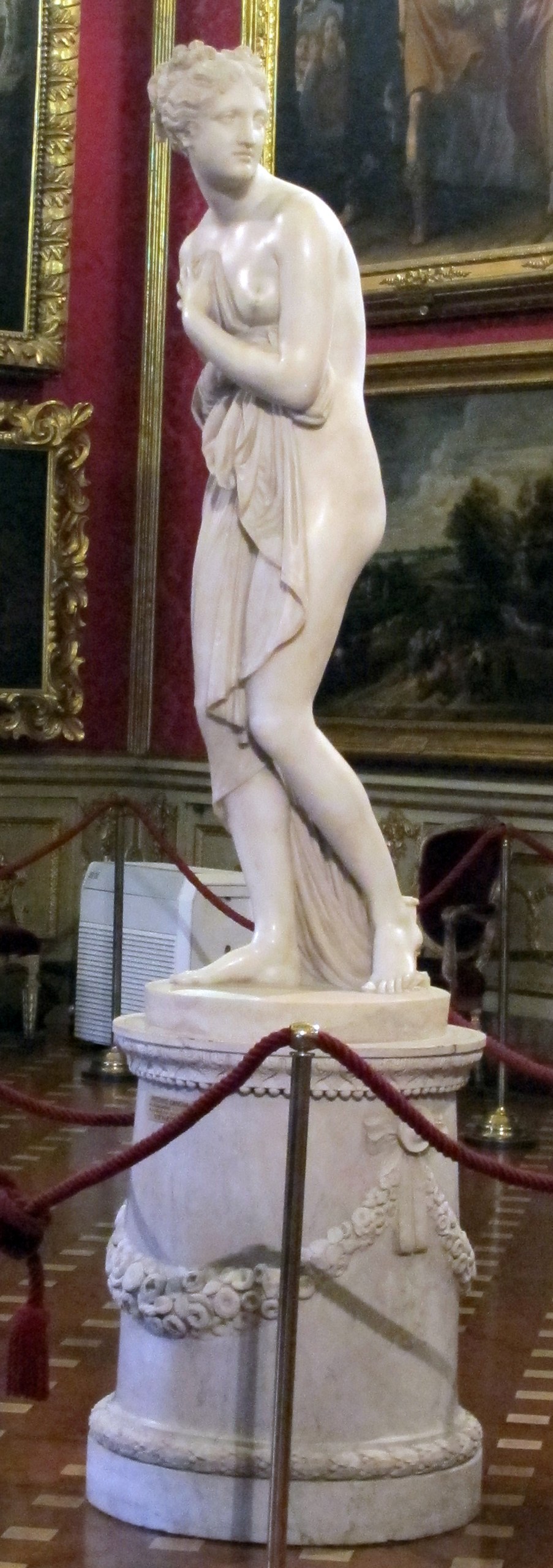
The Venus Italica is a marble sculpture commissioned by Napoléon Bonaparte and fashioned by Italian sculptor Antonio Canova. Canova finished the original work in 1802 and modelled two further variants which he completed in 1819. The work was to serve as a replacement for the Venus de Medici sculpture, a copy of an antique work by Cleomenes of Athens, which had been seized, taken to France and placed in the Louvre in 1802 by orders of Bonaparte.
Theseus and the Minotaur
Antonio Canova · 1781
Victoria and Albert Museum
Theseus and the Minotaur is a 1781 to 1782 white marble sculpture by Antonio Canova, now in the Victoria and Albert Museum in London, which bought it in 1962. The work was commissioned by Girolamo Zulian, Venetian ambassador to Rome and one of Canova's patrons, who also gave him the marble block for it; it is one of his earliest works after settling in Rome. Zulian left the choice of subject up to Canova, to whom Canova's friend Gavin Hamilton suggested Theseus just after killing the Minotaur from Ovid's Metamorphoses.
Venus Victrix
Antonio Canova · 1800
Pauline Bonaparte as Venus Victrix ("Venus Victorious") is a semi-nude and life-size reclining, neo-Classical portrait sculpture of Pauline Bonaparte by the Italian sculptor Antonio Canova, who revived ancient Roman artistic traditions of portraying mortal individuals in the guise of deities, a beautiful woman reclining on a couch, or reclining hermaphroditi. The sculpture was commissioned by her husband Camillo Borghese and executed in Rome from 1805 to 1808, after the subject's marriage into the Borghese family. It then was moved to Camillo's house in Turin, then to Genoa, only arriving in its present location at the Galleria Borghese in Rome around 1838.
Where the work hangs
The museums that hold it, and their visitor guides.
If you like Antonio Canova
Artists held by the same museums.
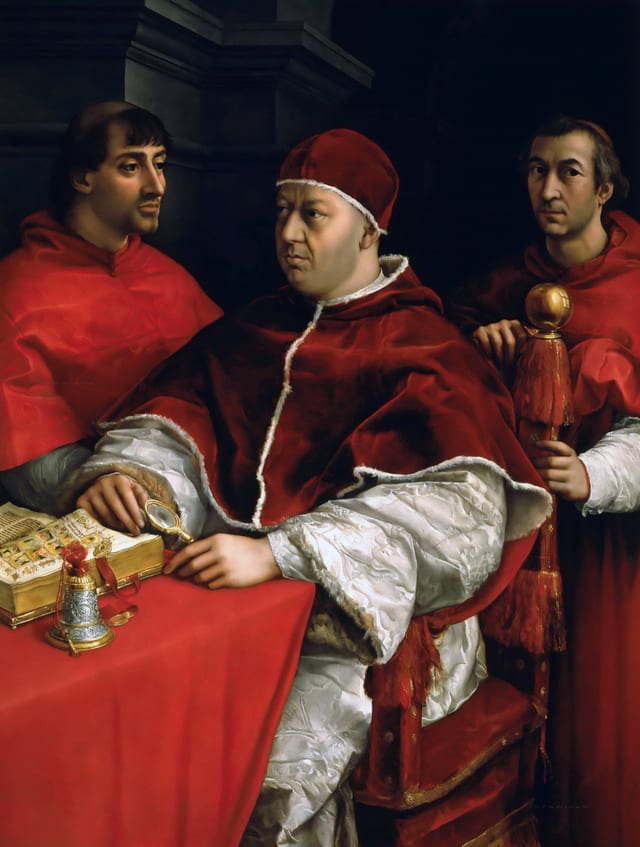
Raphael
Holy Roman Empire · 41 in the archive
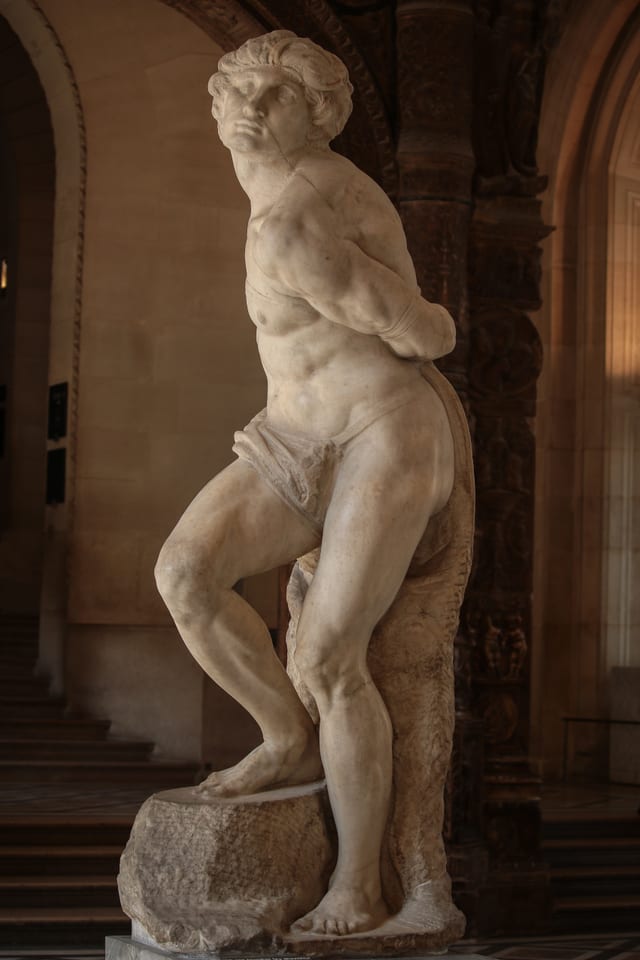
Michelangelo
Republic of Florence · 31 in the archive
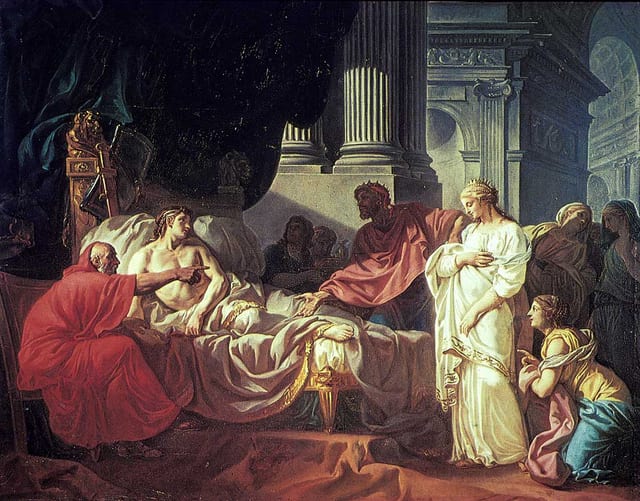
Jacques-Louis David
France · 18 in the archive
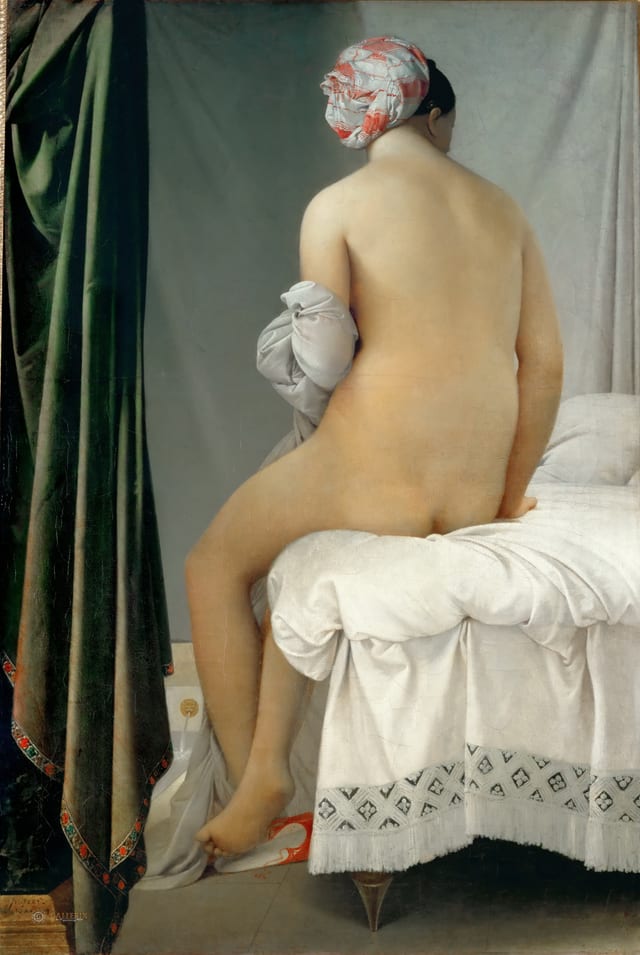
Jean-Auguste-Dominique Ingres
French · 18 in the archive
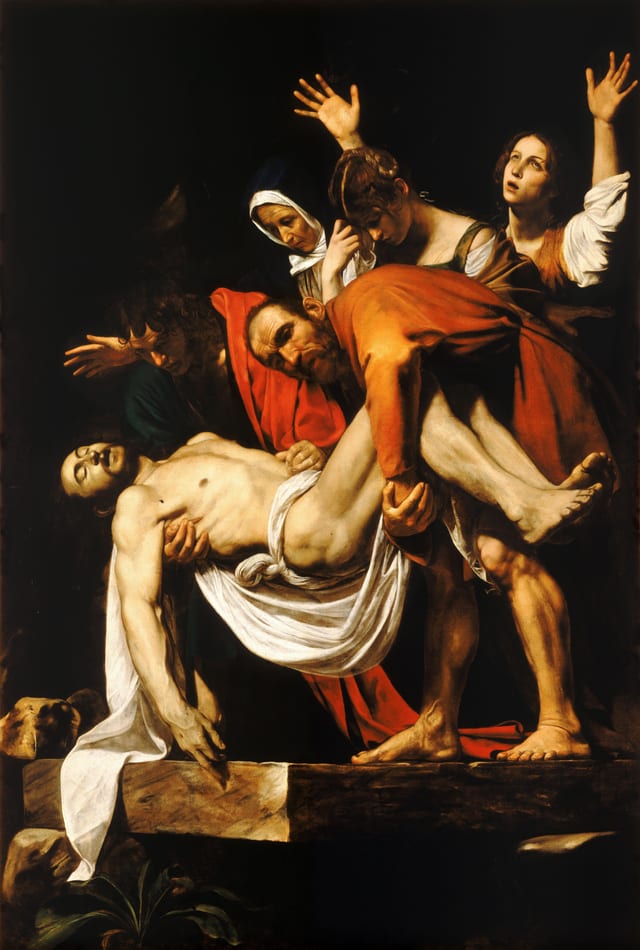
Caravaggio
Italian · 8 in the archive
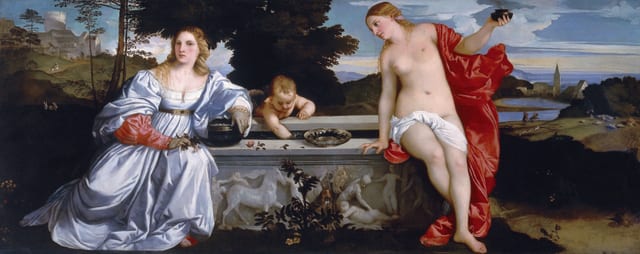
Titian
Italian · 7 in the archive
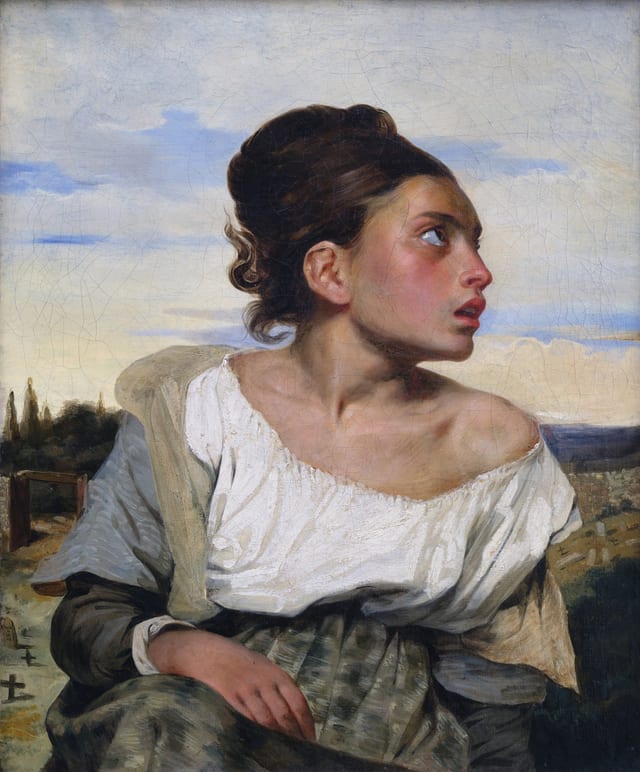
Eugène Delacroix
French · 6 in the archive
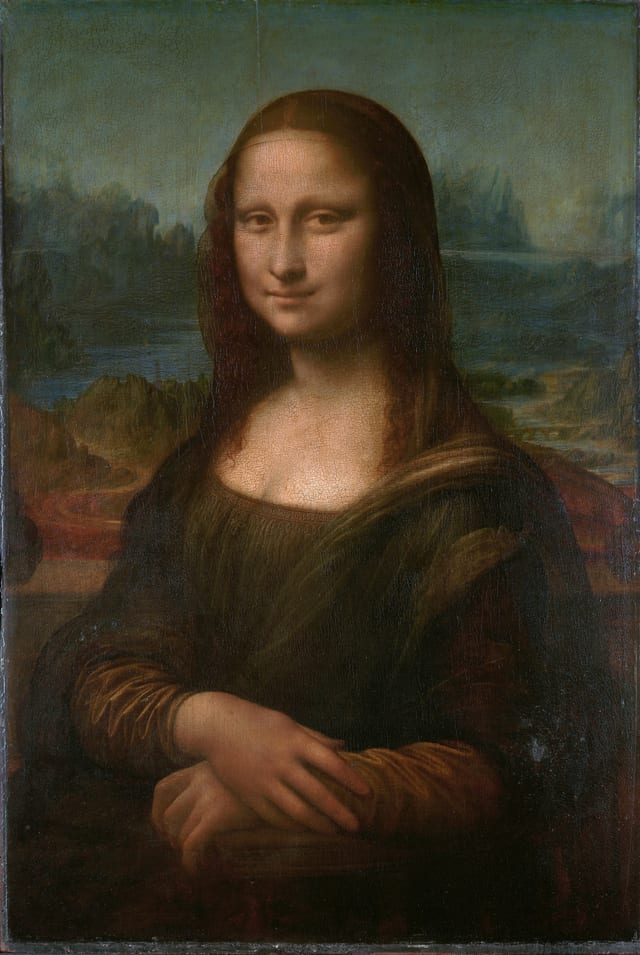
Leonardo da Vinci
Italian · 5 in the archive
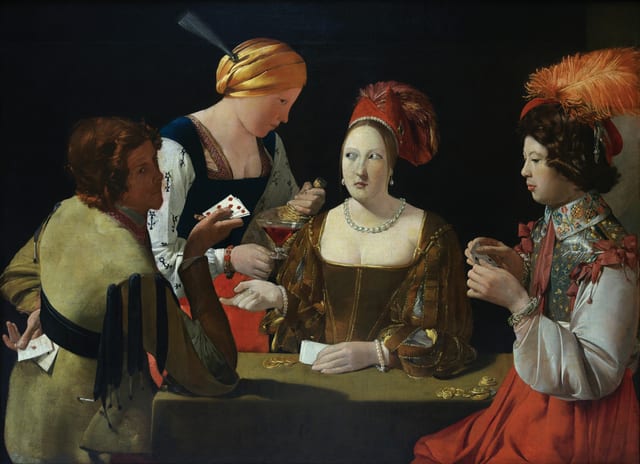
Georges de La Tour
French · 3 in the archive
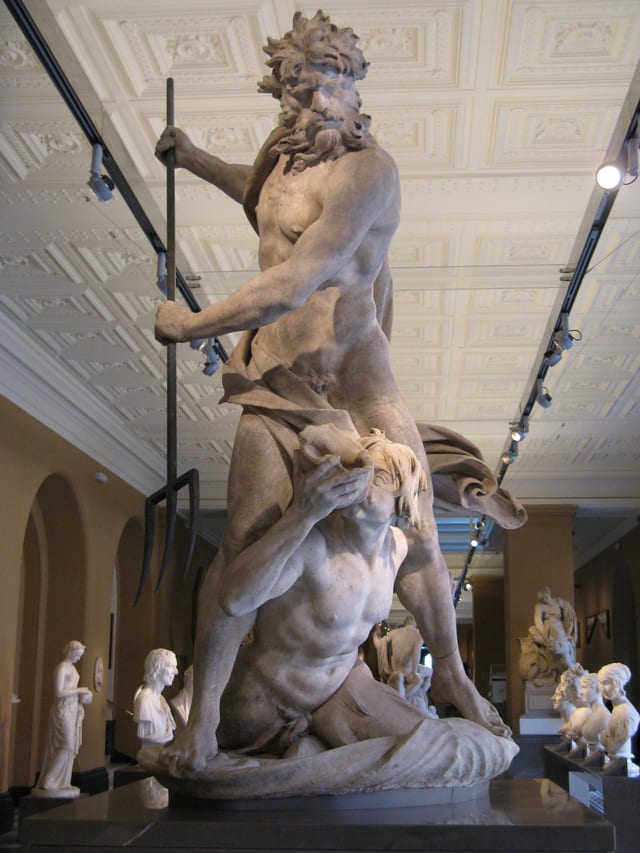
Gian Lorenzo Bernini
Italy · 3 in the archive
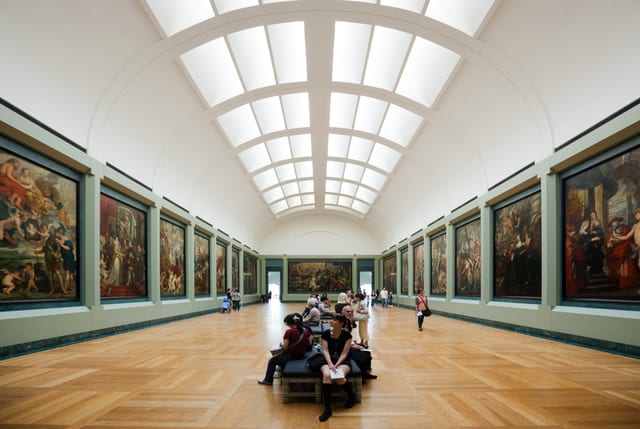
Peter Paul Rubens
Flemish · 3 in the archive
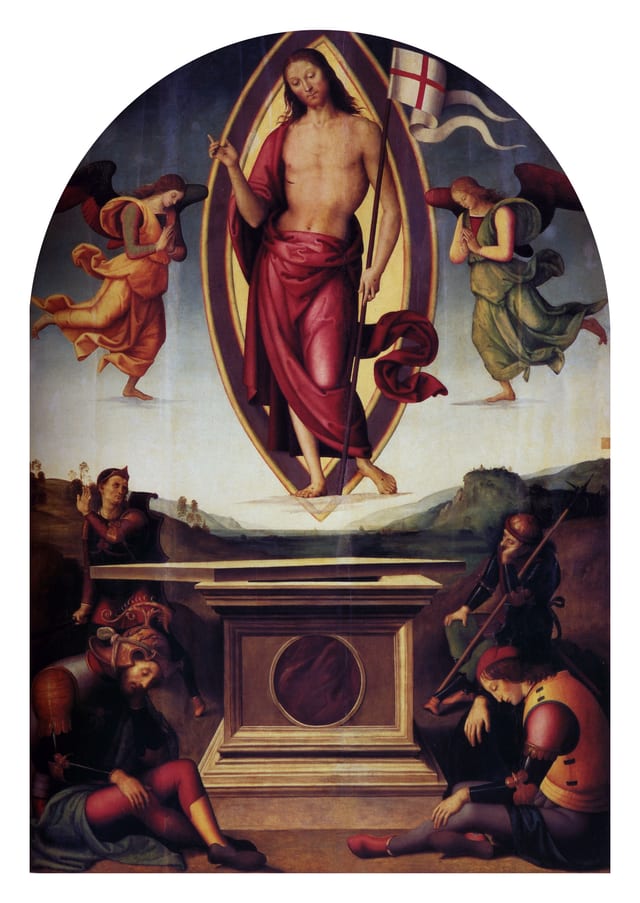
Pietro Perugino
Italian · 3 in the archive
Invite the masters into your living room.
Antonio Canova on your TV, phone, or tablet. Free to start.
View on MomentableIndependent guide by Momentable · biography from Wikipedia · artworks are in the public domain and credited to the museum that holds them