Cypress Trees
Kanō Eitoku · 1590

Kanō Eitoku
Japan · 1543–1590
Kanō Eitoku was a Japanese painter who lived during the Azuchi, Momoyama period of Japanese history and one of the most prominent patriarchs of the Kanō school of Japanese painting. == Life and works == Born in Kyoto, Eitoku was the grandson of Kanō Motonobu, an official painter for the Ashikaga shogunate. He showed his talent for painting at an early age, and at the age of 10 he had an audience with the shōgun Ashikaga Yoshiteru alongside Motonobu. While there are various theories regarding the exact years of creation, in his early twenties, he created two works that are now considered National Treasures: Rakuchū rakugai zu byōbu (洛中洛外図屏風, Views in and around Kyoto) and the fusuma (襖, sliding doors) paintings entitled Kachō zu fusuma (花鳥図襖, Birds and flowers of the four seasons) at Jukō-in, a subtemple of the Daitoku-ji Temple. At a young age, he had acquired skills equivalent to those of Kano Motonobu.
Independent artist guide by Momentable. Biography from Wikipedia; artworks credited to the museums that hold them.
 LIVENow streaming · Cypress Trees
- life
- 1543–1590life
- rights
- Public domainrights
The work
A selection of 1 works, free to stream.
Cypress Trees
Kanō Eitoku · 1590
Tokyo National Museum
Works worth knowing
What Kanō Eitoku made, and why each one is worth looking at.
Cypress Trees
Kanō Eitoku · 1590
Tokyo National Museum
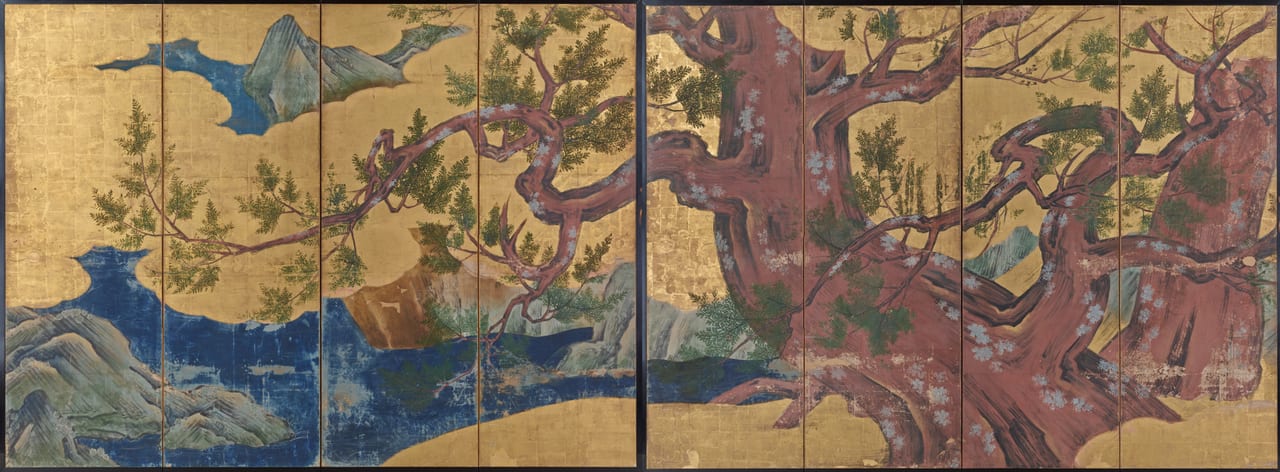
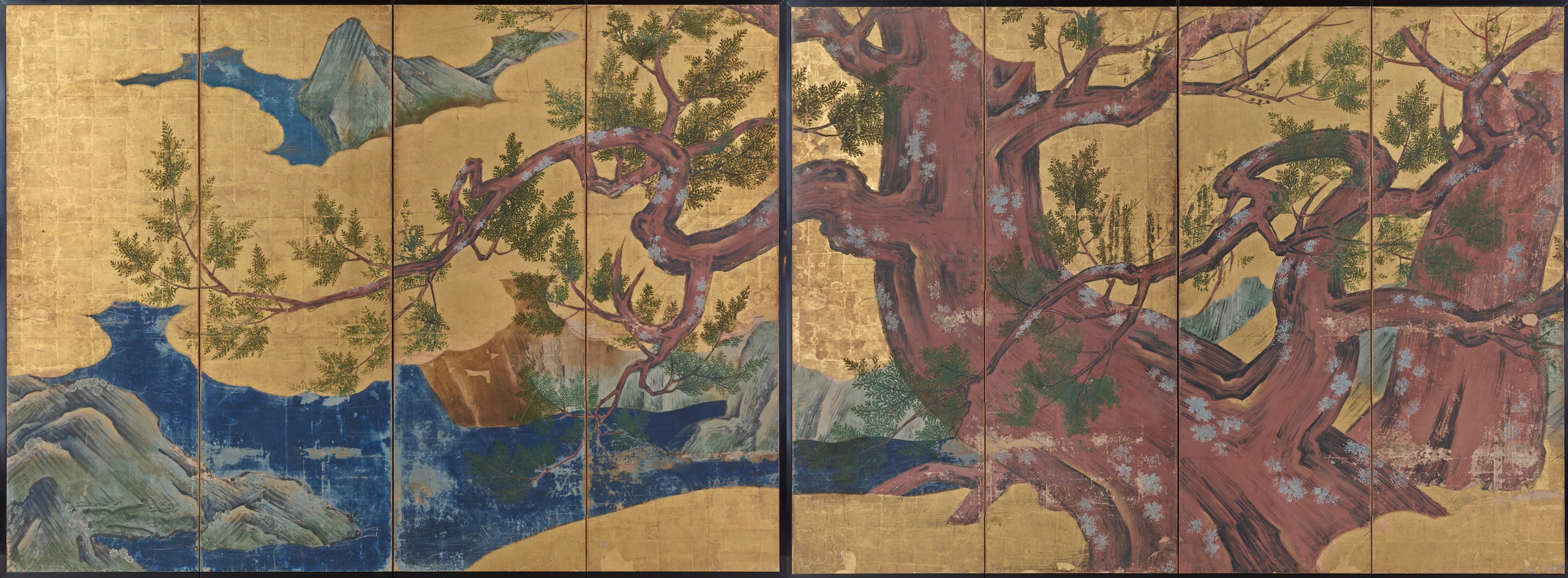
Cypress Trees (檜図, hinoki-zu) is a Kanō-school byōbu or folding screen attributed to the Japanese painter Kanō Eitoku (1543 to 1590), one of the most prominent patriarchs of the Kanō school of Japanese painting. The painting dates to the Azuchi, Momoyama period (1573 to 1615). Now in Tokyo National Museum, it has been designated a National Treasure.
How Kanō Eitoku worked
From the record of their own practice.
His signal contribution to the Kanō repertoire was the so-called "monumental style" (taiga), characterized by bold, rapid brushwork, an emphasis on foreground, and motifs that are large relative to the pictorial space. The traditional account for this style, codified by Eitoku's great-grandson Einō (1631–1697) in his History of Japanese Painting (Honcho gashi), is that it resulted partly from the exigencies of Eitoku's busy schedule, and that it embodied the martial and political bravura of the warlords, Nobunaga and Hideyoshi. Most of his works were destroyed in the turmoil of the Sengoku period. Symbolic representations, like pheasants, phoenixes and trees are often depicted in the works. The pheasant, for example is the national symbol of Japan, are mythological messengers of the sun goddess Amaterasu.
Where the work hangs
The museums that hold it, and their visitor guides.
If you like Kanō Eitoku
Artists held by the same museums.
Masamune
Japan · 3 in the archive
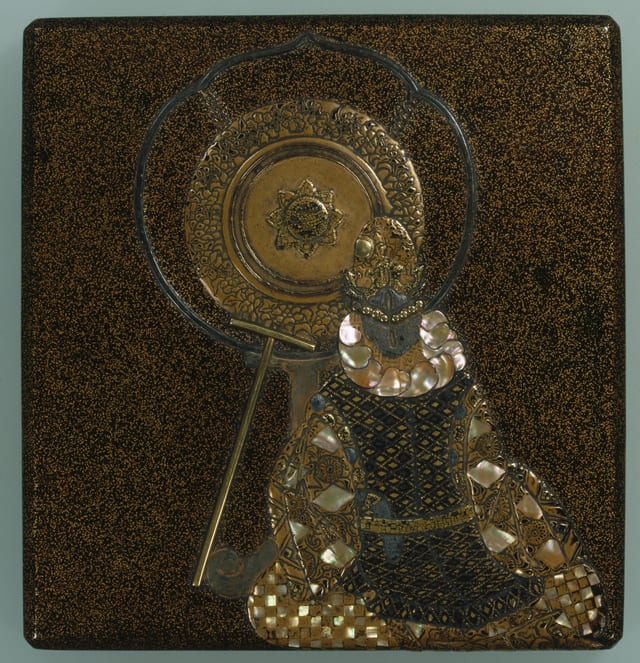
Honami Kōetsu
Japan · 2 in the archive
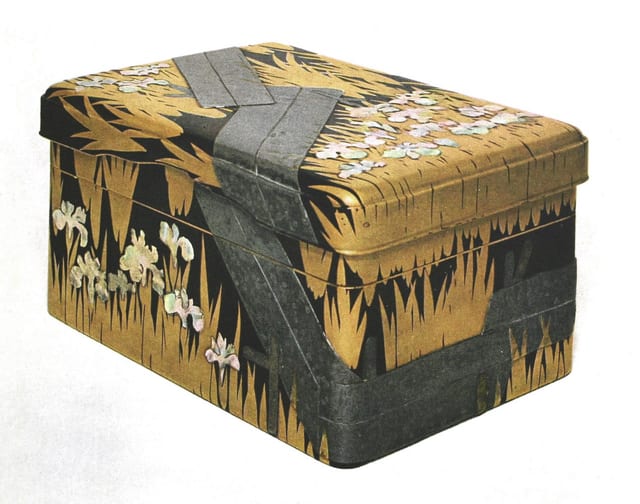
Ogata Kōrin
Japan · 2 in the archive
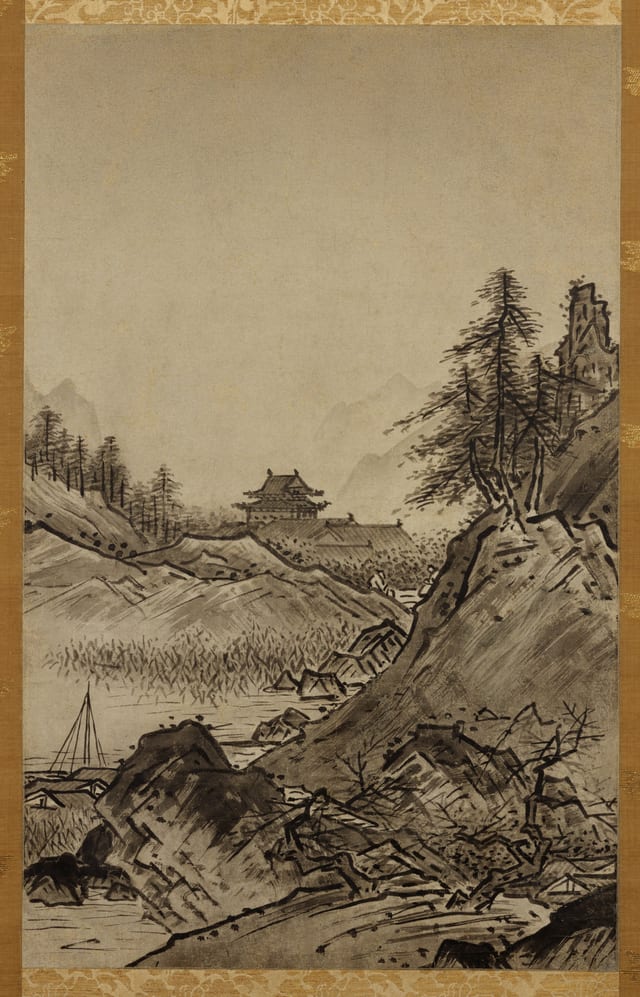
Sesshū Tōyō
Japanese · 2 in the archive
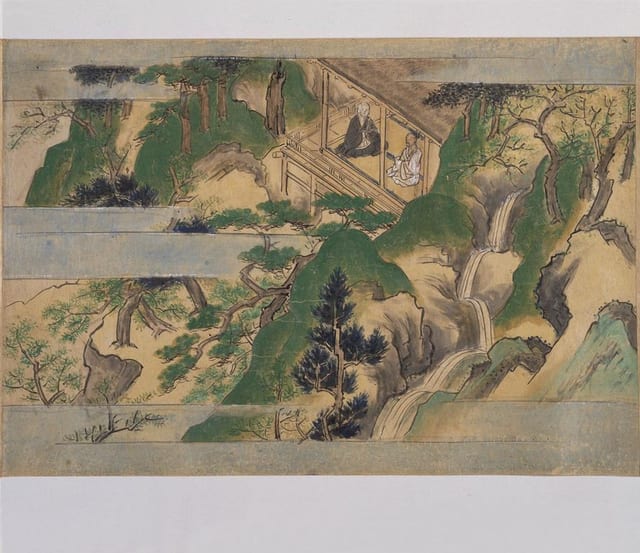
Tosa Mitsunobu
Japan · 2 in the archive
Hasegawa Tōhaku
Japan · 1 in the archive
Iwasa Matabē
Japan · 1 in the archive
Kano Motonobu
Japanese · 1 in the archive
Kanō Naganobu
Japan · 1 in the archive
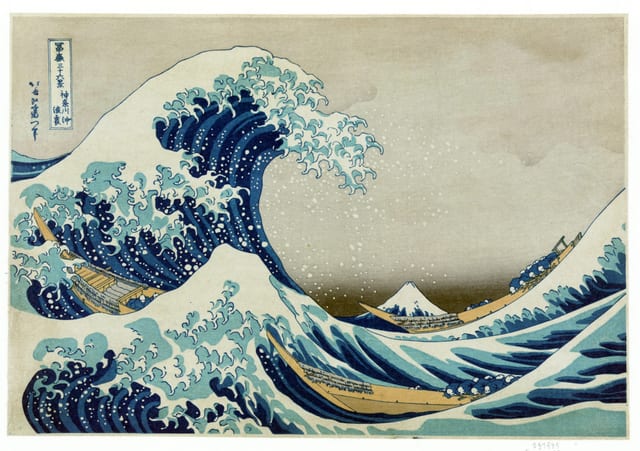
Katsushika Hokusai
Japanese · 1 in the archive
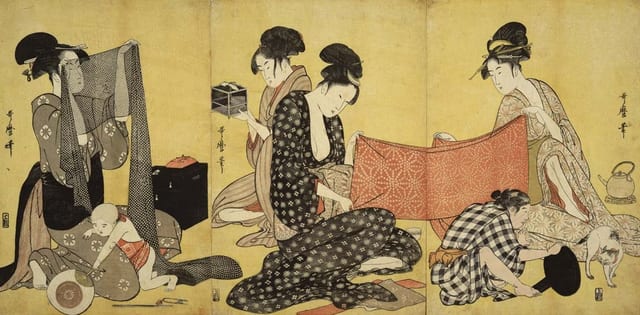
Kitagawa Utamaro
Japan · 1 in the archive
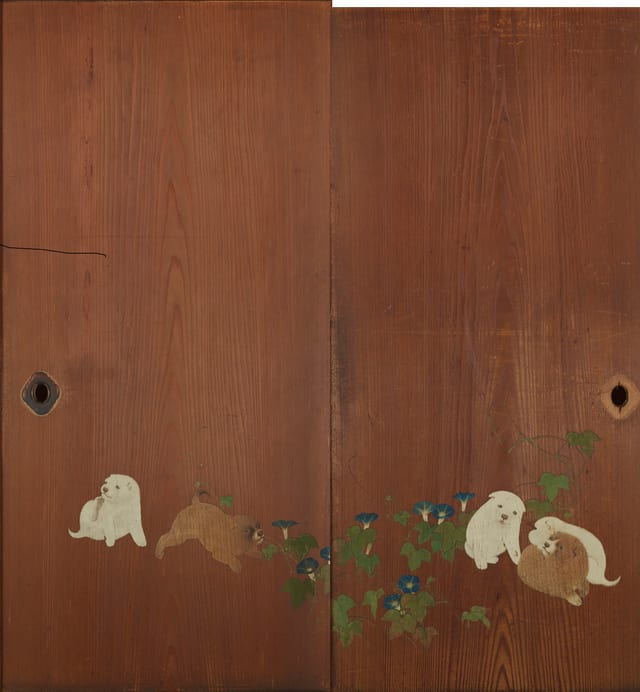
Maruyama Ôkyo
Japanese · 1 in the archive
Invite the masters into your living room.
Kanō Eitoku on your TV, phone, or tablet. Free to start.
View on MomentableIndependent guide by Momentable · biography from Wikipedia · artworks are in the public domain and credited to the museum that holds them