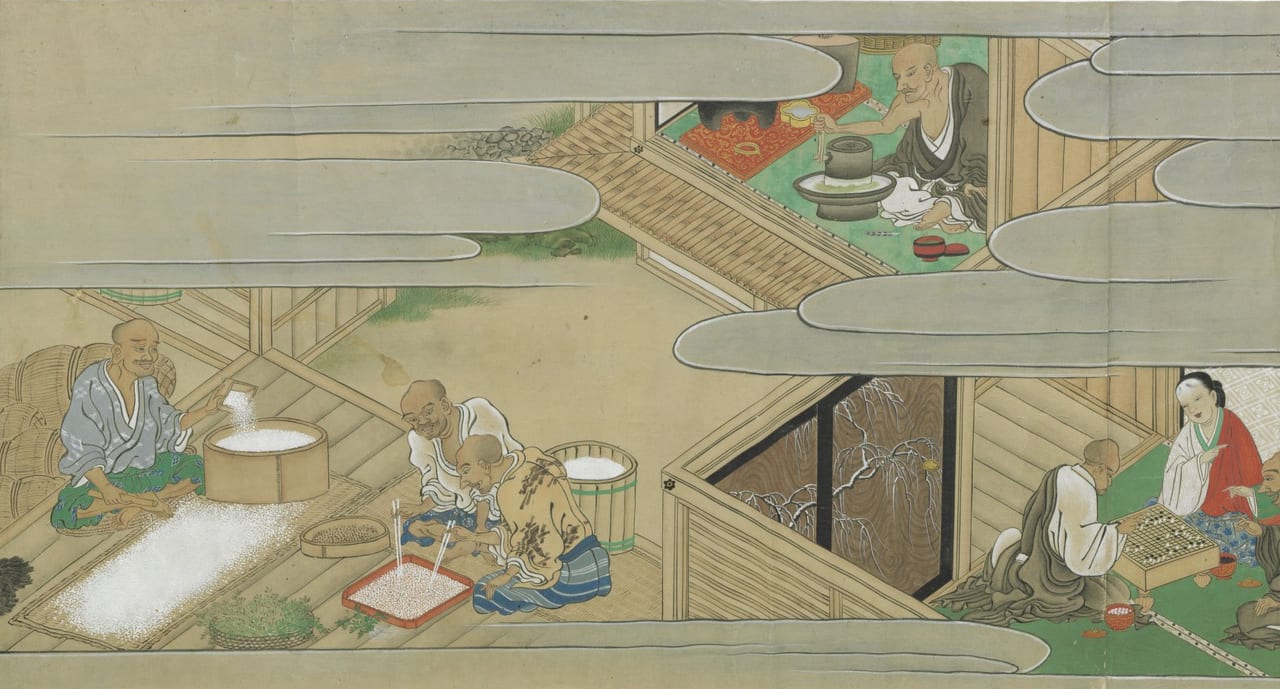
Shuhanron Emaki
Kanō Motonobu

Kano Motonobu
Japanese · 1476–1559
Kanō Motonobu was a Japanese painter and calligrapher. He was a member of the Kanō school of painting. Through his political connections, patronage, organization, and influence he was able to make the Kanō school into what it is today. The system was responsible for the training of a great majority of painters throughout the Edo period. After his death, he was referred to as Kohōgen (古法眼).
Independent artist guide by Momentable. Biography from Wikipedia; artworks credited to the museums that hold them.
 LIVENow streaming · Shuhanron Emaki
- life
- 1476–1559life
- rights
- Public domainrights
The work
A selection of 2 works, free to stream.
Shuhanron Emaki
Kanō Motonobu
Tokyo National Museum
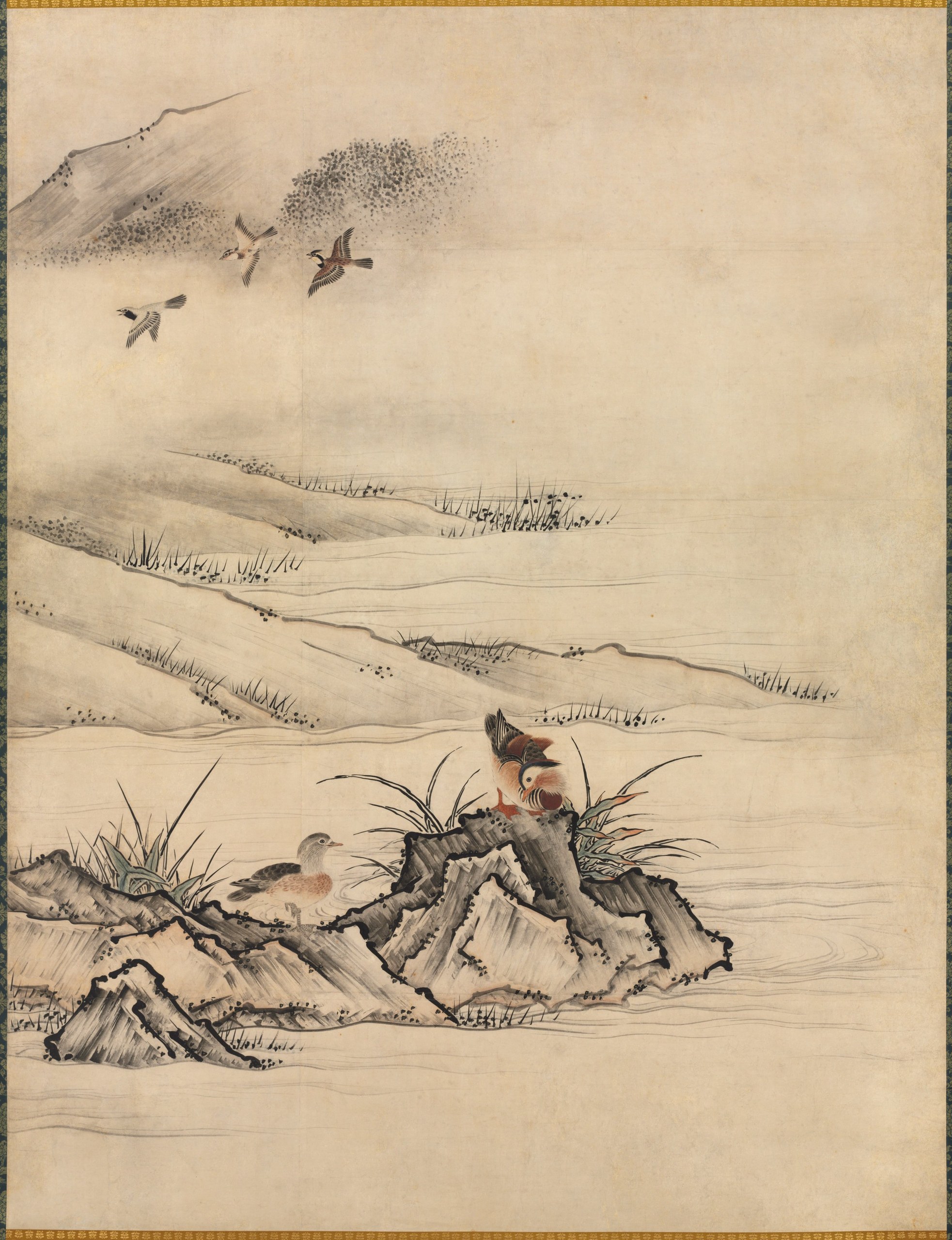
Flowers and Birds in a Spring Landscape
Kano Motonobu
The Cleveland Museum of Art
Works worth knowing
What Kano Motonobu made, and why each one is worth looking at.
Shuhanron Emaki
Kanō Motonobu
Tokyo National Museum
The Scroll on the Comparative Merits of Sake and Rice is a Japanese emaki dating from the 16th century, of which several versions or copies survive. The work recounts a quarrel during a banquet among three characters about the superiority of rice, sake, and diversity. It serves as a valuable iconographic document on cuisine and table manners in Japan during the Muromachi period.
Flowers and Birds in a Spring Landscape
Kano Motonobu
The Cleveland Museum of Art
Kanō Motonobu (狩野 元信; August 28, 1476, November 5, 1559) was a Japanese painter and calligrapher. He was a member of the Kanō school of painting. Through his political connections, patronage, organization, and influence he was able to make the Kanō school into what it is today.
How Kano Motonobu worked
From the record of their own practice.
Motonobu was known for his Chinese monochromatic style and characteristic brushwork, pioneering the suiboku-ga (sumi-e) painting style in Japan. The forms were organic, natural, and full of drama. Motonobu's commissions were generally designed for in the home of the samurai warrior class, focusing on fusuma and byōbu. His sumi-e style paintings are reported to take inspiration from three distinct Chinese masters of the sumi-e technique, Mu-ch'i Fa-ch'ang, Hsia Kuei, and Yü Chien (c. However, he was versatile in his painting and was able to produce landscapes, scenery, and figures of bold decorative patterns.
Where the work hangs
The museums that hold it, and their visitor guides.
If you like Kano Motonobu
Artists held by the same museums.
Giapeco Caporali
95 in the archive
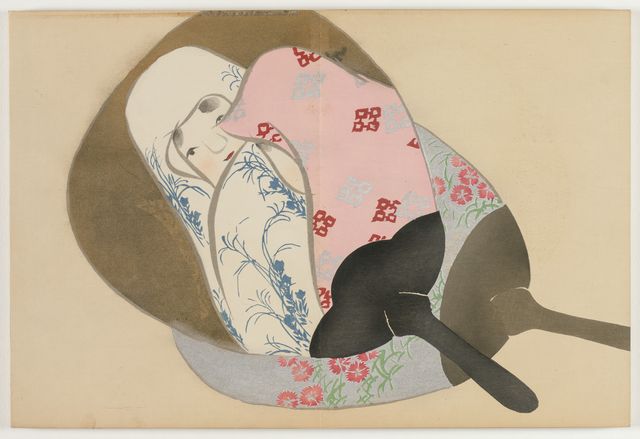
Kamisaka Sekka
Japan · 72 in the archive
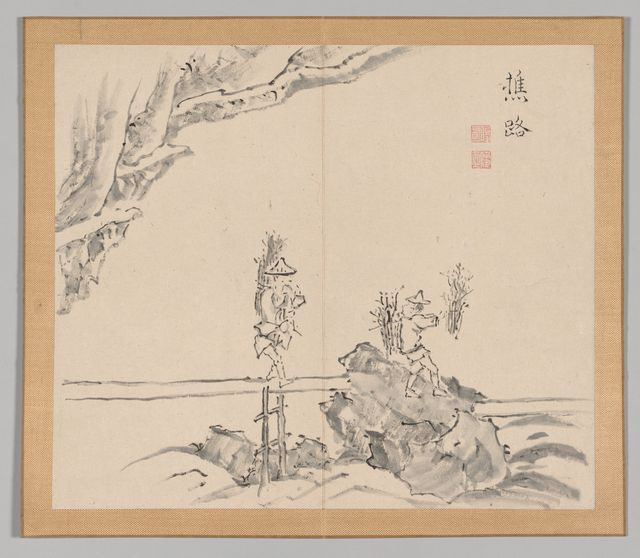
Aoki Shukuya
Japan · 41 in the archive
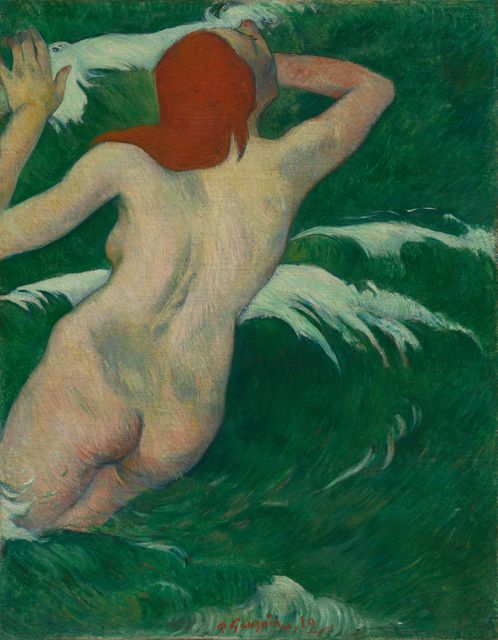
Paul Gauguin
French · 35 in the archive
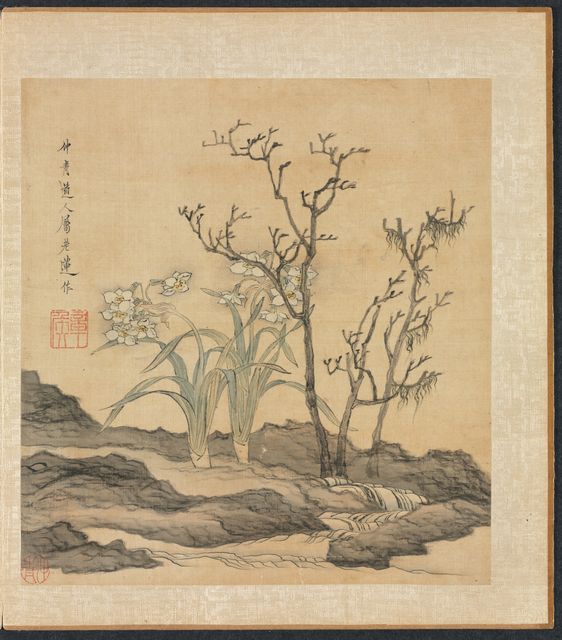
Chen Hongshou
Chinese · 23 in the archive
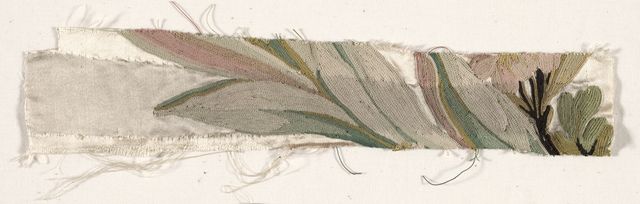
Philippe de Lasalle
France · 18 in the archive
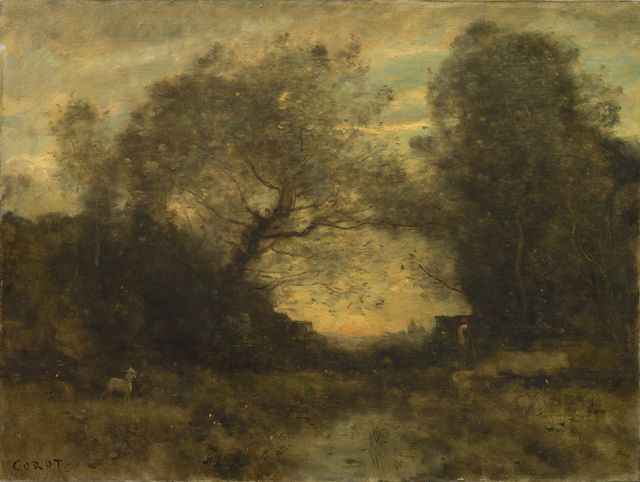
Jean-Baptiste-Camille Corot
French · 17 in the archive
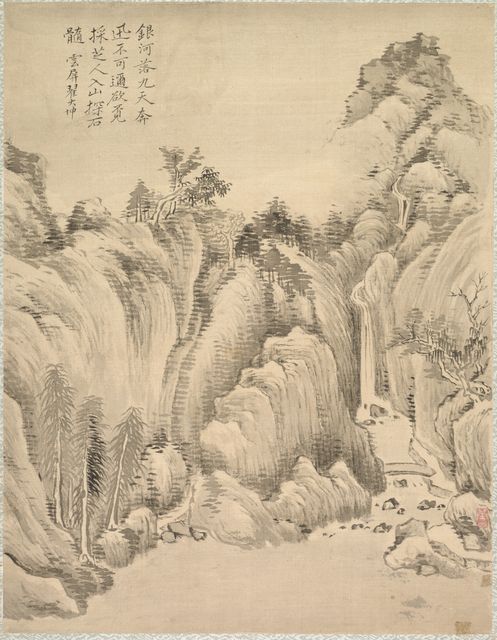
Tsubaki Chinzan
Japanese · 17 in the archive
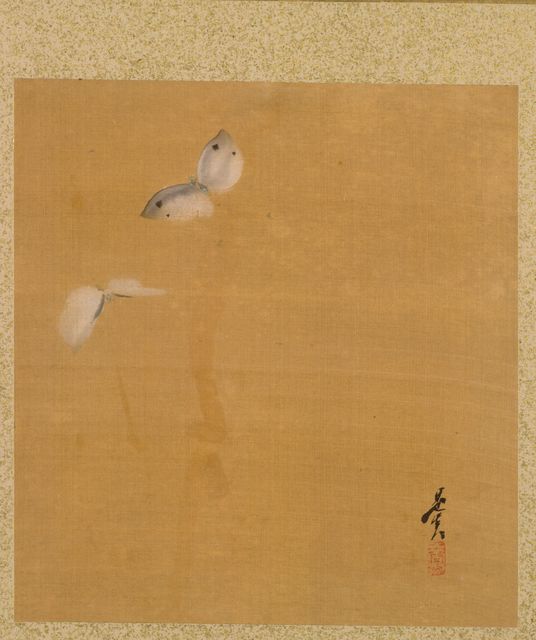
Shibata Zeshin
Japanese · 15 in the archive
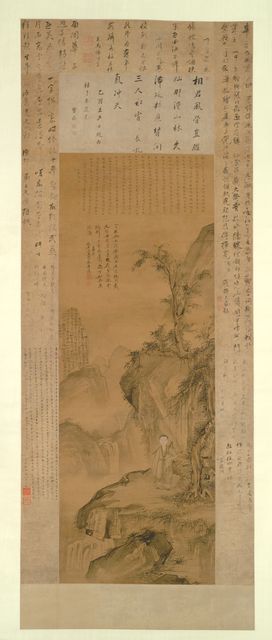
Hua Yan
Chinese · 14 in the archive
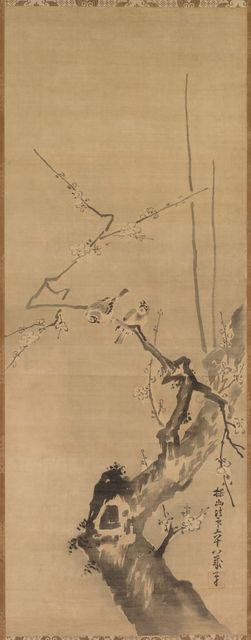
Kano Tan’yū
Japanese · 13 in the archive
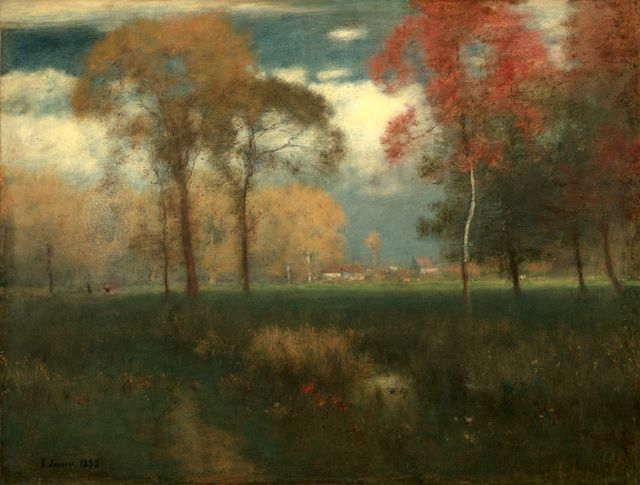
George Inness
American · 12 in the archive
Invite the masters into your living room.
Kano Motonobu on your TV, phone, or tablet. Free to start.
View on MomentableIndependent guide by Momentable · biography from Wikipedia · artworks are in the public domain and credited to the museum that holds them