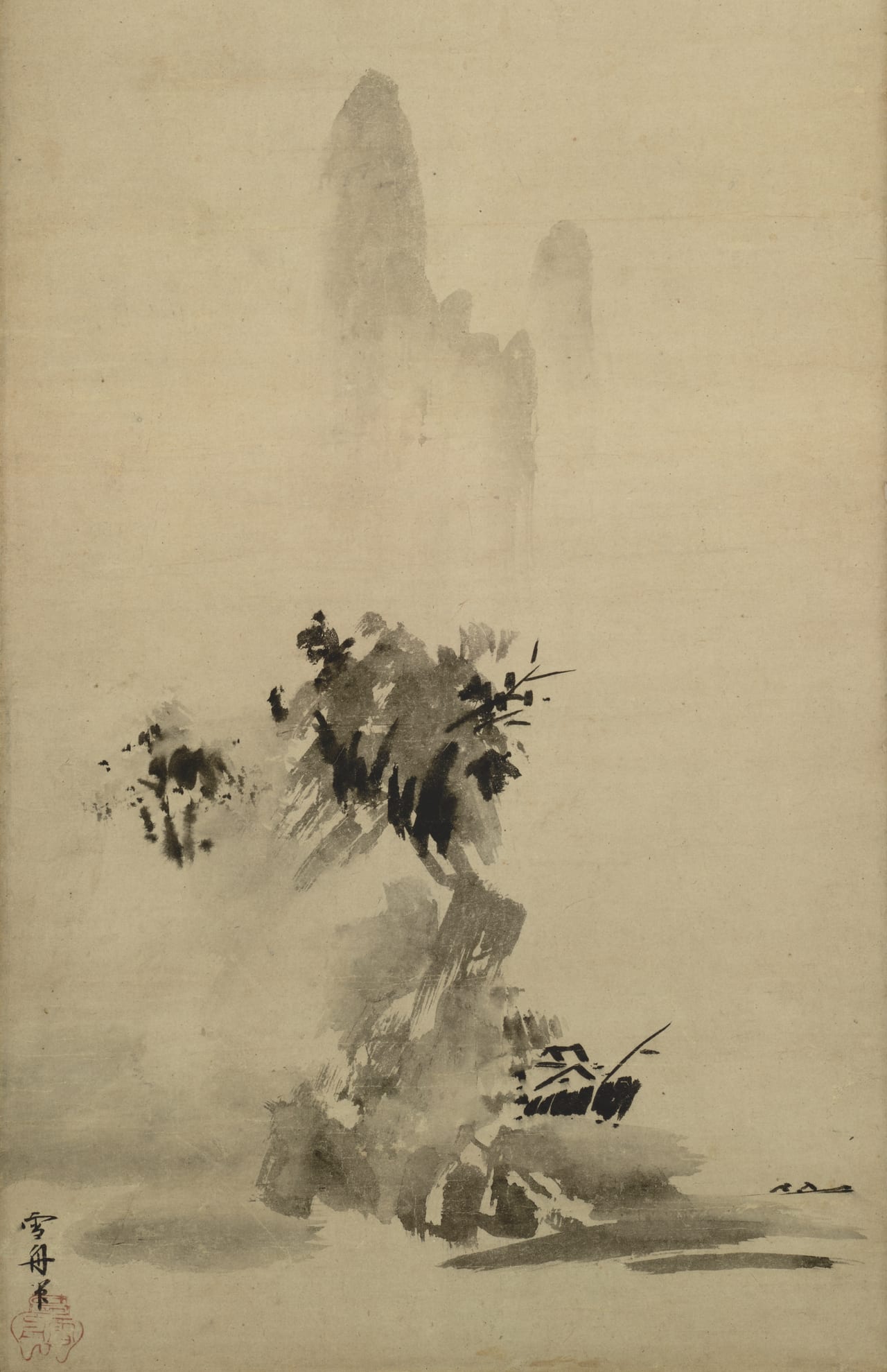
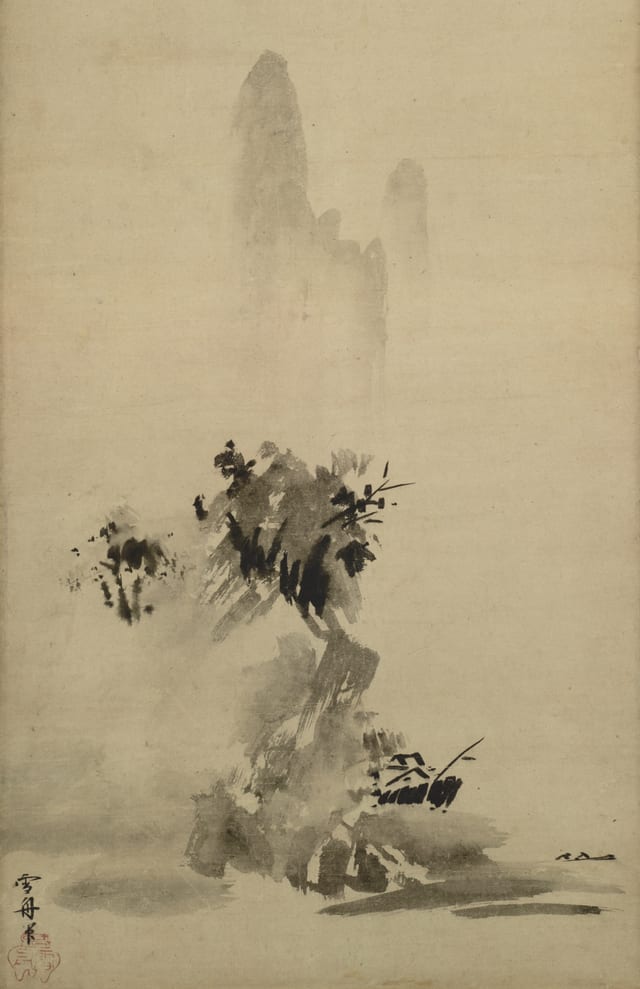
Haboku sansui
Sesshū Tōyō · 1495

Sesshū Tōyō
Japanese · 1420–1506
Sesshū Tōyō , also known simply as Sesshū , was a Japanese Zen monk and painter who is considered a great master of Japanese ink painting. Initially inspired by Chinese landscapes, Sesshū's work holds a distinctively Japanese style that reflects Zen Buddhist aesthetics. His prominent work captured images of landscapes, portraits, birds and flowers paintings, infused with Zen Buddhist beliefs, flattened perspective, and emphatic lines.
Independent artist guide by Momentable. Biography from Wikipedia; artworks credited to the museums that hold them.
 LIVENow streaming · Haboku sansui
- life
- 1420–1506life
- rights
- Public domainrights
The work
A selection of 3 works, free to stream.
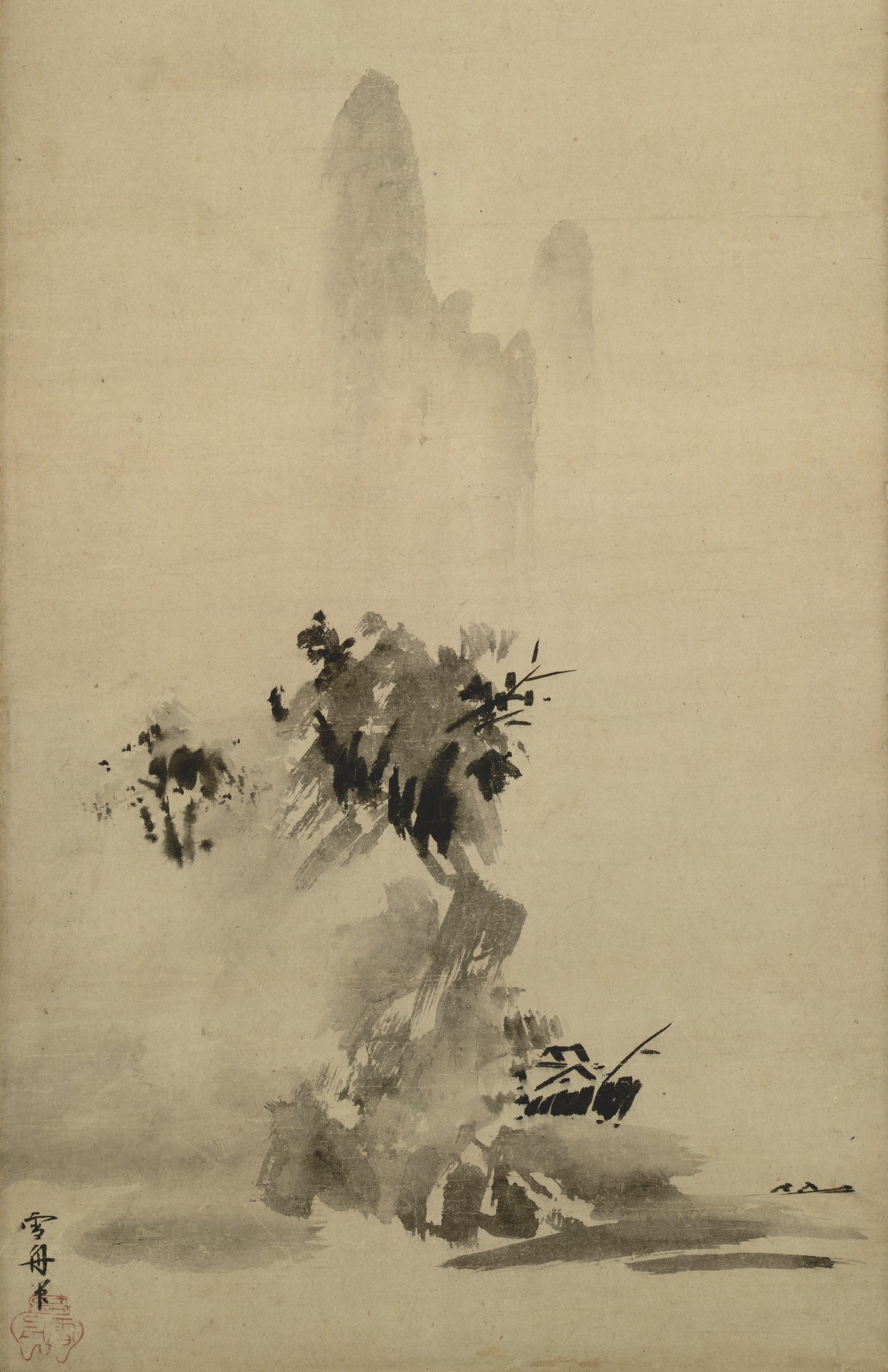
Haboku sansui
Sesshū Tōyō · 1495
Tokyo National Museum
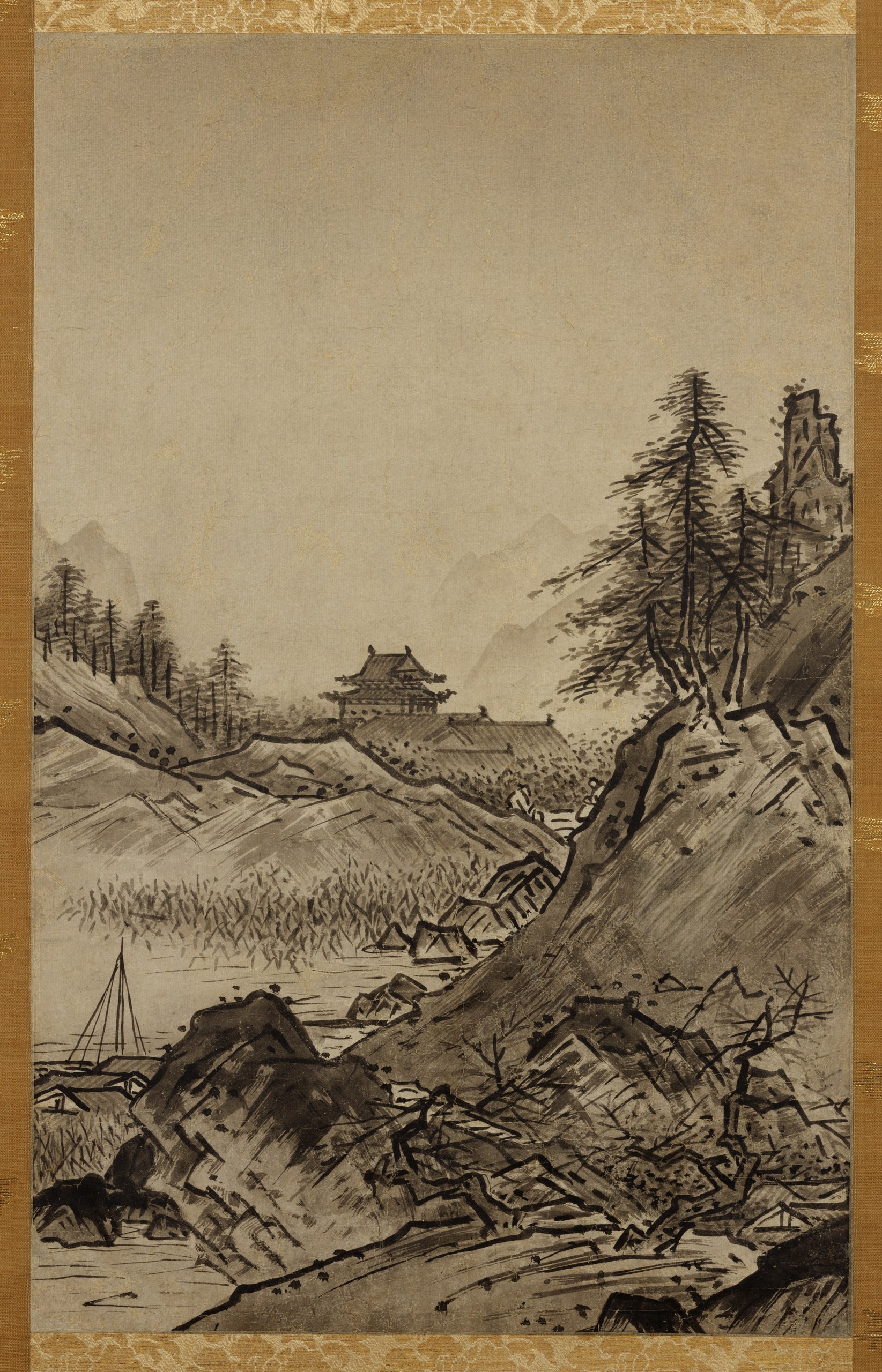
Autumn and Winter Landscapes
Sesshū Tōyō
Tokyo National Museum
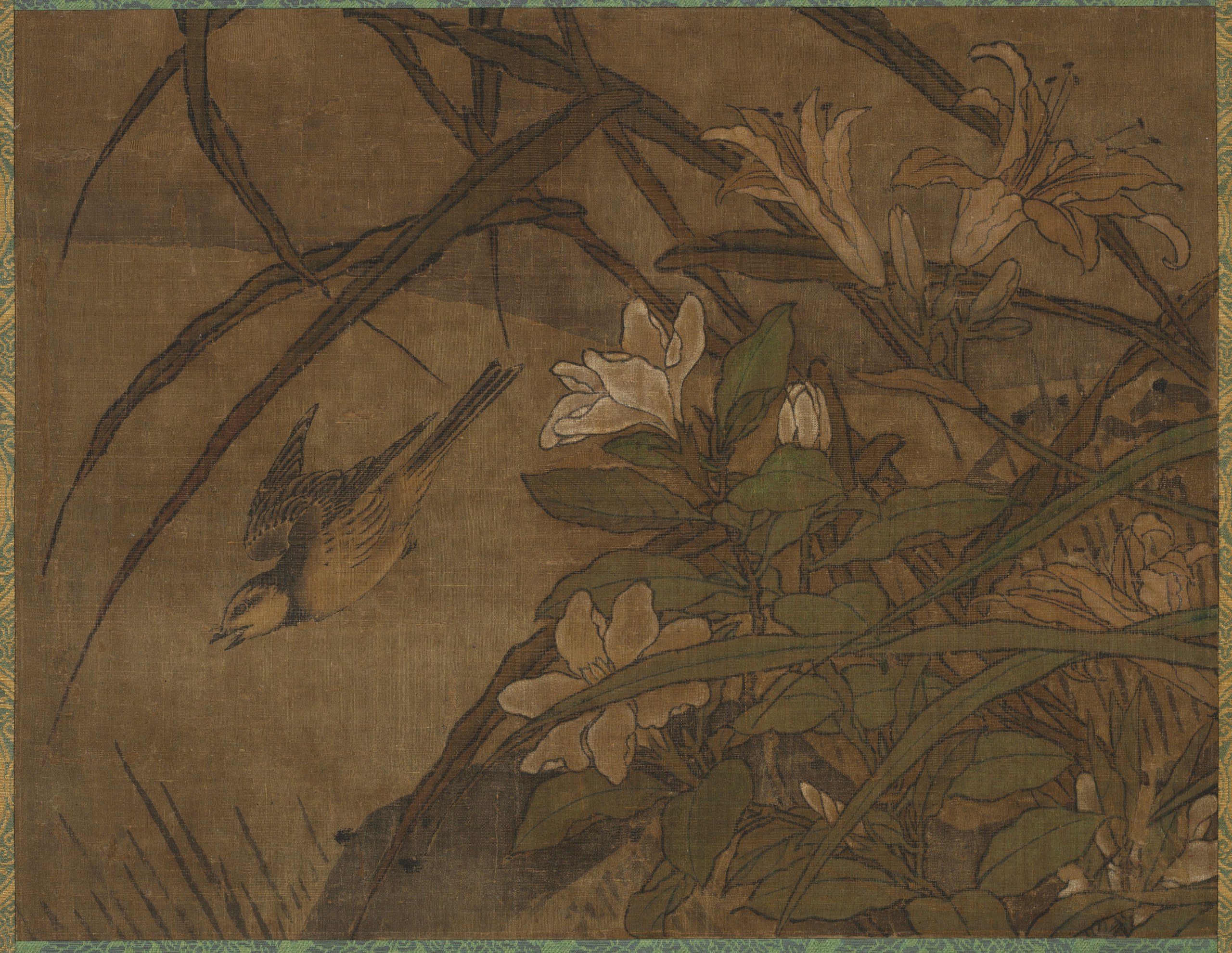
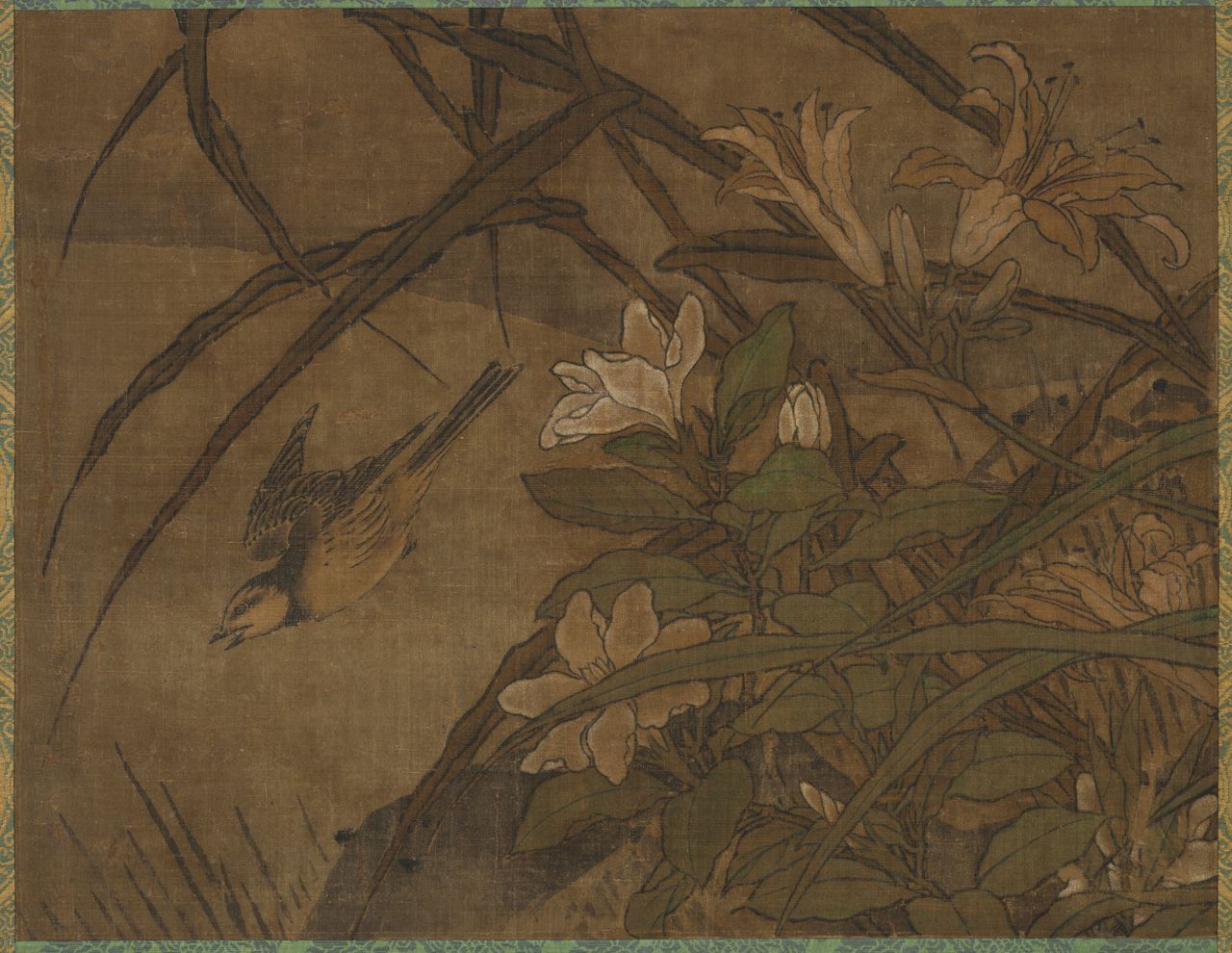
Birds and Flowers
Sesshū Tōyō
The Cleveland Museum of Art
Works worth knowing
2 of Sesshū Tōyō's works, and what makes each one worth a look.
Haboku sansui
Sesshū Tōyō · 1495
Tokyo National Museum
Haboku sansui (破墨山水図, haboku sansui-zu; Broken Ink Landscape) is a splashed-ink landscape painting on a hanging scroll. It was made by the Japanese artist Sesshū Tōyō in 1495, in the Muromachi period. The ink wash painting is classified as a National Treasure of Japan and currently held by the Tokyo National Museum.
Autumn and Winter Landscapes
Sesshū Tōyō
Tokyo National Museum
Autumn and Winter Landscapes is a Japanese ink painting created by Sesshū Tōyō, a Zen monk and prominent landscape painter during the Muromachi period. Currently held at the Tokyo National Museum, it is considered a masterpiece of Chinese-style landscape painting, and was designated National Treasure on 31 March 1953. In 1468, at the age of 48, Sesshū embarked on a trip to Ming China to study contemporary modes and styles of landscape paintings.
Where the work hangs
The museums that hold it, and their visitor guides.
If you like Sesshū Tōyō
Artists held by the same museums.
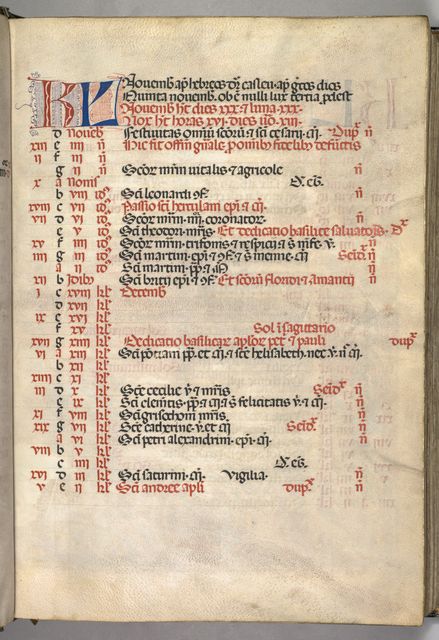
Giapeco Caporali
95 in the archive
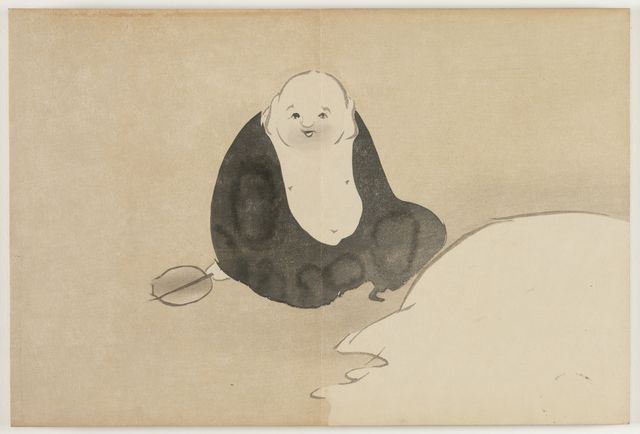
Kamisaka Sekka
Japan · 72 in the archive
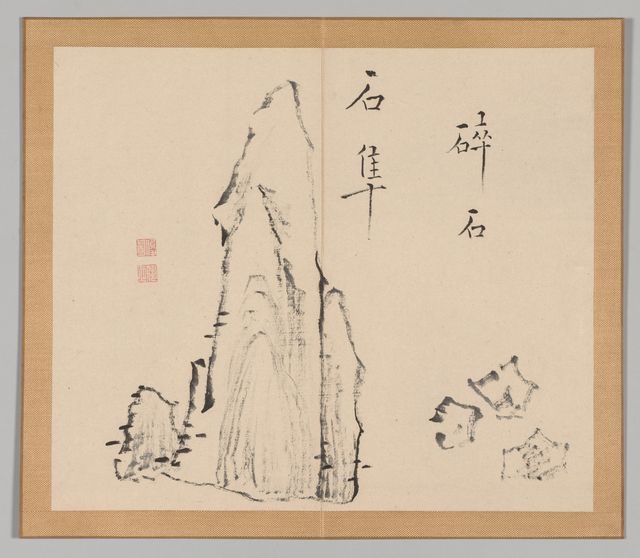
Aoki Shukuya
Japan · 41 in the archive
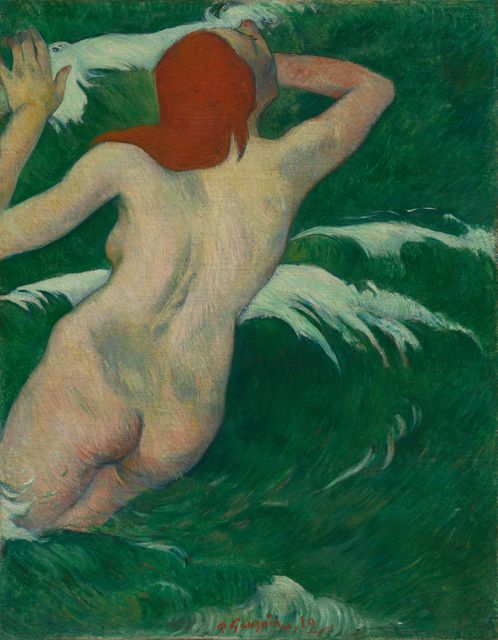
Paul Gauguin
French · 35 in the archive
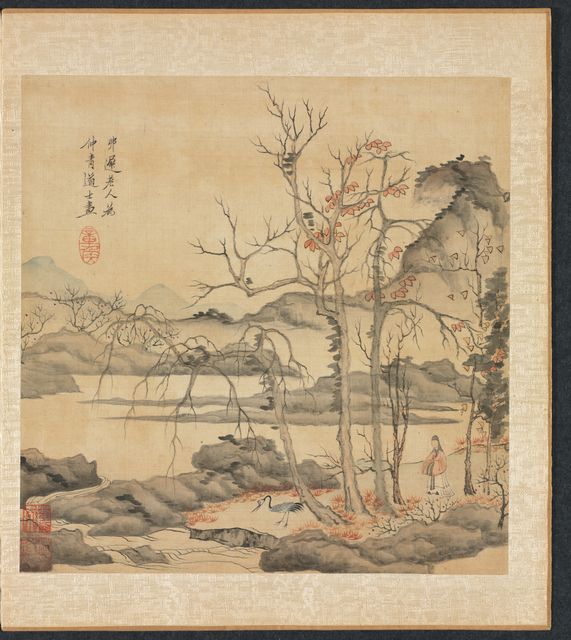
Chen Hongshou
Chinese · 23 in the archive
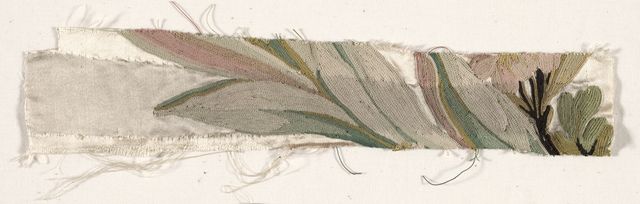
Philippe de Lasalle
France · 18 in the archive
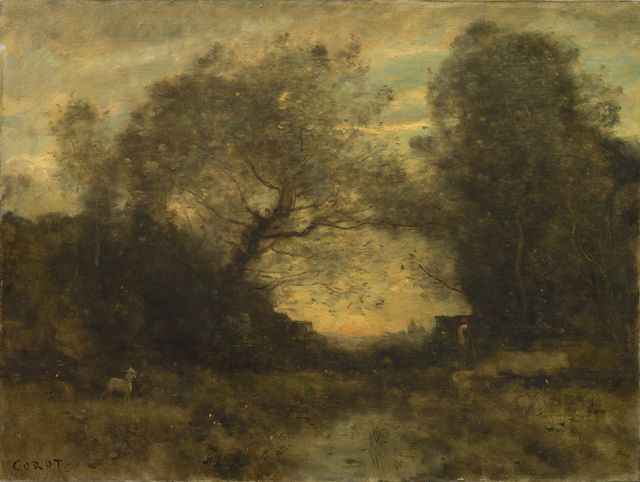
Jean-Baptiste-Camille Corot
French · 17 in the archive
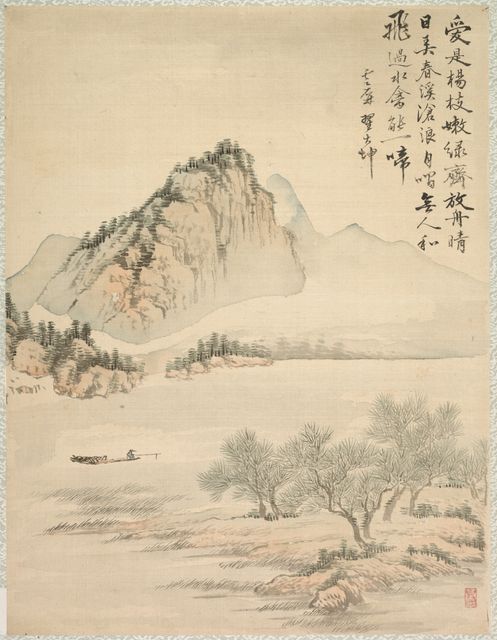
Tsubaki Chinzan
Japanese · 17 in the archive
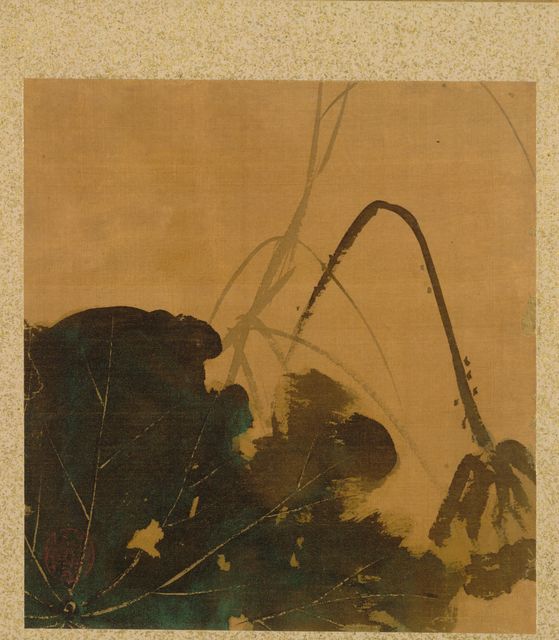
Shibata Zeshin
Japanese · 15 in the archive
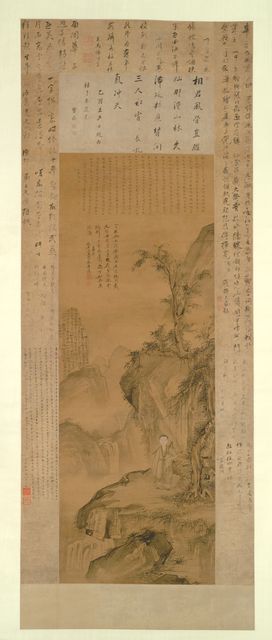
Hua Yan
Chinese · 14 in the archive
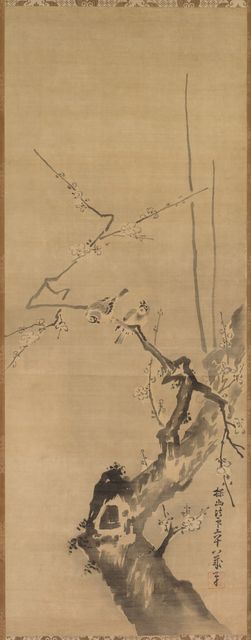
Kano Tan’yū
Japanese · 13 in the archive
George Inness
American · 12 in the archive
Invite the masters into your living room.
Sesshū Tōyō on your TV, phone, or tablet. Free to start.
View on MomentableIndependent guide by Momentable · biography from Wikipedia · artworks are in the public domain and credited to the museum that holds them