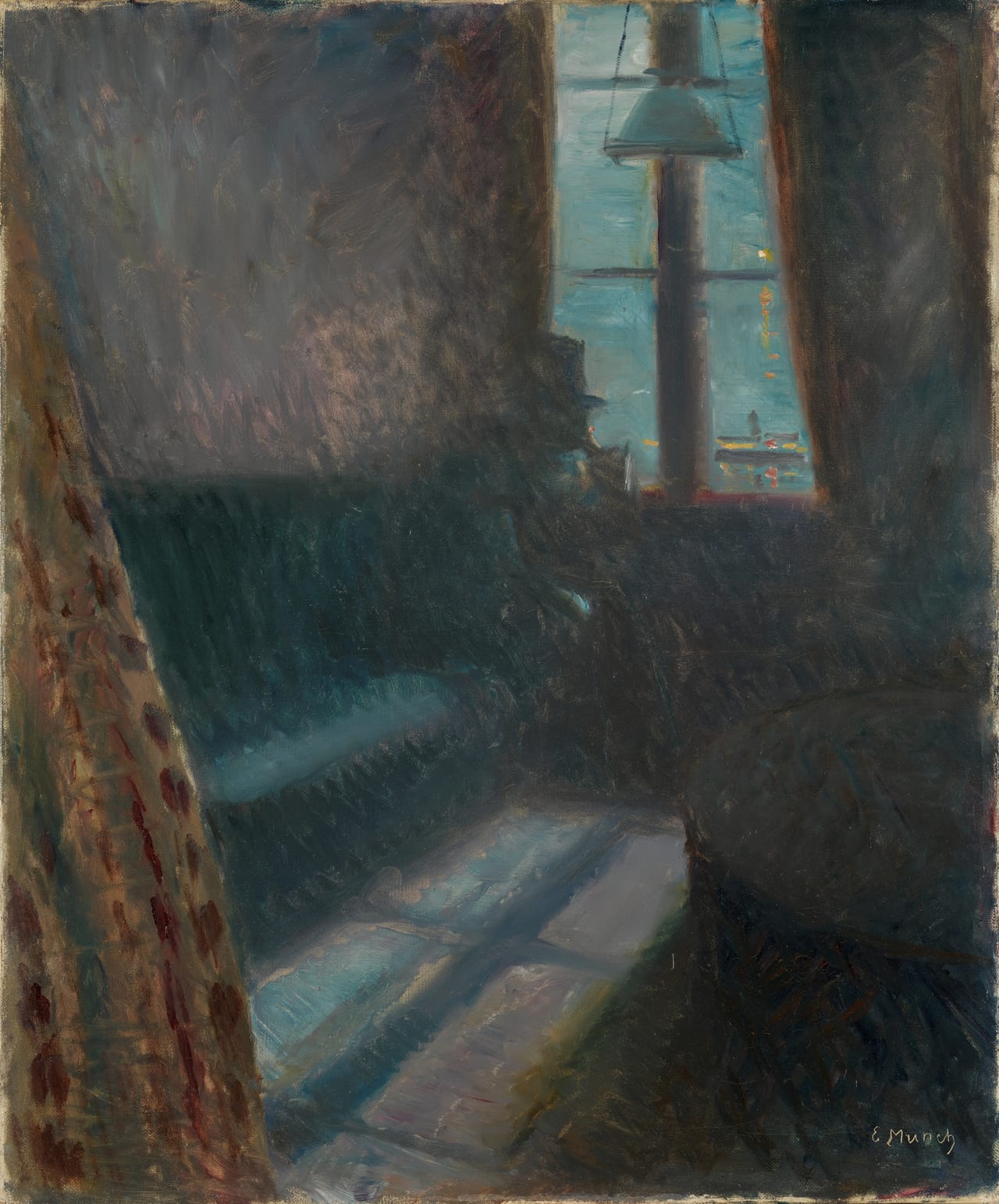
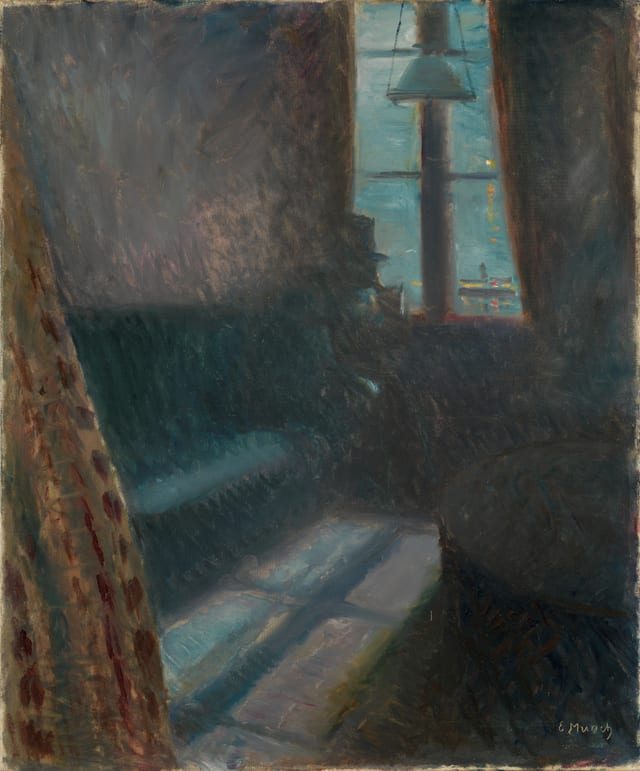
Night in Saint-Cloud
Edvard Munch · 1890

Edvard Munch
Norway · 1863–1944
Edvard Munch ( MUUNK; Norwegian:; 12 December 1863, 23 January 1944) was a Norwegian painter. His 1893 work The Scream has become one of the most iconic and acclaimed images in all of Western art. His childhood was overshadowed by illness, bereavement and the dread of inheriting a mental condition that ran in the family. Studying at the Royal School of Art and Design in Kristiania (Oslo), Munch began to live a bohemian life under the influence of the nihilist Hans Jæger, who urged him to paint his own emotional and psychological state ('soul painting'); from this emerged his distinctive style. Travel brought new influences and outlets.
Independent artist guide by Momentable. Biography from Wikipedia; artworks credited to the museums that hold them.
 LIVENow streaming · Night in Saint-Cloud
- works in the archive
- 13works in the archive
- life
- 1863–1944life
- rights
- Public domainrights
The work
A selection of 12 works, free to stream.
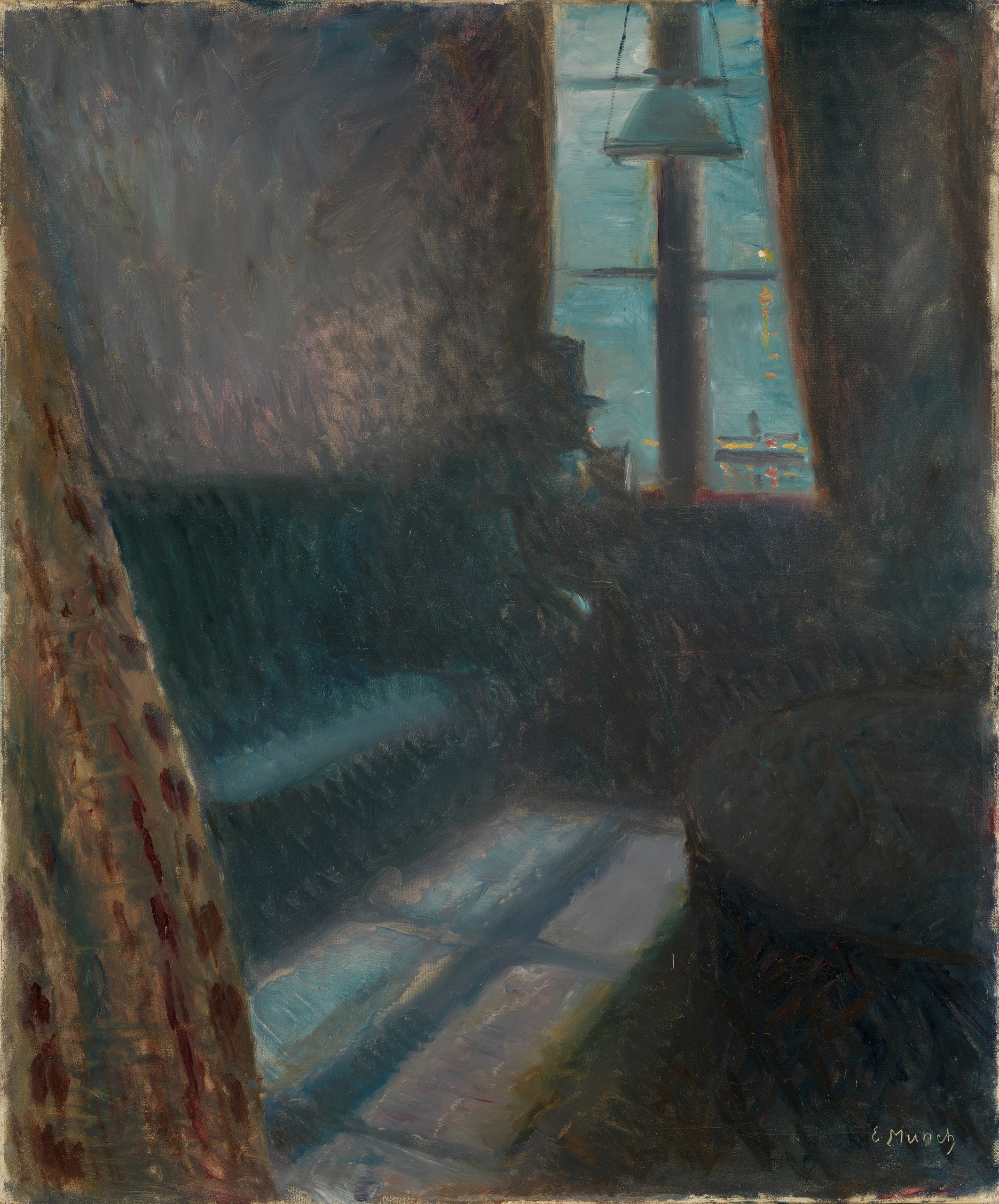
Night in Saint-Cloud
Edvard Munch · 1890
National Museum of Art, Architecture and Design
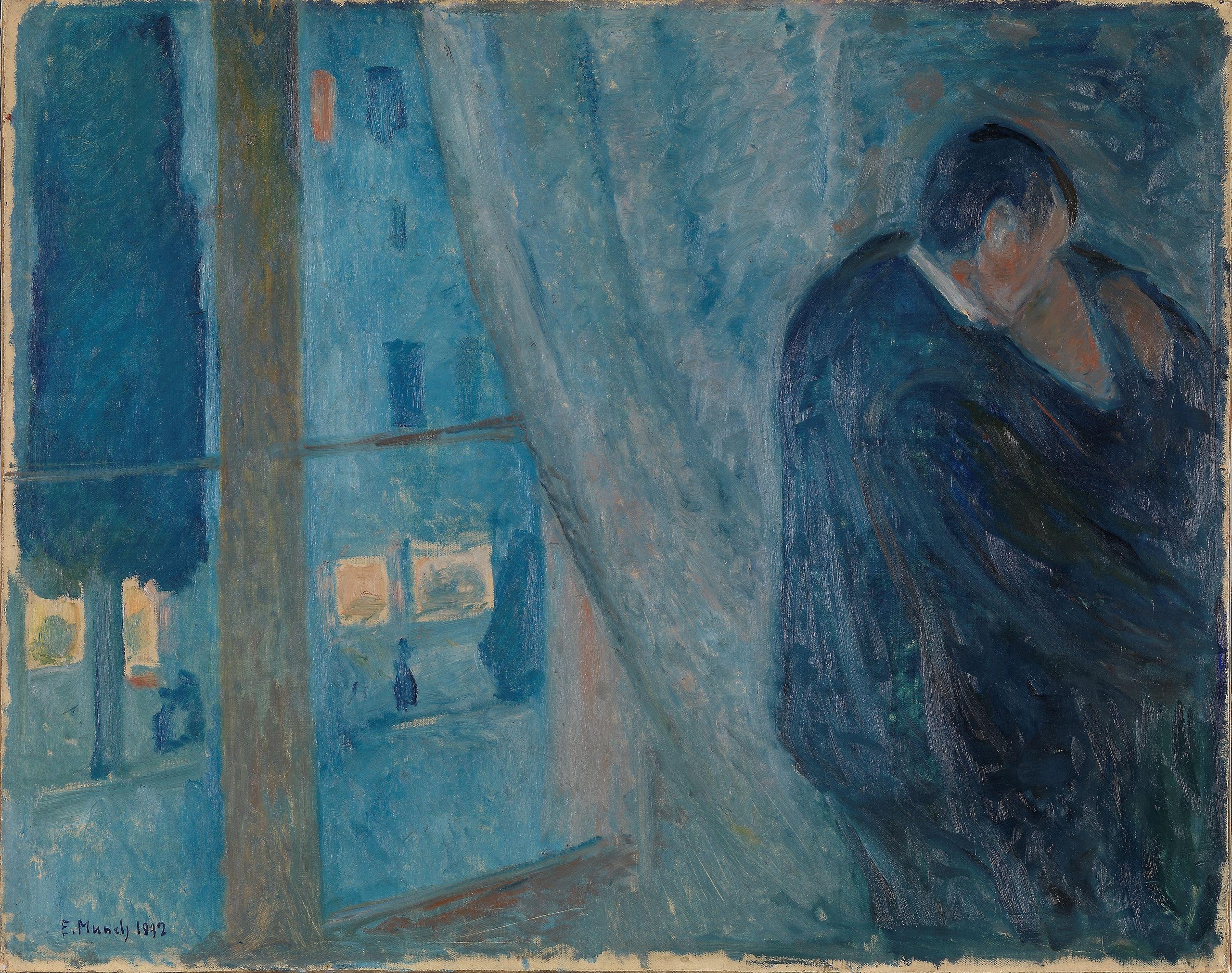
Kiss by the Window
Edvard Munch · 1892
National Museum of Art, Architecture and Design
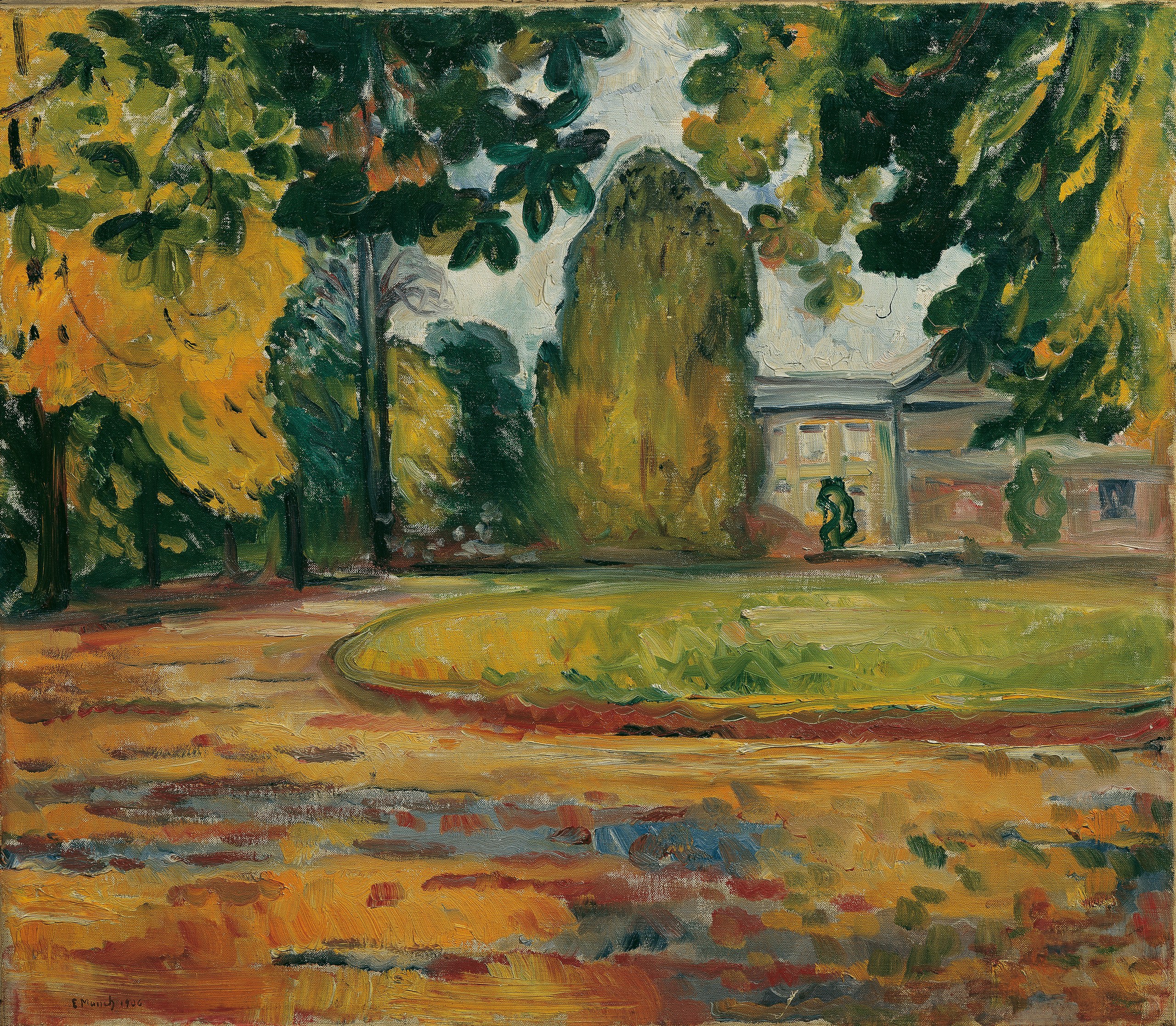
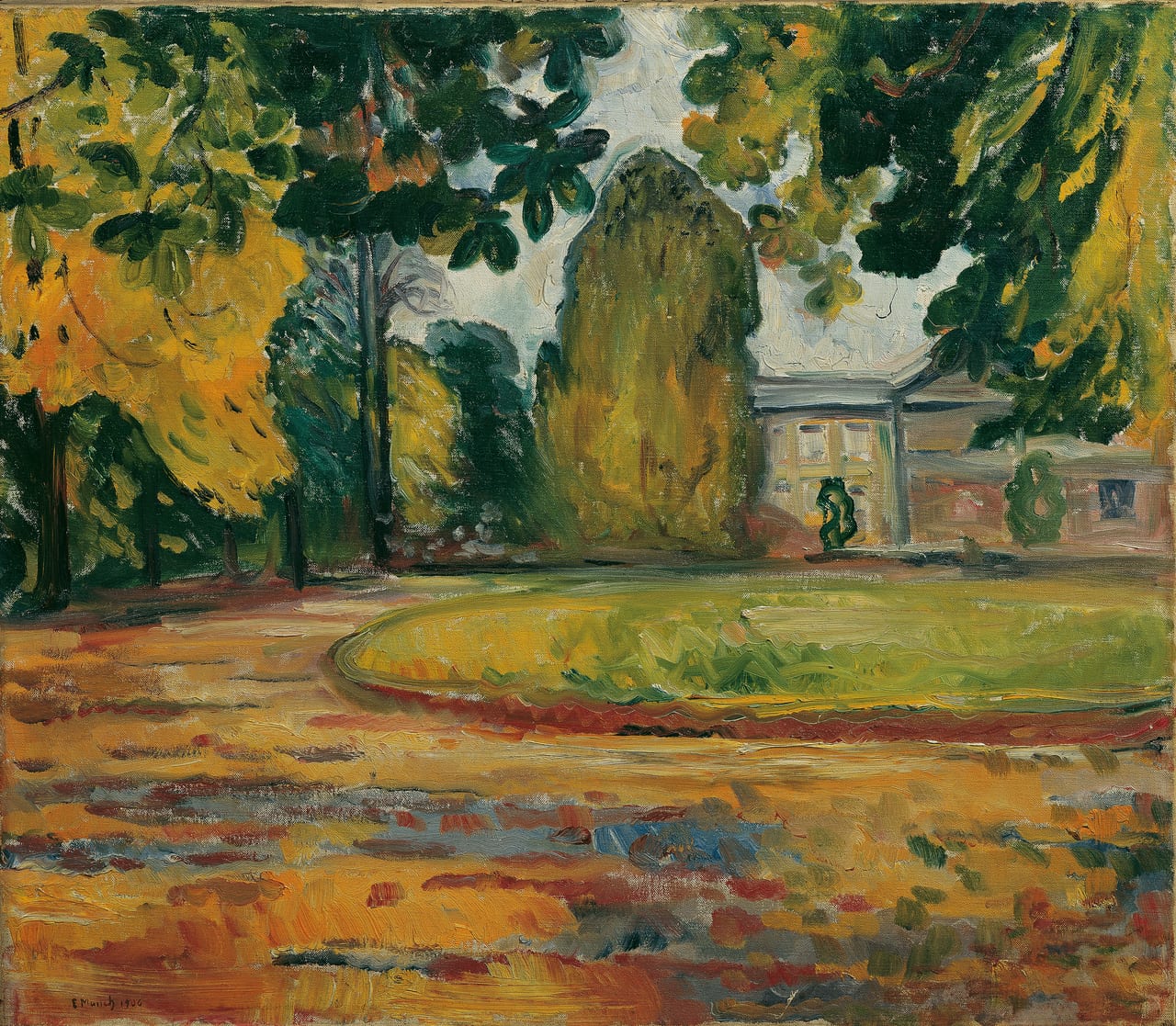
Park in Kösen
Edvard Munch · 1906
Upper Belvedere
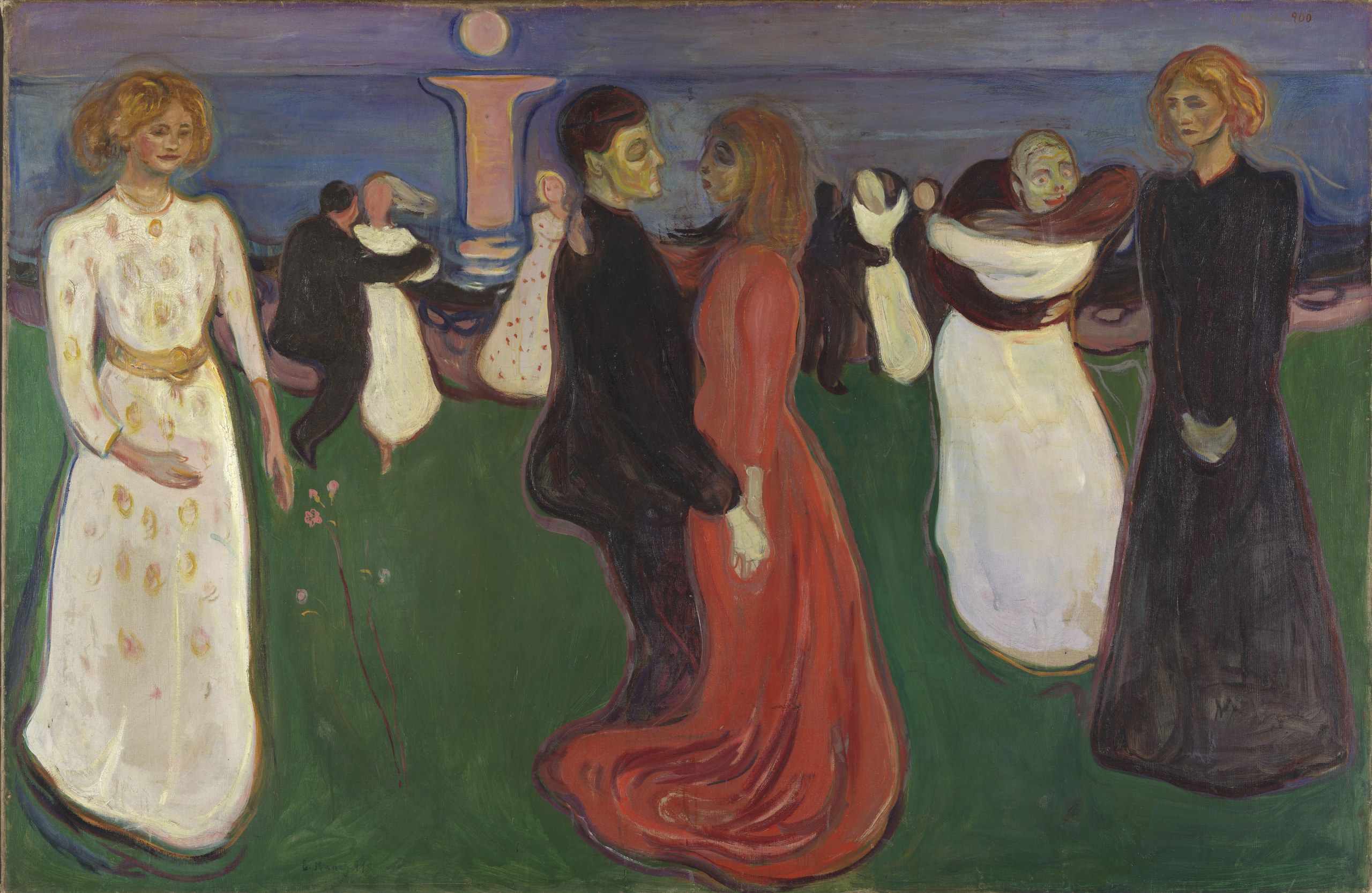
Dance of Life
Edvard Munch · 1899–1900
National Museum of Art, Architecture and Design
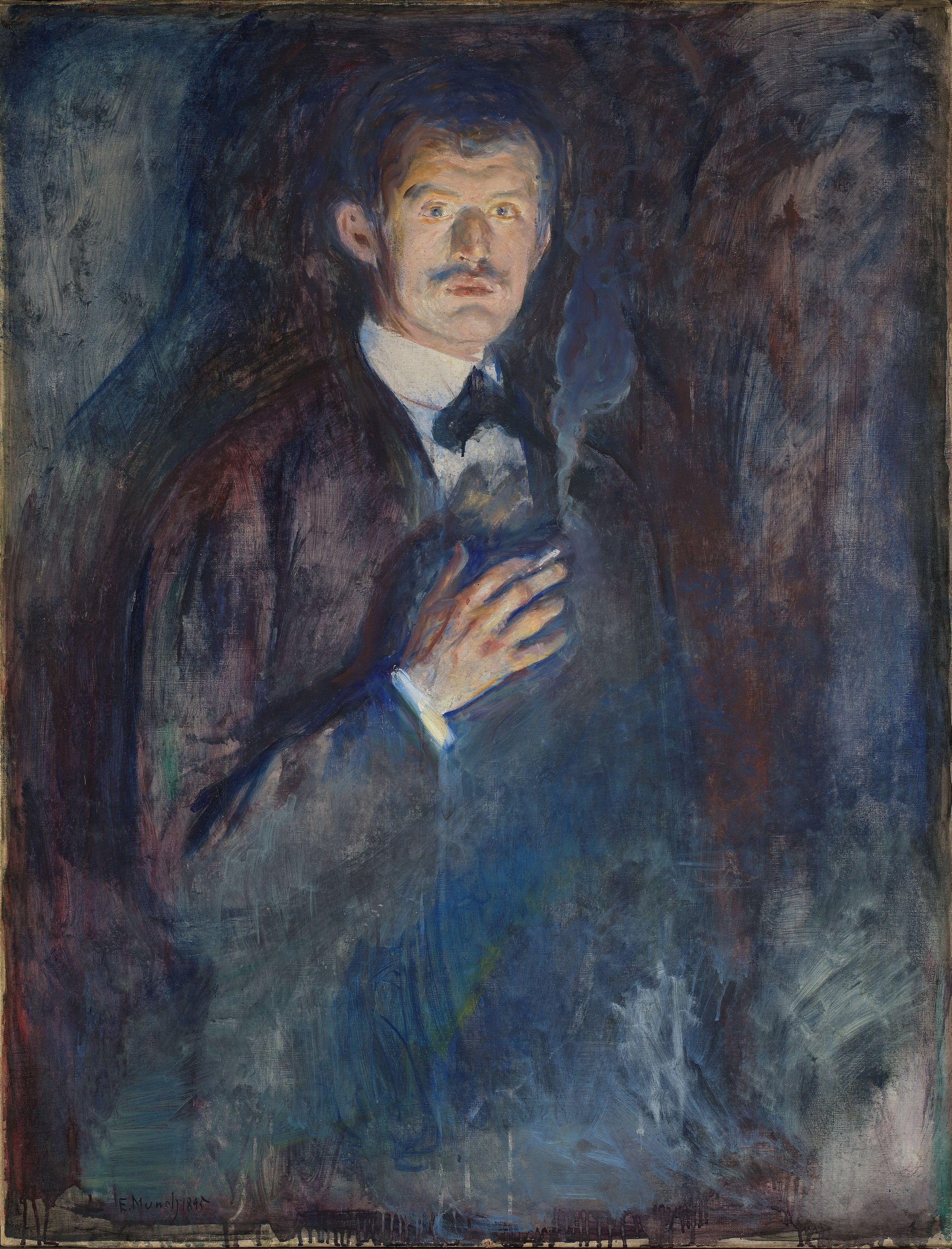
Self-Portrait with Cigarette
Edvard Munch · 1895
National Museum of Art, Architecture and Design
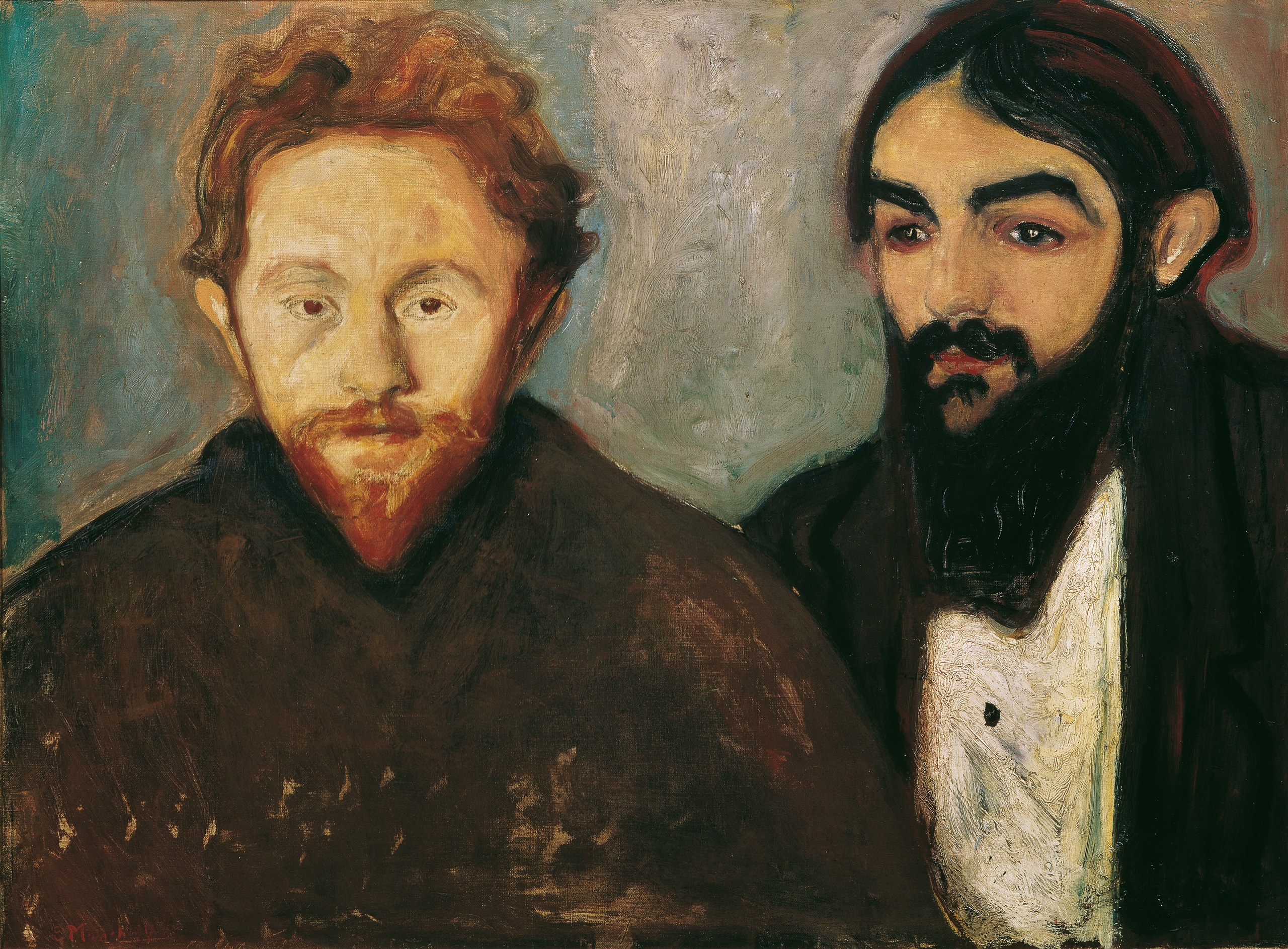
Paul Herrmann and Paul Contard
Edvard Munch · 1897
Upper Belvedere
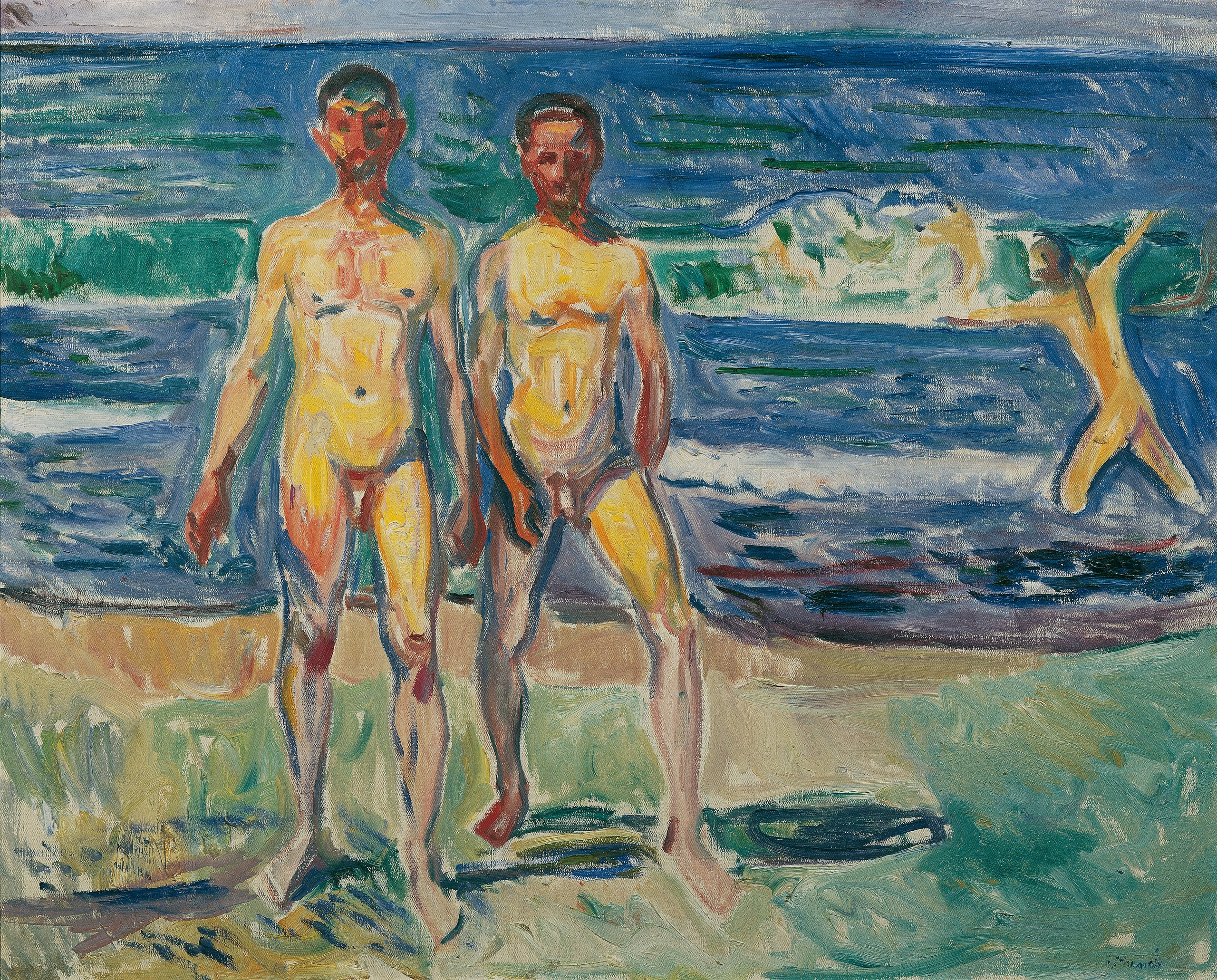
Bathing Men
Edvard Munch · 1908
Upper Belvedere
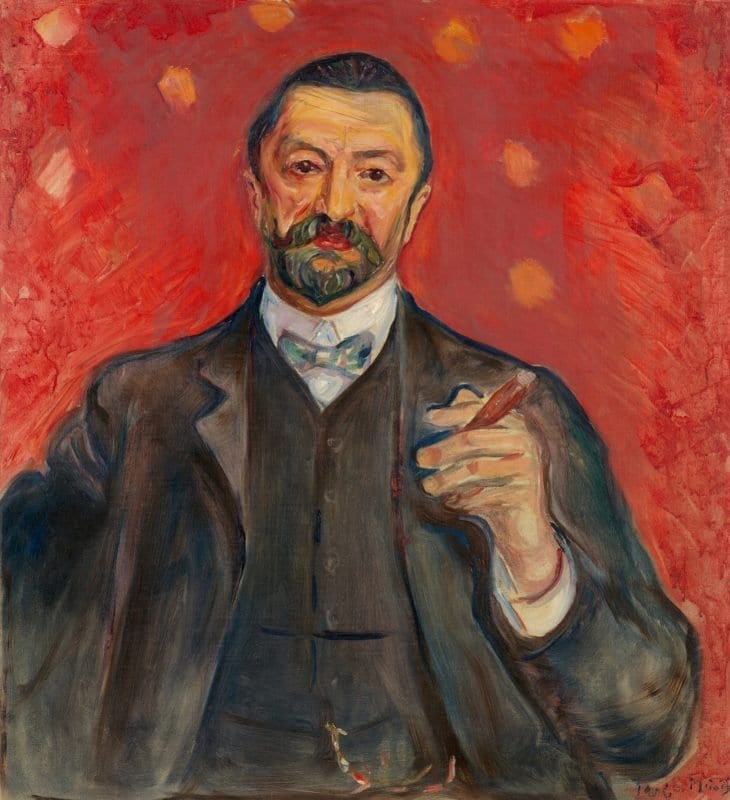
Felix Auerbach
Edvard Munch · 1906
Van Gogh Museum
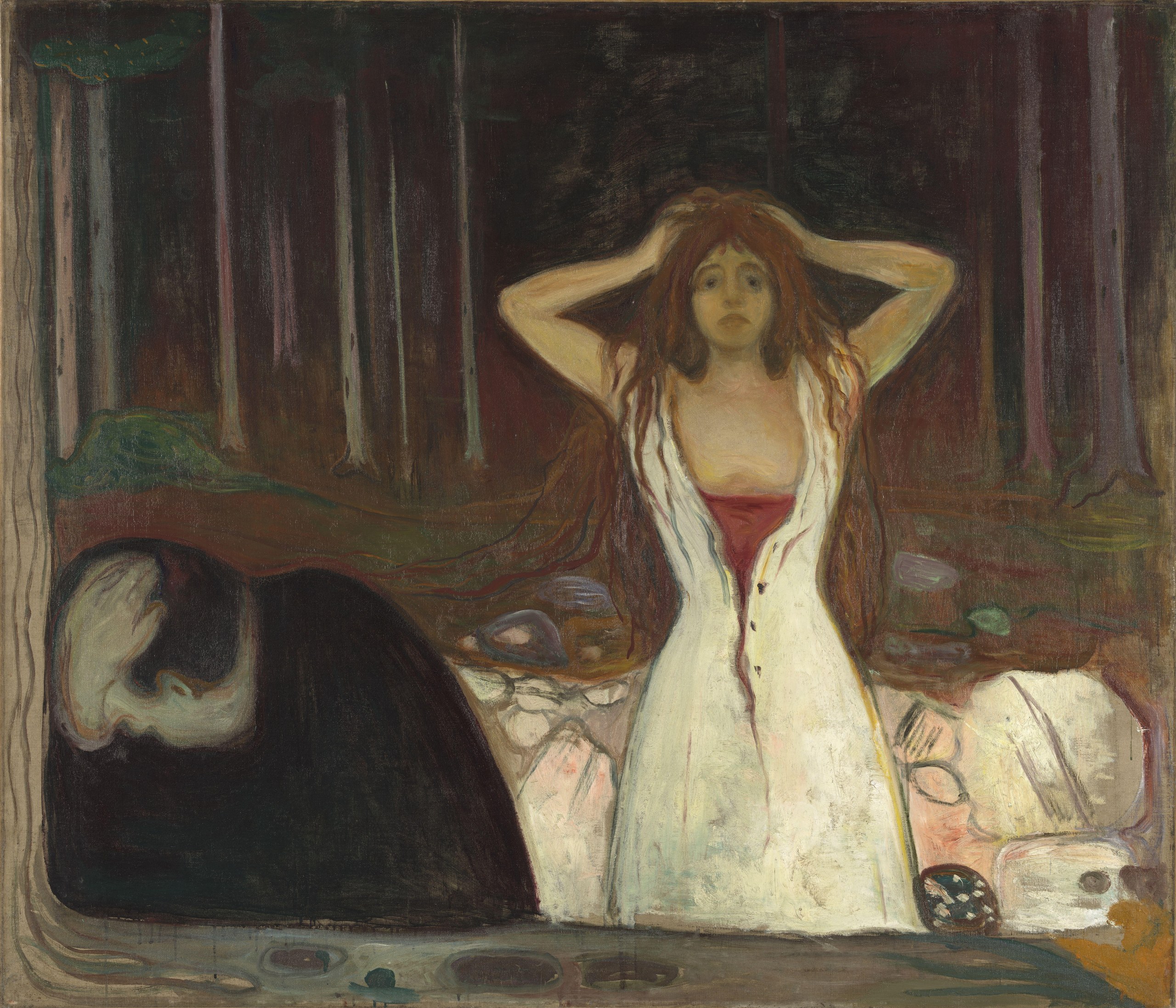
Ashes
Edvard Munch · 1895
National Museum of Art, Architecture and Design
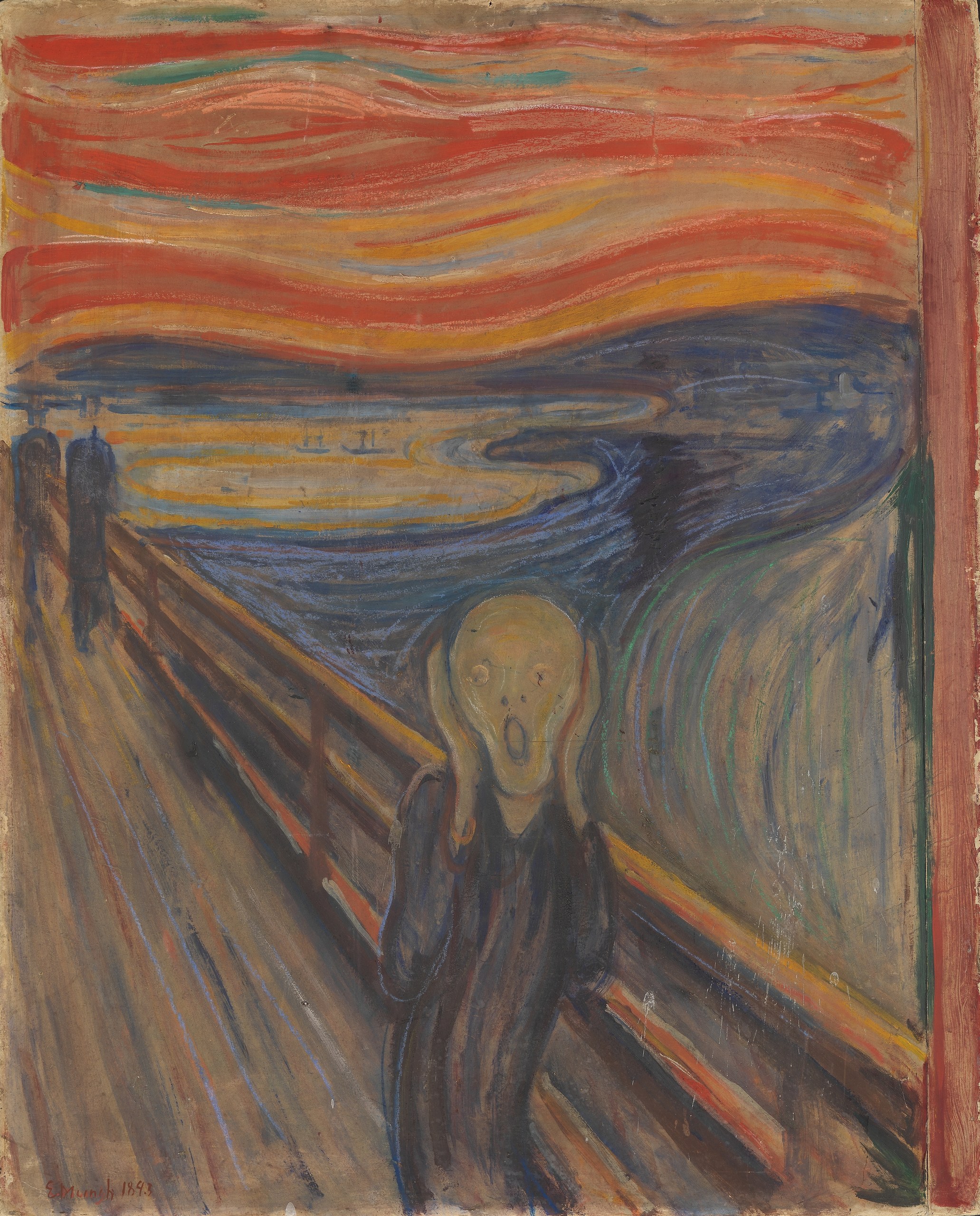
The Scream
Edvard Munch · 1893
National Museum of Art, Architecture and Design
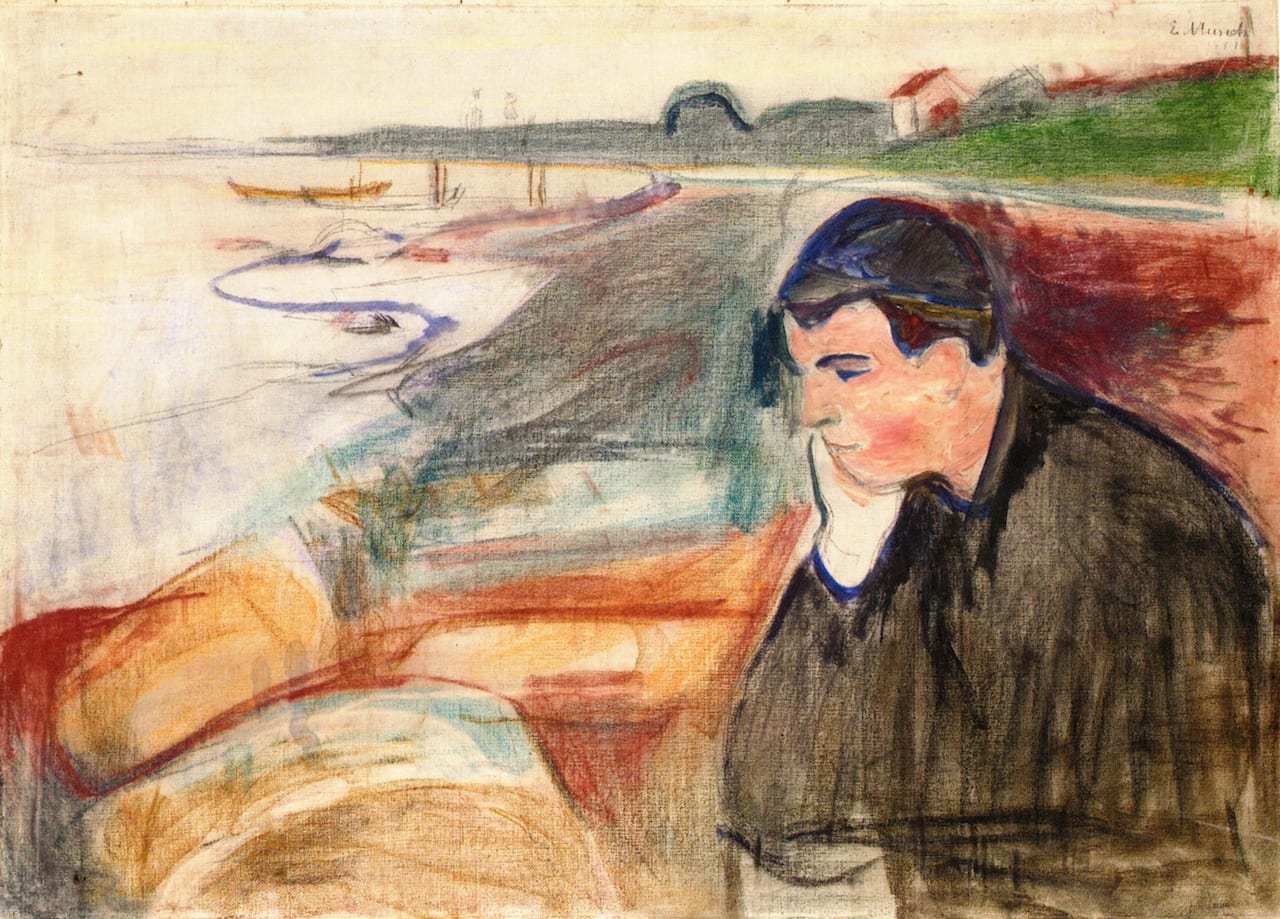
Melancholy
Edvard Munch · 1891
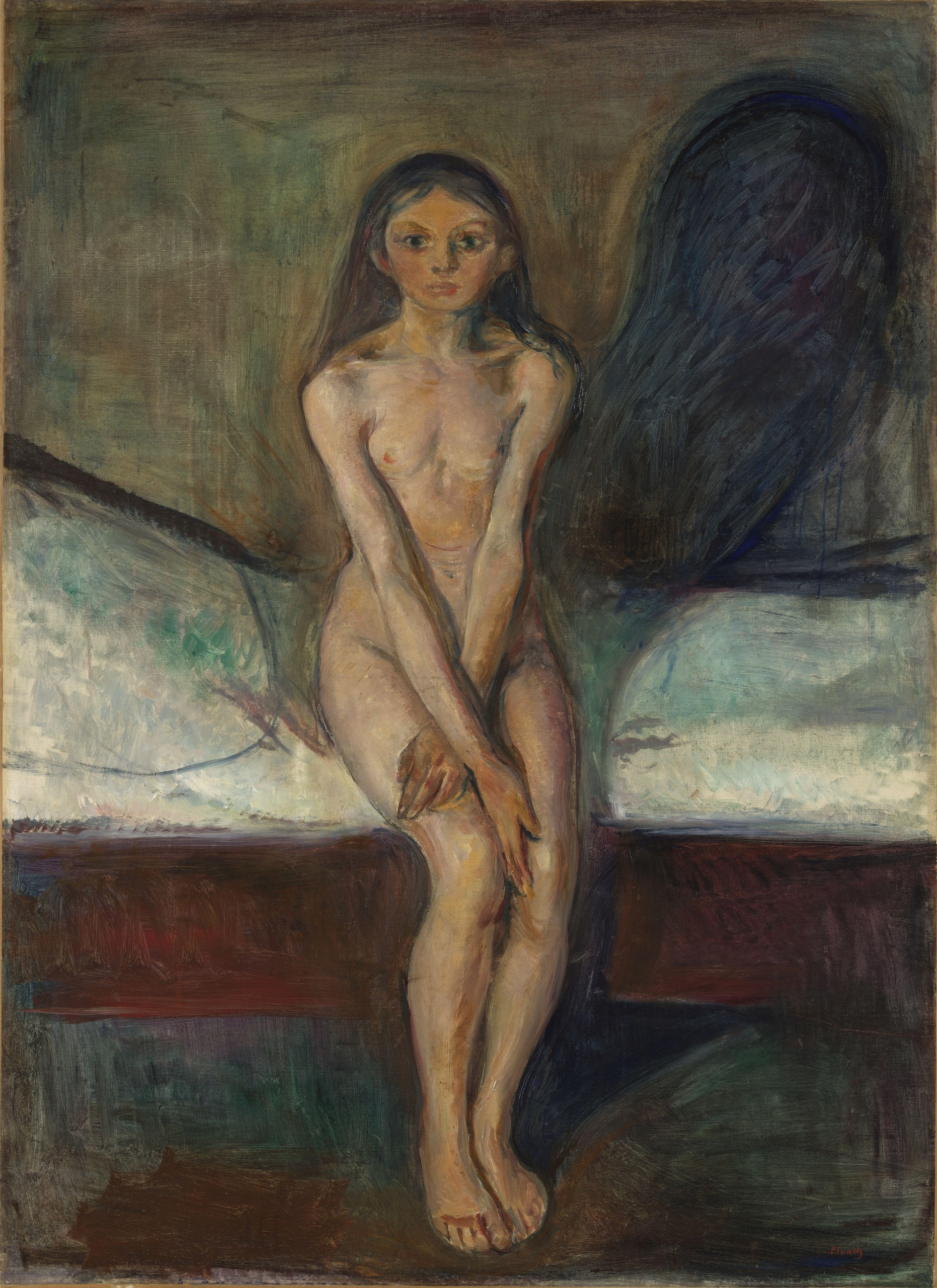
Puberty
Edvard Munch · 1895
National Museum of Art, Architecture and Design
Works worth knowing
7 of Edvard Munch's works, and what makes each one worth a look.
Kiss by the Window
Edvard Munch · 1892
National Museum of Art, Architecture and Design
The Kiss by the Window (or Kissing by the Window or simply The Kiss) is an oil-on-canvas painting by the Norwegian artist Edvard Munch, from 1892. It is held in the National Gallery (Norway), in Oslo. It forms part of his series known as The Frieze of Life, which treats the cycle of life, death and love and was produced between 1893 and 1918.
Dance of Life
Edvard Munch · 1899–1900
National Museum of Art, Architecture and Design
The Dance of Life or Life's Dance is an 1899 to 1900 expressionist painting by Edvard Munch, now in the National Museum of Norway, in Oslo. Olaf Schou purchased the painting in Oslo in 1910, immediately presenting it to the National Gallery. The painting was an important work in Munch's project The Frieze of Life, which played with themes of love, sexual anxiety, and death.
Self-Portrait with Cigarette
Edvard Munch · 1895
National Museum of Art, Architecture and Design
Self-Portrait with Cigarette (Norwegian: Selvportrett med sigarett) is an 1895 painting by the Norwegian artist Edvard Munch. Munch's use of the cigarette and physical decay as a rejection of societal values aroused controversy following the self-portrait's 1895 exhibition. As of 2021, the work is held by the National Gallery in Oslo.
Ashes
Edvard Munch · 1895
National Museum of Art, Architecture and Design
Ashes is an oil on canvas painting by the Norwegian symbolist painter Edvard Munch. Painted in 1894–1895 it is now in the collection of the National Gallery of Norway in Oslo. The work depicts a critical scene in a lovemaking tryst between a couple in the forest, which has left the man hunched over in shame or dejection and the dishevelled woman wide-eyed and motionless in frustration or despair.
The Scream
Edvard Munch · 1893
National Museum of Art, Architecture and Design
The Scream is an art composition created by Norwegian artist Edvard Munch in 1893. The Norwegian name of the piece is Skrik ('Scream'), and the German title under which it was first exhibited is Der Schrei der Natur ('The Scream of Nature'). The agonized face in the painting has become one of the most iconic images in art, seen as representing a profound experience of existential dread related to the human condition.
Melancholy
Edvard Munch · 1891
Melancholy (Norwegian: Melankoli; also known as Jappe on the Beach, Jealousy or Evening) is a motif by the Norwegian painter Edvard Munch, which he executed in five paintings between 1891 and 1896 and two woodcuts between 1896 and 1902. It shows a man sitting on the beach with his head propped up in the foreground, while in the background a couple is on their way to a boat trip. The colors support the melancholic mood of the scene.
Puberty
Edvard Munch · 1895
National Museum of Art, Architecture and Design
Puberty (Norwegian: Pubertet) is an 1894–1895 painting created by Norwegian artist Edvard Munch. Puberty has associations with both symbolism and expressionism, the former a movement from which Munch emerged, and the latter a movement in which Munch was pivotal. It is part of an informal series or cycle of paintings, prints, and images known as The Frieze of Life, that Munch created in the 1890s, although he often revisited and explored themes and images from the series throughout his career.
Where the work hangs
The museums that hold it, and their visitor guides.
If you like Edvard Munch
Artists held by the same museums.
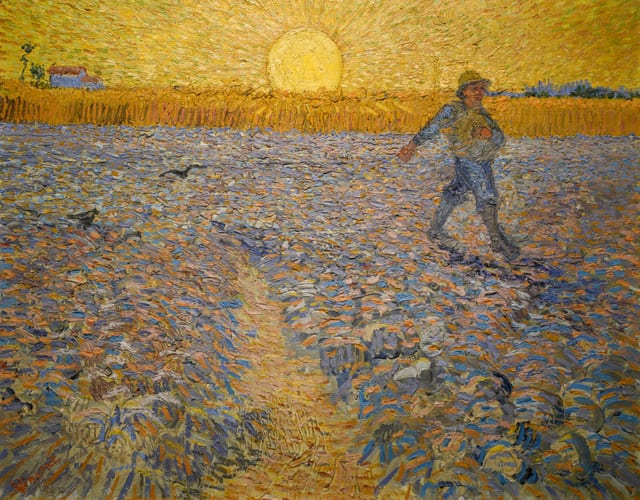
Vincent van Gogh
Dutch · 94 in the archive
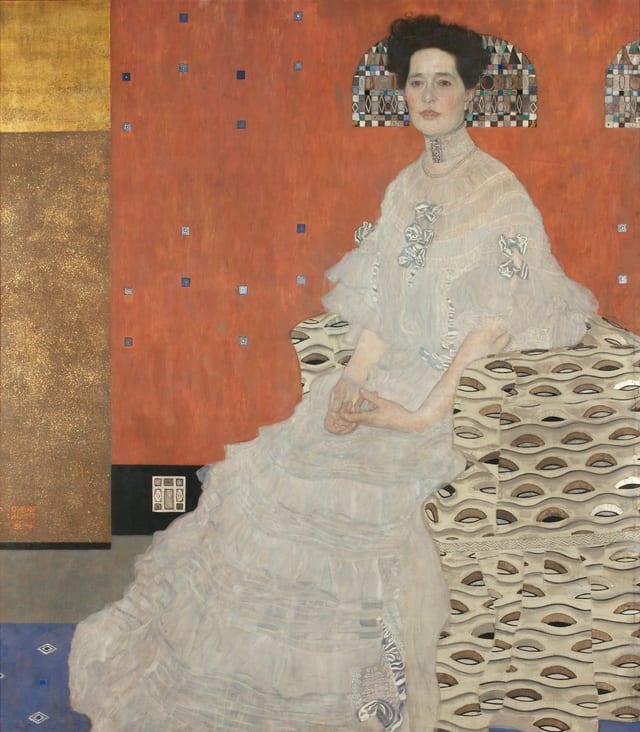
Gustav Klimt
Austrian Empire · 31 in the archive
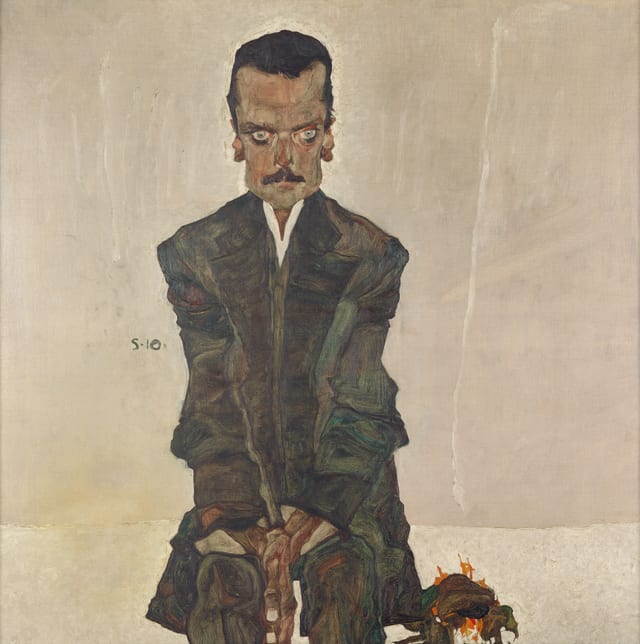
Egon Schiele
Cisleithania · 5 in the archive
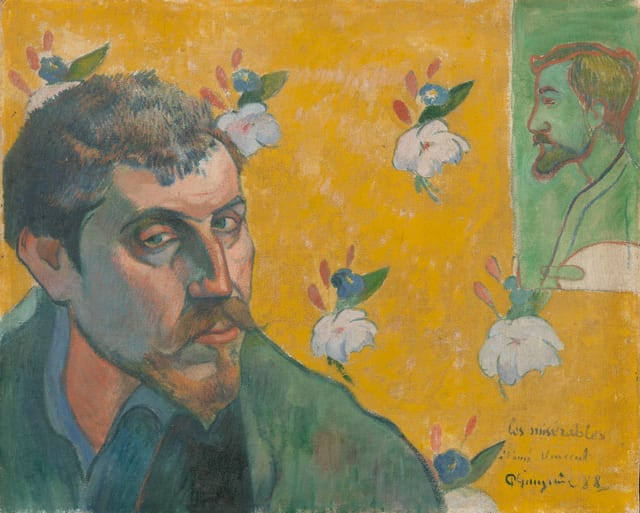
Paul Gauguin
French · 4 in the archive
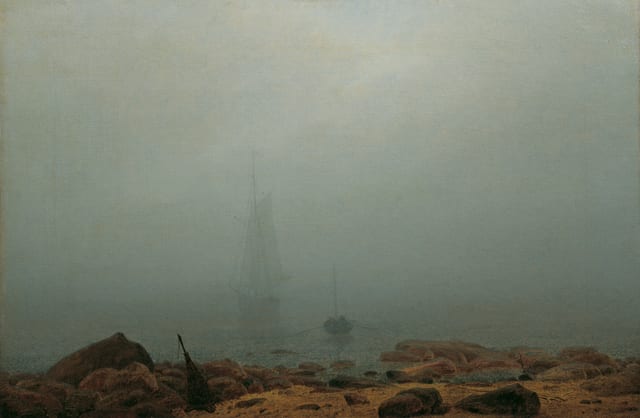
Caspar David Friedrich
Kingdom of Prussia · 3 in the archive
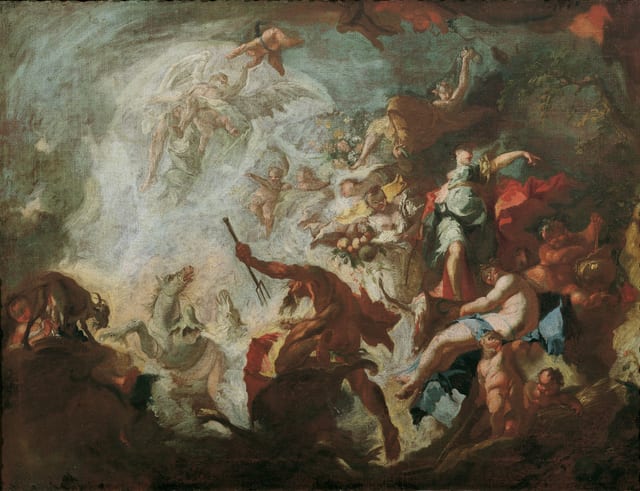
Franz Anton Maulbertsch
Germany · 3 in the archive
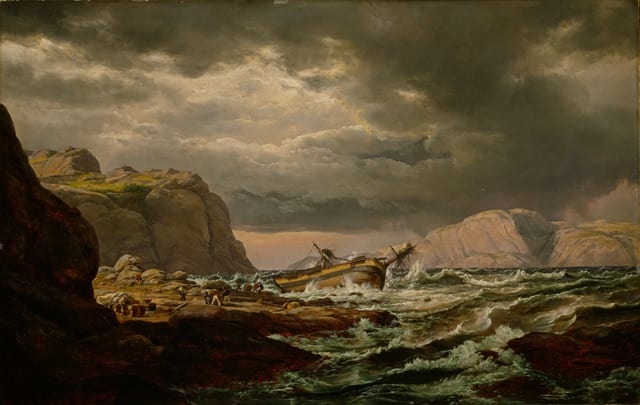
Johan Christian Dahl
Norway · 3 in the archive
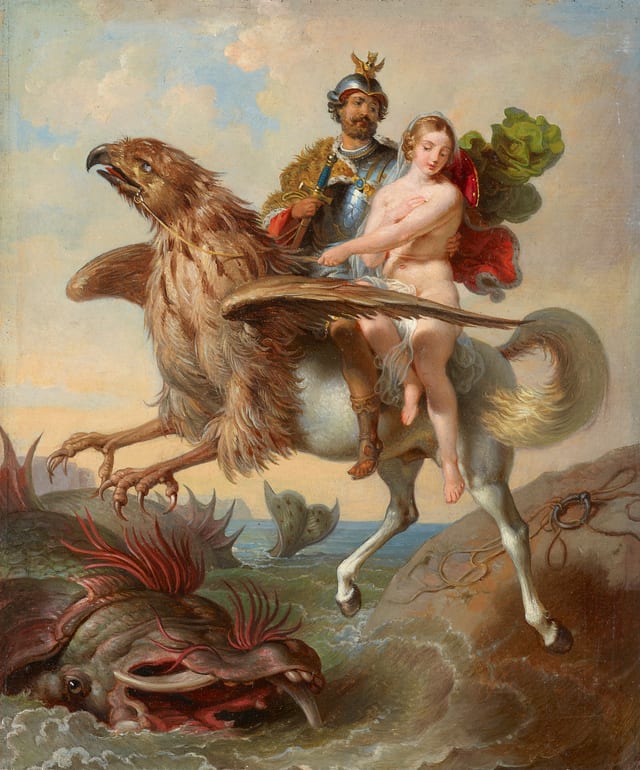
Johann Peter Krafft
Landgraviate of Hesse-Kassel · 3 in the archive
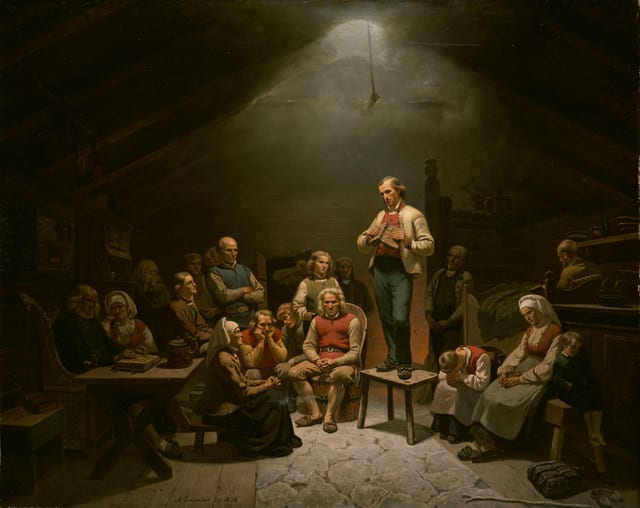
Adolph Tidemand
Norway · 2 in the archive
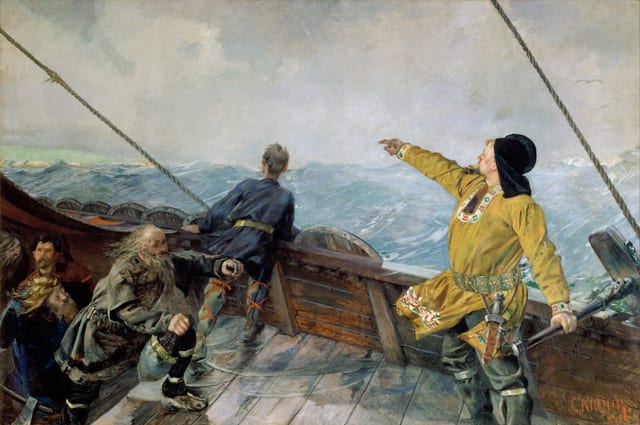
Christian Krohg
Norway · 2 in the archive
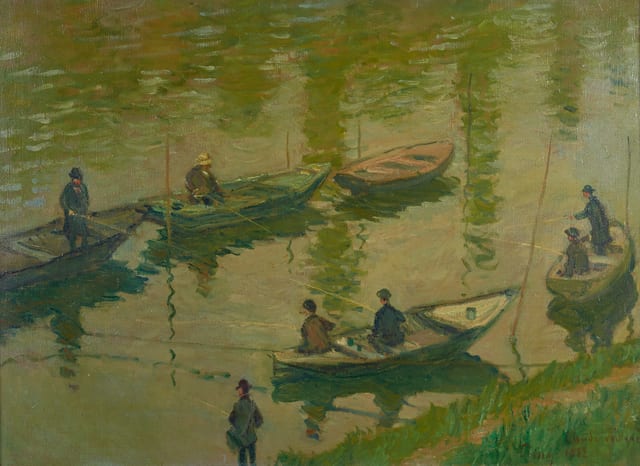
Claude Monet
France · 2 in the archive
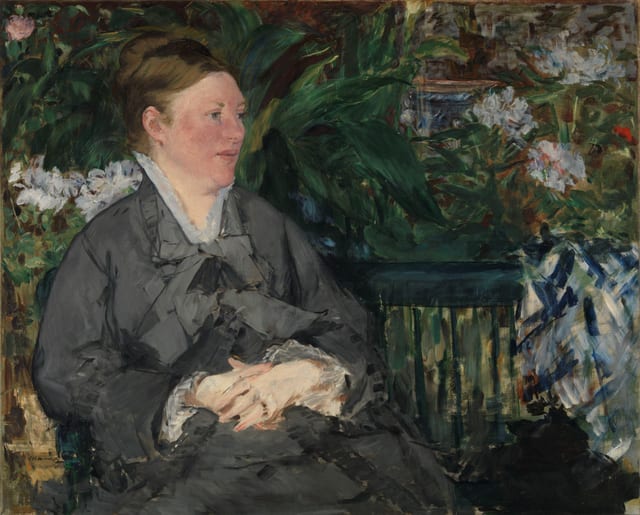
Edouard Manet
French · 2 in the archive
Invite the masters into your living room.
Edvard Munch on your TV, phone, or tablet. Free to start.
View on MomentableIndependent guide by Momentable · biography from Wikipedia · artworks are in the public domain and credited to the museum that holds them