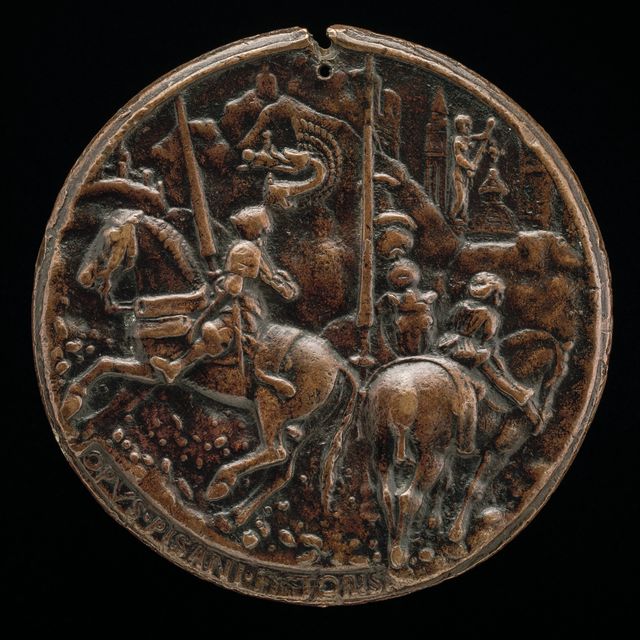
Filippo Maria Visconti Riding in a Mountainous Landscape [reverse]
Pisanello

Pisanello
Republic of Pisa · 1395–1455
Pisanello, born Antonio di Puccio Pisano or Antonio di Puccio da Cereto, also erroneously called Vittore Pisano by Giorgio Vasari, was one of the most distinguished painters of the early Italian Renaissance and Quattrocento. He was acclaimed by poets such as Guarino da Verona and praised by humanists of his time, who compared him to such illustrious names as Cimabue, Phidias and Praxiteles.
Independent artist guide by Momentable. Biography from Wikipedia; artworks credited to the museums that hold them.
![Filippo Maria Visconti Riding in a Mountainous Landscape [reverse]](https://art.momentable.art/momentable/nga/1323_w1280.jpg) LIVENow streaming · Filippo Maria Visconti Riding in a Mountainous Landscape [reverse]
LIVENow streaming · Filippo Maria Visconti Riding in a Mountainous Landscape [reverse]- works in the archive
- 18works in the archive
- life
- 1395–1455life
- movement
- Veronese schoolmovement
The work
A selection of 4 works, free to stream.
![Filippo Maria Visconti Riding in a Mountainous Landscape [reverse]](https://art.momentable.art/momentable/nga/1323_w2560.jpg)
Filippo Maria Visconti Riding in a Mountainous Landscape [reverse]
Pisanello
National Gallery of Art
![Charger, Books, and Sword [reverse]](https://art.momentable.art/momentable/nga/44323_w2560.jpg)
Charger, Books, and Sword [reverse]
Pisanello
National Gallery of Art
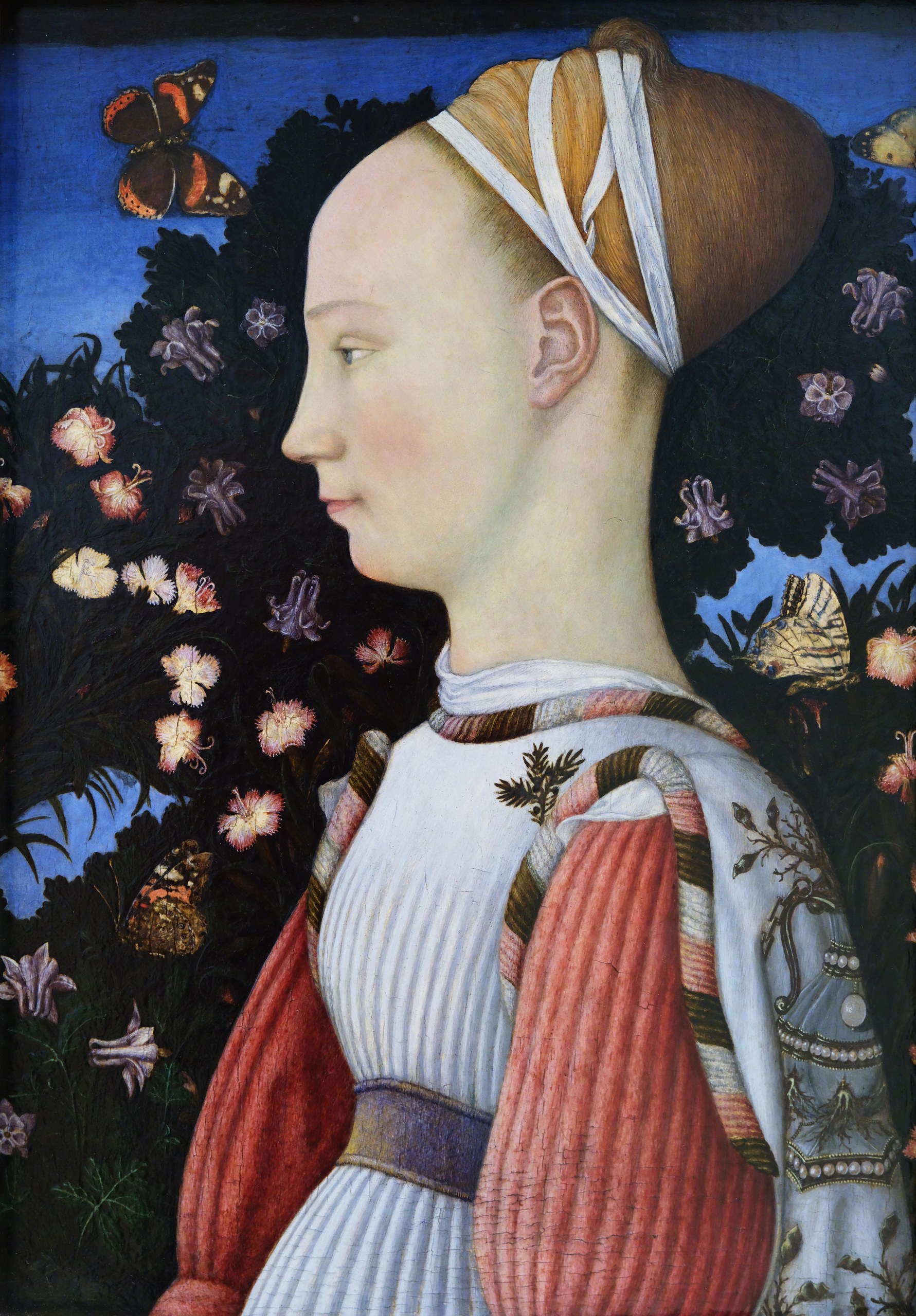
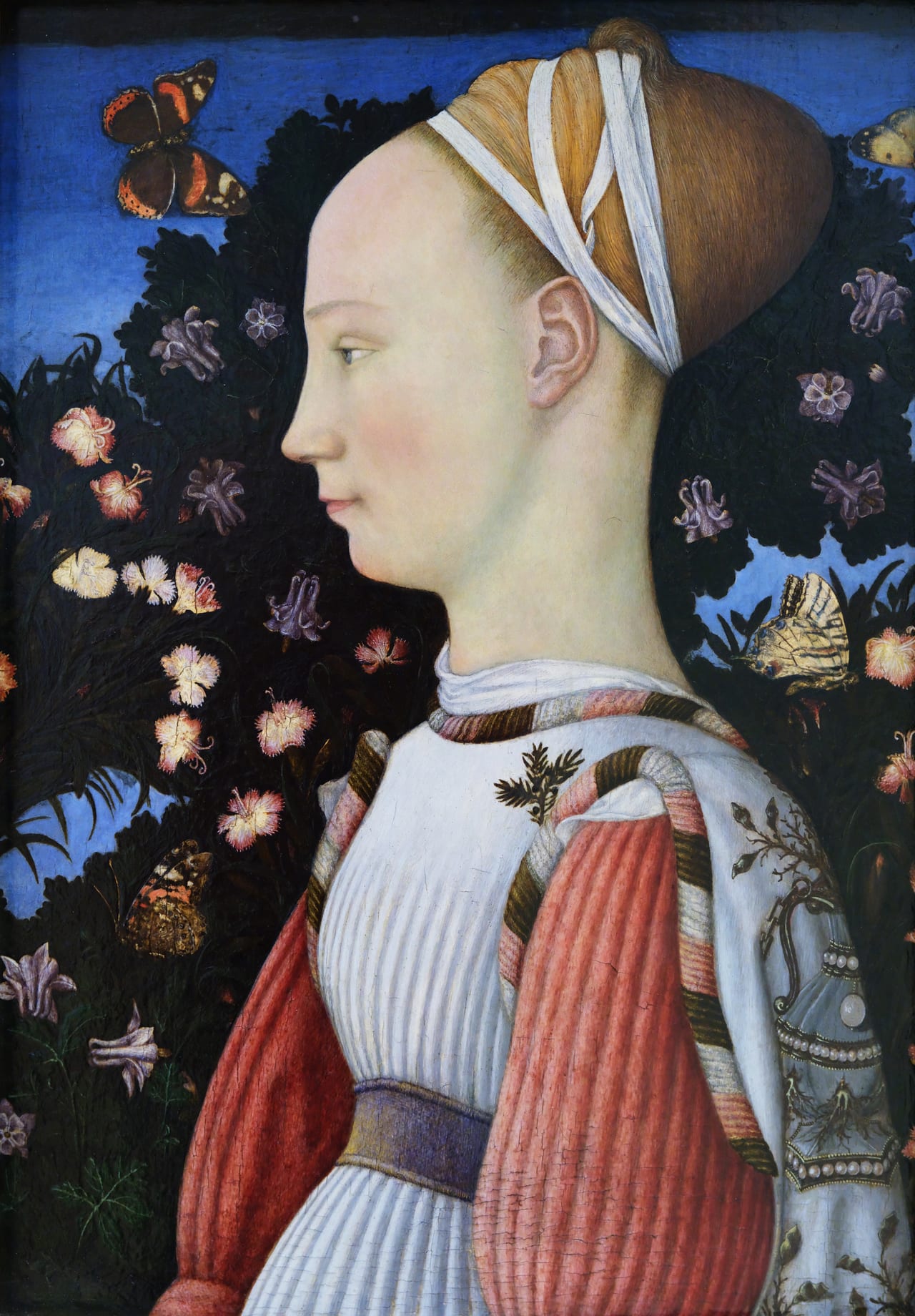
Portrait of a Princess
Pisanello · 1437
Louvre
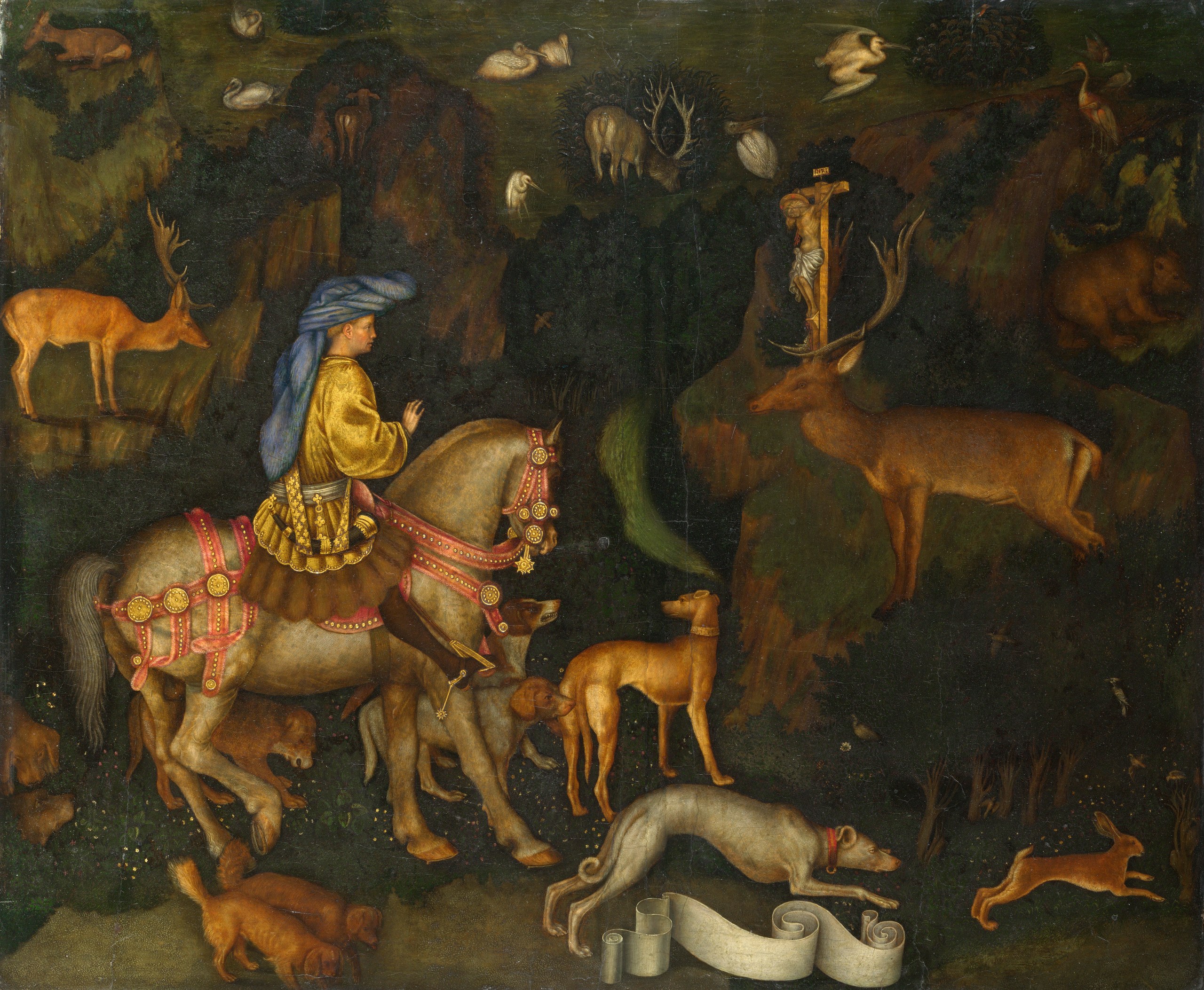
The Vision of Saint Eustace
Pisanello · c. 1438–1442
National Gallery
Works worth knowing
2 of Pisanello's works, and what makes each one worth a look.
Portrait of a Princess
Pisanello · 1437
Louvre
Portrait of Princess is a tempera painting on panel attributed to the Italian Late-Gothic master Pisanello. It was probably executed between 1435 and 1445 and is also known as Portrait of a Princess of the House of Este. It is firmly attributed to Pisanello on stylistic grounds and because he stayed in Ferrara in the period, where he also finished a portrait and a celebrative medal of Marquis Leonello d'Este.
The Vision of Saint Eustace
Pisanello · c. 1438–1442
National Gallery
The Vision of Saint Eustace is a painting by the early Italian Renaissance master Pisanello, now in the National Gallery in London. The date of the work is unknown and has been assigned by various scholars to different points in Pisanello's career, but the National Gallery's website currently dates it to "about 1438 to 1442". The work depicts Saint Eustace before a stag, between the antlers of which is a crucifix, as described in the Golden Legend.
How Pisanello worked
From the record of their own practice.
Pisanello's drawings are generally prized as jewels of the quattrocento, and provide evidence of the elegant garb of the time, including spectacular hats. In contrast with his contemporaries, his drawings are not drafts for future paintings but are autonomous works of art. He compiled several books of drawings, detailed and accurate studies of fauna and flora drawn with poetic naturalism, and elegant costumes.
Where the work hangs
The museums that hold it, and their visitor guides.
If you like Pisanello
Artists held by the same museums.
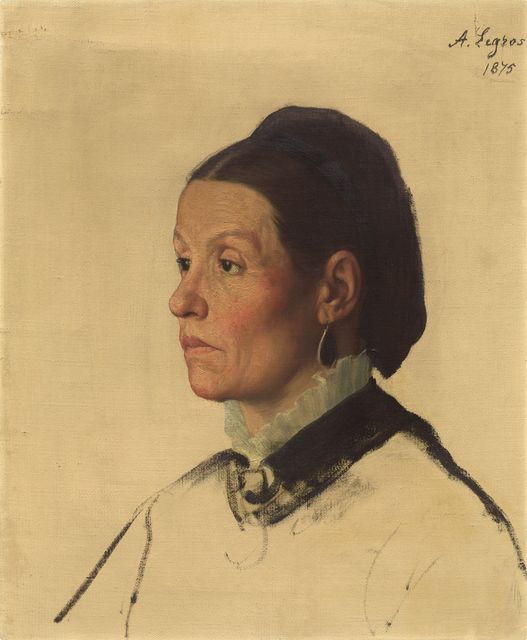
Alphonse Legros
French · 561 in the archive
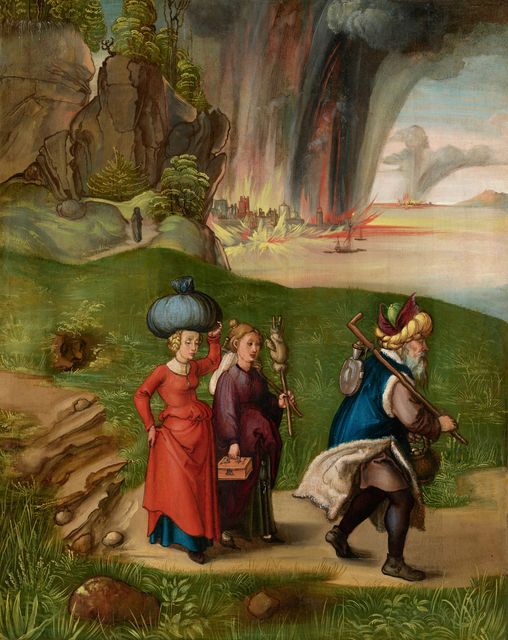
Albrecht Dürer
German · 289 in the archive
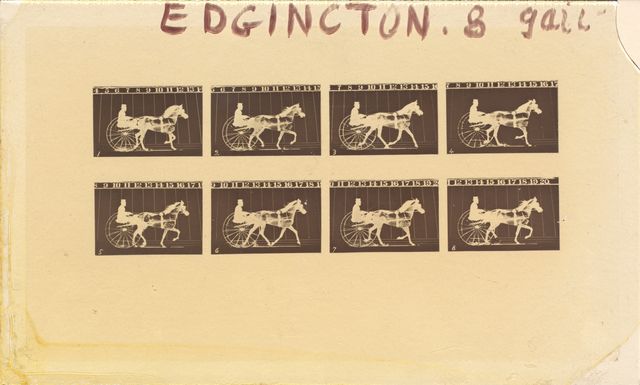
Eadweard Muybridge
English · 259 in the archive
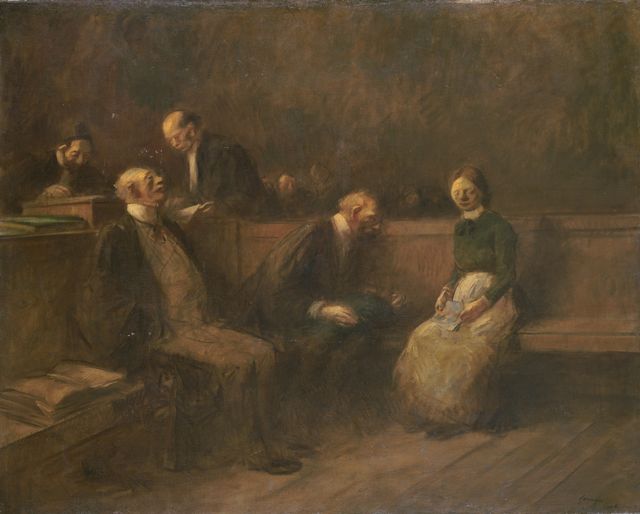
Jean-Louis Forain
French · 259 in the archive
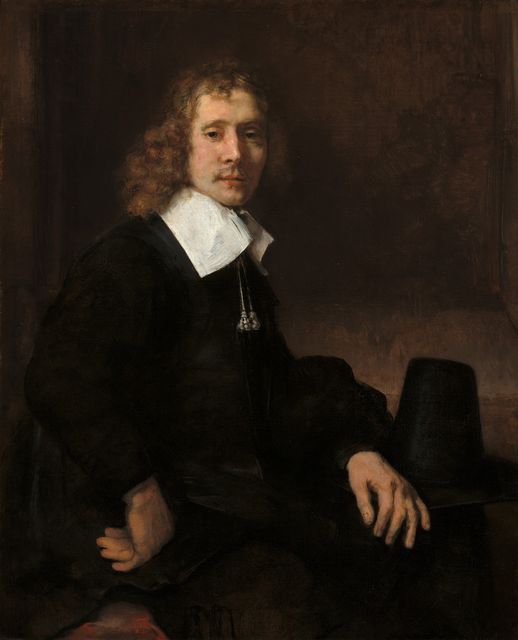
Rembrandt van Rijn
Dutch · 258 in the archive
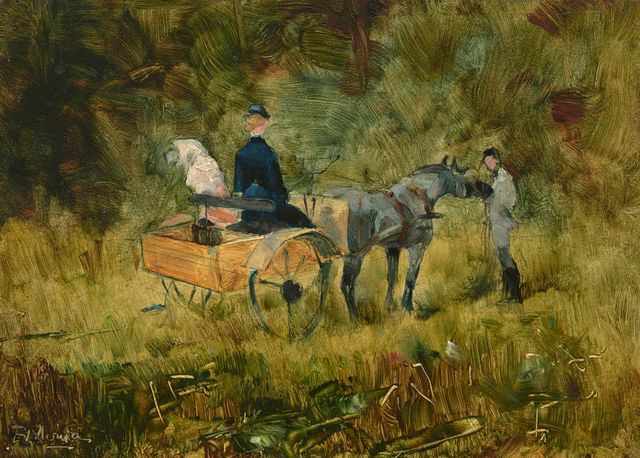
Henri de Toulouse-Lautrec
French · 242 in the archive
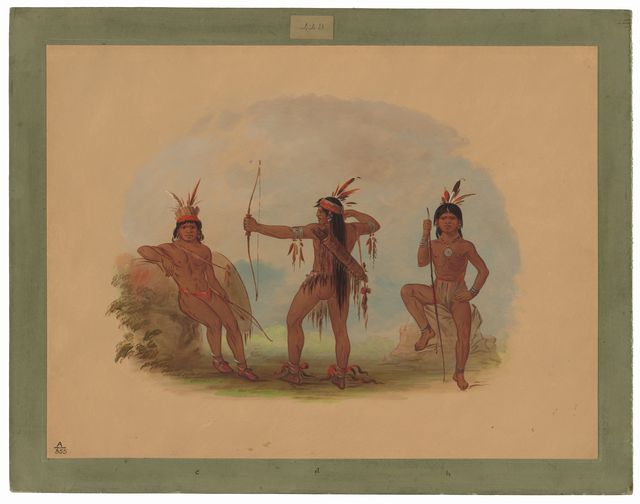
George Catlin
United States · 223 in the archive
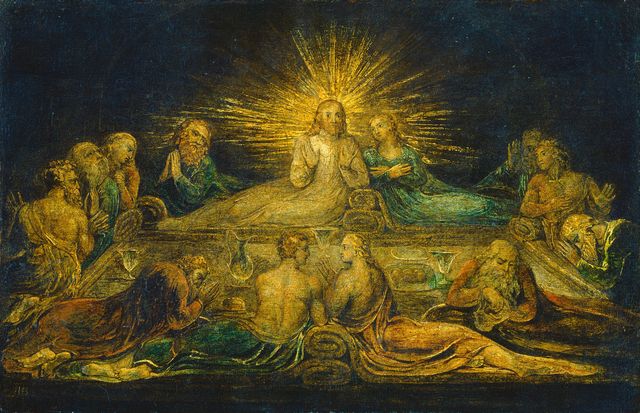
William Blake
United Kingdom of Great Britain and Ireland · 173 in the archive
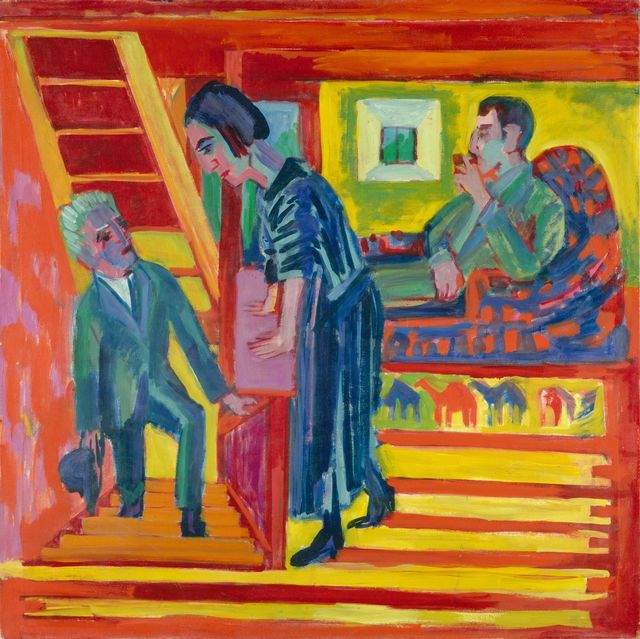
Ernst Ludwig Kirchner
German · 147 in the archive
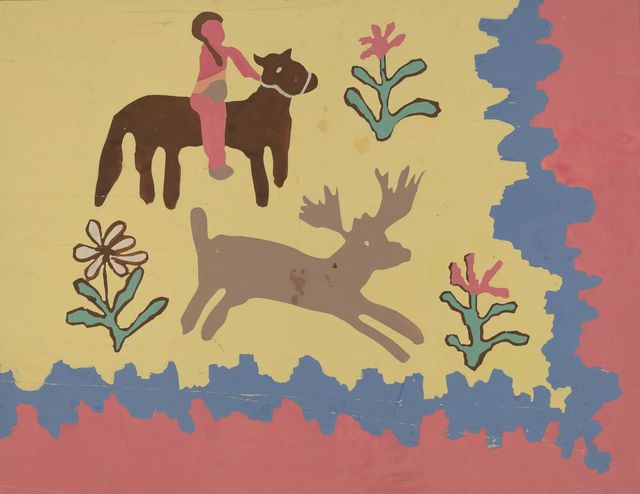
Majel G. Claflin
United States · 135 in the archive
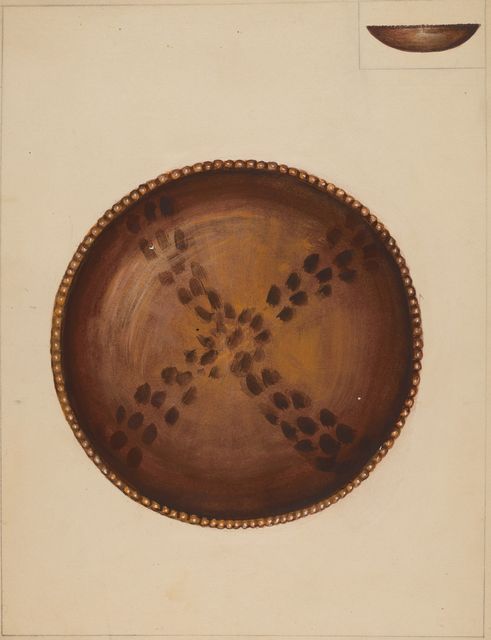
Mina Lowry
United States · 124 in the archive
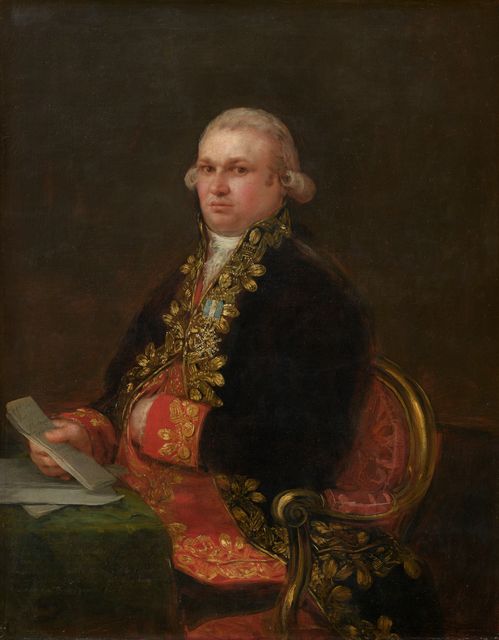
Francisco Goya
Spanish · 114 in the archive
Invite the masters into your living room.
Pisanello on your TV, phone, or tablet. Free to start.
View on MomentableIndependent guide by Momentable · biography from Wikipedia · artworks are in the public domain and credited to the museum that holds them