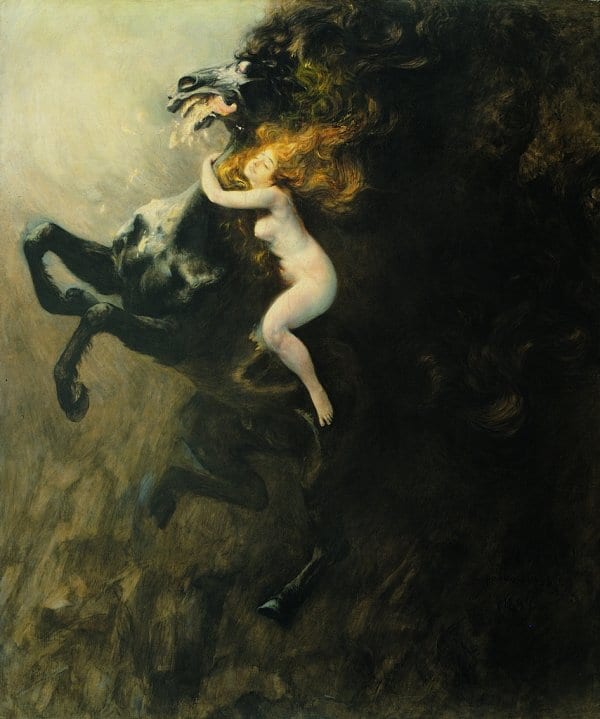
Frenzy of Exultations
Władysław Podkowiński · 1893

Władysław Podkowiński
Poland · 1866–1895
Władysław Podkowiński (Polish:; 4 February 1866, 5 January 1895) was a Polish master painter and illustrator associated with the Young Poland movement during the Partition period. == Career == Podkowiński was born in Warsaw and began his artistic training at Wojciech Gerson's drawing school, he then transferred to the Warsaw Academy of Fine Arts where he studied between 1880 and 1884. After graduating, Podkowinski began to contribute to many of the leading art journals in Warsaw at the time. In 1885, he travelled, along with Józef Pankiewicz, to the Imperial Academy of Arts where he studied from 1885 to 1886. Returning from St. Petersburg in 1886, Podkowiński obtained a position of an illustrator for the Tygodnik Ilustrowany magazine where he became one its most renowned artists. His first watercolor and oil paintings were produced during this time, but Podkowiński still considered them personal, not a public endeavor.
Independent artist guide by Momentable. Biography from Wikipedia; artworks credited to the museums that hold them.
 LIVENow streaming · Frenzy of Exultations
- life
- 1866–1895life
- rights
- Public domainrights
The work
A selection of 1 works, free to stream.
Frenzy of Exultations
Władysław Podkowiński · 1893
National Museum in Kraków
Works worth knowing
What Władysław Podkowiński made, and why each one is worth looking at.
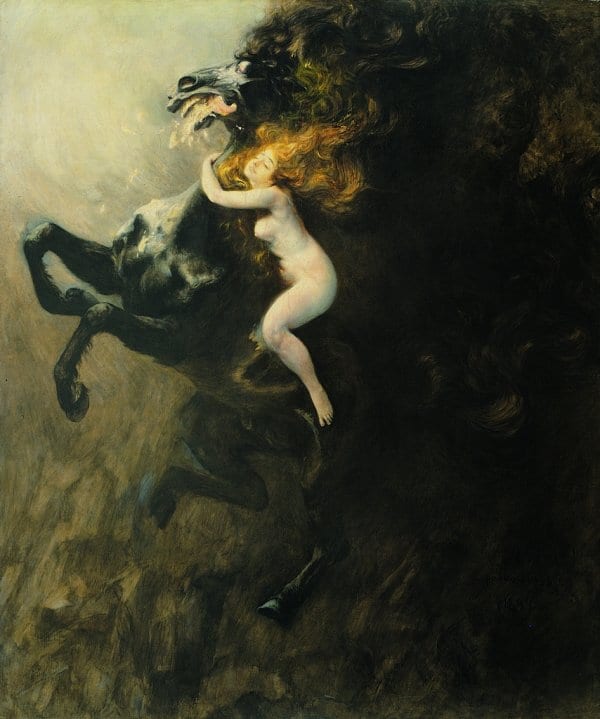
Frenzy of Exultations
Władysław Podkowiński · 1893
National Museum in Kraków
Frenzy of Exultations (Polish: Szał uniesień), or better known as just Frenzy (Szał), is an 1893 painting by Polish artist Władysław Podkowiński and is credited as the most famous work in his output. It is considered the first work of Symbolism in Polish art, during a period when Poland was partitioned between its neighbours: Russia, Germany and Austria. The painting shows a nude, redheaded woman riding a black, frenetic horse.
Where the work hangs
The museums that hold it, and their visitor guides.
If you like Władysław Podkowiński
Artists held by the same museums.
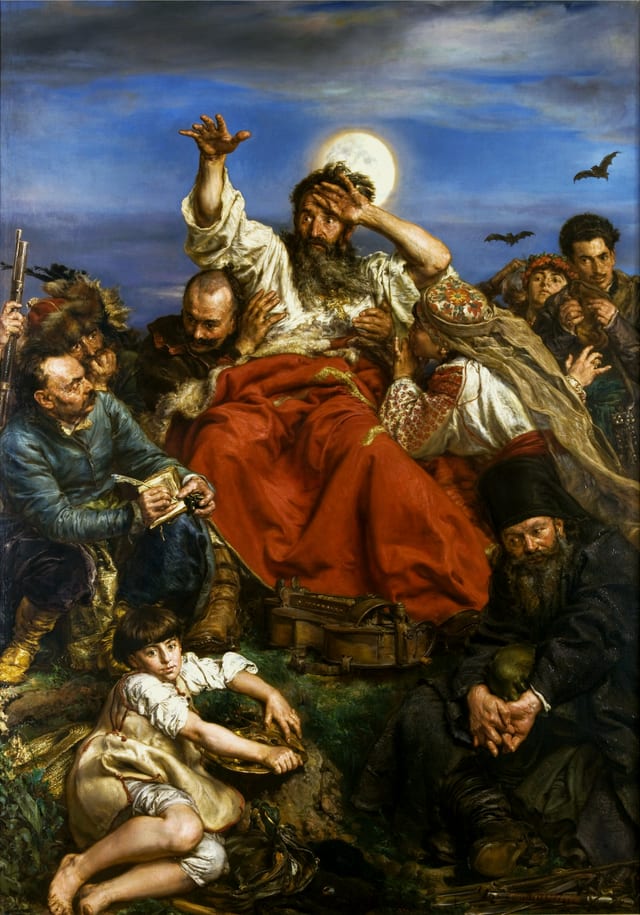
Jan Matejko
Free City of Kraków · 5 in the archive
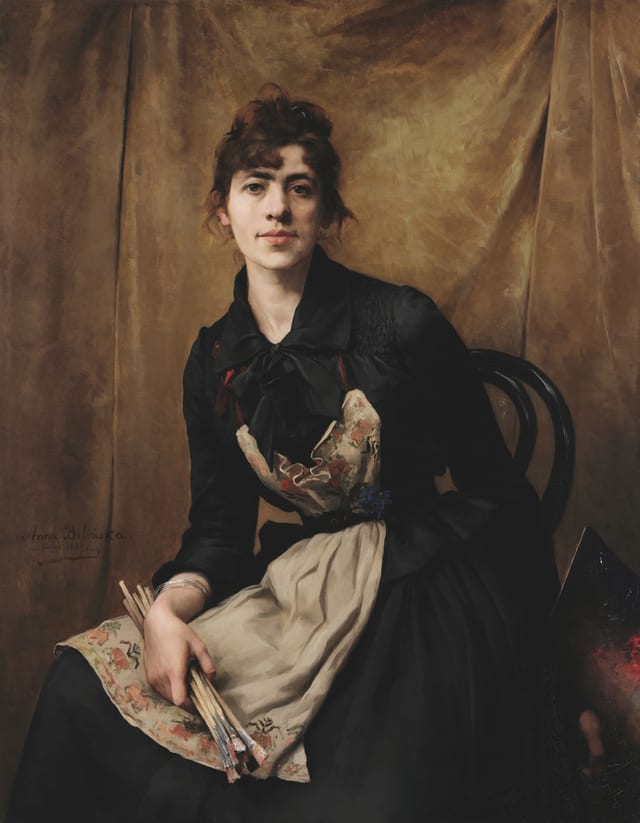
Anna Bilińska-Bohdanowicz
Congress Poland · 1 in the archive
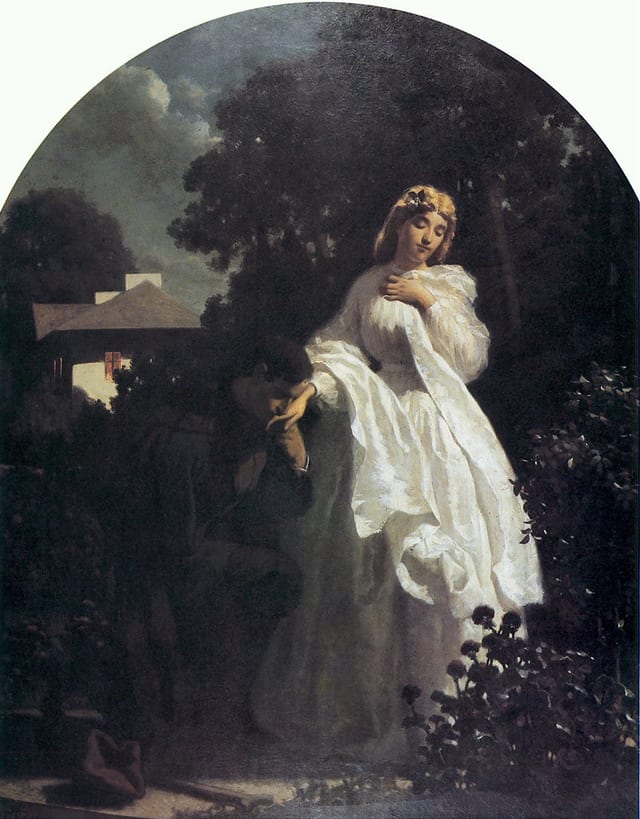
Artur Grottger
Austrian Empire · 1 in the archive
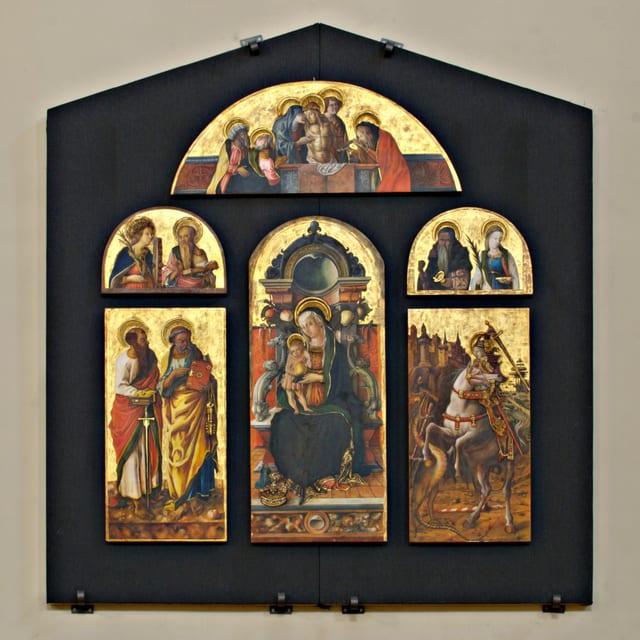
Carlo Crivelli
Italian · 1 in the archive
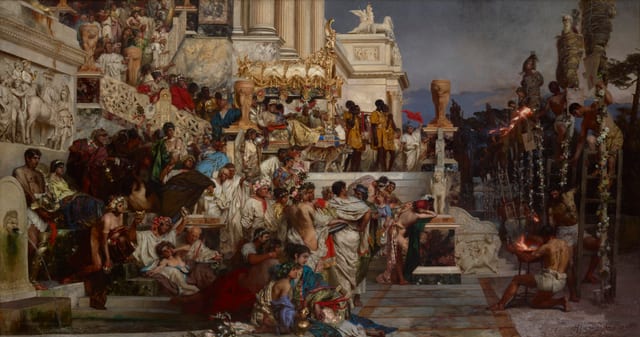
Henryk Siemiradzki
Russian Empire · 1 in the archive
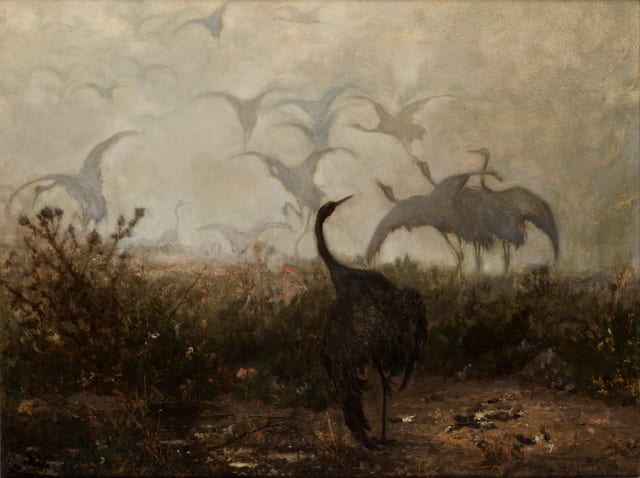
Józef Chełmoński
Congress Poland · 1 in the archive

Leonardo da Vinci
Italian · 1 in the archive
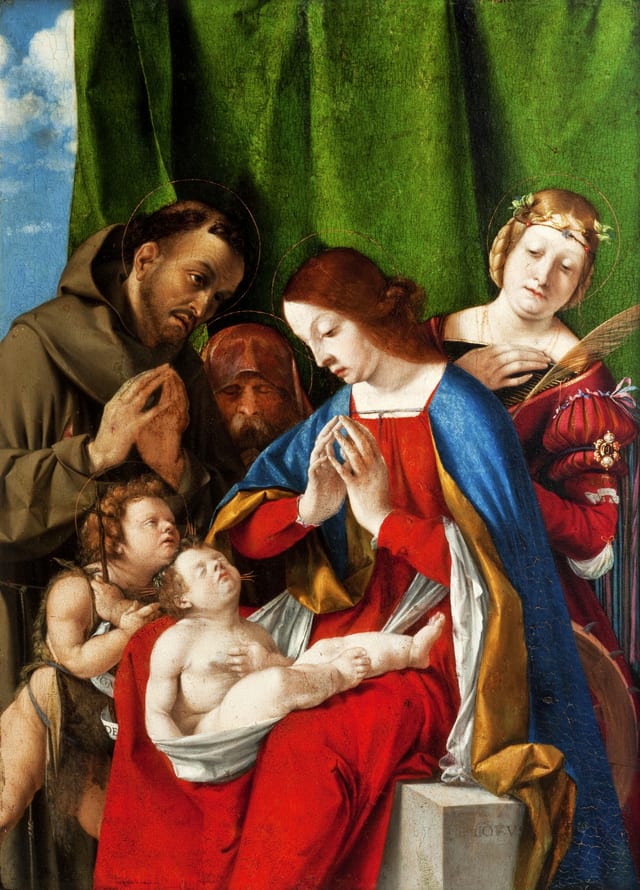
Lorenzo Lotto
Italian · 1 in the archive
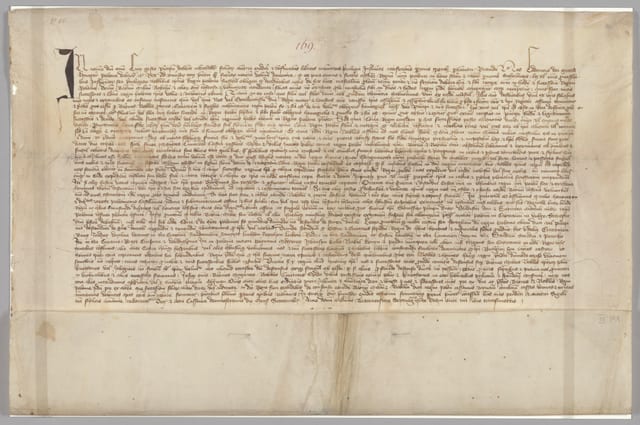
Louis I of Hungary
Hungary · 1 in the archive
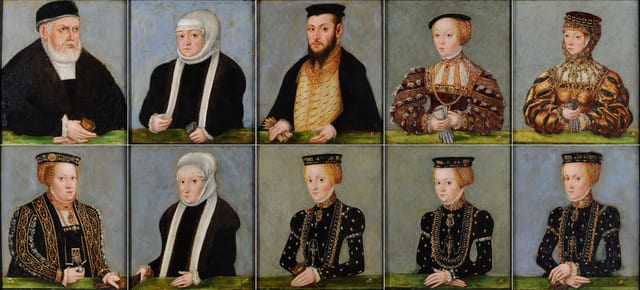
Lucas Cranach the Younger
Germany · 1 in the archive
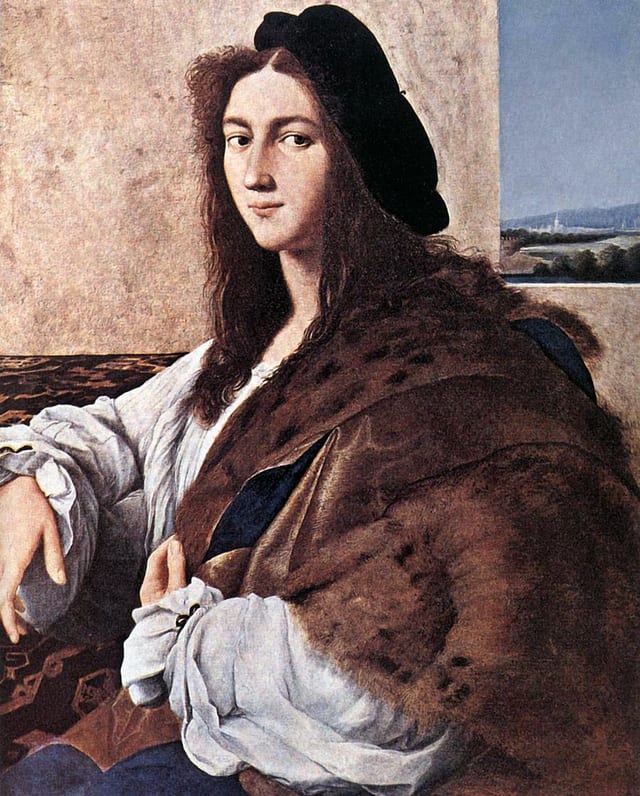
Raphael
Holy Roman Empire · 1 in the archive
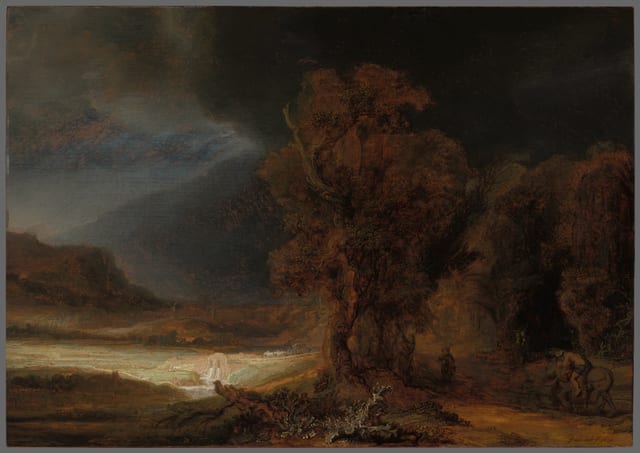
Rembrandt van Rijn
Dutch · 1 in the archive
Invite the masters into your living room.
Władysław Podkowiński on your TV, phone, or tablet. Free to start.
View on MomentableIndependent guide by Momentable · biography from Wikipedia · artworks are in the public domain and credited to the museum that holds them