Lot and His Daughters
Guercino · 1651

Guercino
Italian · 1591–1666
Giovanni Francesco Barbieri, better known as (il) Guercino, was an Italian Baroque painter and draftsman from Cento in the Emilia region, who was active in Rome and Bologna. The vigorous naturalism of his early manner contrasts with the classical equilibrium of his later works. His many drawings are noted for their luminosity and lively style.
Independent artist guide by Momentable. Biography from Wikipedia; artworks credited to the museums that hold them.
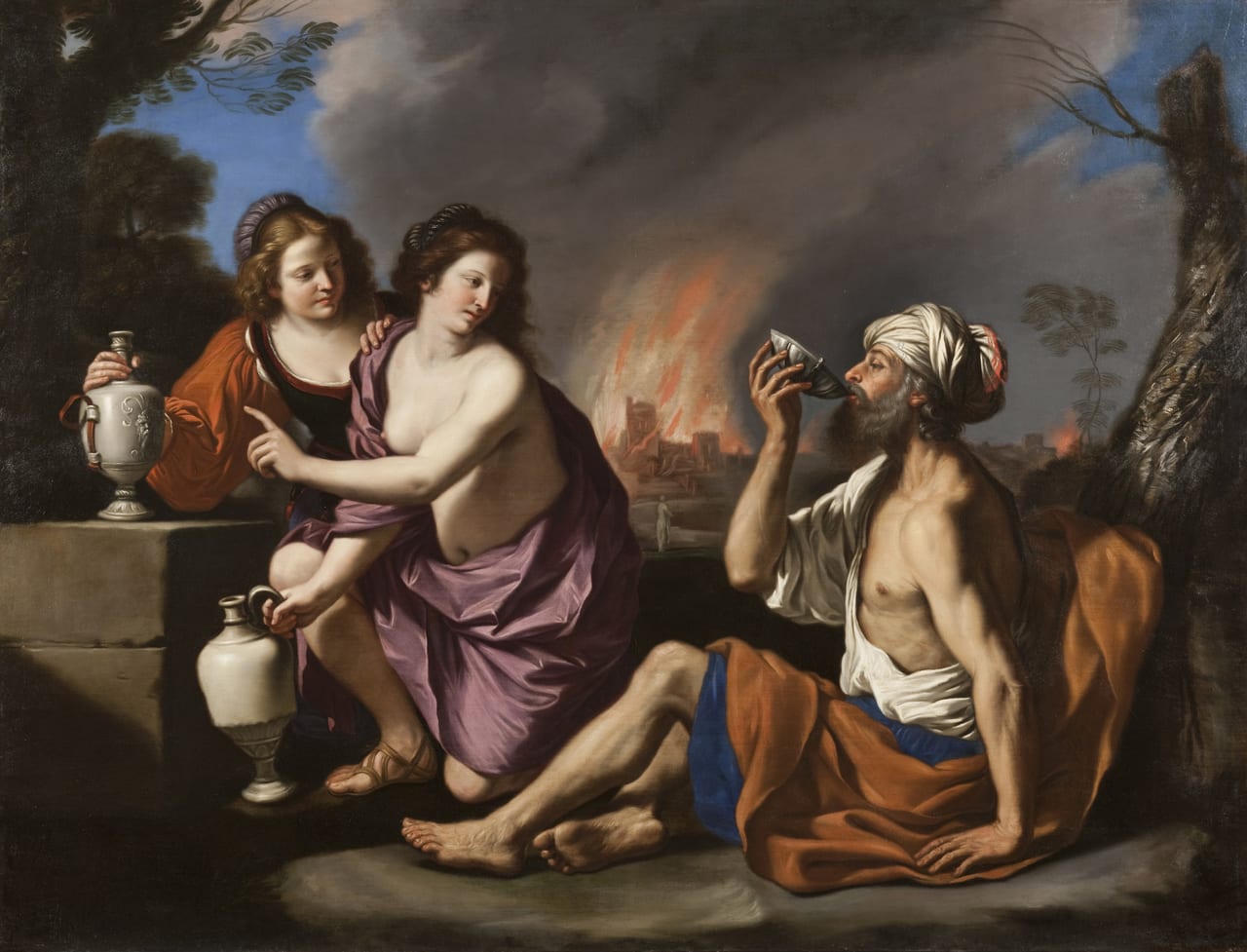 LIVENow streaming · Lot and His Daughters
- works in the archive
- 22works in the archive
- life
- 1591–1666life
- movement
- Baroquemovement
The work
A selection of 8 works, free to stream.
Lot and His Daughters
Guercino · 1651
Toledo Museum of Art
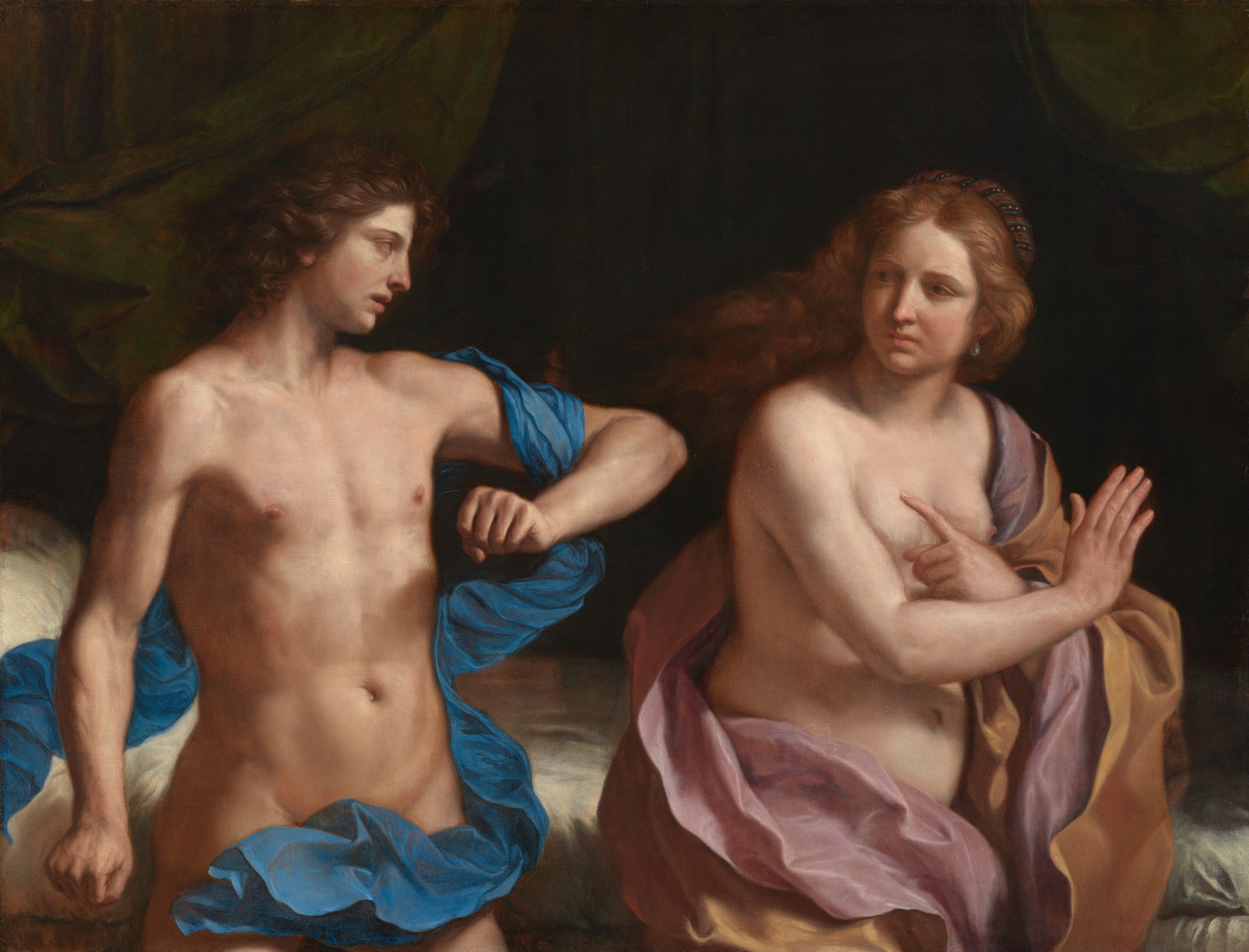
Amnon and Tamar
Guercino
National Gallery of Art
Drawing and Color
Guercino · 1640
Getty Center
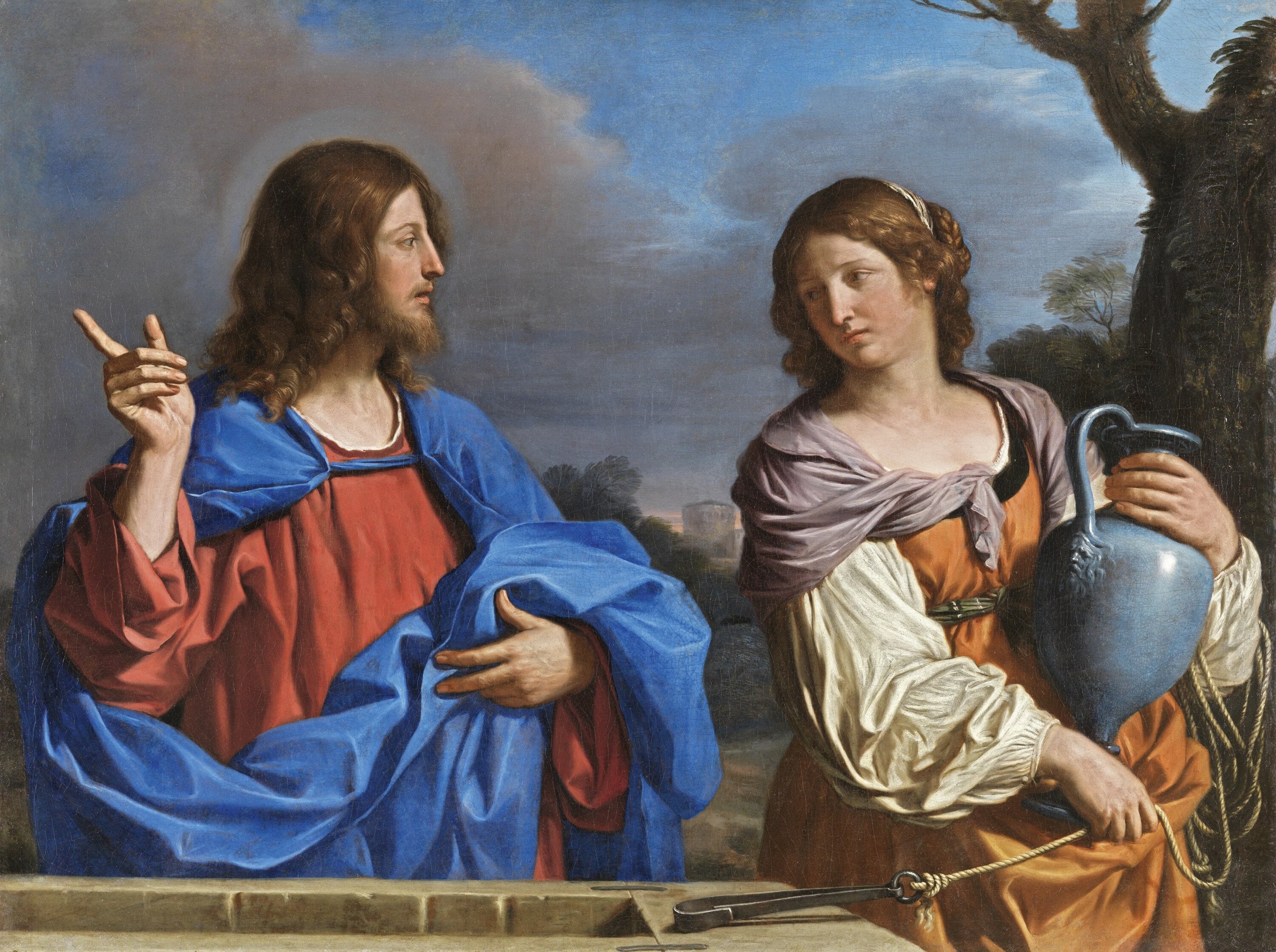
Christ and the Woman of Samaria at the Well
Guercino · 1640
Thyssen-Bornemisza Museum
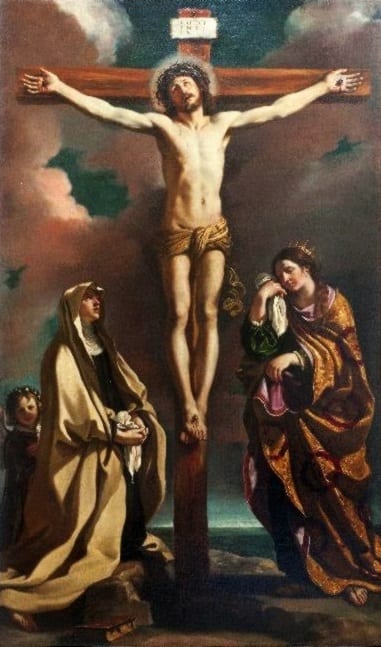
The Crucifixion with St. Elizabeth of Hungary and St. Frances of Rome
Guercino · 1630
Wawel Castle
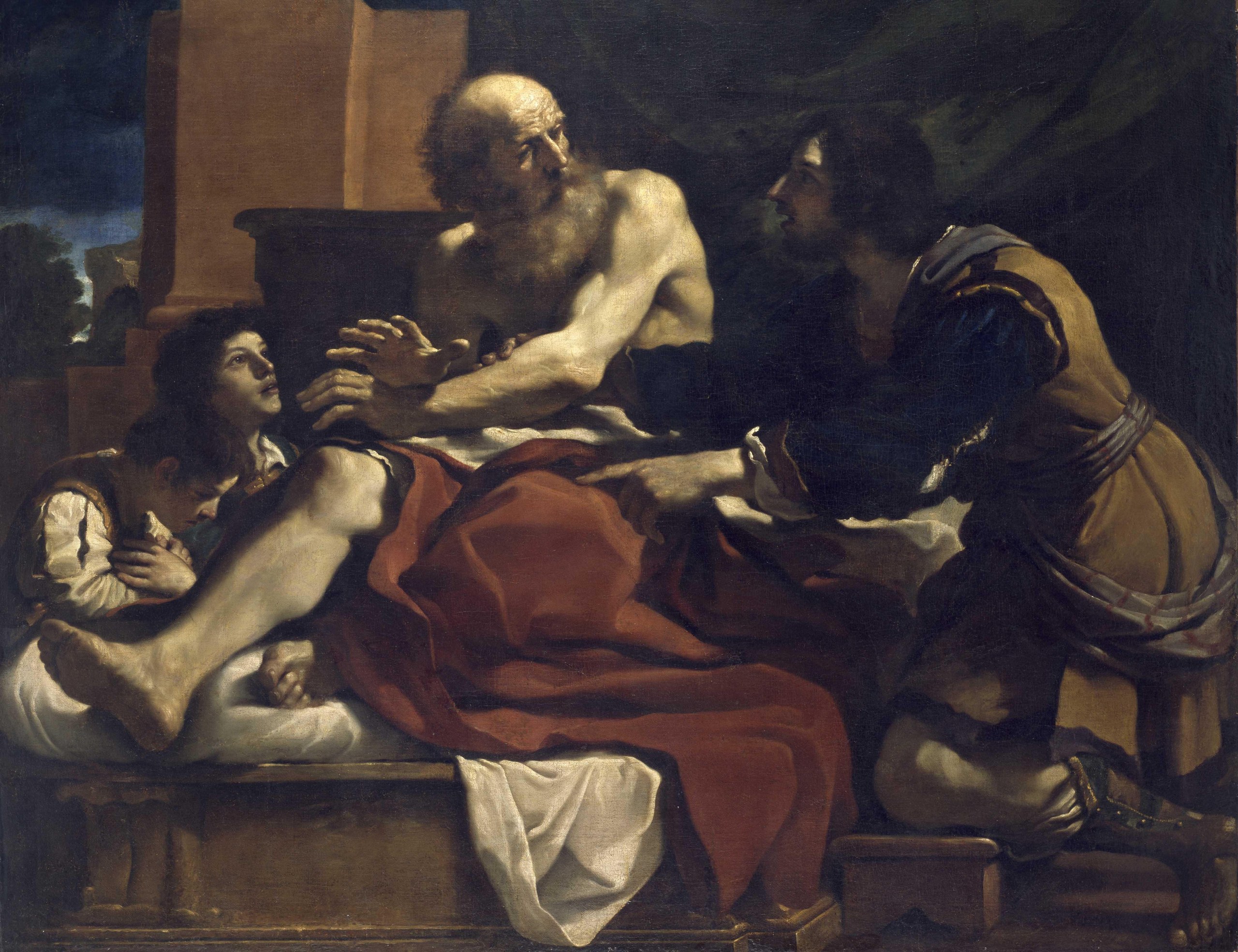
Jacob Blessing the Sons of Joseph
Guercino · 1638
National Gallery of Ireland
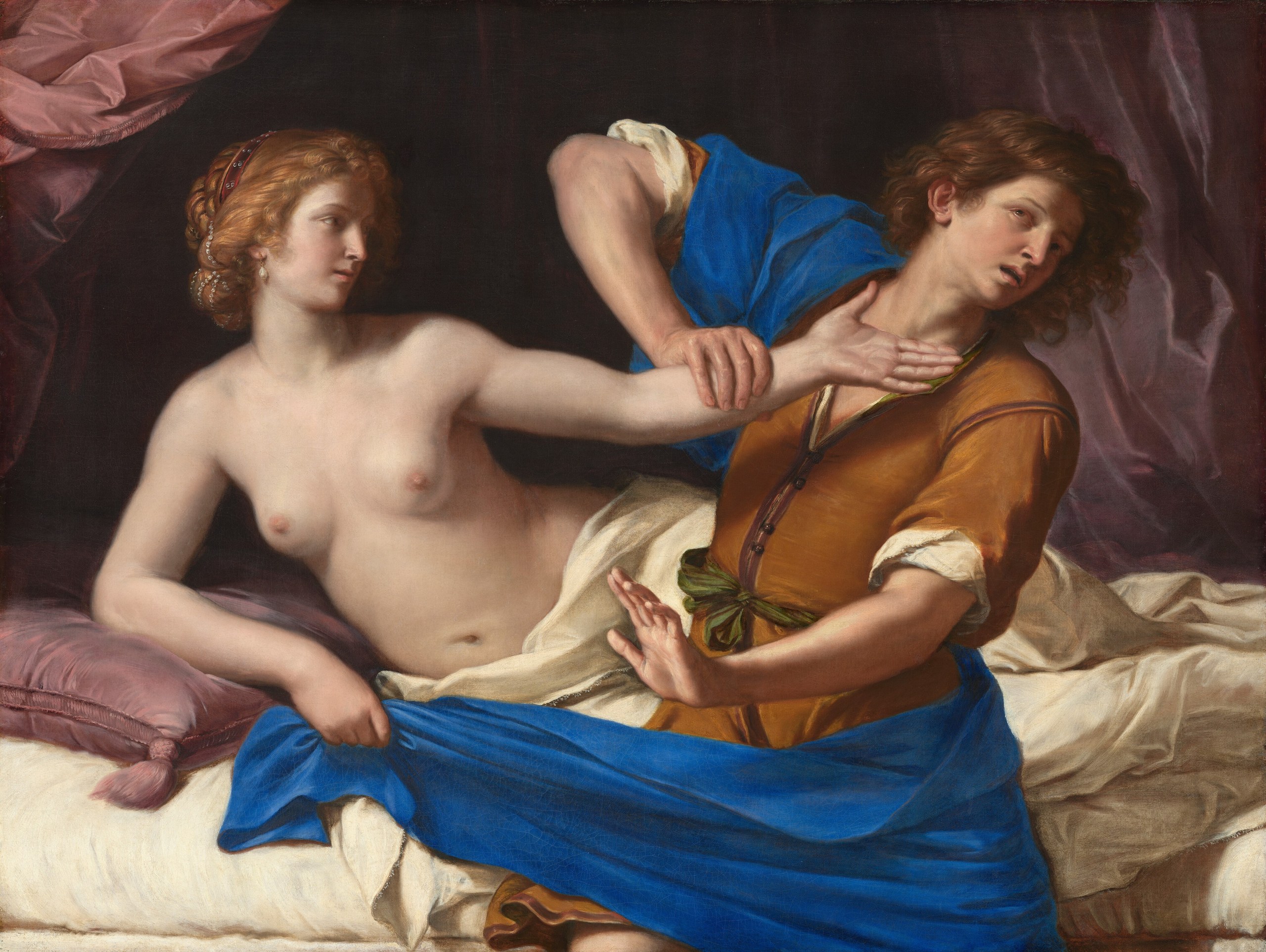
Joseph and Potiphar's Wife
Guercino
National Gallery of Art
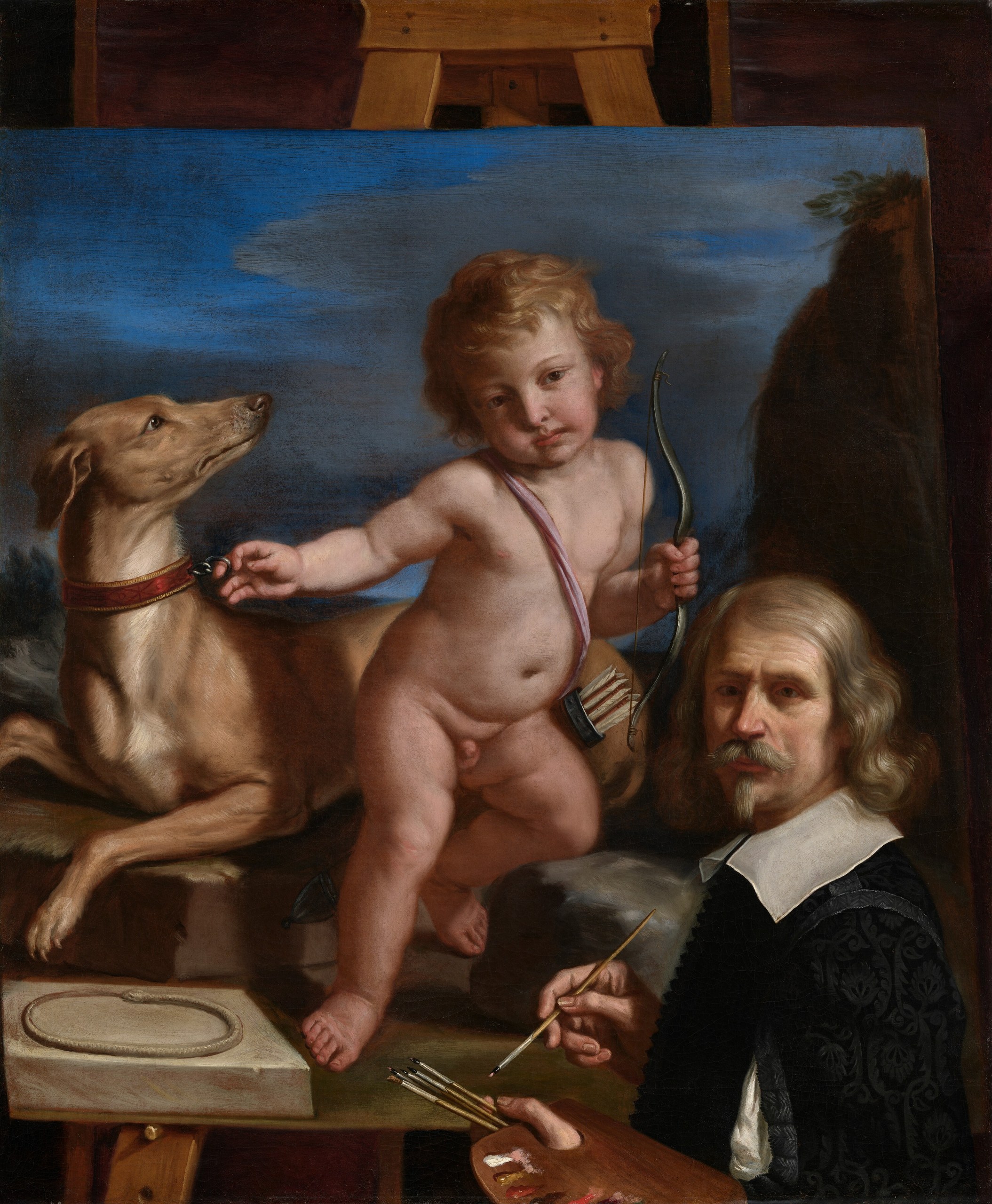
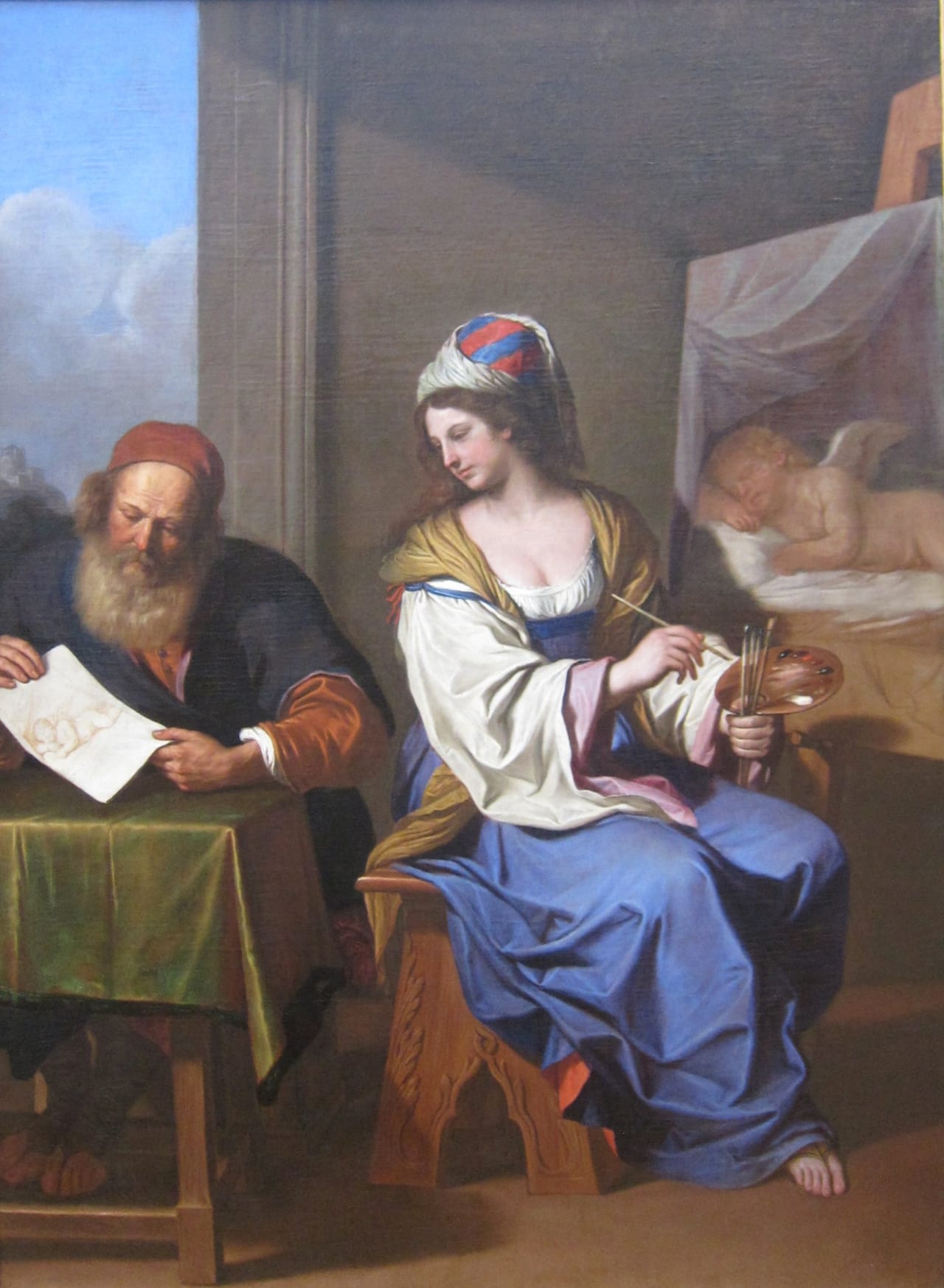
Self-Portrait before a Painting of "Amor Fedele"
Guercino
National Gallery of Art
Works worth knowing
3 of Guercino's works, and what makes each one worth a look.
Amnon and Tamar
Guercino
National Gallery of Art
Absalom, according to the Hebrew Bible, was an Israelite prince. Born to David and Maacah, who was from Geshur, he was the only full sibling of Tamar. He is described in the Hebrew Bible as being exceptionally beautiful, as is his sister.
Jacob Blessing the Sons of Joseph
Guercino · 1638
National Gallery of Ireland
Jacob Blessing the Sons of Joseph is an oil-on-canvas painting created ca. 1620 by the Italian Baroque artist Guercino, now in the National Gallery of Ireland. It depicts the Biblical story of Jacob blessing his grandsons Manasseh and Ephraim, with the boys' father Joseph on the right protesting that the primary right-handed blessing has been given to the second-born (Ephraim) not first-born (Manasseh) son.
Joseph and Potiphar's Wife
Guercino
National Gallery of Art
Giovanni Francesco Barbieri (8 February 1591, 22 December 1666), better known as (il) Guercino, was an Italian Baroque painter and draftsman from Cento in the Emilia region, who was active in Rome and Bologna. The vigorous naturalism of his early manner contrasts with the classical equilibrium of his later works. His many drawings are noted for their luminosity and lively style.
How Guercino worked
From the record of their own practice.
Guercino was remarkable for the extreme rapidity of his executions: he completed no fewer than 106 large altarpieces for churches, and his other paintings amount to about 144. He was also a prolific draftsman. His production includes many drawings, usually in ink, washed ink, or red chalk. Most of them were made as preparatory studies for his paintings, but he also drew landscapes, genre subjects, and caricatures for his own enjoyment. Guercino's drawings are known for their fluent style in which "rapid, calligraphic pen strokes combined with dots, dashes, and parallel hatching lines describe the forms".
Where the work hangs
The museums that hold it, and their visitor guides.
National Gallery of Art
15 in the archive · Washington, D.C.
The Cleveland Museum of Art
2 in the archive · Cleveland, Ohio
Getty Center
1 in the archive · Los Angeles
Toledo Museum of Art
1 in the archive · Toledo
National Gallery of Ireland
1 in the archive · Dublin
Thyssen-Bornemisza Museum
1 in the archive · Madrid
Wawel Castle
1 in the archive · Kraków
If you like Guercino
Artists held by the same museums.
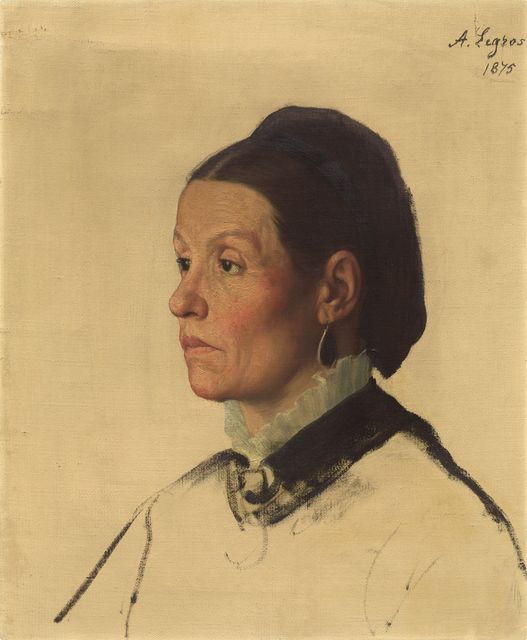
Alphonse Legros
French · 561 in the archive
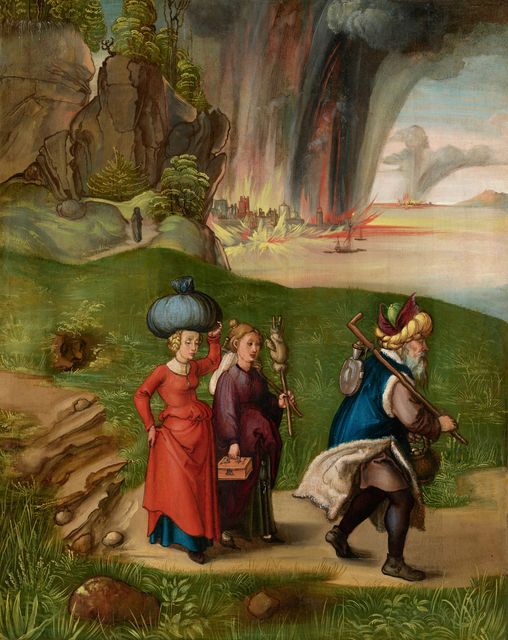
Albrecht Dürer
German · 288 in the archive
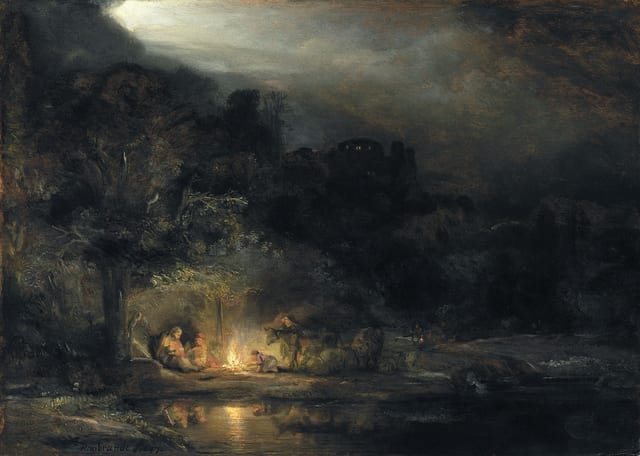
Rembrandt van Rijn
Dutch · 260 in the archive
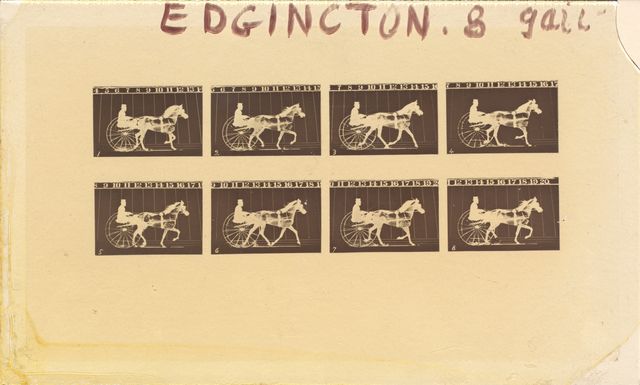
Eadweard Muybridge
English · 259 in the archive
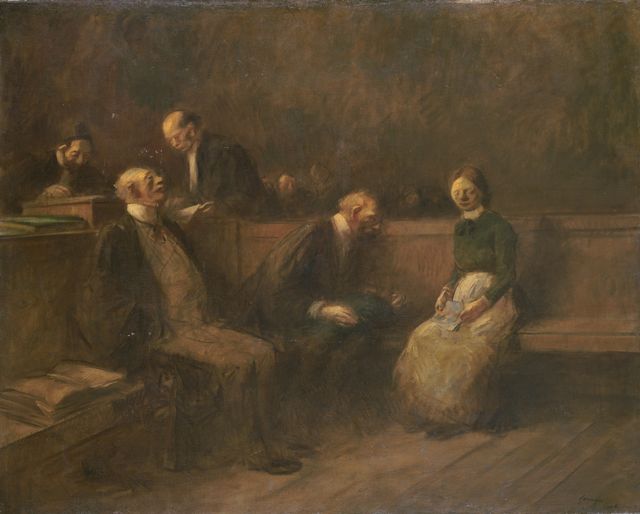
Jean-Louis Forain
French · 259 in the archive
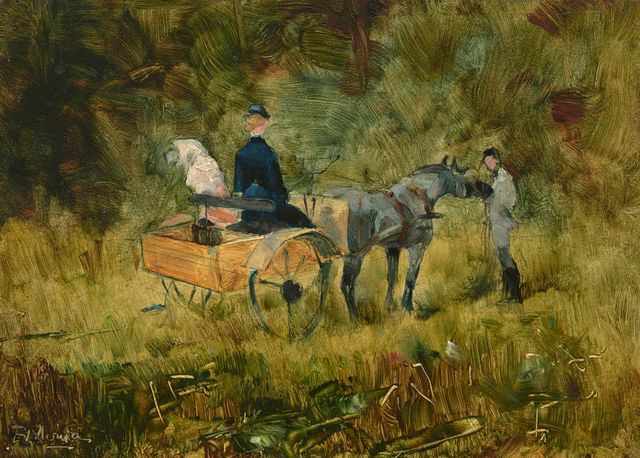
Henri de Toulouse-Lautrec
French · 243 in the archive
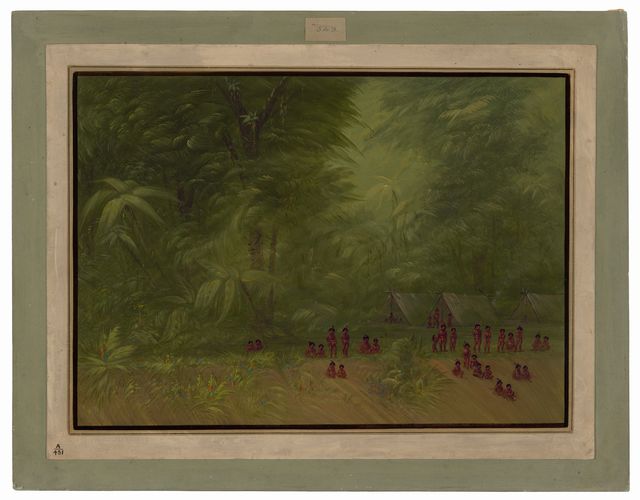
George Catlin
United States · 223 in the archive
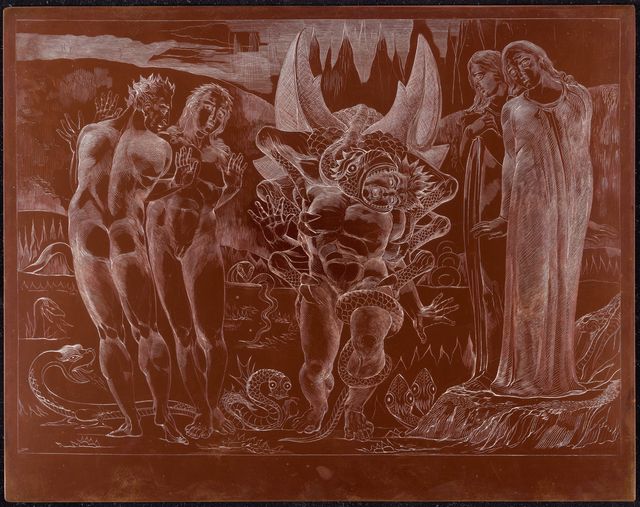
William Blake
United Kingdom of Great Britain and Ireland · 175 in the archive
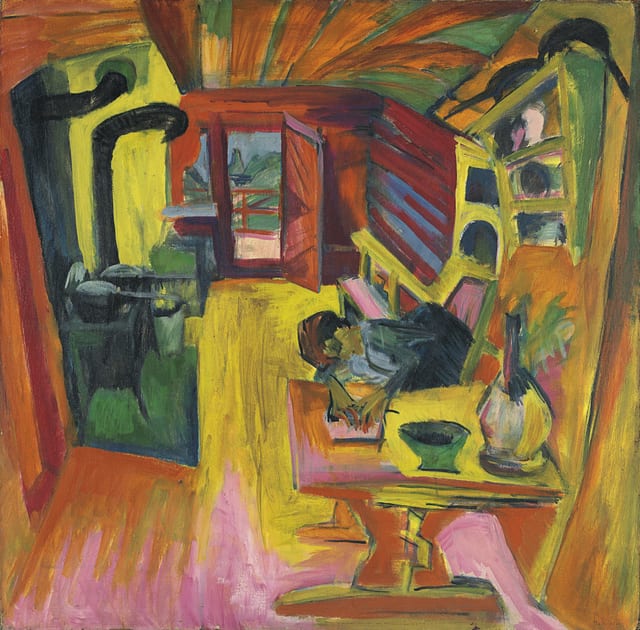
Ernst Ludwig Kirchner
German · 148 in the archive
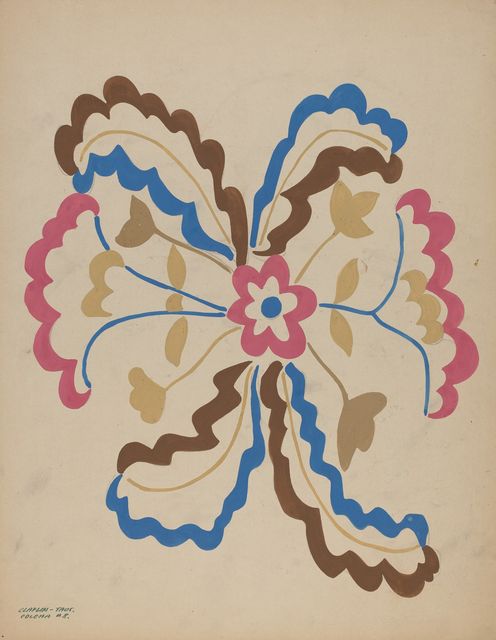
Majel G. Claflin
United States · 135 in the archive
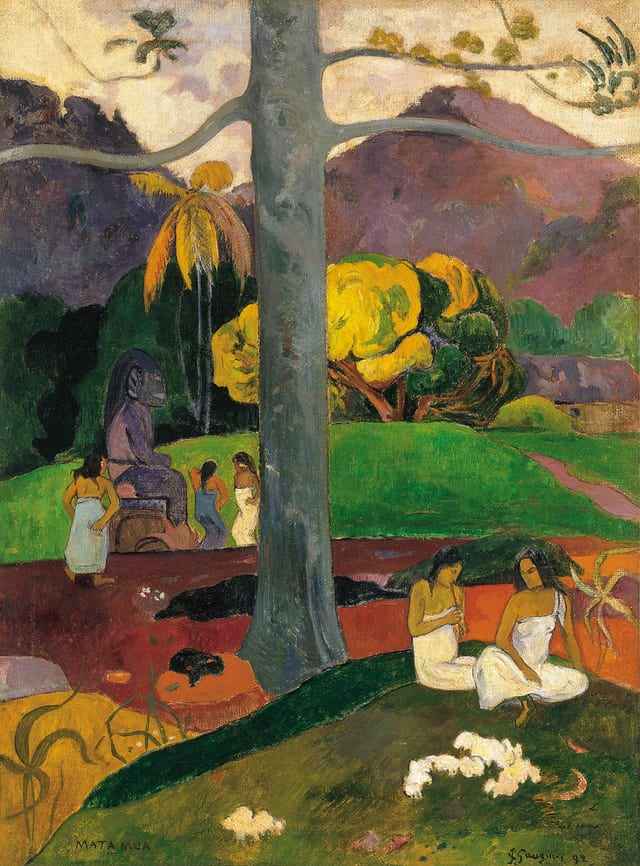
Paul Gauguin
French · 128 in the archive
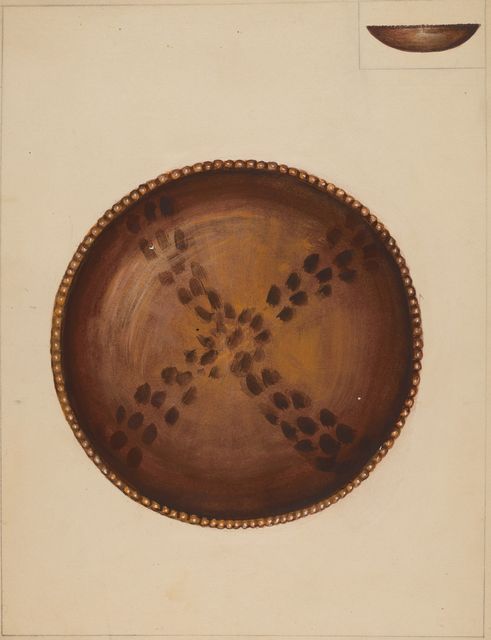
Mina Lowry
United States · 124 in the archive
Invite the masters into your living room.
Guercino on your TV, phone, or tablet. Free to start.
View on MomentableIndependent guide by Momentable · biography from Wikipedia · artworks are in the public domain and credited to the museum that holds them