A Studio at Les Batignolles
Henri Fantin-Latour · 1870

Henri Fantin-Latour
French · 1836–1904
Ignace Henri Jean Theodore Fantin-Latour was a French painter and lithographer best known for his flower paintings and group portraits of Parisian artists and writers.
Independent artist guide by Momentable. Biography from Wikipedia; artworks credited to the museums that hold them.
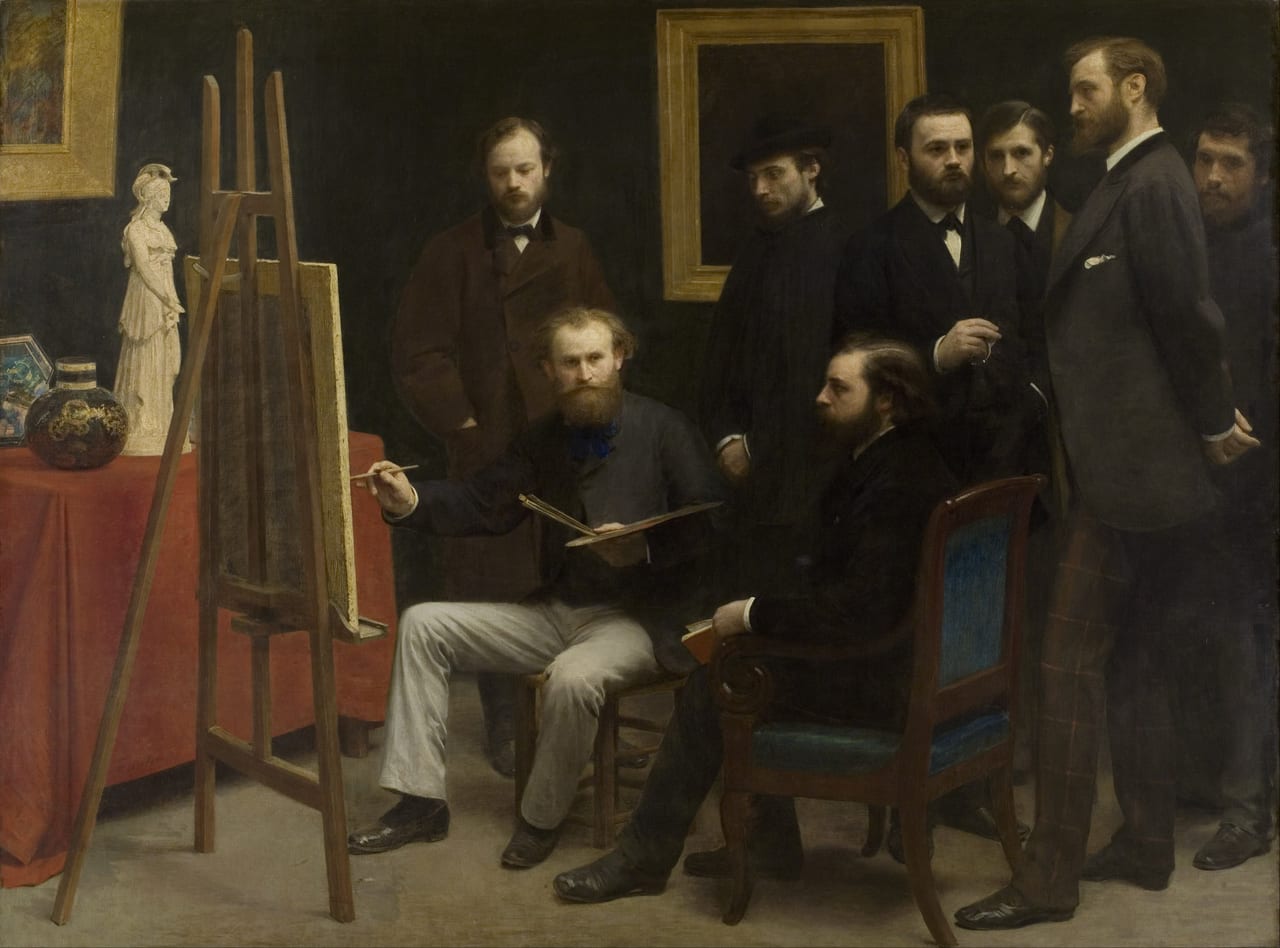 LIVENow streaming · A Studio at Les Batignolles
- works in the archive
- 35works in the archive
- life
- 1836–1904life
- movement
- French Realismmovement
The work
A selection of 13 works, free to stream.
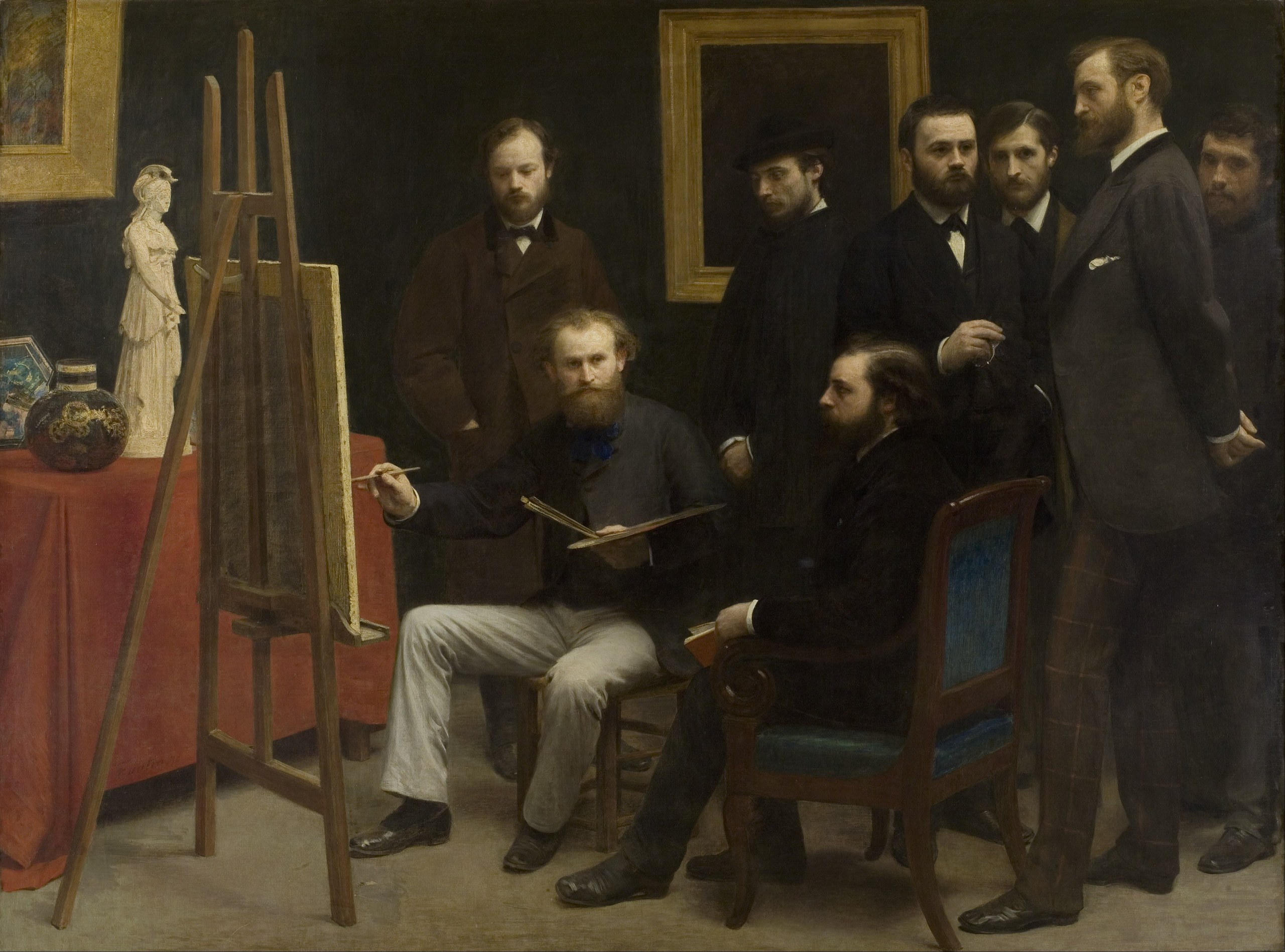
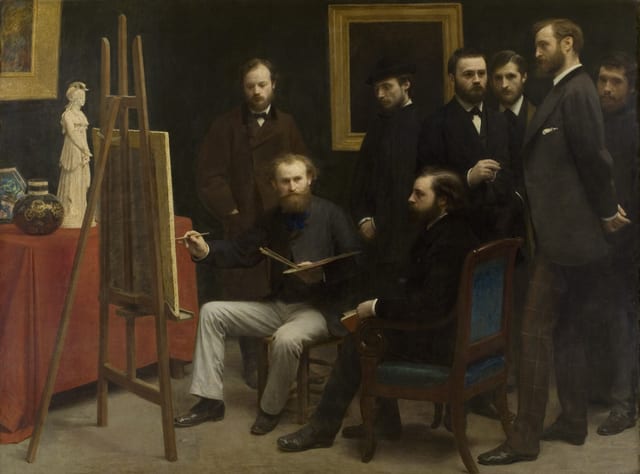
A Studio at Les Batignolles
Henri Fantin-Latour · 1870
Musée d'Orsay
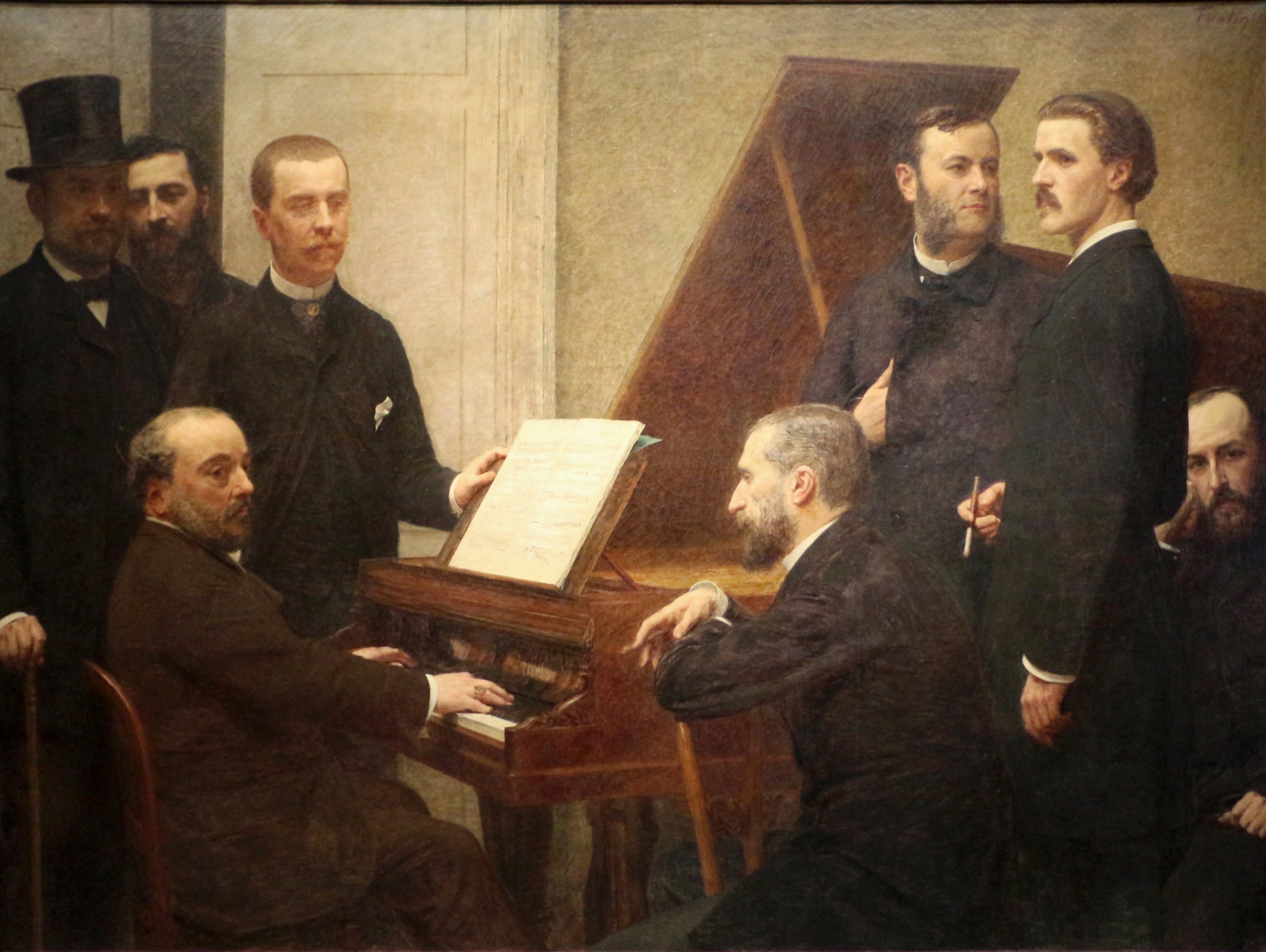
Around the Piano
Henri Fantin-Latour · 1885
Musée d'Orsay
Portrait of the Artist’s Sister
Henri Fantin-Latour · 1880
Toledo Museum of Art
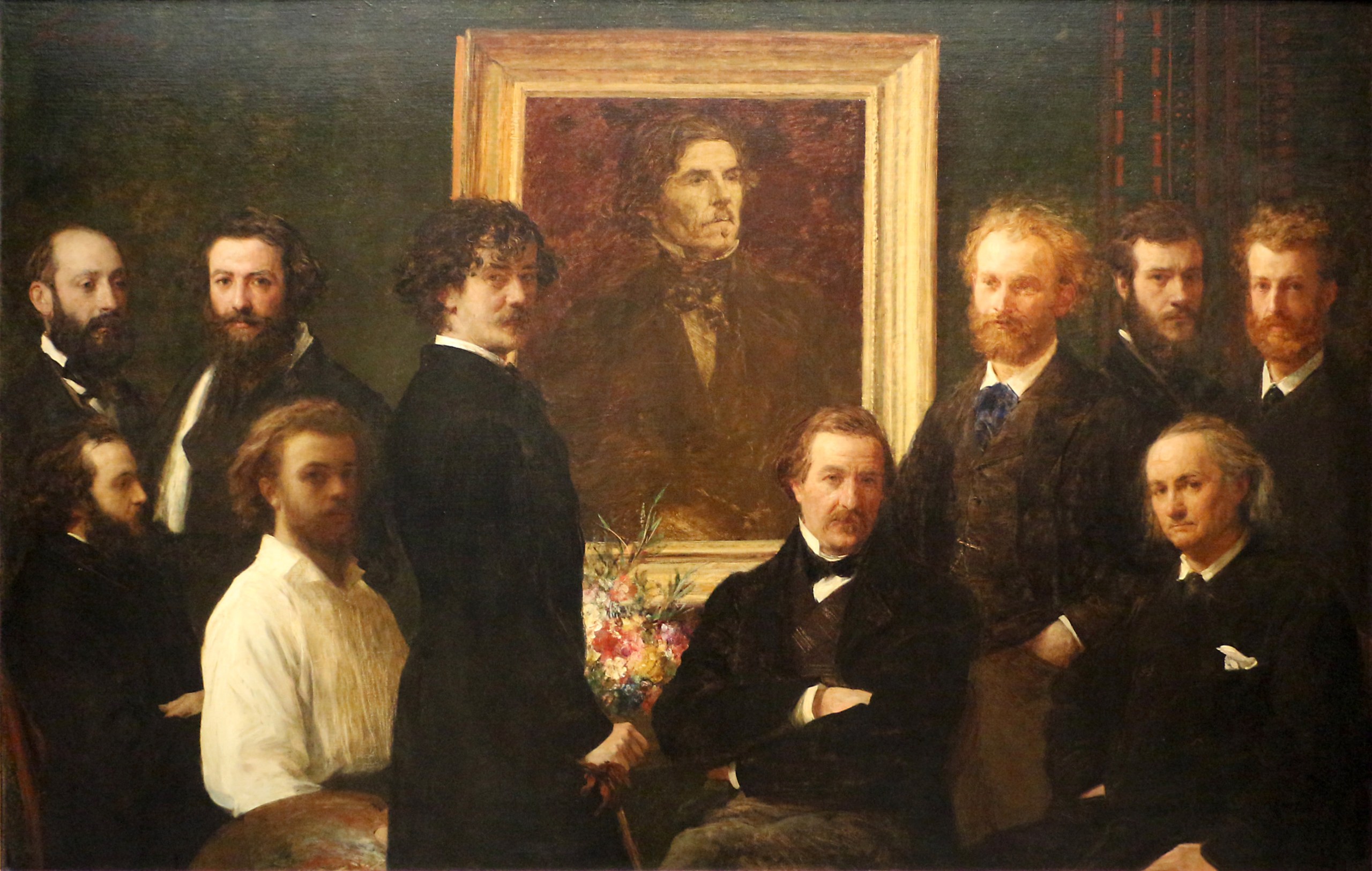
Homage to Delacroix
Henri Fantin-Latour · 1864
Musée d'Orsay
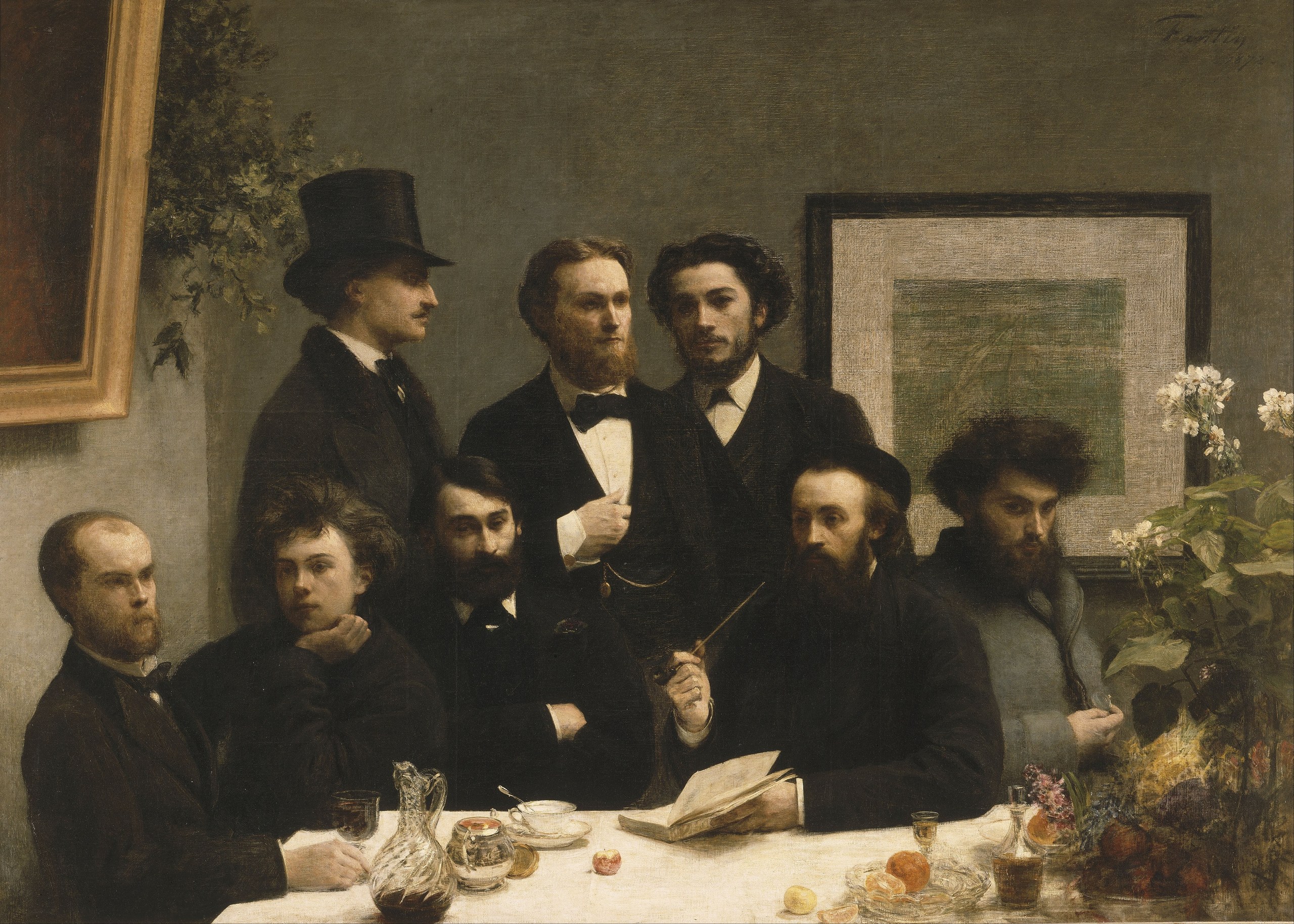
Un coin de table
Henri Fantin-Latour · 1872
Musée d'Orsay
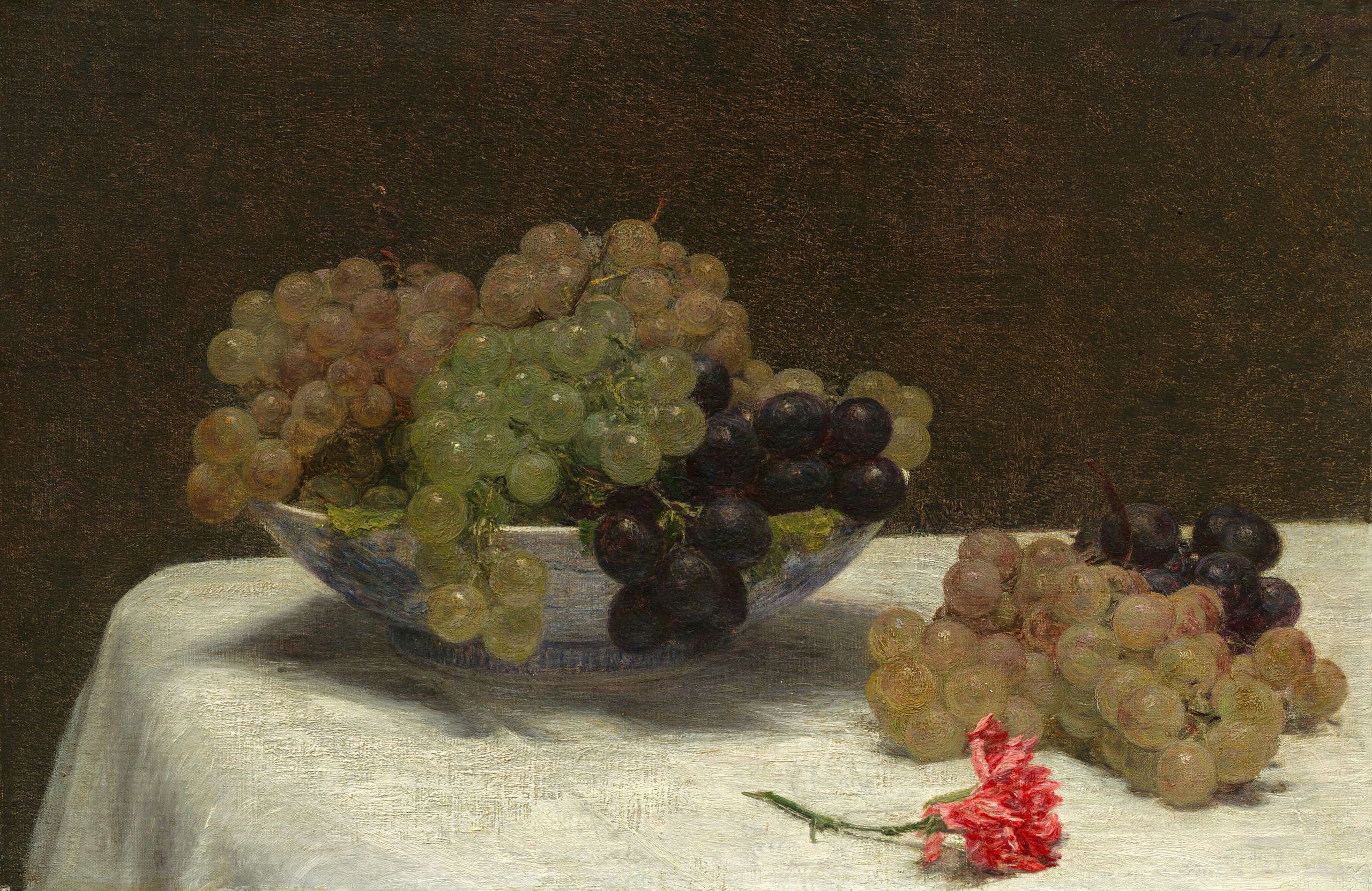
Still Life with Grapes and a Carnation
Henri Fantin-Latour
National Gallery of Art
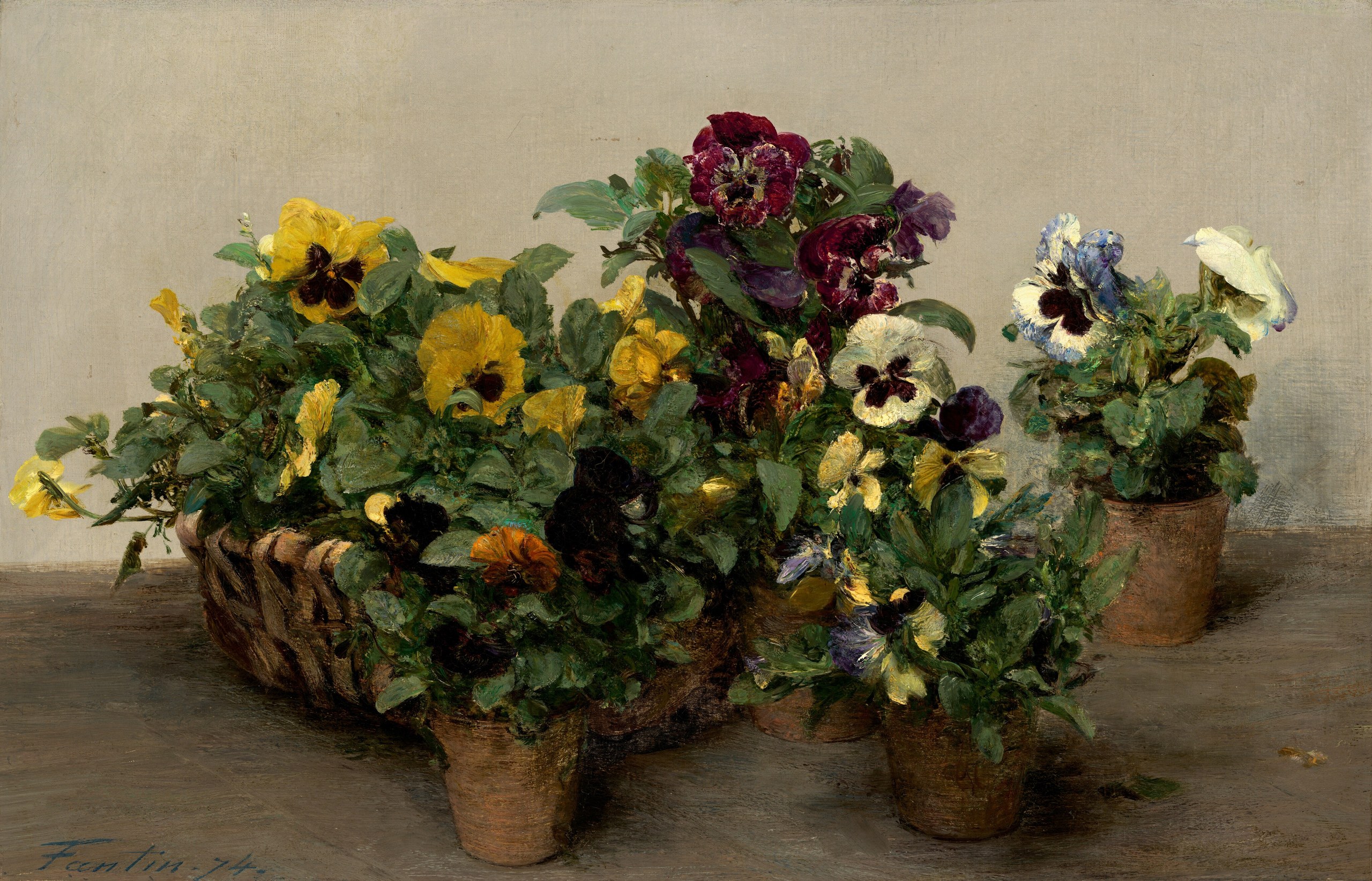
Pansies
Henri Fantin-Latour
National Gallery of Art
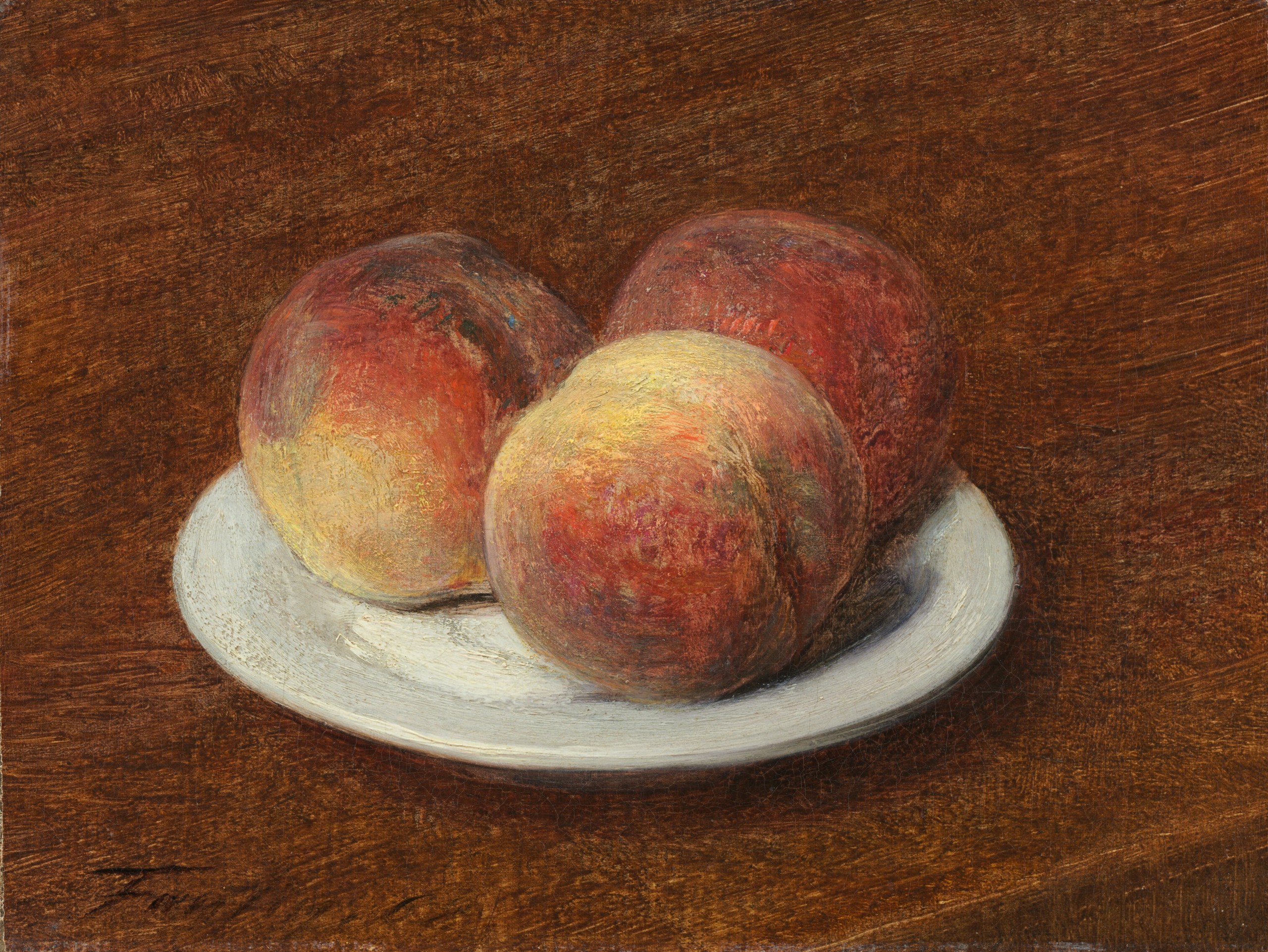
Three Peaches on a Plate
Henri Fantin-Latour
National Gallery of Art
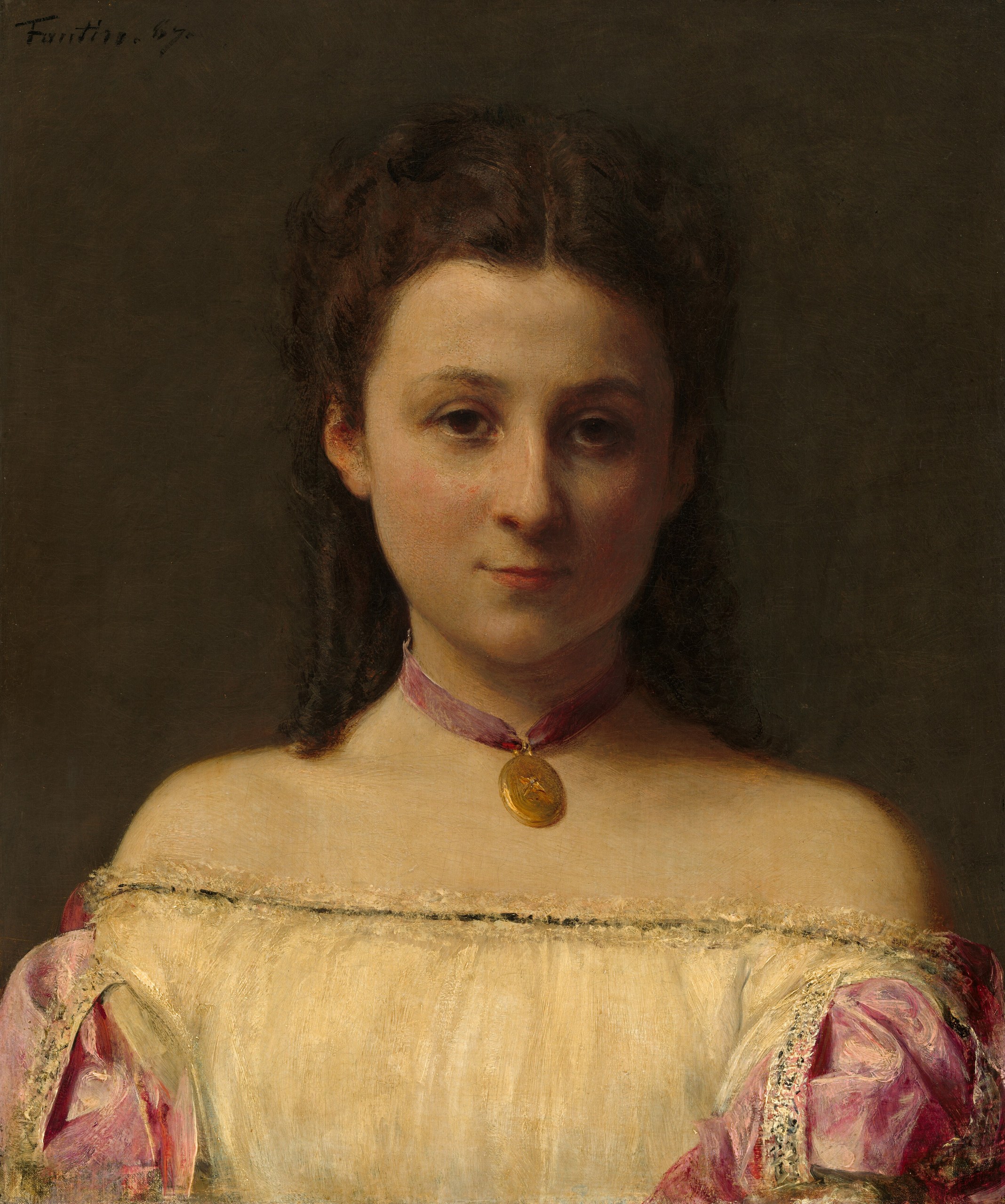
Mademoiselle de Fitz-James
Henri Fantin-Latour
National Gallery of Art
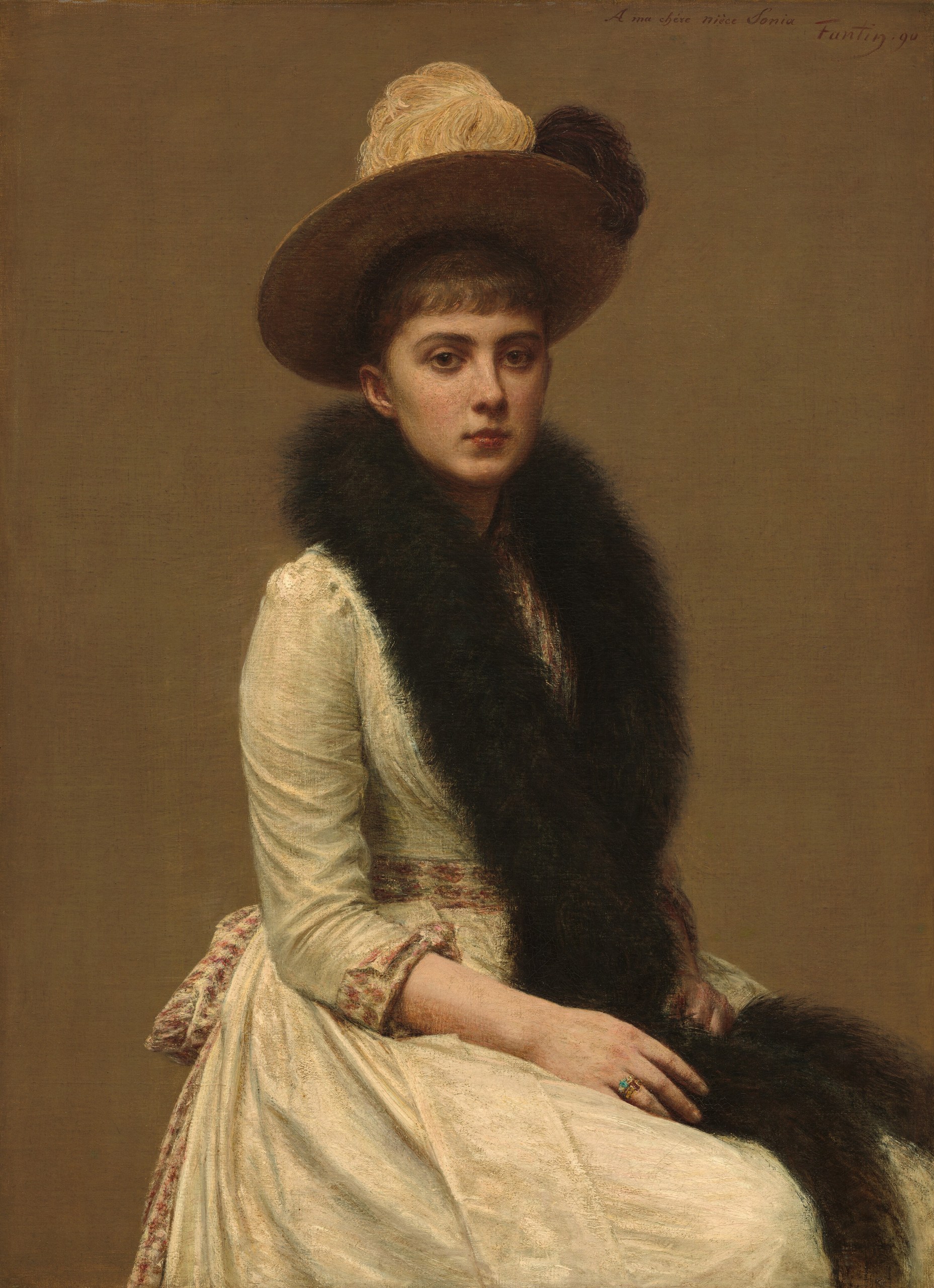
Portrait of Sonia
Henri Fantin-Latour
National Gallery of Art
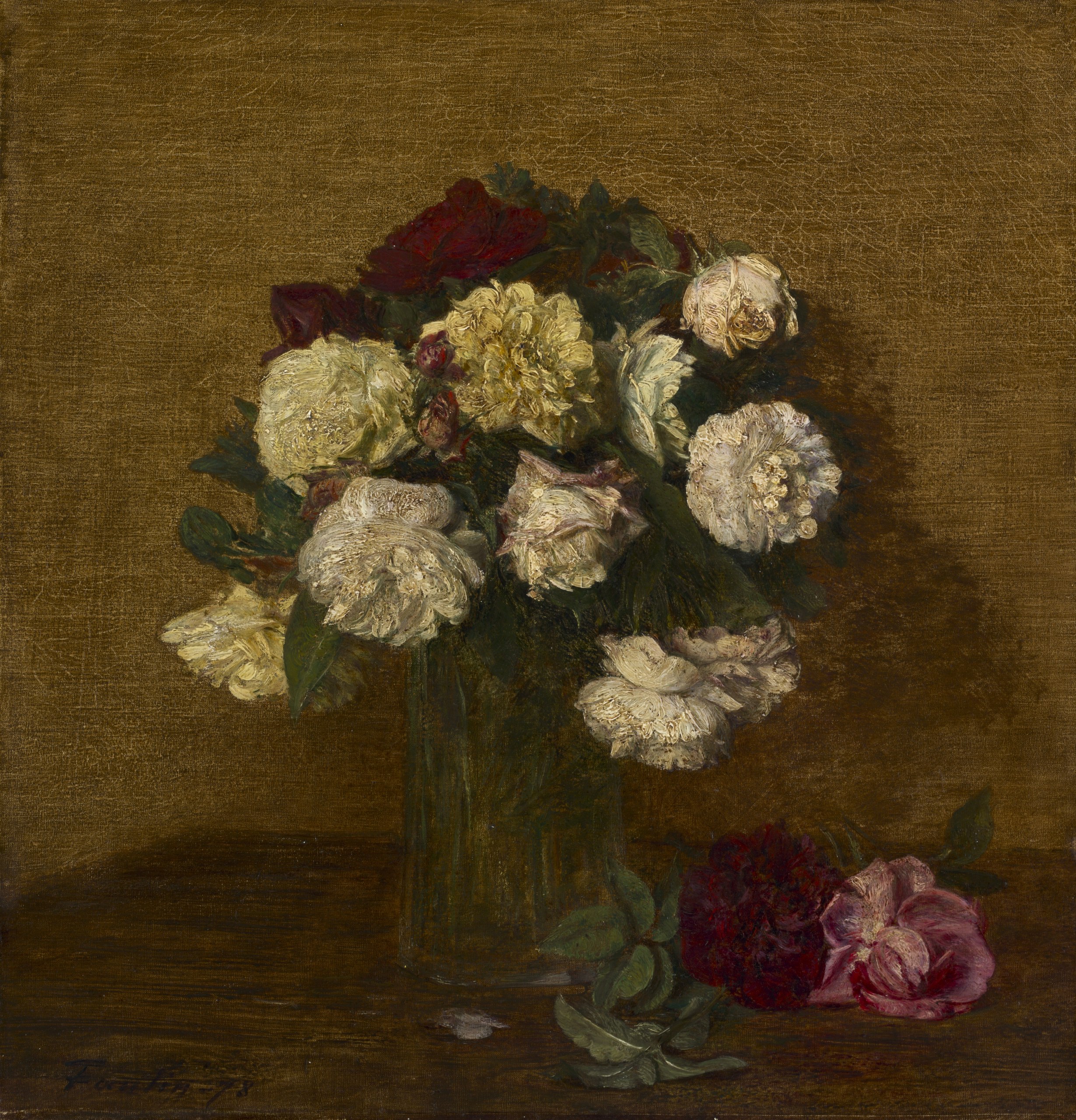
Roses in a Vase
Henri Fantin-Latour
The Cleveland Museum of Art
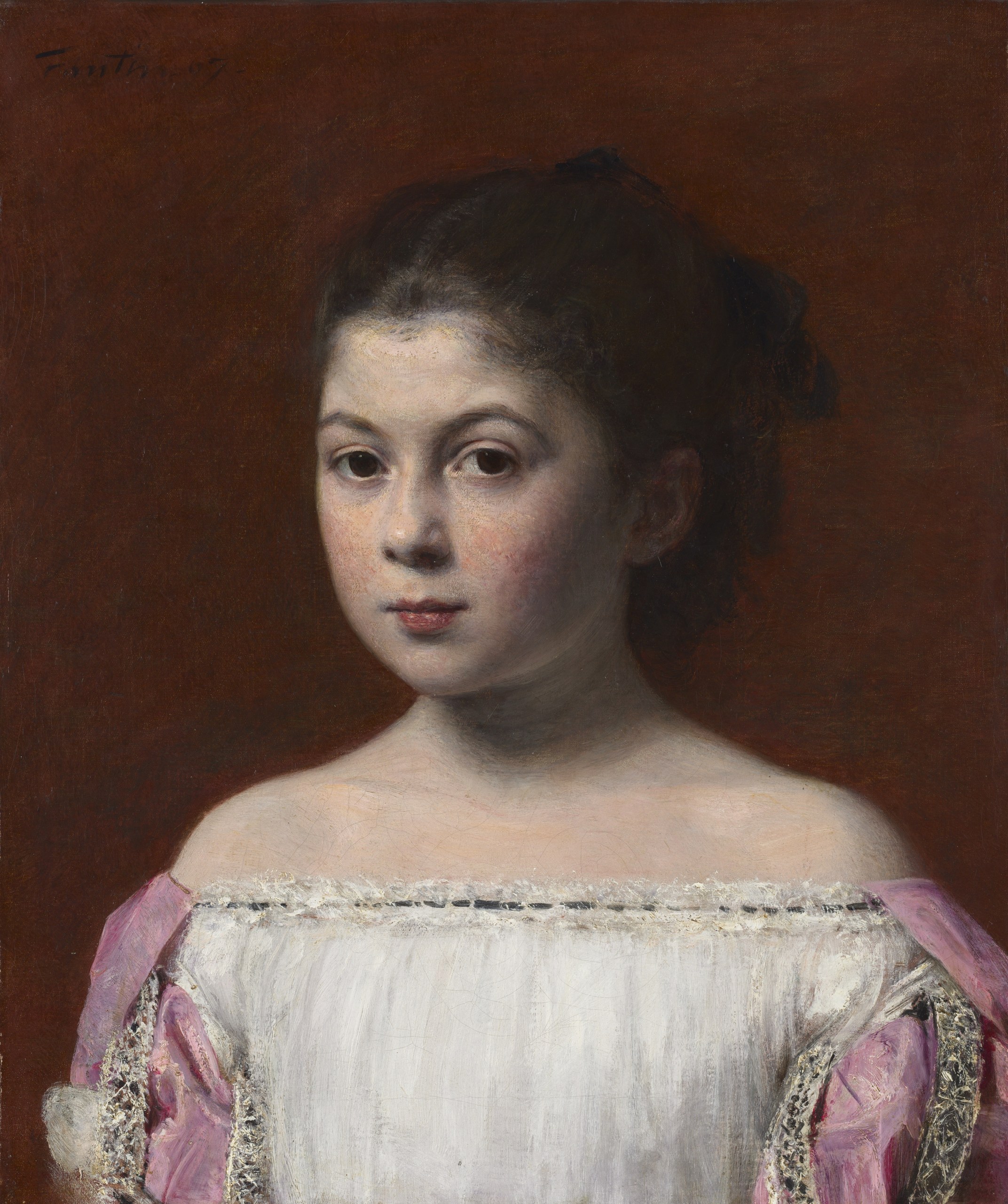
Marie-Yolande de Fitz-James
Henri Fantin-Latour
The Cleveland Museum of Art
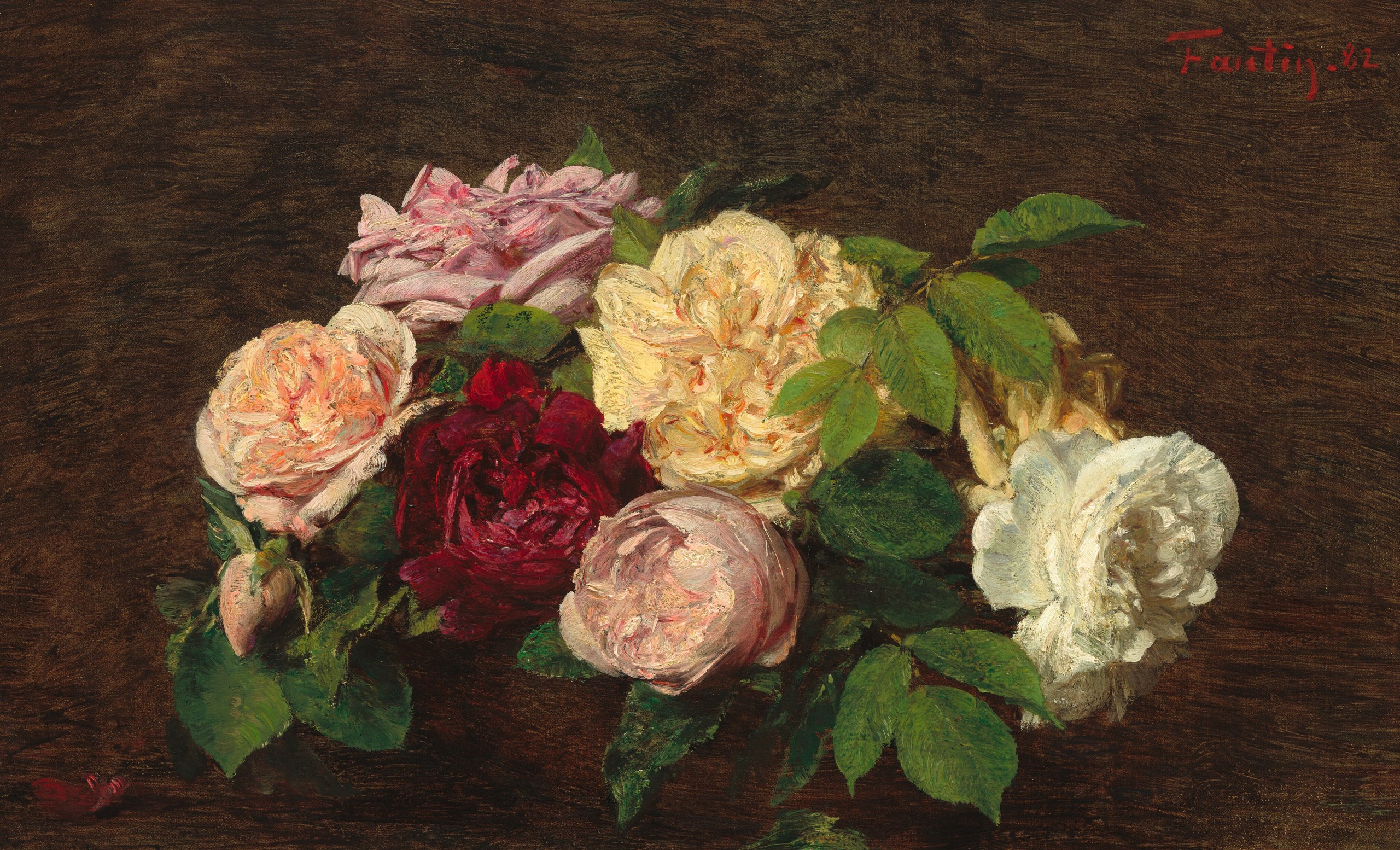
Roses de Nice on a Table
Henri Fantin-Latour
National Gallery of Art
Works worth knowing
10 of Henri Fantin-Latour's works, and what makes each one worth a look.
A Studio at Les Batignolles
Henri Fantin-Latour · 1870
Musée d'Orsay
A Studio at Les Batignolles is an oil-on-canvas painting by French Impressionist painter and lithographer Henri Fantin-Latour, created in 1870. It depicts the Batignolles Group at the studio of Édouard Manet in the Batignolles Quarter. The painting was exhibited at the Salon in Paris in 1870.
Around the Piano
Henri Fantin-Latour · 1885
Musée d'Orsay
Around the Piano is an oil-on-canvas painting by French artist Henri Fantin-Latour, executed in 1885. It was exhibited at the Paris Salon the same year, then was bought by Adolphe Jullien. In 1915, it was given to the Musée du Luxembourg, then was at the Musée du Louvre until 1986.
Homage to Delacroix
Henri Fantin-Latour · 1864
Musée d'Orsay
Homage to Delacroix is an 1864 painting by Henri Fantin-Latour painted in homage to the French Romantic painter Eugène Delacroix who died the year before. The work features a group of painters and writers, all of whom went on to become notable themselves, gathered around a portrait of the late Delacroix. The painting was exhibited in the Paris Salon of 1864.
Un coin de table
Henri Fantin-Latour · 1872
Musée d'Orsay
The Corner of the Table is an oil-on-canvas painting by French artist Henri Fantin-Latour, created in 1872. It was exhibited at the 1872 Salon. It is held at the Musée d'Orsay, in Paris.
Still Life with Grapes and a Carnation
Henri Fantin-Latour
National Gallery of Art
A still life (pl.: still lifes) is a work of art depicting mostly inanimate subject matter, typically commonplace objects which are either natural (food, flowers, dead animals, plants, rocks, shells, etc.) or human-made (drinking glasses, books, vases, jewelry, coins, pipes, etc.). With origins in Ancient Greco-Roman art and the Middle Ages, still-life painting emerged as a distinct genre and professional specialization in Western painting by the late 16th century, and has remained significant since then. One advantage of the still-life artform is that it allows an artist much freedom to experiment with the arrangement of elements within a composition of a painting.
Pansies
Henri Fantin-Latour
National Gallery of Art
The garden pansy (Viola × wittrockiana) is a type of polychromatic large-flowered hybrid plant cultivated as a garden flower. It is derived by hybridization from several species in the section Melanium ("the pansies") of the genus Viola, particularly V. tricolor, a wildflower of Europe and western Asia known as heartsease.
Three Peaches on a Plate
Henri Fantin-Latour
National Gallery of Art
The peach (Prunus persica) is a deciduous tree that bears edible juicy fruits with various characteristics. Most are simply called peaches, while the glossy-skinned, non-fuzzy varieties are called nectarines. Though from the same species, they are regarded commercially as different fruits.
Portrait of Sonia
Henri Fantin-Latour
National Gallery of Art
Ignace Henri Jean Theodore Fantin-Latour was a French painter and lithographer best known for his flower paintings and group portraits of Parisian artists and writers. Born in Grenoble, Isère, Ignace Henri Jean Théodore Fantin-Latour first had drawing lessons with his father Théodore Fantin-Latour (1805 to 1875), who was a painter. In 1850 he moved to Paris where he enrolled in the small Paris School of Drawing, where he studied with Louis-Alexandre Péron and Horace Lecoq de Boisbaudran, an innovative and non-traditional instructor who developed his own teaching method based on painting and drawing from memory.
Where the work hangs
The museums that hold it, and their visitor guides.
If you like Henri Fantin-Latour
Artists held by the same museums.
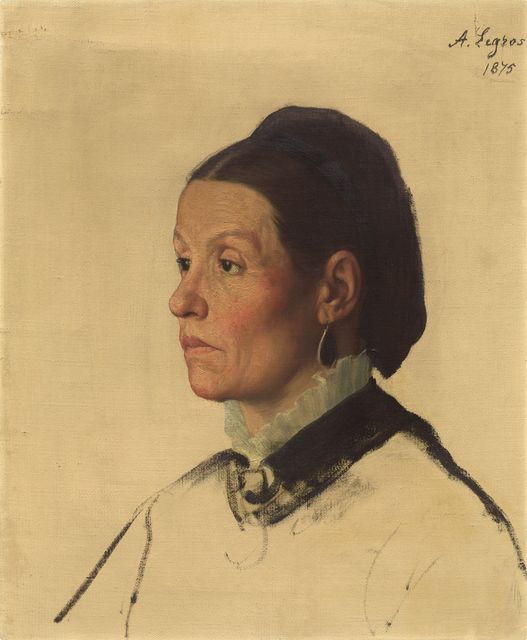
Alphonse Legros
French · 561 in the archive
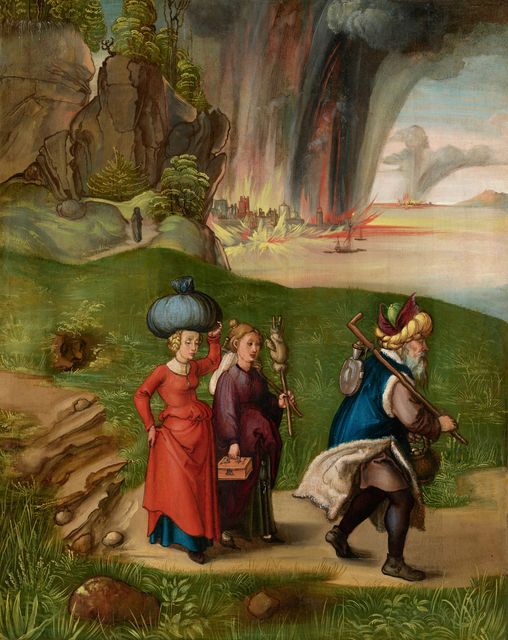
Albrecht Dürer
German · 287 in the archive
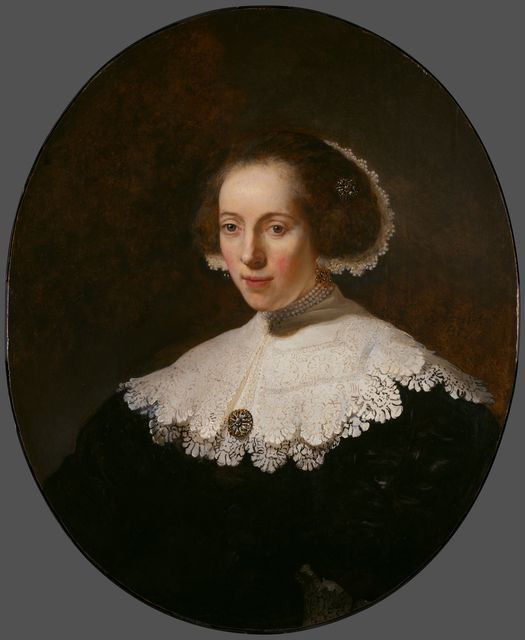
Rembrandt van Rijn
Dutch · 260 in the archive
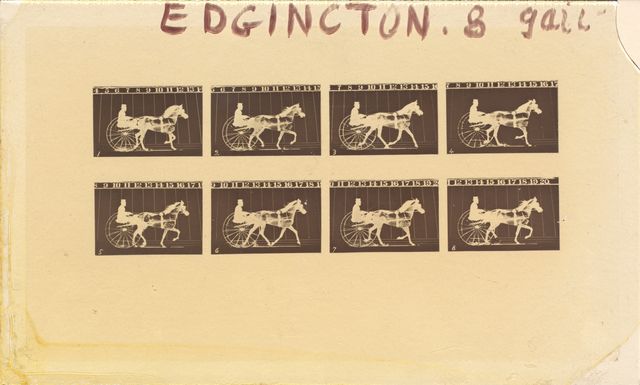
Eadweard Muybridge
English · 259 in the archive
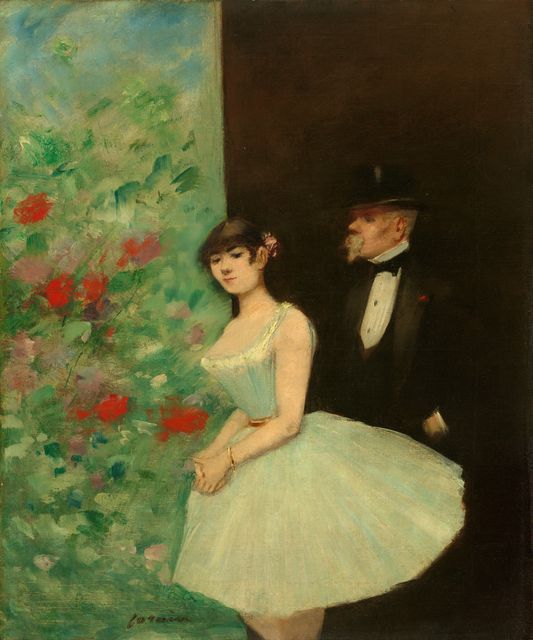
Jean-Louis Forain
French · 259 in the archive
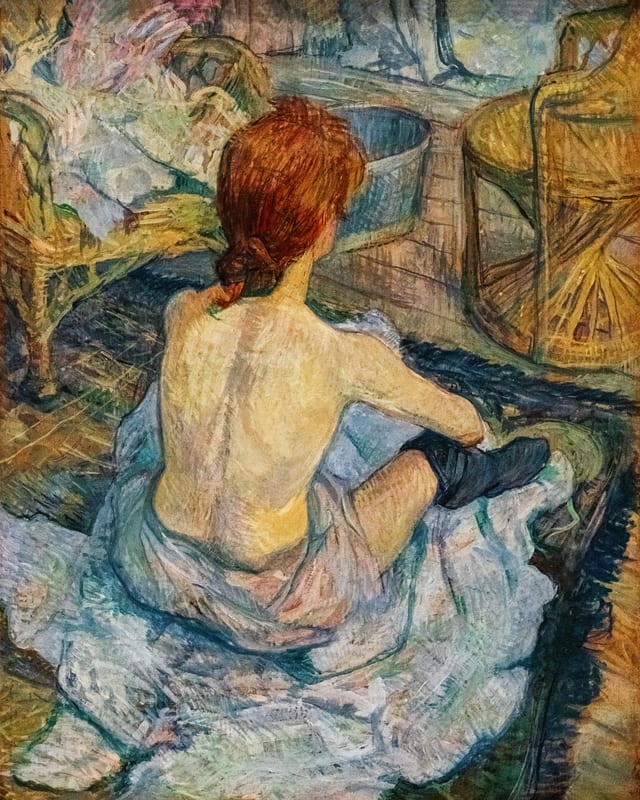
Henri de Toulouse-Lautrec
French · 243 in the archive
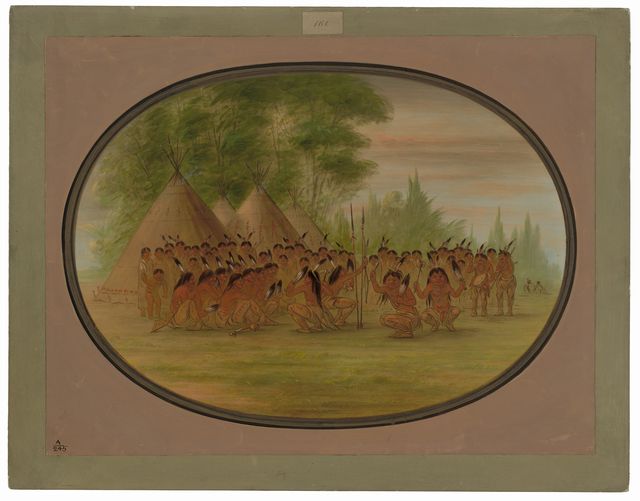
George Catlin
United States · 223 in the archive
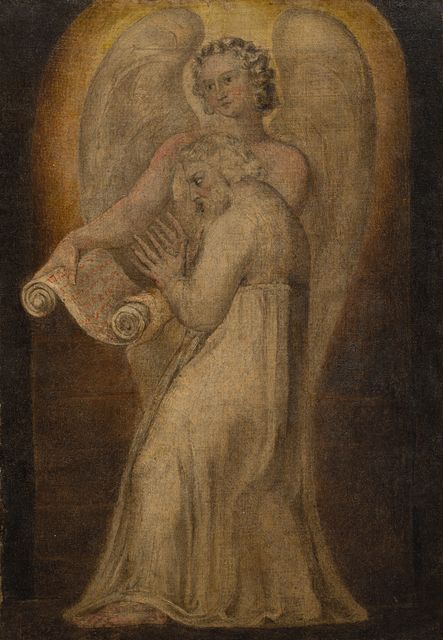
William Blake
United Kingdom of Great Britain and Ireland · 175 in the archive
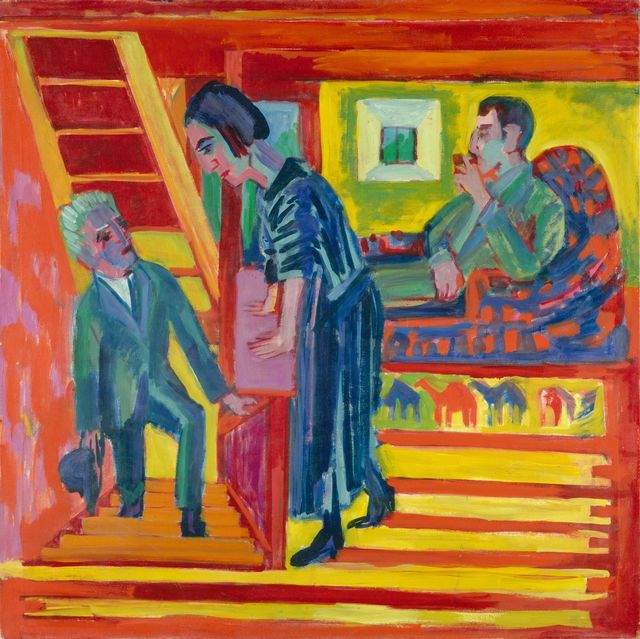
Ernst Ludwig Kirchner
German · 147 in the archive
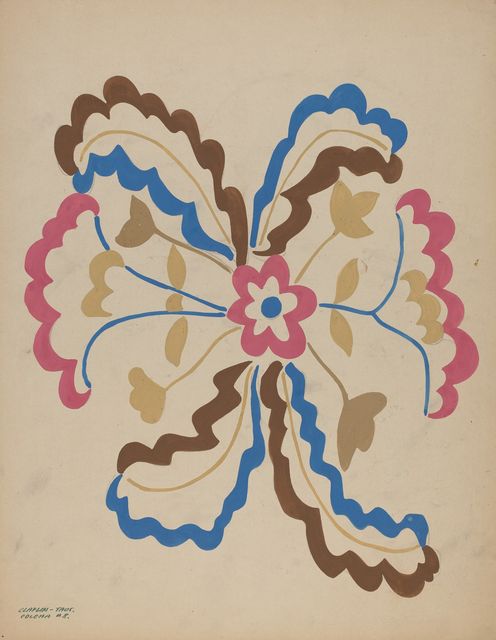
Majel G. Claflin
United States · 135 in the archive
Paul Gauguin
French · 135 in the archive
Mina Lowry
United States · 124 in the archive
Invite the masters into your living room.
Henri Fantin-Latour on your TV, phone, or tablet. Free to start.
View on MomentableIndependent guide by Momentable · biography from Wikipedia · artworks are in the public domain and credited to the museum that holds them