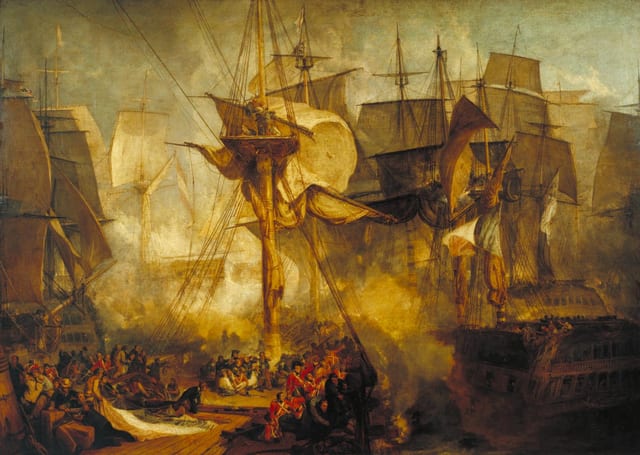
The Battle of Trafalgar (1806)
J. M. W. Turner · 1806

J. M. W. Turner
Kingdom of Great Britain · 1775–1851
Joseph Mallord William Turner, known in his time as William Turner, was an English Romantic painter and elevated the status of landscape painting. Turner is widely regarded as one of the greatest and most influential British painters, as well as a precursor to Impressionism. Turner started his career as a watercolourist, achieved fame and financial success as an oil painter and was also an expert printmaker. His later paintings challenged classicisist artistic conventions and were rejected by critics but are considered today his most important works. Their expressionistic renditions of light and atmosphere inspired the early impressionists Monet and Pissarro when they saw them in London in 1870–1920 years after Turner's death.
Independent artist guide by Momentable. Biography from Wikipedia; artworks credited to the museums that hold them.
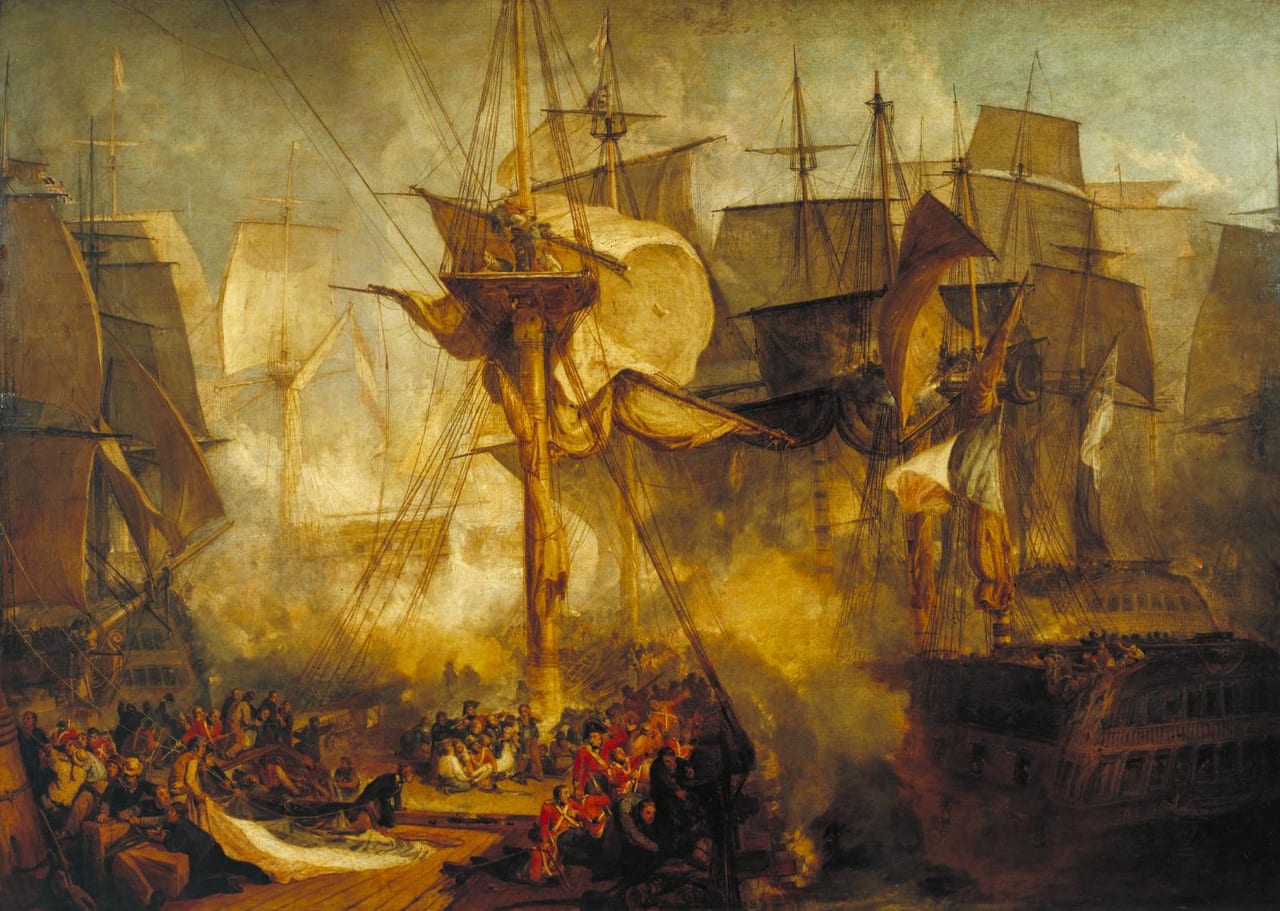 LIVENow streaming · The Battle of Trafalgar (1806)
- works in the archive
- 29works in the archive
- life
- 1775–1851life
- rights
- Public domainrights
The work
A selection of 27 works, free to stream.
The Battle of Trafalgar (1806)
J. M. W. Turner · 1806
Tate Britain
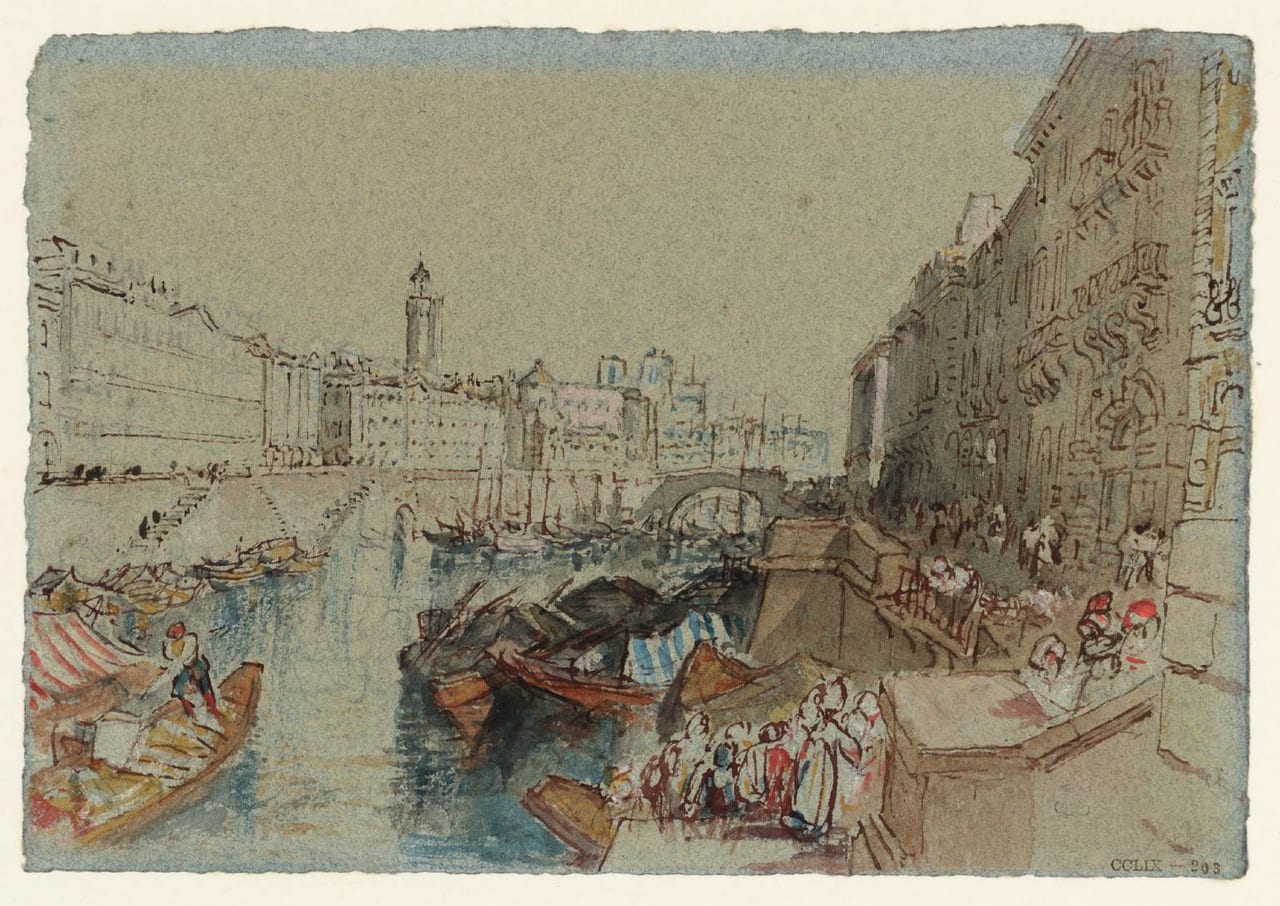
Sketch for "Nantes from the Ile Feydeau."
J. M. W. Turner · 1826
Tate Britain
The Slave Ship
J. M. W. Turner · 1840
Museum of Fine Arts, Boston
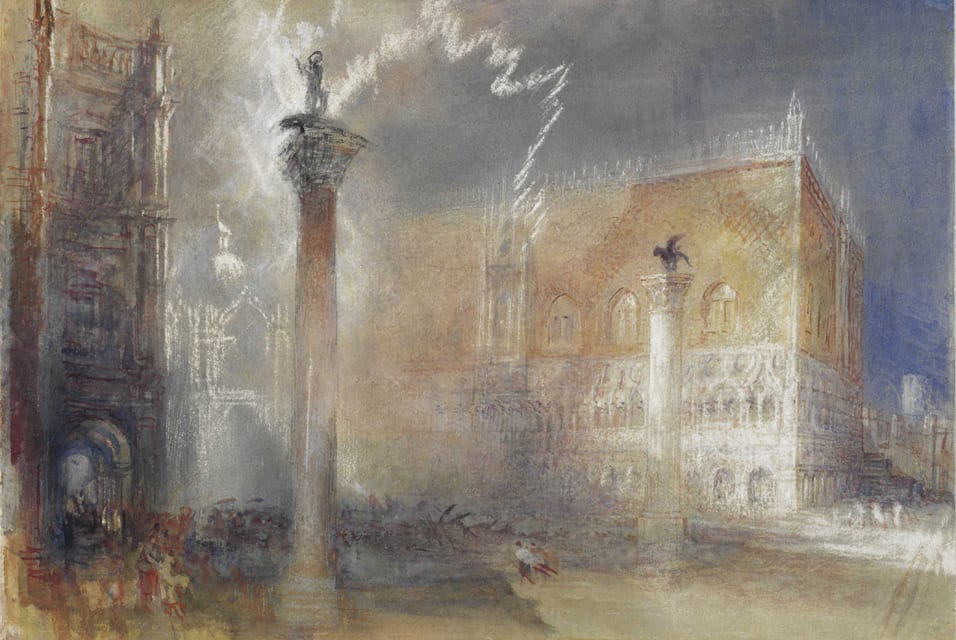
The Piazzetta, Venice
J. M. W. Turner · 1835
Scottish National Gallery
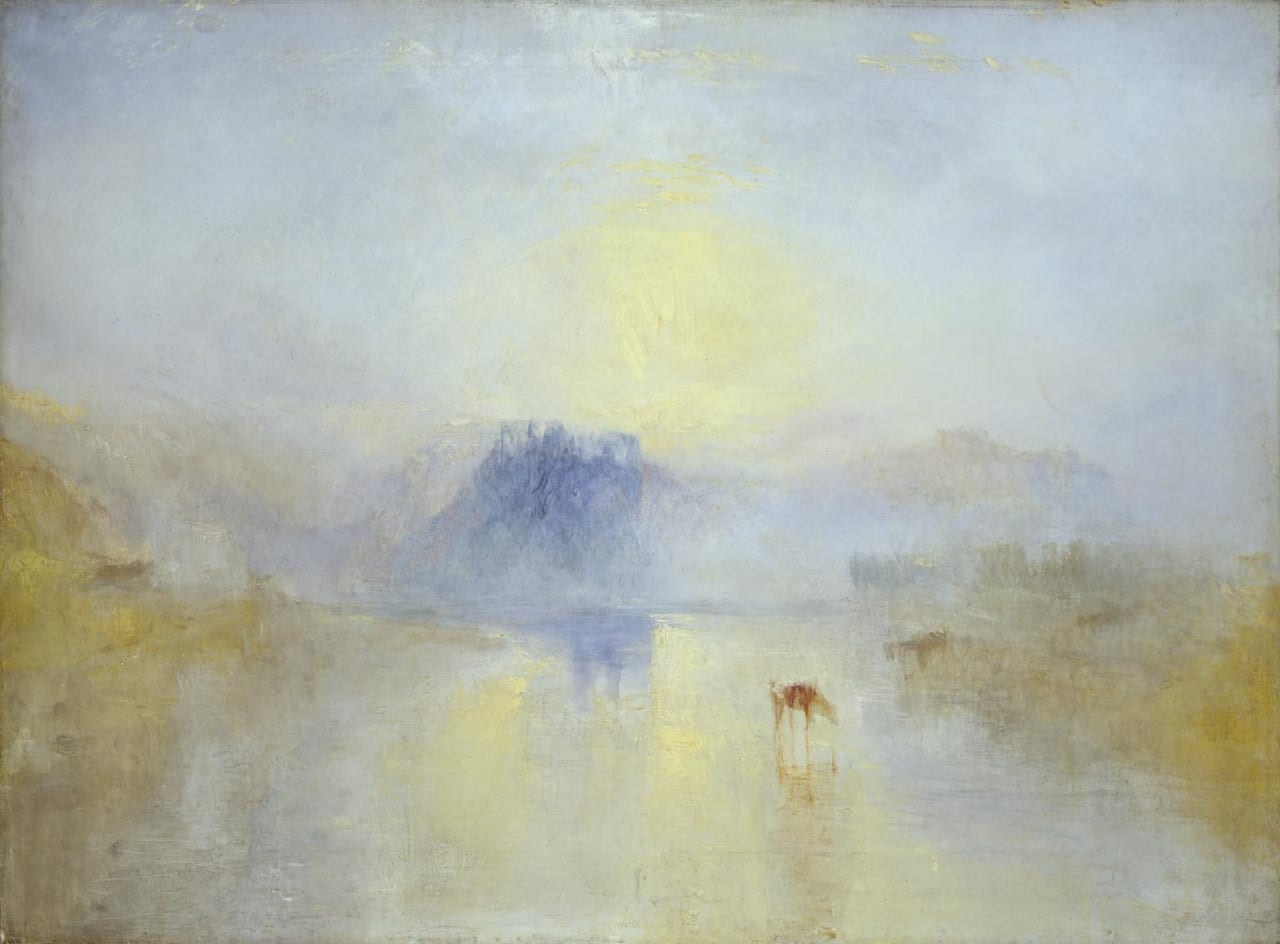
Norham Castle, Sunrise
J. M. W. Turner · 1845
Tate Britain
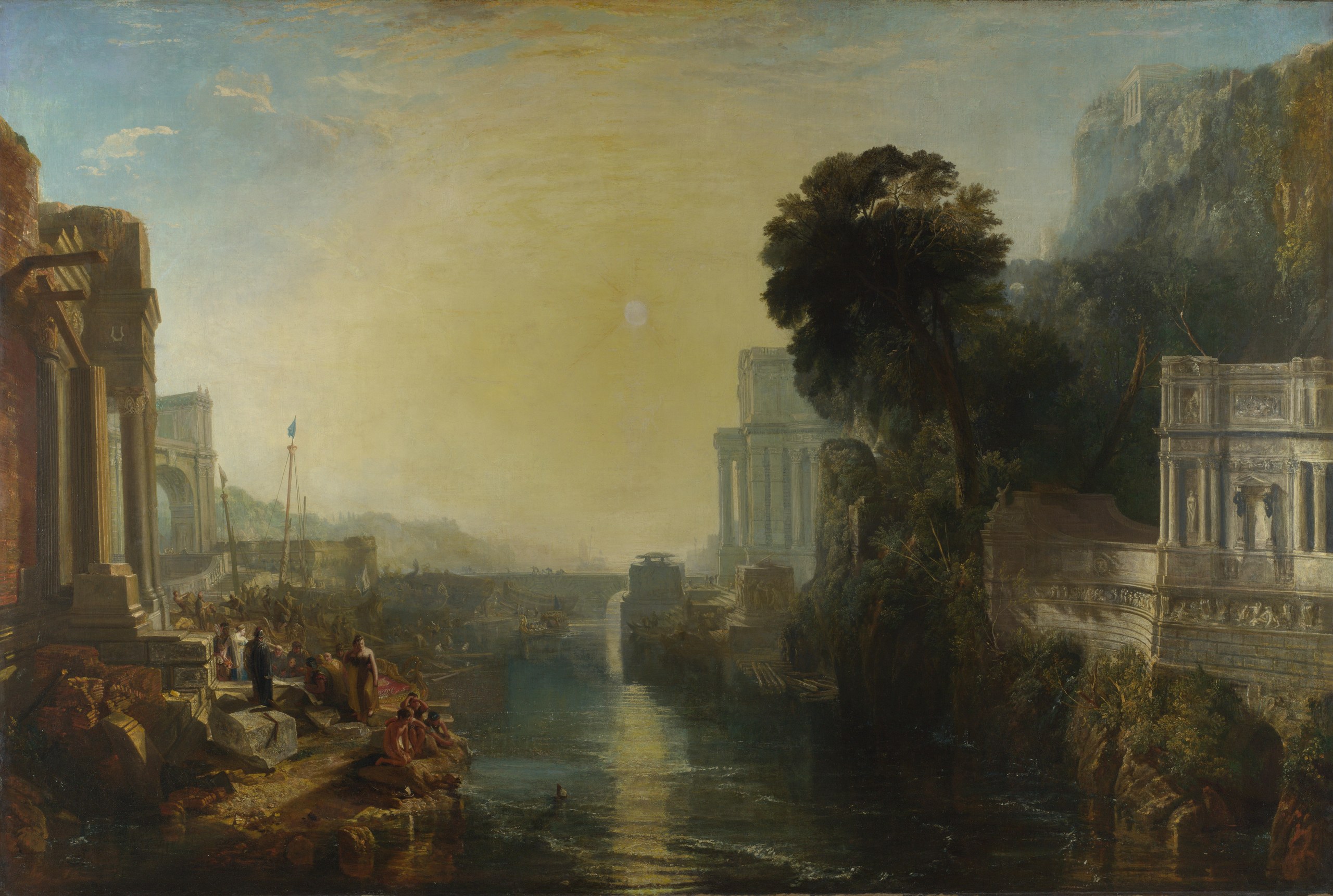
Dido building Carthage
J. M. W. Turner · 1815
National Gallery
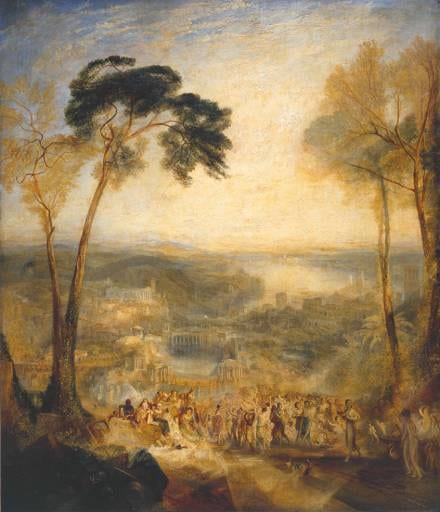
Phryne Going to the Public Baths as Venus: Demosthenes Taunted by Aeschines
J. M. W. Turner · 1838
Tate Britain
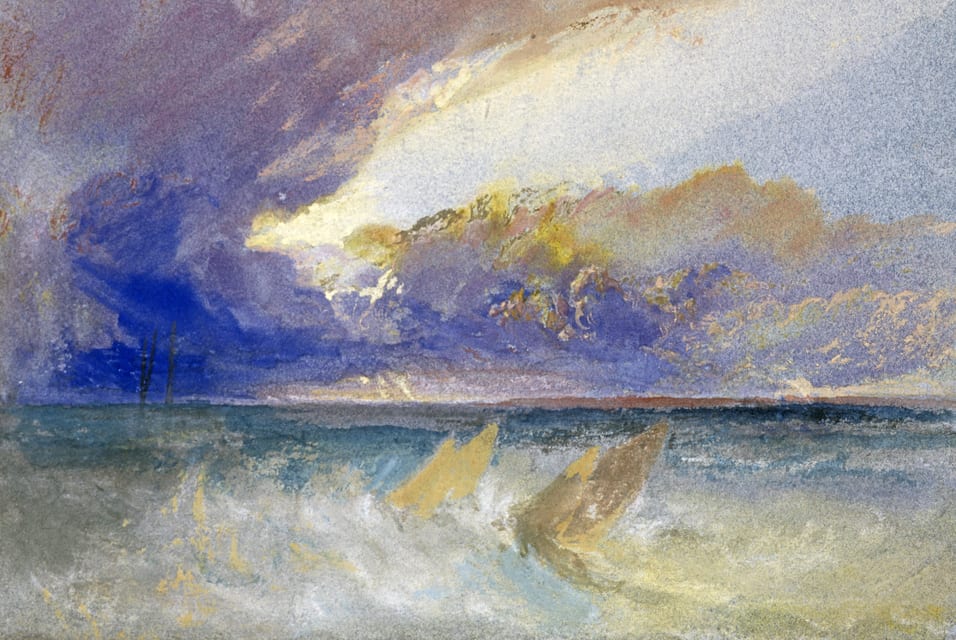
Sea View
J. M. W. Turner · 1826
Scottish National Gallery
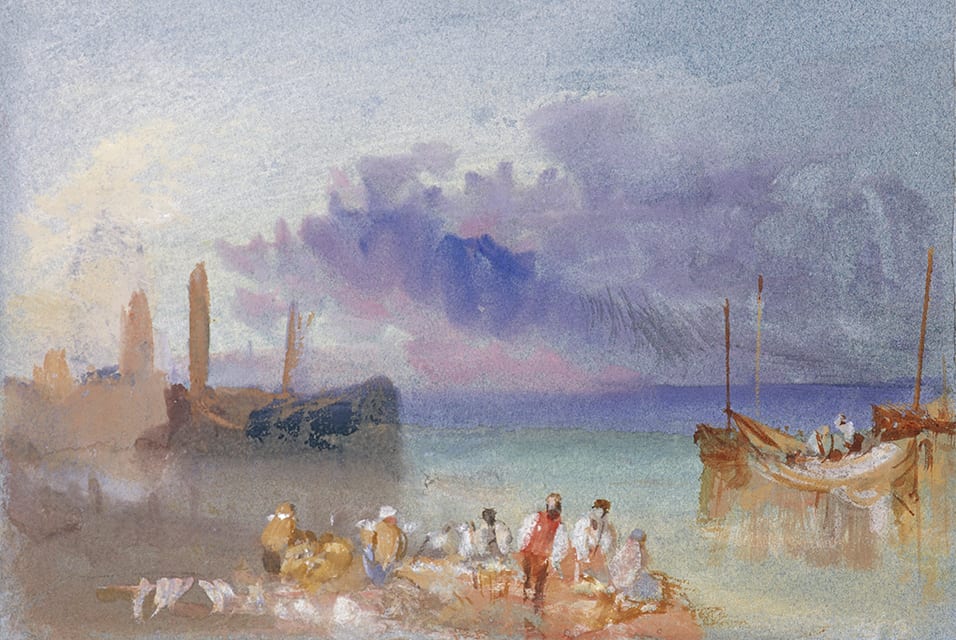
Harbour View
J. M. W. Turner · 1826
Scottish National Gallery
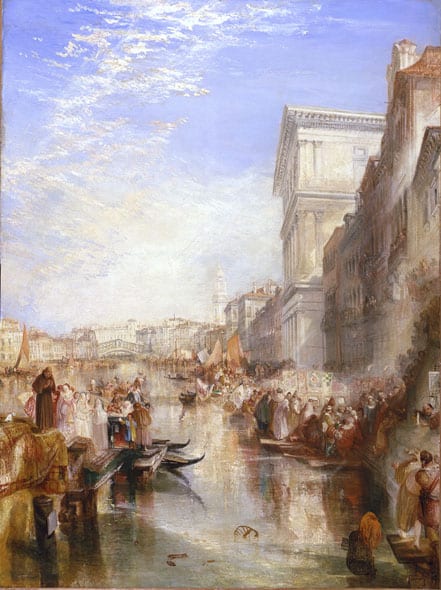
The Grand Canal: Scene - A Street in Venice
J. M. W. Turner · 1837
Huntington Library, Art Museum and Botanical Gardens
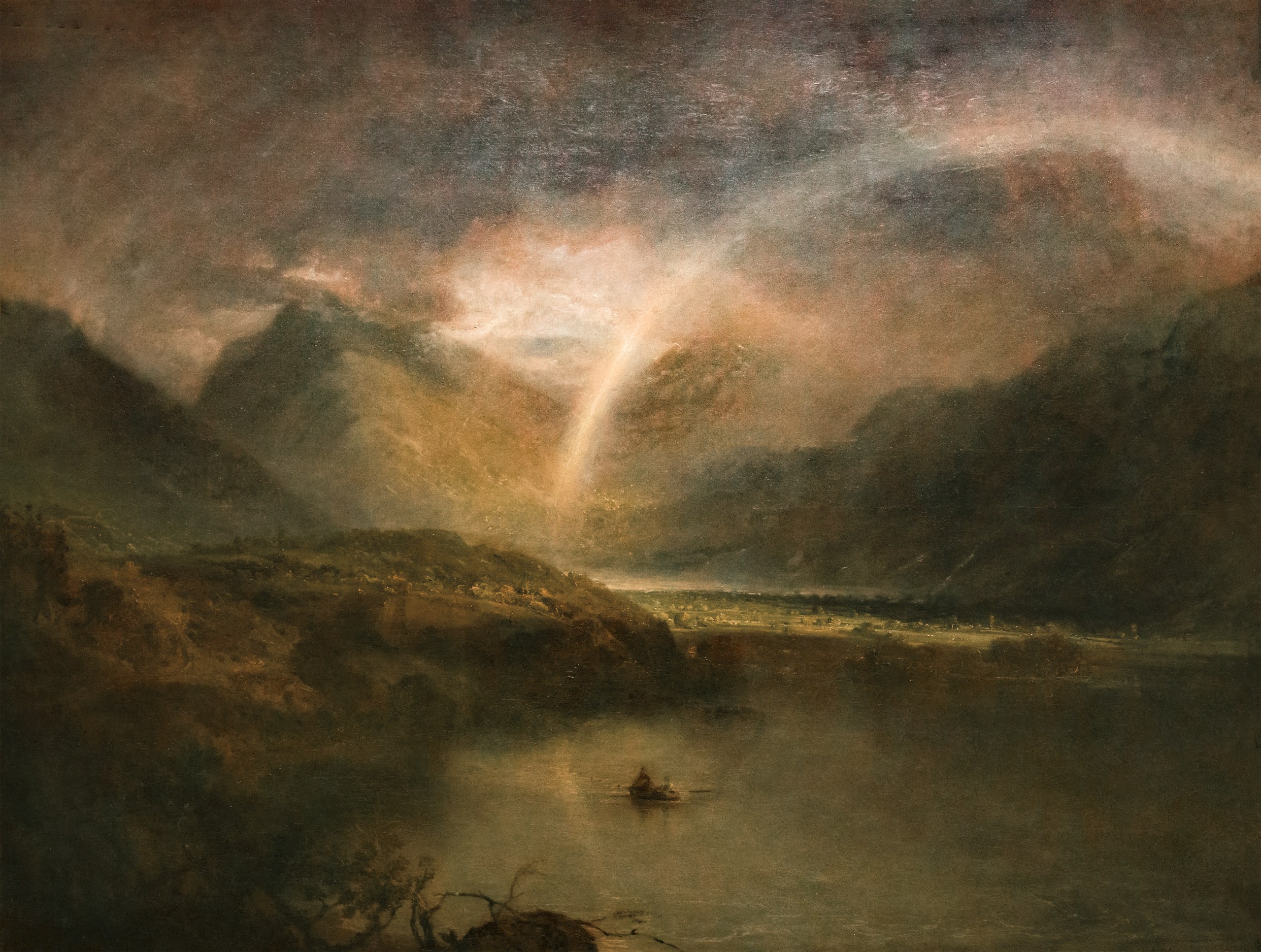
Buttermere Lake, with Park of Cromackwater, Cumberland, a Shower
J. M. W. Turner · 1797
Tate Britain
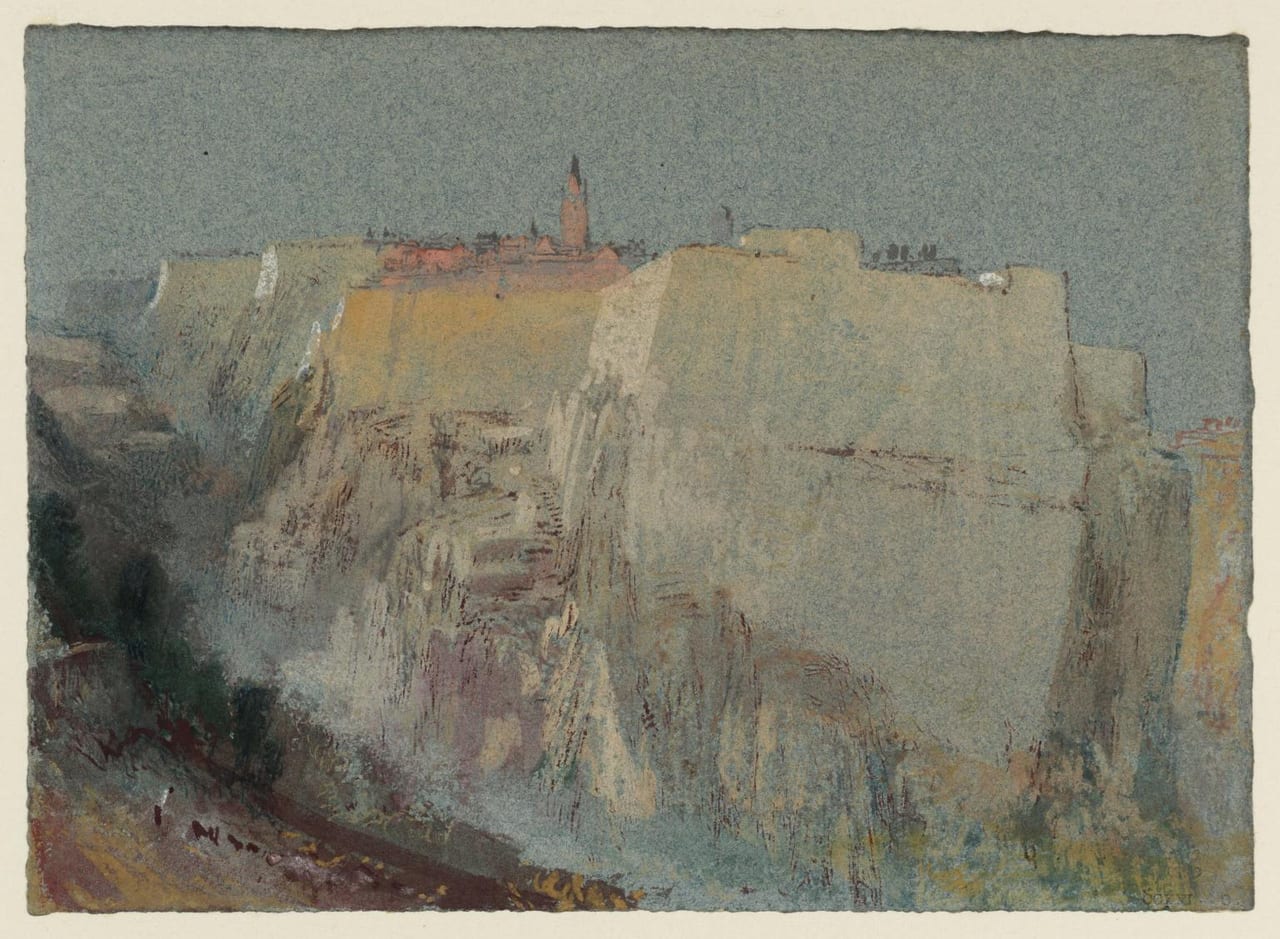
Citadel of St.-Esprit, with the Louis and Beck Bastions
J. M. W. Turner · 1839
Tate Britain
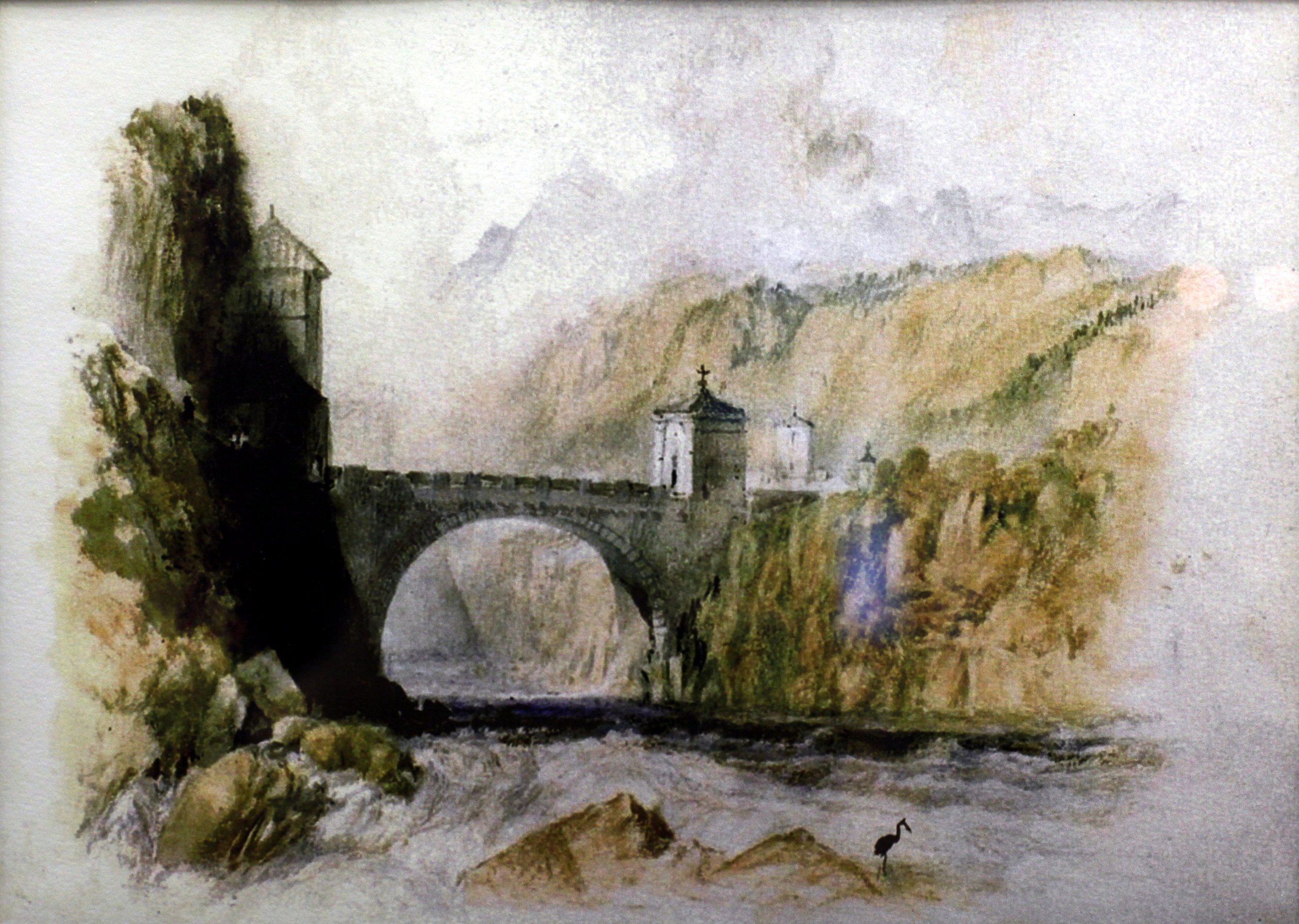
Saint-Maurice bridge
J. M. W. Turner · 1820
Tate Britain
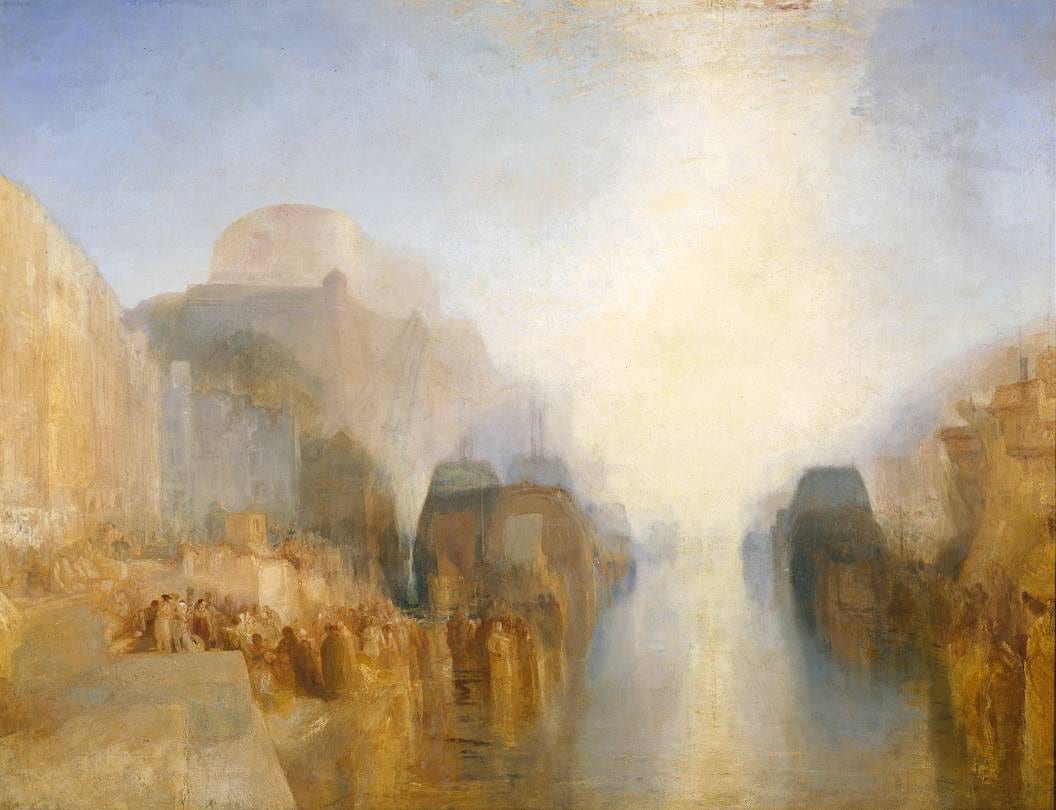
The Harbour of Brest The Quayside and Chateau
J. M. W. Turner · 1826
Tate Britain
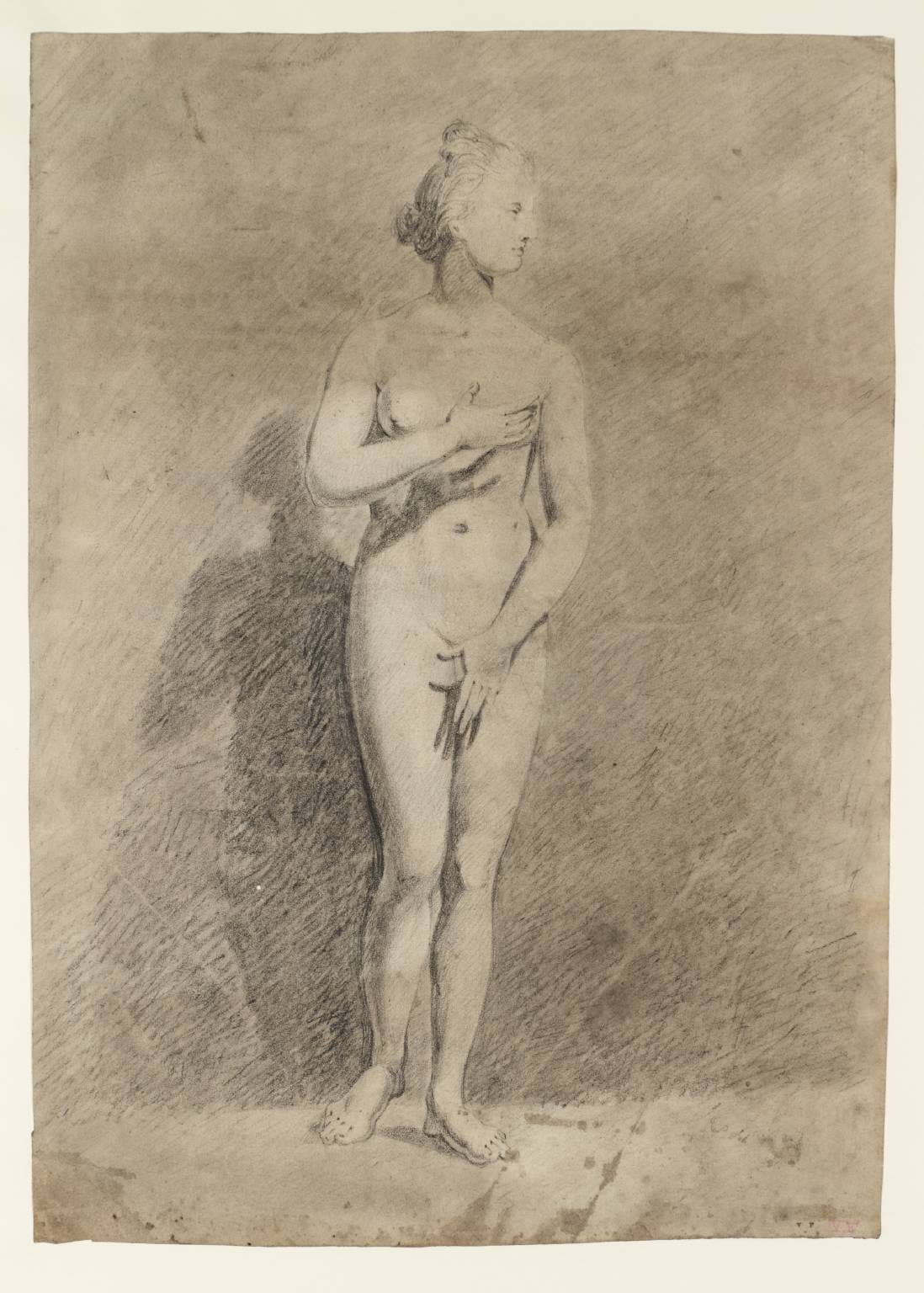
Study of the Venus de’ Medici
J. M. W. Turner · 1792
Tate Britain
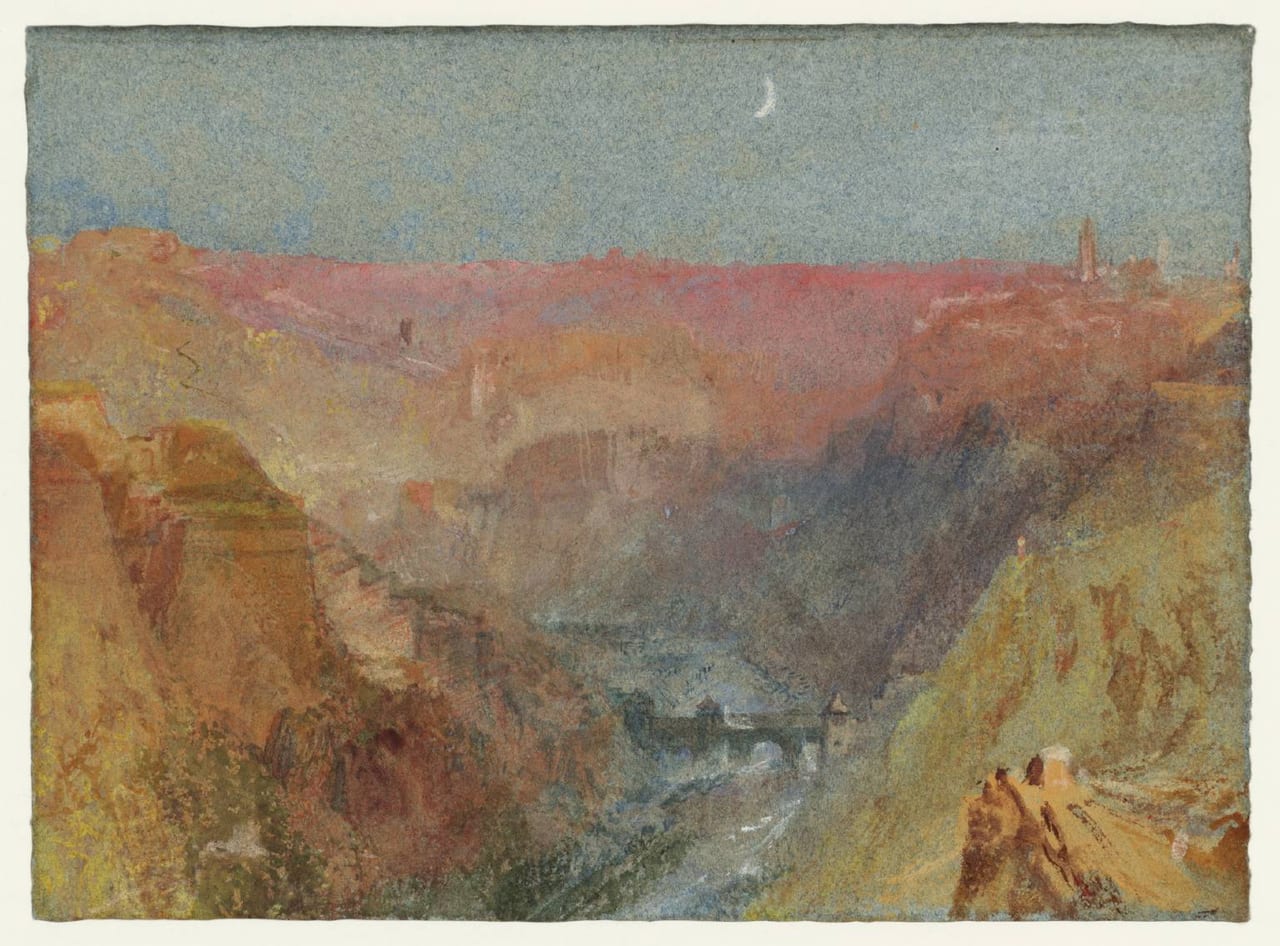
Luxembourg from the Alzette Valley to the North
J. M. W. Turner · 1839
Tate Britain
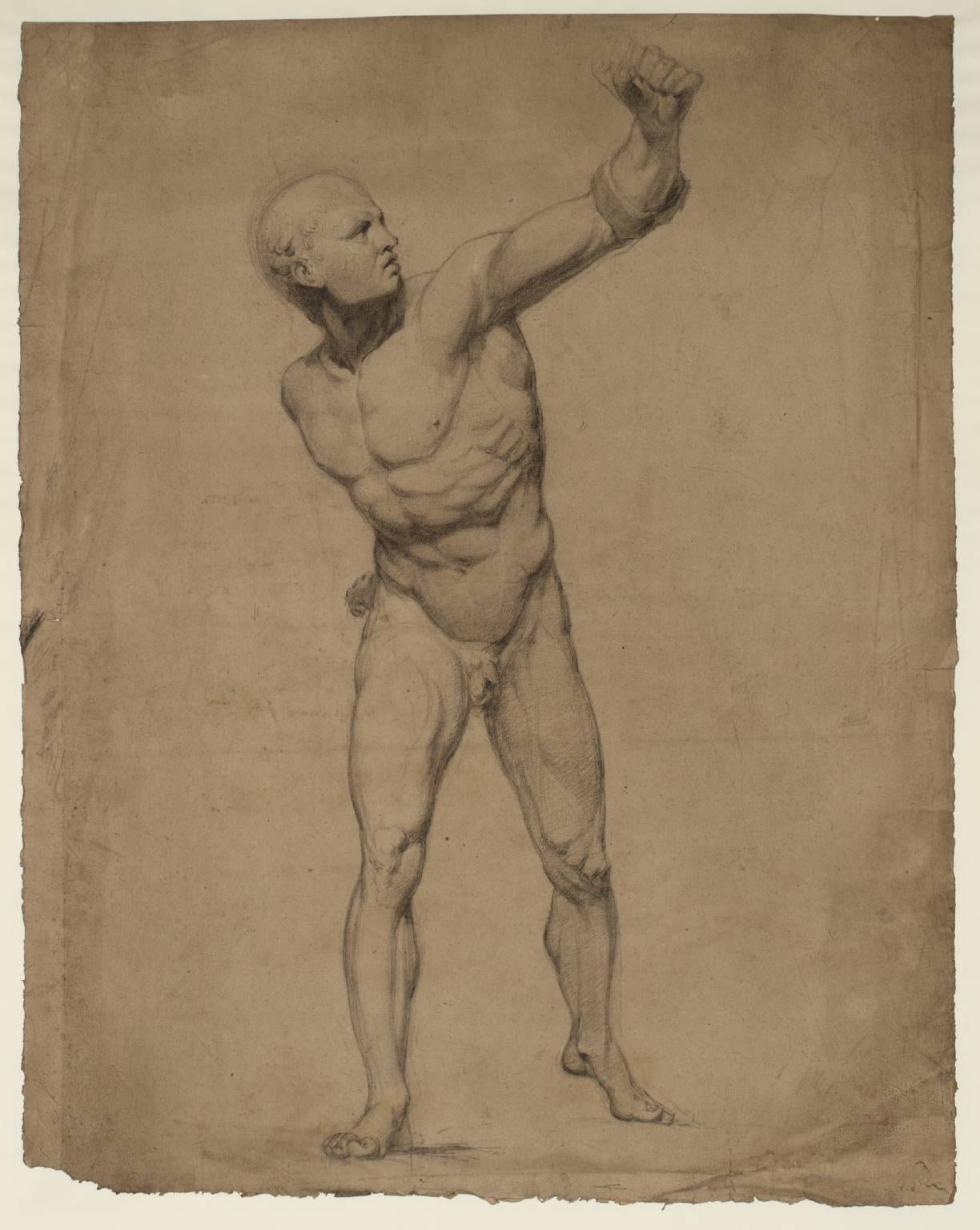
Study of the Fighting Gladiator
J. M. W. Turner · 1793
Tate Britain
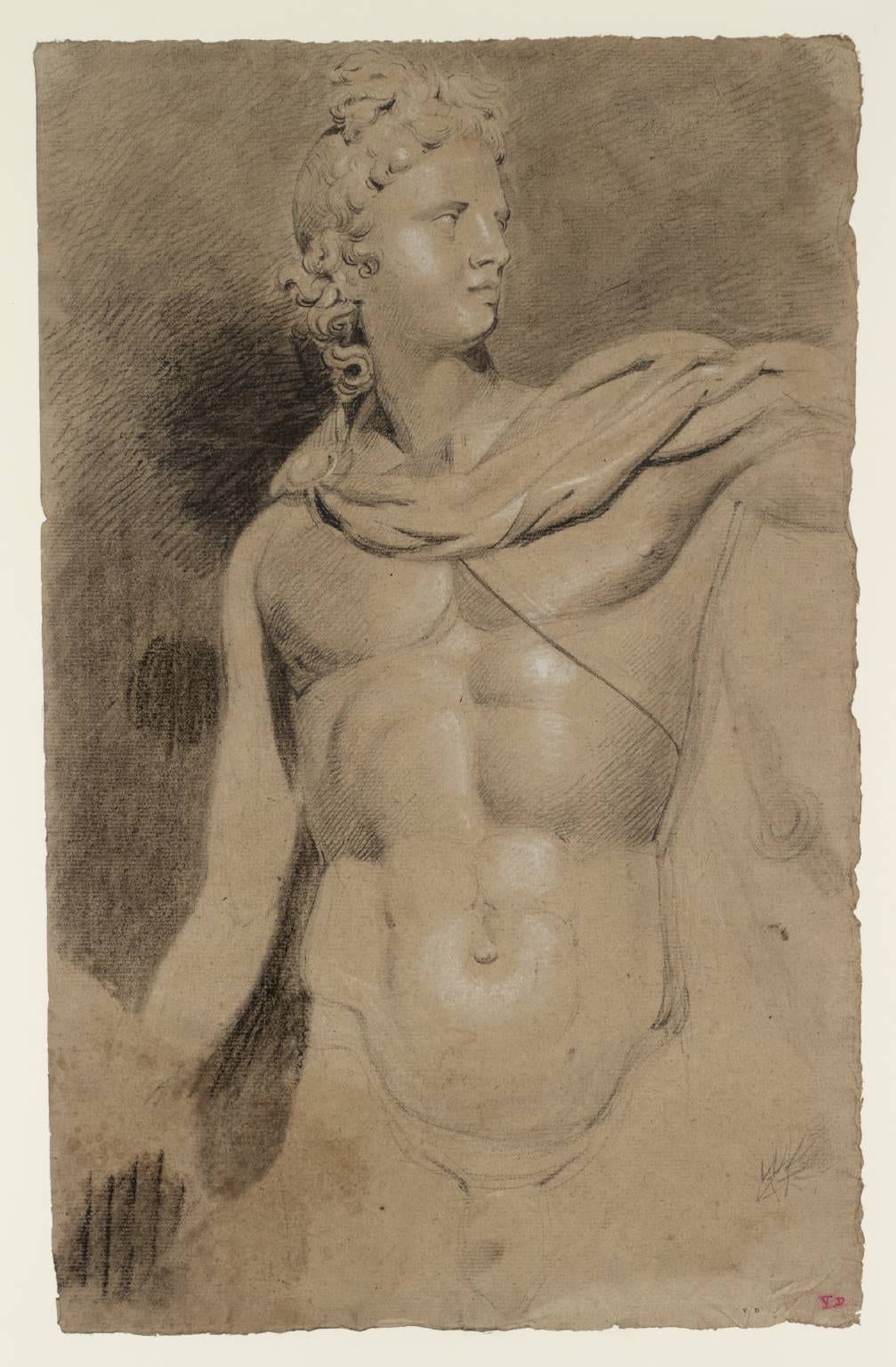
The Head and Torso of the Apollo Belvedere
J. M. W. Turner · 1792
Tate Britain
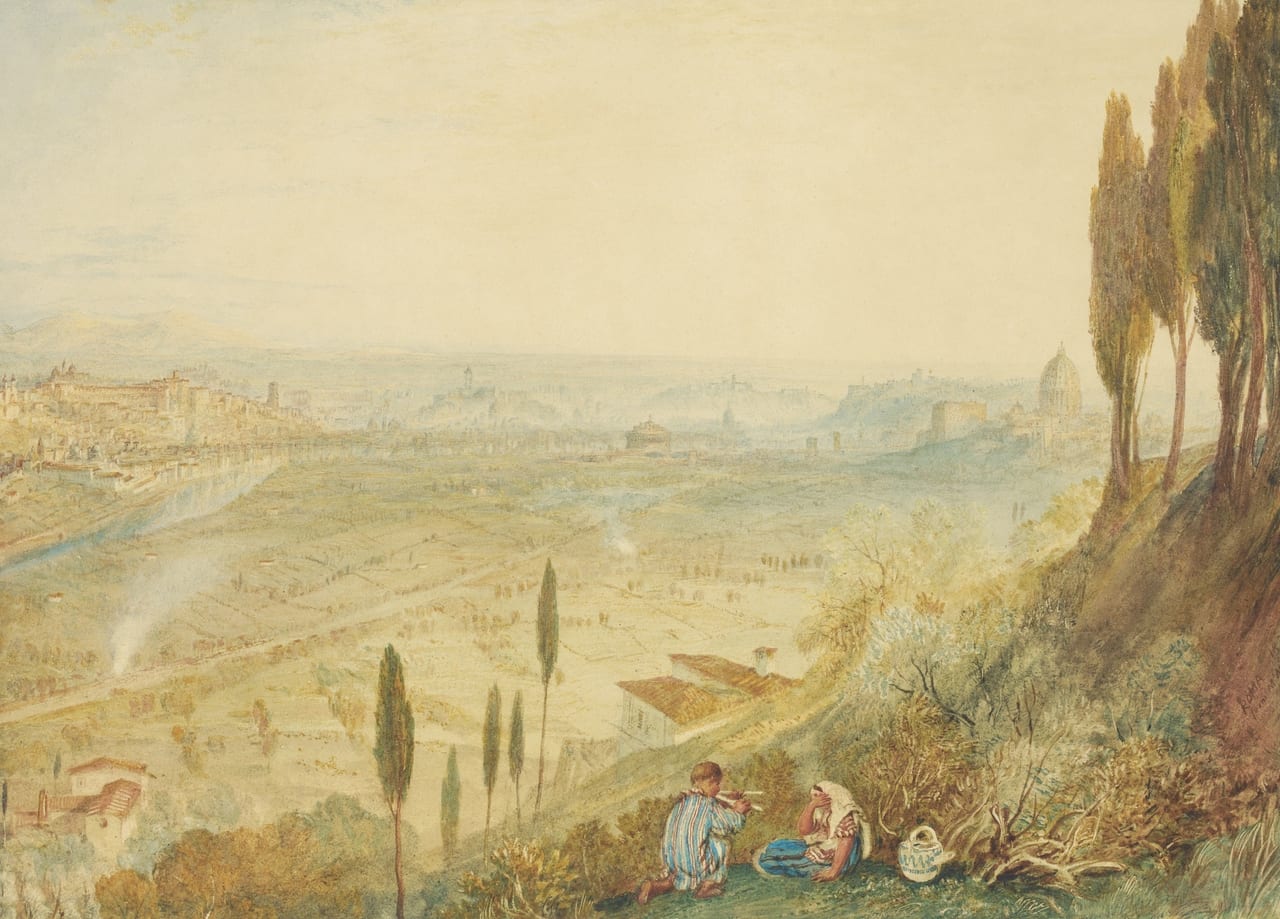
Rome from Monte Mario
J. M. W. Turner · 1820
Scottish National Gallery
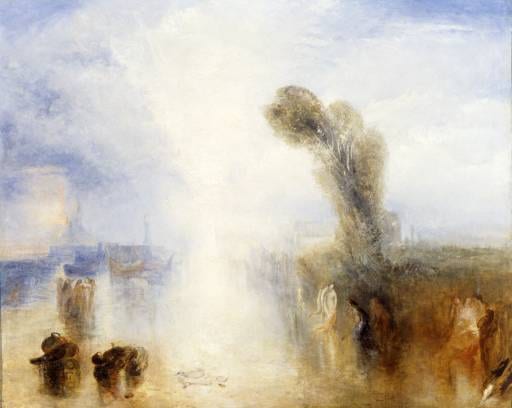
Neapolitan Fisher Girls Surprised Bathing by Moonlight
J. M. W. Turner · 1840
Huntington Library, Art Museum and Botanical Gardens
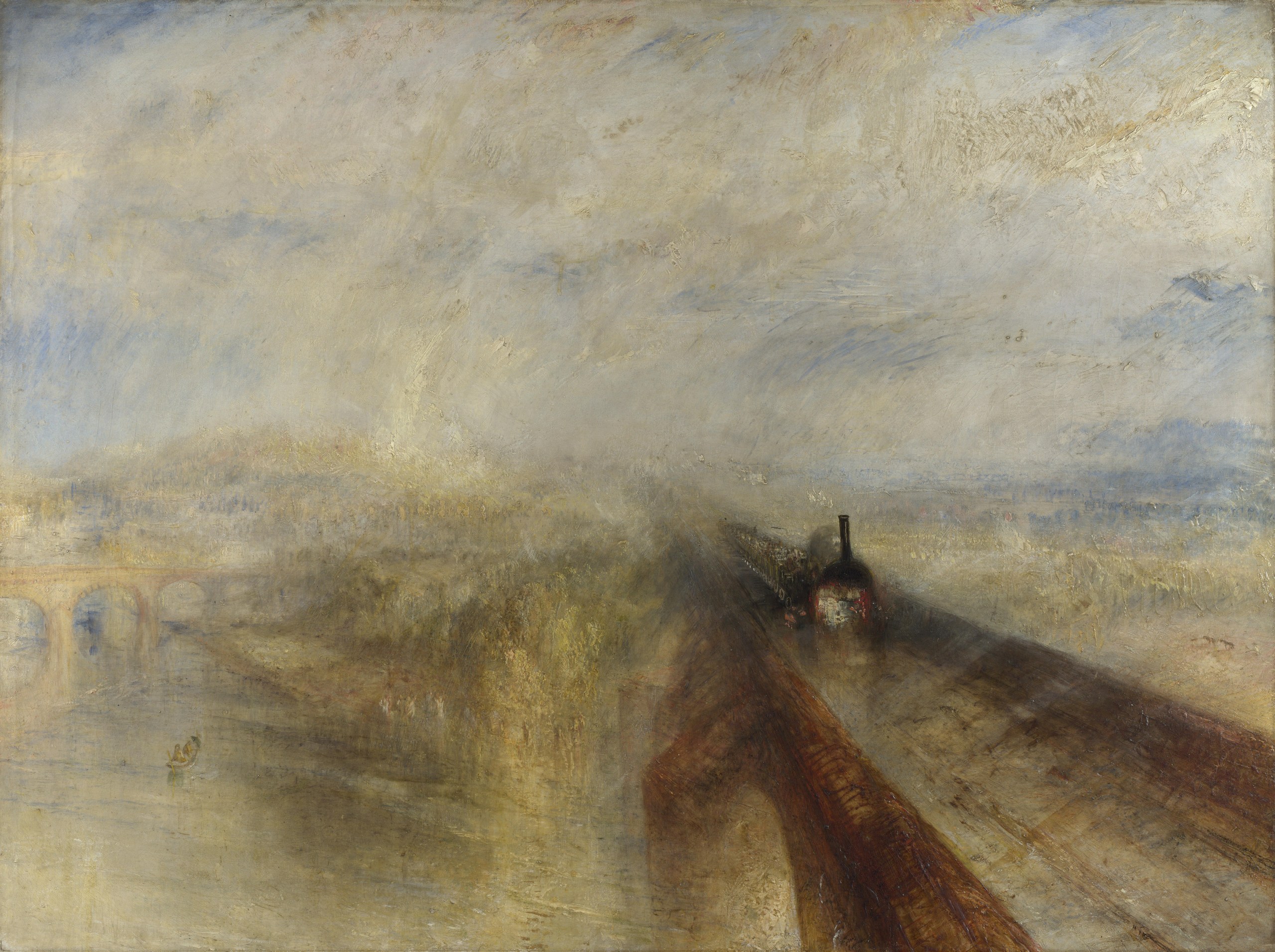
Rain, Steam and Speed – The Great Western Railway
J. M. W. Turner · 1843
National Gallery
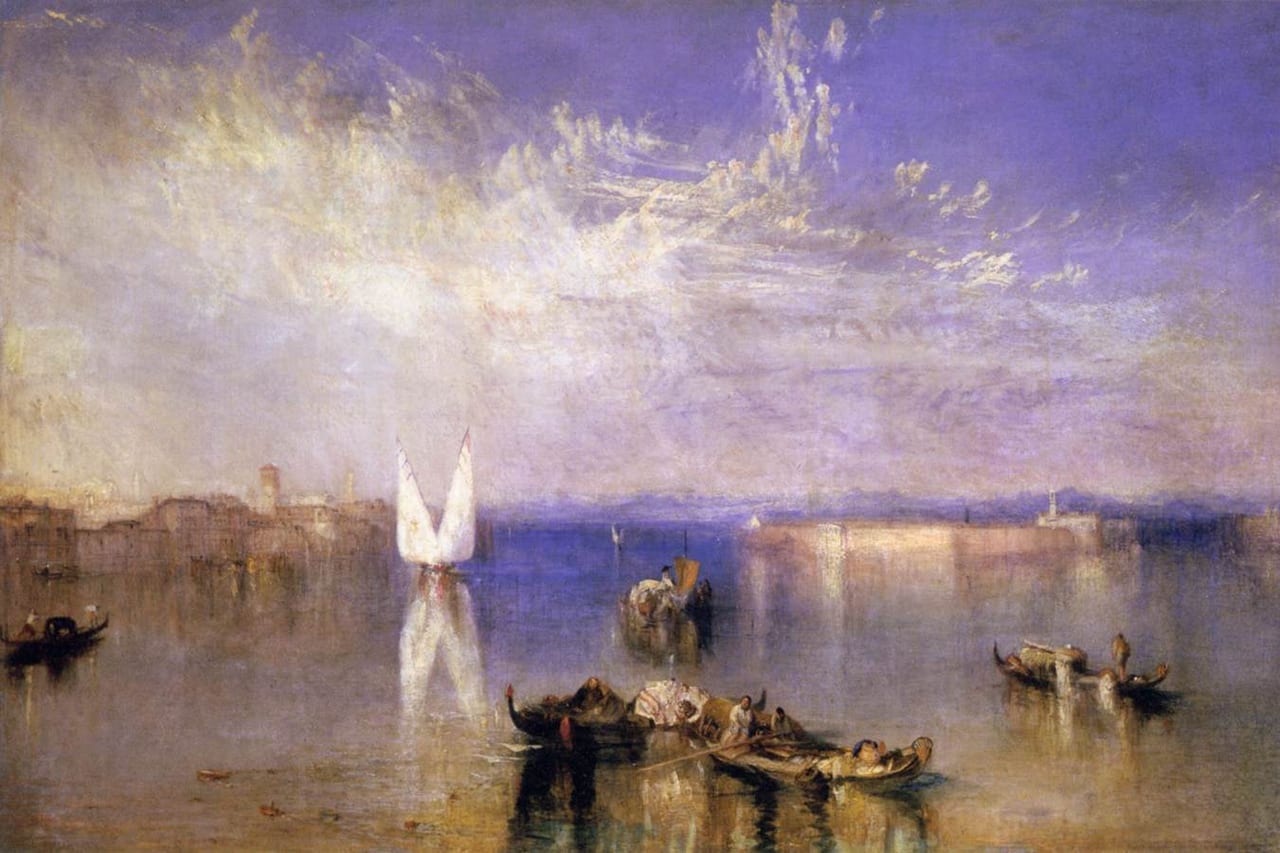
The Campo Santo
J. M. W. Turner · 1842
Toledo Museum of Art
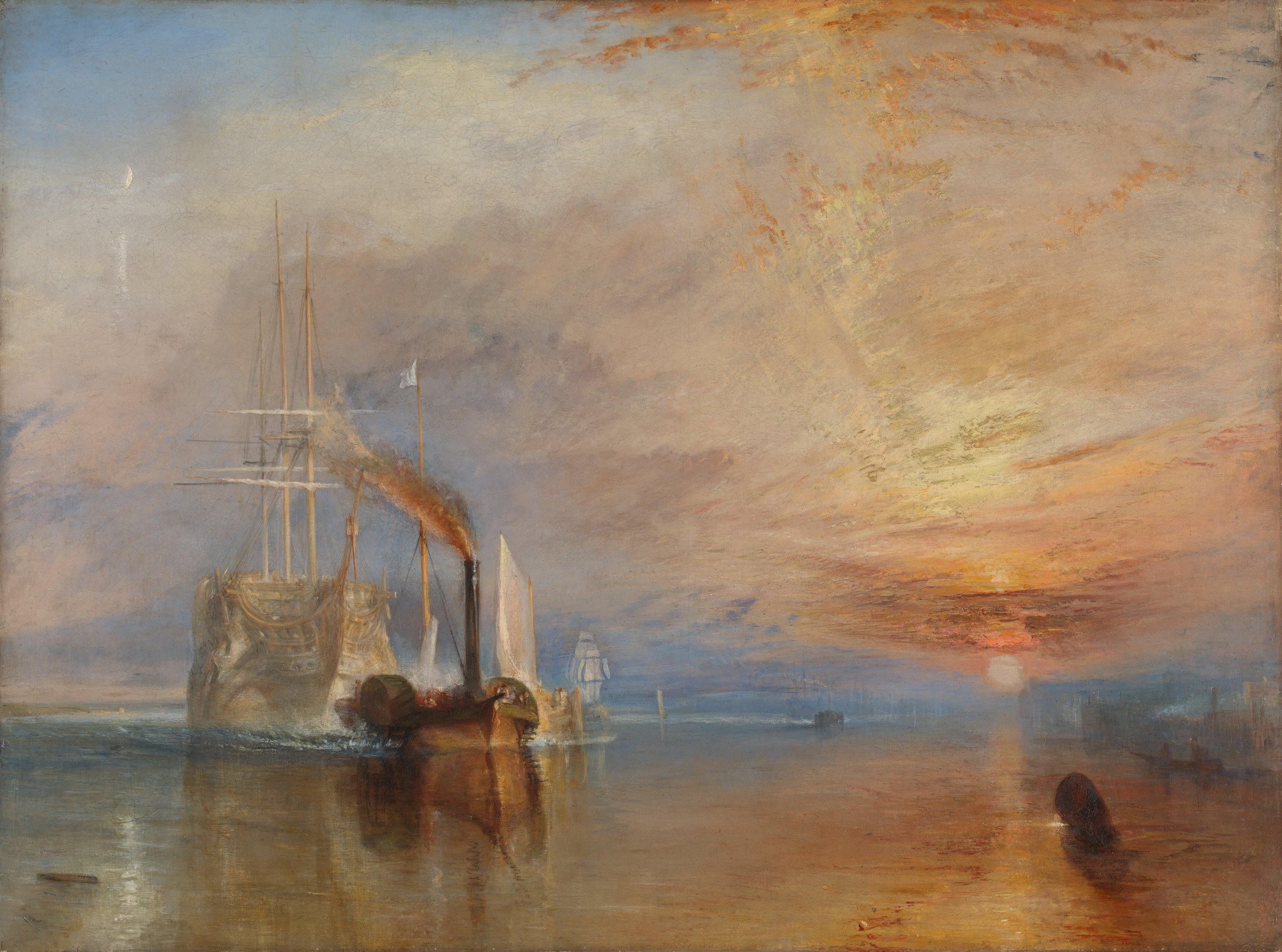
The Fighting Temeraire
J. M. W. Turner · 1839
National Gallery
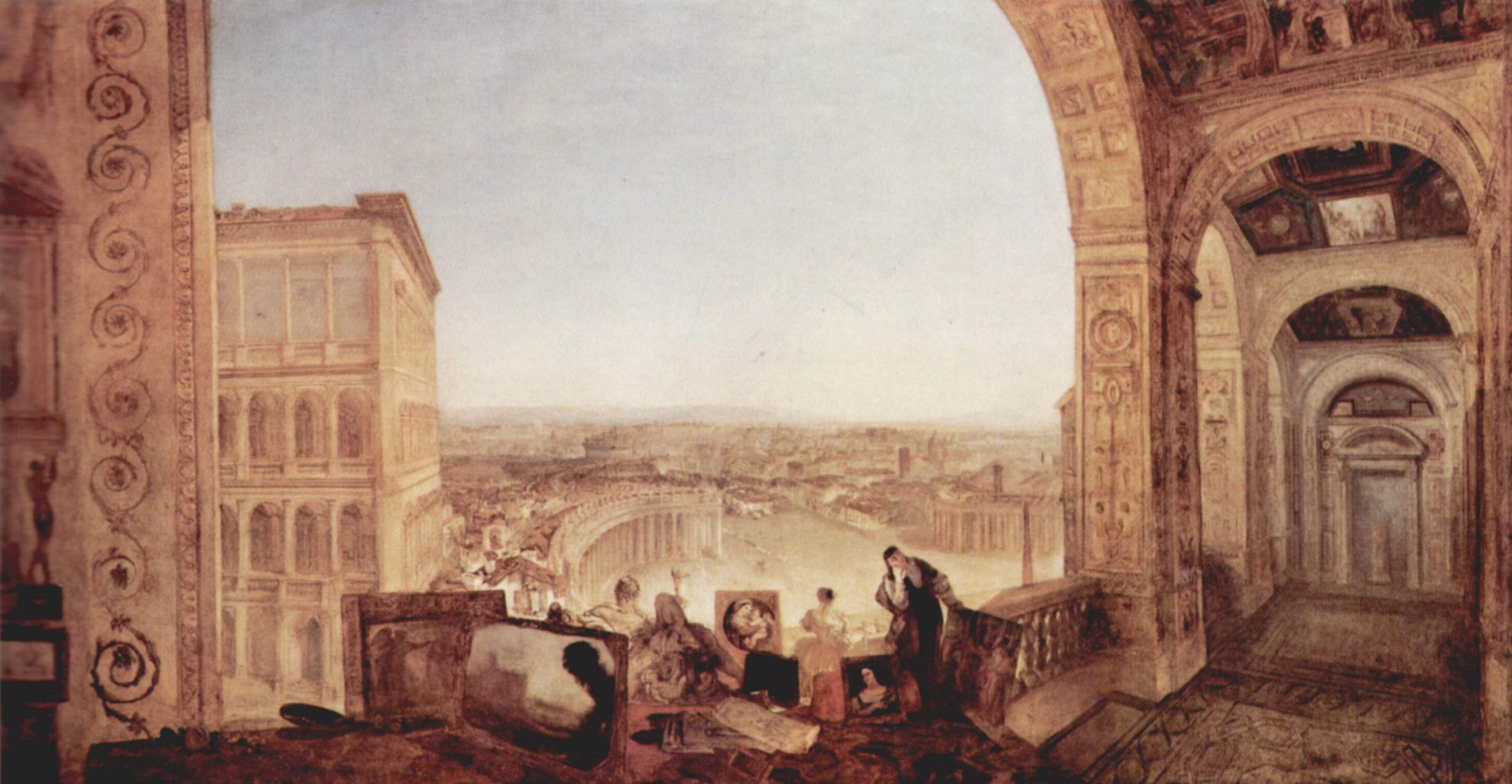
Rome, from the Vatican. Raffaelle, Accompanied by La Fornarina, Preparing his Pictures for the Decoration of the Loggia
J. M. W. Turner · 1820
Tate Britain
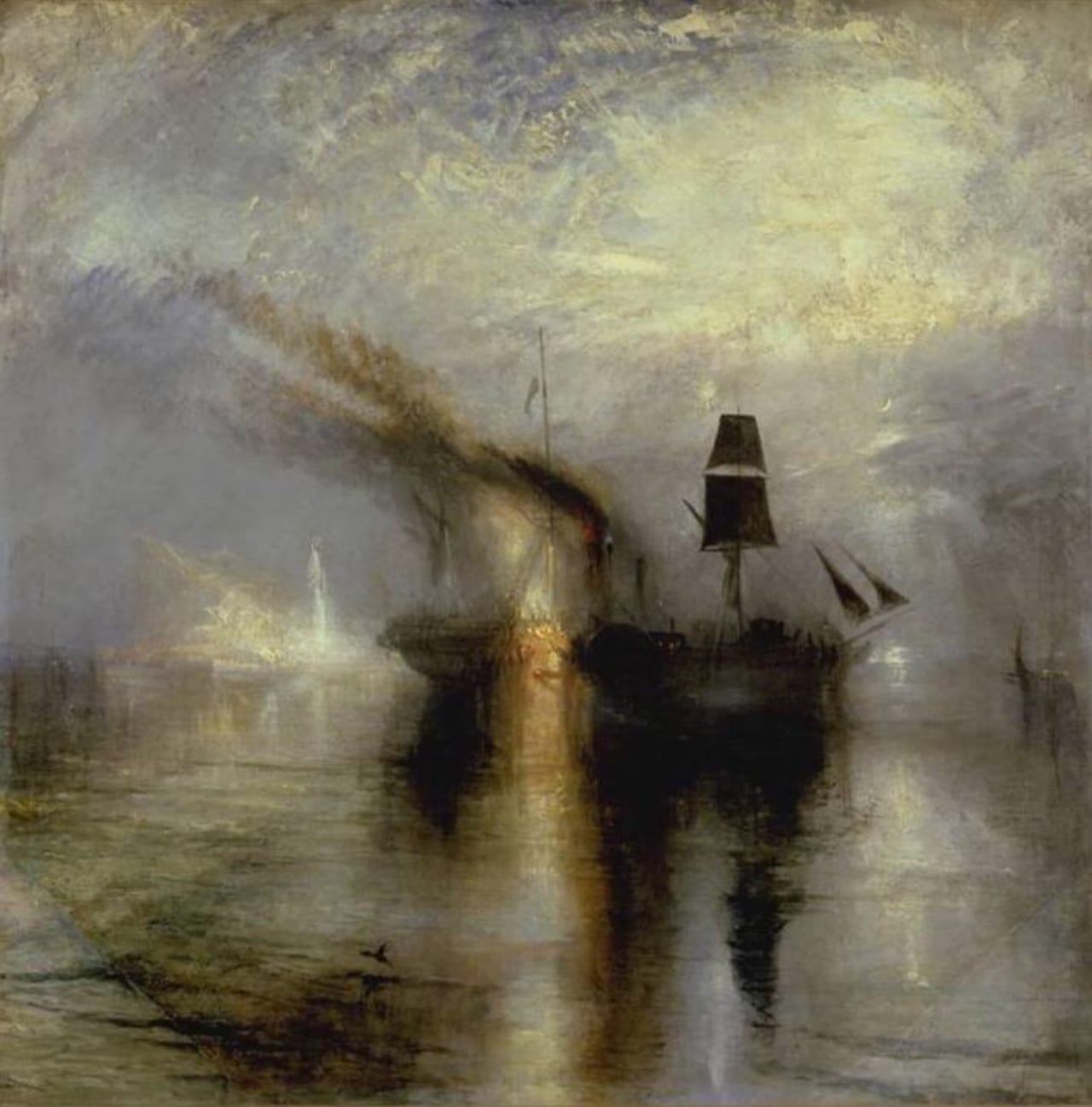
Peace – Burial at Sea
J. M. W. Turner · 1842
Tate Britain
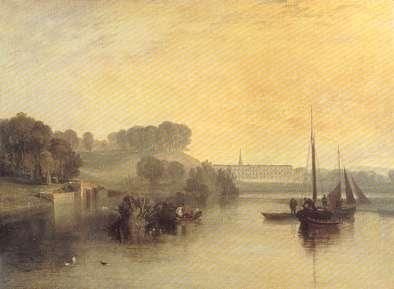
A distant view of Petworth House across the lake in Petworth Park
J. M. W. Turner
Tate Britain
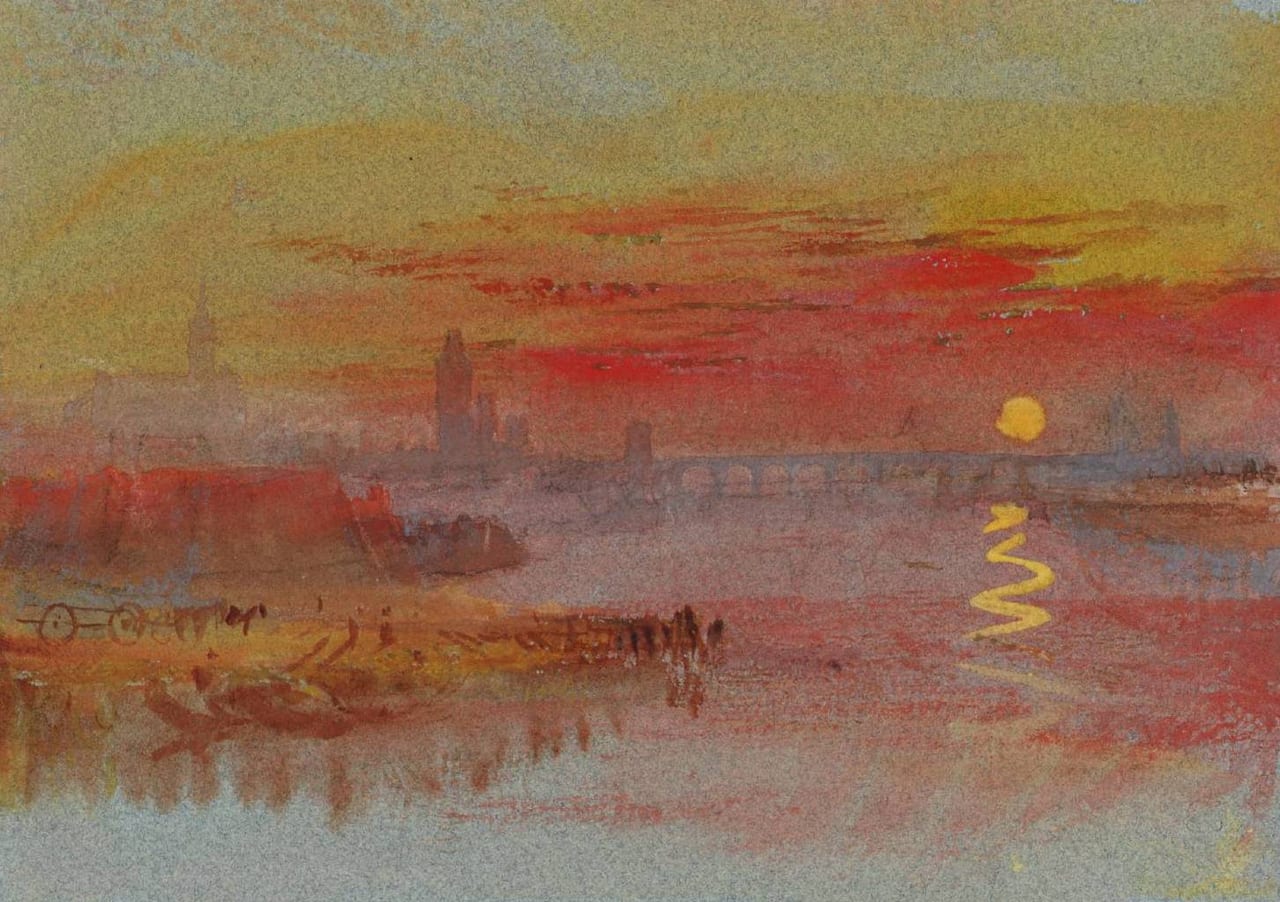
The Scarlet Sunset
J. M. W. Turner
Tate Britain
Works worth knowing
4 of J. M. W. Turner's works, and what makes each one worth a look.
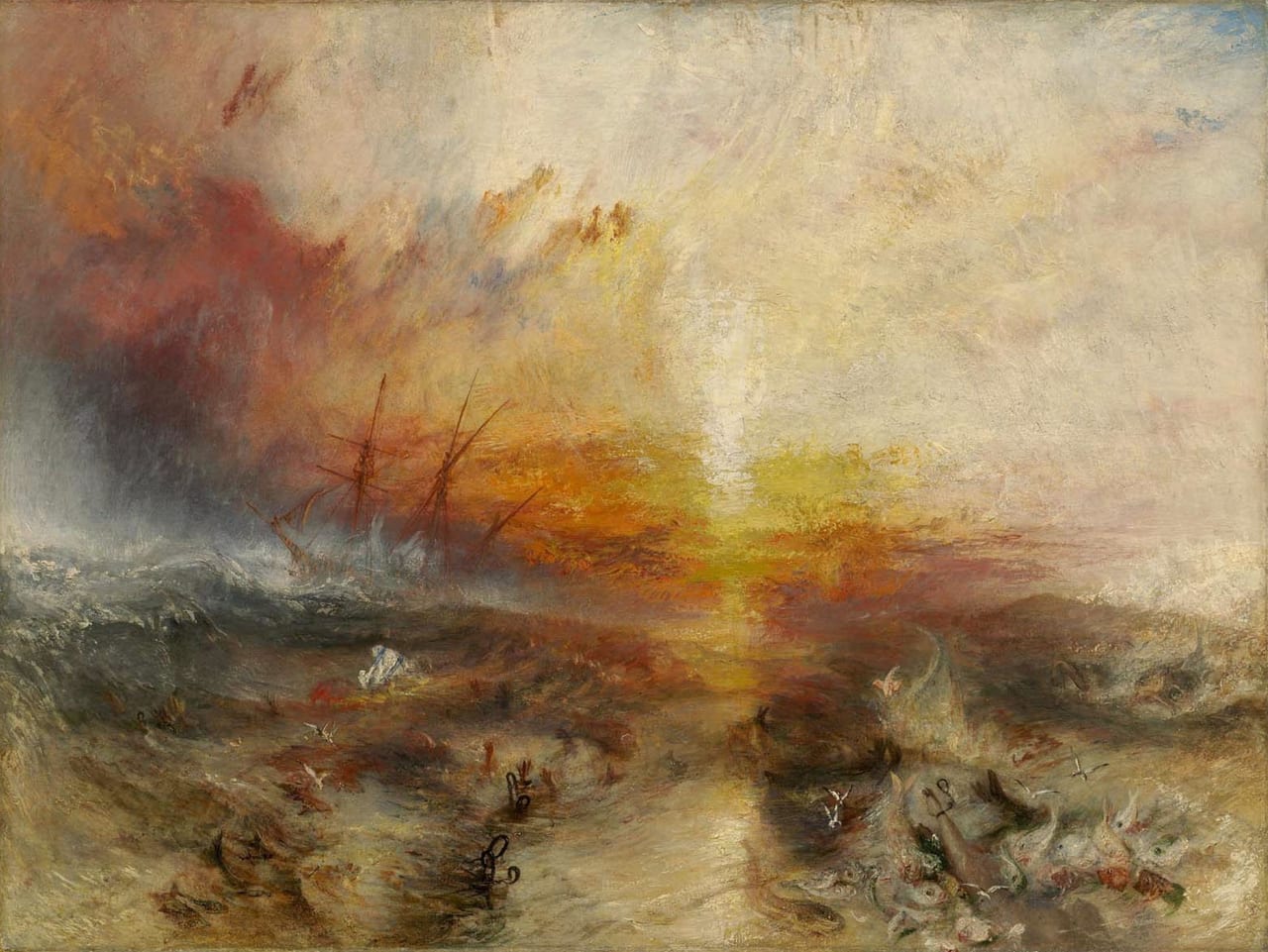
The Slave Ship
J. M. W. Turner · 1840
Museum of Fine Arts, Boston
The Slave Ship, originally titled Slavers Throwing overboard the Dead and Dying, Typhon coming on, is a painting by the British artist J. Turner, first exhibited at The Royal Academy of Arts in 1840. Measuring 35+3⁄4 in × 48+1⁄4 in (91 cm × 123 cm) in oil on canvas, it is now on display at the Museum of Fine Arts, Boston.
Norham Castle, Sunrise
J. M. W. Turner · 1845
Tate Britain
Norham Castle, Sunrise is an oil-on-canvas painting by English painter J. Turner, created around 1845. The painting depicts Norham Castle, overlooking the River Tweed, the border between England and Scotland.
Dido building Carthage
J. M. W. Turner · 1815
National Gallery
Dido building Carthage, or The Rise of the Carthaginian Empire is an oil on canvas painting by J. The painting is one of Turner's most important works, greatly influenced by the luminous classical landscapes of Claude Lorrain. Turner described it as his chef d'oeuvre.
Phryne Going to the Public Baths as Venus: Demosthenes Taunted by Aeschines
J. M. W. Turner · 1838
Tate Britain
Phryne Going to the Public Baths as Venus, Demosthenes Taunted by Aeschines is an 1838 history painting by the British artist J. It depicts a scene in Ancient Athens in the 4th century BC, combining two different legendary stories. The celebrated courtesan Phryne is going to the public baths in a public parade dressed as Venus.
How J. M. W. Turner worked
From the record of their own practice.
Turner's talent was recognised early in his life. Financial independence allowed Turner to innovate freely; his mature work is characterised by a chromatic palette and broadly applied atmospheric washes of paint. According to David Piper's The Illustrated History of Art, his later pictures were called "fantastic puzzles". Turner was recognised as an artistic genius; the English art critic John Ruskin described him as the artist who could most "stirringly and truthfully measure the moods of Nature". Turner's imagination was sparked by shipwrecks, fires (including the burning of Parliament in 1834, an event which Turner witnessed first-hand, and transcribed in a series of watercolour sketches), and natural phenomena such as sunlight, storm, rain, and fog.
Where the work hangs
The museums that hold it, and their visitor guides.
Tate Britain
16 in the archive · London
Scottish National Gallery
4 in the archive · Edinburgh
National Gallery
3 in the archive · London
Huntington Library, Art Museum and Botanical Gardens
2 in the archive · San Marino, California
Toledo Museum of Art
1 in the archive · Toledo
Museum of Fine Arts, Boston
1 in the archive · Boston
If you like J. M. W. Turner
Artists held by the same museums.
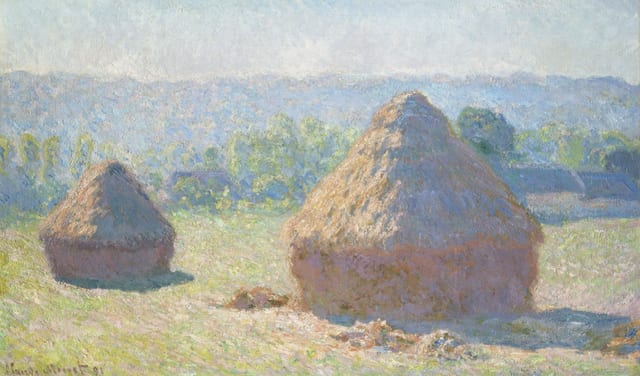
Claude Monet
France · 12 in the archive
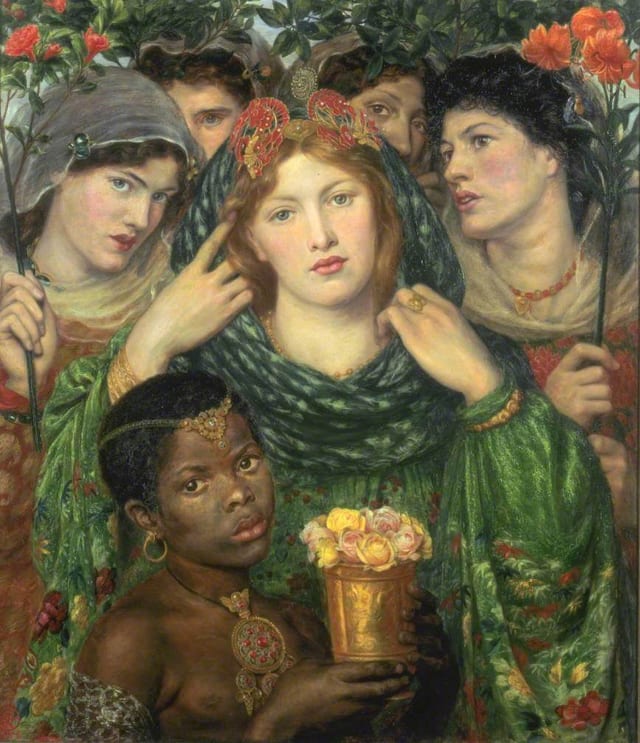
Dante Gabriel Rossetti
United Kingdom of Great Britain and Ireland · 10 in the archive
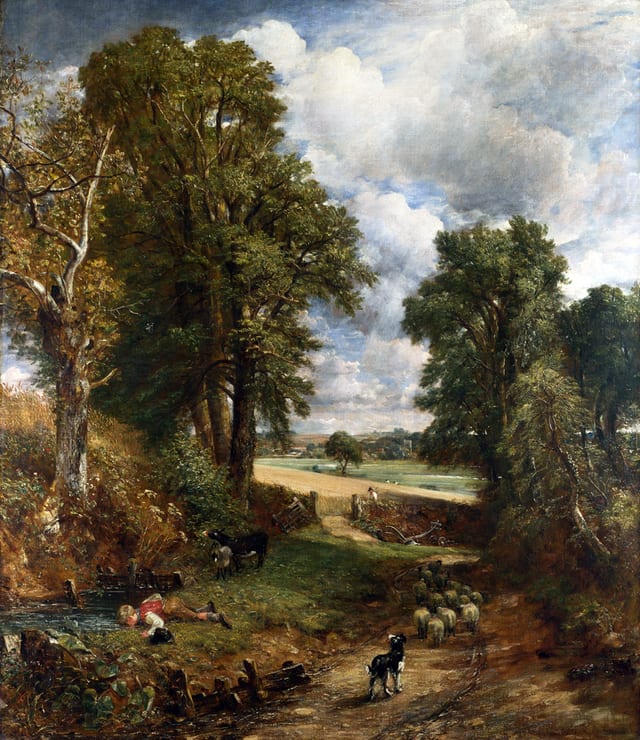
John Constable
Kingdom of Great Britain · 10 in the archive
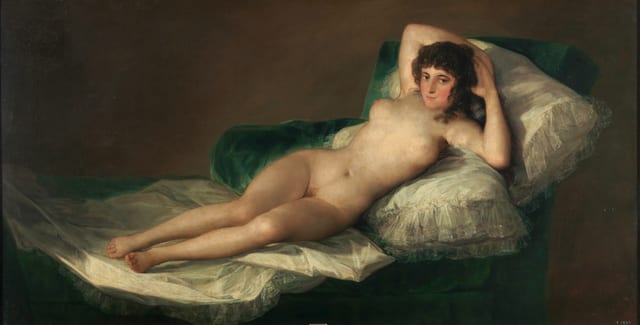
Francisco Goya
Spanish · 8 in the archive
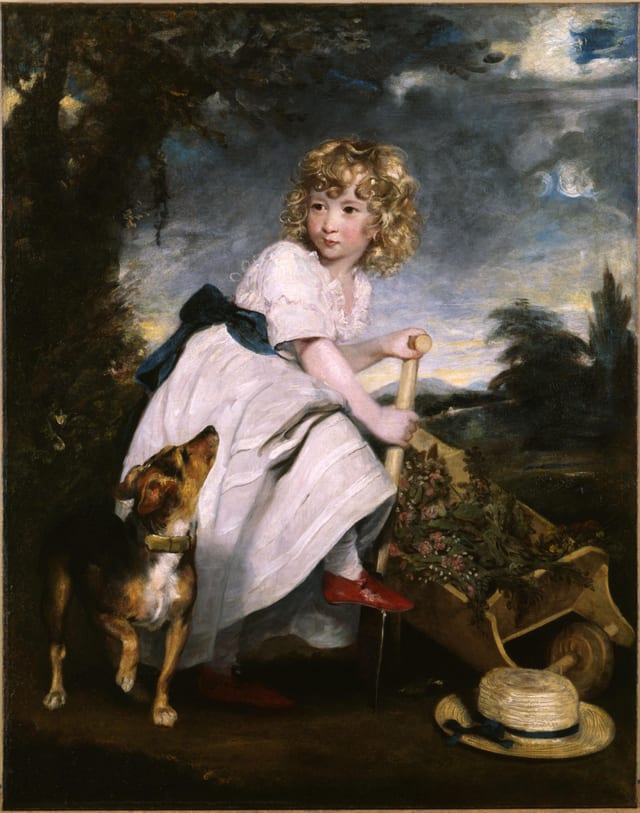
Joshua Reynolds
English · 8 in the archive
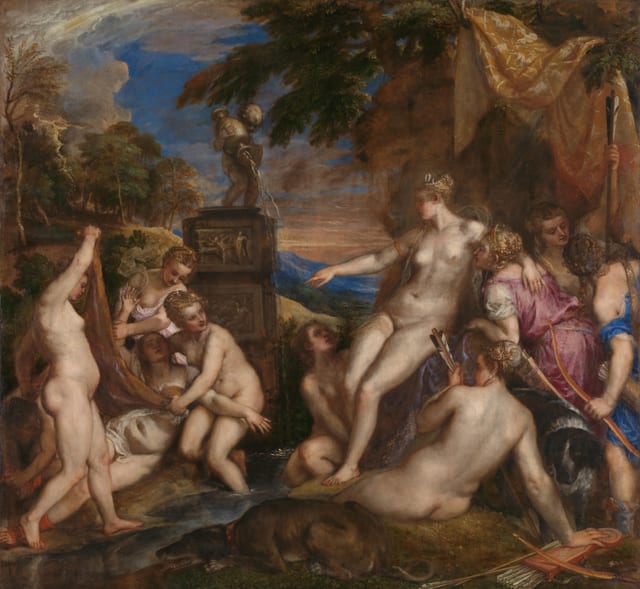
Titian
Italian · 8 in the archive
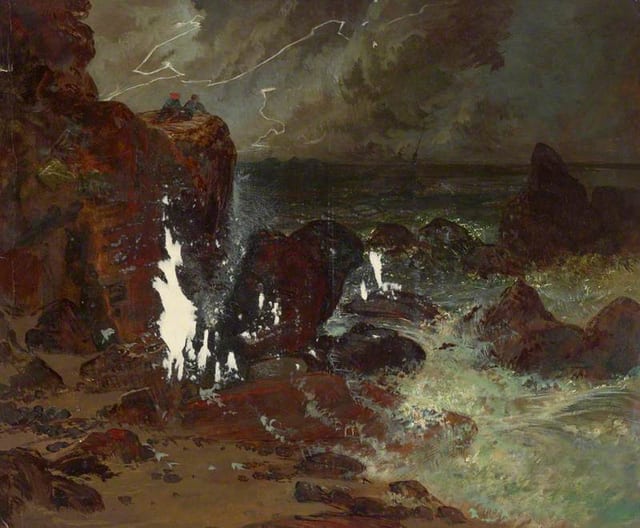
William Bell Scott
United Kingdom of Great Britain and Ireland · 8 in the archive
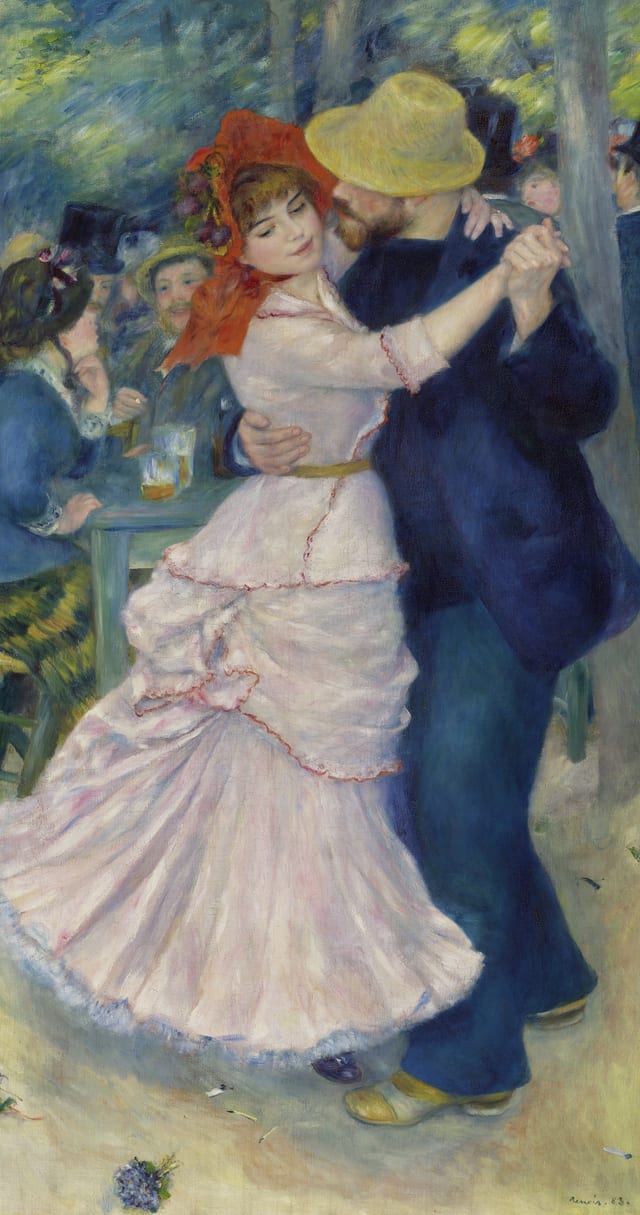
Auguste Renoir
France · 7 in the archive
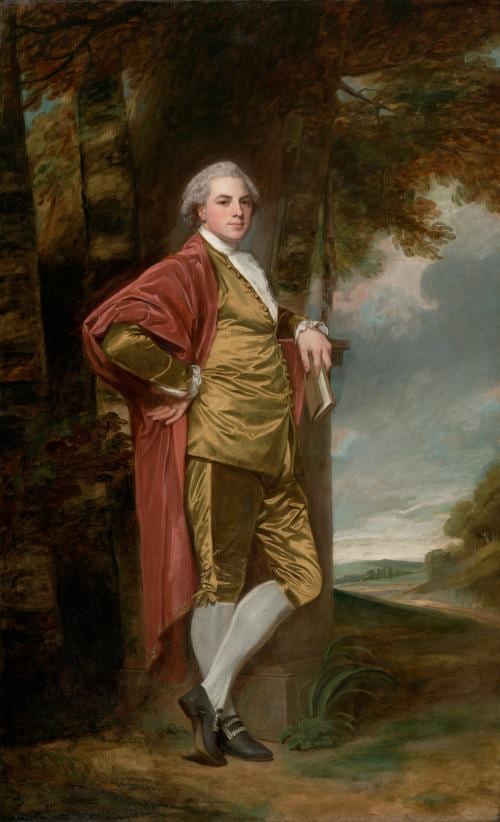
George Romney
English · 7 in the archive
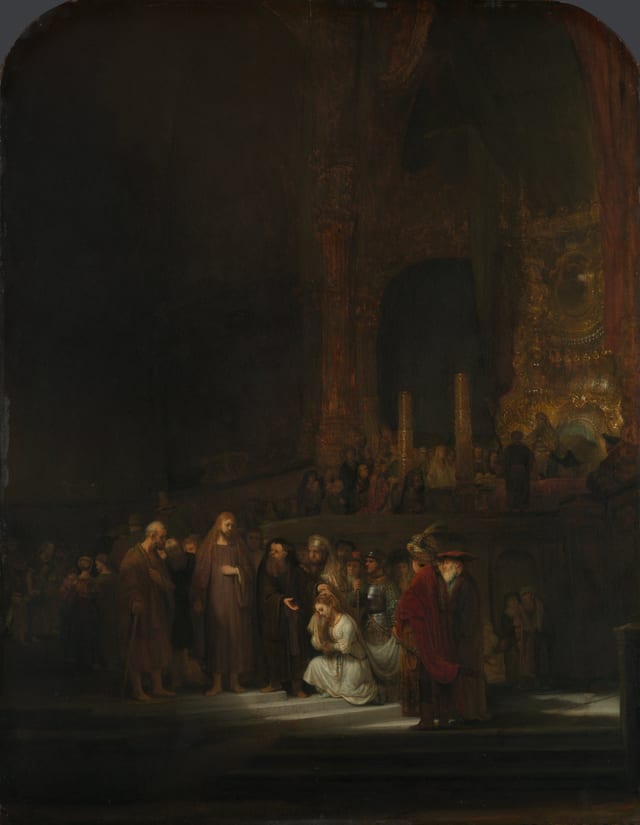
Rembrandt van Rijn
Dutch · 7 in the archive
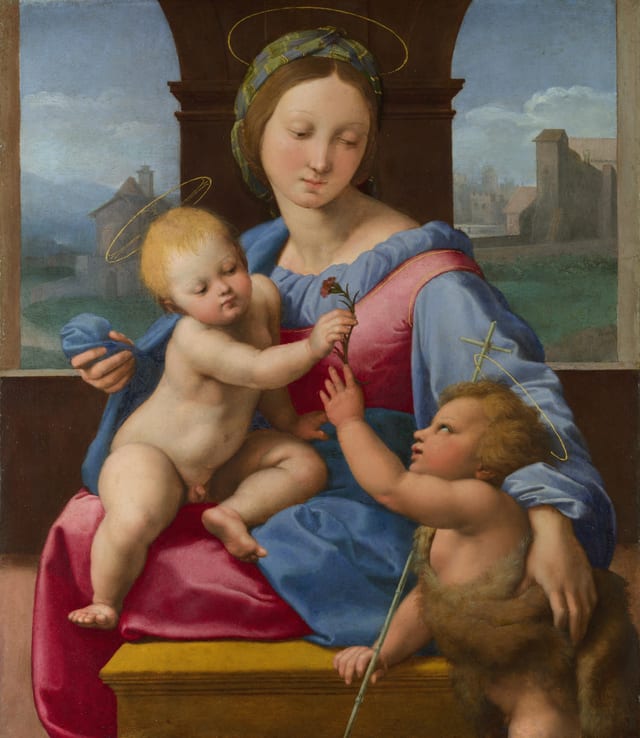
Raphael
Holy Roman Empire · 6 in the archive
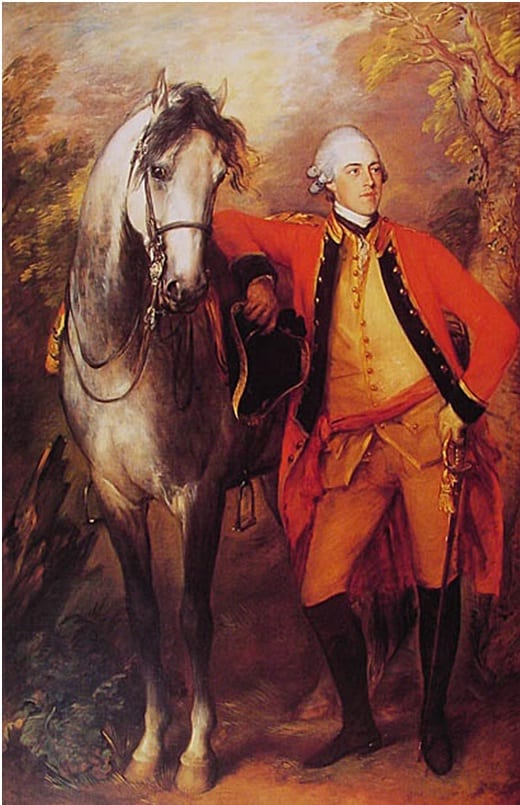
Thomas Gainsborough
English · 6 in the archive
Invite the masters into your living room.
J. M. W. Turner on your TV, phone, or tablet. Free to start.
View on MomentableIndependent guide by Momentable · biography from Wikipedia · artworks are in the public domain and credited to the museum that holds them