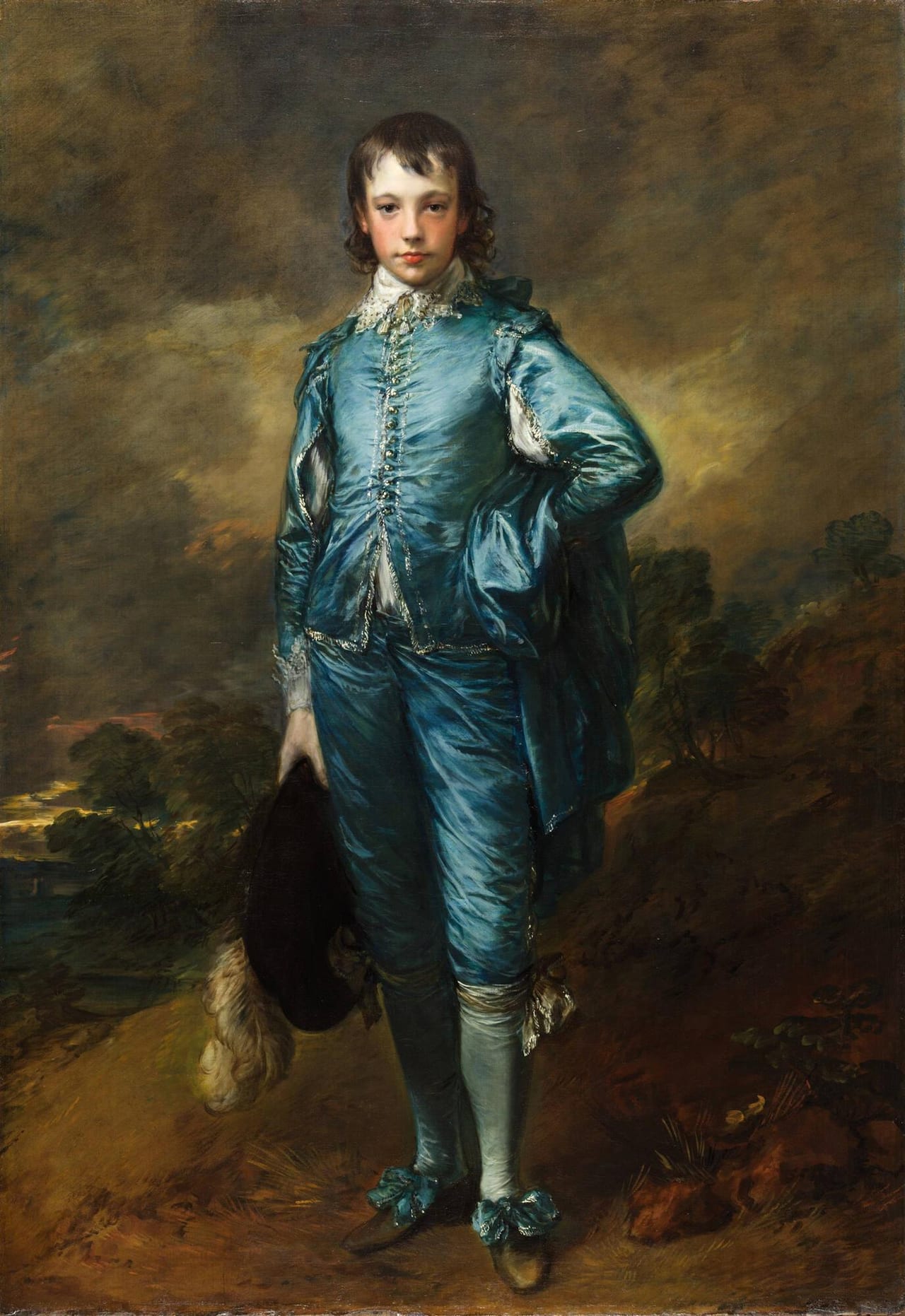
The Blue Boy
Thomas Gainsborough · 1770

Thomas Gainsborough
English · 1727–1788
Thomas Gainsborough was an English painter, draughtsman and printmaker who specialised in portrait and landscape painting. Along with his rival Sir Joshua Reynolds, he was one of the most important British artists of the 18th century. He painted quickly, and the works of his maturity are characterised by a light palette and easy strokes. Despite being a prolific portrait painter, Gainsborough gained greater satisfaction from his landscapes. He is credited as the originator of the 18th-century British landscape school. Gainsborough was a founding member of the Royal Academy.
Independent artist guide by Momentable. Biography from Wikipedia; artworks credited to the museums that hold them.
 LIVENow streaming · The Blue Boy
- works in the archive
- 14works in the archive
- life
- 1727–1788life
- movement
- Rococomovement
The work
A selection of 7 works, free to stream.
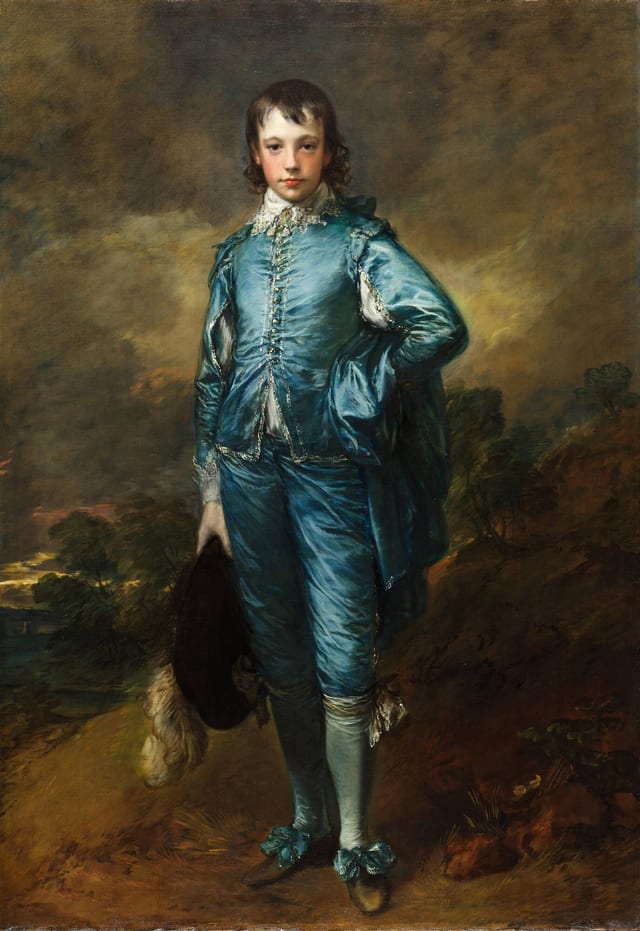
The Blue Boy
Thomas Gainsborough · 1770
Huntington Library, Art Museum and Botanical Gardens
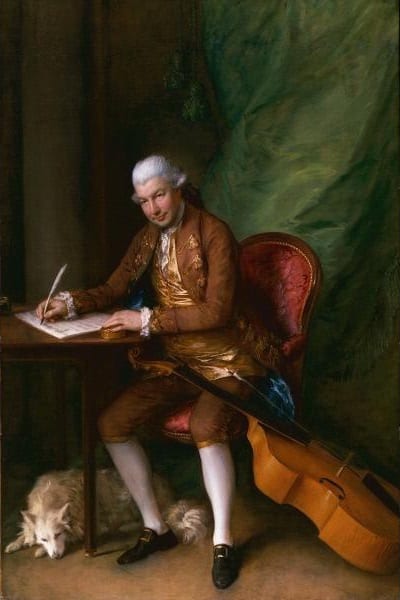
Carl Friedrich Abel
Thomas Gainsborough · 1777
Huntington Library, Art Museum and Botanical Gardens
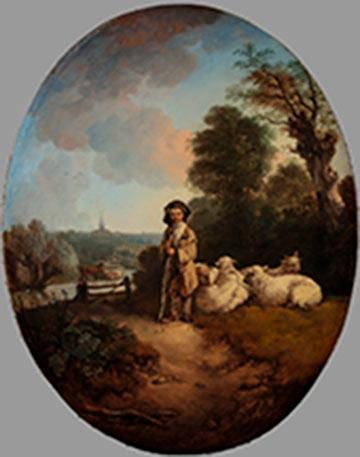
The Shepherd Boy
Thomas Gainsborough
Toledo Museum of Art
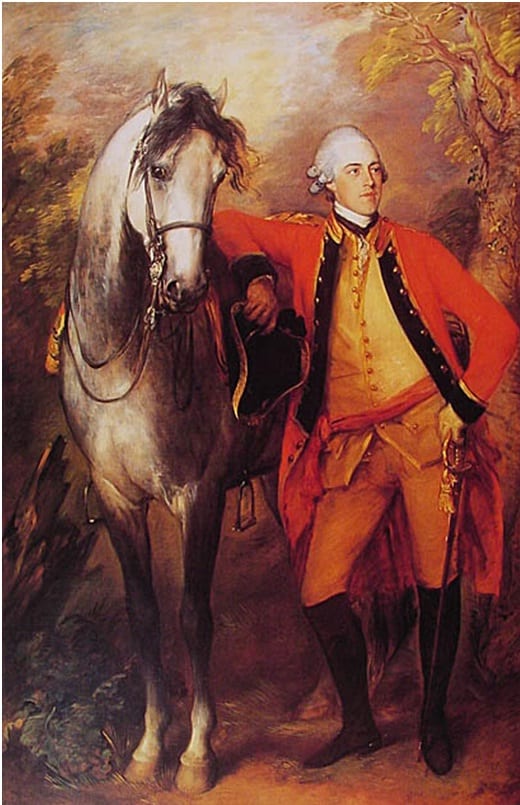
Portrait of Edward Ligonier, 1st Earl Ligonier (1740-1782)
Thomas Gainsborough · 1770
Huntington Library, Art Museum and Botanical Gardens
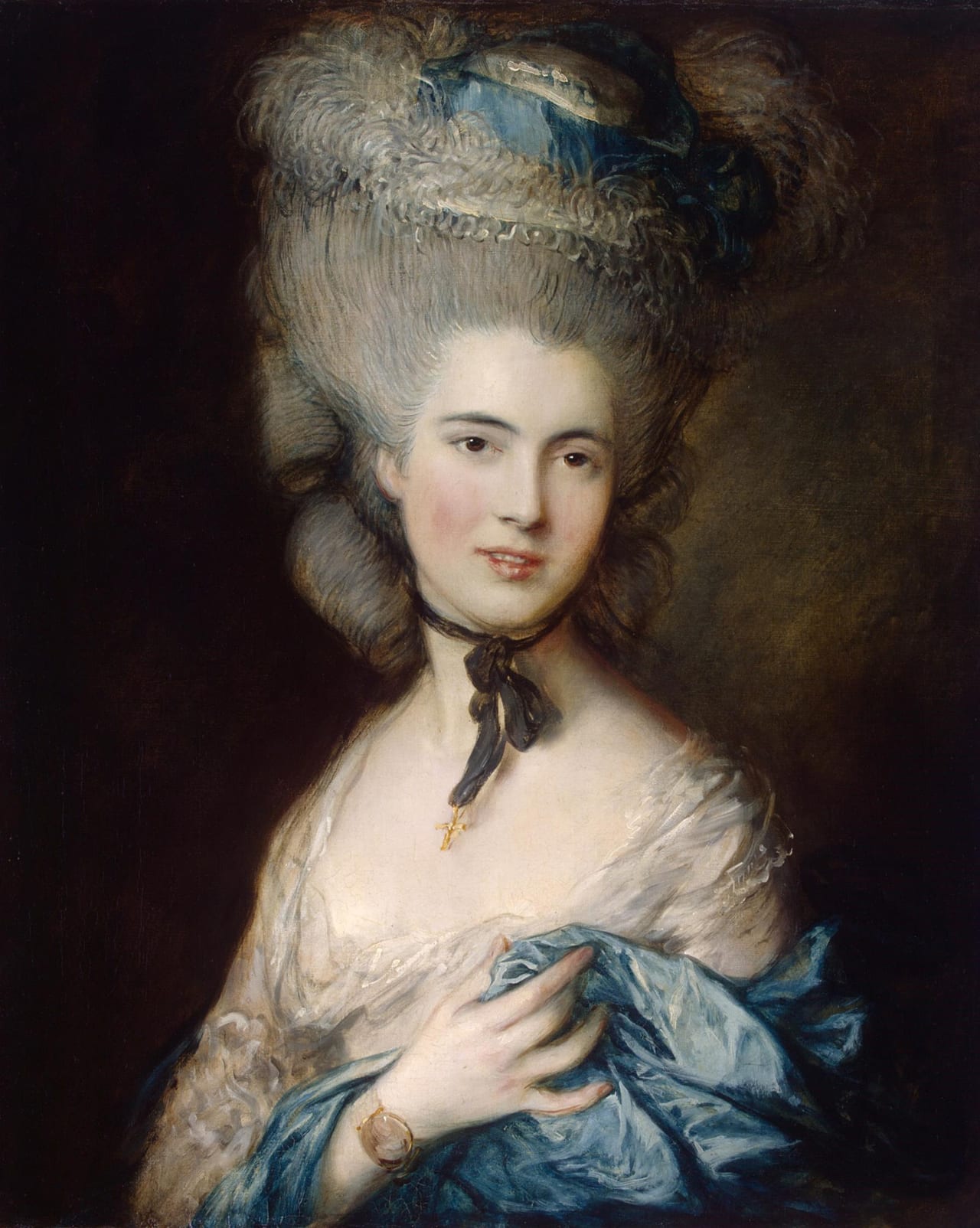
Portrait of a Lady in Blue
Thomas Gainsborough · 1780
State Hermitage Museum
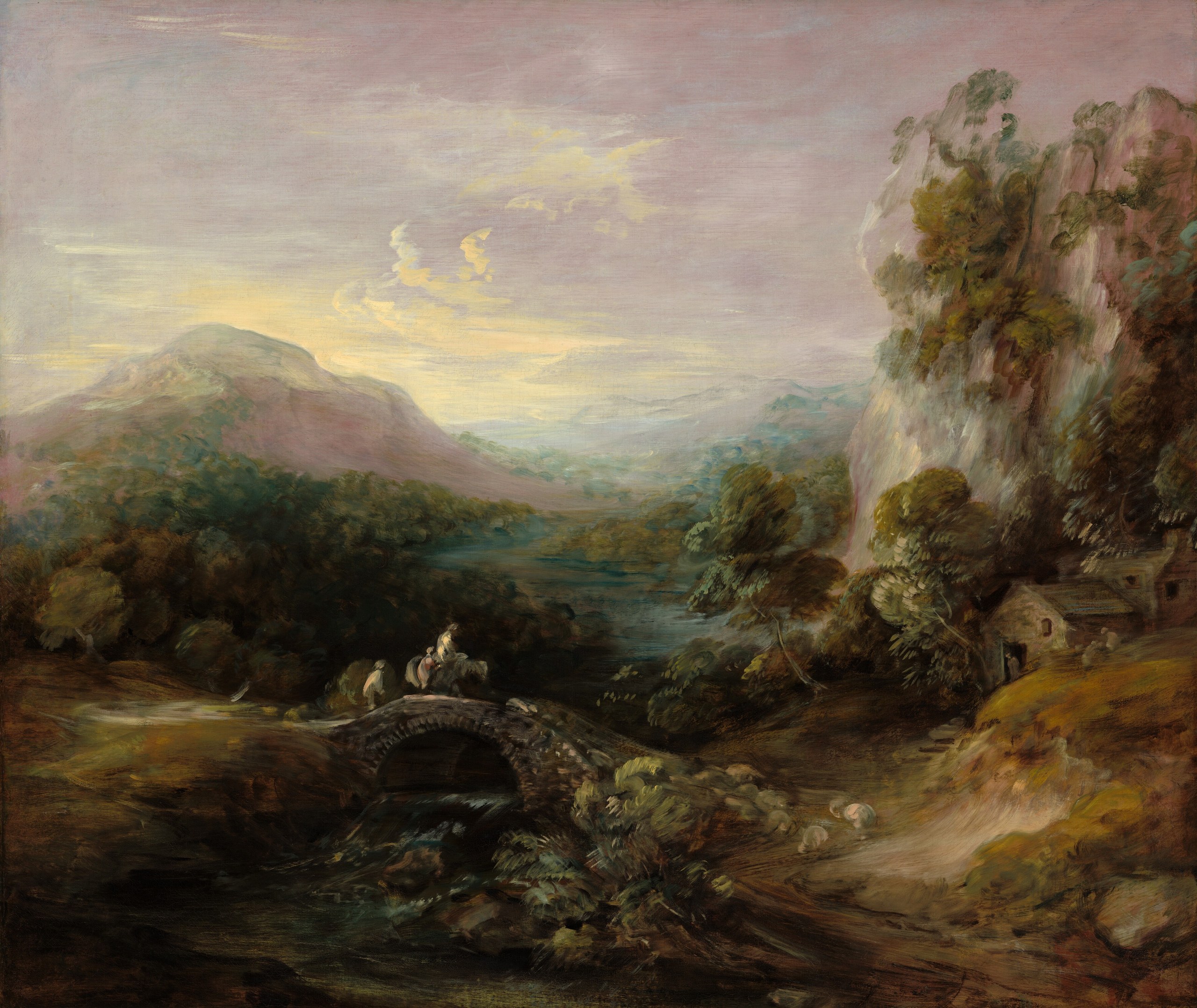
Mountain Landscape with Bridge
Thomas Gainsborough
National Gallery of Art
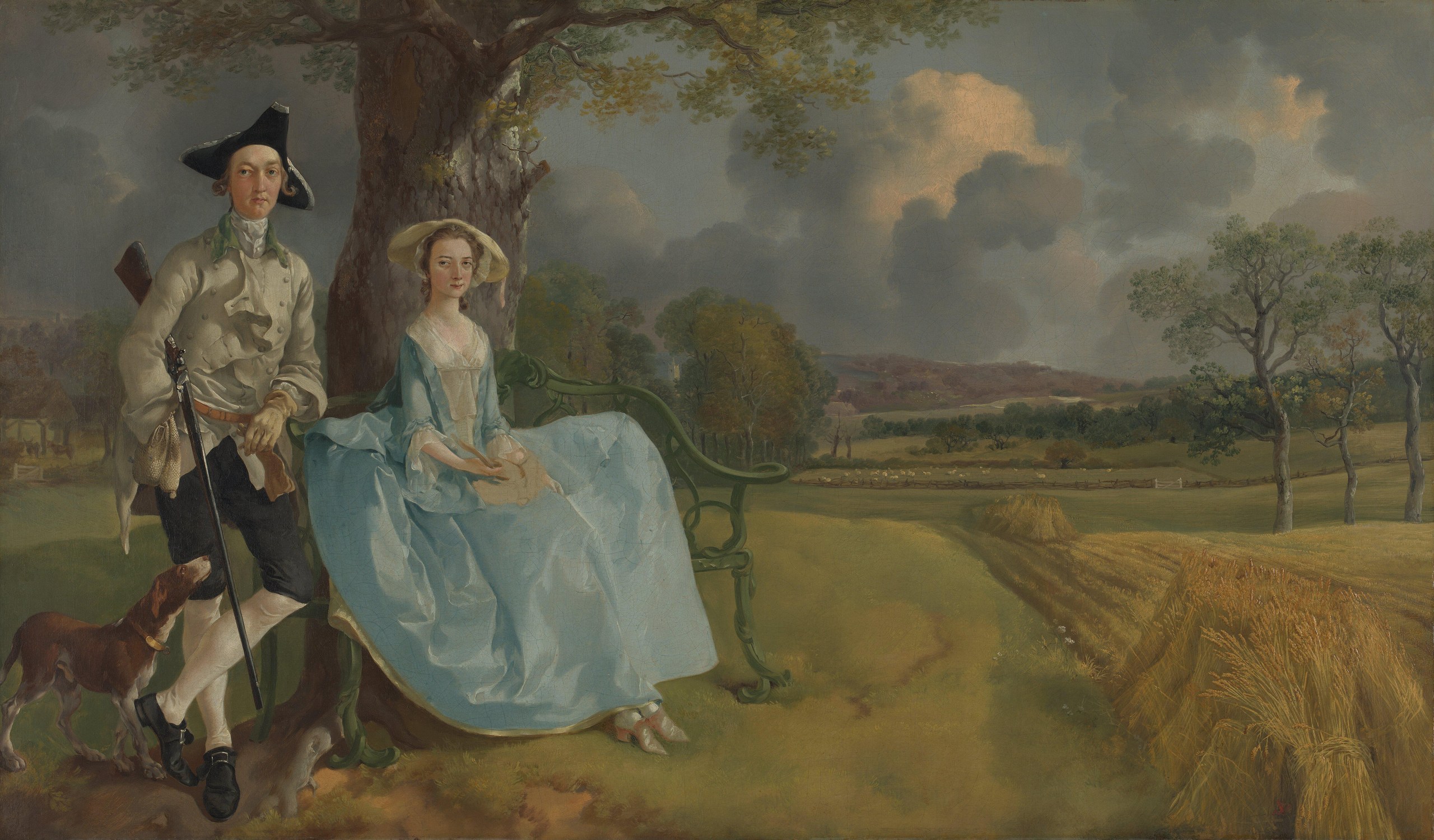
Mr and Mrs Andrews
Thomas Gainsborough · 1748
National Gallery
Works worth knowing
4 of Thomas Gainsborough's works, and what makes each one worth a look.
The Blue Boy
Thomas Gainsborough · 1770
Huntington Library, Art Museum and Botanical Gardens
The Blue Boy is a full-length oil on canvas portrait in oil by English artist Thomas Gainsborough, from c. It is owned by The Huntington in San Marino, California. Although both it and its creator are well known, the subject's identity is disputed.
Portrait of a Lady in Blue
Thomas Gainsborough · 1780
State Hermitage Museum
The Portrait of a Lady in Blue, or Woman in Blue, is an oil-on-canvas portrait by English artist Thomas Gainsborough, from c. It is held in the Hermitage Museum, in Saint Petersburg, to which it was left in 1916 by Alexei Khitrovo, making it Gainsborough's only work in Russia. It was created during Gainsborough's fifteen-year stay in Bath, Somerset.
Mountain Landscape with Bridge
Thomas Gainsborough
National Gallery of Art
Landscape painting, also known as landscape art, is the depiction in painting of natural scenery such as mountains, valleys, rivers, trees, and forests, especially where the main subject is a wide view, with its elements arranged into a coherent composition. In other works, landscape backgrounds for figures can still form an important part of the work. Sky is almost always included in the view, and weather is often an element of the composition.
Mr and Mrs Andrews
Thomas Gainsborough · 1748
National Gallery
Mr and Mrs Andrews is an oil on canvas portrait of about 1750 by Thomas Gainsborough, now in the National Gallery, London. Today it is one of his most famous works, but it remained in the family of the sitters until 1960 and was very little known before it appeared in an exhibition in Ipswich in 1927, after which it was regularly requested for other exhibitions in Britain and abroad, and praised by critics for its charm and freshness. By the post-war years its iconic status was established, and it was one of four paintings chosen to represent British art in an exhibition in Paris celebrating the Coronation of Queen Elizabeth II in 1953.
How Thomas Gainsborough worked
From the record of their own practice.
The art historian Michael Rosenthal described Gainsborough as "one of the most technically proficient and, at the same time, most experimental artists of his time". He was noted for the speed with which he applied paint, and he worked more from observations of nature (and of human nature) than from application of formal academic rules. The poetic sensibility of his paintings caused John Constable to say, "On looking at them, we find tears in our eyes and know not what brings them." Gainsborough's enthusiasm for landscapes is shown in the way he merged figures of the portraits with the scenes behind them. His landscapes were often painted at night by candlelight, using a tabletop arrangement of stones, pieces of mirrors, broccoli, and the like as a model.
Where the work hangs
The museums that hold it, and their visitor guides.
If you like Thomas Gainsborough
Artists held by the same museums.
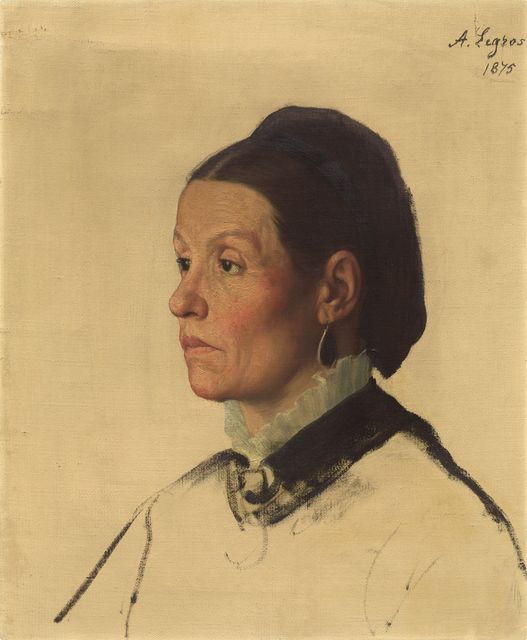
Alphonse Legros
French · 561 in the archive
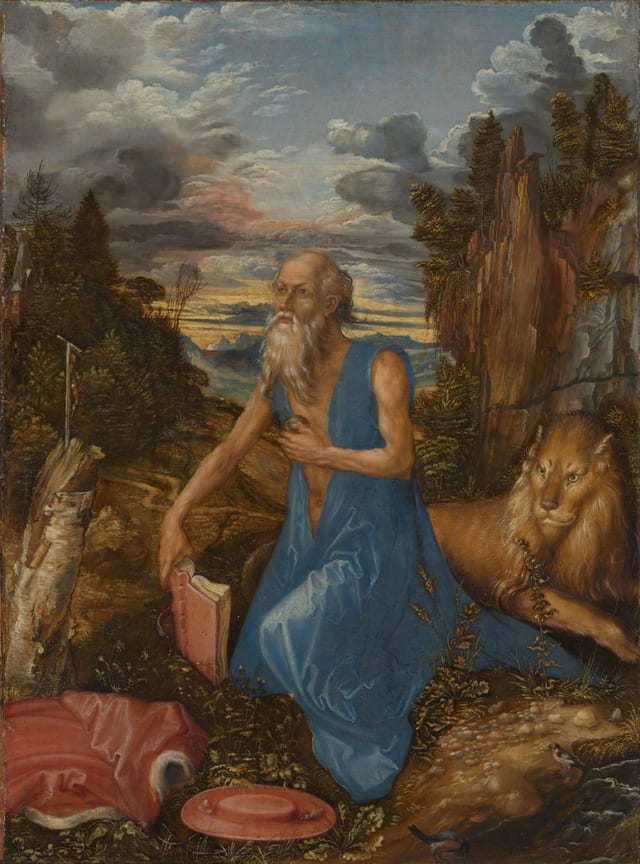
Albrecht Dürer
German · 288 in the archive
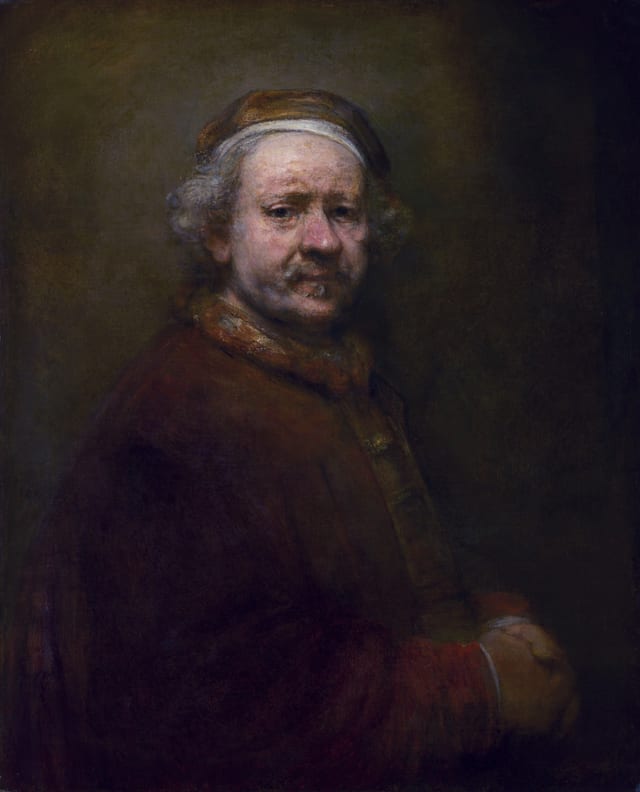
Rembrandt van Rijn
Dutch · 266 in the archive
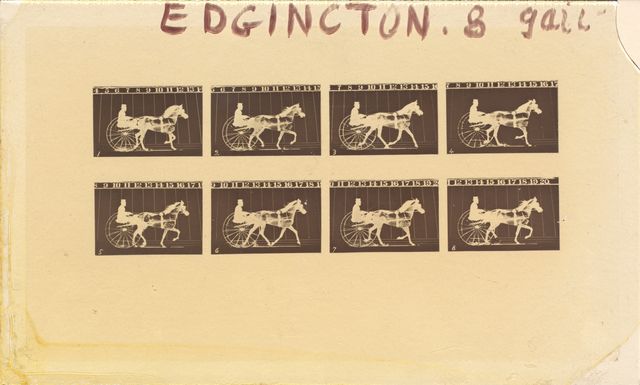
Eadweard Muybridge
English · 259 in the archive
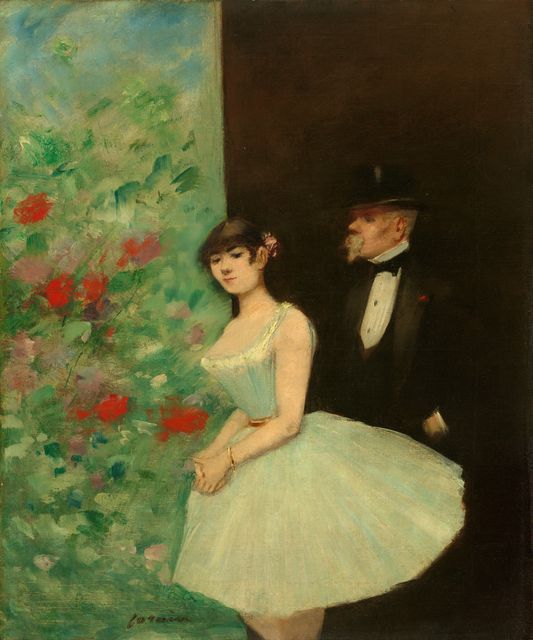
Jean-Louis Forain
French · 259 in the archive
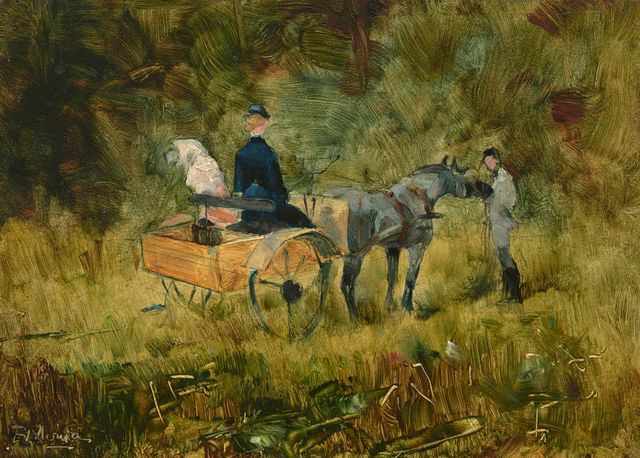
Henri de Toulouse-Lautrec
French · 242 in the archive
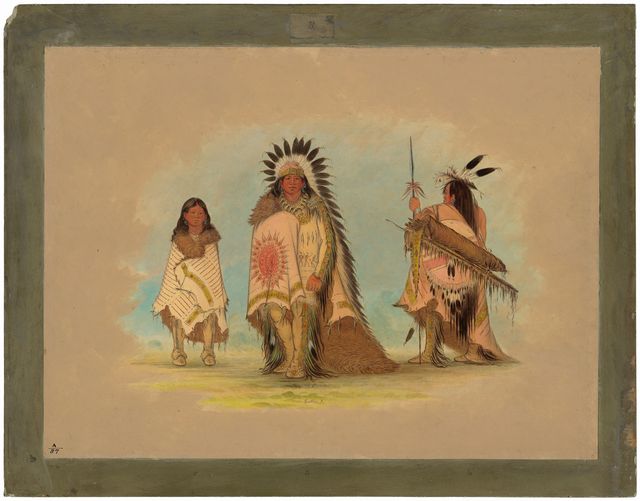
George Catlin
United States · 223 in the archive
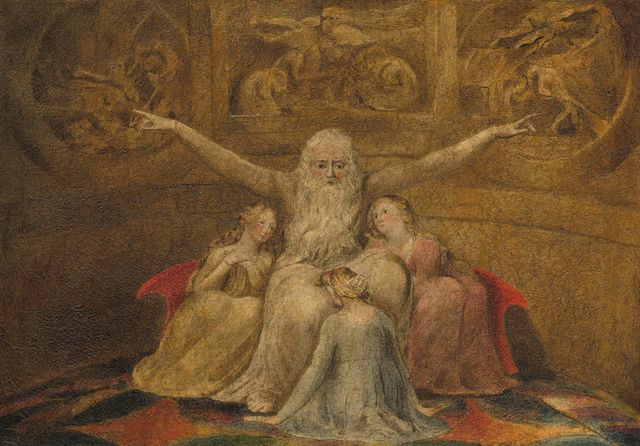
William Blake
United Kingdom of Great Britain and Ireland · 173 in the archive
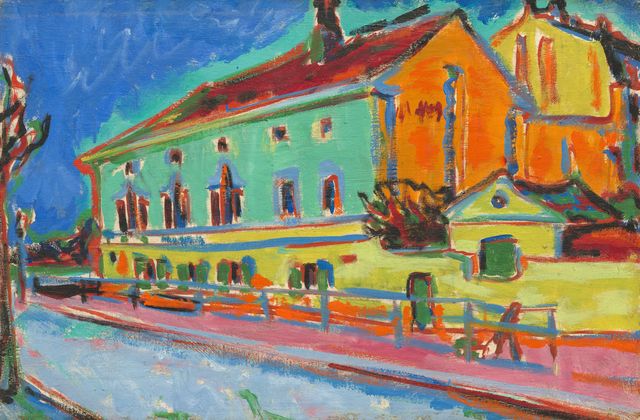
Ernst Ludwig Kirchner
German · 147 in the archive
Majel G. Claflin
United States · 135 in the archive
Mina Lowry
United States · 124 in the archive
Francisco Goya
Spanish · 122 in the archive
Invite the masters into your living room.
Thomas Gainsborough on your TV, phone, or tablet. Free to start.
View on MomentableIndependent guide by Momentable · biography from Wikipedia · artworks are in the public domain and credited to the museum that holds them