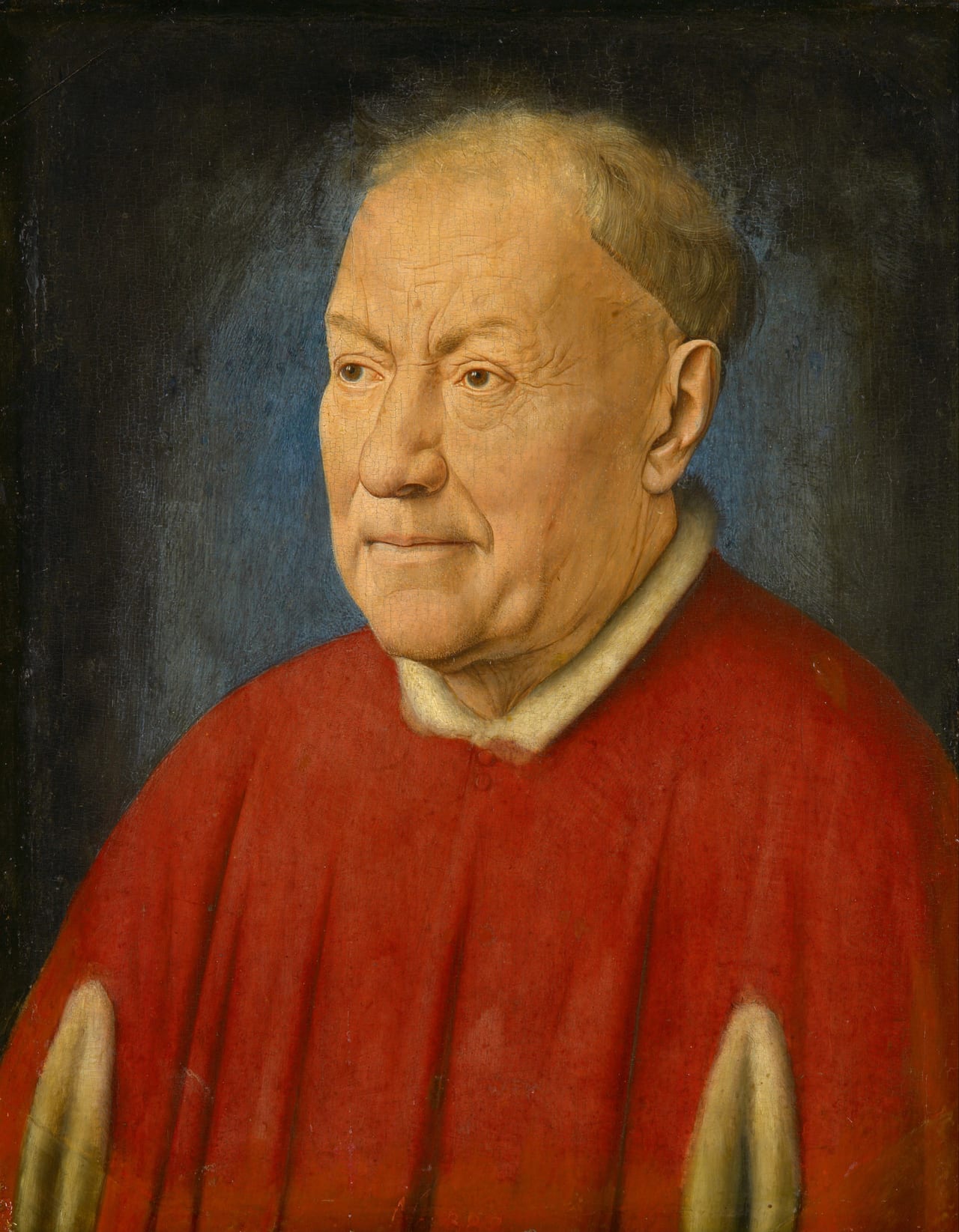
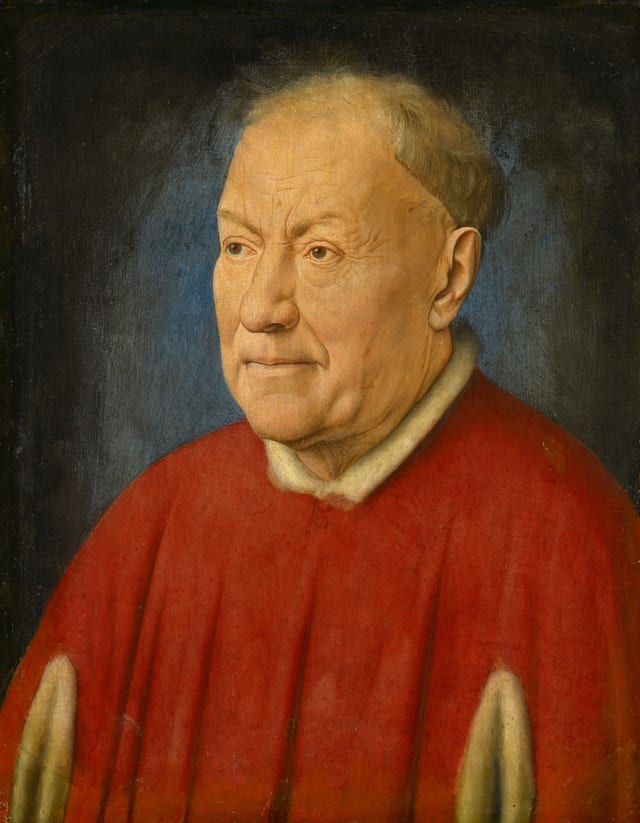
Portrait of Cardinal Niccolò Albergati
Jan van Eyck · 1438

Jan van Eyck
Southern Netherlands · 1390–1441
Jan van Eyck was an early Netherlandish painter active in Bruges who was one of the early innovators of what became known as early Netherlandish painting, and one of the supreme figures of the Early Northern Renaissance. Such was his legacy, that he has been called "the inventor of oil-painting" by Vasari, Ernst Gombrich, and others, although this claim is now considered an oversimplification.
Independent artist guide by Momentable. Biography from Wikipedia; artworks credited to the museums that hold them.
 LIVENow streaming · Portrait of Cardinal Niccolò Albergati
- life
- 1390–1441life
- movement
- Early Netherlandish paintingmovement
The work
A selection of 8 works, free to stream.
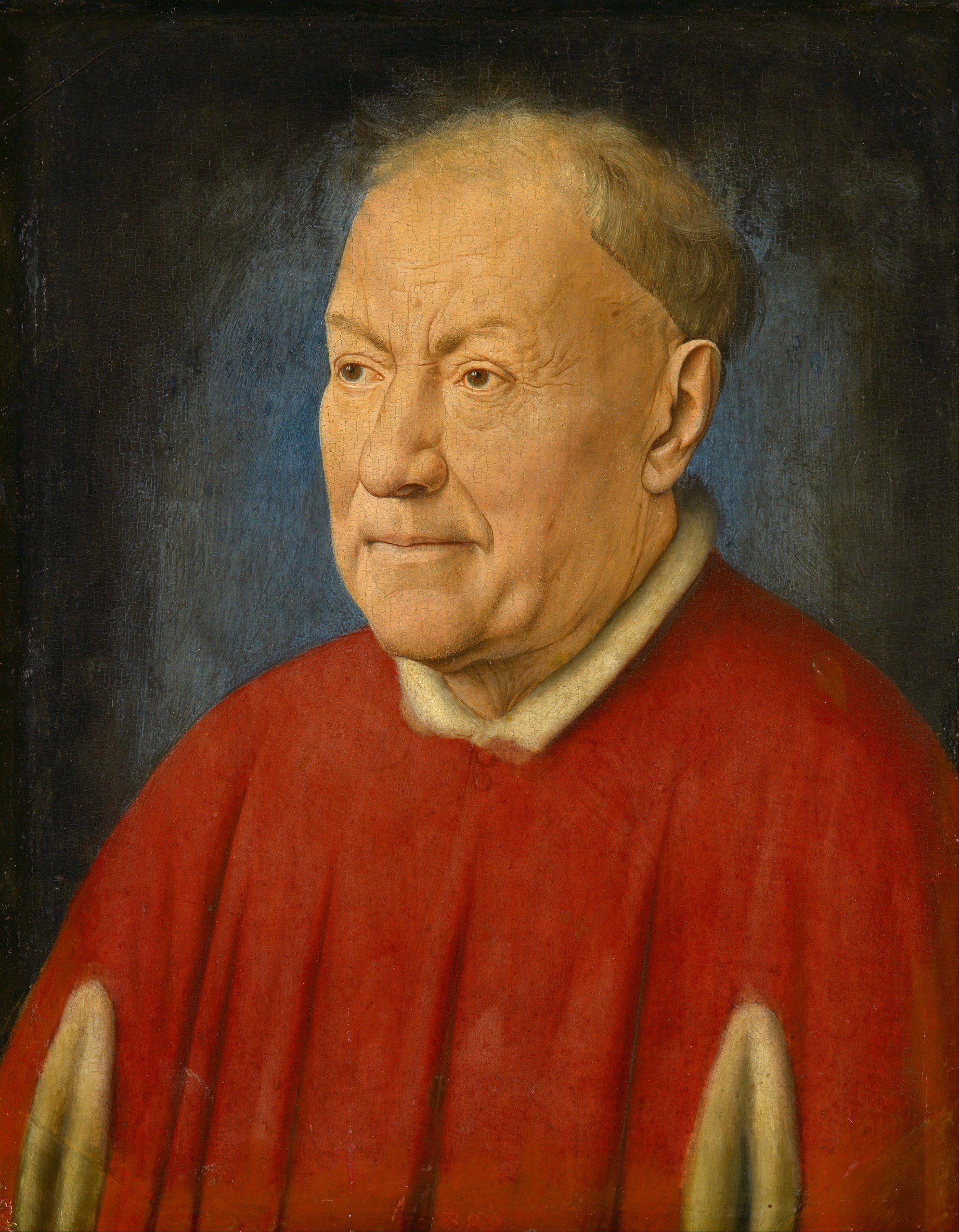
Portrait of Cardinal Niccolò Albergati
Jan van Eyck · 1438
Kunsthistorisches Museum
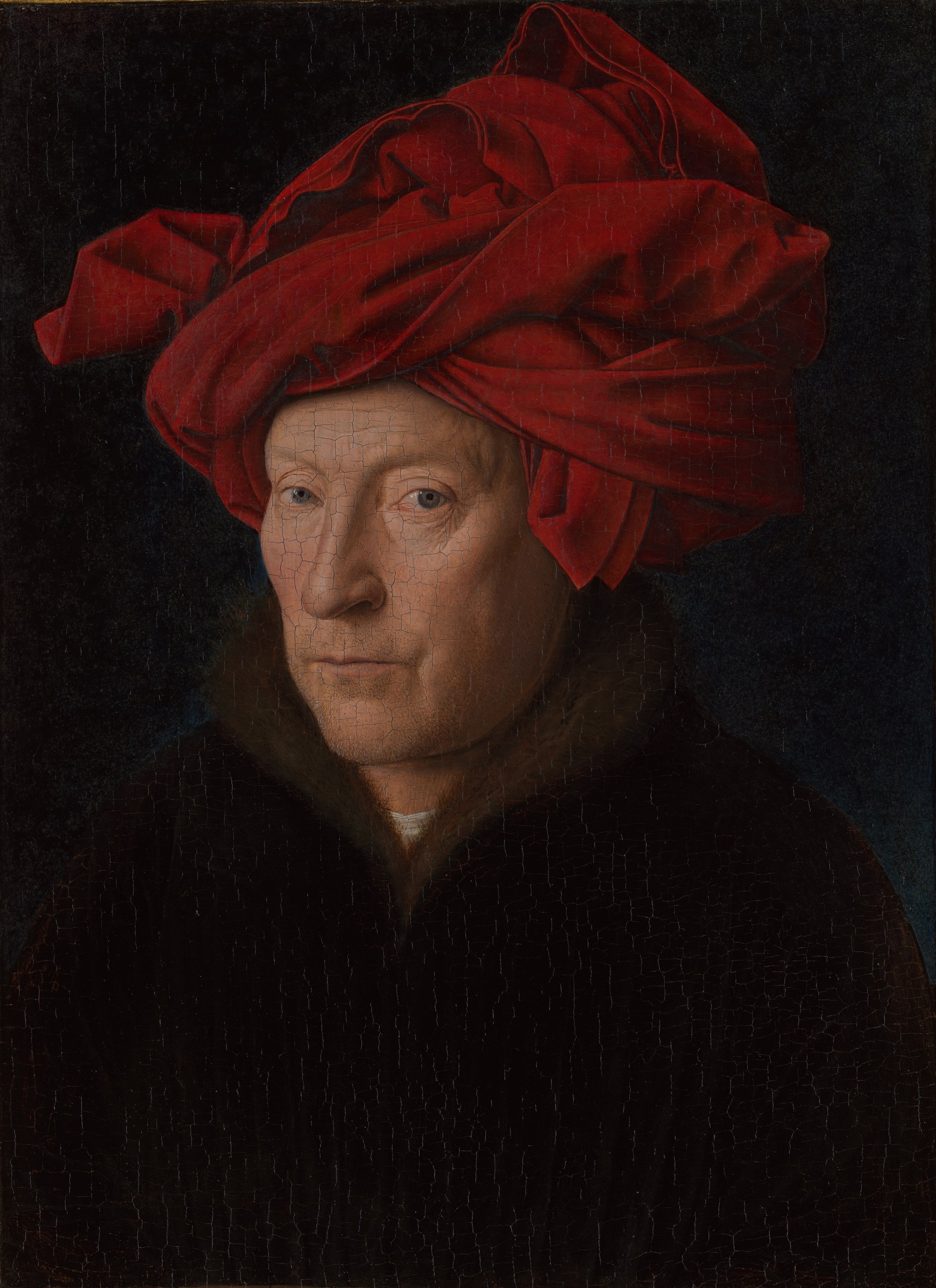
Portrait of a Man (Self Portrait?)
Jan van Eyck · 1433
National Gallery
Portrait of Jan de Leeuw
Jan van Eyck · 1436
Kunsthistorisches Museum
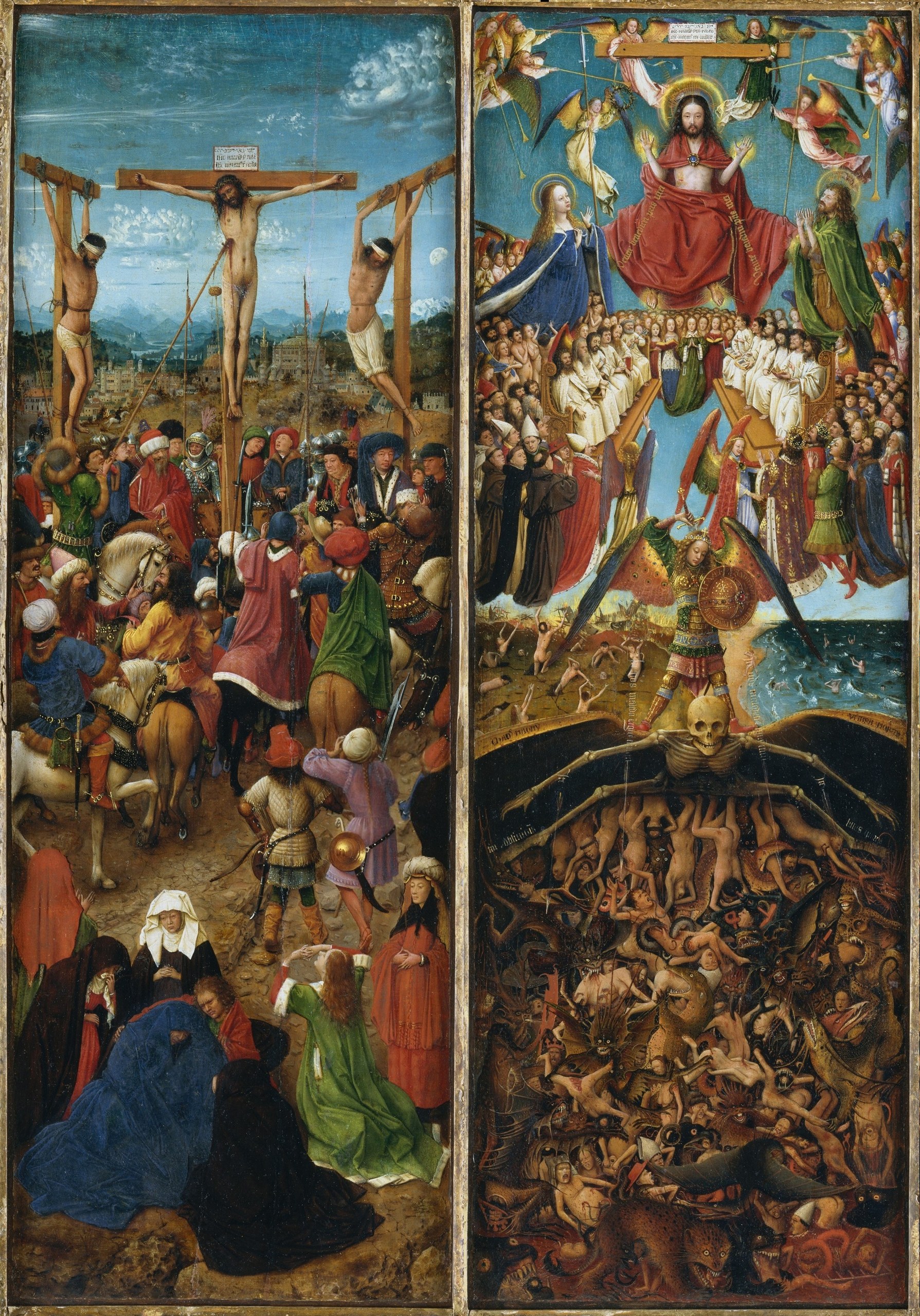
Crucifixion and Last Judgement diptych
Jan van Eyck · 1437
State Hermitage Museum
Léal Souvenir
Jan van Eyck · 1432
National Gallery
Annunciation
Jan van Eyck · 1440
Thyssen-Bornemisza Museum
Arnolfini Portrait
Jan van Eyck · 1434
National Gallery
The Annunciation
Jan van Eyck
National Gallery of Art
Works worth knowing
What Jan van Eyck made, and why each one is worth looking at.
Portrait of Cardinal Niccolò Albergati
Jan van Eyck · 1438
Kunsthistorisches Museum
The Portrait of Cardinal Niccolò Albergati is a painting by the early Netherlandish painter Jan van Eyck, dating to around 1431 and now in the Kunsthistorisches Museum of Vienna, Austria. The work shows an elderly cleric who is visibly ageing with deep lines below his eyes. He is shown in near full-frontal profile, dressed in the red robe of a cardinal, lined with luxurious fur.
Portrait of a Man (Self Portrait?)
Jan van Eyck · 1433
National Gallery
Portrait of a Man (Self Portrait?) (earlier Portrait of a Man in a Red Turban) is the title given to a small oil painting by the Early Netherlandish painter Jan van Eyck, completed in 1433 in Bruges. The inscription at the top of the frame, which is original, contains his motto Als Ich Can (intended as the pun "as I/Eyck can", perhaps implying "as only I, van Eyck, can") was a common autograph for van Eyck. However this is his first known usage of the term, and it is unusually large and prominent.
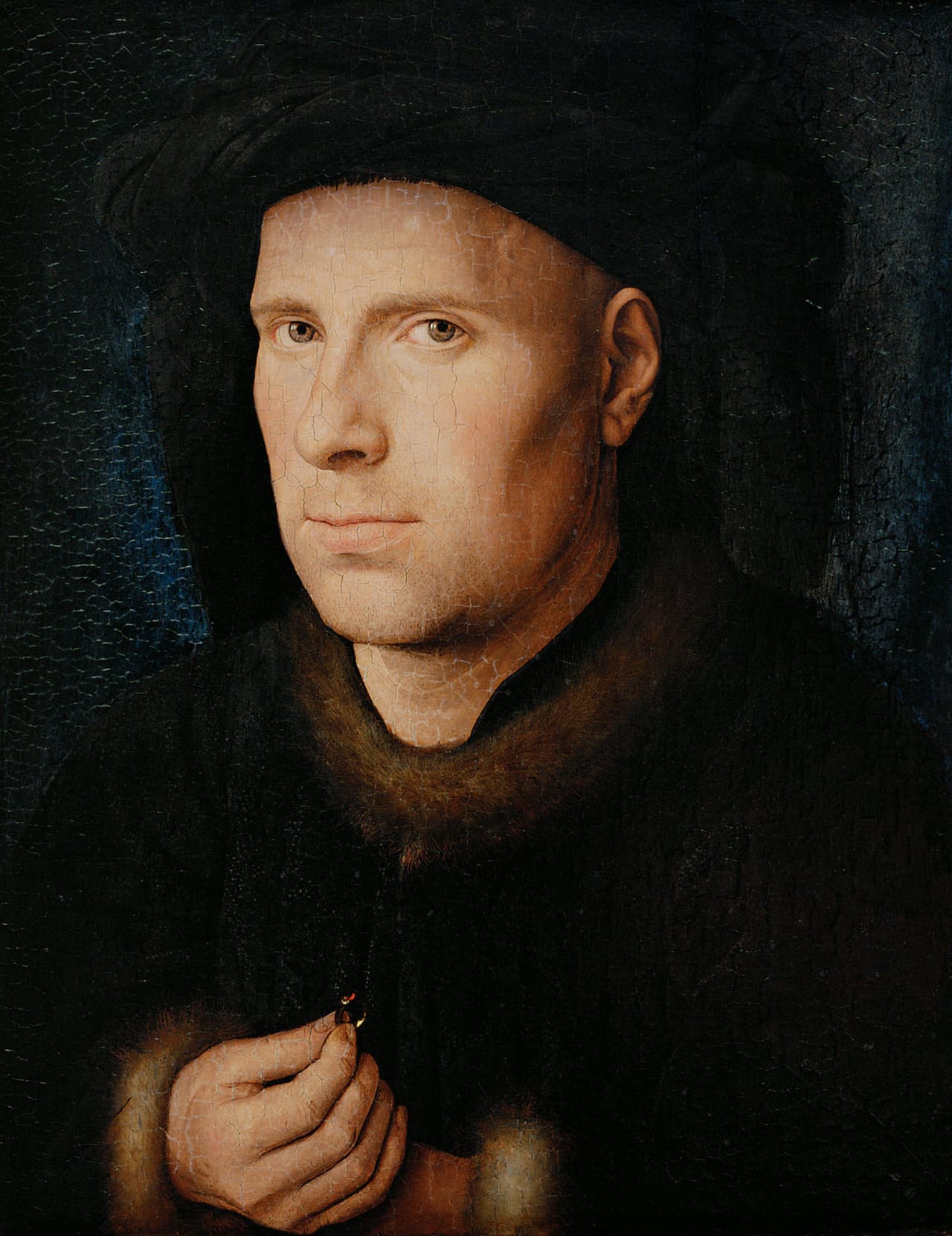
Portrait of Jan de Leeuw
Jan van Eyck · 1436
Kunsthistorisches Museum
Portrait of Jan de Leeuw is a small 1436 oil on wood painting by the Early Netherlandish master Jan van Eyck, now in the Kunsthistorisches Museum, Vienna. De Leeuw was a goldsmith living in Bruges; most art historians accept that, given the familiarity of the portrait, that he and van Eyck knew each other and were on good terms. The work is still in its original frame, which is painted over to look like bronze.
Crucifixion and Last Judgement diptych
Jan van Eyck · 1437
State Hermitage Museum
The Crucifixion and Last Judgement diptych (or Diptych with Calvary and Last Judgement) consists of two small painted panels attributed to the Early Netherlandish artist Jan van Eyck, with areas finished by unidentified followers or members of his workshop. This diptych is one of the early oil-on-panel masterpieces of the Northern Renaissance, renowned for its unusually complex and highly detailed iconography, and for the technical skill evident in its completion. It was executed in a miniature format; the panels are just 56.5 cm (22.2 in) high by 19.7 cm (7.8 in) wide.
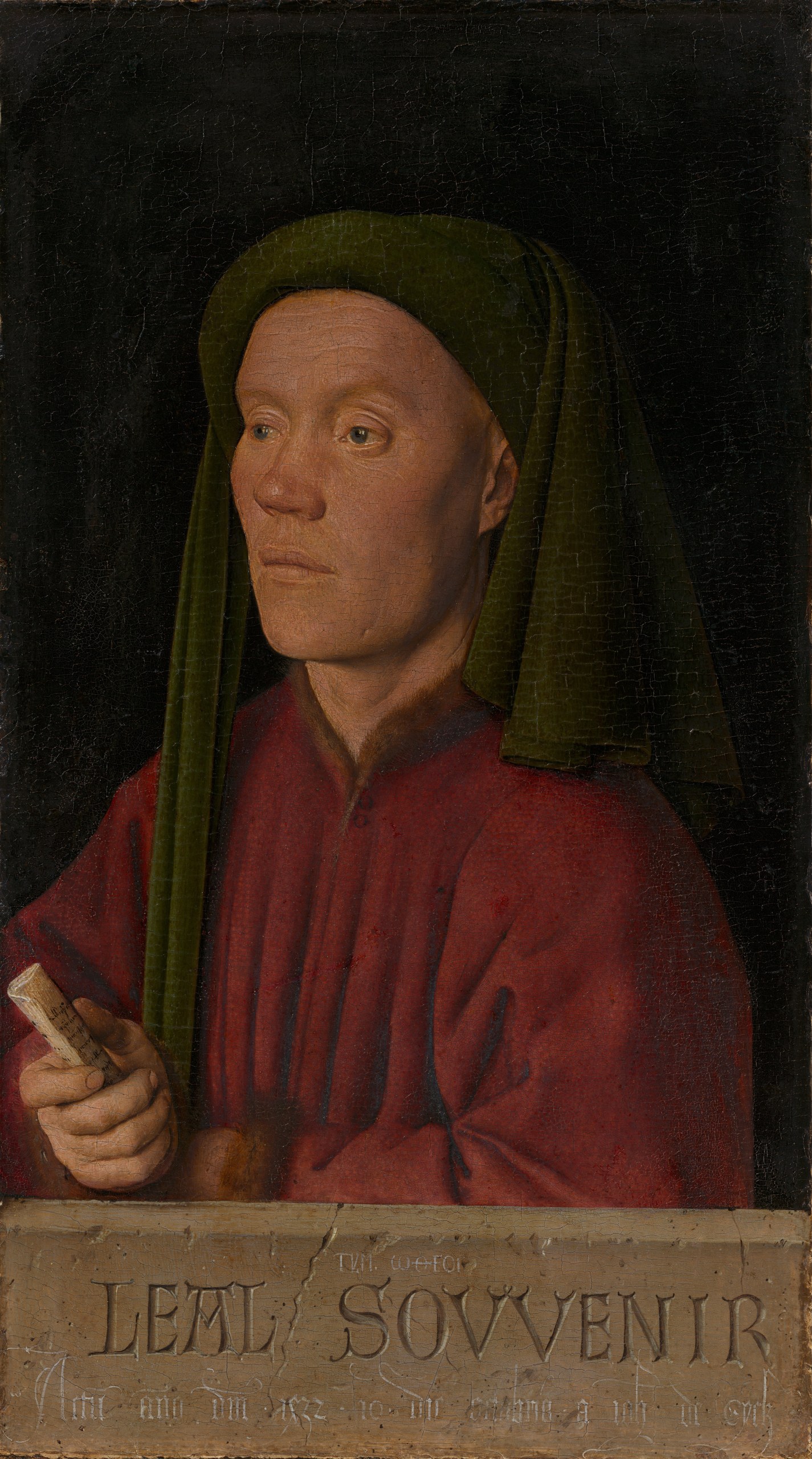
Léal Souvenir
Jan van Eyck · 1432
National Gallery
Léal Souvenir (also known as Timotheus or Portrait of a Man) is a small oil-on-oak panel portrait by the Early Netherlandish painter Jan van Eyck, dated 1432. The sitter has not been identified, but his distinctive features suggest a historical person rather than the hypothetical ideal typical of the time in northern Renaissance portraiture; his slight, unassuming torso contrasts with a sophisticated facial expression. His features have been described as "plain and rustic", yet thoughtful and inward-looking.
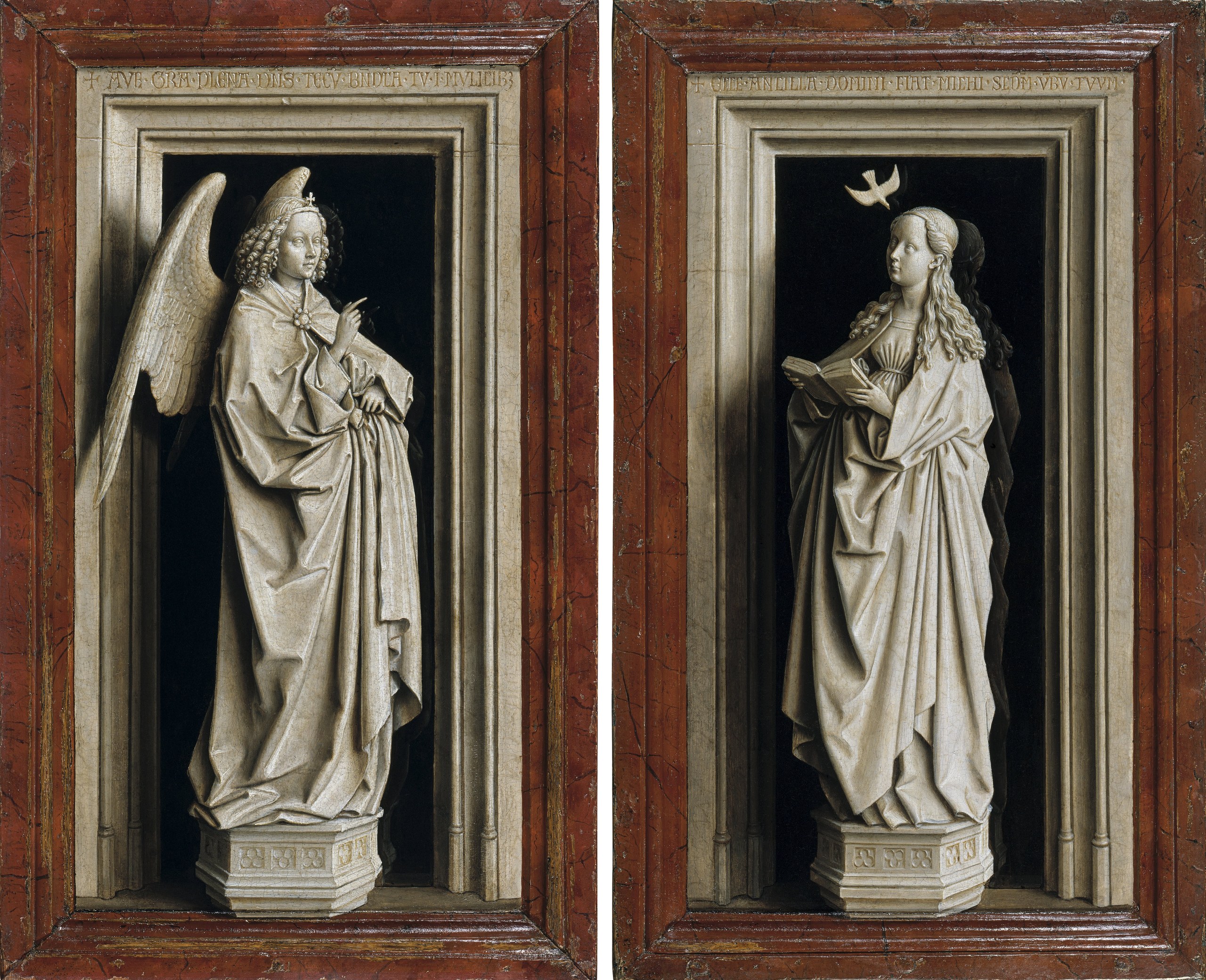
Annunciation
Jan van Eyck · 1440
Thyssen-Bornemisza Museum
The Annunciation (sometimes The Annunciation Diptych) is an oil on wood in grisaille painting by the Early Netherlandish artist Jan van Eyck, dated by art historians as between around 1433 and 1435. The panels form a diptych, and are currently in the collection of the Museo Thyssen-Bornemisza, Madrid. The figures and iconography are very similar to those in the outer panels of van Eyck's earlier Ghent Altarpiece completed in 1432.
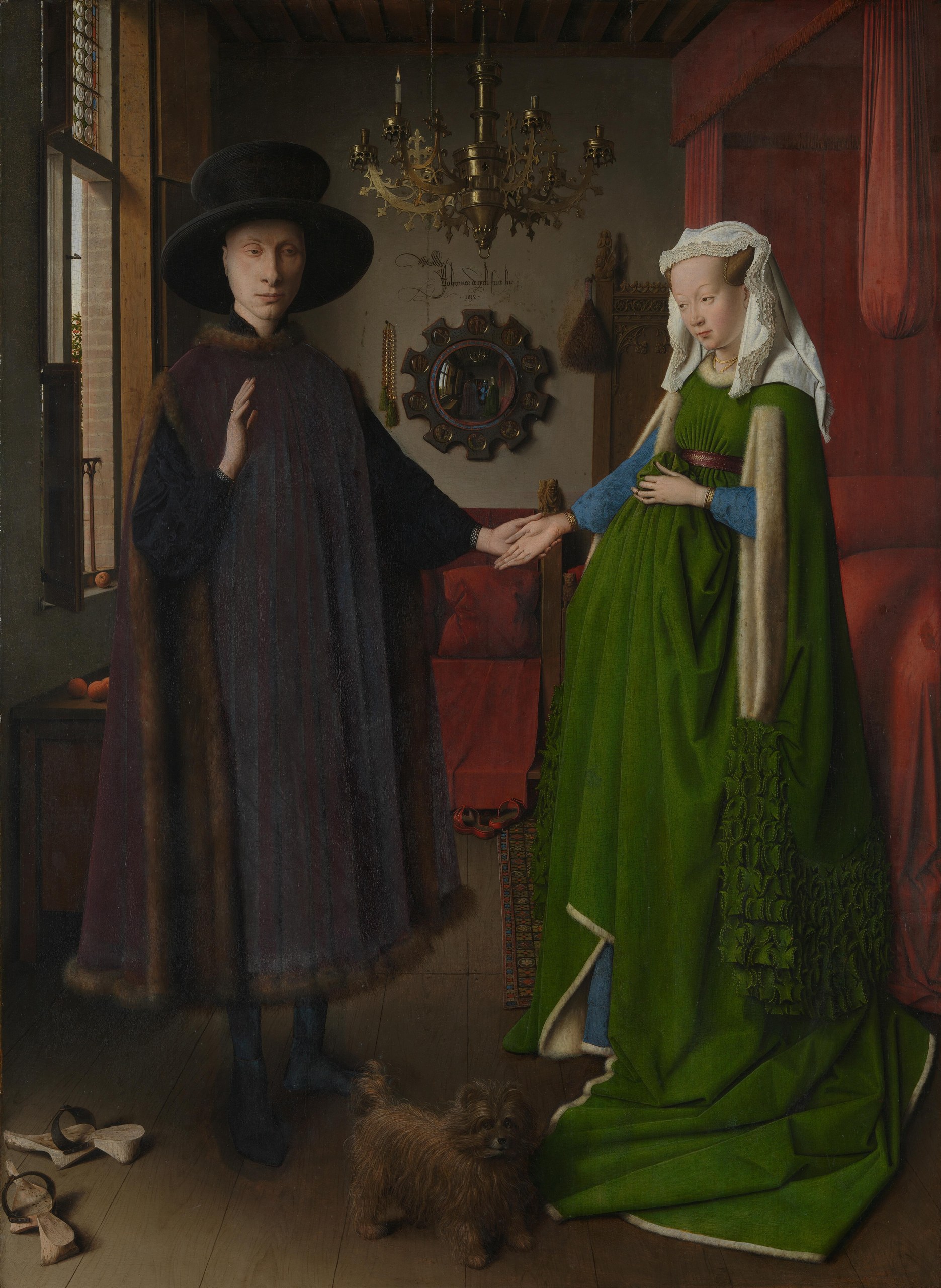
Arnolfini Portrait
Jan van Eyck · 1434
National Gallery
The Arnolfini Portrait (or The Arnolfini Wedding, The Arnolfini Marriage, the Portrait of Giovanni Arnolfini and his Wife, or other titles) is an oil painting on oak panel by the Early Netherlandish painter Jan van Eyck, dated 1434 and now in the National Gallery, London. It is a full-length double portrait, believed to depict the Italian merchant Giovanni di Nicolao Arnolfini and his wife, presumably in their residence at the Flemish city of Bruges. It is considered one of the most original and complex paintings in Western art, because of its beauty, complex iconography, geometric orthogonal perspective, and expansion of the picture space with the use of a mirror.
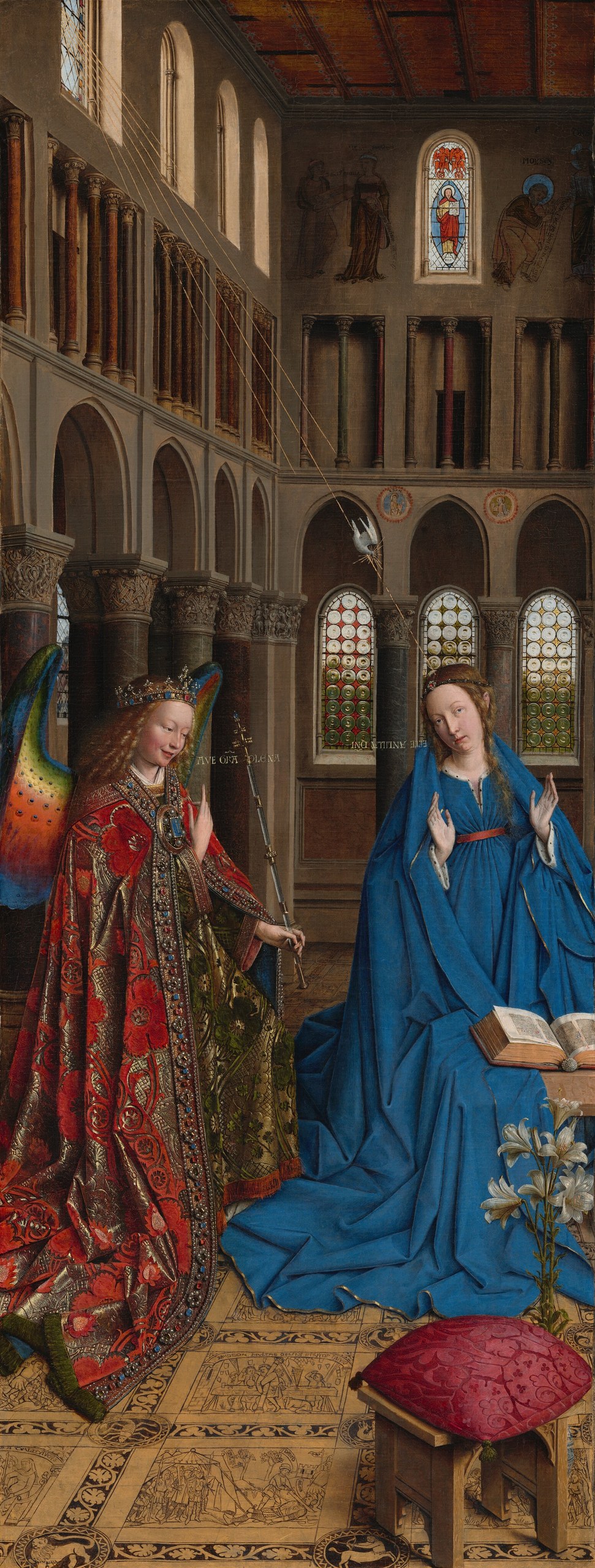
The Annunciation
Jan van Eyck
National Gallery of Art
The Annunciation is an oil painting by the Early Netherlandish master Jan van Eyck, from around 1434 to 1436. The panel is housed in the National Gallery of Art in Washington, D.C. It was originally on panel but has been transferred to canvas.
How Jan van Eyck worked
From the record of their own practice.
Craig Harbison describes the blending of realism and symbolism as perhaps "the most important aspect of early Flemish art". The placement of such symbols into a scene "was a deliberate strategy to create an experience of spiritual revelation". Van Eyck's religious paintings in particular "always present the spectator with a transfigured view of visible reality". He depicts overly large Madonnas, whose unrealistic size shows the separation between the heavenly from the earthly, but placed them in everyday settings such as churches, domestic chambers or seated with court officials.
Where the work hangs
The museums that hold it, and their visitor guides.
If you like Jan van Eyck
Artists held by the same museums.
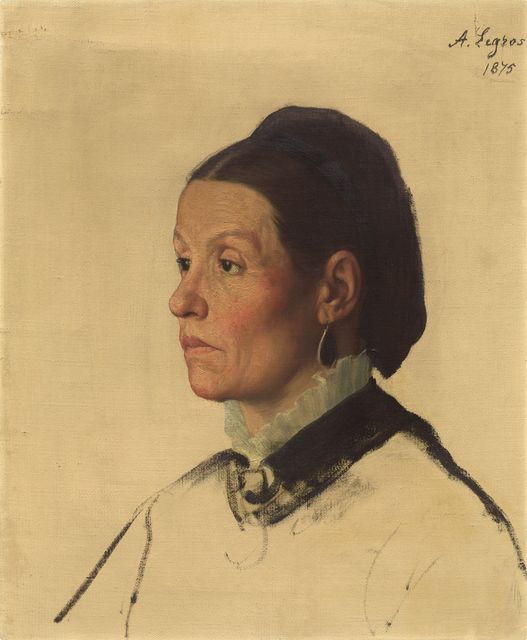
Alphonse Legros
French · 561 in the archive
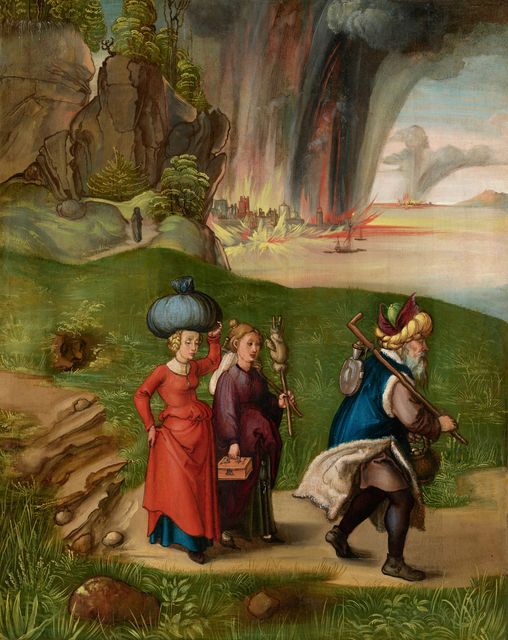
Albrecht Dürer
German · 296 in the archive
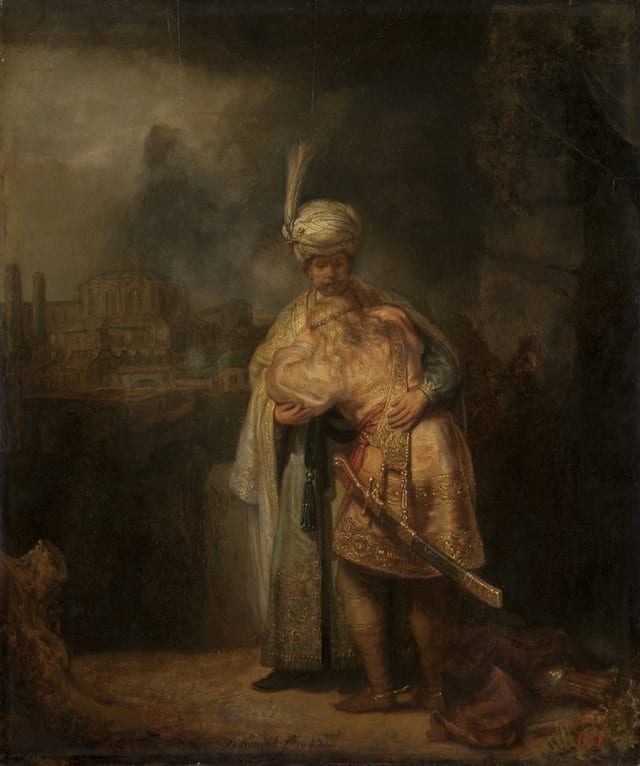
Rembrandt van Rijn
Dutch · 267 in the archive
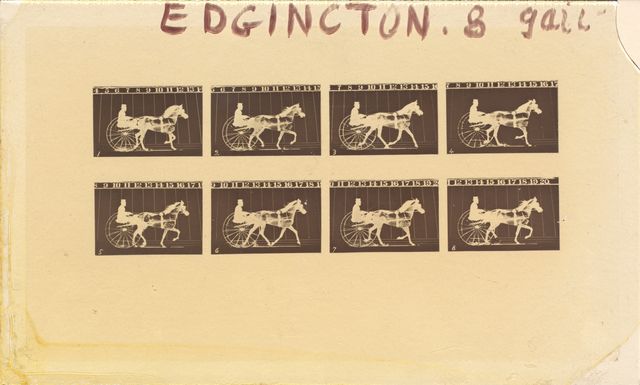
Eadweard Muybridge
English · 259 in the archive
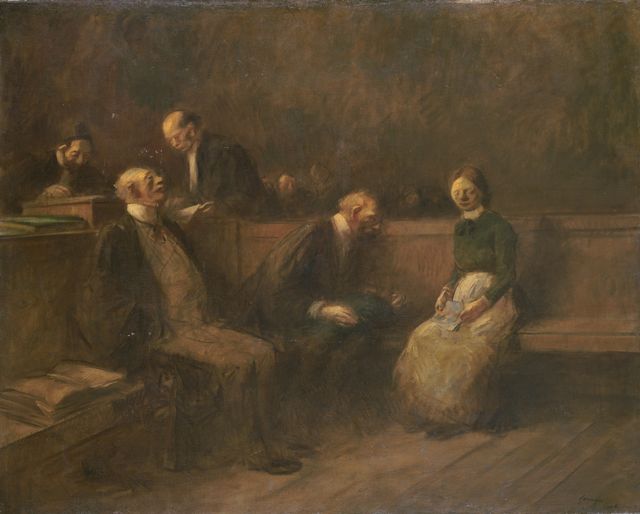
Jean-Louis Forain
French · 259 in the archive
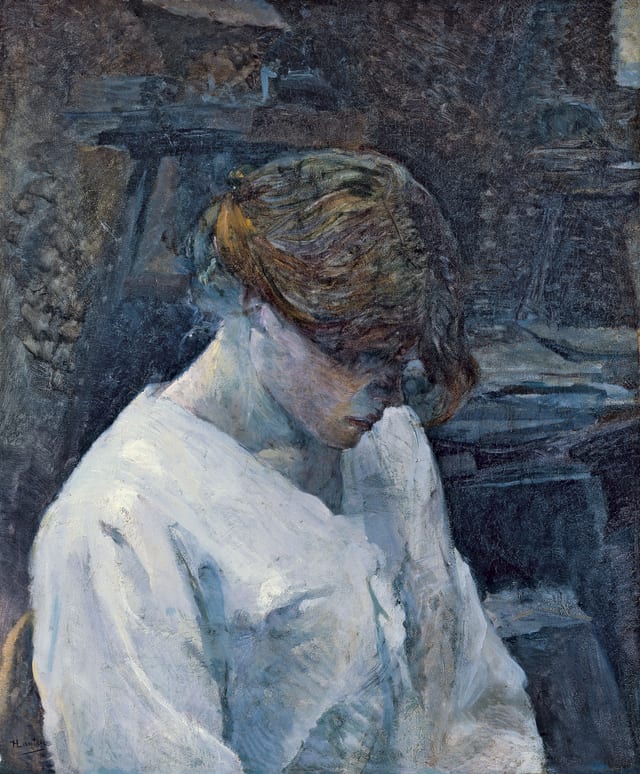
Henri de Toulouse-Lautrec
French · 243 in the archive
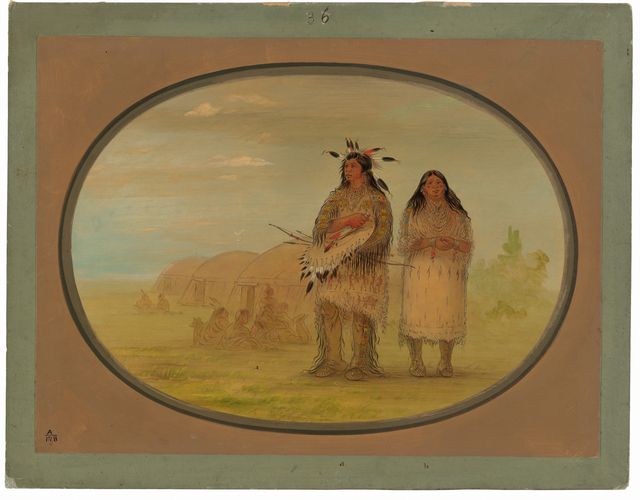
George Catlin
United States · 223 in the archive
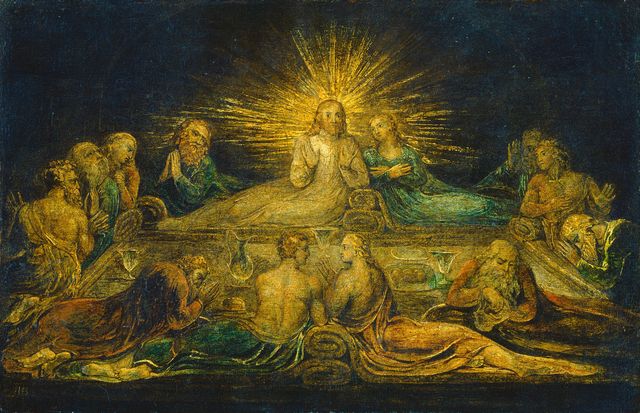
William Blake
United Kingdom of Great Britain and Ireland · 173 in the archive
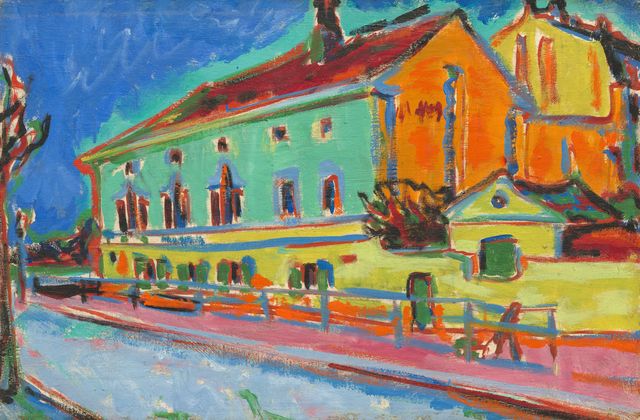
Ernst Ludwig Kirchner
German · 148 in the archive
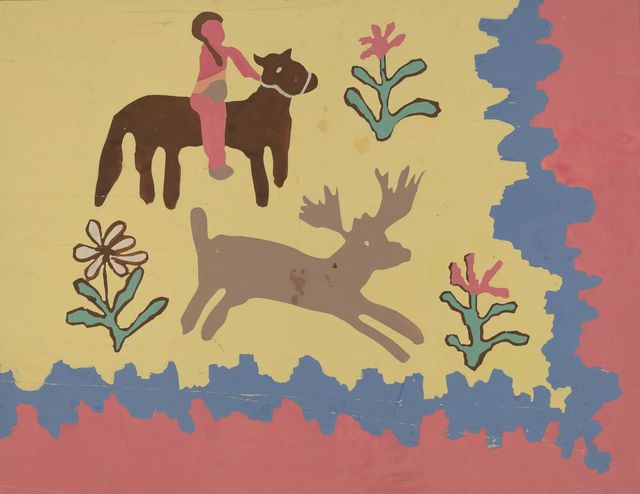
Majel G. Claflin
United States · 135 in the archive
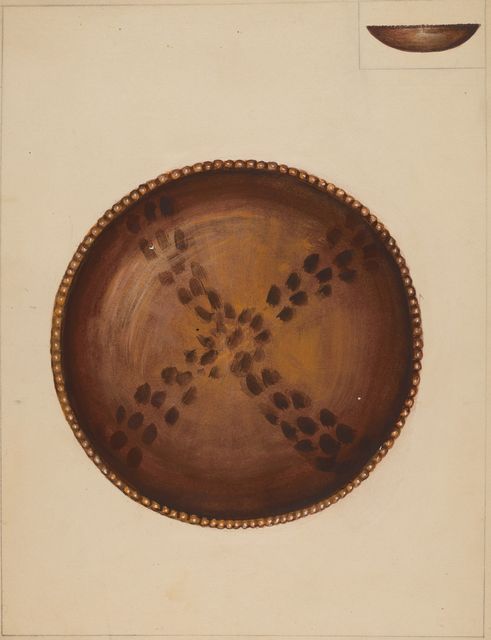
Mina Lowry
United States · 124 in the archive
Francisco Goya
Spanish · 117 in the archive
Invite the masters into your living room.
Jan van Eyck on your TV, phone, or tablet. Free to start.
View on MomentableIndependent guide by Momentable · biography from Wikipedia · artworks are in the public domain and credited to the museum that holds them