The Clubfoot
Jusepe de Ribera · 1642

Jusepe de Ribera
Spanish · 1591–1652
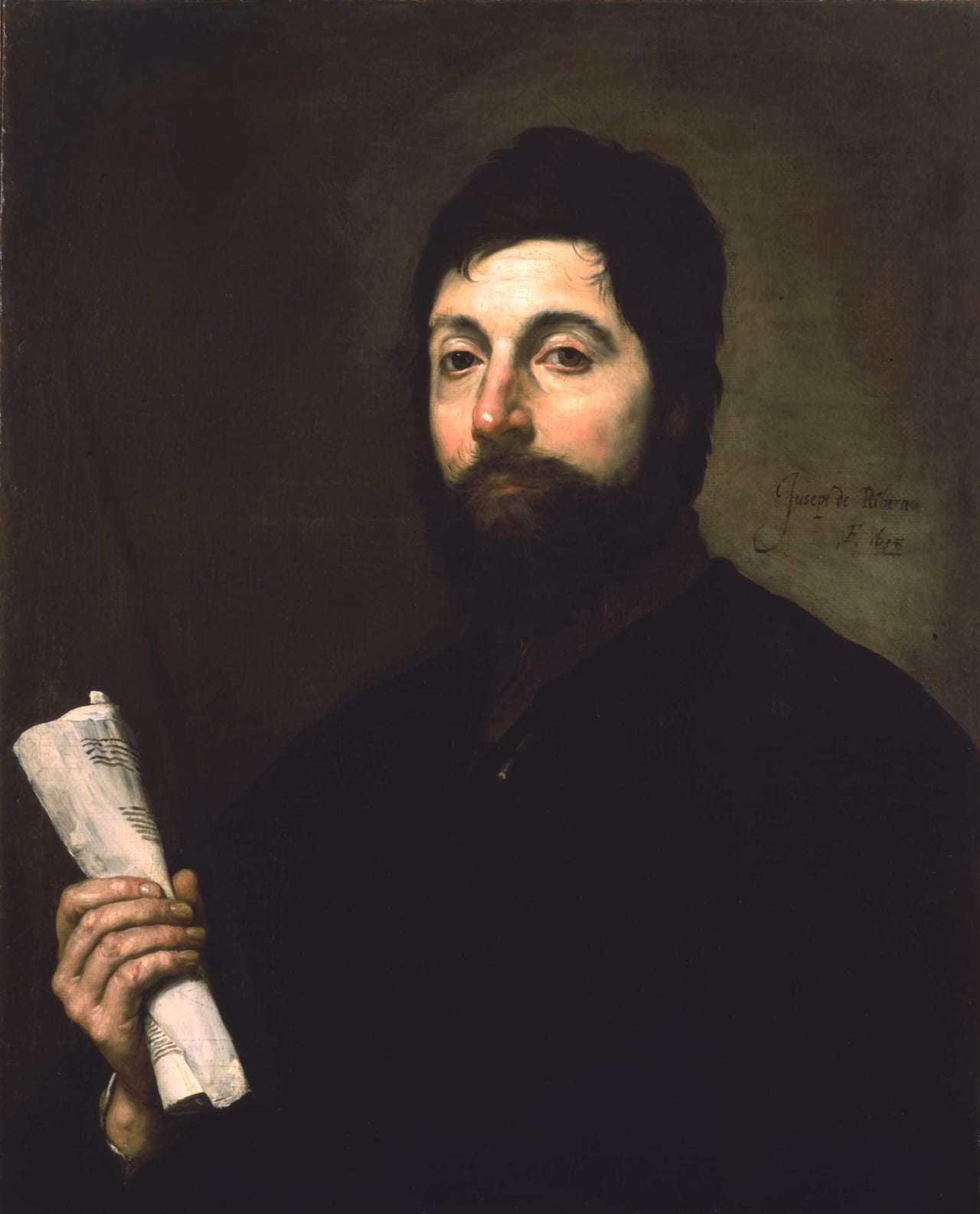
Jusepe de Ribera was a Spanish painter and printmaker. Ribera, Francisco de Zurbarán, Bartolomé Esteban Murillo, and the singular Diego Velázquez, are regarded as the major artists of Spanish Baroque painting. Referring to a series of Ribera exhibitions held in the late 20th century, Philippe de Montebello wrote "If Ribera's status as the undisputed protagonist of Neapolitan painting had ever been in doubt, it was no longer. Indeed, to many it seemed that Ribera emerged from these exhibitions as not simply the greatest Neapolitan artist of his age but one of the outstanding European masters of the seventeenth century." Jusepe de Ribera has also been referred to as José de Ribera, and was called Lo Spagnoletto by his contemporaries and early historians.
Independent artist guide by Momentable. Biography from Wikipedia; artworks credited to the museums that hold them.
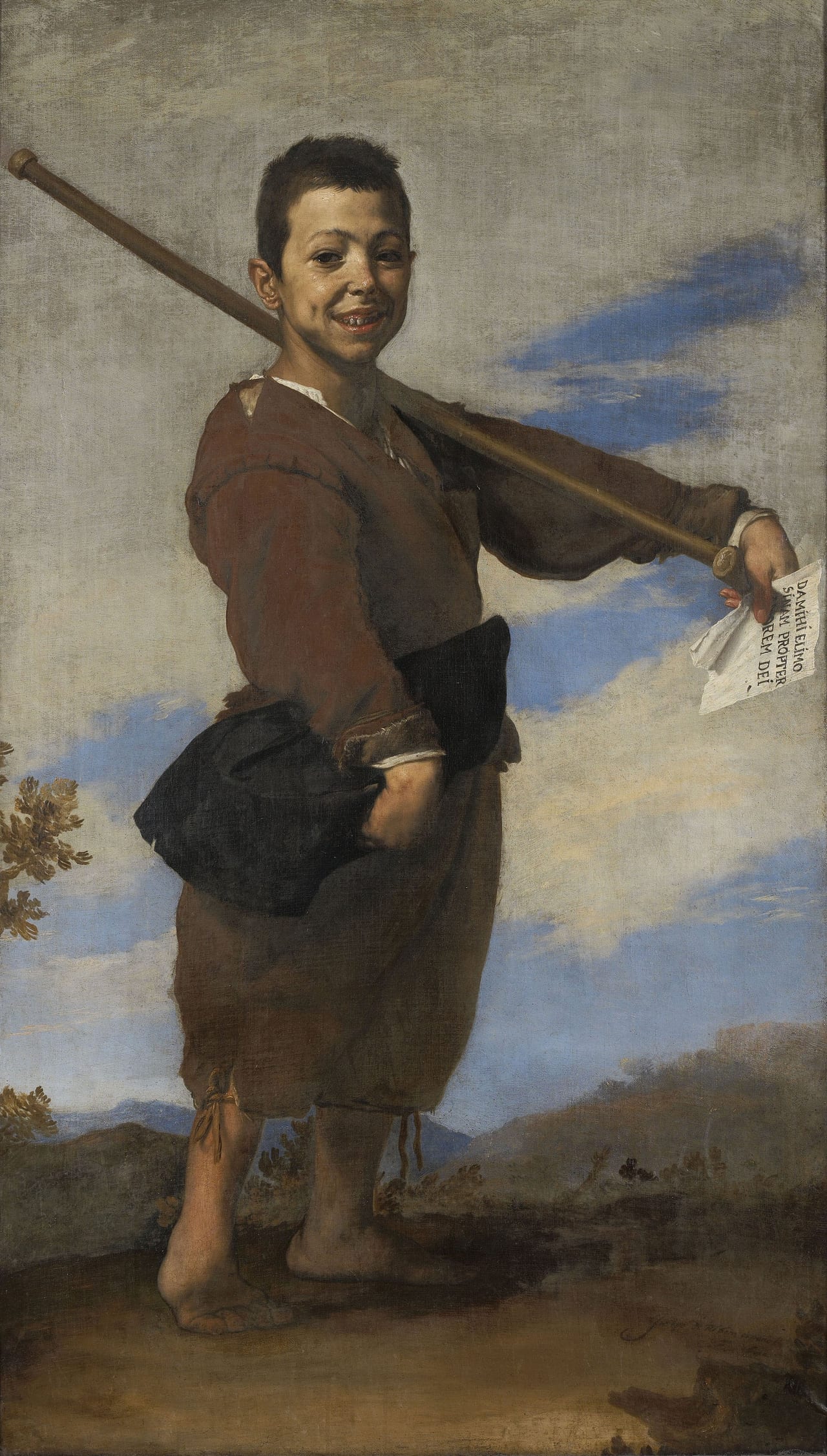 LIVENow streaming · The Clubfoot
- works in the archive
- 21works in the archive
- life
- 1591–1652life
- movement
- Baroquemovement
The work
A selection of 8 works, free to stream.
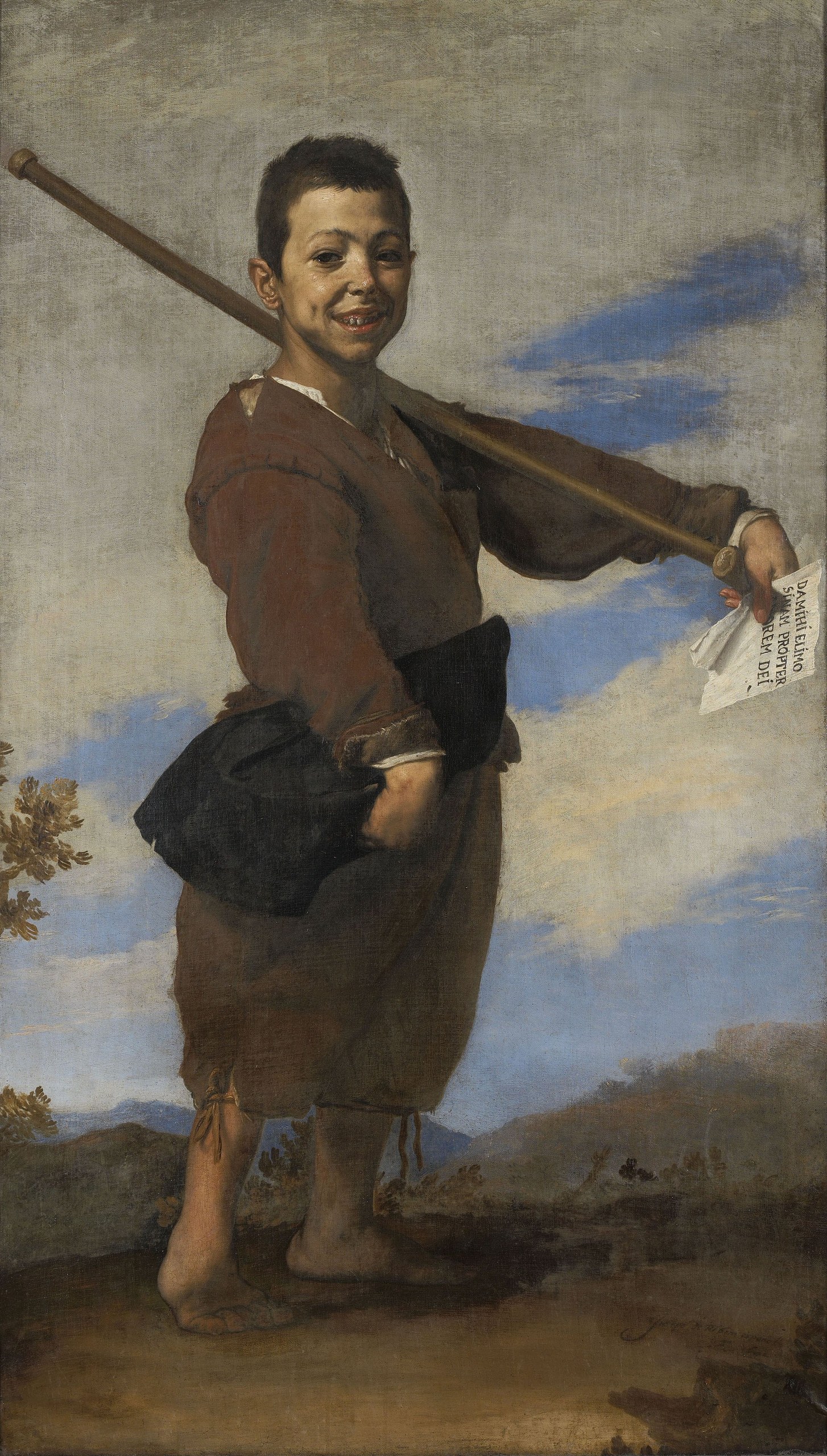
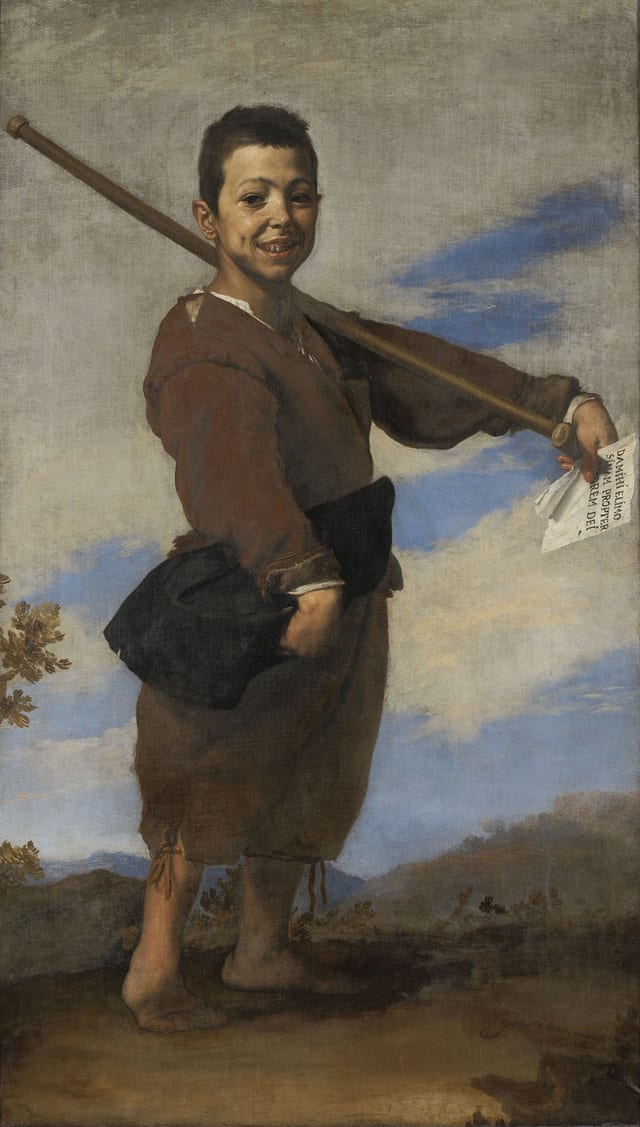
The Clubfoot
Jusepe de Ribera · 1642
Louvre
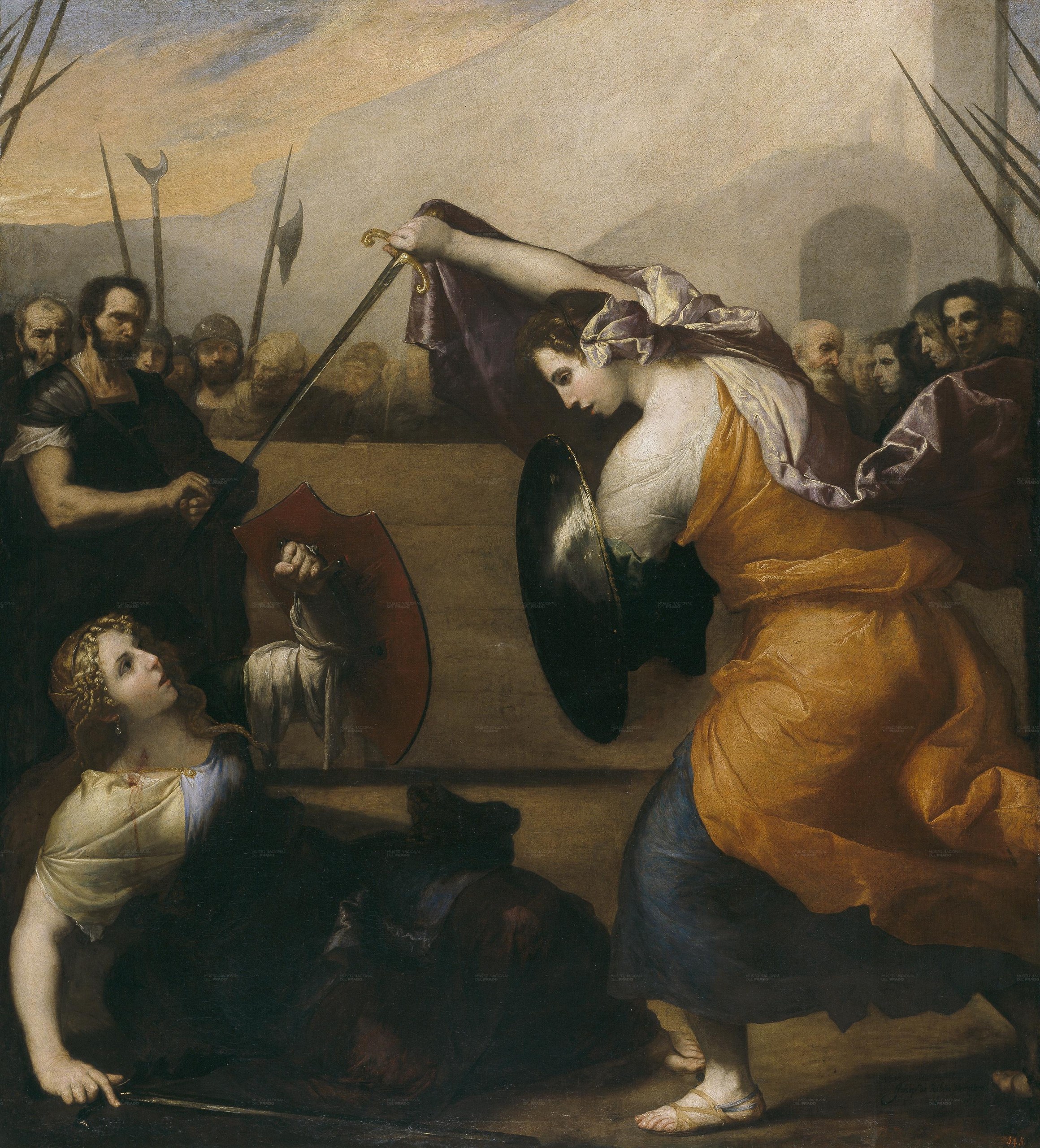
Women Gladiators
Jusepe de Ribera · 1636
Museo del Prado
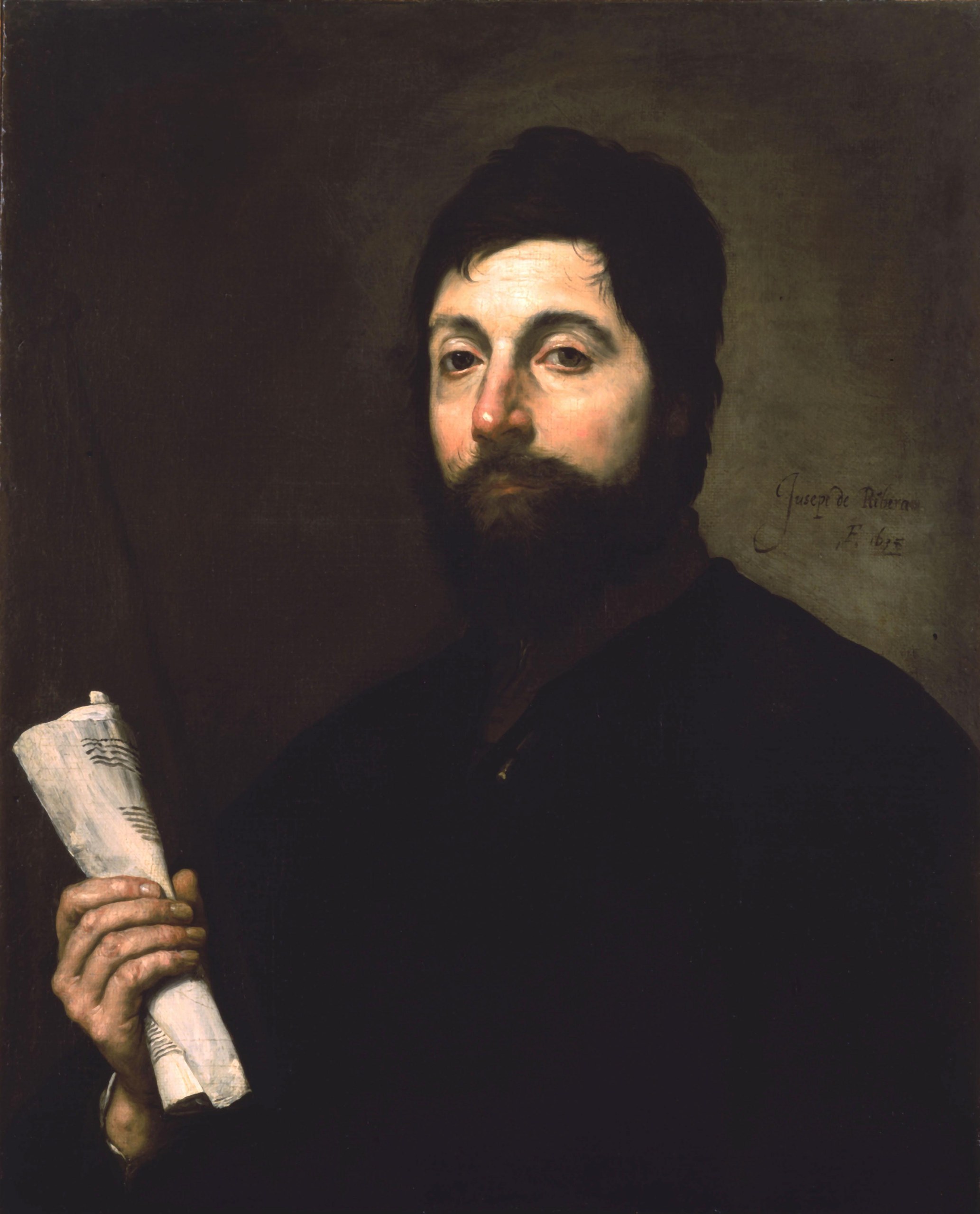
Portrait of a Musician
Jusepe de Ribera · 1638
Toledo Museum of Art
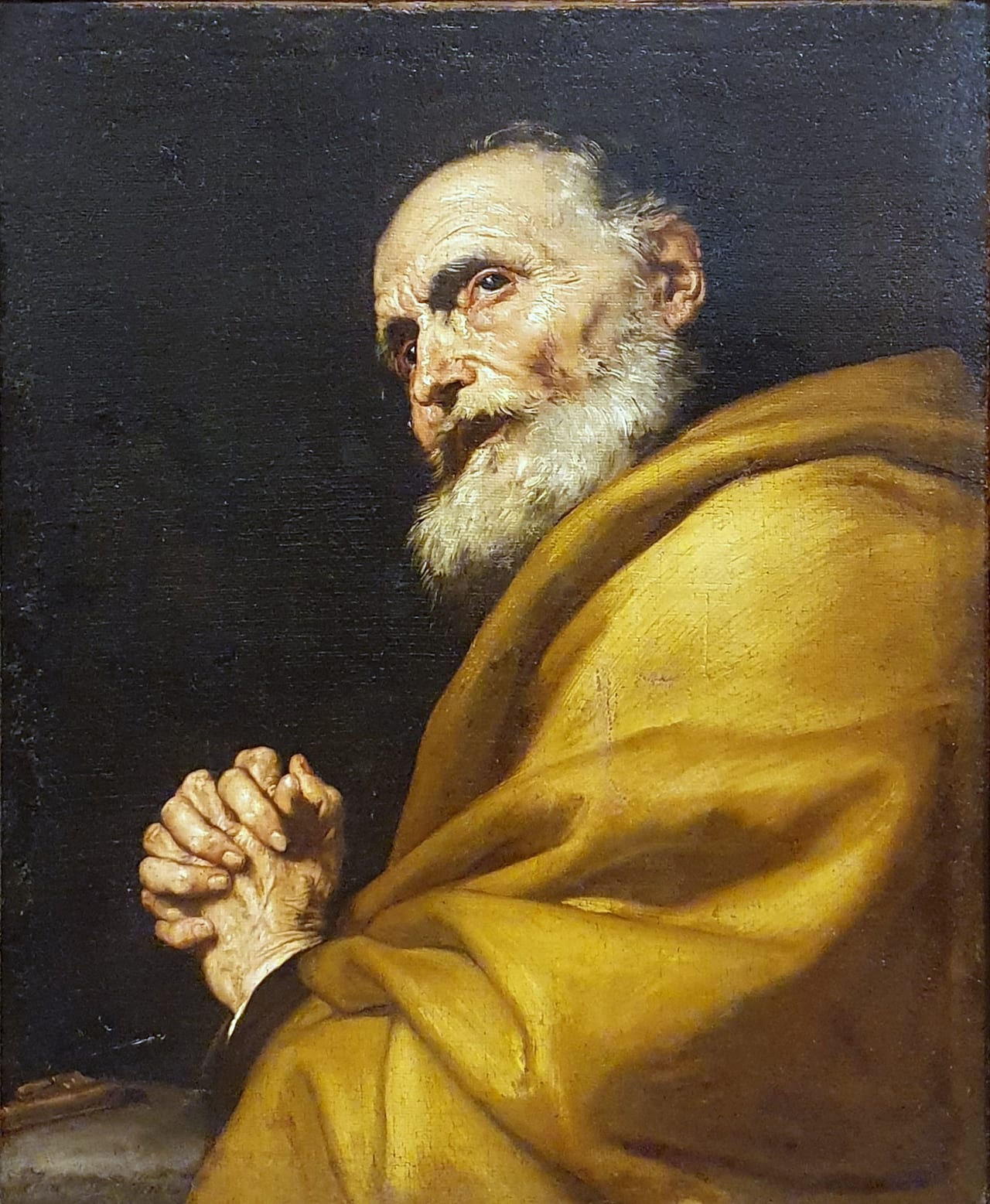
The Penitent St. Peter
Jusepe de Ribera · 1635
Museo Soumaya
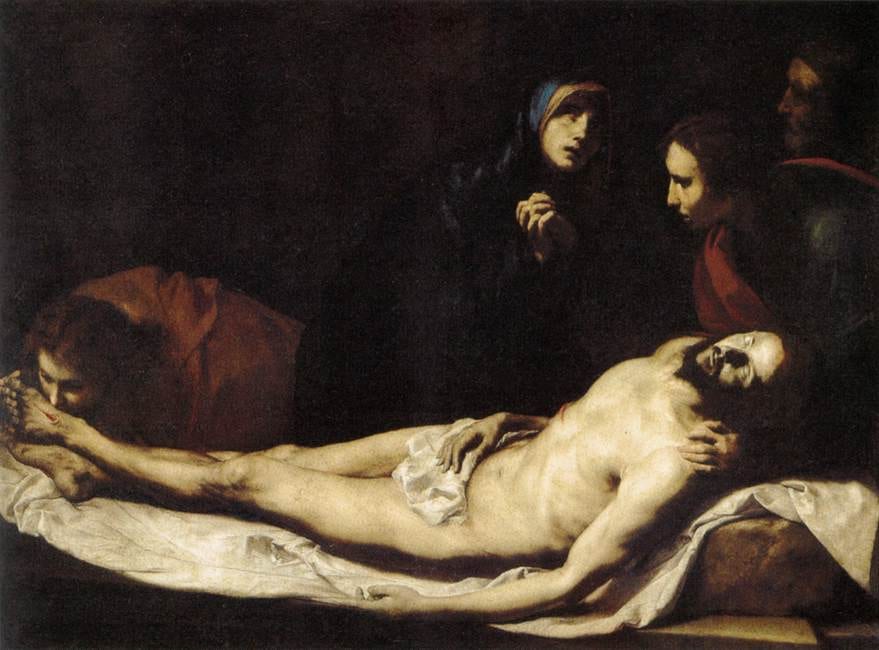
Pietà
Jusepe de Ribera · 1633
Thyssen-Bornemisza Museum
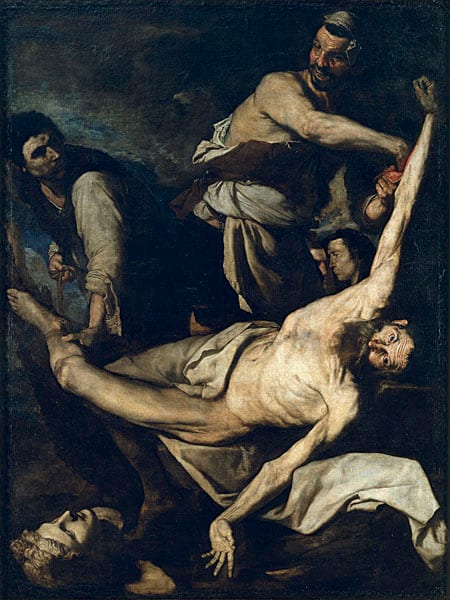
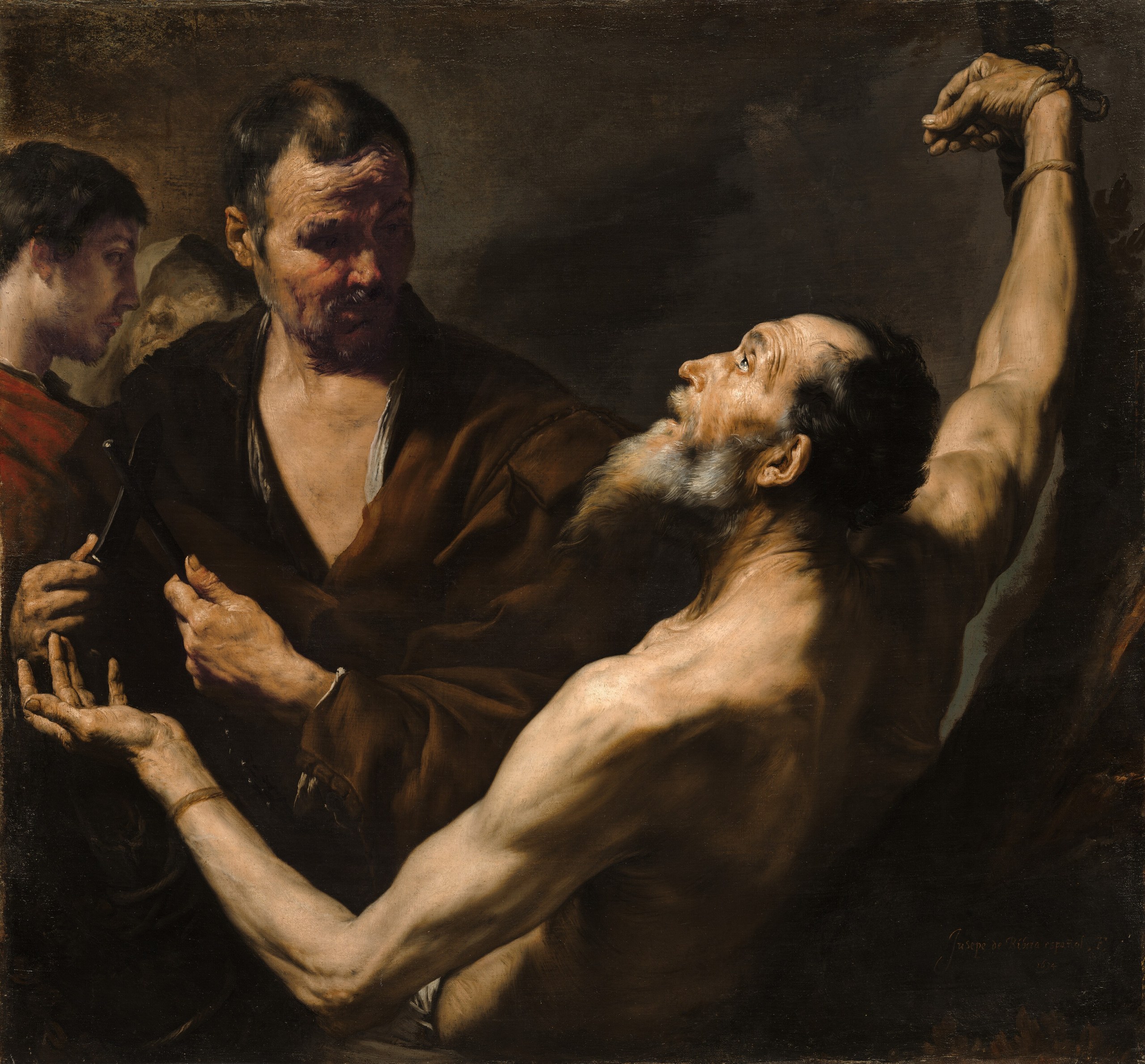
Martyrdom of Saint Bartholomew
Jusepe de Ribera · 1644
Museu Nacional d'Art de Catalunya
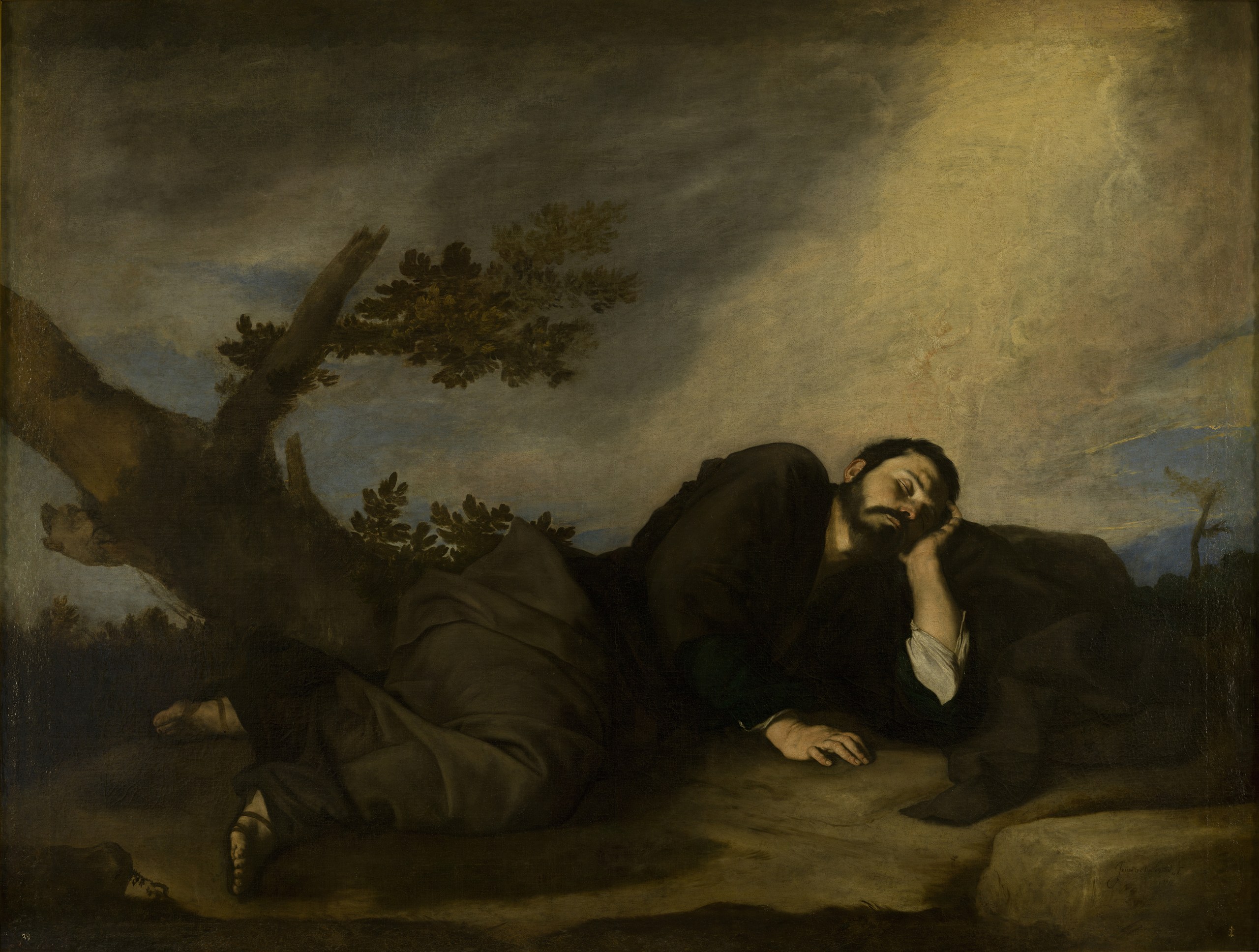
Jacob’s Dream
Jusepe de Ribera · 1639
Museo del Prado
The Martyrdom of Saint Bartholomew
Jusepe de Ribera
National Gallery of Art
Works worth knowing
6 of Jusepe de Ribera's works, and what makes each one worth a look.
The Clubfoot
Jusepe de Ribera · 1642
Louvre
The Clubfoot (also known as The Club-Footed Boy) is a 1642 oil on canvas painting by Jusepe de Ribera. It is housed in the Musée du Louvre in Paris (part of the La Caze bequest of 1869), and was painted in Naples. Art historian Ellis Waterhouse wrote of it as "a touchstone by which we can interpret the whole of Ribera's art".
Women Gladiators
Jusepe de Ribera · 1636
Museo del Prado
Women Gladiators is a painting by Jusepe de Ribera made in oil on canvas. It is conserved in the Museo del Prado, Madrid. The painting, dated and signed, was made in Naples in 1636, as part of a series of over thirty pictures on the history of Rome commissioned to Giovanni Lanfranco, Domenichino, Ribera himself, and other artists.
Pietà
Jusepe de Ribera · 1633
Thyssen-Bornemisza Museum
The Pietà is an oil on canvas painting by José de Ribera, "The Españoleto", painted, signed and dated in 1633. The painting is in oils on canvas and its dimensions are 157 x 210 cm. It is owned by the Thyssen-Bornemisza Museum in Madrid.
Martyrdom of Saint Bartholomew
Jusepe de Ribera · 1644
Museu Nacional d'Art de Catalunya
The Martyrdom of Saint Bartholomew is a painting by Jusepe de Ribera conserved at the National Art Museum of Catalonia. The painting illustrates martyrdom and physical torment. The almost naked apostle Bartholomew looks at us helplessly, while a sadistic drunken executioner delightedly flays him.
Jacob’s Dream
Jusepe de Ribera · 1639
Museo del Prado
Jacob's Dream is a 1639 oil-on-canvas painting by the Spanish Tenebrist painter José de Ribera (Lo Spagnoletto). It measures 179 by 233 centimetres (70 in × 92 in) and is in the Museo del Prado in Madrid. Jacob appears as a shepherd sleeping, resting on his left shoulder with a tree behind him.
The Martyrdom of Saint Bartholomew
Jusepe de Ribera
National Gallery of Art
The Martyrdom of Saint Bartholomew is a painting by Jusepe de Ribera conserved at the National Art Museum of Catalonia. The painting illustrates martyrdom and physical torment. The almost naked apostle Bartholomew looks at us helplessly, while a sadistic drunken executioner delightedly flays him.
Where the work hangs
The museums that hold it, and their visitor guides.
National Gallery of Art
14 in the archive · Washington, D.C.
Museo del Prado
2 in the archive · Madrid
Museu Nacional d'Art de Catalunya
1 in the archive · Barcelona
Toledo Museum of Art
1 in the archive · Toledo
Louvre
1 in the archive · Paris
Museo Soumaya
1 in the archive · Mexico City
Thyssen-Bornemisza Museum
1 in the archive · Madrid
If you like Jusepe de Ribera
Artists held by the same museums.
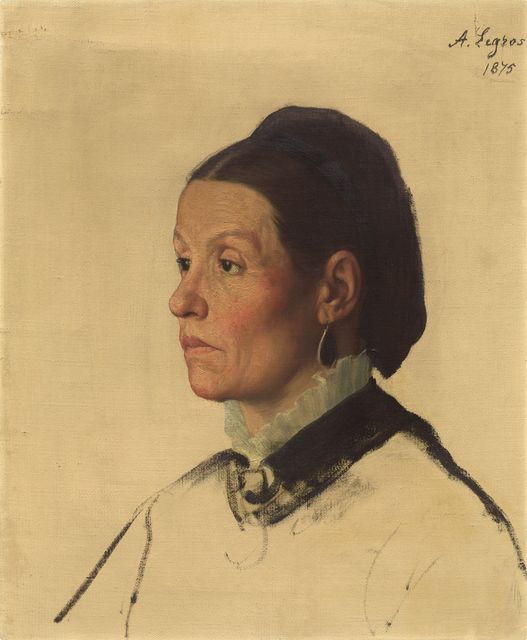
Alphonse Legros
French · 561 in the archive
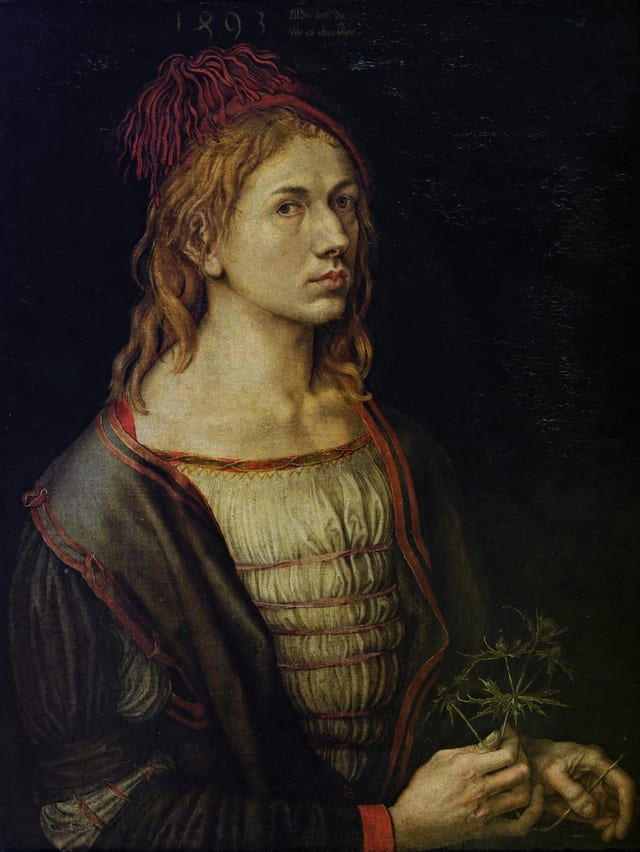
Albrecht Dürer
German · 291 in the archive
Eadweard Muybridge
English · 259 in the archive
Jean-Louis Forain
French · 259 in the archive

Rembrandt van Rijn
Dutch · 255 in the archive
Henri de Toulouse-Lautrec
French · 243 in the archive
George Catlin
United States · 223 in the archive
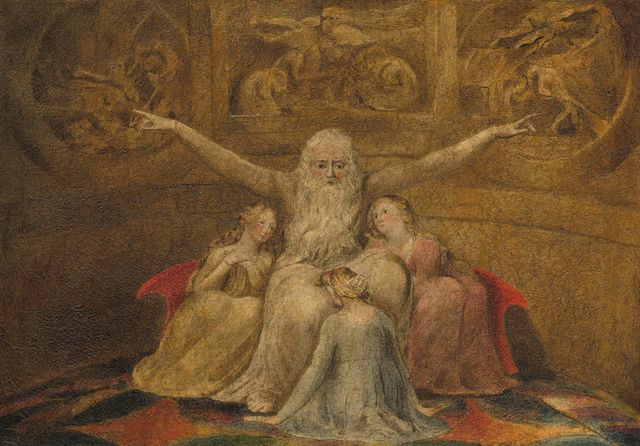
William Blake
United Kingdom of Great Britain and Ireland · 173 in the archive
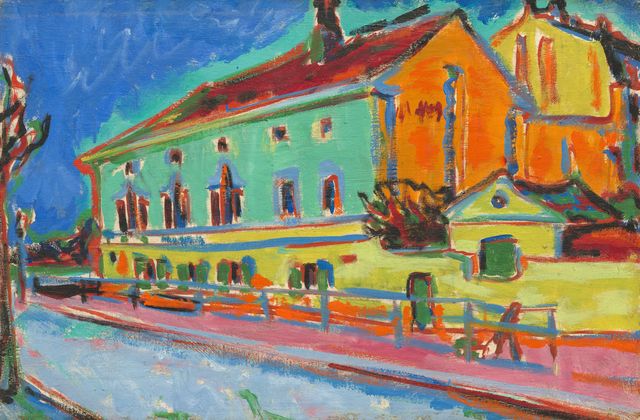
Ernst Ludwig Kirchner
German · 148 in the archive
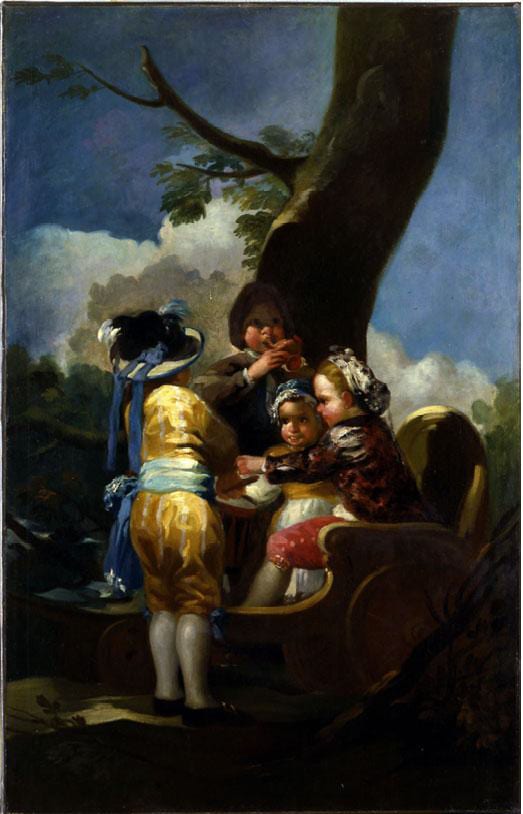
Francisco Goya
Spanish · 140 in the archive
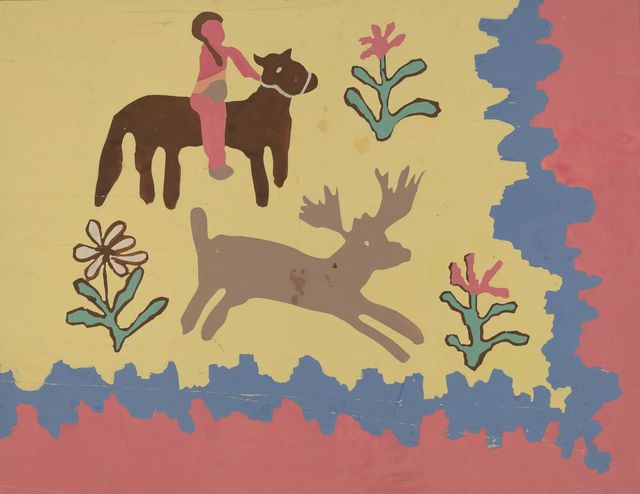
Majel G. Claflin
United States · 135 in the archive
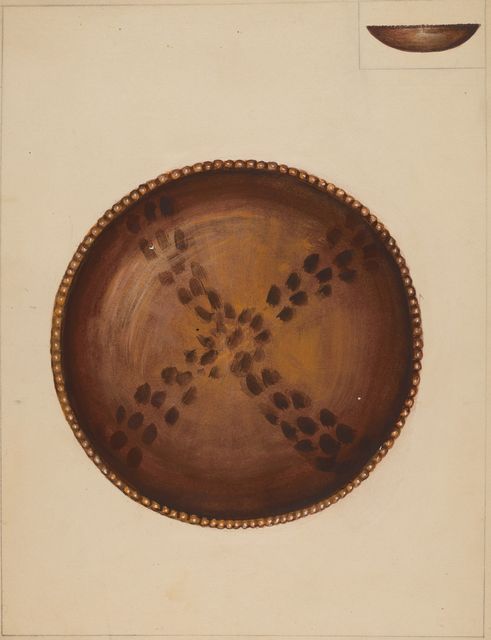
Mina Lowry
United States · 124 in the archive
Invite the masters into your living room.
Jusepe de Ribera on your TV, phone, or tablet. Free to start.
View on MomentableIndependent guide by Momentable · biography from Wikipedia · artworks are in the public domain and credited to the museum that holds them