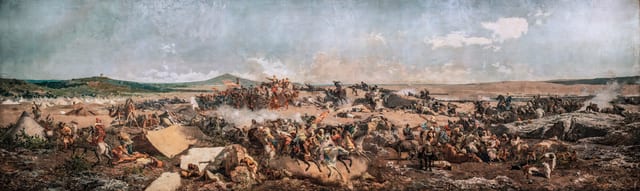
La Batalla de Tetuan
Mariano Fortuny Marsal · 1862

Mariano Fortuny Marsal
Spain · 1838–1874
Mariano Fortuny y Marsal was a Spanish painter known for works focusing on Romantic fascination with Orientalist themes, historicist genre painting, and military painting of Spanish imperial expansion. == Biography == Mariano Fortuny was born in Reus, near Tarragona, Catalonia. His father died when he was an infant, and his mother by the time he was 12. Thus, Mariano was raised by his grandfather, a cabinet-maker who taught him to make wax figurines. At the age of 9, at a public competition in his town, a local painter, teacher and patron, Domènec Soberano, encouraged him to pursue further study.
Independent artist guide by Momentable. Biography from Wikipedia; artworks credited to the museums that hold them.
 LIVENow streaming · La Batalla de Tetuan
- life
- 1838–1874life
- rights
- Public domainrights
The work
A selection of 5 works, free to stream.
La Batalla de Tetuan
Mariano Fortuny Marsal · 1862
Museu Nacional d'Art de Catalunya
The Spanish Wedding
Mariano Fortuny Marsal · 1870
Museu Nacional d'Art de Catalunya
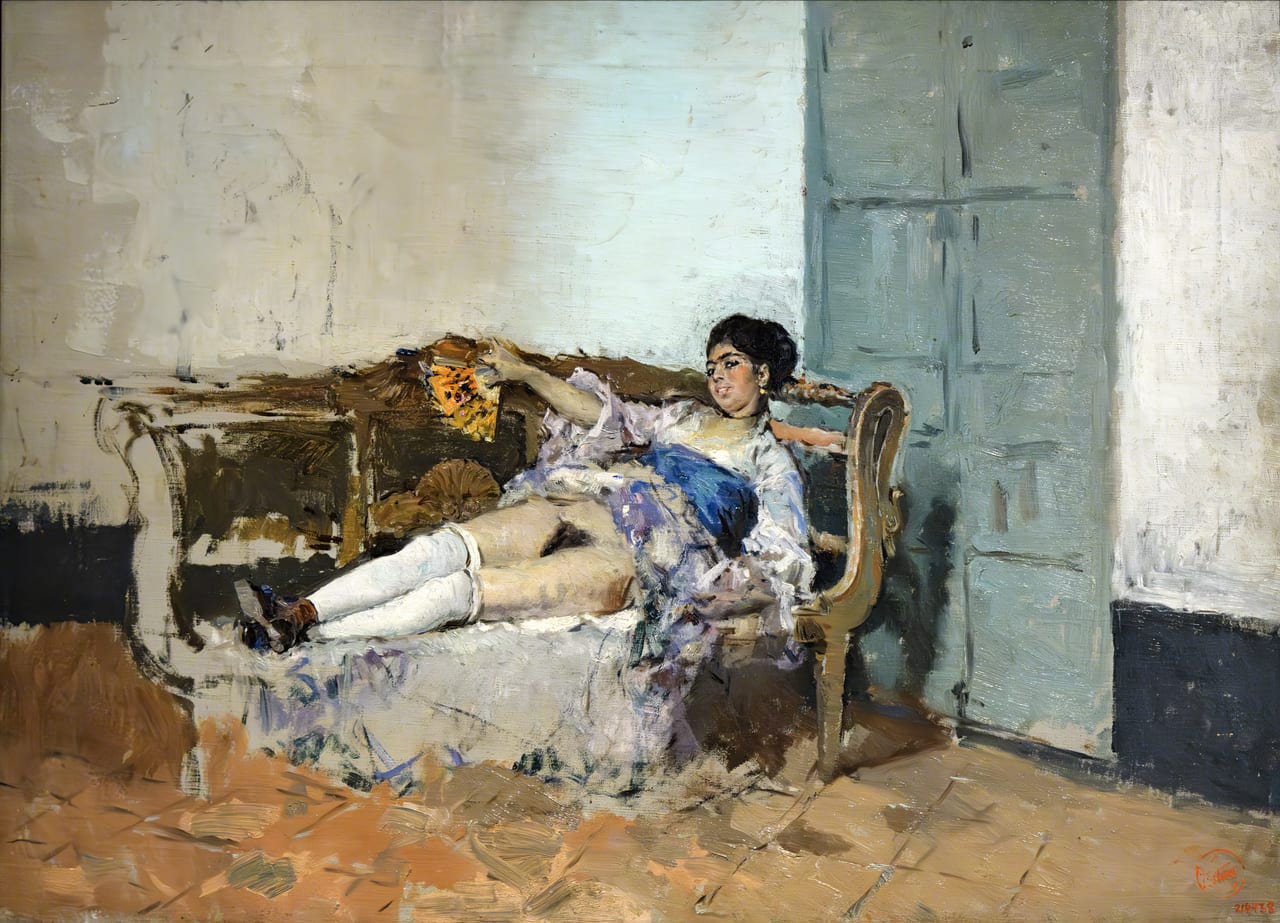
Carmen Bastián
Mariano Fortuny Marsal · 1871
Museu Nacional d'Art de Catalunya
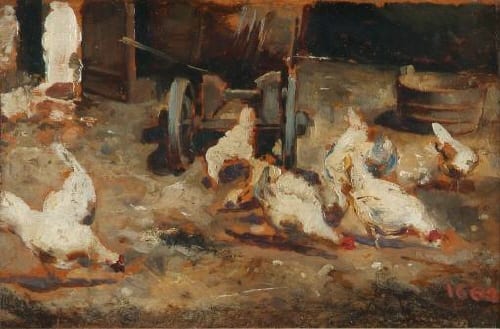
Henhouse
Mariano Fortuny Marsal · 1864
Museu Nacional d'Art de Catalunya
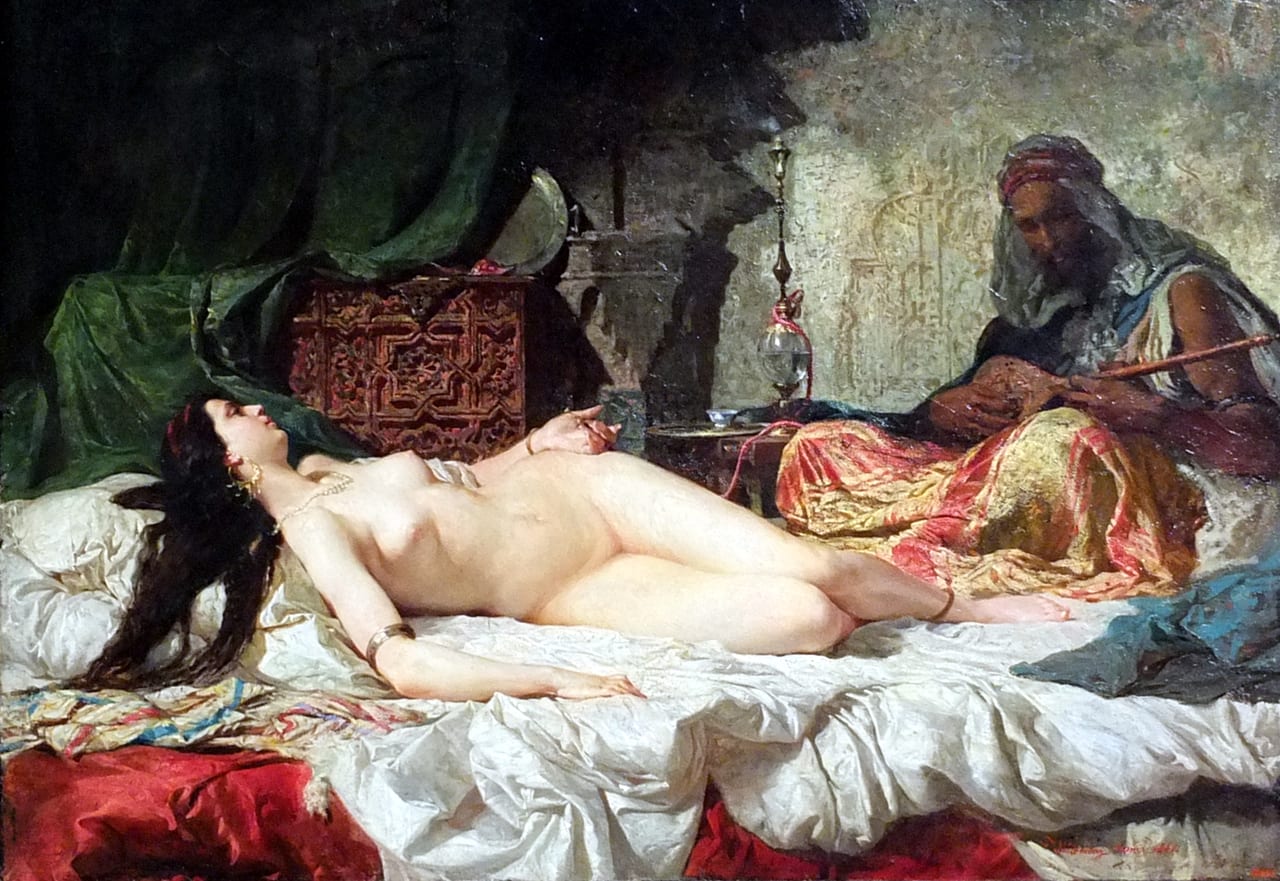
The Odalisque
Mariano Fortuny Marsal · 1861
Museu Nacional d'Art de Catalunya
Works worth knowing
3 of Mariano Fortuny Marsal's works, and what makes each one worth a look.
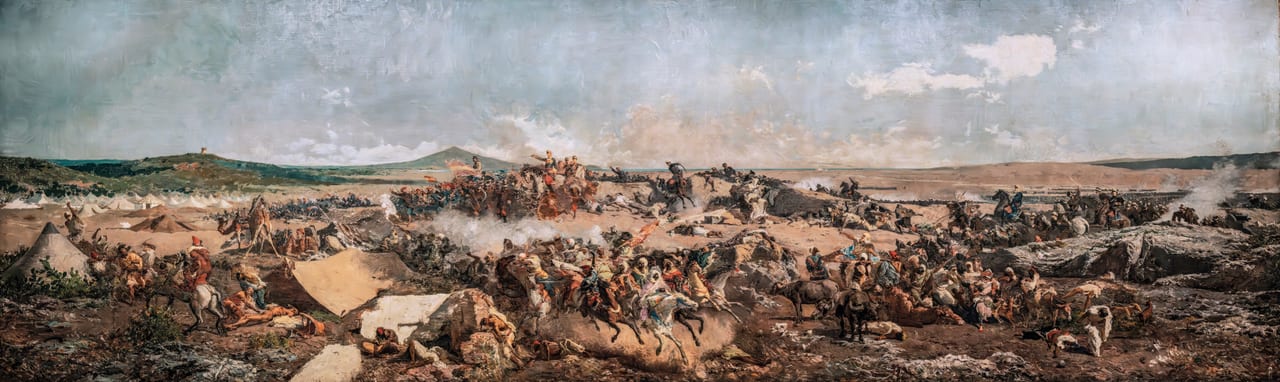
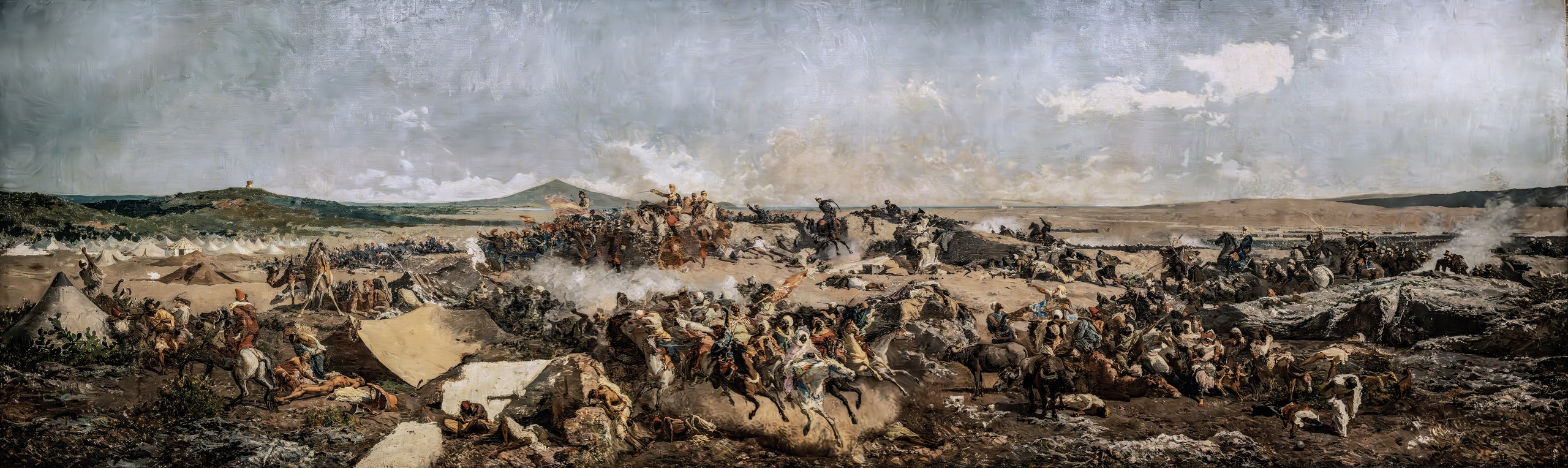
La Batalla de Tetuan
Mariano Fortuny Marsal · 1862
Museu Nacional d'Art de Catalunya
The Battle of Tétouan is an 1862 to 1864 painting by the Spanish-Catalan painter Mariano Fortuny portraying the eponymous 1860 Battle of Tétouan where the Spanish Army defeated the Moroccan Army (then made up of tribal levies) to take the port city of Tétouan. Fortuny was commissioned by the Spanish government to depict the Spanish-Moroccan War, which lasted from 1859 to 1860. In 1860, he traveled to the front with the Spanish army.
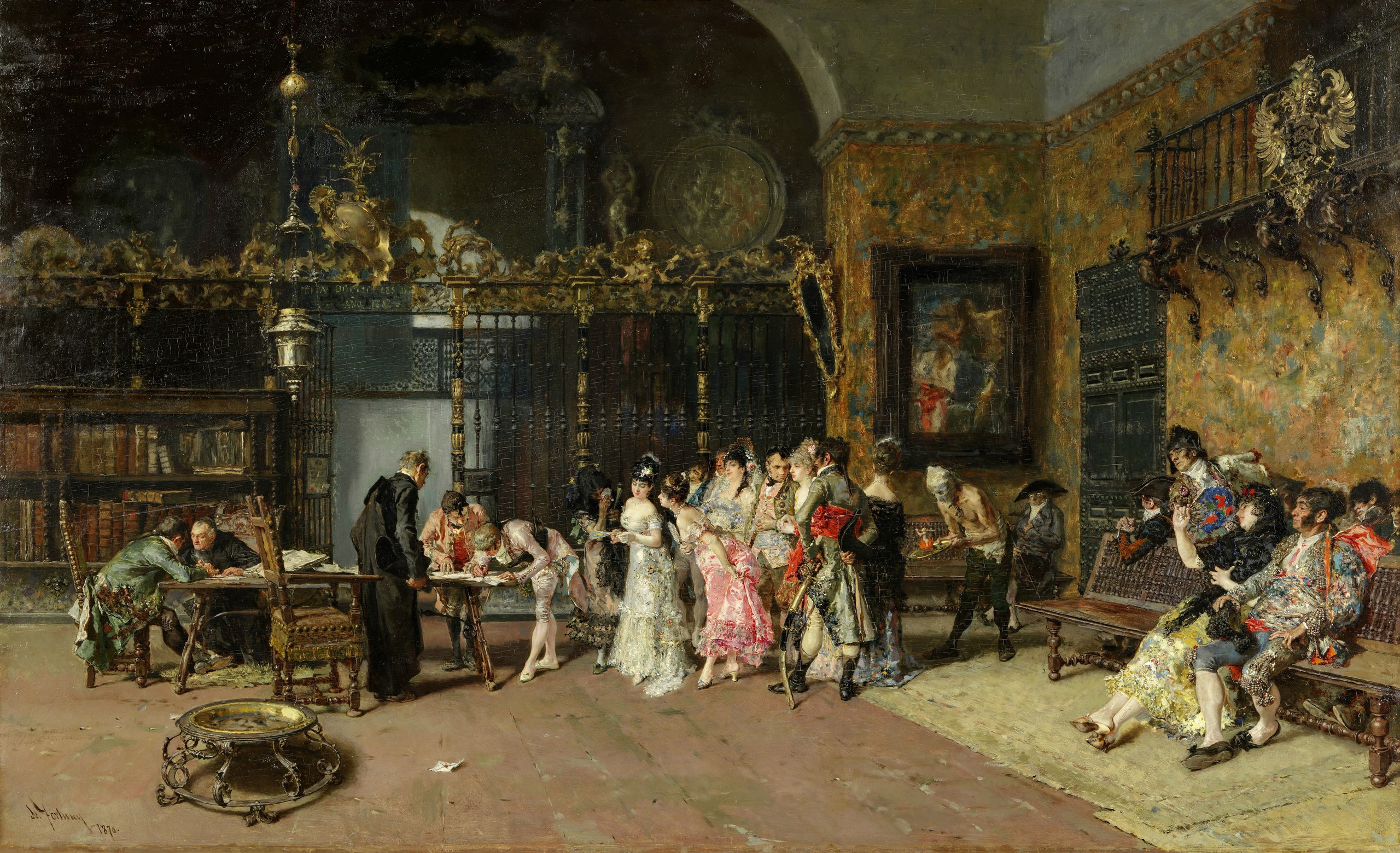
The Spanish Wedding
Mariano Fortuny Marsal · 1870
Museu Nacional d'Art de Catalunya
The Spanish Wedding or La Vicaría (1868 to 1870) is a masterwork by Marià Fortuny i Marsal, also known as Marià Fortuny or Mariano Fortuny. La Vicaría exemplifies genre painting of the 19th century. The use of jewel tones, contrasts between light and dark, and the virtuosity of the work attest to Fortuny's talent.
The Odalisque
Mariano Fortuny Marsal · 1861
Museu Nacional d'Art de Catalunya
The Odalisque is an 1861 oil painting made by Spanish painter Mariano Fortuny in Rome. It is currently on display at the National Art Museum of Catalonia in Barcelona. The painting portrays a nude odalisque (or concubine) reclining before a Turkish man holding what appears to be a baglama.
Where the work hangs
The museums that hold it, and their visitor guides.
If you like Mariano Fortuny Marsal
Artists held by the same museums.
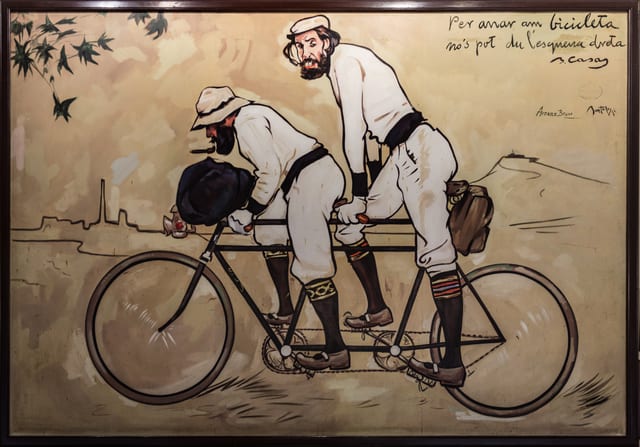
Ramon Casas
Spain · 9 in the archive
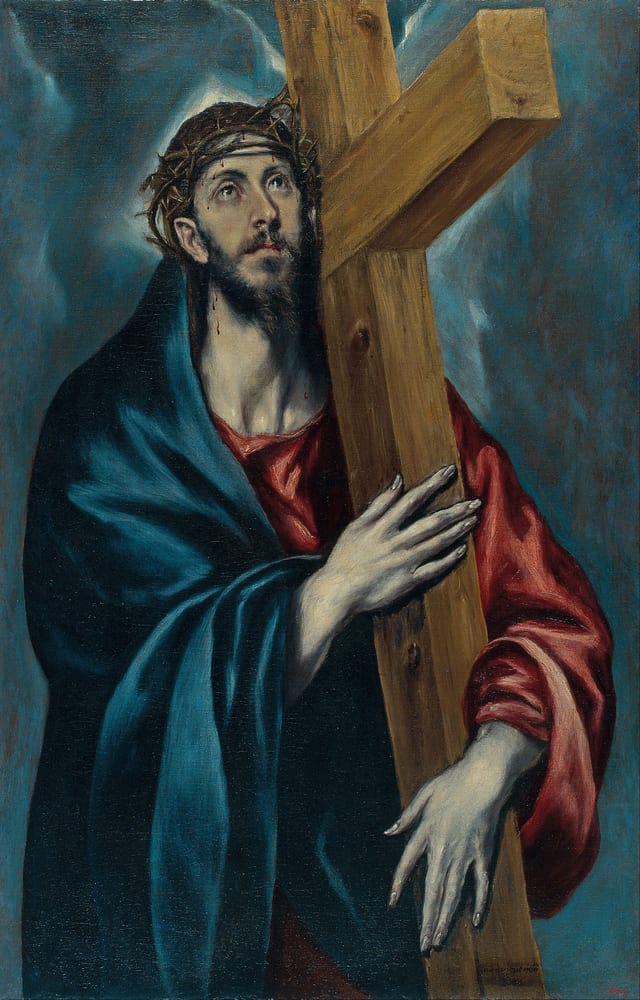
El Greco
Greek · 4 in the archive
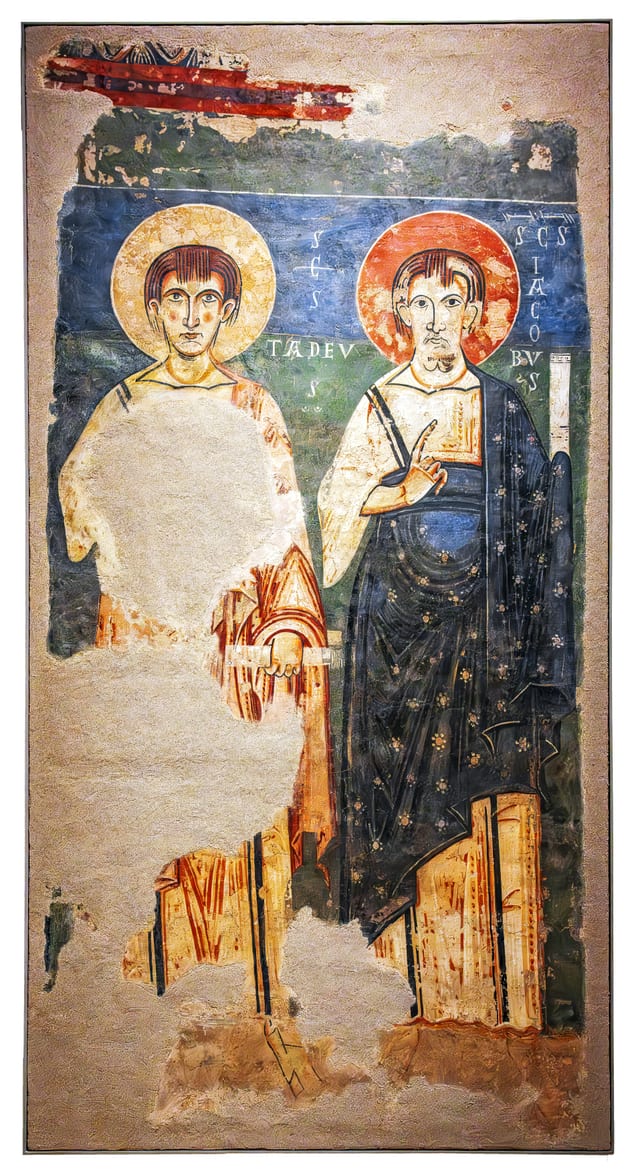
Master of Pedret
3 in the archive
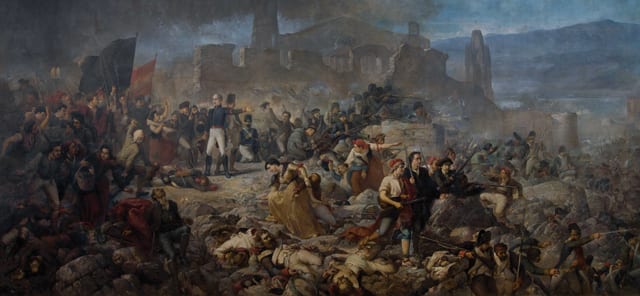
Ramon Martí Alsina
Spain · 3 in the archive
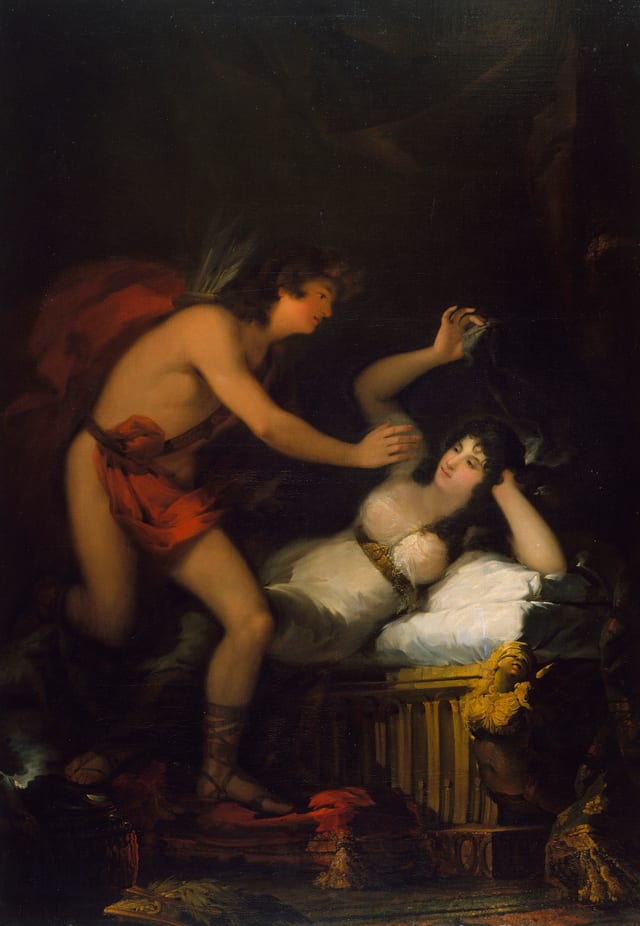
Francisco Goya
Spanish · 2 in the archive
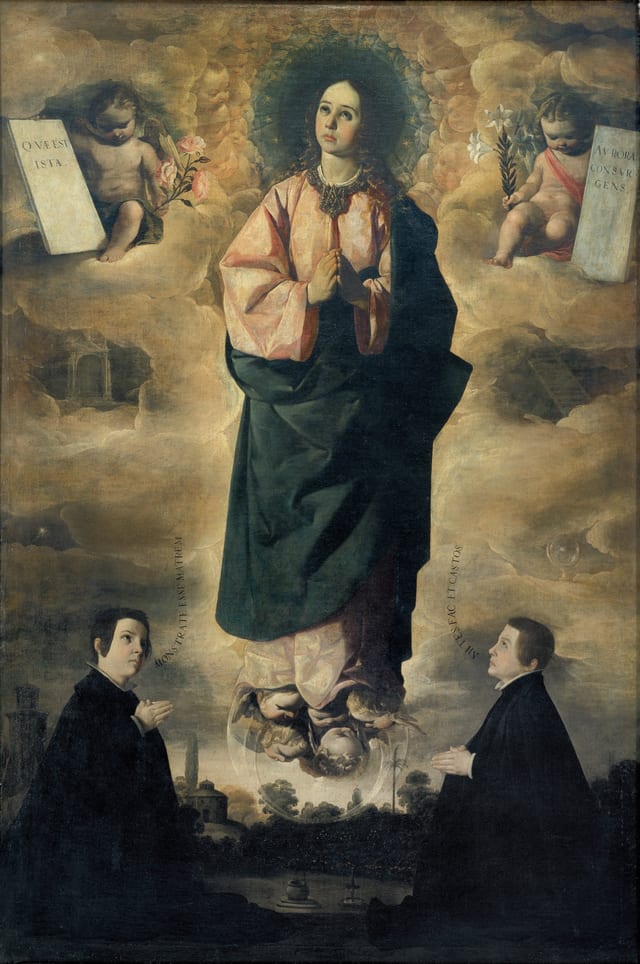
Francisco de Zurbarán
Spain · 2 in the archive
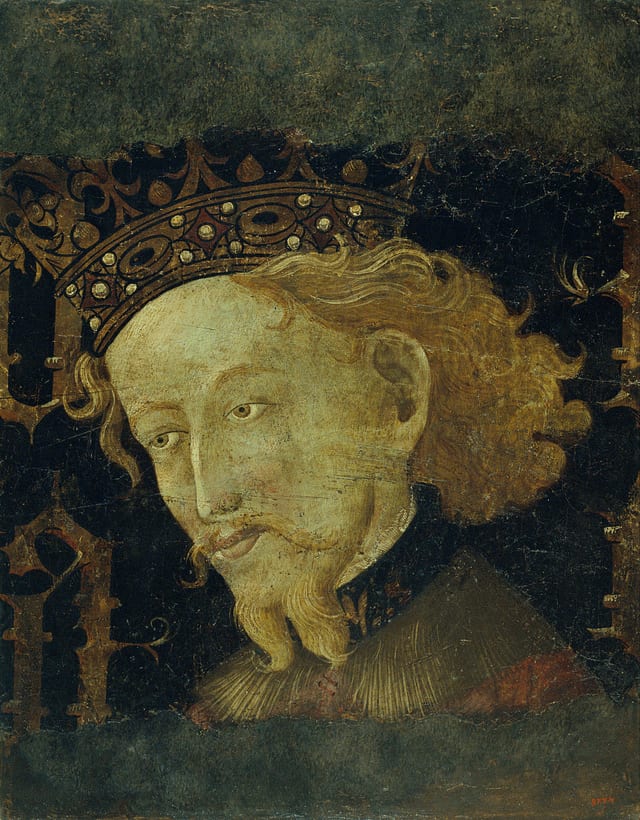
Gonzalo Pérez
Kingdom of Valencia · 2 in the archive
Jaume Huguet
Crown of Aragon · 2 in the archive
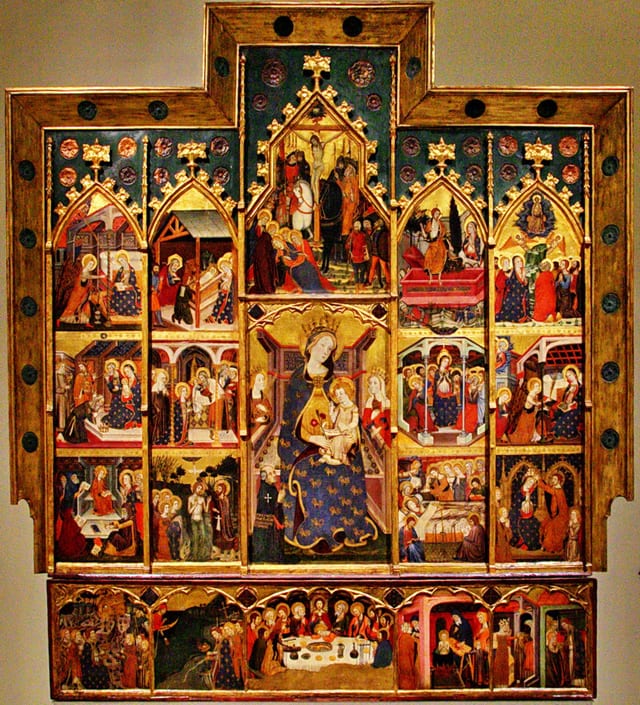
Pere Serra
2 in the archive
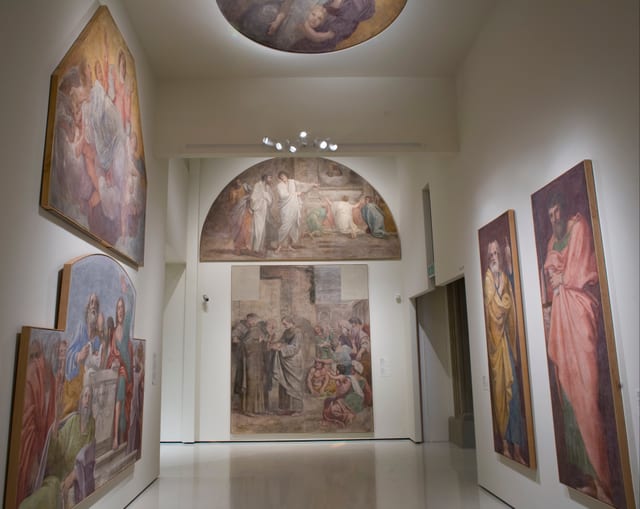
Annibale Carracci
Papal States · 1 in the archive
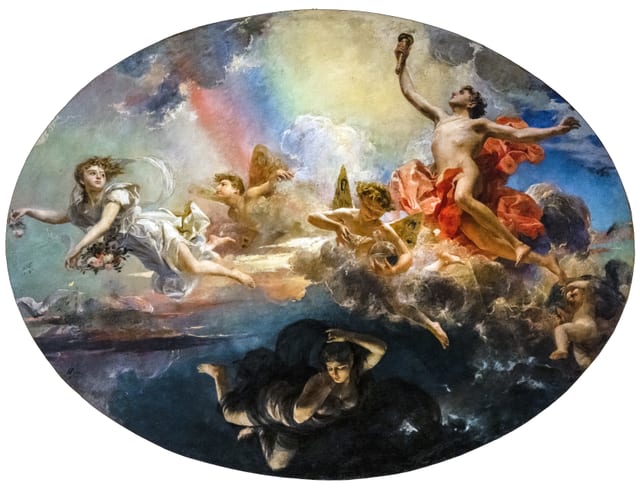
Antoni Caba
Spain · 1 in the archive
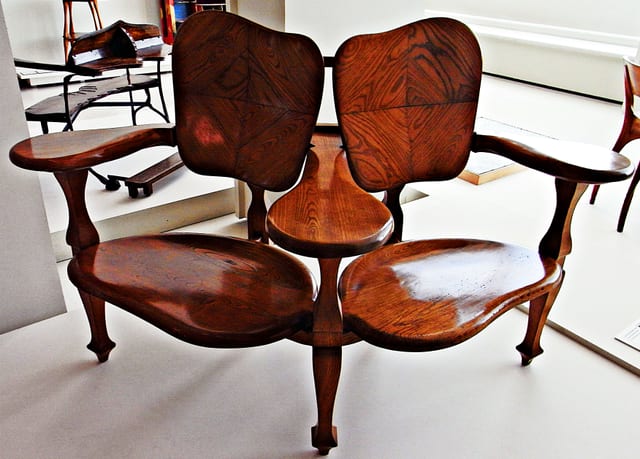
Antoni Gaudí
Spain · 1 in the archive
Invite the masters into your living room.
Mariano Fortuny Marsal on your TV, phone, or tablet. Free to start.
View on MomentableIndependent guide by Momentable · biography from Wikipedia · artworks are in the public domain and credited to the museum that holds them