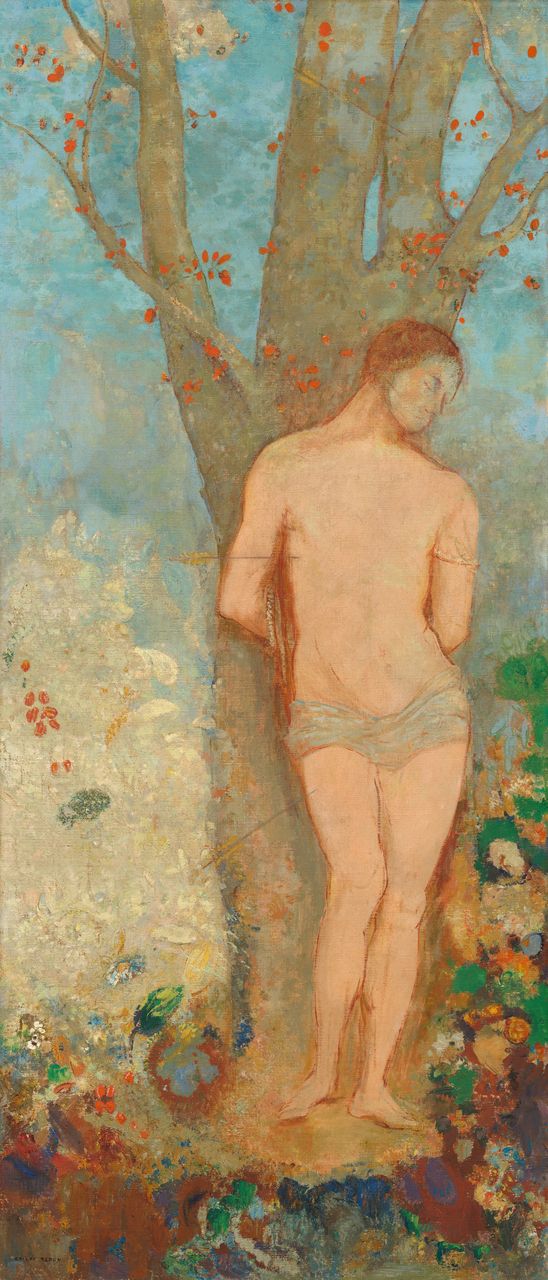
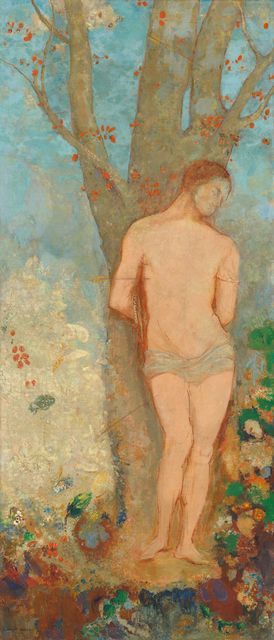
Saint Sebastian
Odilon Redon

Odilon Redon
French · 1840–1916
Odilon Redon was a French Symbolist draftsman, printmaker, and painter.
Independent artist guide by Momentable. Biography from Wikipedia; artworks credited to the museums that hold them.
 LIVENow streaming · Saint Sebastian
- works in the archive
- 92works in the archive
- life
- 1840–1916life
- movement
- Symbolismmovement
The work
A selection of 7 works, free to stream.
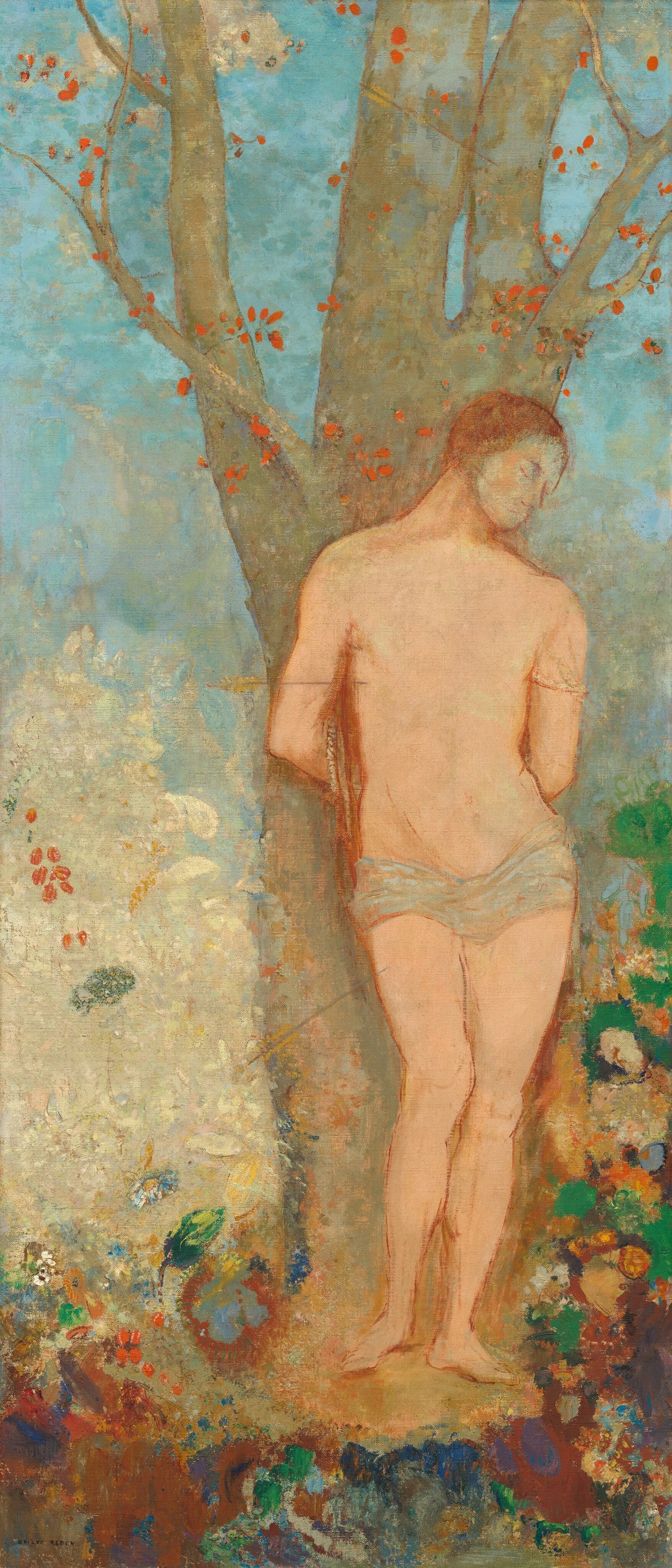
Saint Sebastian
Odilon Redon
National Gallery of Art
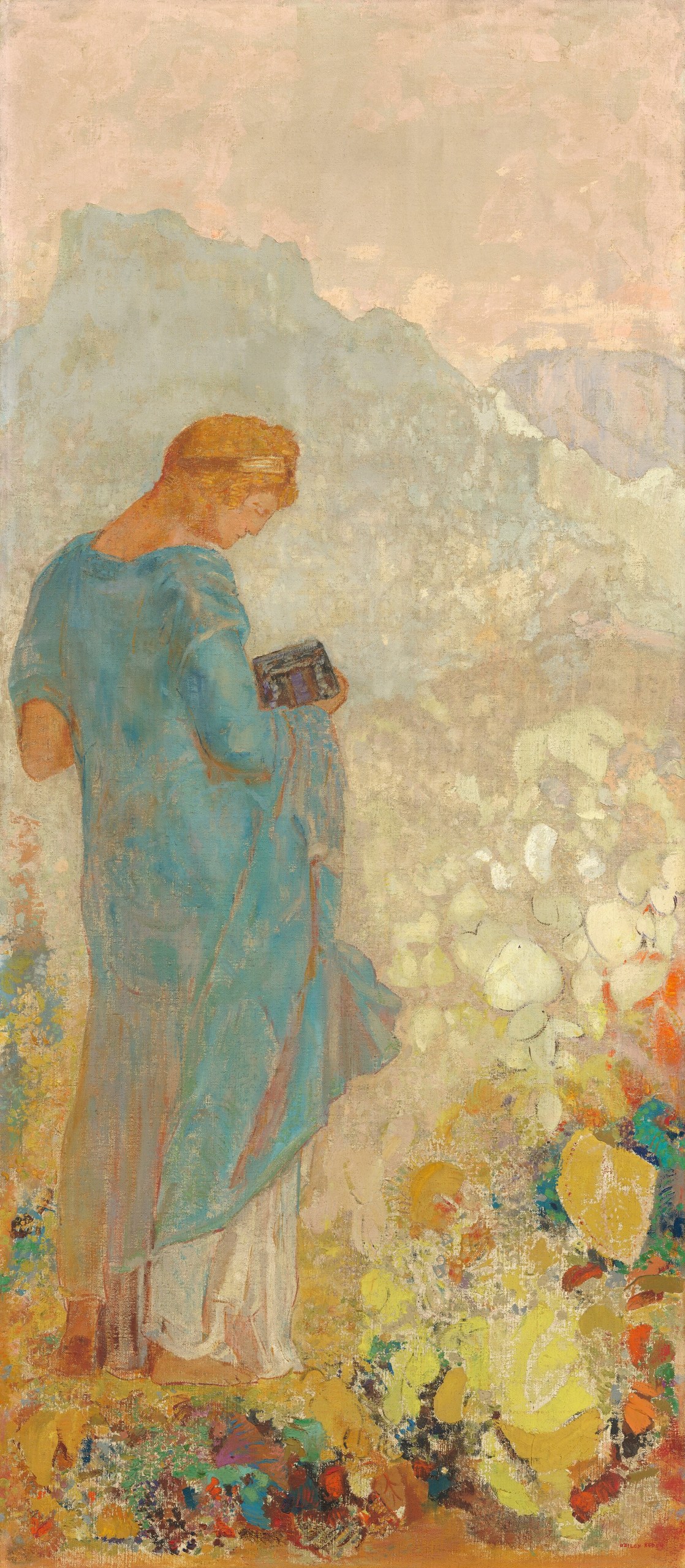
Pandora
Odilon Redon
National Gallery of Art
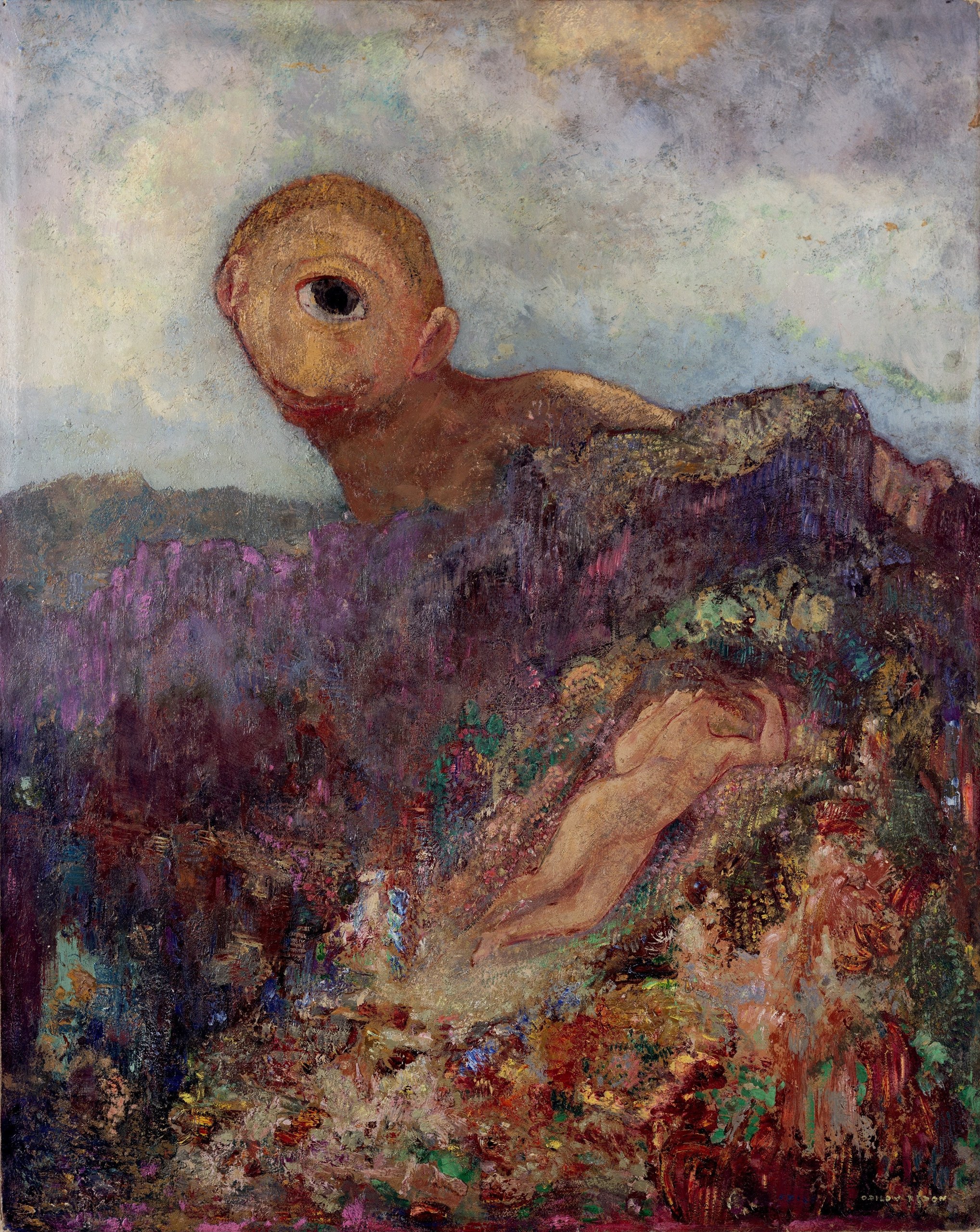
The Cyclops
Odilon Redon · 1914
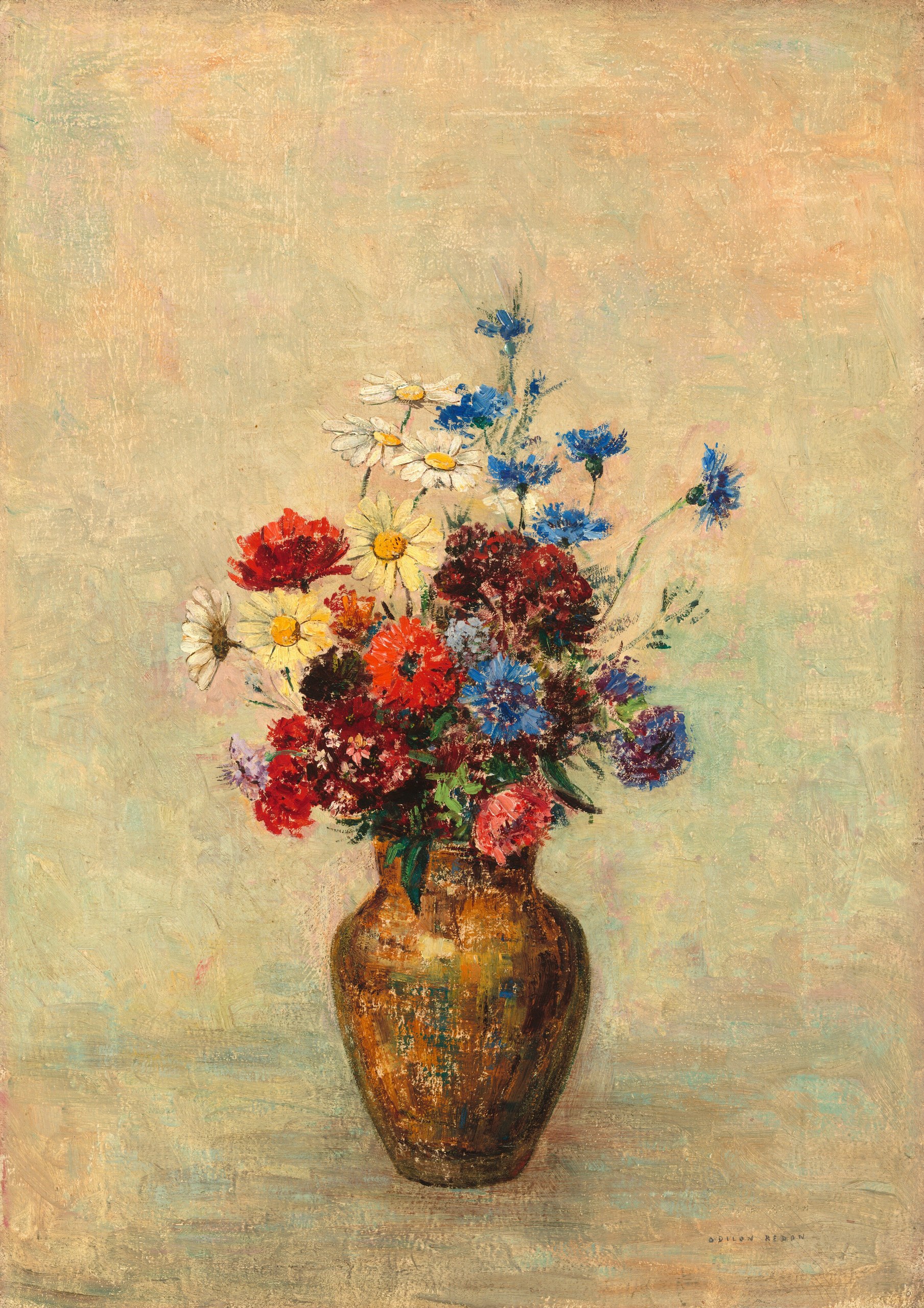
Flowers in a Vase
Odilon Redon
National Gallery of Art
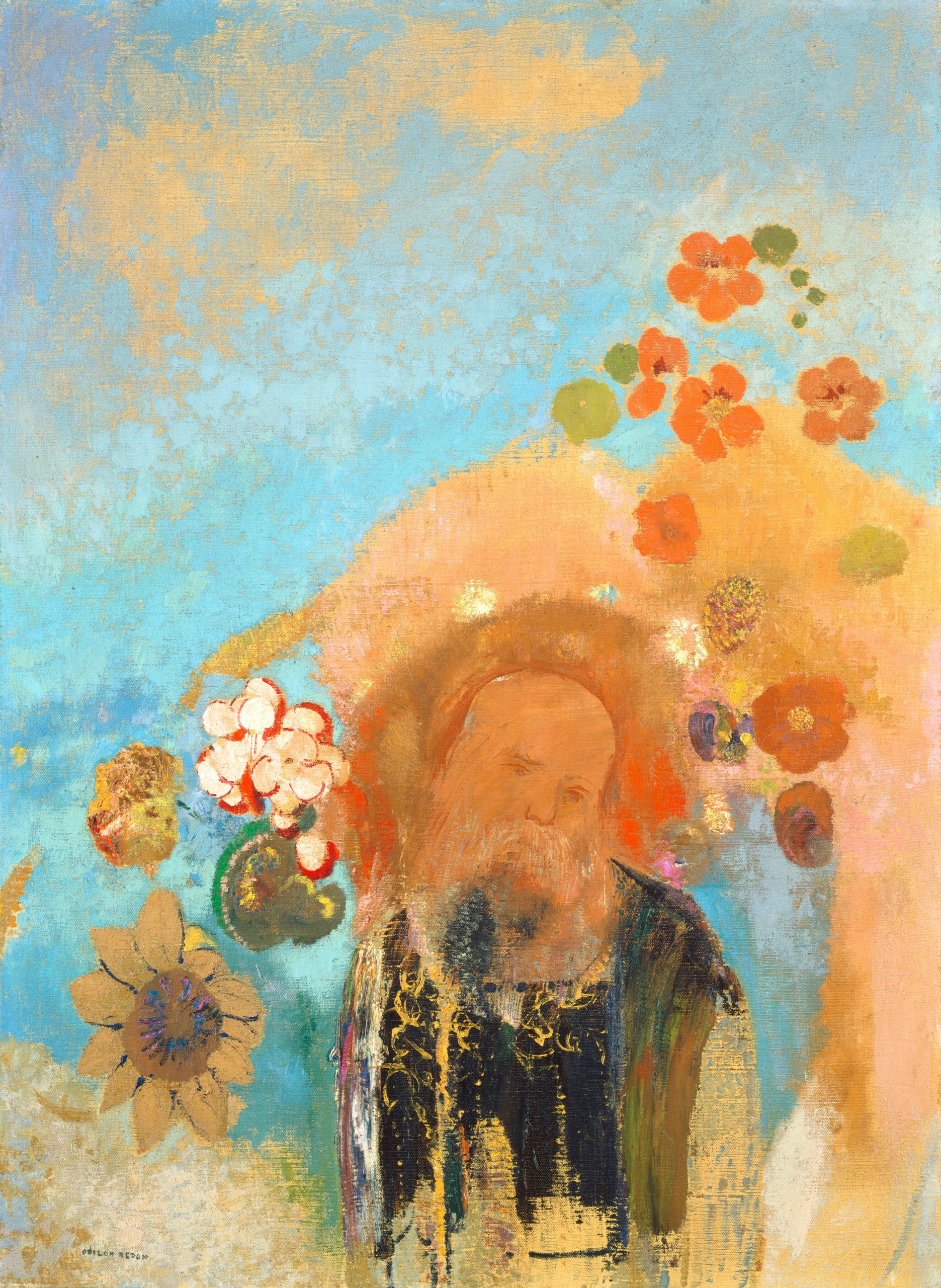
Evocation of Roussel
Odilon Redon
National Gallery of Art
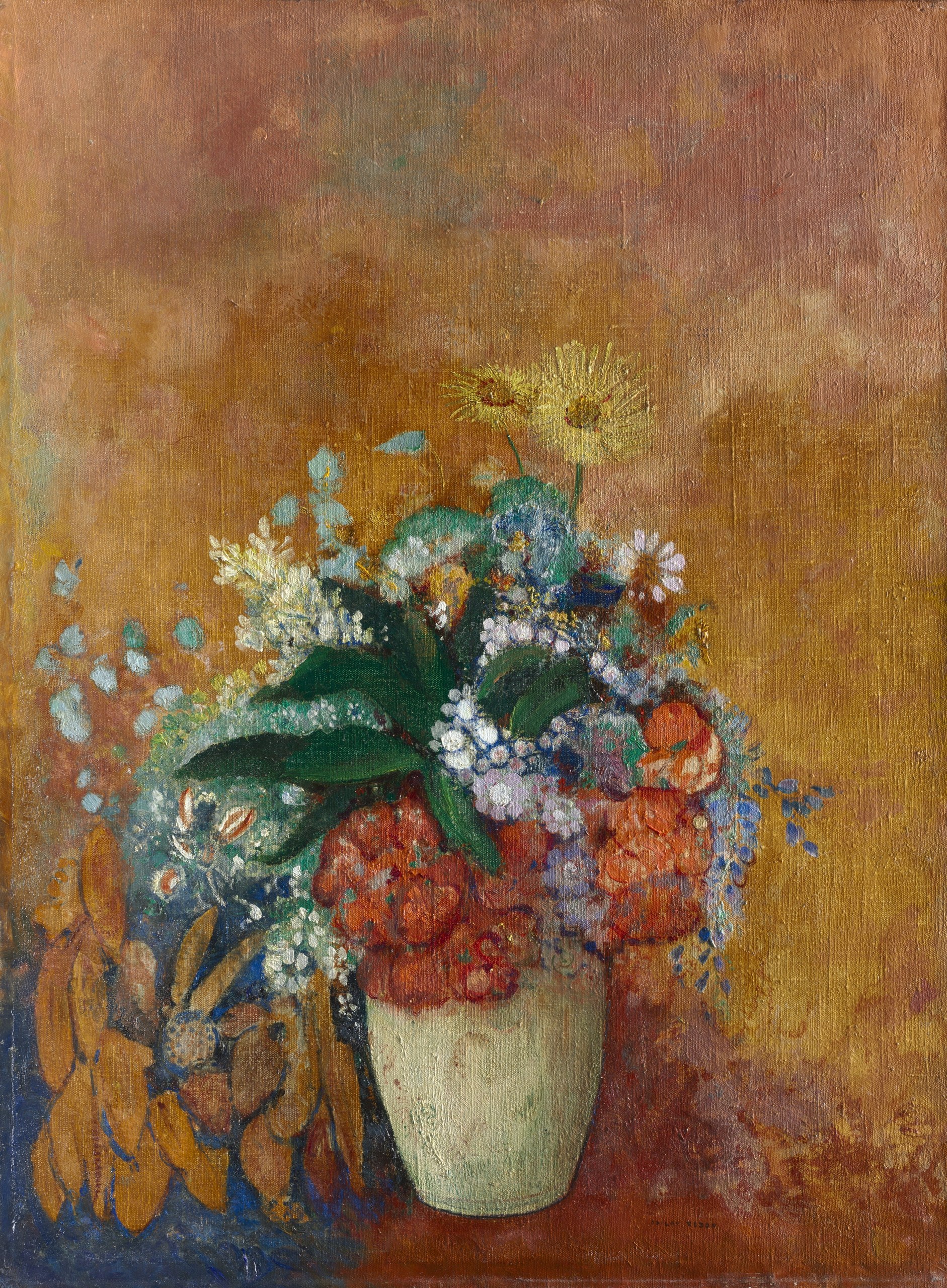
Vase of Flowers
Odilon Redon
The Cleveland Museum of Art
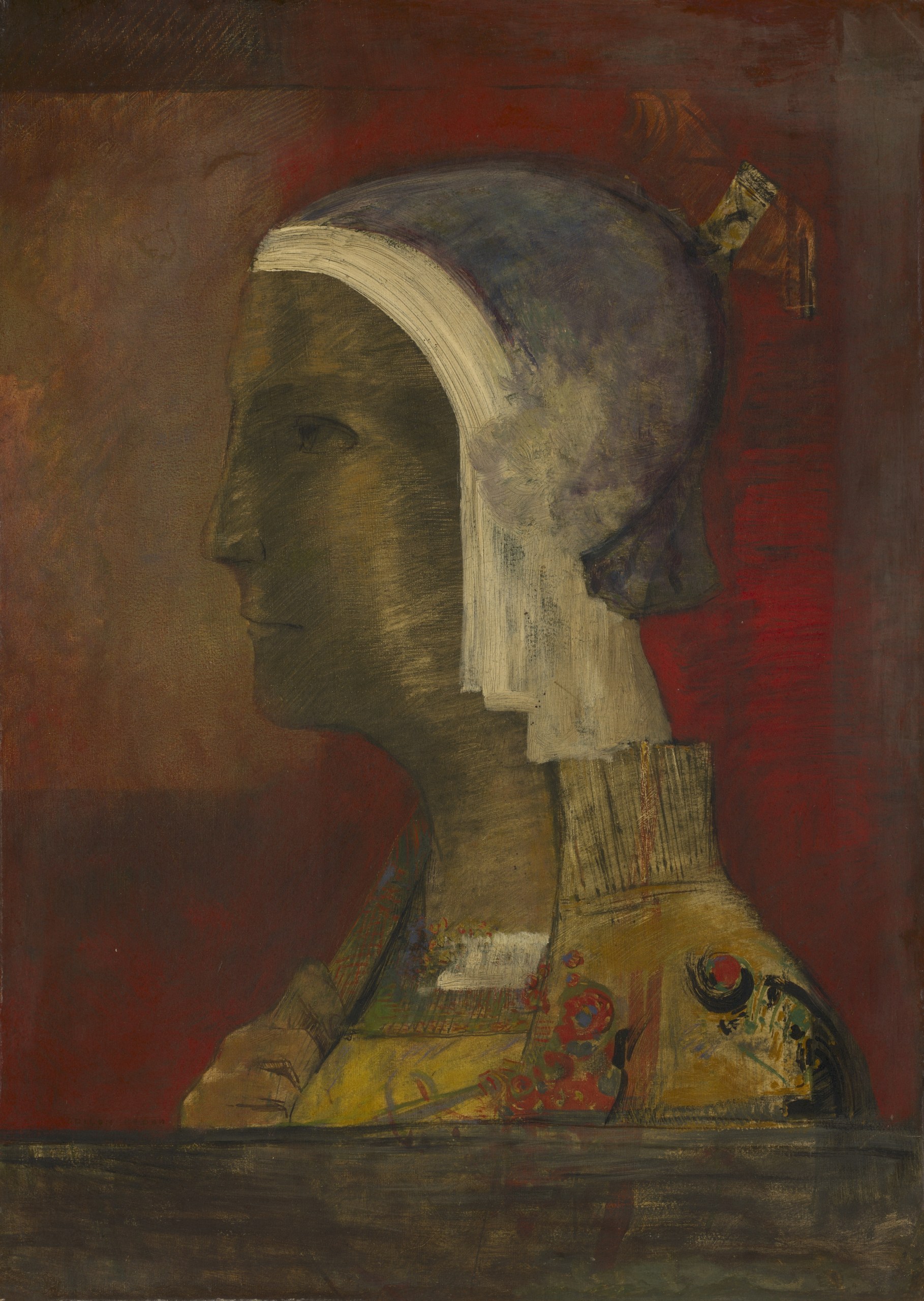
Symbolic Head
Odilon Redon
The Cleveland Museum of Art
Works worth knowing
What Odilon Redon made, and why each one is worth looking at.
Saint Sebastian
Odilon Redon
National Gallery of Art
Odilon Redon was a French Symbolist draftsman, printmaker, and painter. Early in his career, both before and after fighting in the Franco-Prussian War, Redon worked almost exclusively in charcoal and lithography, works known as his noirs. He gained recognition after his drawings were mentioned in the 1884 novel À rebours (Against Nature) by Joris-Karl Huysmans.
Pandora
Odilon Redon
National Gallery of Art
Odilon Redon was a French Symbolist draftsman, printmaker, and painter. Early in his career, both before and after fighting in the Franco-Prussian War, Redon worked almost exclusively in charcoal and lithography, works known as his noirs. He gained recognition after his drawings were mentioned in the 1884 novel À rebours (Against Nature) by Joris-Karl Huysmans.
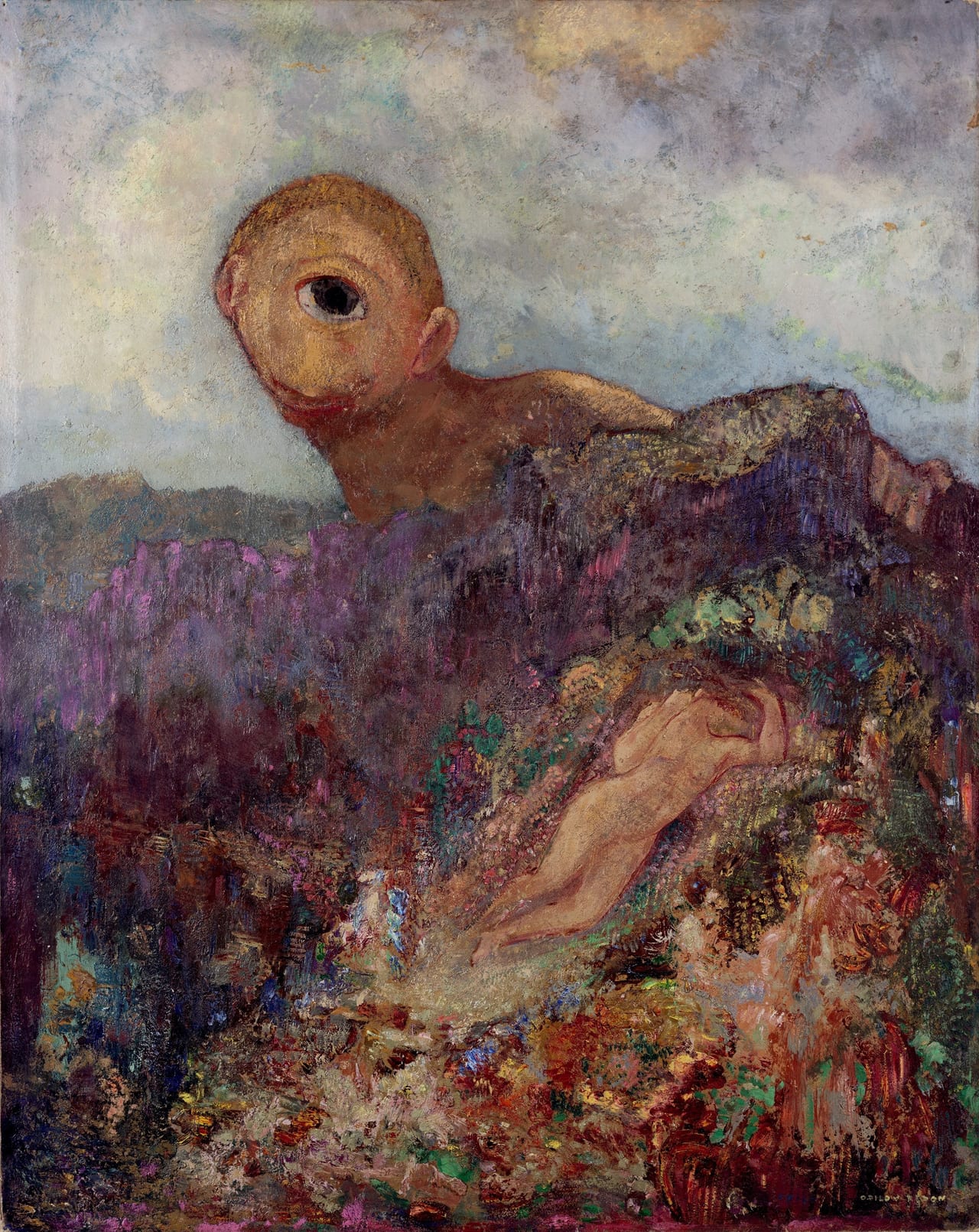
The Cyclops
Odilon Redon · 1914
The Cyclops is a symbolist painting by Odilon Redon that depicts the myth of the love of Polyphemus for the nymph Galatea. It was painted in oil on cardboard, then mounted on wood, and is now in the Kröller-Müller Museum in the Netherlands. The painting has been variously dated between 1898 and 1914.
Flowers in a Vase
Odilon Redon
National Gallery of Art
Odilon Redon was a French Symbolist draftsman, printmaker, and painter. Early in his career, both before and after fighting in the Franco-Prussian War, Redon worked almost exclusively in charcoal and lithography, works known as his noirs. He gained recognition after his drawings were mentioned in the 1884 novel À rebours (Against Nature) by Joris-Karl Huysmans.
Evocation of Roussel
Odilon Redon
National Gallery of Art
Symbolist painting was one of the main artistic manifestations of symbolism, a cultural movement that emerged at the end of the 19th century in France and developed in several European countries. The beginning of this current was in poetry, especially thanks to the impact of The Flowers of Evil by Charles Baudelaire (1868), which powerfully influenced a generation of young poets including Paul Verlaine, Stéphane Mallarmé and Arthur Rimbaud. The term "symbolism" was coined by Jean Moréas in a literary manifesto published in Le Figaro in 1886.
Vase of Flowers
Odilon Redon
The Cleveland Museum of Art
Odilon Redon was a French Symbolist draftsman, printmaker, and painter. Early in his career, both before and after fighting in the Franco-Prussian War, Redon worked almost exclusively in charcoal and lithography, works known as his noirs. He gained recognition after his drawings were mentioned in the 1884 novel À rebours (Against Nature) by Joris-Karl Huysmans.
Symbolic Head
Odilon Redon
The Cleveland Museum of Art
Polyphemus (; Ancient Greek: Πολύφημος, romanized: Polúphēmos, Epic Greek:; Latin: Polyphēmus ) is the one-eyed giant son of Poseidon and Thoosa in Greek mythology, one of the Cyclopes described in Homer's Odyssey. His name can mean either "abounding in songs and legends", "many-voiced", or "very famous". Polyphemus first appeared as a savage man-eating giant in the ninth book of the Odyssey.
Where the work hangs
The museums that hold it, and their visitor guides.
If you like Odilon Redon
Artists held by the same museums.
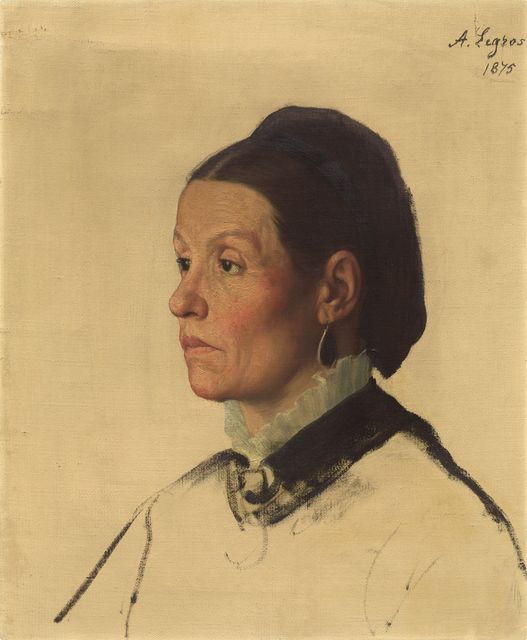
Alphonse Legros
French · 561 in the archive
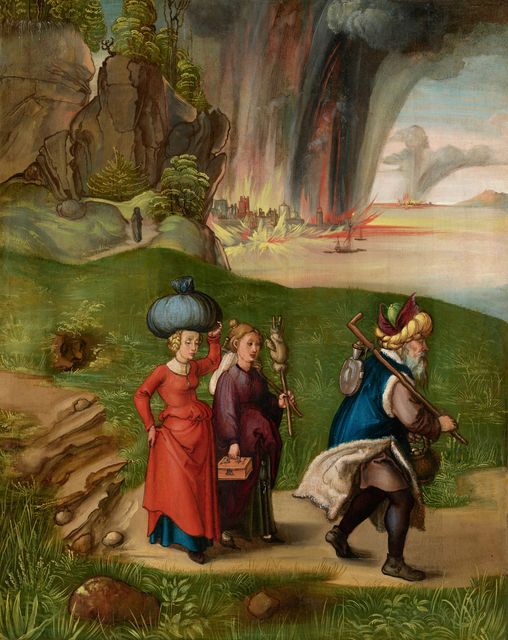
Albrecht Dürer
German · 287 in the archive
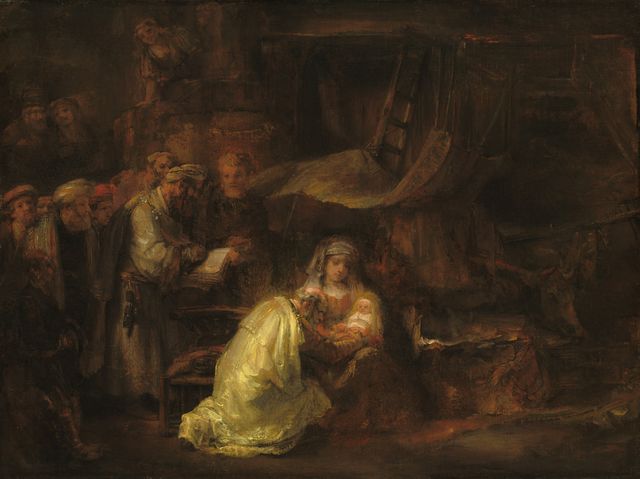
Rembrandt van Rijn
Dutch · 260 in the archive
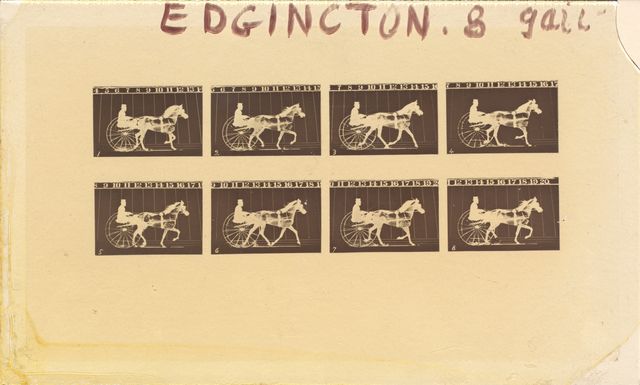
Eadweard Muybridge
English · 259 in the archive
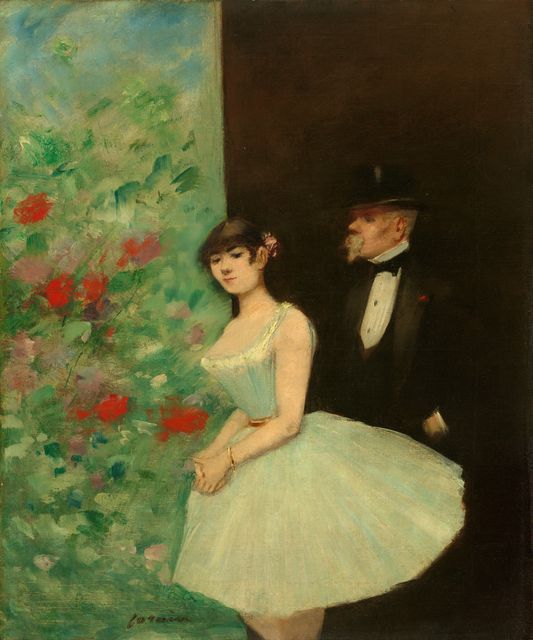
Jean-Louis Forain
French · 259 in the archive
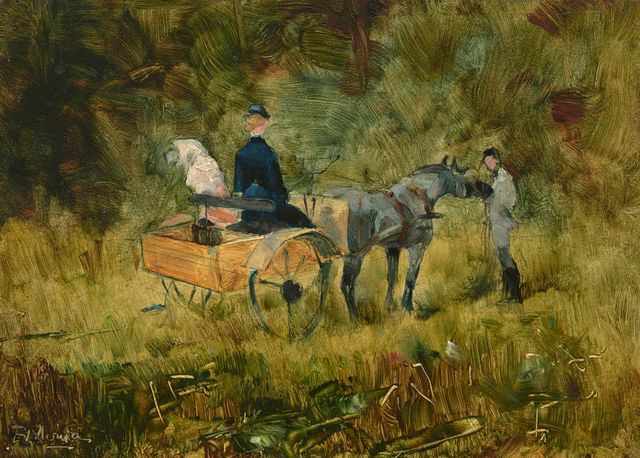
Henri de Toulouse-Lautrec
French · 242 in the archive
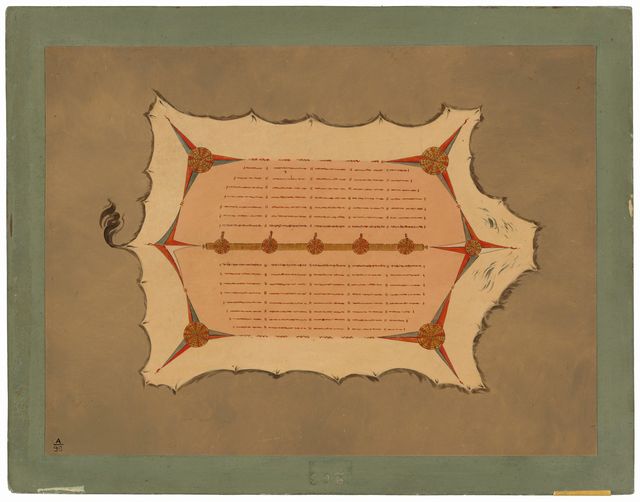
George Catlin
United States · 223 in the archive
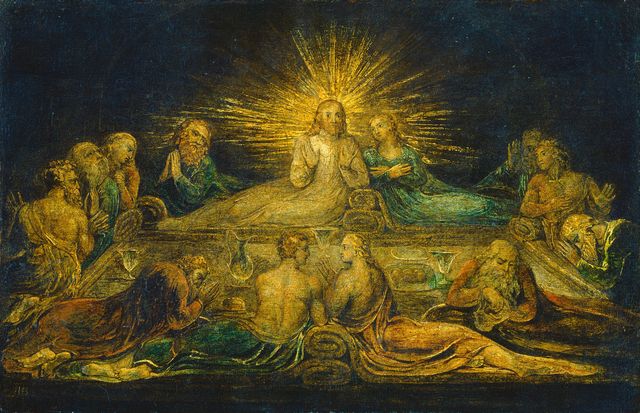
William Blake
United Kingdom of Great Britain and Ireland · 175 in the archive
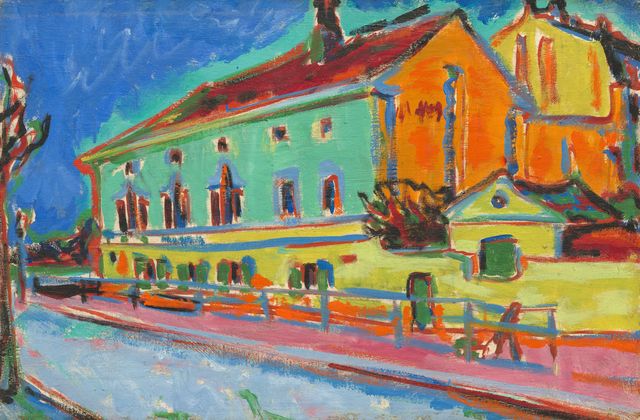
Ernst Ludwig Kirchner
German · 147 in the archive
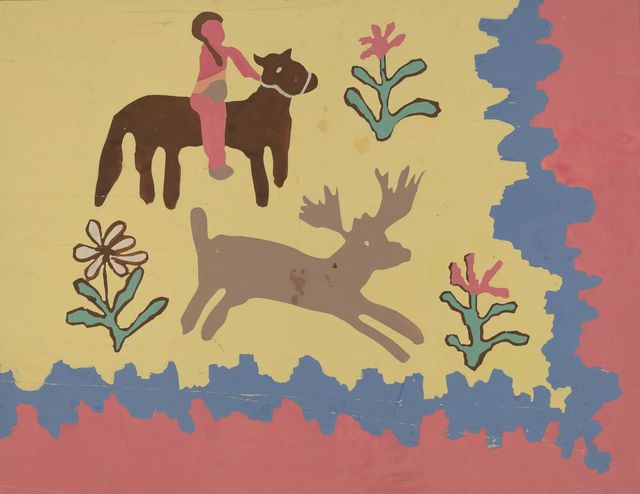
Majel G. Claflin
United States · 135 in the archive
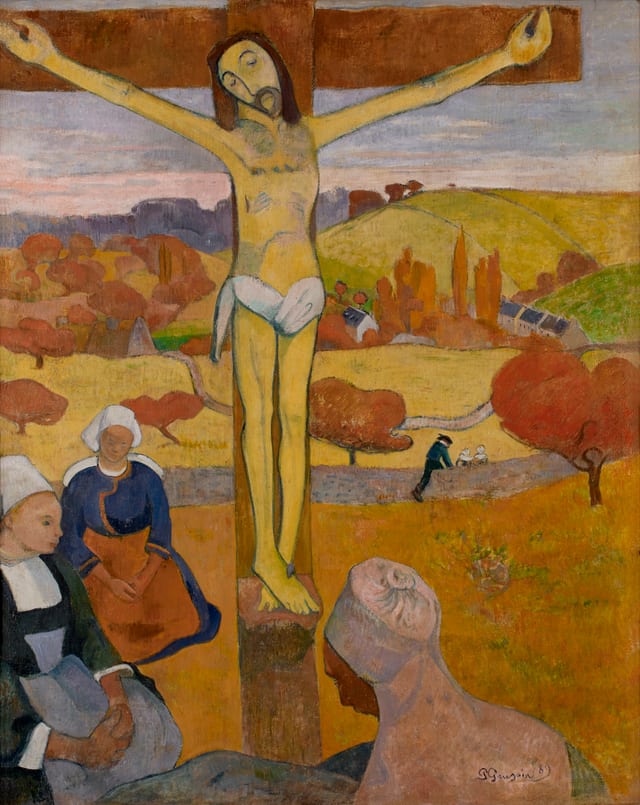
Paul Gauguin
French · 128 in the archive
Mina Lowry
United States · 124 in the archive
Invite the masters into your living room.
Odilon Redon on your TV, phone, or tablet. Free to start.
View on MomentableIndependent guide by Momentable · biography from Wikipedia · artworks are in the public domain and credited to the museum that holds them