Durán Madonna
Rogier van der Weyden · 1435

Rogier van der Weyden
Burgundian Netherlands · 1390–1464
Rogier van der Weyden, initially Roger de la Pasture, was an early Netherlandish painter whose surviving works consist mainly of religious triptychs, altarpieces, and commissioned single and diptych portraits. He was highly successful in his lifetime; his paintings were exported to Italy and Spain, and he received commissions from, amongst others, Philip the Good, Burgundian nobility, and foreign aristocrats. By the latter half of the 15th century, he had eclipsed Jan van Eyck in popularity. However his fame lasted only until the 17th century, and largely due to changing taste, he was almost totally forgotten by the mid-18th century. His reputation was slowly rebuilt during the 200 years that followed; today he is known, with Robert Campin and Van Eyck, as the third of the three great Early Netherlandish artists, and widely as the most influential Northern painter of the 15th century.
Independent artist guide by Momentable. Biography from Wikipedia; artworks credited to the museums that hold them.
 LIVENow streaming · Durán Madonna
- works in the archive
- 13works in the archive
- museums hold them
- 10museums hold them
- life
- 1390–1464life
- movement
- Early Netherlandish paintingmovement
The work
A selection of 13 works, free to stream.
Durán Madonna
Rogier van der Weyden · 1435
Museo del Prado
Virgin and Child
Rogier van der Weyden · 1454
Museum of Fine Arts, Houston
Braque Triptych
Rogier van der Weyden · 1452
Louvre
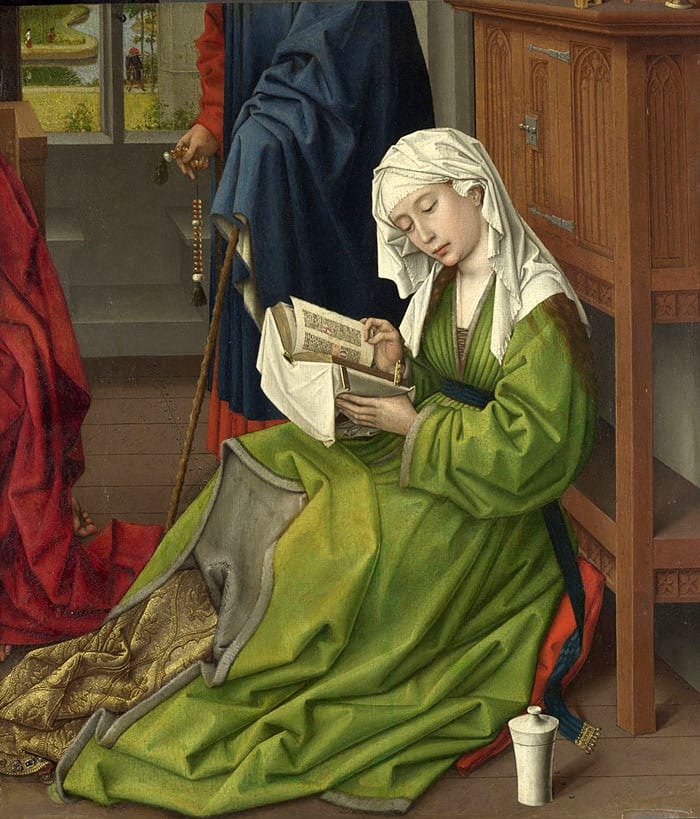
The Magdalen Reading
Rogier van der Weyden · 1435
National Gallery
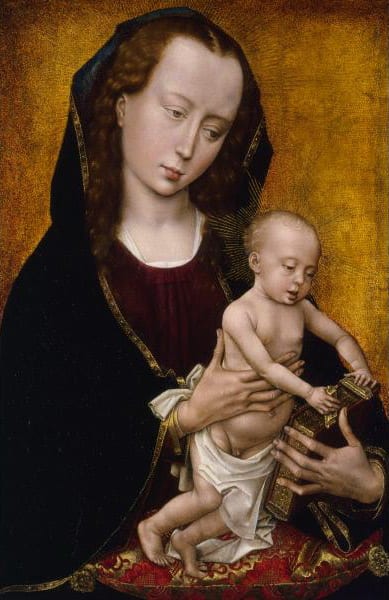
Diptych of Philip de Croy - Virgin and Child
Rogier van der Weyden · 1460
Huntington Library, Art Museum and Botanical Gardens
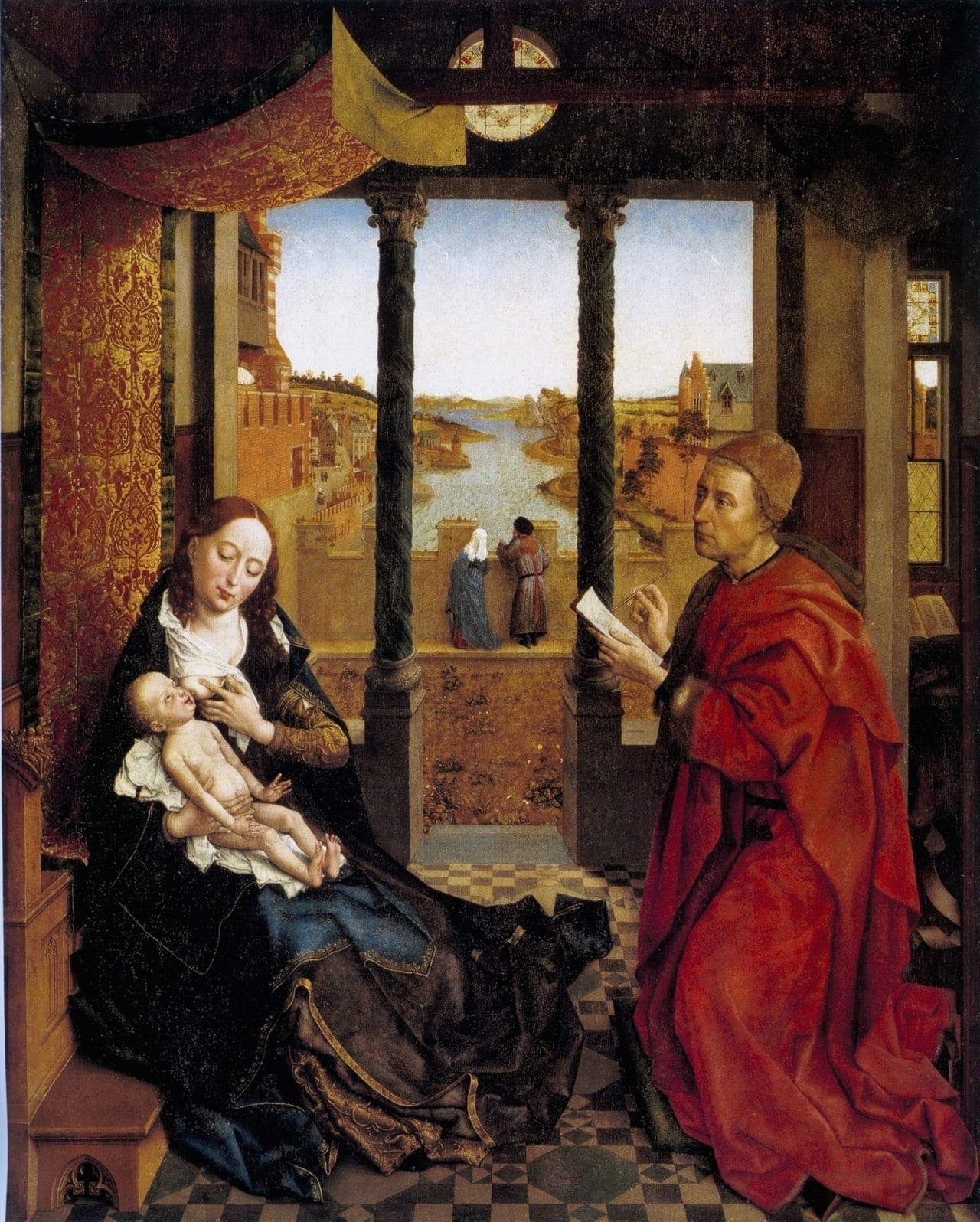
Saint Luke Drawing the Virgin
Rogier van der Weyden · c. 1435–1440
Museum of Fine Arts, Boston
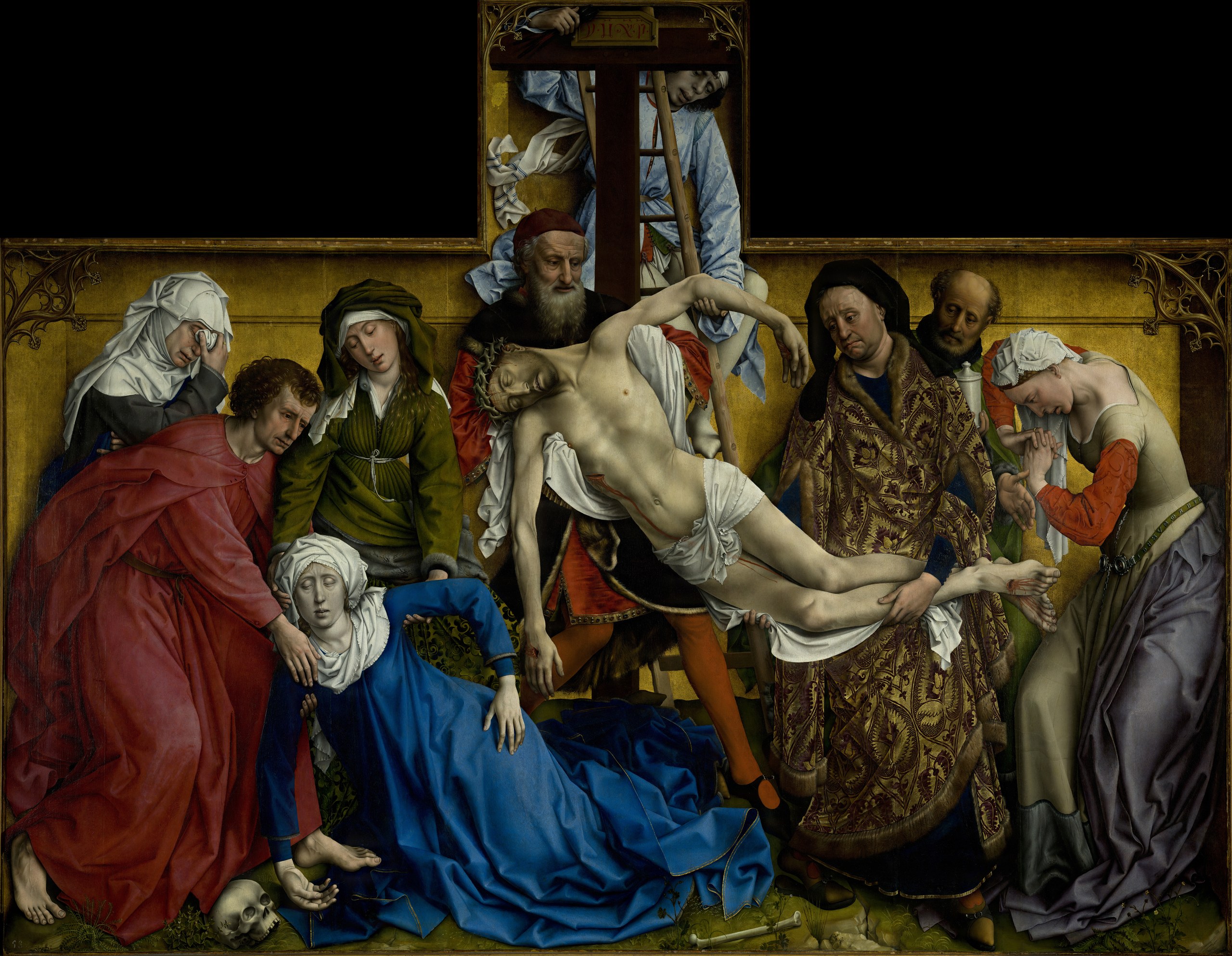
The Descent from the Cross
Rogier van der Weyden · 1440
Museo del Prado
Lamentation of Christ
Rogier van der Weyden · 1450
Uffizi Gallery
Diptych of Philip de Croÿ with The Virgin and Child
Rogier van der Weyden · 1460
Huntington Library, Art Museum and Botanical Gardens
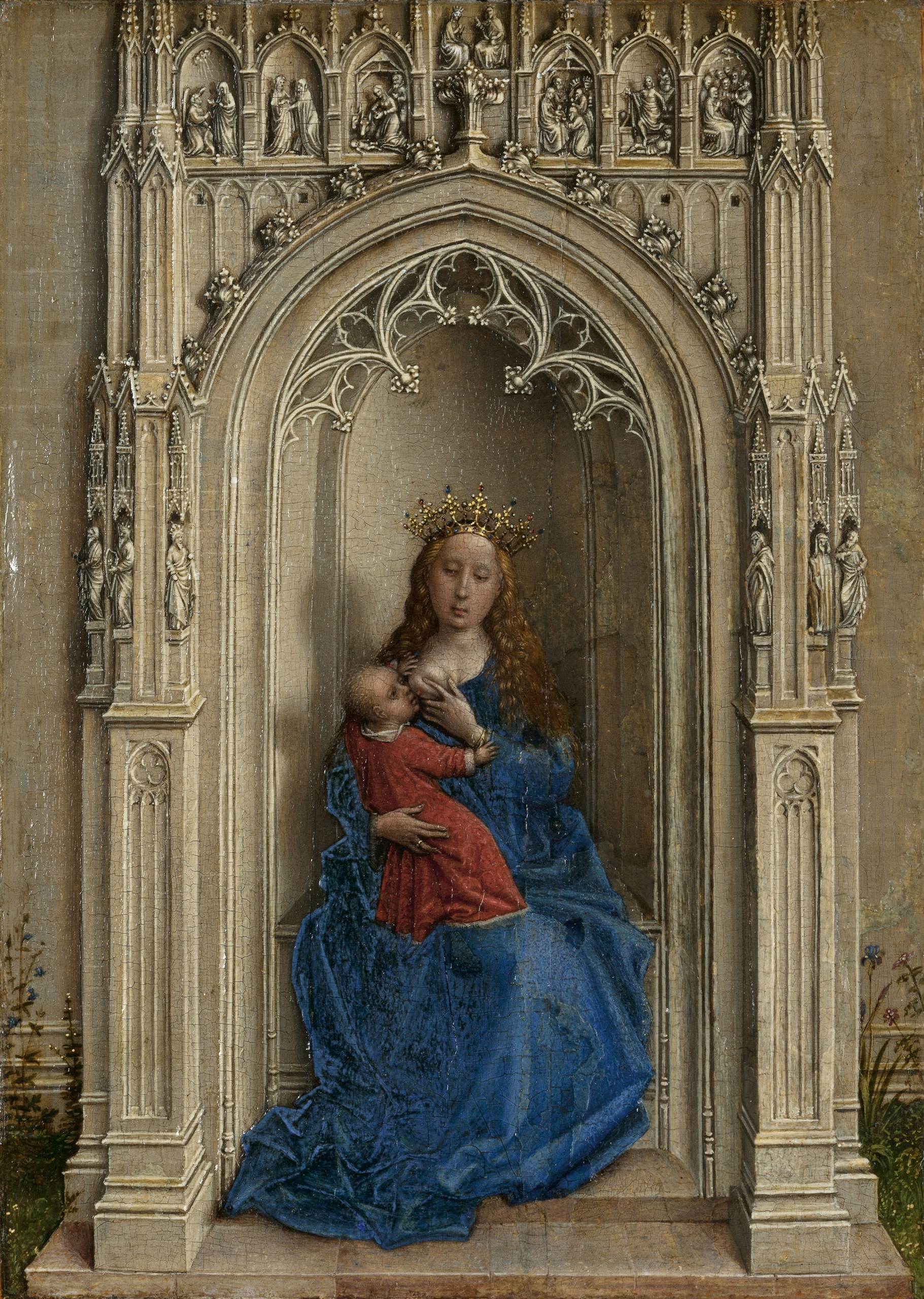
Virgin and Child Enthroned
Rogier van der Weyden · 1430
Thyssen-Bornemisza Museum
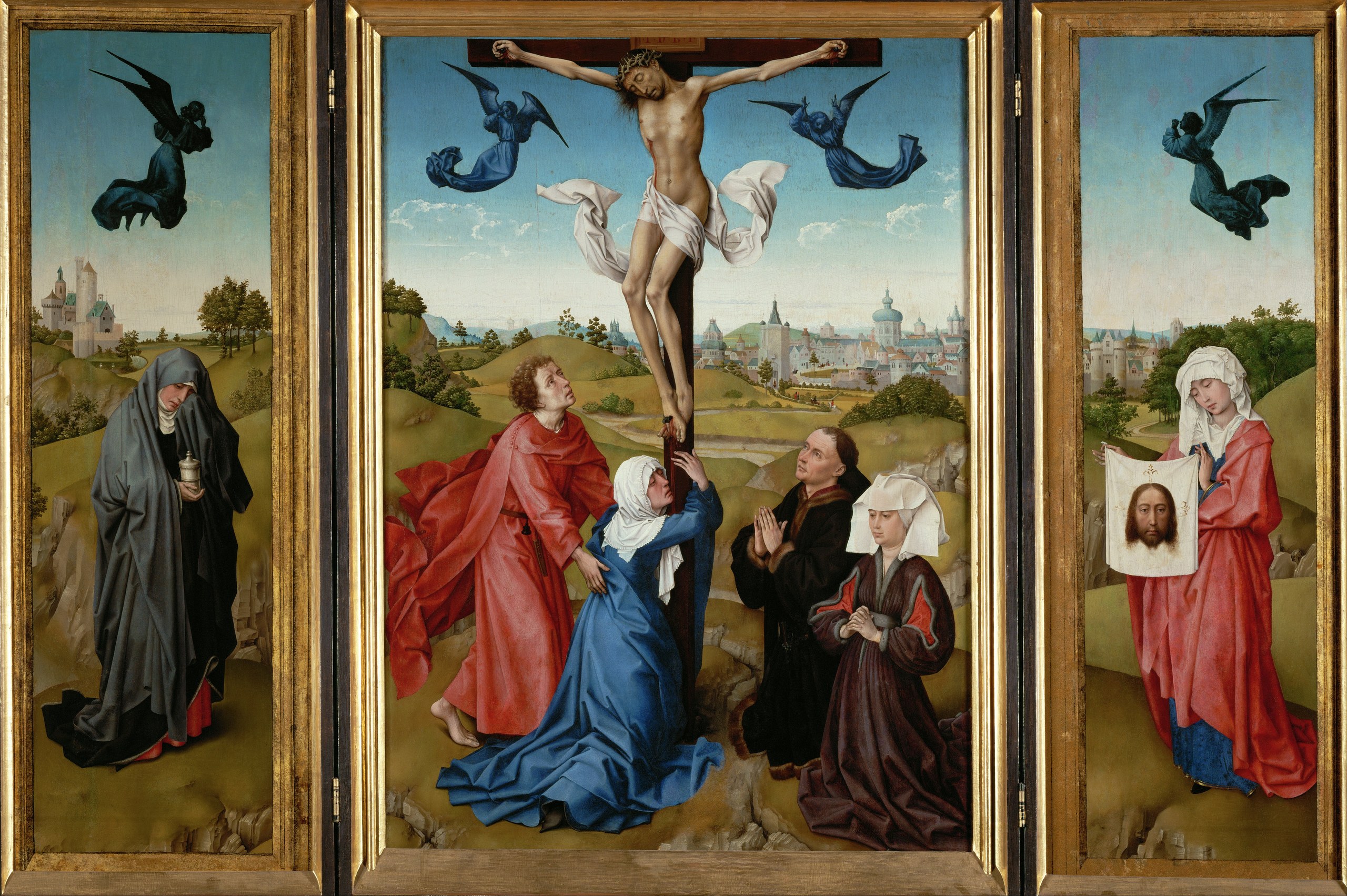
Crucifixion Triptych
Rogier van der Weyden · 1440
Kunsthistorisches Museum
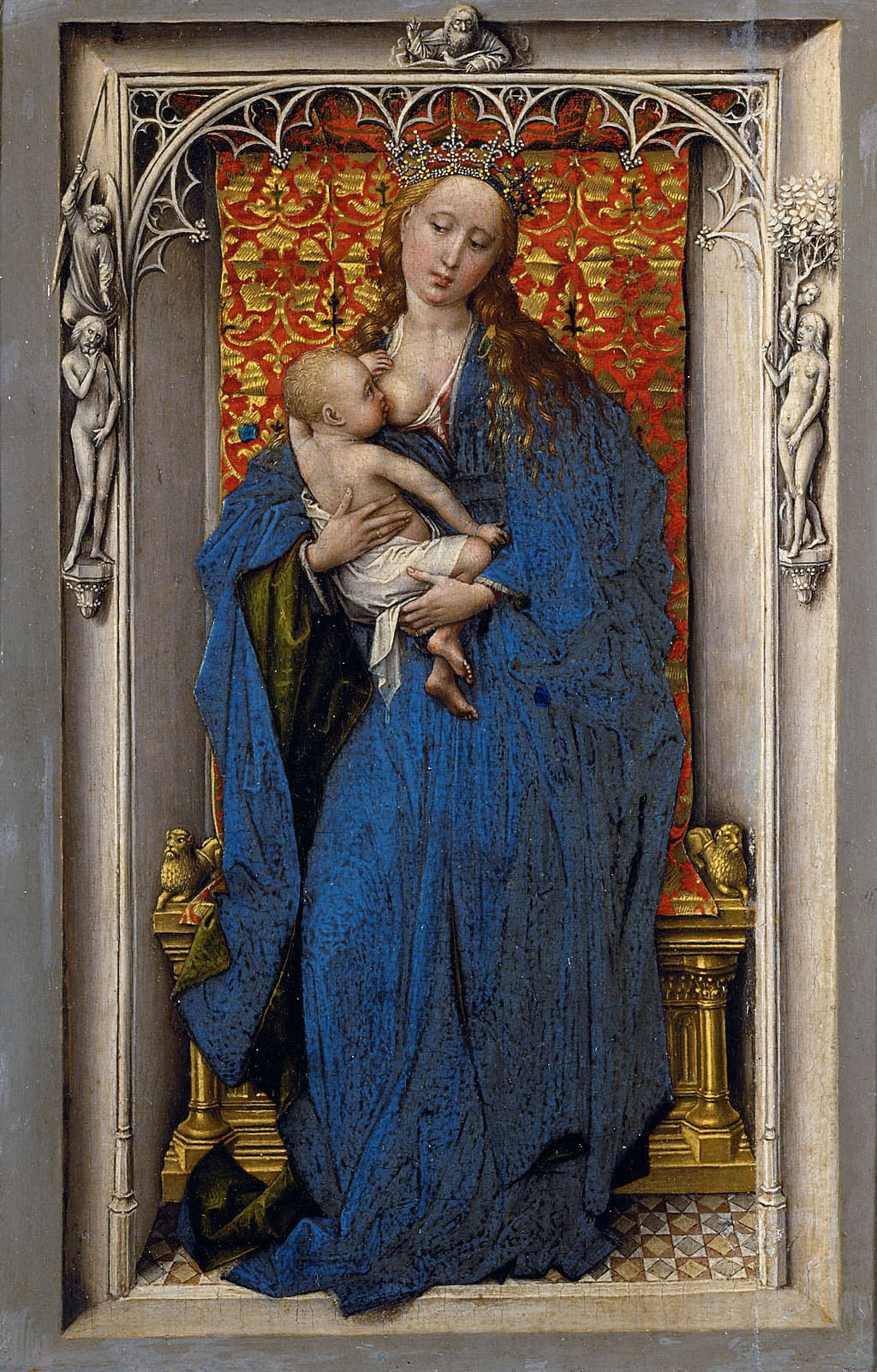
Madonna Standing
Rogier van der Weyden · 1430
Kunsthistorisches Museum
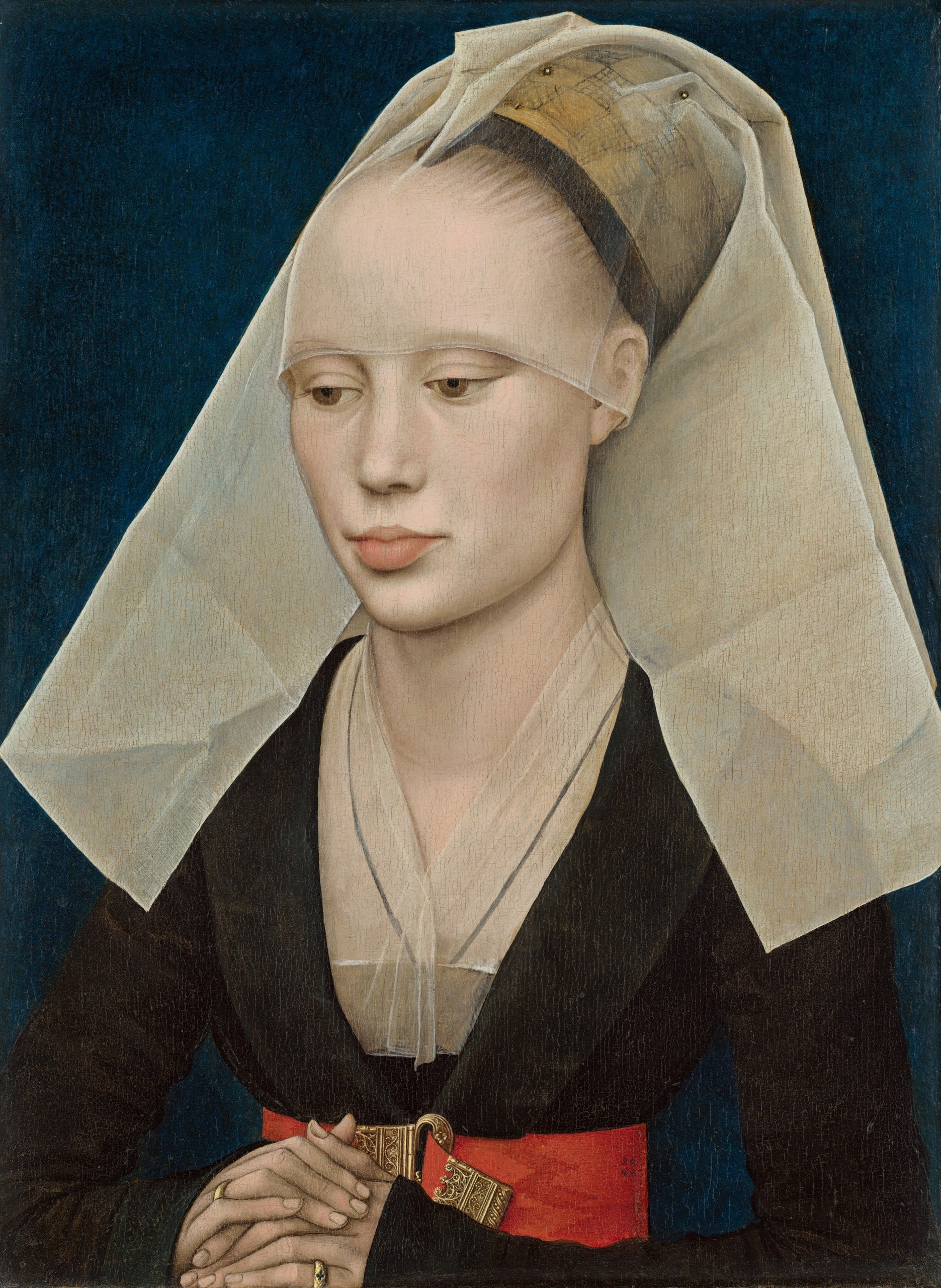
Portrait of a Lady
Rogier van der Weyden
National Gallery of Art
Works worth knowing
12 of Rogier van der Weyden's works, and what makes each one worth a look.
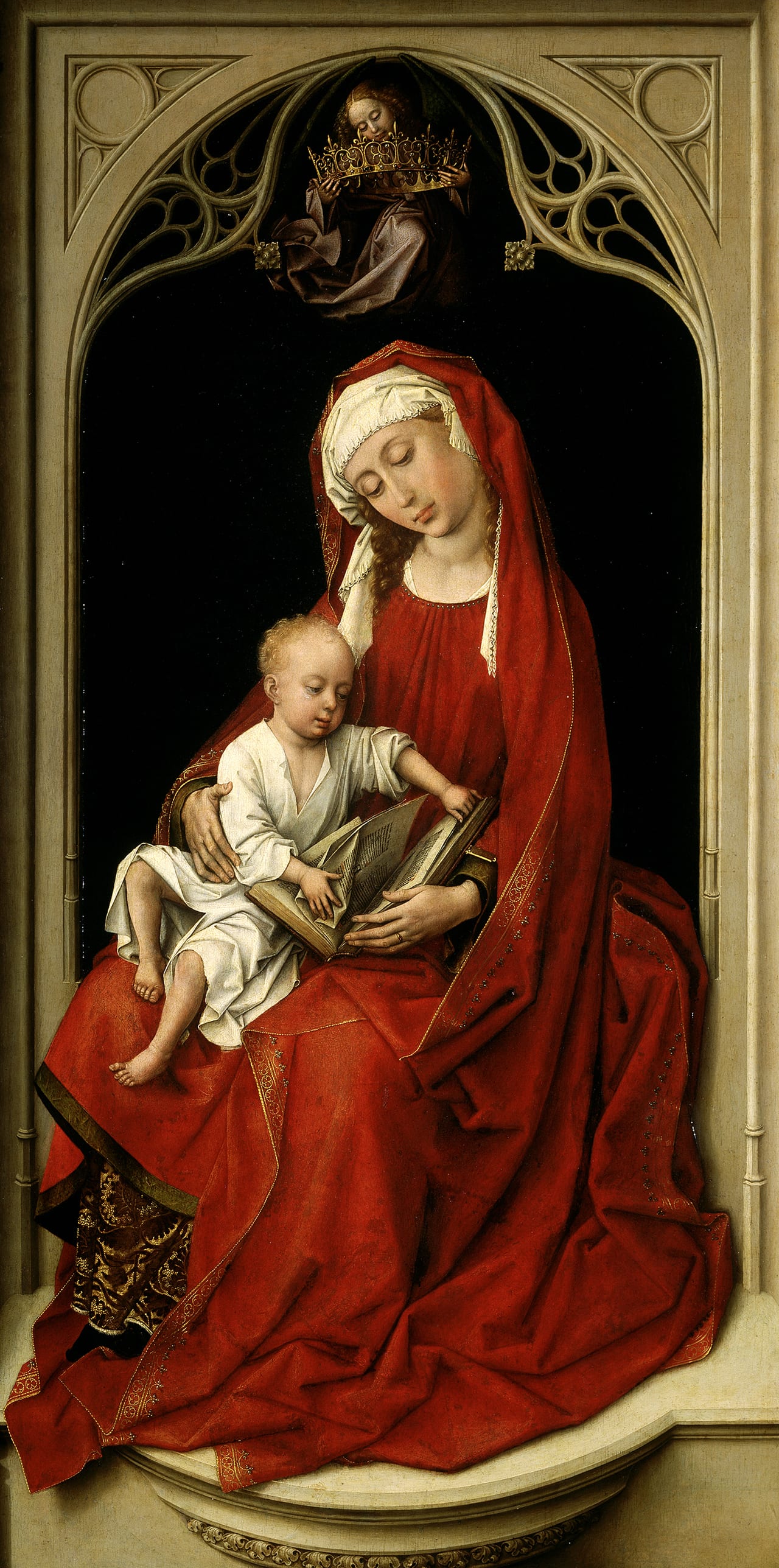
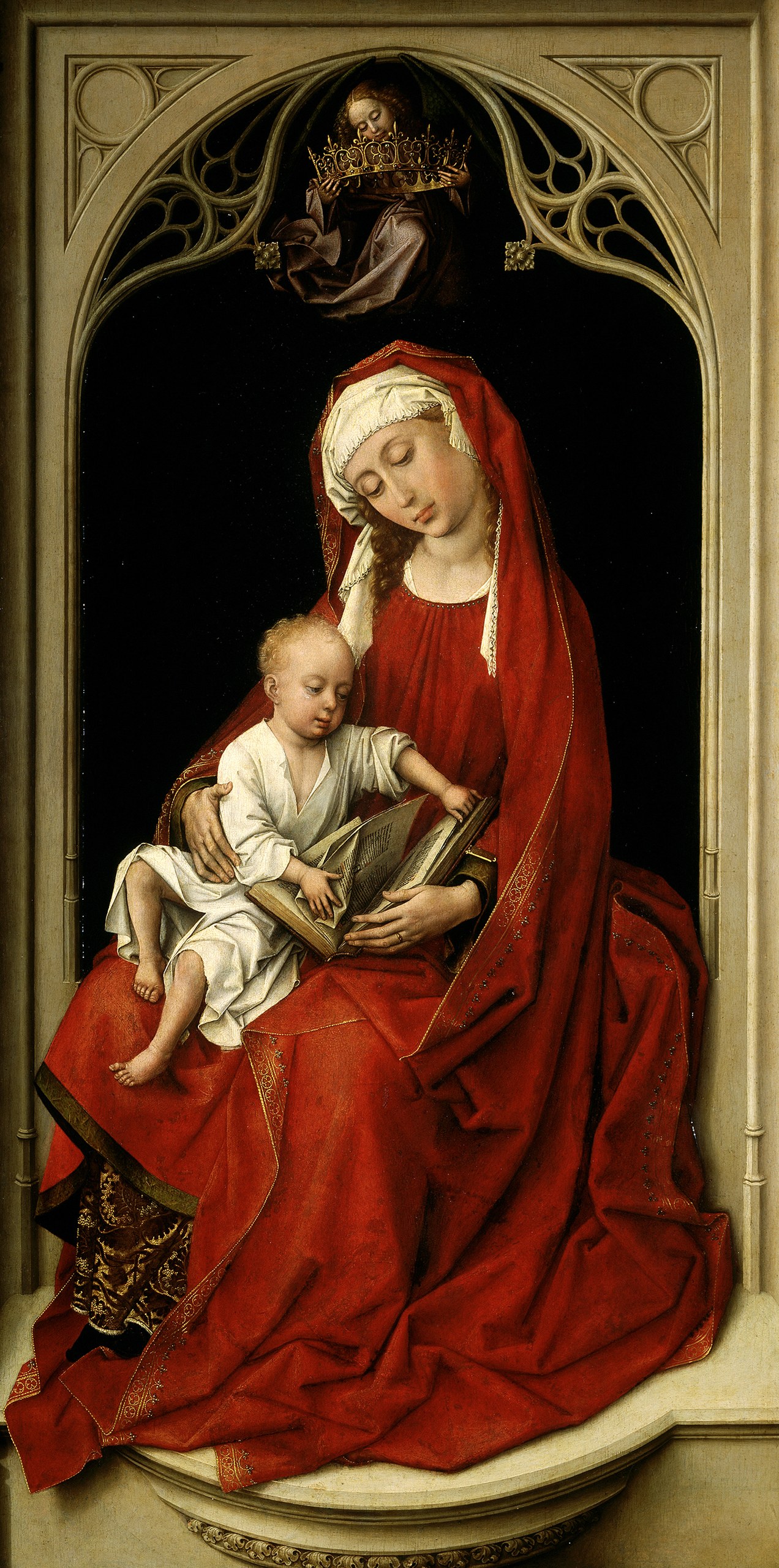
Durán Madonna
Rogier van der Weyden · 1435
Museo del Prado
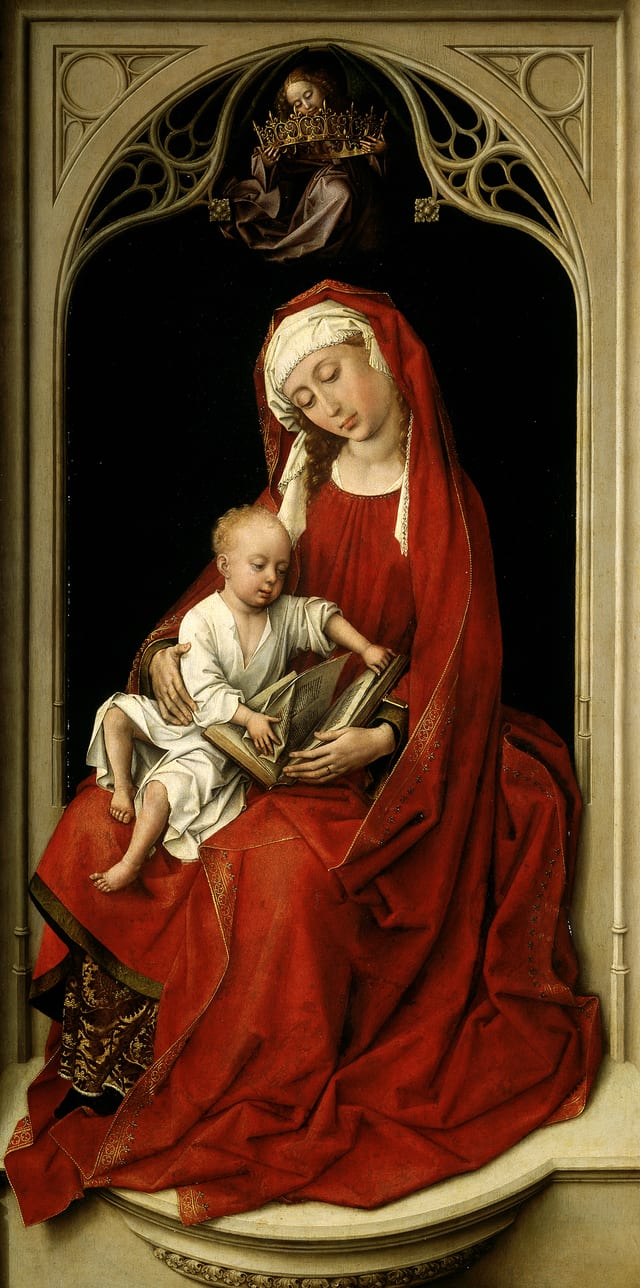
Durán Madonna (also known as the Madonna in Red or Virgin and Child in a Niche or Madonna Enthroned) is an oil on oak panel painting completed sometime between 1435 and 1438 by the Netherlandish painter Rogier van der Weyden. The painting derives from Jan van Eyck's Ince Hall Madonna and was much imitated subsequently. Now in the Prado, Madrid, it depicts a seated and serene Virgin Mary dressed in a long, flowing red robe lined with gold-coloured thread.
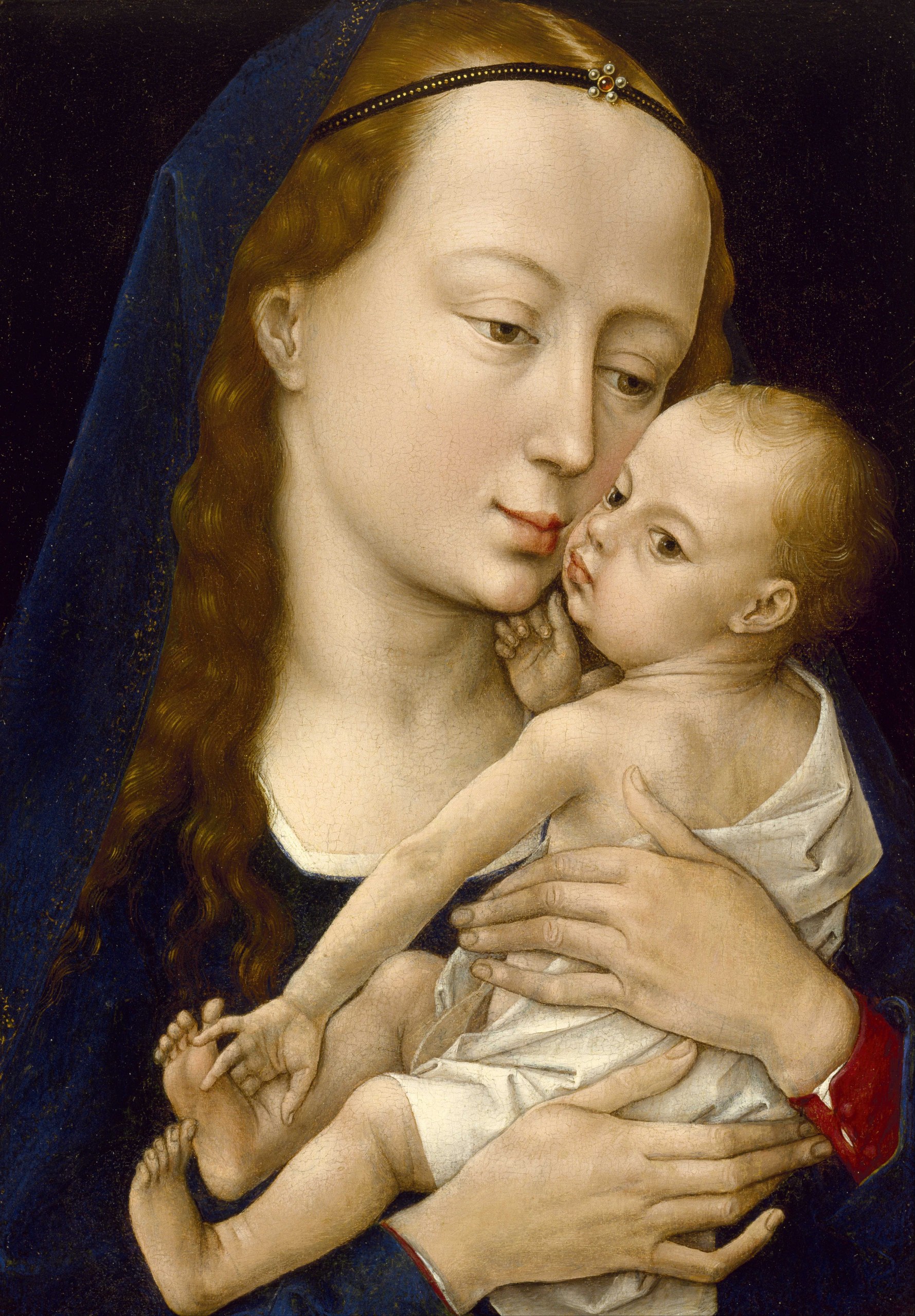
Virgin and Child
Rogier van der Weyden · 1454
Museum of Fine Arts, Houston
The Virgin and Child is a painting by the Early Netherlandish artist Rogier van der Weyden dating from after 1454 in the collection of the Museum of Fine Arts, Houston. It has not always been thought to be an original autograph work of van der Weyden. The noted art historian and specialist of the period Erwin Panofsky thought it merely an "excellent replica" of a design by van der Weyden, a view that seemed confirmed by the technical evidence available at the time.
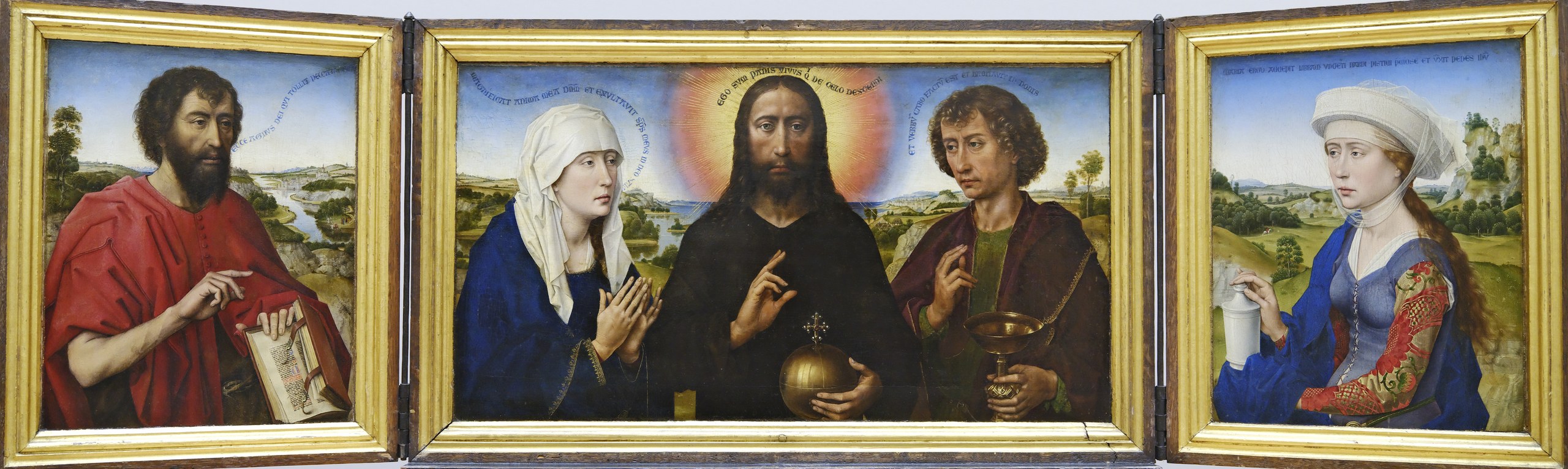
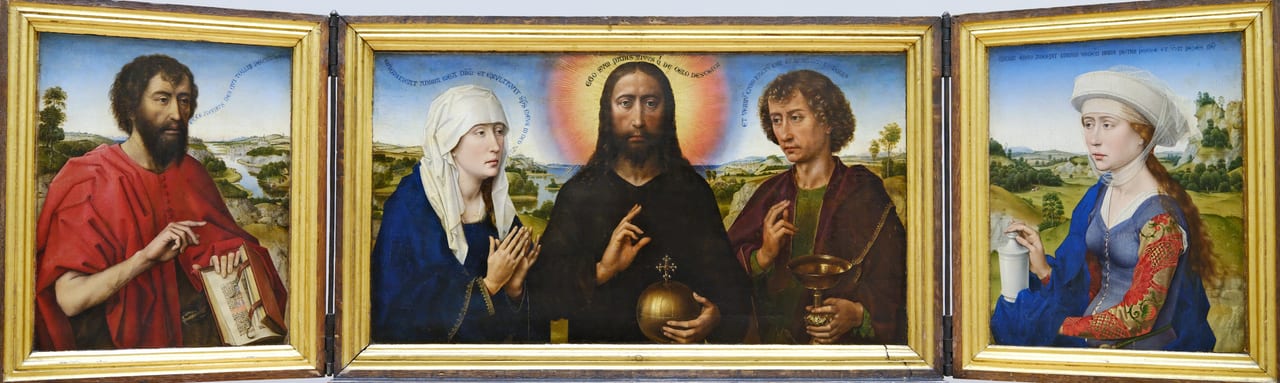
Braque Triptych
Rogier van der Weyden · 1452
Louvre
The Braque Triptych (or the Braque Family Triptych) is a c. 1452 oil-on-oak altarpiece by the Early Netherlandish painter Rogier van der Weyden. When open, its three half-length panels reveal, from left to right, John the Baptist, The Virgin Mary with Jesus and Saint John the Evangelist, and Mary Magdalene.
The Magdalen Reading
Rogier van der Weyden · 1435
National Gallery
The Magdalen Reading is one of three surviving fragments of a large mid-15th-century oil-on-panel altarpiece by the Early Netherlandish painter Rogier van der Weyden. The panel, originally oak, was completed some time between 1435 and 1438 and has been in the National Gallery, London since 1860. It shows a woman with the pale skin, high cheek bones and oval eyelids typical of the idealised portraits of noble women of the period.
Saint Luke Drawing the Virgin
Rogier van der Weyden · c. 1435–1440
Museum of Fine Arts, Boston
Saint Luke Drawing the Virgin is a large oil and tempera on oak panel painting, usually dated between 1435 and 1440, attributed to the Early Netherlandish painter Rogier van der Weyden. Housed in the Museum of Fine Arts, Boston, it shows Luke the Evangelist, patron saint of artists, sketching the Virgin Mary as she nurses the Child Jesus. The figures are positioned in a bourgeois interior which leads out towards a courtyard, river, town and landscape.
The Descent from the Cross
Rogier van der Weyden · 1440
Museo del Prado
The Descent from the Cross (or Deposition of Christ, or Descent of Christ from the Cross, or in Flemish Kruisafneming) is a panel painting by the Flemish artist Rogier van der Weyden created c. 1435, now in the Museo del Prado, Madrid. The crucified Christ is lowered from the cross, his lifeless body held by Joseph of Arimathea and Nicodemus.
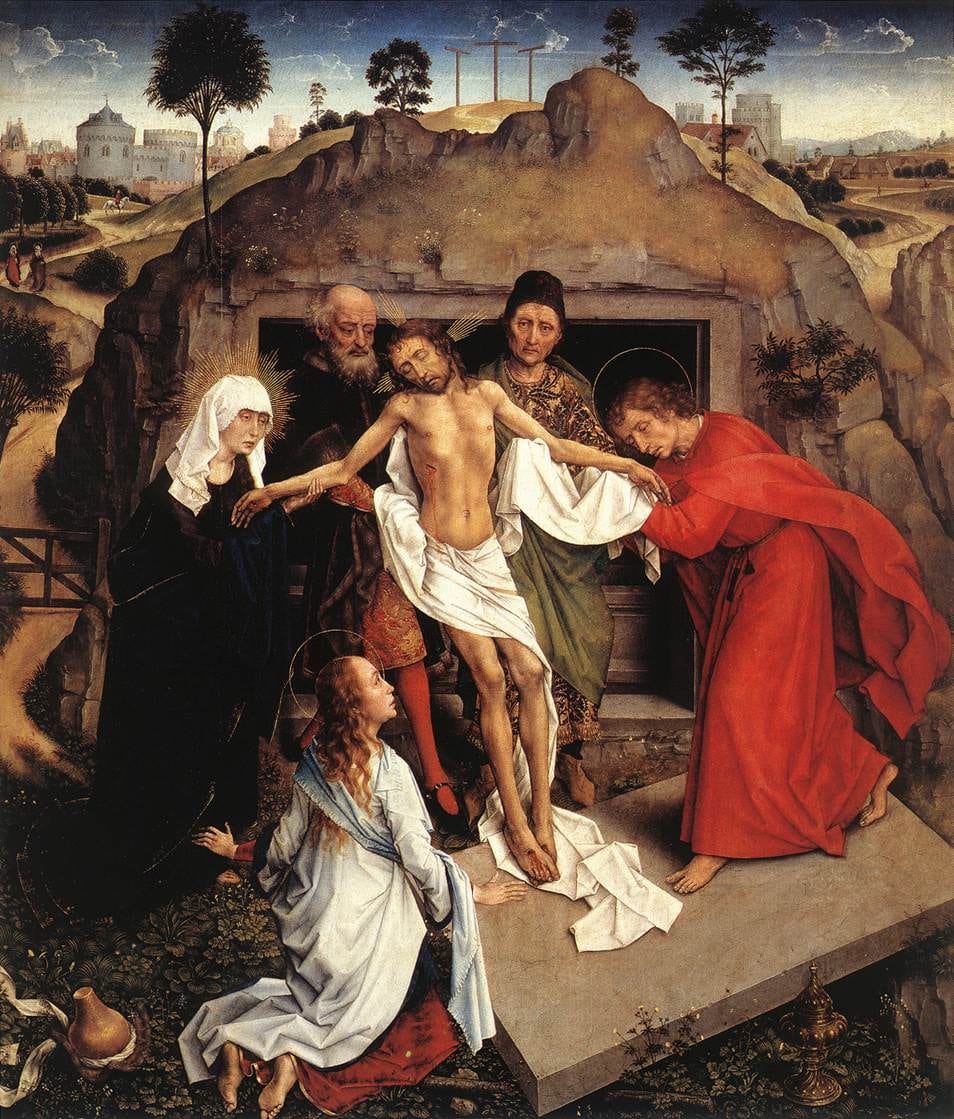
Lamentation of Christ
Rogier van der Weyden · 1450
Uffizi Gallery
The Lamentation of Christ is an oil-on-panel painting of the common subject of the Lamentation of Christ by the Netherlandish artist Rogier van der Weyden, dating from around 1460 to 1463 and now in the Uffizi Gallery, Florence, Italy. The work is perhaps the "altarpiece Our Lord's sepulchre and other five figures" which appear in the inventory made in 1492 at the death of Lorenzo de' Medici, and which decorated his Villa at Careggi since as early as 1482. The panel was thus one of the works commissioned by the Medici to van der Weyden, including the Medici Madonna now at Städel of Frankfurt, which has been also assigned to the artist's trip to Italy in 1450.
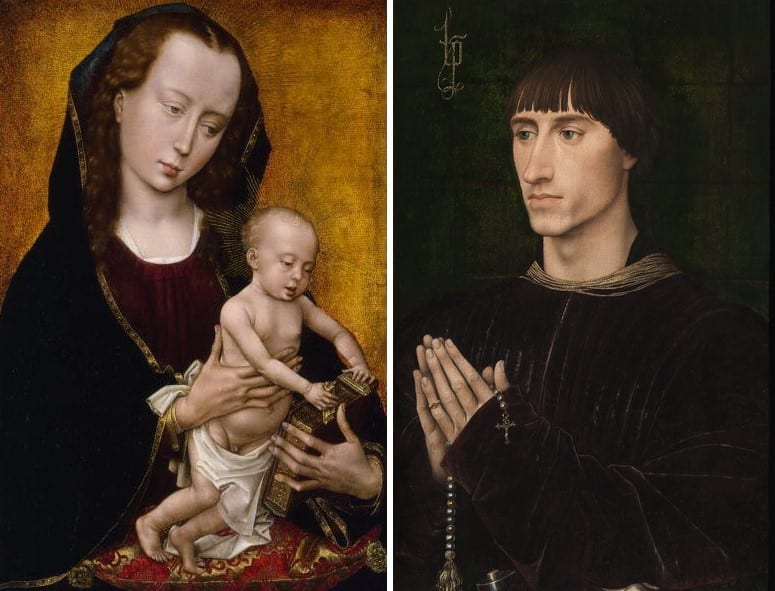
Diptych of Philip de Croÿ with The Virgin and Child
Rogier van der Weyden · 1460
Huntington Library, Art Museum and Botanical Gardens
The Diptych of Philip de Croÿ with The Virgin and Child consists of a pair of small oil-on-oak panels painted c. 1460 by the Netherlandish artist Rogier van der Weyden. While the authorship and dating of both works are not in doubt, it is believed but not proven that they were created as wings of a devotional diptych and that at some unknown time the panels were broken apart.
Where the work hangs
The museums that hold it, and their visitor guides.
Kunsthistorisches Museum
2 in the archive · Vienna
Huntington Library, Art Museum and Botanical Gardens
2 in the archive · San Marino, California
Museo del Prado
2 in the archive · Madrid
Museum of Fine Arts, Houston
1 in the archive · Houston
Thyssen-Bornemisza Museum
1 in the archive · Madrid
Museum of Fine Arts, Boston
1 in the archive · Boston
Uffizi Gallery
1 in the archive · Florence
National Gallery
1 in the archive · London
Louvre
1 in the archive · Paris
National Gallery of Art
1 in the archive · Washington, D.C.
If you like Rogier van der Weyden
Artists held by the same museums.
Alphonse Legros
French · 561 in the archive
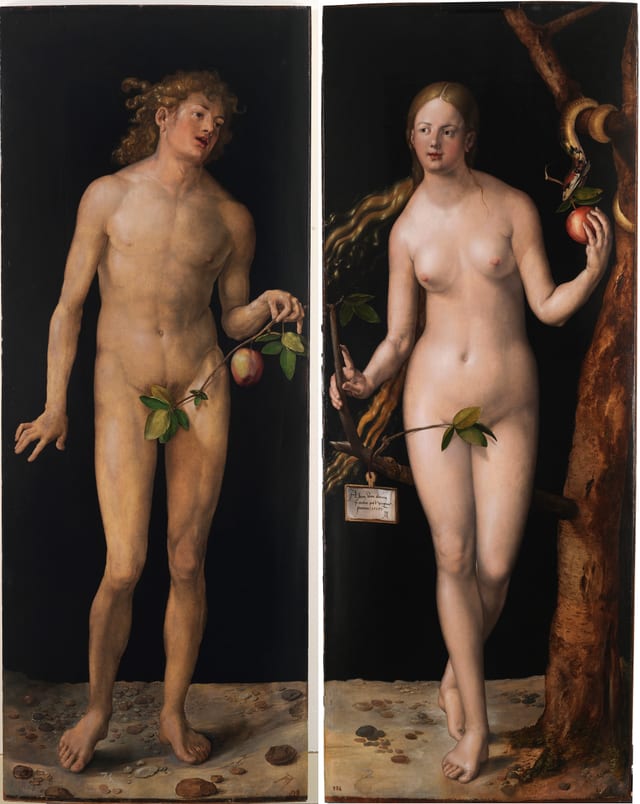
Albrecht Dürer
German · 303 in the archive
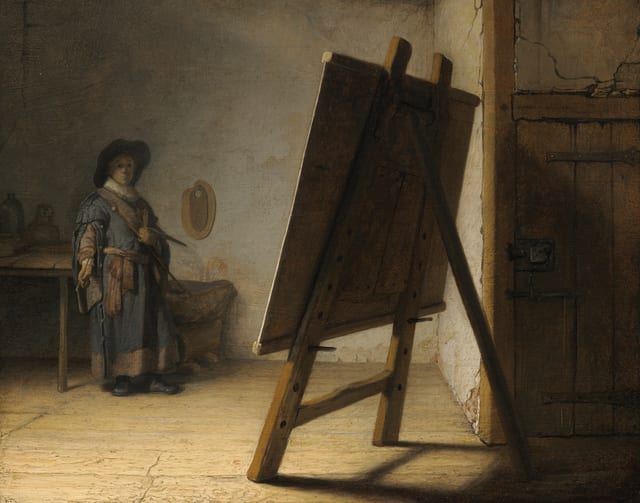
Rembrandt van Rijn
Dutch · 262 in the archive
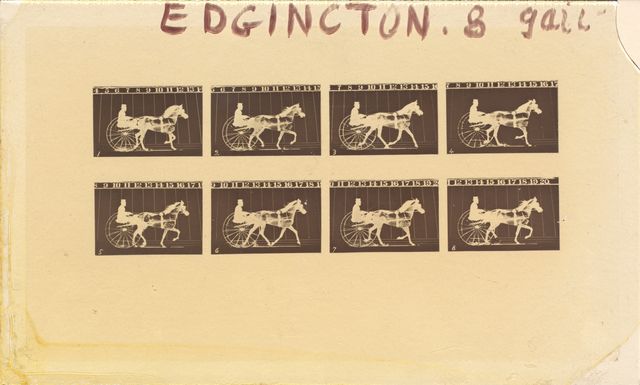
Eadweard Muybridge
English · 259 in the archive
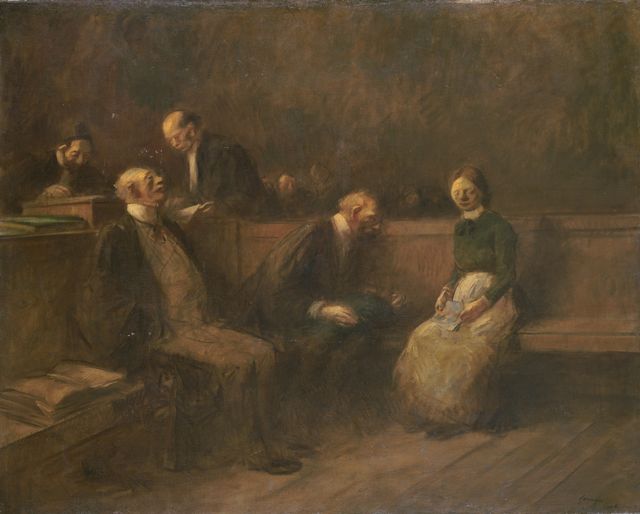
Jean-Louis Forain
French · 259 in the archive
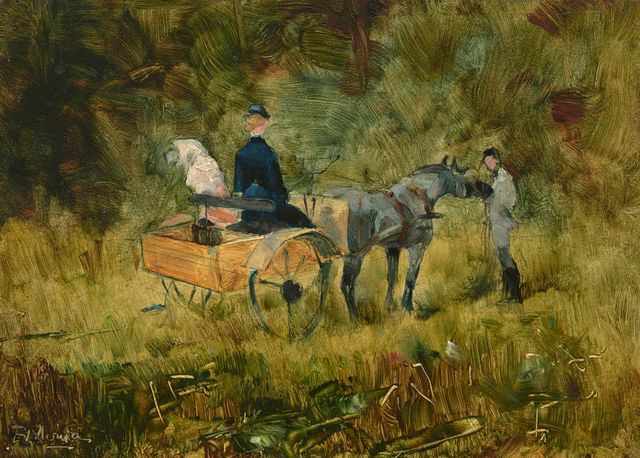
Henri de Toulouse-Lautrec
French · 243 in the archive
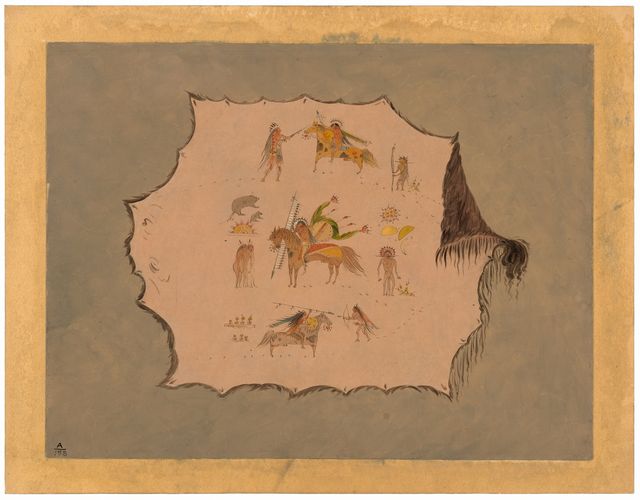
George Catlin
United States · 223 in the archive
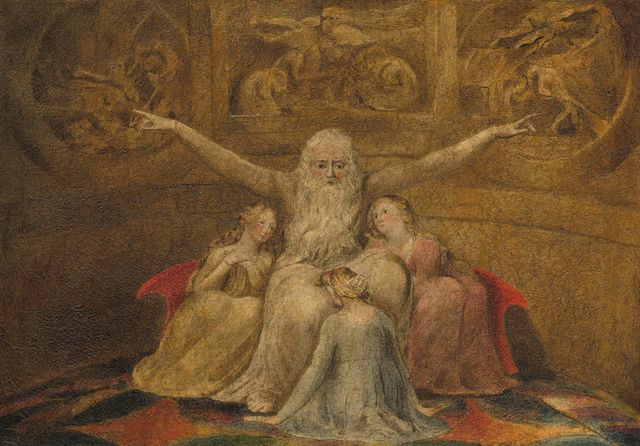
William Blake
United Kingdom of Great Britain and Ireland · 173 in the archive
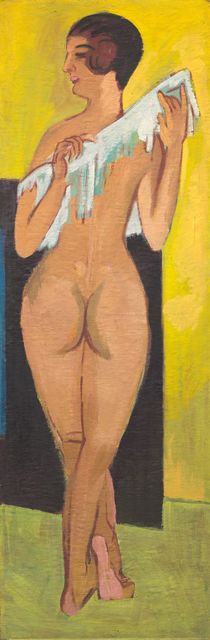
Ernst Ludwig Kirchner
German · 148 in the archive
Francisco Goya
Spanish · 138 in the archive
Majel G. Claflin
United States · 135 in the archive
Mina Lowry
United States · 124 in the archive
Invite the masters into your living room.
Rogier van der Weyden on your TV, phone, or tablet. Free to start.
View on MomentableIndependent guide by Momentable · biography from Wikipedia · artworks are in the public domain and credited to the museum that holds them