Impression, Sunrise
Claude Monet · 1872

Impressionism
Paris · from 1860
Painting out of doors, quickly, in front of the subject: a group of Paris-based artists turned light itself into the point of the picture.
Paris, out of doors
Impressionism developed in France in the nineteenth century, and it is based on a practice: painting out of doors, spontaneously on the spot, rather than in a studio from sketches. The movement was developed by Claude Monet and other Paris-based artists from the early 1860s. Its home was Paris.
Working in front of the subject, the Impressionists found they could catch the momentary and transient effects of sunlight, and their brushwork became rapid and broken into separate dabs to render the fleeting quality of light. Their subjects were landscapes and scenes of everyday life: rivers, stations, kitchens, streets.
1874, and the insult that stuck
The first group exhibition was in Paris in 1874, with work by Monet, Auguste Renoir, Edgar Degas and Paul Cézanne. The showing was greeted with derision; Monet's Impression, Sunrise was singled out for ridicule, and the title gave the movement its name, first used by critics as an insult. Seven further exhibitions followed at intervals until 1886.
Camille Pissarro and Berthe Morisot were core artists of the movement, with Degas and Édouard Manet also often associated with it. Alfred Sisley, born in Paris to British parents, was a member of the Impressionist group and painted landscapes close to Pissarro's and Monet's.
How to recognise it
Look for light doing the work: rapid, broken dabs of colour, shadows that are blue rather than brown, and subjects taken from ordinary life rather than history or scripture. The precedents were painters who worked from nature on the spot, a habit pioneered in Britain by John Constable in around 1813 to 1817.
Who belongs here
Turner and Constable came before the movement and influenced it; Turner's Rain, Steam and Speed of 1844 shows a steam engine crossing the Maidenhead Railway Bridge, designed by Isambard Kingdom Brunel, twenty years too early to be an Impressionist painting. Rodin was a sculptor, not a member of the group. Van Gogh and Gauguin belong to what came after, Post-Impressionism.
Artists
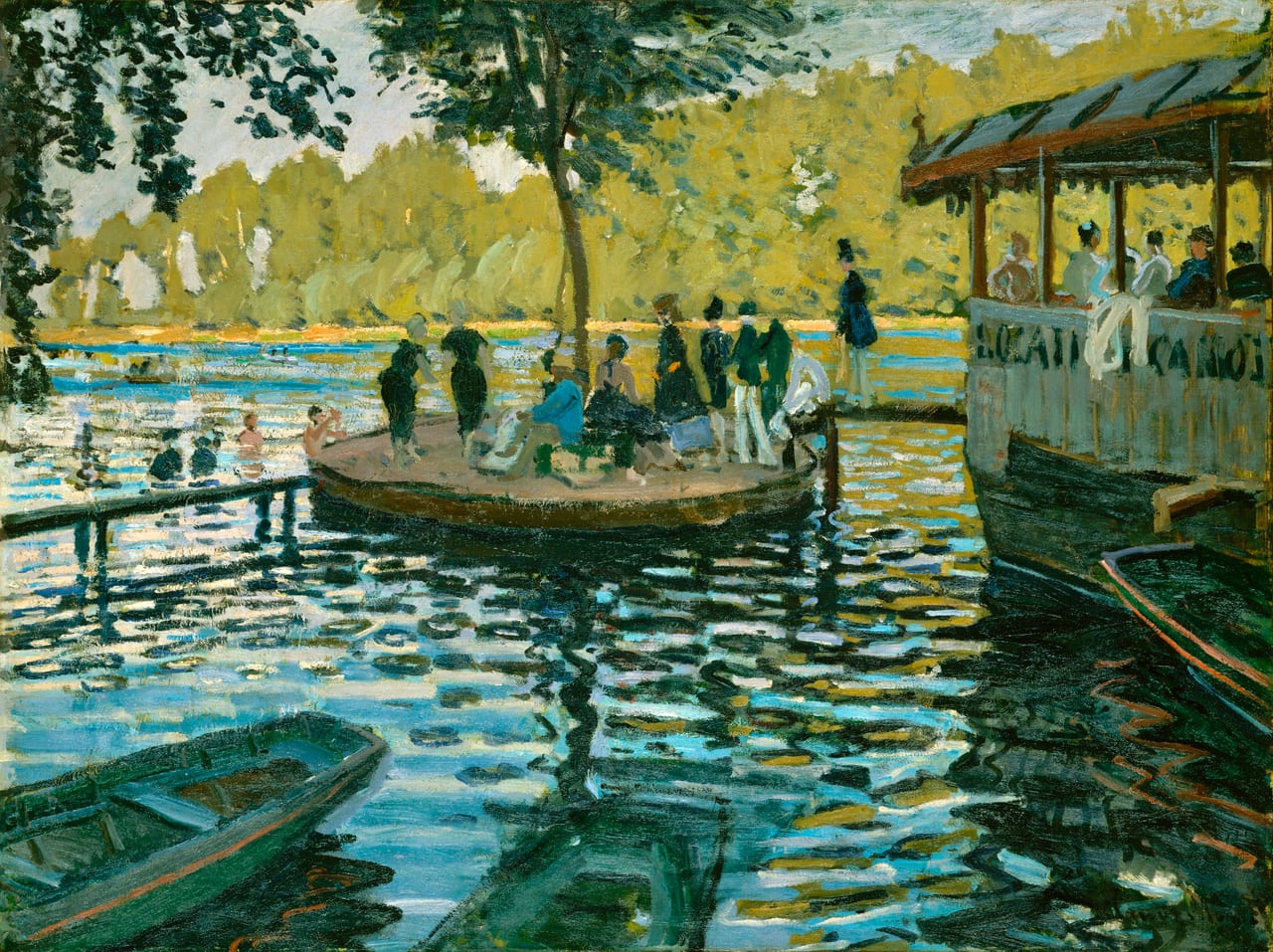
Exhibited in most of the group's exhibitions from 1874; the title of one of his paintings gave the movement its name, first against it and then for it.
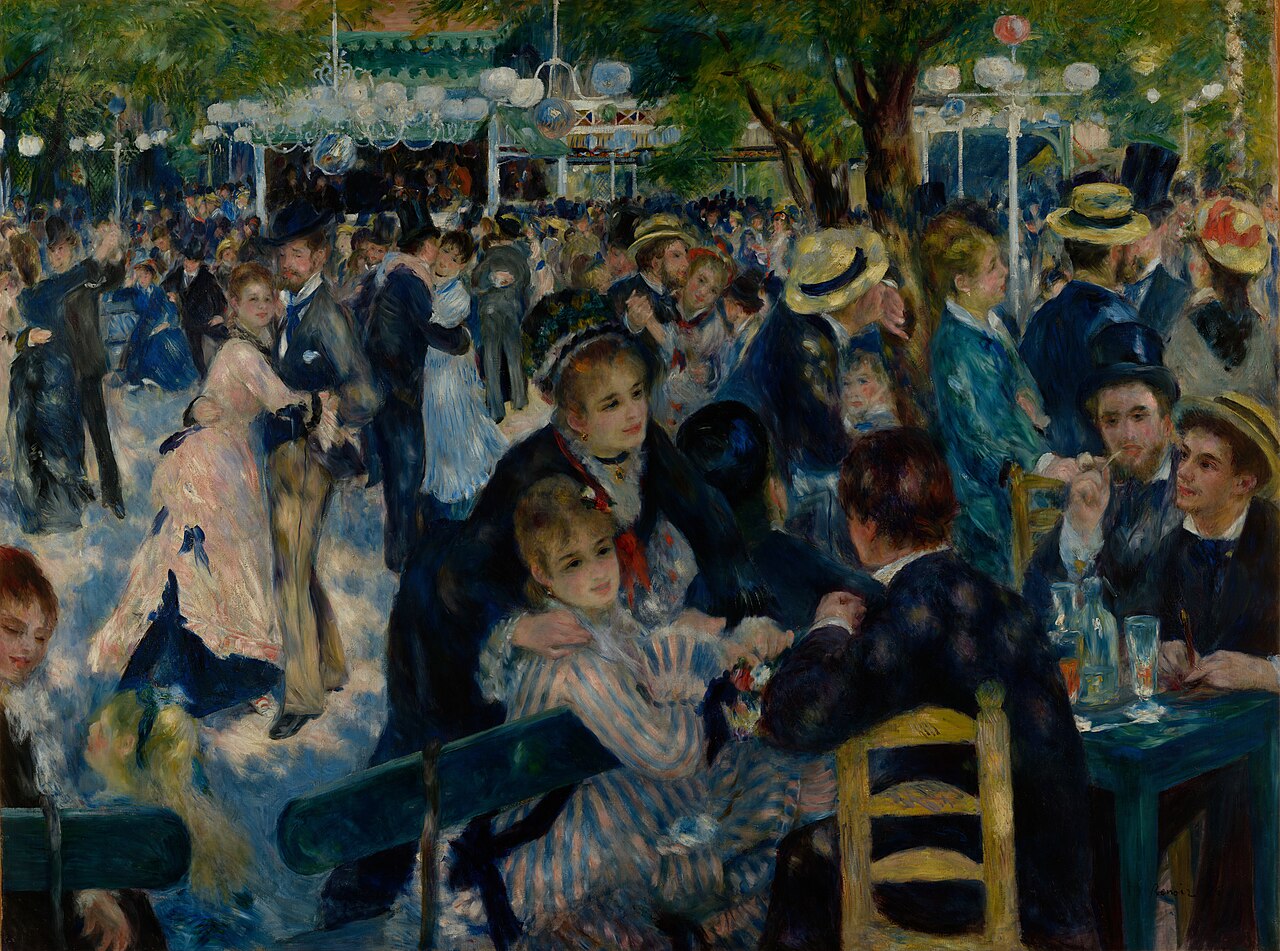
Showed in the first exhibition in 1874. Figures rather than weather: dancers, riverside lunches, children in gardens.
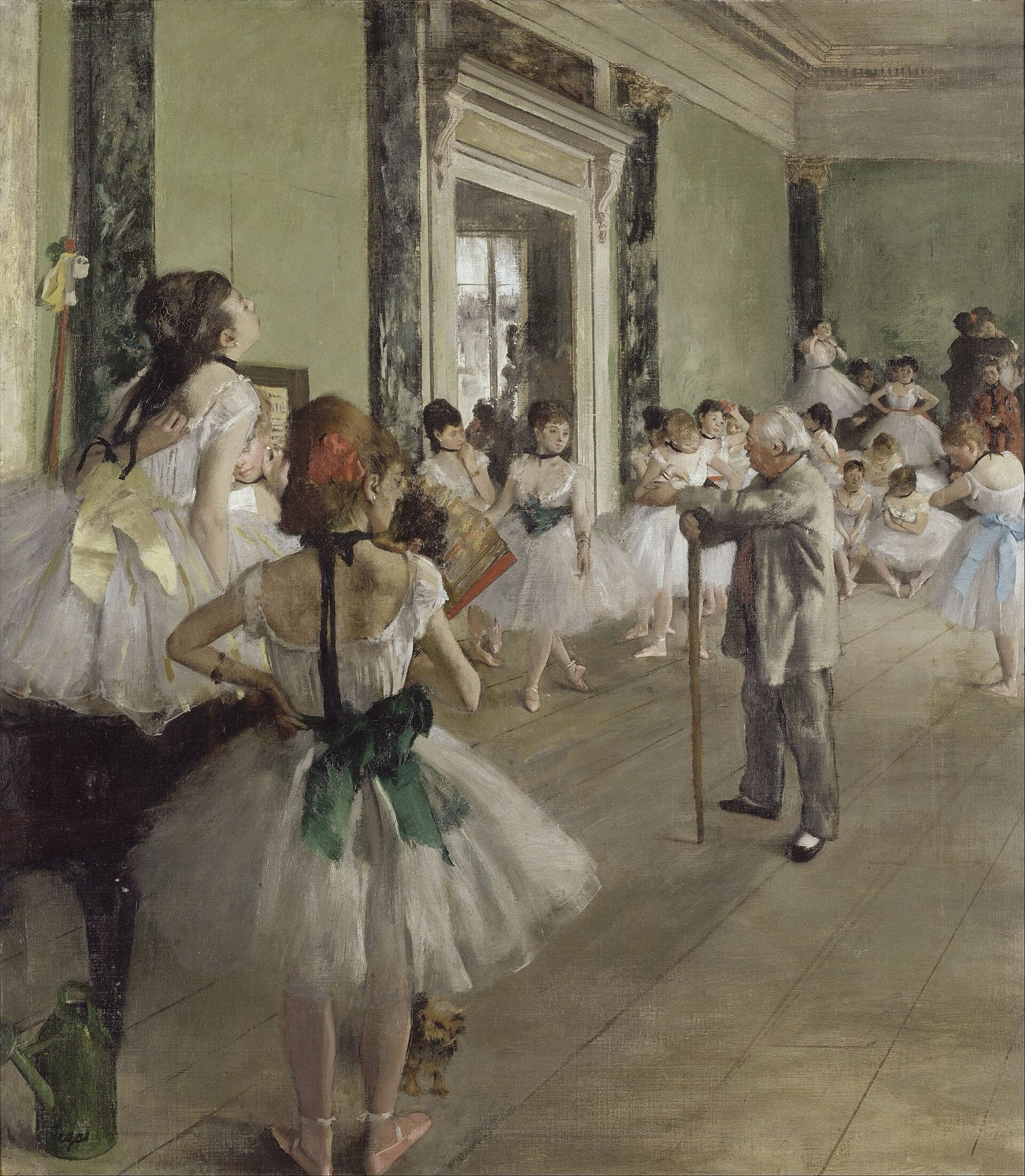
Showed in the first exhibition in 1874, though he worked more often indoors than out: ballet rooms, racecourses, cafés.
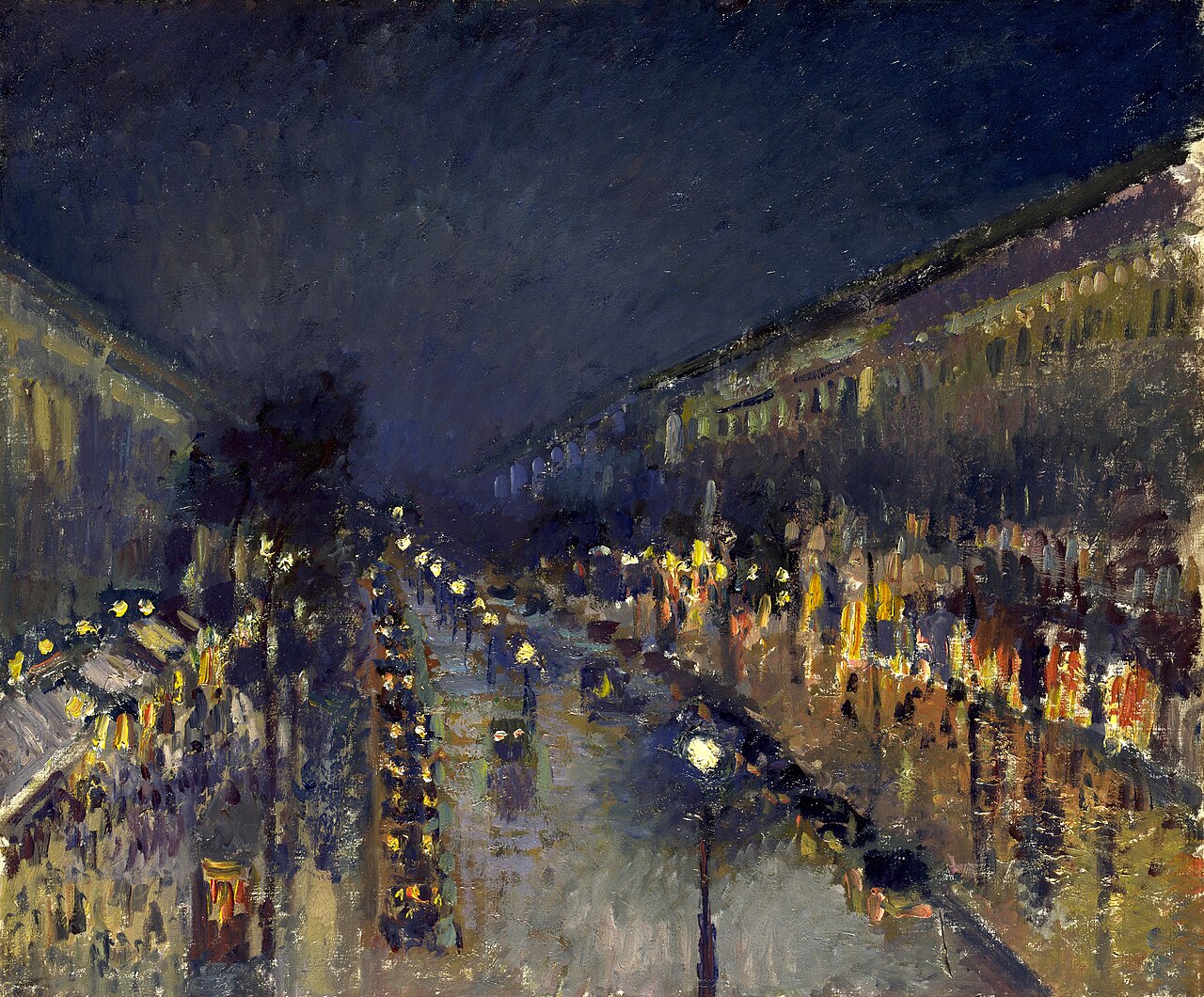
A core artist of the movement, painting streets, orchards and river banks through every phase of it.
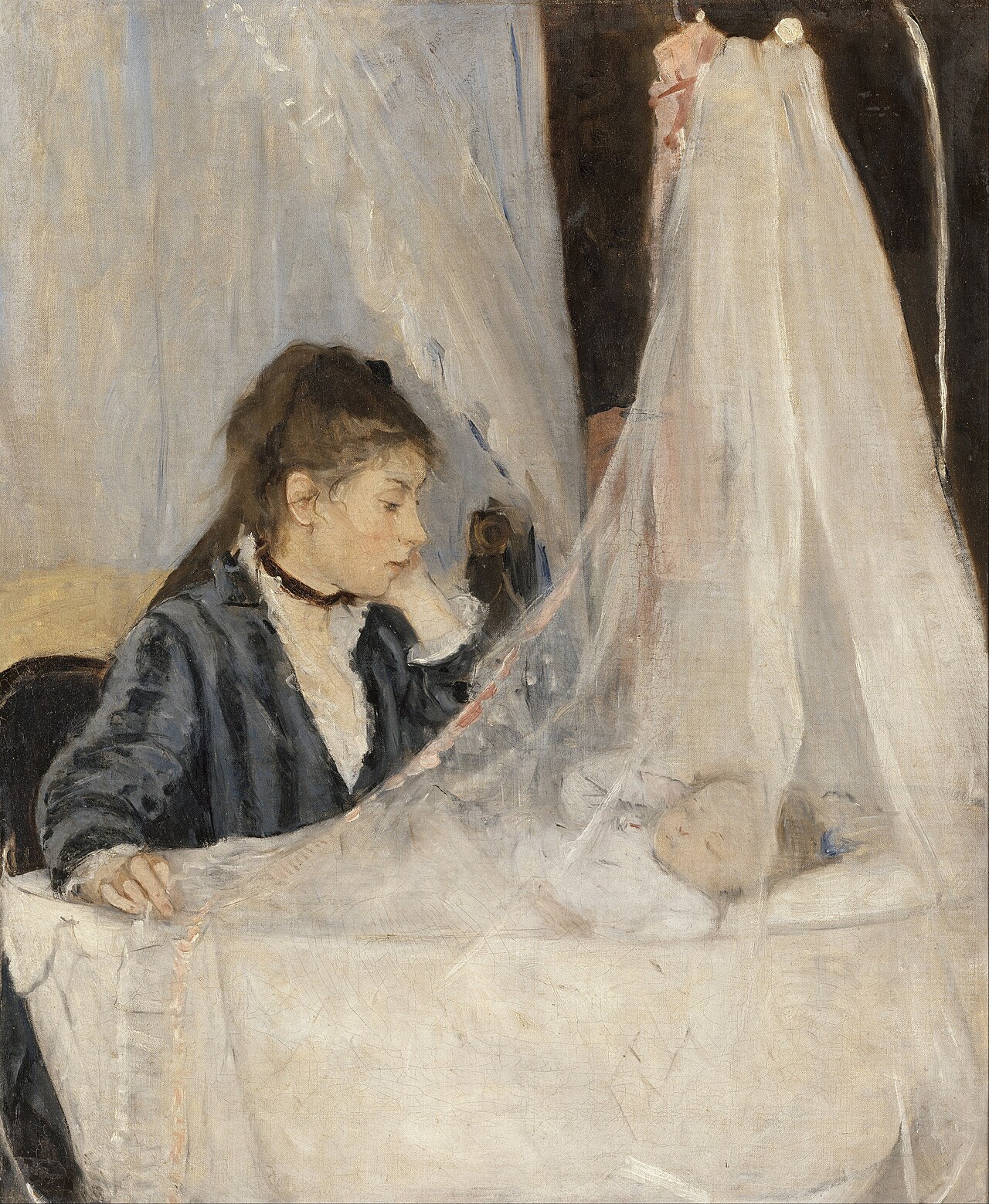
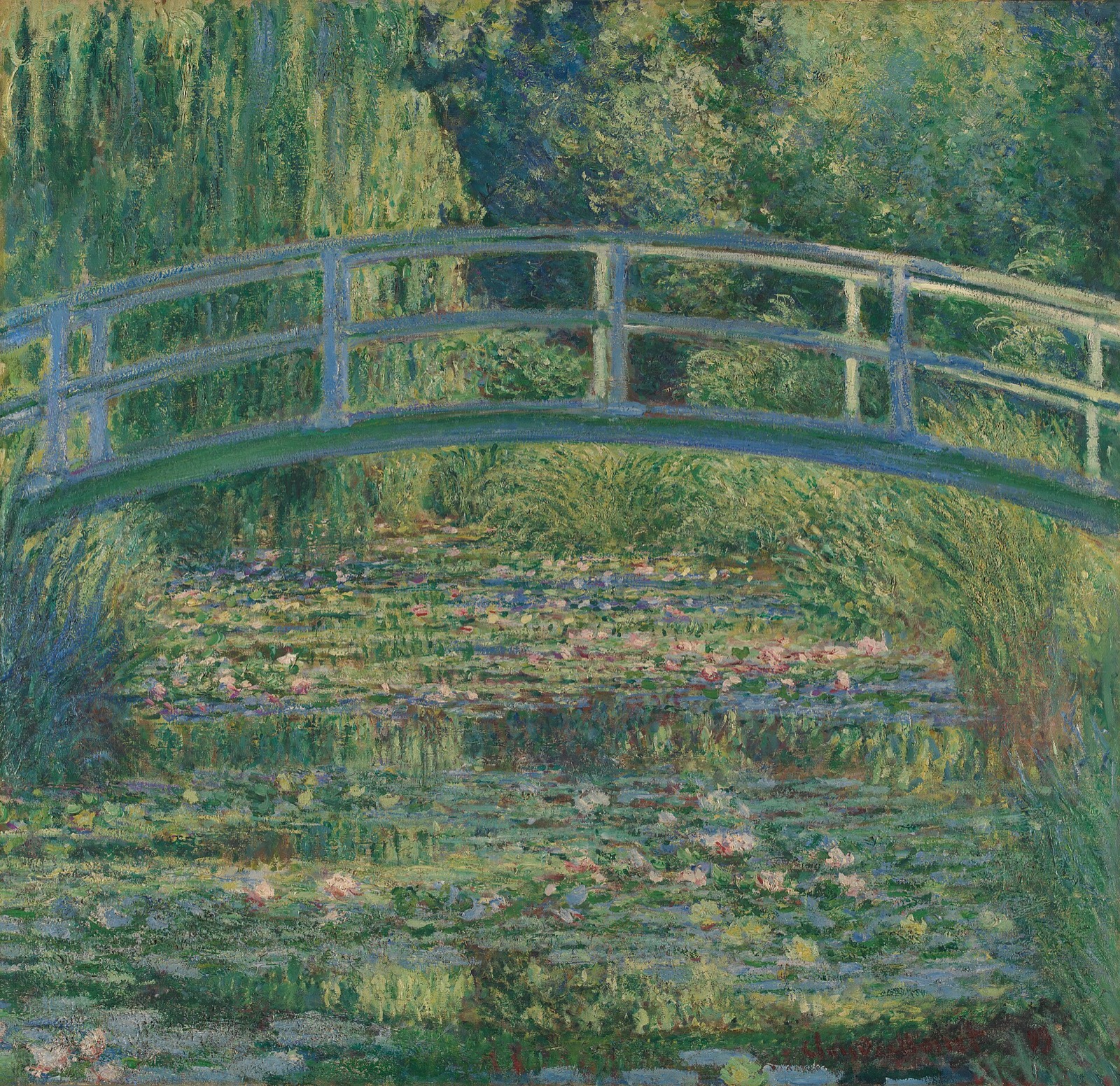
A core artist of the movement, painting the world of homes and gardens with the loosest brush in it.
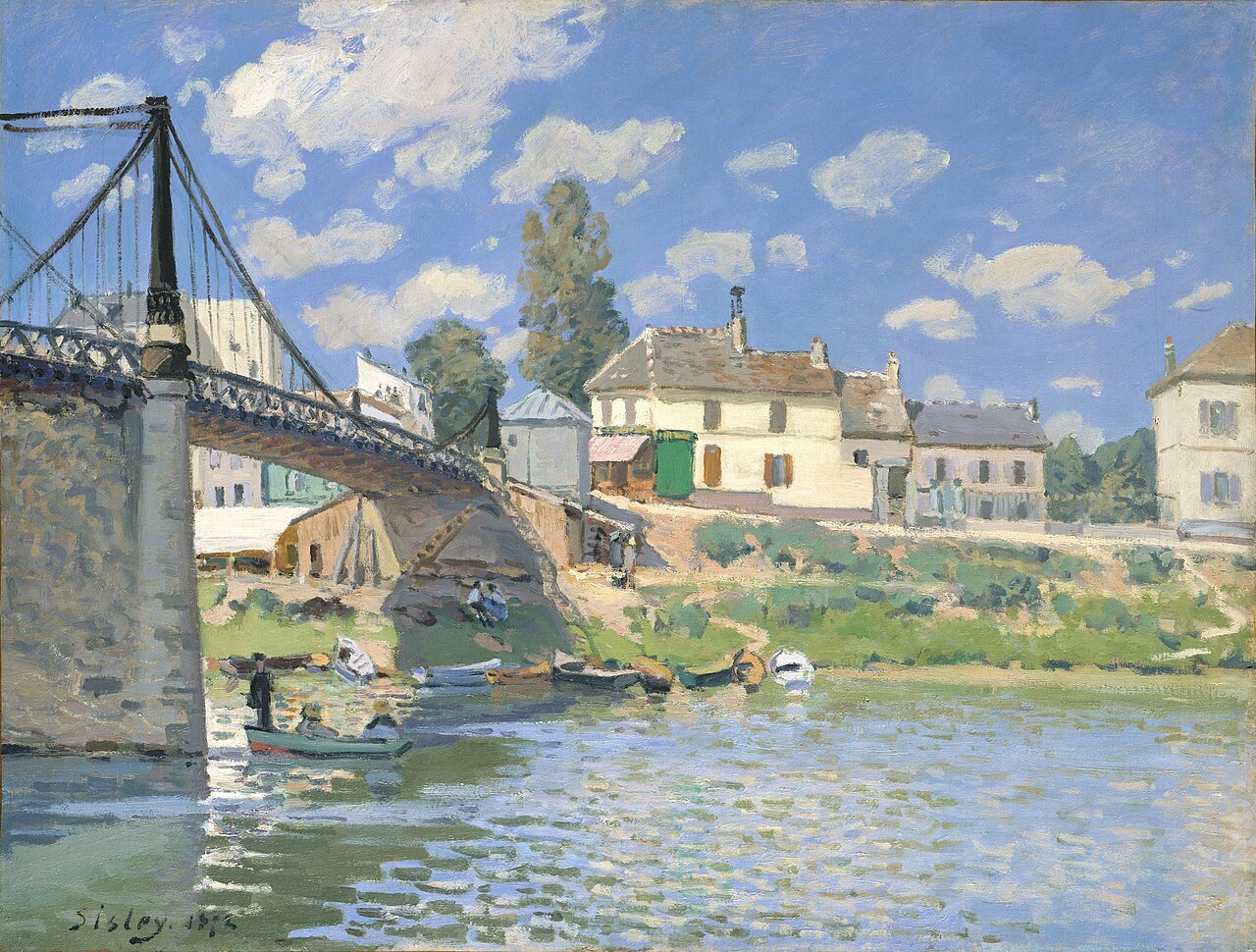
Born in Paris to British parents; a member of the Impressionist group, painting landscapes close to Pissarro's and Monet's.
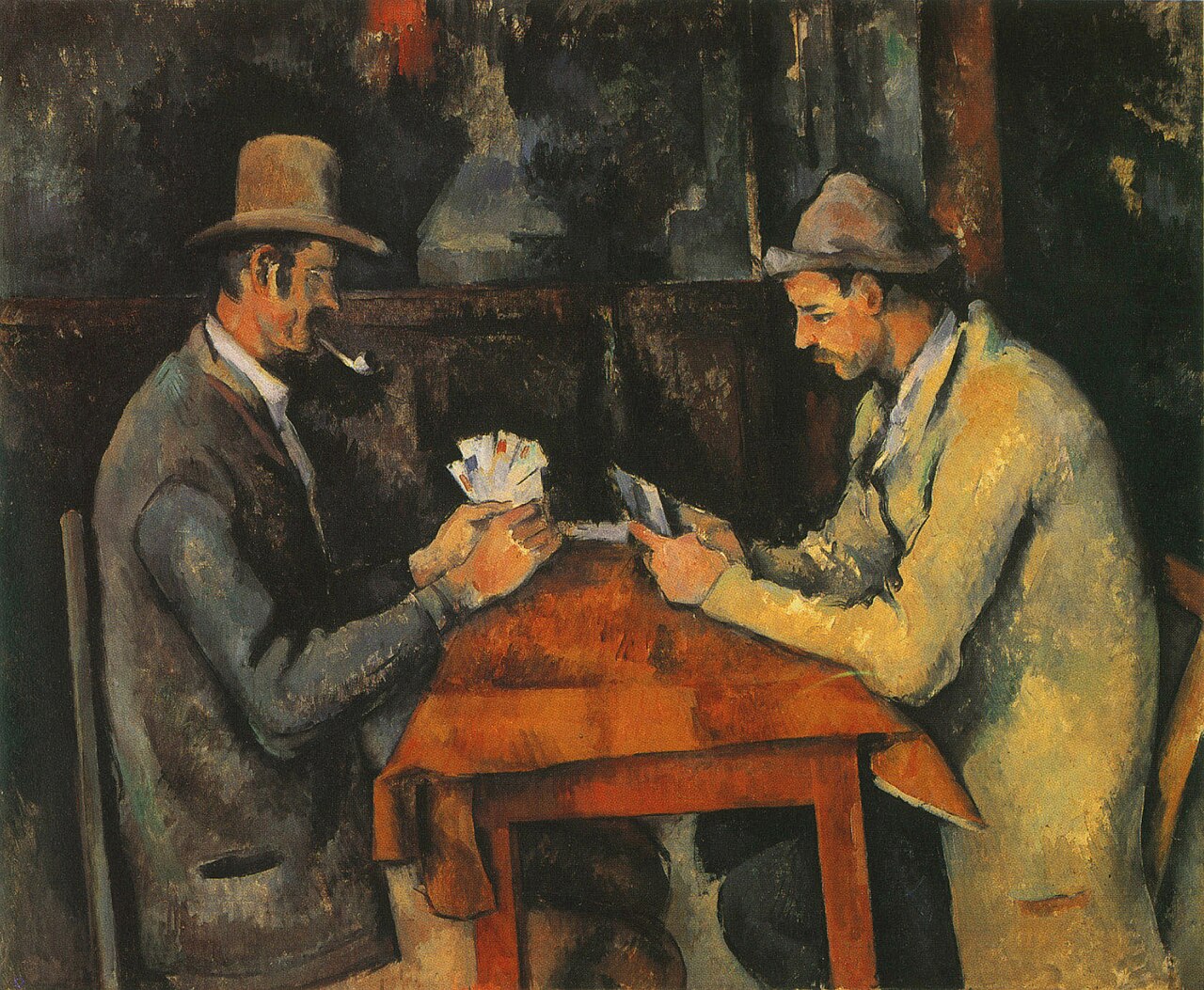
Showed in the first exhibition in 1874, his solidly built Provençal pictures already their own thing within the group.
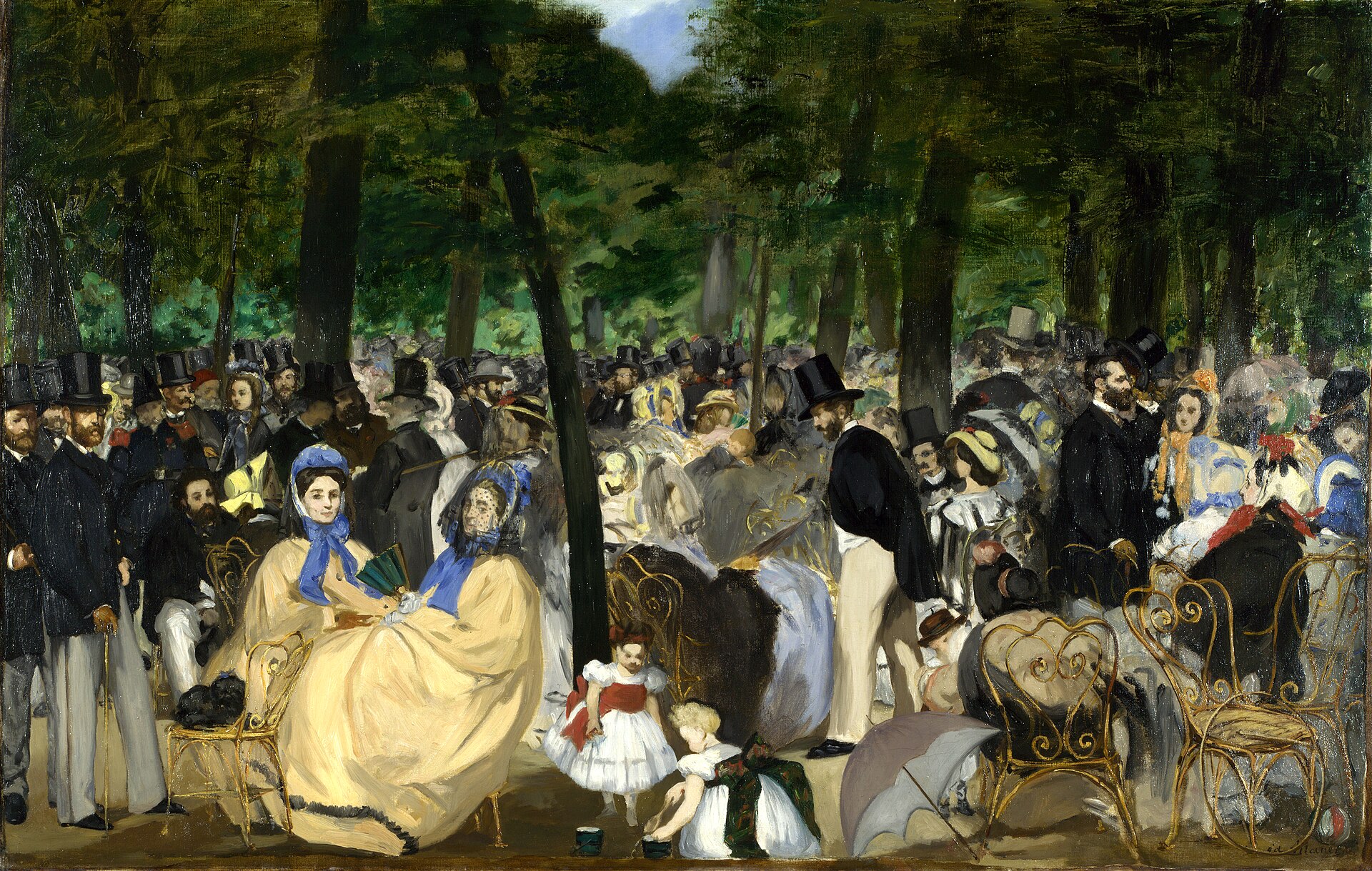
Regarded as the senior figure among the Impressionists, though he never showed in their exhibitions; his subjects from modern life and his freedom with paint made him an important forerunner of the movement.
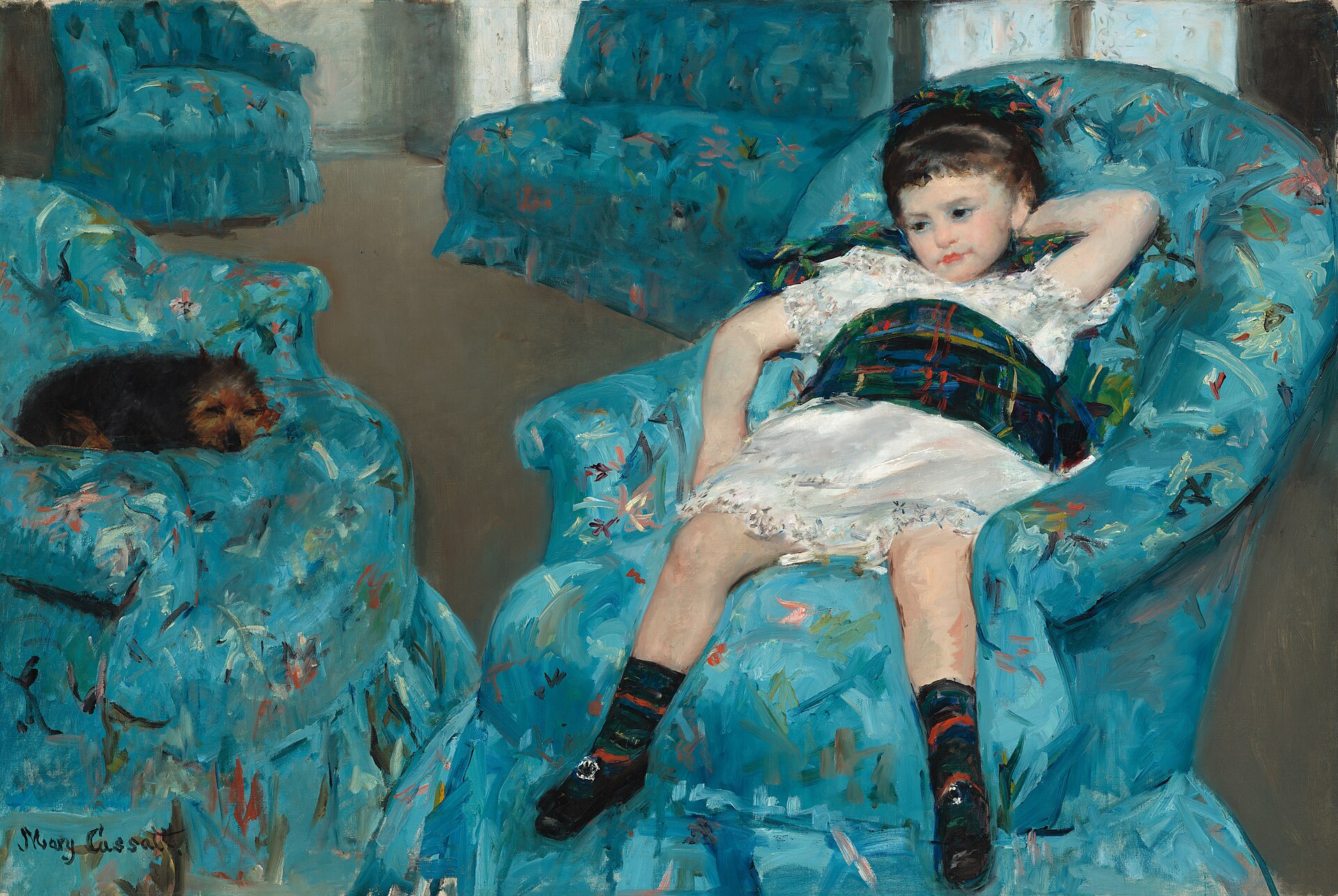
Born in Pennsylvania but resident in France, where she befriended Degas and exhibited with the Impressionists; painter of the social and private lives of women, above all mothers and children.
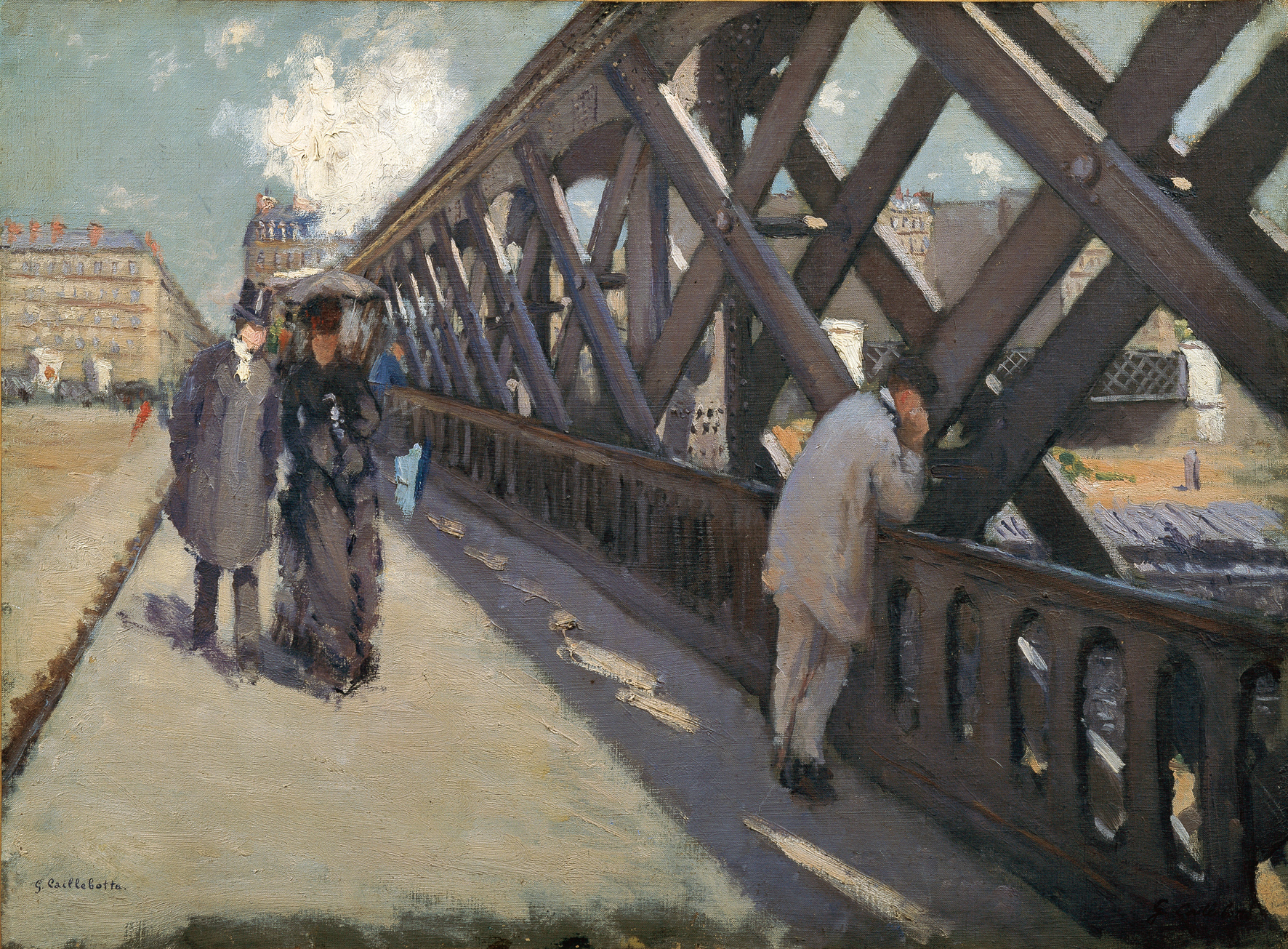
A painter whose role in the movement was that of both artist and patron; his pictures depict everyday life in urban Paris, and his bequest of his collection helped fix Impressionism in the French national collections.
Artworks
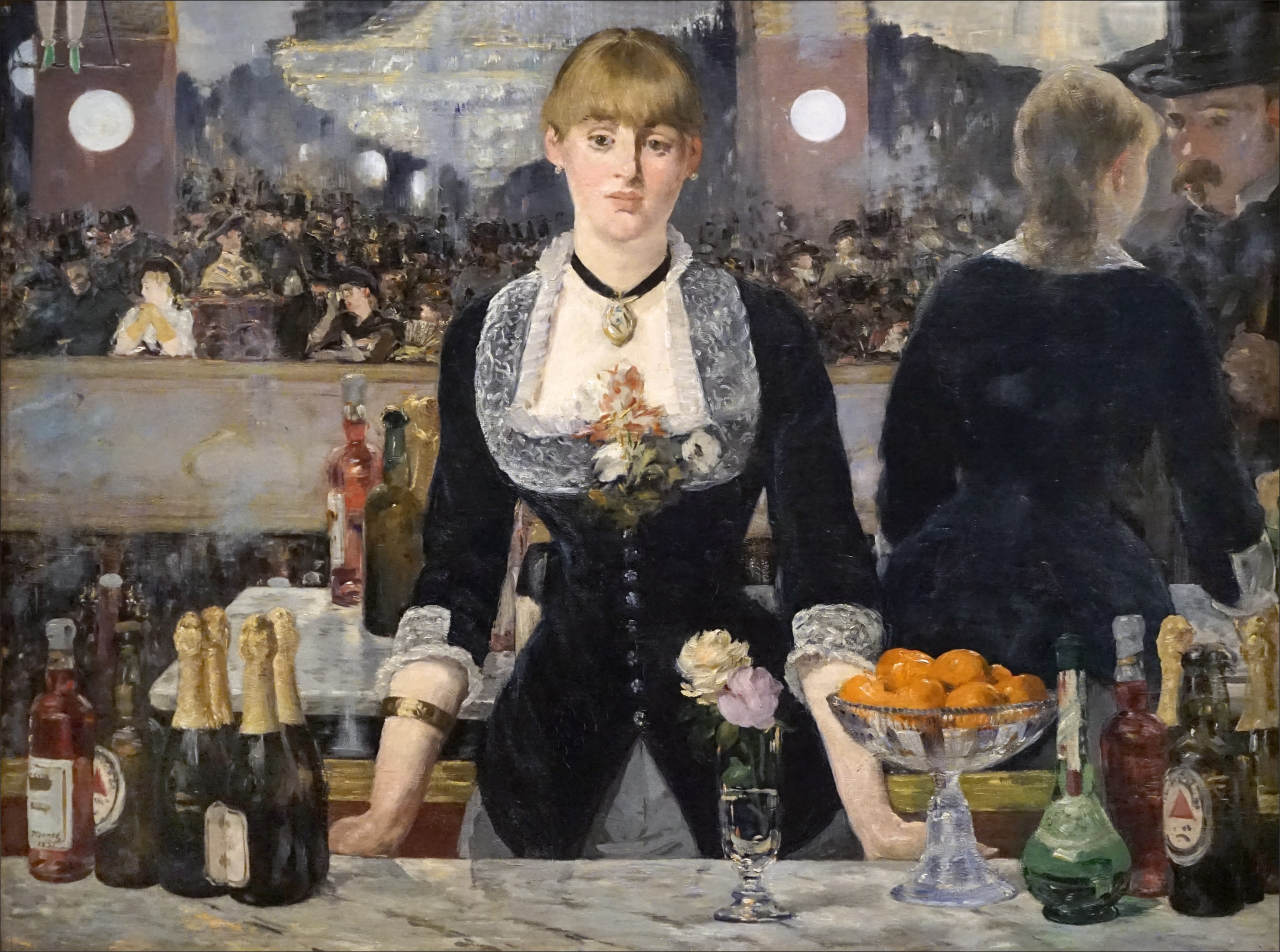
A Bar at the Folies-Bergère
Édouard Manet · 1882
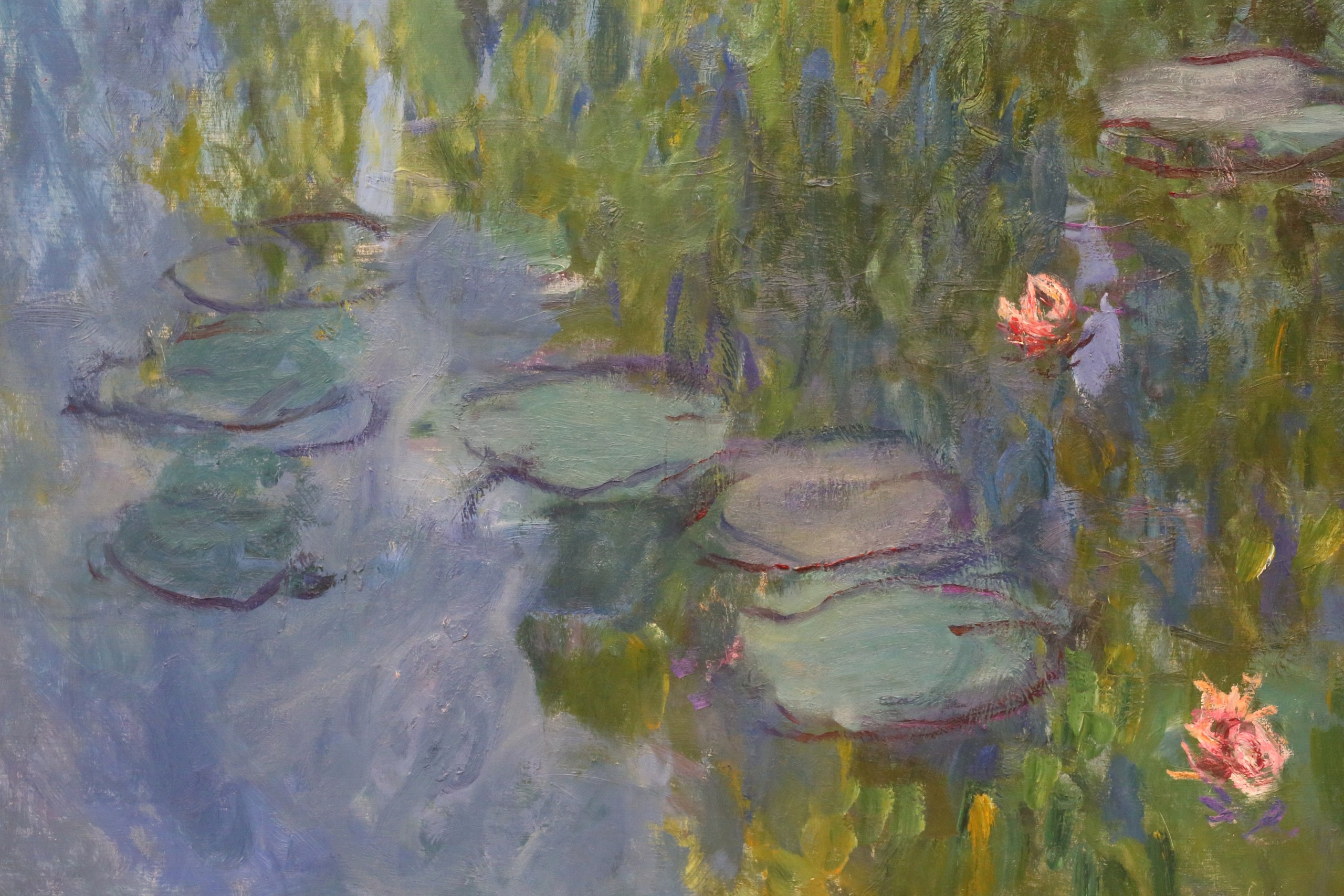
Water Lilies
Claude Monet · 1899
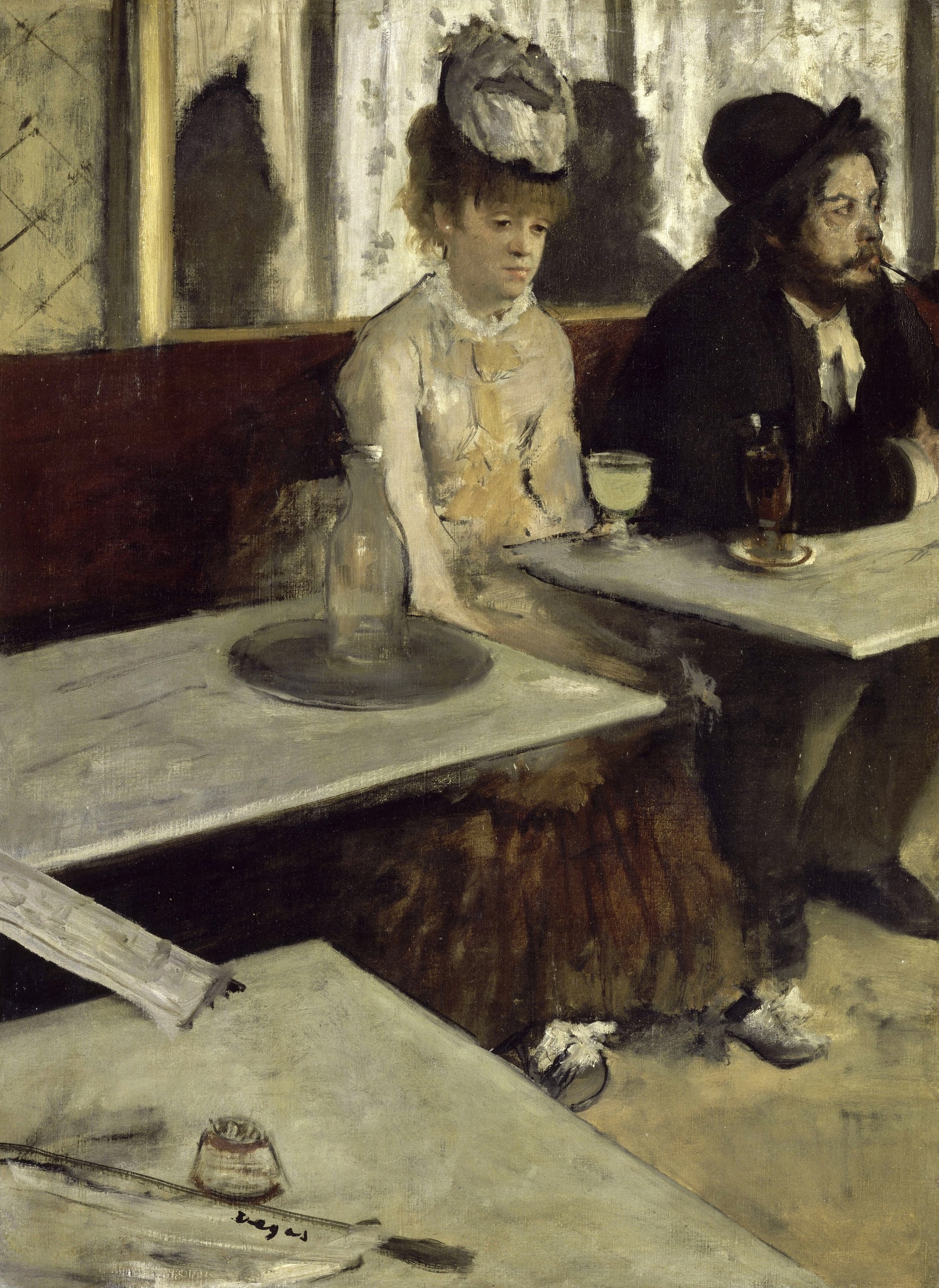
L'Absinthe
Edgar Degas · 1875
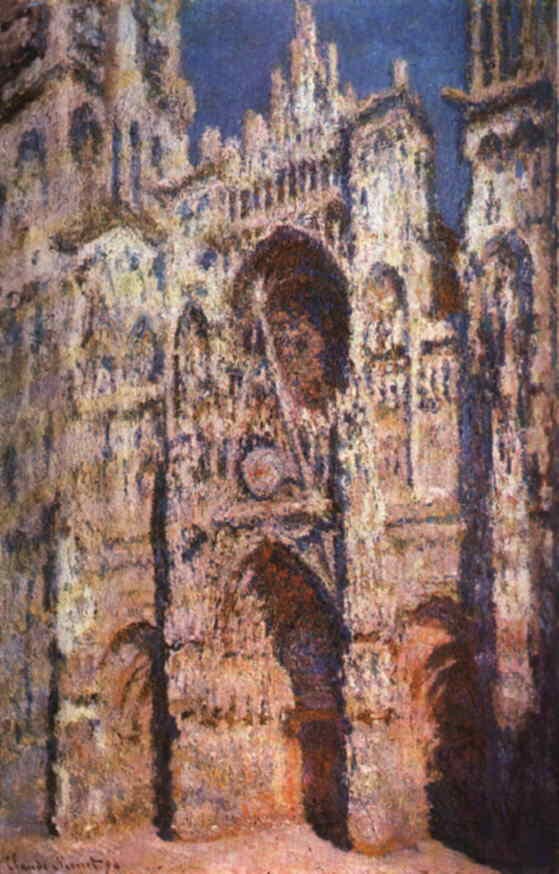
Rouen Cathedral Series
Claude Monet · 1892
Canvas after canvas of the same church front, returned to again and again, until the stone appears to change colour with each hour. Monet's series method at full stretch.
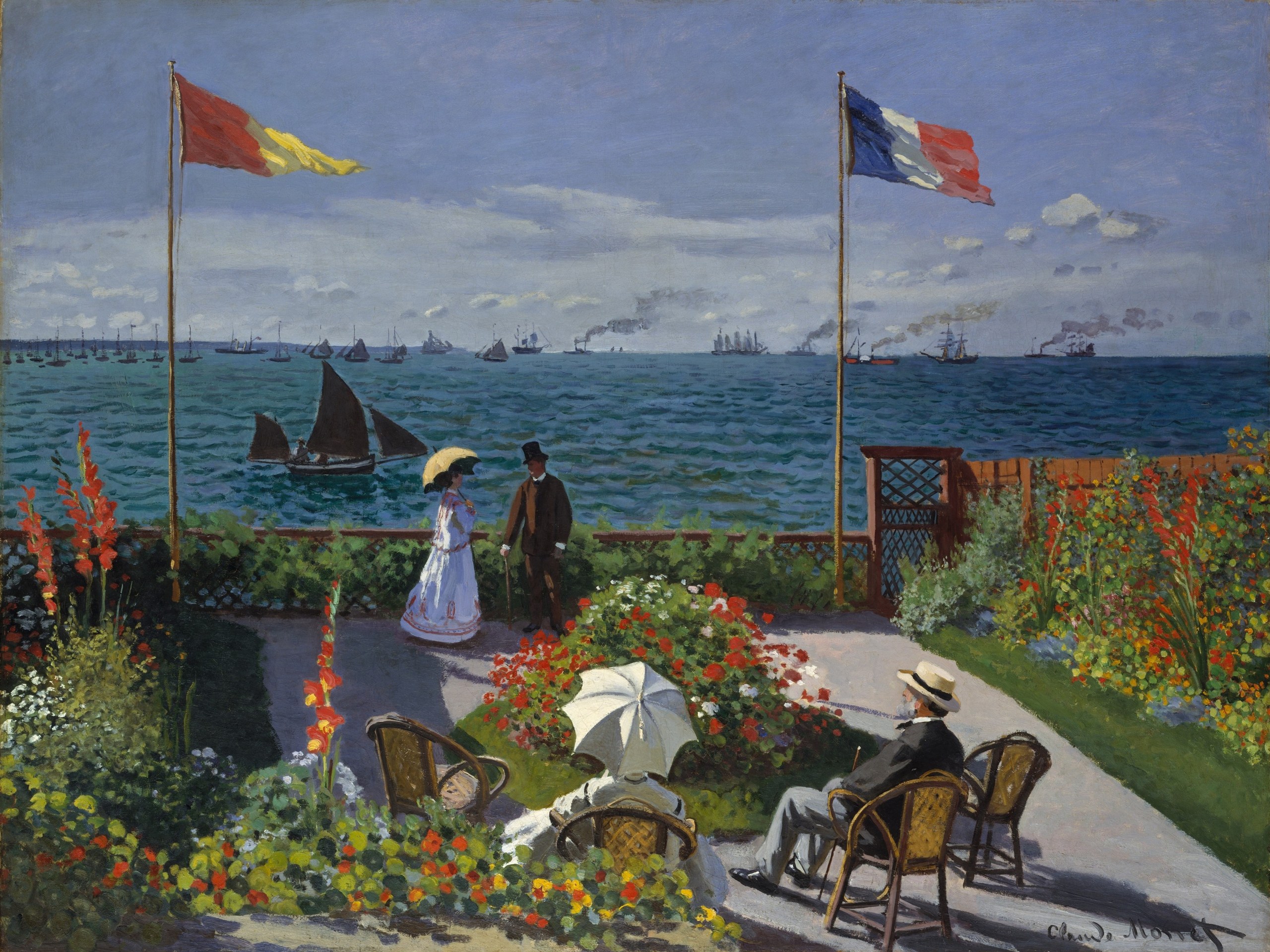
Garden at Sainte-Adresse
Claude Monet · 1867
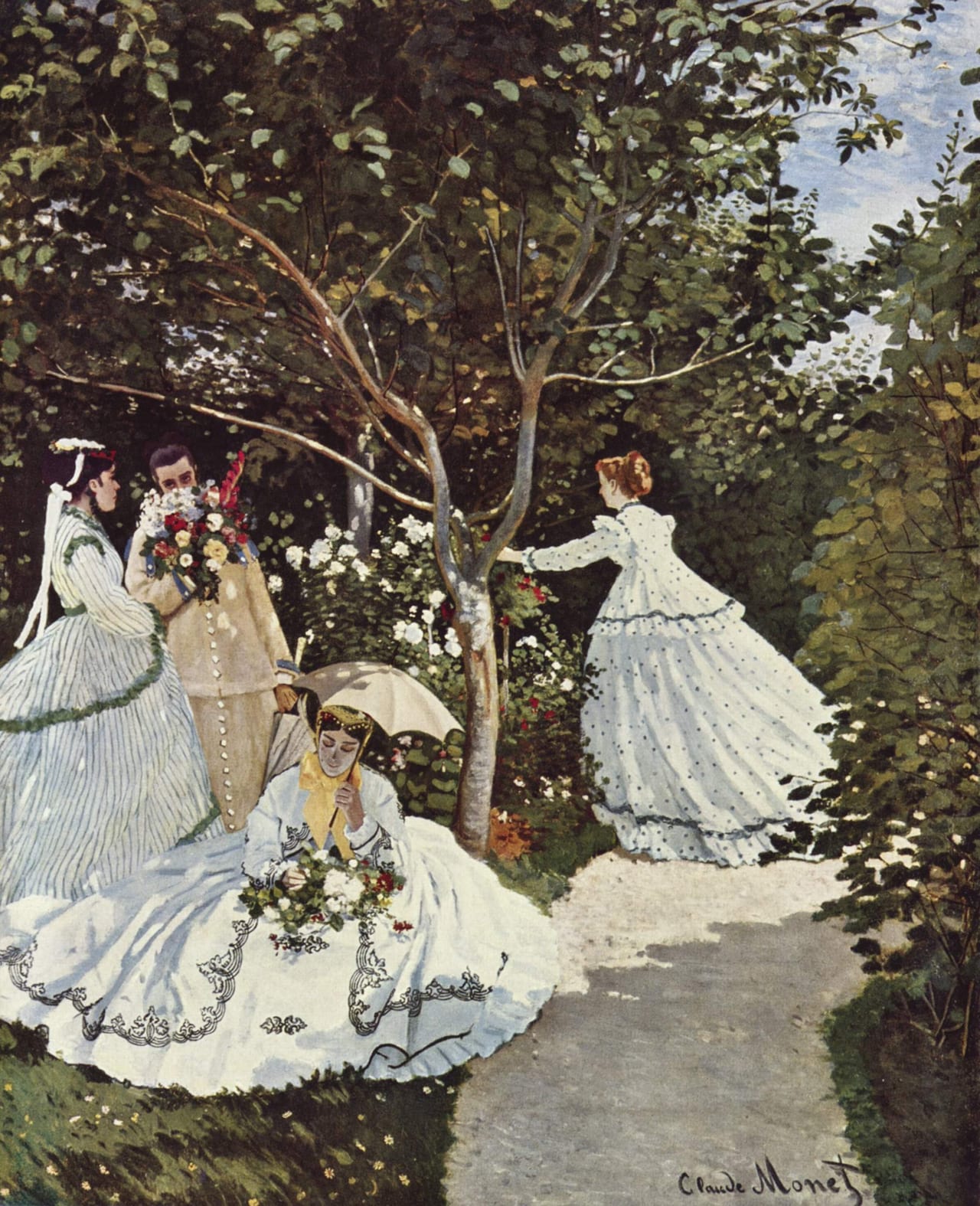
Women in the Garden
Claude Monet · 1866
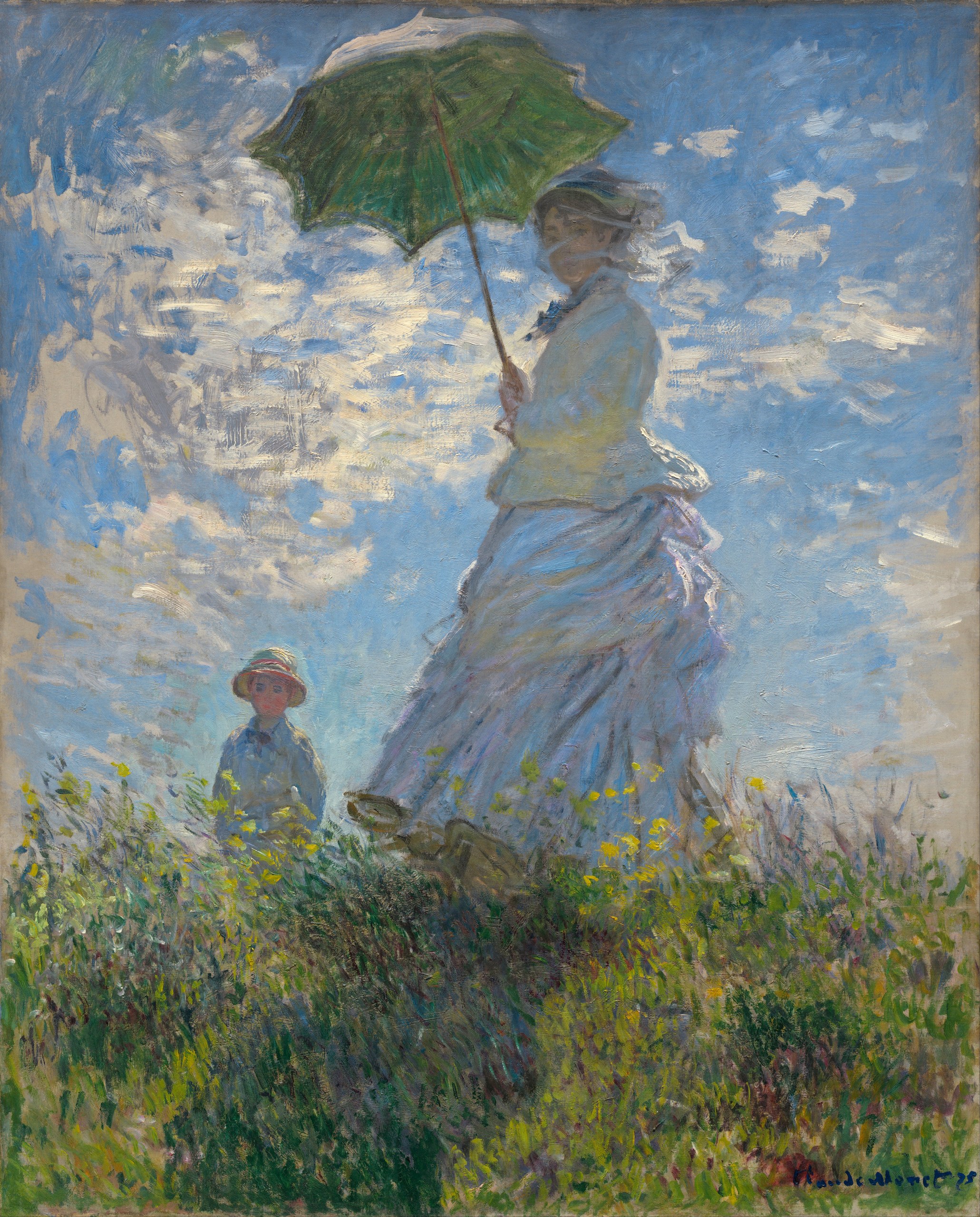
Woman with a Parasol – Madame Monet and Her Son
Claude Monet · 1875
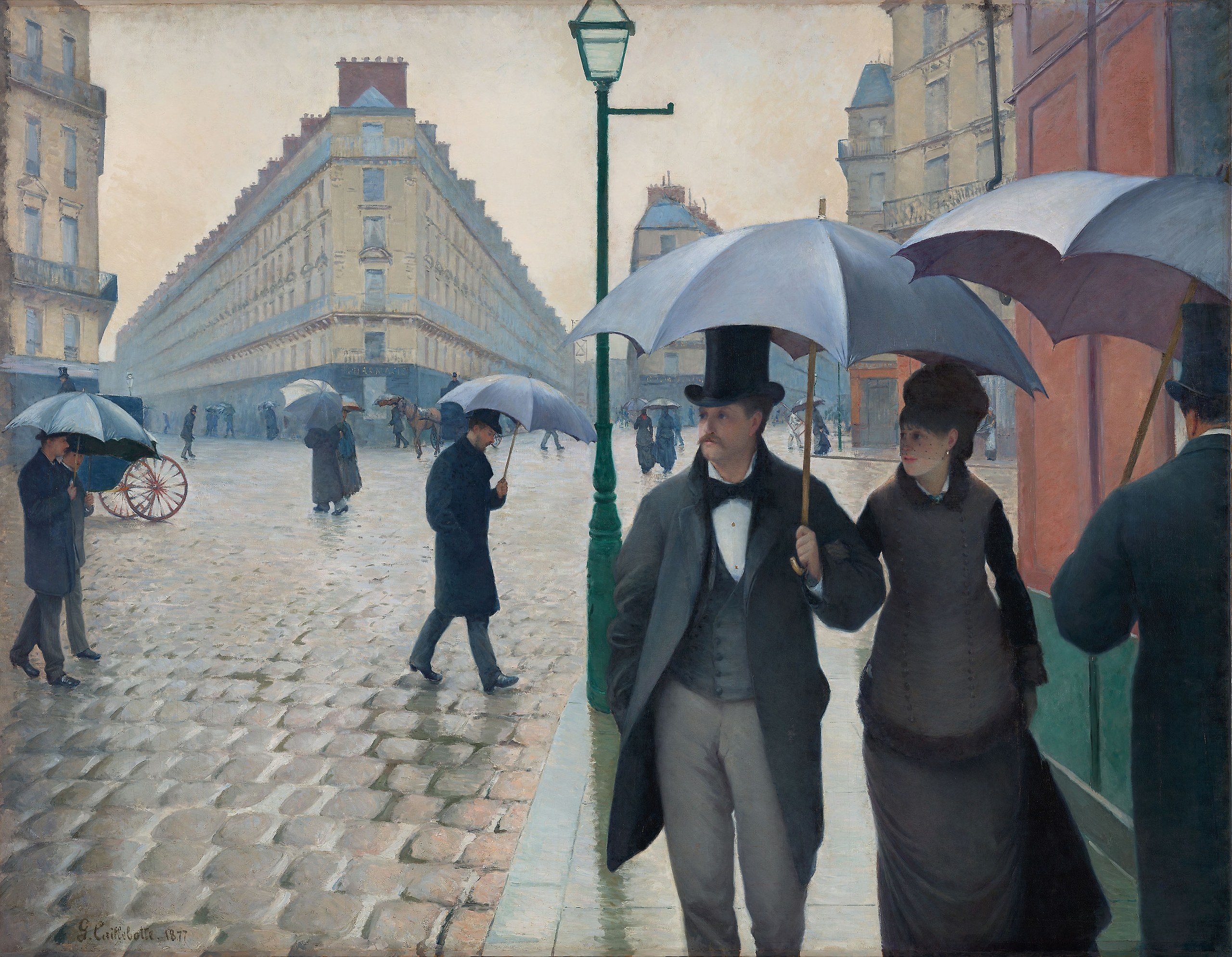
Paris Street; Rainy Day
Gustave Caillebotte · 1877
Paris Street; Rainy Day is a large Impressionist oil painting completed by French artist Gustave Caillebotte in 1877. The work portrays a scene of pedestrians in rainy weather crossing a boulevard intersection in the present-day Place de Dublin, a square in the eighth arrondissement of Paris. It is the best known of Caillebotte's several cityscapes linked to Paris's reconstruction under Napoleon III and Georges-Eugène Haussmann in the mid-19th century.
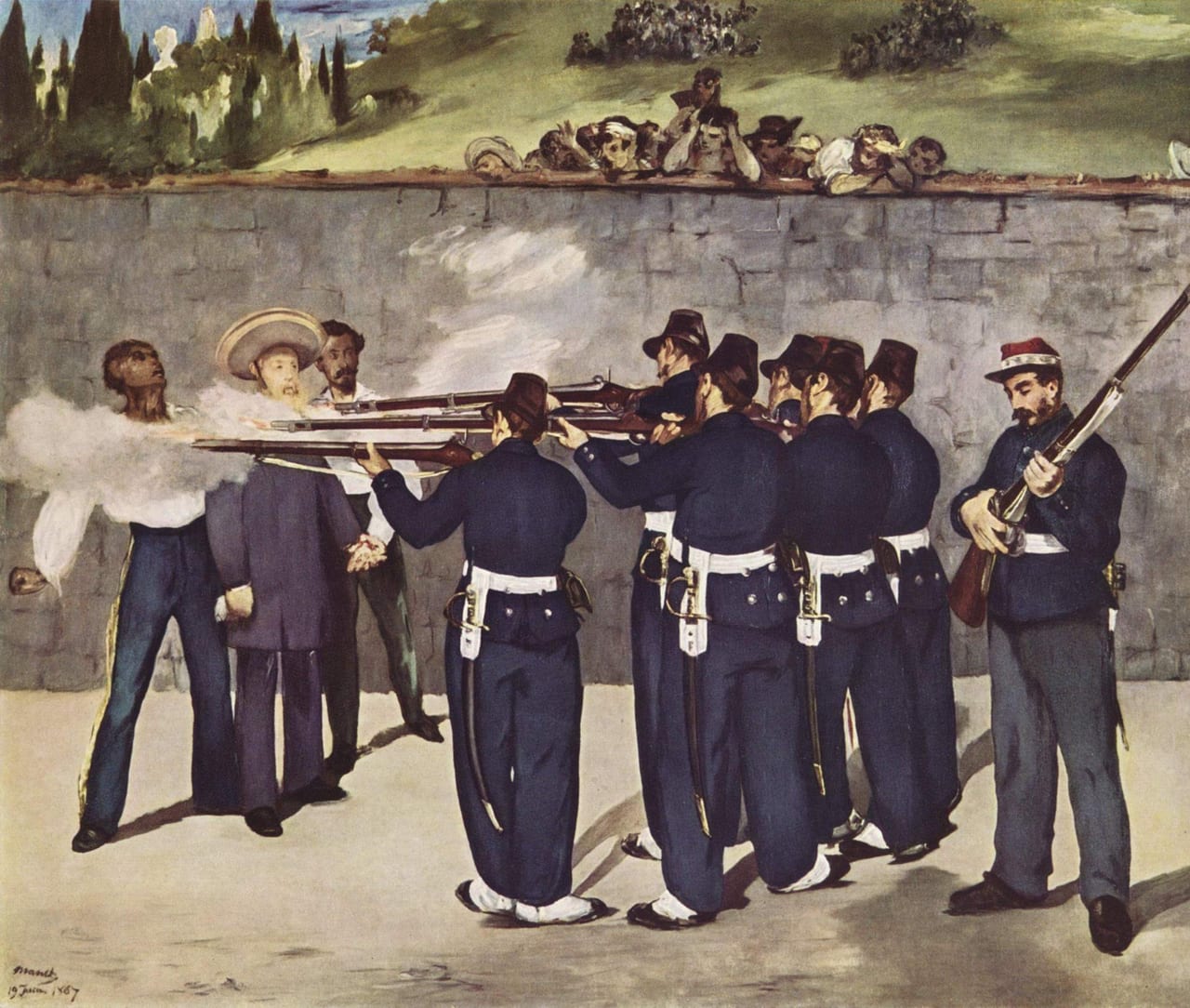
The Execution of Emperor Maximilian
Édouard Manet · 1867
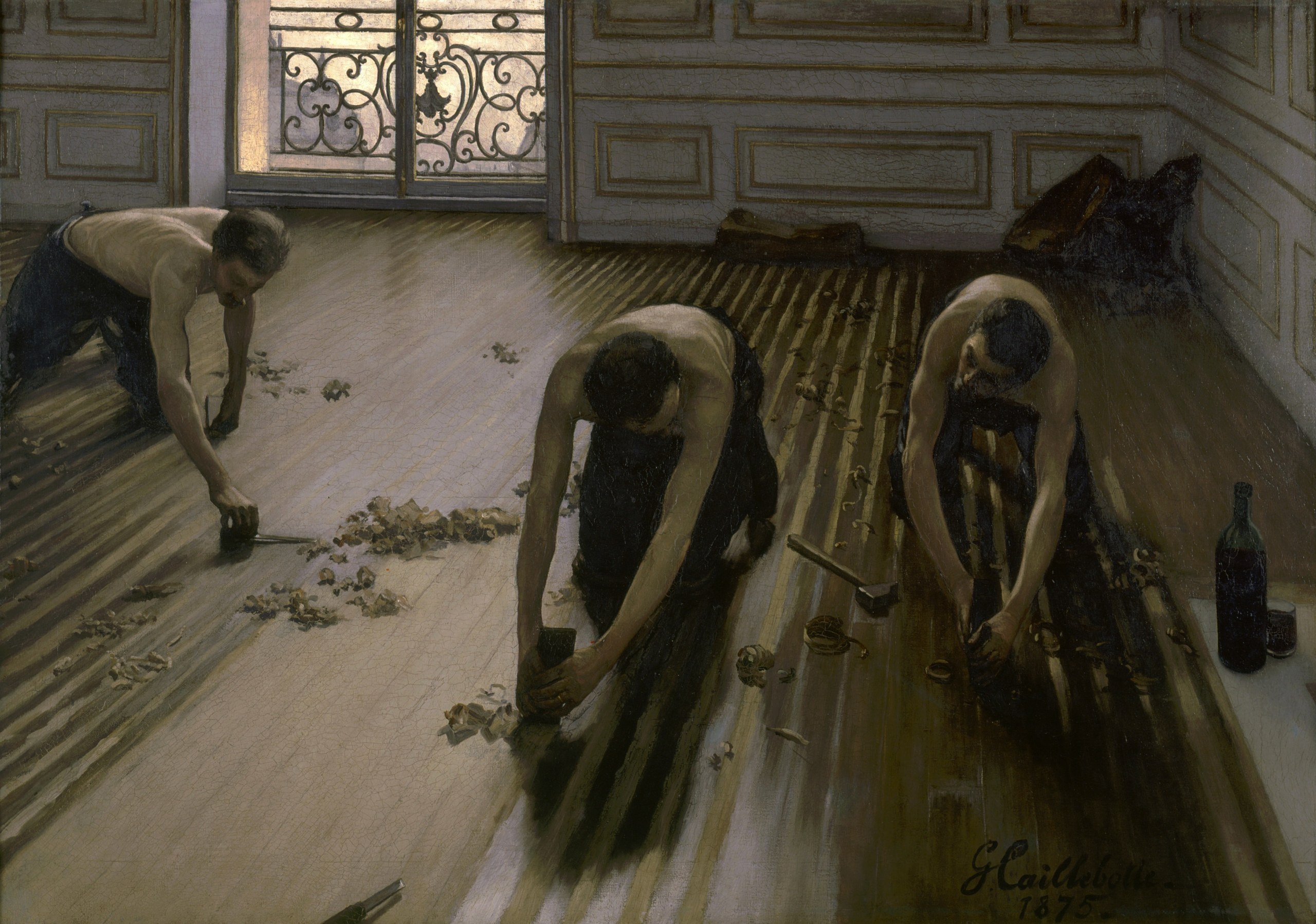
Les raboteurs de parquet
Gustave Caillebotte · 1875
Les raboteurs de parquet (English title: The Floor Scrapers) is an oil painting by French Impressionist Gustave Caillebotte. The canvas measures 102 by 146.5 centimetres (40.2 in × 57.7 in). It was originally given by Caillebotte's family in 1894 to the Musée du Luxembourg, then transferred to the Musée du Louvre in 1929.
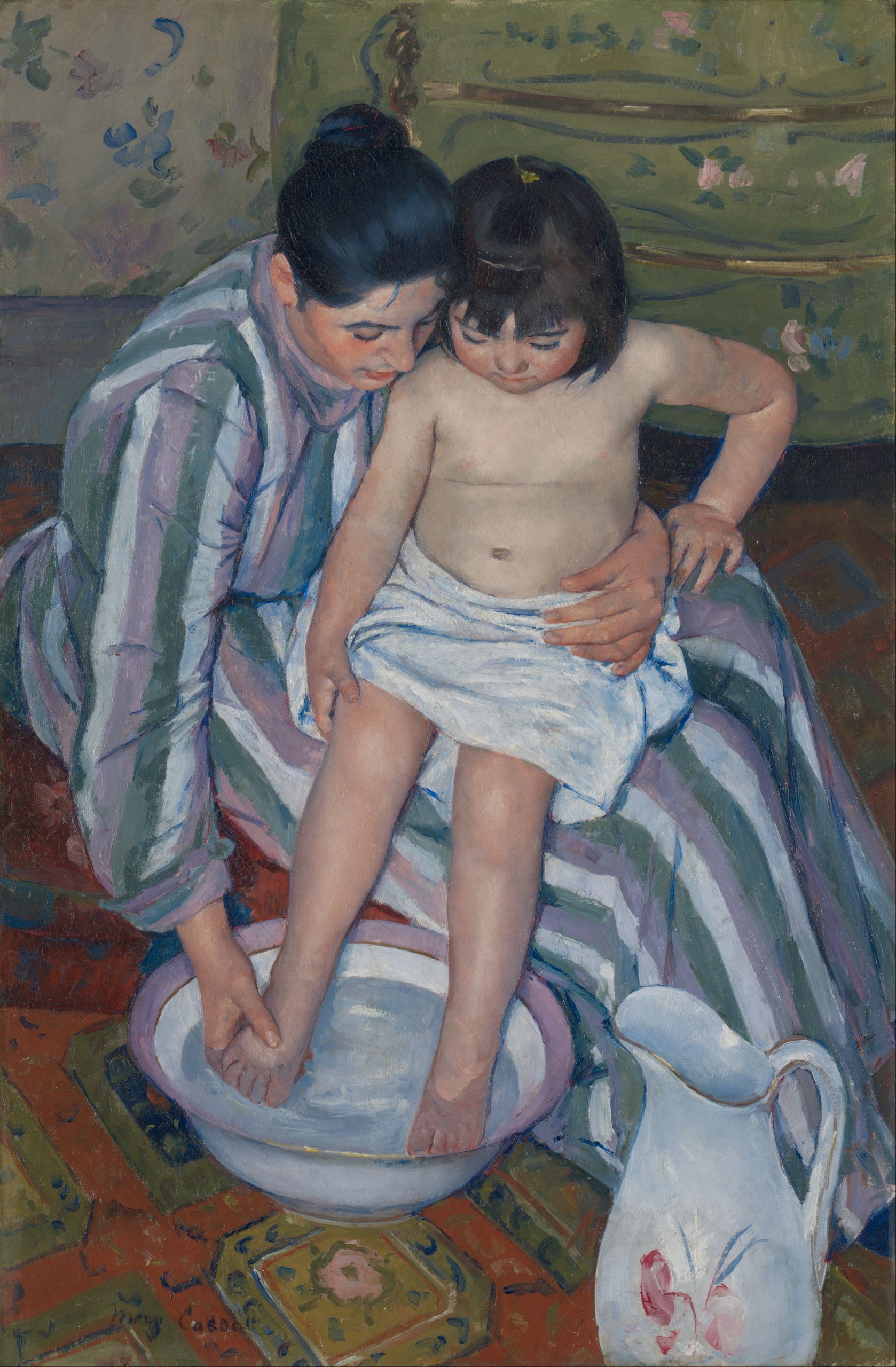
The Child's Bath
Mary Cassatt · 1893
The Child's Bath (or The Bath) is an 1893 oil painting by American artist Mary Cassatt. The painting continues her interest in depicting bathing and motherhood, but it is distinct in its angle of vision. Both the subject matter and the overhead perspective were inspired by Japanese Woodcut prints and Edgar Degas.
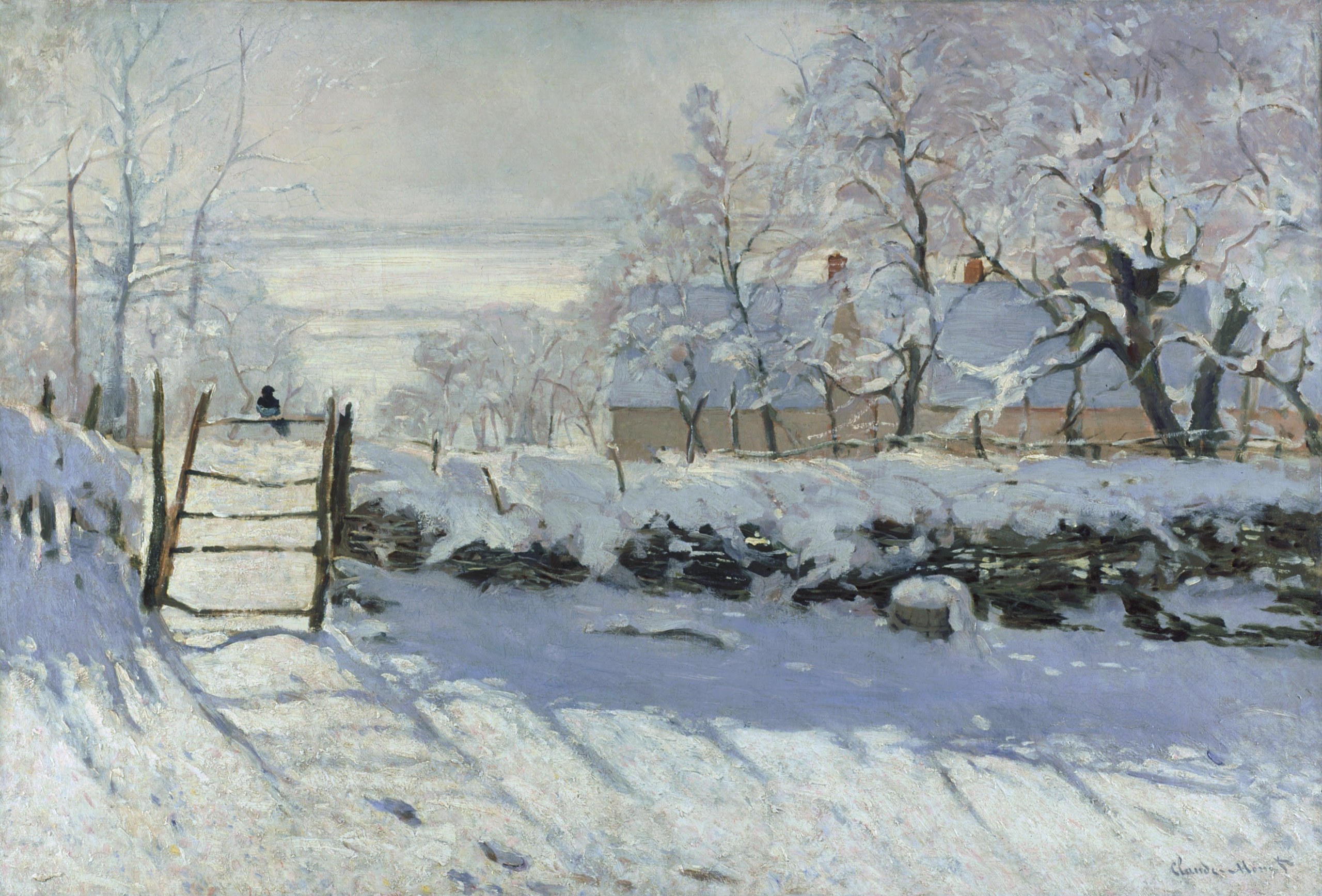
The Magpie
Claude Monet · 1868
Sources
- Tate, “Impressionism”
- National Gallery, London, “Alfred Sisley”
- National Gallery, London, “Rain, Steam, and Speed”
- National Gallery, London, “Claude Monet”
- Wikipedia, “Music in the Tuileries”
- Wikipedia, “Mary Cassatt”
- Wikipedia, “Little Girl in a Blue Armchair”
- Wikipédia, “La Classe de danse (Degas, Paris)”
- National Gallery, London, “Edouard Manet”
- National Gallery, London, “Gustave Caillebotte”
- Wikipedia, “Gabrielle d'Estrées et une de ses sœurs”
Invite Impressionism into your living room