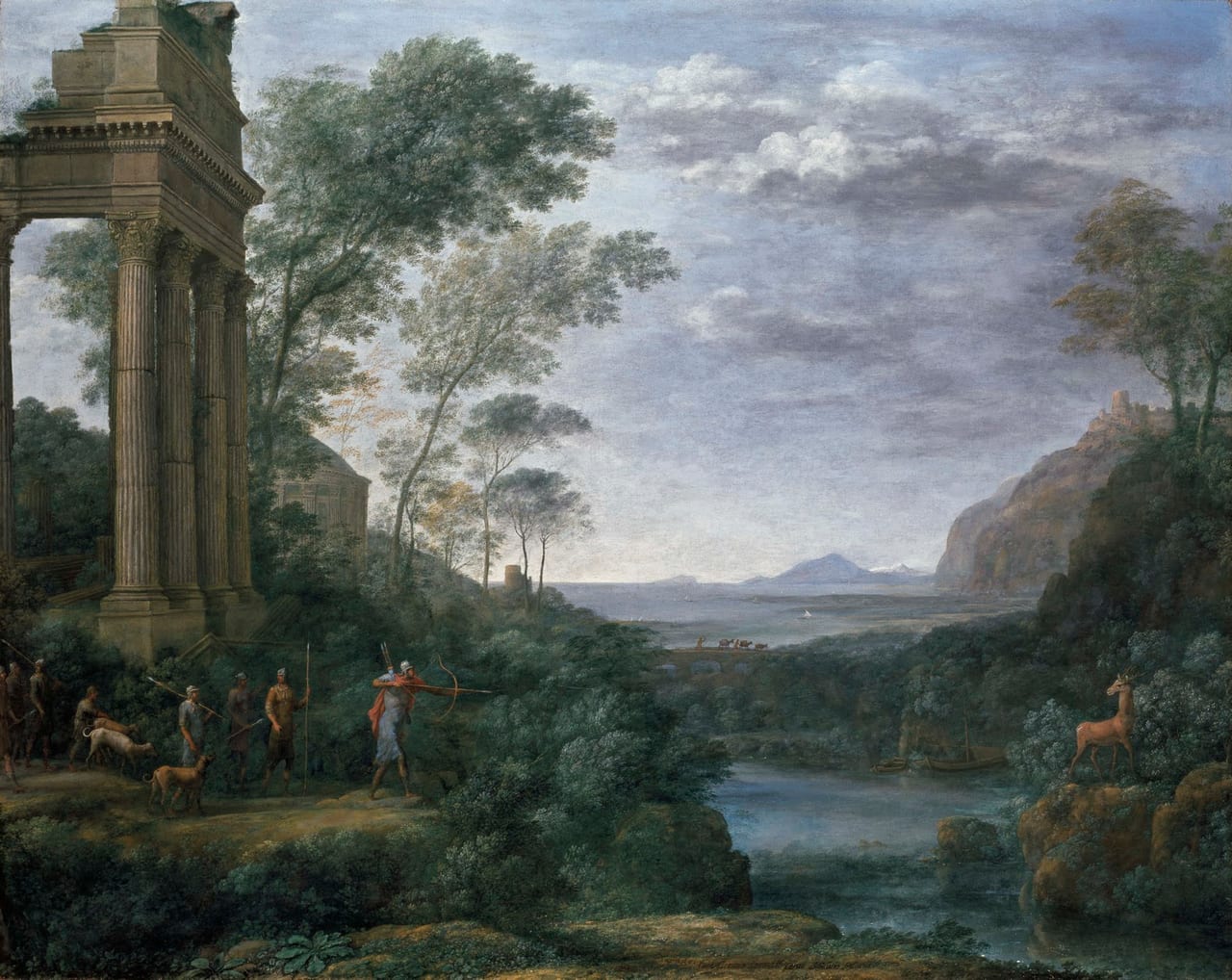
Ascanius Shooting the Stag of Sylvia
Claude Lorrain · 1682

Claude Lorrain
Duchy of Lorraine · 1600–1682
Claude Lorrain was a painter, draughtsman and etcher of the Baroque era originally from the Duchy of Lorraine. He spent most of his life in Italy, and is one of the earliest significant artists, aside from his contemporaries in Dutch Golden Age painting, to concentrate on landscape painting. His landscapes often transitioned into the more prestigious genre of history paintings by addition of a few small figures, typically representing a scene from the Bible or classical mythology. By the end of the 1630s, he was established as the leading landscapist in Italy, and he enjoyed large fees for his work. His landscapes gradually became larger, but with fewer figures, more carefully painted, and produced at a lower rate.
Independent artist guide by Momentable. Biography from Wikipedia; artworks credited to the museums that hold them.
 LIVENow streaming · Ascanius Shooting the Stag of Sylvia
- life
- 1600–1682life
- rights
- Public domainrights
The work
A selection of 3 works, free to stream.
Ascanius Shooting the Stag of Sylvia
Claude Lorrain · 1682
Ashmolean Museum
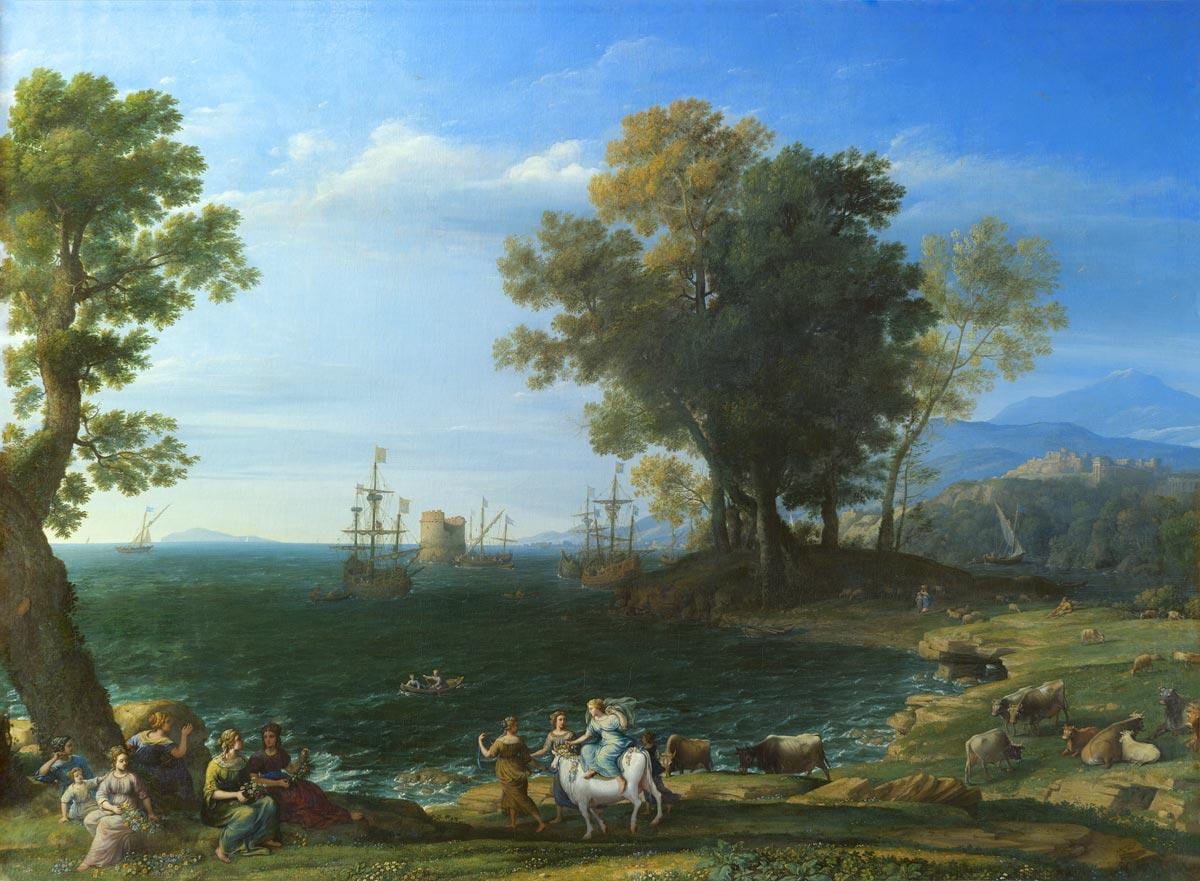
The Abduction of Europa
Claude Lorrain · 1655
Pushkin Museum
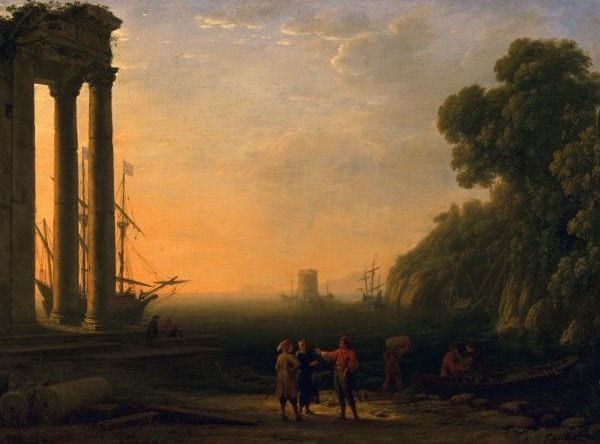
View of Seaport
Claude Lorrain · 1634
Huntington Library, Art Museum and Botanical Gardens
Works worth knowing
2 of Claude Lorrain's works, and what makes each one worth a look.
Ascanius Shooting the Stag of Sylvia
Claude Lorrain · 1682
Ashmolean Museum
Landscape with Ascanius Shooting the Stag of Sylvia is a painting of 1682 in oil on canvas by Claude Lorrain (Claude Gellée, traditionally just "Claude" in English), a painter from the Duchy of Lorraine who spent his career in Rome. It was painted in Rome for Prince Lorenzo Onofrio Colonna (1637 to 1689), Claude's most important patron in his last years, and is now in the Ashmolean Museum, Oxford. It is signed, dated with the year, and inscribed with the subject (at centre bottom), as Claude sometimes did with his less common subjects.
The Abduction of Europa
Claude Lorrain · 1655
Pushkin Museum
The Rape of Europa is an oil on canvas painting by Claude Lorrain, from 1655. With its pendant The Battle of the Milvian Bridge, it is now in the Pushkin Museum, in Moscow. The work was painted in Rome, with sketch 136 in his Liber Veritatis equating to it.
Where the work hangs
The museums that hold it, and their visitor guides.
If you like Claude Lorrain
Artists held by the same museums.
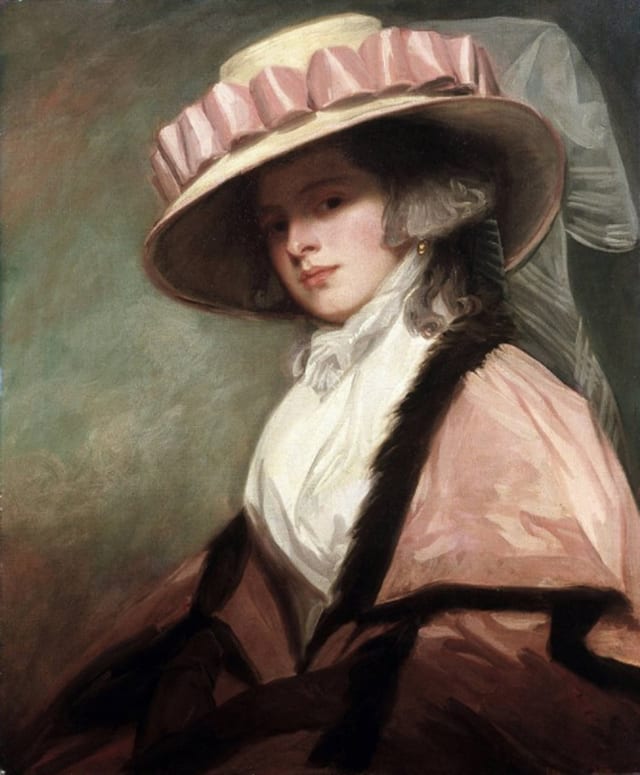
George Romney
English · 6 in the archive
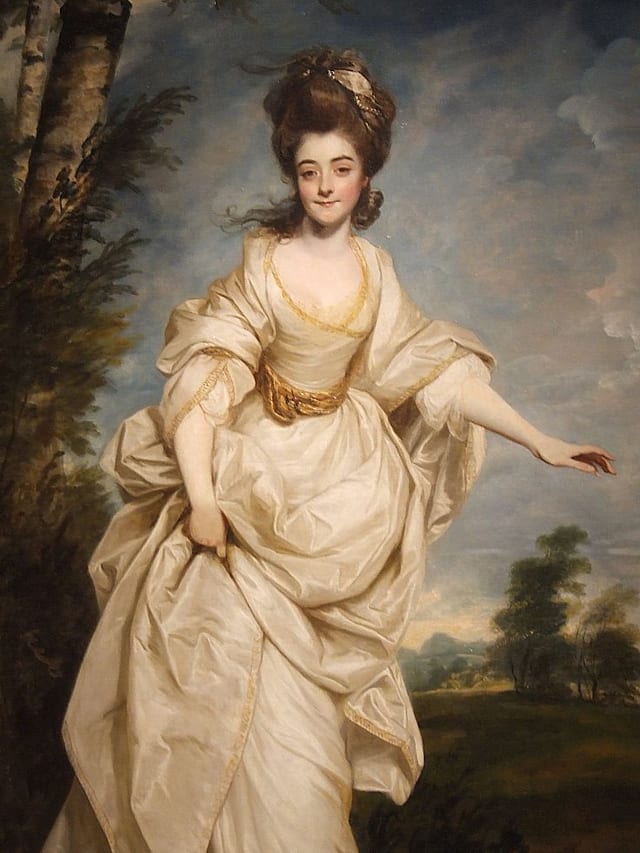
Joshua Reynolds
English · 5 in the archive
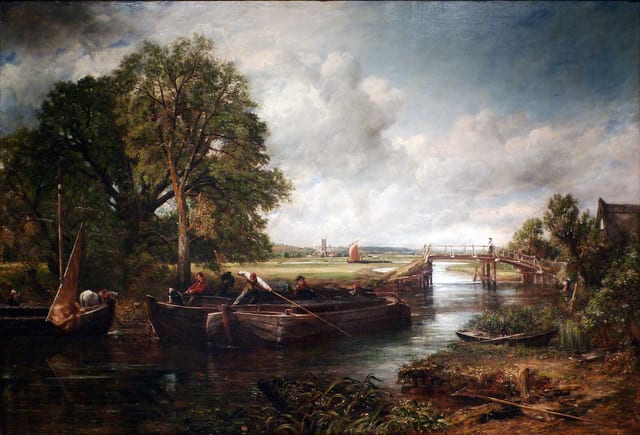
John Constable
Kingdom of Great Britain · 4 in the archive
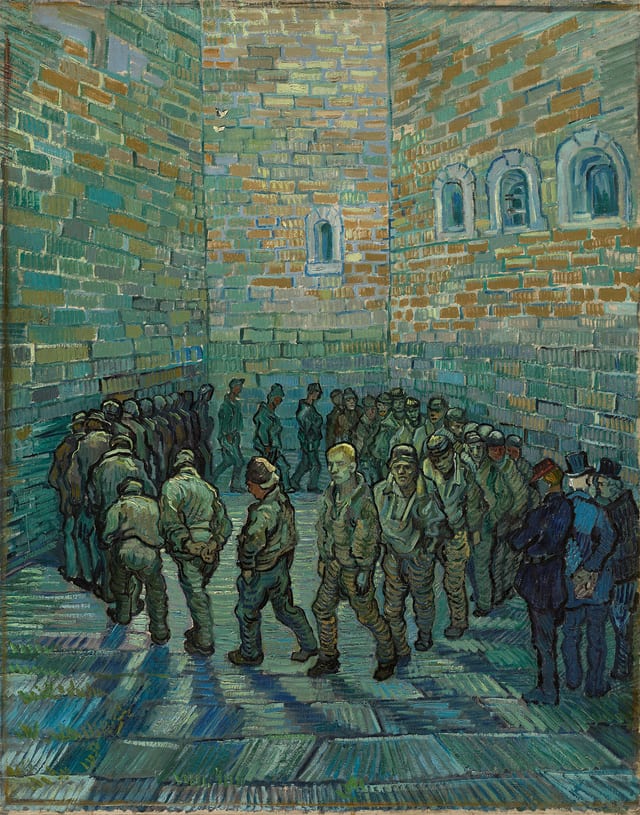
Vincent van Gogh
Dutch · 4 in the archive
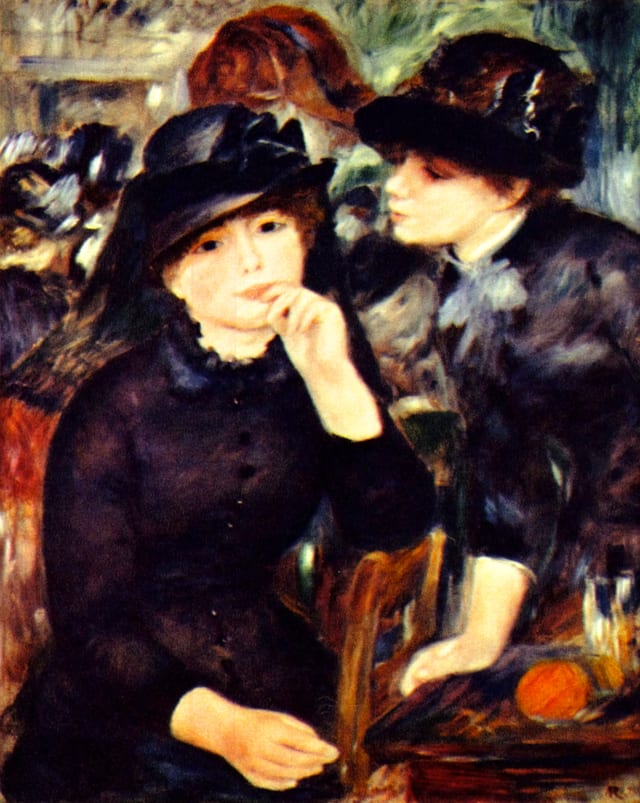
Auguste Renoir
France · 3 in the archive
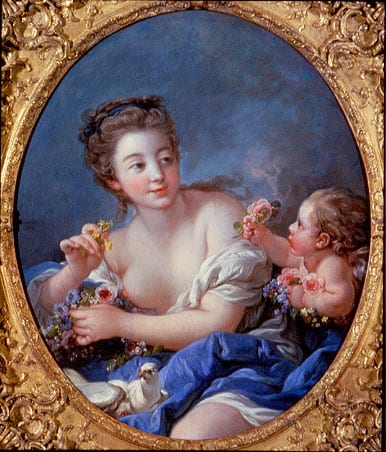
François Boucher
France · 3 in the archive
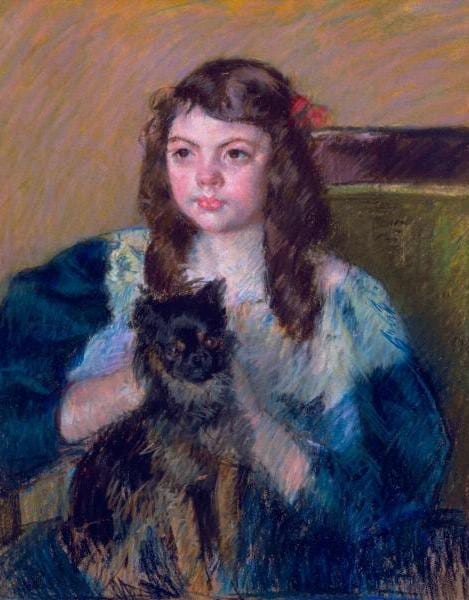
Mary Cassatt
American · 3 in the archive
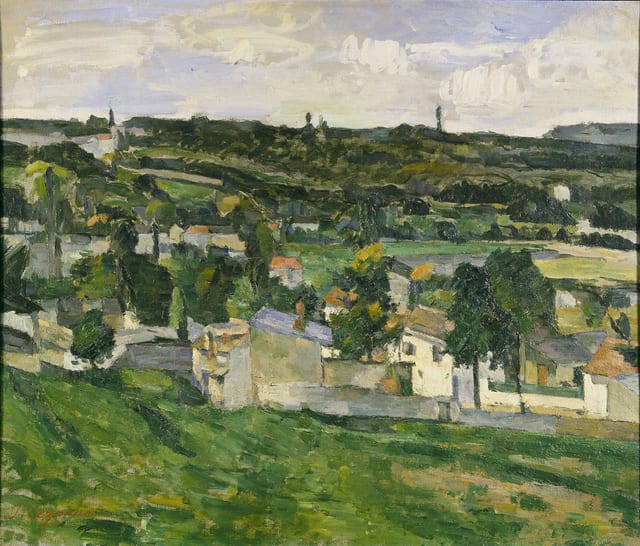
Paul Cézanne
French · 3 in the archive
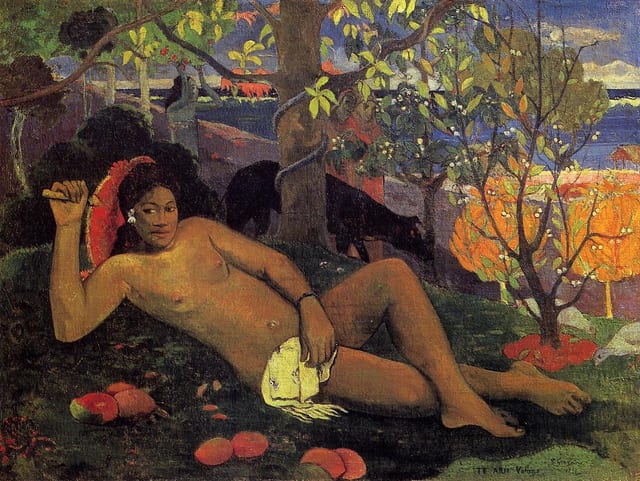
Paul Gauguin
French · 3 in the archive
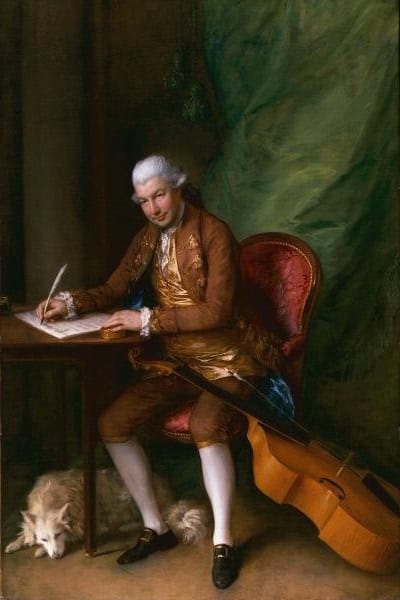
Thomas Gainsborough
English · 3 in the archive
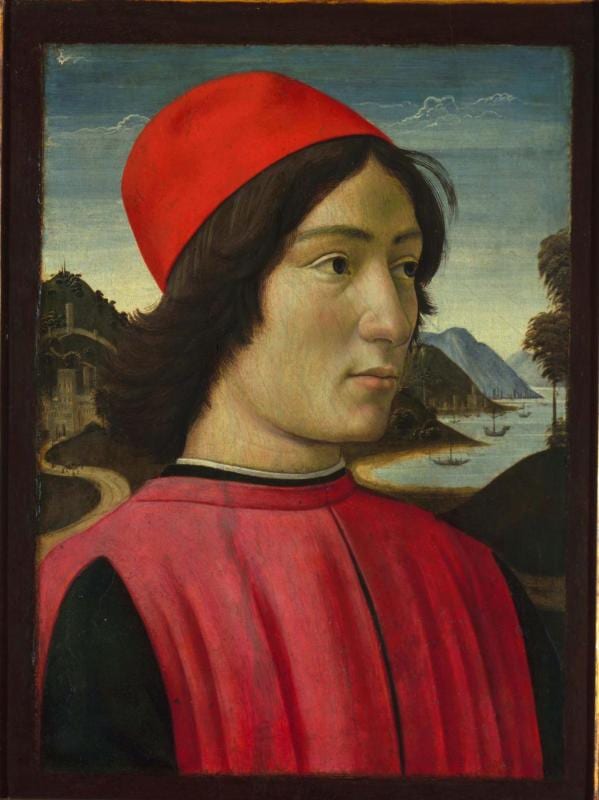
Domenico Ghirlandaio
Italian · 2 in the archive
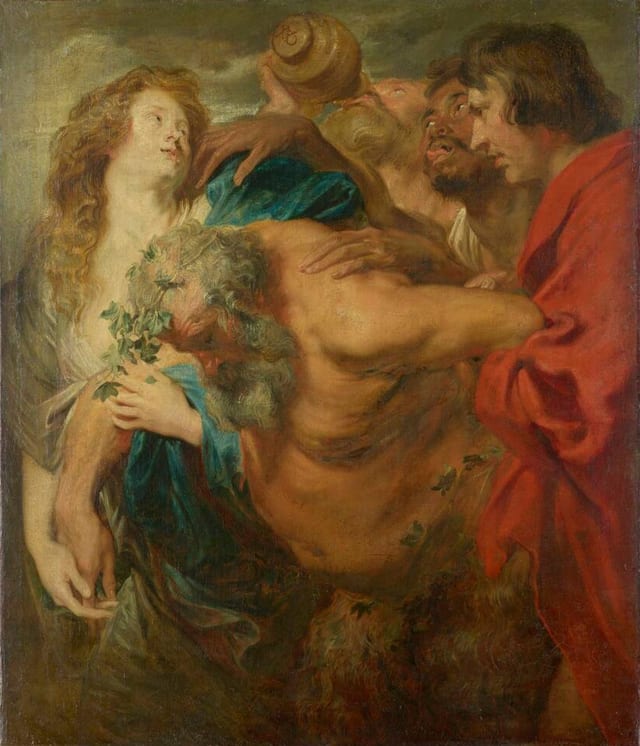
Sir Anthony van Dyck
Spanish Netherlands · 2 in the archive
Invite the masters into your living room.
Claude Lorrain on your TV, phone, or tablet. Free to start.
View on MomentableIndependent guide by Momentable · biography from Wikipedia · artworks are in the public domain and credited to the museum that holds them