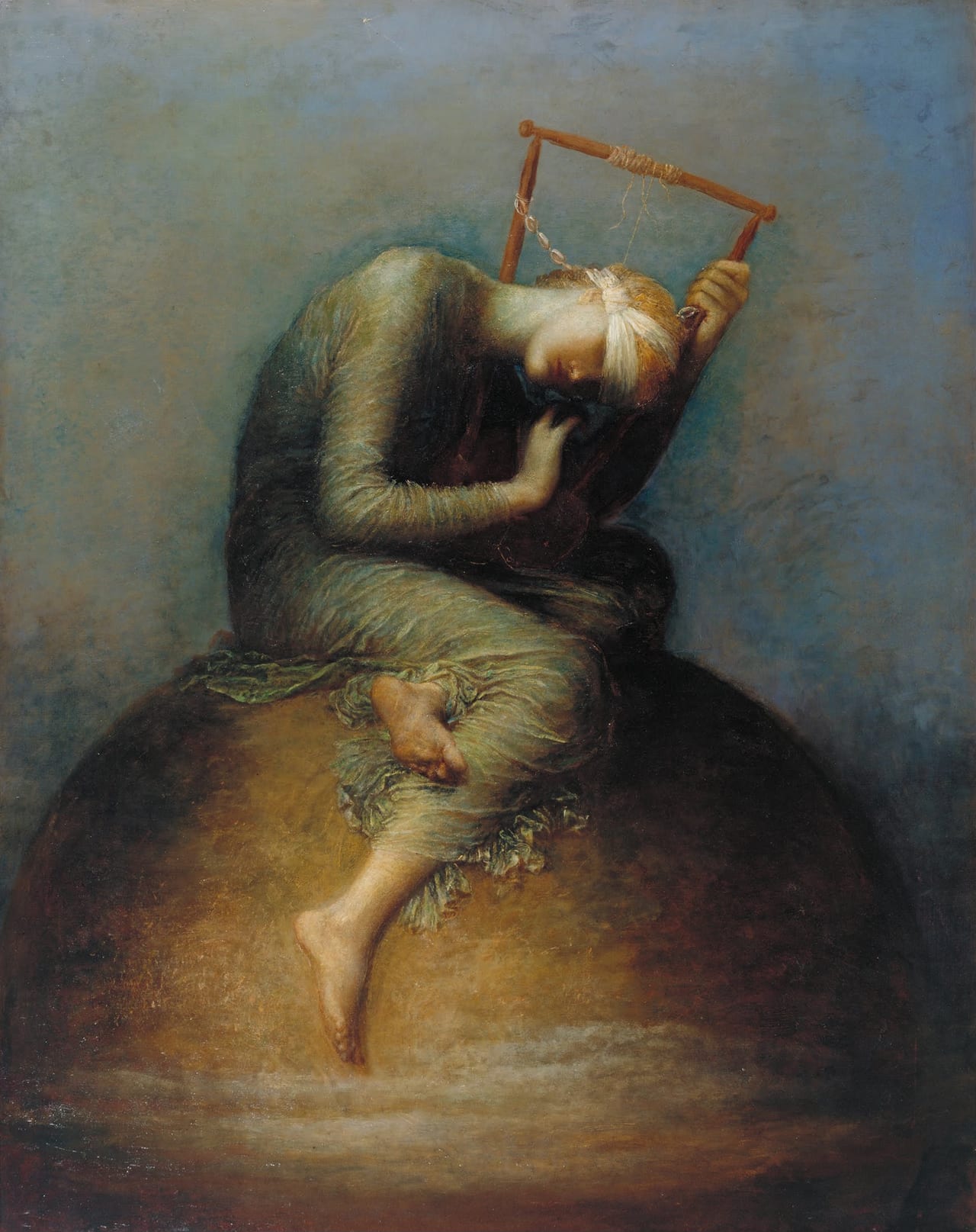
Hope
George Frederic Watts · 1886

George Frederic Watts
United Kingdom of Great Britain and Ireland · 1817–1904
George Frederic Watts was a British painter and sculptor associated with the Symbolist movement. Watts became famous in his lifetime for his allegorical works, such as Hope and Love and Life. These paintings were intended to form part of an epic symbolic cycle called the "House of Life", in which the emotions and aspirations of life would all be represented in a universal symbolic language. == Early life and education == Watts was born in Marylebone in central London on the birthday of George Frederic Handel (after whom he was named), to the second wife of a poor piano-maker. Delicate in health and with his mother dying while he was still young, he was home-schooled by his father in a conservative interpretation of Christianity as well as via the classics such as the Iliad.
Independent artist guide by Momentable. Biography from Wikipedia; artworks credited to the museums that hold them.
 LIVENow streaming · Hope
- life
- 1817–1904life
- rights
- Public domainrights
The work
A selection of 2 works, free to stream.
Hope
George Frederic Watts · 1886
National Gallery
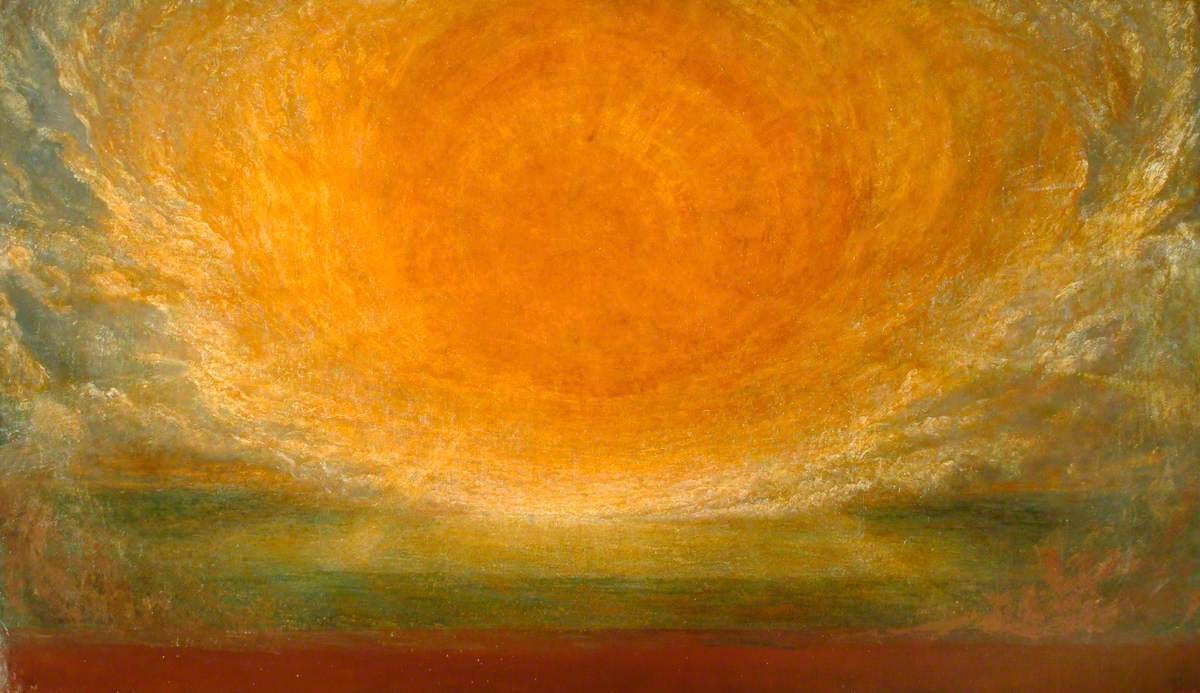
After the Deluge
George Frederic Watts · 1886
Works worth knowing
What George Frederic Watts made, and why each one is worth looking at.
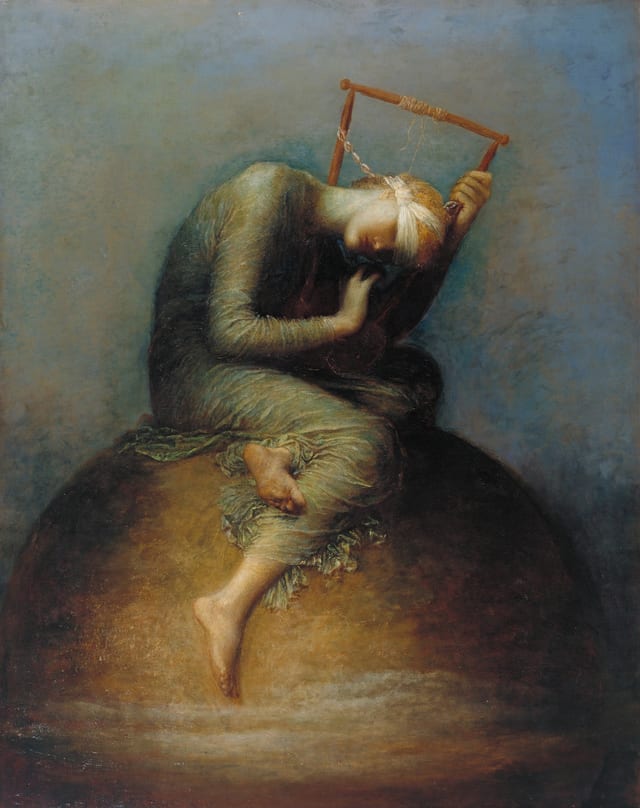
Hope
George Frederic Watts · 1886
National Gallery
Hope is a Symbolist oil painting by the English painter George Frederic Watts, who completed the first two versions in 1886. Radically different from previous treatments of the subject, it shows a lone blindfolded female figure sitting on a globe, playing a lyre that has only a single string remaining. The background is almost blank, its only visible feature a single star.
After the Deluge
George Frederic Watts · 1886
After the Deluge, also known as The Forty-First Day, is a Symbolist oil painting by English artist George Frederic Watts, first exhibited as The Sun in an incomplete form in 1886, and completed in 1891. It shows a scene from the story of Noah's Flood, in which after 40 days of rain Noah opens the window of his Ark to see that the rain has stopped. Watts felt that modern society was in decline owing to a lack of moral values, and he often painted works on the topic of the Flood and its cleansing of the unworthy from the world.
Where the work hangs
The museums that hold it, and their visitor guides.
If you like George Frederic Watts
Artists held by the same museums.
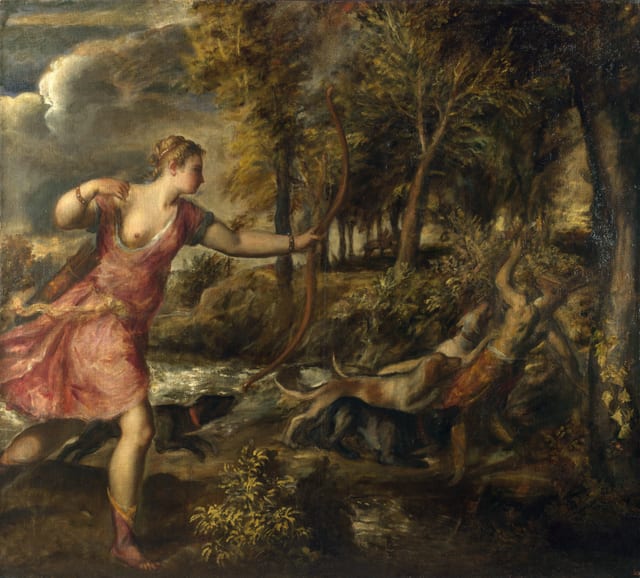
Titian
Italian · 8 in the archive
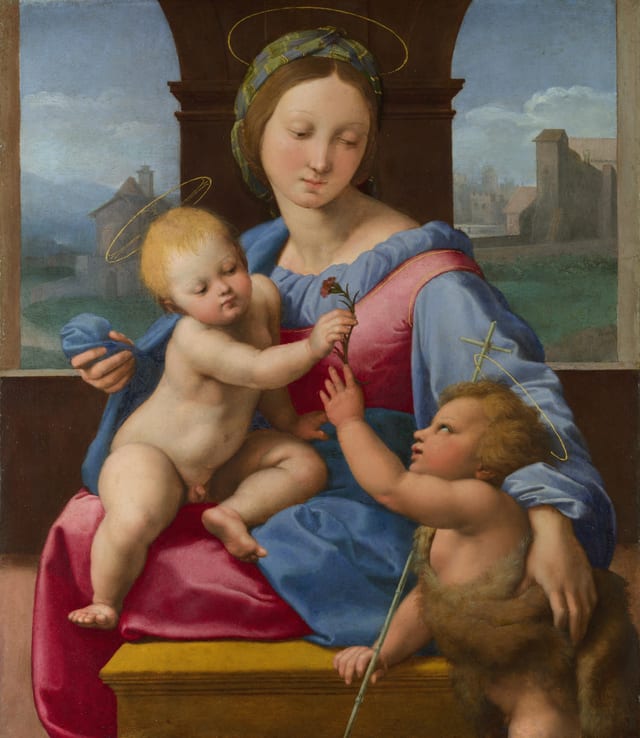
Raphael
Holy Roman Empire · 6 in the archive
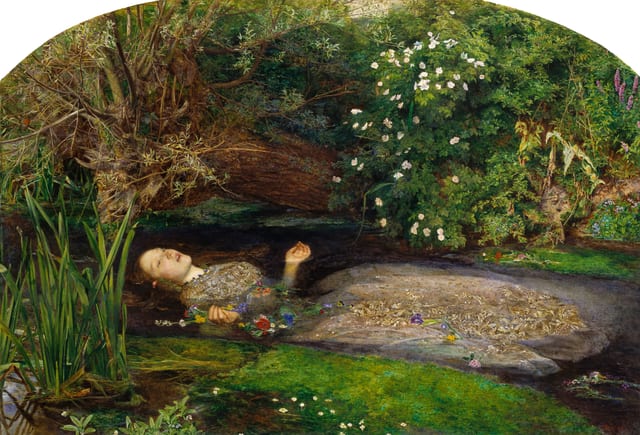
John Everett Millais
United Kingdom of Great Britain and Ireland · 4 in the archive
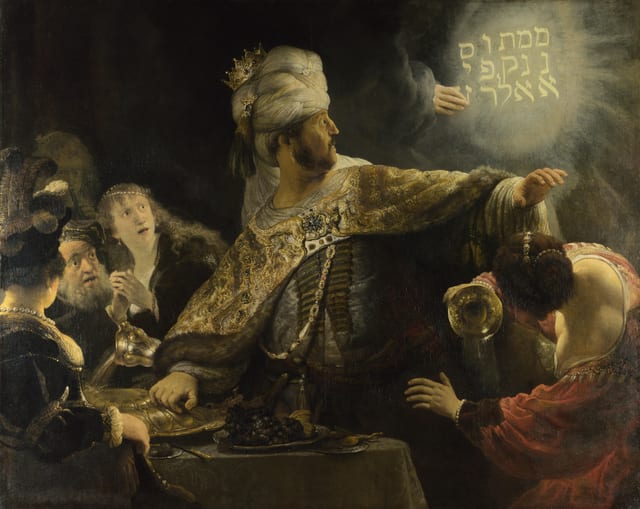
Rembrandt van Rijn
Dutch · 4 in the archive
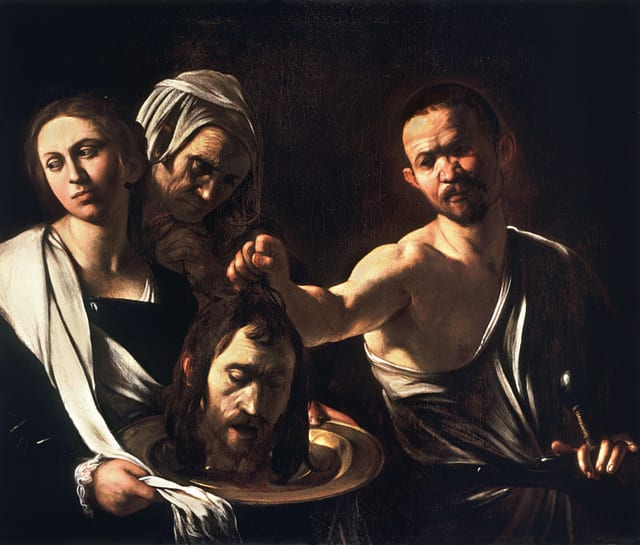
Caravaggio
Italian · 3 in the archive
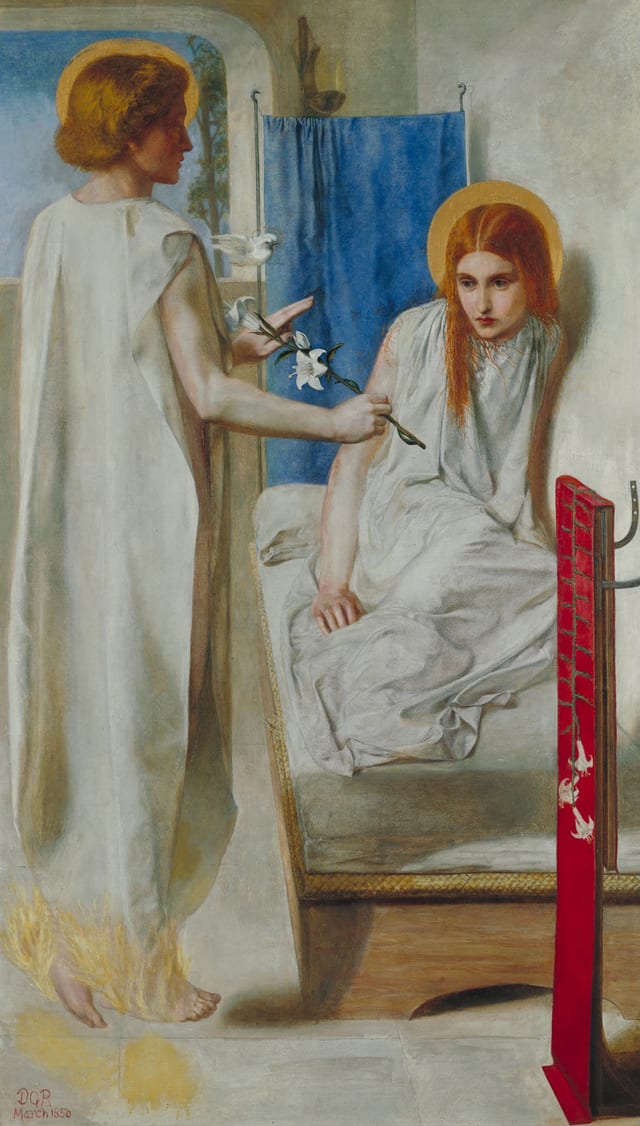
Dante Gabriel Rossetti
United Kingdom of Great Britain and Ireland · 3 in the archive
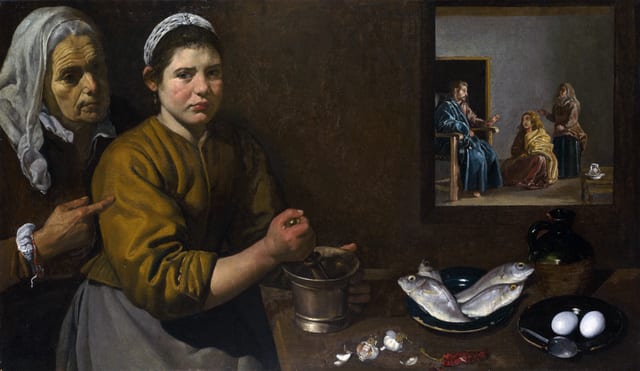
Diego Velázquez
Spain · 3 in the archive
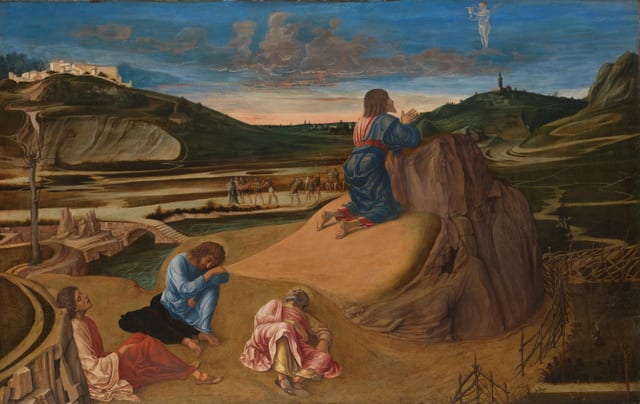
Giovanni Bellini
Italian · 3 in the archive
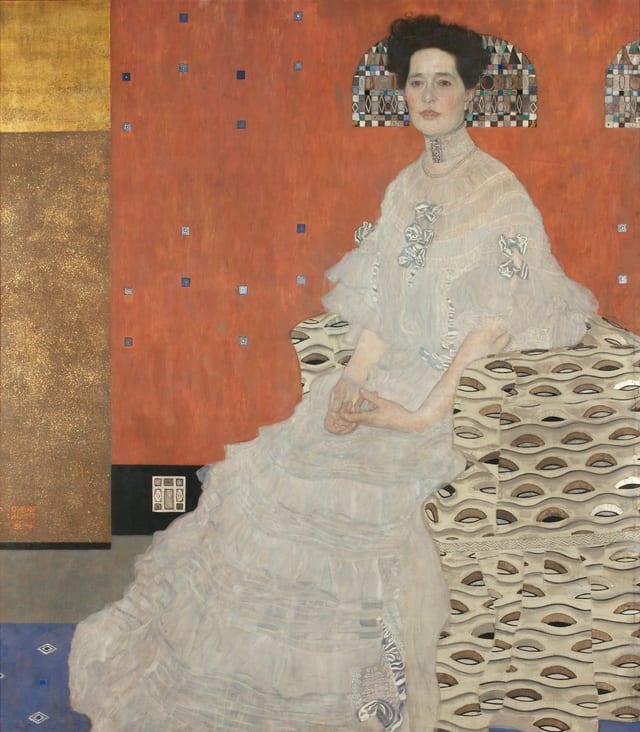
Gustav Klimt
Austrian Empire · 3 in the archive
J. M. W. Turner
Kingdom of Great Britain · 3 in the archive
Jan van Eyck
Southern Netherlands · 3 in the archive

Hans Holbein the Younger
German · 2 in the archive
Invite the masters into your living room.
George Frederic Watts on your TV, phone, or tablet. Free to start.
View on MomentableIndependent guide by Momentable · biography from Wikipedia · artworks are in the public domain and credited to the museum that holds them