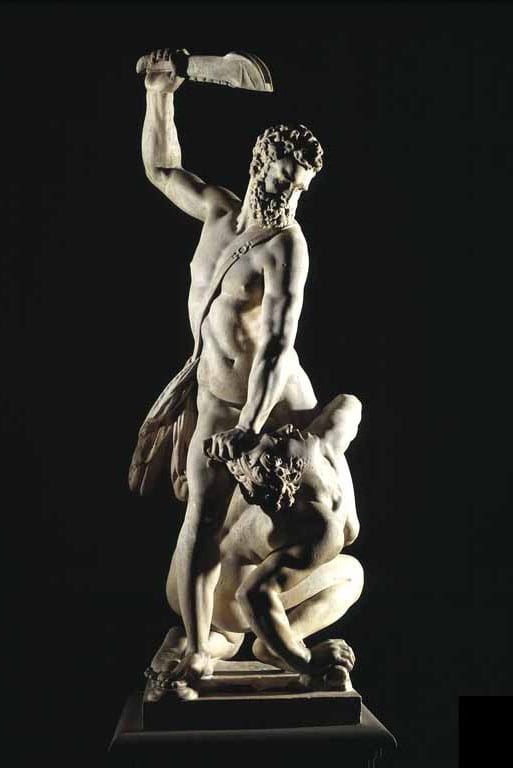
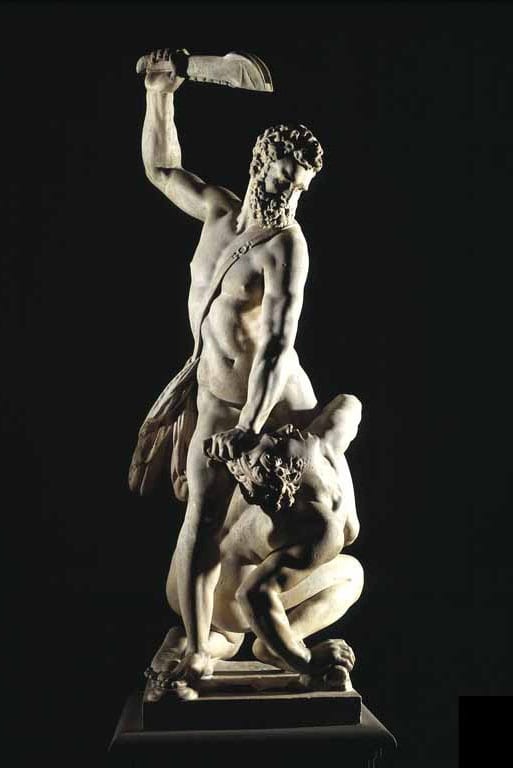
Samson Slaying a Philistine
Giambologna · 1562

Giambologna
Kingdom of France · 1529–1608
Giambologna, also known as Jean de Boulogne (French), Jehan Boulongne (Flemish) and Giovanni da Bologna (Italian), was the last significant Italian Renaissance sculptor, with a large workshop producing large and small works in bronze and marble in a late Mannerist style. == Biography == Giambologna was born in Douai, Flanders (then in the Habsburg Netherlands and now in France), in 1529. After youthful studies in Antwerp with the architect-sculptor Jacques Du Brœucq, he moved to Italy in 1550 and studied in Rome, making a detailed study of the sculpture of classical antiquity. He was also much influenced by Michelangelo, but developed his own Mannerist style, with perhaps less emphasis on emotion and more emphasis on refined surfaces, cool elegance, and beauty. Pope Pius IV gave Giambologna his first major commission, the colossal bronze Neptune and subsidiary figures for the Fountain of Neptune (the base designed by Tommaso Laureti, 1566) in Bologna.
Independent artist guide by Momentable. Biography from Wikipedia; artworks credited to the museums that hold them.
 LIVENow streaming · Samson Slaying a Philistine
- life
- 1529–1608life
- rights
- Public domainrights
The work
A selection of 1 works, free to stream.
Samson Slaying a Philistine
Giambologna · 1562
Victoria and Albert Museum
Works worth knowing
What Giambologna made, and why each one is worth looking at.
Samson Slaying a Philistine
Giambologna · 1562
Victoria and Albert Museum
Samson Slaying a Philistine is a marble sculpture created around 1562 by Giambologna. Originally commissioned by Francesco de' Medici for a fountain in Florence, this sculpture was later gifted to Spain's Duke of Lerma and displayed in the gardens of the Palacio de la Ribera, Valladolid. The statue was the earliest of his marble groups from the sculptor to the Medici Grand Dukes of Tuscany, and the only substantial work by the artist to have left Italy.
Where the work hangs
The museums that hold it, and their visitor guides.
If you like Giambologna
Artists held by the same museums.
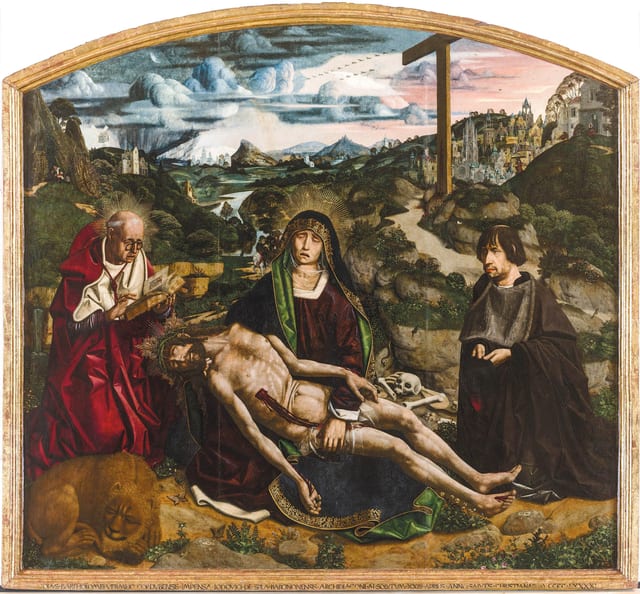
Bartolomé Bermejo
Kingdom of Castile · 3 in the archive
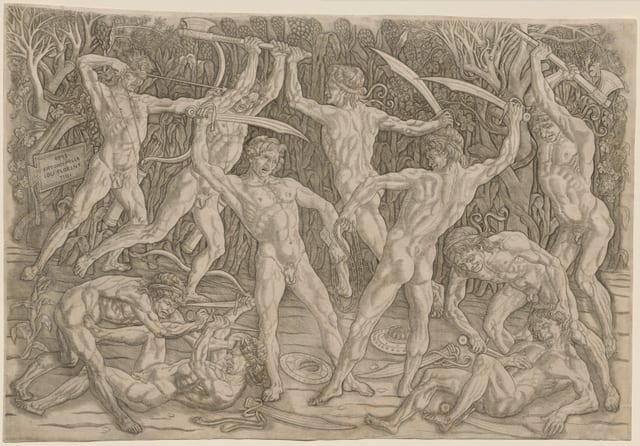
Antonio del Pollaiuolo
Republic of Florence · 2 in the archive
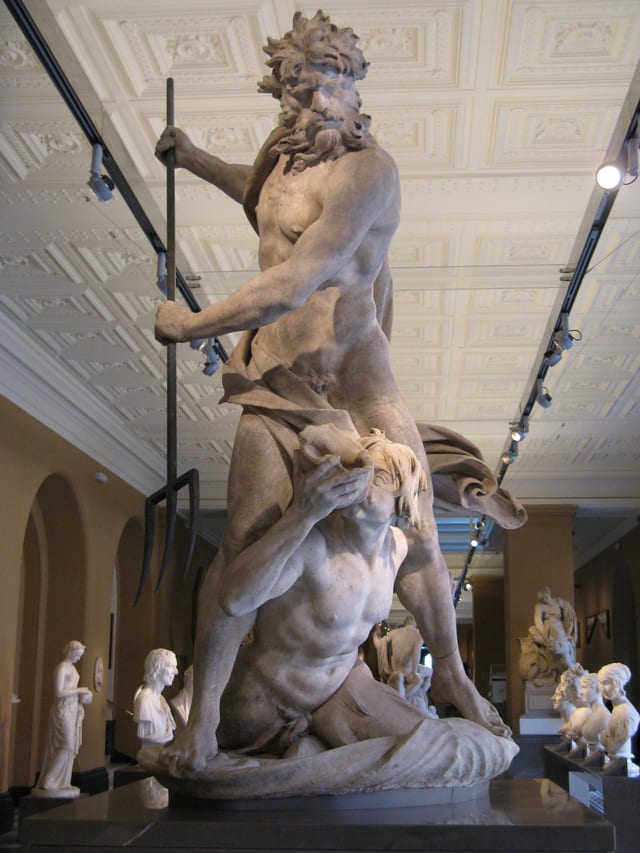
Gian Lorenzo Bernini
Italy · 2 in the archive
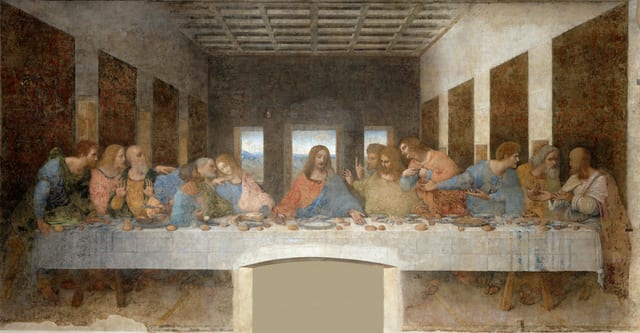
Leonardo da Vinci
Italian · 2 in the archive
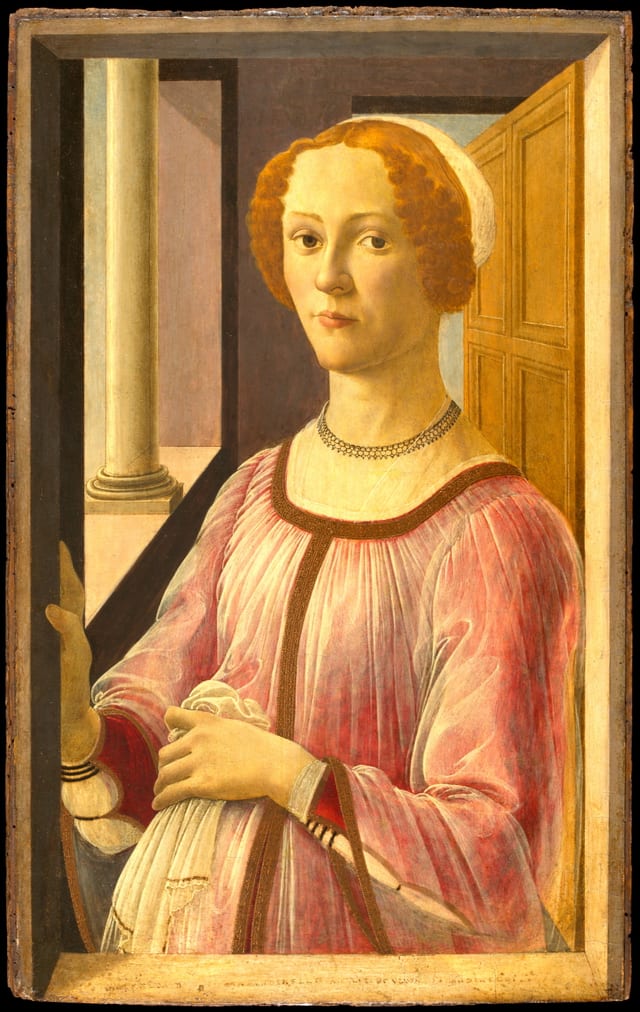
Sandro Botticelli
Italian · 2 in the archive
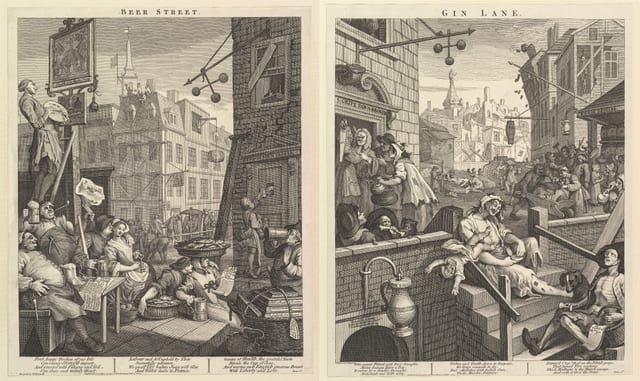
William Hogarth
English · 2 in the archive
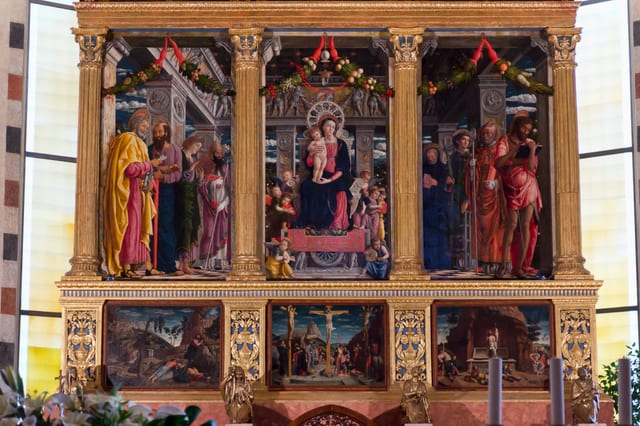
Andrea Mantegna
Republic of Venice · 1 in the archive
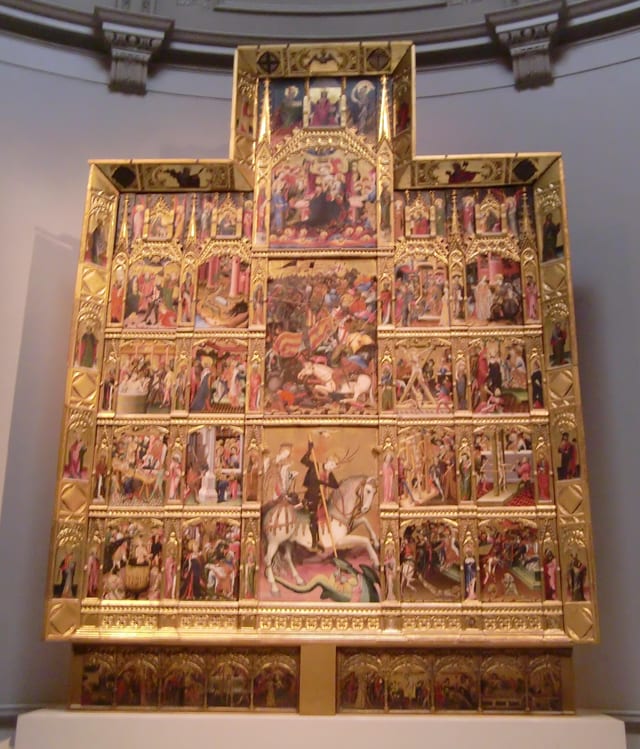
Andrés Marzal de Sas
1 in the archive
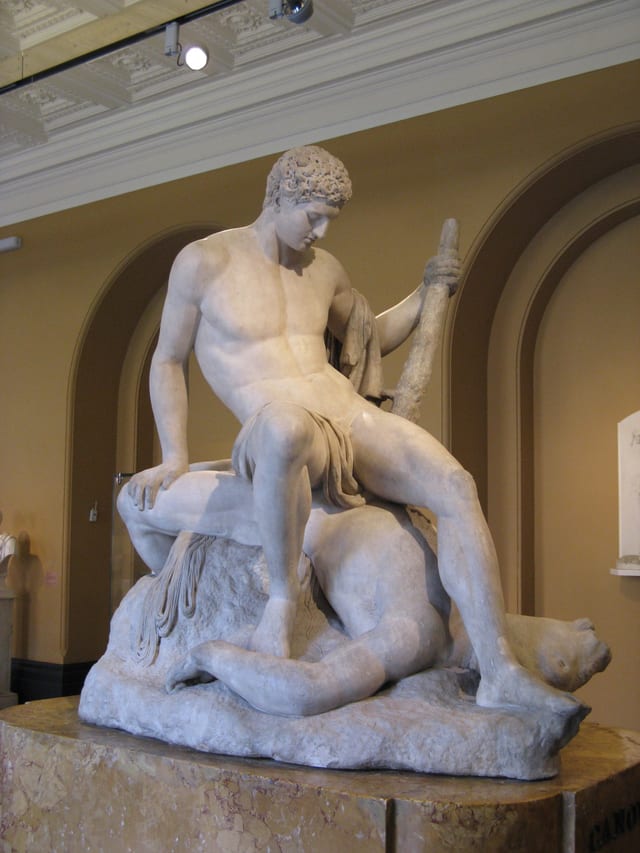
Antonio Canova
Republic of Venice · 1 in the archive
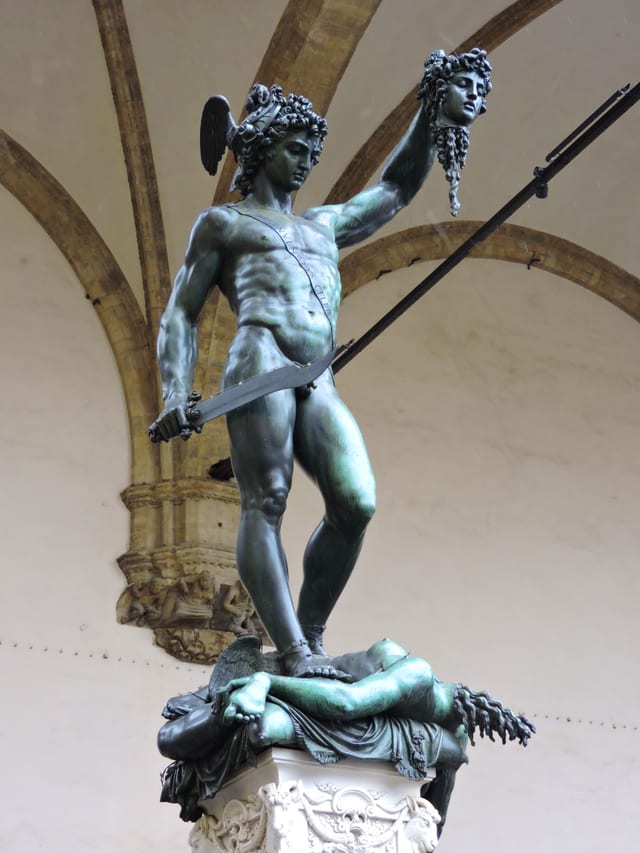
Benvenuto Cellini
France · 1 in the archive
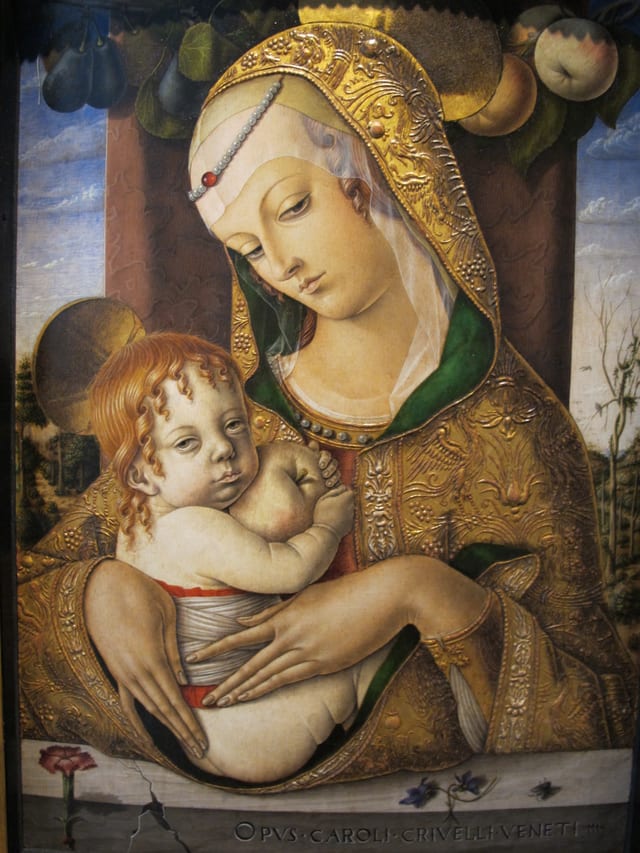
Carlo Crivelli
Italian · 1 in the archive
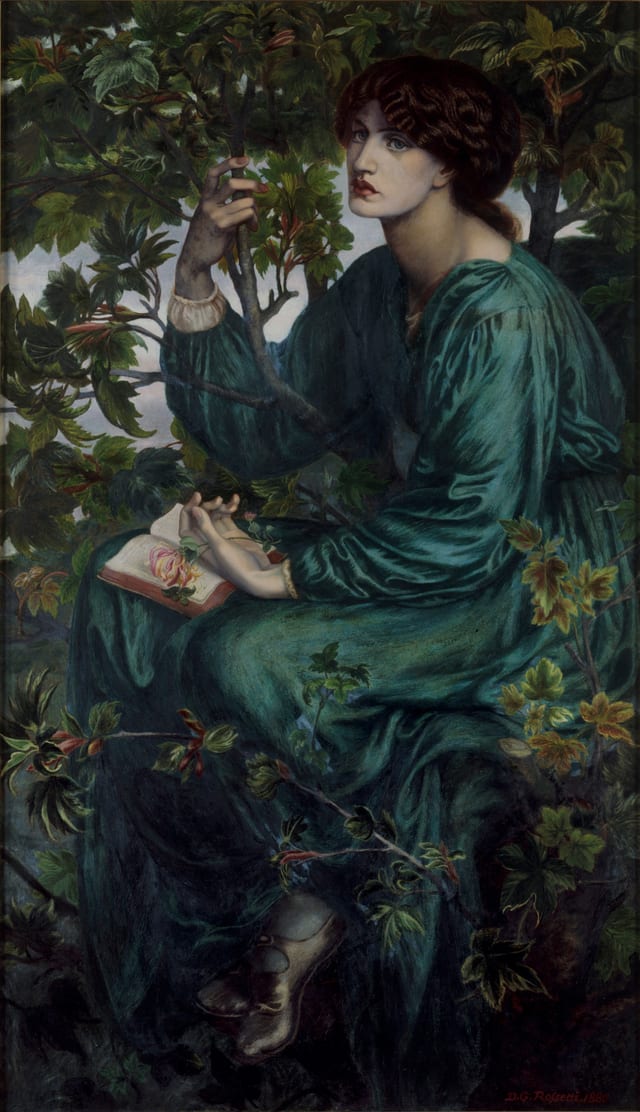
Dante Gabriel Rossetti
United Kingdom of Great Britain and Ireland · 1 in the archive
Invite the masters into your living room.
Giambologna on your TV, phone, or tablet. Free to start.
View on MomentableIndependent guide by Momentable · biography from Wikipedia · artworks are in the public domain and credited to the museum that holds them