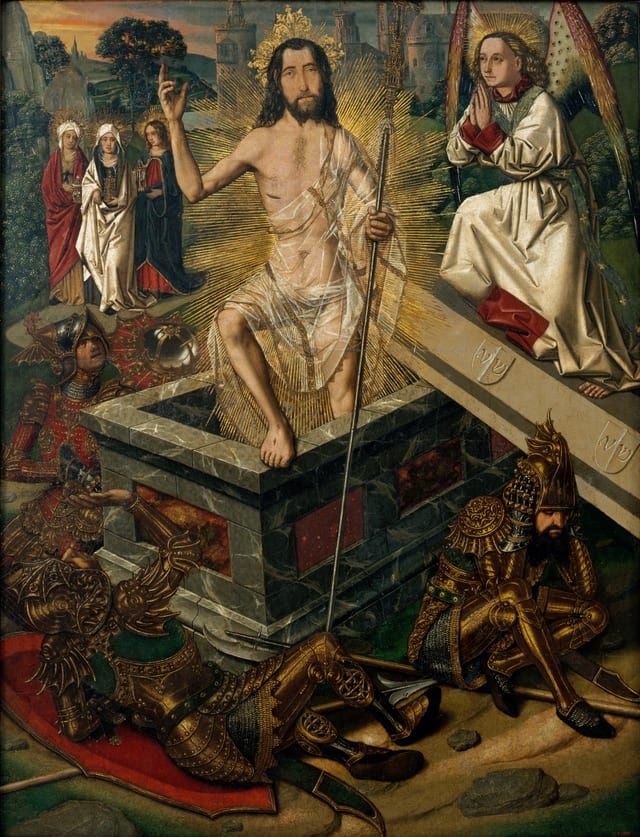
Resurrection of Christ
Bartolomé Bermejo · 1475

Bartolomé Bermejo
Kingdom of Castile · 1440–1500
Bartolomé Bermejo was a Spanish painter who adopted Flemish painting techniques and conventions and so is considered as an artist of the Hispano-Flemish style. Born in Cordoba, he is known for his work in the Crown of Aragon, including the Principality of Catalonia and the Kingdom of Valencia. His real name was Bartolomé de Cárdenas: the name Bermejo, which means auburn in Spanish, possibly relates to his hair colour. Bermejo may relate also to his surname, Cárdenas; Cardeno means purplish.
Independent artist guide by Momentable. Biography from Wikipedia; artworks credited to the museums that hold them.
 LIVENow streaming · Resurrection of Christ
- life
- 1440–1500life
- rights
- Public domainrights
The work
A selection of 3 works, free to stream.
Resurrection of Christ
Bartolomé Bermejo · 1475
Museu Nacional d'Art de Catalunya
Piedad with Canon Lluís Desplà
Bartolomé Bermejo · 1490
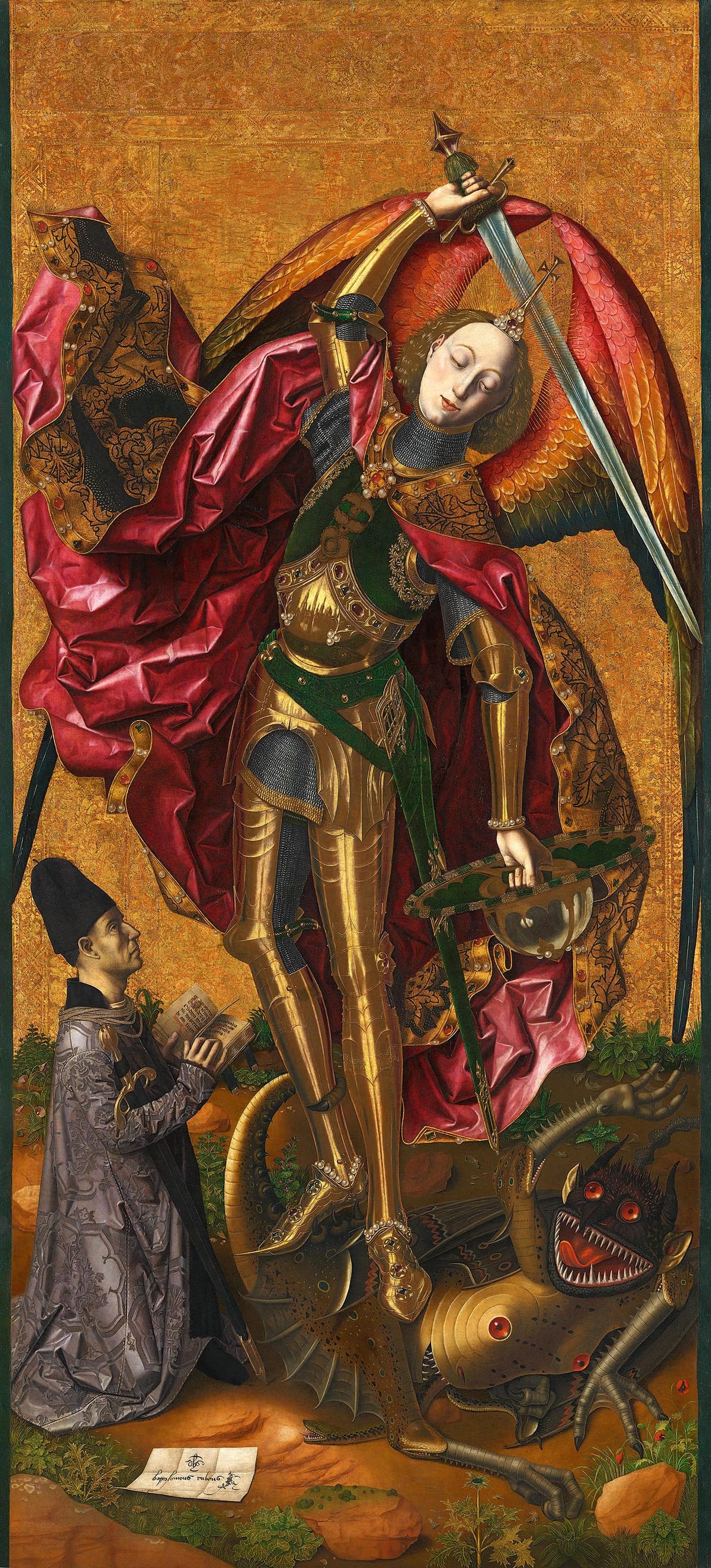
Saint Michael Triumphs over the Devil
Bartolomé Bermejo · 1468
Works worth knowing
2 of Bartolomé Bermejo's works, and what makes each one worth a look.
Resurrection of Christ
Bartolomé Bermejo · 1475
Museu Nacional d'Art de Catalunya
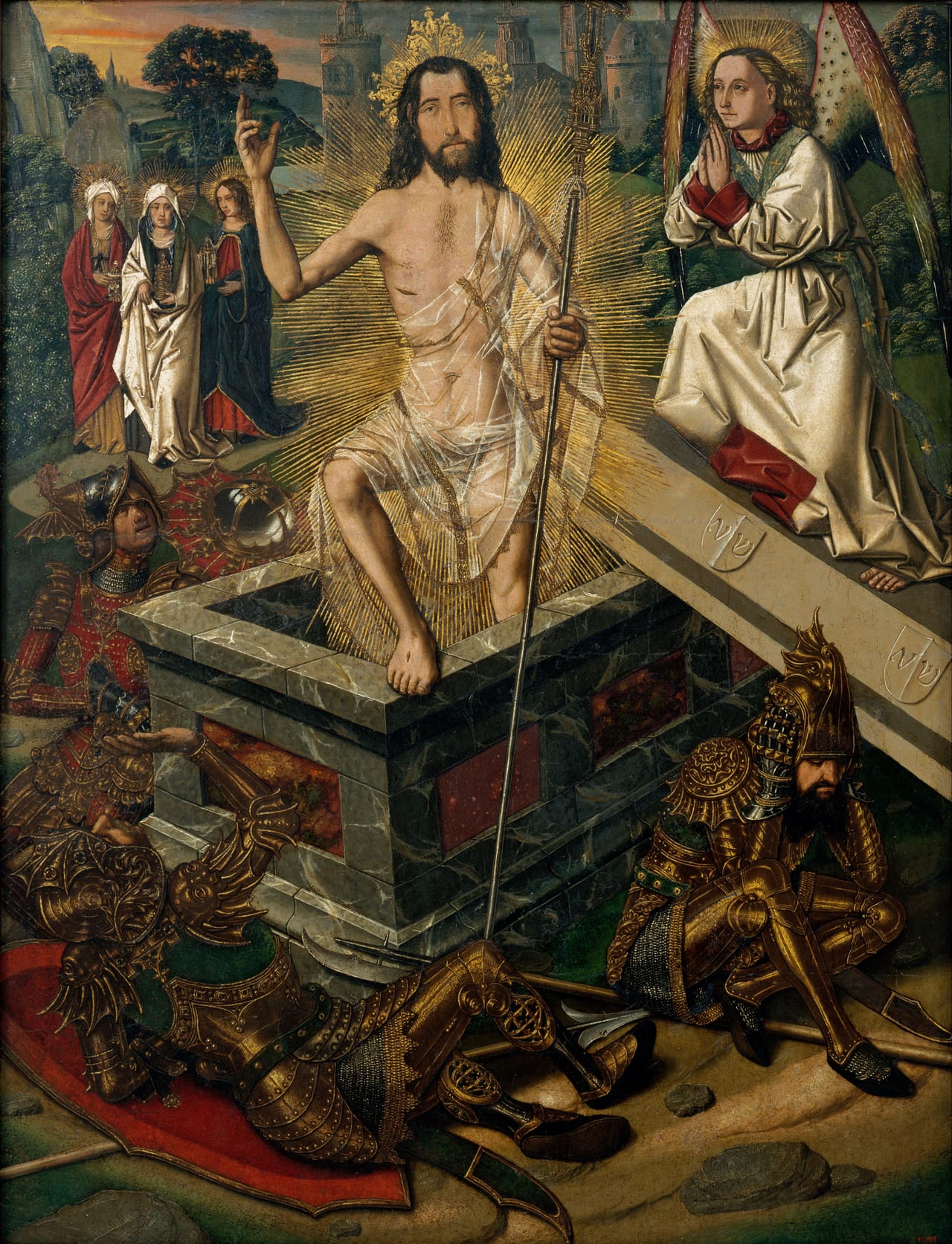
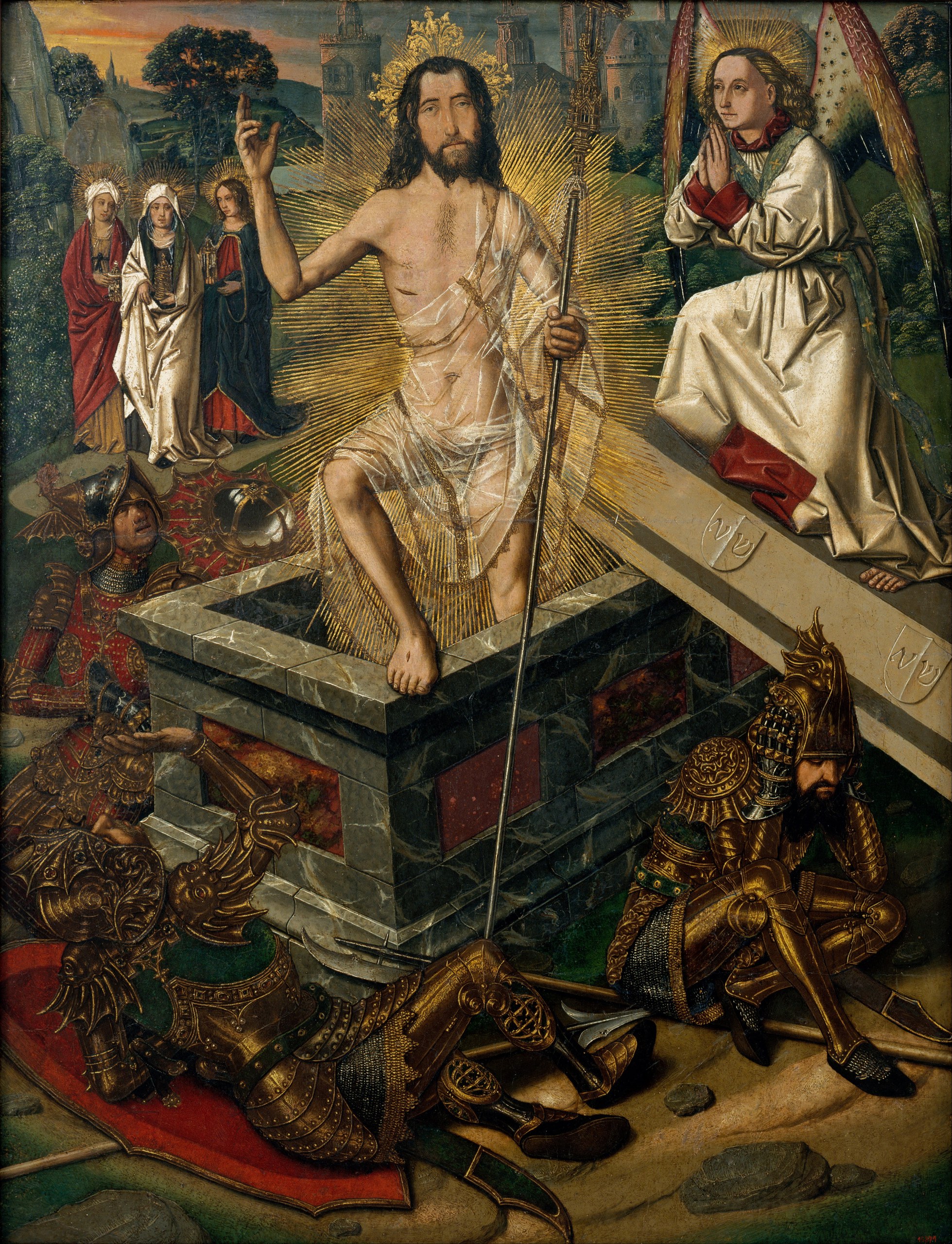
Resurrection is a painting by Bartolomé Bermejo conserved at the National Art Museum of Catalonia. The Resurrection is one of the four surviving compartments of an altarpiece devoted to Christ, the work of Bartolomé Bermejo, a painter from Córdoba whose known activity was developed in the Crown of Aragon. Bermejo's work, characterised by its unidealised realism, introduced several novelties from northern European painting, such as the use of oil as a binder instead of egg tempera.
Piedad with Canon Lluís Desplà
Bartolomé Bermejo · 1490
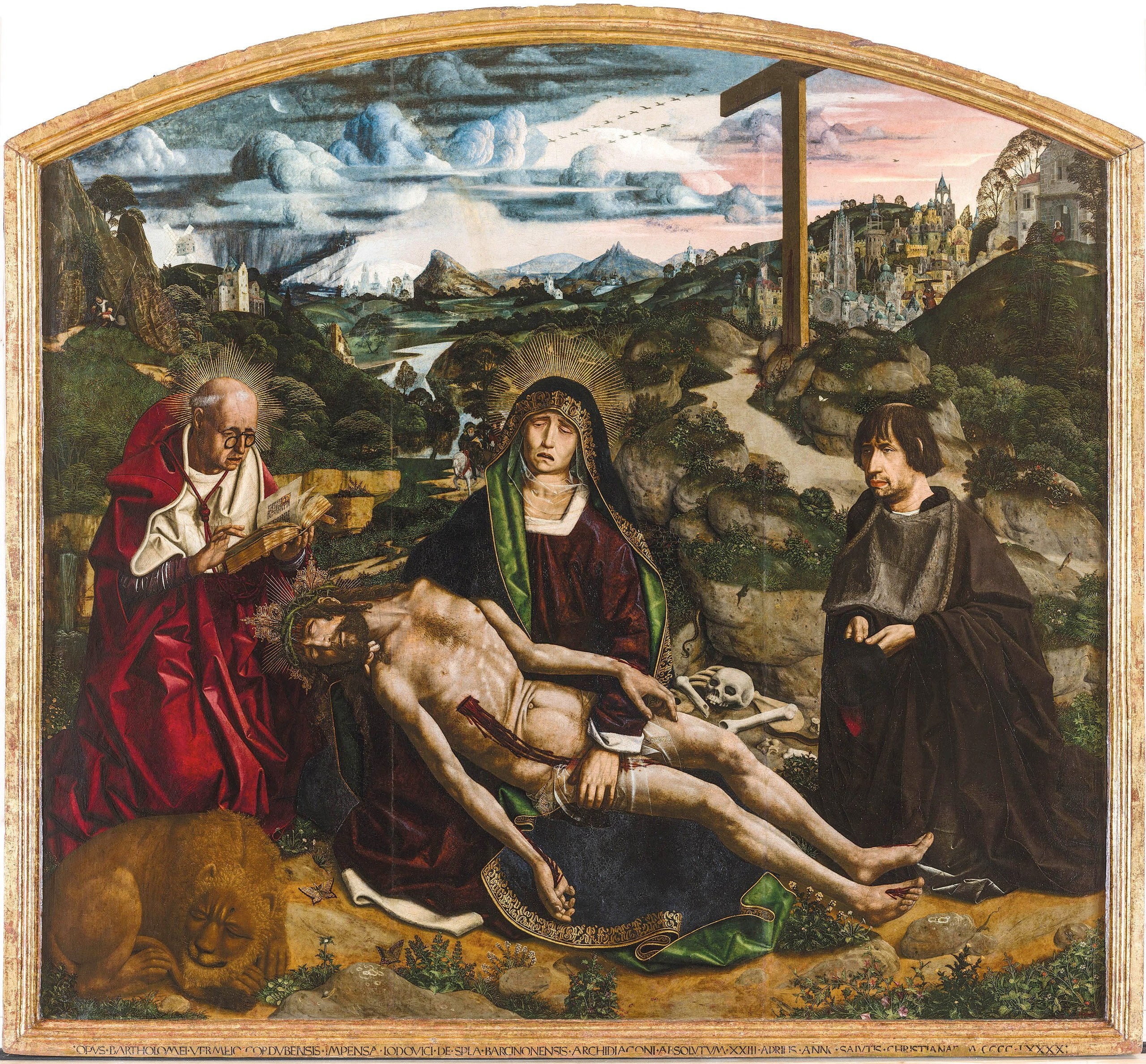
The Pieta with Canon Lluís Desplà is a Renaissance painting of 1490 by the Spanish artist Bartolome Bermejo, which is characterized by naturalism and influences from Early Netherlandish painting. It depicts a pietá (literally "pity", piedad in Spanish), the scene in which the Virgin Mary mourns over the body of her son, Jesus Christ. It shows mountain weather with unusual detail for the period.
How Bartolomé Bermejo worked
From the record of their own practice.
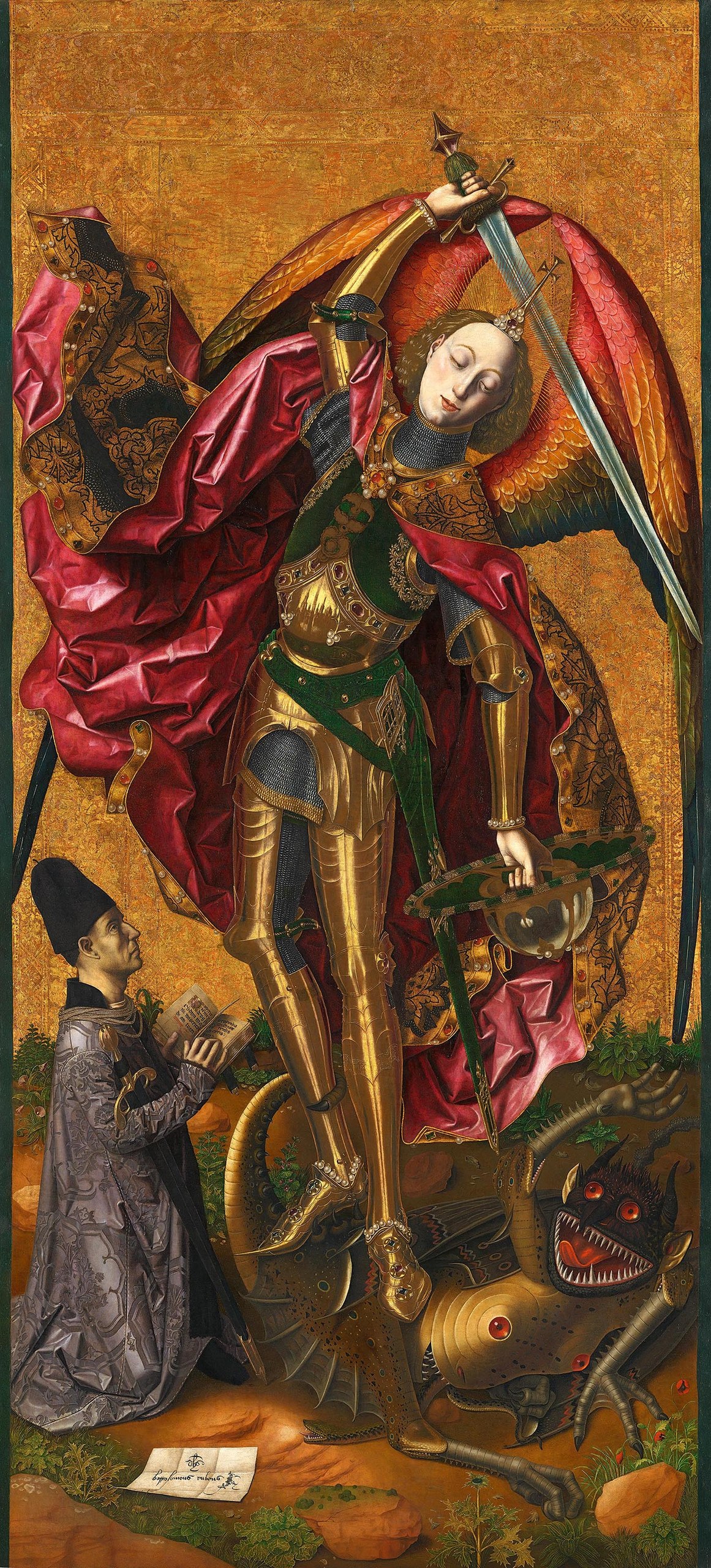
Beyond his skill in oil glaze painting, Bermejo's distinctive style can be seen in his physical types, a lively sense of drama in his narrative scenes, and above all in his attention to landscape, particularly in the extensive sunrise and sunset settings in the Triptych of the Virgin of Montserrat and the Pietà. Bermejo's distinctive style had a considerable influence, particularly in Aragon, where it was widely disseminated in the prolific studio of Martín Bernat. No one at this time, however, could duplicate his landscapes. There are three surviving works that incorporate the artist's name within the compositions, still unusual in Spanish painting of this period: Saint Michael with Kneeling Donor, Antonio Juan; the Triptych of the Virgin of Montserrat with Donor, Francesco della Chiesa; and the Pietà with Canon Desplà. The first two bear the artist's name on simulated parchment, and the last is found in an inscription on the frame.
Where the work hangs
The museums that hold it, and their visitor guides.
If you like Bartolomé Bermejo
Artists held by the same museums.
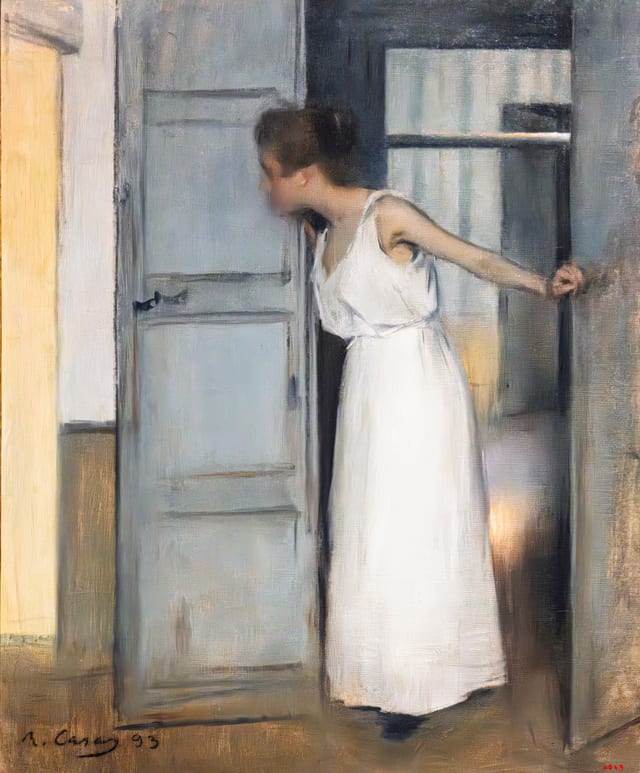
Ramon Casas
Spain · 9 in the archive
Mariano Fortuny Marsal
Spain · 5 in the archive
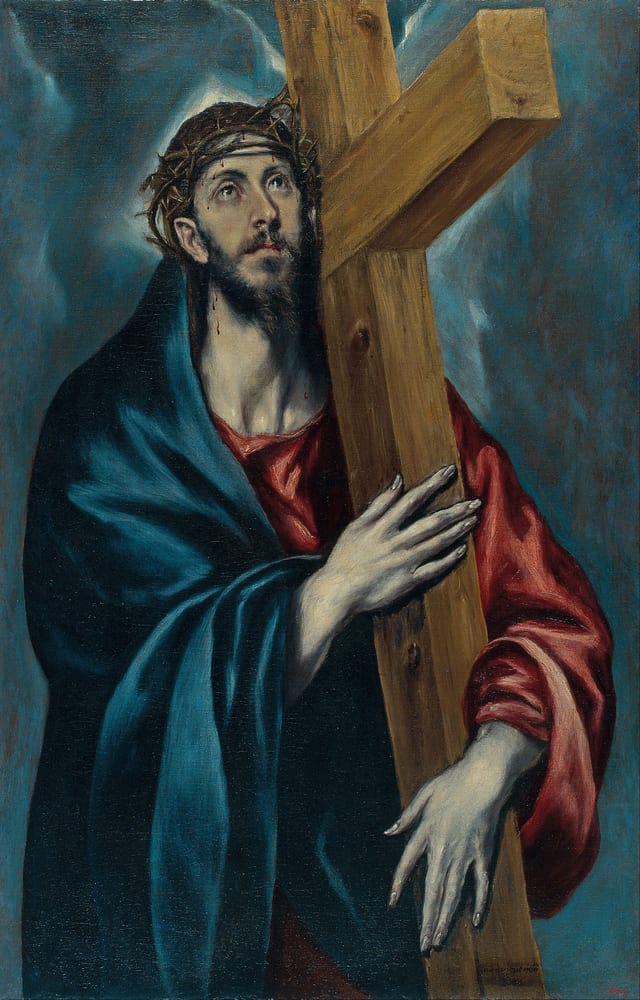
El Greco
Greek · 4 in the archive
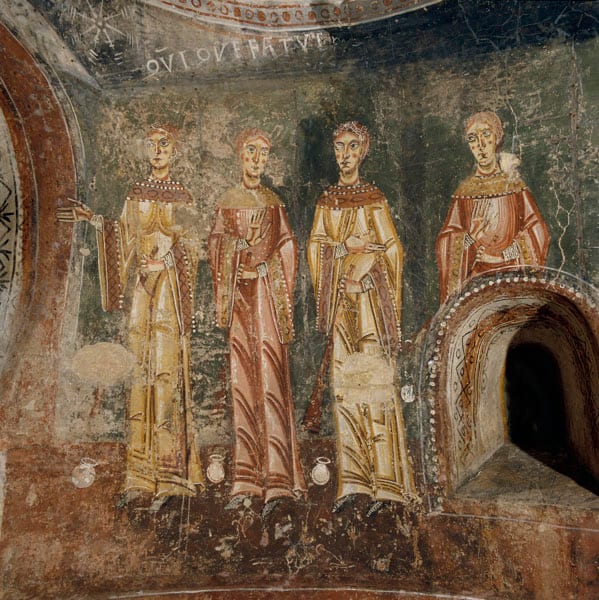
Master of Pedret
3 in the archive
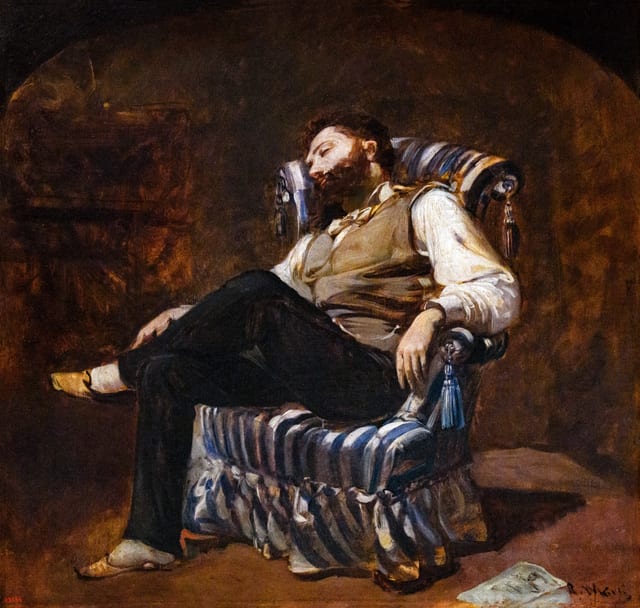
Ramon Martí Alsina
Spain · 3 in the archive
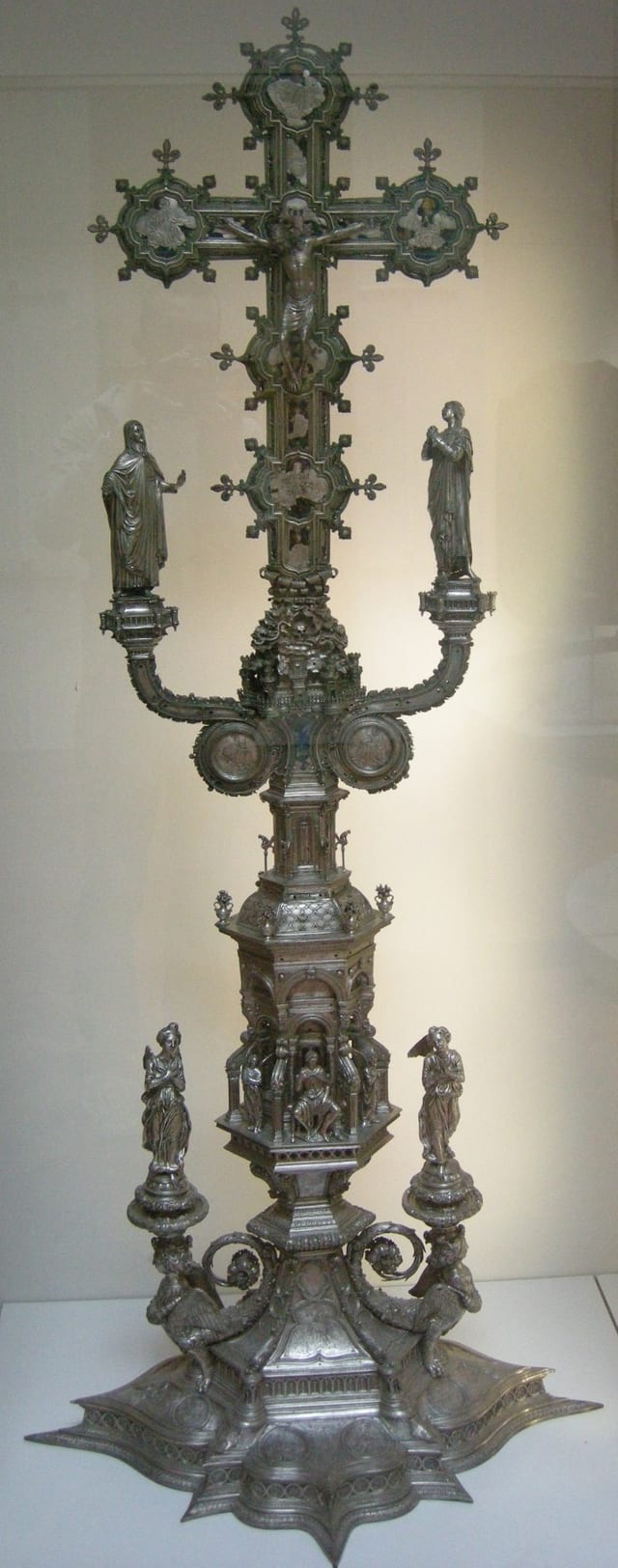
Antonio del Pollaiuolo
Republic of Florence · 2 in the archive
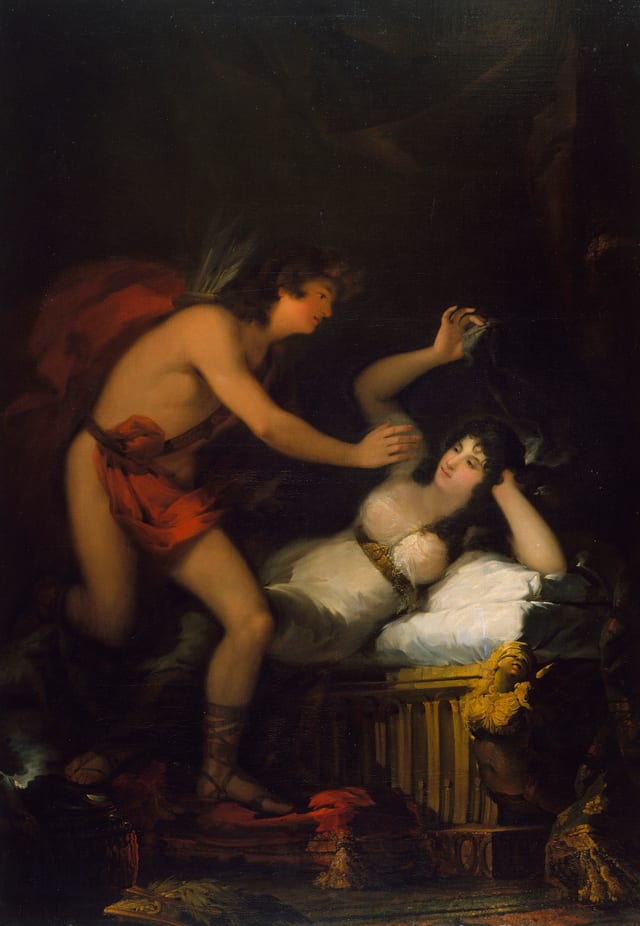
Francisco Goya
Spanish · 2 in the archive
Francisco de Zurbarán
Spain · 2 in the archive
Gonzalo Pérez
Kingdom of Valencia · 2 in the archive
Jaume Huguet
Crown of Aragon · 2 in the archive
Leonardo da Vinci
Italian · 2 in the archive
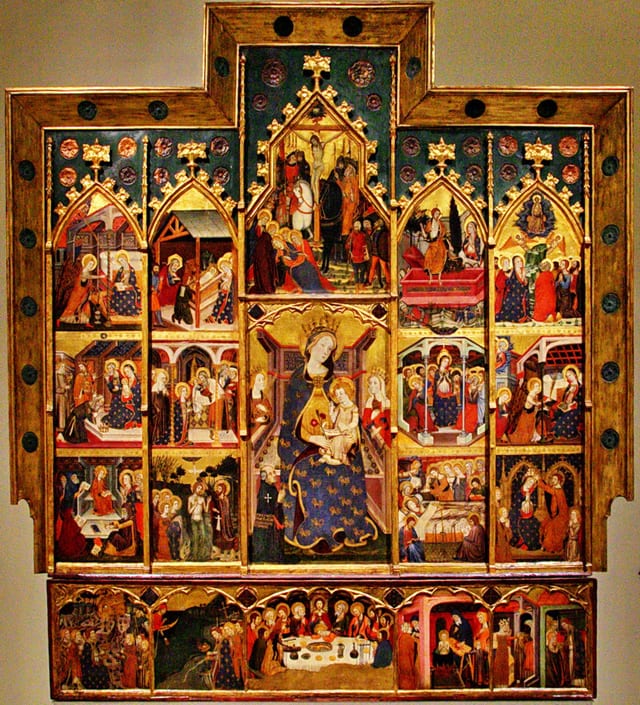
Pere Serra
2 in the archive
Invite the masters into your living room.
Bartolomé Bermejo on your TV, phone, or tablet. Free to start.
View on MomentableIndependent guide by Momentable · biography from Wikipedia · artworks are in the public domain and credited to the museum that holds them