Vue de toits
Gustave Caillebotte · 1878

Gustave Caillebotte
France · 1848–1894
Gustave Caillebotte was a French painter who was a member and patron of the Impressionists, although he painted in a more realistic manner than many others in the group. Caillebotte was known for his early interest in photography as an art form. Because of his family's wealth, he was a patron of many of his fellow Impressionists. Upon his death, his bequeathed collection of their works became the central collection of Impressionism for the French Republic, despite considerable controversy. His most well known work is Paris Street; Rainy Day, known for qualities such as its mise-en-scène presentation.
Independent artist guide by Momentable. Biography from Wikipedia; artworks credited to the museums that hold them.
 LIVENow streaming · Vue de toits
- works in the archive
- 10works in the archive
- life
- 1848–1894life
- rights
- Public domainrights
The work
A selection of 7 works, free to stream.
Vue de toits
Gustave Caillebotte · 1878
Musée d'Orsay
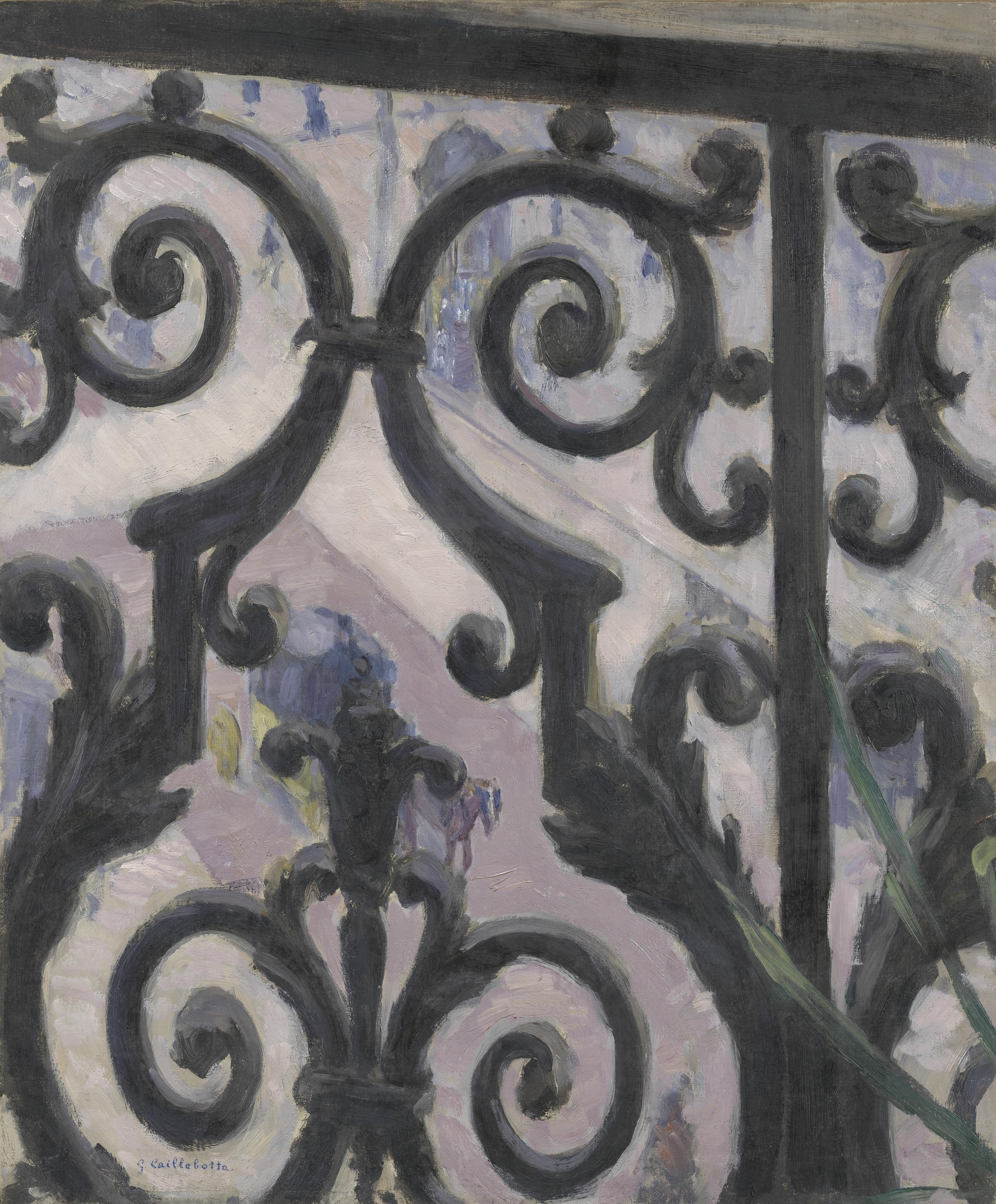
View Seen Through a Balcony
Gustave Caillebotte · 1880
Van Gogh Museum
Untitled
Gustave Caillebotte · 1888
Tel Aviv Museum of Art
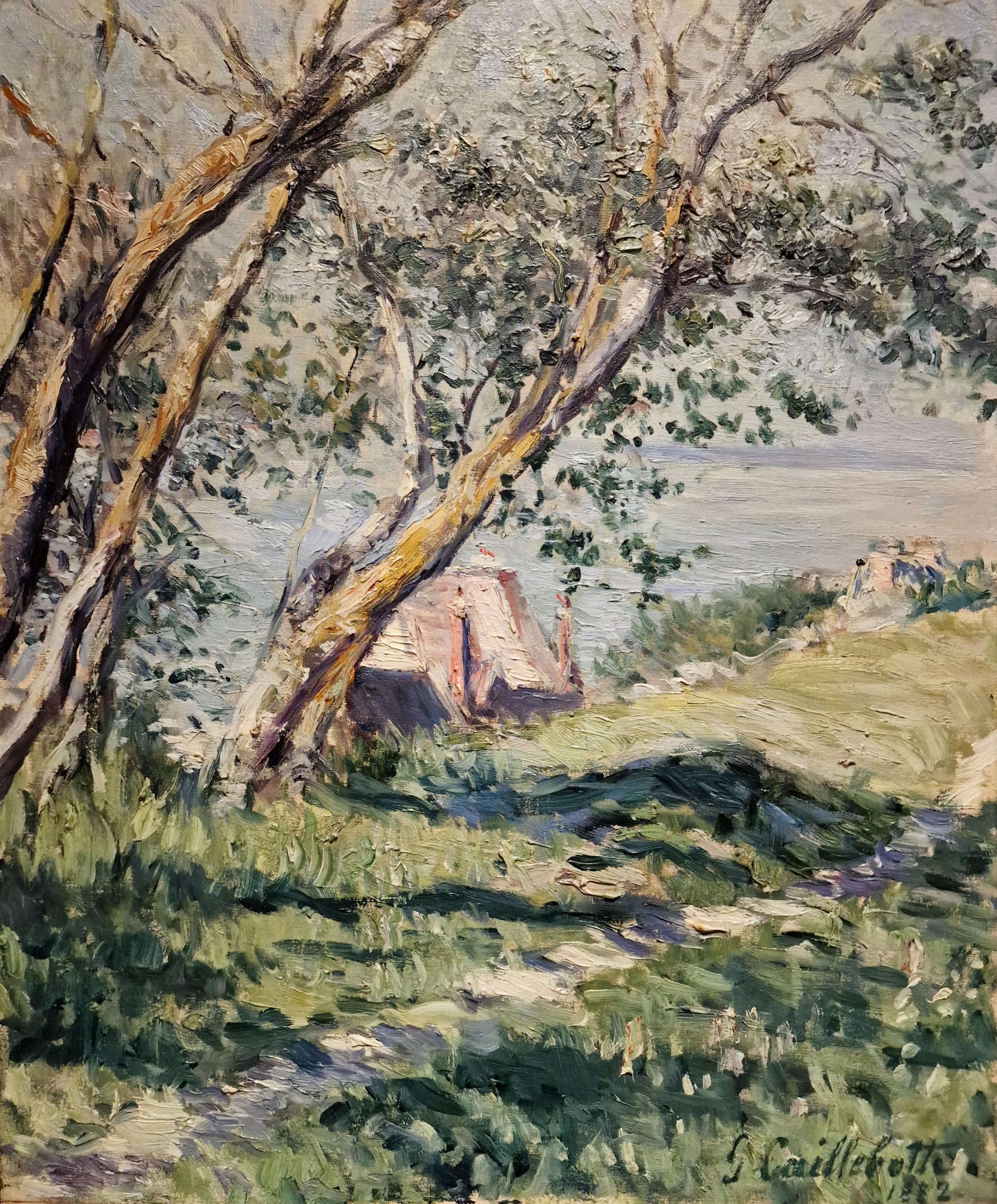
Seascape, Trouville
Gustave Caillebotte · 1882
Tel Aviv Museum of Art
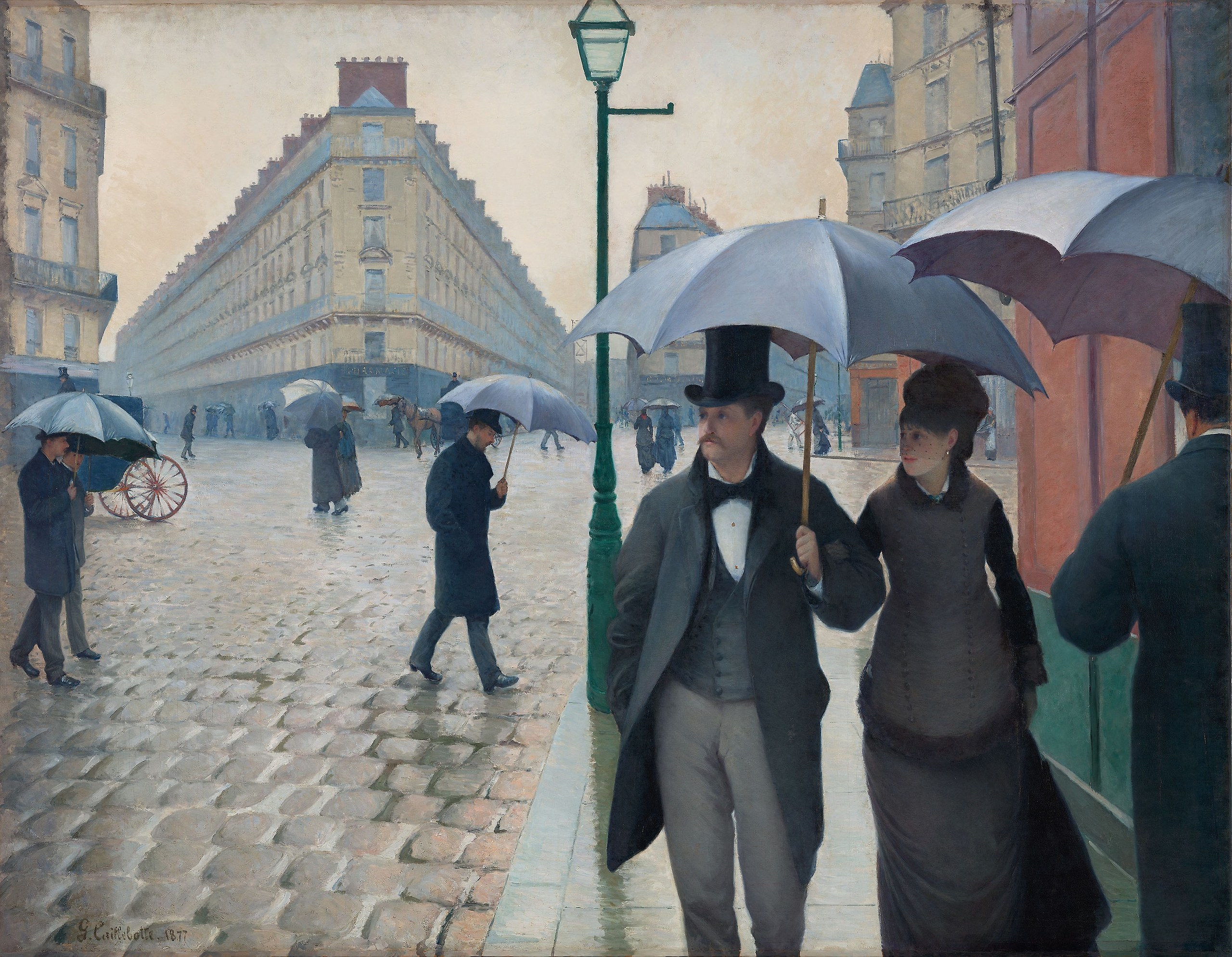
Paris Street; Rainy Day
Gustave Caillebotte · 1877
The Art Institute of Chicago
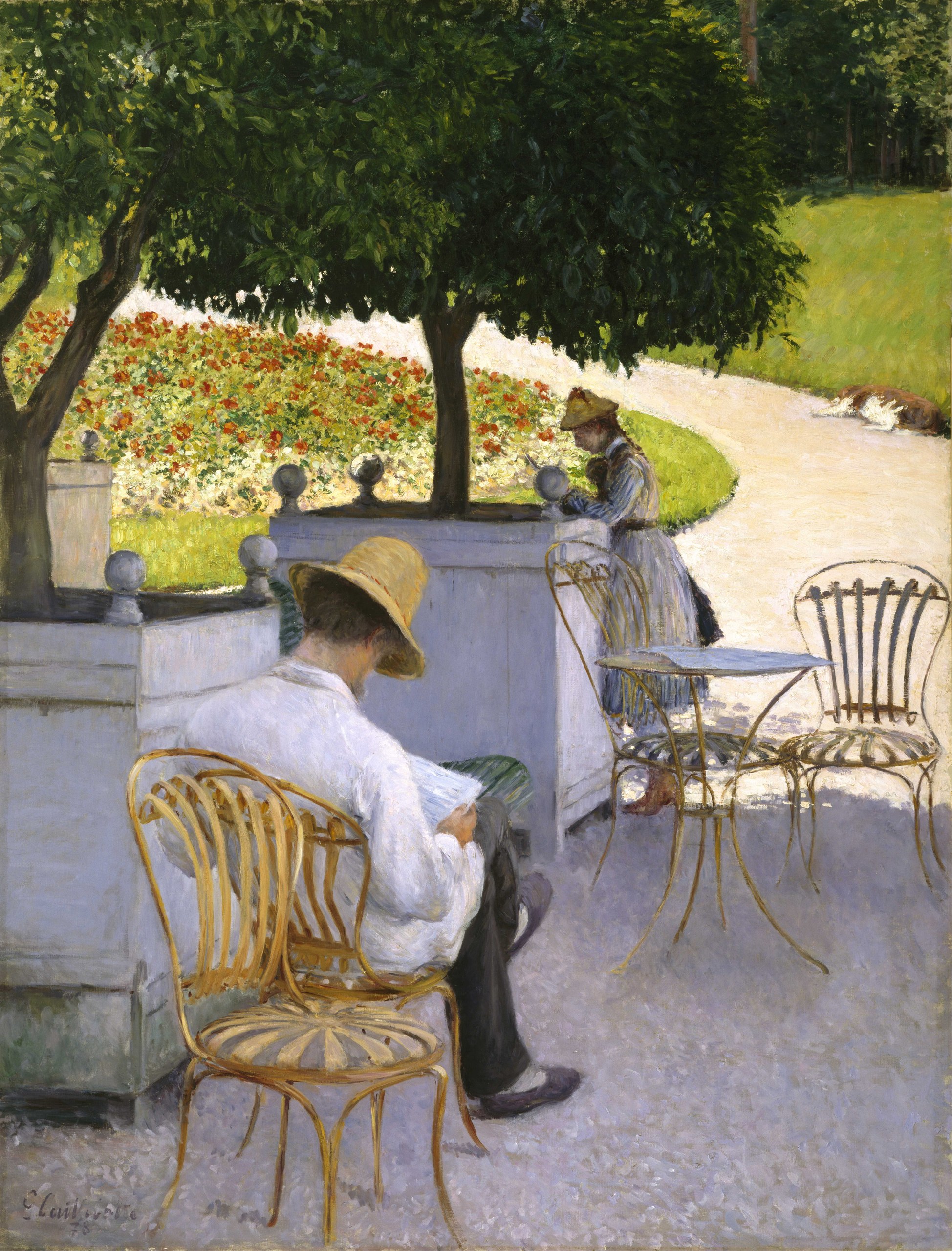
Les orangers
Gustave Caillebotte · 1878
Museum of Fine Arts, Houston
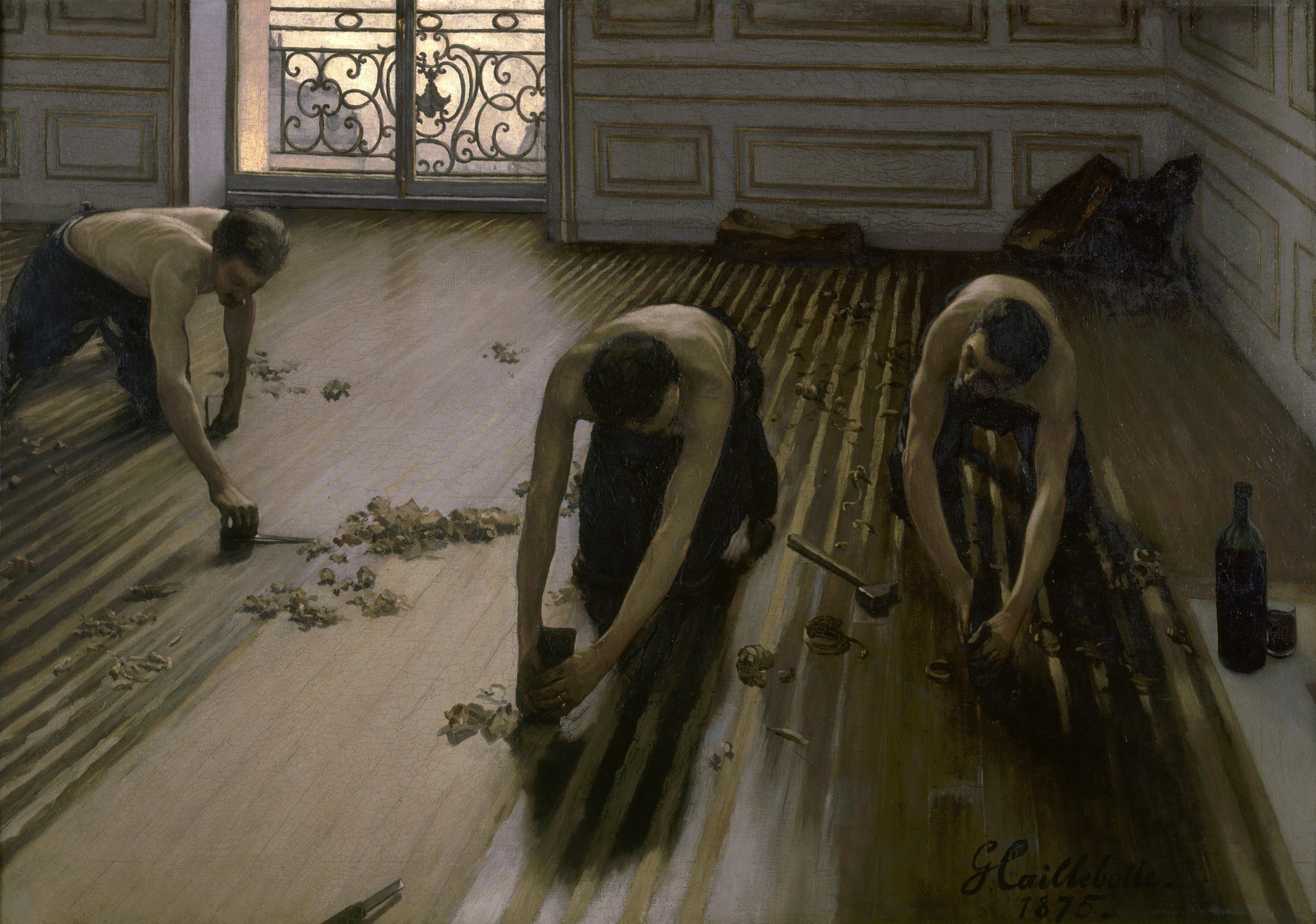
Les raboteurs de parquet
Gustave Caillebotte · 1875
Musée d'Orsay
Works worth knowing
4 of Gustave Caillebotte's works, and what makes each one worth a look.
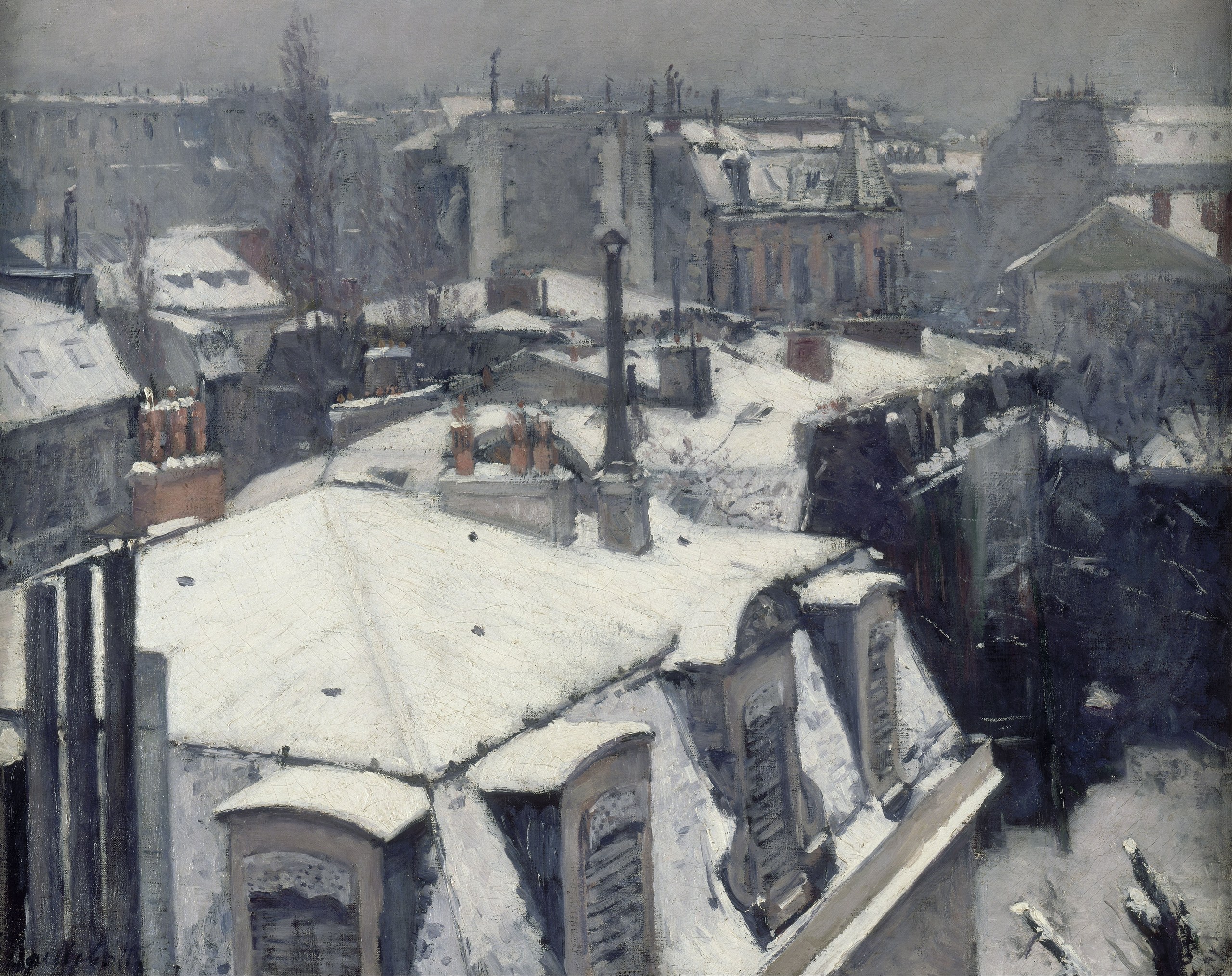
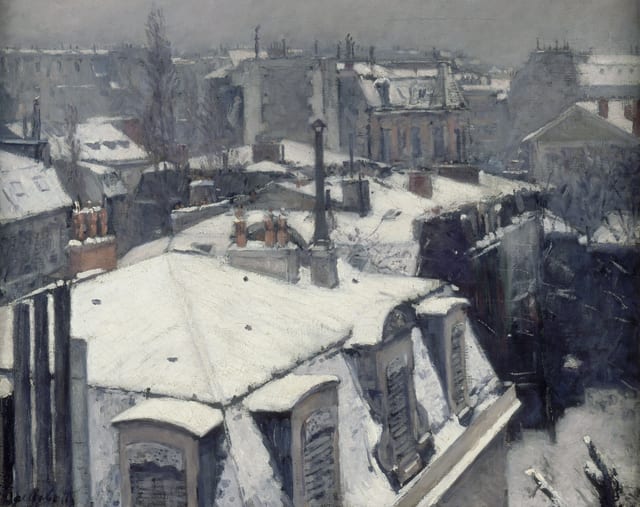
Vue de toits
Gustave Caillebotte · 1878
Musée d'Orsay
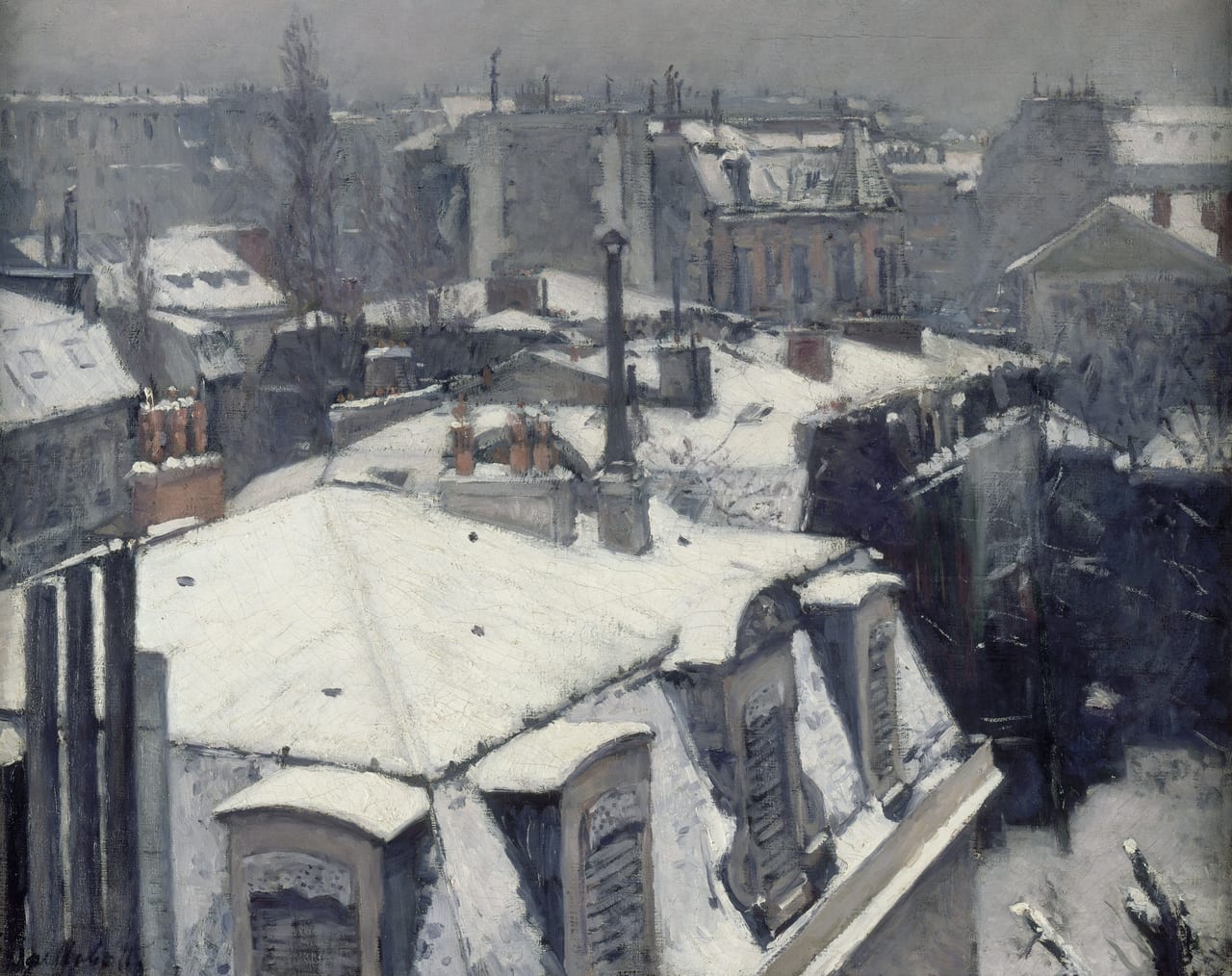
Vue de toits (Effet de neige) (English title: View of rooftops (Effect of snow)) is an oil painting executed during the winter of 1878 and 1879 by French impressionist Gustave Caillebotte. The canvas measures 81 by 65 centimetres (32 in × 26 in). It was originally gifted by Caillebotte's brother in 1894 to the Musée du Luxembourg, then transferred to the Musée du Louvre in 1929.
Paris Street; Rainy Day
Gustave Caillebotte · 1877
The Art Institute of Chicago
Paris Street; Rainy Day is a large Impressionist oil painting completed by French artist Gustave Caillebotte in 1877. The work portrays a scene of pedestrians in rainy weather crossing a boulevard intersection in the present-day Place de Dublin, a square in the eighth arrondissement of Paris. It is the best known of Caillebotte's several cityscapes linked to Paris's reconstruction under Napoleon III and Georges-Eugène Haussmann in the mid-19th century.
Les orangers
Gustave Caillebotte · 1878
Museum of Fine Arts, Houston
Les Orangers (English title: The Orange Trees) is an oil painting by French impressionist Gustave Caillebotte. The canvas measures 155 by 117 centimetres (61 in × 46 in). It was acquired by Audrey Jones Beck and was part of a collection that was on a long-term loan to the Museum of Fine Arts, Houston, before the collection was donated to the museum in 1999.
Les raboteurs de parquet
Gustave Caillebotte · 1875
Musée d'Orsay
Les raboteurs de parquet (English title: The Floor Scrapers) is an oil painting by French Impressionist Gustave Caillebotte. The canvas measures 102 by 146.5 centimetres (40.2 in × 57.7 in). It was originally given by Caillebotte's family in 1894 to the Musée du Luxembourg, then transferred to the Musée du Louvre in 1929.
How Gustave Caillebotte worked
From the record of their own practice.
In common with his precursors Jean-François Millet and Gustave Courbet, as well his contemporary Degas, Caillebotte aimed to paint reality as he saw it, hoping to reduce the inherent theatricality of painting. The tilted ground common to these paintings is characteristic of Caillebotte's work, which may have been strongly influenced by Japanese prints and the new technology of photography, although evidence of his use of photography is lacking. Cropping and "zooming-in", techniques that commonly are found in Caillebotte's oeuvre, may also be the result of his interest in photography, but may just as likely be derived from his intense interest in perspective effects.
Where the work hangs
The museums that hold it, and their visitor guides.
If you like Gustave Caillebotte
Artists held by the same museums.
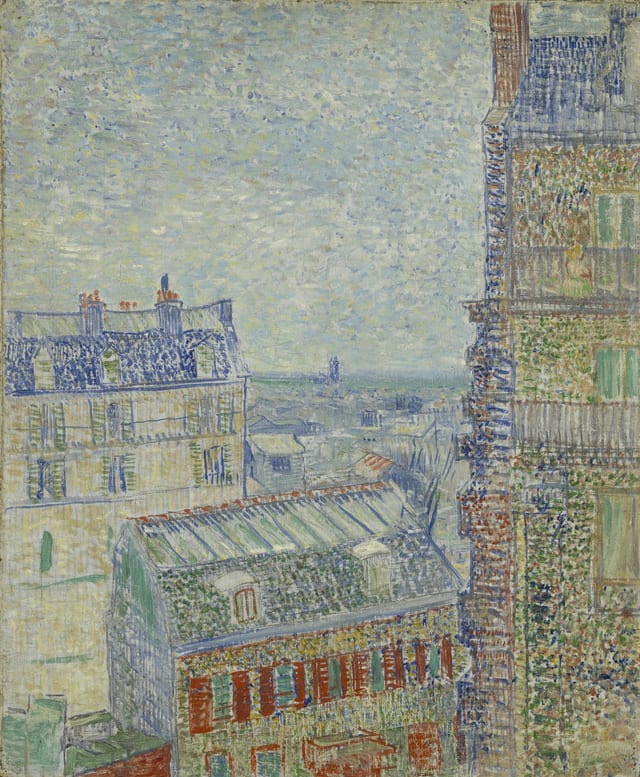
Vincent van Gogh
Dutch · 98 in the archive
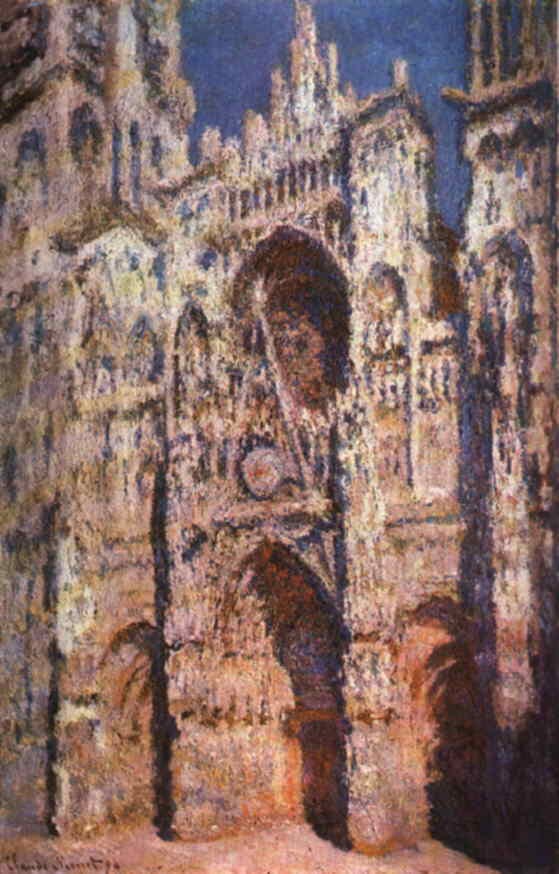
Claude Monet
France · 28 in the archive
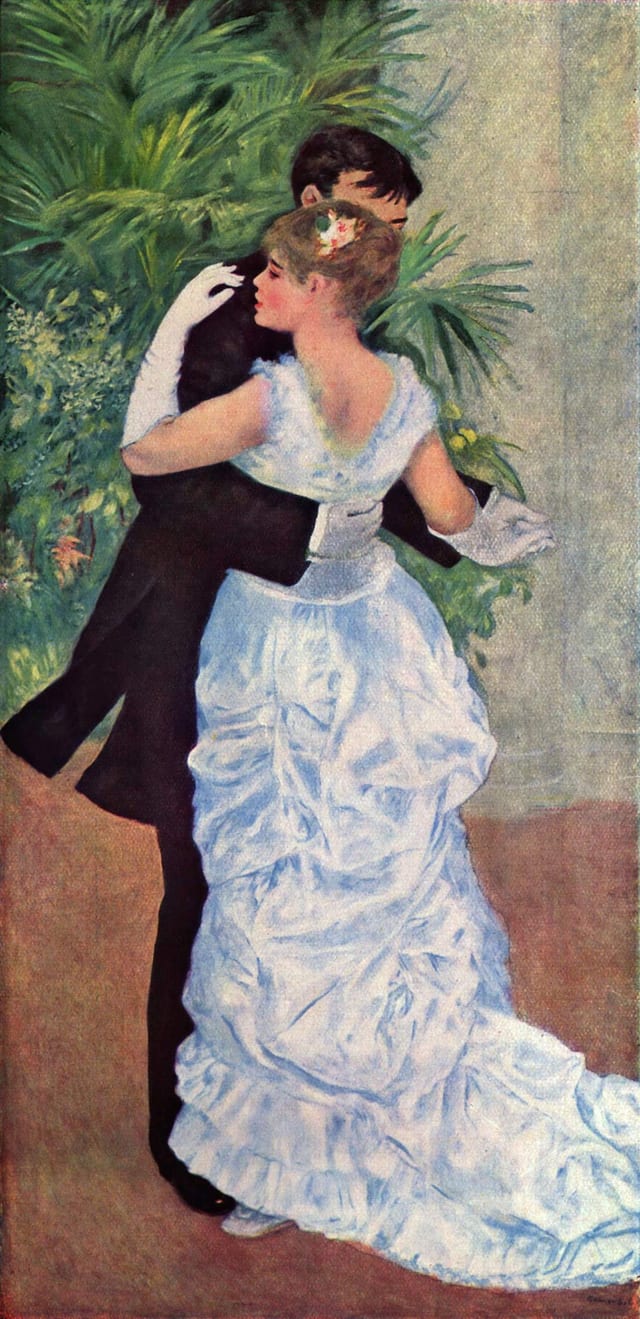
Auguste Renoir
France · 21 in the archive
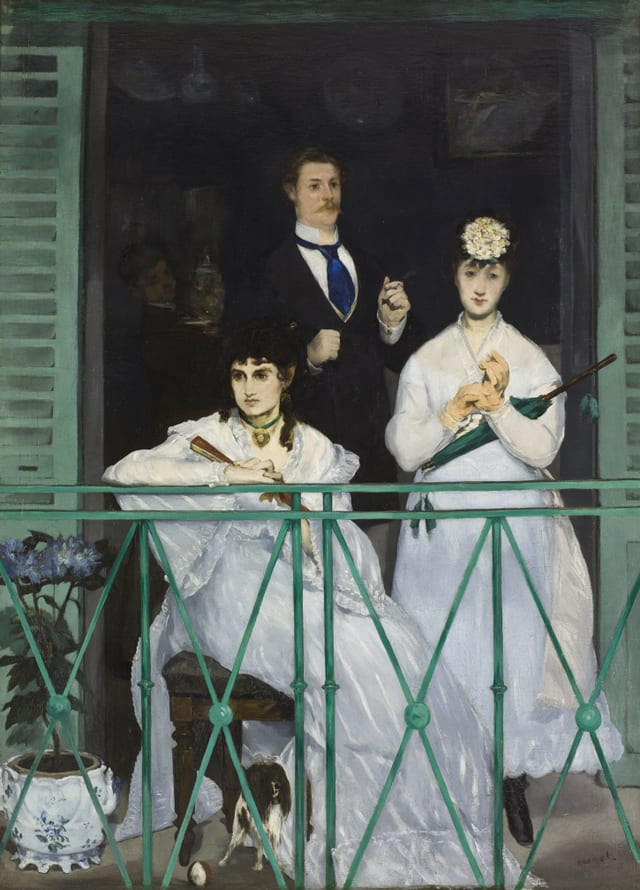
Edouard Manet
French · 17 in the archive
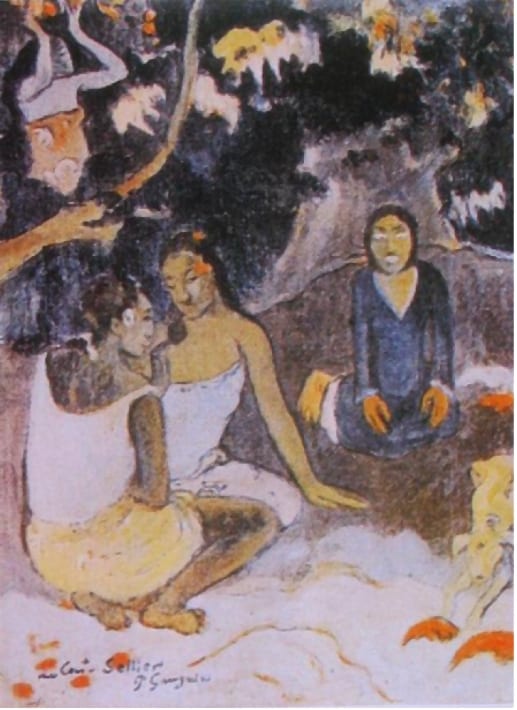
Paul Gauguin
French · 11 in the archive
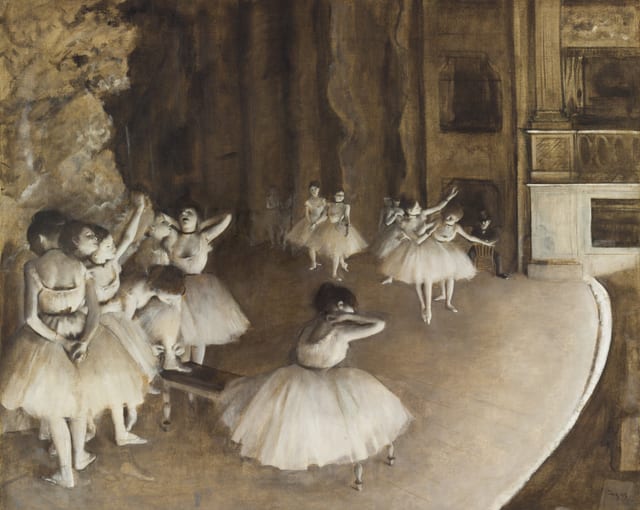
Edgar Degas
French · 10 in the archive
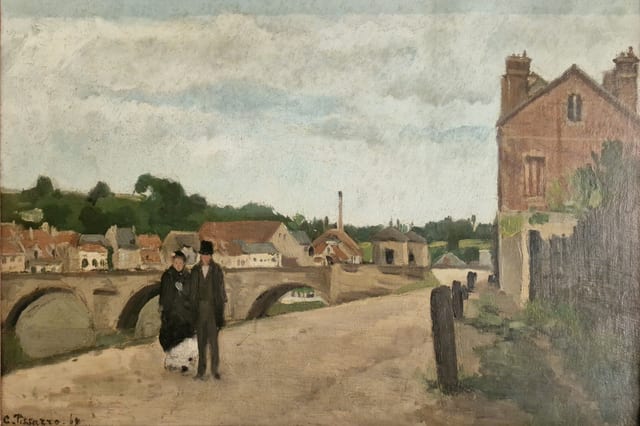
Camille Pissarro
France · 9 in the archive
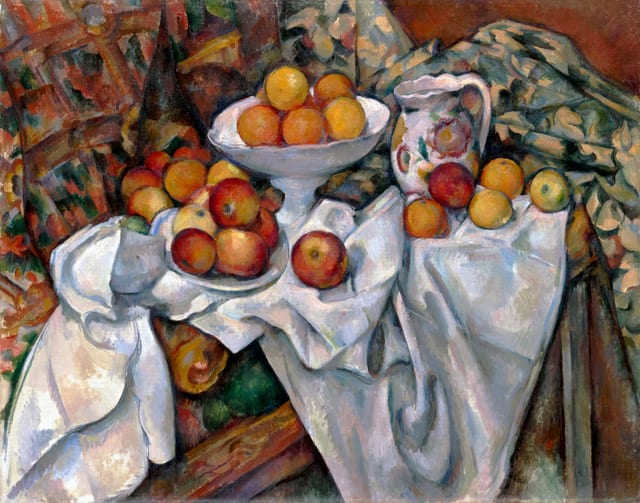
Paul Cézanne
French · 8 in the archive
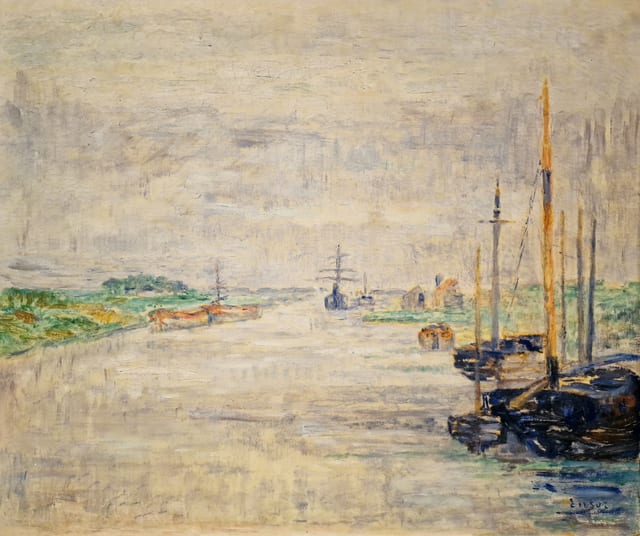
James Ensor
Belgium · 7 in the archive
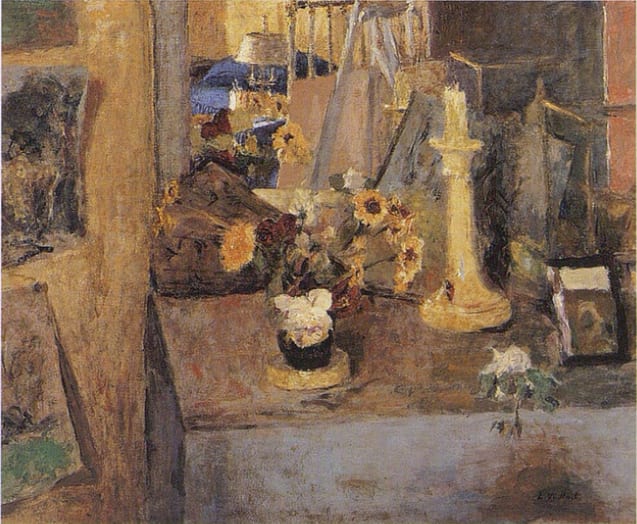
Edouard Vuillard
French · 6 in the archive
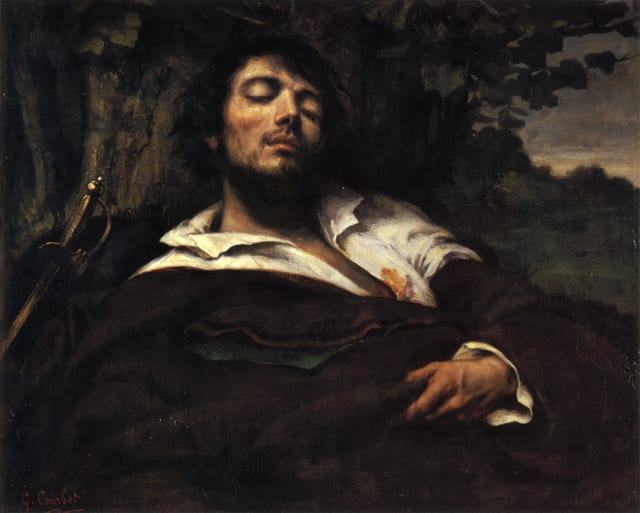
Gustave Courbet
French · 5 in the archive
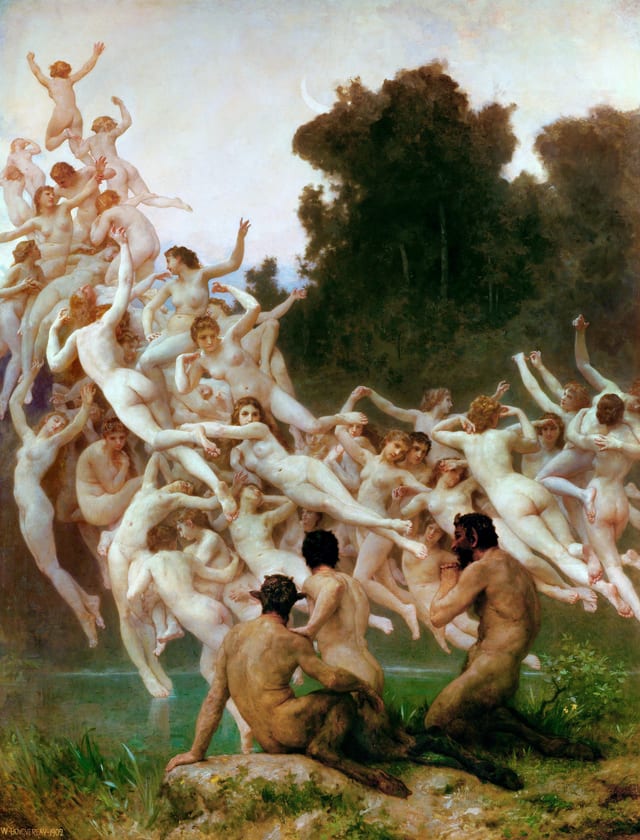
William Adolphe Bouguereau
French · 5 in the archive
Invite the masters into your living room.
Gustave Caillebotte on your TV, phone, or tablet. Free to start.
View on MomentableIndependent guide by Momentable · biography from Wikipedia · artworks are in the public domain and credited to the museum that holds them