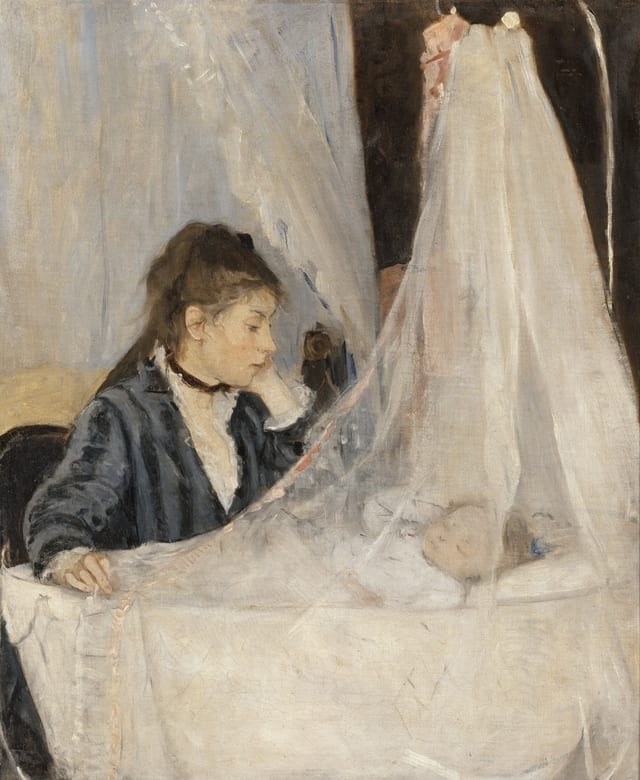
The Cradle
Berthe Morisot · 1872

Berthe Morisot
France · 1841–1895
Berthe Marie Pauline Morisot was a French painter, printmaker and a member of the circle of painters in Paris who became known as the Impressionists. In 1864, Morisot exhibited for the first time in the highly esteemed Paris Salon, listed as a student of Joseph Guichard and Achille-Francois Oudinot. Her work was selected for exhibition in six subsequent Salons until, in 1874, she joined the "rejected" Impressionists in the first of their own exhibitions, which included Paul Cézanne, Edgar Degas, Claude Monet, Camille Pissarro, Pierre-Auguste Renoir, and Alfred Sisley. It was held at the studio of the photographer Nadar. Morisot went on to participate in all but one of the following eight impressionist exhibitions, between 1874 and 1886.
Independent artist guide by Momentable. Biography from Wikipedia; artworks credited to the museums that hold them.
 LIVENow streaming · The Cradle
- life
- 1841–1895life
- rights
- Public domainrights
The work
A selection of 5 works, free to stream.
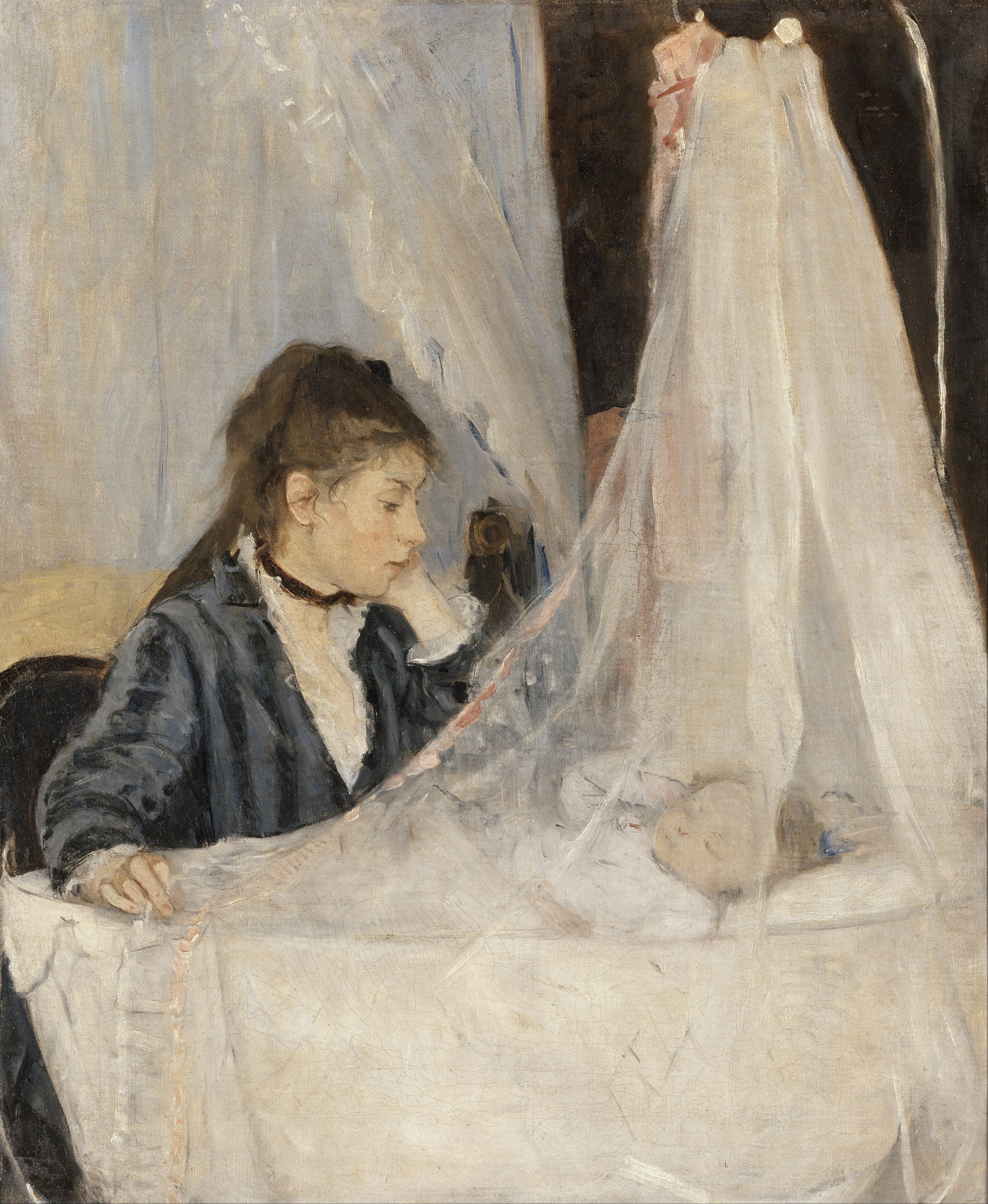
The Cradle
Berthe Morisot · 1872
Musée d'Orsay
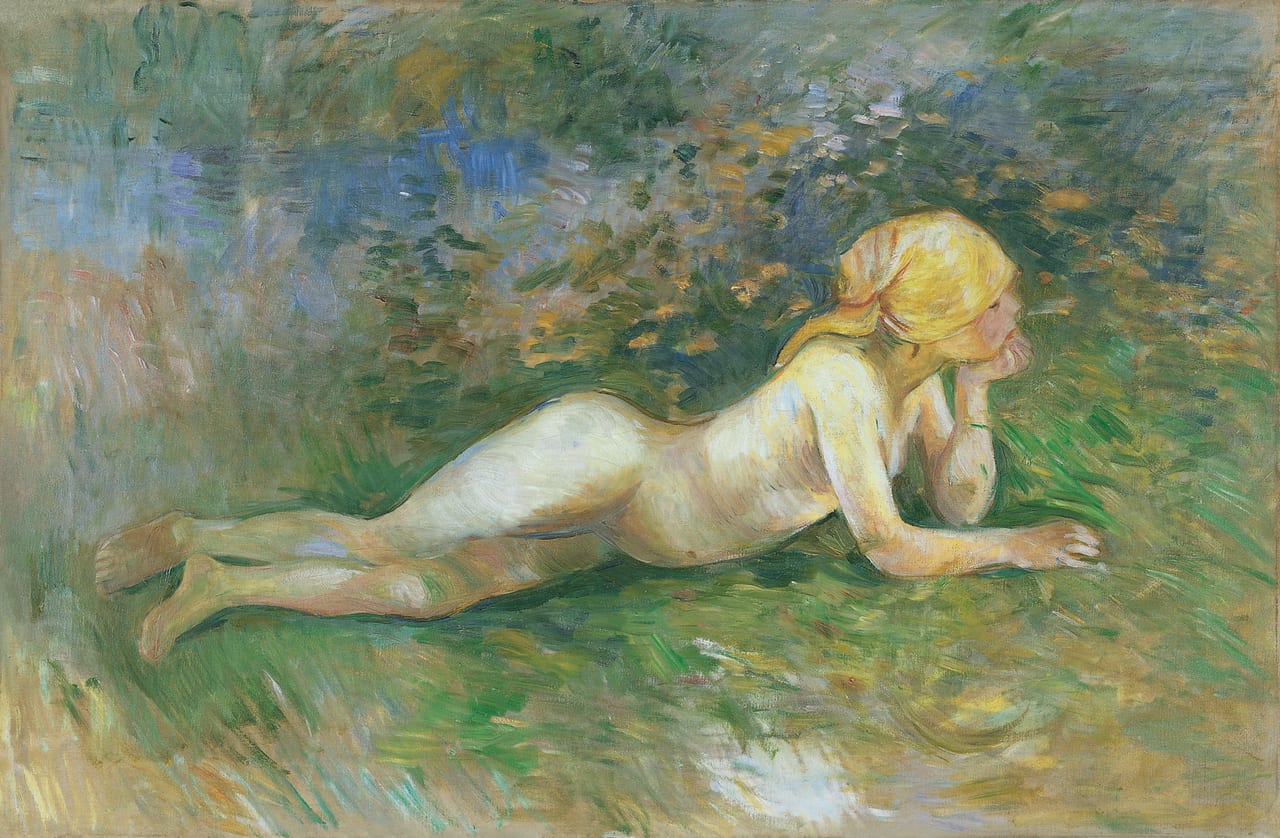
Reclining Nude Shepherdess
Berthe Morisot · 1891
Thyssen-Bornemisza Museum
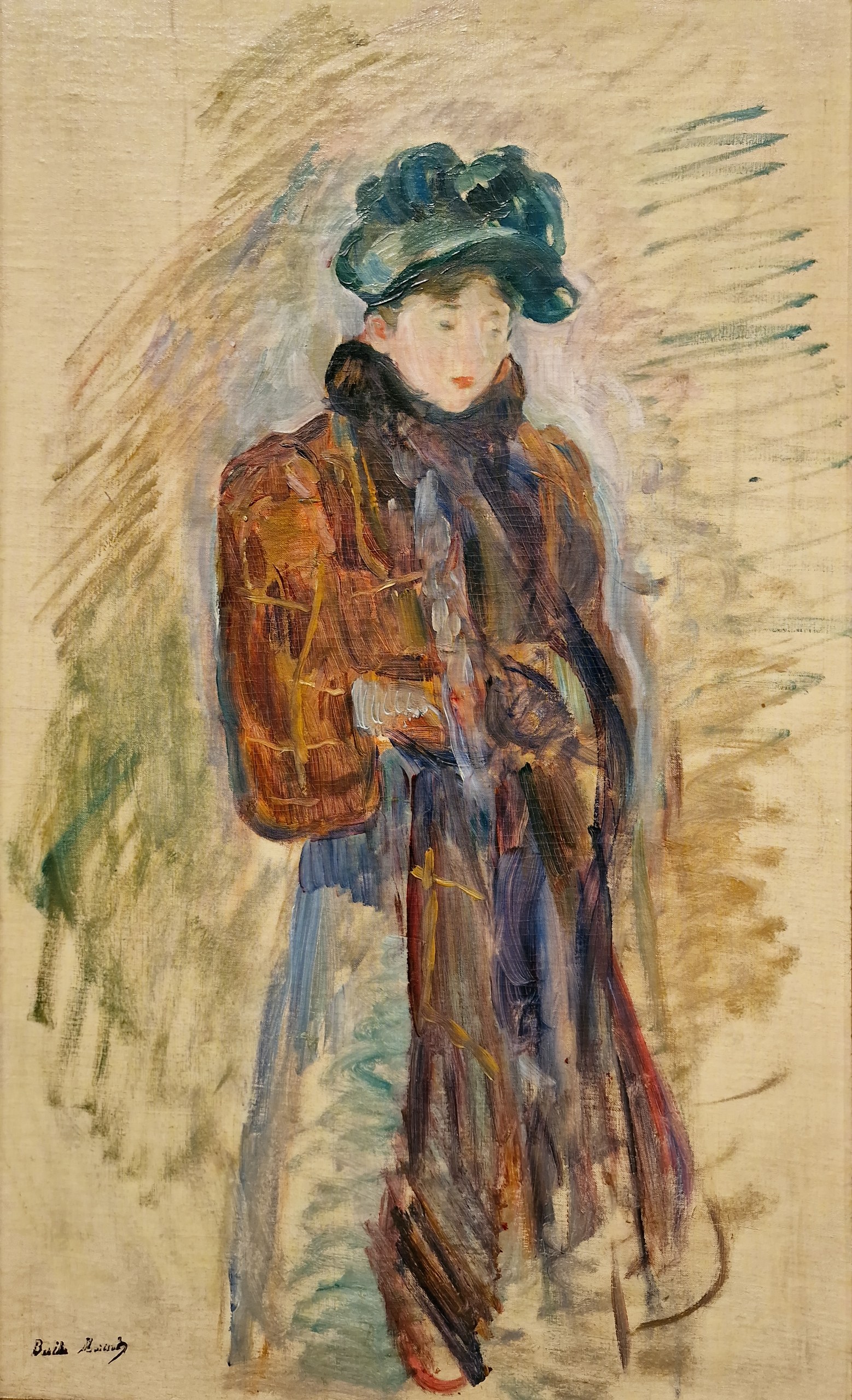
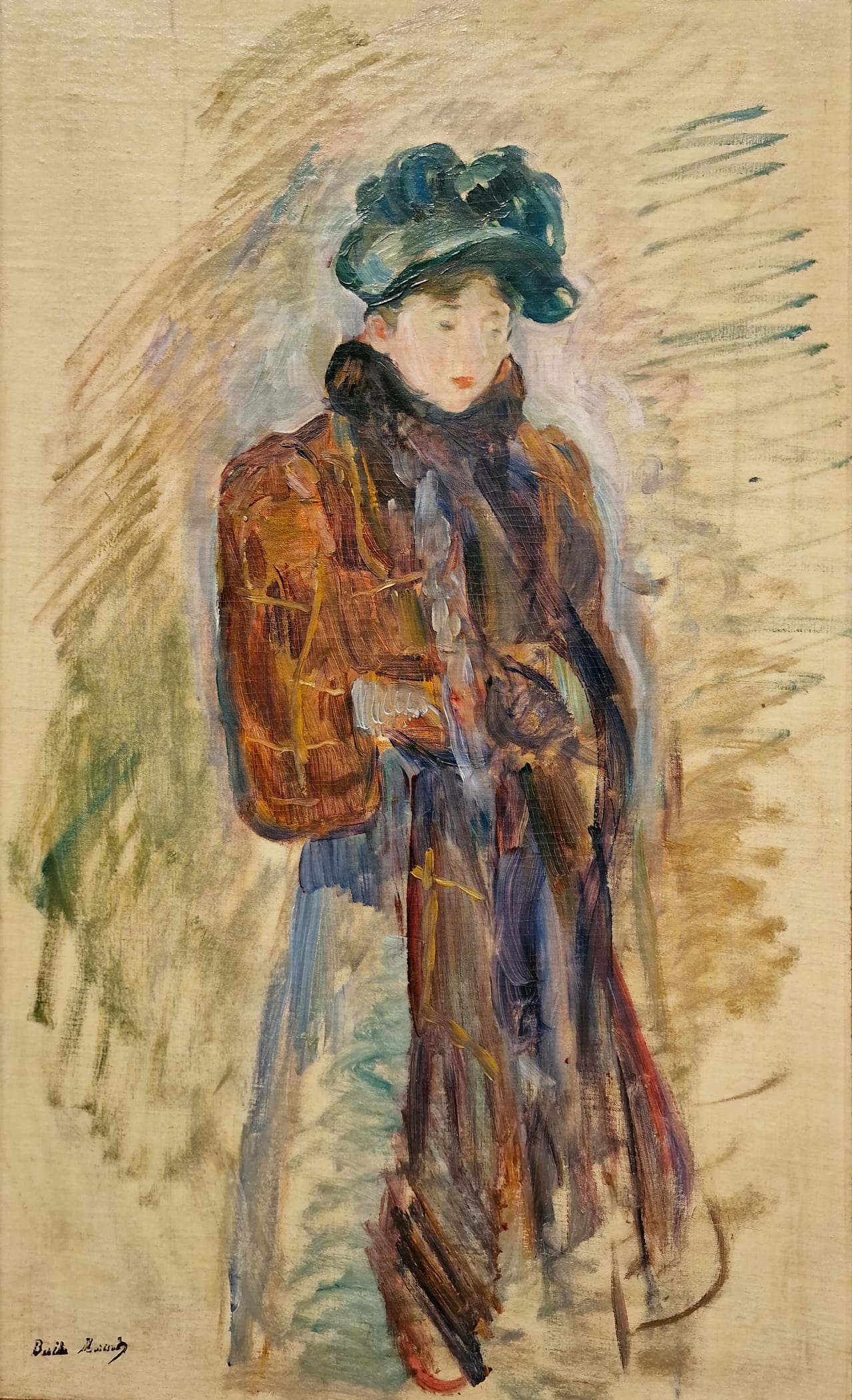
Young Girl in a Mantelet
Berthe Morisot · 1880
Tel Aviv Museum of Art
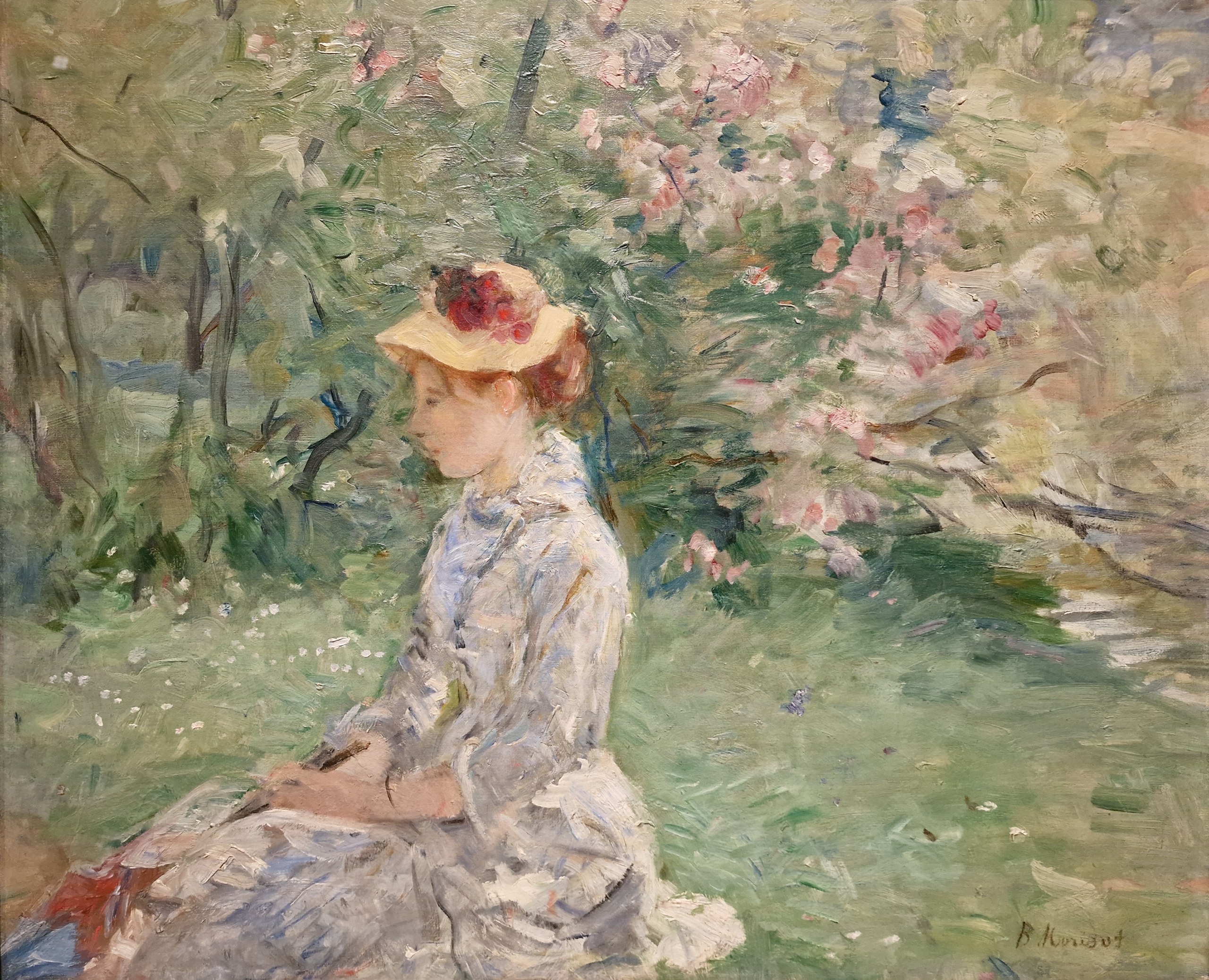
On the Island
Berthe Morisot · 1880
Tel Aviv Museum of Art
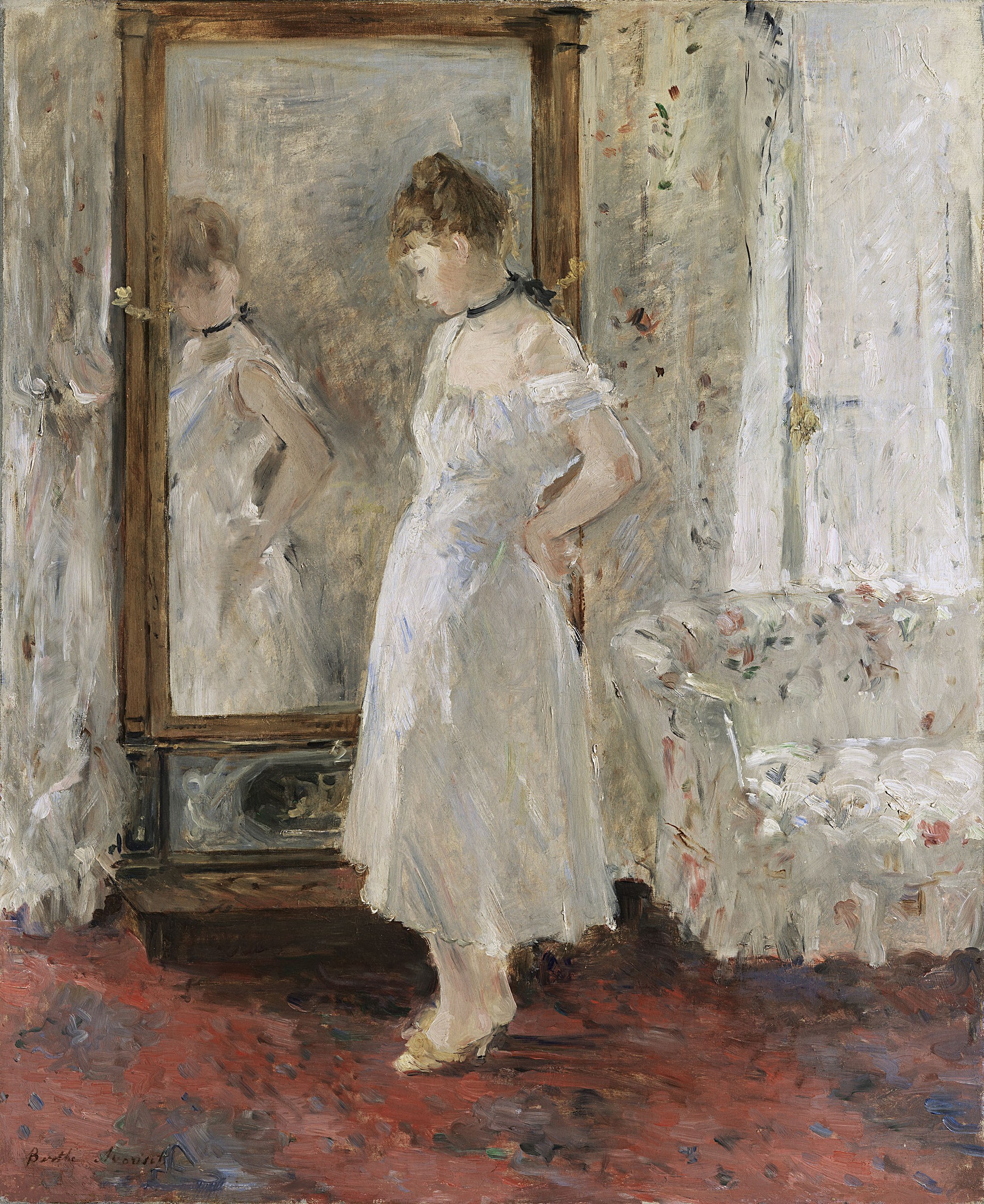
The Psyche mirror
Berthe Morisot · 1876
Thyssen-Bornemisza Museum
Works worth knowing
2 of Berthe Morisot's works, and what makes each one worth a look.
The Cradle
Berthe Morisot · 1872
Musée d'Orsay
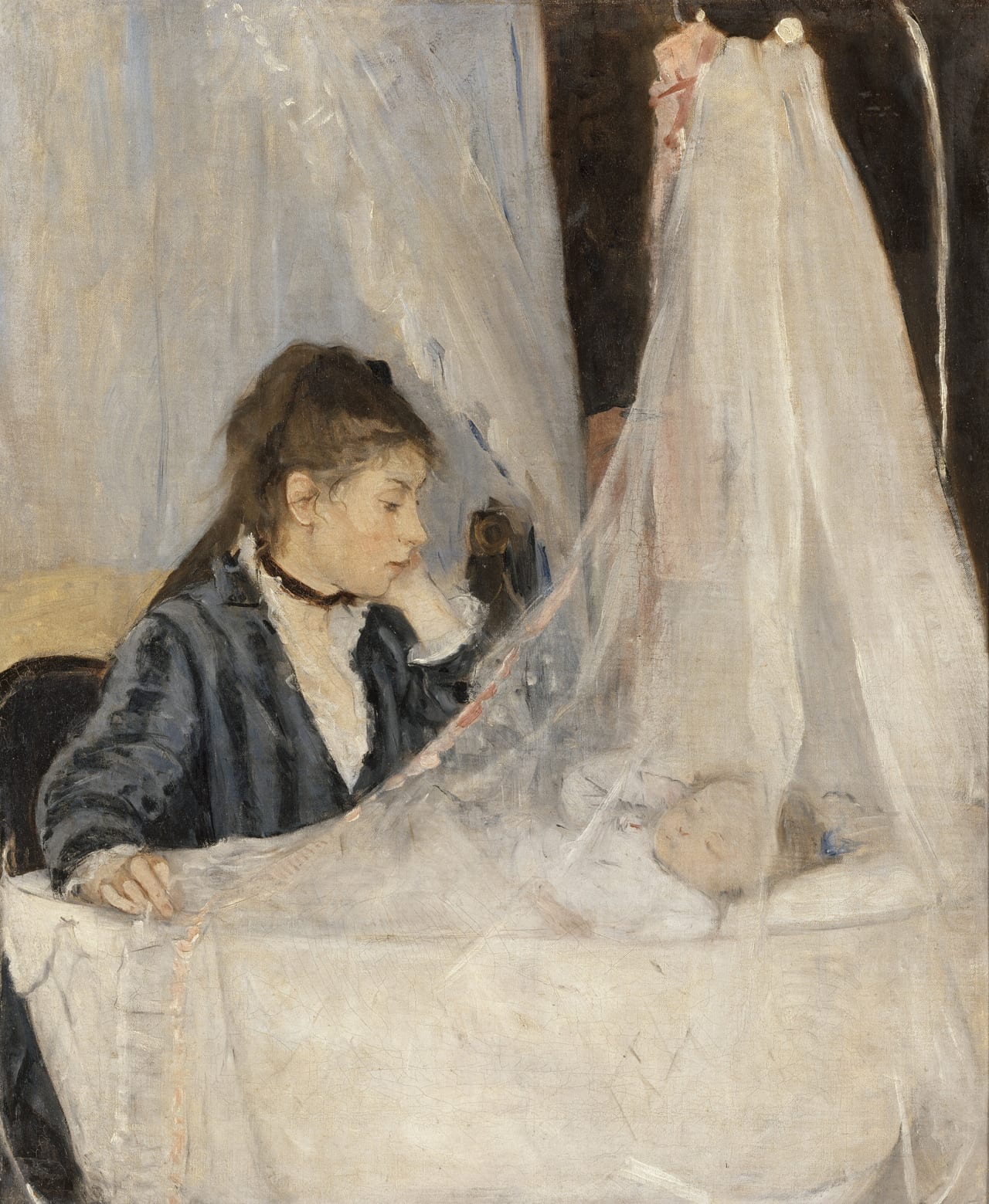
The Cradle is an oil on canvas painting by the French Impressionist painter Berthe Morisot, executed in 1872. It is on display at the Musée d'Orsay in Paris. Morisot painted her sister Edma Portillon, who is watching over her sleeping daughter Blanche.
The Psyche mirror
Berthe Morisot · 1876
Thyssen-Bornemisza Museum
The Psyche Mirror, original French title La Psyché, is an oil-on-canvas painting by the French artist Berthe Morisot, created in 1876. The painting links the theme of a woman making her toilet with the mythical motif of Psyche. The work is held in the Thyssen-Bornemisza Museum, in Madrid.
How Berthe Morisot worked
From the record of their own practice.
In 1890, Morisot wrote in a notebook about her struggles to be taken seriously as an artist: "I don't think there has ever been a man who treated a woman as an equal and that's all I would have asked for, for I know I'm worth as much as they." Her light brush-strokes often led to critics using the verb "effleurer" (to touch lightly, brush against) to describe her technique. In her early life, Morisot painted in the open air, as did other Impressionists, to look for truths in observation. Around 1880 she began painting on unprimed canvases, a technique Manet and Eva Gonzalès also experimented with at the time, and her brush-work became looser. In 1888–1889, her brush-strokes transitioned from short, rapid strokes to long, sinuous ones that define form.
Where the work hangs
The museums that hold it, and their visitor guides.
If you like Berthe Morisot
Artists held by the same museums.
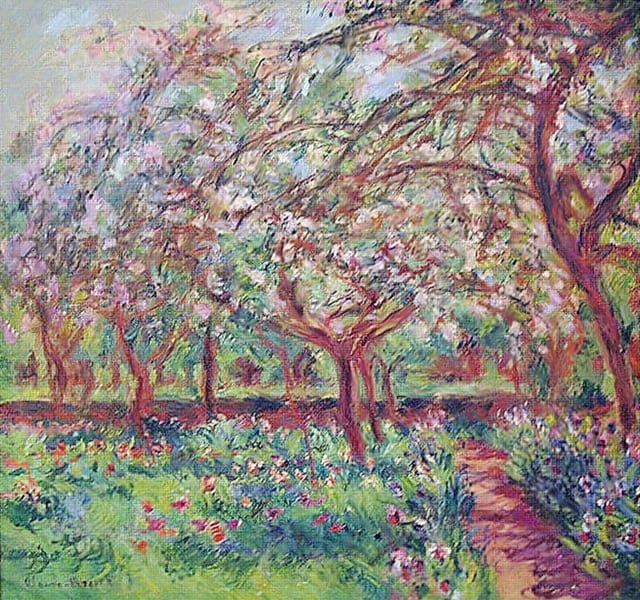
Claude Monet
France · 18 in the archive
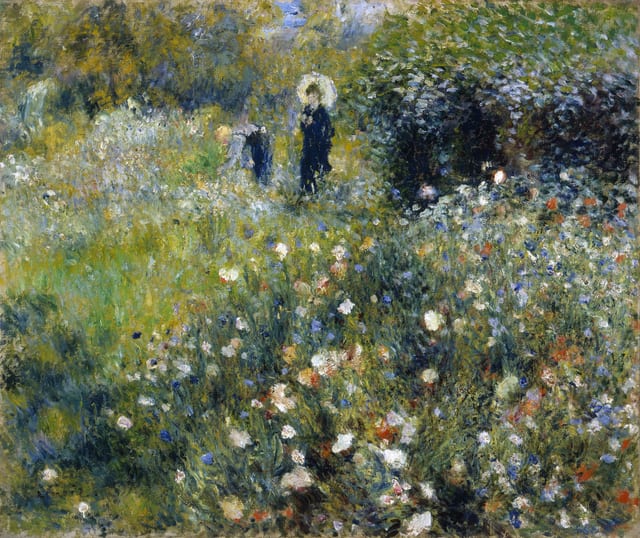
Auguste Renoir
France · 16 in the archive
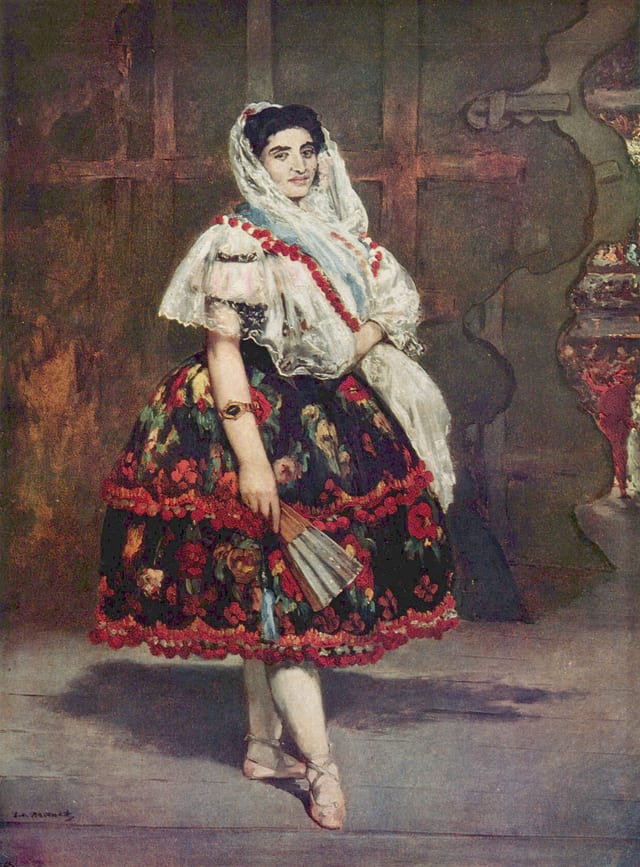
Edouard Manet
French · 13 in the archive
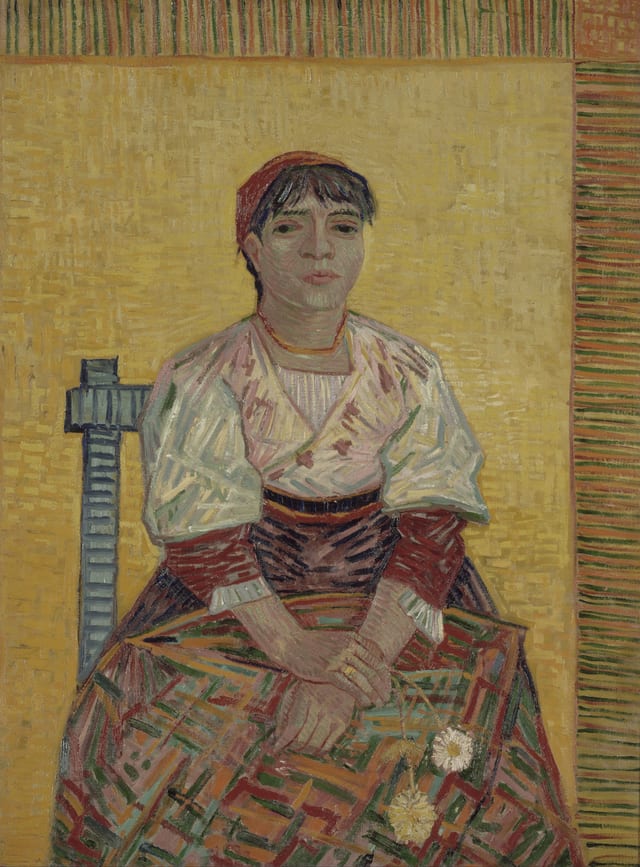
Vincent van Gogh
Dutch · 13 in the archive
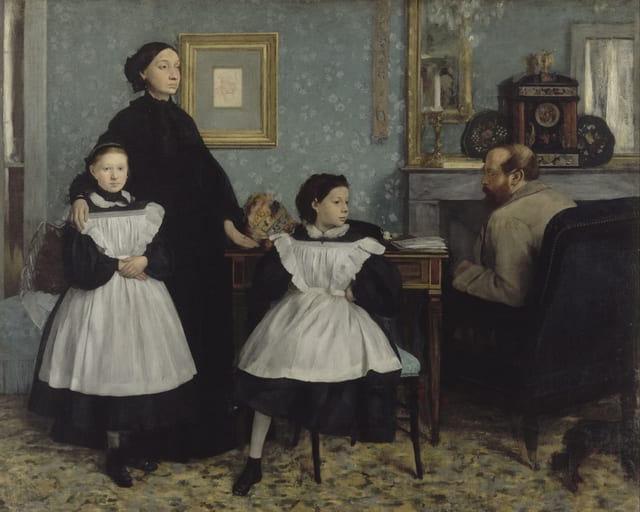
Edgar Degas
French · 10 in the archive
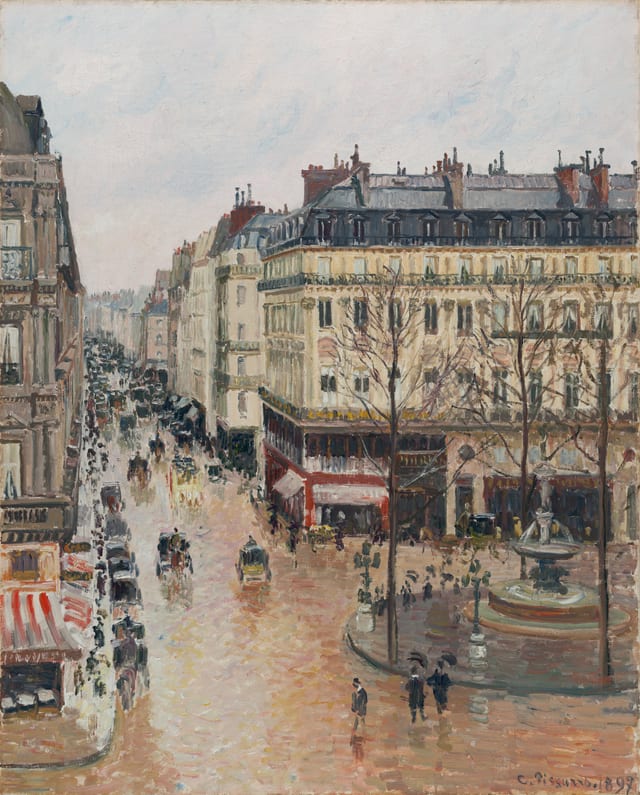
Camille Pissarro
France · 9 in the archive
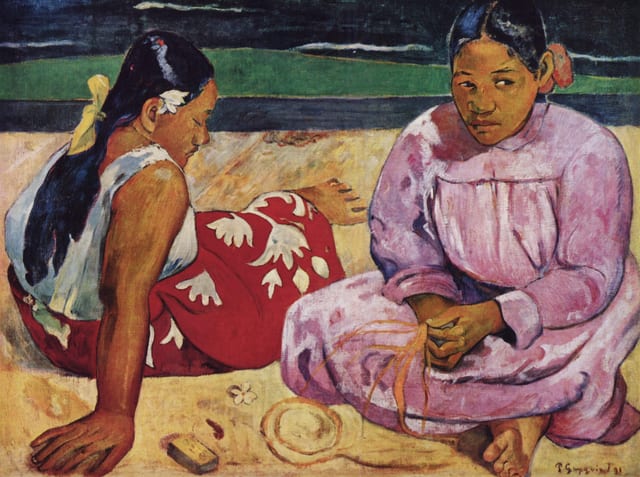
Paul Gauguin
French · 9 in the archive
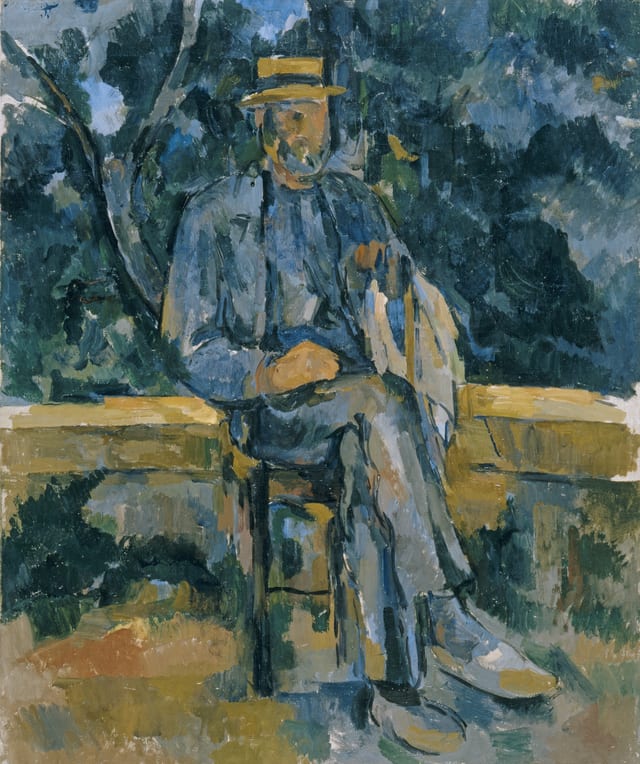
Paul Cézanne
French · 8 in the archive
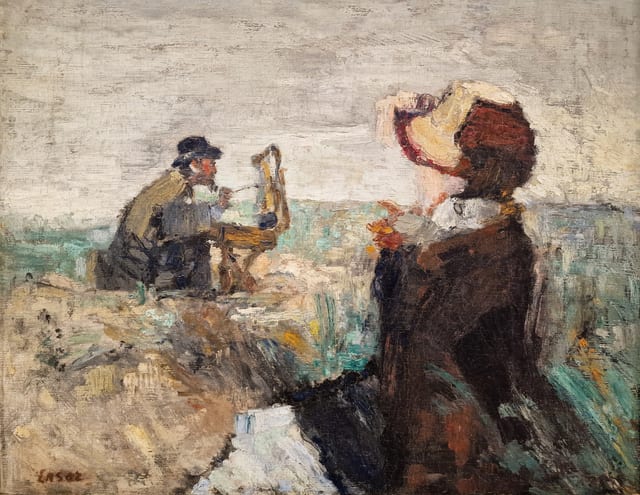
James Ensor
Belgium · 7 in the archive
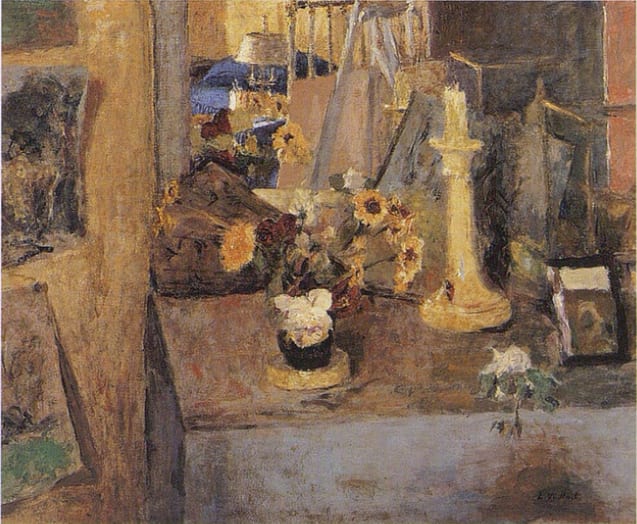
Edouard Vuillard
French · 6 in the archive

Frederic Edwin Church
American · 6 in the archive
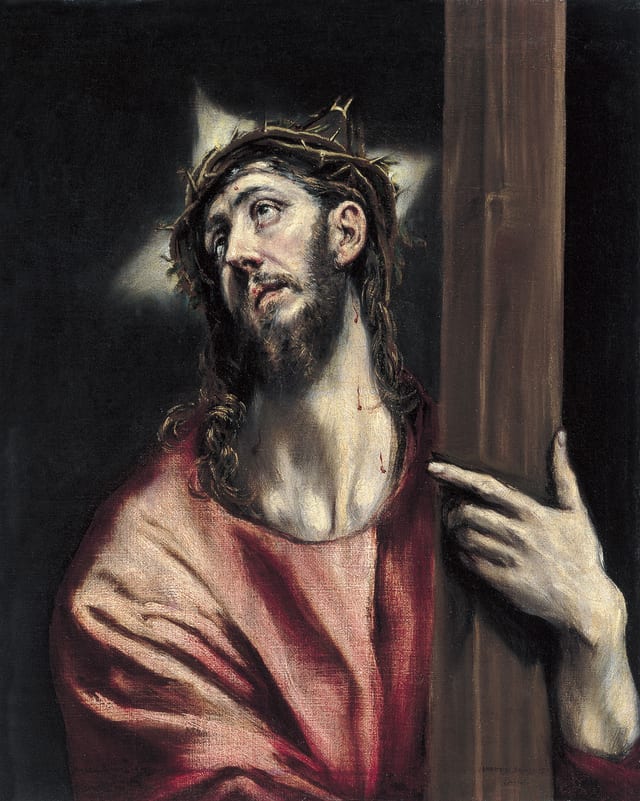
El Greco
Greek · 5 in the archive
Invite the masters into your living room.
Berthe Morisot on your TV, phone, or tablet. Free to start.
View on MomentableIndependent guide by Momentable · biography from Wikipedia · artworks are in the public domain and credited to the museum that holds them